Timing Changed Everything.
Across history, battles, expeditions, disasters, and revolutions have turned on a rider, army, ship, flight, or message reaching the scene later than expected. These 26 episodes show how a lost day, a missed hour, or a few late minutes could redirect what happened next.
The Spartans Missed Marathon
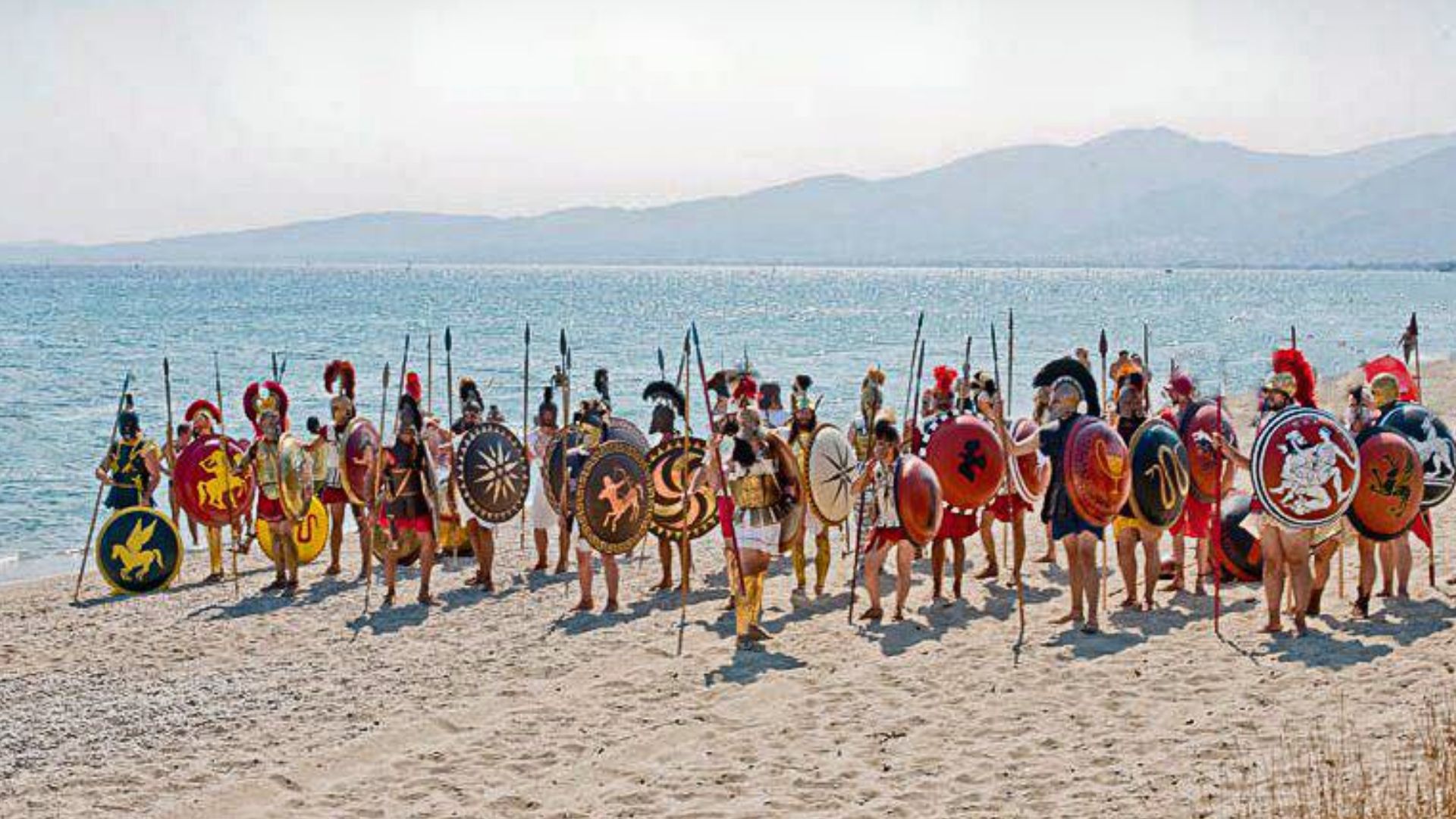
In 490 BCE, Athens asked Sparta for immediate help against a Persian invasion. Sparta delayed mobilization because the Carneia religious festival was underway, and according to Herodotus its troops reached Marathon only after the battle. The Athenians and Plataeans had already won without them, giving Athens the glory from one of Greece’s defining victories. This first case shows that arriving late can change who owns a triumph, even when it does not change the winner.
Valens Refused To Wait For Gratian
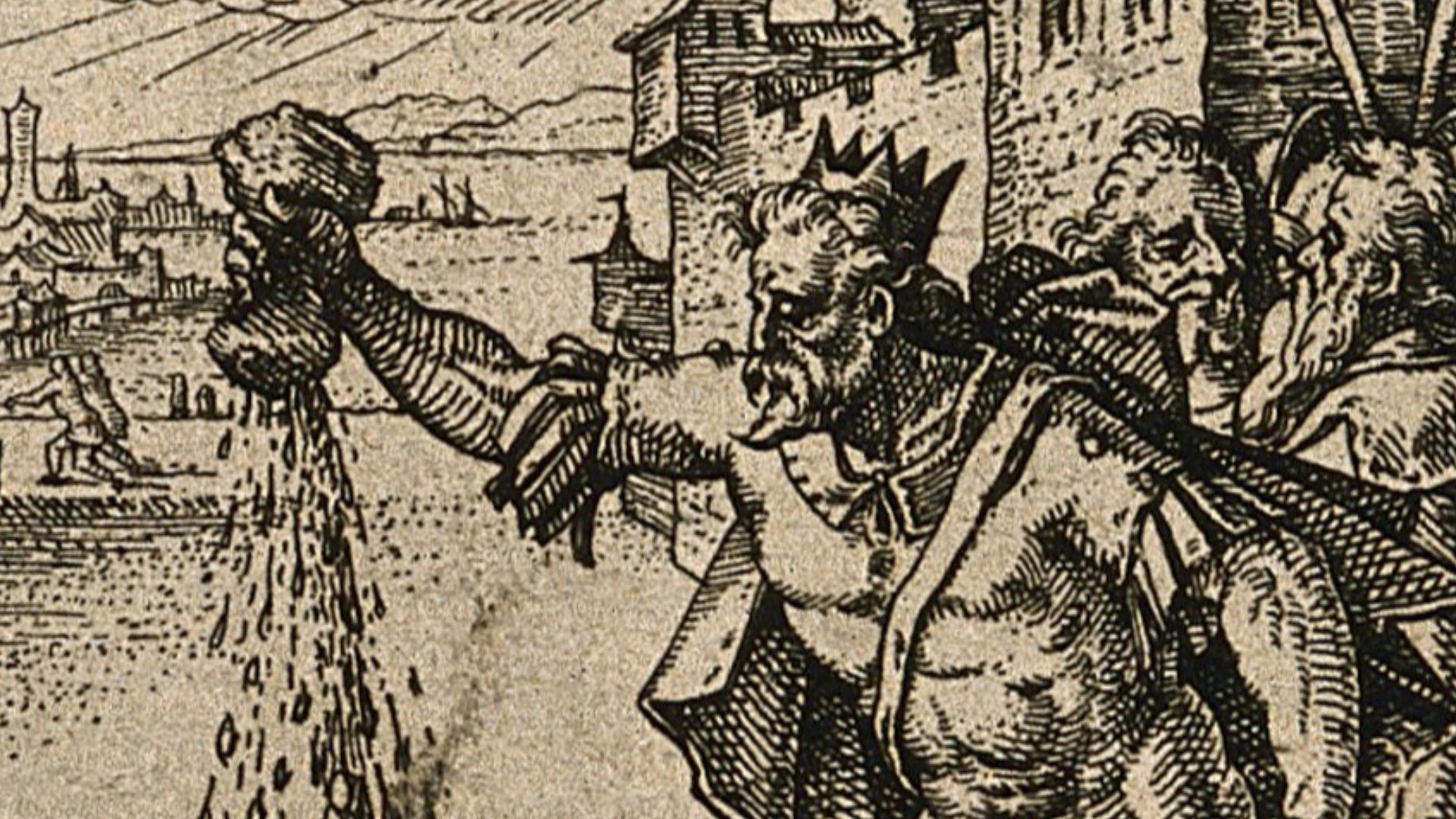
Nearly nine centuries later, Roman emperor Valens faced a Gothic army near Adrianople in 378 CE. Rather than wait for his nephew Gratian’s western reinforcements, Valens attacked using unreliable estimates of the enemy’s strength. The Romans suffered a catastrophic defeat, Valens was killed, and a large part of his army was destroyed. Gratian’s late arrival mattered because Valens made the fateful choice to fight before the help he knew was coming.
A Bad Wind Helped William Conquer England
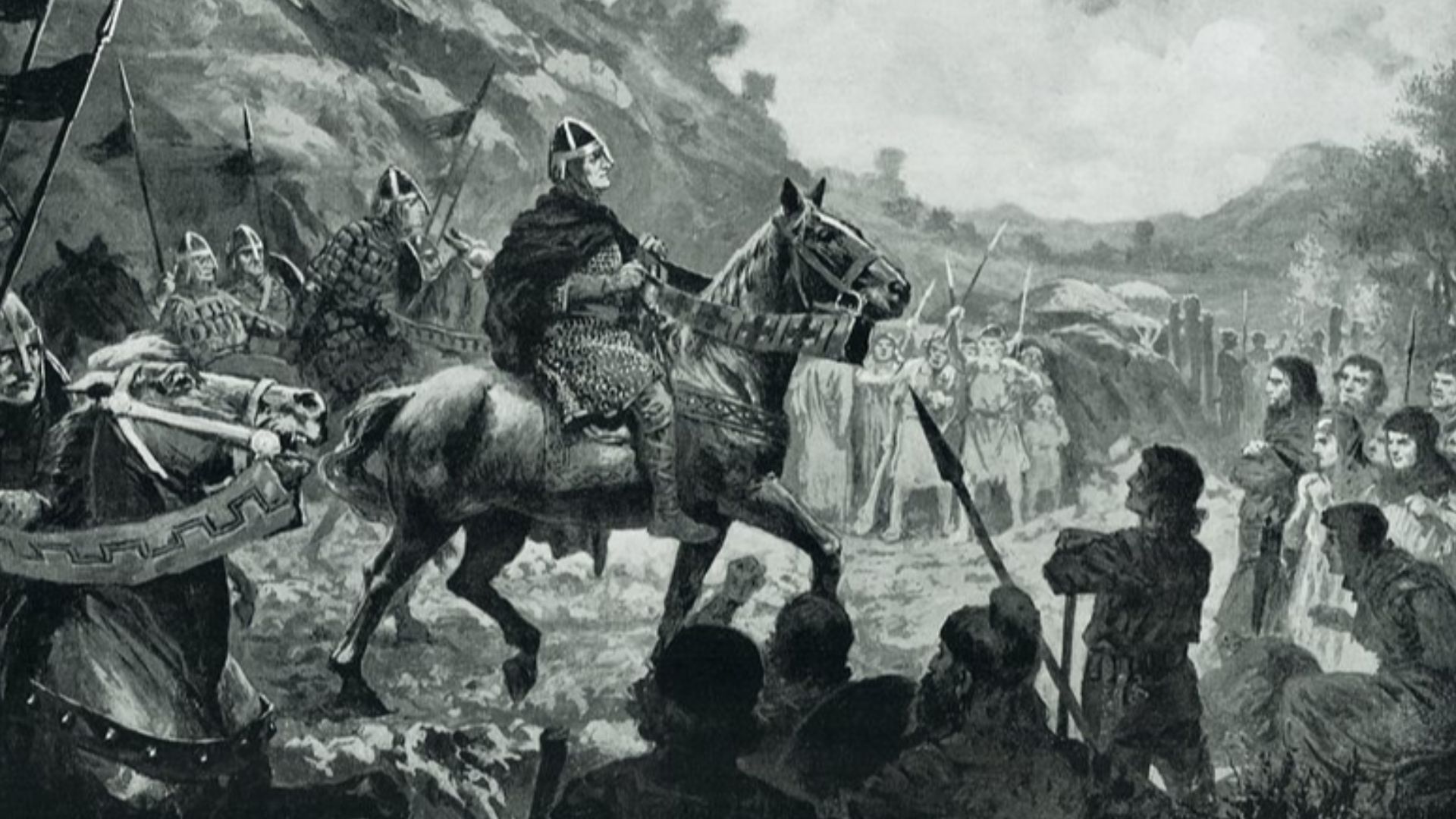
Weather then rearranged the timing of England’s most famous succession crisis. Contrary winds held William of Normandy’s fleet back for about 15 days, and he did not land at Pevensey until September 28, 1066. By then, King Harold had marched north, defeated Harald Hardrada at Stamford Bridge, and begun a forced return south. William’s delay gave Harold time to eliminate one rival, but it also meant the English met the Normans after two punishing marches and another major battle.
 John Harris Valda, Wikimedia Commons
John White Returned To An Empty Colony
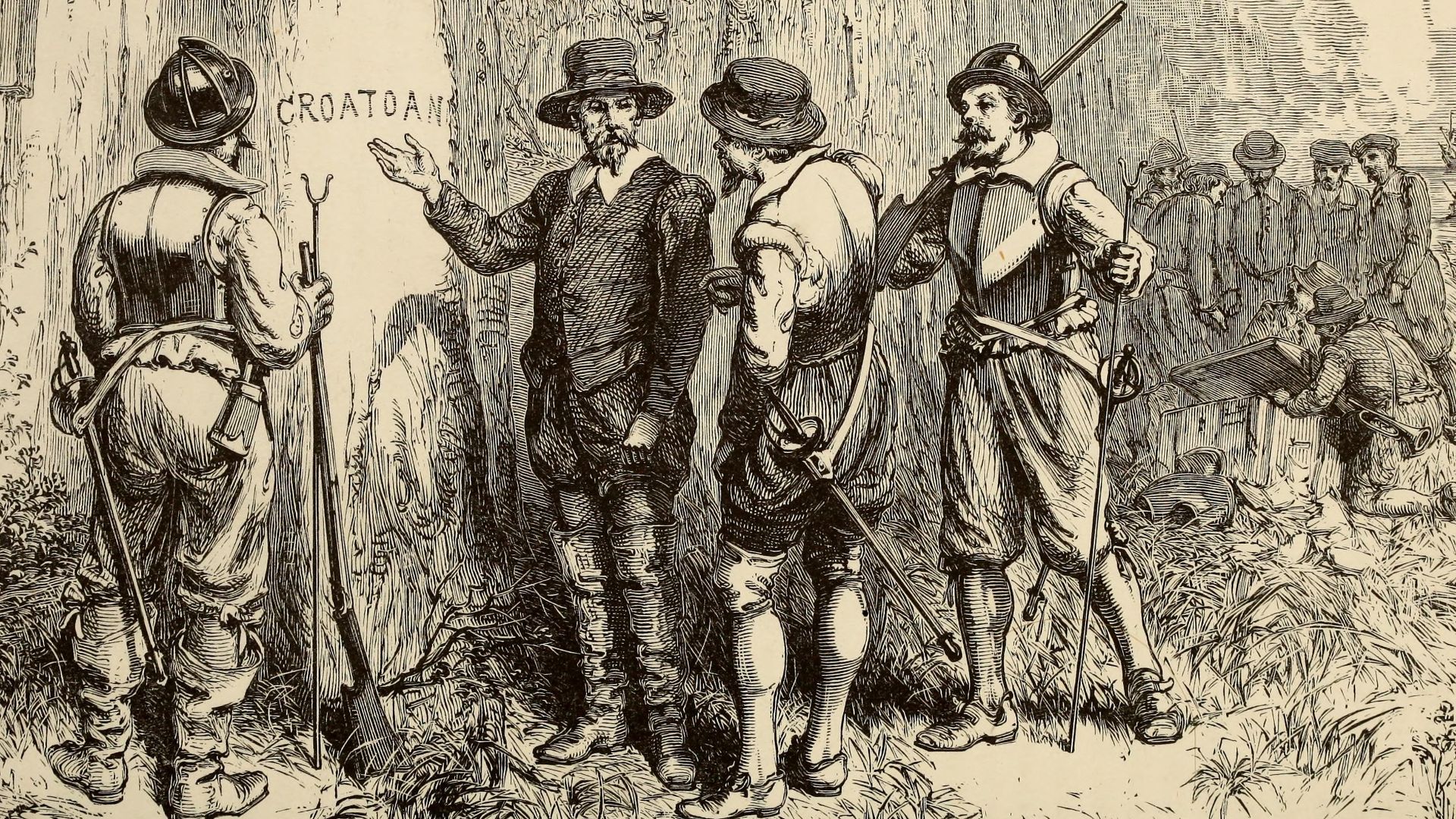
In 1587, Governor John White left the Roanoke colony for England to obtain supplies and expected to return the next year. The Spanish Armada crisis kept English vessels home, while later financial problems delayed his voyage until 1590. White found no colonists, only the inscriptions “CRO” and “CROATOAN,” and a storm stopped him from investigating Croatoan Island. His late return transformed a struggling settlement into the enduring mystery of the Lost Colony.
 Design by William Ludwell Sheppard, Engraving by William James Linton, Wikimedia Commons
Jamestown Was Abandoned For One Morning
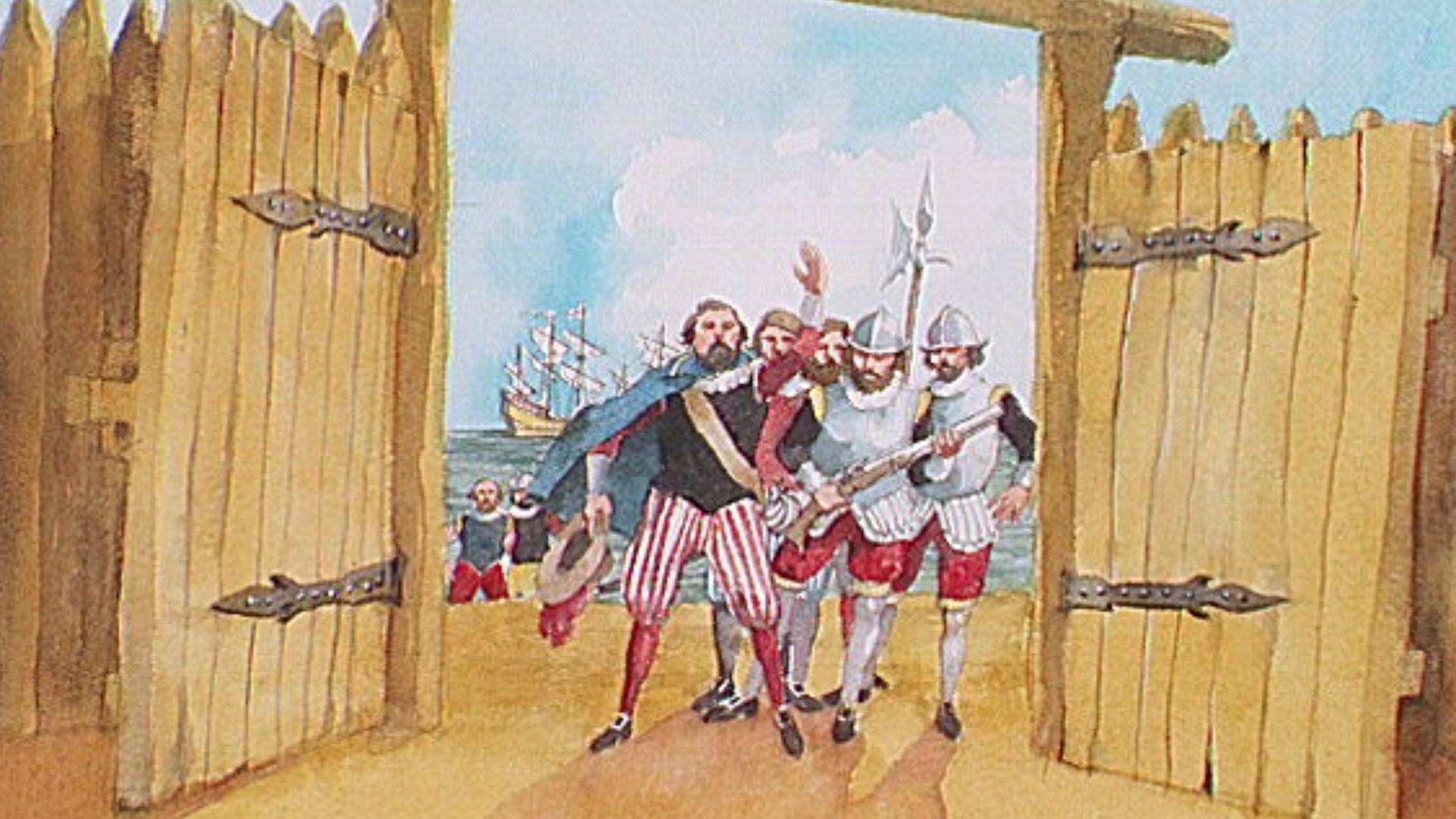
Roanoke vanished before help returned, but Jamestown received its rescue at the last possible moment. After the Starving Time, only about 60 colonists remained, and Thomas Gates ordered them to abandon the settlement on June 7, 1610. Their departing vessels soon encountered the arriving ship of the new governor, Lord De La Warr, who ordered the colonists back. His timing reversed the evacuation, although Jamestown’s longer-term survival still required years of struggle.
 John Heinly, Wikimedia Commons
Sobieski Reached Vienna At The Breaking Point
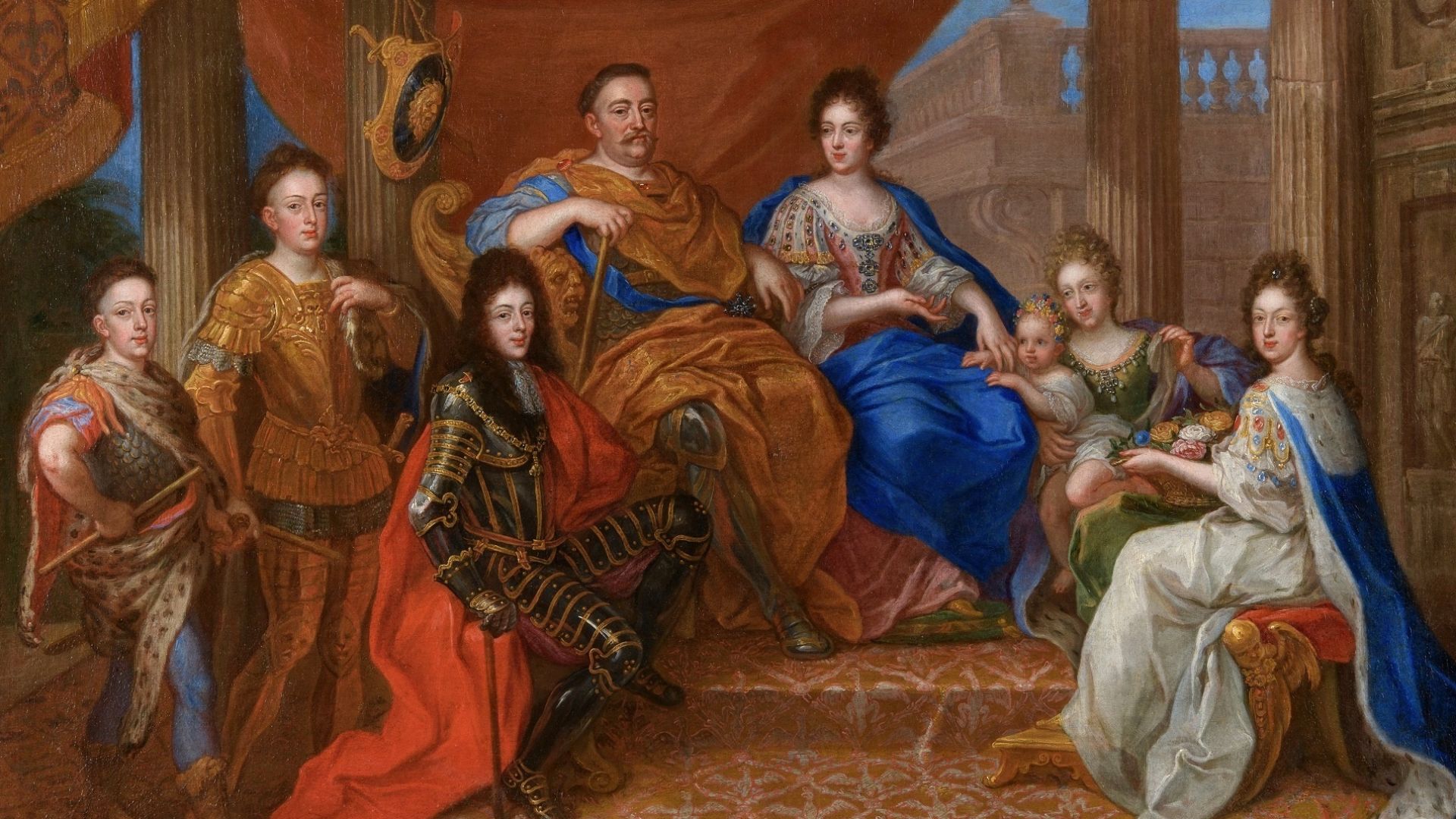
Next, a relief force arrived after Vienna had endured an Ottoman siege through the summer of 1683. Polish king John III Sobieski joined imperial and German troops in a combined army of approximately 80,000. On September 12, the relief army attacked from the Kahlenberg heights, defeated the Ottoman forces, and lifted the siege. Vienna’s fate changed not because its defenders escaped, but because outside help finally reached them.
 unknown painter from the circle of the court of Jan III, Wikimedia Commons
Caesar Rodney Rode Into A Deadlocked Vote
In July 1776, Delaware’s delegation was split over independence while Caesar Rodney was roughly 80 miles away. Summoned near midnight on July 1, he rode to Philadelphia and arrived in time for the crucial July 2 vote. Rodney broke his state’s deadlock, placing Delaware among the colonies supporting independence. After armies and sieges, one exhausted rider showed that lateness could also shape history inside a meeting room.
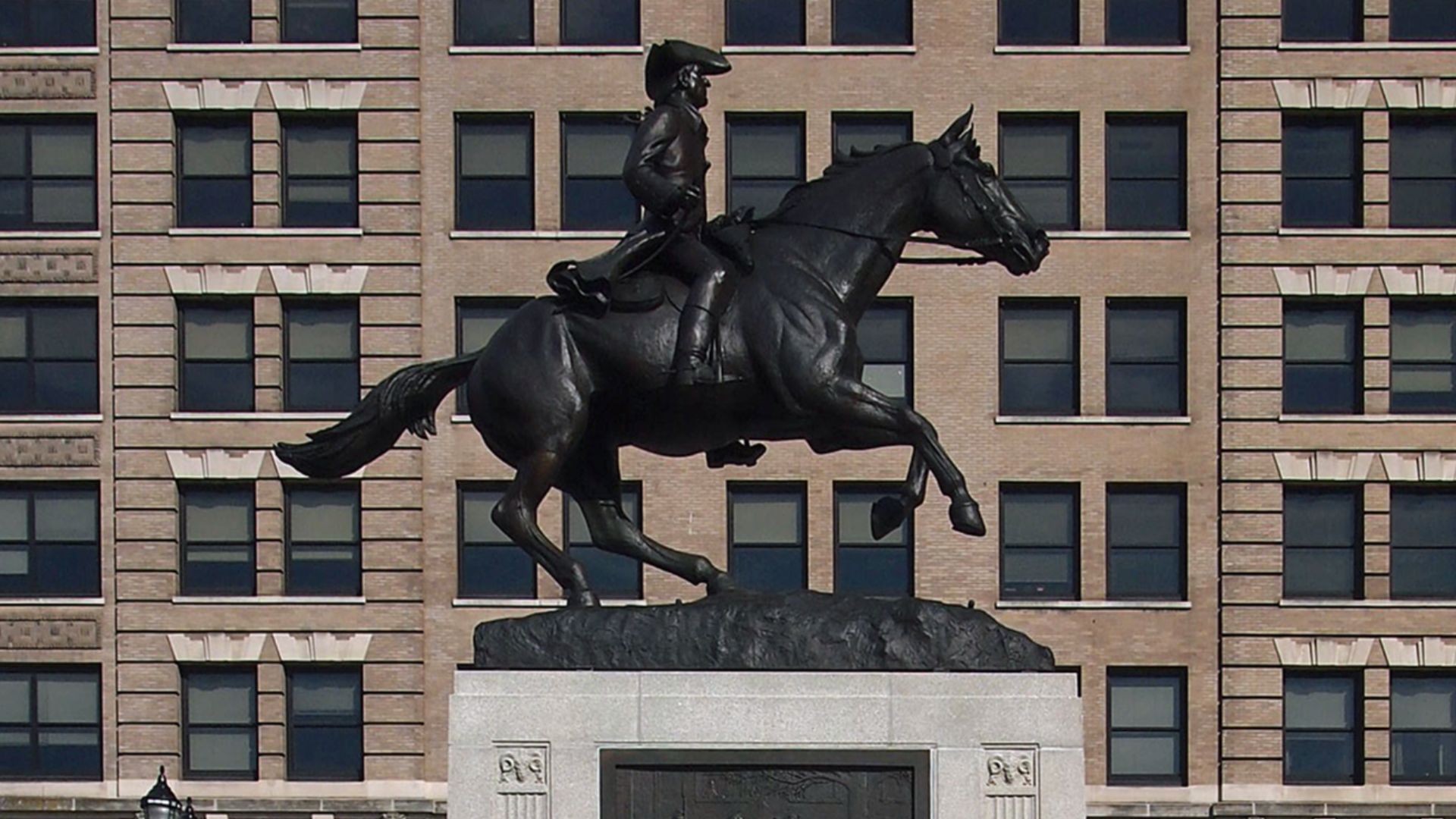
Desaix Arrived As Napoleon Was Losing
Napoleon’s army appeared beaten at Marengo on June 14, 1800. General Louis Desaix and Jean Boudet’s division returned to the field at about 5 p.m., just as the French retreat was becoming difficult to stop. Their arrival helped launch the counterattack that threw the Austrians into disorder, although Desaix was killed during the action. A battle Napoleon nearly lost became a major French victory within the final hours.
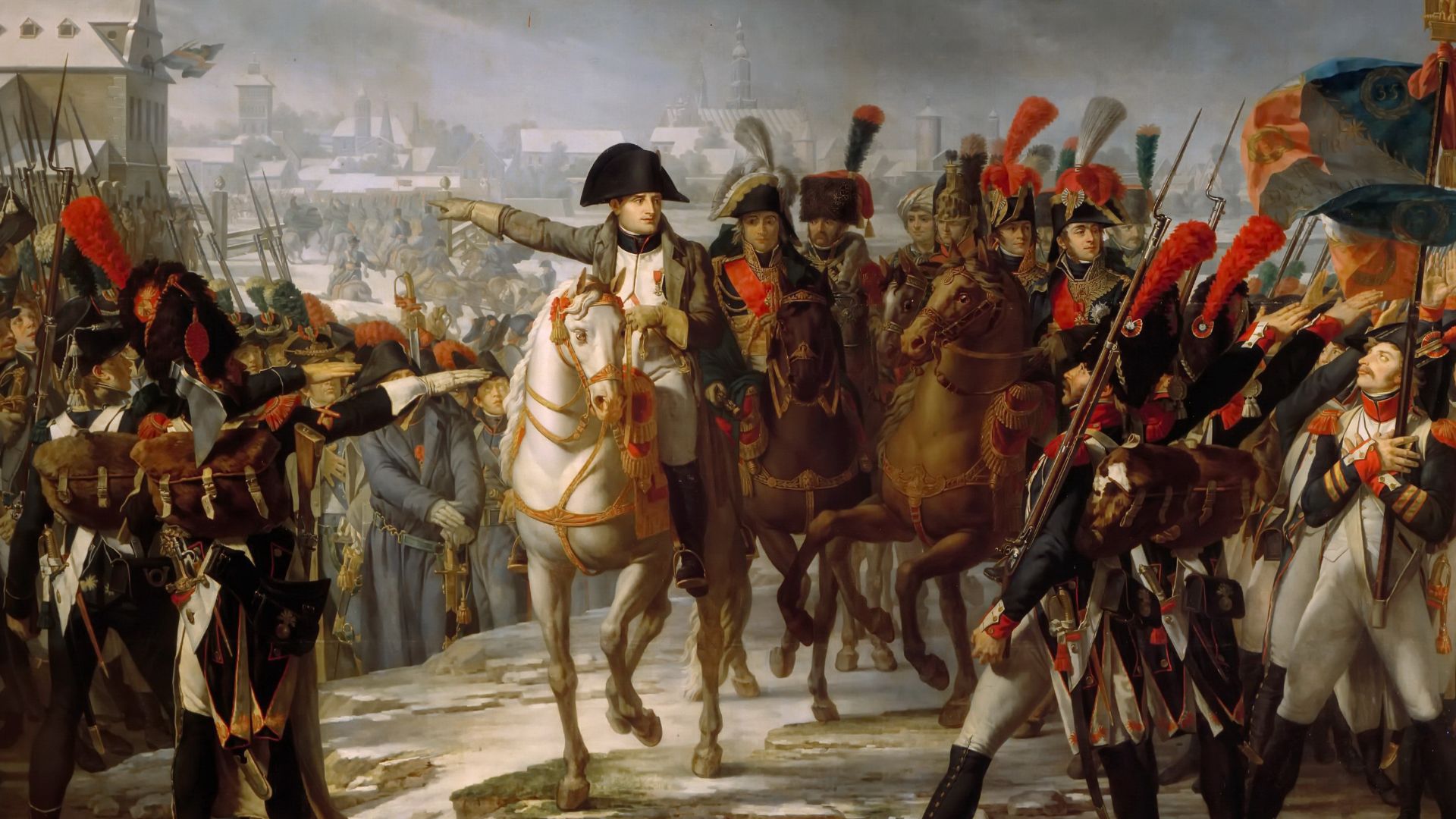 Pierre-Claude Gautherot, Wikimedia Commons
Peace News Missed The Battle Of New Orleans
Communication moved far more slowly than armies during the War of 1812. British and American representatives signed the Treaty of Ghent on December 24, 1814, but the news took six weeks to reach the United States, so neither side at New Orleans knew about it on January 8. Andrew Jackson’s force won a celebrated victory, yet the treaty did not legally end the war until ratification in February. The triumph produced a powerful psychological boost, although the familiar claim that the soldiers fought after the war had already ended is technically wrong.
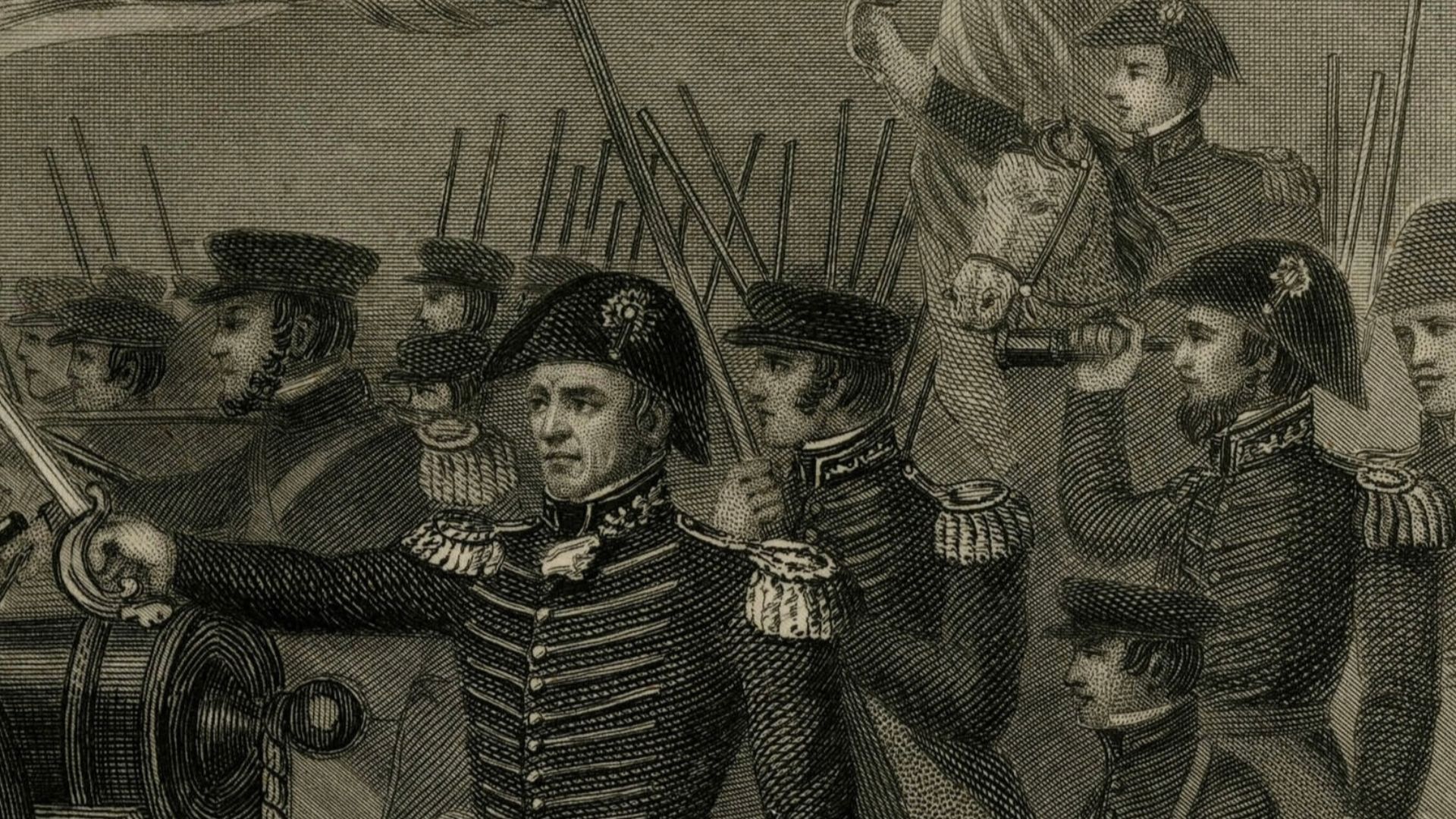 William Momberger, Wikimedia Commons
Blücher Reached Waterloo Before Wellington Broke
Six months later, Wellington chose to fight Napoleon at Waterloo because he expected Prussian support. Muddy roads and bottlenecks delayed Field Marshal Gebhard von Blücher’s army far beyond Wellington’s hoped-for timetable. Prussian forces began pressing Napoleon’s right by mid-afternoon, forcing him to divert troops as Wellington’s center came under growing strain. Their arrival completed Napoleon’s defeat and ended his final campaign.
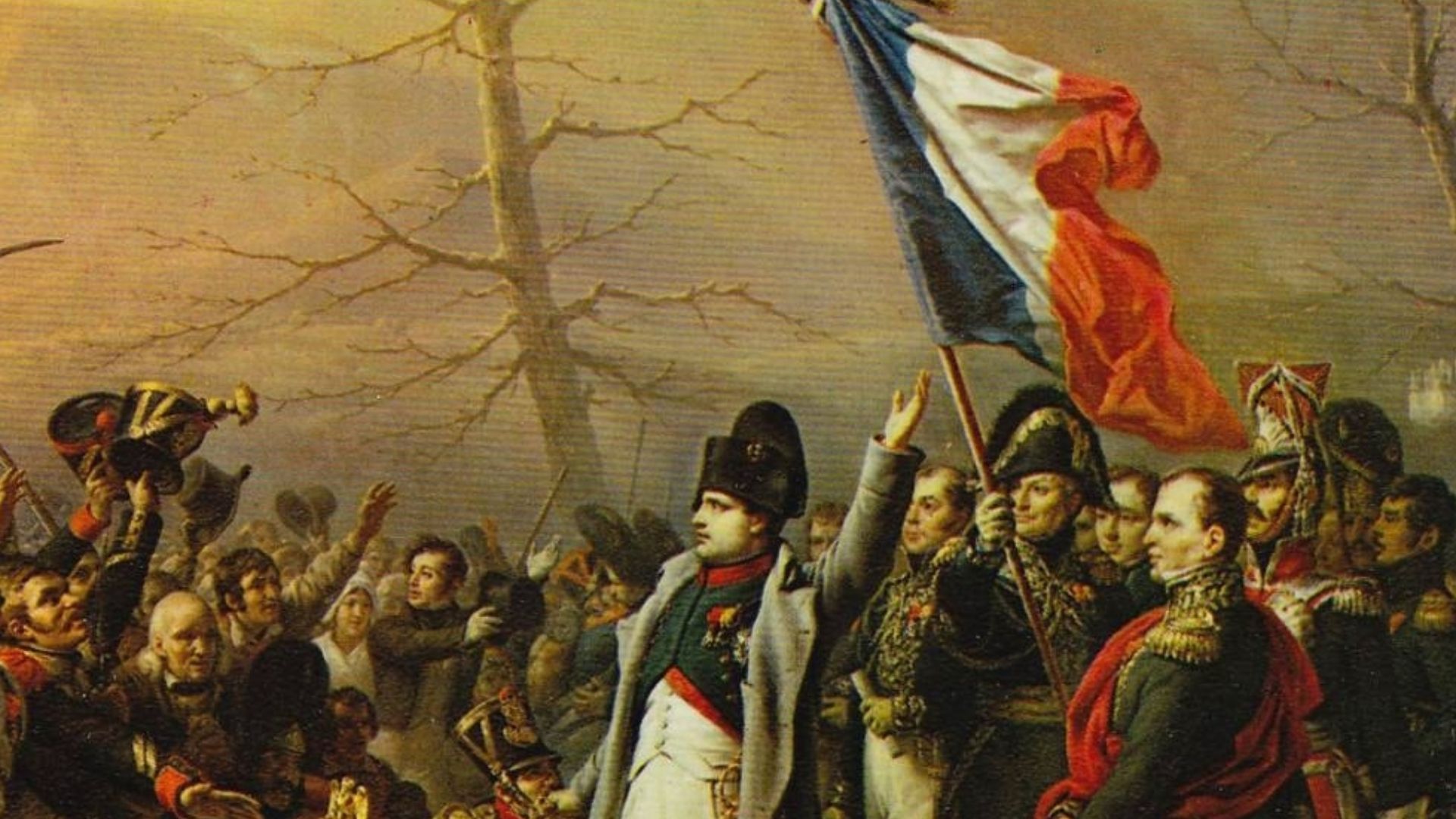 Charles de Steuben, Wikimedia Commons
The Donner Party Reached The Mountains Too Late
Late arrival could be fatal without any enemy in sight. The Donner-Reed Party left the Midwest relatively late in 1846, then lost additional time while following the Hastings Cutoff. It reached the Sierra Nevada as early-November blizzards closed the route, trapping the emigrants near present-day Truckee for months. The group was not simply lost, as the National Park Service explains, but disastrously late for the mountain crossing.
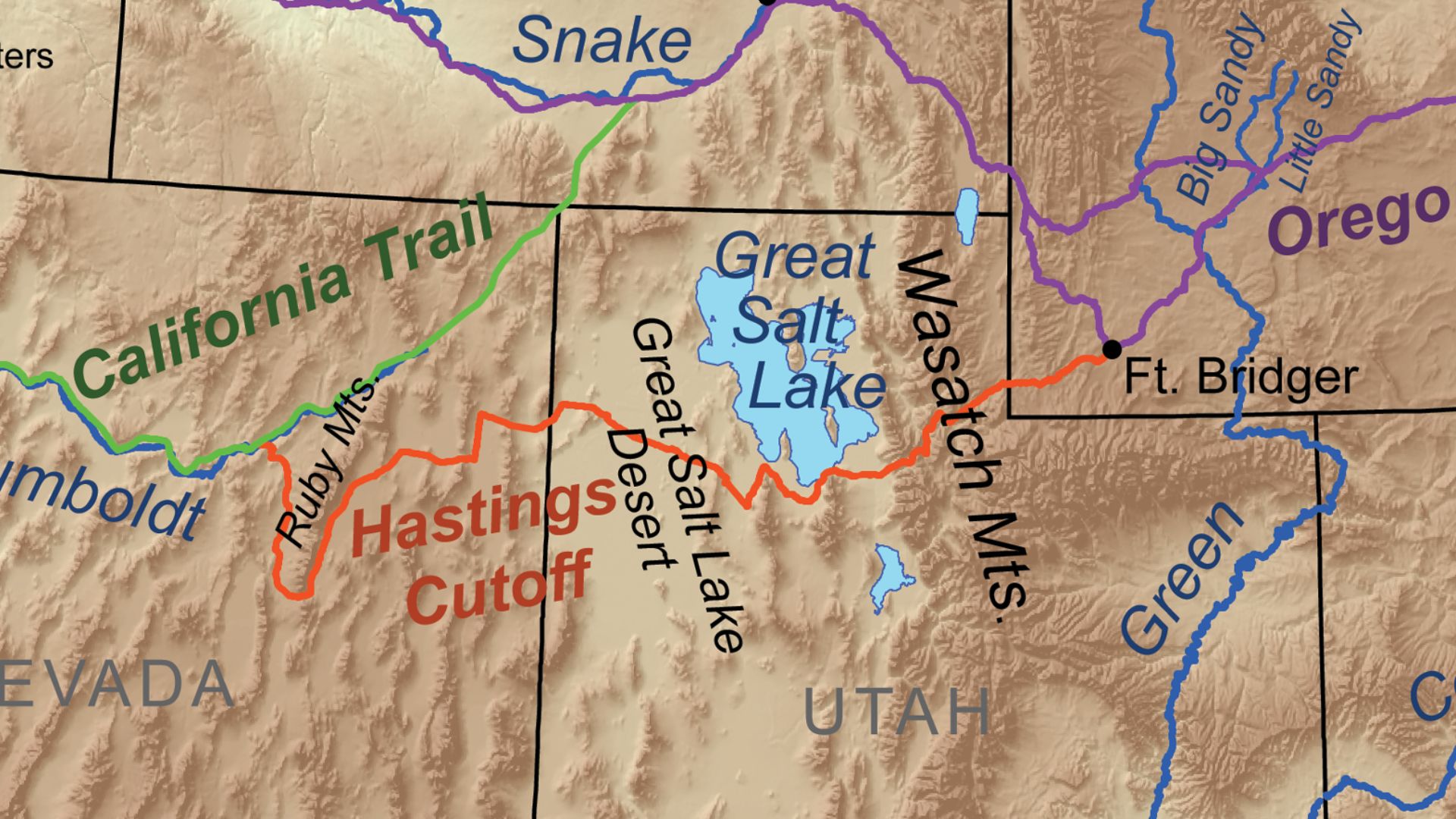 Kmusser (talk · contribs), Wikimedia Commons
Burke And Wills Missed Rescue By Nine Hours
Another expedition turned on an even narrower miss. On April 21, 1861, William Brahe’s depot party left Cooper Creek after waiting four months for Robert O’Hara Burke’s returning explorers. Burke, William Wills, and John King reached the Dig Tree about nine hours later, found cached supplies, and then made a series of damaging communication and route decisions. Burke and Wills died, while King survived with help from the Yandruwandha people, making the nine-hour gap only the first of several fatal errors.
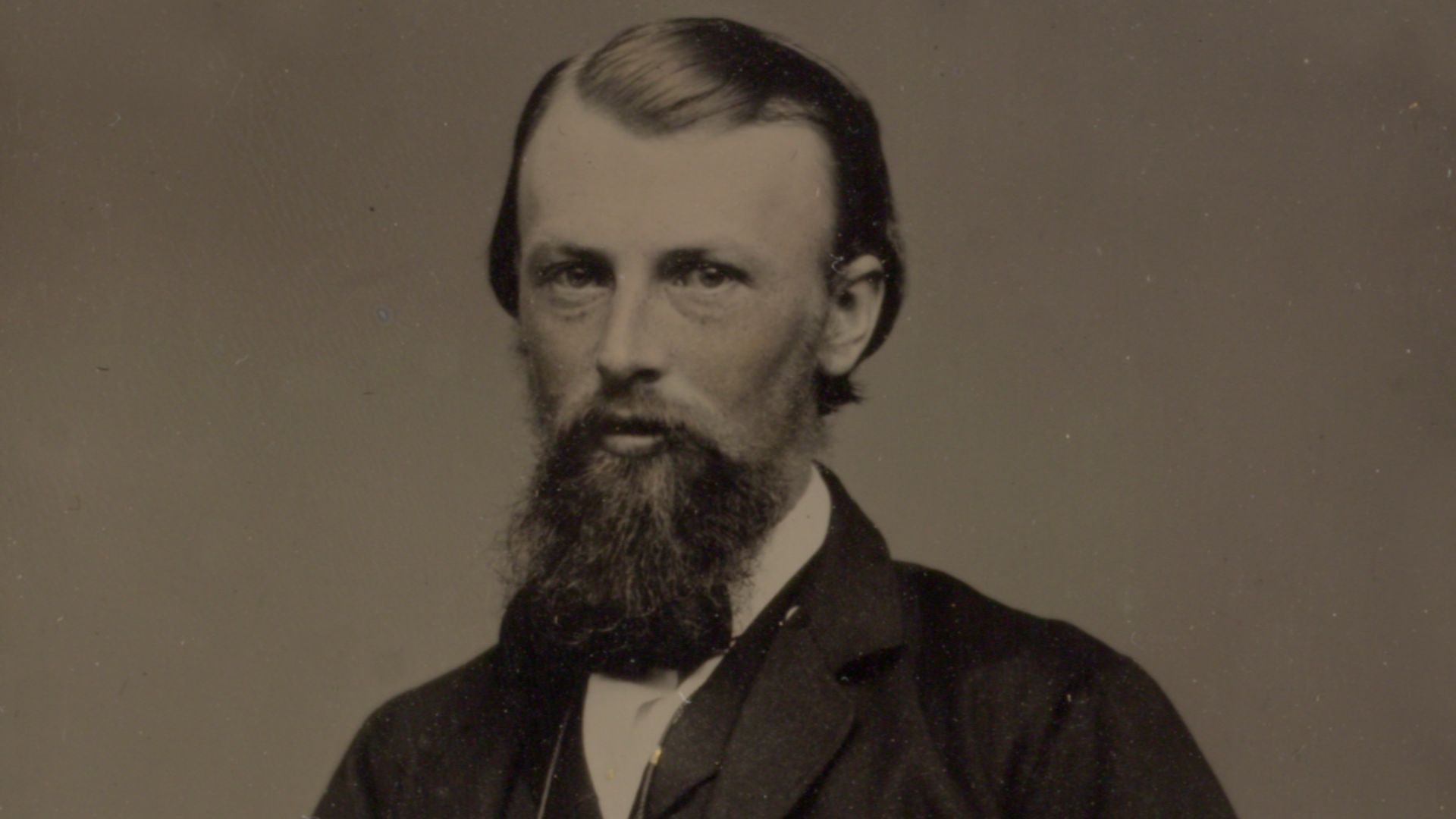 Thomas Hill originally uploaded by users Diceman, Rocketfrog on en.wikipedia, Wikimedia Commons
A.P. Hill Marched Into Antietam At The Last Moment
During the Battle of Antietam in 1862, Ambrose Burnside’s Union troops finally pushed beyond the creek and threatened Robert E. Lee’s right flank. Confederate general A.P. Hill had been 17 miles away at Harpers Ferry processing prisoners. His division reached the field late in the afternoon and counterattacked, turning back Burnside’s advance. The end of Hill’s grueling march helped Lee avoid defeat in a battle that produced more than 23,000 casualties.
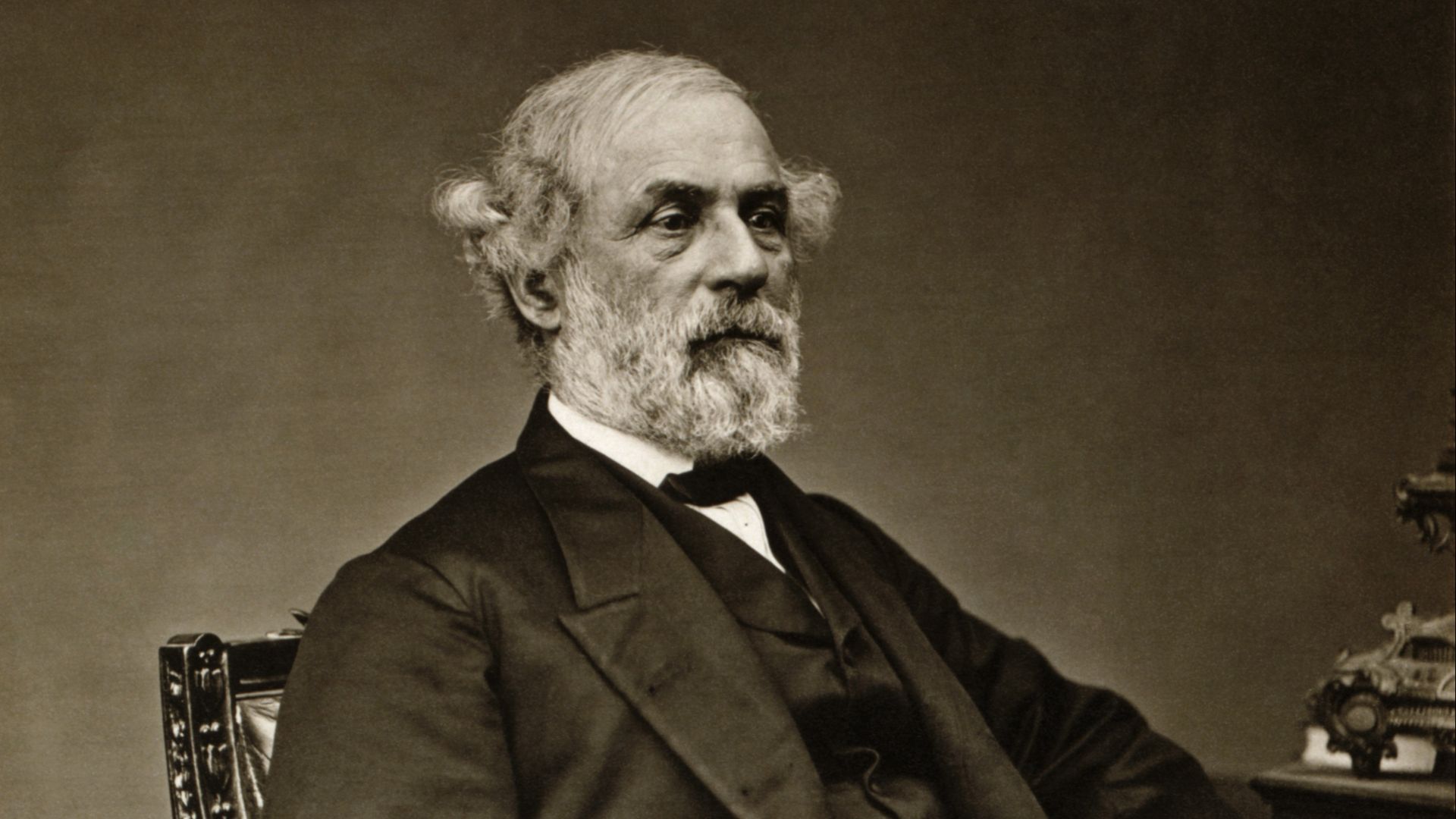 Levin Corbin Handy / Adam Cuerden, Wikimedia Commons
Buell Arrived After Shiloh’s First Bloody Day
At Shiloh that same spring, Ulysses S. Grant’s army survived a Confederate assault and formed a final defensive line near Pittsburg Landing. Don Carlos Buell’s troops began arriving by river on the evening of April 6, after Grant had already assembled approximately 20,000 infantry and 50 guns there. The fresh arrivals helped raise the combined Union force to roughly 40,000 by morning and strengthened the counteroffensive that drove the Confederates back. Buell did not single-handedly rescue Grant, but his late arrival changed the balance for the second day.
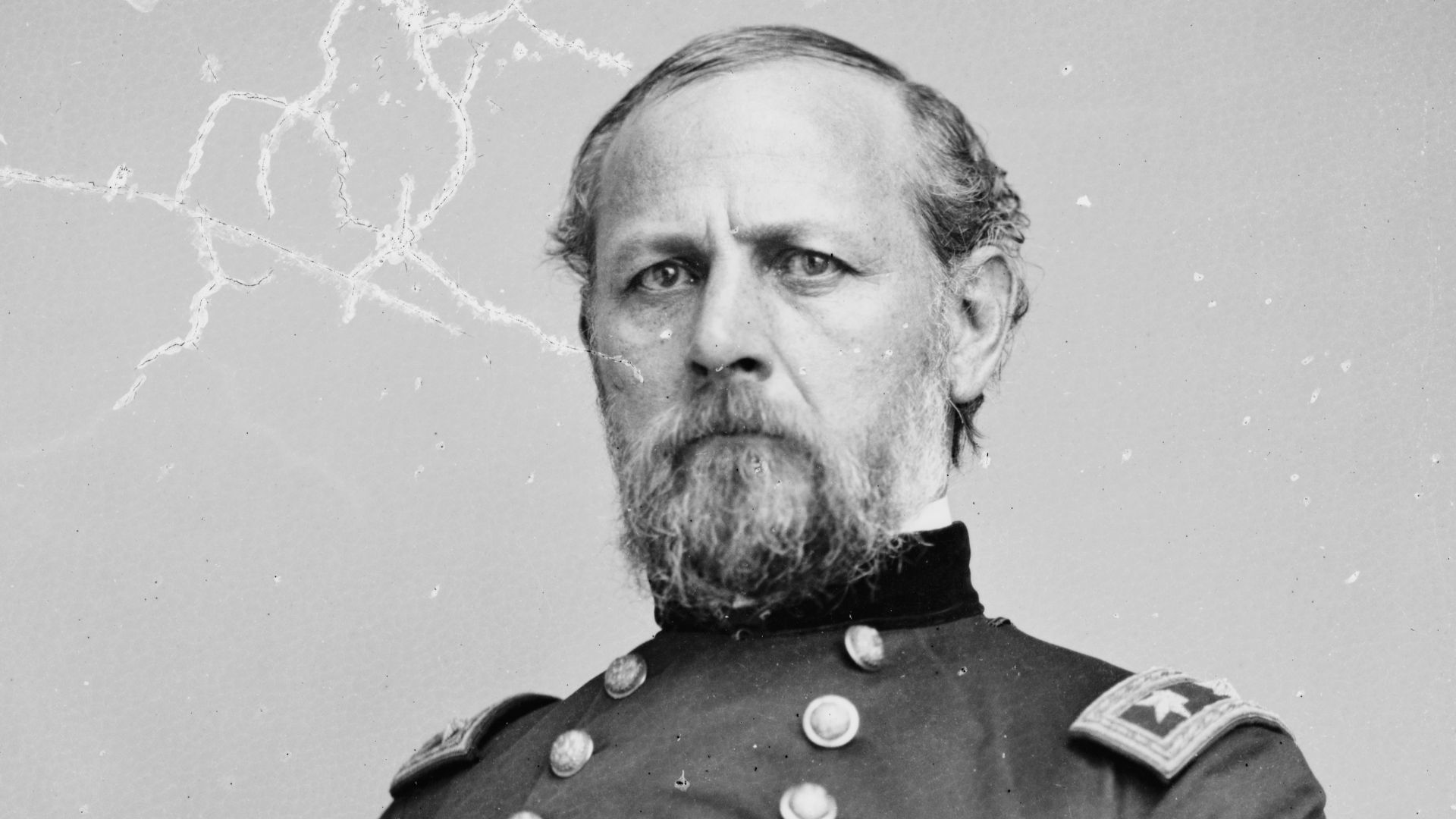 Unknown authorUnknown author, Wikimedia Commons
J.E.B. Stuart Reached Gettysburg Too Late
Gettysburg produced one of the Civil War’s most disputed late arrivals. J.E.B. Stuart’s cavalry lost contact with Robert E. Lee’s headquarters during the advance into Pennsylvania and did not rejoin the army until late on July 2, 1863. Lee had entered battle with limited intelligence about Union movements, but historians still debate how much blame belongs to Stuart because his orders were ambiguous and other cavalry remained available. His delay clearly mattered, yet treating it as the sole cause of Confederate defeat turns a complicated campaign into a convenient scapegoat story.
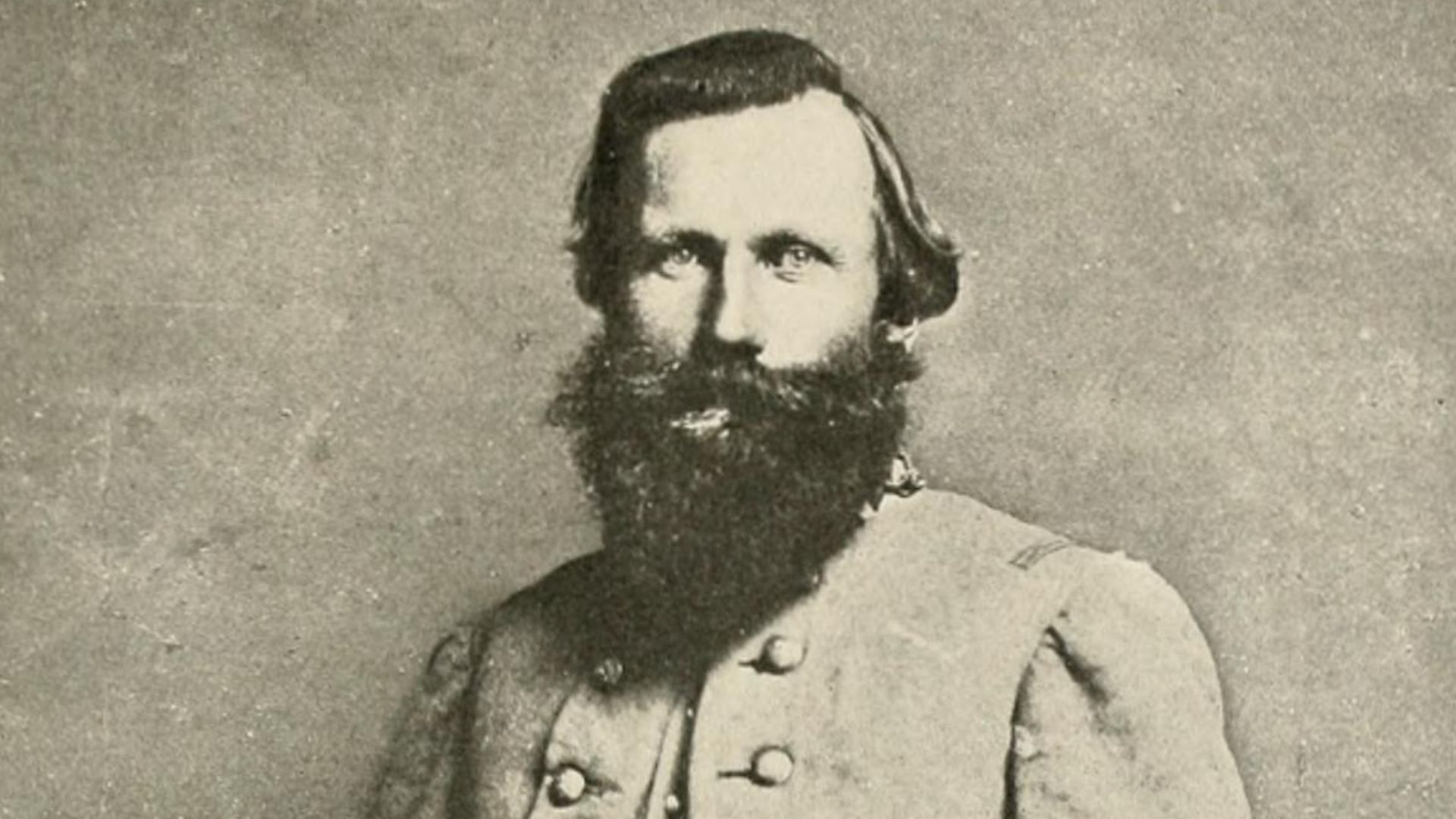 Internet Archive Book Images, Wikimedia Commons
Sheridan Rode Into A Retreat And Reversed It
At Cedar Creek in 1864, Philip Sheridan was in Winchester when Confederate forces surprised and routed parts of his army. He reached the battlefield at approximately 10:30 a.m. and began reorganizing the retreating troops. The Union army counterattacked at 4 p.m. and recovered the field, breaking Confederate power in the Shenandoah Valley. Sheridan arrived late enough to find a collapse underway, but early enough to turn it into victory.
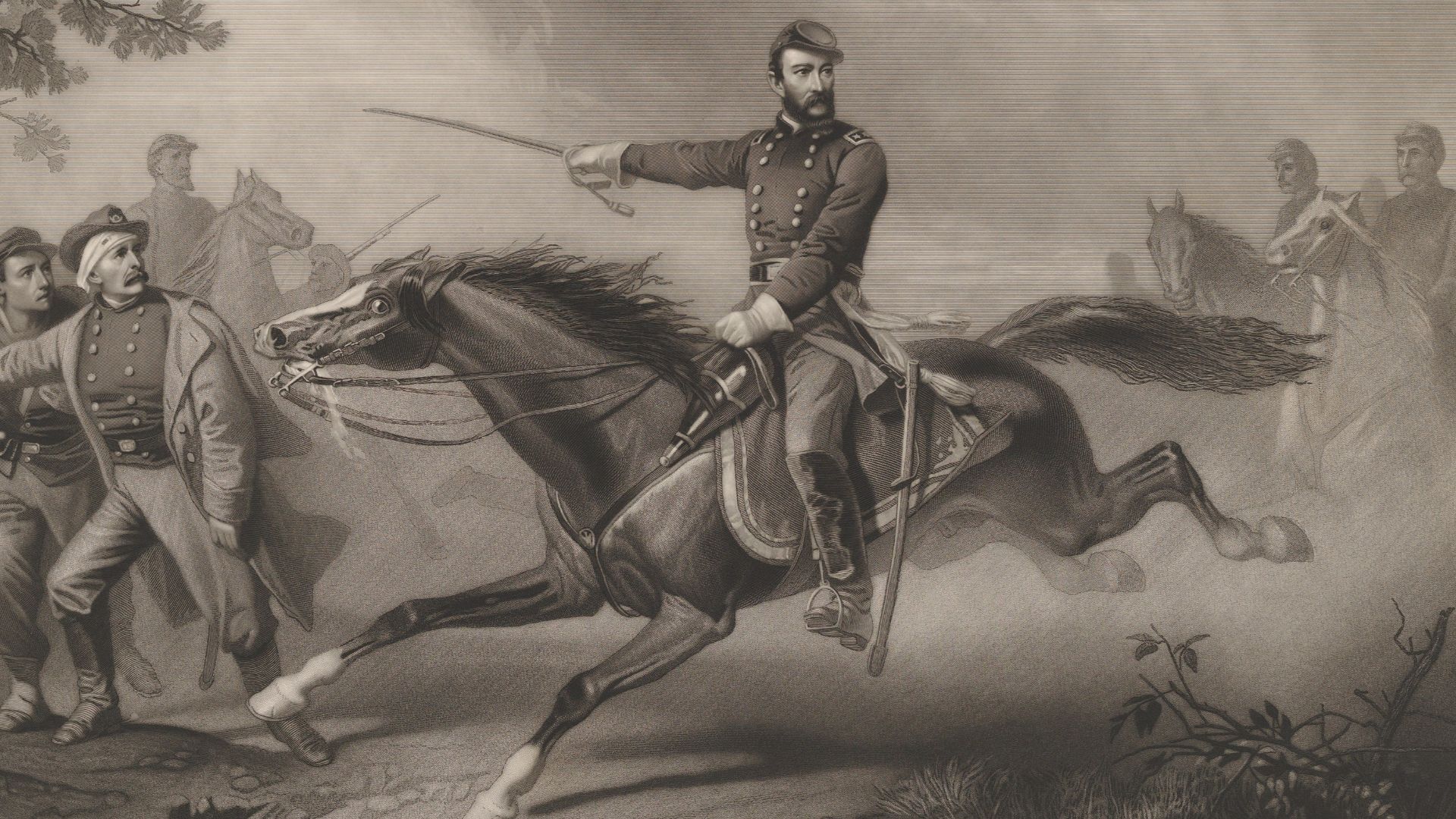 William Sartain / Christian Schussele, Wikimedia Commons
Lincoln’s Guard Was Three Hours Late
On April 14, 1865, Washington police officer John Parker was assigned to guard Abraham Lincoln at Ford’s Theatre. Parker arrived about three hours late for his shift, later left his post, and was absent when John Wilkes Booth entered the presidential box. Booth shot Lincoln, who died the following morning. No one can prove that Parker would have stopped the assassin, but his lateness and disappearance left the president without his assigned protection.
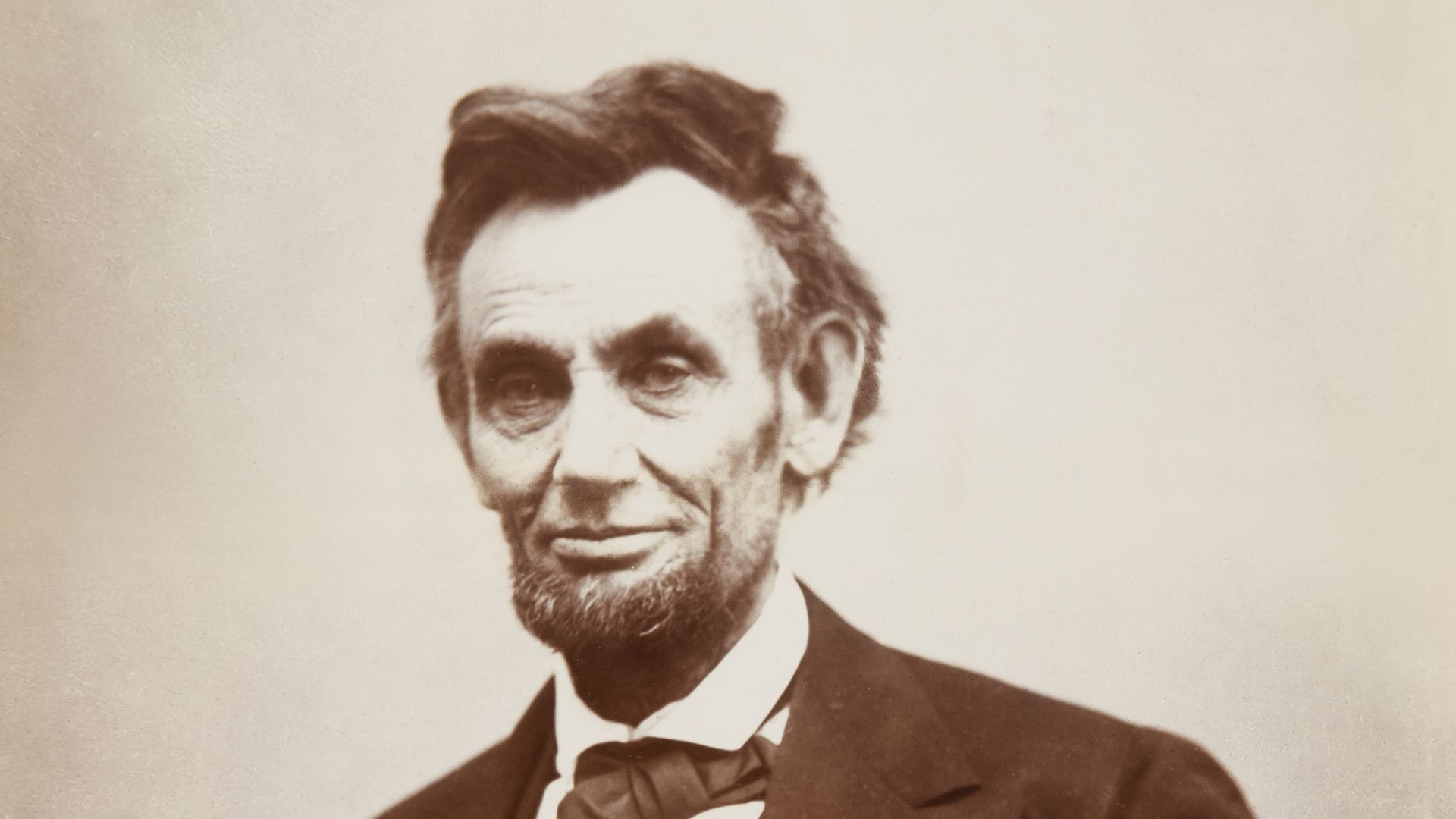 Archives New Zealand from New Zealand, Wikimedia Commons
Elisha Gray Reached The Patent Office Hours Too Late
Eleven years later, a different race ended at the patent desk. Alexander Graham Bell filed his telephone patent application on February 14, 1876, while Elisha Gray submitted a caveat for a similar invention a few hours later. The Patent Office listed Bell’s papers as the fifth entry of the day and Gray’s as the thirty-ninth, and Bell ultimately prevailed in the interference proceedings and court dispute. The timing placed Bell first in the Patent Office record, even though the wider argument over priority remained complex.
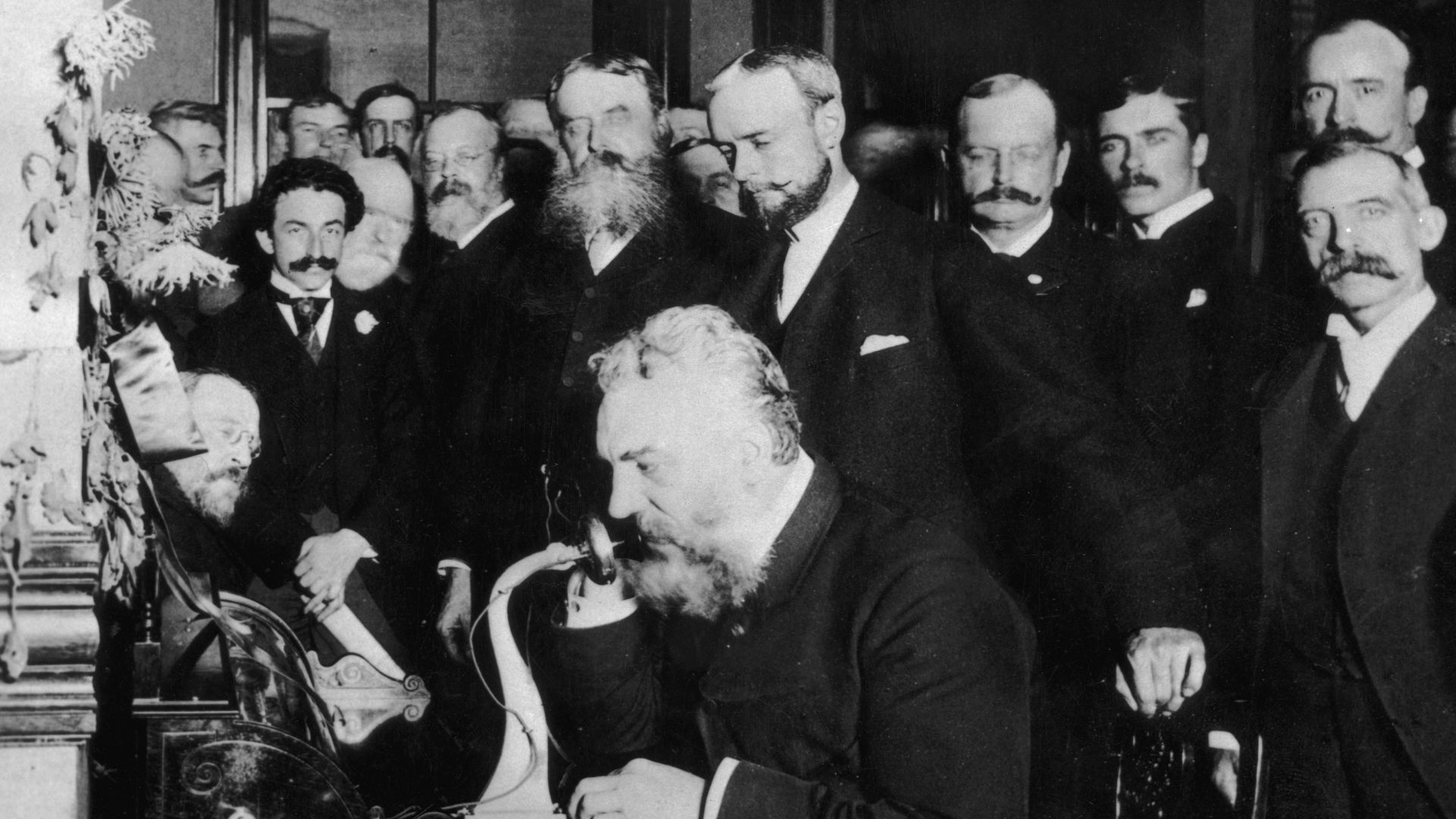
Scott Found Another Flag At The South Pole
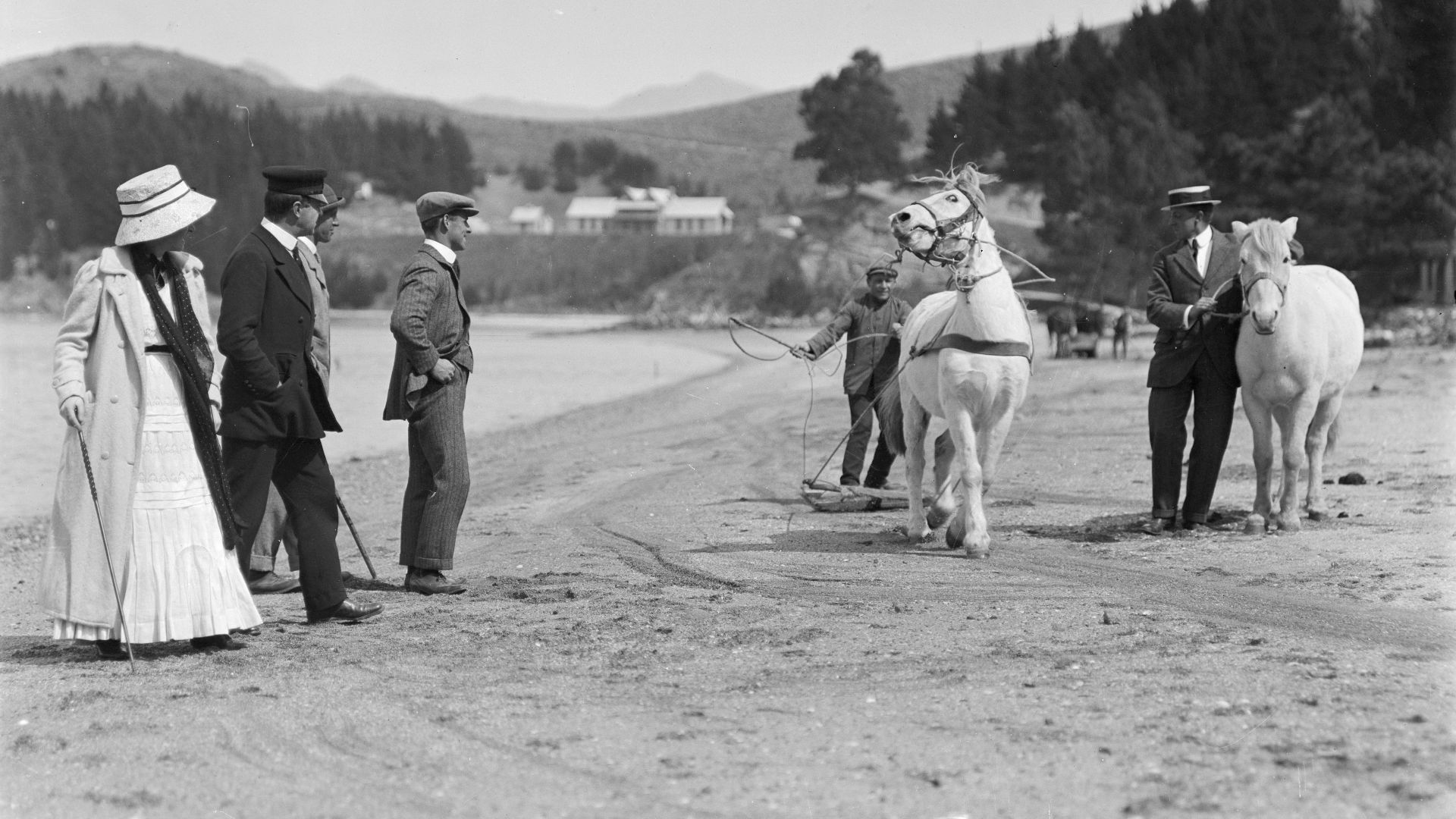
By the early 20th century, the race was across Antarctica. Roald Amundsen’s Norwegian team reached the South Pole on December 14, 1911, while Robert Falcon Scott arrived on January 18, 1912. Scott found that he had lost the contest by more than a month, then began the return journey on which all five members of his polar party died. Arriving late changed a celebrated exploration into a story remembered for disappointment and tragedy.
 Steffano Francis Webb, Wikimedia Commons
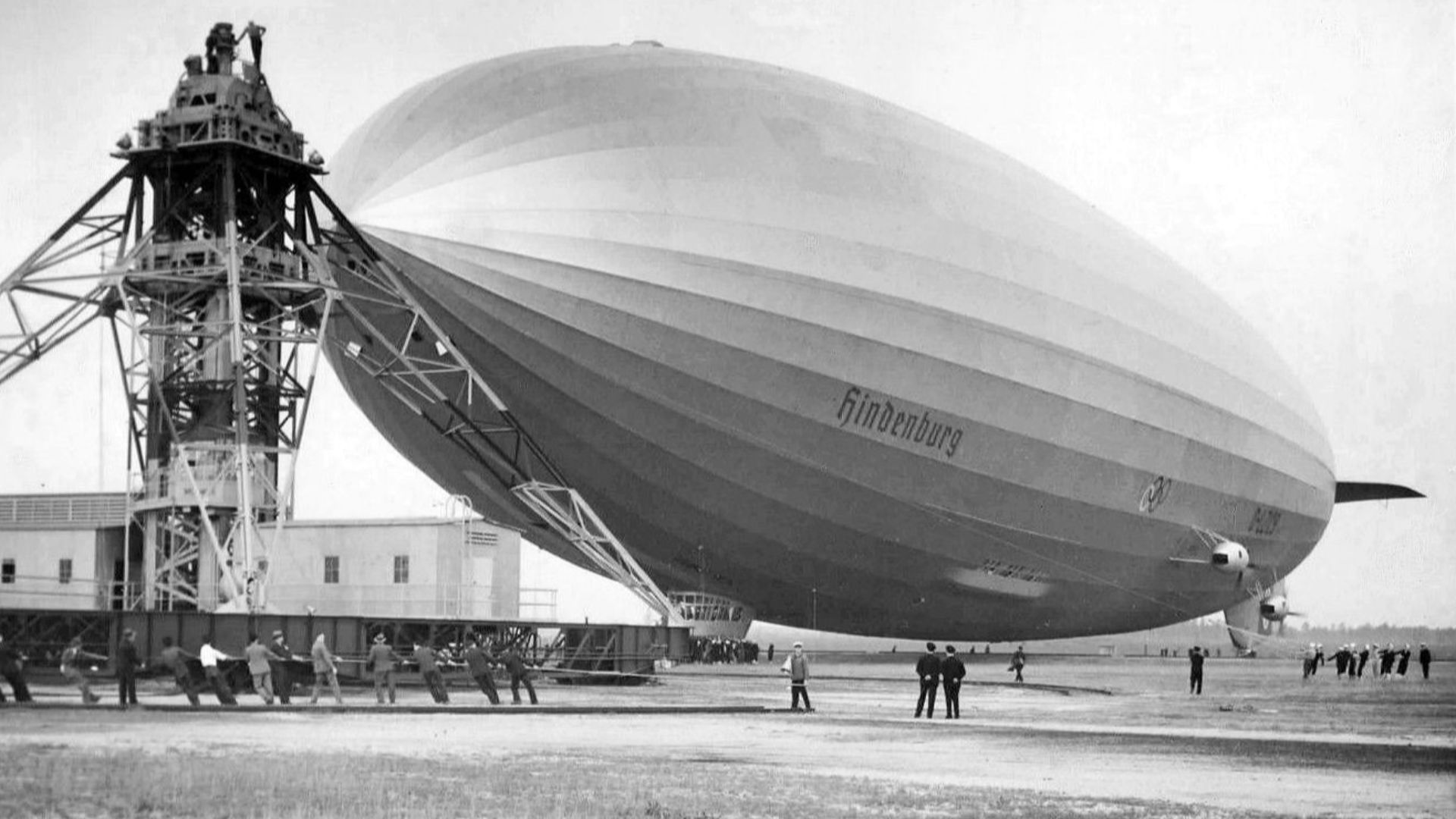
The Hindenburg Reached Lakehurst Twelve Hours Late
In 1937, strong Atlantic headwinds put the Hindenburg approximately 12 hours behind schedule on its flight to New Jersey. The airship then waited near Lakehurst for storms to clear before attempting to land on the evening of May 6. It caught fire during the mooring approach, killing 35 people aboard and one member of the ground crew, and the disaster helped end the passenger-airship era. The precise ignition sequence remains disputed, so the delay belongs to a chain of dangerous circumstances rather than serving as a proven single cause.
 Wide World Photos, Wikimedia Commons
Thirty Minutes Cost The July Plot A Second Bomb
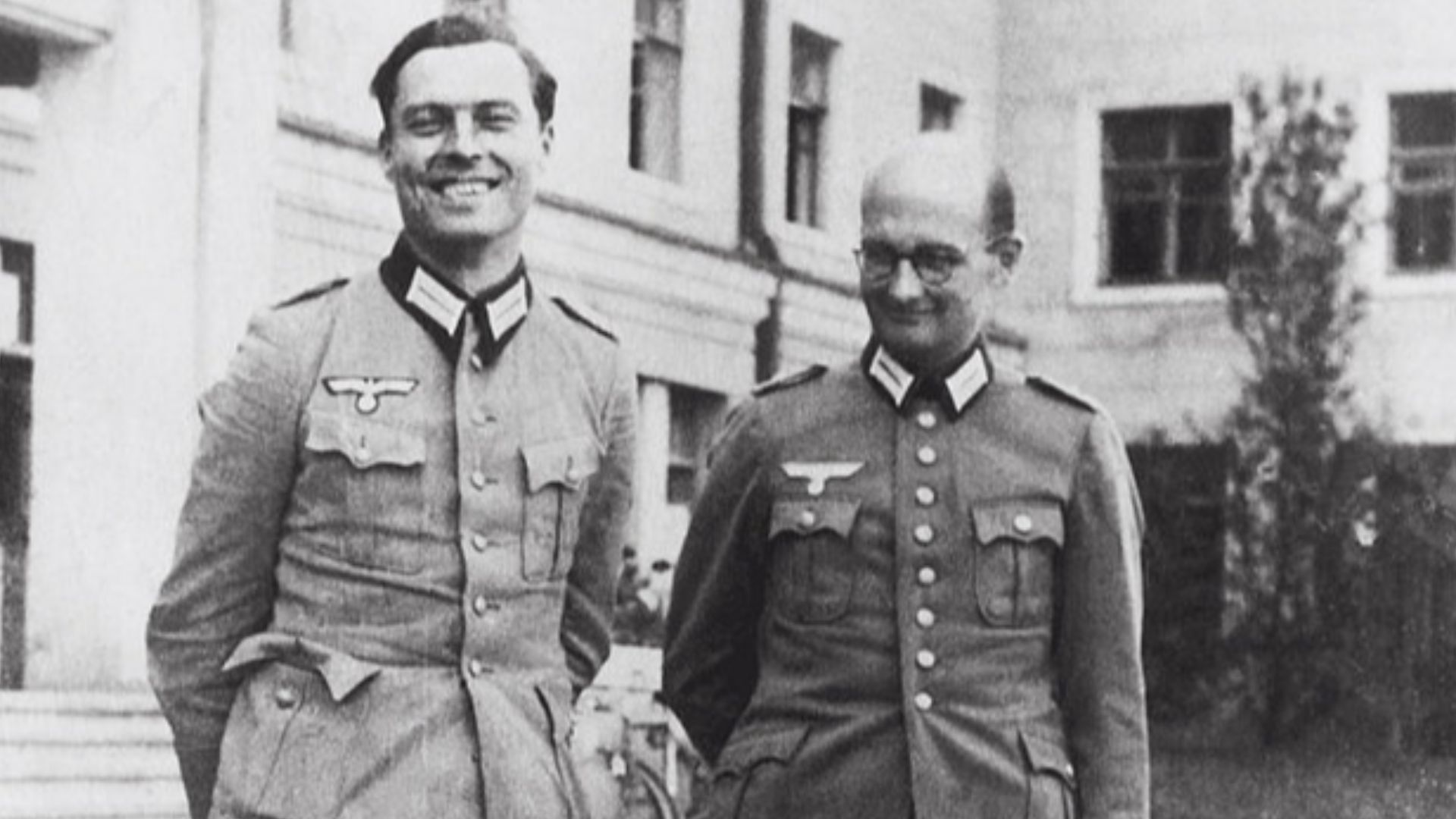
The next timing disaster began when a meeting moved earlier. On July 20, 1944, Adolf Hitler’s military conference began 30 minutes ahead of schedule because Benito Mussolini was expected later that day. Claus von Stauffenberg therefore had time to arm only one of the two bombs he carried, and the briefcase was also moved behind a heavy table support before it exploded. Hitler survived, the coup unraveled, and half an hour became one of several small accidents that defeated the assassination plot.
Arnhem’s Relief Column Never Made The Deadline
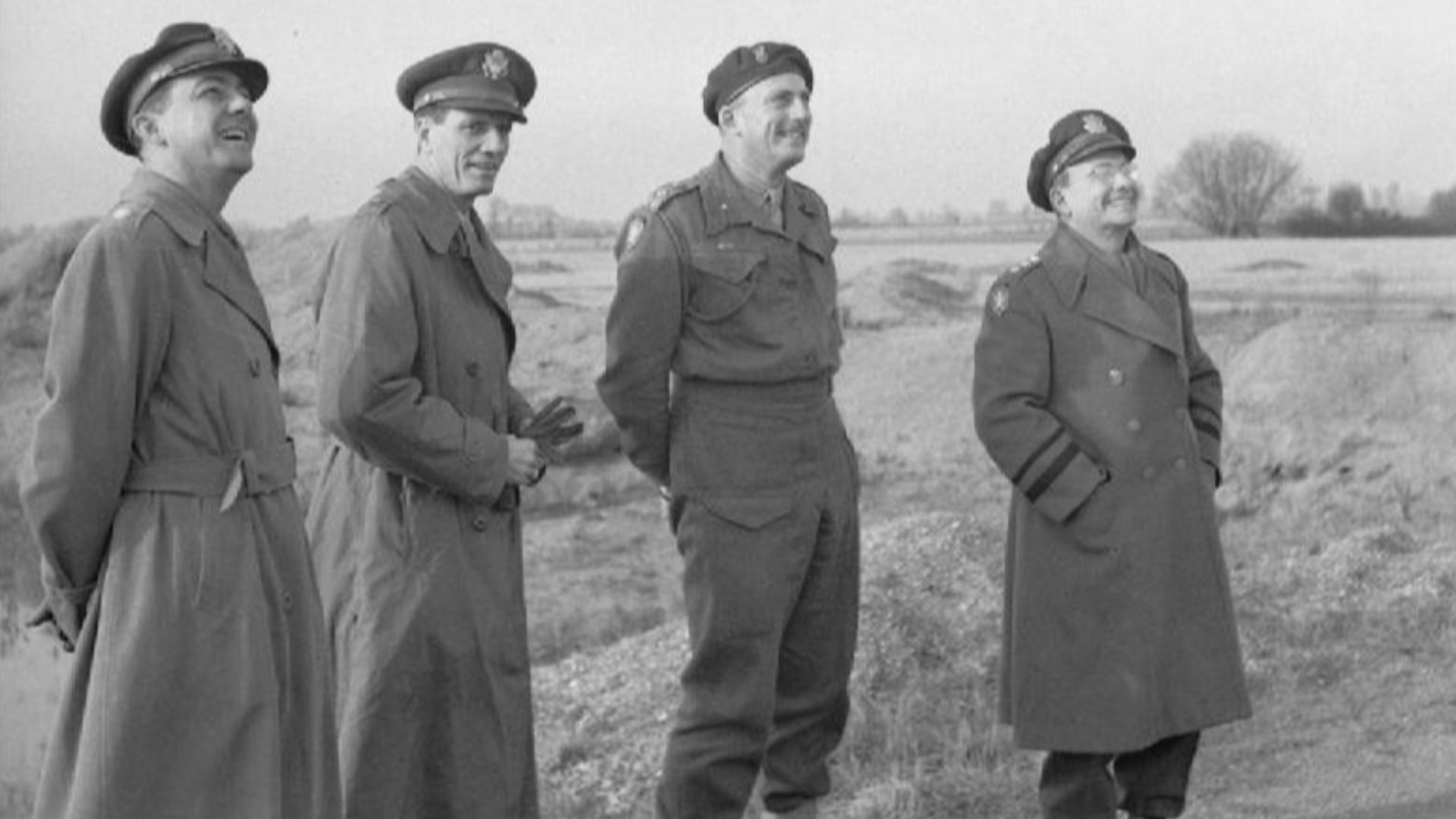
Operation Market Garden depended on British XXX Corps racing north across captured bridges to relieve airborne troops at Arnhem. The ground advance was repeatedly delayed by a vulnerable single road, traffic congestion, German counterattacks, poor communications, and difficult weather. By September 25, approximately 2,100 members of the 1st Airborne Division were evacuated across the Rhine, while another 7,500 were dead or prisoners. The relief column’s failure to arrive on schedule helped turn an audacious shortcut into one of the Allies’ best-known operational defeats.
 Christie (Sgt), Covey (Sgt), War Office official photographer, Wikimedia Commons
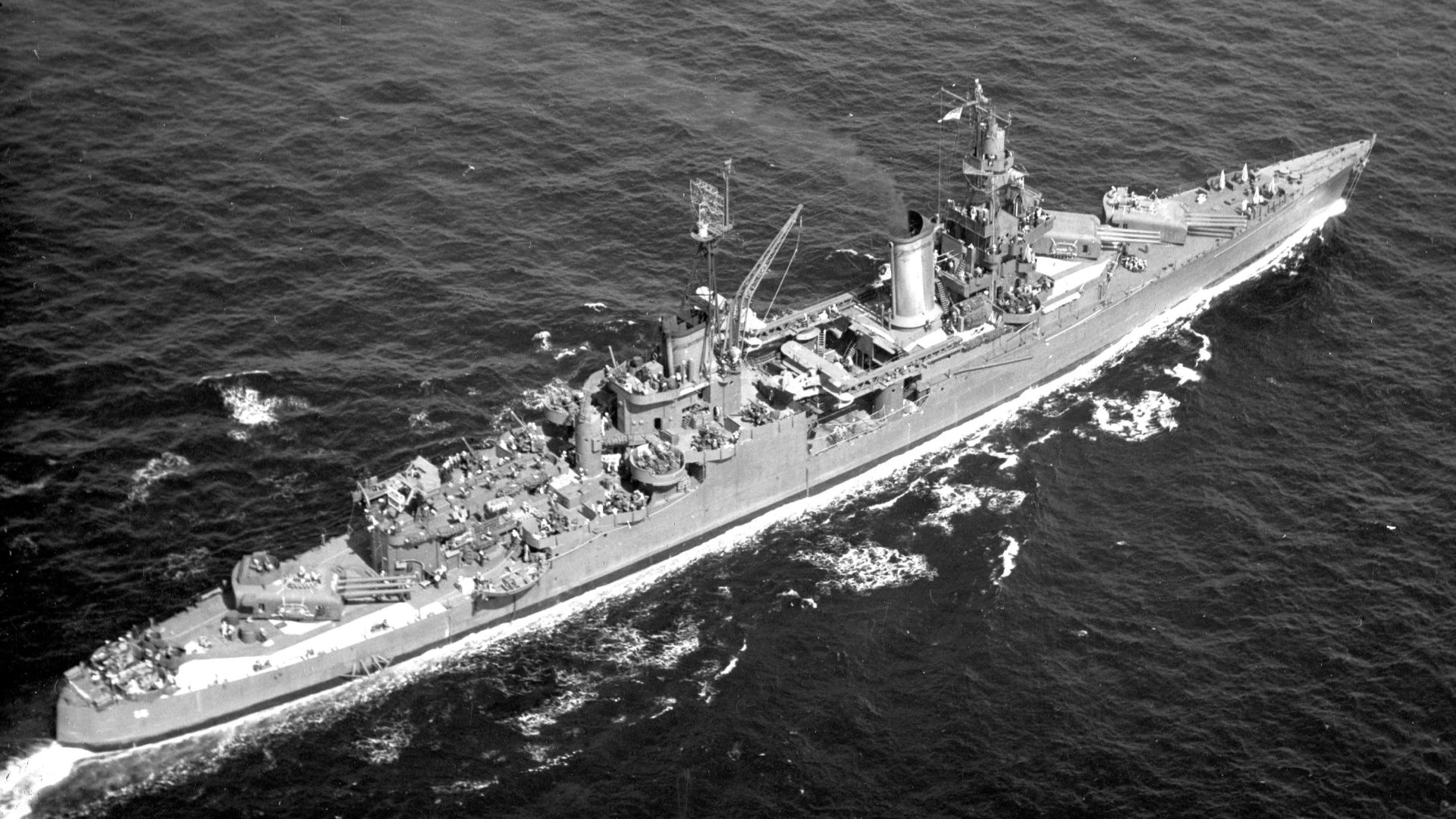
Rescue Found The Indianapolis Four Days Later
Delay became a death sentence in the Philippine Sea. A Japanese submarine sank USS Indianapolis shortly after midnight on July 30, 1945, and damage prevented the ship from transmitting a distress signal while reporting failures meant its nonarrival did not trigger a search. A patrol pilot spotted survivors by chance on August 2, after the men had spent four days in the water. Only 316 of the 1,195 aboard survived, as exposure, dehydration, injuries, and shark attacks claimed hundreds of lives.
 Unknown authorUnknown author, Wikimedia Commons
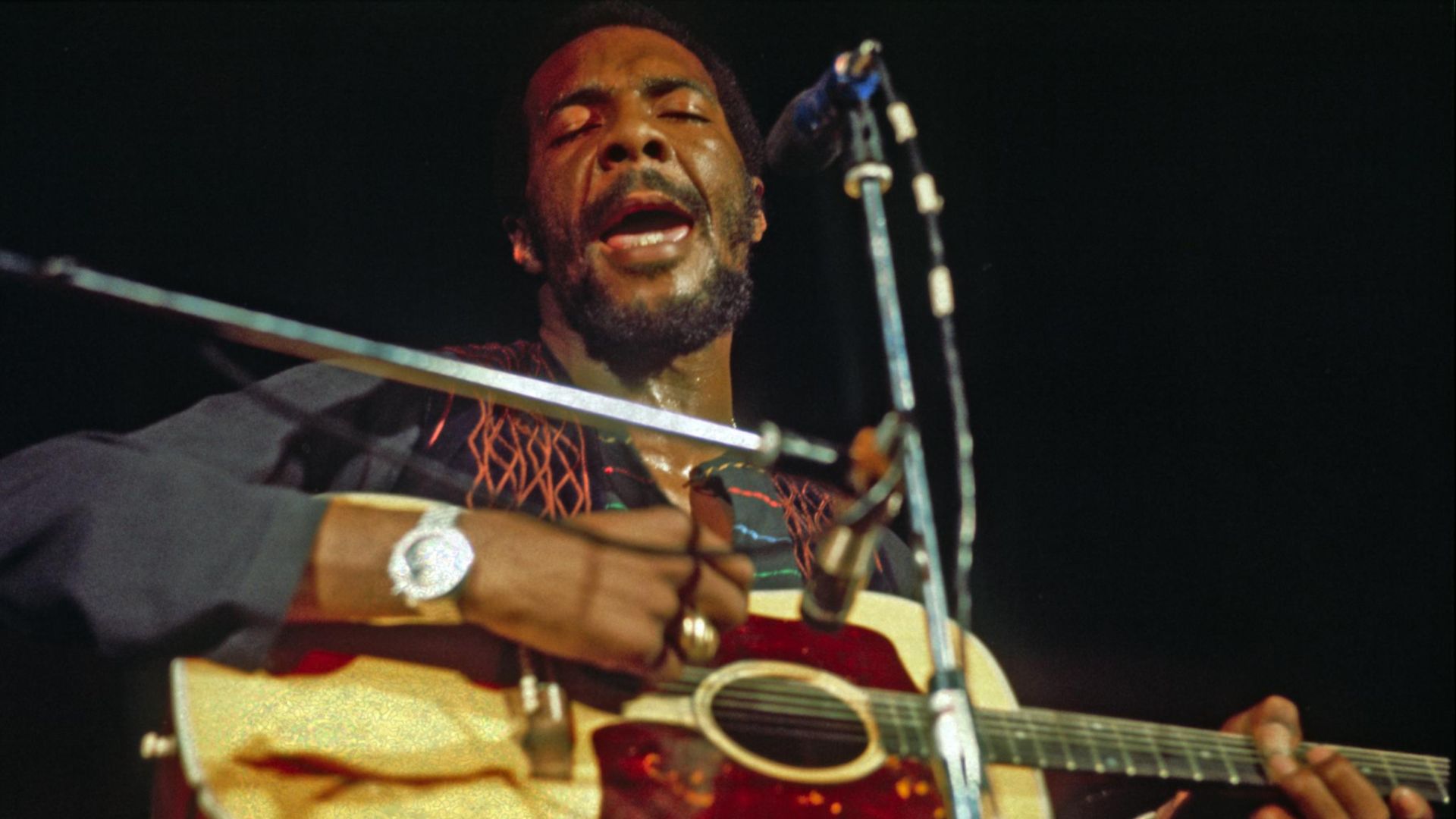
Traffic Made Richie Havens A Woodstock Legend
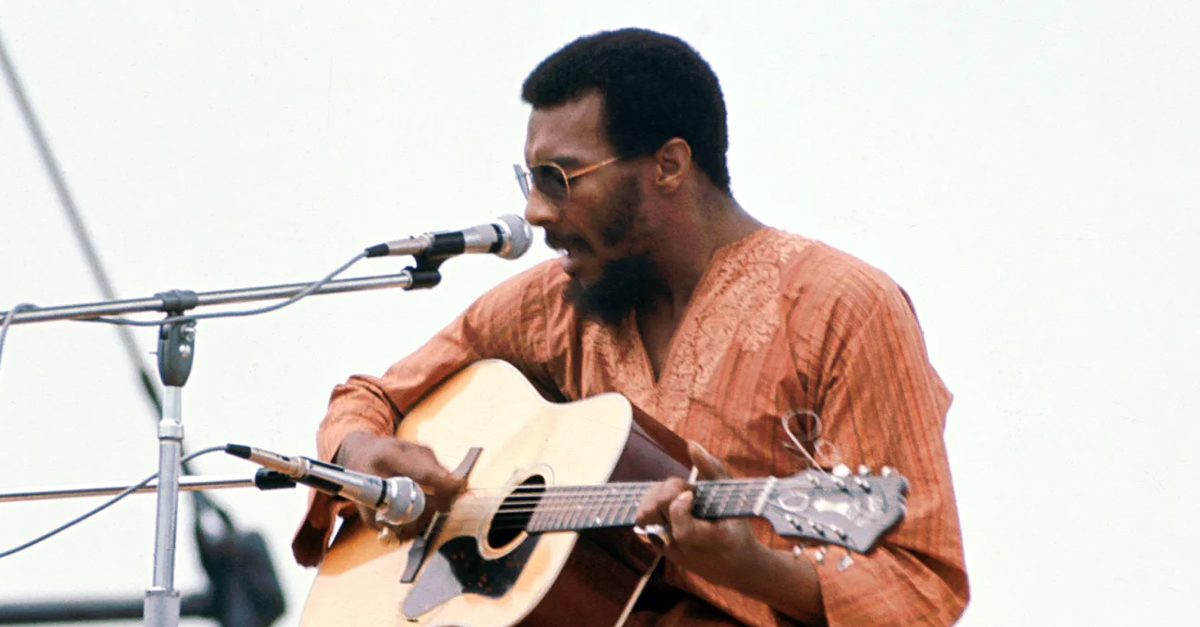
Not every late arrival ended in defeat or disaster. Massive traffic jams kept several scheduled performers from reaching Woodstock’s stage on time in August 1969, so Richie Havens went on first despite originally having four acts ahead of him. Organizers repeatedly asked him to keep playing, and after exhausting his prepared material he improvised the song later known as “Freedom.” The delay turned an emergency opening slot into the performance that propelled Havens toward worldwide fame.
 Heinrich Klaffs, Wikimedia Commons
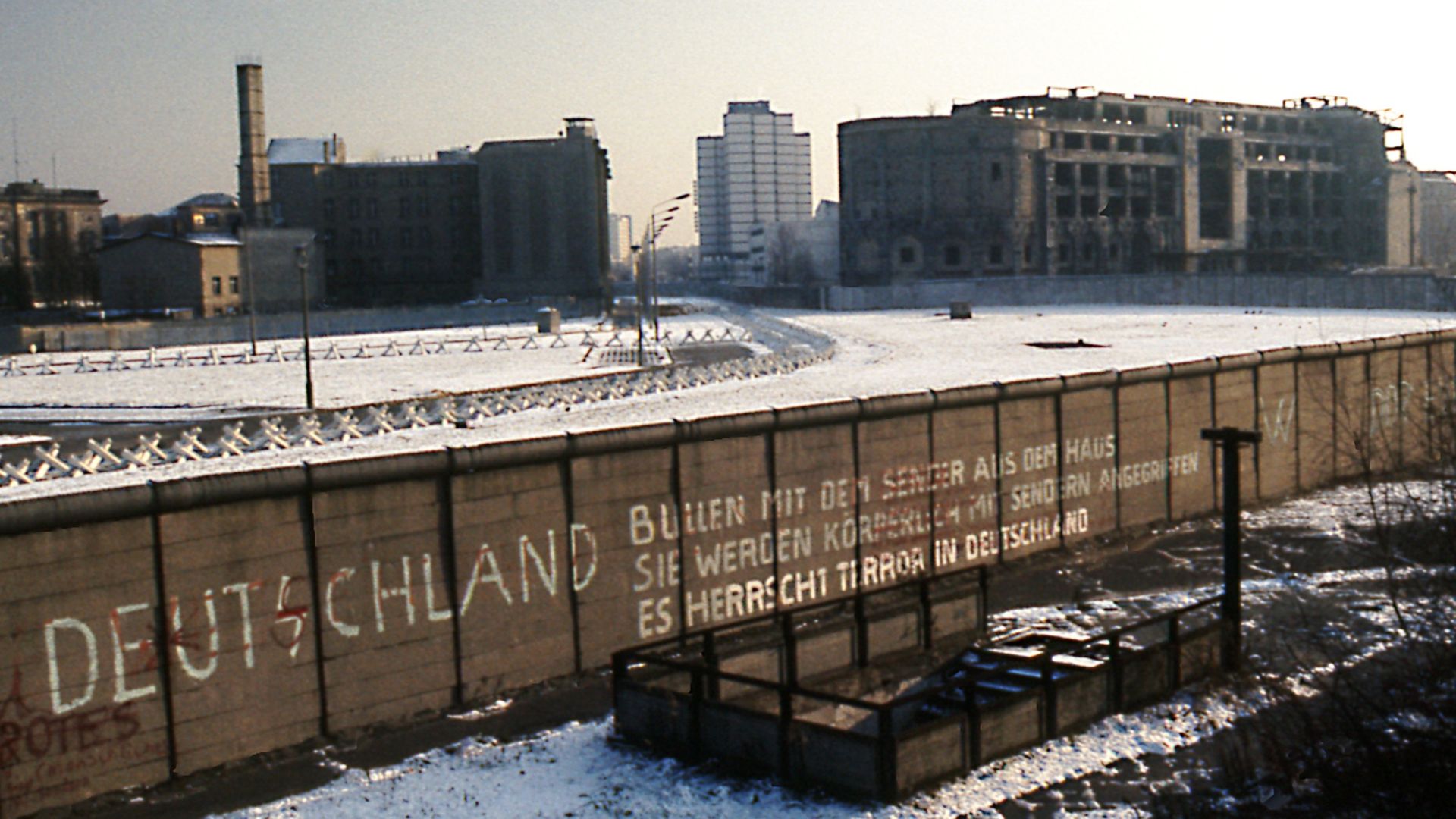
A Last-Minute Briefing Opened The Berlin Wall
Twenty years later, a hurriedly delivered document helped bring down a border. East German spokesman Günter Schabowski received new travel regulations shortly before a November 9, 1989 press conference and had not read them carefully. Asked when the rules took effect, he replied that they applied immediately, prompting television reports and crowds at Berlin’s checkpoints that same evening. His late briefing helped compress a controlled policy announcement into a public rush that forced the gates open within hours.
 Edward Valachovic https://www.flickr.com/people/fauxaddress/, Wikimedia Commons
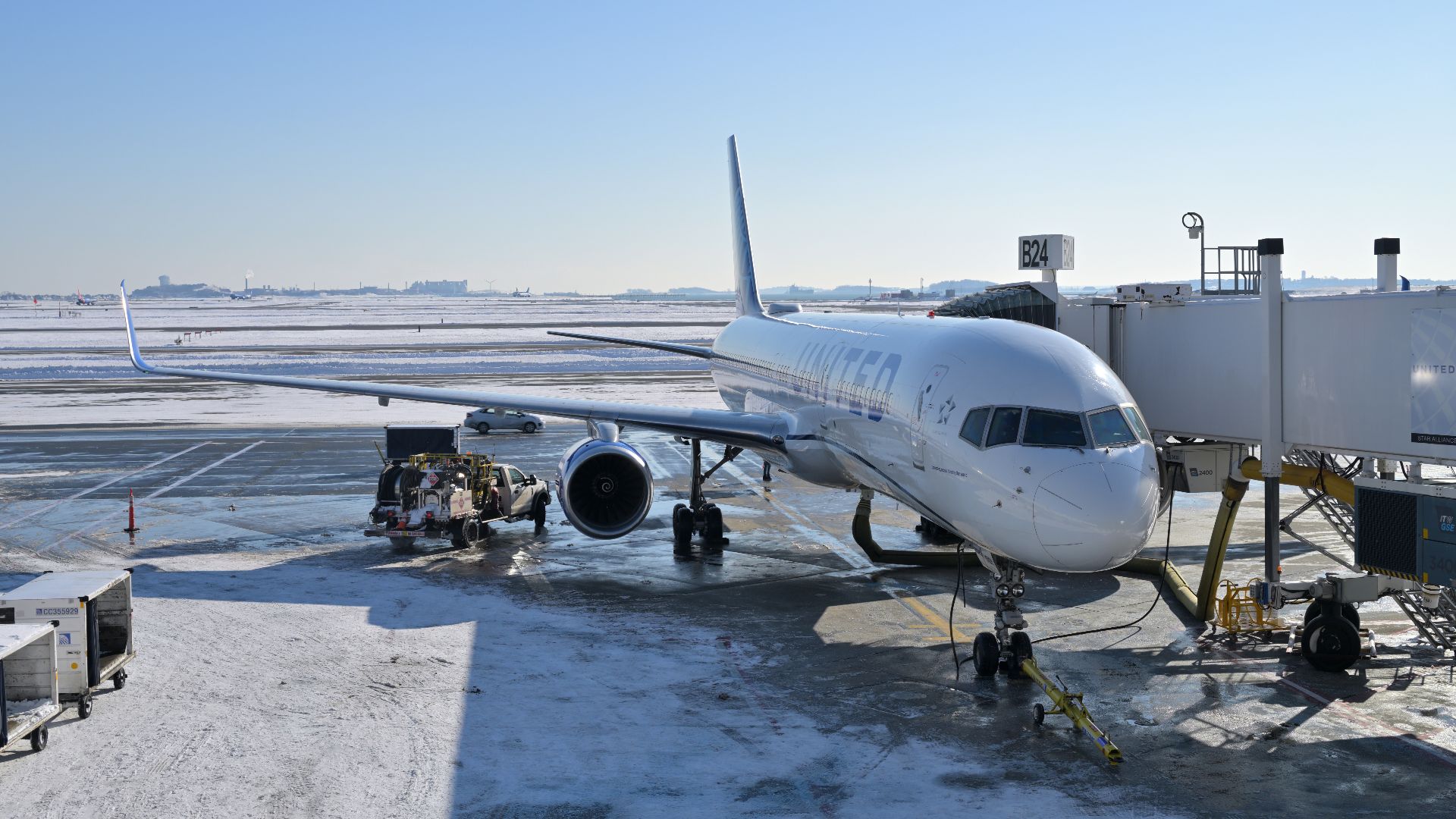
Flight 93’s Delay Changed The Timeline
On September 11, 2001, United Airlines Flight 93 took off from Newark more than 25 minutes late because of routine morning traffic. By the time hijackers seized the cockpit at 9:28 a.m., two planes had already struck the World Trade Center, and passengers soon learned about the wider attack through phone calls. That knowledge led them to vote to fight back, and their revolt prevented the aircraft from reaching the United States Capitol. A commonplace airport delay had created a different information timeline on the fourth hijacked plane, ending this history with the most sobering kind of late arrival.
 4300streetcar, Wikimedia Commons
You May Also Like:
History's Most Bone-Chilling Events
Sources: 1, 2, 3, 4, 5, 6, 7, 8, 9, 10, 11, 12, 13, 14, 15, 16, 17, 18, 19, 20, 21, 22, 23, 24, 25, 26, 27, 28, 29, 30, 31, 32, 33, 34, 35, 36, 37, 38, 39, 40, 41, 42, 43, 44, 45, 46, 47