Some Ideas Do Not Survive History
They seemed sensible at the time. Governments, experts, companies, and ordinary people confidently embraced decisions that future generations would look back on with disbelief.
America Decides To Ban Alcohol
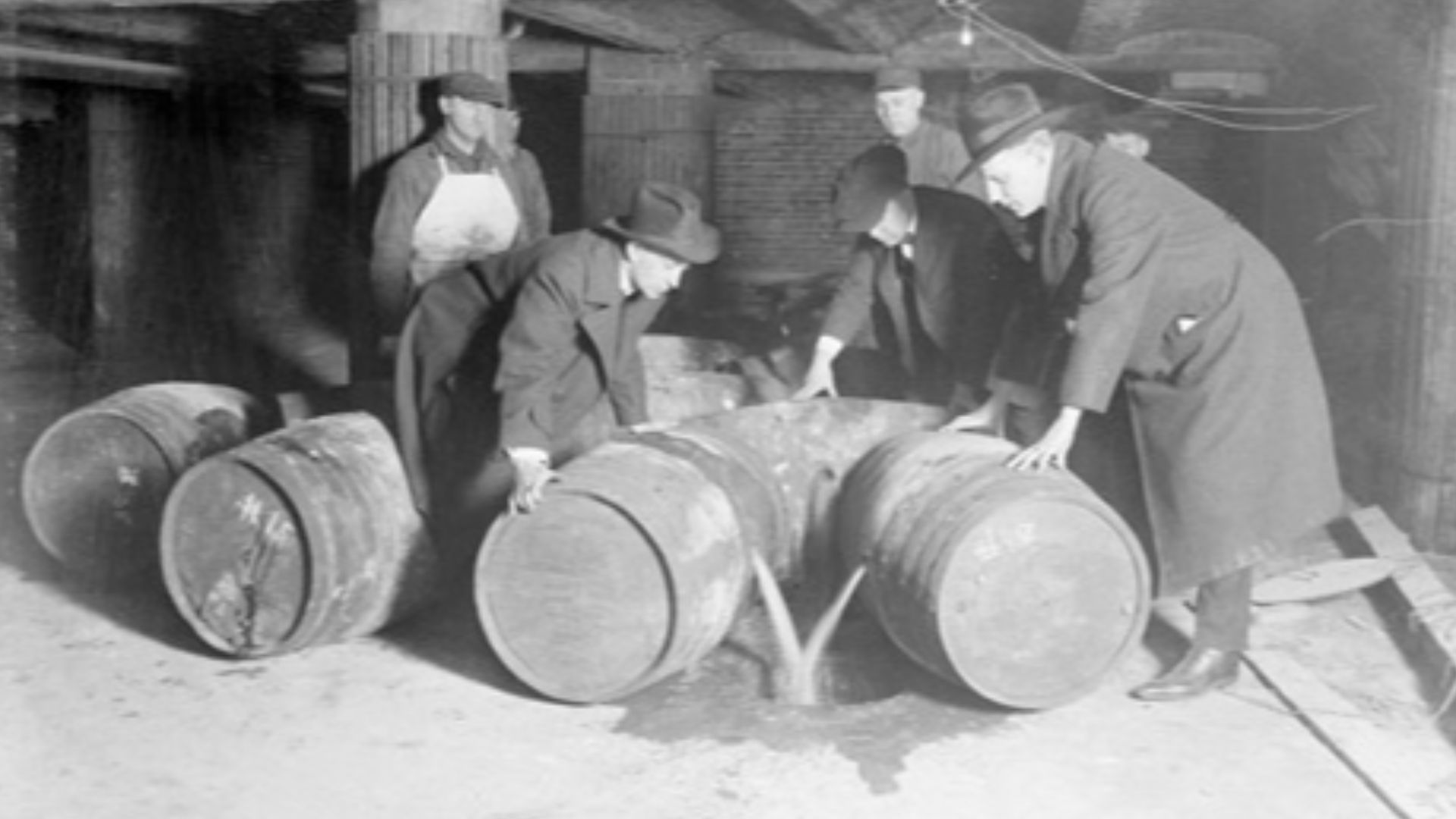
By 1919, the temperance movement had become powerful enough to secure ratification of the Eighteenth Amendment, and the Volstead Act soon supplied the rules for enforcing national Prohibition. Supporters believed banning the commercial production and sale of alcoholic beverages could reduce social problems that reformers had spent decades blaming on saloons and drinking. Instead, illegal distribution flourished, public support weakened, and the Twenty-first Amendment repealed Prohibition in 1933.
 Alphaios~commonswiki, Wikimedia Commons
Congress Builds An Immigration Wall
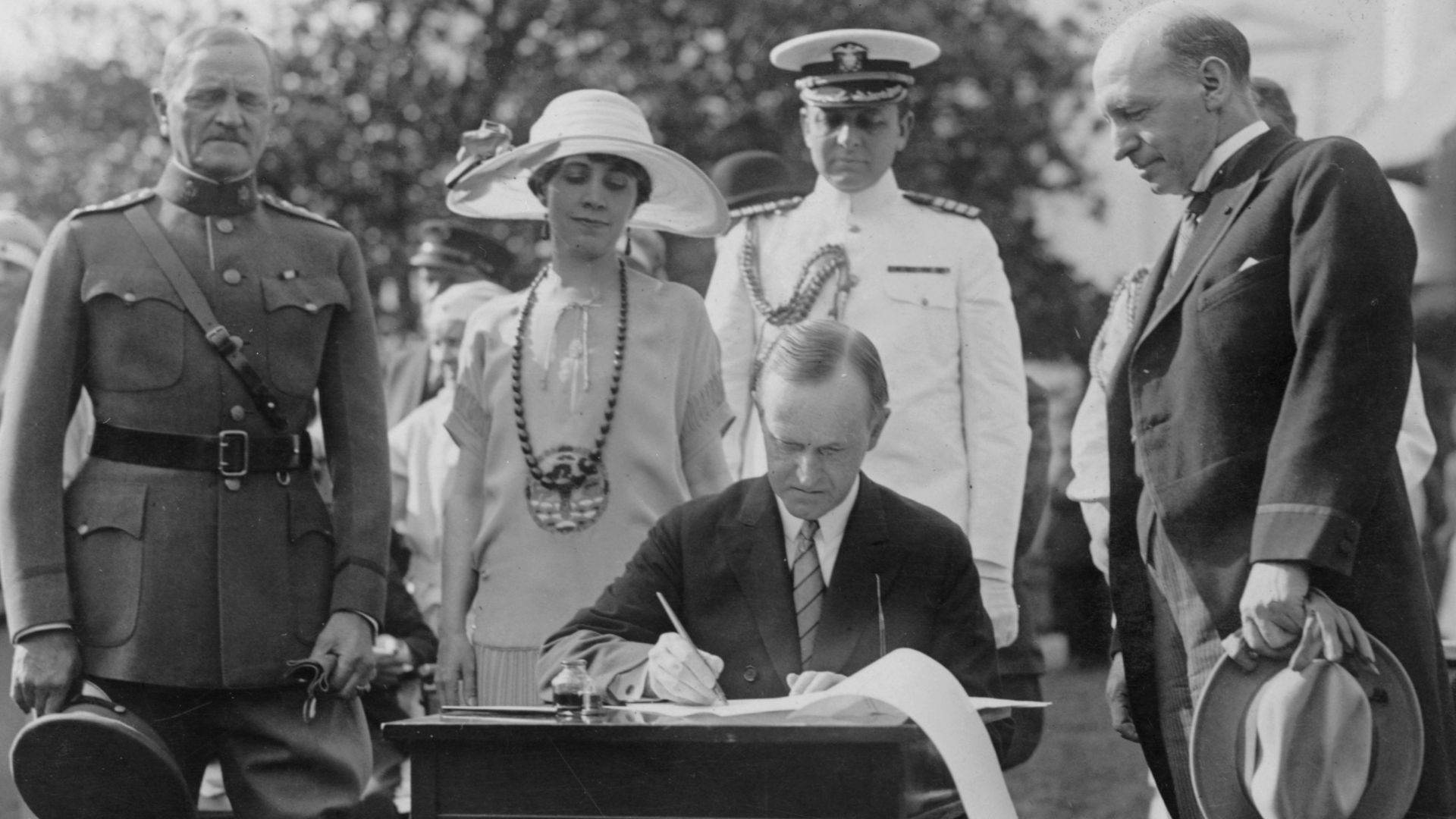
The Immigration Act of 1924 created permanent national-origin quotas that heavily favored immigrants from parts of Western and Northern Europe while restricting immigration from Southern and Eastern Europe and excluding immigrants from Asia. The House approved the legislation by a commanding 323-to-71 vote, showing just how mainstream immigration restriction had become in Congress. The national-origins system eventually disappeared with the Immigration and Nationality Act of 1965.
 National Photo Company Collection, Wikimedia Commons
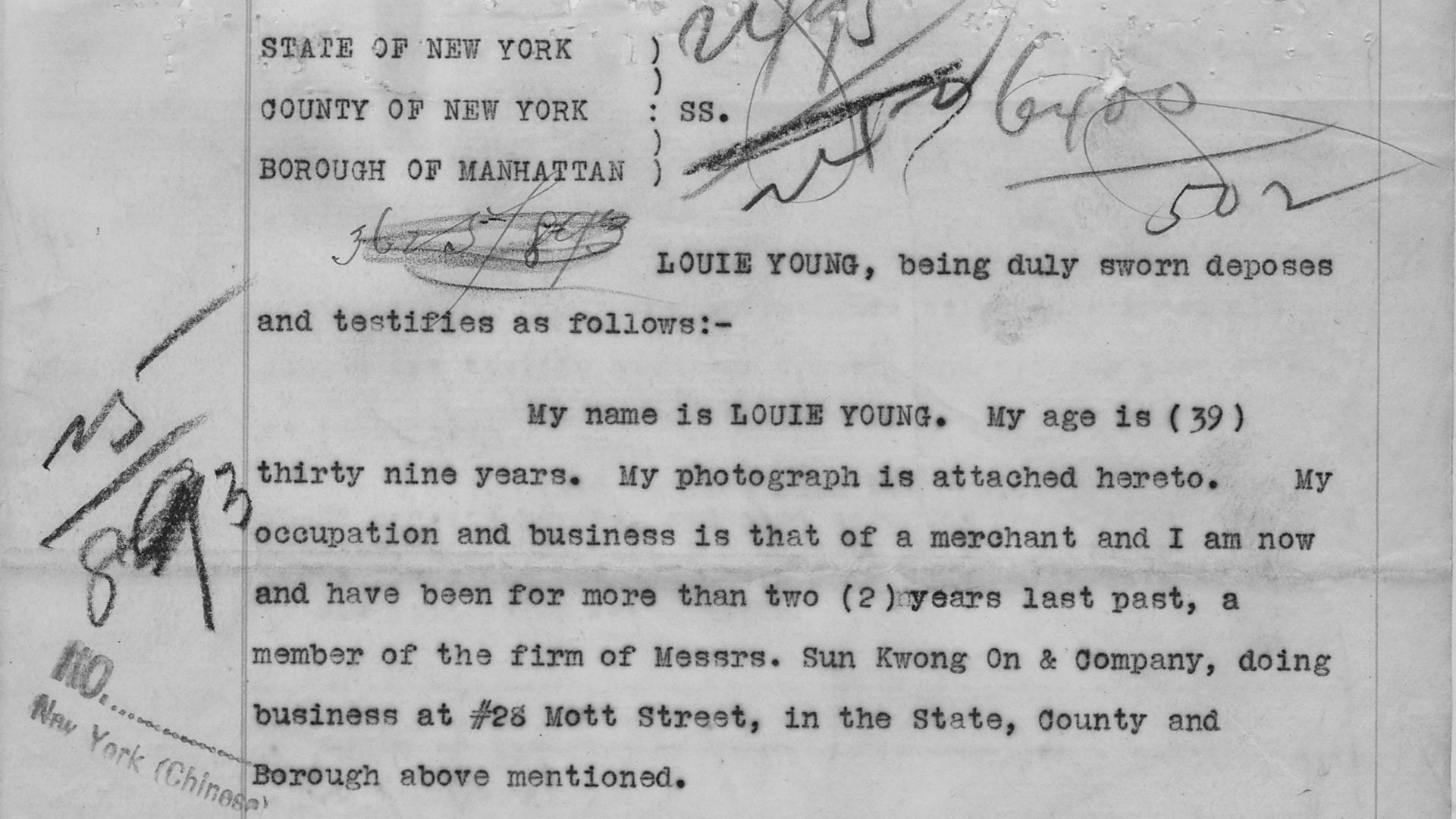
Chinese Exclusion Becomes Federal Policy
The Chinese Exclusion Act of 1882 represented a dramatic expansion of federal immigration restriction by targeting Chinese laborers. Anti-Chinese sentiment had become politically powerful, particularly in the American West, and Congress repeatedly extended exclusion after the original law passed. Congress finally repealed the exclusion laws in 1943, and both chambers formally condemned the Chinese Exclusion Act more than a century after its passage.
 The U.S. National Archives, Wikimedia Commons
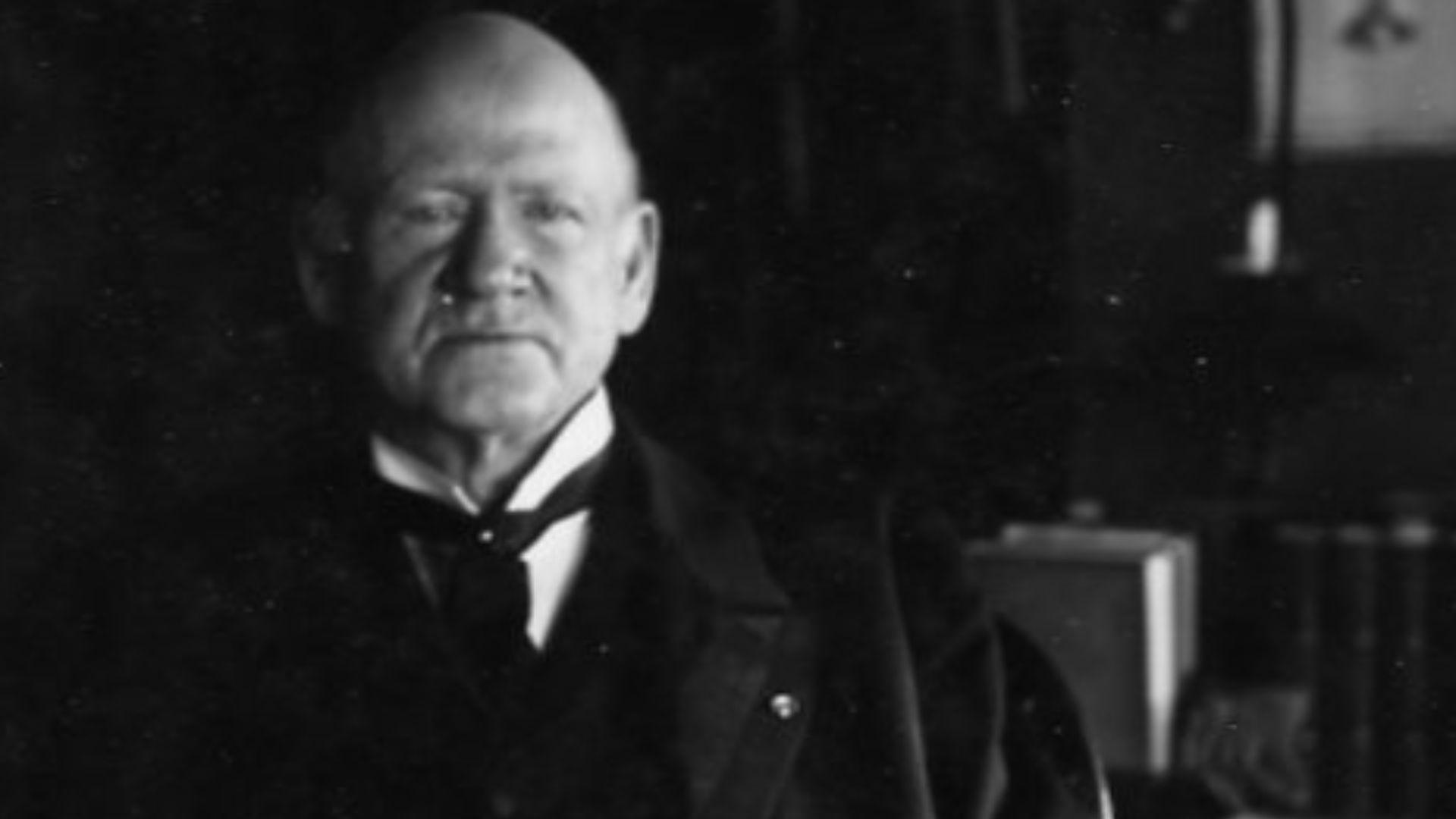
Separate But Equal Gets Supreme Court Approval
In 1896, the Supreme Court ruled 7 to 1 in Plessy v. Ferguson that state-imposed racial segregation could exist under the doctrine remembered as “separate but equal.” That decision gave constitutional protection to segregation laws and helped provide a legal foundation for the Jim Crow system for decades. Brown v. Board of Education rejected the doctrine in public education in 1954, dramatically reversing the legal landscape created by Plessy.
 DCPL Commons, Wikimedia Commons
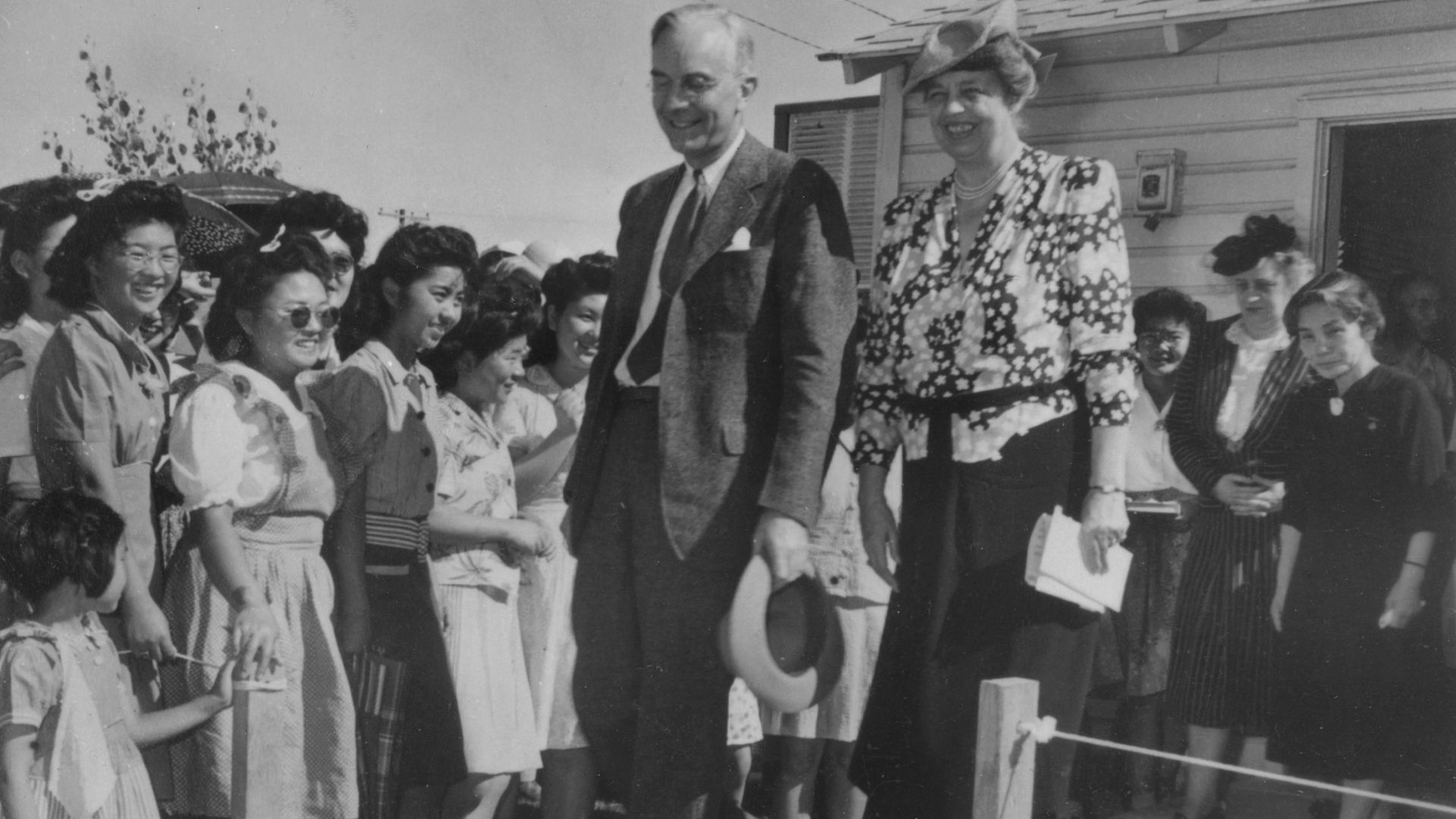
Japanese Americans Are Removed From The West Coast
After the attack on Pearl Harbor, fear of sabotage and invasion helped generate political pressure for removing people of Japanese ancestry from the West Coast, despite objections inside the Justice Department. President Franklin D. Roosevelt issued Executive Order 9066 in February 1942, and about 122,000 Japanese Americans were eventually forcibly moved to detention sites. In 1988, the federal government formally acknowledged the injustice and authorized compensation for surviving detainees.
 Unknown authorUnknown author or not provided, Wikimedia Commons
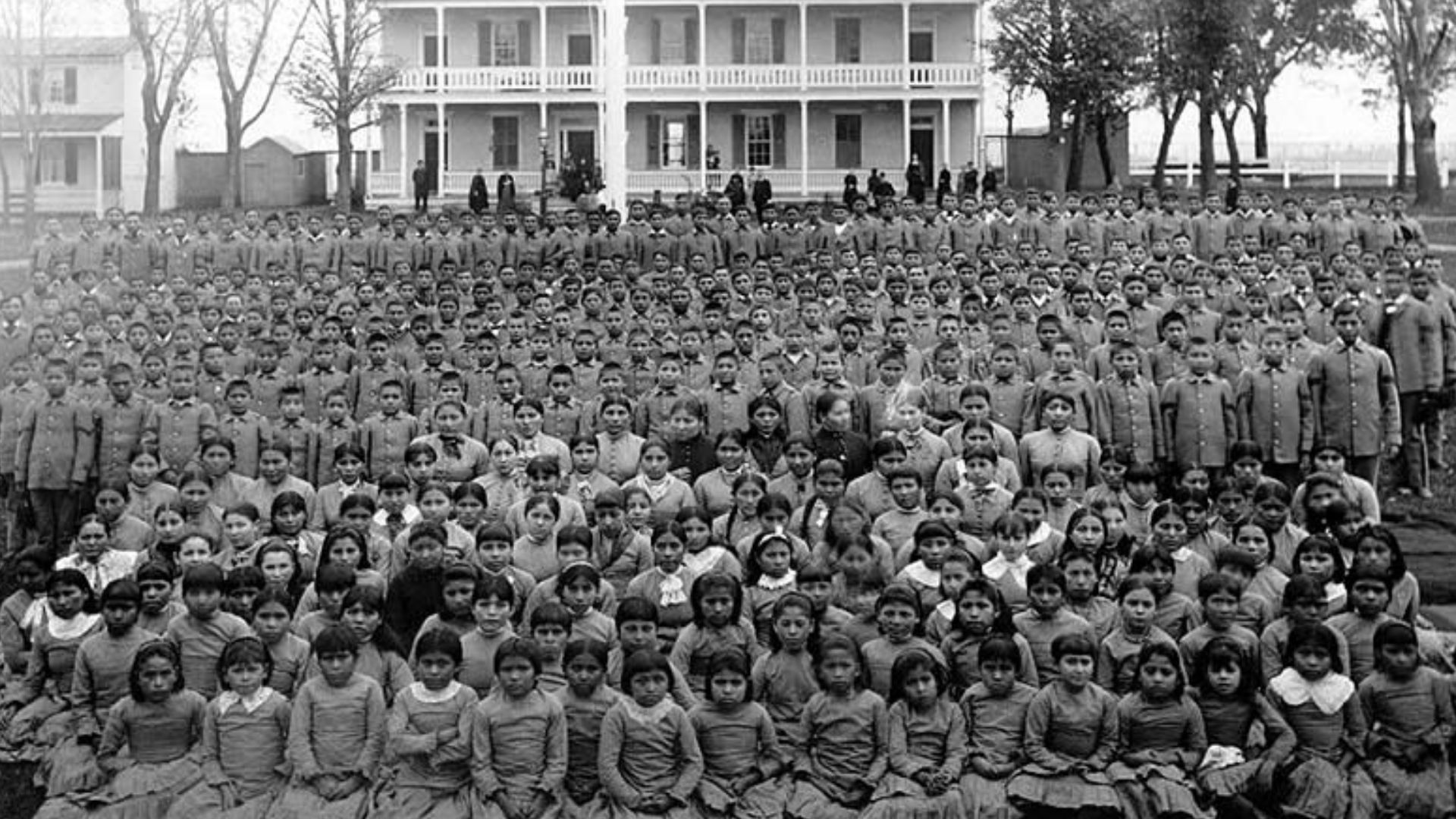
Washington Tries To Assimilate Native Children
For generations, federal policy treated the forced assimilation of Indigenous children as a legitimate educational objective. Children were separated from their communities, sent to boarding schools, discouraged or forbidden from speaking Native languages, and pressured to abandon their cultures and identities. A federal investigation later identified hundreds of institutions connected with this system and documented deaths and burial sites associated with the schools.
 Unknown authorUnknown author, Wikimedia Commons
Redlining Becomes Part Of American Housing Policy
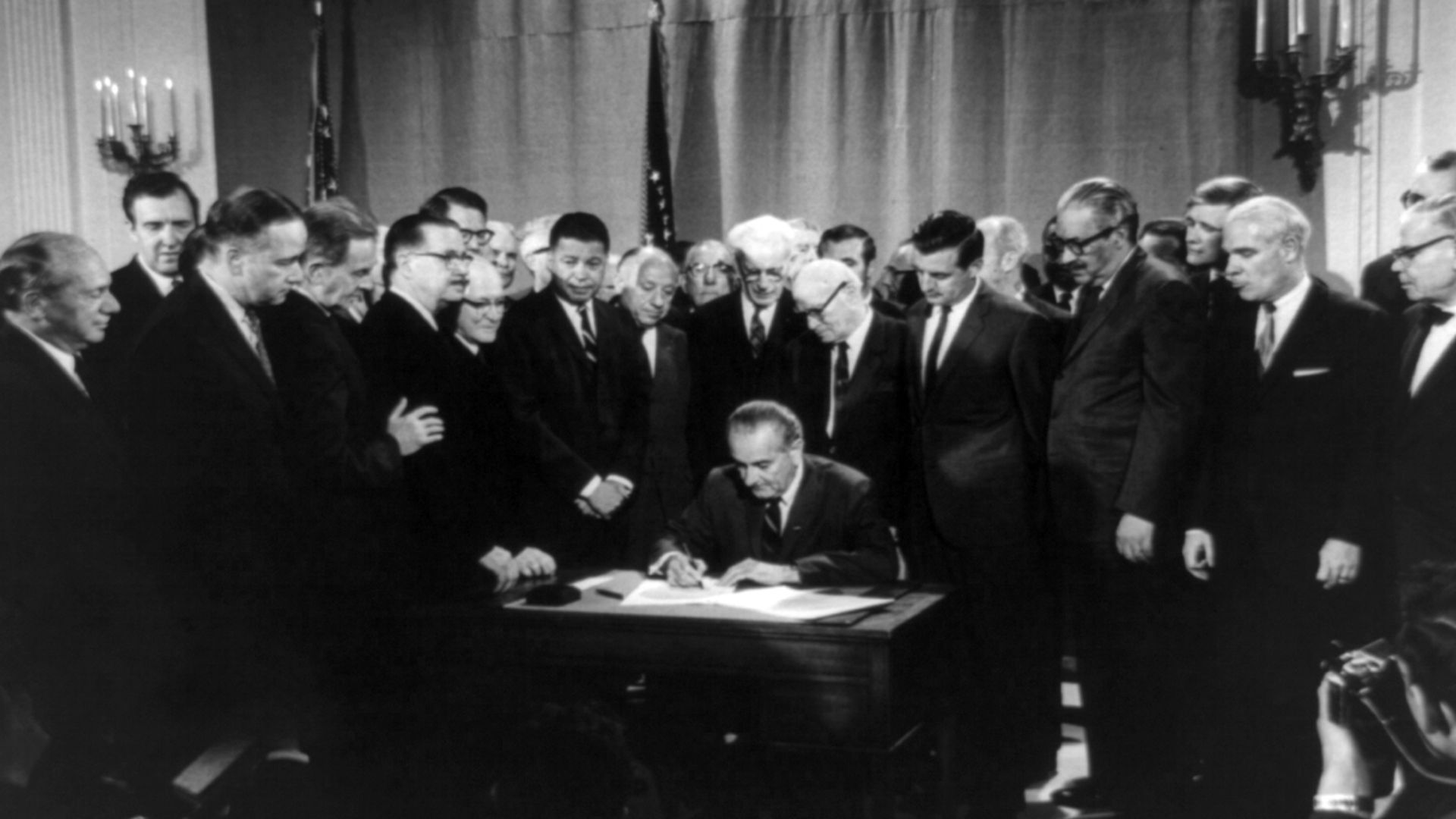
During the Depression, the federal government helped rebuild the mortgage system, but its underwriting practices also institutionalized racial discrimination. Federal Housing Administration guidance treated racially integrated or predominantly Black neighborhoods as greater financial risks and favored lending in new suburban developments. The Fair Housing Act of 1968 outlawed racially discriminatory housing practices, but the geography shaped by decades of lending discrimination did not simply disappear with the law.
 Warren K. Leffler, Wikimedia Commons
Urban Freeways Become A Tool For Renewal
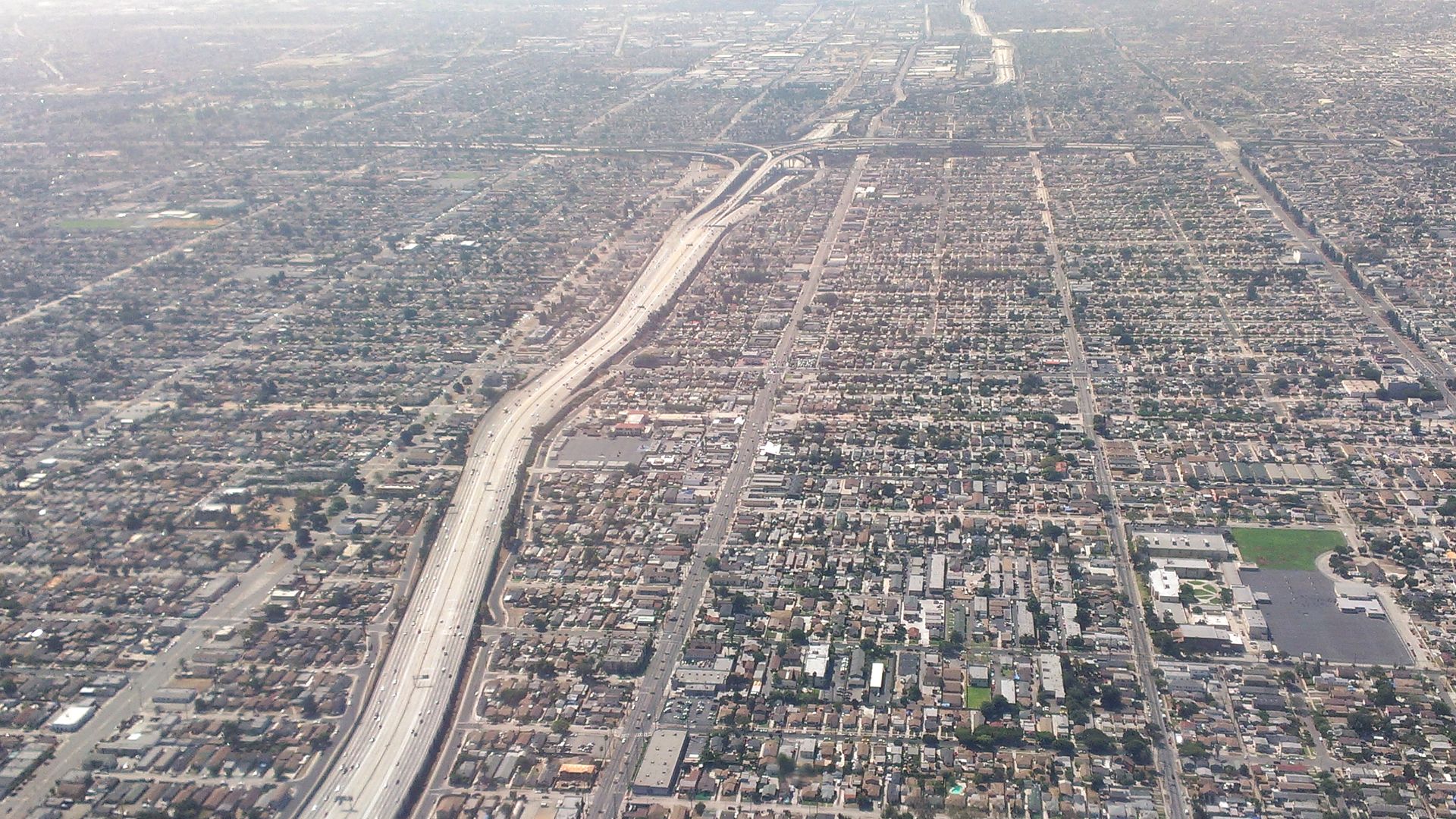
Mid-century planners often presented urban expressways as instruments of progress that would clear deteriorating districts while connecting downtowns to rapidly growing suburbs. In practice, freeway routes frequently cut directly through low-income and Black neighborhoods, destroying homes and businesses and splitting established communities. The Federal Highway Administration's own historical account notes how the urban Interstate program eventually became closely associated with displacement and civil-rights conflict.

History's most fascinating stories and darkest secrets, delivered to your inbox daily.
Forced Sterilization Gets A Supreme Court Victory
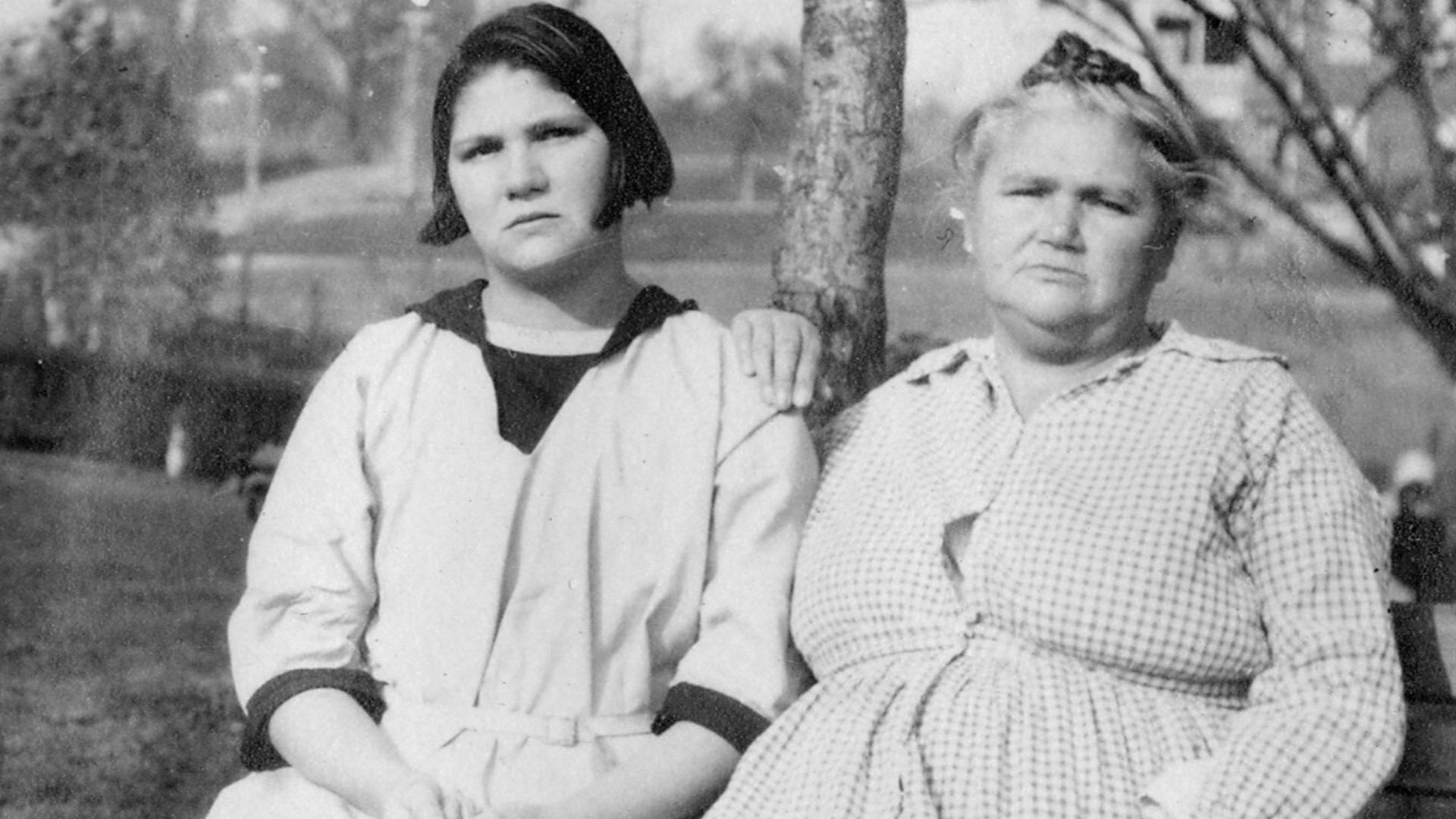
American eugenics advocates promoted sterilization laws as a supposedly scientific way to prevent people they labeled “unfit” from having children. Virginia's law reached the Supreme Court in Buck v. Bell, where the justices approved Carrie Buck's compulsory sterilization by an 8-to-1 vote in 1927. States ultimately sterilized thousands of people under such programs before the scientific foundations and ethical assumptions behind eugenics were widely discredited.
 Arthur Estabrook, Wikimedia Commons
Putting Lead In Gasoline Looks Like Progress
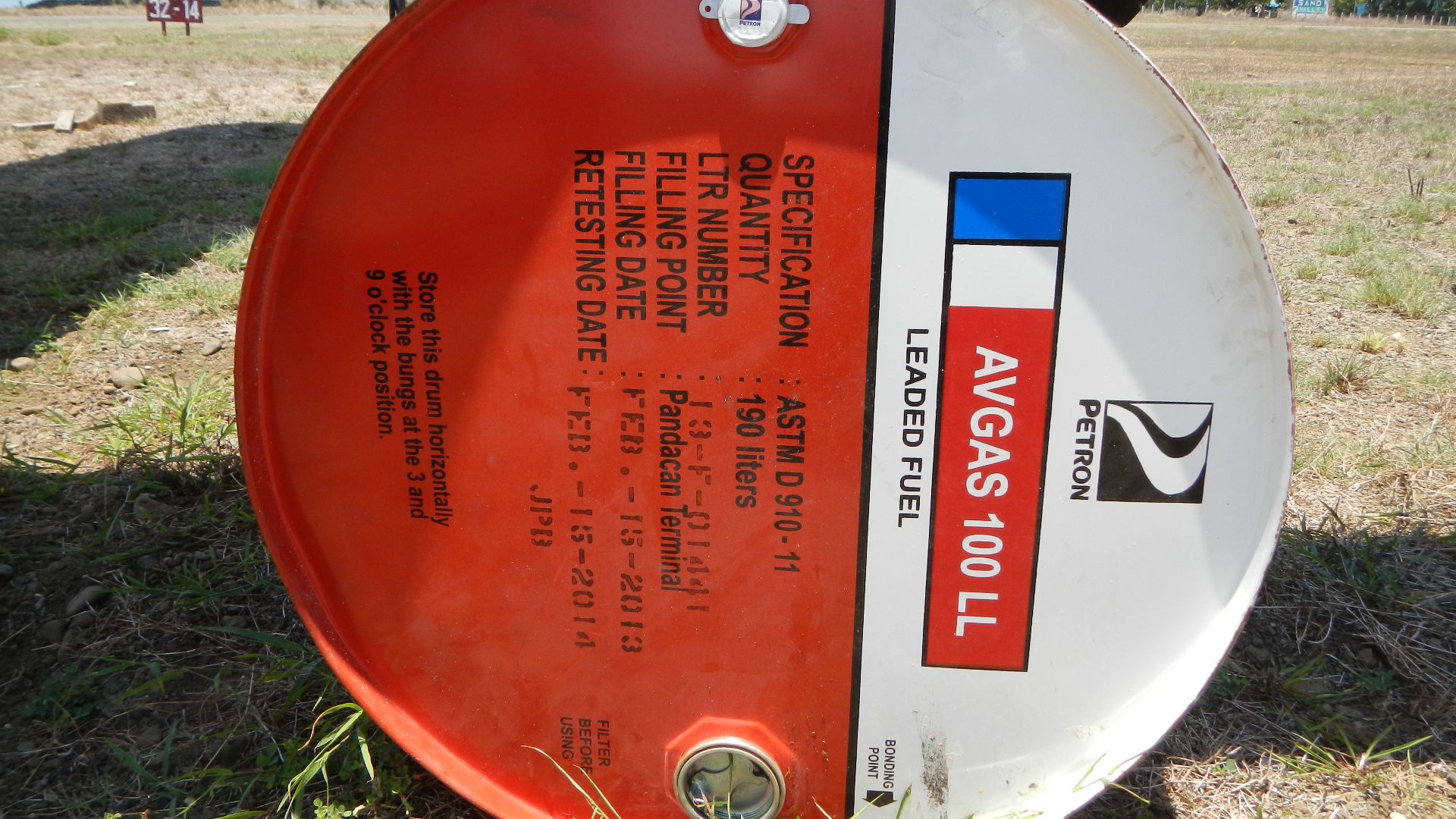
Tetraethyl lead seemed to offer the automobile industry an elegant solution to engine knocking, allowing more powerful engines to operate smoothly. Serious warning signs appeared almost immediately, including fatal poisonings among workers manufacturing the additive, yet leaded gasoline expanded enormously after federal investigators permitted its continued use. Decades later, mounting evidence of widespread exposure pushed regulators toward a lengthy phaseout of leaded gasoline in the United States.
 Ramon FVelasquez, Wikimedia Commons
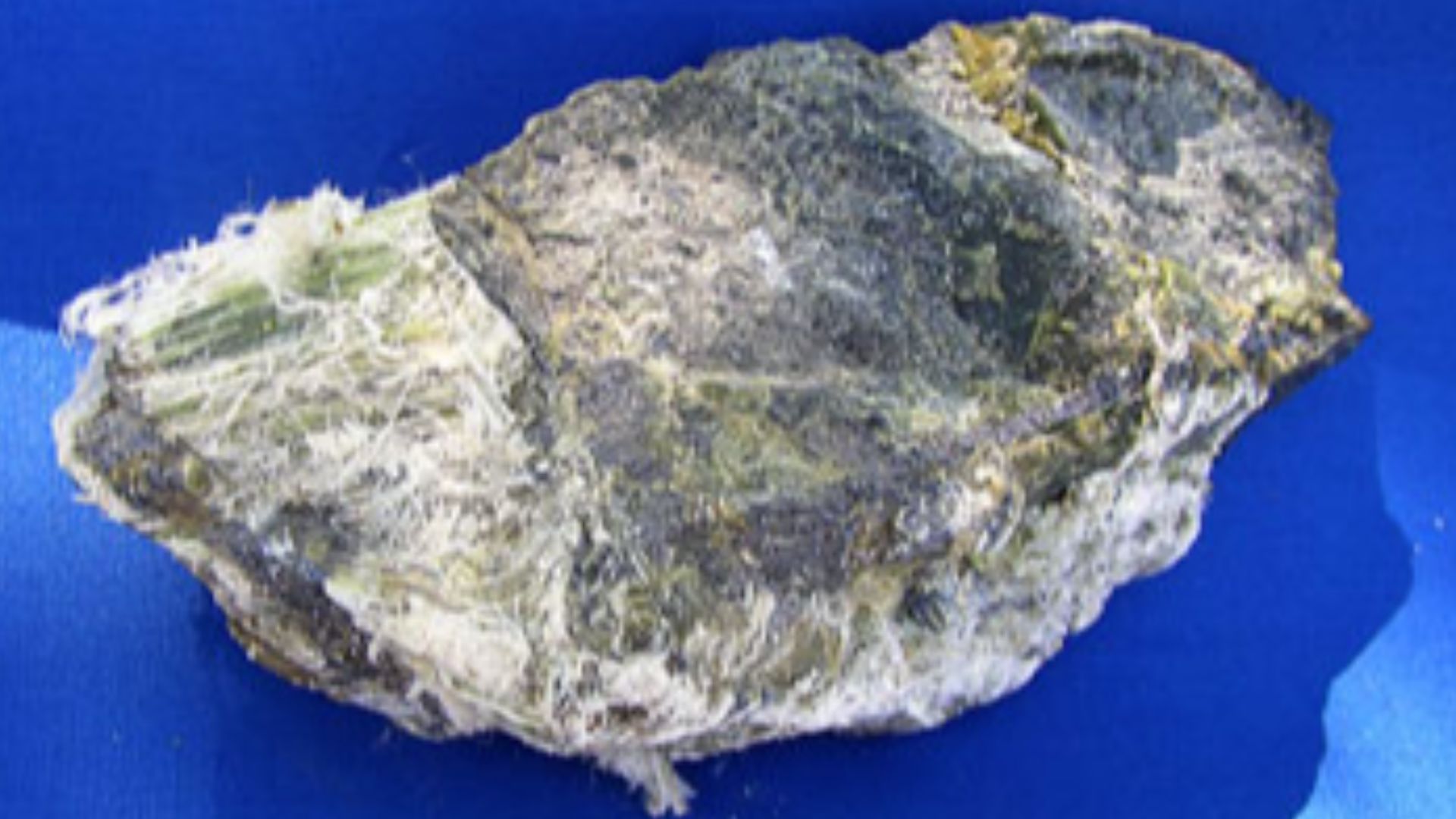
Asbestos Goes Into Almost Everything
Asbestos seemed almost perfectly suited to an industrializing world because its fibers resisted heat, fire, chemicals, and wear. Its use surged in construction, shipbuilding, insulation, consumer goods, and other industries even as evidence of occupational disease accumulated. Asbestos exposure is now firmly linked to diseases including mesothelioma and lung cancer, leaving later generations to manage health consequences created by decades of heavy use.
 Unknown authorUnknown author, Wikimedia Commons
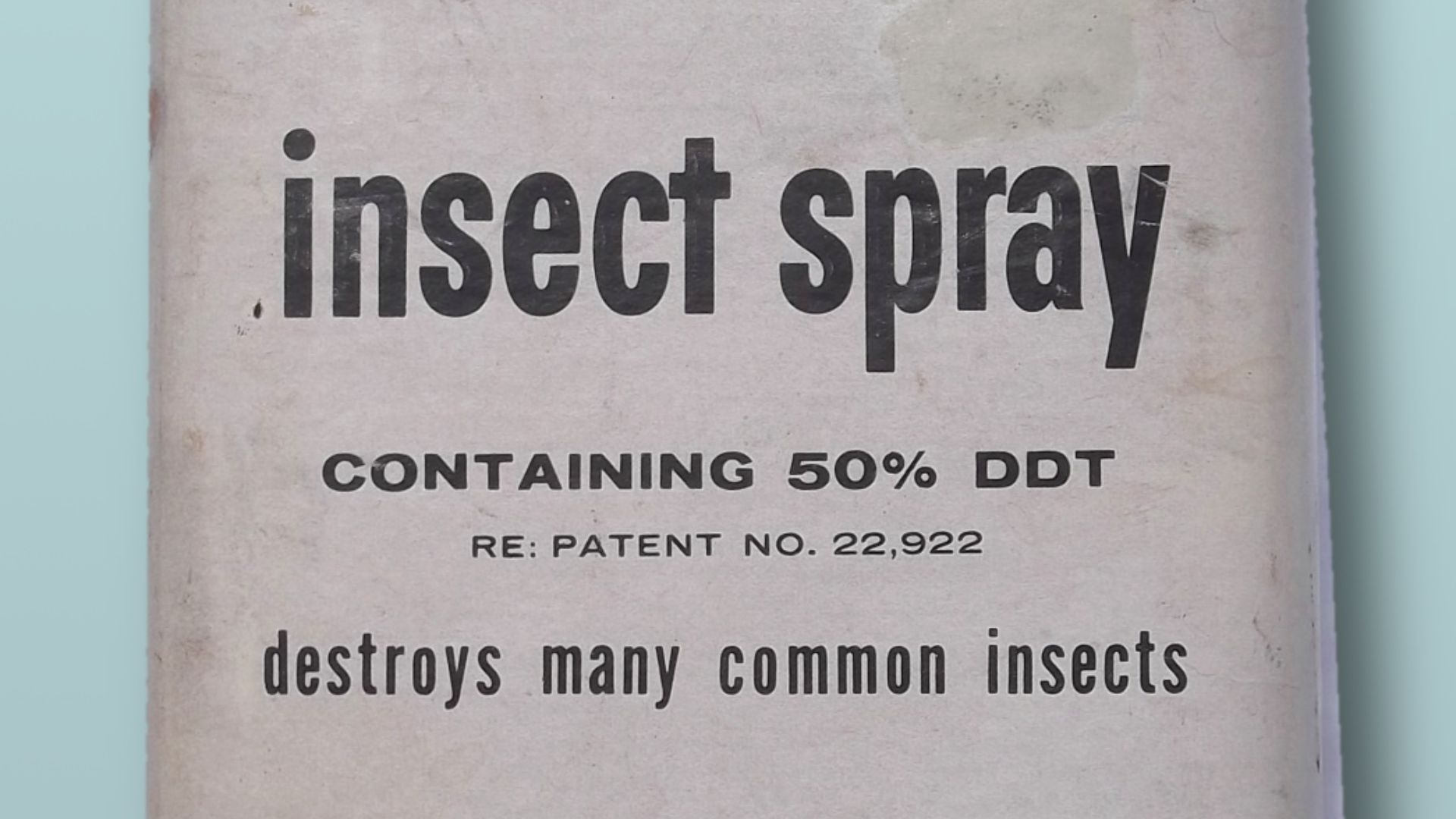
DDT Looks Like A Miracle
Few chemicals seemed as impressive in the 1940s as DDT, which proved extraordinarily effective against insects that spread diseases such as malaria and typhus. Its success encouraged enormous agricultural, household, and public-health use after World War II. Evidence of environmental persistence, wildlife damage, and other risks eventually transformed its reputation, and the Environmental Protection Agency cancelled most American uses in 1972.
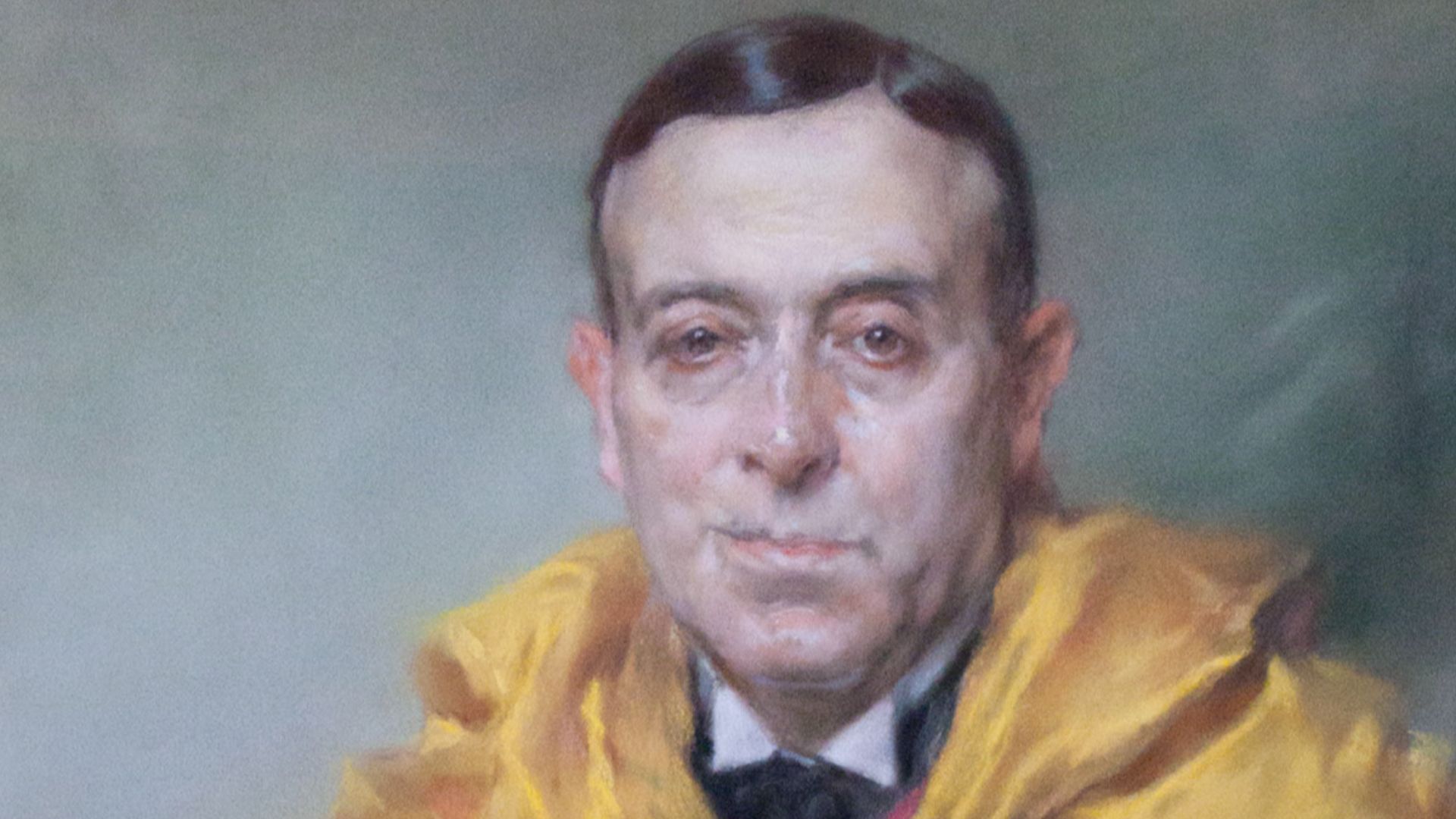
Doctors Embrace The Lobotomy
When Portuguese neurologist Egas Moniz introduced the prefrontal leucotomy in the 1930s, psychiatry had limited options for many severely ill institutionalized patients. The procedure and its variants spread internationally, and Moniz received a share of the 1949 Nobel Prize in Physiology or Medicine for the supposed therapeutic value of the operation. Severe and irreversible effects helped turn medical opinion against psychosurgery as newer treatments became available.
 José Malhoa, Wikimedia Commons
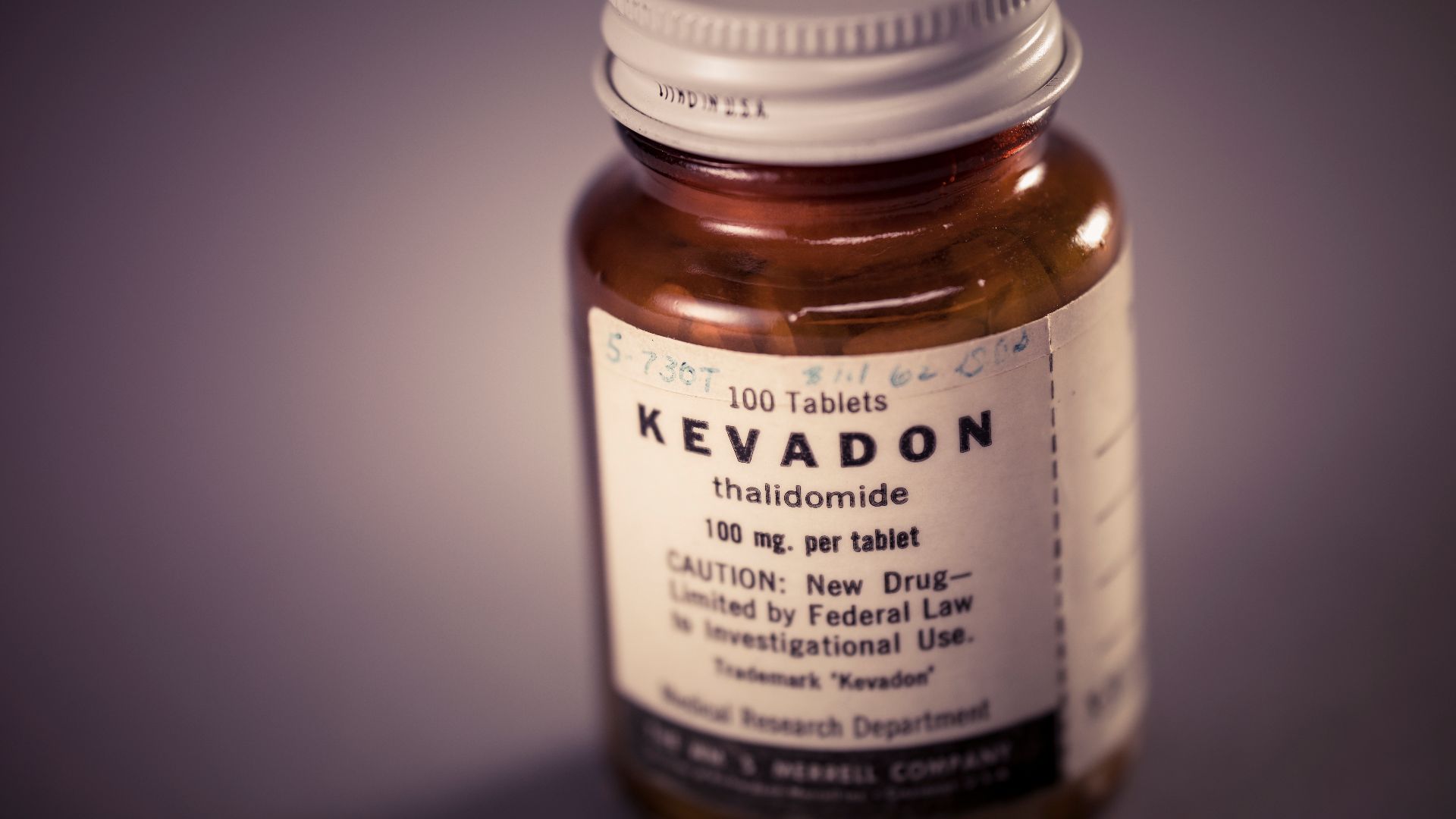
Thalidomide Spreads Across Europe
Thalidomide became widely available outside the United States as a sedative and was also used by pregnant women. American FDA medical officer Frances Kelsey resisted pressure to approve it because she believed the safety evidence was inadequate. By 1961, thalidomide had been connected with severe congenital abnormalities in thousands of babies, helping trigger much stronger requirements for proving the safety and effectiveness of medicines.
 The U.S. Food and Drug Administration, Wikimedia Commons
DES Is Prescribed To Pregnant Women
Beginning around 1940, physicians prescribed the synthetic estrogen DES to pregnant women because it was believed to help prevent miscarriages and other pregnancy complications. The treatment continued for decades before research showed that children exposed before birth could face increased risks of uncommon cancers and other health problems. The history of DES became another reminder that a plausible medical treatment can spread long before its long-term consequences are understood.
 The U.S. Food and Drug Administration, Wikimedia Commons
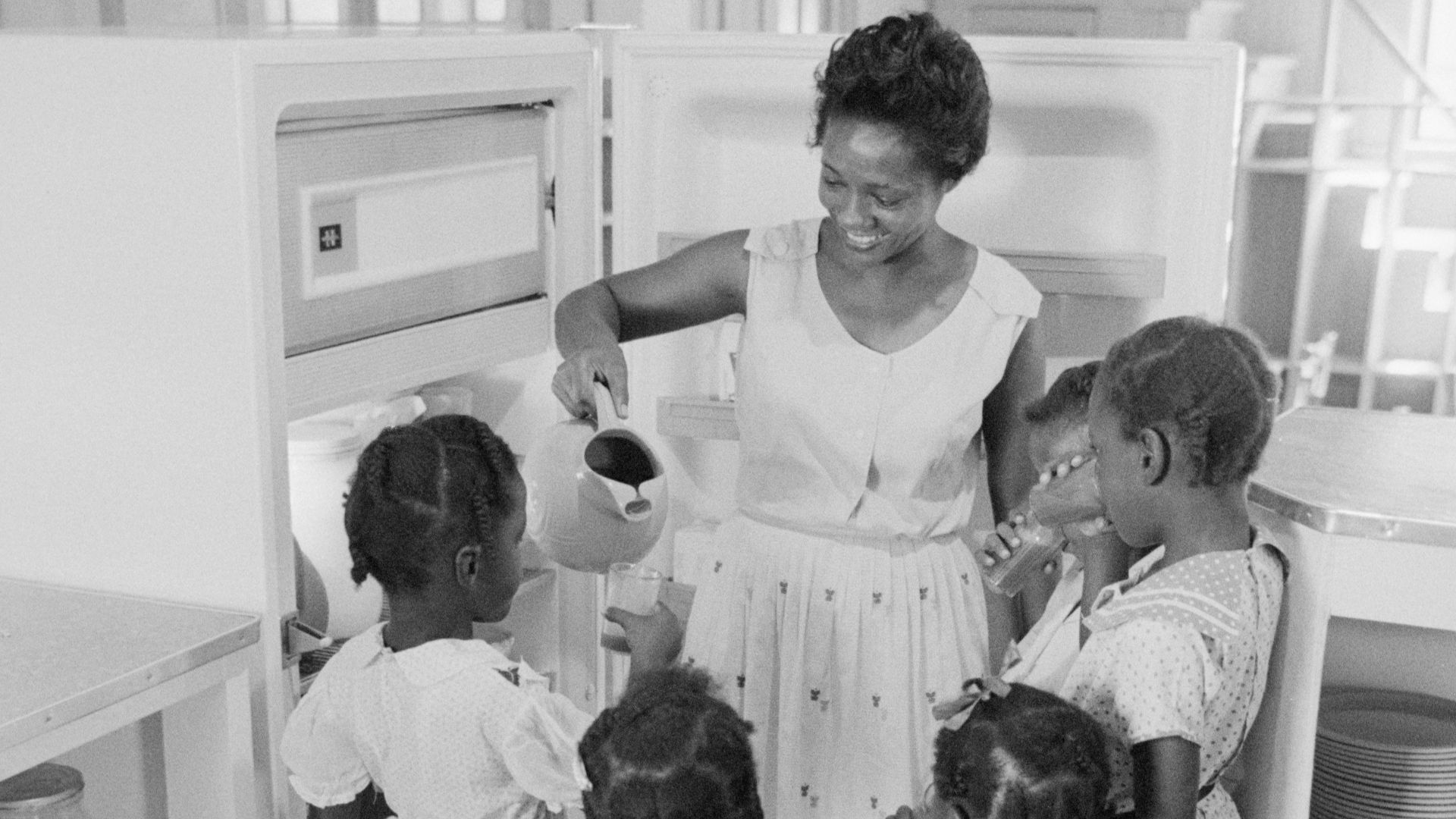
Refrigerators Get Their Wonder Chemical
Early refrigeration systems could rely on dangerous chemicals, so the introduction of chlorofluorocarbons around 1930 appeared to offer a remarkable improvement. CFCs became widely used in refrigeration, air conditioning, foam production, solvents, and aerosols. Their exceptional chemical stability eventually proved to be part of the problem because CFCs could reach the stratosphere, release chlorine, and damage the protective ozone layer.
Shoe Stores Put Children's Feet Under X-Rays
For much of the mid-20th century, the shoe-fitting fluoroscope made buying footwear look wonderfully scientific. Customers could place their feet inside the machine and watch an X-ray image of their bones appear, while shoe companies marketed the technology as a sophisticated fitting aid. Growing awareness of unnecessary radiation exposure eventually helped drive the devices from ordinary retail stores.
 Maury Markowitz, Wikimedia Commons
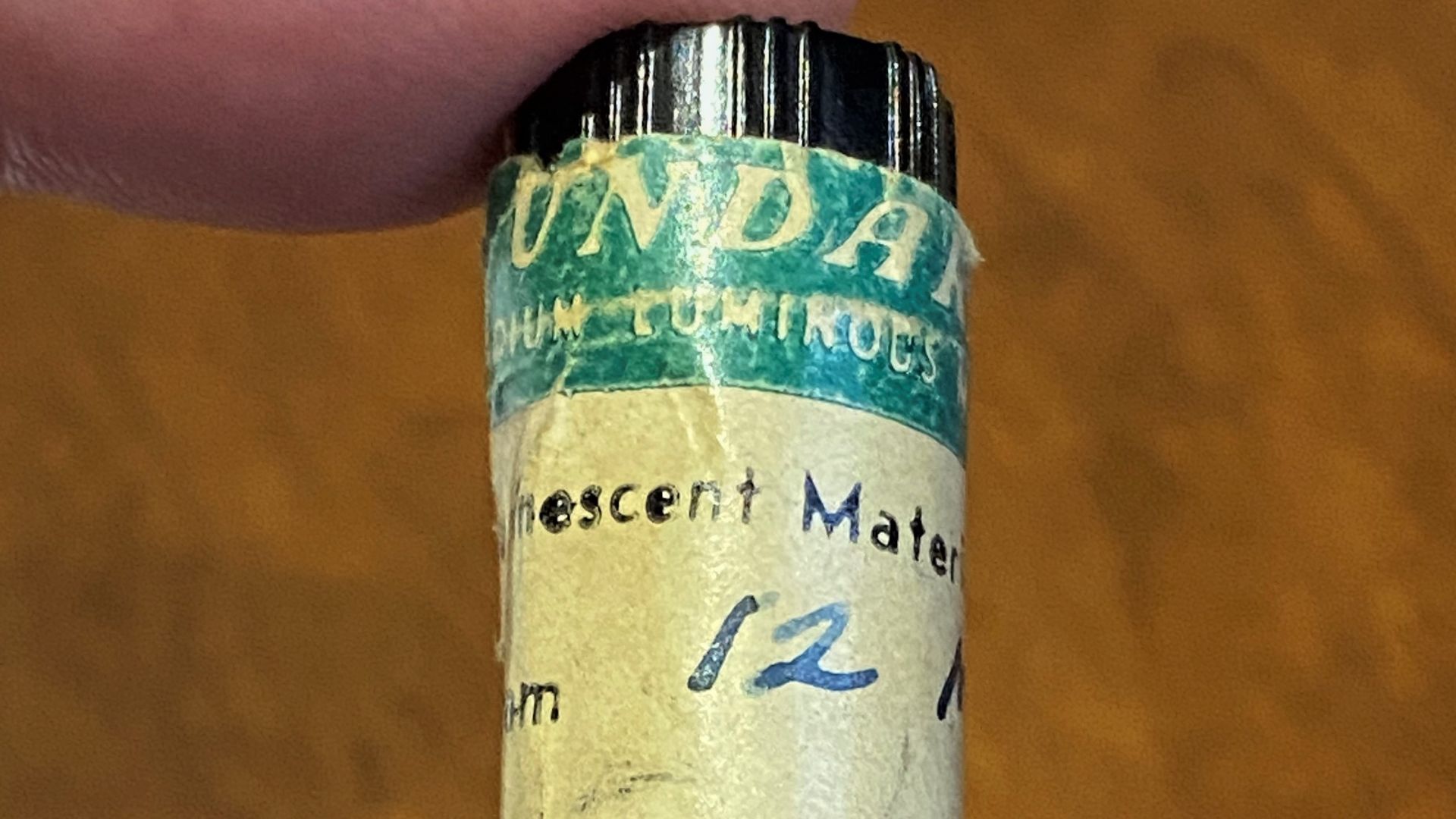
Glowing Radium Paint Seems Perfectly Modern
Radium-based luminous paint allowed watches, clocks, aircraft instruments, and military equipment to glow without an external power source. Workers painting the tiny markings sometimes shaped their brushes with their lips, unknowingly swallowing radioactive material in the process. Serious illnesses and deaths among dial painters exposed the dangers of radium and became an important chapter in the development of radiation and workplace-safety standards.
 TheBeSphereOfCourse, Wikimedia Commons
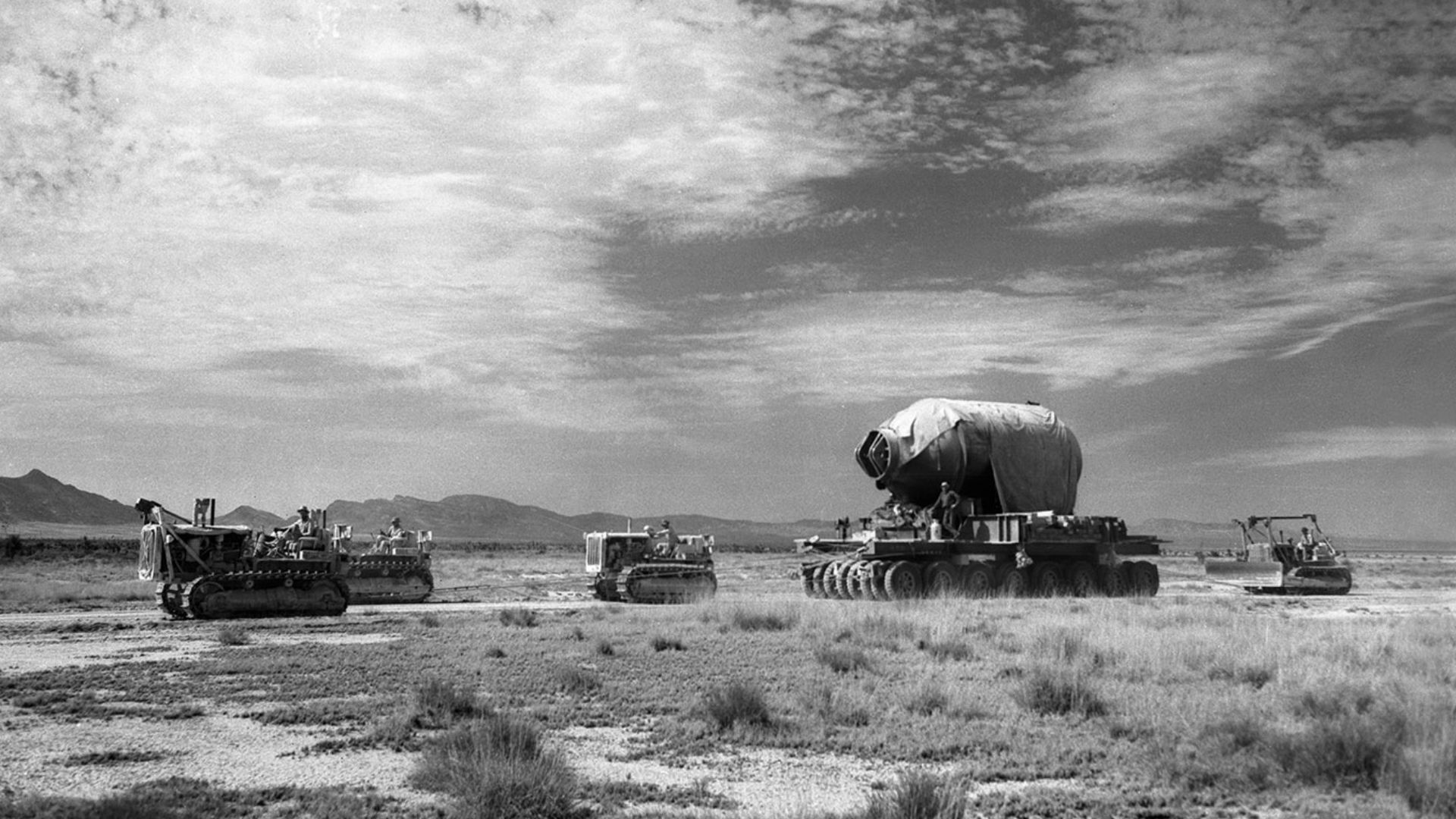
America Tests Nuclear Weapons In The Atmosphere
During the early Cold War, the United States conducted scores of atmospheric nuclear tests at the Nevada Test Site as officials raced to develop and refine increasingly powerful weapons. Radioactive fallout did not stay inside the test site, with winds carrying radioactive material far beyond the blast areas. Later research found that exposure to radioactive iodine from fallout could increase the risk of thyroid disease, particularly for people exposed as children.
 Federal government of the United States, Wikimedia Commons
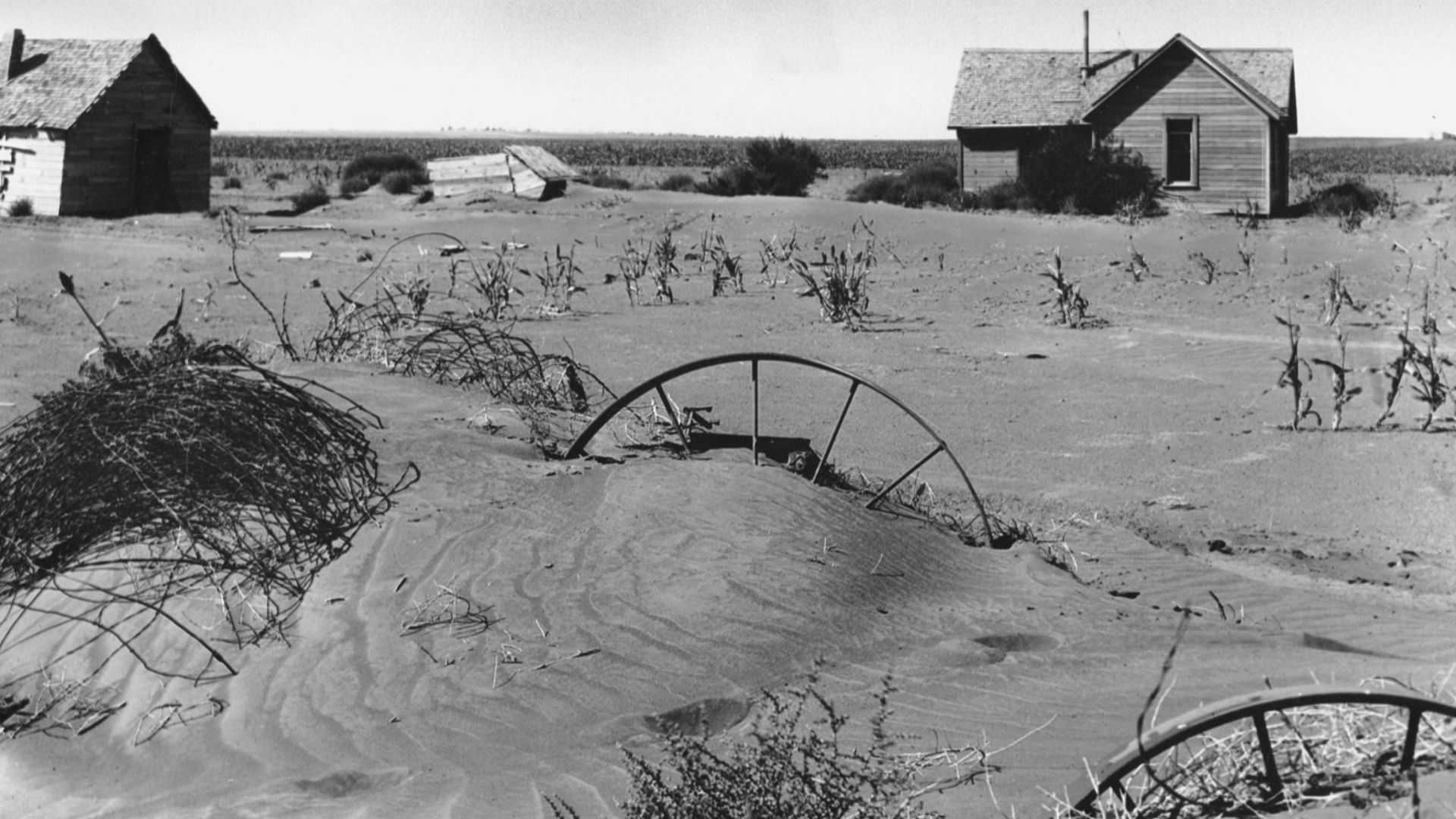
The Great Plains Gets Plowed Up
Agricultural expansion turned enormous stretches of native Great Plains grassland into farmland during the early 20th century. When prolonged drought arrived in the 1930s, heavily tilled soil lacking deep-rooted native vegetation became vulnerable to spectacular wind erosion. The resulting Dust Bowl helped force a national rethink of agricultural practices and led the federal government to make soil conservation a permanent responsibility.
Florida Tries To Drain The Everglades
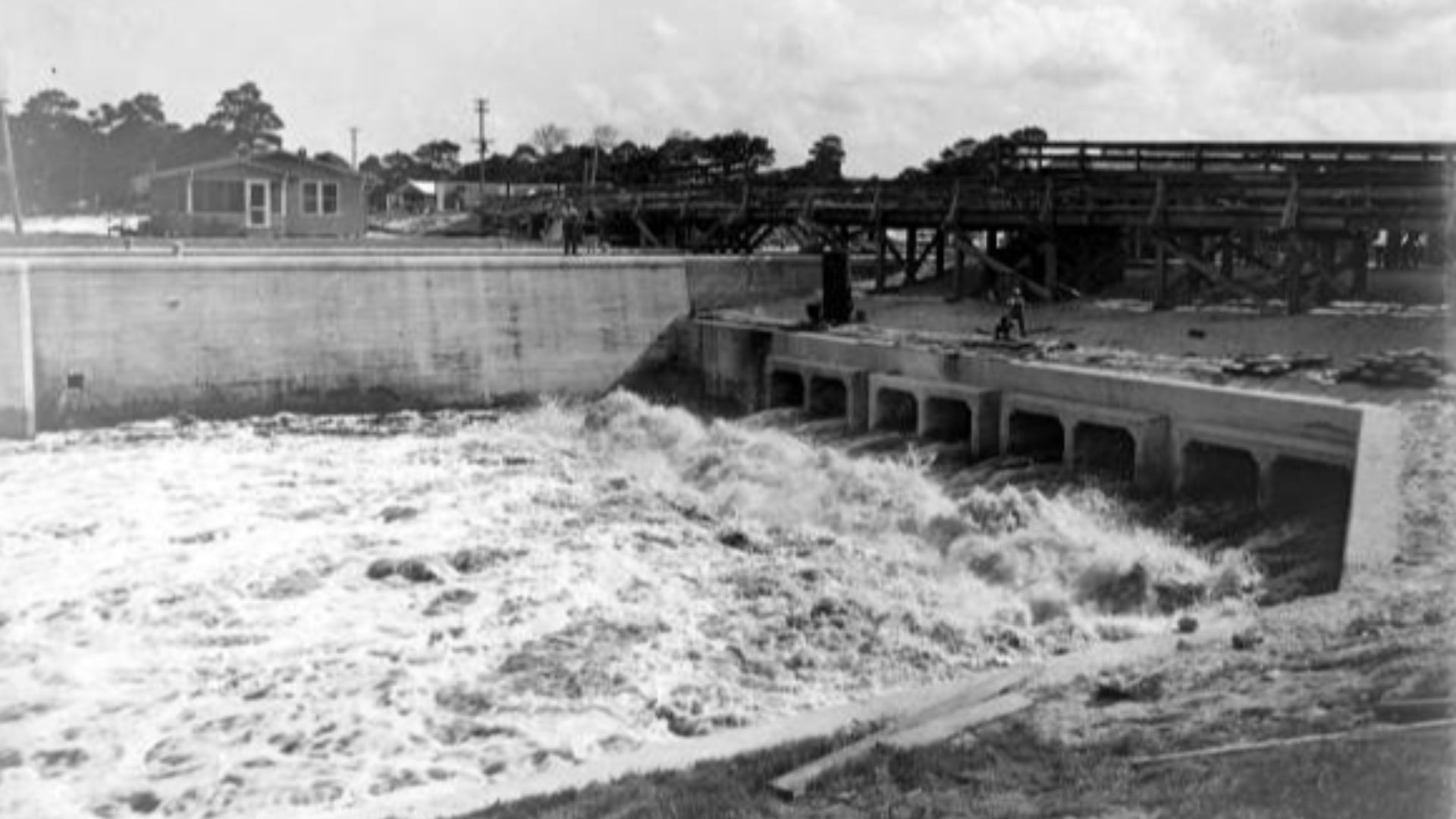
To generations of settlers, politicians, and developers, the Everglades looked like an enormous stretch of wasted land waiting to become farms, roads, and communities. Canals, levees, roads, and drainage projects progressively changed the natural flow of water through South Florida, with Congress authorizing another enormous water-control project in 1948. The environmental damage ultimately became so serious that preserving and restoring the Everglades developed into one of America's largest ecosystem-restoration efforts.
 Unknown authorUnknown author, Wikimedia Commons
Los Angeles Puts A River In Concrete
Devastating floods gave Los Angeles officials an understandable reason to want greater control over the unpredictable Los Angeles River. Beginning in the 1930s, massive engineering projects transformed much of the river into a concrete flood-control channel designed to move water rapidly through the city. Later restoration projects began trying to recover habitat and other ecological functions without sacrificing the flood protection the channel provides.
 Craig Dietrich, Wikimedia Commons
The Forest Service Declares War On Fire
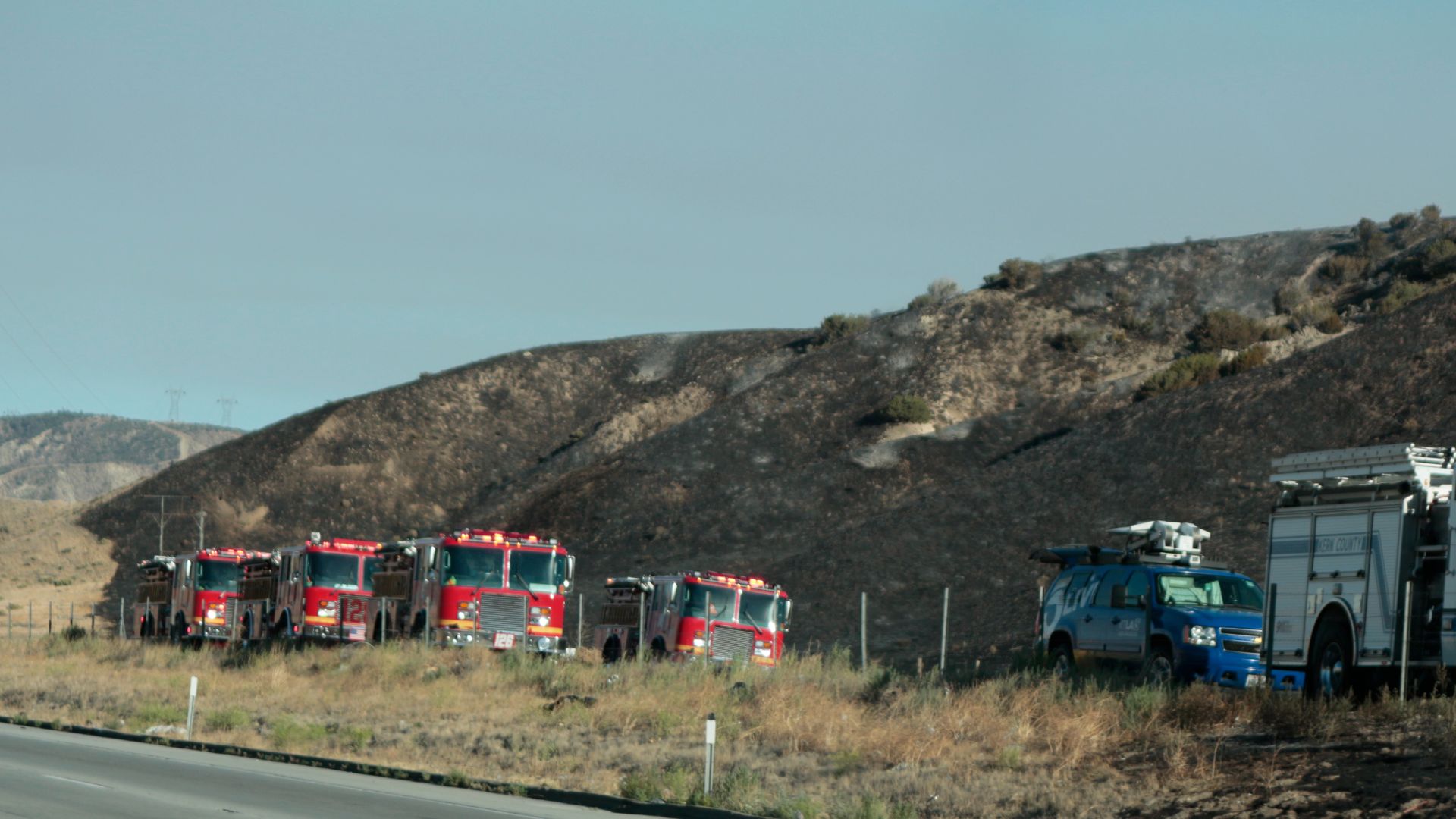
For much of the 20th century, American wildfire policy treated almost every forest fire as an enemy that should be extinguished immediately. The Forest Service's 1935 “10 a.m. policy” called for fires to be controlled by 10 the morning after they were detected, and aggressive suppression remained standard policy for decades. Ecologists and land managers eventually recognized that fire is a natural and sometimes essential part of many ecosystems, prompting greater use of prescribed burning and other strategies.
Yellowstone Decides Wolves Have To Go
Early Yellowstone managers treated wolves as destructive predators that threatened livestock and more desirable wildlife. Government predator-control programs killed wolves inside the park, and the last resident pack was eliminated in 1926. Later ecological research transformed attitudes toward predators, and wolves were deliberately restored to Yellowstone in the 1990s after an absence of roughly seven decades.
 Yellowstone National Park from Yellowstone NP, USA, Wikimedia Commons
Australia Releases The Cane Toad
Queensland sugar growers faced beetles that damaged sugarcane roots, and the cane toad appeared to offer a convenient biological solution. Thousands of young toads were released in northern Queensland in 1935 even though the animals proved ineffective at controlling the target beetles. Instead, the toxic amphibians spread across huge areas of Australia and became an invasive threat to native wildlife.
 Benjamint444, Wikimedia Commons
Australia Releases Rabbits For Sport
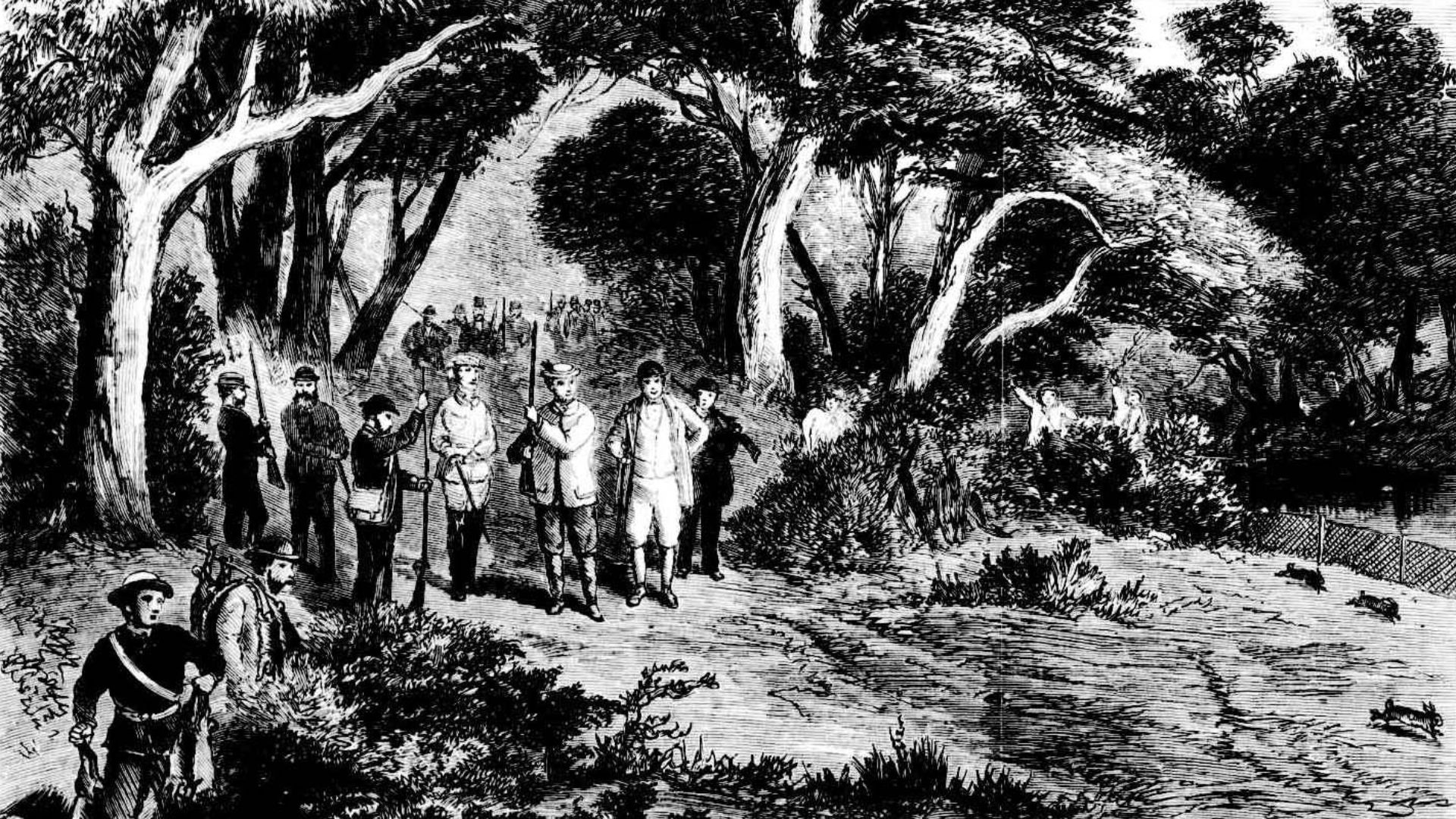
European rabbits had arrived in Australia earlier, but a famous 1859 release of wild rabbits on Thomas Austin's property helped establish a population that expanded astonishingly quickly. Hunting opportunities and familiarity made the animals seem harmless compared with the environmental invasion that followed. Rabbits eventually became one of Australia's most damaging introduced pests, stripping vegetation, contributing to erosion, and competing with native species.
 Uncertain (initialled 'RB'?), Wikimedia Commons
Washington Pays Farmers To Plant Kudzu
Kudzu was not always regarded as the vine trying to swallow the American South. During the erosion crisis of the 1930s and 1940s, federal conservation officials actively promoted it as a fast-growing plant capable of stabilizing damaged soil, distributing millions of seedlings and encouraging farmers to plant it. Its extraordinary growth later made kudzu an invasive nuisance capable of smothering trees and overwhelming other vegetation.
 Scott Ehardt, Wikimedia Commons
The Soviet Union Diverts The Aral Sea's Rivers
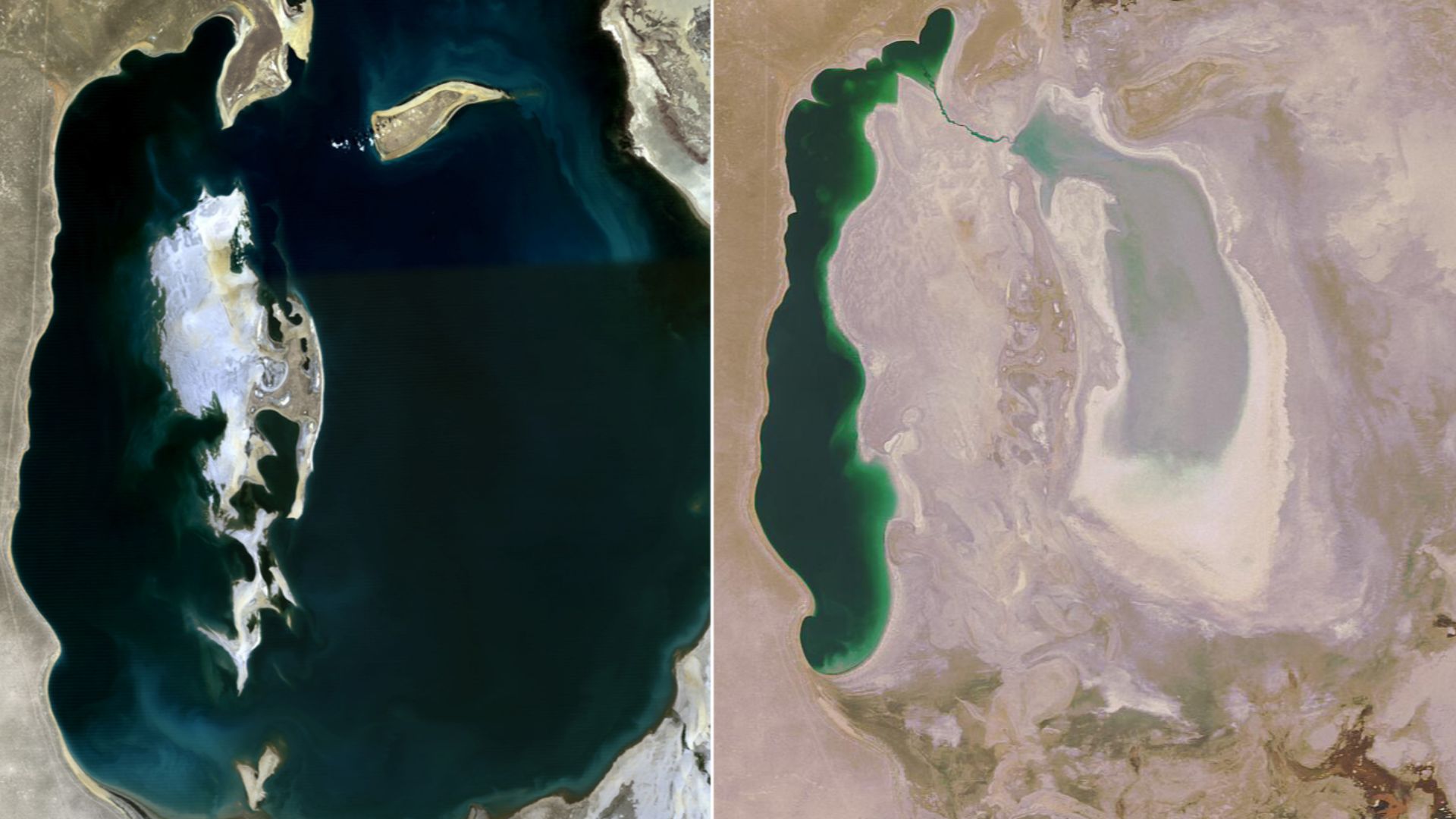
In the 1960s, Soviet planners dramatically expanded irrigation in Central Asia by diverting water from the Amu Darya and Syr Darya rivers to farms, particularly cotton-growing regions. The irrigation program increased agricultural production in an arid landscape, but it also deprived the Aral Sea of the water that sustained it. The lake, once the world's fourth largest, shrank dramatically while fisheries collapsed and exposed lakebed contributed to severe environmental problems.
 NASA, derivative work by Zafiroblue05 at en.wikipedia, Wikimedia Commons
Chamberlain Comes Home With Peace
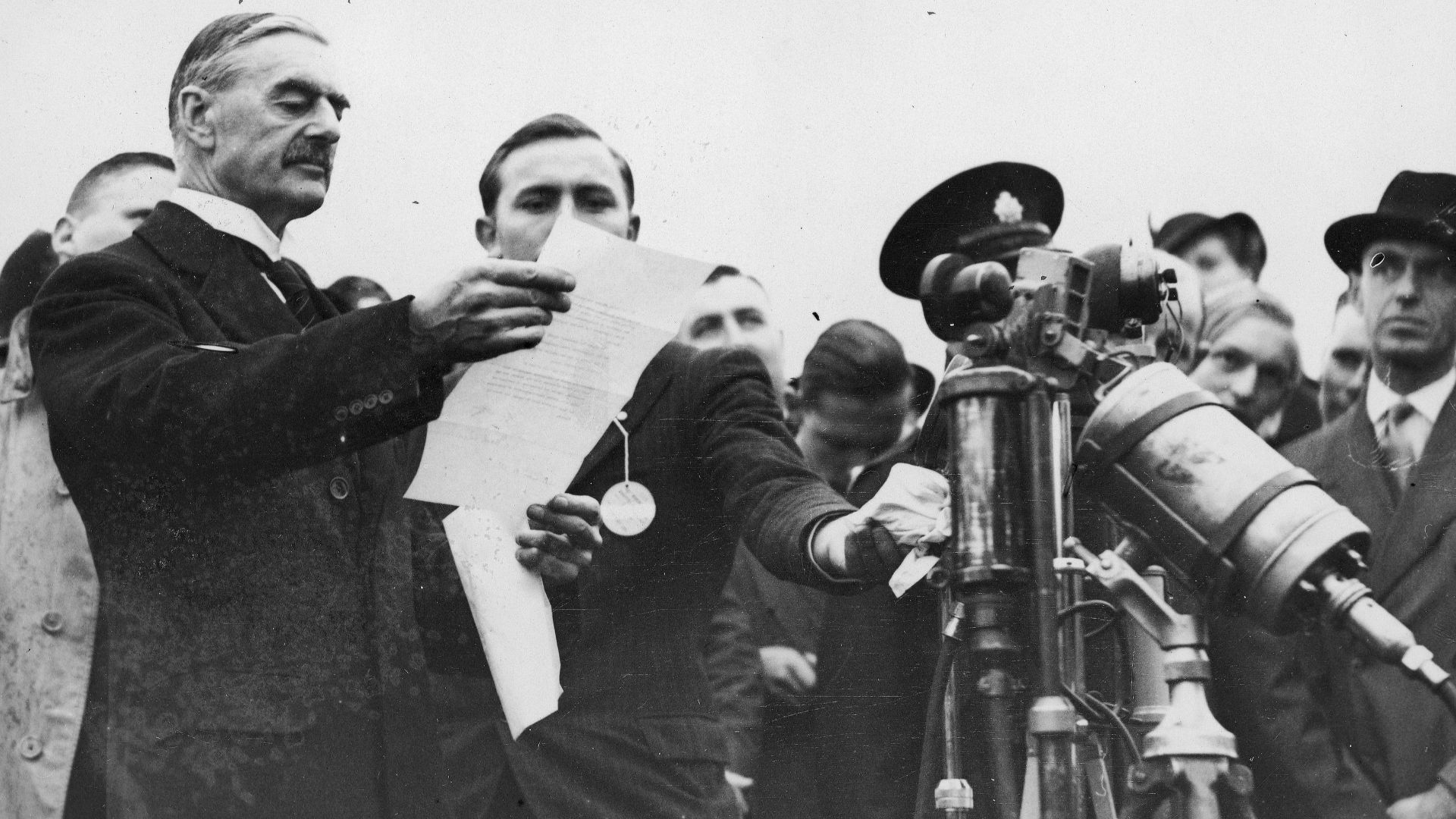
When British Prime Minister Neville Chamberlain returned from Munich in September 1938, the agreement allowing Germany to acquire the Sudetenland produced tremendous relief among many people desperate to avoid another European war. Chamberlain famously told a crowd that he believed the settlement meant “peace for our time,” although prominent critics already argued that appeasement had gone too far. Germany occupied the rest of the Czech lands the following March, and Britain was at war with Germany by September 1939.
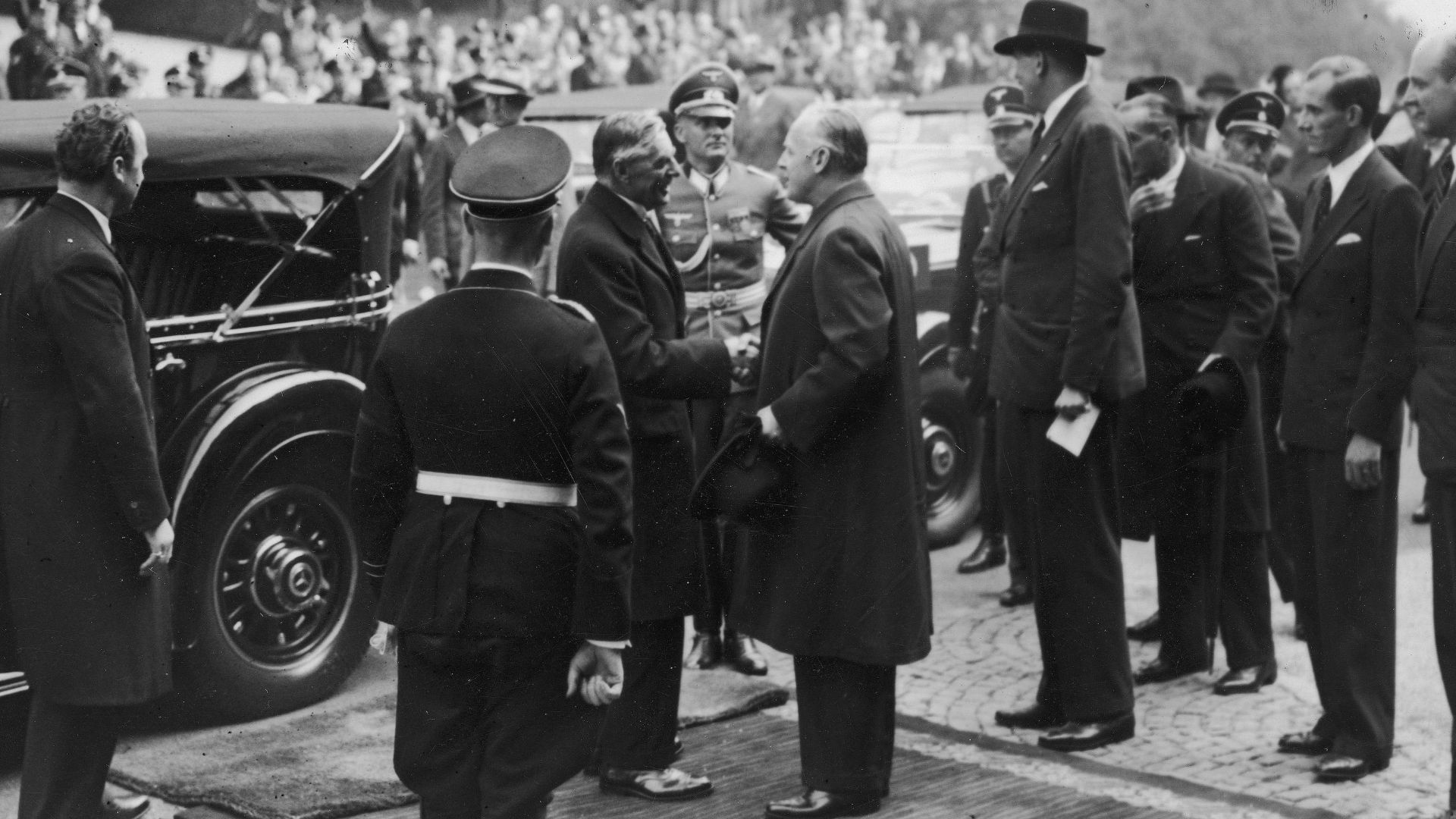 Photographer/studio not provided., Wikimedia Commons
Titanic Meets Every Lifeboat Rule
When Titanic left Britain in April 1912, the ship complied with the Board of Trade's legal requirements for lifesaving equipment and actually carried more lifeboat capacity than the regulations demanded. The problem was that those regulations had not kept pace with the enormous growth of passenger liners, leaving Titanic with space in its boats for far fewer people than could be carried aboard the ship. After the disaster, official inquiries scrutinized those outdated requirements and forced governments and shipping authorities to rethink lifeboat standards.
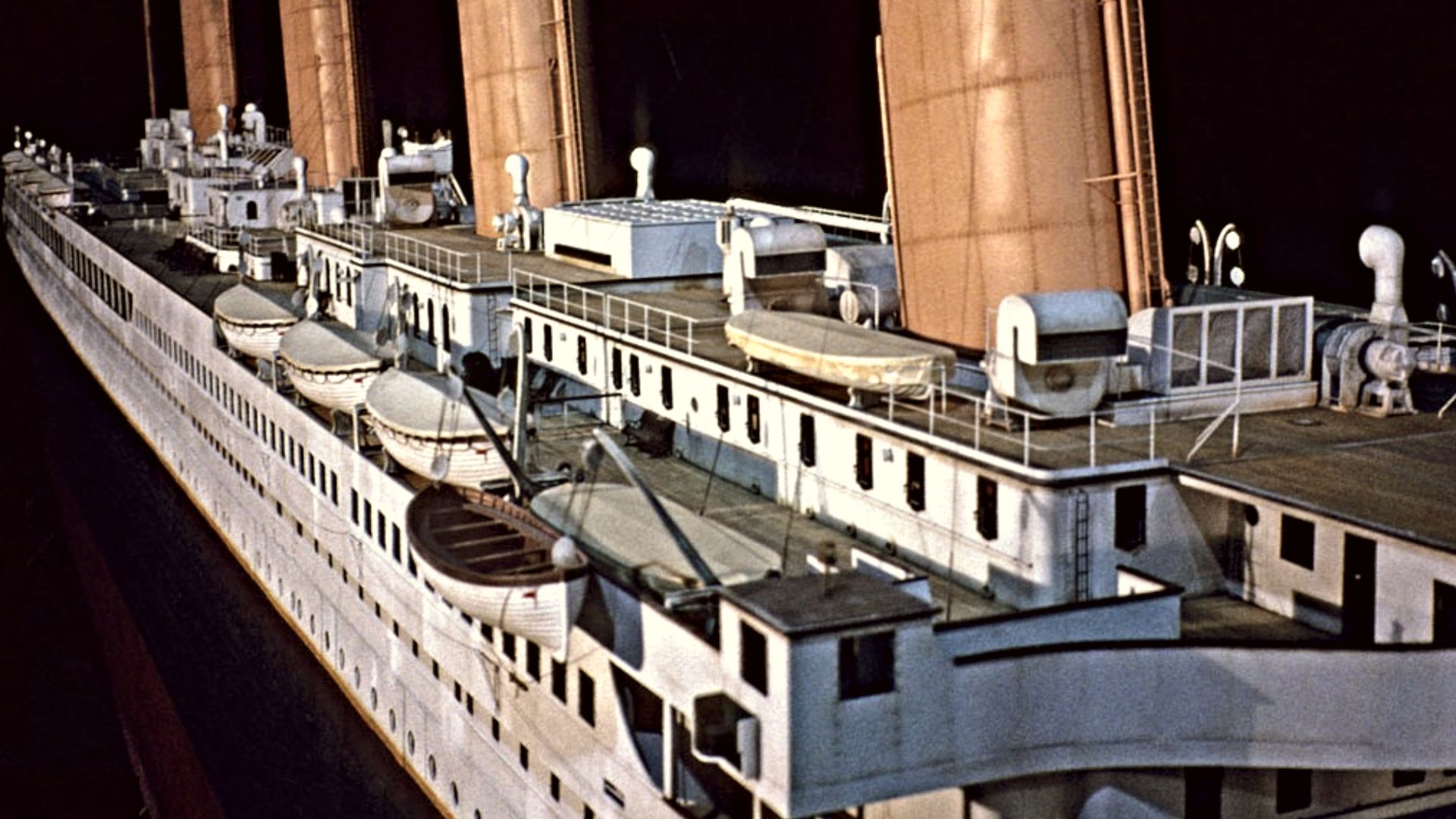 AnonymousUnknown author, Wikimedia Commons
The Most Dangerous Phrase Was “This Makes Sense”
Most of these decisions were not made by people who believed they were creating future disasters. They were often responses to genuine problems, backed by the information, assumptions, prejudices, or technology available at the time, which is precisely what makes their histories worth remembering. Progress becomes much harder to recognize when an idea has already convinced everyone that the debate is over.
You May Also Like:
Things You Didn't Realize Were American Inventions
Sources: 1, 2, 3, 4, 5, 6, 7, 8, 9, 10, 11, 12, 13, 14, 15, 16, 17, 18, 19, 20, 21, 22, 23, 24, 25, 26, 27, 28, 29, 30, 31, 32, 33, 34, 35, 36, 37, 38, 39, 40, 41, 42, 43, 44, 45, 46, 47, 48, 49, 50, 51, 52