
 Krzysztof Golik, CC BY-SA 4.0, Wikimedia Commons, Modified
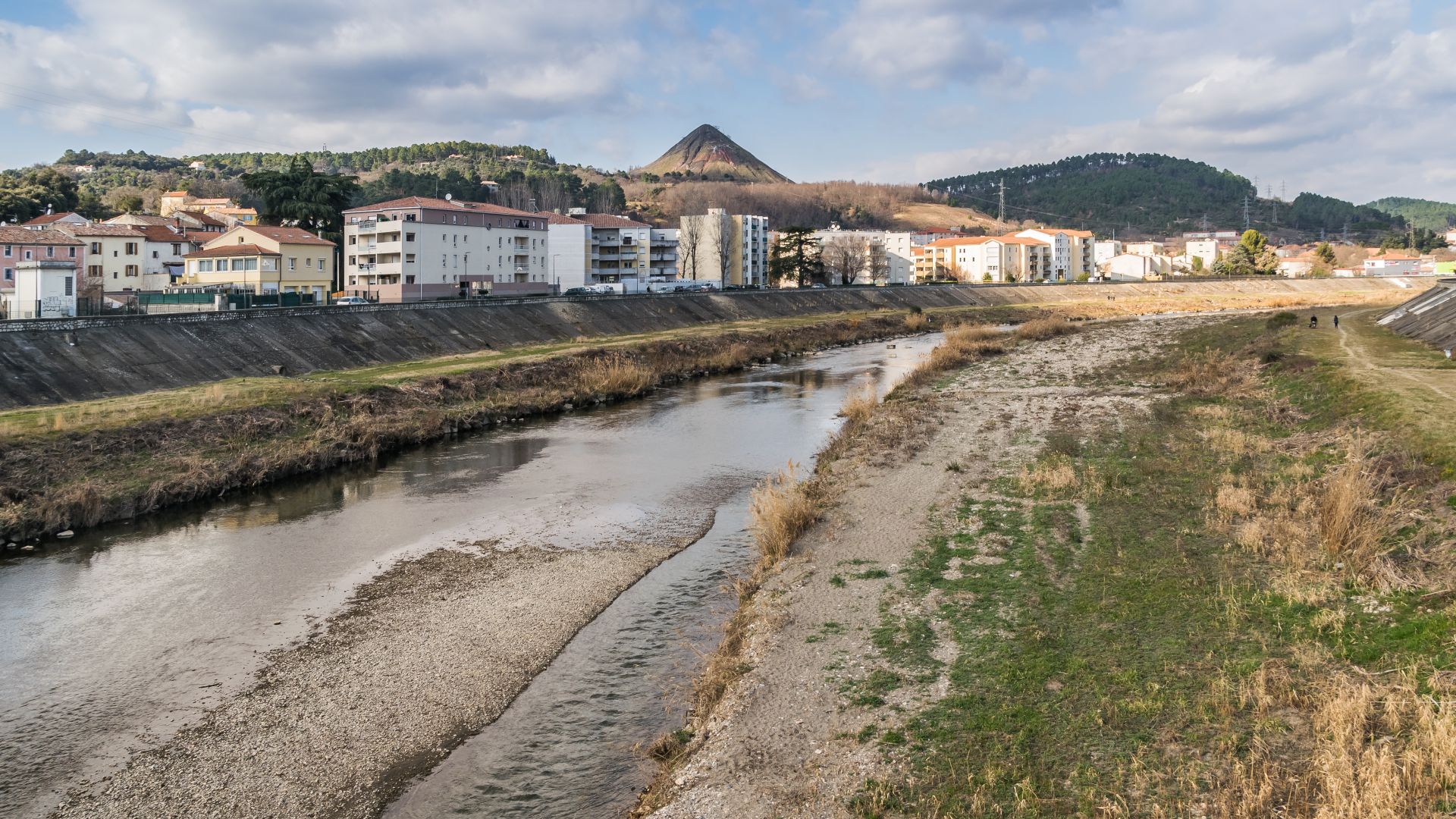
The hillside above Ales has long been part of the town’s everyday backdrop, its pale stone and quiet slopes merging into the southern French scenery without demanding attention. Yet beneath that calm surface lay structures preserved because the hillside remained largely undisturbed for centuries. When excavation began ahead of modern development, nothing immediately dramatic came forth. Instead, the soil gave way slowly to deliberate carving directly into the limestone slope. With each careful layer removed, the hill revealed signs of planned domestic life rather than casual or temporary use, holding onto the traces of people who understood how to settle into stone.
Stone Carved Into Living Space
As more of the hillside was revealed, it became clear that this settlement was neither temporary nor improvised. At least four dwellings had been carved directly into the limestone slope, and their interiors were shaped with precision. These were intentional living spaces, with walls treated in clay to limit moisture and floors constructed from layered stone and lime mortar. Such choices reflect experience in construction, which suggests residents who expected to stay and invested accordingly. The rock itself provided insulation and stability. It allowed interiors to remain cool in summer and protected them during seasonal rains.
The arrangement of these spaces reinforces the impression that this place was used for living an organized life. Rooms opened toward light, and the transition between carved interiors and built extensions felt fluid. This syncing of natural and constructed space points to a domestic mindset rooted in Roman ideals of order and comfort, adapted thoughtfully to a provincial setting. Rather than importing a template, the builders allowed the hill to dictate form while still asserting control through proportion. In doing so, they created a settlement that felt balanced with a clear sense of permanence.
 Krzysztof Golik, Wikimedia Commons
Craft And Prosperity
The site’s water management systems reveal a level of planning that goes beyond necessity. Channels constructed from reused amphorae and ceramic elements guided rainwater away from roofs and living areas. These drainage channels prevented erosion and flooding that could have quickly undermined hillside dwellings. This system was protective, designed to preserve both structure and comfort over time. Its survival points to skilled construction and ongoing maintenance over multiple generations. Traces of wall decoration indicate interiors once carried color and texture, which softens the dominance of stone and provides an apt living style.
Within this carefully managed environment, the mosaic emerged as a natural extension. Located in one of the larger buildings, the floor spans a generous area and features precise geometric patterns formed from black, white, and red tesserae. The colors remain striking, with evidence that expensive pigments may have once enhanced the design. Broad, undecorated bands frame the patterned center, possibly marking areas where furnishings once stood. The presence of such a mosaic suggests occupants with both means and cultural alignment. The design reflects participation in a shared Roman visual language.
The Hill That Stands The Test Of Time
South of the domestic structures, later burials indicate the area continued to hold meaning well into Late Antiquity. Graves oriented with care suggest new beliefs layered onto older foundations, marking a clear shift in use over time. Centuries later, medieval hermits would again find value in the hill’s quiet isolation, and agricultural terraces gradually reshaped the slope for new purposes. The mosaic, now carefully lifted for preservation, becomes a focal point because it endured across these phases. It survived because the choices made around it were rooted in an understanding of architectural nuances, construction methods, and spatial respect that can still be worth teaching in the future.
Analysis shows that the settlement developed in distinct phases. The earliest structures date to the first centuries of the Roman period, when the hillside was initially carved and stabilized for domestic use. Architectural modifications followed over time, including changes in flooring and drainage routes. This indicates an ongoing occupation. The mosaic itself belongs to a later phase, which suggests investment increased after the settlement was already established. This layered development aligns with material evidence recovered across the site, and this confirms that the hillside Roman settlement was shaped gradually. And intentionally.
 Krzysztof Golik, Wikimedia Commons