When Nature Starts Improvising
Nothing sticks to the old script anymore. Forests bloom out of rhythm, animals behave differently, and even familiar scenery seems to play new roles every year.
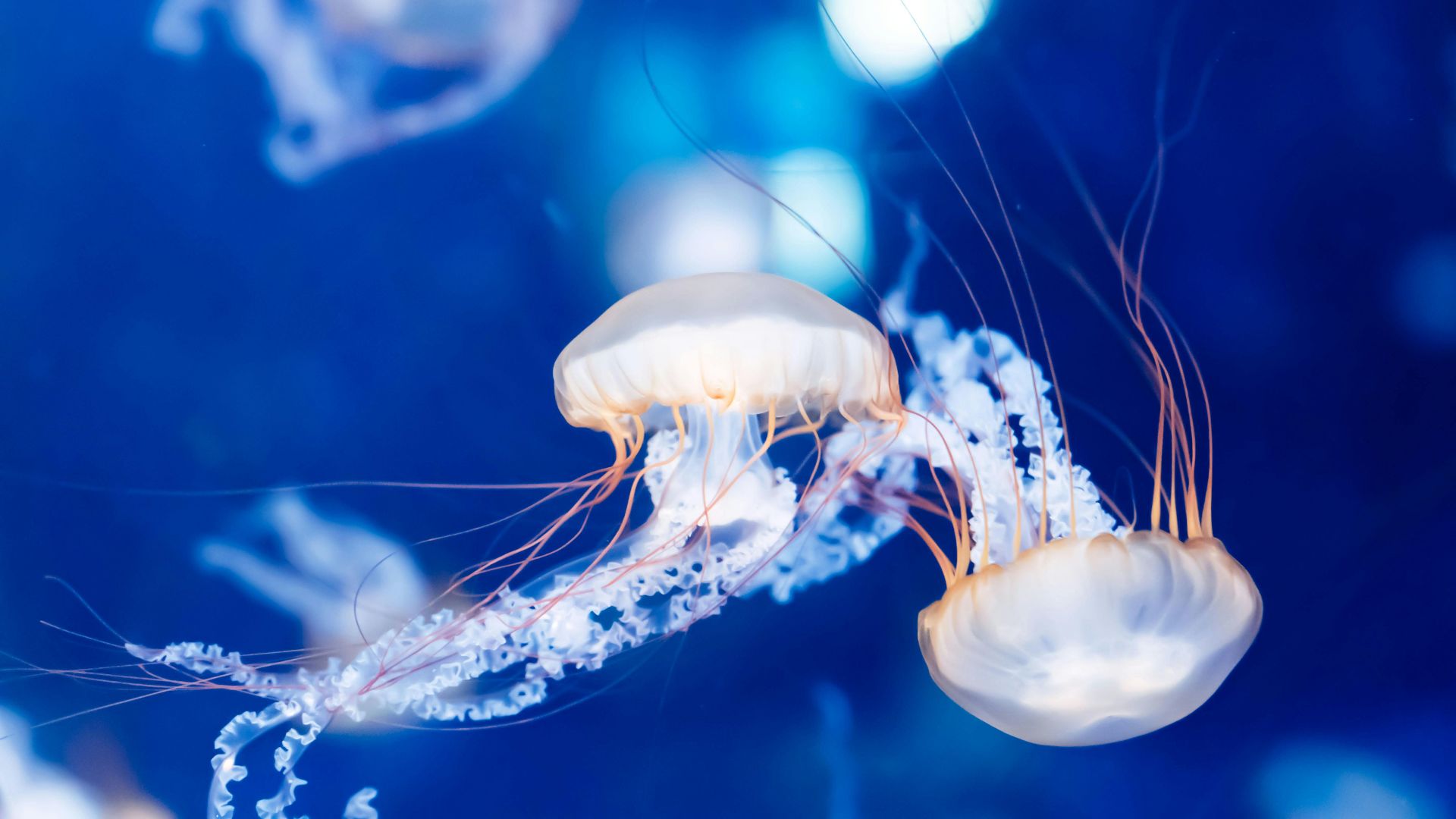
Increased Jellyfish Blooms In Warming Oceans
You might picture calm blue seas, but warmer waters are turning them into jellyfish playgrounds. As temperatures climb, jellyfish thrive while their predators struggle. Massive blooms now clog fishing nets and cooling systems worldwide, and this is creating what sailors call “jellyfish swarms” that can shut down coastal power plants overnight.
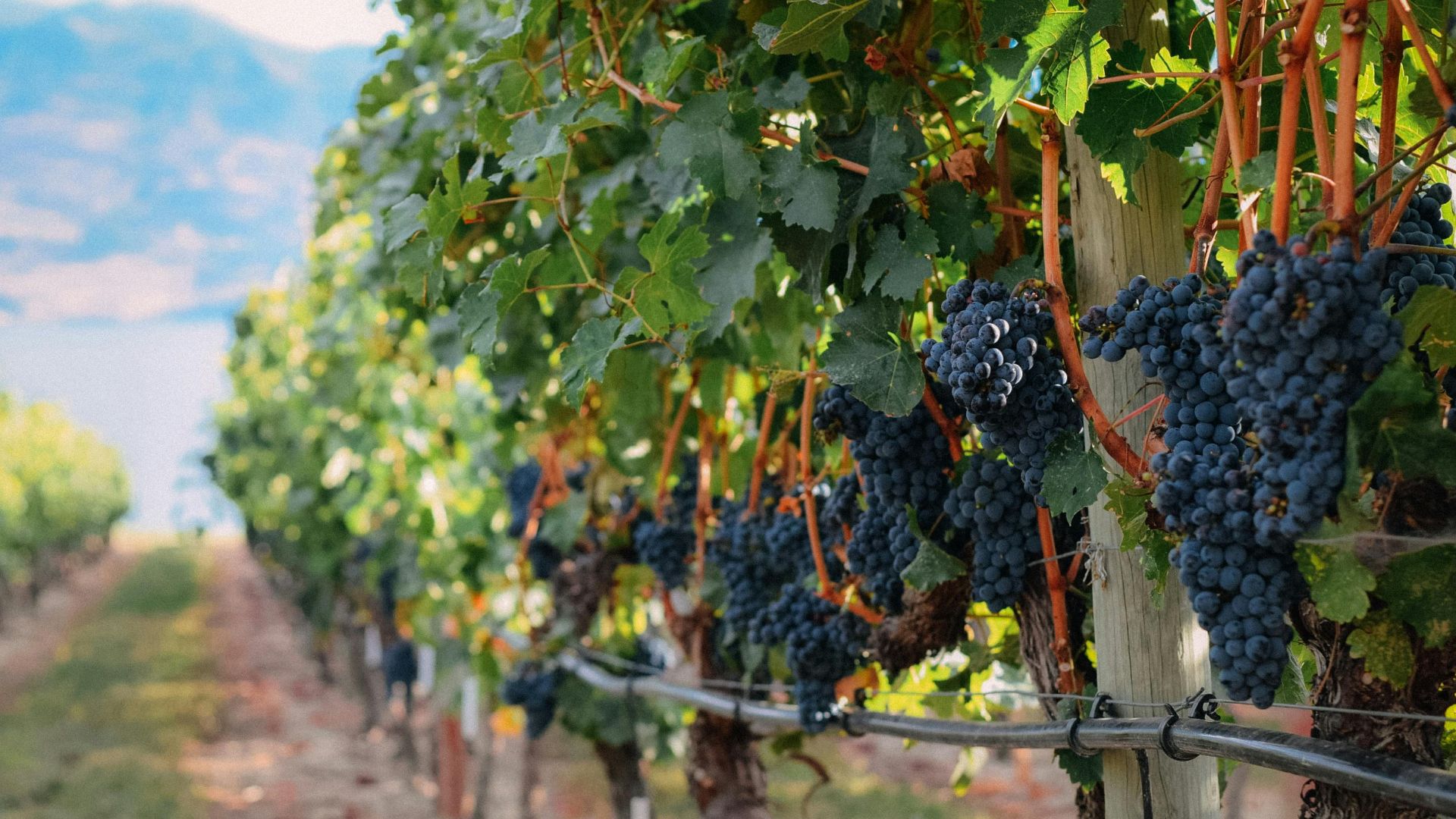
Fewer Wine Grapes Thriving In Traditional Regions
Imagine your favorite vineyard’s wine suddenly tasting off. Europe’s famed grape-growing regions—from Bordeaux to Tuscany—are facing earlier harvests and faster ripening. The heat dulls acidity, and this is raising sugar levels too quickly. Some winemakers have migrated to higher altitudes.
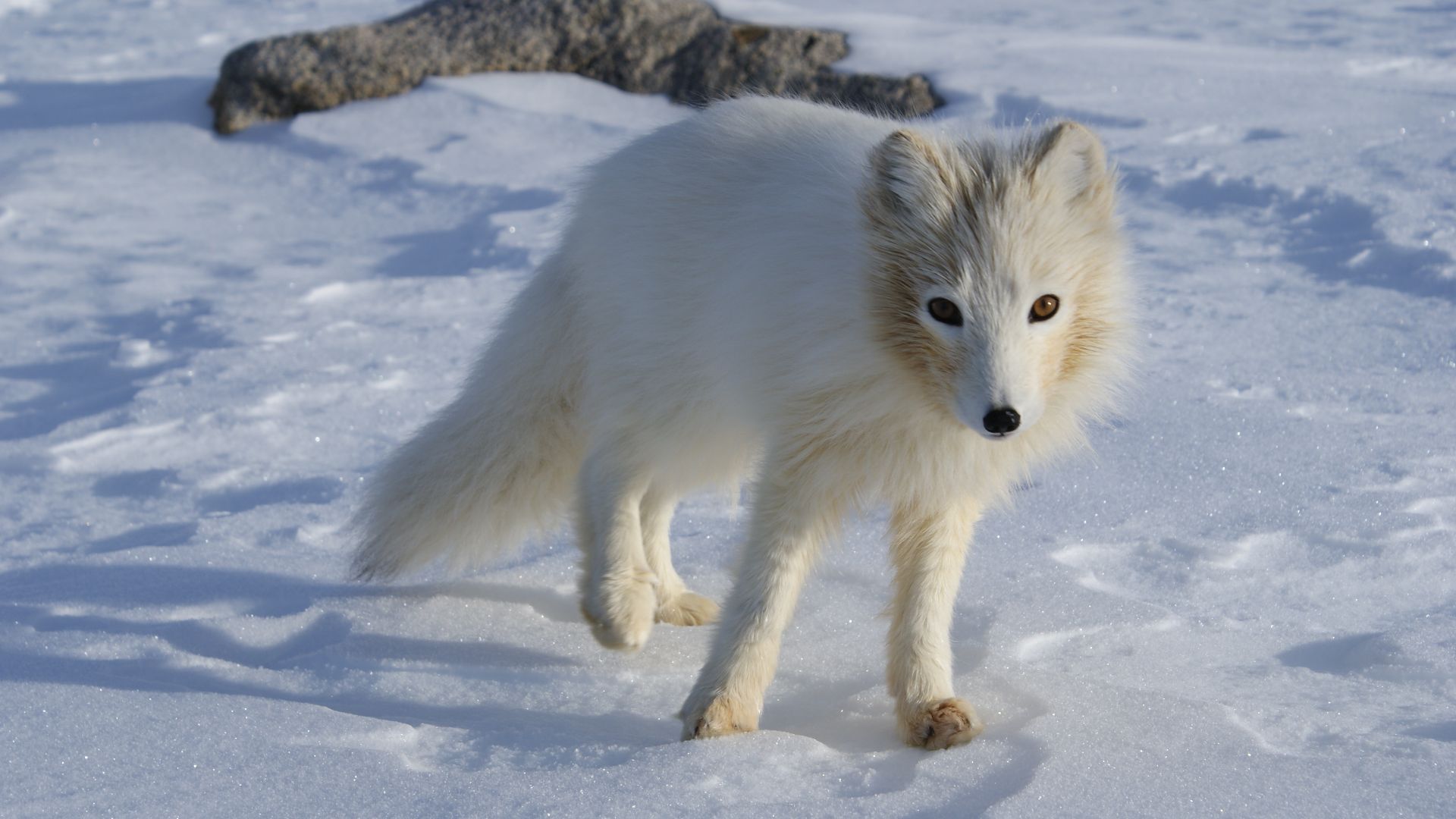
Arctic Foxes Replaced By Red Foxes
In northern tundras, stealthy red foxes are pushing Arctic foxes off their frozen thrones. Milder winters let reds hunt year-round, while Arctic foxes lose both prey and camouflage. It’s not just a rivalry; it’s evolution playing out in real time across snowless Arctic plains.
 Algkalv (talk), Wikimedia Commons
More Airplane Turbulence Due To Unstable Jet Streams
Ever notice flights feeling bumpier lately? Rising air temperatures are strengthening wind shears within jet streams—those invisible highways pilots rely on. Planes now hit more “clear-air turbulence,” the kind you can’t see coming. Even veteran pilots call these invisible jolts the new normal of modern flight.

Coffee Flavor Degradation From Heat Stress
That morning cup might not taste the same forever. Coffee plants wilt under heat stress, and this reduces their aromatic compounds. Beans from once-stable regions like Ethiopia are now developing bitter tones. Farmers chase cooler elevations trying to reshape the coffee map with every hotter season.

Longer Pollen Seasons Extending Allergy Symptoms
Warmer air and earlier thaws stretch pollen seasons by weeks. Different plants, like ragweed and grasses, release clouds that travel farther than ever. Doctors now mark “pollen peaks” that span seasons. Global warming is turning mild sniffles into year-round battles for allergy sufferers.
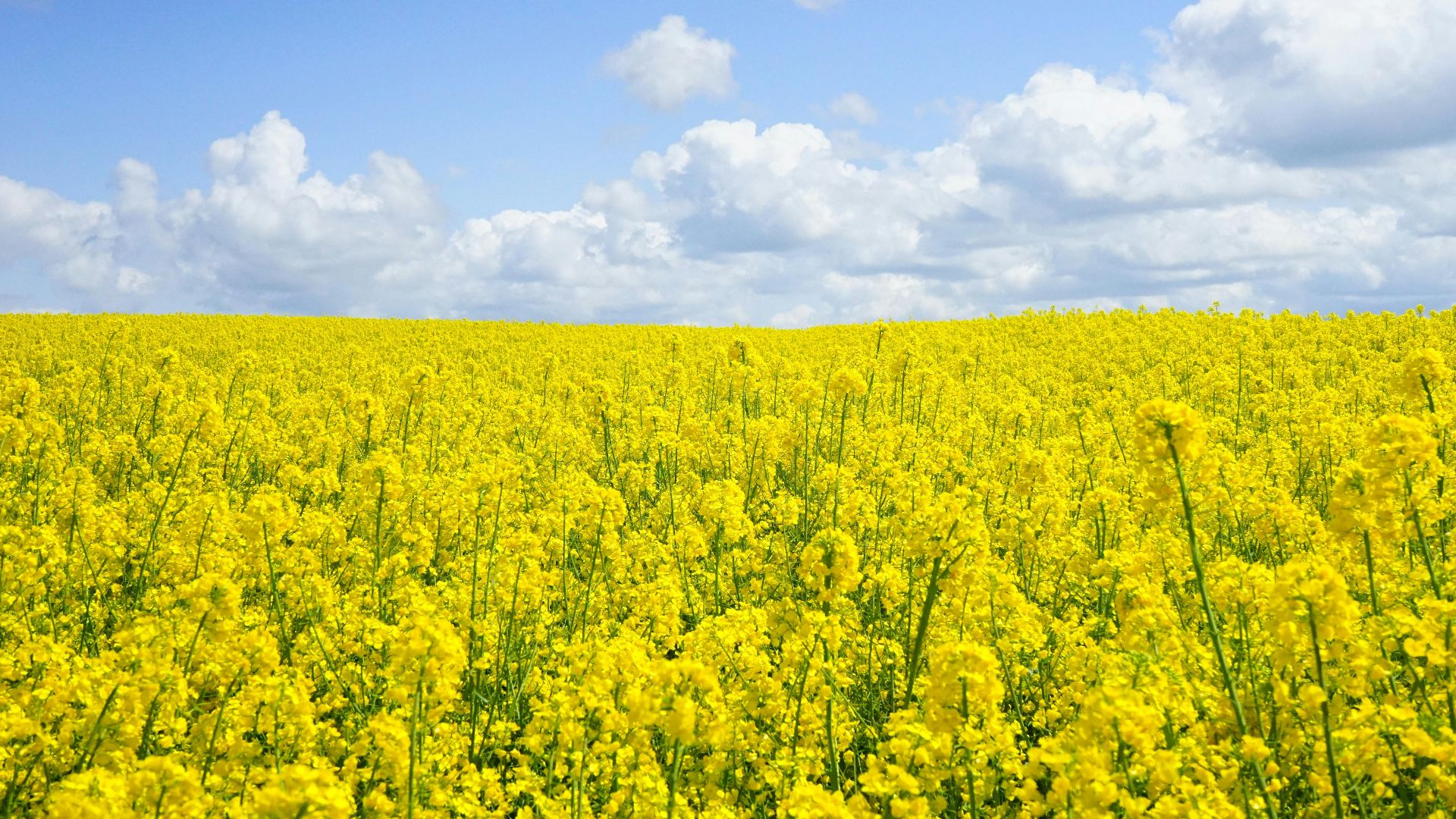
Rising Kidney Stone Rates From Hotter Climates
Sweat more, drink less, and your body makes more crystals—literally. Hotter temperatures dehydrate people faster, causing minerals in urine to clump into kidney stones. Hospitals in the American South already call this the “stone belt,” and it’s creeping north as summers grow longer and hotter.
Declining Sleep Quality During Heat Waves
Try sleeping through a heatwave without air conditioning—your brain won’t thank you. Elevated nighttime temperatures disrupt the body’s cooling cycle and cut deep sleep short. Cities that never cooled before dawn now record restless nights where humidity alone can keep entire neighborhoods wide awake.


History's most fascinating stories and darkest secrets, delivered to your inbox daily.
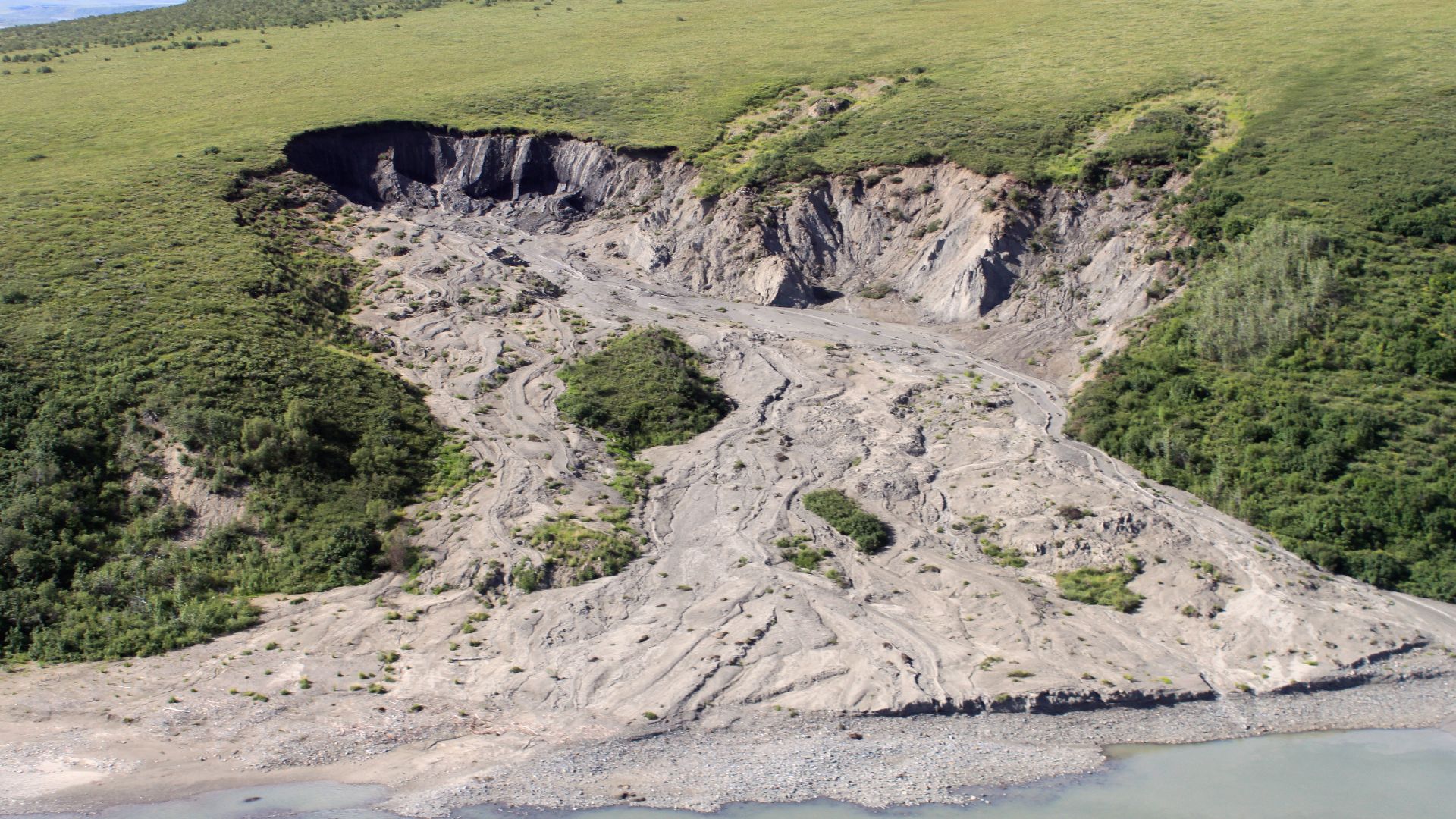
Thawing Permafrost Releasing Ancient Pathogens
The Arctic’s melting ground isn’t just mud—it’s a time capsule. Permafrost once sealed ancient bacteria, viruses, and spores beneath ice for millennia. As it thaws, some of these organisms reawaken. In Siberia, thawed soil even revived anthrax spores. It’s scary, right?
 NPS Climate Change Response, Wikimedia Commons
Fish Migrating Away From Equatorial Waters
In equatorial seas, fish are packing up and swimming poleward. Warmer surface waters drive species like tuna and mackerel toward cooler water, and tropical fishers are left empty-handed. Coastal villages now face a migration that rewrites entire menus across the tropics.
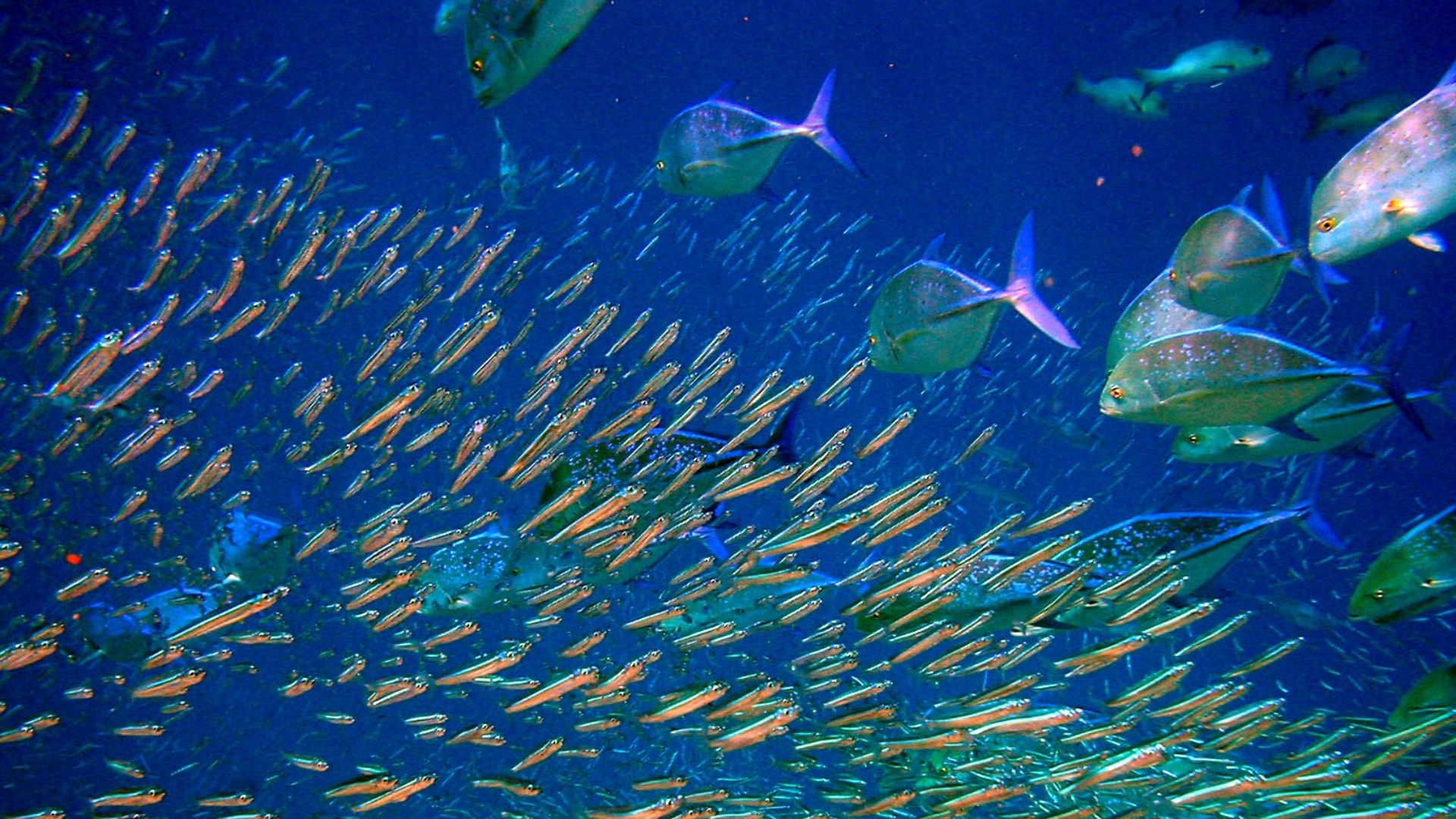 Bruno de Giusti, Wikimedia Commons
Longer Mosquito Seasons Expanding Disease Zones
If mosquitoes feel like permanent residents now, you’re not imagining it. The rising temperatures let them breed year-round and thrive in regions once too cold to survive. Diseases like dengue and Zika are spreading northward. This is turning summer pests into uninvited guests who overstay their welcome every season.
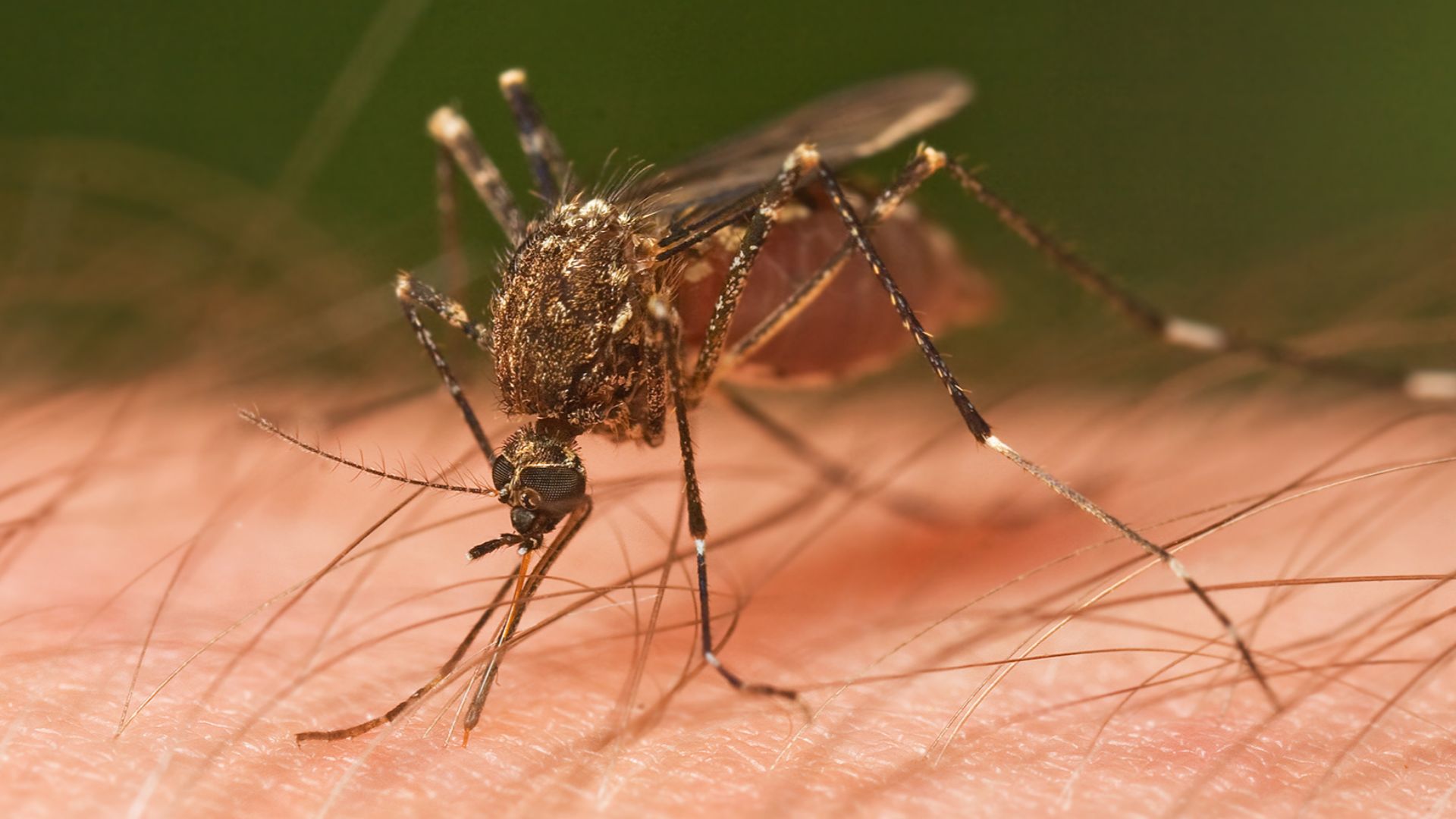 JJ Harrison (https://www.jjharrison.com.au/), Wikimedia Commons
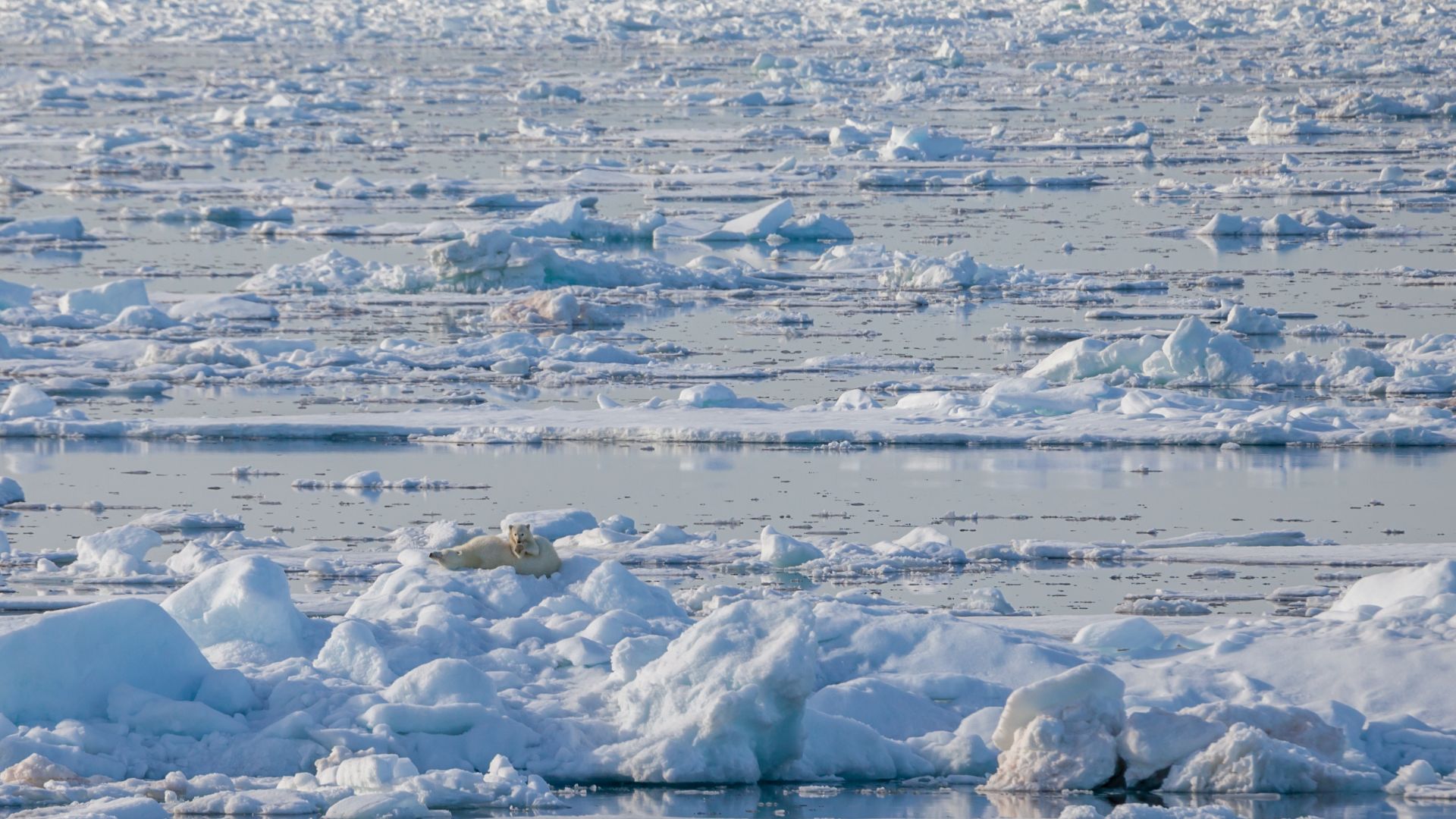
Ocean Acidification Damaging Coral Soundscapes
What microbiologists call the ocean’s acidification has quieted coral reefs’s natural “soundtracks”. These soundtracks were once alive with crackles and clicks that guided young fish home. As pH levels fall and coral skeletons weaken, those underwater symphonies fade.
Crocodiles Mating More Due To Heat-Altered Gender Ratios
Heat is also deciding who’s born male or female in the reptile world. As nests grow hotter, crocodile hatchlings skew toward one gender. The result? Populations balloon unevenly. In Australia’s north, scientists found nests yielding nearly all males—a biological twist that could upend the balance of river life.
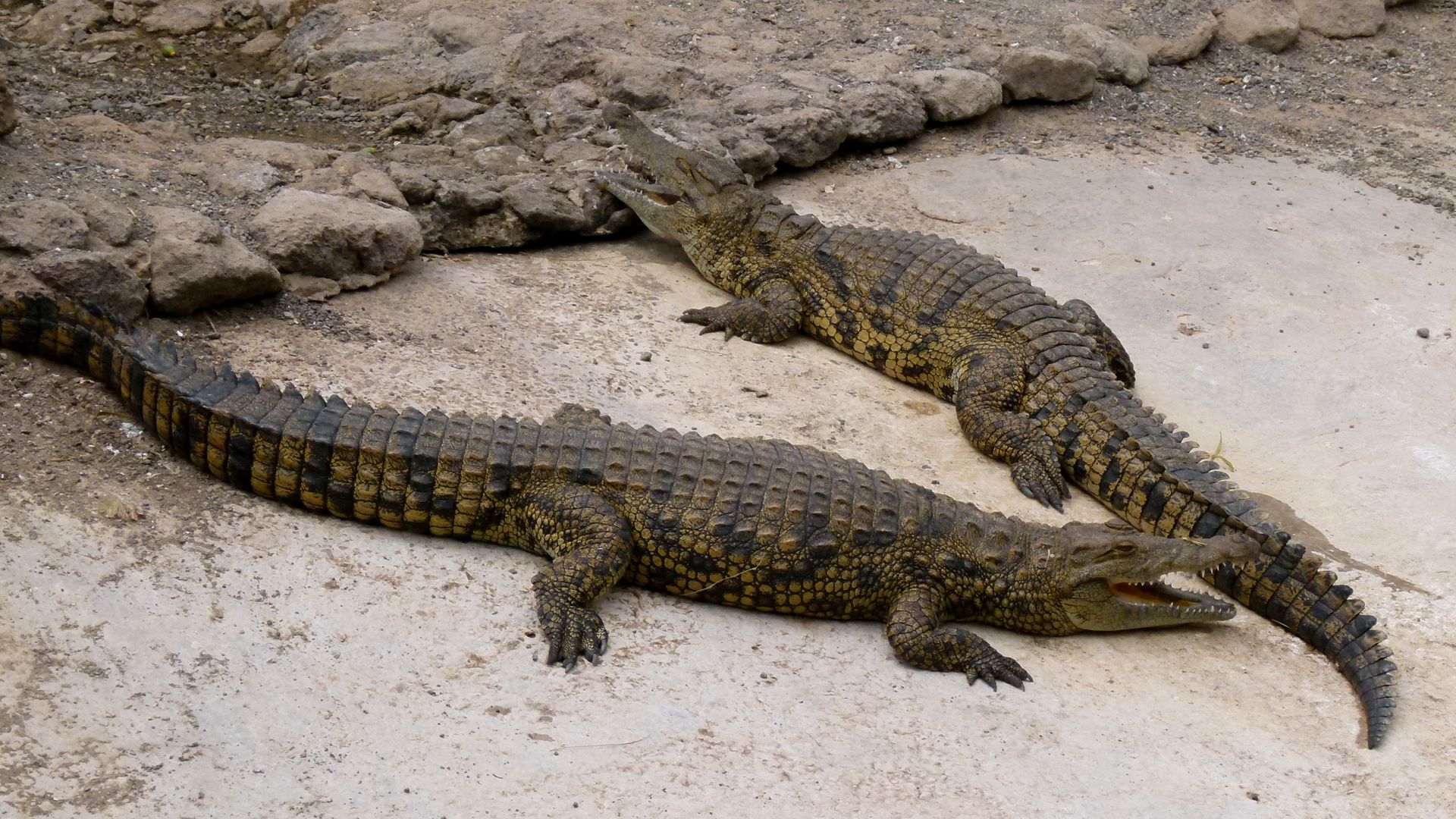 Norbert Nagel, Mörfelden-Walldorf, Germany, Wikimedia Commons
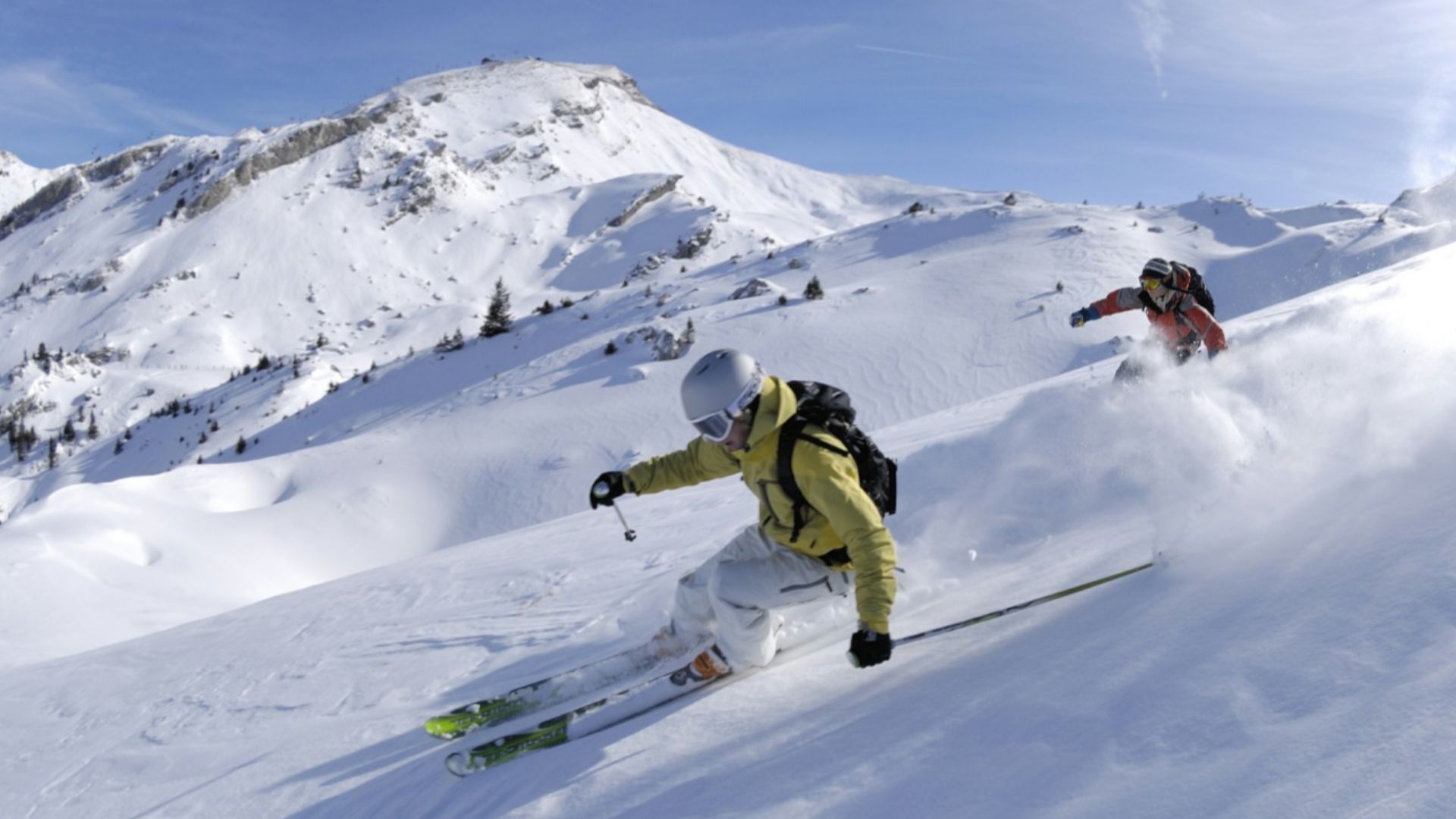
Shorter Ski Seasons Reducing Winter Tourism
For mountain towns, the melting snow is an economic slide. Resorts from Colorado to the Alps lose weeks of powder each season. Snow cannons hum overtime, yet can’t save shrinking trails. Winter festivals now start earlier and end before true winter begins.
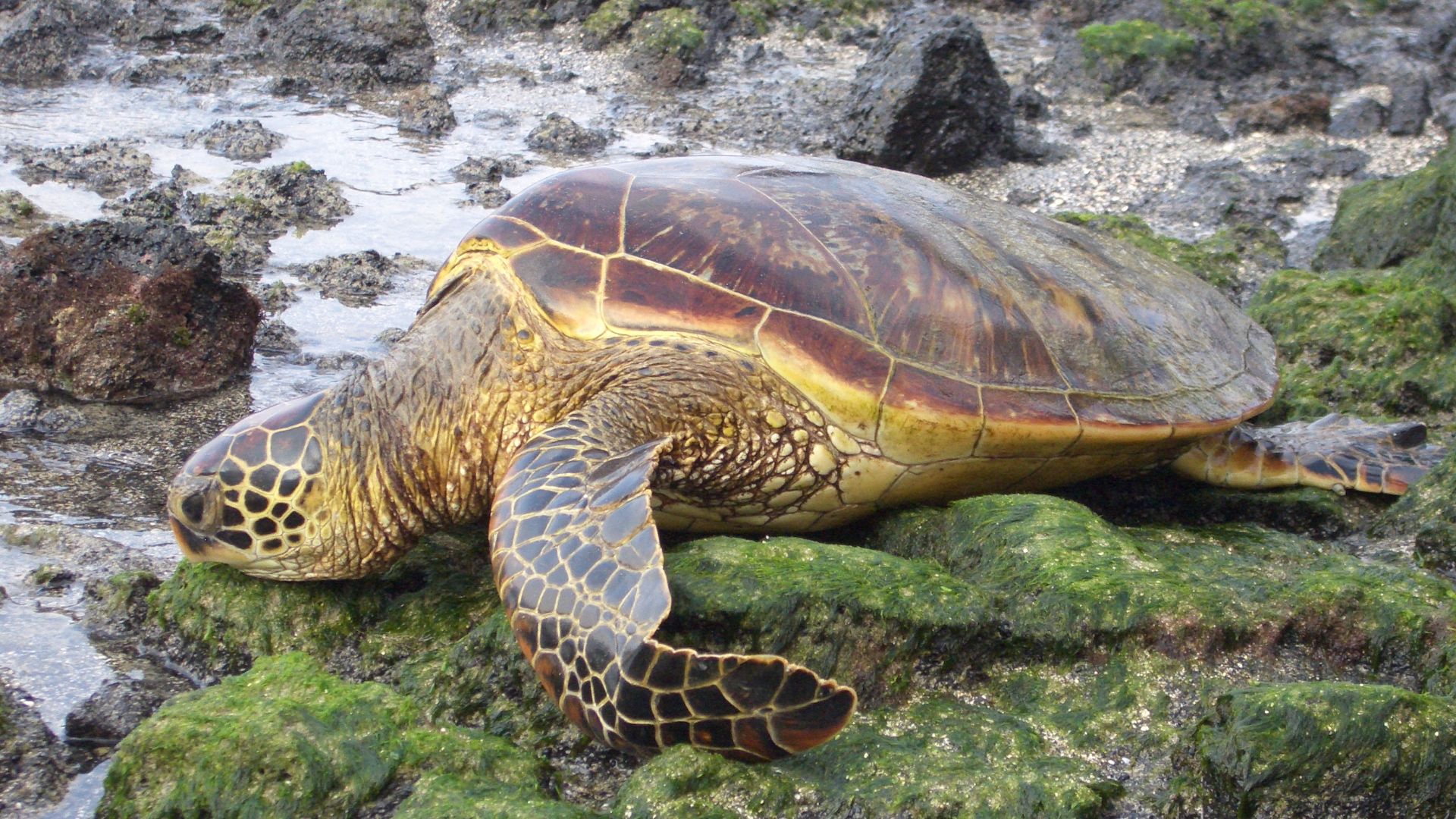
Fewer Male Sea Turtles Hatching In Hotter Sands
Under the sun’s glare, sea turtle nests turn into gender factories. The warmer sand tilts hatch rates toward females, with beaches in Florida producing almost none of the opposite gender. These shifting ratios threaten future breeding cycles.
 No machine-readable author provided. Ezpete assumed (based on copyright claims)., Wikimedia Commons
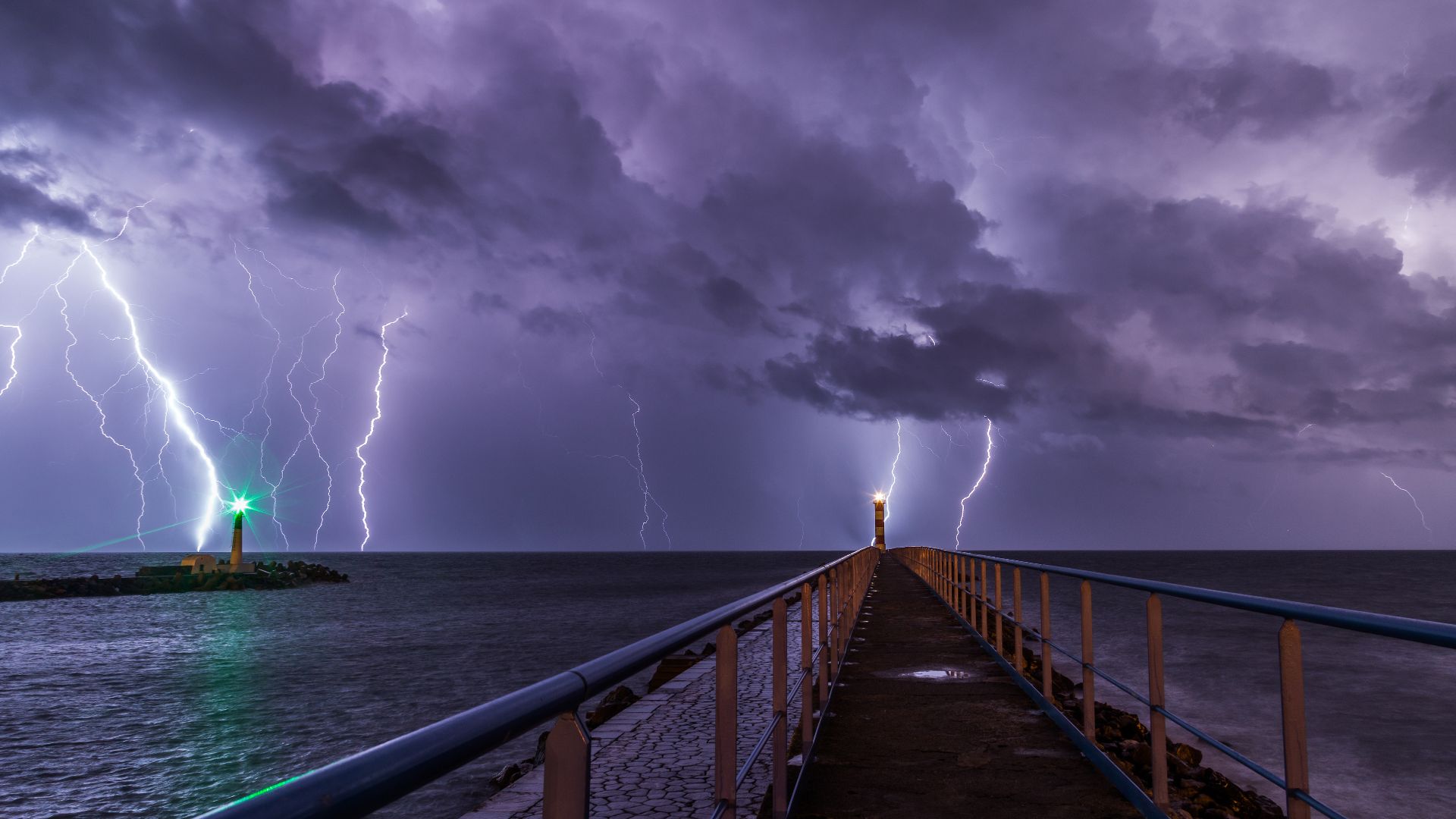
Lightning Igniting More Wildfires
With extra heat fueling convection, lightning strikes grow stronger and more frequent. Each flash carries enough energy to ignite tinder-dry forests instantly. Alaska’s boreal woods once burned rarely—now they smolder yearly under storms that used to bring only rain.
 Maxime Raynal from France, Wikimedia Commons
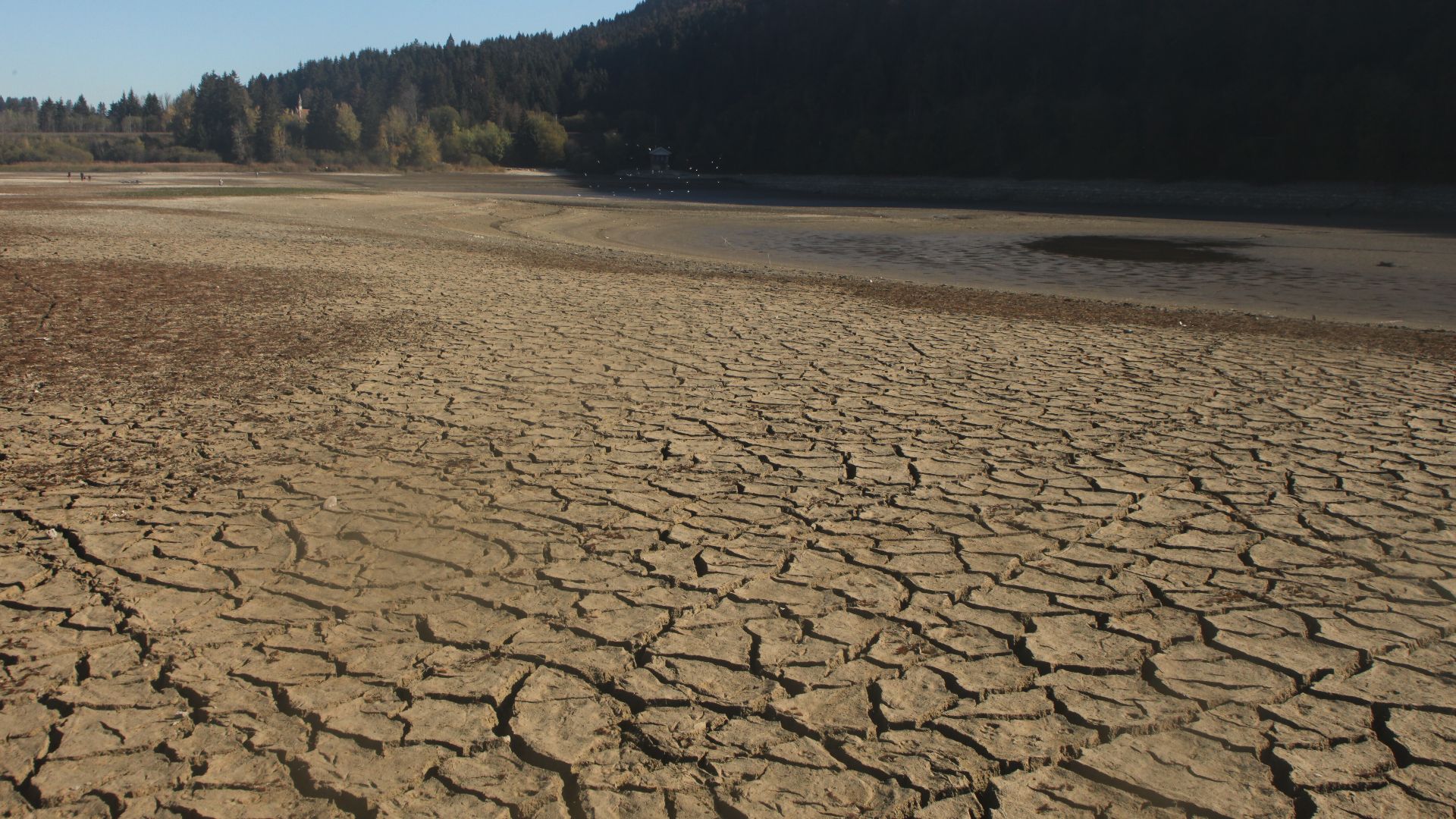
Increased Conflict Over Water Scarcity
Where rivers run low, tempers rise. Droughts tighten their grip on shared waters like the Nile and Colorado to push communities into disputes. Farmers, cities, and nations now battle over every drop. Historians already call this century the age of water tension, where climate and conflict intertwine daily.
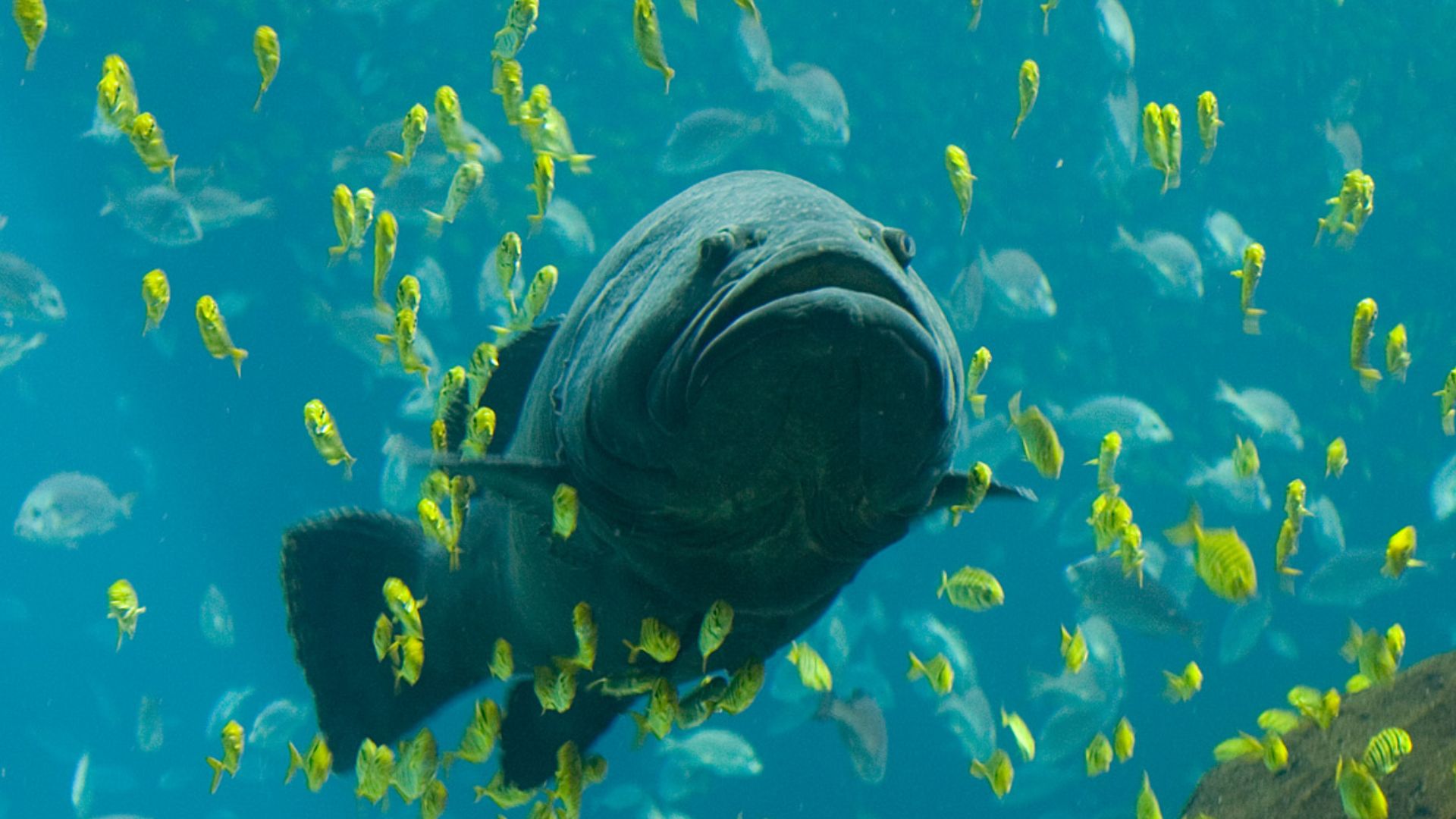
Decline In Fish Size Due To Warmer Water
In the heating oceans, fish grow faster but smaller—metabolism spikes while oxygen availability drops, and this stunts growth. Species like cod now reach adulthood at reduced sizes, and the result is altered ecosystems and economies. In simple terms, warmer seas breed lightweight fish, and lighter catches reshape dinner tables worldwide.
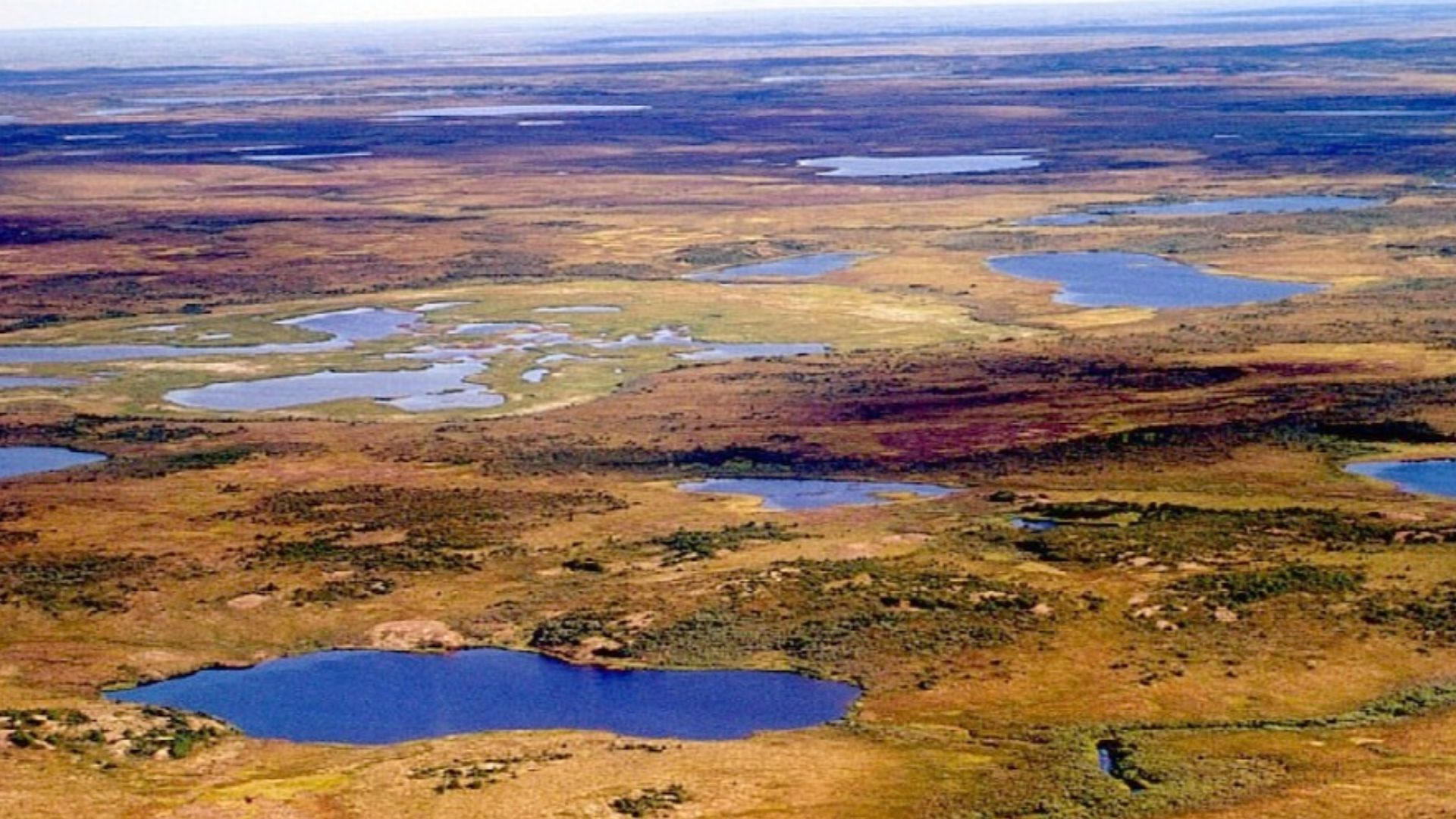
Thawing Tundra Causing Houses To Collapse In Alaska
Entire neighborhoods built on frozen ground now tilt and sink. Thawing permafrost softens like pudding, buckling roads and cracking foundations. Alaska’s engineers call it “drunken forest” terrain because even trees lean sideways. The damage runs deep, and it’s costing millions.
 Dr. Andreas Hugentobler, Wikimedia Commons
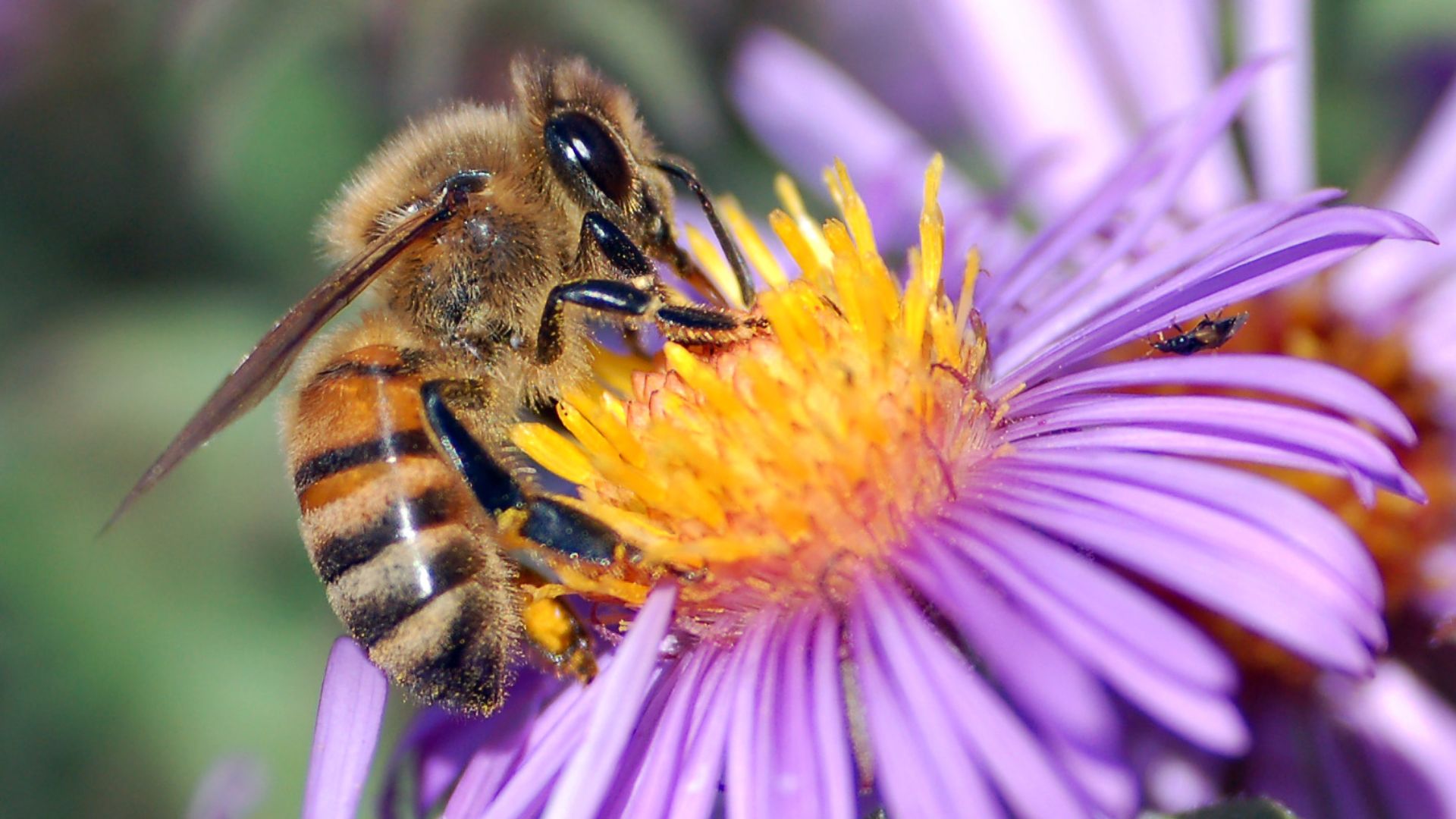
Bees Changing Pollination Timing
Bees once followed spring’s clock precisely. But as blooms shift earlier, pollinators miss their cue. Some flowers now peak before bees emerge. This is cutting entire food chains short. In Japan and North America alike, this timing mismatch reshapes harvests, and the buzz of spring grows quieter each year.
 John Severns (Severnjc), Wikimedia Commons
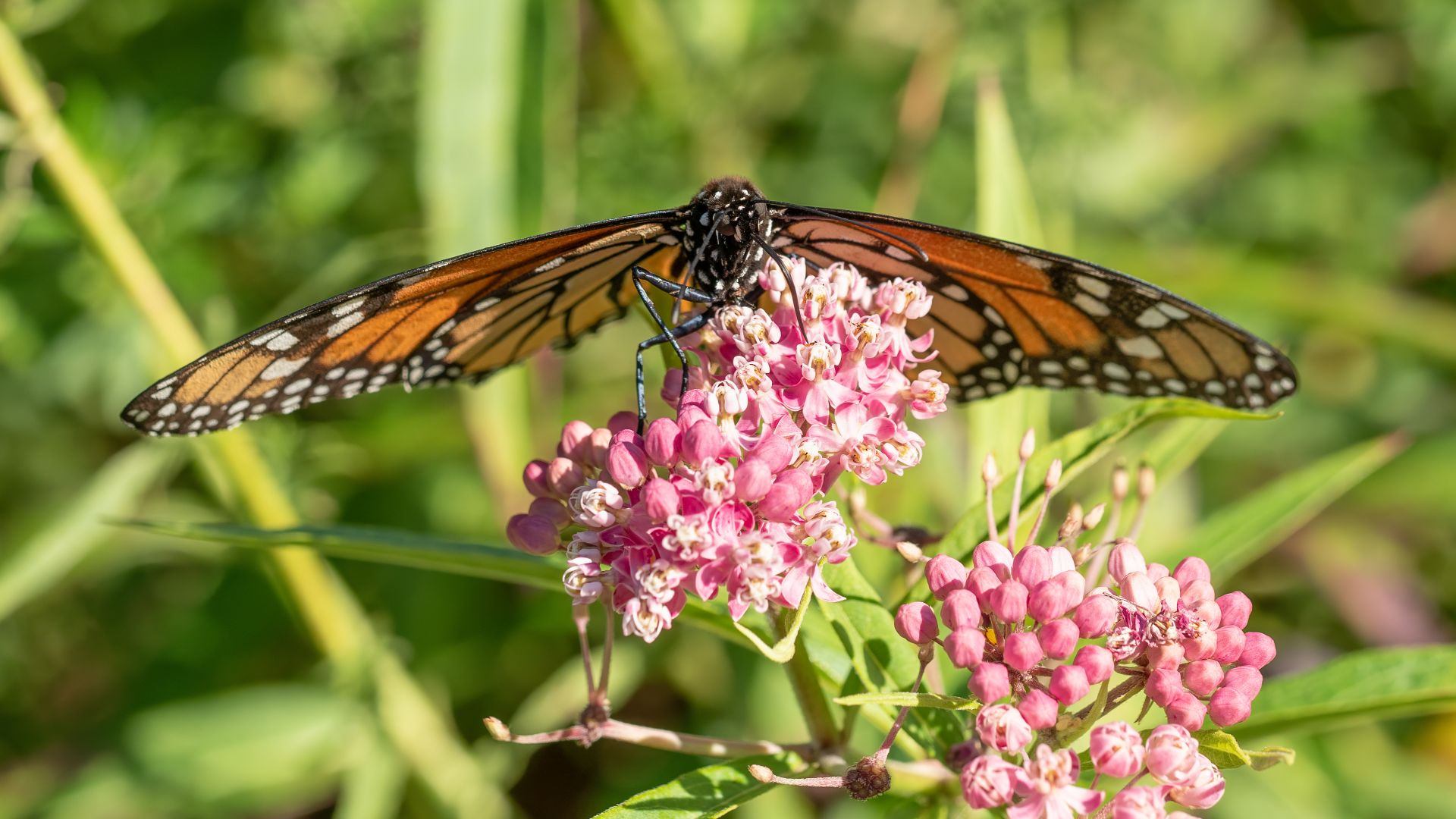
Butterflies Emerging Earlier And Missing Pollination Partners
Spring arrives sooner, and butterflies take the hint—too soon, in fact. Many species now show up before their companion flowers bloom. The mismatch leaves them hungry and plants unpollinated. This is becoming a quiet timing error that’s remodeling entire ecosystems one wingbeat at a time.
 Rhododendrites, Wikimedia Commons
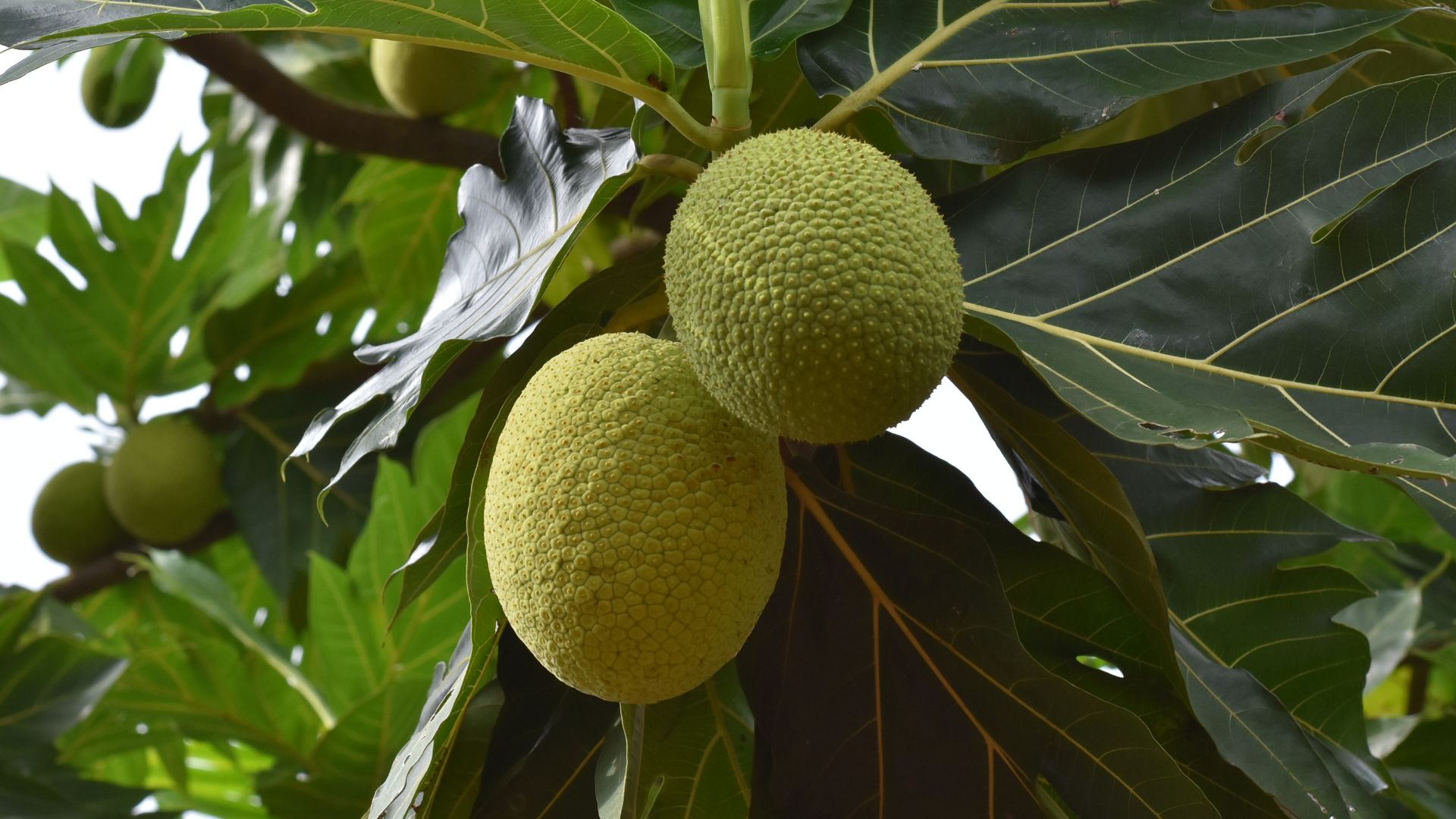
Shrinking Breadfruit Zones In Polynesia
For Pacific islanders, breadfruit isn’t just food—it’s heritage. Rising sea levels and salty soils are shrinking the areas where these trees can grow. Once a staple across Polynesia, breadfruit now struggles near coasts. Farmers replant inland, but centuries-old groves vanish as the ocean reclaims their ancestral soil.
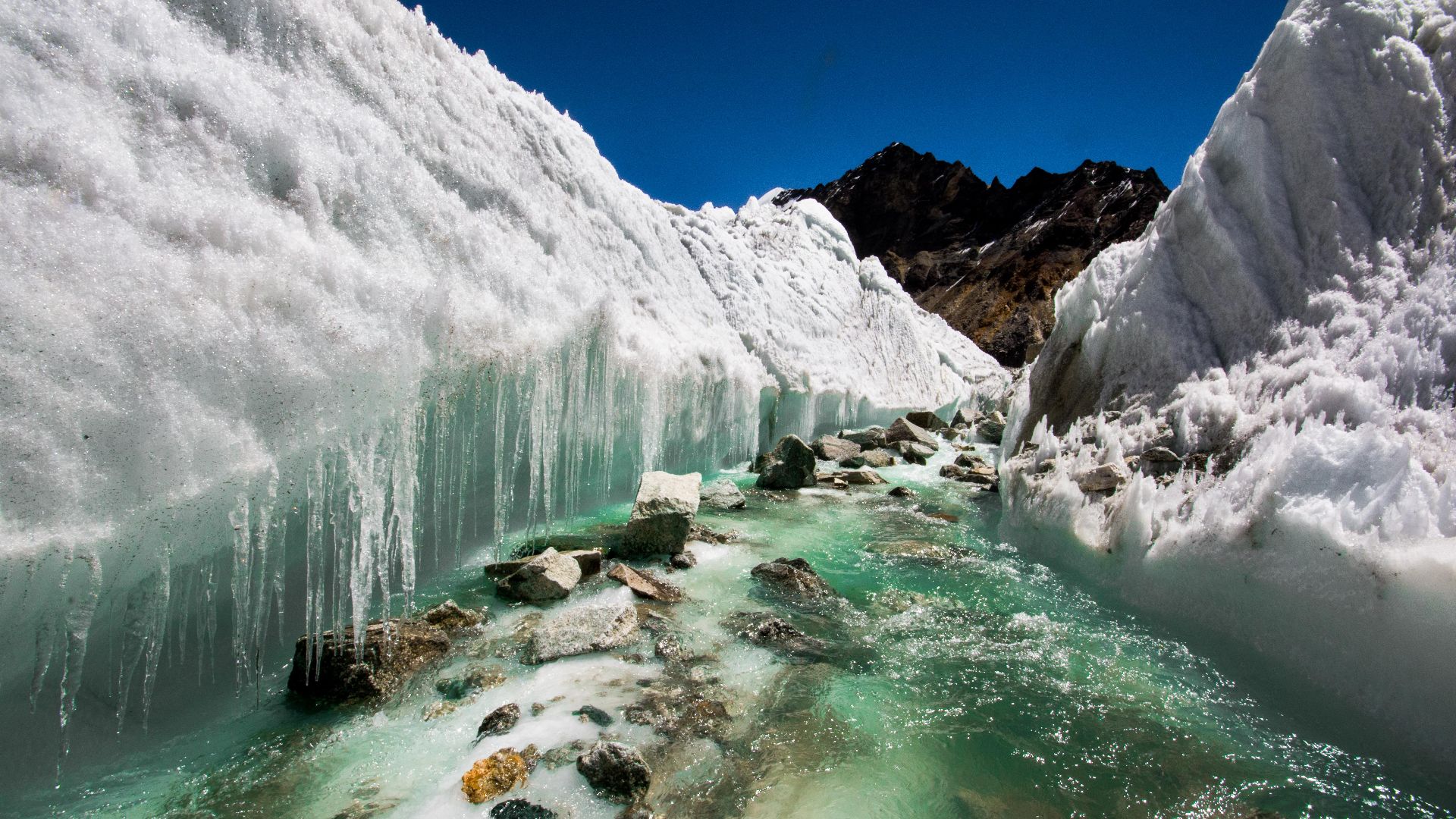
Melting Glaciers Uncovering Ancient Forests
When glaciers retreat, they reveal ghosts of green pasts. In Alaska and the Alps, melting ice exposes entire tree trunks that have been preserved for thousands of years. These forests once thrived before the last Ice Age. Their reappearance offers a frozen snapshot of how scapes once breathed before humankind.
 Sharada Prasad CS from Berkeley, India, Wikimedia Commons
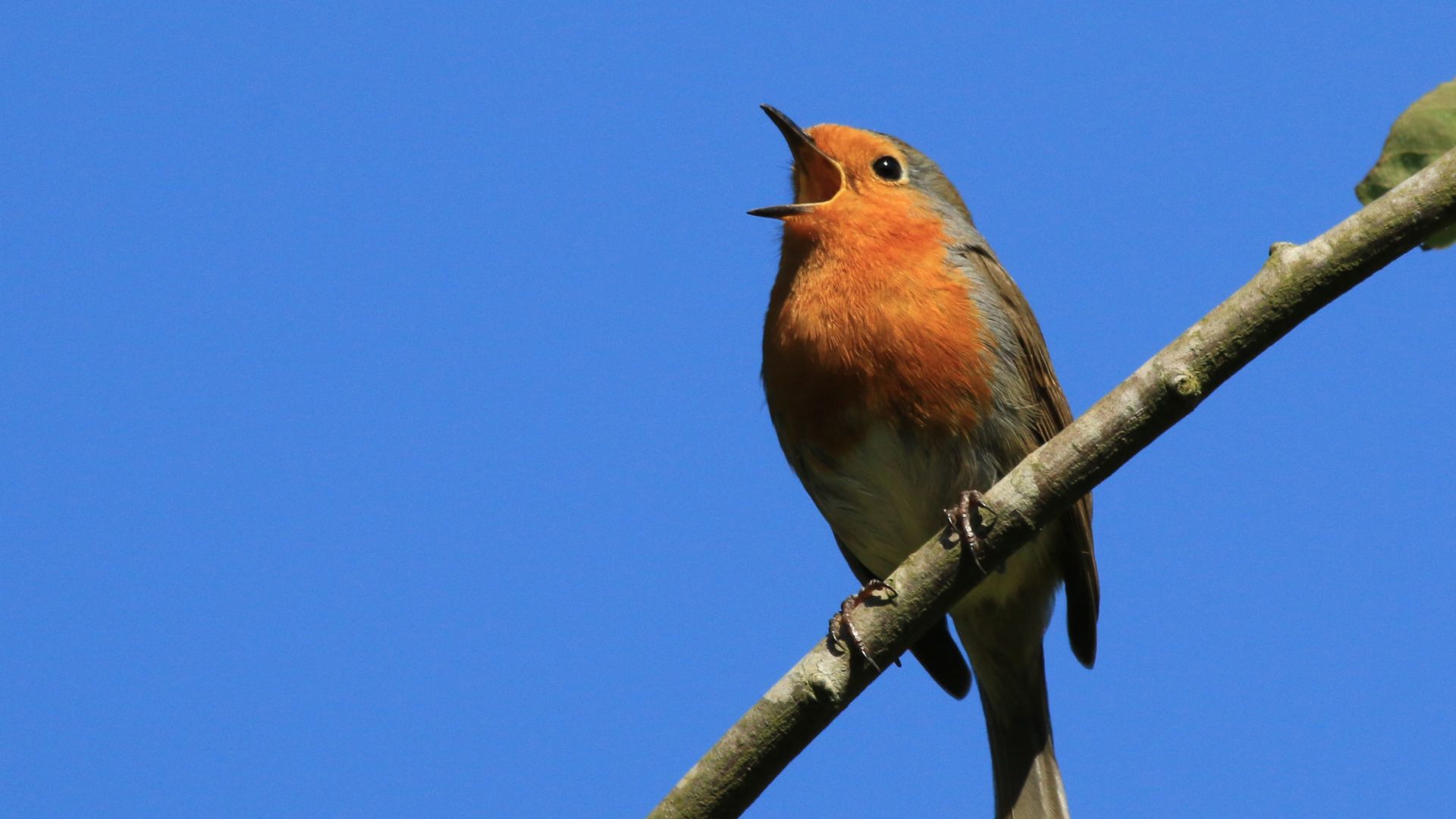
Disrupted Circadian Rhythms In Animals
Animals, too, keep biological clocks—and climate change is tampering with the time. The resulting warmer nights and longer daylight hours confuse everything from breeding to migration cycles. Birds sing at dawn too early, and reindeer roam at odd hours.
 Charles J. Sharp, Wikimedia Commons
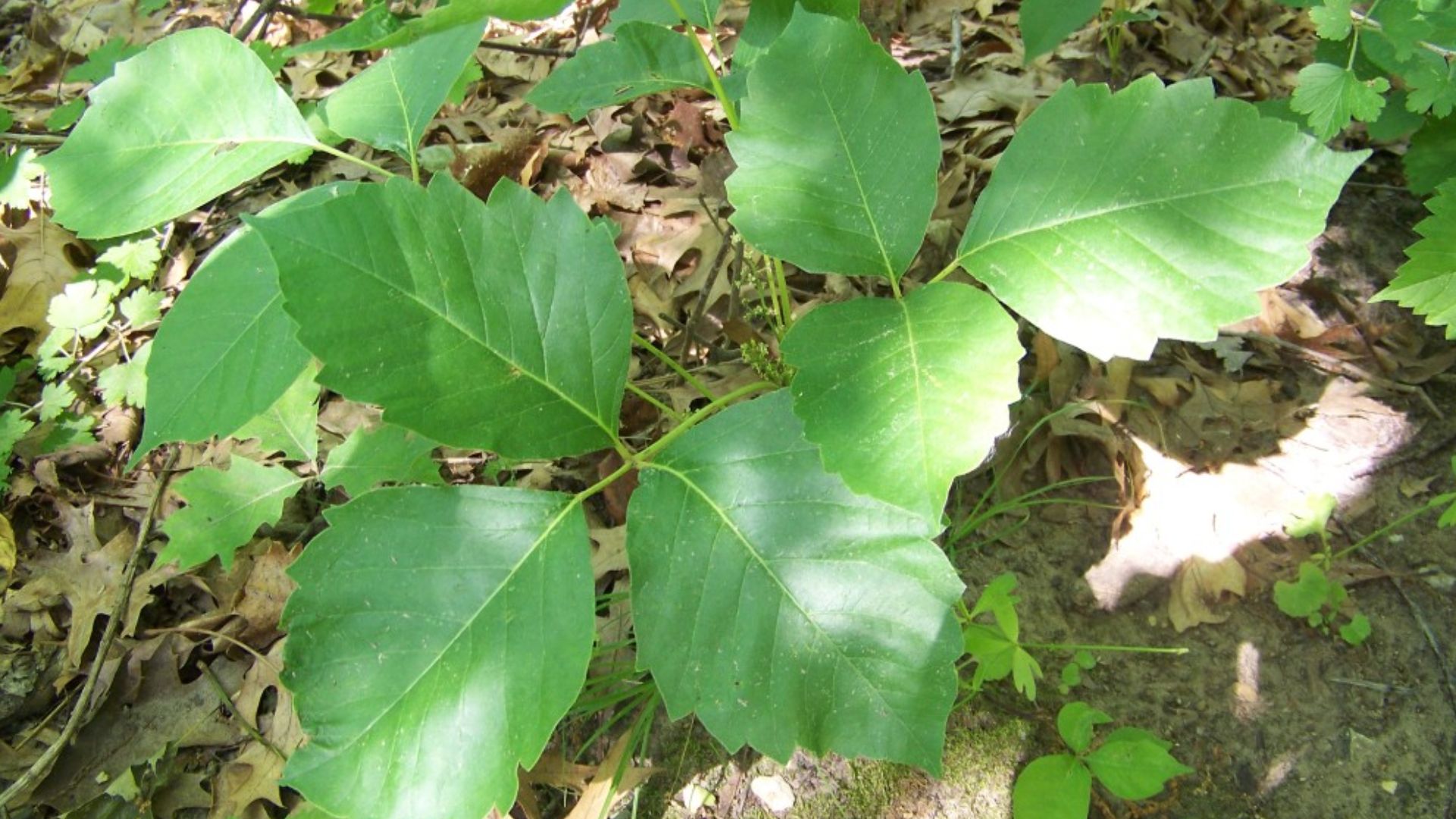
More Intense Poison Ivy Reactions
Outdoorsy folks beware—poison ivy is getting meaner. Rising CO₂ levels make plants grow faster and produce more potent urushiol oil, the chemical that causes rashes. Forest rangers now joke about “super ivy,” but it’s no myth. Even mild brushes can trigger blistering reactions that linger longer.
 SWMNPoliSciProject, Wikimedia Commons