A Window Into Prehistory
Most ancient history comes from fragments—broken pottery, scattered bones, ruined buildings. But sometimes archaeology delivers something extraordinary: a complete person from 5,300 years ago, frozen exactly as he died, revealing secrets textbooks never knew.
 Melotzi5713, CC BY-SA 4.0, Wikimedia Commons
The 1991 Alpine Discovery
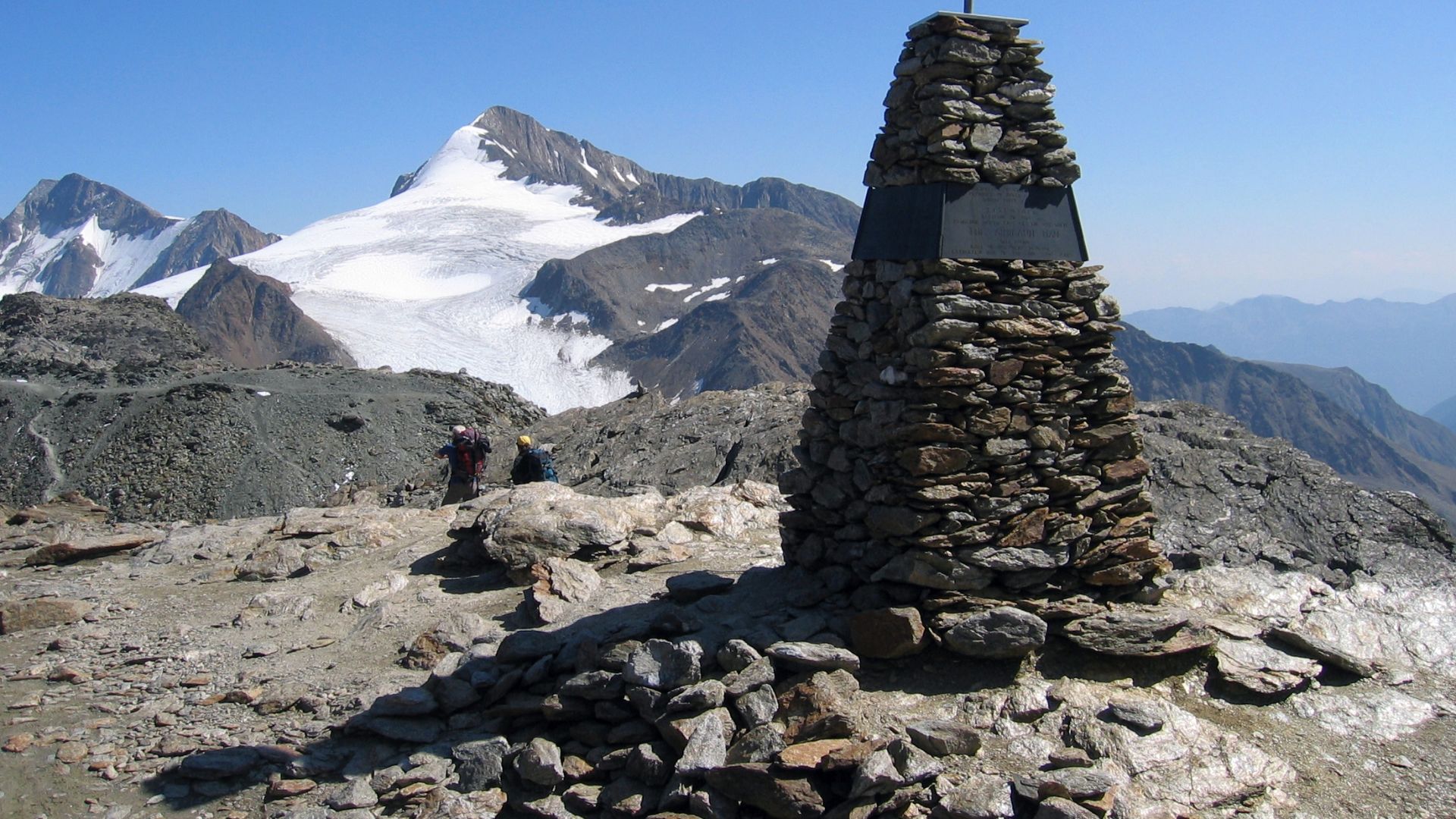
German hikers Helmut and Erika Simon were crossing the Tisenjoch Pass on September 19, 1991, when they spotted a body emerging from melting ice at 10,530 feet elevation. They assumed it was a recent mountaineering accident victim. Authorities quickly learned this corpse was 5,300 years old—Europe's oldest natural mummy.
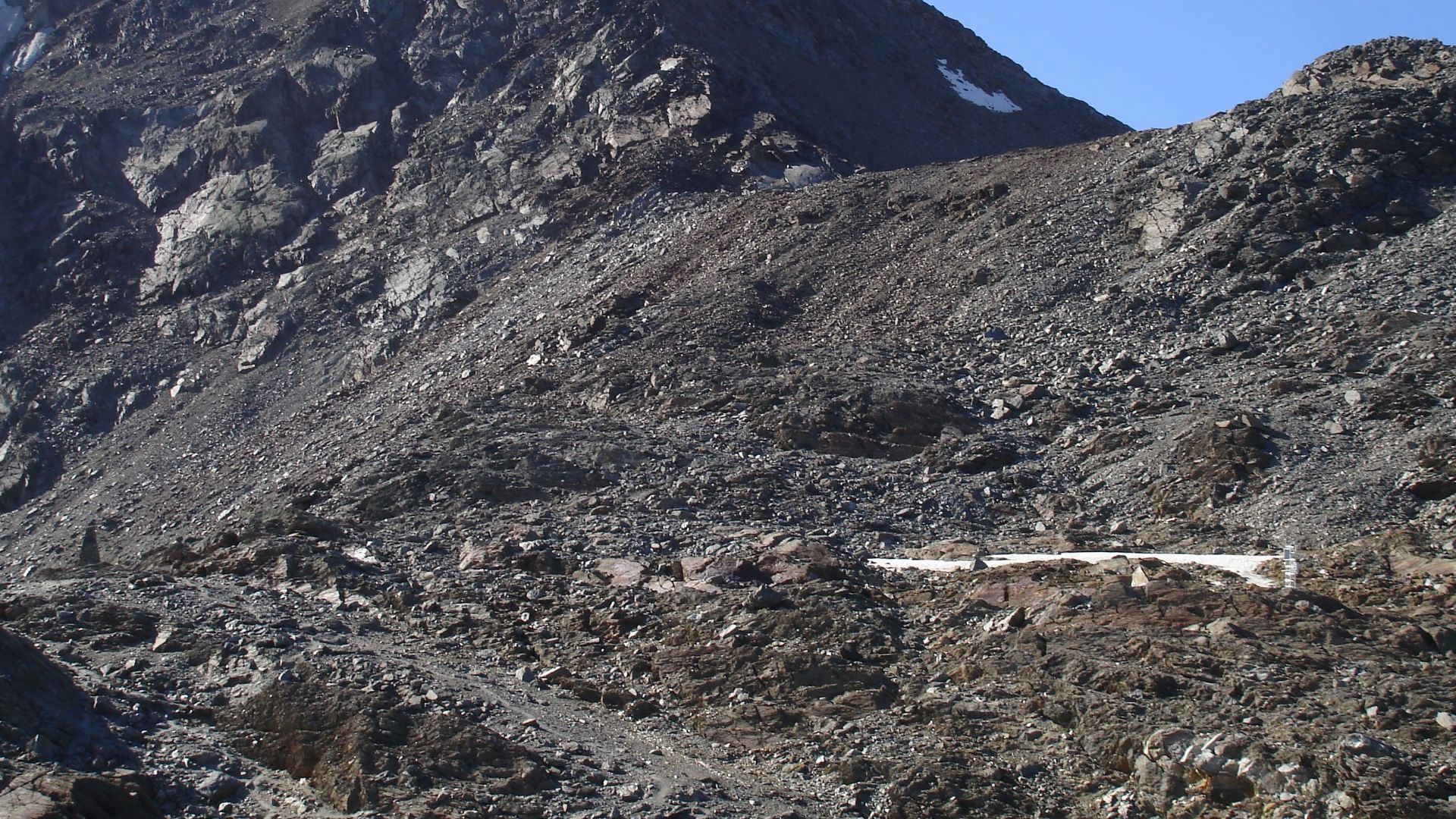 32 FuB-Freak, Wikimedia Commons
A Warm Sahara Wind Exposed Him
That summer, unusually high temperatures melted the glacier faster than normal. Warm Sahara winds carried red sand onto the ice, absorbing sunlight and accelerating the thaw. Without this perfect combination of weather conditions, Otzi might have stayed frozen for centuries more.
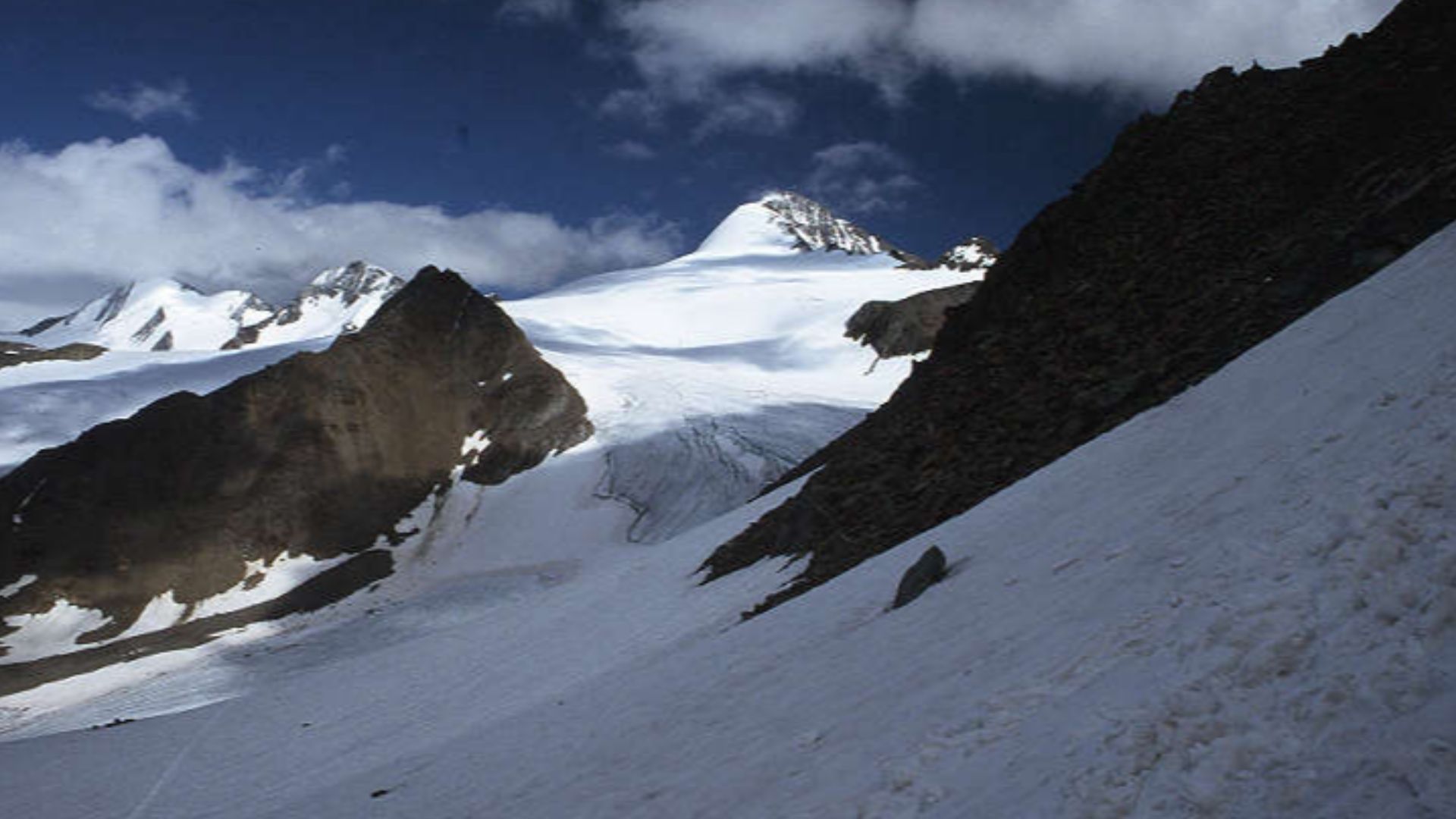
The Border Dispute Over His Body
The discovery site sat right on the Austria-Italy border, which triggered immediate ownership disputes. Land surveys in October 1991 proved the body lay 92.56 meters inside Italian territory despite draining toward Austria. Italy won, and Otzi now resides in Bolzano's South Tyrol Museum of Archaeology.
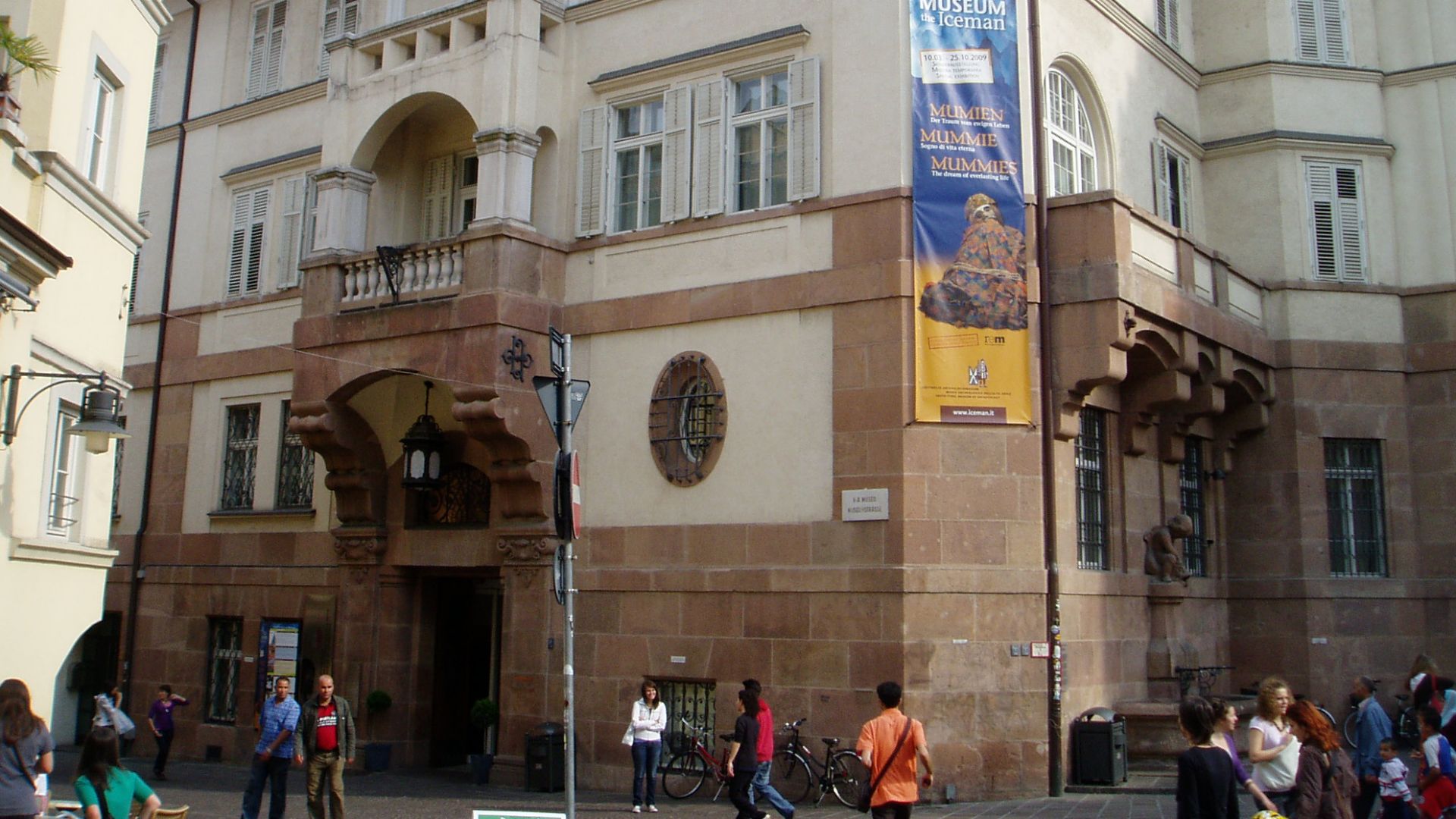 Augustgrahl at English Wikipedia, Wikimedia Commons
Natural Mummification Preserved Everything
Unlike Egyptian mummies stripped of organs and treated with chemicals, Otzi freeze-dried naturally in the Alps. The ice removed water from his tissues while humidity preserved his organs and skin nearly intact. This "wet" mummy gave scientists an unprecedented look at Copper Age anatomy.
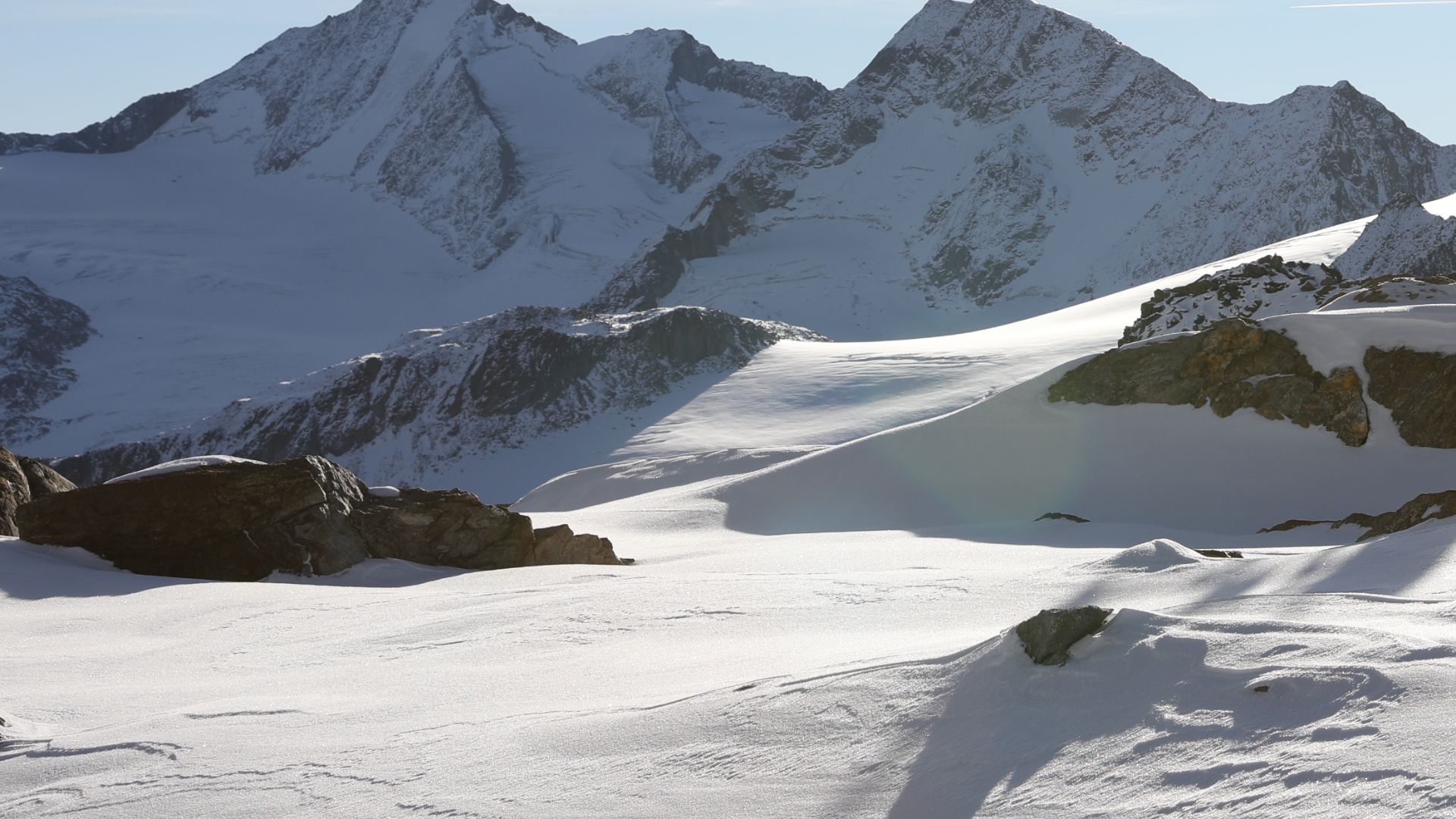 University of Innsbruck, Wikimedia Commons
Careless Early Handling Damaged Evidence
Onlookers touched the body and removed clothing pieces before experts arrived, contaminating the discovery. Workers broke Otzi's left arm while forcing him into a coffin for transport to Innsbruck. Fungus grew on his skin during five days on an unrefrigerated mortuary slab.
He Stood Just Over Five Feet Tall
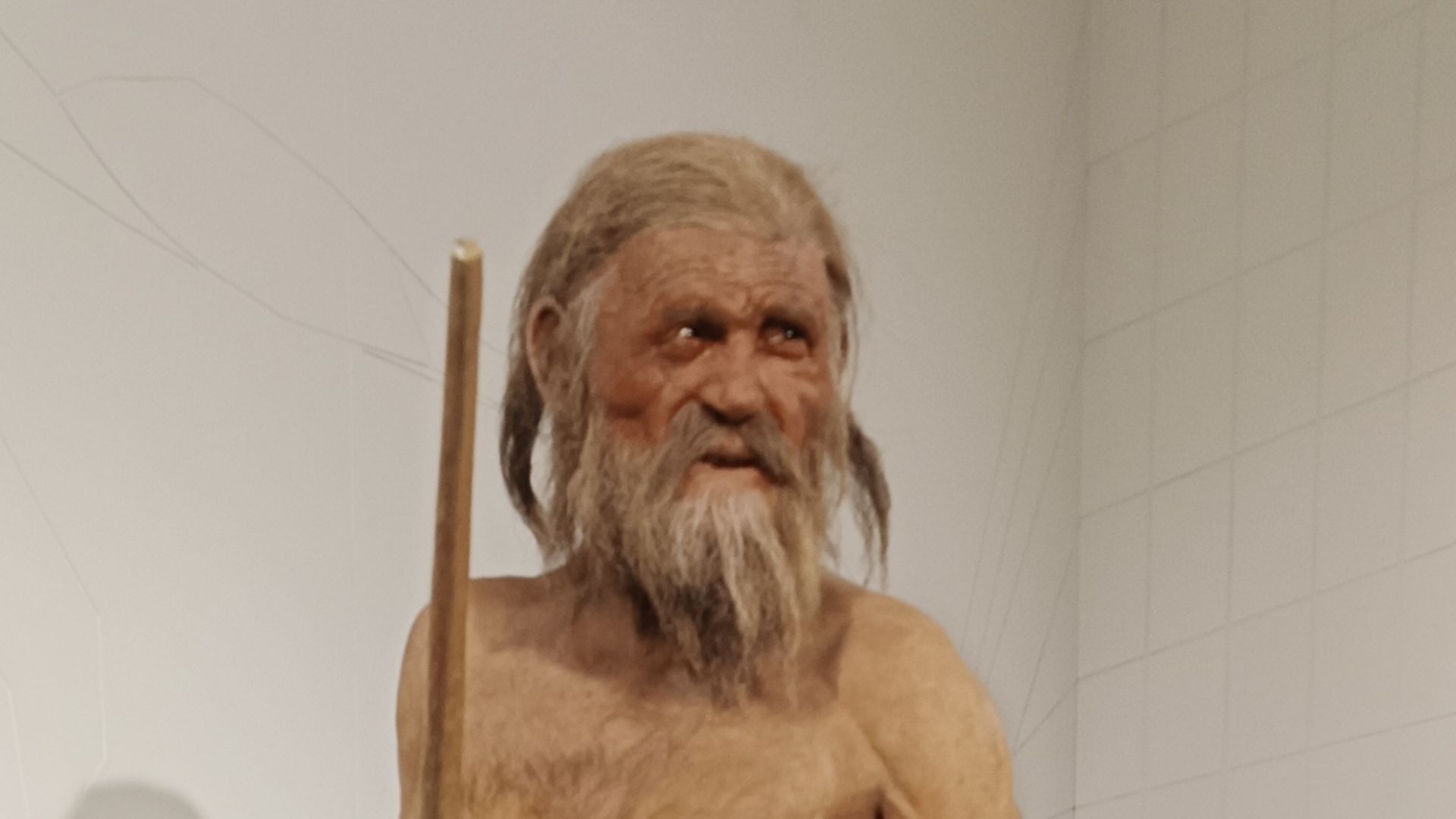
Bone analysis revealed Otzi stood about 5 feet 2 inches tall and weighed close to 110 pounds. He was roughly 45 years old at the time of his passing—considered quite elderly for the Copper Age. His athletic build suggested an active lifestyle in the mountains.
Brown Eyes And Darker Skin
Advanced genome sequencing completed in 2023 revealed Otzi had brown eyes, brown hair, and a darker skin tone typical of Neolithic Anatolian migrants. Contrary to artistic reconstructions showing him with wild hair, genetic markers indicate he was actually balding from male pattern baldness.
 Wolfgang Sauber, Wikimedia Commons
Sixty-One Tattoos Covered His Body
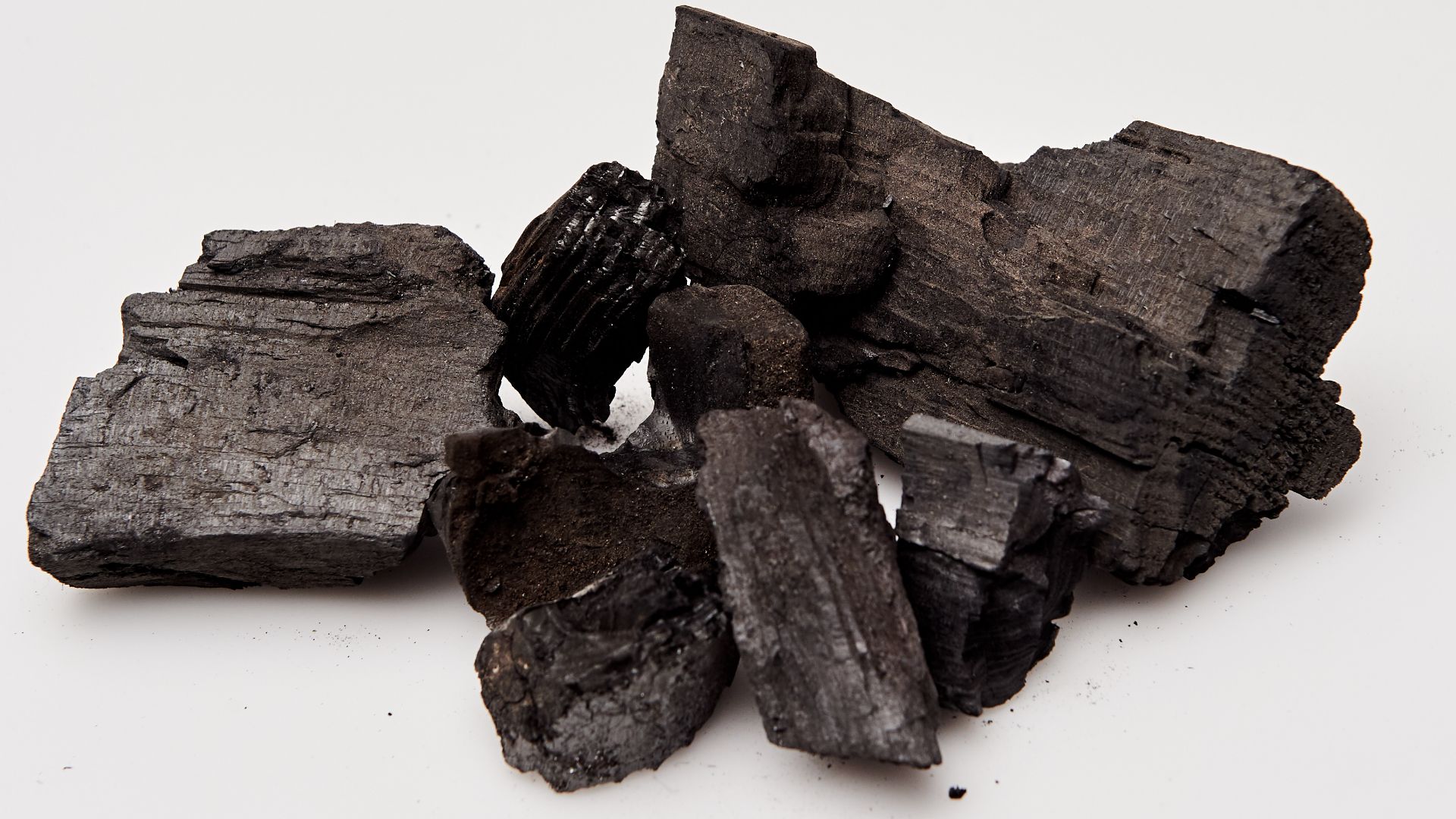
The Copper Age corpse bore 61 tattoos created by rubbing charcoal into tiny cuts on his skin. These weren't decorative but likely therapeutic, placed over joints and areas showing arthritis. The tattoo locations correspond precisely with acupuncture points used in traditional Chinese medicine.
 Dati Bendo, European Commission, Wikimedia Commons

History's most fascinating stories and darkest secrets, delivered to your inbox daily.
His Final Meal Was Fatty Ibex
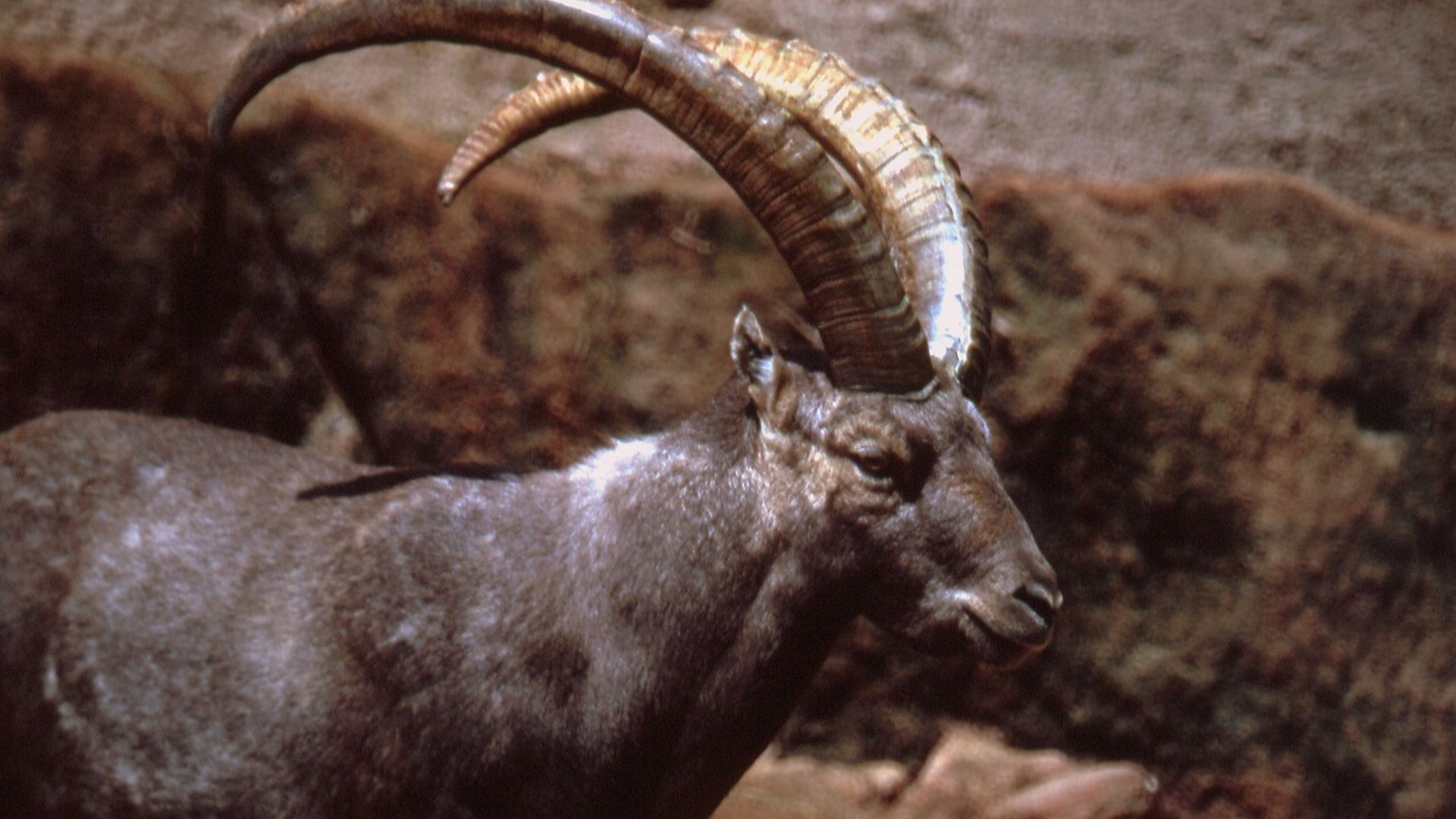
Stomach contents revealed Otzi ate dried ibex meat and red deer about two hours before death. The highly processed einkorn wheat bran he consumed was possibly bread. Poisonous fern found in his stomach may have wrapped his food like plastic or treated his intestinal parasites.
Whipworm Infested His Intestines
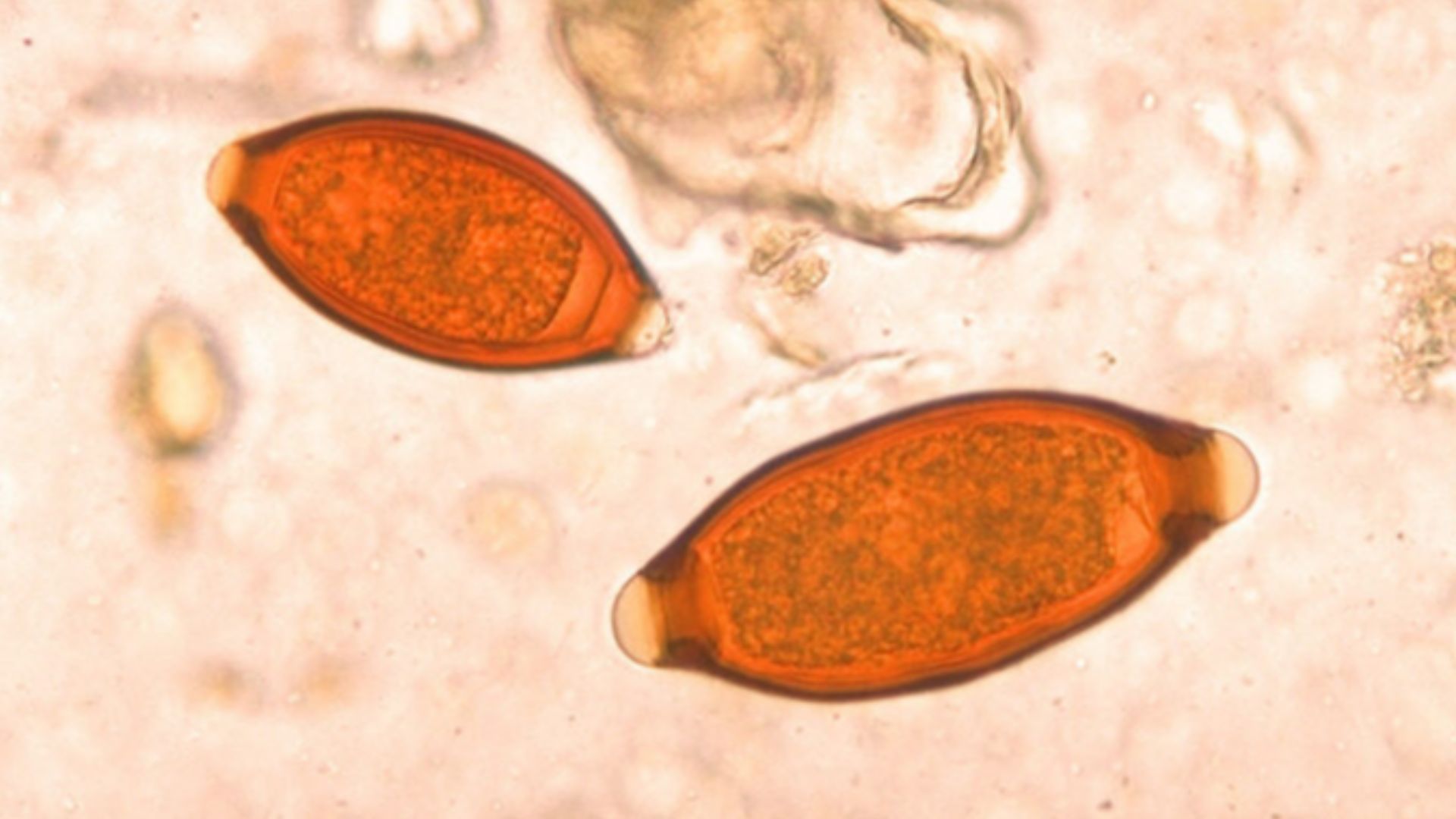
CT scans discovered Trichuris trichiura, whipworm parasites, living in Otzi's digestive system. His fingernails showed three Beau's lines, indicating he suffered serious illnesses three times during his final six months. The last illness occurred two months before death and lasted two weeks.
 Unknown photographer/CDC, Wikimedia Commons
Soot Filled His Lungs From Fires
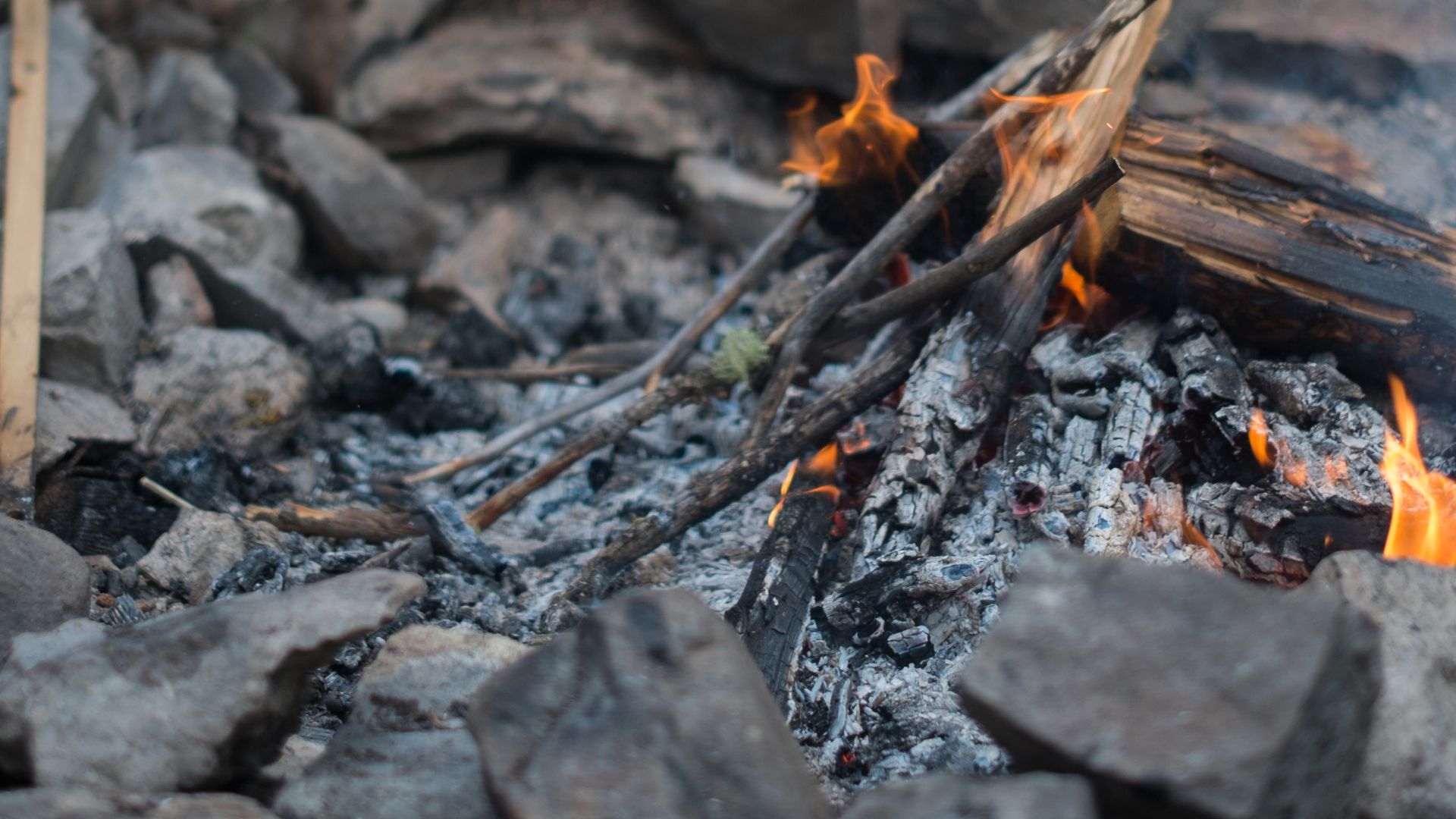
Analysis revealed soot particles throughout Otzi's lungs from constant proximity to open fires. This finding tells us that Copper Age people spent significant time indoors near cooking and heating fires. His teeth showed considerable internal deterioration from cavities despite his relatively short lifespan.
 Jenelle Ball xxvs, Wikimedia Commons
He Was Lactose Intolerant
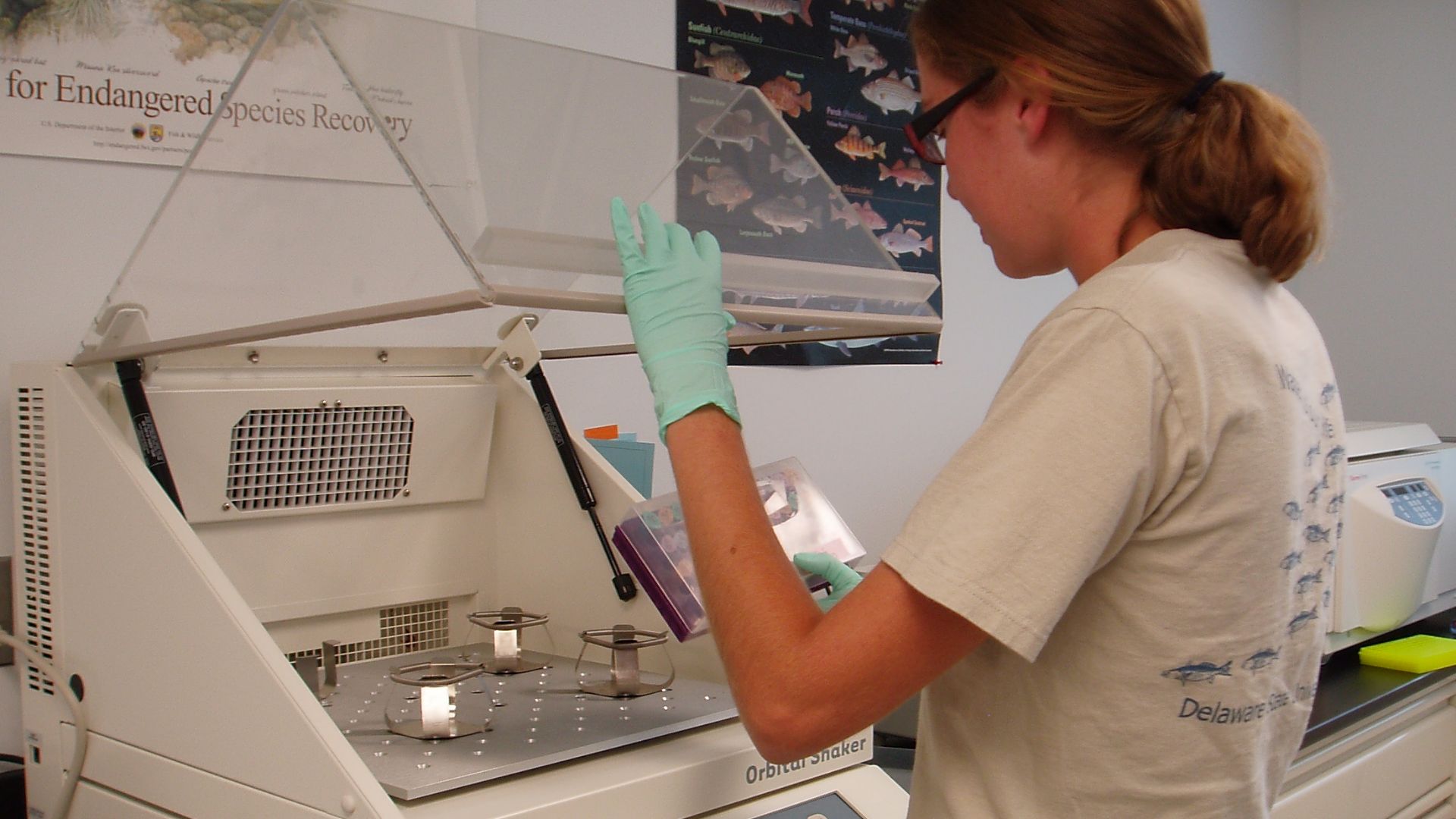
Genetic testing confirmed Otzi couldn't digest dairy products—common for Copper Age Europeans before lactase persistence genes spread. He had O-positive blood type and a genetic predisposition for cardiovascular disease. Remarkably, he lacked a 12th pair of ribs, a variation affecting about 5% of modern humans.
 U. S. Fish and Wildlife Service - Northeast Region, Wikimedia Commons
An Arrow Killed Him
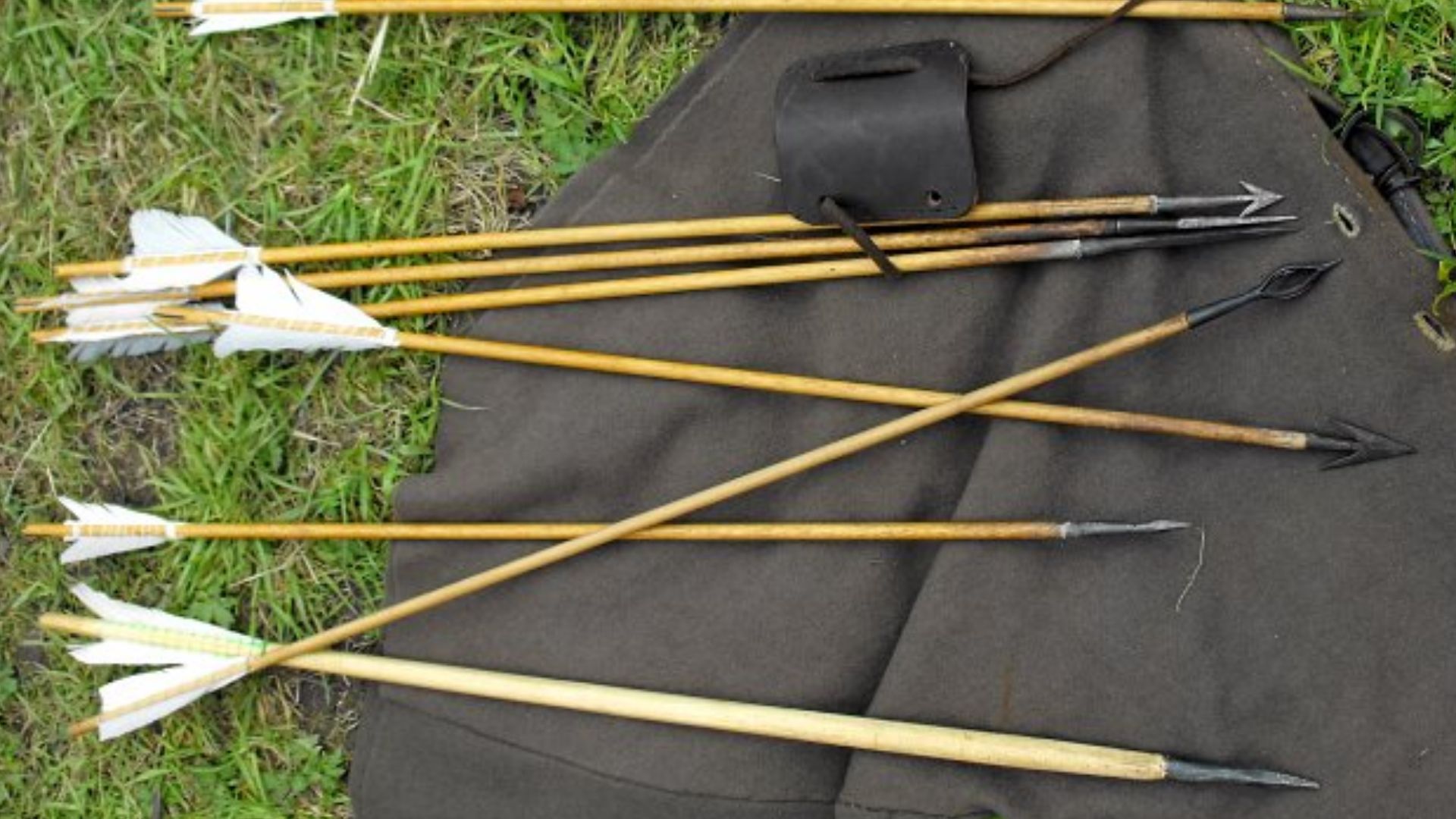
X-rays revealed an arrowhead lodged in Otzi's left shoulder, piercing an artery and causing him to bleed to death. The arrow shaft had been removed while he was alive, which suggests someone pulled it out. A matching puncture mark appeared on his coat at the exact injury location.
 Penny Mayes, Wikimedia Commons
Signs Of Hand-To-Hand Combat
Defensive wounds on Otzi's hands and wrists indicated he fought someone shortly before fleeing into the mountains. Deep cuts suggested violent struggle rather than accidents. Recent analysis found blood from four different people on his weapons and clothing.

A Blow To The Head Finished Him
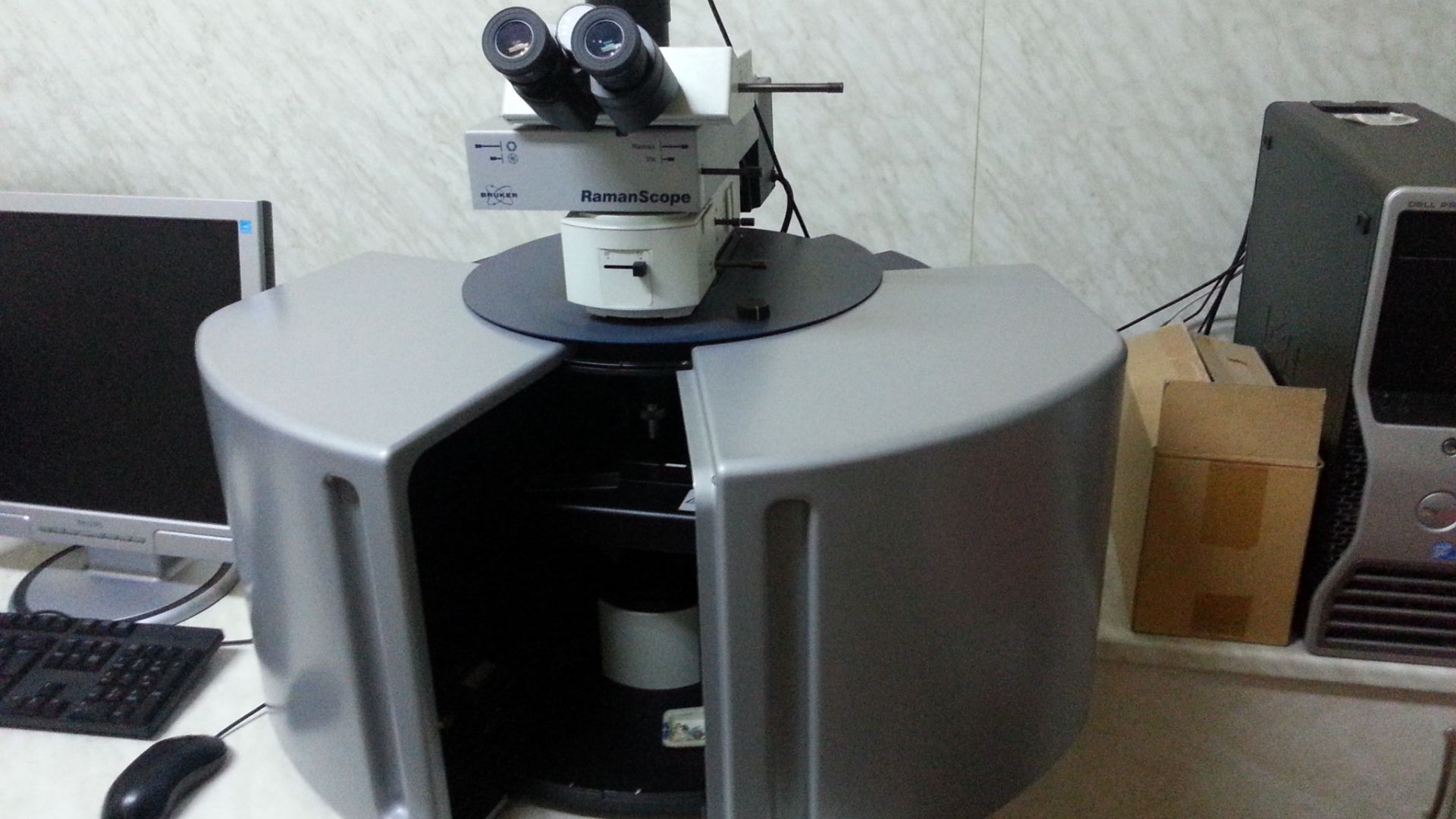
While the arrow wound was fatal, researchers using Raman spectroscopy determined Otzi didn't die immediately. Evidence suggests that a blow to his head, either from falling or being struck, delivered the final trauma. Whether this head injury was accidental or inflicted remains debated.
Sophisticated Clothing From Five Animals
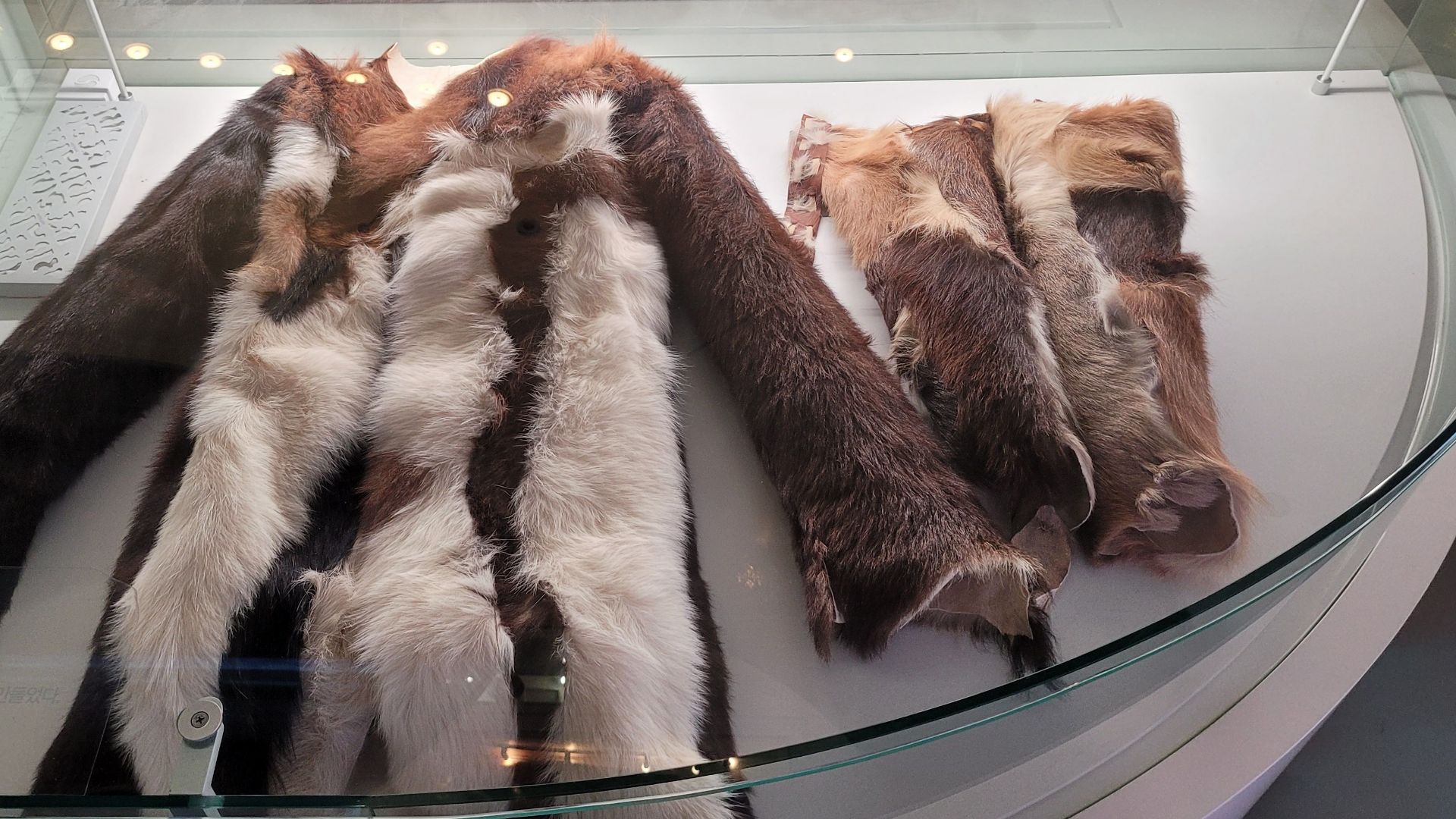
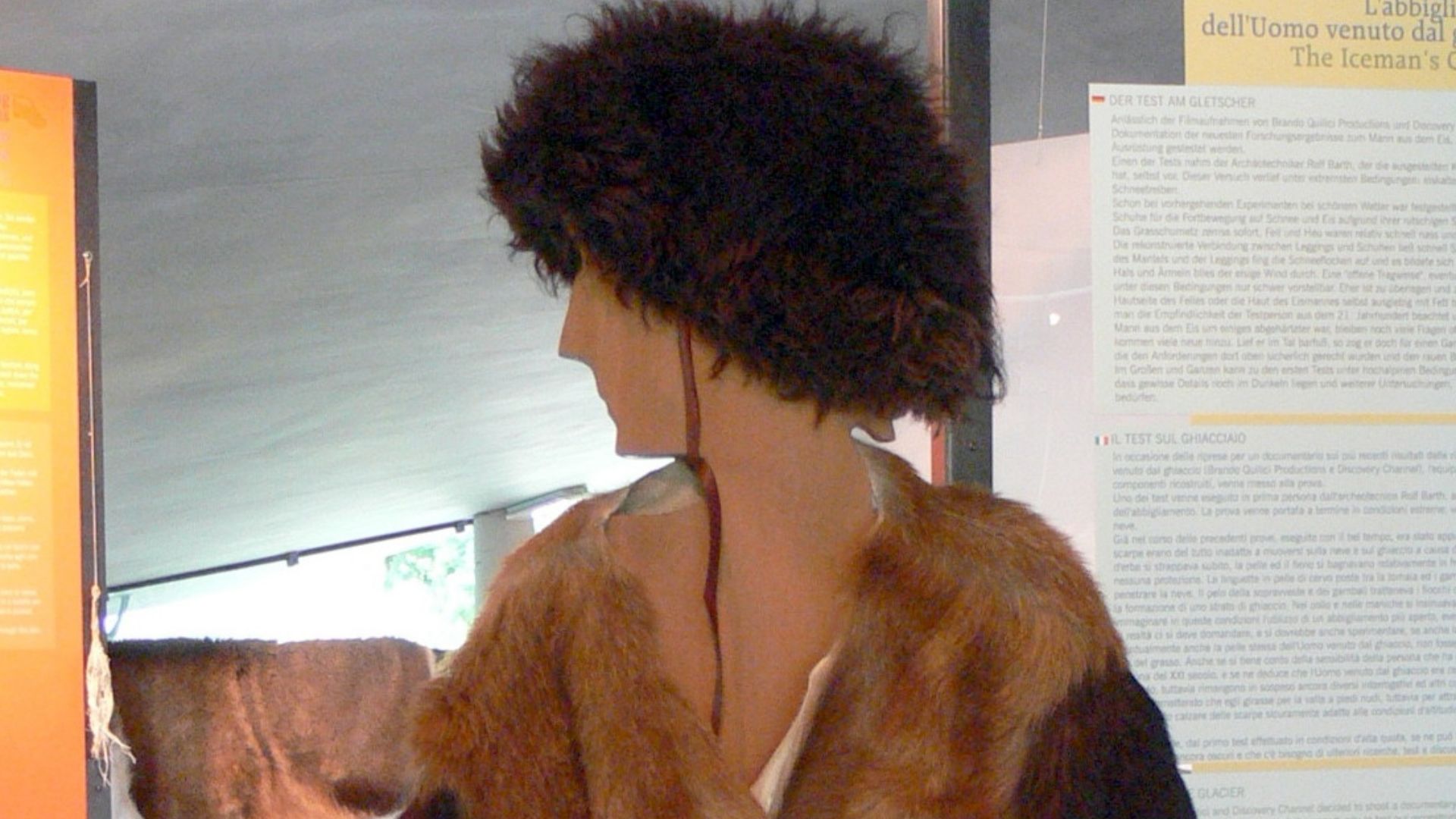
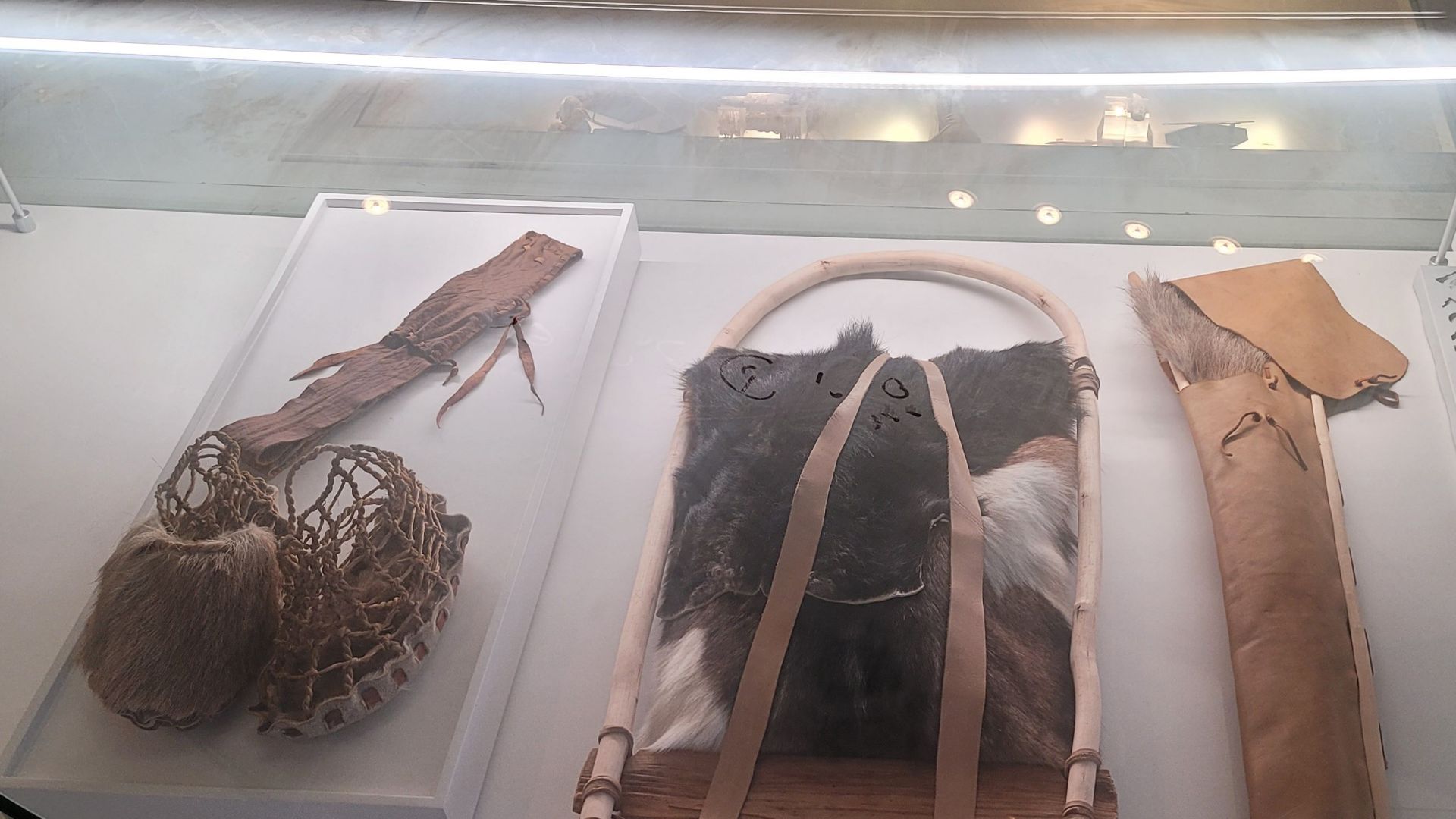
His outfit was constructed from leather of five different species—both wild and domesticated animals, including goat, deer, bear, cattle, and sheep. The bearskin hat featured leather trim with sinew stitching. Waterproof shoes had bearskin soles, deer hide panels, and tree bark netting.
The Copper Axe Was Prestigious
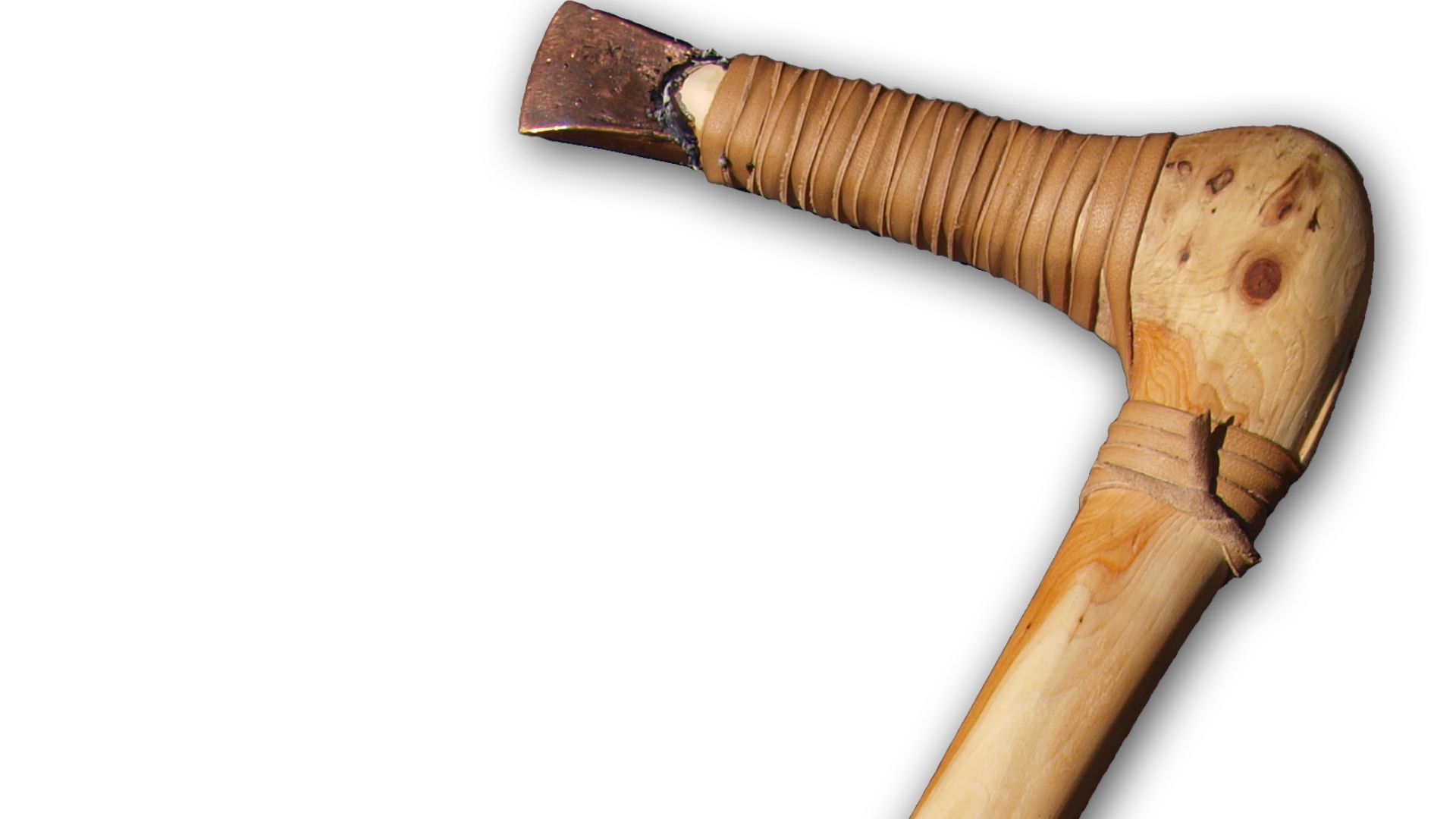
Otzi carried a copper-bladed axe—an extraordinarily valuable tool in the Copper Age when metal was rare. The axe head came from Tuscan copper sources hundreds of miles away. This prestigious weapon marked him as someone important, possibly a tribal leader or respected hunter.
 Bullenwachter, Wikimedia Commons
Unfinished Bow And Broken Arrows
Fourteen arrows were found scattered near the body, some broken during what appeared to be recent combat. His yew wood bow remained unfinished, measuring over six feet long. The arrows featured flint points and feather fletching for accurate flight.
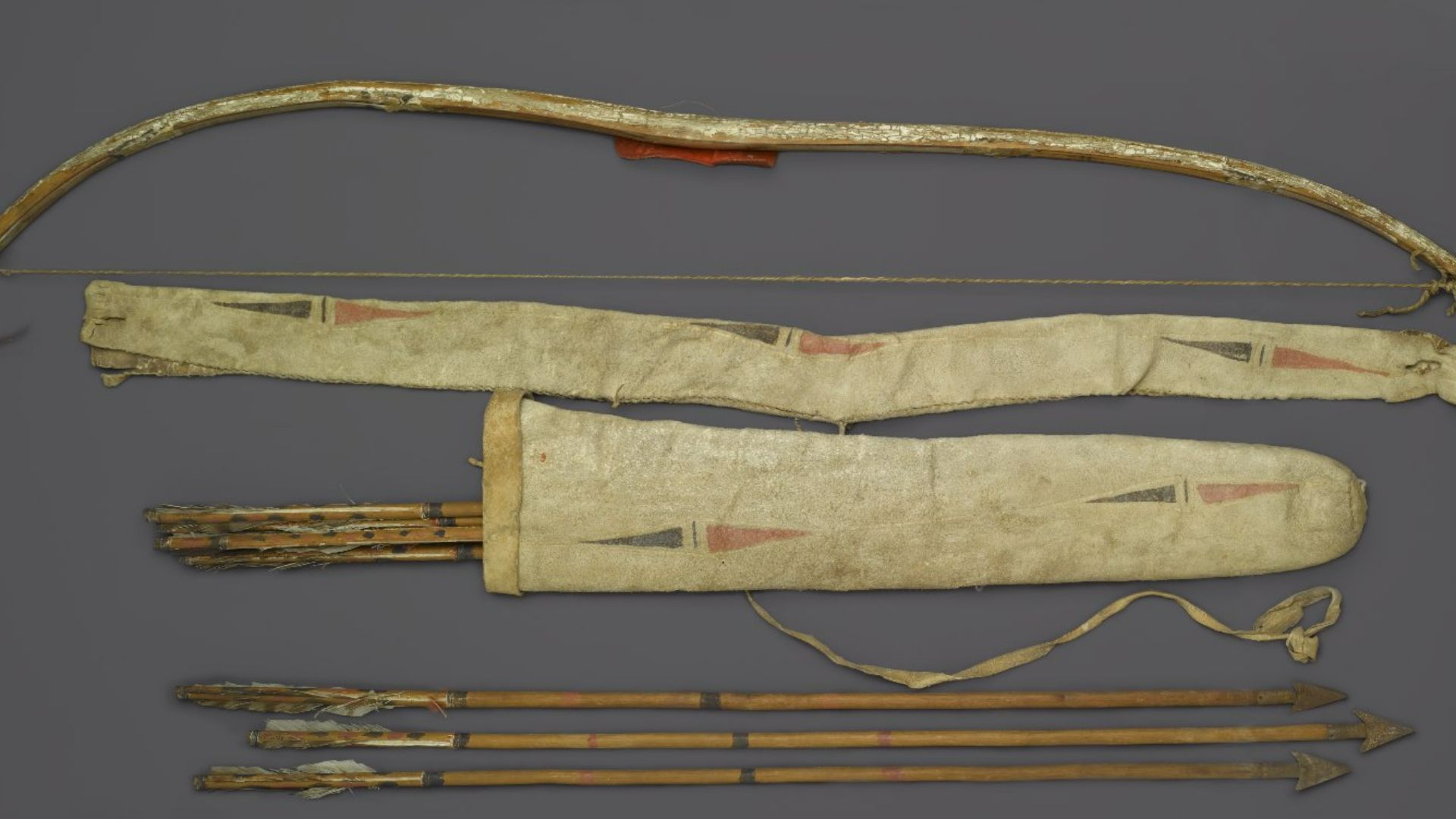 Museum staff, Wikimedia Commons
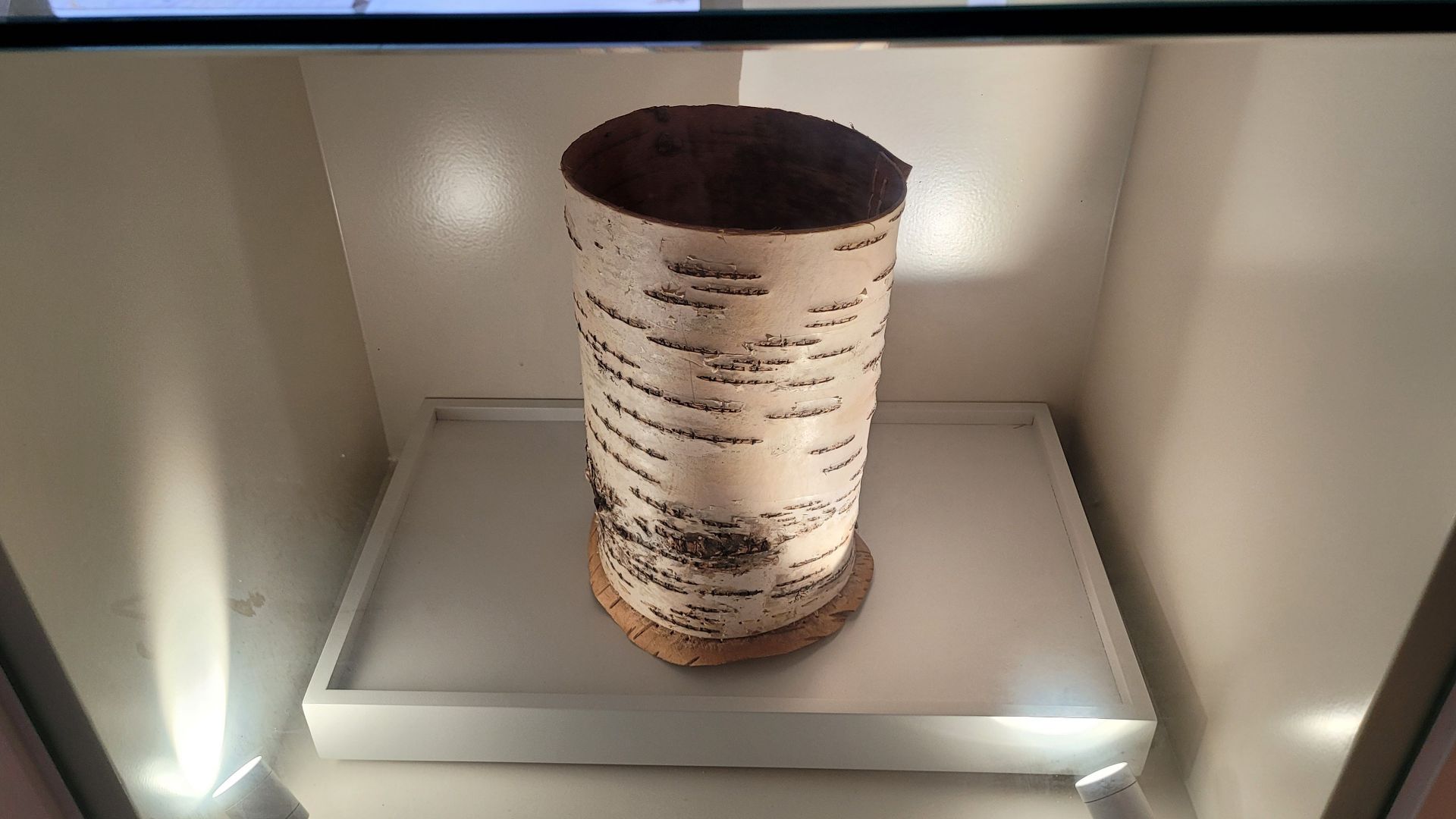
Birch Bark Containers Held Provisions
Two birch wood vessels wrapped with maple leaves lay among his possessions. These containers likely held food or supplies for mountain travel. A leather pouch contained small objects, including a fire-starting kit with tinder fungus and flint.
Pollen Revealed His Final Journey
Microscopic pollen analysis from Otzi's digestive tract traced his last movements through different Alpine zones. He passed away in the spring when the mountains were snow-covered. Pollen evidence suggests he traveled from lower valleys upward within hours before his final moments.
 Unknown photographer, Wikimedia Commons
Anatolian Farmer Ancestry
The 2023 genome study traced Otzi's lineage to early Anatolian farmers from modern-day Turkey rather than European hunter-gatherers. This discovery contradicted earlier theories connecting him genetically to present-day Sardinians. His ancestry showed minimal mixing with contemporary hunter-gatherer populations.
 https://www.flickr.com/photos/clpmag/, Wikimedia Commons
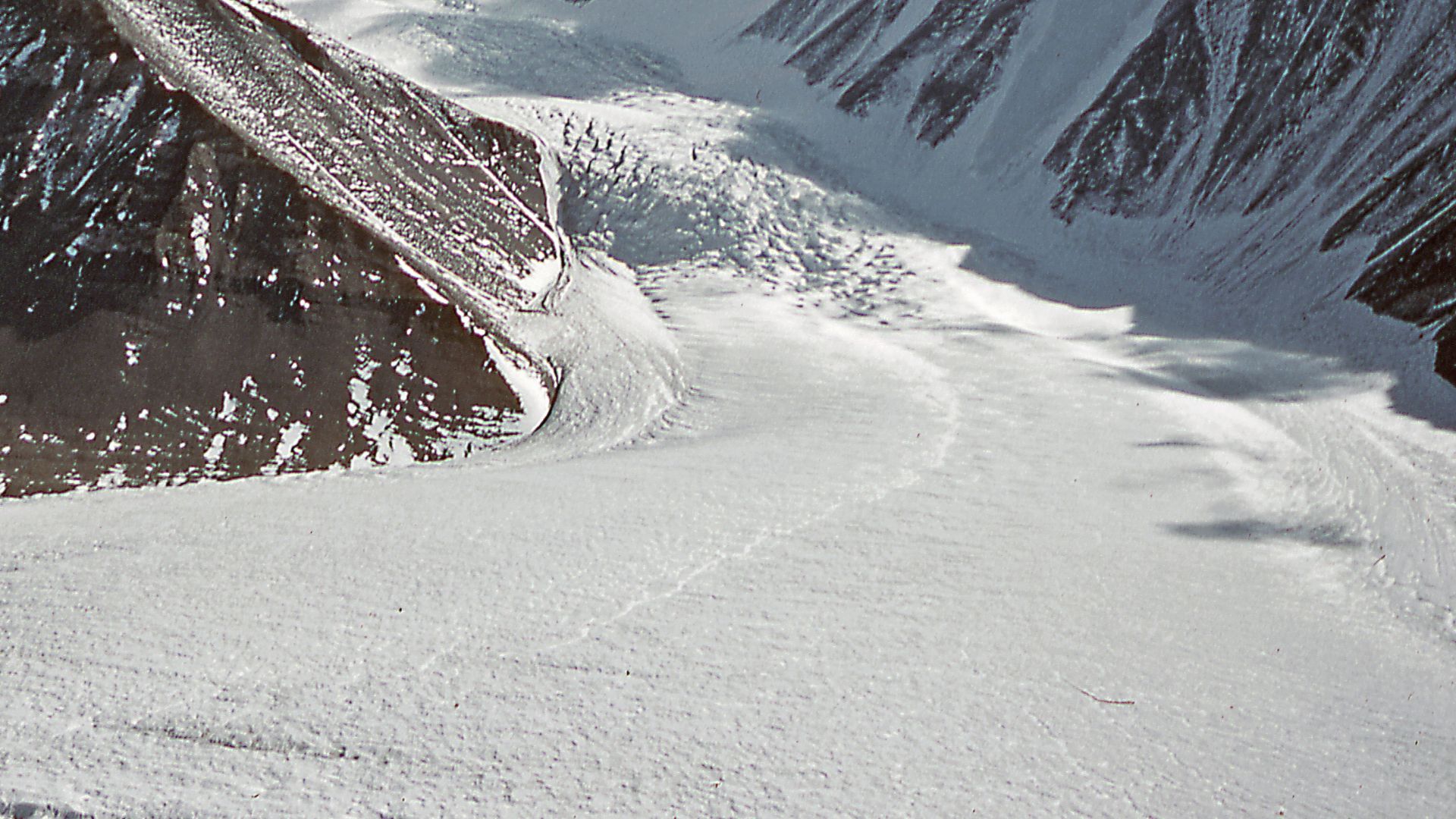
Climate Change Reveals More Bodies
Melting glaciers have exposed additional prehistoric remains since Otzi's discovery, including human bodies, horse remains, and centuries-old skis. Norwegian and Canadian ice fields yielded similar finds. Archaeologist Andreas Putzer searches high Alpine zones each summer for Copper Age villages.
 Warren B. Hamilton, Wikimedia Commons
Three Hundred Thousand Annual Visitors
Otzi attracts 300,000 visitors yearly to his custom cooling chamber in Bolzano, Italy. Scientists also request access 10–15 times annually for new studies. The museum maintains him at a constant freezing temperature and controlled humidity for preservation.
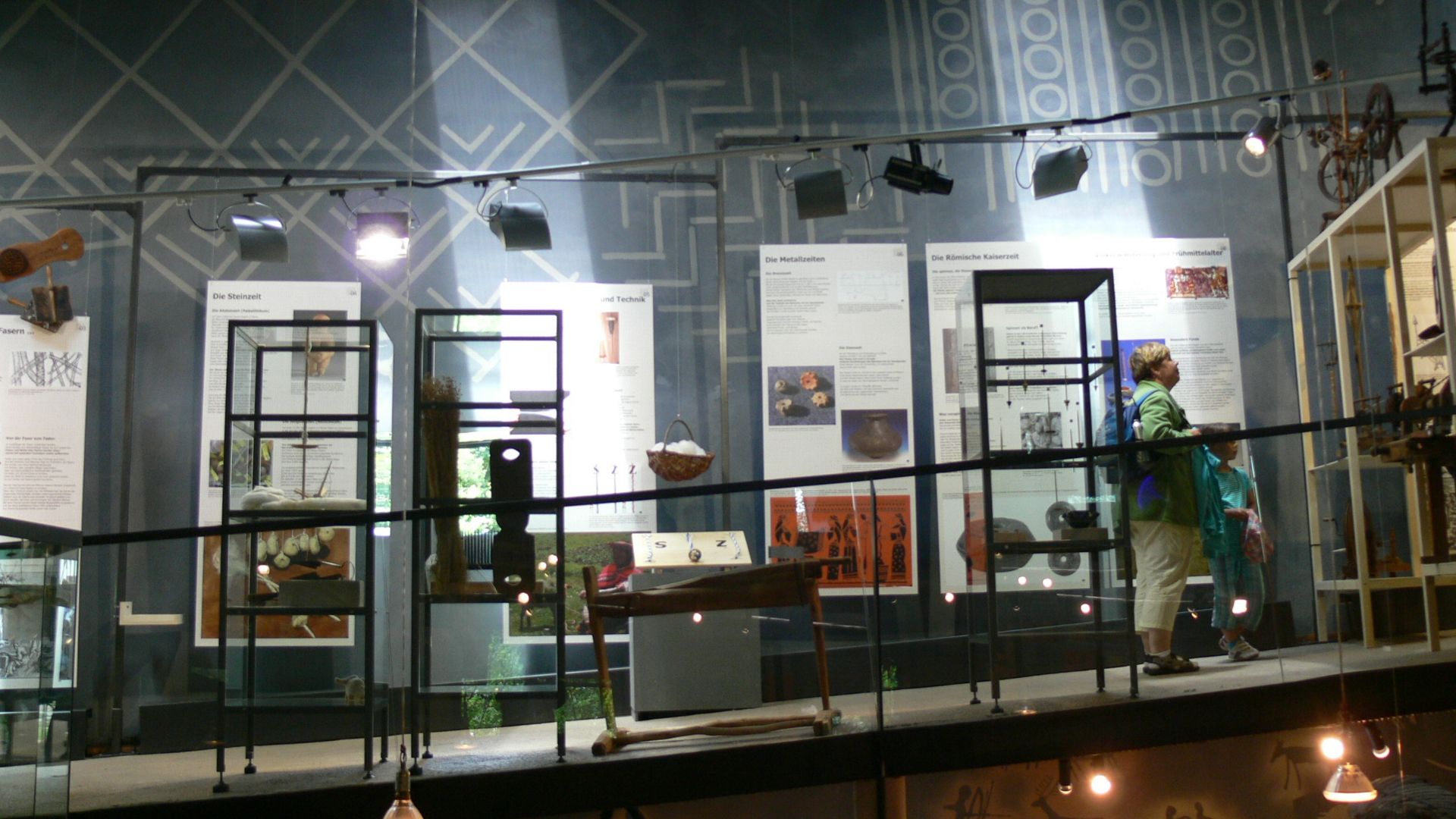 Wolfgang Sauber, Wikimedia Commons
The Curse Of The Iceman
Helmut Simon, who discovered Otzi, died in 2004 during a freak blizzard and was found buried in ice near the original discovery site. Several others connected to the mummy died under unusual circumstances, spawning "curse" legends. Scientists dismiss these deaths as tragic coincidences rather than supernatural vengeance.