
Big Ideas Often Look Ridiculous At First.
From the telephone and sewing machine to seat belts and digital cameras, many inventions faced mockery, fear, or outright rejection before changing everyday life. Today, these once-dismissed creations are so deeply woven into modern society that living without them is almost impossible to imagine.
The Fork Was Condemned As Vanity
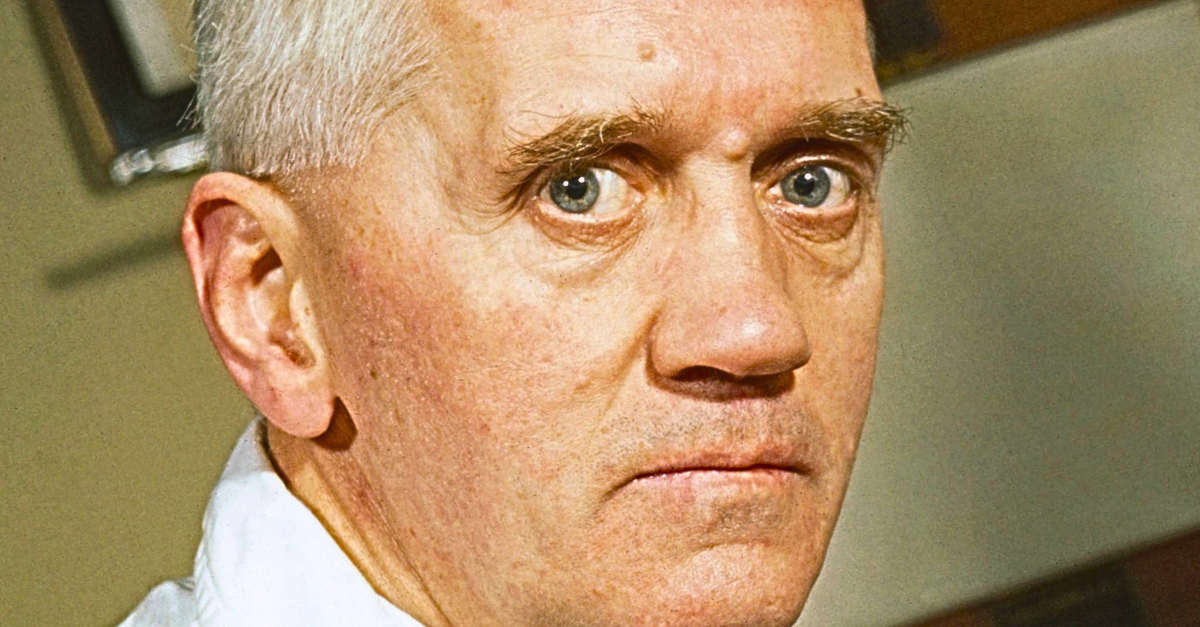
A fork now seems like the least controversial object in a kitchen. In 1004, however, a Byzantine bride used a golden fork at her wedding in Venice, prompting local clergy to condemn the utensil as decadent vanity. English traveler Thomas Coryat was still mocked after bringing the habit home in 1608. By the 1850s, forks were firmly established in the United States, proving that even table manners can need centuries to win an argument.
 Marktaff~commonswiki, Wikimedia Commons
Vaccination Looked Like Cow Folly
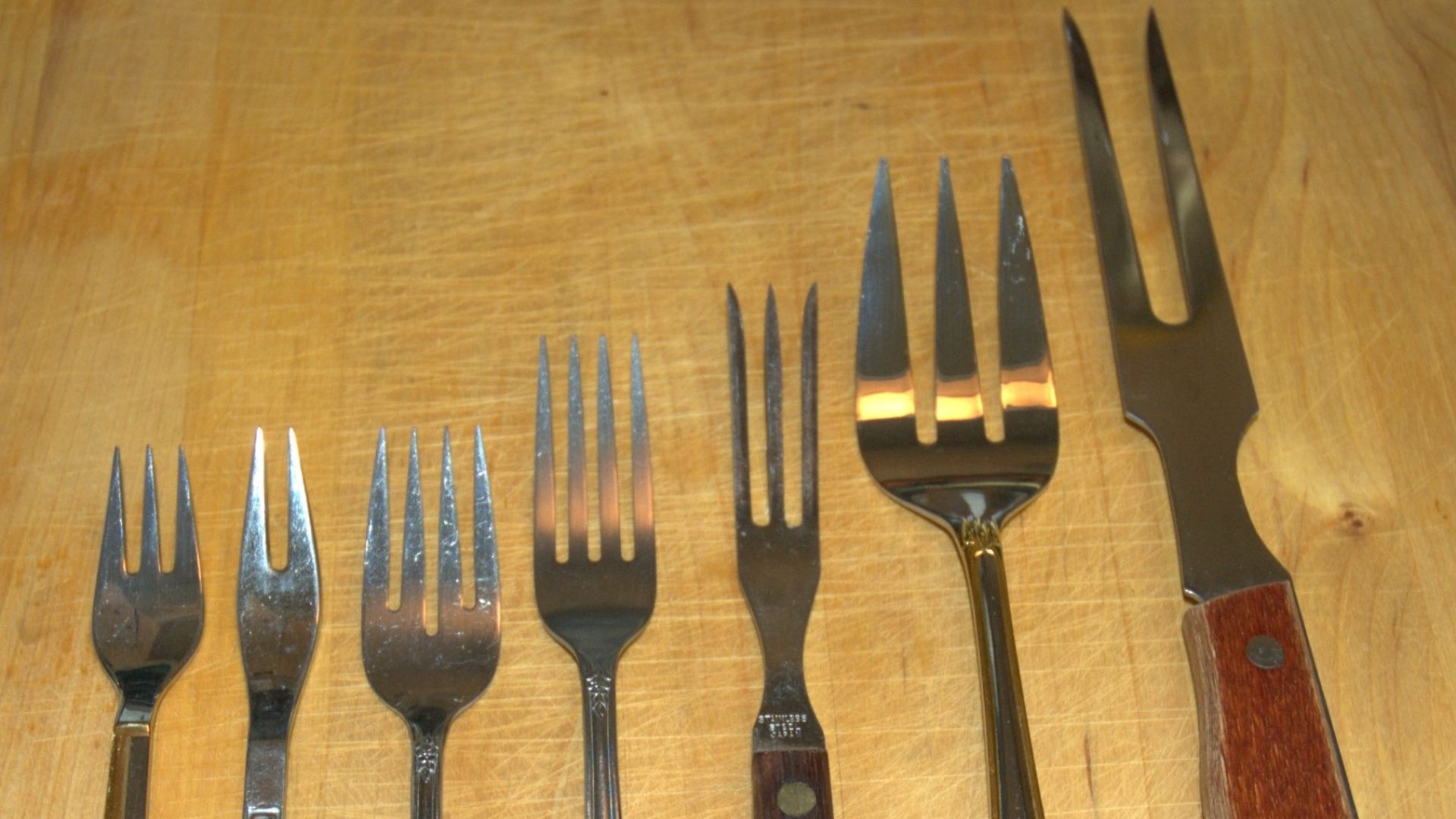
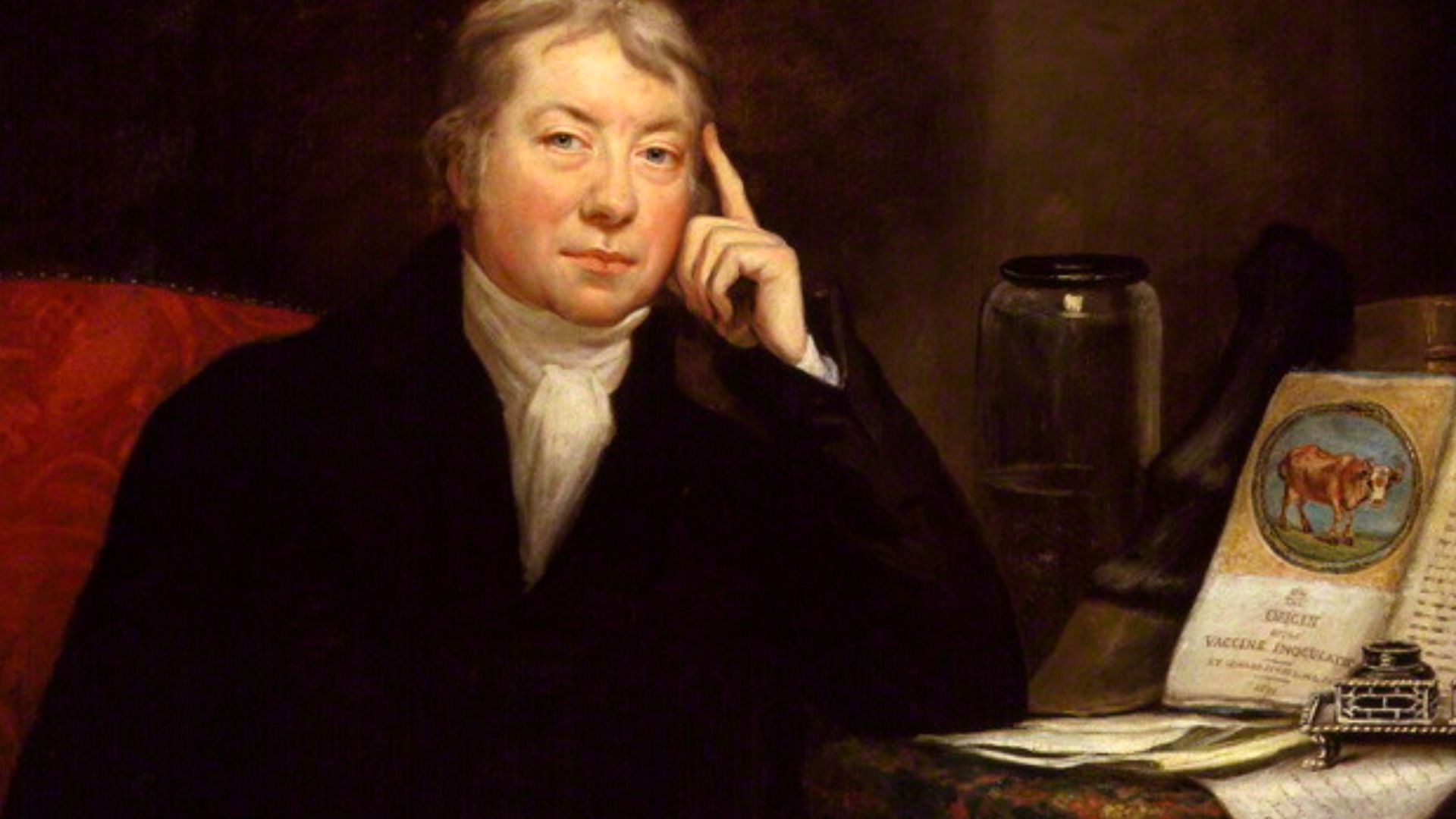
The next backlash concerned something far more consequential than etiquette. Edward Jenner tested cowpox material as protection against smallpox in 1796 and published his findings in 1798, but opponents spread fears that vaccination might make people resemble cattle. James Gillray’s famous 1802 cartoon turned that anxiety into grotesque comedy. Vaccination ultimately drove the eradication of smallpox, the only human infectious disease eradicated worldwide.
 James Northcote, Wikimedia Commons
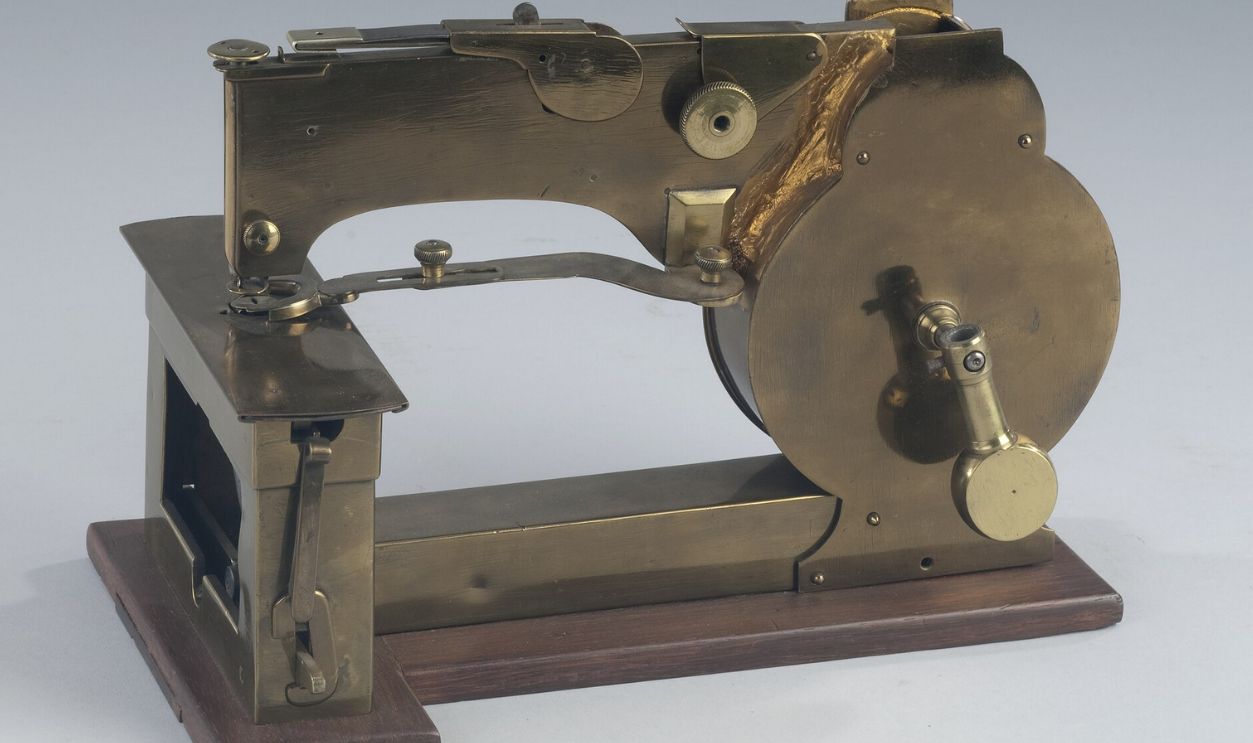
Tailors Smashed The First Sewing Machines
Fear of job loss could turn rejection violent. French tailor Barthélemy Thimonnier patented a mechanical sewing machine in 1830 and won a contract to make military uniforms, but a mob of tailors destroyed his workshop and approximately 80 machines. Walter Hunt later abandoned his own sewing machine partly because he feared it would eliminate jobs, while Elias Howe struggled to find buyers after patenting his model in 1846. The sewing machine eventually transformed garment production, but its path began with smashed equipment and commercial indifference.
 staff at National Museum of American History, Wikimedia Commons
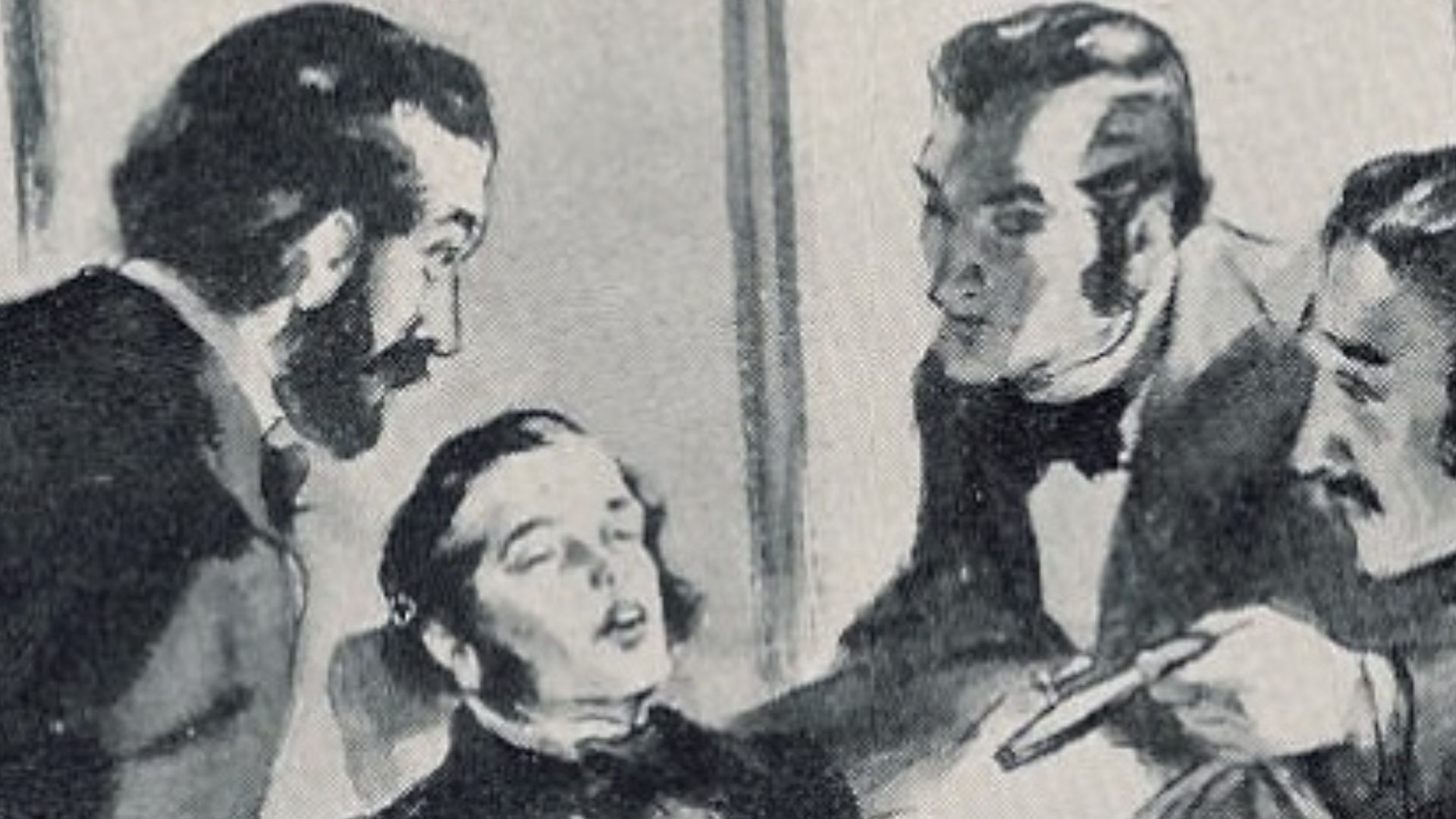
Anesthesia Failed In Front Of An Audience
Public rejection could also arrive in a single humiliating afternoon. Dentist Horace Wells tried to demonstrate nitrous oxide anesthesia at Massachusetts General Hospital on January 20, 1845, but the patient cried out and the audience judged the experiment a failure. William Morton returned to the same institution on October 16, 1846, and successfully used ether during surgery. That operation helped launch modern surgical anesthesia, showing that one failed demonstration did not settle the science.
 Marco giuffre1993, Wikimedia Commons
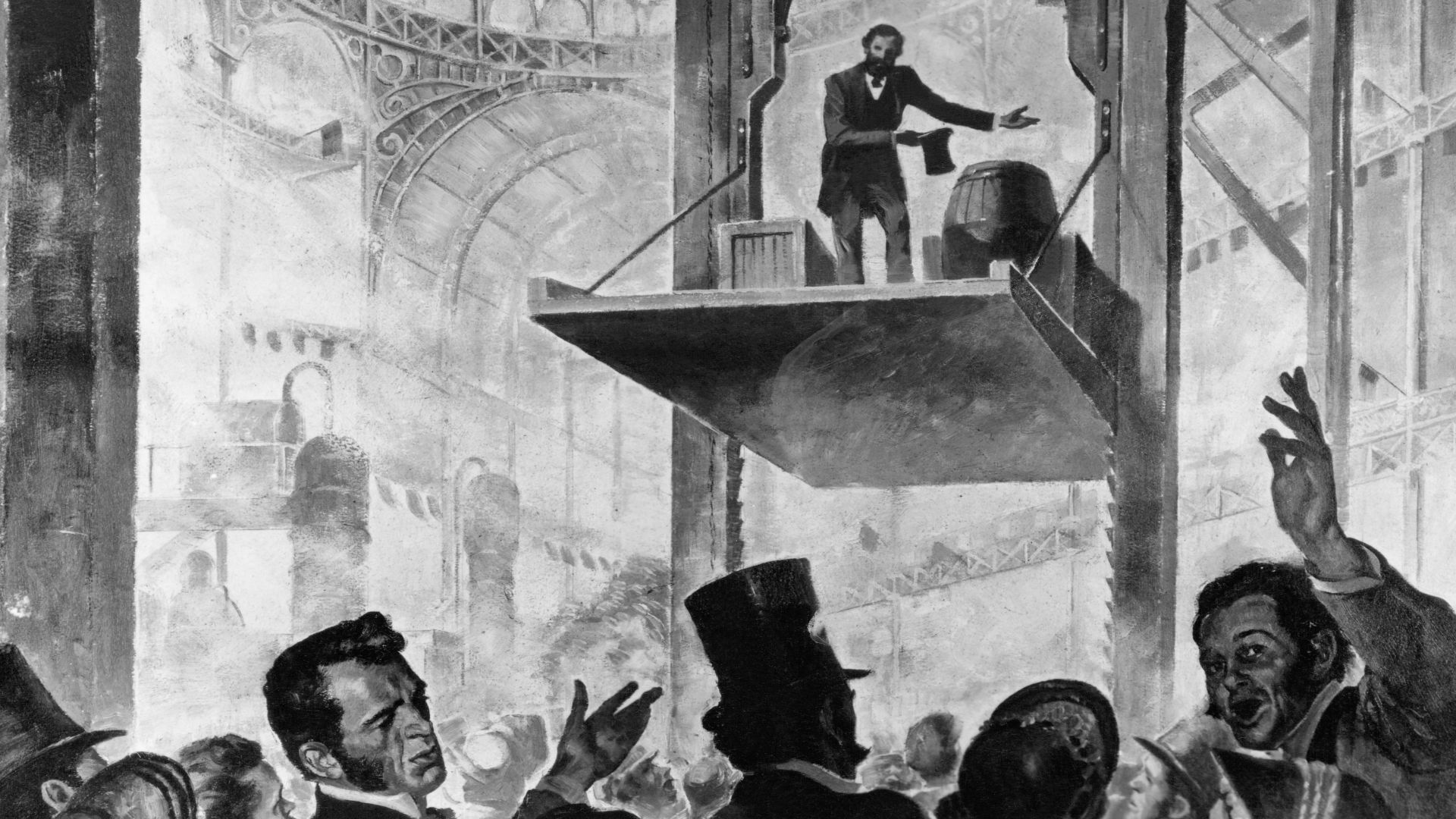
The Safe Elevator Could Barely Find Buyers
Elisha Otis faced a quieter problem because almost nobody was buying. His company sold only three elevators in 1853, and no orders arrived during the opening months of 1854. At New York’s Crystal Palace that year, Otis stood on a raised platform, had its supporting rope cut, and let his safety brake catch the car in front of the crowd. Sales rose afterward, and safe passenger elevators helped make the vertical modern city practical.
 Unknown author, Wikimedia Commons
Many Surgeons Rejected Antisepsis
Even life-saving evidence can collide with professional pride. Joseph Lister began applying Louis Pasteur’s germ theory to surgery in the 1860s and used carbolic acid to reduce contamination, but many surgeons rejected the idea that invisible organisms caused wound infections. Others regarded his antiseptic procedures as overly complicated or unnecessary. Falling infection rates eventually made the evidence difficult to deny, and Lister’s system became a foundation of modern surgical infection control.

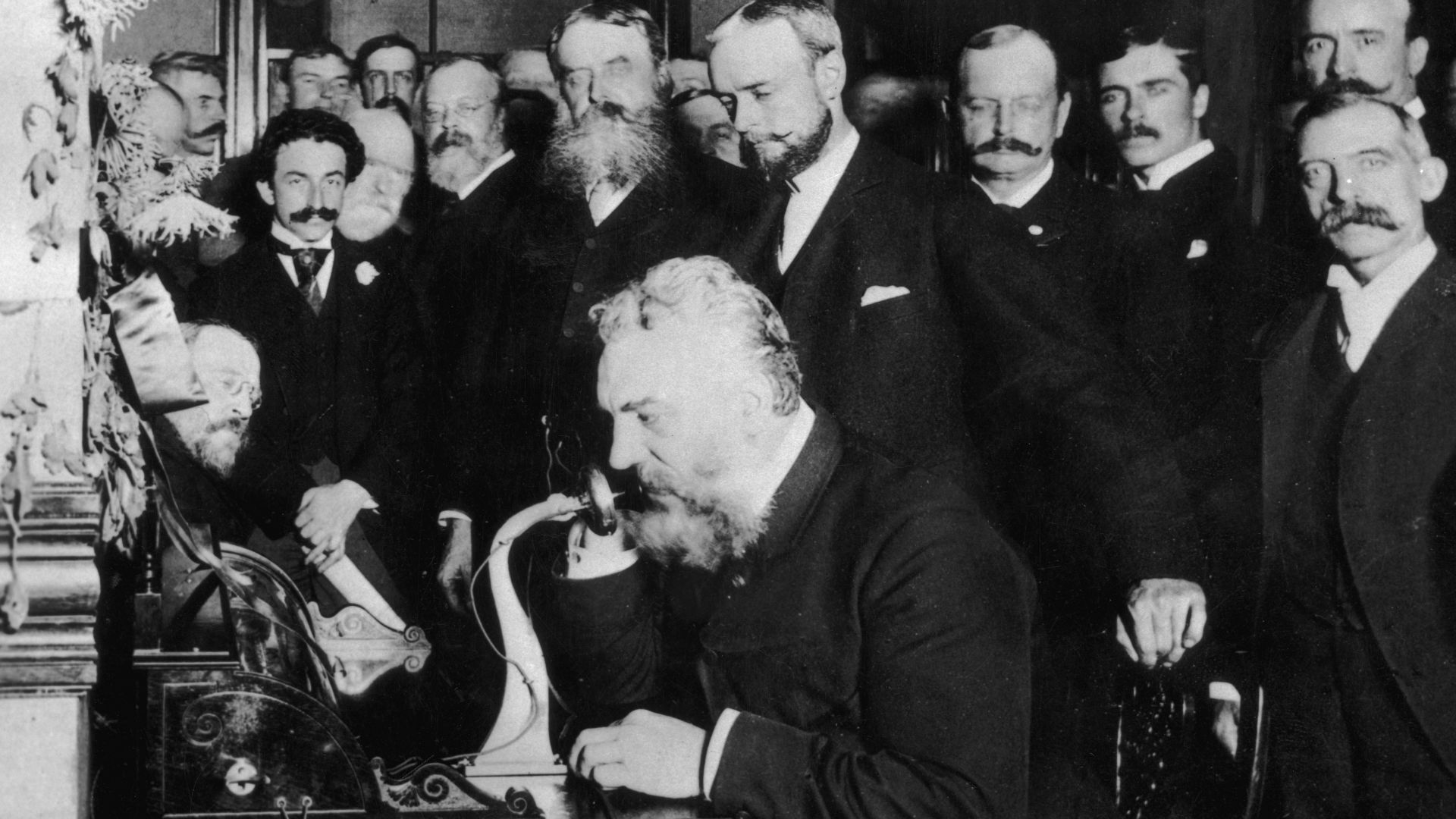
Western Union Passed On The Telephone
A communications giant then misread the future sitting in front of it. In late 1876, Alexander Graham Bell’s associates approached Western Union about selling the rights to his telephone for $100,000, and the company declined the opportunity. Bell’s supporters formed the Bell Telephone Company in 1877 instead. The uncertain electrical novelty grew into a communications system that transformed business, emergencies, and ordinary conversation.
Edison Tried To Frighten America Away From AC
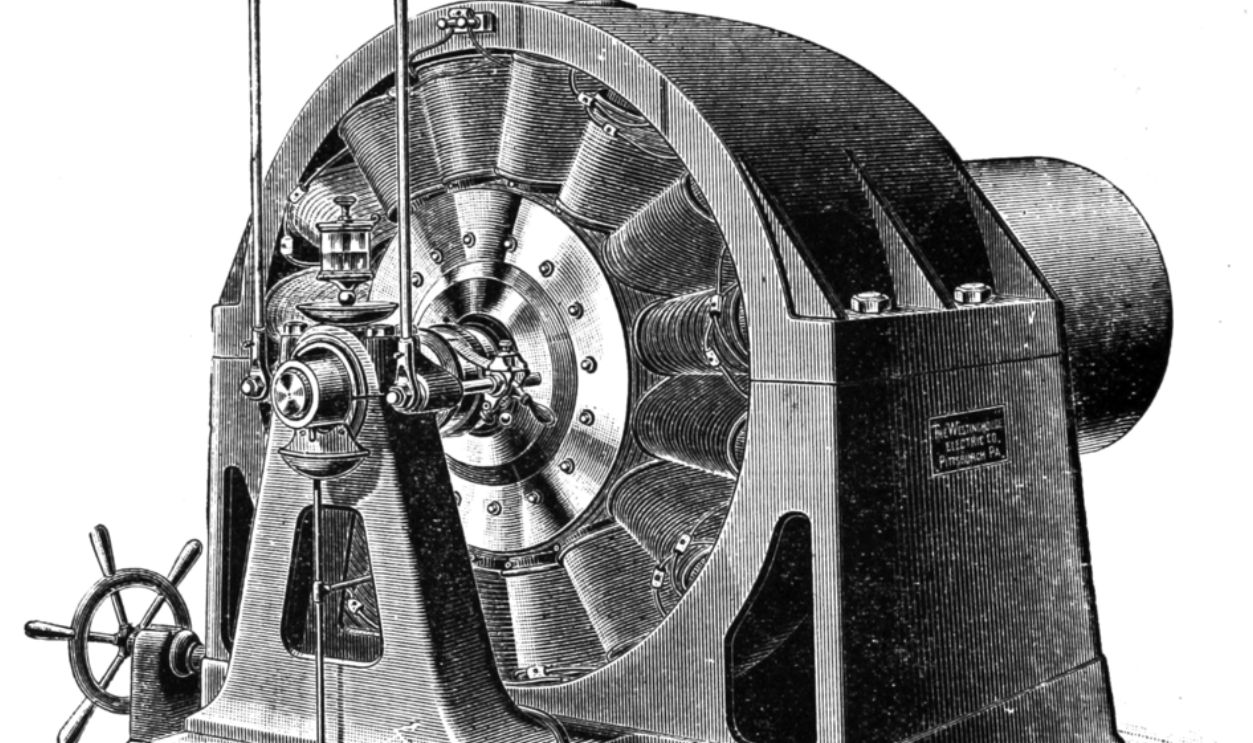
Telephone wires were soon joined by another bitterly contested network. During the War of the Currents in the late 1880s, Thomas Edison defended direct current and spread frightening claims about alternating current. His campaign included public electrocutions of animals using AC, while George Westinghouse’s system won major contracts at the Chicago World’s Fair and Niagara Falls. Modern power grids still rely predominantly on alternating current transmission, despite Edison’s effort to turn customers against it.
 Unknown author, Wikimedia Commons

History's most fascinating stories and darkest secrets, delivered to your inbox daily.
Italy Rebuffed Marconi’s Wireless
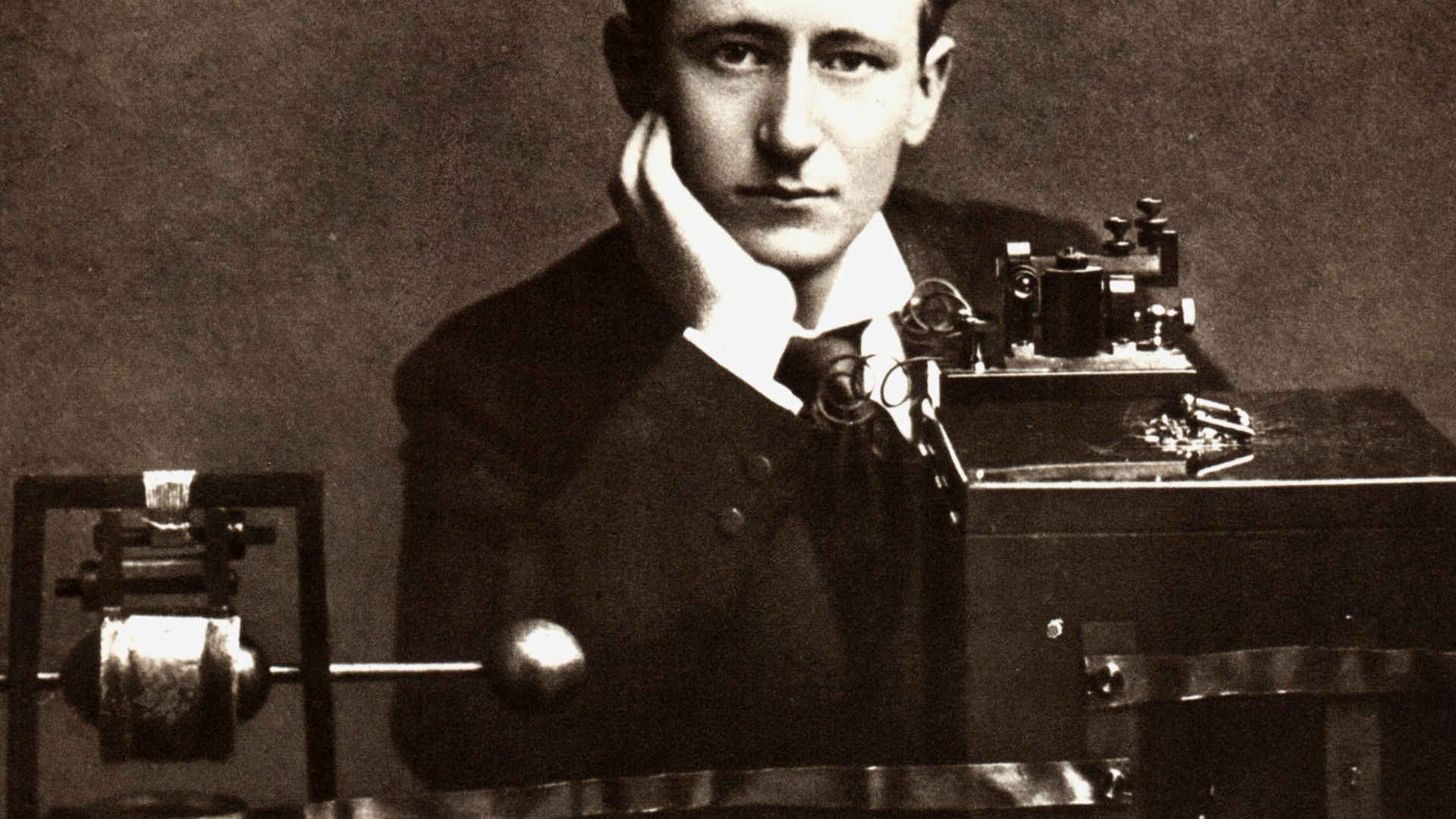
Wireless communication met indifference before it conquered distance. Guglielmo Marconi developed a practical wireless telegraph system in the 1890s, but he failed to interest the Italian government and left for Britain to seek support. He found backers there, filed a British patent in 1896, and reported receiving the Morse-code letter S across the Atlantic in 1901. Radio communication later became standard at sea and helped create the broadcast and wireless world that followed.
 Unidentified photographer. Smithsonian Institution from United States, Wikimedia Commons
Washington Passed On The Airplane
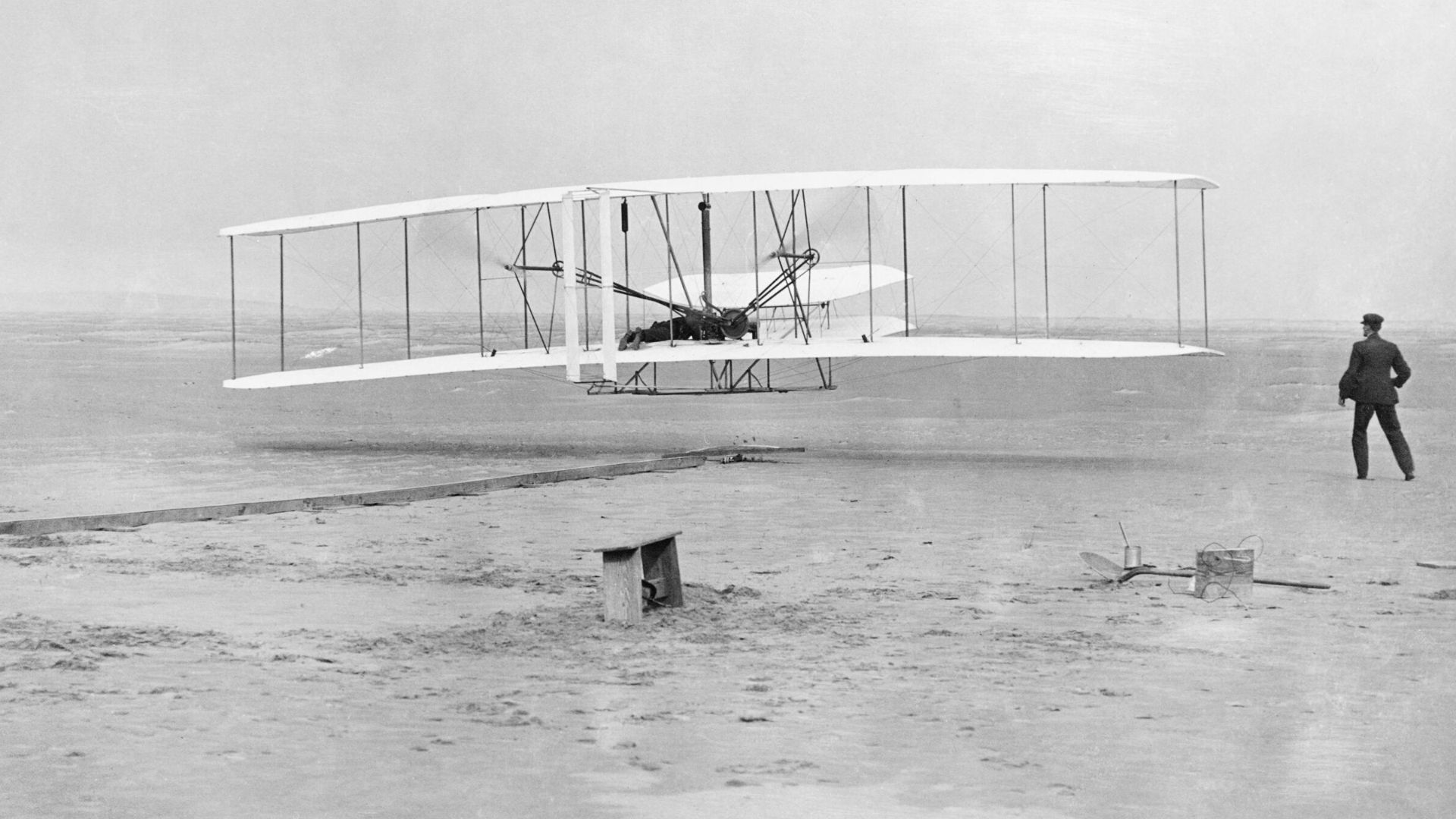
Government officials were no quicker to recognize powered flight. The Wright brothers completed the first controlled and sustained flight of a powered heavier-than-air machine on December 17, 1903, then offered their aircraft to the United States government. The Board of Ordnance and Fortification rejected an approach in January 1905 and declined a second proposal that October. The Army finally accepted a Wright bid in 1908 and bought its first military airplane the following year.
 Daniels John T, Kill Devil Hills Life Saving Station, Wikimedia Commons
A Manufacturer Dismissed The Windshield Wiper
The next rejection happened on the road rather than in the air. Mary Anderson patented a hand-operated windshield-clearing device in 1903 after noticing that drivers had to stop or open their windows in bad weather. A Canadian manufacturer declined to market it, saying the device had no practical value, and critics worried that its movement would distract drivers. Windshield wipers became standard automobile equipment within approximately a decade.

Fashion Ignored The Zipper For Decades
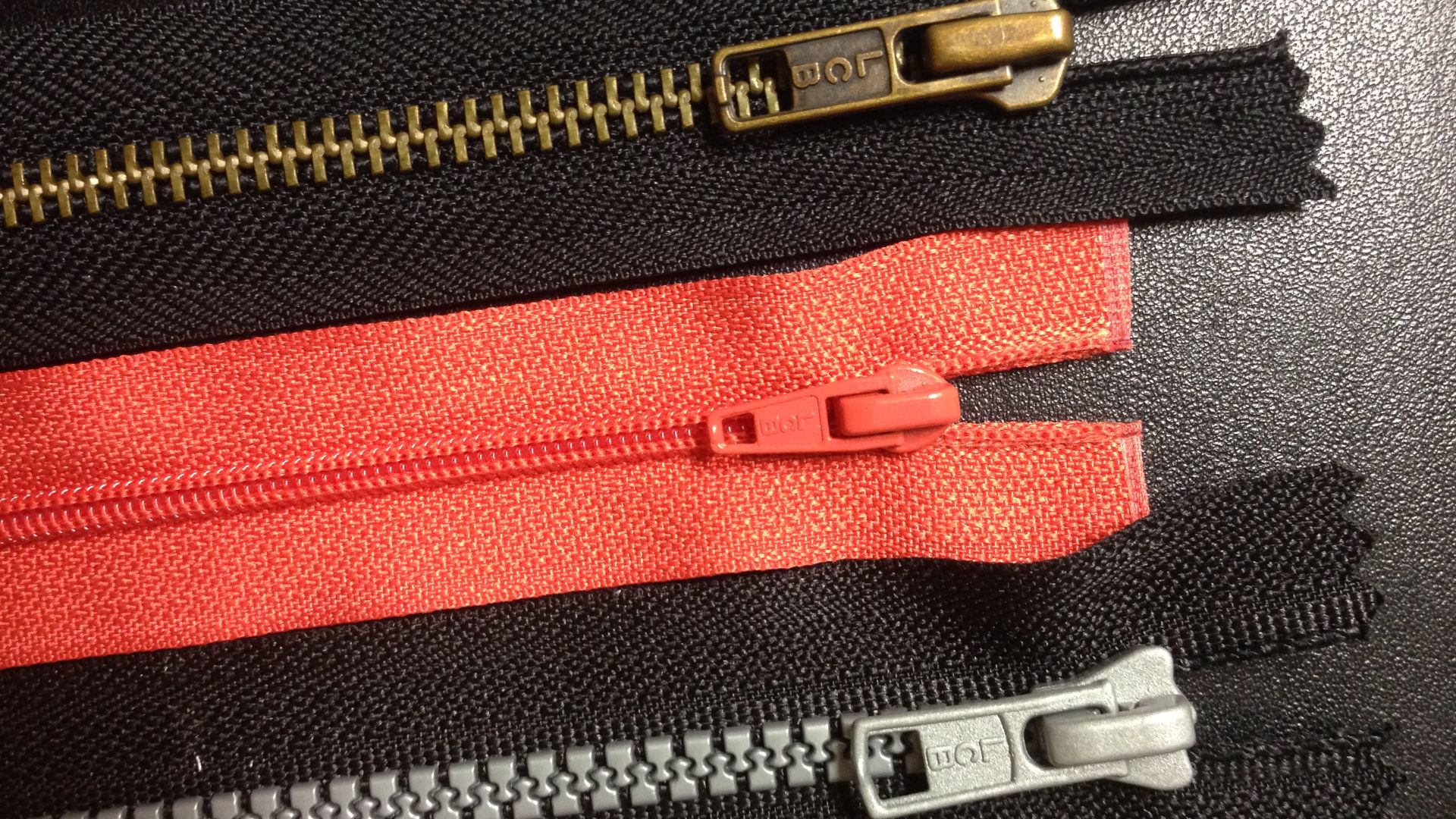
Sometimes an invention survived by starting somewhere unfashionable. Early clasp lockers had little commercial success, while Gideon Sundback’s improved zipper initially found its main markets in boots and tobacco pouches. Sundback developed the modern form by 1913 and received a patent in 1917, but clothing manufacturers took approximately two more decades to embrace it. By 1937, the so-called Battle of the Fly helped establish zippers in men’s trousers, and the neglected fastener became routine.
Penicillin Was Branded A Laboratory Curiosity
Medicine’s most famous mold began as a neglected laboratory observation. Alexander Fleming noticed penicillin’s antibacterial effect in 1928, but his peers showed little interest and researchers struggled to purify the substance in useful quantities. One specialist judged therapeutic production close to impossible, and Fleming eventually set the project aside. Howard Florey, Ernst Chain, and their Oxford team revived the work in the 1940s, leading to mass-produced penicillin that transformed the treatment of bacterial infections.
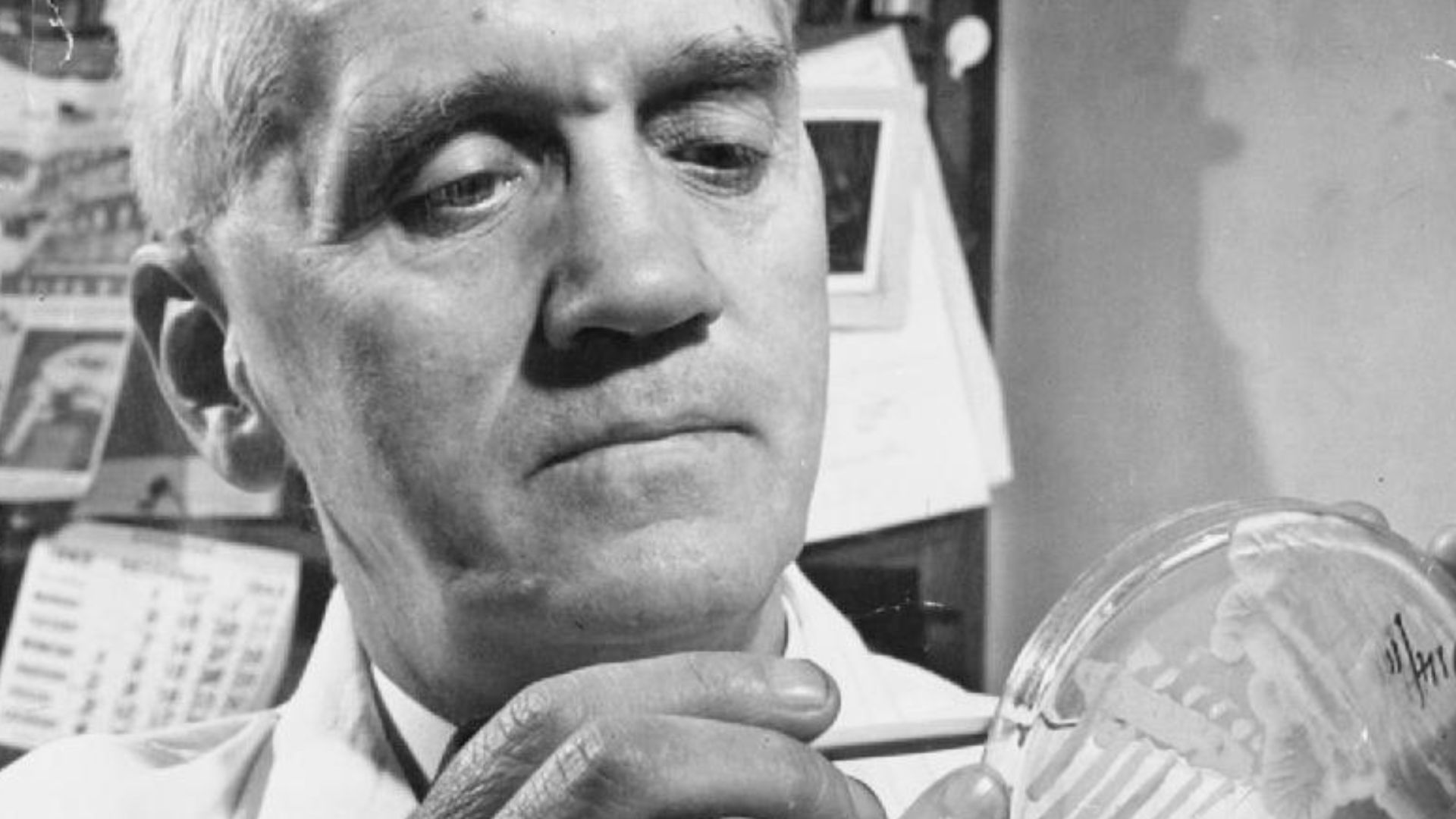 Ministry of Information Photo Division Photographer, Wikimedia Commons
Shoppers Refused To Push The Cart
Consumers can reject convenience even when it is rolling directly toward them. Oklahoma grocer Sylvan Goldman introduced the shopping cart in 1937, but many women associated it with pushing baby carriages and many men thought using one looked weak. Goldman hired models to wheel carts through his stores until customers began copying them. By 1940, manufacturers faced a seven-year waiting list, and the once-awkward contraption became basic supermarket equipment.

More Than Twenty Companies Rejected Xerography
Chester Carlson had an idea that major companies repeatedly refused to copy. After conceiving xerography in 1937, he approached more than 20 corporations, including IBM, General Electric, Kodak, and RCA, but none agreed to develop it. Years of persistence eventually led to the Xerox 914, introduced in 1959 as the first commercially successful plain-paper office copier. Xerography now operates behind photocopiers and laser printers, making those early rejections look spectacularly shortsighted.
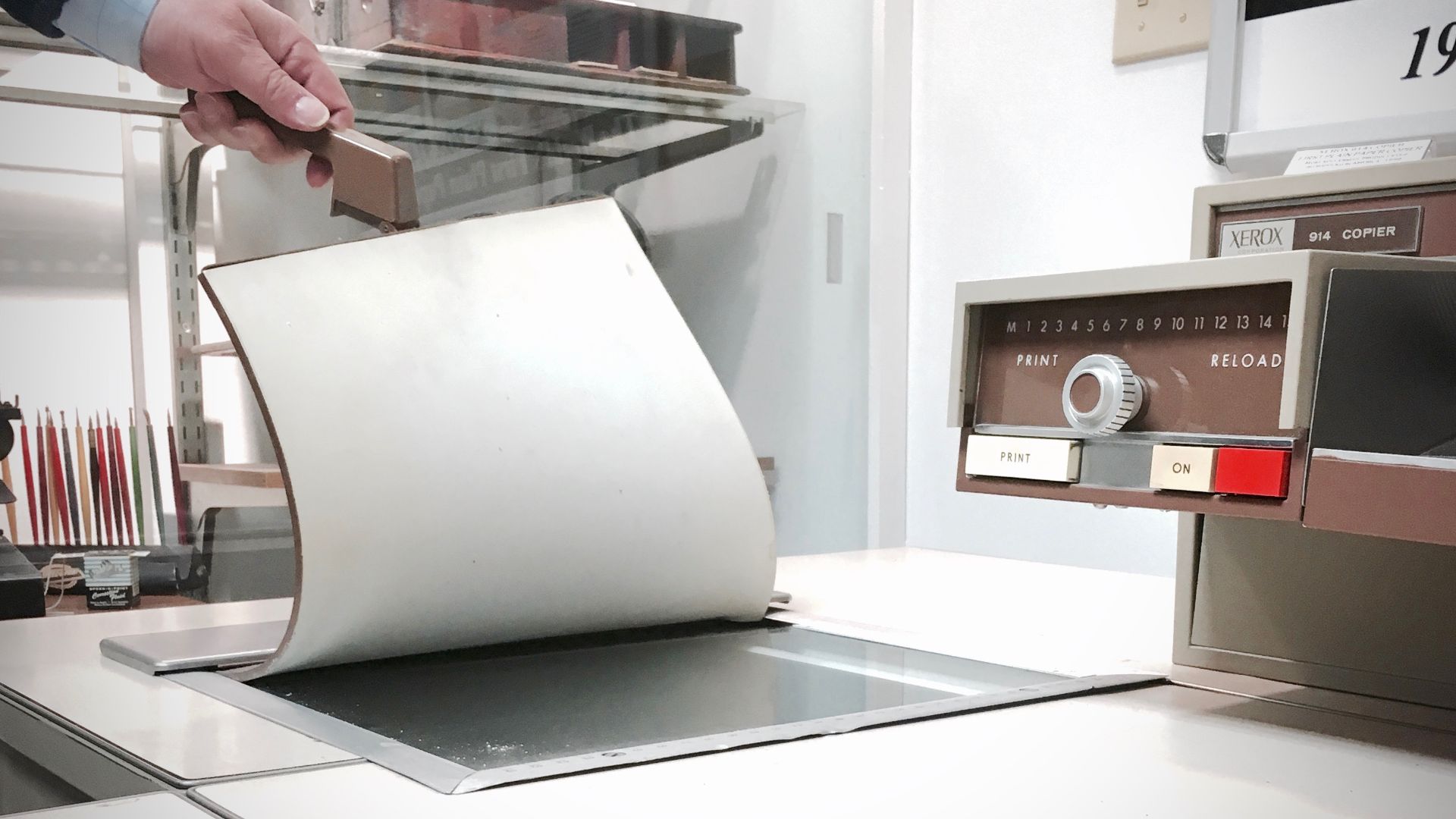 Marcin Wichary from San Francisco, U.S.A., Wikimedia Commons
The Navy Shunned Frequency Hopping
Military skepticism nearly buried a technology associated with actor Hedy Lamarr and composer George Antheil. Their patented system synchronized a signal across 88 changing radio frequencies, an approach intended to make torpedo guidance harder to detect or jam. The United States Navy initially shunned the technique, although Sylvania adopted the concept in 1957 and American ships used it during the 1962 blockade of Cuba. Later frequency-changing patents cited the Lamarr-Antheil work as a foundation of the field.
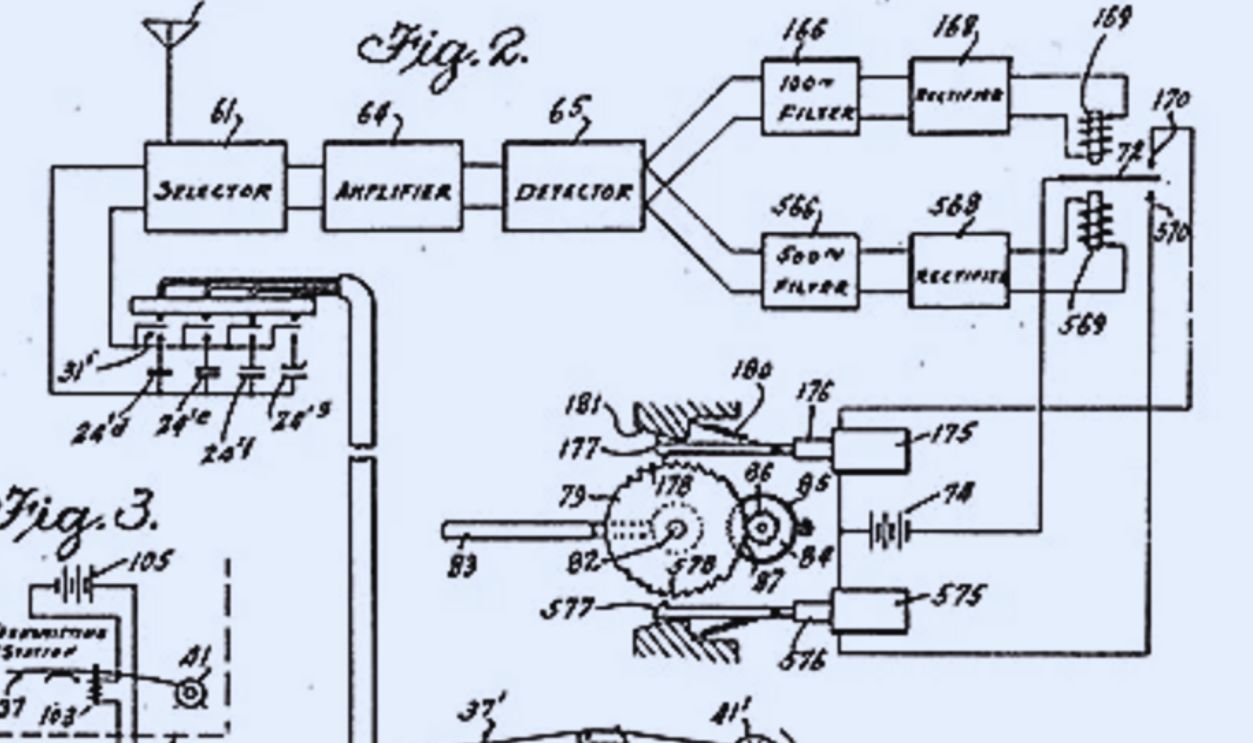 Hedy Lamarr and George Antheil’s patent for a “Secret Communication System”, Wikimedia Commons
The First Home Microwave Baffled Buyers
Home cooks initially had no idea what to do with a microwave. Tappan’s RL-1, introduced as an early domestic model in 1955, cost $1,295, and the company sold only 34 units because of the price and customer confusion. By 1976, microwave prices had fallen below $300. By 2000, the appliance was present in about 90 percent of American homes, turning an early retail failure into a kitchen standard.
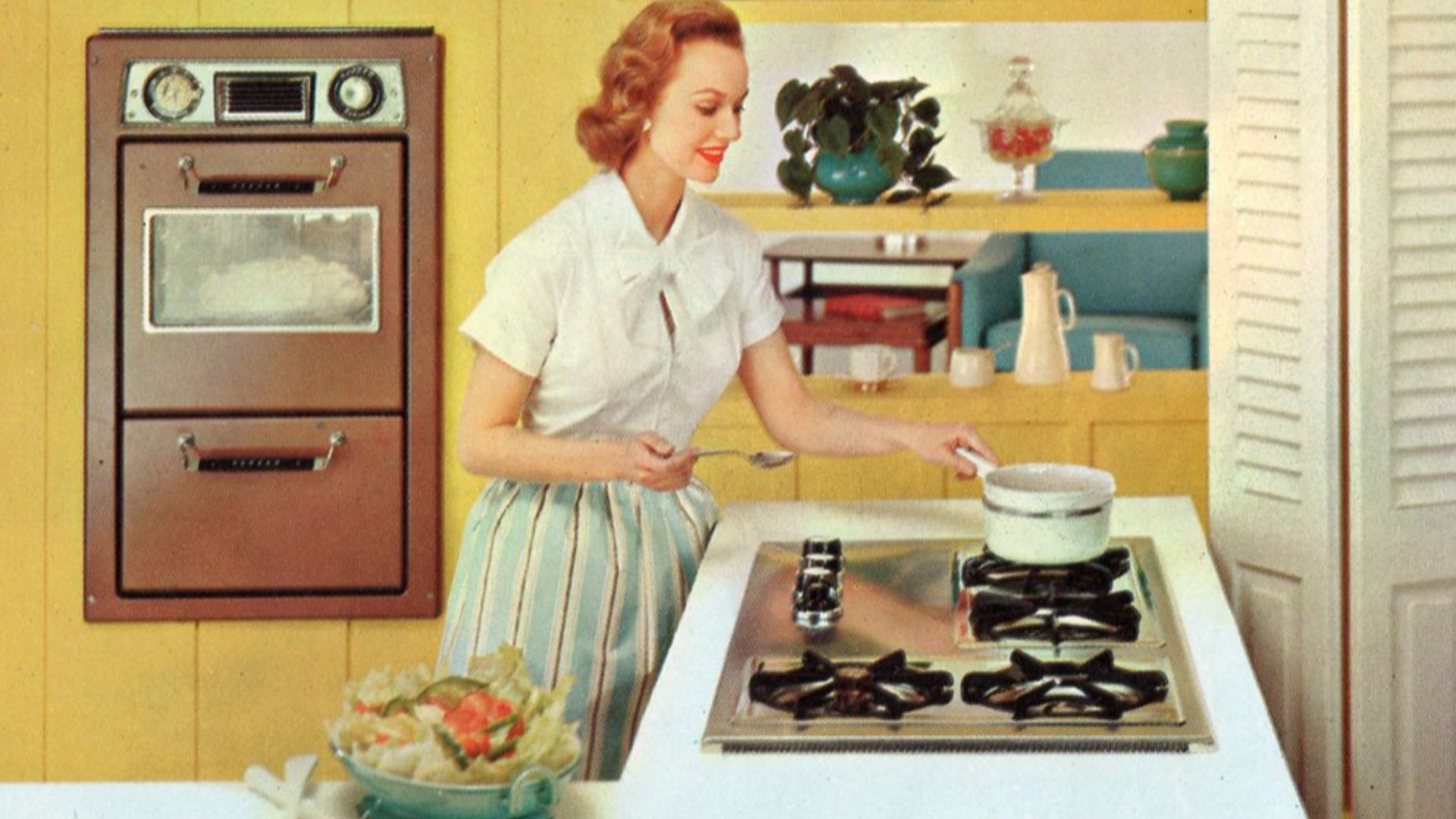
Diaper Makers Rejected The Disposale Future
Marion Donovan found that manufacturers could be less flexible than the product she invented. In the late 1940s, she developed the Boater, a waterproof diaper cover with an absorbent insert, but major companies told her that mothers were satisfied with existing baby pants. Donovan manufactured it herself and scored an immediate hit at Saks Fifth Avenue in 1949. Her invention helped clear the path for mass-produced disposable diapers, including Pampers, which reached the market in 1961.

Drivers Fought The Seat Belt
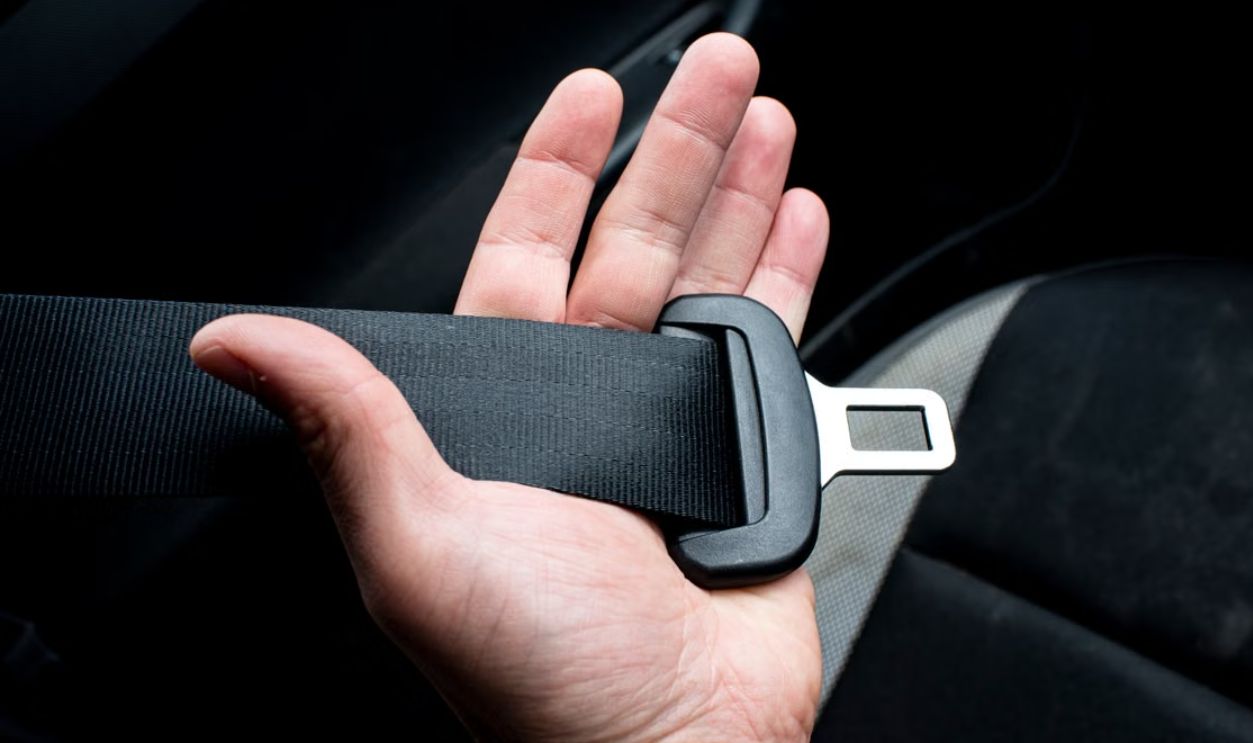
Drivers once treated seat belts as an annoyance rather than a necessity. Nash offered belts in its cars in 1949, but buyers largely ignored them, and resistance continued for decades after Nils Bohlin created Volvo’s three-point design in 1959. Mandatory belt laws later drew protests framed around personal freedom. The three-point belt is now standard in vehicles, and federal safety officials credit advanced restraint systems with saving hundreds of thousands of lives.
Credit Cards Needed An Instruction Manual
The credit card arrived with a serious usability problem because people had to learn what it was. Diners Club introduced a multipurpose charge card in 1950 and had to persuade both restaurants and customers to accept a new payment system. Bank of America’s 1958 BankAmericard mailing produced confusion, fraud, defaults, and heavy losses, while manual processing slowed the wider industry’s growth. The model eventually evolved into global card networks, turning a baffling novelty into routine commerce.

Shipping Experts Saw Little In The Container
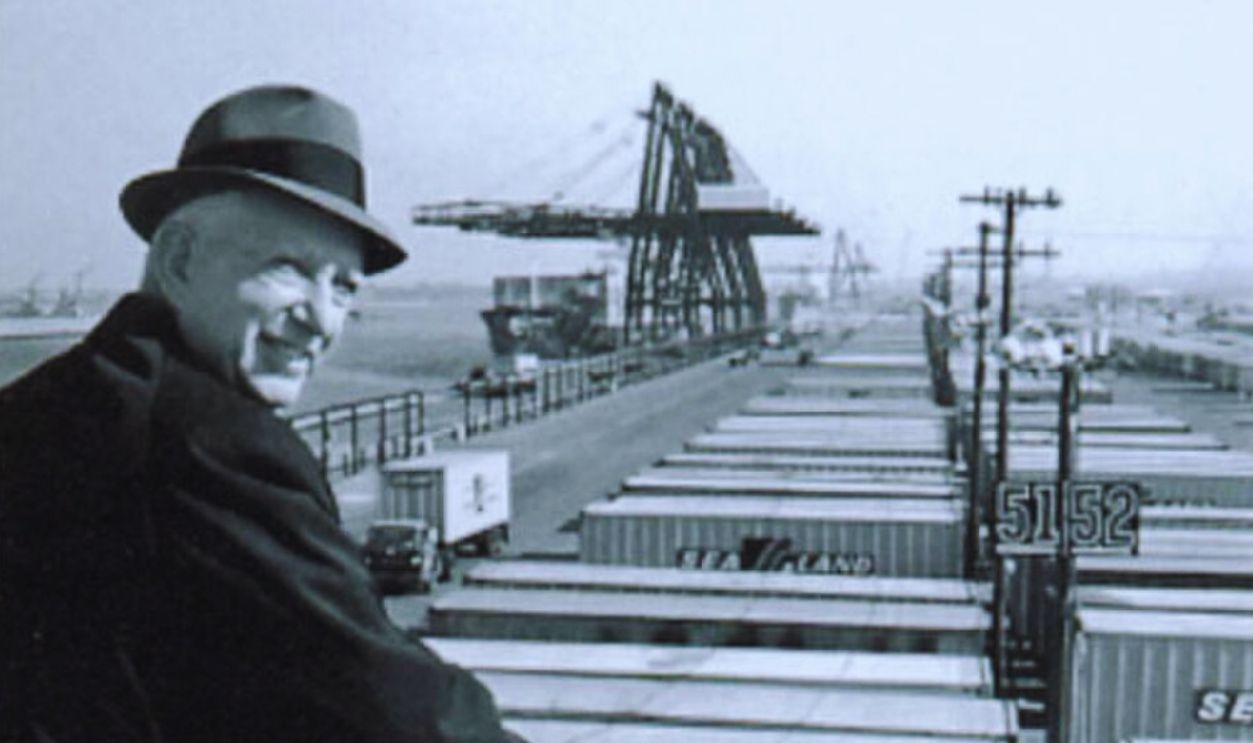
An ordinary steel box met extraordinary resistance. In 1956, trucking entrepreneur Malcolm McLean loaded 58 truck bodies onto the converted tanker Ideal-X, demonstrating a system that could move cargo between roads and ships without unpacking it. Many shipping executives saw little potential, while unions feared job losses and incompatible standards slowed adoption. Standardized containers ultimately transformed ports, freight costs, manufacturing, and global trade.
 Maersk Line, Wikimedia Commons
A Physics Journal Rejected The First Laser
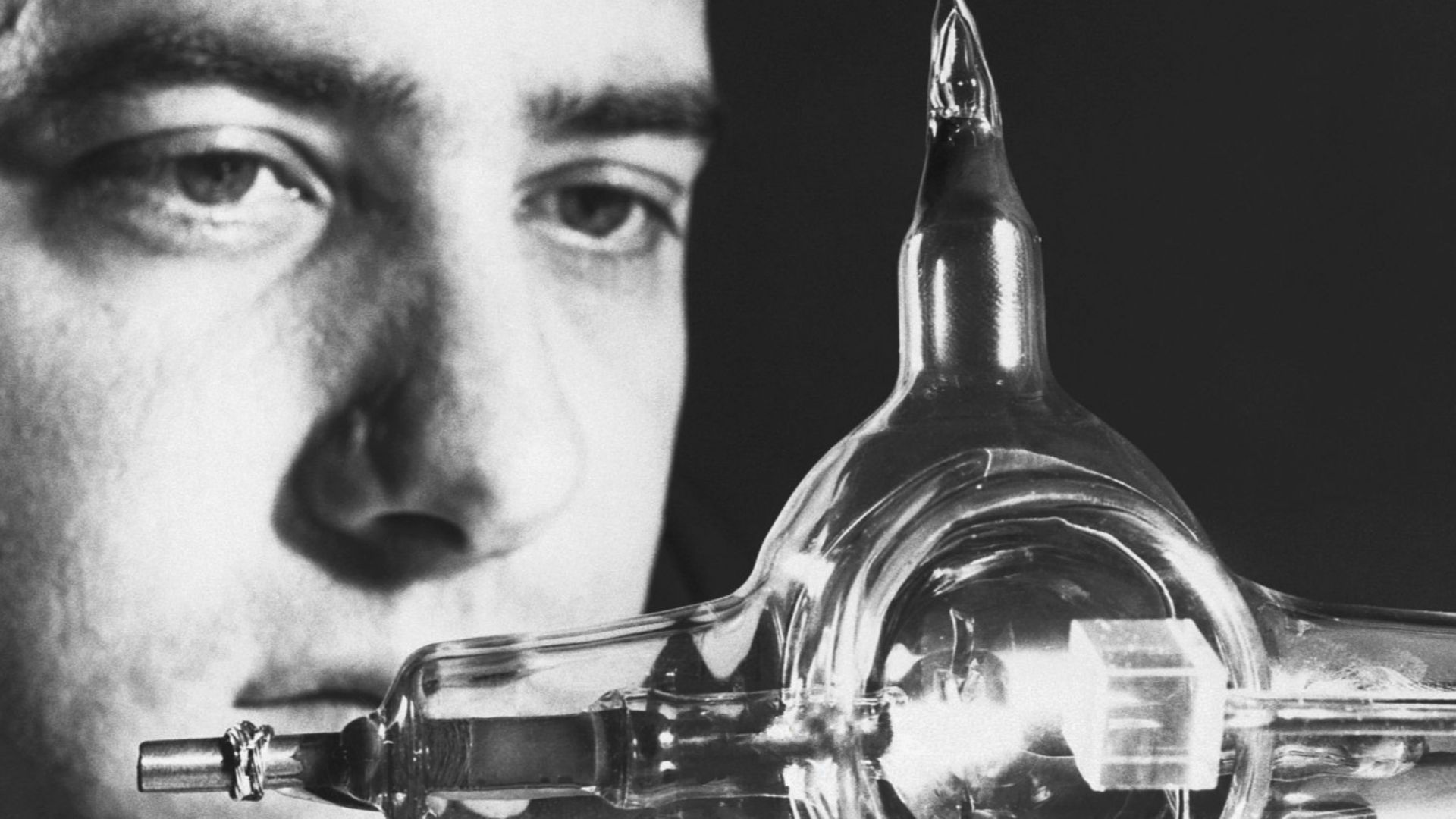
Even the first working laser had trouble getting into print. Theodore Maiman operated his ruby laser on May 16, 1960, then submitted a brief paper about the achievement to Physical Review Letters. The journal rejected it, although Nature published the result that August. Once dismissed as a solution looking for a problem, lasers became essential to fiber-optic communication, barcode scanners, manufacturing, medicine, and scientific research.
 Unknown (Associated Press), Wikimedia Commons
Experts Called Packet Switching Unworkable
The architecture behind the internet was once labeled unworkable. RAND researcher Paul Baran proposed a distributed digital communications network in the early 1960s, but critics argued that his message blocks and decentralized design were not feasible. Donald Davies independently developed packet switching in Britain, and ARPANET became a large-scale test of the concept in 1969. Packet-switched networking now carries the internet traffic on which modern communication depends.

Manufacturers Resisted The Barcode
Retailers also resisted the lines that now follow almost every product through a checkout. Norman Joseph Woodland and Bernard Silver filed a barcode patent in 1949, but the idea arrived years before scanners and computers could make it practical. Manufacturers spent years debating a universal code before a pack of Wrigley’s Juicy Fruit became the first UPC-marked product scanned on June 26, 1974. Adoption accelerated in the 1980s, and barcodes reshaped inventory, manufacturing, shipping, and retail sales.
 Klaus-Dieter Keller, Wikimedia Commons
HP Passed On Wozniak’s Computer Five Times
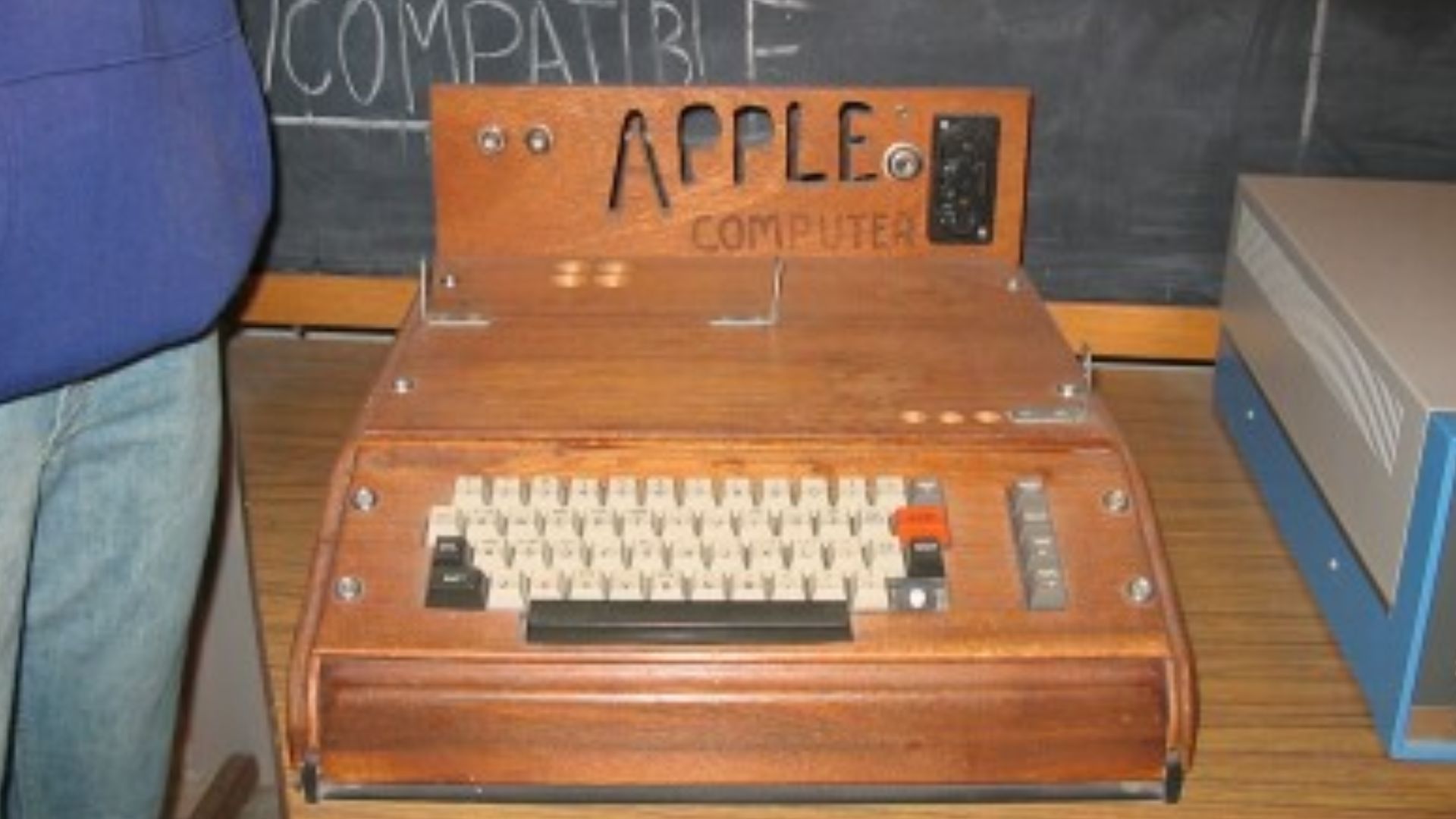
The personal computer was rejected by the company Steve Wozniak expected to spend his career with. Wozniak has said that he offered his computer idea to Hewlett-Packard five times and that the company passed each time. He and Steve Jobs instead showed the Apple I at the Homebrew Computer Club in 1976, then received an order for 50 assembled kits from a local retailer. The Apple II sold briskly, helping turn a refused employee project into a mass-market computing business.
Kodak Protected Film From The Digital Camera
That pattern ended with an invention that threatened its own employer’s best business. Kodak engineer Steven Sasson built the first self-contained digital camera in 1975, but the company dominated photographic film and was reluctant to disrupt that market. Sasson and Robert Hills developed a digital single-lens reflex camera in 1989, yet Kodak initially declined to sell it. Digital photography eventually remade the industry, leaving Kodak’s hesitation as one of the clearest warnings about protecting yesterday’s success.
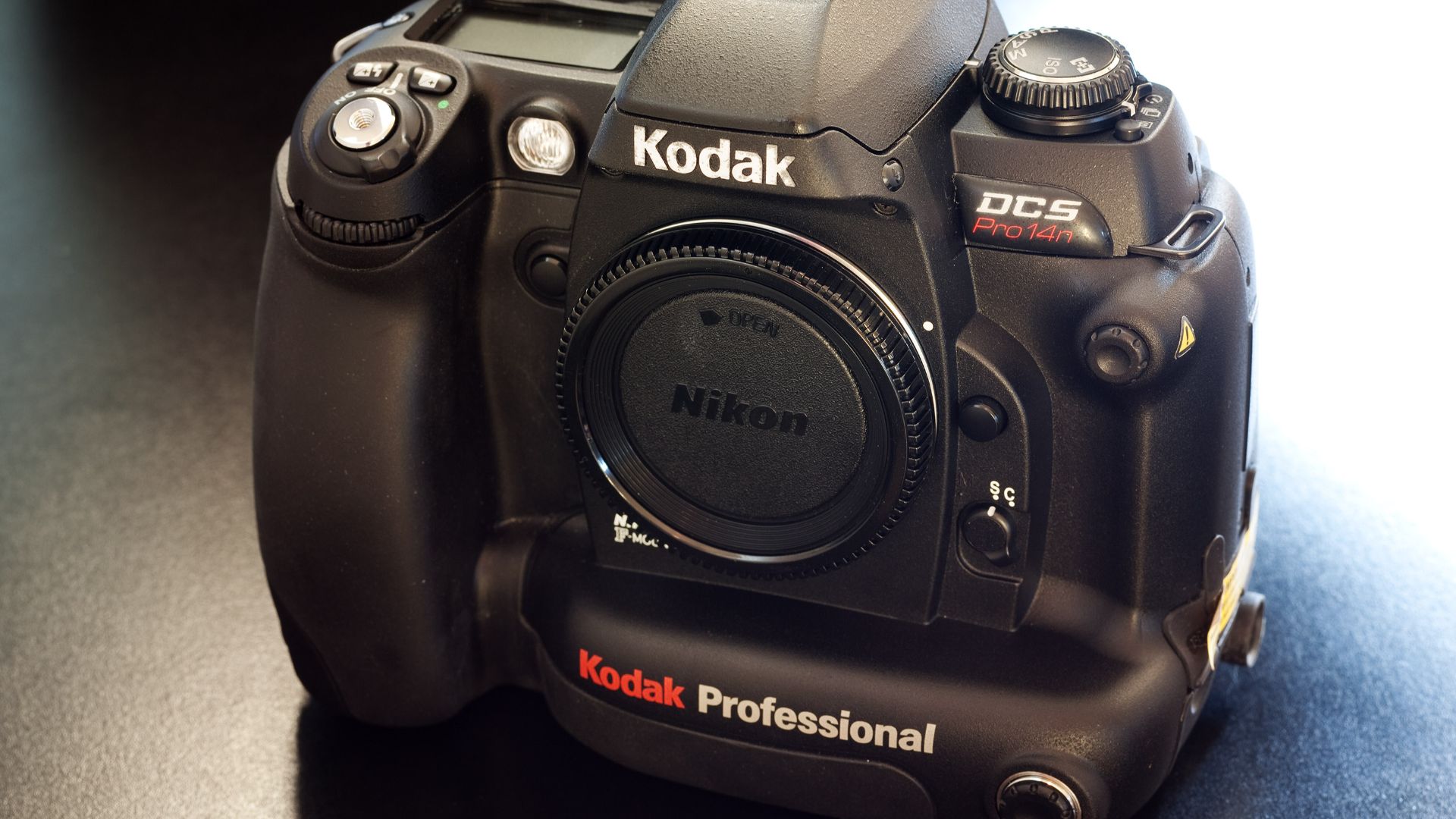 Ashley Pomeroy, Wikimedia Commons
You May Also Like:
Accidental Inventions That Changed Our Lives Forever
The 20th Century's Most Important Inventions
Things You Didn't Realize Were American Inventions
Sources: 1, 2, 3, 4, 5, 6, 7, 8, 9, 10, 11, 12, 13, 14, 15, 16, 17, 18, 19, 20, 21, 22, 23, 24, 25, 26, 27, 28, 29, 30, 31, 32, 33, 34, 35, 36, 37











.jpg)