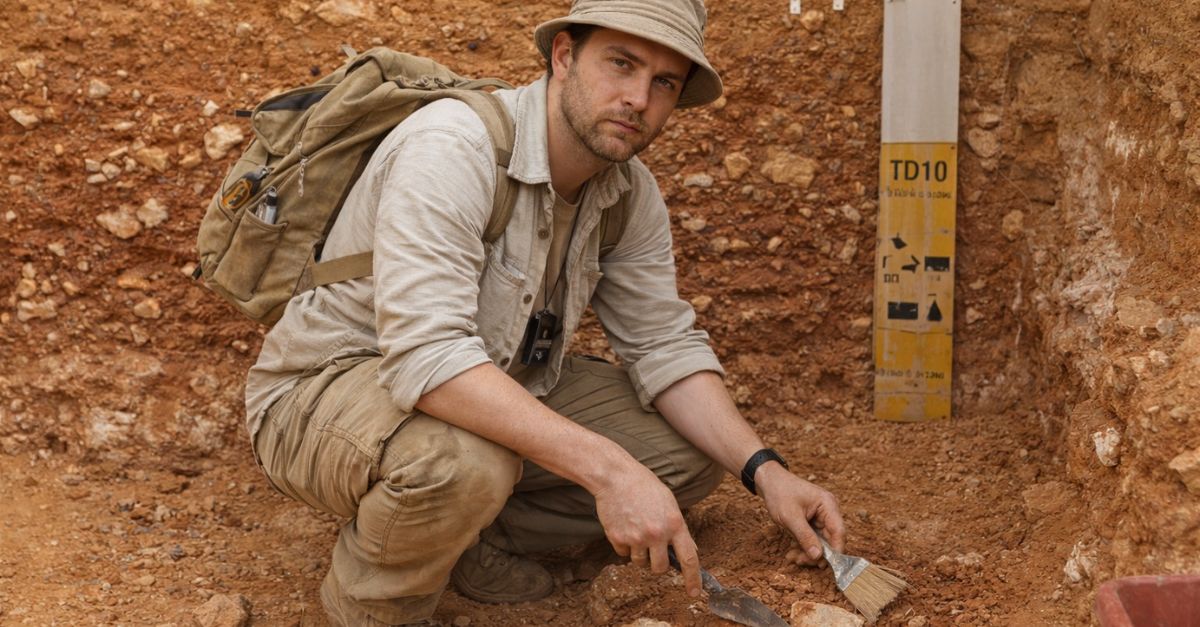
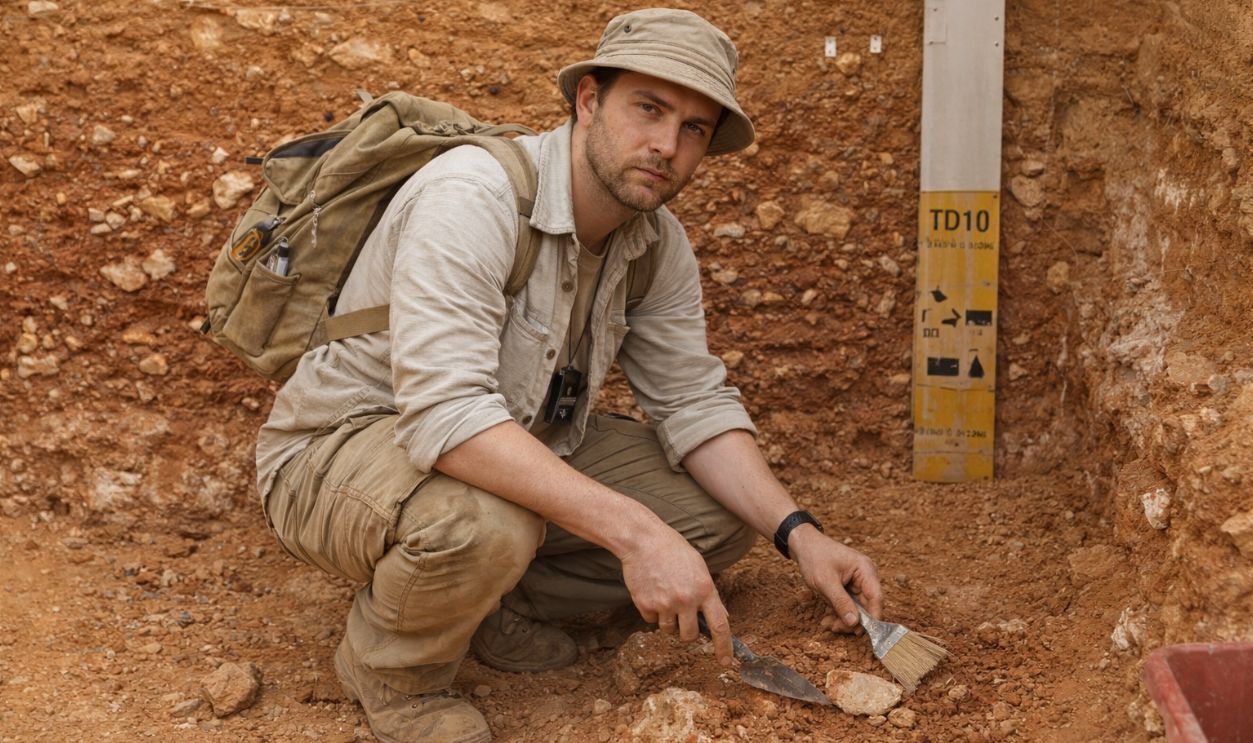
 Bcerrato1, CC BY-SA 4.0, Wikimedia Commons, Modified
Thirty years after the first discovery that changed everything we knew about early Europeans, the researchers at Spain's Atapuerca sites are back in the same dirt—and they're finding more. During the 47th excavation campaign in summer 2025, teams working at the Gran Dolina cave complex punched through layers of ancient sediment and fossilized hyena droppings. Finally, they reached the legendary TD6 level once again. Ten new Homo antecessor fossils emerged from what researchers call the Estrato Aurora, the Aurora Layer, pushing the total collection to an unprecedented 170 human remains from this unique species that lived 850,000 years ago. The discoveries came from just scratching the surface of an archaeological goldmine that researchers believe still holds countless secrets about humanity's earliest chapters in Western Europe, a period when survival meant competing directly with massive carnivores for shelter and food.
The Aurora Layer Returns
Getting to TD6 took serious patience and strategic maneuvering. The excavation team had been conducting preliminary surveys and necessary retrenching for months before they could properly access the Aurora Layer in extension, covering at least half the available area. Co-director Marina Mosquera described the moment they broke through with barely contained excitement, noting that animal bones and human fossils immediately became visible as they touched the level's surface. The ten recovered specimens tell multiple stories simultaneously—two teeth allowed researchers to identify a previously unknown individual, an adult whose wear patterns suggest a young person who didn't make it much further into maturity. Three new vertebrae joined the collection alongside a finger bone, a rib fragment, and three pieces from limb bones. What makes TD6 globally significant isn't just the quantity of material but the completeness of the picture it provides about Homo antecessor behavior, technology, and survival strategies during the Middle Pleistocene, when Europe's landscape looked dramatically different than today's version.
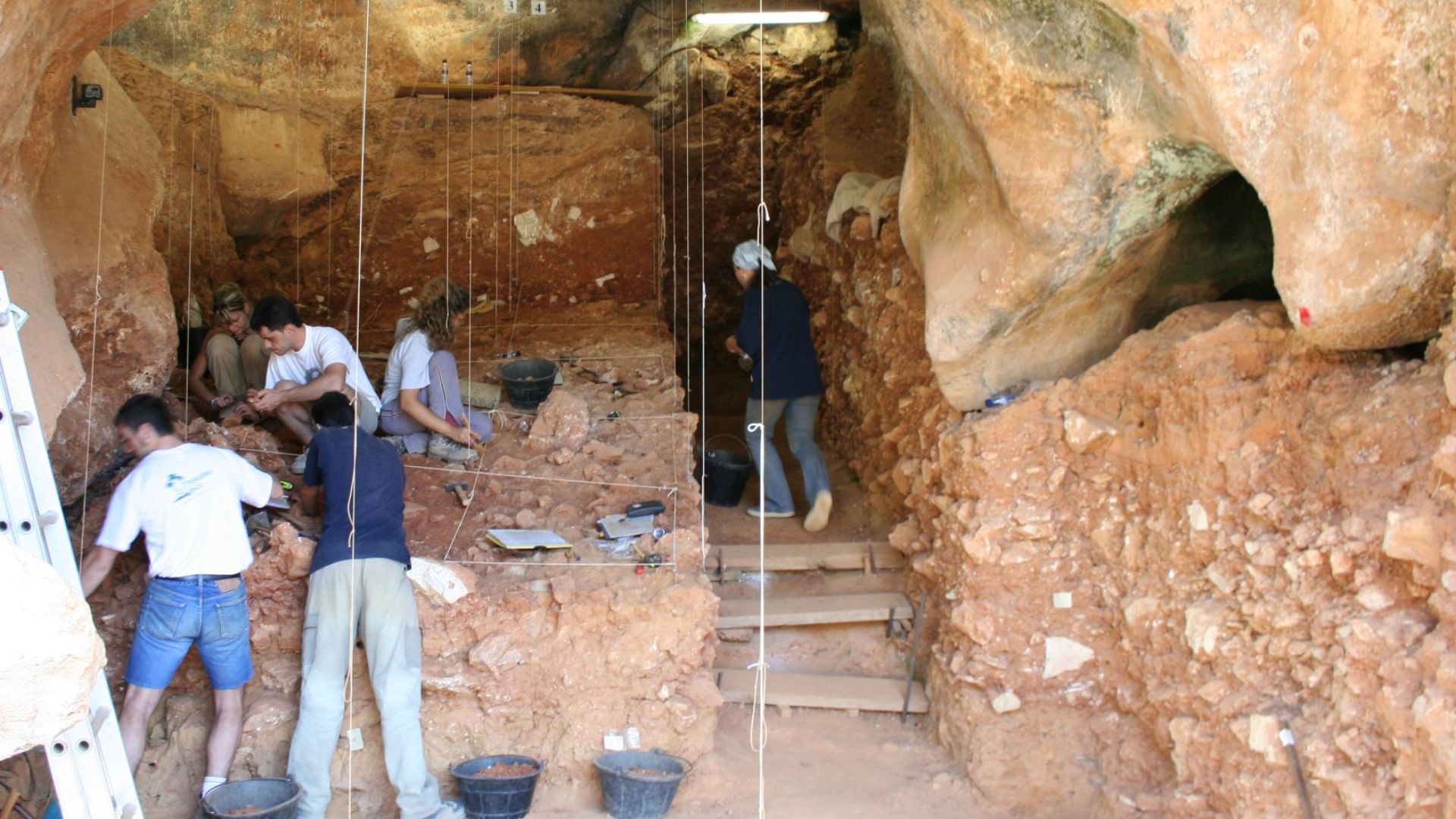
The 2025 campaign also confirmed something researchers suspected but couldn't verify until then. TD6 extends across the Trinchera del Ferrocarril railway cutting to the opposite cliff face called Penal. Teams accessed this difficult-to-reach section using ladders and recovered a dozen lithic industry pieces crafted from five different raw material types, including quartzite, sandstone, flint, limestone, and arenite. Co-director Maria Martinon emphasized the technological sophistication visible in these tools, noting they display the characteristic manufacturing patterns associated specifically with Homo antecessor. This geographical expansion means the site has enormous future potential, with unexplored sections likely containing additional material that could reshape current understanding.
 Mario Modesto Mata, Wikimedia Commons
Dark Evidence
Some discoveries at Atapuerca are harder to process than others. Among the ten new fossils sits a second cervical vertebra from an extremely young child, estimated between two and four years old, bearing unmistakable cut marks at precise anatomical locations required for separating the head from the body. This isn't random damage from scavengers or accidental breakage. It's deliberate butchering. Mosquera acknowledged the emotional difficulty of such findings but emphasized these marks represent systematic cannibalism that researchers have documented repeatedly in previous TD6 excavations. Other bones show evidence of intensive processing to extract marrow, suggesting Homo antecessor treated members of their own species as food resources during what may have been periods of environmental stress or resource scarcity. The layer immediately above the human remains tells its own story about competition for cave access. Researchers painstakingly mapped and documented a hyena latrine containing over 1,300 coprolites—fossilized feces—indicating that after Homo antecessor abandoned or was driven from the cave, large carnivores moved in and established their own territory markers.
Expanding The Picture
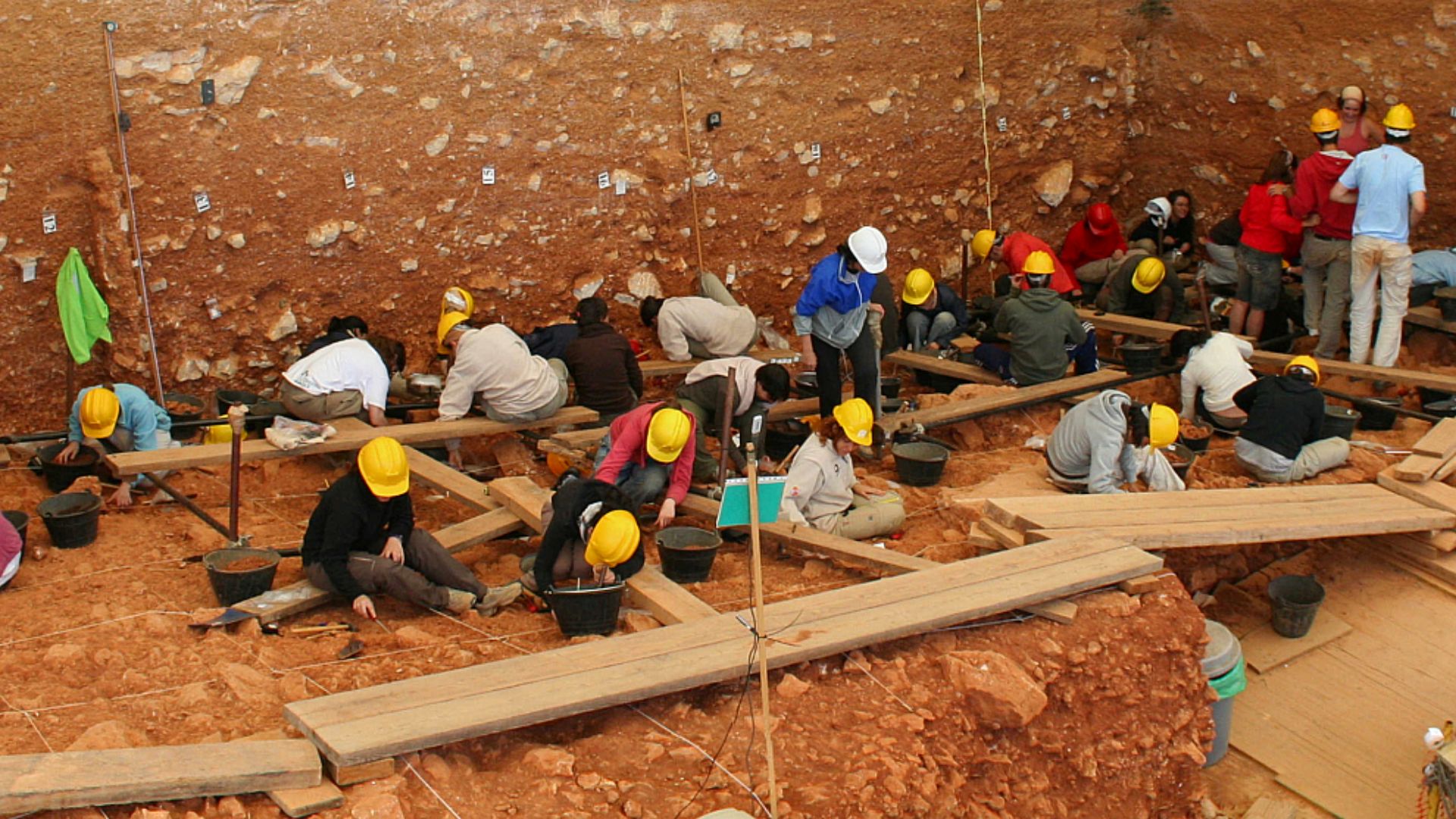
The 2025 campaign operated with over 300 researchers working across 20 sites for 45 days, marking the first excavation season under a new generation of co-directors. Only Juan Luis Arsuaga remains from the previous leadership team, now joined by six researchers selected by the retiring directors. Despite concerns about transitioning leadership at such a significant scientific project, the campaign proceeded smoothly with all excavation areas operating at full capacity. The work doesn't end when the field season closes—researchers now shift focus to laboratory analysis, where recovered materials will be studied, measured, compared, and integrated into the growing body of knowledge about Europe's earliest known inhabitants.
 Mario Modesto Mata, Wikimedia Commons