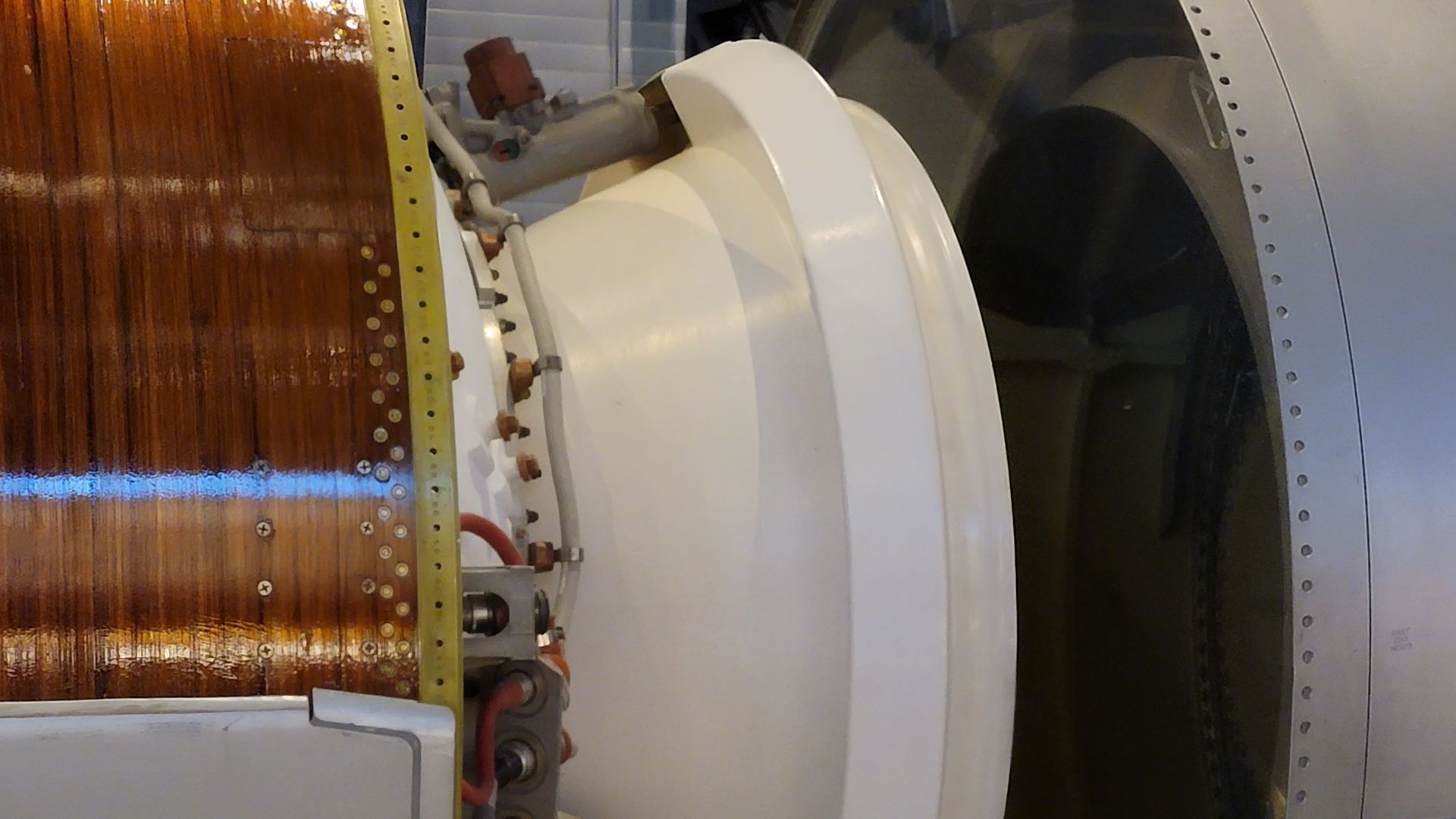
Above Us Exists A Busy Neighborhood
Where do you think old or lost space exploration gear ends up? Turns out Earth’s orbit has quietly turned into a museum of human curiosity and cosmic leftovers.

The Moon
The Moon orbits Earth as our oldest companion and silent timekeeper. It completes a full trip roughly every month and pulls the ocean’s tides with precision. Ancient calendars and night stories still follow its glow after billions of years of faithful motion.
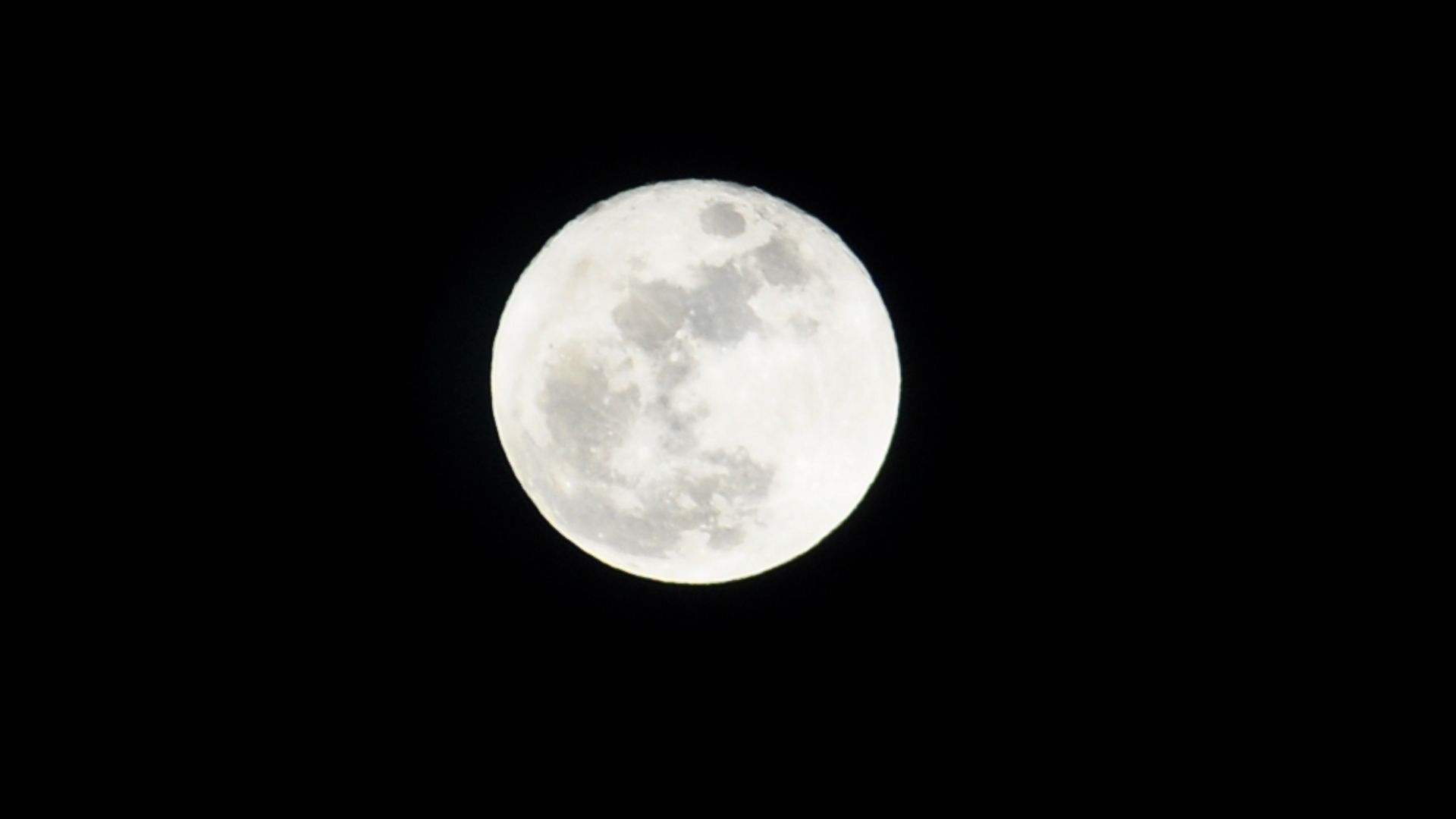 Jessie Eastland, Wikimedia Commons
International Space Station
The ISS circles Earth at breathtaking speed. It completes one lap every 90 minutes and serves as a home for global crews. Since 2000, it has remained humanity’s longest continuous presence in space—a living lab above the blue curve of Earth.
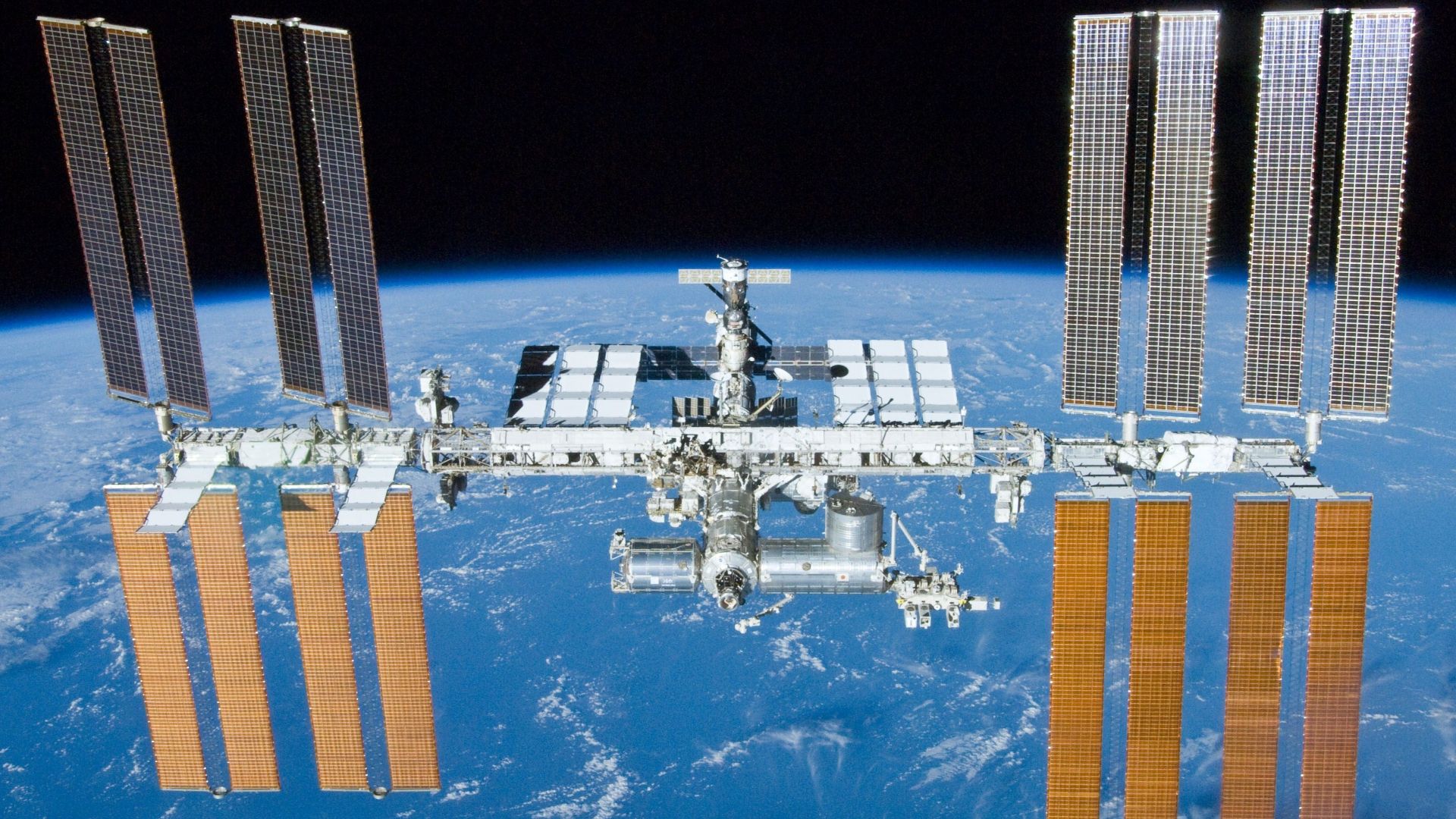 NASA/Crew of STS-132, Wikimedia Commons
Hubble Space Telescope
Hubble’s giant mirrors collect light from galaxies and nebulae beyond imagination. It was launched in 1990 and has rewritten what people know about the universe. The telescope still circles Earth, sending back crisp views of cosmic history every single day.
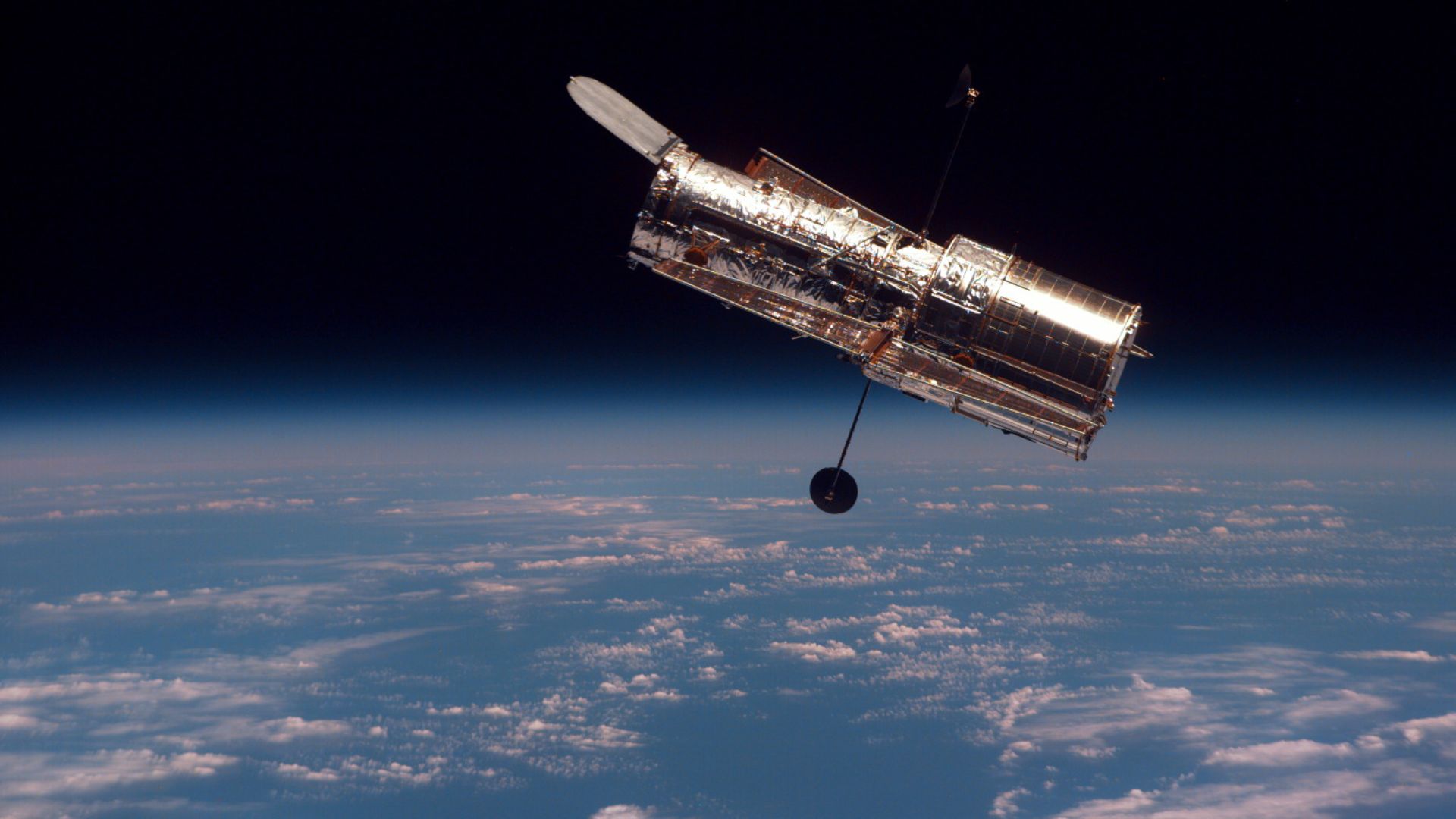 NASA Hubble Space Telescope, Wikimedia Commons
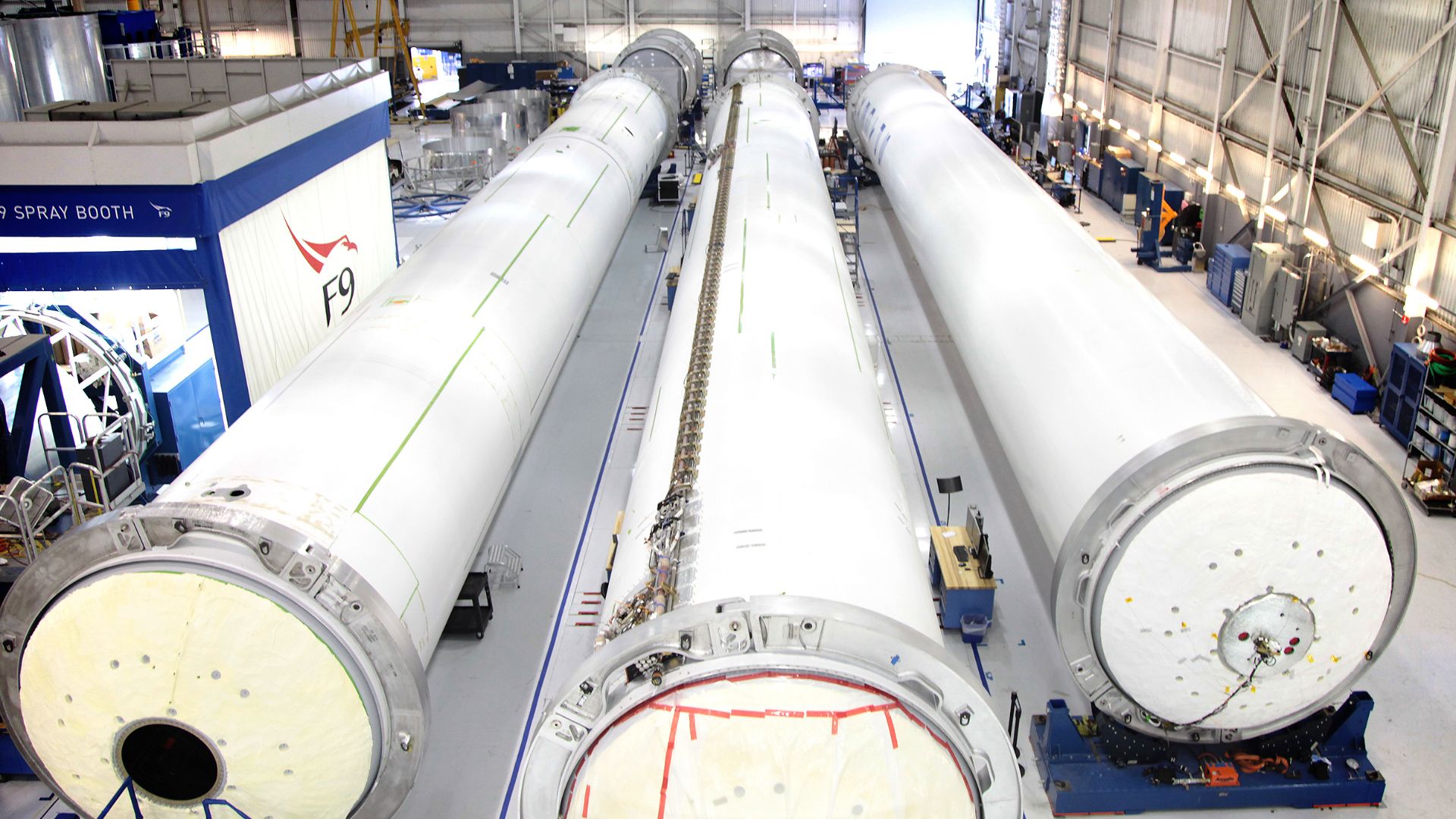
Falcon 9 Upper Stages
When a Falcon 9 rocket finishes its climb, the upper stage drifts away like a quiet ghost. Some reenter the atmosphere quickly, while others may orbit briefly before deorbiting. Each serves as a fleeting reminder of how reusable rocketry reshaped modern spaceflight.
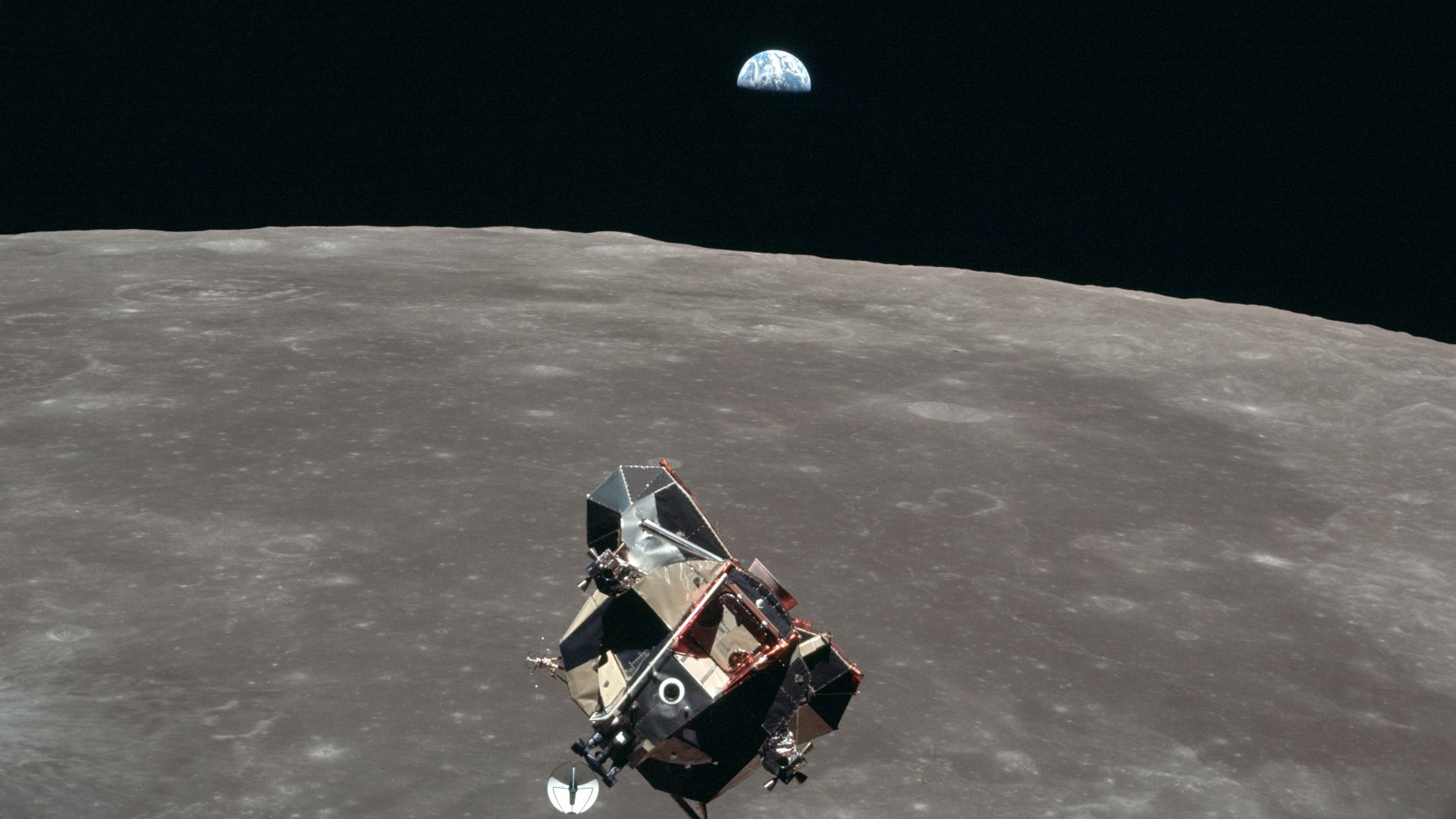
Apollo Mission Debris
Transient fragments from Apollo missions, like temporarily recaptured stages, have occasionally entered Earth orbit but rarely stayed long. Most hardware from that era now travels around the Sun or rests on the Moon as quiet relics of humanity’s first great leap beyond home.
 Unknown authorUnknown author or not provided, Wikimedia Commons
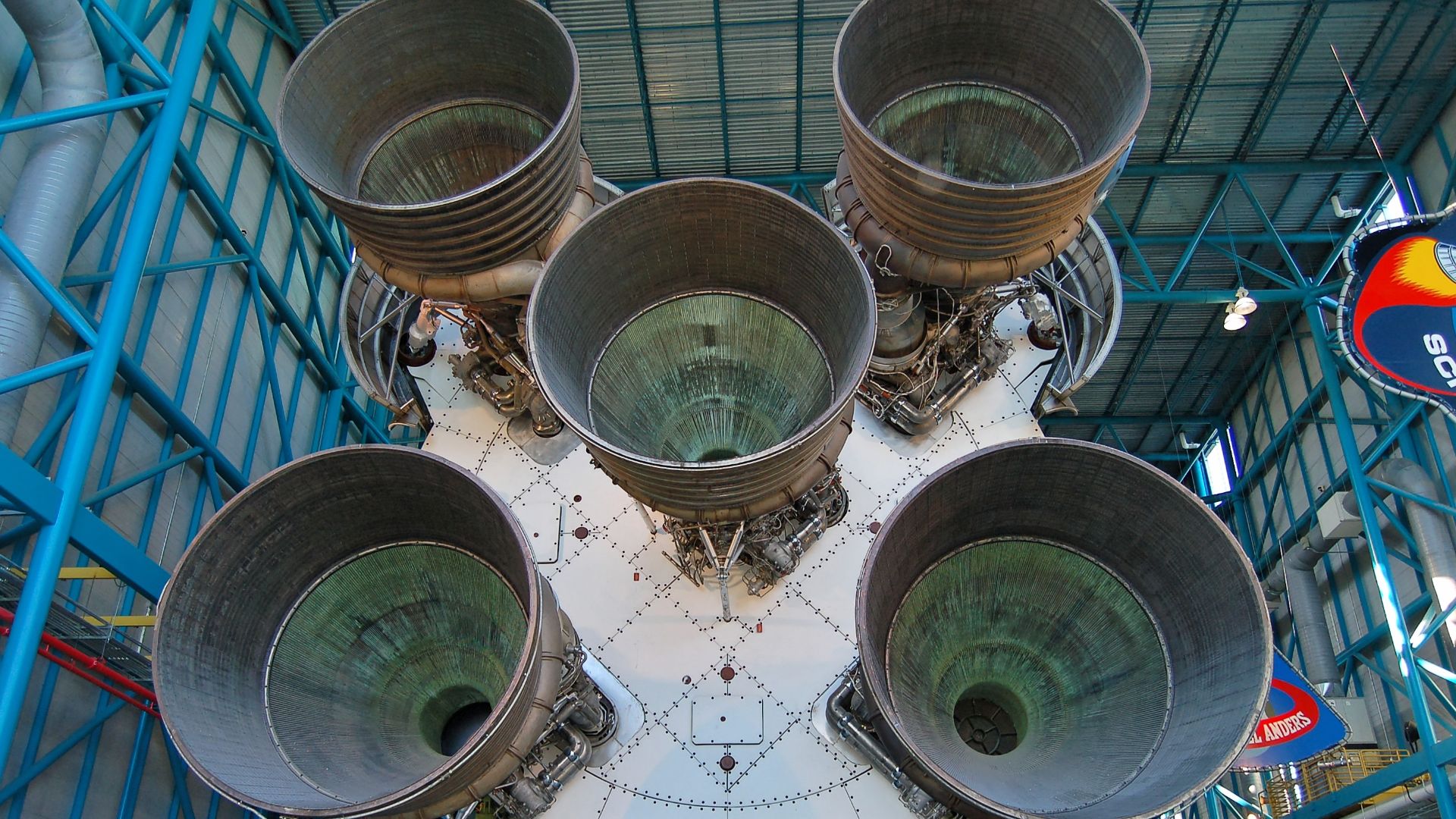
Dead Rocket Boosters
Once the engines shut off, rocket boosters turn into drifting hulks. Some fall back within weeks, and the others circle for decades. These silent shells form a large share of today’s orbital debris, wrapping Earth in a belt of hardware history.
 boostedfc3s, Wikimedia Commons
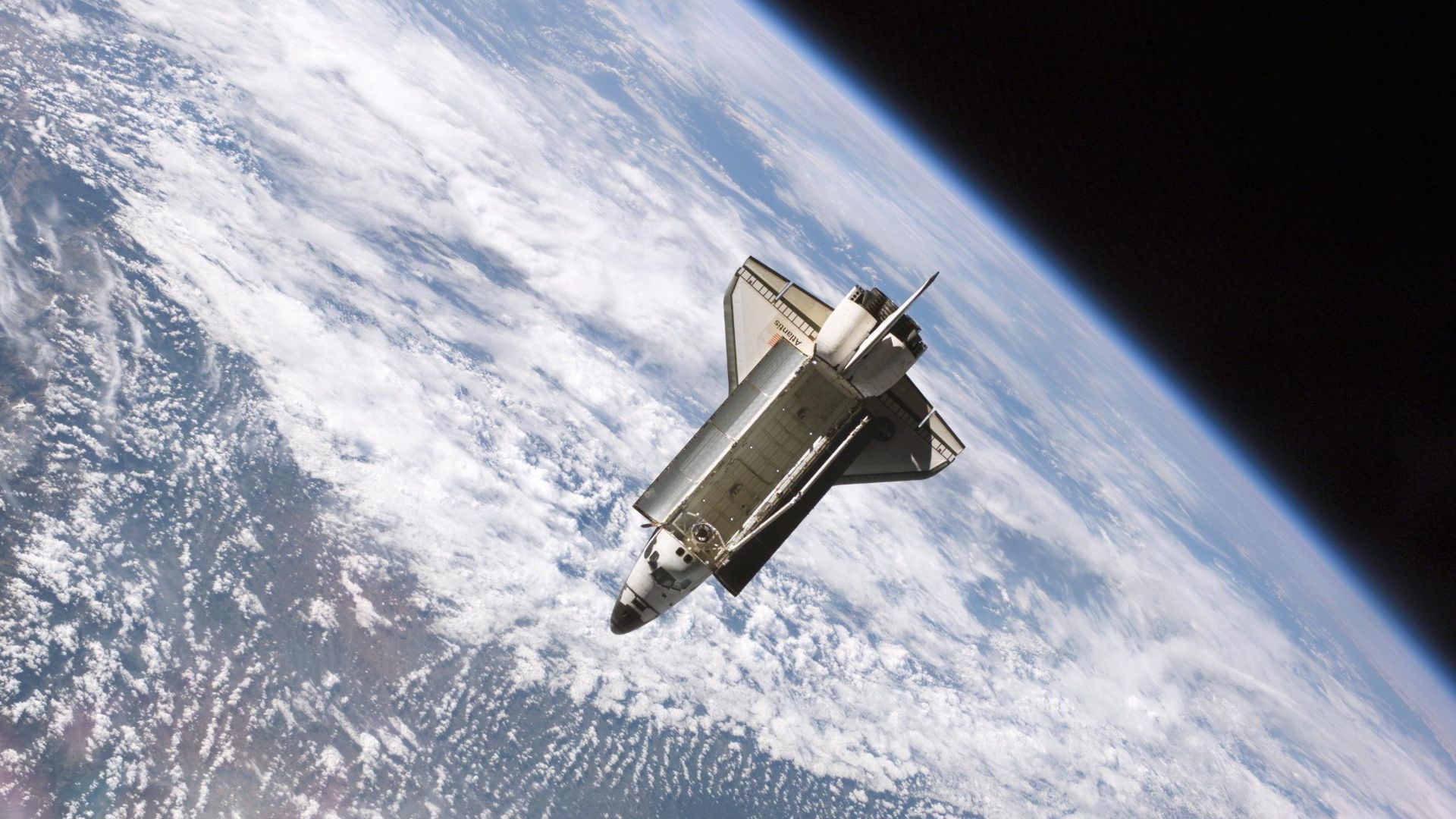
Paint Flecks From Spacecraft
You’d think paint flakes are harmless, but when flung from a spacecraft, they move faster than bullets. And even a small fragment can strike metal hard enough to scar or puncture it. These tiny specks are the unseen culprits that engineers fear most.
 STS115_Atlantis_undock_ISS.jpg: NASA derivative work: The High Fin Sperm Whale, Wikimedia Commons
Mir Station Fragments
When Mir reentered in 2001, the surviving parts fell into the South Pacific Ocean. The other fragments, scattered in orbit, later burned away piece by piece. They once belonged to humanity’s first long-term space outpost.
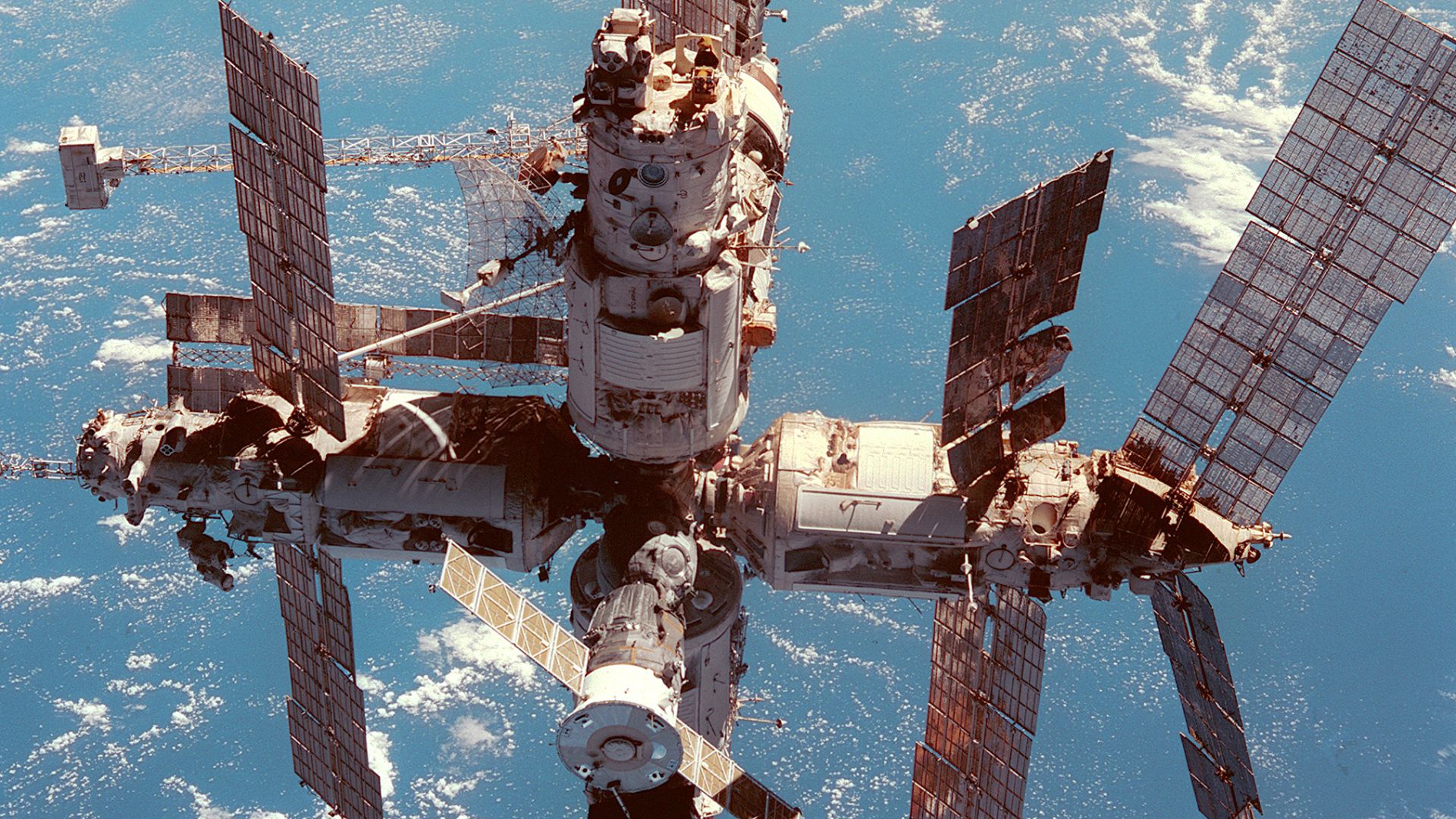 Original image: NASA/Crew of STS-91Retouched image: Thegreenj, Wikimedia Commons

History's most fascinating stories and darkest secrets, delivered to your inbox daily.
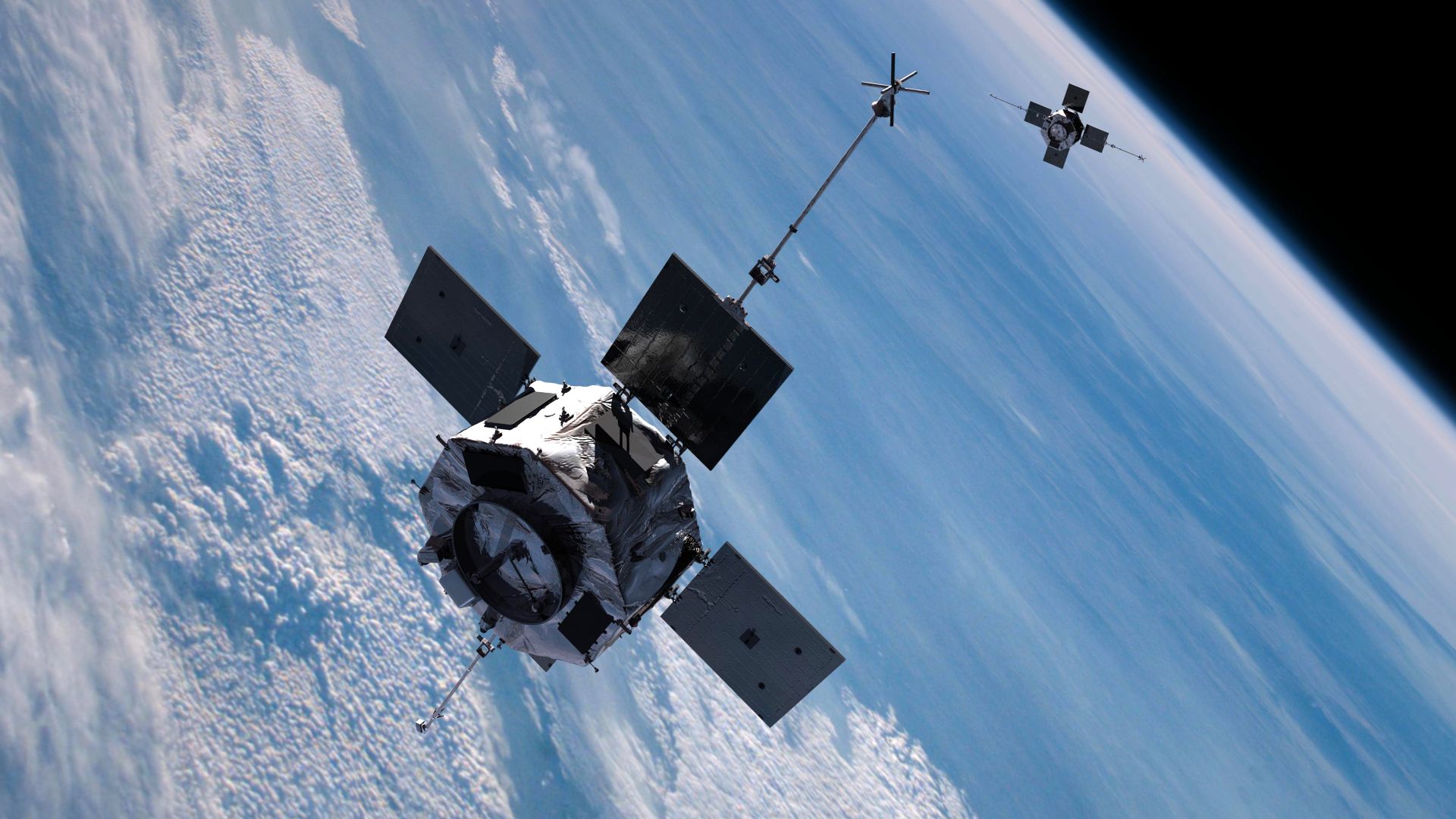
Defunct Weather Probes
Old weather probes still glide around Earth on silent paths. Their sensors shut down long ago, but their frames endure. All represent an early step toward modern forecasting when brave ideas outpaced the technology that carried them.
Frozen Coolant Droplets
Soviet spacecraft leaked tiny coolant beads that still flash sunlight as they drift through orbit. These bits formed when early systems vented excess heat. Those glittering metal droplets remain physical evidence of the trial-and-error phase of space engineering.
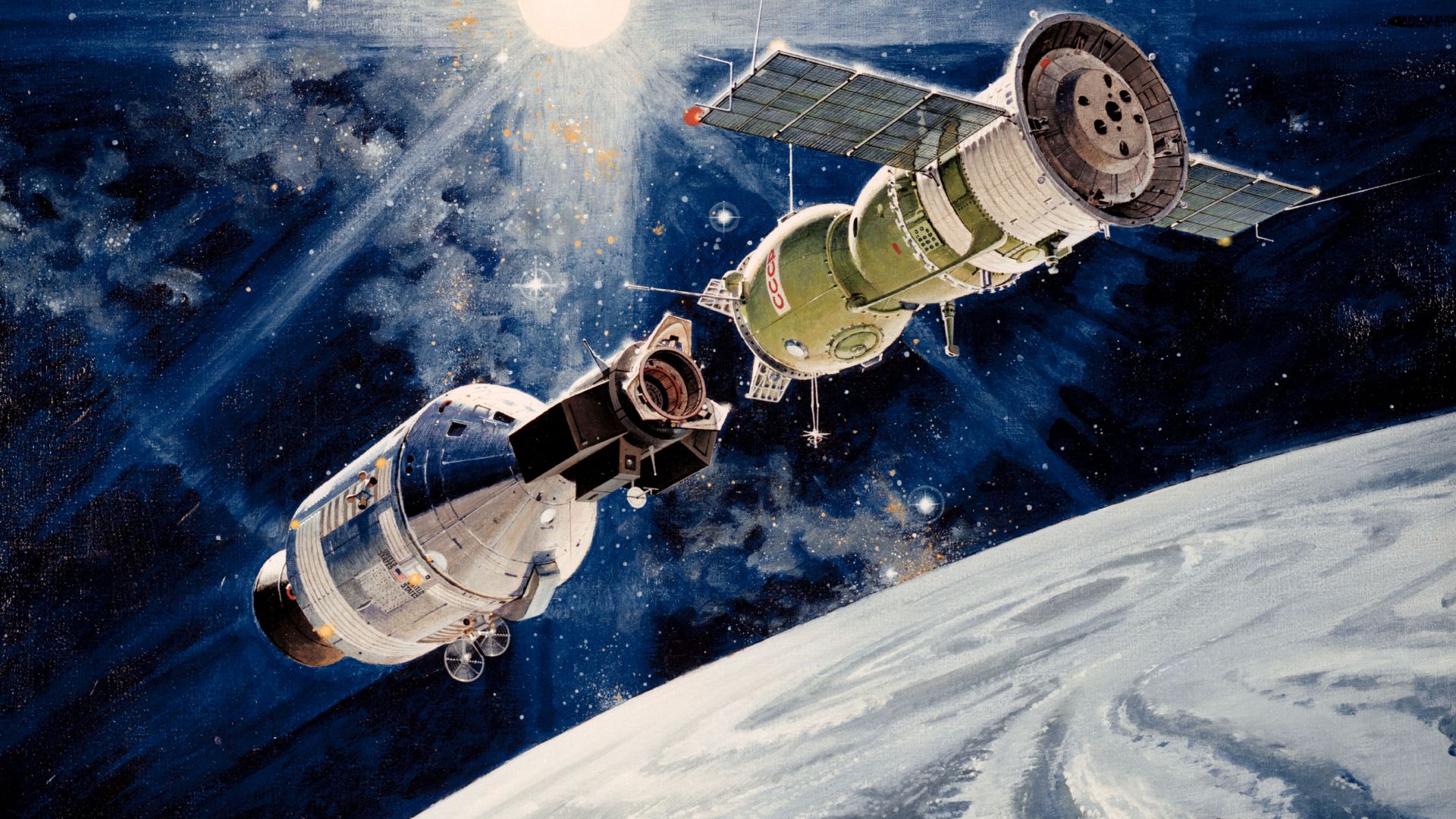 NASA/Robert McCall, Wikimedia Commons
Collision Fragments
When large objects slam together in orbit, the result is chaos. Thousands of pieces scatter in different directions and are trapped by Earth’s pull. Those shards now make future missions harder to plan and protect. Engineers also hate these, primarily due to their unpredictability.

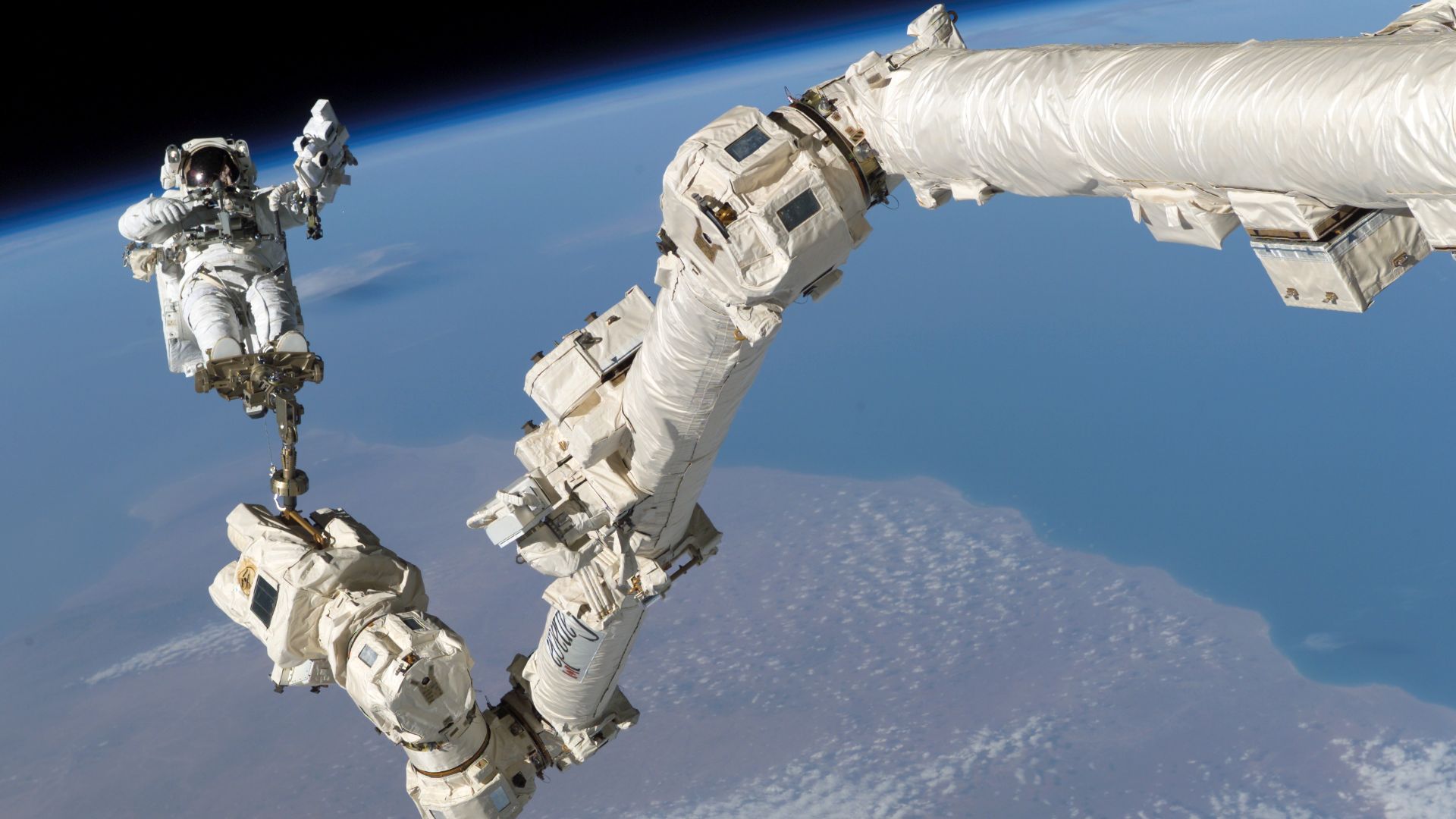
Construction Tools From ISS
A single misplaced wrench or screwdriver can float away. Forever. And such tools lost during station maintenance continue to travel at incredible speed. Even something the size of a screw poses a real hazard when it races past orbiting equipment.
Discarded Cameras
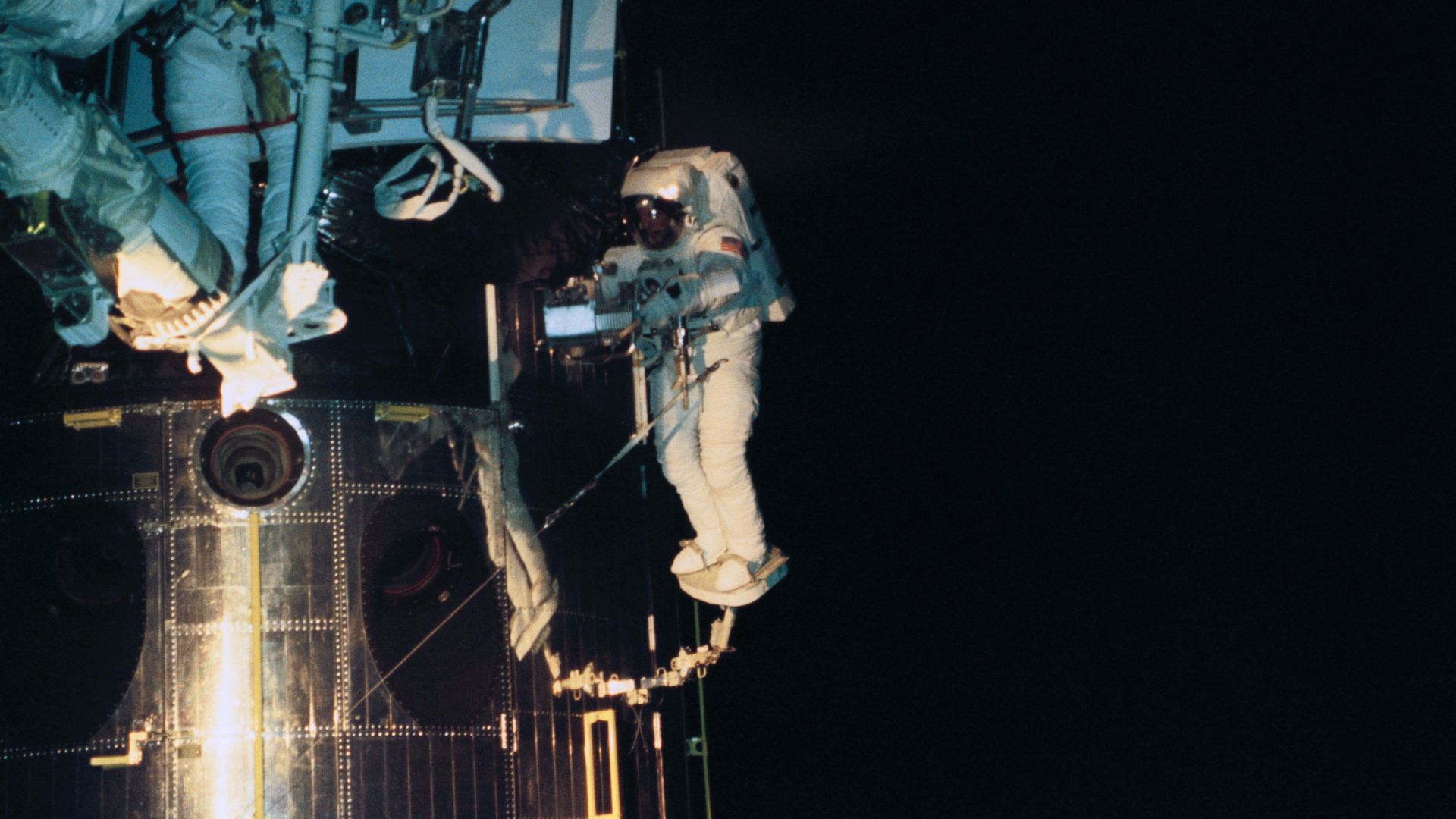
Astronauts filming in space have accidentally released cameras that drifted into orbit. Some burned up quickly, but others stayed aloft for years. These devices once framed Earth in perfect detail before becoming part of the orbital clutter they once captured.
 NASA Hubble Space Telescope, Wikimedia Commons
Defunct Upper-Stage Engines
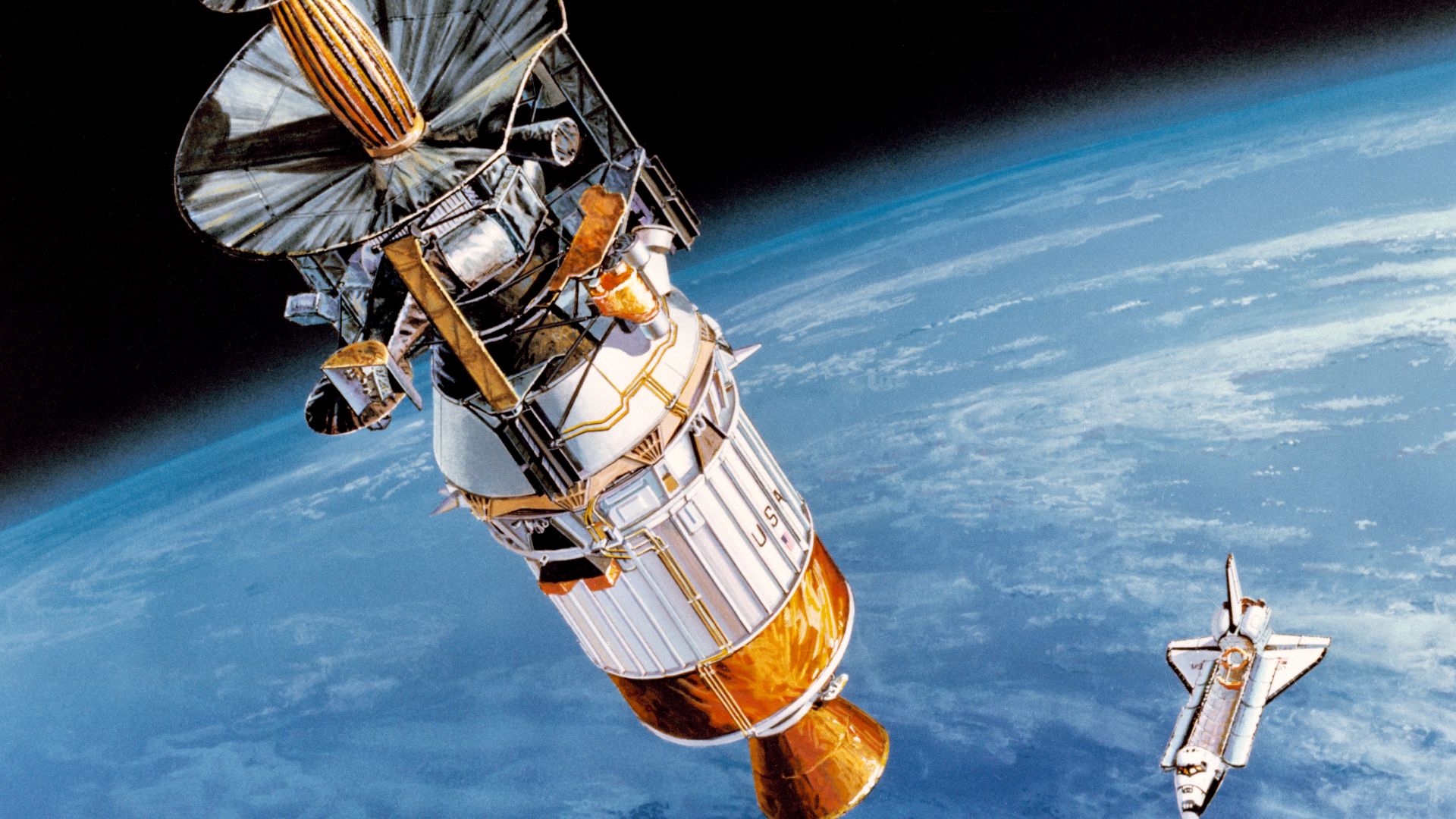
Rocket engines that complete their final burns often remain suspended above Earth. These massive cylinders no longer fire, yet still circle the planet. Many are from historic launches that paved the way for commercial and scientific missions.
Thermal Blankets
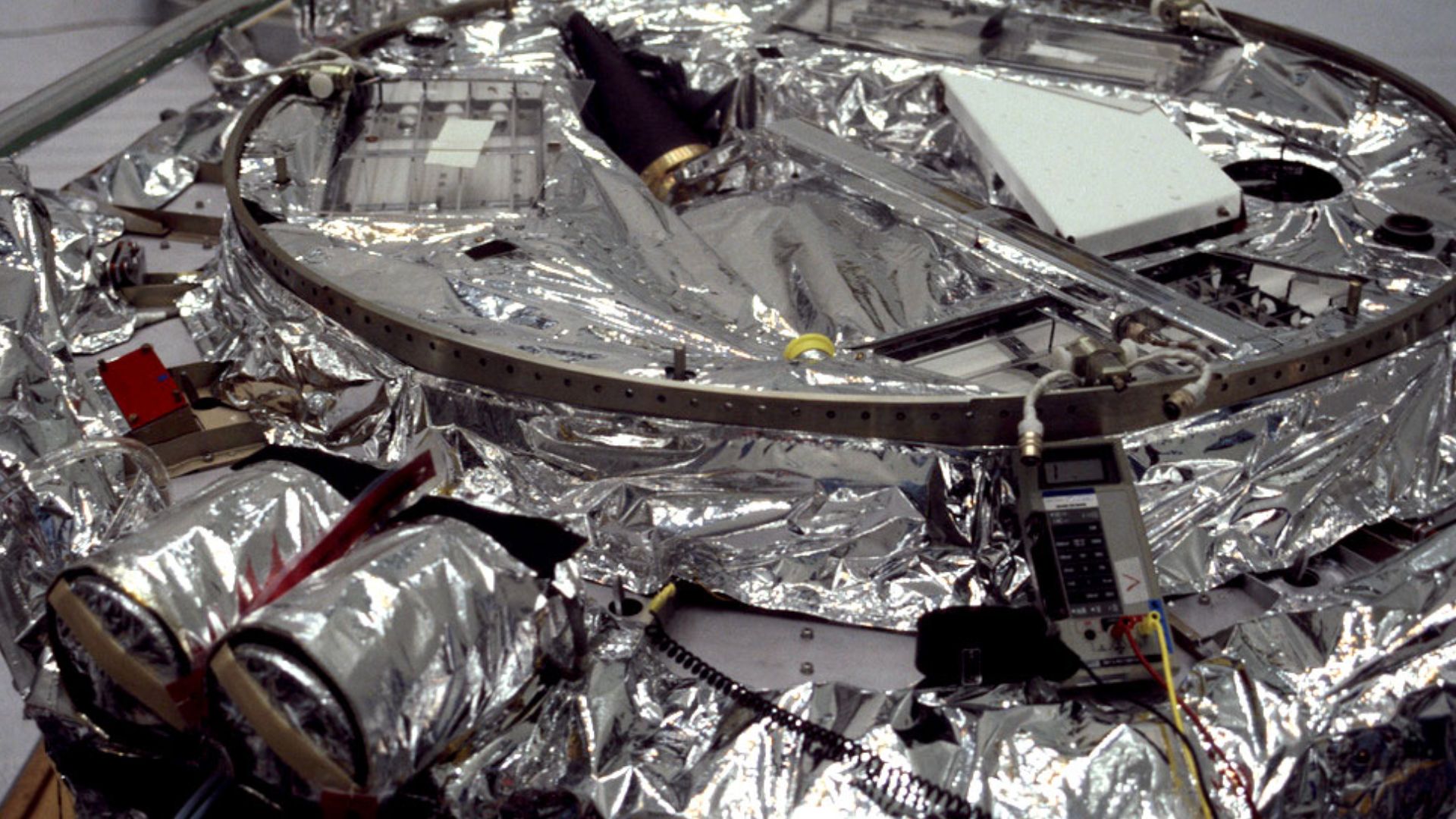
Loose thermal blankets float through orbit like metallic butterflies. Astronauts have used them during equipment repairs to keep the harsh sun’s rays at bay. But when it was time to retrieve them, they slipped away. Today, they just float away.
 Lennart Noring, Wikimedia Commons
Dead CubeSat Shells
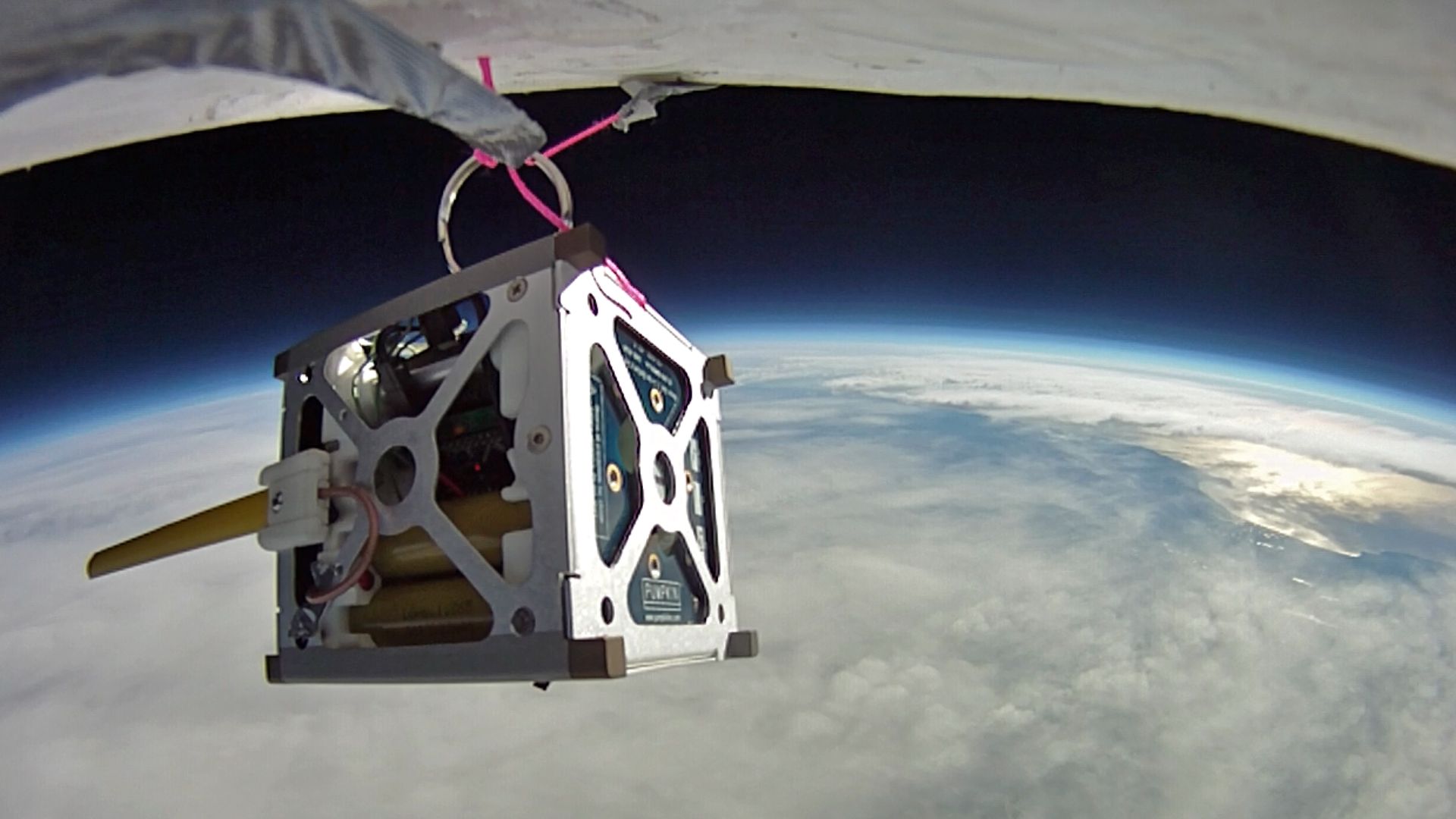
CubeSats built for quick experiments often stay behind after missions end. The small, boxy frames drift silently through Earth’s low orbit. Many came from university labs or startups testing how far modest budgets could stretch in space.
 NASA Ames Research Center, Wikimedia Commons
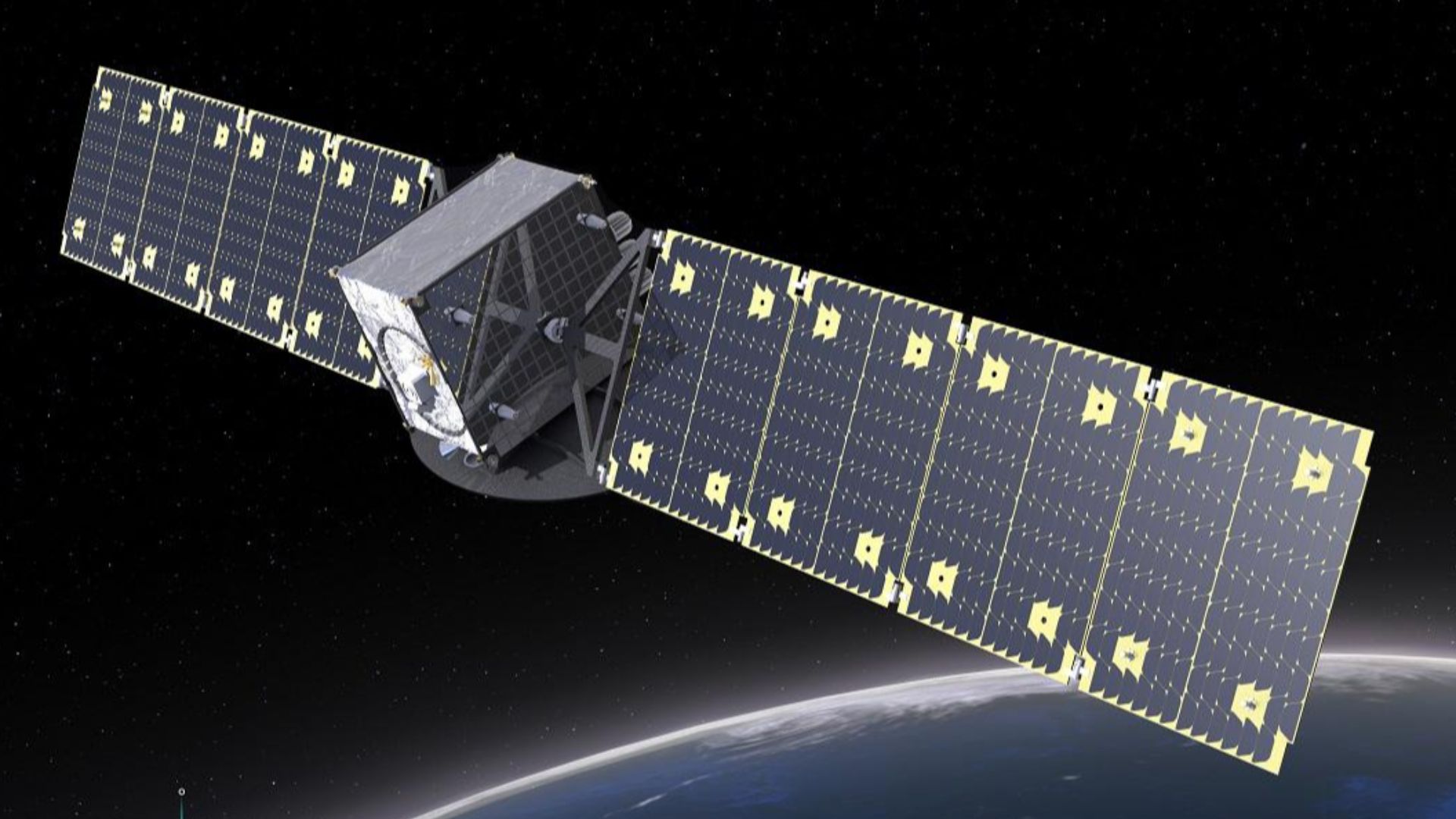
Microsatellite Debris
Tiny satellites sometimes fail to deploy or collide after launch to create countless pieces. And when that happens, the small shards zip through orbit at blistering speeds. Their unpredictable paths now rank among the fastest-growing problems for space traffic management.
 Astranis Space Technologies, Wikimedia Commons
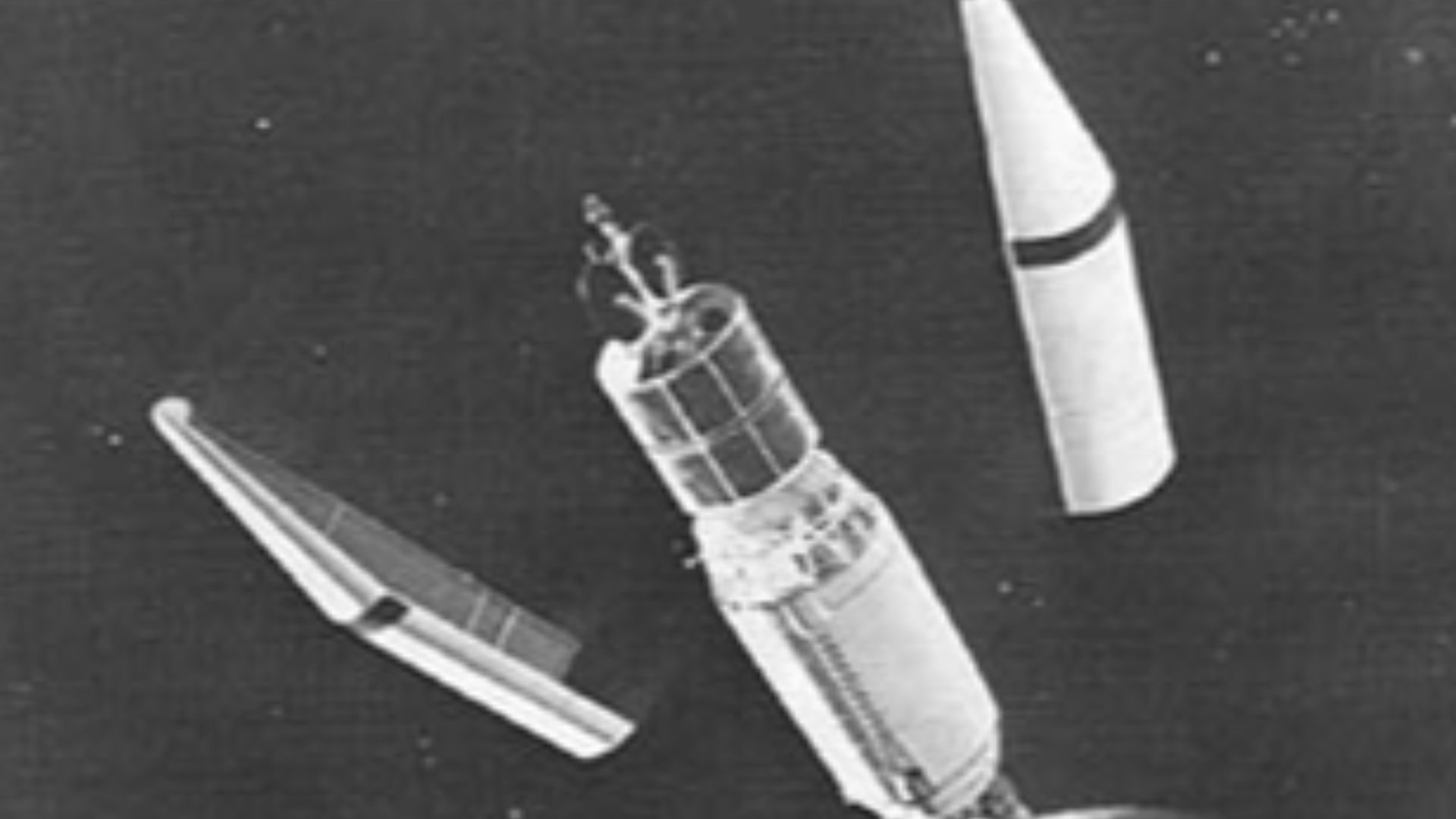
Ejected Fairing Covers
Fairing halves detach as rockets break through the atmosphere, but they don’t always fall away right then. Some continue looping around Earth for a short time before descending. These shell segments—once protecting precious payloads through the harshest climb—drift on as silent remnants of their mission.
 Unknown authorUnknown author, Wikimedia Commons
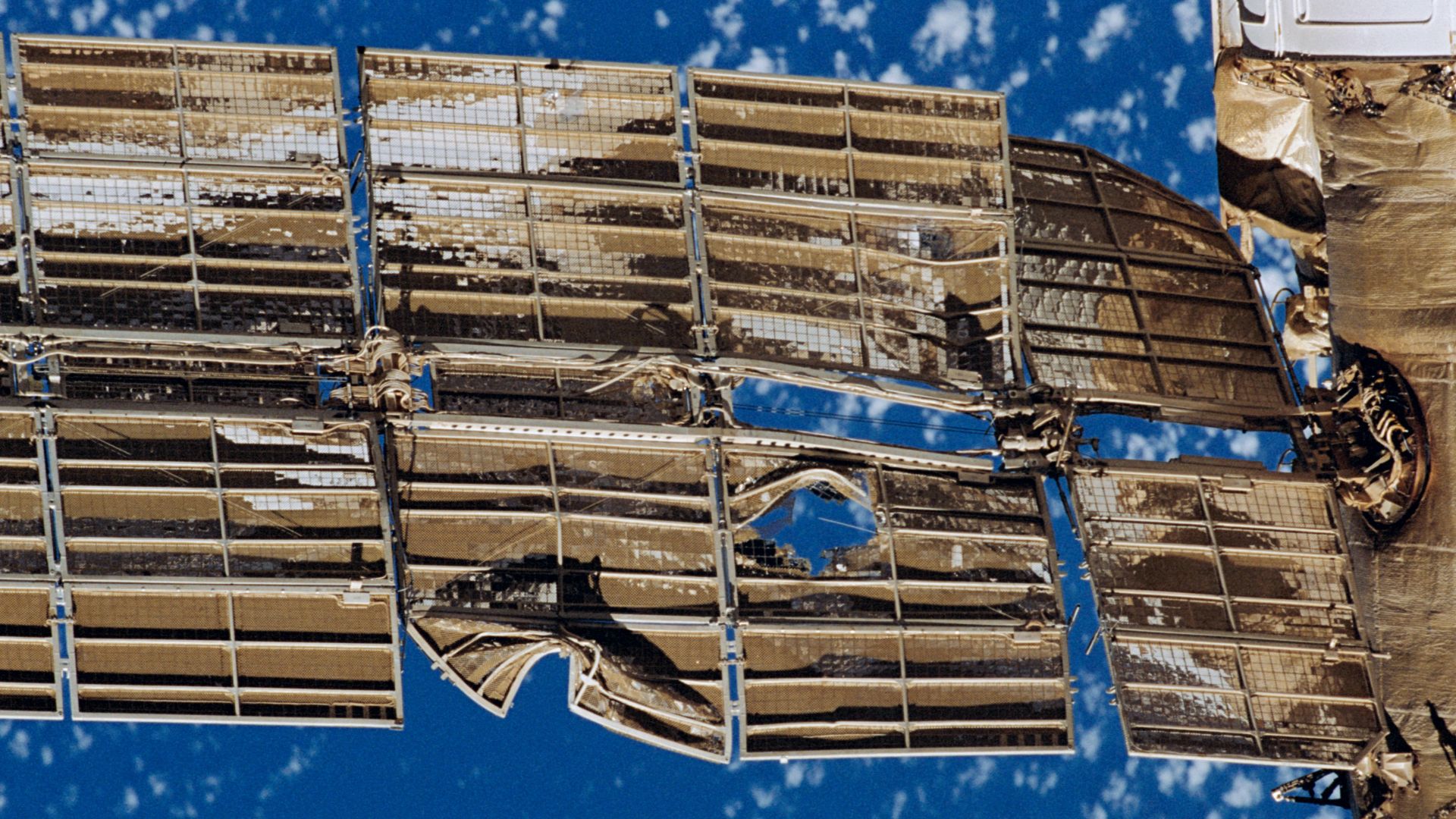
Broken Solar Panels
Solar panels can snap loose during launch or repairs. When detached, they drift freely and spin as sunlight hits their reflective surfaces. Now, as they float freely, they are considered junk because they cannot convert solar energy into electricity.
 NASA/Crew of STS-86, Wikimedia Commons
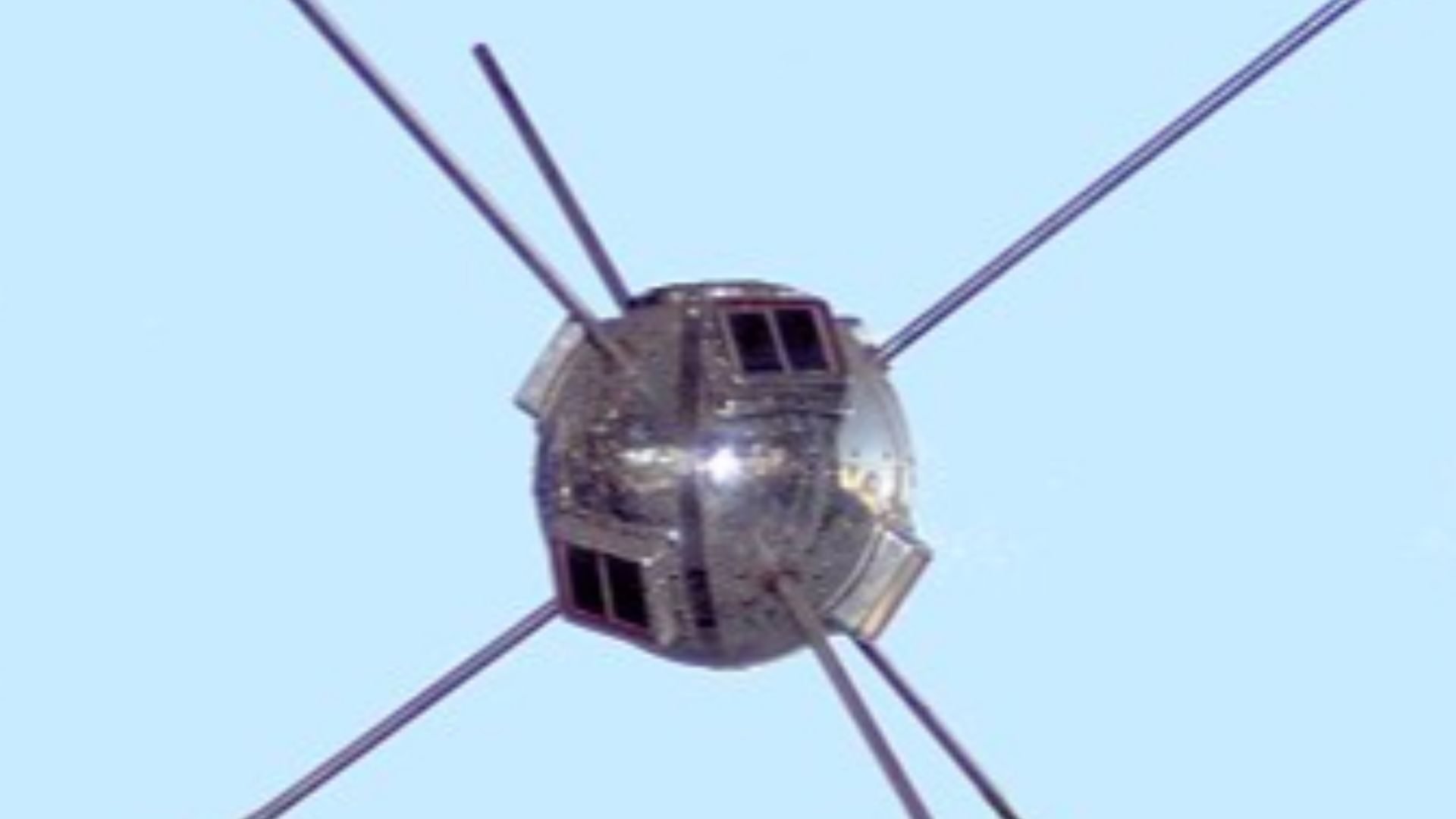
Vanguard 1 Debris
Vanguard 1, launched in 1958, still orbits Earth long after its signal went silent. Its aluminum sphere remains intact among the oldest man-made objects circling the planet today—a quiet milestone in the dawn of the Space Age.
 NASA photo (retouched), Wikimedia Commons
Rocket Body Shrouds
When rockets burst through the atmosphere, protective shrouds peel away to lighten the load. Some burn up fast, and the rest stay circling briefly before reentering. Those hollow casings still add to the steady trail of hardware that traces humanity’s reach into space.
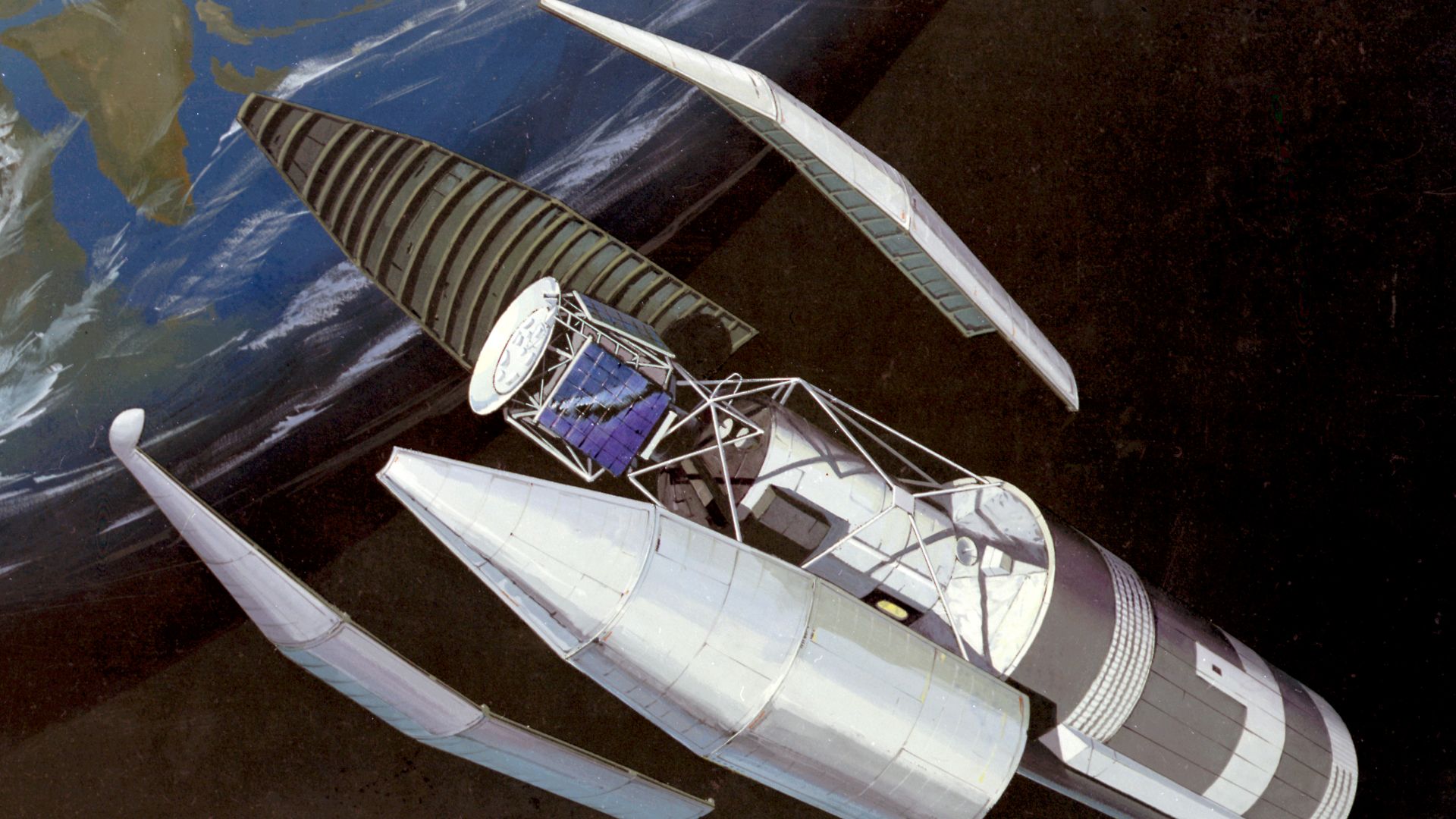
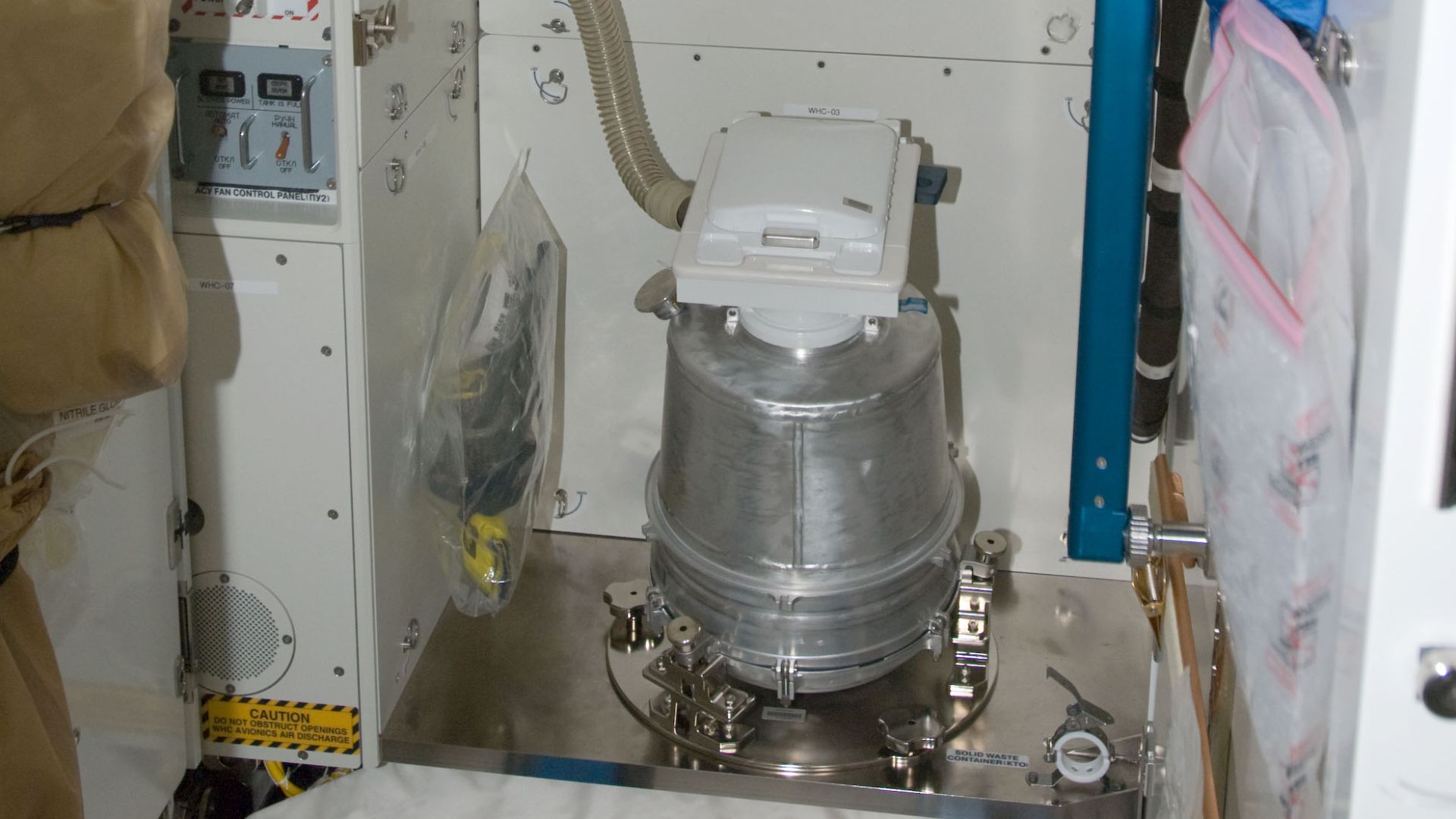
Space Station Waste Containers
Astronauts pack their trash into metal containers that detach and drift until reentry heat destroys them. Food wrappers, packaging, and research remnants all share that fiery exit route. The brief orbital pause between station and burn-up keeps the mission running smoothly.
 National Aeronautics and Space Administration (NASA)., Wikimedia Commons
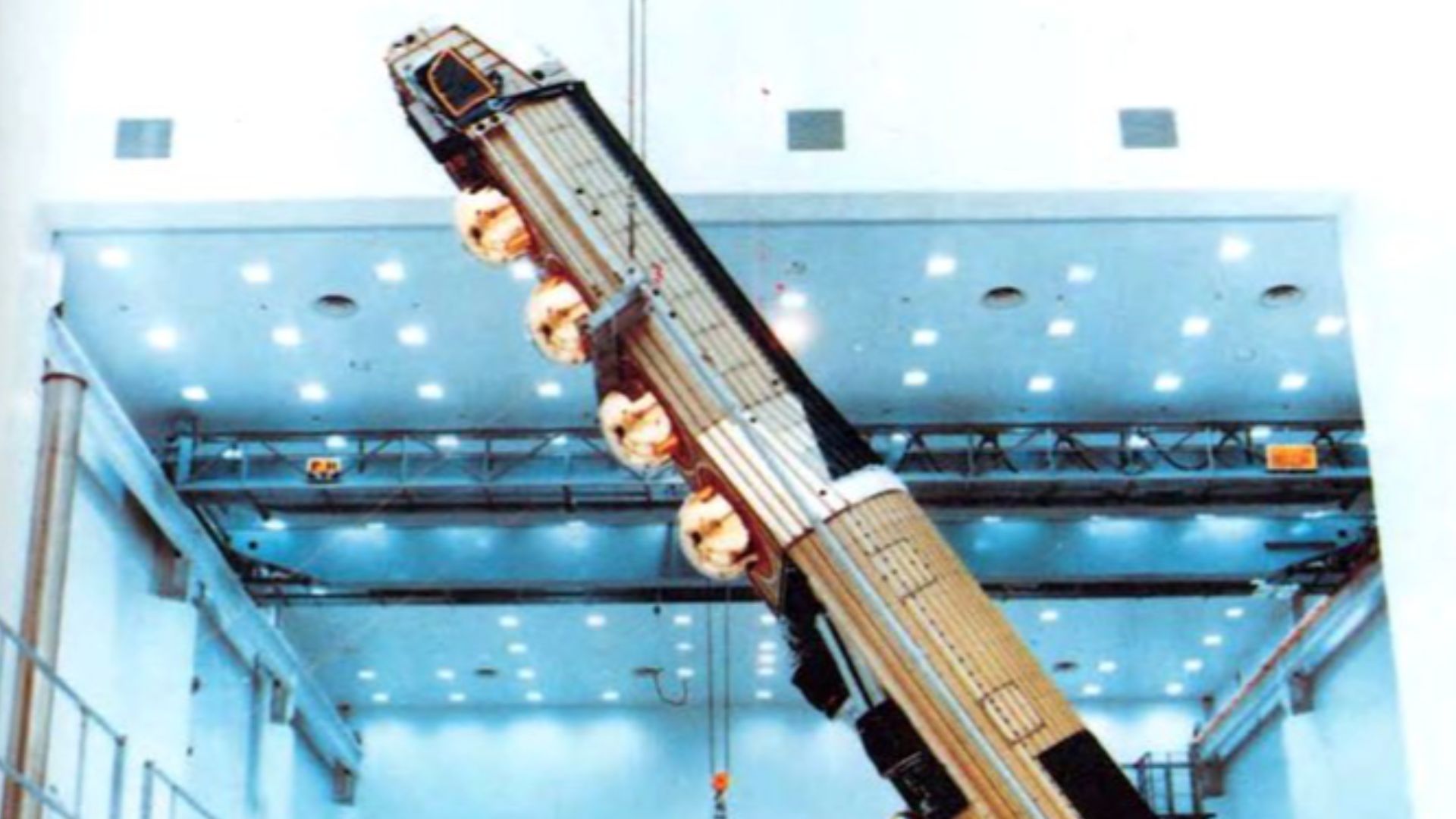
Defunct Spy Equipment
Cold War surveillance pushed technology to the edge. These massive cameras previously snapped high-resolution images from space before dropping film capsules back to Earth. Many never returned, and they stay looping overhead.
 National Reconnaissance Office, Wikimedia Commons
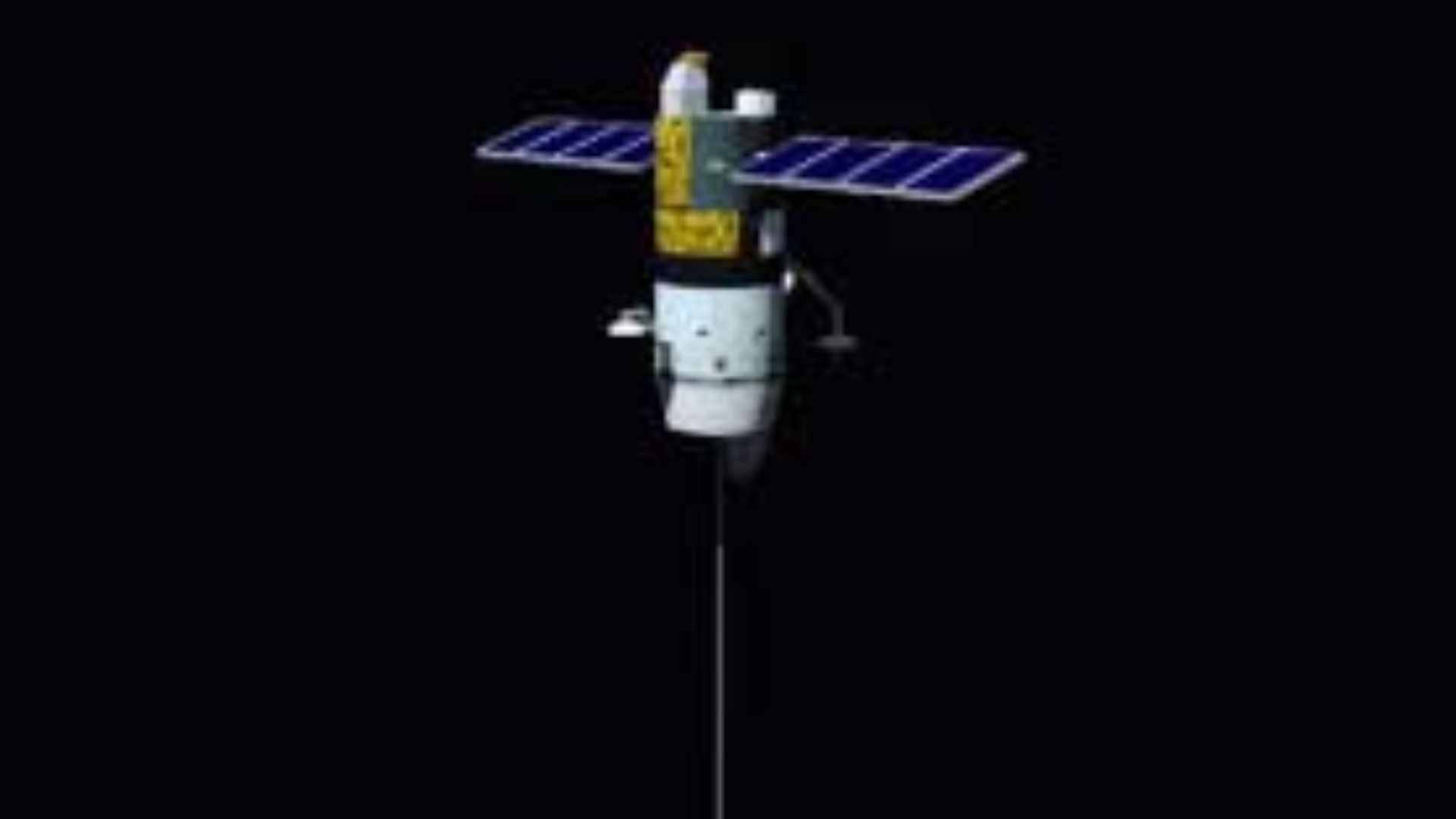
Space Tether Fragments
Long tethers once promised endless energy by tapping into Earth’s magnetic field. However, some tests snapped mid-experiment, sending metallic ribbons temporarily into orbit. Engineers still analyze those missions to refine propulsion and power concepts for spacecraft operating near Earth.
 Nerdi~commonswiki, Wikimedia Commons
Reusable Rocket Adapter Rings
Adapter rings connect spacecraft to rockets and detach when the payload deploys. A few may remain briefly in orbit post-detachment. Their rugged design symbolizes modern engineering’s shift toward longevity, modular systems, and smarter, more efficient launches.