 Hiroki Ogawa, Wikimedia Commons
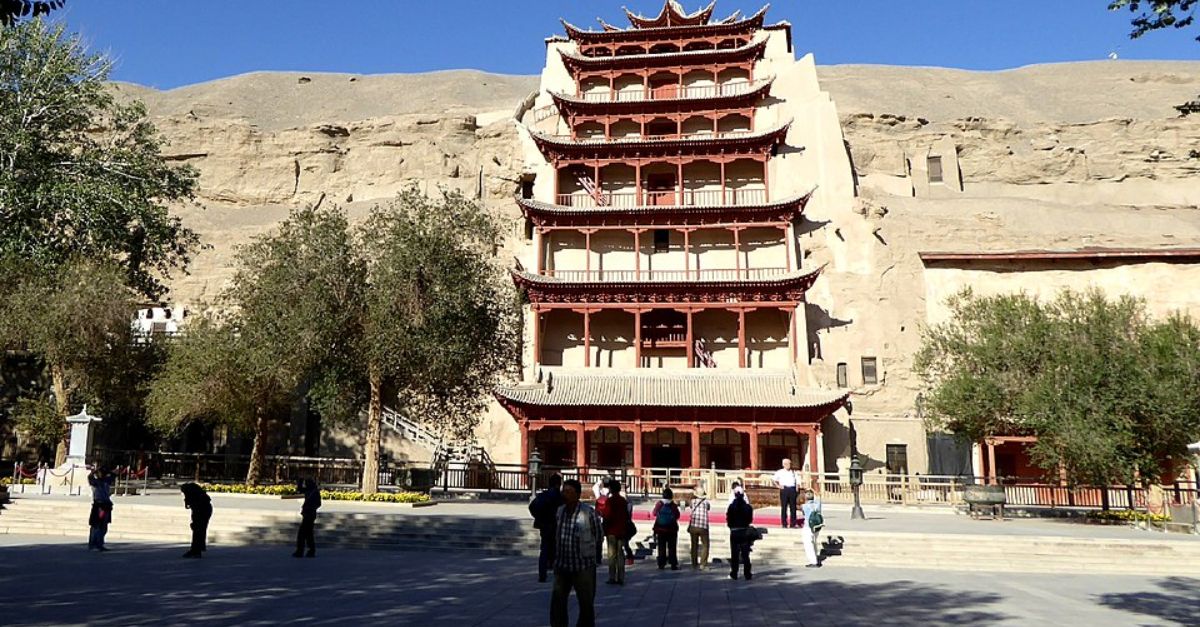
Tucked into the cliffs of northwestern China's Gobi Desert, the Mogao Caves stand as one of humanity's most remarkable spiritual archives. For over a millennium, Buddhist monks carved 492 temple grottoes into the sandstone, filling them with vivid frescoes and sculptures that chronicle the evolution of Buddhist thought along the ancient Silk Road. Yet these treasures face a cruel paradox: the very act of visiting them accelerates their destruction. Human breath raises humidity levels, footsteps stir dust, and camera flashes degrade pigments that have survived centuries of desert extremes. Physical access must be severely limited to prevent irreversible damage, leaving most of these artistic wonders locked away from the world. Enter digital conservators armed with advanced scanning technology, who've created something extraordinary—a virtual replica so detailed it's revealing frescoes that even on-site visitors never knew existed.
Mapping The Mogao Caves
The digital mapping initiative brought together an unlikely alliance of art historians, photogrammetry specialists, and software engineers, all working inside chambers where a single careless movement could damage irreplaceable artwork. Their arsenal included millimeter-precision laser scanners that swept cave interiors with beams of light, capturing every crack and brushstroke without physical contact. High-resolution cameras mounted on stabilized rigs photographed each surface from dozens of angles, generating datasets so massive they required custom algorithms to process. The team documented not just the visible surfaces but the spatial relationships between elements—how light would have played across a Buddha's face at different times of day, or how pilgrims might have moved through interconnected chambers during ceremonies.
This meticulous work converted solid rock chambers into explorable digital worlds. Researchers can now rotate viewpoints to analyze architectural choices. The digital models reveal construction techniques invisible to casual observers—chisel marks that show how artisans carved the rock, layering sequences that indicate which sections were completed first, and structural reinforcements added during different dynasties. Cultural historians from the Dunhuang Academy stood beside engineers throughout the project, making sure each scan captured meaning alongside visual accuracy. They ensured the digital archive serves both conservation goals and educational outreach for future generations.
 Zhangzhugang, Wikimedia Commons
The Virtual Cave
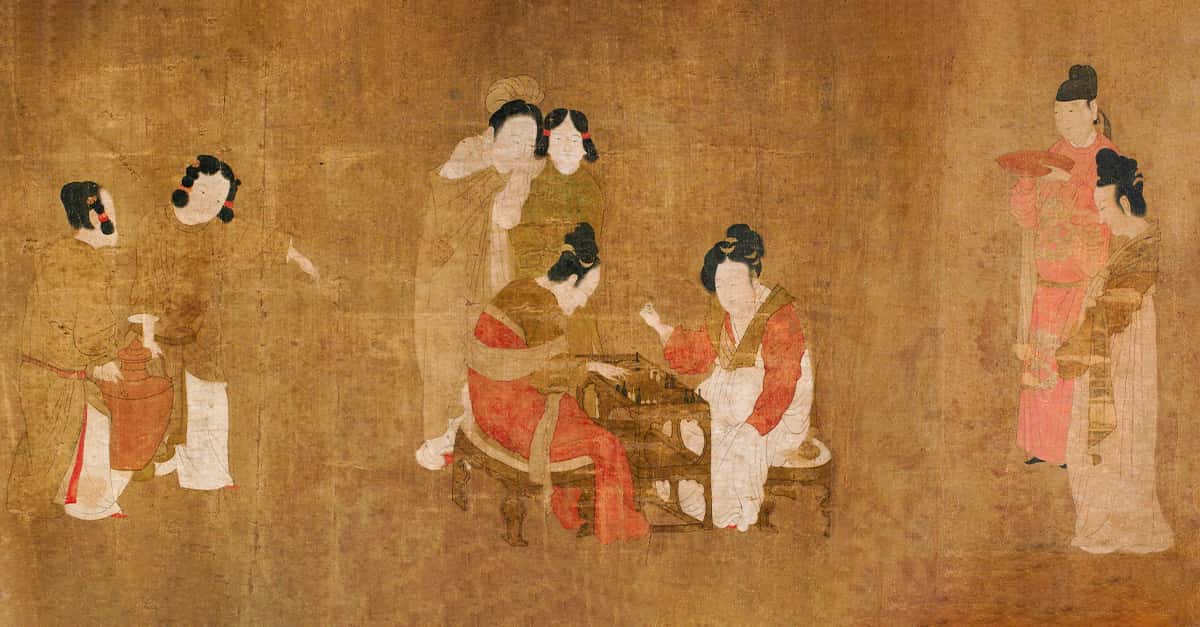
Putting on a VR headset and entering the reconstructed caves offers something the real location never could: full brightness without risk. In the actual Mogao Caves, lighting stays deliberately dim to prevent further color loss, which leaves many areas in shadow. The virtual version illuminates everything and brings forgotten artwork into clear view. Conservators found entire sequences of celestial beings painted on high ceiling vaults that were too dangerous to examine closely in person—setting up scaffolding might crack the walls. Some frescoes had faded so badly they looked like abstract smudges until the high-resolution scans revealed faces, robes, and gestures underneath the grime.
The technology opened doors to comparative research that physical visits could never allow. Scholars now place multiple cave interiors next to each other on screens and track how artistic styles shifted across different time periods. One cave might show figures with Persian-influenced features while a neighboring grotto displays purely Chinese aesthetics. This reveals how the Silk Road trade shaped visual culture. Educators across continents guide students through these sacred spaces from regular classrooms. They pause to examine fine brushwork or discuss symbolic meanings embedded in the compositions. A site that once welcomed only a handful of privileged visitors each year now reaches millions of curious minds worldwide and turns rare access into a universal opportunity.
Global Implications Of Digital Heritage
The success at Dunhuang is inspiring similar efforts worldwide, from threatened temples in Southeast Asia to historic districts damaged by conflict. Digital preservation offers something physical restoration can't: a way to share fragile sites without wearing them down further. It's not about replacing real visits but creating alternative access for the millions who'll never make the trip. As the climate shifts and tourism numbers grow, more cultural landmarks face the same dilemma the Mogao Caves did: protect or share. Virtual replicas solve that tension. They also create permanent records that survive even if the originals don't. The Dunhuang team proved that technology can honor tradition rather than overshadow it, giving ancient wisdom a new audience without compromise.
 International Dunhuang Project, Wikimedia Commons