

Inside The Mind Of A Tyrant
The Roman world saw Caligula as unhinged. But a closer look at his medical references reveals something unexpected. Dismissed for centuries as a mad emperor, his story may hide details far more intricate.

Madman Or Misunderstood?
Few Roman emperors bring as odd a reaction as Caligula. Infamous for cruelty and excess, he’s often depicted as irrational and sadistic. But recent scholarship challenges this view, suggesting deeper layers—psychological trauma, political pressure, and even medical awareness—that complicate his legacy. Could history’s “mad emperor” have been gravely misunderstood?
 Caligula: The Ultimate Cut | Official Trailer | Drafthouse Films by Drafthouse Films
The Emperor History Loved To Hate
Ancient historians like Suetonius and Cassius Dio painted Caligula in damning tones, emphasizing scandal and savagery. But their accounts, written decades after his death, were shaped by elite bias and imperial propaganda. These sources, though dramatic, may have favored sensationalism over truth and left modern readers with a caricature, not a character.
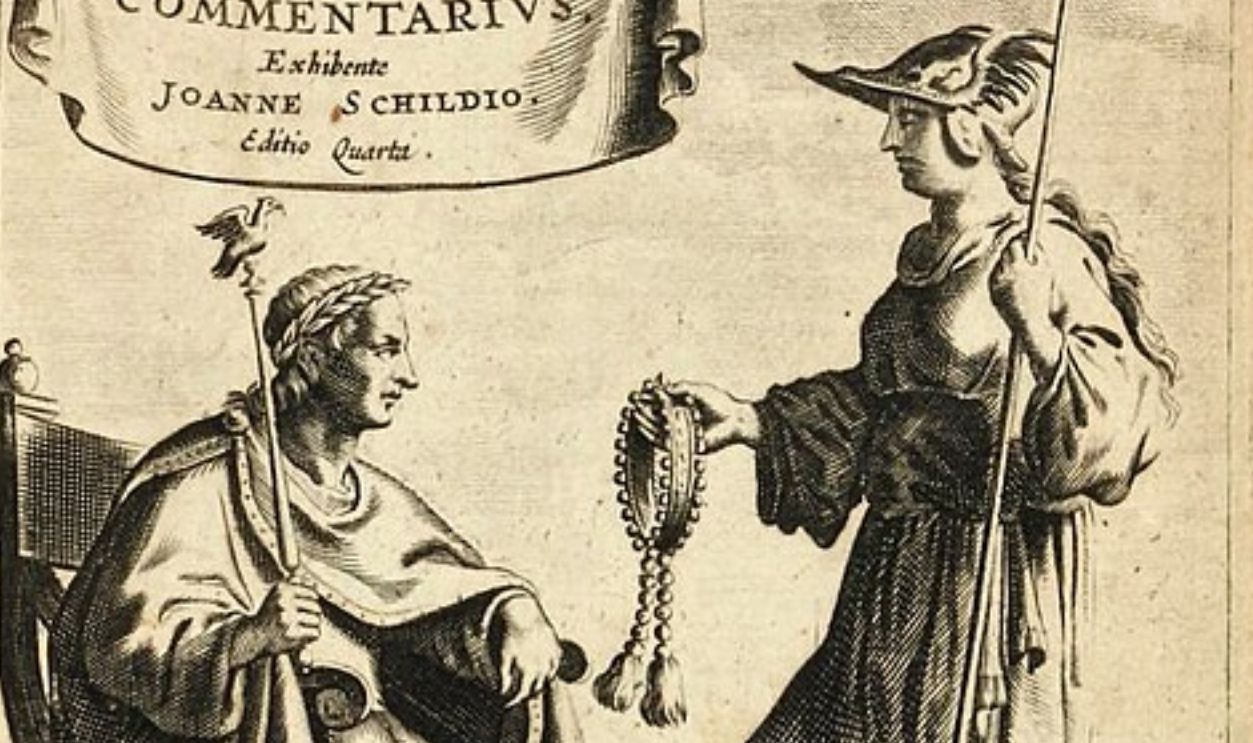 Joanne Schildio, Wikimedia Commons
What The Sources Say
Primary sources show contradictions: Caligula was generous and cultured, yet also paranoid and violent. Accounts from Philo and Josephus reflect diverse political agendas, complicating the narrative. Evaluating these texts requires careful scrutiny to separate fact from fabrication and understand what truly drove Rome’s most notorious young ruler.
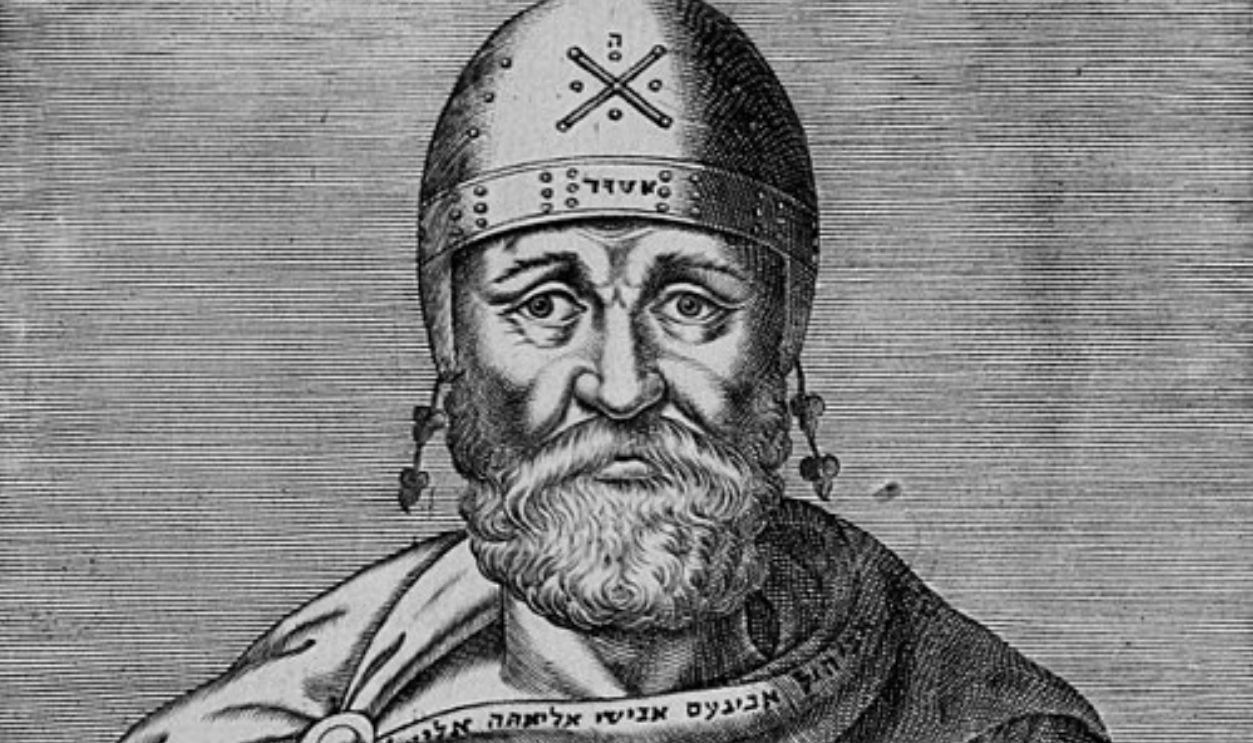 Andre Thevet, Wikimedia Commons
A Troubled Young Life
Caligula’s early years were scarred by family assassinations and isolation under Emperor Tiberius. Historical hints suggest he may have suffered from epilepsy or chronic neurological distress. This turbulent upbringing, marked by physical and psychological strain, may have shaped the erratic behavior later recorded by Roman commentators.
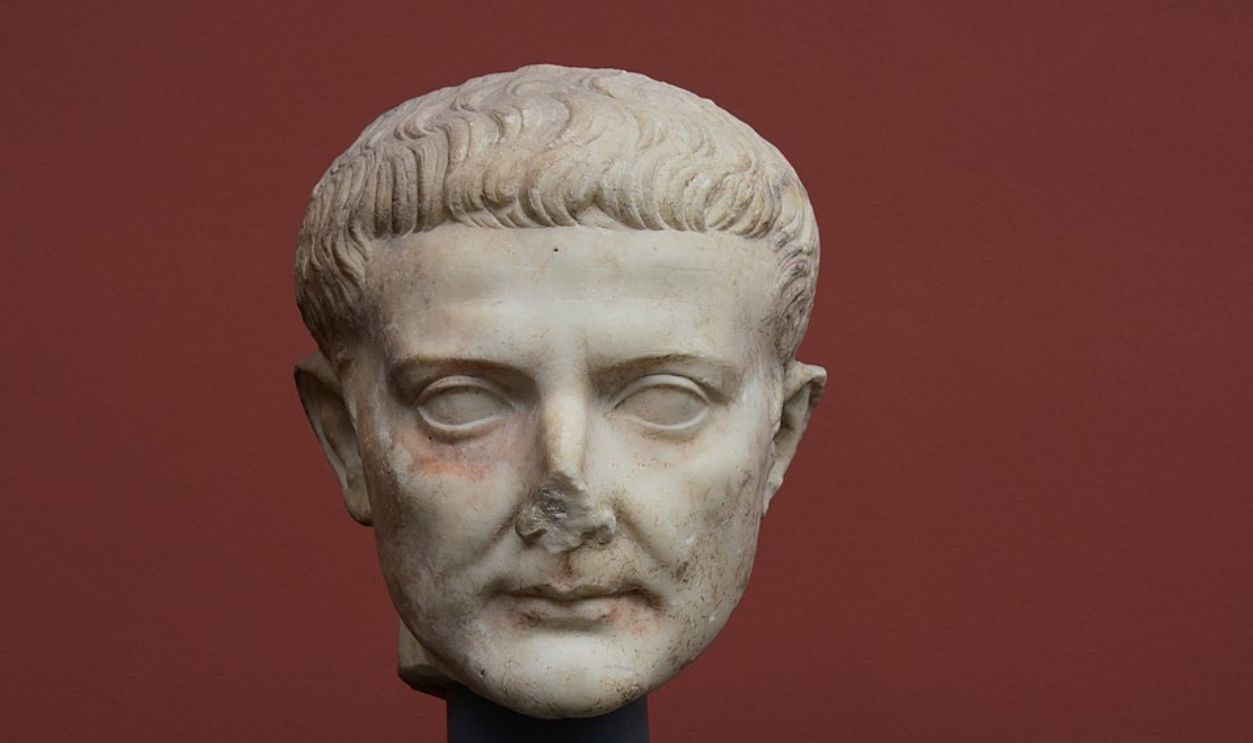 Richard Mortel, Saudi Arabia, CC BY 2.0, Wikimedia Commons
Paranoia And The Search For Relief
Throughout his rule, Caligula displayed erratic, even manic episodes, but they were often dismissed as insanity. However, contemporary analysis points toward untreated health issues like migraines or even lead poisoning from Roman plumbing. His interest in potions and spa towns may not have been eccentricity, but a desperate quest for stability.
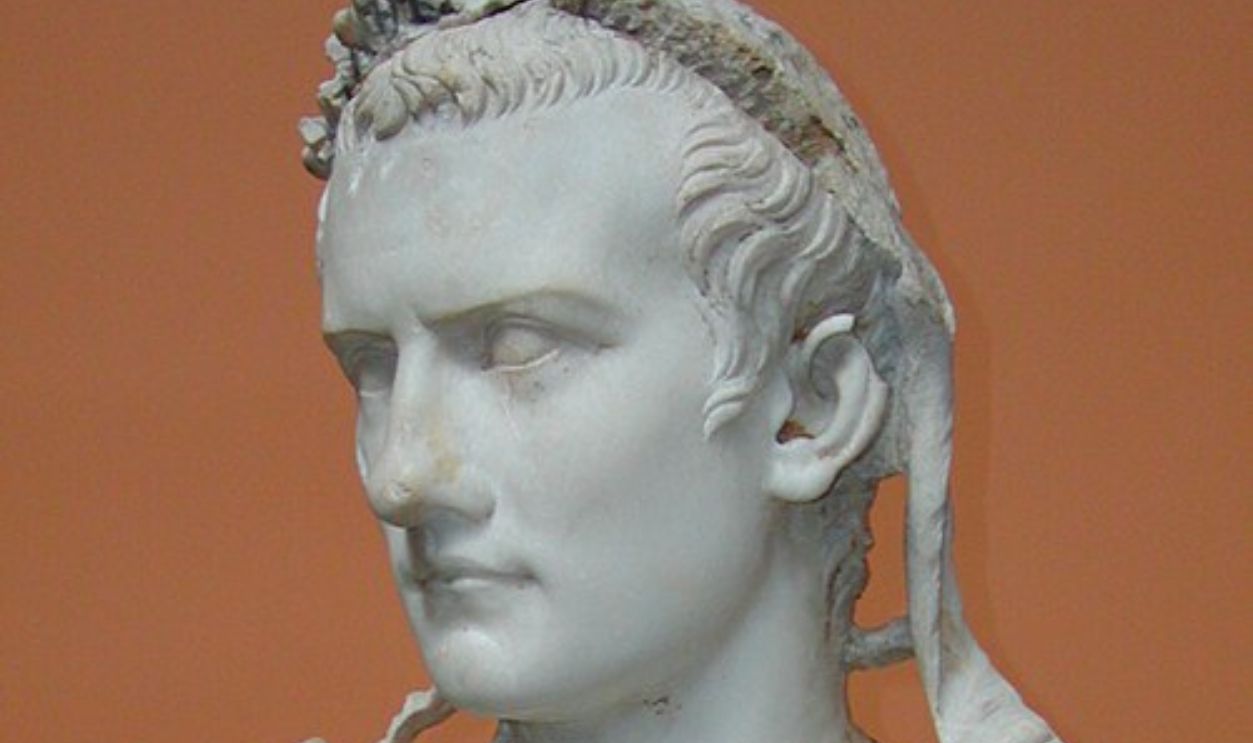 Louis le Grand, CC BY-SA 3.0, Wikimedia Commons
A Curious Fascination With The Healing Arts
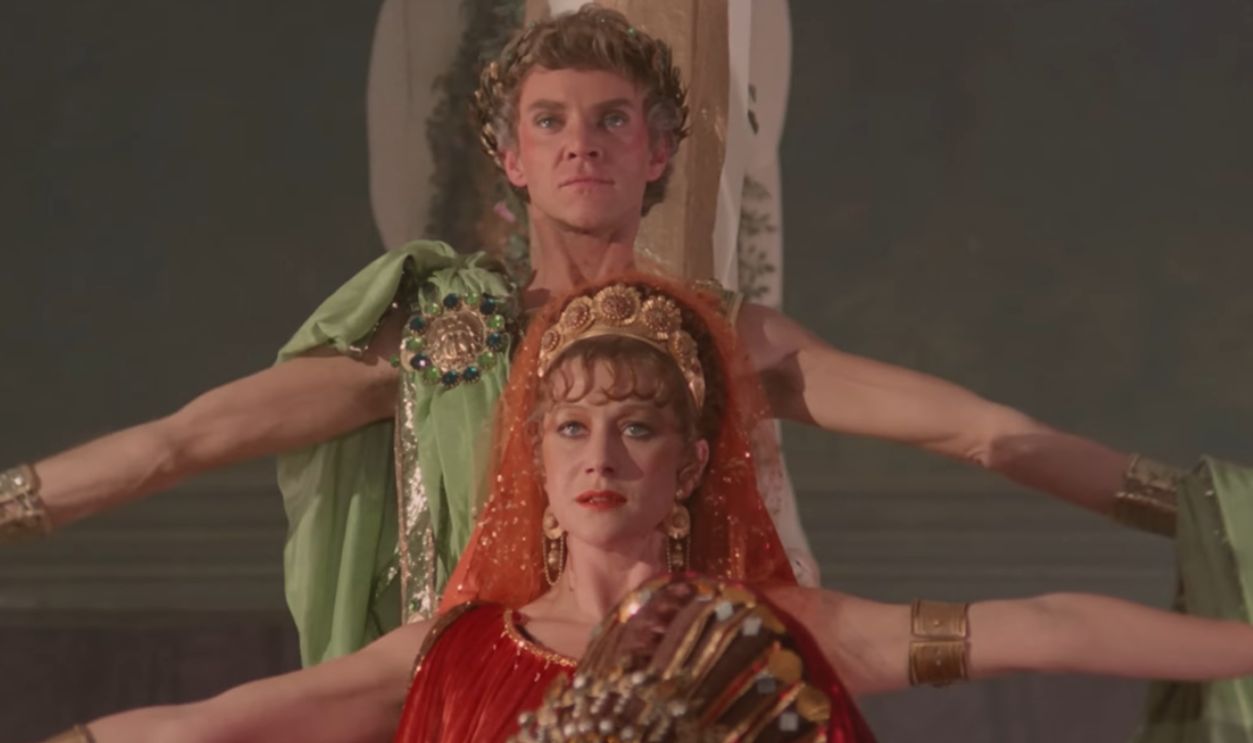
Caligula’s fascination with medicine wasn’t limited to personal relief—it reflected broader Roman trends. Elite Romans frequently engaged with Greek medical texts and physicians. The emperor reportedly consulted pharmacological practices and seemed unusually informed for a ruler. His knowledge of substances like hellebore hints at deliberate, studied interest, not whimsy.
 Caligula: The Ultimate Cut | Official Trailer | Drafthouse Films by Drafthouse Films
How Ancient Rome Viewed Medicine And Madness
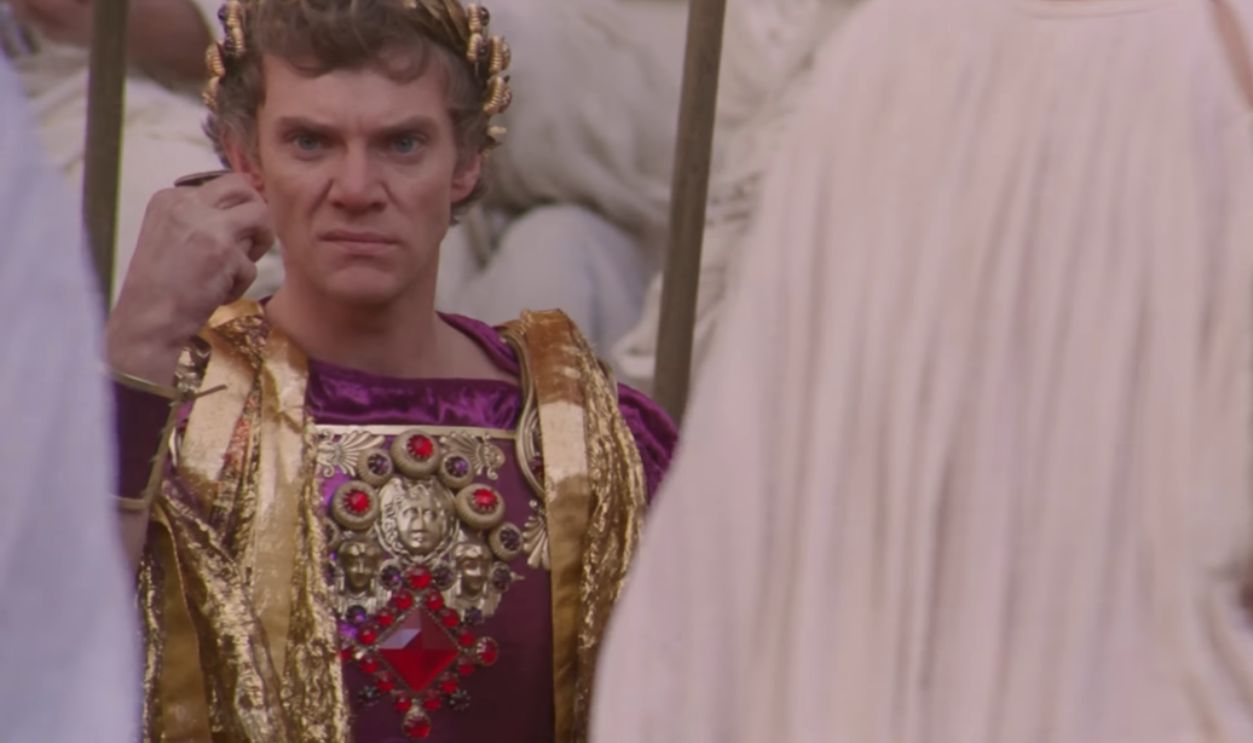
Romans viewed health through the balance of the four humors: blood, phlegm, yellow bile, and black bile. Illness disrupted this balance, and remedies ranged from herbal treatments to surgical procedures. Madness wasn’t always spiritual or criminal—it could be medical. Caligula’s erratic behavior might’ve been interpreted, even treated, by physicians.
 Caligula: The Ultimate Cut | Official Trailer | Drafthouse Films by Drafthouse Films
A Poison And A Cure
Hellebore, a toxic plant used in small doses, was a prominent ancient remedy, especially in cases of mania or excess “black bile”. Romans turned to it for both mental and digestive disorders. Caligula’s knowledge of hellebore, evidenced in a chilling anecdote, shows surprising awareness of its therapeutic and dangerous potential.
 AnemoneProjectors, CC BY-SA 2.0, Wikimedia Commons

History's most fascinating stories and darkest secrets, delivered to your inbox daily.
The Spa Town That Treated The Elite
Located in central Greece, Antikyra was famed for its hellebore exports and healing culture. Roman elites visited it for purification and therapy. Its reputation for treating melancholia made it a destination for serious cases. That Caligula referenced Antikyra suggests familiarity with therapeutic retreats and the logic behind their use.
 Schuppi, CC BY-SA 3.0, Wikimedia Commons
A Senator’s Trip And Caligula’s Chilling Judgment
One account tells of a senator requesting medical leave to visit Antikyra. Caligula denied the plea and ordered execution, stating the man needed “bloodletting,” not hellebore. Though brutal, the statement mirrored medical reasoning. Scholars now debate: was this cruelty, sarcasm, or a medically informed—albeit horrifying—alternative diagnosis?
 Caligula: The Ultimate Cut | Official Trailer | Drafthouse Films by Drafthouse Films
What Caligula Really Meant
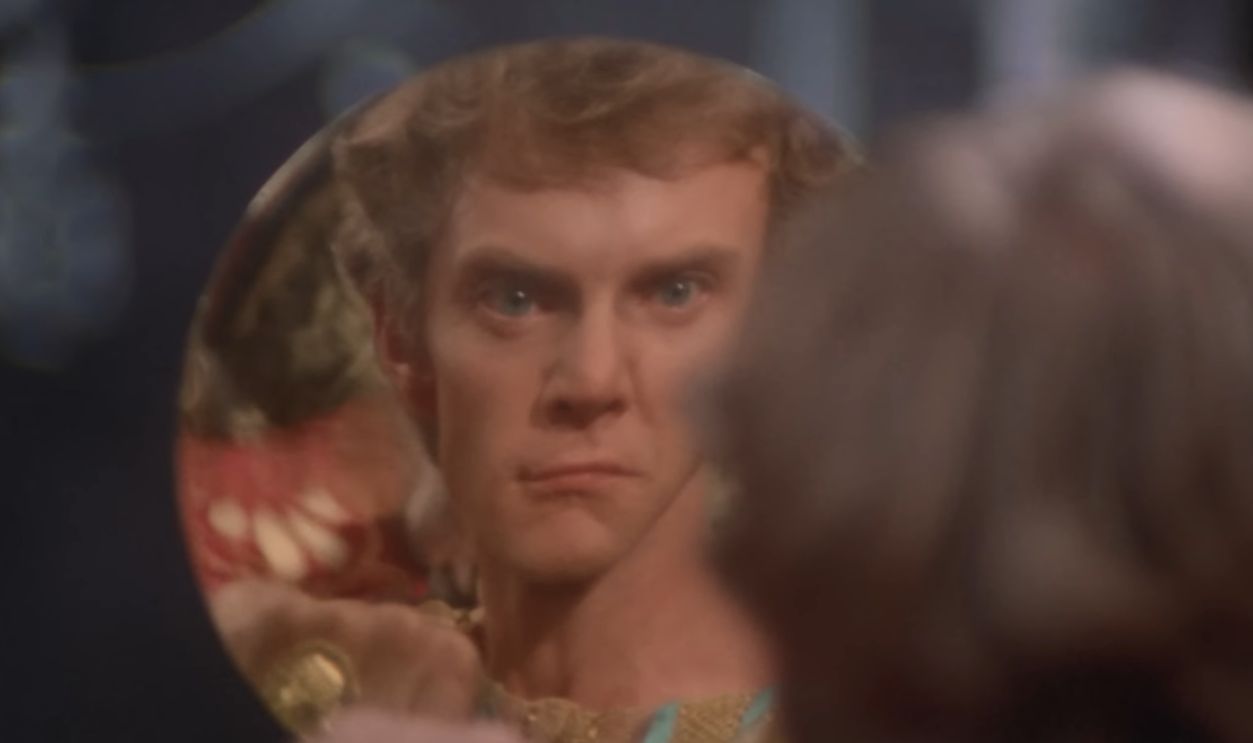
Caligula’s notorious quip about bloodletting might sound monstrous, but it aligns with ancient Roman medicine. Bloodletting was a standard treatment for imbalances in the body’s humors, particularly for melancholia or mania. His reference, though ruthless, wasn’t irrational. It echoed prevailing therapeutic logic, hinting at deliberate, if unsettling, medical literacy.
 Caligula: The Ultimate Cut | Official Trailer | Drafthouse Films by Drafthouse Films
Bloodletting In The Age Of Empires
In the Roman world, bloodletting was widely practiced by physicians from Galen to Celsus. It was believed to restore bodily harmony and was often prescribed when herbal treatments failed. The fact that Caligula suggested it as a medical alternative doesn’t indicate madness, but alignment with accepted therapeutic standards of the day.
 Caligula: The Ultimate Cut | Official Trailer | Drafthouse Films by Drafthouse Films
Hellebore And The Four Humors
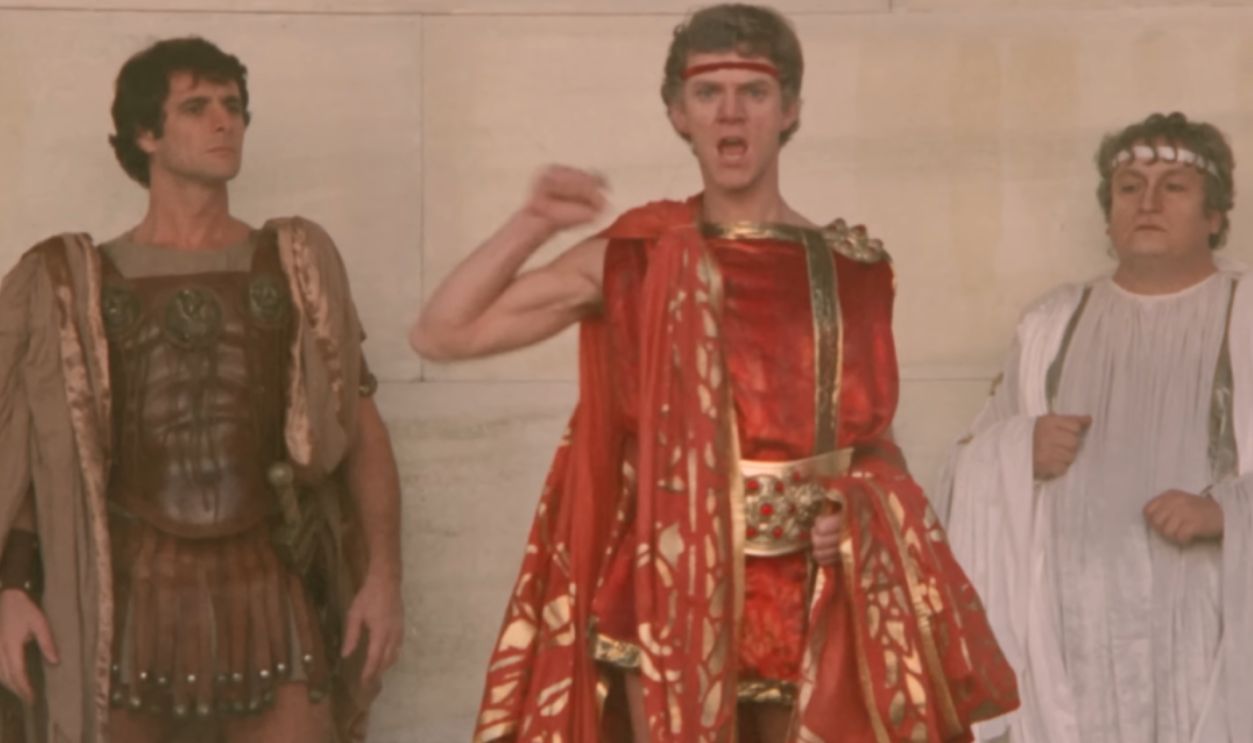
The theory of the four humors underpinned Roman medicine. Hellebore, used to purge excess black bile, was believed to treat mental instability. Physicians walked a fine line between dosage and toxicity. Caligula’s use of this concept, even rhetorically, signals his understanding of a complex and risky pharmacological framework.
 Caligula: The Ultimate Cut | Official Trailer | Drafthouse Films by Drafthouse Films
Did Caligula Actually Understand Medical Theory?
Was Caligula’s use of medical terms a coincidence or comprehension? Scholars argue that his statements reflect awareness of therapeutic hierarchies: diet, drugs, and surgery. His references suggest familiarity with Hippocratic and Galenic logic. If he studied medical practice, it was likely through elite Roman channels, where science and philosophy intersected.
 Caligula: The Ultimate Cut | Official Trailer | Drafthouse Films by Drafthouse Films
Greek Knowledge In Roman Hands
Greek physicians dominated Roman medicine, and their texts shaped elite Roman thought. Medical theory traveled alongside conquest and commerce. Educated Roman Emperors like Caligula often absorbed Greek ideas. His references to hellebore and bloodletting show how deeply Greek medical philosophy had infiltrated the Roman imperial court.
 Ancient Rome | AI Generated Video by CommonHub
The Emperor And The Apothecary’s Scroll
Elite Romans often kept personal libraries, and Caligula likely had access to medical scrolls. Such texts, copied from Greek originals, included pharmacological recipes and treatments. His apparent use of technical references suggests he wasn’t just aware of medicine. He may have actively read, or even consulted, these detailed compendiums.

What The Dioscorides Manuscript Reveals
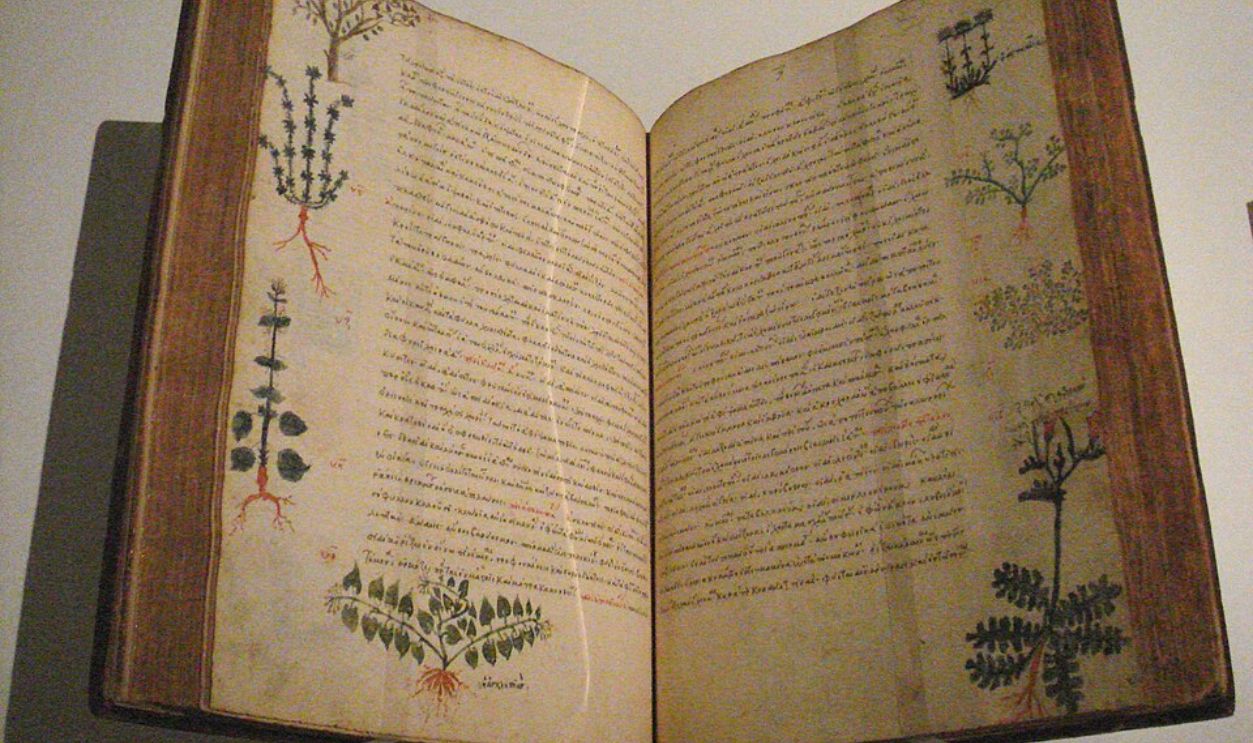
The Dioscorides manuscript, a cornerstone of ancient pharmacology, cataloged plants like hellebore with notes on dosage and properties. Though compiled decades after Caligula’s death, it reflects earlier traditions he could have accessed. His accurate allusion to hellebore’s function aligns with descriptions that predate this seminal medical encyclopedia.
Philo Of Alexandria’s Cryptic Accusation
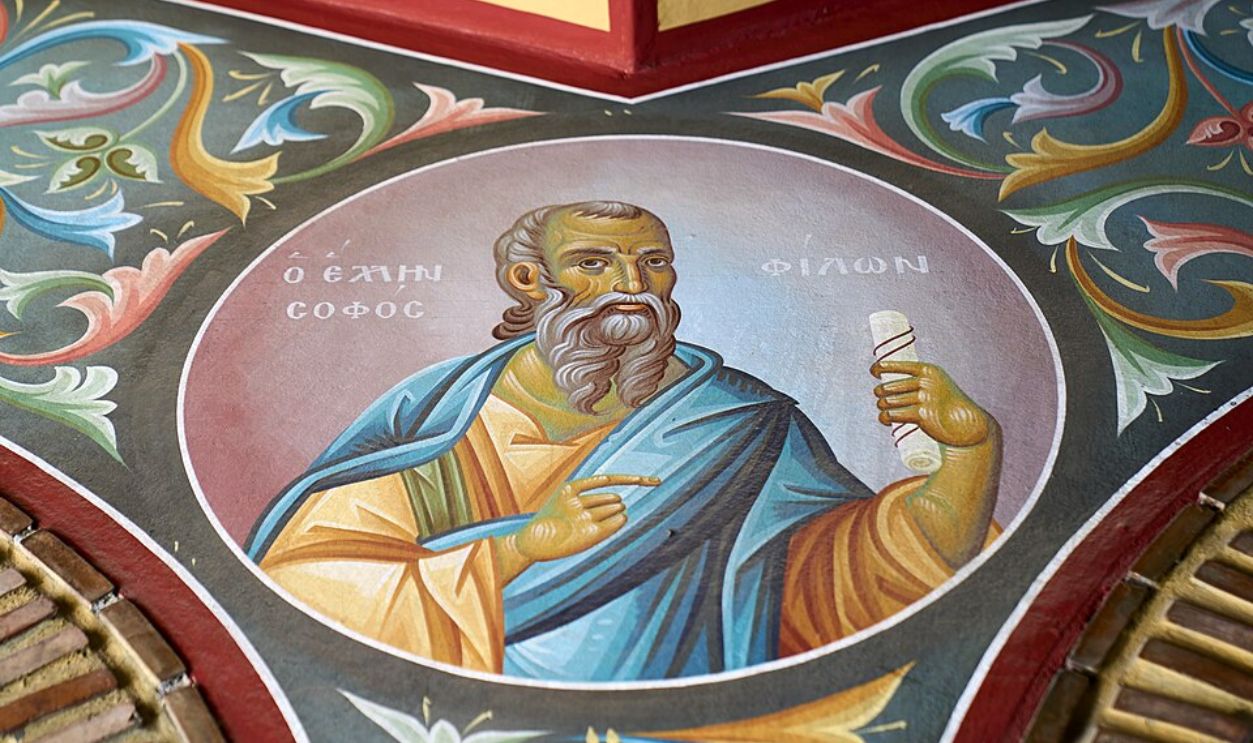
Philo, a Jewish philosopher who personally witnessed Caligula’s reign, accused him of “corrupting the healing arts of Apollo”. Though meant as an insult, the charge suggests familiarity with medicine. If Caligula misused medical knowledge, he must have first acquired it—intentionally or through exposure to Greece’s therapeutic philosophies.
 George E. Koronaios, CC BY-SA 4.0, Wikimedia Commons
Apollo’s Wisdom Or Imperial Delusion?
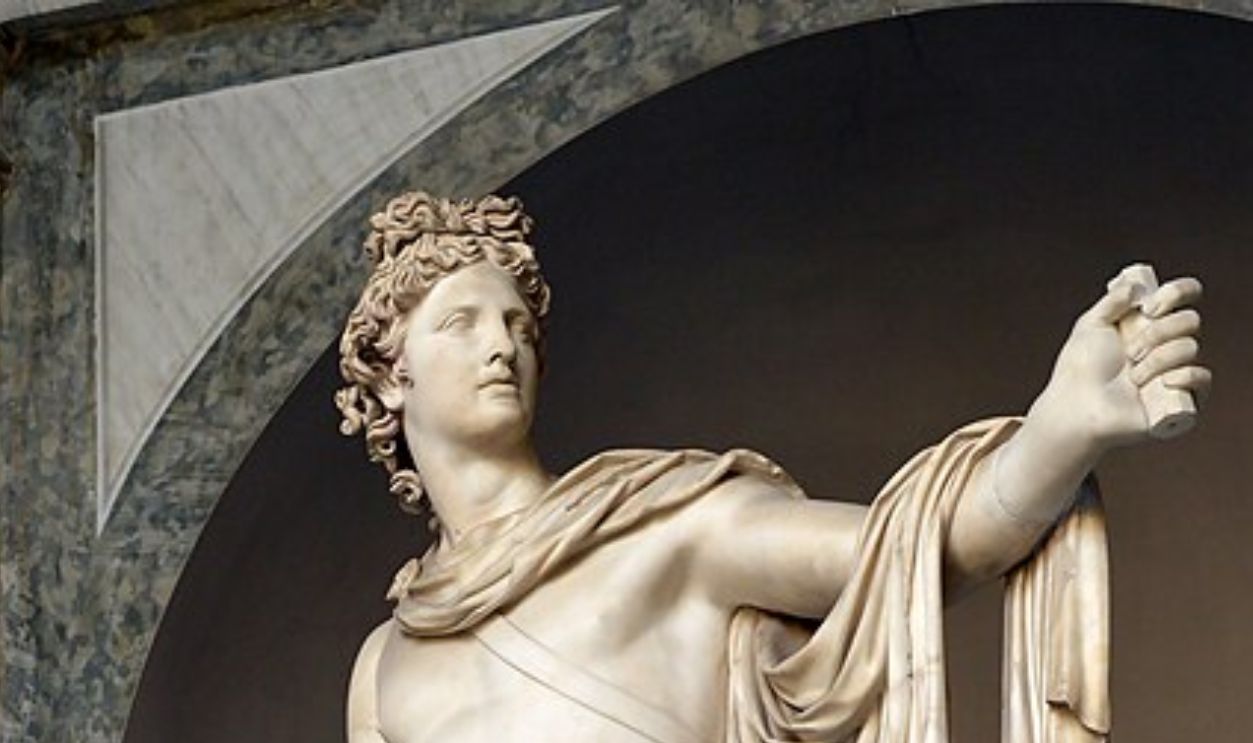
Apollo was the god of prophecy and healing—a duality reflected in Roman emperors claiming divine insight. Caligula’s invocation of healing terms may have been more than metaphor. Was he channeling Apollo’s role as healer-ruler? Or was he twisting divine associations to validate personal theories or justify authoritarian decisions?
 Livioandronico2013, CC BY-SA 4.0, Wikimedia Commons
Poison In The Family
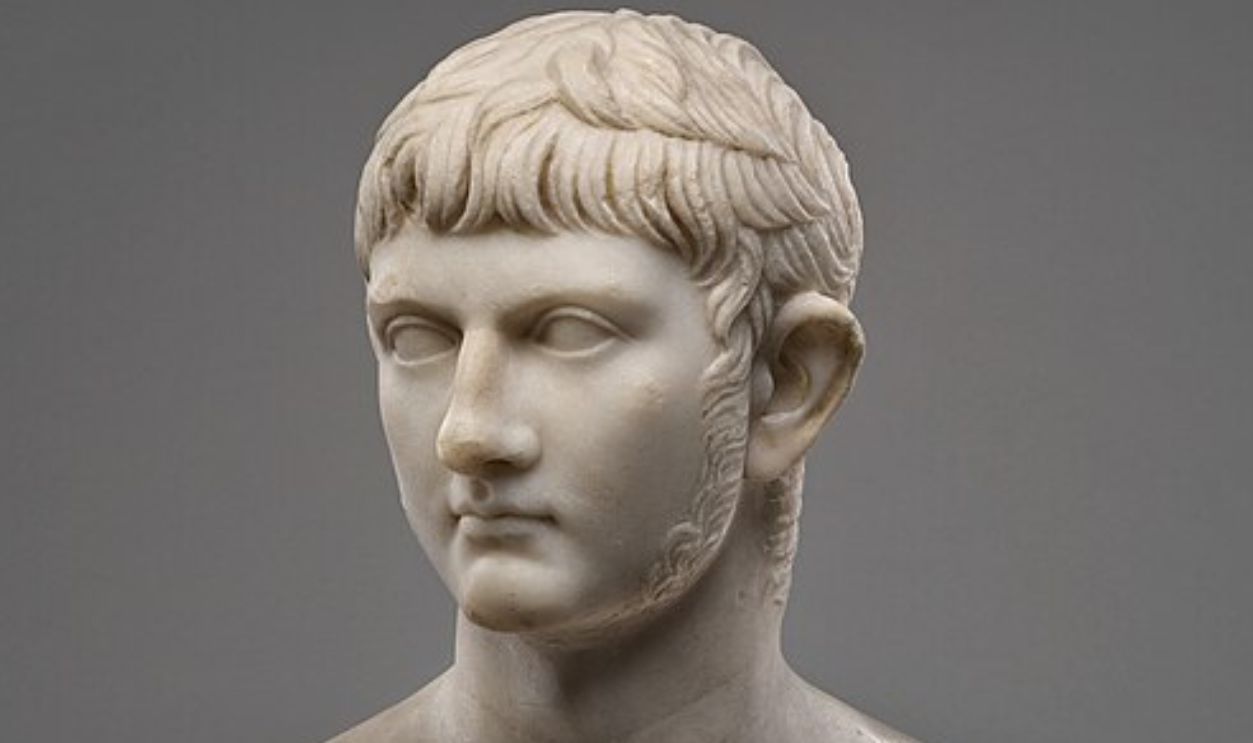
Caligula’s father, Germanicus, died under mysterious conditions in Syria, allegedly poisoned. Roman suspicion lingered for years. This traumatic event may have fueled Caligula’s preoccupation with toxins and antidotes. The desire to understand and possibly master poison’s effects could explain his turn toward pharmacology with unusual intensity.
 Getty Villa, CC0, Wikimedia Commons
Was Caligula Studying To Defend Or Destroy?
Caligula’s engagement with medical knowledge may have stemmed from both self-preservation and control. In a political environment rife with assassination, understanding poisons and treatments was pragmatic. Whether his studies were protective or weaponized, they point to a ruler who viewed knowledge—especially of the body—as a tool of imperial power.
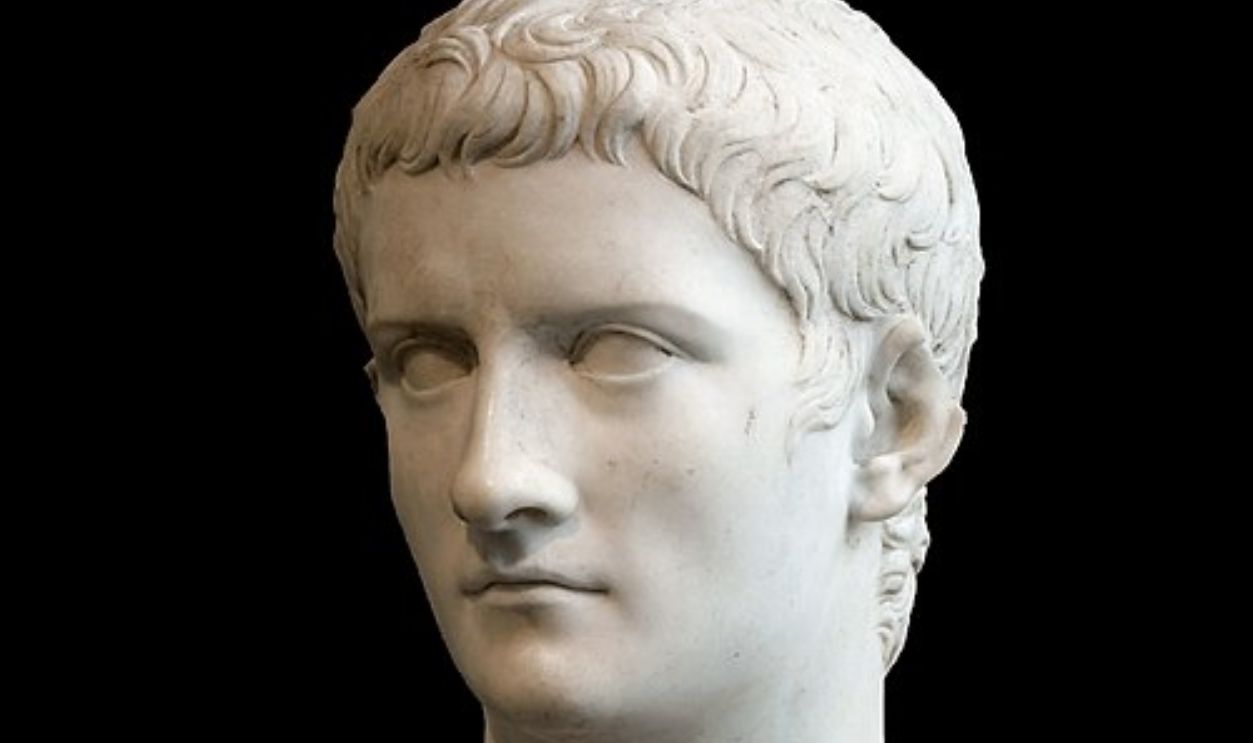 Metropolitan Museum of Art, Wikimedia Commons
Scholars Rethink The Mad Emperor’s Mind
Modern historians and classicists are revisiting long-held assumptions about Caligula. Rather than dismiss him as irrational, researchers now explore how illness and trauma shaped his rule. Medical anecdotes, once seen as proof of madness, may instead reveal a calculating mind that understood and possibly manipulated contemporary science.
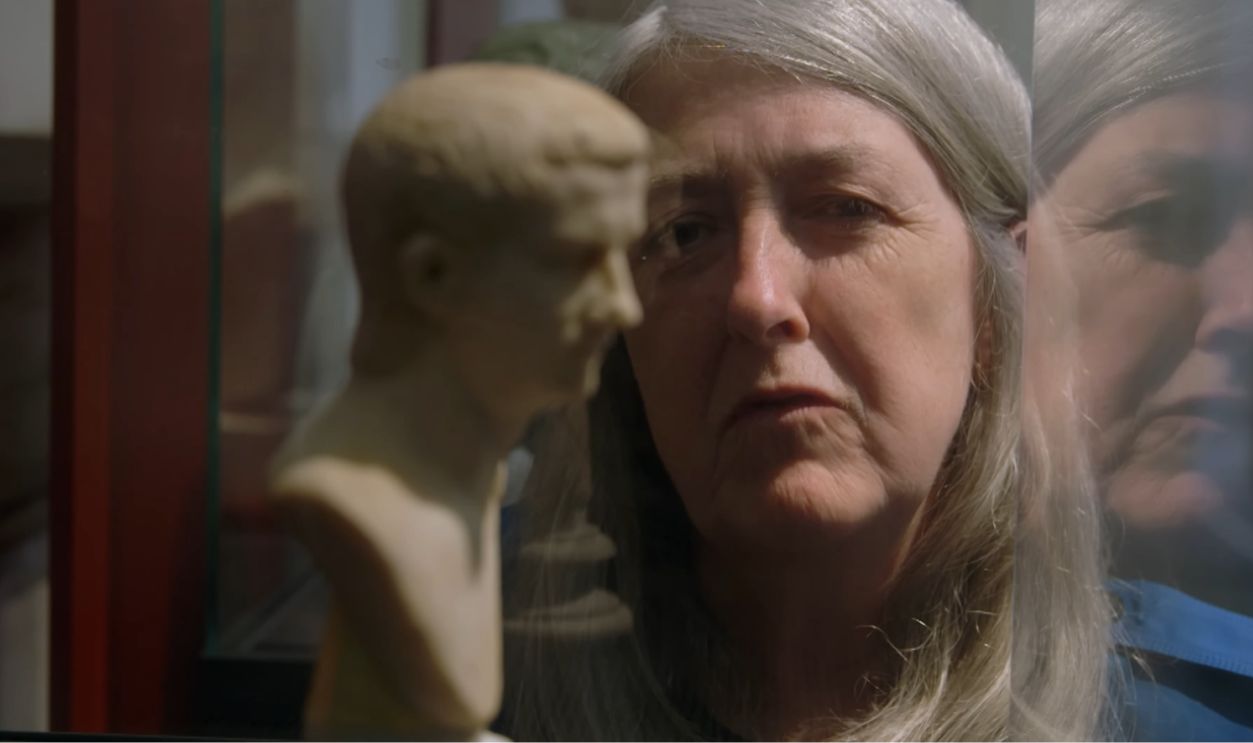 Ancient Rome's Most Feared Ruler: The Story Of Caligula by Parable - Free History Documentaries
Between Vengeance And Vision
Caligula’s reign blurred boundaries between justice and retribution, diagnosis and cruelty. His references to treatments like hellebore and bloodletting expose that line as he may have delivered decisions cloaked in medical rationale. Whether healing or punishing, he used the language of medicine in ways that unnerved subjects and confounded historians.
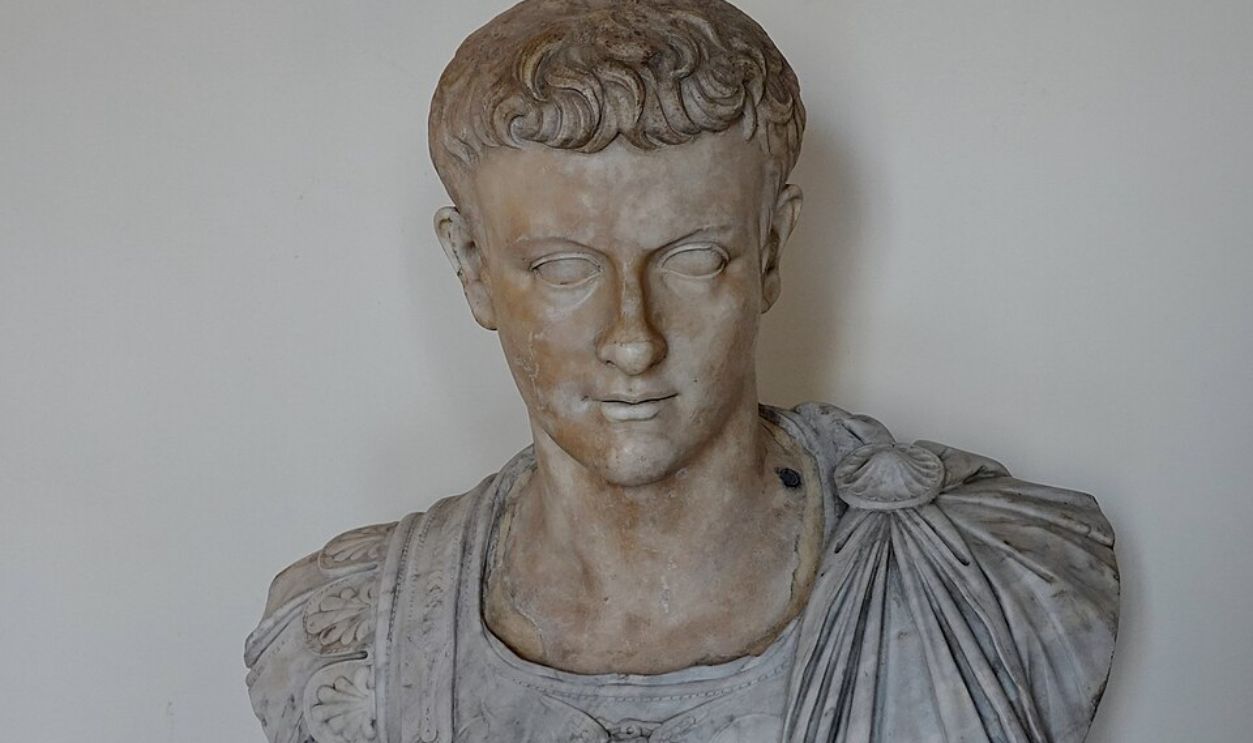 Richard Mortel, CC BY 2.0, Wikimedia Commons
Could Medical Curiosity Become A Political Weapon?
In Rome, where optics and authority intertwined, even medical rhetoric could carry lethal consequences. Caligula’s pharmacological awareness may have helped him project control, justify violence, or craft a mystique of divine insight. Medicine, in his hands, became a veiled form of governance.
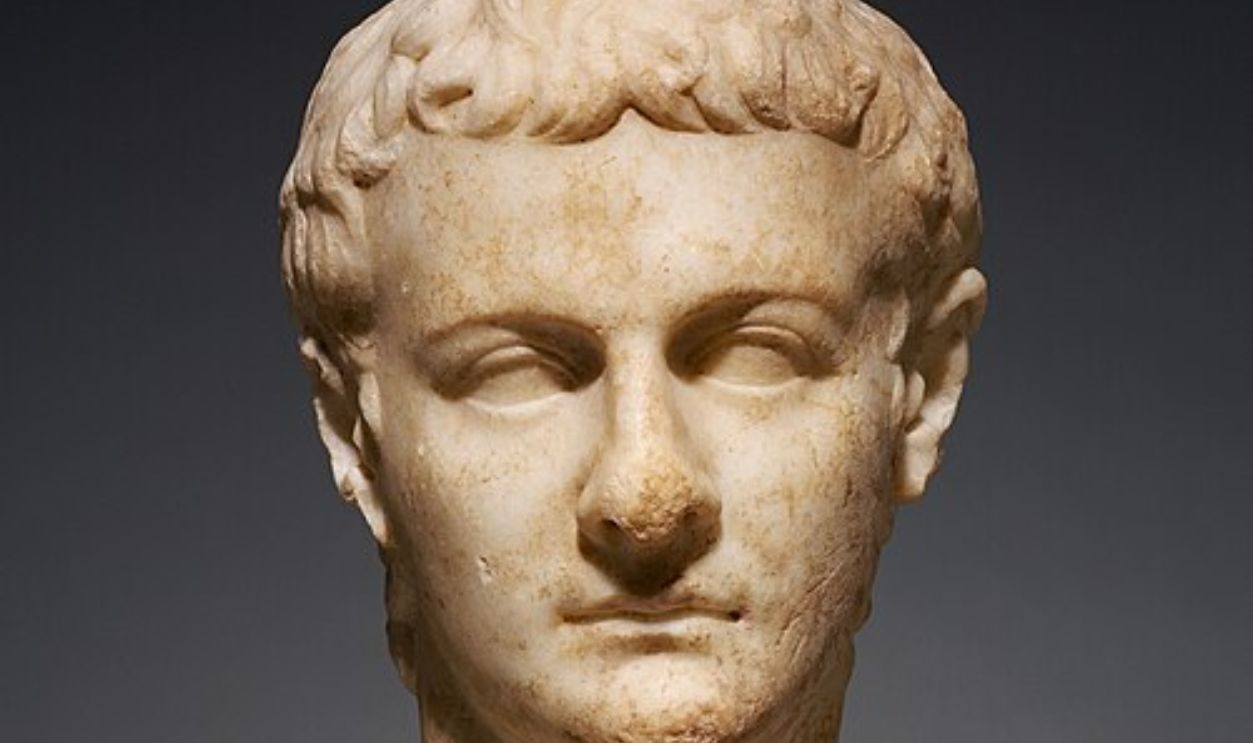 Getty Villa, CC0, Wikimedia Commons












.jpg)

.jpg)


.jpg)


.jpg)