A flood, a cowboy, and the bones that changed history
On a regular late summer day in 1908, a storm carved open a New Mexico arroyo and exposed bones far larger than any living bison. However, a curious cowboy noticed the anomaly first, long before scholars cared, in a discovery that changed accepted historical narratives.

A Storm That Tore Open The New Mexico Badlands
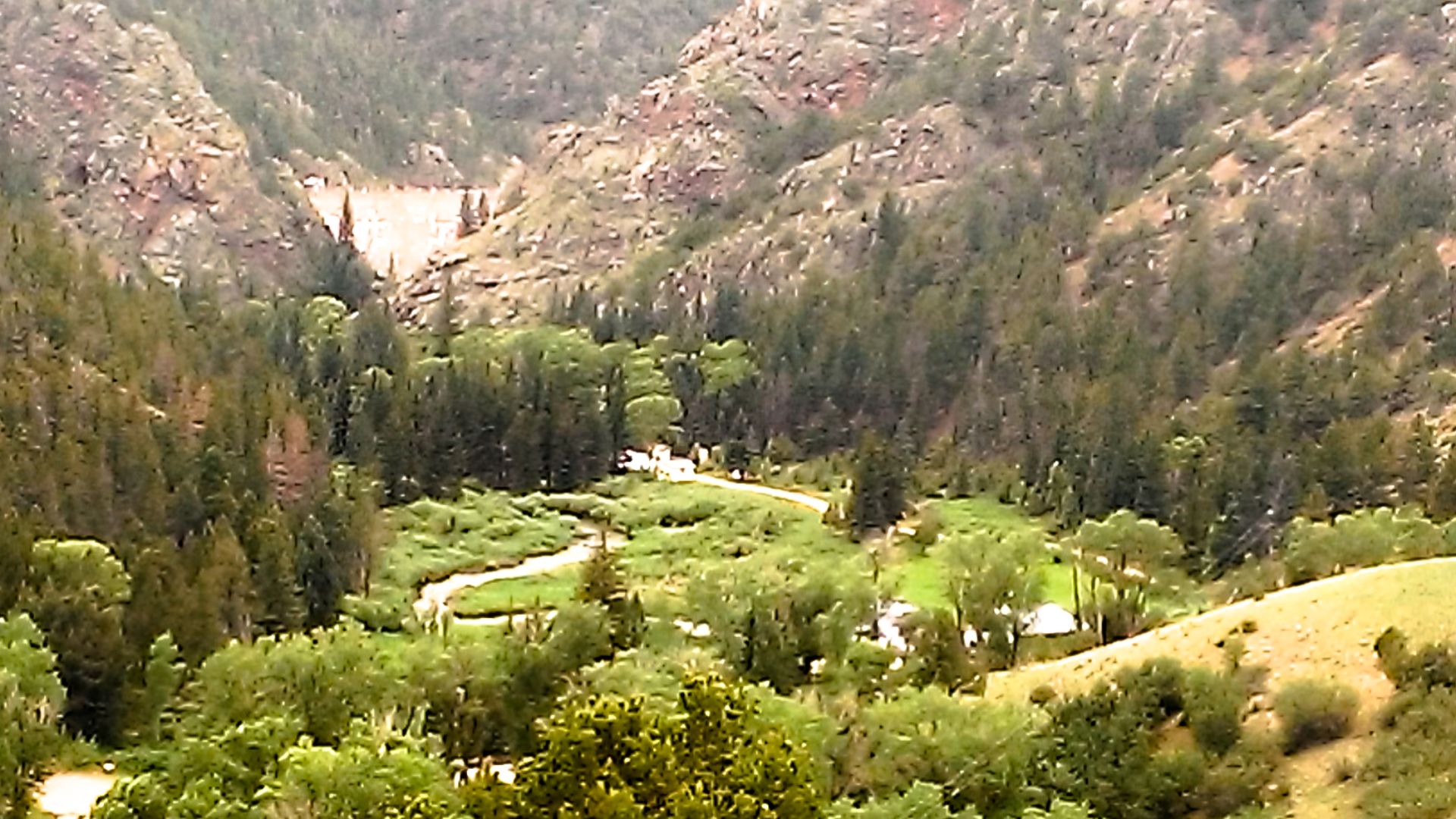
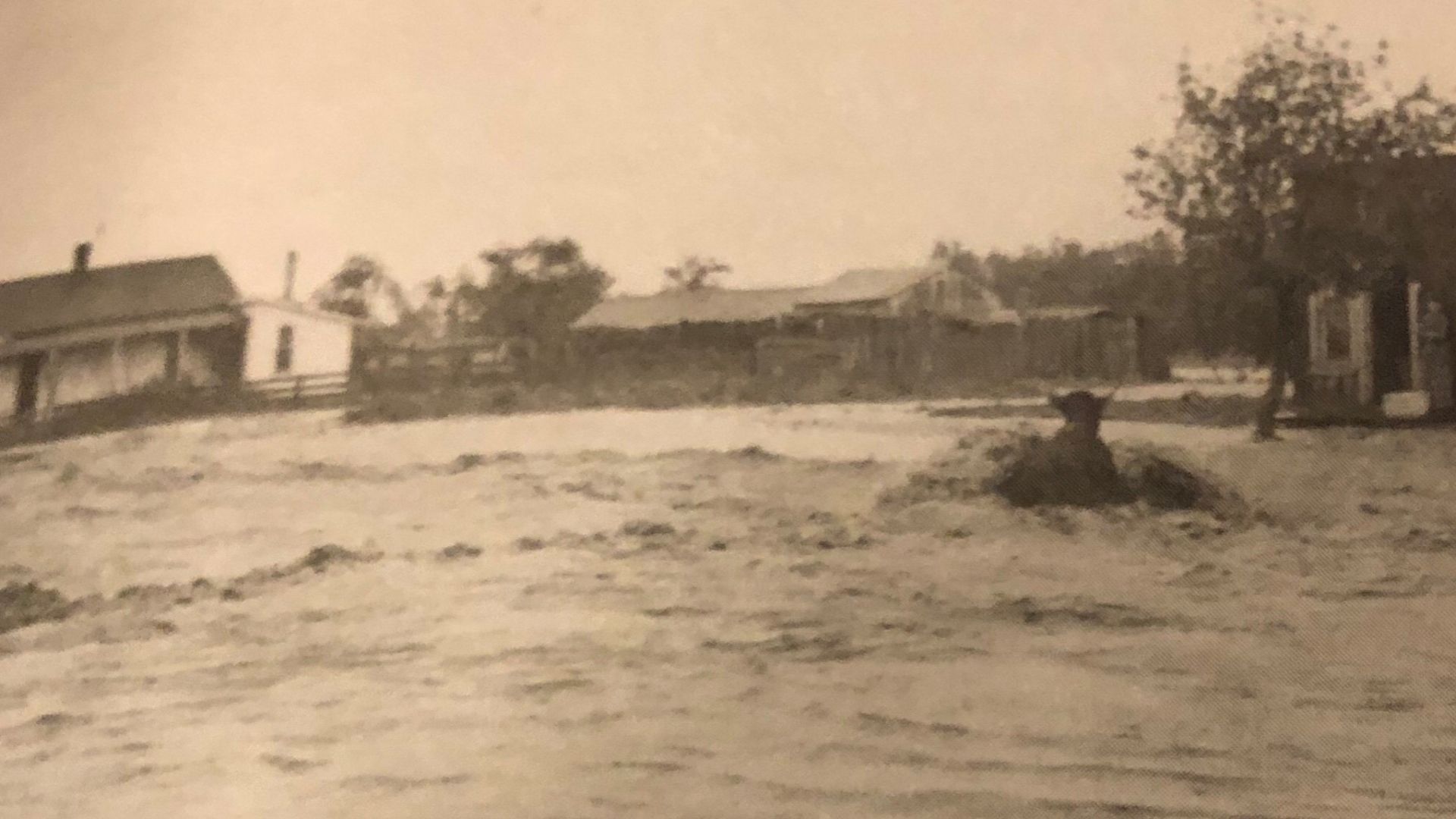
A violent cloudburst struck Folsom, New Mexico, in late August 1908, sending a wall of water through the narrow Dry Cimarron valley. The flood destroyed homes and carved deep cuts into surrounding arroyos. Those freshly exposed layers would uncover evidence that quietly waited beneath the surface for millennia.
To Reveal Something No One Expected
When the water receded, locals noticed new scars in Wild Horse Arroyo. The flood had sliced through ancient sediments, exposing layers rarely seen by anyone. Embedded in the freshly carved wall were massive bones far larger than those of any modern bison. Could it be an extinct creature that once roamed the region?
 Unknown authorUnknown author, Wikimedia Commons
Then A Cowboy Rode Out To Inspect The Damage
George McJunkin, foreman of the Crowfoot Ranch, rode out after the storm to examine downed fences and damaged grazing areas. His route led through the newly cut arroyo. While scanning the debris, he spotted bones protruding from the exposed bank. Their size and depth suggest they belonged to a long-vanished animal.
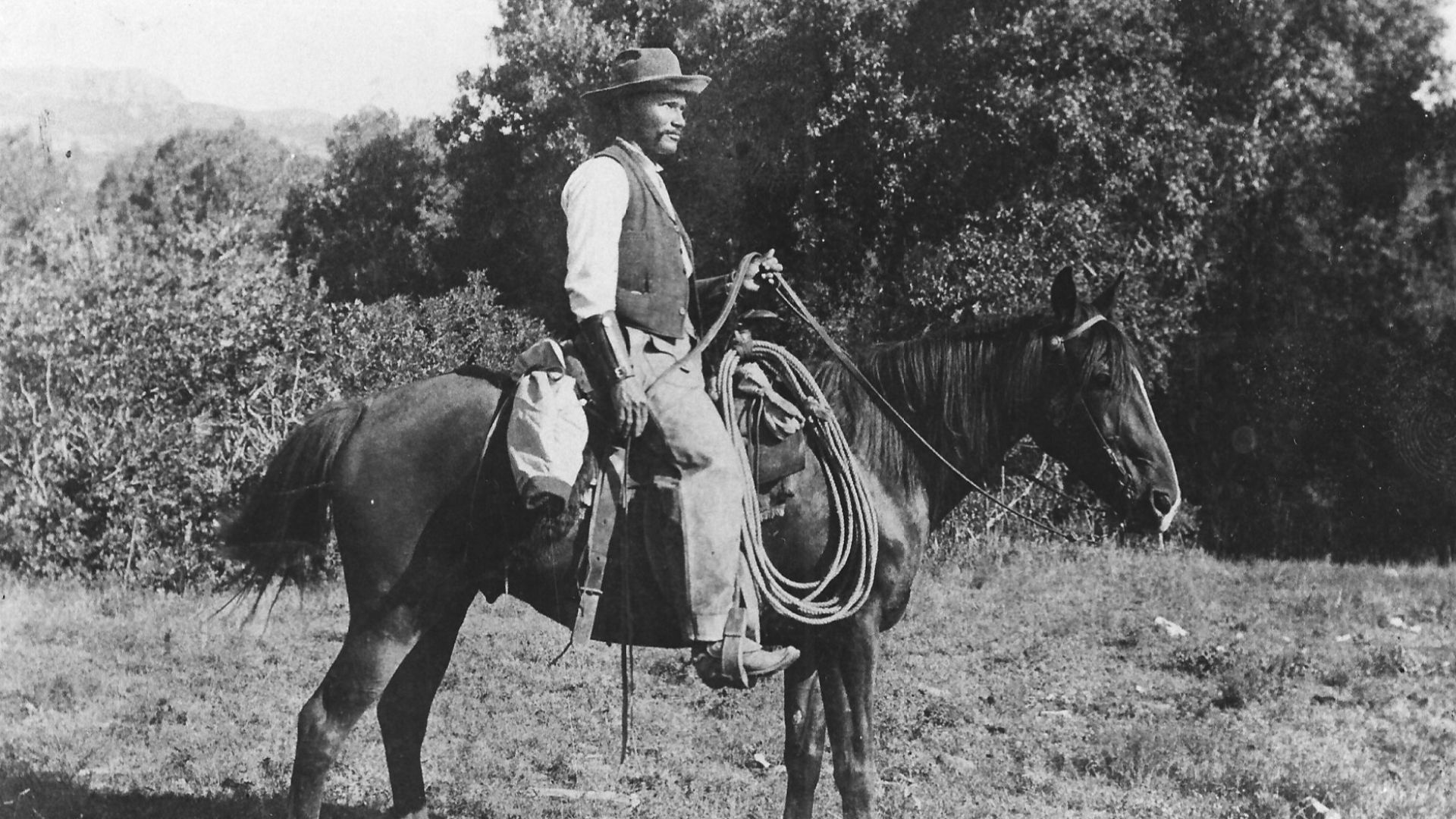 Unknown authorUnknown author, Wikimedia Commons
How A Self-Taught Naturalist Learned To Read The Land
Born into slavery and later becoming a respected cowboy, McJunkin taught himself to read, study languages, and understand natural history. Years of ranch work sharpened his ability to interpret soil and animal remains. That knowledge helped him recognize the significance of the oversized bones long before scientists arrived.
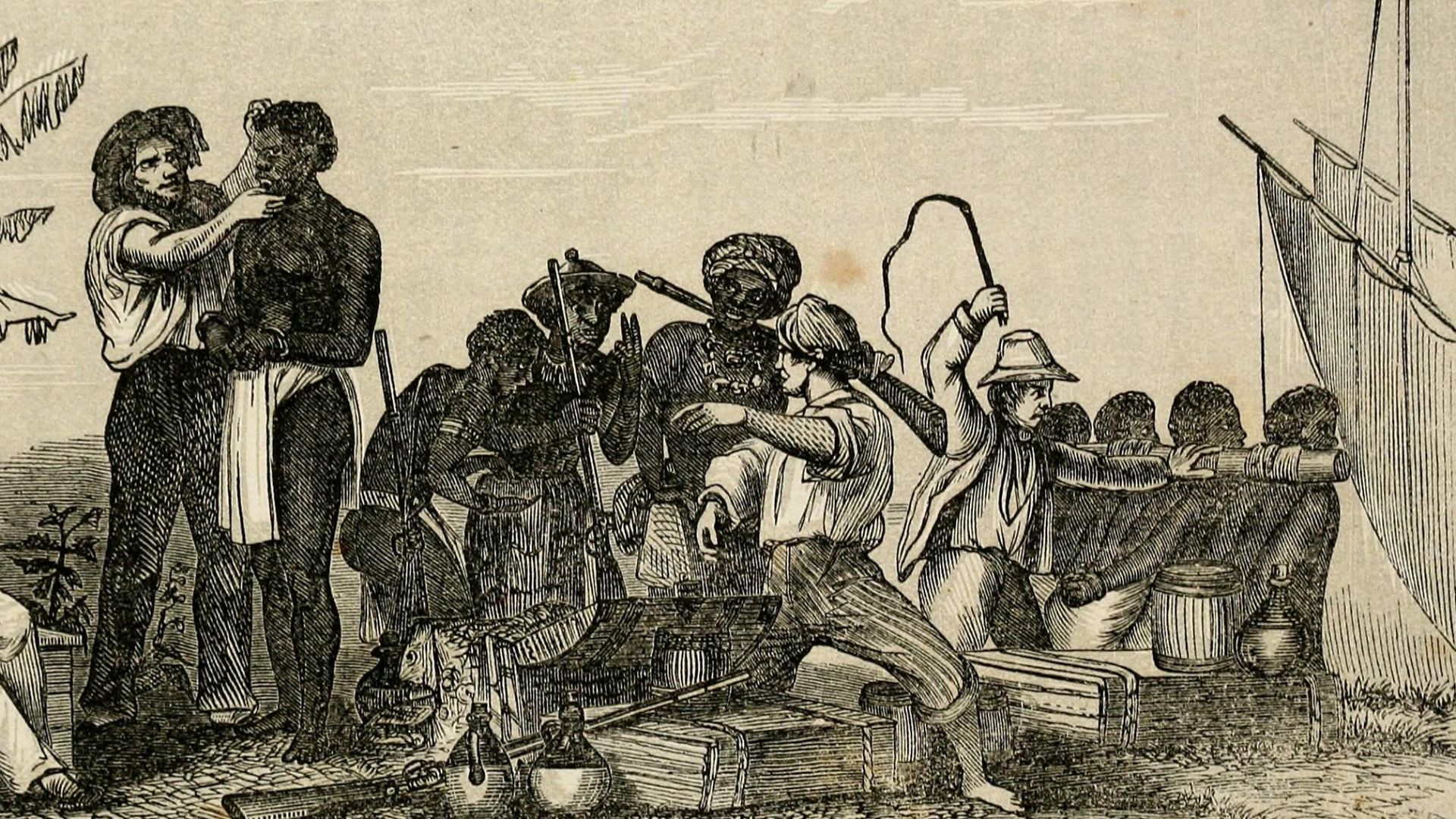 Internet Archive Book Images, Wikimedia Commons
He Wondered What Kind Of Animal This Could Be
Standing before the scattered remains, McJunkin questioned what creature produced bones of such scale. Local knowledge offered no match. Because he frequently collected unusual specimens across the plains, he realized this discovery demanded scientific attention. The possibility of encountering a vanished species sparked his determination to learn more about the site.
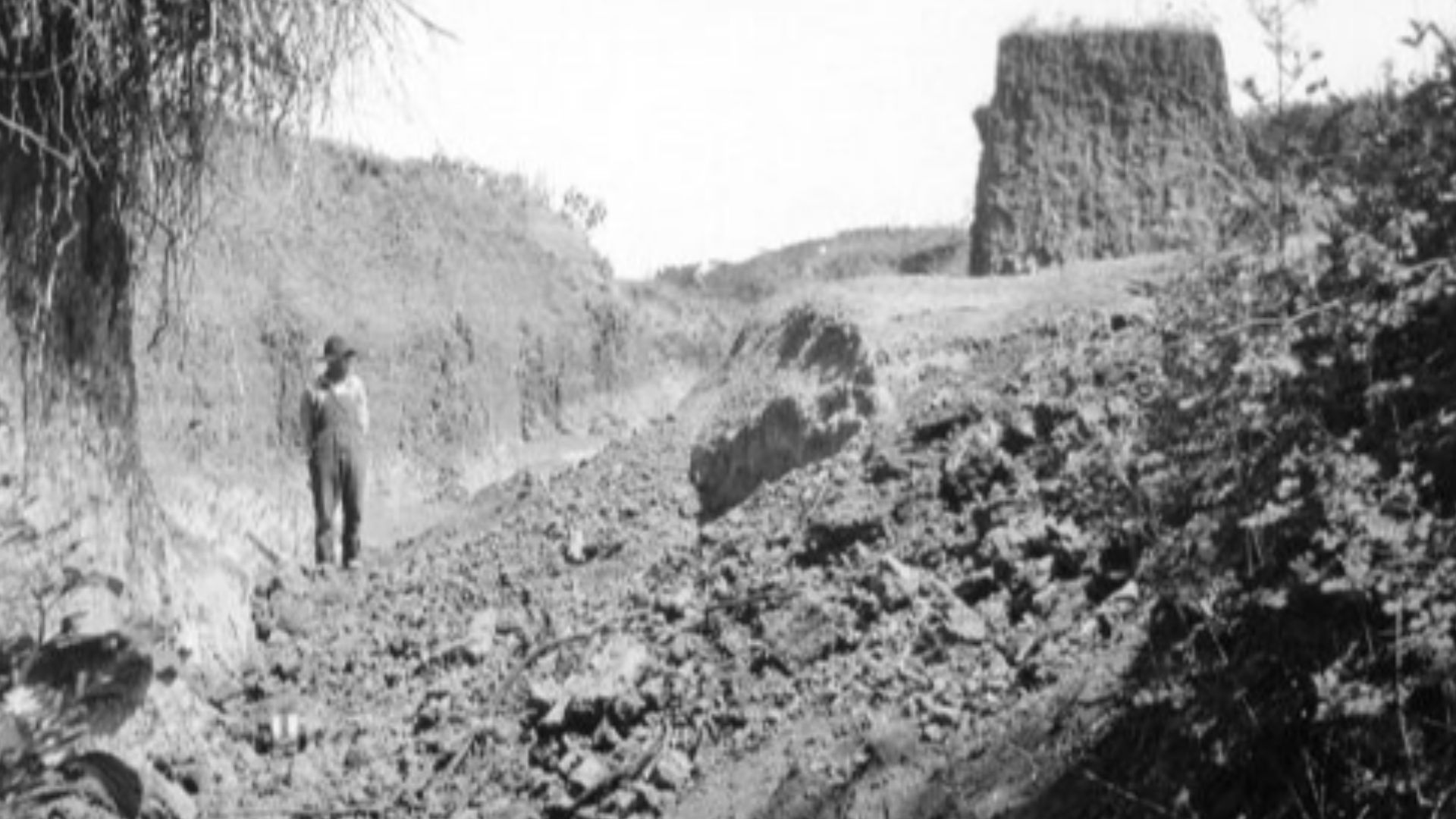 Unknown authorUnknown author, Wikimedia Commons
However, His Efforts To Draw Attention Went Nowhere
McJunkin gathered samples and attempted to contact museum representatives, hoping someone would investigate. His letters and conversations raised curiosity but produced no action. Limited resources and skepticism toward frontier discoveries slowed interest. The site remained untouched and left its deeper story trapped beneath layers of eroded sediment.
Why Letters To Scientists Failed To Spark Interest
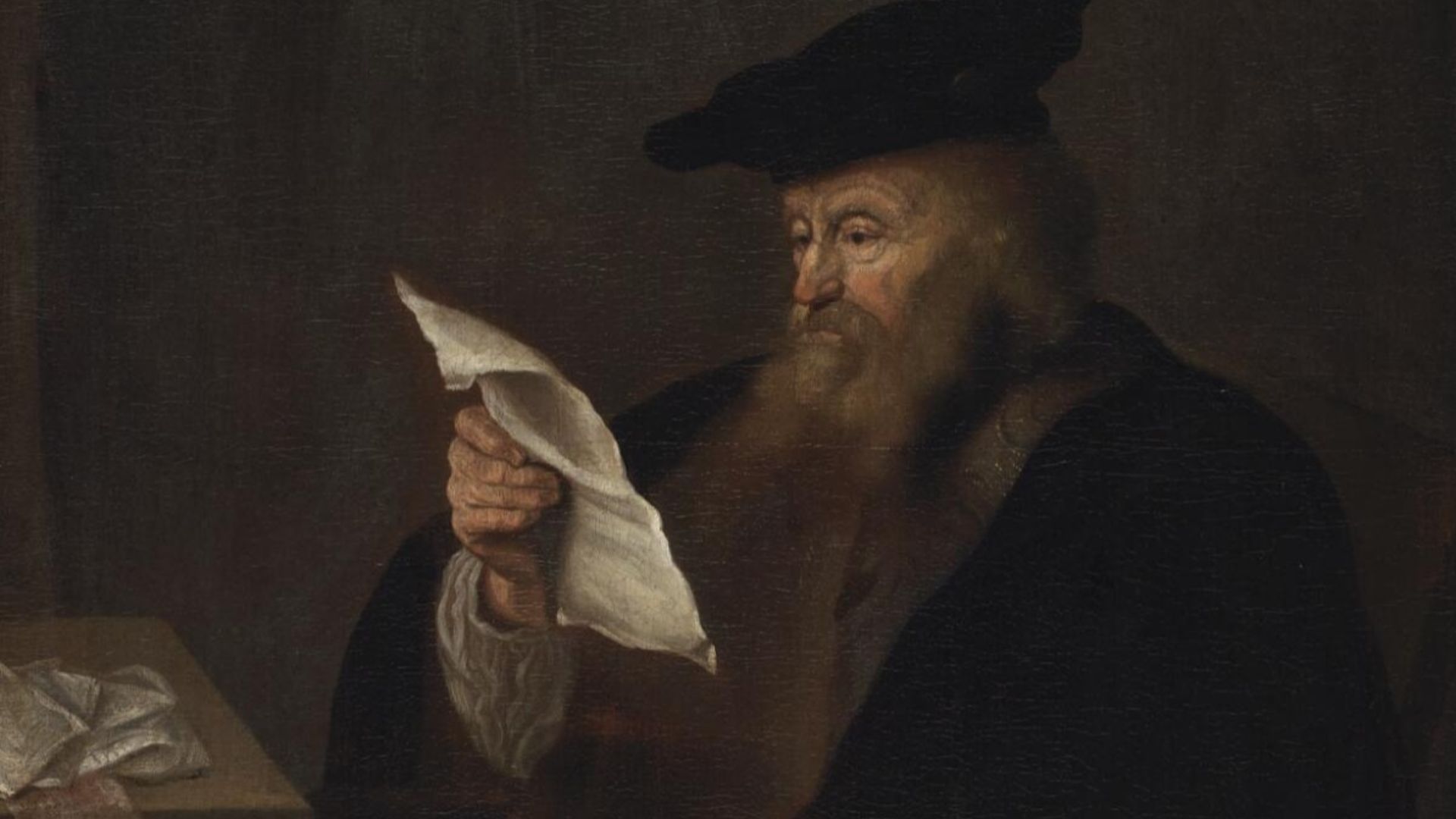
At the time, many scholars believed humans had not lived in North America during the late Ice Age, so few expected ancient remains tied to early people. Specimens from remote ranchlands rarely attracted immediate attention. Without photographs or institutional backing, McJunkin’s appeals struggled to overcome prevailing assumptions within academic circles.
 Dutch School, Wikimedia Commons
But New Eyes Finally Returned To The Wild Horse Arroyo
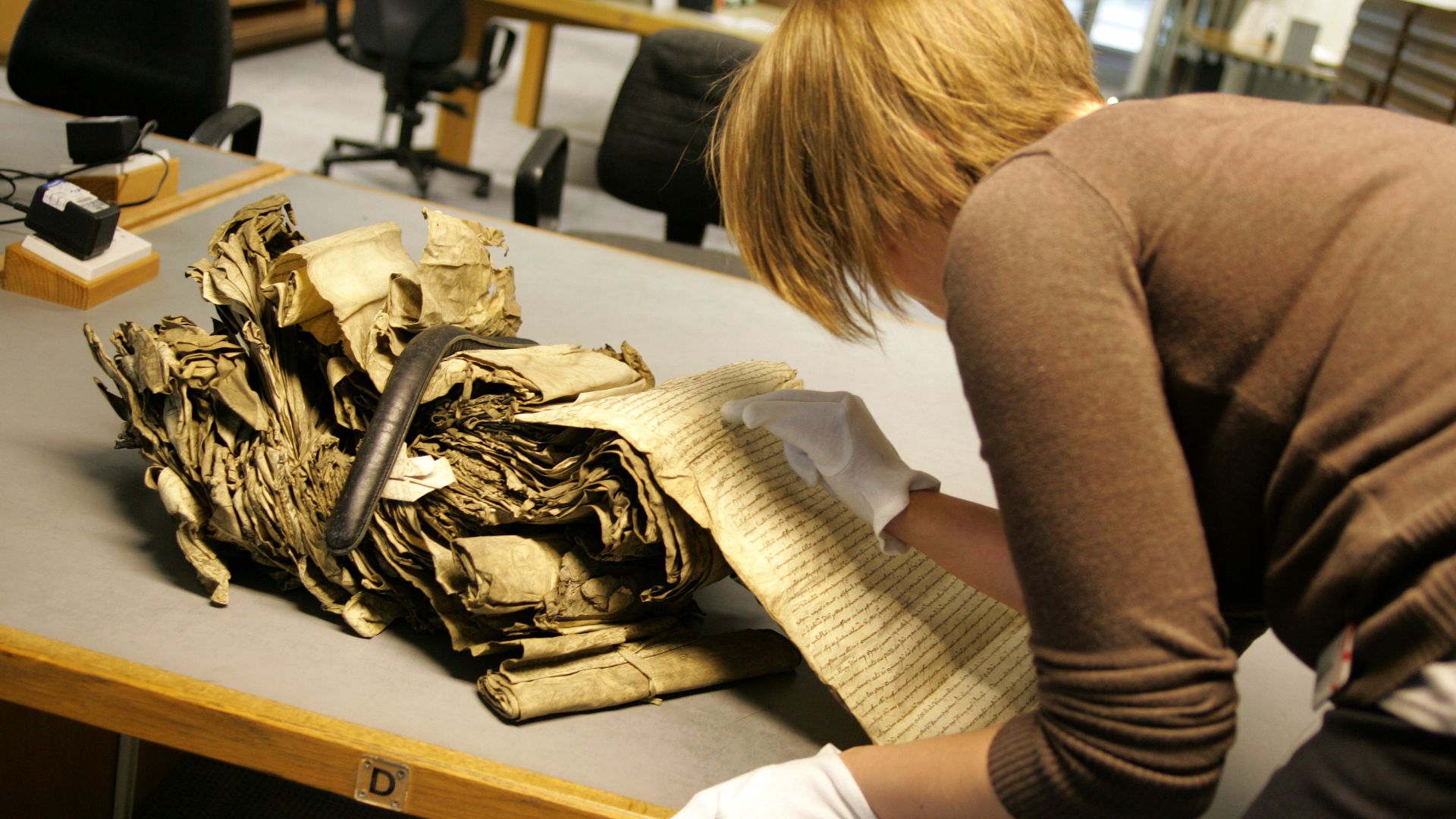
A small group of collectors and researchers revisited the arroyo in the 1920s, bringing fresh curiosity to the site McJunkin long championed. They noticed the same oversized bones in ancient sediments and recognized the location’s potential. Their observations finally set the groundwork for a formal scientific investigation.
 The National Archives (UK), Wikimedia Commons

History's most fascinating stories and darkest secrets, delivered to your inbox daily.
And The First Test Digs Hinted At Something Deeper
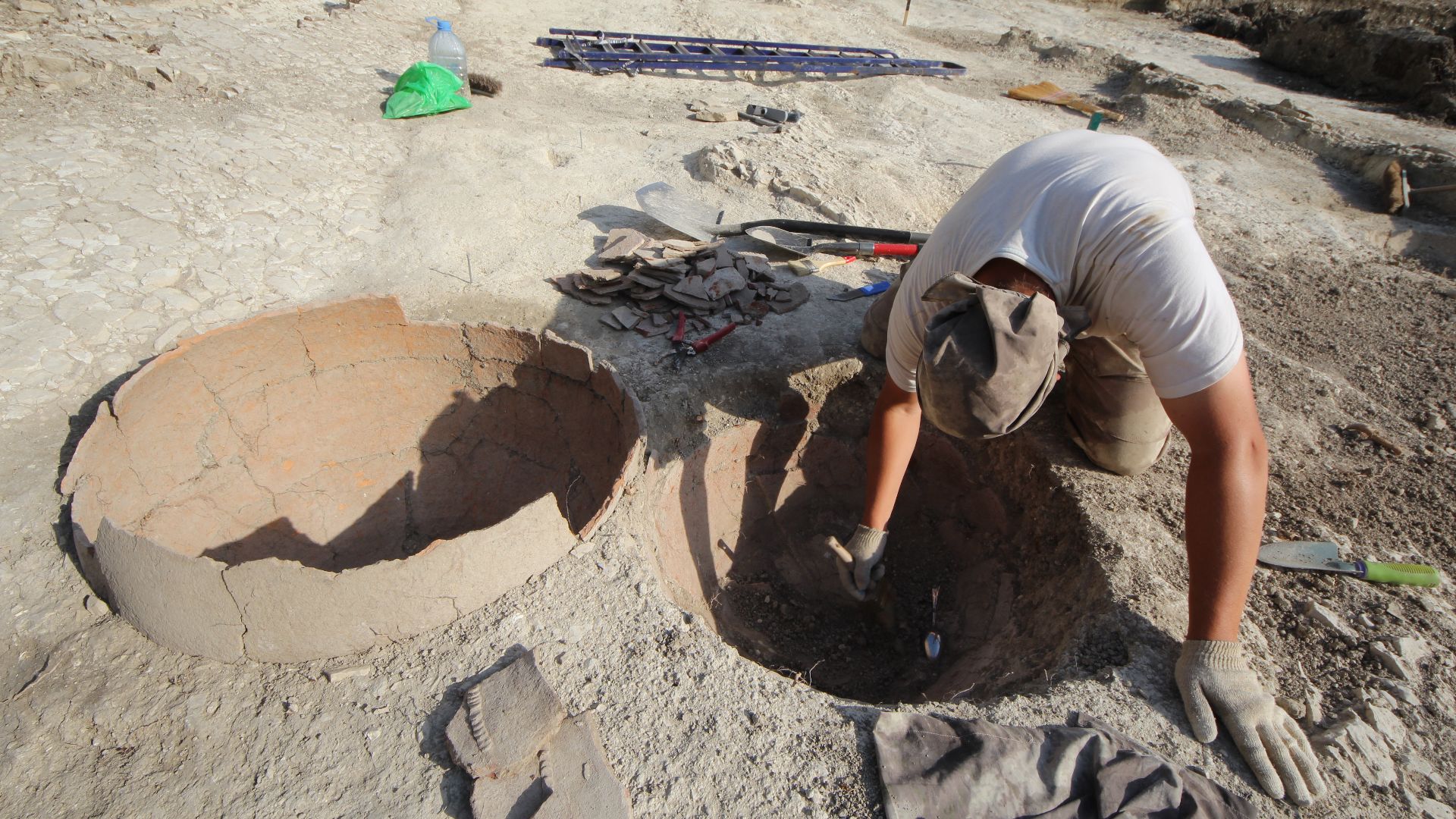
Preliminary examinations revealed tightly packed bone layers rather than scattered remains, suggesting an organized deposit rather than random erosion. The density and preservation indicated that the animals died together. These early findings hinted that the site might contain evidence of behaviors or circumstances not yet understood.
 MariyaShubina, Wikimedia Commons
A Full Excavation Took Place In 1926
Under the direction of researchers associated with the Denver Museum, systematic excavations started in 1926. Careful mapping and controlled digging replaced earlier informal visits. The team documented bone positions and artifact locations to create a scientific record that would allow the site’s age and significance to be interpreted accurately.
And Ancient Skeletons Started To Take Shape
As excavation expanded, partial and complete skeletons of Bison Antiquus emerged from the stratified sediments. Many were found in close proximity, which suggests a single event or concentrated hunting episode. Their arrangement and depth provided valuable clues about Pleistocene environments and the conditions that preserved them for thousands of years.
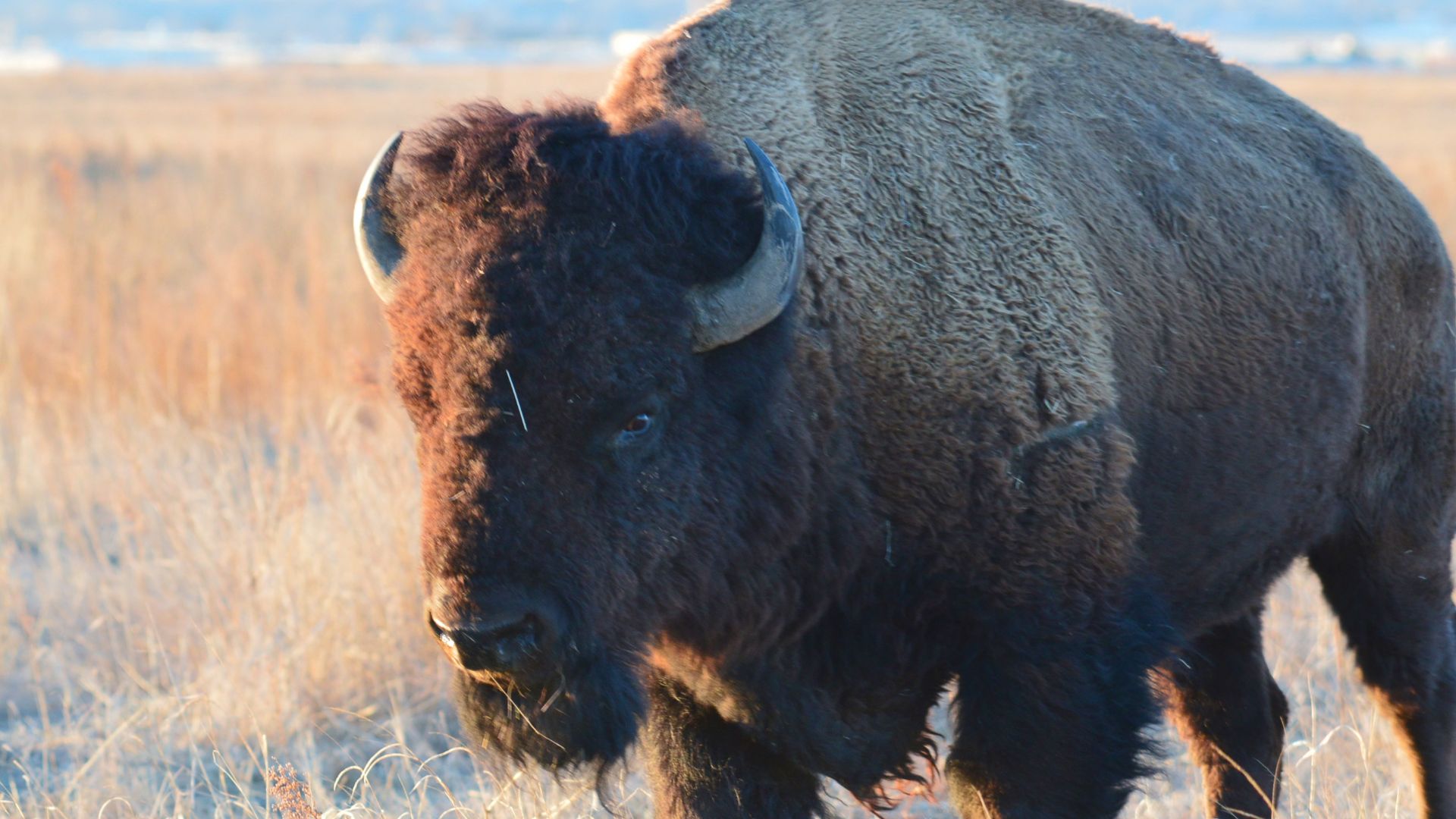 USFWS Mountain-Prairie, Wikimedia Commons
A Stone Point Appeared Where No One Expected It
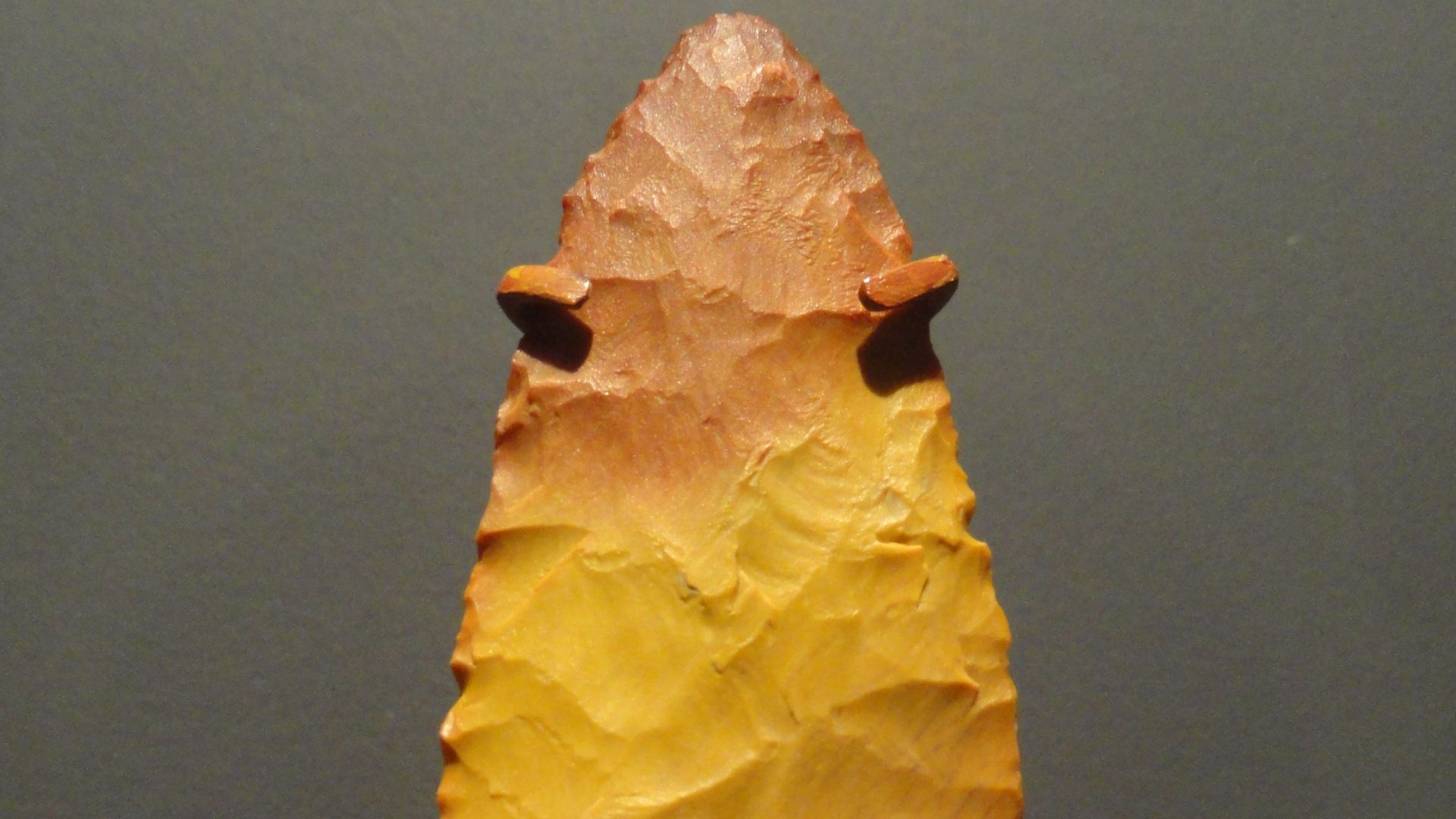
During the careful removal of ribs from one bison, excavators uncovered a finely made stone point lodged between the bones. Its precise placement indicated it entered the animal during life rather than through later disturbance. That single artifact revealed an unmistakable connection between humans and Ice Age megafauna at the site.
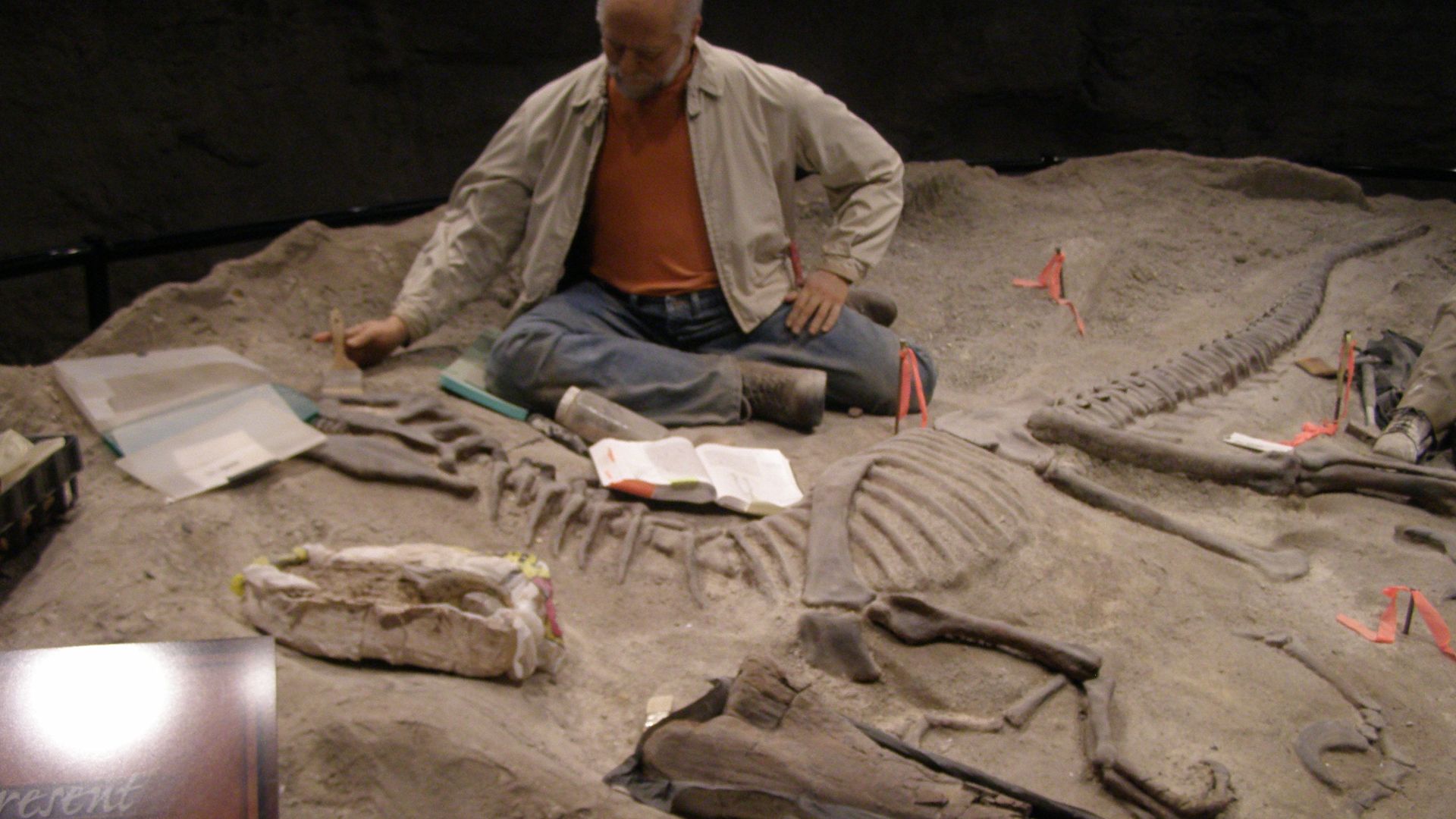 Chris Light, Wikimedia Commons
One Spearpoint Challenged The Accepted Human Timeline
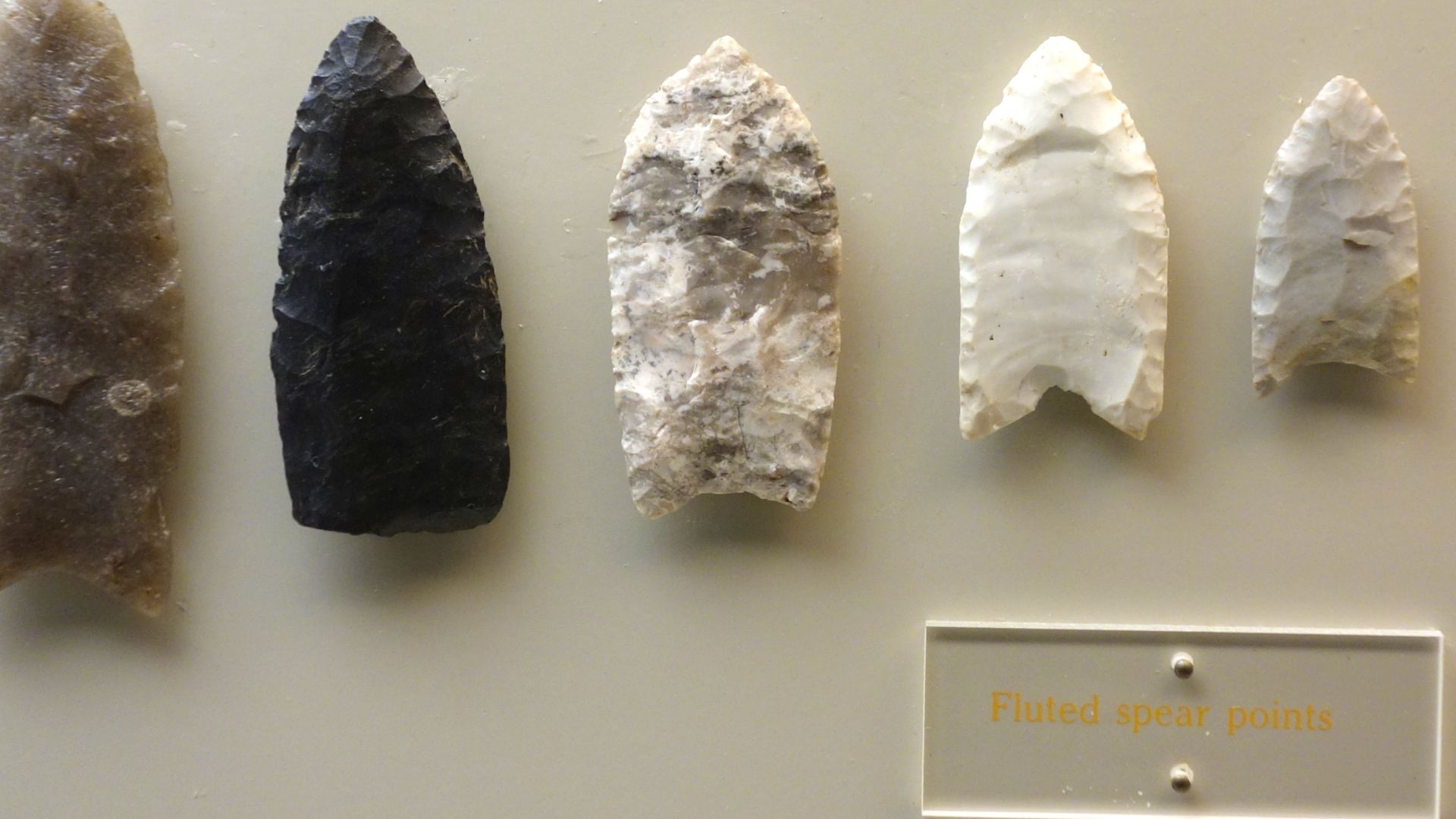
The discovery of a fluted spearpoint within the bison’s ribcage directly contradicted the prevailing belief that humans arrived in North America only a few thousand years ago. Its presence in clearly ancient strata demonstrated that people hunted Ice Age animals. It forced scholars to reconsider long-held assumptions about the continent’s earliest inhabitants.
Scholars Argued Over What The Evidence Really Meant
Some researchers welcomed the find as decisive proof, while others hesitated, questioning context or excavation accuracy. The debate reflected decades of disagreement about human antiquity in the Americas. Carefully documented fieldwork eventually satisfied critics and showed that the artifact and bones were undeniably part of the same ancient event.
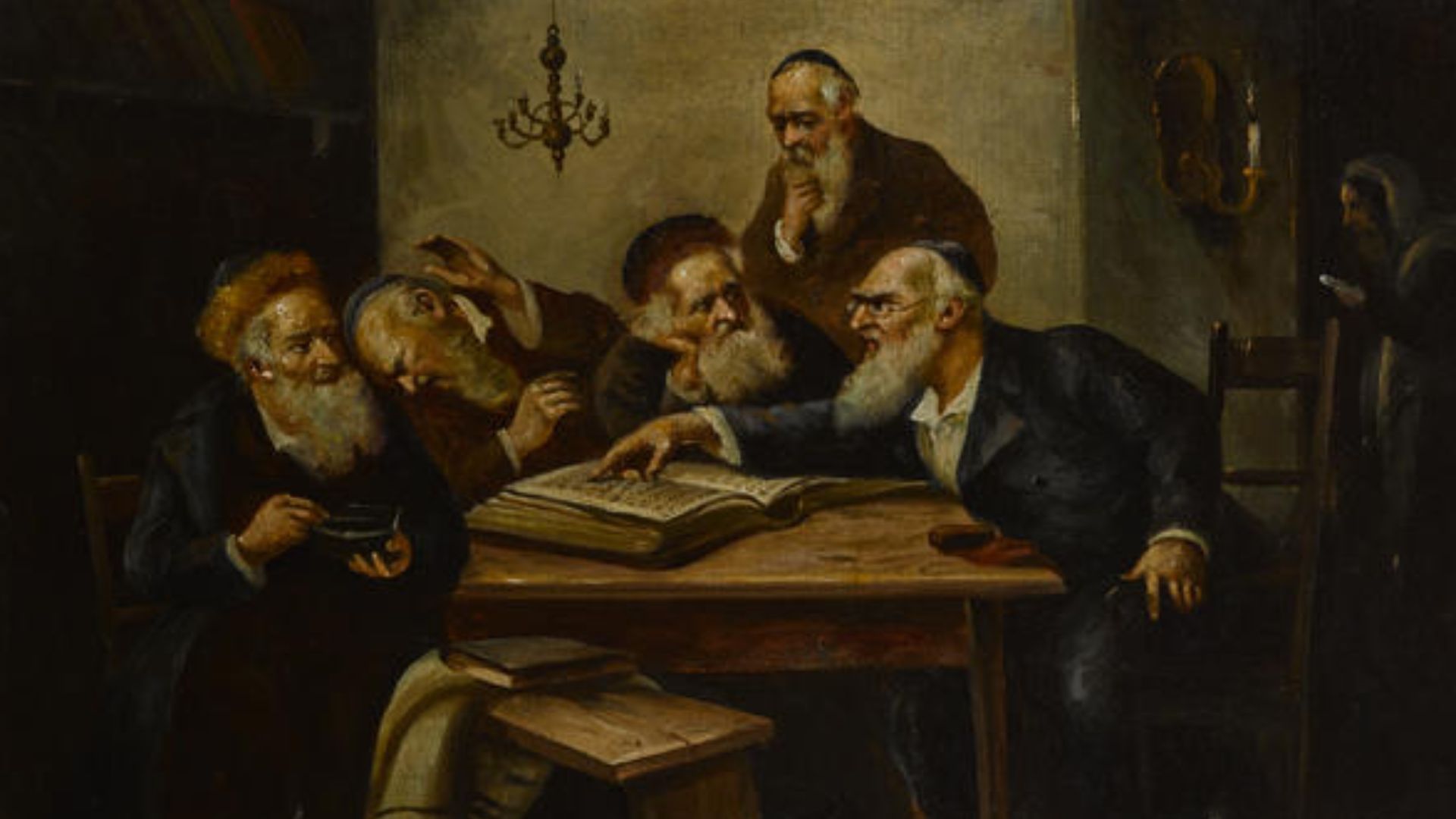 Bernard Trebacz (1869-1941), Wikimedia Commons
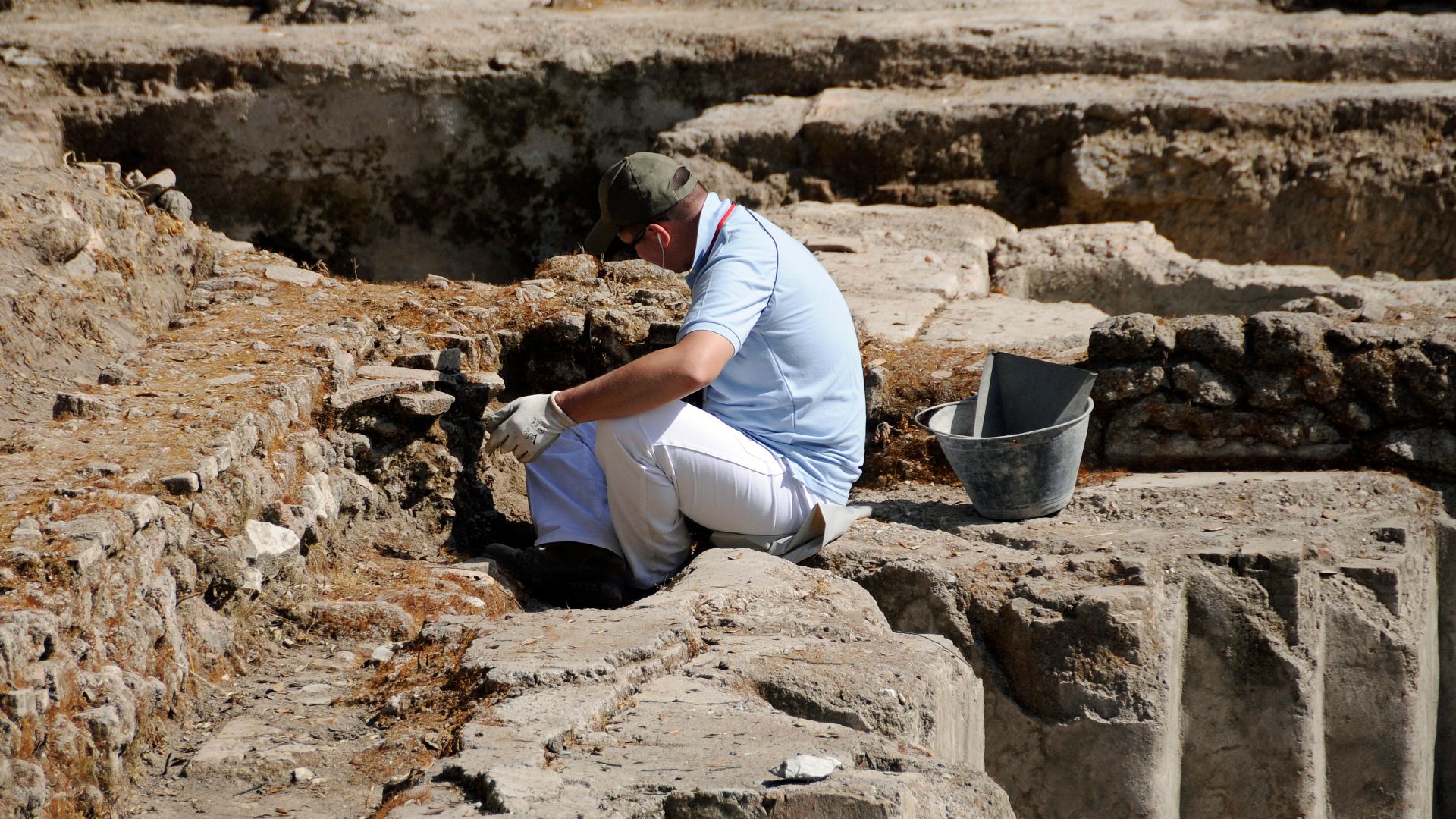
And Proof Emerged That Humans Hunted Ice Age Giants
Further excavation uncovered more fluted points consistent with early Paleoindian technology, and it confirmed that the embedded point was not an isolated anomaly. These discoveries established that highly skilled hunters targeted Bison Antiquus during the late Pleistocene, revealing a sophisticated tradition rather than a single moment of happenstance within the archaeological record.
 Son of Groucho from Scotland, Wikimedia Commons
With A New Story Of Early North American Hunters
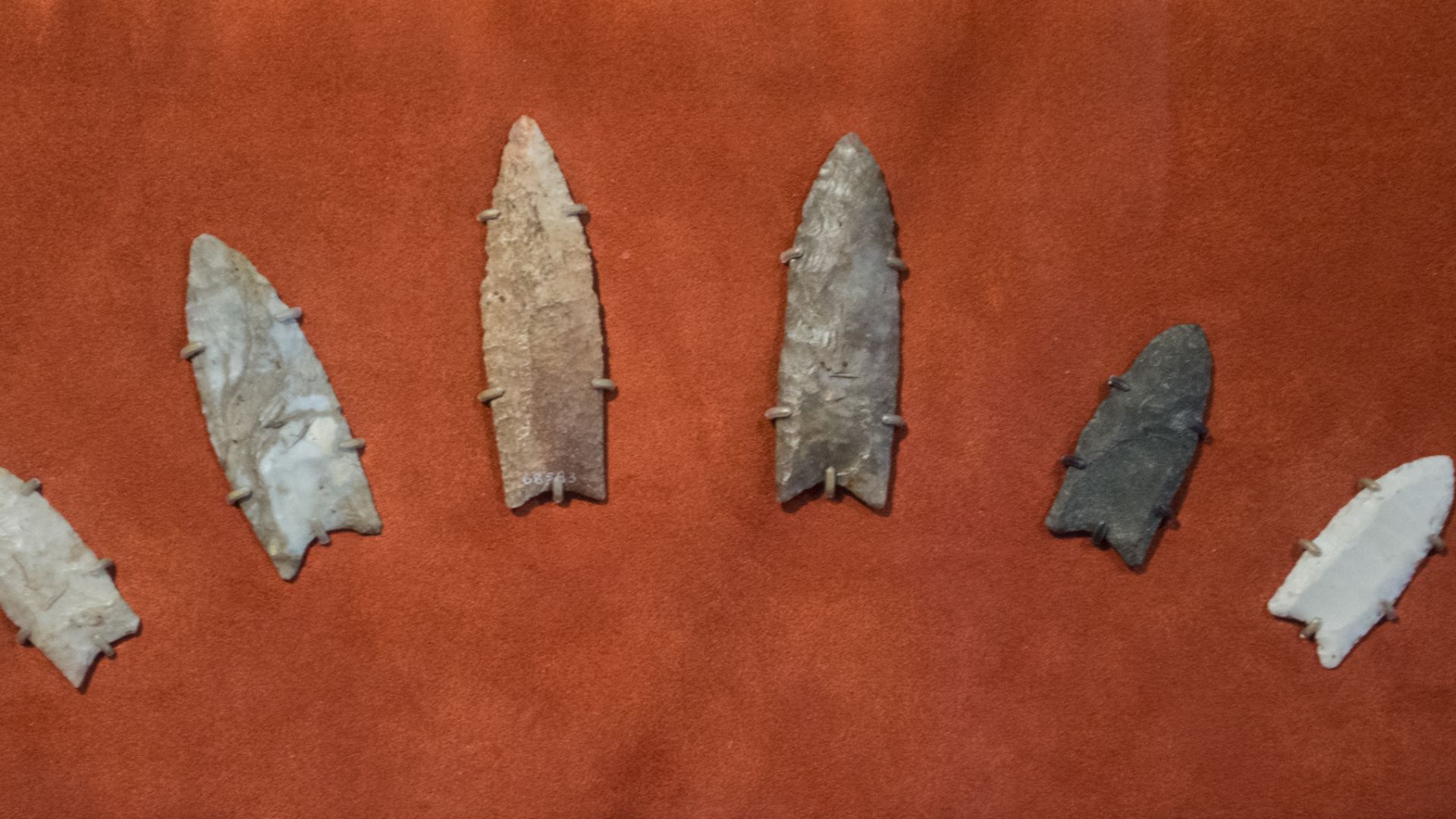
The Folsom findings shed light on hunters capable of crafting precise stone tools and coordinating successful hunts against massive animals. Evidence from the site suggested organized groups and deep knowledge of migrating herds. This understanding reshaped views of early societies and presented them as adaptive, resourceful communities rather than primitive wanderers.
 Tim Evanson, Wikimedia Commons
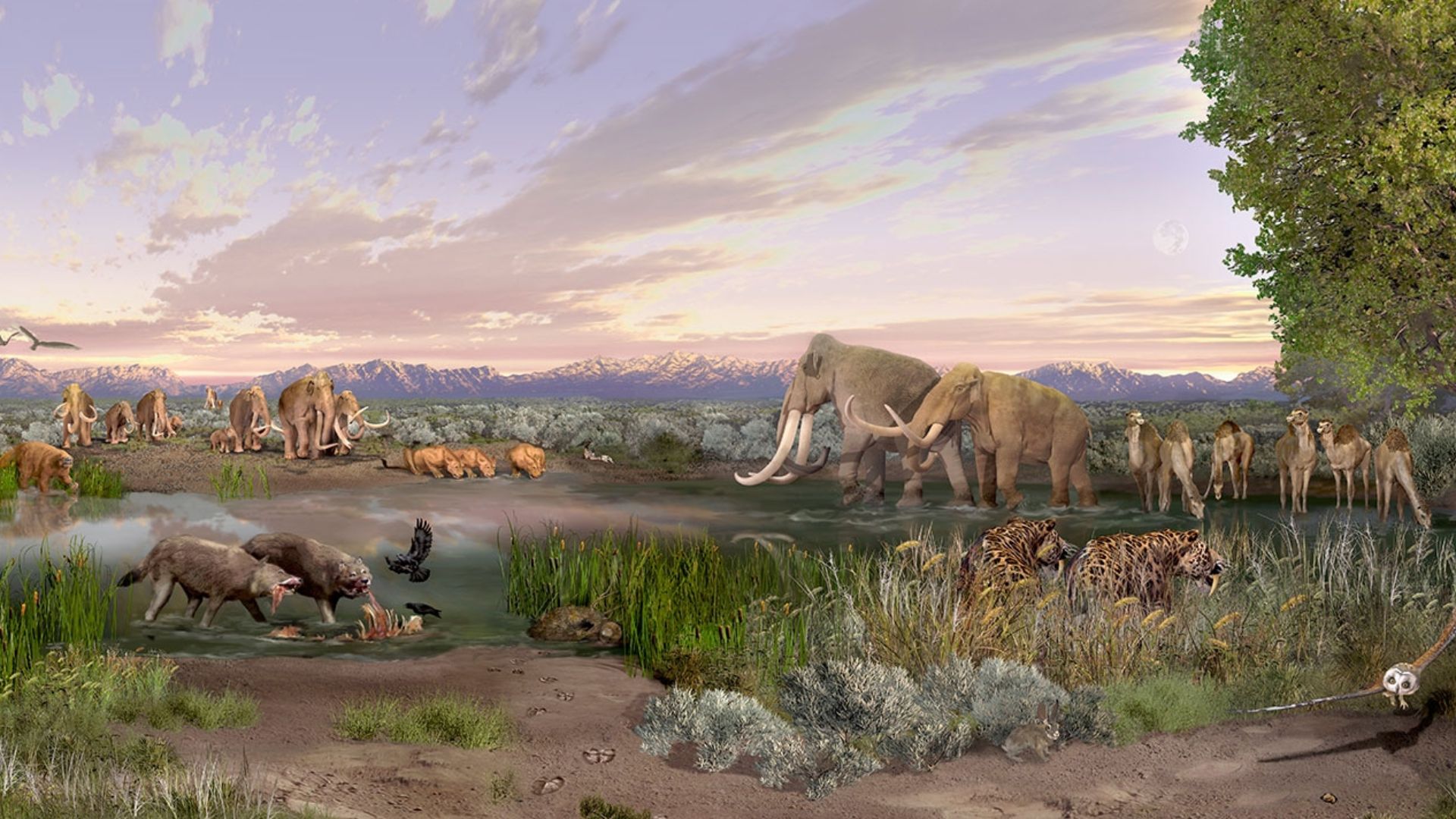
How Folsom Communities Adapted To The Shifting Ice Age
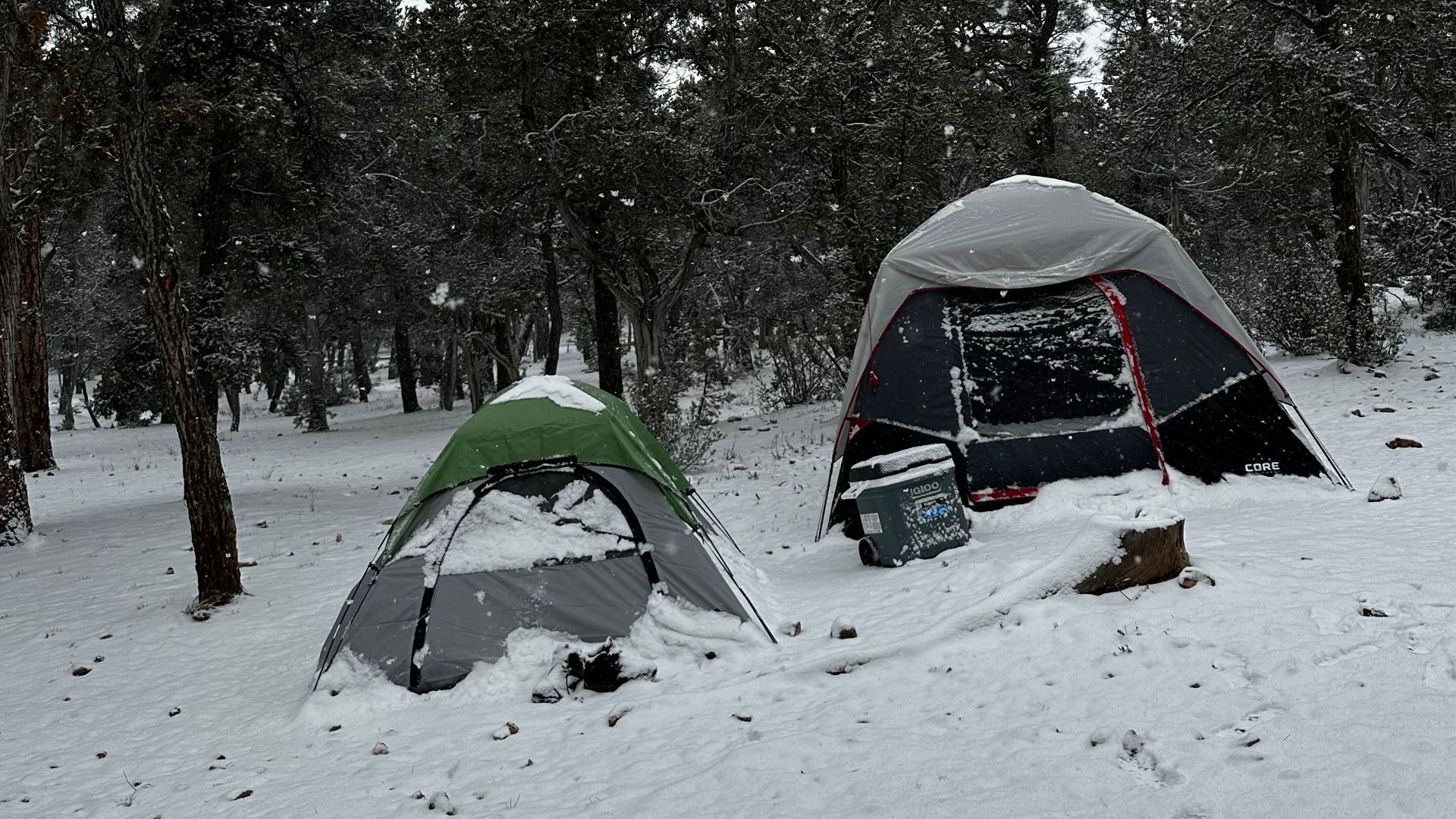
Folsom groups lived during a period marked by colder climates and migrating herds. They adjusted constantly, moving across wide territories as resources changed. Their flexible camps and seasonal travel patterns allowed them to survive unpredictable environments, which demonstrates a strong understanding of terrain in late Pleistocene North America.
 uncredited National Park Service (NPS) artist, Wikimedia Commons
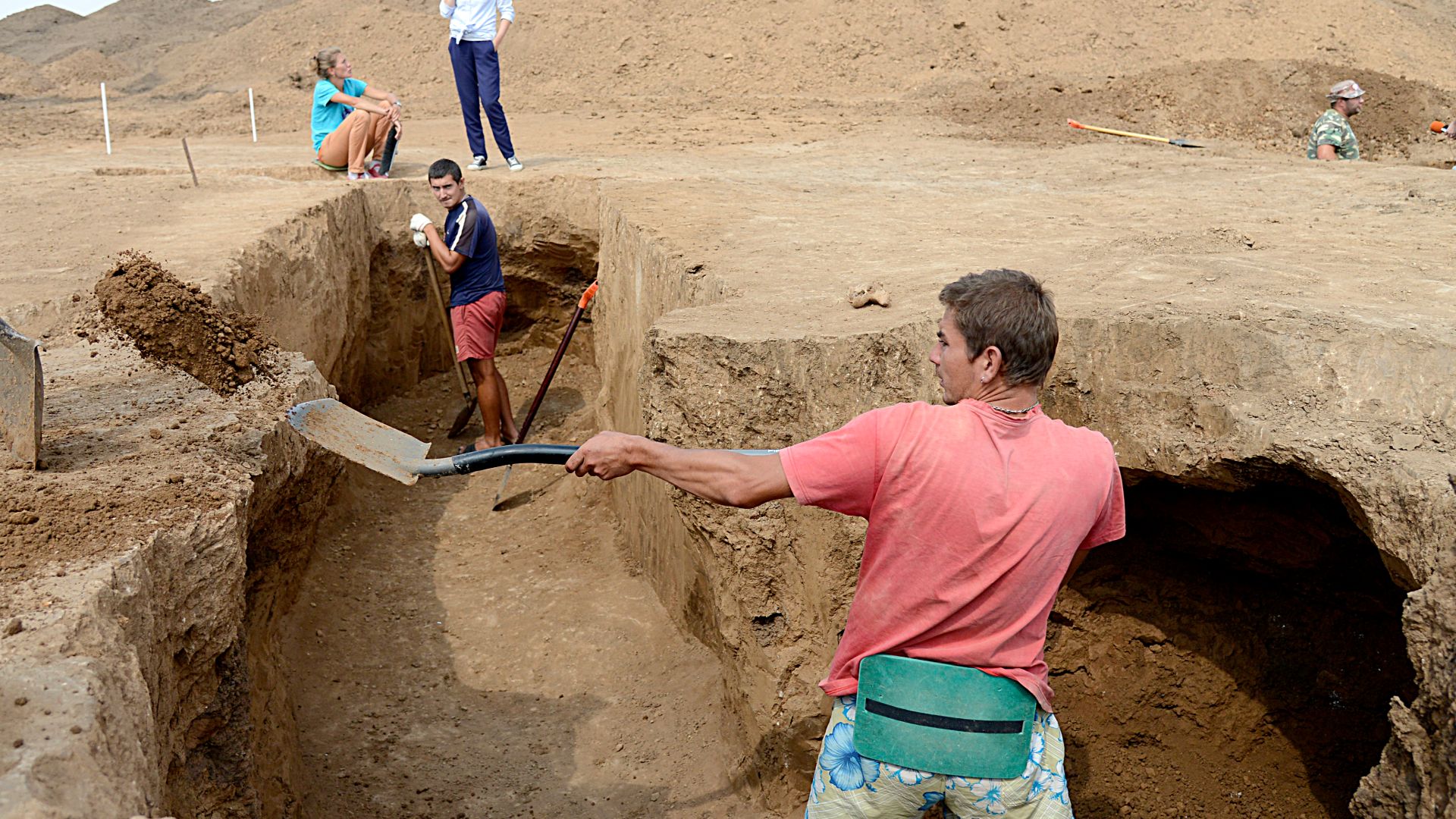
A Revised Timeline Reshaped American Archaeology
Once the Folsom evidence gained acceptance, the estimated timeline for human presence in North America moved dramatically backward into the late Ice Age. The discovery encouraged broader investigations of ancient sites and opened new research questions. It marked a turning point that shifted archaeological focus toward deeper, older layers across the continent.
 Galina Fomina, Wikimedia Commons
What Daily Life May Have Looked Like For Folsom Families
Folsom people likely balanced hunting with food processing, hide preparation, and tool maintenance. Campsites suggest varied tasks rather than single-purpose stops. Children probably learned toolmaking by observing adults, while elders offered knowledge about terrain and seasons. These daily routines created a rhythm that made survival possible across changing environments.
The Trail From Folsom To The Clovis Breakthrough
Momentum from the Folsom discovery encouraged archaeologists to search older deposits across the Plains and Southwest. Those efforts eventually revealed the deeper Clovis layer, containing even earlier fluted points. Folsom provided the essential proof of human antiquity that cleared the way for identifying a culture that predated it by centuries.
The Man Behind The Discovery Faded Into Obscurity
Despite sparking interest in a site that transformed American archaeology, George McJunkin received little recognition during his lifetime or immediately afterward. His death preceded the excavation, which left his role largely unknown. For decades, publications described the discovery without mentioning the cowboy whose observations brought the site to scientific attention.

Researchers Began Reexamining His Role
Later historians and archaeologists revisited early accounts and local testimonies that highlighted McJunkin’s central contribution. Documentation showed his persistence in contacting institutions and guiding visitors to the site. This reassessment highlighted how his curiosity and field knowledge shaped one of the most important archaeological discoveries in the United States.
 U.S. Army CCDC from Aberdeen Proving Ground, MD, USA, Wikimedia Commons
Later Technologies Uncovered Hidden Clues Beneath The Surface
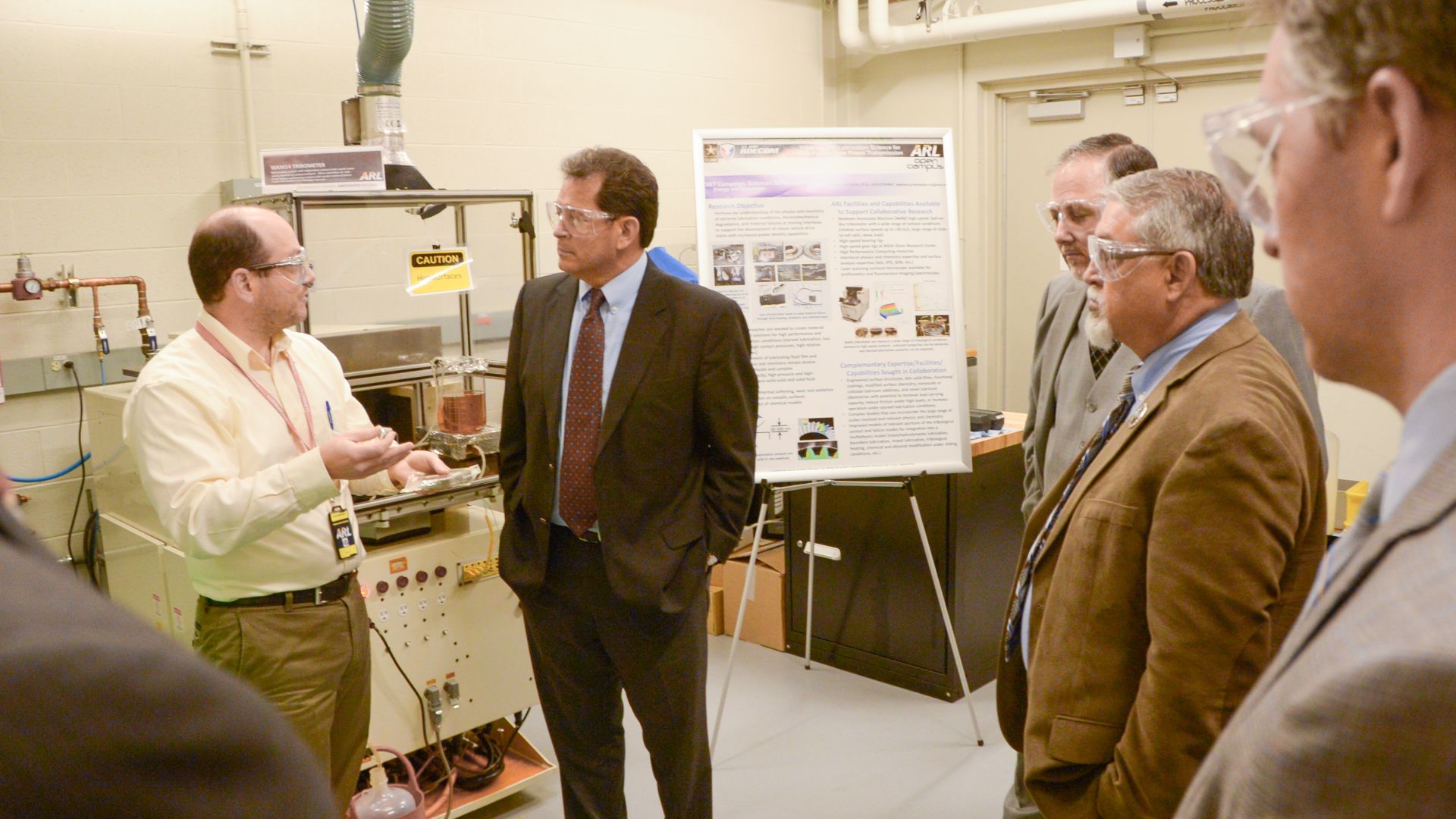
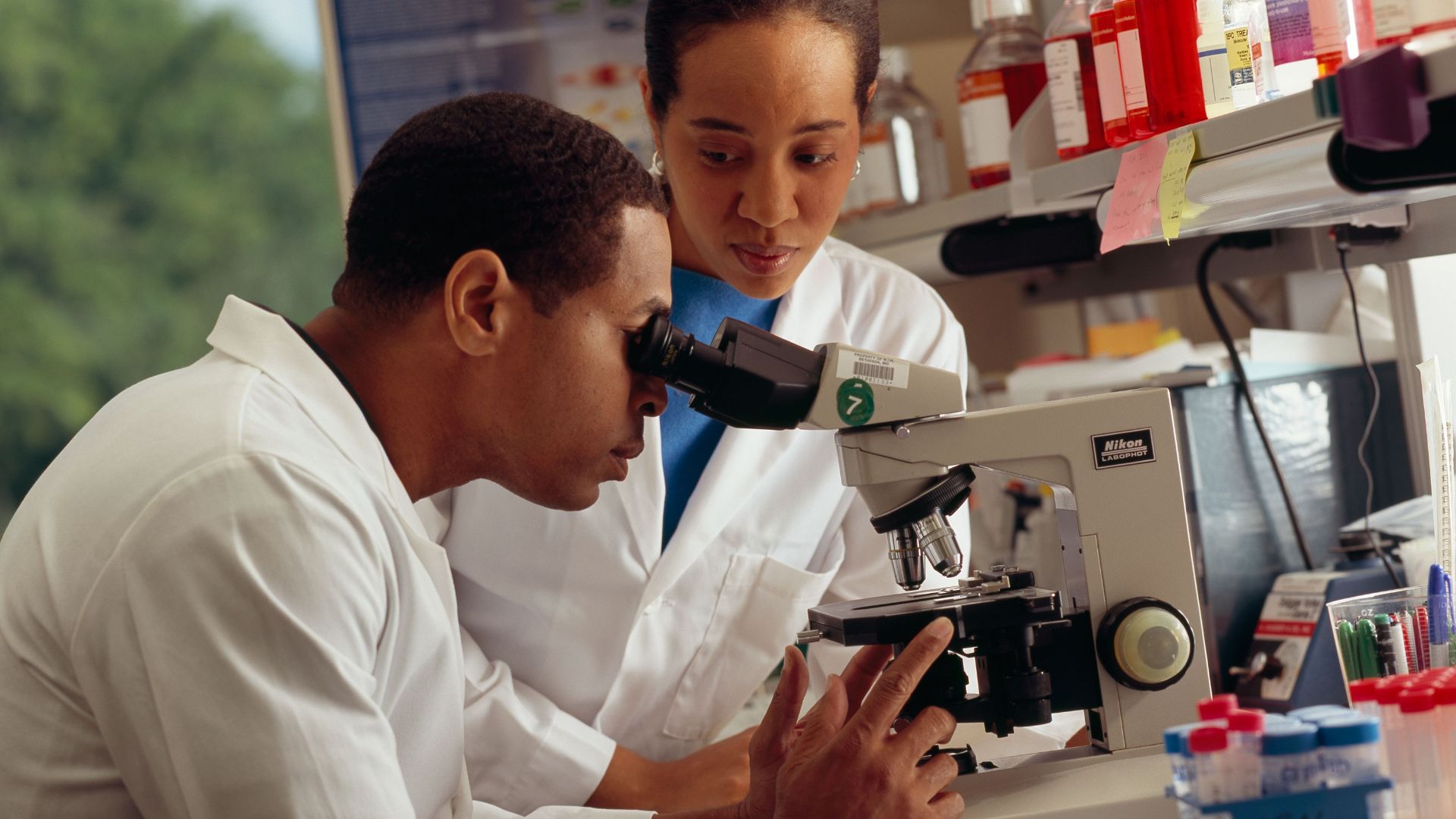
Decades after the original excavation, improved analytical tools allowed scientists to reexamine materials from Folsom. Microscopic wear studies and sediment analyses confirmed behavioral clues impossible to detect in the 1920s. These advances showed how each generation of research changed the discovery into a continually expanding scientific record.
 Rhoda Baer (Photographer), Wikimedia Commons
Why Mcjunkin’s Story Matters Far Beyond Archaeology
McJunkin’s experience illustrates how scientific progress can hinge on individuals whose insights go unrecognized due to social or institutional barriers. His story encourages broader conversations about whose voices are acknowledged. It also demonstrates how valuable field expertise and lived experience can be in uncovering significant historical evidence.

How A Cowboy’s Curiosity Changed The Continent’s Past
The discovery at Folsom reframed the understanding of early North American history, placing humans deep within the Pleistocene. McJunkin’s determination to investigate unusual bones exposed a timeline previously dismissed by scholars. His careful observations ultimately shifted archaeological inquiry and opened a deeper record of ancient communities across the continent.
 Thomas Wijck, Wikimedia Commons