Not Your Elementary School Version
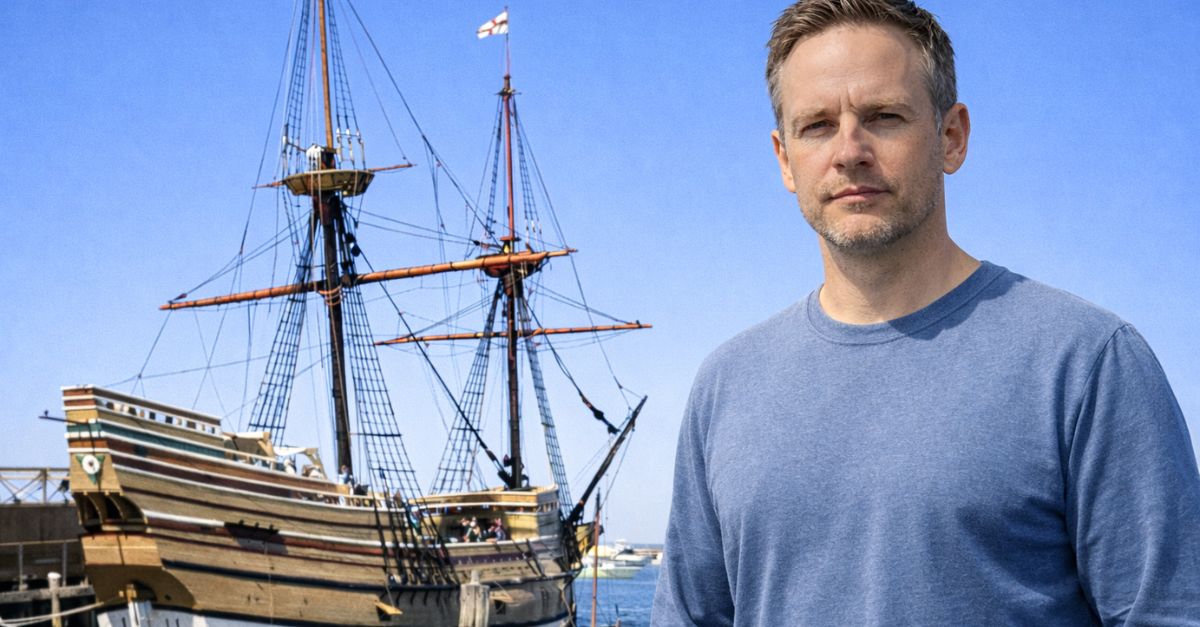
The American myth that we've all been told starts on the Mayflower. Many Americans are still proud to trace their roots back to those first settlers, but the truth behind this familiar tale was not something they wanted to include in the history books.
The real story of the Mayflower was complicated, messy, and downright unpleasant if you really dig into it.
 GmaJoli, Wikimedia Commons, Modified
Not Everyone on Board Was a Pilgrim
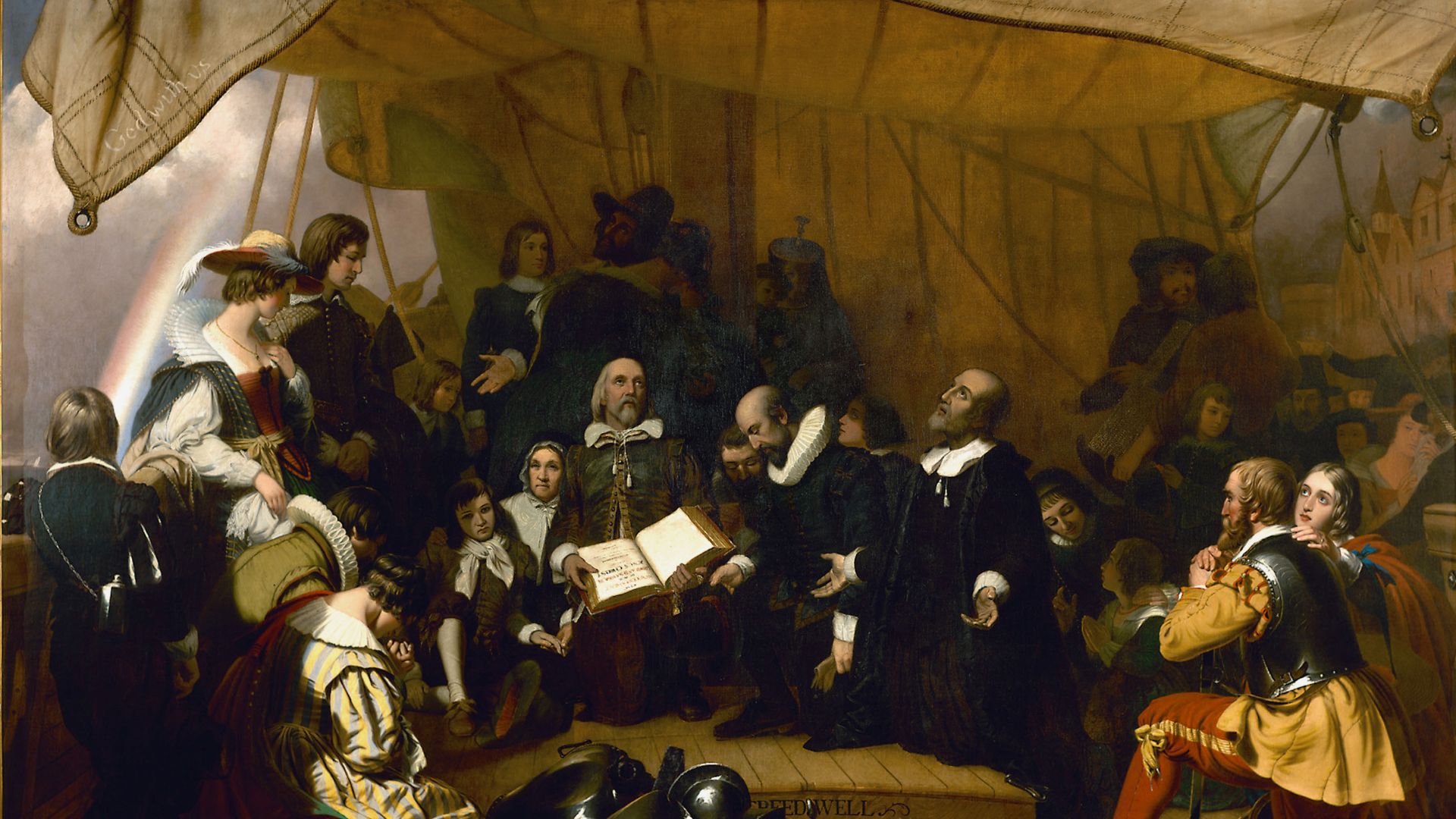
Picture a ship filled with dreamers, debtors, hired hands, and religious exiles. Only about thirty-seven of the 102 passengers were the Separatists that we now call Pilgrims. Merchants and investors backed the venture, while craftsmen and servants sought survival. The settlers on the Mayflower were in reality a mixed crowd with severely competing motives.
Religious Radicalism and Political Risk
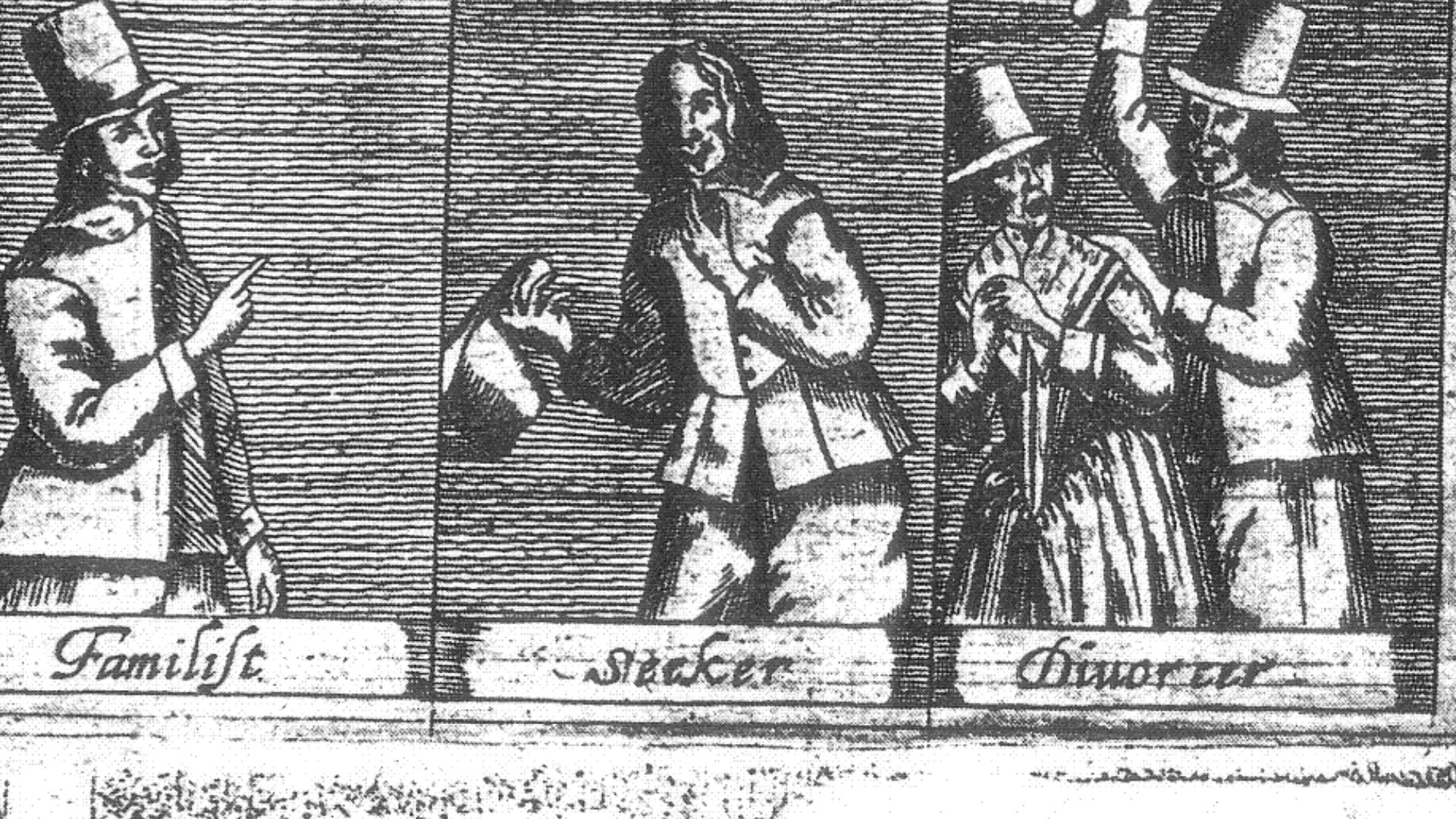
English Separatists rejected the authority of the Church of England and refused to conform to state-mandated worship. Such defiance carried legal penalties, including imprisonment. In fact, English law treated religious nonconformity as civil disobedience. Migration to the New World, therefore, represented both spiritual conviction and calculated political escape.
 Unknown authorUnknown author, Wikimedia Commons
Leiden Was Not the Dream
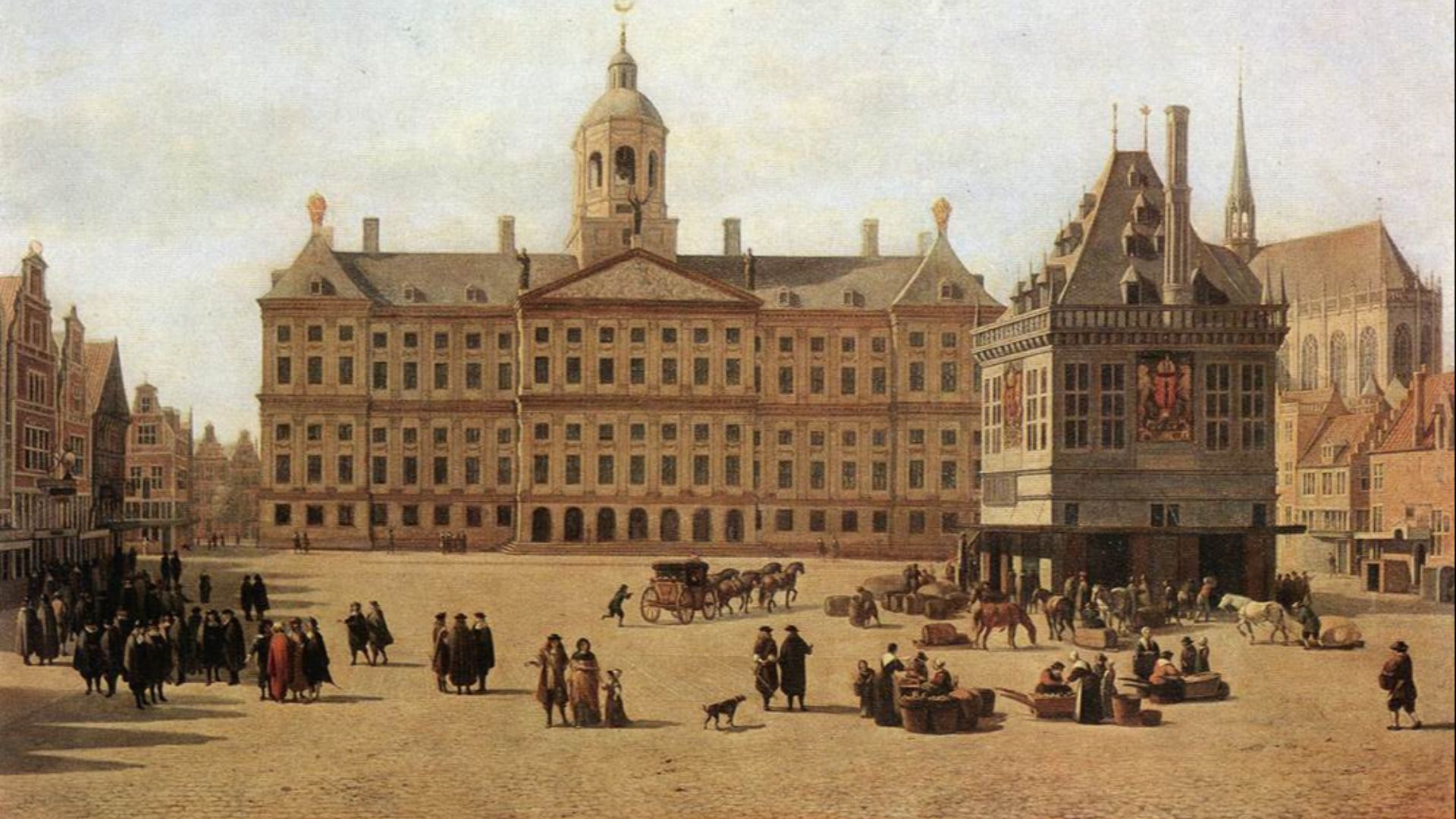
Before America entered the picture, Leiden did. The Dutch Republic offered tolerance, yet low wages followed. English children absorbed Dutch language and customs, which worried parents. Culture shock works both ways, apparently. So a risky Atlantic crossing began to feel like a solution.
 Gerrit Adriaenszoon Berckheyde, Wikimedia Commons
Financial Backers' Expected Returns
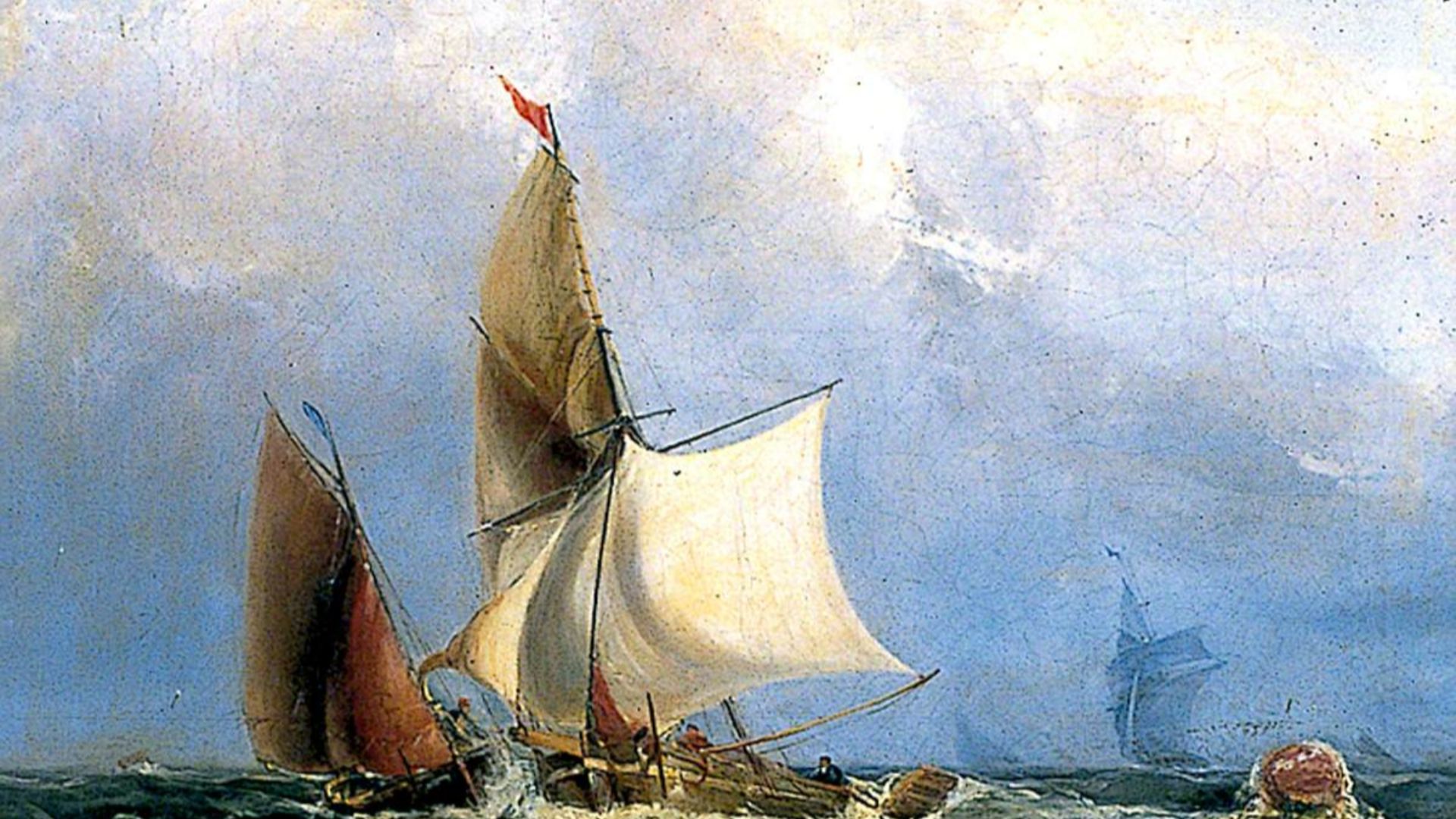
London investors organized the voyage through a joint stock arrangement. Shares funded supplies, ship rental, and provisions. In exchange, colonists agreed to labor for seven years, with profits distributed afterward. Economic survival, not religious freedom alone, shaped early decision-making in Plymouth.
 Alfred Priest, Wikimedia Commons
The Failed Second Ship
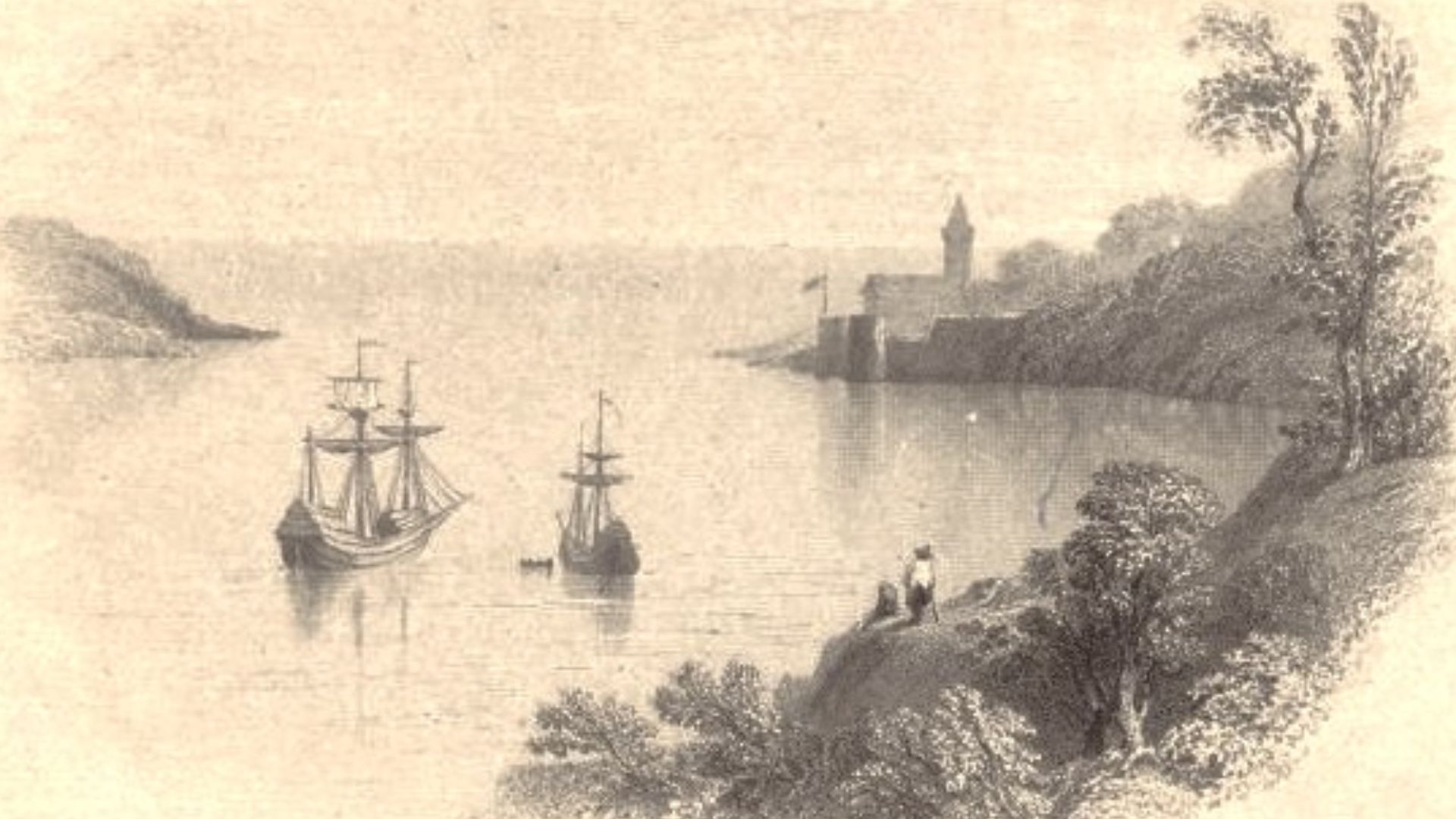
The plan originally involved two vessels. Speedwell developed persistent leaks. Repairs happened once, then again, yet water kept pouring in. Eventually, the smaller ship was abandoned. Just imagine downsizing your moving truck mid-departure while already seasick. Confidence probably sank faster than morale.
 Bartlett, William Henry (artist) and Cousen, Charles (engraver), Wikimedia Commons
Built for Cargo, Not Families
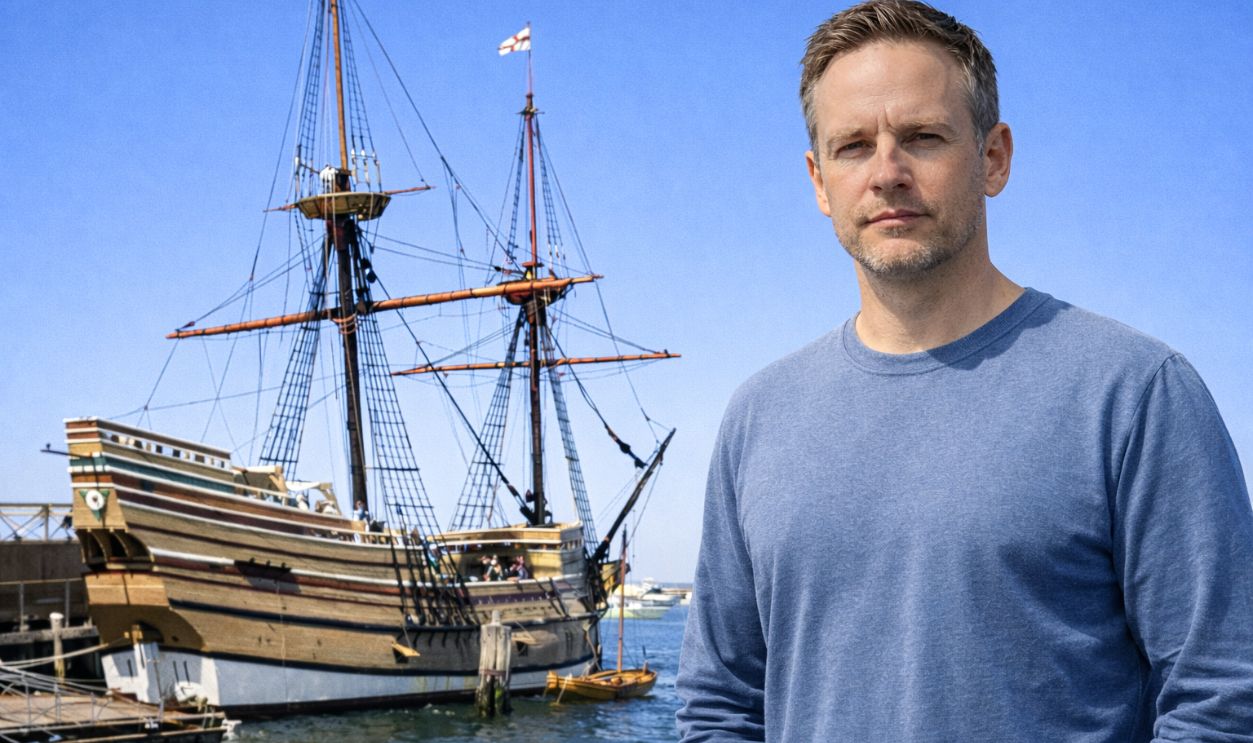
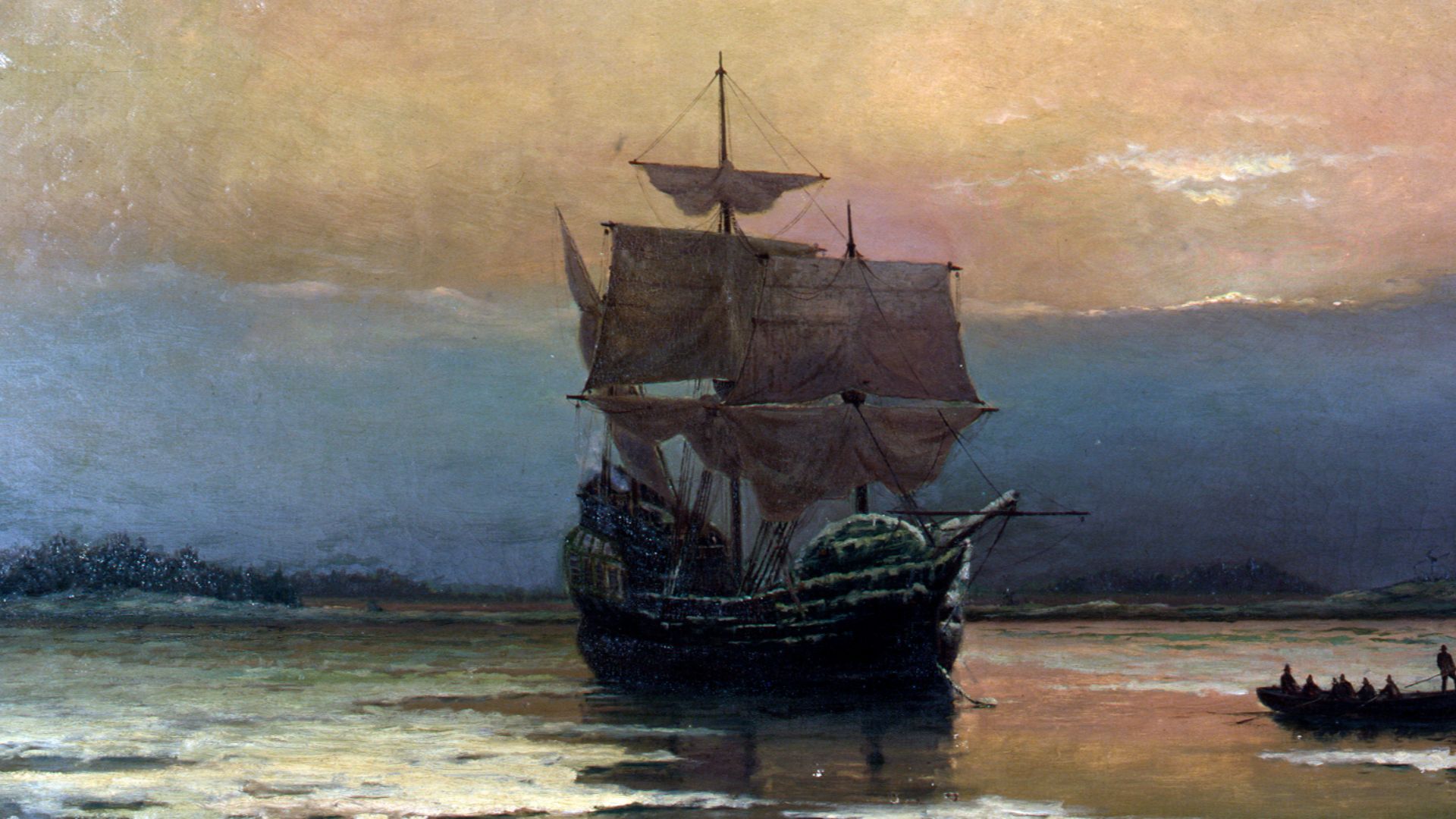
The Mayflower measured roughly 100 feet long. Designed to haul wine and goods. Below-deck space stood at about five feet high. So, passengers lived in cramped darkness for sixty-six days. Ventilation was limited. Privacy nonexistent. Seasickness constant.
 William Halsall, Wikimedia Commons
A Crossing Marked by Illness
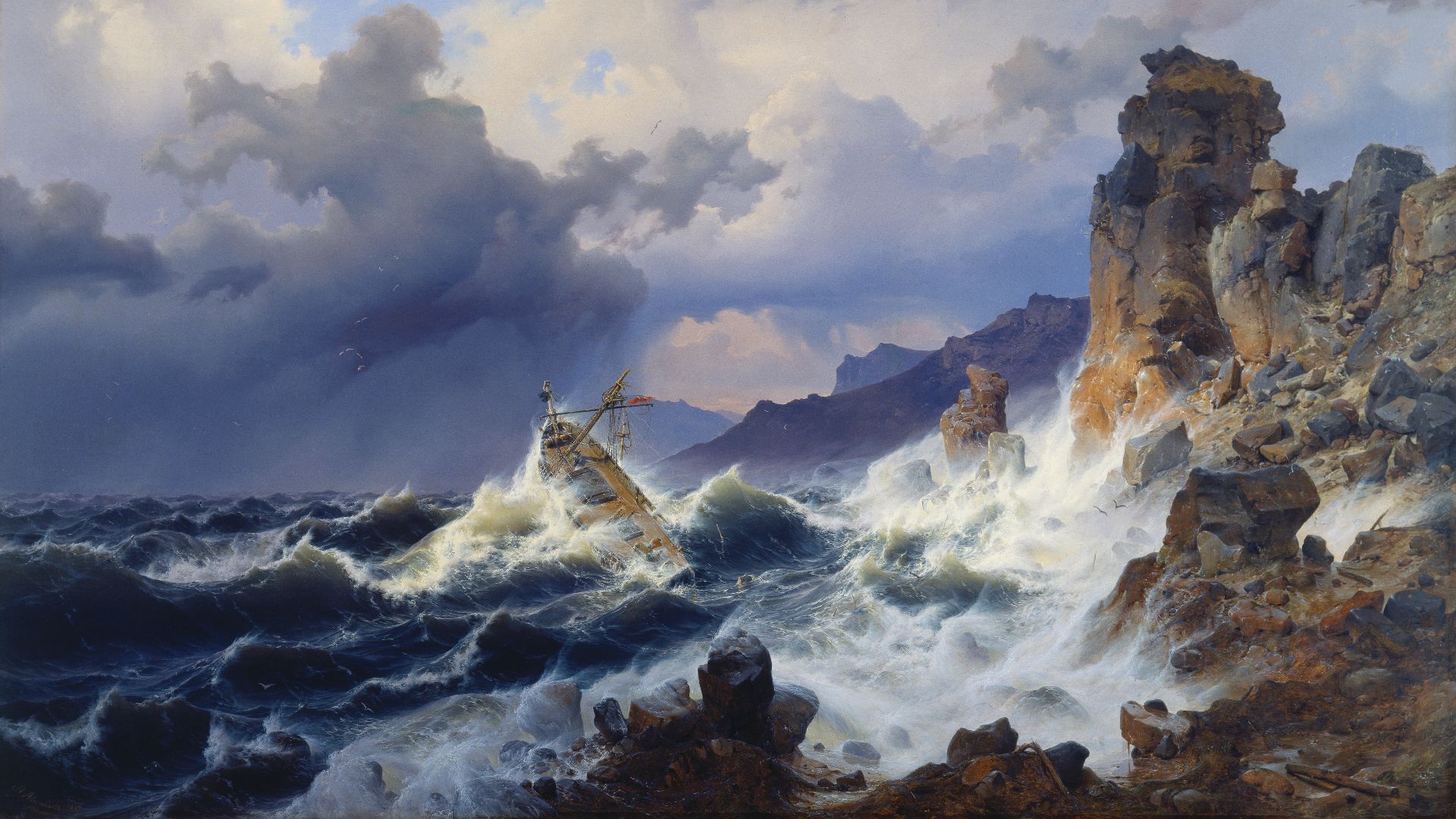
During autumn 1620, Atlantic storms battered the vessel relentlessly. Waves also cracked a main beam, which the passengers repaired using a great iron screw they had brought from Holland. Meanwhile, cramped quarters bred respiratory infections and scurvy. Letters later described prayers whispered in dim lantern light as hope flickered.
 Andreas Achenbach, Wikimedia Commons
Birth in the Middle of the Ocean
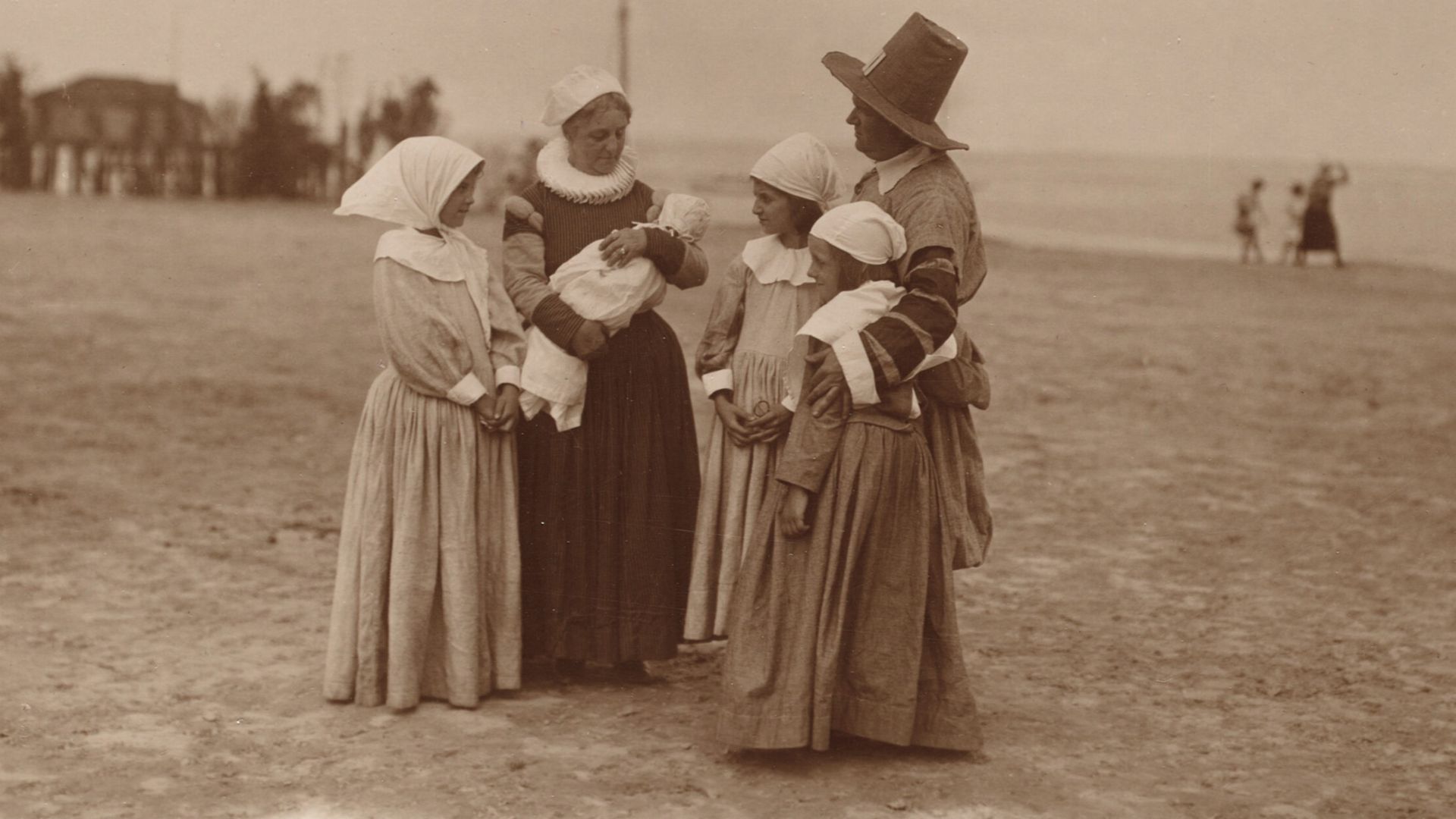
Amid rolling seas and uncertainty, Elizabeth Hopkins went into labor. Oceanus Hopkins entered the world surrounded by salt air and fear. New life arrived while the Atlantic raged outside thin wooden walls. Survival, in that moment, felt painfully fragile and fiercely defiant.
 Edward P. McLaughlin, Wikimedia Commons

History's most fascinating stories and darkest secrets, delivered to your inbox daily.
A Death Before Landfall
William Butten, a young servant, died during the voyage. Records suggest illness worsened in cramped conditions. Consider the emotional weight on fellow passengers who watched one of their own buried at sea. Anticipation of opportunity now carried the shadow of mortality.
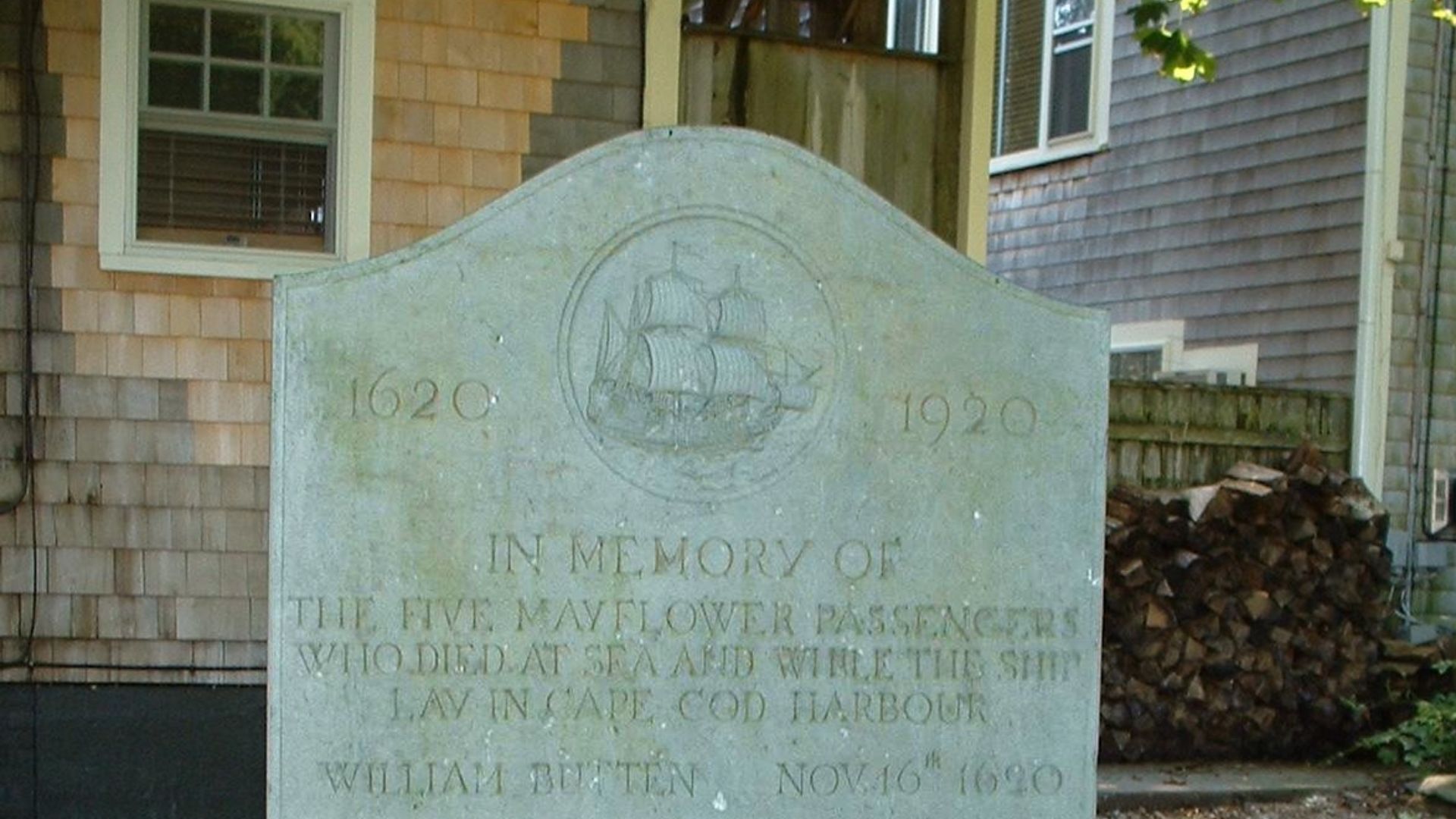 T.S. Custadio ToddC4176 01:26, 1 March 2007 (UTC), Wikimedia Commons
Off Course and Outside the Law
Original plans targeted territory near the Hudson River under the Virginia Company's authority. Storms pushed the ship north to Cape Cod instead. Suddenly, legal paperwork meant little. Group chat energy probably spiked. Without official jurisdiction, order depended on quick compromise.
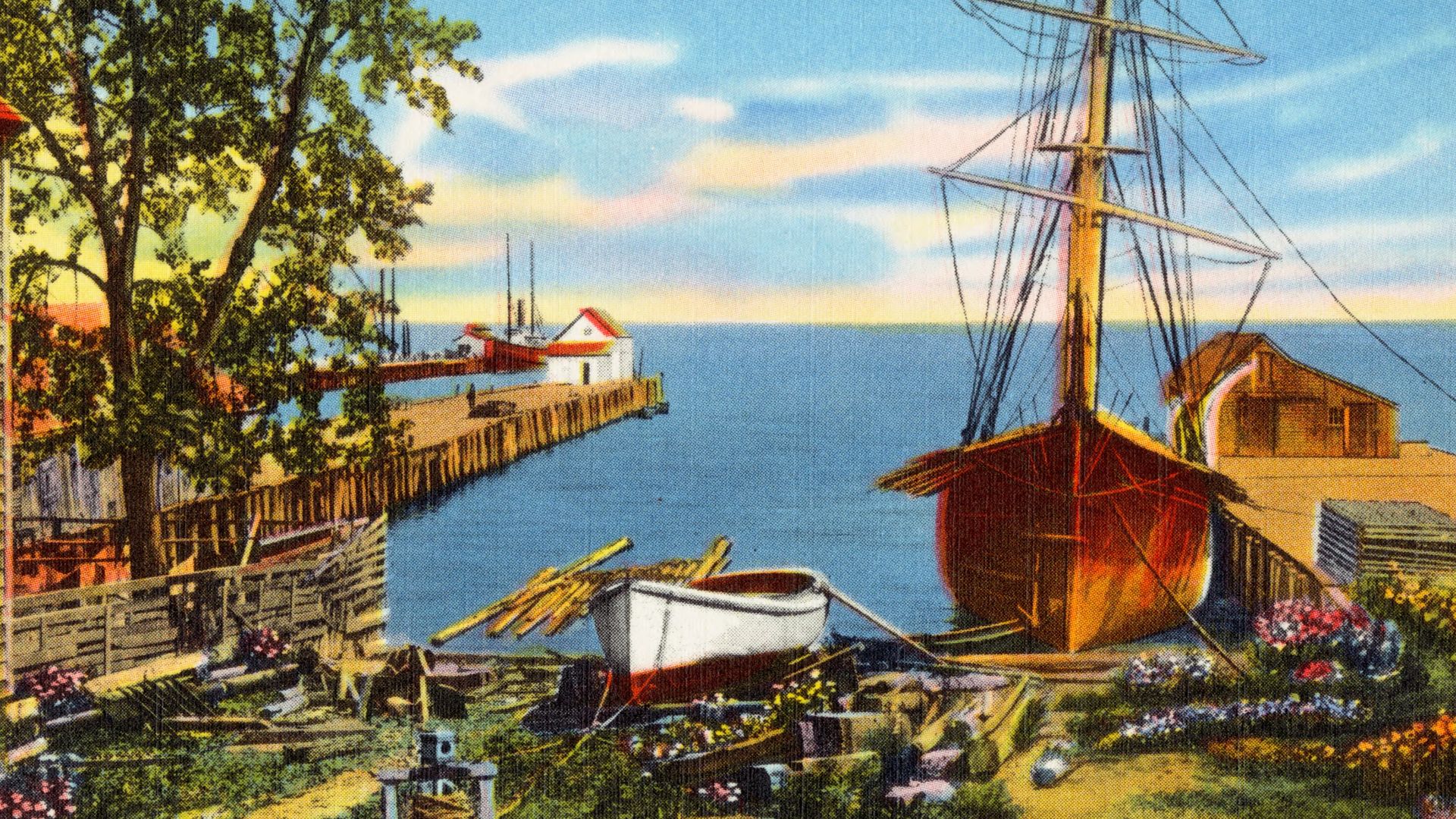
The Mayflower Compact and Limited Representation
Composed in November 1620, the Mayflower Compact established civil authority through collective male consent. Signatories agreed to enact laws for the colony’s general good. Yet suffrage extended solely to adult men. Political inclusion, therefore, reflected social hierarchy embedded within seventeenth-century English norms.
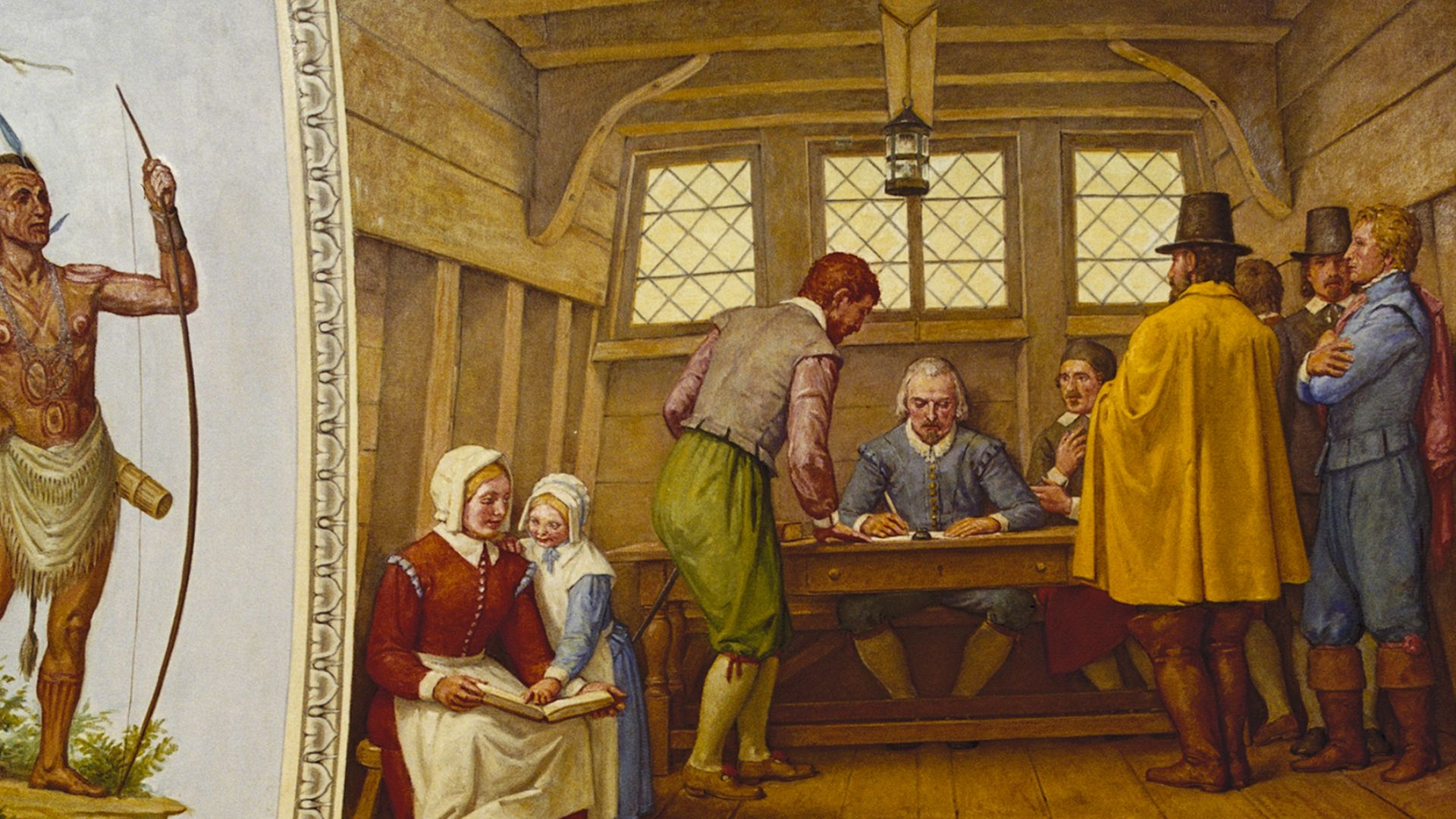
Emergency Self Rule Outside Royal Authority
Legal language in the Mayflower Compact emphasized covenant theology and collective accountability. Political legitimacy flowed from mutual consent among adult men, not from royal oversight. Because the landing fell outside the Virginia Company's jurisdiction, governance required internal authorization. In effect, emergency self-rule preserved fragile cohesion.
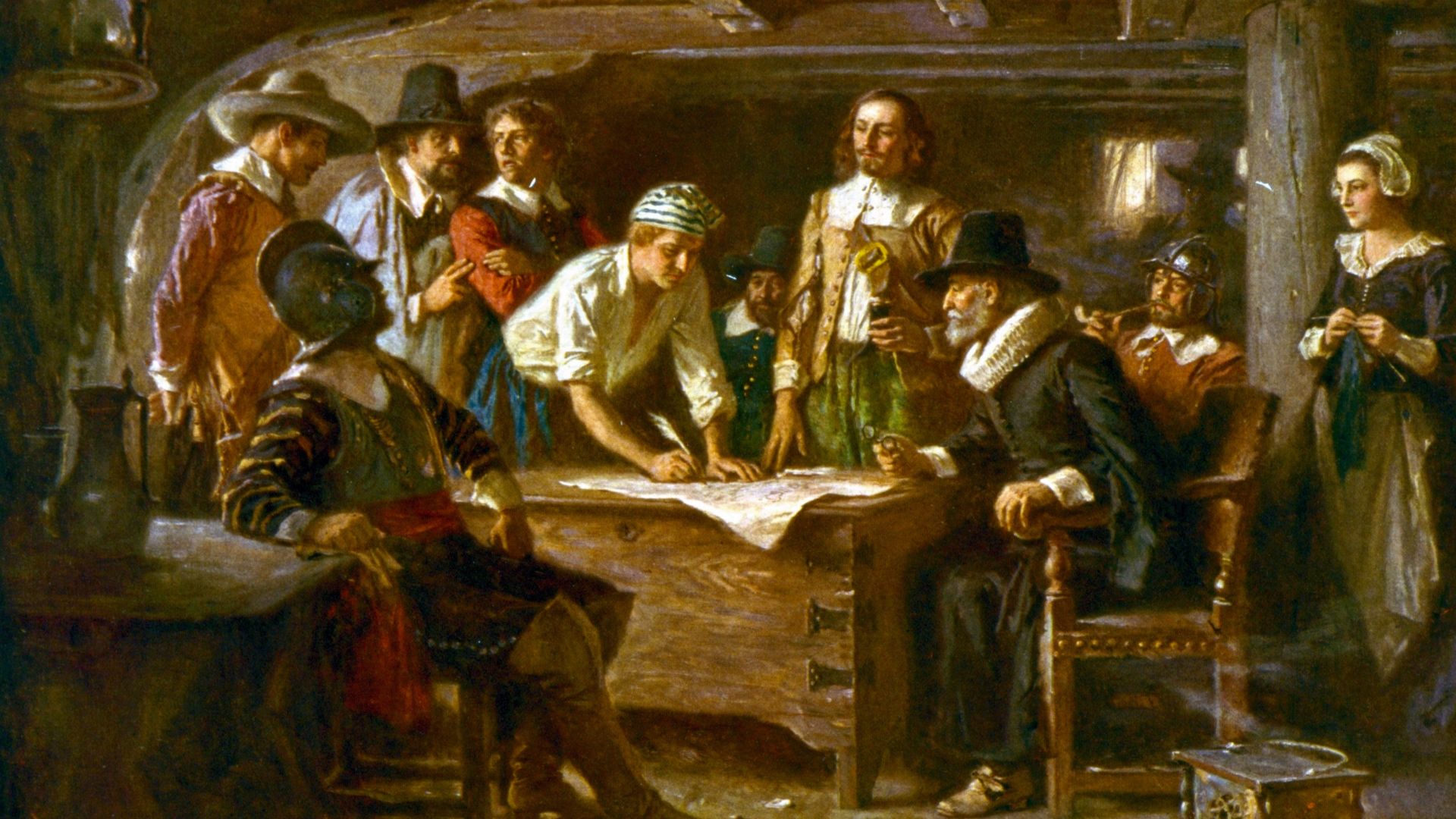 Jean Leon Gerome Ferris, Wikimedia Commons
The Deadly First Winter
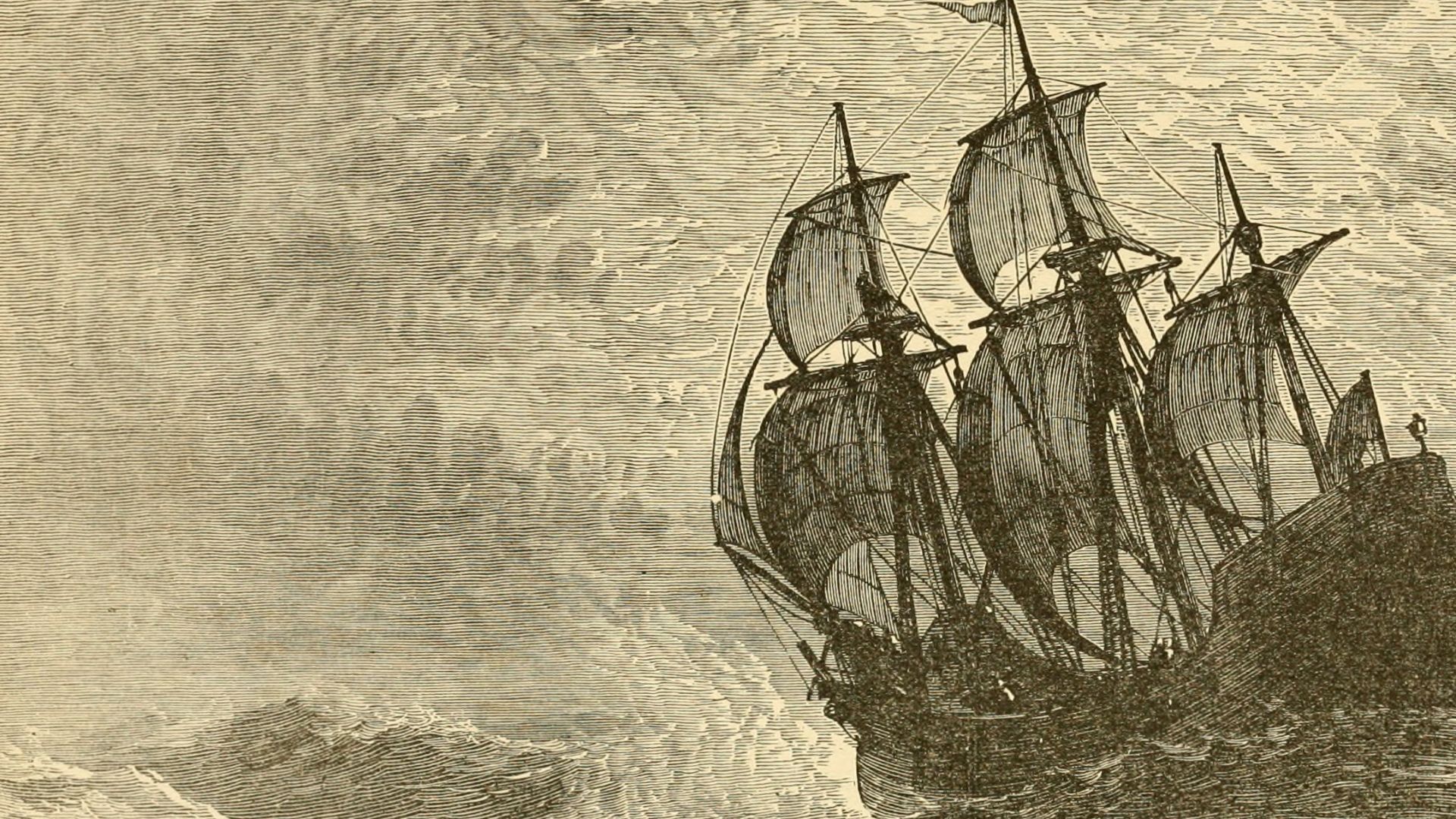
The first winter brought reality fast. Freezing temperatures gripped the half-built settlement, and scurvy spread quietly through shared quarters. Meanwhile, rations dwindled. By spring, roughly half the passengers had died. Survival depended on the strength of those still standing.
 Internet Archive Book Images, Wikimedia Commons
The Disproportionate Loss of Women
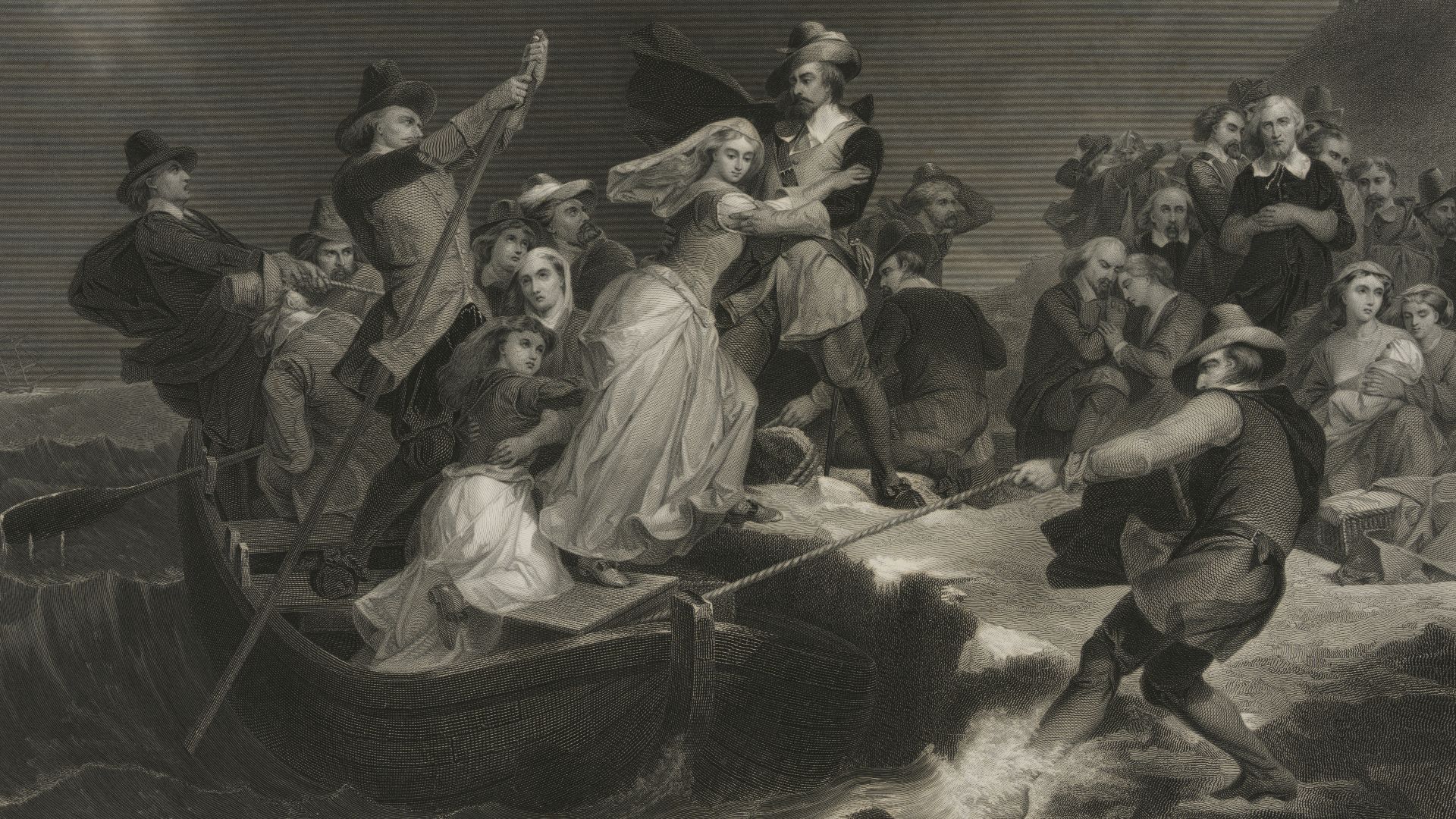
Cold statistics hide personal loss. Thirteen of eighteen married women perished within months. Mothers also vanished, leaving infants behind. Grief reshaped households overnight. Community bonds tightened because daily tasks demanded cooperation. Emotional strain lingered long after the burial mounds froze over.
Patuxet Before the Settlers
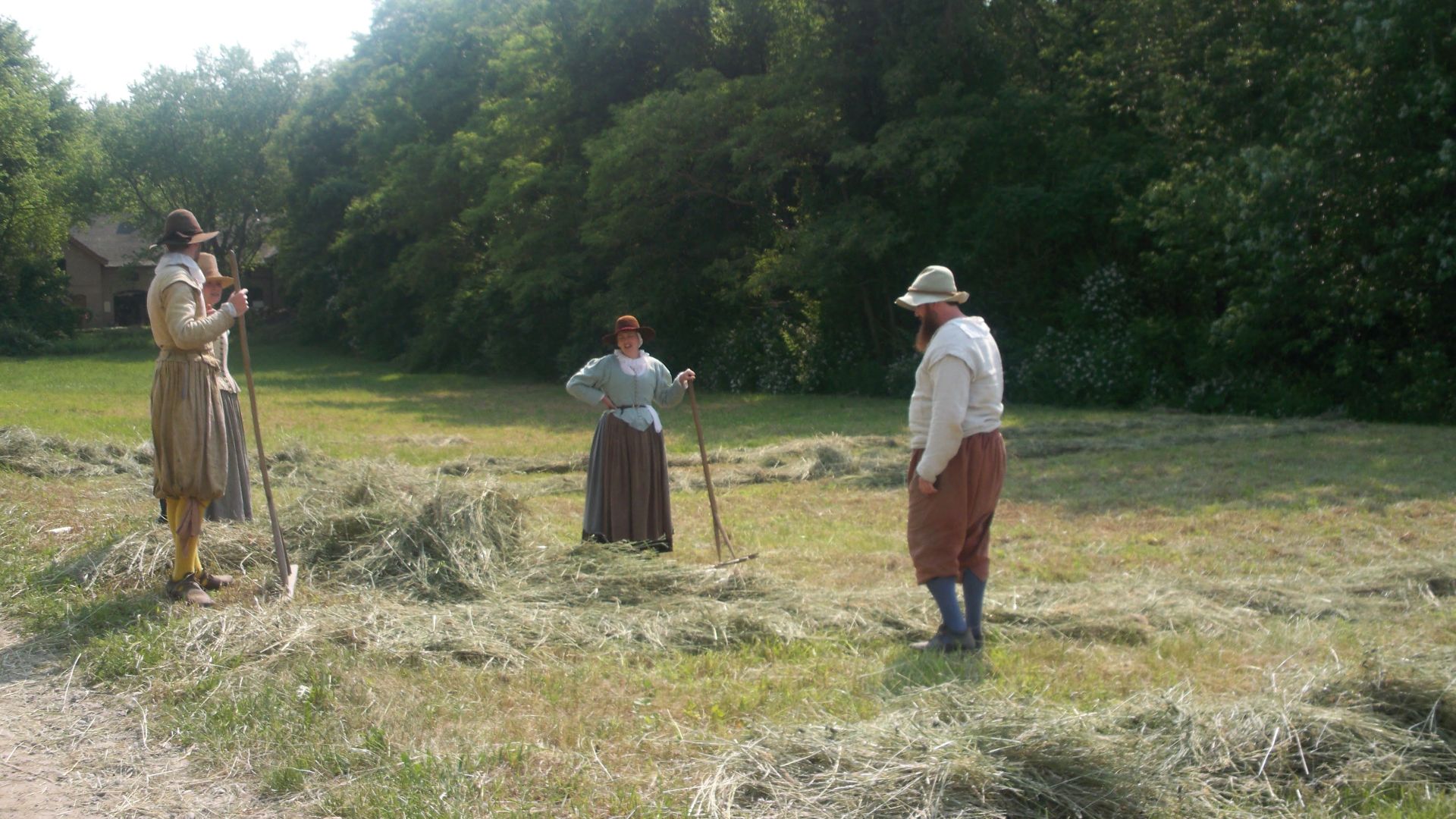
Empty fields can tell a misleading story. Long before the settlers stepped ashore, European ships had visited the coast, bringing microbes with them. Illness spread rapidly among Wampanoag communities. Entire villages thinned out. Newcomers saw opportunity, unaware of the human loss beneath their good fortune.
 EgorovaSvetlana, Wikimedia Commons
Epidemic Disease and Demographic Collapse
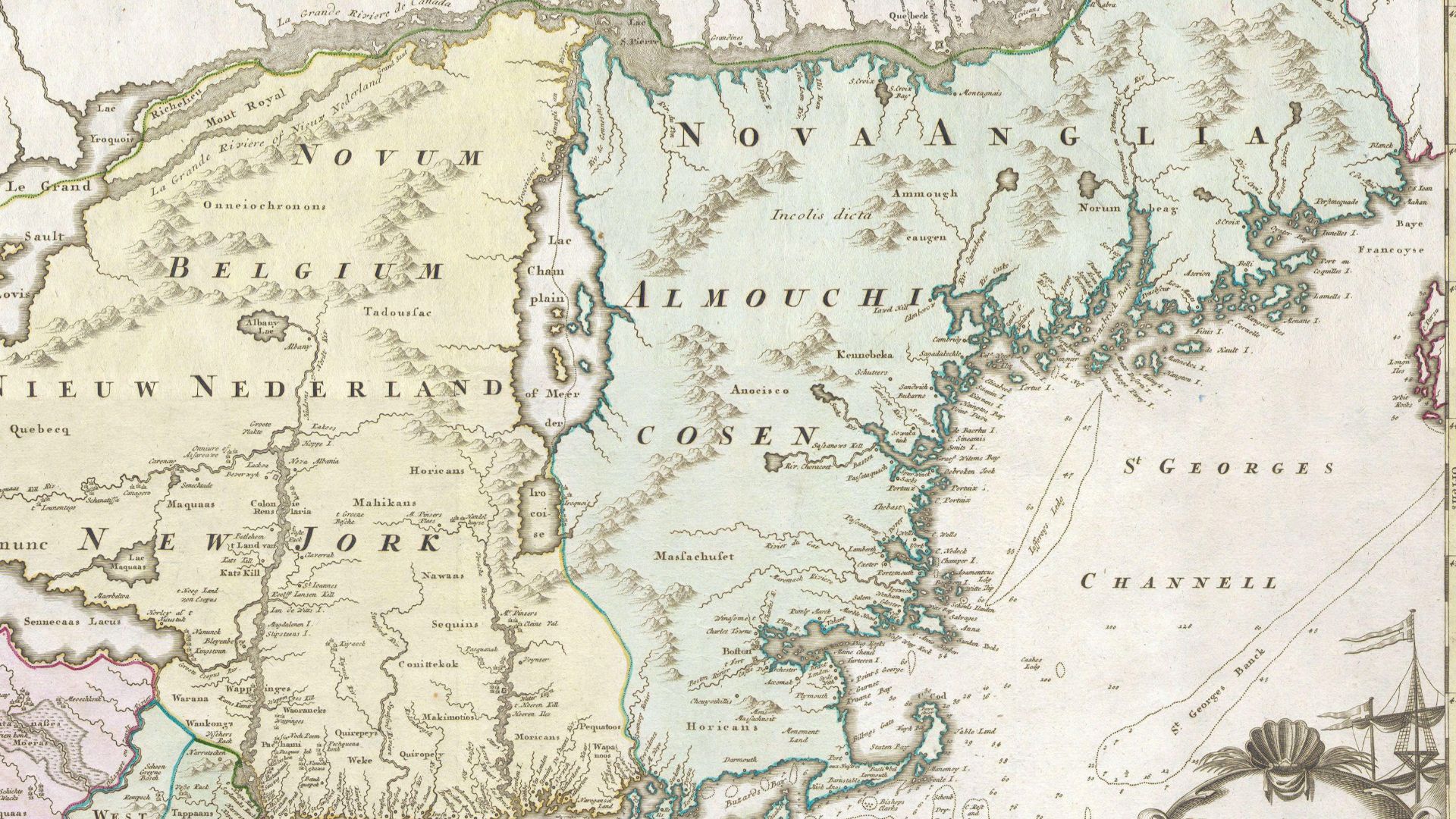
Between 1616 and 1619, epidemic illness swept coastal New England. Early written records note that entire communities dwindled to a few remaining inhabitants. Modern scholars debate whether leptospirosis or viral hepatitis played a role. Regardless of diagnosis, demographic collapse altered regional power balances before 1620.
 Johann Homann, Wikimedia Commons
Squanto’s Captivity and Return
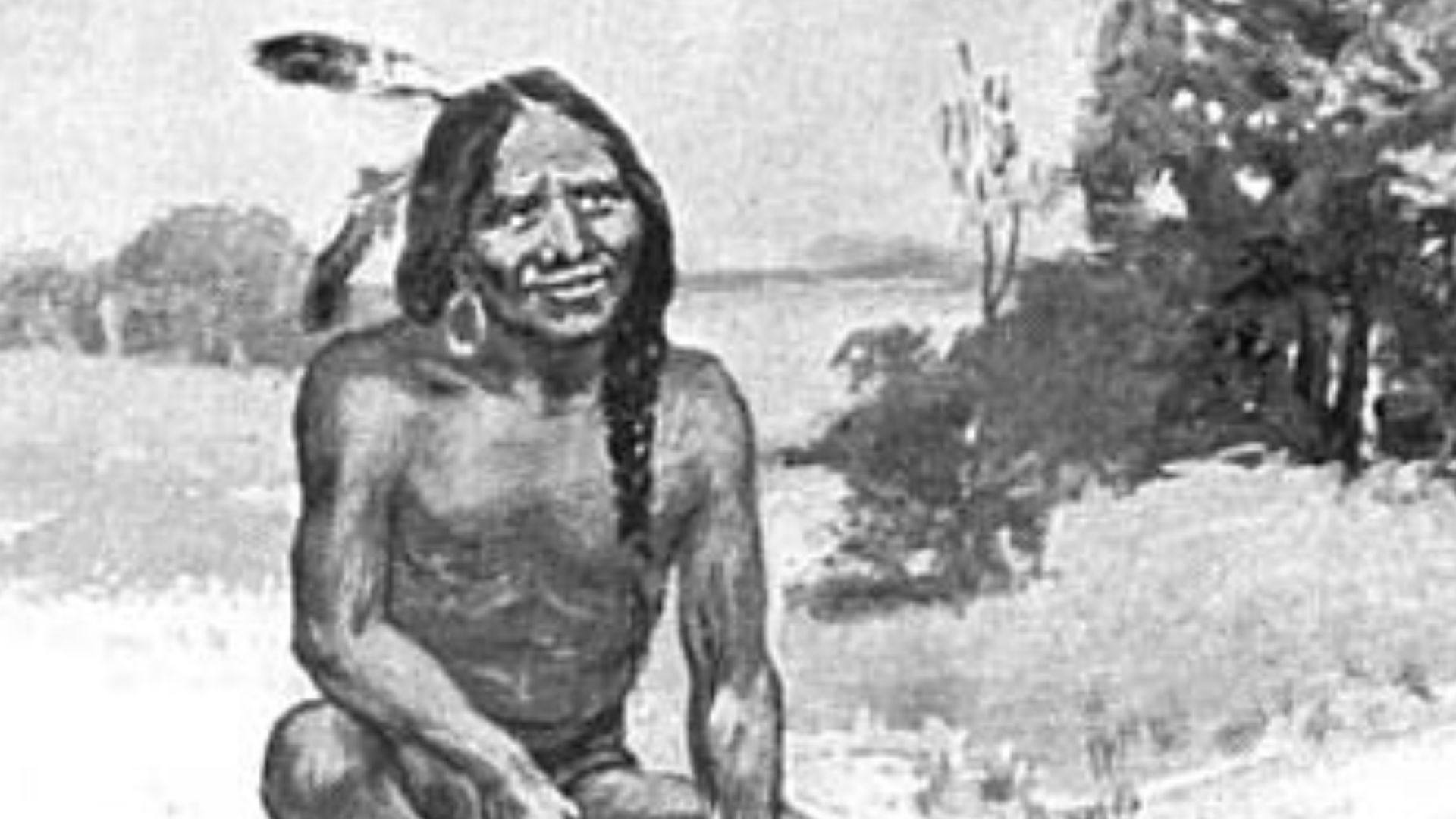
Tisquantum carried a story few settlers understood. Captured in 1614 by English traders, he was sold into slavery in Spain, escaped, and later reached London. Years afterward, he returned home to find Patuxet nearly empty. Resilience shaped every word he spoke.
 The German Kali Works, New York, Wikimedia Commons
Massasoit’s Strategic Alliance
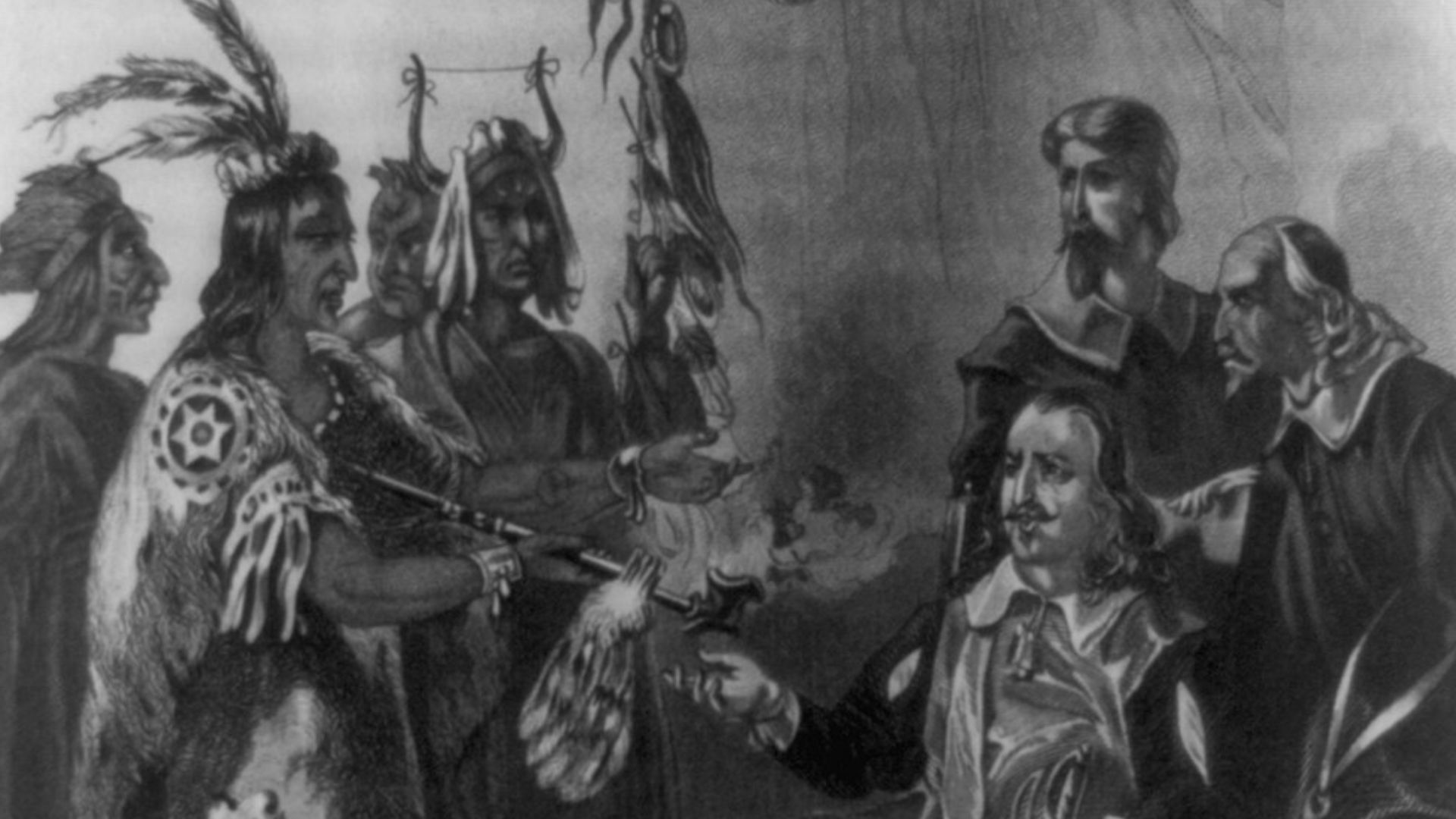
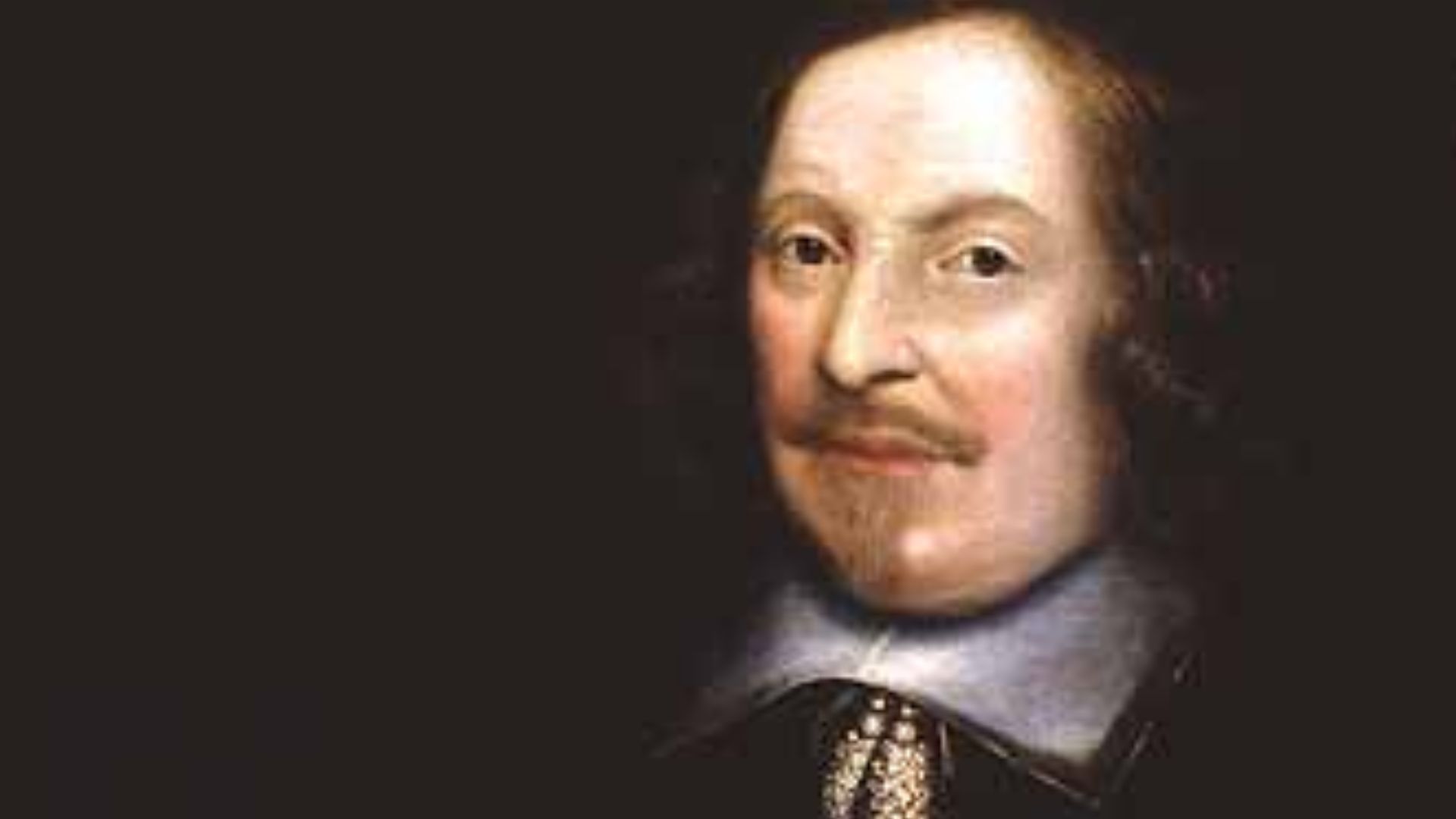
Massasoit weighed risk carefully. Facing pressure from rival Narragansett forces, he sought a strategic alliance with the newcomers. Mutual defense also promised leverage. Diplomacy, therefore, rested on calculated necessity rather than sentiment. Political survival guided negotiations during those early months.
 Robin, Augustus, engraver, Wikimedia Commons
The Diplomatic Reality of the 1621 Harvest Gathering
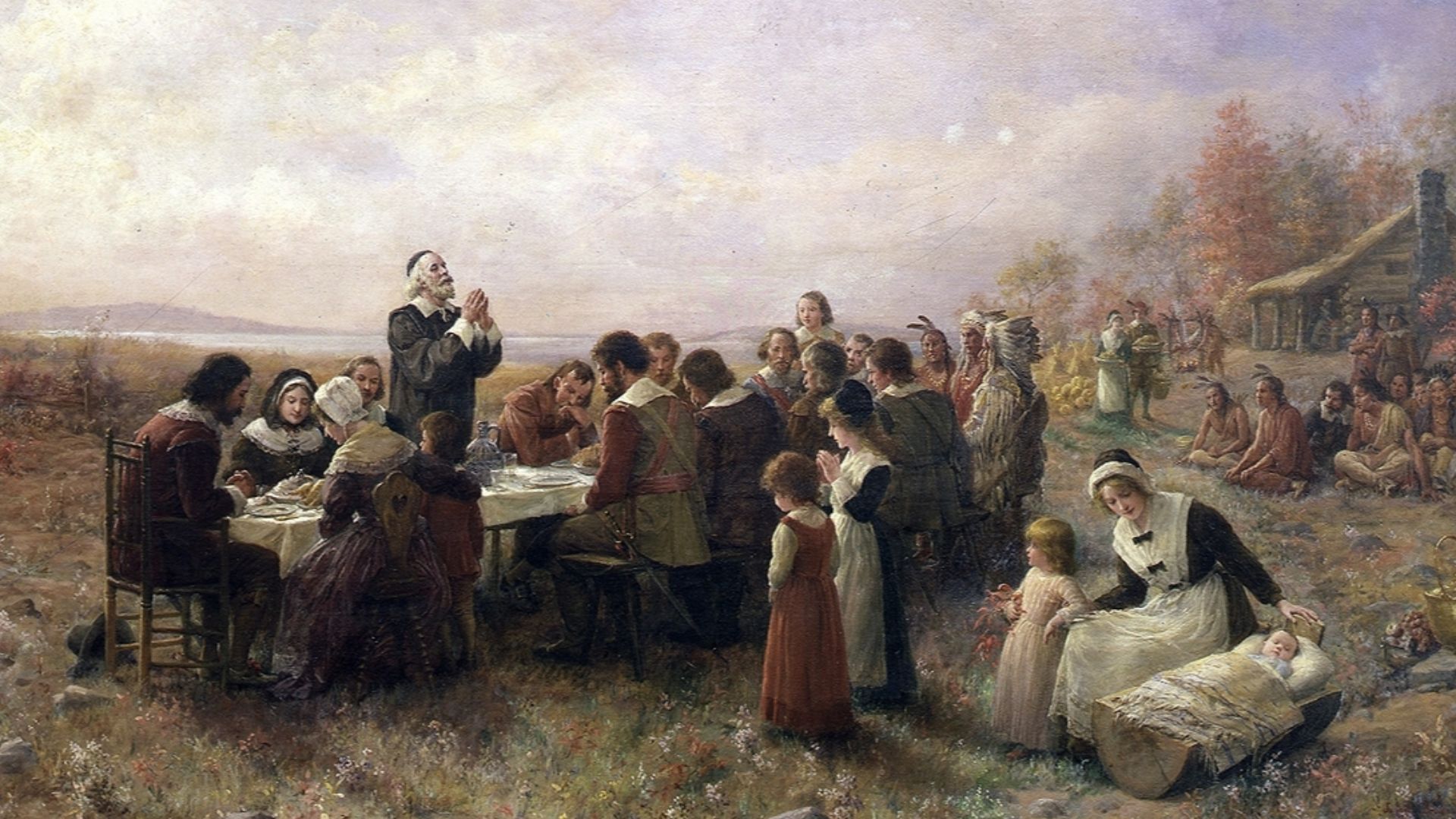
Autumn 1621 brought a harvest gathering lasting three days. Edward Winslow recorded ninety Wampanoag men joining about fifty colonists. Venison arrived as a diplomatic gesture. Firearms demonstrations punctuated the meal. Cooperation felt practical, even cautious, rather than idyllic.
 School of Robert Walker, Wikimedia Commons
Indigenous Agricultural Knowledge Saved the Colony
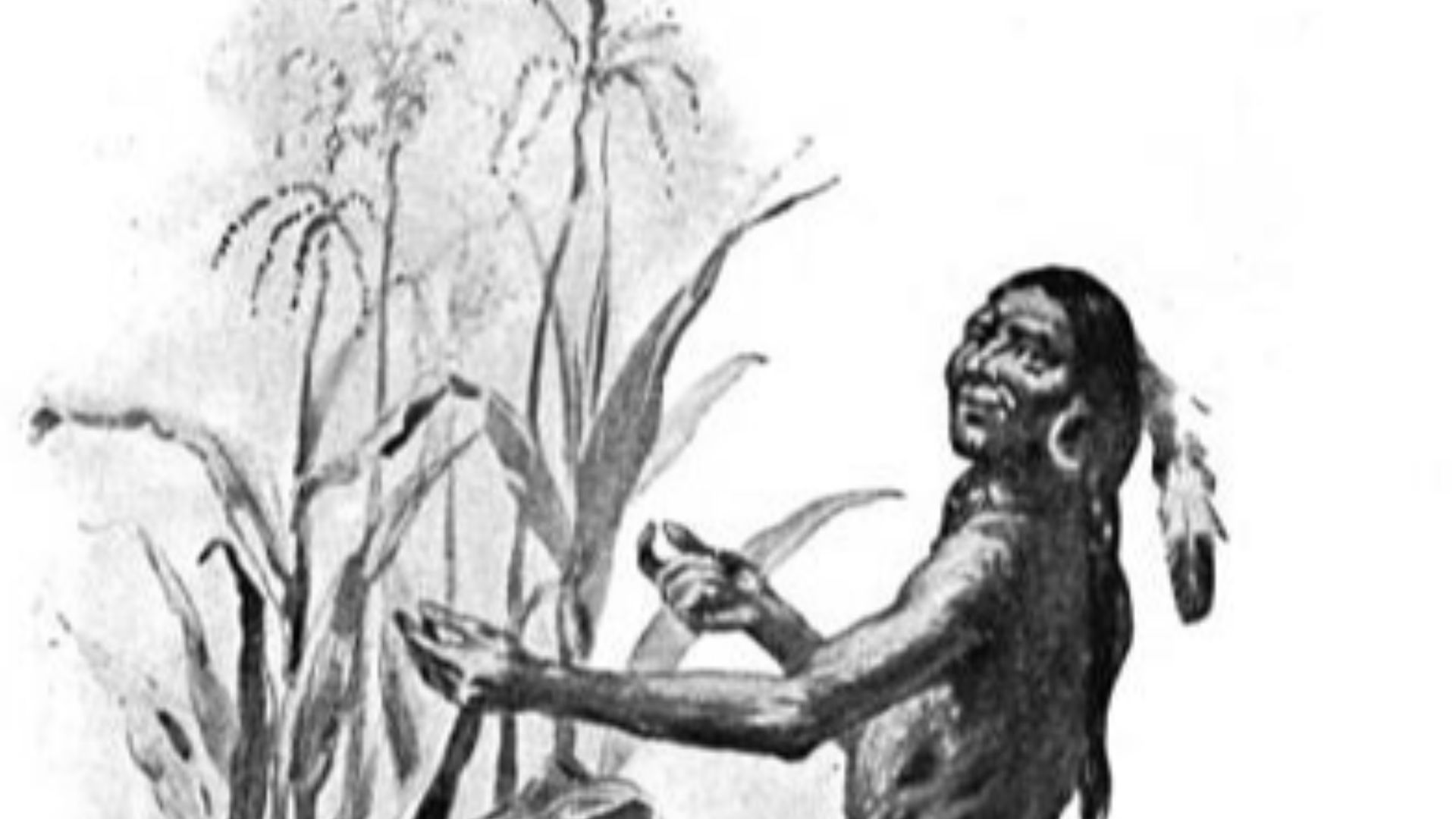
Cornfields did not flourish by luck. Squanto demonstrated planting techniques using fish as fertilizer and identified native crops suited to sandy soil. Colonists listened closely. Pride takes a back seat when hunger sharpens focus, and agricultural knowledge bridged cultures more effectively than sermons.
 The German Kali Works, New York, Wikimedia Commons
Strict Religious Codes Shaped Daily Life
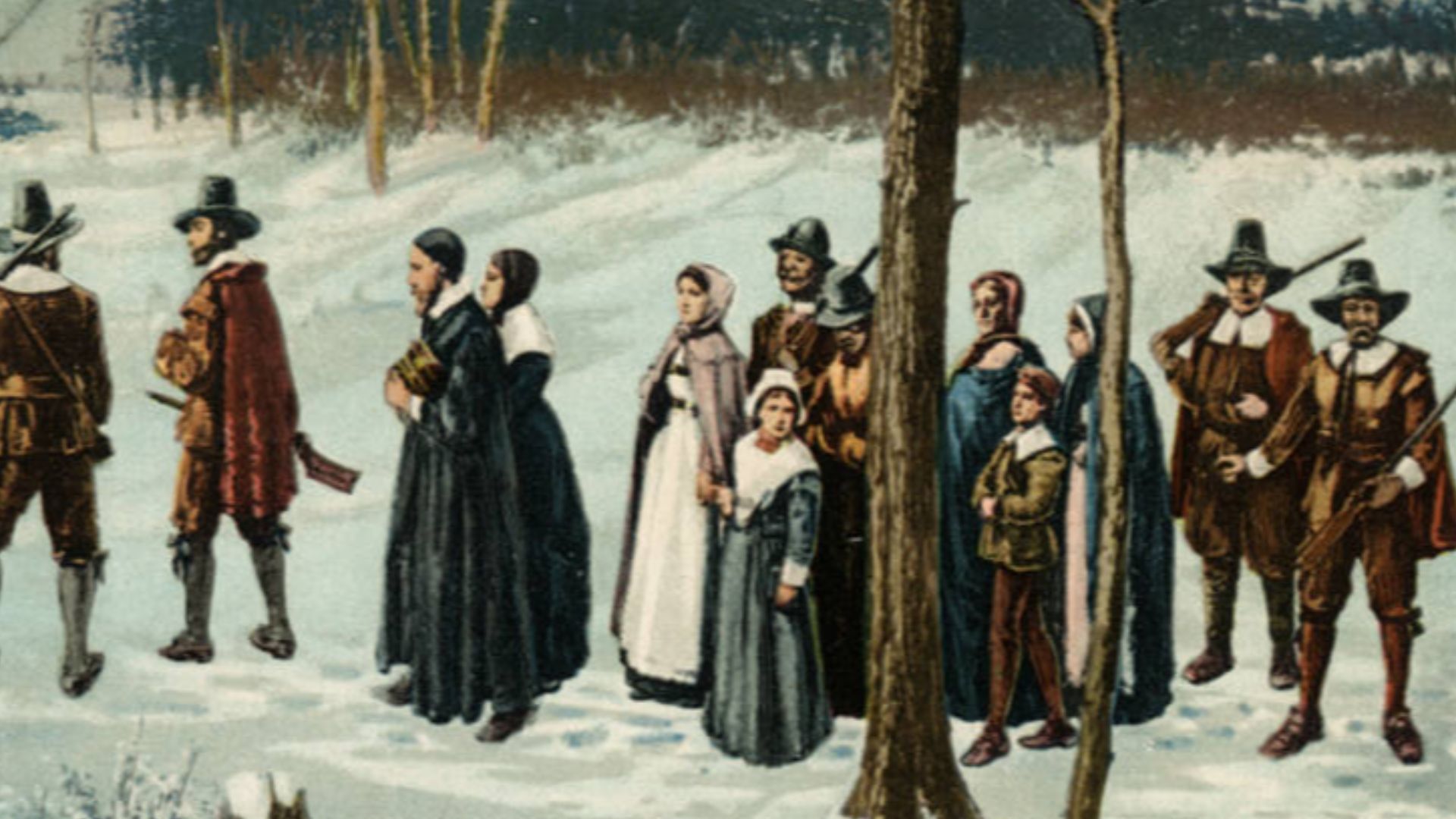
Plymouth leadership enforced moral discipline grounded in Separatist belief. Attendance at worship was expected, and civil penalties followed visible defiance. Adultery, blasphemy, and public disorder carried consequences. Moreover, communal oversight blurred private boundaries. Faith guided governance in ways that reached into everyday behavior.
 Unknown authorUnknown author, Wikimedia Commons
Dissent Met Swift Consequences
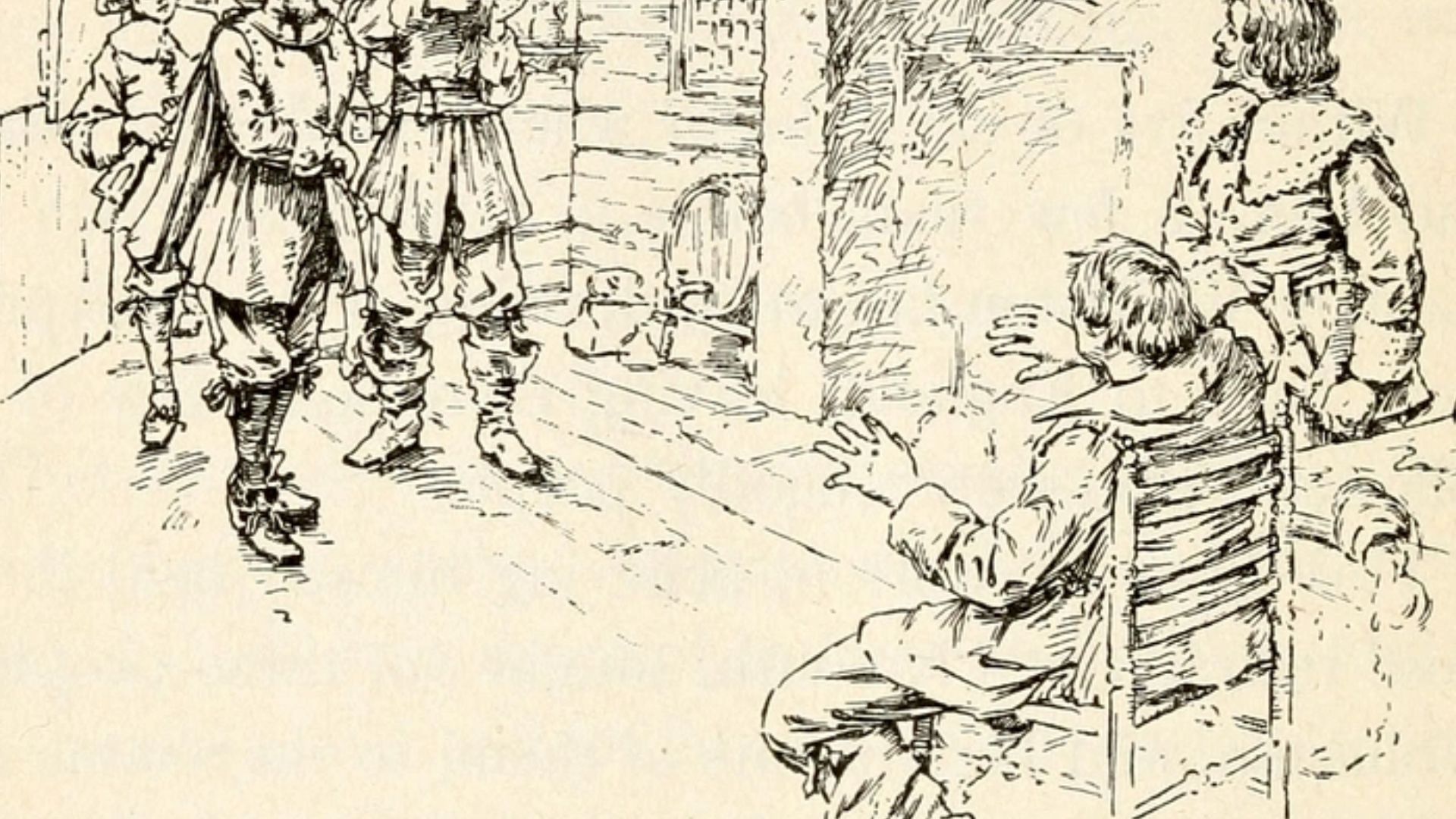
Thomas Morton challenged Plymouth's authority by criticizing its leadership and mocking religious rigidity. Tensions escalated. In 1628, officials arrested him and eventually expelled him from the region. Authority demanded conformity, and alternative visions of colonial life found little tolerance.
 New York: American book company, publisher, Wikimedia Commons
Servants Without a Political Voice
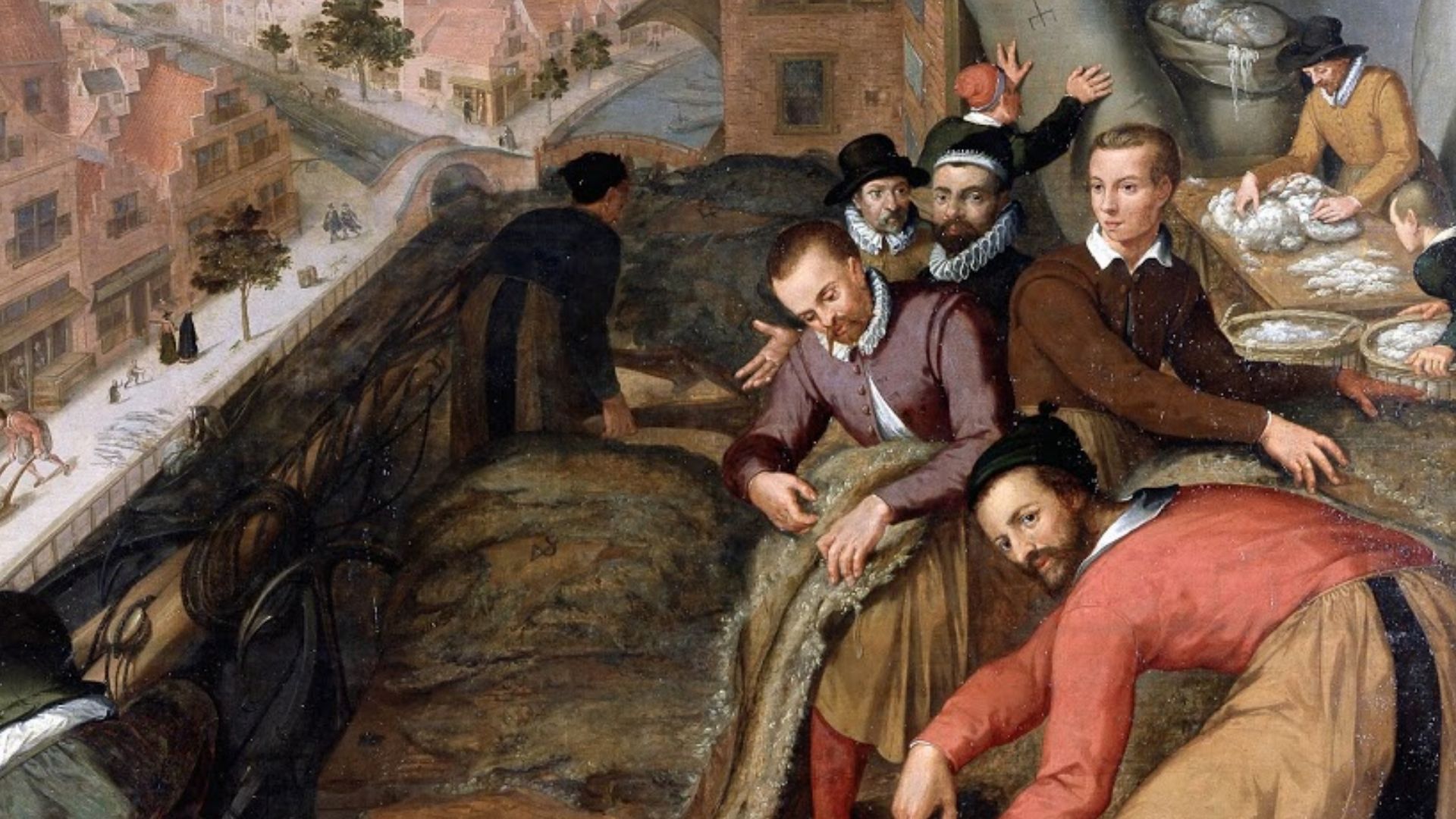
Indentured servants formed a notable portion of the population. Contracts bound them to years of labor in exchange for passage and future freedom dues. Meanwhile, political participation remained restricted to property-holding men. Social mobility existed, yet dependence defined early years.
 Isaac van Swanenburg, Wikimedia Commons
Economic Strain and Investor Pressure
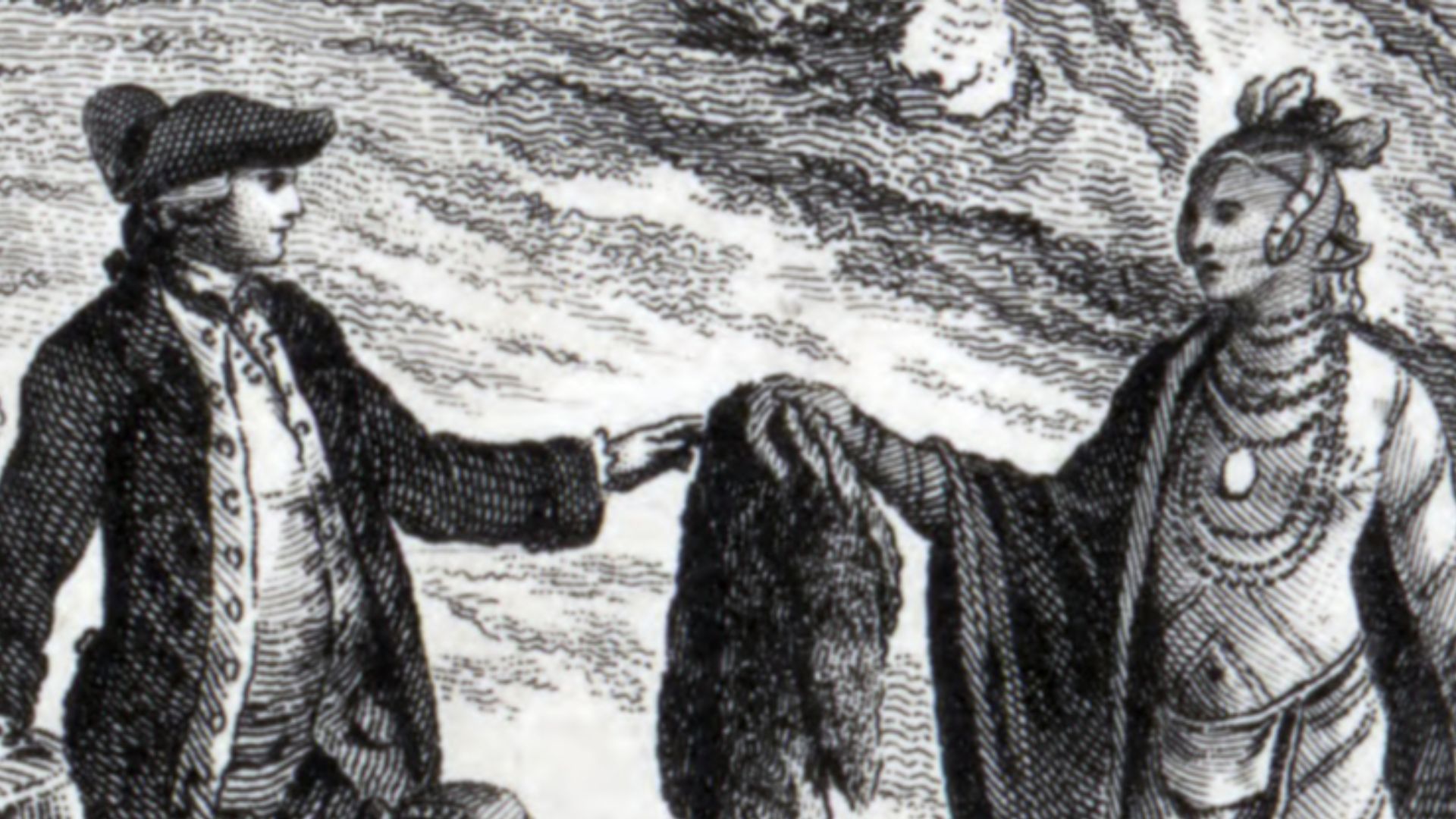
Financial obligations weighed heavily on the colony. Joint stock investors in London expected returns from fur trading and agriculture. Profits proved inconsistent. Debt also lingered for years until colonists negotiated buyouts. Economic survival required careful trade networks and disciplined resource management.
 William Faden, Wikimedia Commons
The Making of a National Myth
Centuries later, nineteenth-century writers and civic leaders reshaped the story of Plymouth. Thanksgiving became a symbolic harmony. Pilgrims transformed into founding icons. Memory softened hardship and conflict. National identity often grows from selective storytelling as much as documented fact.
 Jennie Augusta Brownscombe, Wikimedia Commons