
A Cosmic Traveler Turns Heads
Right now, our solar system is hosting a guest from beyond. Astronomers call it 3I/ATLAS, and its size alone makes it a once-in-a-lifetime discovery for space science.

First Spotted By ATLAS In July 2025
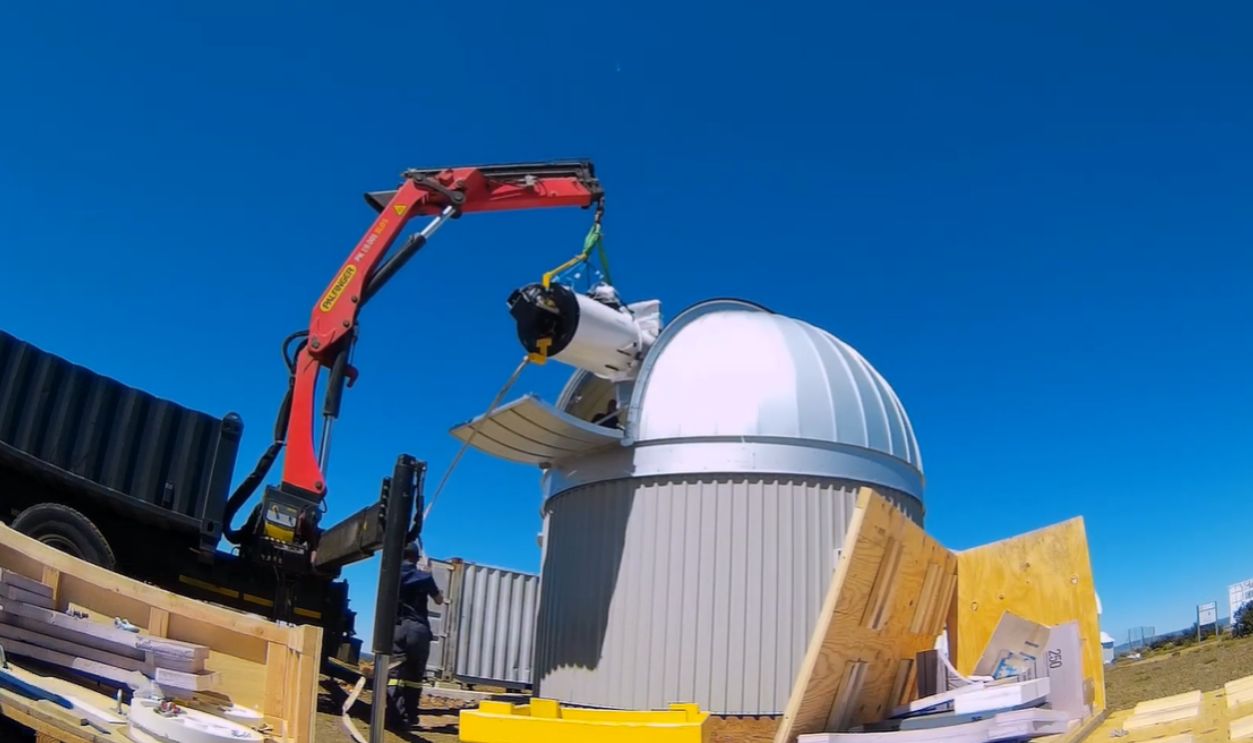
On July 1, 2025, the ATLAS telescope in Chile spotted a strange, fast-moving object gliding through the night sky. Because the survey scans nightly for near-Earth objects, its unusual speed and direction stood out. Astronomers quickly shared the news worldwide, and follow-up observations confirmed its dazzling motion.
Tracing Pre-Discovery Images
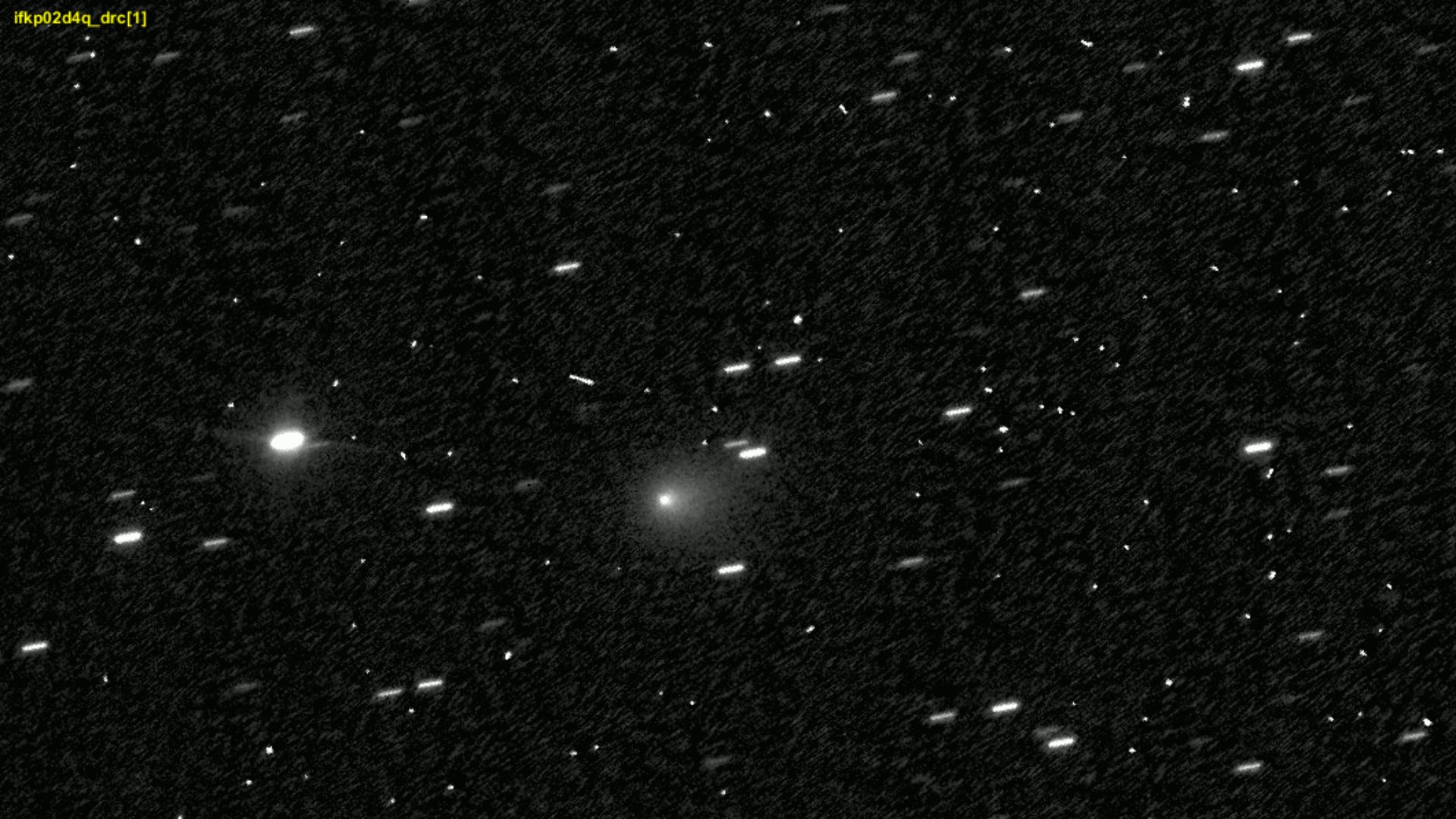
Weeks earlier, in mid-June 2025, this same object had quietly slipped into archived telescope images. These faint frames became gold for astronomers, as they helped them refine their path and predict their arrival. They also uncovered early light changes that proved it had been heading our way for some time.
Why 3I ATLAS Is Officially Interstellar
Careful calculations revealed a hyperbolic orbit, meaning it would never circle back to the Sun. Its speed soared beyond solar escape velocity, and its path pointed far beyond the Oort Cloud, a vast shell of icy bodies surrounding the solar system. All models agreed it could not have formed here.
Largest Interstellar Object On Record
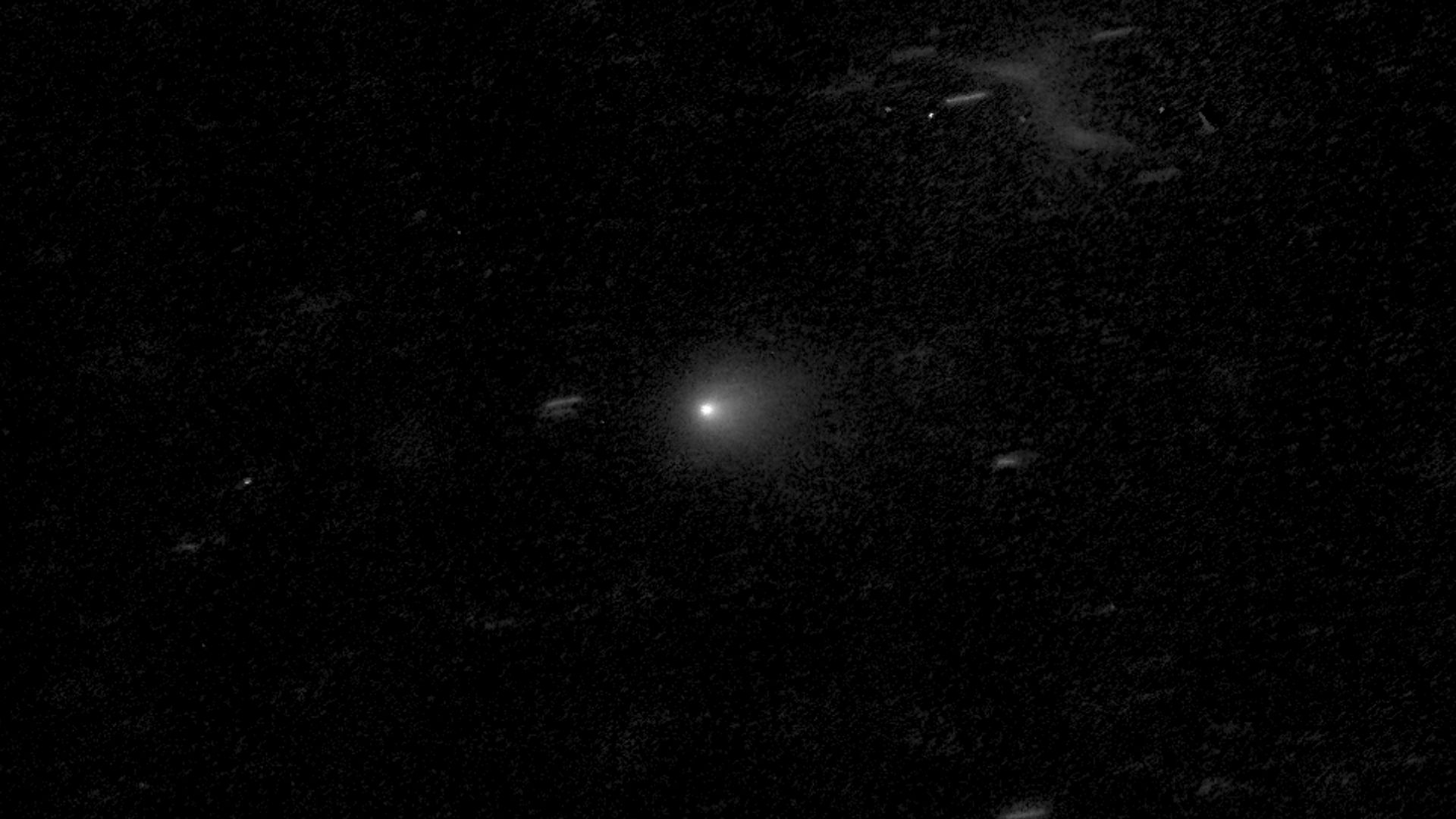
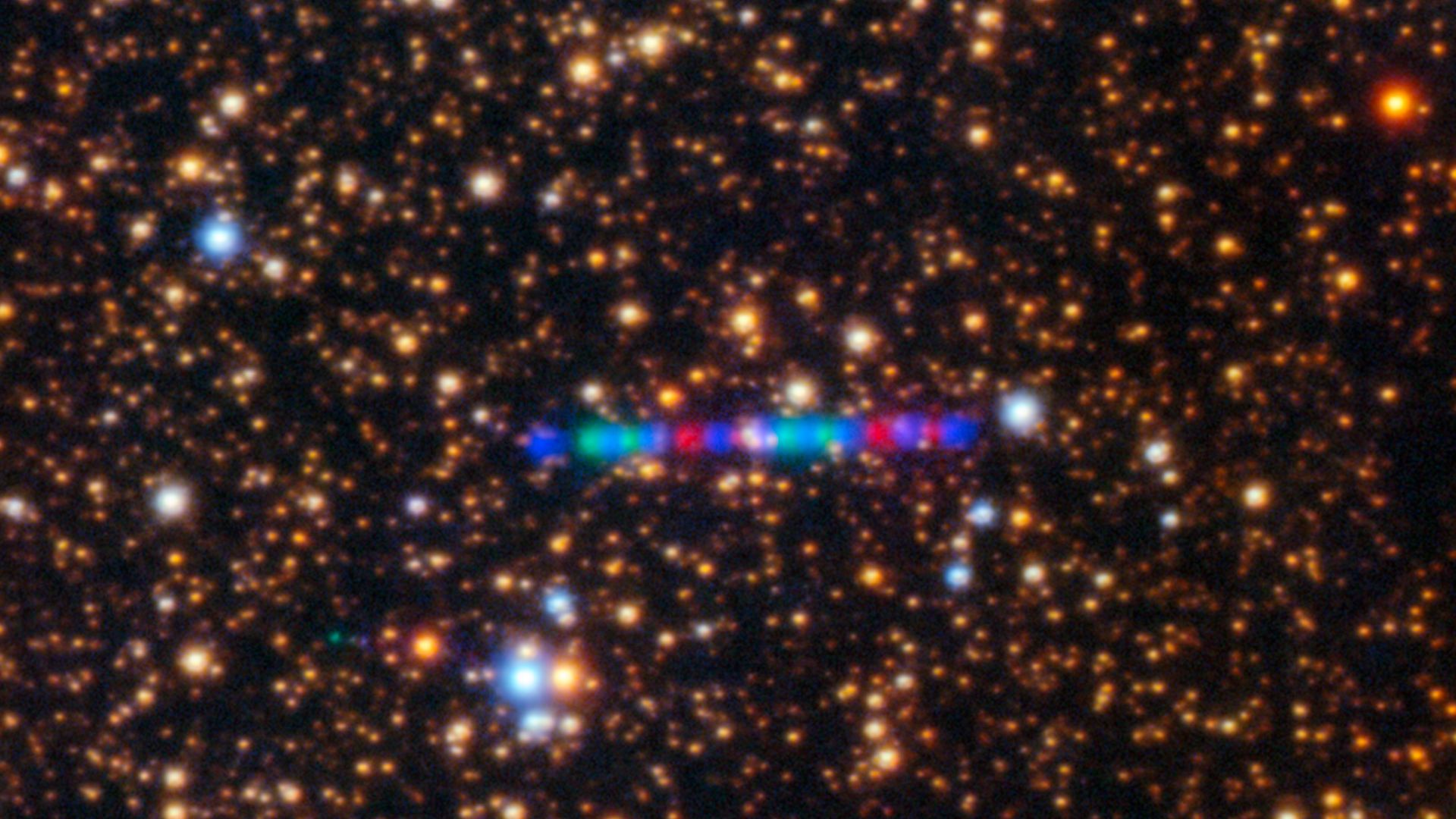
The Hubble Space Telescope, which orbits Earth to record detailed space images, photographed the object and measured the sunlight it reflected. Results indicate its nucleus measures roughly 0.2 to 3.5 miles wide, and coma effects make it appear larger. Additionally, heat-based readings further support its record size.

Largest Interstellar Object On Record (Cont.)
Months of tracking have shown that its size hasn’t changed, and no fragments have broken away. Its mass likely shields it from the harshness of interstellar space. Bright enough for many ground telescopes, it has become a star subject for long-term, worldwide observation campaigns.
Why Size Matters
Because a body this large may still hold untouched material from its original star system, scientists are eager to explore it closely. The broad surface allows detailed mapping, and its chemical makeup can be measured precisely. Even slow wear under the Sun’s heat brings in a rare and valuable story.
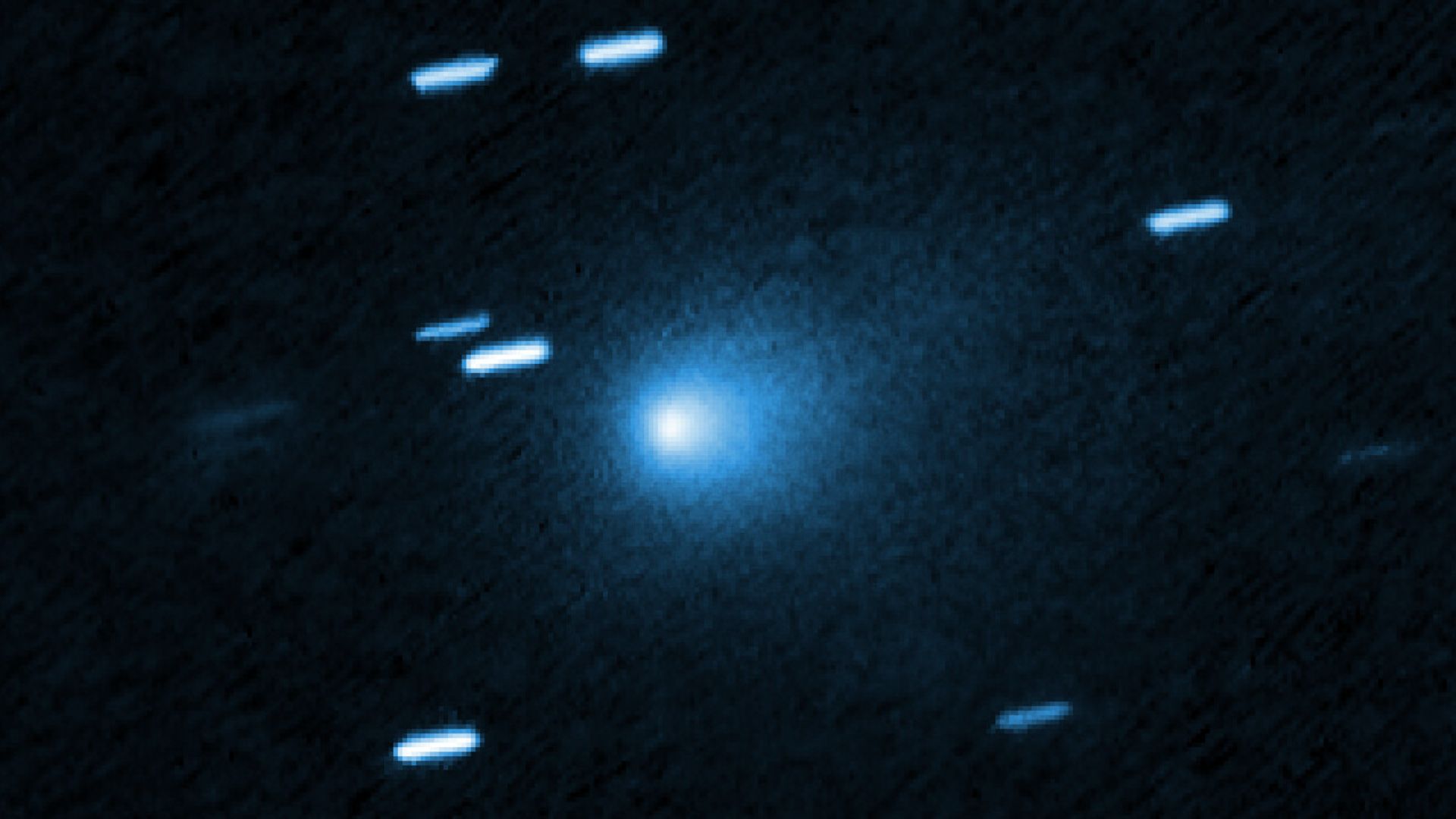 NASA, ESA, D. Jewitt (UCLA); Image Processing: J. DePasquale (STScI), Wikimedia Commons
How It Compares To Oumuamua And Borisov
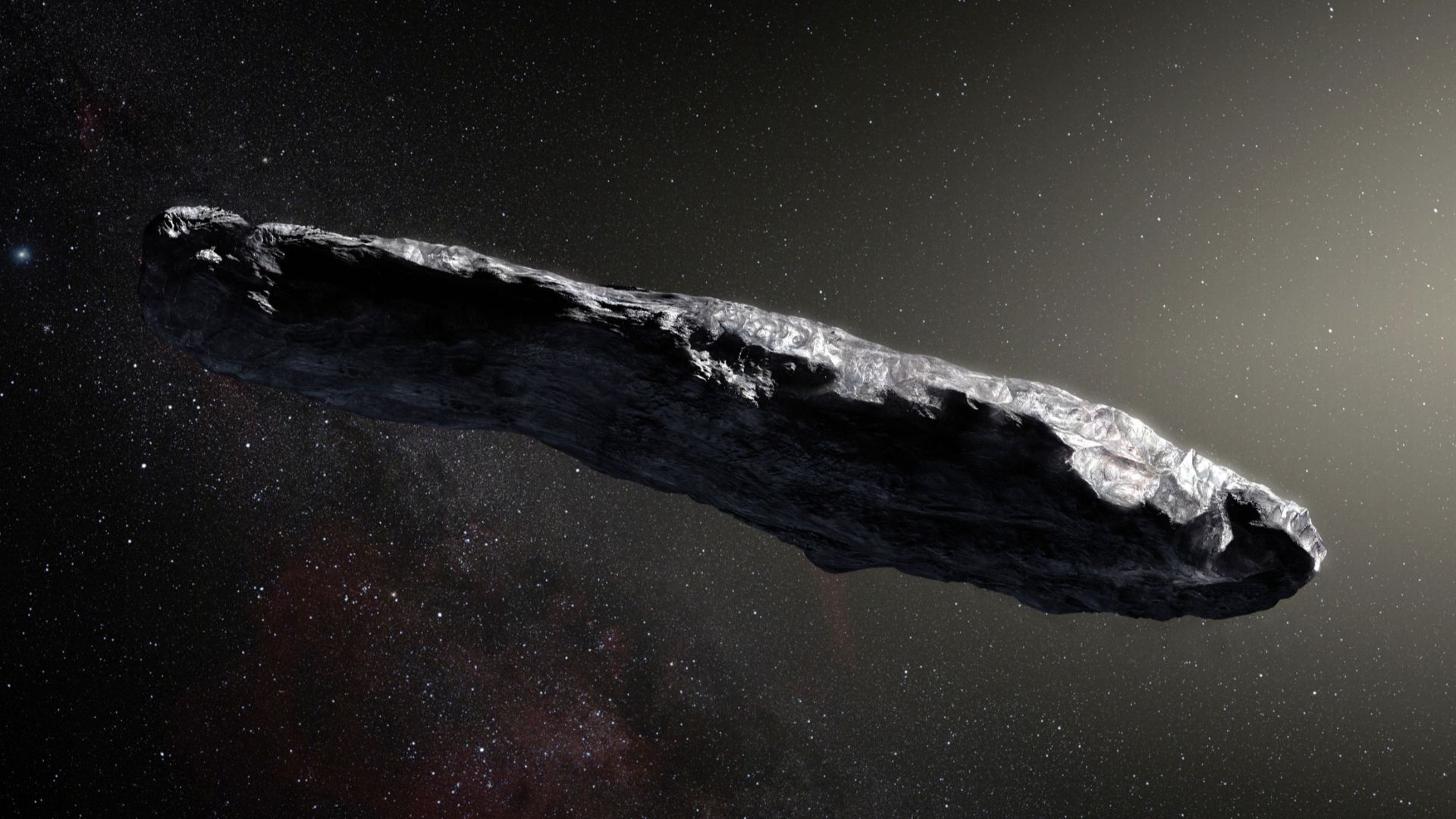
Unlike 'Oumuamua, which lacked a visible coma, 3I/ATLAS releases gas and dust to create a glowing shroud. Borisov, though smaller and more typical, offered fewer measurement opportunities. In contrast, 3I/ATLAS shines brighter, with its extended coma and tail showcasing the remarkable diversity among interstellar visitors.
 David Jewitt et al. (on behalf NASA/ESA/Hubble), Wikimedia Commons
A Teardrop Coma And Faint Tail
Hubble images show a lopsided, teardrop-shaped cloud surrounding its center. This shape likely results from uneven heating or small jets venting gas. A faint tail stretches tens of thousands of kilometers, its direction matching the solar wind. Multiple observations have confirmed that the shape remains steady over time.
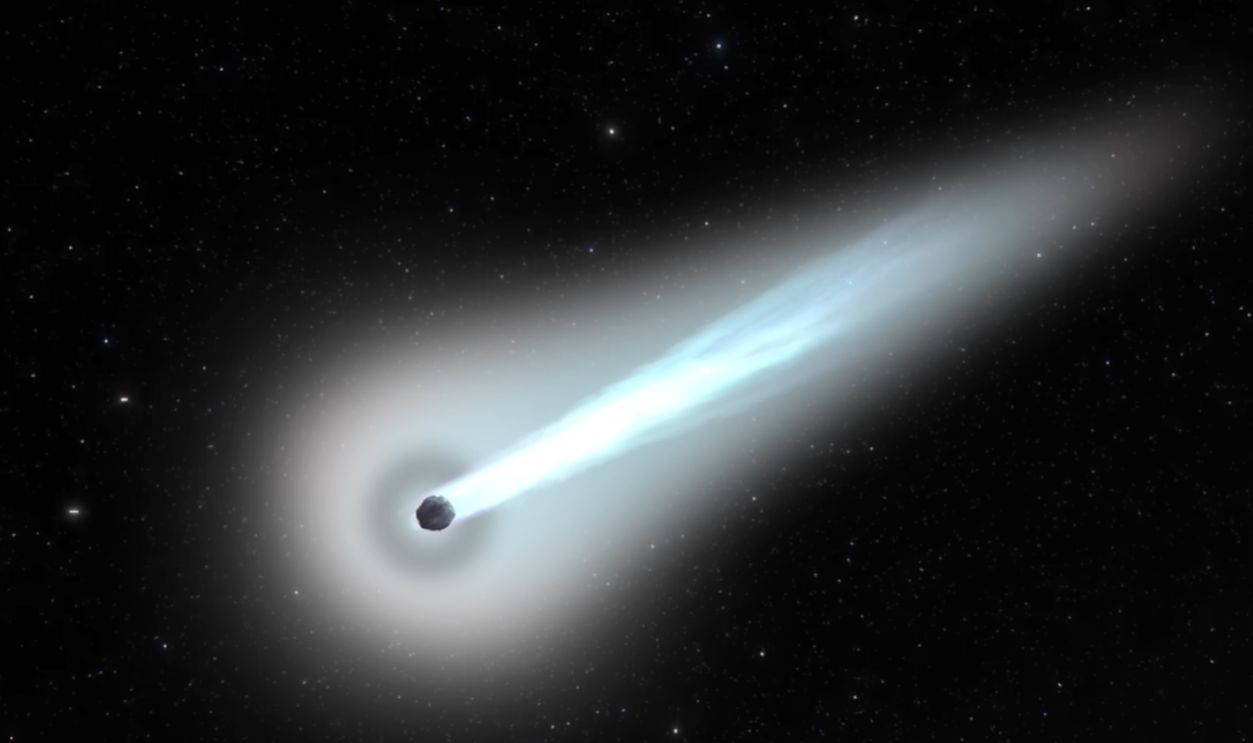 ʻOumuamua Was Strange – But ATLAS Changes Everything, Space Matters

History's most fascinating stories and darkest secrets, delivered to your inbox daily.
Rotation Shape And Possible Tumbling
As night falls, the light from 3I/ATLAS changes in a repeating manner to create what astronomers call a light curve, and this suggests slow rotation or even tumbling. Such motion may result from past collisions, while tumbling alters sunlight exposure and affects dust release, so scientists time its rotation.
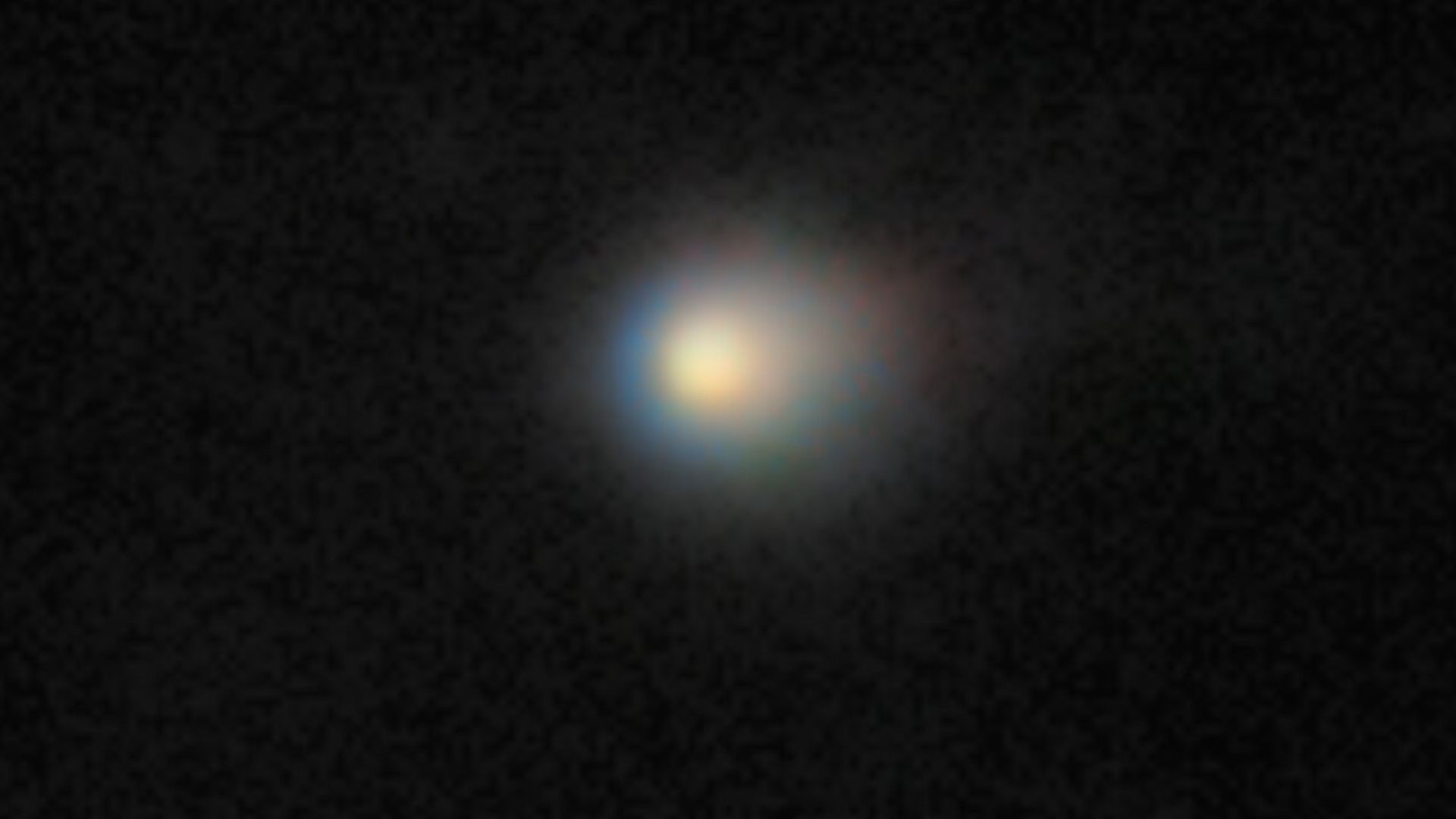
Traveling At 60 Kilometers Per Second
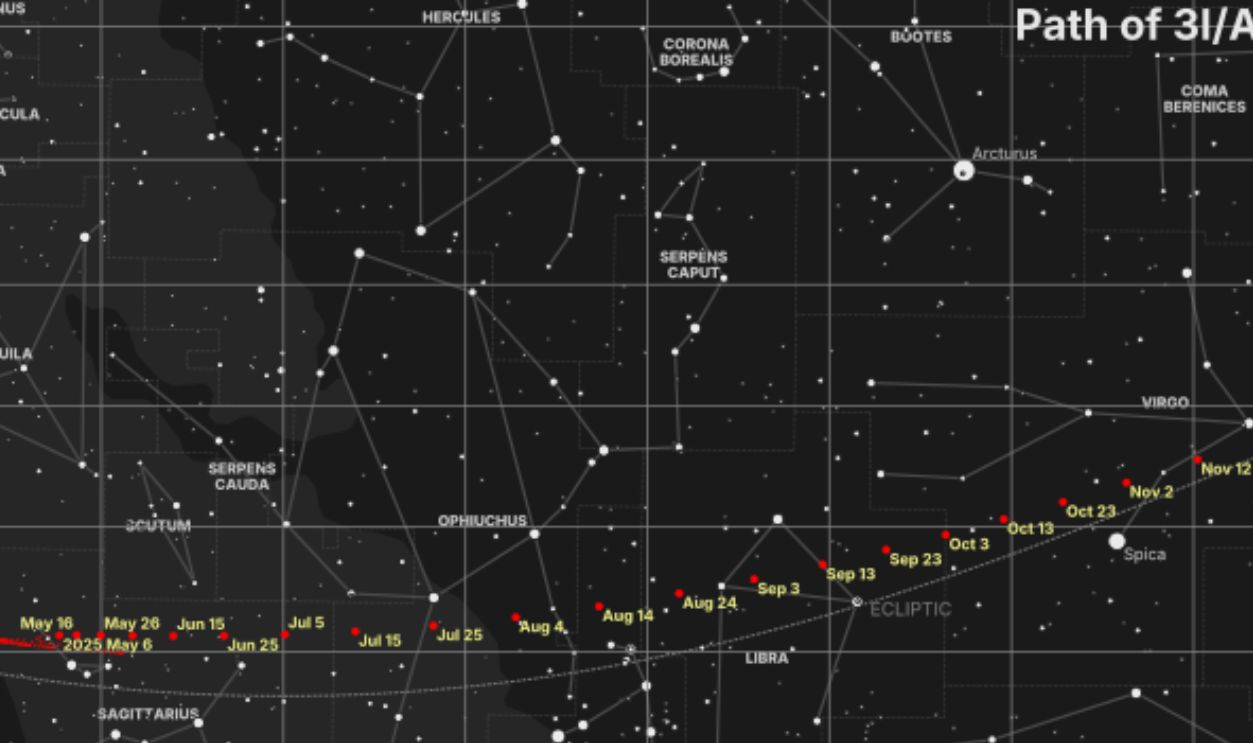
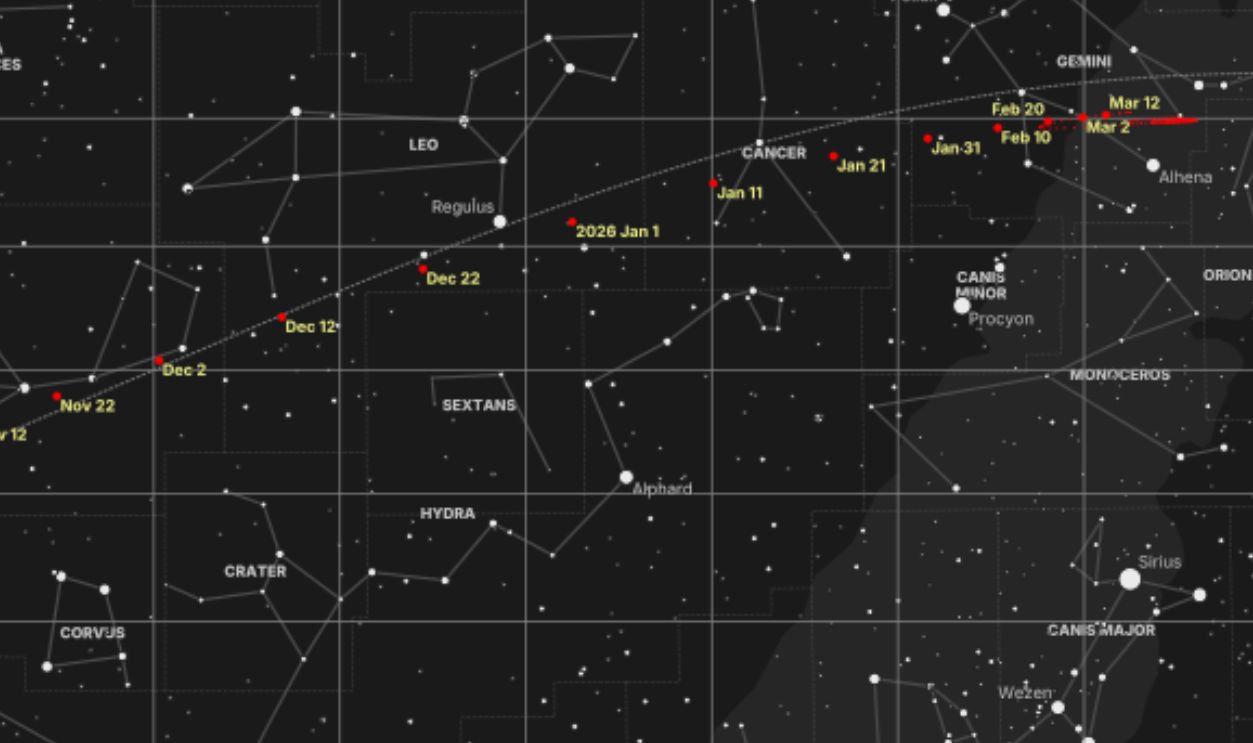
Hurtling at nearly 60 kilometers per second—around 130,000 miles per hour—the object escapes the Sun’s pull by aligning with models of interstellar debris. It comes from Sagittarius, the zodiac’s archer, and scientists measure its velocity through Doppler shifts that reveal tiny wavelength changes from movement toward or away from observers.
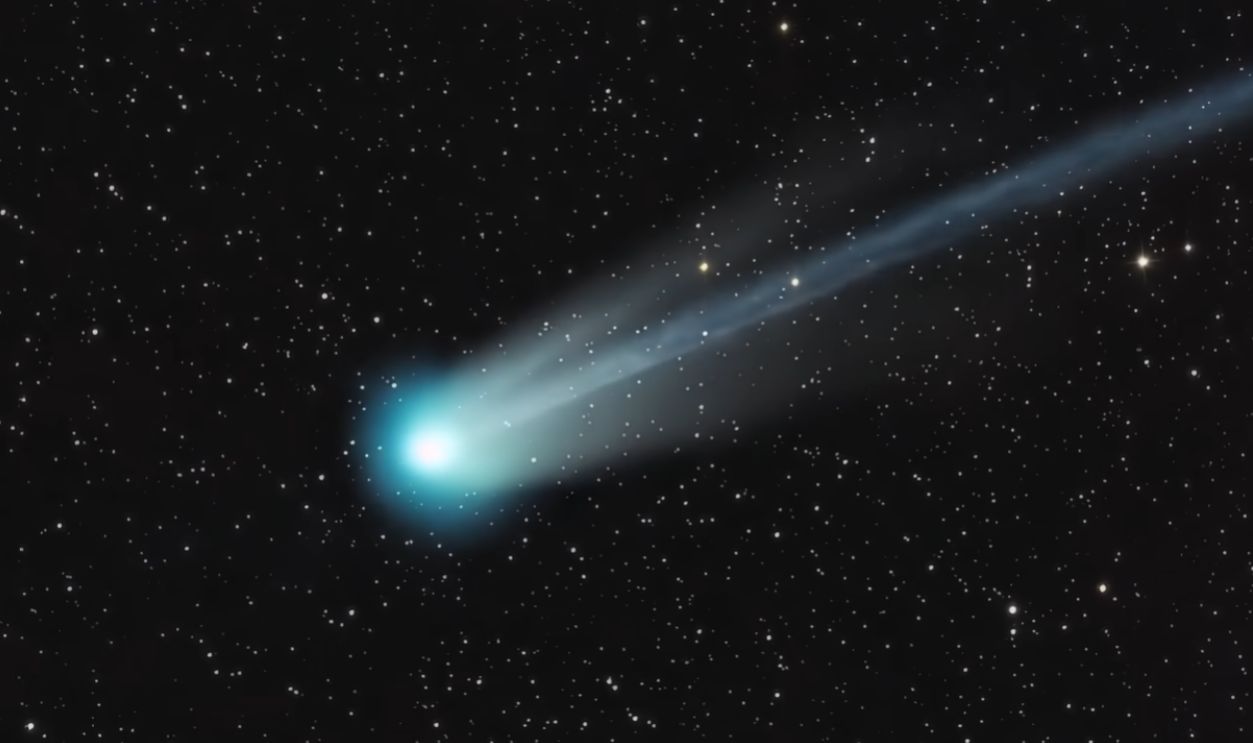 ʻOumuamua Was Strange – But ATLAS Changes Everything, Space Matters
Its Retrograde Orbit
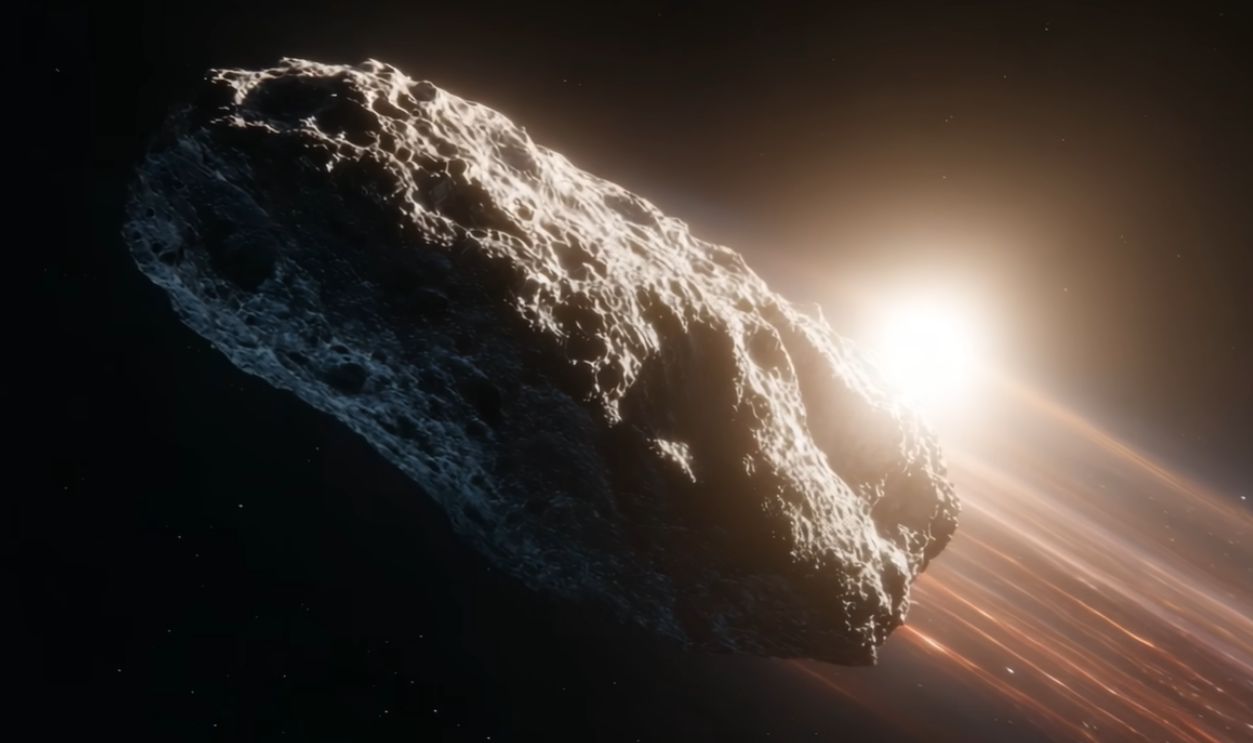
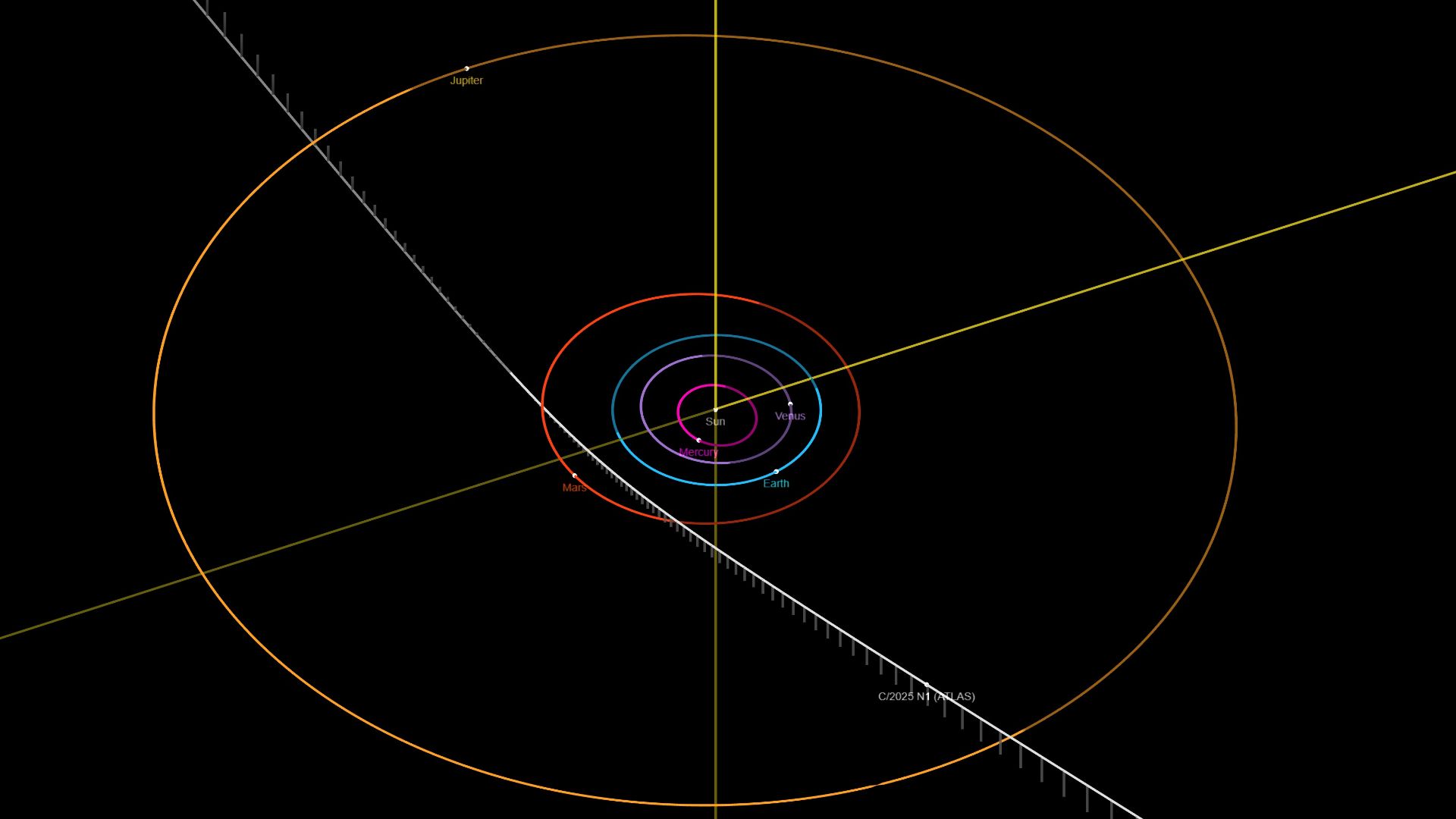
Most solar system bodies orbit prograde (counterclockwise from above the Sun’s north pole). But 3I/ATLAS travels on a 175° inclined orbit, in a clockwise motion, meaning it moves in nearly the same plane as the planets—but in the opposite direction, like a car speeding the wrong way down a highway.
 ʻOumuamua Was Strange – But ATLAS Changes Everything by Space Matters
Non-Hazardous
Since its closest approach is about 1.8 astronomical units from Earth, there is no collision risk, and Mars remains far from any hazard zone, too. Simulations also show that no planet lies near enough to alter its course, and its escape path, like Borisov’s, experiences no gravitational pull strong enough to retain it.
 NASA/JPL-Caltech, Wikimedia Commons
Exit Plan
On October 30, 2025, it will reach its closest point to the Sun at about 1.4 times Earth’s distance, inside Mars’s orbit. Increased sunlight should boost gas and dust activity. Observers plan detailed spectral studies, and this gentle pass will leave its path unchanged, enough for it to exit by early 2026.
What It Can Reveal About Other Star Systems
Gas and dust carry chemical fingerprints that connect to their origin systems, and ratios between molecules may hint at the parent star’s type. Dust composition could match or differ from local comets, and patterns in these materials might reveal planetary migrations and complex organic molecules.
What It Can Reveal About Other Star Systems (Cont.)
Isotope ratios can also help determine where it formed in relation to its star, while spectral lines can reveal its formation temperatures. In addition, grain size patterns can show collisional history, and if we find volatile ices, it would be indicative of a cold birthplace.
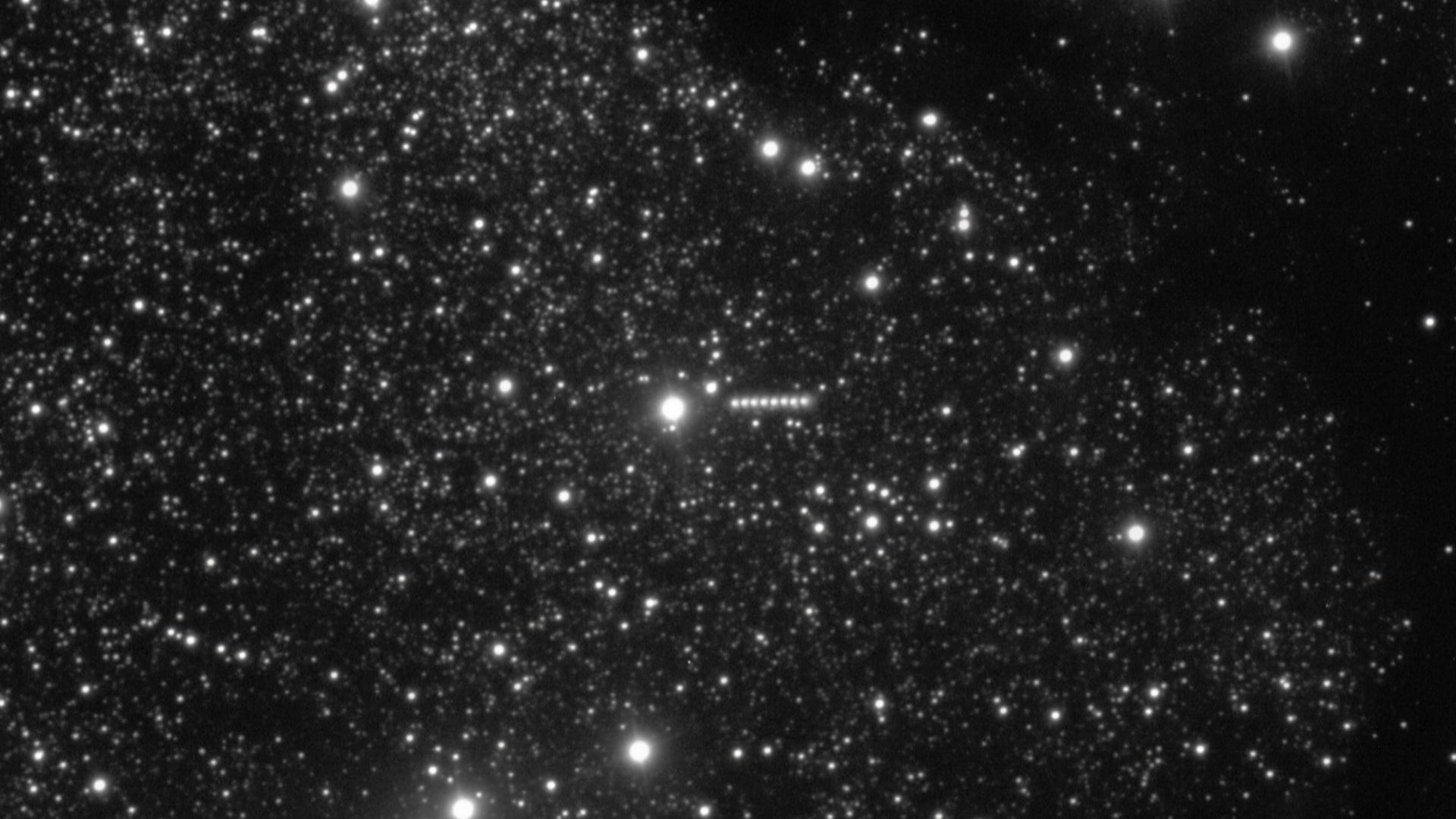 ESO/O. Hainaut, Wikimedia Commons
Global Telescope Coordination
Observatories in both hemispheres align schedules so that someone always observes to ensure uninterrupted coverage. Moreover, optical and radio teams coordinate targets and timing to share data efficiently, while standardized formats enable quicker analysis and publication. This collaborative approach builds on 2I/Borisov strategies, adapted for a more precise coverage.

NASA And ESA Observation Plans
Hubble and the James Webb Space Telescope both have multiple observing windows, and the European Space Agency (ESA) facilities will lead high-resolution spectroscopy efforts. Since radar experiments are possible if echoes are strong enough, all observations will be stored in open archives.
 NASA/MSFC/David Higginbotham/Emmett Given, Wikimedia Commons
Images Released To The Public
NASA released the first high-resolution images in July 2025, which showed a detailed coma and faint tail. The pictures spread quickly across educational sites, and interactive tools let people track its position. This release sparked widespread public interest and global excitement about the discovery.
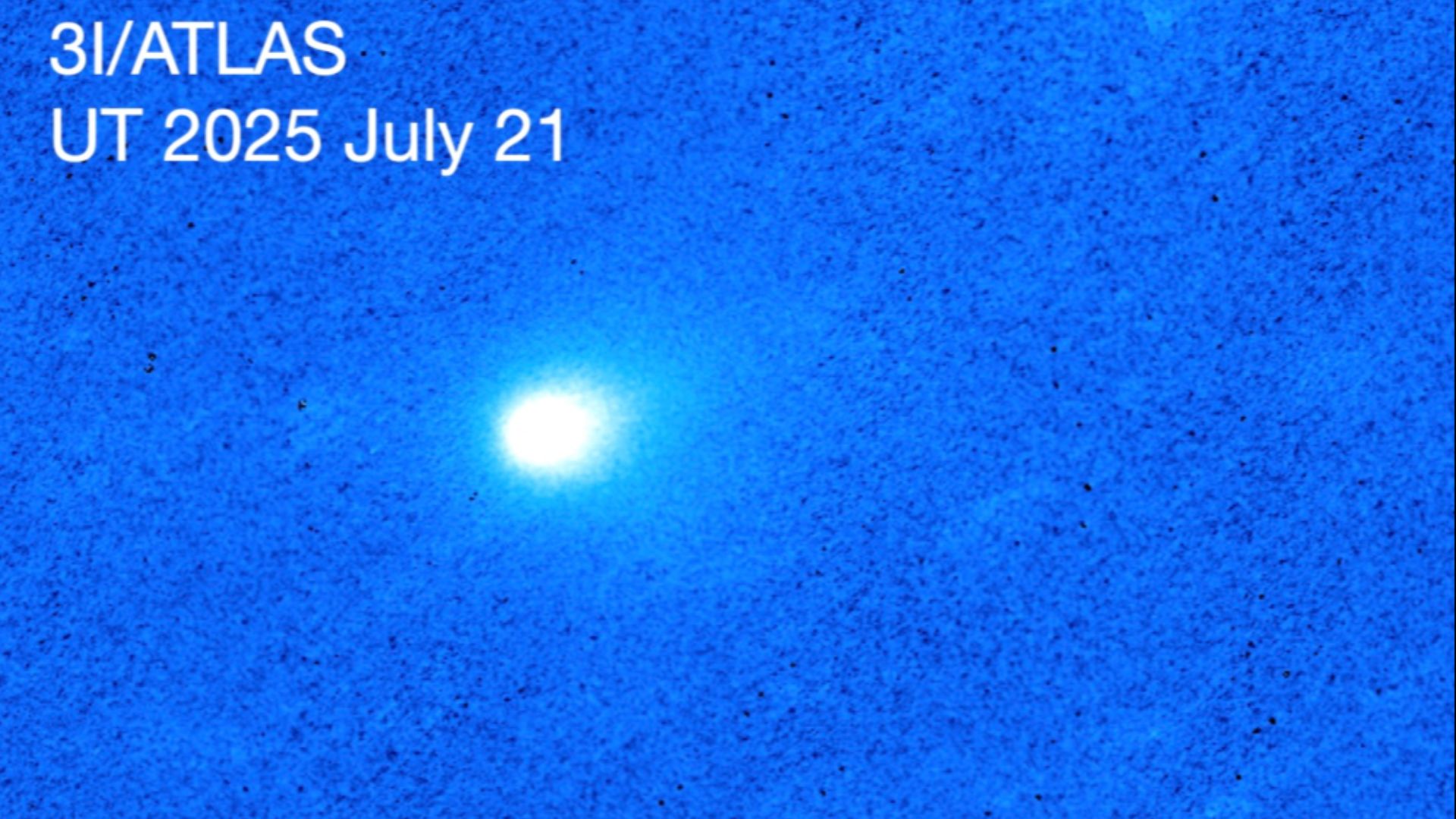 David Jewitt et al. (on behalf NASA/ESA/Hubble), Wikimedia Commons
Amateur Astronomers Joining The Search
Large backyard telescopes can spot 3I/ATLAS, so updated star charts are freely available online. Enthusiasts contribute light curves and position data by feeding them into official orbit updates. This citizen science effort mirrors the excitement and community involvement seen during comet NEOWISE observations.
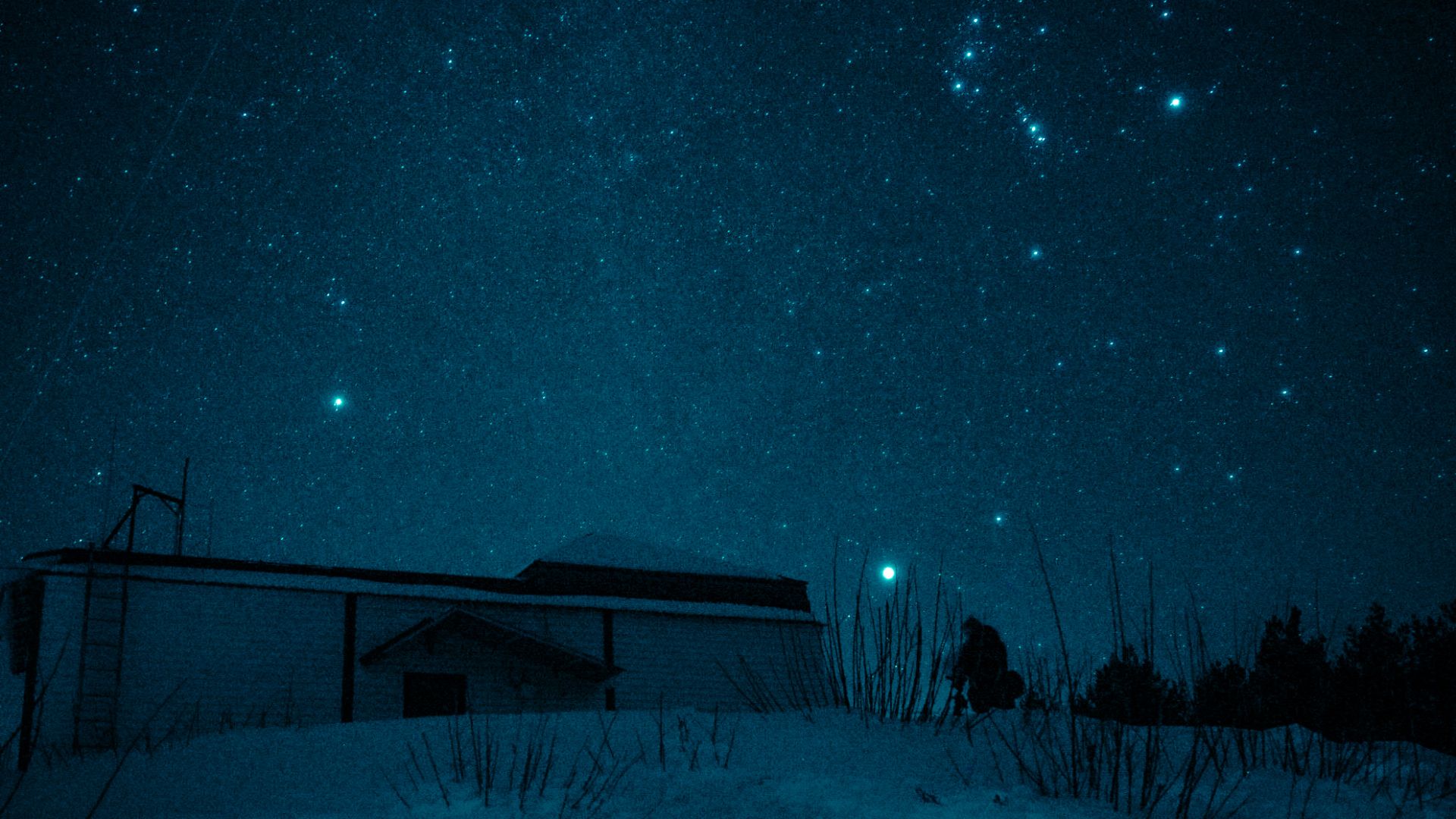 AlisaLandau, Wikimedia Commons
Peer-Reviewed Research Underway
By August 2025, the first scientific papers were sent to major journals. They covered topics such as trajectory modeling and composition. These studies are reviewed by international astronomy groups, presented at global conferences, and supported by open data agreements that encourage worldwide collaboration.
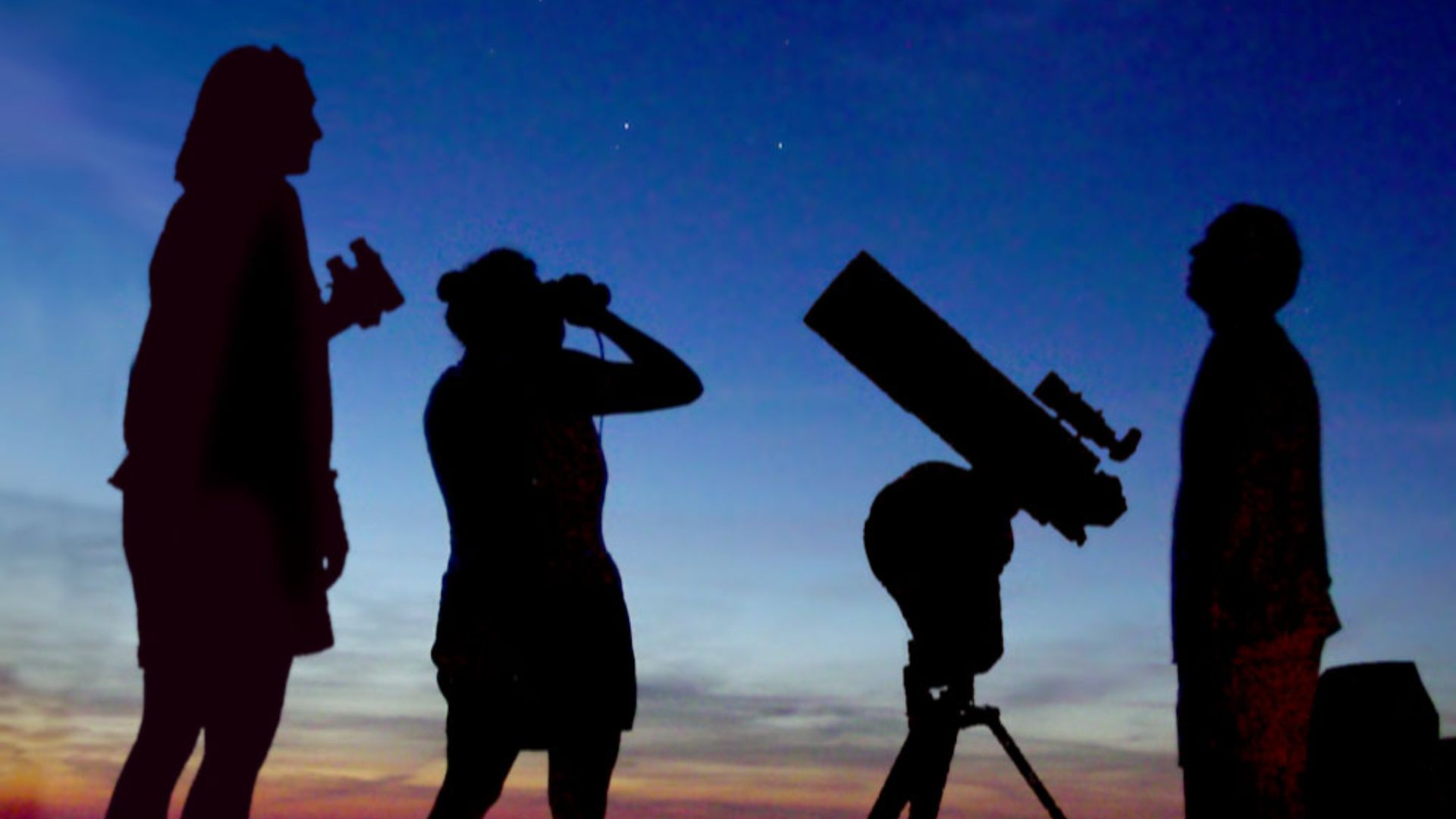 User Halfblue on en.wikipedia, Wikimedia Commons
Global Public And Media Engagement
3I/ATLAS appears in leading science and news outlets, with reports highlighting its rarity and interstellar origin. Furthermore, extensive coverage has inspired global curiosity by linking to science fiction ideas yet staying anchored in verified science through interviews with experts in the field.
 Kim Shiflett, Wikimedia Commons
Interstellar Visitors May Be More Common
Improved sky surveys are increasing the rate of discoveries, which suggests debris moves between star systems more often than once thought. This supports models of frequent planetary ejection events, raises chances for regular study, and shows technology is expanding the range of what can be detected.
Archiving Data For Future Study
All collected observations—from raw images to processed spectra—enter permanent planetary science archives that guarantee long-term accessibility for future comparisons. The standards match those used for comet Halley, so preserved data may aid scientists in refining models that explain how interstellar objects behave across different cosmic encounters.
The Legacy Of 3I ATLAS
This object sets new benchmarks for identifying interstellar bodies and may direct telescope survey designs for years ahead. It also broadens classification criteria for non-solar system objects and strengthens interest in extrasolar material studies by securing its place as a landmark moment in modern astronomical history.
 Pablo Carlos Budassi, Wikimedia Commons