
If It’s Missing, You’re Cooked
Vitamin B12 helps the body stay balanced, focused, and steady over time. When it’s missing, that’s when everything goes haywire. Most people only notice after symptoms pile up.
 RDNE Stock project, Pexels, Modified
Symptoms Can Develop Gradually
Vitamin B12 deficiency rarely makes a dramatic entrance. Early changes develop gradually and blend into everyday routines, making them easy to miss. That slow progression allows problems to advance unnoticed, which explains why many people overlook the connection for long periods. Curious about the signs? Most are unexpected.

Tingling Sensations Appearing In Hands And Feet
If you regularly notice pins-and-needles sensations, it can signal nerve irritation tied to a vitamin B12 deficiency—though something as simple as a pressed nerve can also cause it. When B12 levels stay low, the protective coating around nerves begins to break down, making tingling more frequent and harder to ignore.

Long-Term Deficiency Can Harm Nerves
Now, if the deficiency goes on for way too long, nerve damage is the end result. Signals misfire, sensation dulls, and coordination suffers as nerve protection deteriorates. Unlike short-term symptoms, extended damage may linger, possibly leading to paralysis.

Deficiency Can Cause Ongoing Fatigue
Feeling drained despite decent sleep can be traced to low B12 levels. The vitamin supports energy metabolism by helping cells convert food into usable fuel. When levels drop, muscles and the brain work harder for less payoff, and the result is routine days turning into exhausting slogs.

Memory And Concentration May Decline
Brain cells highly depend on vitamin B12 to function efficiently. Its decline can therefore interfere with mental processing. Yes, you’ll recall things, but maybe a little slower than typical. And when you try to focus, that becomes a hurdle too. Tasks that once felt automatic may require extra effort.

Lack Of B12 Can Lead To Anemia
Anemia linked to low B12 develops when red blood cells fail to mature correctly. Oxygen transport is impaired, leaving tissues underpowered. Anemia symptoms, which include, but are not limited to, weakness and pale skin, can appear gradually as the body compensates for reduced efficiency.

Mood Changes May Occur
Did you know that your brain chemistry depends on vitamin B12 to support emotional regulation? Oh, yes, to the point that when the levels are low, one may experience irritability or persistent sadness. These shifts often feel situational, yet nutritional balance plays a steady role behind the scenes.

Balance Issues Can Be An Early Warning
Think about the pins-and-needles sensation mentioned earlier. Were you able to use the affected limb normally? Probably not. Movement depends on nerve communication. When vitamin B12 runs low, signals misfire. Subtle balance problems, especially while walking or turning quickly, can appear before obvious symptoms.

Vision Problems May Develop Due To Nerve Damage
The optic nerve relies on healthy nerve tissue to send visual signals to the brain. A vitamin B12 deficiency can disrupt that pathway, causing blurred or altered vision. Symptoms often begin subtly, with a gradual loss of sharpness, and may progress over time to serious, permanent vision loss.

A Swollen Tongue Can Be A Symptom
Oral tissues often react quickly to vitamin deficiencies. When vitamin B12 runs low, the tongue may appear sore, swollen, or discolored. These visible changes can occur alongside altered taste, providing early, noticeable clues that internal nutrient levels may require attention. Understanding why this happens requires looking at absorption.

Stomach Acid Is The First Gatekeeper
Vitamin B12 does not enter the body automatically. Stomach acid must first separate it from food proteins so absorption can begin. When acid levels drop, that first step fails, leaving much of the vitamin unused before digestion even reaches the intestines.

Some Digestive Systems Cannot Finish The Job
Even with adequate stomach acid, B12 absorption still relies on multiple handoffs inside the gut. Specialized proteins must carry it through the intestines and into the bloodstream. If any stage breaks down, a deficiency can develop despite an otherwise healthy diet.
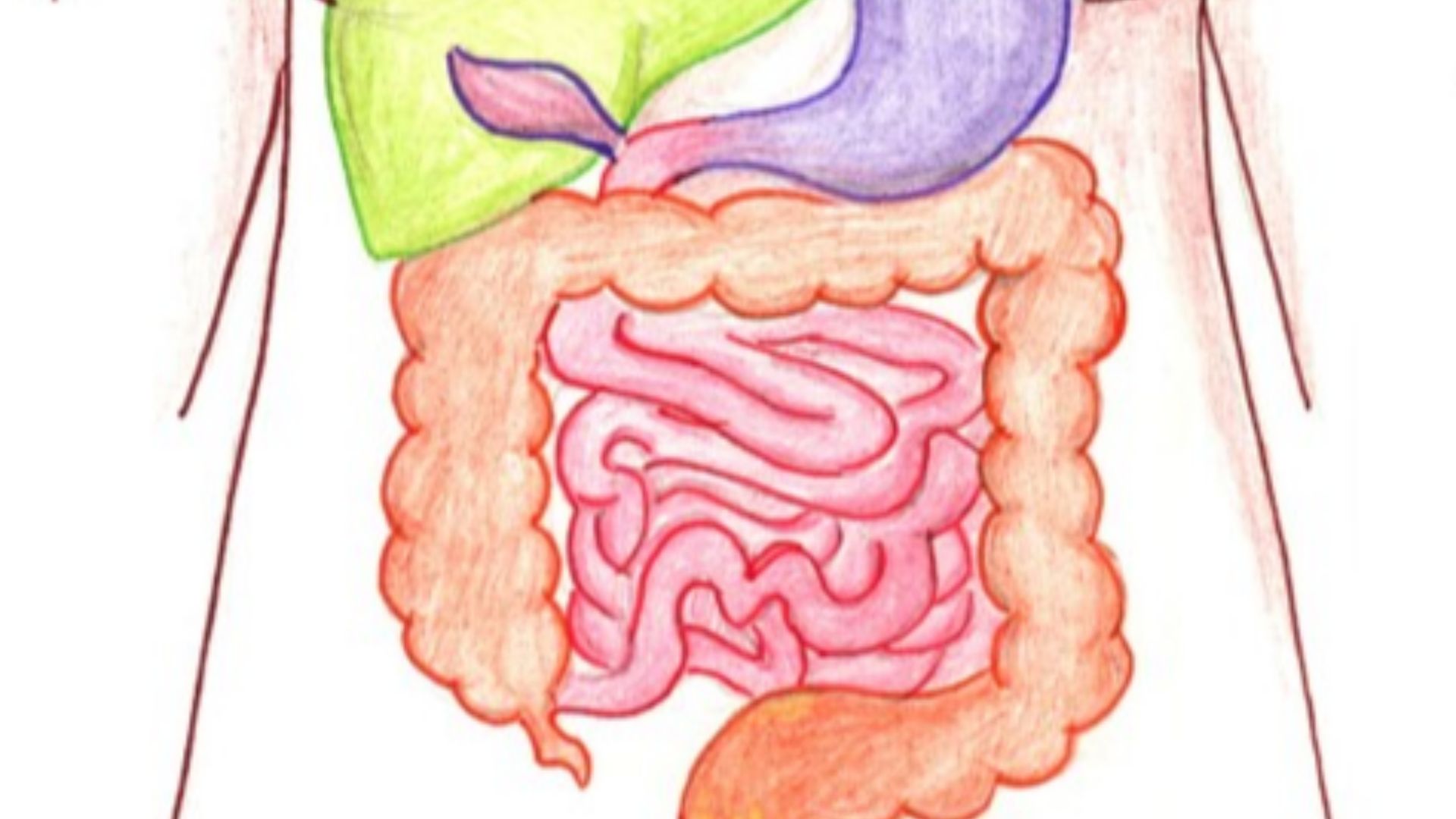
Digestive Conditions May Block Absorption
Beyond normal digestive breakdowns, conditions that affect the stomach or intestines can also interfere with vitamin B12 absorption. Inflammation or intestinal damage may block uptake. Even when intake appears sufficient on paper, underlying digestive issues can quietly lead to deficiency.

Certain Medications Reduce B12 Uptake
You should also know that some common medications can gradually reduce the amount of vitamin B12 your body absorbs. Drugs that lower stomach acid or are taken long-term can change digestion and limit B12 uptake. Because these medications are routine, the risk often goes unnoticed in everyday nutrition discussions.

Stomach Surgery Can Reduce Absorption Ability
Surgical procedures affecting the stomach or small intestine may remove or bypass areas critical for vitamin B12 processing. Structural changes alter digestion permanently, and this makes long-term supplementation or injections a common part of post-surgical care.

Autoimmune Conditions May Lower B12
Some autoimmune conditions, including pernicious anemia, can prevent the body from properly absorbing vitamin B12. The immune system attacks stomach cells that produce intrinsic factor, a protein needed for absorption. When this process breaks down, B12 cannot be taken in, no matter what you consume.

Heavy Alcohol Use Can Worsen Deficiency
Alcohol interferes with nutrient absorption and storage. Frequent heavy intake irritates the digestive tract and reduces the liver’s ability to maintain vitamin B12 reserves. Over time, that combination accelerates depletion and symptom development.

Pregnancy Increases The Body’s B12 Needs
Pregnant women are often advised to increase their vitamin B12 intake to meet higher demands during fetal development. Since the vitamin supports nervous system formation and blood production, maintaining adequate levels helps preserve maternal energy while supporting healthy growth throughout pregnancy.

Plant-Based Diets May Lack Natural B12
Now here comes one you did not expect: diet. Vitamin B12 occurs naturally in animal-derived foods. Plant-based diets can fall short if they lack these additions, unless fortified options are readily available. Without intentional planning, long-term gaps may develop quietly while meals still feel nutritious and satisfying.

Blood Tests Are Used For Diagnosis
Healthcare providers rely on blood work to identify vitamin B12 deficiency. Testing reveals circulating levels and helps distinguish nutritional causes from other conditions. Clear measurement enables targeted treatment rather than guesswork based on symptoms alone. Results guide treatment under medical supervision.

Treatment Begins Quickly After Diagnosis
After vitamin B12 deficiency is confirmed, treatment usually starts right away. Doctors may recommend oral supplements, dietary changes, or injections depending on the cause. Early intervention focuses on restoring levels, monitoring response, and preventing further nerve or blood-related damage through supervised follow-up.

Supplements Can Restore B12 Levels
One of the fortified sources for replenishing vitamin B12 stores is oral supplements. These come in various forms, including tablets, liquids, and fortified foods, and work best when taken consistently. When absorption remains functional, they help support well-being. As always, seek medical advice before making supplements a daily routine.

Injections May Be Needed When Absorption Fails
For those who cannot absorb vitamin B12 through digestion alone, injections deliver the vitamin directly into the bloodstream, bypassing gastrointestinal barriers. This method supports people with absorption disorders, surgical changes, or long-standing deficiencies that resist oral options.

Older Adults Face Higher Deficiency Risk
Another challenge that comes with age is a higher risk of vitamin B12 deficiency. Aging alters digestion, including reduced stomach acid production. Without enough acid, the body struggles to release B12 from food, making deficiency more common later in life. Regardless of age….

Early Treatment Can Reverse Symptoms
Treatment should not be delayed once deficiency is identified. Timing matters. So address low levels early by eating right and getting checked regularly. Doing so early allows nerve tissue and blood cells to recover before damage deepens. If you catch it super early, many physical and cognitive symptoms subside.