More Than A Moment Frozen In Time
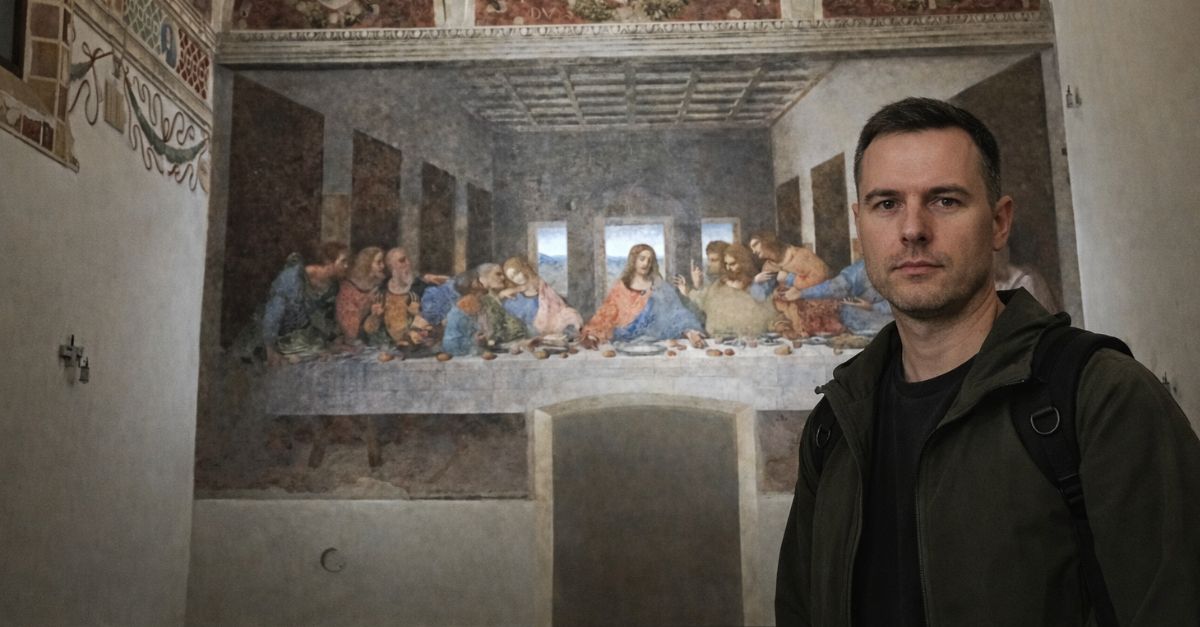
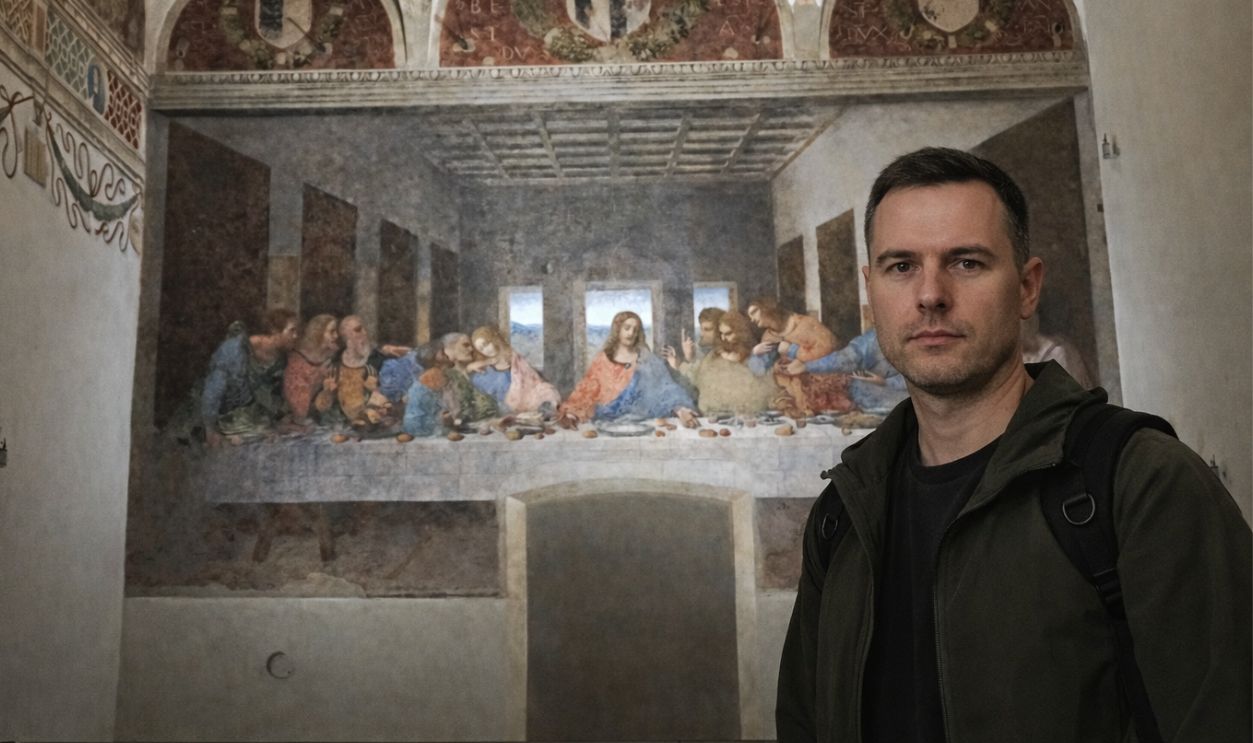
That famous dinner scene is a story of bold choices with hidden meanings made by the famous painter of the century. There are surprising details in the painting that most people walk right past without realizing.
 Mariordo, Wikimedia Commons, Modified
What Is “The Last Supper”?
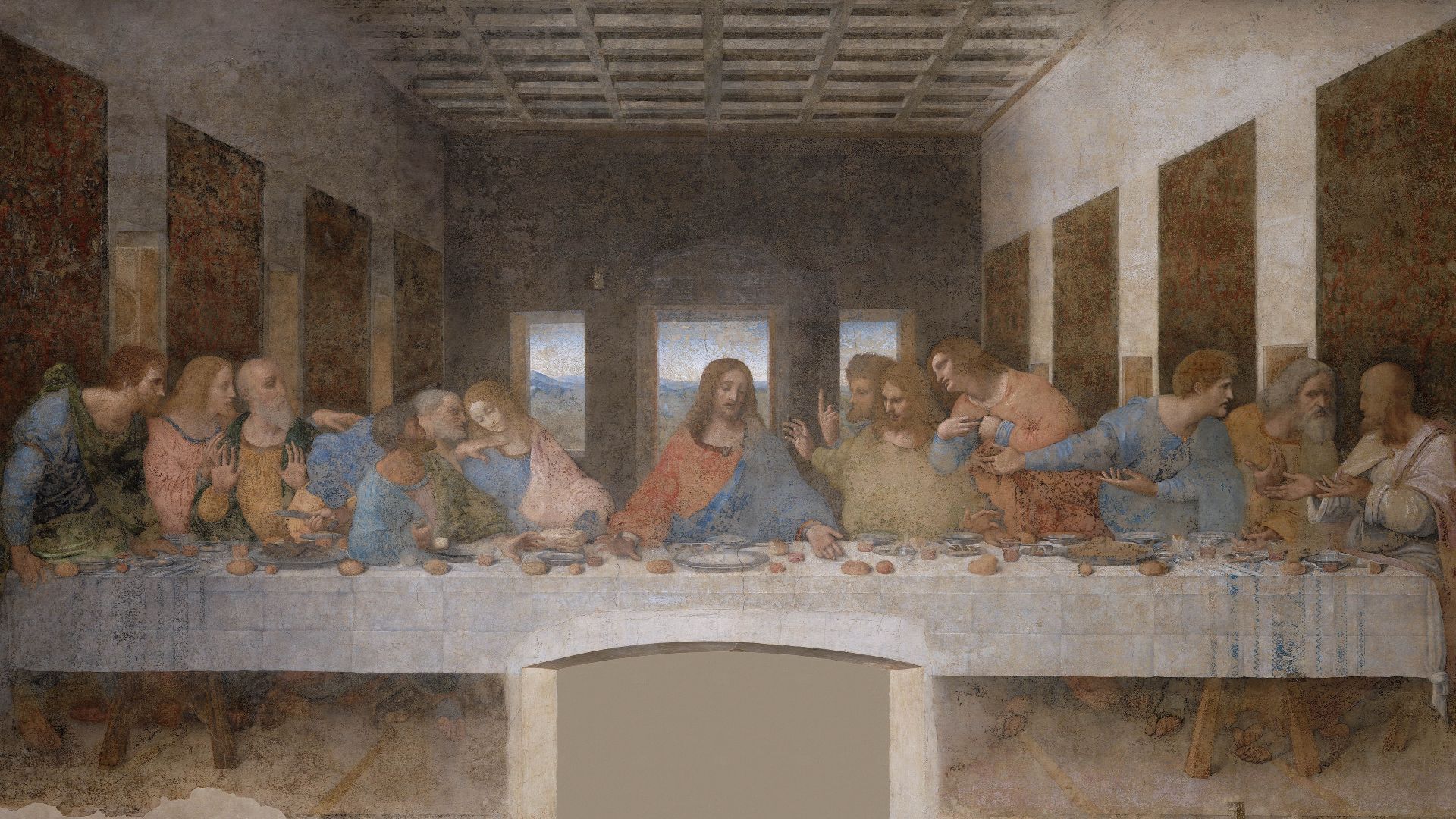
Painted between 1495 and 1498 by Leonardo da Vinci, "The Last Supper" captures the dramatic moment of Jesus’s final meal with his apostles. It has become one of the most studied artworks in history, preserved inside a UNESCO-listed convent that continues to fascinate everyone.
 Leonardo da Vinci, Wikimedia Commons
Commissioning The Mural
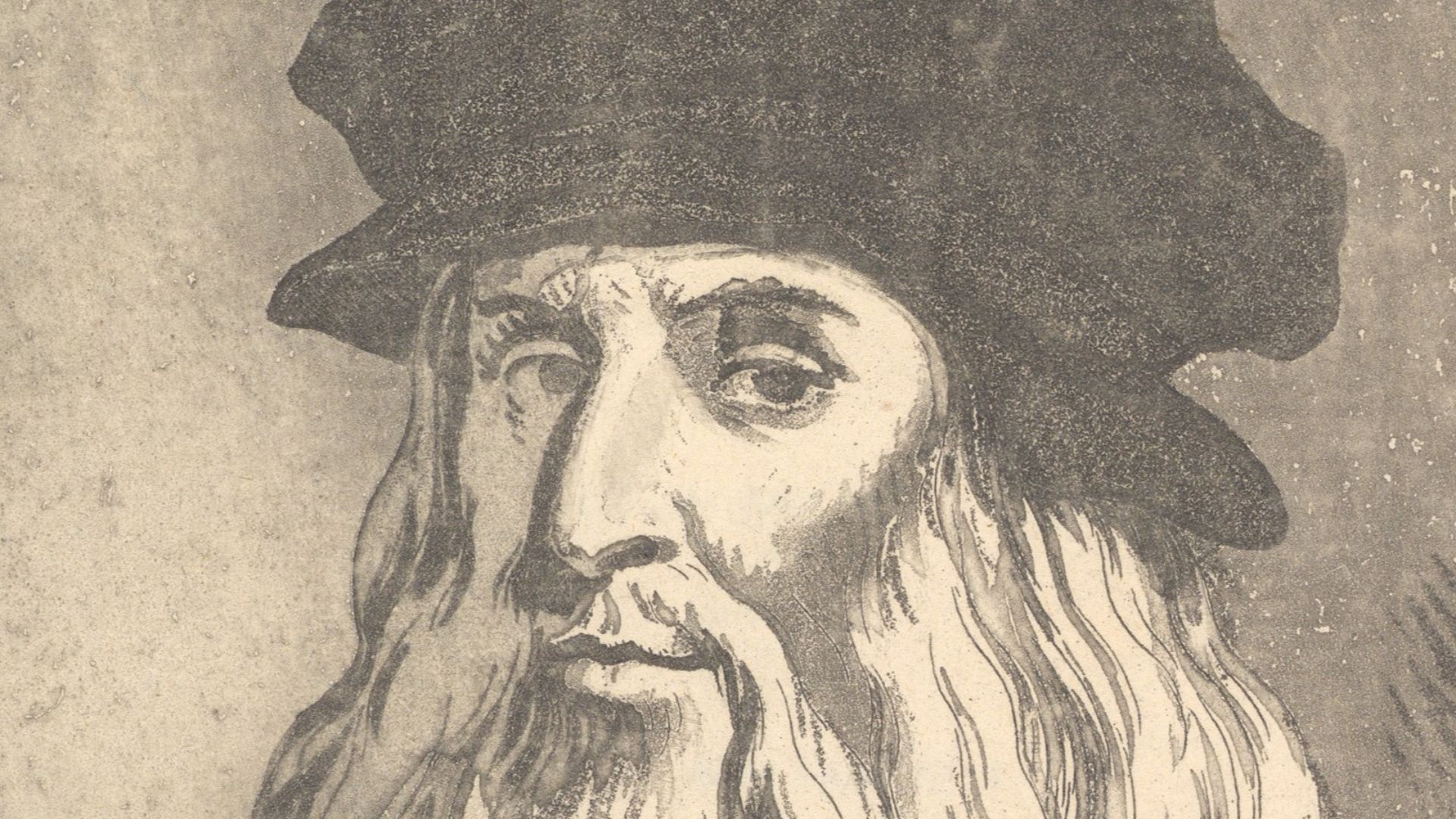
In 1495, the mural was commissioned by the duke to transform the convent’s dining hall into a space of reflection. The scene of Jesus’s final meal was meant to inspire monks as they ate in silence. Interestingly, Leonardo da Vinci initially hesitated before accepting the ambitious project.
 Leonardo da Vinci, Wikimedia Commons
Renaissance Milan And A Powerful Setting
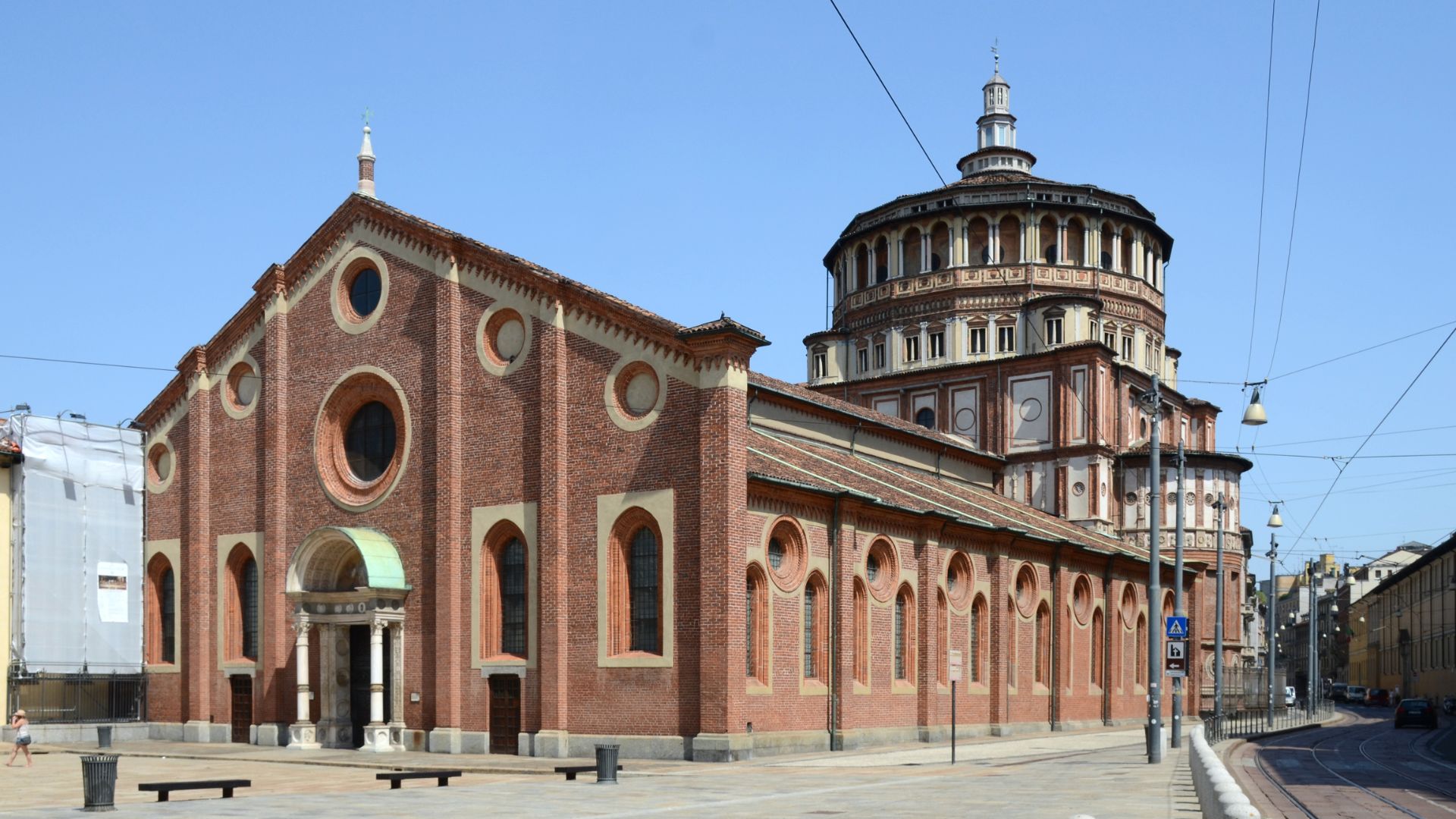
Hidden within the walls of Santa Maria delle Grazie, the mural became part of Milan’s rich Renaissance story. Under the leadership of Ludovico Sforza, the city buzzed with ambition and creativity. Originally, the convent was designed to become a grand resting place for his family.
 Marcin Bialek, Wikimedia Commons
Leonardo Da Vinci’s Mind
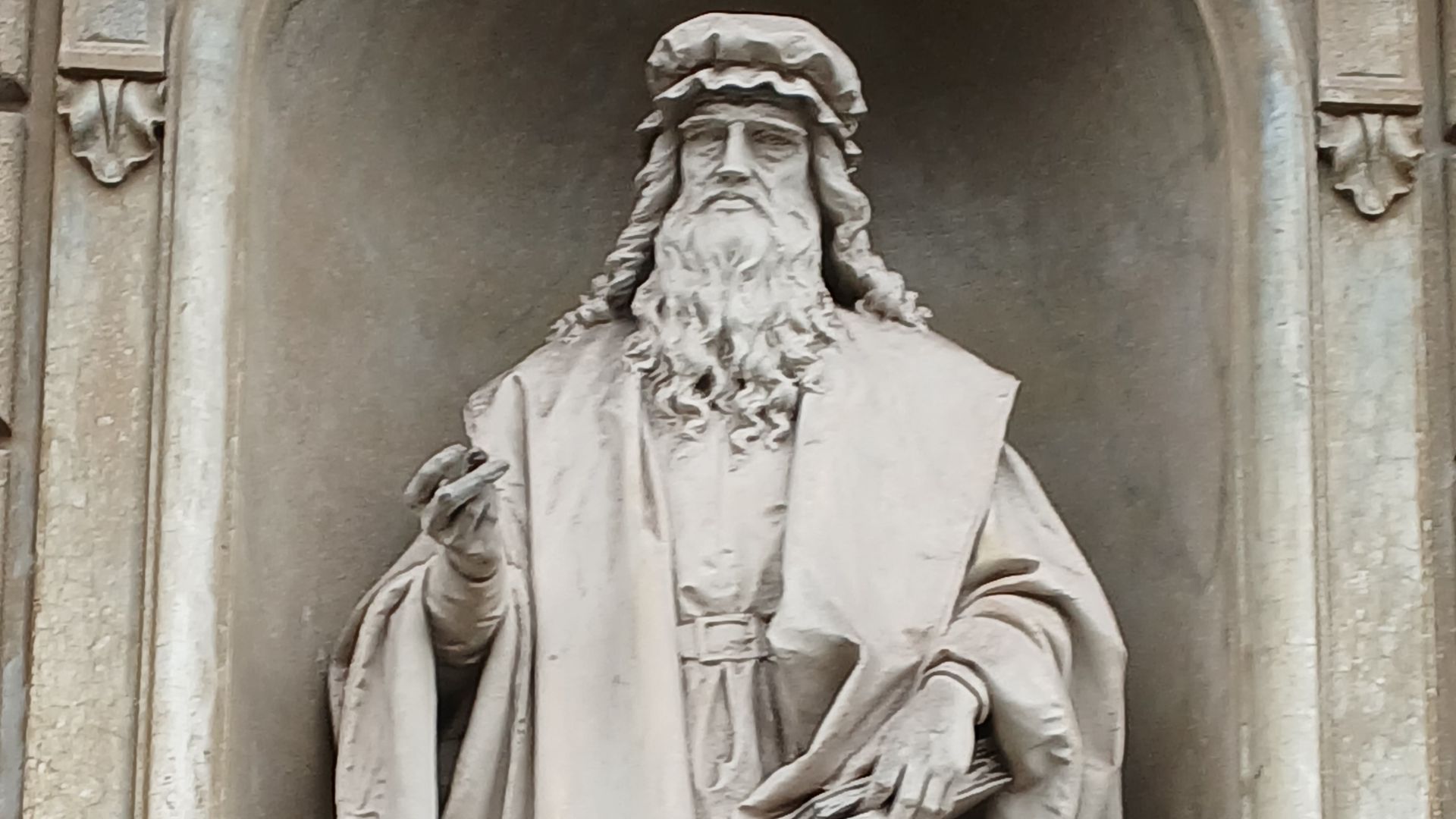
As a brilliant scientist and thinker, he dissected human bodies to understand anatomy and filled notebooks with inventions written in mirror script. Though he famously left many projects unfinished, his curiosity transformed art to push realism and emotion to extraordinary new heights.
 Ricercastorica, Wikimedia Commons
Duration Of Work
Leonardo da Vinci worked on "The Last Supper" intermittently between 1495 and 1498. Some days, he painted entire figures in a single burst of energy. Other times, he simply stood before the wall for hours to study the scene in silence.
Biblical Sources Combined
Rather than following just one Gospel, Leonardo brought together moments drawn from the Gospel of Matthew, the Gospel of Luke, and the Gospel of John with the Gospel of Mark. By merging betrayal and sacred symbolism, he created a single dramatic scene packed with tension and meaning.
Not A True Fresco
The traditional frescoes required painting on the wet plaster, but Leonardo used a mix of tempera and oil on dry walls. The wall was prepared with gesso, pitch, and mastic as well. At the time, this approach was considered bold and radical, as it allowed richer detail and color.
Consequences Of Innovation
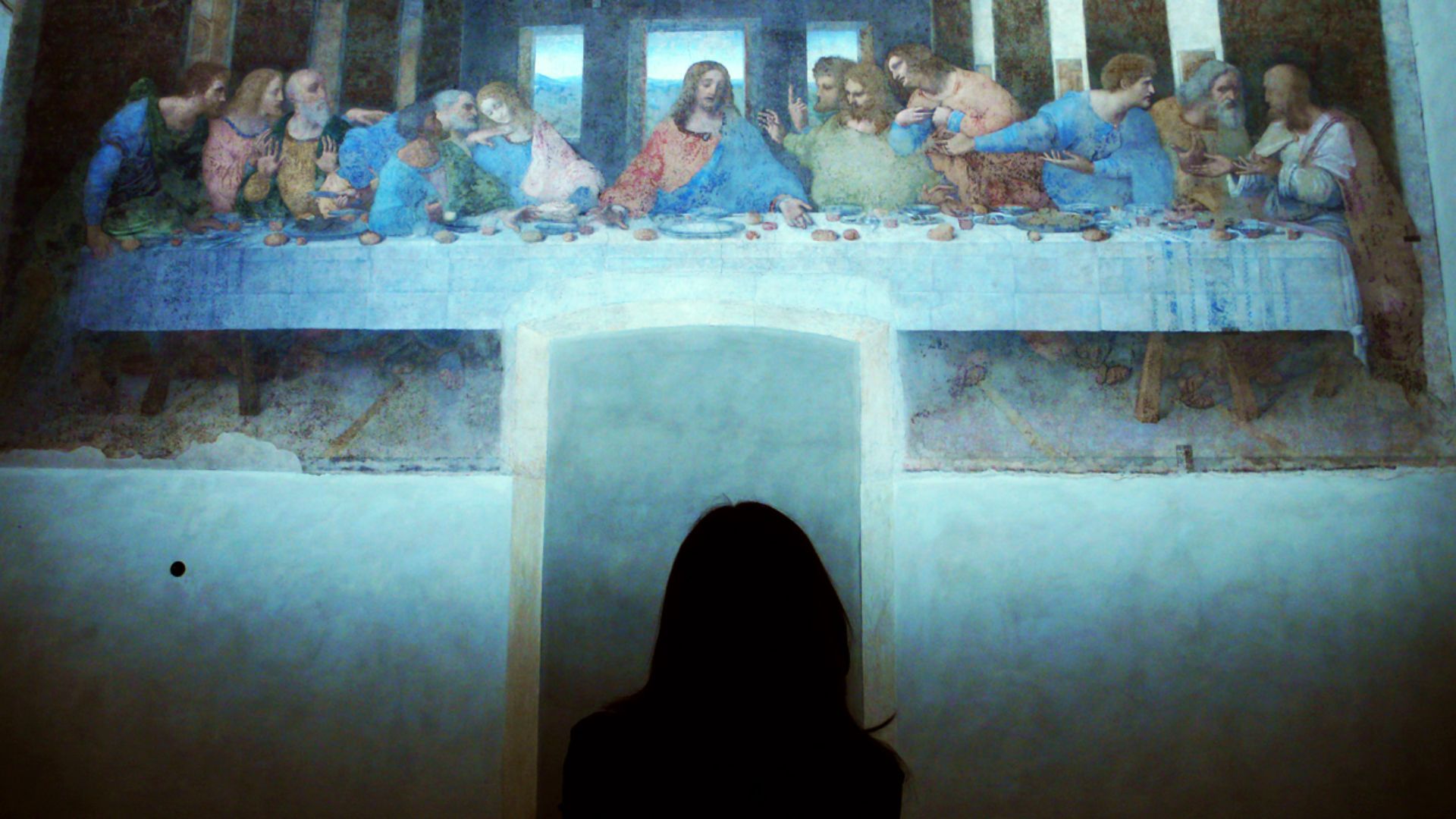
Because the paint failed to bond properly with the plaster, damage appeared within just a few years of completion. Colors began to fade when the sections started to flake away. Many complained about how quickly it aged, but it also strengthened Leonardo’s image as a daring innovator.
Scale Of The Work
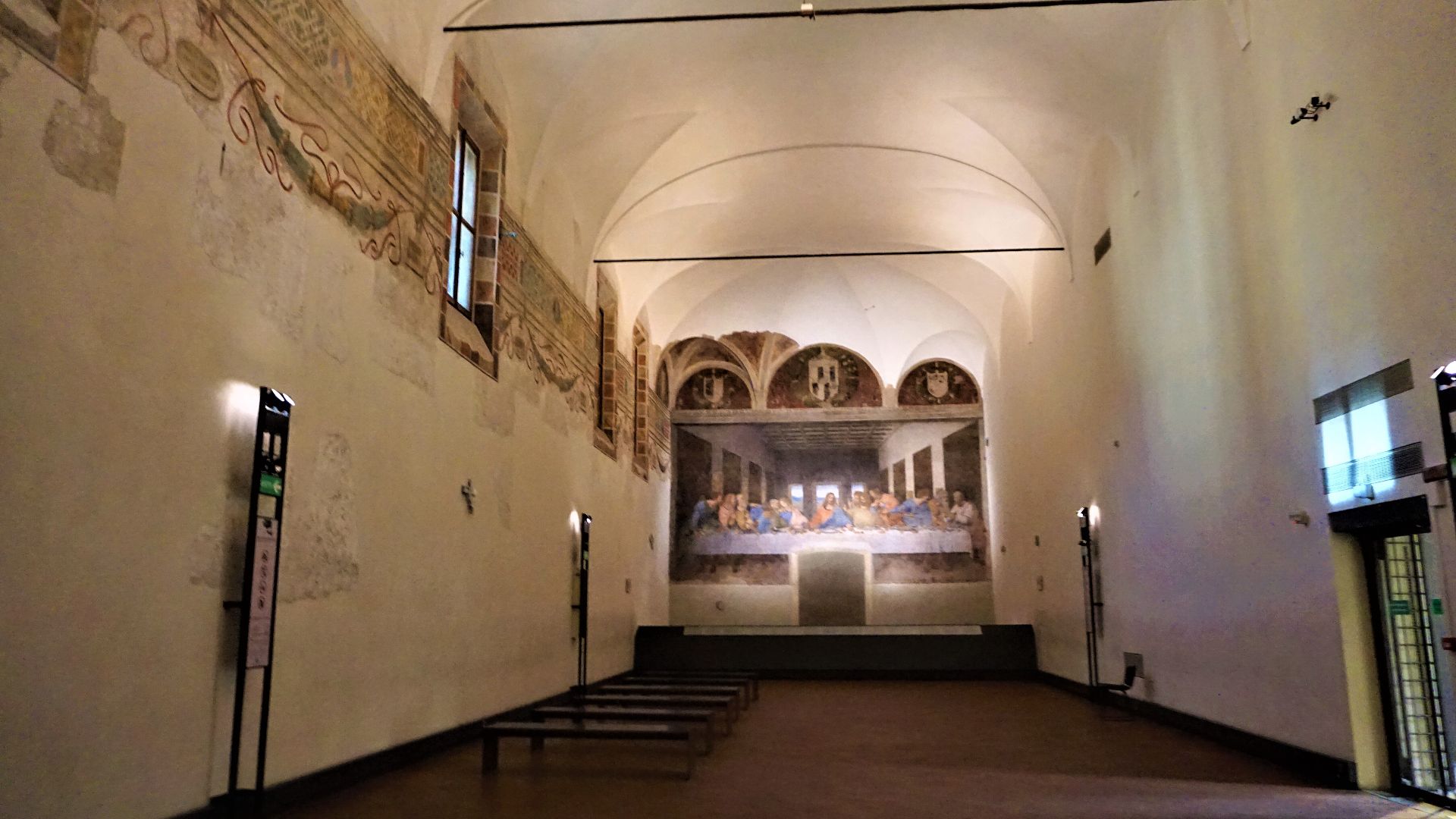
Stretching an astonishing 29 feet wide and 15 feet high, "The Last Supper" covers an entire wall of the convent’s refectory. Many visitors are shocked by its sheer size in person, often expecting something smaller. Compared to most Renaissance religious paintings, the mural feels monumental and immersive.
 Joyofmuseums, Wikimedia Commons
Perspective Mastery
Leonardo designed the entire scene so every architectural line leads directly to the head of Jesus Christ, instantly drawing the eye to the emotional center. He created a perfect balance while making viewers feel as if they’re seated right at the table with the apostles by using precise geometry.
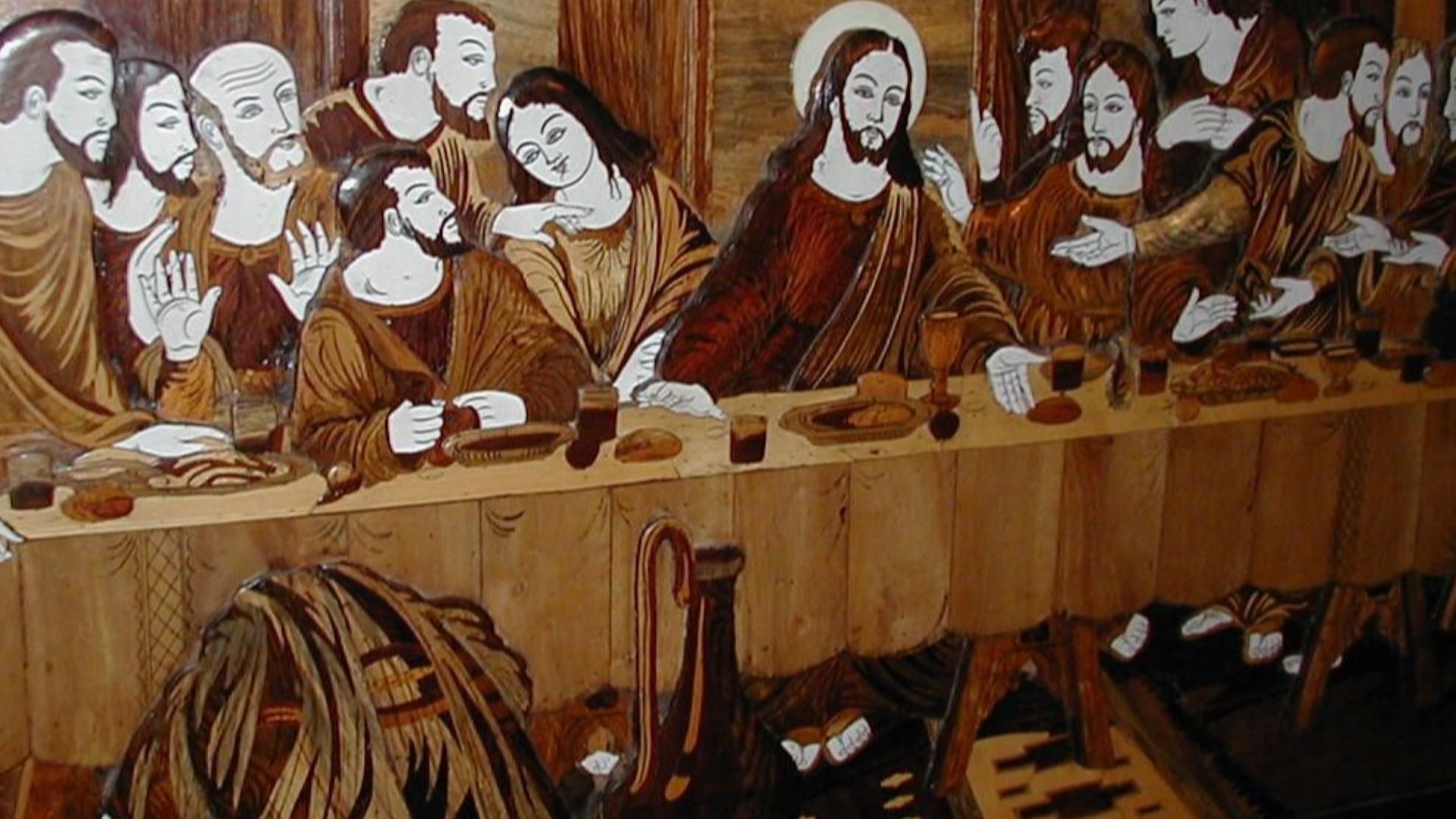 Frederick Noronha fredericknoronha1@gmail.com from Goa, India, India, Wikimedia Commons
Apostles In Groups Of Three
The painter arranged the apostles into four distinct groups of three. This layout symbolized harmony and subtly referenced the Holy Trinity. The repeating rhythm brought energy to the scene, a bold departure from earlier, more rigid religious compositions.
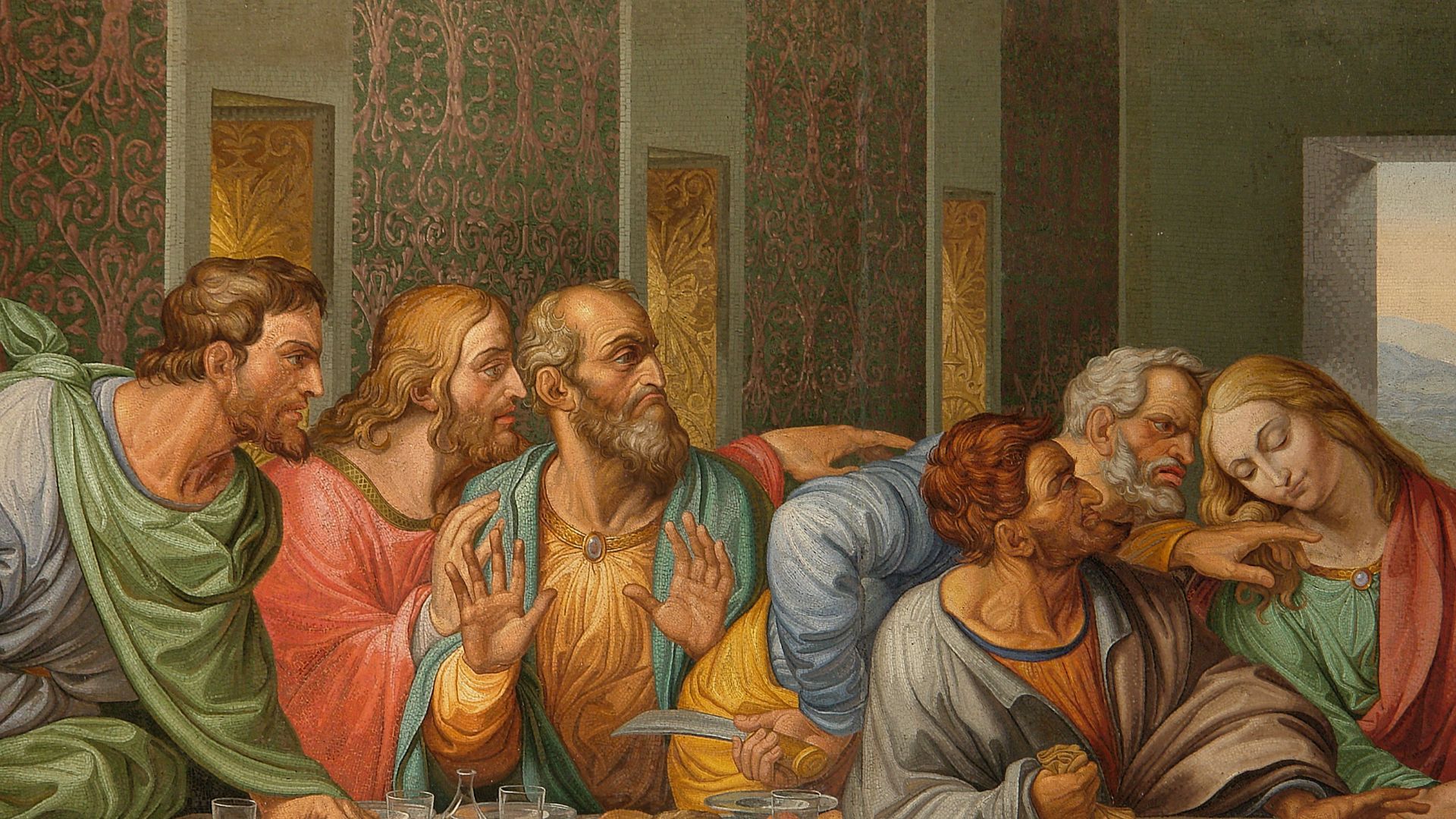 Alberto Fernandez Fernandez, Wikimedia Commons
Emotional Reactions
Each apostle responds differently to Jesus’ shocking words—some leap back in disbelief, others whisper in confusion. The powerful variety made the biblical figures feel human for the first time, almost like a dramatic scene unfolding on a stage.
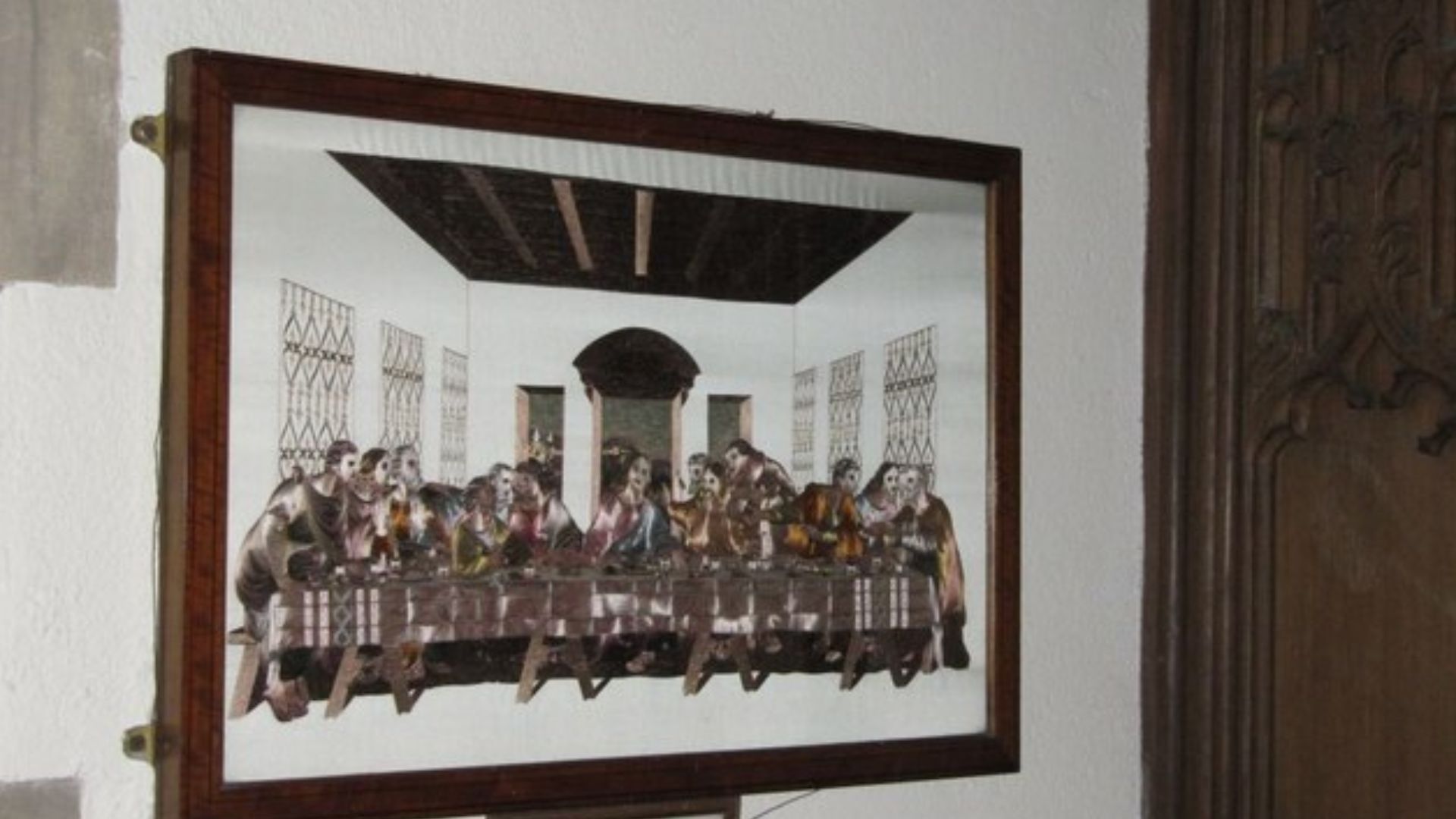 Bill Nicholls, Wikimedia Commons
Judas’s Betrayal Gesture
Judas is subtly revealed through symbolism. He reaches toward the same dish as Jesus Christ while fulfilling the biblical clue of betrayal. His face is shadowed, he clutches a small money bag, and his elbow knocks over a salt cellar—an old sign of bad luck.
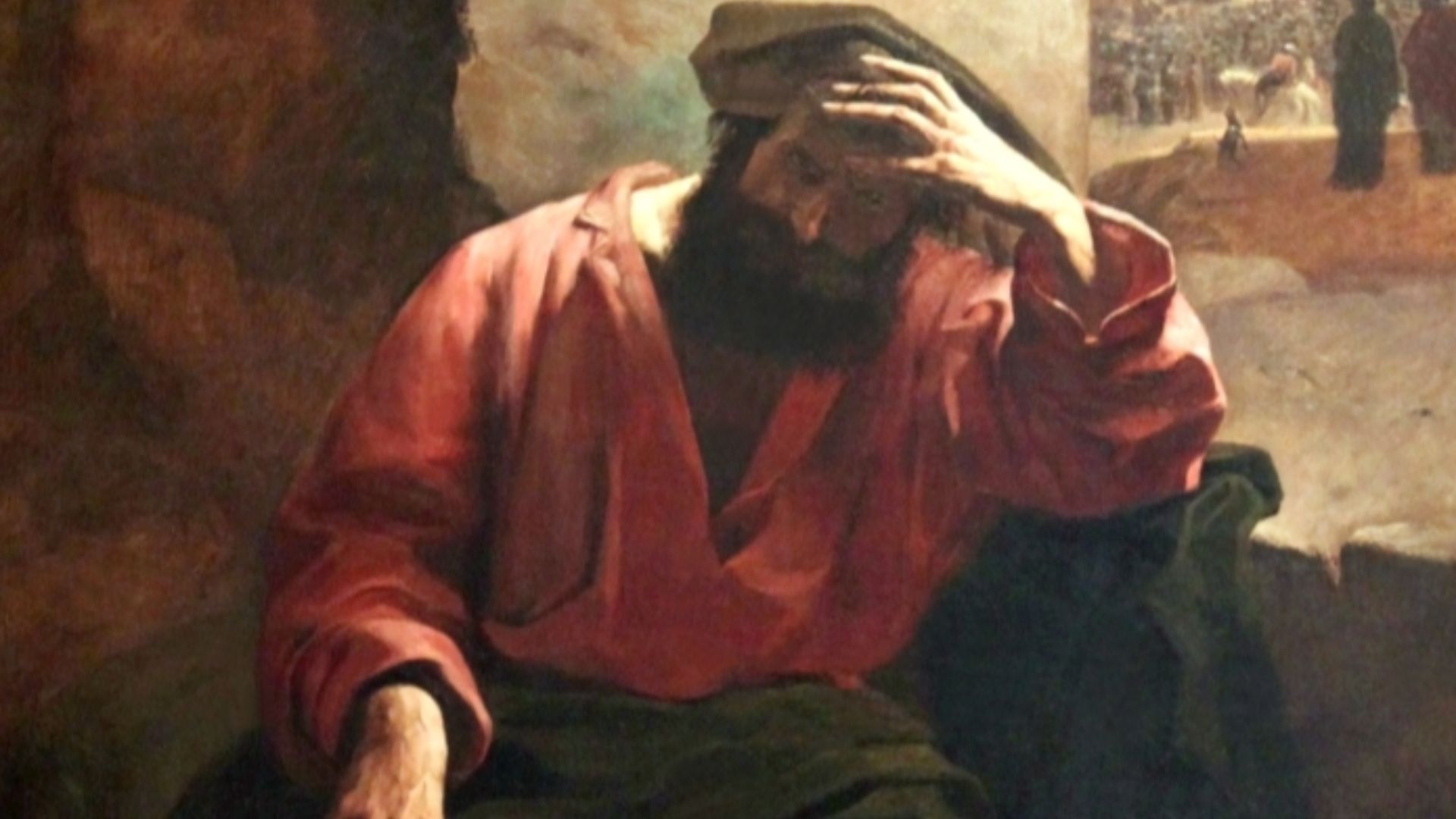 Jose Ferraz de Almeida Junior, Wikimedia Commons
Absence Of The Chalice
Surprisingly, there is no chalice shown in "The Last Supper", even though it’s central to traditional Eucharist imagery. The idea broke from centuries of artistic convention. Later artists added cups in their own versions, but Leonardo’s bold omission sparked endless debate.
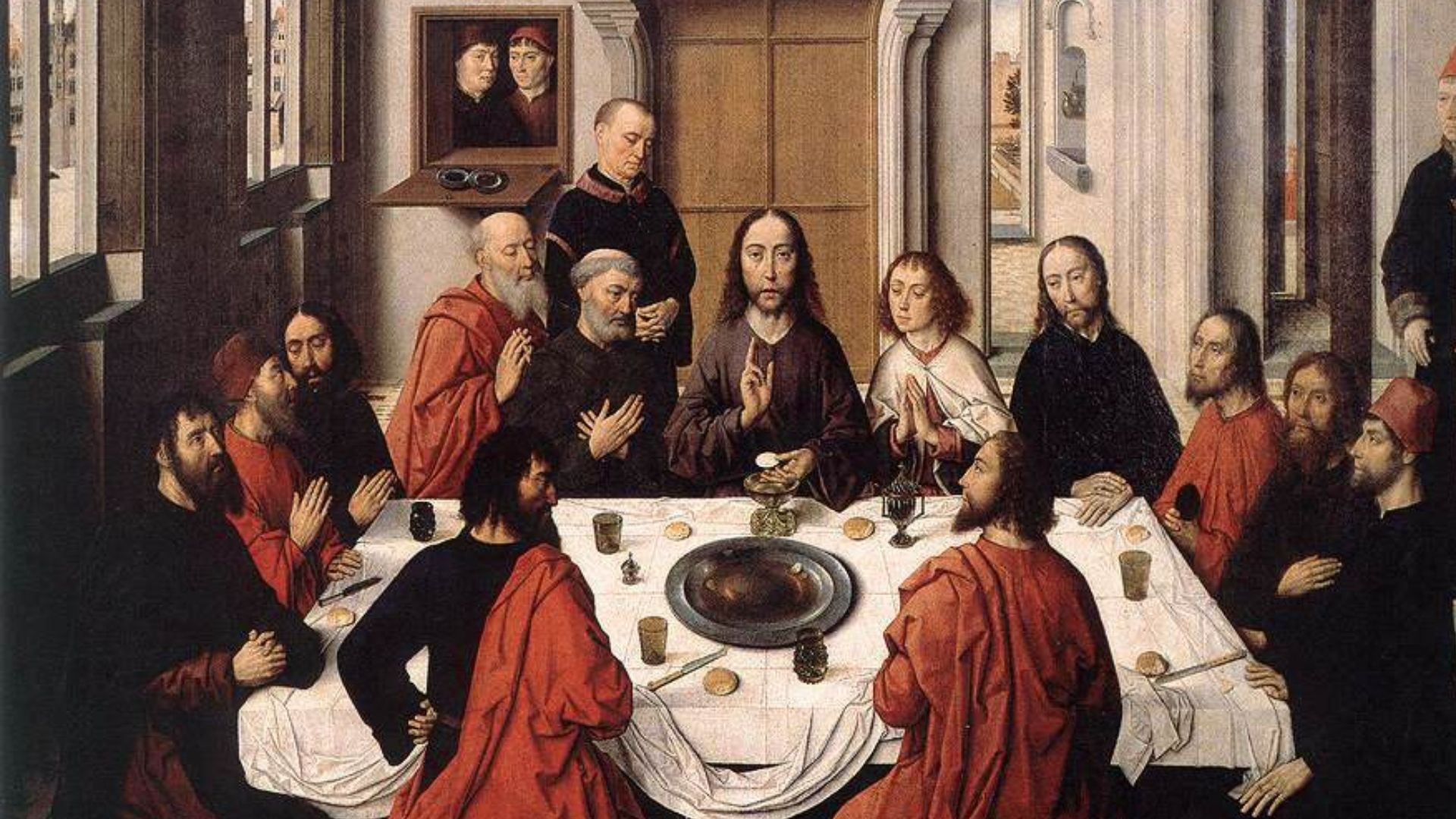 Dieric Bouts, Wikimedia Commons
Hidden Musical Score Theory
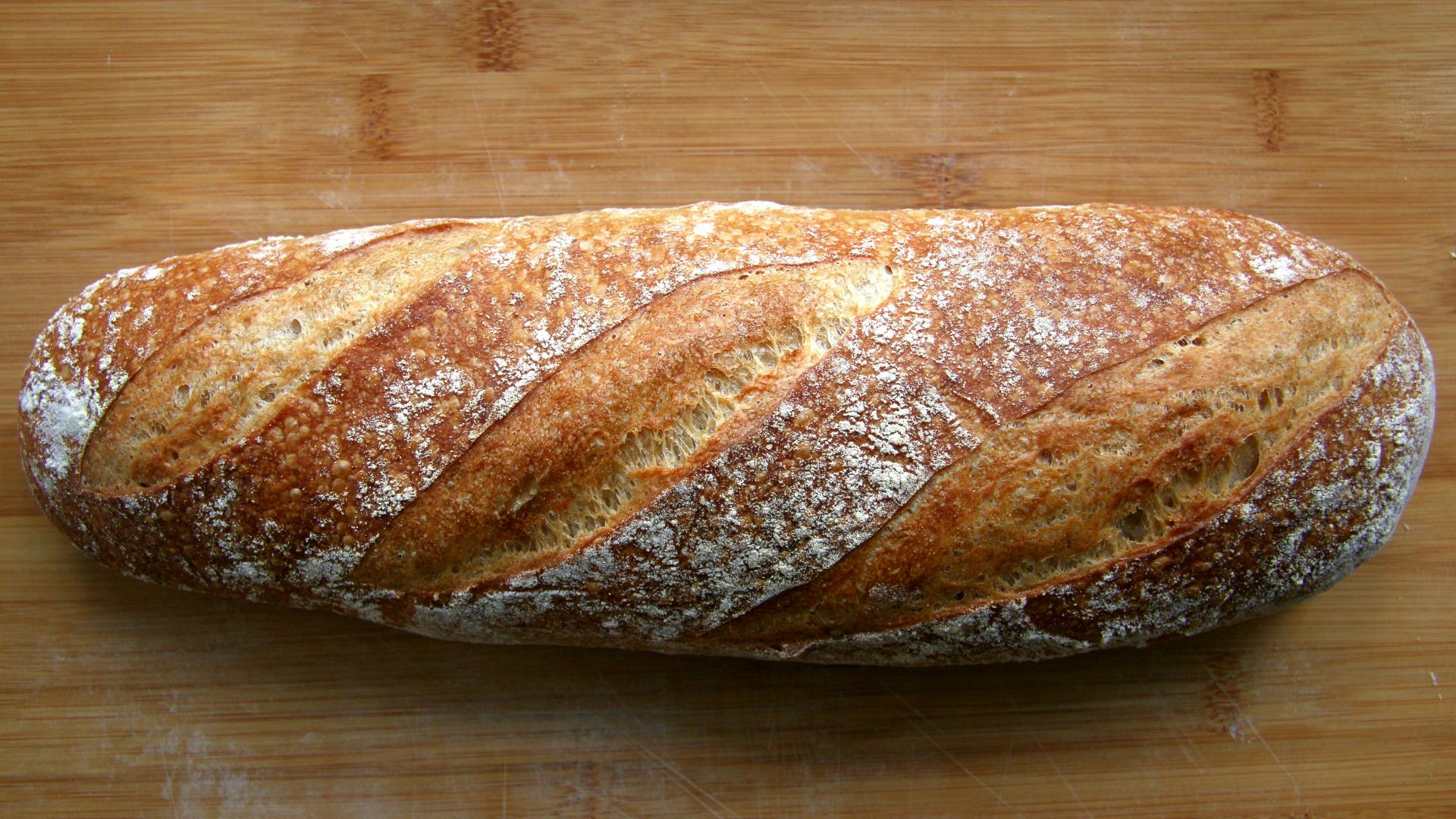
In 2007, a researcher proposed that the positioning of hands and loaves of bread could be interpreted as musical notes. When read across the scene, they formed a short melody lasting about 40 seconds. While debated, the idea sparked serious scholarly discussion.
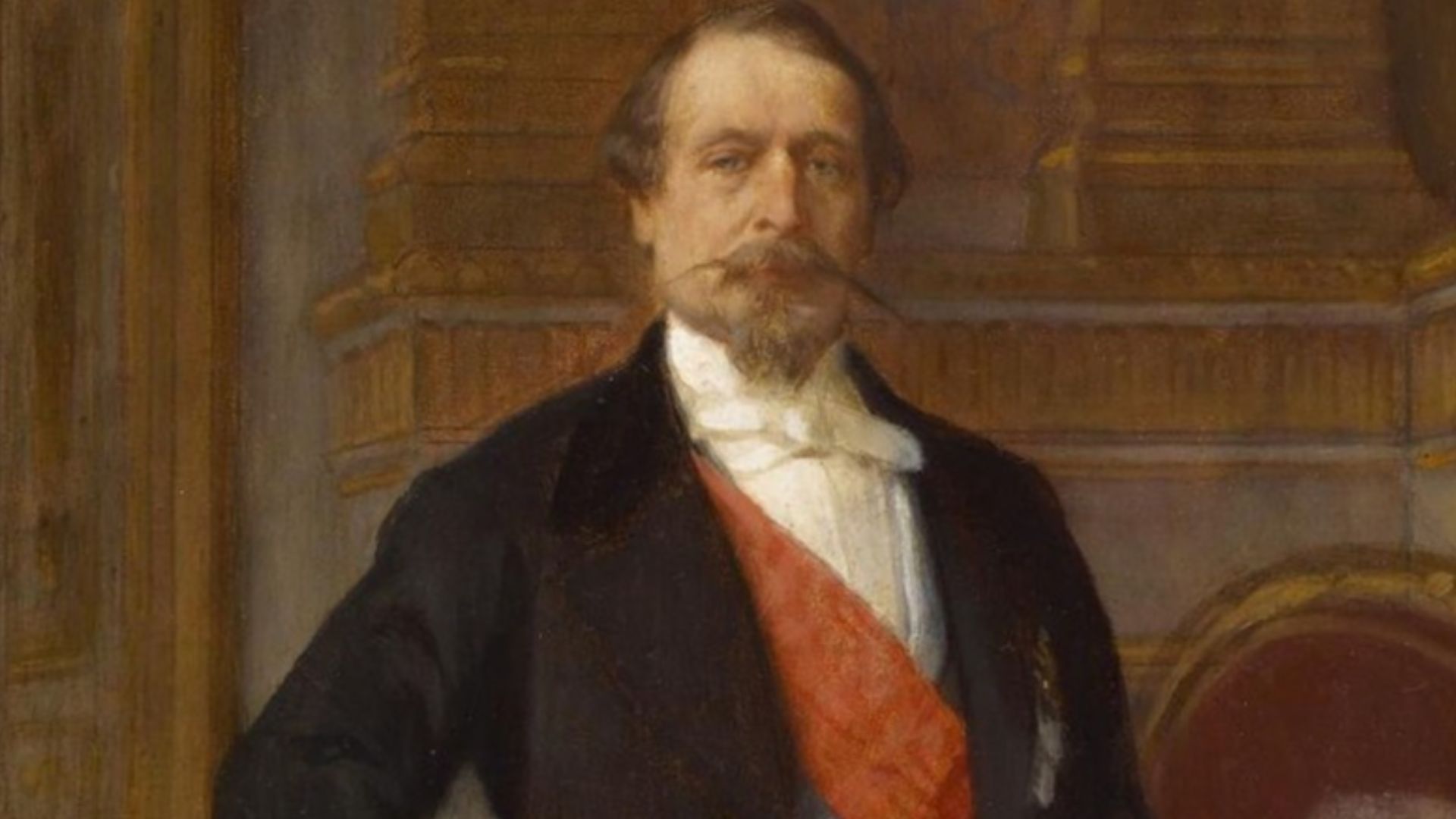
Napoleon’s Stable
Centuries after its creation, the refectory faced shocking misuse when French troops turned it into a stable. Horses damaged the environment, and careless soldiers even threw stones at the heads of the apostles for fun. Neglect nearly destroyed the mural and pushed it closer to ruin.
World War II Destruction
In 1943, a bomb tore through much of the convent during World War II, reducing the surrounding walls to rubble. Miraculously, the mural survived because sandbags had been placed for protection. Many later called its survival nothing short of a miracle.
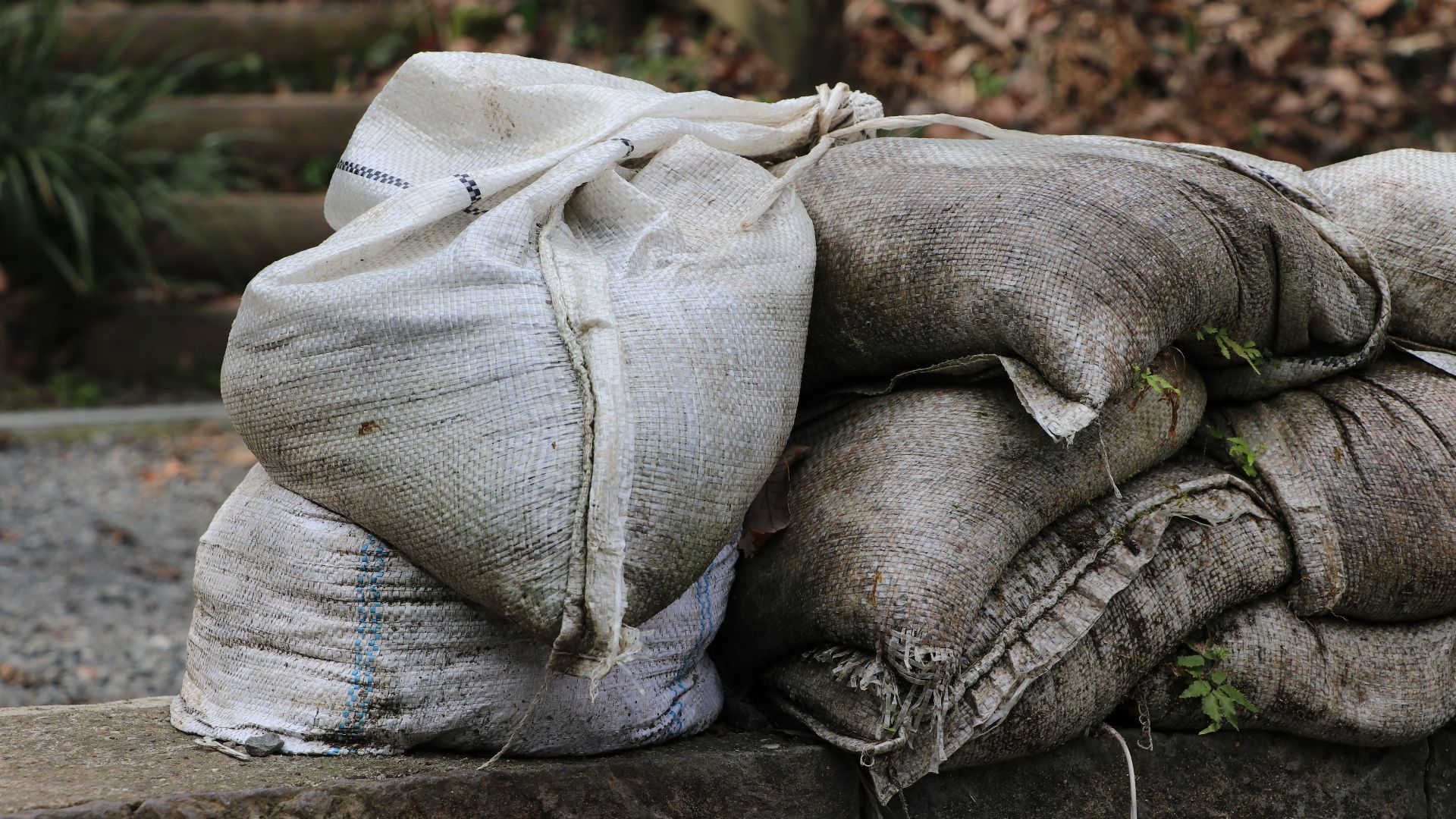 Osumi Akari, Wikimedia Commons
Feet Lost To Doorway Construction
Builders cut a doorway straight through the wall beneath the mural to destroy the lower section, which included Jesus’s feet, in the 1600s. Though the doorway was later bricked up, the damage was permanent. Thankfully, early copies of the painting still preserve what was lost forever.
Centuries Of Restoration
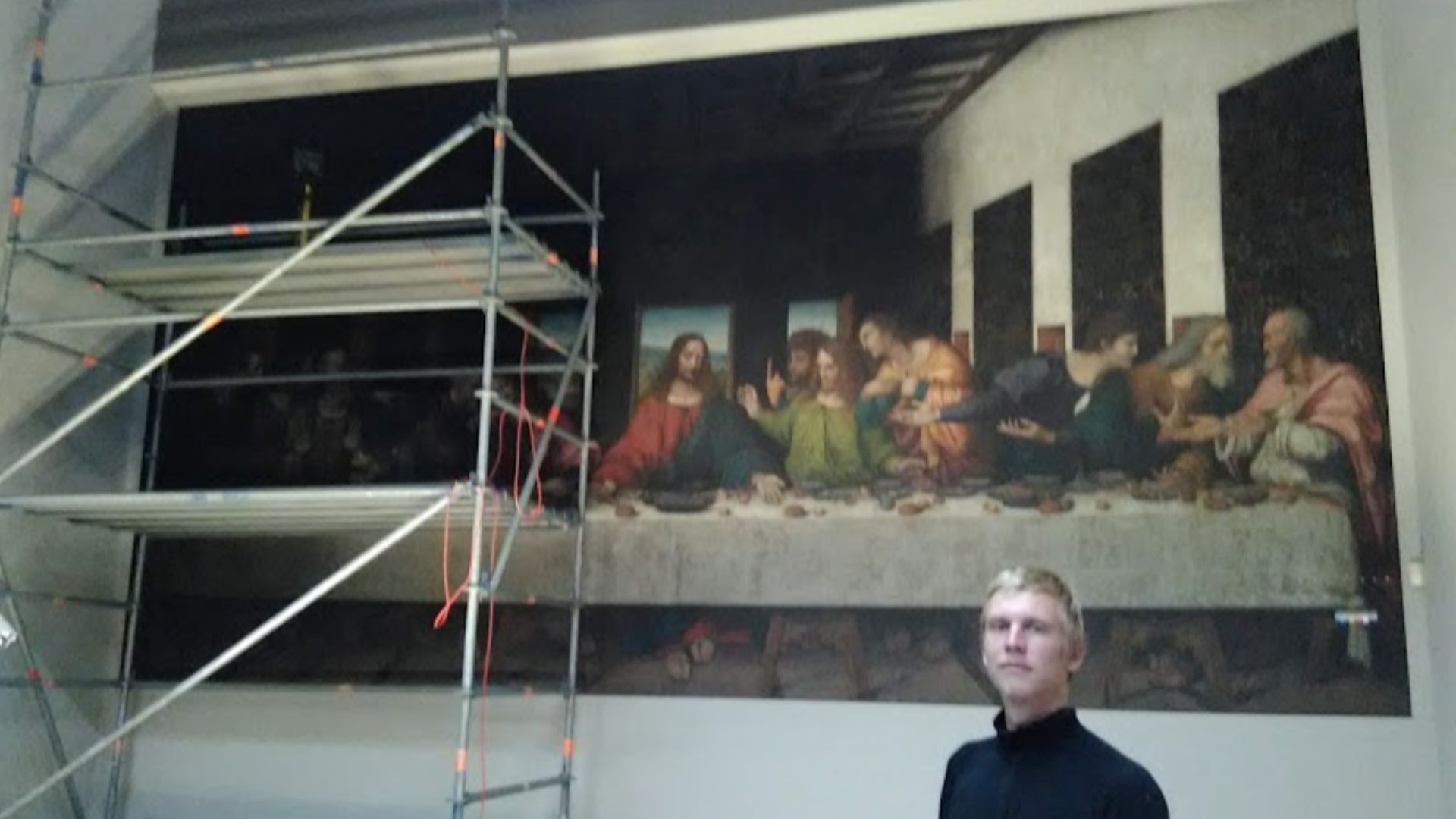
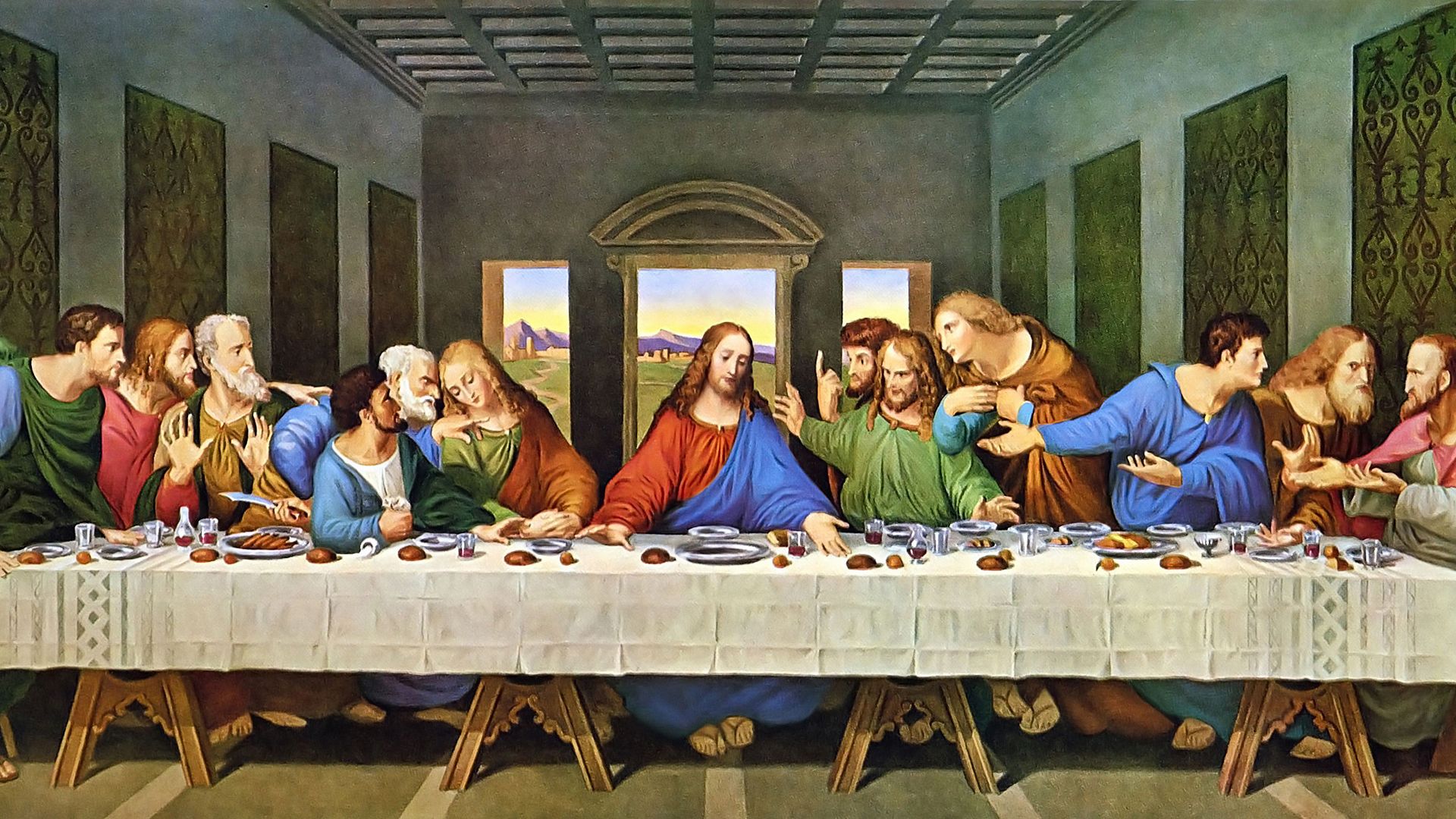
Over the centuries, countless restorations tried to “repair” the damage done to "The Last Supper". Many well-meaning artists painted directly over Leonardo’s original work, often using oil-based materials that actually sped up decay. One restorer even went so far as to repaint entire faces.
 Leonardo da Vinci, Wikimedia Commons
Only Fragments Remain
Today, less than half of Leonardo’s original paint is believed to survive. Infrared scans and other modern technologies can now reveal hidden traces beneath the surface. It sparks ongoing debates among scholars about how much of the masterpiece is truly authentic.
 NASA Armstrong Flight Research Center / NASA/Tom Tschida, Wikimedia Commons
The Modern Restoration Effort
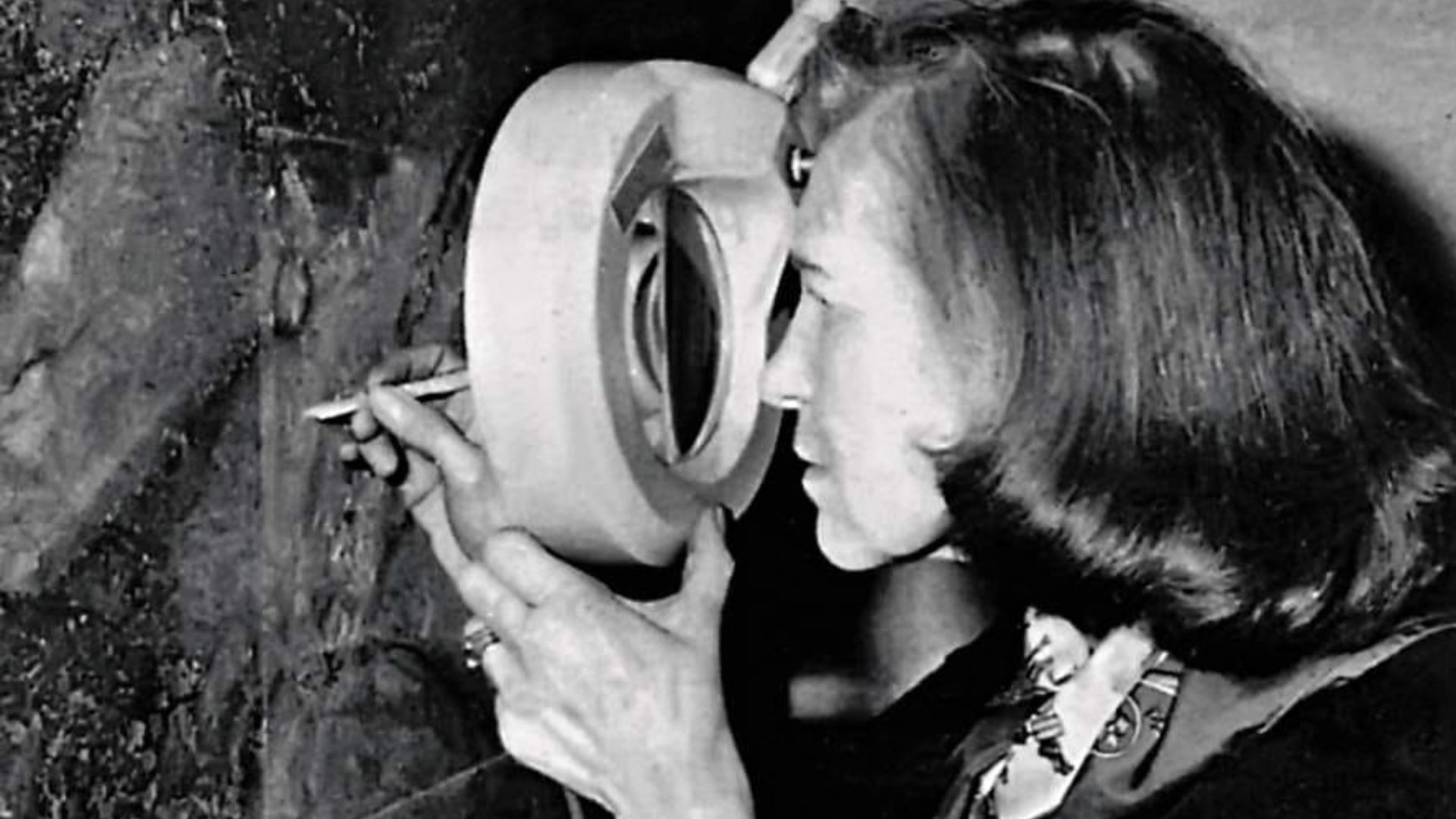
At the end of the 20th century, restorer Pinin Brambilla Barcilon led a careful restoration using microscopic photos, infrared scans, sonar, and paint samples. The team stripped away centuries of added layers to redo the painting and bring back the original idea.
Copies Preserve Original Vision
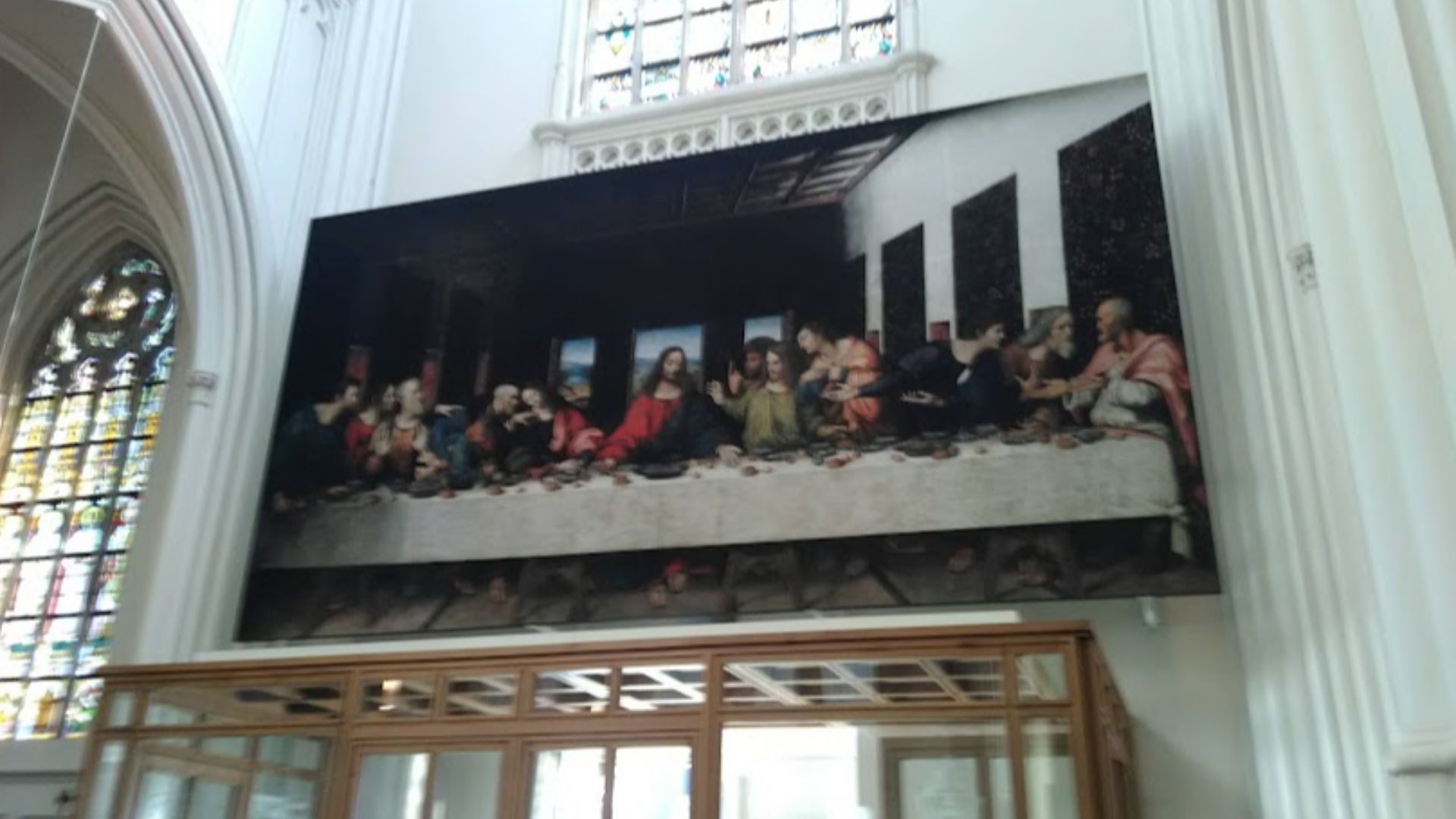
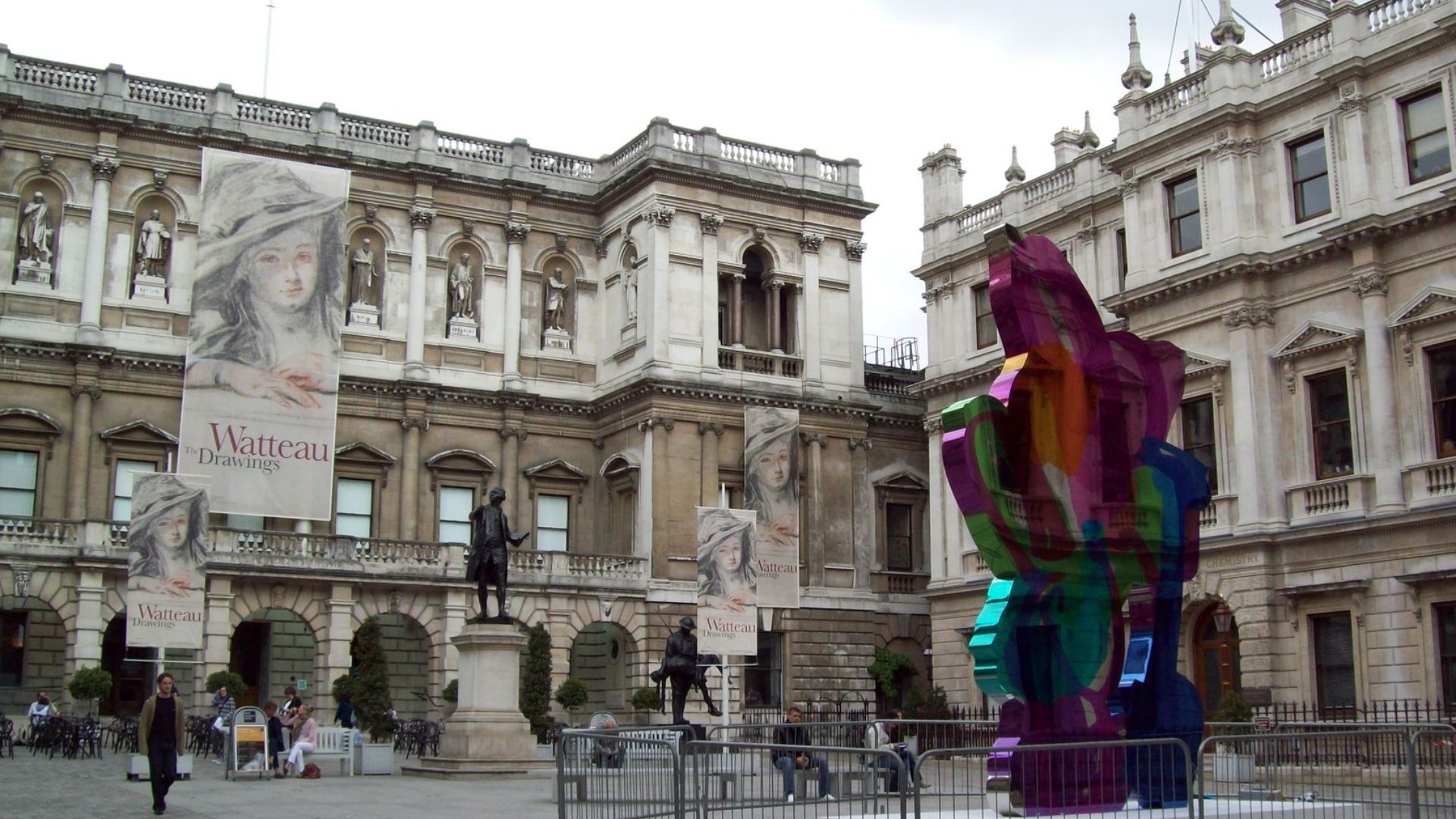
One of the most valuable records comes from a 16th-century copy by Giampietrino. His version preserves details that no longer exist. This copy is housed at London’s Royal Academy of Arts to offer a glimpse into the original masterpiece.
 nick macneill , Wikimedia Commons
The Da Vinci Code Effect
Interest in these myths exploded after Dan Brown published The Da Vinci Code, which suggested hidden meanings in the mural. The novel even claimed Mary Magdalene appeared beside Jesus. Some believe the hand gestures of the apostles point to mysterious symbols.
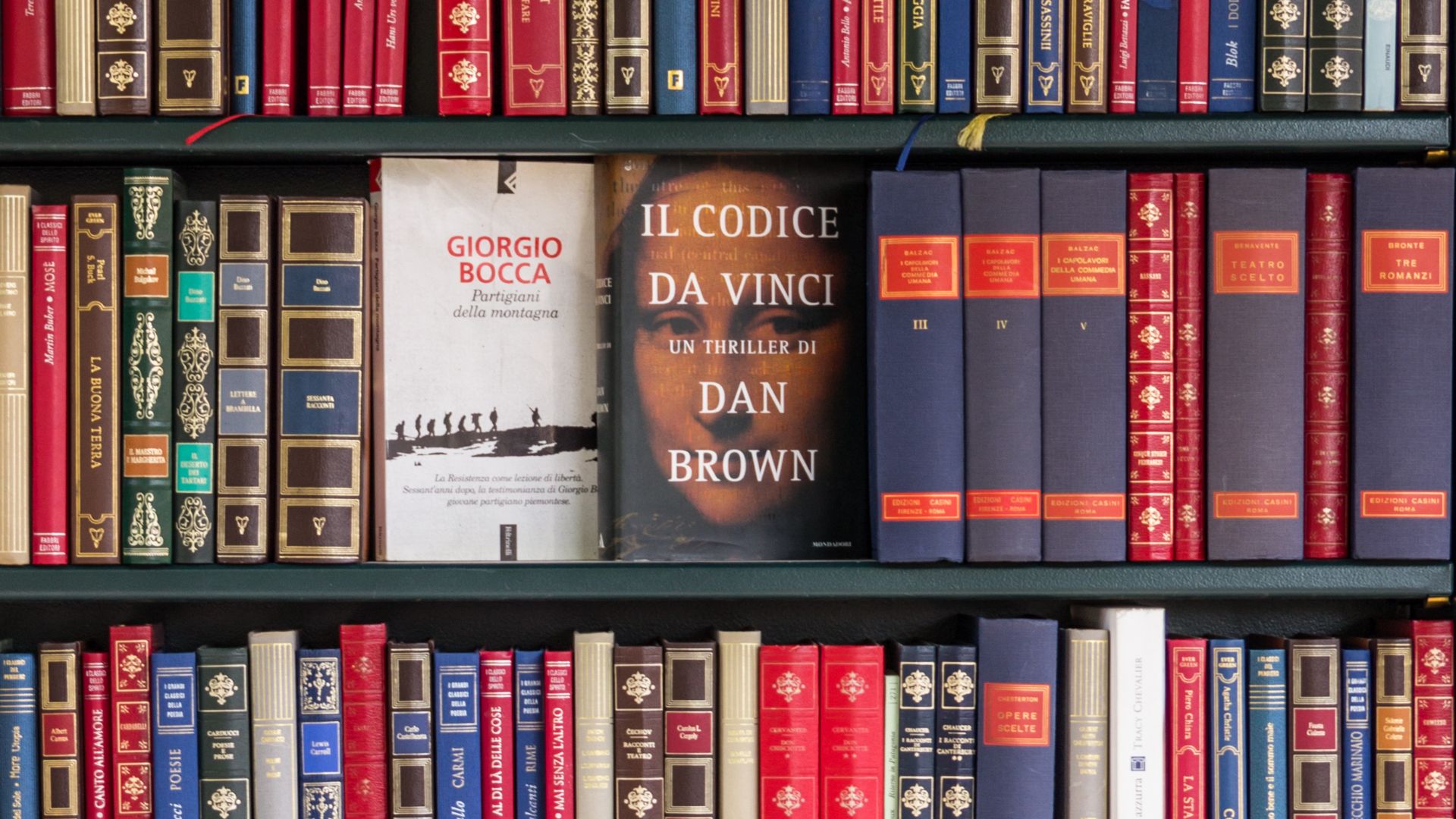 Dietmar Rabich, Wikimedia Commons
The Da Vinci Code Effect (Cont.)
Tourism to Milan also rose dramatically as curious readers rushed to see the mural for themselves. While people tried looking for the same clues, historians and art experts soon stepped in to challenge the book’s claims, publicly separating entertaining fiction from historical fact.
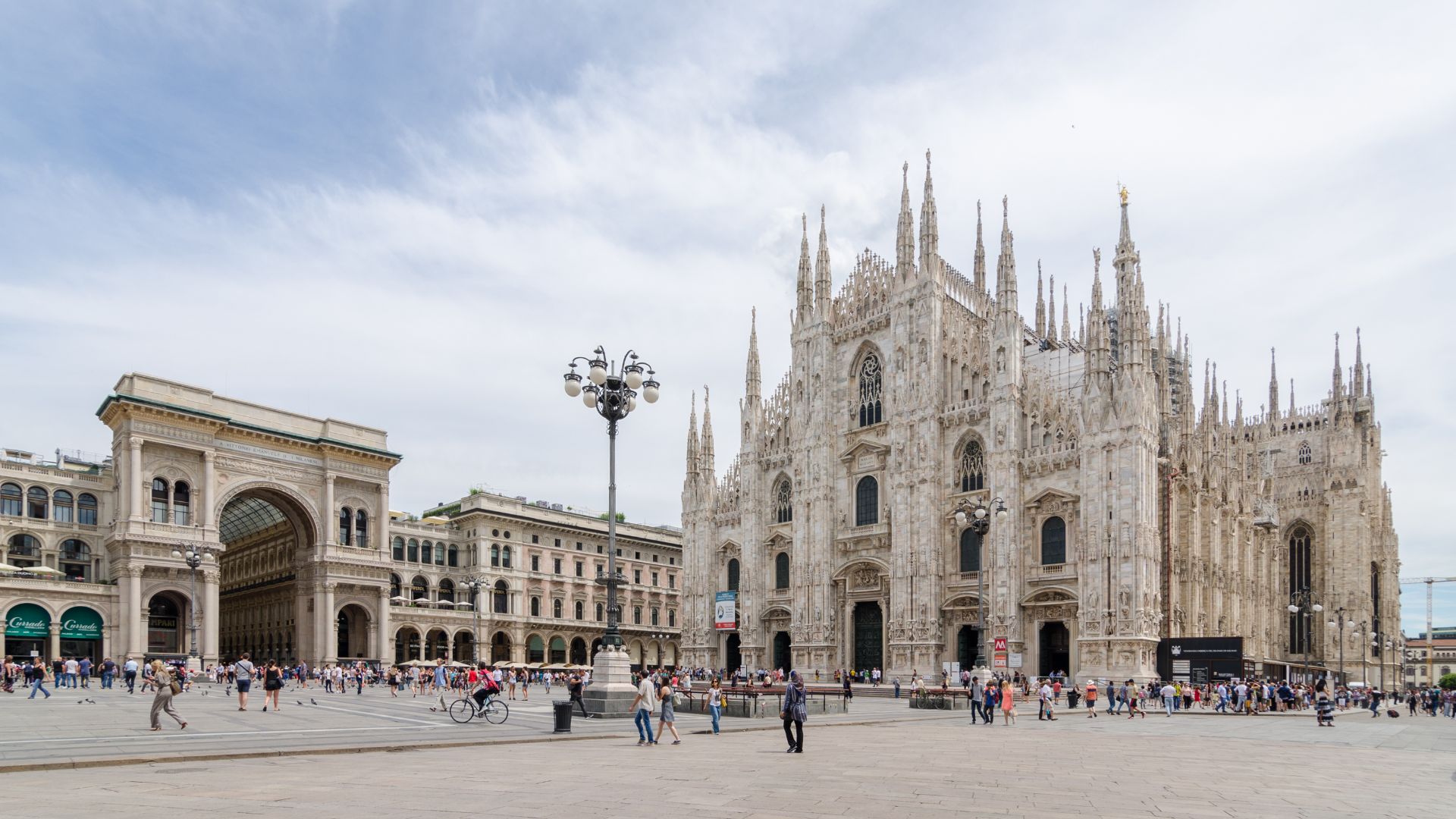 Steffen Schmitz, Wikimedia Commons
Restricted Viewing Today
To protect the art from further damage, modern visitors are allowed inside the room in small groups for just 15 minutes at a time. The tightly controlled environment regulates air and humidity. This makes it one of the most carefully managed art-viewing experiences anywhere in the world.
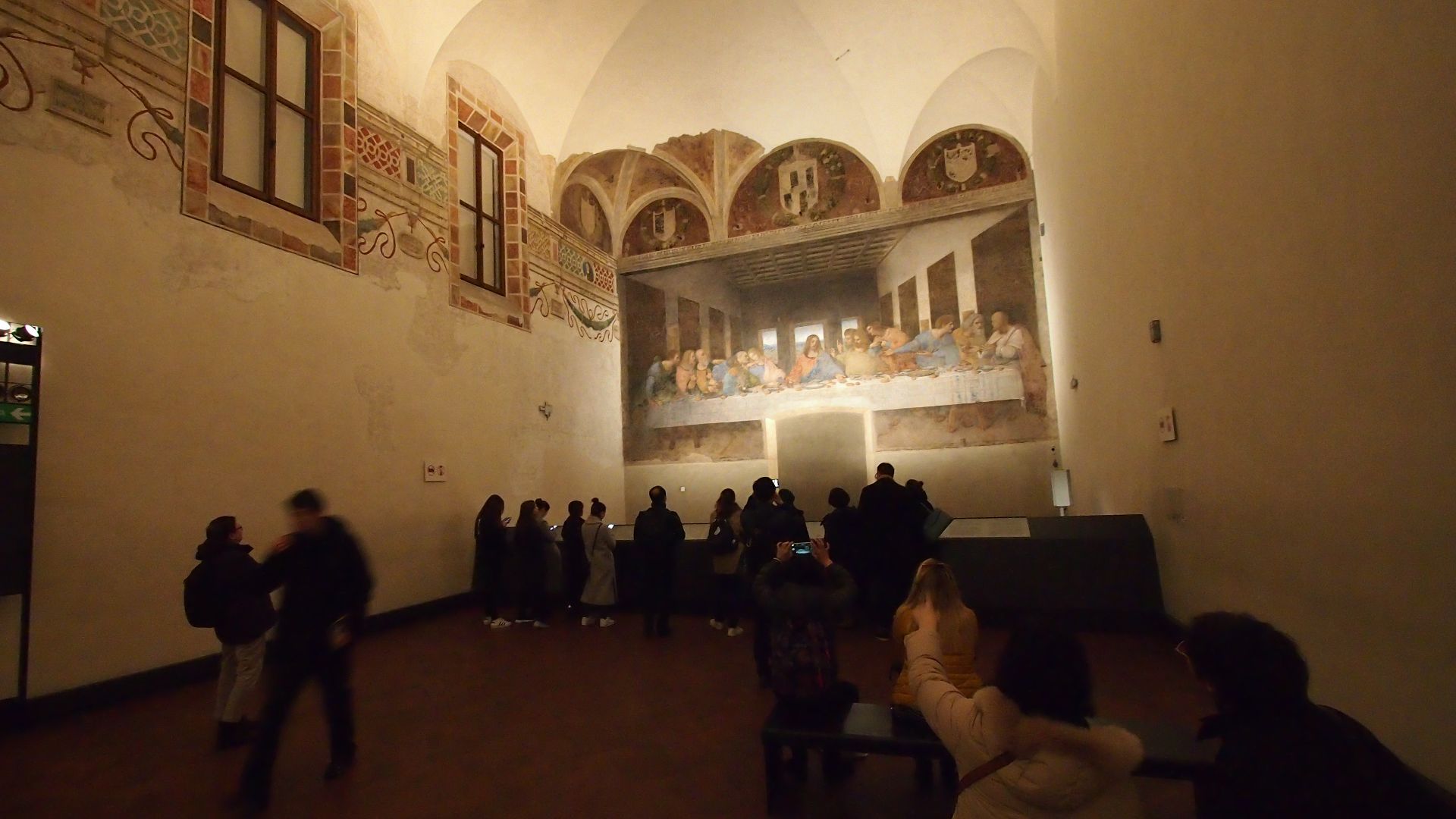 tomasz przechlewski from Sopot, Poland, Wikimedia Commons