
Silicon Goes Superpowered
Building quantum computers was like crafting Stradivarius violins—each one handmade, expensive, impossible to scale. Then Quantum Motion asked why not use the same technology that mass-produces billions of microchips for phones?

Silicon Breakthrough
In September 2025, a London-based startup called Quantum Motion shattered expectations by delivering something the quantum computing world had been chasing for years: a fully functional quantum computer built using the exact same silicon chip technology that powers your smartphone.
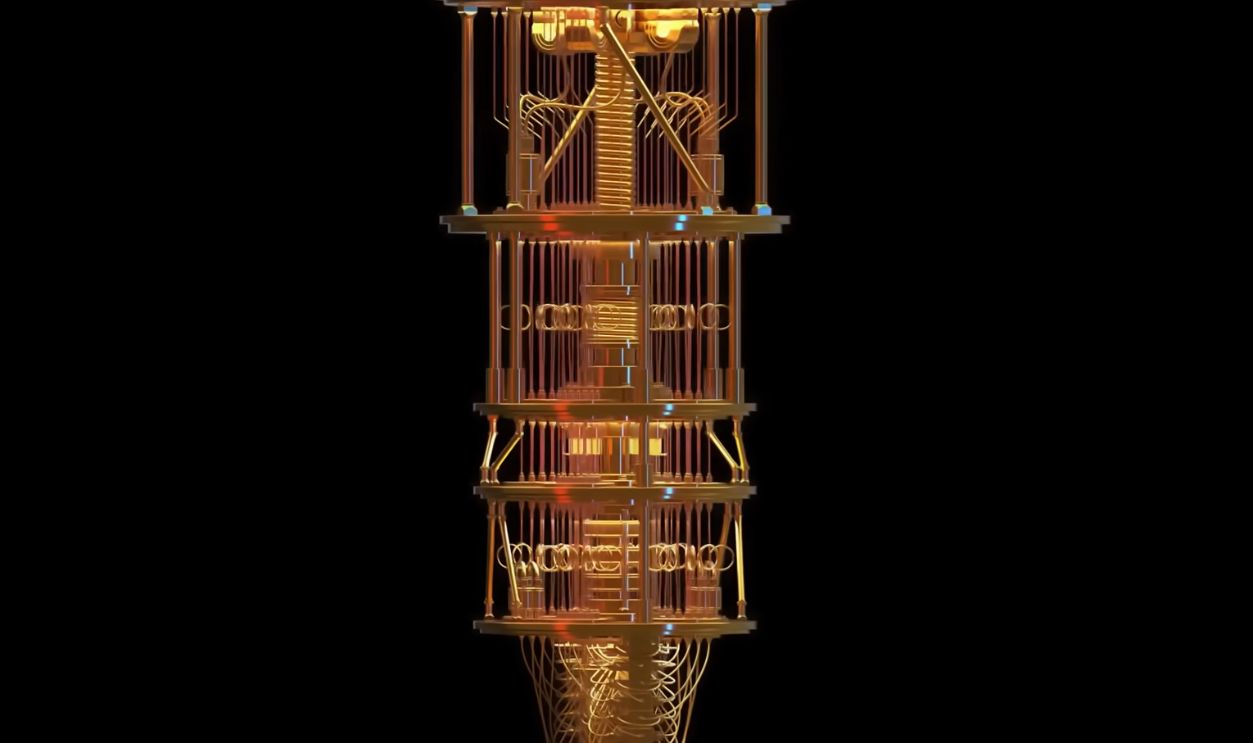 Quantum Computers, Explained With Quantum Physics by Quanta Magazine
Historical Context
Quantum computing's theoretical foundations date back to 1982, when physicist Richard Feynman first proposed the concept. However, the journey from blackboard equations to working hardware has been a slow and arduous process. The 1990s brought algorithmic breakthroughs like Shor's factoring algorithm and Grover's search algorithm.
 Unknown authorUnknown author, Wikimedia Commons
2015 Milestones
By 2015, Australian researchers built the first two-qubit quantum logic gate in silicon, showing that all physical building blocks for a silicon quantum computer were achievable. Despite these milestones spanning four decades, the technology remained trapped in expensive laboratories, unable to leverage the semiconductor industry's mass production capabilities.
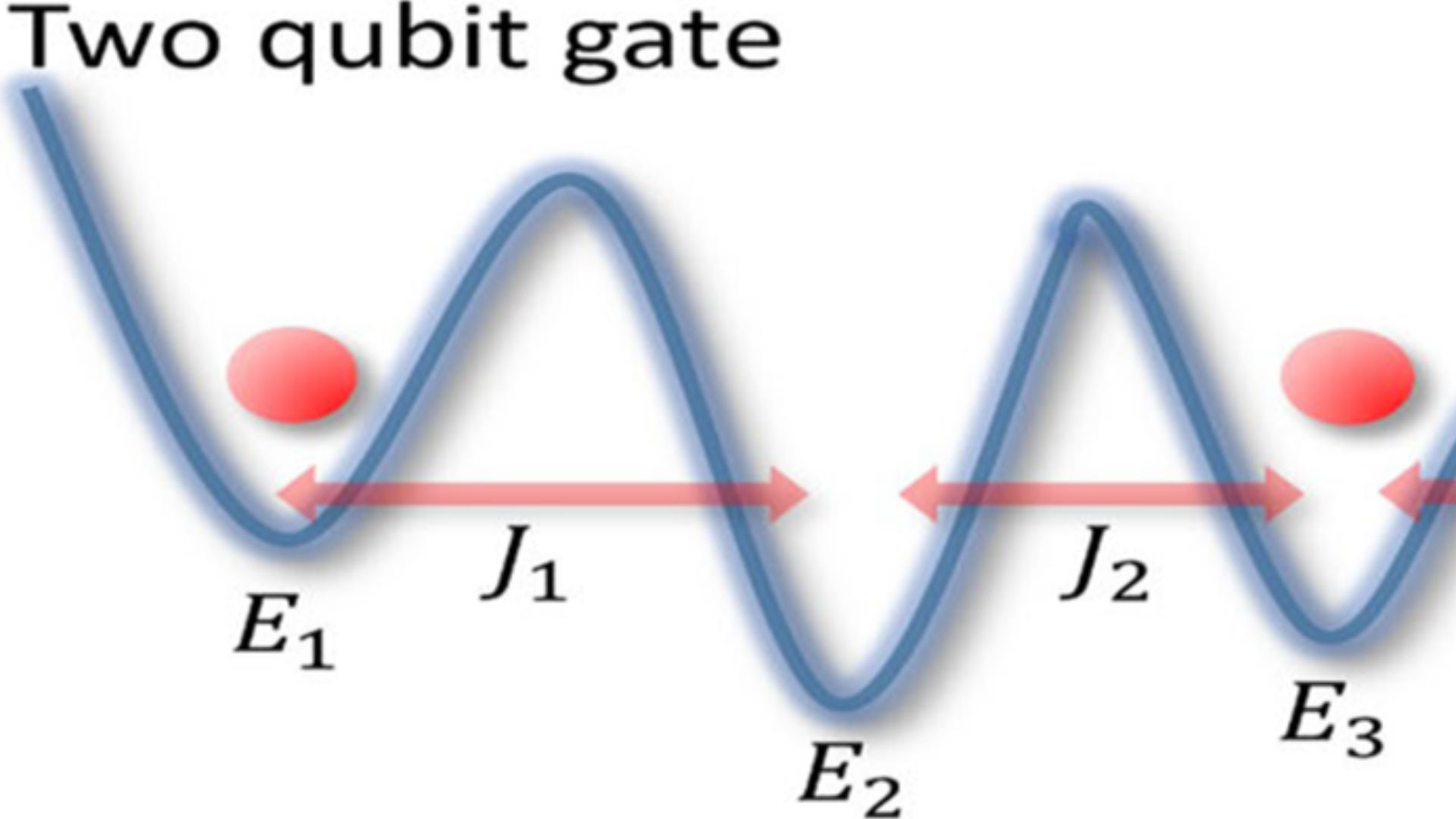 Lahini, Yoav; Steinbrecher, Gregory R.; Bookatz, Adam D.; Englund, Dirk, Wikimedia Commons
Technical Challenges
Qubits are phenomenally fragile. They lose their quantum properties through a process called decoherence when exposed to even the slightest environmental disturbance, such as temperature fluctuations, electromagnetic interference, or stray cosmic rays. Current quantum computers have error rates ranging from 1% to 0.1%.
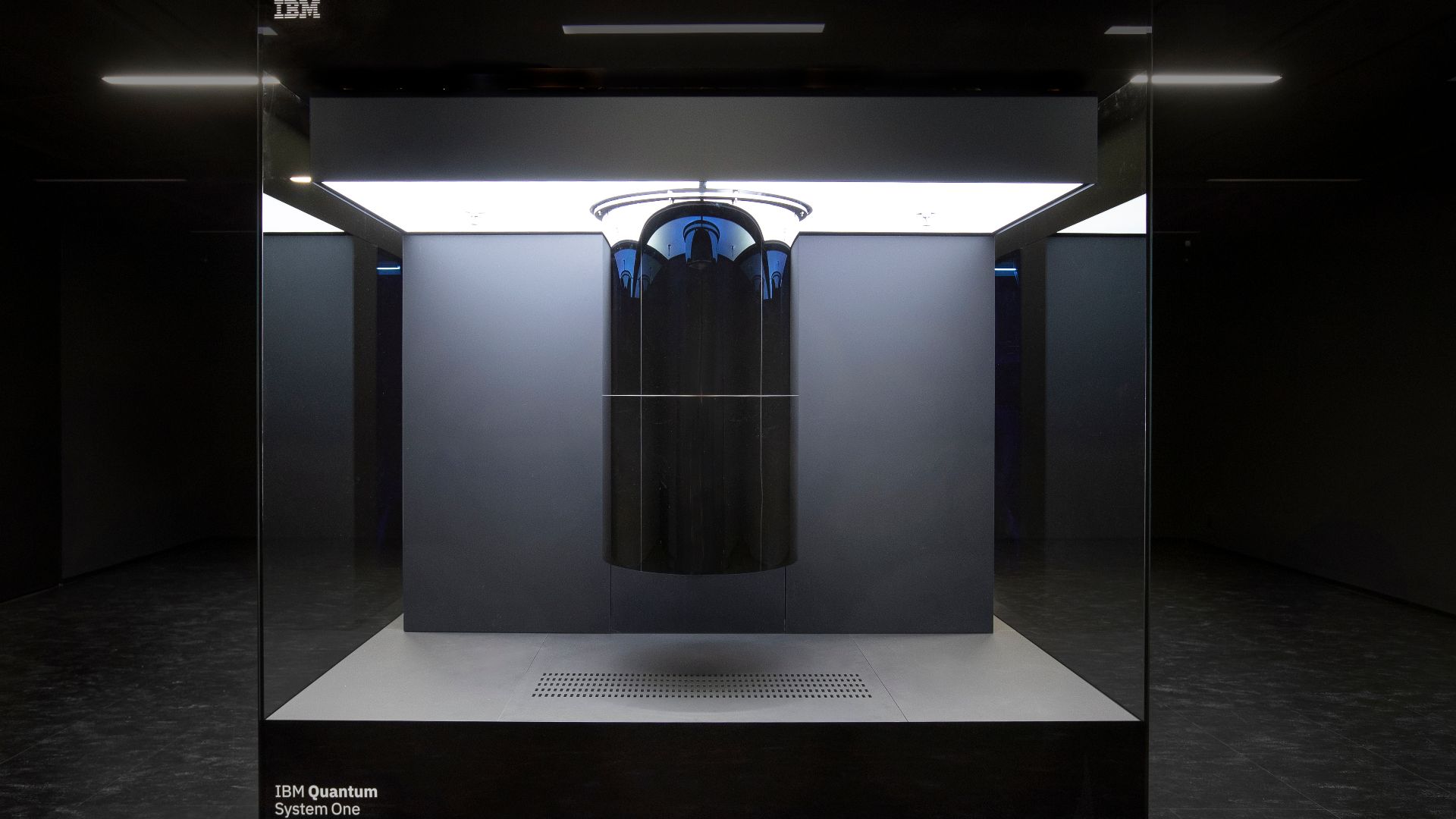 IBM Research, Wikimedia Commons
Quantum Motion
Founded as a spinout from University College London and Oxford University, Quantum Motion emerged with a contrarian bet. While competitors pursued exotic approaches like superconducting circuits or trapped ions, this scrappy startup would double down on silicon. The company raised a lot of money from heavyweight investors.

Founding Vision
Professors John Morton from UCL and Simon Benjamin from Oxford University launched Quantum Motion in 2017 with a deceptively simple thesis. The transistor revolution proved that silicon's scalability was unmatched, so why reinvent the wheel for quantum? Their insight was profound.
 Simon Benjamin on Architectures for Quantum Computing by Y Combinator
Company Origins
UCL's London Centre for Nanotechnology provided the materials science expertise, while Oxford contributed the theoretical foundations of quantum computing. Before incorporating the company, Morton's research group had already displayed key breakthroughs in isolating and manipulating single electrons in silicon quantum dots.
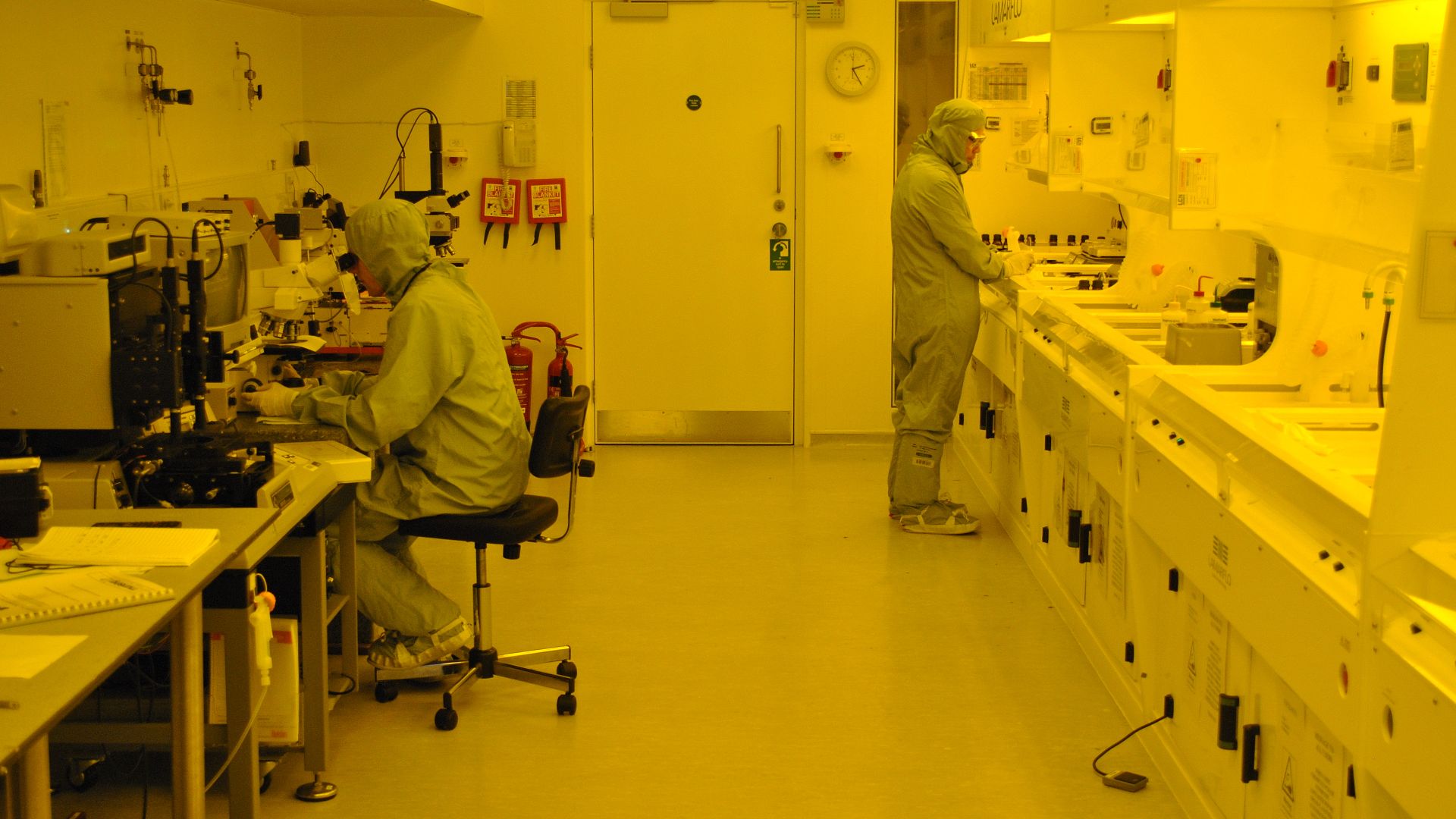 UCL Mathematical and Physical Sciences from London, UK, Wikimedia Commons
NQCC Deployment
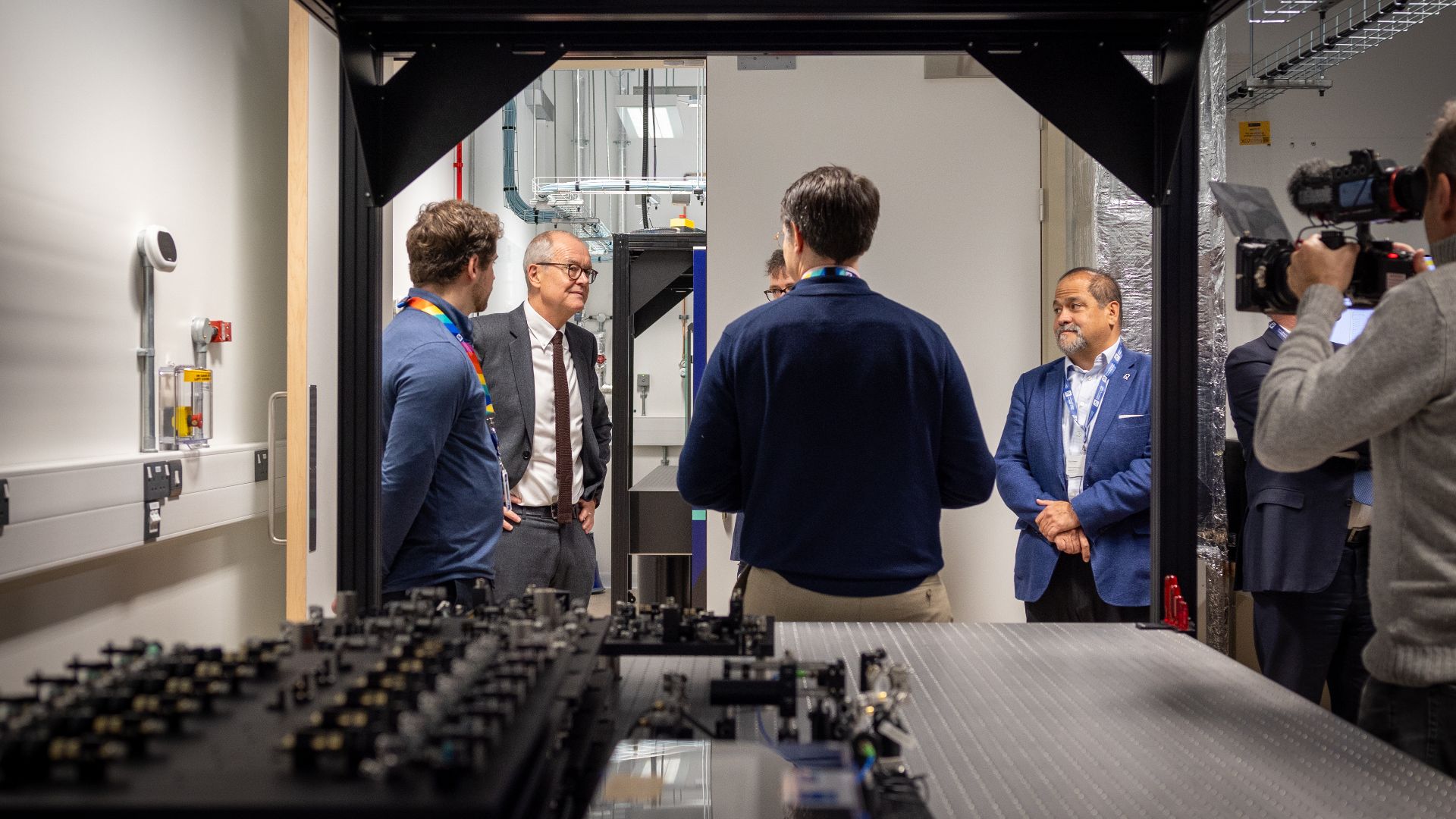
The system's installation at the National Quantum Computing Centre represents Britain's broader quantum strategy in action. NQCC's Quantum Computing Testbed Programme deliberately funded seven different quantum computing approaches to avoid betting everything on one technology. Quantum Motion's silicon system became the first spin-qubit computer installed under this initiative.
 NQCC Facility opening ceremony by Resonance
CMOS Technology
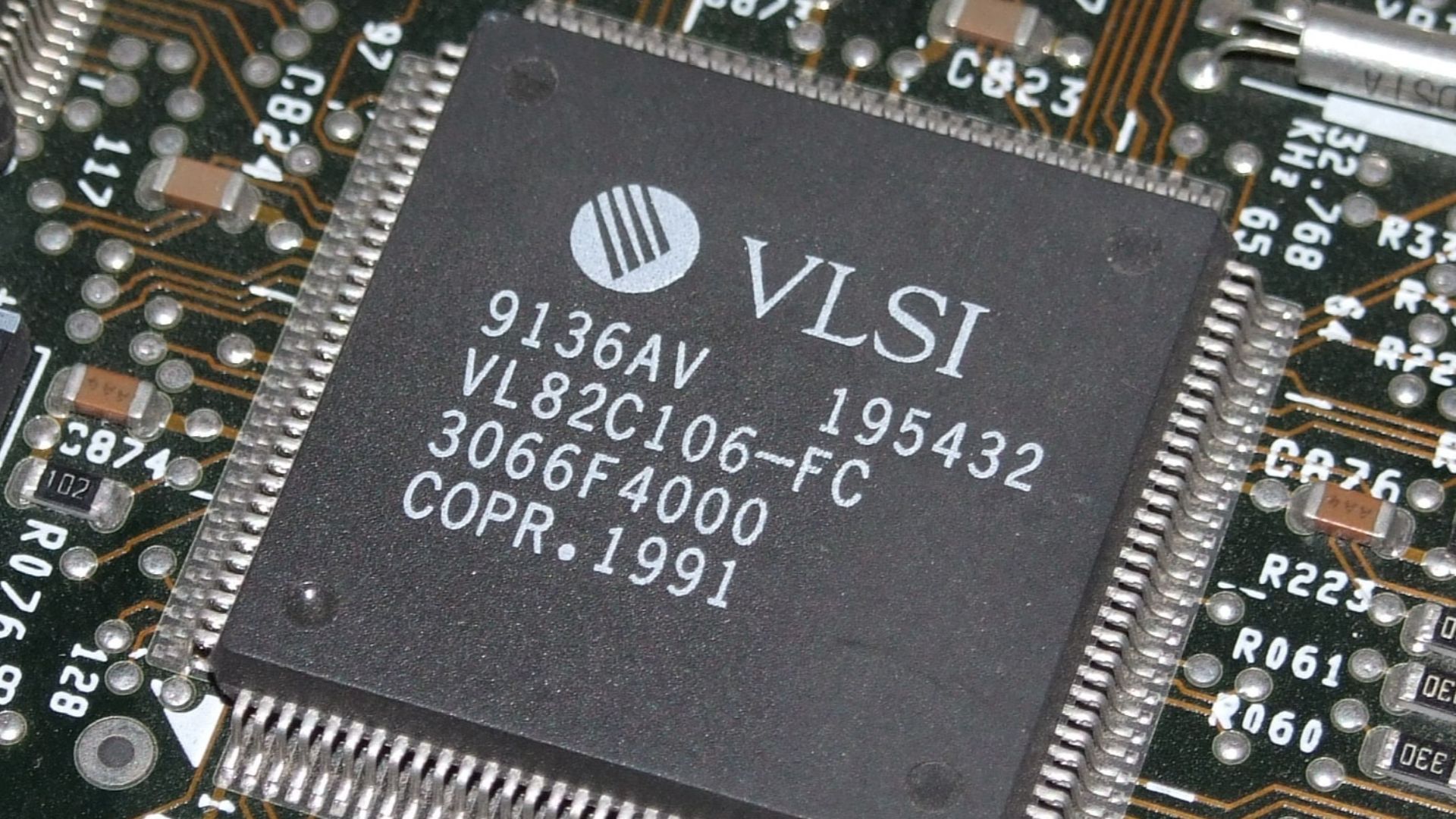
Complementary metal-oxide-semiconductor fabrication revolutionized electronics because it produces chips that consume virtually no power when idle—a critical advantage for battery-powered devices. The process builds transistors on silicon wafers using layers of metal oxides and semiconductors, with photolithography etching microscopic patterns that define circuitry.
Manufacturing Revolution
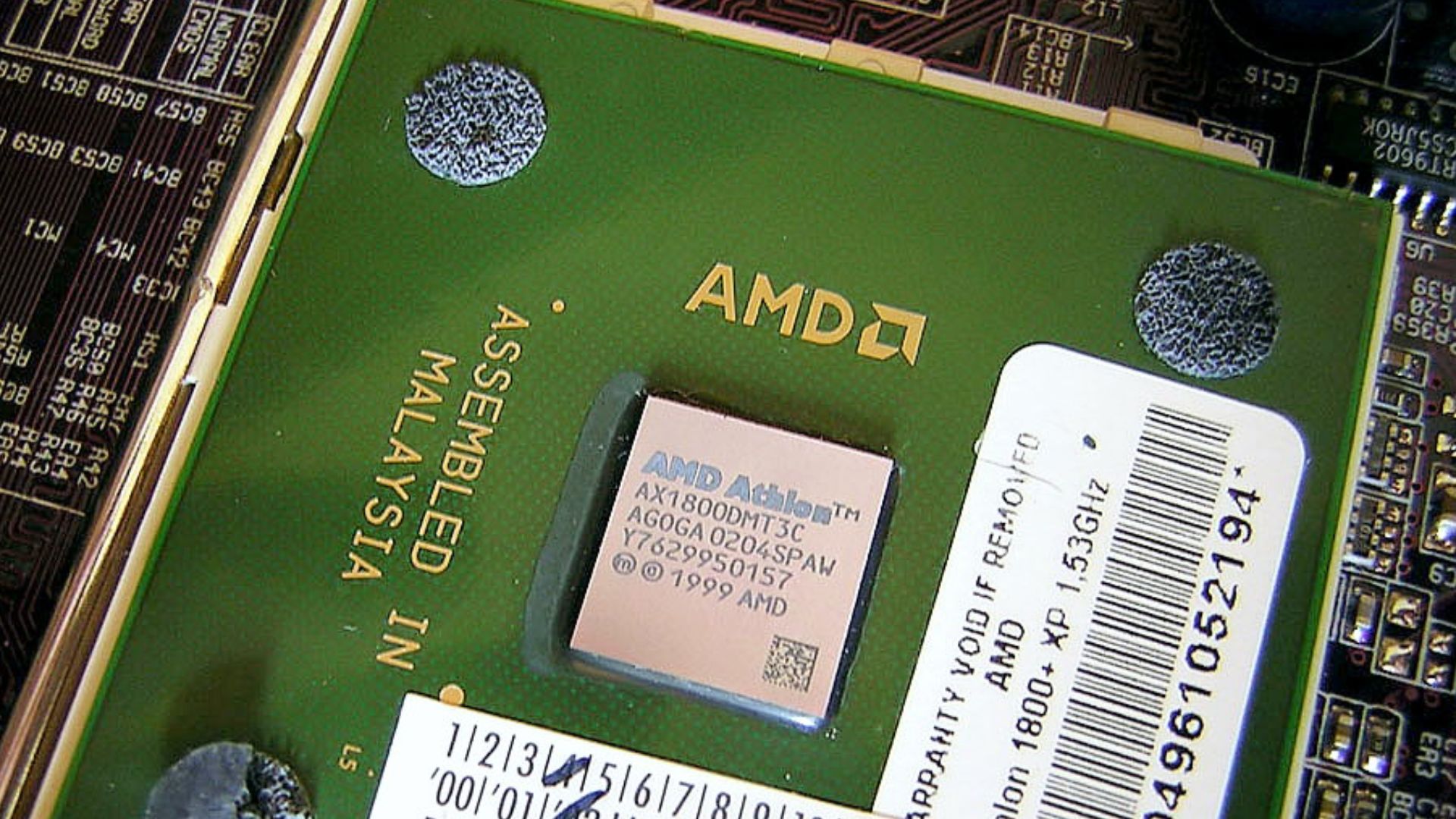
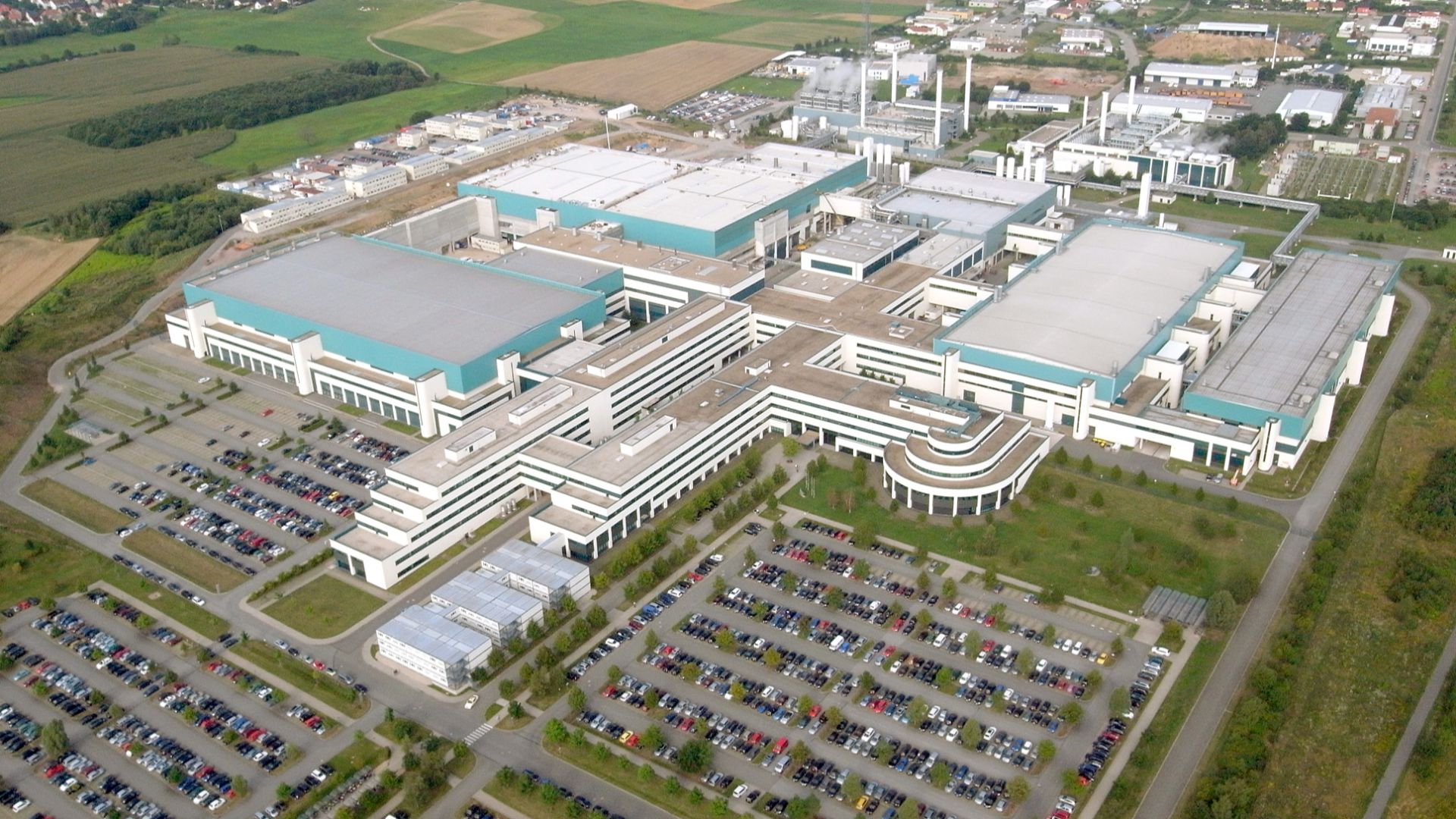
Traditional quantum computers require bespoke fabrication in research labs with specialized equipment, low yields, and astronomically high costs per device. Quantum Motion flipped this model by partnering with industrial semiconductor foundries, the same facilities producing chips for Apple, AMD, and countless others.
Manufacturing Revolution (Cont.)
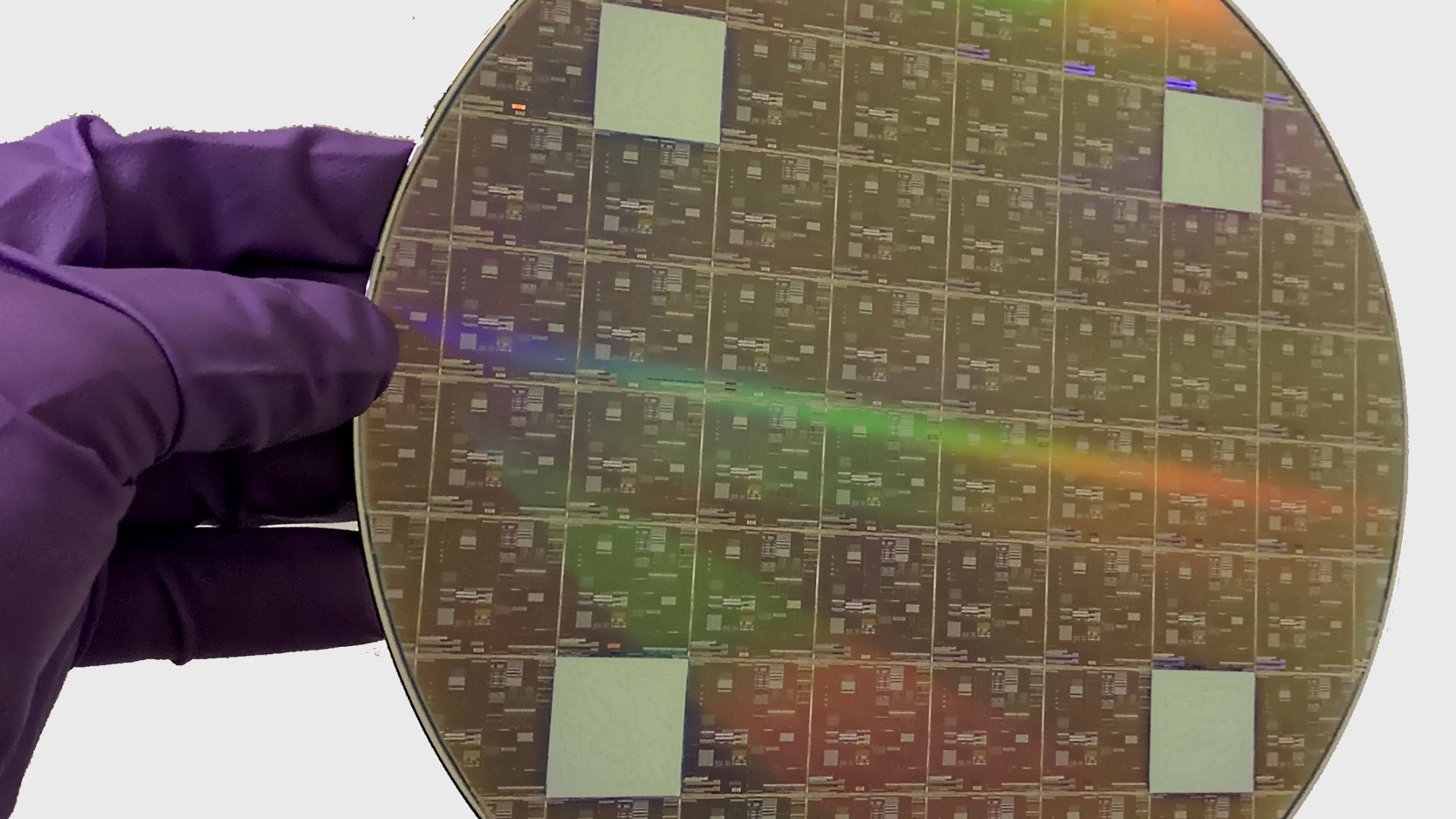
These factories already achieve 95% yield rates and can process thousands of wafers simultaneously with extraordinary precision and uniformity. By tapping into high-volume 300mm production lines, the company proved that quantum processors could be manufactured alongside conventional chips, reducing costs and timelines.
Qubit Architecture
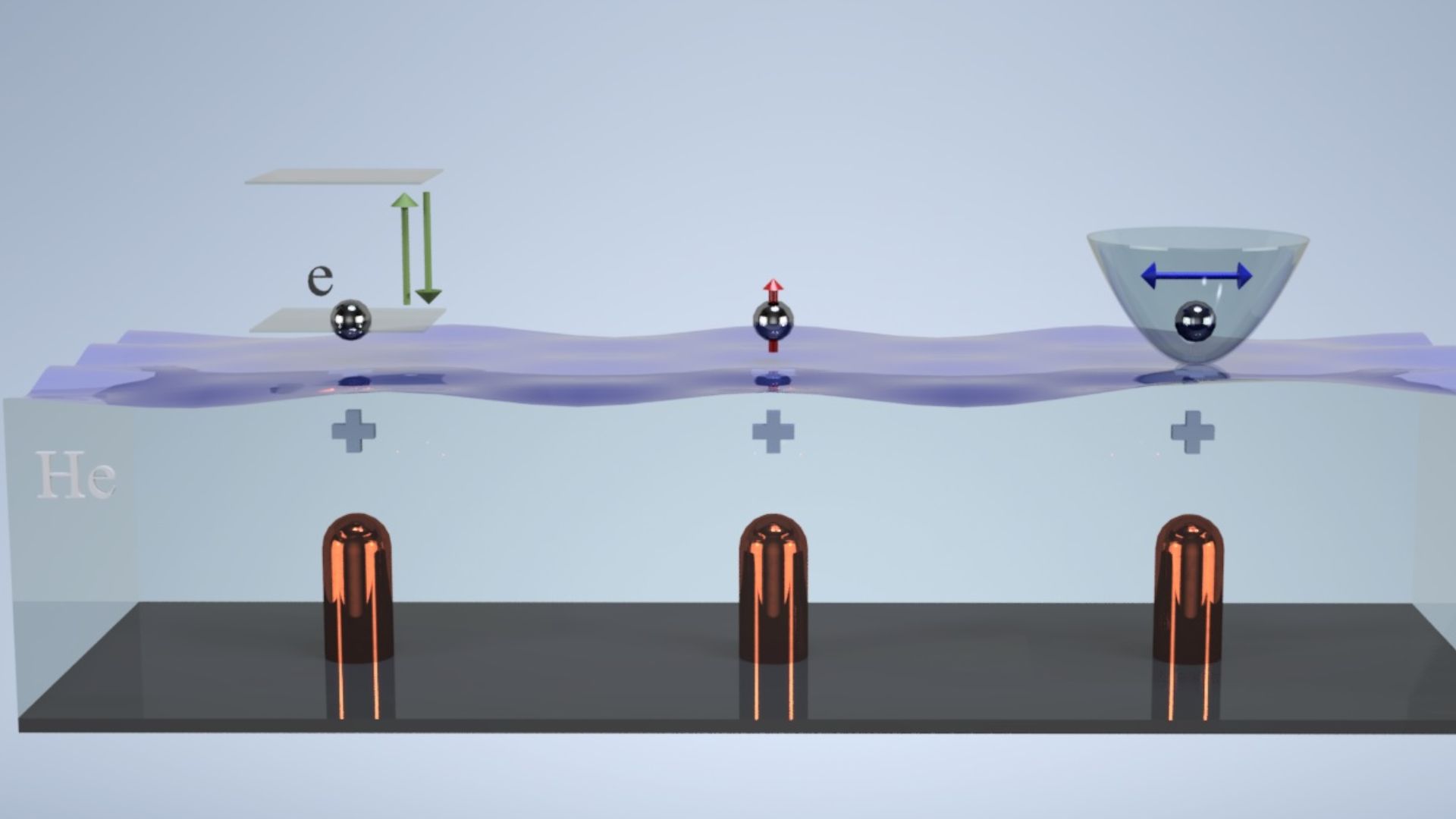
Quantum Motion's qubits exploit electron spin. Imagine a tiny magnet that can point up, down, or quantum mechanically "both" simultaneously. These spin qubits reside in quantum dots, which are nanoscale silicon cages that trap individual electrons, defined by voltages applied through control electrodes.
Scalability Advantage
The tile-based architecture solves quantum computing's biggest nightmare of scaling beyond a few dozen qubits. Each tile integrates compute, readout, and control into a repeatable unit that can be mass-printed across silicon wafers like stamping cookies. This modular approach means upgrading the system doesn't require redesigning everything.
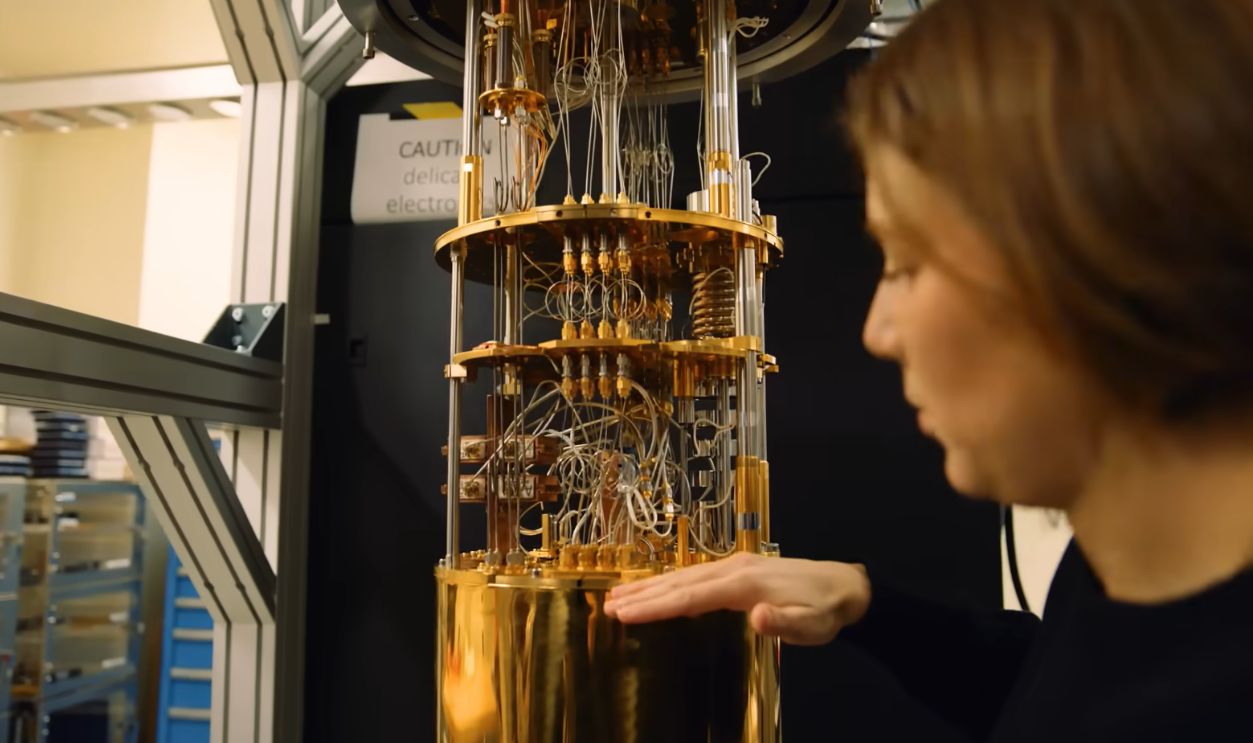 Quantum Computers, explained with MKBHD by Cleo Abram
Cost Efficiency
Here's where economics gets exciting: building quantum computers in existing semiconductor foundries so that no billion-dollar custom facilities are needed. The factories already exist, paid for by decades of smartphone and computer chip production. Quantum Motion's approach leverages this infrastructure, reducing per-unit costs.
 Fensterblick., Wikimedia Commons
Fidelity Achievement
Quantum Motion achieved 98% fidelity in two-qubit gate operations. This metric matters enormously because quantum error correction requires crossing a threshold around 99% to be viable; below that, corrections introduce more errors than they fix. Their results used natural silicon on 300mm wafers.
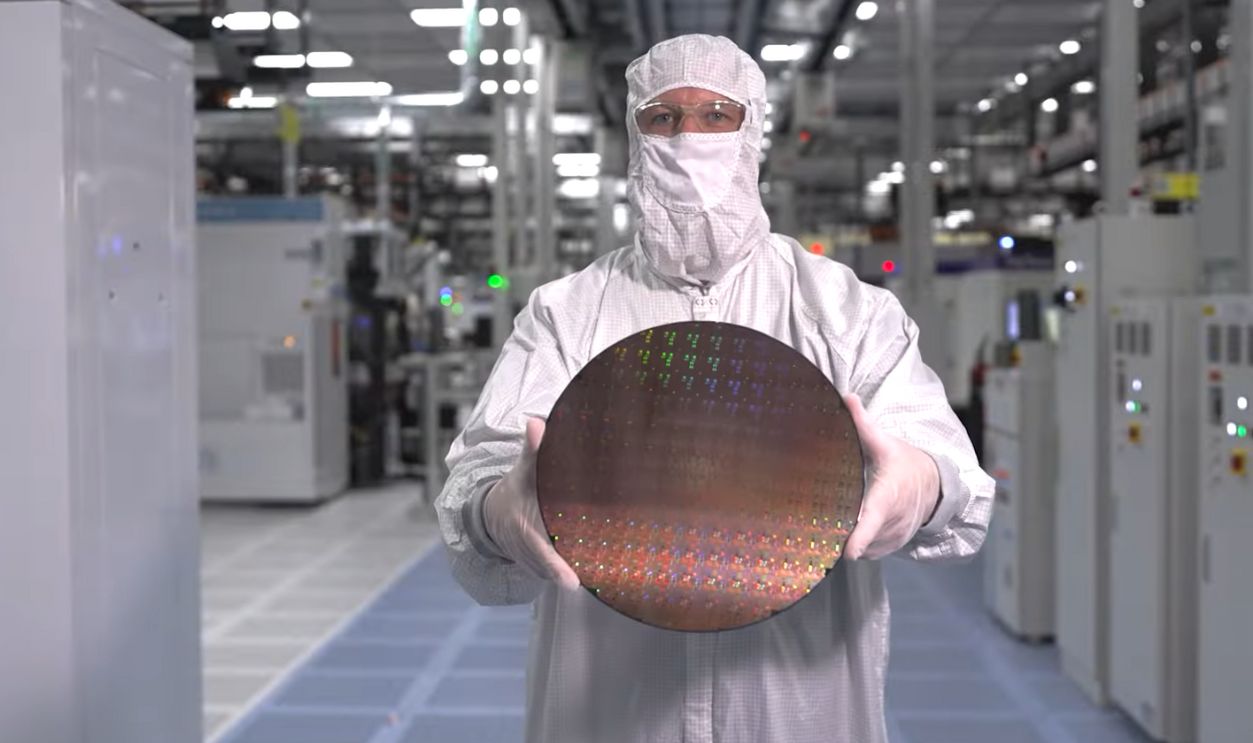 300mm wafer fab virtual tour by Texas Instruments
Error Correction
Quantum error correction works by encoding one logical qubit across multiple physical qubits, typically dozens or hundreds, creating redundancy that catches and fixes errors without directly measuring the fragile quantum state. Surface codes arrange qubits in 2D lattices where errors can be detected through consistency checks on neighboring qubits.
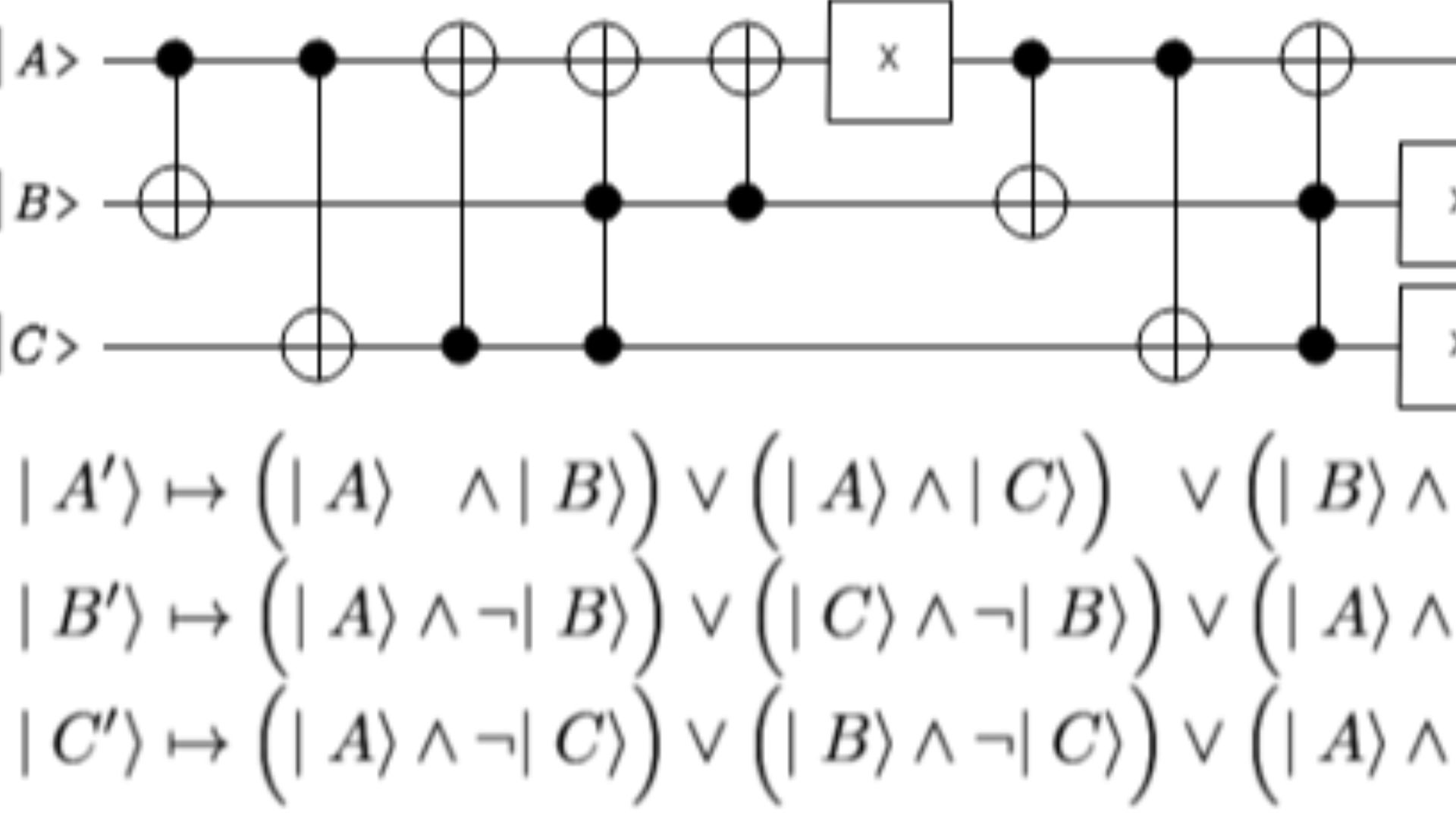 Will Apodaca, Wikimedia Commons
Decoherence Problem
Decoherence is quantum computing's arch-nemesis. Qubits interact with their environment—absorbing stray photons, feeling vibrations, sensing electromagnetic fields—and collapse from quantum superposition into boring classical states. Silicon spin qubits actually excel here because atomic nuclei are quite isolated from environmental noise, achieving coherence times stretching into seconds.
 Will We Ever Get Rid From Quantum Decoherence? by AH DOCUMENTARY
AI Integration
The system incorporates machine learning algorithms that automatically tune and calibrate quantum operations. Talk about a game-changer for scalability. Traditional quantum computers require human experts to adjust thousands of parameters to optimize performance manually, a process that takes weeks per device. Quantum Motion's AI-driven approach learns optimal control strategies.
 mikemacmarketing, Wikimedia Commons
Competing Technologies
The quantum computing race features wildly different approaches: IBM and Google champion superconducting qubits, offering fast operations but requiring complex 3D architectures; IonQ uses trapped ions with exceptional coherence but slower gate speeds; PsiQuantum bets on photonic qubits that travel through optical circuits.
 Blacktupelo, Wikimedia Commons
Global Competition
IBM targets 2,000 logical qubits by 2033, while Google has achieved quantum supremacy demonstrations. Additionally, Microsoft introduced its Majorana 1 topological chip in February 2025. China's quantum programs receive massive state funding, alongside the European Union, which coordinates multinational quantum initiatives.
 The Pancake of Heaven!, Wikimedia Commons
Silicon Advantage
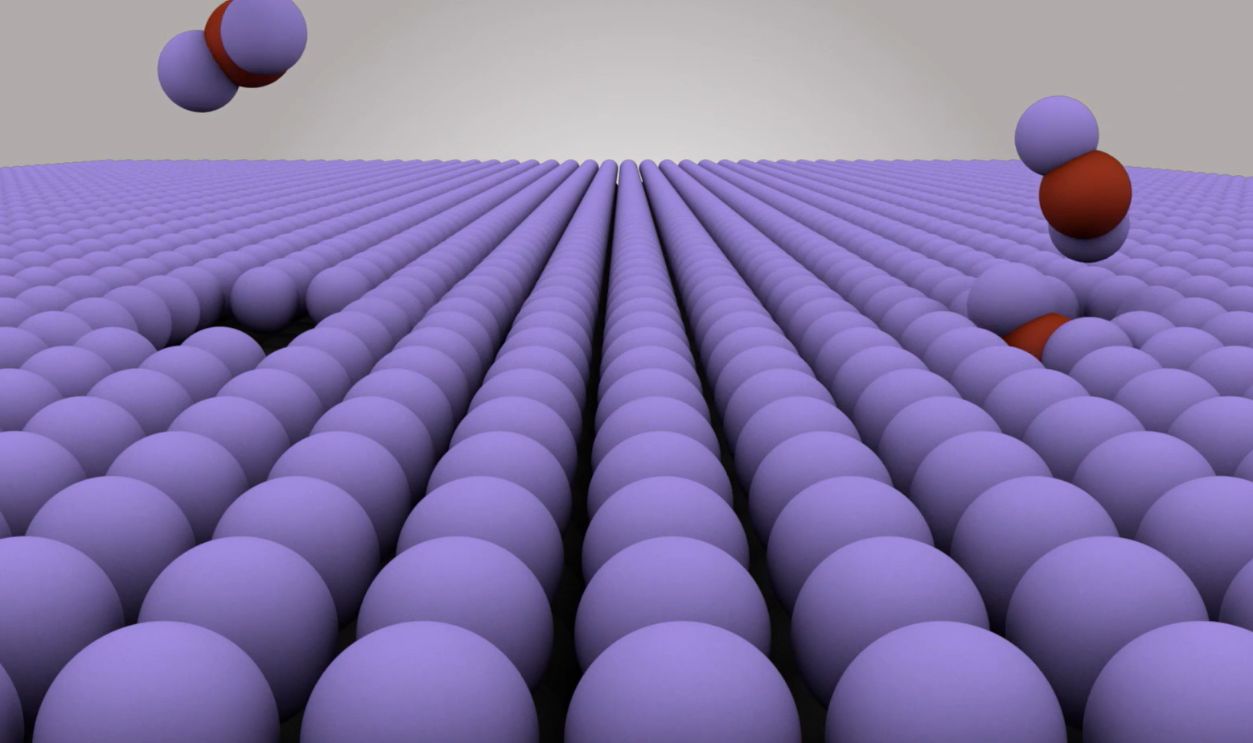
Silicon qubits measure roughly 50 nanometers squared, up to one million times smaller than superconducting qubits or ion trap systems. This density advantage means packing vastly more qubits into equivalent space, critical for error correction overhead, where hundreds of physical qubits encode single logical qubits.
 Fastest Silicon Spin Two-qubit Gate by UNSW
Materials Science
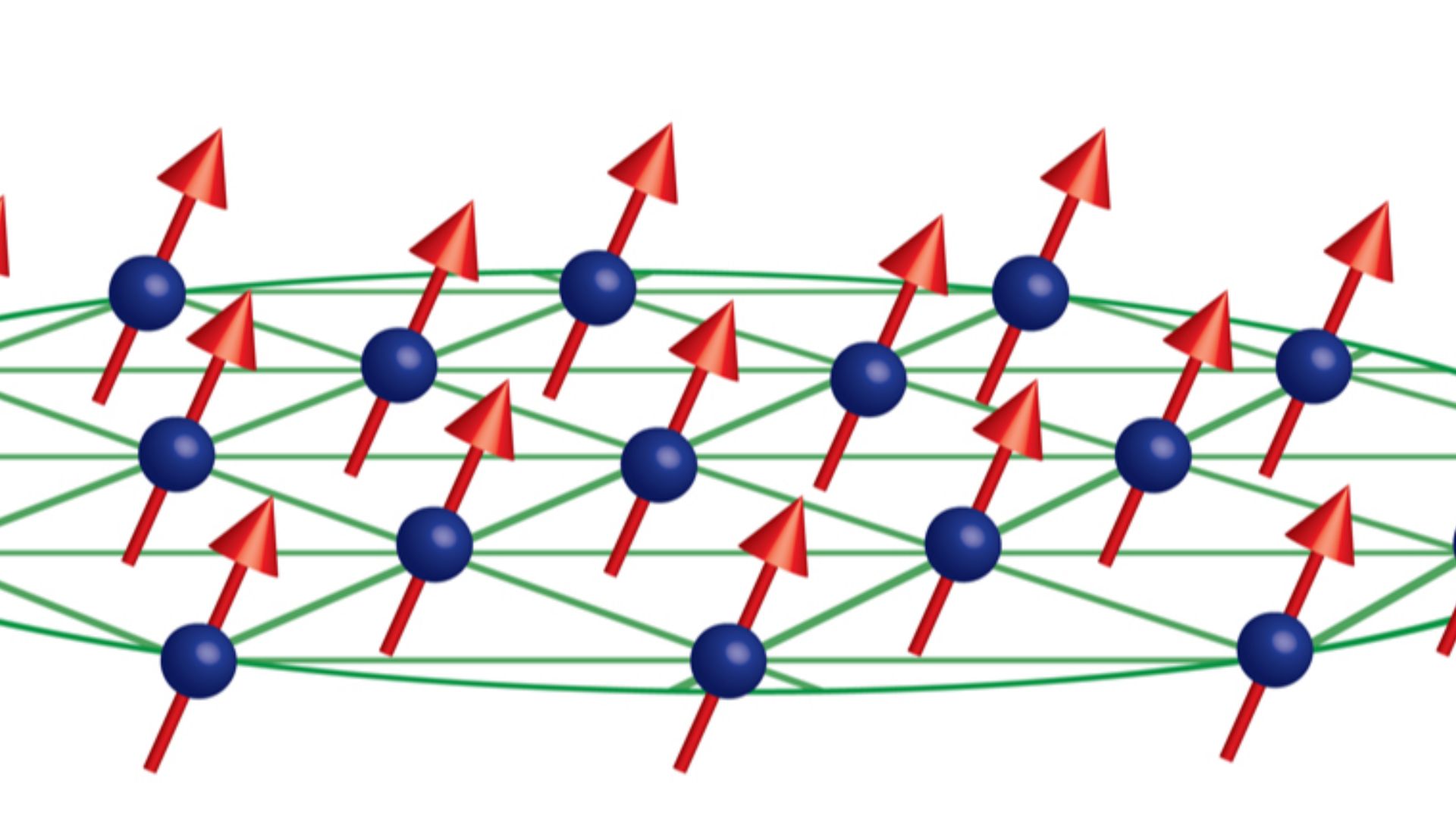
Quantum simulations could unlock materials with exotic properties. Room-temperature superconductors eliminate energy transmission losses, ultra-efficient solar cells, and batteries store ten times the current capacity. Classical computers struggle to simulate electron behavior in complex materials because quantum effects involve exponentially growing possibilities.
 National Institute of Standards and Technology (NIST), Wikimedia Commons
Industry Applications
Beyond scientific research, quantum optimization could enhance logistics networks by finding optimal delivery routes among many possibilities, financial modeling that calculates risk across interconnected markets, and energy grid management that balances renewable sources with fluctuating demand. Machine learning on quantum processors might identify patterns in vast datasets.
 Steve Jurvetson from Los Altos, USA, Wikimedia Commons
Future Scaling
Quantum Motion's roadmap targets millions of qubits per chip, the threshold where fault-tolerant quantum algorithms solve real-world problems. The tile architecture scales almost indefinitely: manufacturing larger wafers or stacking multiple quantum processing units could increase qubit counts. The key milestone involves proving that logical qubits compute more reliably than physical qubits.
 Department for Science, Innovation & Technology, Wikimedia Commons