Odd Endings Remembered
Great lives don’t always mean great endings. Across time, leaders, thinkers, and artists found themselves undone in ways no one could have expected. These odd moments remind us how unpredictable life can really be.
Chrysippus
Ancient philosophy wasn't supposed to be this entertaining. Chrysippus witnessed his donkey eating fermented figs and found the sight absolutely hilarious. The situation became even more amusing when he instructed a slave to give the intoxicated animal some undiluted wine to wash down its snack.
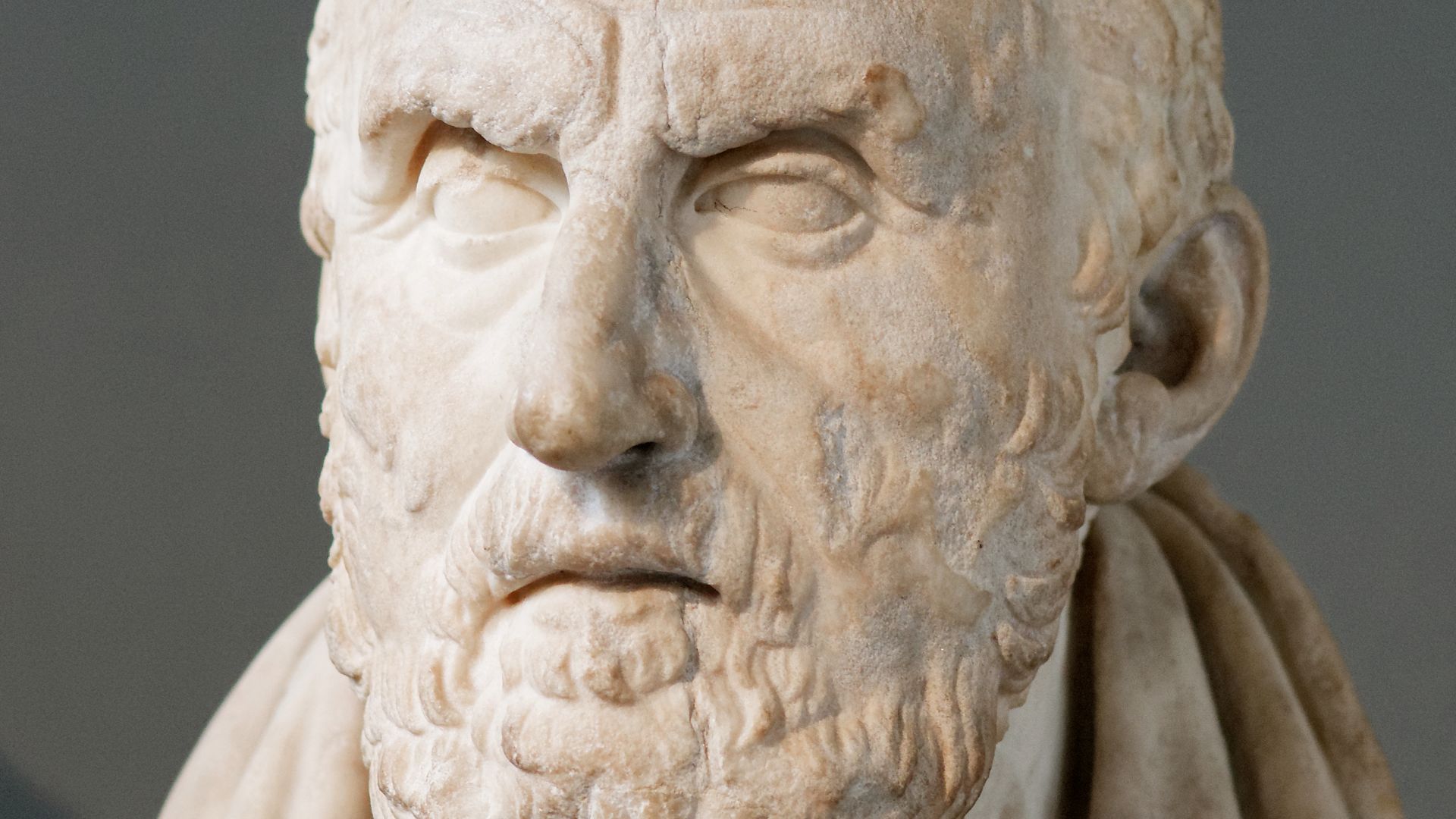 Unknown artistUnknown artist, Wikimedia Commons
Chrysippus (Cont.)
What happened next defied everything Stoicism taught about emotional control. Chrysippus laughed so violently and uncontrollably at the drunken donkey's antics that he collapsed and died from the exertion in 206 BC. His death reportedly devastated the Stoic community.
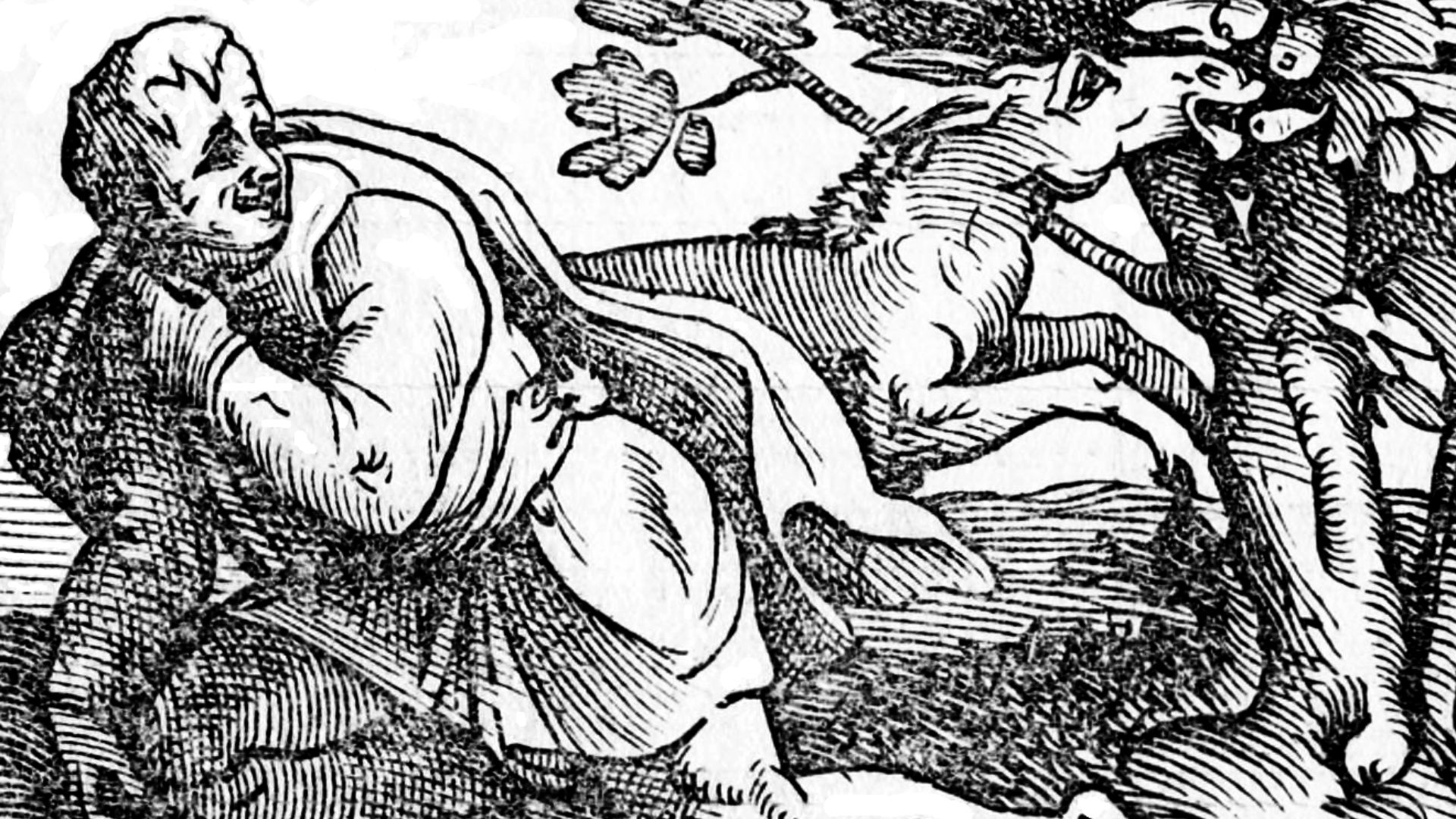 Giuseppe Porta, Wikimedia Commons
Attila The Hun
History's most feared barbarian conqueror met his end not on a battlefield, but in bed on his wedding night in 453 CE. Attila the Hun had just married his next wife, a young woman named Ildico, and the celebration involved heavy drinking.
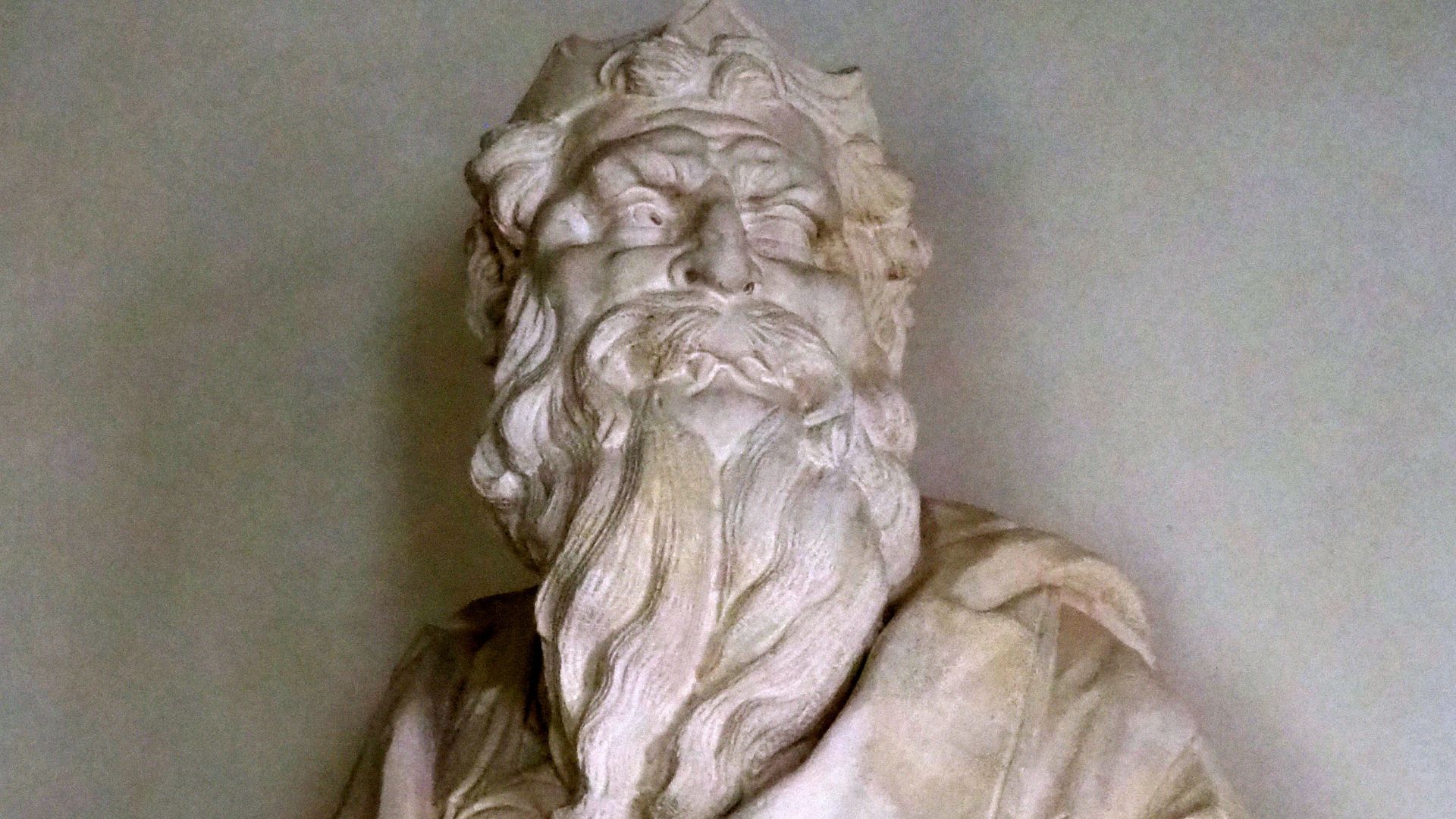 Threecharlie, Wikimedia Commons
Attila The Hun (Cont.)
During the night, he suffered a severe nosebleed that, combined with his intoxicated state, proved fatal. Unable to wake due to his drunken stupor, blood flowed down his throat and choked him to death. The "Scourge of God" was conquered by his own blood.
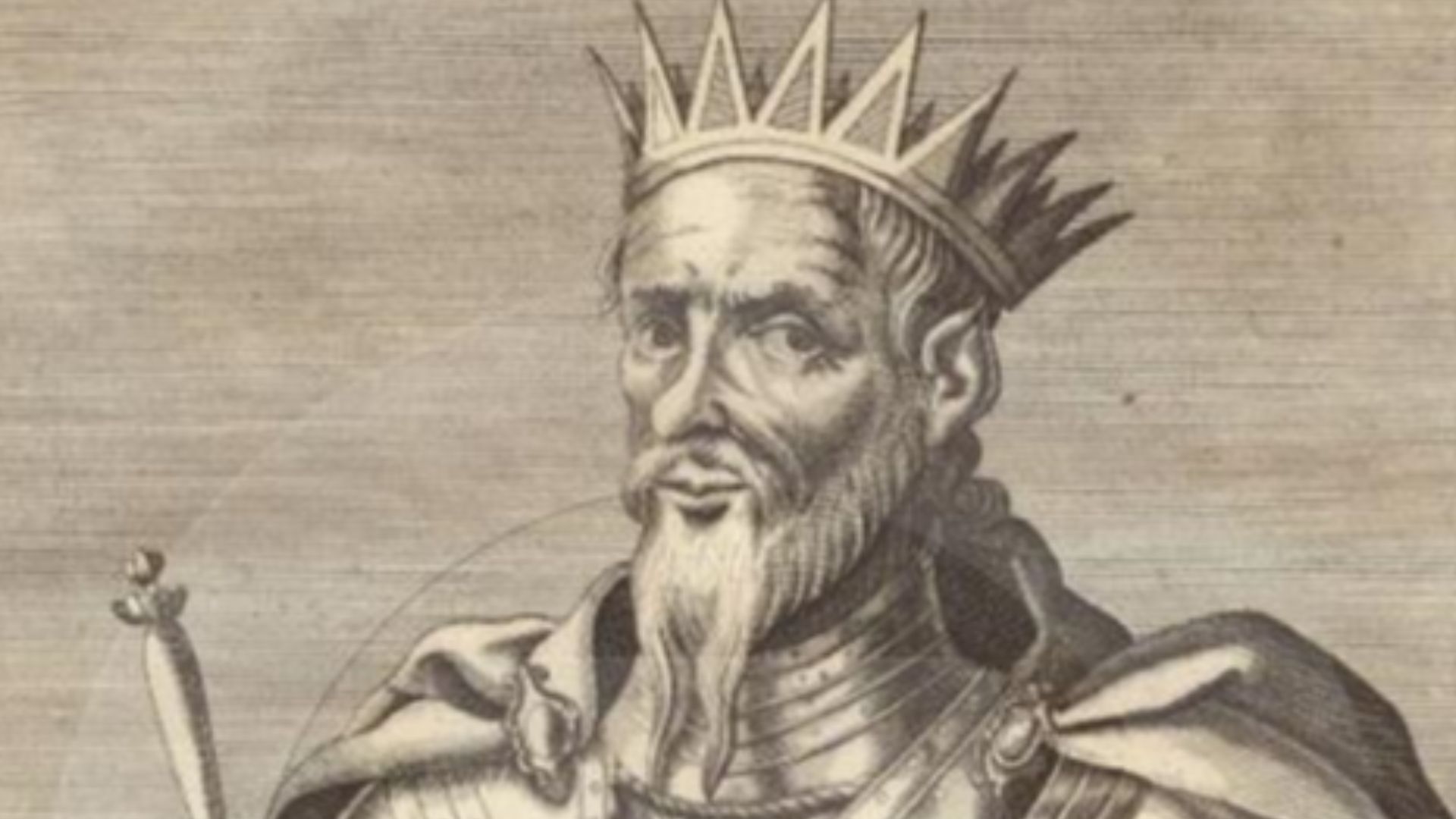 Julio Strozza, Wikimedia Commons
Aeschylus
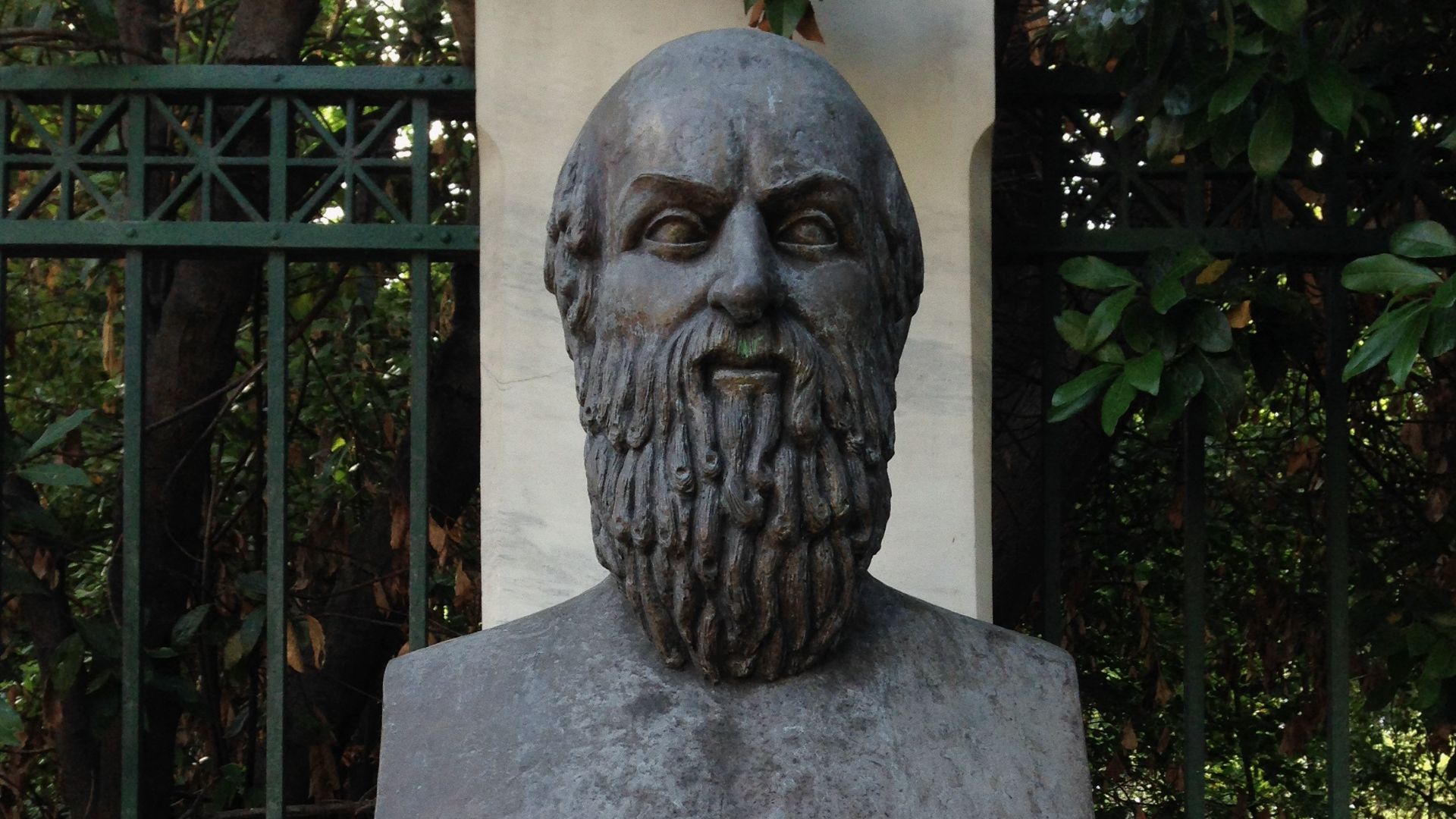
Apparently, Eagles hunt by dropping tortoises onto rocks to crack their shells. In 455 BC, near Gela, Sicily, an eagle mistook playwright Aeschylus's bald head for a stone. The father of Greek tragedy, who had survived Marathon and written The Oresteia, was instantly killed by the falling reptile.
Tycho Brahe
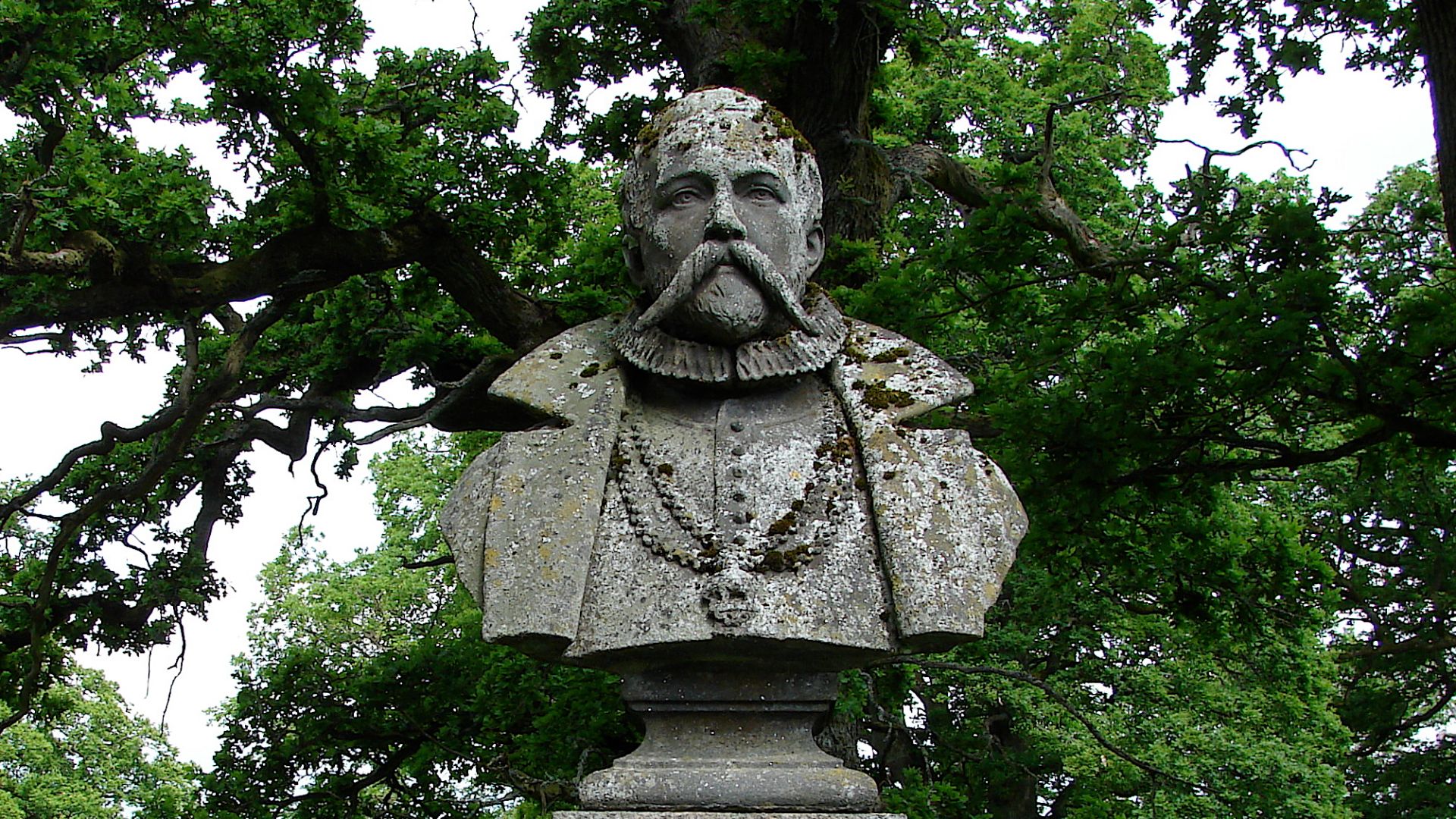
Tycho Brahe was dining at Baron Peter von Rosenberg's estate in Prague when excessive drinking created a biological crisis. Rather than commit the social faux pas of leaving the table before dinner concluded, Brahe chose to endure increasingly painful bladder pressure throughout the evening.
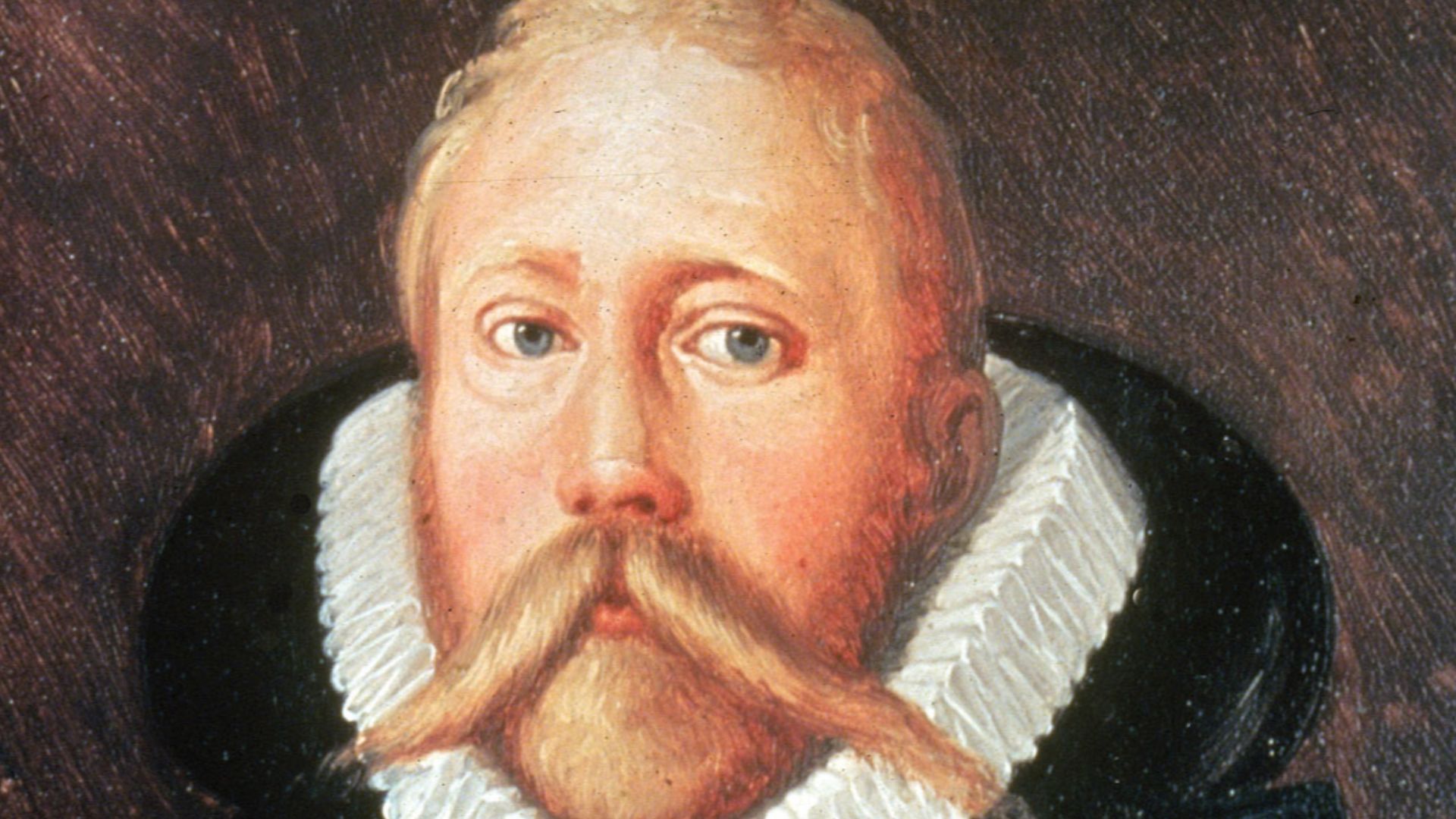 Eduard Ender (1822-1883), Wikimedia Commons
Tycho Brahe (Cont.)
Eleven days after the banquet, Brahe died in agony from a burst bladder and resulting uremia. The man who had made the most accurate pre-telescopic astronomical observations in history, tracking planetary movements within two arcminutes of precision, was undone by 16th-century etiquette.
Jean-Baptiste Lully
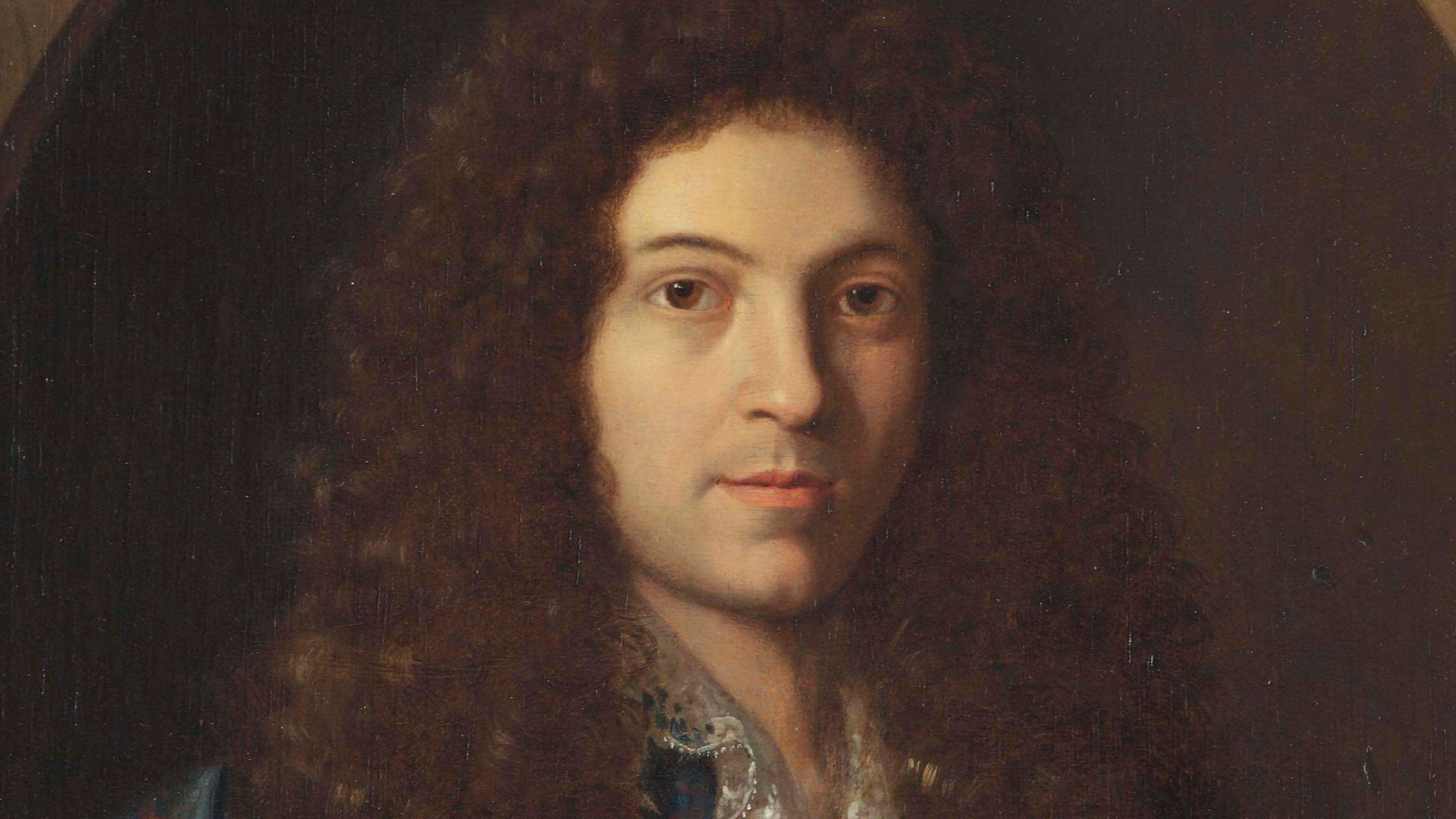
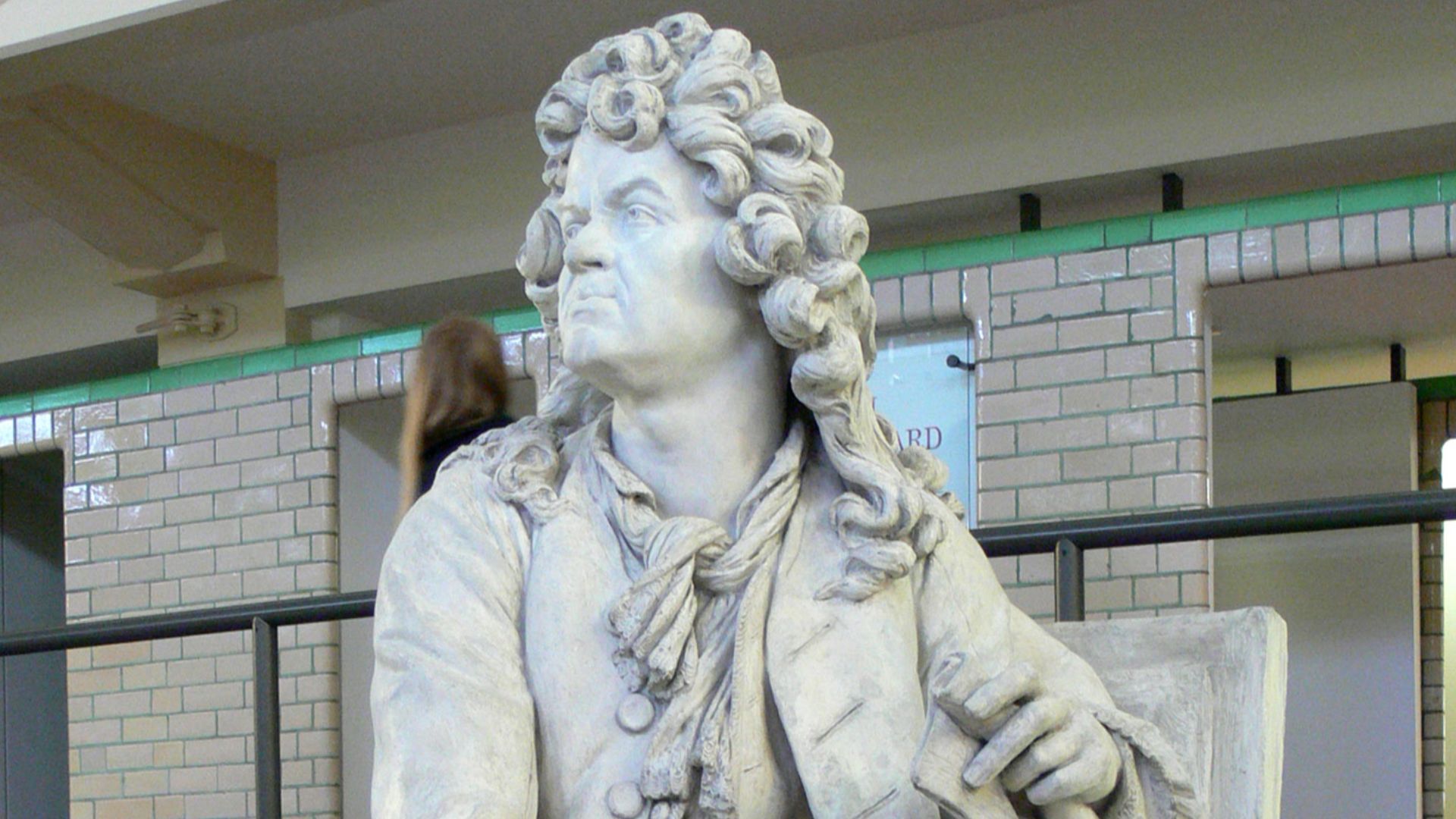
French Baroque composer Jean-Baptiste Lully was conducting a Te Deum in 1687 to celebrate King Louis XIV's recovery from surgery when disaster struck. In that era, conductors didn't use delicate batons but heavy wooden staffs that they pounded on the floor to keep time with the orchestra.
 Pierre Mignard I, Wikimedia Commons

History's most fascinating stories and darkest secrets, delivered to your inbox daily.
Jean-Baptiste Lully (Cont.)
During the performance, Lully brought his staff down with such force that he struck his own foot instead of the ground. The resulting wound seemed minor at first, but it quickly got infected and developed into gangrene. The disease spread and killed him within months.
 Alexandre Schoenewerk (1820-1885), Wikimedia Commons
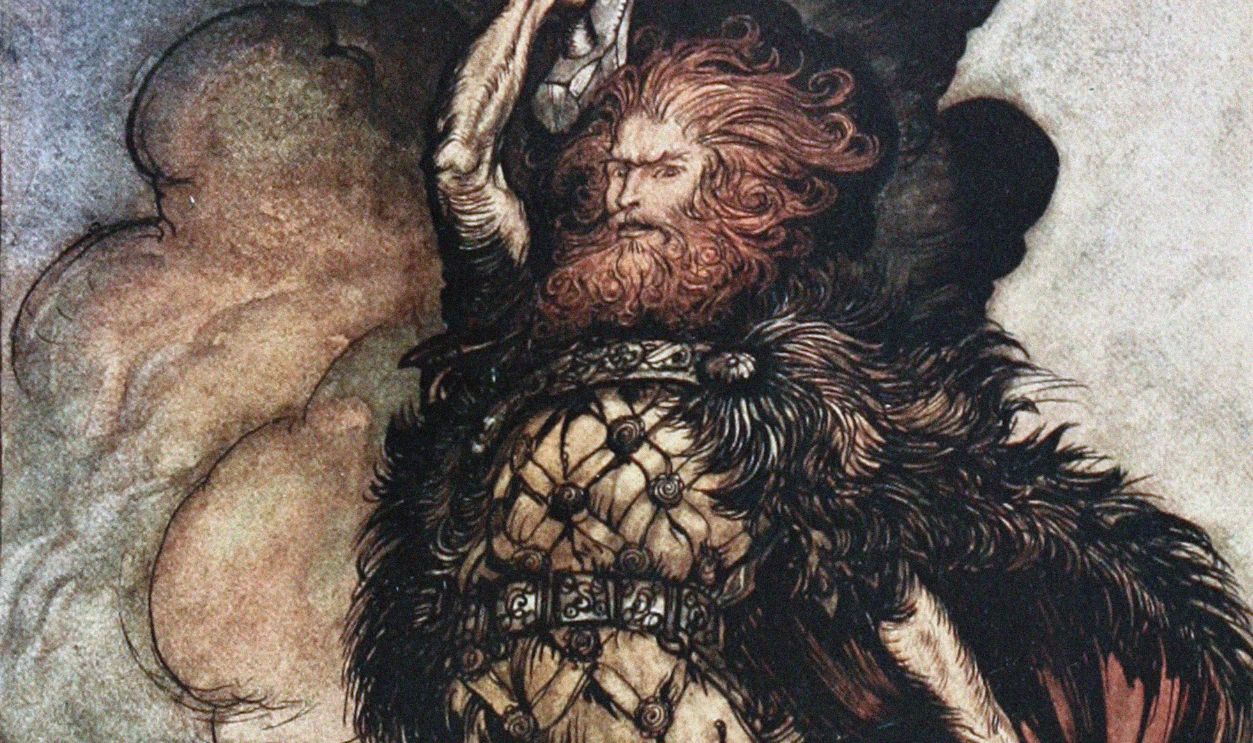
Sigurd Eysteinsson
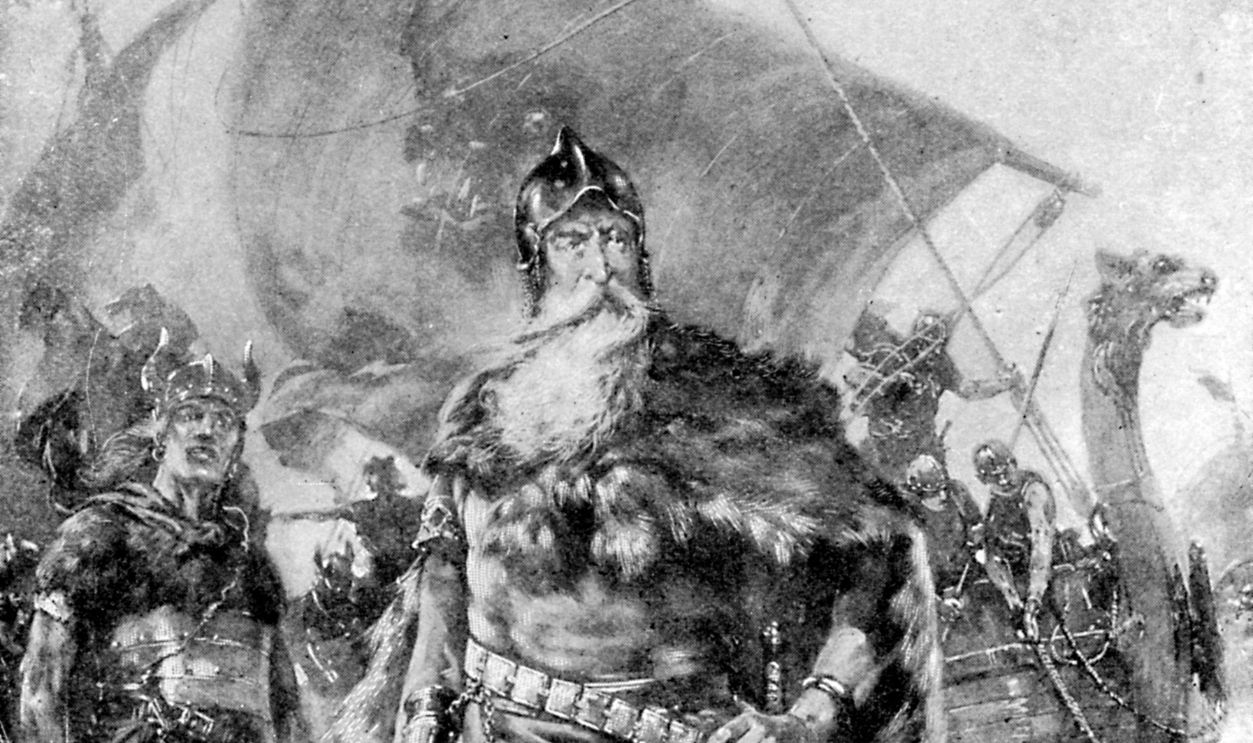
What started as a victorious ride home from battle became one of history's most ironic deaths. Sigurd Eysteinsson, the 9th-century Earl of Orkney known as "the Mighty," had just defeated his enemy Mael Brigte in combat and decided to take a gruesome trophy.
Sigurd Eysteinsson (Cont.)
Following Viking tradition, he decapitated his fallen foe and tied the severed head to his horse's saddle as a symbol of triumph. As Sigurd rode away from the battlefield, Brigte's prominent tooth scratched against the Viking's leg. Due to the scratch, Sigurd passed away from sepsis.
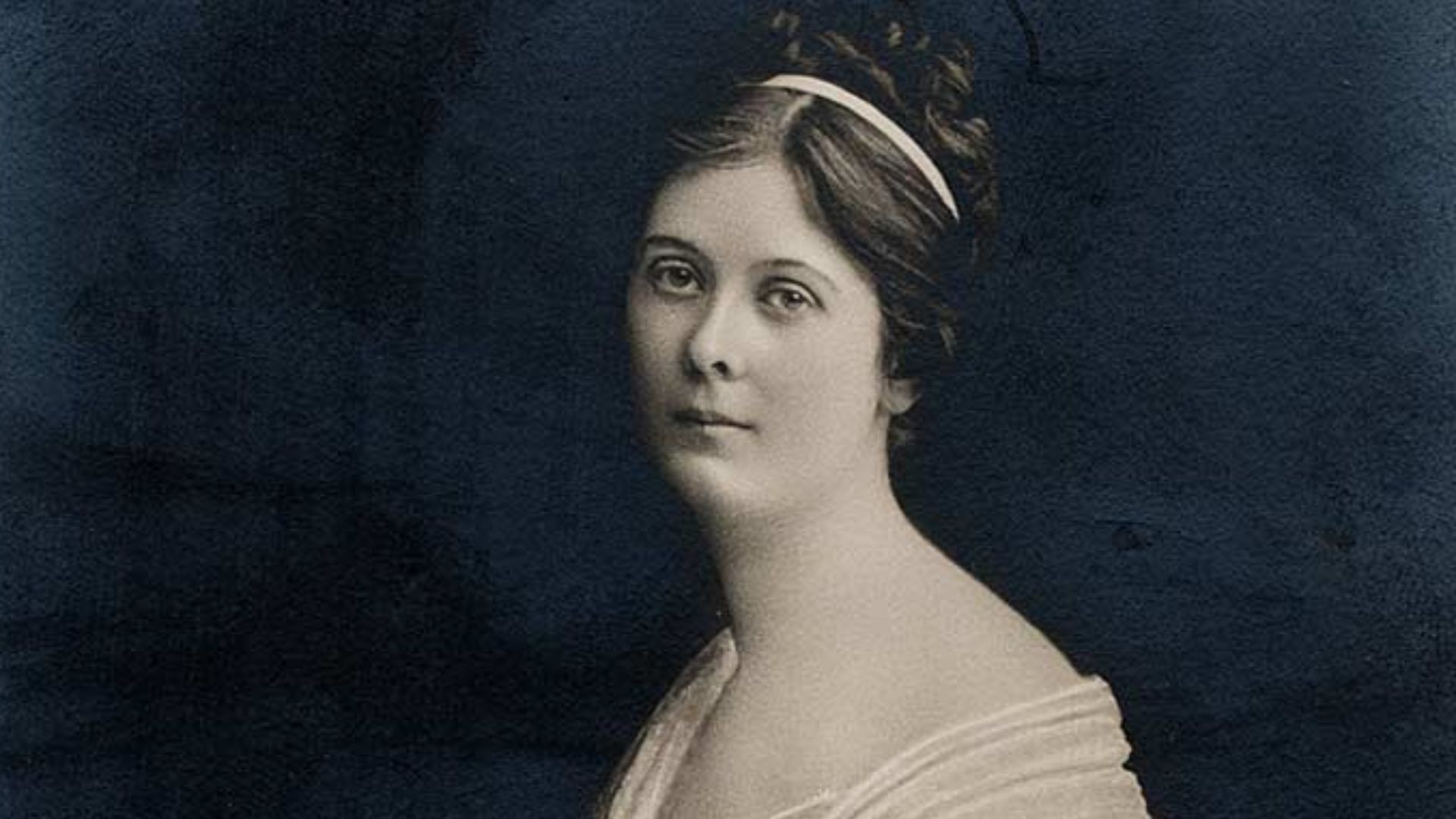
Isadora Duncan
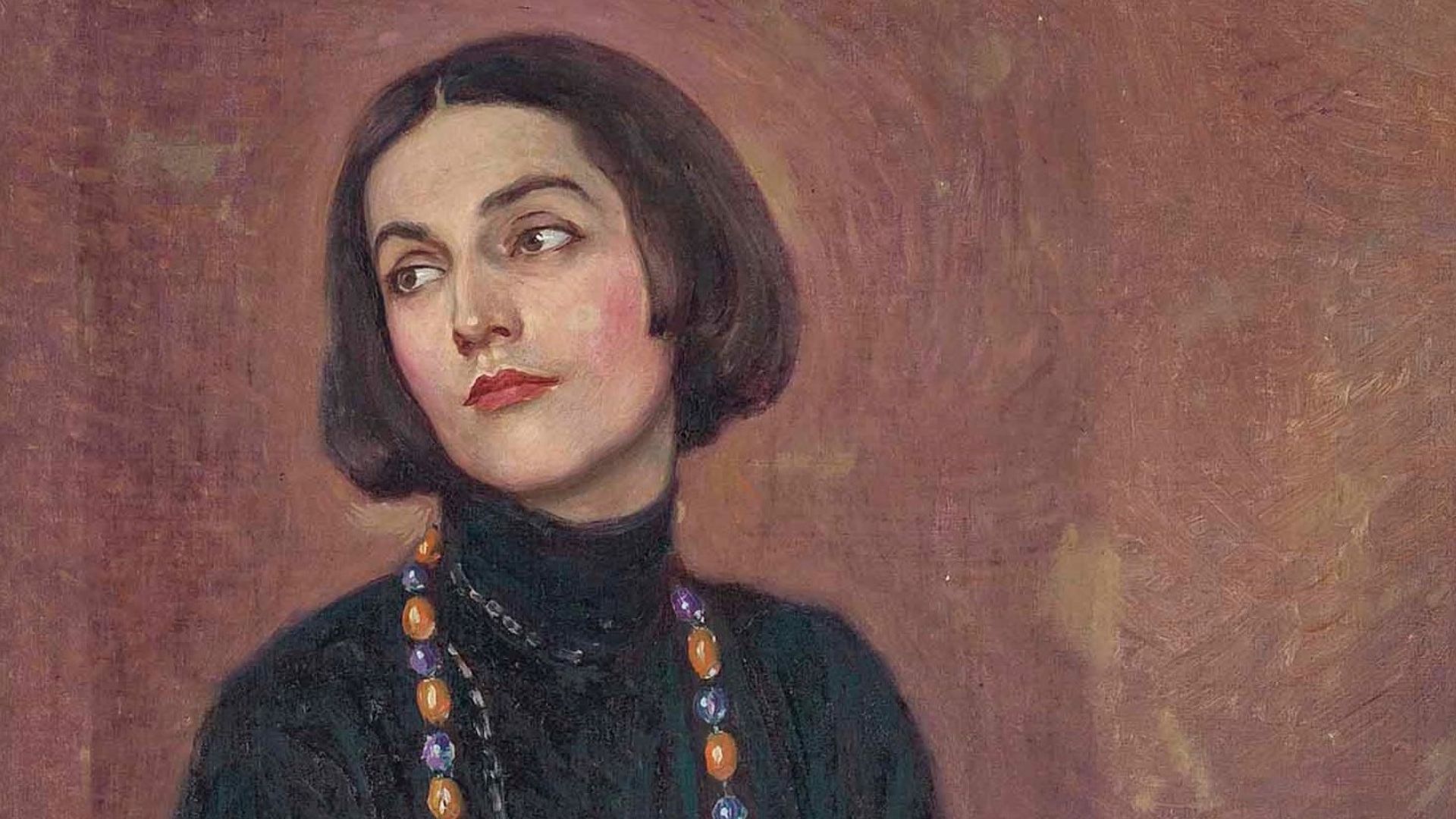
The mother of modern dance had always lived dramatically, so perhaps it's fitting that her demise was equally theatrical. On September 14, 1927, in France, Duncan was riding in an open-topped Amilcar CGSS sports car with a French-Italian mechanic, Falchetto, behind the wheel.
 Asta~commonswiki, Wikimedia Commons
Isadora Duncan (Cont.)
A friend had urged her to wear a cape due to the cool evening temperature, but Duncan opted instead for her signature long silk scarf. As the car accelerated, Duncan's flowing scarf became entangled in the open-spoked rear wheel, instantly strangling her to death.
 Paul Swan (American, 1883-1972), Wikimedia Commons
Duke Jing Of Jin
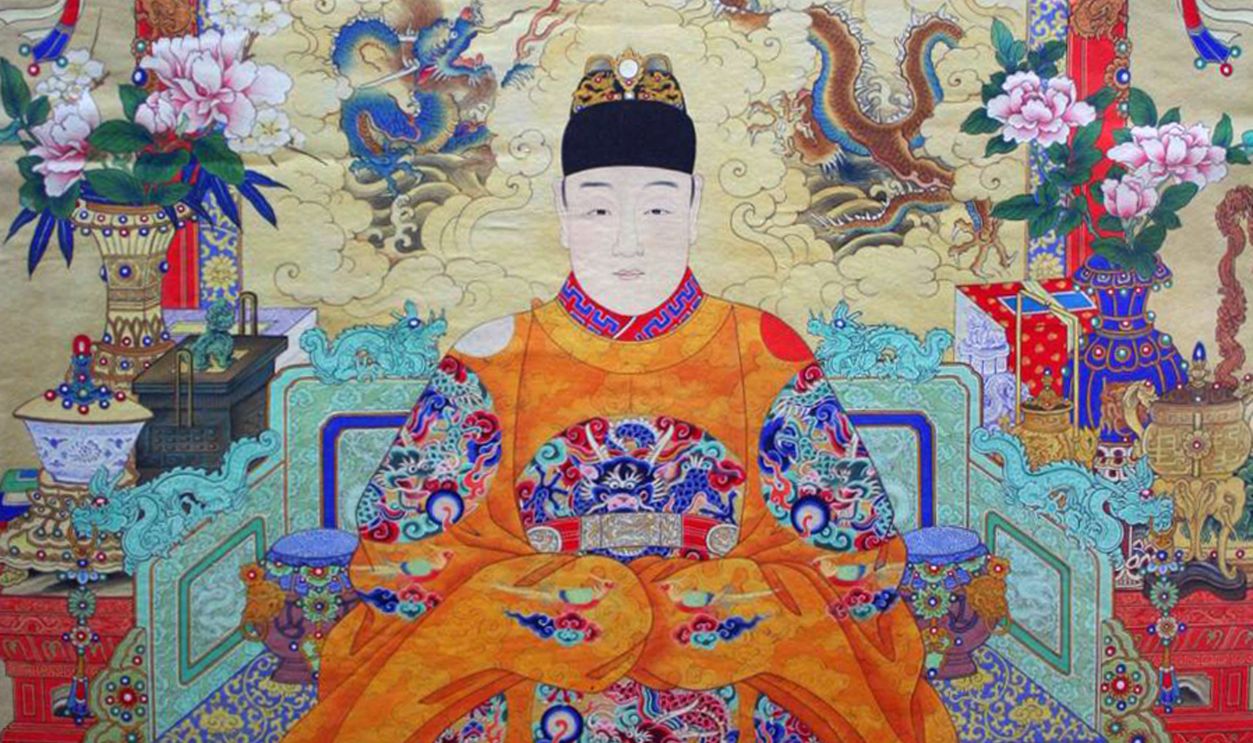
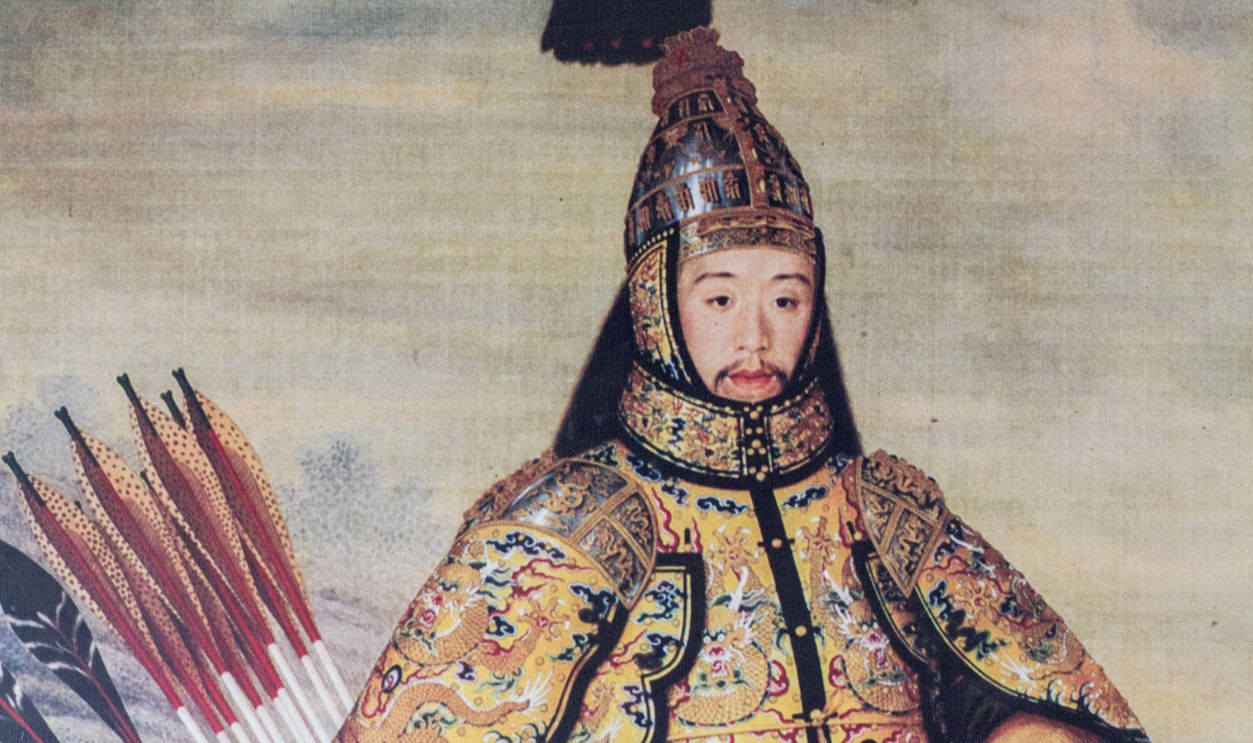
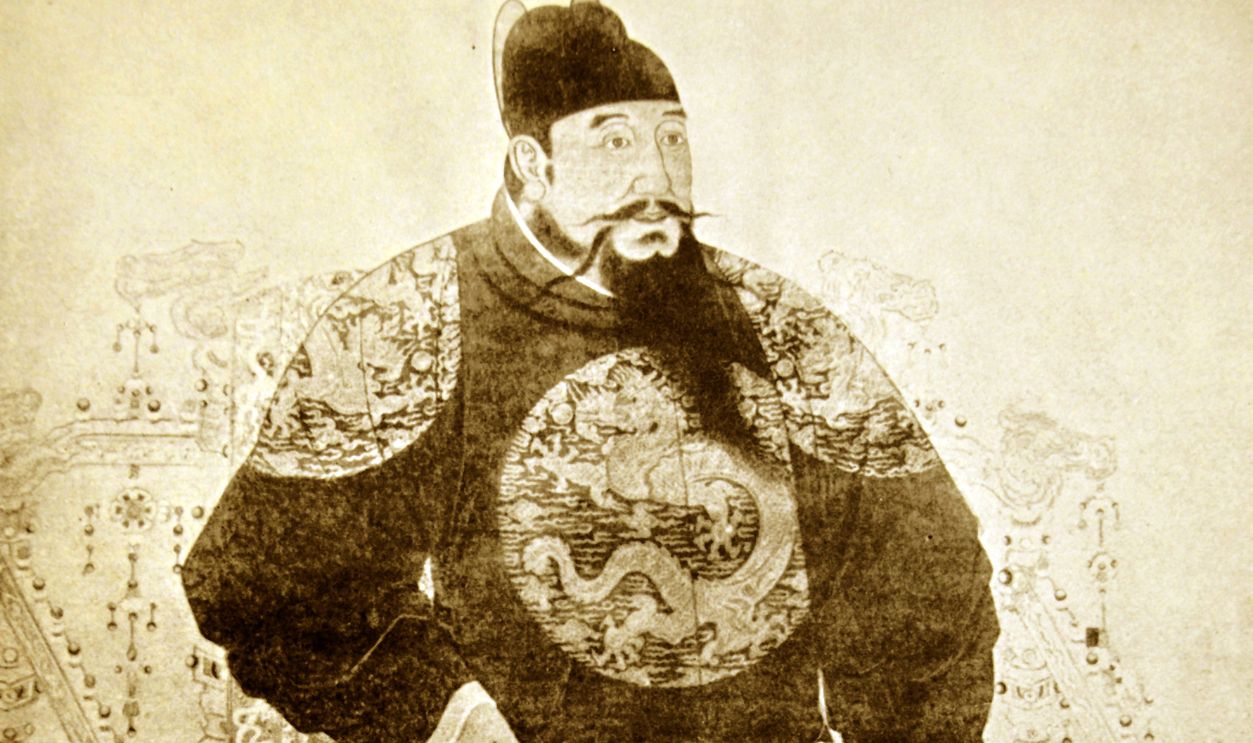
Ancient Chinese court life came with many hazards, and the royal bathroom was one of them. Duke Jing of Jin had recently consulted a shaman in 581 BC after experiencing disturbing dreams, only to be told he wouldn't live to see the new wheat harvest.
 Pictures from History, Getty Images
Duke Jing Of Jin (Cont.)
Defiant and convinced the prophecy was wrong, the duke had the shaman executed when the harvest time arrived. Just as he was about to enjoy a meal of fresh wheat, proving the shaman wrong, the duke felt an urgent need to visit the royal toilet.
Duke Jing Of Jin (Cont.)
Here, he fell through the latrine hole and drowned in the cesspool below. A brave servant dove in to retrieve the duke's body but was rewarded for his loyalty by being murdered and buried with his master to continue serving in the afterlife.
 Universal History Archive, Getty Images
Adolf Frederick
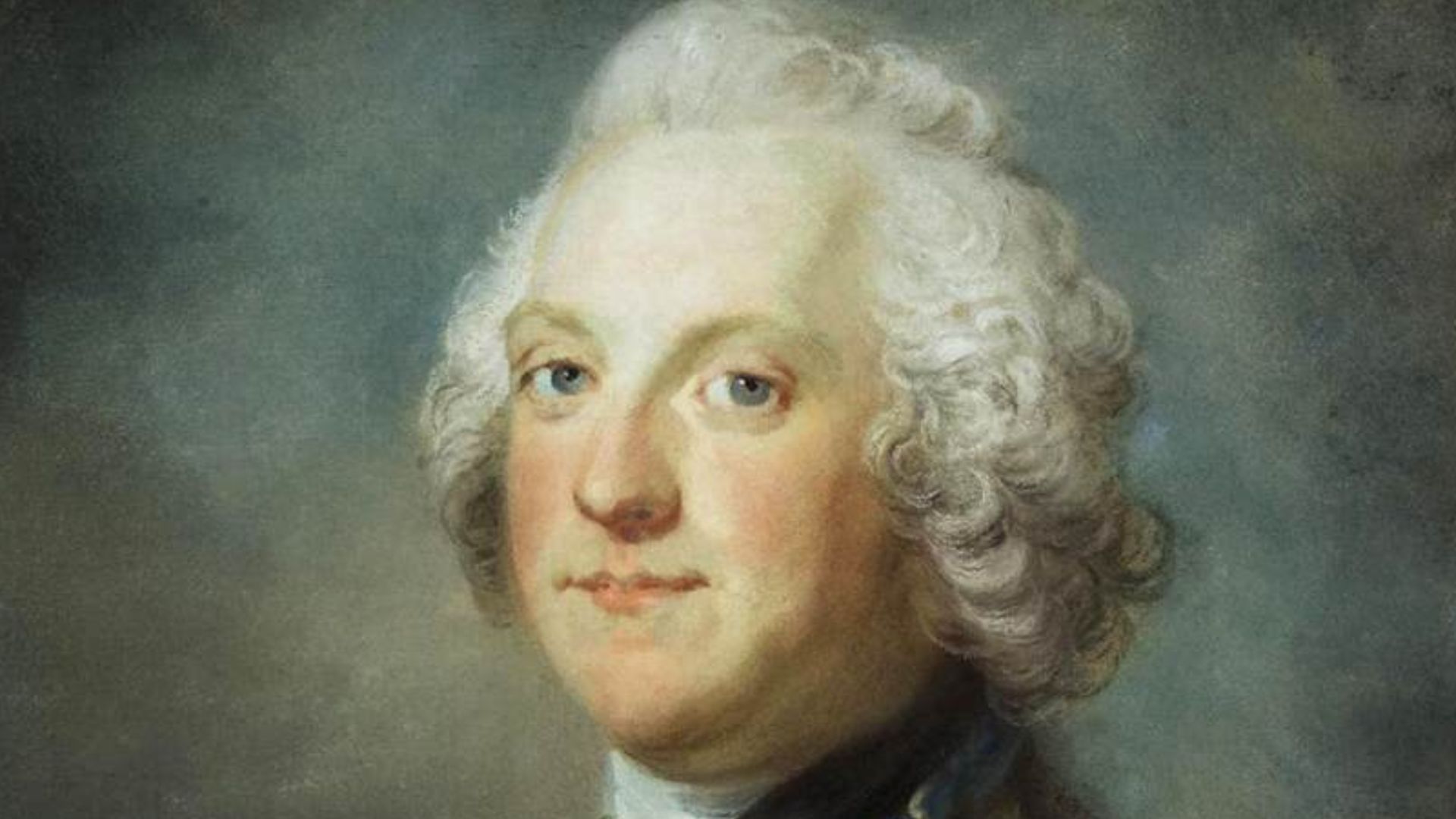
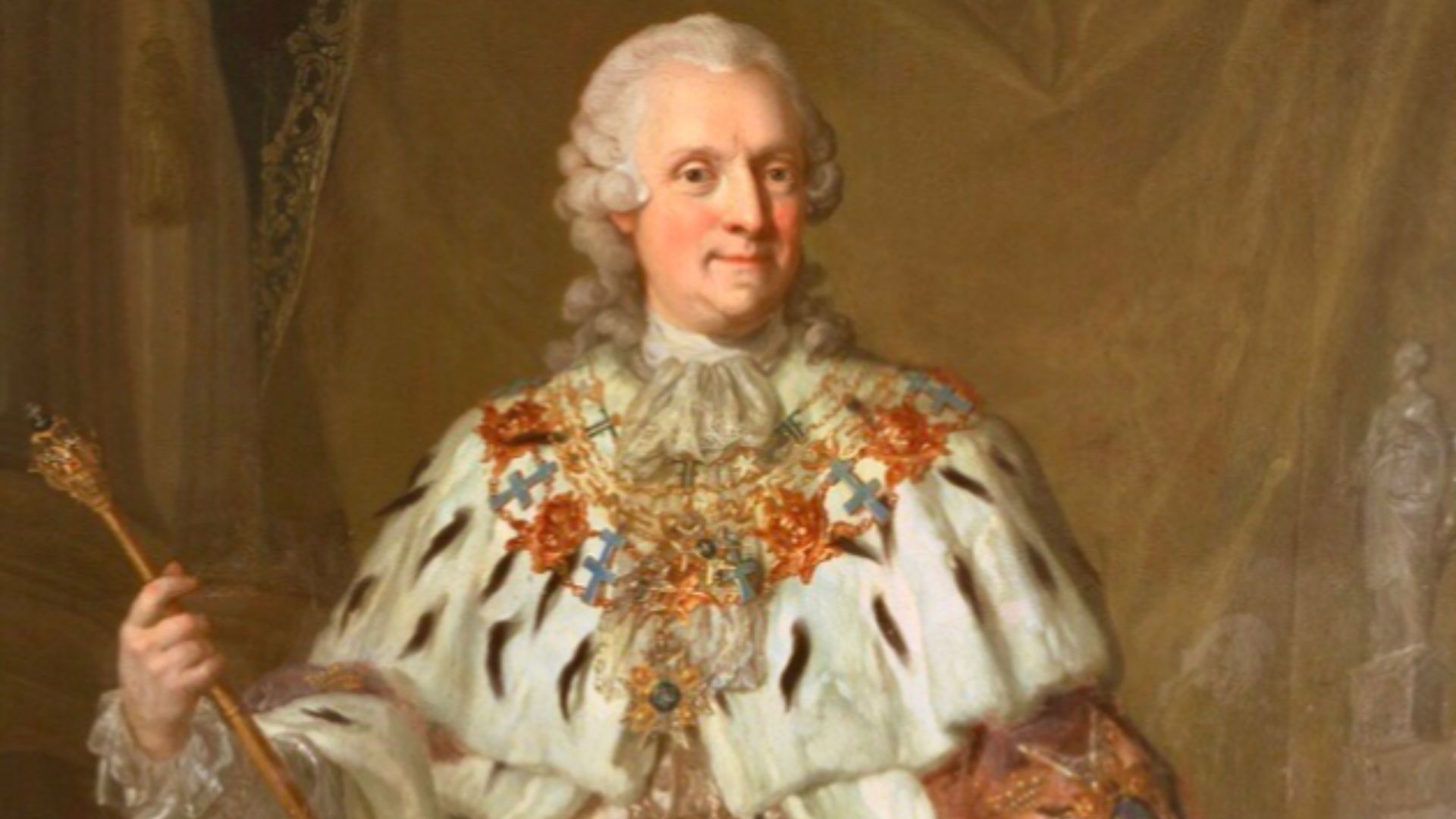
Royal gluttony reached new heights in 18th-century Sweden, where dining was considered both art and sport. King Adolf Frederick's final meal in 1771 was a legendary feast consisting of lobster, caviar, sauerkraut, kippers, and champagne. But the piece de resistance was his consumption of fourteen servings of semla.
 Gustaf Lundberg, Wikimedia Commons
Adolf Frederick (Cont.)
This extraordinary culinary excess proved fatal. Known as "the king who ate himself to death," his demise highlighted the dangerous excesses of royal court life. Although some consider the story a dramatic legend, it remains a popular and curious historical anecdote.
 Attributed to Lorens Pasch the Younger, Wikimedia Commons
Clement Vallandigham
Ohio politician and attorney Clement Vallandigham was defending a murder suspect in 1871, arguing that the victim had shot himself by mistake while drawing his pistol. To prove his theory, Vallandigham decided to recreate the incident step-by-step in front of his fellow lawyers.
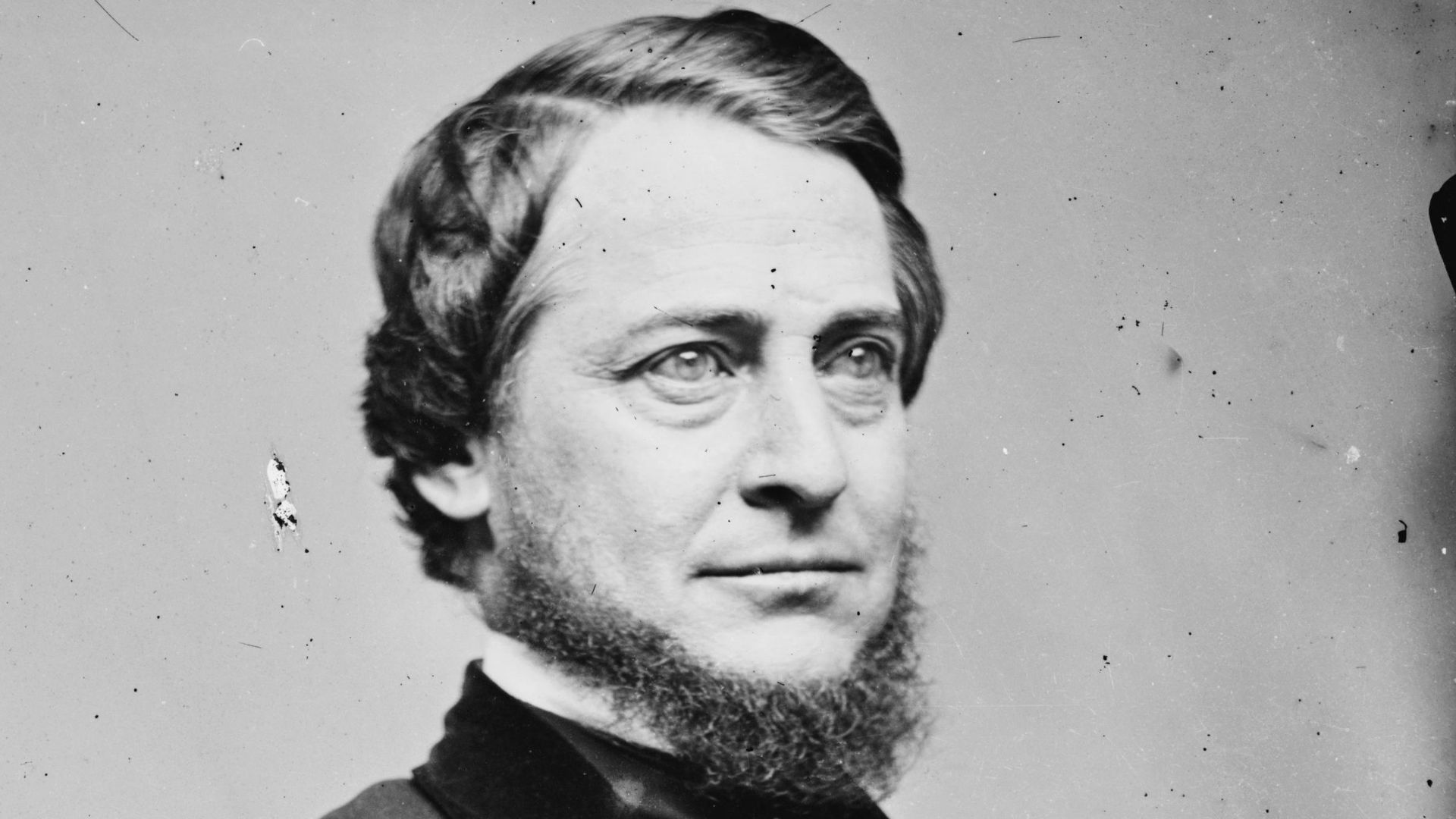 Mathew Benjamin Brady, Wikimedia Commons
Clement Vallandigham (Cont.)
Unfortunately, the demonstration gun was still loaded, and Vallandigham accidentally shot himself while showing how the victim could have killed himself. He died from his wounds within 12 hours, but his sacrifice wasn't entirely in vain as his client was acquitted.
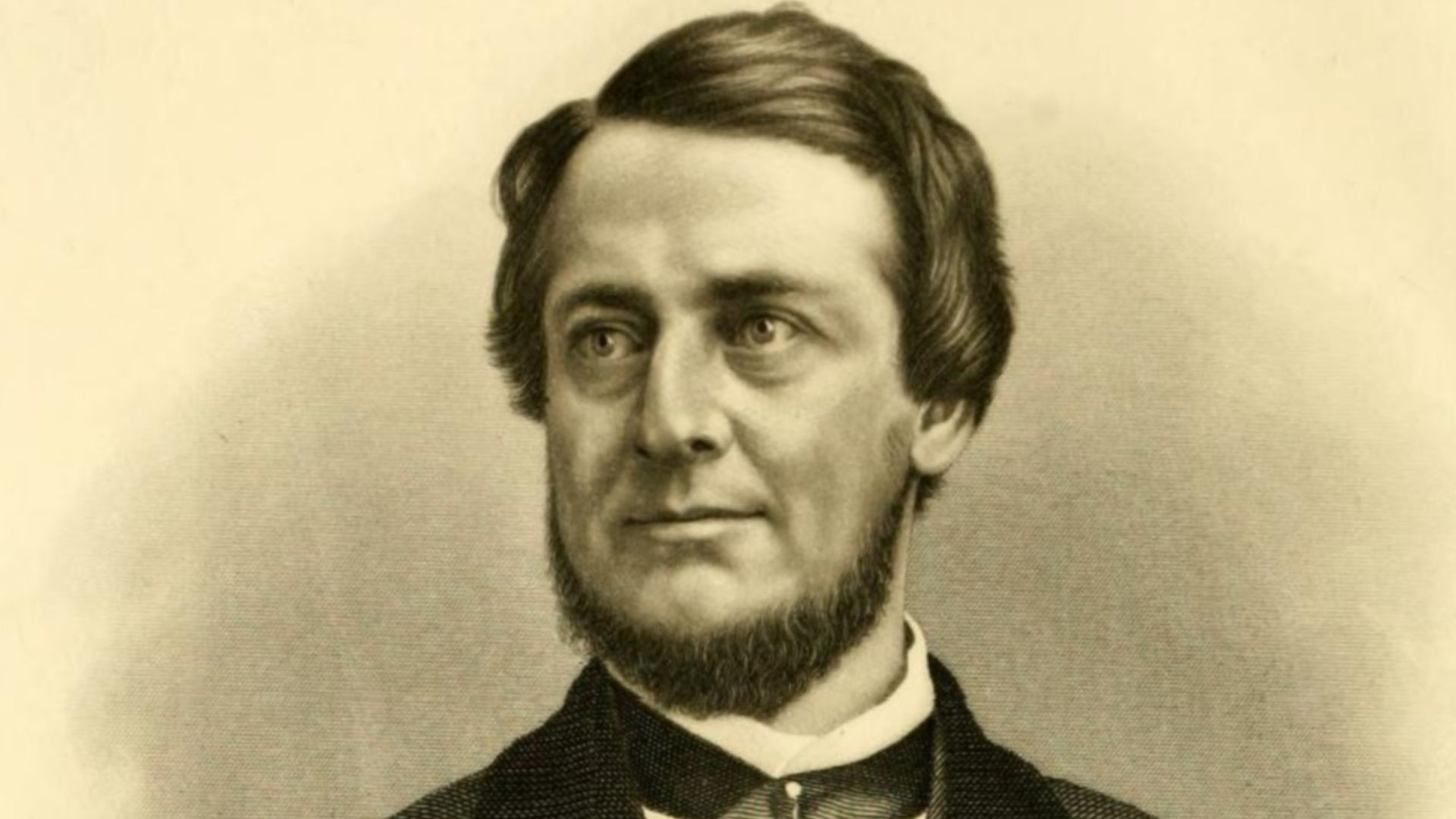 C. L. Vallandigham; Engraving by W. G. Jackman, New York, Wikimedia Commons
Martin Of Aragon
King Martin of Aragon was already suffering from severe indigestion in 1410 after consuming an entire goose when his court jester, Borra, entered the royal chamber. The timing couldn't have been worse. Martin was in considerable discomfort when the entertainer appeared to lighten his mood.
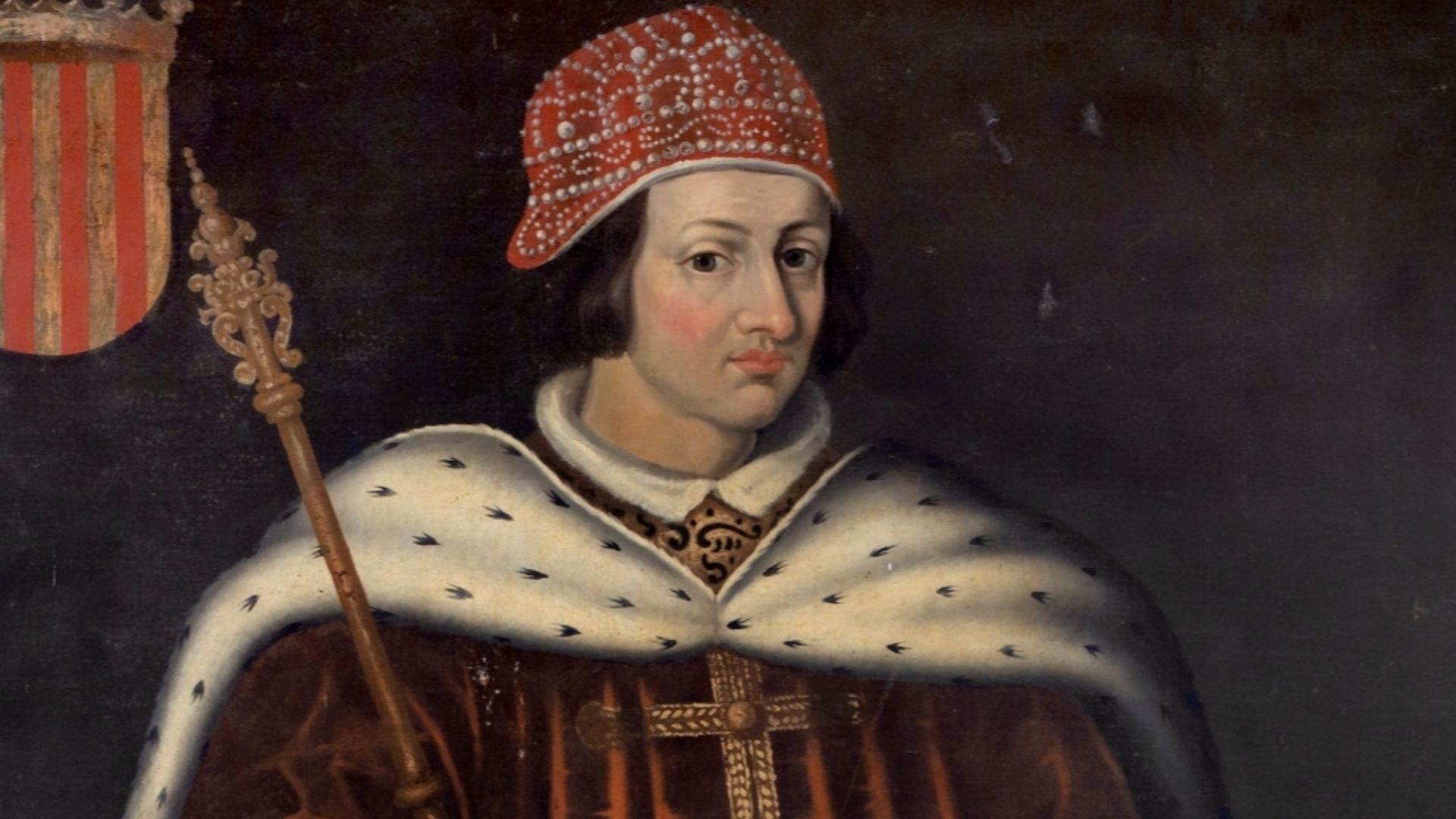 AnonymousUnknown author, Wikimedia Commons
Martin Of Aragon (Cont.)
When Martin asked where Borra had been, the jester replied with a joke about spotting a deer in the vineyard. The quip struck the ailing king as so hilarious that he burst into uncontrollable laughter, which, combined with his digestive distress, killed him.
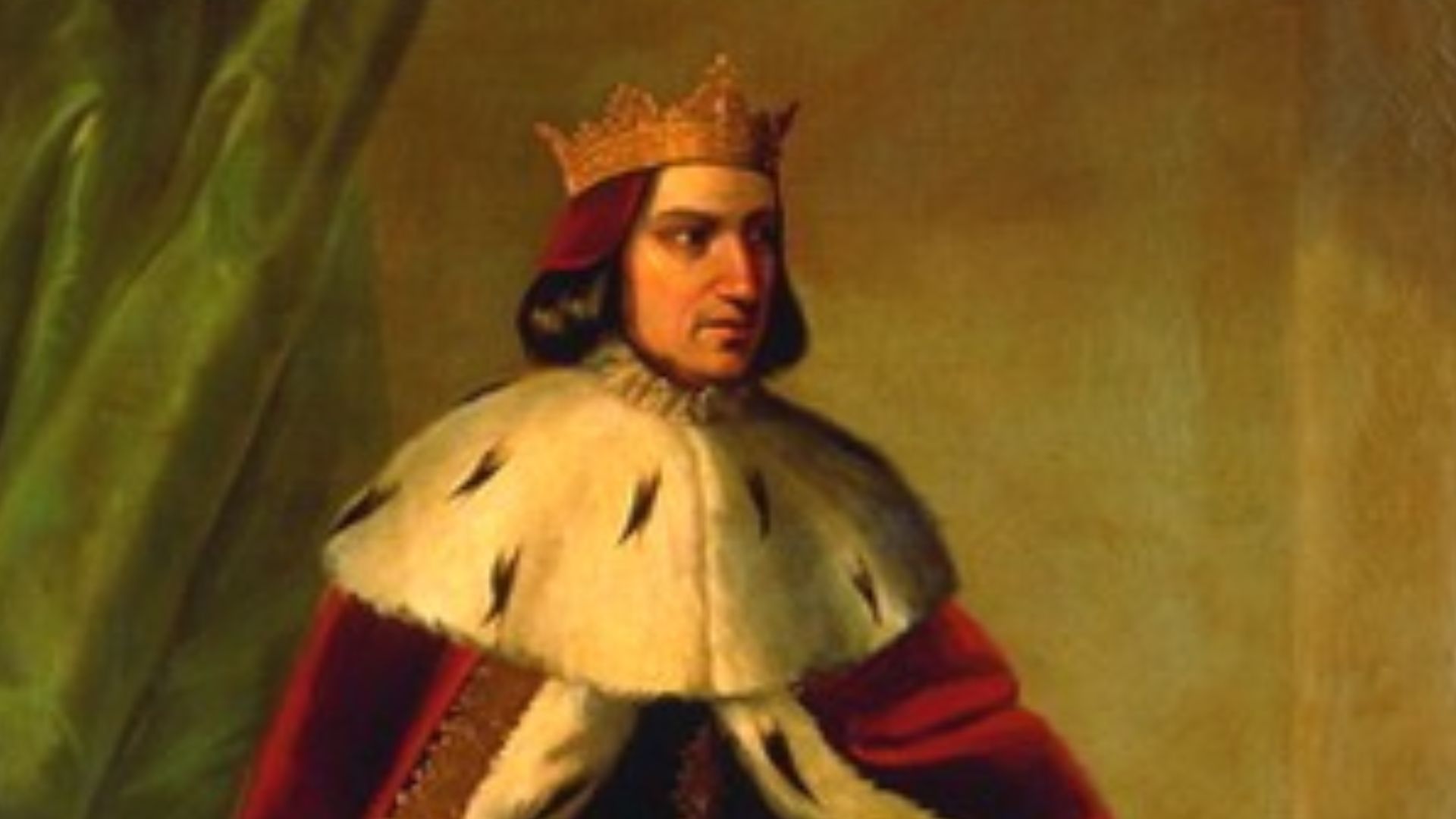 Manuel Aguirre y Monsalbe, Wikimedia Commons
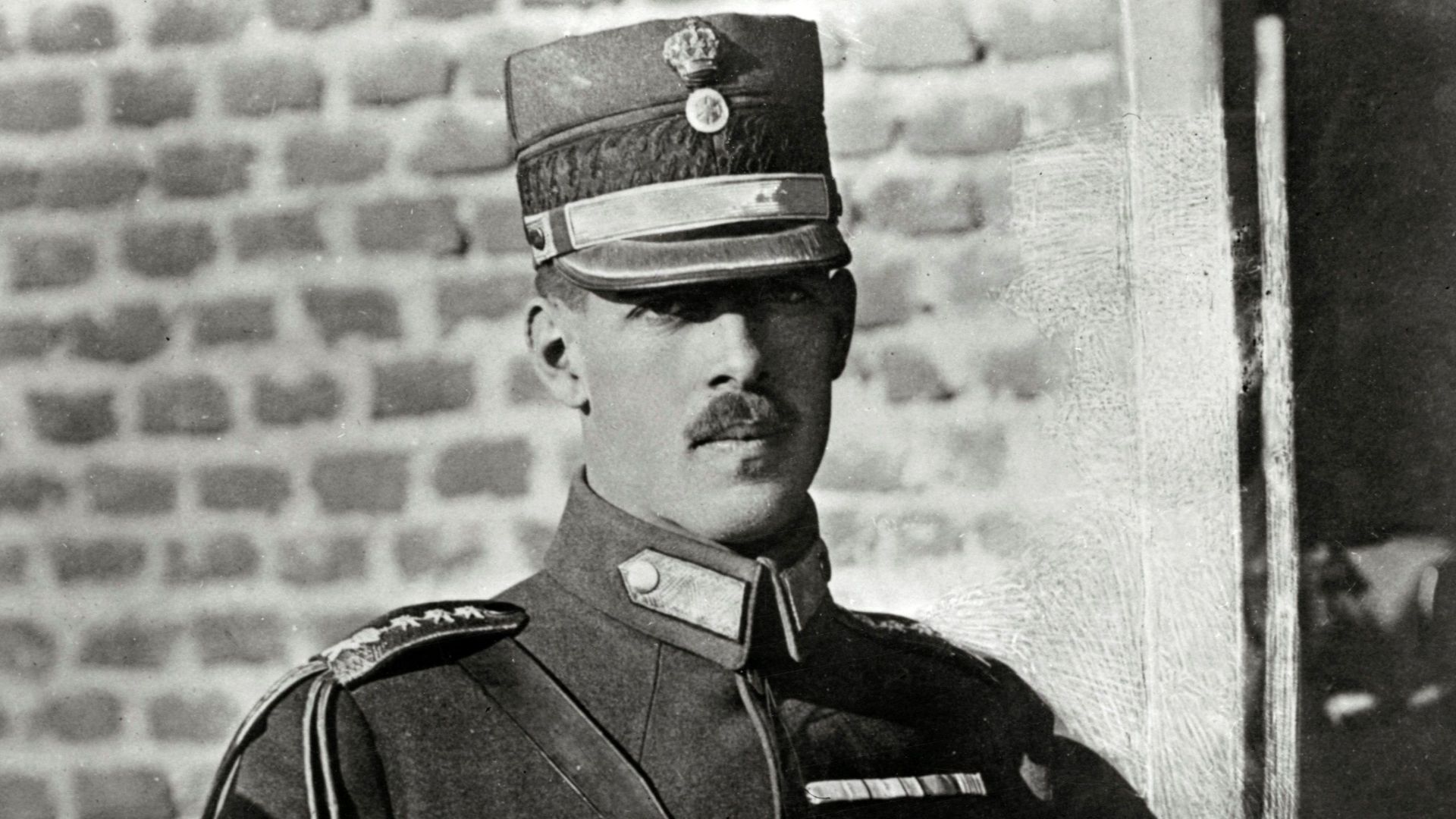
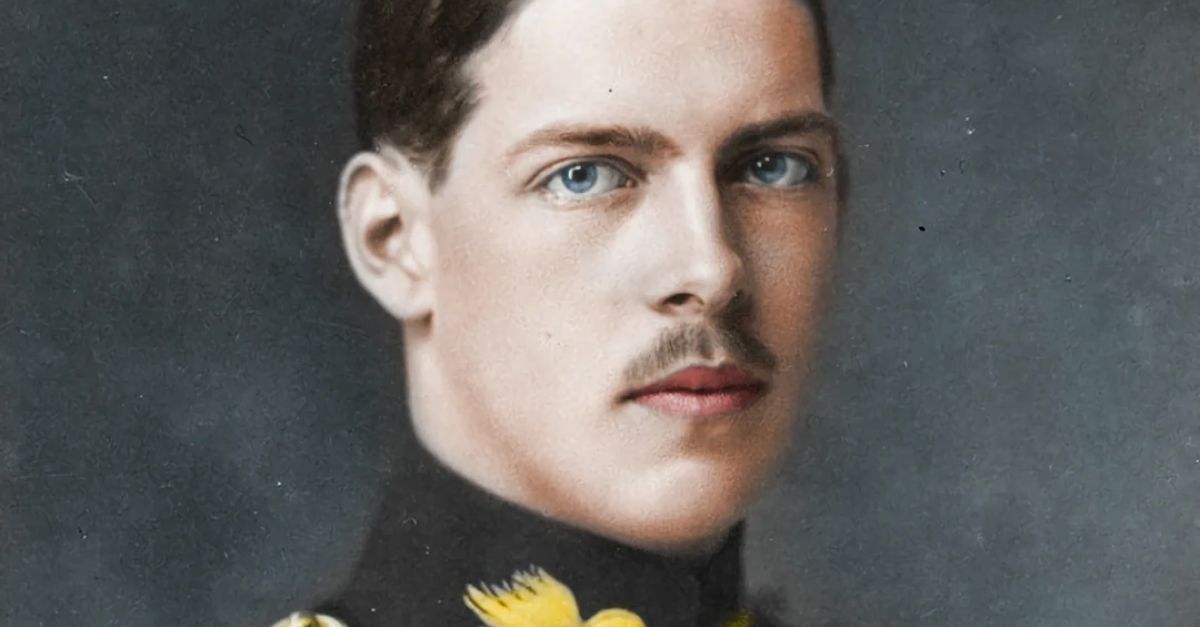
Alexander I Of Greece
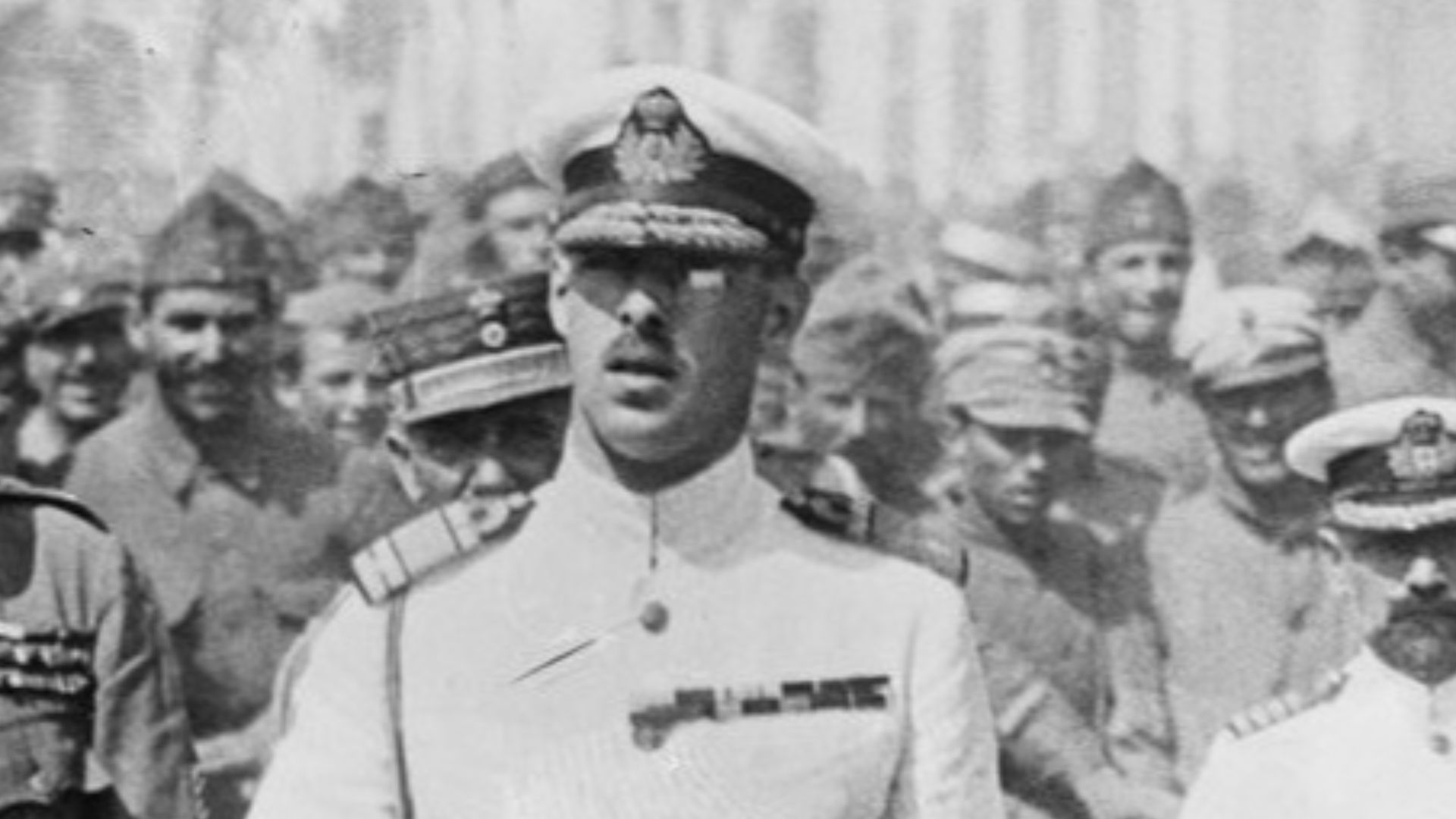
Modern medicine wasn't advanced enough in 1920 to handle what should have been a minor injury. King Alexander I of Greece was walking through the gardens of his palace when he encountered a monkey, and the animal bit him.
Alexander I Of Greece (Cont.)
Despite receiving the best medical treatment available at the time, the bite became severely infected, and Alexander died from sepsis. His death had massive political ramifications as it led to the restoration of his father, Constantine I, to the throne.