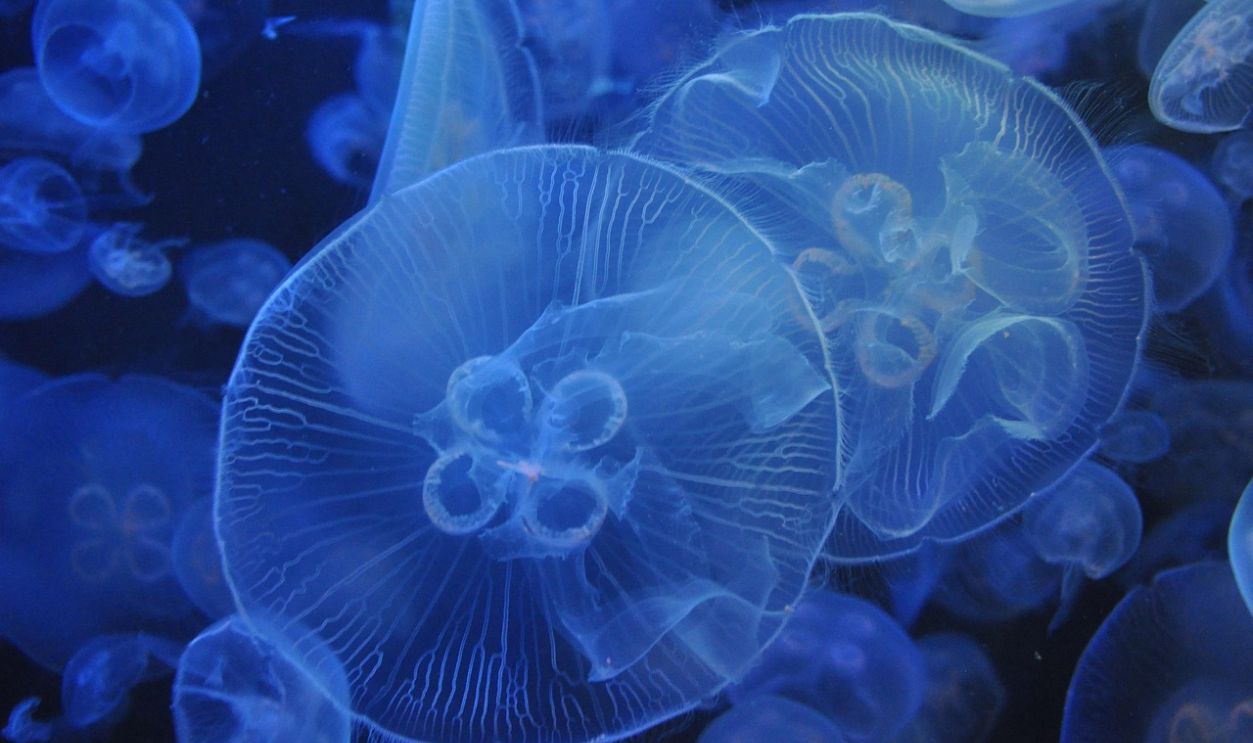
In the vast depths of our oceans swims a tiny creature that possesses what humans have sought for millennia: immortality. Meet Turritopsis dohrnii, commonly known as the immortal jellyfish—a creature no larger than your fingernail that has cracked the code to eternal life.
Mediterranean Sea Discovery
This remarkable organism was discovered in the Mediterranean Sea in the 1880s. Still, its extraordinary ability wasn't recognized until the 1990s when scientist Fernando Boero and his team observed something that defied conventional understanding of life cycles.
Unlike virtually every other multicellular organism on Earth, these jellyfish can reverse their biological aging process altogether, essentially hitting the reset button on their lives when faced with environmental stress or physical damage.
 Txllxt TxllxT, Wikimedia Commons
The Benjamin Button Of The Sea
Most jellyfish follow a one-way life journey: they begin as larvae, develop into polyps (plant-like structures attached to the seafloor), bud into free-swimming medusae (the bell-shaped creatures we recognize as jellyfish), reproduce, and die. It's a straightforward path from birth to death, except for the immortal jellyfish.
When Turritopsis dohrnii faces injury, starvation, or environmental threats, it undergoes cellular transdifferentiation, a process where specialized cells transform into entirely different cell types. The jellyfish essentially collapses its bell and tentacles, sinks to the ocean floor, and reverts to its polyp stage—the equivalent of a butterfly turning back into a caterpillar.
From this rejuvenated state, it can begin its life cycle anew, potentially repeating this process indefinitely. Scientists have observed individual specimens cycling between adult and juvenile stages dozens of times in laboratory settings, with no signs of deterioration or aging.
Immortality With A Catch
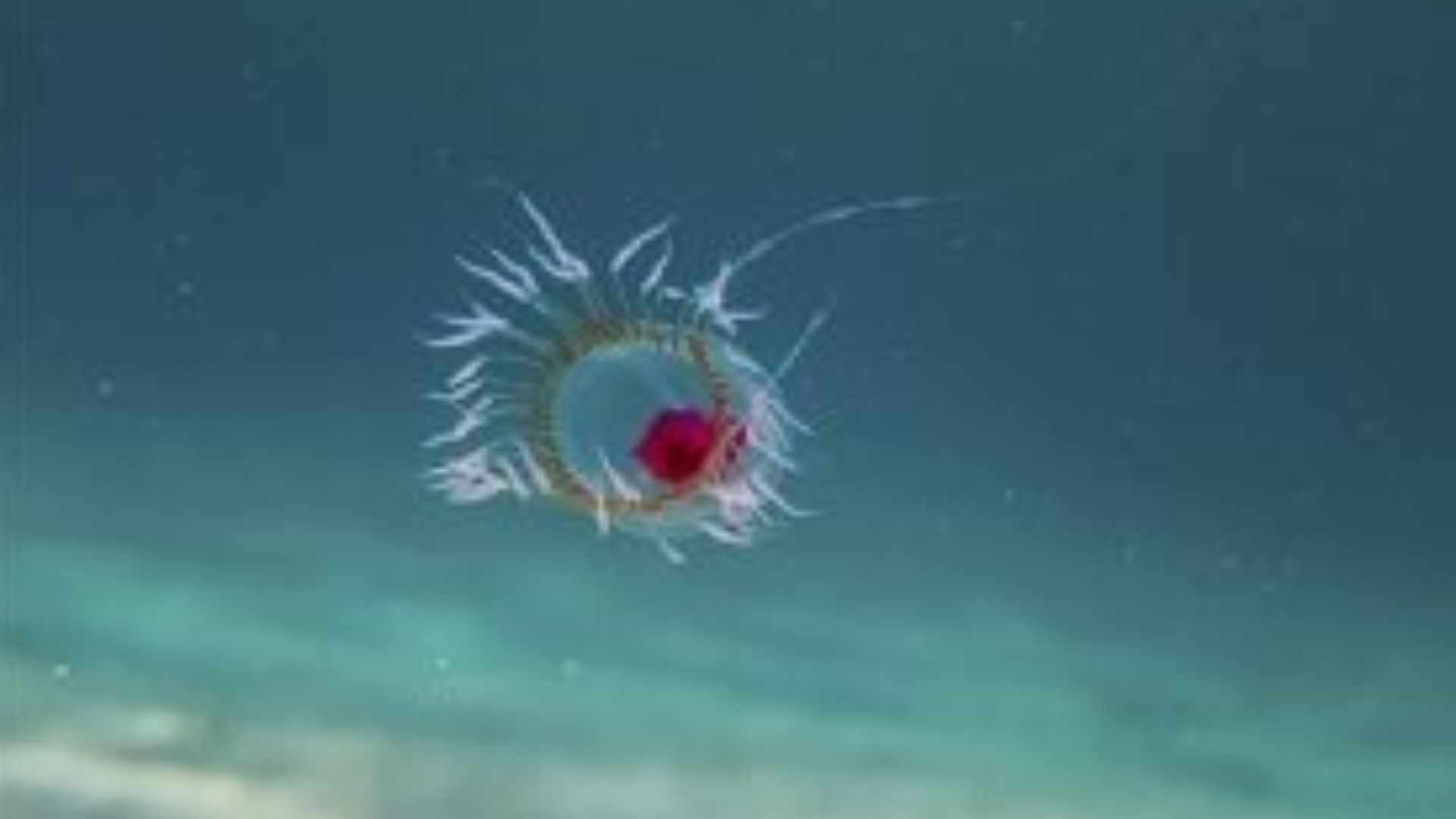
Despite their biological superpower, immortal jellyfish aren't overrunning our oceans. Nature maintains its balance through predation—these tiny, nearly transparent creatures are favorite snacks for larger marine animals. Disease and changing ocean conditions also take their toll, meaning few immortal jellyfish in the wild actually achieve their theoretical eternal life.
Nevertheless, these jellyfish have expanded their range from their native Mediterranean to waters worldwide, hitching rides in the ballast waters of ships. Their ability to rejuvenate themselves offers an evolutionary advantage, allowing them to survive changing environments and establish colonies in new territories.
The scientific implications of their unique ability are profound. Researchers are studying the immortal jellyfish's genome and cellular mechanisms for insights that could revolutionize our understanding of aging, cellular regeneration, and even cancer treatment.
At just 4–5mm across, the tiny, transparent creature challenges our fundamental understanding of life and death, proving once again that in nature's vast laboratory, the impossible sometimes exists.