
Oddball Energy
Some of history’s most brilliant figures had hobbies that might make you pause and smile. Behind their serious achievements, they were sneaking in quirky routines, unusual collections, and strange obsessions.
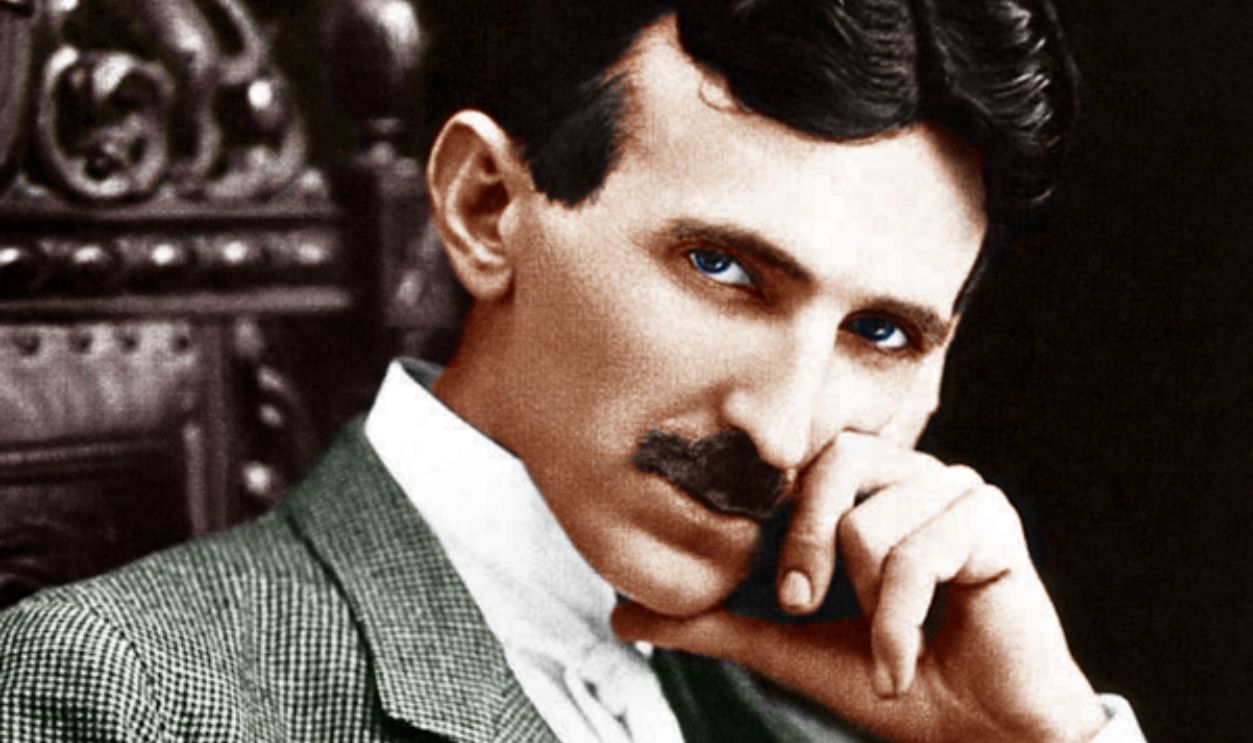
Nikola Tesla
The man who harnessed lightning and dreamed up rotating magnetic fields had an unexpectedly soft spot for creatures that barely mastered flight. Tesla devoted countless hours to hosting feathered guests on his hotel windowsill, nursing injured birds back to health in his quarters.
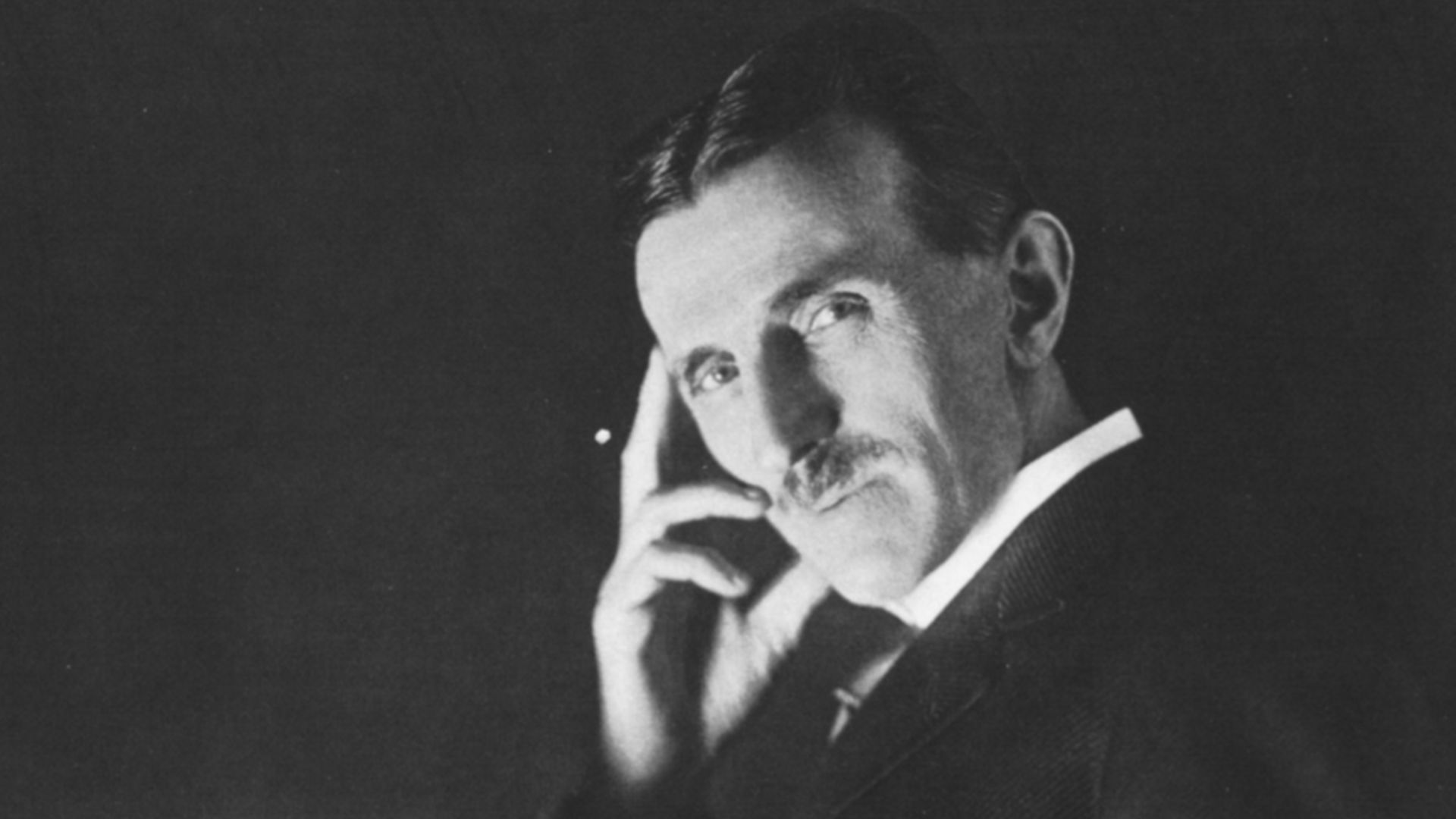 Napoleon Sarony, Wikimedia Commons
Nikola Tesla (Cont.)
Among all the birds he tended in New York, one particular white pigeon held a special place in his heart. Tesla spoke of this bird as if it were a close companion, claiming he loved it more than any human being. He described how it would visit him daily.
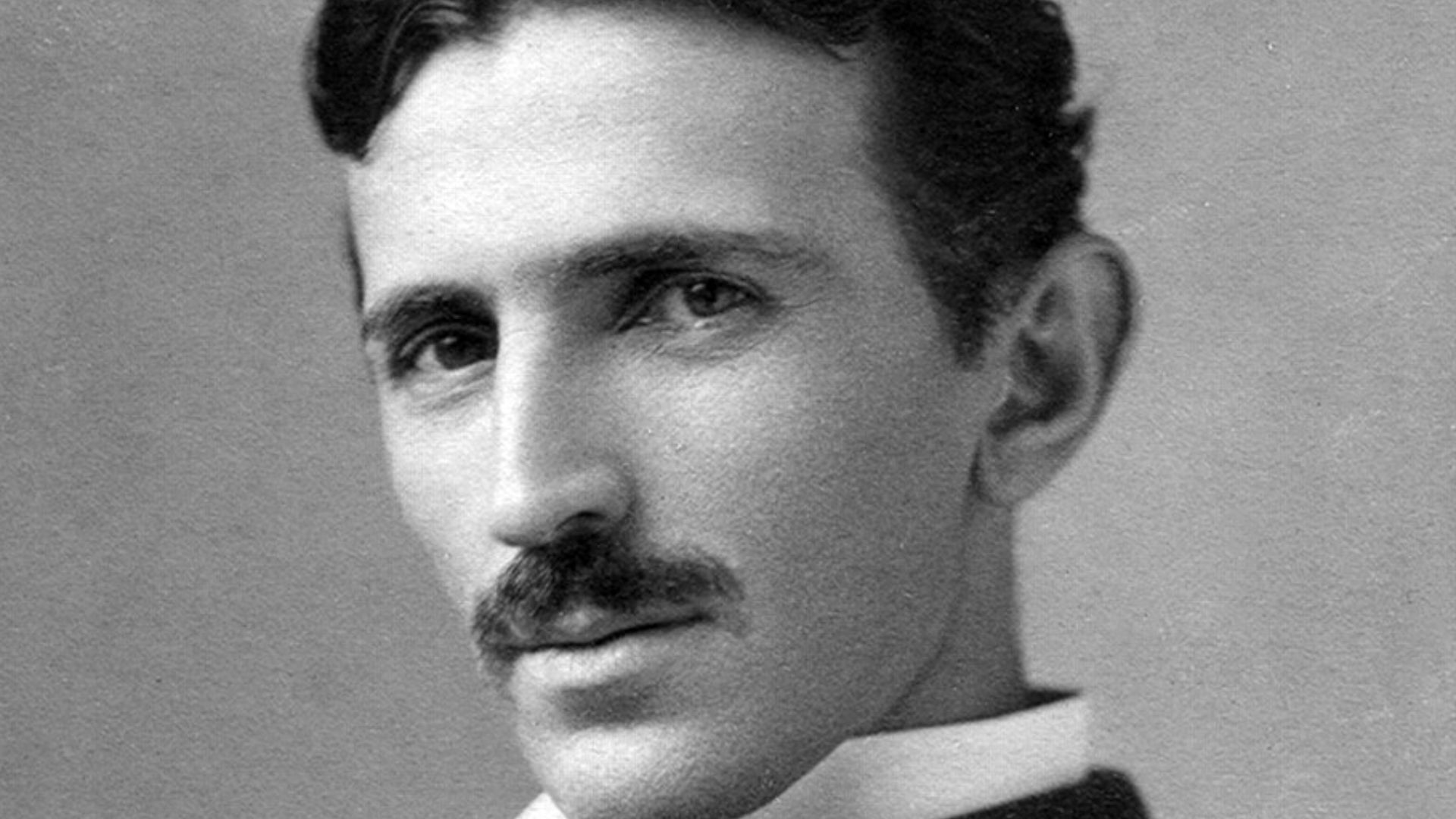 Napoleon Sarony, Wikimedia Commons
Charles Darwin
Before becoming history's most famous naturalist, Charles Darwin cultivated a passionate fascination with beetle collecting in his youth, an early indication of his scientific destiny. His dedication to building and expanding his collection led him to establish correspondence networks with fellow collectors.
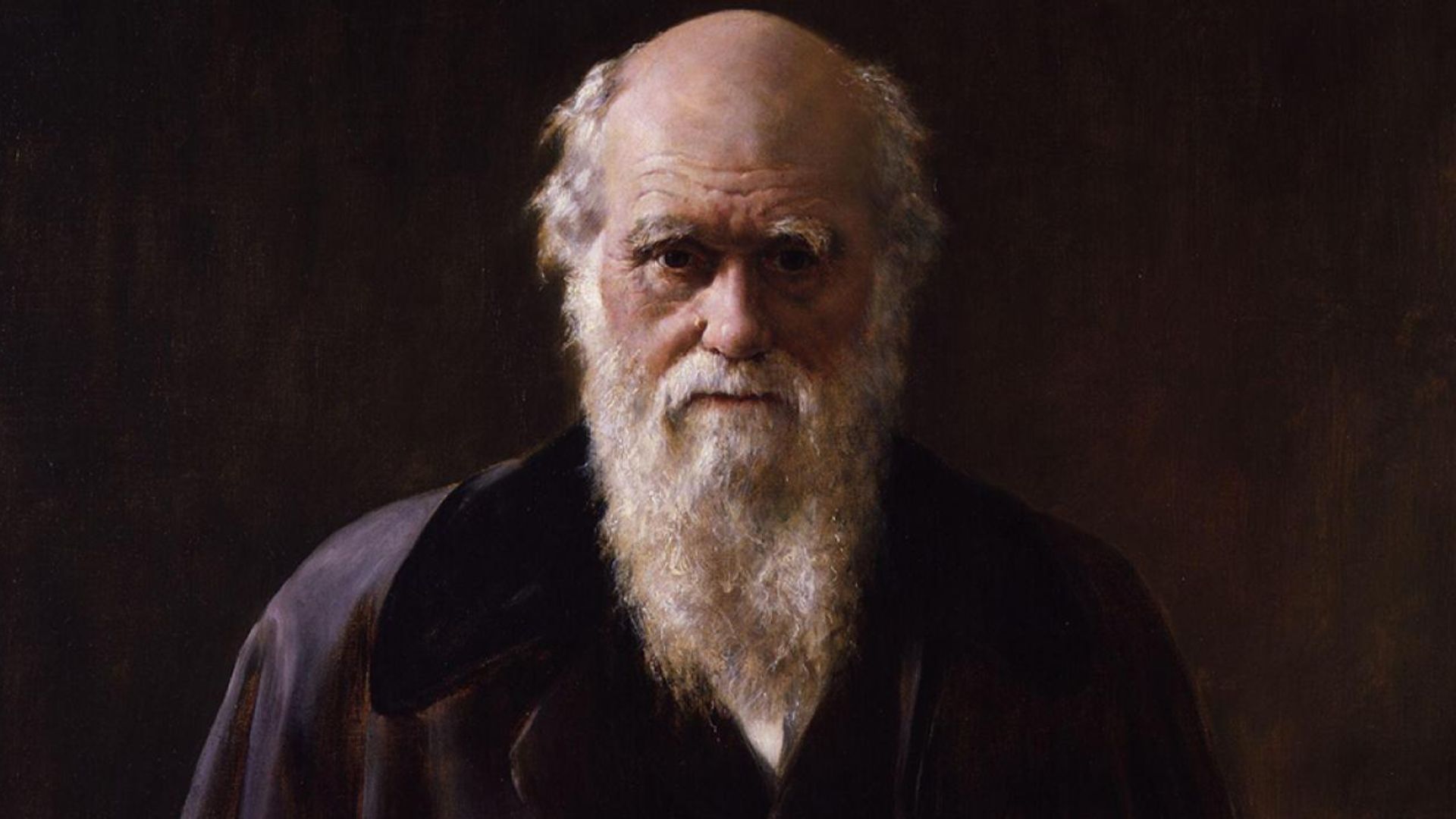 John Collier, Wikimedia Commons
Charles Darwin (Cont.)
As per sources, he used to trade specimens and share discoveries. Darwin's enthusiasm occasionally reached extreme lengths. The man once placed a rare beetle in his mouth while collecting another, demonstrating the fervent curiosity that would later revolutionize biology.
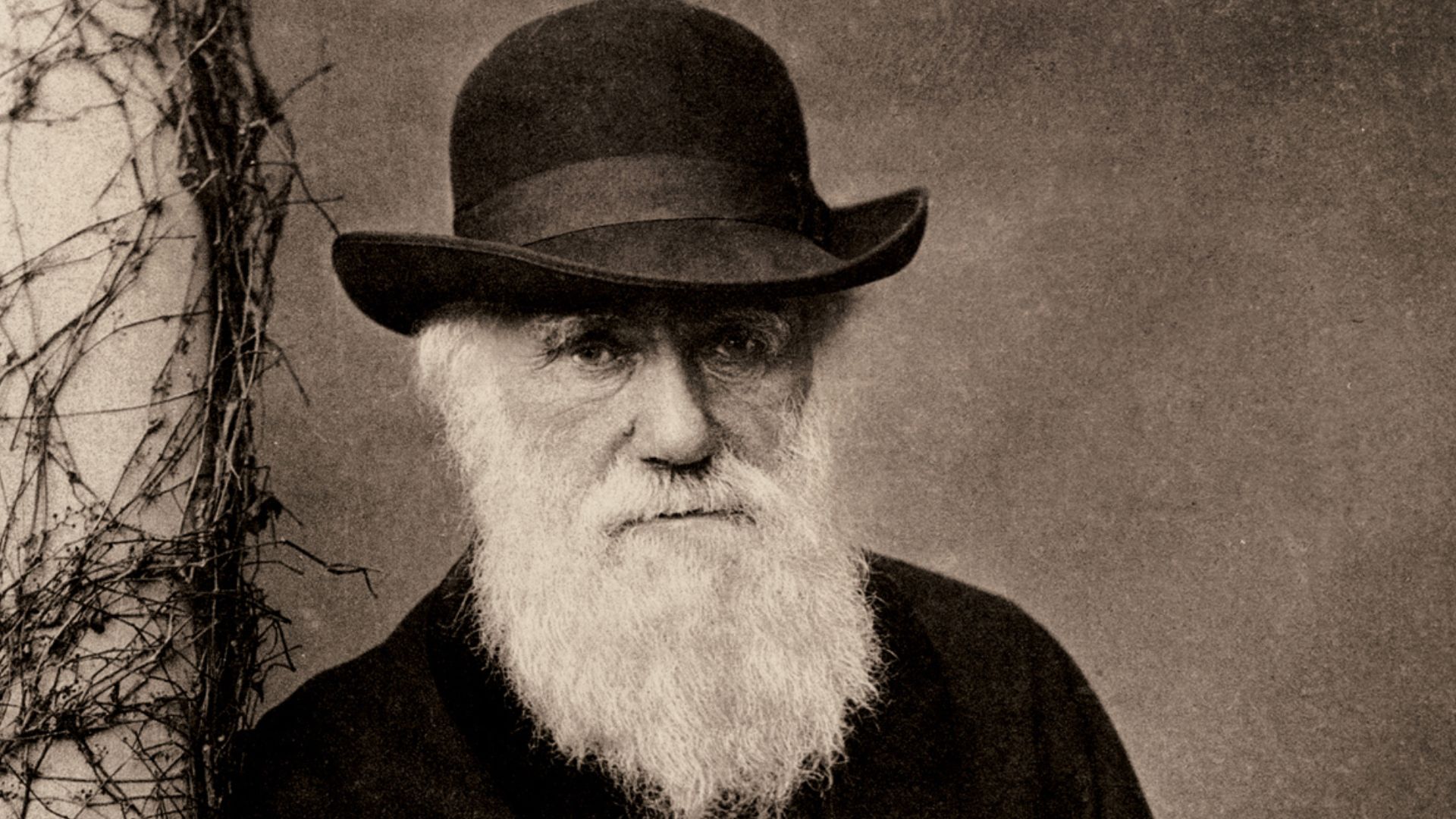 Unknown authorUnknown author, Wikimedia Commons
Theodore Roosevelt
As Roosevelt meticulously preserved specimens from his latest expedition, his practiced hands moved with the same careful precision he had developed as a young naturalist. The future president's fascination with taxidermy had taken root in childhood, where he spent countless hours preparing birds and mammals for display.
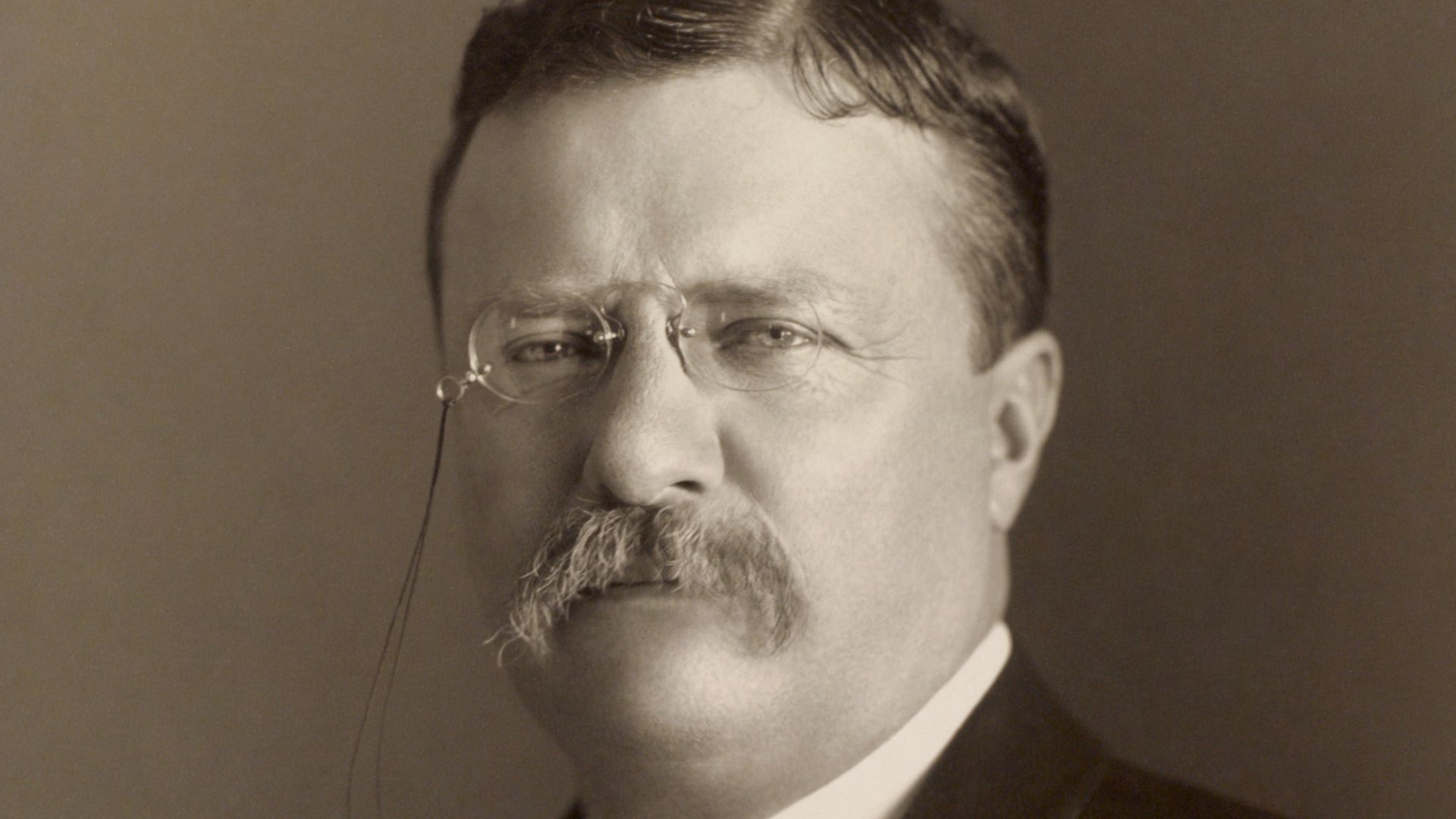 Adam Cuerden, Wikimedia Commons
Theodore Roosevelt (Cont.)
This individual believed that studying animals up close was essential for understanding ecosystems and the behavior of species. His passion for taxidermy and big game hunting reflected both his adventurous spirit and his intellectual curiosity.
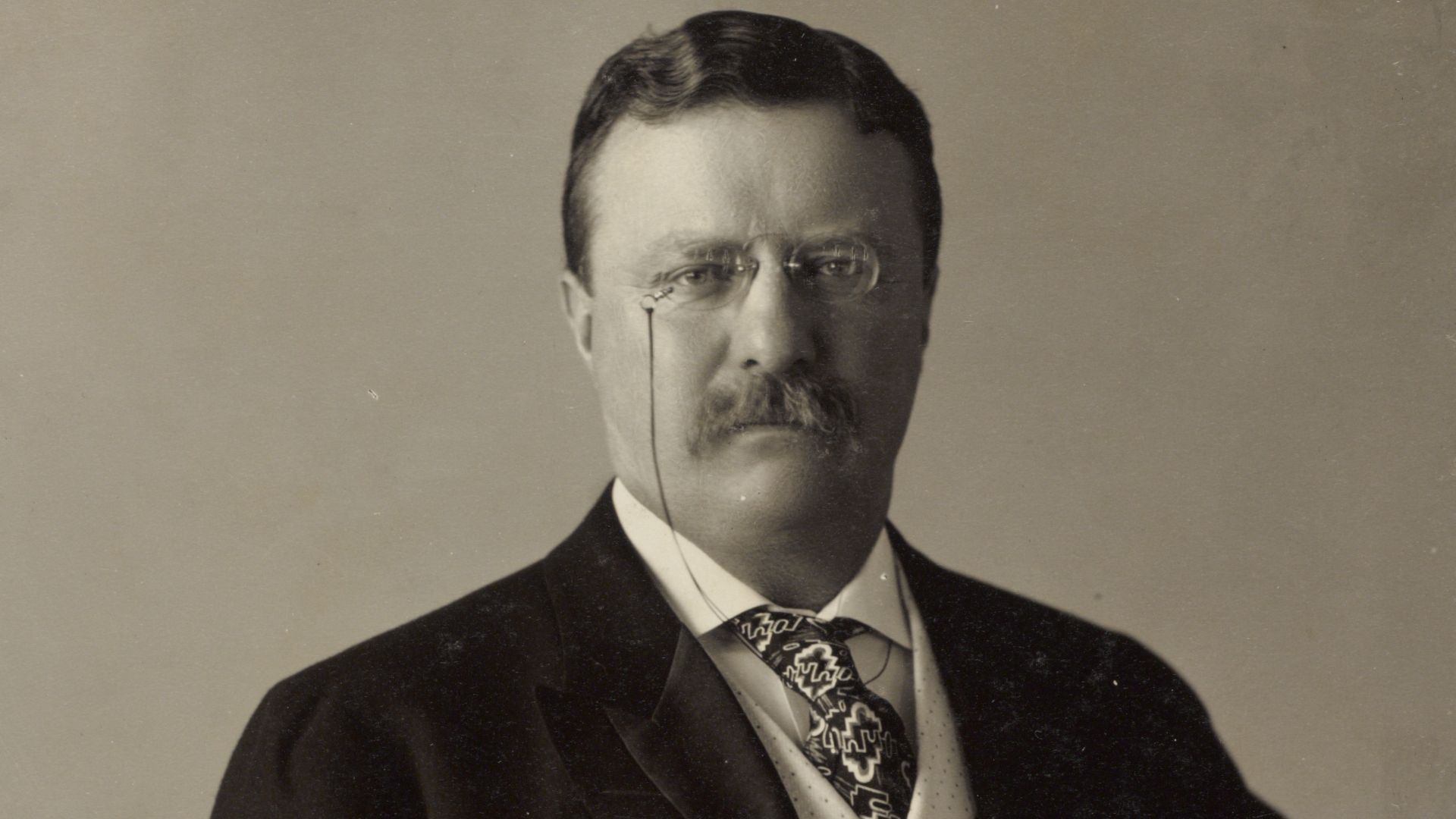 Pach Brothers, Wikimedia Commons
Lord Byron
When Cambridge University declared its strict "no dogs allowed" policy, Lord Byron responded with history's most flamboyant act of malicious compliance: he acquired a tame bear instead. Not content with just keeping his unconventional pet, the rebellious poet paraded his furry companion around campus on a leash.
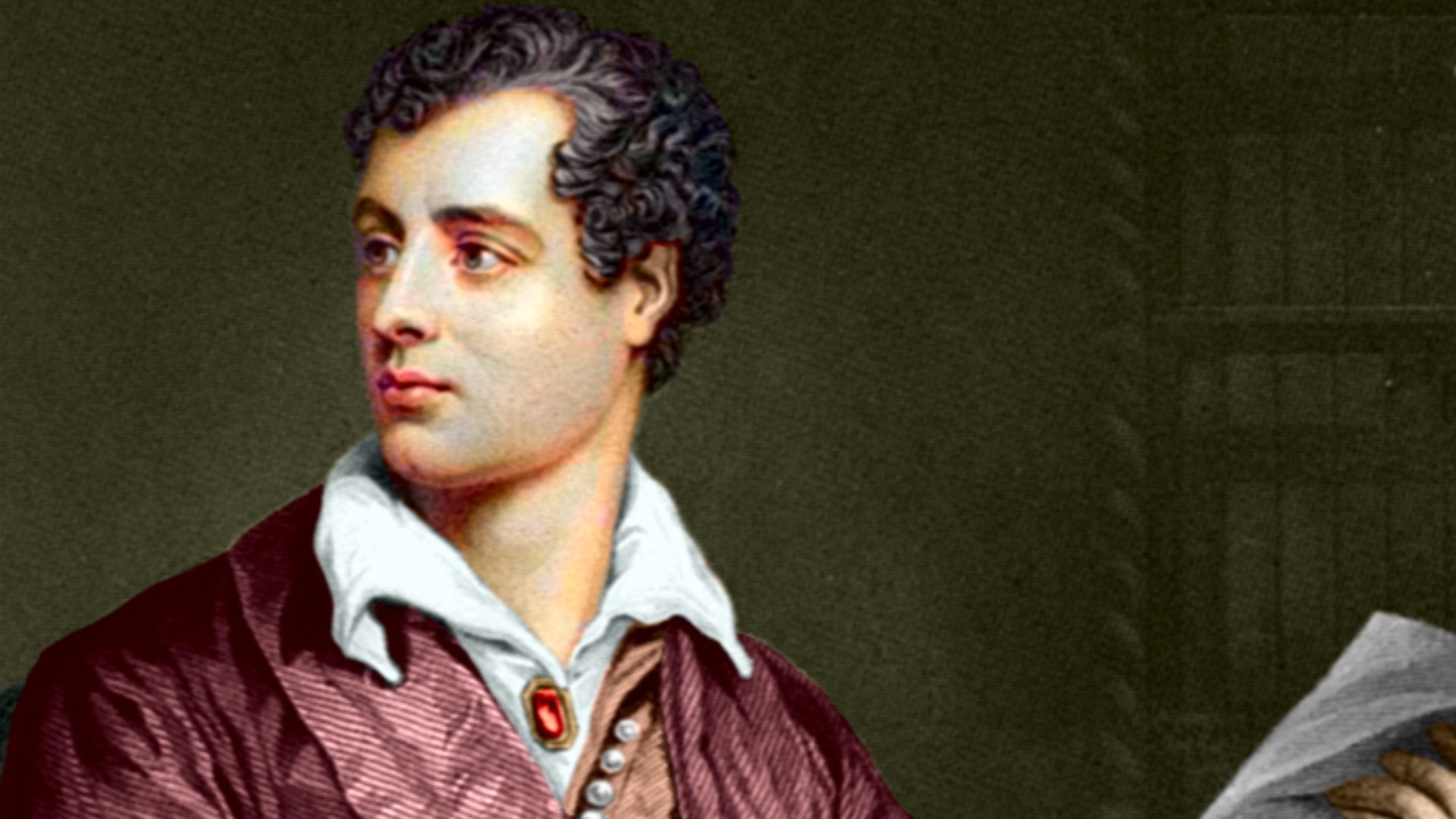 Unknown authorUnknown author, coloured by uploader, Wikimedia Commons
Lord Byron (Cont.)
Byron’s love of strange pets surpassed mischief. It showed his playful defiance of societal norms and his desire to live life unconventionally. In addition to bears, he reportedly kept other exotic creatures at various times, displaying a fascination with the unusual and the provocative.
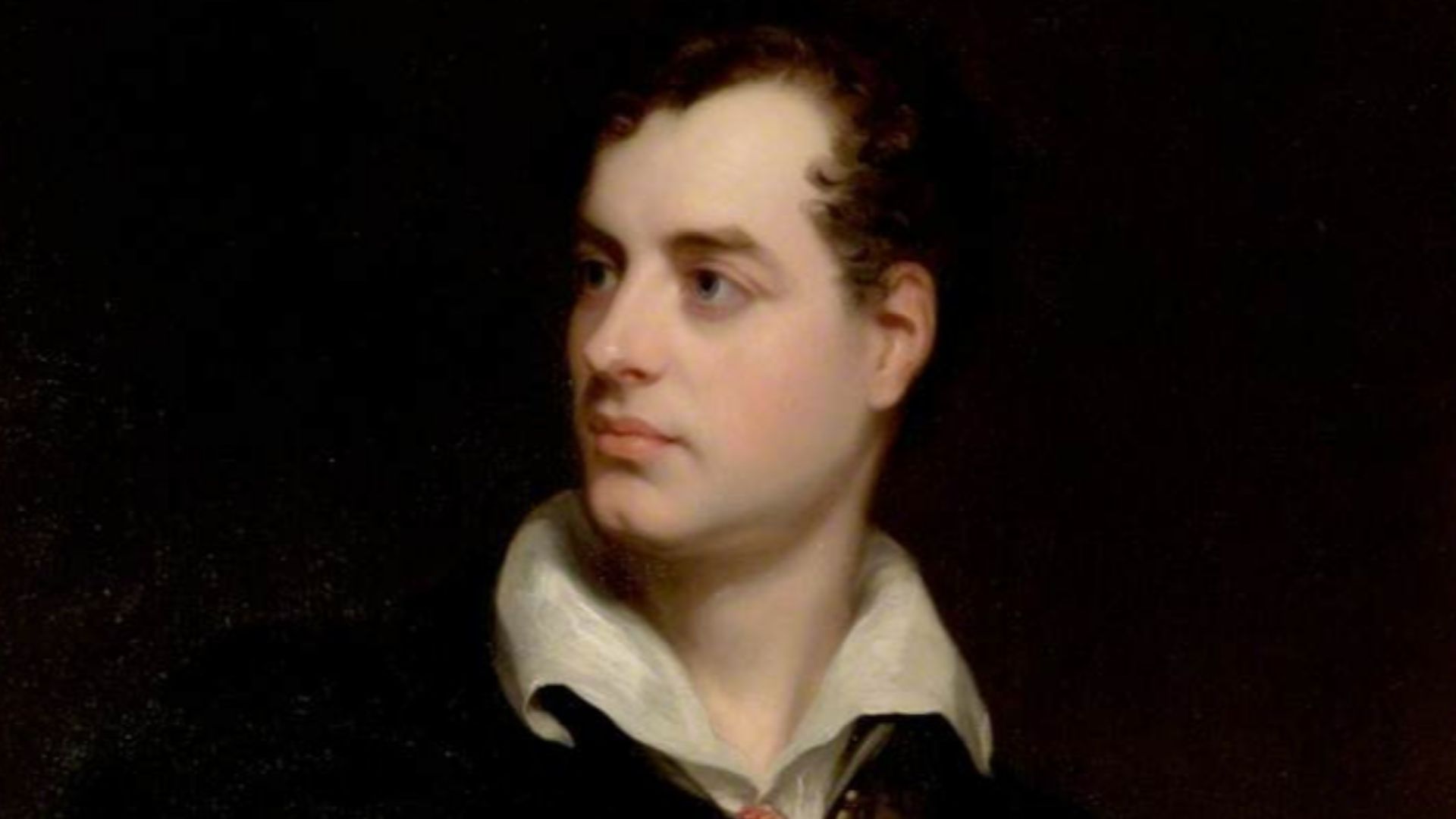 Thomas Phillips, Wikimedia Commons

History's most fascinating stories and darkest secrets, delivered to your inbox daily.
Salvador Dali
Salvador Dali's choice of an ocelot named Babou as his companion mirrored the artist's calculated relationship with spectacle. By deliberately parading the exotic feline through restaurants and public spaces on a leash, often inciting chaos, as evidenced by one dramatic incident in Manhattan, Dali transformed routine social settings into staged provocations.
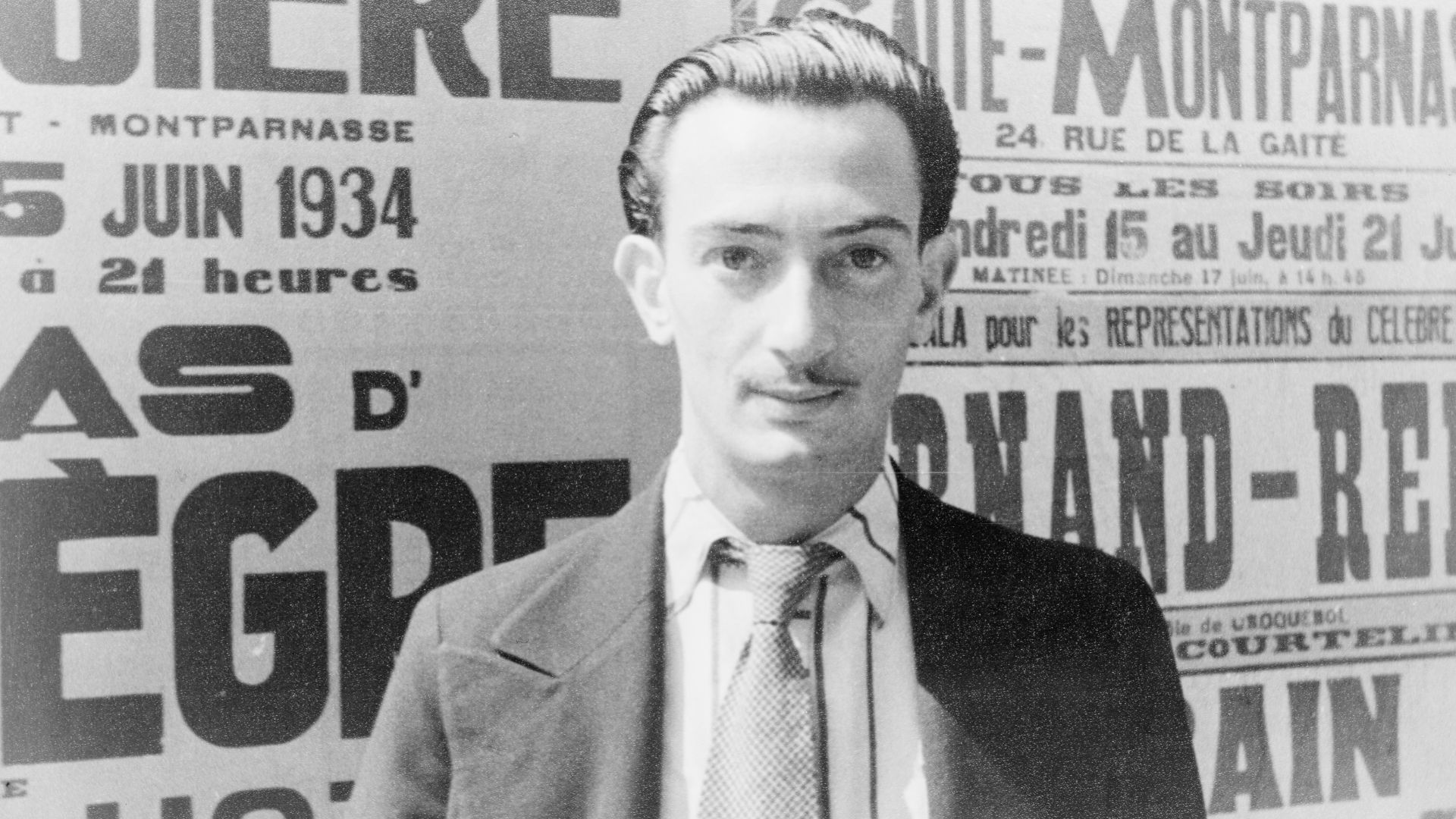 Carl Van Vechten, Wikimedia Commons
Isaac Newton
The same mind that calculated universal gravitation and enhanced mathematics also spent countless hours hunched over bubbling crucibles, chasing alchemical dreams. Newton, master of rational science, devoted decades to the mystical pursuit of the philosopher's stone.
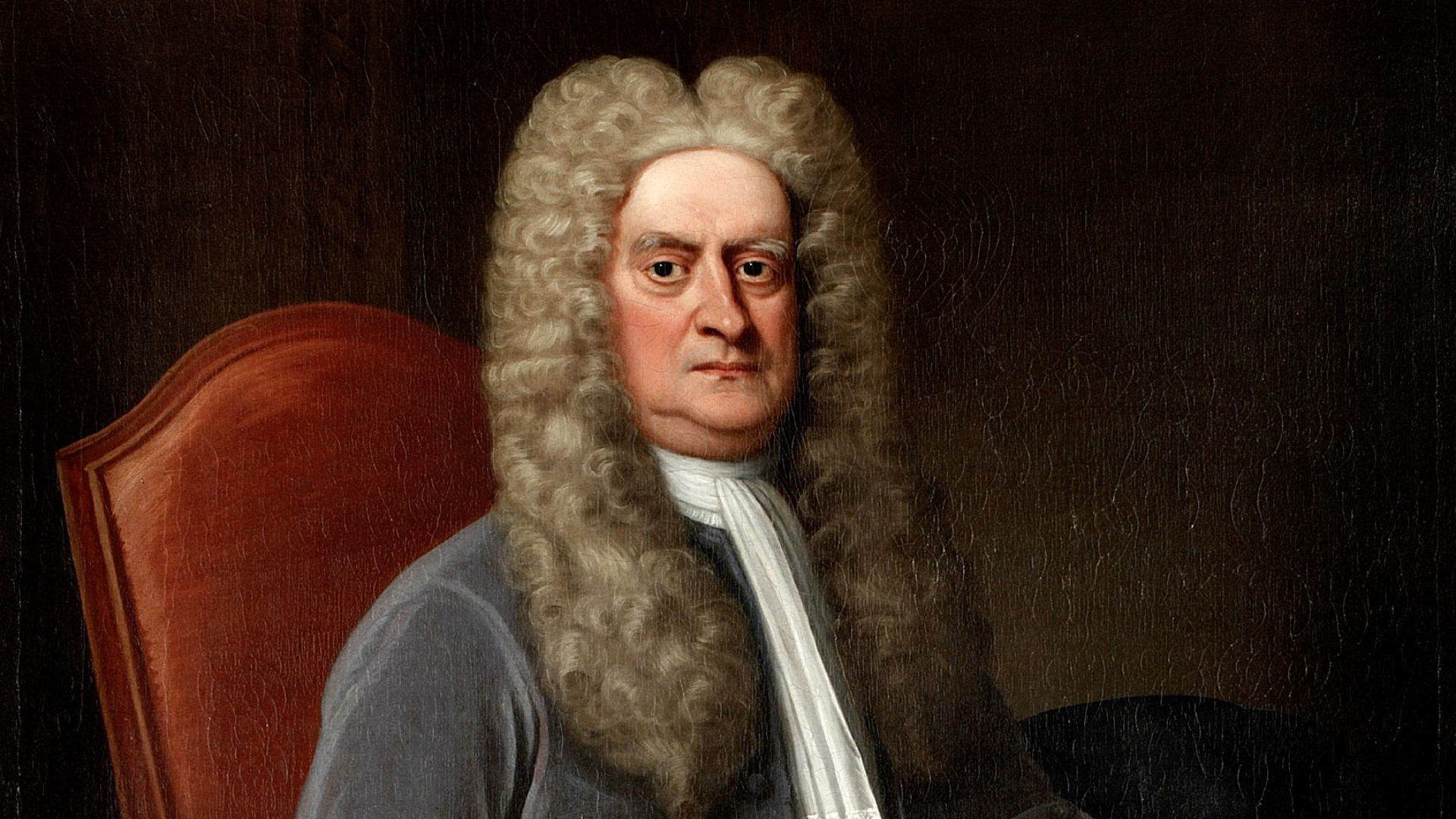 attributed to 'English School', Wikimedia Commons
Isaac Newton (Cont.)
Why? Because he was convinced that it could transmute ordinary metals into glittering gold. His secret passion yielded thousands of pages of arcane experiments and theories—a hidden obsession that was only revealed centuries after his passing away.
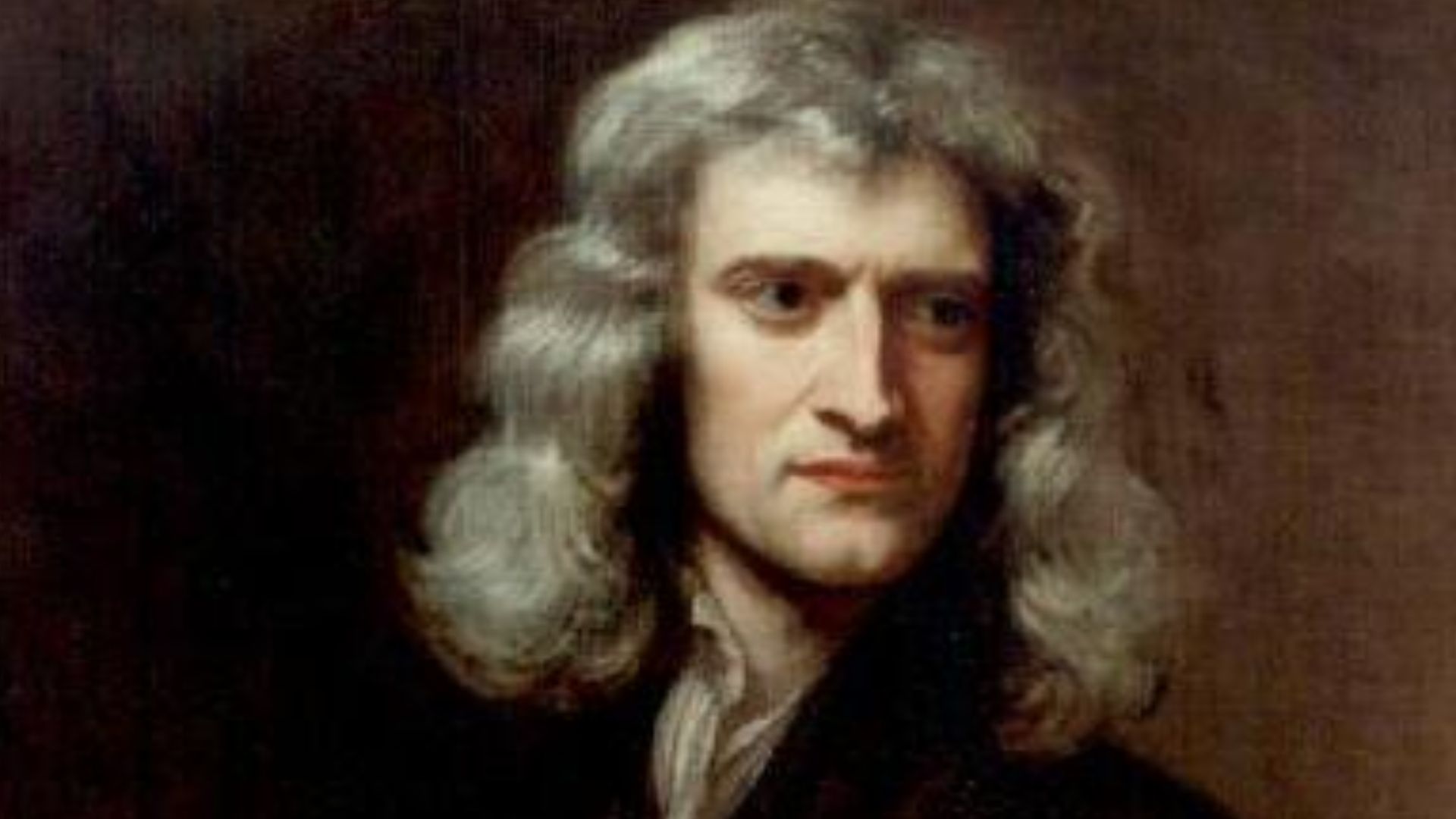 Godfrey Kneller, Wikimedia Commons
Benjamin Franklin
Its ethereal tones were said to drive listeners to madness, haunting the halls of European courts with an otherworldly resonance. Yet this allegedly sanity-shattering instrument sprang from the mind of none other than rational Benjamin Franklin.
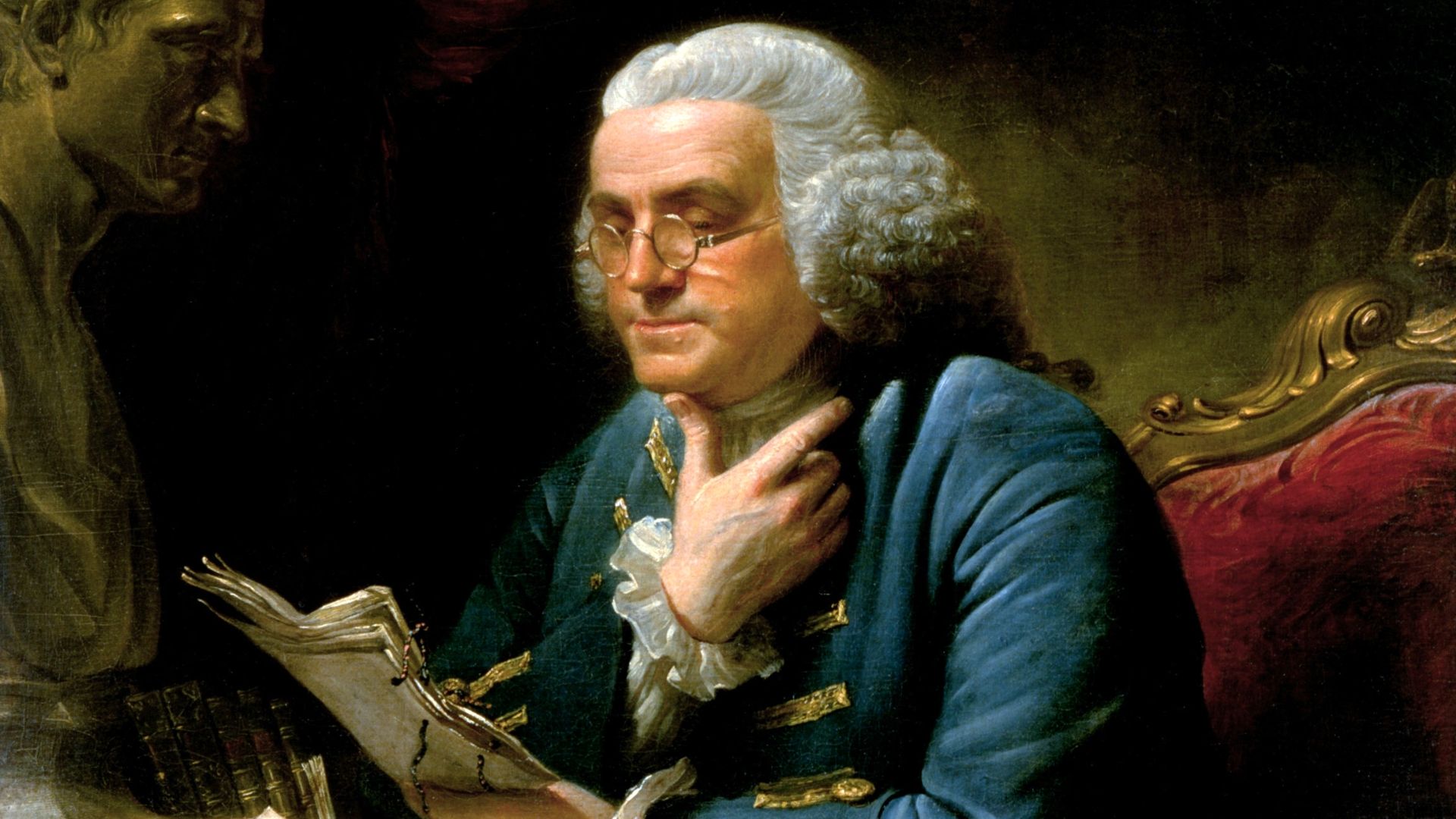 David Martin, Wikimedia Commons
Benjamin Franklin (Cont.)
The glass armonica, which was his peculiar musical invention, attracted both royal audiences and classical composers like Mozart and Beethoven. These folks penned pieces for it, even as whispers of its supernatural effects swirled through society's parlors.
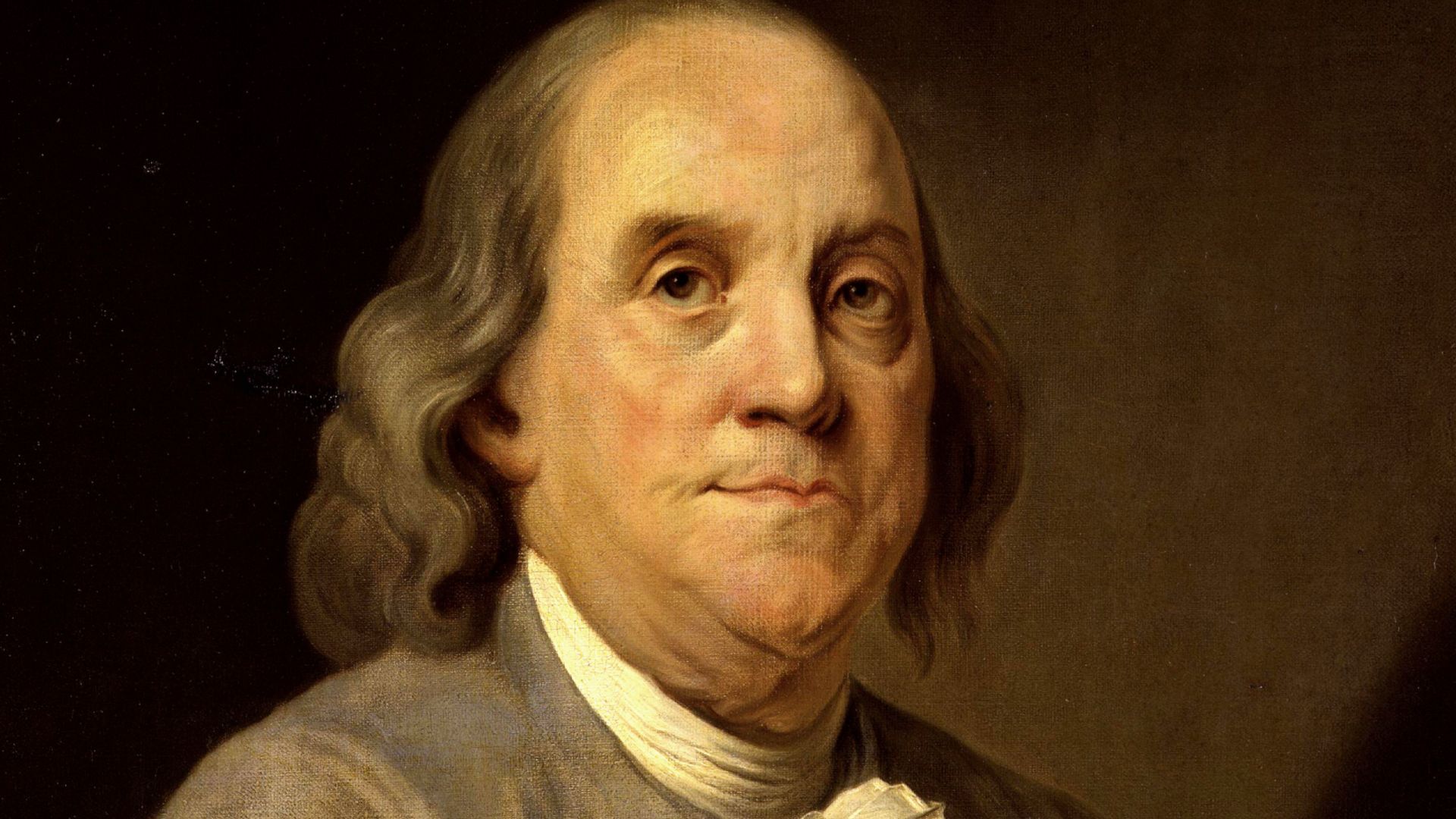 After Joseph-Siffred Duplessis, Wikimedia Commons
John Quincy Adams
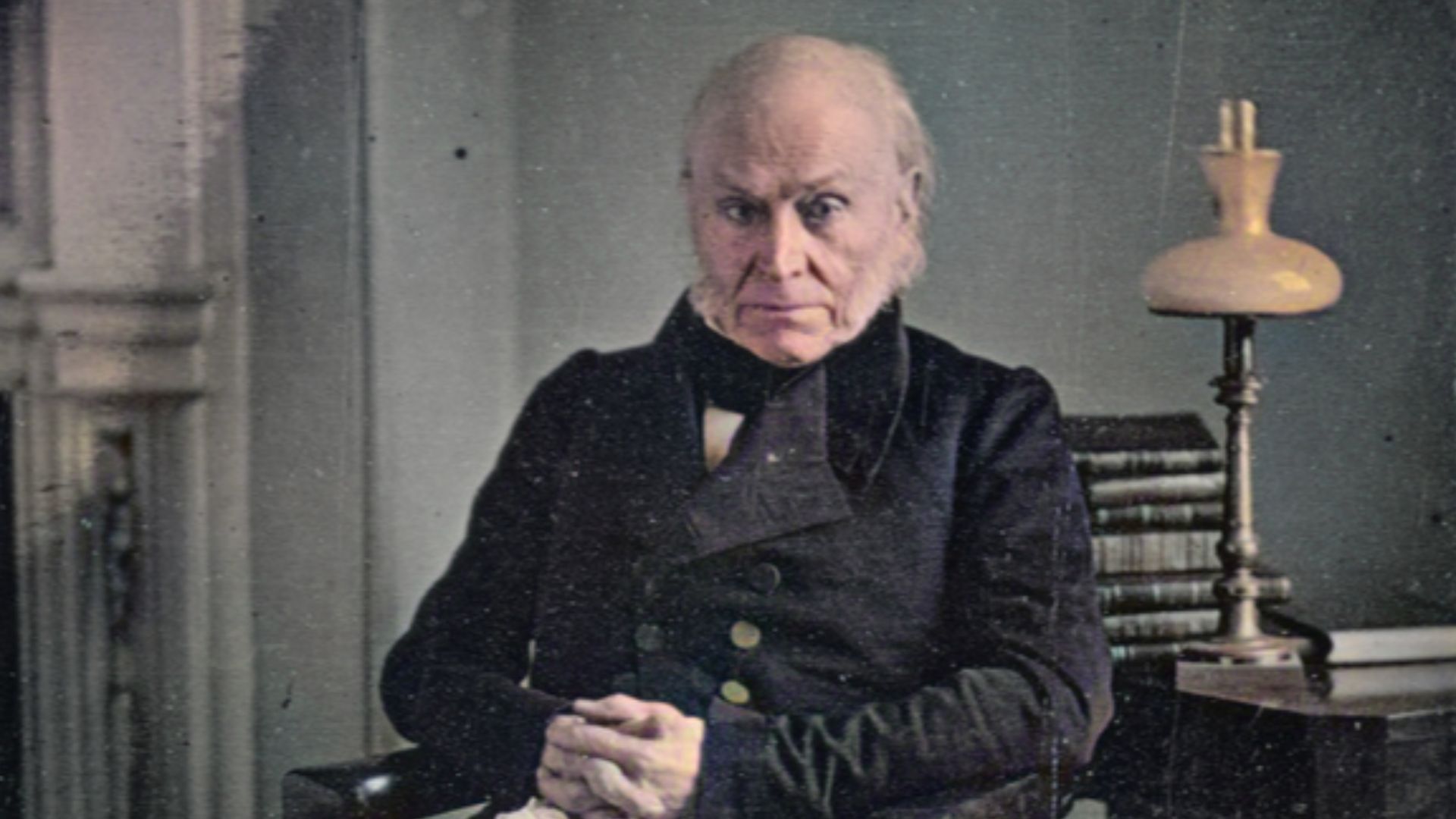
As the first rays of sunlight kissed the Potomac's surface, President John Quincy Adams would quietly shed his garments for his unconventional morning ritual. The solitary commander-in-chief regularly plunged into the cool waters at dawn.
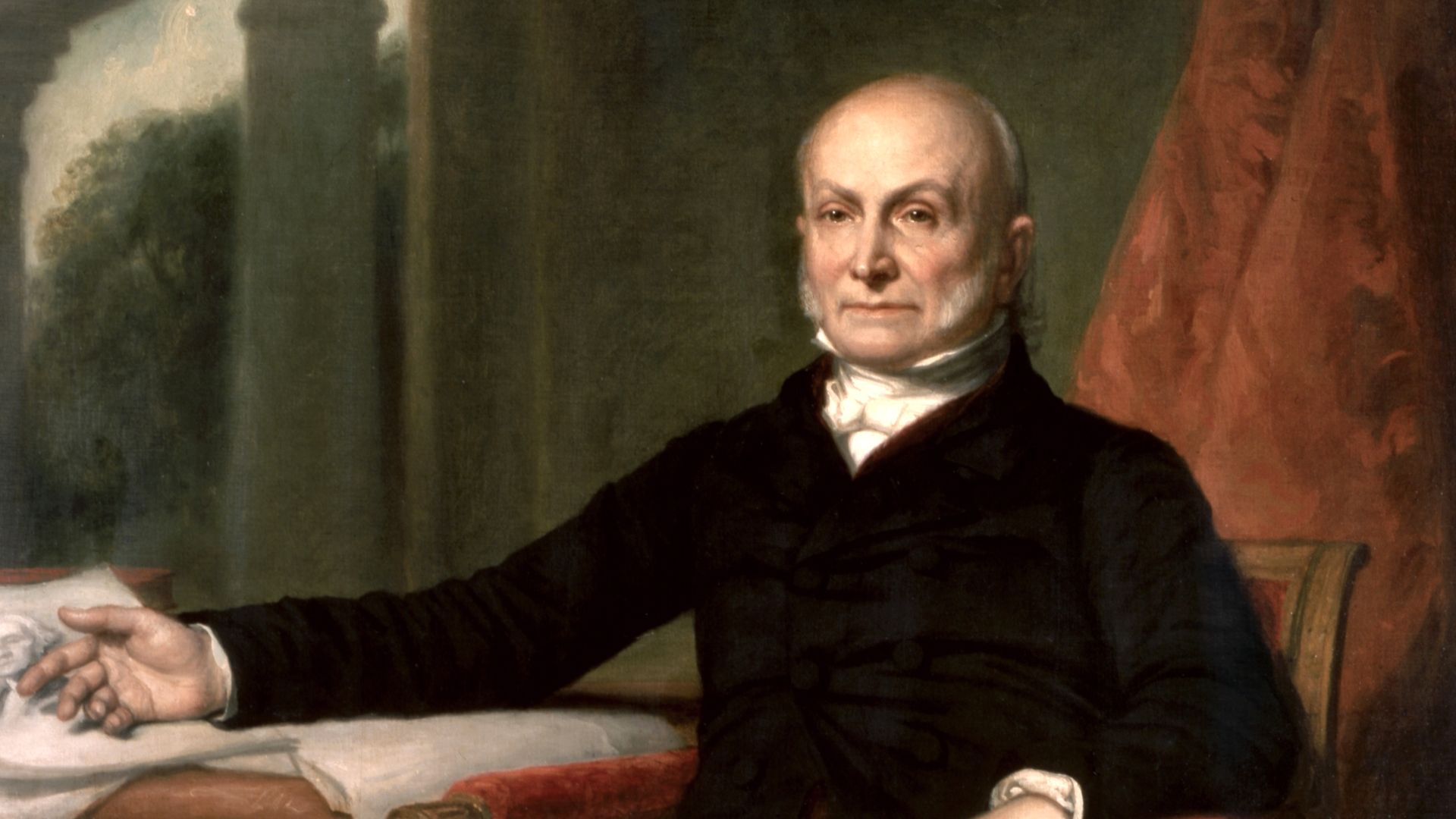 George Peter Alexander Healy, Wikimedia Commons
John Quincy Adams (Cont.)
He took advantage of the freedom to skinny-dip while Washington slept. Though his swimming habits startled many contemporaries, Adams remained devoted to these private aquatic sessions, convinced they were vital for maintaining the stamina his presidential duties demanded.
Ludwig II Of Bavaria
For Ludwig II of Bavaria, building fairy-tale castles wasn't just a hobby; it was an all-consuming passion that drove him to pour his personal fortune and borrowed funds into creating architectural fantasies. While his extravagant castle-building raised eyebrows at the time, history has smiled on Ludwig's vision.
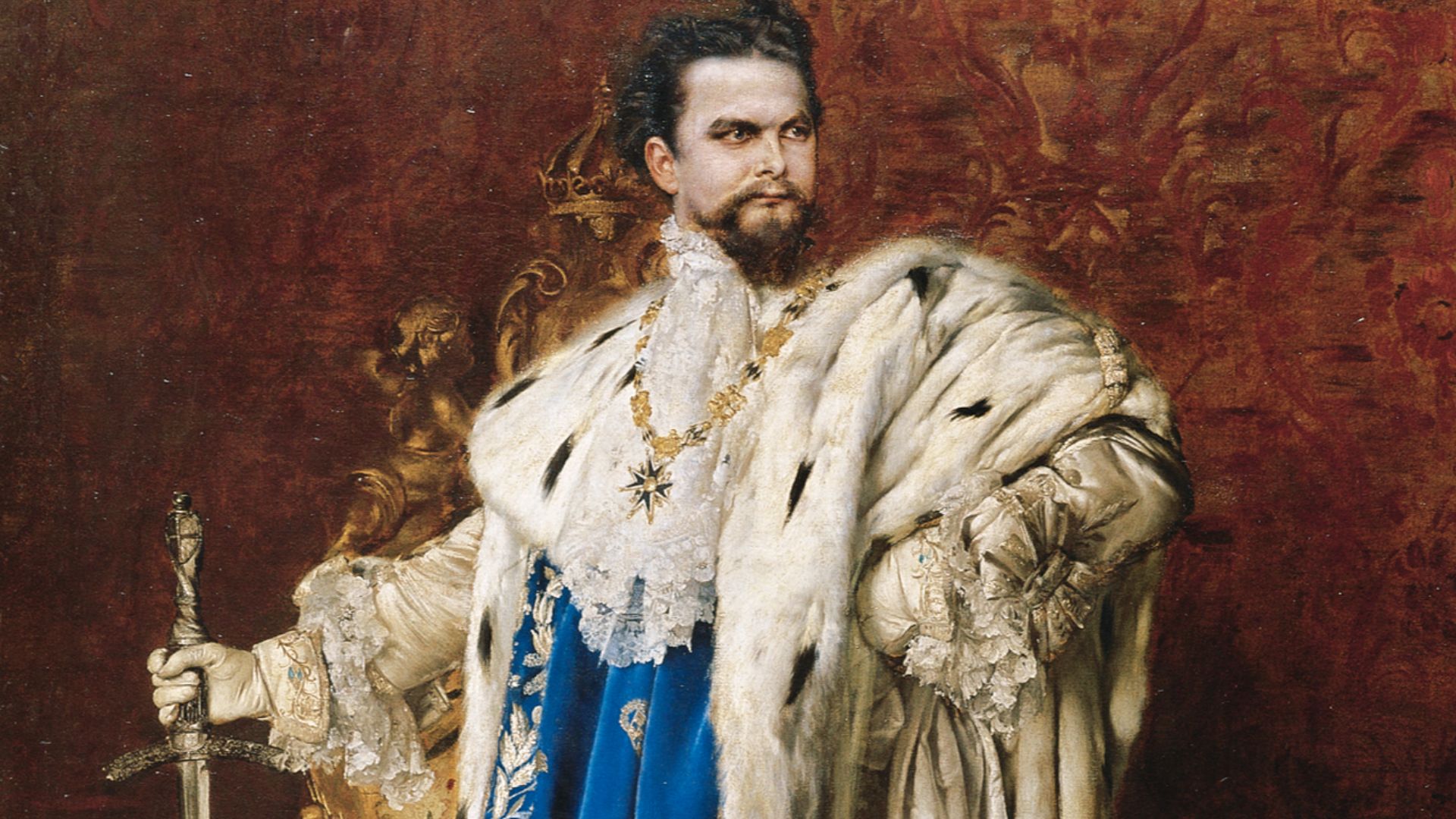 Gabriel Schachinger, Wikimedia Commons
Ludwig II Of Bavaria (Cont.)
Castles like Linderhof and Herrenchiemsee were massive, whimsical, and almost entirely impractical. These had hidden passageways, theatrical decorations, and stunning interior designs. As per sources, he was particularly inspired by the operas of Richard Wagner.
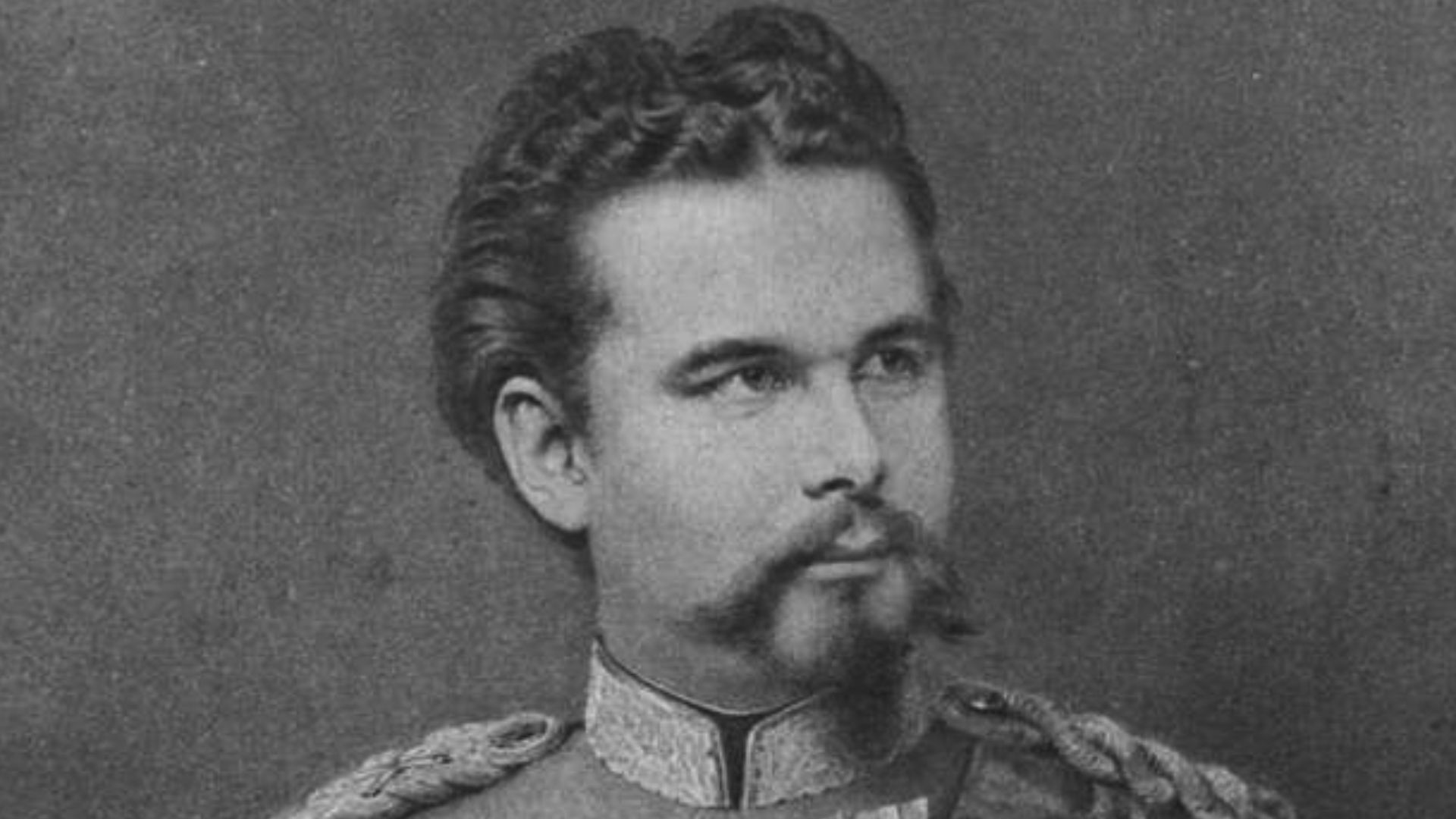 Luise von Kobell, Wikimedia Commons
Lewis Carroll
While Lewis Carroll's literary legacy is rooted in the whimsical realm of Wonderland, his lesser-known passion revealed a markedly methodical side. Any guesses? It was photography. The same mind that conjured talking rabbits and mad tea parties devoted itself to mastering early photographic techniques.
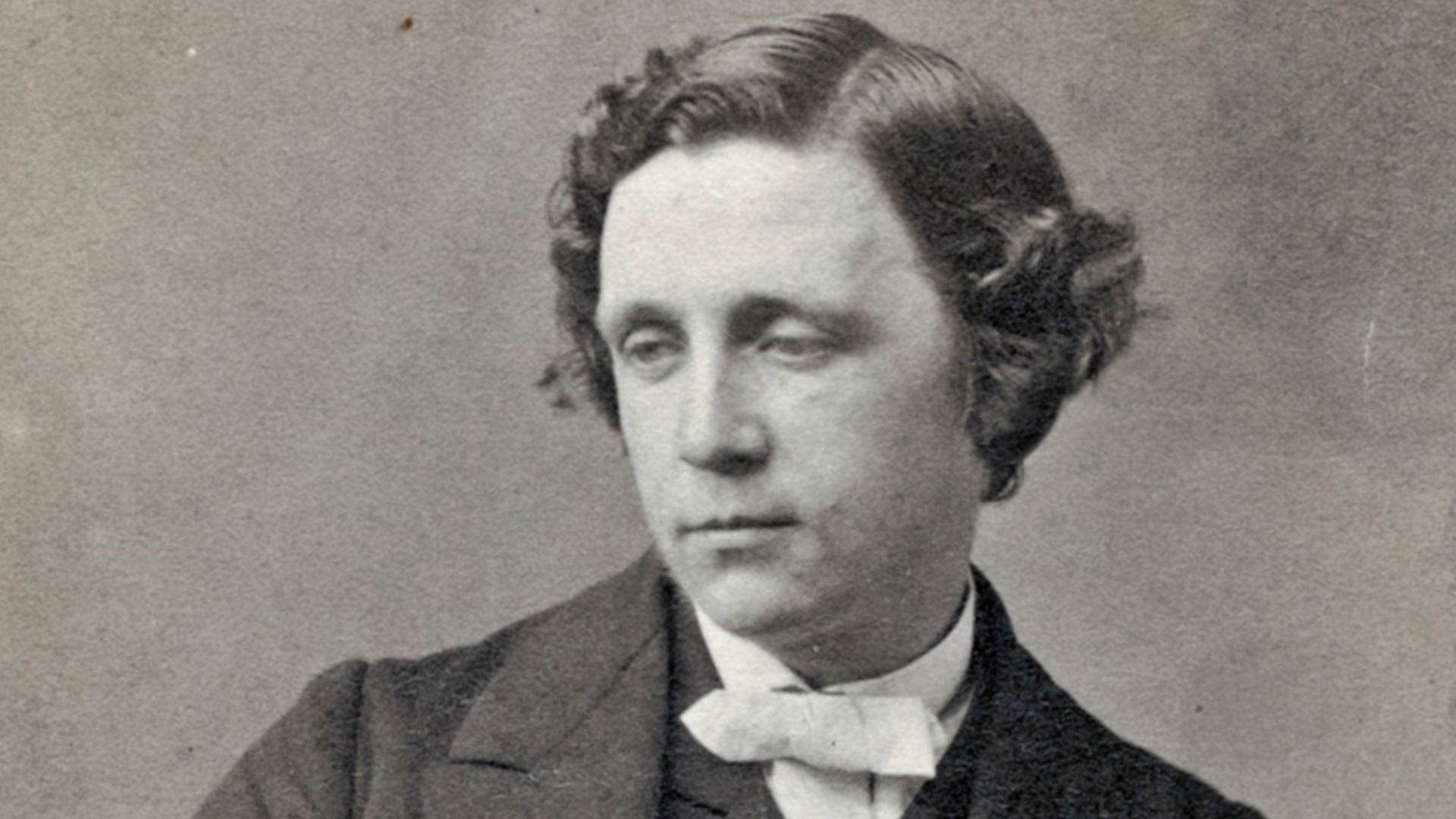 Oscar Gustave Rejlander, Wikimedia Commons
Marie Curie
Marie Curie's fascination with radioactive materials began quite personally, as she'd tuck glowing radium samples into her pockets and desk drawers, enchanted by their mysterious luminescence. This initial curiosity evolved into a more structured scientific pursuit.
 Henri Manuel, Wikimedia Commons
Marie Curie (Cont.)
It allowed her to amass an impressive collection of radium-infused glassware and radioactive objects. All of these were carefully maintained in her laboratory, though contrary to popular belief, she never extended this interest to wearing radioactive jewelry.
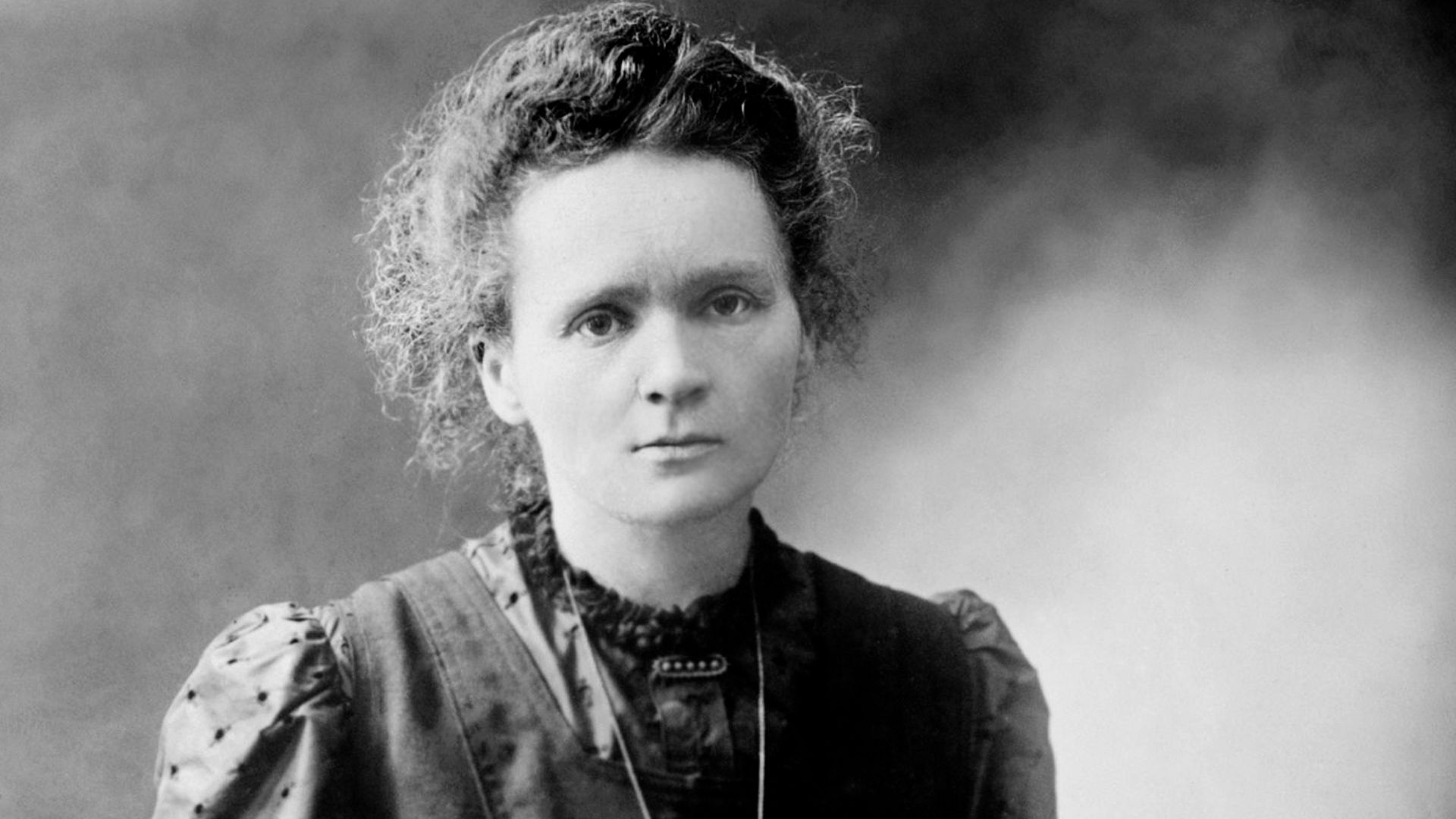 Unknown authorUnknown author, Wikimedia Commons
Alexander Graham Bell
Popular tales paint this person as an inventor who recorded his dogs' barks for fun, but the reality has more scientific bark than bite. While he did tinker with devices like the photophone, Bell's animal sound recordings meant a lot more. These careful audio studies served his noble mission.
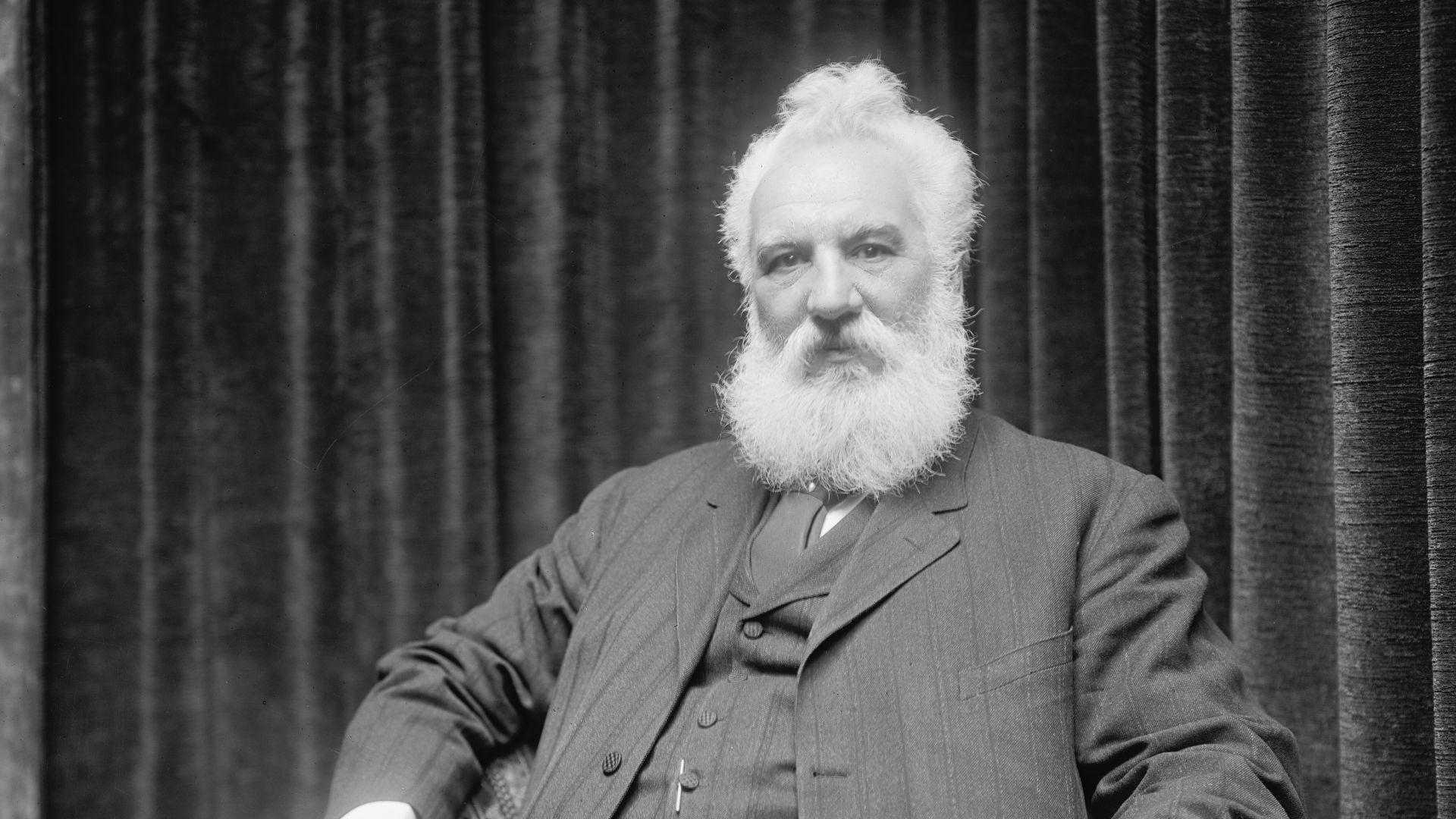 Harris & Ewing, photographer, Wikimedia Commons
Albert Einstein
It may sound funny, but despite not knowing how to swim, Einstein was an avid sailor and spent time on the water with a notebook. He often needed rescuing from his capsized boat. Still, he continued the hobby throughout his life.
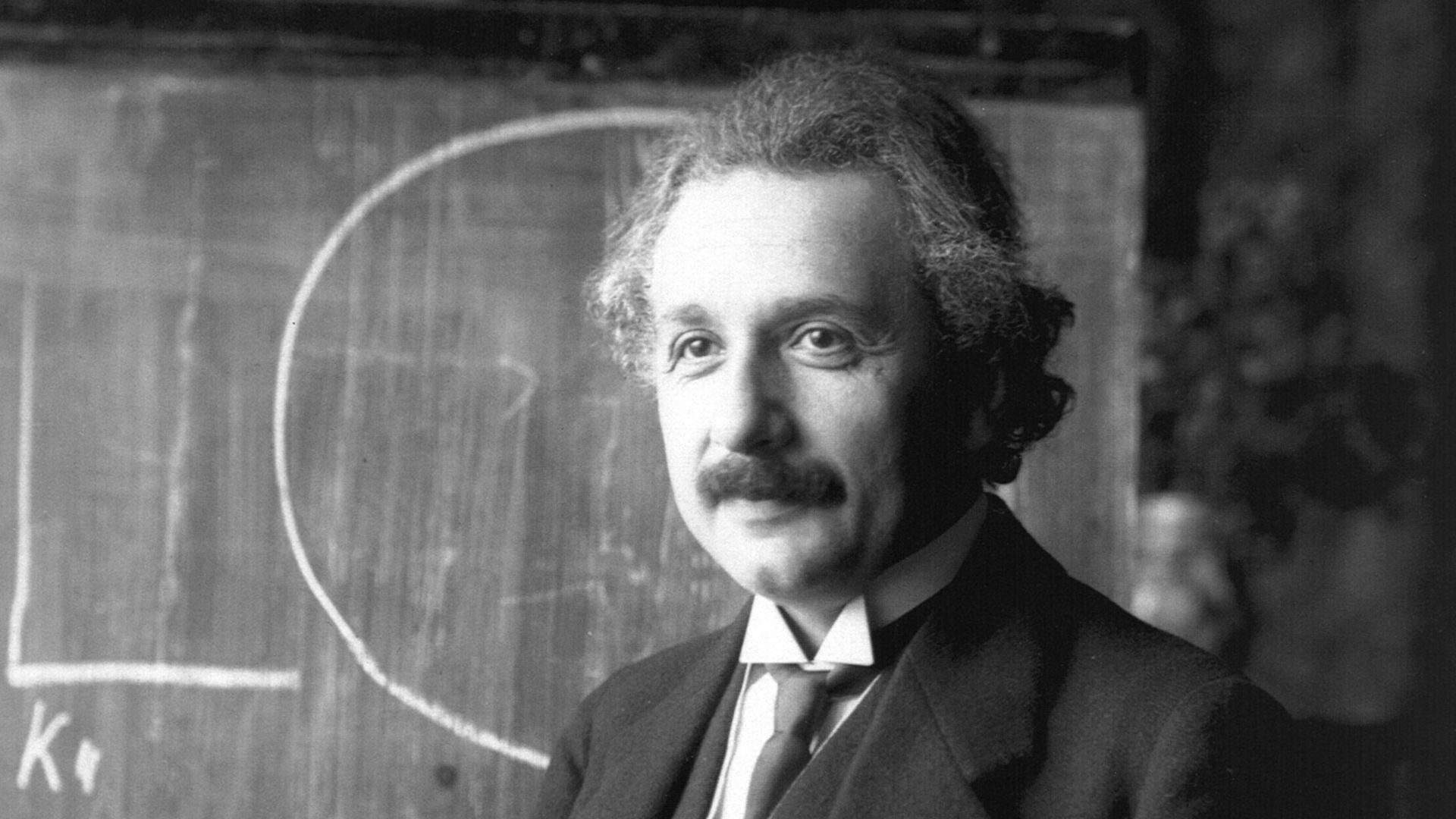 Ferdinand Schmutzer, Wikimedia Commons
Queen Victoria
In an era when European monarchs were expected to focus on affairs of state, military matters, and formal court ceremonies, the reported scientific pursuits of Queen Victoria stand as a fascinating departure from royal norms. She was allegedly dedicated to entomology.
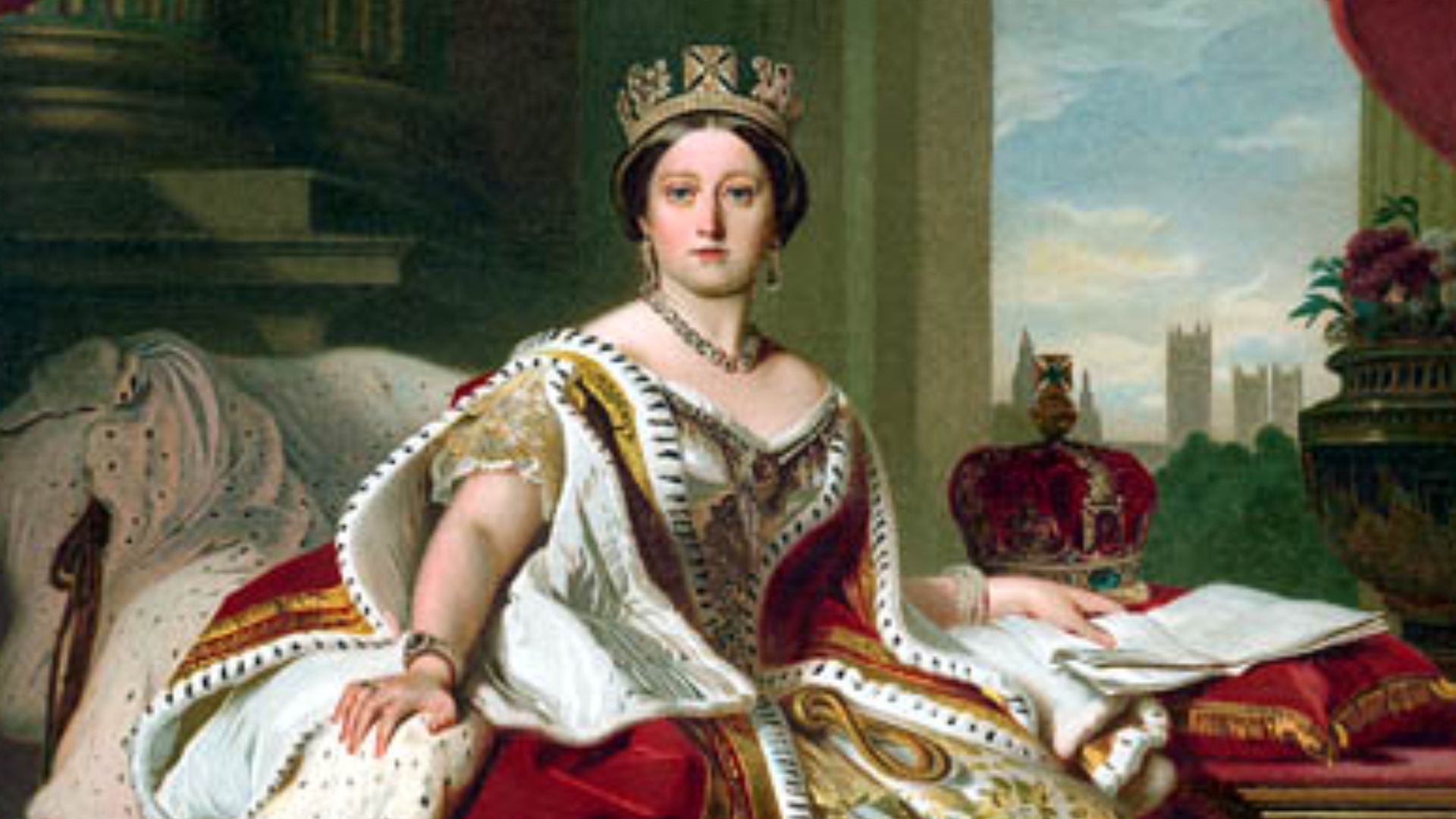 Franz Xaver Winterhalter, Wikimedia Commons
Queen Victoria (Cont.)
She would examine specimens carefully, noting their colors, patterns, and behaviors, treating this pastime as both a scientific curiosity and a private diversion from royal responsibilities. For the queen, it provided a contemplative and methodical pursuit that contrasted with her otherwise highly formal life.
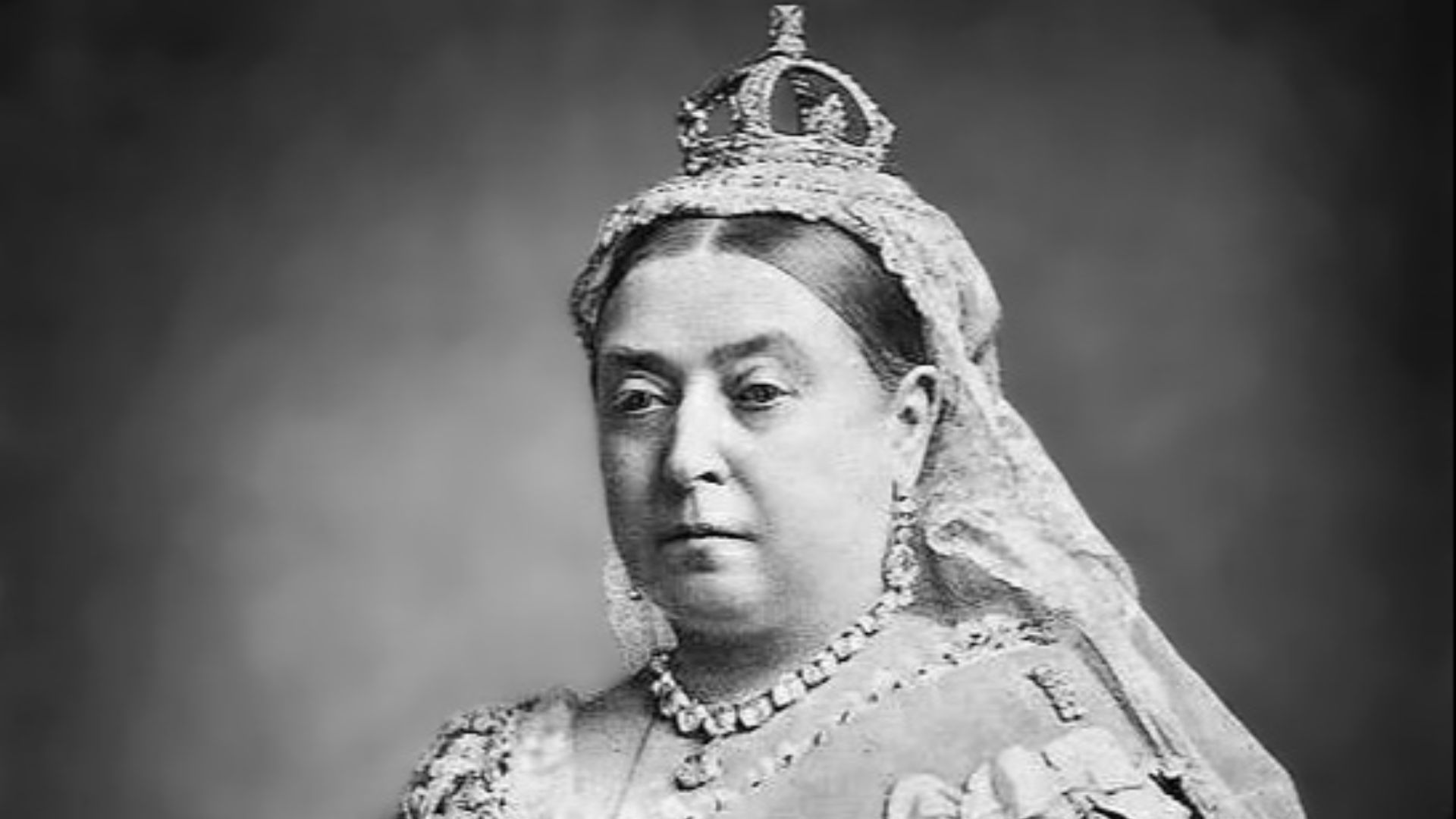 Alexander Bassano, Wikimedia Commons









