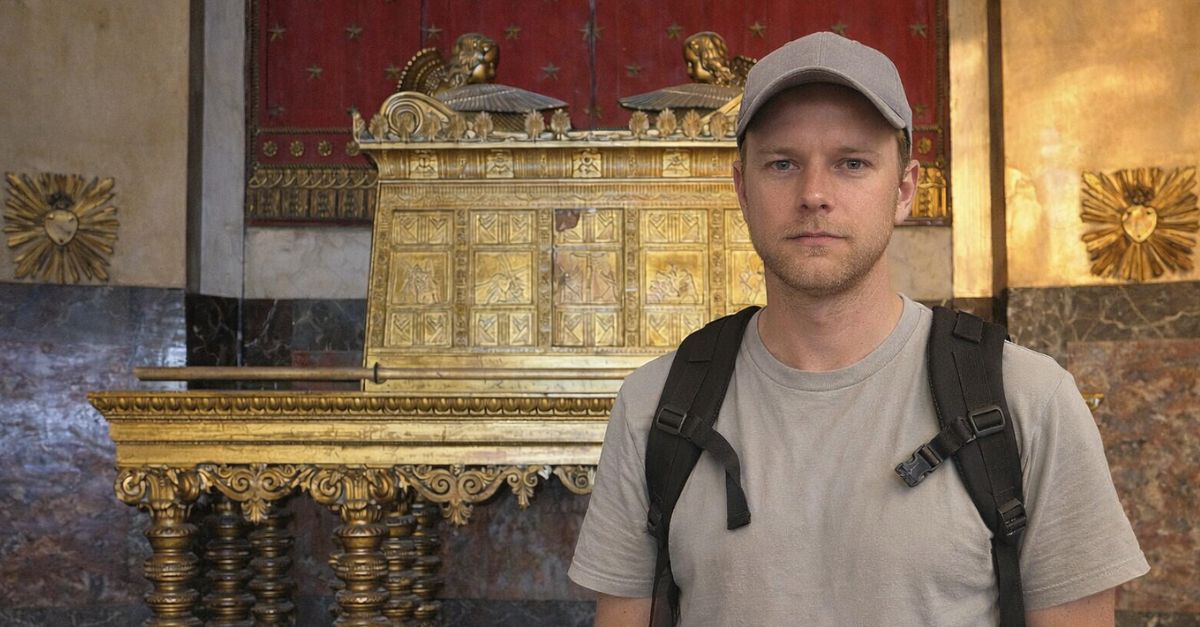
Between Scripture And Evidence
Surrounded by reverence and fear, the Ark of the Covenant remains one of history’s most enigmatic objects. Gaps in documentation and conflicting interpretations continue to blur the line between sacred symbolism and historical reality.
 Mbzt, CC BY-SA 3.0, Wikimedia Commons, Modified
The Precise Location Of The Ark's Construction Site
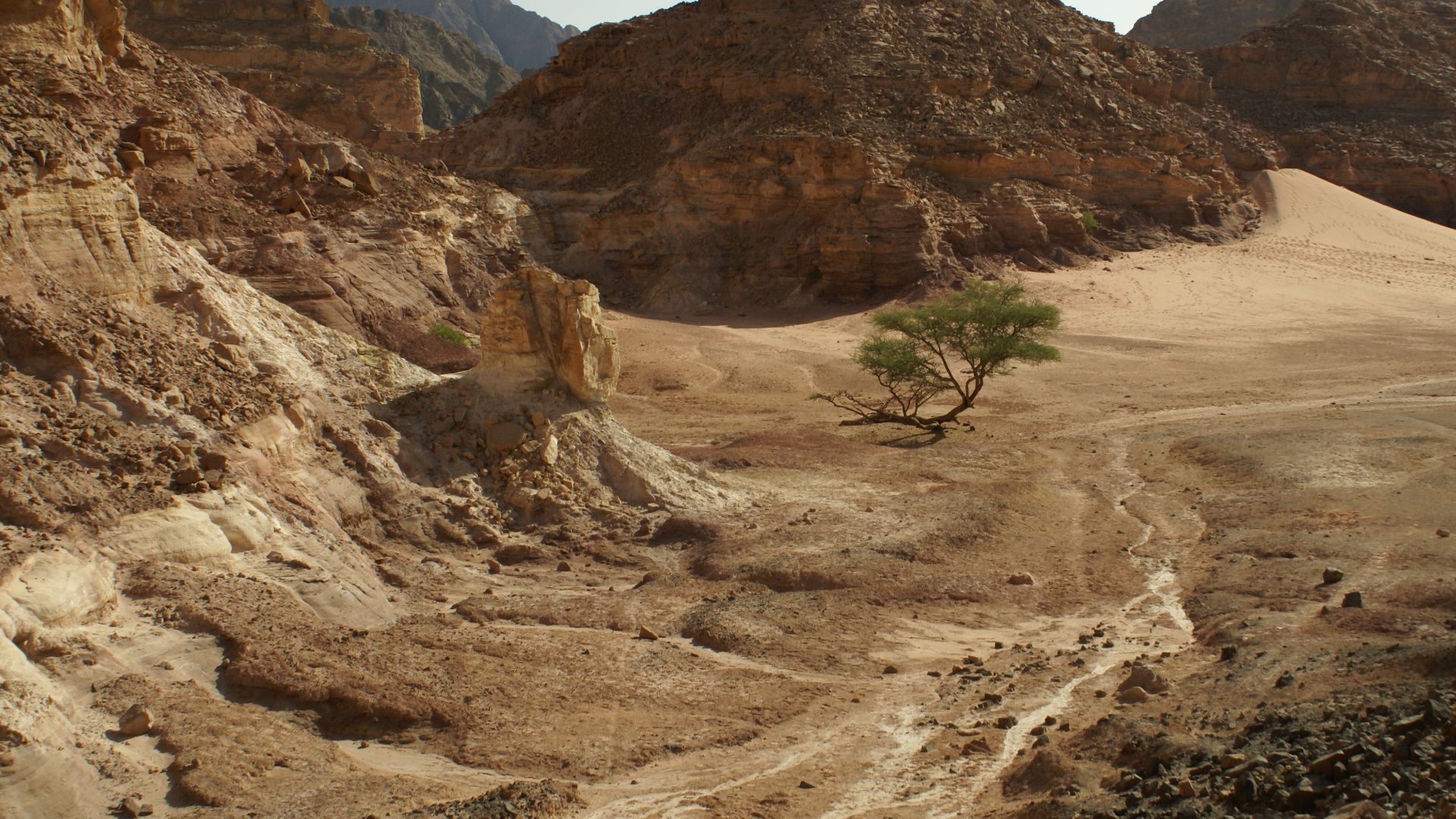
Moses directed artisans Bezalel and Oholiab to build the Ark at Mount Sinai during the 13th century BCE. The exact construction spot remains lost within the vast 23,000-square-mile Sinai Peninsula. Modern surveys find no remnants like tools or campsites, and Egyptian records mention nothing about Hebrew workshop activity there.
 Florian Prischl, Wikimedia Commons
The Species Of Acacia Wood Used In Its Frame
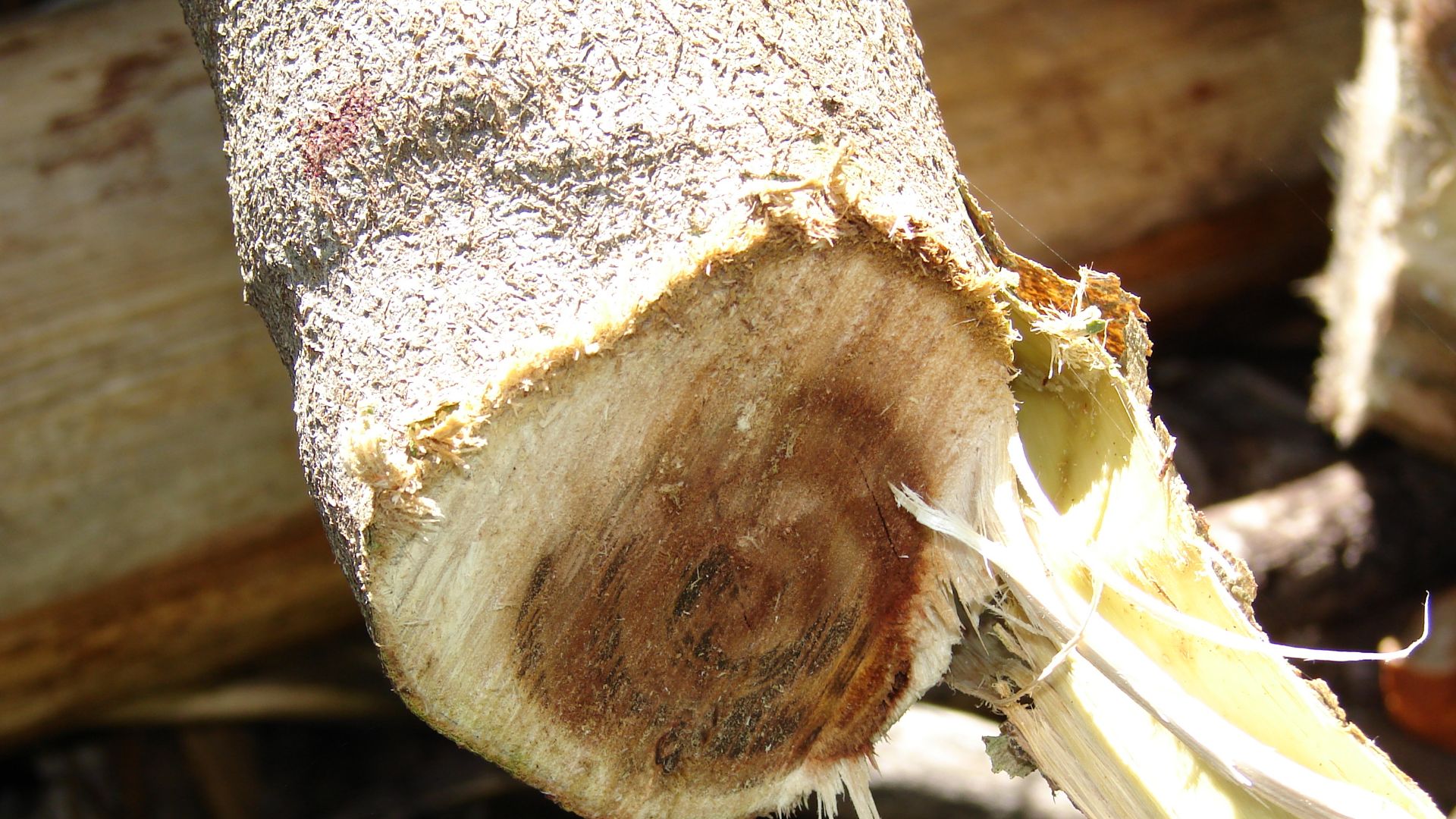
The Bible specifies "shittim wood" for the Ark's frame, valued for resisting decay in harsh desert conditions. Experts debate whether it was Acacia raddiana or tortilis since no ancient samples or pollen confirm the exact species. Translation ambiguities and the Hebrew term's broad meaning keep this botanical mystery unsolved.
 Forest and Kim Starr, Wikimedia Commons
The Design Contradiction With The Ban On Graven Images
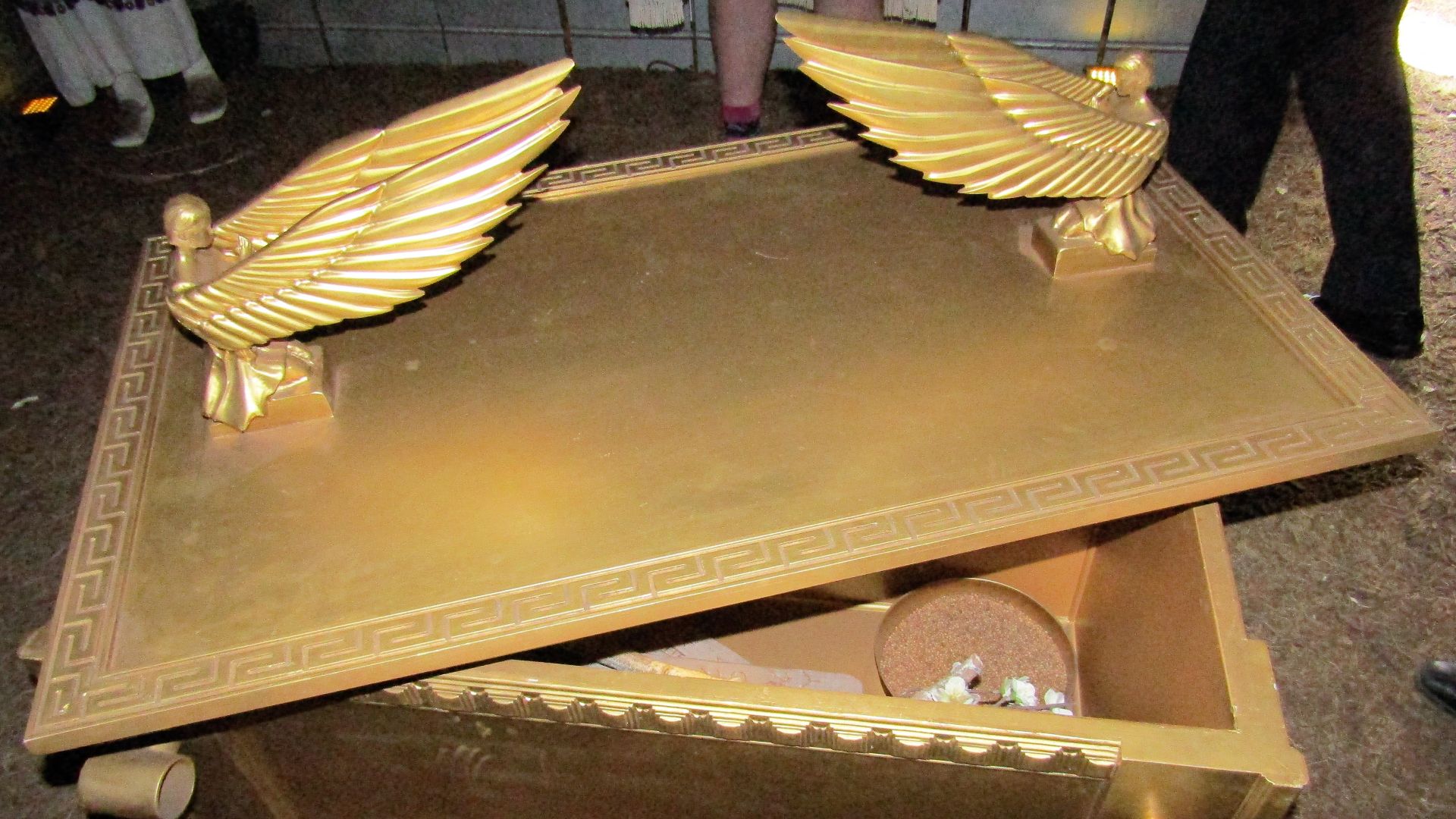
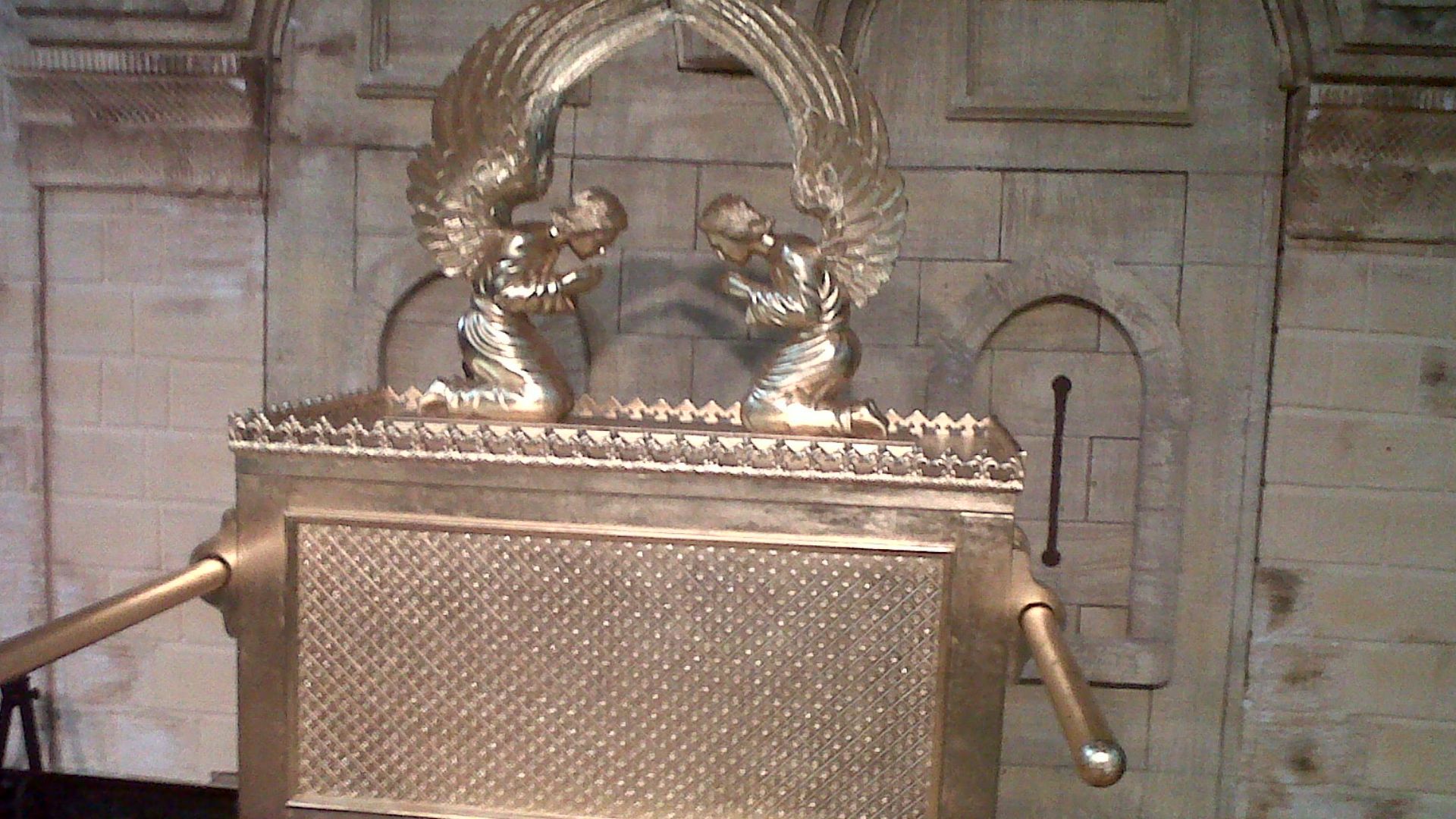
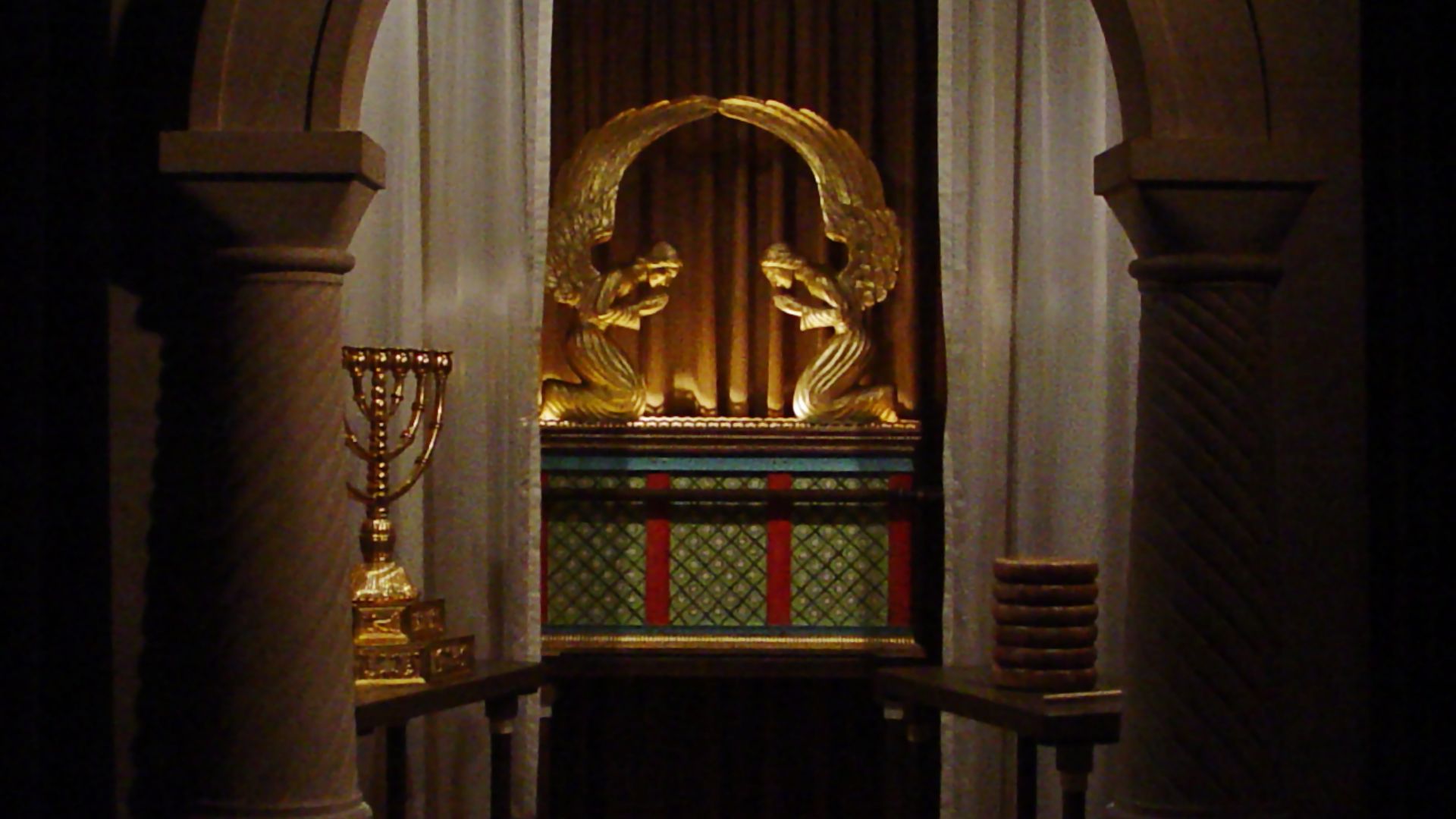
Golden cherubim decorating the Ark's lid directly clash with the commandment forbidding graven images. Yet this appeared acceptable because divine command authorized these as throne guardians rather than worship objects. The exception remains unresolved, illustrating how early religious rules evolved and cultural influences from Assyrian art blended in.
The Nature Of The "Mercy Seat" As A Divine Interface
God supposedly spoke from between the cherubim on the gold lid called the kapporet. Only high priests accessed this oracle yearly, but whether they heard actual voices or saw visions stays mysterious. The empty space beneath avoided idols, a contrast to Egyptian statue lids, and reflected distinctive monotheistic design principles.
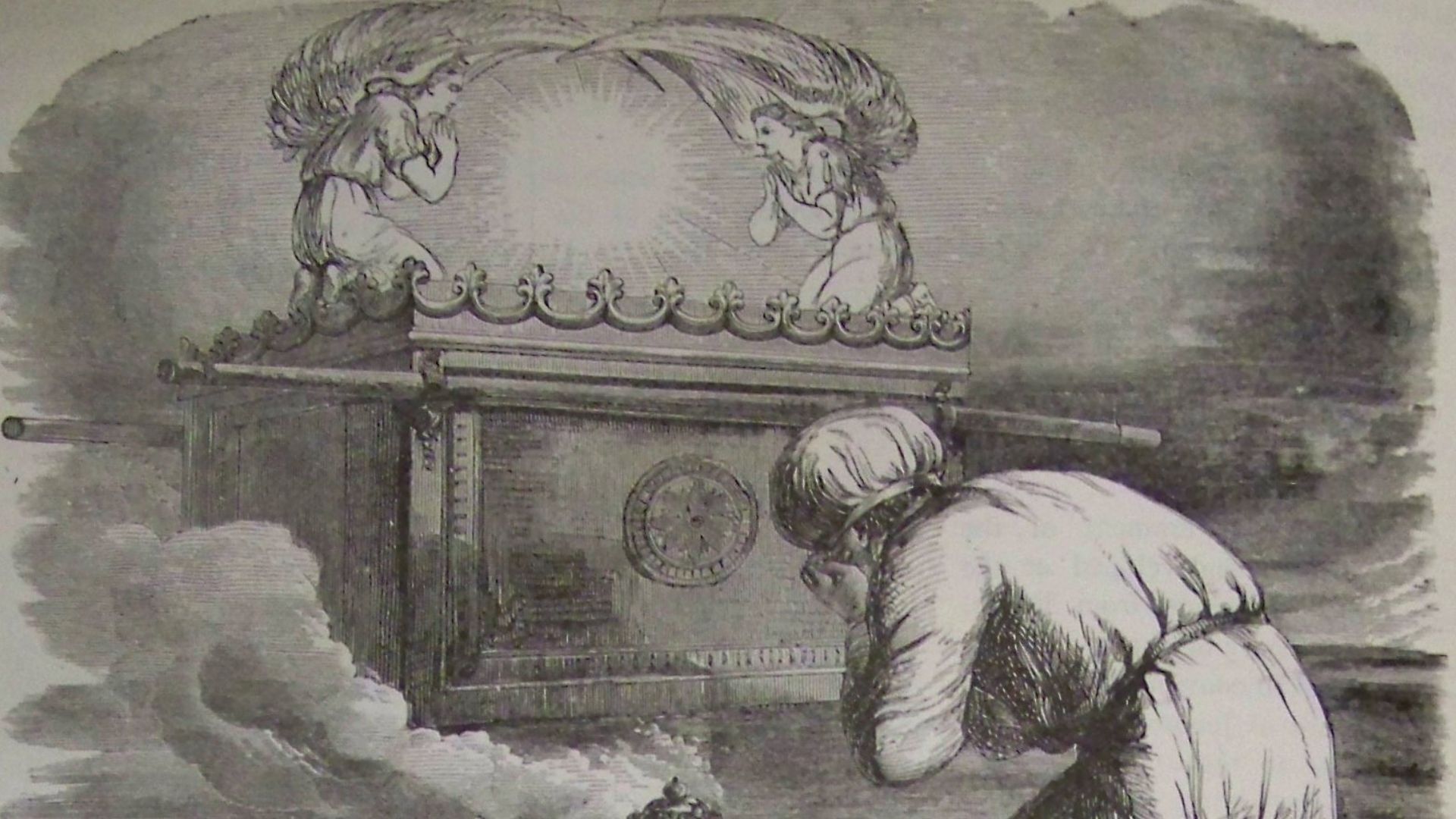 illustrators of the 1890 Holman Bible, Wikimedia Commons
The Inclusion Of Aaron's Rod And Its Symbolic Role
Aaron's rod that miraculously budded was stored inside, according to Hebrews, as proof of legitimate priesthood authority. Oddly, Exodus skips mentioning it entirely and reveals inconsistencies between biblical texts. Traditions claim the rod vanished after the Temple's destruction, with zero archaeological evidence found in Jerusalem.
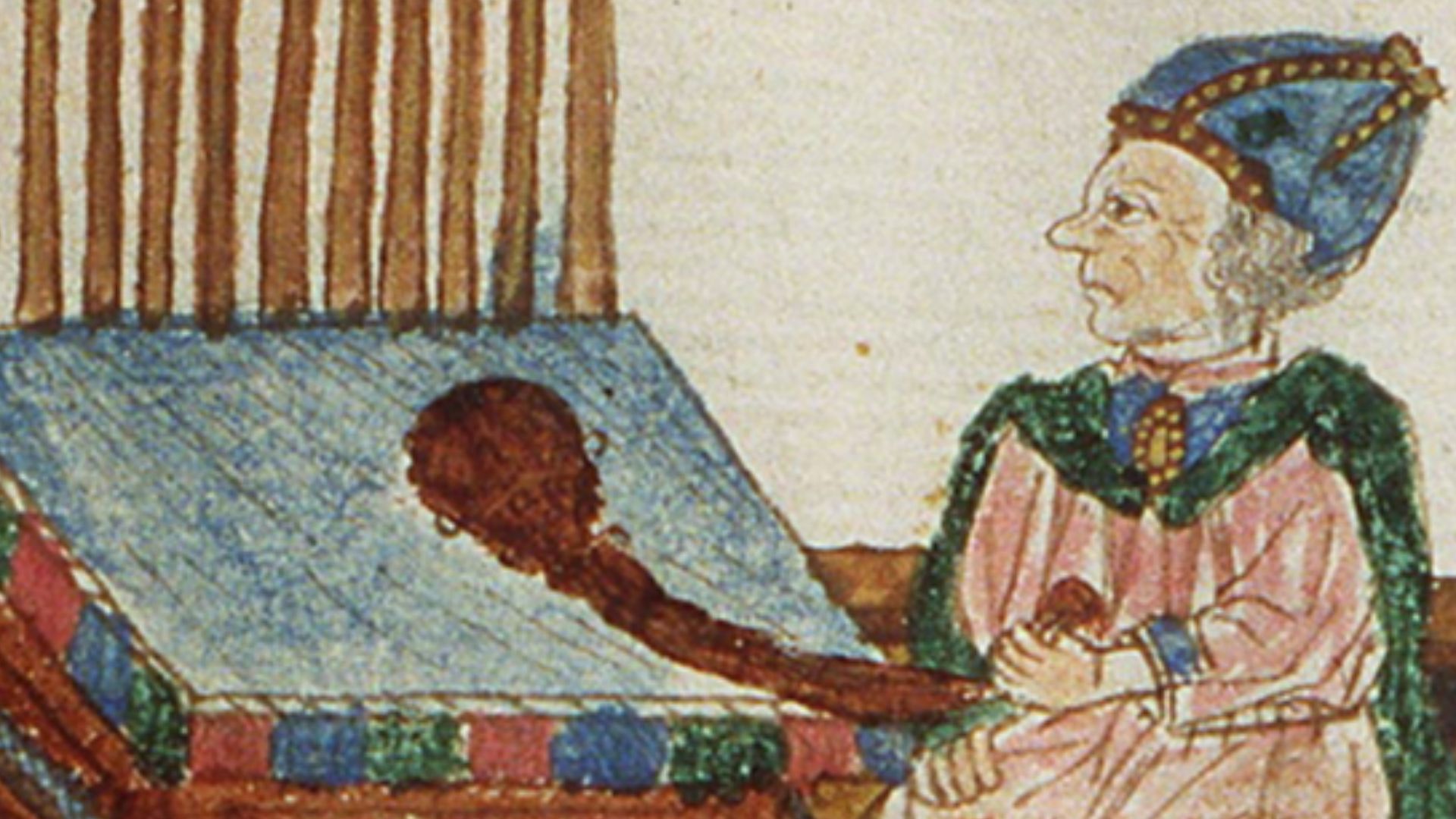 Illustrator of 'Speculum humanae salvationis', Cologne, Wikimedia Commons
The Composition And Preservation Of The Manna Sample
A pot of wafer-like, honey-flavored manna was kept inside the Ark as a divine provision reminder. How this food sample lasted without spoiling in desert heat defies natural explanation without invoking miracles.
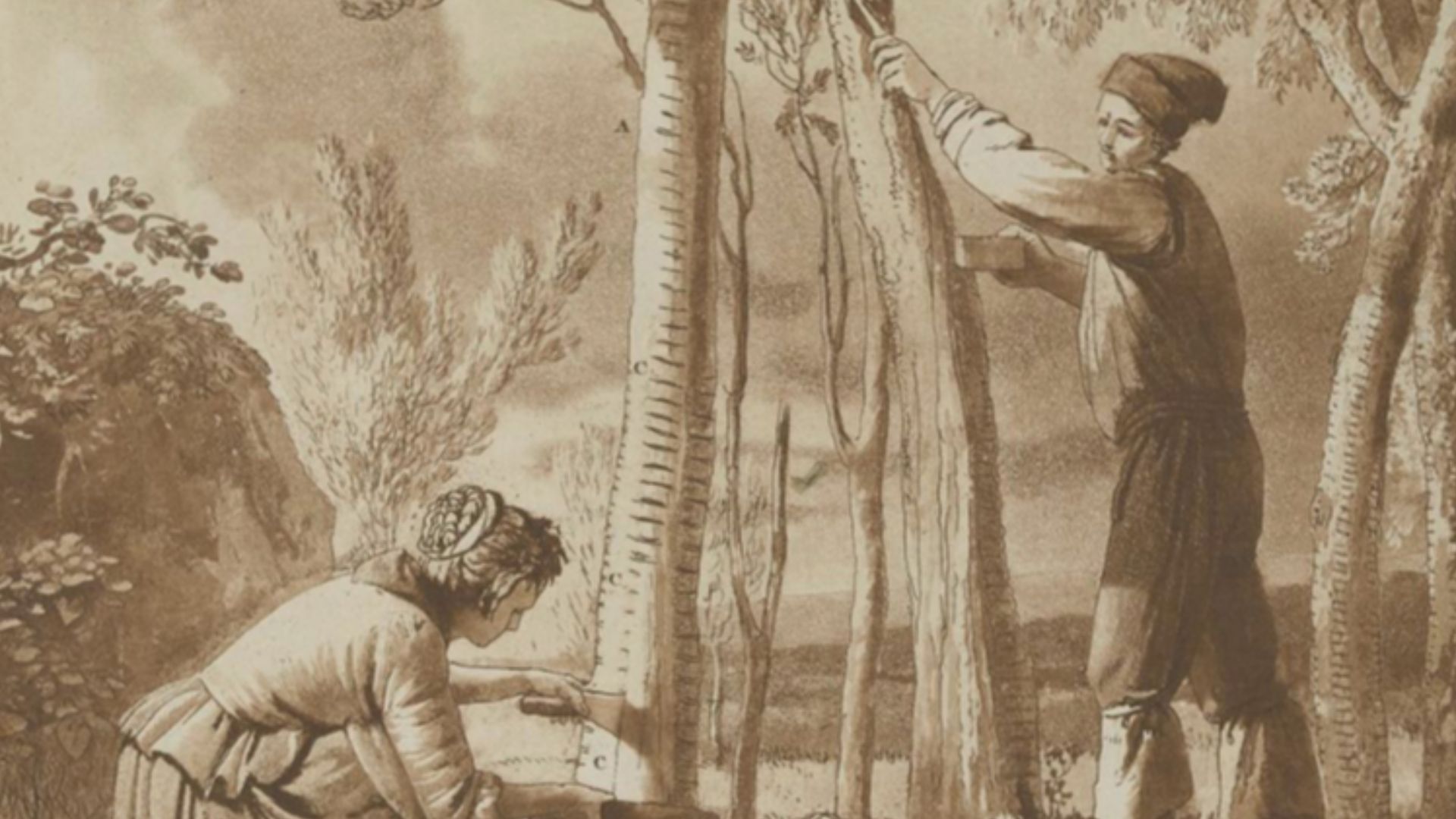 Jean-Pierre Houel, Wikimedia Commons
The Ark's Role In Parting The Jordan River
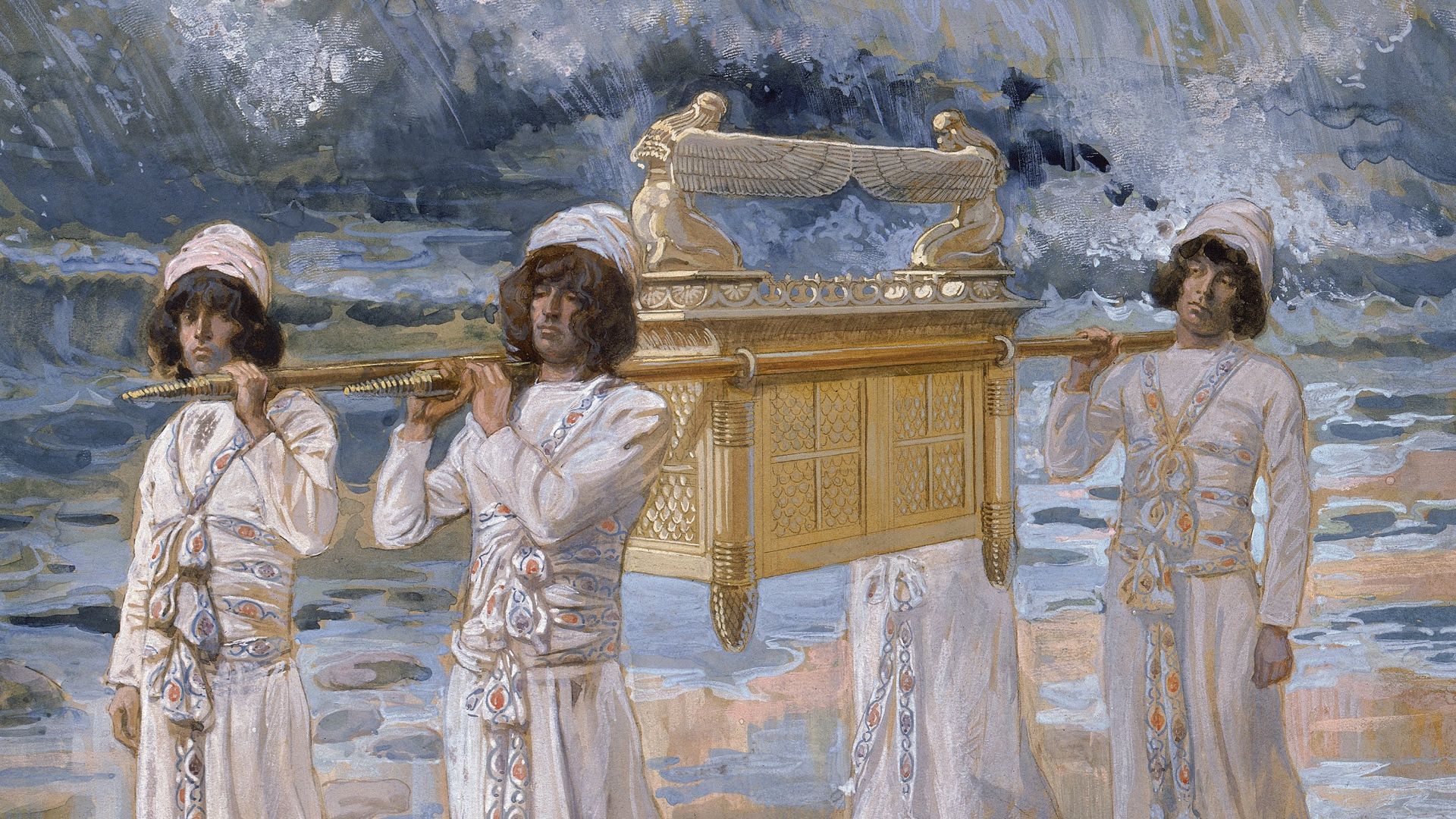
Priests carrying the Ark stopped the Jordan River's flow, allowing Israelites to cross on dry ground around 1400 BCE. No geological evidence from that era backs up this miracle account. Canaanite histories don't mention the event.
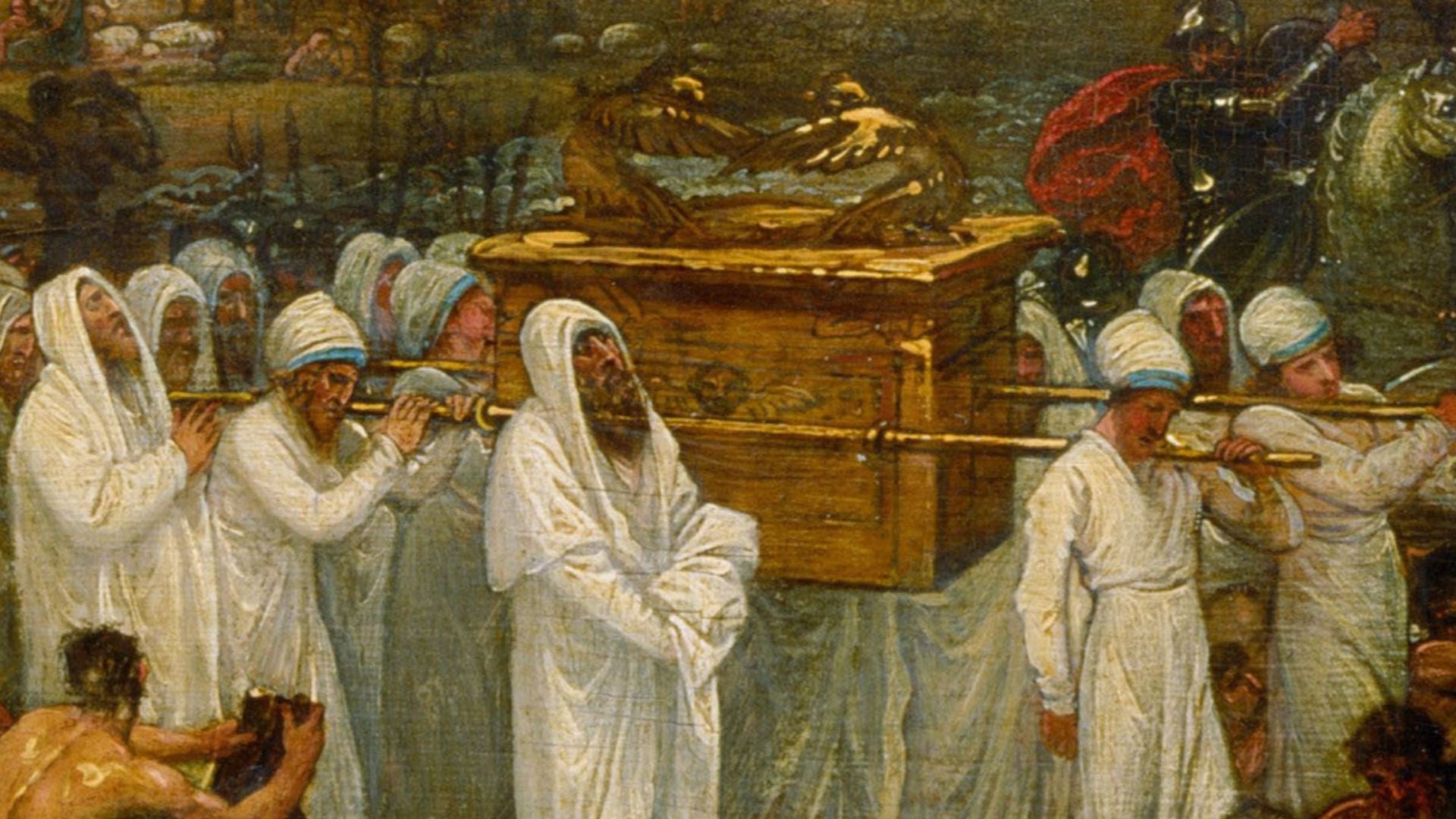 Benjamin West, Wikimedia Commons
The Cause Of The Plague At Beth-Shemesh
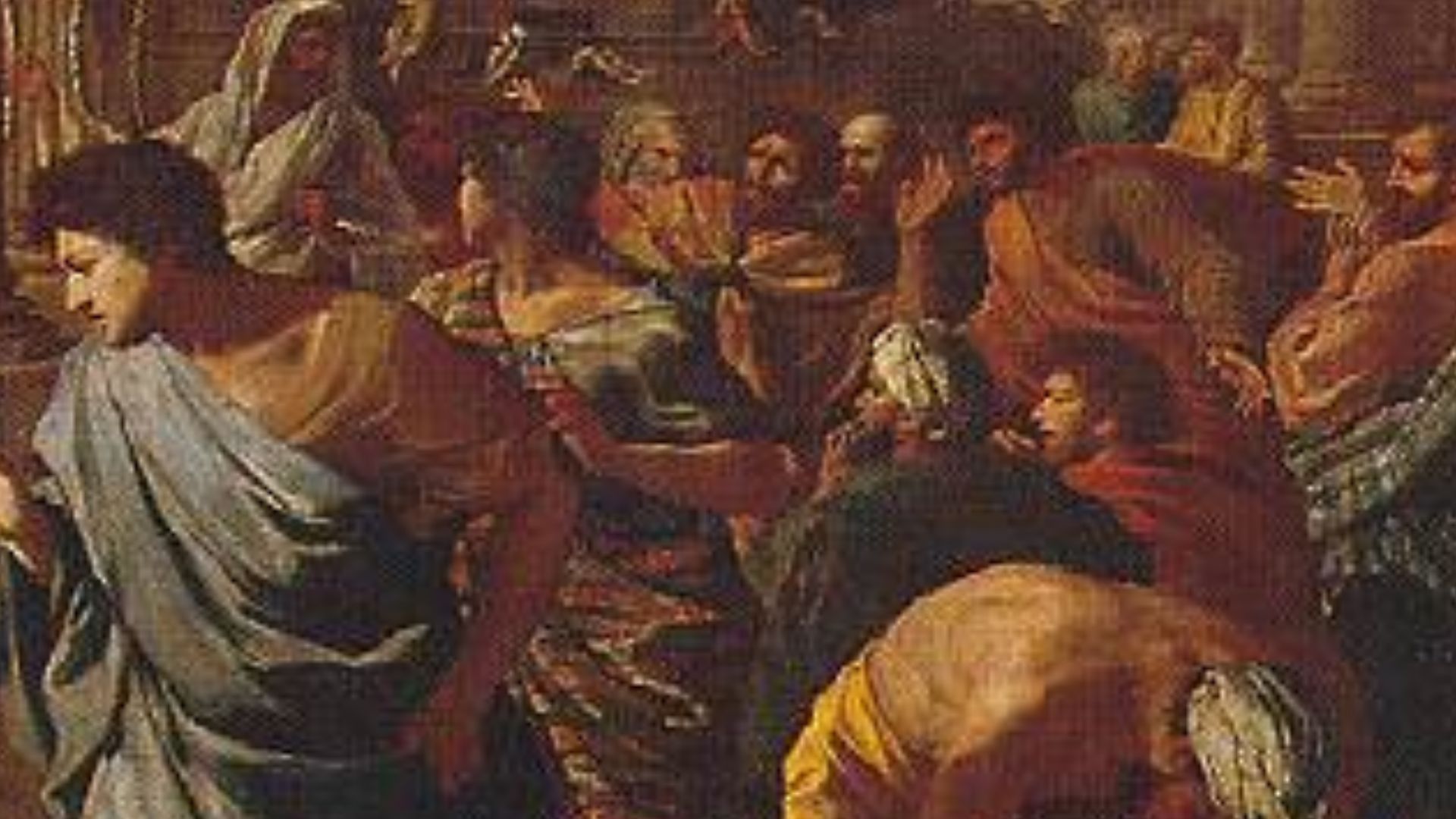
Thousands died after peeking inside the Ark in 1 Samuel, though manuscript variants report vastly different death counts. Contamination from Philistine handling might explain the disease outbreak, yet archaeological digs show no ancient epidemic traces.
 Petrusbarbygere, Wikimedia Commons

History's most fascinating stories and darkest secrets, delivered to your inbox daily.
The Ark's Involvement In The Fall Of Jericho's Walls
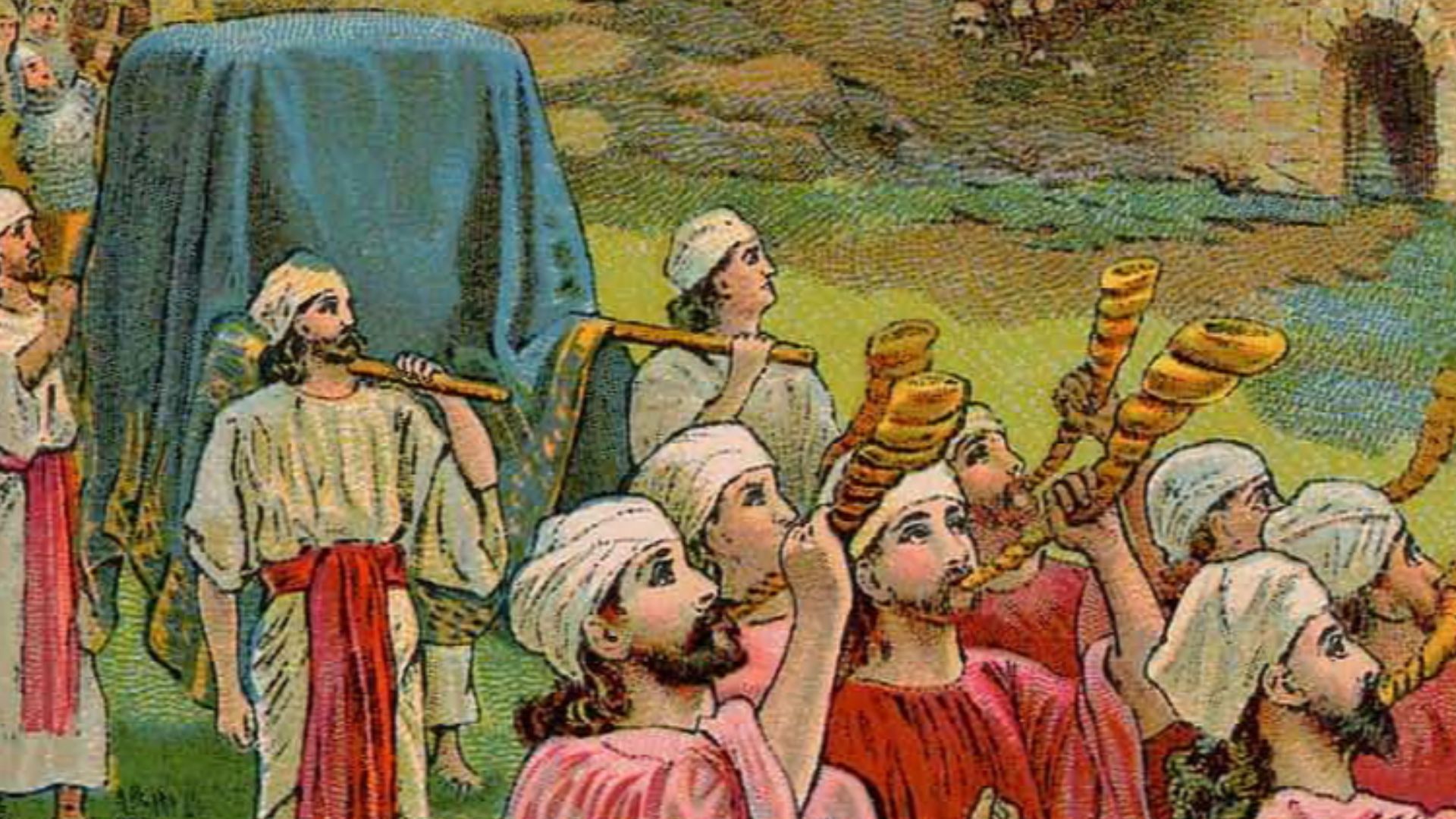
Seven priests marched around Jericho with the Ark while blowing ram's horns until the walls collapsed. Archaeological excavations fail to uncover 1400 BCE rubble matching this timeline, and carbon dating suggests earlier destruction. Sound wave theories can't explain the collapse; it shows physics limits in miraculous narratives.
 the Providence Lithograph Company, Wikimedia Commons
The Disappearance During King Manasseh's Reign
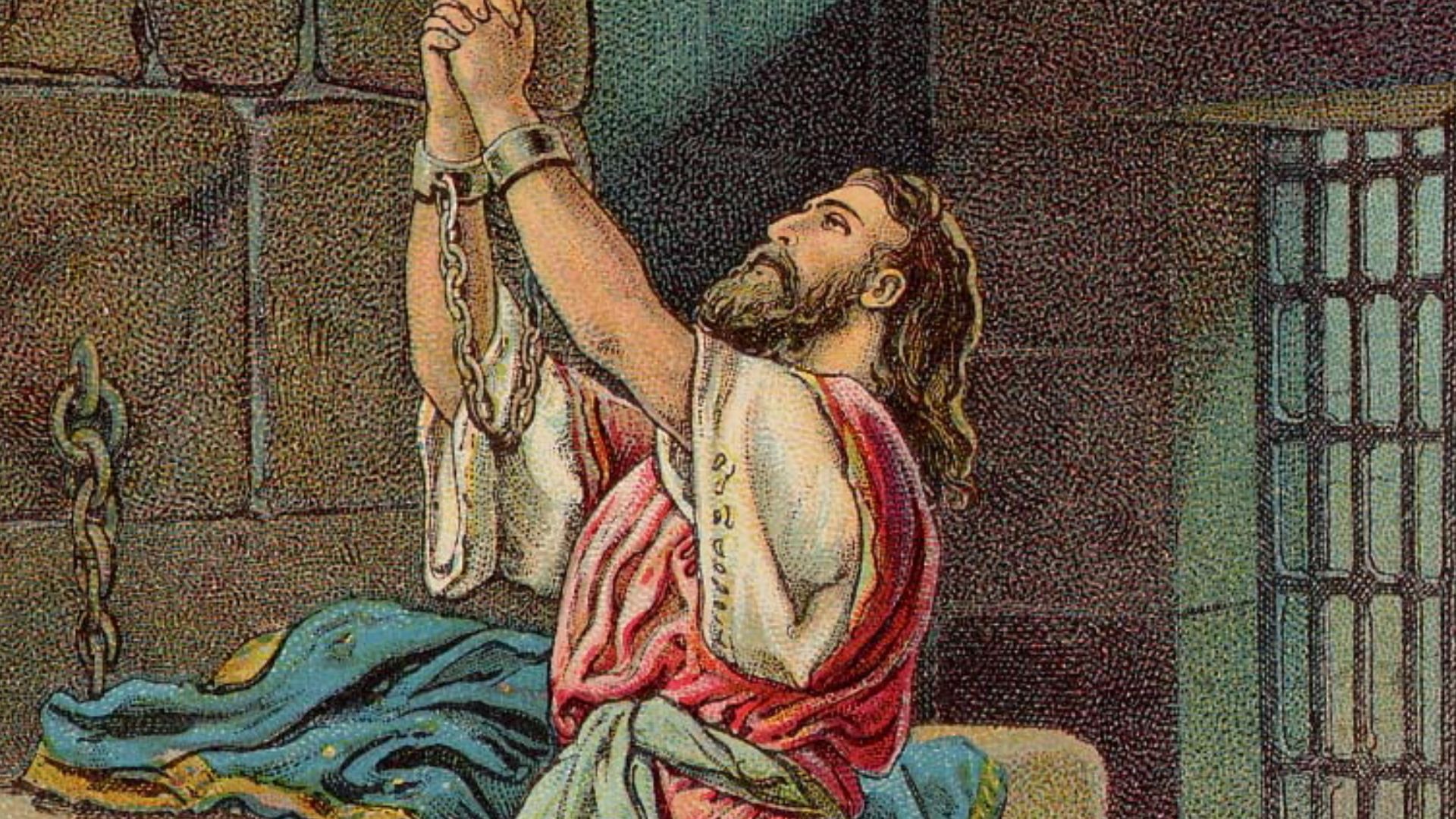
Idolatry reforms between 687 and 642 BCE under King Manasseh likely led to the Ark being hidden or removed. Biblical texts remain vague about its fate. Assyrian records mention Manasseh, yet remain silent regarding the Ark itself.
 the Providence Lithograph Company, Wikimedia Commons
The Babylonian Inventory Omission
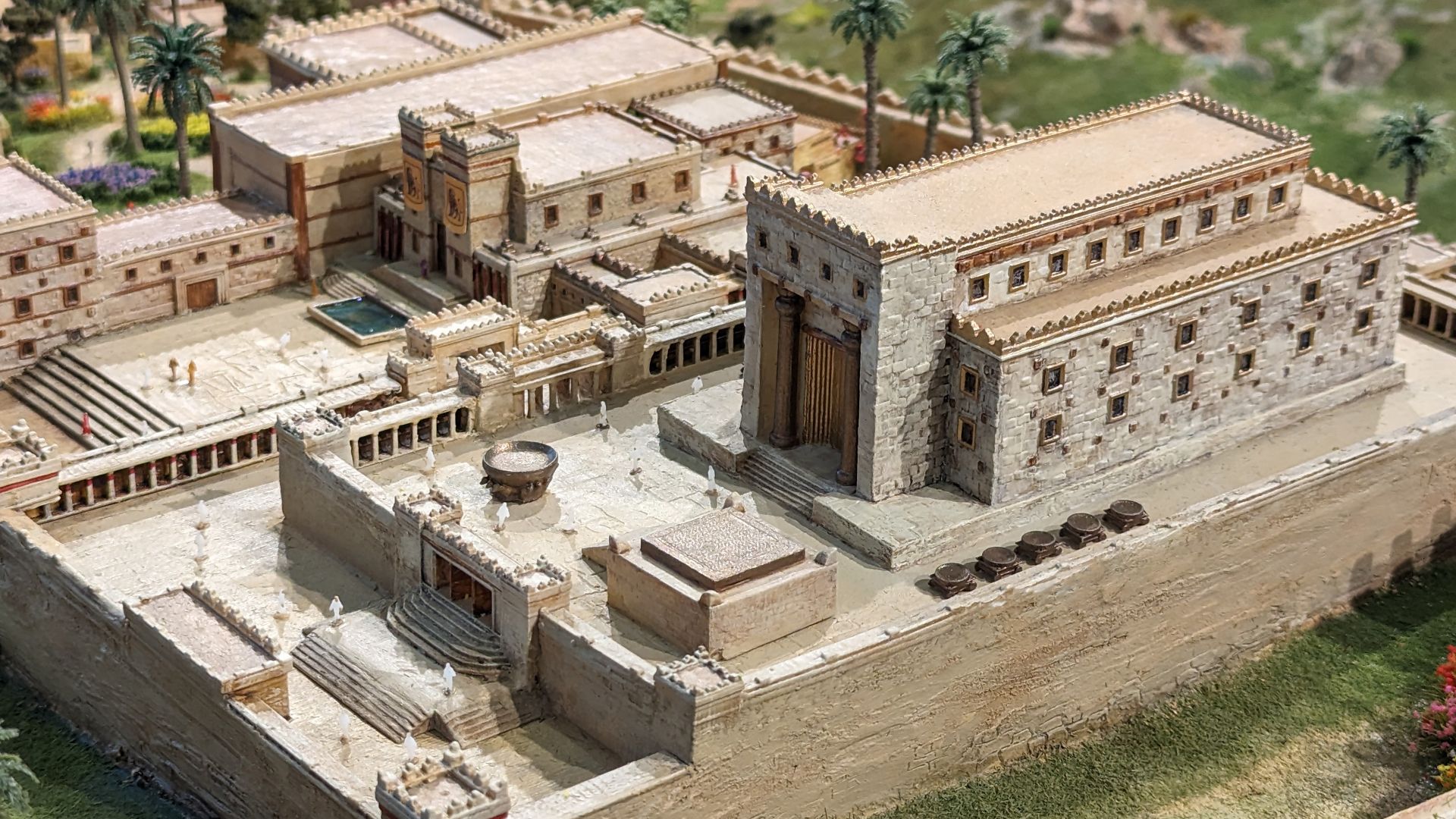
When the Babylonians looted Solomon's Temple in 586 BCE, detailed inventory lists in 2 Kings exclude the Ark entirely. Clay tablets meticulously catalog other treasures but never mention this most sacred object. The missing reference hints at protective hiding before the fall, but archaeological records yield nothing on its location.
Jeremiah's Alleged Hiding In A Mount Nebo Cave
Apocryphal text 2 Maccabees claims prophet Jeremiah sealed the Ark in a Mount Nebo cave, with the path forgotten. Searches across Jordan's peak find no caves containing ancient goods or evidence. The story's reliability seems low due to the late writing date and non-canonical status among most religious traditions.
 Barthelemy d'Eyck, Wikimedia Commons
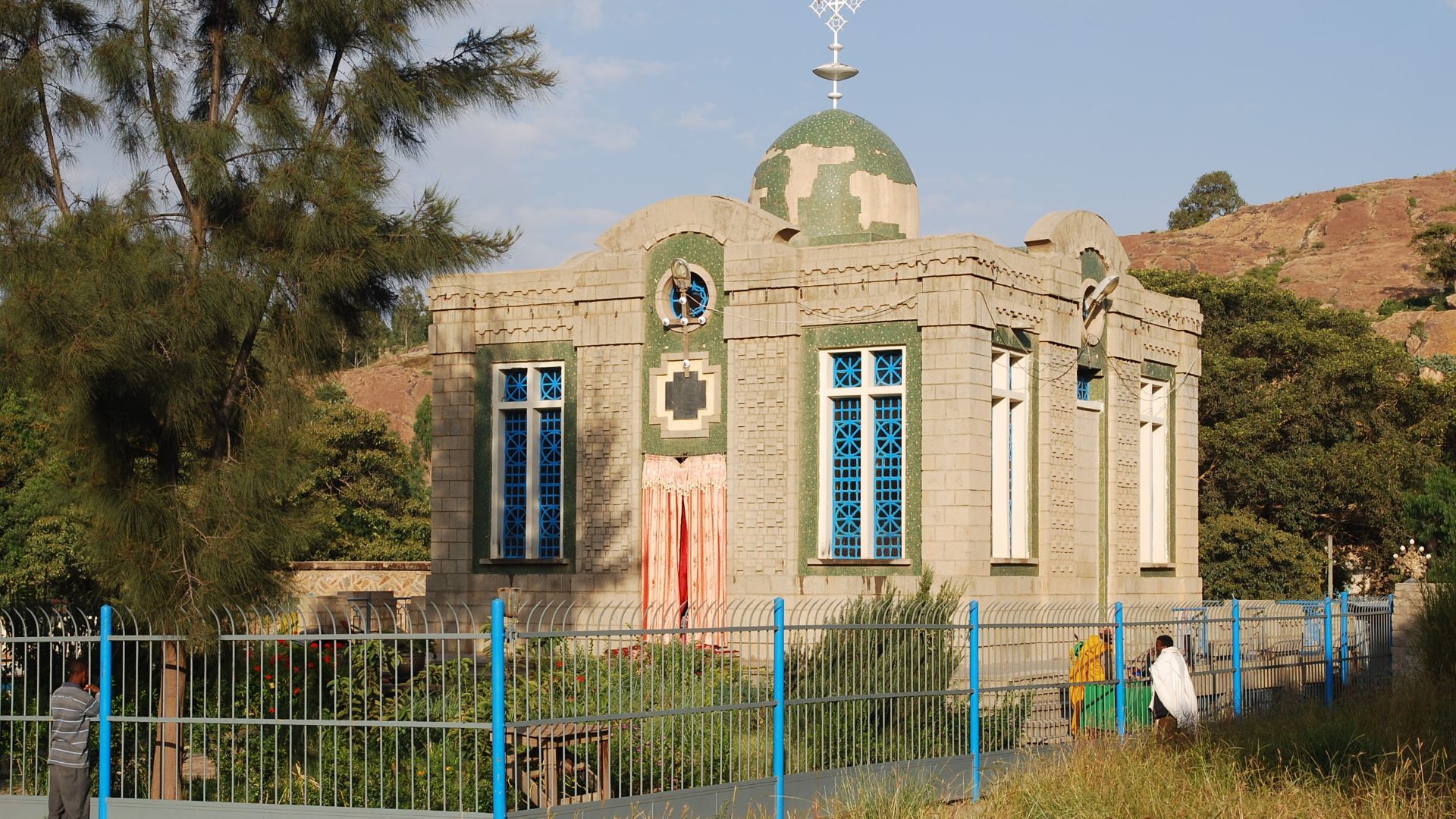
The Ethiopian Claim Of Possession In Axum
Ethiopian legend says Menelik, Solomon's son, stole the Ark and brought it to St. Mary's church in Axum. A single guardian protects it under tight secrecy, never allowing outside viewing or verification. The 1300s text describing this contradicts timelines, and excavations lack supporting evidence.
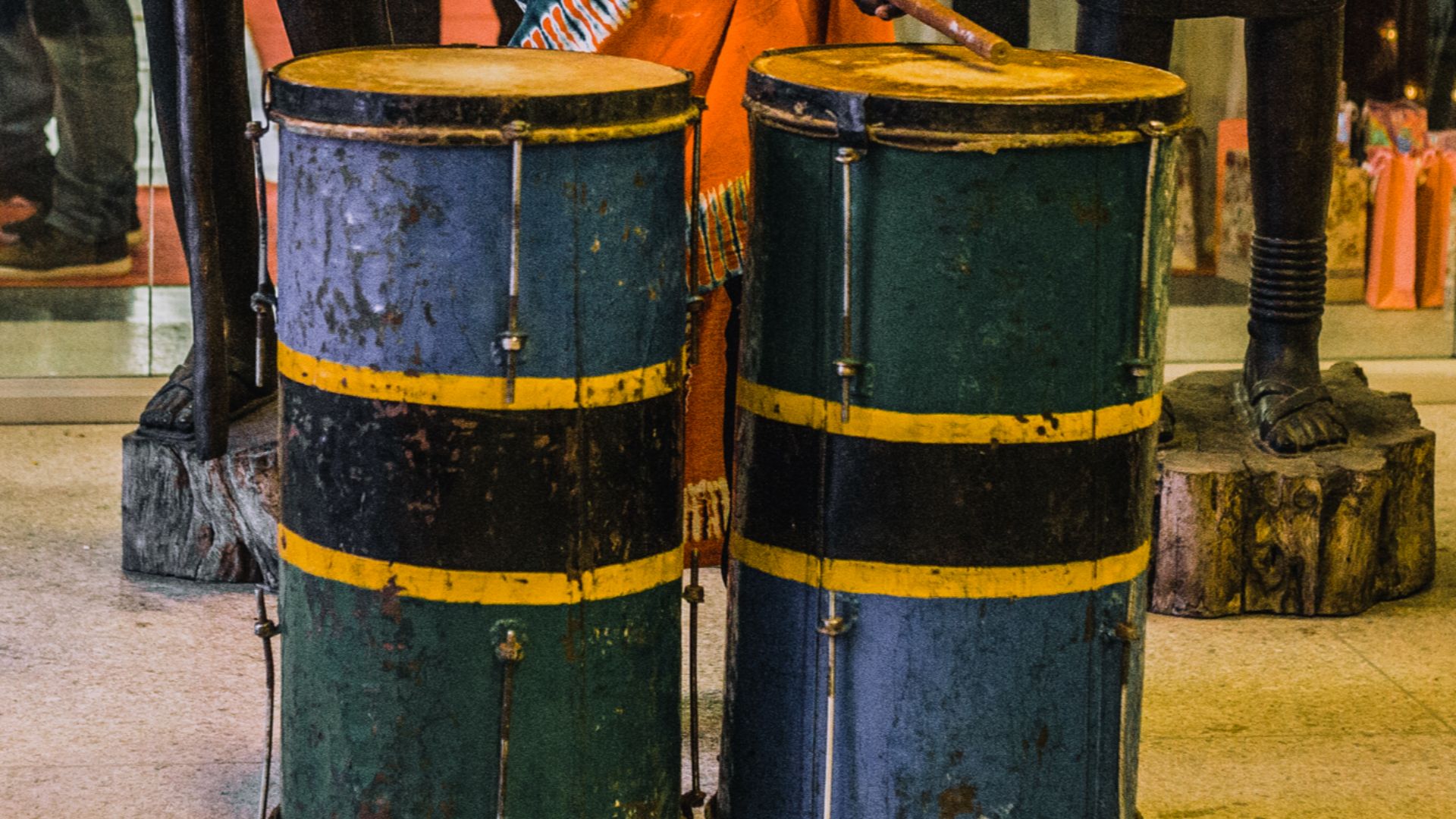
The Lemba People's Replica In Zimbabwe
The Lemba tribe's ngoma drum was claimed as an ancient Ark copy from ancestral migration. DNA shows Jewish genetic ties, but the artifact itself dates only to the 1300s CE. Museums confirm this drum represents symbolic evolution rather than an actual biblical relic.
The Possibility Of Multiple Arks In Existence
Biblical texts hint at different versions used for battle versus temple worship through size discrepancies. Deuteronomy suggests Moses created a replacement after breaking the first tablets. Nearby ancient cultures maintained multiple sacred objects, but no archaeological relics distinguish between potential Israelite duplicates.
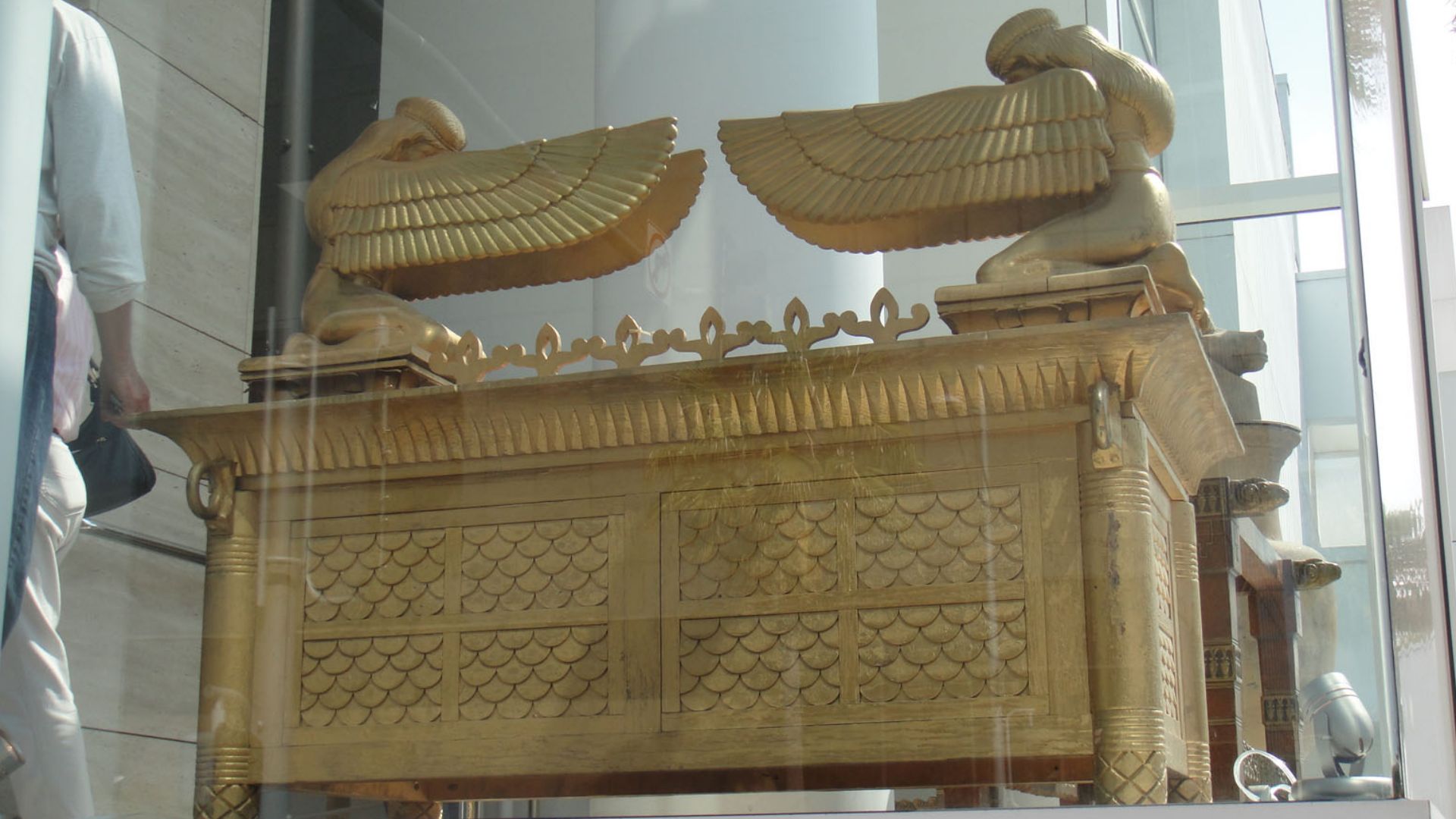 pop culture geek from Los Angeles, CA, USA, Wikimedia Commons
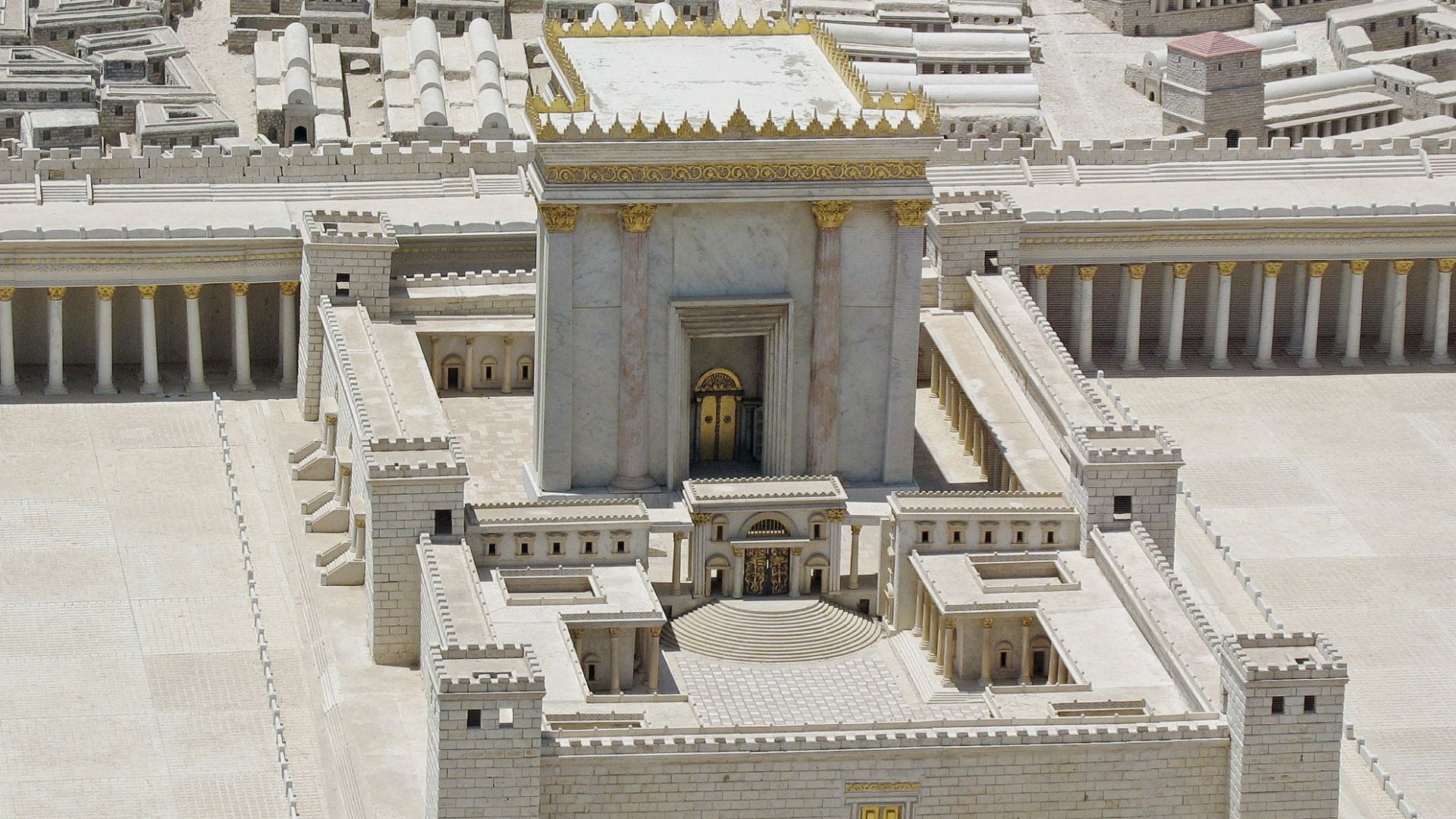
The Ark's Fate In The Second Temple Period
The Ark went missing by the 516 BCE temple rebuild, with historian Josephus confirming its absence. Prophet Jeremiah declared it unnecessary, which represents an unexplained theological shift. Persian documents ignore any return of the relic, fueling theories that it was permanently hidden or destroyed during the Babylonian exile.
The Scientific Basis For Its Alleged Electrical Properties
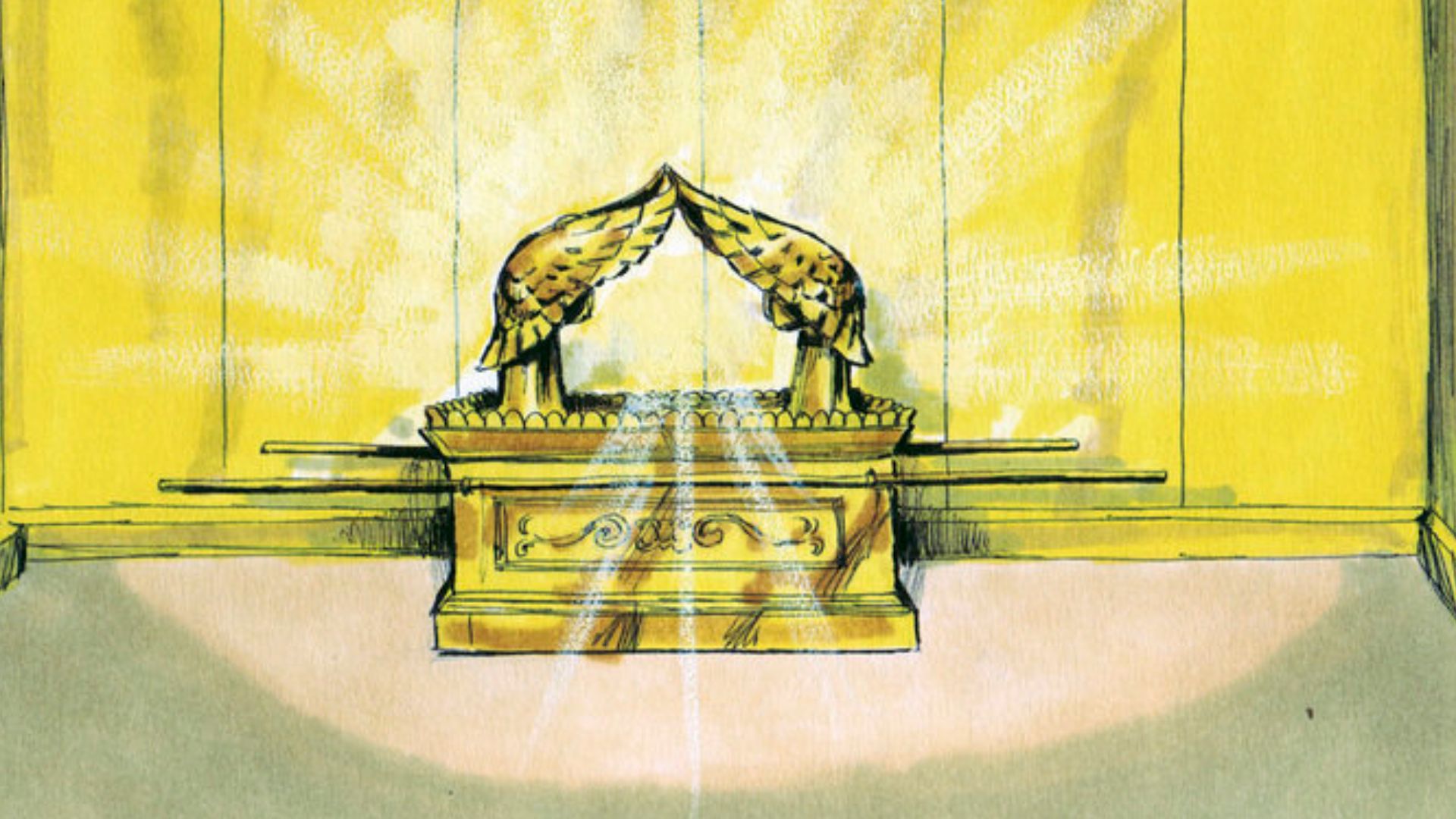
The gold-wood construction theoretically resembles a battery and has led to electrical charge speculation over the years. Tests reveal zero deadly voltage capability. Physics debunks the power generation theory while suggesting deaths resulted from symbolic warnings or actual illness rather than advanced technology.
 Jim Padgett, Wikimedia Commons
The Symbolism Of The Cherubim's Wing Positions
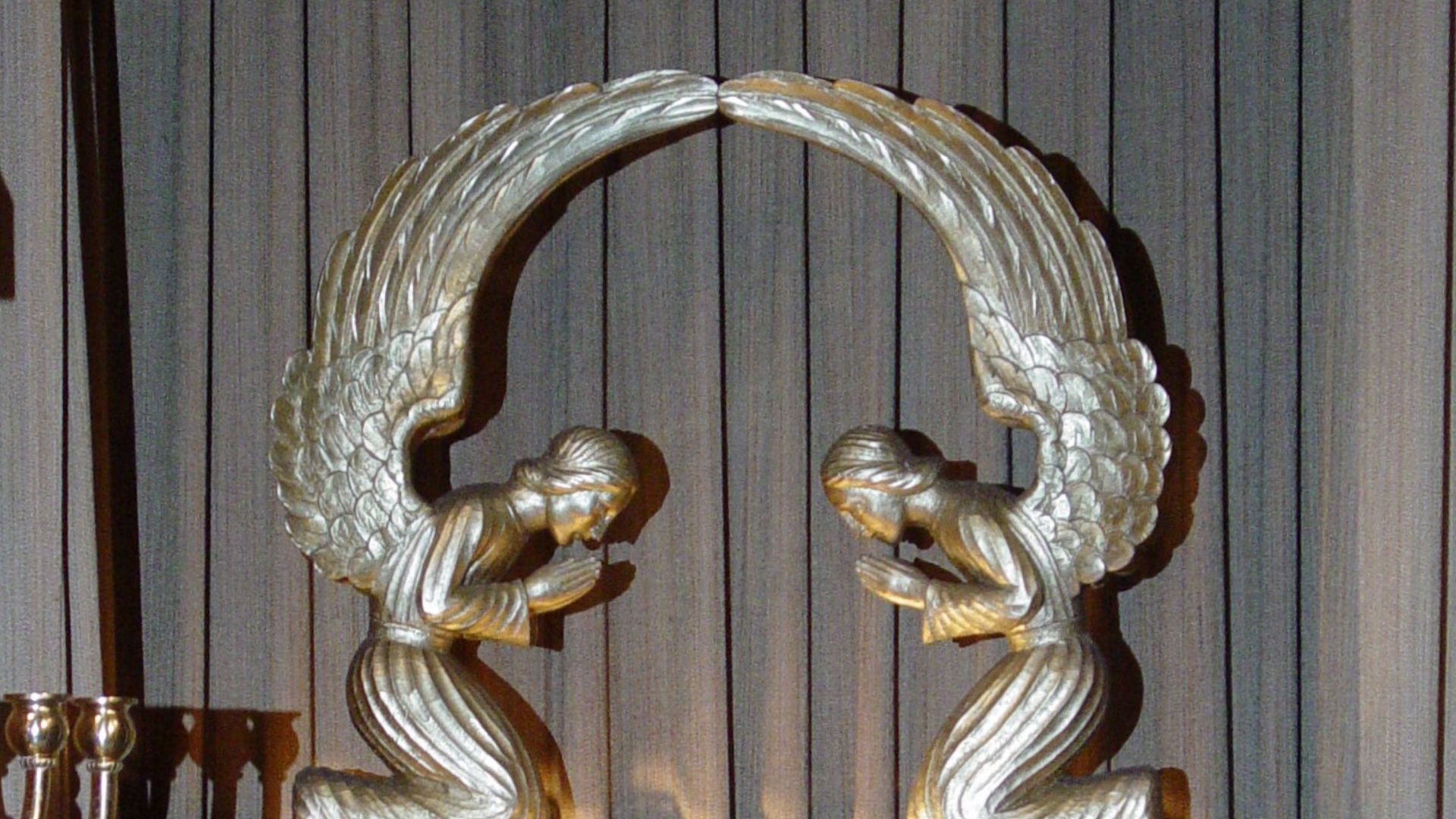
Wings positioned upward symbolized guard duty according to Exodus, though artistic depictions vary wildly in spread. Some texts hint that wing positions signaled heaven's will, but this remains unproven by evidence. The motif was borrowed from Egyptian protective symbols, representing either divine power or sanctuary guardianship.
 Ben Schumin, Wikimedia Commons
The Ark's Connection To Egyptian Artifact Influences
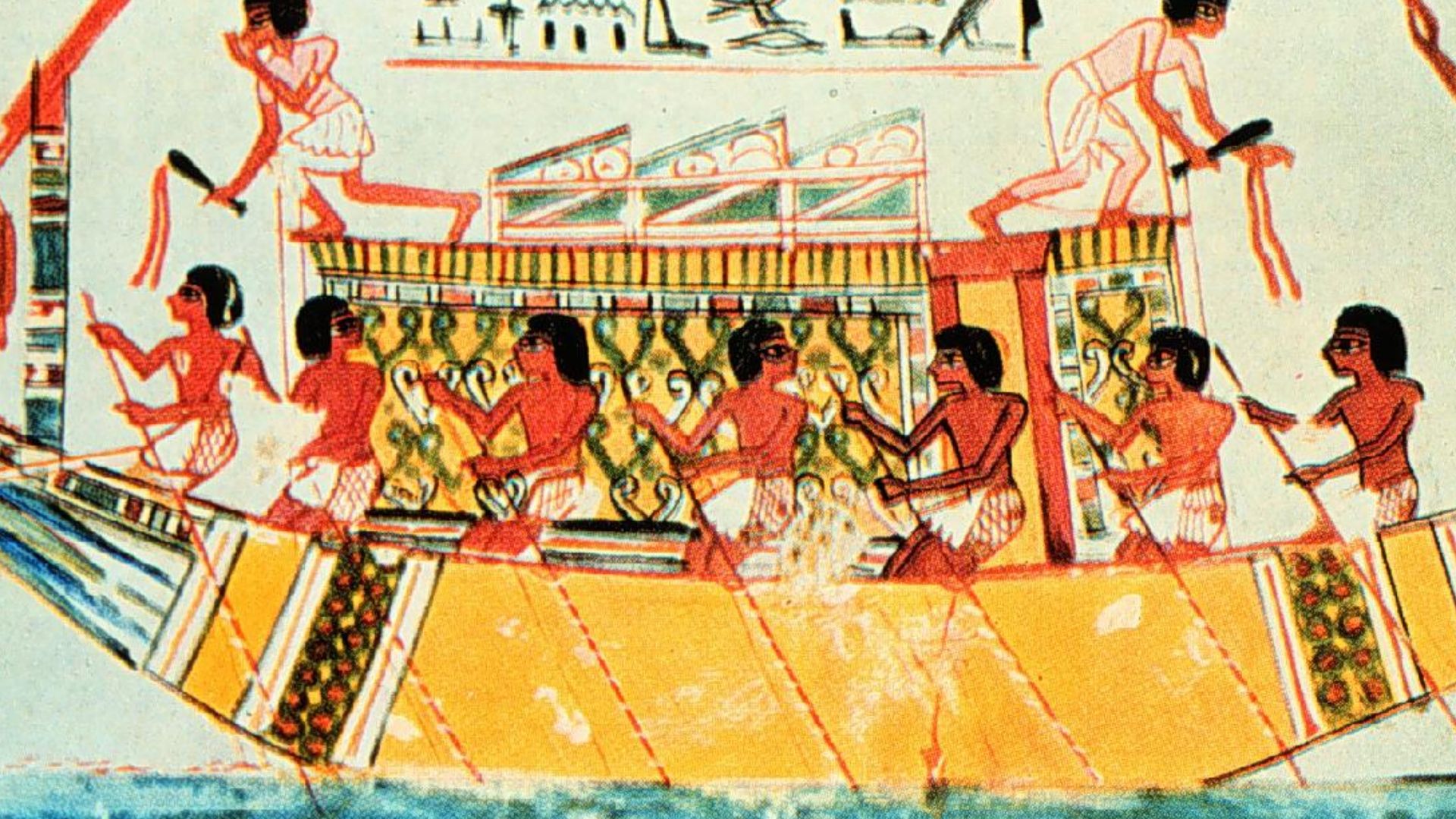
The design closely resembles Egyptian god-carrying boats with poles and decorative figures. Pharaoh chests featured similar construction methods, and they show clear cultural adaptation and exchange. Archaeological evidence remains uncertain, so scholars debate the exact degree of Egyptian influence on Israelite craftsmanship.
 The original uploader was Jonathunder at English Wikipedia., Wikimedia Commons
The Reason For Its Exclusion From Prophetic Visions
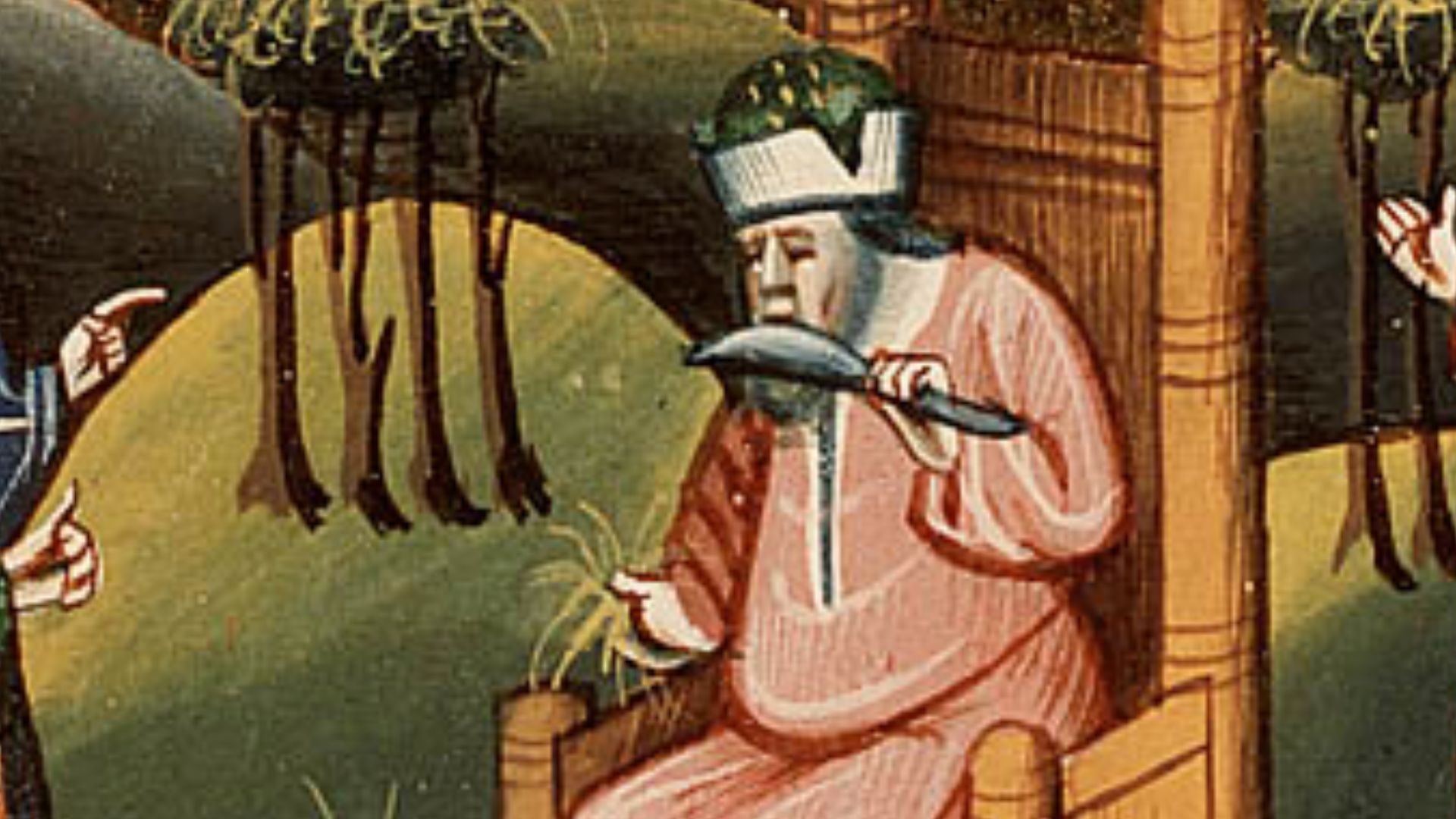
Prophet Ezekiel completely skipped the Ark in his detailed new temple plans. After the Babylonian exile, religious focus shifted from sacred objects to following laws instead. The absence implies it was gone forever, but theories about why this theological change occurred are still debated.
 Unknown authorUnknown author, Wikimedia Commons
The Roman Claims Of Possession After 70 CE
Victory arches depict Temple lamps but never the Ark among Roman trophies. Historian Josephus listed plundered items without mentioning it, suggesting an earlier disappearance. Later stories of Roman concealment collapse under evidence, and make a pre‑70 CE vanishing the most plausible.
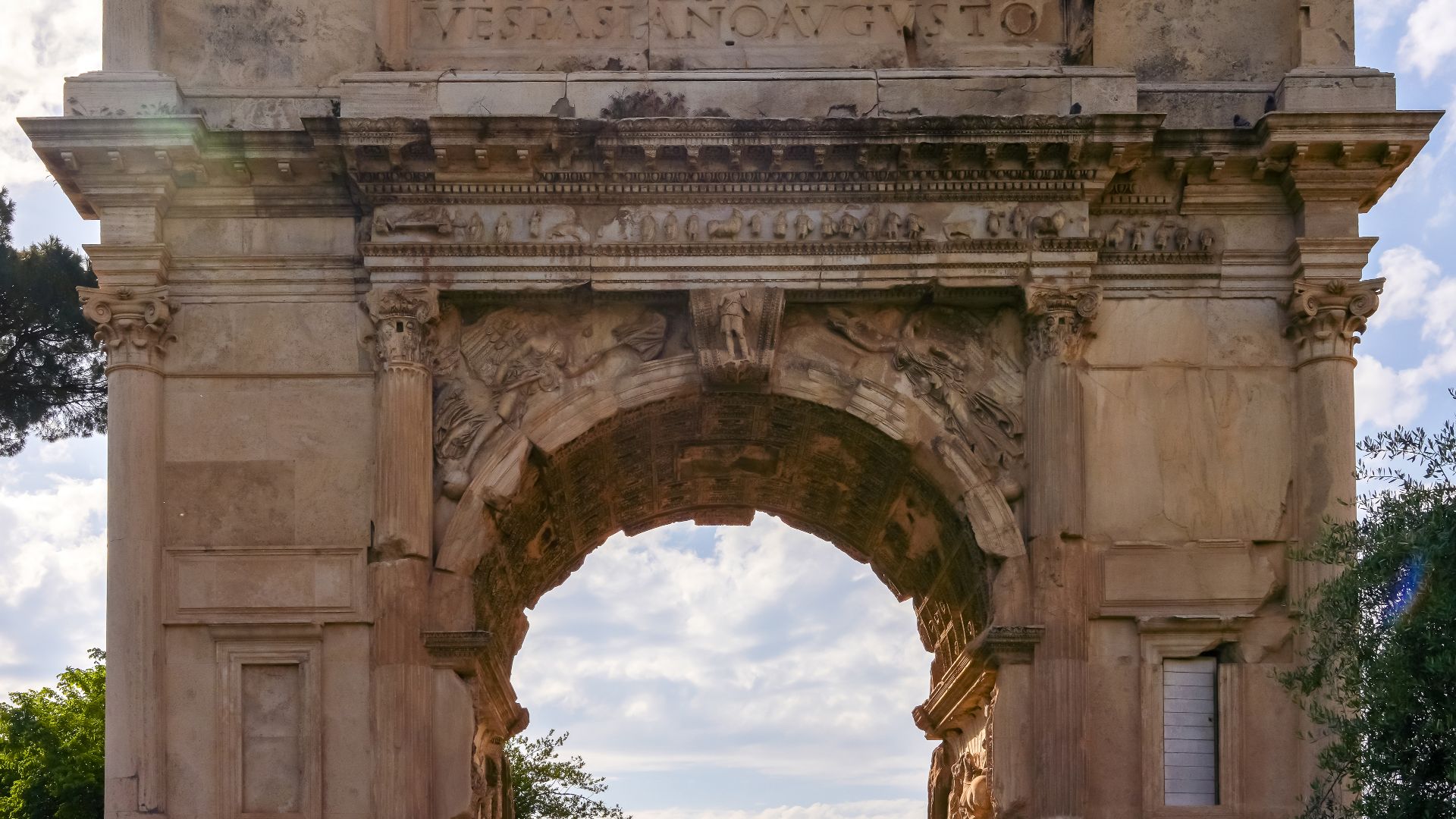 ThePhotografer, Wikimedia Commons
The Future Revelation Prophesied In Revelation 11:19
The New Testament book of Revelation describes seeing the Ark appear in heaven during the end times. This shifts the meaning from a physical object to a celestial symbol in Christian theology. Debates continue whether prophecy predicts a literal earthly return or a purely metaphorical spiritual vision without resolution.
The Knights Templar's Alleged Discovery
Crusader legends claim the Knights Templar found the Ark buried under Temple Mount, though no proof exists. The site bans deep excavations, preventing verification of medieval treasure tales. Some theories suggest they moved it to Petra, but historians dismiss these stories as romantic fiction rather than documented history.

The Modern Radiation-Like Effects Hypothesis
Sicknesses around the Ark supposedly mimic radiation fallout, yet relevant sites lack any radioactive traces. Experts dismiss nuclear parallels drawn from biblical descriptions as complete nonsense. Scientific models reveal zero glowing properties, with mainstream scholars favoring plague explanations over atomic-age speculation.
 Ben Schumin from Montgomery Village, Maryland, USA, Wikimedia Commons
The Discrepancy In Biblical Dimensions Across Translations
Original Hebrew lists dimensions as 2.5 by 1.5 cubits, but Greek translations vary based on cubit measurements. Ancient cubits ranged from 18 to 22 inches, depending on the region. Translation effects create different physical models, which makes the exact original size uncertain.
 James Tissot, Wikimedia Commons