
Skepticism Hit Stone
Biblical figures have been stepping out of ancient texts and into archaeological reality. Their royal seals get discovered in Jerusalem. Their names appear on Assyrian conquest lists. Each find adds another piece to the puzzle.
King David
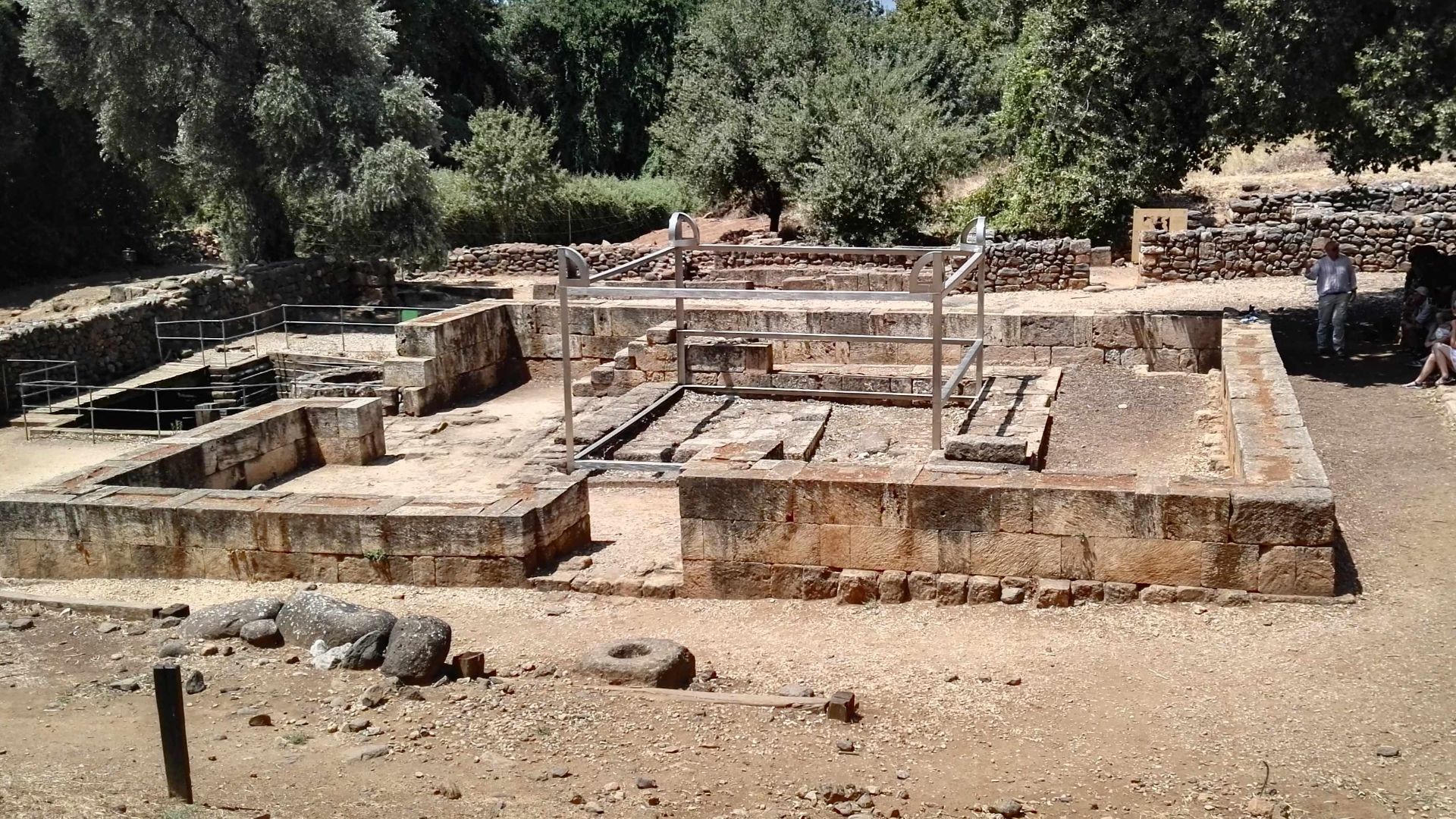
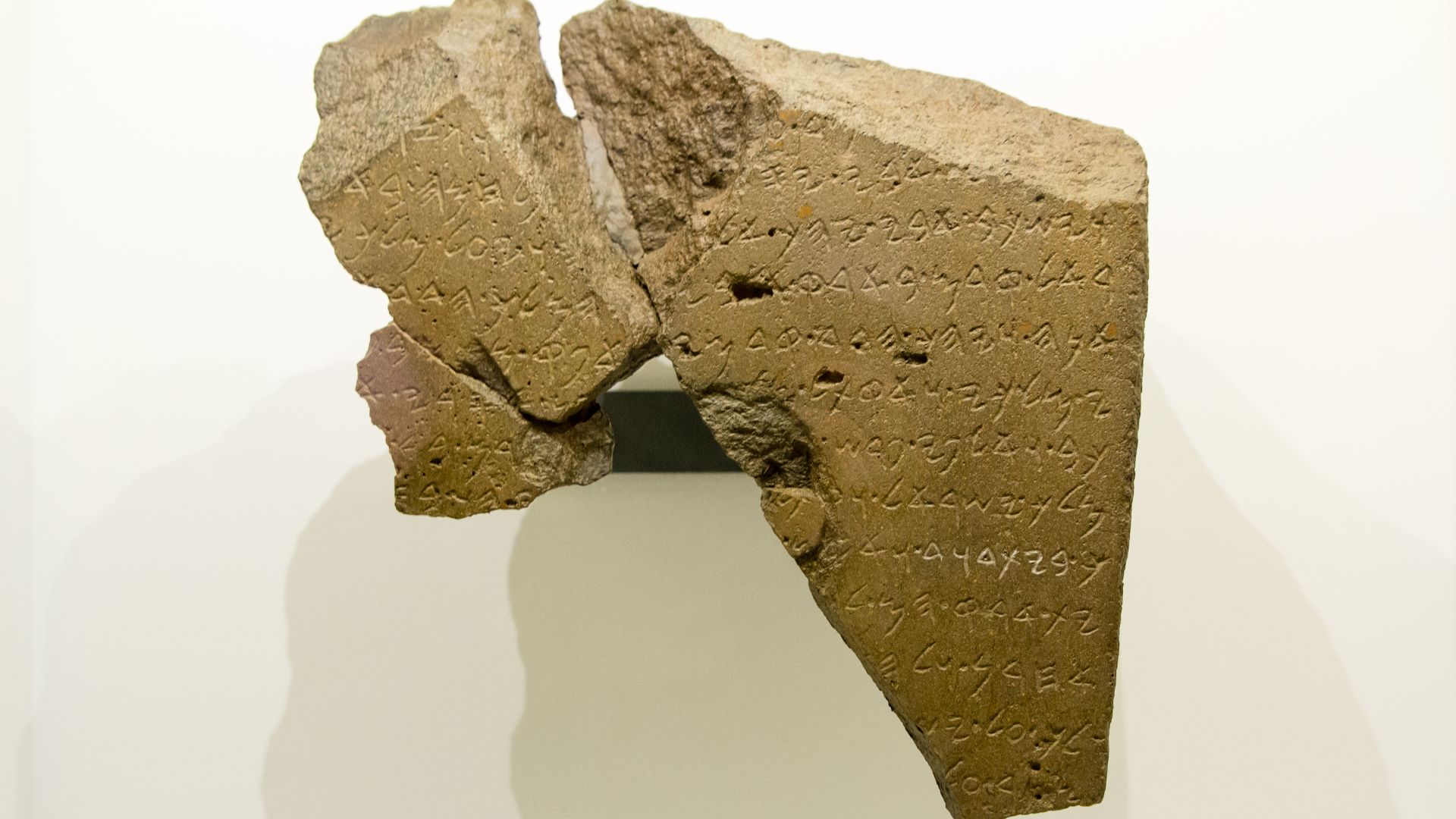
In 1993, archaeologist Gila Cook was surveying an ancient stone wall at Tel Dan in northern Israel when she spotted something extraordinary. There were fragments of a basalt stele with Aramaic inscriptions. When pieced together and translated, the 9th-century BCE monument contained a phrase that would shake the archaeological world.
King David (Cont.)
"House of David" (bytdwd). This was the first time David's name appeared outside the Bible. The stele was actually a victory monument erected by an Aramean king, likely Hazael of Damascus, that boasted of defeating the kings of Israel and Judah around 841 BCE.
Pontius Pilate
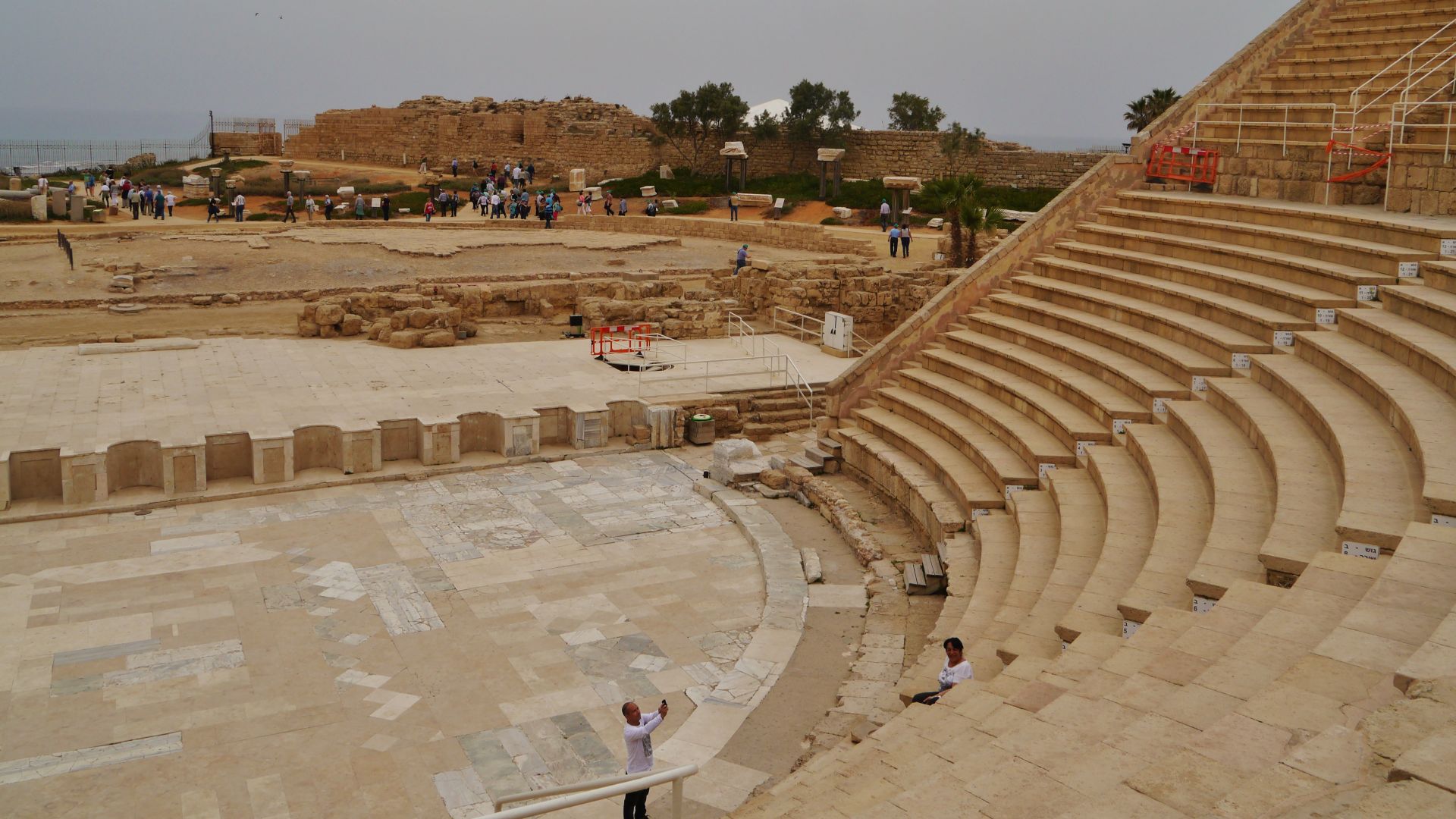
The Roman theater at Caesarea Maritima had seen better days when Italian archaeologist Antonio Frova's team began excavations in 1961. What they didn't expect to find was a limestone block, reused as a step in a fourth-century staircase, that would become the only archaeological evidence of one of history's most infamous governors.
Pontius Pilate (Cont.)
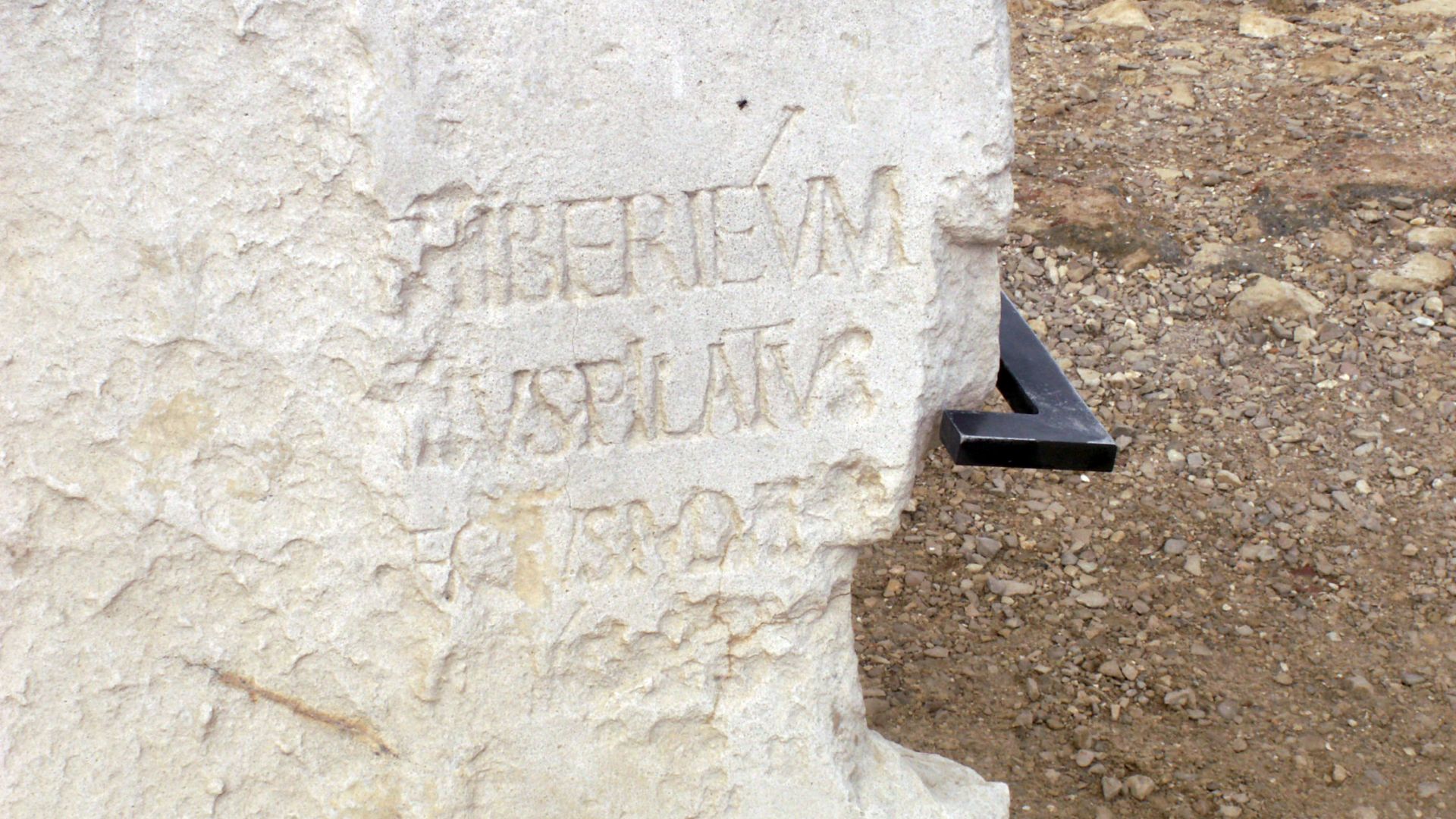
The weathered inscription, measuring 82 by 65 centimeters, clearly read: "[PON]TIUS PILATUS [PRAEF]ECTUS IUDA[EA]E"—Pontius Pilate, Prefect of Judea. Before this discovery, skeptics questioned whether Pilate actually existed, despite mentions by ancient historians like Josephus and Tacitus.
 Marion Doss, Wikimedia Commons
King Hezekiah
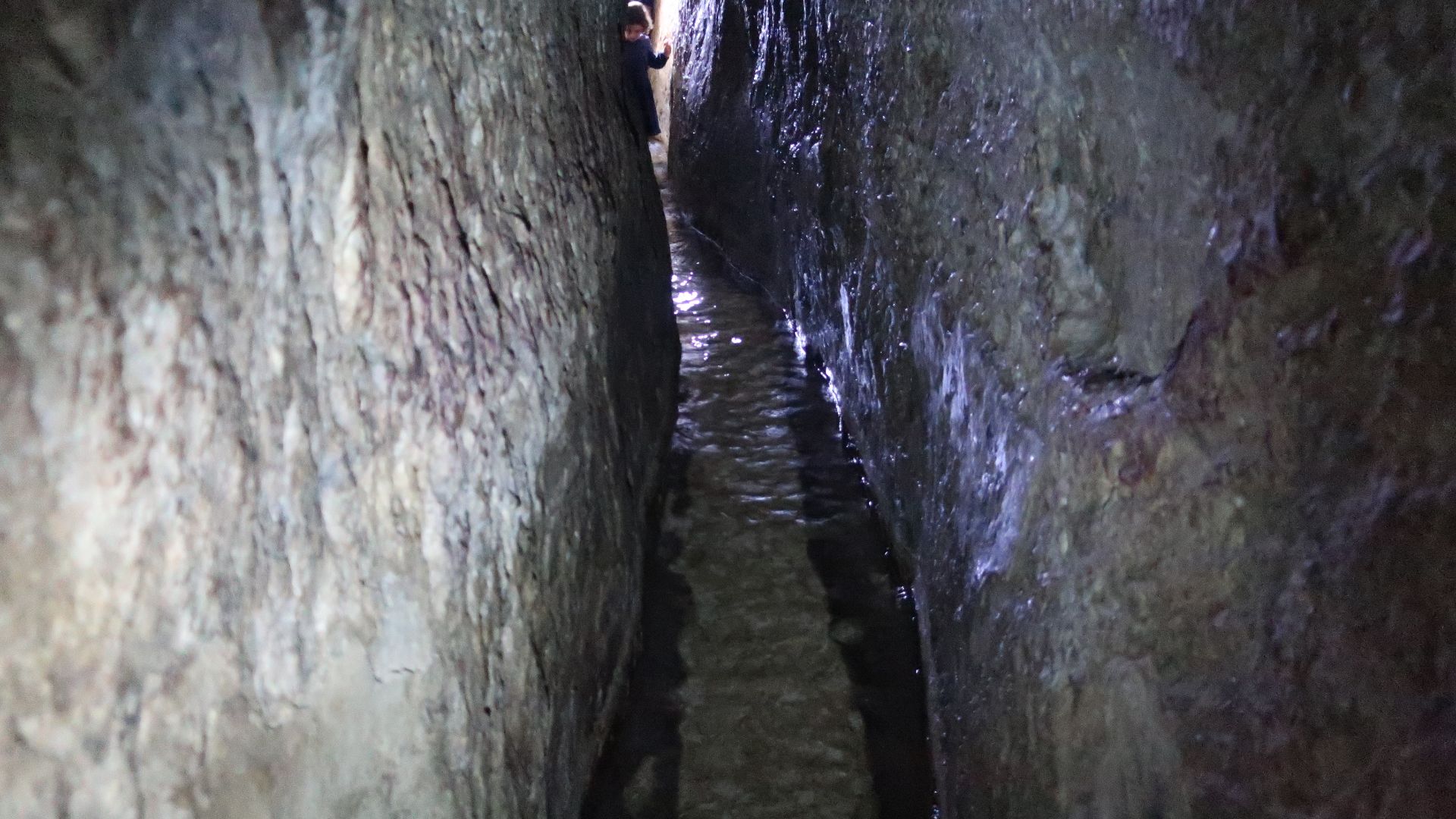
Beneath the streets of Jerusalem runs another baffling achievement—a 533-meter tunnel carved through solid bedrock around 701 BCE. Workers dug from both ends simultaneously, meeting perfectly in the middle without GPS, laser levels, or any modern technology.
King Hezekiah (Cont.)
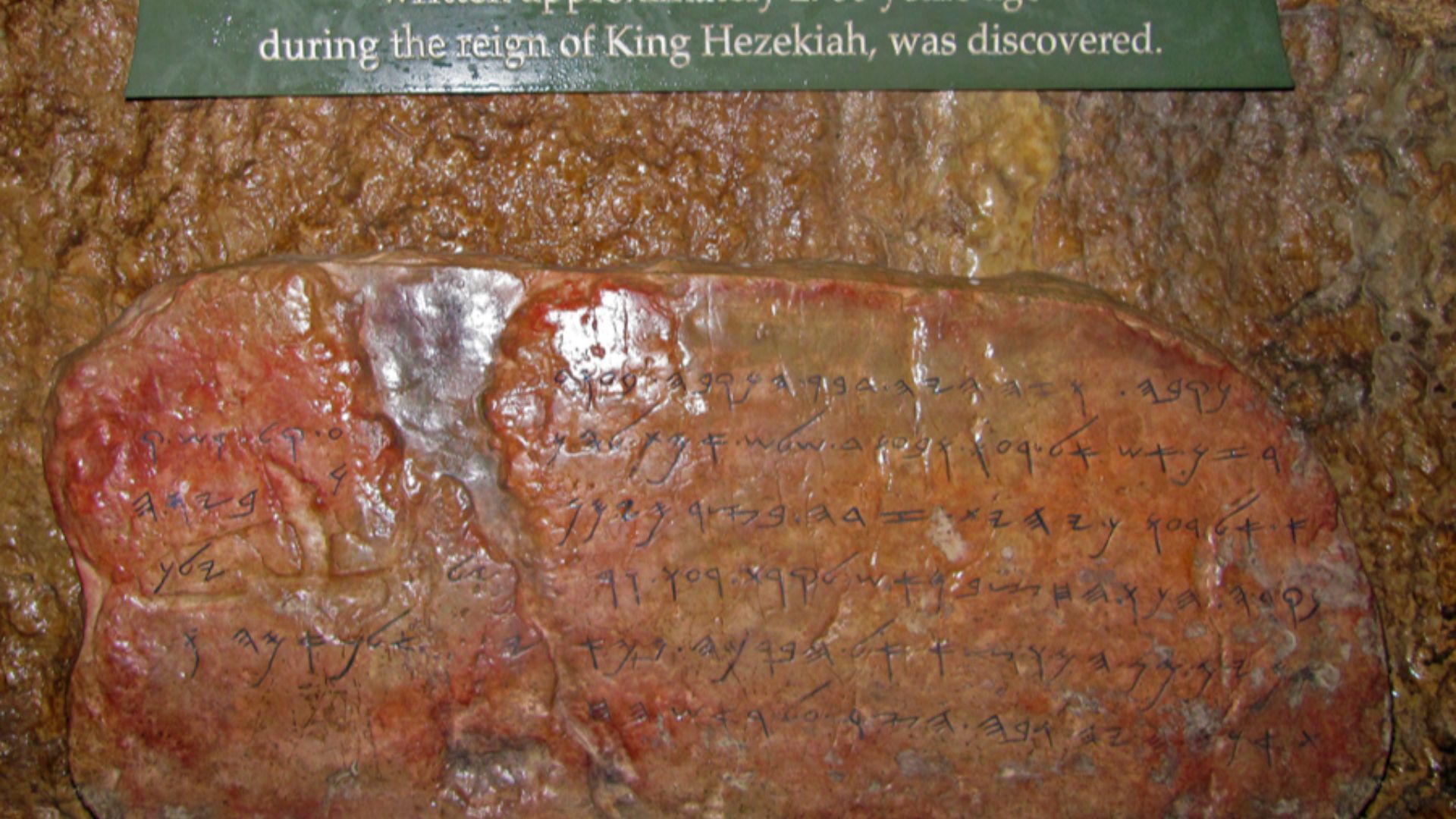
Inside, the Siloam Inscription, discovered in 1880, describes the dramatic moment when the two teams heard each other's pickaxes through the rock. This was King Hezekiah's desperate gambit to survive an Assyrian siege by secretly channeling water from the Gihon Spring into the city.
 Tamar Hayardeni, Wikimedia Commons
Caiaphas
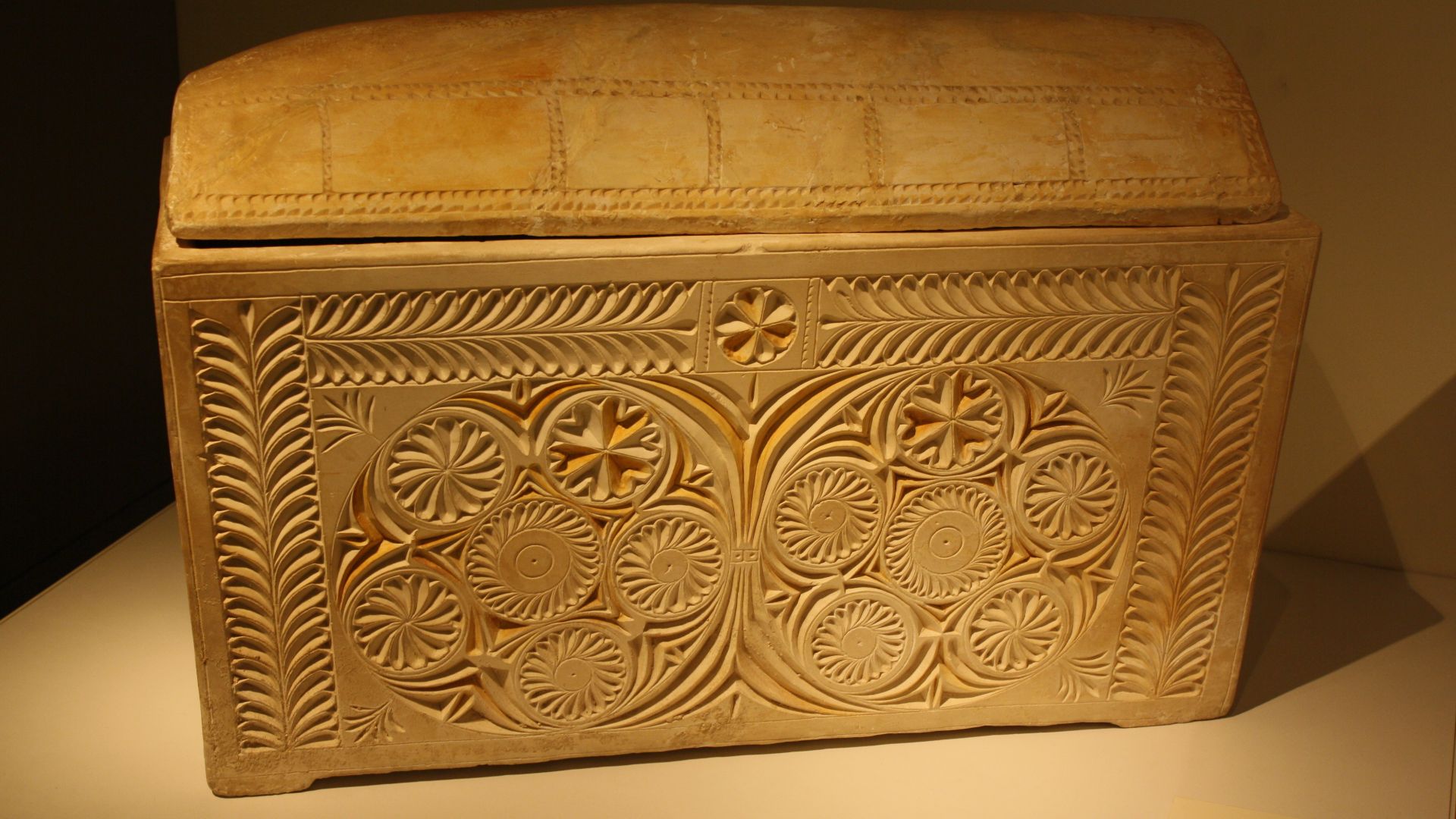
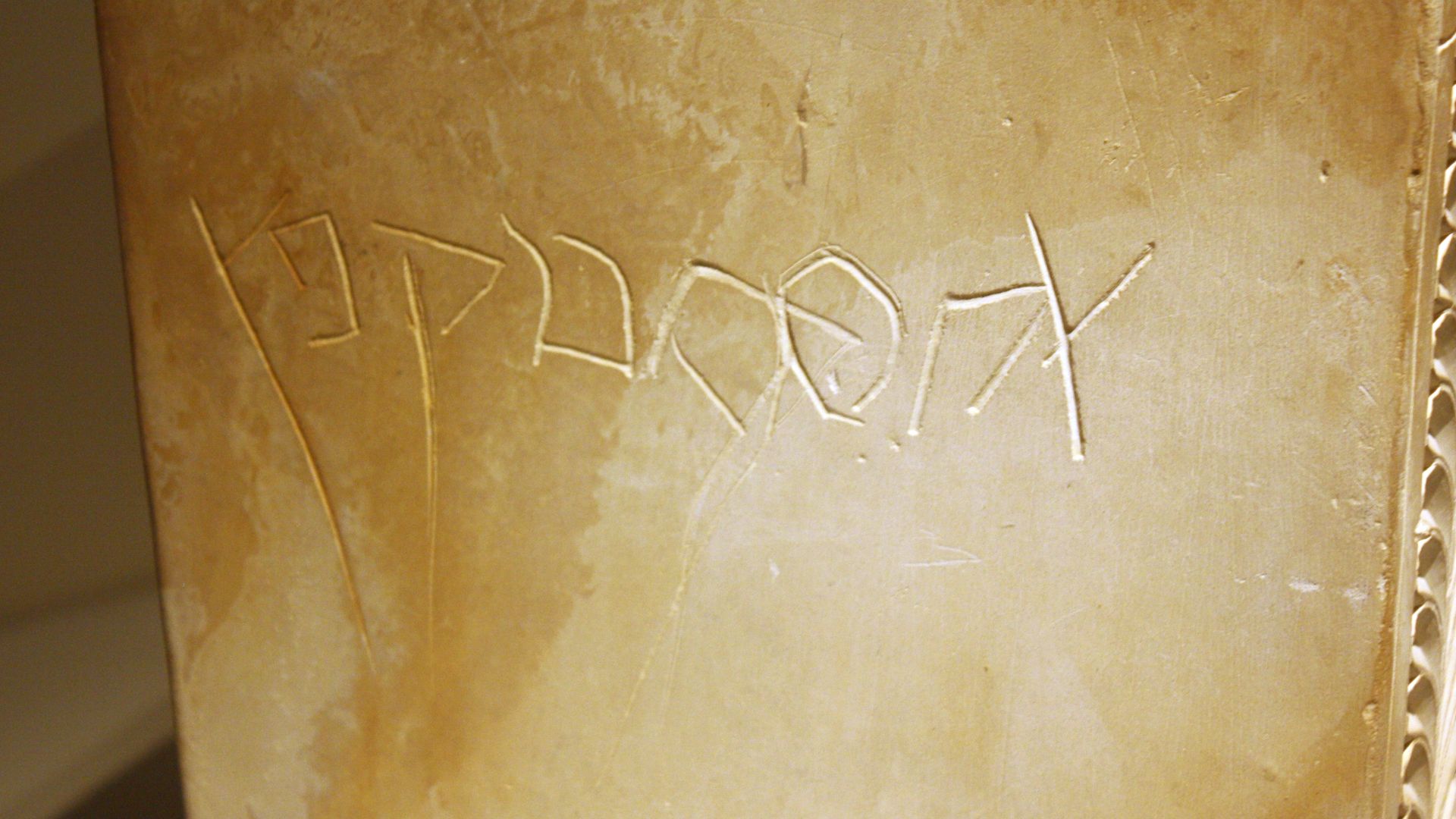
Inside twelve stone chambers, archaeologists found limestone bone boxes used by wealthy Jews in the first century. One stood out immediately: beautifully decorated with intricate rosettes and inscribed twice with "Yehosef bar Qayafa". Inside were the bones of six people, including a 60-year-old man.
Caiaphas (Cont.)
The historian Josephus recorded that "Joseph who was called Caiaphas" served as high priest from 18 to 36 CE, matching the Gospel timeline perfectly. The ossuary's elaborate craftsmanship reflects the wealth and status of a high-priestly family from the Sadducean aristocracy.

History's most fascinating stories and darkest secrets, delivered to your inbox daily.
Nebuchadnezzar II
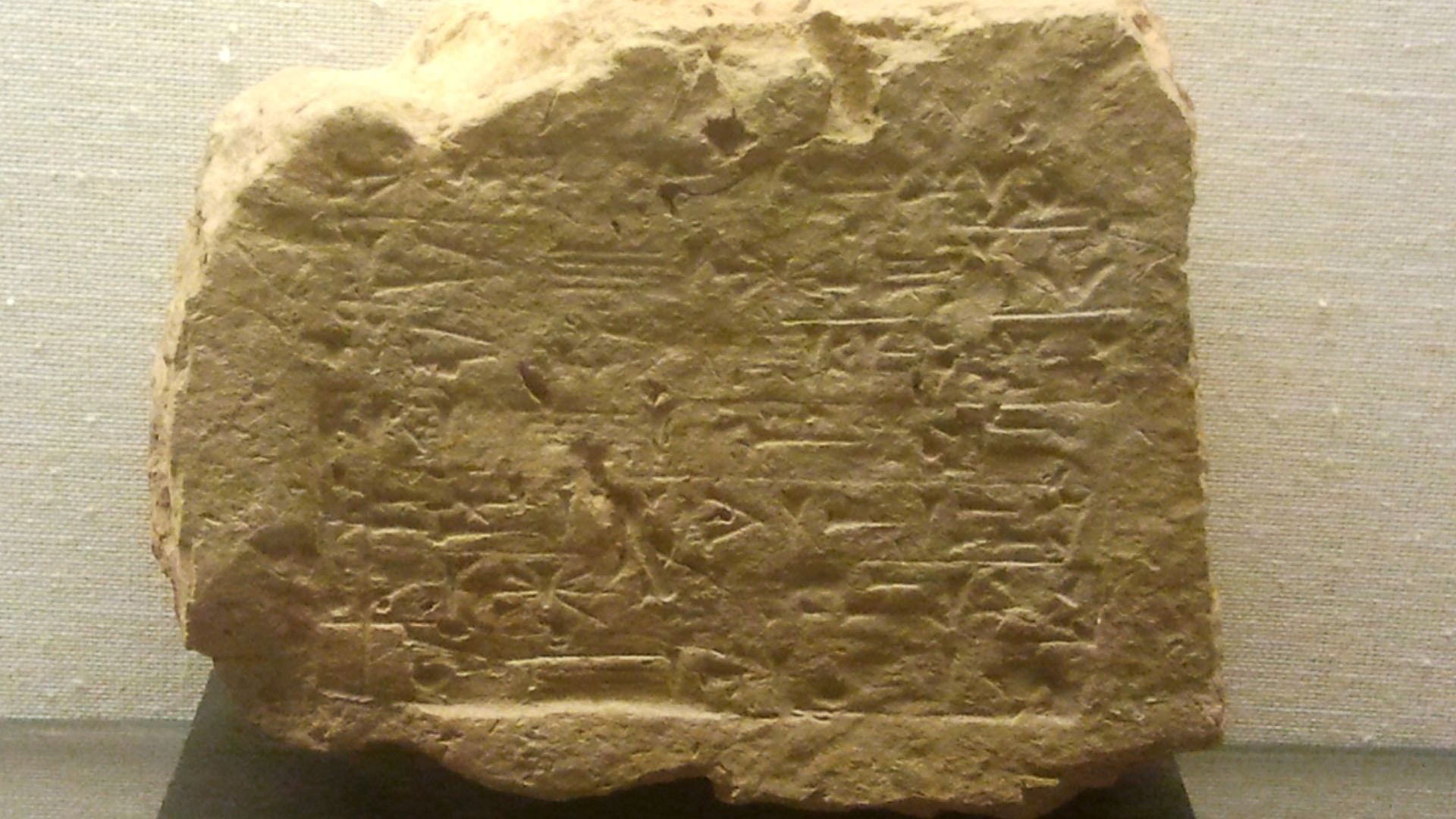
Walk through the ruins of ancient Babylon today, and you'll literally be stepping on Nebuchadnezzar's name. Millions of baked bricks are stamped with his inscription: “Nebuchadnezzar, king of Babylon, who cares for Esagila and Ezida, eldest son of Nabopolassar, king of Babylon”.
Nebuchadnezzar II (Cont.)
When German archaeologist Robert Koldewey excavated Babylon from 1899 to 1917, he found these stamped bricks everywhere. In palace walls, in the famous Ishtar Gate, in temple foundations. The Babylonian Chronicles, clay tablets recording year-by-year events, document Nebuchadnezzar's military campaigns with startling precision.
 Gertrude Bell, Wikimedia Commons
Cyrus The Great
Picture a clay cylinder, barely ten inches long, buried in the foundations of ancient Babylon for 2,400 years until archaeologist Hormuzd Rassam unearthed it in 1879. The Persian king Cyrus took over Babylon in 539 BCE and immediately began a policy of repatriating displaced peoples and restoring their temples.
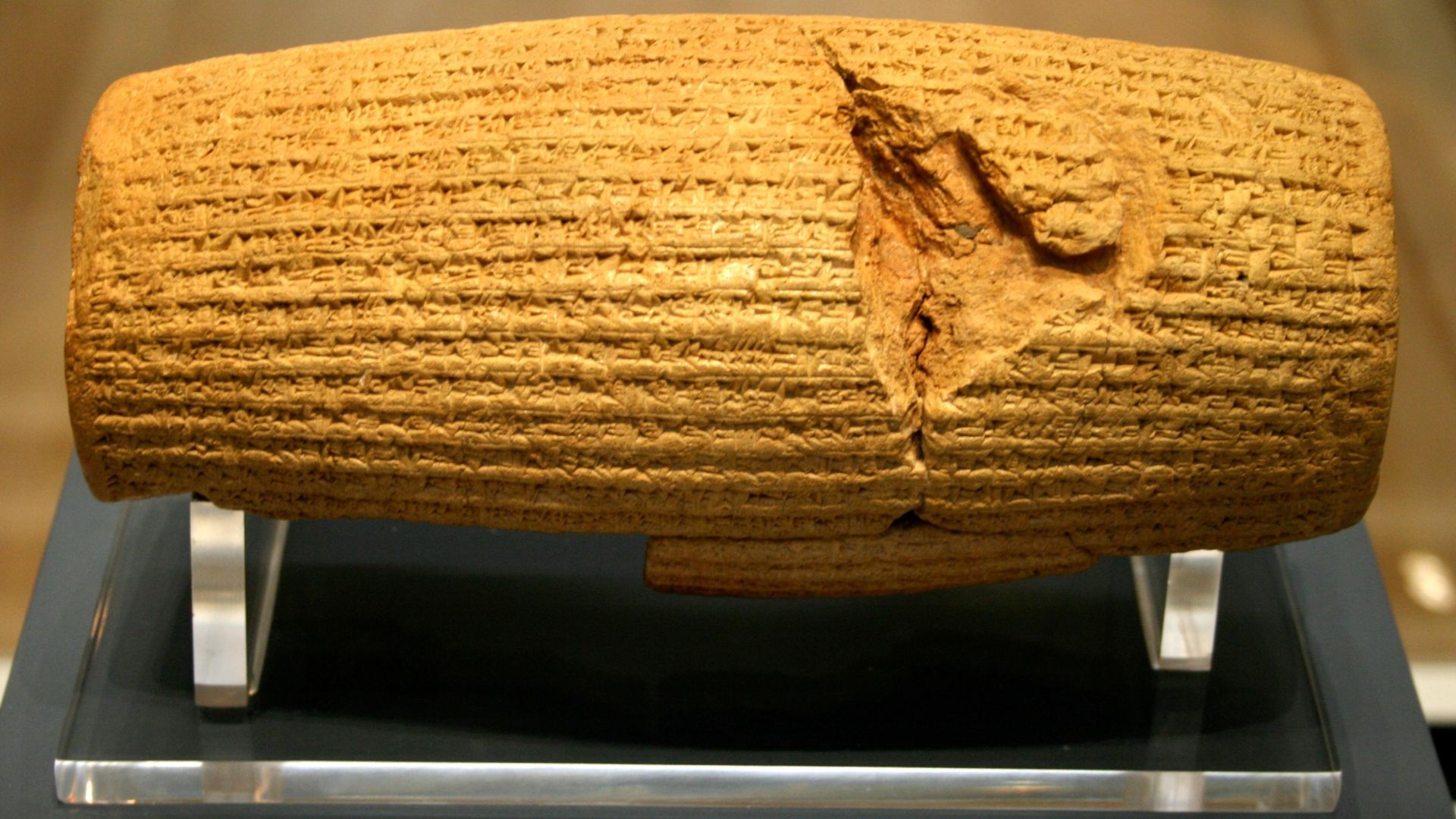 Photograph by Mike Peel (www.mikepeel.net). Modifications by Negative, Wikimedia Commons
Cyrus The Great (Cont.)
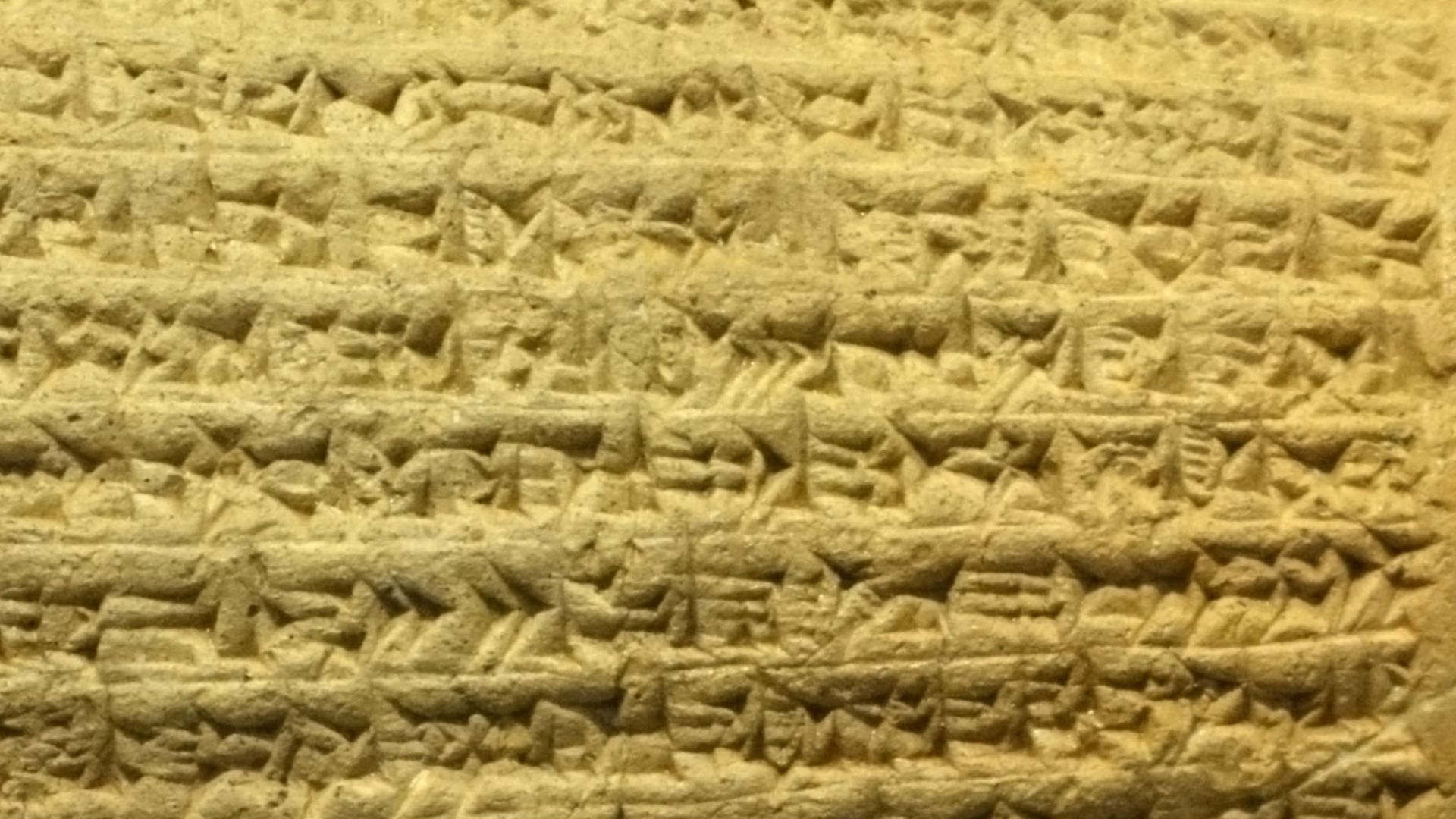
Well, the prophet Isaiah called him God's "anointed one" (Isaiah 45:1), the only non-Jewish king given this honor in Scripture. Greek historians Herodotus and Xenophon portrayed him as an ideal ruler. The Cylinder explains why: instead of destroying conquered peoples' cultures, Cyrus strategically supported them.
King Ahaz
Not every biblical king gets remembered as a hero, and Ahaz of Judah definitely wasn't one. The Bible portrays him as a weak ruler who "did not do what was right in the sight of the Lord" (2 Kings 16:2), even sacrificing his own son and turning to Assyrian gods.
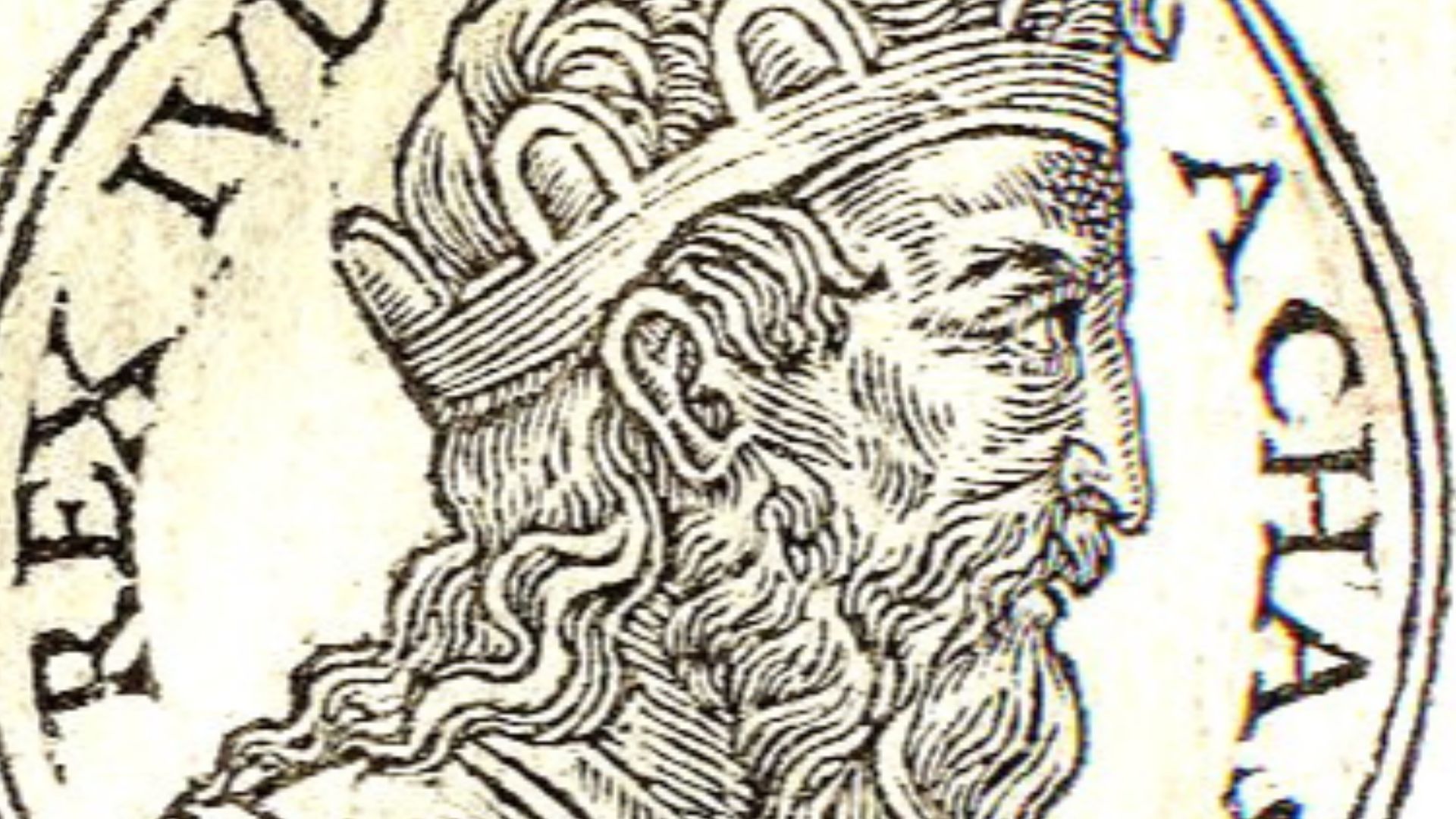 Published by Guillaume Rouille (1518?-1589), Wikimedia Commons
King Ahaz (Cont.)
For years, critics wondered if this unflattering portrait was just religious propaganda. Then archaeologists began finding his seal impressions in Jerusalem—small clay bullae stamped with royal seals that once secured official documents—bearing the name “Ahaz”. But the most damning evidence comes from Assyria itself.
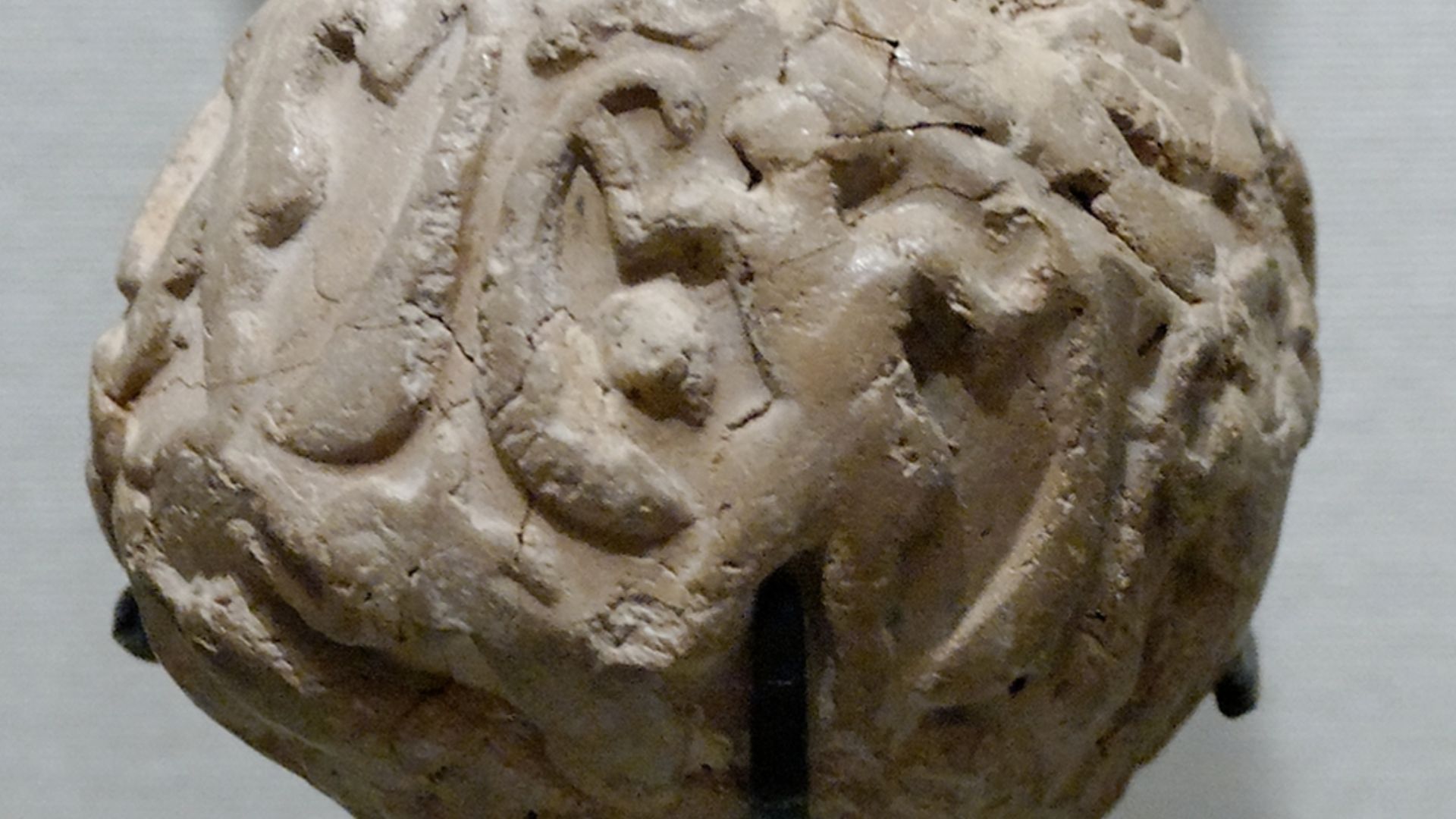 Marie-Lan Nguyen , Wikimedia Commons
King Omri
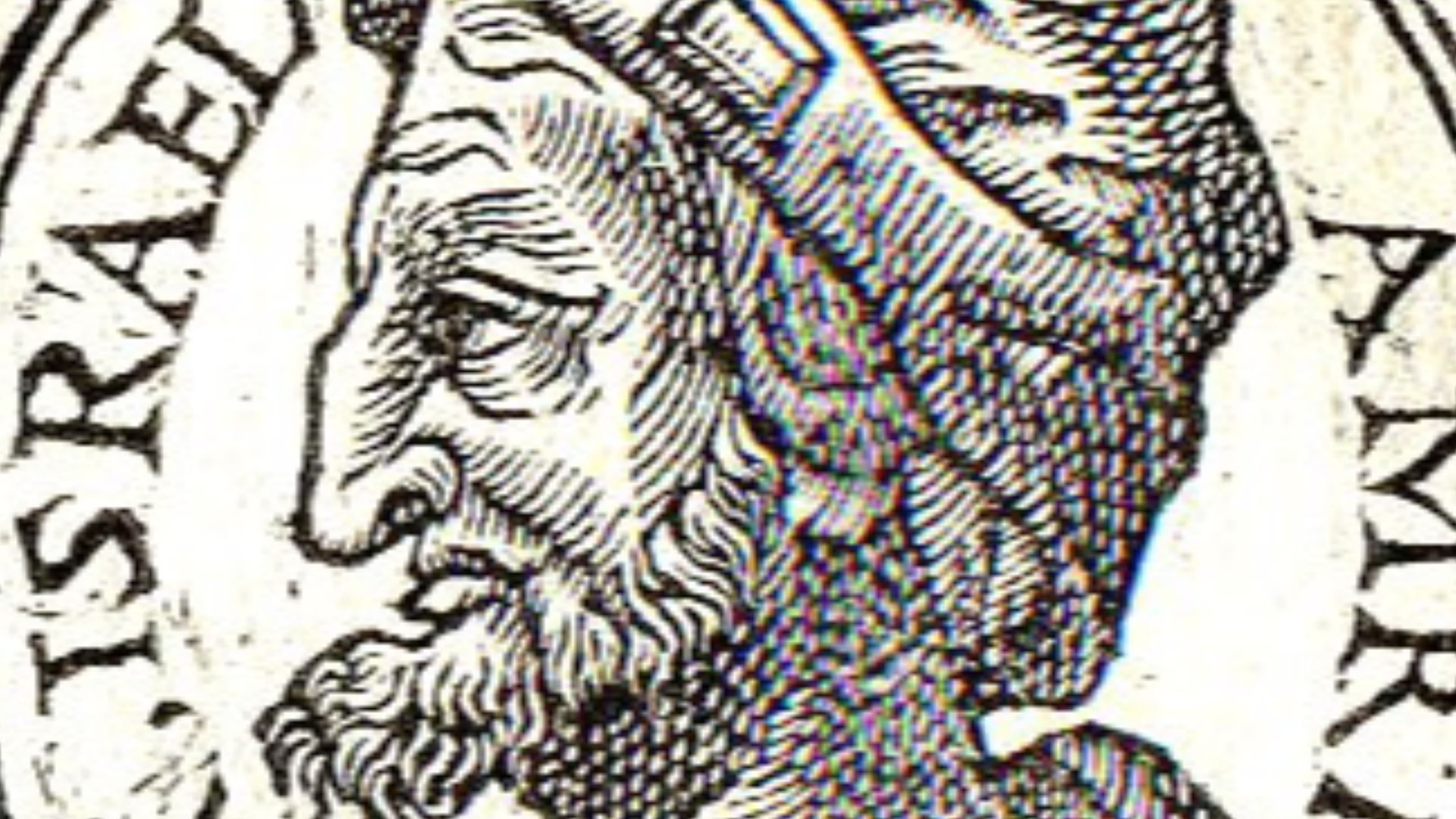
King Omri gets only eight verses in 1 Kings, dismissed with the curt summary that "he did evil in the eyes of the Lord”. Yet in the ancient Near East, Omri was such a powerhouse that decades after his death, Assyrian records still referred to Israel as "the House of Omri”.
 Guillaume Rouille, Wikimedia Commons
King Omri (Cont.)
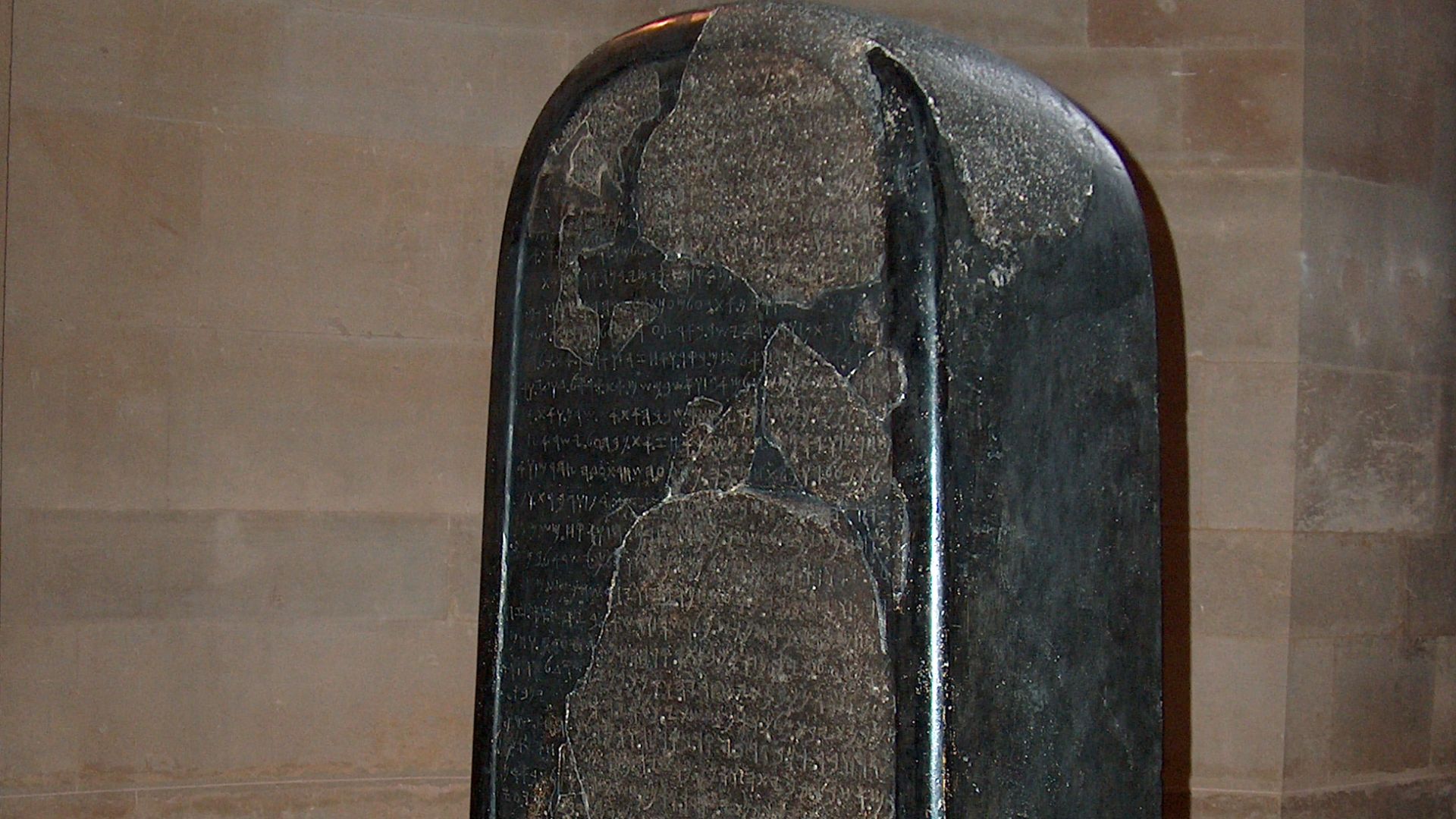
The Mesha Stele, erected by the Moabite King Mesha around 840 BCE, names "Omri, king of Israel" and describes how he "oppressed Moab for many days”. This disconnect between biblical brevity and archaeological prominence tells us that the Bible's editors cared more about spiritual evaluation.
Sennacherib
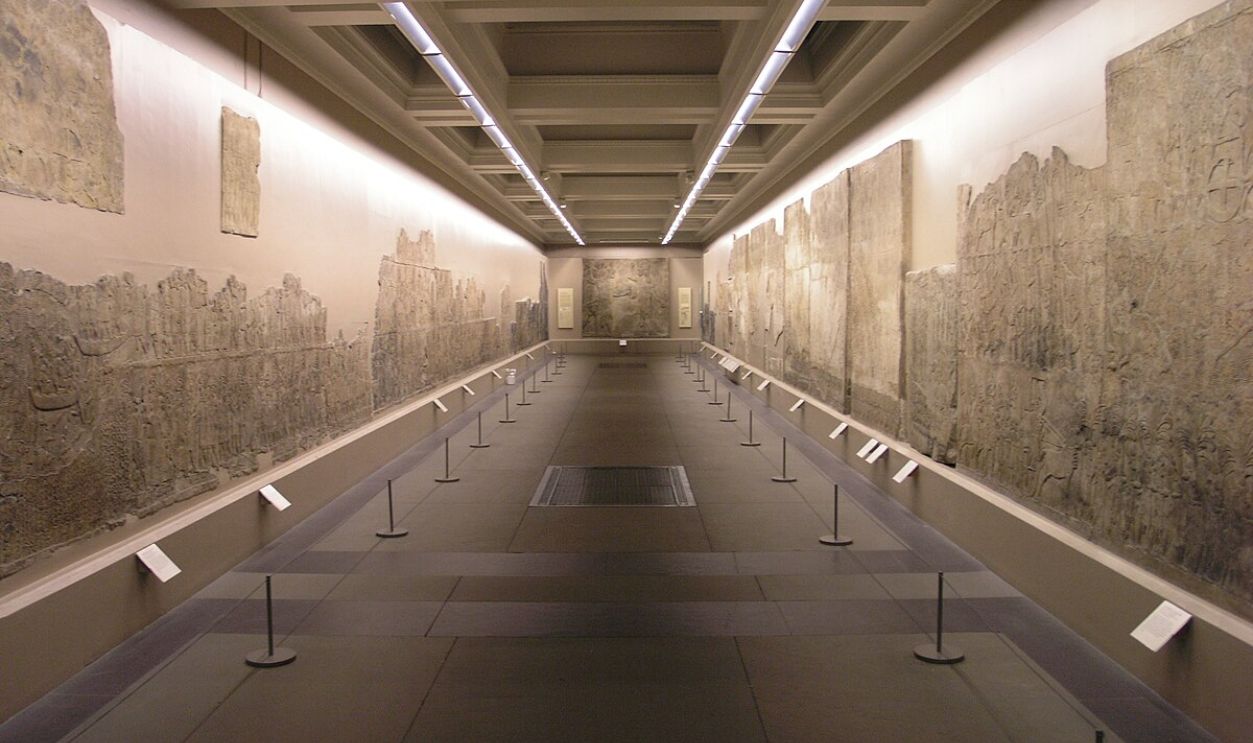
Sennacherib, king of Assyria, shows off in exquisite detail about his 701 BCE campaign through Judah: "As for Hezekiah the Judahite, who did not submit to my yoke, I besieged 46 of his strong cities...I took out 200,150 people...I made Hezekiah a prisoner in Jerusalem”.
 Mujtaba Chohan, Wikimedia Commons
Sennacherib (Cont.)
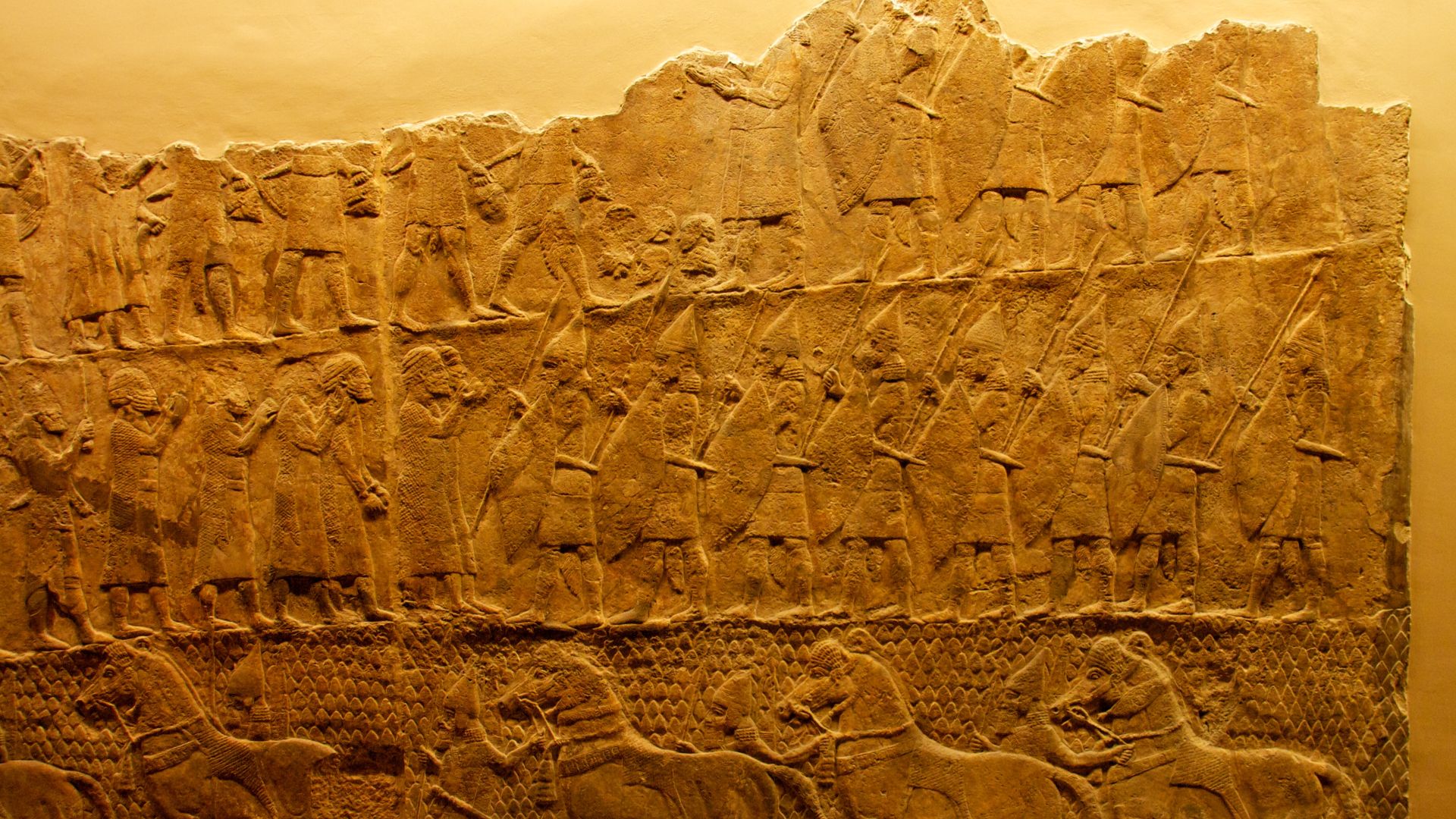
Every word drips with imperial arrogance. What's extraordinary is how this Assyrian propaganda piece actually validates biblical accuracy while revealing what it doesn't say. Second Kings 18–19 confirms Sennacherib devastated Judah's fortified cities—archaeology at Lachish shows burn layers and Assyrian siege ramps exactly from this period.
 Photograph by Mike Peel (www.mikepeel.net)., Wikimedia Commons
King Jehu
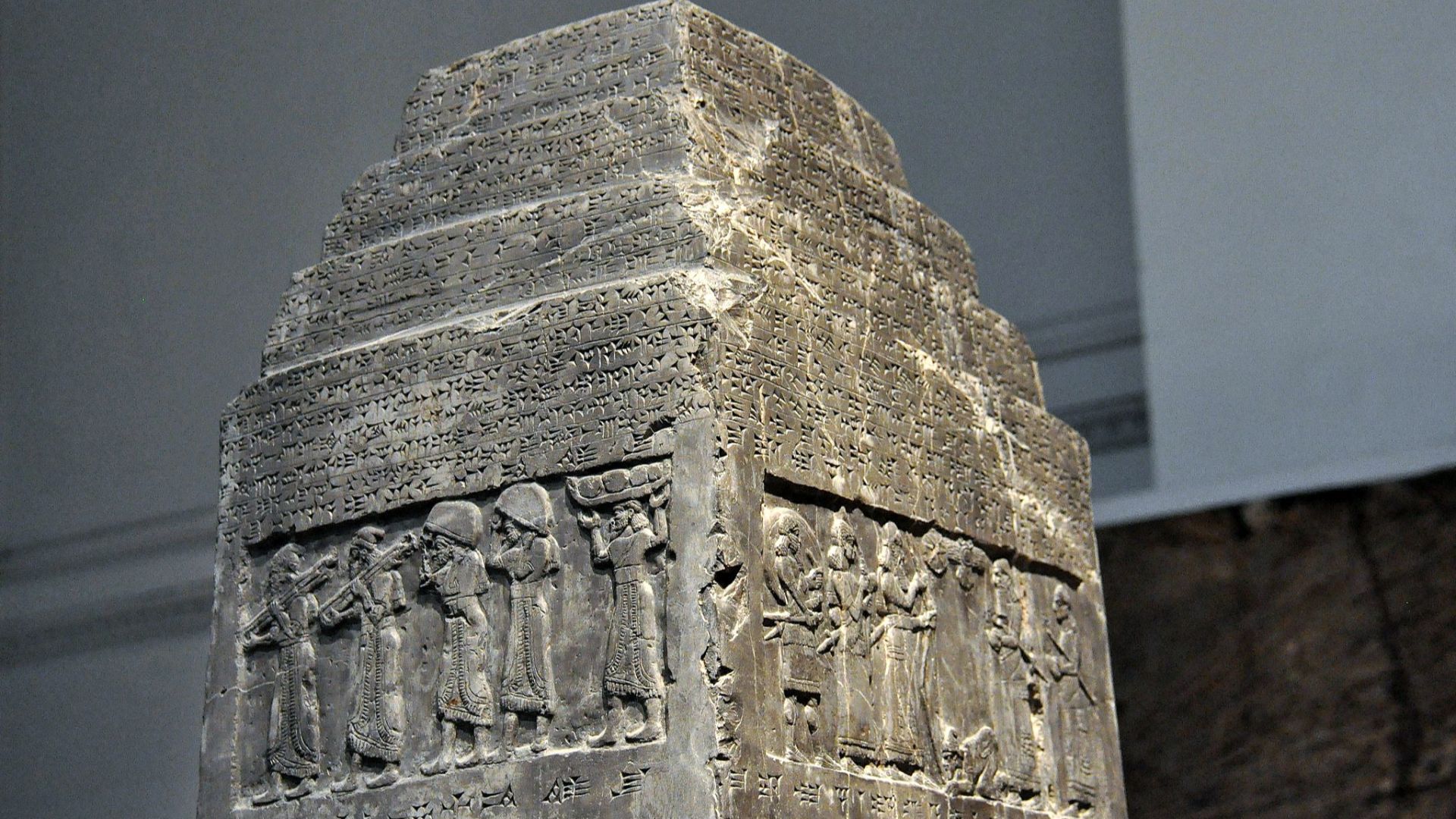
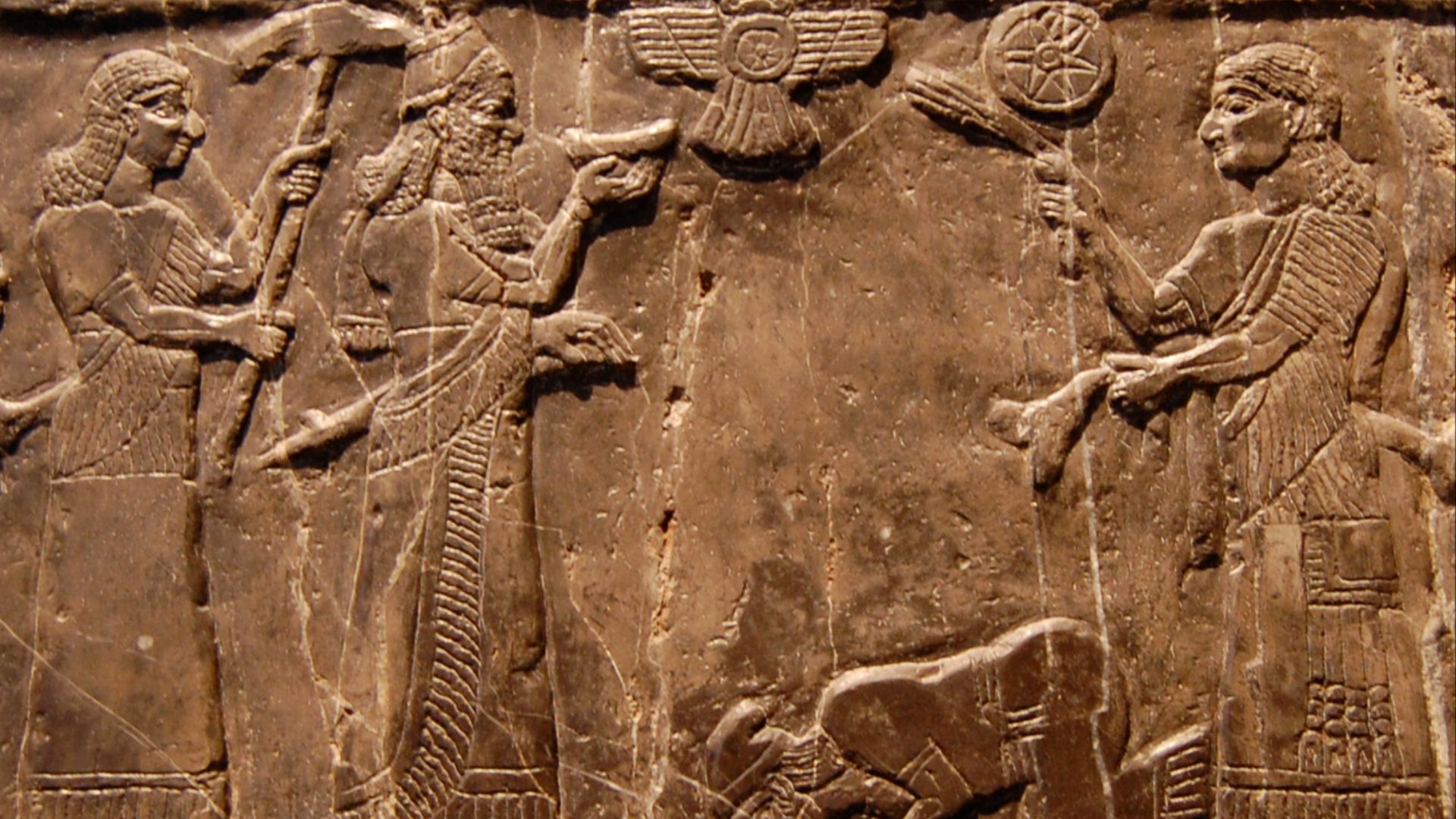
In 1846, British archaeologist Austen Henry Layard excavated the ancient Assyrian capital of Nimrud and discovered a massive black limestone obelisk covered in carved reliefs and inscriptions. Standing over two meters tall, the Black Obelisk of Shalmaneser III depicts five kings bringing tribute to the Assyrian emperor.
 Osama Shukir Muhammed Amin FRCP(Glasg), Wikimedia Commons
King Jehu (Cont.)
The carved relief shows a bearded figure prostrating himself before Shalmaneser, followed by Israelite servants carrying silver, gold, and other tribute. Dating to around 841 BCE, this matches the biblical timeframe when Jehu, after his coup described in 2 Kings 9–10, would have needed Assyrian protection.
Shishak (Sheshonq I)
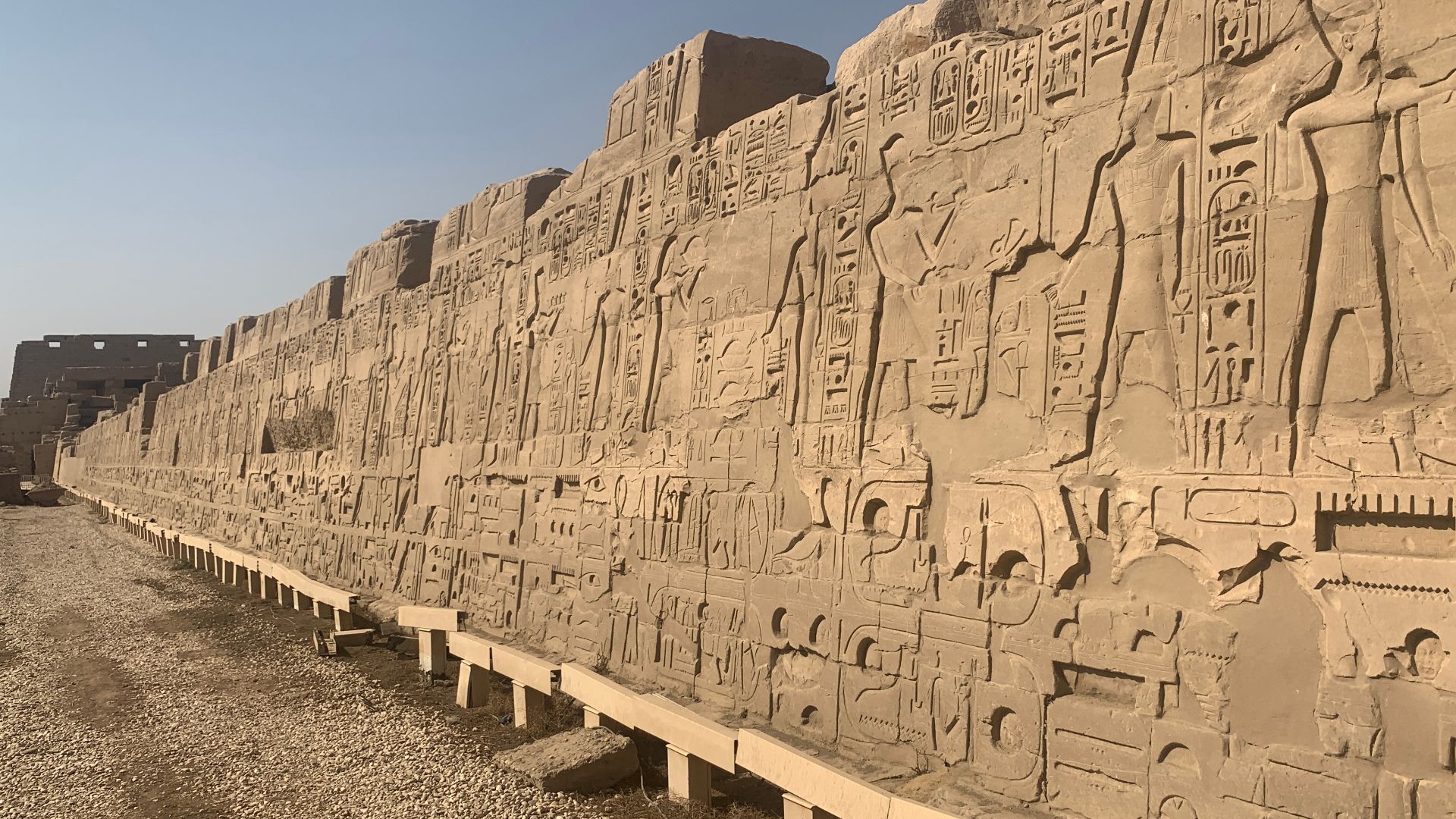
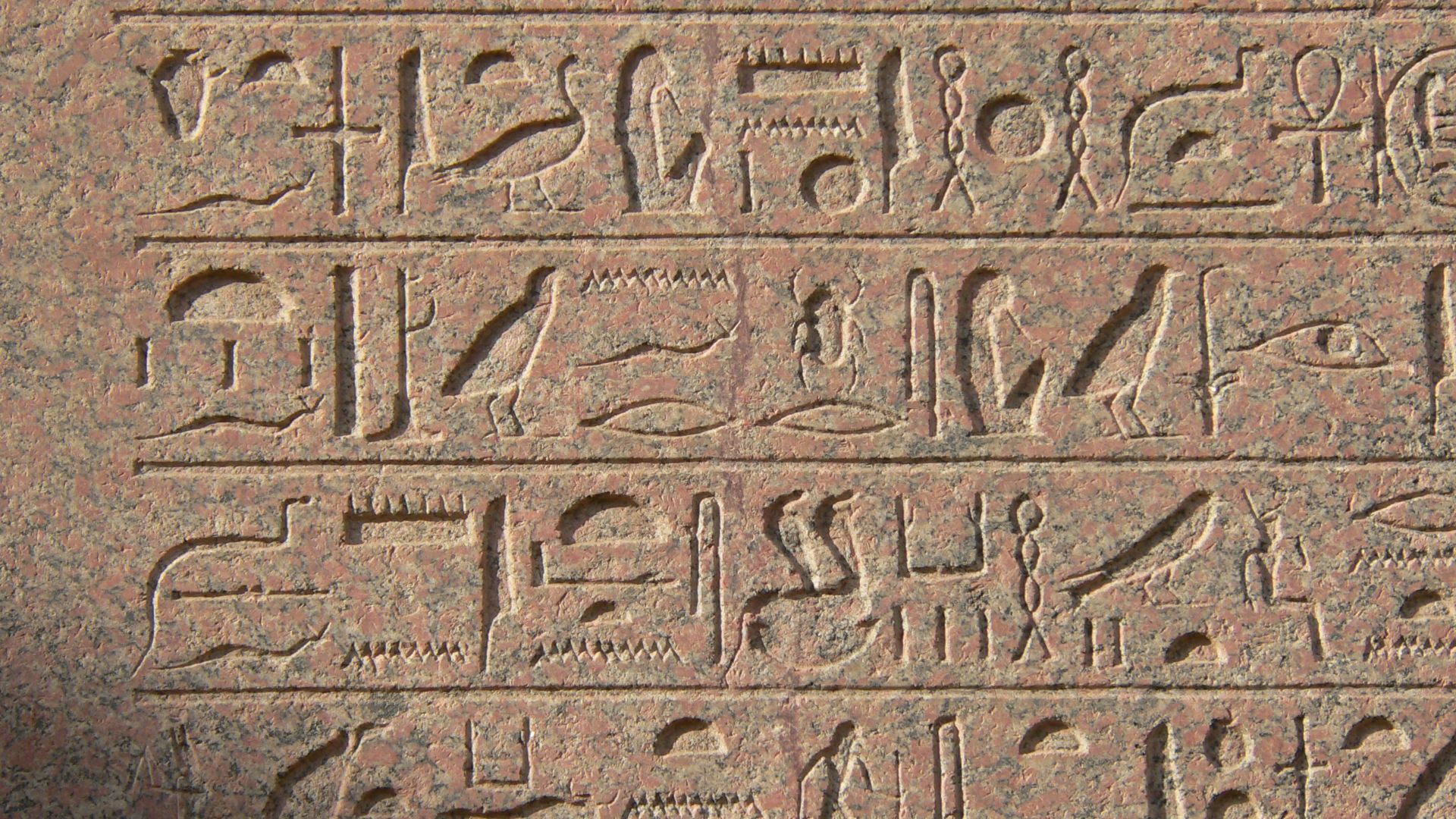
Stand in the massive Karnak Temple complex in Luxor, Egypt, and crane your neck upward at the southern exterior wall of the Temple of Amun. There, carved in hieroglyphics around 924 BCE, is Pharaoh Sheshonq I's triumphant record of his military campaign through Palestine.
Shishak (Sheshonq I) (Cont.)
Biblical scholars instantly recognized the name: Shishak, the Egyptian king who attacked Jerusalem during the reign of Solomon's son Rehoboam, as described in 1 Kings 14:25–26. The inscription doesn't just confirm the pharaoh's existence; it provides a detailed military itinerary.
 Guillaume Lelarge, Wikimedia Commons
King Jehoiachin
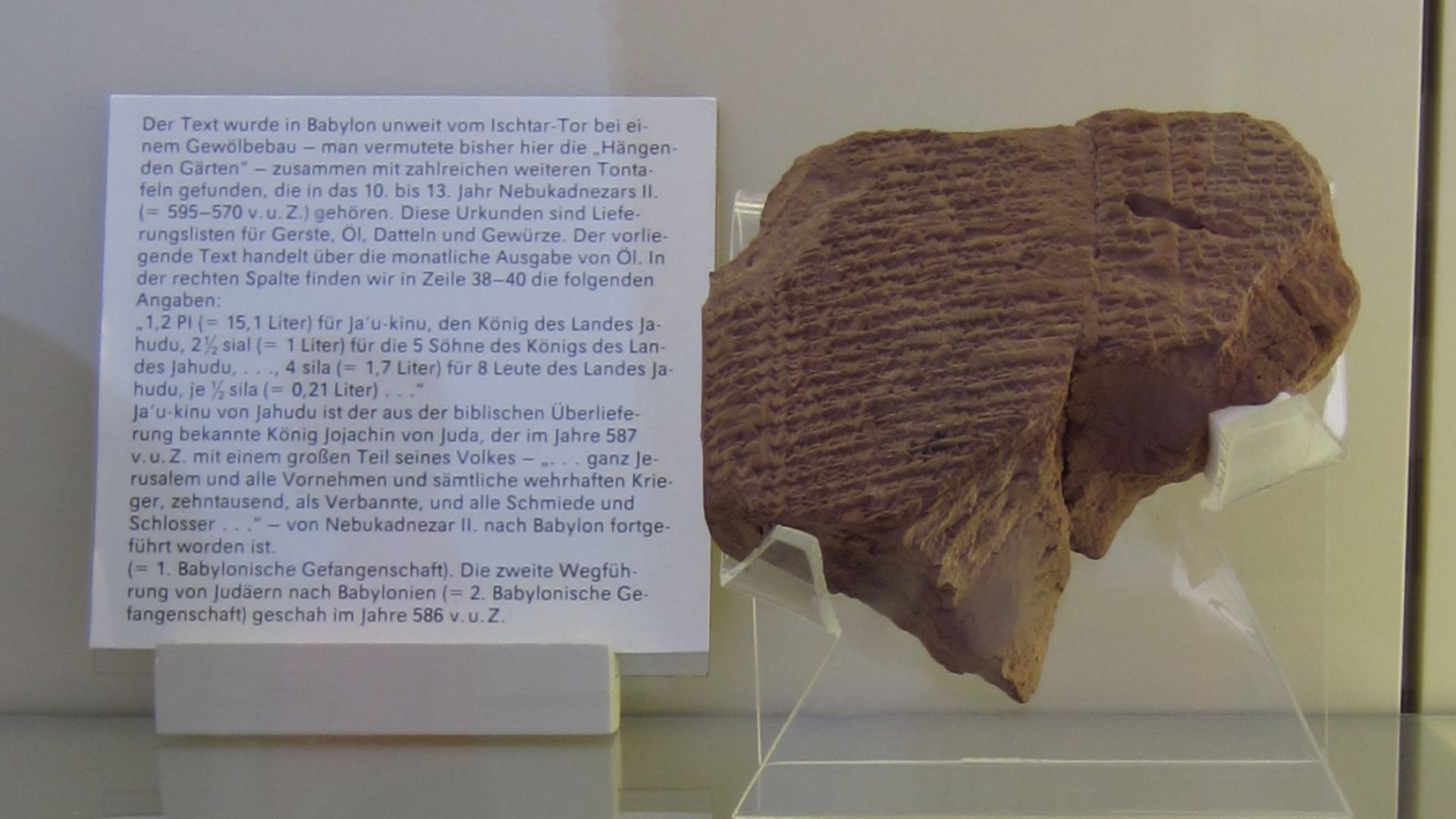
In the 1930s, German archaeologists excavating Nebuchadnezzar's palace in Babylon found hundreds of cuneiform tablets meticulously recording ration distributions to royal captives and craftsmen. Among them, four tablets explicitly name "Yaukin, king of Judah" and detail the oil and grain allocations given to him.
King Jehoiachin (Cont.)
The tablets date between 595 and 570 BCE, confirming Jehoiachin received regular provisions throughout his captivity, just as Scripture describes. Second Kings 25:27–30 records that after 37 years of imprisonment, the new Babylonian king “released Jehoiachin king of Judah from prison”.
 Published by Guillaume Rouille(1518?-1589), Wikimedia Commons










