
Turns Out, It Was True
A tale from ages ago can feel like simple entertainment until real evidence backs a piece of it. Suddenly, the line between story and memory gets a lot thinner.
The Trojan War Had A Real Historical Basis
Bards once told you about feuding kingdoms fighting over pride, alliances, and a stolen queen. Guess what? They were right because excavations at Hisarlik uncovered fire damage and smashed fortifications from that same era, linking the legendary conflict directly to Late Bronze Age warfare.
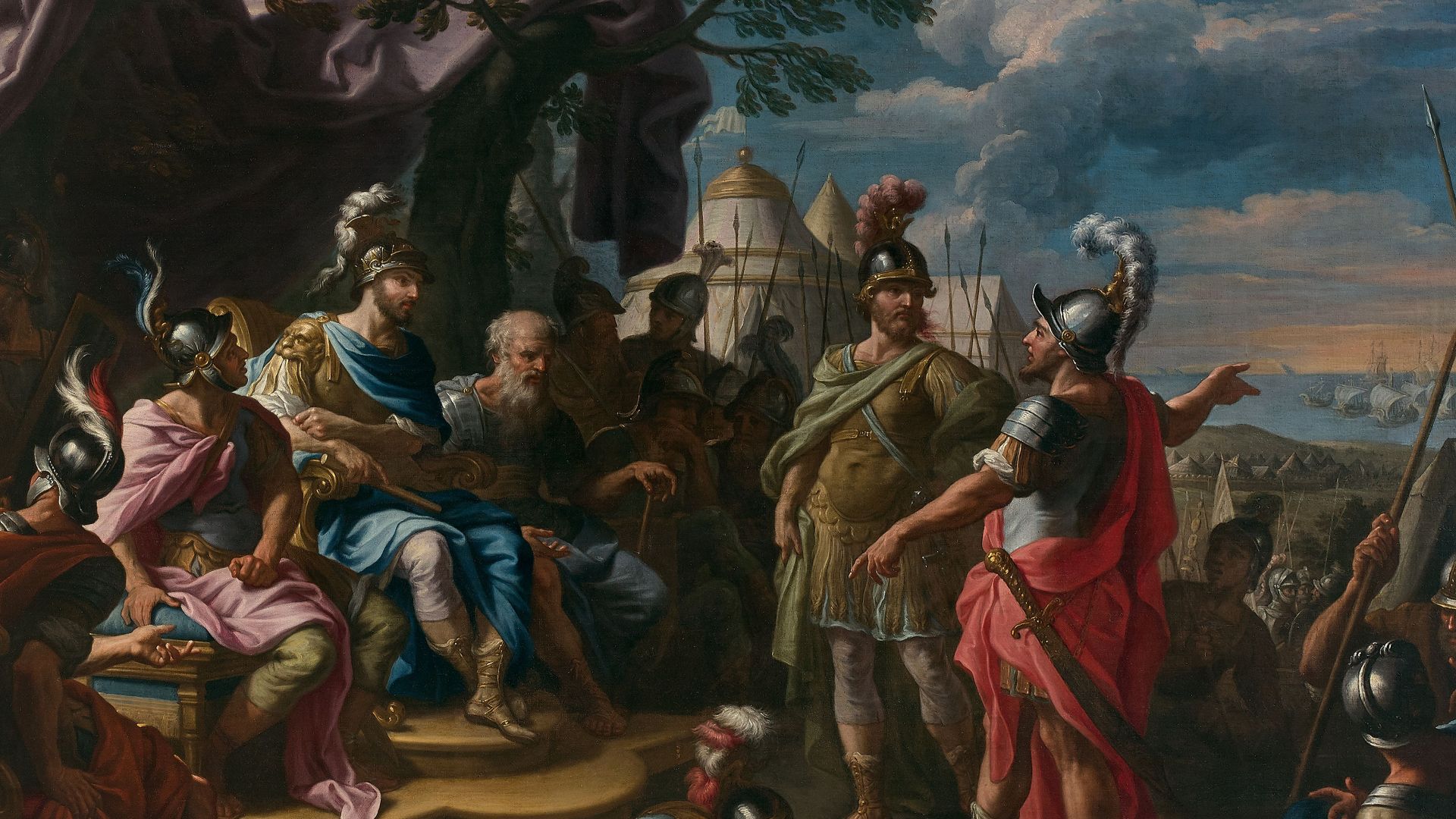 Agostino Masucci, Wikimedia Commons
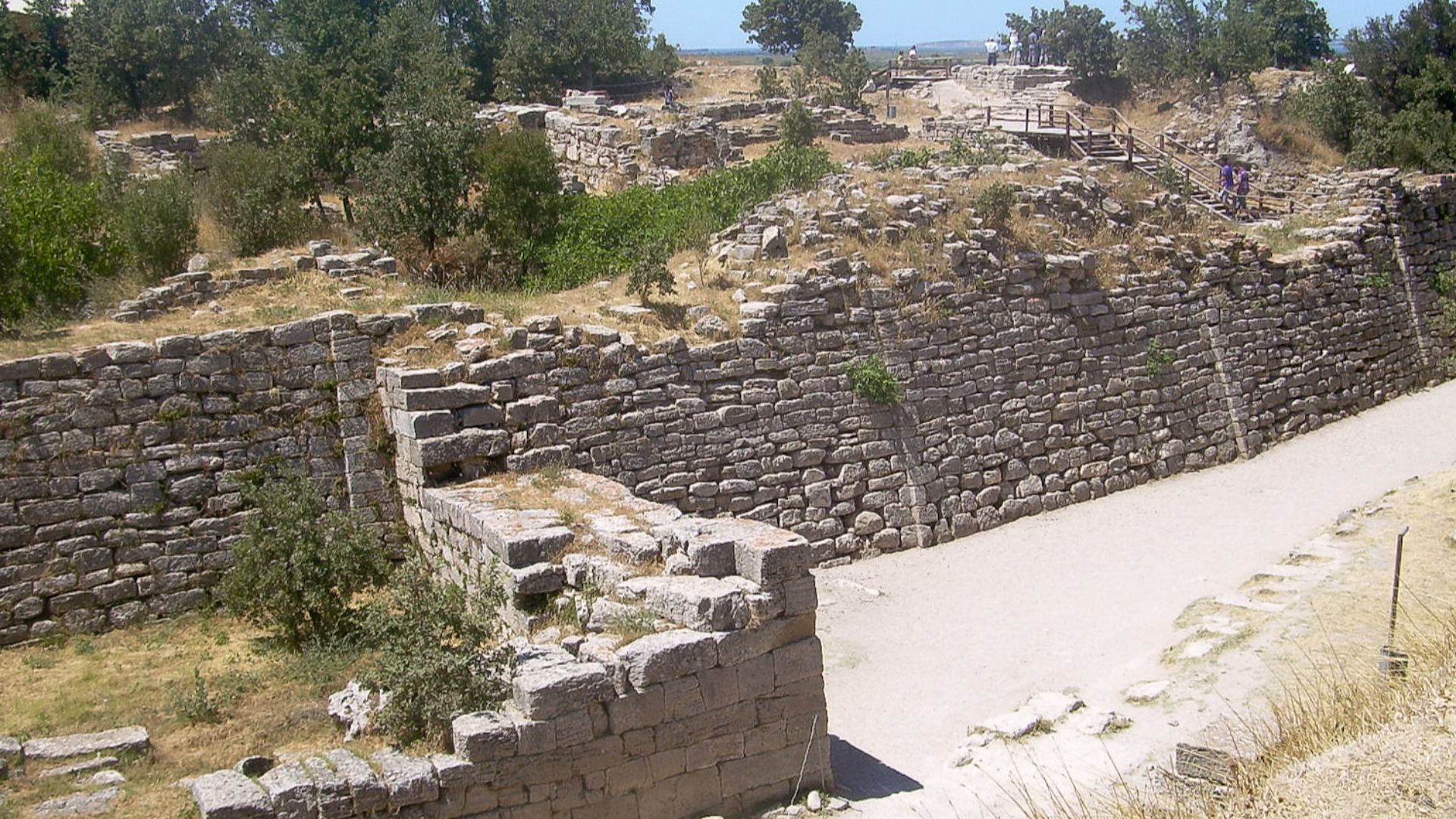
The City Of Troy Actually Existed
Everyone hears the name in school, yet the city sounded like pure drama for centuries. Dig teams at Hisarlik uncovered massive walls and administrative spaces that match ancient descriptions, and this confirmed that Troy operated as a real strategic center.
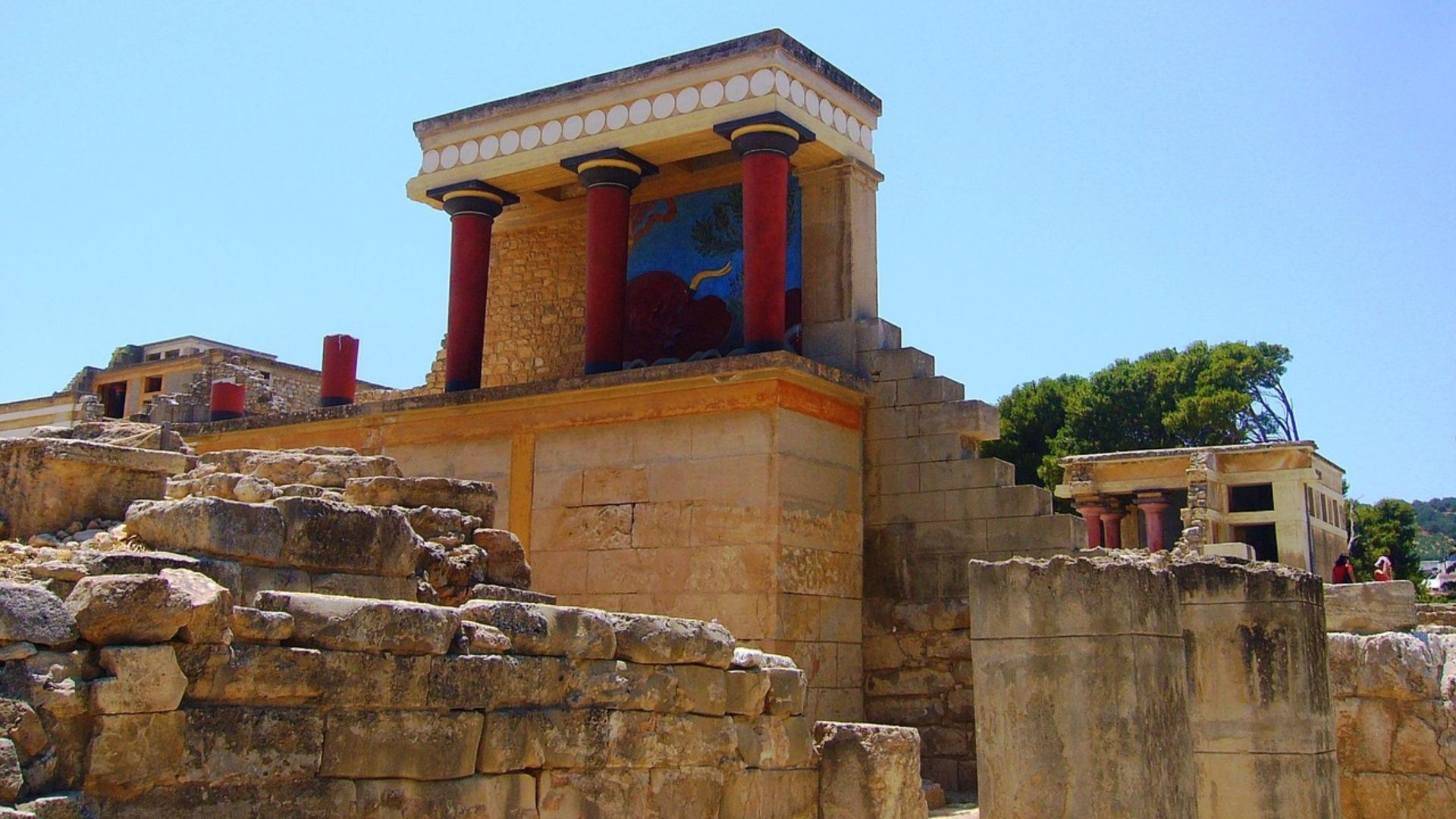
Knossos Palace May Be The Labyrinth Behind The Minotaur Myth
In the legend, King Minos kept the Minotaur inside a maze built to confound anyone who entered. Knossos fits that idea well, because its sprawling rooms, staircases, and connected chambers created a layout so intricate that early visitors described it as impossible to navigate.
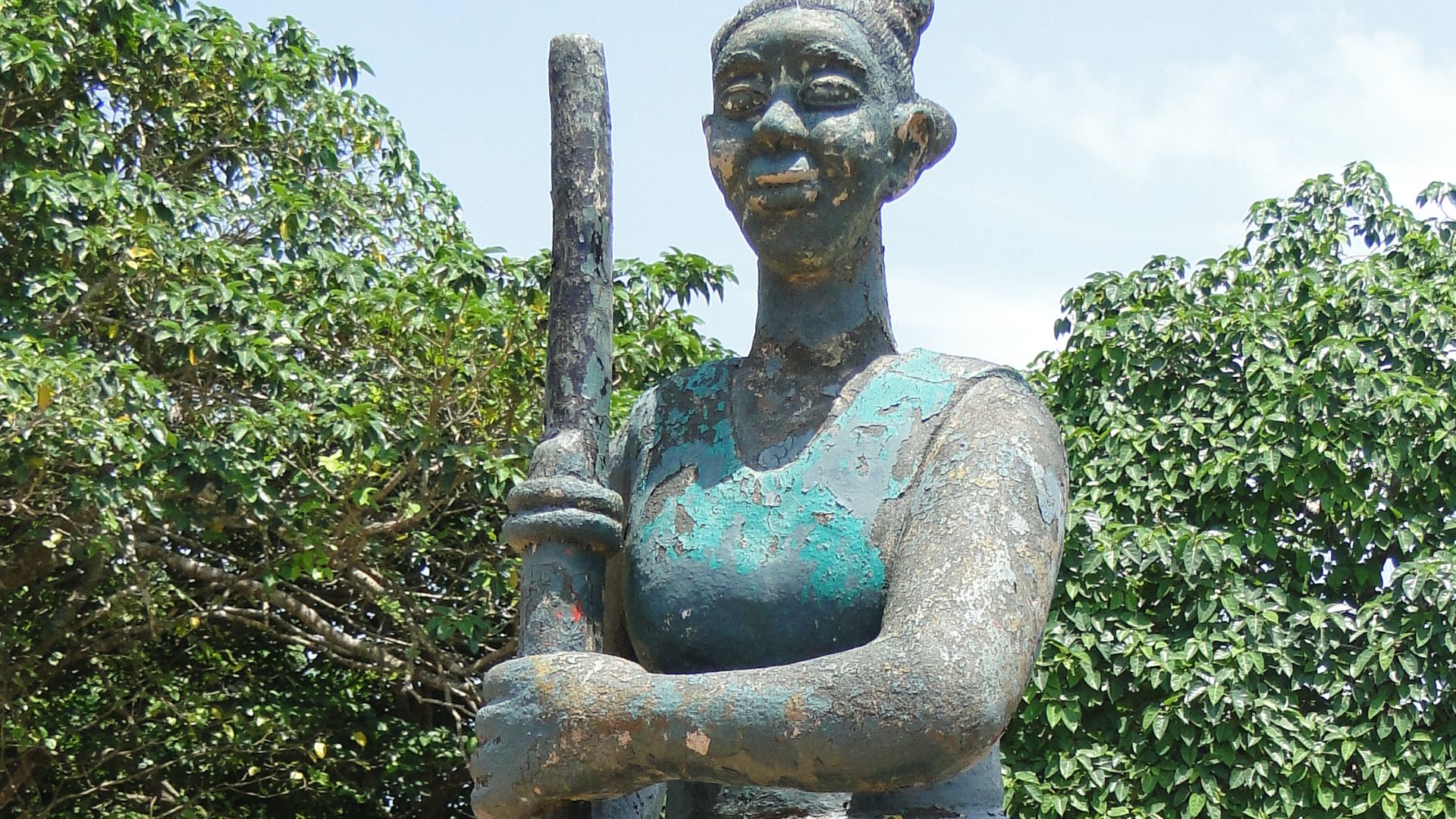
Amazon Warrior Women Were Real Scythian Horsewomen
Greek storytellers painted fierce women riding into battle, and the idea stuck because it sounded bold. The proof came later when Scythian burials were found containing bows, quivers, and riding equipment, placed with women, confirming that those fighters existed.
 Adam Jones, Ph.D., Wikimedia Commons
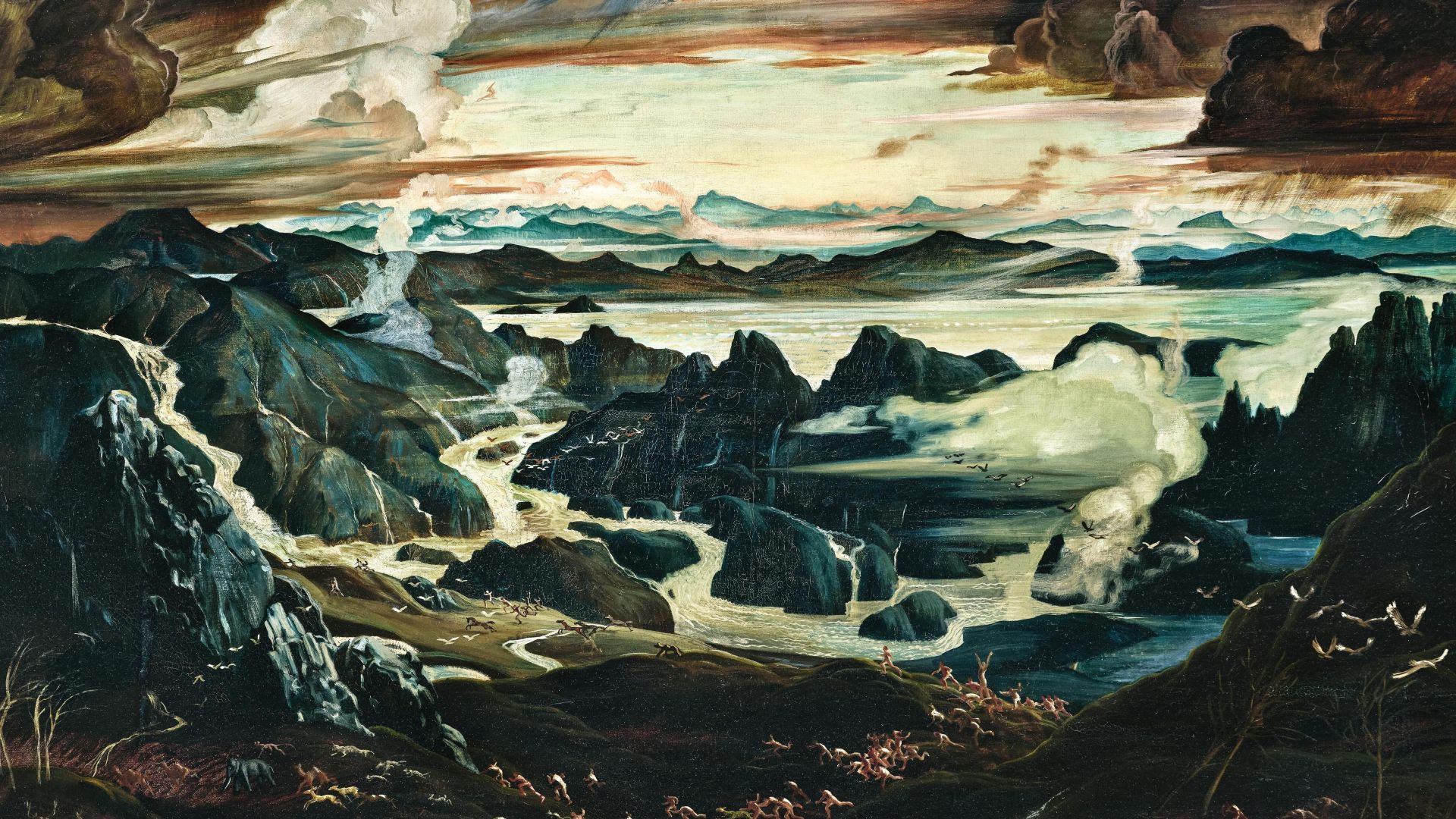
Great Flood Myths Reflect Ancient Megafloods
Communities everywhere kept stories of water rising too fast to outrun. Now, with the geological layers in river valleys and coastlines recording sudden surges, it matches those descriptions to show ancient people preserved memories of floods that reshaped their environment.
 Herbert von Reyl-Hanisch, Wikimedia Commons
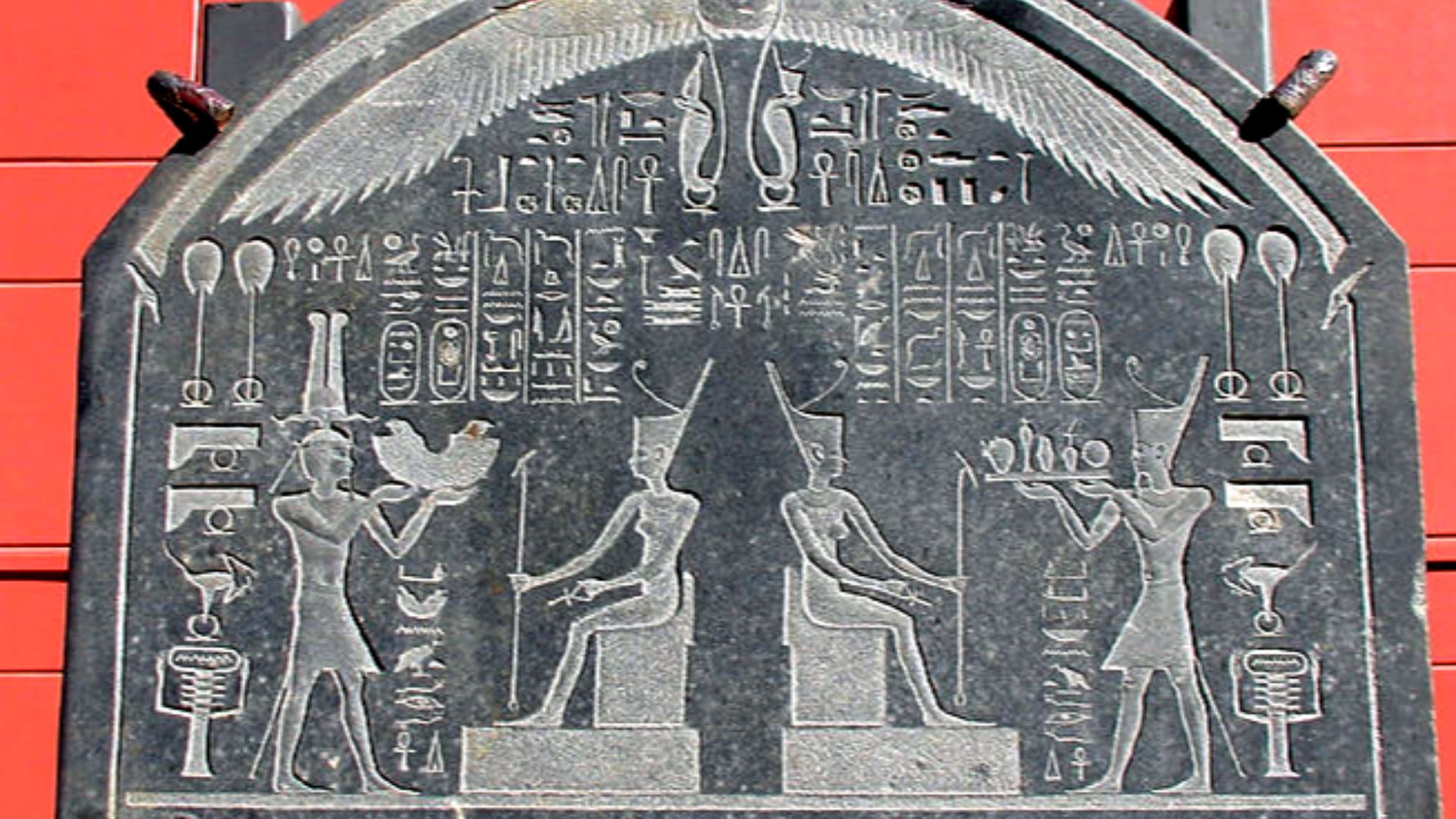
The Lost City Of Heracleion Was Real
Centuries ago, Egyptian priests mentioned a coastal city where pharaohs performed rituals before entering the Nile. Later, divers found its temples and statues underwater near Abu Qir Bay to confirm that Heracleion once served as a major religious and trading gateway.
 Jon Bodsworth, Wikimedia Commons
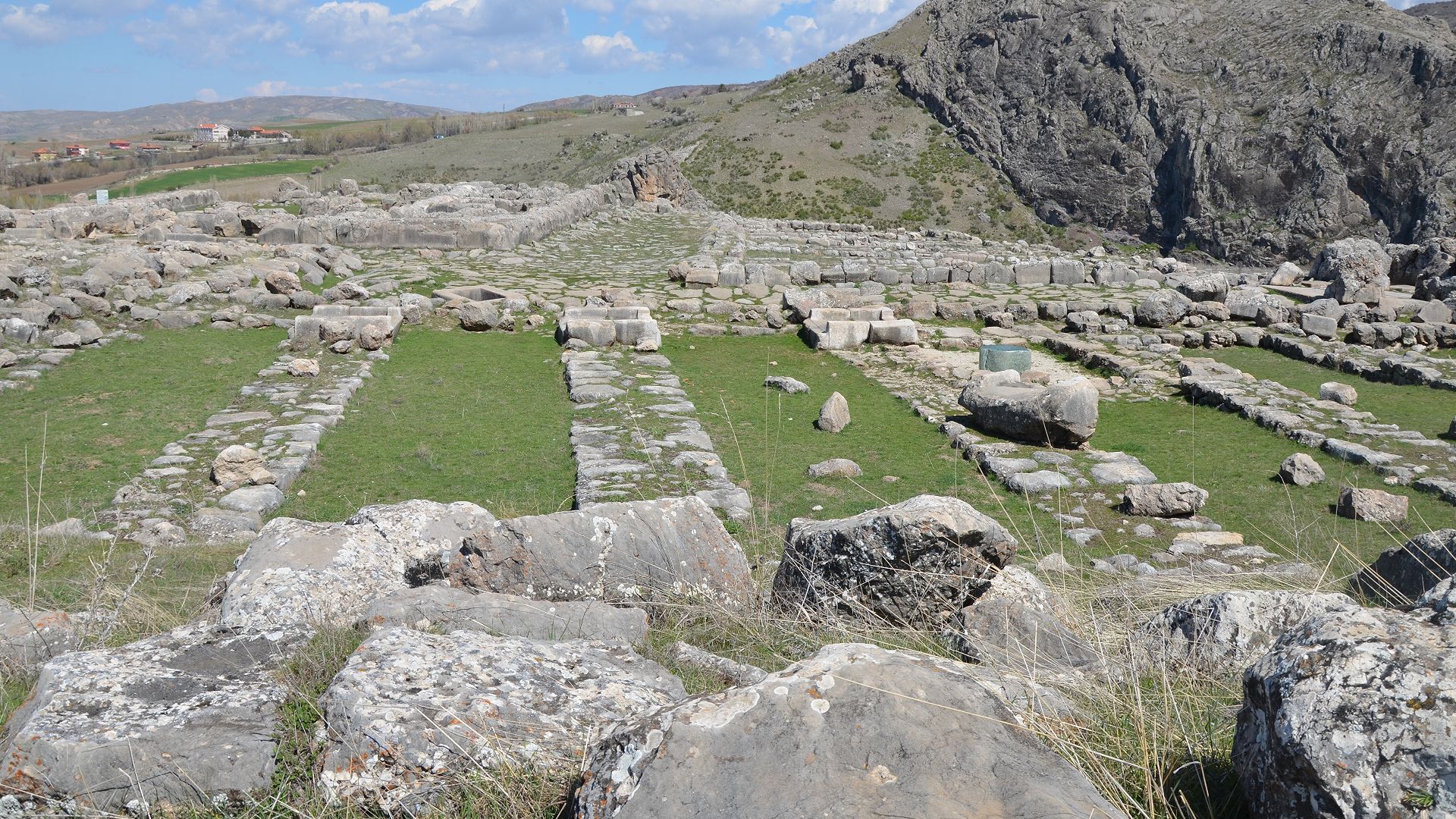
The Hittite Empire, Once Thought Mythical, Was Real
For ages, this kingdom existed only in passing references, which made it sound like ancient gossip. But when excavations at Hattusa uncovered archives, fortresses, and diplomatic records, it placed the Hittites among the major power players of their era.
 Carole Raddato from FRANKFURT, Germany, Wikimedia Commons
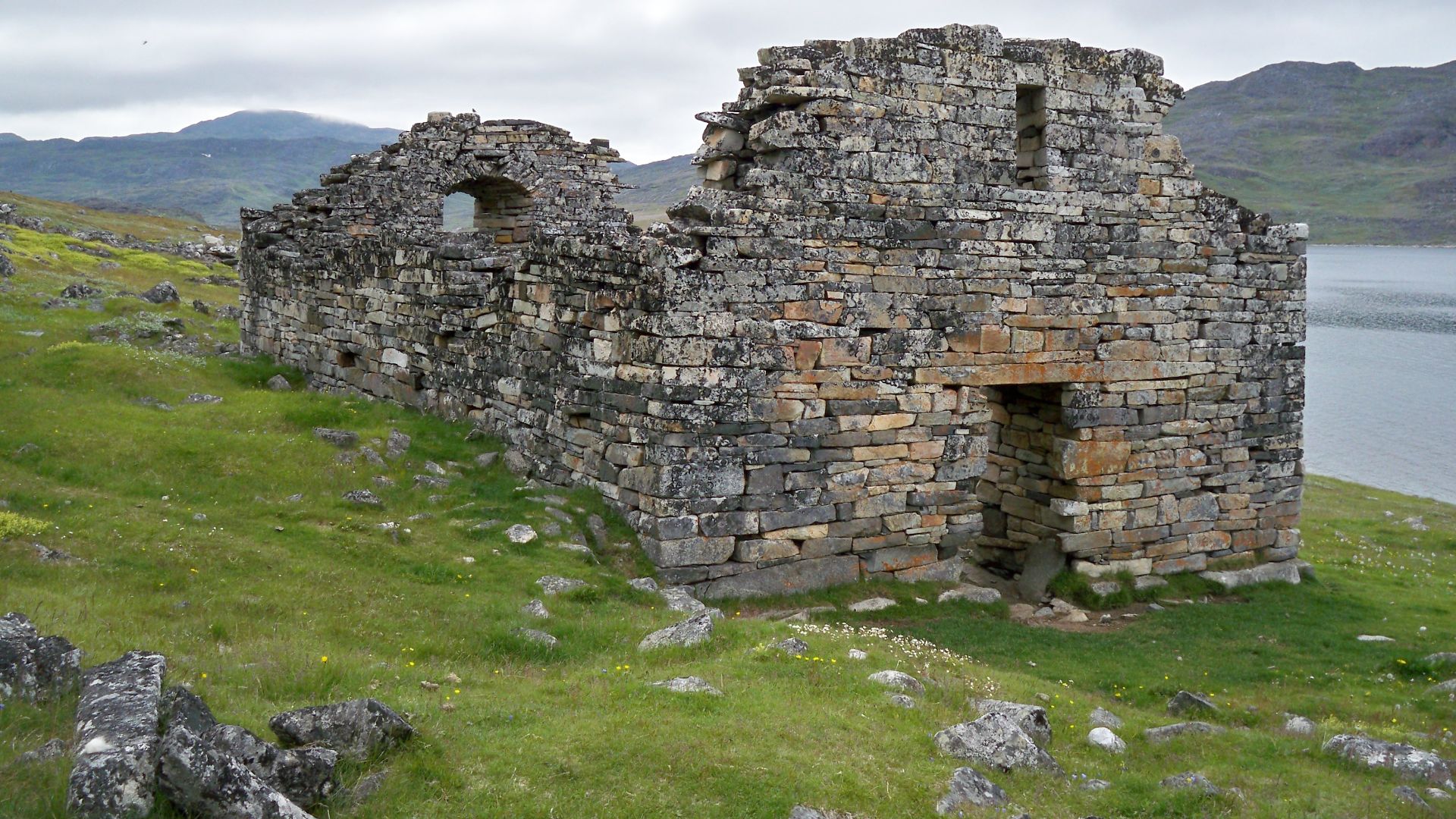
Viking Sagas About North America Were True
Sailors spoke of crossing west to an unfamiliar land rich in timber and resources, and the idea felt like campfire bragging. Archaeologists at L’Anse aux Meadows uncovered Norse-style workshops and structures, and from this, they confirmed that those voyages reached Newfoundland centuries ago.
 Number 57 at English Wikipedia, Wikimedia Commons
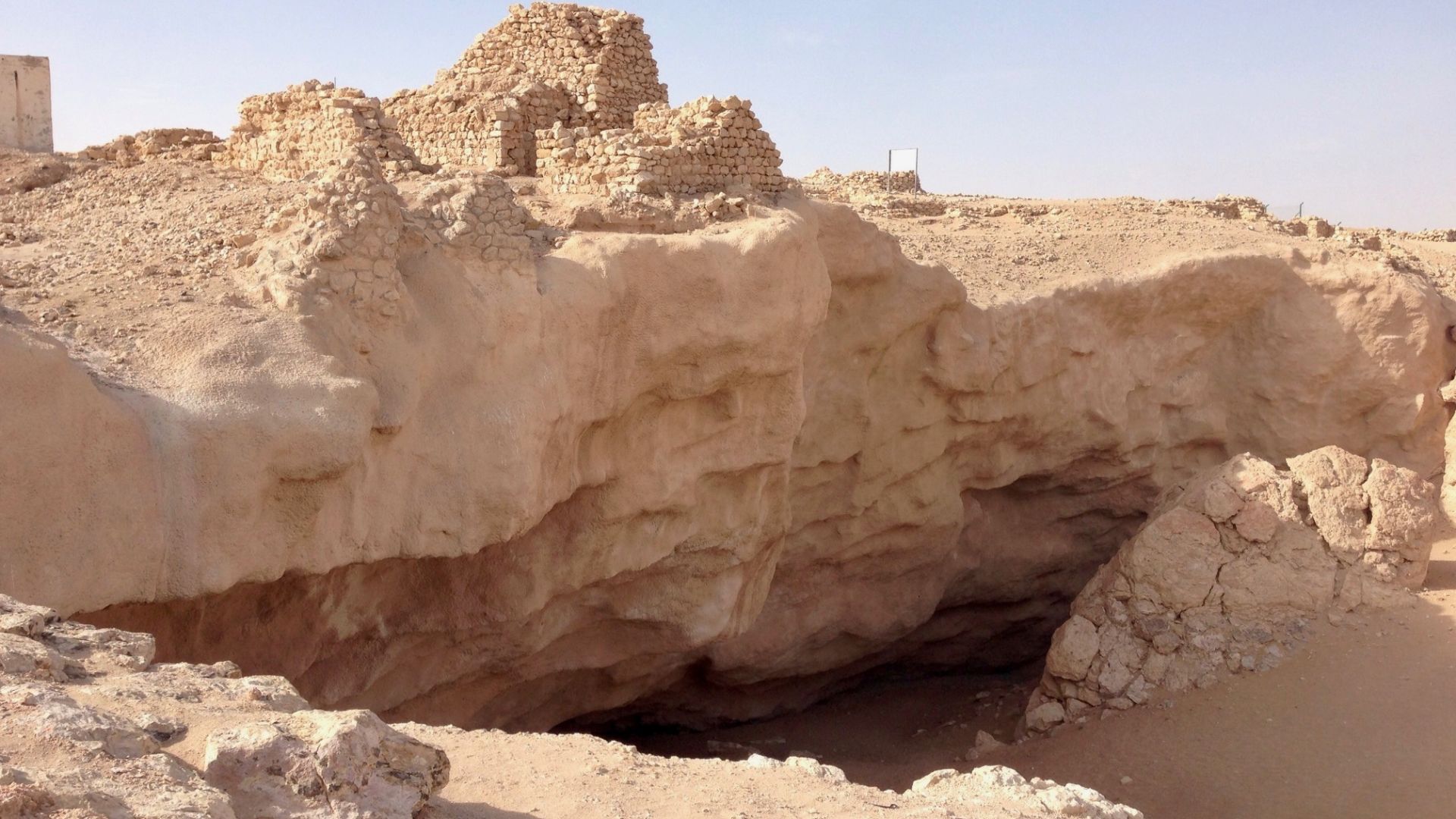
The City Of Ubar Existed In Oman
Travelers once described a wealthy desert hub tied to incense routes, which sounded exaggerated to later readers. Satellite scans and digs in Oman uncovered a collapsed settlement with towers and trade debris, identifying Ubar as a real regional outpost.
 Armatus1995, Wikimedia Commons
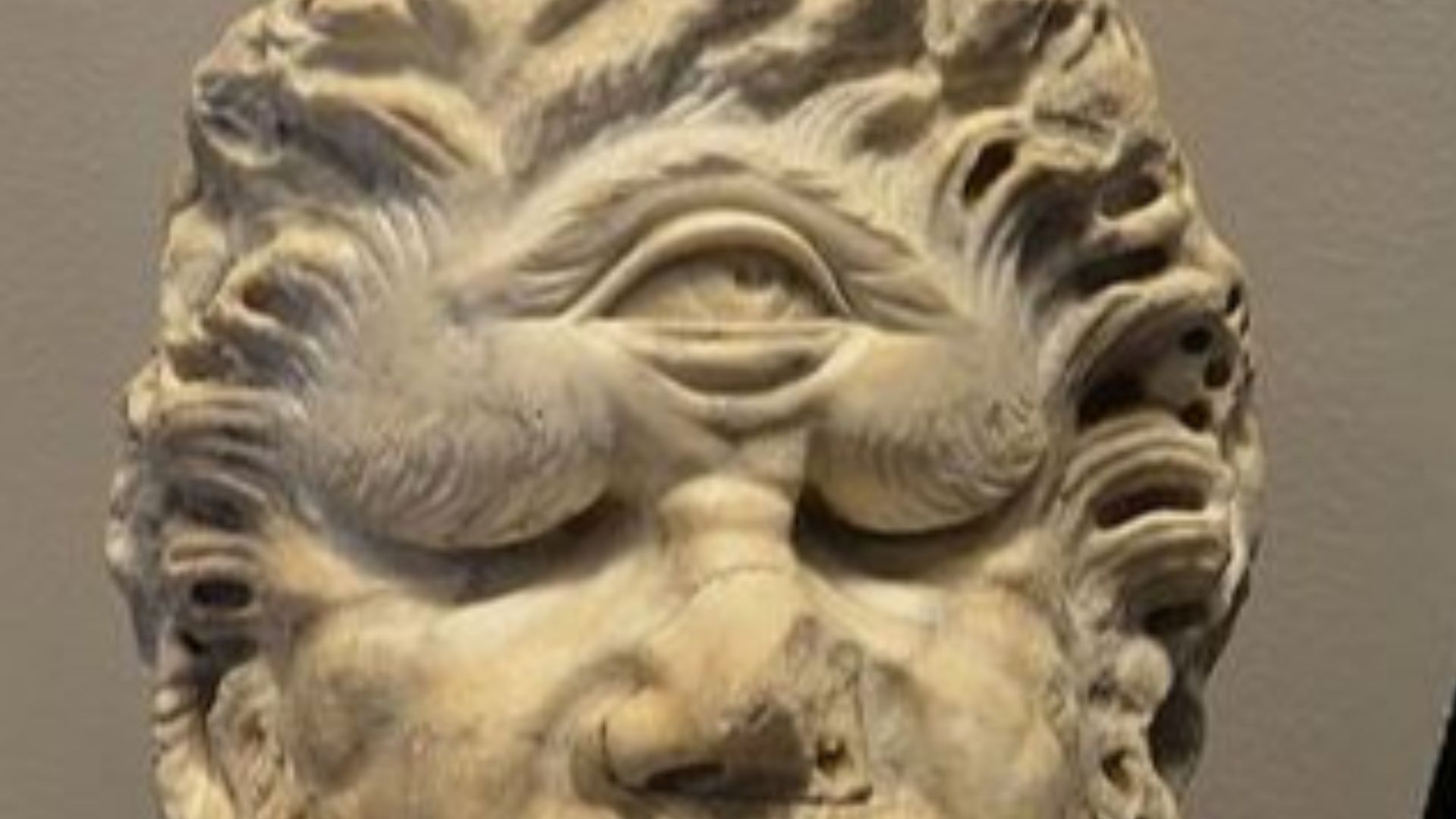
Cyclops Myths Came From Mammoth Skulls
Huge skulls with a single central cavity puzzled early communities who came across them. That cavity was the nasal chamber of a mammoth, and its size encouraged people to imagine large one-eyed beings wandering the terrain.
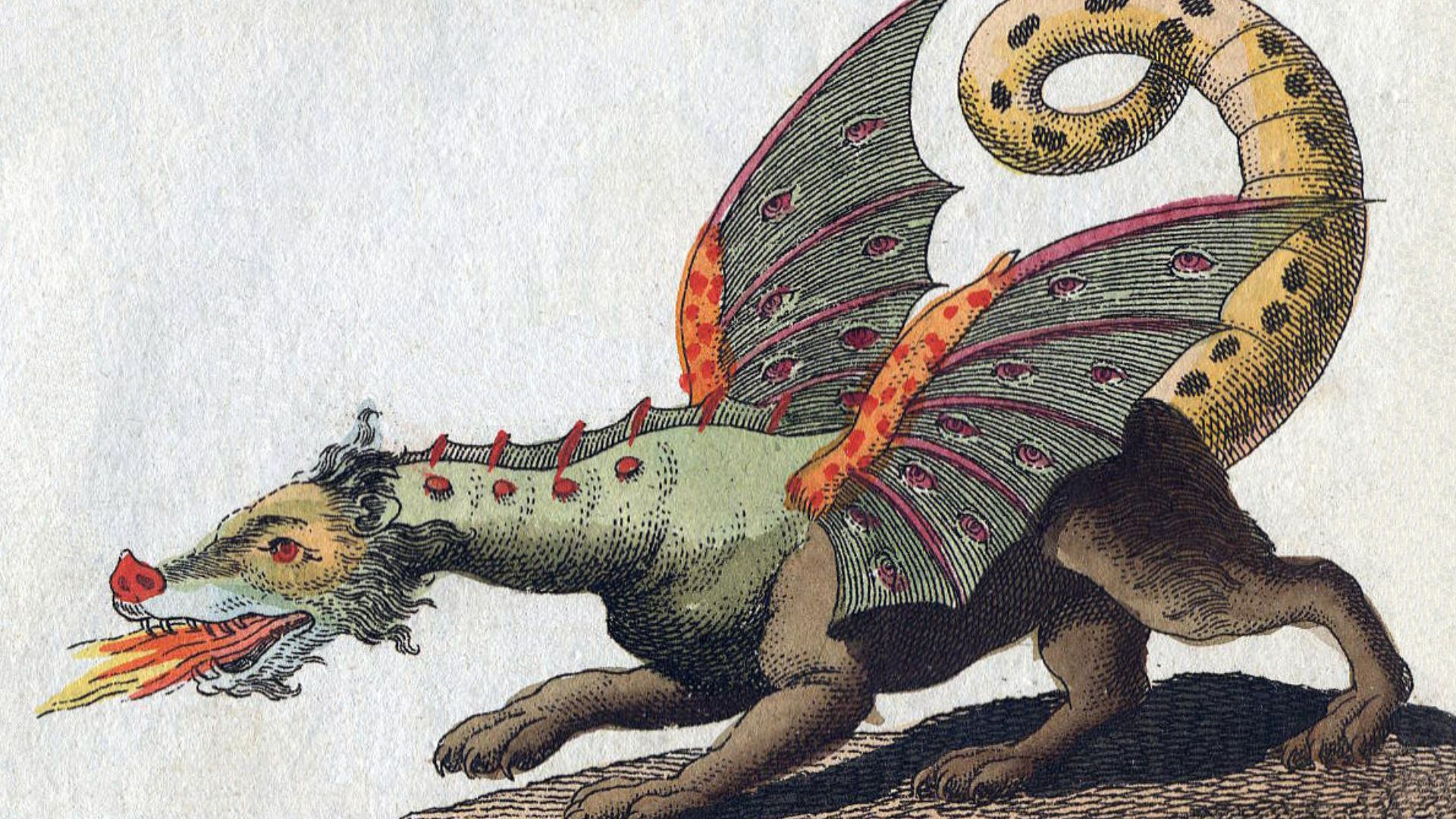
Dragons Inspired By Dinosaur Fossils
Start with the bones. Enormous reptile fossils rested along ancient trade routes, and merchants tried to explain those shapes the only way they could. Their stories grew into dragon folklore long before paleontology existed. Were they right? In a surprising way, yes—the monsters were real, just long extinct.
 Friedrich-Johann-Justin-Bertuch, Wikimedia Commons
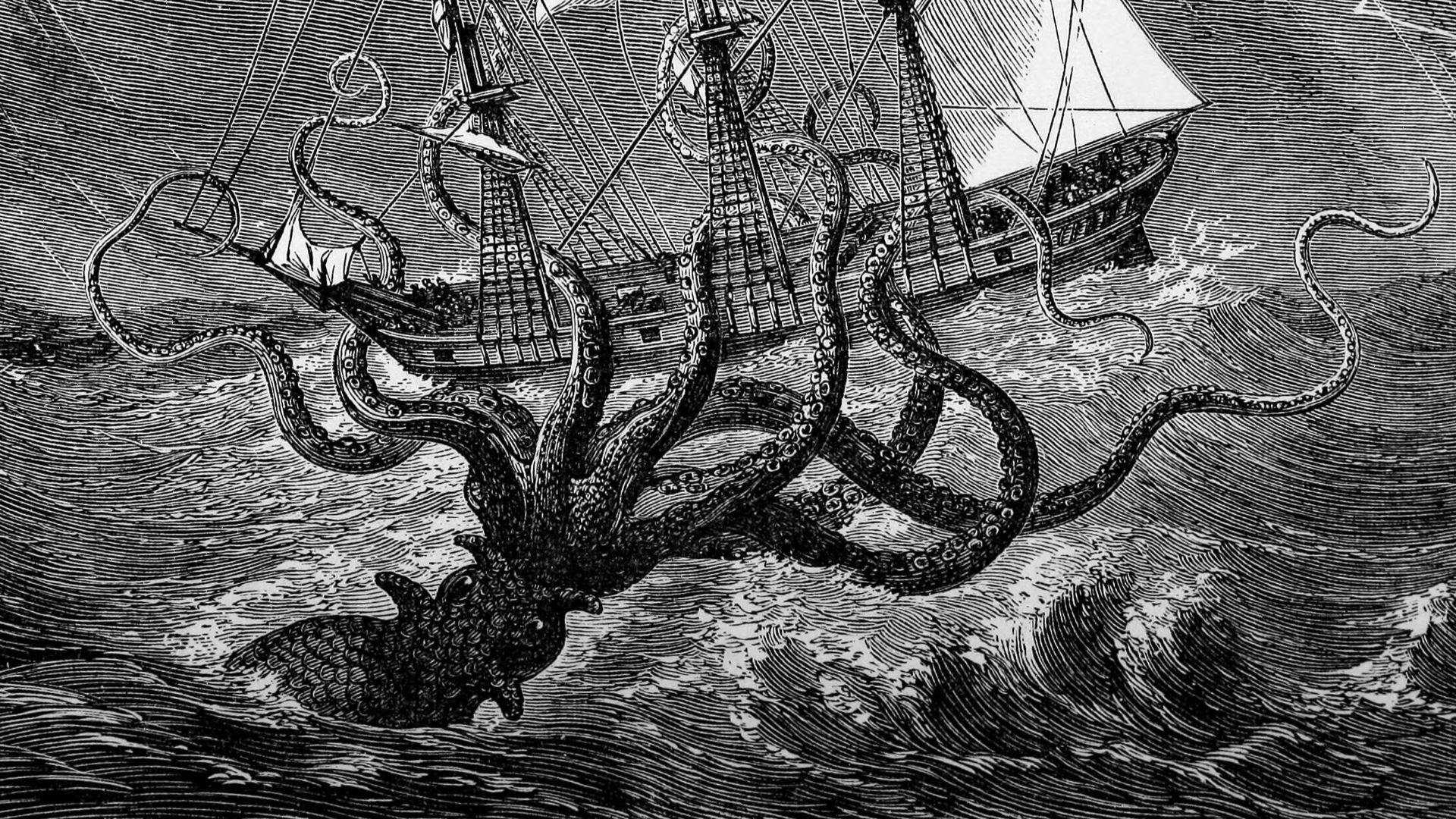
Kraken Myths Reflect Giant Squids
Reports of sea creatures strong enough to challenge vessels made sense to coastal communities. Now and then, massive squid washed ashore, their long tentacles offering a real-world template for the creature sailors feared. Those warnings weren’t pure imagination; the giant squid exists, and it’s every bit as formidable.
 Edgar Etherington, Wikimedia Commons
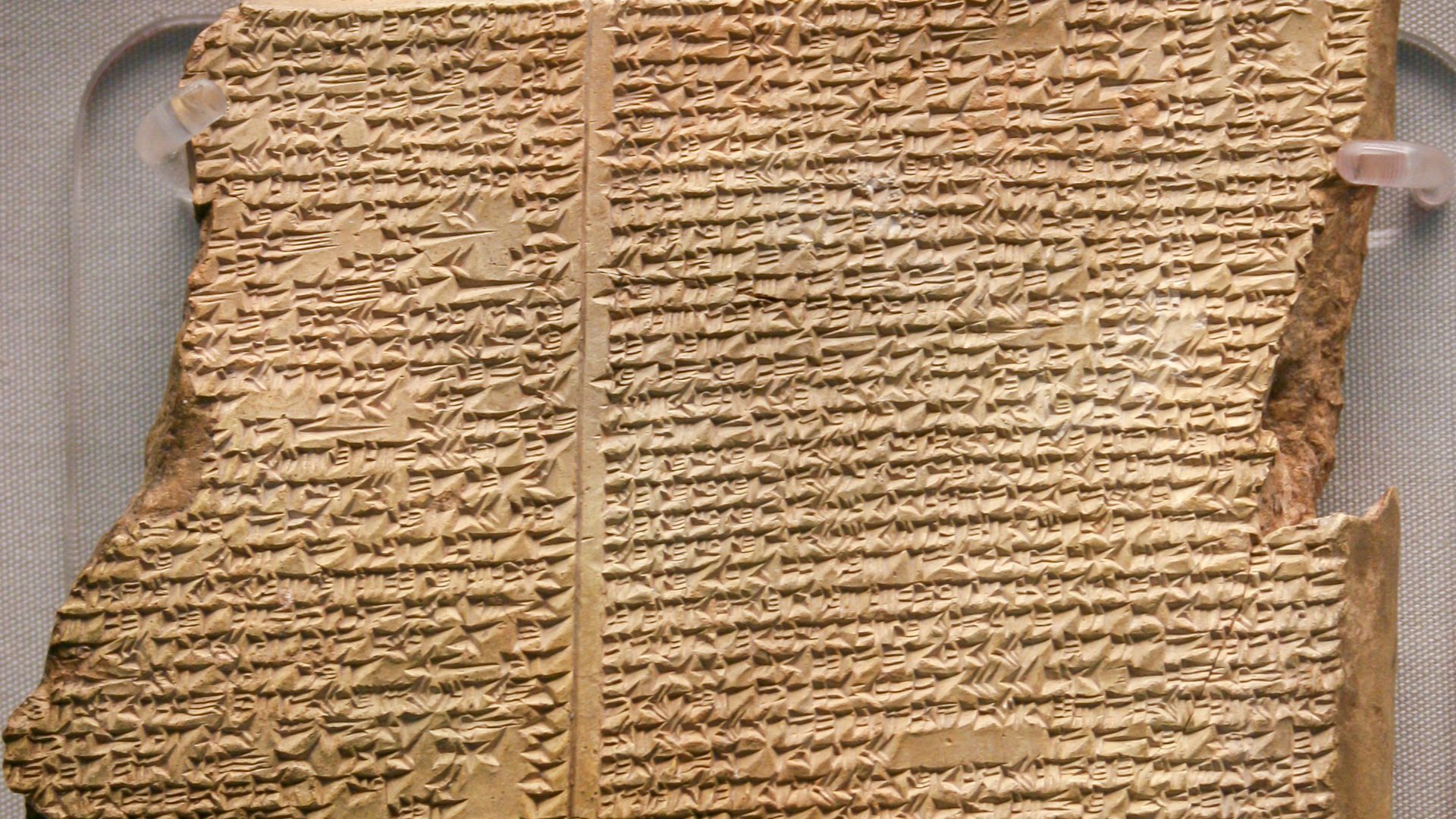
The Deluge In Gilgamesh Matches Real Mesopotamian Floods
The flood told in the epic didn’t come from nowhere. Life along the Mesopotamian rivers meant facing sudden course shifts and devastating overflows. Archaeologists later uncovered thick silt layers in several settlements dating to that same era, and this grounded the legendary deluge in very real environmental upheaval.
 Photograph by Mike Peel (www.mikepeel.net)., Wikimedia Commons
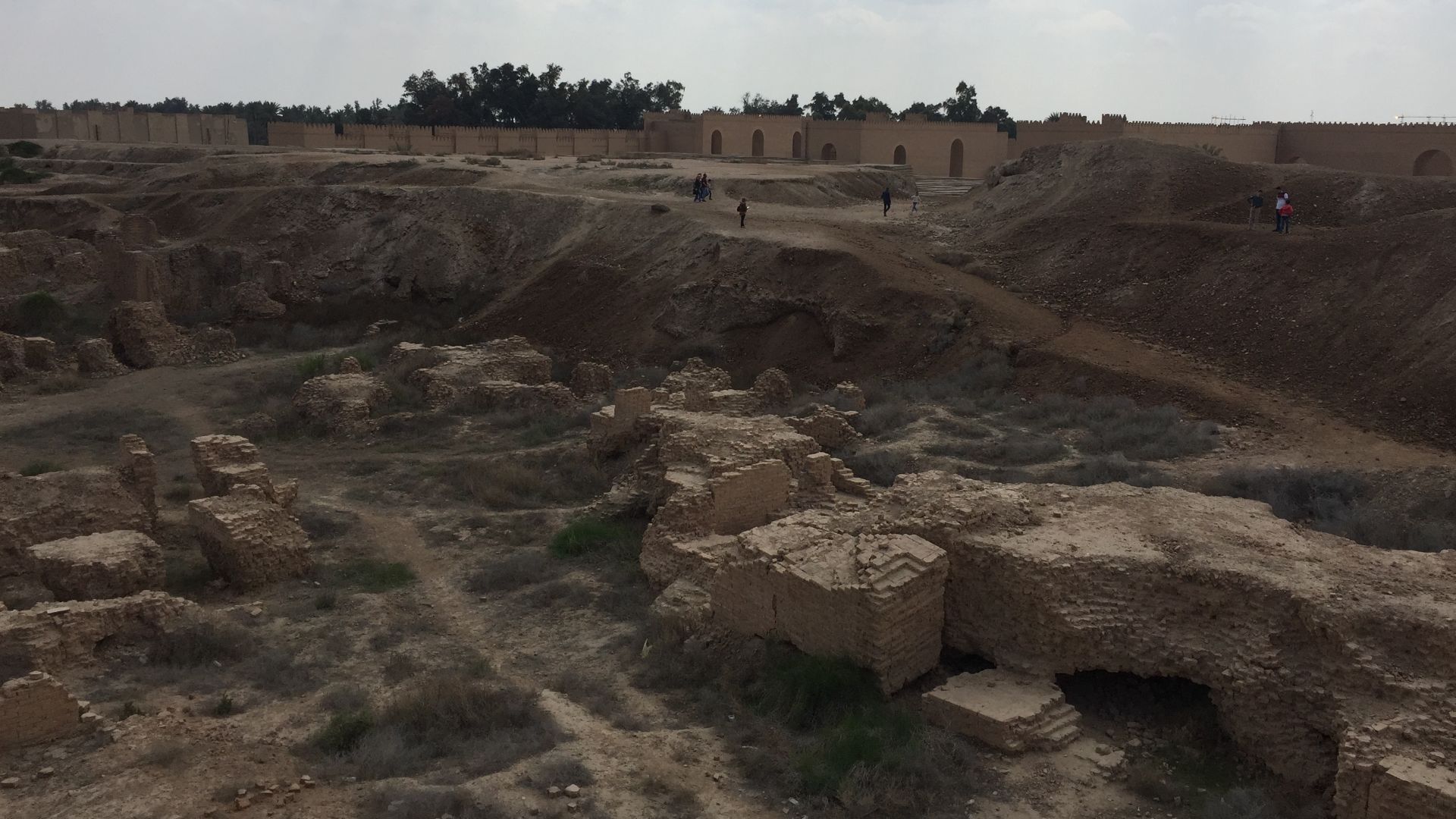
The Hanging Gardens May Have Been Real
This story went like this: A stepped garden built for Queen Amytis of Media, said to rise above Babylon in lush terraces, was described in accounts of the grandeur of King Nebuchadnezzar II’s capital. Archaeologists studying ancient Nineveh uncovered remains of sophisticated irrigation channels that mirror those descriptions.
 Al-Hamza Ahmad, Wikimedia Commons
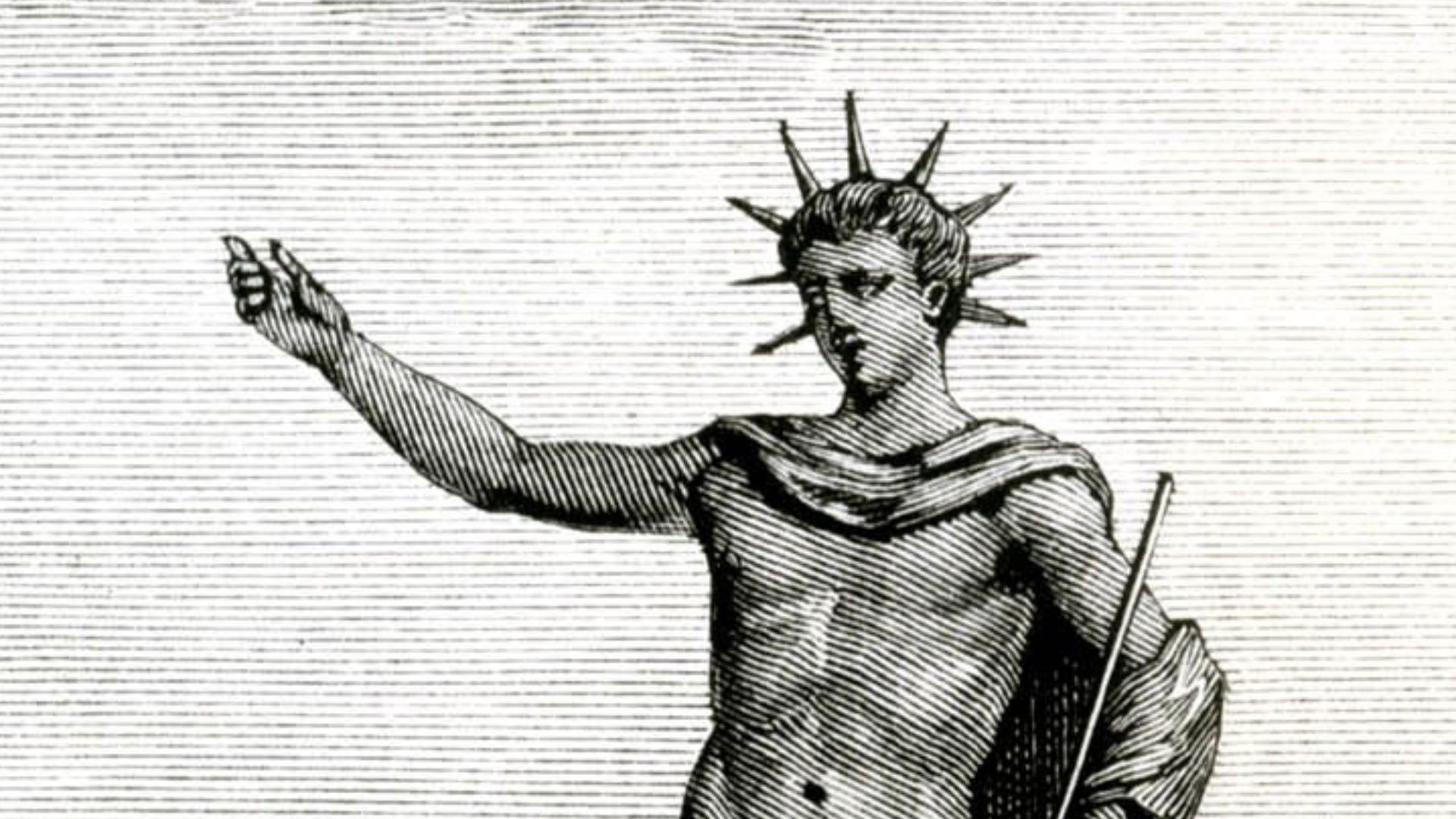
A Monument To Helios Stood On Rhodes Until An Earthquake Brought It Down
Stories spoke of enormous statues guarding sacred spaces, and the Colossus of Rhodes stood out as the boldest example, raised around 280 BCE to honor Helios. Centuries later, researchers exploring Rhodes uncovered bronze plates and heavy stone bases that neatly matched descriptions of that towering landmark.
 gravure sur bois de Sidney Barclay numérisée Google, Wikimedia Commons
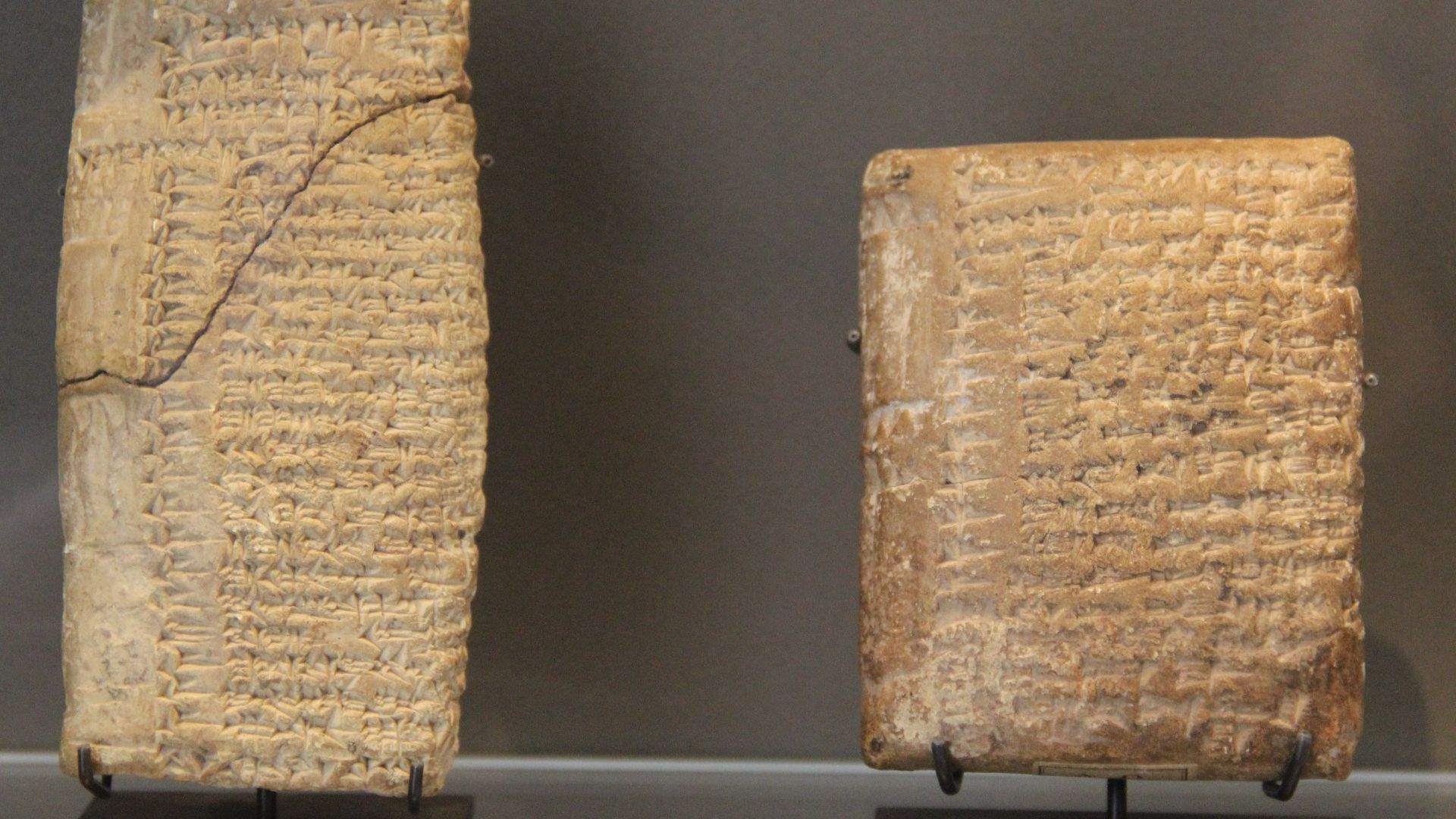
Mythic Abduction Stories Mirror Real Kidnapping Practices
Historians began with the paperwork. Palace archives and territorial records from rivalry-heavy eras detail raids where captives were taken into opposing communities. Those documented events line up with old Mediterranean stories about people spirited away during disputes, showing that the folklore echoed real political tension.
Rama’s Bridge Has Geological Evidence
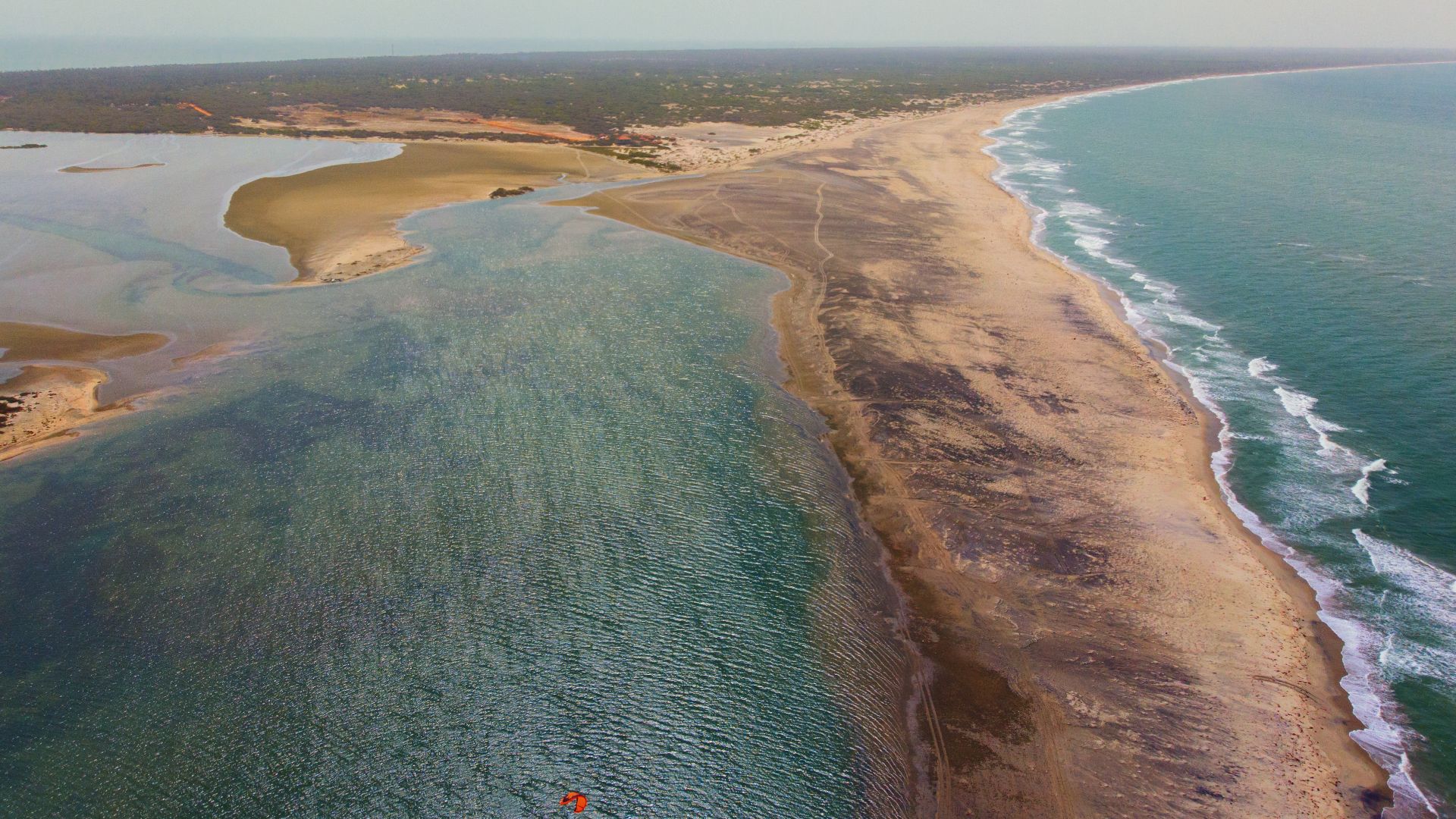
It was said that Rama led an army across a raised path toward Lanka, tying the event to a stretch of shallow sea between India and Sri Lanka. Coastal surveys later documented a chain of limestone shoals in that area, a natural formation that some cultural traditions associate with the tale.
 Charith Gunarathna from Kandy, Sri Lanka, Wikimedia Commons
The Land Of Punt Was Real
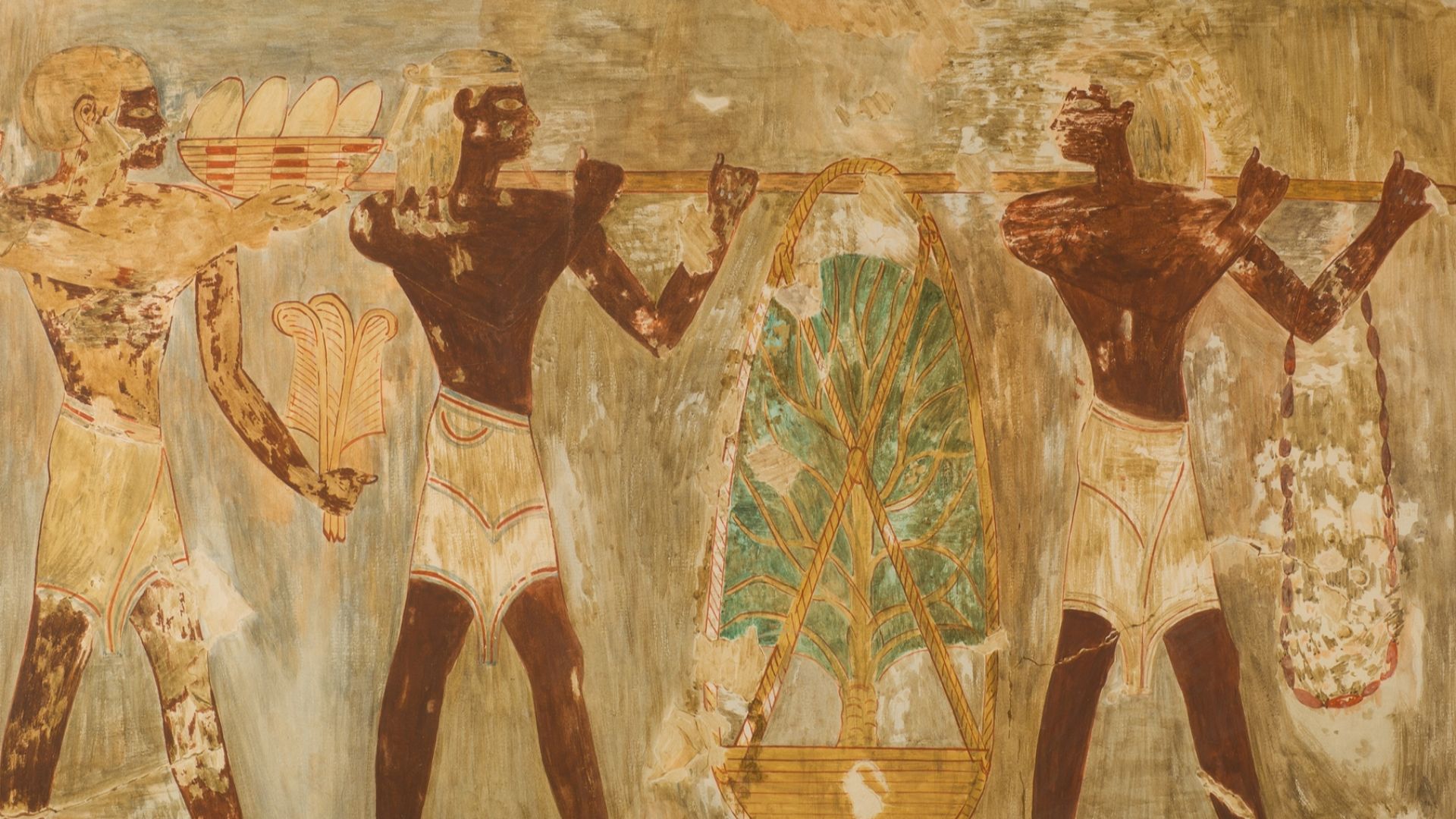
Evidence came first for this one, thanks to baboon remains traced to regions near modern Eritrea and Somalia. Those findings matched Egyptian descriptions of Punt as a trading partner known for incense and exotic goods. The finding grounds the long-mentioned location in a real corner of the Red Sea world.
 Nina M. Davies, Wikimedia Commons
Sea Invasion Myths Linked To The Sea Peoples
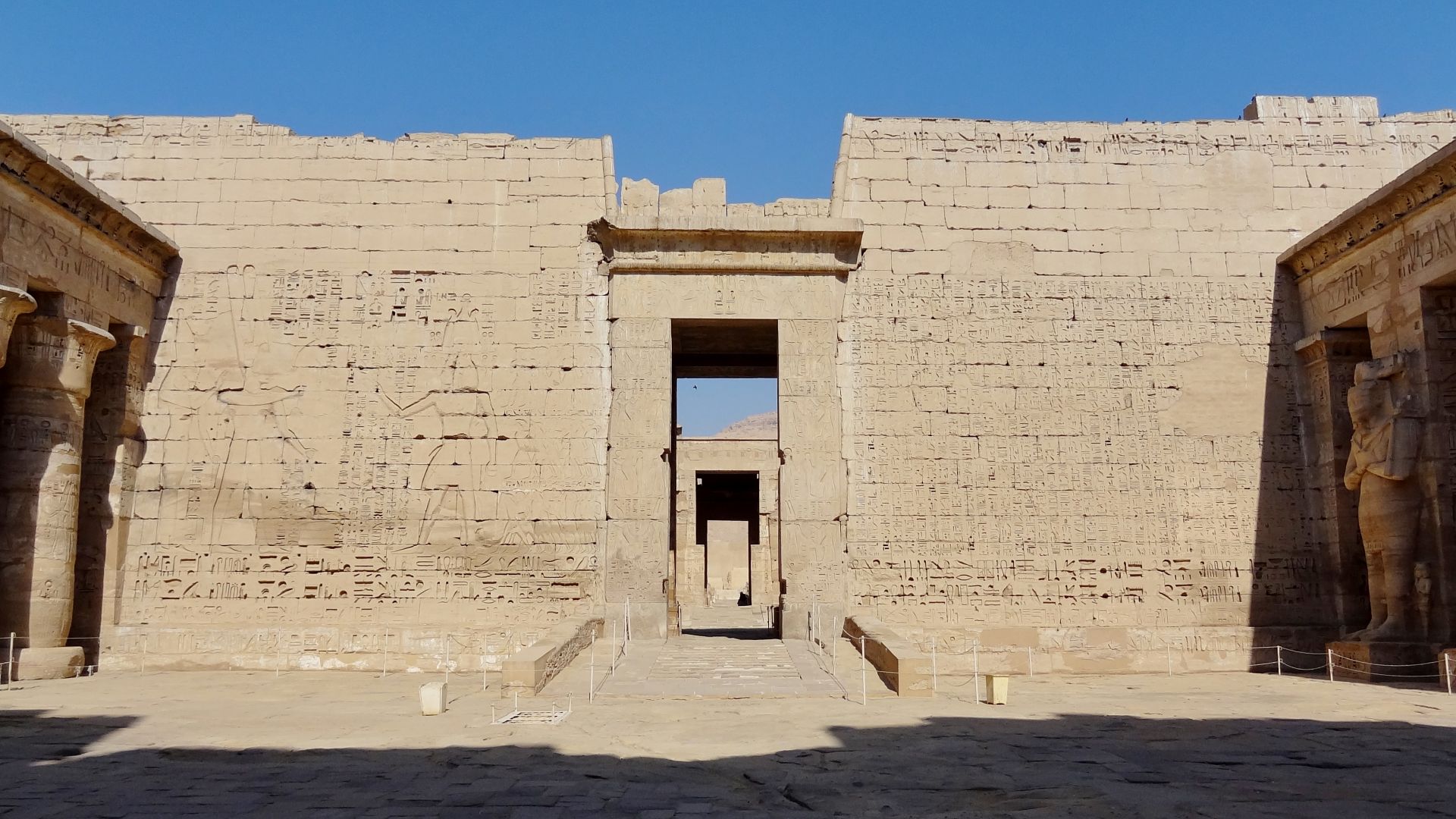
Legends of sudden coastal attacks took on new meaning when archaeologists uncovered destruction layers in cities across the eastern Mediterranean. The timing aligned with Egyptian records describing the Sea Peoples, and the combination of ruins and written accounts created a single storyline linking the myths to actual maritime raiders.
 Olaf Tausch, Wikimedia Commons
Griffin Myths Reflect Protoceratops Fossils
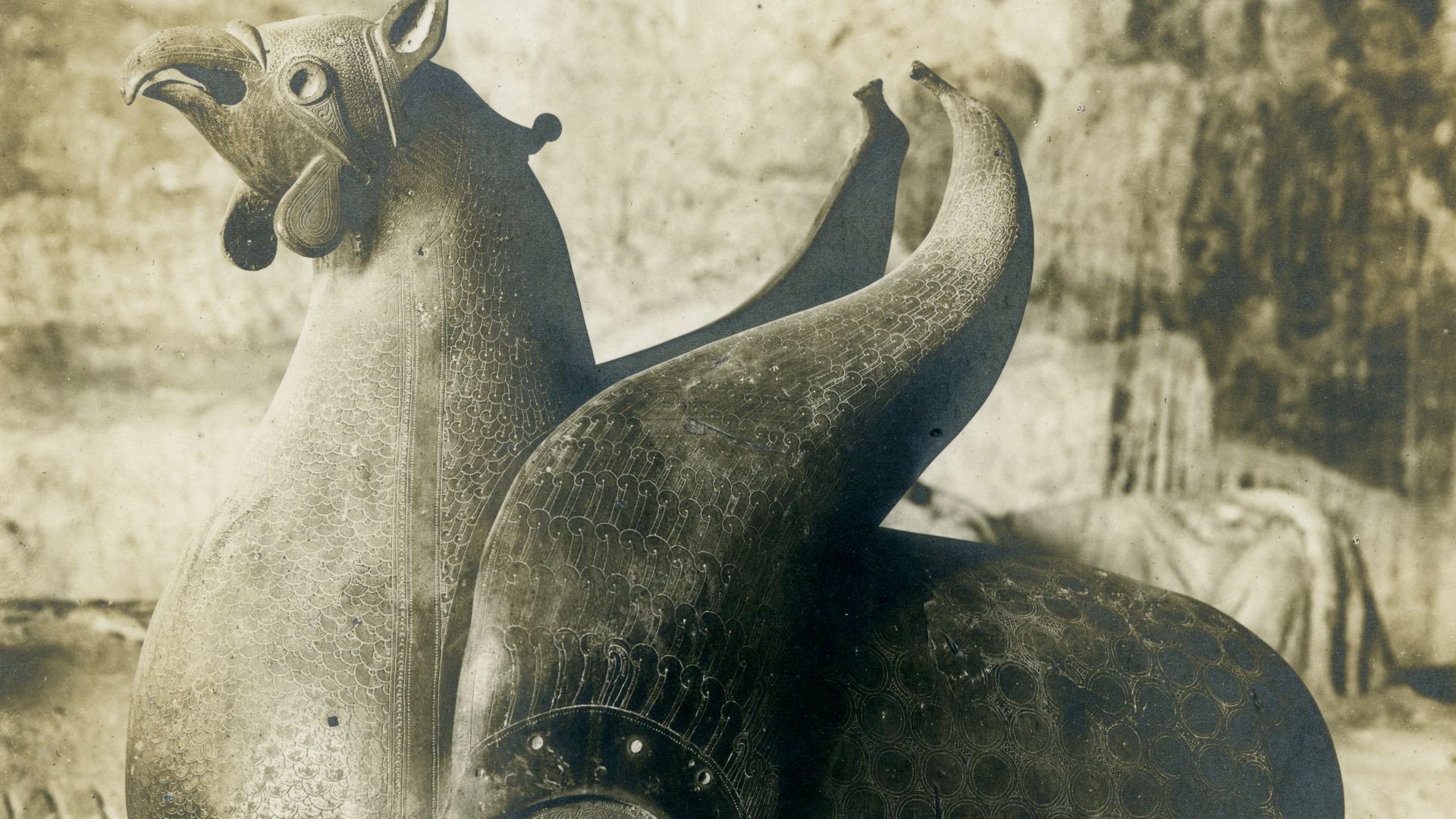
Travelers crossing the Gobi Desert encountered fossils of Protoceratops, whose beaked skulls and four-legged frames echoed the griffin’s shape. As those travelers moved through trade routes, they repeated details of the strange bones they saw, weaving the creature into the storytelling that shaped classical Greek culture.
 EPC Roma, Gustave Eugène Chauffourier, Wikimedia Commons
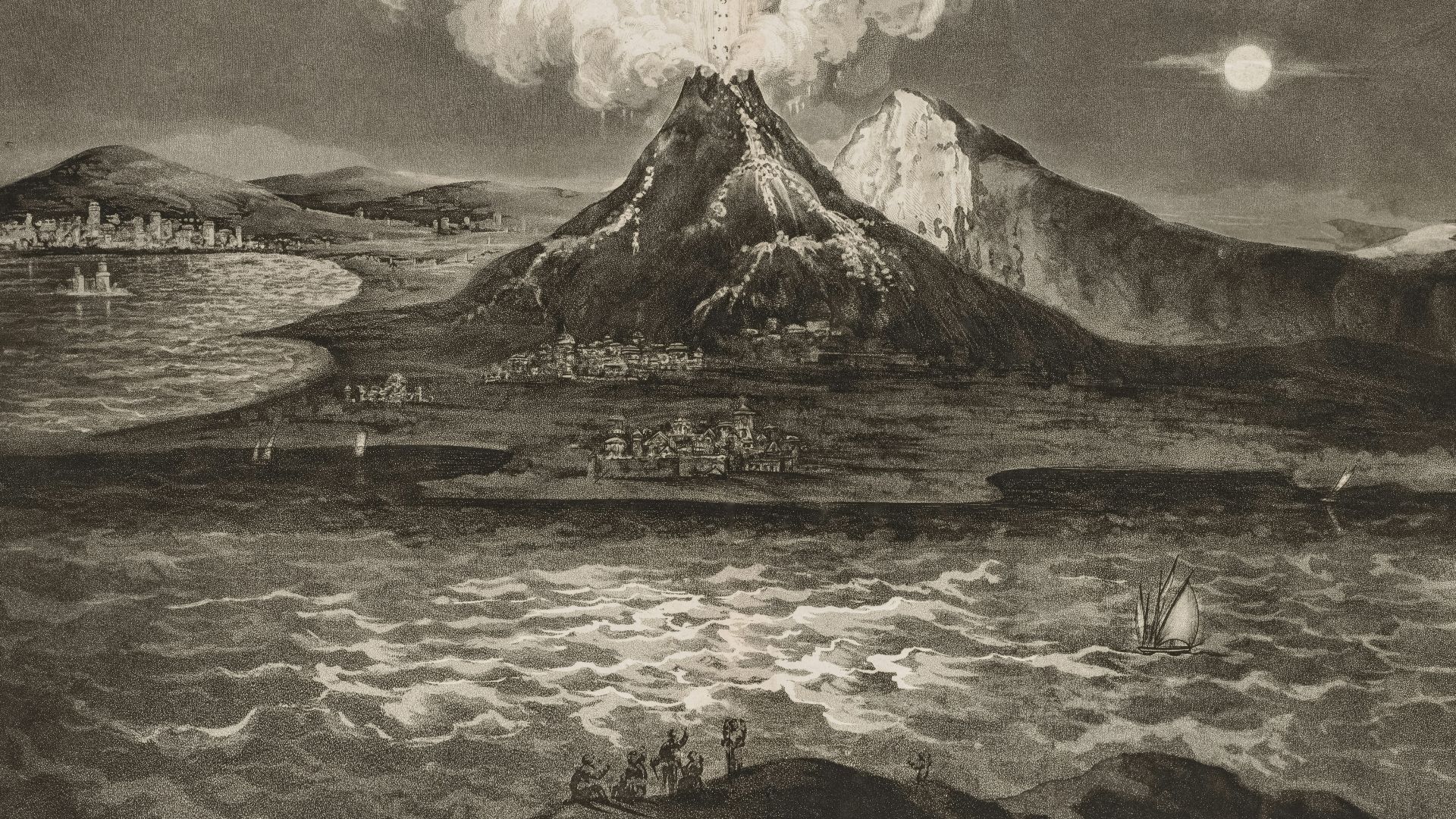
Fire Gods Mirror Real Volcano Eruptions
The earliest accounts tied powerful deities to mountains releasing smoke, heat, and rumbling earth. Geological studies identified eruptions from those same ranges during the periods described. In turn, this gave the divine imagery a natural origin linked directly to active volcanic landscapes.
 The Cleveland Museum of Art, Unsplash
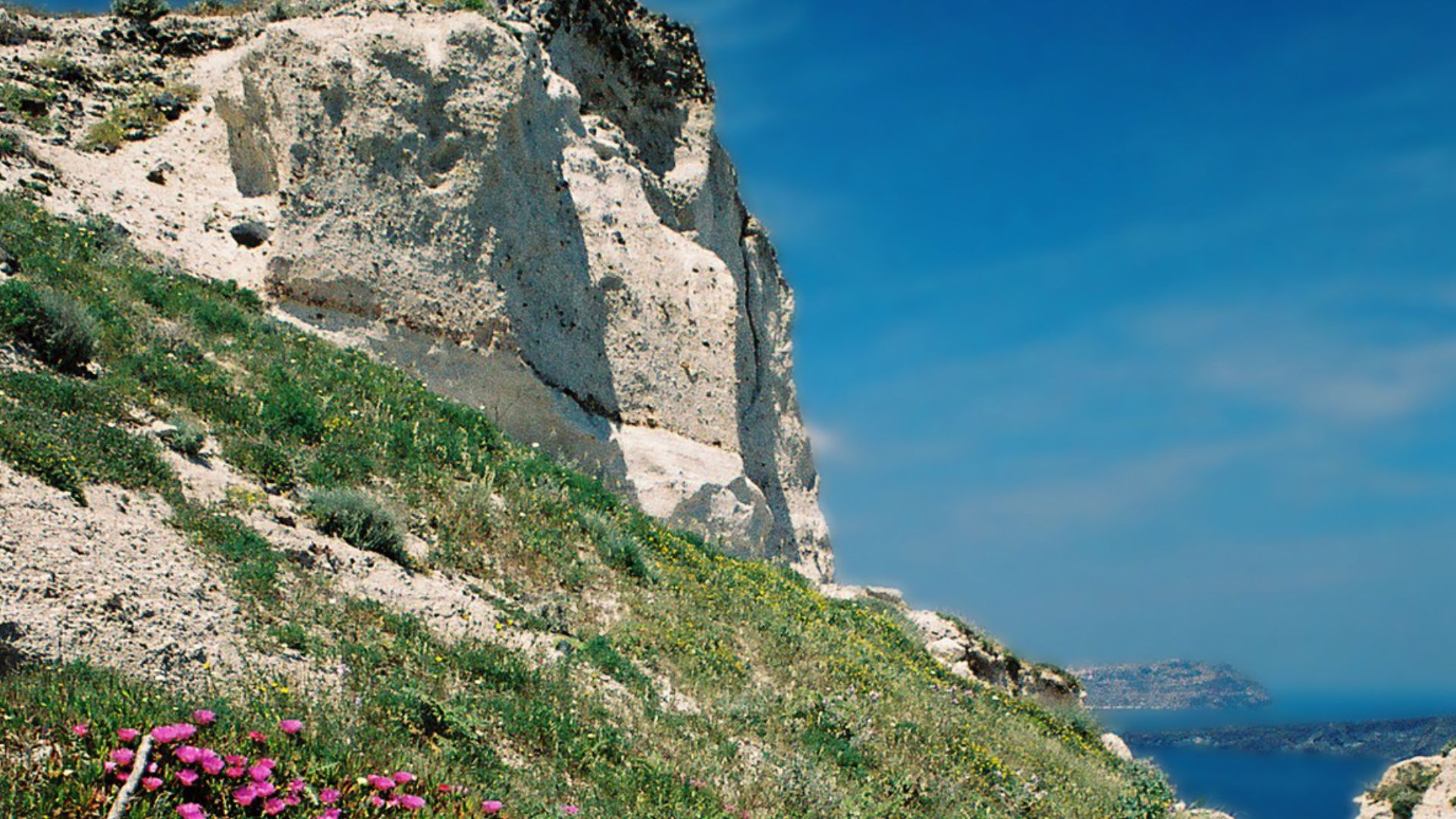
Atlantis May Reflect The Minoan Eruption
Archaeological work on Santorini revealed a massive Bronze Age eruption that devastated nearby settlements and reshaped the Aegean. Its sudden impact echoes the destruction described in Plato’s Atlantis story, though his dialogues are largely allegorical and provide no direct link to the Minoan world.
 Ulrichstill, Wikimedia Commons
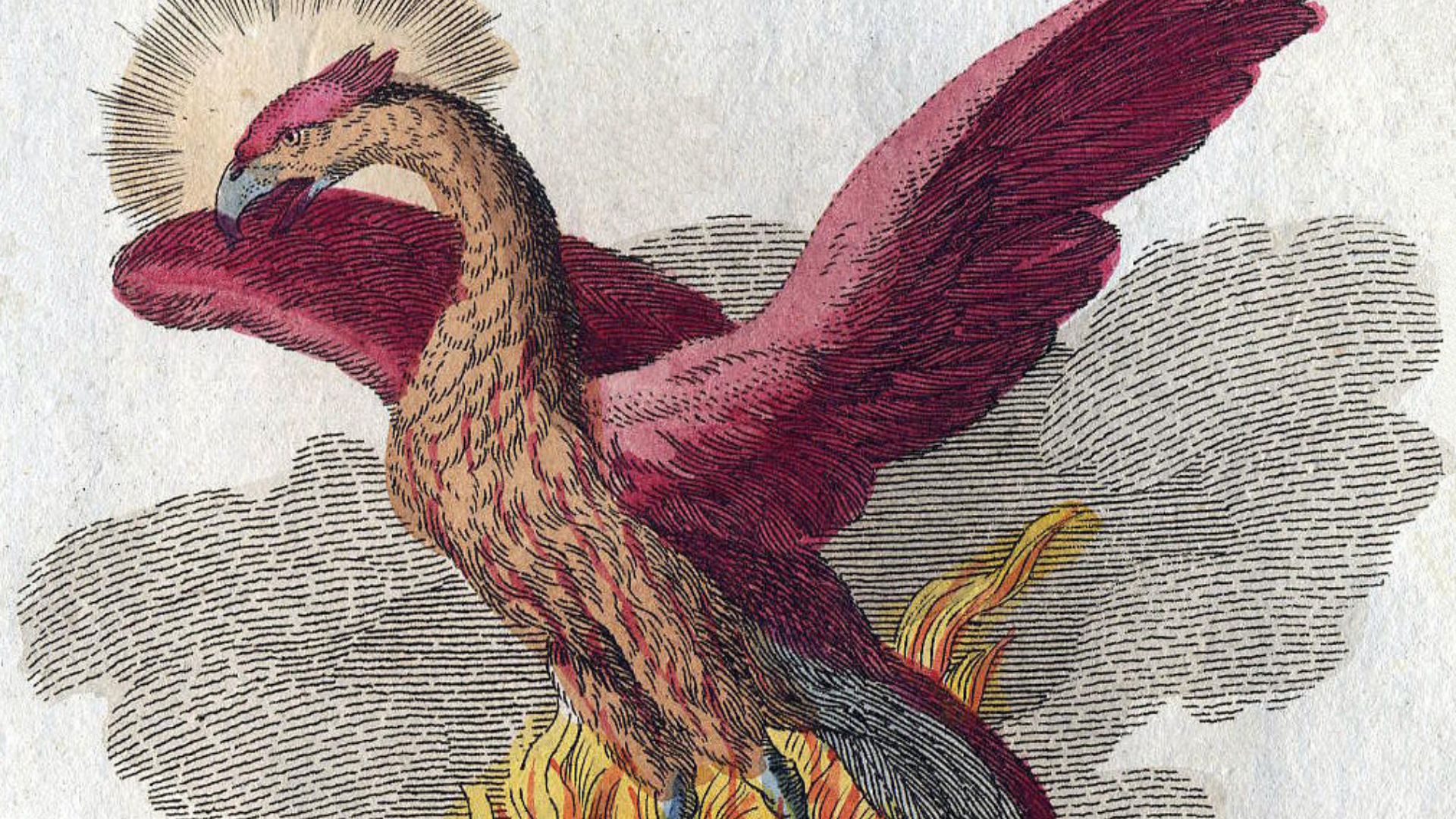
Phoenix Myths Mirror Bird Molting Cycles
The idea of a bird renewing itself gained traction in places where species shed feathers in striking cycles. Observers saw birds appear ragged before returning with bright plumage, and that visual shift helped build the phoenix narrative long before natural history explained molting.
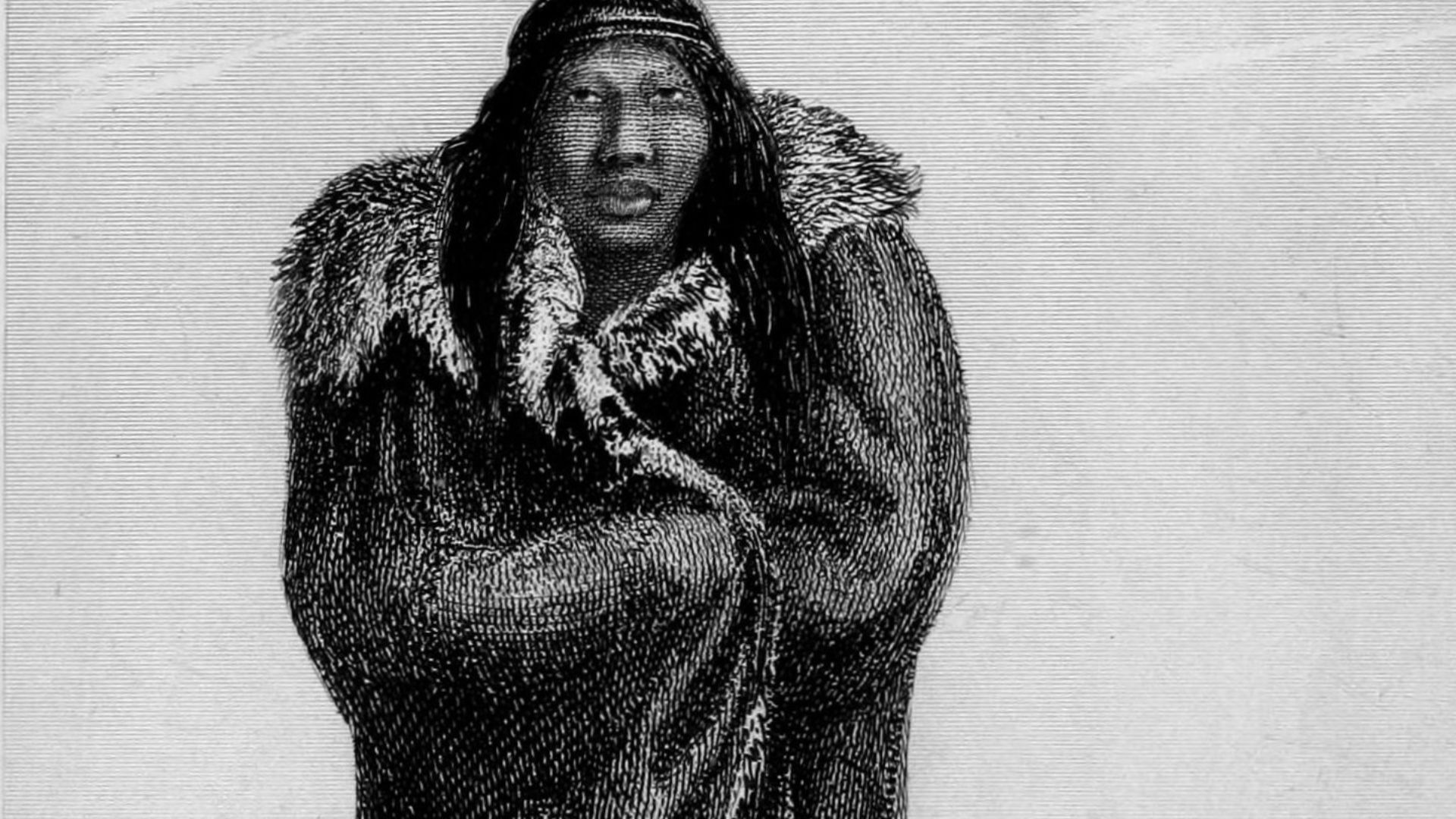
References To Giants May Reflect Real Tall Tribes
Some cultures spoke of unusually large warriors or clans, and burial sites in regions associated with those stories revealed individuals of above-average height. Weapons and armor discovered alongside them matched the proportions described, giving the “giant” label a believable human source.
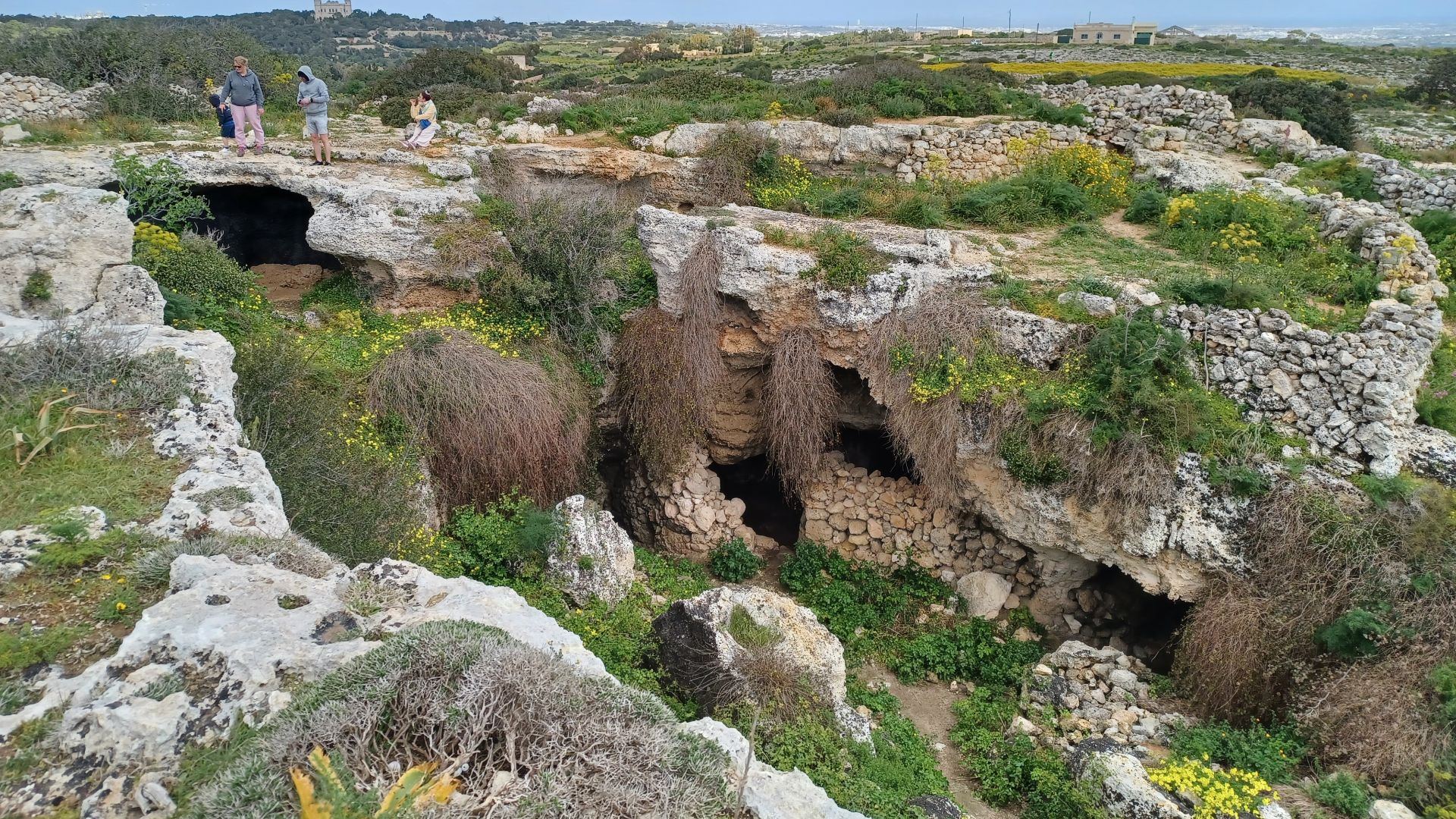
Myths Of Underground People Reflect Troglodyte Societies
Descriptions of communities living beneath cliffs or inside carved-out hillsides appear in many traditions. And to prove this, archaeological surveys later found networks of subterranean homes, storage rooms, and meeting spaces in areas mentioned in those stories.
 Simon Burchell, Wikimedia Commons