
The Mysterious Interstellar Comet
Astronomers are witnessing a phenomenon that arrives perhaps once in a generation. A silent traveler from beyond our solar system is racing through space at breathtaking speed, with chemical secrets unlike any comet ever seen.

A Visitor From Beyond The Stars
3I/ATLAS isn’t just any comet—it’s the third interstellar object confirmed in history, following ’Oumuamua and Borisov. Discovered on July 1, 2025, by the ATLAS survey in Chile at approximately 4.5 AU from the Sun, it hurtles through our solar system on a path that ensures it won’t return again.
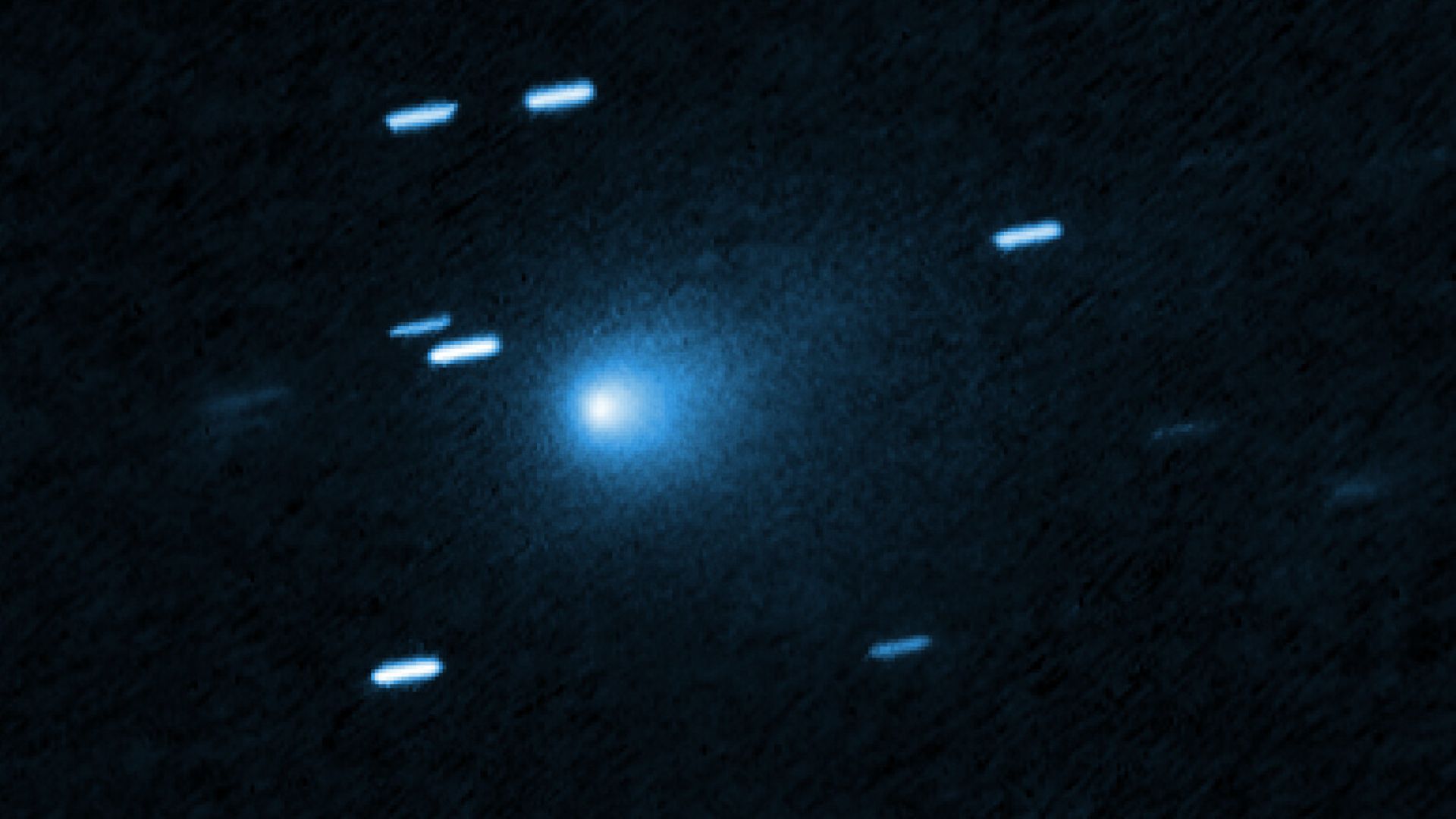 NASA, ESA, D. Jewitt (UCLA); Image Processing: J. DePasquale (STScI), Wikimedia Commons
Why Interstellar Comets Are So Rare
Interstellar visitors are cosmic treasures that escape their native systems, travel light-years, then graze our solar neighborhood. Only two have been confirmed before 3I/ATLAS, which turns it into a precious opportunity to study material forged around other stars and vastly different environments.
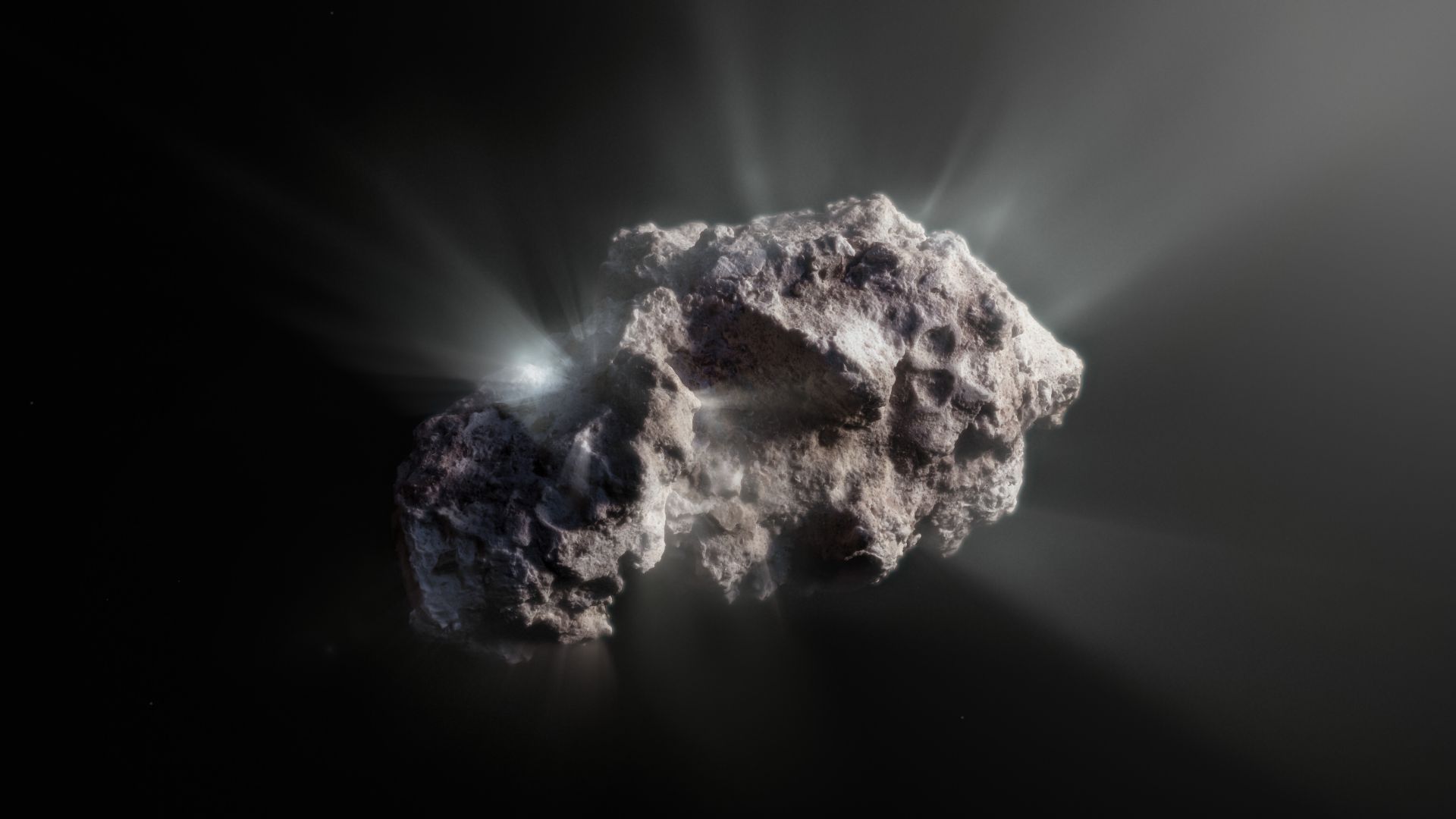 ESO/M. Kormesser, Wikimedia Commons
The Discovery Of 3I/ATLAS In 2025
On July 1, 2025, Chile’s ATLAS sky survey detected a moving object entering our solar system from afar. Follow-up observations confirmed a faint, fuzzy coma around it, indicating it was a comet—an unusual visitor en route to exit forever.
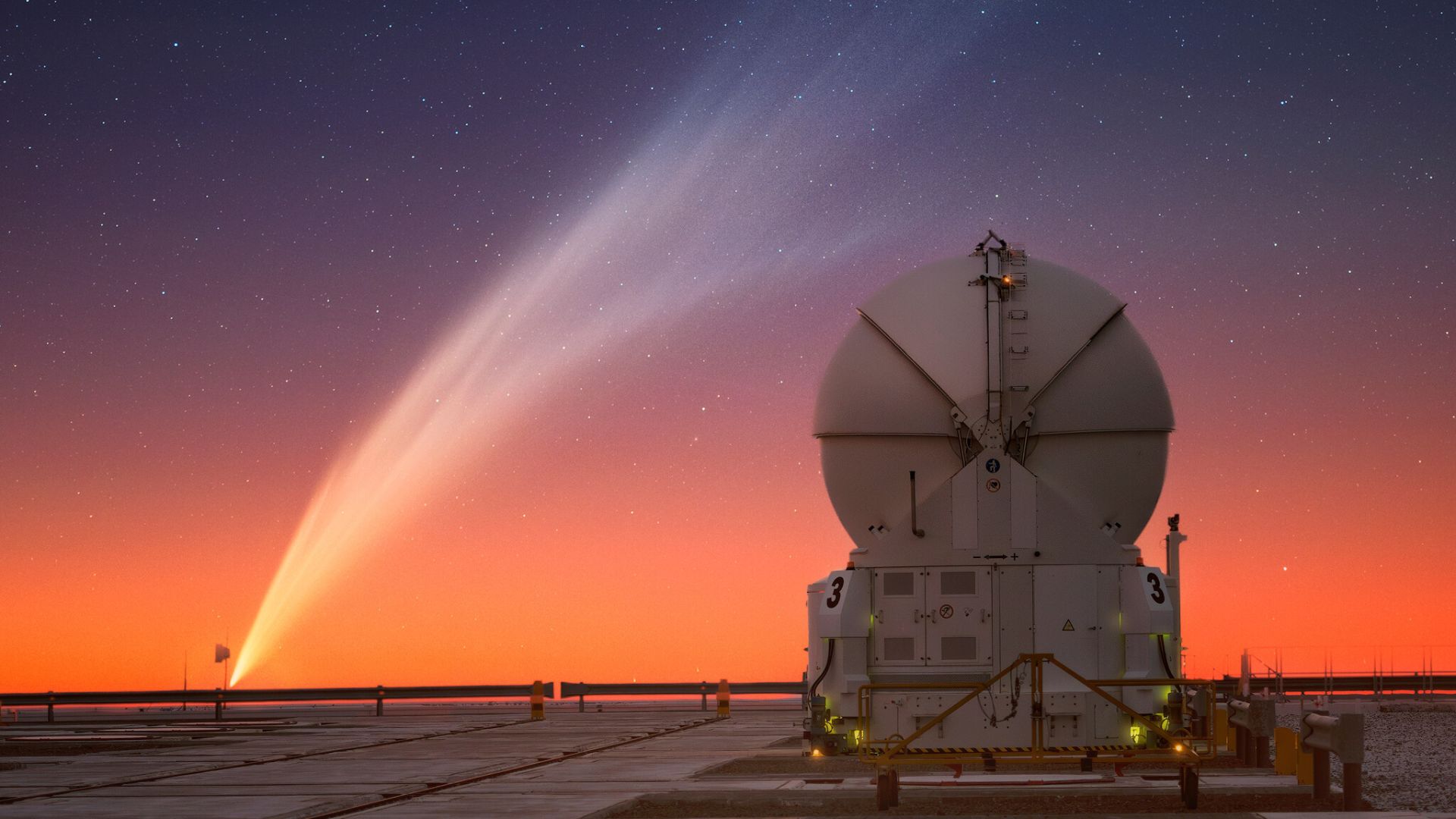 Y. Beletsky (LCO)/ESO, Wikimedia Commons
A Hyperbolic Journey Through The Solar System
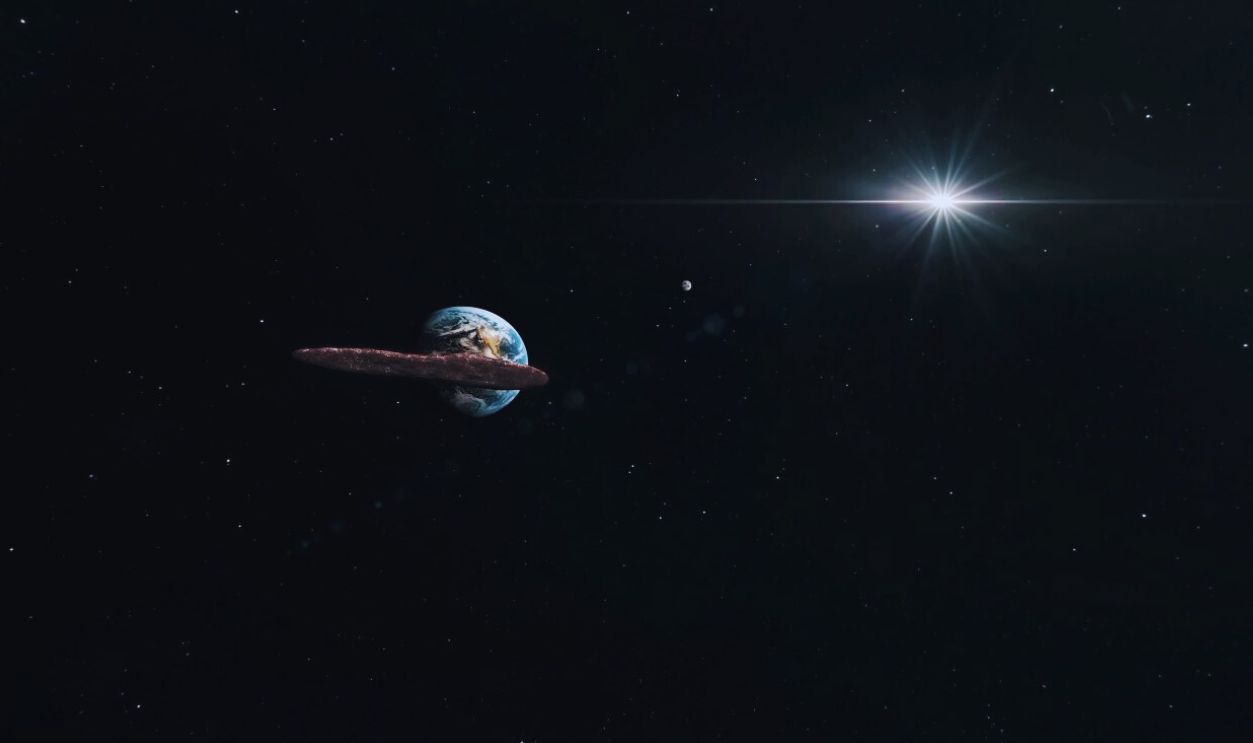
3I/ATLAS travels on a hyperbolic trajectory, moving so fast that solar gravity won’t capture it as a true one‑way guest. It will be at its closest to the Sun between October 29 and October 30, 2025, then steadily depart our system, never to return again.
 Hunting Comet 3I/ATLAS – Is This an Alien Visitor? by Ray's Astrophotography
How Astronomers Confirmed Its Interstellar Nature
Astronomers combined orbital tracking and observations across global telescopes—including pre-discovery imaging—to confirm 3I/ATLAS’s unbound, hyperbolic path. This rapid, escape-speed trajectory is the hallmark of an interstellar origin—not controlled by our Sun’s gravity, it’s a true cosmic wanderer.
Turning The Telescopes Toward ATLAS
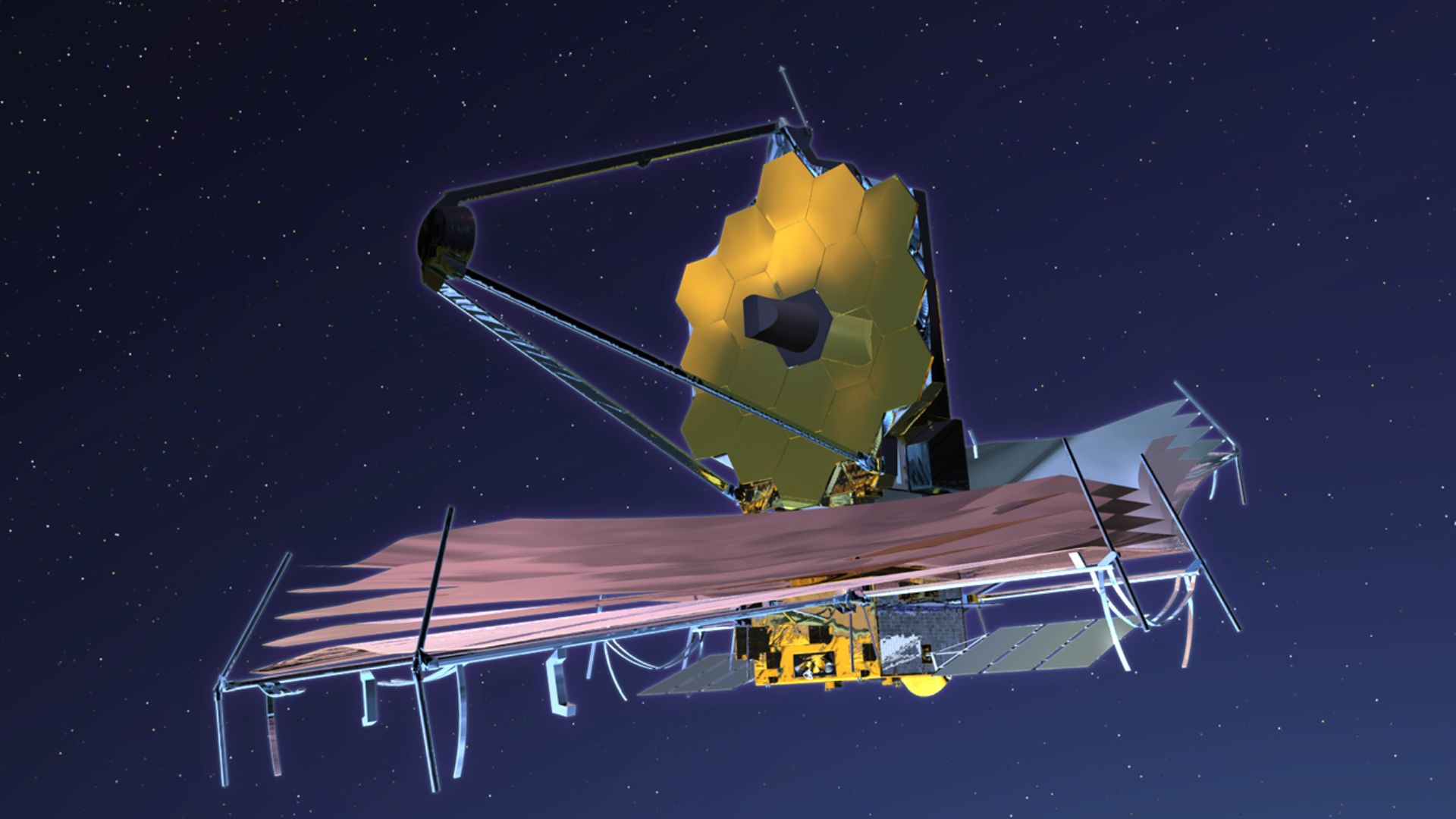
After its discovery, major observatories quickly focused on 3I/ATLAS. NASA’s James Webb Space Telescope provided detailed infrared data, while Hubble and ground-based facilities captured its coma and tail. Together, these instruments allowed astronomers to study its brightness and behavior across time.
Measuring Its Size And Speed
Initial estimates suggest 3I/ATLAS is 3.5 to 7 miles in diameter, which makes it likely the largest interstellar object observed so far. However, the latest Hubble data caps it at 3.5 miles, with possible estimates down to ~0.2 miles. It travels at over 130,000 miles per hour relative to the Sun, a staggering speed that confirms its path beyond solar capture.
 The Object That Will Change Your View of Space Forever by The Space Race
Comparing It With ‘Oumuamua And Borisov
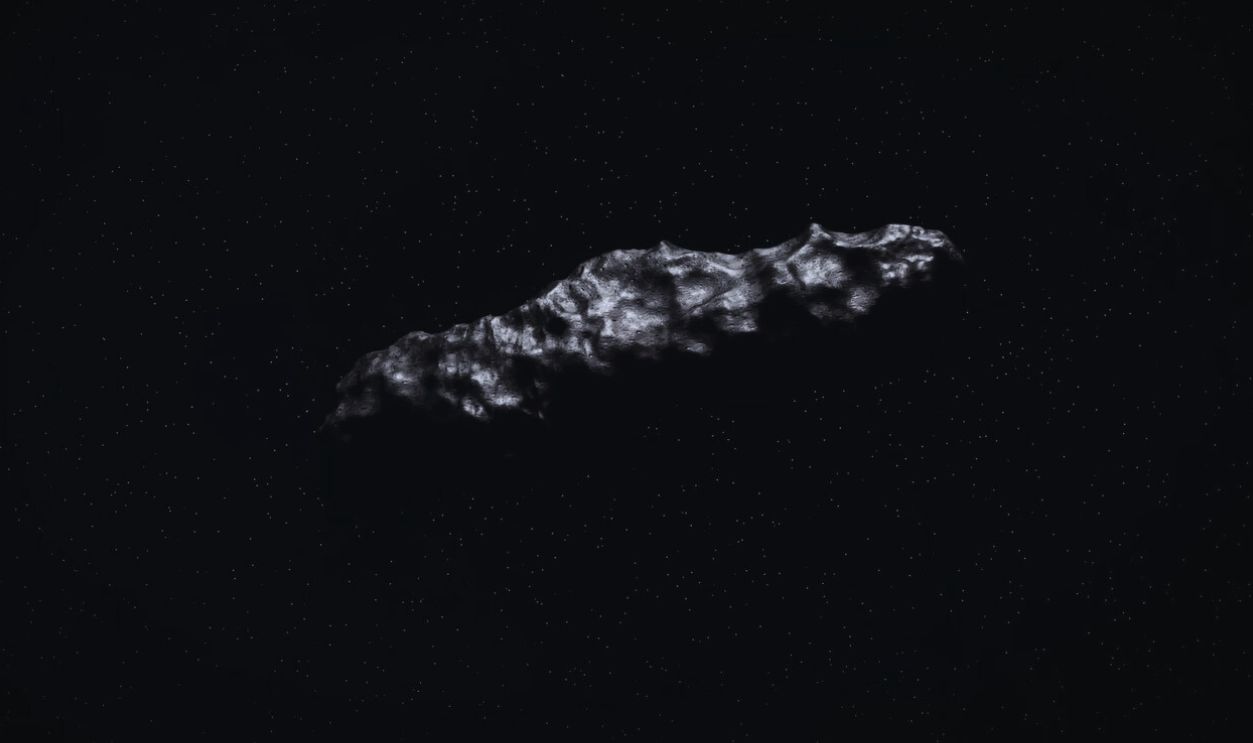
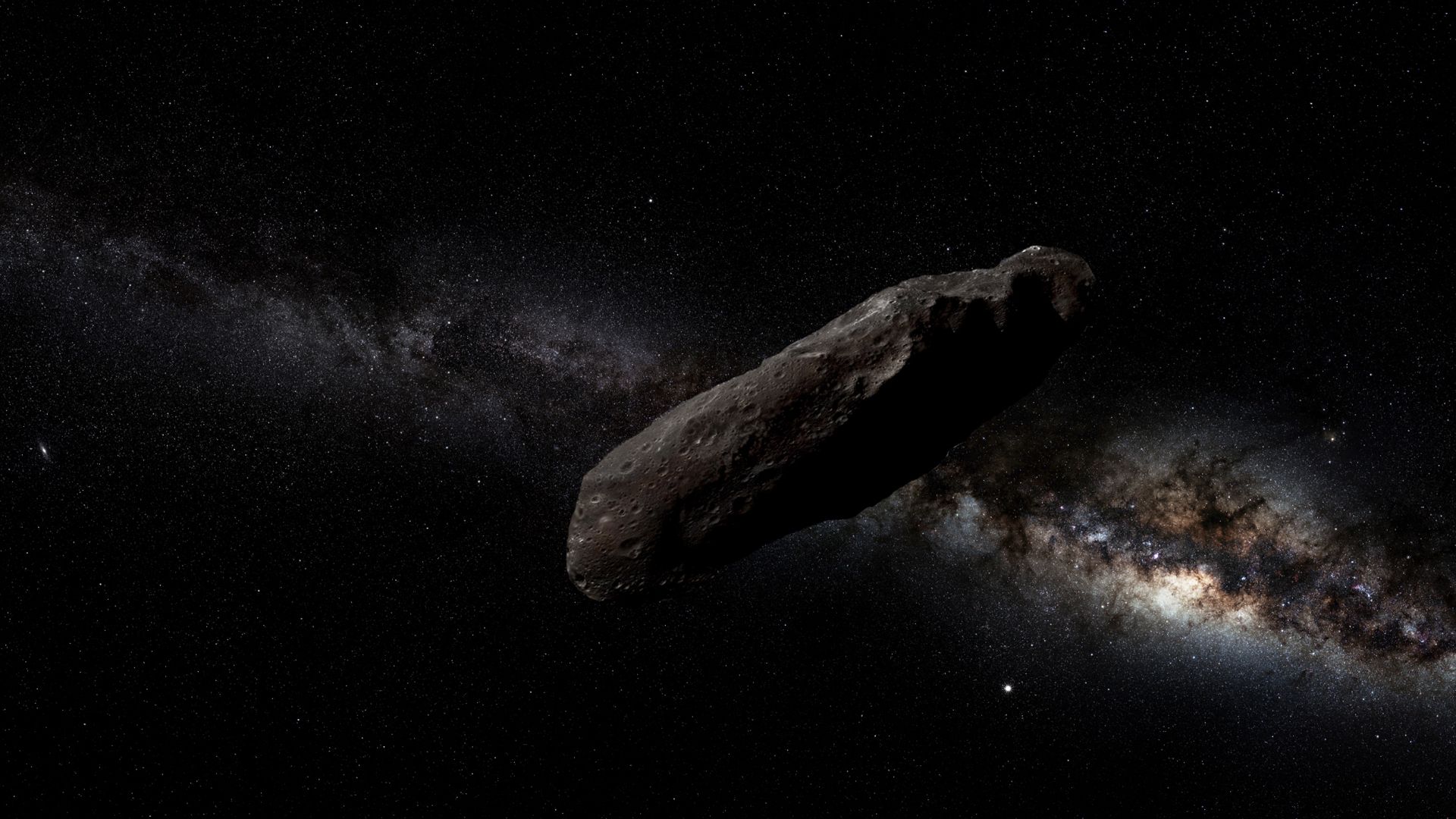
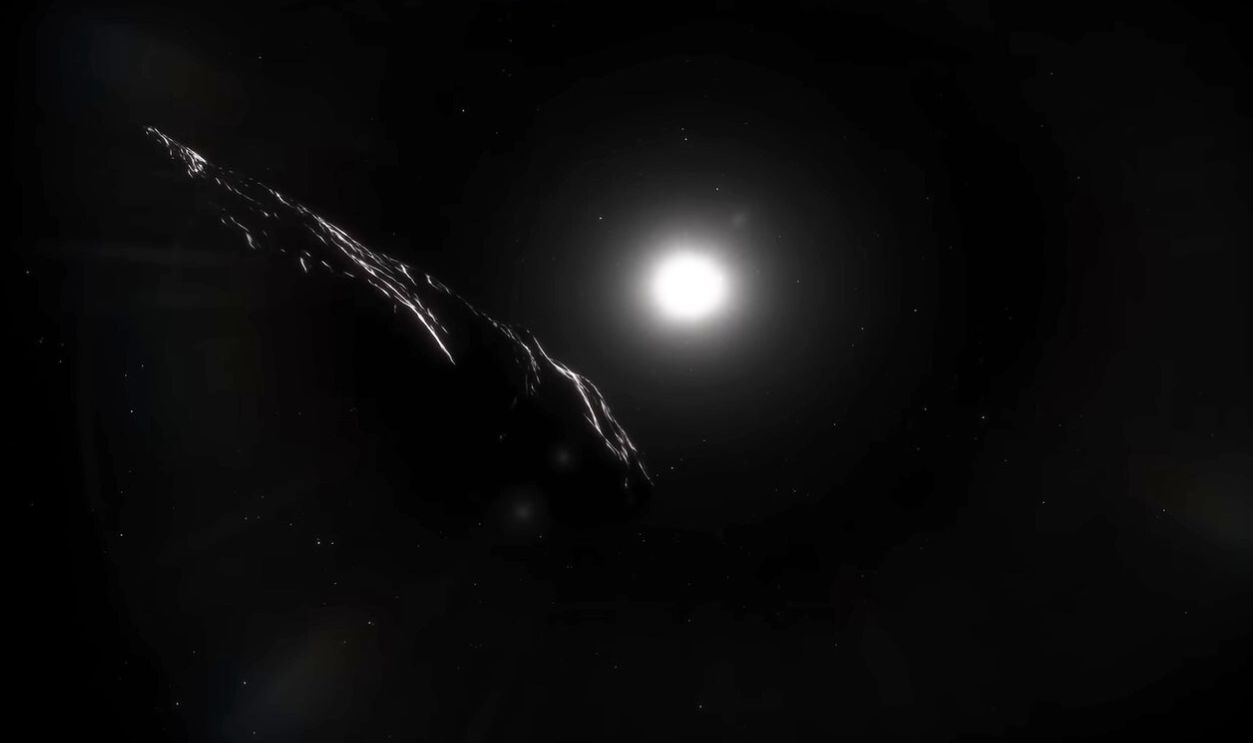
Unlike elongated ’Oumuamua or comet-like Borisov, 3I/ATLAS displays a coma and striking chemistry. Its larger size and unusual gas composition distinguish it from previous interstellar objects, and provide scientists with a fresh case study in how such wanderers vary across origins.
 Arndt Stelter, Wikimedia Commons

History's most fascinating stories and darkest secrets, delivered to your inbox daily.
Why Are We Fascinated By This Comet?
3I/ATLAS may preserve chemistry from an ancient galactic region, possibly predating our solar system. Its unique carbon dioxide dominance challenges established comet models, and gives astronomers a rare chance to test ideas about planetary formation and interstellar diversity.
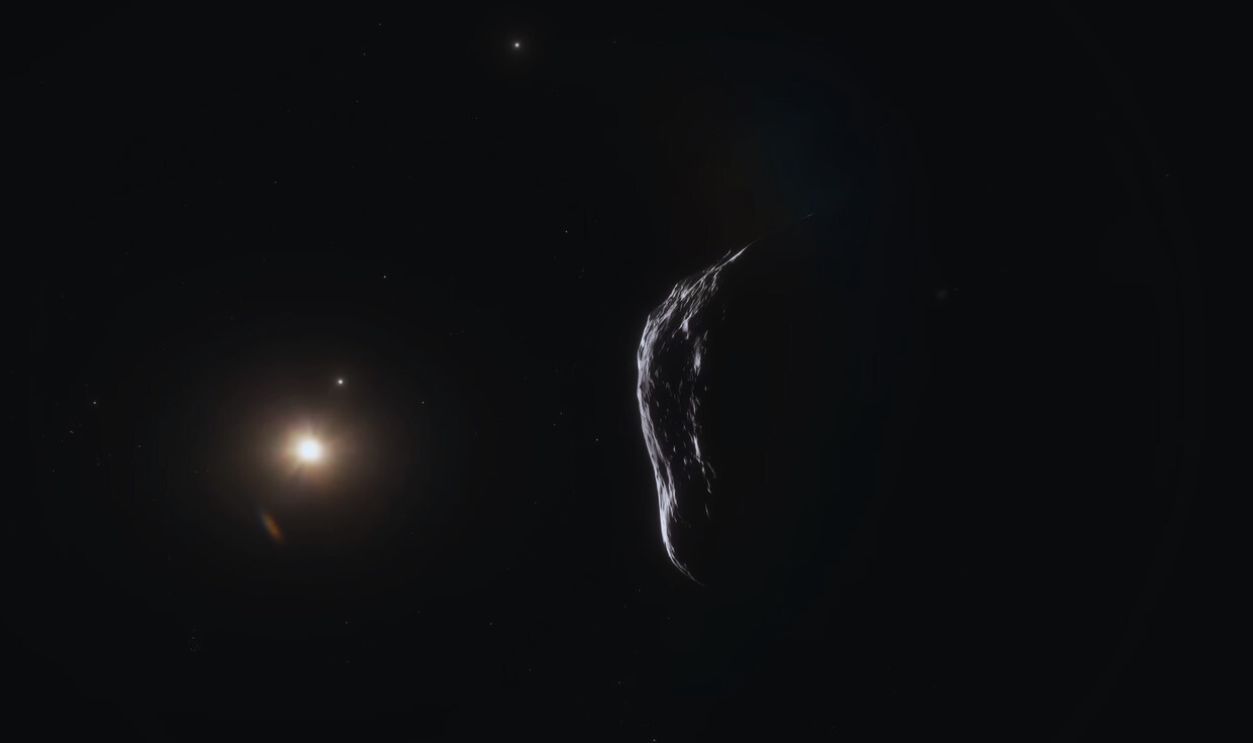 The Object That Will Change Your View of Space Forever by The Space Race
A Brief Window To Examine A Cosmic Stranger
The comet’s closest solar approach comes on October 29, 2025, followed by a near-Earth flyby in December before it fades away forever. This short visibility window intensifies scientific urgency—every observation counts when studying a guest we’ll never encounter again.

Detecting Gases In The Glowing Coma
Using James Webb’s infrared instruments, astronomers detected gas molecules streaming from 3I/ATLAS’s coma. This glowing envelope exposed an unusual chemical balance. Such detection is critical, as the coma directly reflects the comet’s surface composition and volatile release mechanisms.
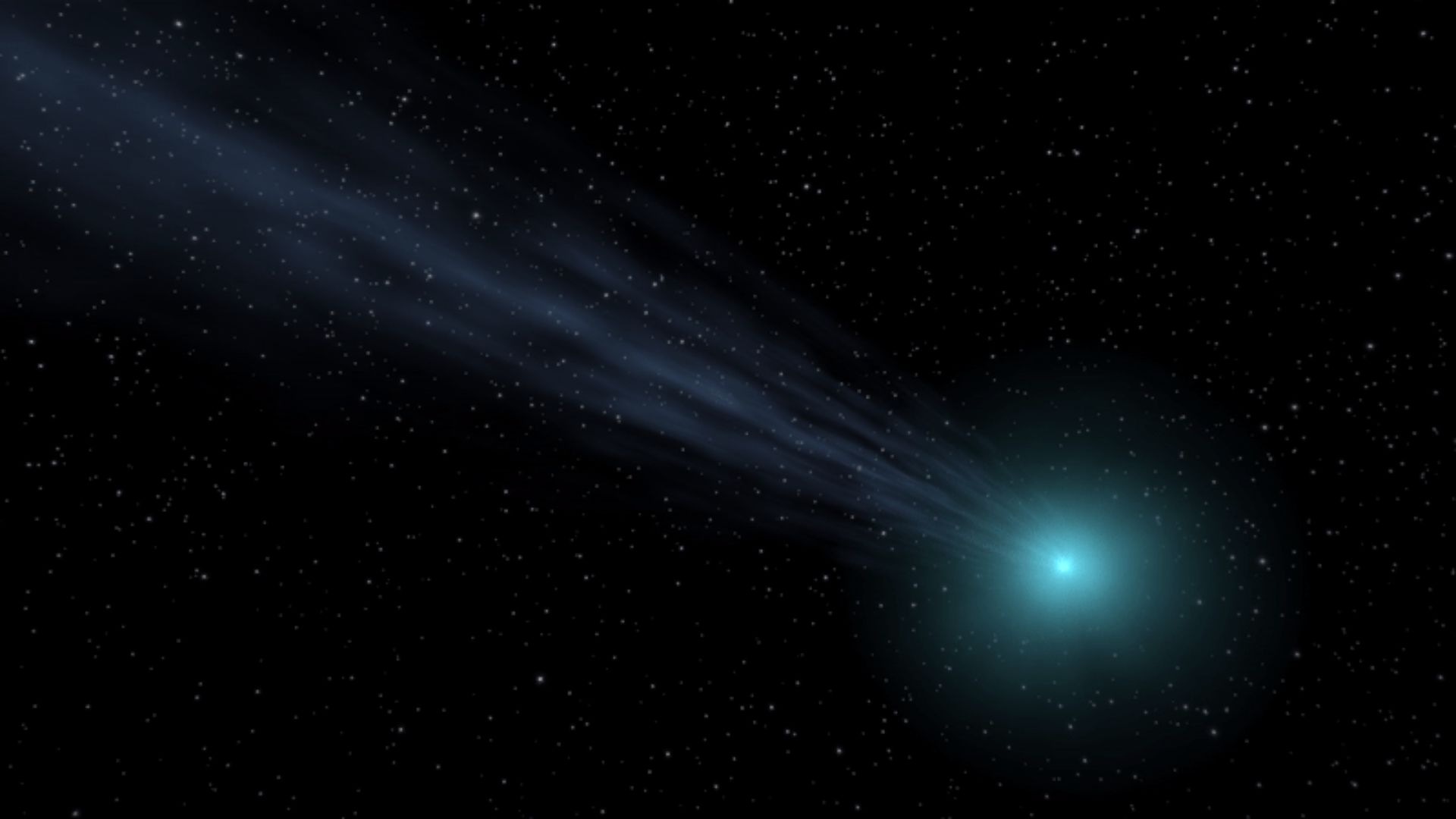 NASA/JPL-Caltech, Wikimedia Commons
A Surprising Dominance Of Carbon Dioxide
Measurements showed an extraordinary 8-to-1 carbon dioxide to water ratio, the highest ever observed in any comet. Most solar system comets are water-rich, which makes this dominance of CO₂ astonishing. It suggests 3I/ATLAS originated in a much colder environment, where carbon dioxide ice was abundant and stable.
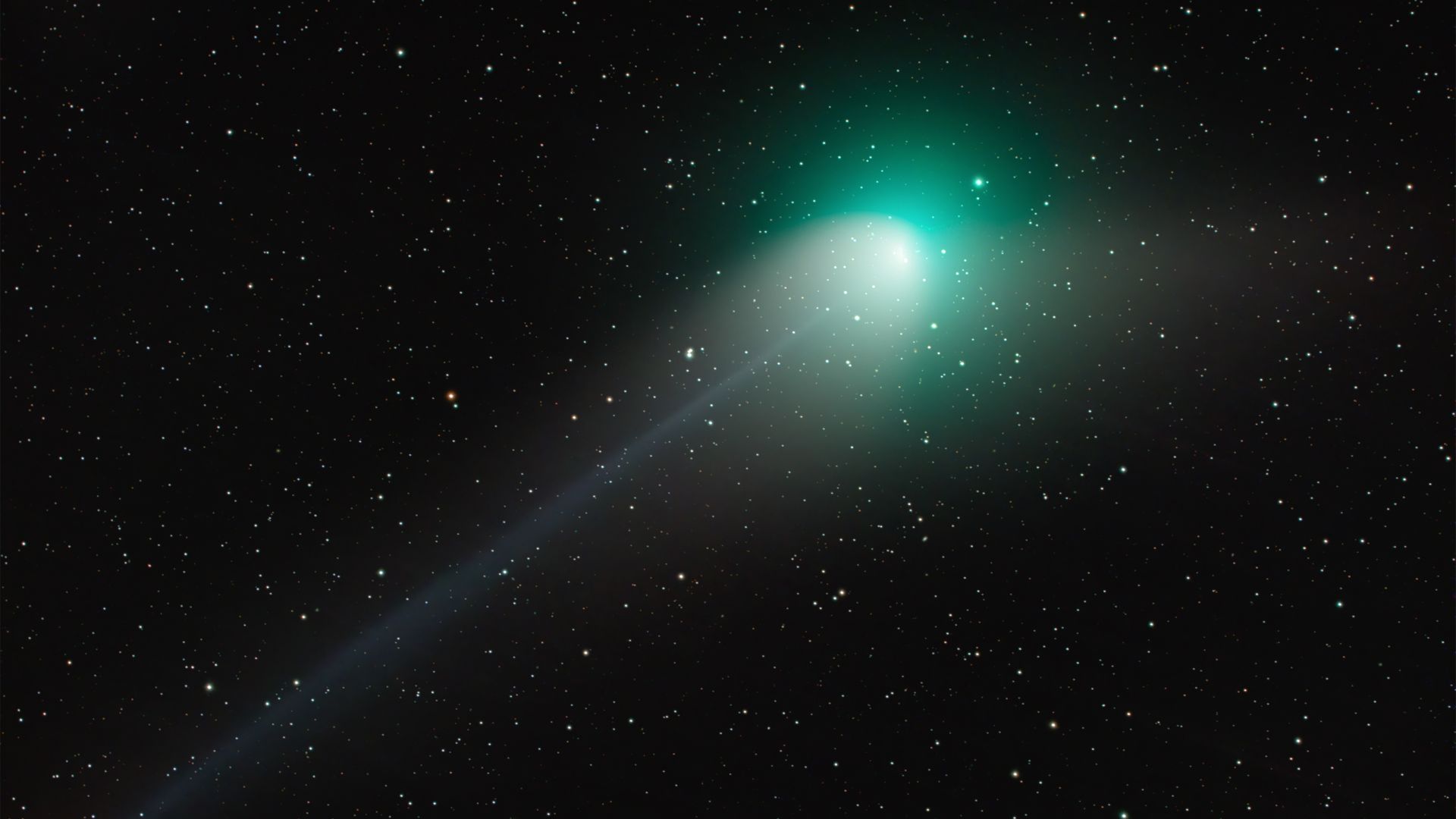 Edu INAF, photographer: Alessandro Bianconi, Wikimedia Commons
The Rarest CO₂-To-Water Ratio Ever Observed
Comet studies usually show CO₂ as a secondary component, but 3I/ATLAS reversed expectations. Its extreme ratio stunned scientists and challenged long-standing assumptions about cometary chemistry. This rare balance could mean its parent system’s protoplanetary disk froze carbon dioxide efficiently, preserving it over billions of years.
 The Object That Will Change Your View of Space Forever by The Space Race
What The Lack Of Water Vapor Suggests
Surprisingly low water emissions may indicate buried or insulated ice beneath the comet’s crust. Unlike solar system comets that readily release water near the Sun, ATLAS appears reluctant. This hints at either deep-seated water ices or radiation-altered surfaces suppressing typical water-driven activity.

Why Does ATLAS Challenge Standard Comet Chemistry?
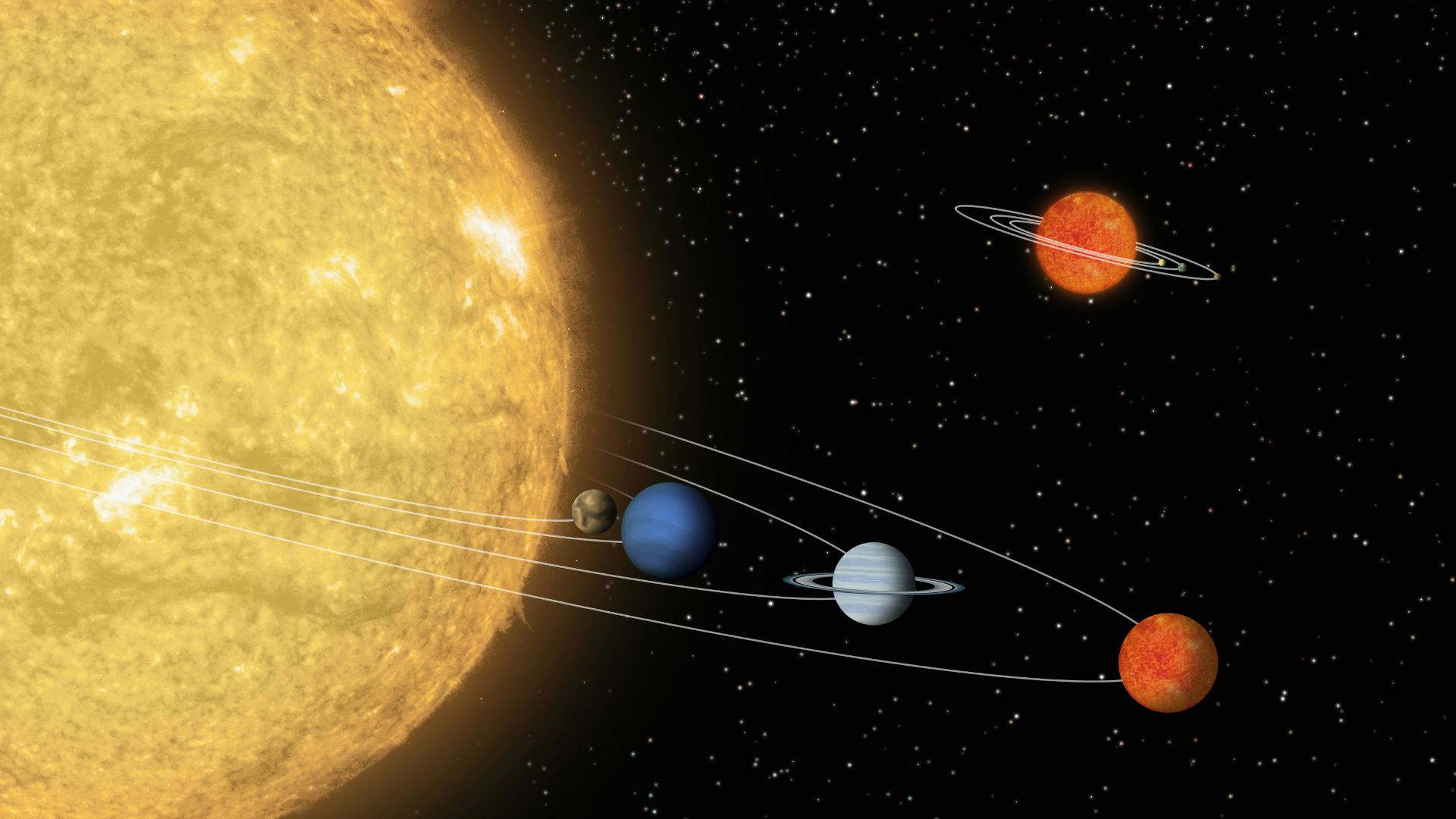
The chemistry of 3I/ATLAS can’t be easily explained by solar system models. Unlike most comets that contain carbon monoxide, scientists believe that this one has been thermally processed in its parent system. This could likely explain its odd composition and features.
 NASA Hubble Space Telescope, Unsplash
A Traveler From Galactic Depths
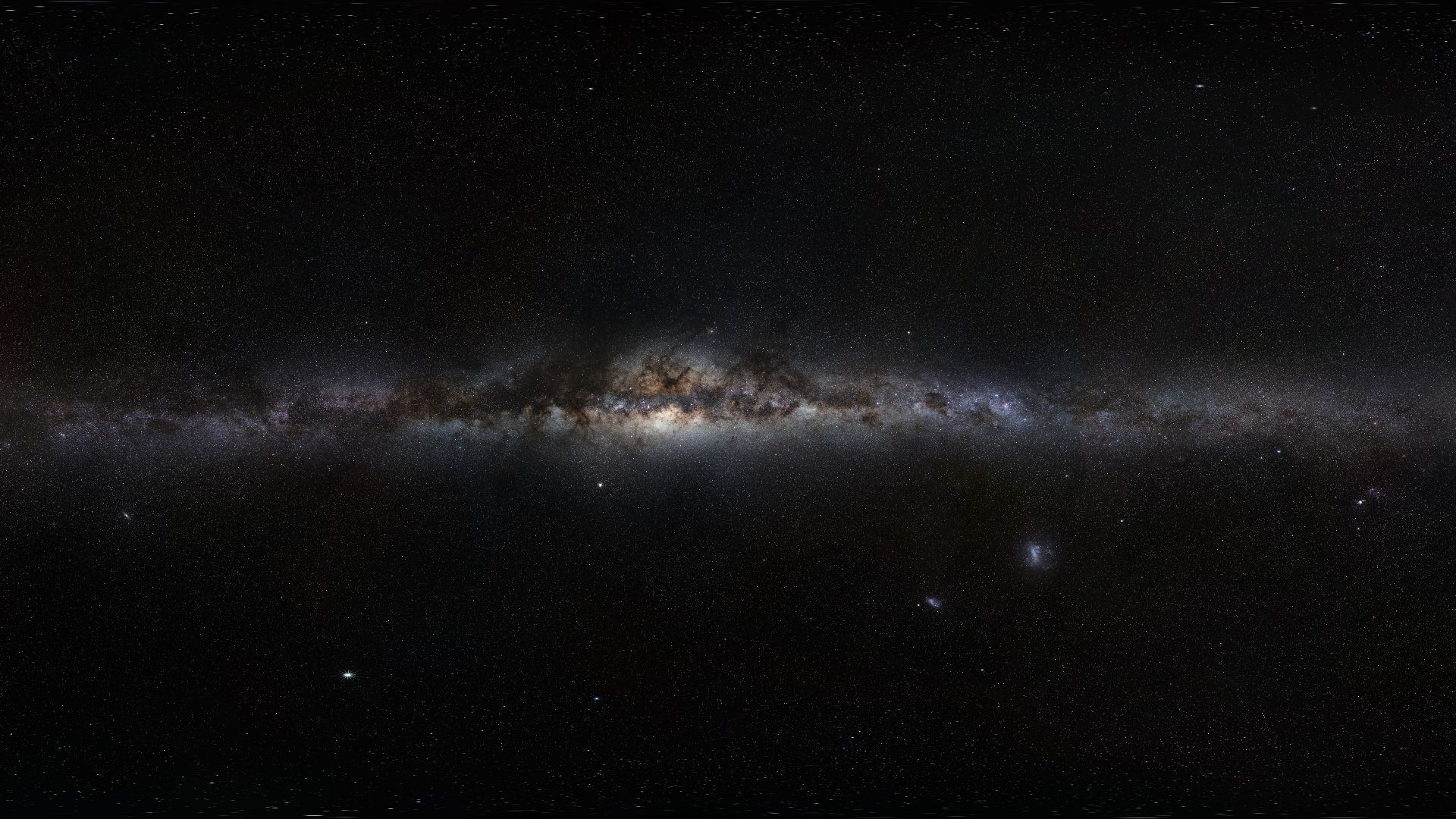
Astronomers suspect 3I/ATLAS comes from the Milky Way’s thick disk, a vast stellar population older than the Sun. Objects from this region are typically metal-poor and ancient. This hints that ATLAS may have formed in an environment billions of years older than our solar system.
 ESO/S. Brunier, Wikimedia Commons
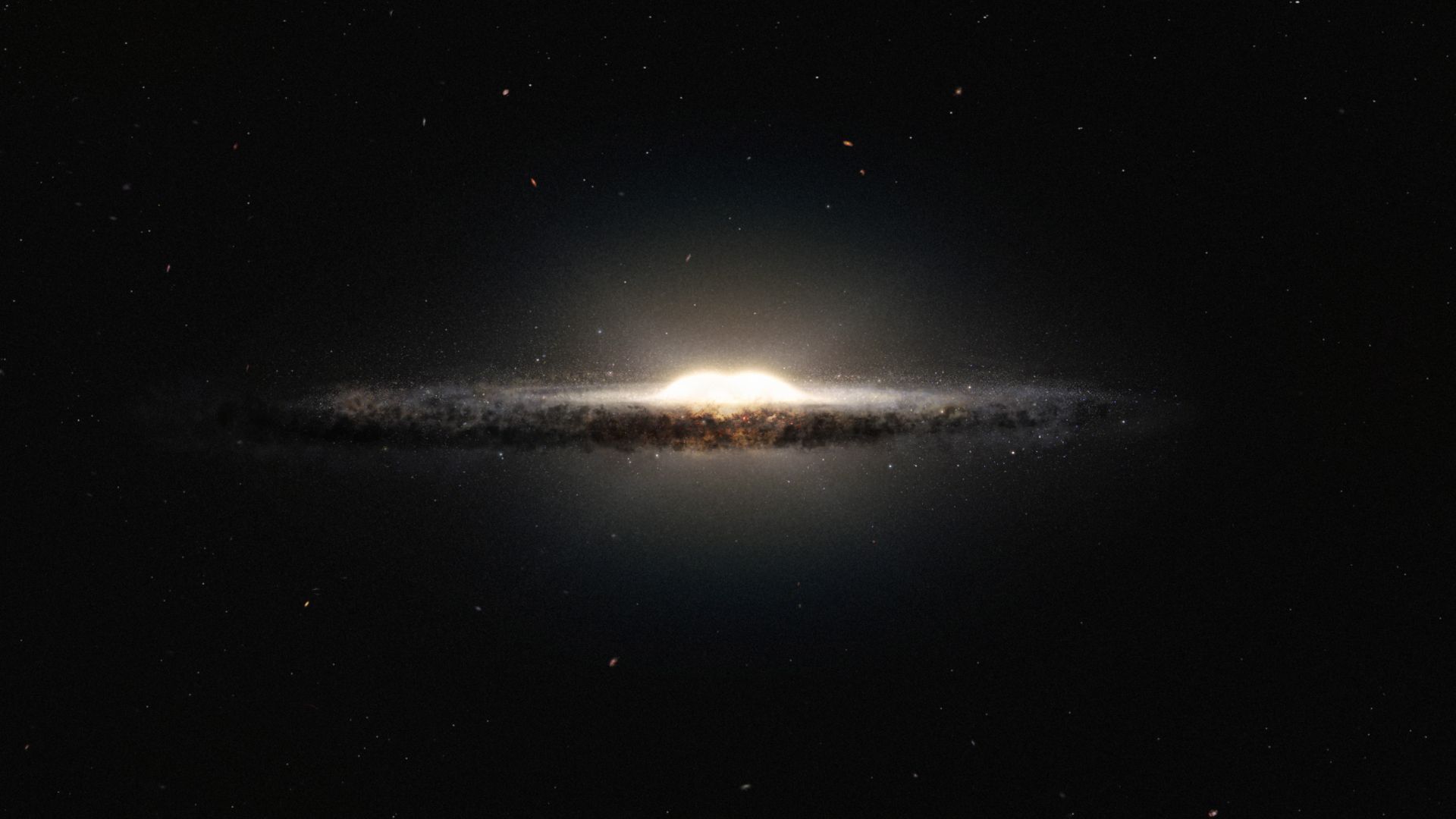
Understanding The Thick Disk Of The Milky Way
The thick disk is a component of our galaxy populated by ancient stars and debris. Its stars formed early in galactic history, giving it a distinctive chemistry. Assuming that ATLAS truly comes from there, it could preserve information about conditions present when the Milky Way itself was still young.
 ESO/NASA/JPL-Caltech/M. Kornmesser/R. Hurt, Wikimedia Commons
Older Than The Birth Of The Solar System
If ATLAS formed in the thick disk, it might predate the Sun’s formation 4.6 billion years ago. That possibility makes it a relic from an earlier galactic era. Studying such an object gives scientists an unprecedented opportunity to probe material that has survived across cosmic time.
Following A Billion-Year Journey
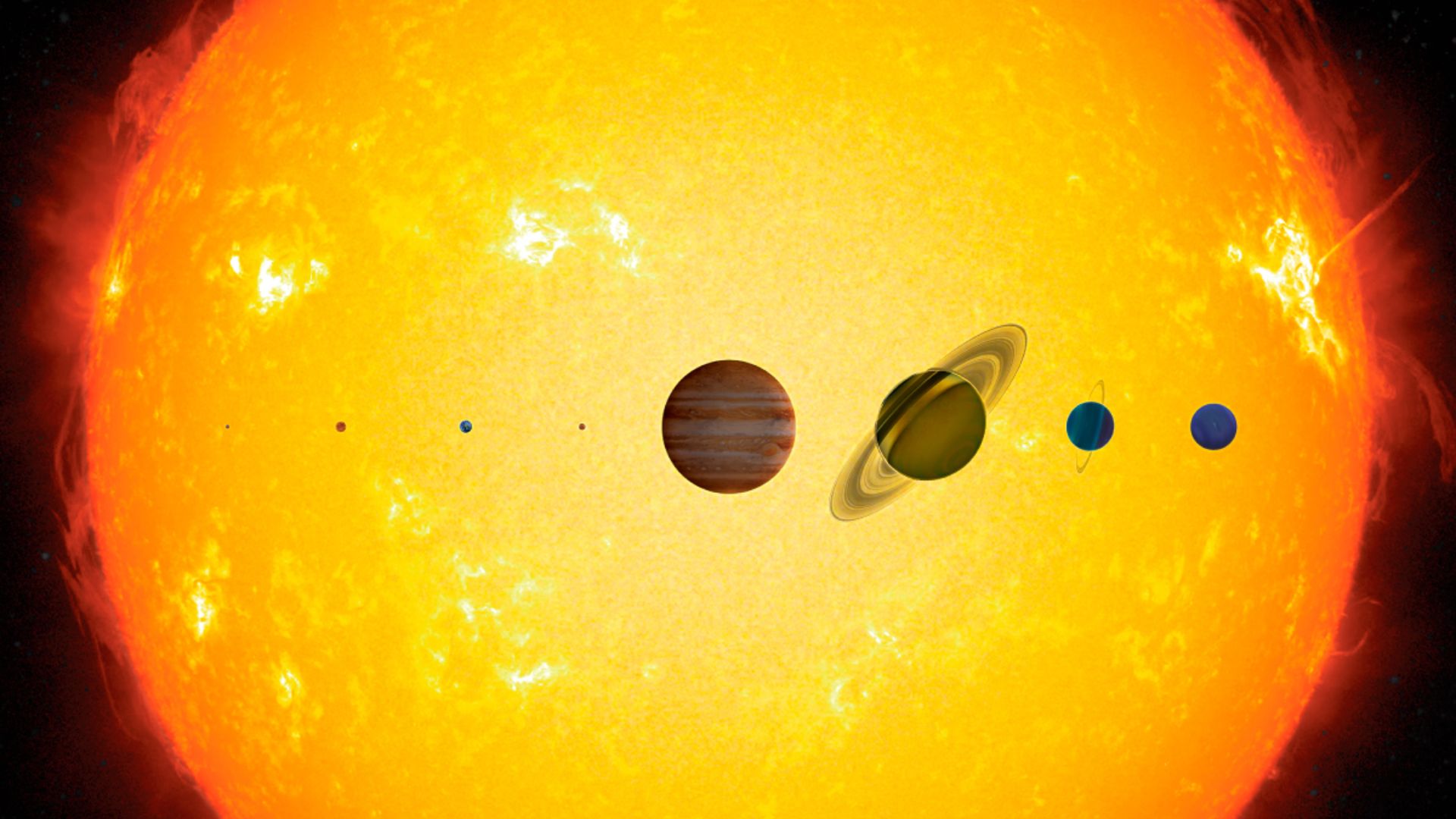
3I/ATLAS has likely traveled across interstellar space for billions of years before wandering into our solar system. Its unbound path suggests no permanent ties to any star. The journey may have taken it past multiple stellar neighborhoods, exposing it to radiation and reshaping its surface before its present visit.
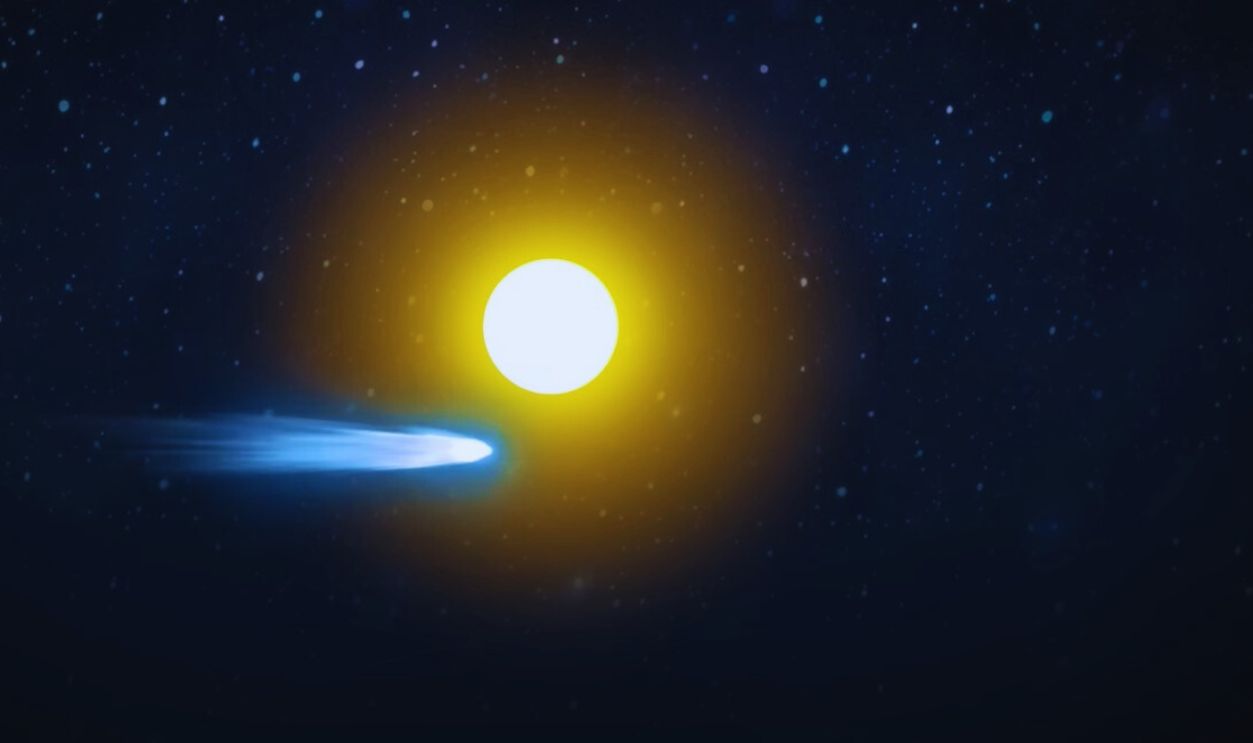 The Object That Will Change Your View of Space Forever by The Space Race
What Ancient Comets Reveal About Our Galaxy
Ancient comets like 3I/ATLAS are cosmic time capsules that hold information about the environments where they formed. By comparing their chemistry to local comets, astronomers can test how planetary systems evolve across the galaxy. ATLAS’s chemistry and age provide unique clues to galactic history and stellar system diversity.
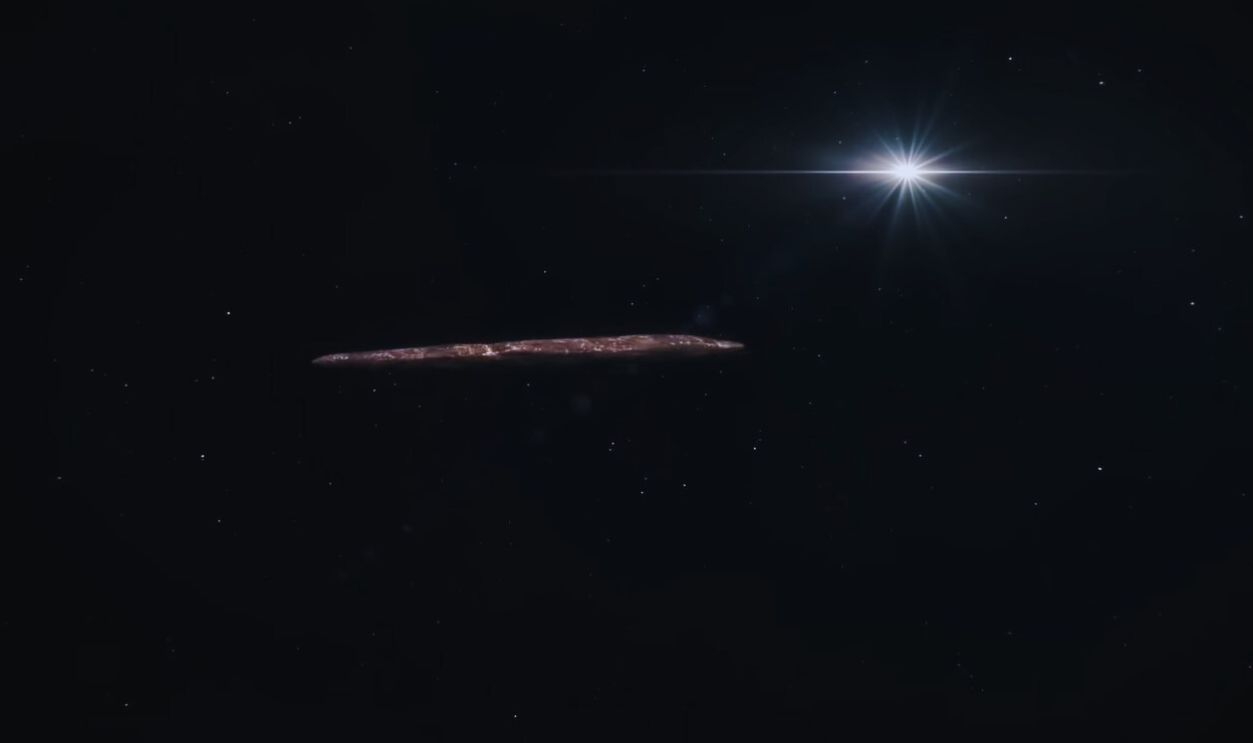 The Object That Will Change Your View of Space Forever by The Space Race
The James Webb Space Telescope’s Breakthrough Role
The James Webb Space Telescope (JWST) played a central role in analyzing 3I/ATLAS and its unique composition and features. Webb’s sensitivity allowed scientists to measure faint emissions, making it possible to characterize components that ground-based telescopes could not detect with precision.
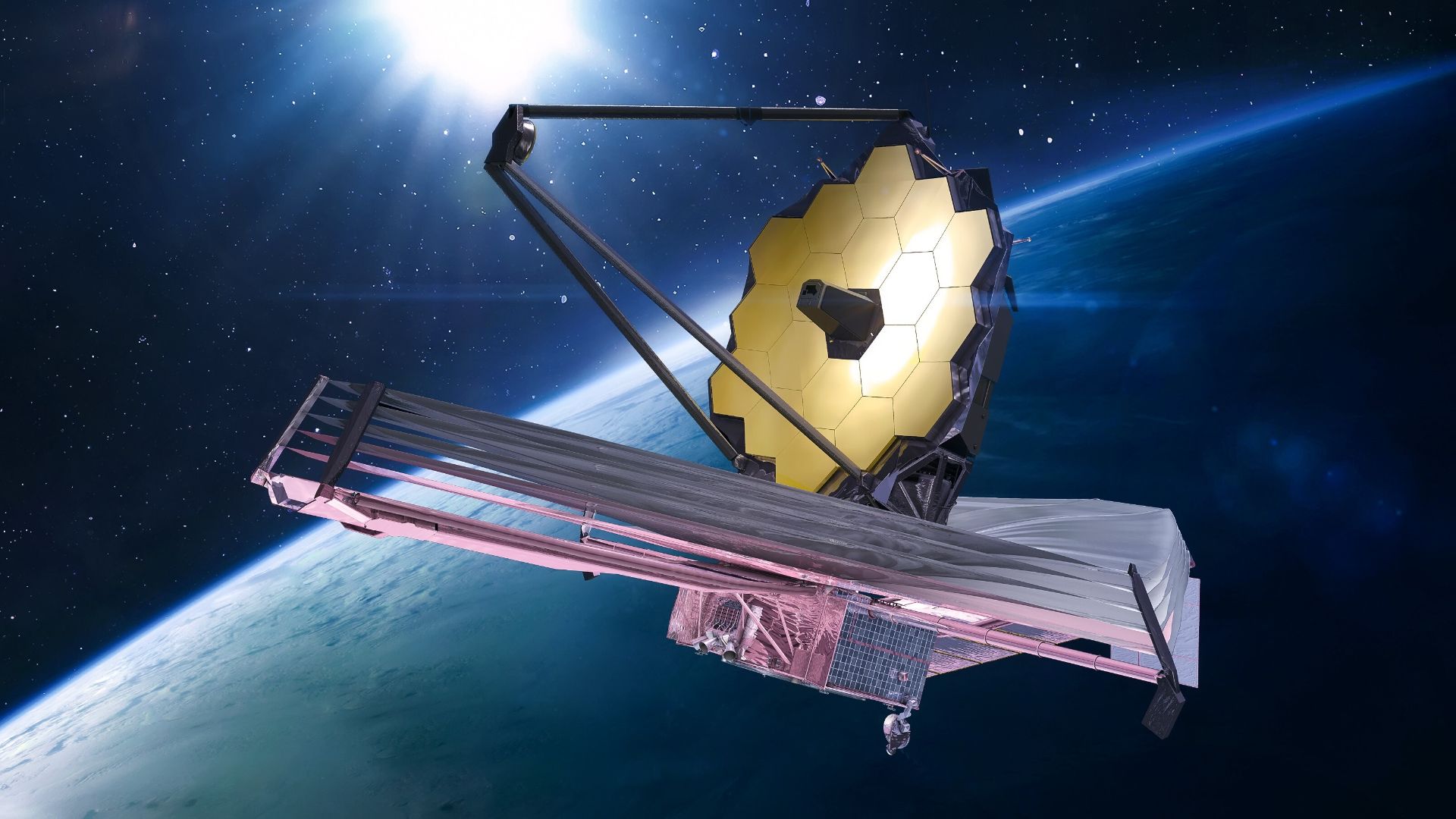 NASA/dima_zel, Wikimedia Commons
Insights From The Hubble Space Telescope
NASA’s Hubble Space Telescope complemented Webb by observing ATLAS’s coma and tail in visible light. These images revealed the comet’s dust activity, structure, and changes over time. Hubble’s long heritage of comet observations provided a basis for comparison and helped researchers evaluate how ATLAS differs from comets within our solar system.
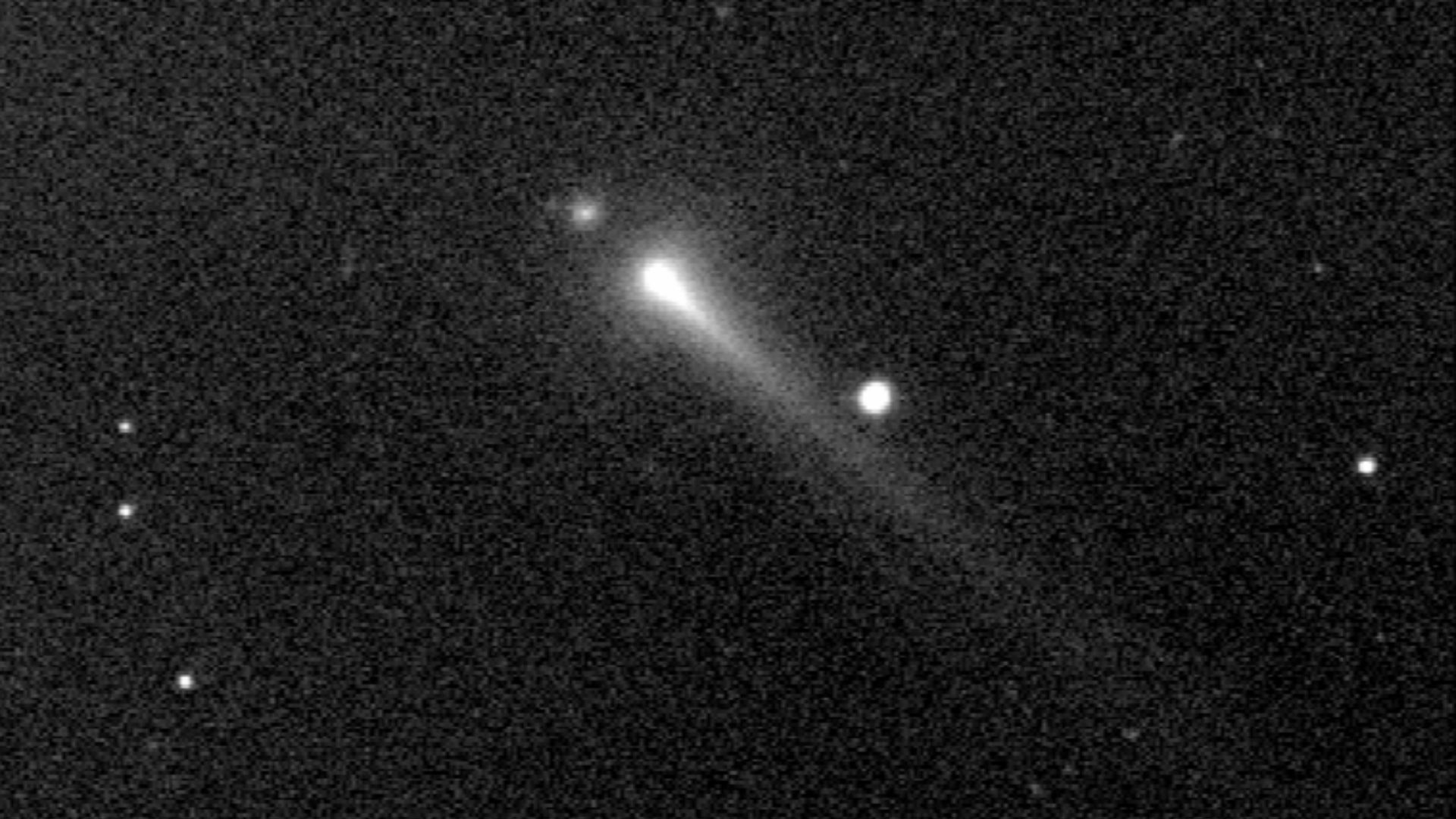 NASA/JPL-Caltech/IRSA/ZTF, Wikimedia Commons
Ground-Based Observatories Add To The Picture
Large telescopes on Earth—including observatories in Chile and Hawaii—contributed vital tracking data. Coordinated campaigns between space- and ground-based instruments ensured a full spectrum of observations that gave astronomers a multi-dimensional view of this rare interstellar visitor.
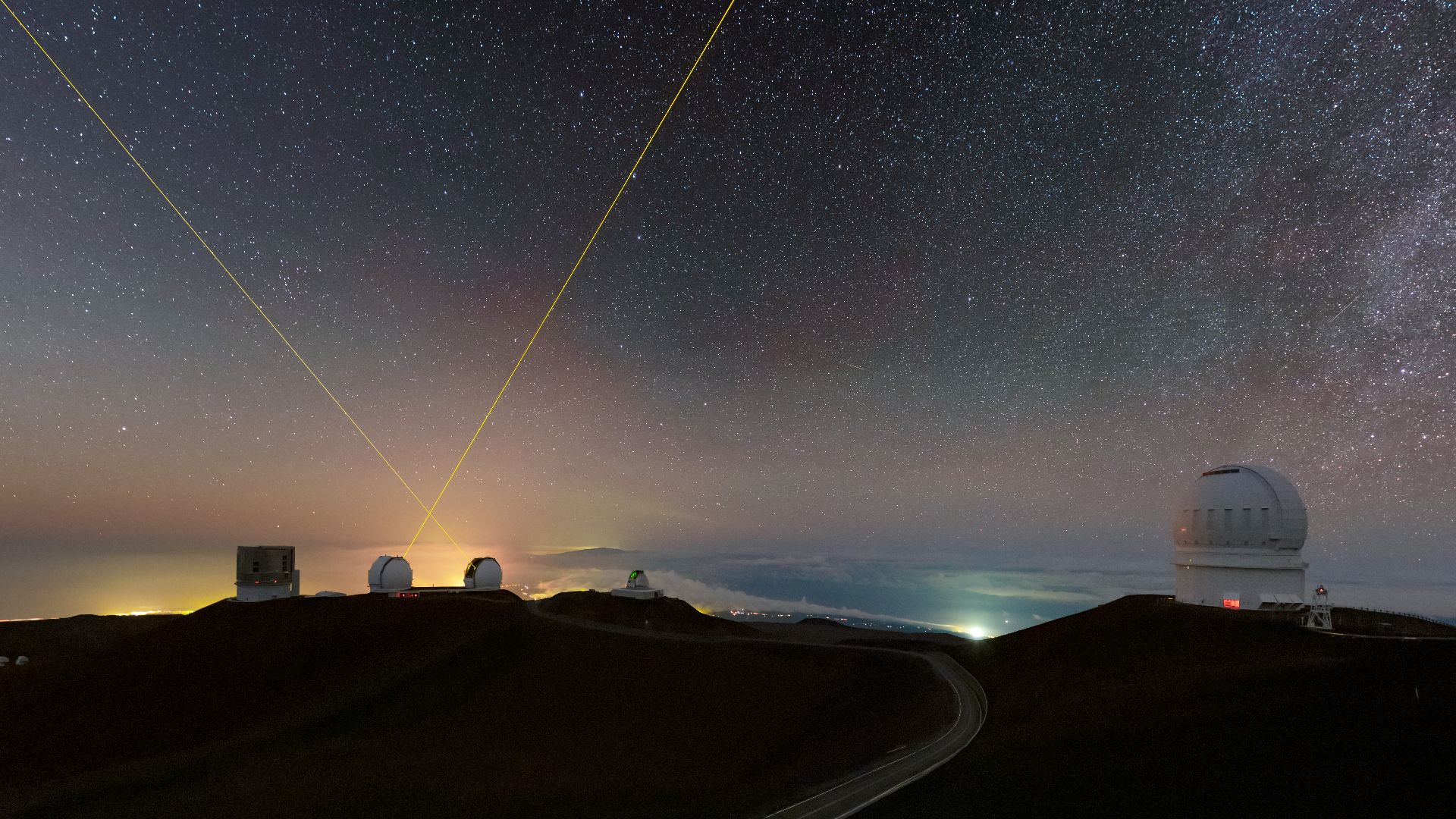 International Gemini Observatory/NOIRLab/NSF/AURA/B. Tafreshi, Wikimedia Commons
The Promise Of The Upcoming SPHEREx Mission
NASA’s SPHEREx mission, launched in March 2025, is set to survey the entire sky in infrared to offer future opportunities to examine interstellar objects. SPHEREx has observed 3I/ATLAS in August 2025, detecting CO₂ and water spectral fingerprints alongside other instruments, which confirms initial results.
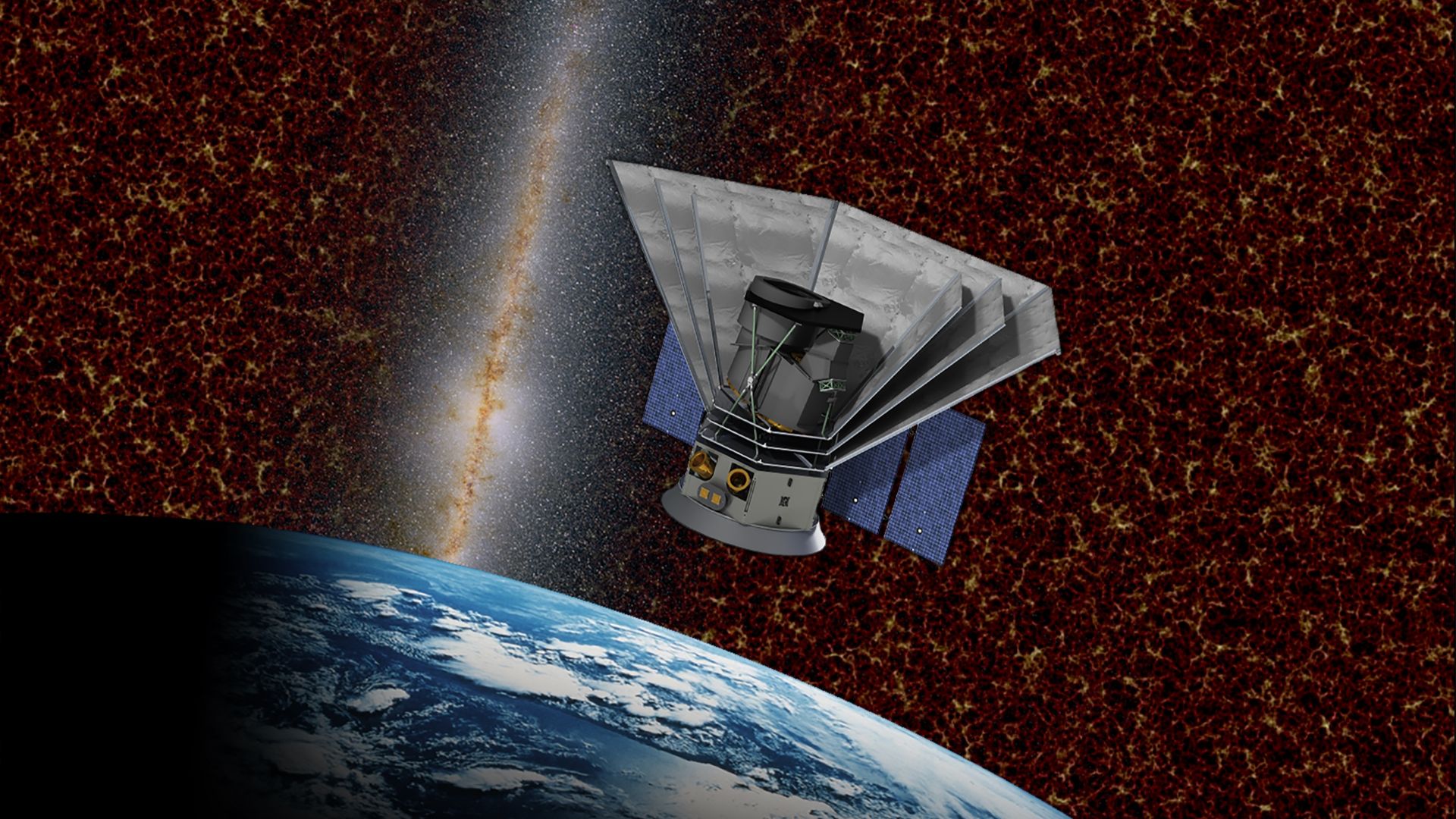 NASA Jet Propulsion Laboratory, Wikimedia Commons
A Global Effort To Understand Interstellar Wanderers
The study of 3I/ATLAS reflects unprecedented global collaboration. Teams worldwide pooled data from JWST, Hubble, ground observatories, and space missions. Each facility contributed a unique perspective, turning the comet into a shared scientific priority. This cooperative approach shows how rare interstellar objects spark worldwide efforts to expose galactic mysteries.
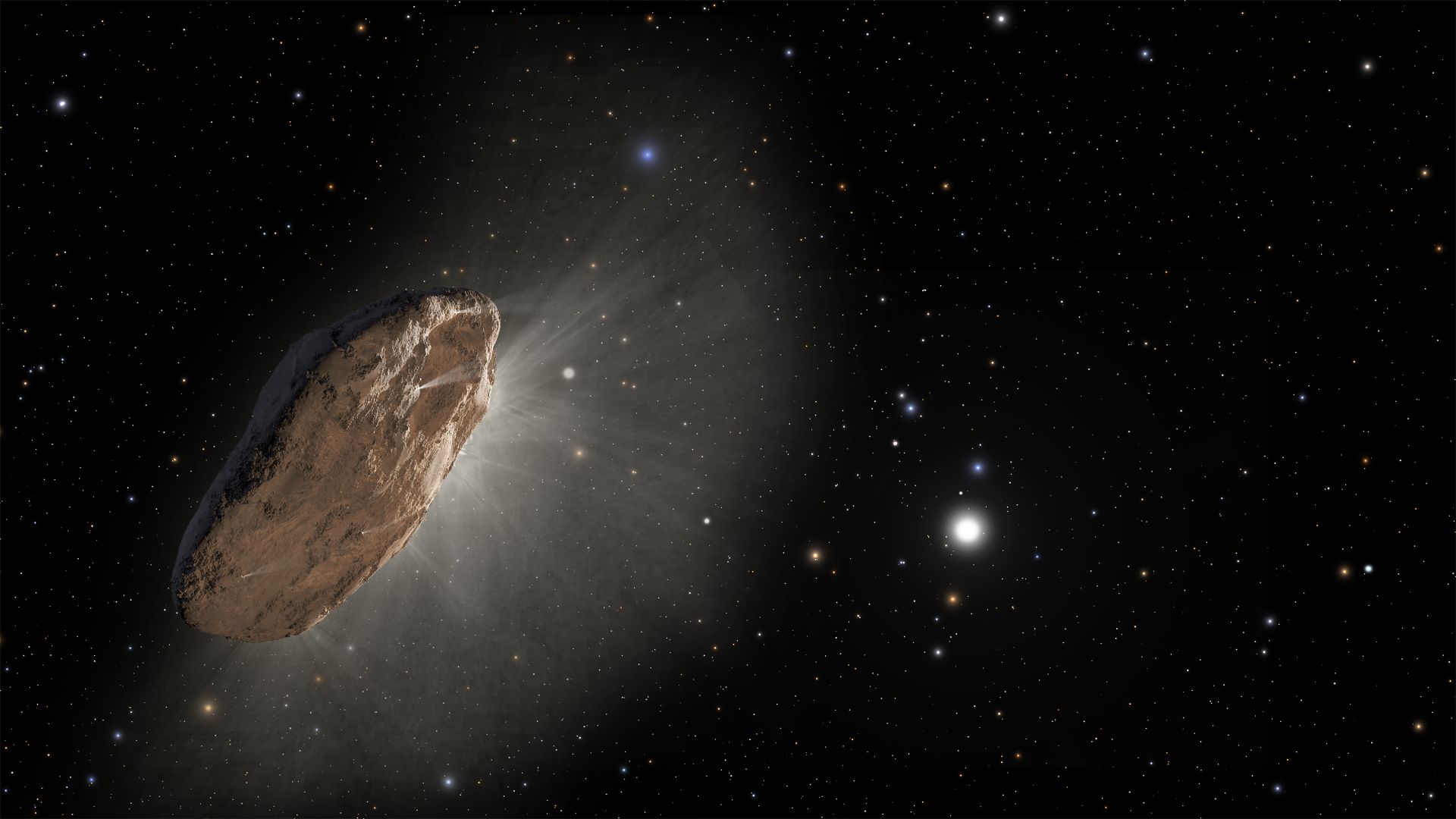 NASA's James Webb Space Telescope from Greenbelt, MD, USA, Wikimedia Commons
Charting The Comet’s Current Path
Astronomers have mapped 3I/ATLAS’s hyperbolic orbit with precision. It entered the solar system from deep space and will leave it forever after passing the Sun and Earth. As a true interstellar traveler, this is the only chance we get to study this wandering object.
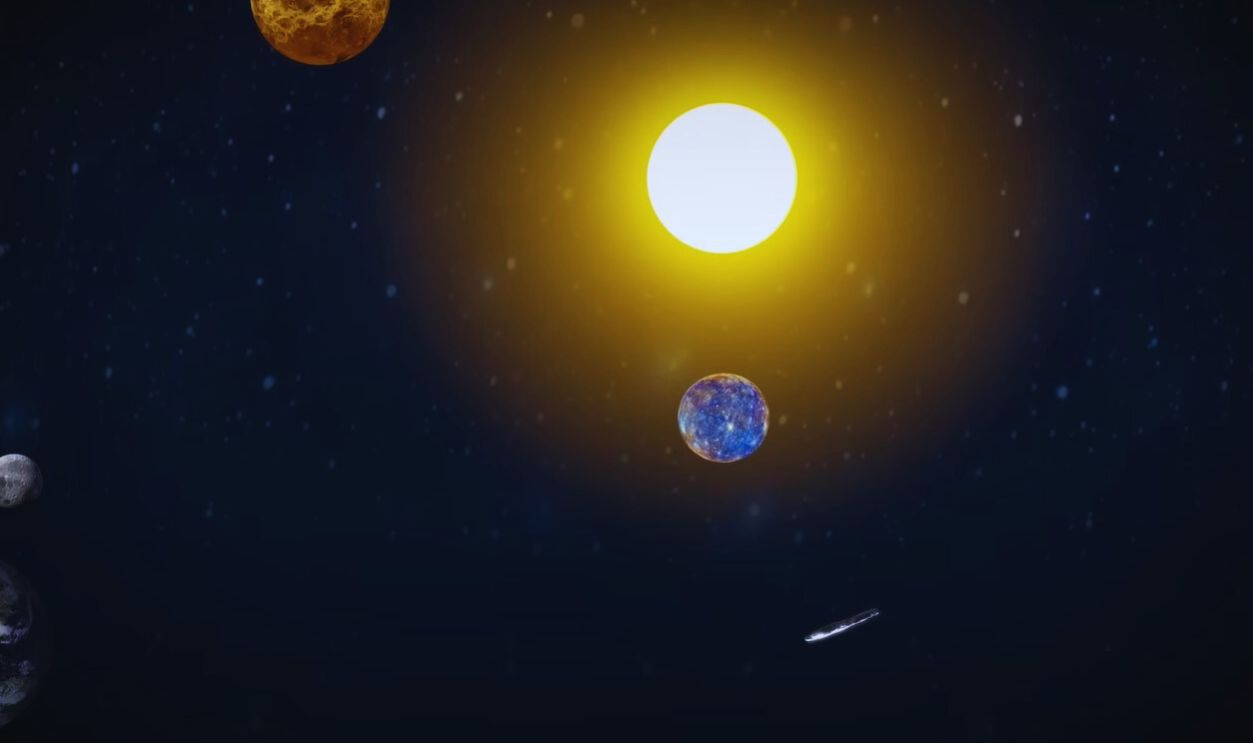 The Object That Will Change Your View of Space Forever by The Space Race
The October Encounter With The Sun
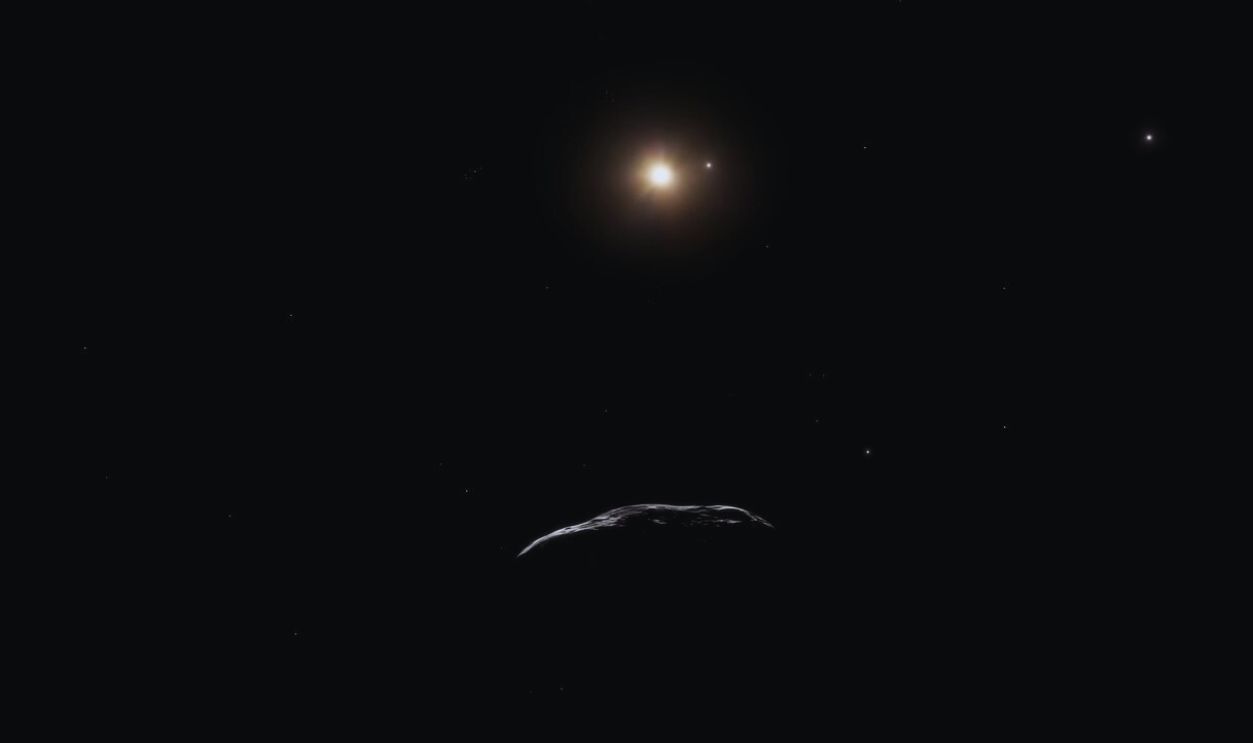
On October 29, 2025, ATLAS will reach perihelion—its closest approach to the Sun—at roughly 1.36 astronomical units, slightly farther than Earth’s orbit. This will be the best opportunity for telescopes to observe its chemical features, as increased solar heating drives gas and dust activity.
 The Object That Will Change Your View of Space Forever by The Space Race
The December Flyby Near Earth
Following perihelion, ATLAS will pass its closest distance to Earth on December 19, 2025, at about 1.8 astronomical units away. Though still relatively distant, this alignment offers a valuable chance for global observatories to track its evolution before it recedes into interstellar space.
Will ATLAS Be Visible?
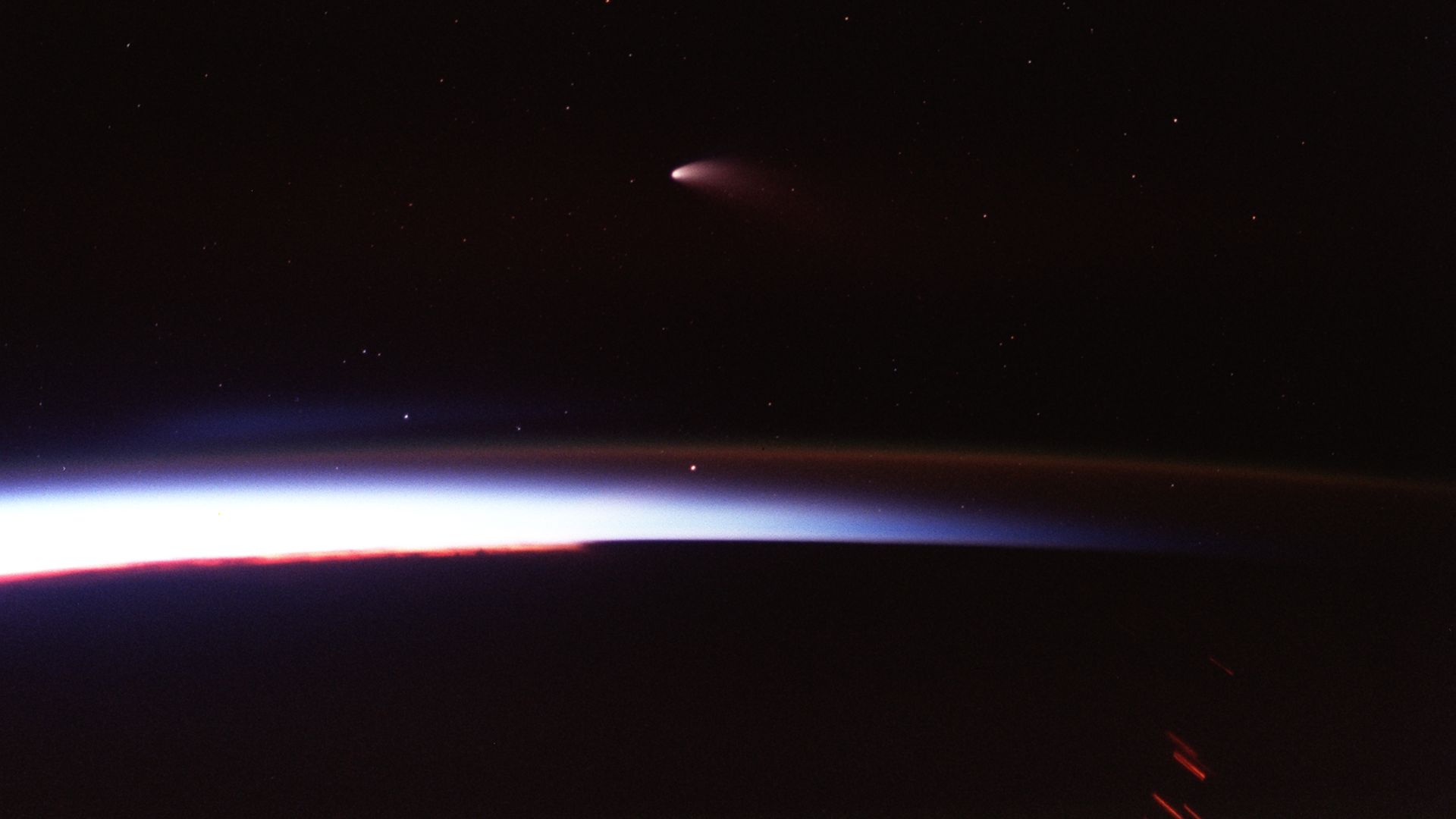
Despite its size, ATLAS is not expected to become a bright object. At its peak, it may only be visible with mid-sized telescopes under dark skies. Its scientific significance, however, far outweighs its faint appearance, since instruments like JWST can highlight details invisible to human observers.
What Astronomers Hope To Learn During Its Passage
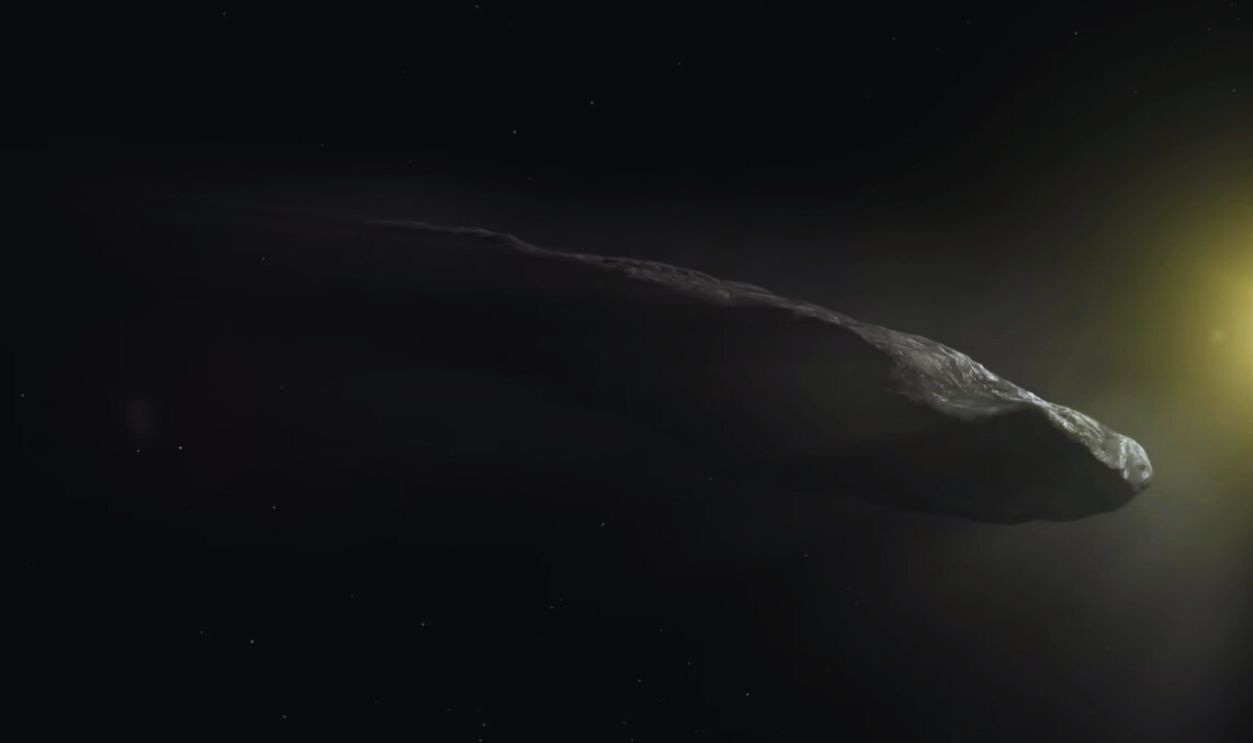
The comet’s 2025 flyby provides a fleeting opportunity to gather transformative data. Astronomers hope to refine its chemical profile, monitor its dust output, and test competing theories about its origins. Every observation during this short passage unlocks secrets about how interstellar comets form and evolve.
 The Object That Will Change Your View of Space Forever by The Space Race
Rethinking How Planets And Comets Form
3I/ATLAS challenges conventional ideas of comet formation. Its carbon dioxide dominance suggests that icy bodies can form under drastically different conditions than those in our solar system. By studying it, astronomers refine models of how volatile materials distribute in protoplanetary disks, ultimately shaping the chemistry of planets and moons.
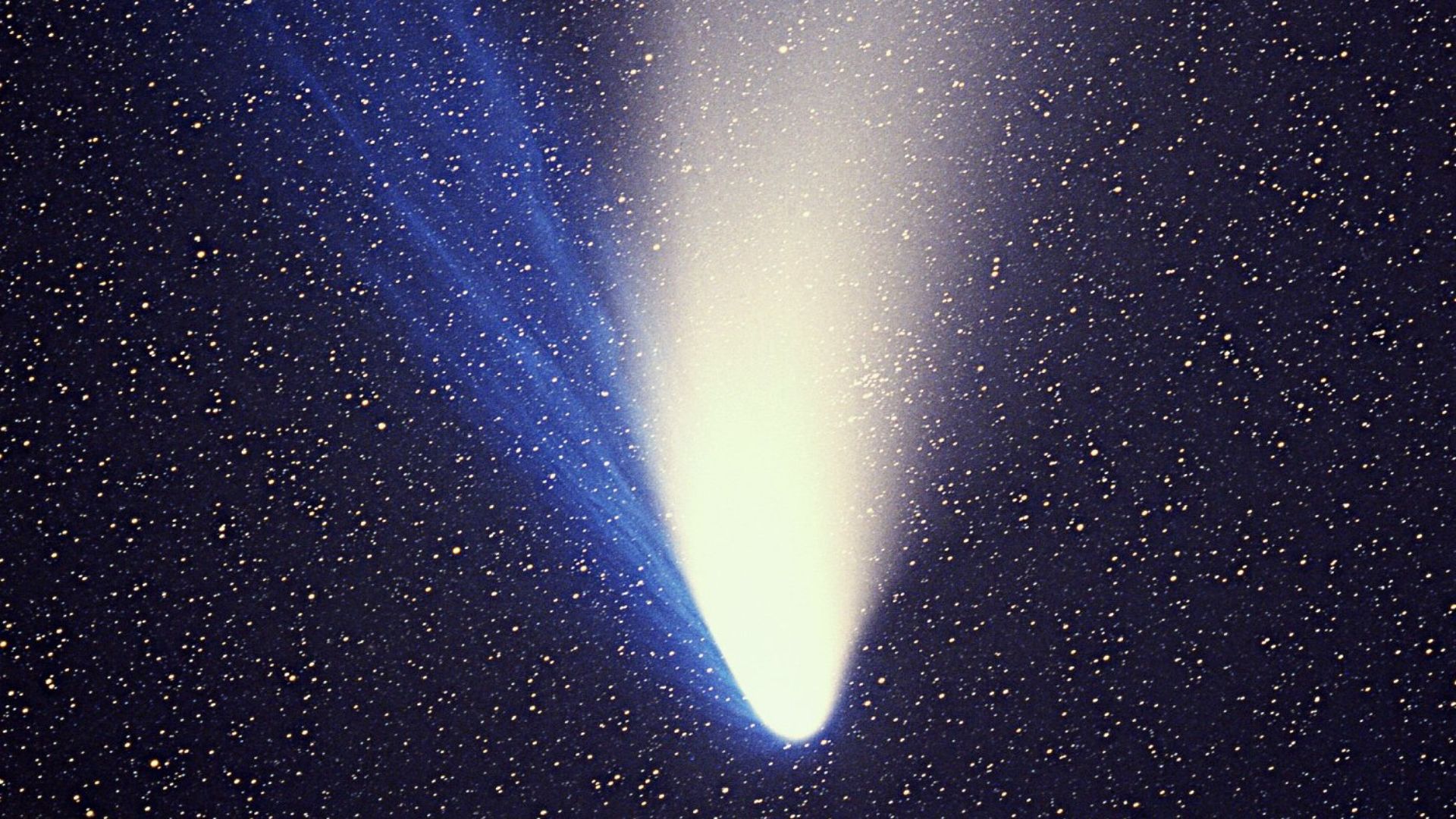
Expanding Our Understanding Of Cosmic Diversity
This comet shows how diverse planetary systems across the galaxy may be. Unlike solar system comets dominated by ice, ATLAS offers a glimpse into environments where CO₂ played the leading role. Such variety reminds us that our solar system is not the universal template for cosmic formation.
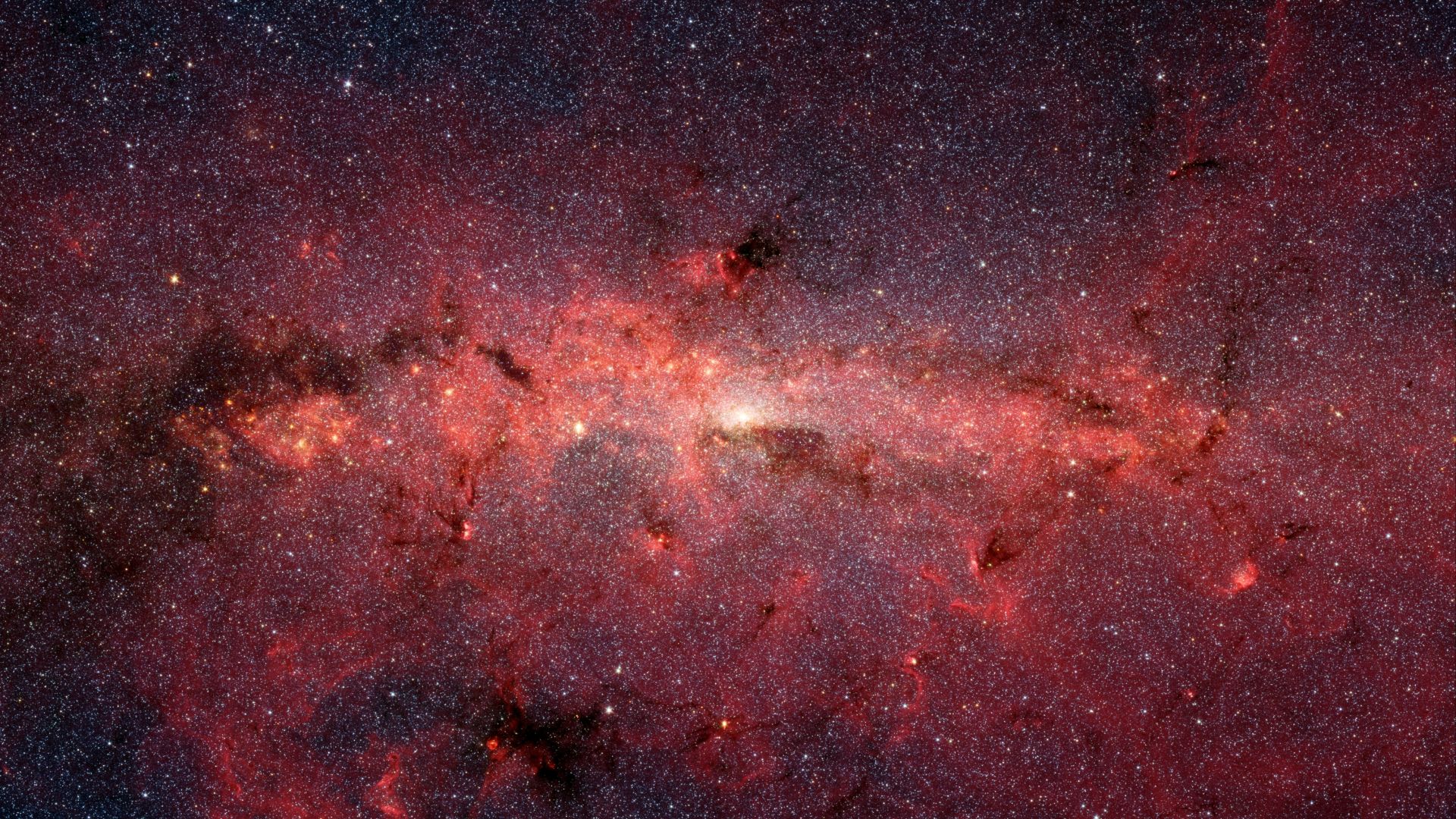 Credit: NASA/JPL-Caltech/S. Stolovy (Spitzer Science Center/Caltech), Wikimedia Commons
Testing Long-Held Theories With Fresh Evidence
Astronomers have long theorized about how radiation and disk environments influence comets. ATLAS provides rare evidence to test those ideas against real data. Its anomalies force revisions of cometary assumptions and transform speculation into measurable science. They give planetary formation theories new benchmarks rooted in direct observation.
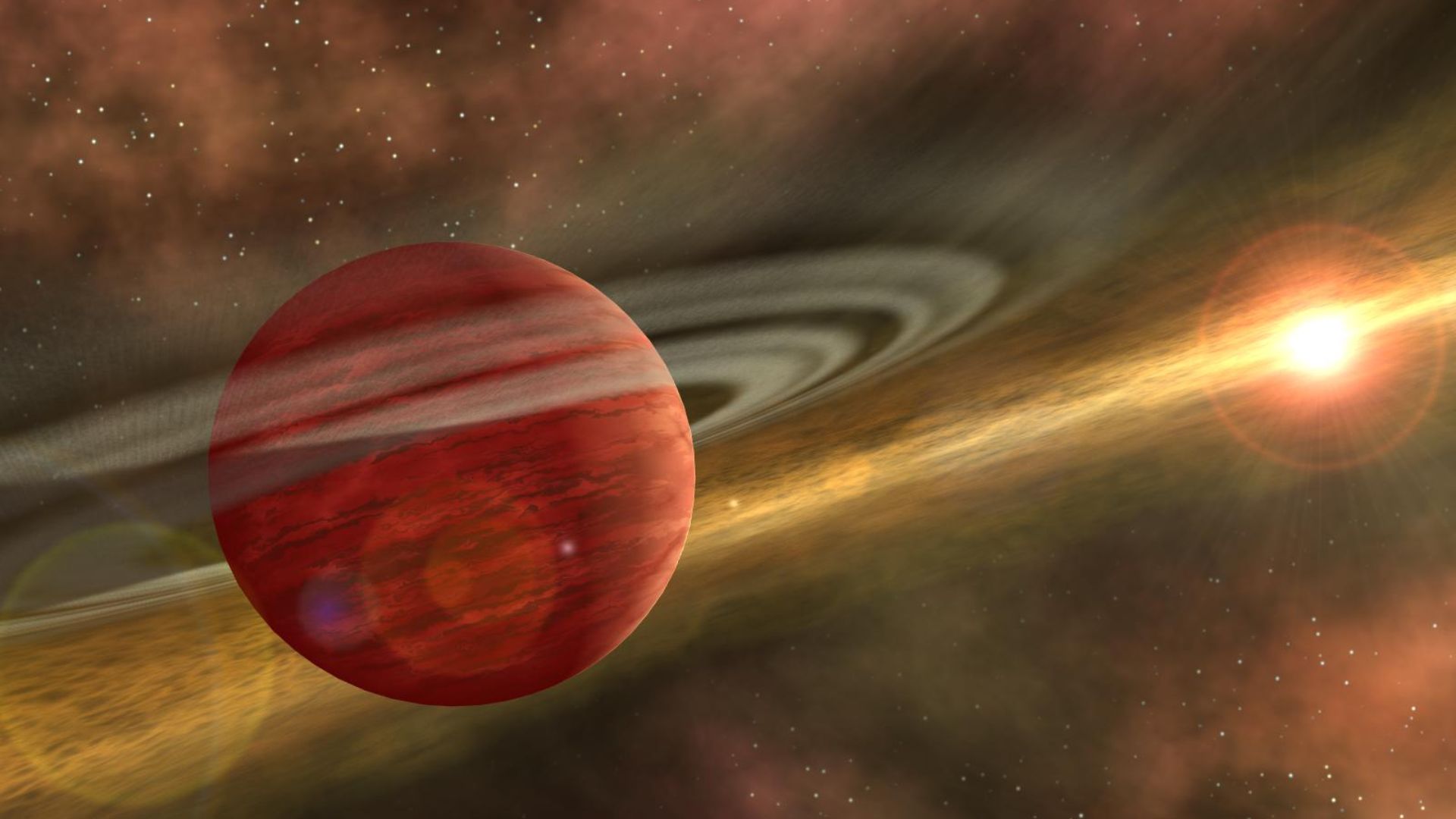
Comparing Interstellar Visitors To Local Comets
By comparing ATLAS with comets native to the solar system, scientists can identify what is universal versus unique. Differences in volatile ratios and activity patterns highlight the influence of origin environments. These comparisons deepen understanding of how location, age, and stellar chemistry shape icy wanderers differently.
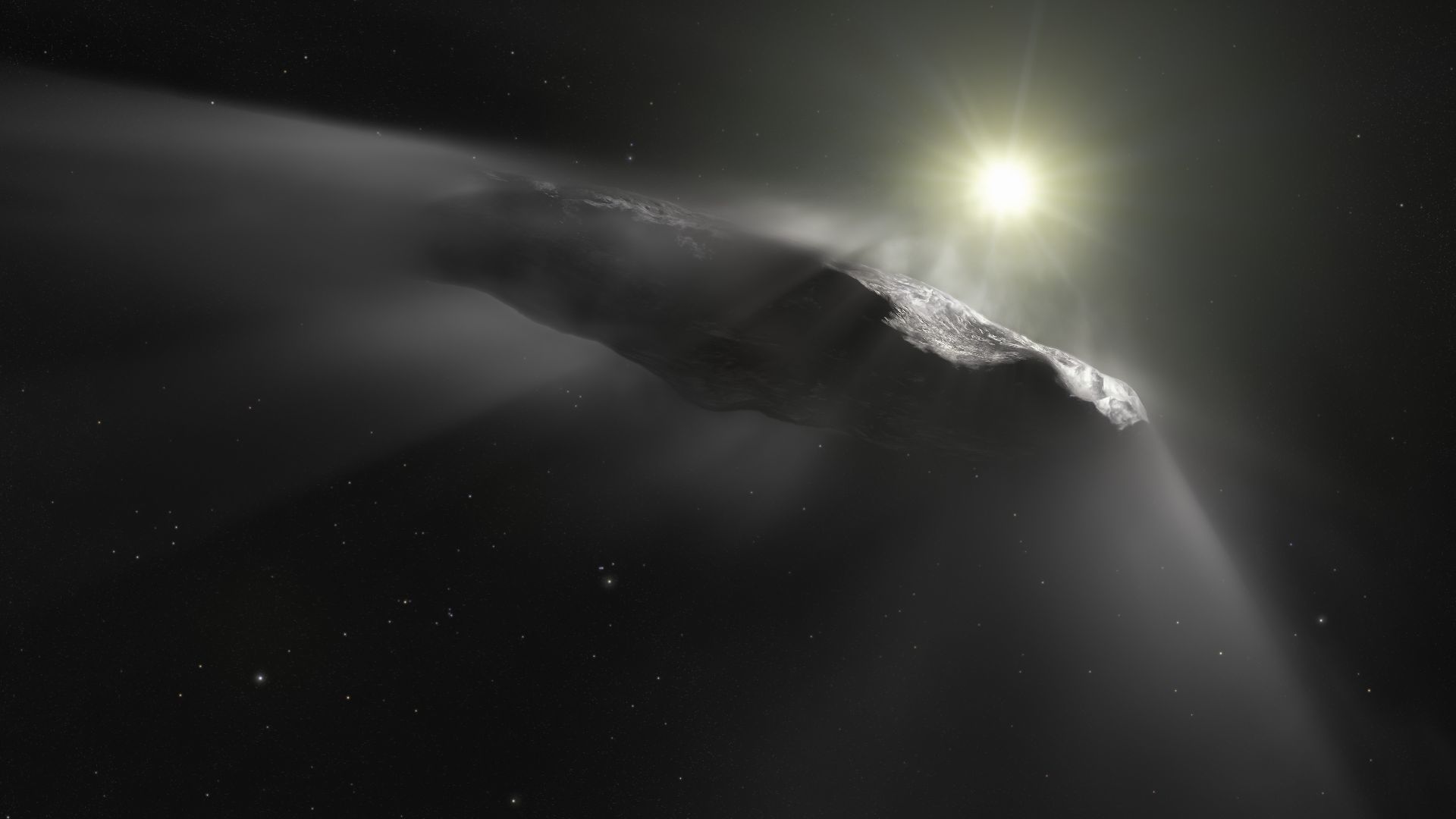 ESA/Hubble, NASA, ESO, M. Kornmesser, Wikimedia Commons
Building A Framework For Future Discoveries
ATLAS is only the third confirmed interstellar object. By documenting its traits carefully, scientists create a framework for interpreting future discoveries. Each interstellar guest adds a new piece to the puzzle to help astronomers anticipate the range of chemical signatures and orbital behaviors these rare cosmic emissaries might display.
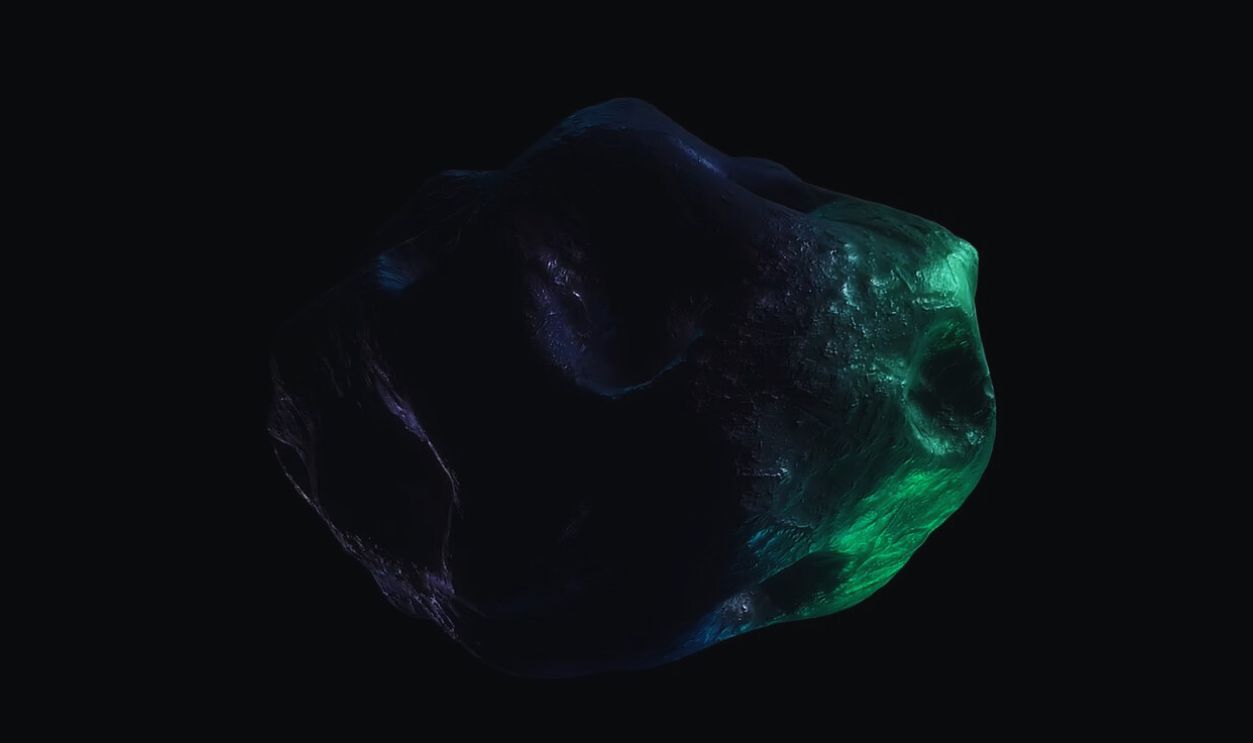 The Object That Will Change Your View of Space Forever by The Space Race
Could We One Day Send A Mission To One?
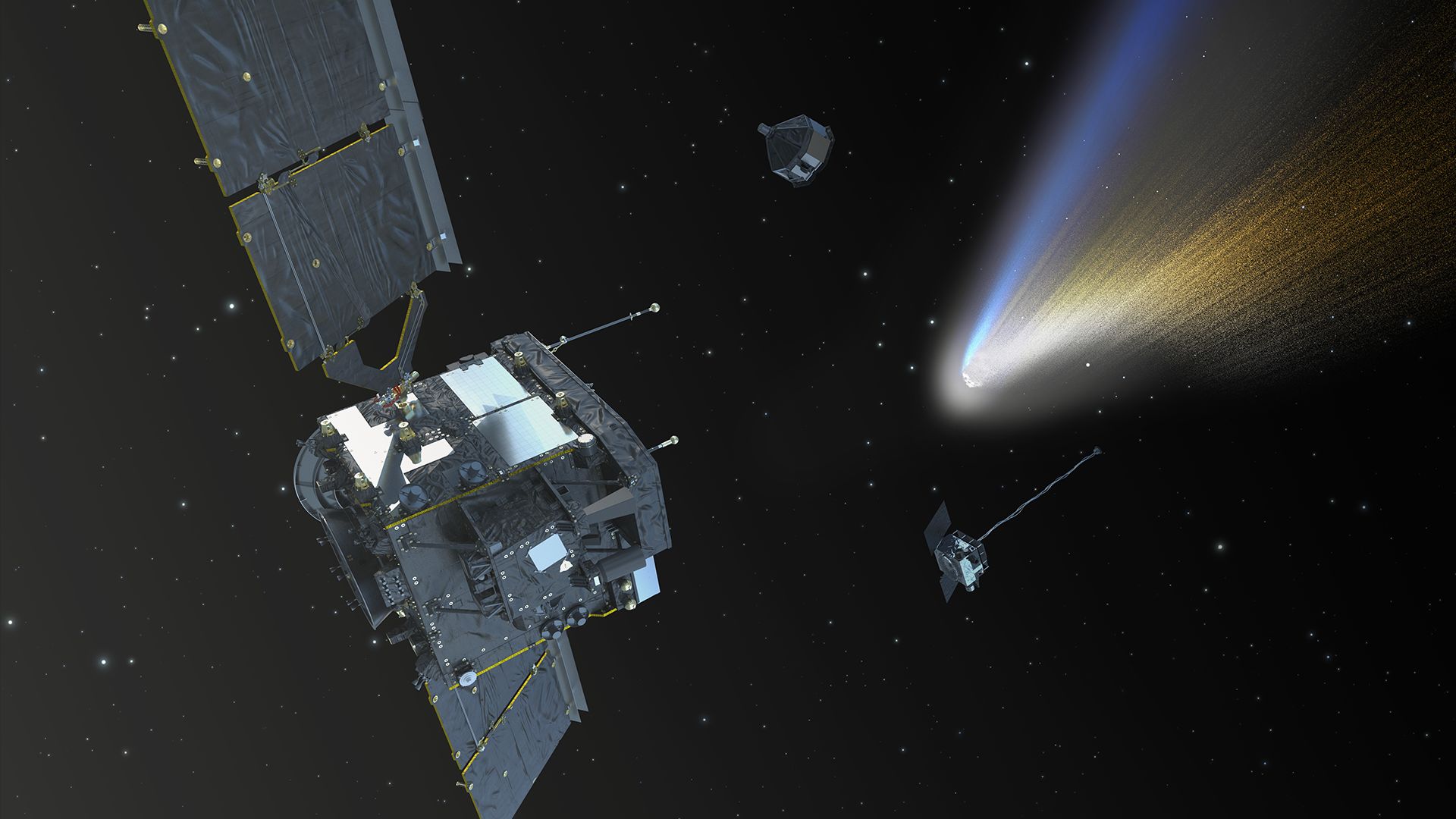
Sending a spacecraft to an interstellar comet remains a dream. Their high speeds and unpredictable arrivals make planning difficult. Still, proposals like ESA’s Comet Interceptor, designed to wait in space for a target, could one day allow direct exploration of such visitors, revolutionizing our understanding of interstellar material.
Lessons ATLAS Teaches About Galactic Variety
3I/ATLAS shows us that planetary systems produce comets with radically different chemistries. By examining its CO₂-rich nature, astronomers glimpse diversity beyond our solar system. These lessons reinforce the idea that star systems are chemically unique, and each interstellar guest is a messenger from a different corner of the galaxy.
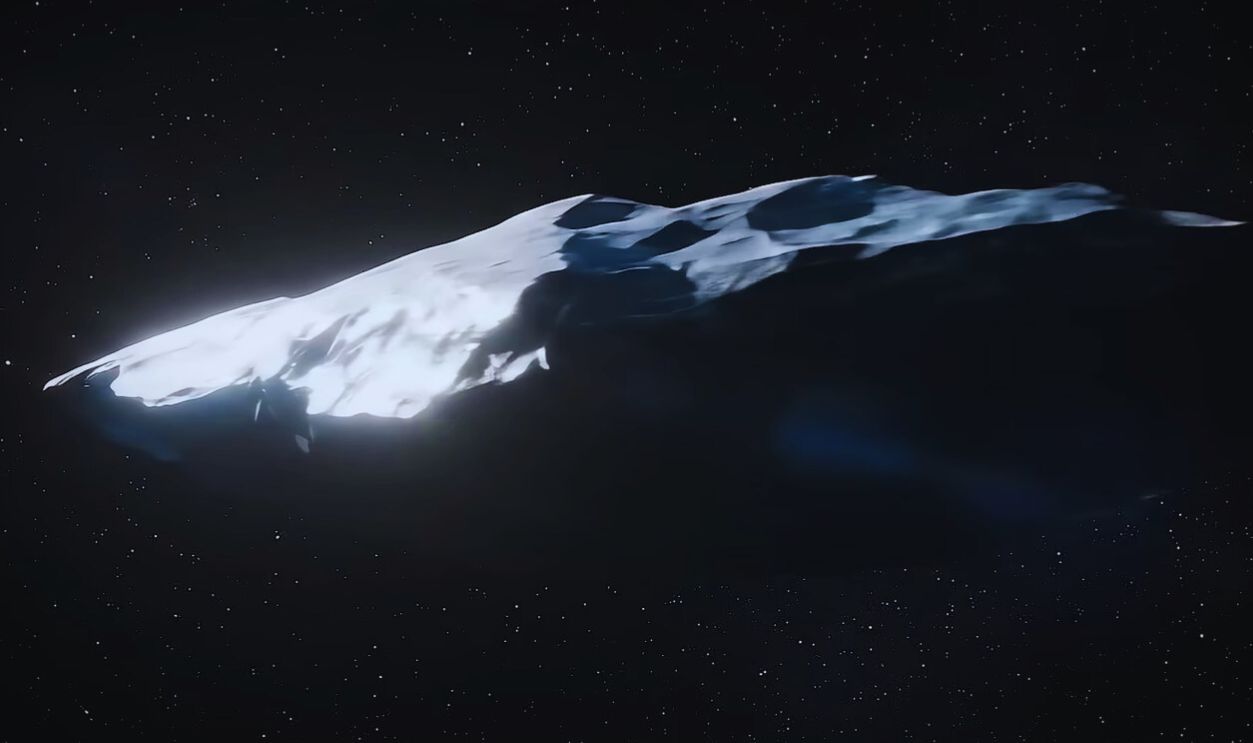 The Object That Will Change Your View of Space Forever by The Space Race
The Importance Of Curiosity In Cosmic Exploration
The study of ATLAS reflects humanity’s drive to question the unknown. Even though the comet is faint and distant, researchers devote global resources to exposing its secrets. Curiosity about interstellar objects fuels progress, and reminds us that scientific discovery often comes from chasing mysteries rather than expecting clear answers.
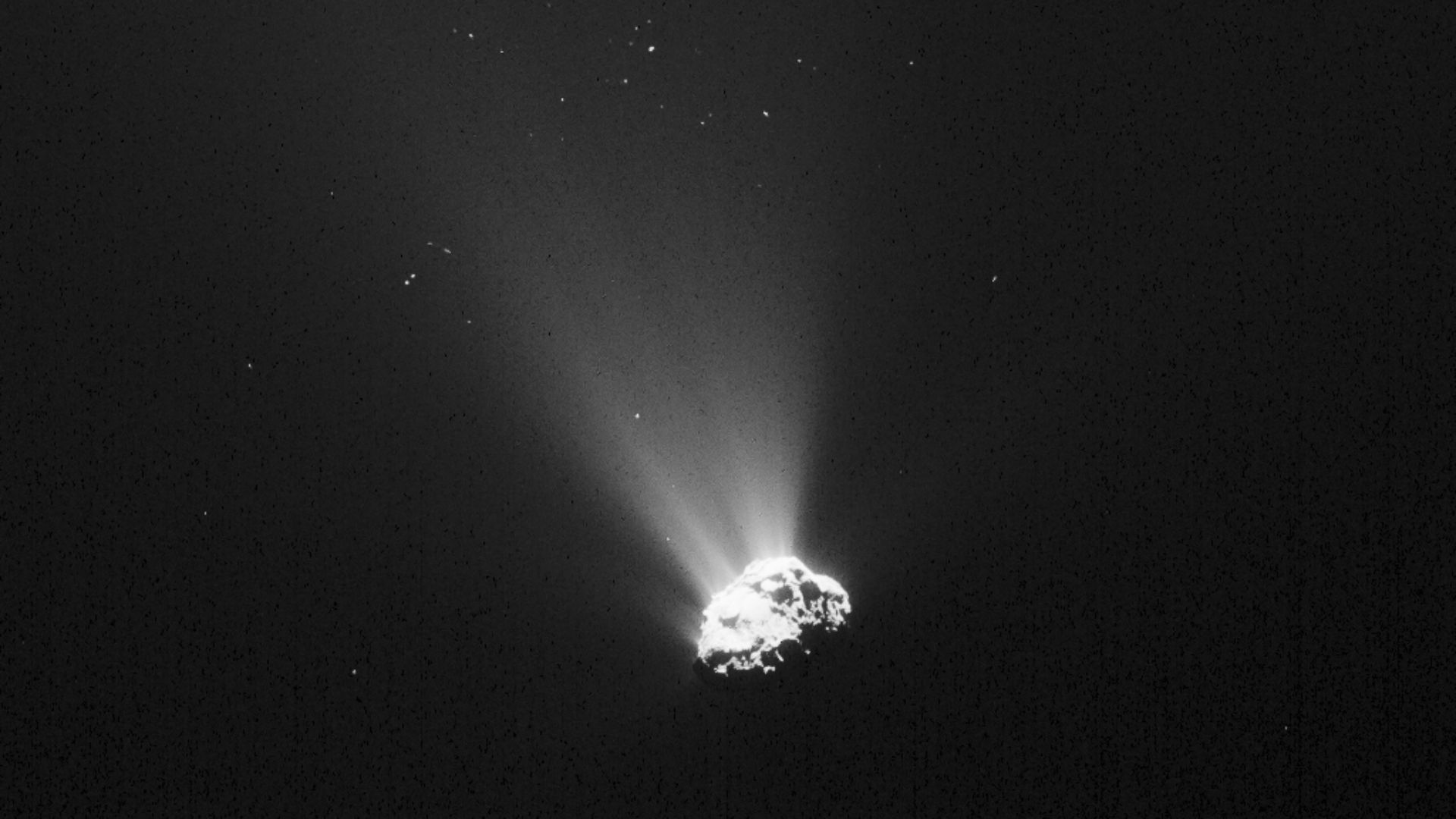 European Space Agency, Wikimedia Commons
A Rare Glimpse Into The Chemistry Of Another World
3I/ATLAS provides a fleeting yet profound glimpse into the chemistry of an alien planetary system. Its unusual composition offers clues about environments far removed from Earth’s. Though it will soon vanish into deep space, it leaves behind data that enriches our view of the galaxy’s complexity and diversity.
 The Object That Will Change Your View of Space Forever by The Space Race