They Wrote Some Of History's Greatest Classics—But Met Horrible Fates
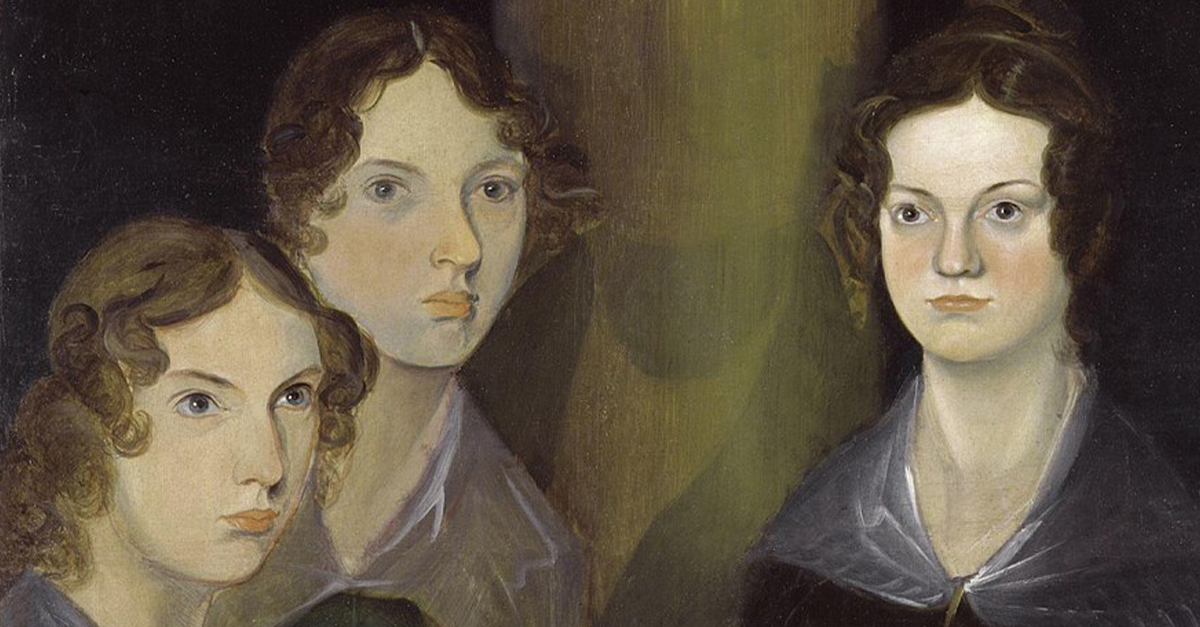
The Brontë sisters—Charlotte, Emily, and Anne—left a lasting mark on English literature in a remarkably short time. Their novels reshaped fiction, but their lives were brief and marked by illness, loss, and isolation. Within just a few years, all three sisters died, each in a horribly tragic way.
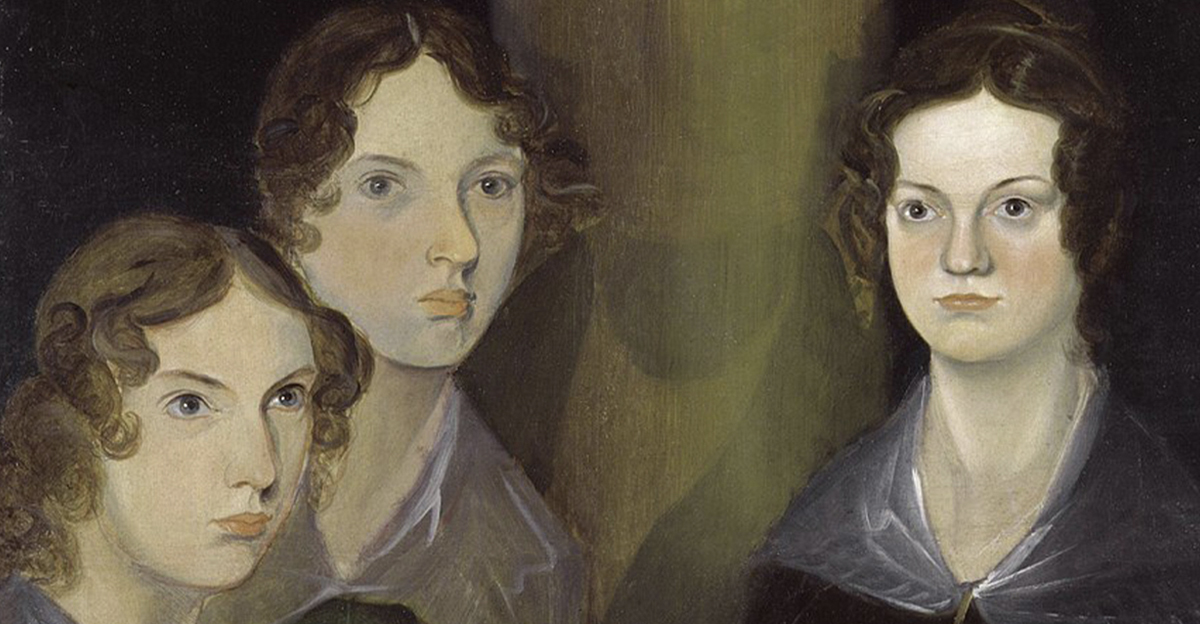 Branwell Brontë, Wikimedia Commons
A Family Marked By Early Loss
The Brontë children grew up in Haworth, Yorkshire, where loss was part of daily life. Their mother passed when they were young, and two older sisters perished in childhood. Illness and harsh living conditions would later shape the fate of the surviving siblings.
 Screenshot from Les Sœurs Brontë, Gaumont / France 3 Cinéma (1979)
Their Living Conditions Were Brutal
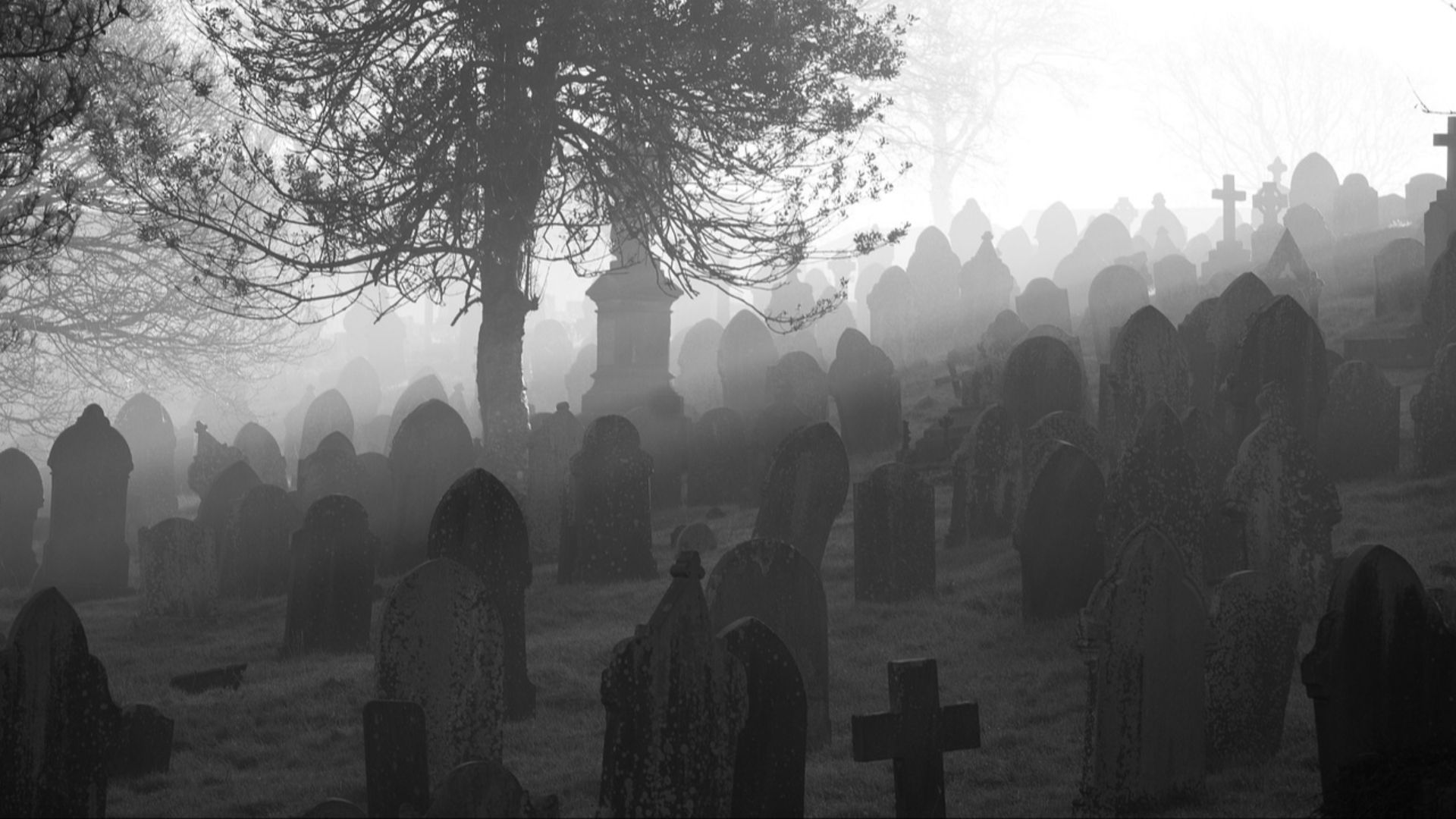
The family home stood on the edge of open moorland, exposed to cold weather and poor sanitation. The nearby graveyard and limited medical care contributed to recurring illness in the household, conditions that would affect the siblings throughout their lives.

Creative Lives In Isolation
Despite these hardships, Charlotte, Emily, Anne, and their brother Branwell developed rich imaginative worlds. They wrote stories and poems together, eventually publishing novels that would become classics of English literature. Sadly, though, fate had a terrible plan in store for all of them.
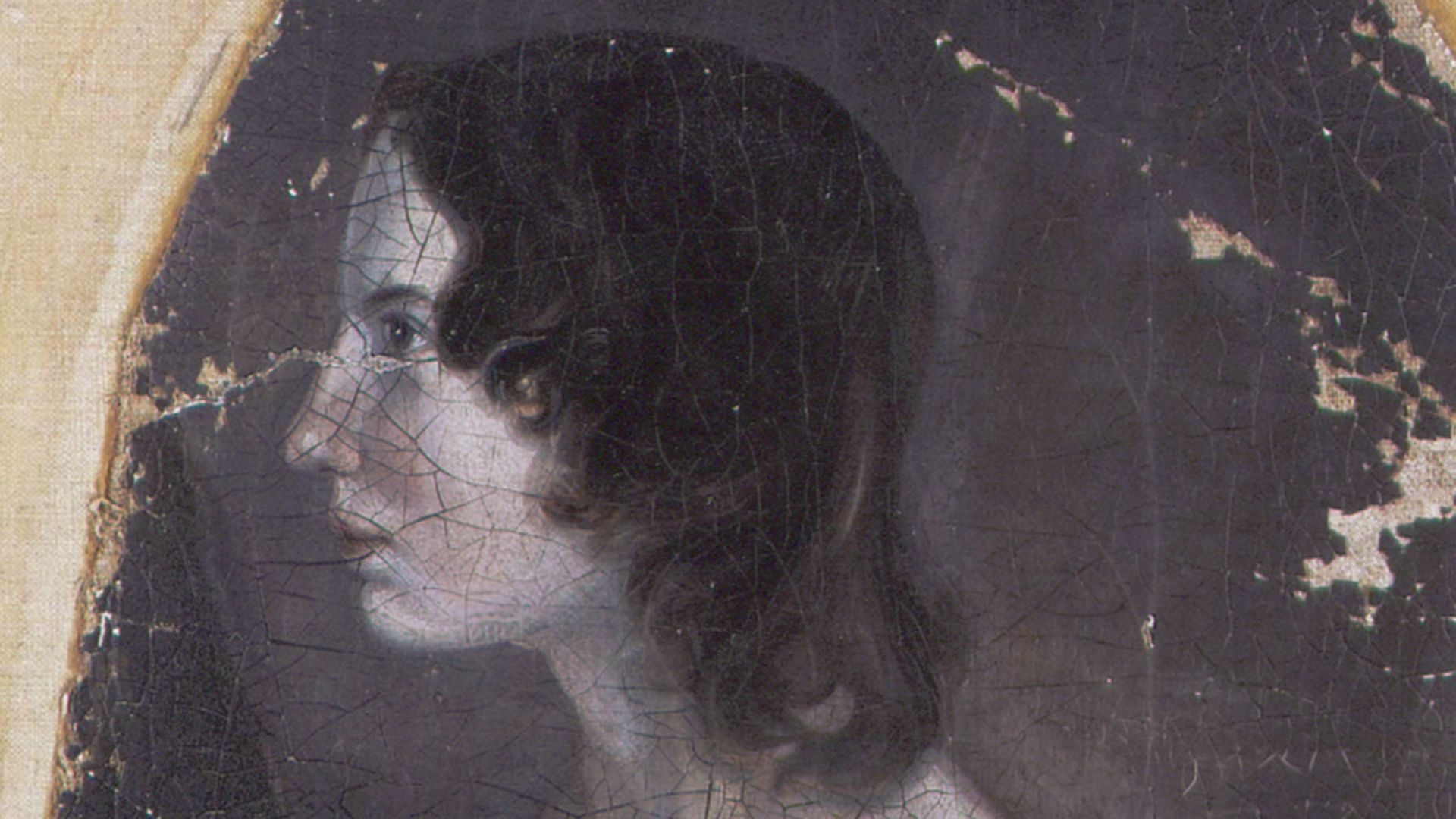 Phrood~commonswiki, Wikimedia Commons
Branwell Brontë’s Decline Begins
Their brother Branwell initially showed artistic promise but struggled to maintain steady work. Over time, he developed a dependency on drinking and substances, which affected both his health and behavior. But this was only the beginning.
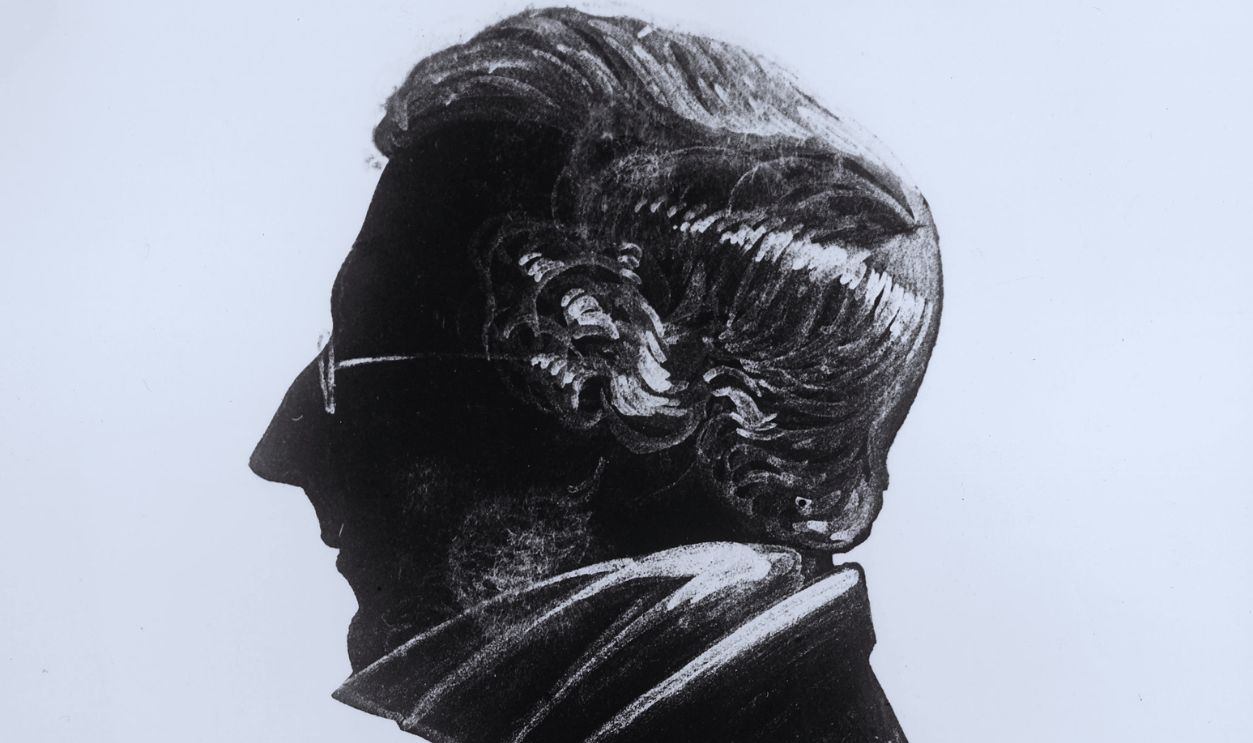
Addiction And Instability
Branwell’s addiction worsened in the 1840s. He experienced emotional instability, financial difficulties, and strained relationships with his family. His decline created tension within the household.
 Branwell Brontë, Wikimedia Commons
Branwell’s Death In 1848
Branwell Brontë died on September 24, 1848, at the age of 31. The official cause was chronic bronchitis and marasmus, but his years of substance misuse likely contributed to his weakened condition.
Illness Enters The Household
Branwell’s illness and demise did not remain isolated. Tuberculosis, then often called “consumption,” quickly became the family's greatest curse. The disease would soon claim the lives of the sisters as well.
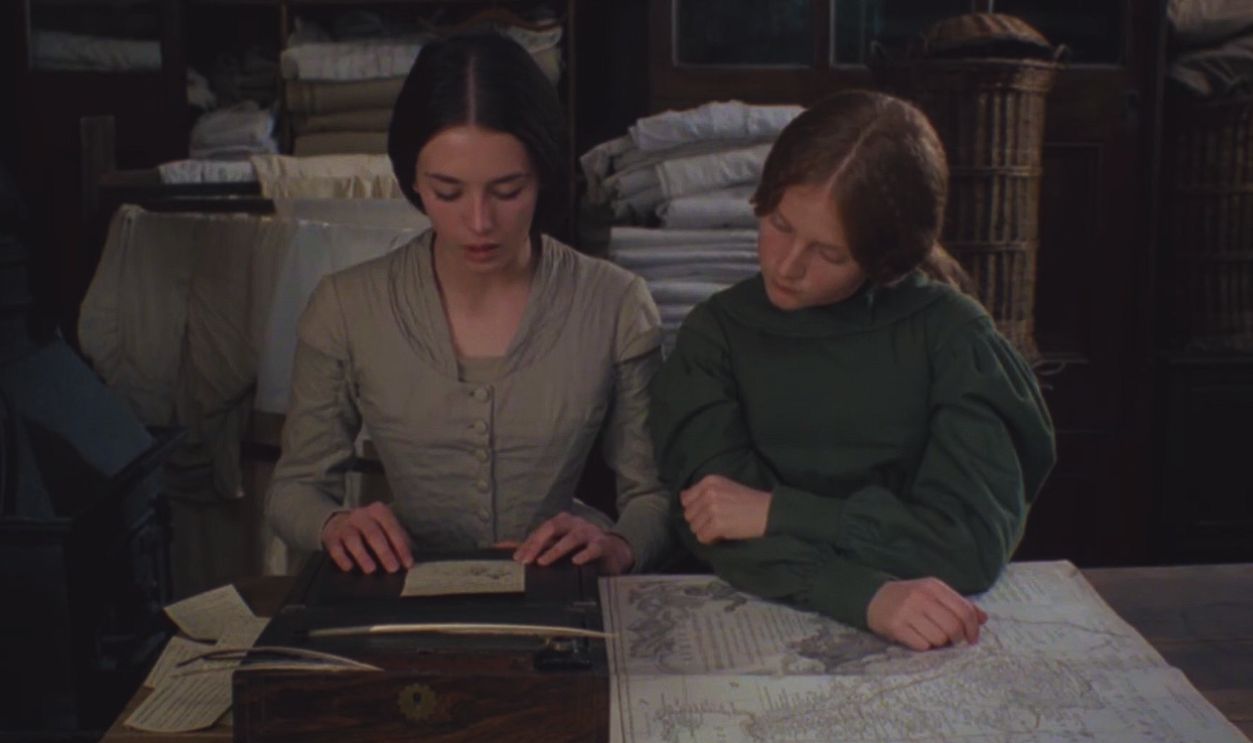 Screenshot from Les Sœurs Brontë, Gaumont / France 3 Cinéma (1979)
Emily Brontë’s First Symptoms
Shortly after Branwell’s death, Emily began to show signs of illness. She developed a persistent cough and growing weakness, but she continued her daily routines, including household work, as if nothing had changed.

History's most fascinating stories and darkest secrets, delivered to your inbox daily.
Refusing Medical Help
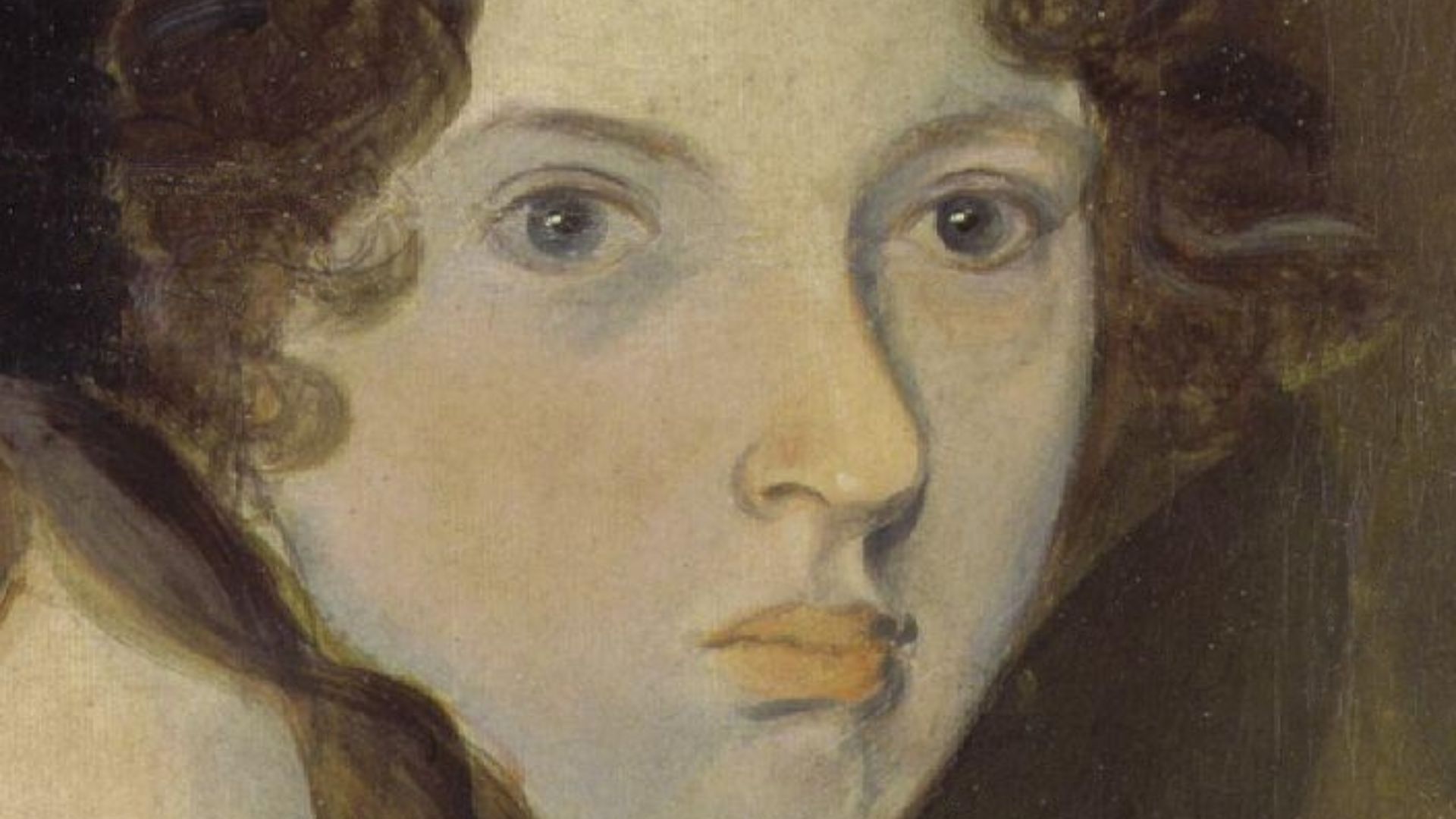
Emily rejected medical treatment for most of her illness. She avoided seeing a doctor until very late, insisting on maintaining control over her life despite the obvious severity of her condition.
 Branwell Brontë, Wikimedia Commons
Her Final Days at Haworth
By December 1848, Emily’s strength had declined significantly. She struggled to breathe and could barely move, yet she still resisted help. Those around her watched her condition worsen rapidly.
 Universal History Archive, Getty Images
Emily’s Last Words
Shortly before her death, Emily is reported to have said, “If you will send for a doctor, I will see him now.” It was the first time she agreed to medical help, but by then it was too late.
 Screenshot from Emily, Tempo Productions / Warner Bros. Pictures (2022)
Emily Brontë’s Demise
Emily Brontë died on December 19, 1848, at the age of 30. Her death came just three months after Branwell’s. Tuberculosis is widely believed to have been the cause. There was also a disturbing detail about her coffin.
 Screenshot from Emily, Tempo Productions / Warner Bros. Pictures (2022)
The Small Coffin
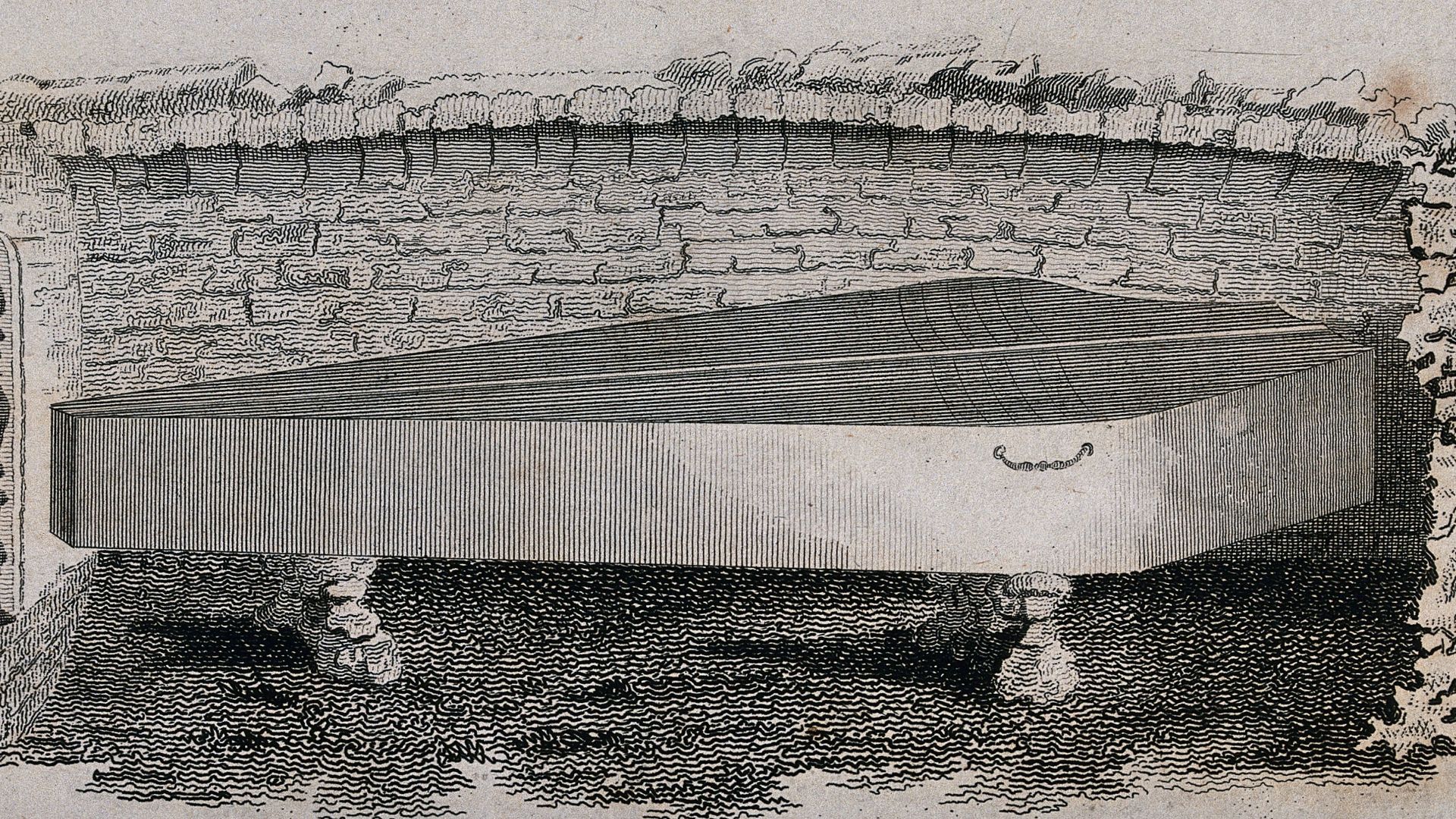
Accounts of Emily’s burial note that her coffin appeared unusually small and light—reportedly 16 inches wide. Even the carpenter noted that it was the tiniest adult coffin he'd ever made. Her physical decline had been so severe that her body had become extremely thin, a stark reflection of how quickly the illness had consumed her.
Emily was the first sister to perish, but the Grim Reaper had his eye on Anne and Charlotte as well.
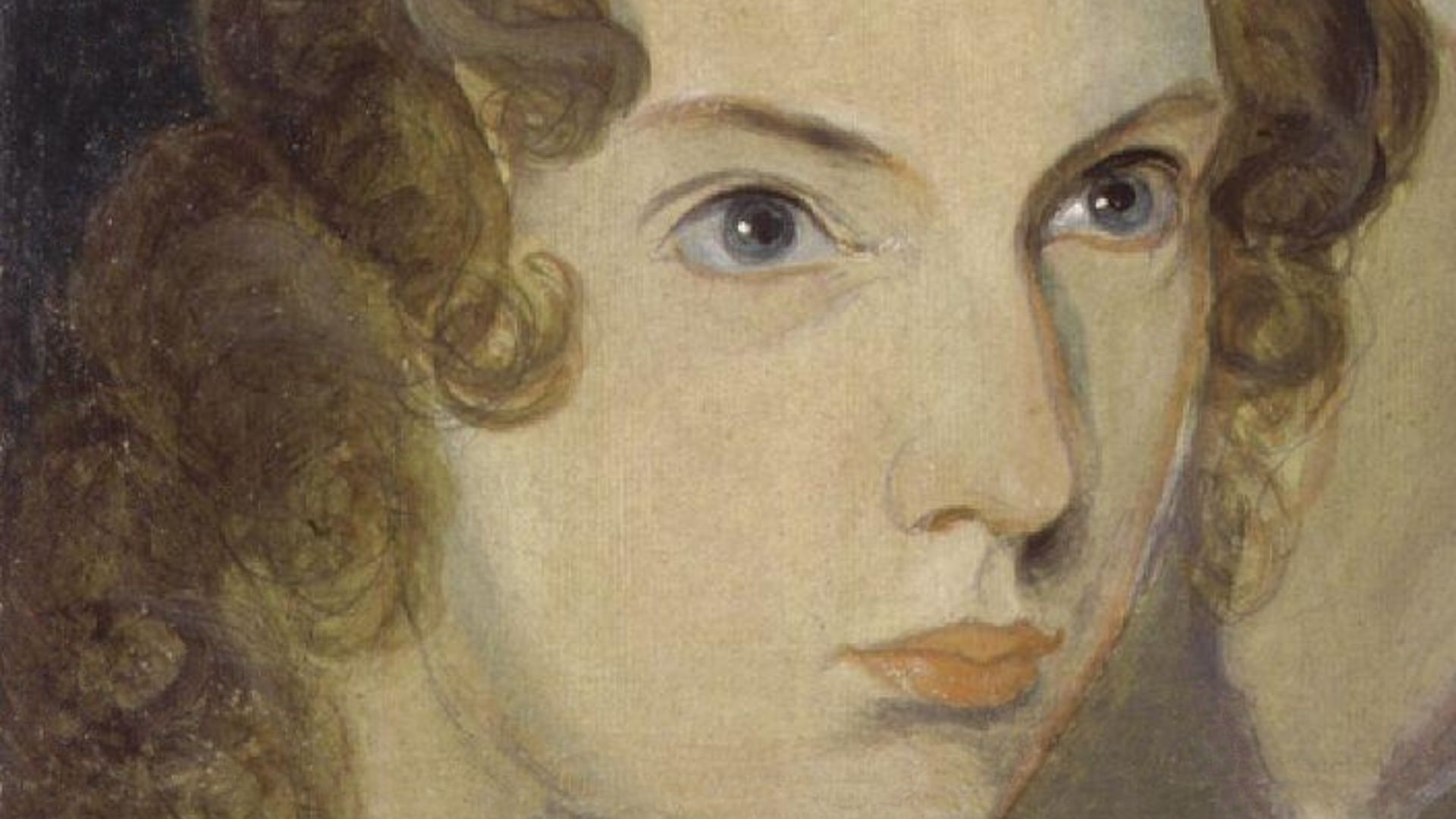
Anne Brontë Falls Ill
Anne soon began showing similar symptoms. Unlike Emily, Anne accepted medical advice and sought treatment, hoping that a change of environment might improve her condition.
 Branwell Brontë, Wikimedia Commons
A Journey For Her Health
In 1849, Anne traveled to Scarborough, believing the sea air might help her recover. The trip reflected both the medical advice of the time and a final effort to slow the disease.
 East Riding Archives, Wikimedia Commons
Facing Illness With Clarity
Anne approached her illness with calm awareness. Letters from this period show that she understood the seriousness of her condition, even as she continued to hope for improvement. In one letter, she wrote, "...I wish it would please God to spare me not only for Papa's and Charlotte's sakes but because I long to do some good in the world before I leave it."
Anne Brontë’s Death
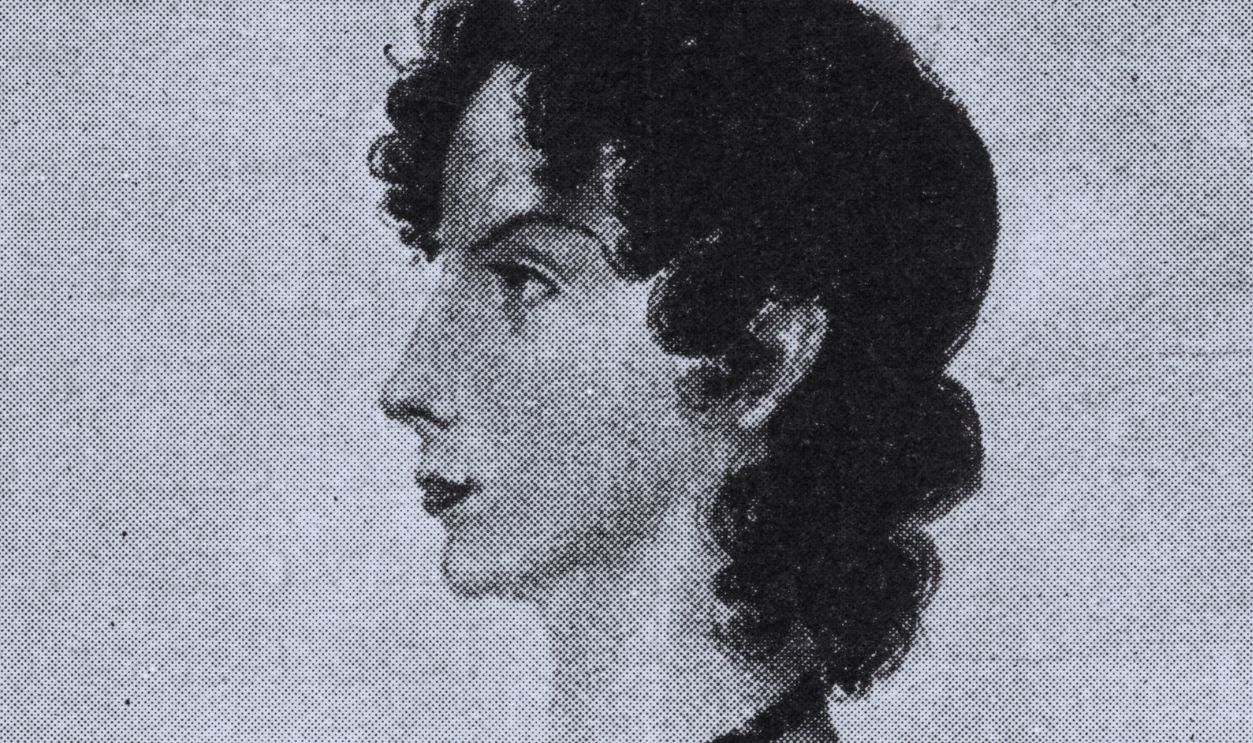
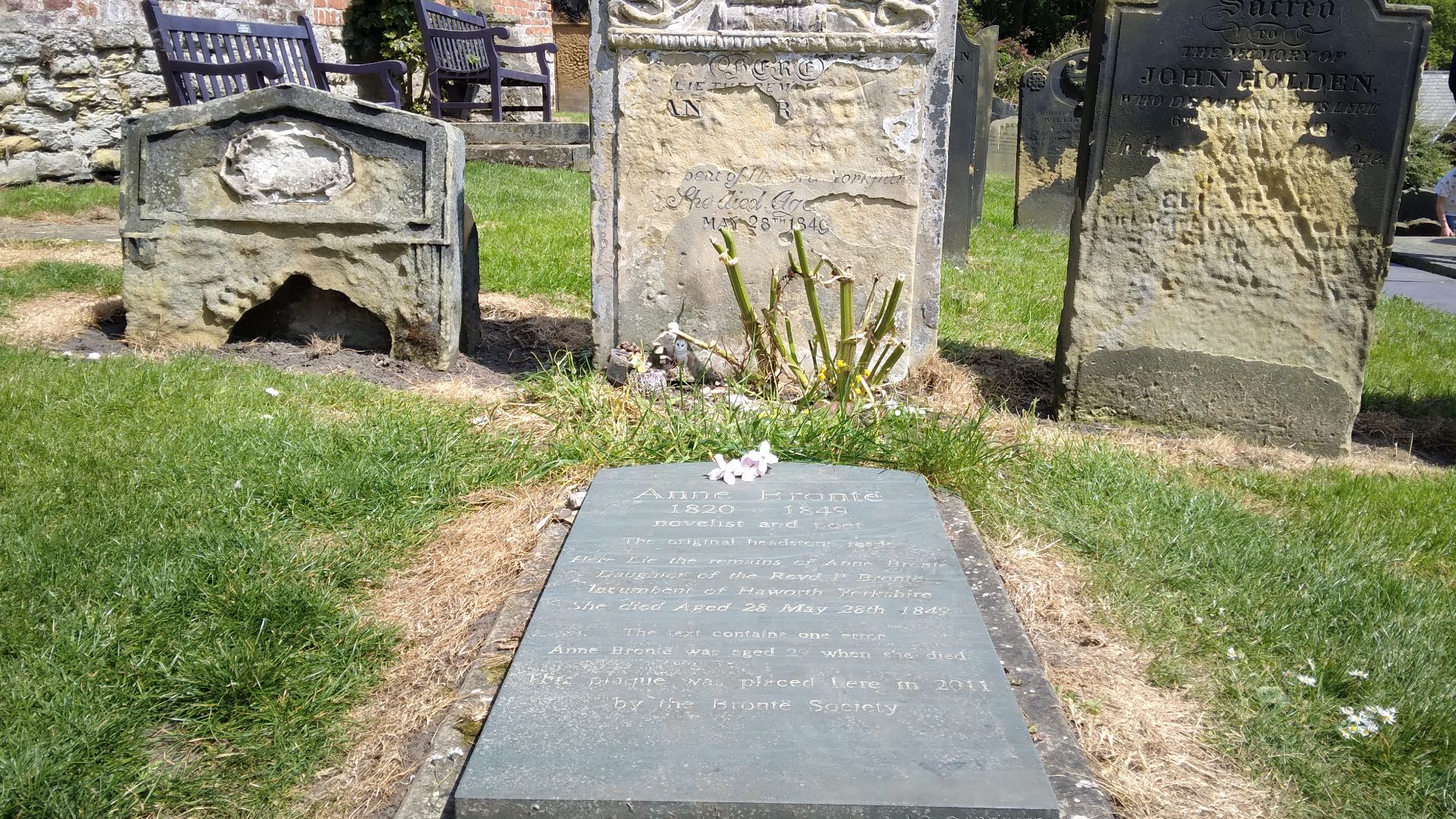
Anne Brontë died on May 28, 1849, at the age of 29. She was buried in Scarborough, becoming the only Brontë sibling not buried in Haworth. Now there was only one Brontë sister left—Charlotte.
 Ridiculopathy, Wikimedia Commons
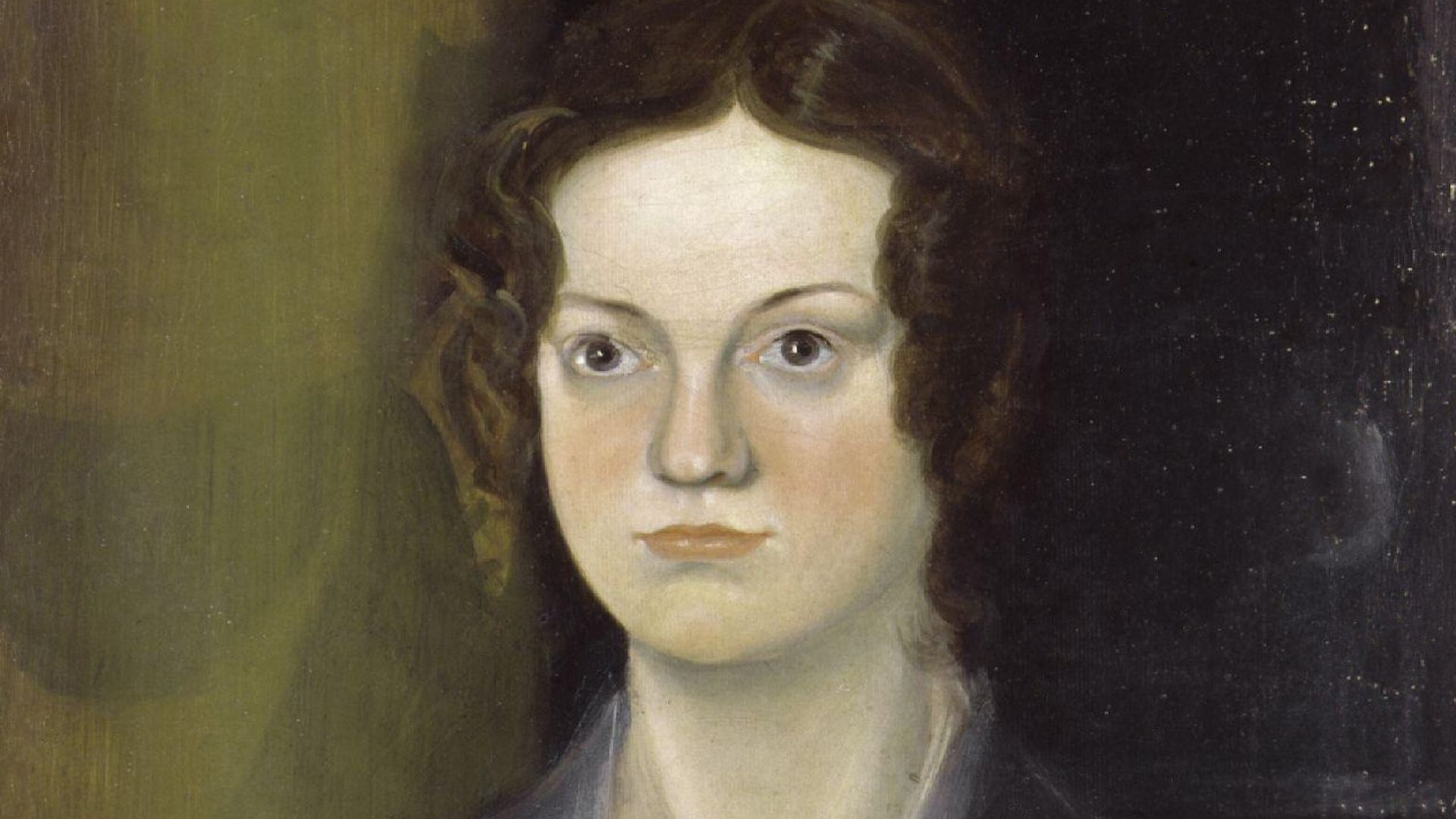
Charlotte Left Alone
After Anne’s death, Charlotte became the last surviving sibling. Within months, she had lost her brother and both sisters, leaving her to carry their legacy forward alone. Despite her grief, she did not abandon her talents.
 Branwell Brontë, Wikimedia Commons
Continuing To Write
Charlotte continued her literary work despite the loss—and things started looking up for her. She published Shirley and later Villette, novels shaped in part by grief, isolation, and endurance. She also reached a major milestone.
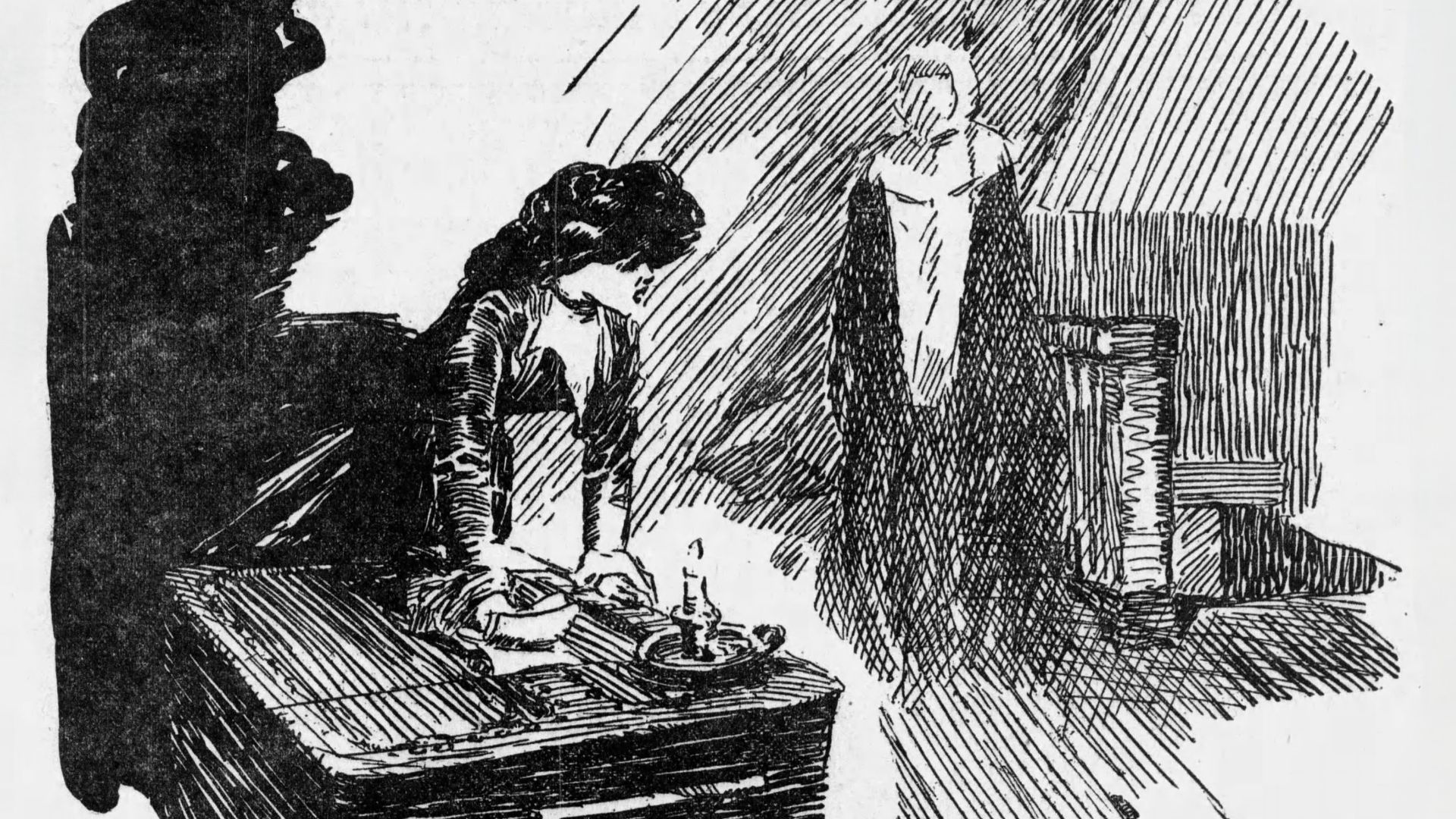 The Duluth News Tribune, Wikimedia Commons
A Change in Charlotte’s Life
In 1854, Charlotte married Arthur Bell Nicholls. The marriage marked a shift after years of personal loss and solitary life. She was finally happy, finding peace with her beloved husband. She was no doubt thrilled to discover she was expecting a child. But that's when everything went so, so wrong.
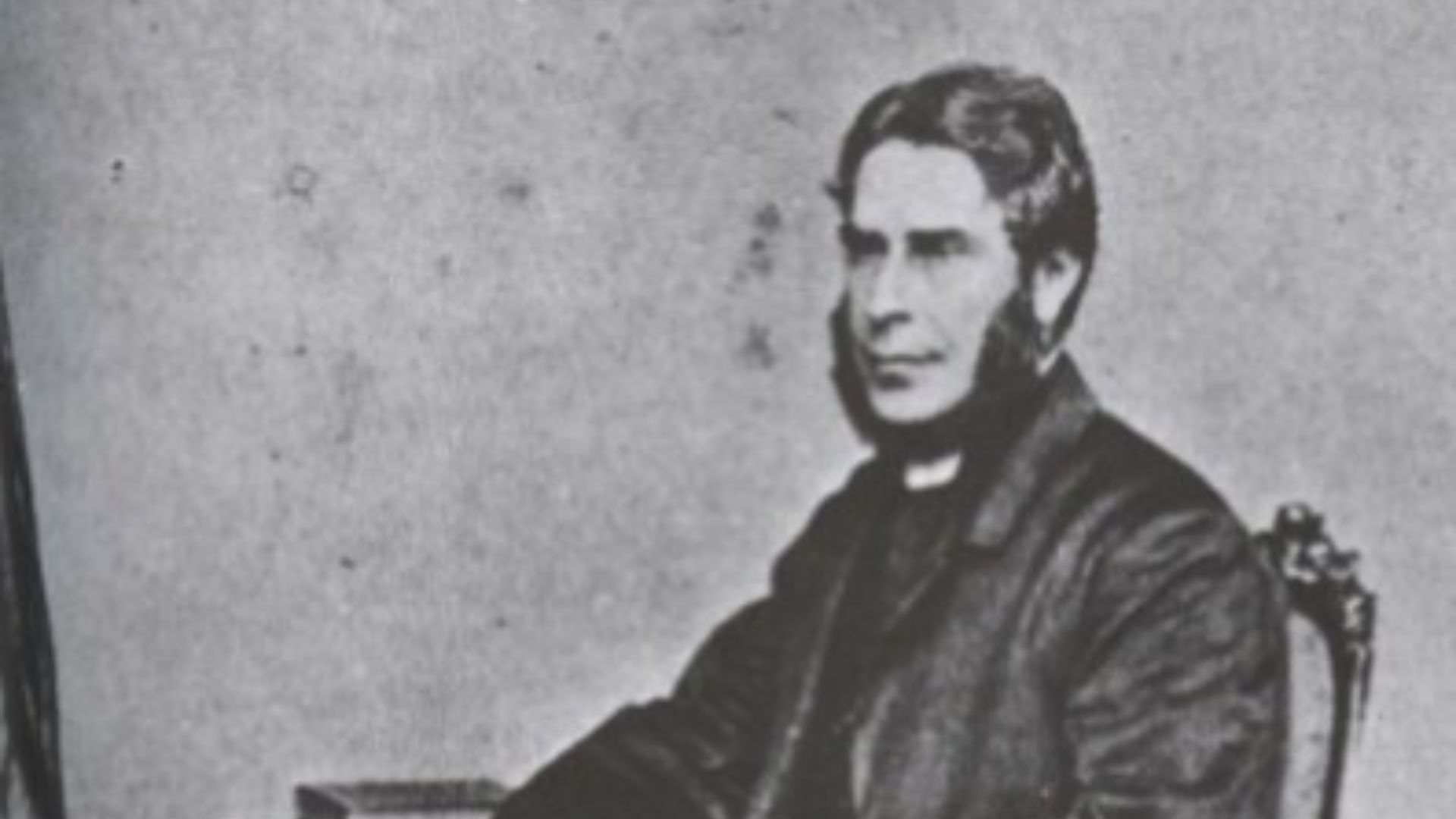 Arthur Bell Nicholls, Wikimedia Commons
Charlotte’s Final Illness
Soon after becoming pregnant, Charlotte’s health began to shockingly decline. She suffered from severe nausea and weakness, symptoms that worsened over time.
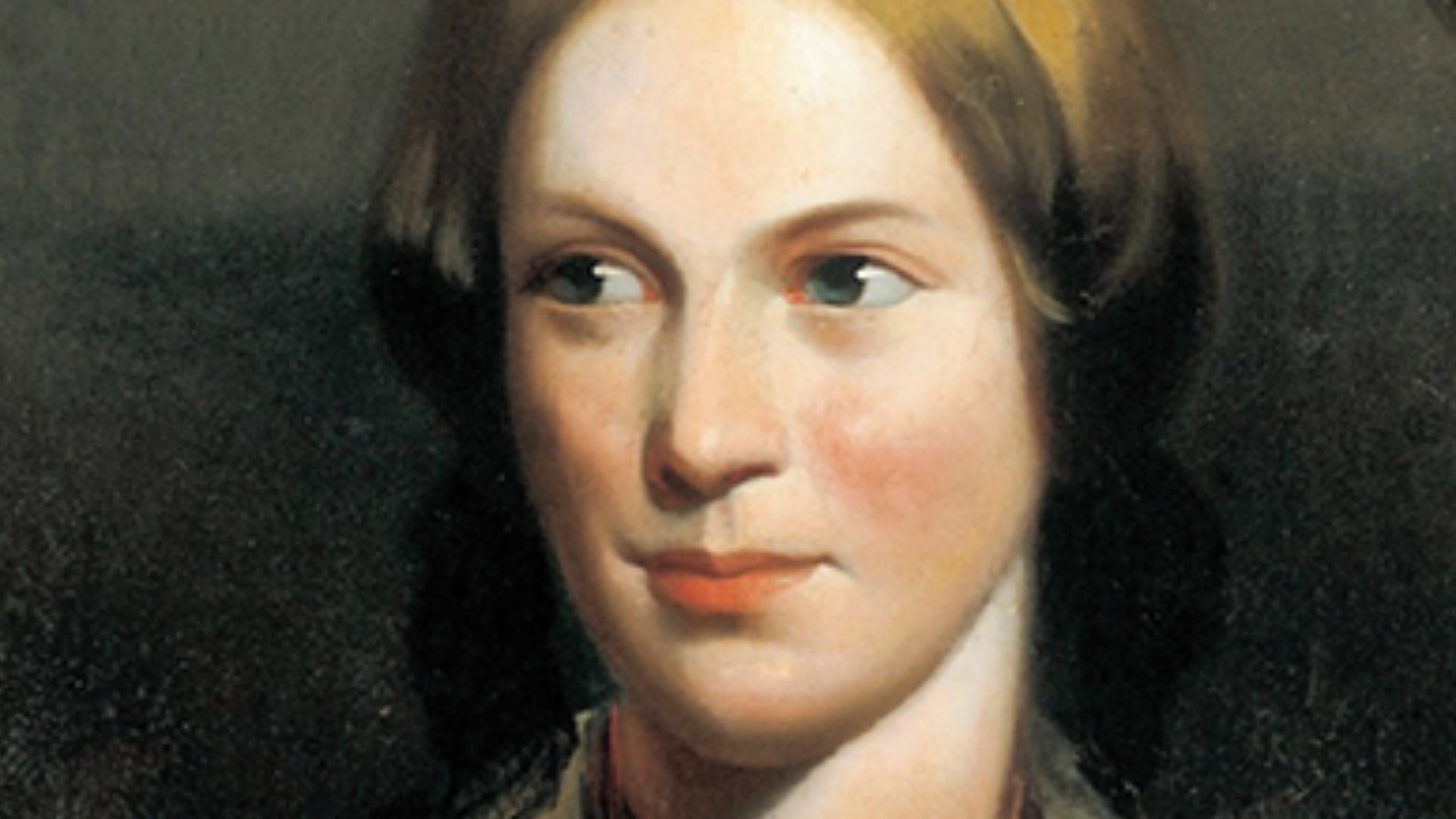 John Hunter Thompson, Wikimedia Commons
Charlotte Brontë’s Passing
Tragically, there was no bright light at the end of this tunnel. 38-year-old Charlotte Brontë and her unborn child passed on March 31, 1855. Her death is often attributed to complications of pregnancy, possibly worsened by underlying illness such as tuberculosis. Others believe that chronic morning sickness may have been a cause.
 David Dixon , Wikimedia Commons
A Family Gone Within Years
Between 1848 and 1855, all four siblings—Branwell, Emily, Anne, and Charlotte—died within a span of less than seven years, ending one of literature’s most remarkable family stories.
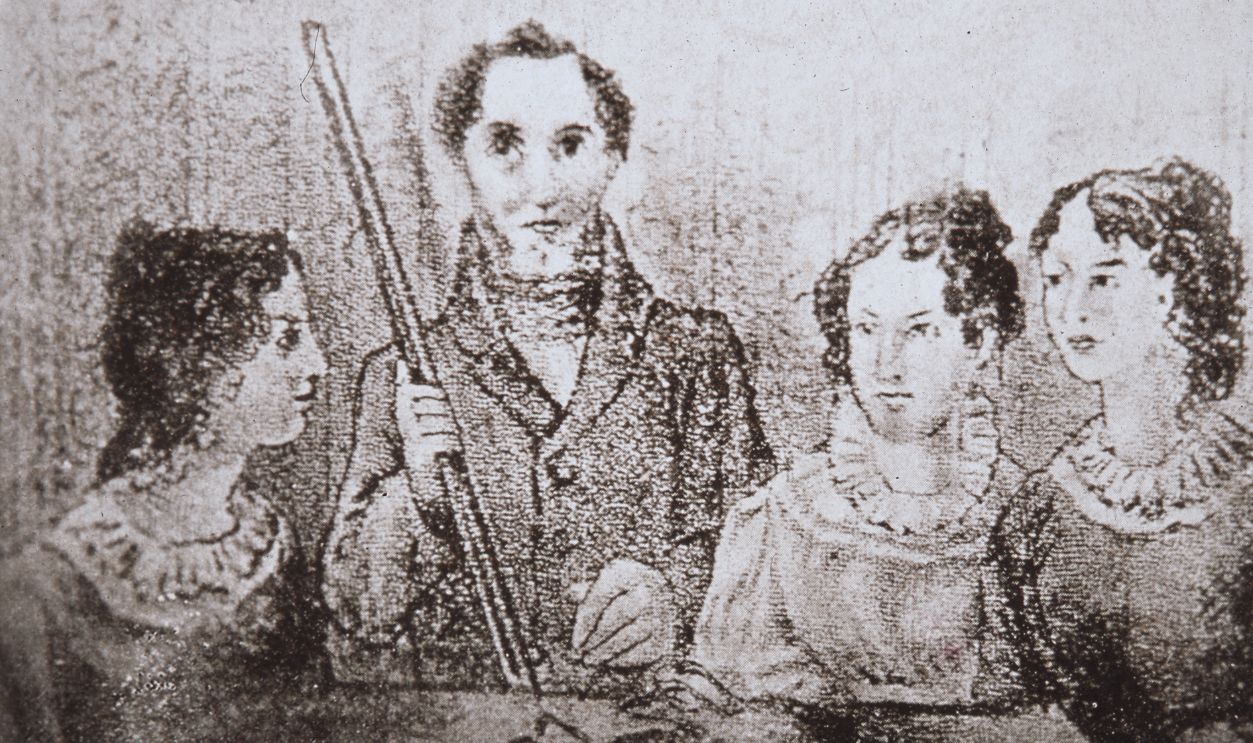
Tragedy And Legacy
Despite their early deaths, the Brontë siblings created works that continue to shape literature. Their lives were brief, but their voices remain influential, reflecting both creative brilliance and the realities of their time.
 Wid's Films and Film Folk, inc., Wuthering Heights, Wikimedia Commons
You May Also Like:
Emily Bronte's Life Was More Disturbing Than Her Novels
The Brontë Sisters, Literature's Gothic Masterminds