
When you walk the rolling olive-grove slopes of southern Spain, it’s rare to stumble into a moment that freezes time. But near Teba (Malaga province), the team from the University of Cadiz did precisely that.
They opened trenches at the little-known necropolis of La Lentejuela and revealed a monumental tomb over 5,000 years old. What does this mean? You have to keep reading to find out.
Carving A Legacy In Stone
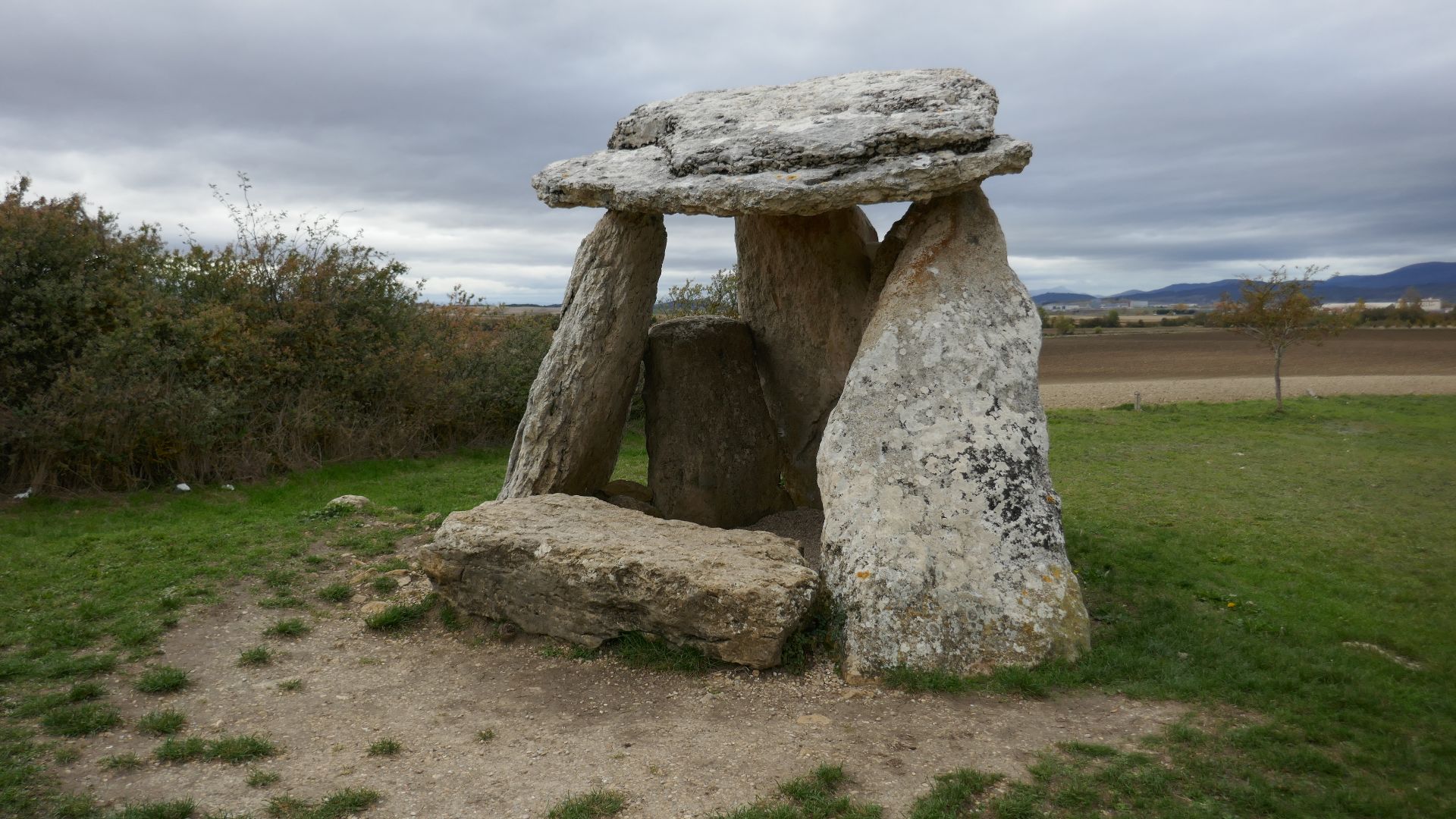
Archaeologists uncovered what they’re calling “Dolmen I” within La Lentejuela. The structure stretches about 43 feet (13 meters) long—about the length of a school bus or three mid-sized cars parked bumper to bumper.
The find also features giant upright slabs over 6.6 feet (2 meters) tall, comparable to the height of a professional basketball player. This is also equivalent to a fridge stacked on a washing machine or a doorway with a little extra headroom.
Every wall panel remains intact, and the roofing stones are thought to have stayed in place beneath the ancient mound—an extraordinary level of preservation after millennia. This structural continuity offers a rare glimpse into how prehistoric Iberian builders designed spaces to honor their dead.
Grave Goods From Far-Off Routes
Inside this towering chamber, excavators found multiple ossuaries, which are compartments for human remains. They also uncovered grave assemblages made of exotic materials—ivory, amber, seashells, flint arrowheads, and a halberd.
These items weren’t local. The seashell finds suggest inland communities participated in wide-ranging exchange networks, valuing the distant sea as a prestige marker. In short, this was a mausoleum on the map of early trade and ritual.
A Tomb That Tells More Than It Holds
Built during the late Neolithic or early Copper Age (roughly 4th millennium BCE) and reused in the Bronze Age, the tomb spanned generations.
Such long-term use reflects continuity of community, belief, and memory, as generations returned to the same place to bury their dead. Later groups reused the chamber, placing new bodies and offerings where earlier ones had rested for centuries.
 Giovanni Seu, Wikimedia Commons
Why Size And Preservation Matter
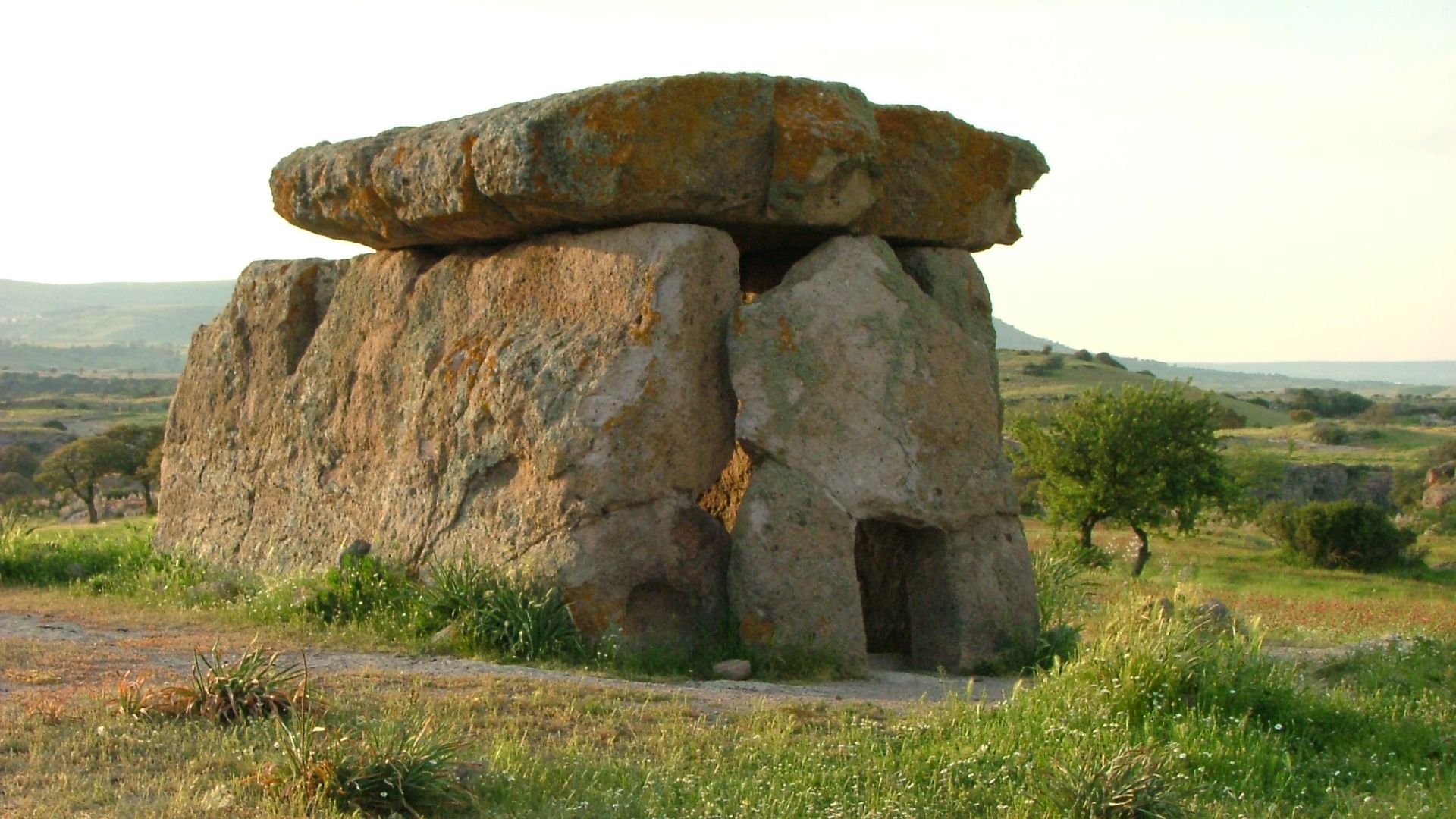
Experts say Dolmen I is “one of the most monumental and complete” such structures in Andalusia. Its length gives you a sense of ambition; its preservation lets you read subtleties in construction and reuse. That combination makes the site a textbook of megalithic design, not just a fragment.
Inside A Stone Archive: What You Learn
Here's what the dolmen opens up for you:
Construction scale: Measuring about 43 feet in length, the tomb’s large upright slabs reveal that prehistoric builders possessed coordination, manpower, and a clear architectural vision.
Burial practices: Multiple ossuaries indicate collective rather than individual burials, and later Bronze Age reuse suggests the tomb held lasting significance across generations.
Networks of trade: Exotic artifacts found inside indicate that inland communities were far from isolated. Seashells among the goods highlight the enduring symbolic and economic importance of the coast.
Changing symbolism: As the site was reused, its meaning likely evolved, mirroring shifts in social hierarchy, ritual, and belief over centuries.
From Fieldwork To Public Awareness
The discovery forms part of the research project titled Monumentality, Time and Society, led by professors Eduardo Vijande and Serafin Becerra of the University of Cadiz’s Thalassa group.
Over four excavation campaigns, students and researchers worked side by side to bridge academic study with heritage awareness.
What You Take Away
You now know that near Teba, a prehistoric tomb carved from giant slabs stands intact. It holds bones and crafted goods that traveled long distances. It was built, reused, and respected by generations.
For you, that means ancient Europe was far more interconnected than you might have thought. It means the past still speaks through different aspects, from trade to ritual. The bottom line?
This invites your curiosity. The next time you gaze at an old ruin or walk a countryside ridge, remember: silence and stones hold stories.