For centuries, Egypt’s Saqqara necropolis has guarded its dead beneath layers of desert sand. Just south of Cairo, this sprawling burial ground once served as the cemetery for ancient Memphis, a city that flourished more than 4,000 years ago.
In early 2023, archaeologists digging deep within its limestone shafts uncovered a breathtaking find where hundreds of sealed sarcophagi, some untouched since their burial.
But the star of the show was one coffin in particular. Inside lay a perfectly preserved mummy wrapped in sheets of gold leaf that still shimmered after 2,300 years. Yes, you read that right; gold dating back 2,300 years.
Here are the facts surrounding this discovery.
Archaeologists Unearthed Hundreds Of Sealed Coffins
The coffins the archaeologists revealed were over 250 sealed sarcophagi at Saqqara. Many contained mummies from Egypt’s Late Period (circa 525–332 BCE).
These coffins were stacked in deep burial shafts more than 30 feet below the surface, their colors still vivid and lids unbroken. To the ancient Egyptians, Saqqara was a vast, multilayered city of the dead.
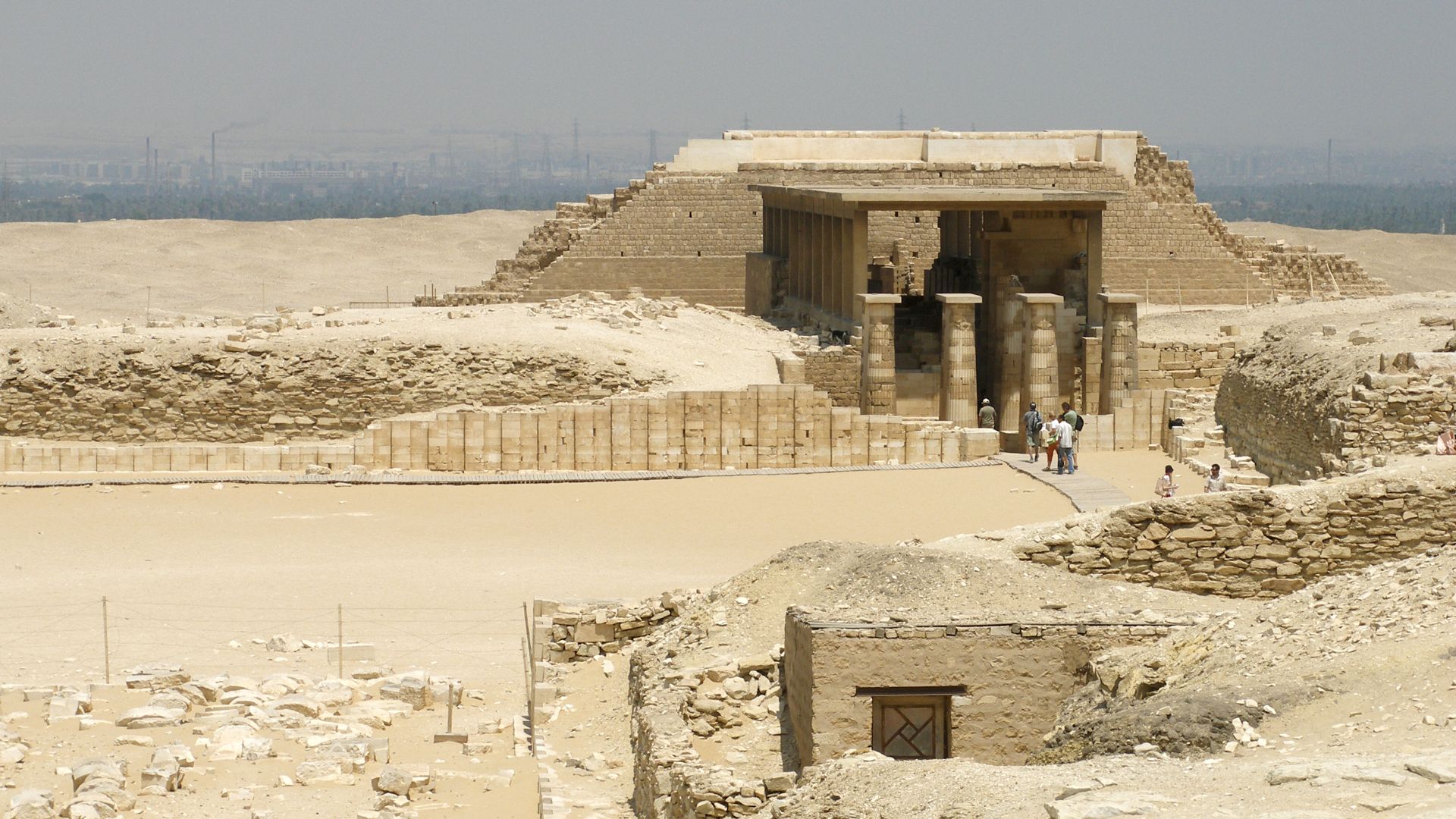 Vyacheslav Argenberg, Wikimedia Commons
A Mummy Wrapped In Gold Leaf Stunned Researchers
The mummy in question was identified as Hekashepes. They were encased in a limestone sarcophagus sealed for millennia and covered in delicate layers of gold leaf.
It’s well known that only Egypt’s royals and elite were granted a “golden” farewell. And so, the glimmering gold leaf signified both immense wealth and divine favor. Ancient Egyptians believed gold was the very flesh of the gods.
Why Saqqara Still Holds The Key To Egypt’s Past
What we know is that Saqqara served as the necropolis for the ancient metropolis of Memphis, and its tombs span over 3,000 years of Egyptian history.
We now know that from the Step Pyramid of Djoser to the hidden chambers beneath Saqqara, every excavation adds a new chapter to Egypt’s story of life, death, and legacy. Each discovery reminds us that Egypt’s past is still being written, one tomb at a time.
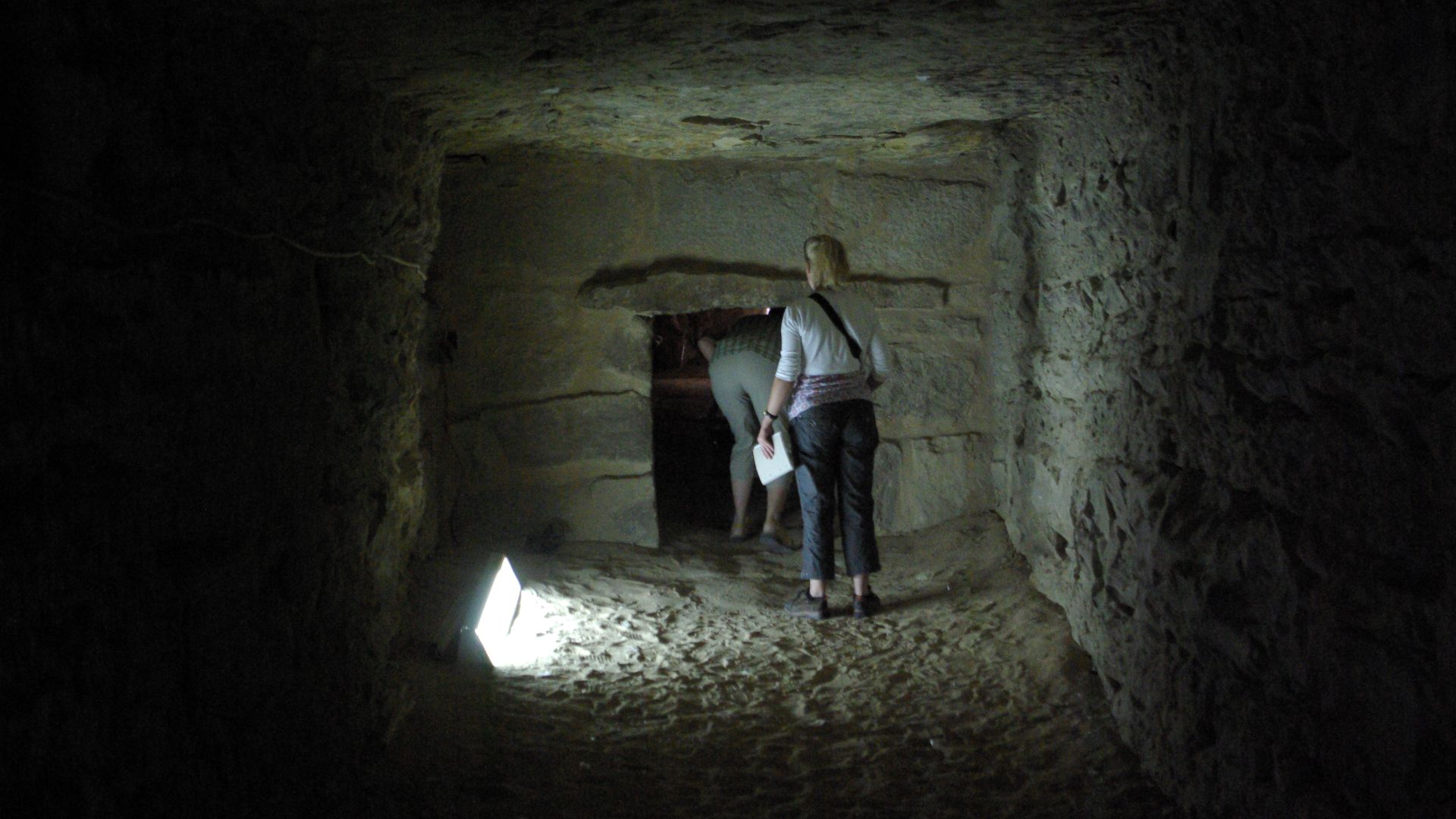 Berthold Werner, Wikimedia Commons
What The Findings Tell Us About Life And Death In Ancient Egypt
While we still await more details, a couple of things are for sure.
One is that the sealed coffins reflect an organized burial system for priests and high-ranking officials. Second, the gold leaf confirms the Egyptians’s belief in divine transformation after death. If you meant something to the people, the farewell would reflect it (literally).
Lastly, the remarkable state of preservation hints that countless Saqqara tombs still lie untouched beneath the desert sands. Many remain hidden, waiting for their turn to rewrite history—and if you stay tuned, you’ll discover what else this ancient necropolis continues to reveal.
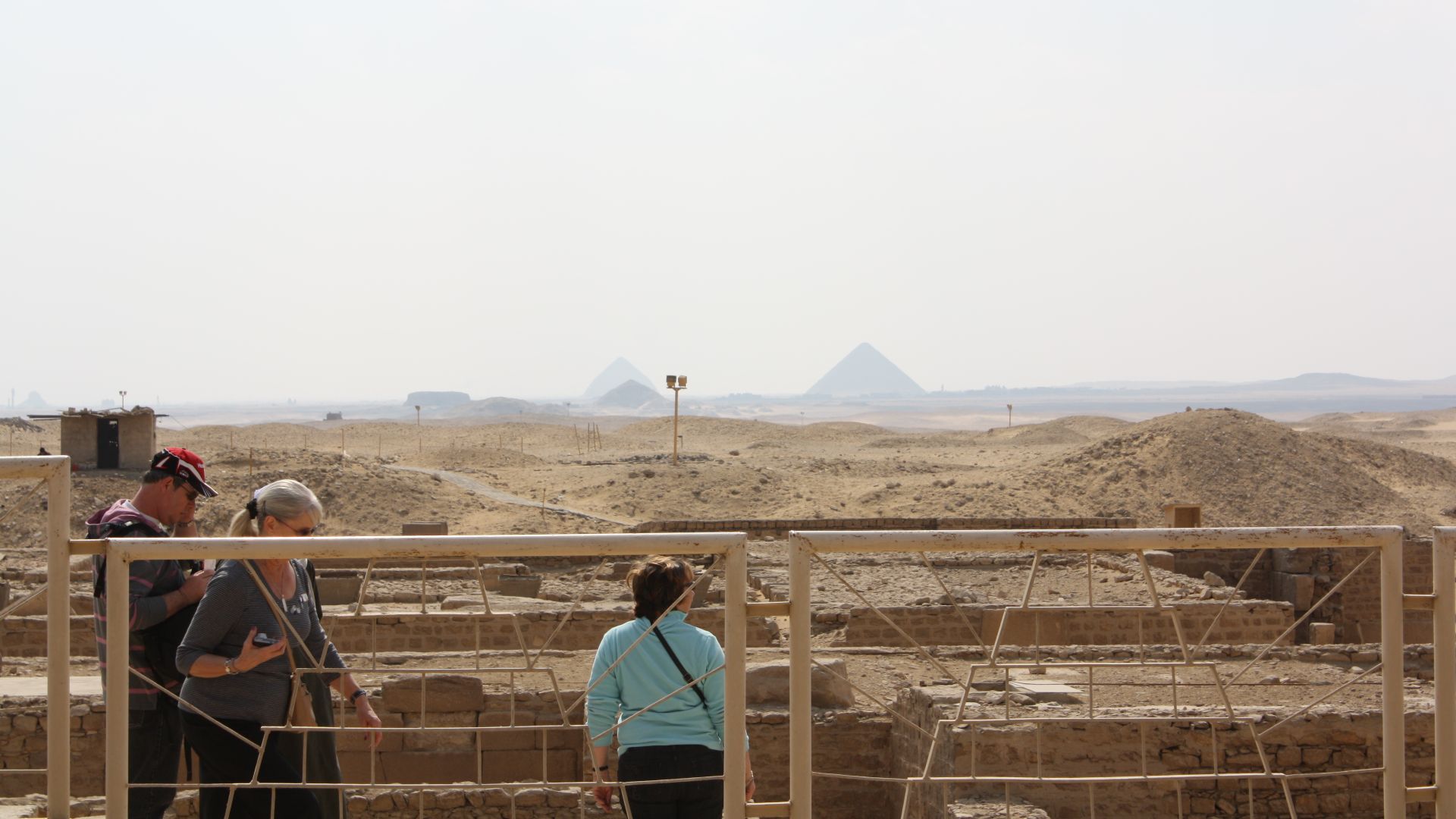 Wknight94 talk, Wikimedia Commons