
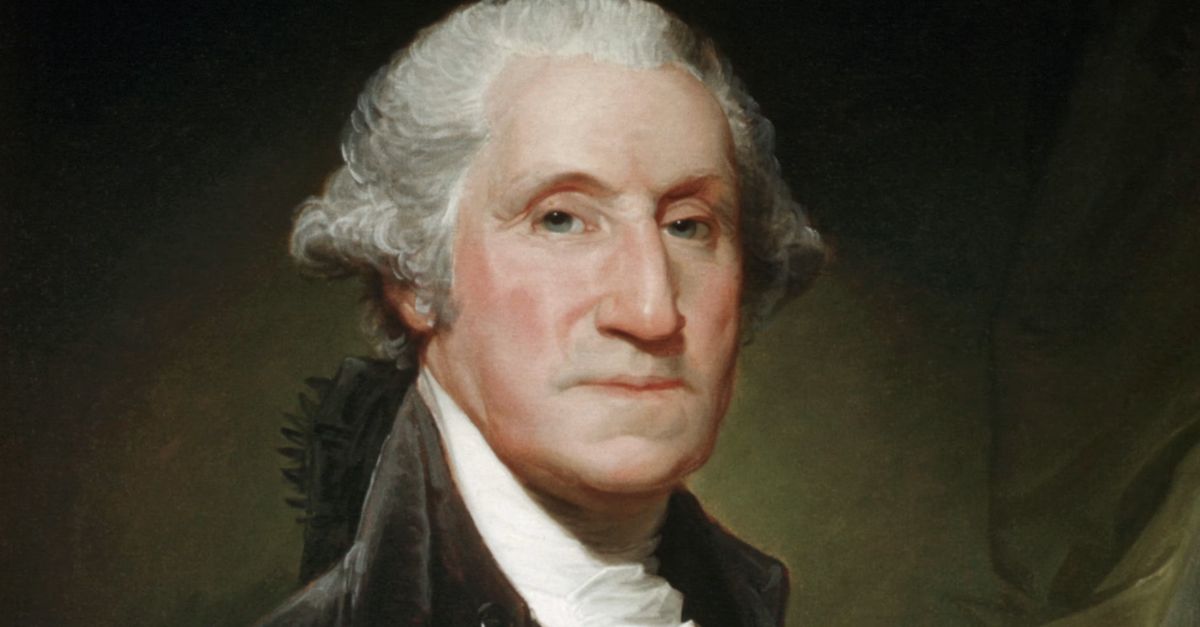
The Power Of A Single Decision
One bold choice can change everything. Throughout history, leaders and ordinary people have made decisions that set off chain reactions, shifting power, sparking movements, and leaving marks that are still visible today.
Cleopatra's Alliance With Julius Caesar (48 BCE)
To secure her throne in a civil war against Ptolemy XIII, Cleopatra met Julius Caesar in secret. Her persuasion won his support and restored her rule. It also aligned Egypt with Rome's rising power, reshaping Mediterranean politics for centuries.
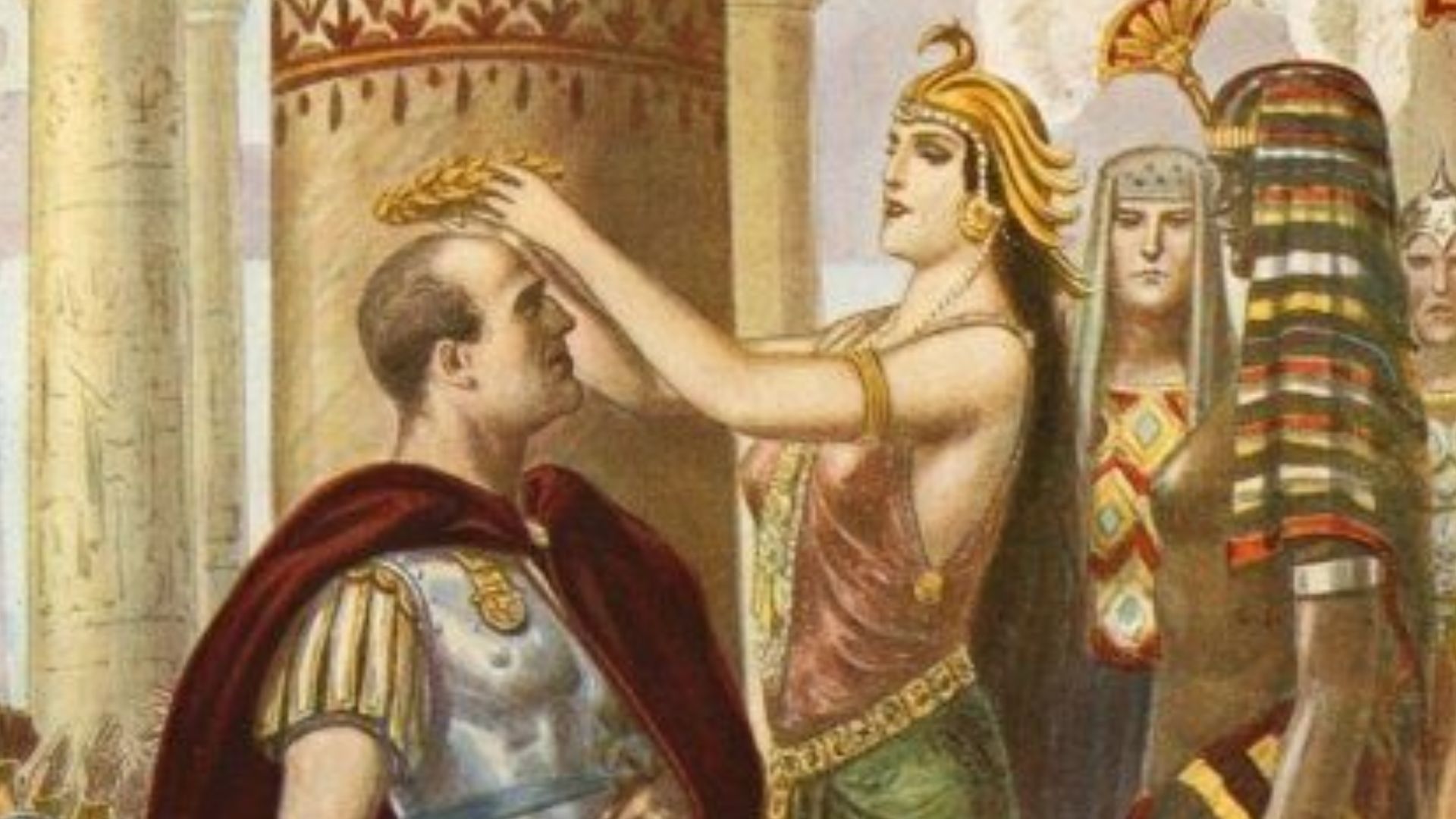 Tancredi Scarpelli, Wikimedia Commons
Caesar Crosses The Rubicon (49 BCE)
Soldiers watched nervously as Caesar waded into the shallow Rubicon River. Crossing meant defying Rome's leaders—an act of treason. He smiled, declaring, "The die is cast". With that gamble, he plunged Rome into a civil war and toppled the Roman Republic, and set the stage for the Roman Empire.
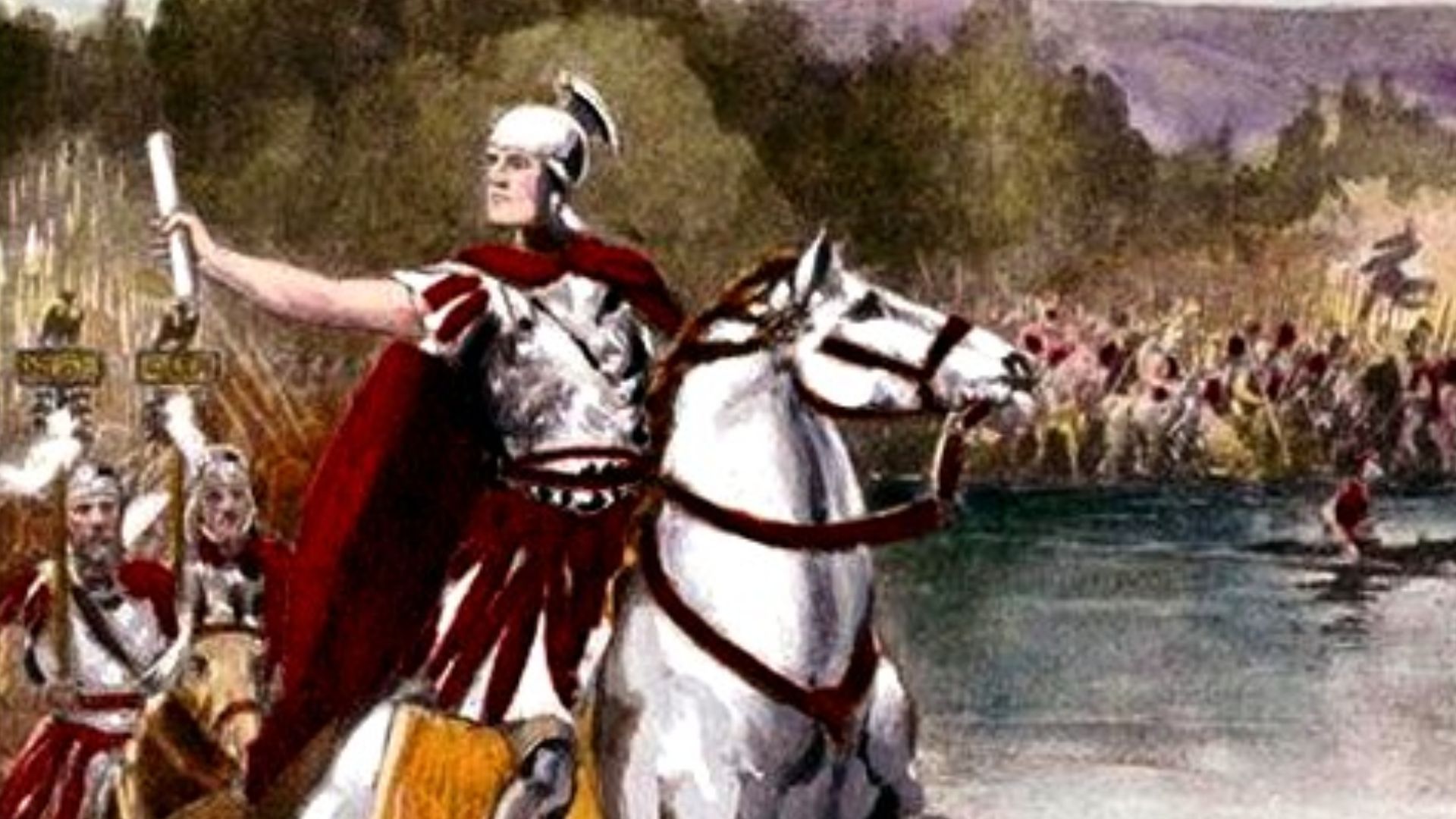 Jacob Abbott, Wikimedia Commons
Emperor Ashoka's Adoption Of Buddhism (Circa 260 BCE)
After the Kalinga War's bloodshed, Emperor Ashoka embraced Buddhism and rejected violence. His edicts on stone pillars promoted ethical rule across India. This choice unified the subcontinent under a new moral code, which emphasized peace.
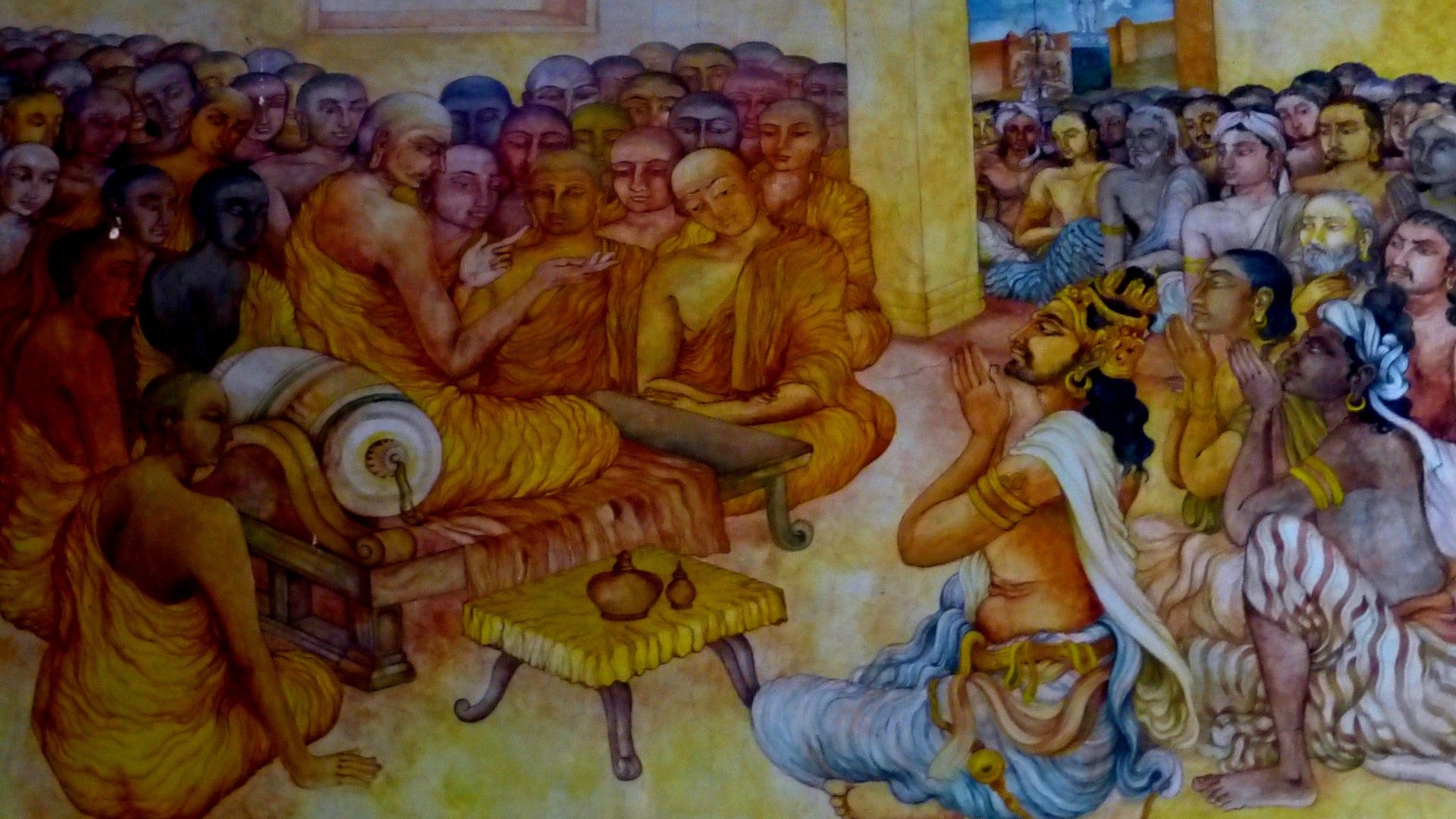 Photo Dharma from Penang, Malaysia, Wikimedia Commons
Constantine's Big Religious Shift (313 CE)
The Roman Empire wasn't known for tolerance. Christians faced torture, exile, and even death. Then Emperor Constantine shocked the world: he legalized the faith. Overnight, catacombs turned into cathedrals, and a once-persecuted religion began climbing to the heart of power.
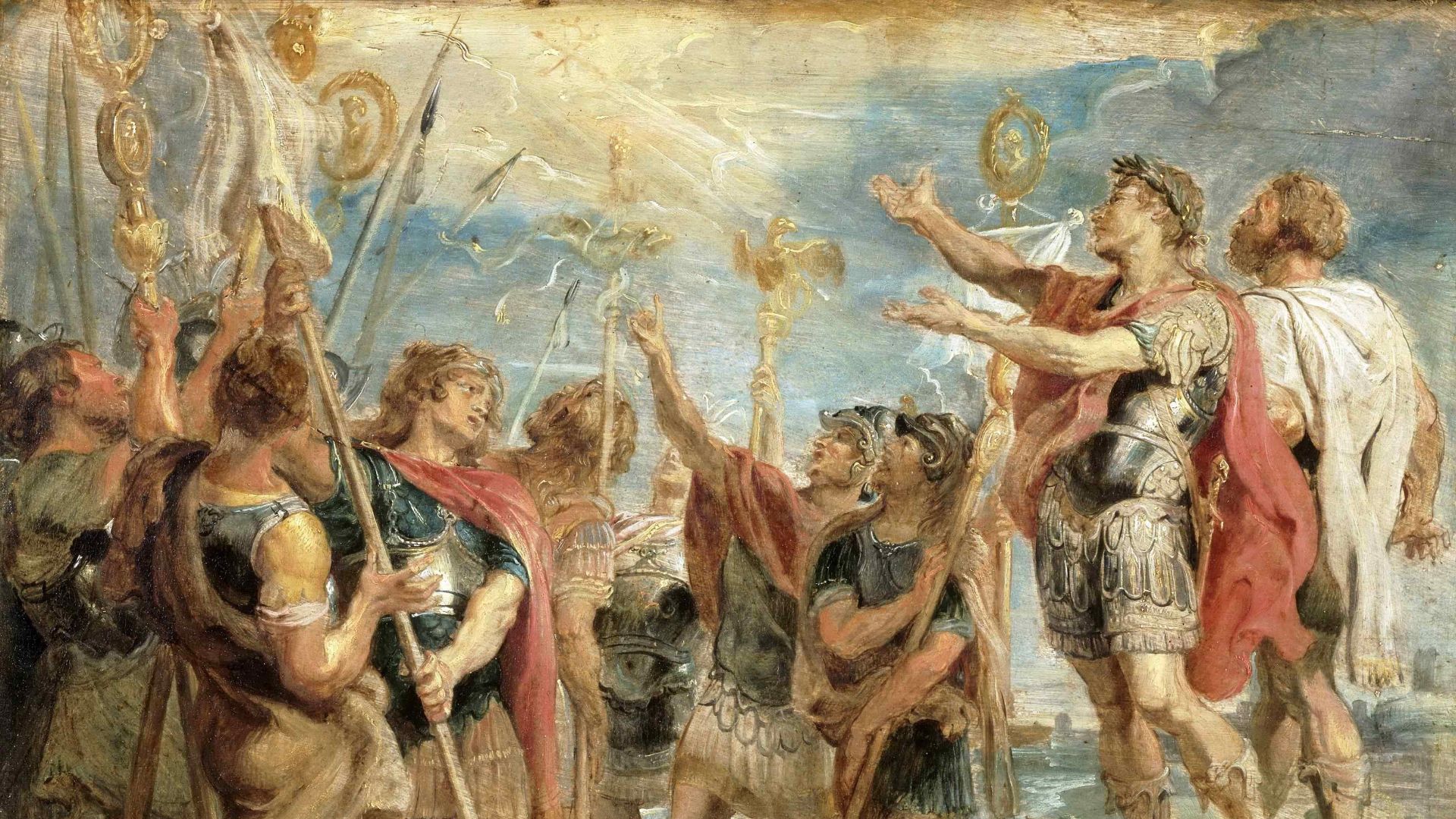 Peter Paul Rubens, Wikimedia Commons
The Pope's Call For The First Crusade (1095)
At a council in Clermont, Pope Urban II urged Christians to seize Jerusalem with the promise of heavenly reward. His words triggered the First Crusade, a violent campaign that redrew maps and left a legacy of mistrust between Europe and the Middle East.
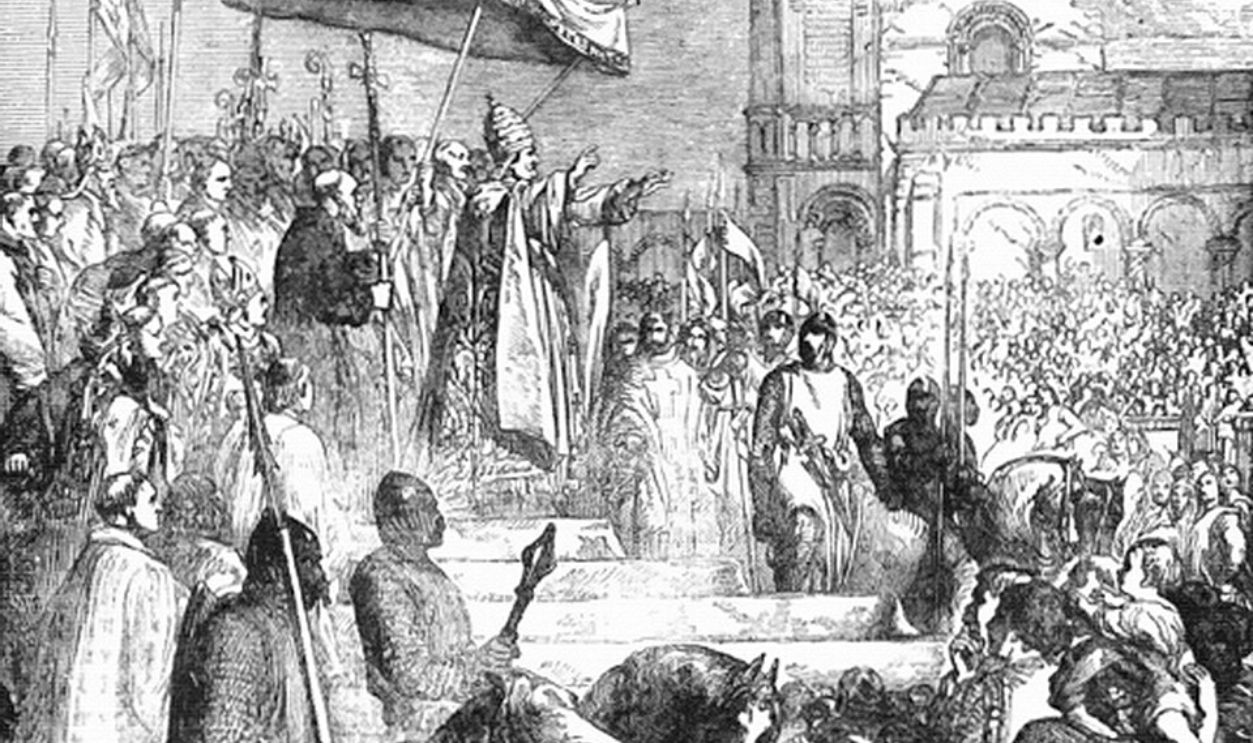 John Cassell, Wikimedia Commons
King John's Signing Of The Magna Carta (1215)
King John's heavy taxes and failed wars enraged his barons. Cornered, he sealed the Magna Carta and agreed to limits on royal power. The charter's immediate impact was shaky, but it planted a precedent: rulers could be held to written law.
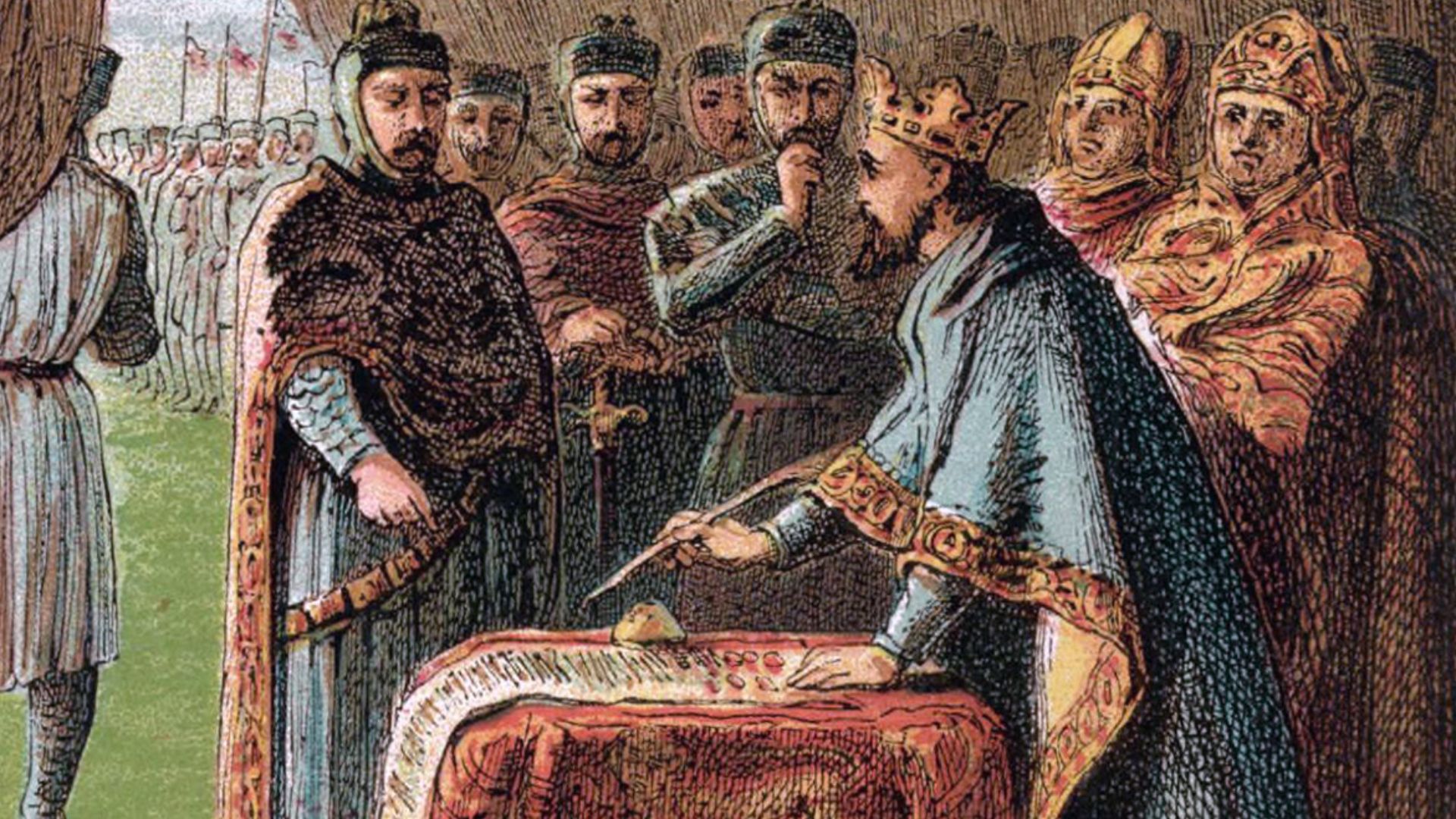 Joseph Martin Kronheim (1810–96)[1], Wikimedia Commons
Johannes Gutenberg's Sharing Of Printing Knowledge (Circa 1440)
Rather than guarding his revolutionary movable-type printing method as a trade secret, Johannes Gutenberg chose to share it with craftsmen across Europe. His choice enabled printers in cities like Mainz and Venice to set up workshops and churn out books at a pace previously unimaginable.
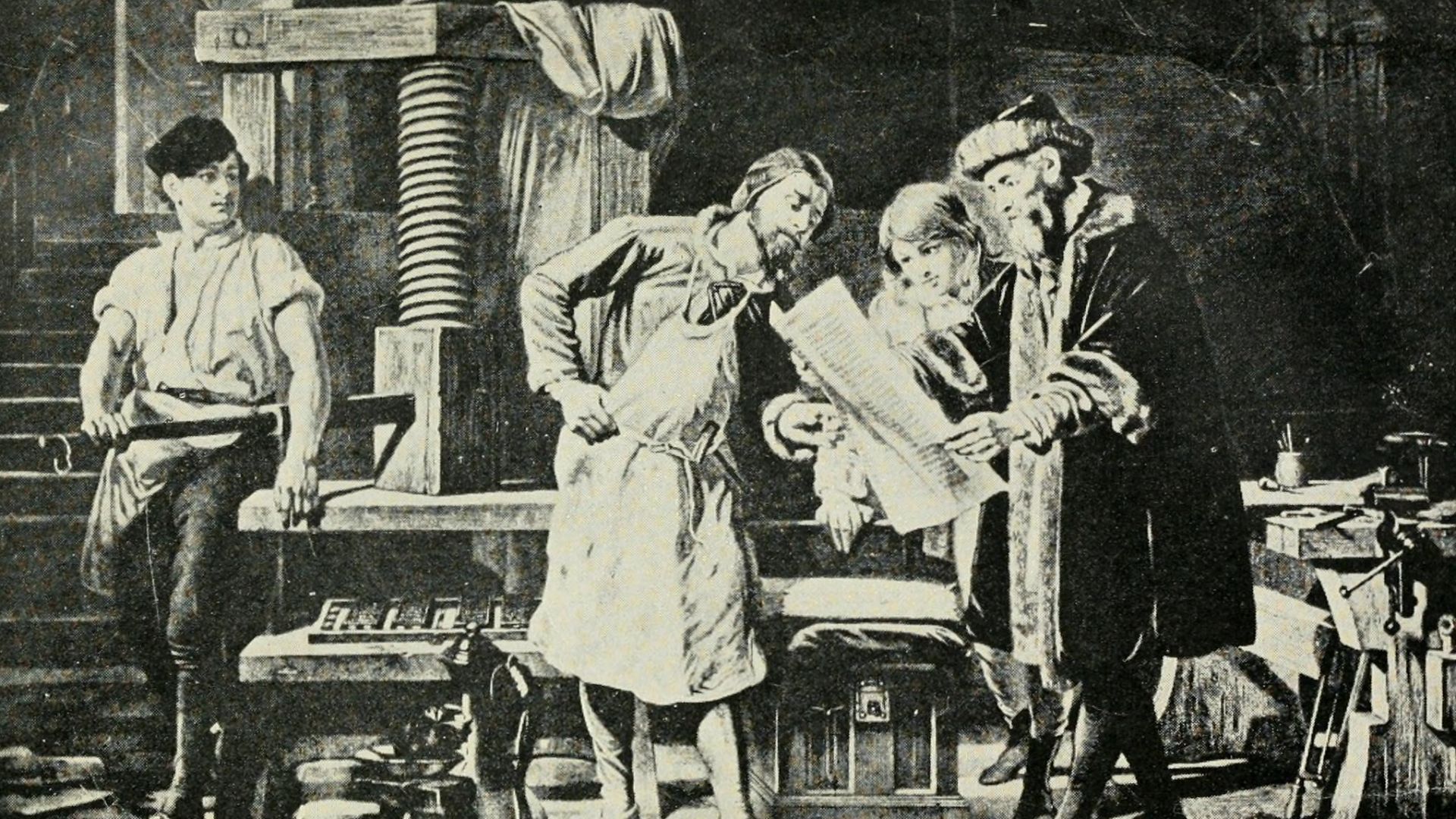 Internet Archive Book Images, Wikimedia Commons
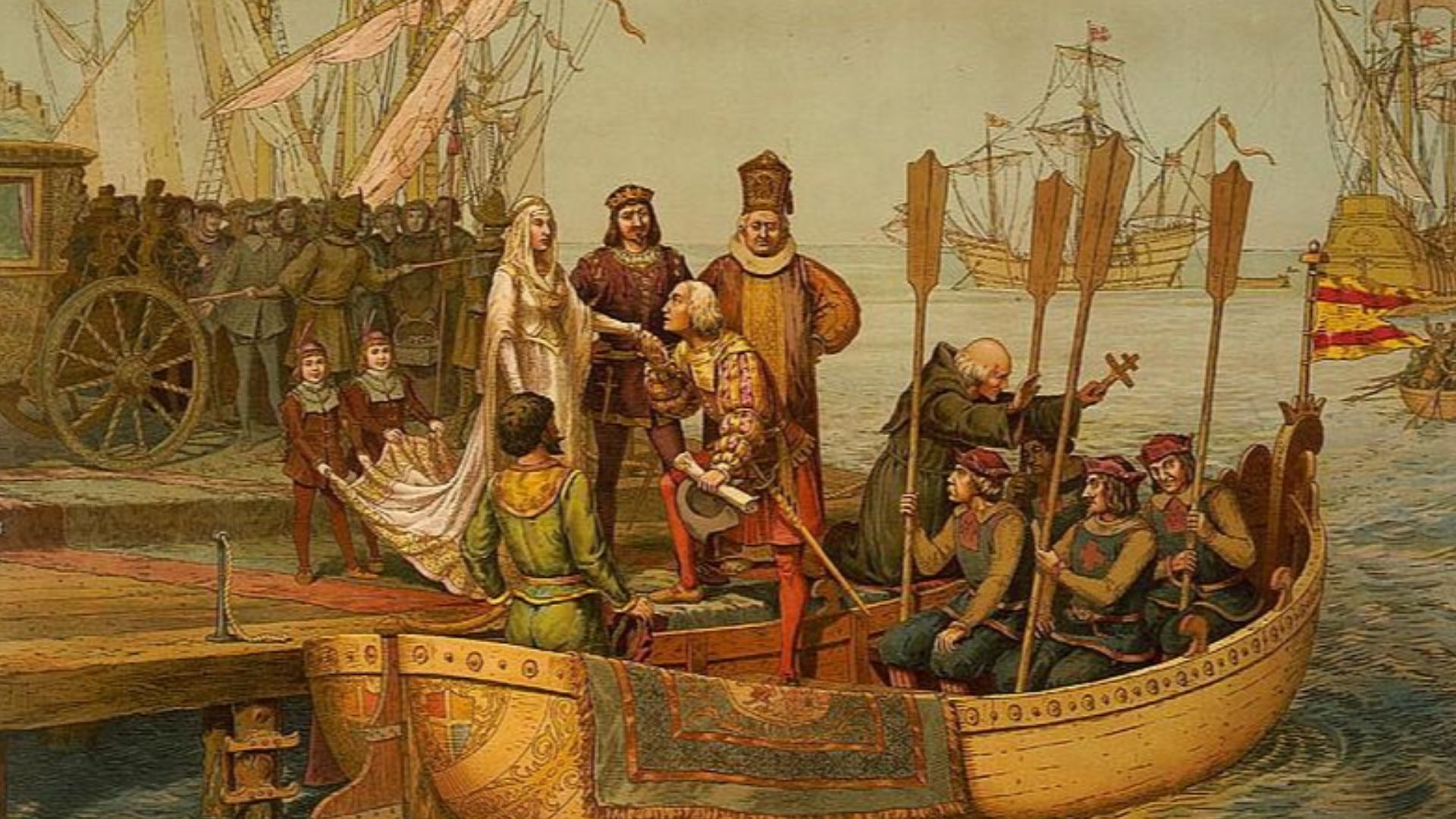
Christopher Columbus's Voyage Sponsored By Spain (1492)
Chasing a shortcut to Asia, Columbus convinced Spain to fund his risky voyage. Weeks later, he stumbled onto Caribbean islands he thought were part of India. That mistake was the start of Spain's colonization drive that changed the lives of Indigenous peoples.

History's most fascinating stories and darkest secrets, delivered to your inbox daily.
Martin Luther's Posting Of The Theses (1517)
Fed up with the Church selling forgiveness, Luther nailed his complaints to a door in Wittenberg. Thanks to the printing press, the words spread like wildfire. What began as a protest turned into the Reformation that split Christianity and redrew Europe's religious map.
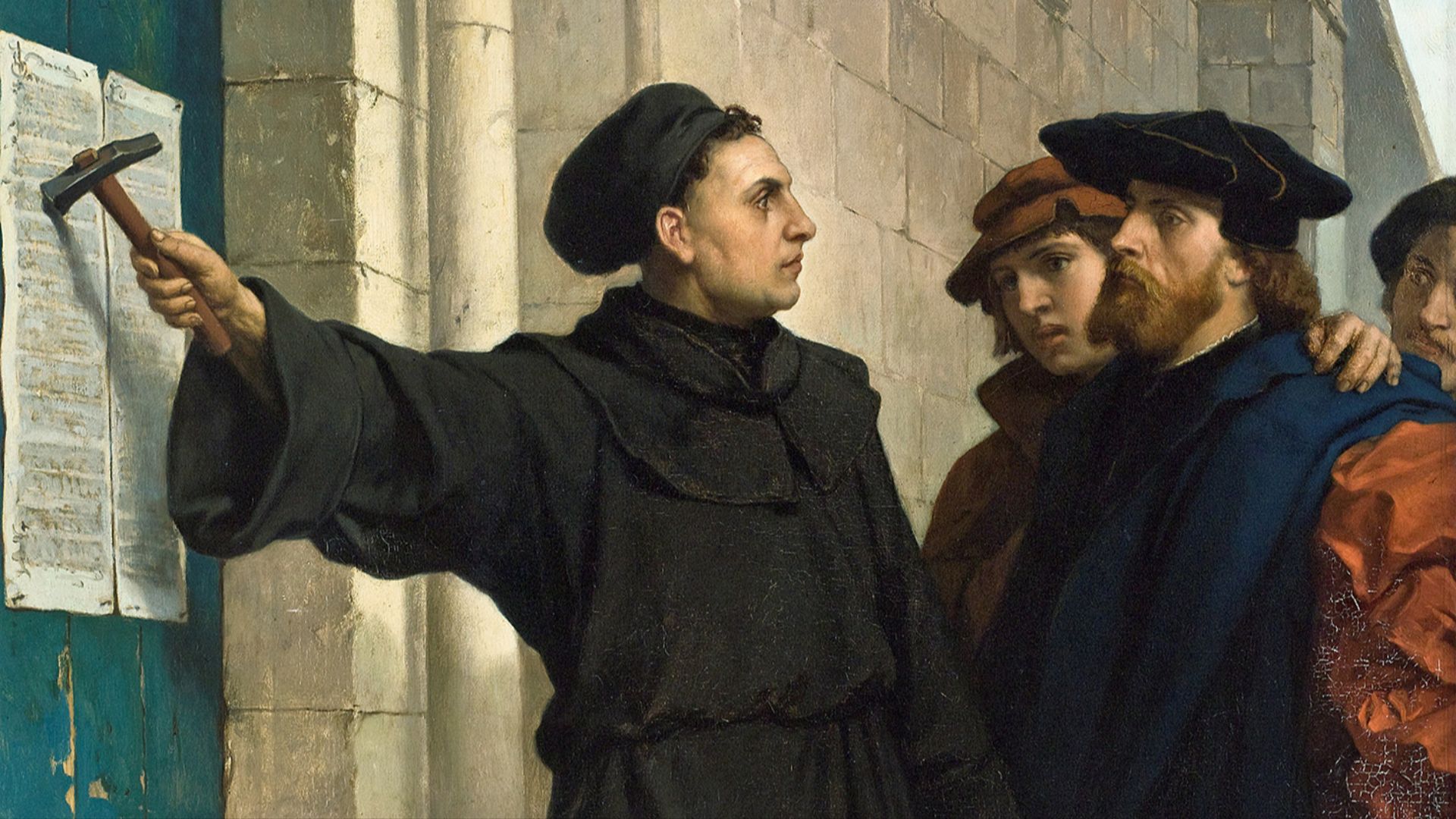 Ferdinand Pauwels, Wikimedia Commons
Henry VIII's Break From The Catholic Church (1534)
Henry VIII put England on a new religious path by rejecting the Pope’s authority. The dispute began when Rome refused to grant Henry a divorce, so he declared himself head of a new Church of England and seized control of its power.
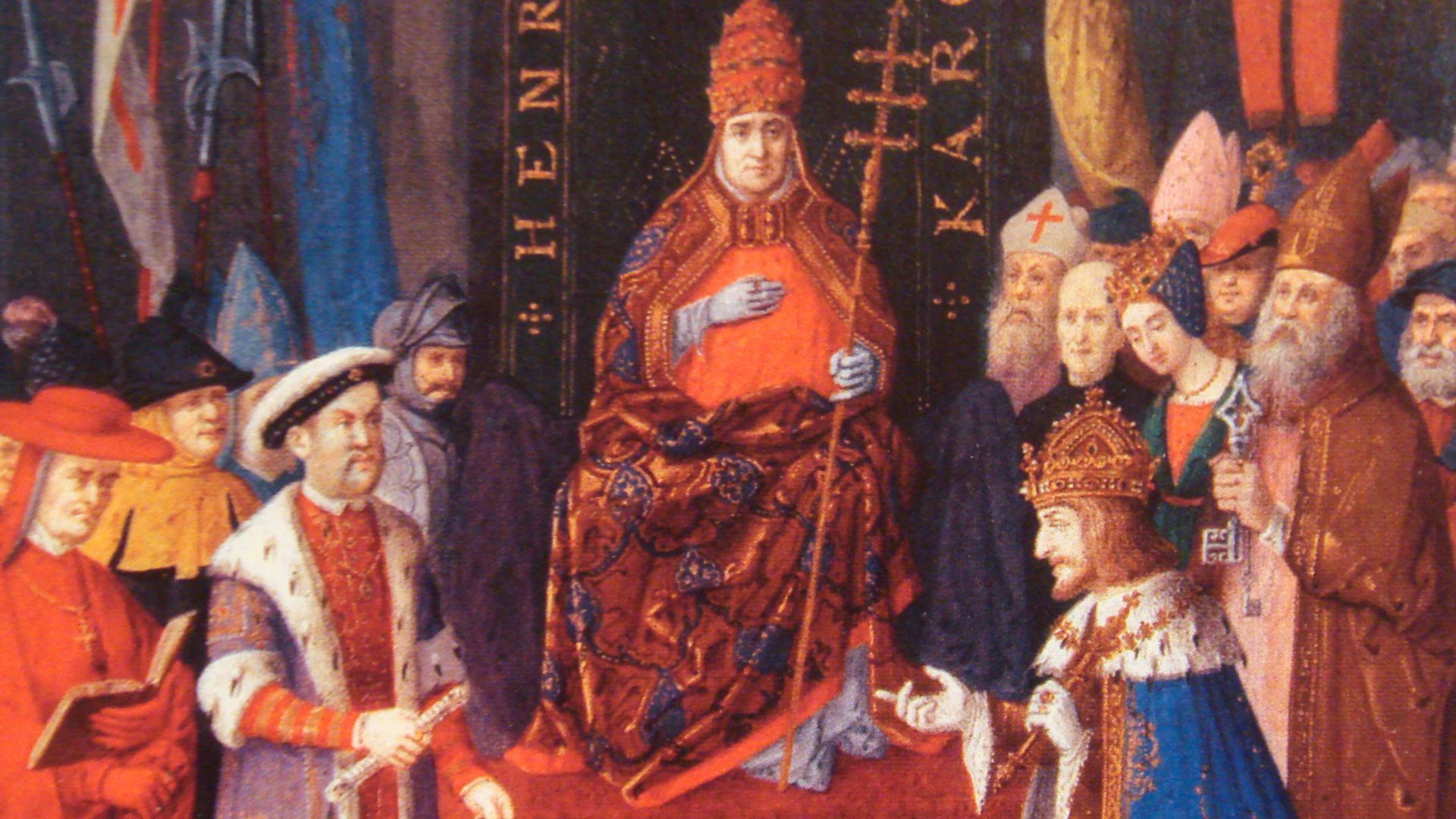 John Closterman (1660-1711), Wikimedia Commons
Louis XIII's Support For Cardinal Richelieu (1630)
When rivals tried to force Louis XIII to dismiss Cardinal Richelieu, the young king chose to back him. Richelieu then consolidated power, cut down the nobility's influence, and strengthened the monarchy. Louis's support was the beginning of French absolutism in Europe.
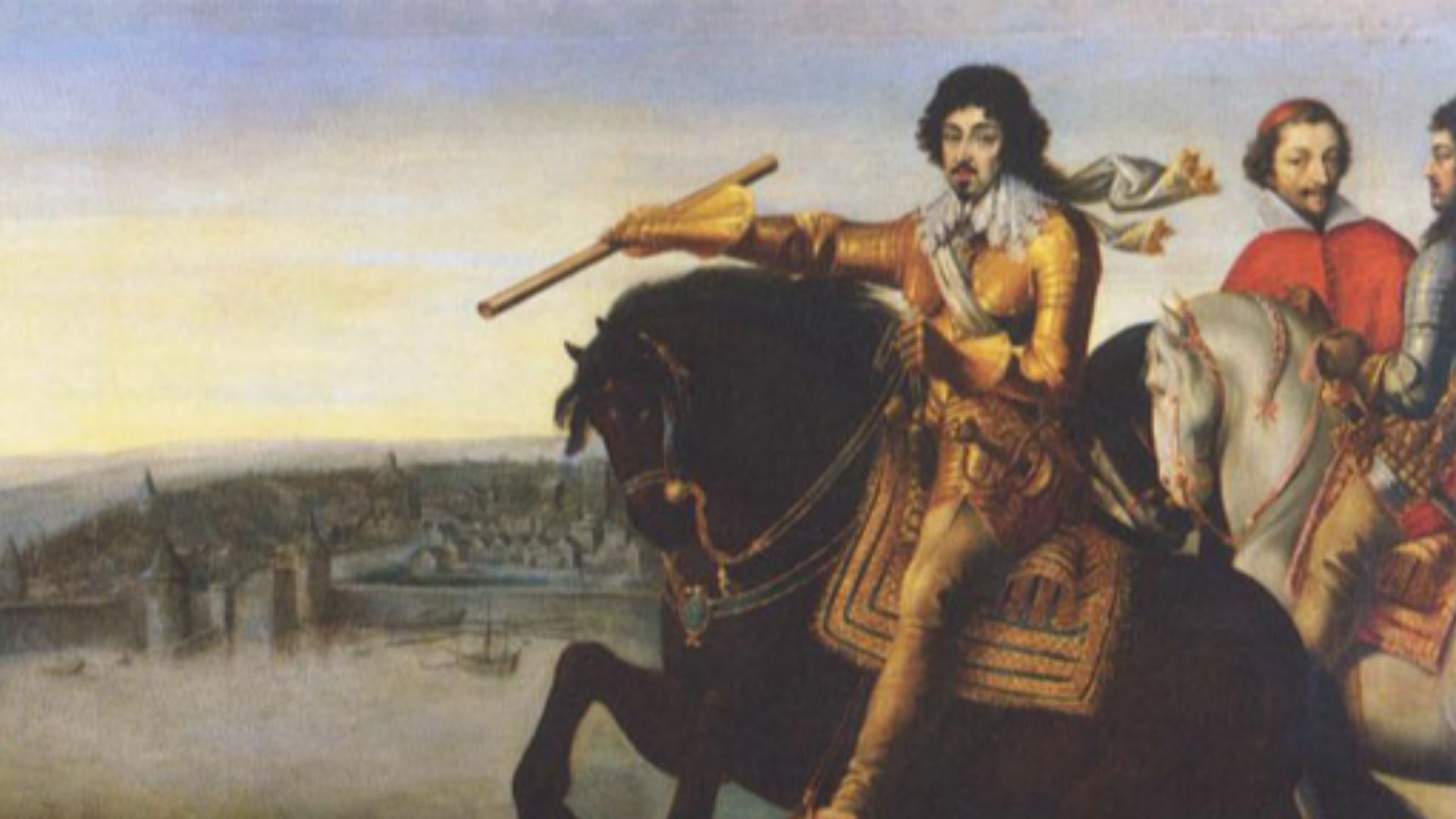 Unknown authorUnknown author, Ecole française du xviie siècle, Wikimedia Commons
Oliver Cromwell's Execution Of King Charles I (1649)
For the first time, a reigning English king faced trial and execution by his own people. Charles I's beheading ended the monarchy—for a decade at least—and showed that rulers could be held accountable. The effect? Royal authority could be questioned.
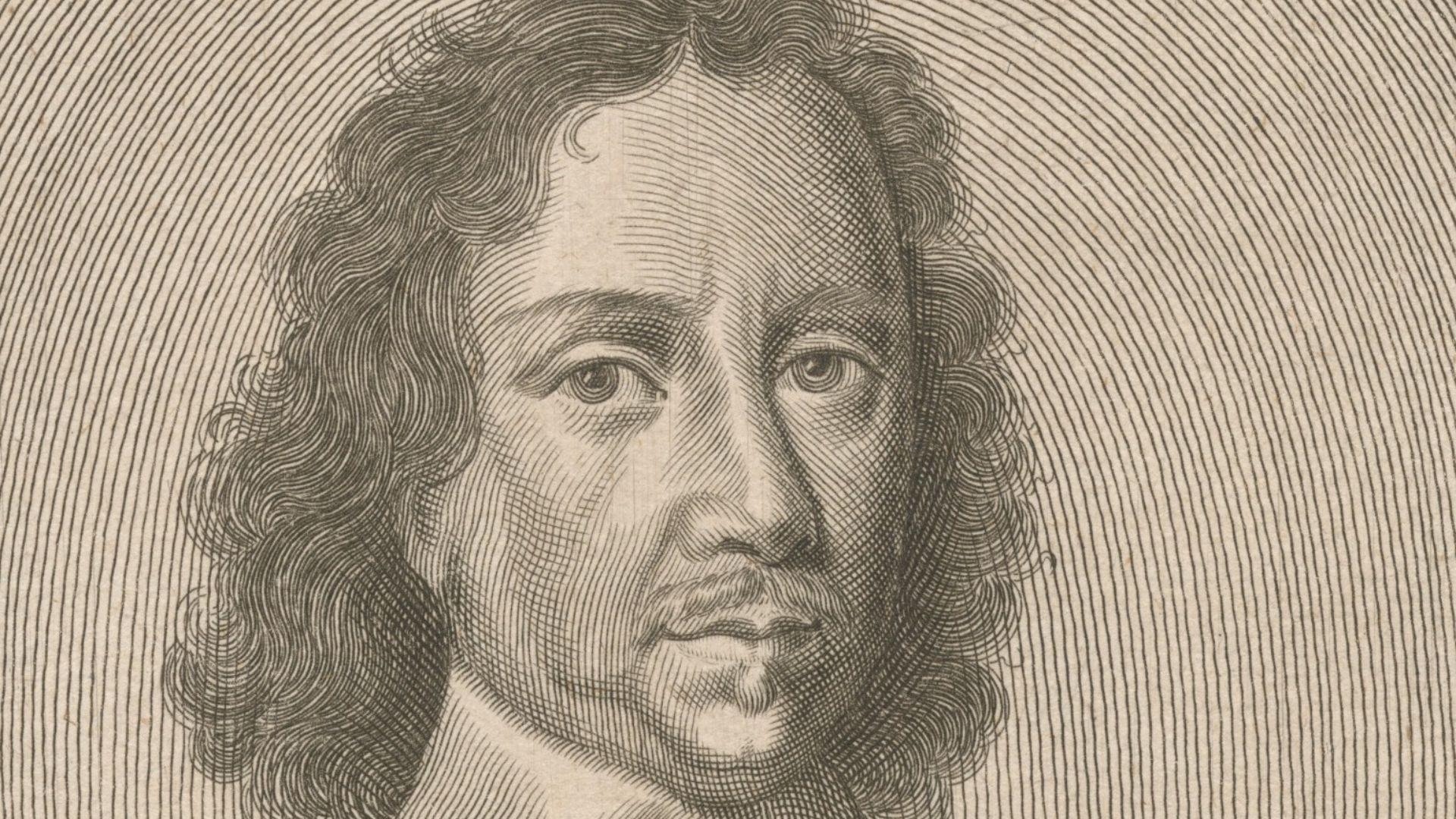 Scan by NYPL, Wikimedia Commons
Signing Of The Declaration Of Independence (1776)
In July 1776, delegates voted to cut ties with Britain and put it in writing. The Declaration accused the king of abusing his power and declared the colonies free states. By signing, the rebellion became an open revolution against the world's strongest empire.
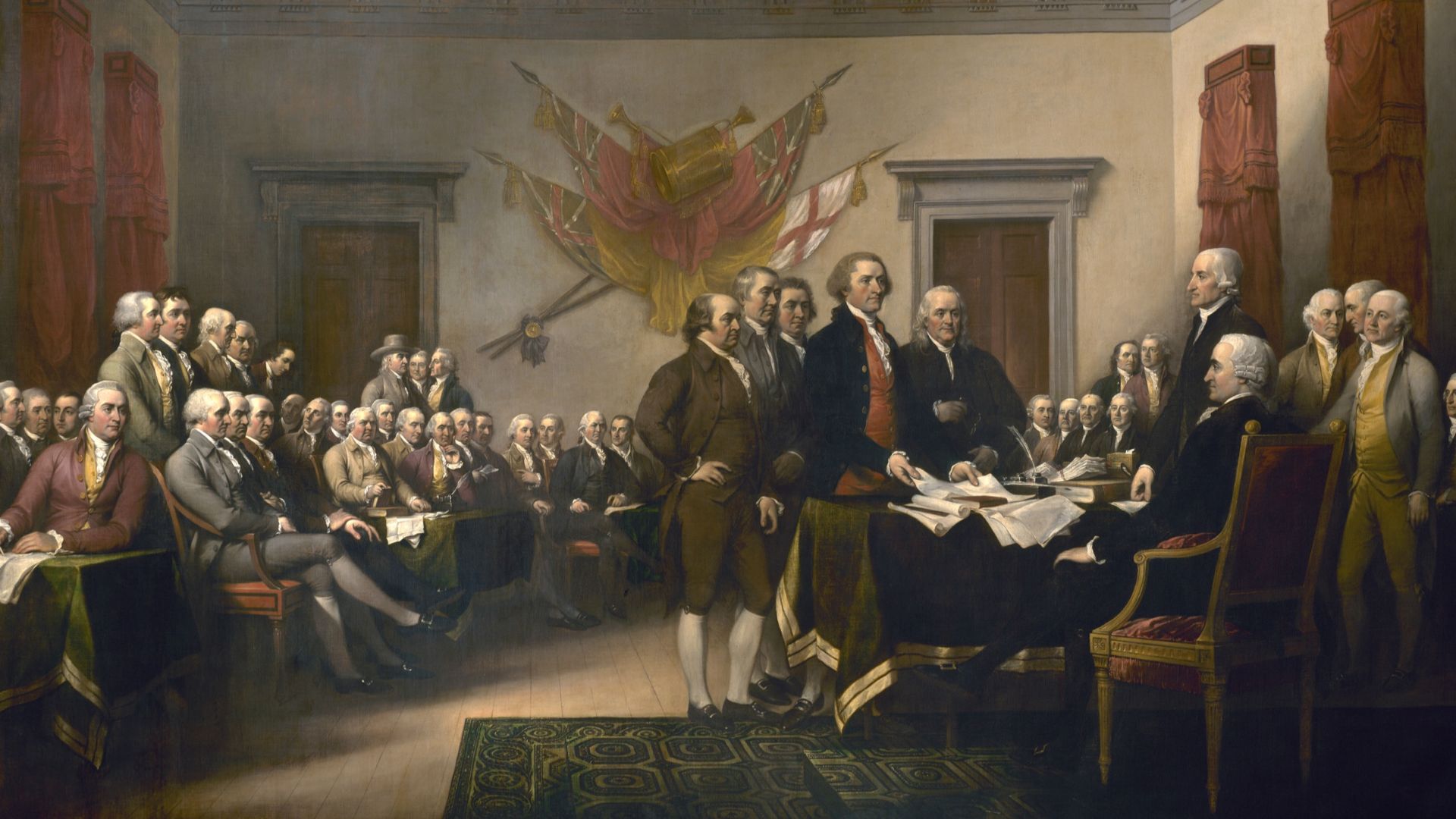 John Trumbull, Wikimedia Commons
George Washington's Refusal Of Kingship (1783)
After the victory over Britain, some urged George Washington to take a crown. He shocked the world by resigning his command and returning to private life. That decision was America's way of saying, “We will not replace one king with another, but instead embrace a republic”.
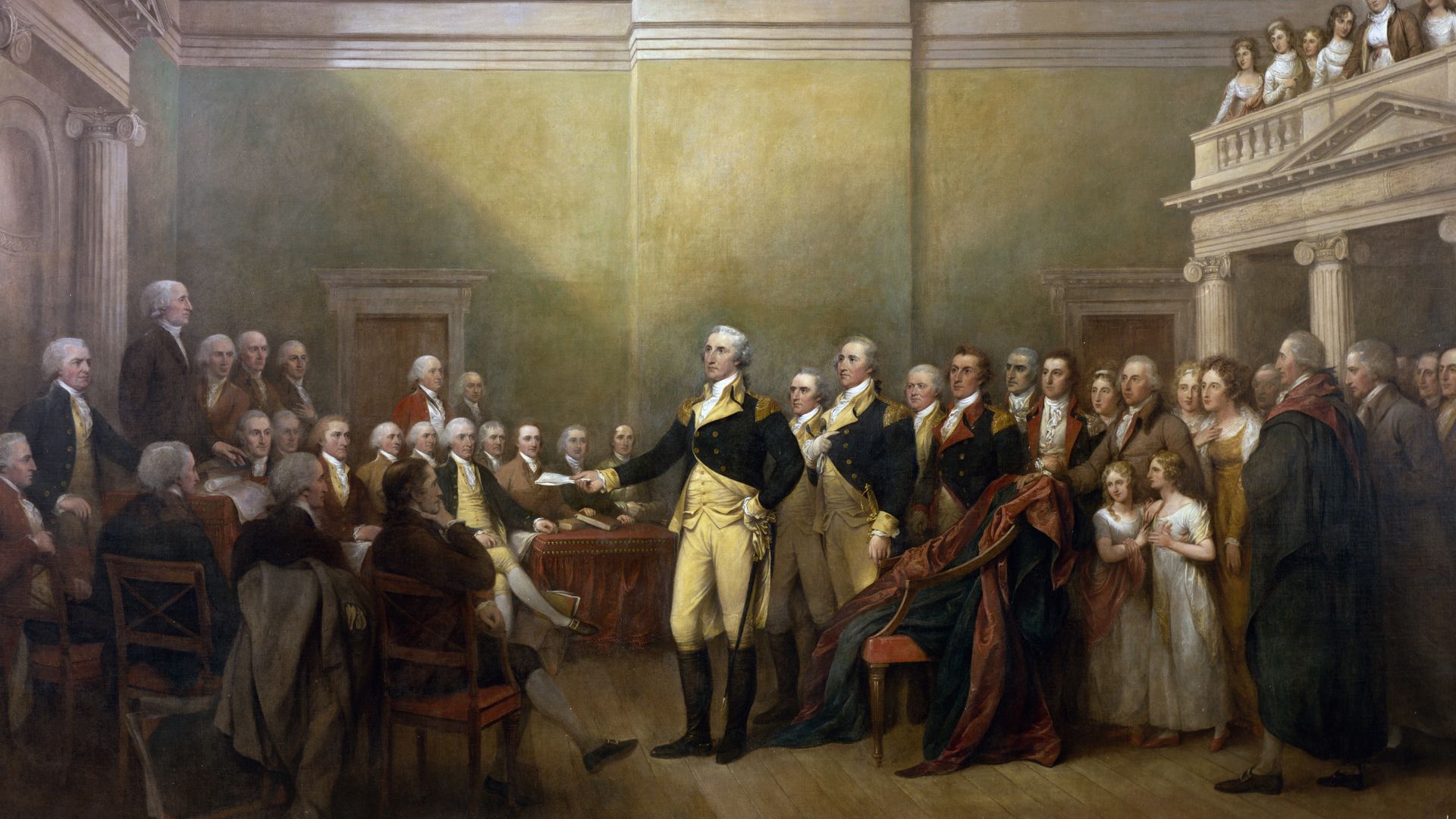
Thomas Jefferson's Louisiana Purchase (1803)
Napoleon needed quick money for his wars, and Jefferson saw an opening. For $15 million, the US gained land stretching from the Mississippi to the Rockies. The purchase doubled the nation overnight and unlocked a westward dream that seemed endless.
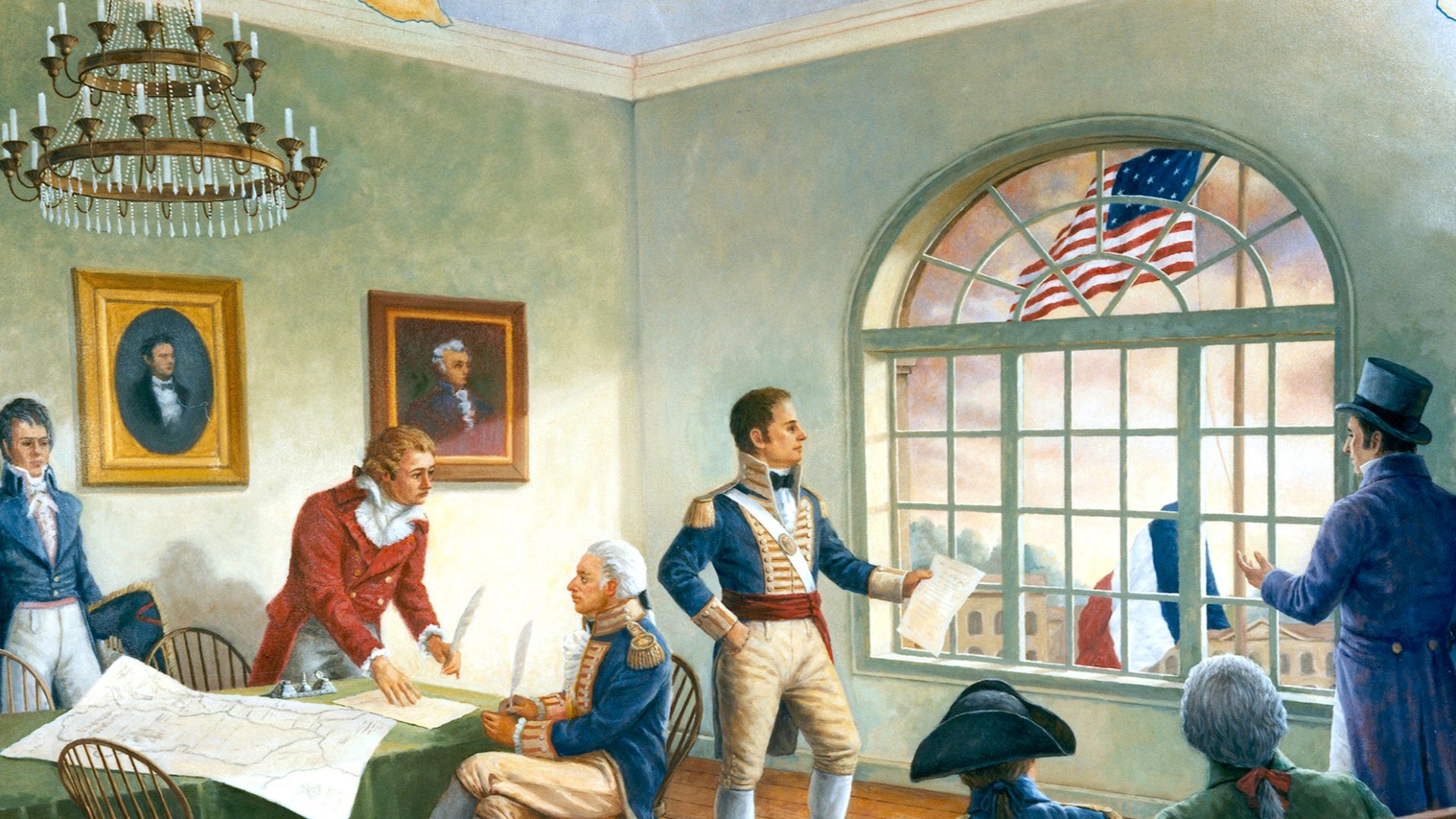
Abraham Lincoln's Emancipation Proclamation (1863)
The civil war raged on when Lincoln reshaped its purpose with one announcement: enslaved people in Confederate states were free. The decree also allowed Black men to join the Union Army, increasing its ranks and tilting the conflict toward a moral cause.
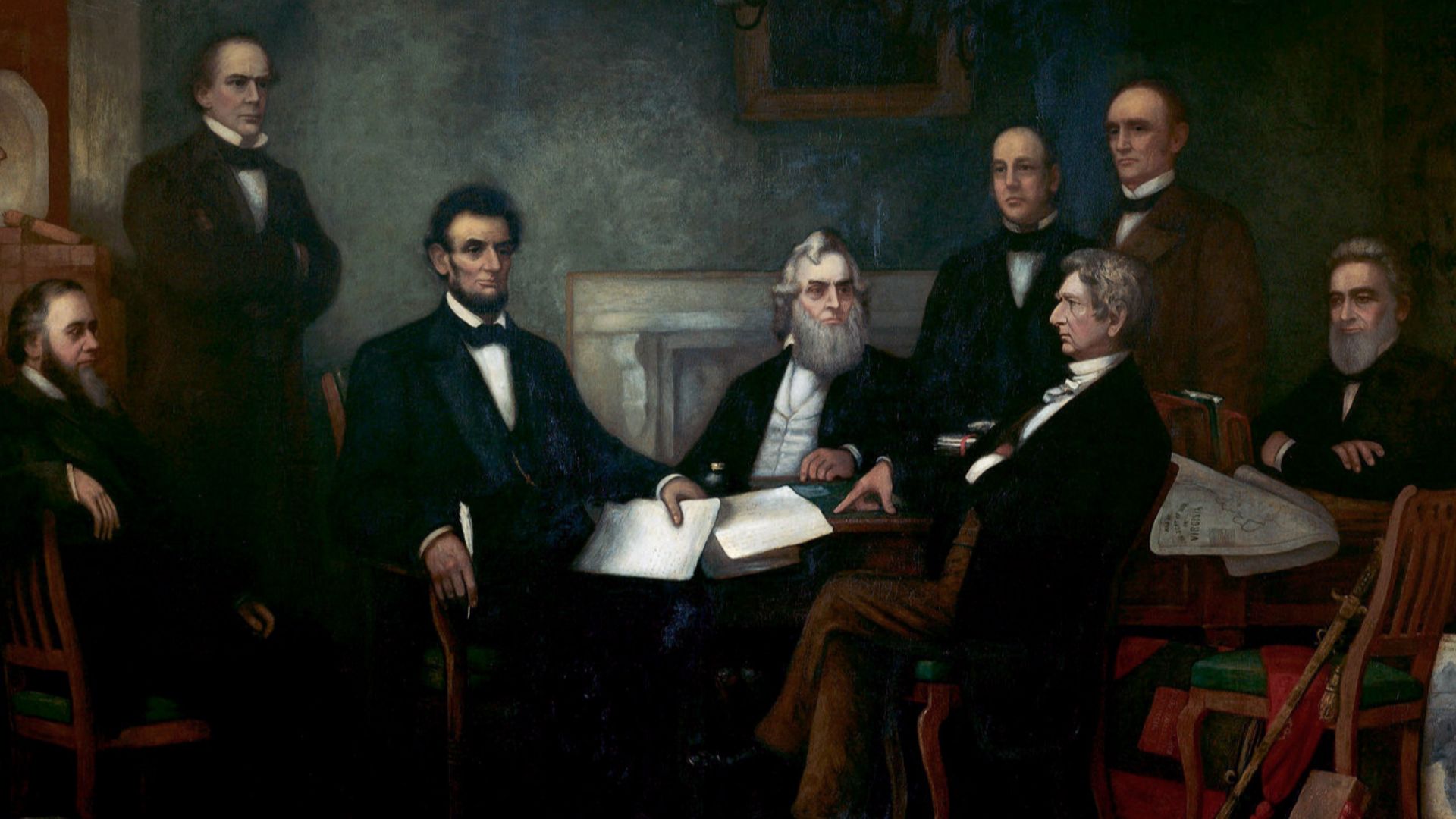 Francis Bicknell Carpenter, Wikimedia Commons
Emperor Meiji's Restoration Reforms (1868)
After centuries of isolation, Japan faced pressure from Western powers. The young Emperor Meiji dismantled the old feudal system, built modern schools, and adopted Western industry and military practices. Within a generation, Japan had become a modern state capable of rivaling Europe.
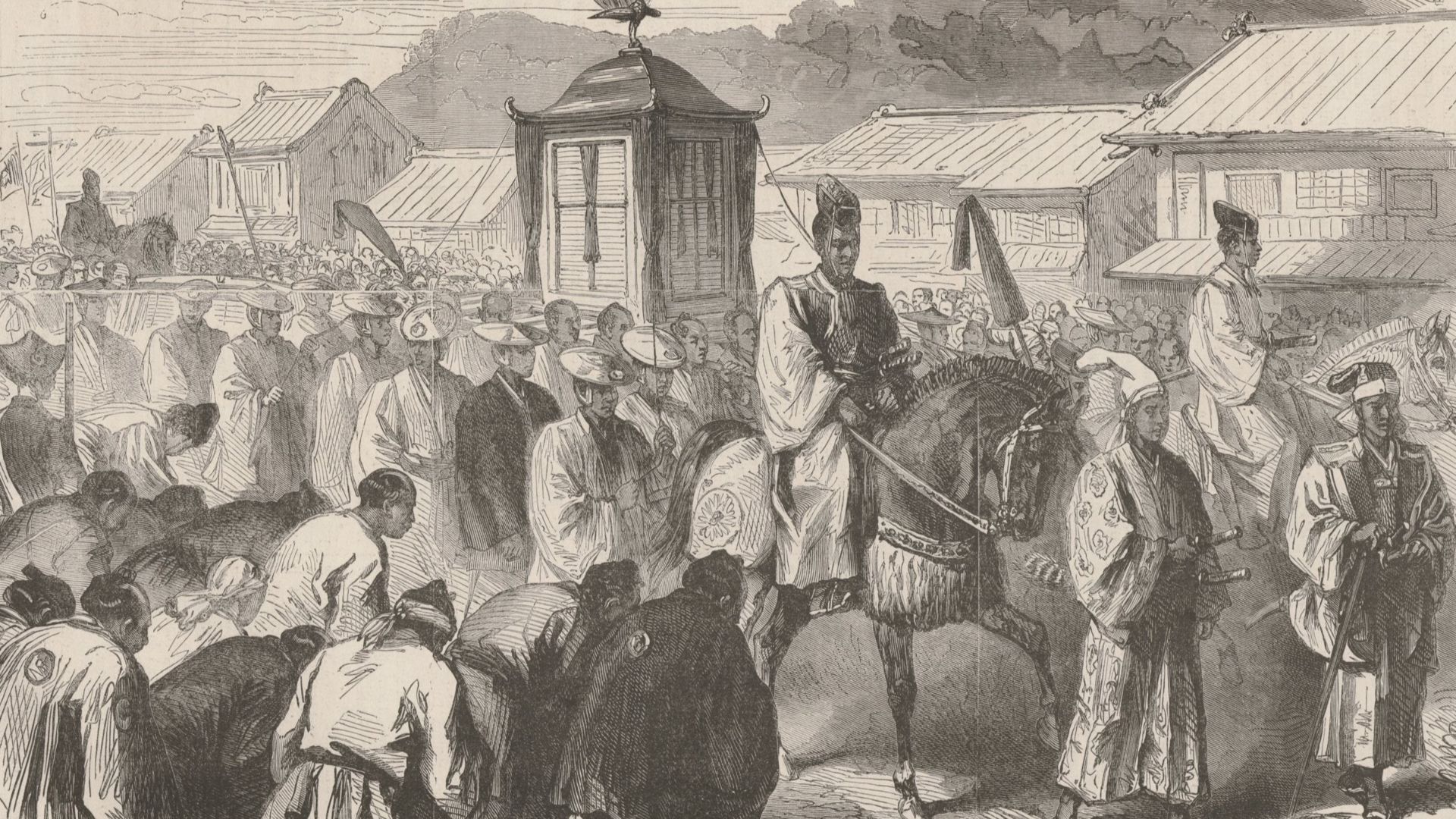 Alfred Roussin, Wikimedia Commons
Otto Von Bismarck's Unification Of Germany (1871)
Through cunning diplomacy and quick wars, Bismarck stitched dozens of German states into one powerful empire. The final triumph came at Versailles, where Wilhelm I was crowned Kaiser in a French palace—an insult that left France fuming and Europe on edge.
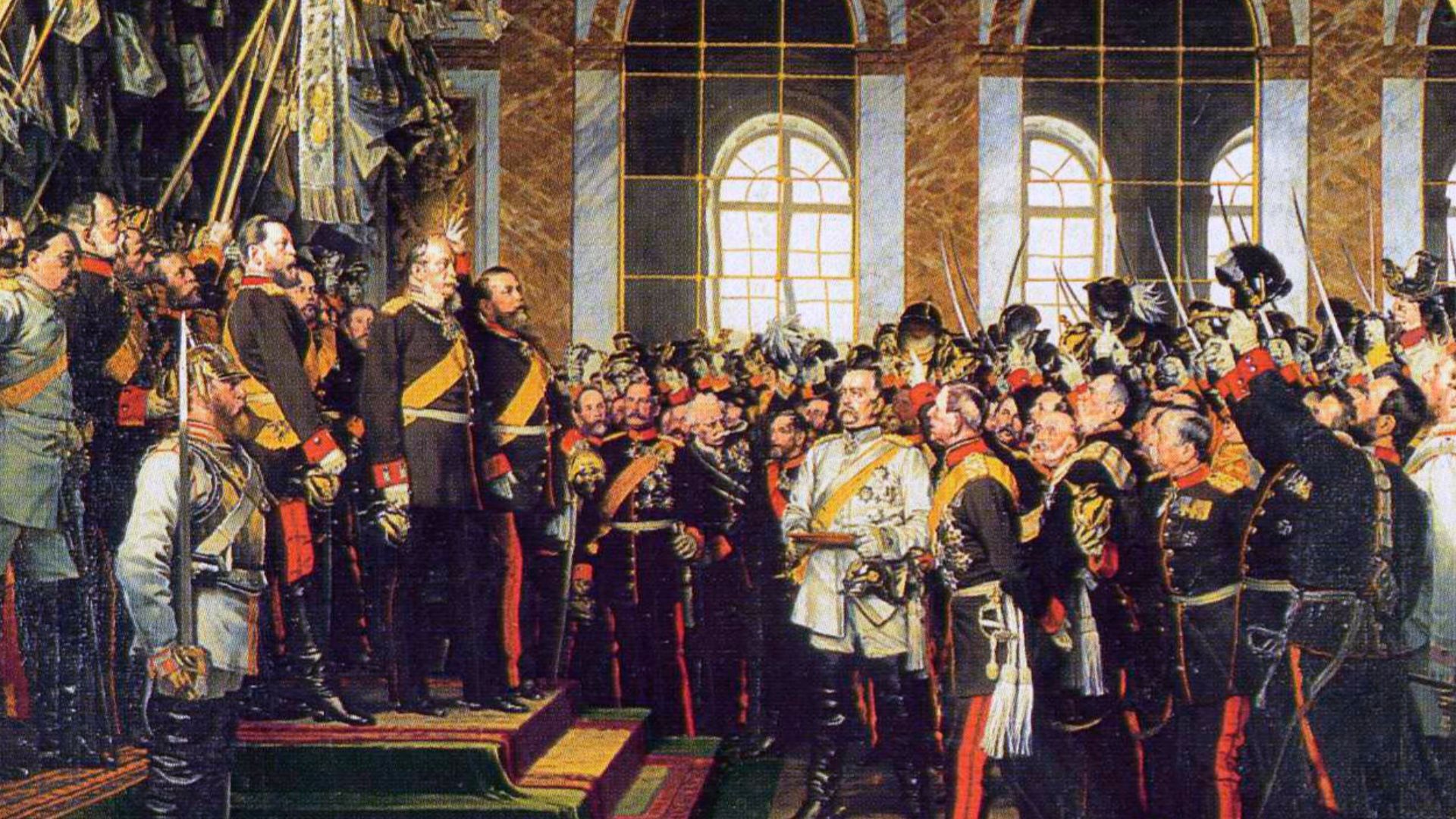 Anton von Werner, Wikimedia Commons
Theodore Roosevelt's Panama Canal Acquisition (1903)
When Colombia refused to approve a canal deal, Roosevelt threw US support behind a Panamanian revolt. Within days, Panama declared independence and granted rights to the project. The canal's construction cut weeks off global shipping routes and placed America at the center of world trade.
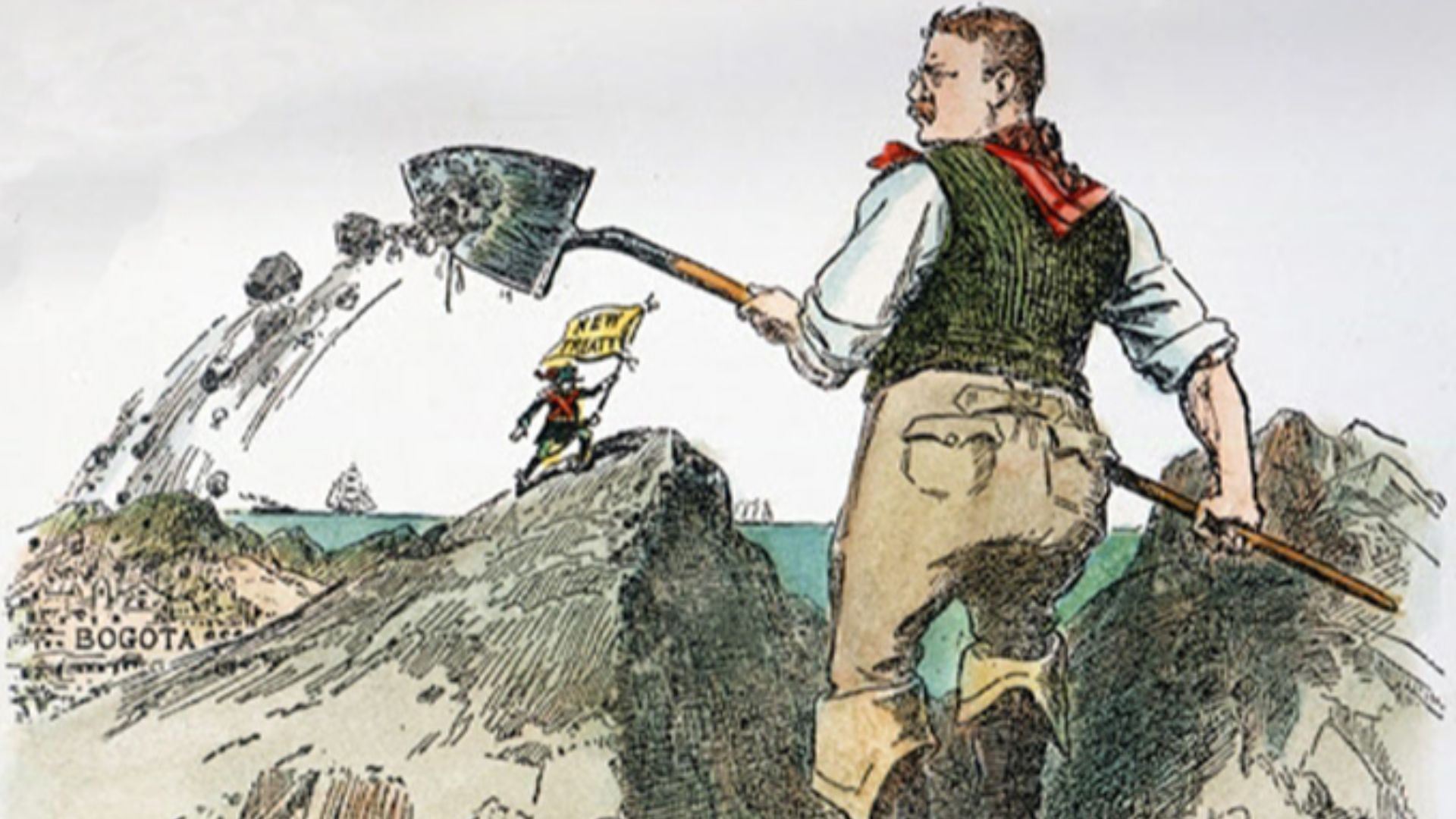 W. A. Rogers, Wikimedia Commons
Henry Ford's Assembly Line For The Model T (1913)
Ford watched slaughterhouses move carcasses along hooks and thought, "Why not cars?" He reversed the process—keeping workers still and moving parts past them. Boring work, yes, but it cut production to ninety minutes. Suddenly, the car was no longer a luxury.
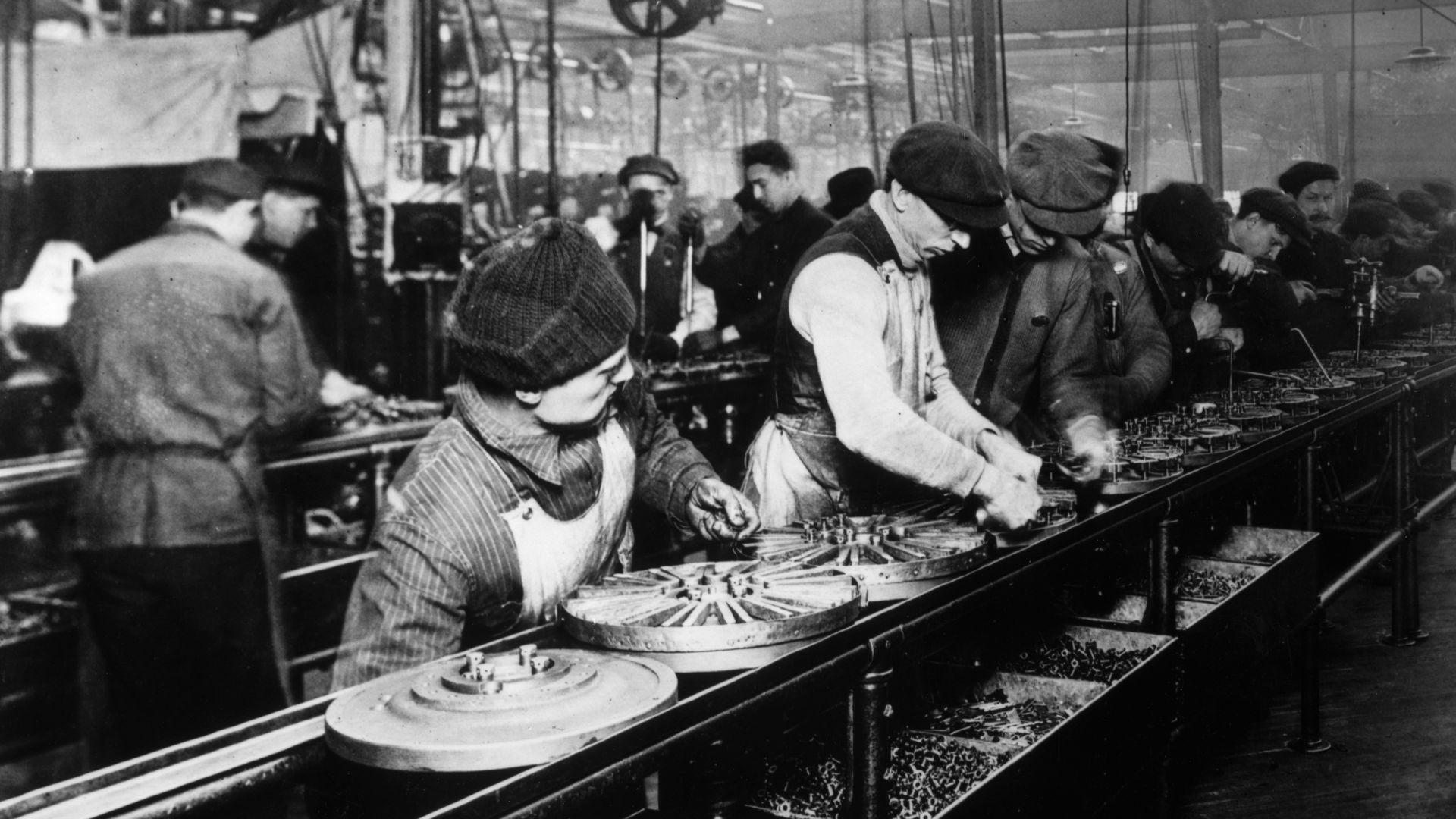 Unknown authorUnknown author, Wikimedia Commons
Vladimir Lenin's October Revolution (1917)
In Petrograd, Lenin's Bolsheviks stormed the Winter Palace and toppled the fragile provisional government. The coup pulled Russia out of WWI and installed communist rule, beginning an experiment in power that reshaped the nation and rippled far beyond its borders.
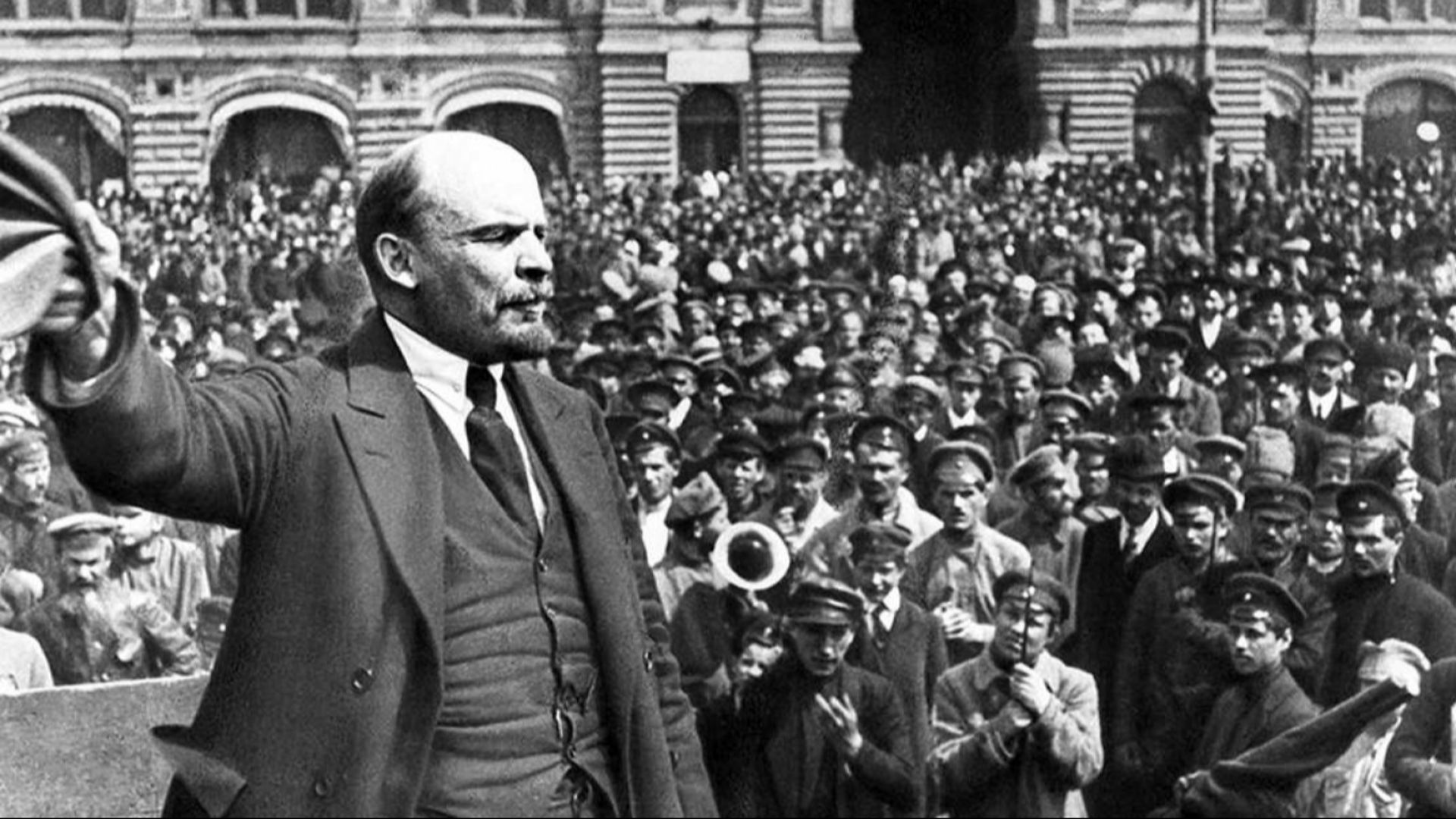 Vladimir Lenin, Wikimedia Commons
Signing Of The Treaty Of Versailles (1919)
Inside Versailles's glittering Hall of Mirrors, Allied leaders imposed punishing terms on Germany—huge reparations, lost territory, and strict military limits. The treaty ended WWI on paper, but the humiliation it caused soon became fertile ground for extremist movements.
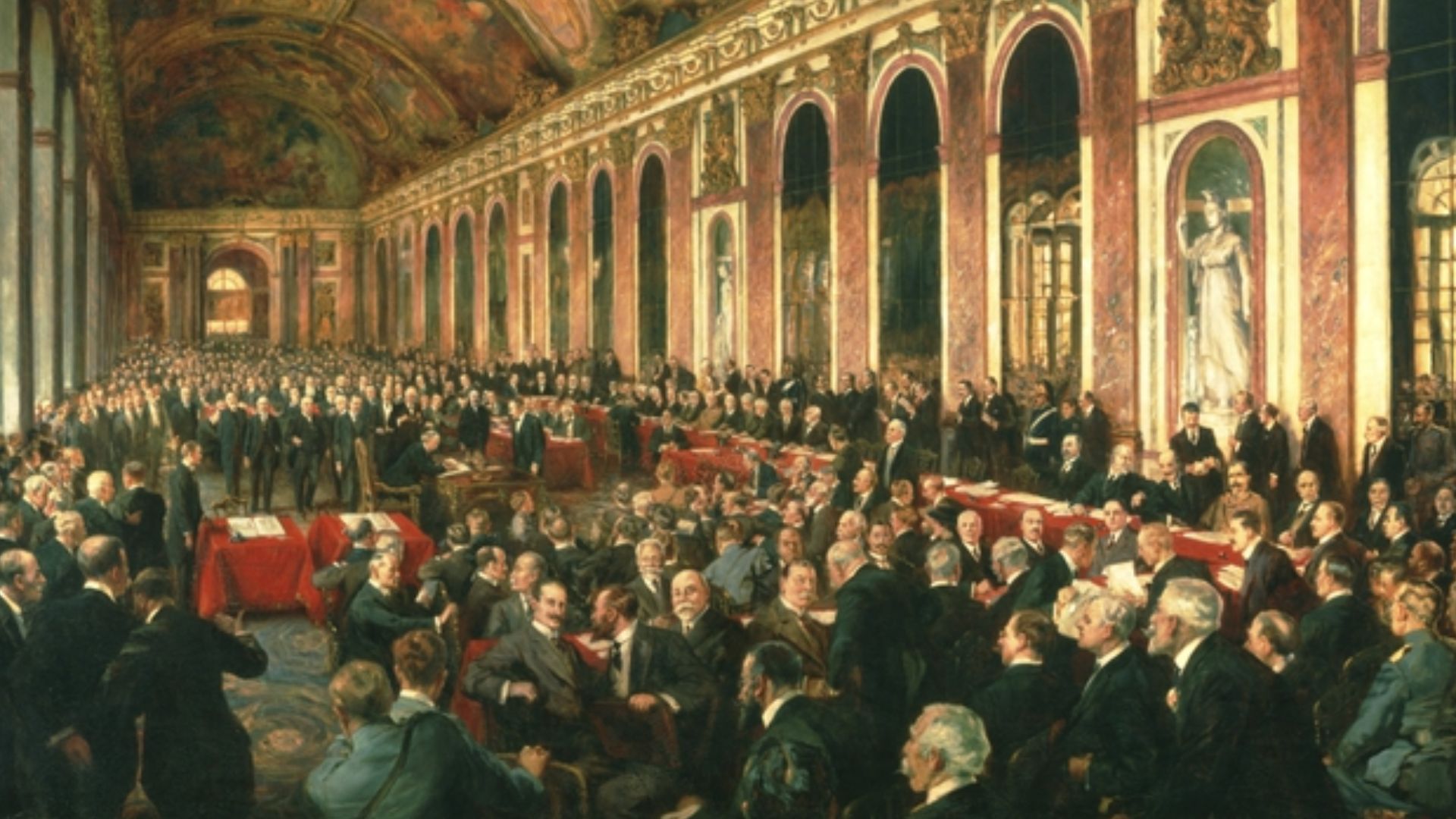 Joseph Finnemore, Wikimedia Commons
Jack Warner's Decision To Produce The Jazz Singer (1927)
Warner Bros gambled on sound when most studios thought audiences loved silence. The Jazz Singer shocked viewers as Al Jolson spoke on screen: "You ain't heard nothin' yet!" They hadn't—the film ended the silent era and made "talkies" unstoppable.
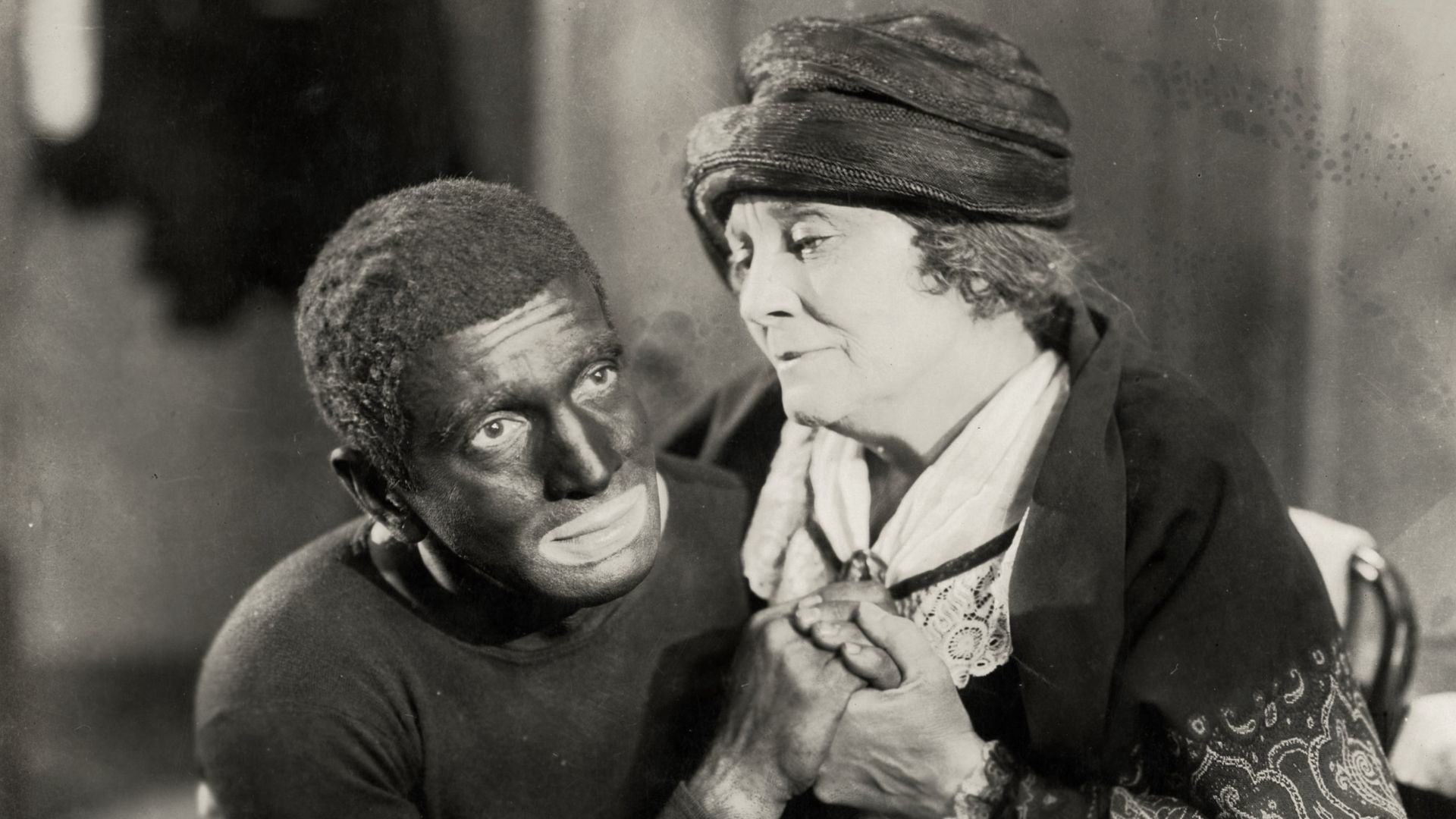 Warner Bros. (Original holder of property rights), Wikimedia Commons
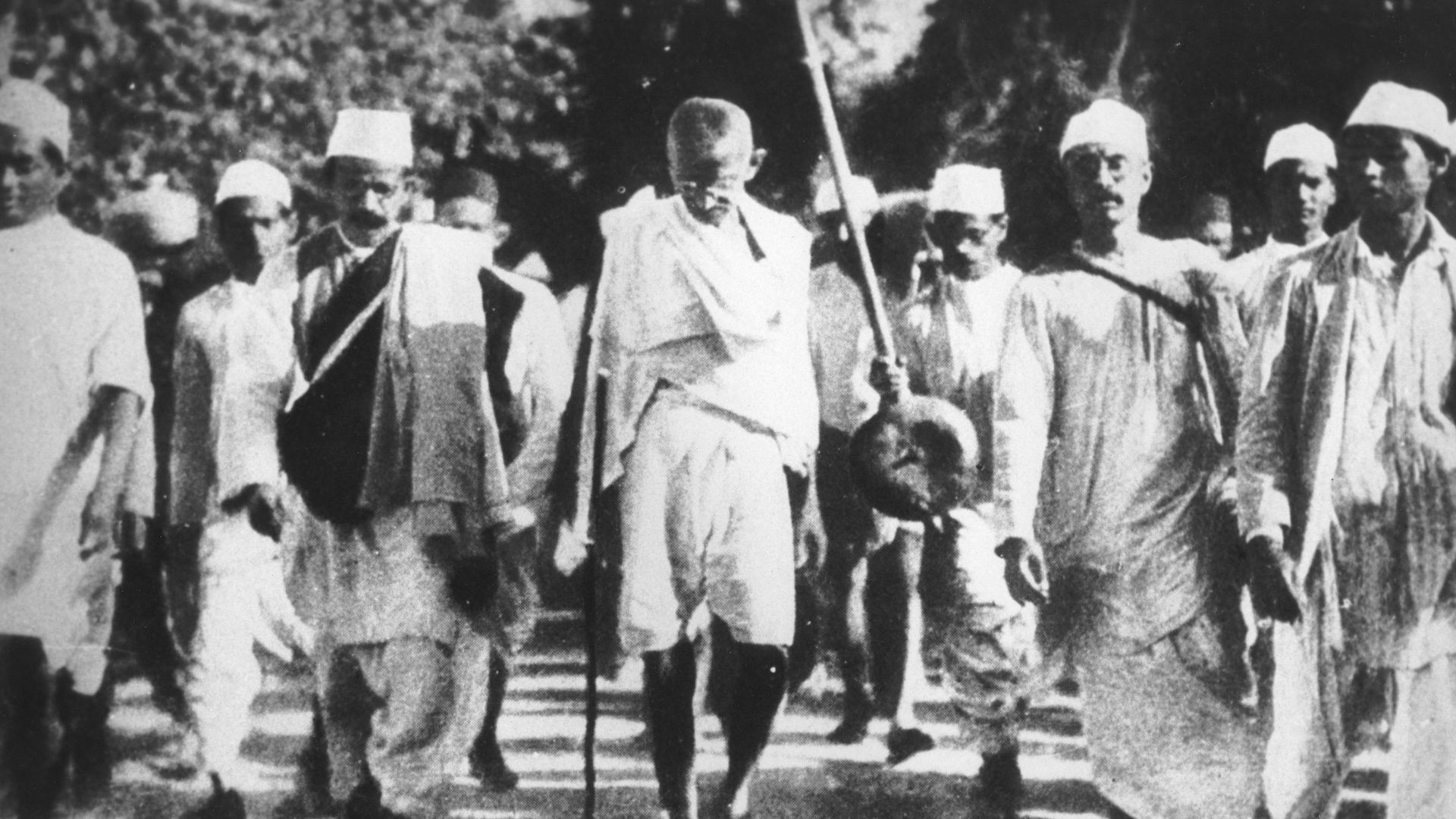
Mahatma Gandhi's Defiance With The Salt March (1930)
Gandhi chose to break British salt laws by marching to the sea. His bold protest exposed colonial oppression and rallied millions. The march ignited India's independence movement, which ultimately led to the country pushing the British Empire out.
 Yann (talk), Wikimedia Commons
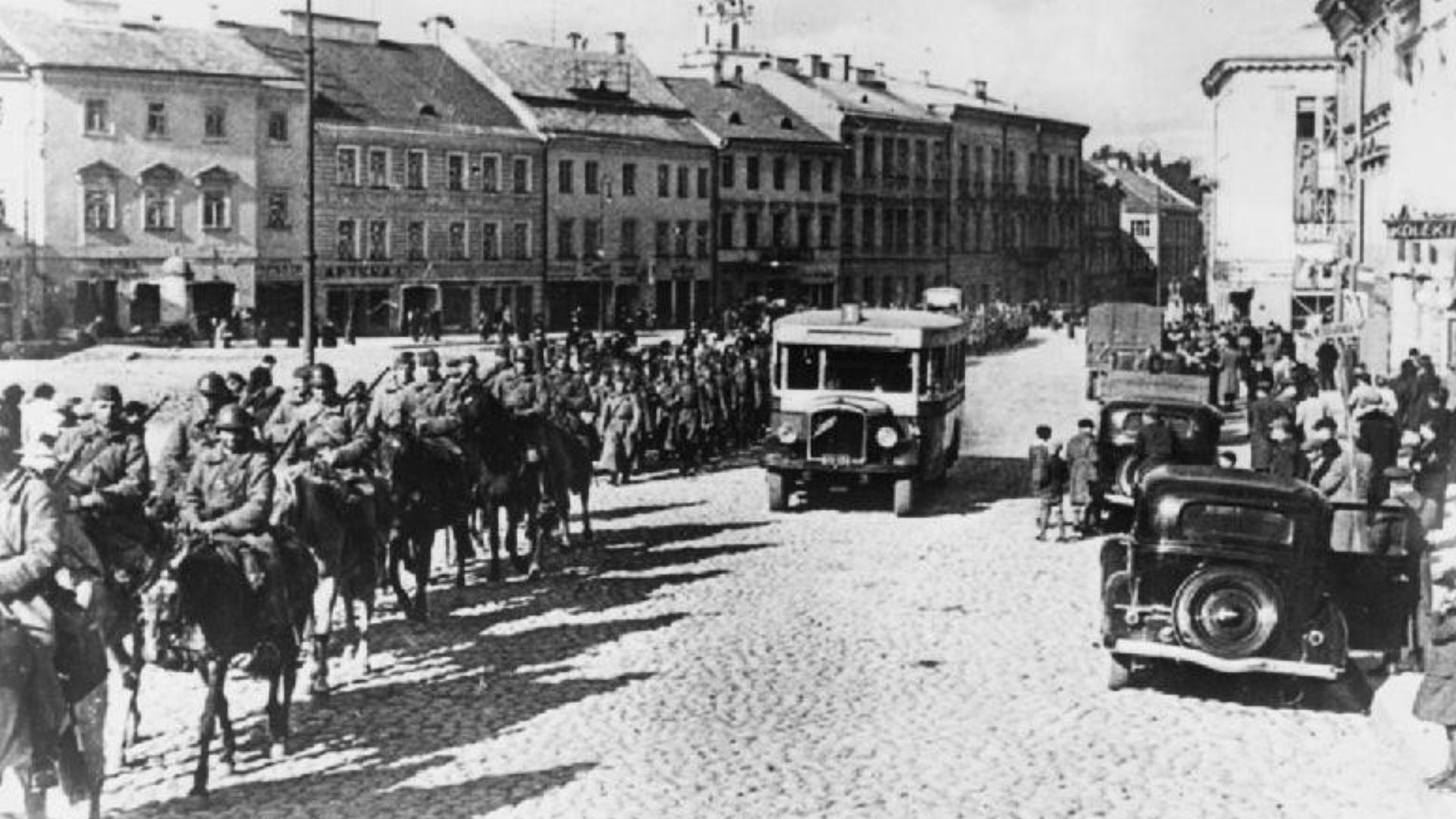
Adolf Hitler's Invasion Of Poland (1939)
At dawn on September 1st, German forces poured into Poland under a fabricated pretext of "self-defense". Britain and France declared war within days. That single strike helped start WWII, which drew in dozens of nations and set the stage for the Holocaust.
 Press Agency photographer, Wikimedia Commons
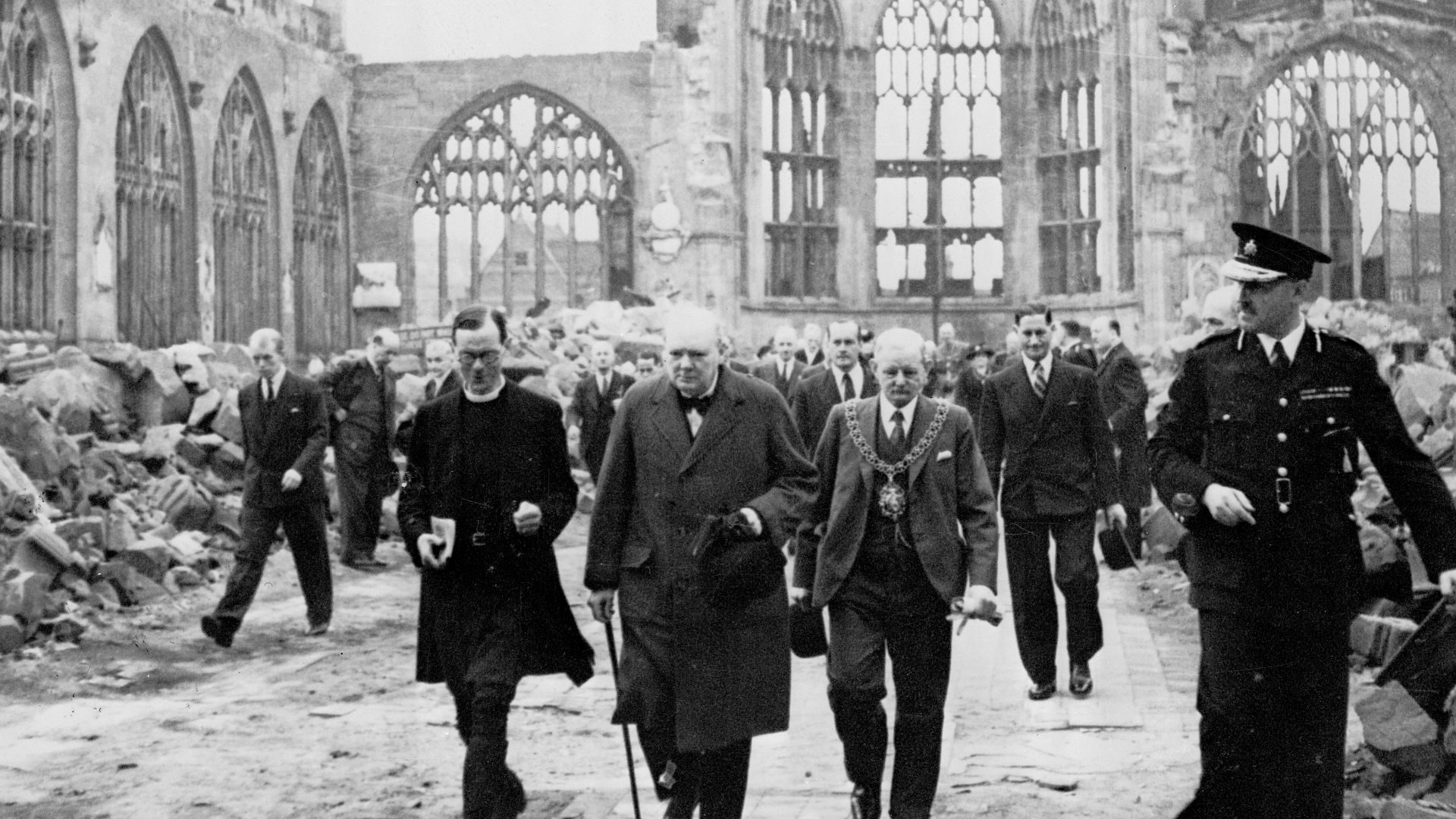
Winston Churchill's Defiance Of Hitler (1940)
As Nazi Germany swept through France in 1940, Winston Churchill faced intense pressure to negotiate peace with Hitler. Instead, he chose unwavering defiance. Through stirring radio speeches, he rallied the British public during the perilous Battle of Britain and remained a defiant stronghold against the Axis powers.
 William George Horton, Wikimedia Commons
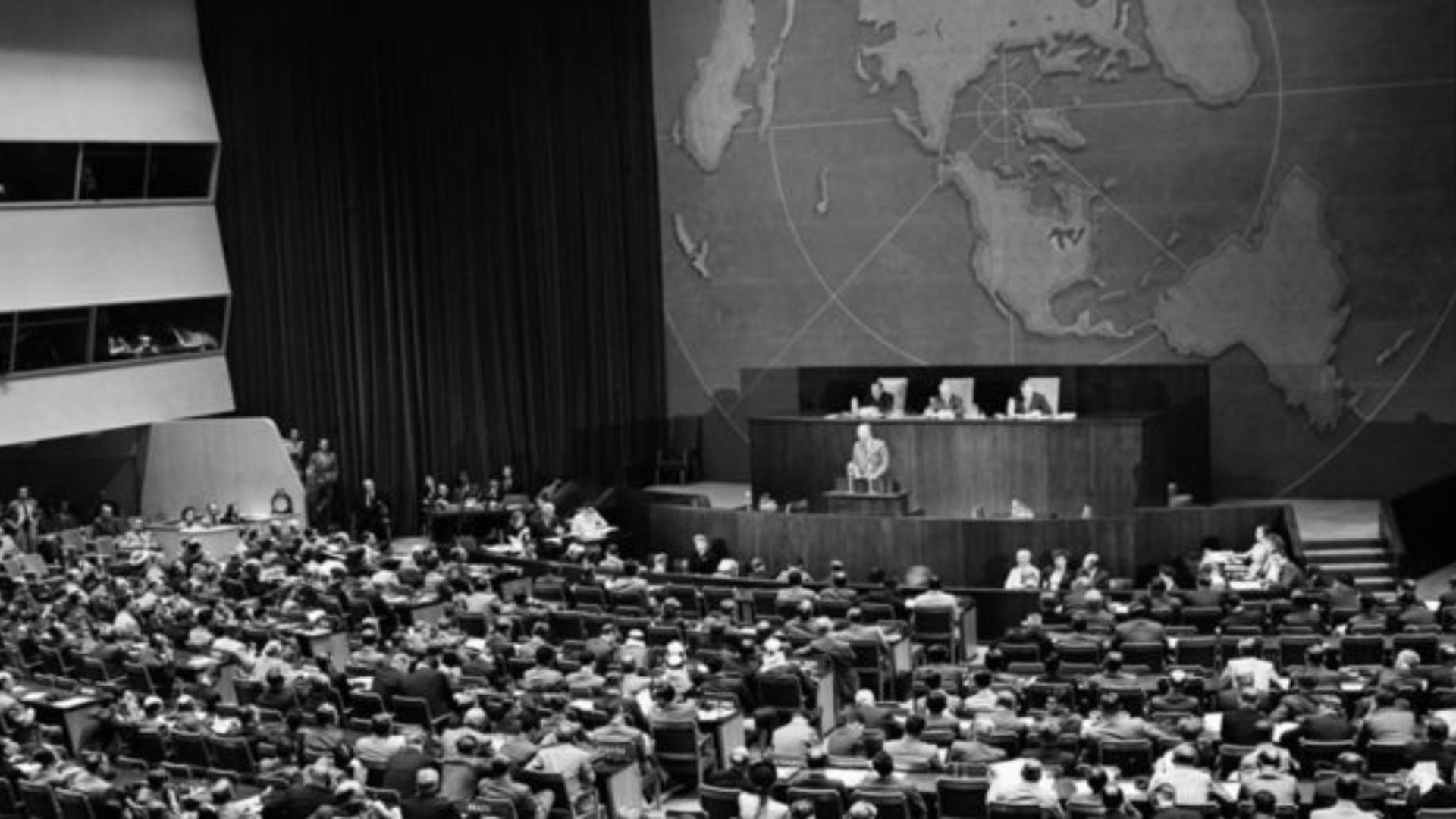
UN's Partition Plan For Palestine (1947)
After Britain withdrew from its mandate in Palestine, the UN voted to divide the land into Jewish and Arab states. The plan passed narrowly. Violence erupted immediately, and when Israel declared independence months later, neighboring armies invaded, and conflict became a permanent reality.
 Unknown authorUnknown author, Wikimedia Commons
Rosa Parks's Refusal To Change Seats (1955)
Rosa Parks’s refusal to surrender her bus seat in Montgomery challenged segregation laws that forced Black riders to yield to whites. Her arrest ignited the Montgomery Bus Boycott, a year-long protest that ended bus segregation, galvanized national attention, and propelled the Civil Rights Movement toward dismantling racial inequality in America.
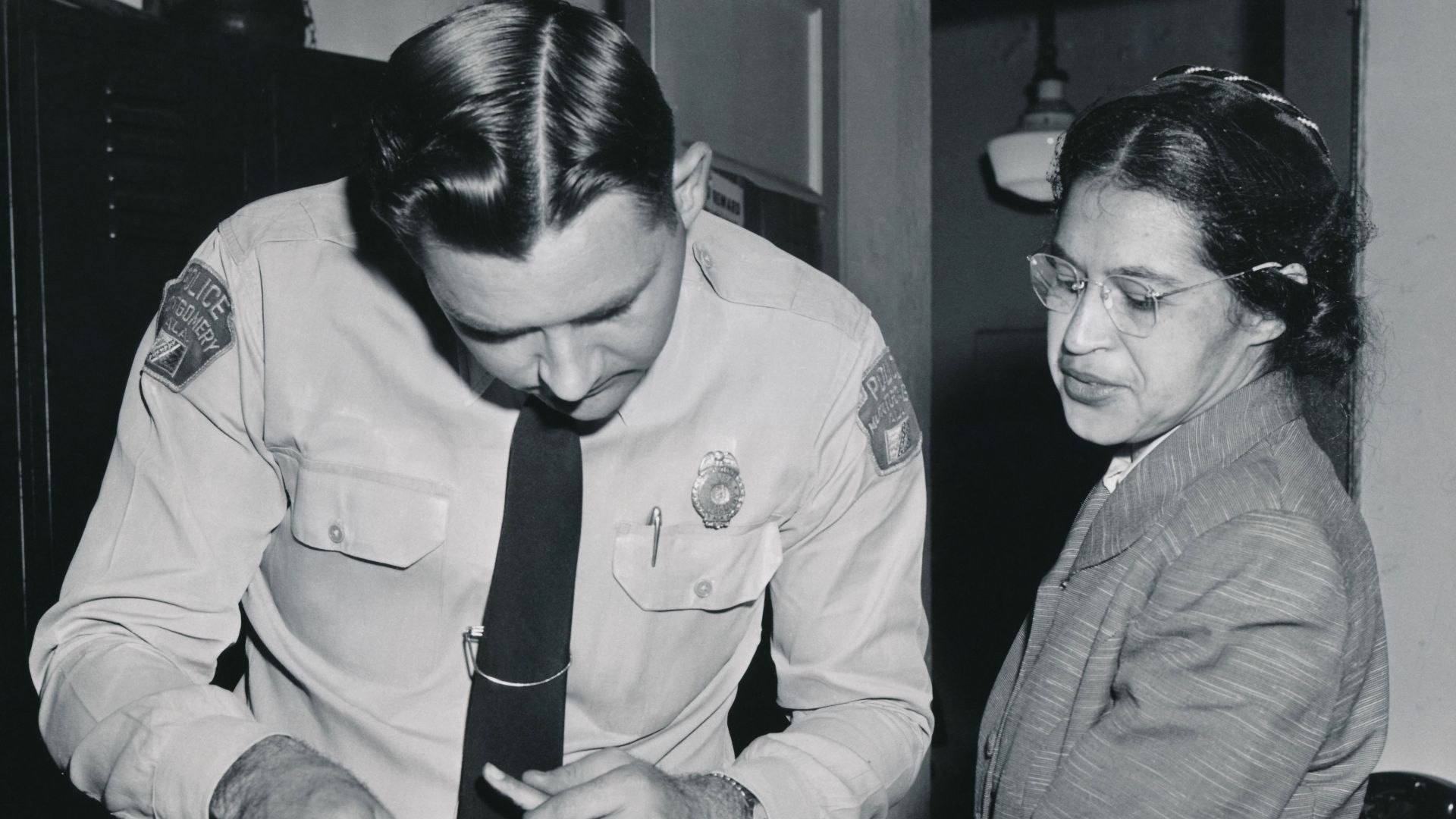 Gene Herrick for the Associated Press; restored by Adam Cuerden, Wikimedia Commons
Mao Zedong's Great Leap Forward (1958)
Mao Zedong, leader of Communist China, promised to turn a poor farming nation into an industrial power. However, food production collapsed, and the policy triggered a catastrophic famine. He had forced peasants into huge communes and compelled them to produce steel in backyard furnaces as part of his plan.
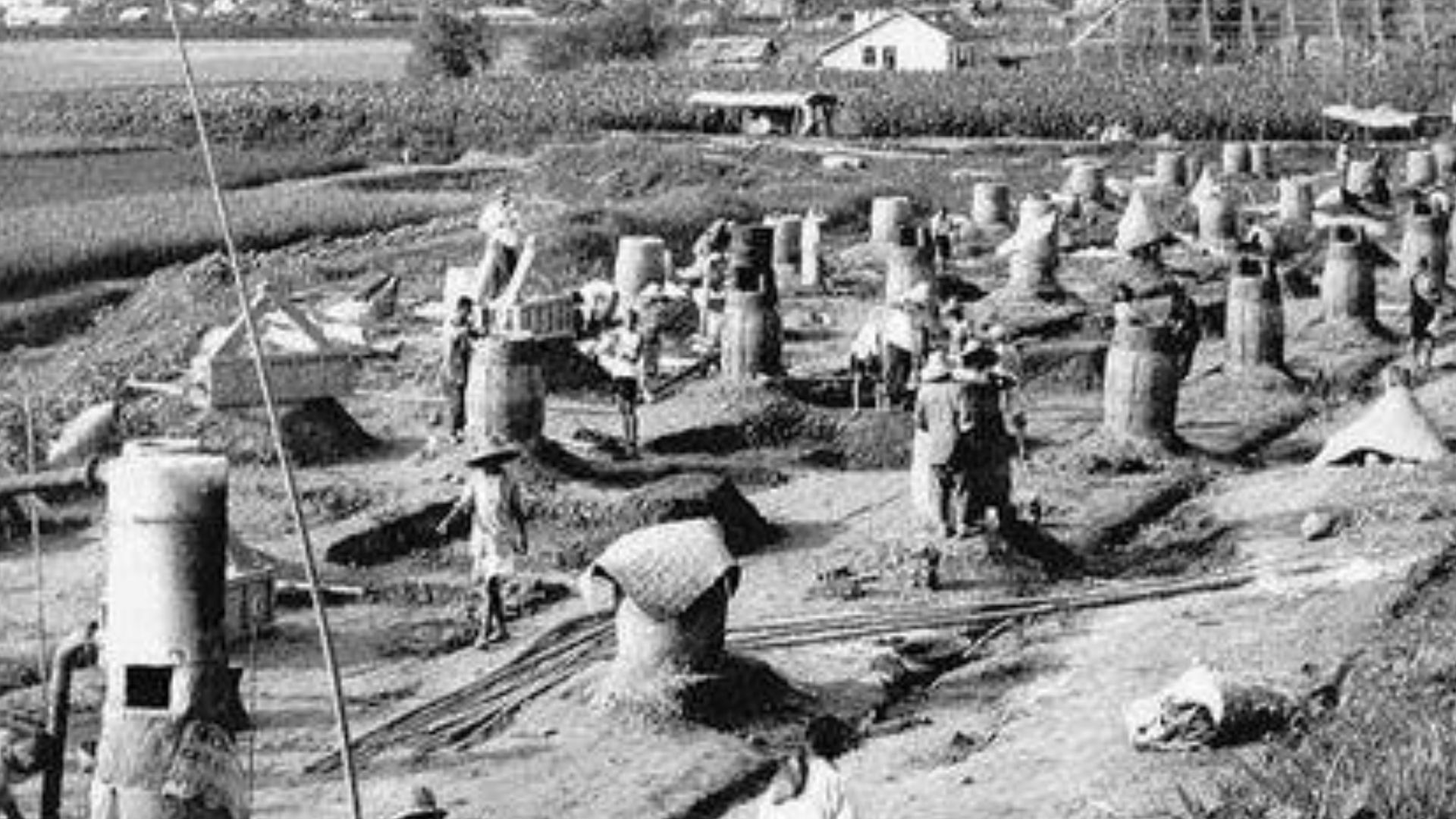 Unknown authorUnknown author, Wikimedia Commons
Vasili Arkhipov's Veto On Nuclear Torpedo (1962)
Deep beneath the sea during the Cuban Missile Crisis, a Soviet submarine captain prepared to launch a nuclear torpedo at US ships. Approval required two officers, but one of them—Vasili Arkhipov—refused. This overruled the order, and the submarine surfaced instead of starting nuclear war.
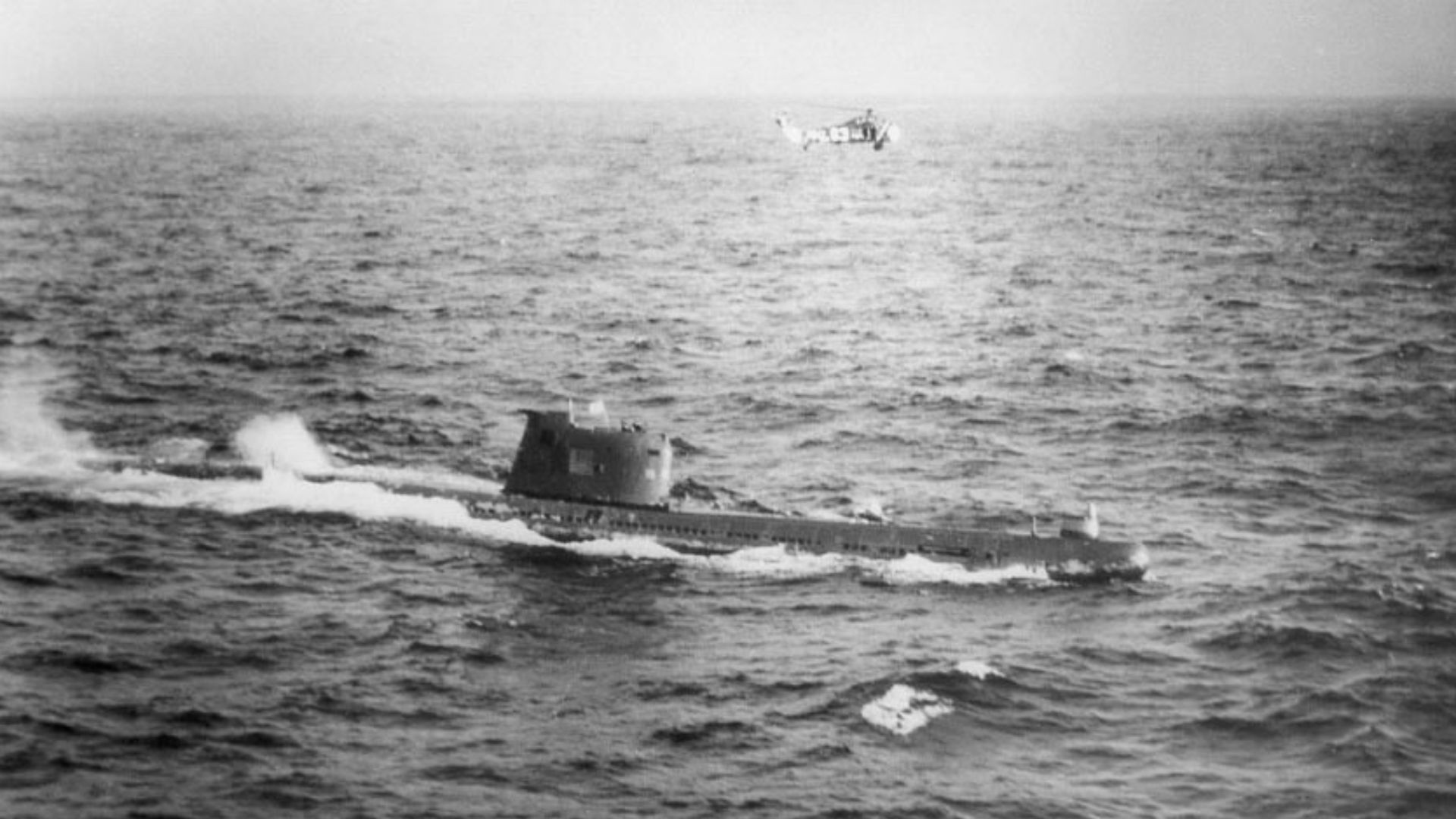 U.S. Navy photographer, Wikimedia Commons
Rachel Carson's Release Of Silent Spring (1962)
Amid fierce resistance from the chemical industry, Rachel Carson went ahead and published Silent Spring. Her choice to reveal the dangers of pesticides like DDT placed science against profit, and her words reached an audience unaccustomed to hearing such warnings.
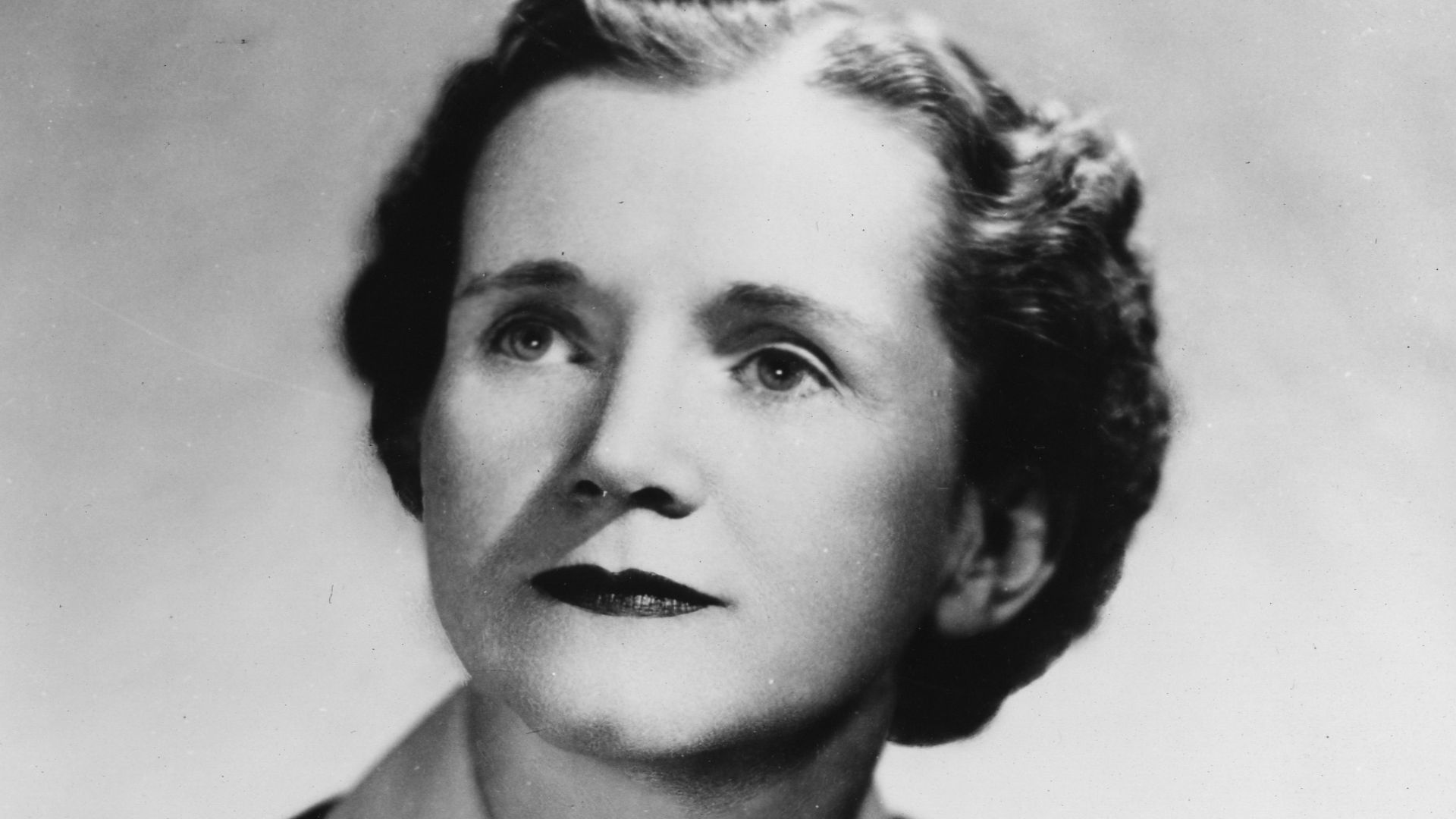 Smithsonian Institution from United States, Wikimedia Commons
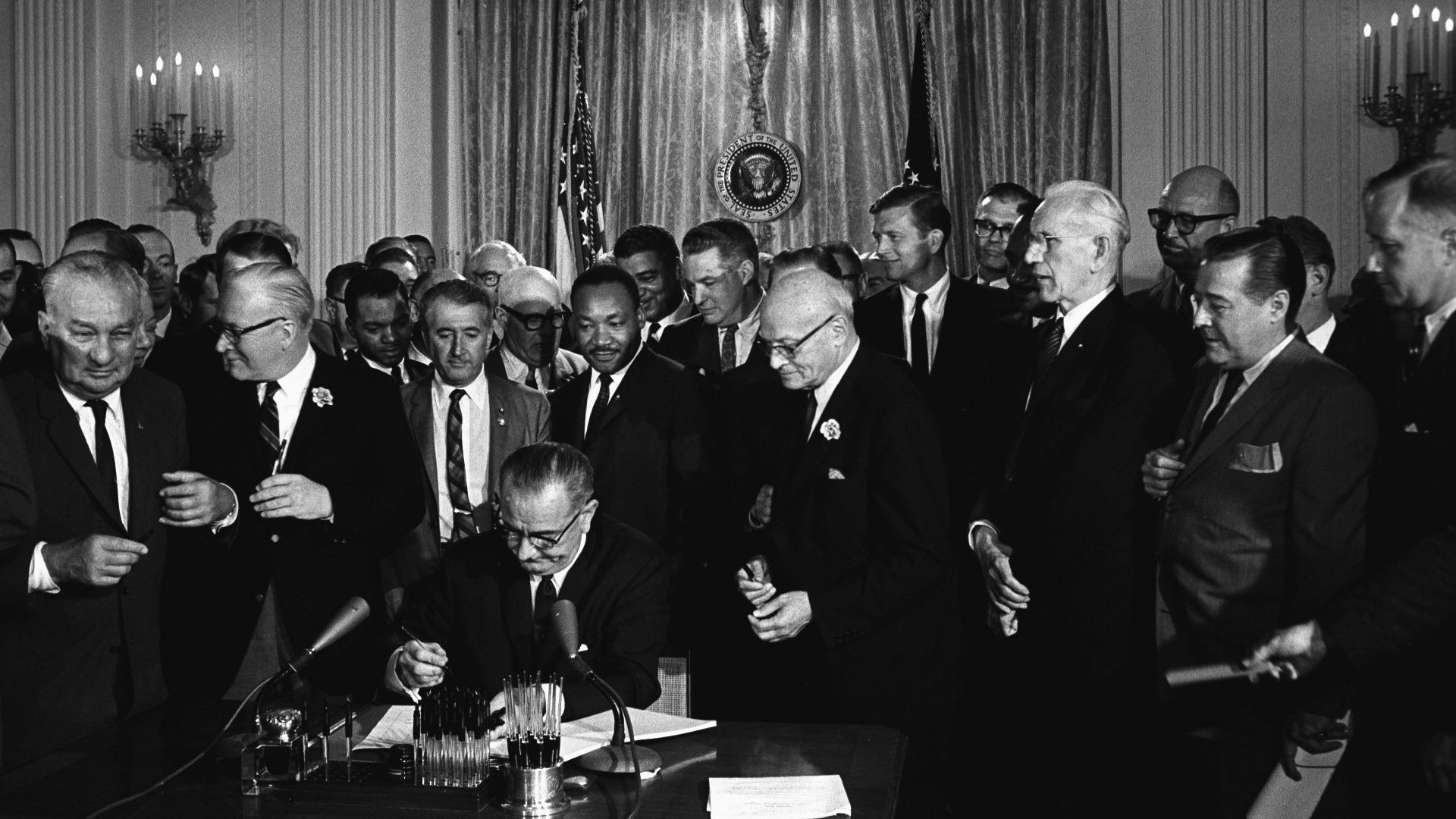
Lyndon B Johnson's Civil Rights Act (1964)
By the 1960s, segregation still ruled daily life in much of the United States. After years of protests and violent backlash, Congress passed the Civil Rights Act. Johnson signed it into law and made racial discrimination in schools, work, and public spaces illegal for the first time.
 Cecil Stoughton, White House Press Office (WHPO), Wikimedia Commons
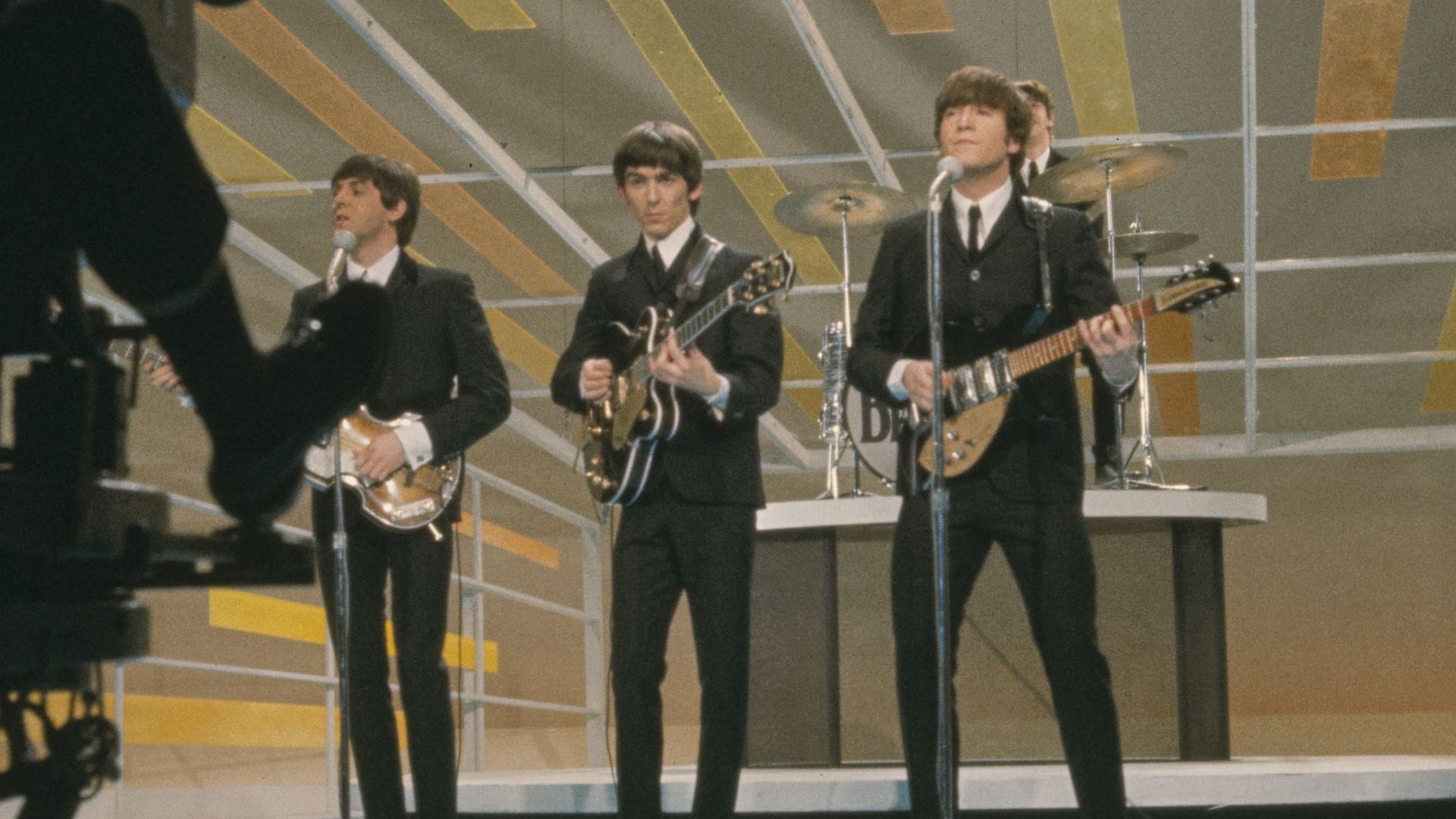
Ed Sullivan's Booking Of The Beatles (1964)
When The Beatles hit Sullivan's stage, over 70 million Americans tuned in—nearly half the country. The performance lit the fuse for Beatlemania and launched the "British Invasion" of American music. Their mop-top hair and electric energy shocked parents but mesmerized teens.
 Bernard Gotfryd, Wikimedia Commons
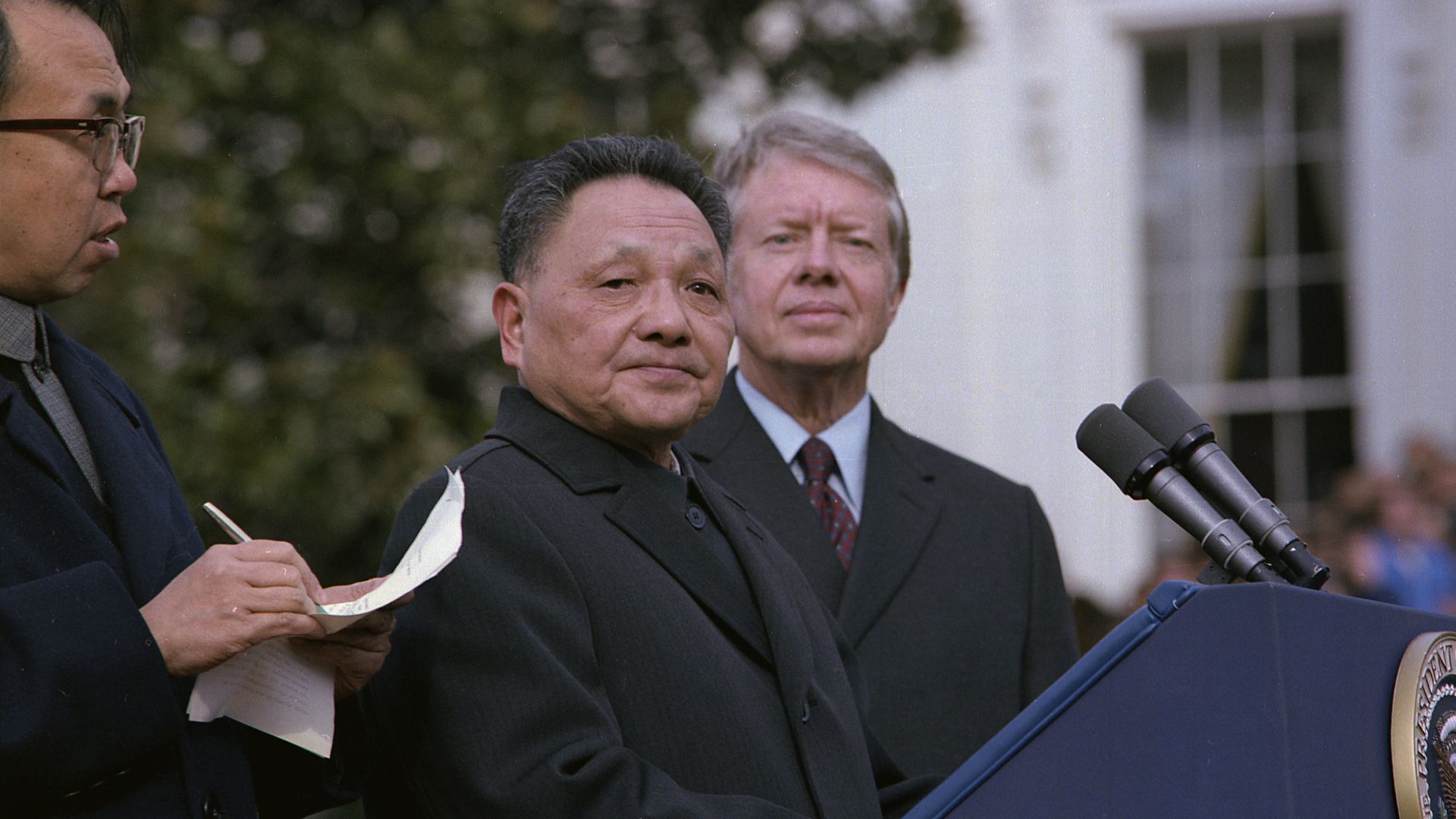
Deng Xiaoping's Economic Reforms In China (1978)
Deng Xiaoping introduced market-oriented reforms, opening China to foreign investment and private enterprise. Special Economic Zones, such as Shenzhen, boomed, lifting millions out of poverty. This shift enabled China to become a global economic powerhouse within a few decades.
 Unknown authorUnknown author or not provided, Wikimedia Commons
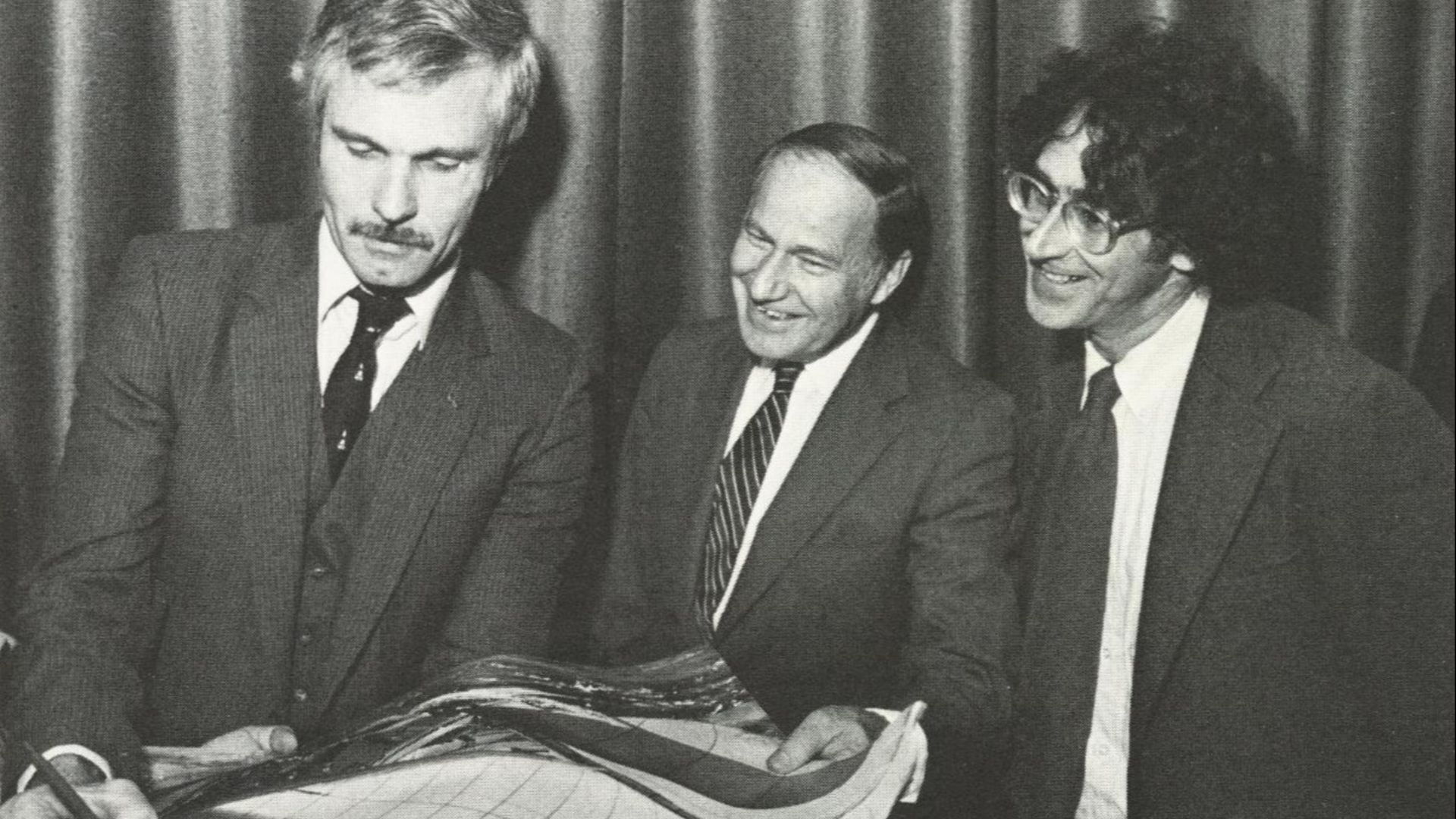
Ted Turner's Launch Of CNN (1980)
Critics laughed at the idea of news running 24 hours a day. Ted Turner pushed ahead anyway by broadcasting from a scrappy Atlanta newsroom. When the Gulf War broke out a decade later, CNN's live coverage proved the skeptics wrong and redefined the field of journalism.
 Rochester Institute of Technology, Wikimedia Commons
Michael Jackson's Thriller Album Release (1982)
Michael Jackson decided his new album wouldn't just be music—it would be spectacle. He invested heavily in cinematic videos and insisted they air on MTV. "Billie Jean" broke the channel's racial barrier, and the "Thriller" short film set the standard for every music video that followed.
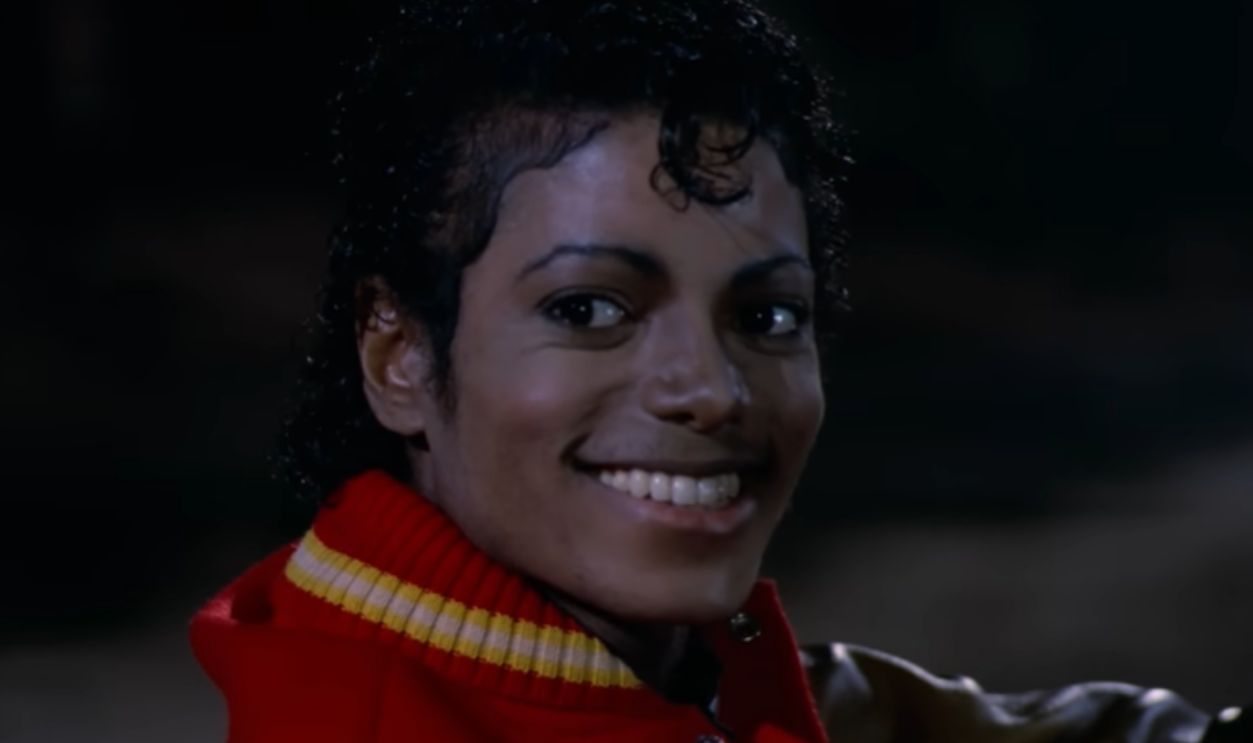 Michael Jackson - Thriller (Official 4K Video), Michael Jackson
Stanislav Petrov's Non-Reporting Of Missiles (1983)
Late at night in a Soviet command center, Petrov saw alarms claiming US missiles were inbound. Standard protocol required him to call for retaliation. He refused, convinced the system was wrong. The warning did end up being false, so in essence, his judgment prevented a nuclear exchange.

Mikhail Gorbachev's Perestroika Reforms (1985)
The reforms by Gorbachev marked a dramatic break from the system his predecessors had defended. Through perestroika, he sought to revive the stagnant Soviet economy by reducing state control, while glasnost encouraged openness and public criticism. Together, they weakened authoritarian traditions and reshaped Soviet politics and society.
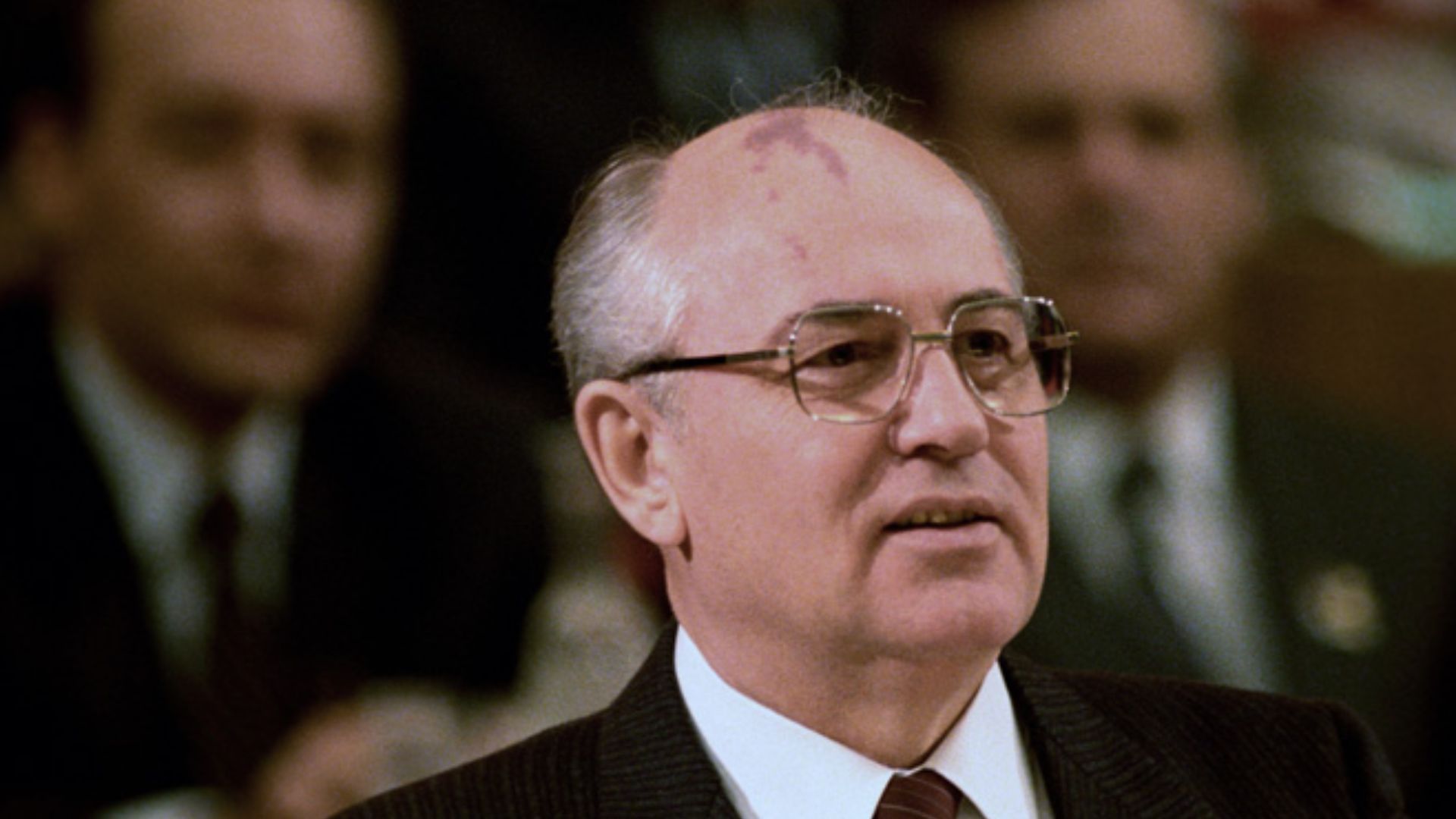 Vladimir Vyatkin / Vladimir Vyatkin, Wikimedia Commons
Bono's Co-Founding Of Live Aid (1985)
Musician Bob Geldof organized Live Aid, and Bono turned a performance into activism by leaping into the crowd to dance with a fan. The concerts raised millions for Ethiopian famine relief and showed how celebrity culture could be harnessed for global causes.
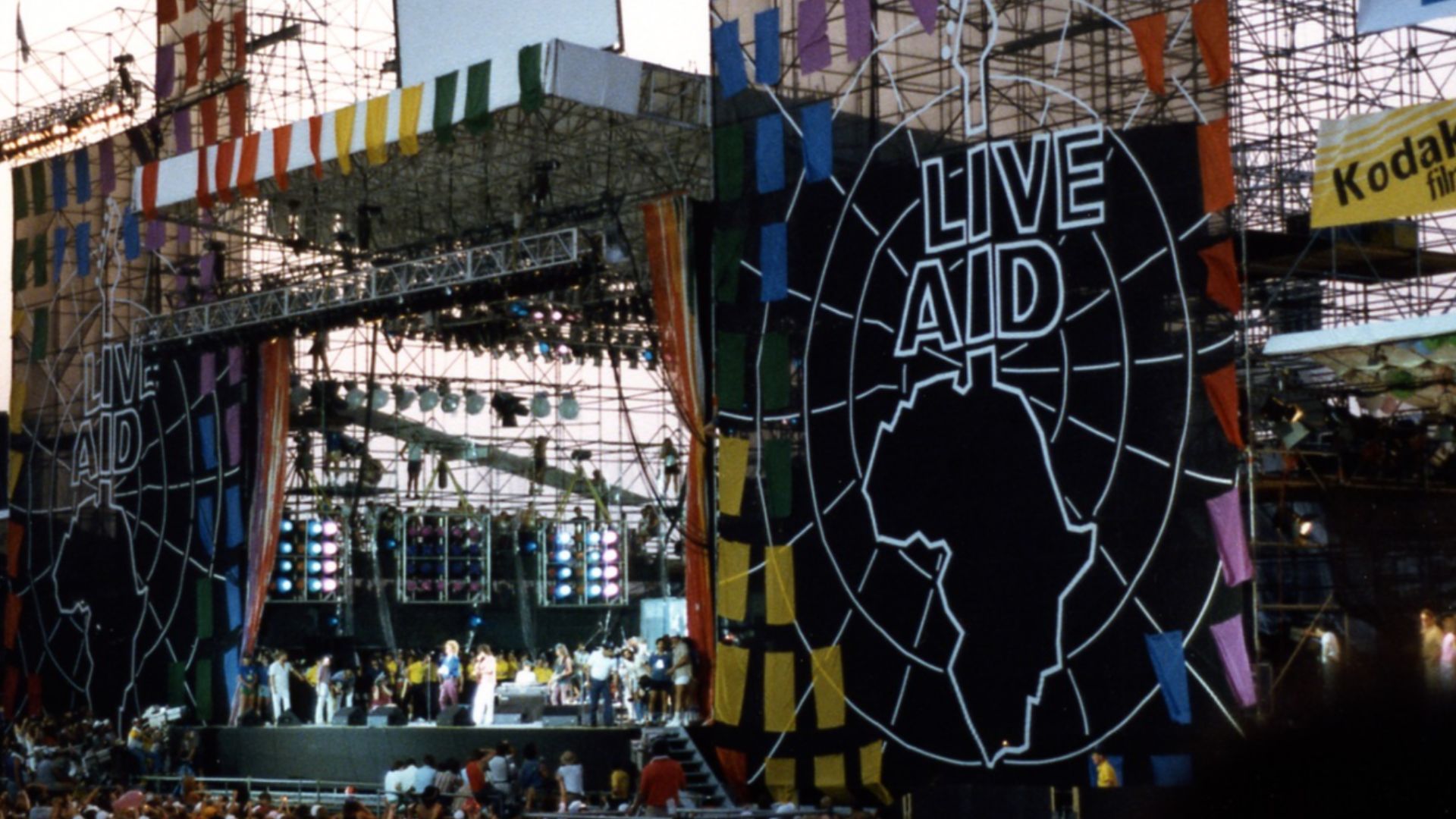
Tim Berners-Lee's Release Of The World Wide Web (1989)
Working at CERN, Tim Berners-Lee created a way to connect documents through "hypertext". Instead of locking it behind patents, he gave the code away for free. That decision allowed everyone, from scientists to everyday users, to link and share information on an unprecedented scale.
 Uldis Bojārs, Wikimedia Commons
Martin Luther King Jr's March (1963)
Martin Luther King Jr chose to lead a massive civil rights march. His "I Have a Dream" speech inspired 250,000 attendees and prompted Congress to take action. The event amplified demands for racial equality across America.
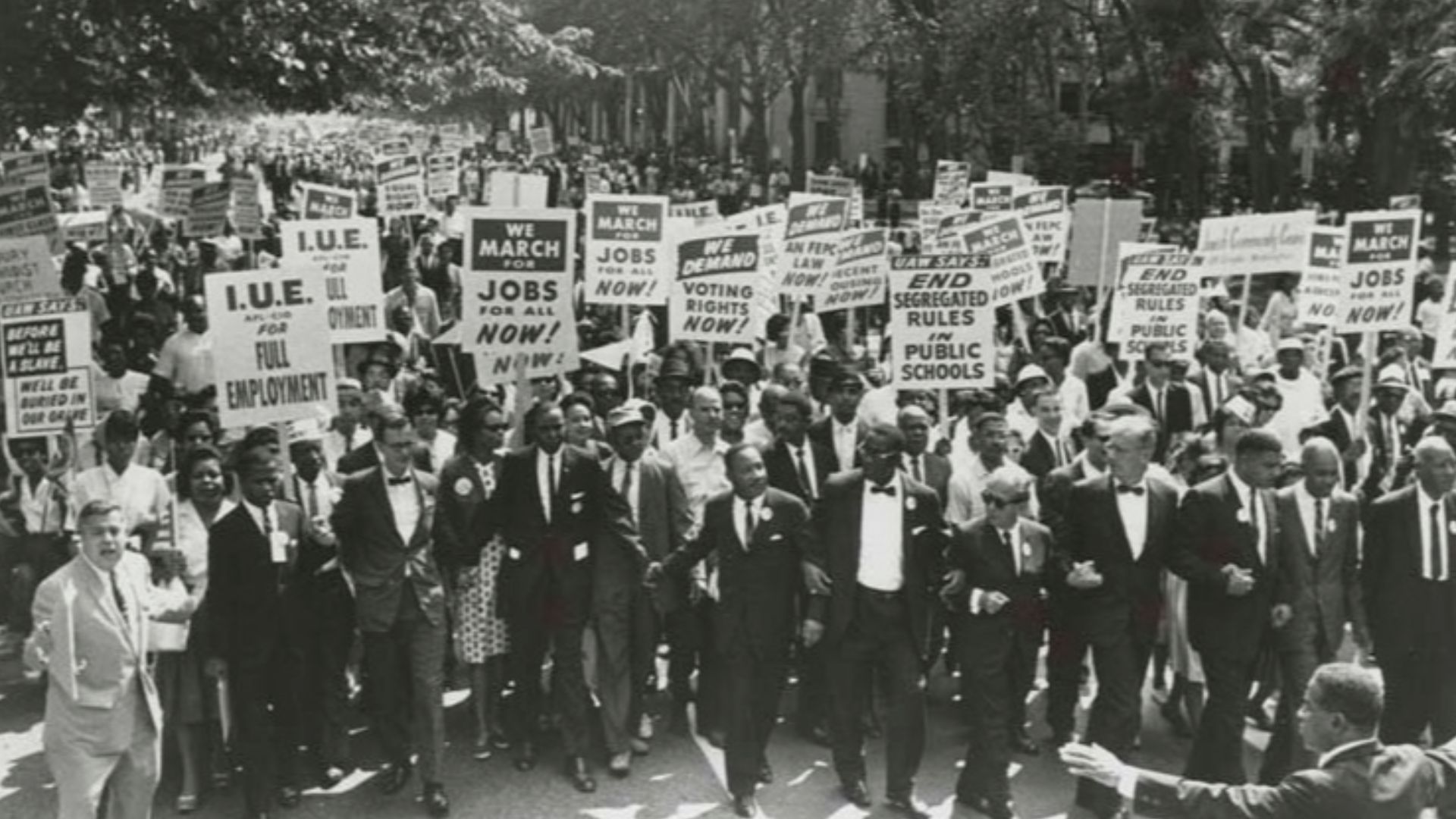 Center for Jewish History, NYC, Wikimedia Commons
Nelson Mandela's Reconciliation Policy (1994)
After his release from prison, Mandela could have pursued revenge. Instead, as South Africa's first Black president, he championed reconciliation—backing the Truth and Reconciliation Commission and even inviting former enemies to share tea. His choice steadied a fragile nation on the brink of chaos.
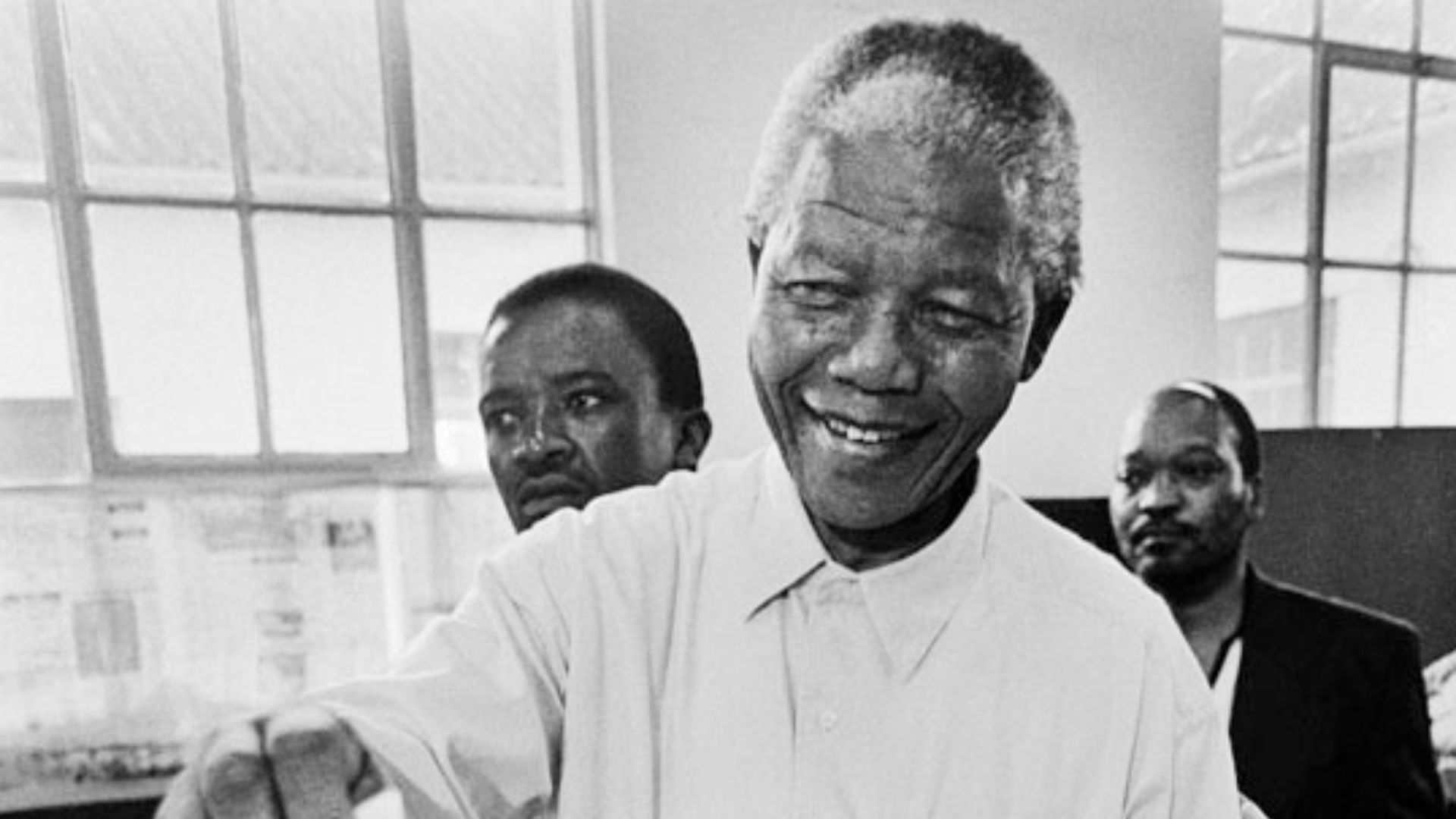 Paul Weinberg, Wikimedia Commons
Jeff Bezos's Founding Of Amazon (1994)
Jeff Bezos quit a Wall Street job, moved to Seattle, and opened a tiny online bookstore from his garage. Orders rolled in, first by fax and later by web. The decision to leave stability for risk became the conception of Amazon.
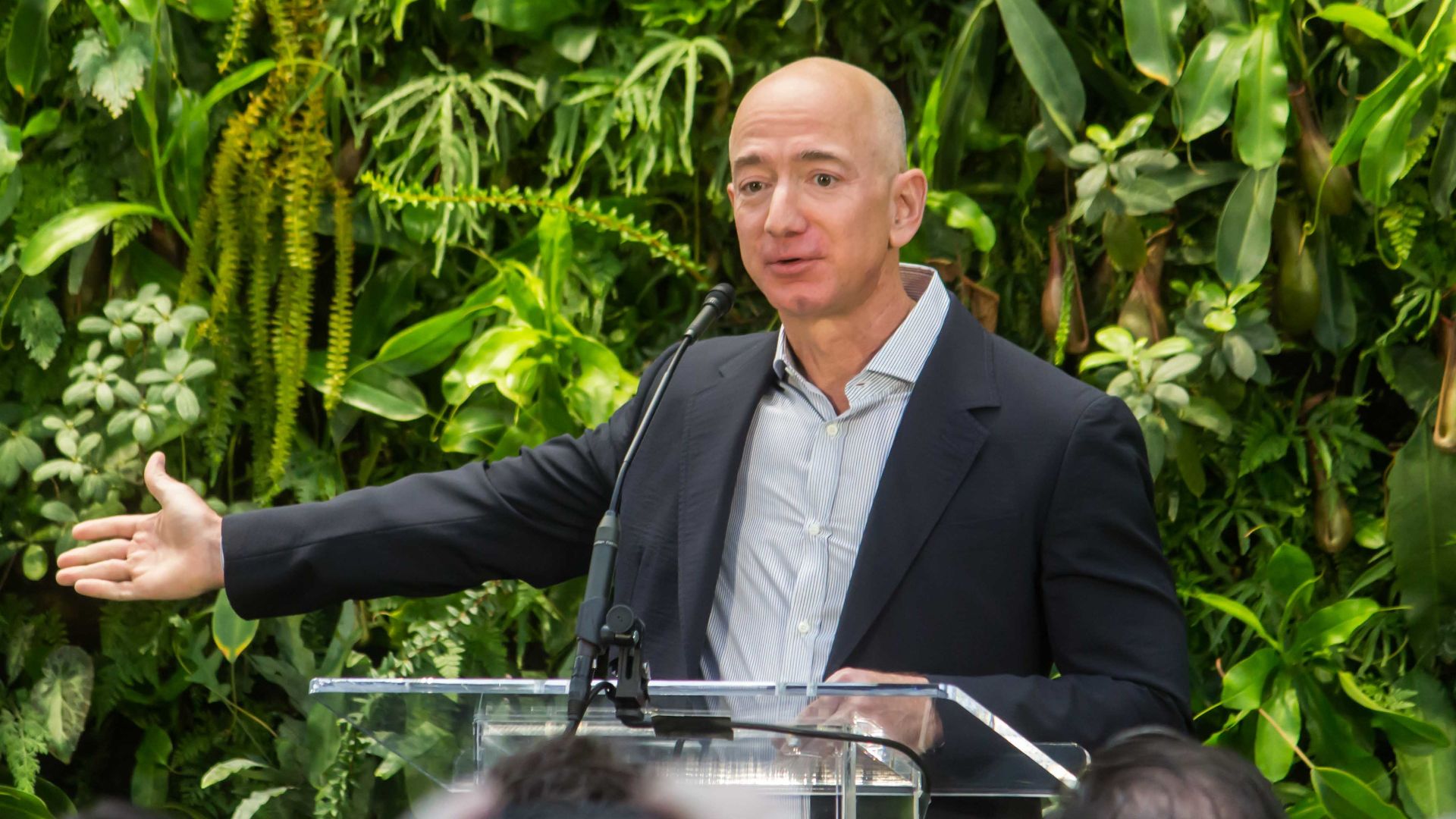 Seattle City Council from Seattle, Wikimedia Commons
Rupert Murdoch's Creation Of Fox News (1996)
Murdoch launched Fox News with Roger Ailes as its driving force. The channel positioned itself against mainstream networks and quickly drew millions of loyal viewers. In a few years, it wasn't just another station—it had become a major player in American politics.
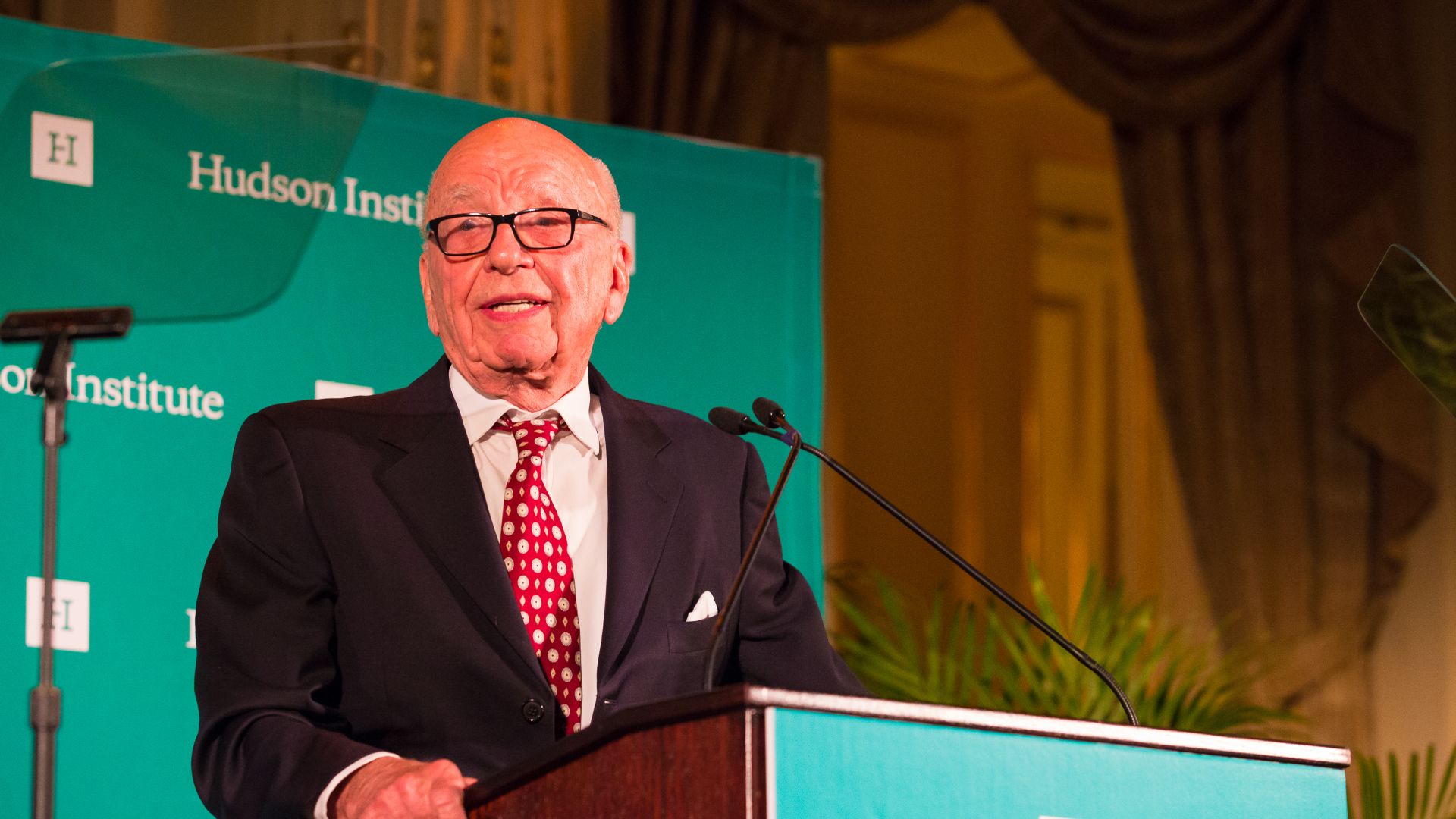 Hudson Institute, Wikimedia Commons
Blockbuster's Refusal To Buy Netflix (2000)
Executives at Blockbuster laughed when Netflix offered them $50 million. They dismissed mailing DVDs as a niche idea. Within a decade, Blockbuster collapsed, while Netflix reinvented itself through its streaming service. That meeting in a Texas boardroom became one of the most infamous refusals in business history.
 File:BlockbusterMoncton.JPG: Stu pendousmat (talk) derivative work: Georgfotoart, Wikimedia Commons










_p115.jpg)