Things We Love That Have Older Origins
Millennials are usually credited with creating many trends. But did they really invent everything they’re associated with? As a matter of fact, many of these so-called Millennial innovations have deeper roots, stretching back decades or even centuries.

Squad Goals
The phrase "squad goals" has become a Millennial catchphrase, but the idea of close-knit social groups has been around for centuries. Friendship circles, or tribes, have long shaped human societies, from ancient Rome through the 1980s

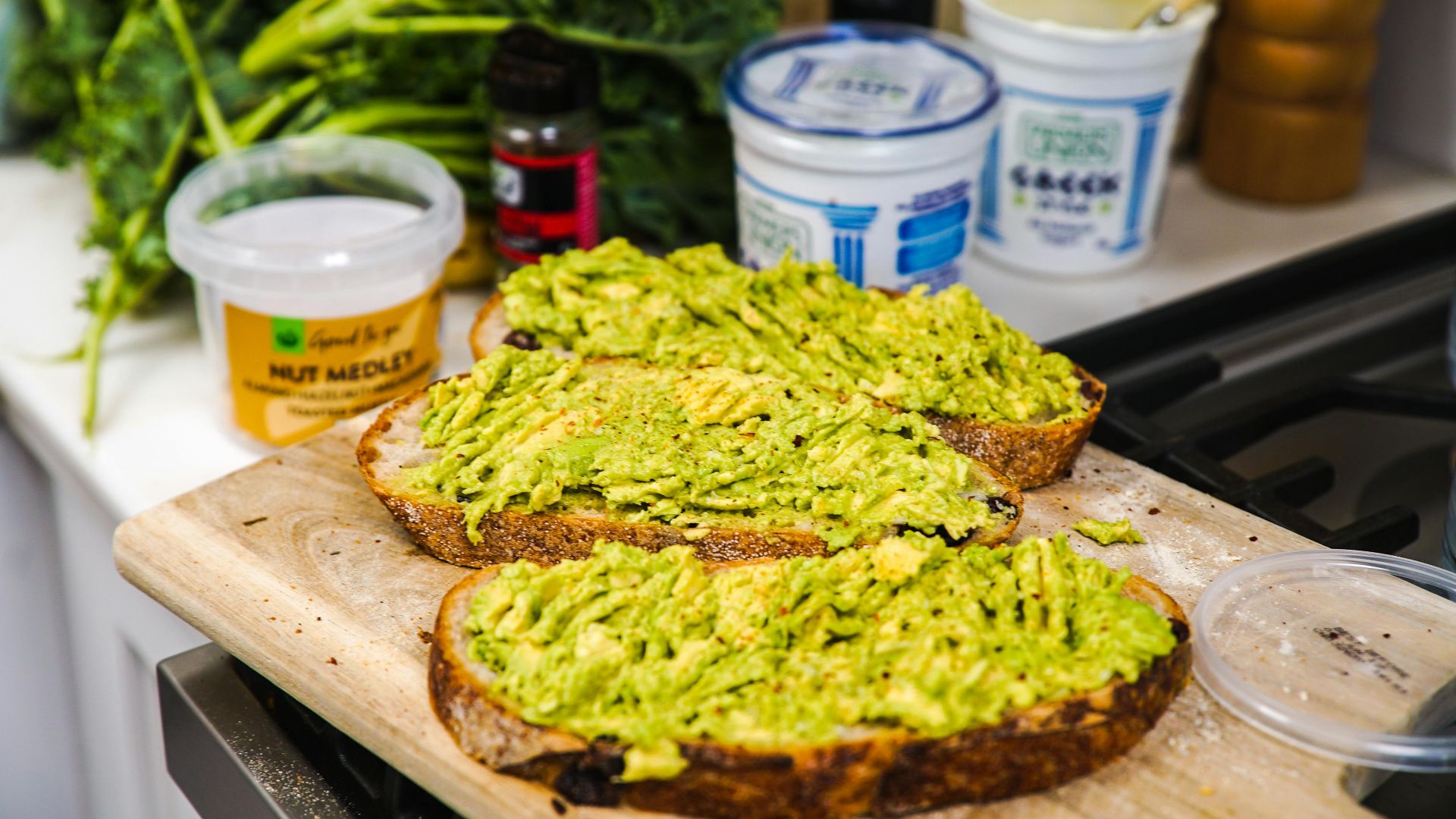
Avocado Toast
Avocado toast is often seen as a millennial creation, but its origins can be traced back to California in the 1990s, long before the generation took over brunch menus. In fact, variations of toasted bread topped with avocado have existed globally, especially in Australia and New Zealand, where it gained popularity much earlier.
Craft Beer
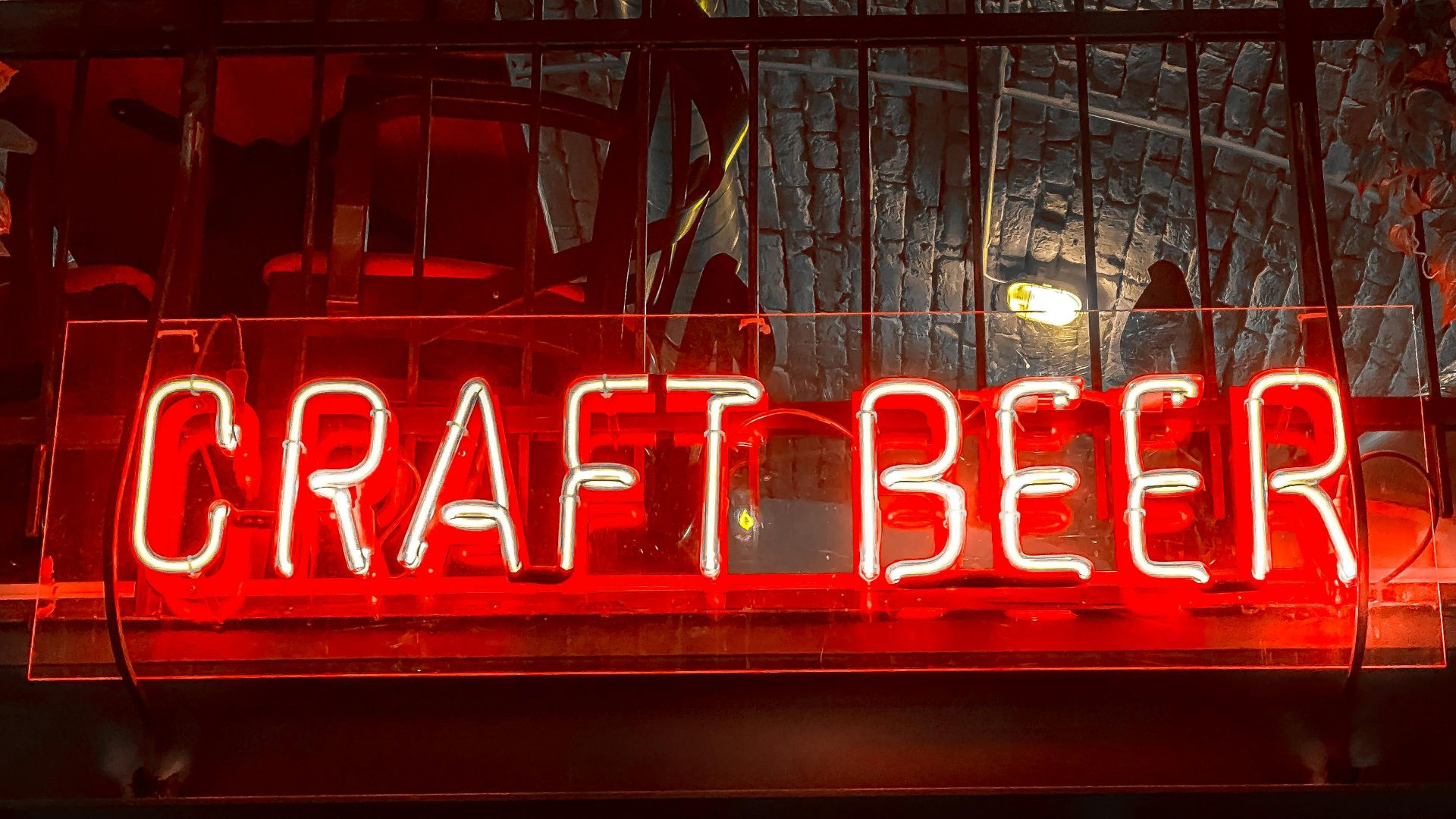
It’s no secret that millennials helped fuel the craft beer boom. Nevertheless, the idea of microbreweries and small-batch brewing dates back to the 1960s and 1970s, when movements in the US began to challenge mass-produced beer.
Food Trucks
Food trucks have recently gained popularity as a millennial trend, but the concept of mobile food vendors has existed for centuries. In the US, they can be traced back to the late 19th century with "chuckwagons" feeding cattle ranchers. This form of dining on the go continues to evolve with a modern twist.

Smartphones
Though people born between 1980 and the mid-1990s are often recognized for popularizing smartphones, the roots of these devices can be traced back to the 1990s. The first true "smartphones" were introduced by companies like IBM and Nokia. These early devices paved the way for the iPhone, which became a cultural icon once it was released in 2007.

Matcha
Matcha, the powdered green tea, is often thought of as a modern favorite, but it has been a popular beverage in Japan for centuries. Used in ceremonial contexts, matcha was once a symbol of status. Its widespread appeal in modern cafes and wellness circles was merely revived and popularized by today’s culture.

Streaming Services
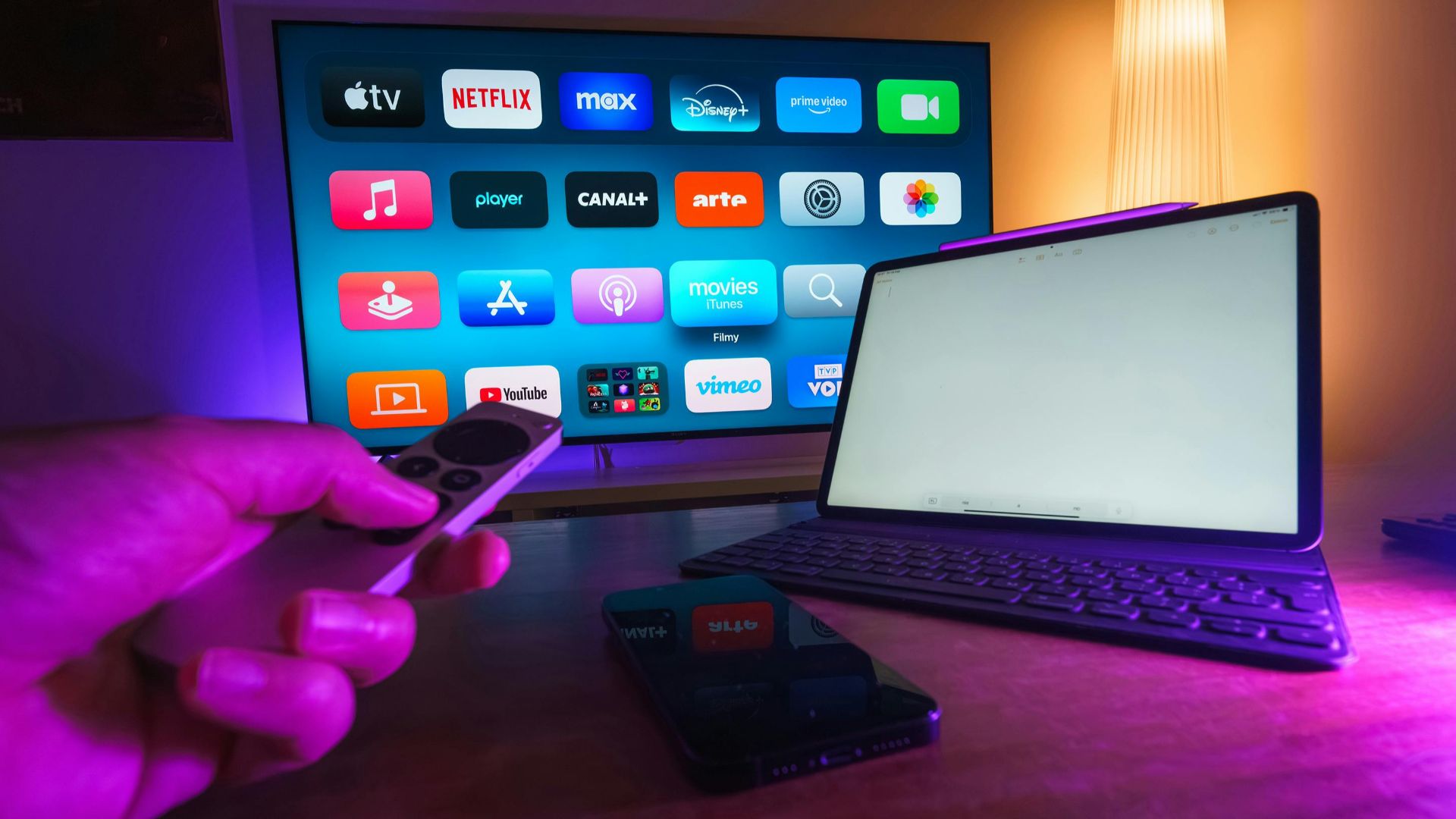
The technology behind streaming dates back to the 1990s. Services like RealNetworks began pioneering the concept of streaming audio and video long before modern audiences fully embraced the convenience and accessibility of these platforms.
Minimalism
While minimalism is often linked to millennials, the minimalist lifestyle has deep roots in the 20th century. The term became popularized through movements like Bauhaus and mid-century modern design, which emphasized simplicity and function. Millennials may have embraced it in a new form, but the concept has always resonated with those seeking less material clutter.


History's most fascinating stories and darkest secrets, delivered to your inbox daily.
Veganism
Veganism dates back to the early 20th century. The term "vegan" was coined in 1944, though vegetarianism, its precursor, has roots in ancient civilizations. As concerns about health and sustainability grew, veganism found new life within today’s culture.
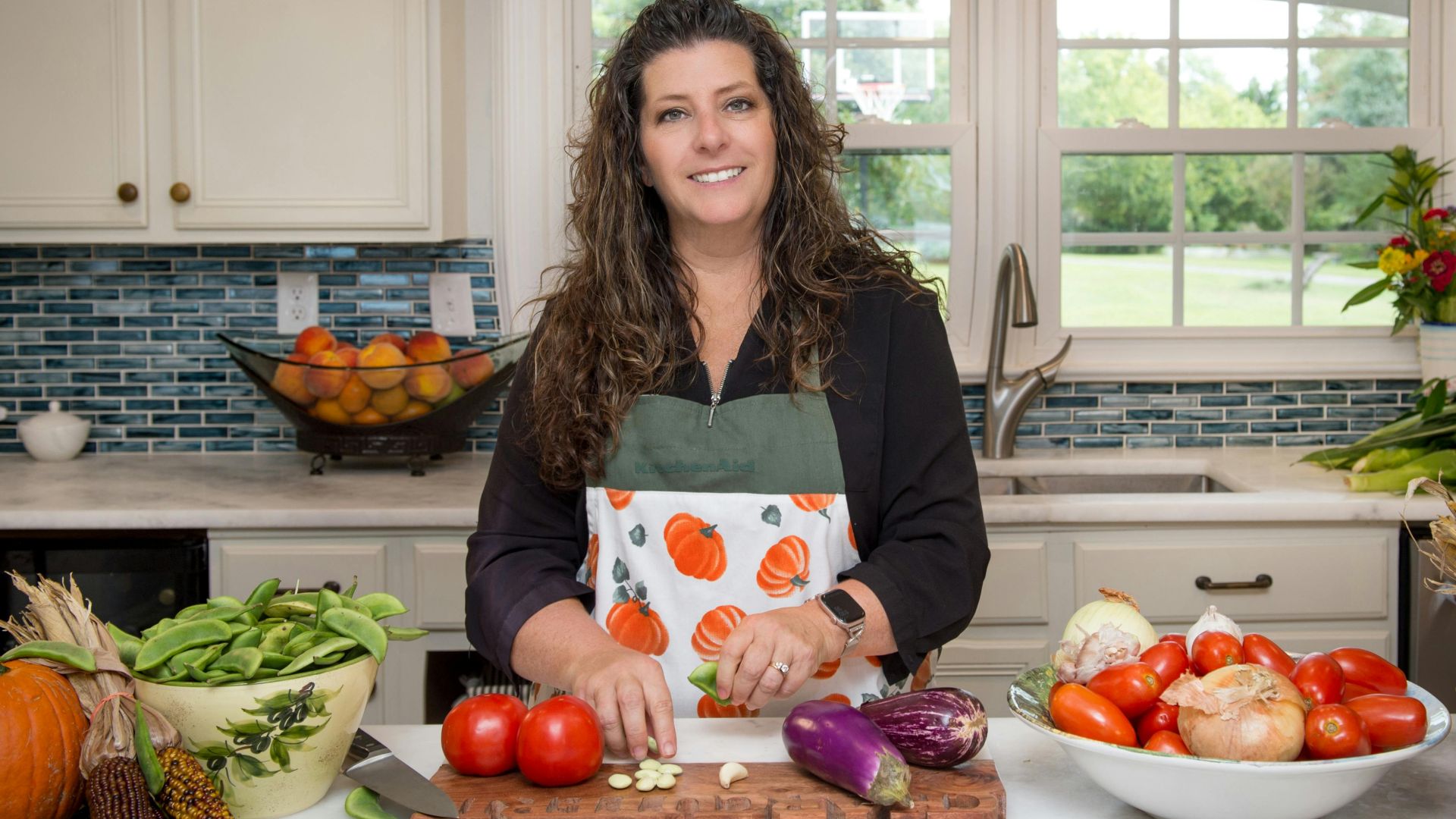
Recycling
Recycling, a practice closely associated with Millennial environmentalism, has roots that stretch back to the 1970s with the modern environmental movement. Earth Day in 1970 sparked widespread recycling initiatives, and many cities began to implement official recycling programs.
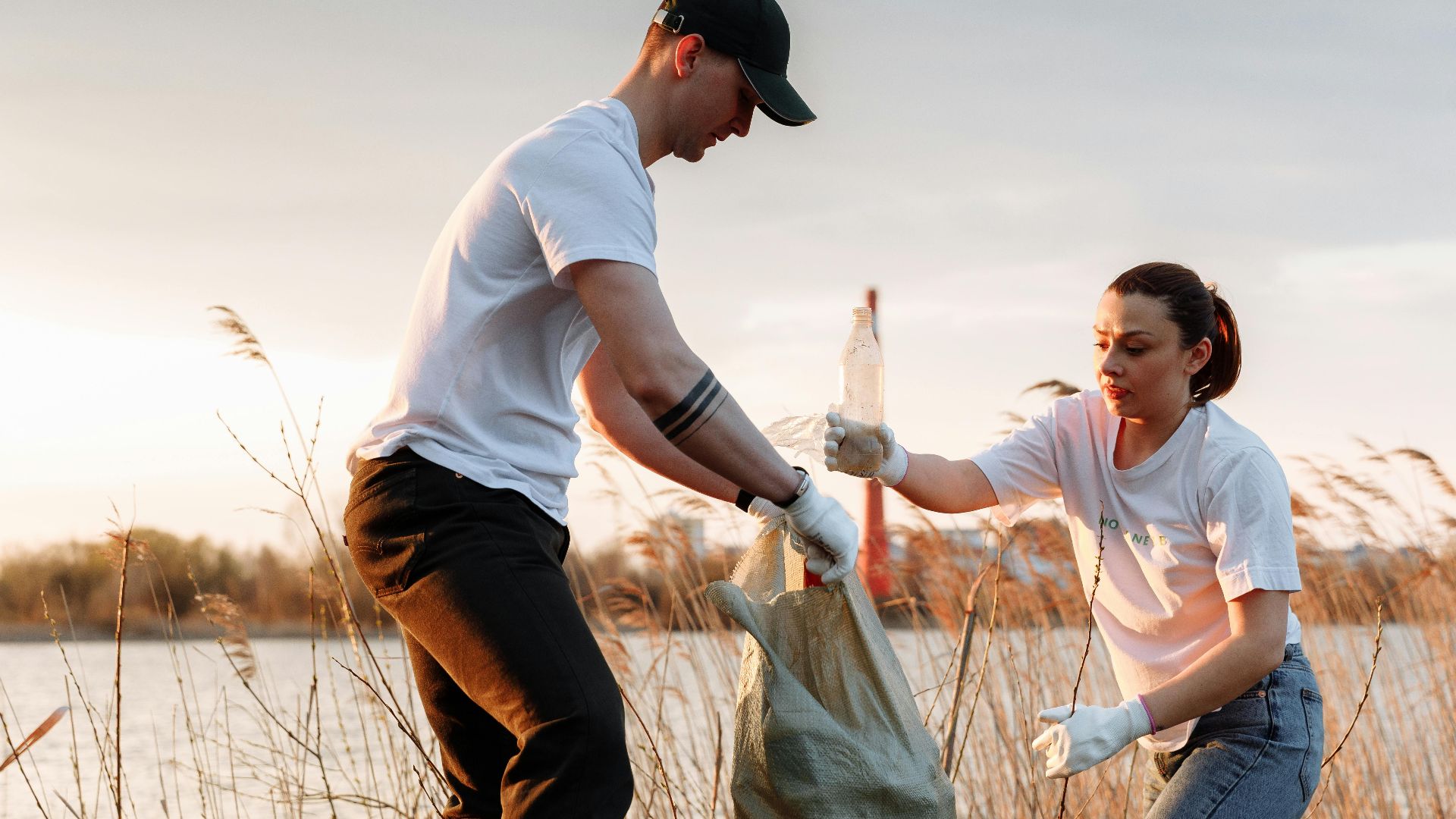
Social Media Influencers
The post-gen-X generation is often credited with creating the influencer culture, but brand endorsements and celebrity promotions existed long before social media. The rise of influencers as we know them today started in the mid-2000s, but the idea of using individuals for advertising has been around since the days of Hollywood and Madison Avenue.
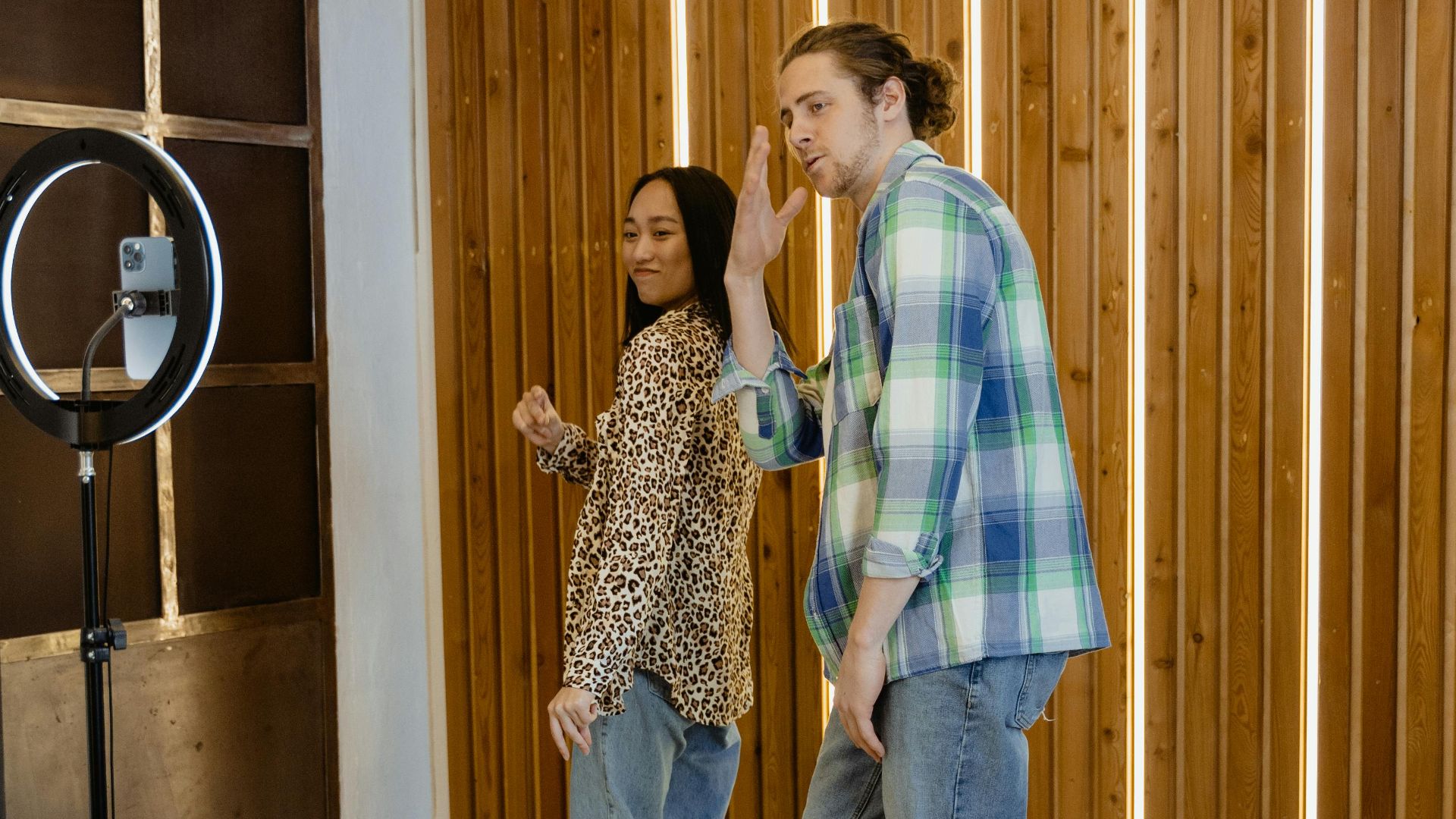
Kale
Kale has become a symbol of millennial health consciousness, but its journey goes far back. It has been a staple in many European diets for centuries, but became a widespread "superfood" during the 2010s. The vegetable's nutritious benefits were known long before the modern-day food trend.

The Gig Economy
The gig economy is often considered a new creation, but short-term and freelance work have existed for centuries. Independent contracting and informal labor have been integral to economies, particularly during the Industrial Revolution. What millennials have done is bring the gig economy into the digital age, with platforms like Uber and Airbnb.

Hot Yoga
Millennials popularized hot yoga, a practice that originated in the 1970s with Bikram Choudhury, who introduced yoga in heated rooms. The trend remained relatively niche but was embraced in the 2000s to be integrated into wellness routines.

Podcasting
People born between 1980 and the mid-1990s are a major audience for podcasts, but the medium itself predates their rise. The roots of podcasting can be traced to the early 2000s with the advent of RSS feeds and audio blogging. Although today's podcasts are mostly consumed by younger audiences, the concept was pioneered in the early days of internet media.

Intermittent Fasting
The origins of intermittent fasting trace back to ancient cultures. Early civilizations, such as the Greeks and Egyptians, practiced fasting for spiritual and health reasons. This practice has gained attention among health experts in the 20th century.
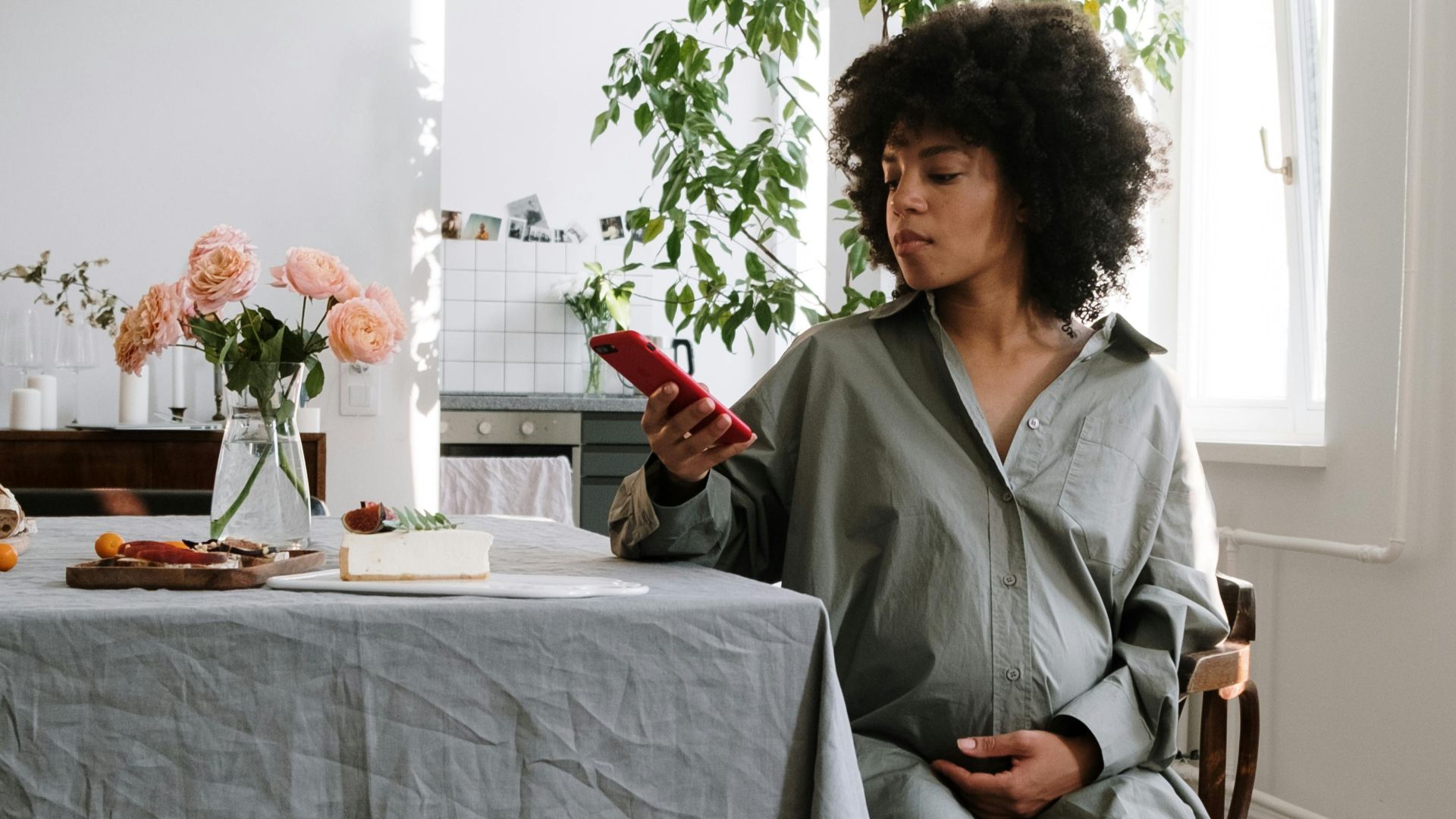
Binge-Watching TV
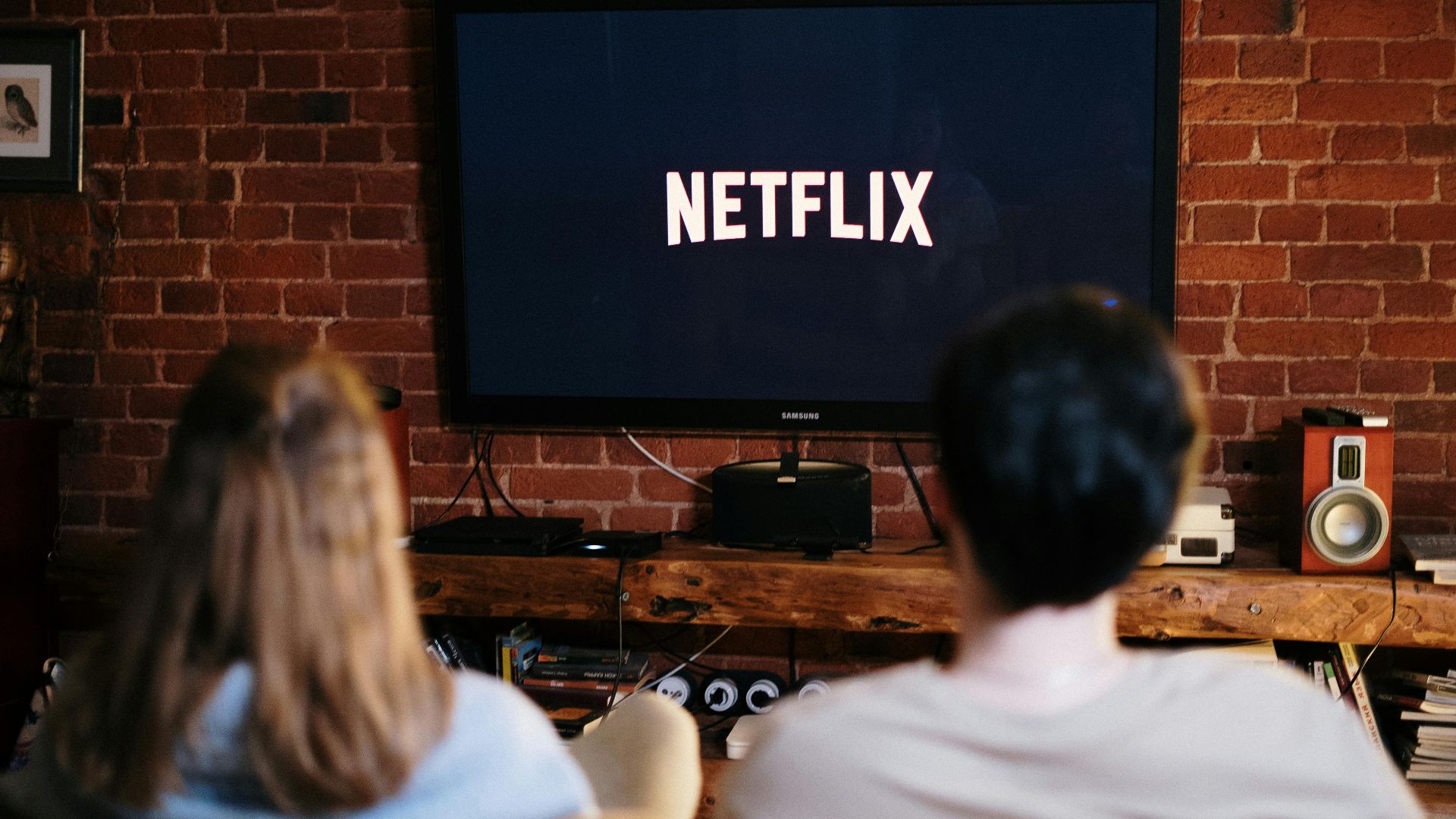
Binge-watching is often linked to the millennial generation, but consuming multiple episodes of a TV show in one sitting has been around since the era of VHS tapes. It gained a more formal definition with the rise of DVD box sets and streaming platforms like Netflix.
Gluten-Free Diets
The gluten-free diet is now closely associated with wellness, but the diet itself has been around for much longer. It was first prescribed for individuals with celiac disease in the early 20th century. The surge in gluten-free popularity over the past decade can be attributed to growing health consciousness.
 Photo By: Kaboompics.com, Pexels
Selfie Culture
While Millennials have popularized the art of selfies, the concept of taking self-portraits has existed for centuries. Early self-portraits date back to the 19th century, with the invention of photography. The rise of smartphones and social media simply made the practice more widespread and accessible.

The Millennial Pink Color
Creating the "Millennial pink" color is considered a modern trend, but soft pink hues have been a staple in design for decades. The color gained prominence in the 1950s and reappeared in various fashion and design movements.

Paleo Diet
The Paleo diet has ancient roots in the way early humans ate. Advocates of the diet encourage eating like our ancestors, but the formalization of the "Paleo" term emerged in the 1970s with researchers like Walter Voegtlin. It became a mainstream trend in the 2000s.

Sustainable Fashion
Reducing waste has been a popular concept for decades. This is why sustainable fashion has earlier origins in movements from the 1960s and 1970s, which emphasized eco-conscious living. Millennials, however, pushed for transparency and ethical production in modern fashion.

Working From Home
Remote work and telecommuting date back to the 1970s. During the energy crises, companies experimented with remote work to conserve energy. The rise of digital technology in the 1990s expanded telecommuting opportunities.

Streetwear Fashion
Millennials are often credited with popularizing streetwear, but the fashion movement began in the 1980s, with early influences from hip-hop culture and skateboarding. Brands like Stussy, Supreme, and Nike played pivotal roles in shaping this style.

Craft Coffee
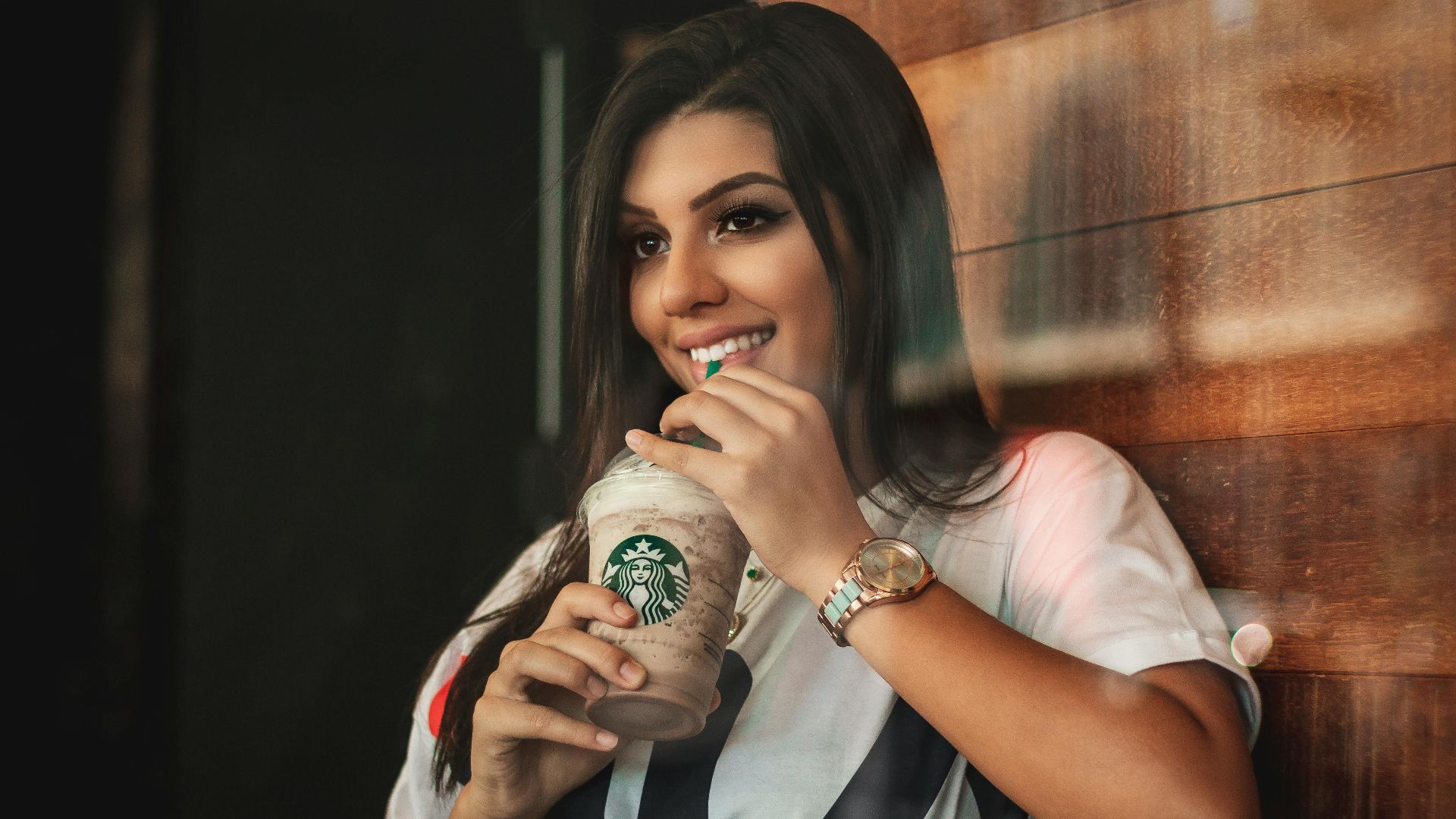
Craft coffee obsession is a popular modern concept, but specialty coffee culture has roots in the 1960s. In the US, the opening of Starbucks in 1971 was a precursor to today’s coffee revolution. The modern craft coffee movement grew in the 2000s with a driving demand for high-quality, ethically sourced beans and unique brewing methods.
The "Bro" Culture
The "bro" culture has been around since the early 1990s with the rise of college fraternity and sports culture. This term gained wider usage with the media’s portrayal of young men engaged in locker room talk and bro-centric activities.

Fidget Spinners
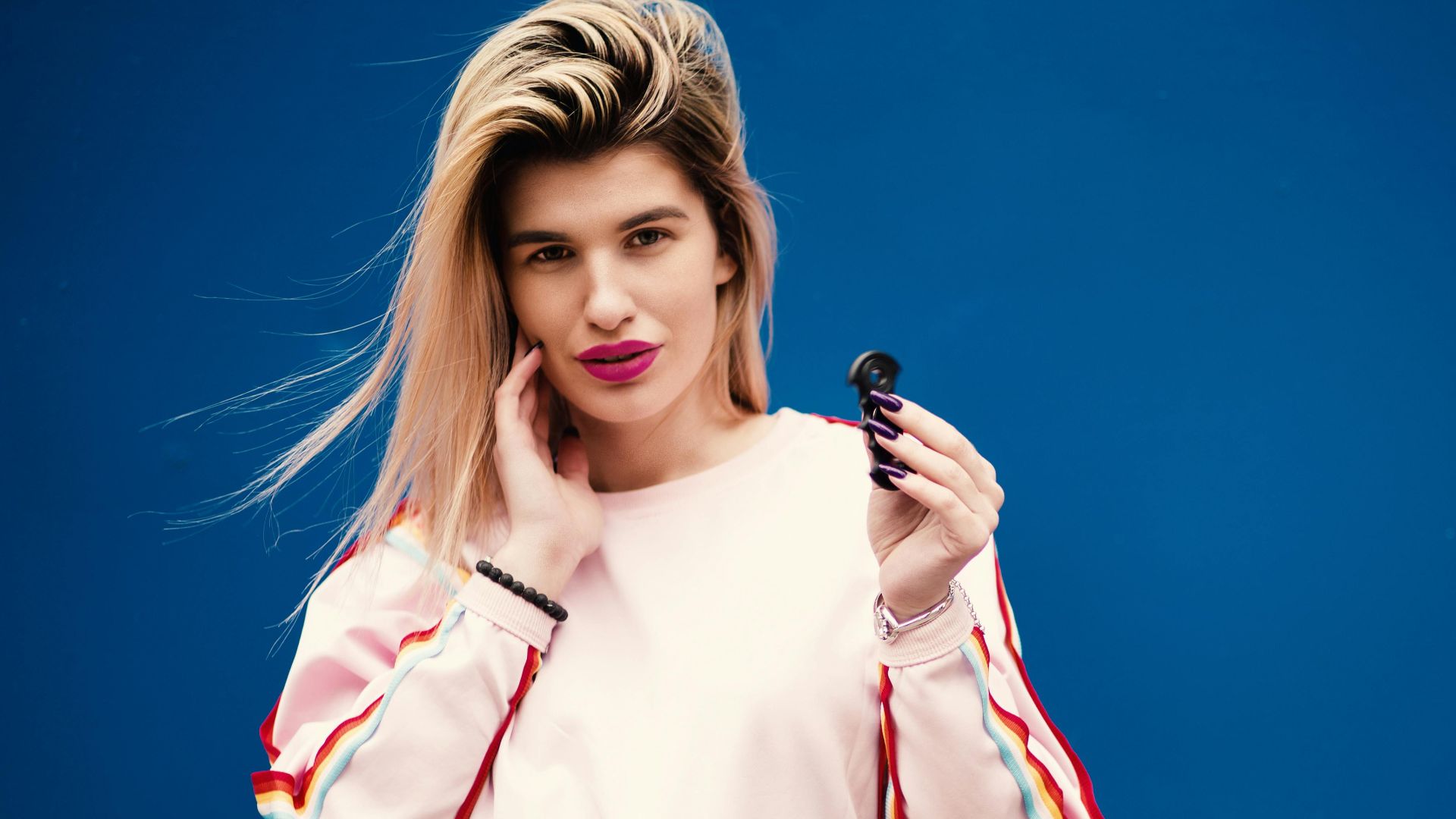
Fidget spinners have become a viral sensation, but the toy was originally patented in 1993 by Catherine Hettinger. It didn’t gain widespread attention until 2017, when it became a must-have item for children. Though Millennials embraced the craze, fidget toys as stress relievers have existed for decades.
Kombucha
Despite becoming synonymous with new health trends, kombucha’s origins go back over 2,000 years. This fermented tea drink has been consumed in Eastern cultures, particularly in China, for centuries for its supposed medicinal properties. Millennials revived it as a modern health craze, but its roots lie in ancient fermentation practices.

Puppy Instagram Accounts
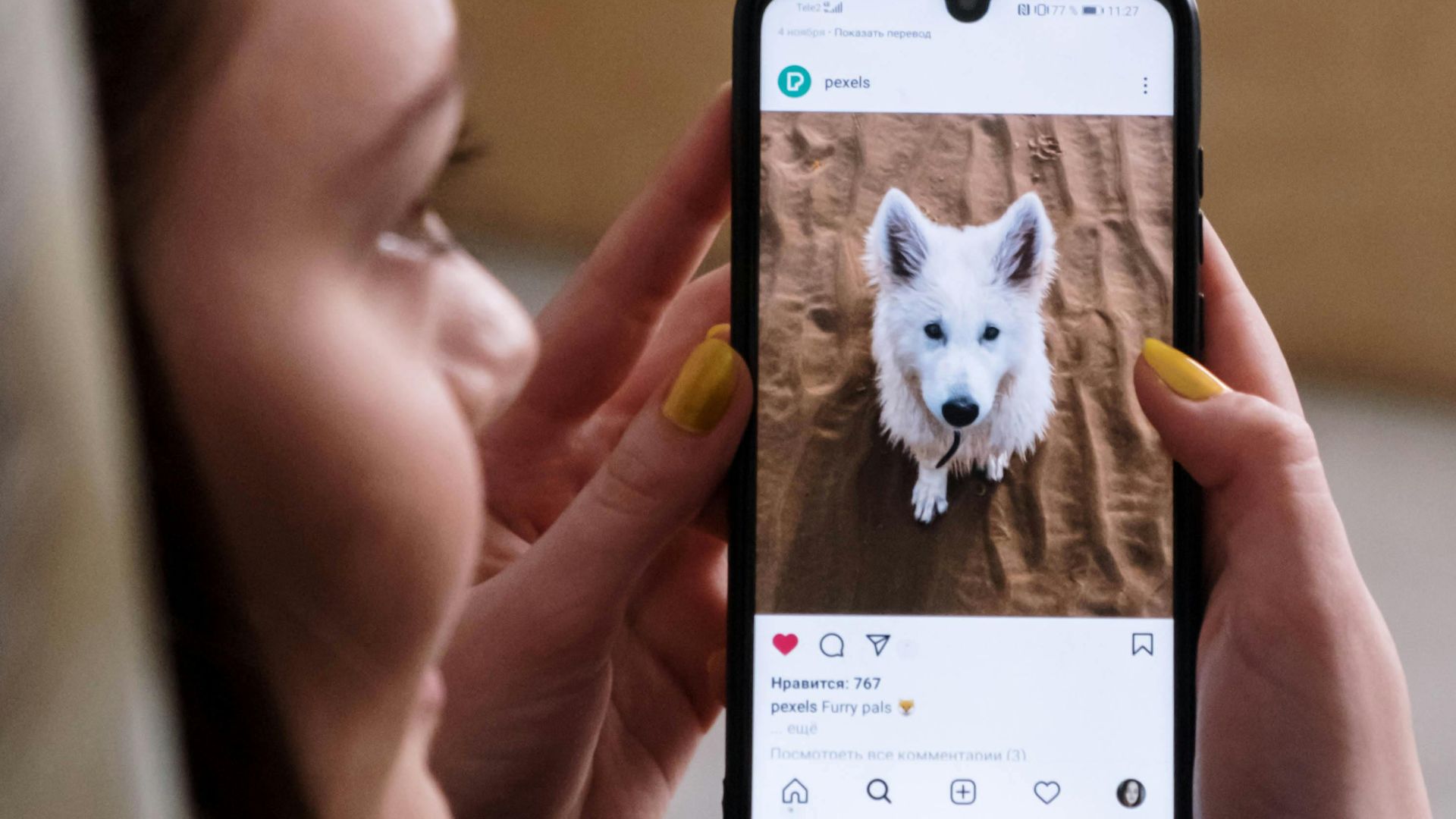
Puppy Instagram accounts are actually a modern evolution of a longstanding trend—pets as public figures. This phenomenon has been around since the early 20th century, when animals like "Lassie" became media stars.
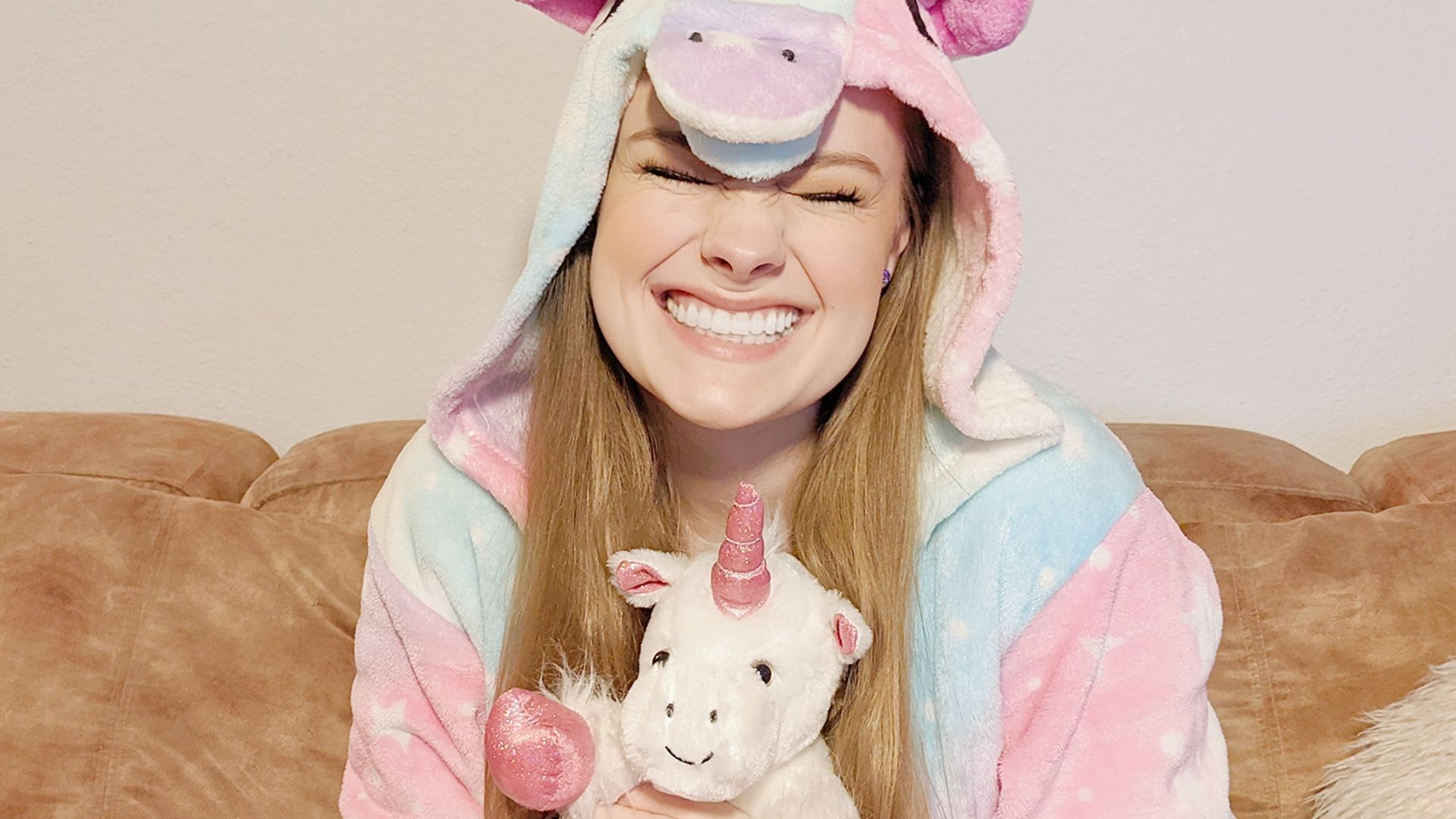
The Unicorn Trend
The colorful unicorn trend draws inspiration from ancient mythology. The unicorn has appeared in cultures across the globe for centuries, from ancient Greece to medieval Europe, symbolizing purity and magic. Its recent resurgence in pop culture reflects millennials’ desire for whimsy, but its legacy stretches much further back.
Urban Farming
Those born between 1980 and the mid-1990s are often credited with pushing urban farming into the spotlight, but the practice has roots that extend back to wartime efforts like "Victory Gardens" in the 1940s. These urban farming initiatives were revived in the 2000s by younger generations who embraced sustainability.

Digital Detox
A "digital detox" is often associated with millennials, but the concept of unplugging from technology has been around since the rise of the internet. In the 1990s, concerns about screen time and technology addiction emerged, but the term gained mainstream popularity in the 2000s as digital life became increasingly overwhelming.
 Photo By: Kaboompics.com, Pexels
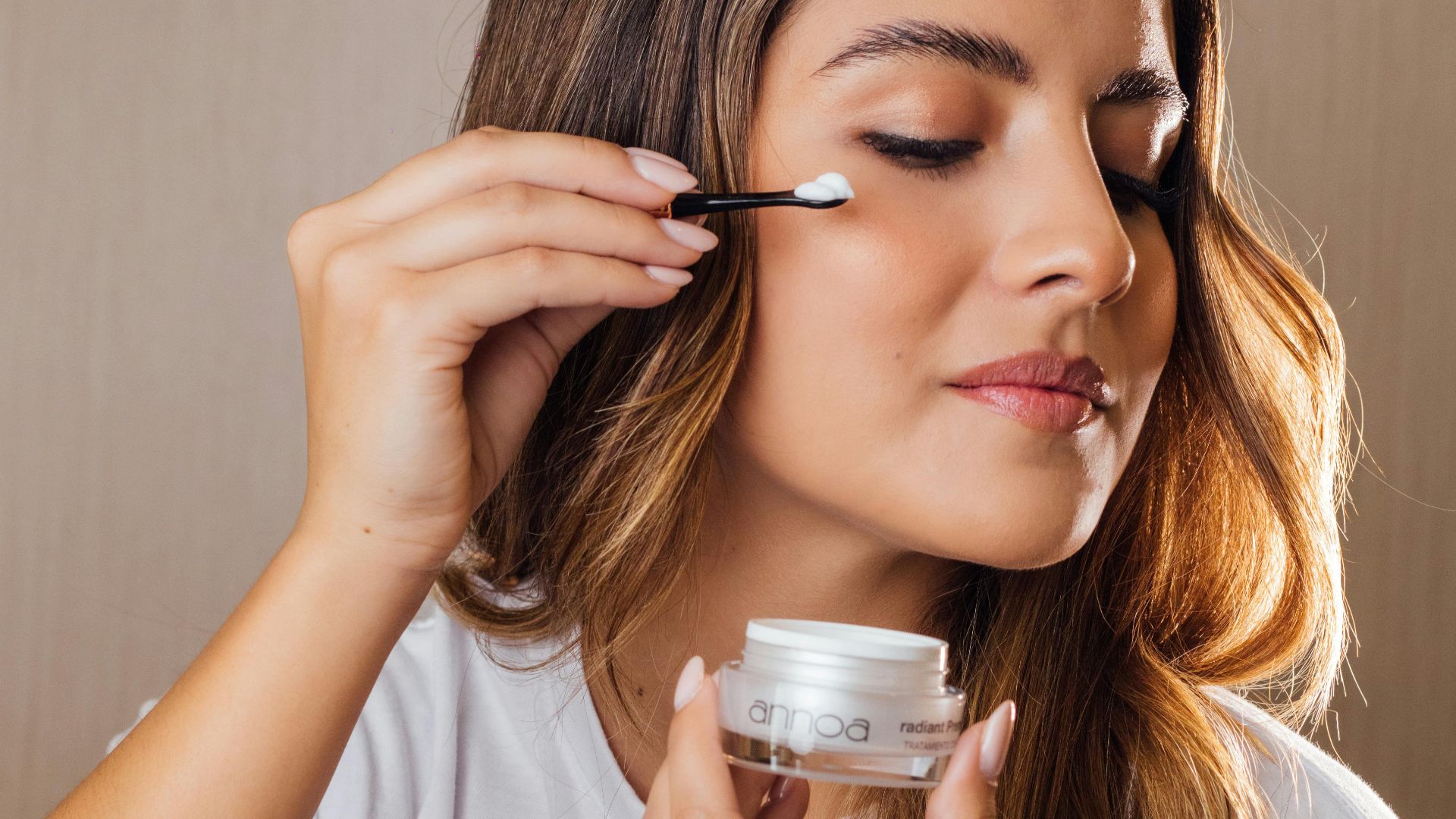
Self-Care Sundays
While "Self-Care Sundays" have become a popular ritual, taking time for personal well-being dates back to earlier generations. Setting aside time for rest and rejuvenation has been practiced for centuries.
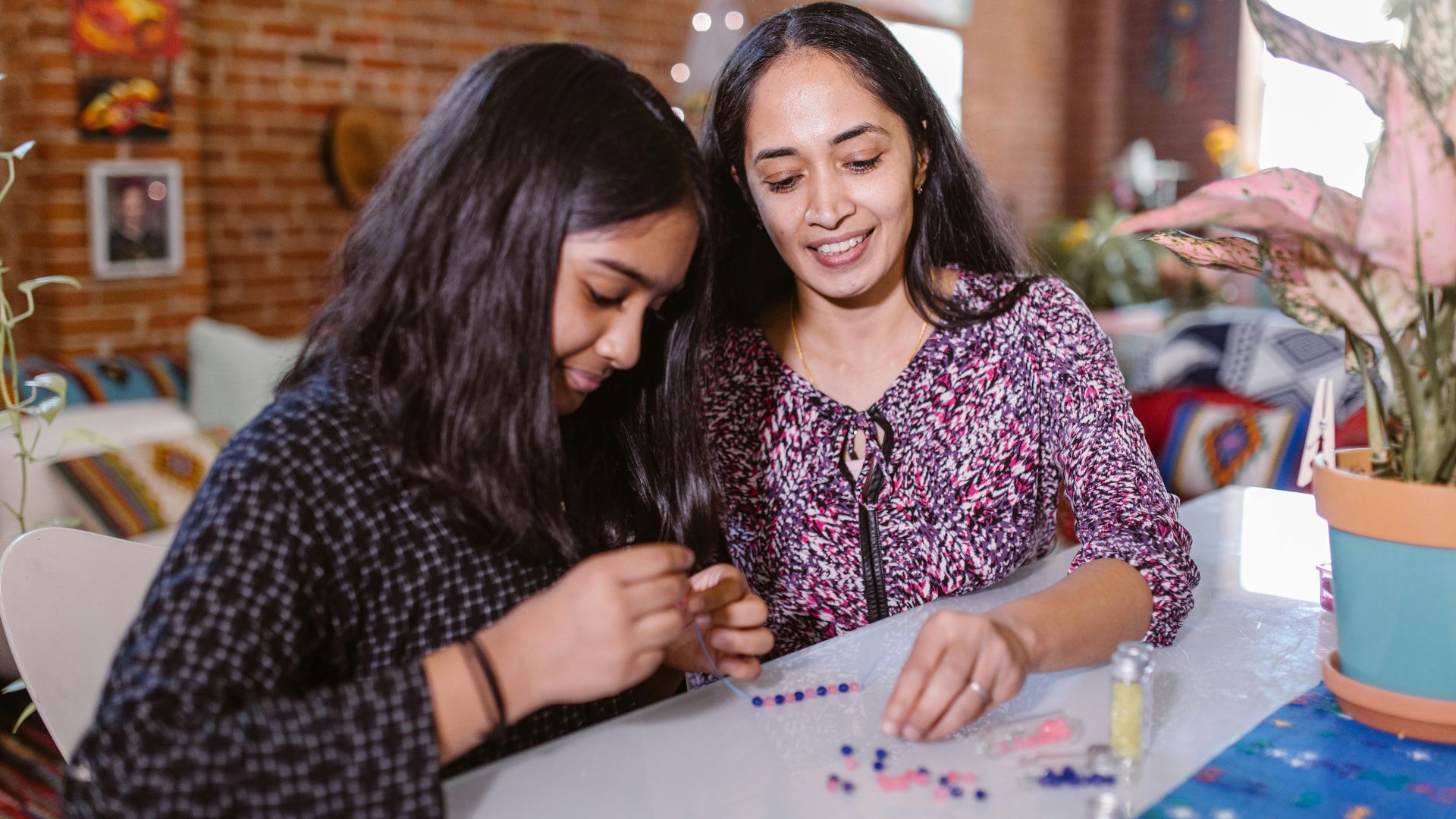
DIY Culture
DIY culture, which people have embraced through platforms like Pinterest and Instagram, has roots in early 20th-century movements. The Arts and Crafts Movement of the late 1800s emphasized self-made craftsmanship, and during the 1970s, the punk movement promoted "do-it-yourself" as a form of self-expression.
Farm-To-Table Restaurants
Farm-to-table dining is often associated with Millennial food culture, but the idea of local sourcing has been around for much longer. During the 1930s, the Great Depression brought focus to local, sustainable farming practices. By the 1990s, the farm-to-table movement was revived by chefs and food advocates.

Online Shopping (E-commerce)
E-commerce emerged in the 1990s with pioneers like Amazon and eBay. The early days of internet shopping had limited audiences, but by the 2000s, the concept was widely adopted. Millennials were simply the first generation to embrace it in a mobile-first world.

Plant-Based Meat Alternatives
Plant-based substitutes have existed for decades. Tofu, seitan, and tempeh were early examples of meat replacements in vegetarian diets, popularized in the 1970s. The plant-based revolution built on these foundations but made them more accessible and mainstream.

Escape Rooms
Escape rooms actually have their origins in early puzzle games and immersive theater. The concept of interactive puzzle-solving environments dates back to the 2000s, inspired by video games and interactive mystery events.
 Hudson Bloom, Wikimedia Commons
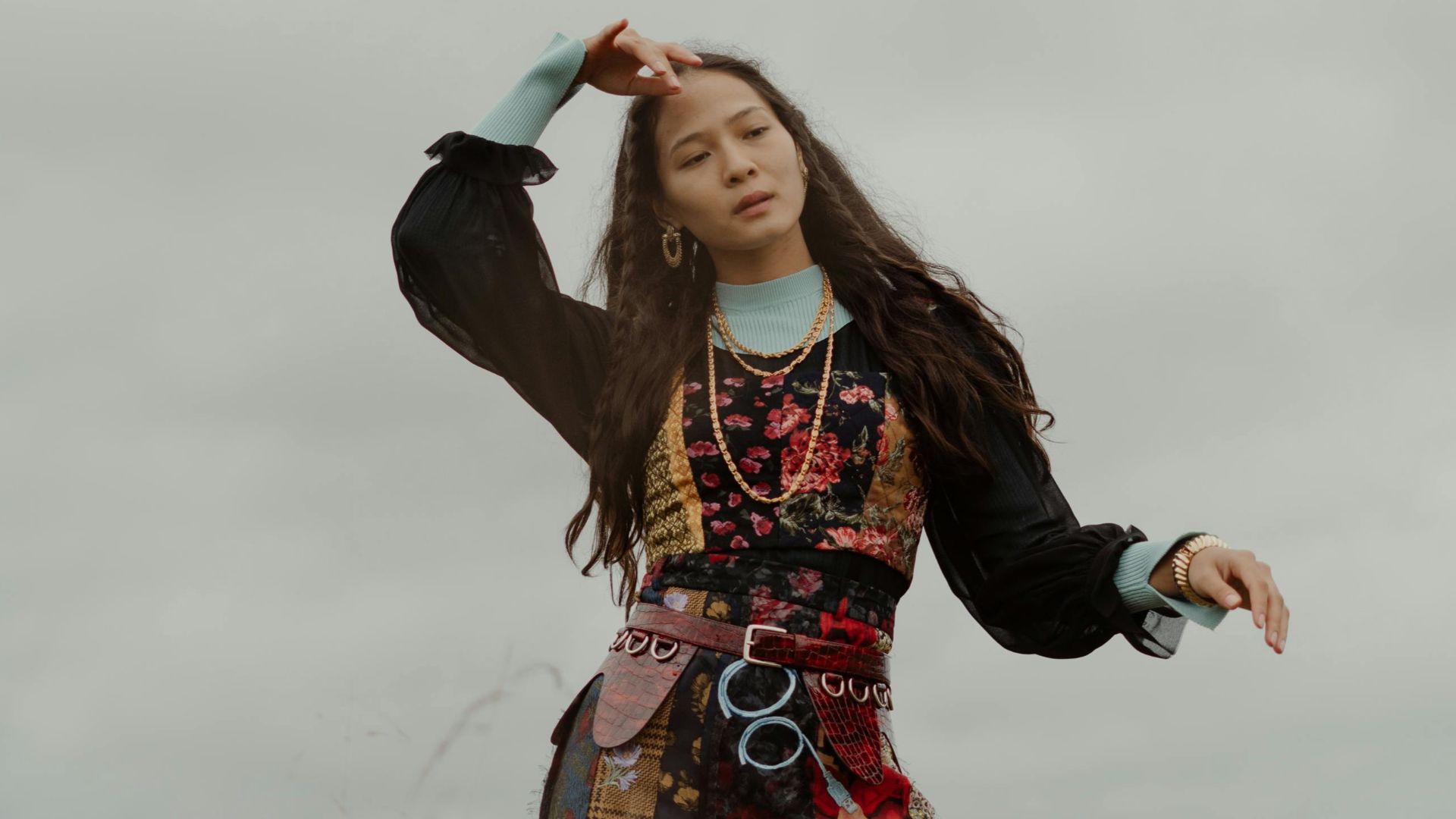
The Boho-Chic Look
The boho-chic aesthetic gained prominence in the 1960s and 1970s during the hippie movement. The style, characterized by earthy tones, flowy clothing, and eclectic accessories, was reinterpreted by Millennials in the 2000s.
Body Positivity Movement
The post-gen-X generation is credited with bringing body positivity into the mainstream. However, the movement began long before social media, as it gained traction in the 1960s with the formation of groups advocating for fat acceptance. Instagram is currently used to share diverse body types and challenge unrealistic beauty standards.

Zero Waste Lifestyle
The zero-waste movement has roots in earlier environmental efforts. In the 1970s, advocates for sustainability and minimal waste practices began encouraging recycling and resource conservation. Millennials amplified these ideals, pushing for even more conscious consumption, packaging-free products, and reducing environmental footprints.
Biking Culture
Biking as a cultural movement isn't solely the invention of those born between 1980 and the mid-1990s. The modern cycling resurgence began in the late 20th century, driven by environmental concerns and urbanization. Millennials, however, embraced cycling in cities, transforming it into a popular mode of transportation.

Online Dating Services
Although Millennials helped propel online dating into the mainstream with apps like Tinder and Bumble, online dating services have been around since the 1990s. Websites like Match.com and eHarmony were pioneers in the field, with the early days of online matchmaking serving as the foundation for current app-based services.

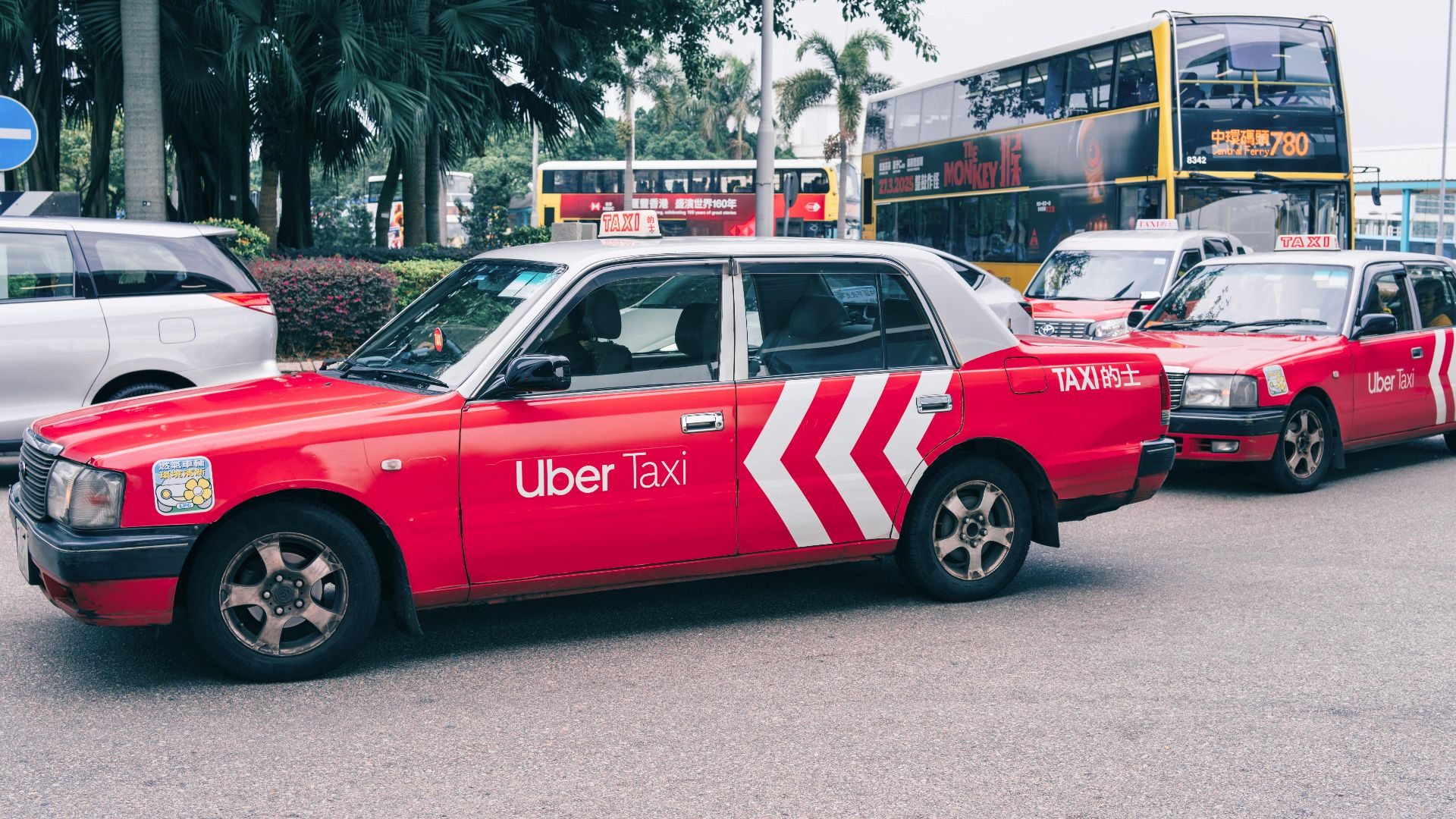
Ride Sharing
Ride-sharing services like Uber and Lyft have earlier origins. The concept of sharing rides dates back to the 1970s with carpool programs. The modern, app-based ride-sharing revolution was made possible by the rise of smartphones in the 2010s.