A Century Told Through Style
Across a century, clothing followed the rhythm of change without asking permission. What women wore revealed more than trends—it echoed new roles, quiet rebellions, and moments stitched into memory.
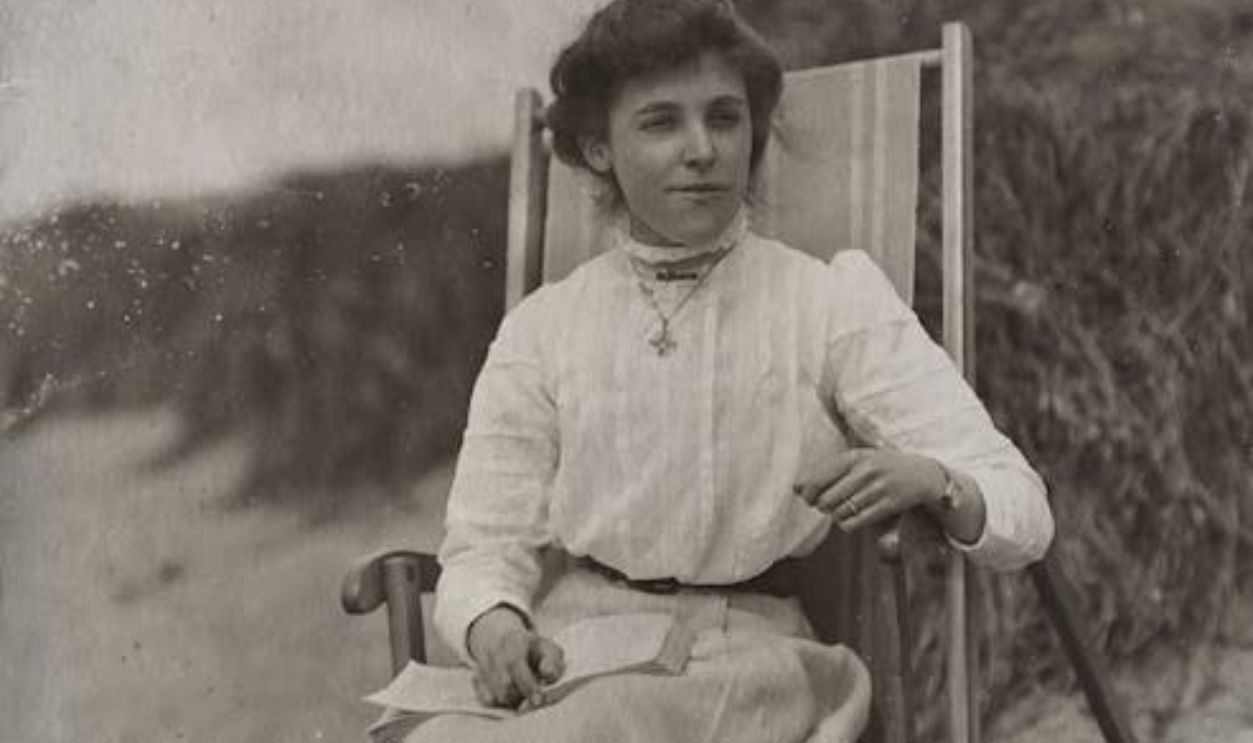
Shirred Elegance By The Shore (1926)
A woman rests in a striped chair near the dunes, dressed in typical early 1900s seaside fashion. Her high-neck blouse and long skirt reflect the era’s modesty, even during moments of quiet leisure outdoors.
Art Deco Drama In Motion (1927)
This look captures the bold spirit of the 1920s, where drama met elegance. The metallic sheen, structured headpiece, and oversized flower weren’t just stylish—they reflected a woman’s growing freedom to stand out.
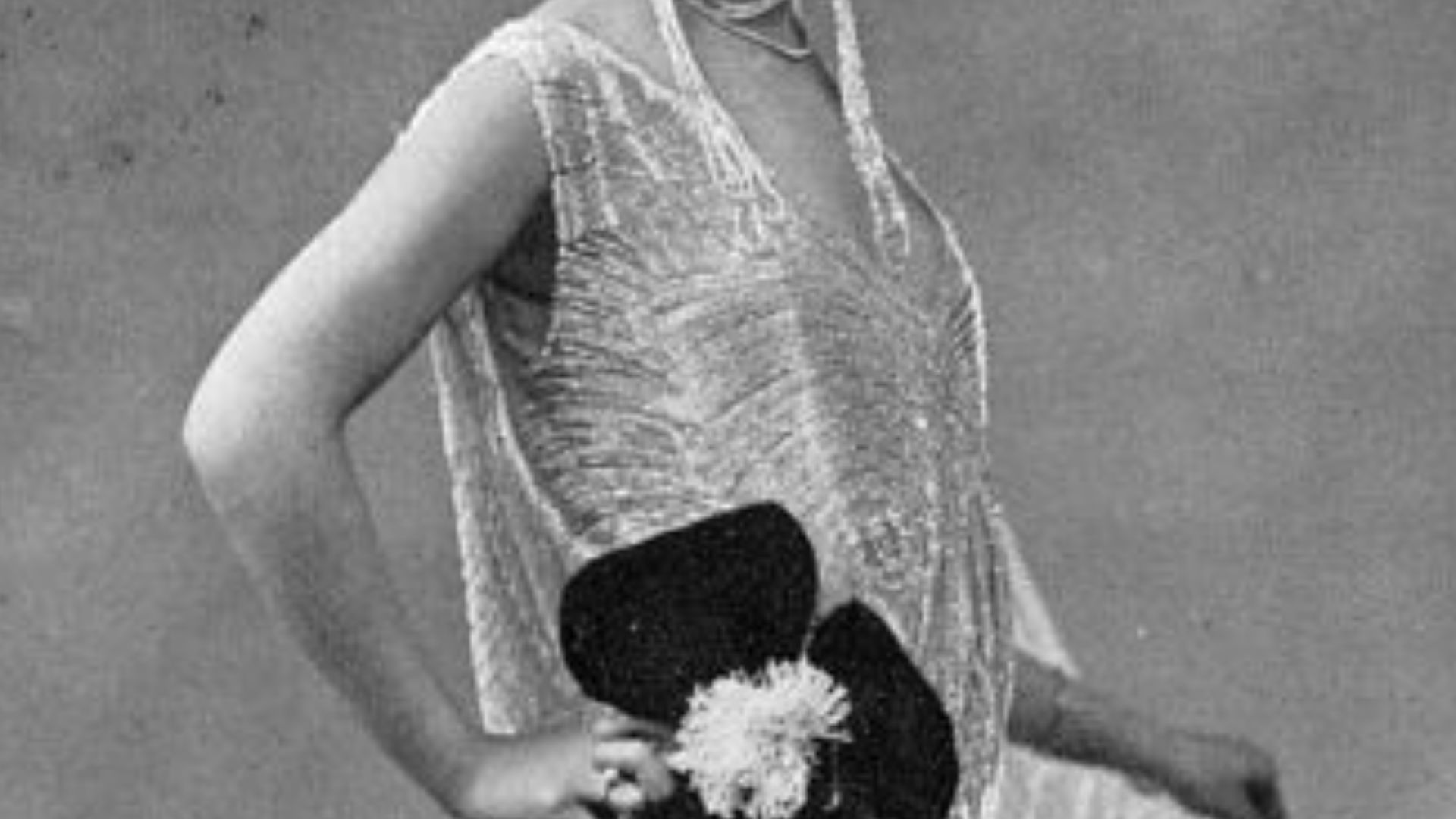 Henri Manuel, Wikimedia Commons
The Cloche Hat’s Sharp Charm (1928)
The cloche hat framed the face in a close, modern way that felt new in the 1920s. Paired with a soft bob and embroidered collar, it gave women a sharp yet playful sense of style.
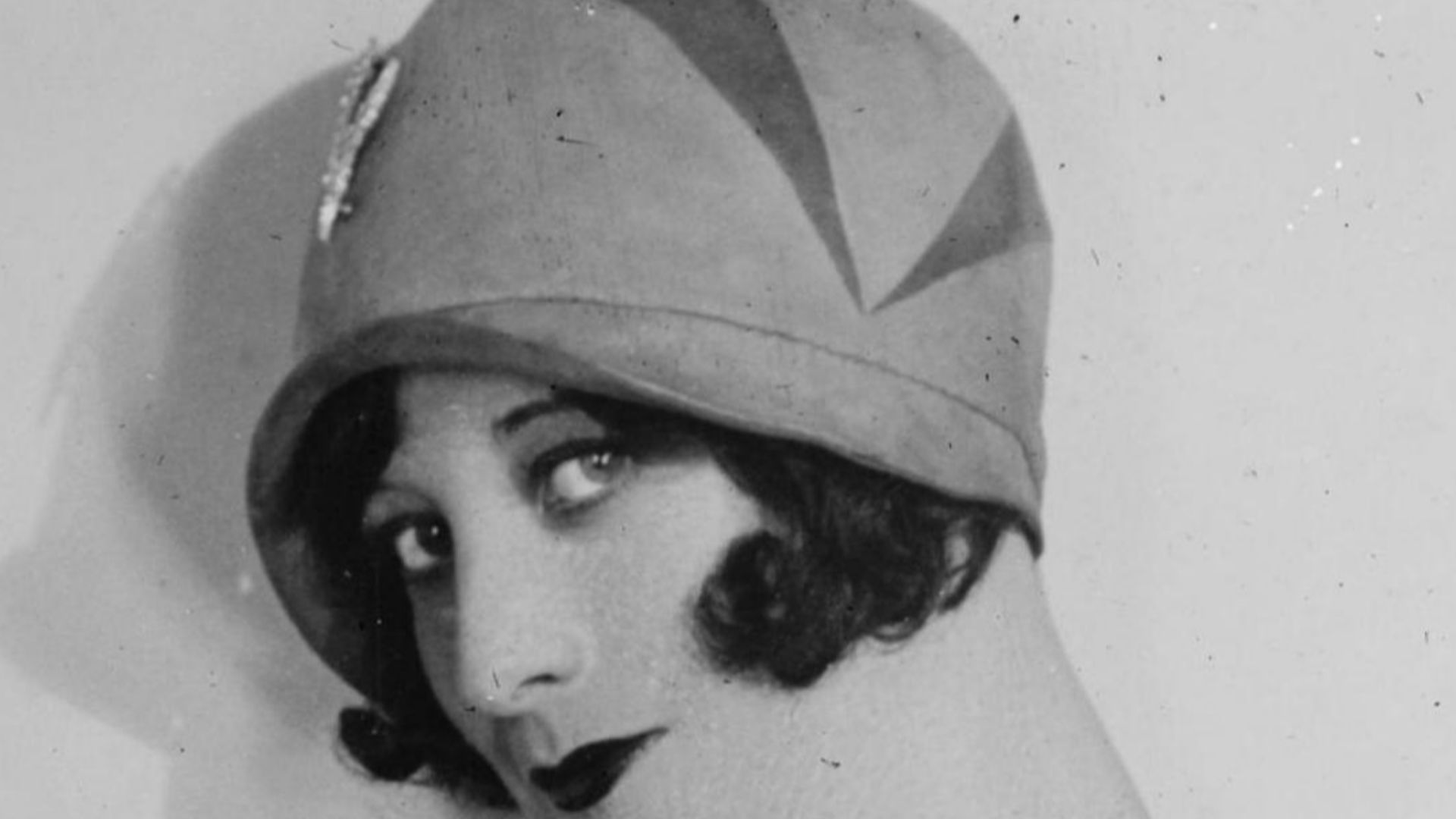 Bain News Service, Wikimedia Commons
Soft Glamour Takes Shape (1930)
This elegant satin gown reflects 1930s glamour, shaped to follow the body without restriction. The smooth fabric and delicate flower detail show how fashion began celebrating softness and movement during a time of shifting ideals.
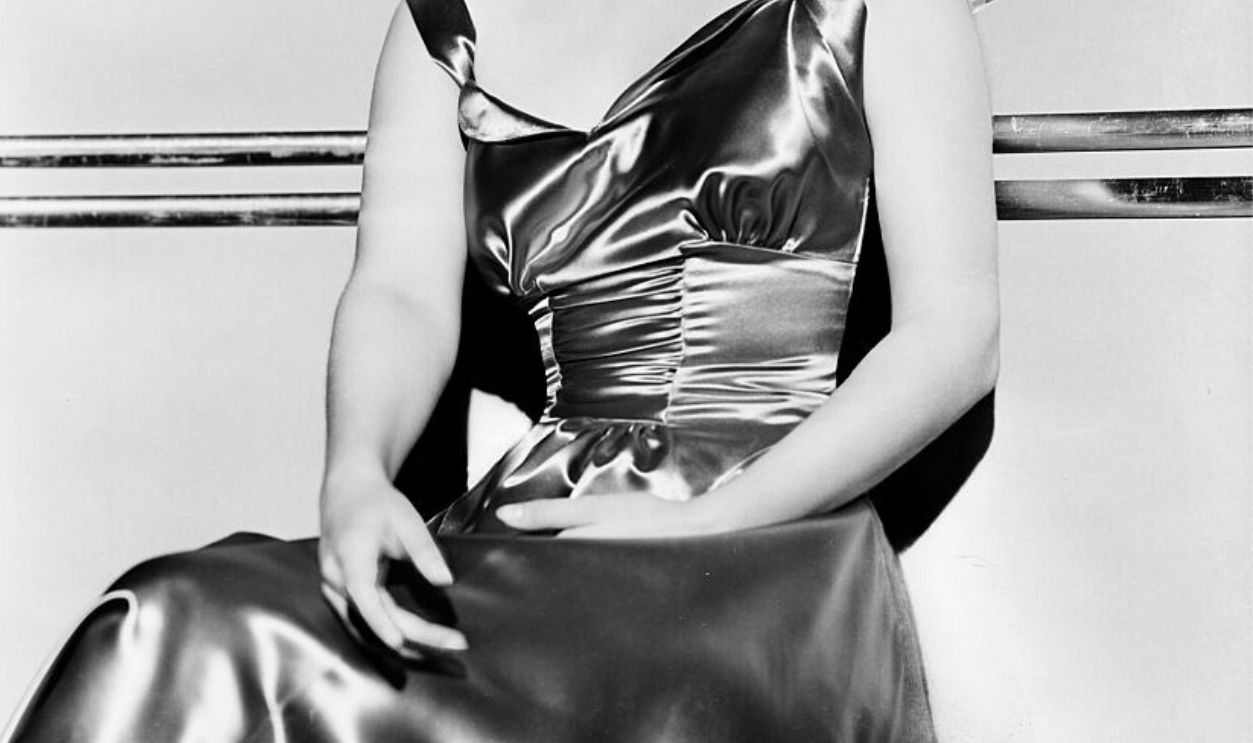 John Kobal Foundation, Getty Images
The Marcel Wave’s Lasting Impact (1931)
Hairdresser Marcel Grateau demonstrates early 1920s hair‑waving using heated tools, a method that shaped glossy waves linked with iconic flapper looks. His breakthrough helped hairstyles become a defining part of women’s evolving fashion culture.
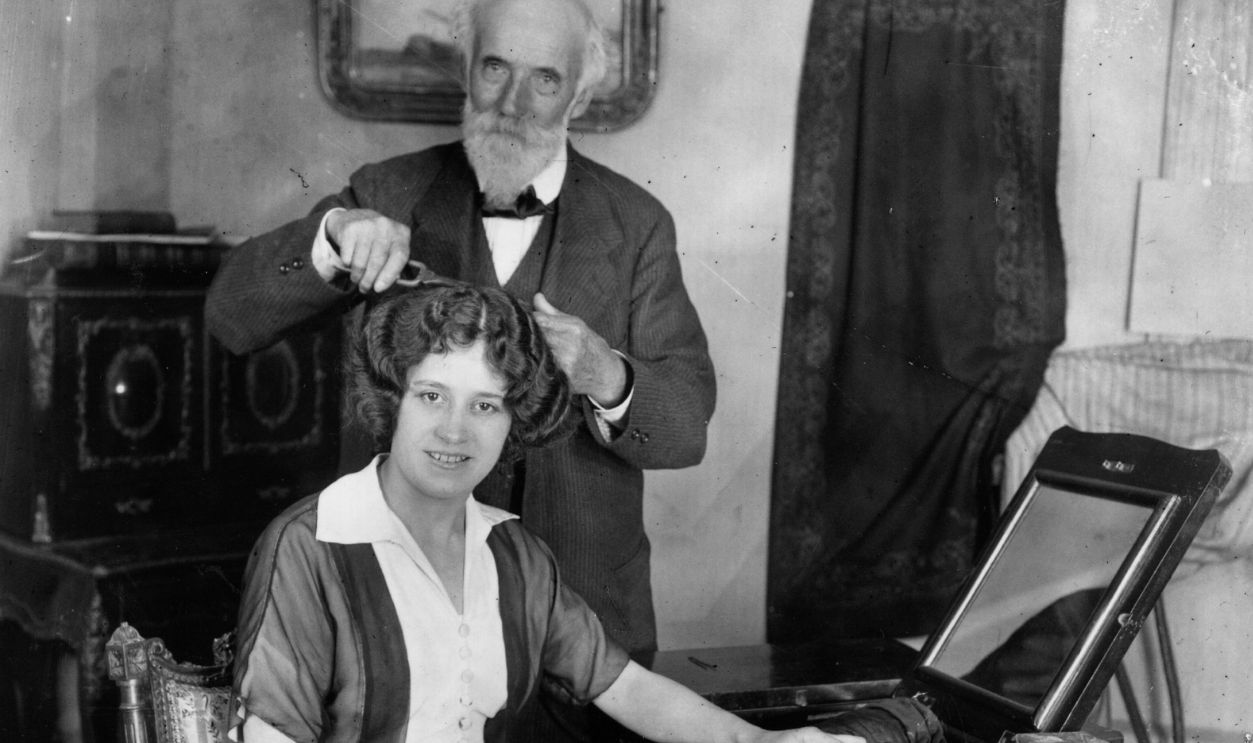 Topical Press Agency, Getty Images
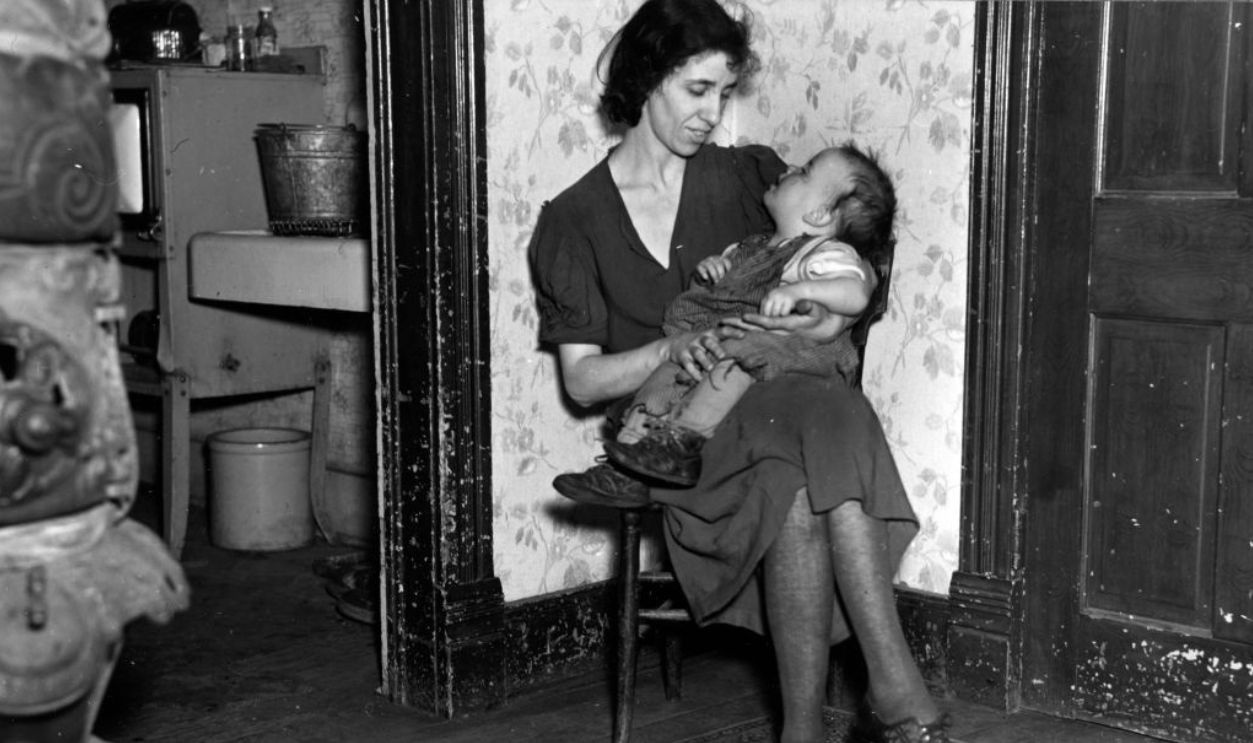
Grace In A Time Of Hardship (1933)
A mother cradles her child in a modest home, likely during the 1930s. Her plain dress and practical shoes reflect everyday life, shaped by hardship and the quiet strength behind closed doors.
 Interim Archives, Getty Images
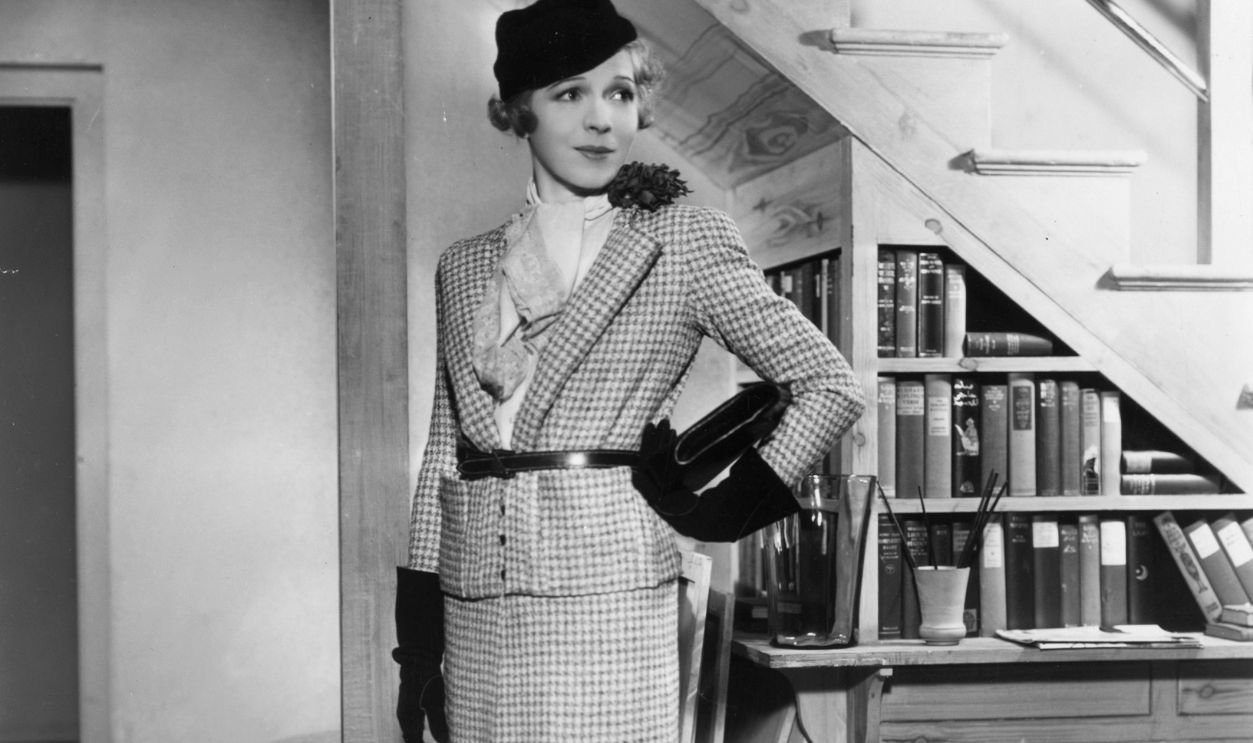
Power Dressing Finds Its Form (1934)
Polished and professional, this 1930s look shows how fashion blended structure with style. The belted jacket, matching skirt, and hat reflect a time when women’s clothing aimed to balance elegance with modern independence.
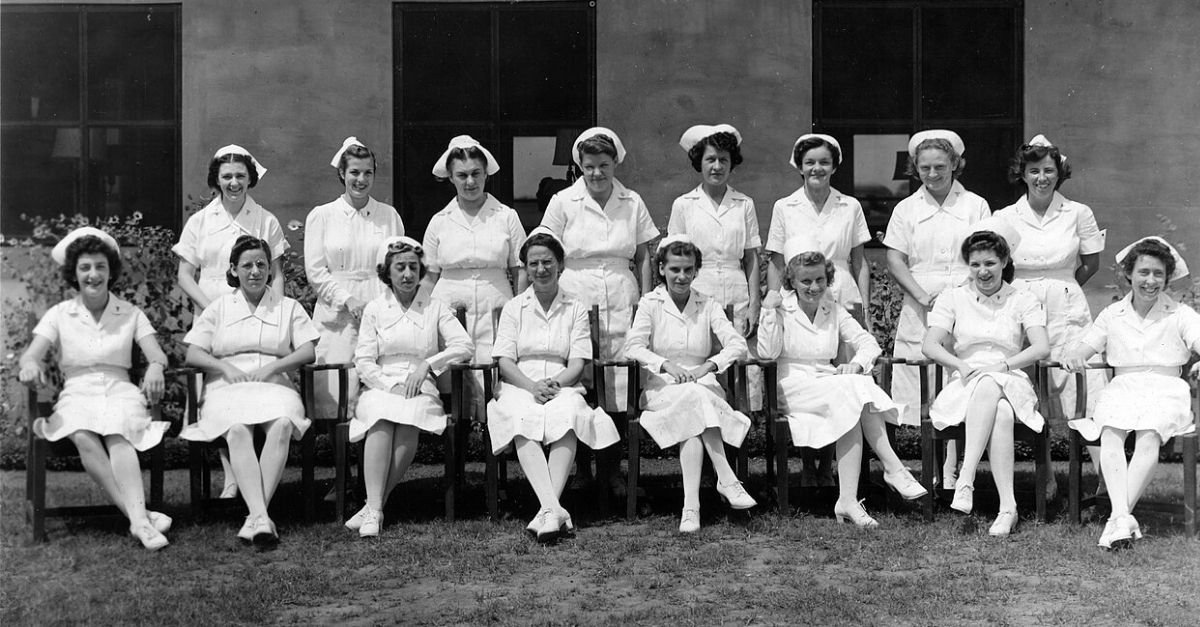
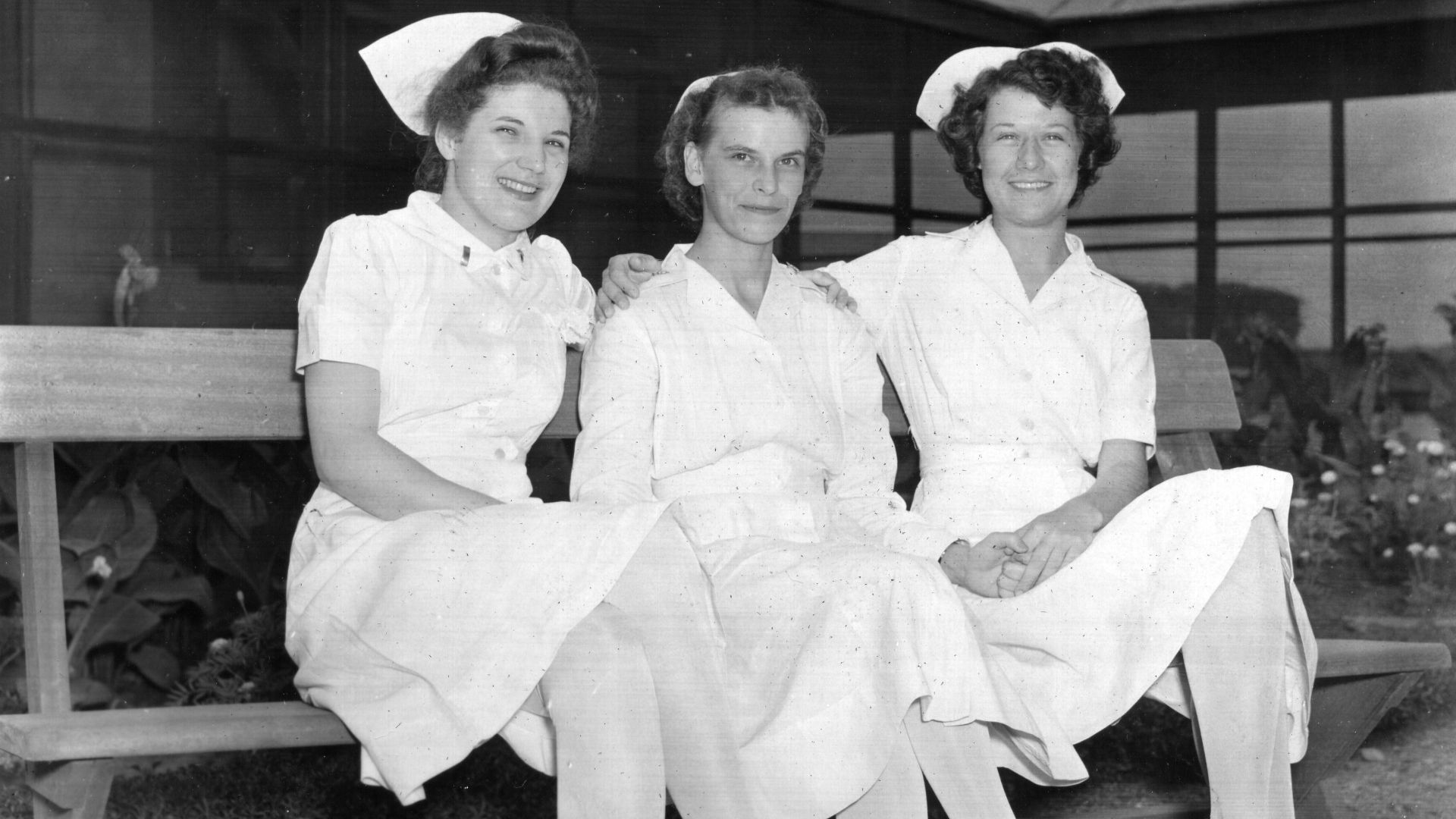
Duty, Uniform, And Quiet Strength (1939)
These WWII nurses sit together during a quiet moment, dressed in regulation white uniforms with signature caps. Their clothing reflects wartime standards, where function and cleanliness shaped how women appeared in service roles.
 Unknown authorUnknown author, Wikimedia Commons

History's most fascinating stories and darkest secrets, delivered to your inbox daily.
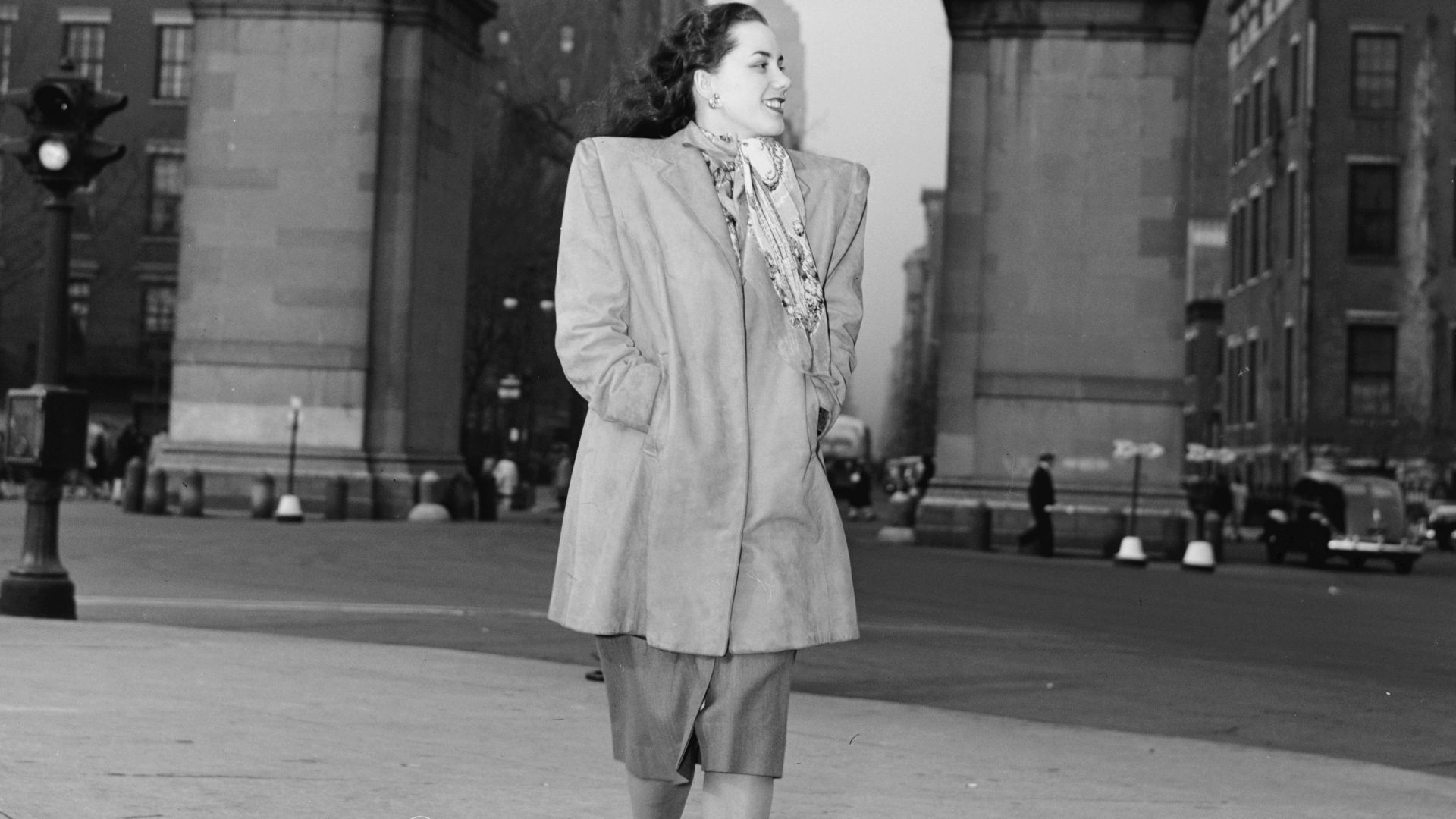
Strong Shoulders And City Streets (1940)
This 1940s look features structured shoulders and a below-the-knee skirt, reflecting wartime utility mixed with elegance. The scarf and peep-toe heels added personality, even as materials were rationed and designs stayed minimal.
 The Library of Congress, William P. Gottlieb , Wikimedia Commons
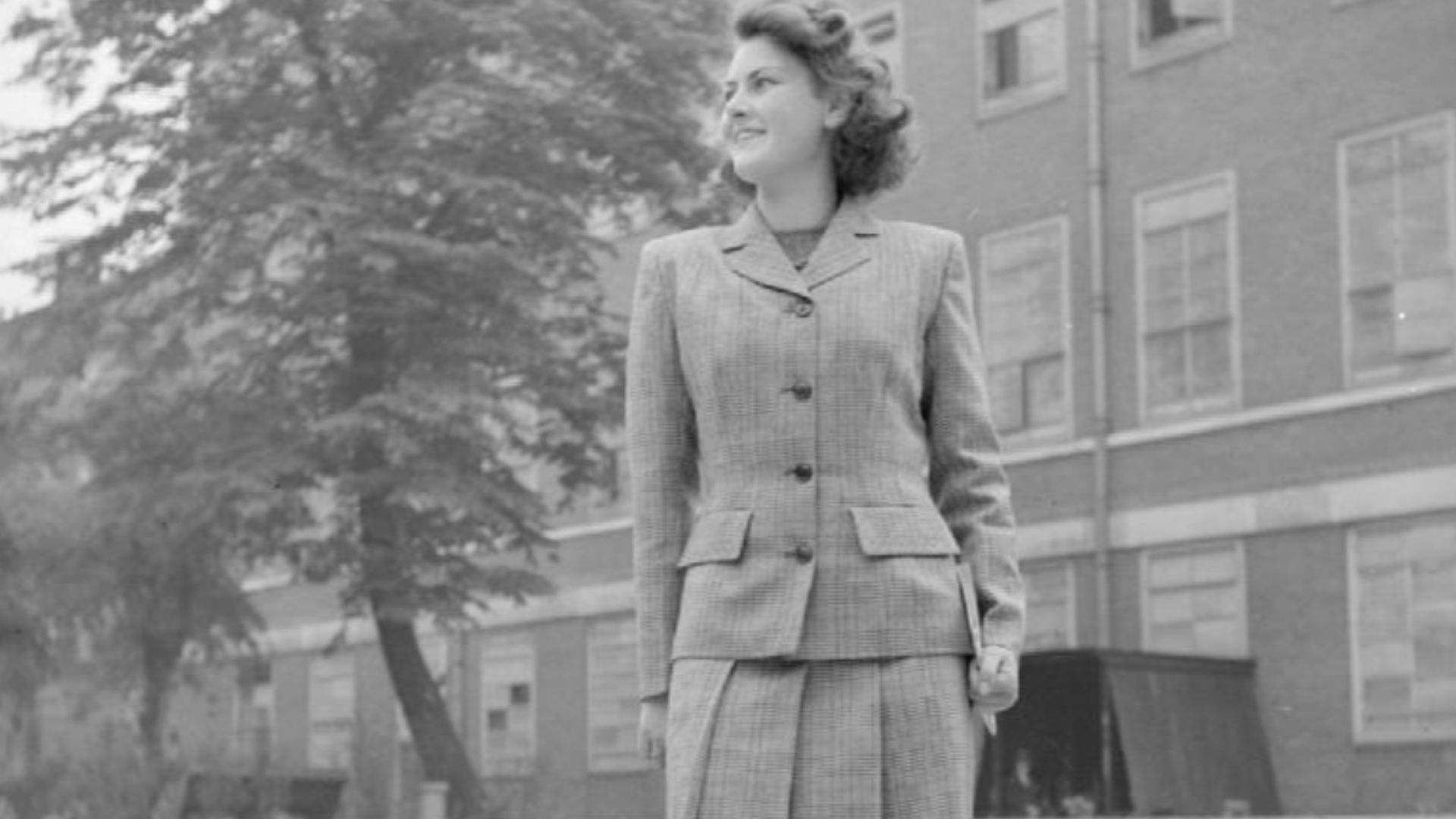
Fashion Under Rationing Rules (1941)
Women’s wartime utility clothes show how fashion adapted to strict rationing rules. The simple cuts and functional shapes reflect a period when style met scarcity, and practicality shaped what women wore day‑to‑day.
 Ministry of Information Photo Division Photographer, Wikimedia Commons
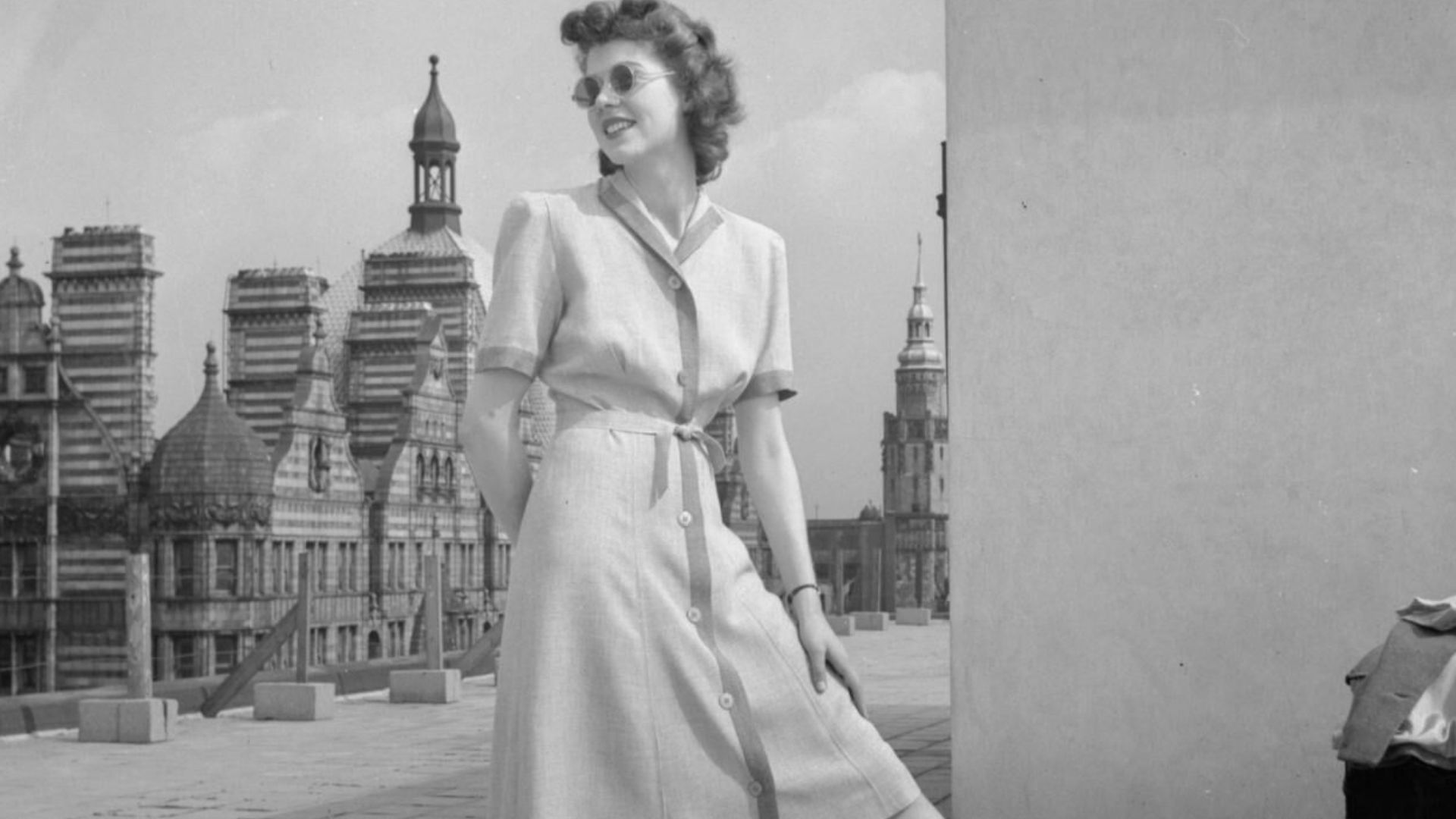
Wartime Style Meets The City (1943)
A breezy button-down dress and dark sandals reflect the relaxed, practical fashion of the 1940s. With her hair curled and sunglasses on, the woman stands confidently against a city skyline shaped by wartime change.
 Ministry of Information Photo Division Photographer, Wikimedia Commons
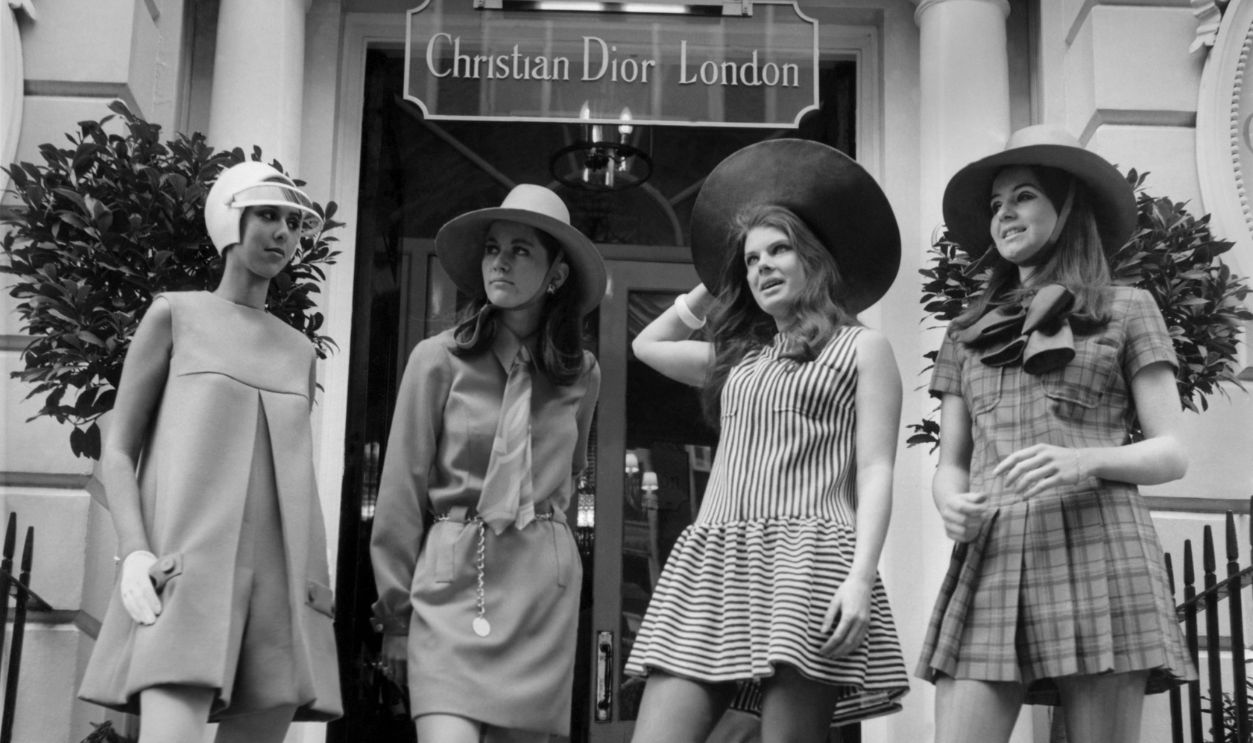
Dior’s New Look Turns Heads (1947)
Outside Christian Dior London in 1947, models pose in pieces that reflect the early wave of postwar couture. The looks emphasize structure and elegance, marking a return to formality after years of wartime restraint.
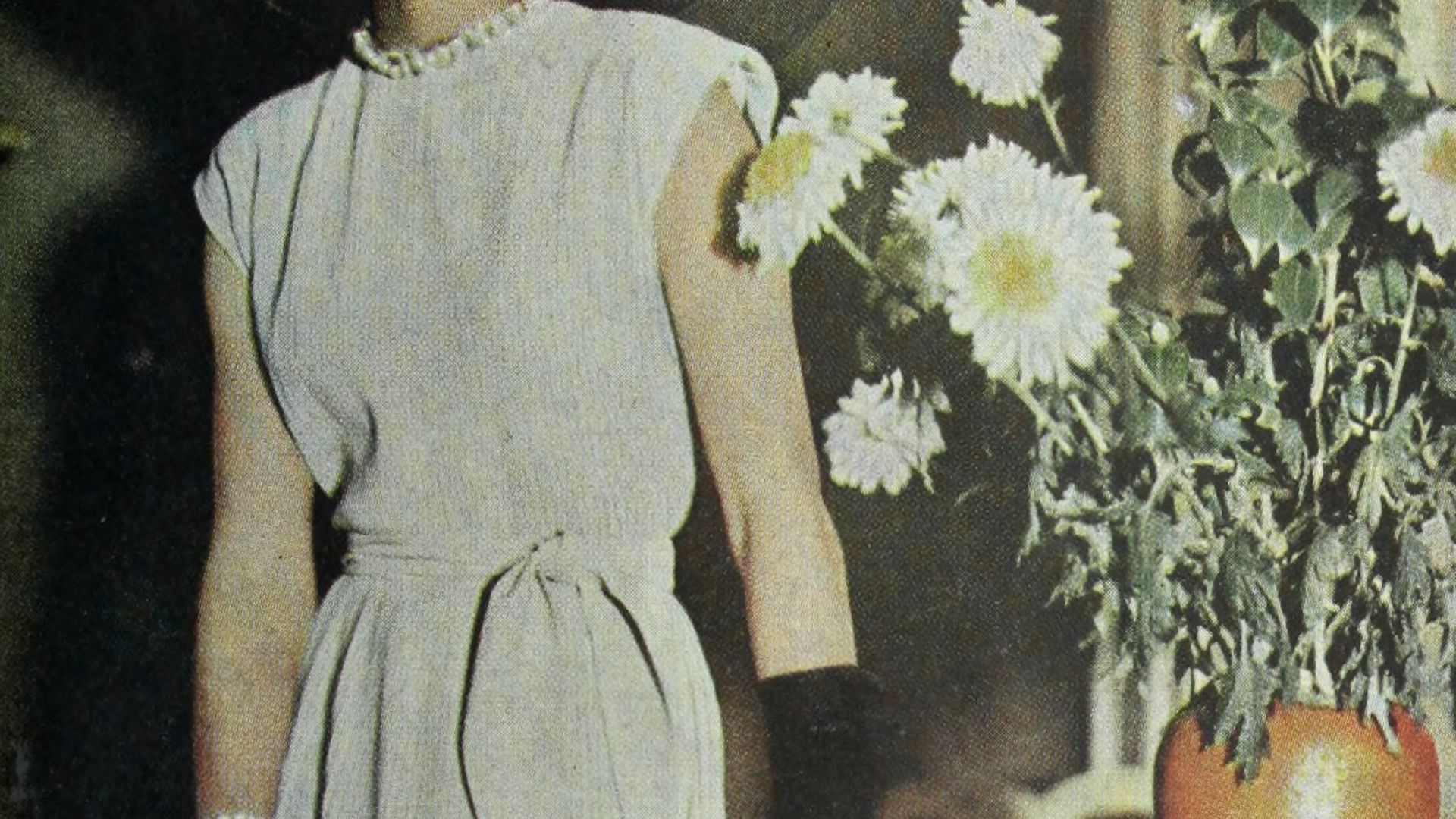
Sheath Dress Refines Postwar Style (1948)
With a cinched waist and softly pleated skirt, this 1950s ensemble reflects quiet elegance. Black gloves and a wide-brim hat complete the look, showing how style carried poise even in its most understated moments.
 Internet Archive Book Images, Wikimedia Commons
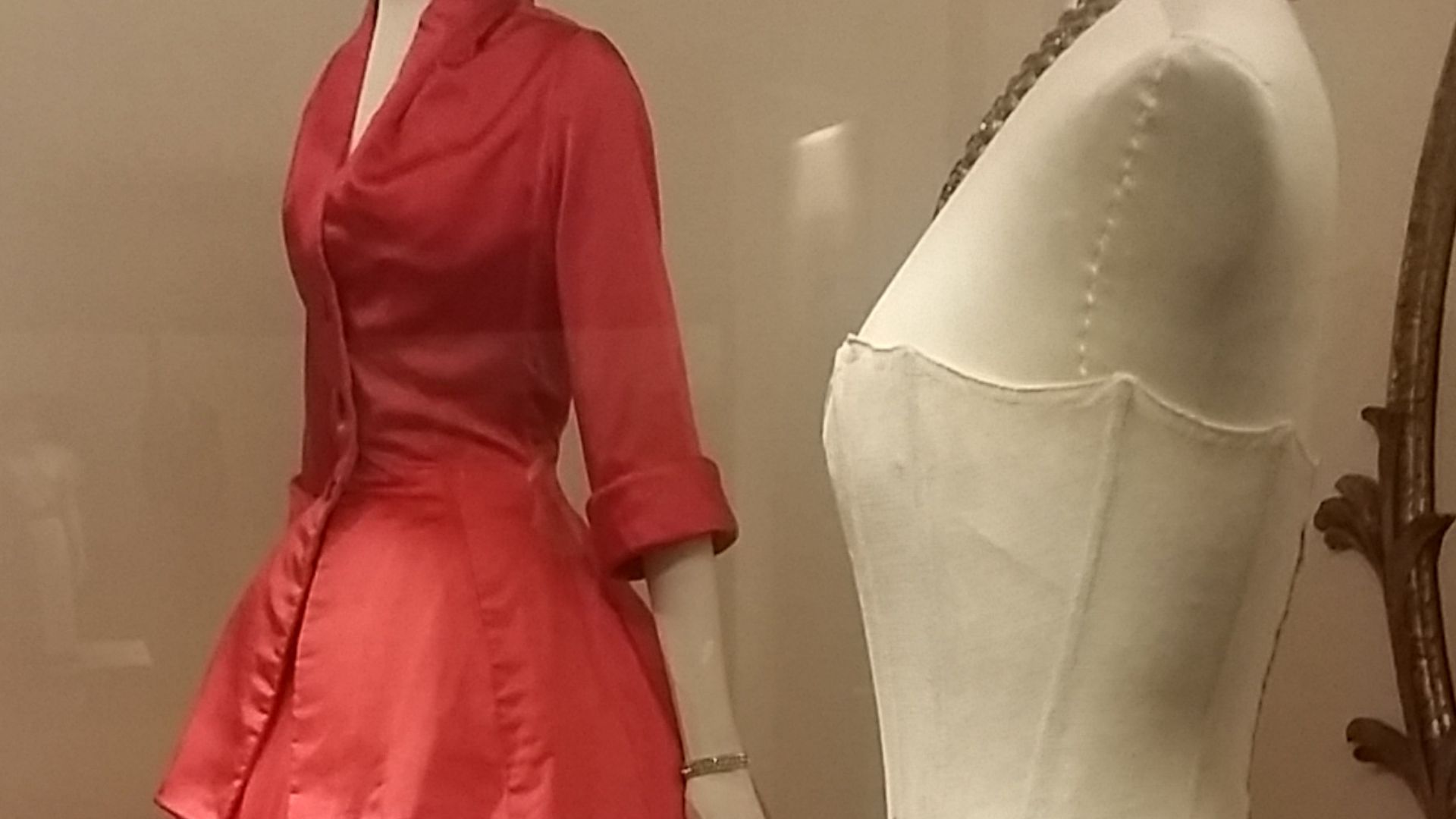
Couture Structure And Full Skirts (1954)
Dior’s 1954 “Zemire” ensemble showcases the H Line, softening the waist without losing structure. The red satin jacket and voluminous skirt reflect elegance shaped by couture precision and a shift toward more fluid silhouettes.
Audrey’s Off-Duty Style Moment (1957)
Audrey Hepburn’s cropped trousers and ballet flats reflect the casual elegance of 1950s leisurewear. Her bright smile and playful stance capture a shift toward relaxed fashion shaped by youth and modern femininity.
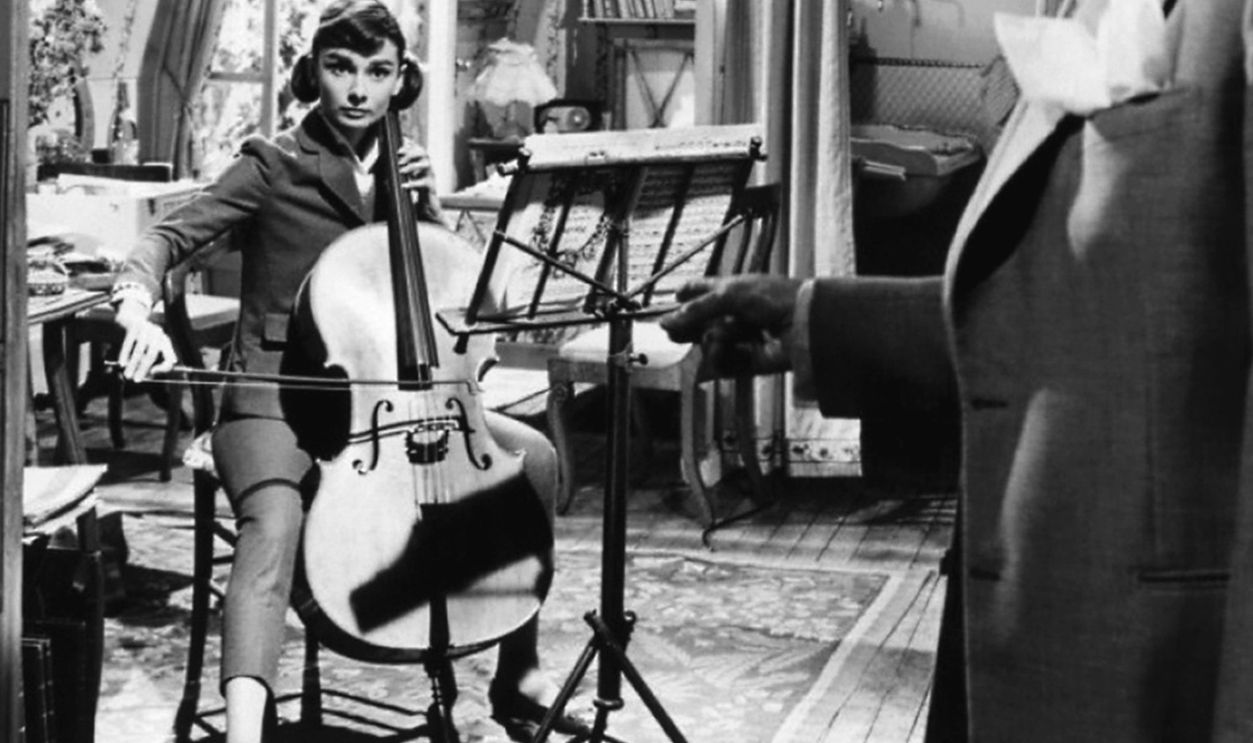 Donaldson Collection, Getty Images
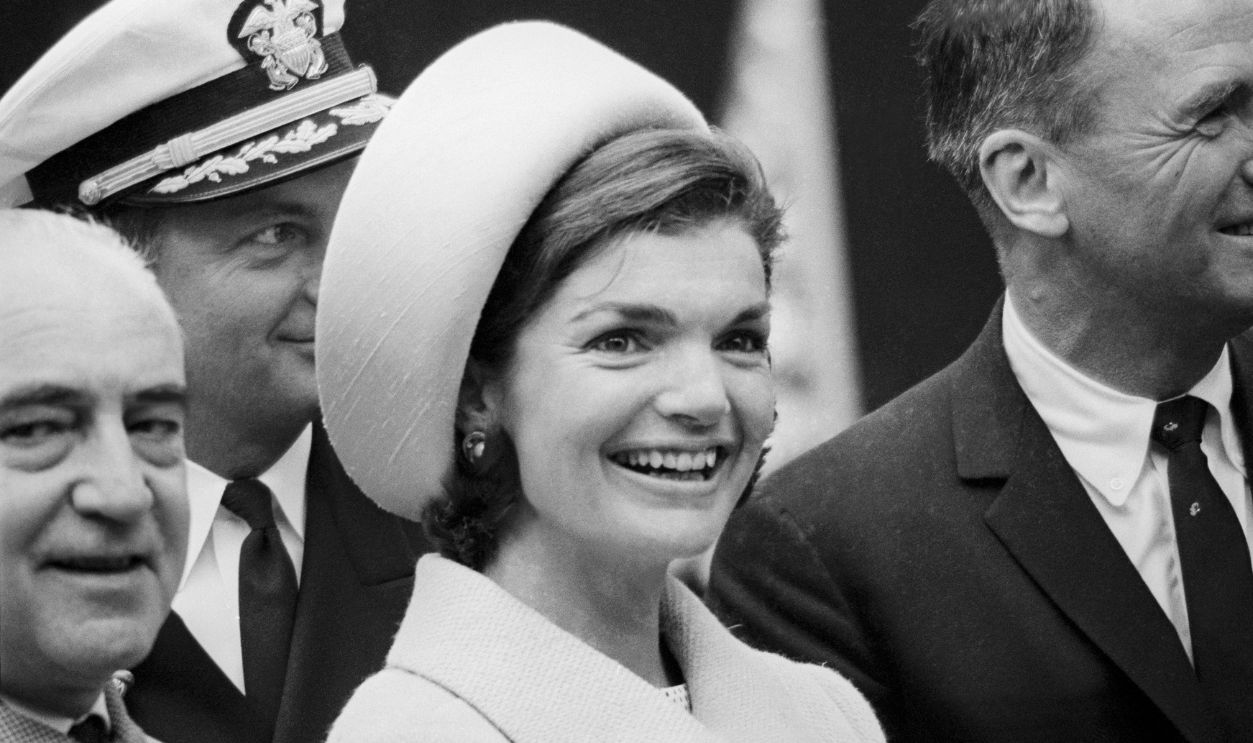
Jackie Kennedy Sets A National Tone (1962)
Jacqueline Kennedy’s pillbox hat and tailored coat became symbols of early 1960s style. Her clean lines and refined presence shaped public taste and helped define the modern image of American leadership on the global stage.
Mary Quant Shakes Up Fashion (1964)
This bright green wool dress features bold contrast bands at the waist and cuffs, echoing the energy of 1960s mod fashion. Its structured simplicity made a strong visual statement without relying on extra detail.
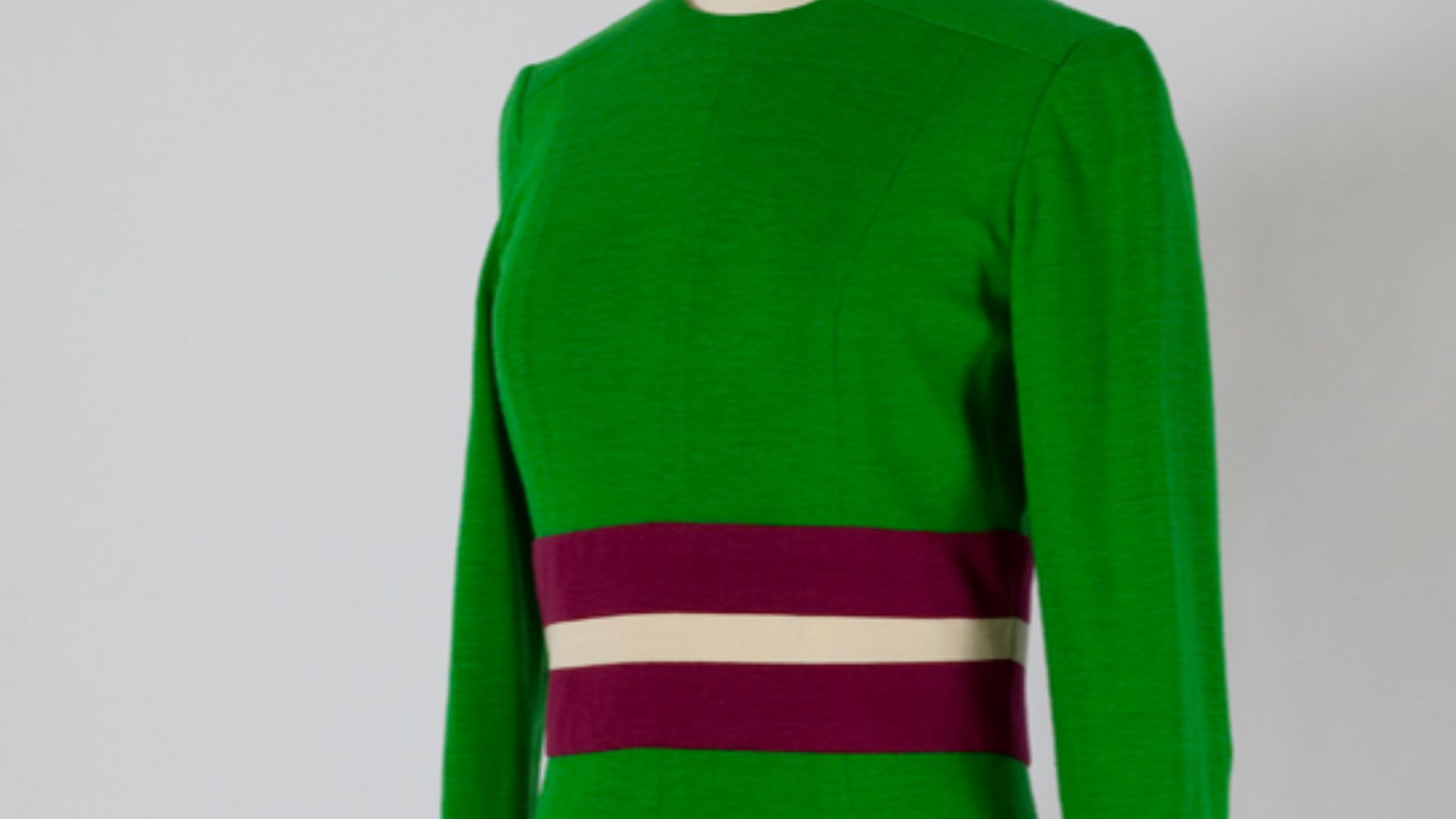 Peloponnesian Folklore Foundation, Wikimedia Commons
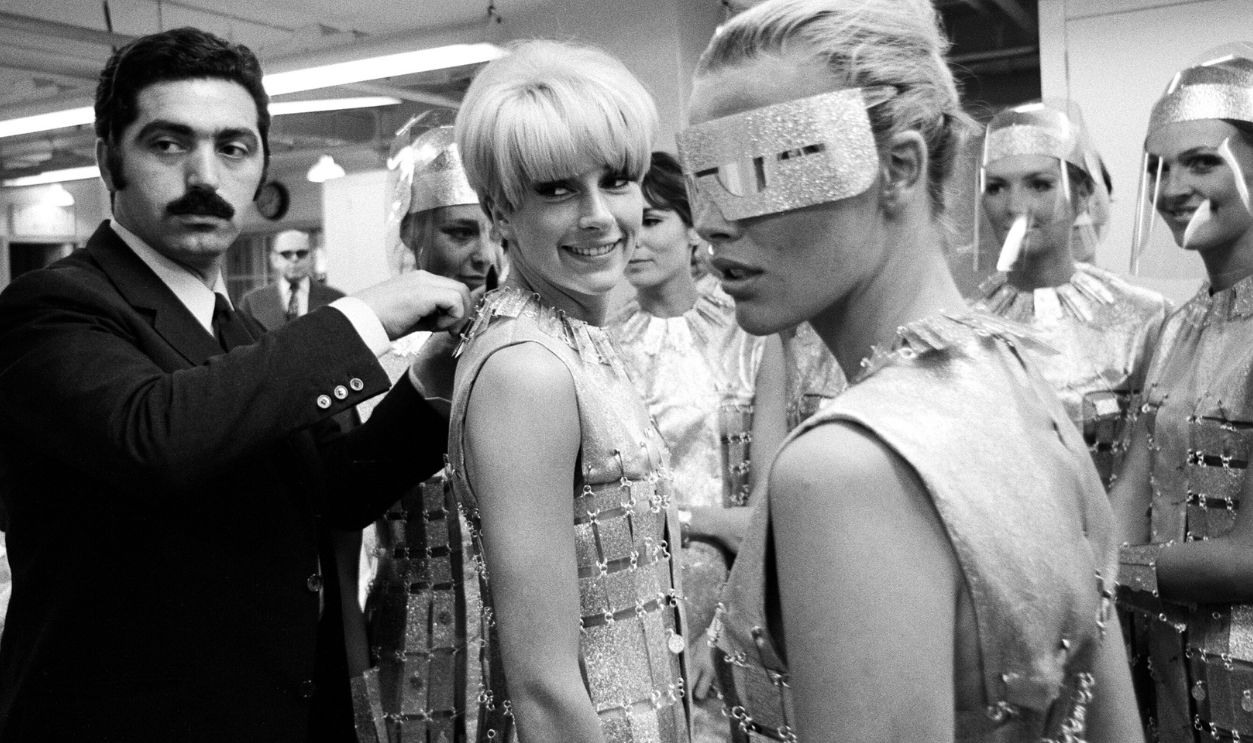
Paco Rabanne Looks To The Future (1966)
Metallic panels, bold shapes, and geometric accessories defined Paco Rabanne’s vision. Captured during a fitting, this scene shows how fashion in the 1960s pushed boundaries with experimental textures and a forward-looking attitude.
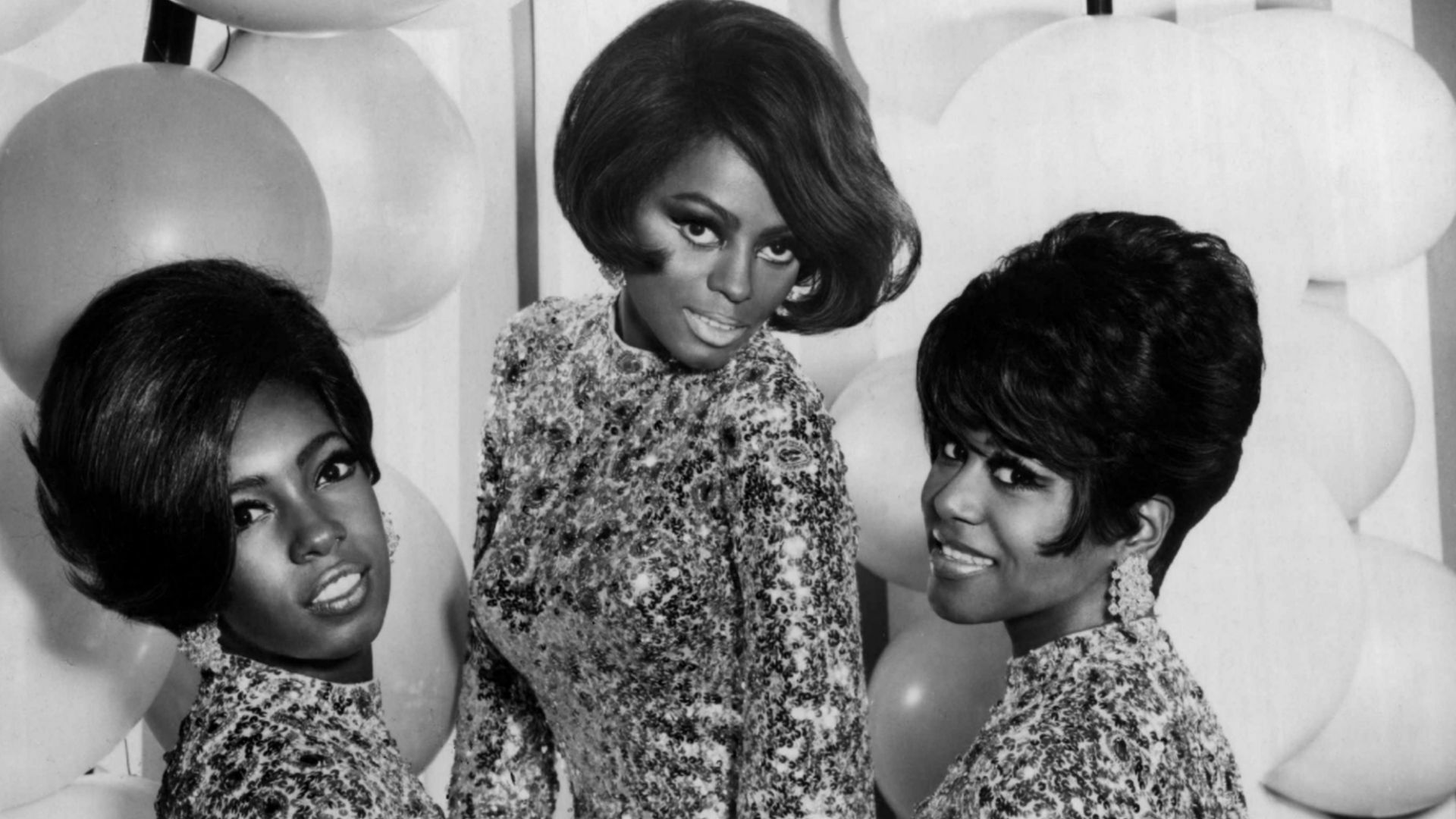
Diana Ross Redefines Stagewear (1967)
In matching sequined gowns and styled hair, The Supremes defined coordinated elegance during the 1960s. Their polished looks became part of their performance, elevating girl group fashion to new heights in music and culture.
 GAC-General Artists Corporation-IMTI-International Talent Management Inc., Wikimedia Commons
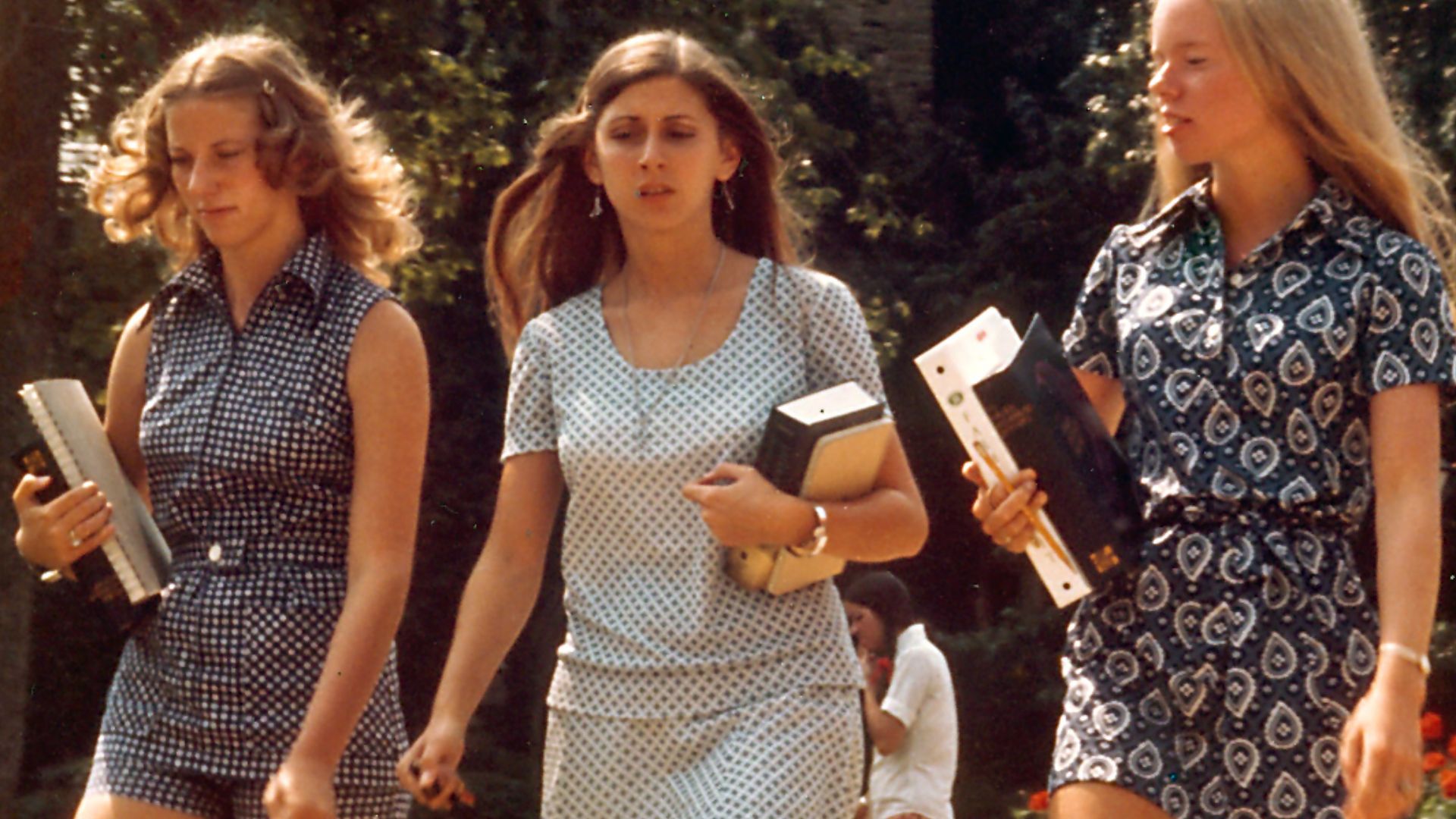
Hot Pants Take Over Youth Fashion (1970)
By the early 1970s, hot pants and mini skorts became must-haves for young women. These shorter styles marked a shift in youth fashion by mixing bold confidence with comfort for school halls, sidewalks, and summer afternoons.
 Ed Uthman from Houston, TX, USA, Wikimedia Commons
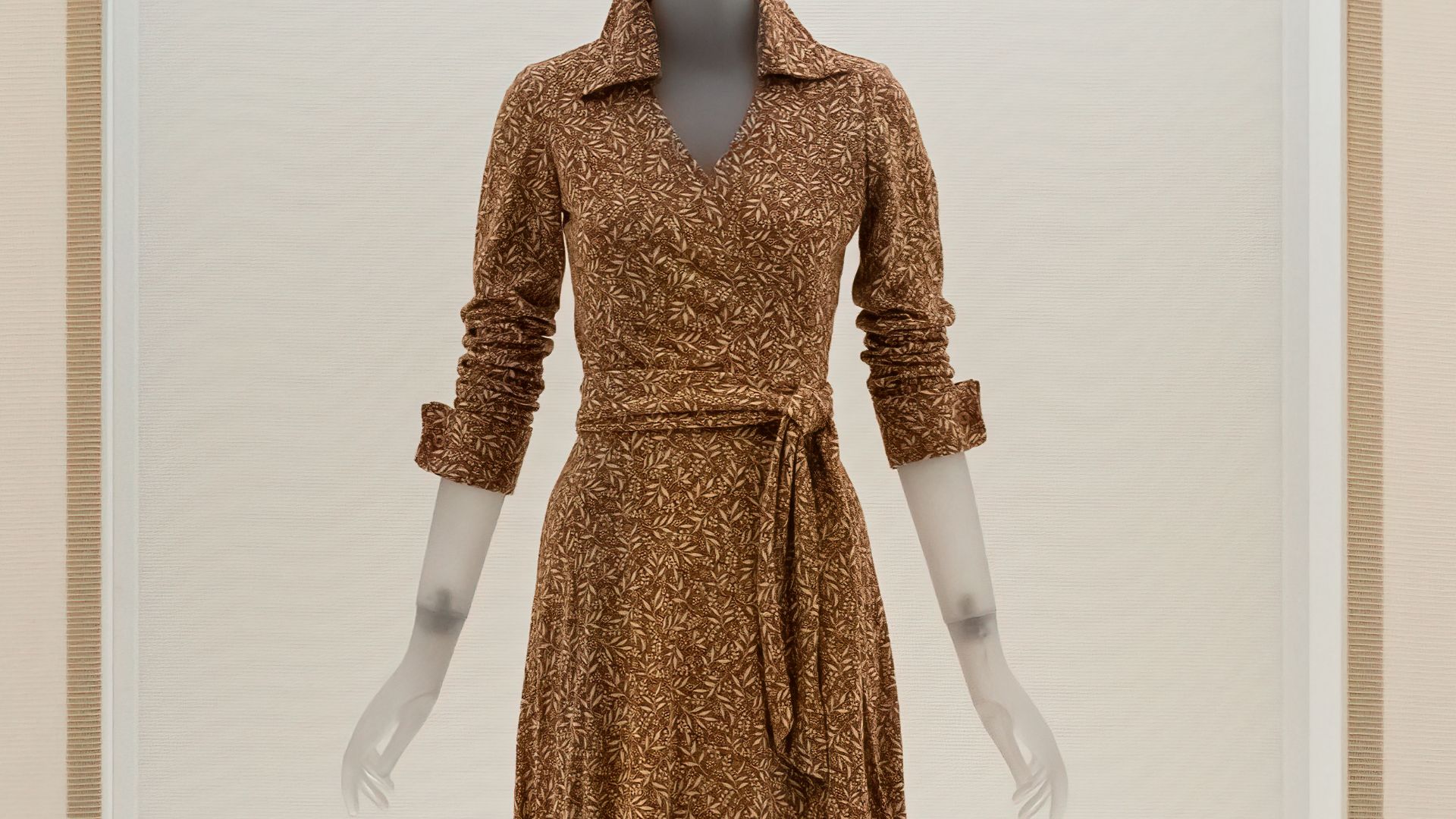
The Wrap Dress Reshapes Womenswear (1974)
This Diane von Furstenberg wrap dress in The Met’s collection highlights her influence on 1970s fashion. The jersey‑fabric silhouette with a tie waist helped redefine everyday womenswear and became a landmark of modern style.
 Rhododendrites, Wikimedia Commons
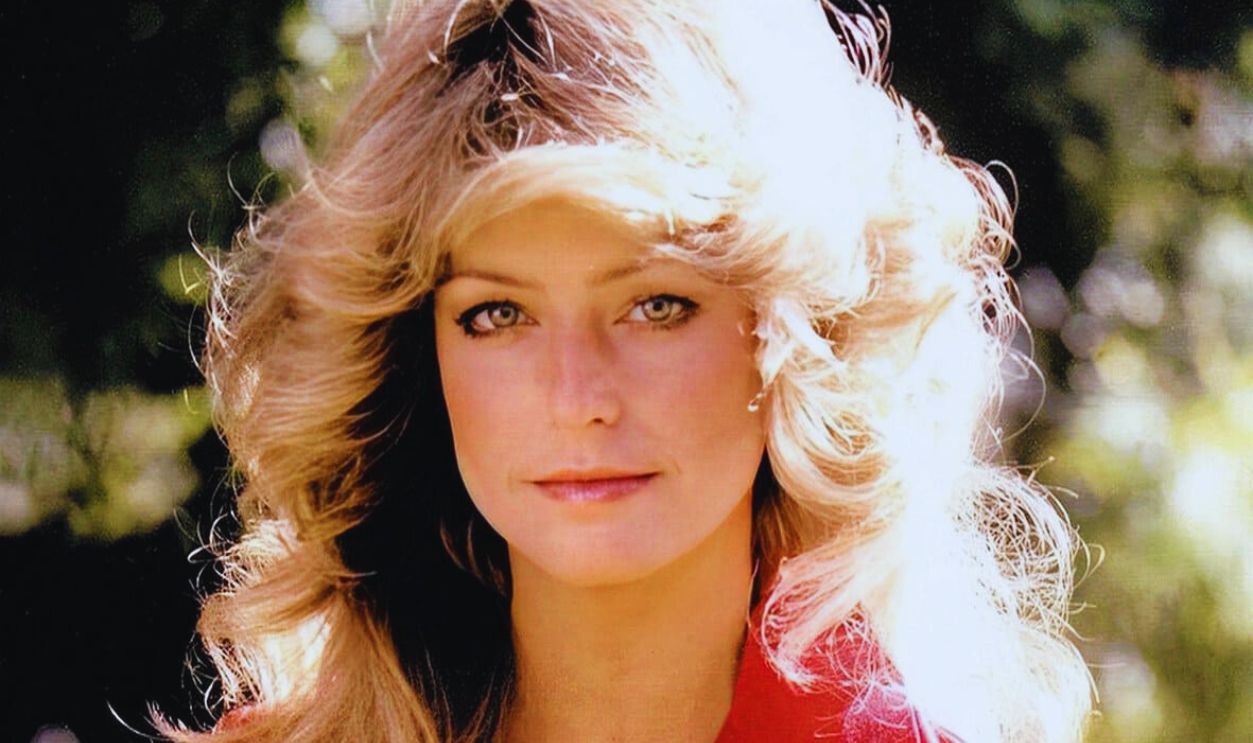
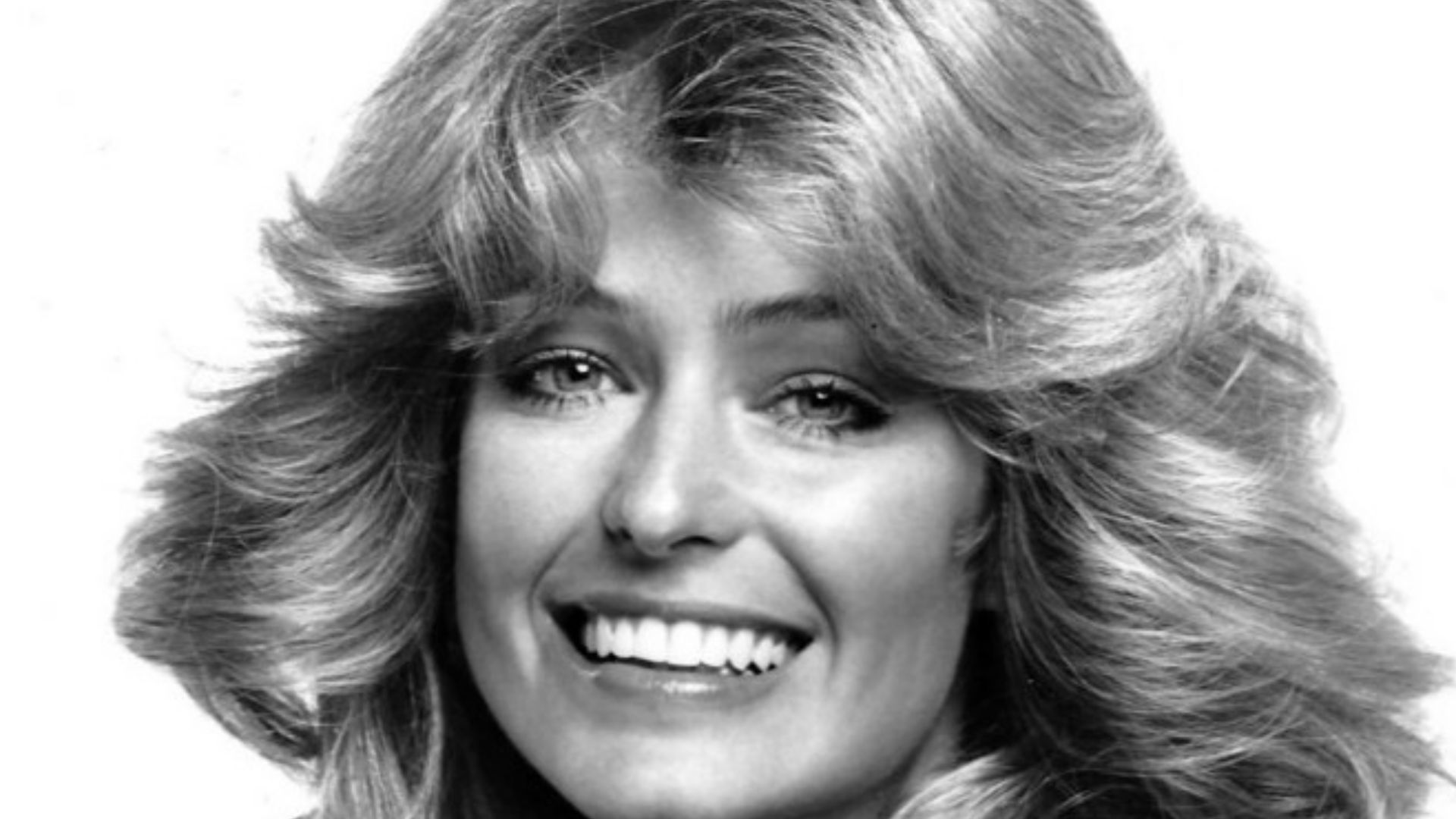
Farrah Fawcett’s Hair Defines A Decade (1977)
Farrah Fawcett’s feathered hairstyle became a cultural phenomenon in the late 1970s. With soft volume and swept-back layers, it captured the era’s relaxed beauty ideal and inspired millions to copy the look.
 ABC Television, Wikimedia Commons
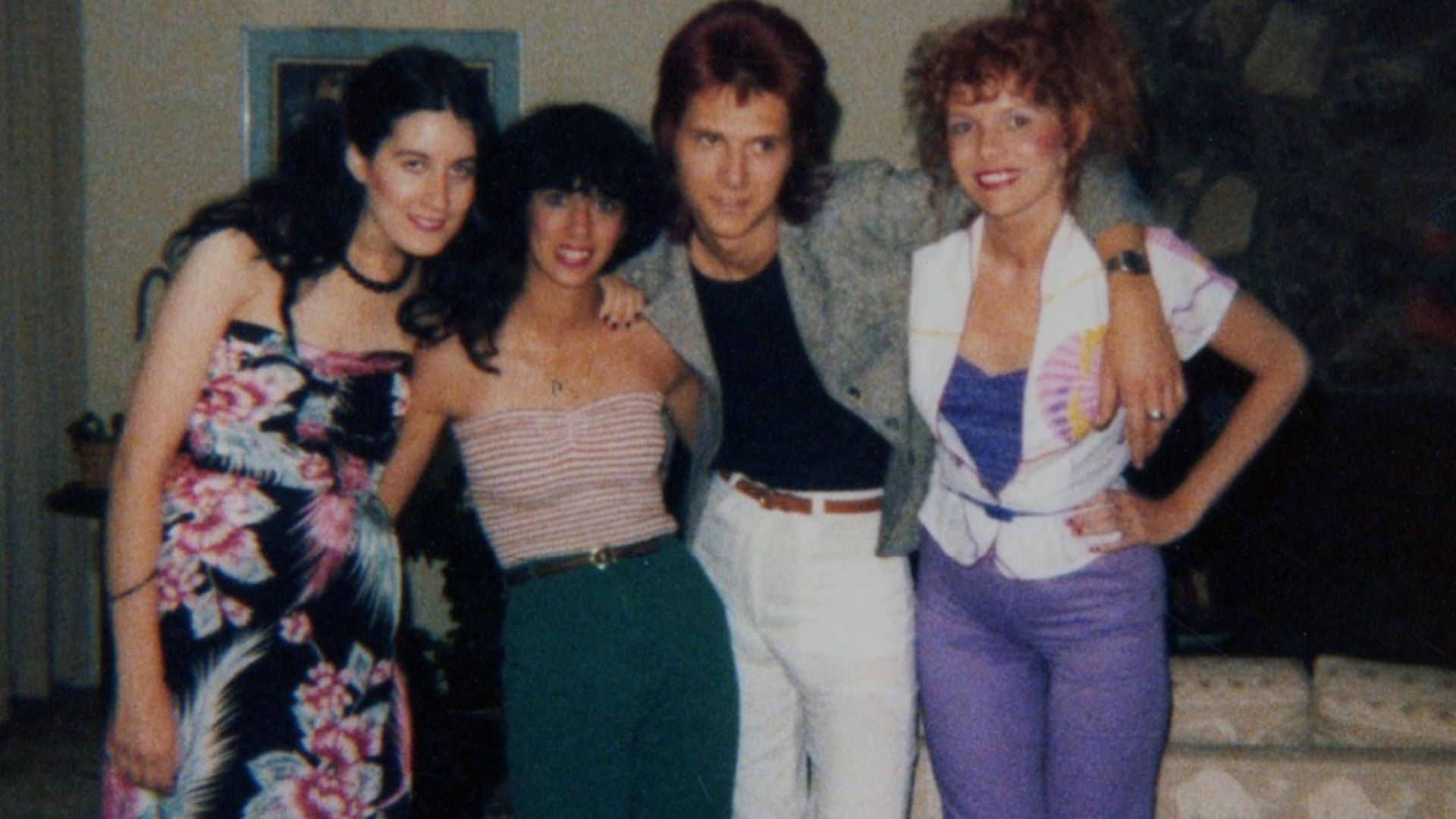
Studio 54 Style Hits The Streets (1979)
A group of friends pose in June 1979, wearing casual street fashion typical of the era. Their looks blend denim, simple tops, and relaxed fits that reflect how everyday style was shifting at the close of the decade.
 jeanne (talk), Wikimedia Commons
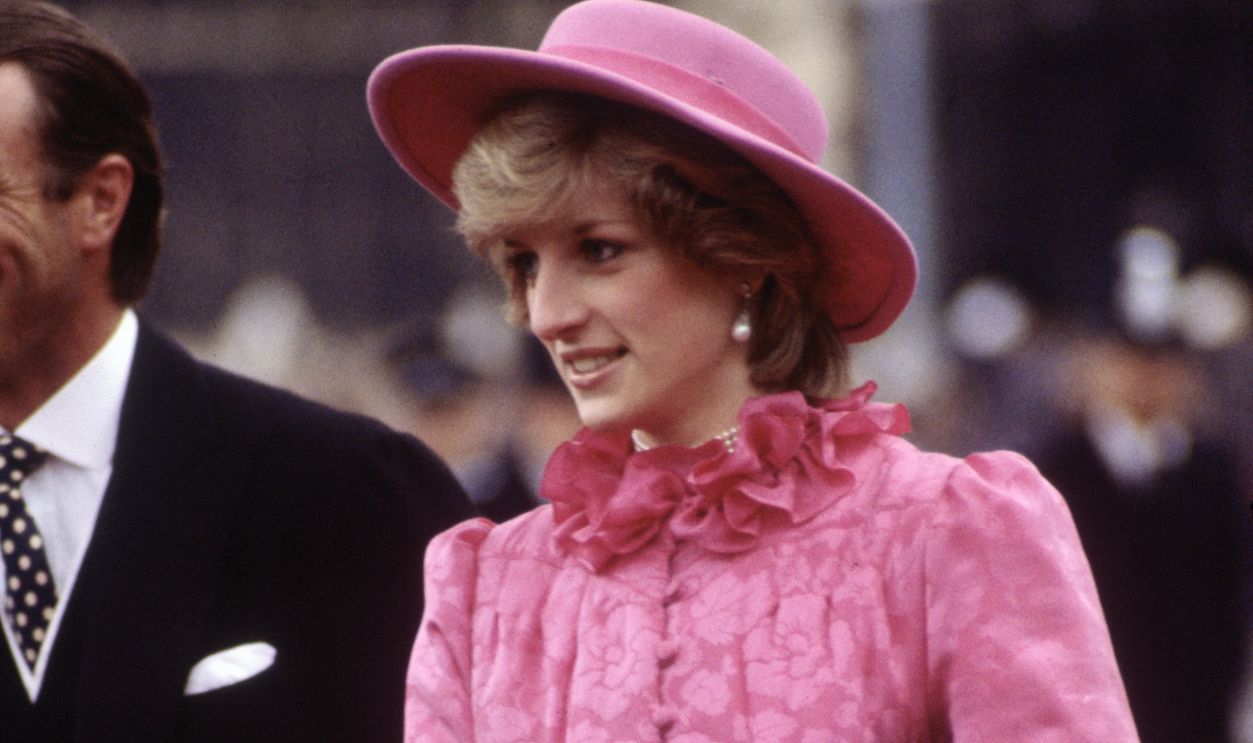
Diana’s Soft Royal Debut (1982)
Wearing a rose-pink ensemble with ruffled details, Princess Diana’s look captured the elegance expected of a new royal. Her style during the early 1980s balanced soft charm with growing global influence and attention.
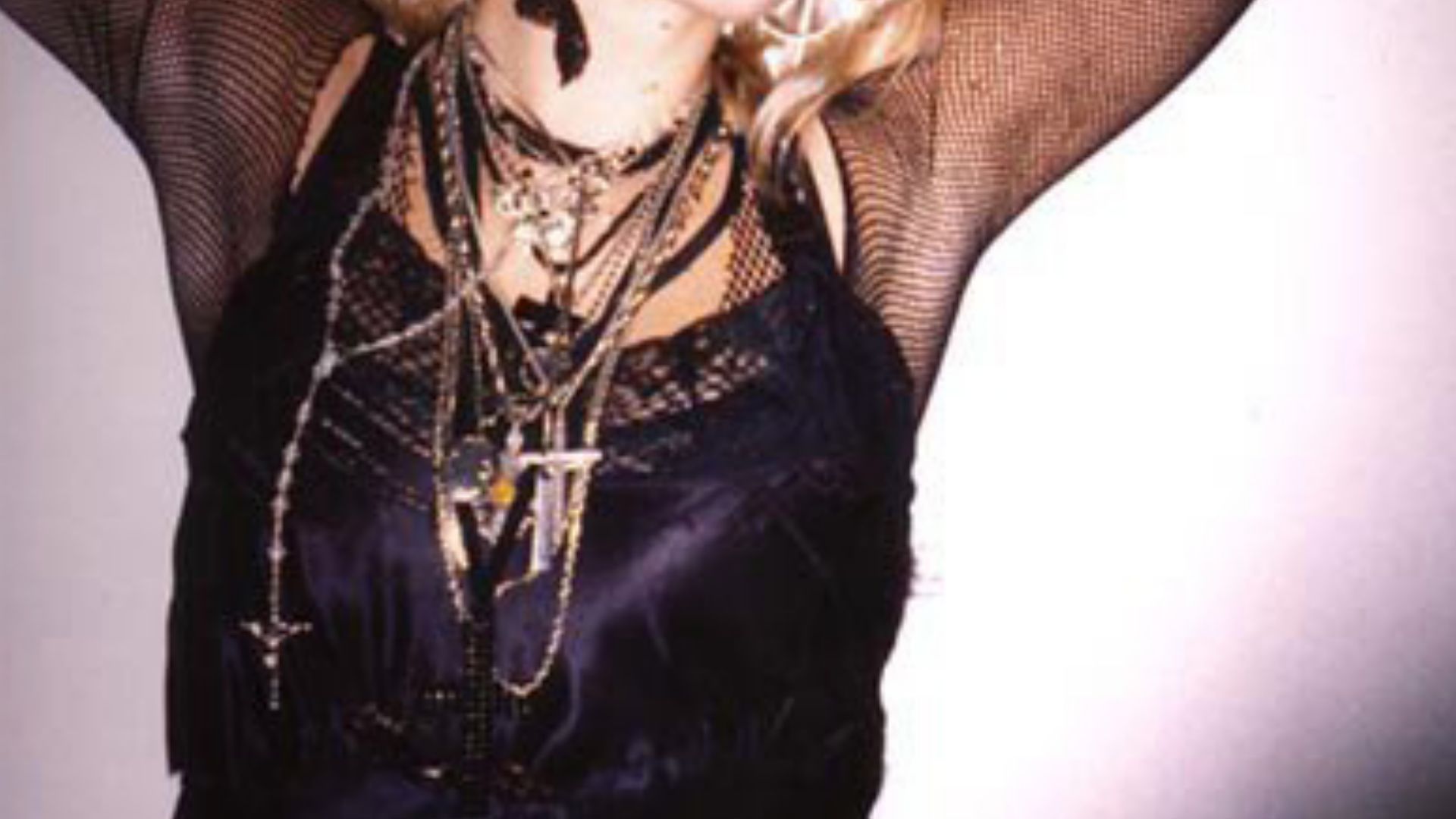
Madonna’s Rebel Look Changes Everything (1984)
Madonna’s early 1980s look redefined pop culture style. Lace, mesh, and stacked accessories weren’t just trends—they became part of her identity and sparked a generation of fans to dress with the same defiance.
 https://www.flickr.com/people/lovemaegan/, Wikimedia Commons
Acid Wash Defines Casual Cool (1987)
Acid-wash jeans with a high waist and cinched ankles defined casual womenswear in the late 1980s. Paired with white sneakers and a striped shirt, this outfit reflects off-duty trends from a relaxed suburban era.
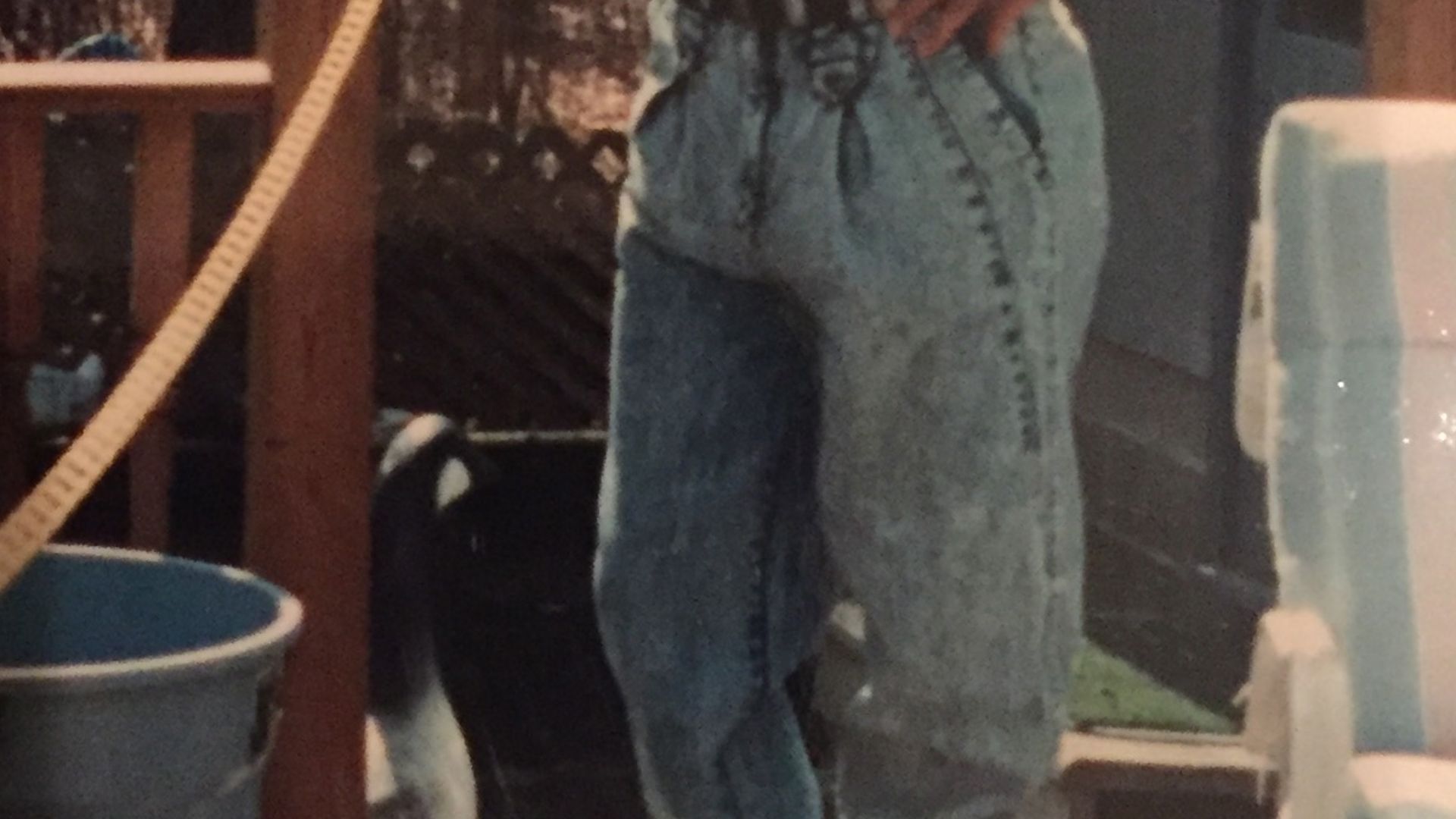
The Slip Dress Defines ’90s Glamour (1992)
Jane Leeves wears a satin slip dress, a staple of 1990s eveningwear. Its simple shape and fluid fabric reflect the era’s shift toward minimalism, where elegance came through silhouette rather than embellishment.
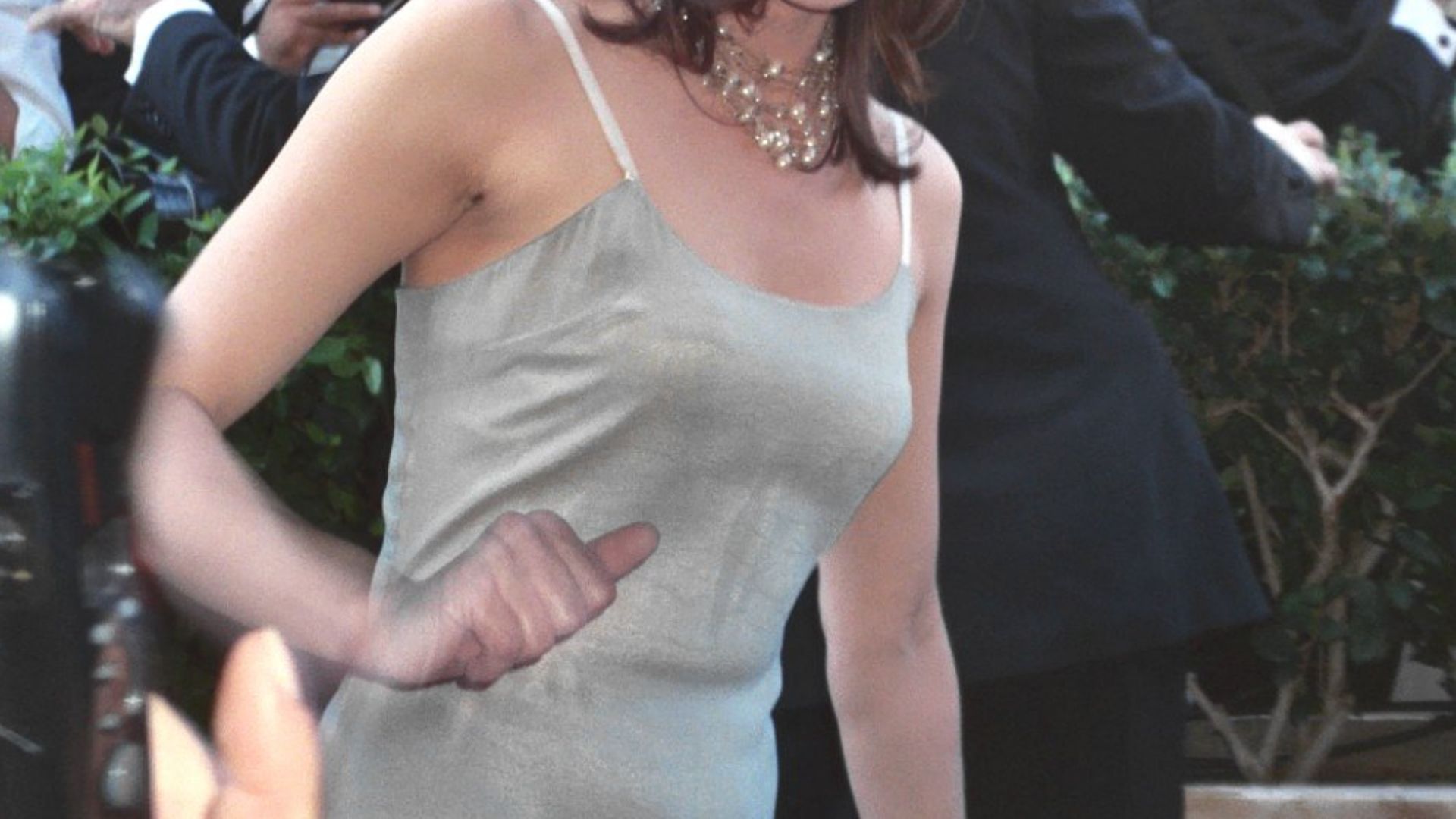
Mugler Turns The Body Into Sculpture (1995)
This sculpted metallic bodysuit by Thierry Mugler turns the human form into futuristic art. Debuted in the 1990s, the design reflects his theatrical approach to fashion, built around transformation and spectacle.
 Stephen Kelly Photography, Wikimedia Commons
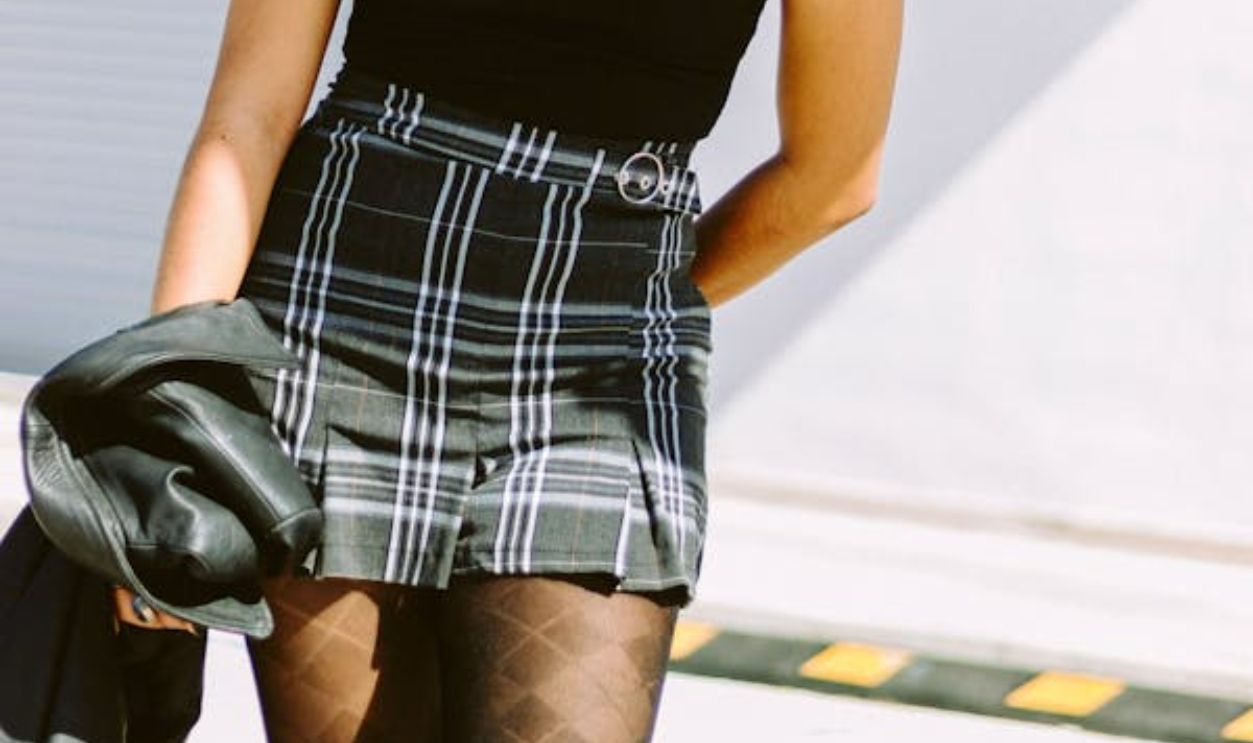
Clueless Plaid Goes Iconic (1996)
Outfits like this recall Clueless-era fashion with its plaid mini skirt and fitted top. The look updates 1990s prep with bold styling choices, proving the film’s influence still shapes how youth remix classic trends.
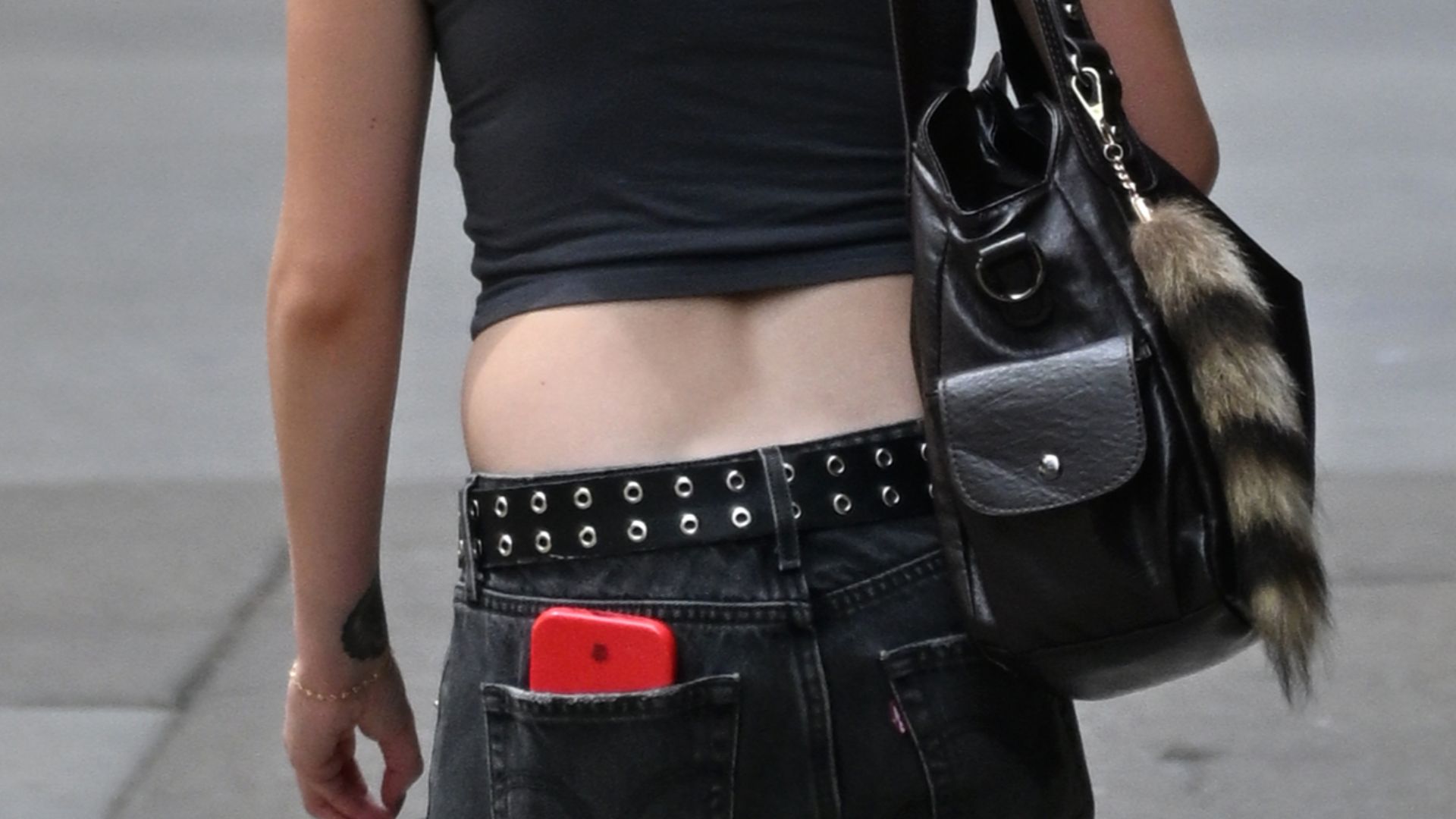
Low-Rise Jeans Dominate Y2K Fashion (2000)
This look captures the height of early 2000s fashion, where low-rise jeans revealed more than just style preferences. Paired with crop tops and statement belts, the fit became a signature of casual, body-conscious dressing.
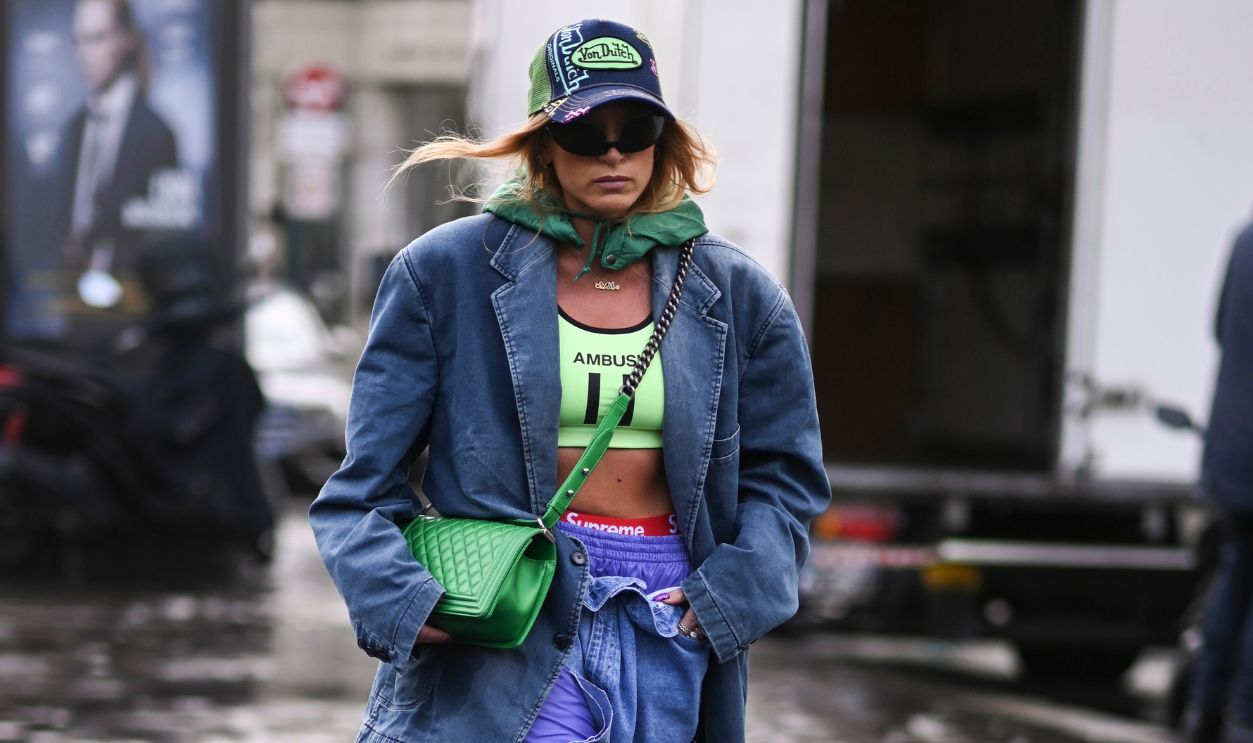
Von Dutch Hats Hit The Mainstream (2002)
A Von Dutch cap leads this layered look, bringing early 2000s energy into a modern streetwear mix. The bold branding and structured shape help anchor a style driven by nostalgia and visual impact.
Punk Rejects The Mainstream (2003)
Spiked mohawks, shredded mesh, and layers of beads reflect punk’s raw energy. More than a look, this style challenged convention and turned clothing into a direct, visible rejection of mainstream fashion and norms.
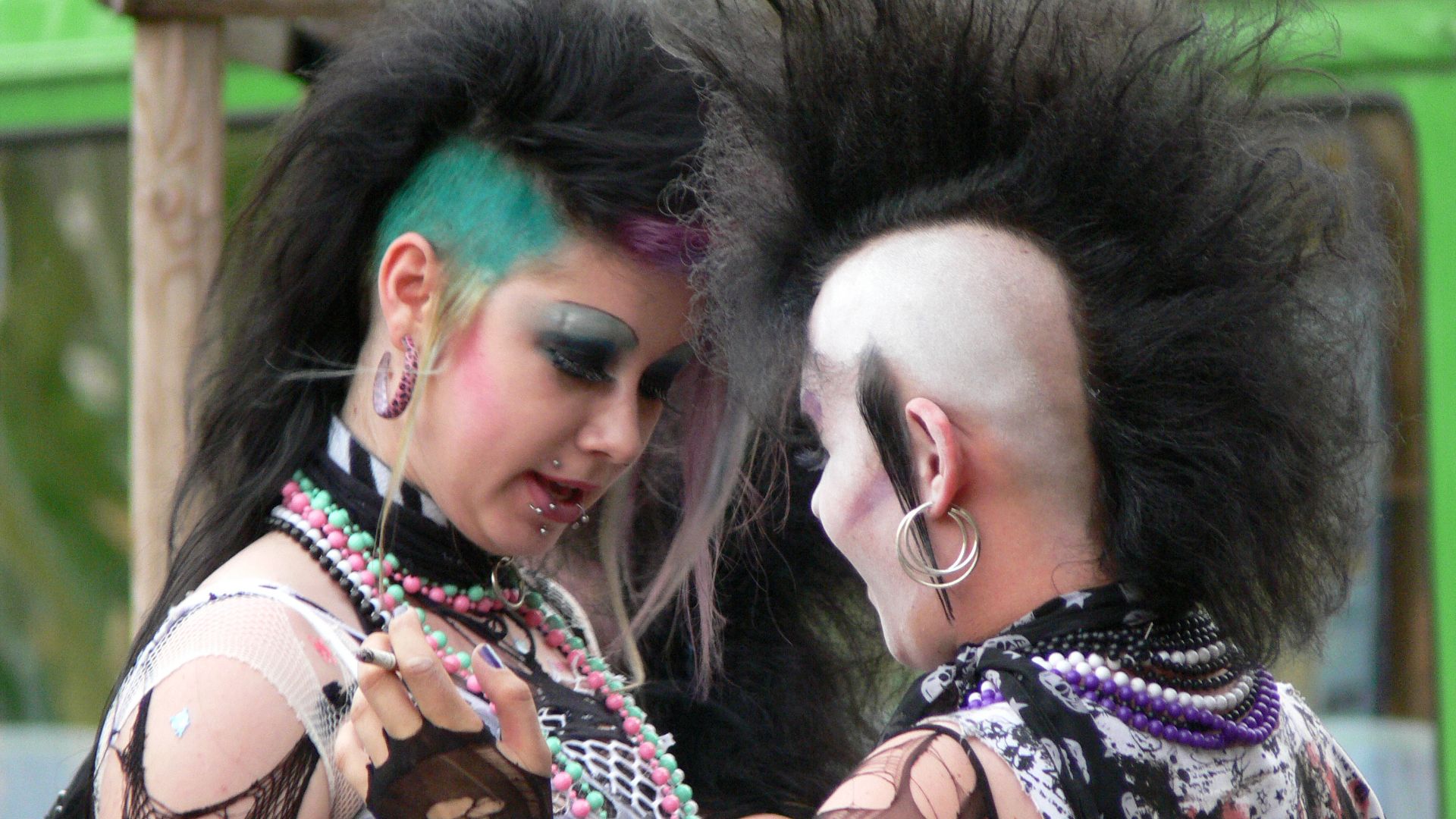 Grant Mitchell from London, UK, Wikimedia Commons
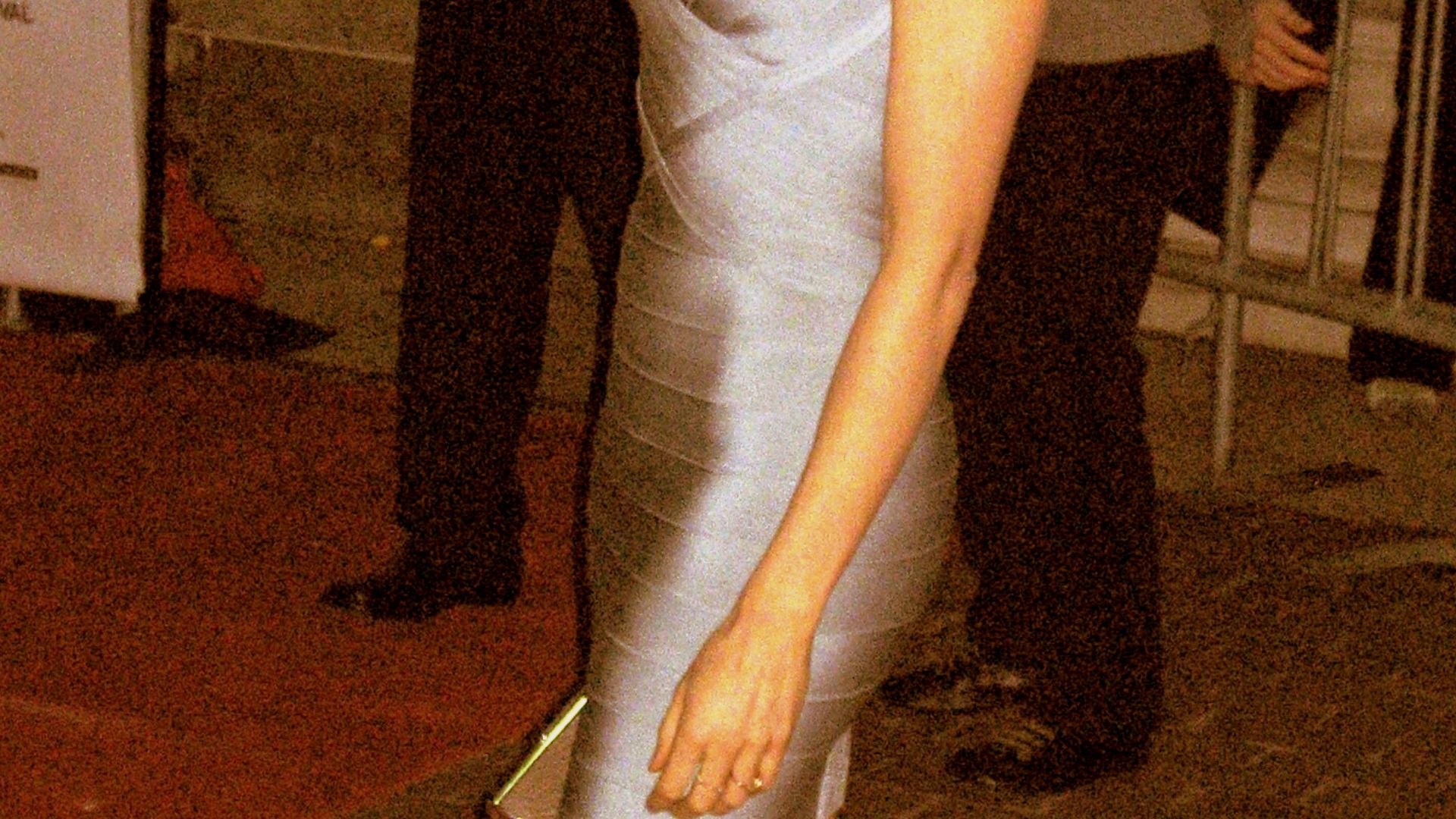
The Bandage Dress Turns Heads (2007)
With its curve-hugging panels and structured fit, the bandage dress became a symbol of early 2000s nightlife style. Its tight silhouette offered a bold, sculpted look that blended minimalism with high-impact design.
Tattoo Prints Hit The Runway (2008)
This runway look captures the peak of Ed Hardy’s influence, where bold tattoo art met denim, swimwear, and layered streetwear. The aesthetic brought rebellious energy into mainstream fashion during the height of the 2000s excess.
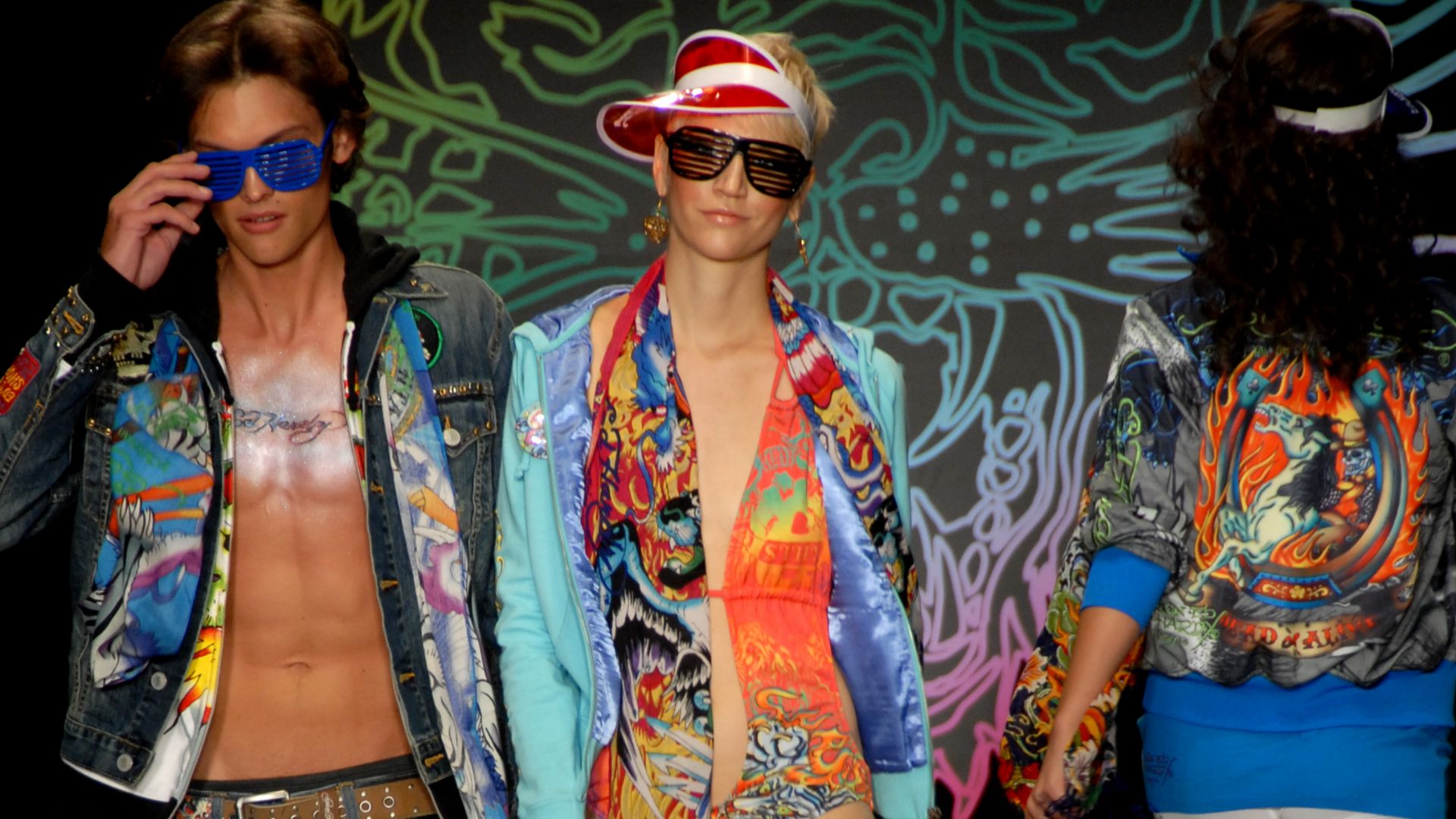 Photo by Glenn Francis at www.PacificProDigital.com Toglenn, Wikimedia Commons
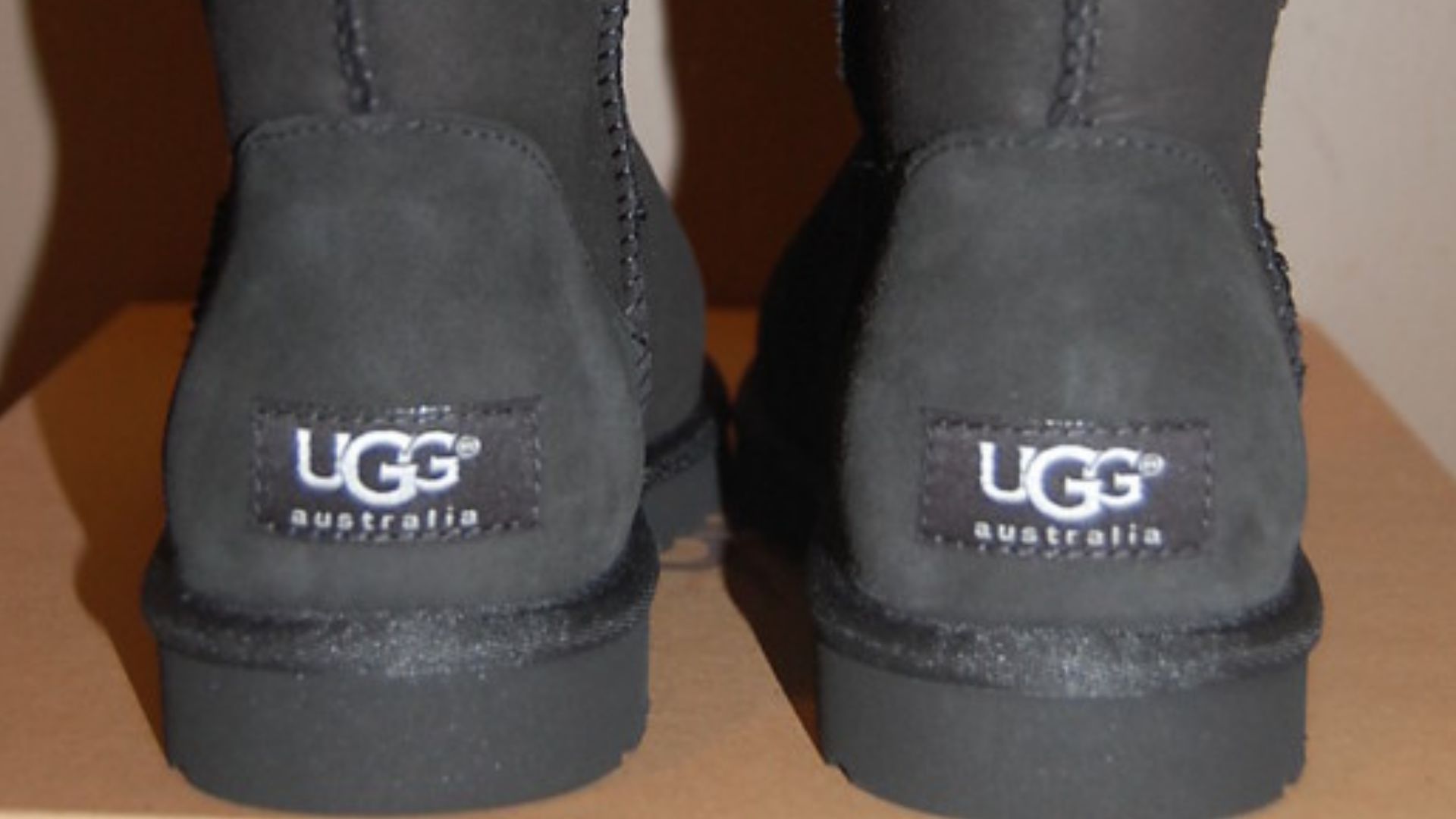
UGGs Blend Comfort And Identity (2009)
Black UGG boots with a painted skull design show how mainstream comfort blended with subcultural flair. Once a casual staple, UGGs became a blank canvas for self-expression during their Y2K popularity boom.
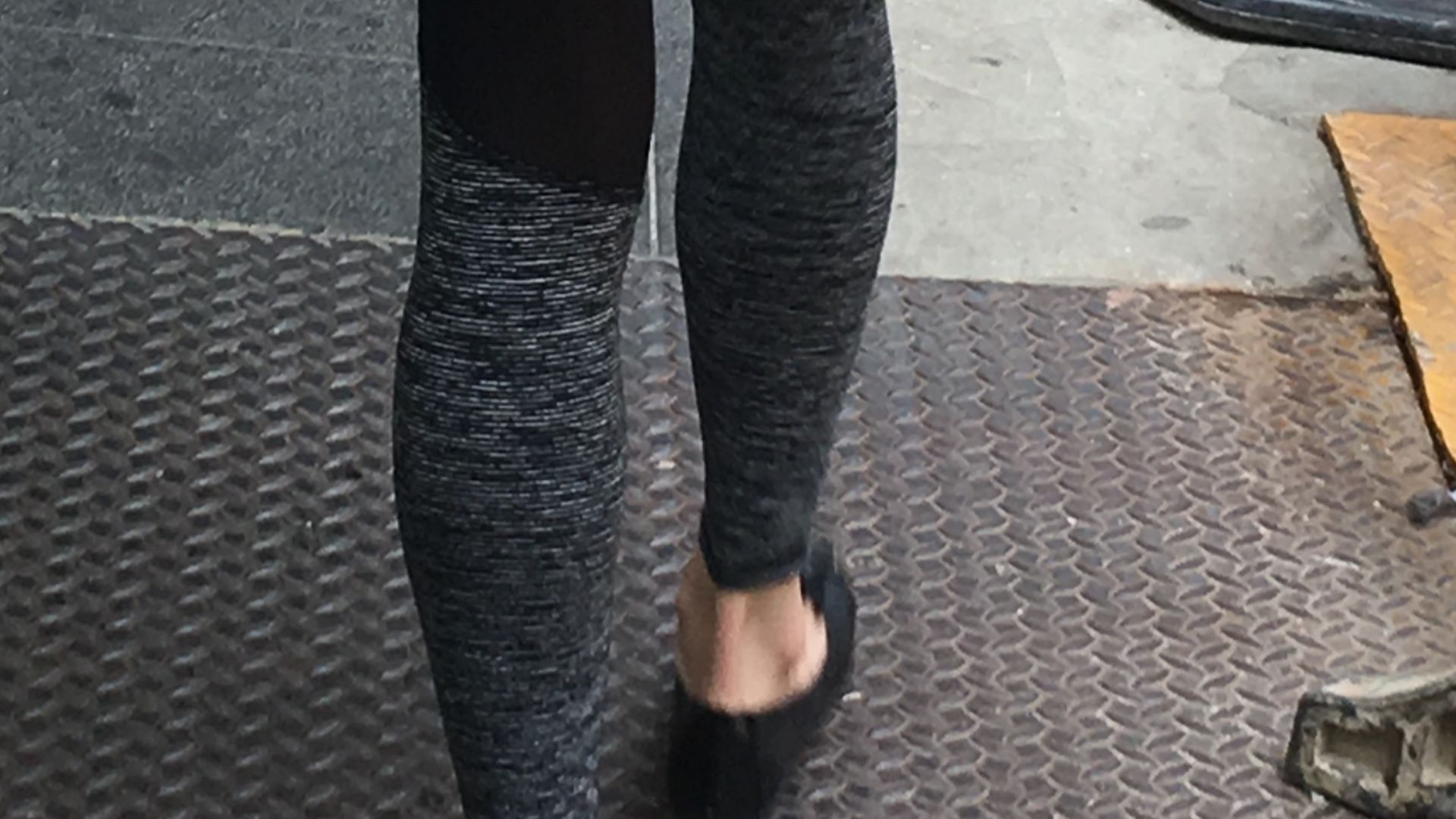
Rise Of The Athleisure Trend (2010)
Mesh-paneled leggings and slip-on shoes define this early 2010s look. Athleisure turned workout gear into streetwear by blending comfort with functionality during a time when fashion leaned into casual performance.
 Nicole.elocin, Wikimedia Commons
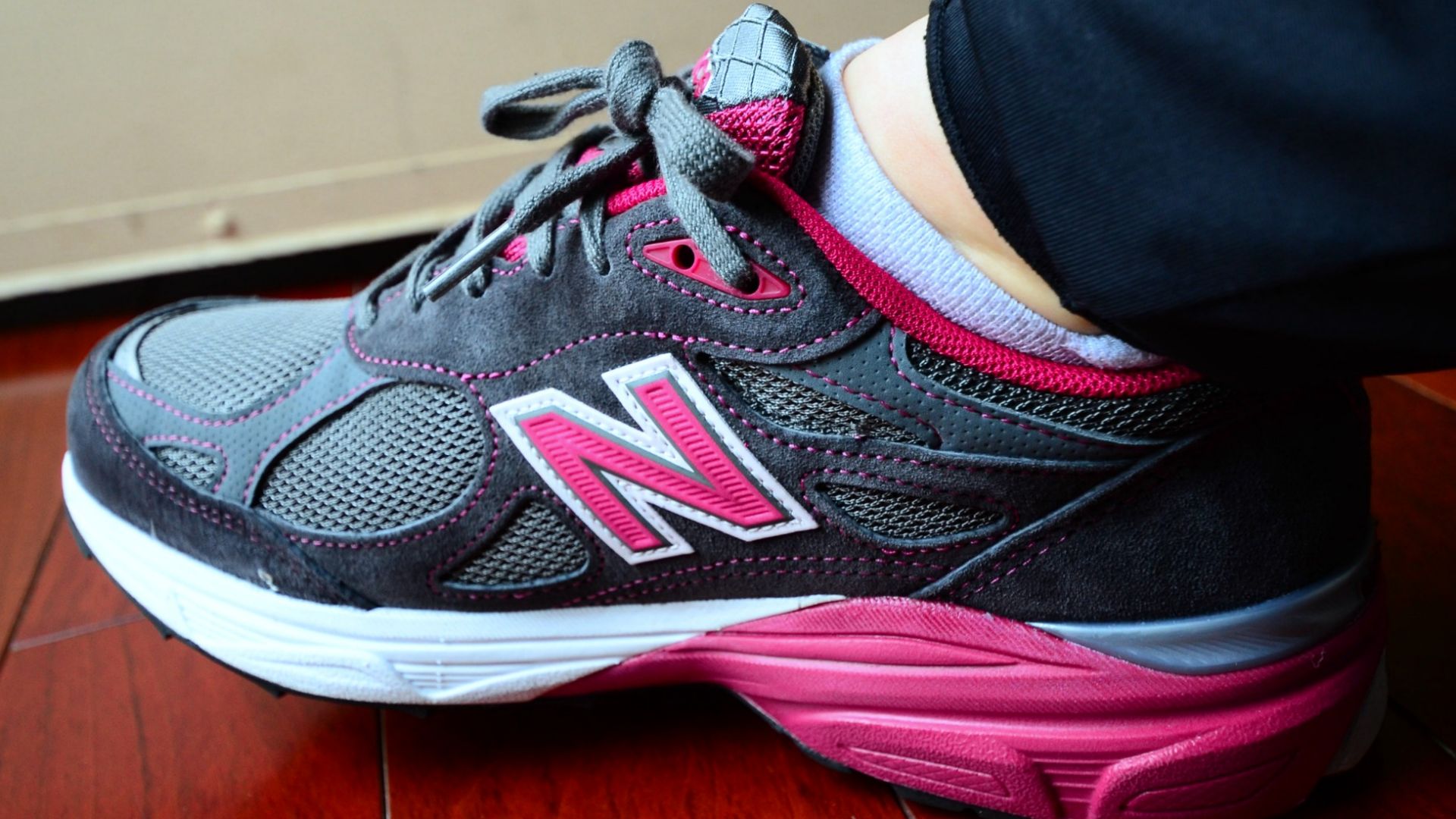
Statement Sneakers Take Over (2012)
Chunky and unmistakable, this pink and gray New Balance sneaker represents a turning point in athletic fashion. Bold stitching and high-contrast logos redefined how sneakers appeared off the track and on the pavement.
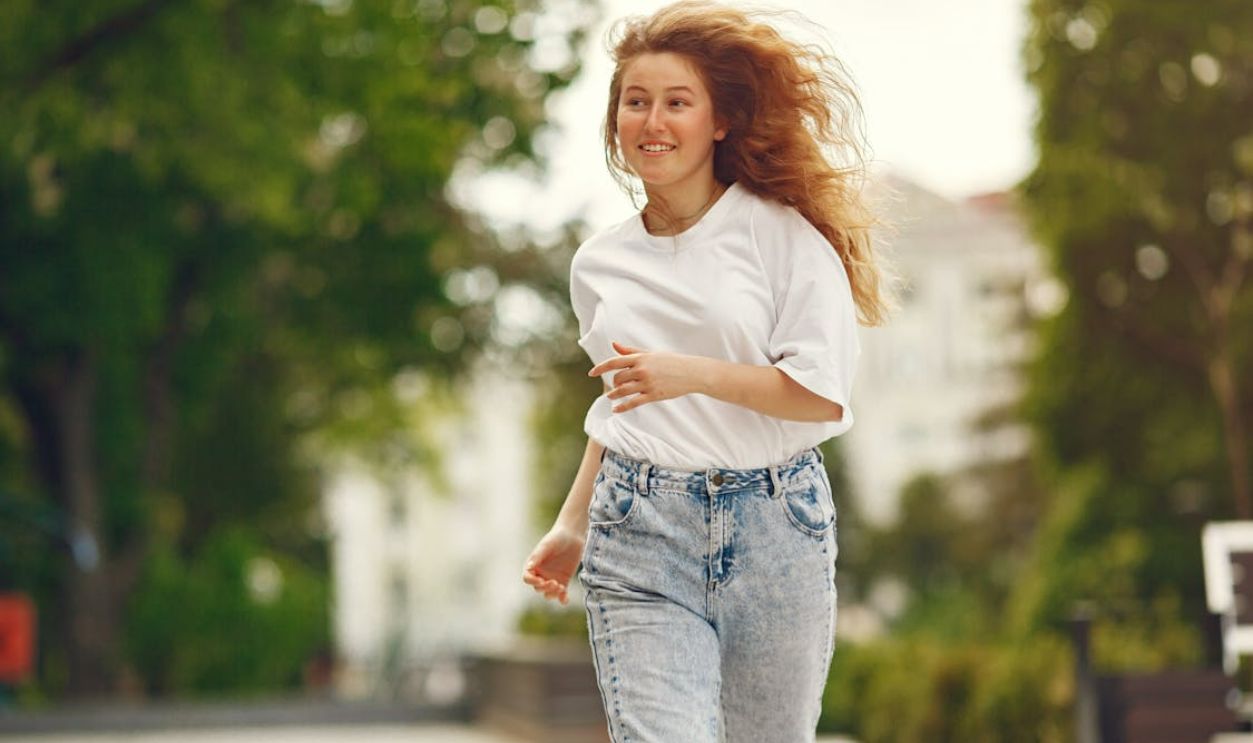
Normcore Rewrites The Basics (2014)
High-waisted acid-wash jeans and a tee recall a classic 1990s street style. The loose fit and light denim tone highlight how relaxed, easygoing looks continue to influence everyday fashion today.
Festival Fashion And Boho Influence (2016)
A hand-crocheted halter top and long pendant necklace reflect the rise of bohemian-inspired fashion. Popular at music festivals, the look embraced handcrafted textures and earthy accents that felt expressive and effortlessly carefree.
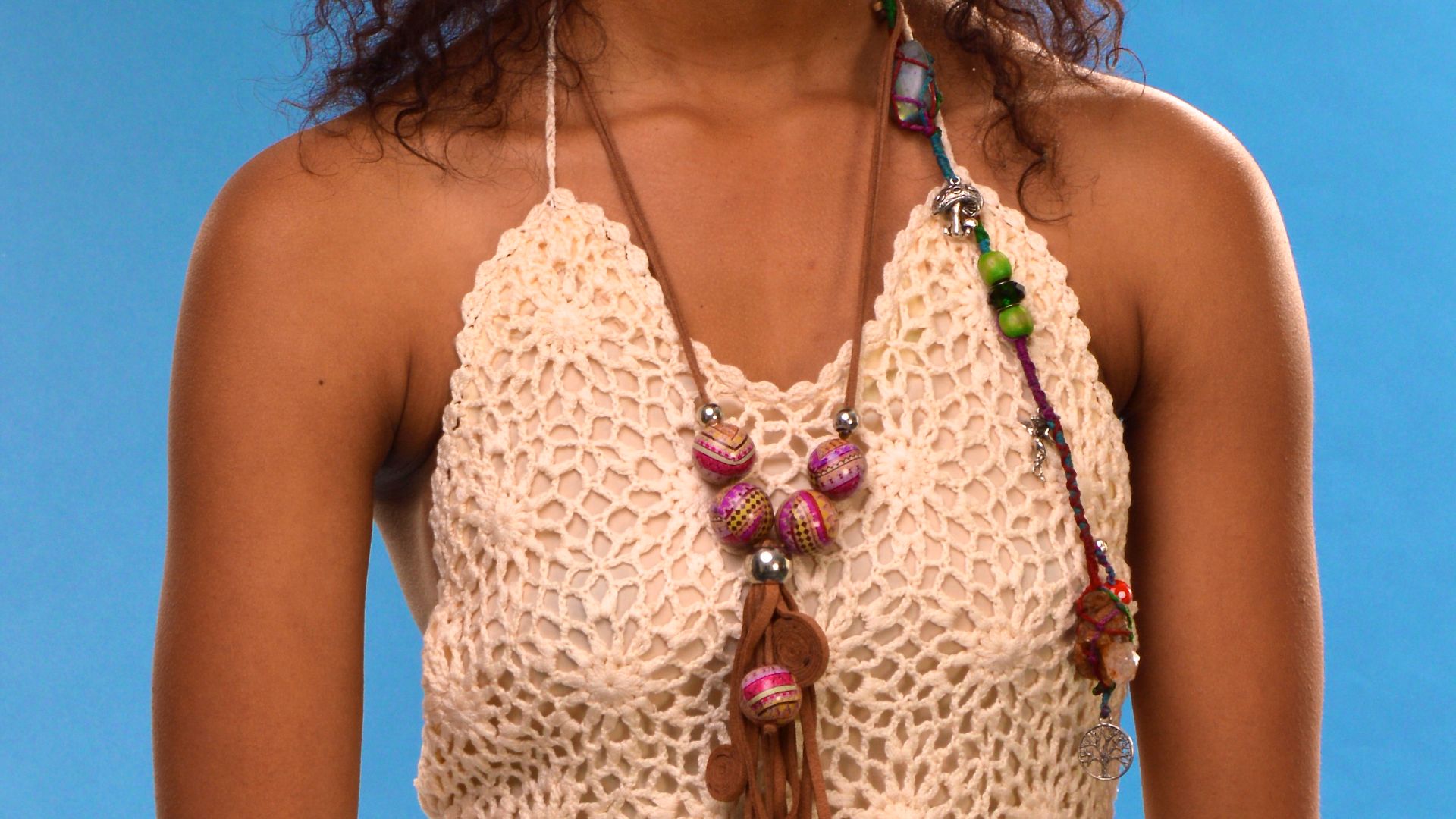 Alex Floyd-Douglass, Wikimedia Commons
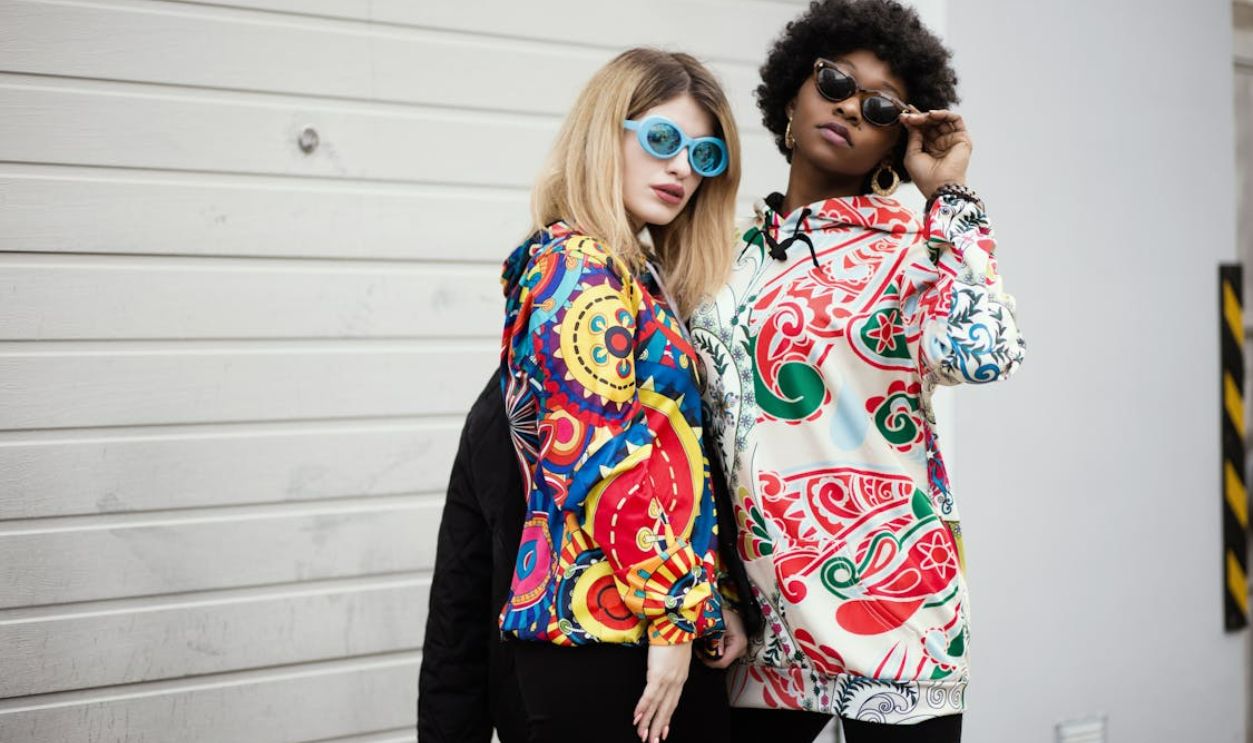
Statement Streetwear Goes Bold (2018)
Oversized hoodies in vibrant prints take center stage here, blending graphic design with high-impact color. The bold patterns reflect the influence of late-2010s streetwear, where fashion became louder and unapologetically expressive.
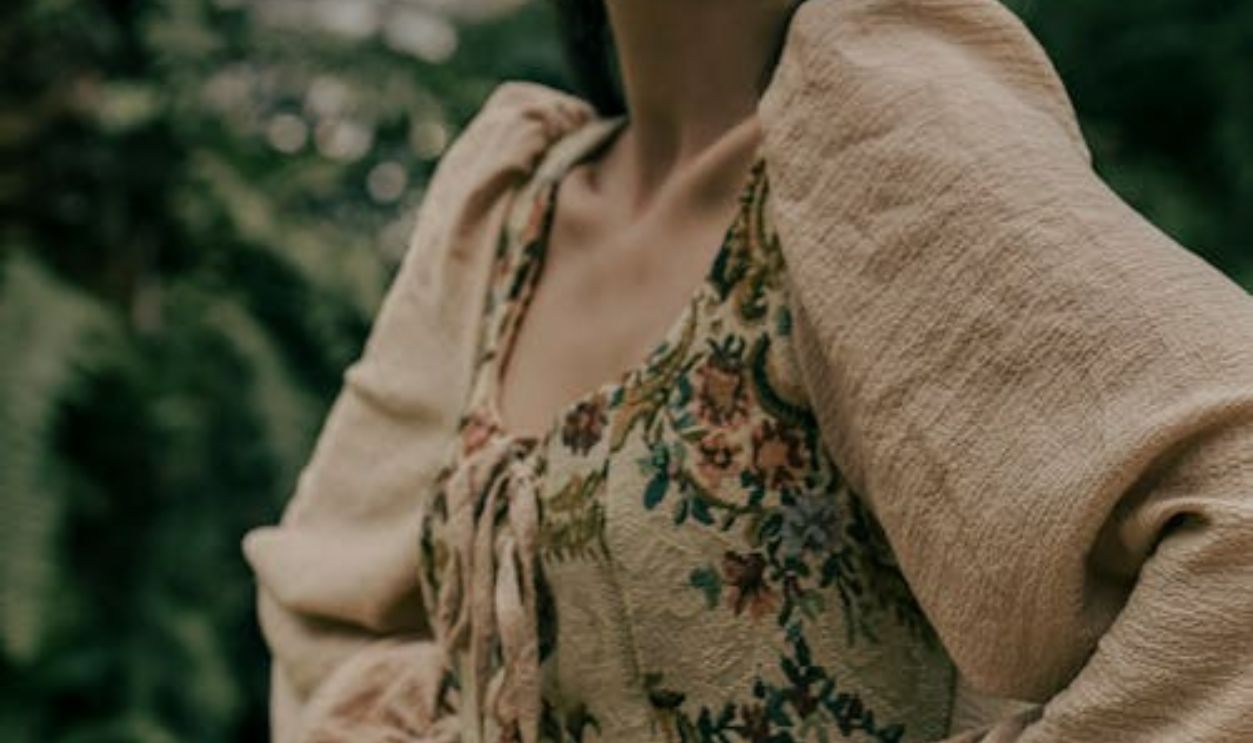
Cottagecore Embraces Softness (2020)
Puffed sleeves and a floral corset top evoke the soft charm of cottagecore. This style embraces slow living through vintage textures, natural colors, and silhouettes that feel both nostalgic and effortlessly grounded.
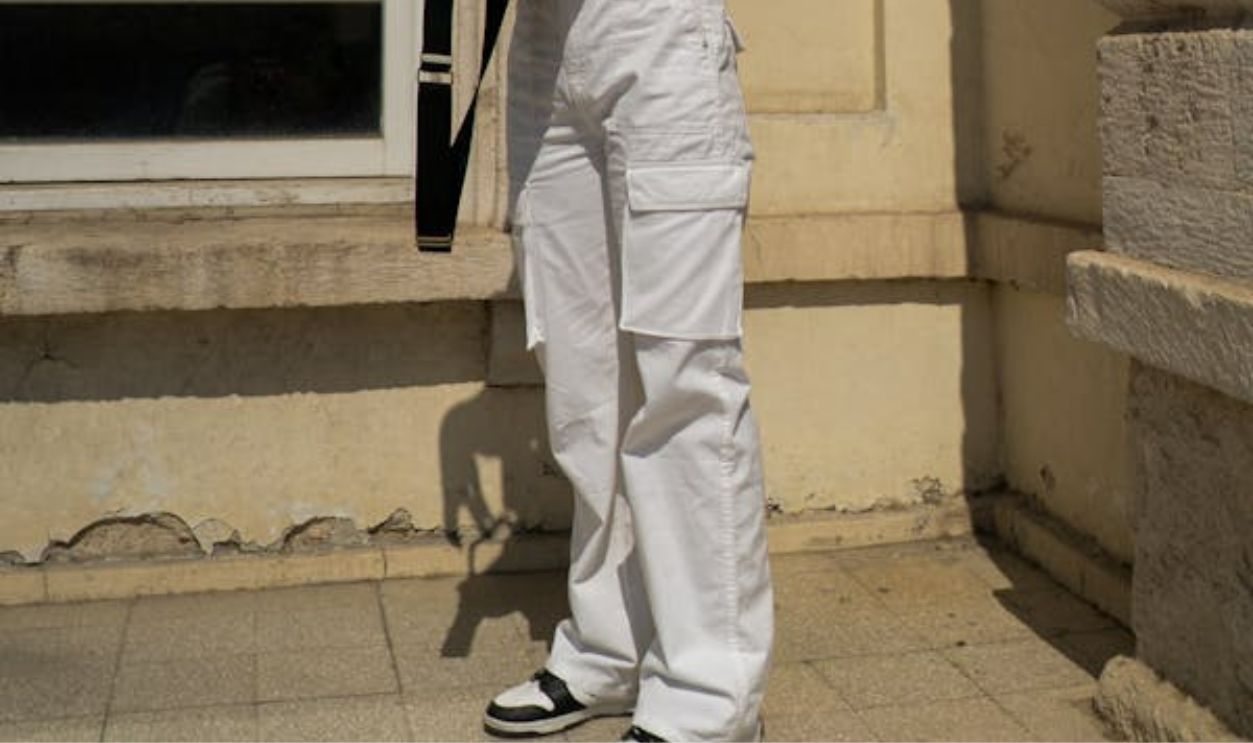
Utility Style Returns With Cargo Pants (2022)
White cargo pants bring a structured edge to this casual outfit. Paired with a black crop top and sneakers, the look shows how utilitarian pieces have evolved into staples of everyday fashion.
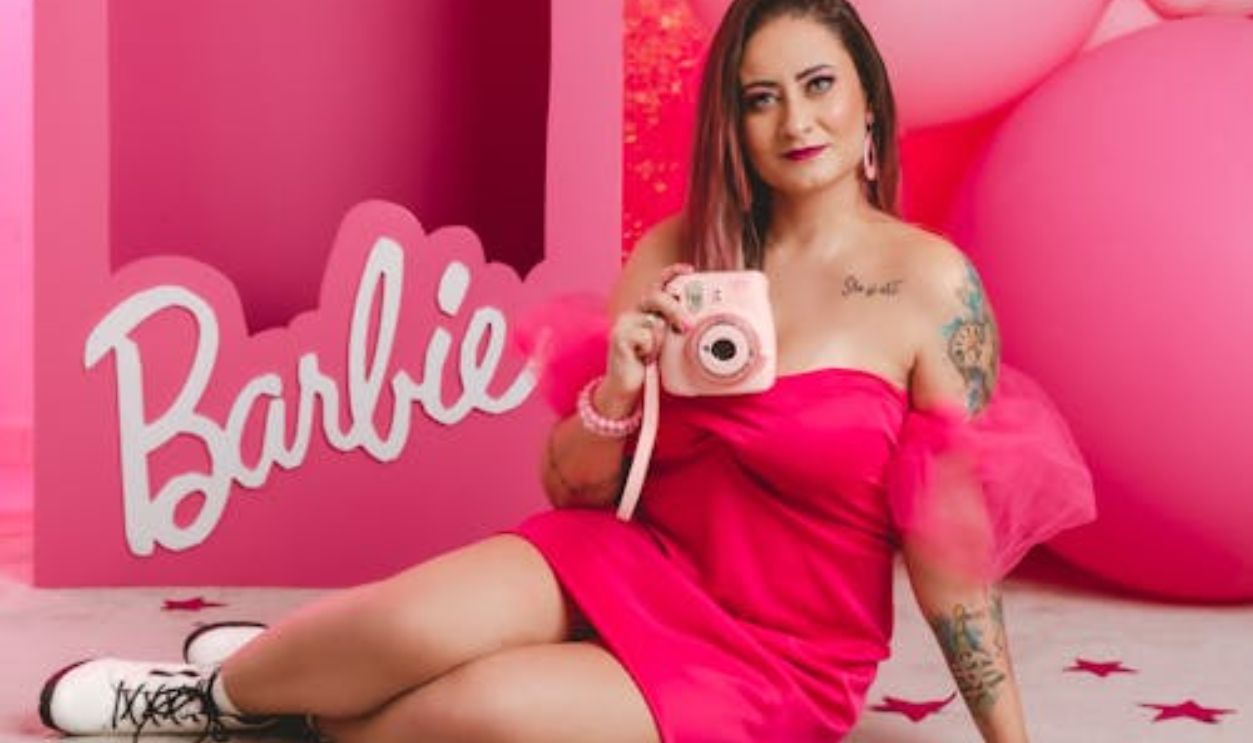
Barbiecore Explodes In Pop Fashion (2023)
This look embraces Barbiecore’s love for vibrant pink and fantasy-inspired charm. It turns childhood nostalgia into a confident visual style that blends playful energy with a modern take on feminine self-expression.
 Criativa Pix Fotografia, Pexels
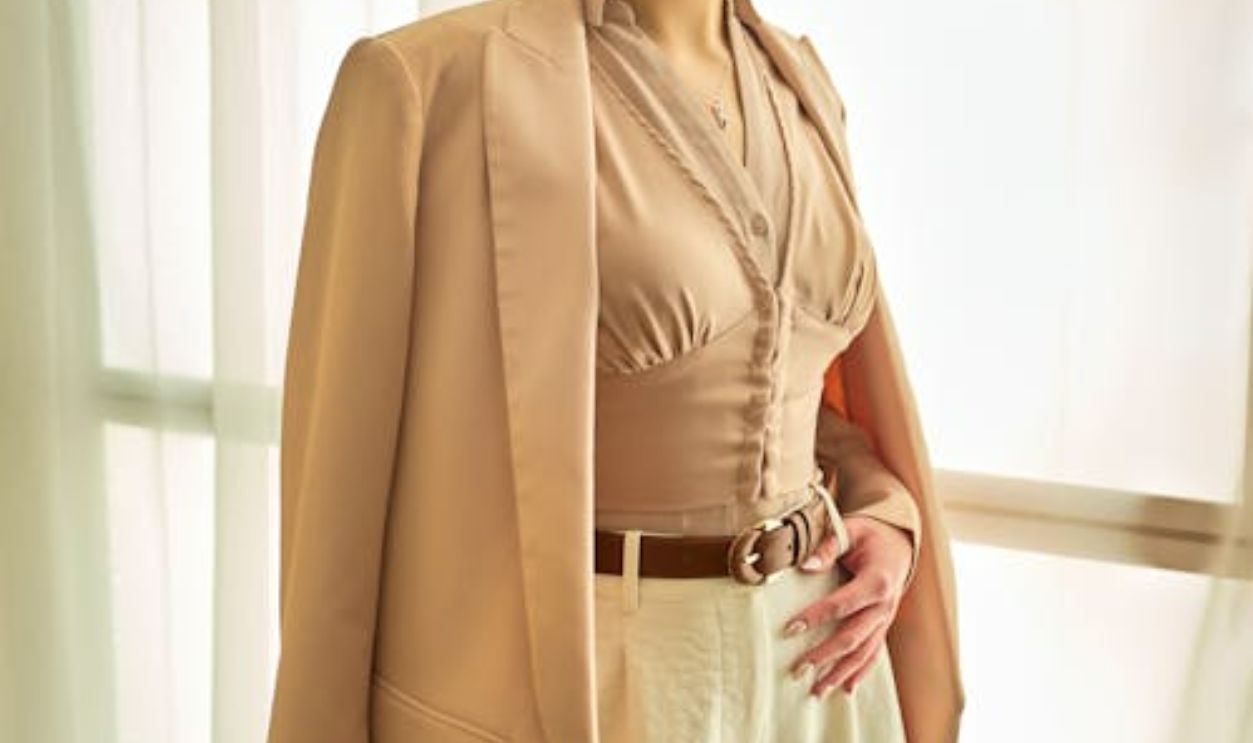
Quiet Luxury Redefines Minimalism (2026)
Soft tailoring, clean lines, and muted tones define this quiet luxury look. The outfit avoids excess while focusing on fit and fabric, creating a polished presence that feels refined without relying on bold statements.