

Interesting Item In An Unlikely Place (Or Era)
Archaeology loves patterns, but every now and then, something refuses to follow the rules. It’s like the past left behind riddles just to keep modern minds restless.

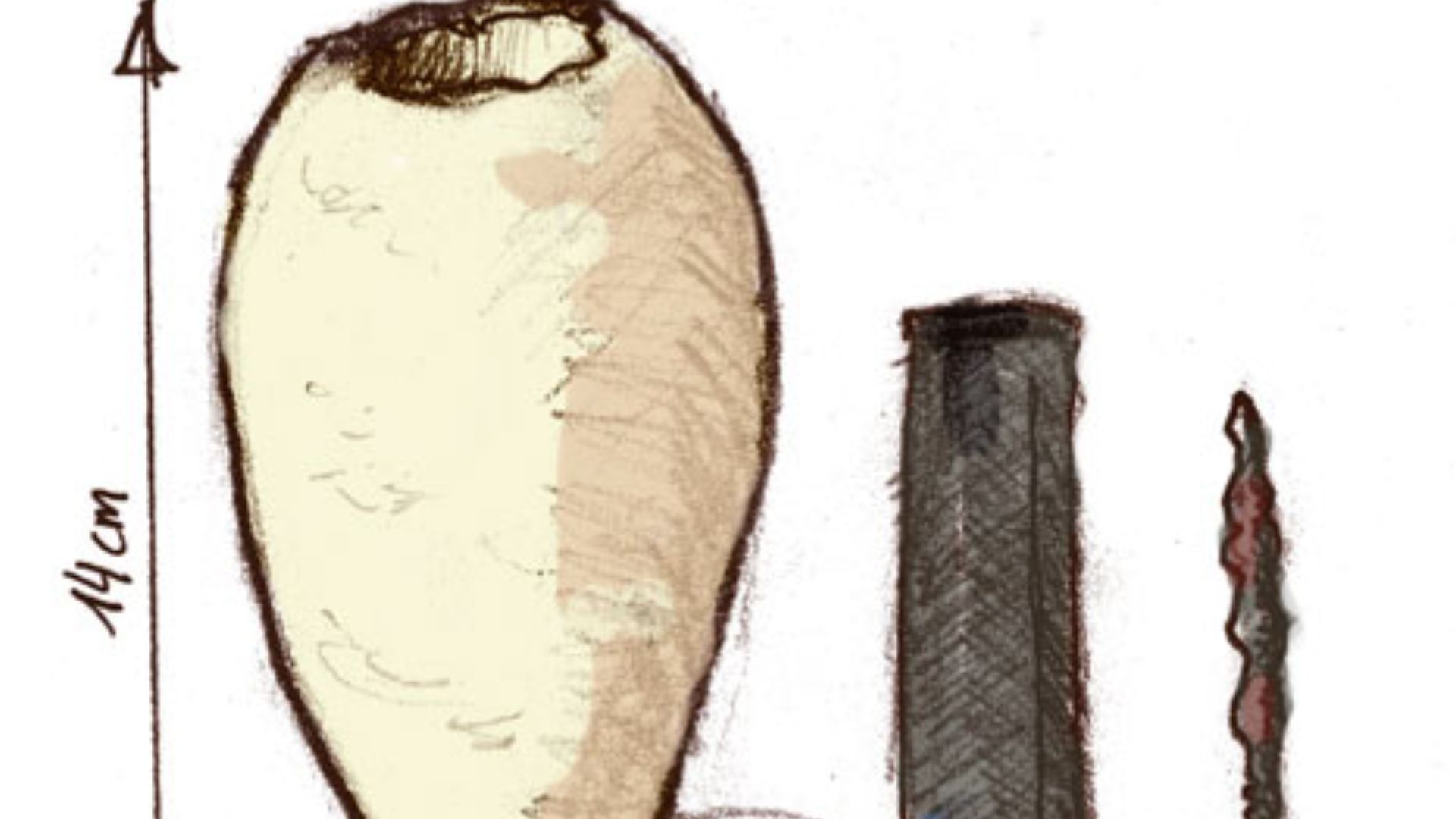
Baghdad Battery
This is a clay jar that might’ve powered something 2,000 years before Benjamin Franklin’s kite experiment. Found near Baghdad, this curious vessel contained copper and iron components—perfect for generating low voltage. Historians still marvel at the existence of such electrochemical knowledge in ancient Mesopotamia’s heartland around 200 BCE.
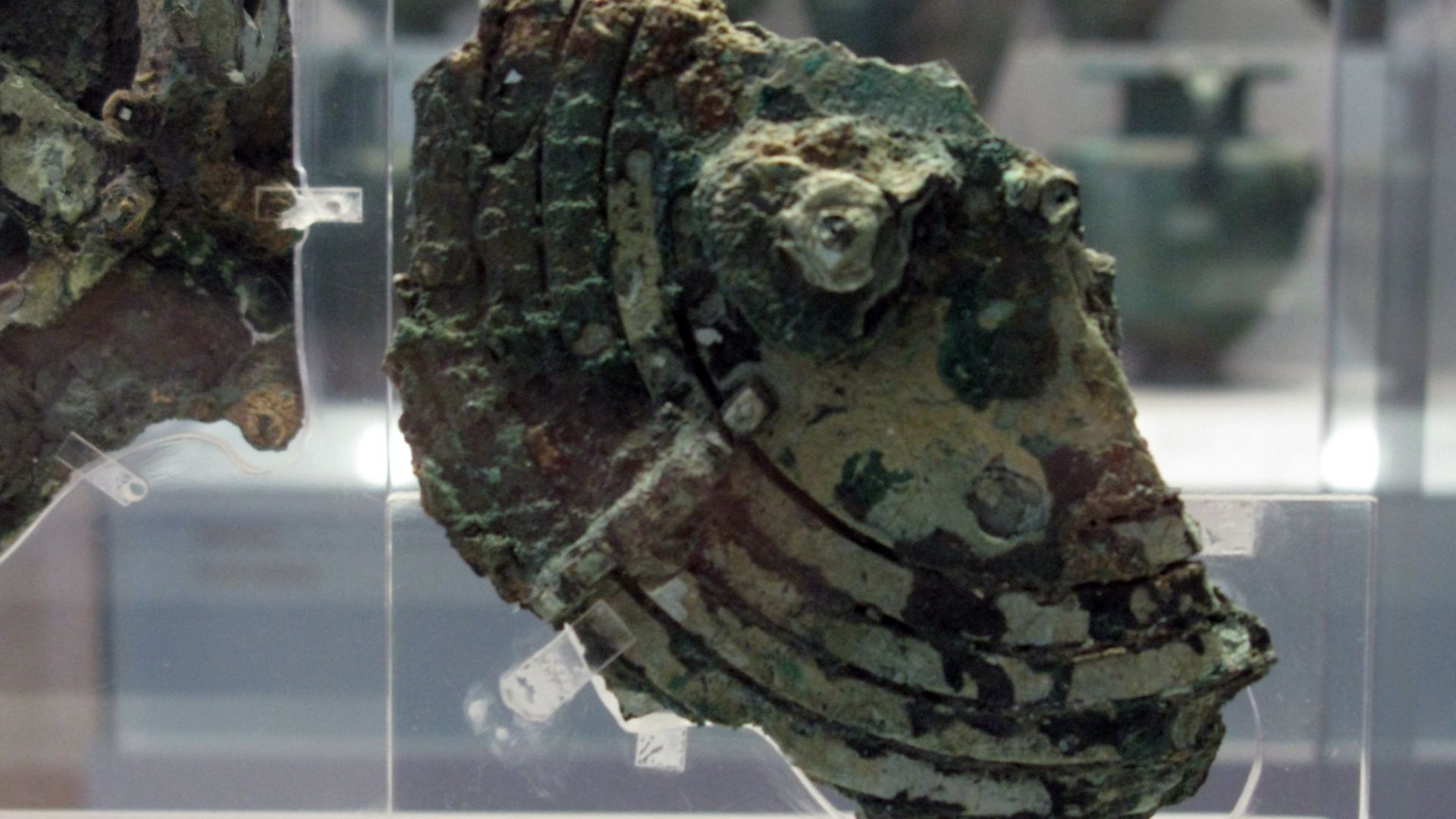
Antikythera Mechanism
Discovered off Greece’s coast, the Antikythera Mechanism used precise bronze gears to chart planetary movements. Over 2,000 years old, it displayed skill so advanced that nothing like it reappeared until 14th-century European clockmaking began to flourish.
 Tilemahos Efthimiadis from Athens, Greece, Wikimedia Commons
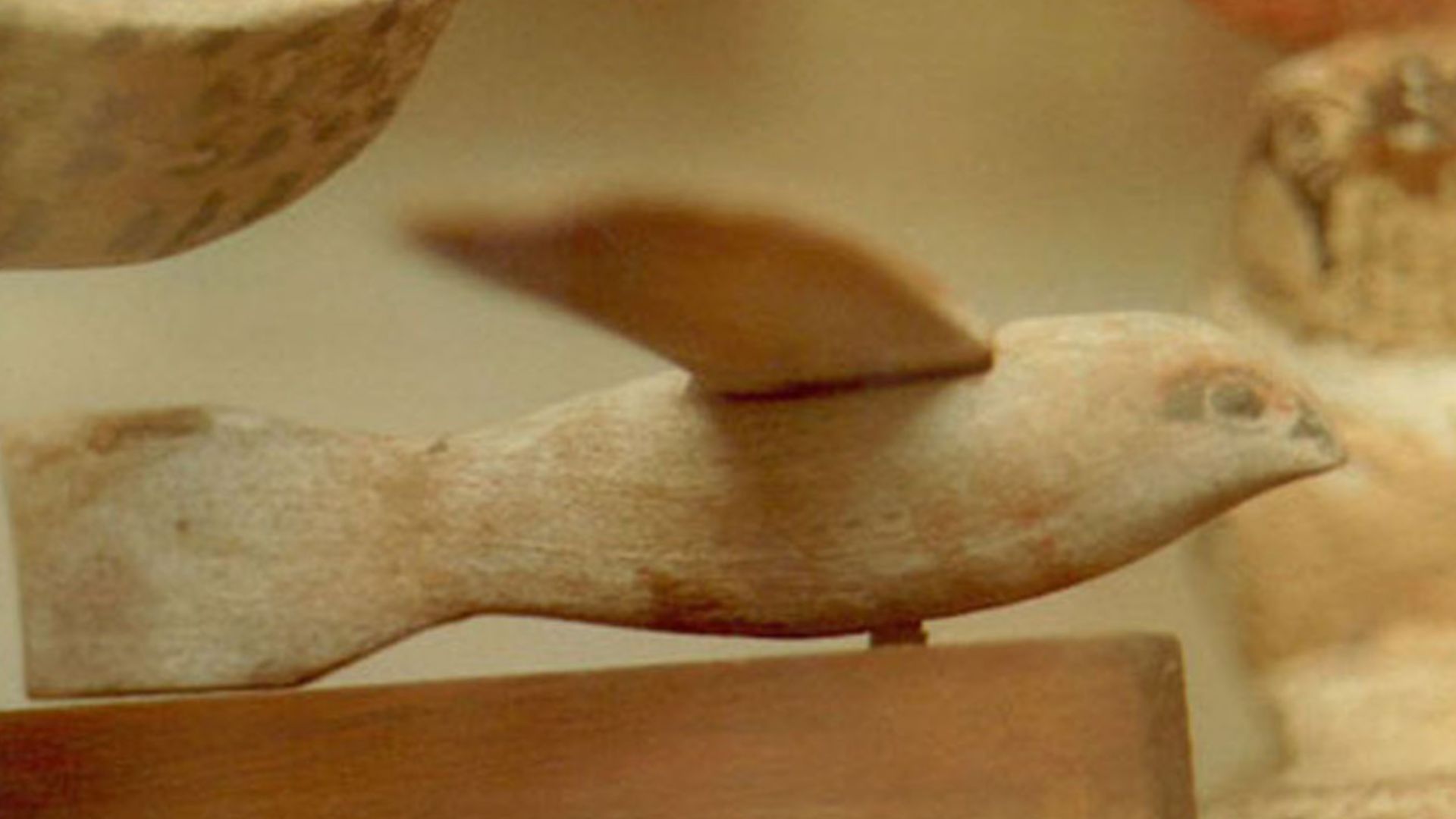
Saqqara Bird
Fashioned from sycamore wood, the Saqqara Bird rests between toy and prototype. Unearthed in an Egyptian tomb, it had balanced wings and an aerodynamic shape, sparking comparisons to gliders. Though likely symbolic, its precise design gives aviation enthusiasts goosebumps for its uncanny resemblance to modern flight principles.
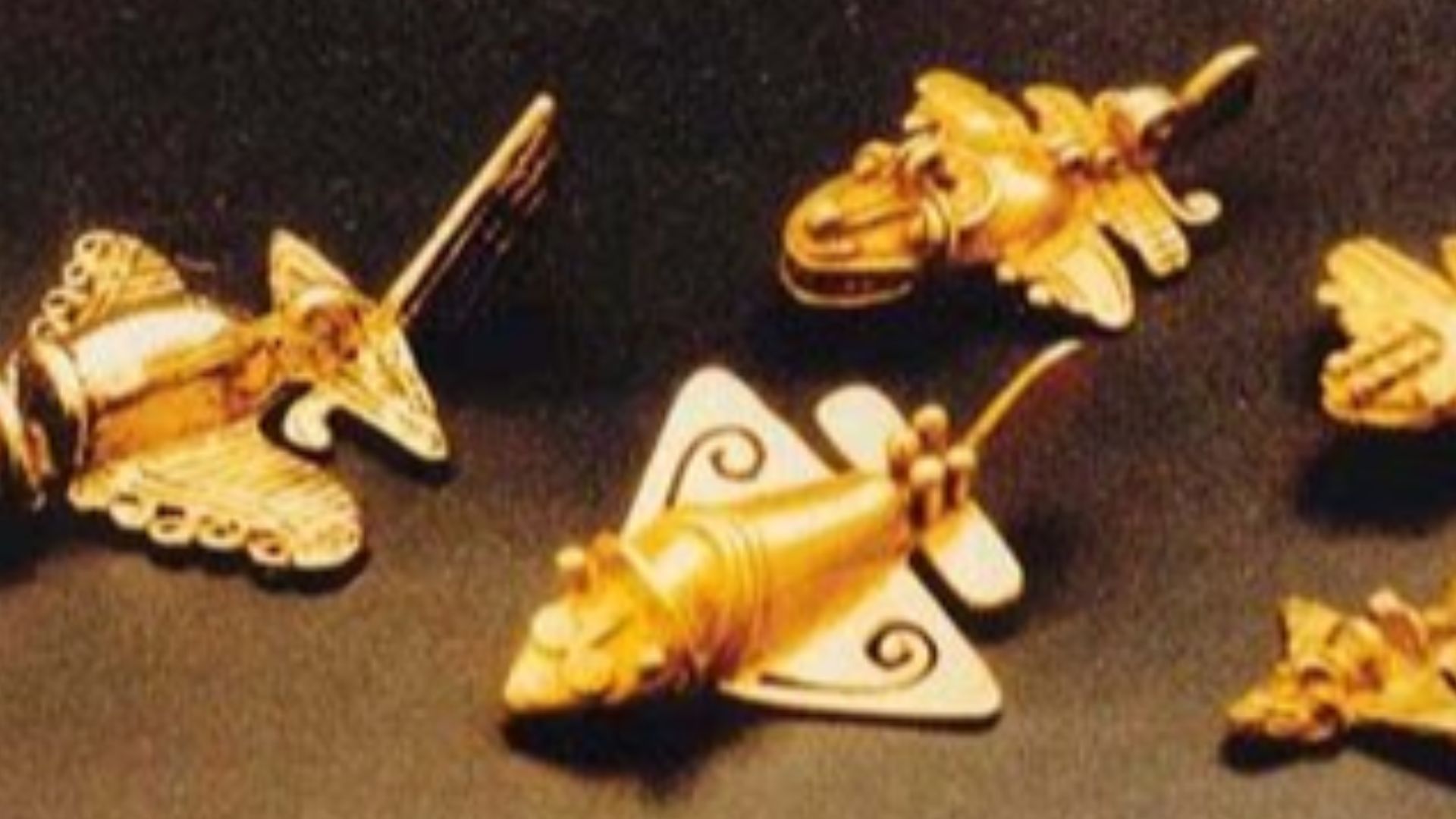
Quimbaya Artifacts
Tiny golden figurines buried in Colombian tombs look suspiciously like jet planes. The Quimbaya civilization, skilled in metallurgy, crafted these pieces around 1,000 CE with aerodynamic symmetry modern engineers admire. Whether stylized insects or artistic imagination, their polished shapes testify to ancient precision metalworking.
 Santandergrl, Wikimedia Commons
Dendera Light Bulbs
Carved deep in the Dendera Temple, Egypt’s reliefs depict bulb-like shapes linked to coiled lines resembling filaments. Some viewers see symbolism; others spot early electrical imagery. What’s undeniable is the temple’s detailed art under Ptolemaic rule.
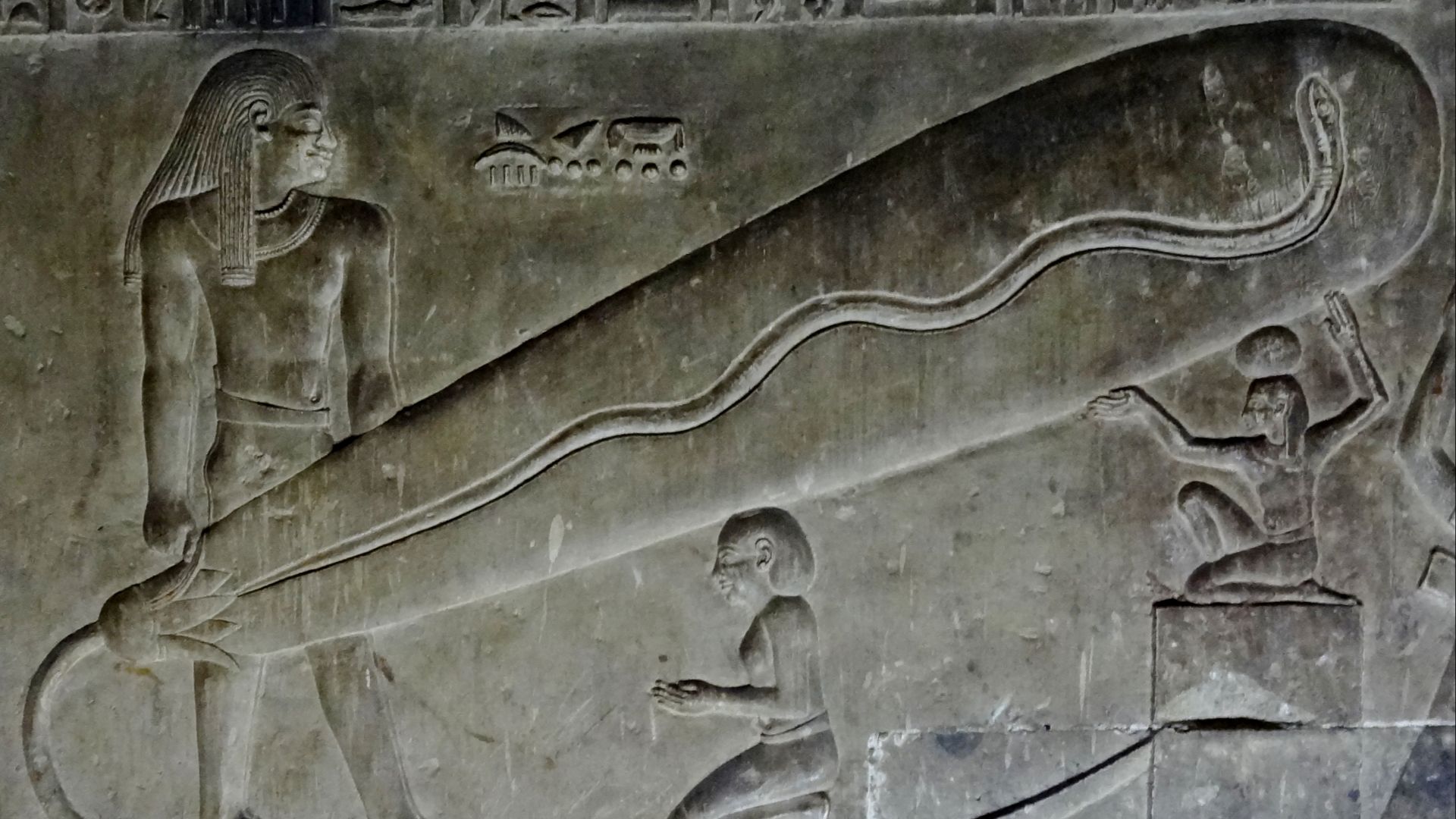 Olaf Tausch, Wikimedia Commons
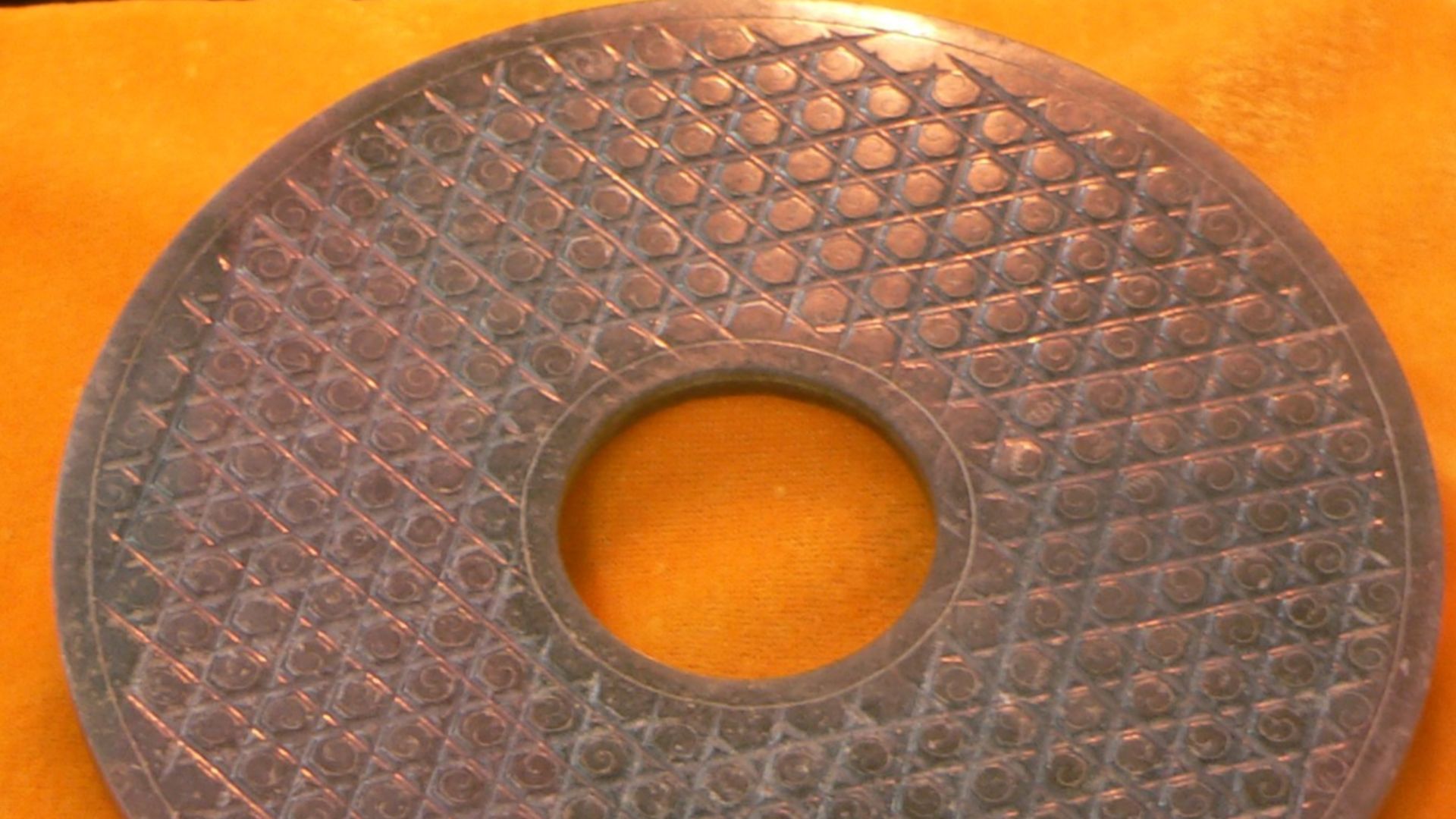
Dropa Stones
High in China’s Bayan-Kara-Ula mountains, explorers uncovered discs engraved with tiny spirals. Dated at 12,000 years old, these “Dropa Stones” baffled researchers for decades. The engravings resemble coded writing, yet they remain untranslatable.
Delhi Iron Pillar
This 1,600-year-old pillar standing tall in Delhi’s Qutb complex resists rust in India’s humid climate. Forged from nearly pure wrought iron, its anti-corrosive surface still confounds metallurgists. Ancient craftsmen clearly mastered high-temperature smelting techniques long before industrial furnaces reshaped metal production.
 Sujit kumar, Wikimedia Commons
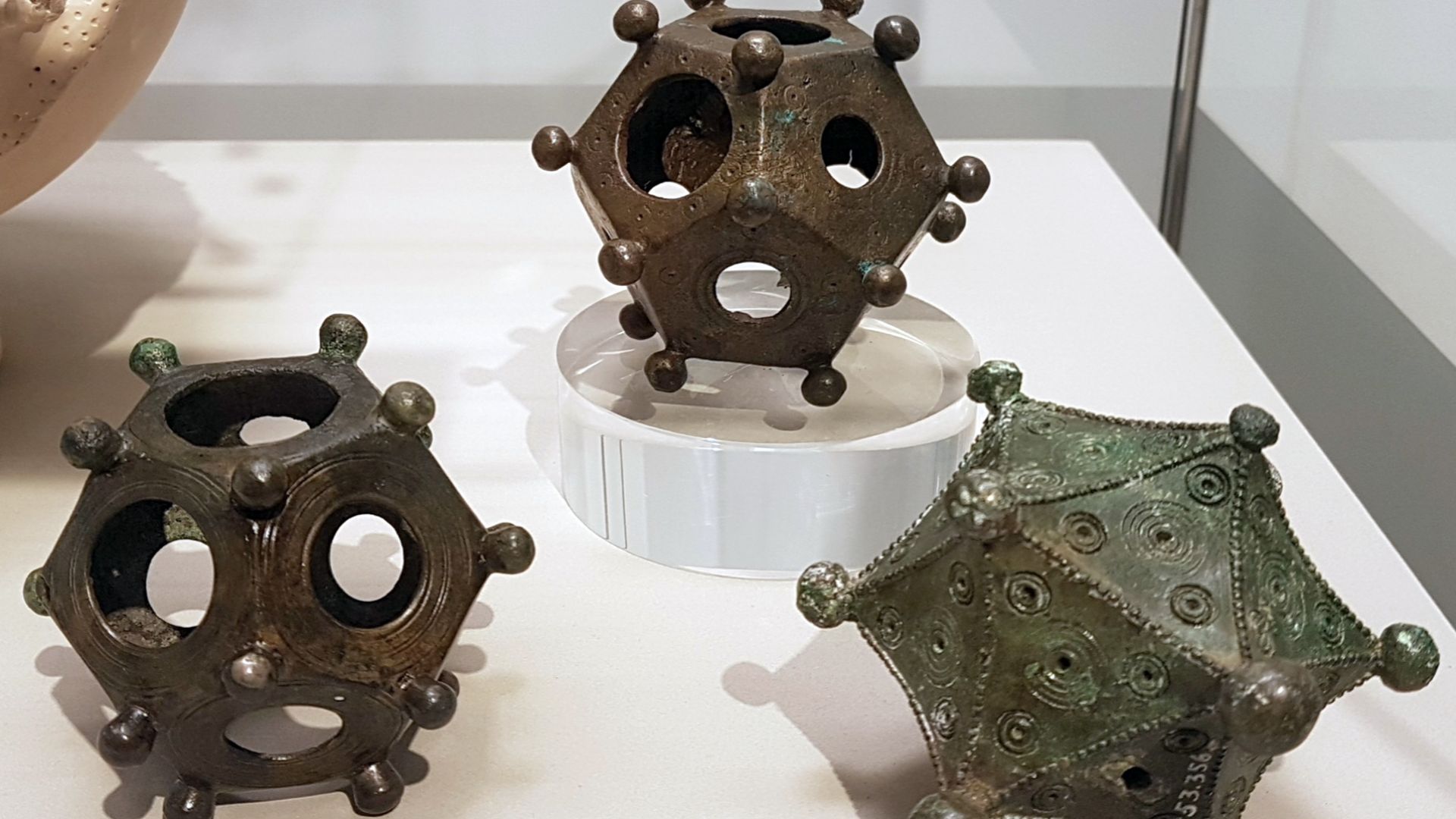
Roman Dodecahedra
Discovered across Europe, these twelve-sided bronze objects have holes of varying sizes and no clear purpose. Theories range from knitting aids to surveying tools. But each dodecahedron’s symmetry and artisanship display Roman precision that outpaces its mystery; no inscriptions, just flawless geometric design in metal.

History's most fascinating stories and darkest secrets, delivered to your inbox daily.
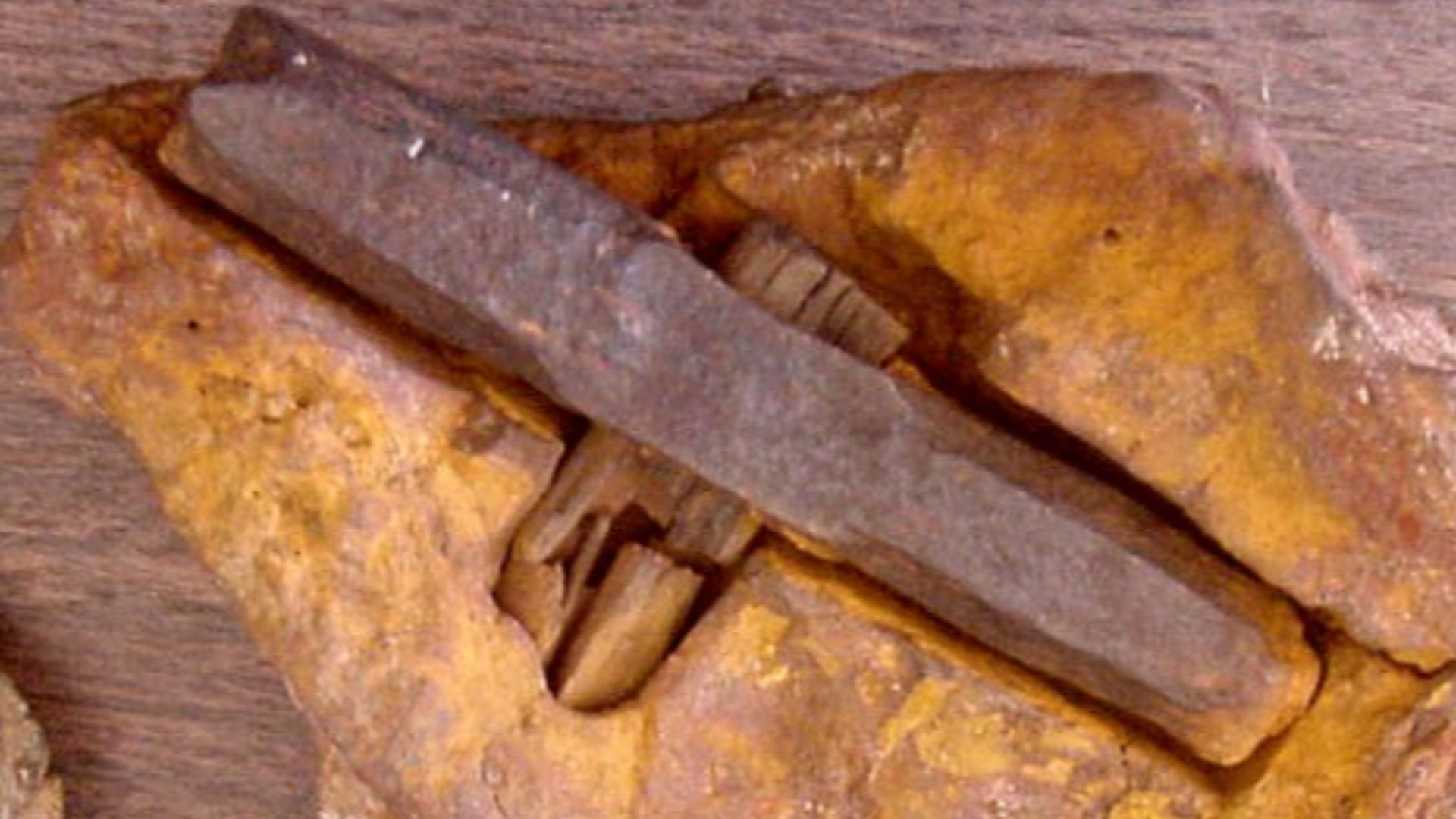
London Hammer
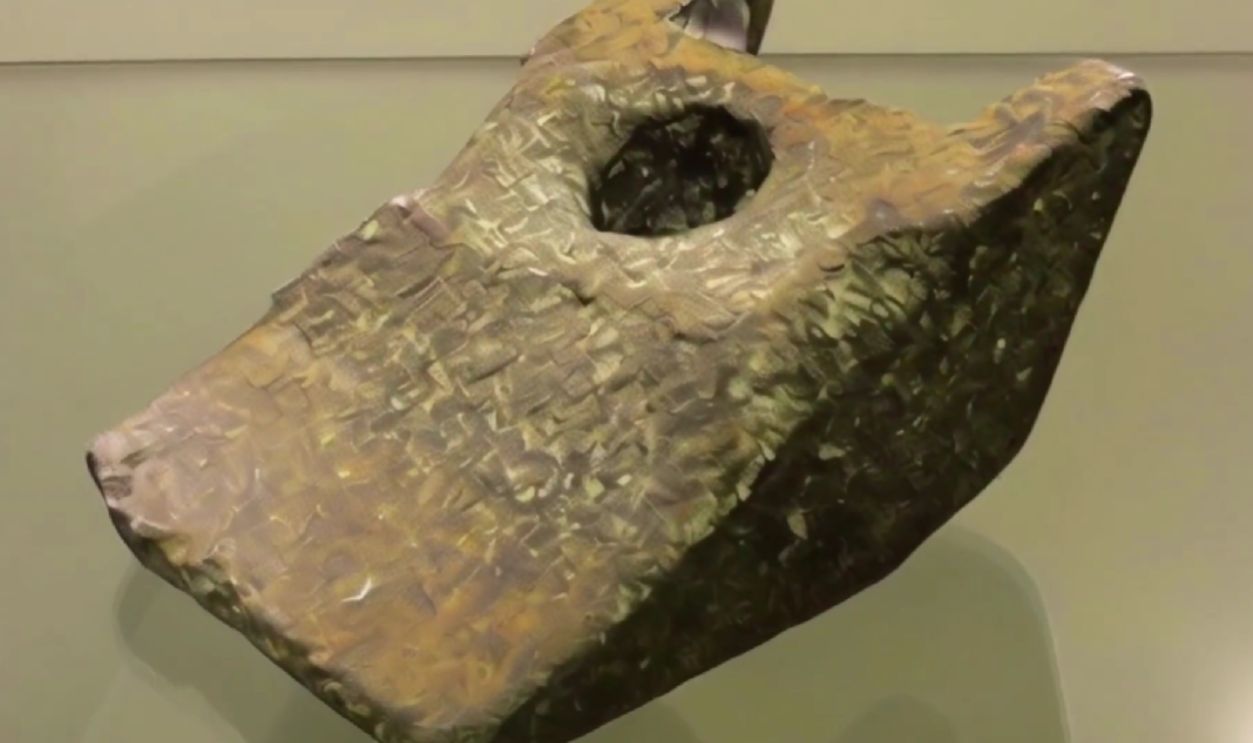
A miner’s hammer locked inside ancient stone? That’s the London Hammer for you. Found near London, Texas, this tool was encased in limestone that later hardened around it. Its 19th-century design contrasts sharply with rock dated millions of years older, creating one of geology’s most discussed cases of misplaced material.
Coso Artifact
While hunting geodes in California’s desert, three collectors cracked open a stone—and found a metal cylinder resembling a spark plug. Later analysis revealed its 1920s origin. This Coso Artifact still stirs debate for forming within a concretion mimicking geological antiquity.
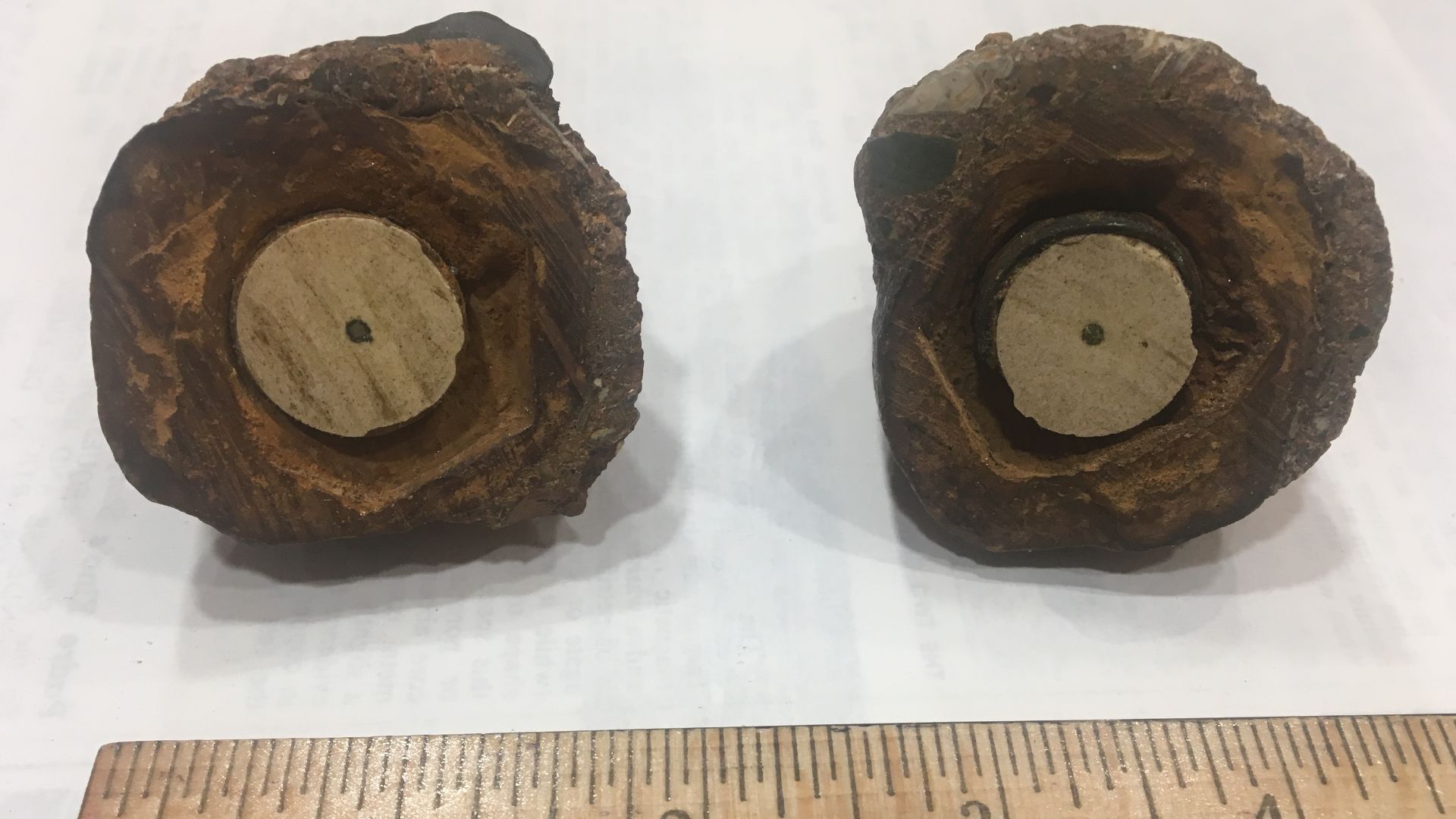 Pierre Stromberg, Wikimedia Commons
Bell In Coal
A West Virginia schoolboy split open a lump of coal in 1944 and found a small brass bell with an iron clapper. The coal’s deep-time age and the bell’s modern style never matched. However, the artifact survives as a cherished mystery piece for one family.
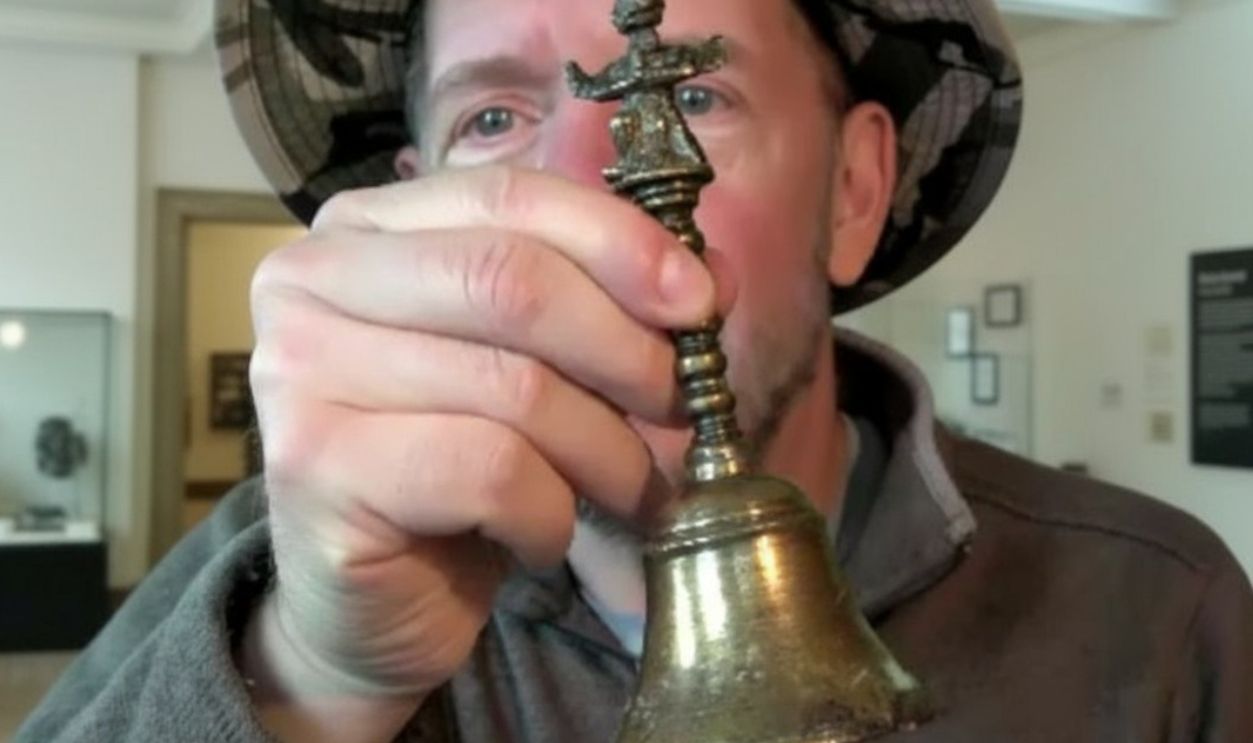 Newton Bell Found Encased in 300 Million Year Coal! (Oopart) by John Adolfi
Aiud Aluminum Wedge
Romania’s 1974 discovery of an aluminum-like wedge near mammoth bones baffled researchers. Aluminum rarely exists naturally, yet alloy testing showed a modern composition. Still, its thick oxide layer hinted at prolonged exposure, giving the Aiud Wedge enduring fame among Europe’s strangest industrial out-of-place finds.
Klerksdorp Spheres
Tiny mineral spheres with etched grooves emerged from South African mines in pyrophyllite, dated 2.8 billion years old. Natural formation? Probably. Yet their uncanny roundness and uniform lines earned them spots in museums—and endless fascination from those drawn to nature’s precision artisanship.
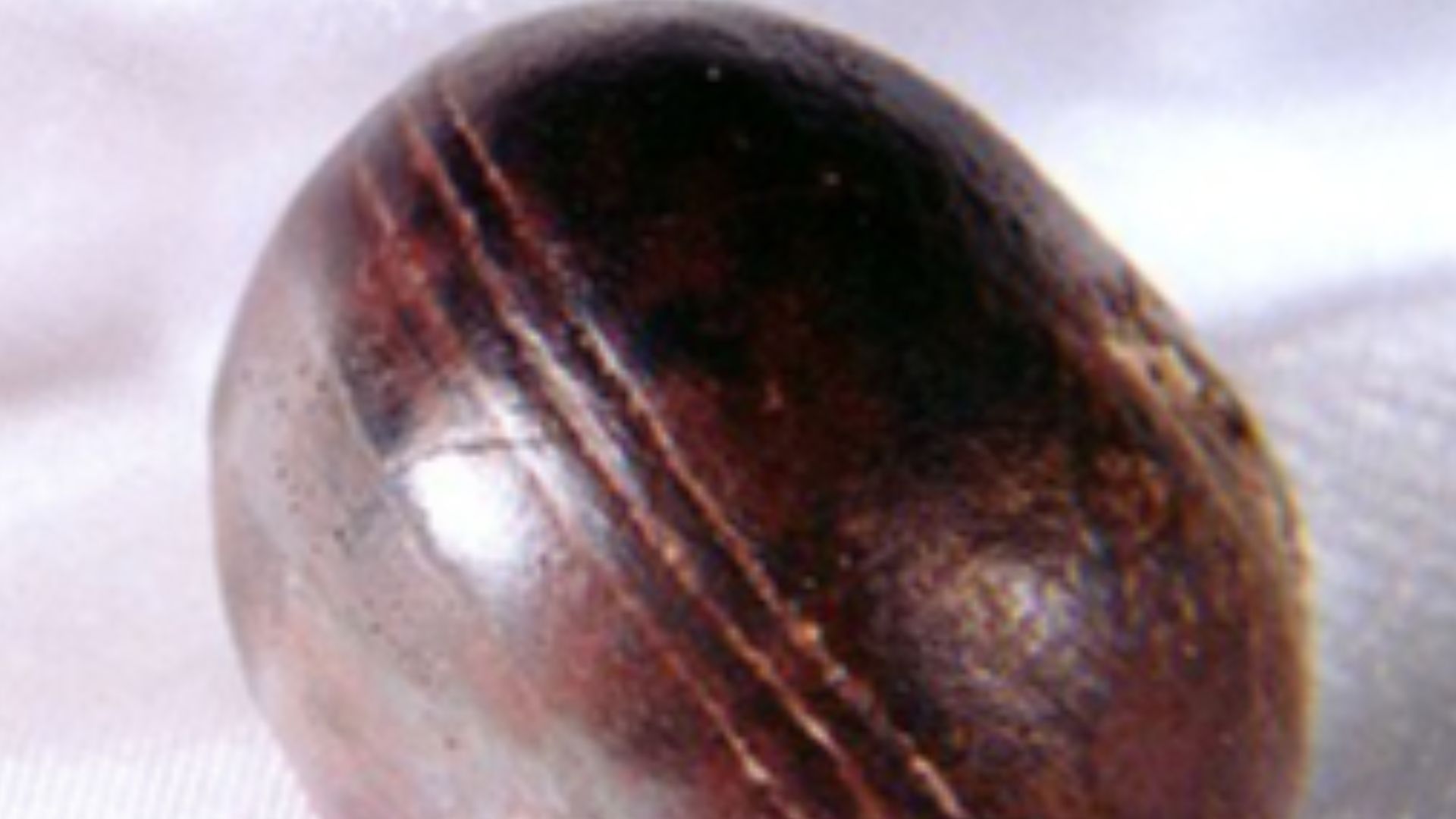 Robert Huggett, Wikimedia Commons
Mystery Hill Bolt
Excavations at New Hampshire’s Mystery Hill site uncovered a corroded iron bolt lodged in ancient stonework. Dismissed as a modern intrusion, it still adds intrigue to a site already full of enigmatic chambers and standing stones. It's America’s own archaeological riddle wrapped in granite.
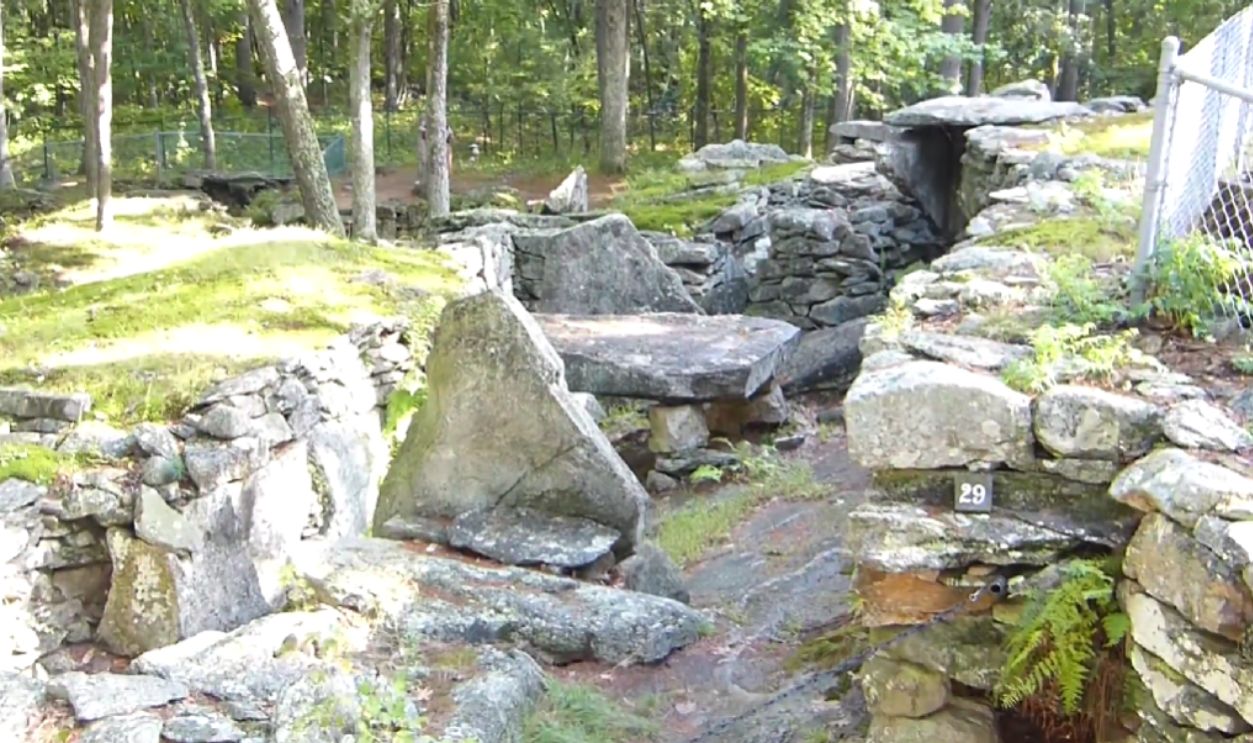 Exploring America's Stonehenge in Salem, New Hampshire by Jon
Ica Stones
Smooth river stones engraved with scenes of surgery, extinct animals, and star charts surfaced in Peru during the 1960s. Local physician Javier Cabrera Darquea claimed they were ancient records. Later admitted as modern carvings, the Ica Stones still fascinate collectors of controversial curiosities.
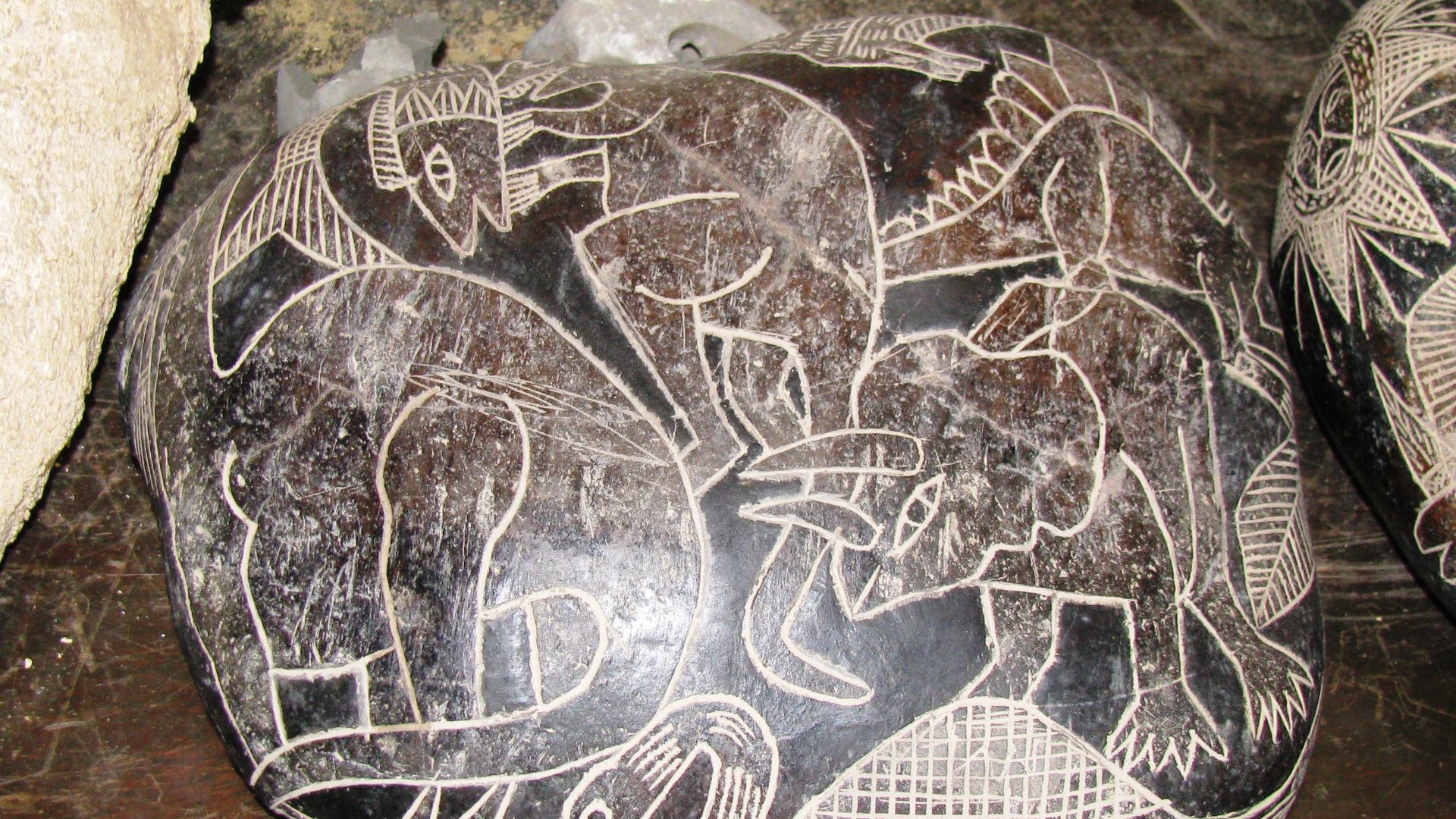
Paluxy Tracks
Along Texas’s Paluxy River, fossilized footprints reportedly seemed to show humans walking beside dinosaurs. Investigations revealed that most prints were eroded or carved. Still, the Paluxy Tracks became a pop-culture sensation, reminding you how imagination often leaves deeper impressions than fossils themselves ever could.
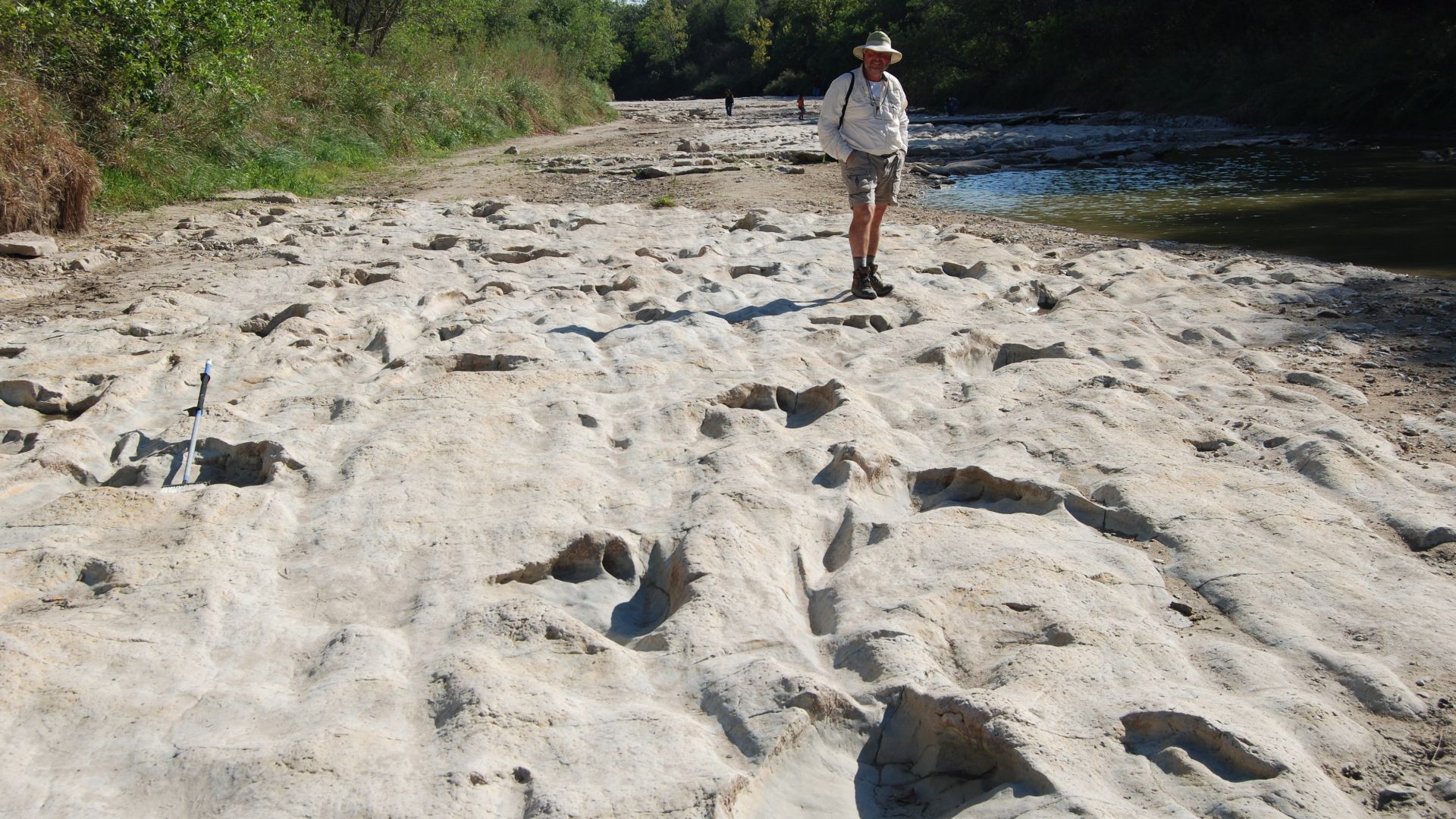
Trilobite Shoe Print
In Utah’s fossil-rich Antelope Springs, a collector cracked open shale and found a trilobite apparently crushed beneath what looked like a shoe sole. Though likely a natural pattern, the “trilobite footprint” still pops up in debates mixing geology with the unexpected.
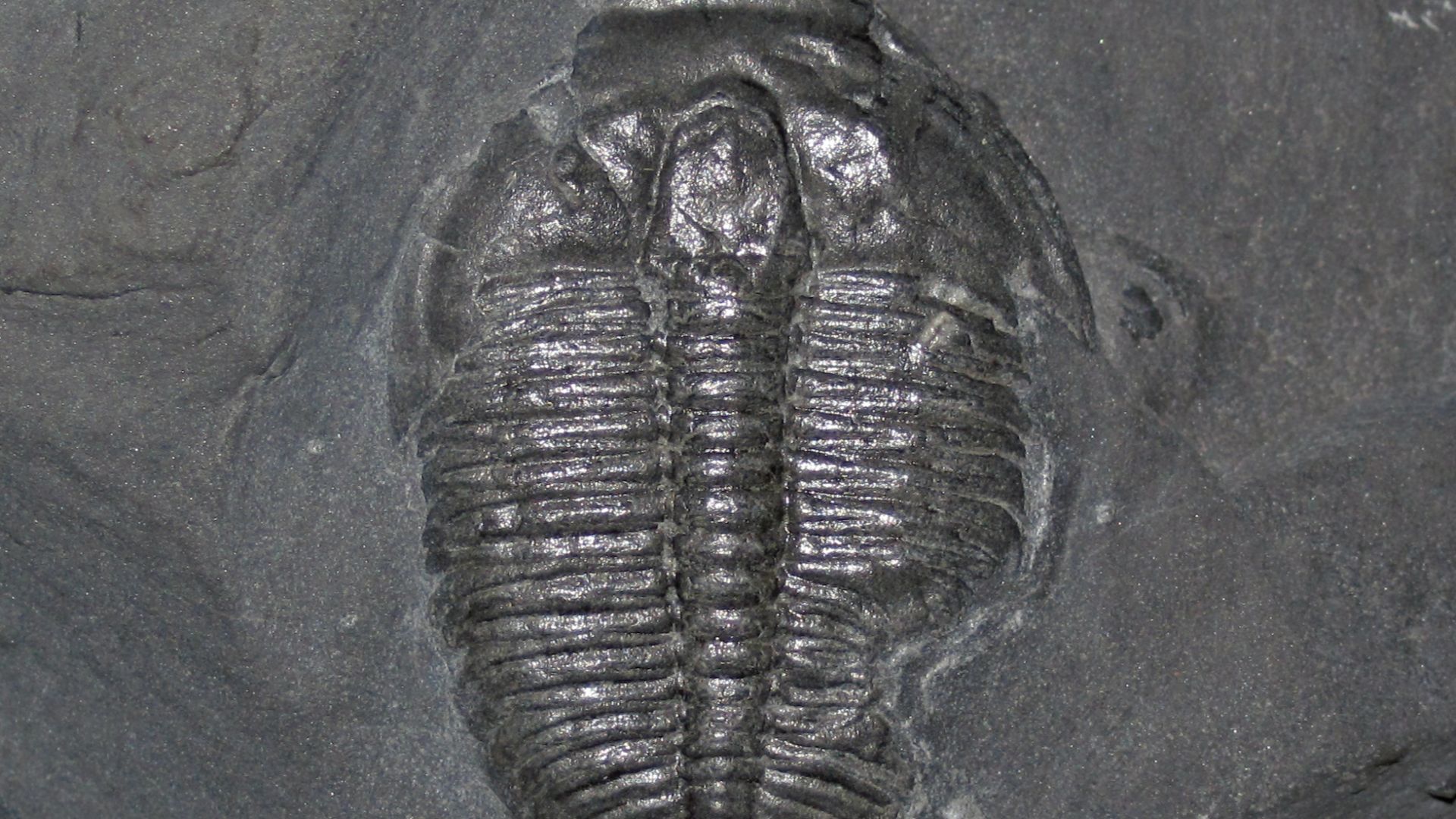 James St. John, Wikimedia Commons
Piri Reis Map
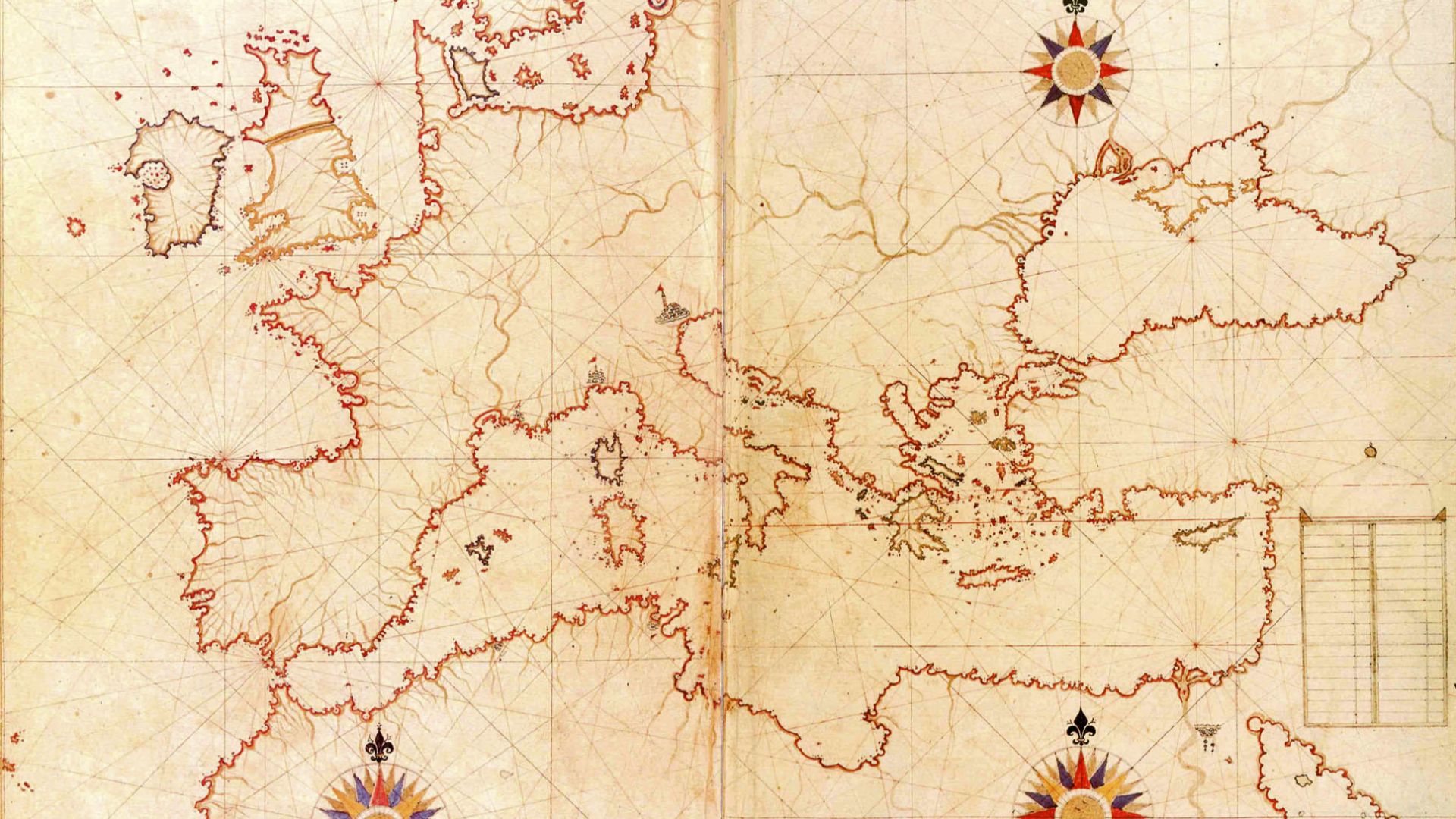
In 1929, archivists in Istanbul stumbled upon a map outlined in 1513 by Ottoman admiral Piri Reis. It appeared to show parts of Antarctica centuries before official discovery. Compiled from ancient sources, its precision in coastline placement showcases the early global navigation skills of Islamic cartographers.
Bat Creek Stone
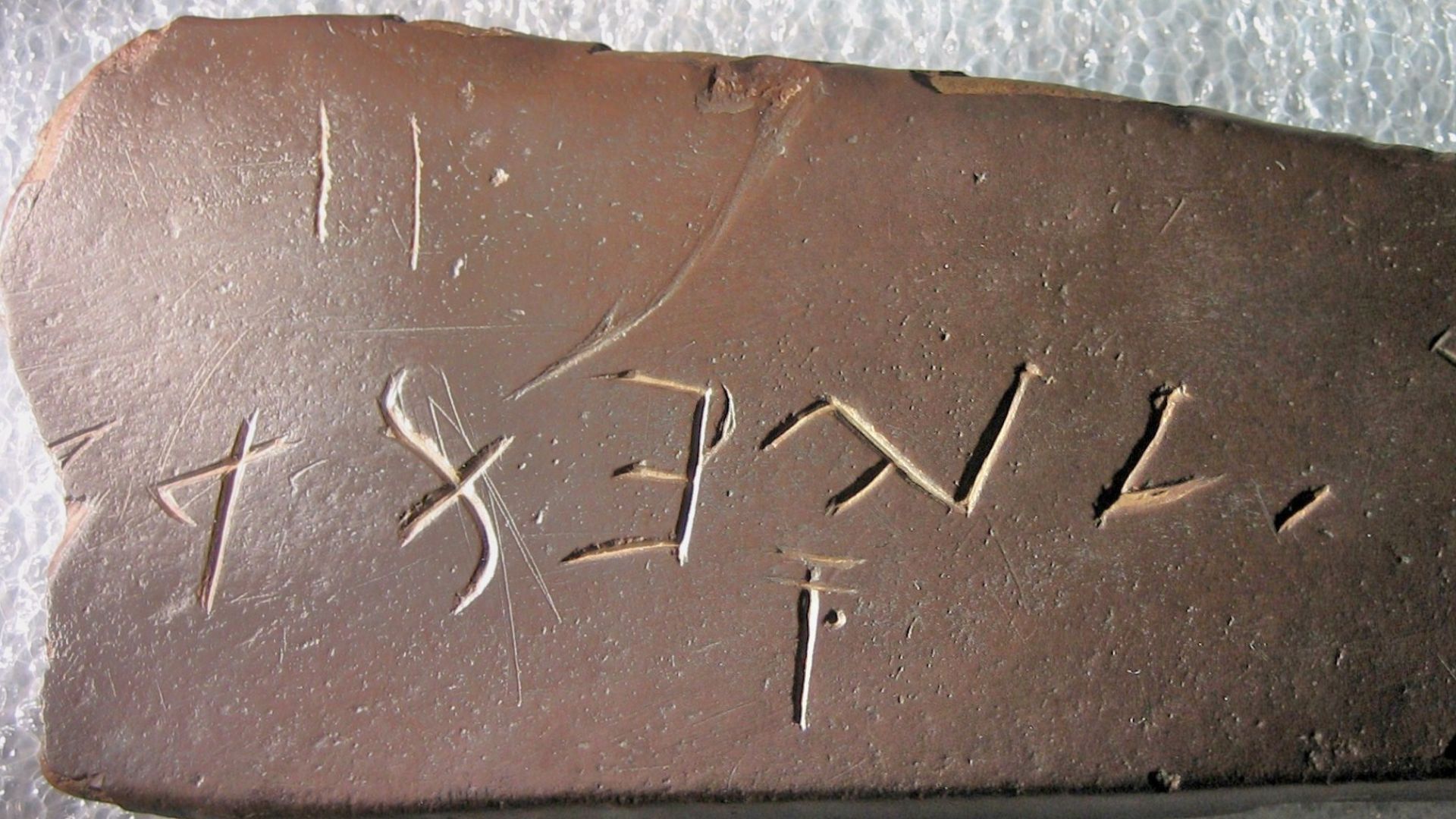
Excavated from a Tennessee burial mound in 1889, this small tablet bore strange characters. Early curators thought they were Cherokee. Later analysis suggested Hebrew-like letters—likely copied from a 19th-century publication. The Bat Creek Stone remains a case study in archaeological misinterpretation that has become a museum legend.
 Hookedx (Scott Wolter), Wikimedia Commons
Dighton Rock
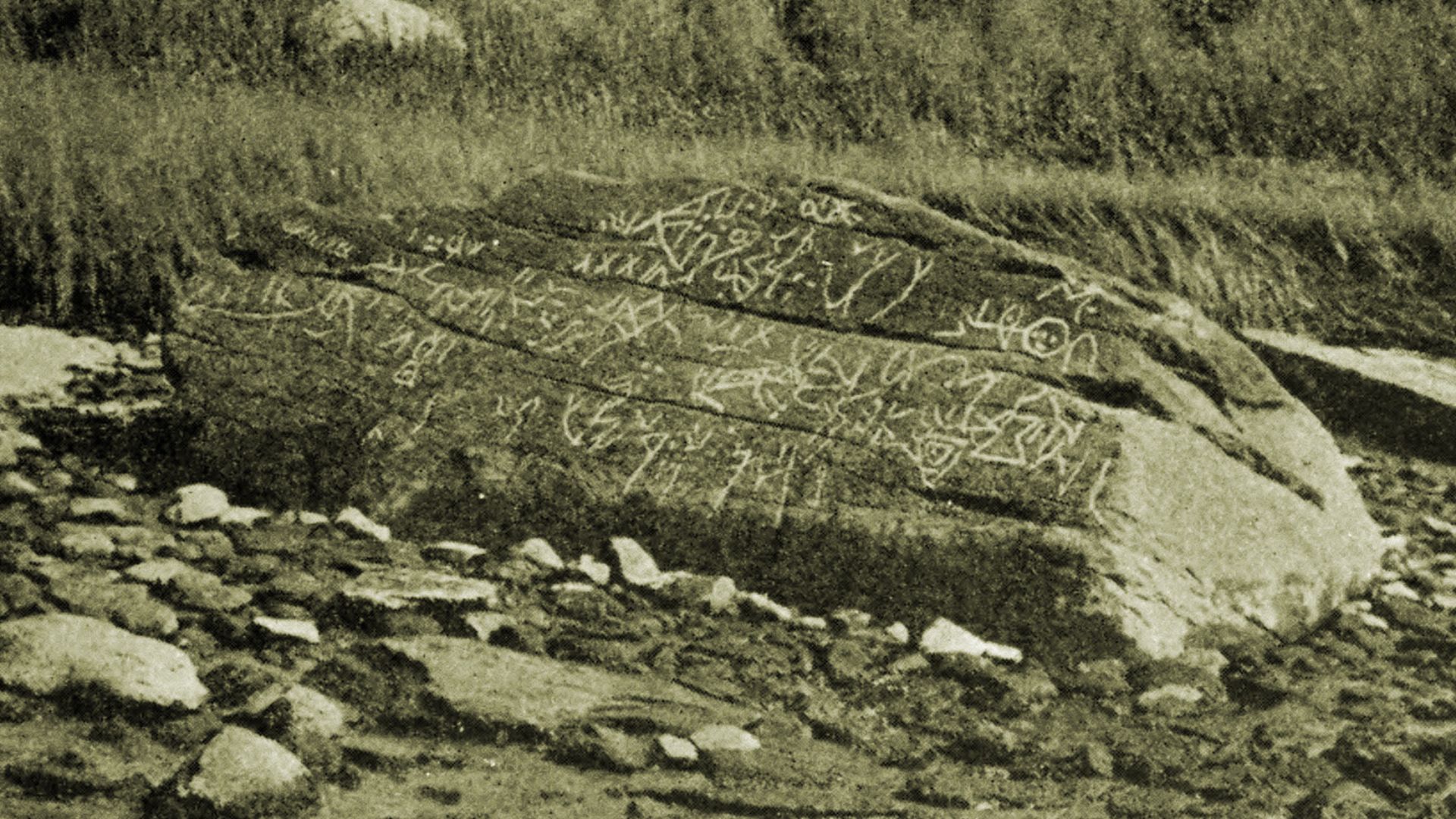
For centuries, a boulder along Massachusetts’s Taunton River puzzled settlers with its carvings. Theories ranged from Norse explorers to Native artists. Today, scholars recognize the markings as Indigenous in origin, though Dighton Rock remains a monument to colonial imagination meeting mystery.
 Frank S. Davis, Wikimedia Commons
Narragansett Runestone
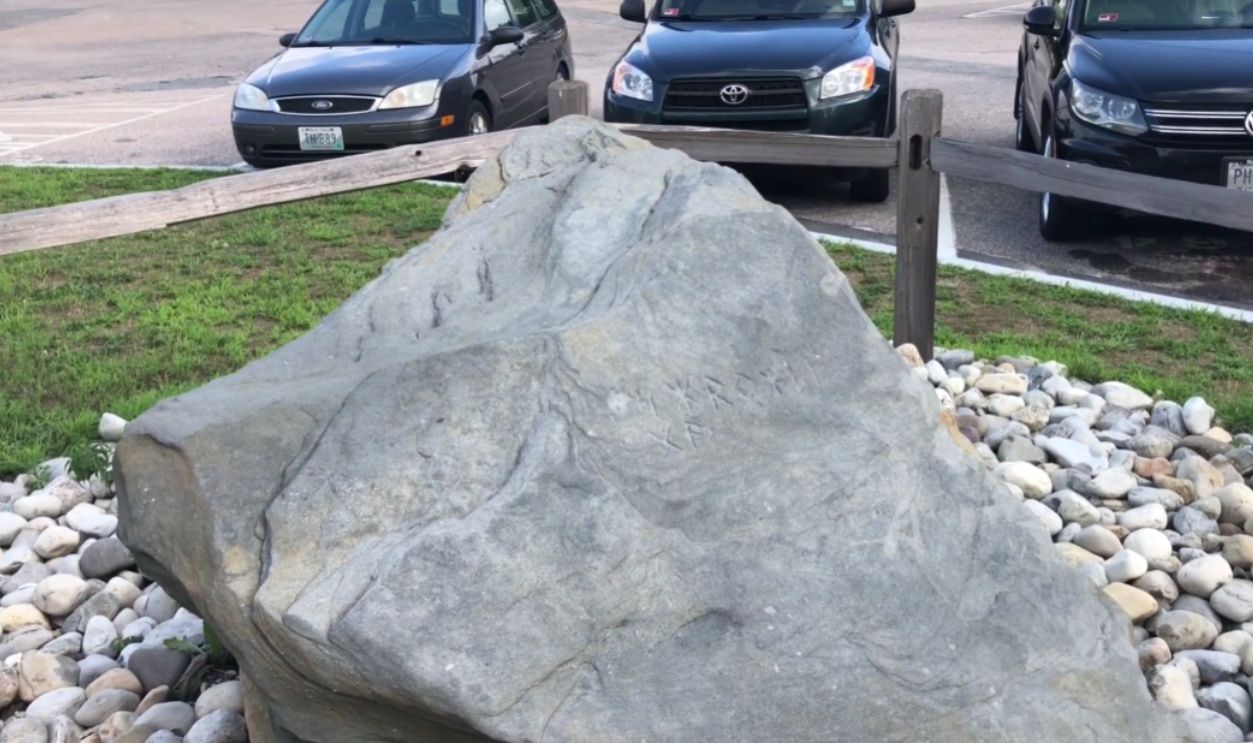
Resting partly submerged in Rhode Island’s Narragansett Bay, this inscribed rock first drew attention in the 1800s. Though modern carving marks later appeared, it continues to attract treasure hunters. The Narragansett Runestone endures as coastal New England’s most enduring maritime mystery in stone.
 The Narragansett Runestone - #nehssie by NEHSSIE
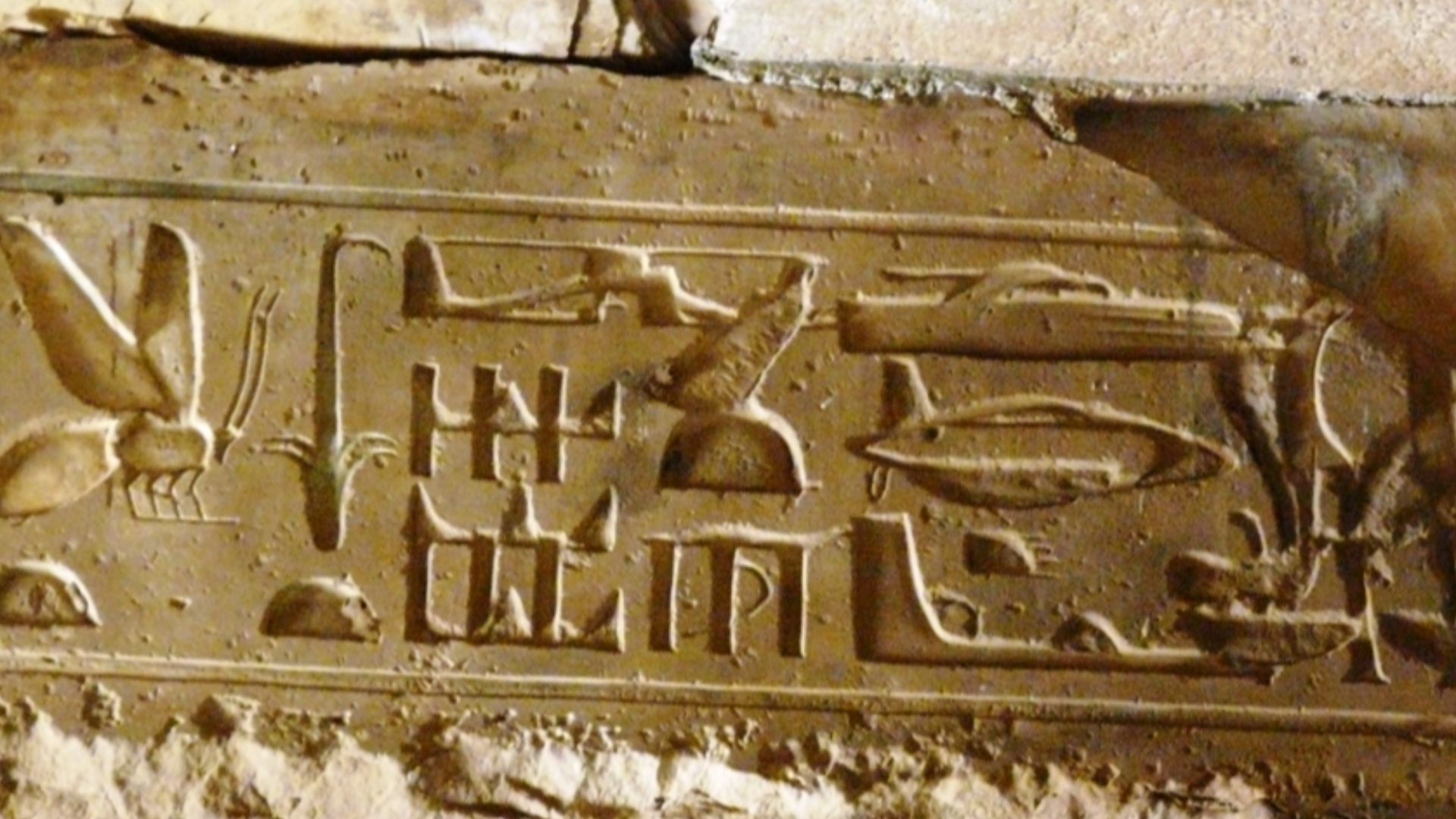
Abydos Helicopter Hieroglyphs
Carvings in Egypt’s Temple of Seti I at Abydos appear to depict helicopters and submarines. Closer inspection shows overlapping hieroglyphs from re-carving centuries apart. The effect—a visual accident of history—shows that ancient technique can spark modern imaginations about technology’s supposed timelessness.
Tassili N’Ajjer Cave Art
Deep in Algeria’s Sahara, rock walls display figures in helmets and suits painted nearly 12,000 years ago. Early explorers dubbed them “Martian visitors”. Modern archaeology recognizes them as ritual dancers. Even so, their bold forms remain icons of prehistoric artistry and survival.
 Unknown authorUnknown author, Wikimedia Commons
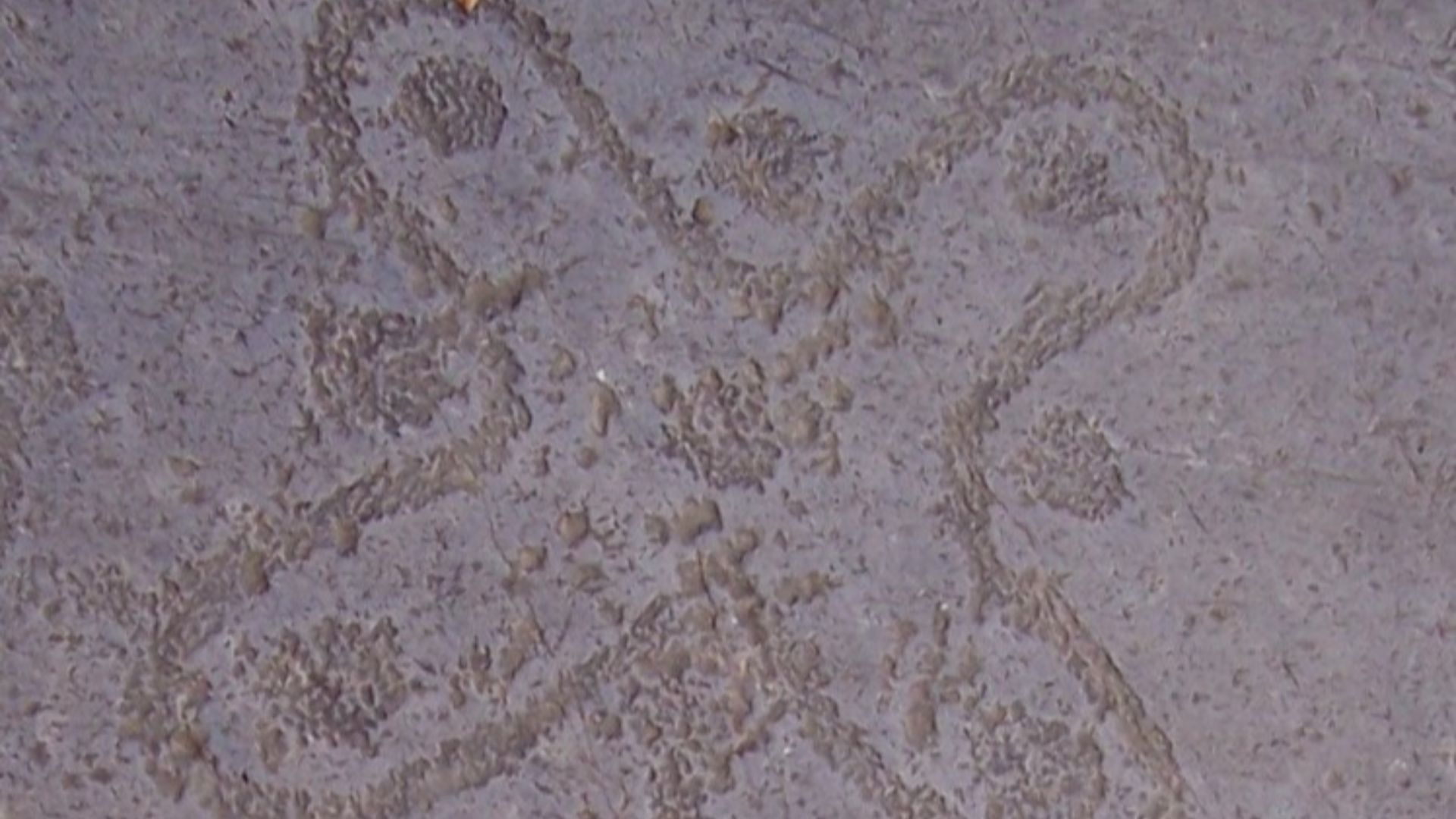
Val Camonica Rock Art
Carved into Italian valley cliffs over 10,000 years ago, these engravings show warriors, tools, and mysterious symbols. Known as a UNESCO World Heritage Site, Val Camonica contains more than 140,000 figures. Their detail captures Europe’s early shift from hunter-gatherers to organized spiritual communities.
 Luca Giarelli, Wikimedia Commons
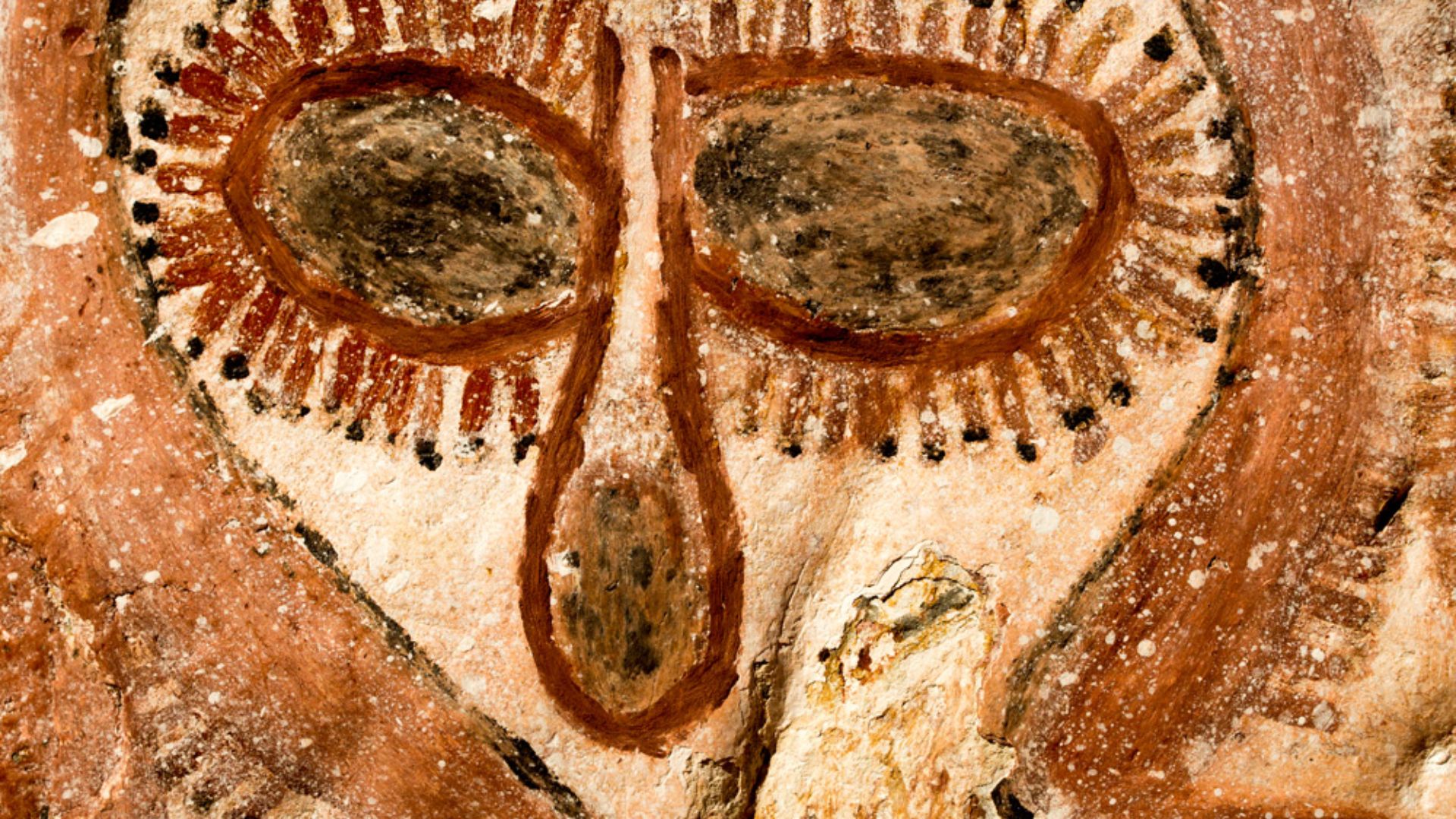
Wandjina Figures
Wandjina images, painted across Australia’s Kimberley region, depict large-eyed ancestral spirits clothed in halos of cloud. Created by Aboriginal artists thousands of years ago, they remain central to living cultural traditions. These striking forms preserve stories of creation and rain across generations.
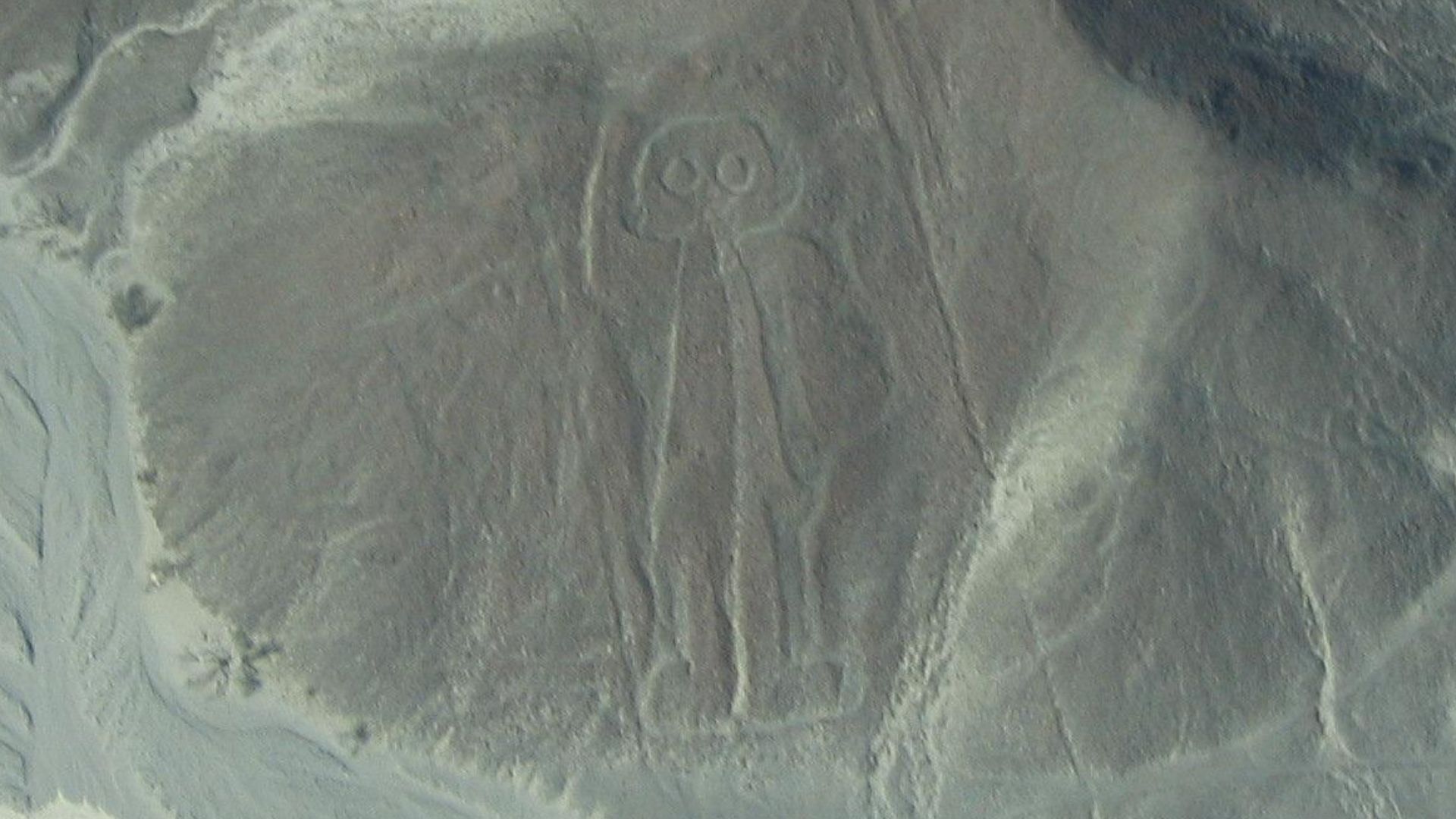
Nasca "Astronaut" Lines
High in Peru’s desert, a single geoglyph nicknamed “The Astronaut” peers skyward from a hillside. Created by the Nazca culture over 2,000 years ago, its whimsical design joins hundreds of vast earthworks still visible from above.
 Raymond Ostertag, Wikimedia Commons
Gobekli Tepe Carvings
Buried beneath Turkish soil for millennia, Gobekli Tepe’s stone circles date back to 9600 BCE—older than Stonehenge. Decorated with foxes, vultures, and abstract patterns, they highlight the hunter-gatherers building monumental architecture long before farming began, reshaping the ancient world’s scenery.
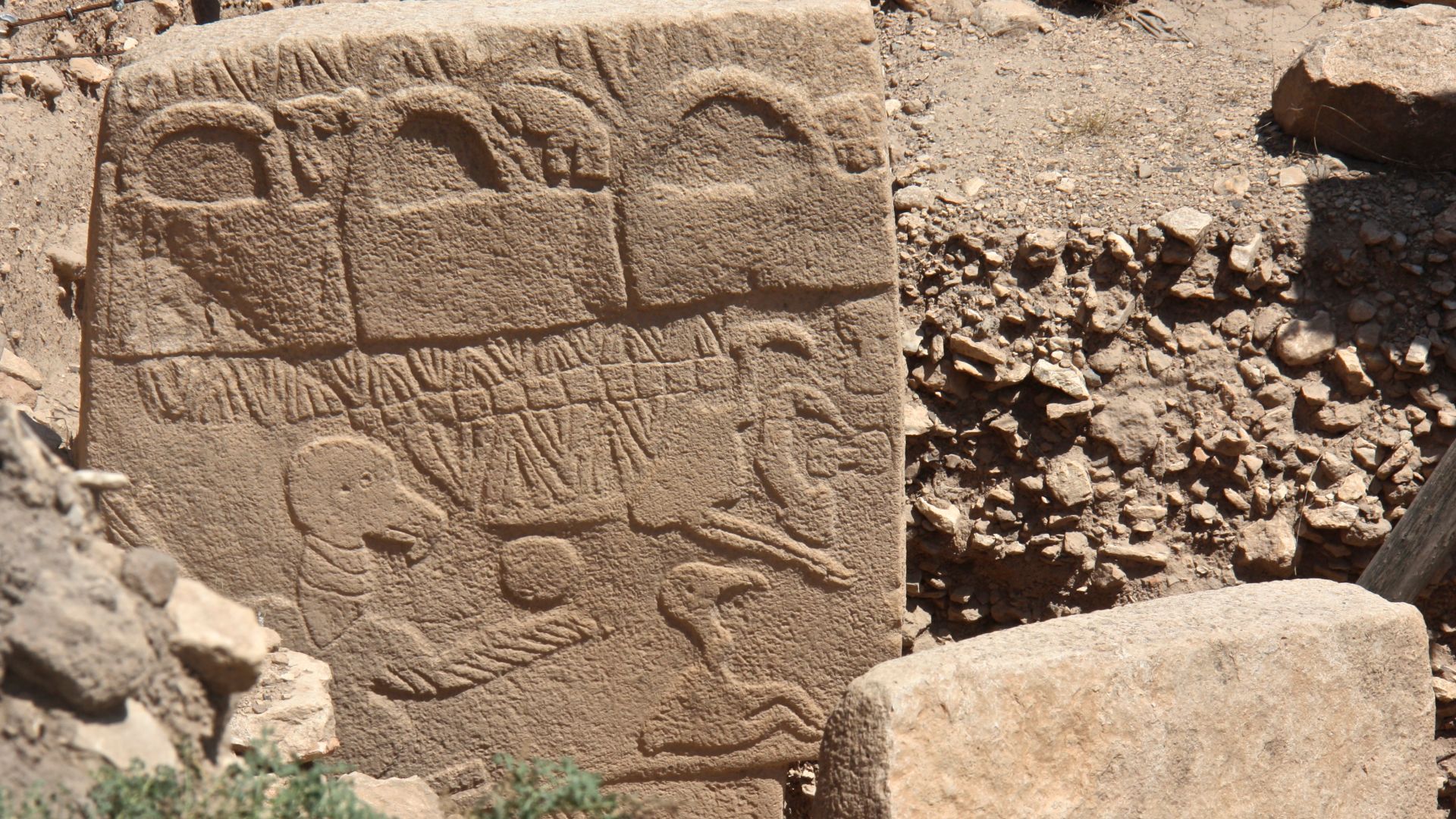 Sue Fleckney, Wikimedia Commons
Yonaguni Monument
Divers off Japan’s Yonaguni Island encountered massive underwater terraces shaped like steps and corridors. Some call it an ancient city; others, a natural formation sculpted by currents. Either way, the monument’s sharp geometry makes it one of the ocean’s most debated landmarks.
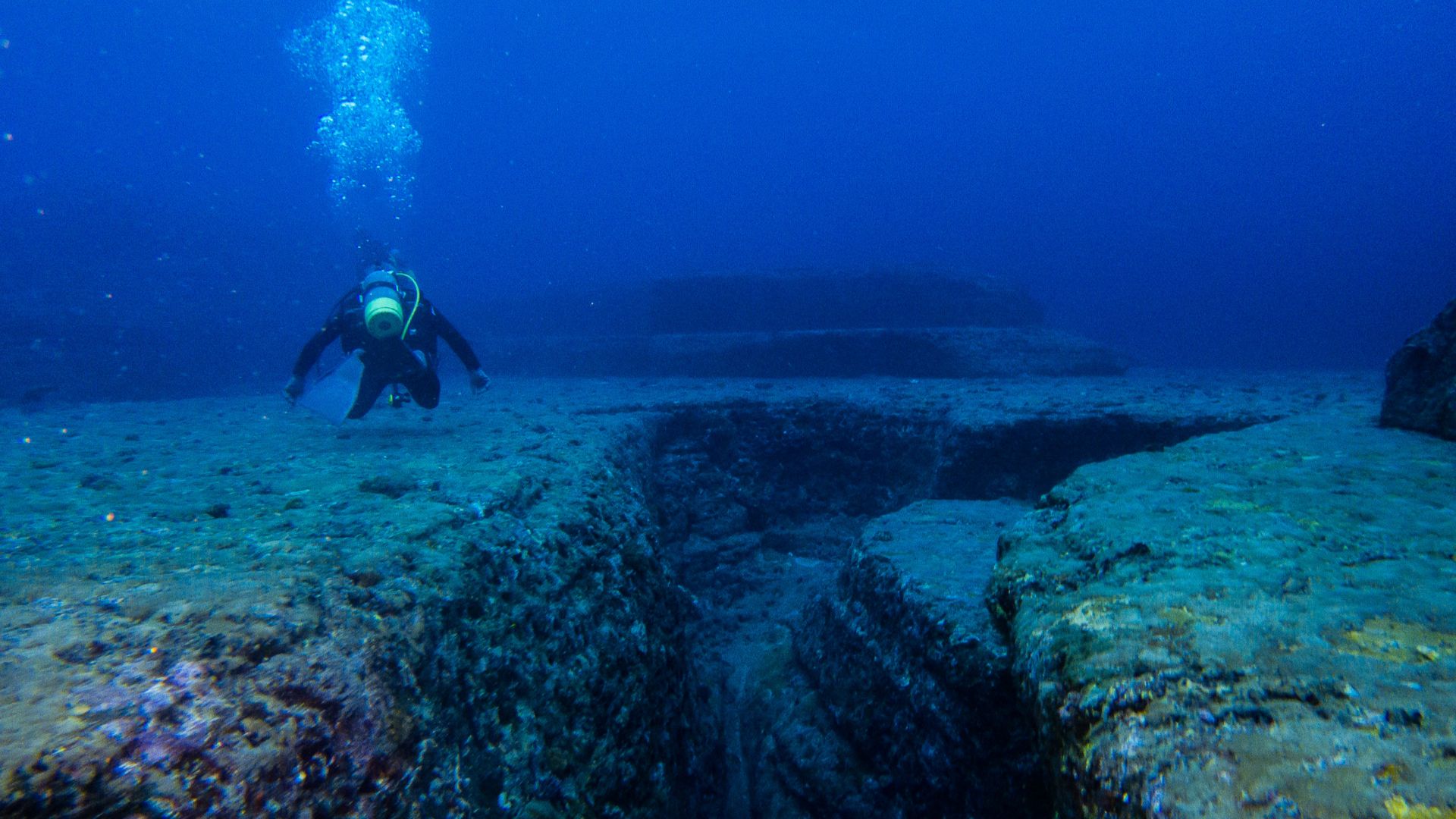 Vincent Lou from Shanghai, China, Wikimedia Commons
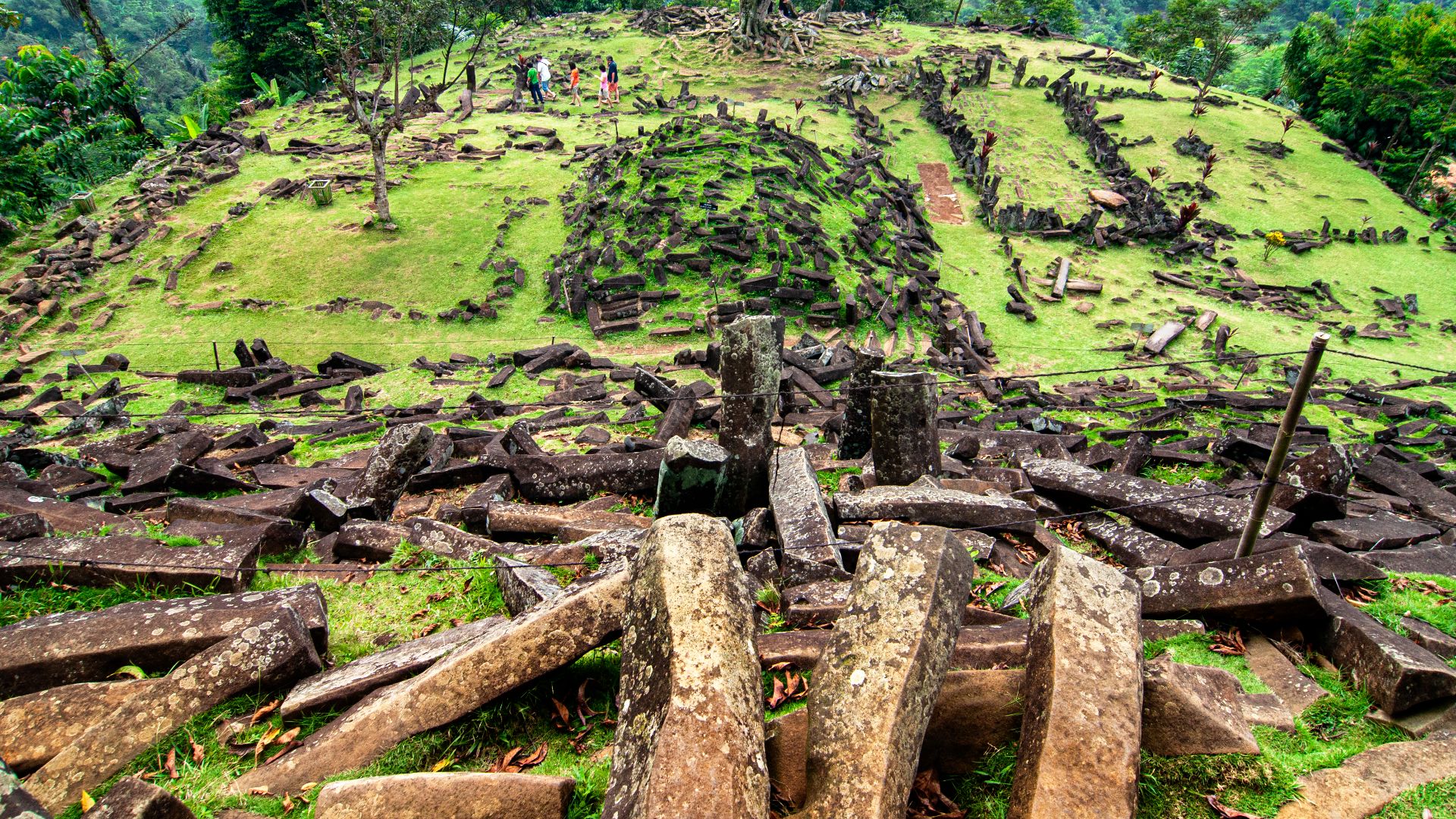
Gunung Padang Pyramid
On a lush Indonesian hilltop, Gunung Padang hides layered stone terraces beneath volcanic soil. Geologists dated some to over 20,000 years old, though debate continues. Excavations reveal a mix of natural and man-made features—possibly Southeast Asia’s oldest surviving megalithic structure.
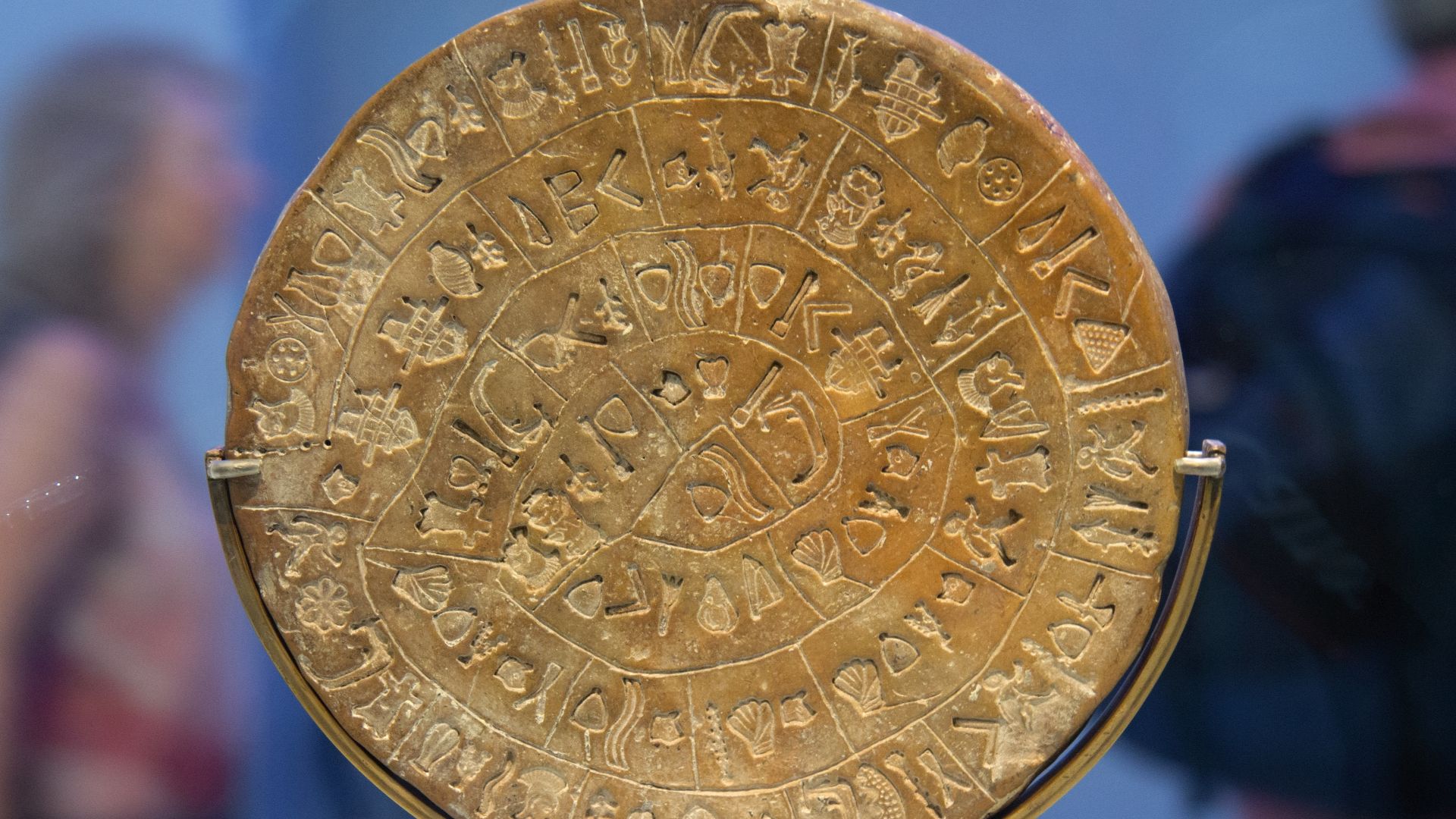
Phaistos Disc
Think of a clay record, pressed with mysterious symbols instead of music. Found in Crete’s ancient palace of Phaistos in 1908, the disc’s spiral script may represent early printing. Its 242 stamped signs remain undeciphered to date. Their find highlights that Minoans mastered organized design long before Gutenberg’s press.
Voynich Manuscript
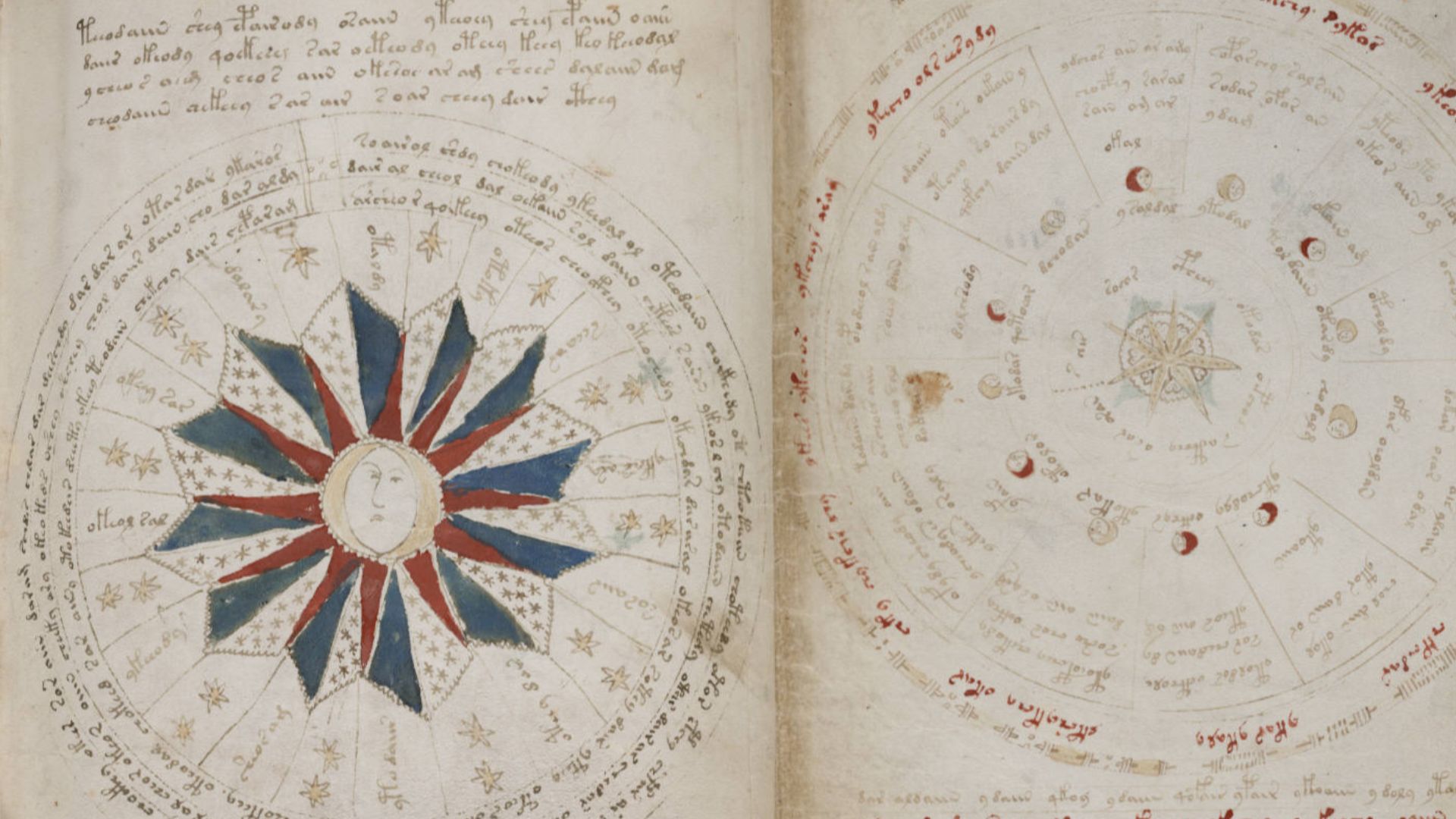
Few books inspire obsession like this one. Acquired in 1912, the Voynich Manuscript brims with indecipherable text, surreal plants, and astronomical sketches. Radiocarbon dating places it in the early 1400s, but its alphabet and author still leave cryptographers scratching their heads over every elegant stroke.
 Unknown authorUnknown author, Wikimedia Commons
Diquis Stone Spheres
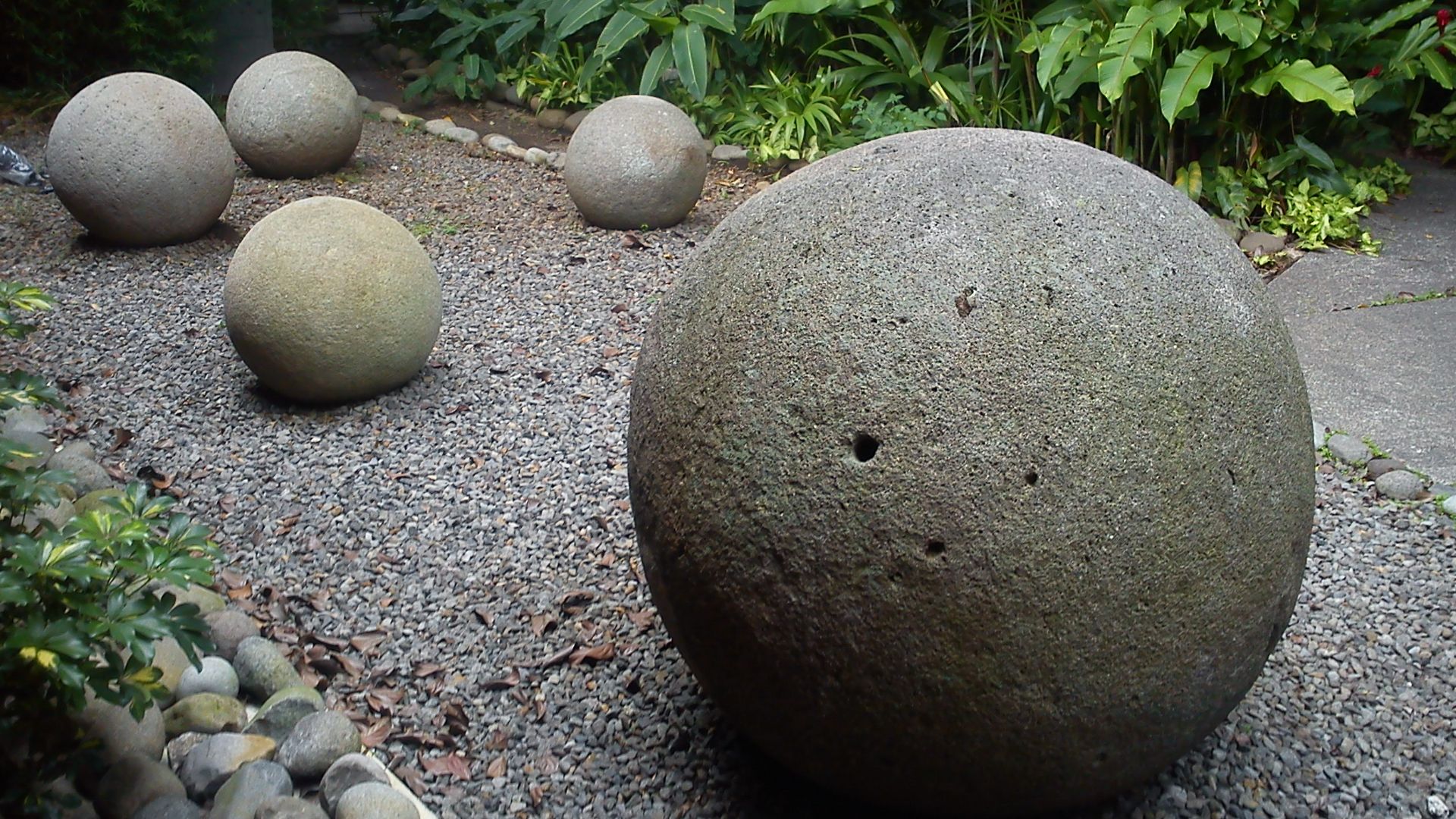
Walk through Costa Rica’s southern fields and you’ll find enormous granite spheres scattered like marbles from giants. Carved with stunning symmetry between 300 and 1500 CE, they weigh up to 15 tons. Archaeologists suspect celestial alignment, but each polished orb guards its ancient secret perfectly.
Ulfberht Swords
Forged from high-carbon steel far superior to most medieval weapons, Ulfberht swords bore inlaid inscriptions that marked status and skill. Their metallurgy rivaled later industrial methods—astonishing for warriors who sailed longships across frozen northern seas.
 Dominic Zschokke, Wikimedia Commons
Zhang Heng Seismoscope
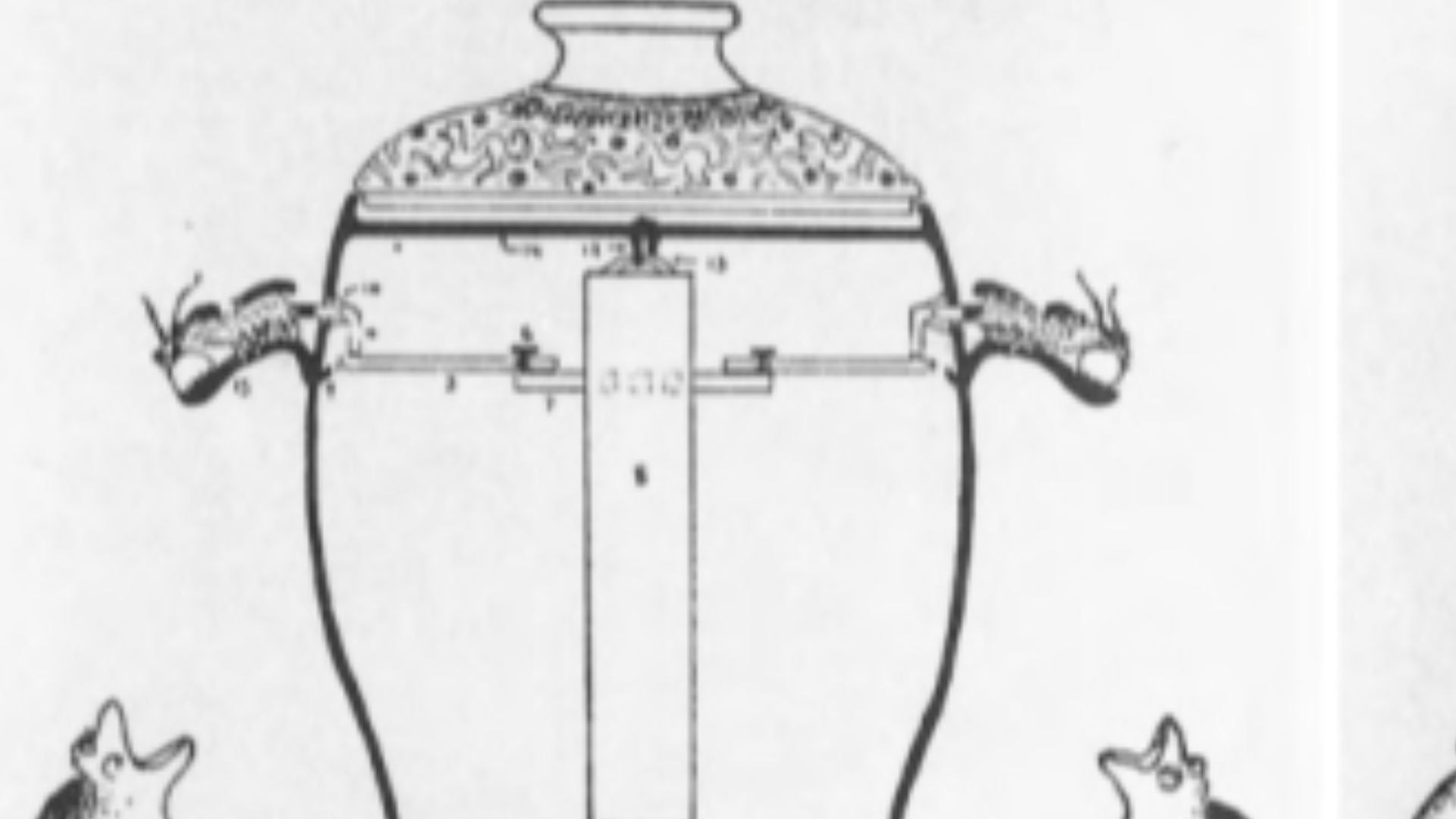
Over 1,800 years ago, Chinese inventor Zhang Heng built an earthquake detector elegant enough for a palace. Shaped like a bronze urn, it used a pendulum to drop tiny balls from dragon heads when tremors struck hundreds of miles away—a mechanical marvel of ancient ingenuity.
 Pubblico dominio, Wikimedia Commons
Bimini Road
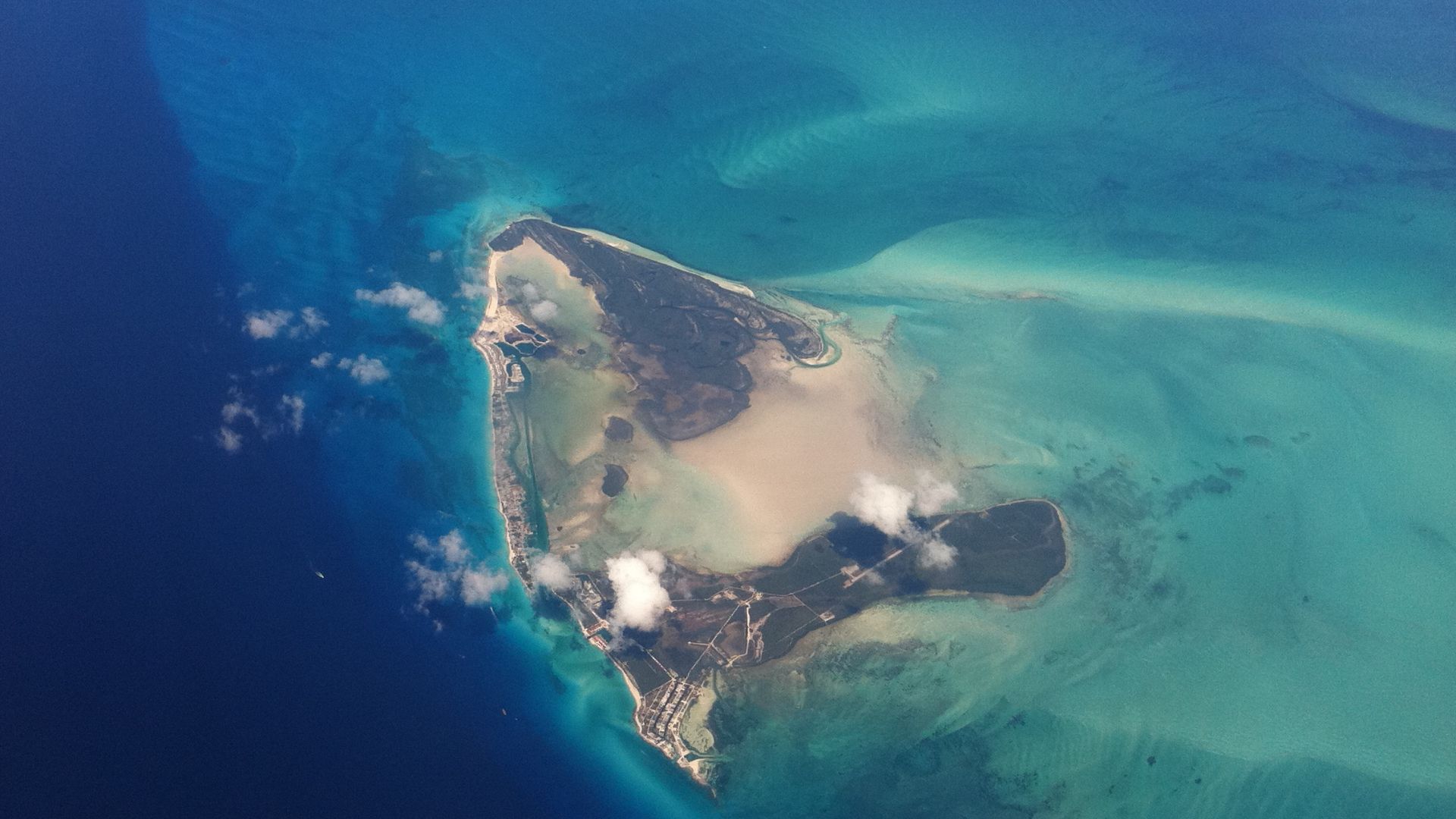
Picture a neatly paved stone highway—only it’s underwater. Off the Bahamas, divers in 1968 uncovered long rows of flat limestone blocks dubbed the Bimini Road. Science calls it natural beachrock fracturing, yet its precision-cut appearance still teases anyone drawn to tales of Atlantis.
Adam’s Bridge
Stretching like stepping stones between India and Sri Lanka, this 30-mile chain of shoals looks uncannily deliberate. Ancient texts describe it as a bridge built by heroes; geology calls it a natural ridge. Adam’s Bridge remains one of Earth’s most legendary crossings.
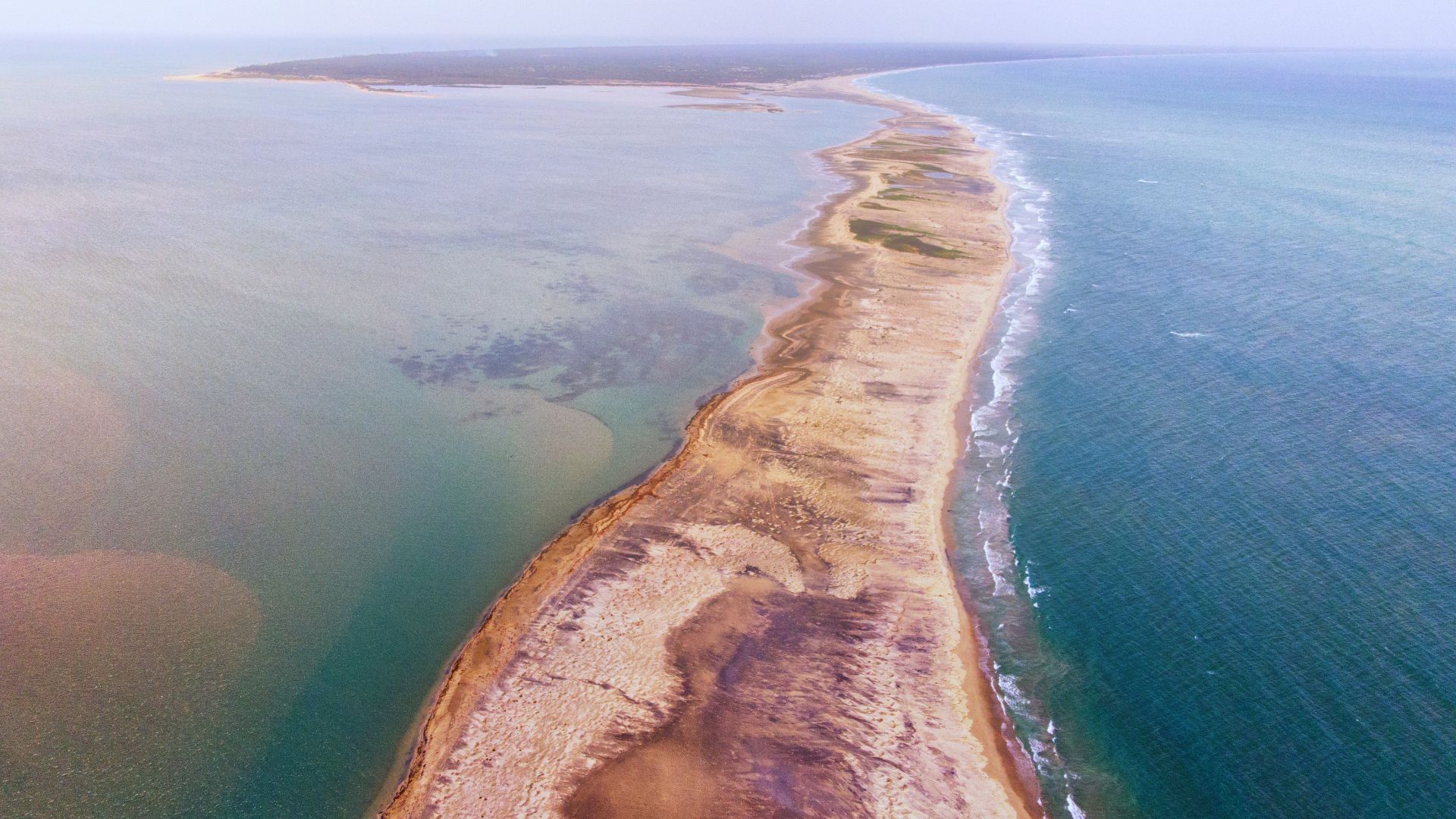 Charith Gunarathna from Kandy, Sri Lanka, Wikimedia Commons
Sanxingdui Bronzes
When farmers unearthed fragments near Sichuan in the 1920s, no one guessed what waited below—giant bronze masks with bulging eyes and haunting expressions. Buried since 1200 BCE, the Sanxingdui finds rewrote Chinese history, revealing a lost culture as sophisticated as it was surreal.
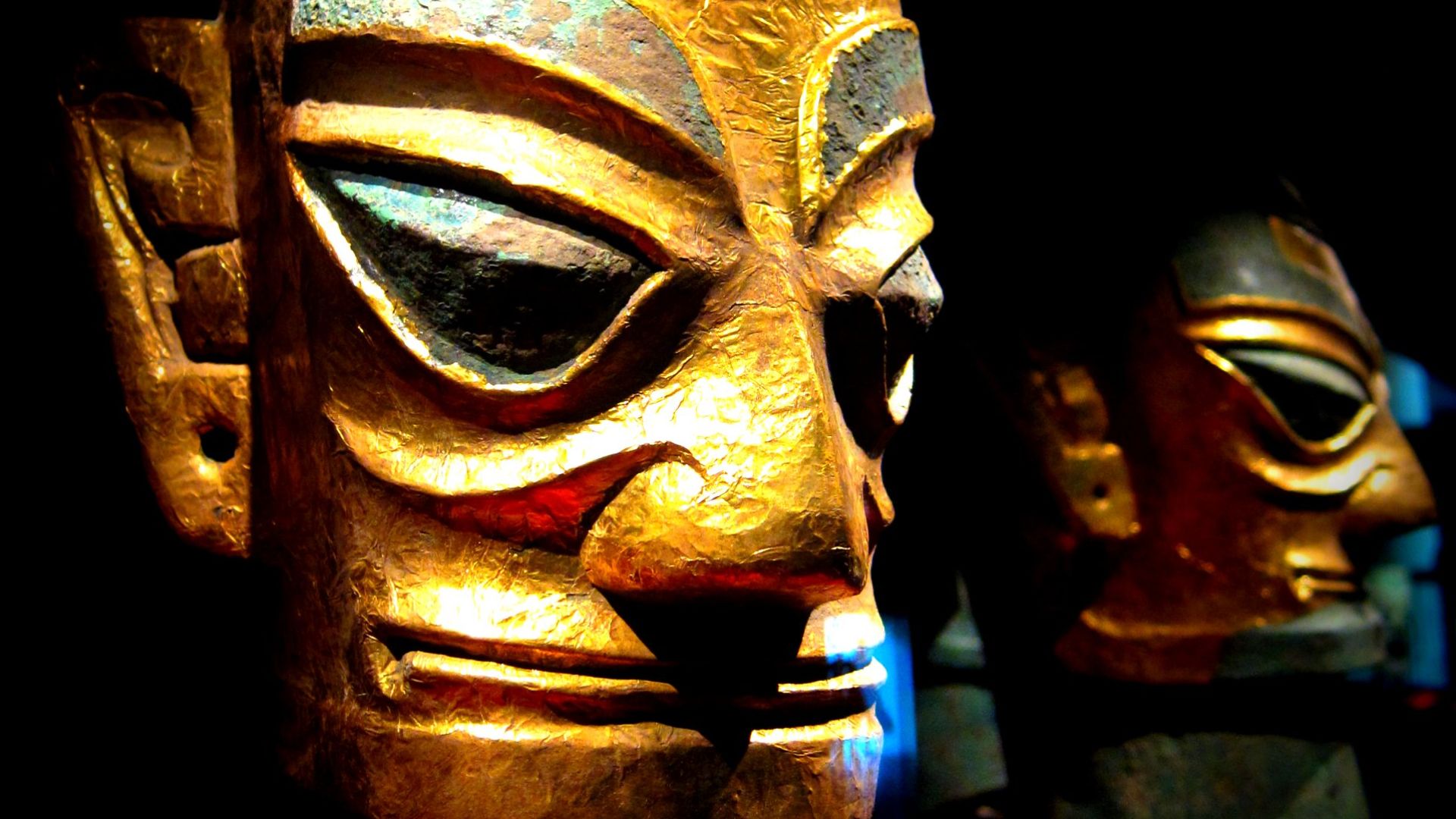
Great Wall Of Texas
A well-digging crew in 1852 hit what appeared to be an ancient fortress wall beneath Texas soil. Stacked sandstone blocks formed perfect lines stretching for miles. Geologists later proved it natural—a massive prehistoric dike—but its precise shapes still fool first-time visitors every generation.
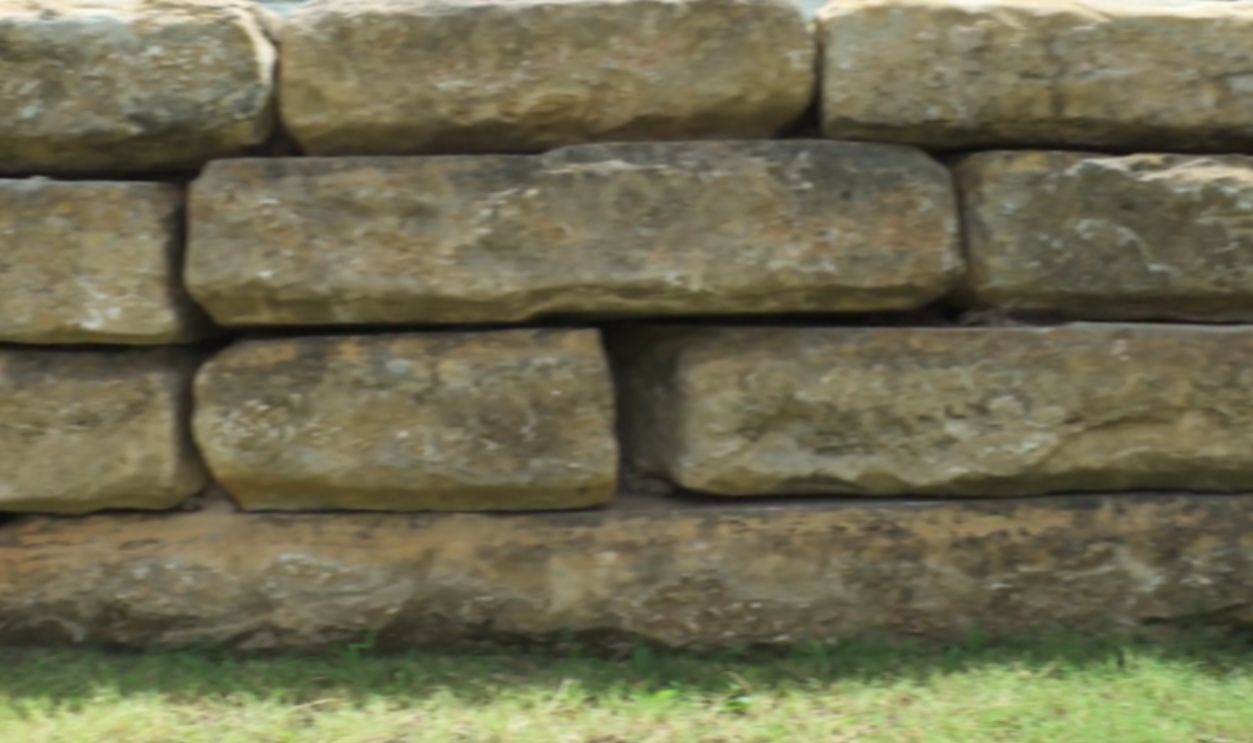 The Mysterious Rock Wall of Rockwall, TX ❔❓❔by The Daytripper
Fuente Magna Bowl
Unearthed near Lake Titicaca, this stone vessel bears Sumerian-style cuneiform beside Andean iconography. Reportedly found in the 1950s near Bolivia, it shouldn’t exist that far from Mesopotamia—at least according to history’s map. Scholars still debate whether it’s authentic cross-cultural contact or an uncanny modern forgery carved with ancient ambition.
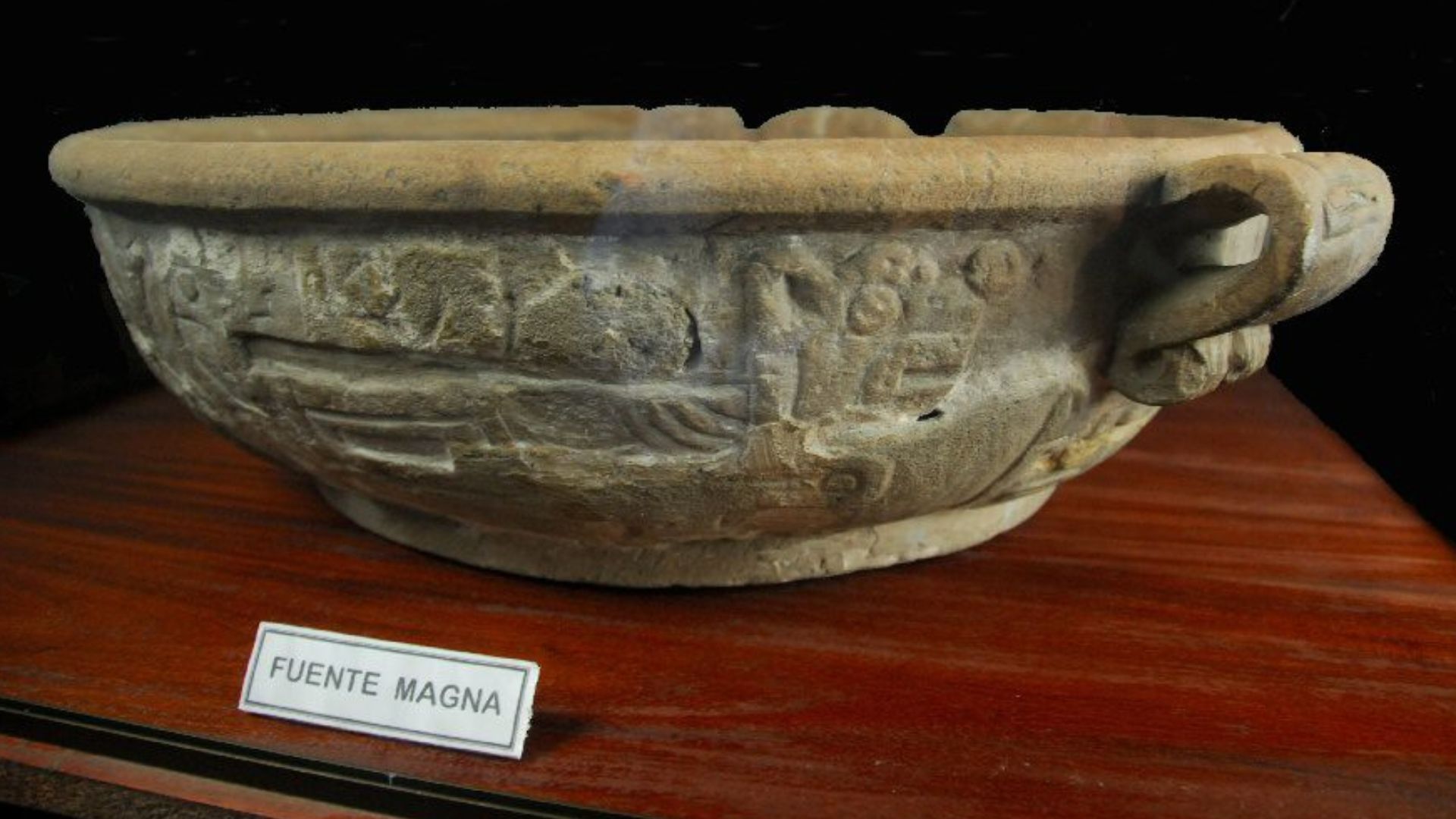
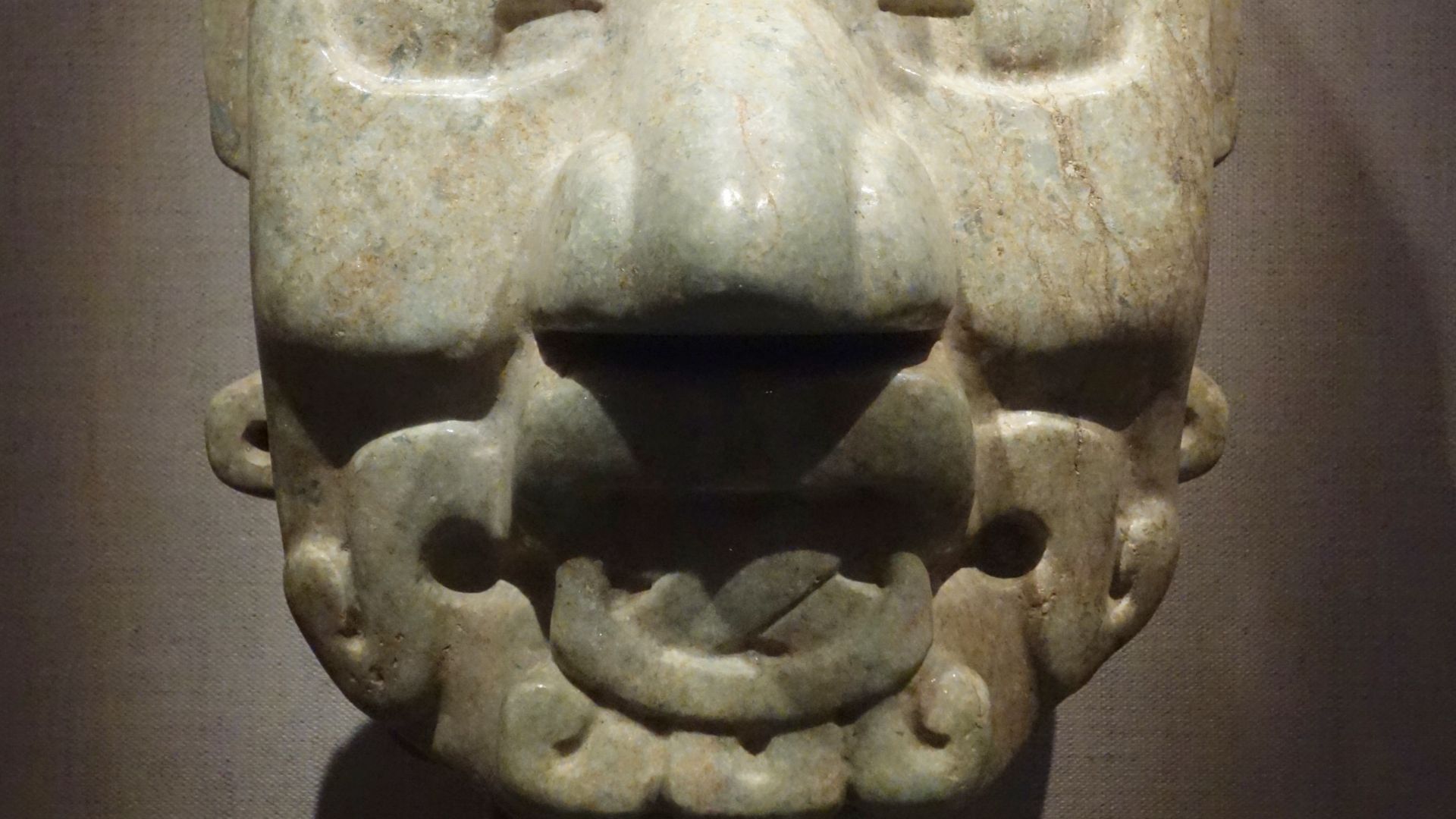
Stone Head Of Guatemala
A photograph from the 1950s showed a colossal face rising from jungle soil—its fine European features baffling researchers. The head later vanished, leaving only grainy evidence. Some call it proof of lost civilizations; skeptics see creative landscaping and folklore fused into Central America’s most enduring phantom monument.
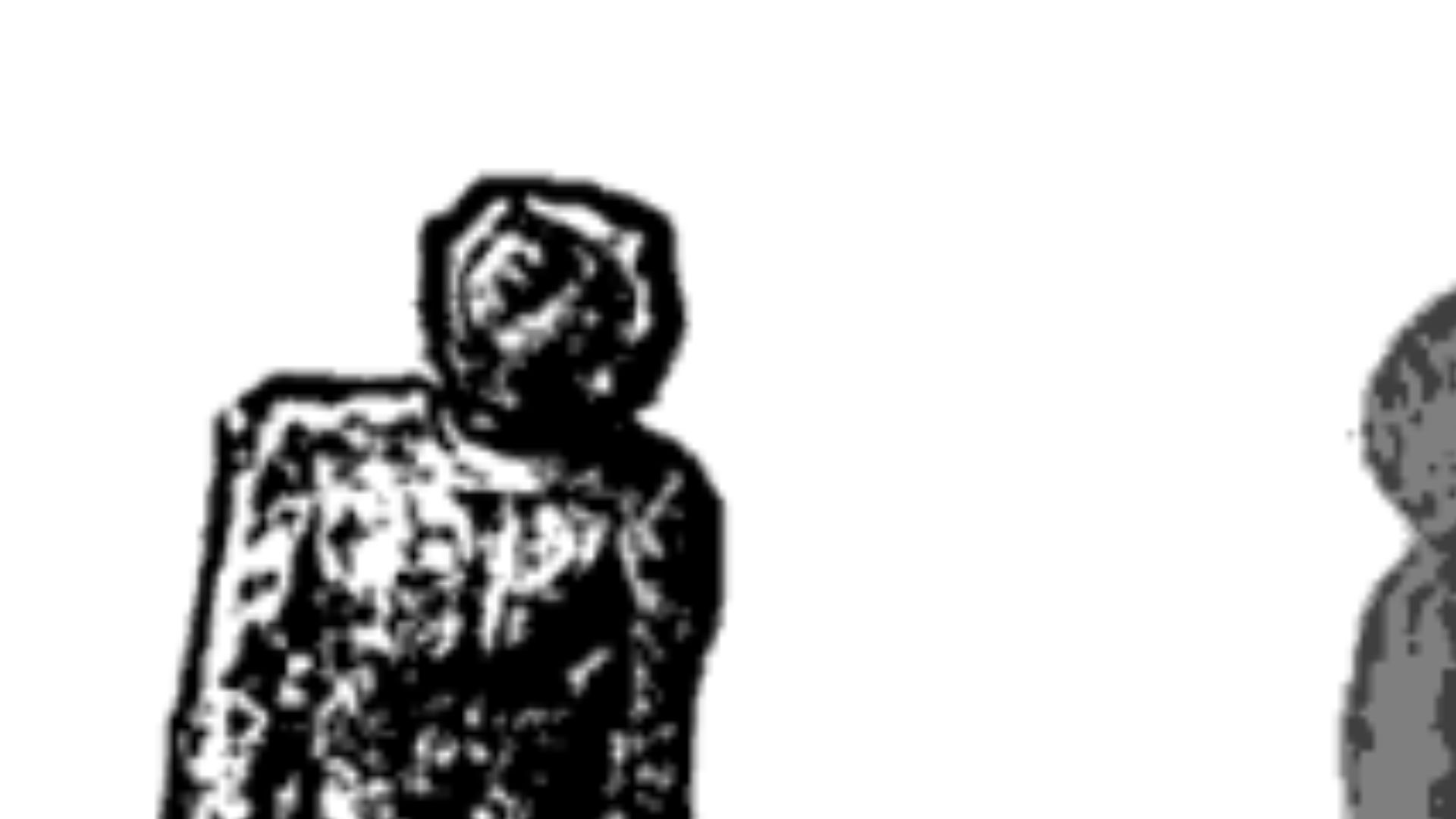
Nampa Figurine
In 1889, drillers in Idaho pulled up a tiny baked-clay doll from nearly 300 feet underground. The strata are dated to the Pliocene, millions of years before humans. Most experts suspect contamination, but the delicate skill of the Nampa Figurine still tempts anyone who loves a good archaeological paradox.
 George Frederick Wright, Wikimedia Commons
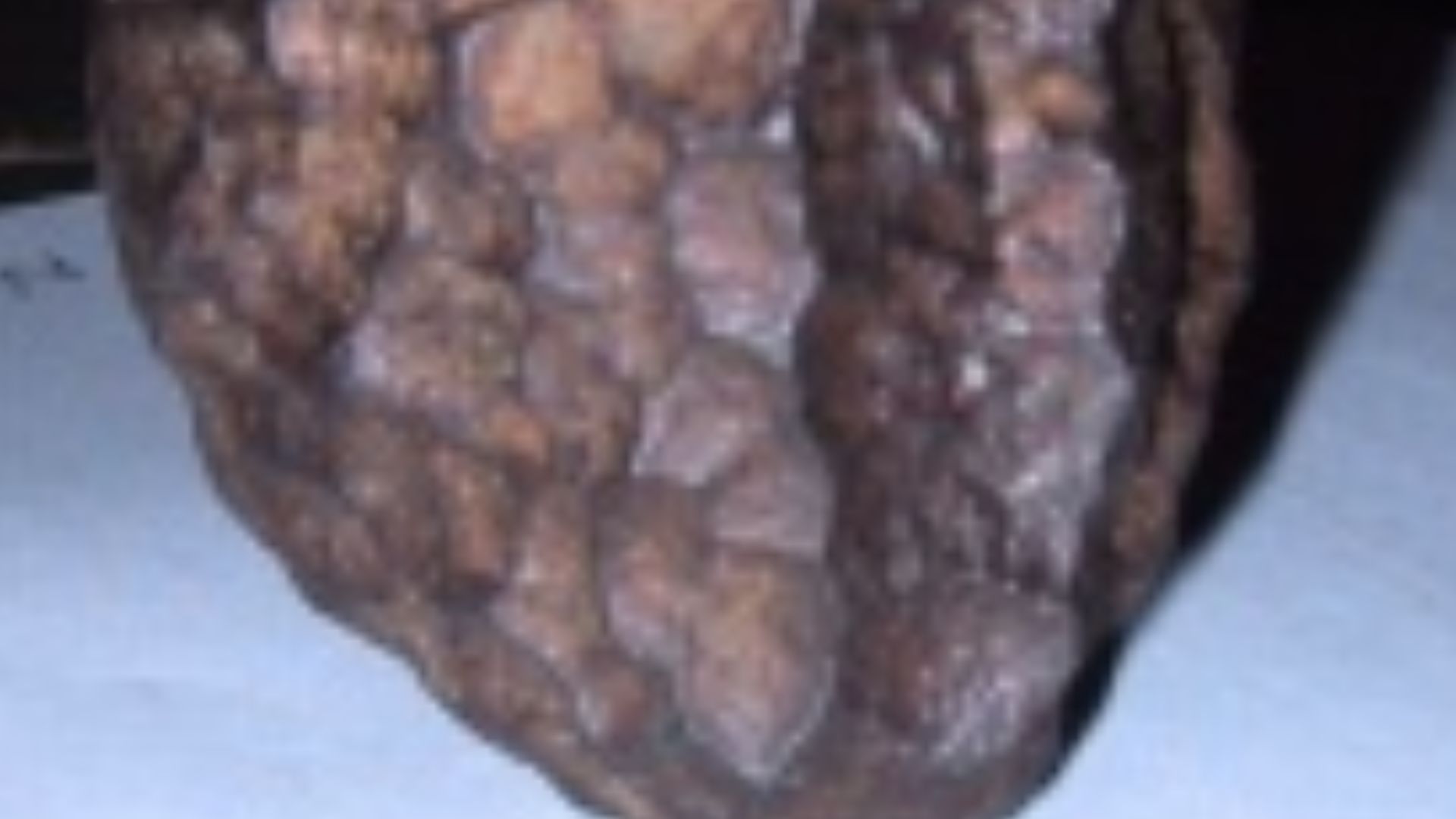
Salzburg Cube
While fueling a furnace in Austria in 1885, a worker cracked open coal to find an iron cuboid with perfect symmetry. Dubbed the “Salzburg Cube,” it seemed machined long before humans smelted steel. Later analysis labeled it industrial slag—but its uncanny geometry keeps conspiracy circles turning.
 Editor Bob at English Wikipedia, Wikimedia Commons
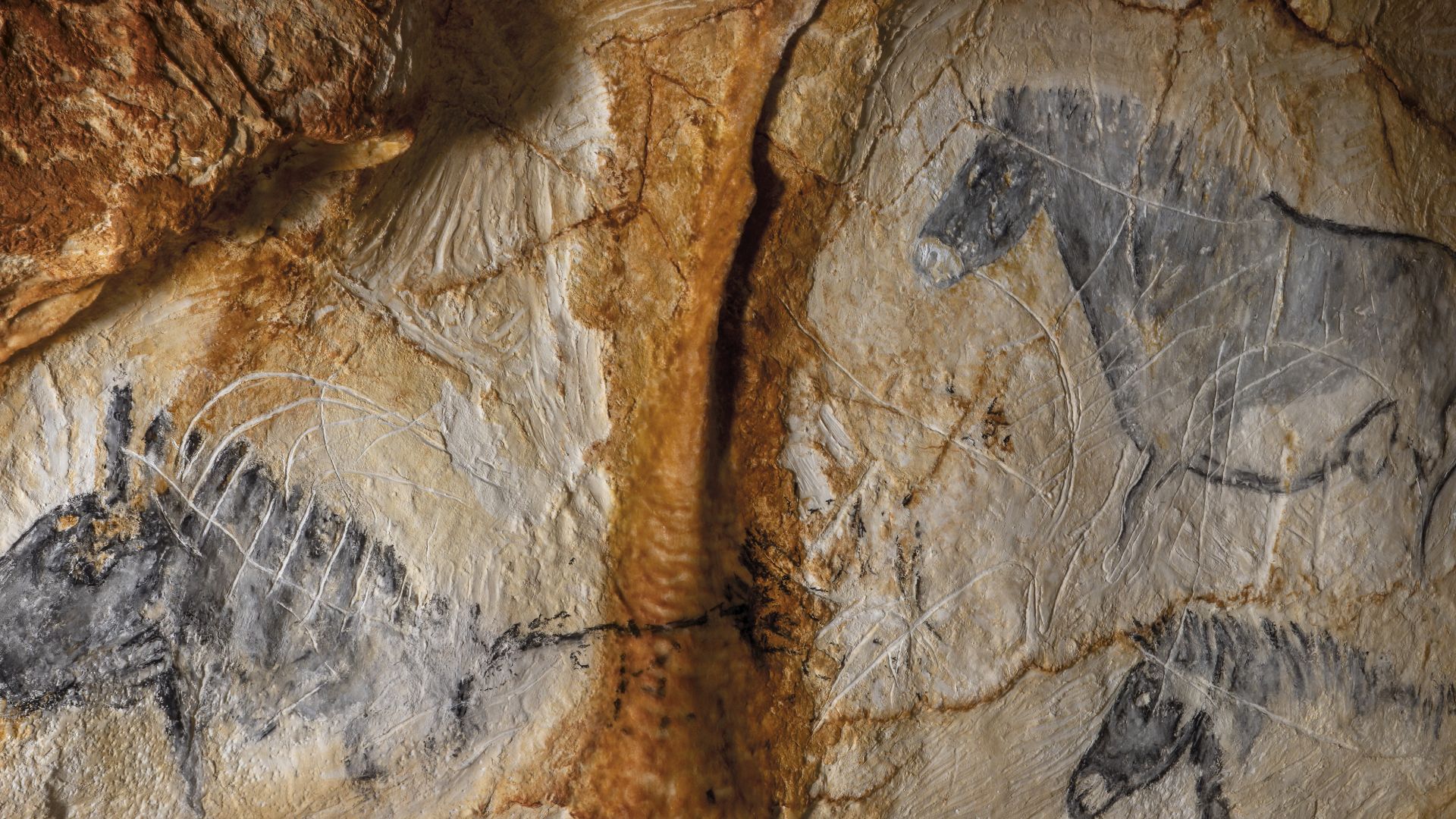
Cosquer Cave Paintings
Accessible only by diving off France’s Mediterranean coast, Cosquer Cave holds Ice Age art 120 feet below sea level. Its horses and handprints survived thanks to a sealed air pocket. Rising seas flooded the entrance, preserving vivid testimony of Paleolithic creativity beneath the modern waves.
 Kleber Rossillon & Région Provence-Alpes-Côte d’Azur / Sources 3D MC, Wikimedia Commons
Mount Owen Moa Claw
Back in 1986, spelunkers exploring New Zealand’s Mount Owen caves uncovered a claw still sheathed in skin and muscle. Tests revealed it belonged to the long-extinct giant moa, which had been gone for centuries. Its eerie preservation transformed a routine dig into a near-prehistoric resurrection in the damp mountain dark.
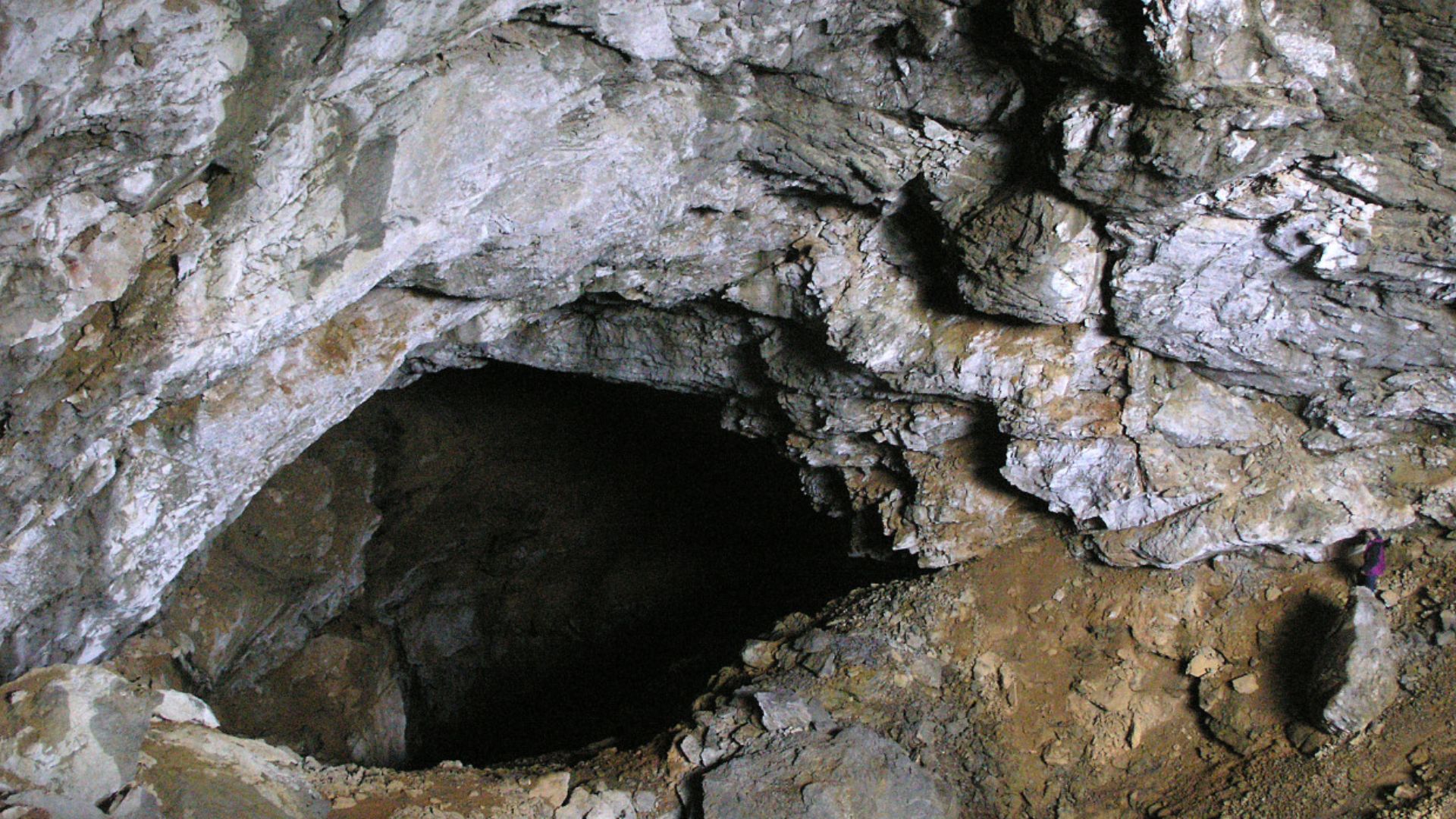 Dave Bunnell, Wikimedia Commons









