
Earth’s Silent And Occasionally Mysterious Partner
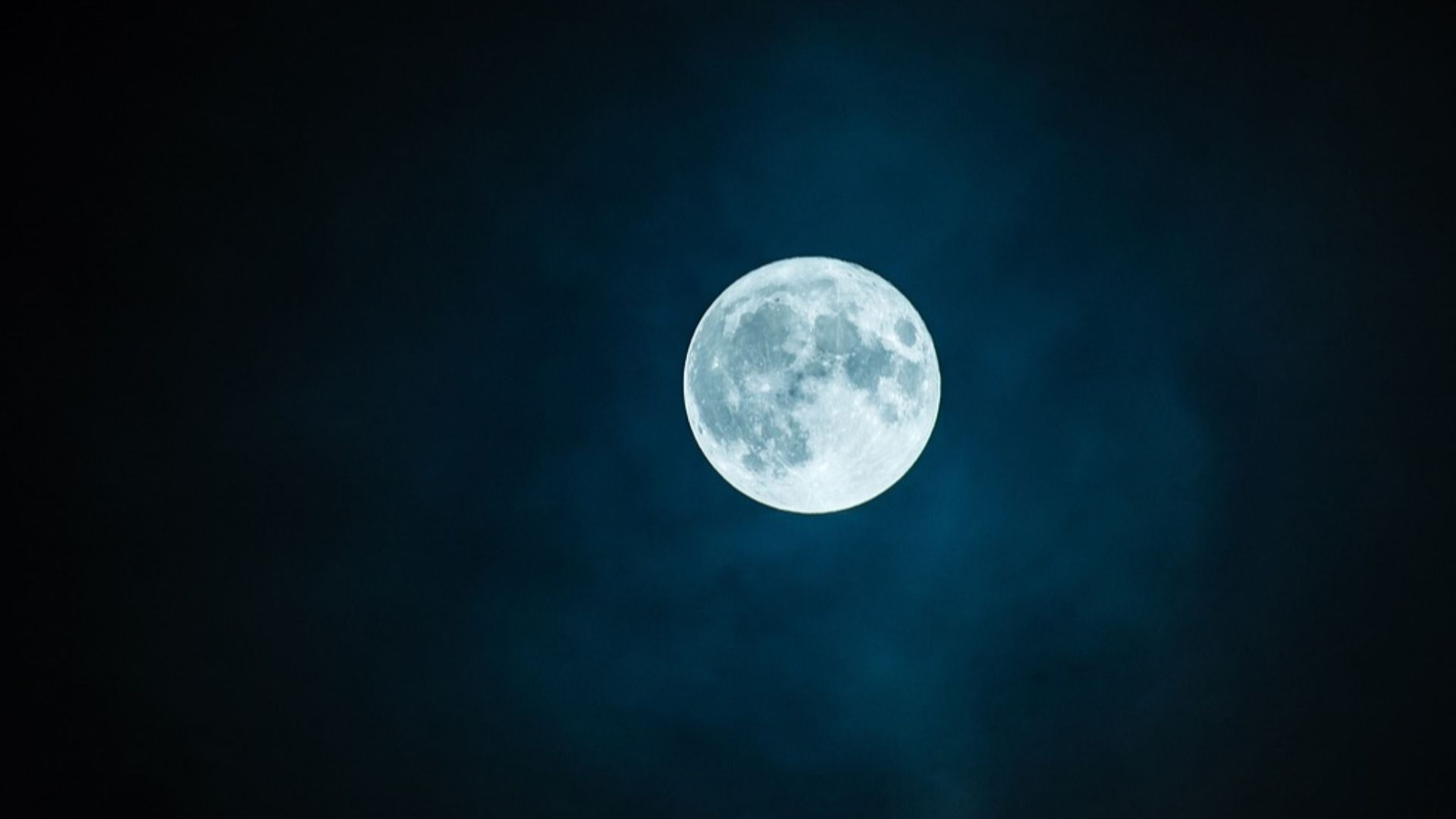
It’s always been right there, shaping tides and marking time. But beneath that calm glow hides a world that refuses to give up all its answers.

The Moon’s True Origin
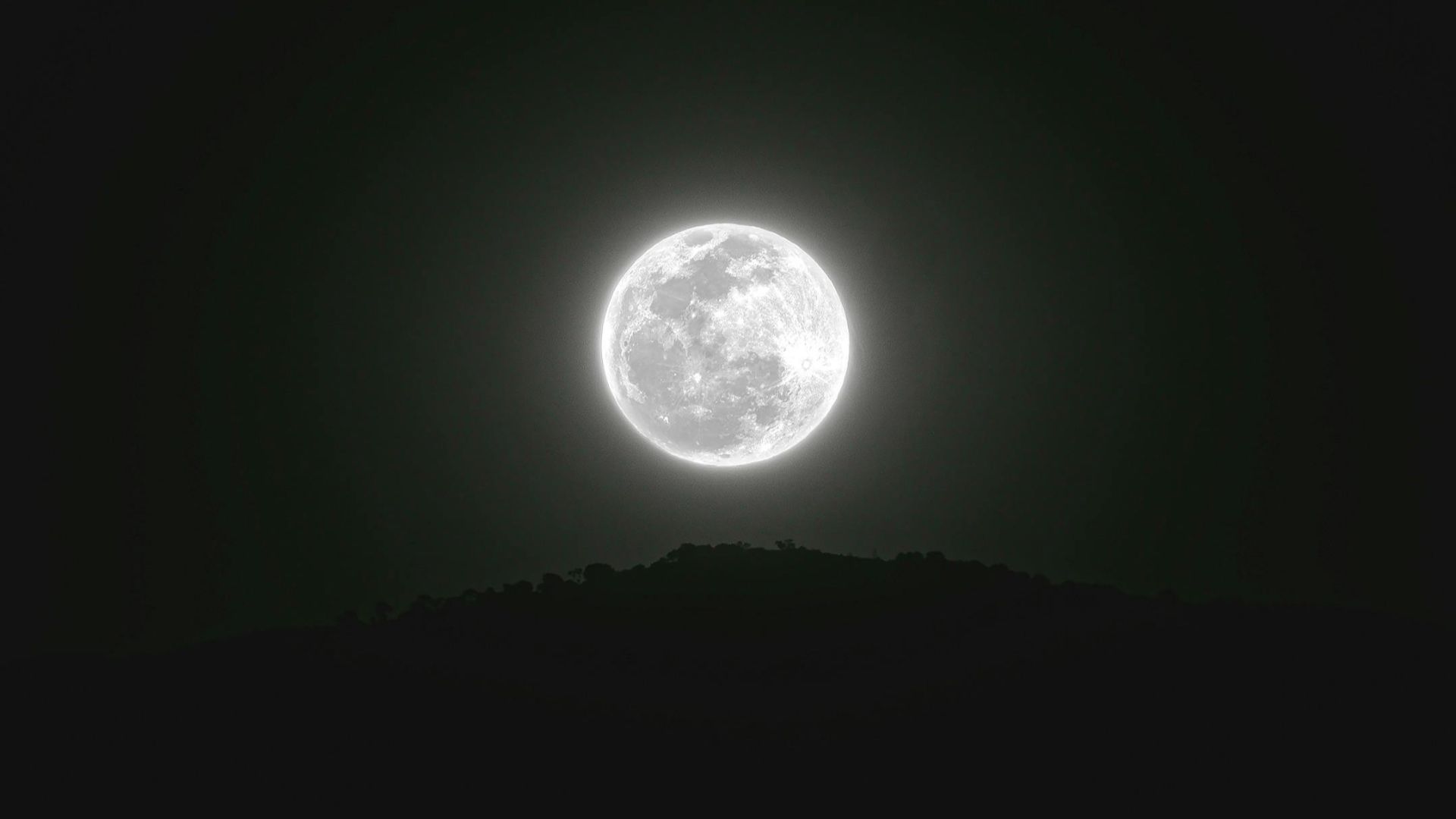
Most scientists agree it formed after a massive collision between Earth and a Mars-sized body. Yet, lunar samples show chemical similarities too close for comfort, and this suggests something more complex. The precise event that created our only natural satellite remains one of astronomy’s most stubborn puzzles.
Why The Far Side Looks So Different
The Moon’s hidden face is packed with craters and lacks the dark basalt plains seen from Earth. That contrast hints at different cooling rates or internal heat flows. No single theory fully explains how two halves of the same body evolved so unevenly.

Unexplained Lunar Magnetic Anomalies
Scattered across the surface, patches of magnetic rock confuse researchers. The Moon does not have a global magnetic field, but these localized areas act like fossil magnets. Their uneven distribution hints at ancient core activity or impacts that momentarily magnetized the crust billions of years ago.

The Moon’s Shrinking And Quakes
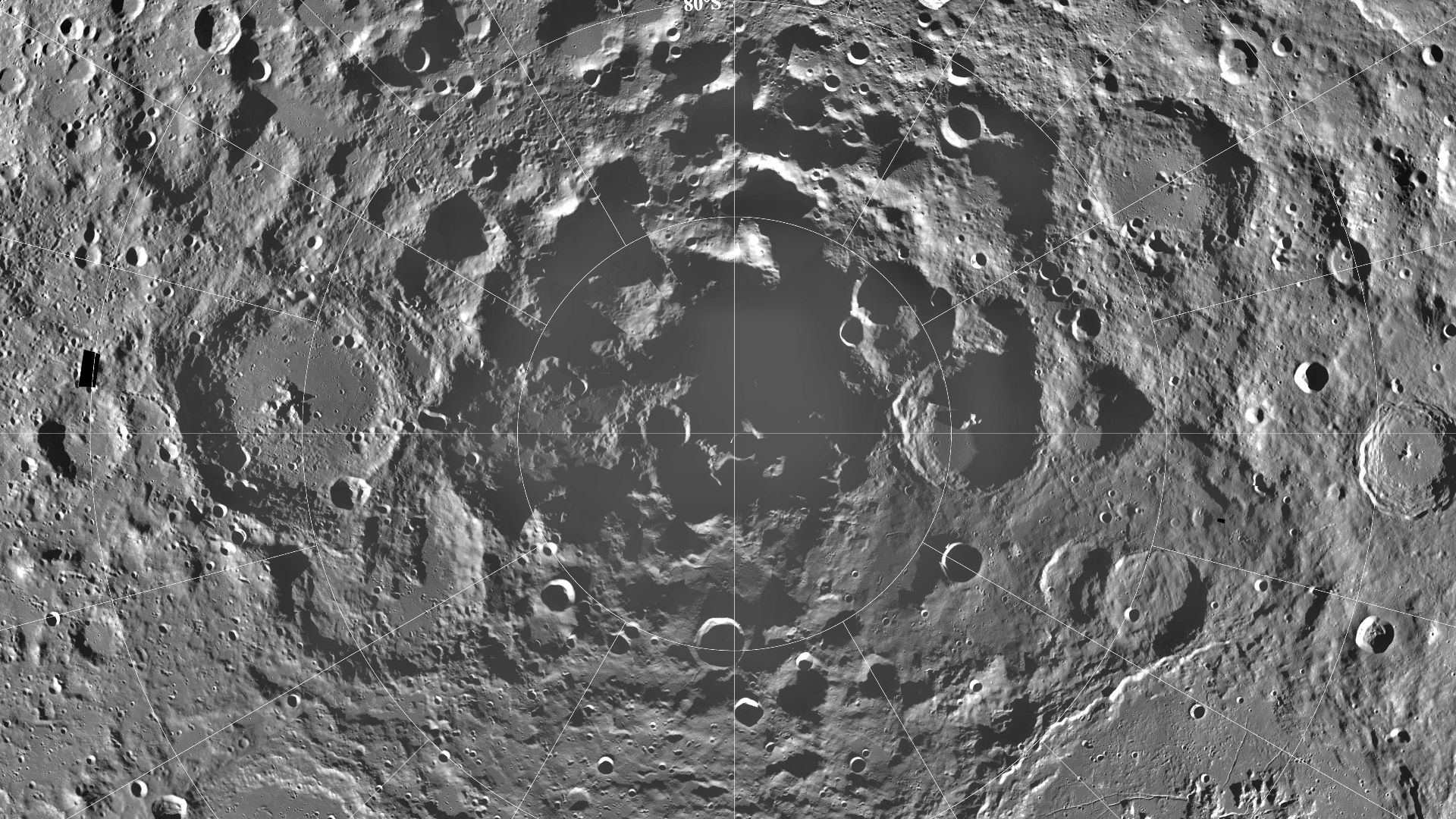
Images from NASA’s Lunar Reconnaissance Orbiter show cliff-like faults where the surface has buckled. These “wrinkle ridges” mean the Moon’s interior is cooling and contracting. Small quakes recorded by Apollo seismometers confirm it’s still adjusting as a living relic of slow, ongoing geological tension.

Water Inside Lunar Rocks
Apollo samples, once thought bone-dry, turned out to contain tiny beads of water trapped in volcanic glass. That discovery rewrote early Moon theories. The source remains unclear—perhaps comet impacts, solar wind reactions, or remnants from its formation. Whatever the origin, it changed everything.
 NASA/JPL-Caltech, Wikimedia Commons
Transient Lunar Light Flashes
Observers have long reported sudden glows and flashes across the lunar surface. Some last seconds, others minutes. Cameras occasionally capture them, but not consistently. These “transient lunar phenomena” might stem from outgassing, electrostatic dust, or meteoroid impacts, and none has been fully proven after decades of observation.
The Moon’s Irregular Wobble
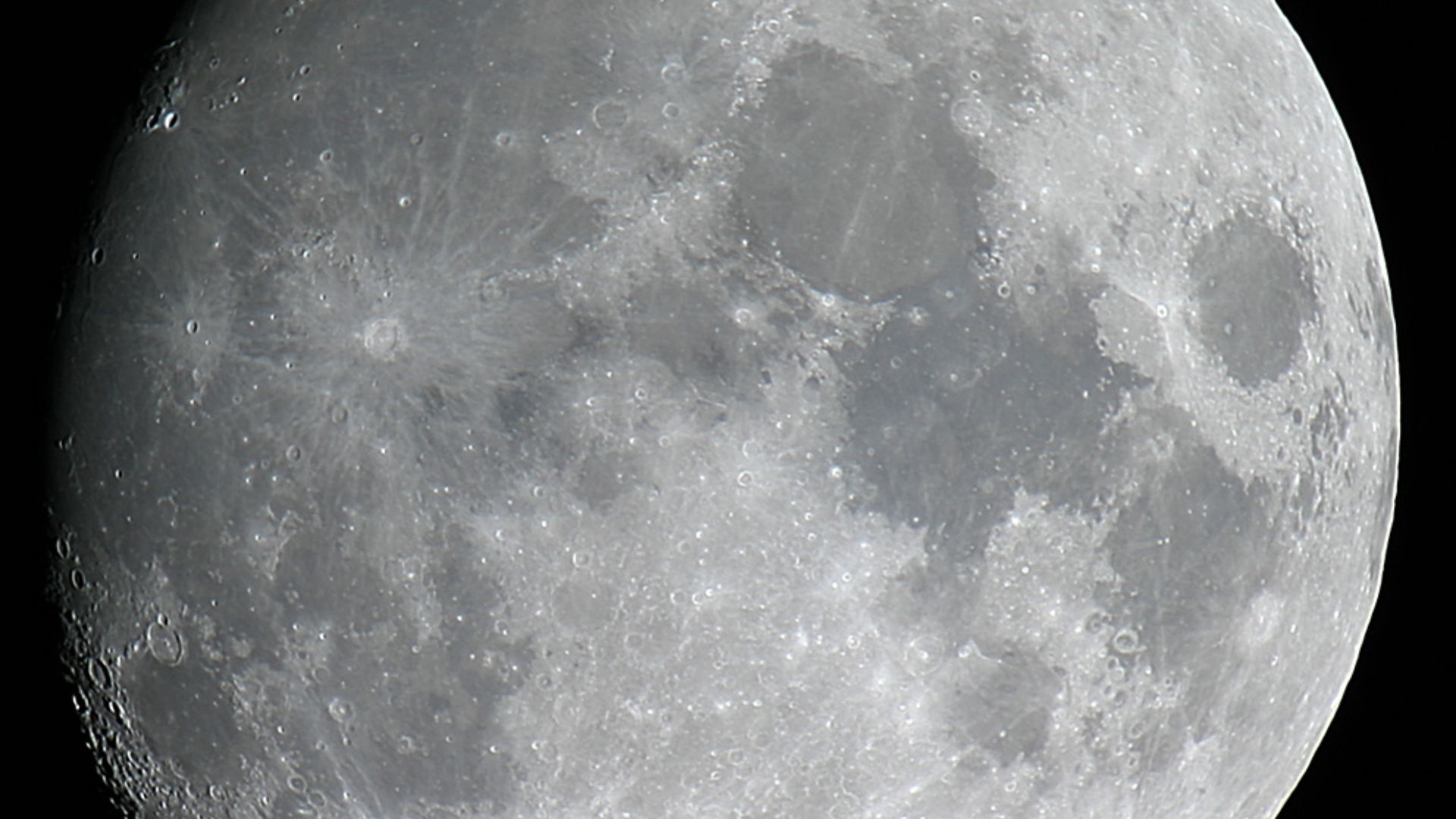
The Moon doesn’t face Earth with perfect steadiness. It rocks slightly as it orbits, a movement called libration. Tiny deviations from expected patterns persist, suggesting complex interior layering or gravitational influences. Even with precise measurements, that rhythmic sway remains partly unexplained by current models.
 NASA Goddard Space Flight Center from Greenbelt, MD, USA, Wikimedia Commons
The Moon’s Faster-Than-Predicted Drift From Earth
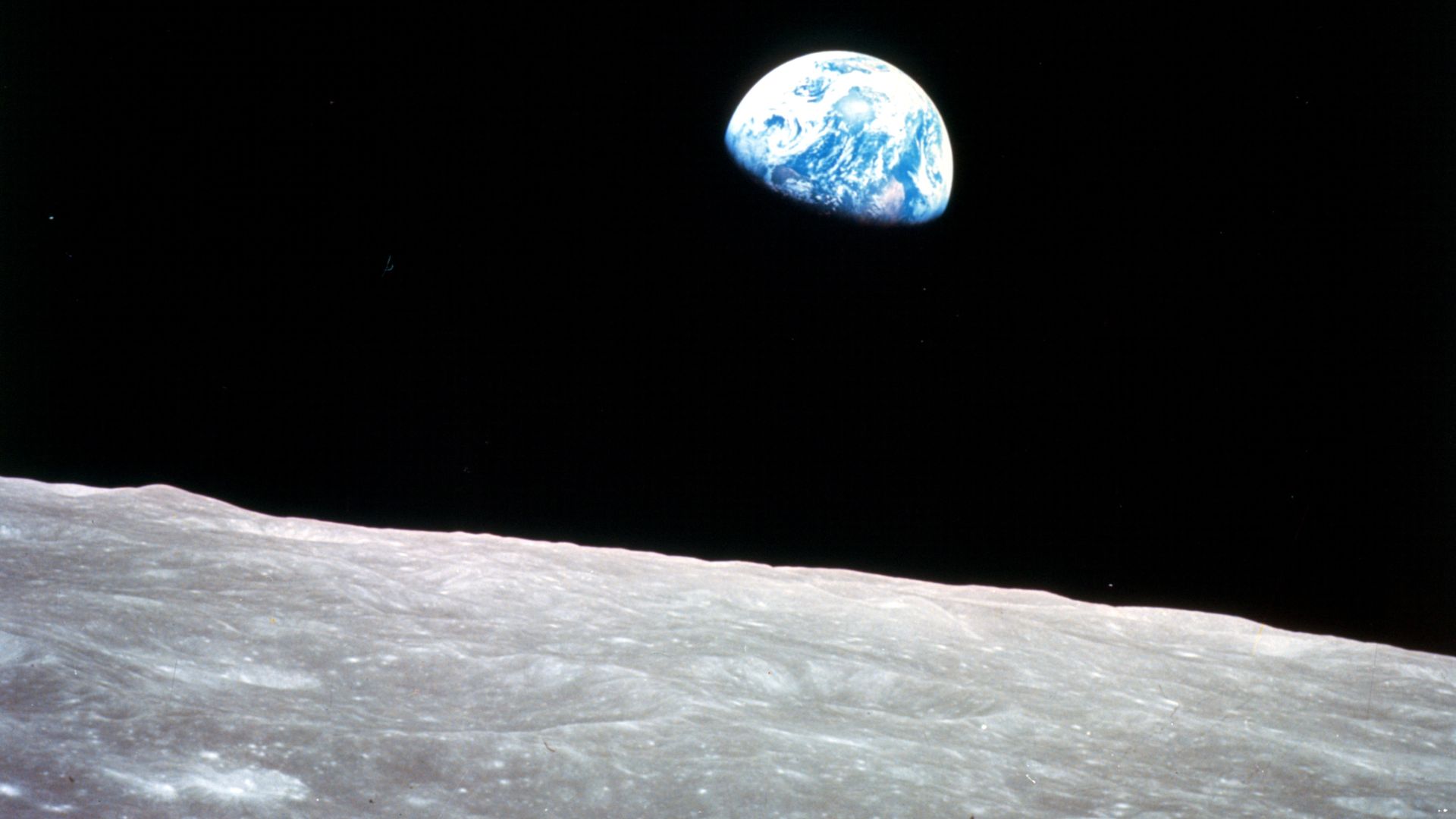
Laser reflectors left by Apollo missions show the Moon drifting away about 1.5 inches yearly. That’s faster than ancient tidal data predicts. Scientists suspect shifting ocean tides or long-term changes in Earth’s rotation, yet no single explanation fully matches the observed acceleration.
 Apollo 8 crewmember Bill Anders, Wikimedia Commons

History's most fascinating stories and darkest secrets, delivered to your inbox daily.
Hidden Mascons Beneath Craters
Gravity-mapping satellites revealed dense regions beneath some lunar basins called mascons, or mass concentrations. These anomalies distort spacecraft orbits and defy simple modeling. Their origin likely links to heavy impact events and molten rebound, though the precise layering of those subsurface structures still eludes clarity.
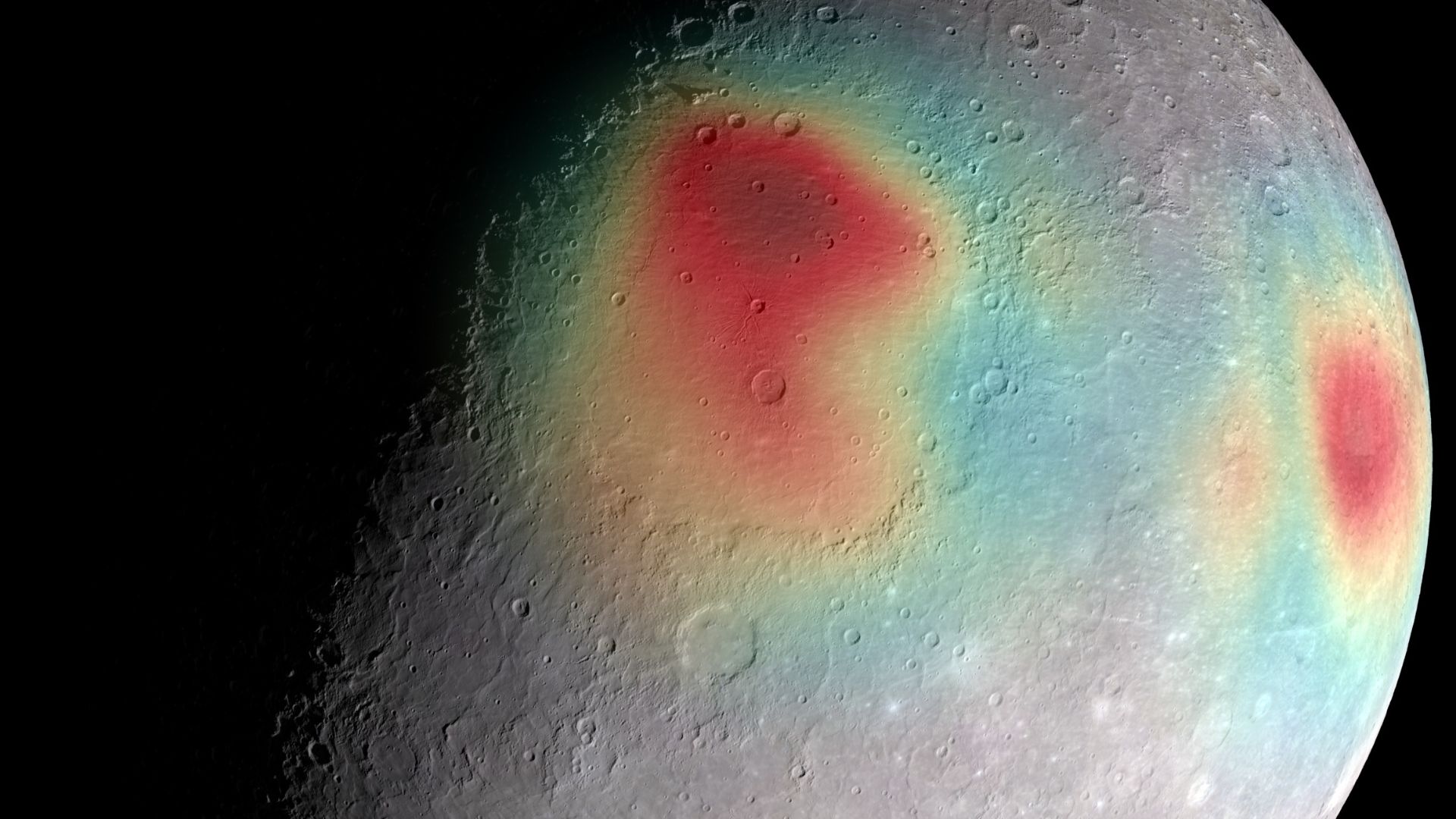
Electrostatic “Jumping” Lunar Dust
On the Moon, fine dust grains can lift and float without wind. Charged by solar radiation, they repel each other and drift above the surface to form a dusty haze that Apollo astronauts glimpsed. Understanding this behavior is key to future habitats and equipment protection.
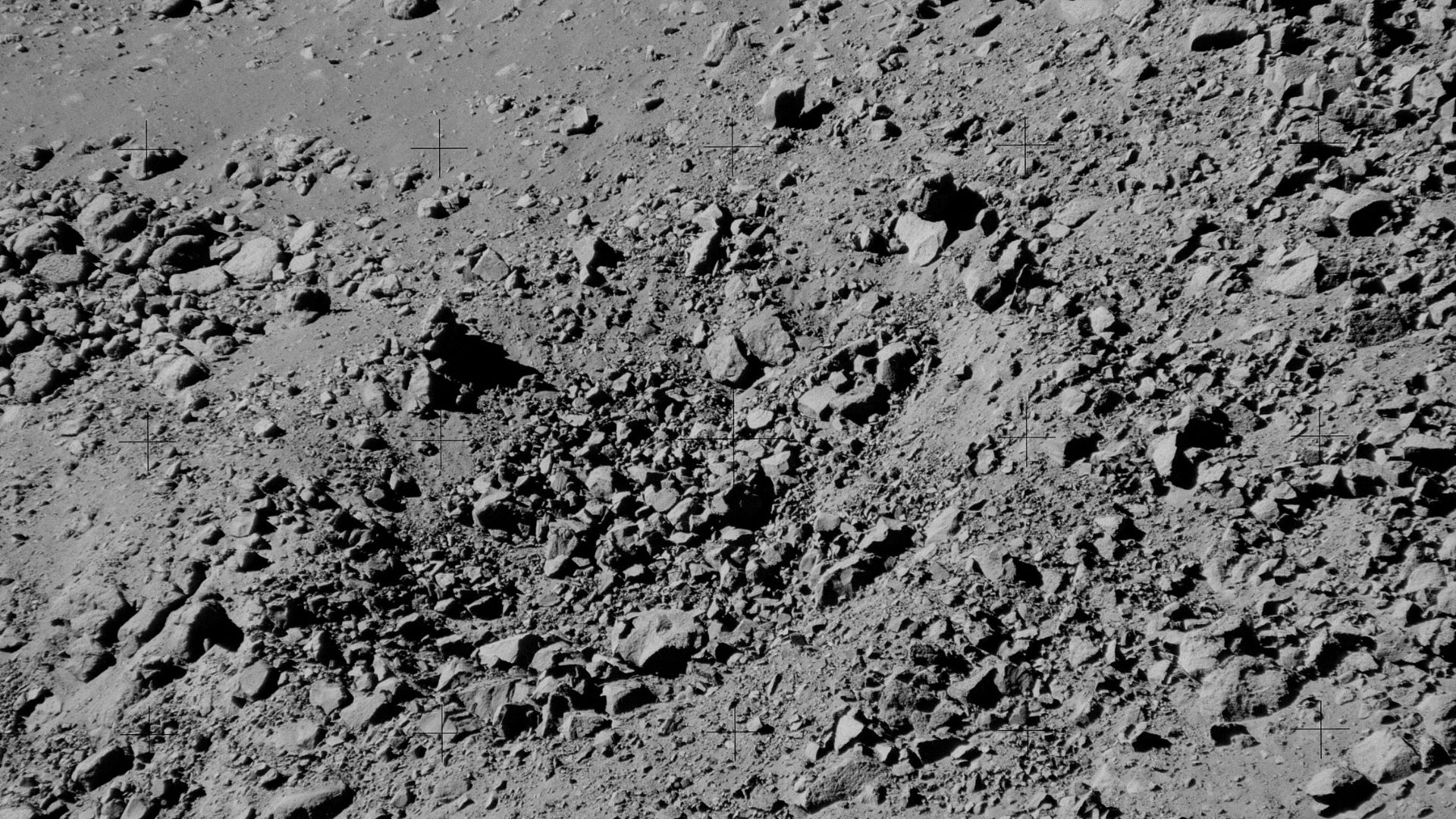
Lunar Swirls Like Reiner Gamma
These bright, swirling patterns stretch across hundreds of miles yet show no elevation or rock difference. They’re linked to strong localized magnetic fields that protect surface dust from solar weathering. Their perfect alignment with those fields makes them one of the Moon’s strangest natural artworks.
 U.S. Government, Wikimedia Commons
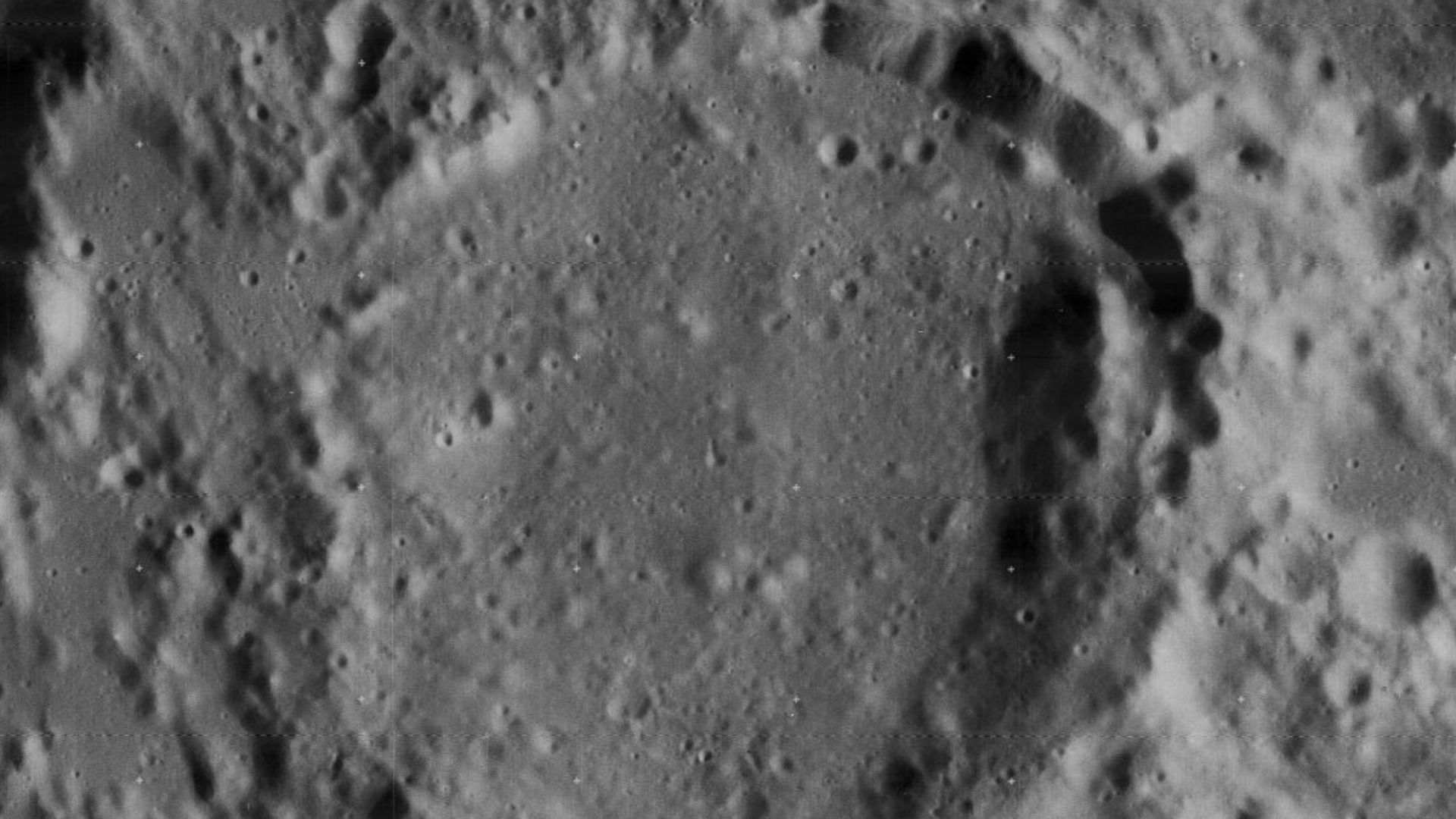
Crater-Floor Hollows
Certain craters, especially near the equator, hold smooth, shallow depressions unlike normal impact pits. These craters appear too young and too clean for their surroundings. Some may result from volcanic outgassing or collapsing lava tubes, but their precise age and formation method remain unidentified.
 James Stuby based on NASA image, Wikimedia Commons
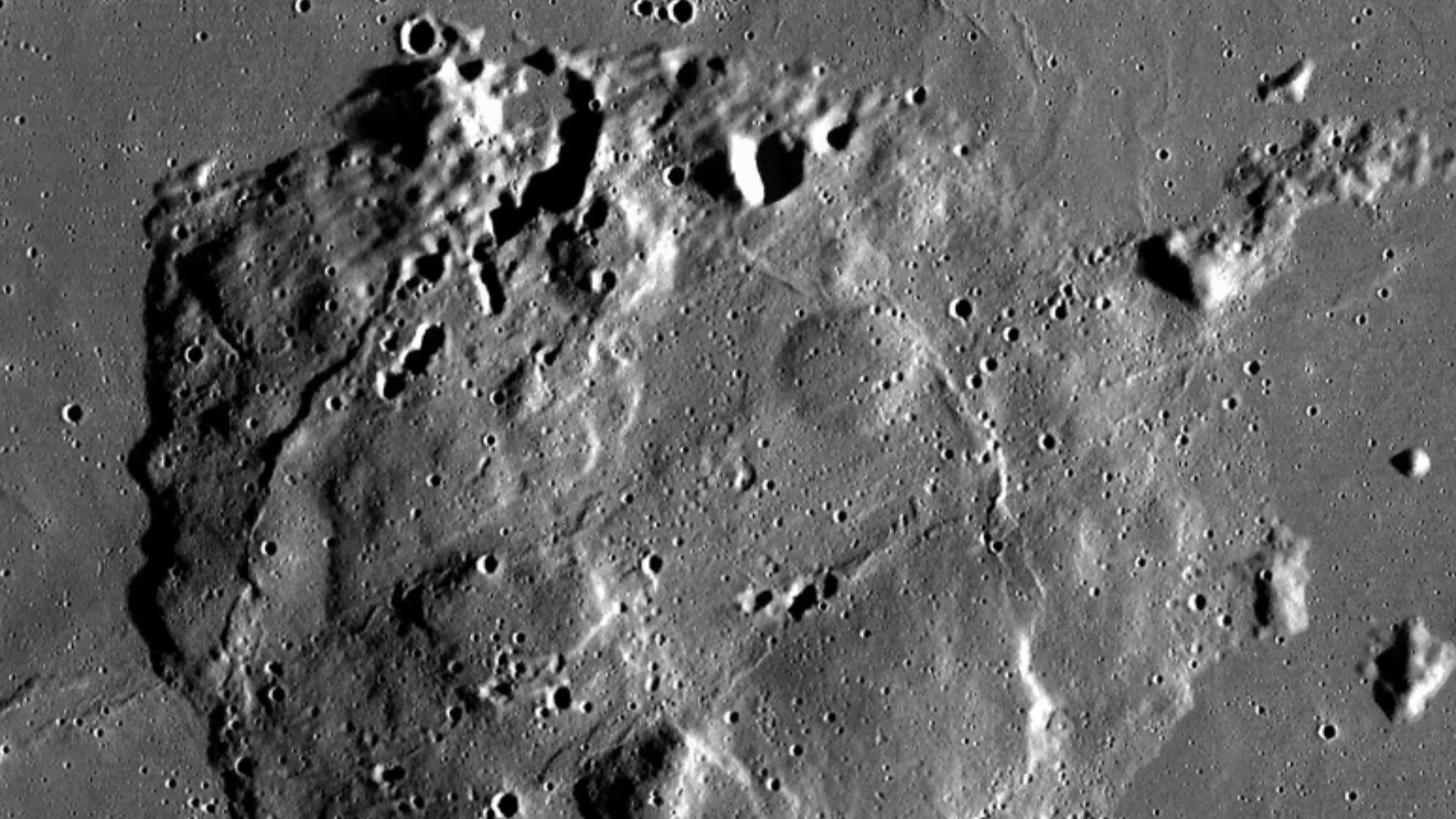
Unexpectedly Young Volcanic Activity
Recent orbiters spotted volcanic domes far younger than expected—some less than 100 million years old. That’s recent in lunar time. It means heat lingered in the Moon’s mantle longer than predicted, and this challenges long-held assumptions about how quickly small planetary bodies cool.
Missing Atmosphere And Magnetic Shield
Early in its history, the Moon briefly carried a thin atmosphere from volcanic gases. Today, only traces remain. Without a magnetic field, solar wind stripped everything away. Scientists can’t determine why magnetism collapsed so early while Earth continues to thrive.
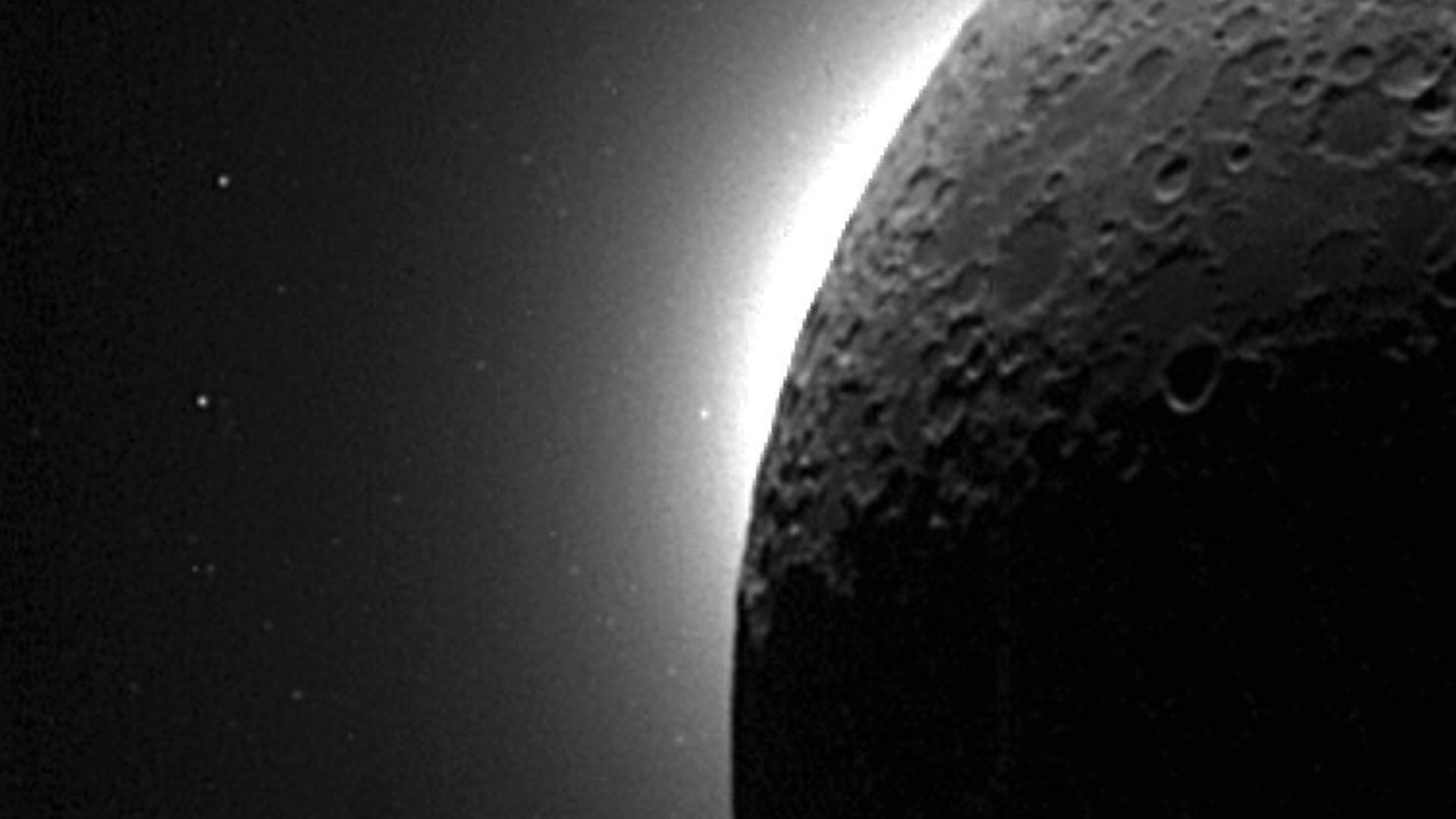
Horizon Glow Seen By Apollo Crews
Astronauts orbiting the Moon reported faint glowing arcs at the horizon before sunrise. Cameras later caught similar hazes. Charged dust, lifted by solar particles, likely created those soft halos. That glow revealed an active surface, electrically alive even in total silence.
 NASA/U.S. Geological Survey, Wikimedia Commons
Deep “Moon Pits” With Unknown Origins
Cameras peering into Mare Tranquillitatis found openings plunging dozens of meters deep. Their smooth walls hint at collapsed lava tubes—ancient volcanic tunnels frozen in time. These pits may offer stable temperatures, making them ideal shelters for future explorers or lunar bases.
 NASA/GSFC/Arizona State University, Wikimedia Commons
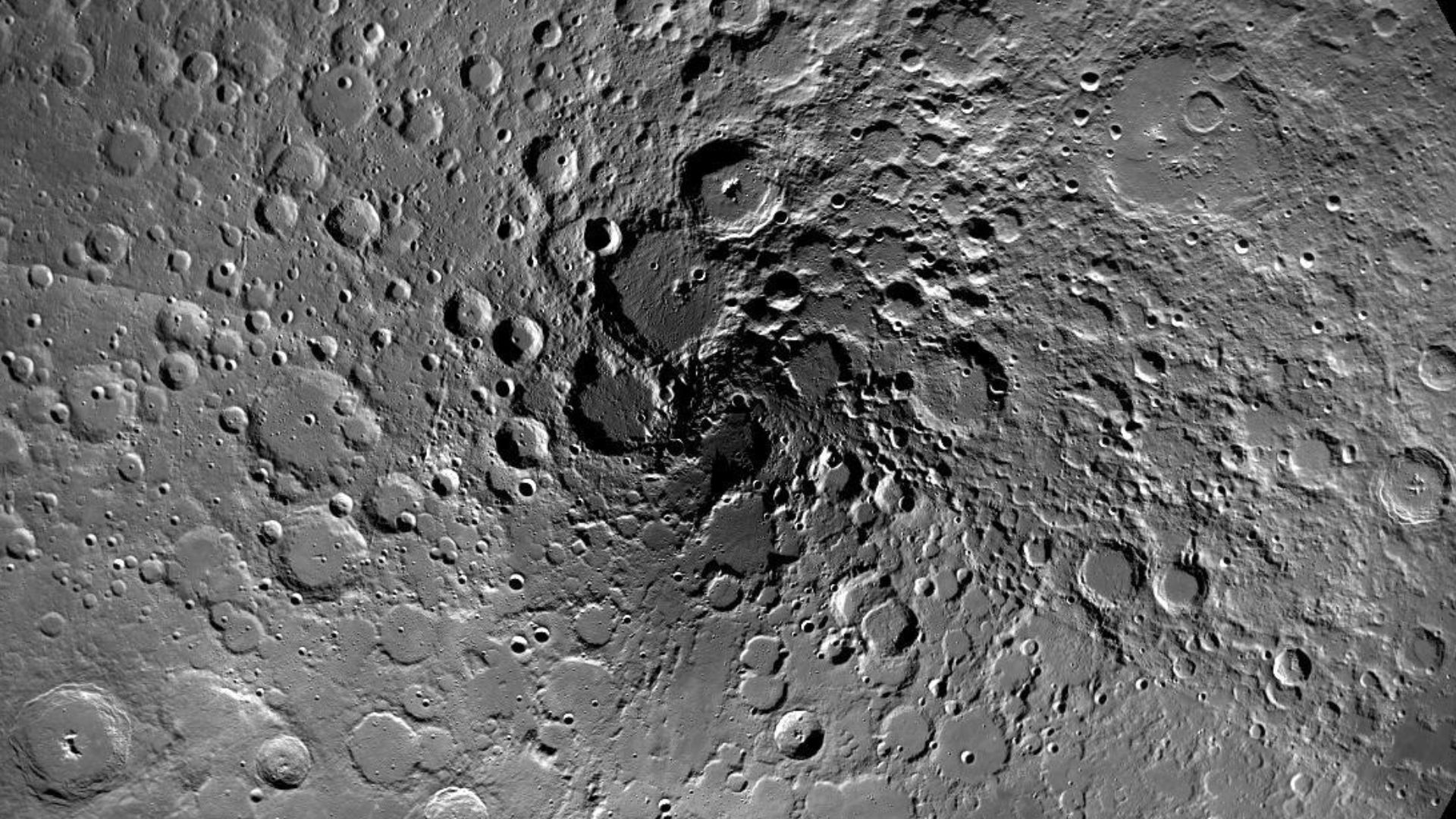
Thermal Anomalies Near The Poles
Infrared sensors record unexpected warmth near some polar craters where sunlight never reaches. The heat signatures suggest hidden subsurface materials or residual geothermal activity. Their detection complicates assumptions about permanently frozen regions and adds new intrigue to future polar landing missions.
 NASA/GSFC/Arizona State University, Wikimedia Commons
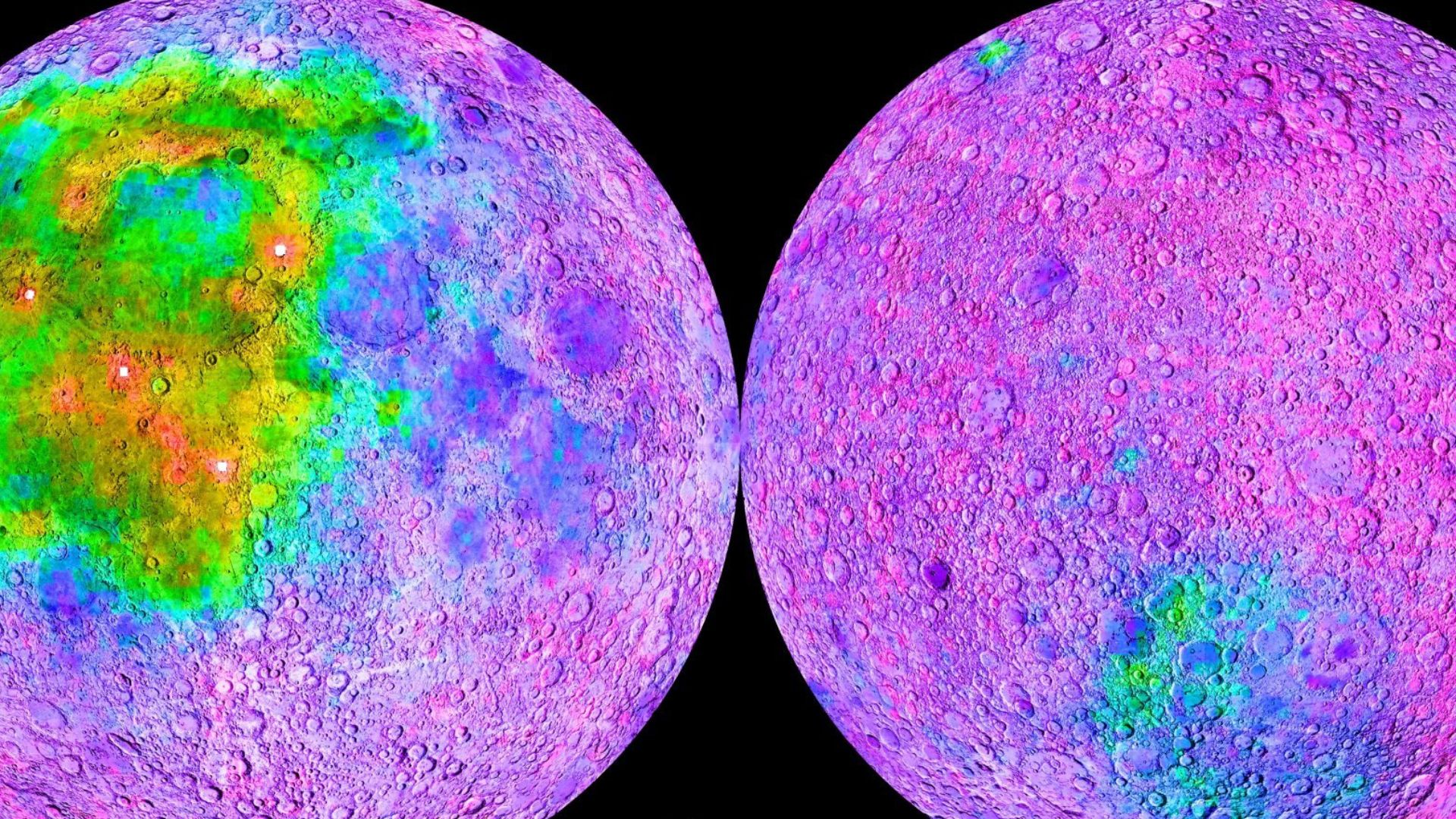
Radioactive Thorium Clusters
Certain regions, particularly around the Procellarum KREEP Terrane, hold high thorium concentrations. Thorium forms during long-lived volcanic activity, and this implies the existence of an ancient reservoir of radioactive heat. Its irregular distribution points to internal processes not yet mapped in detail.
Small Lunar Core Mystery
The Moon’s core is much smaller than models predict, making up only a fraction of its total mass. Seismic data indicate a partly molten interior despite its size. That compact structure challenges theories of differentiation during early planetary formation and of heat retention.
Ancient Magnetism In Moon Rocks
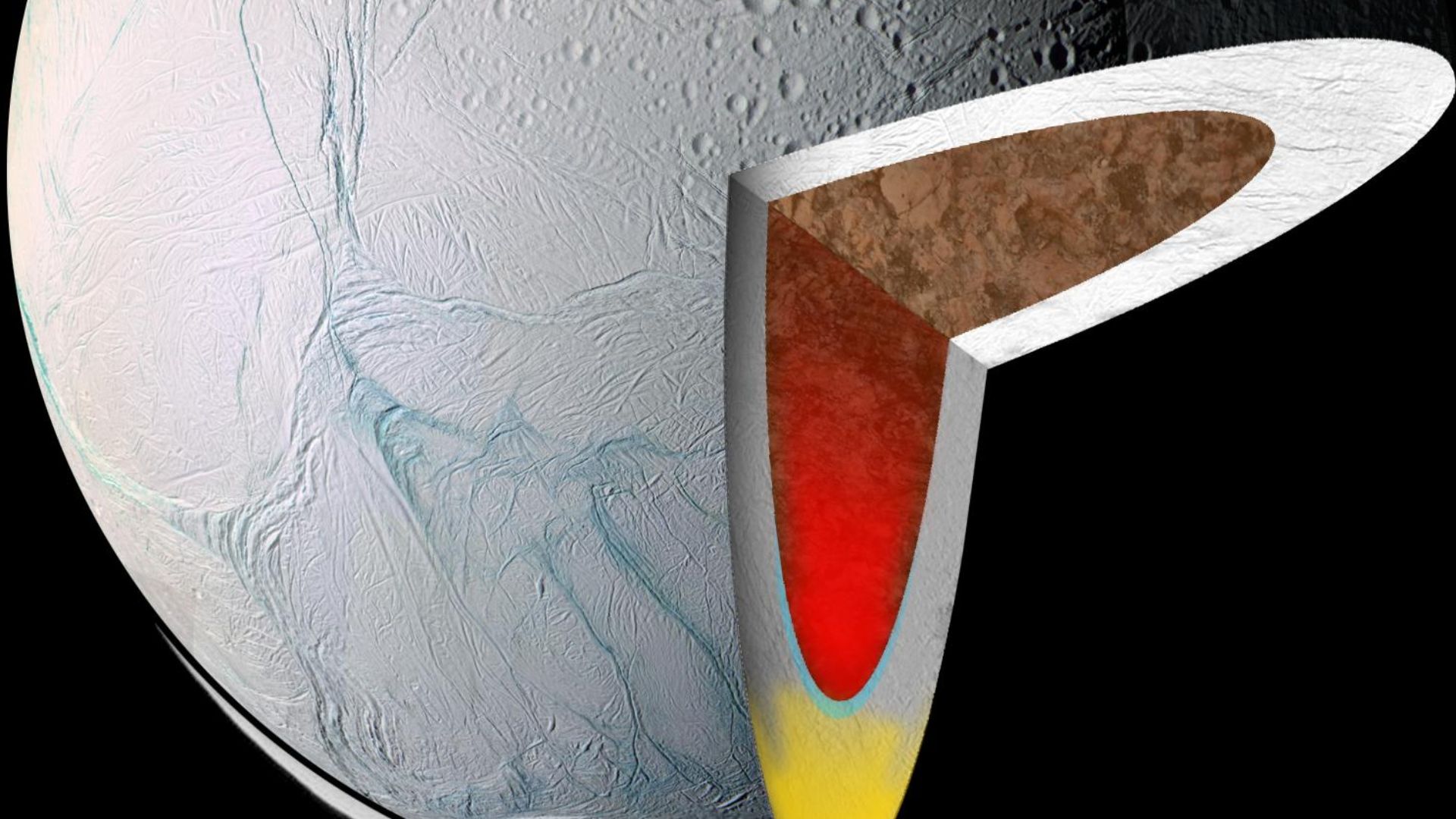
Some Apollo rocks carry magnetic signatures that shouldn’t exist without a strong magnetic field. They record conditions from billions of years ago when the Moon somehow generated one. Determining how such a small world powered that dynamo remains a key question in planetary physics.
 Tim Evanson from Cleveland Heights, Ohio, USA, Wikimedia Commons
Reflective Glow From Old Impacts
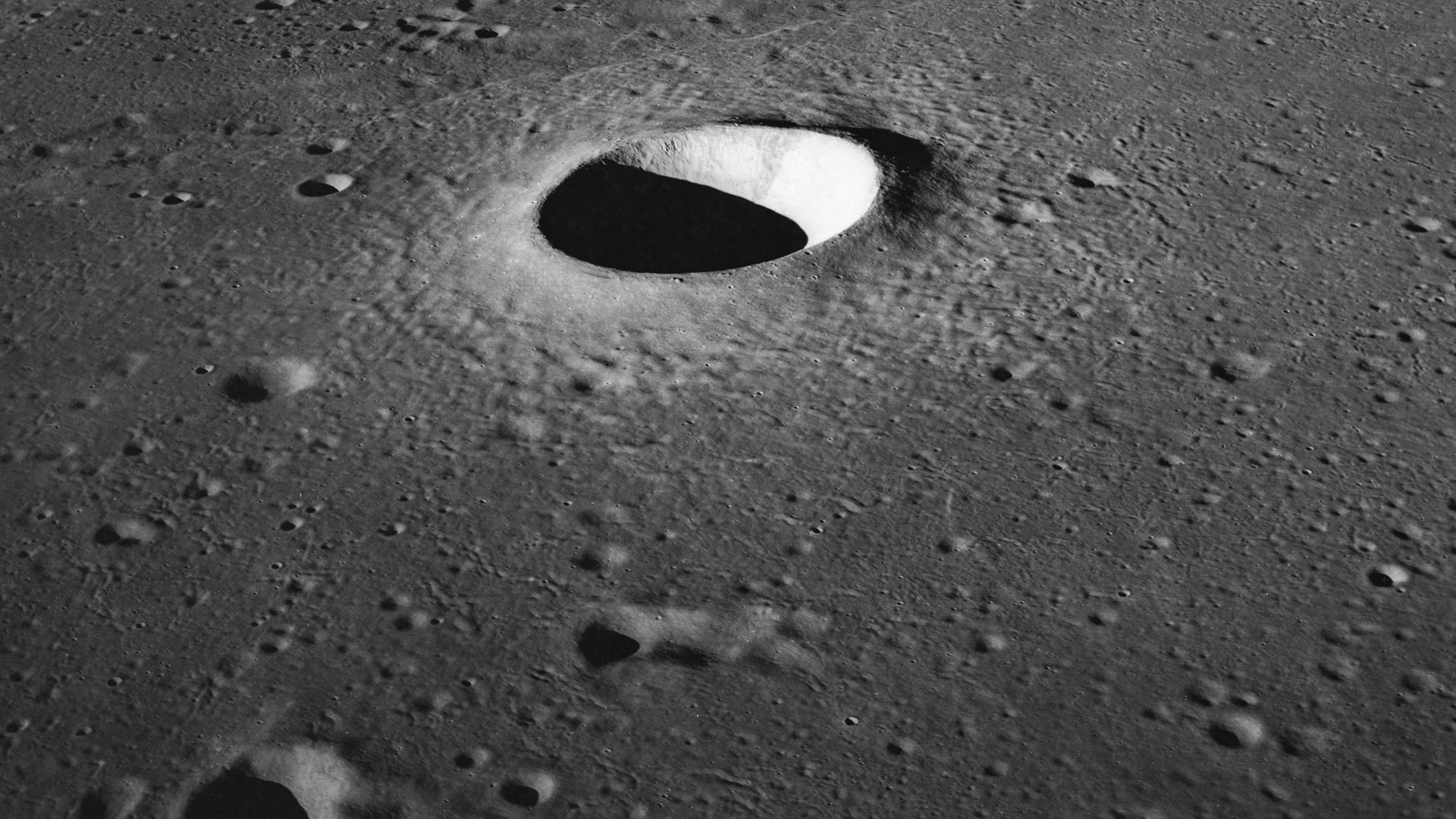
Some craters gleam brighter than others, even after ages of exposure to micrometeorite dust. Their glassy surfaces may have been sealed by impact heat, forming natural mirrors that reflect sunlight unusually well. The persistence of that brightness continues to puzzle lunar geologists.
Double Gravitational Bulge
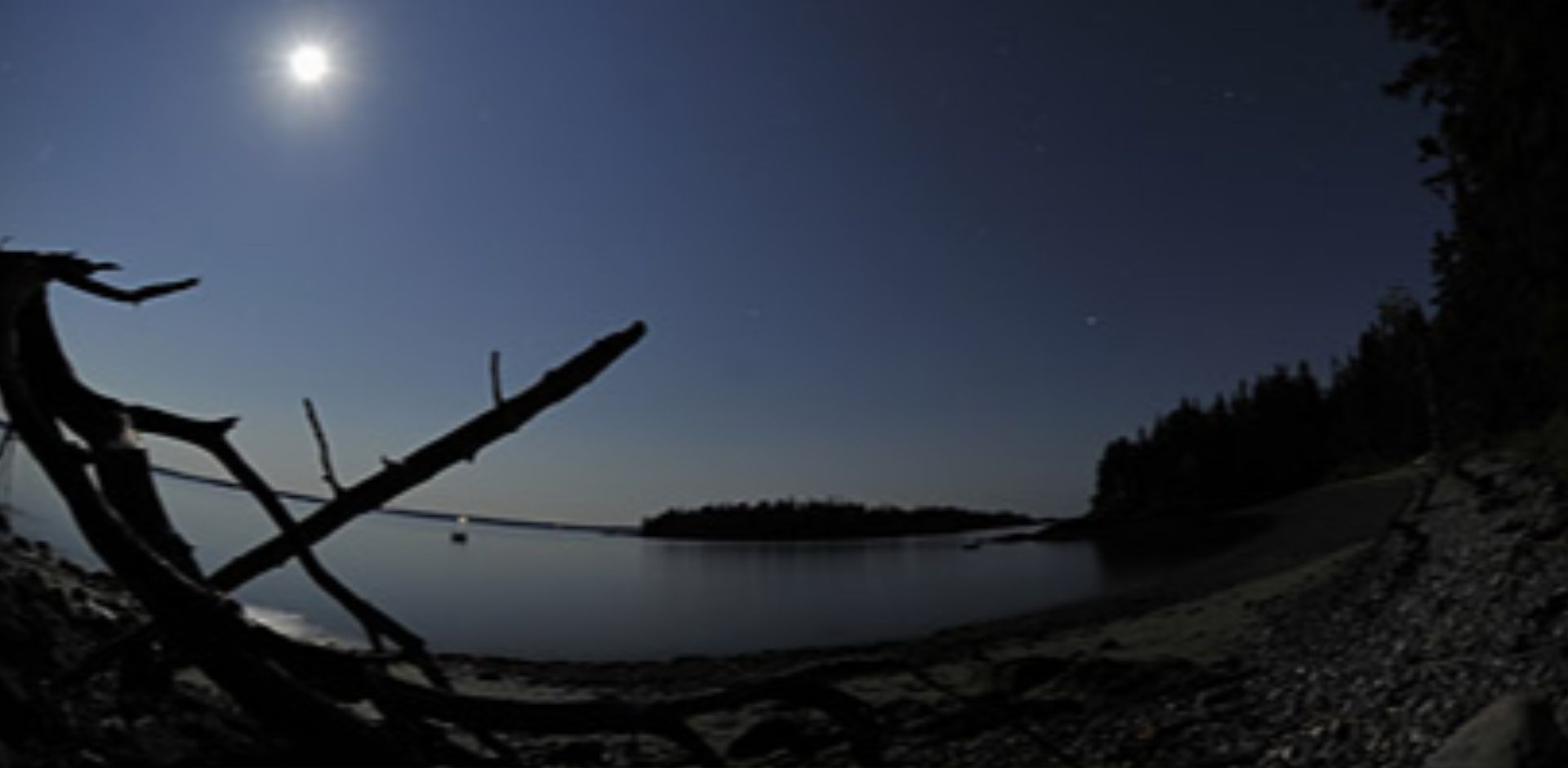
Tides raised by Earth create a bulge on the near side of the Moon—but there’s another on the far side too. That second bulge forms from inertial forces. It hints at an intricate interplay of gravity, crust thickness, and molten movement.
 Till Credner, Wikimedia Commons
Heavier Cratering On The Far Side
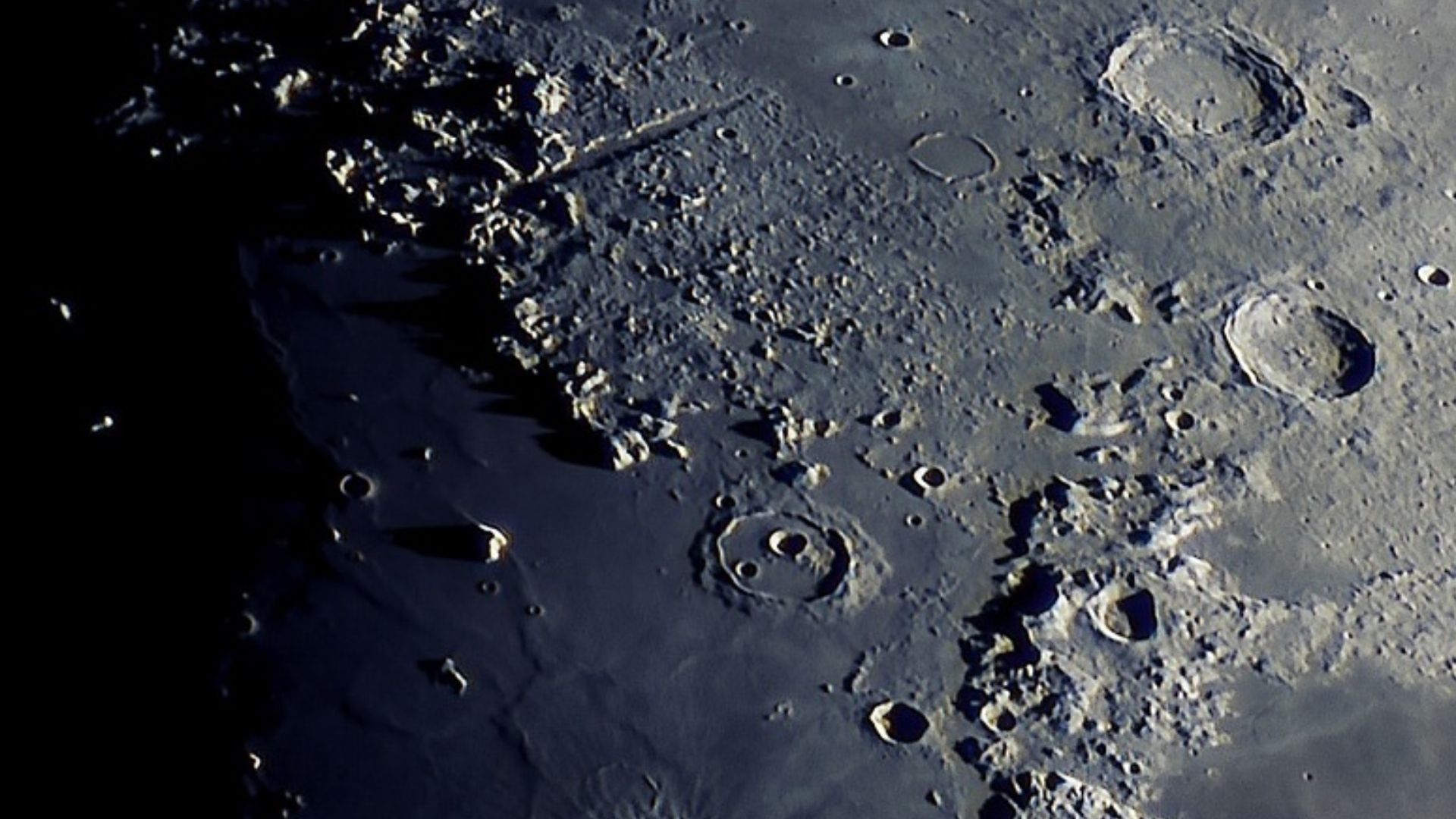
The Moon’s far side has far more craters than the one we see. Its thicker crust may have resisted lava flows that once covered the near side, leaving those scars intact. No definitive answer explains how the two hemispheres experienced such contrasting bombardment.
 Łukasz Łukasiewicz, Wikimedia Commons
Lunar Glass Beads Of Unknown Origin
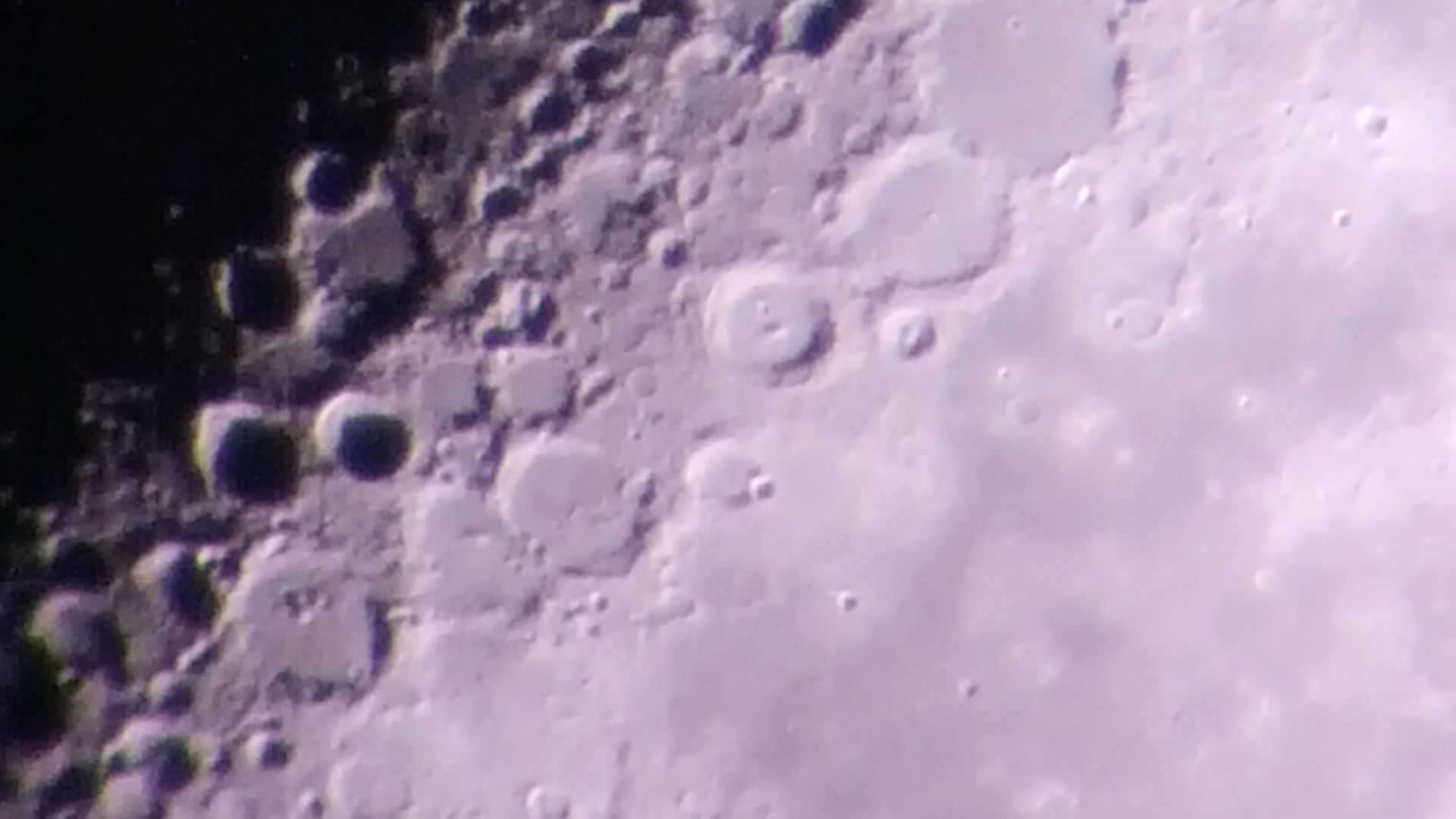
Tiny glass spherules embedded in the soil formed under extreme heat. Some may result from meteor impacts, others from ancient volcanic fountains. Their chemical composition varies by location, and this suggests multiple sources. Have we determined the sources? Not yet!
 AEstronoaer, Wikimedia Commons
Density Variations Beneath Maria
Gravity mapping shows the vast lunar plains called maria sit above denser regions. These buried masses alter spacecraft orbits and hint at molten upwellings frozen mid-rise. Their irregular placement across the surface complicates models of how the Moon cooled and stabilized.
 Luc Viatour, Wikimedia Commons
Thin Atmosphere Of Sodium And Potassium
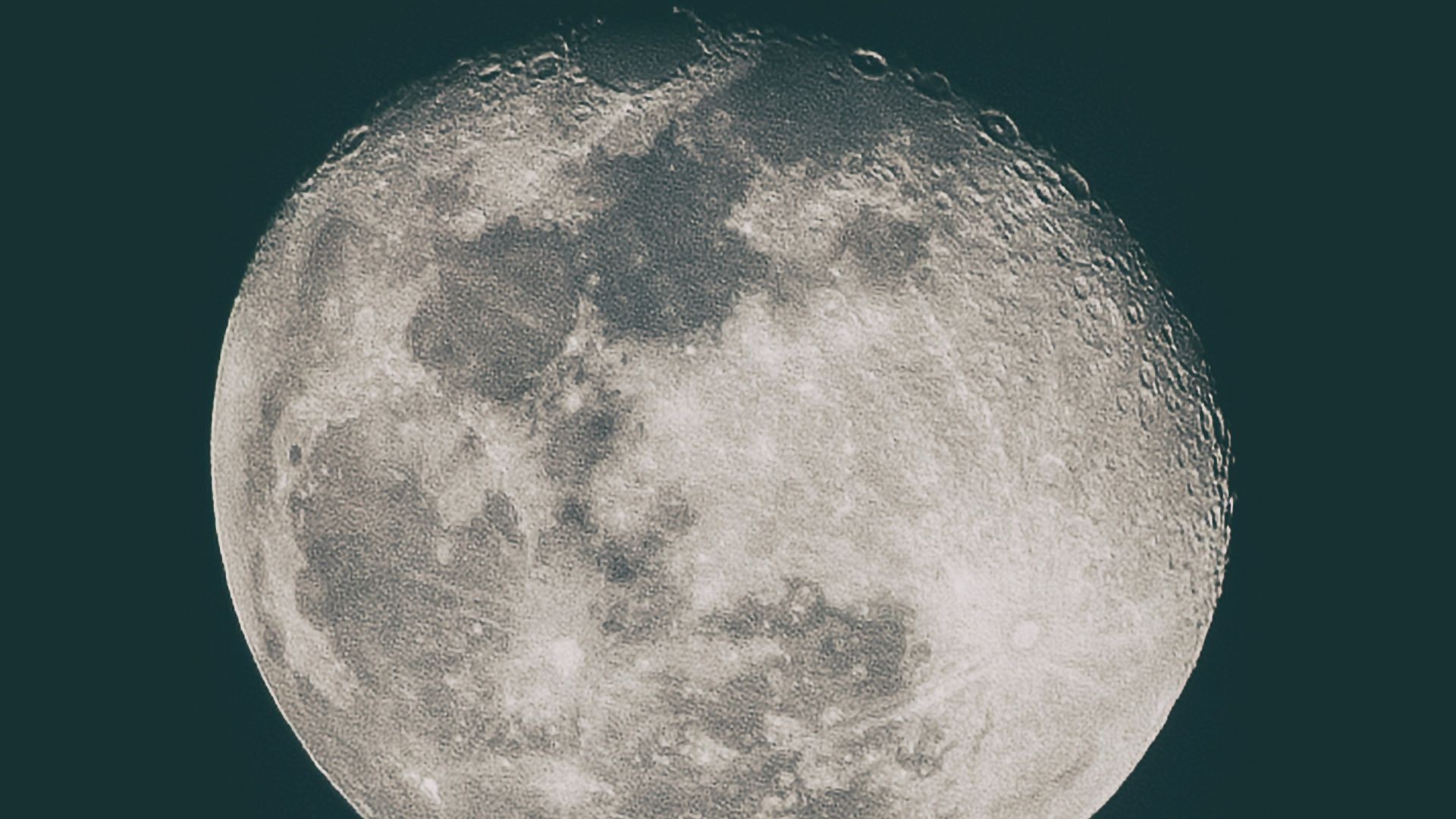
Though nearly a vacuum, the Moon’s exosphere contains drifting atoms of sodium and potassium. Solar radiation pushes these gases into faint tails stretching behind them in space. The source and cycle of these particles remain unclear despite multiple observation campaigns.
Sudden Temperature Spikes On The Dark Side
Thermal sensors have detected brief surges of warmth on the night side. These rapid fluctuations might result from internal heat pockets or micrometeorite impacts releasing energy. Their unpredictability makes them essential to understanding how the Moon stores and radiates heat.
 Project Apollo Archive, Wikimedia Commons
Seismic Echoes That Last Unusually Long
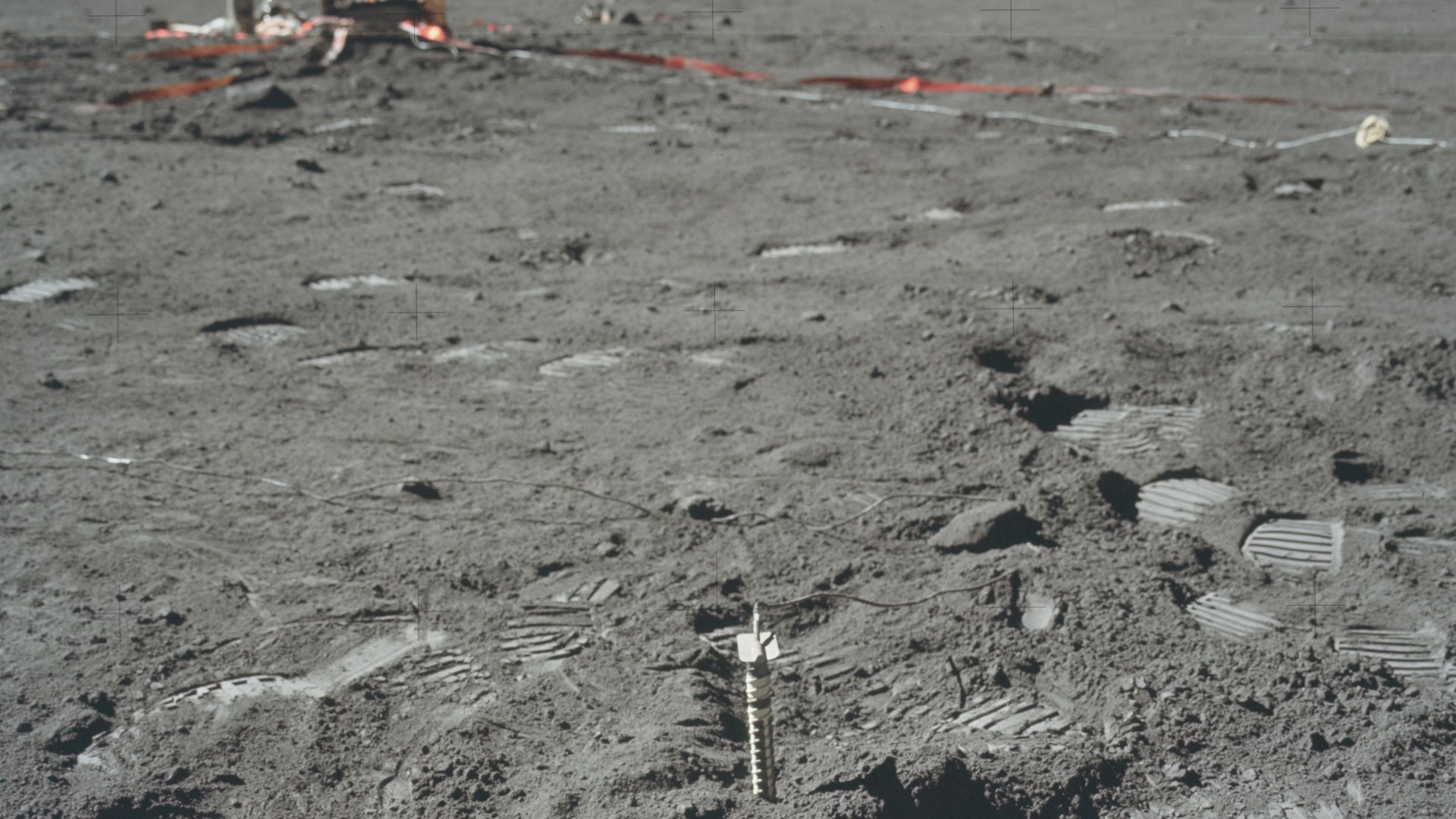
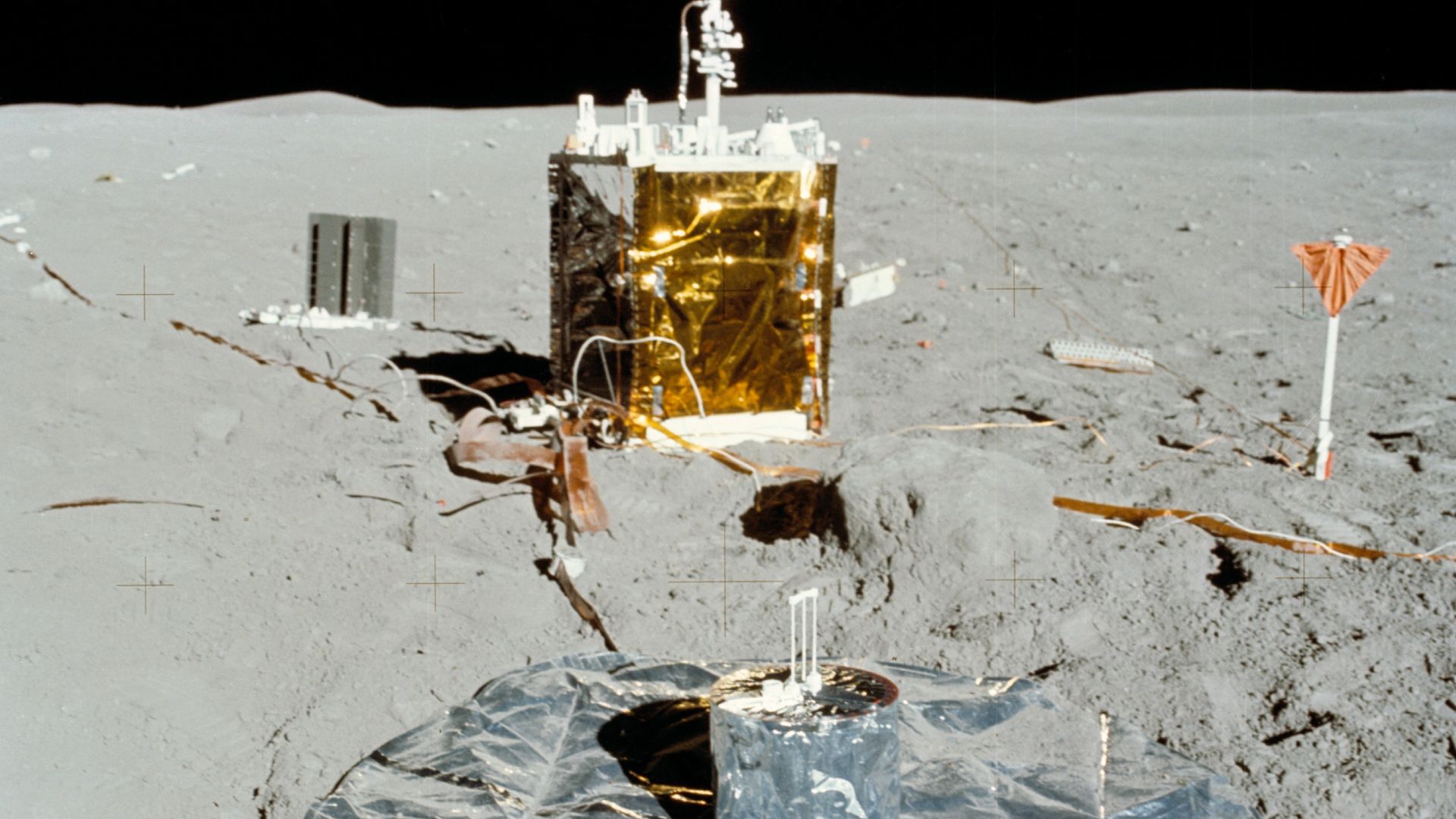
Moonquakes recorded by Apollo seismometers rang like bells, lasting up to an hour. The rigid, dry crust allows vibrations to travel without damping. This lingering resonance gives scientists clues about the Moon’s layered structure and surprising ability to hold energy.
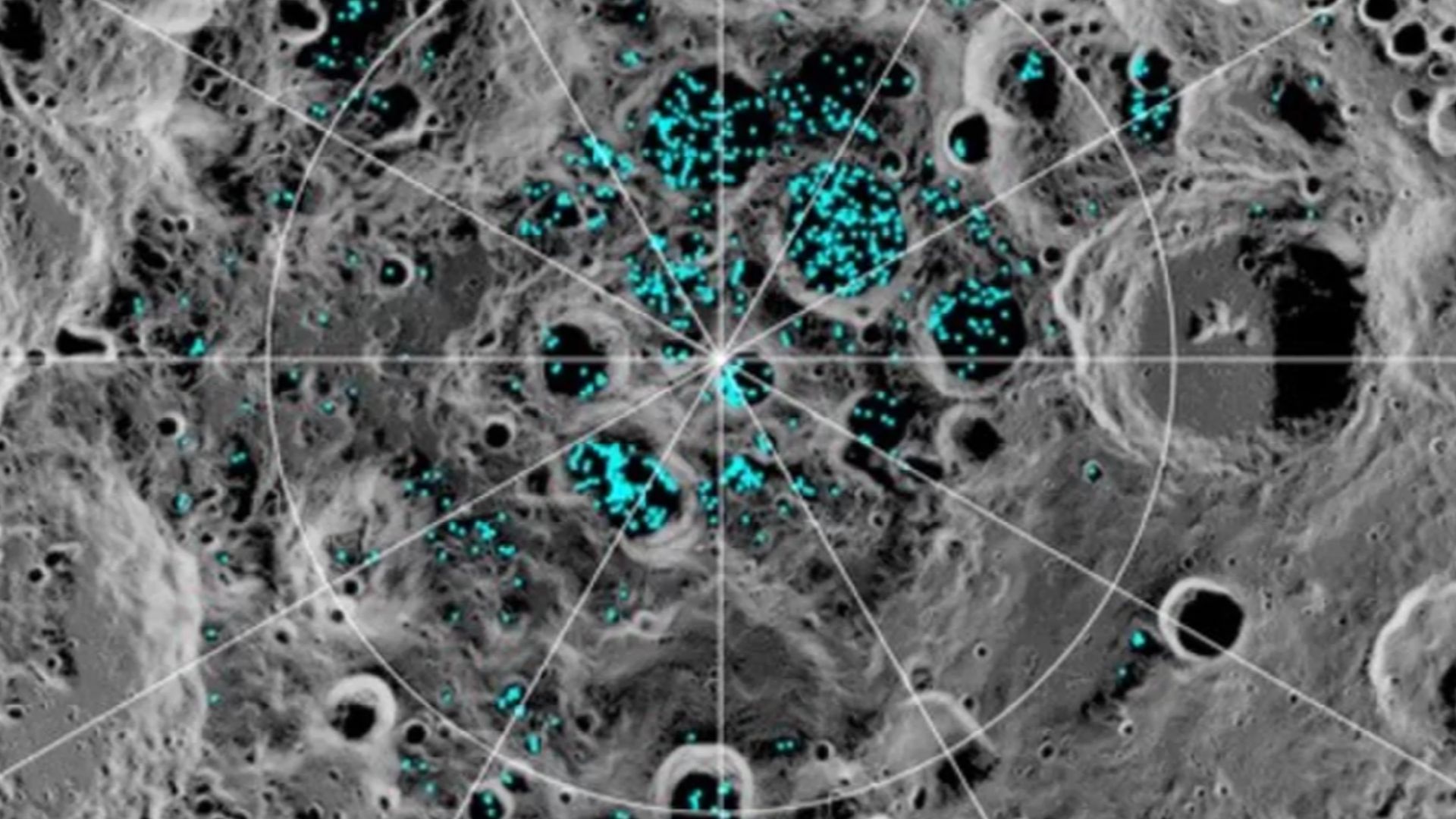
Ice In Permanently Shadowed Craters
At the lunar poles, sunlight never touches some crater floors. Instruments detected water ice deposits preserved for billions of years. How that ice survived bombardment and migration remains uncertain, yet it offers vital resources for future missions seeking sustainable exploration.
The Moon Stabilizing Earth’s Tilt
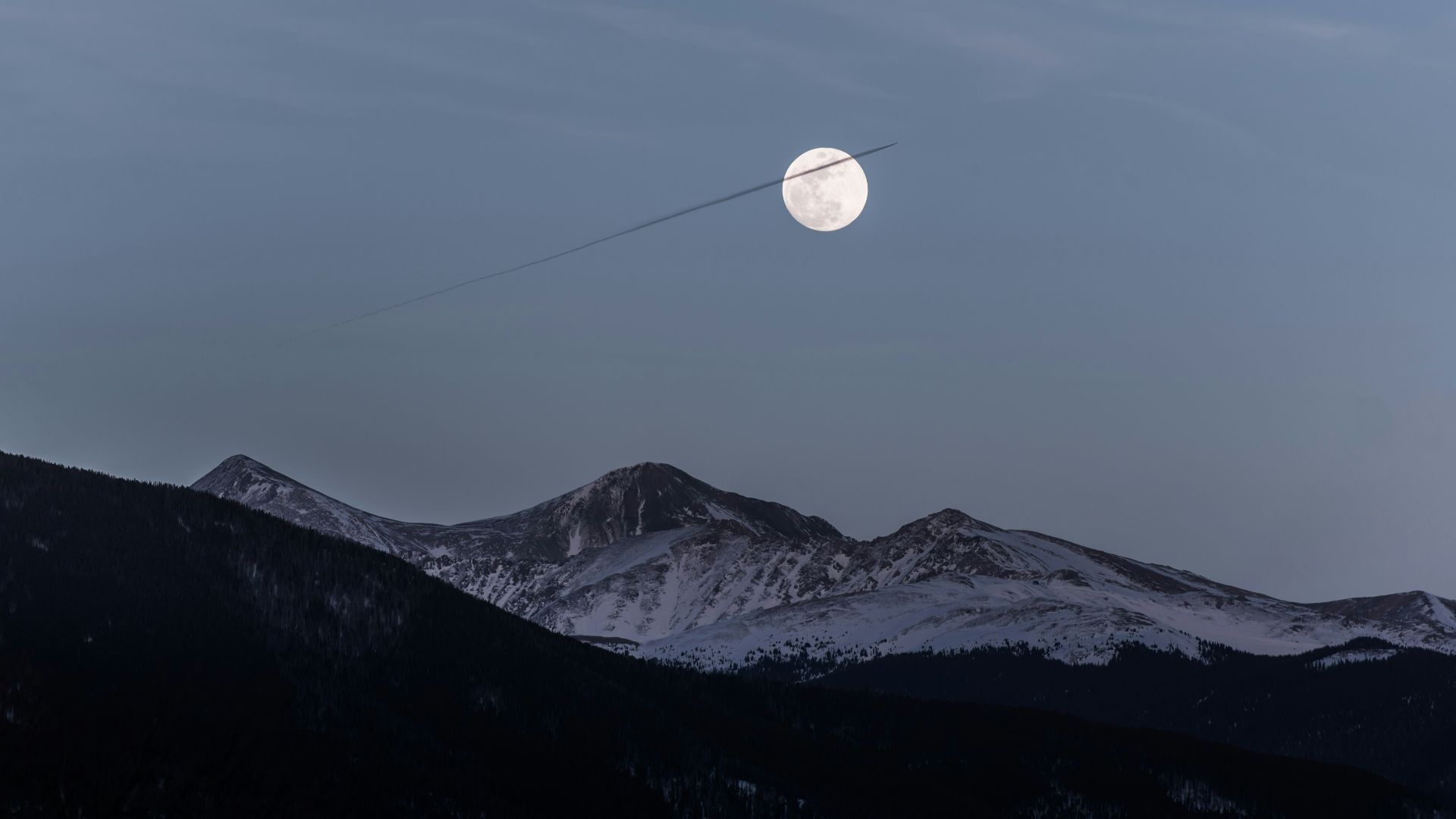
Earth’s axial tilt would wobble chaotically without the Moon’s pull. That gravitational relationship keeps our climate steady over long timescales. The precision of this balance raises questions about how such perfect orbital alignment formed and endured through planetary evolution.
Why The Moon Is Tidally Locked
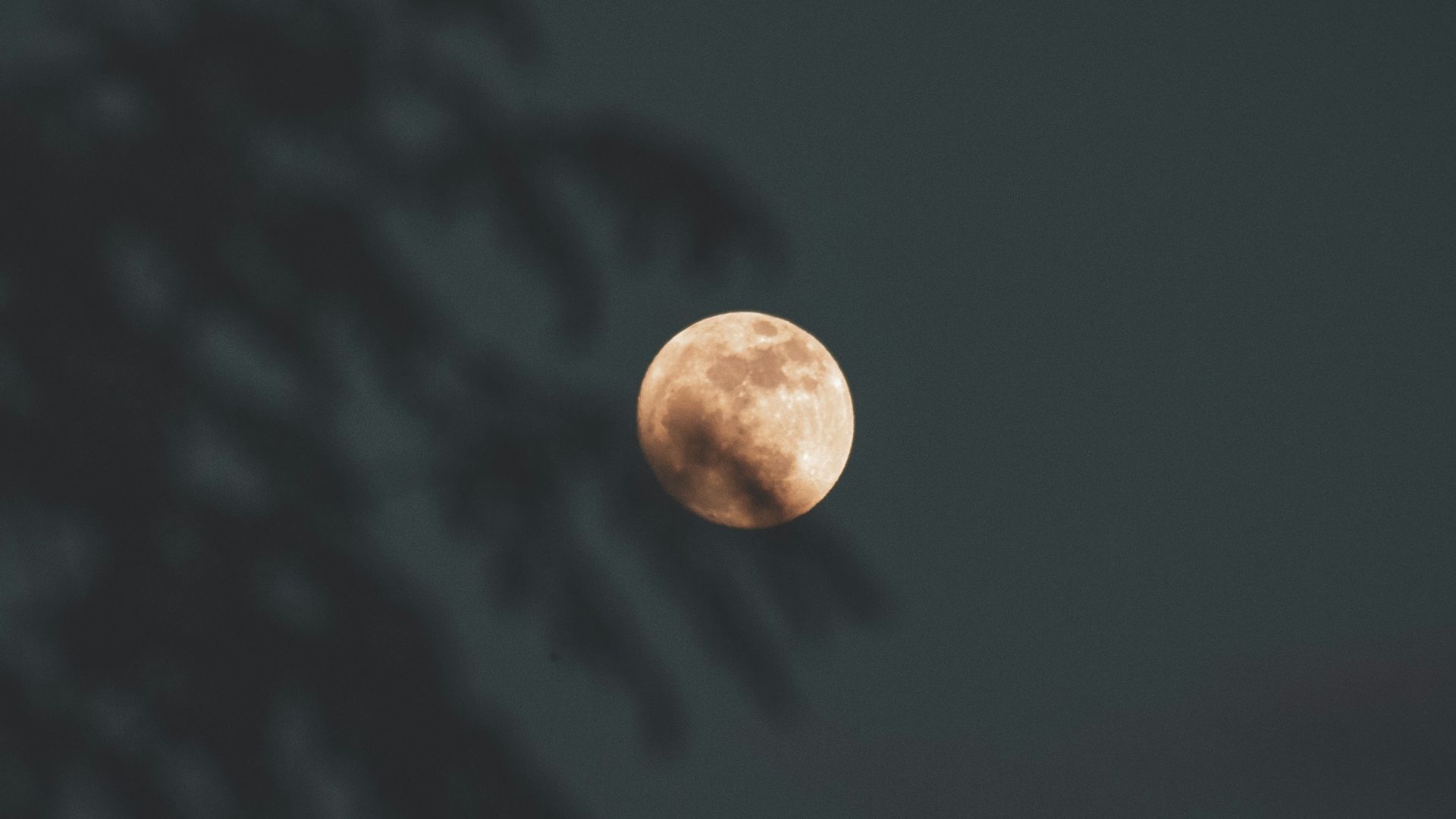
One side of the Moon forever faces Earth because rotation and orbit align perfectly. This lock likely developed through tidal friction over eons. The exact timescale and energy dynamics of how that equilibrium settled remain points of debate among planetary scientists.

Cause Of “Lunar Rust” Found By Satellites
Spectral data show signs of hematite—rust—on the Moon’s surface, even without oxygen or liquid water. Earth’s magnetotail may deliver charged particles that react with lunar iron. That process challenges expectations of chemistry in airless environments and broadens definitions of oxidation.
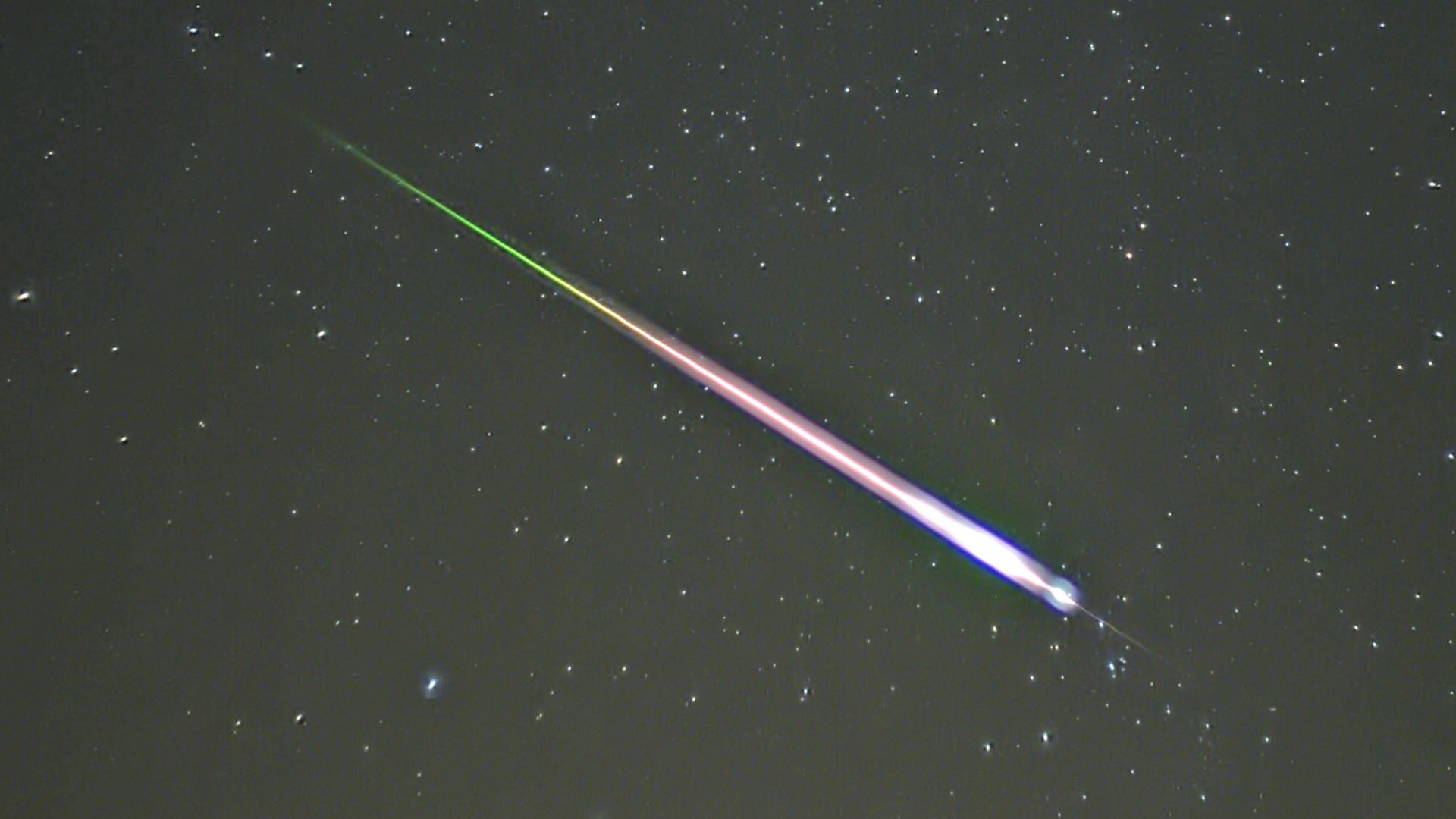
Light Emissions After Meteor Impacts
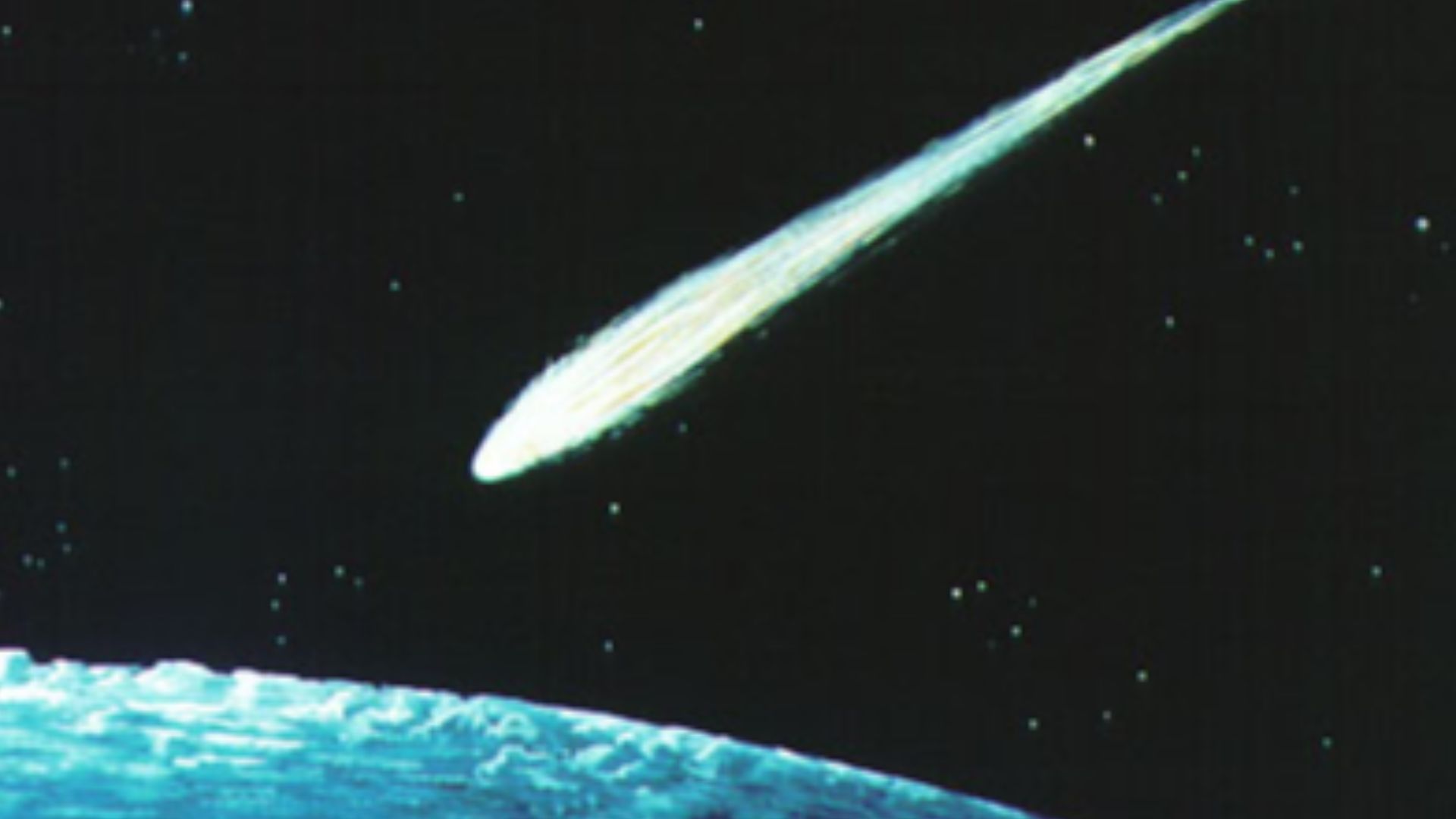
High-speed meteoroids strike the surface, producing flashes visible from Earth-based telescopes. Some last longer than impact physics predicts. The lingering glow might stem from molten ejecta or charged dust. Measuring these transient bursts helps scientists refine models of lunar surface reactions.
 Konstable~commonswiki, Wikimedia Commons
Uneven Crust Thickness Across Hemispheres
Seismic and gravity data reveal that the crust is thicker on the far side by several miles. That difference influences mountain height, volcanic history, and impact depth. The mechanism causing such a lopsided formation likely traces to early tidal forces during its molten youth.

Low-Frequency Lunar Hum Detected By Sensors
Sensitive instruments have recorded faint, low-frequency vibrations across the Moon’s surface. They don’t match quake activity or external impacts. These persistent hums may originate from internal resonance or subtle gravitational stresses between Earth and Moon, and they are still awaiting detailed confirmation.

Ultraviolet Glow Detected From Orbit
The Lunar Reconnaissance Orbiter occasionally spots ultraviolet emissions shimmering near the horizon. These may occur when solar radiation ionizes particles above the surface. The glow varies with lunar phase and location, to create an invisible aura that instruments continue to map.

Existence Of Subsurface Lava Tunnels
Cavernous tubes formed by ancient lava flows may run beneath the lunar plains. Radar and gravitational scans suggest hollow corridors stretching miles long. These structures could preserve pristine geological layers and someday provide natural protection for human outposts.
 NASA/GSFC/Arizona State University, Wikimedia Commons
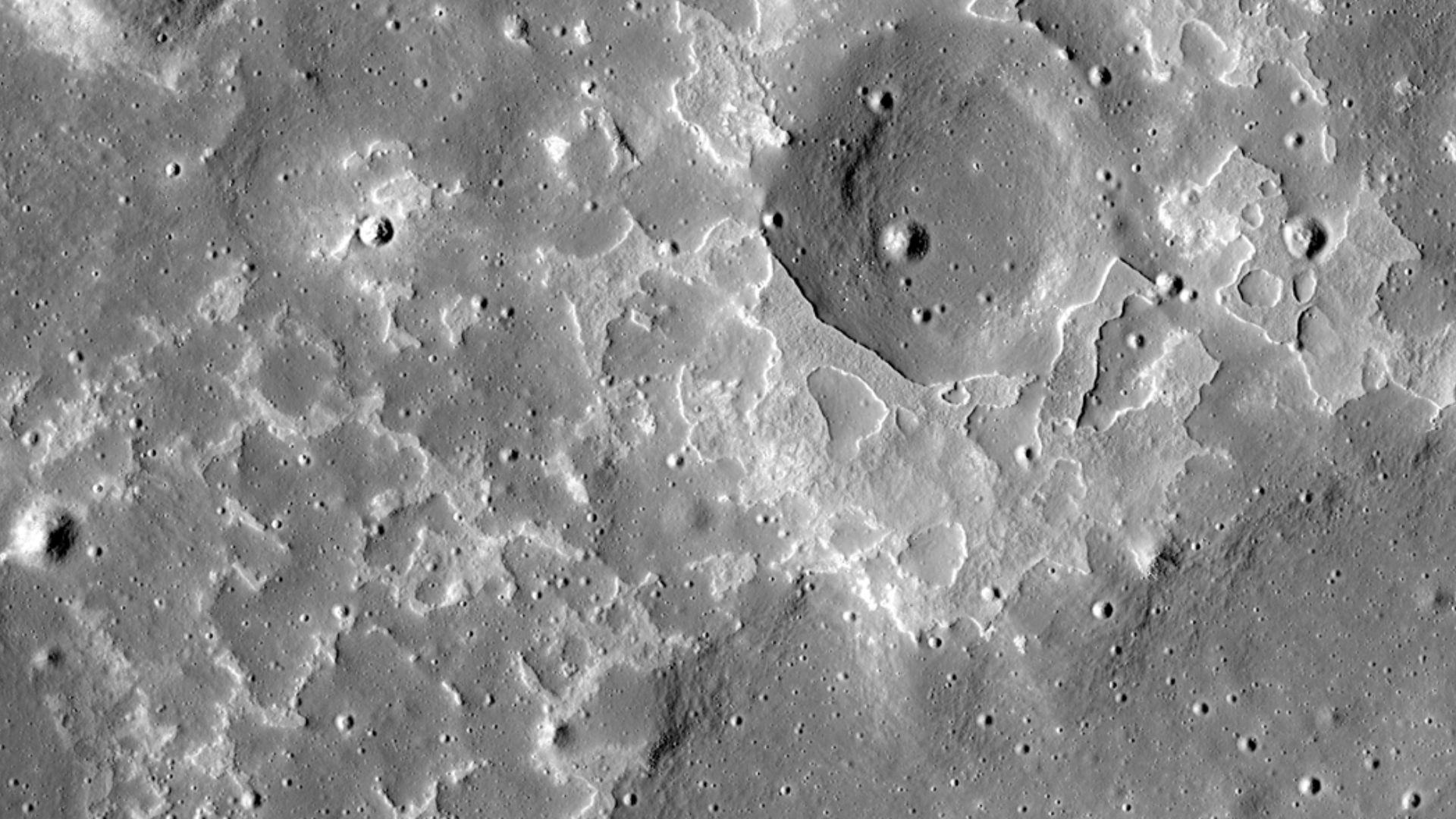
Alignment Of Maria Patterns With Gravity
The vast dark plains (maria) align in patterns influenced by gravitational stresses from Earth. Their arrangement appears too structured to be random. Scientists suspect that tidal flexing shaped volcanic eruptions, guiding molten flows to specific basins millions of years ago.
 NASA/GSFC/Arizona State University, Wikimedia Commons
Effect Of Micrometeorite Bombardment On Soil
Tiny meteoroids constantly strike the Moon, churning the topsoil, or regolith. Each collision melts and welds grains together to create sharp-edged dust that clings to everything. The long-term influence of these impacts on surface chemistry remains an active focus in lunar materials science.
Source Of Helium-3 Concentrations
Solar wind implants helium-3 into the Moon’s upper soil layers. Some regions, especially in the mare plains, contain higher concentrations than others. Understanding how those deposits accumulate and persist could shape future energy research and deepen knowledge of solar radiation exposure.
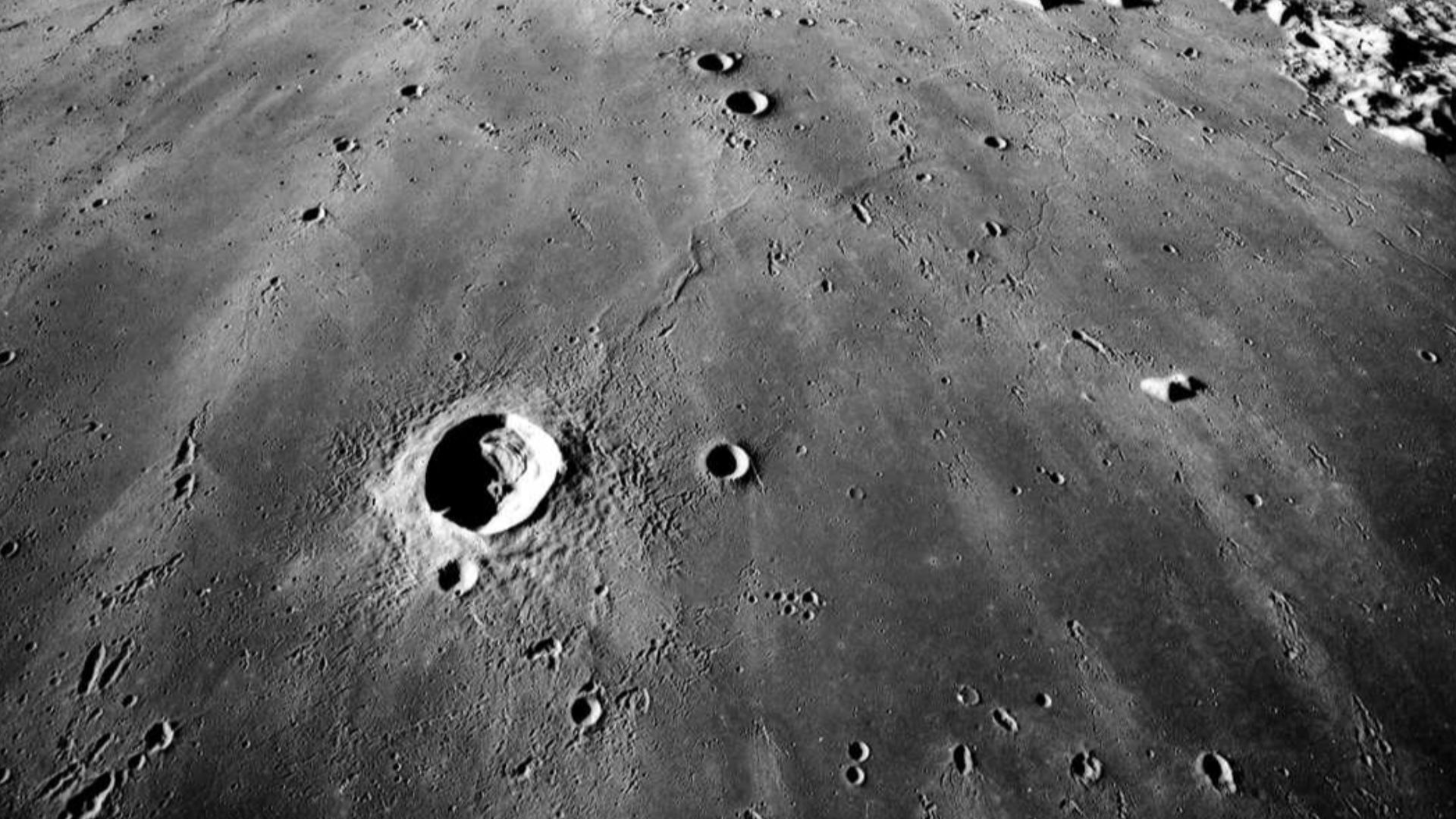
Irregular Gravitational Field Patches
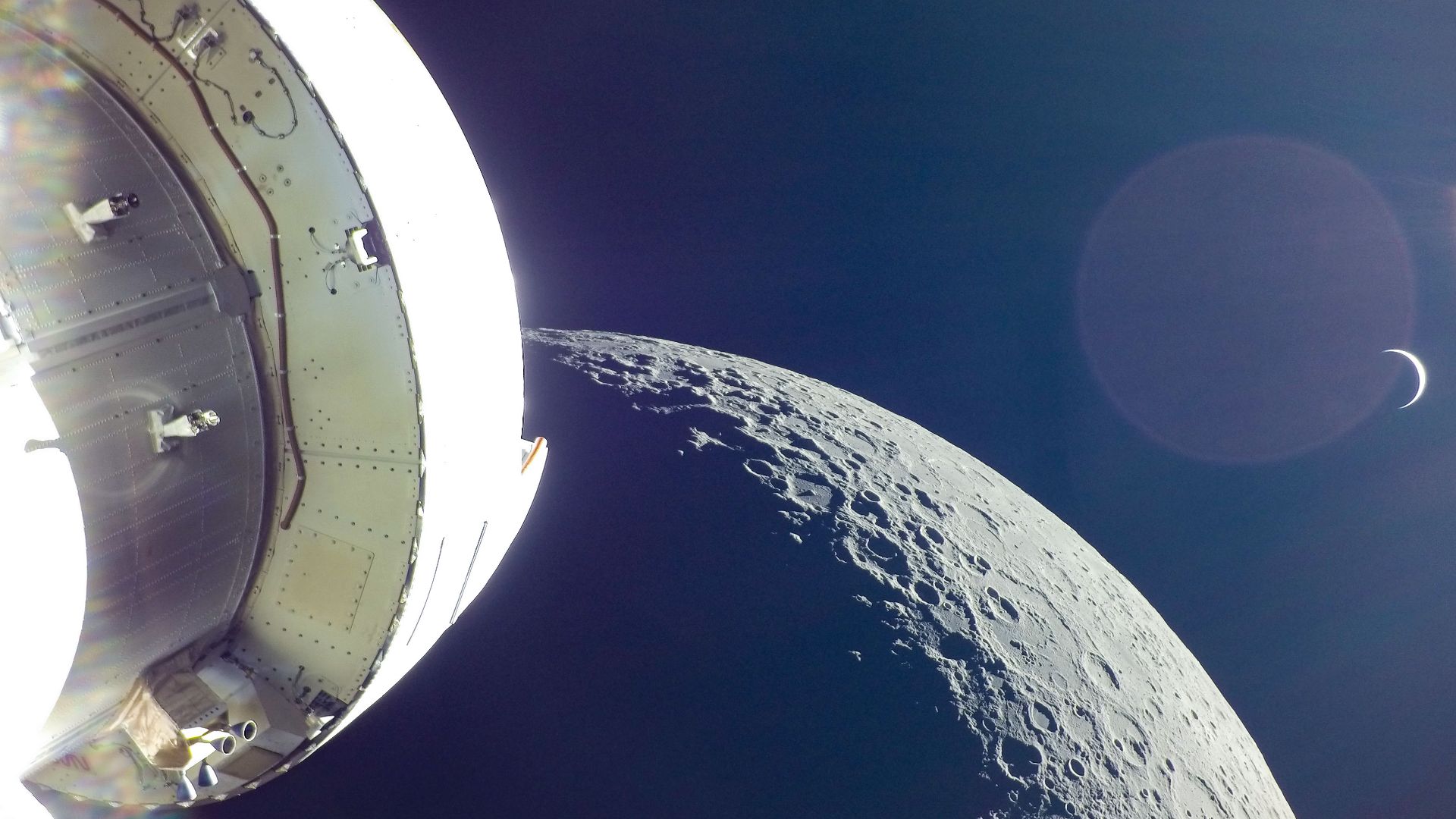
Orbiters measure gravitational pull variations strong enough to shift spacecraft paths. These patches correspond partly to buried masses but don’t align neatly with visible features. Their unpredictable nature shows how unevenly the Moon’s internal density is distributed across different geological provinces.
 NASA Johnson, Wikimedia Commons
Difference Between Moon And Earth Rock Chemistry
Despite their shared origin, lunar rocks hold less iron and volatile elements than Earth’s. Their isotopic ratios match closely, but the chemical divergence suggests a massive heat event stripped lighter elements. Scientists still debate the scale and aftermath of that differentiation.
 Wknight94 talk, Wikimedia Commons
Mysterious Gas Outbursts From Beneath The Surface
Occasional releases of radon and other gases have been recorded by orbiting instruments. These brief emissions likely escape through cracks from deep reservoirs. The frequency and location of these events highlight an unexpectedly dynamic Moon still venting traces of its ancient interior.

Missing Evidence Of Giant Impacts
Given its age, the Moon should preserve scars from massive collisions like those seen on Mercury. However, large basin remnants are fewer than expected. Erosion from micrometeorites or ancient lava floods may have concealed them, leaving an incomplete record of early bombardment.
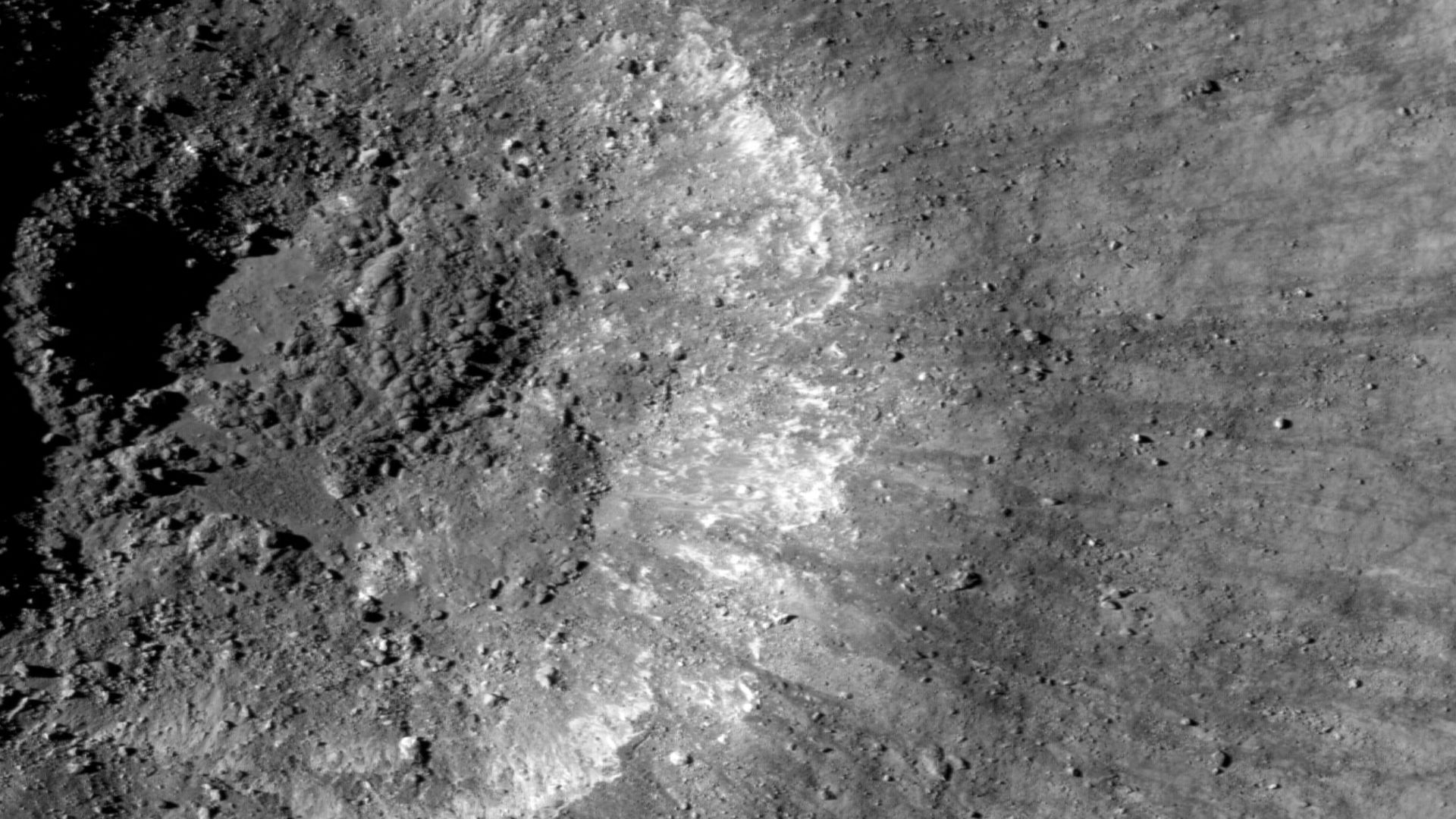 NASA/Goddard Space Flight Center/Arizona State University, Wikimedia Commons