
Inside A 1940s Home
Every corner of a 1940s home revealed something deeper than decor. The nation was rebuilding itself with new cultural norms and household items that made life more comfortable and different from the past.

Icebox Refrigerator
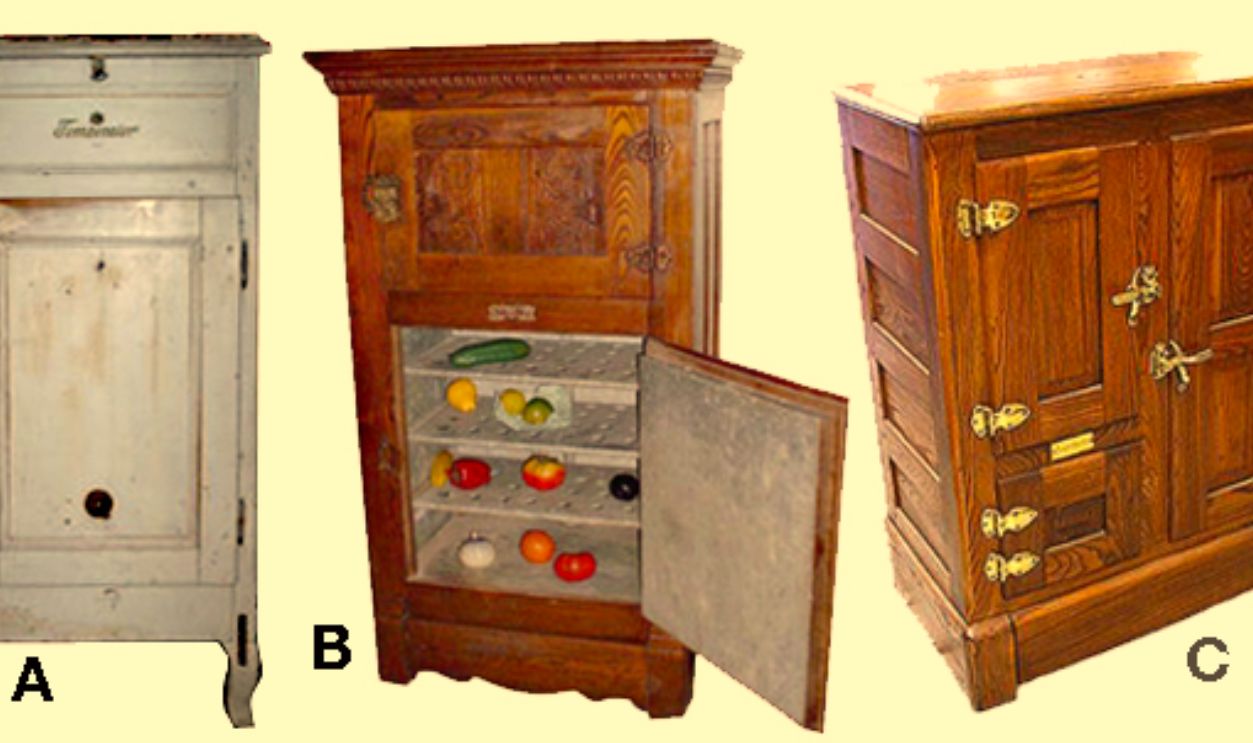
Families relied on iceboxes—insulated cabinets chilled by large blocks of ice delivered by local icemen. These wooden or metal boxes kept milk and meat cool for days. The ice melted gradually and required regular replacement to keep food in good condition.
 en:User:Magi Media, CC BY-SA 3.0, Wikimedia Commons
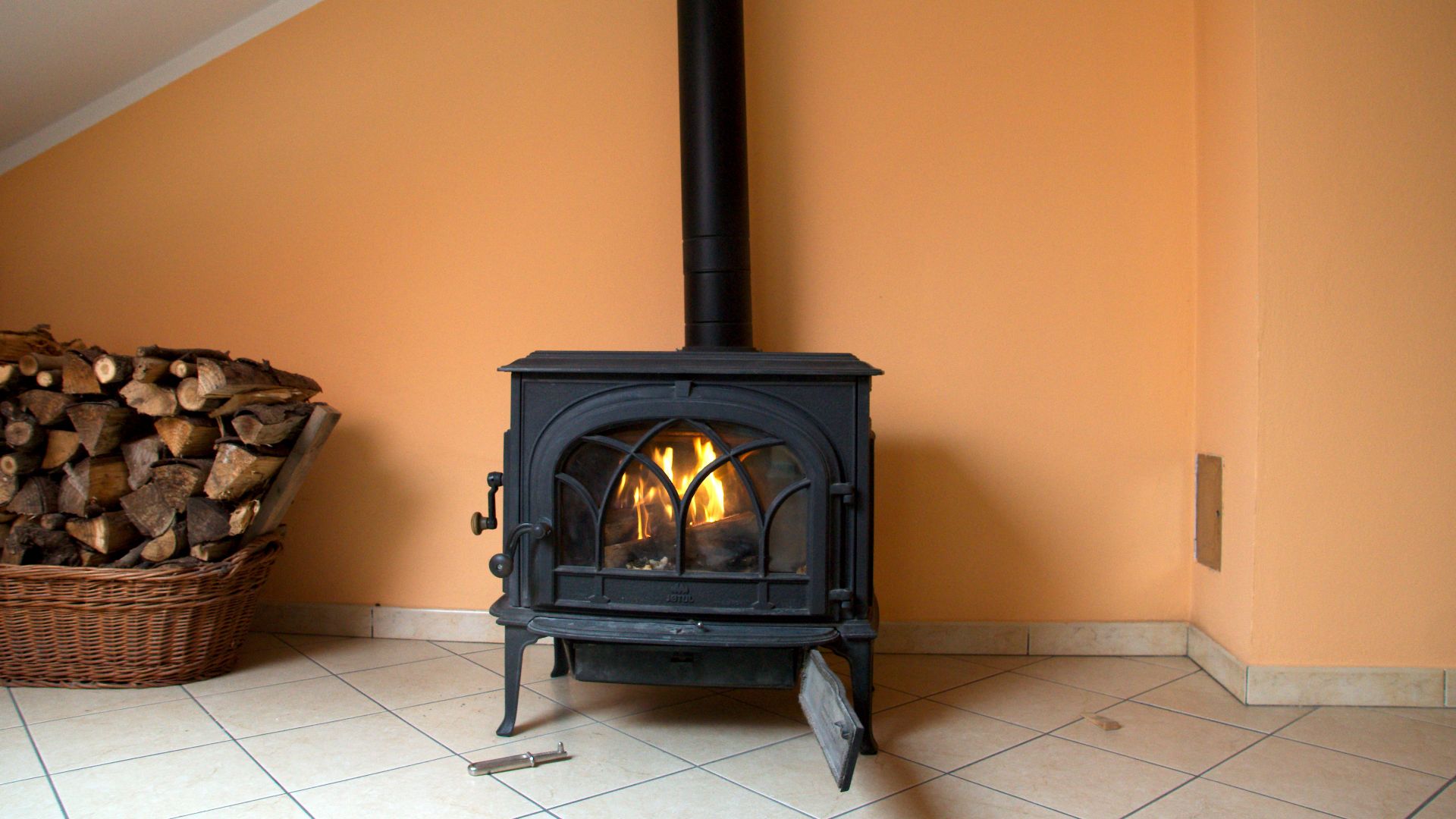
Wood-Burning Stove
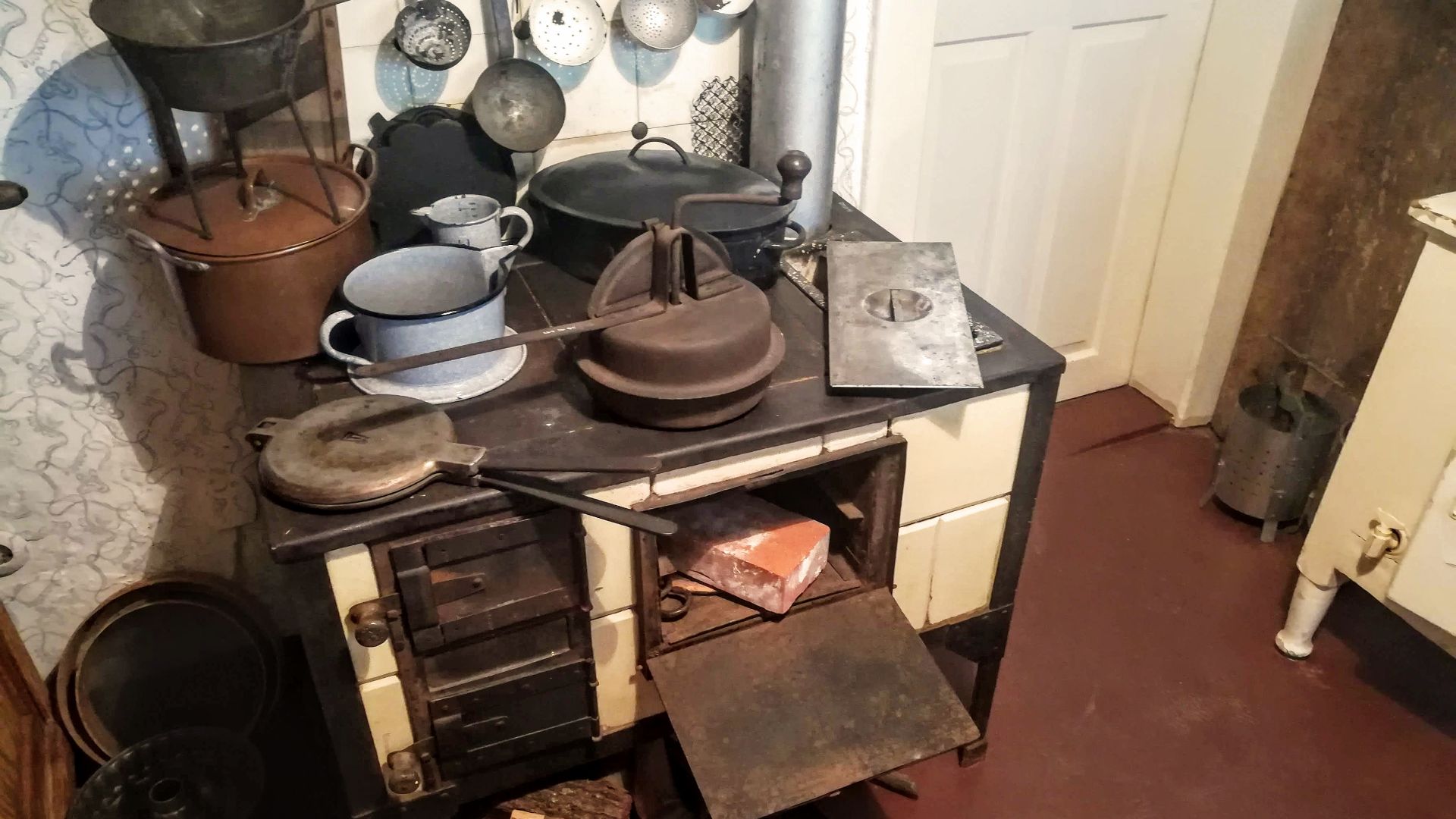
The wood-burning stove warmed kitchens and symbolized family togetherness. Fueled by chopped logs or coal, it replaced open hearths with safer, cast-iron efficiency. Many homes featured stoves adorned with enamel finishes and chrome details that bridged practicality with design.
Cloth Diapers And Safety Pins
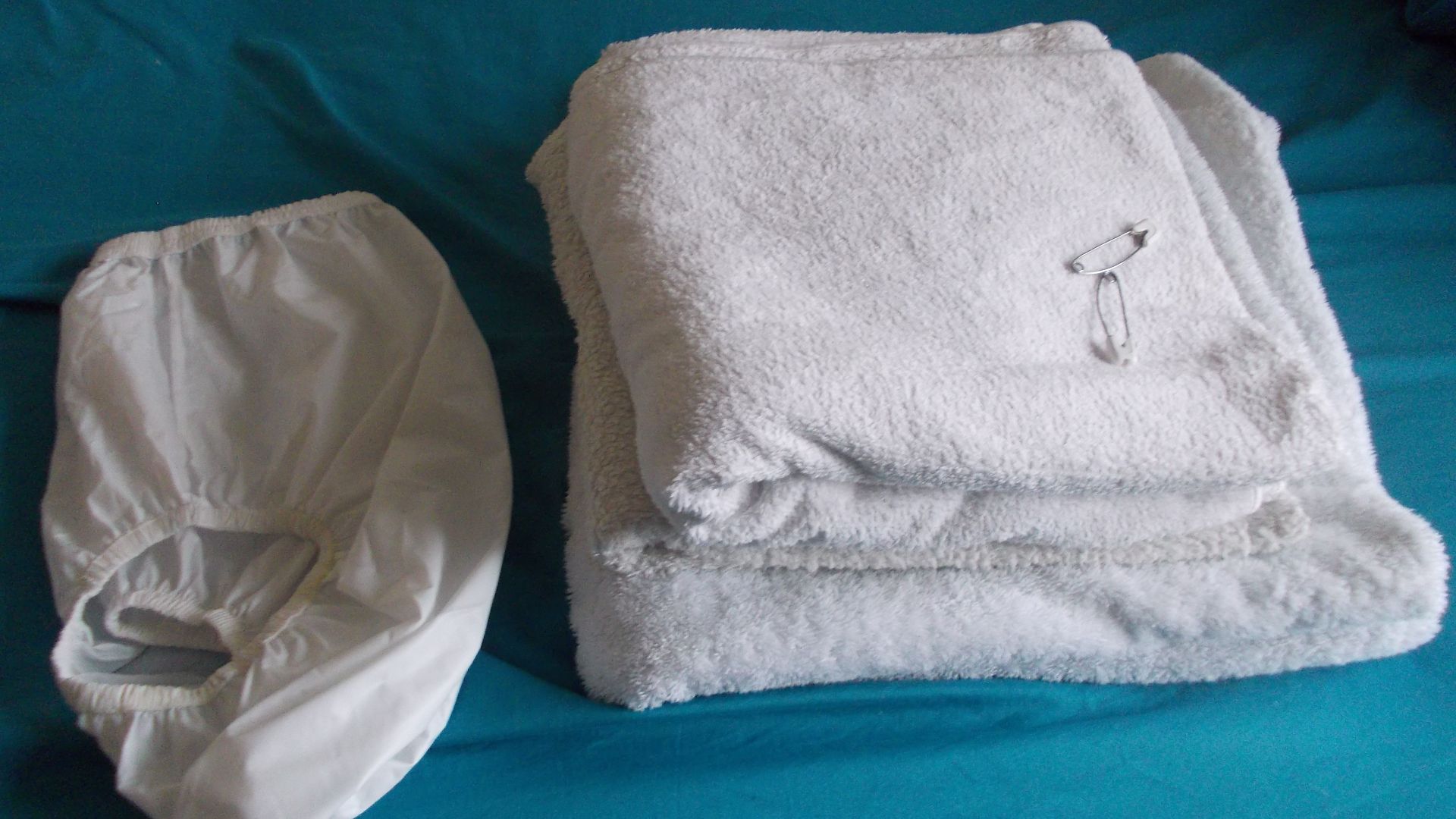
Disposable diapers didn’t exist in the 1940s, so cloth was washed, boiled, and reused countless times. Mothers fastened them with sturdy safety pins and hung them to dry outdoors. This quiet labor defined early parenthood before modern conveniences emerged.
 Headlock0225, Wikimedia Commons
Victory Garden
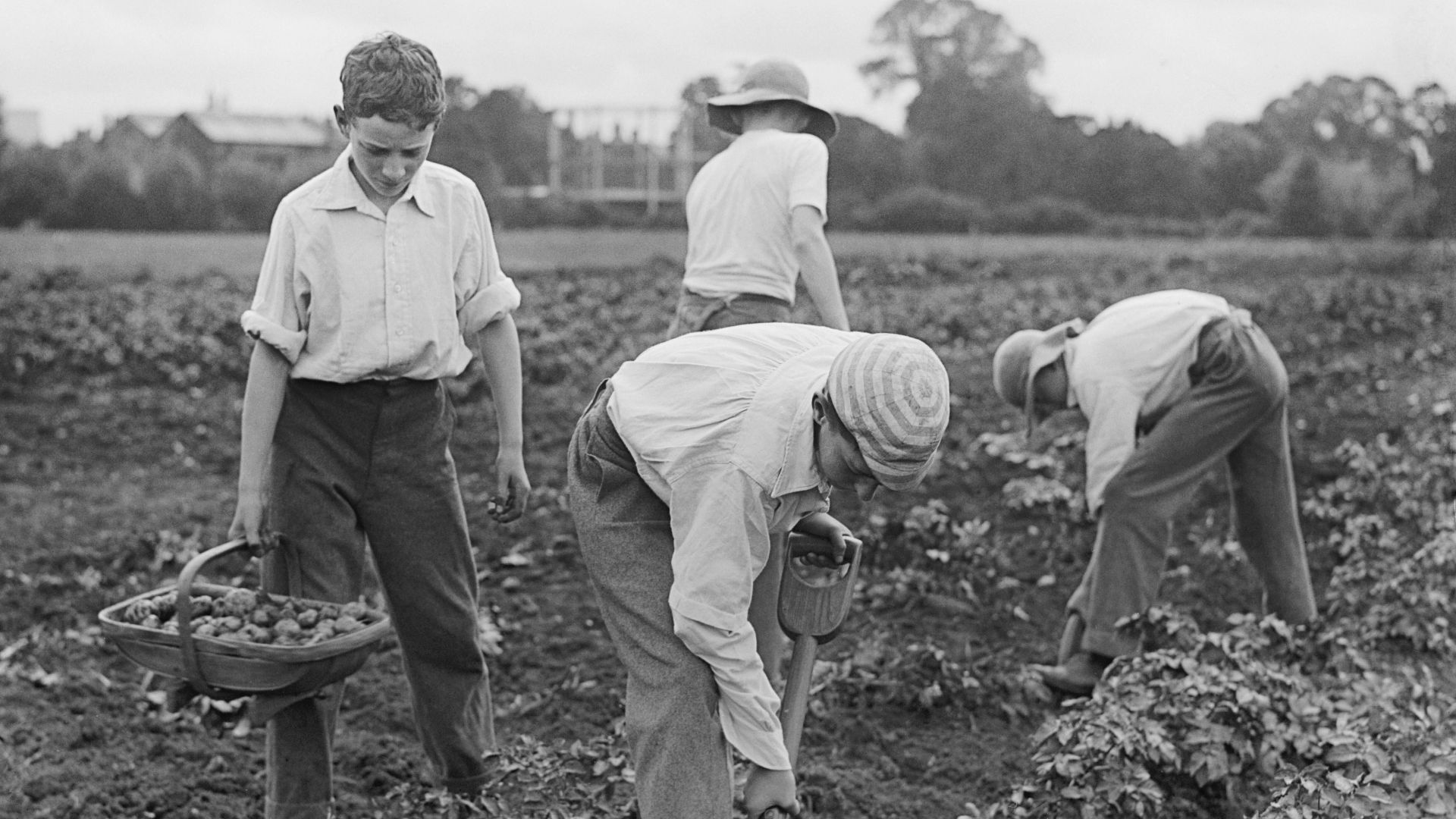
During WWII, Americans turned their backyards into productive “Victory Gardens”. These plots supplied vegetables like carrots and tomatoes to offset rationing. By 1943, millions of gardens yielded nearly half of the nation’s produce. They represented resilience and self-reliance in feeding families while conserving national resources.
 Horace Nicholls, Wikimedia Commons
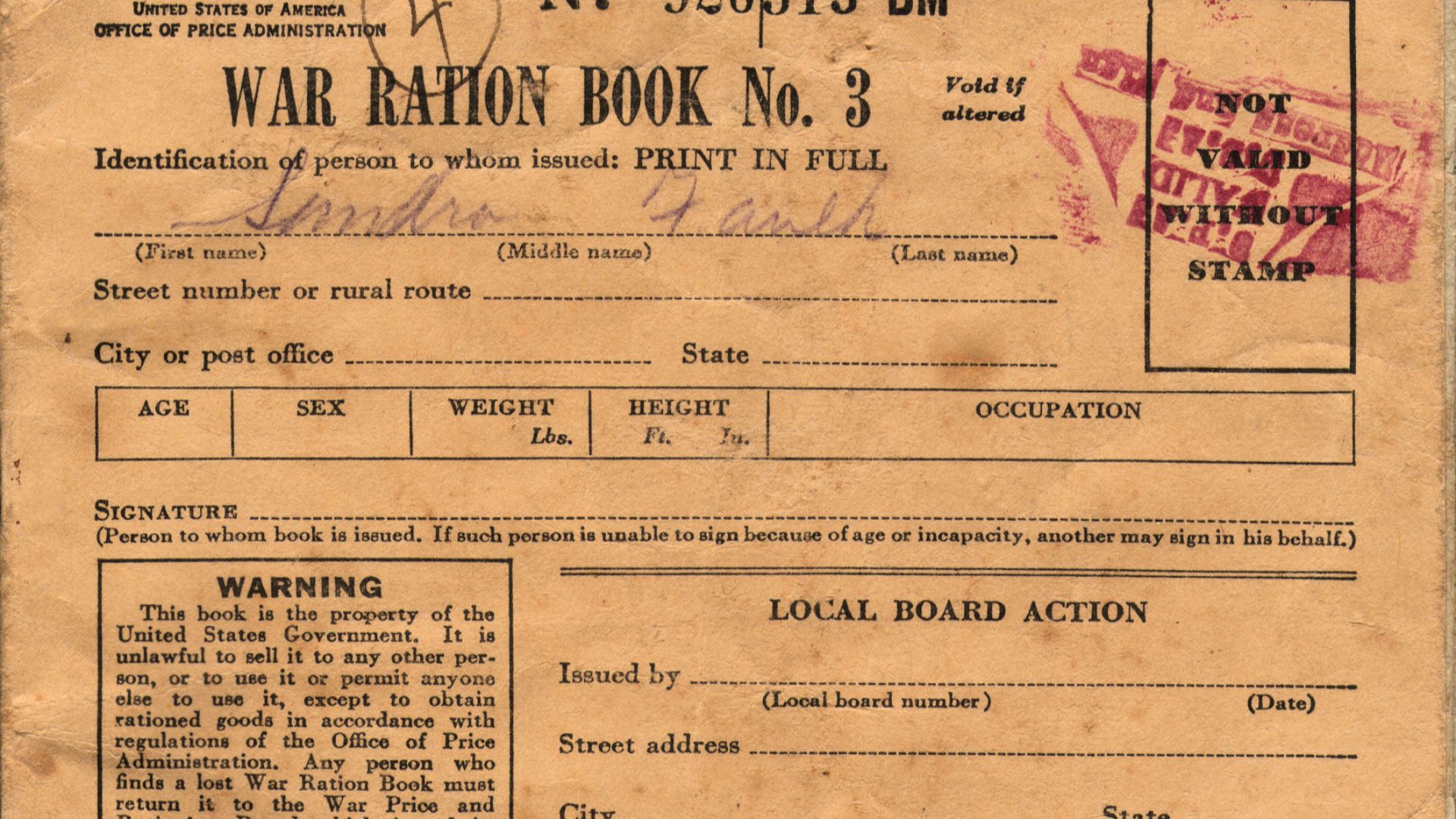
Ration Booklets
Every household had ration booklets during the 1940s, issued by the Office of Price Administration. Stamps inside limited how much sugar or gasoline one could buy. Families learned to stretch ingredients, trade coupons, and plan meals carefully. These booklets symbolized shared sacrifice and patriotic responsibility during the war effort.
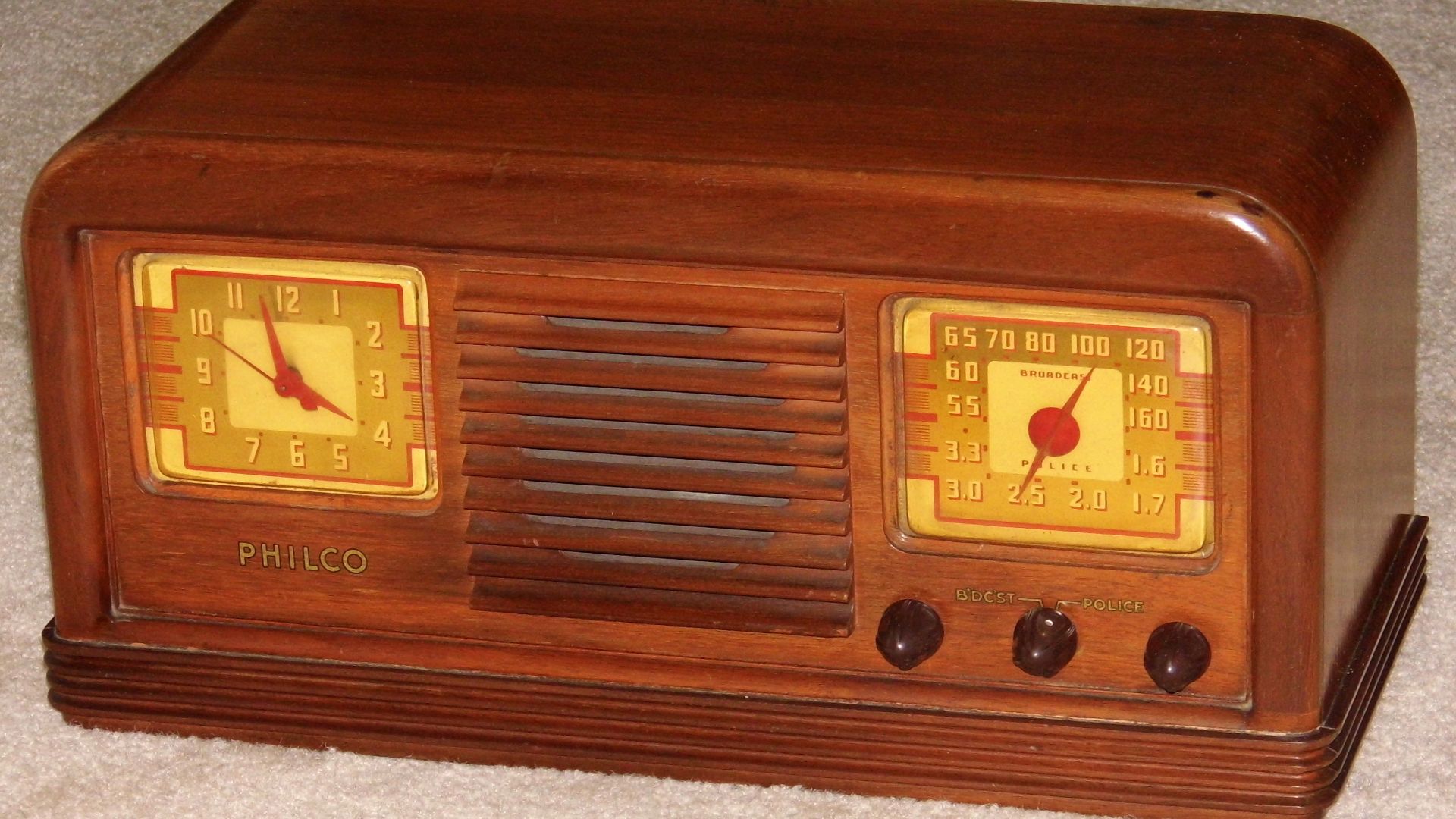
Radio Console
During these years, the radio console was the home’s heartbeat. Families gathered nightly to hear Roosevelt’s Fireside Chats jazz broadcasts, or comedies like The Jack Benny Program. These polished wooden cabinets filled living rooms with warmth and created shared experiences that defined American culture during uncertain wartime years.
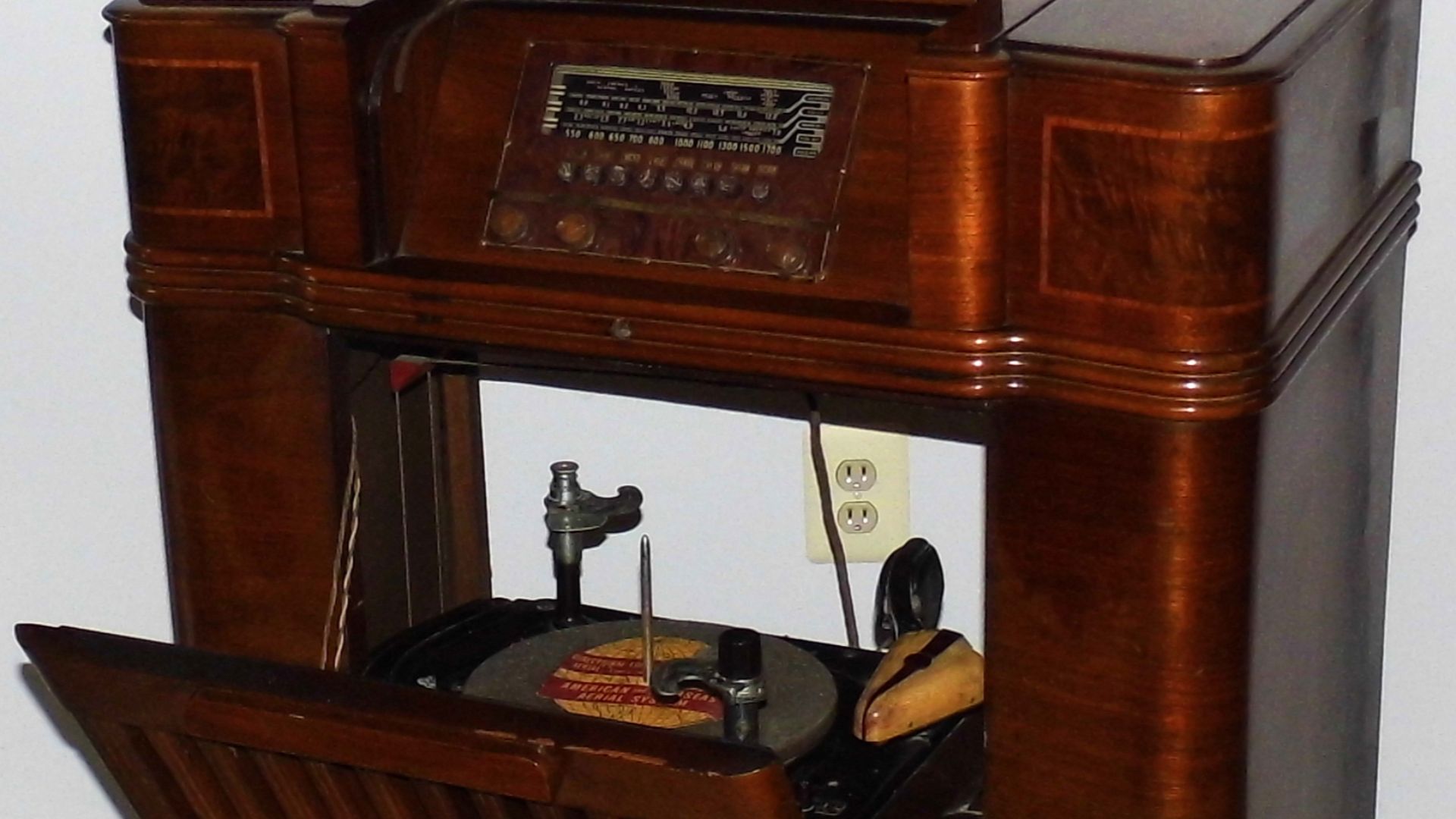 Joe Haupt from USA, Wikimedia Commons
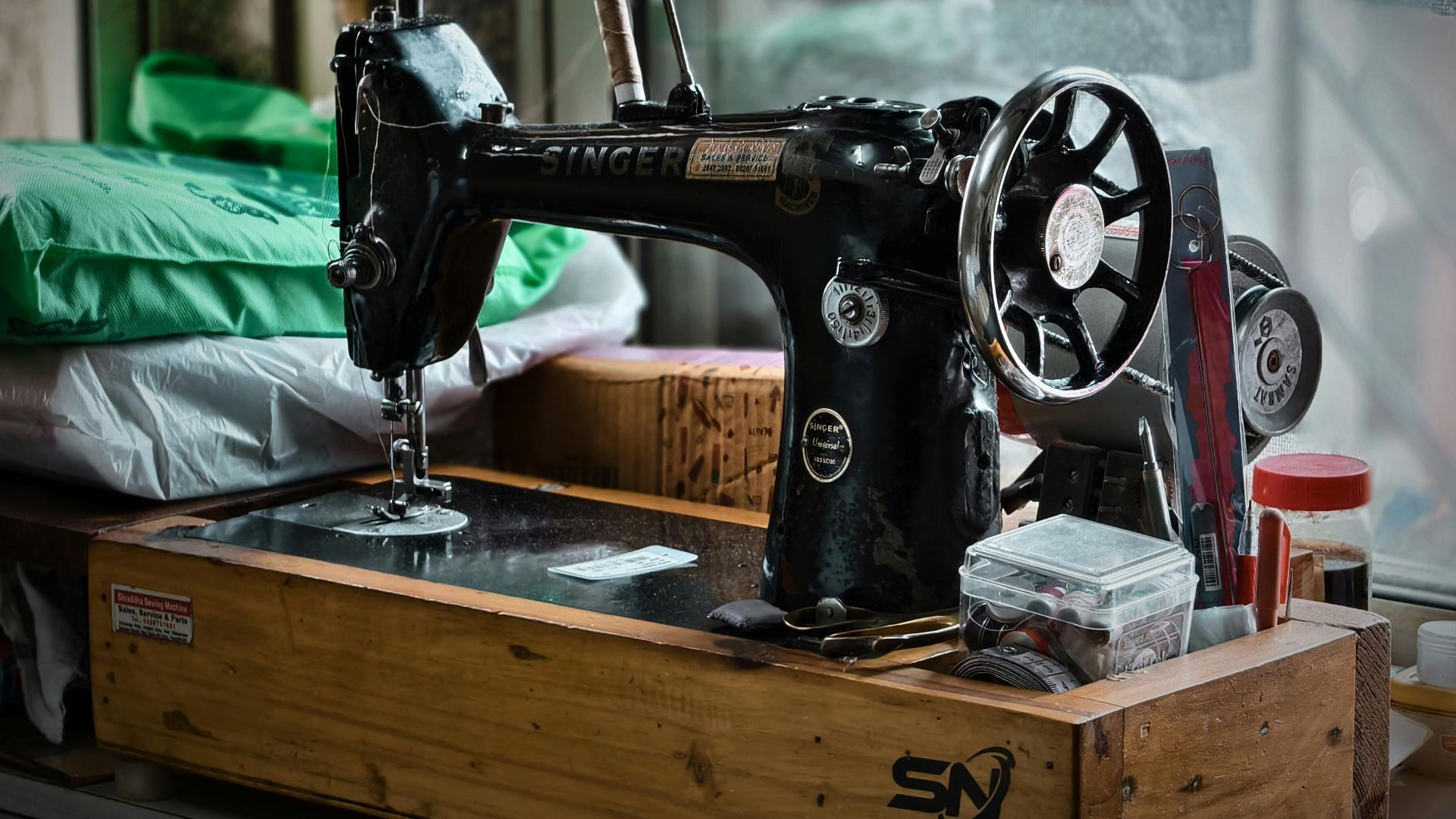
Sewing Machine Cabinet
Many homes had sewing machine cabinets operated by foot pedals. Beyond mending clothes, the machine symbolized resourcefulness by stretching fabrics during rationing. Homemakers sewed dresses from repurposed curtains or feed sacks, proving that creativity and thrift could coexist beautifully during national shortages.
Oil-Fueled Space Heater
Compact oil heaters warmed chilly rooms before central heating became affordable. They hissed softly as kerosene burned behind metal grates, radiating steady heat. The faint scent of oil lingered in the winter air as a reminder of simpler living when comfort depended on careful refueling rather than a thermostat’s click.
 Andy Rogers, Wikimedia Commons

History's most fascinating stories and darkest secrets, delivered to your inbox daily.
Milk Delivery Box
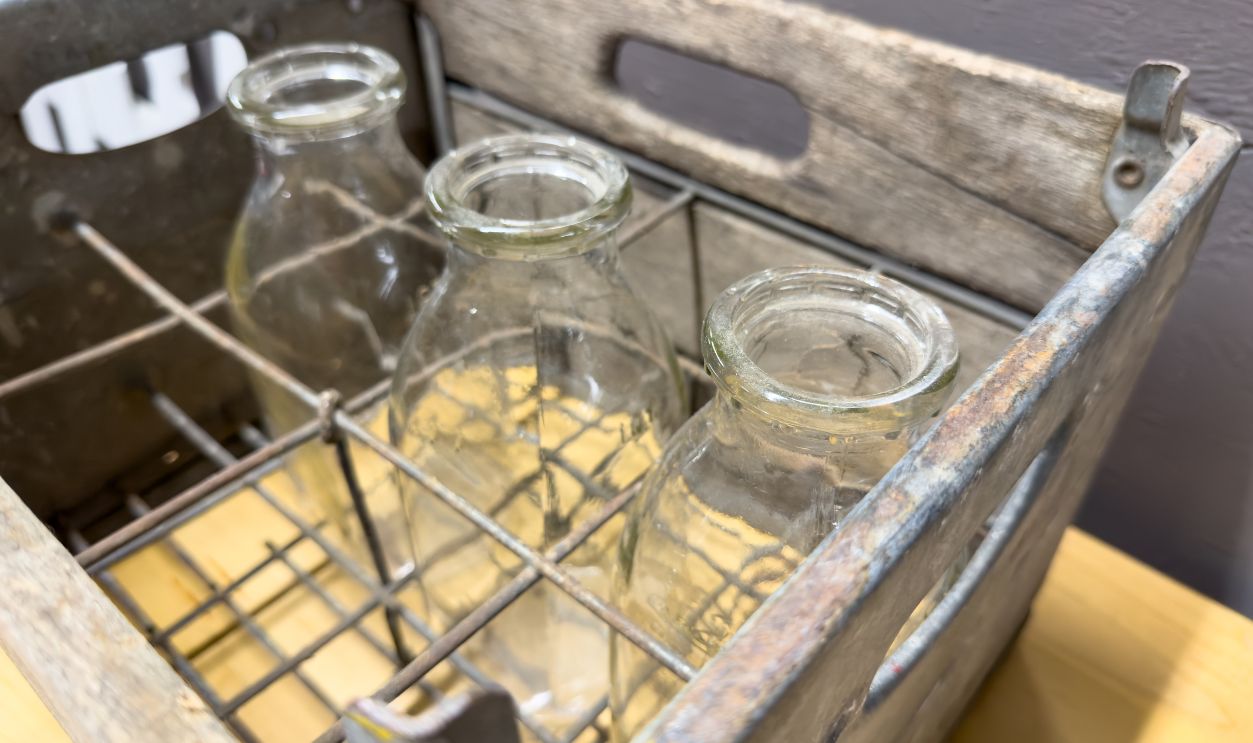
Every morning, the clink of glass bottles signaled fresh milk from the local dairy. The milkman left them in a porch-side delivery box, often insulated with a metal lining. This ritual represented trust and routine before supermarkets, as fresh dairy arrived regularly at dawn.
Patterned Linoleum Floors
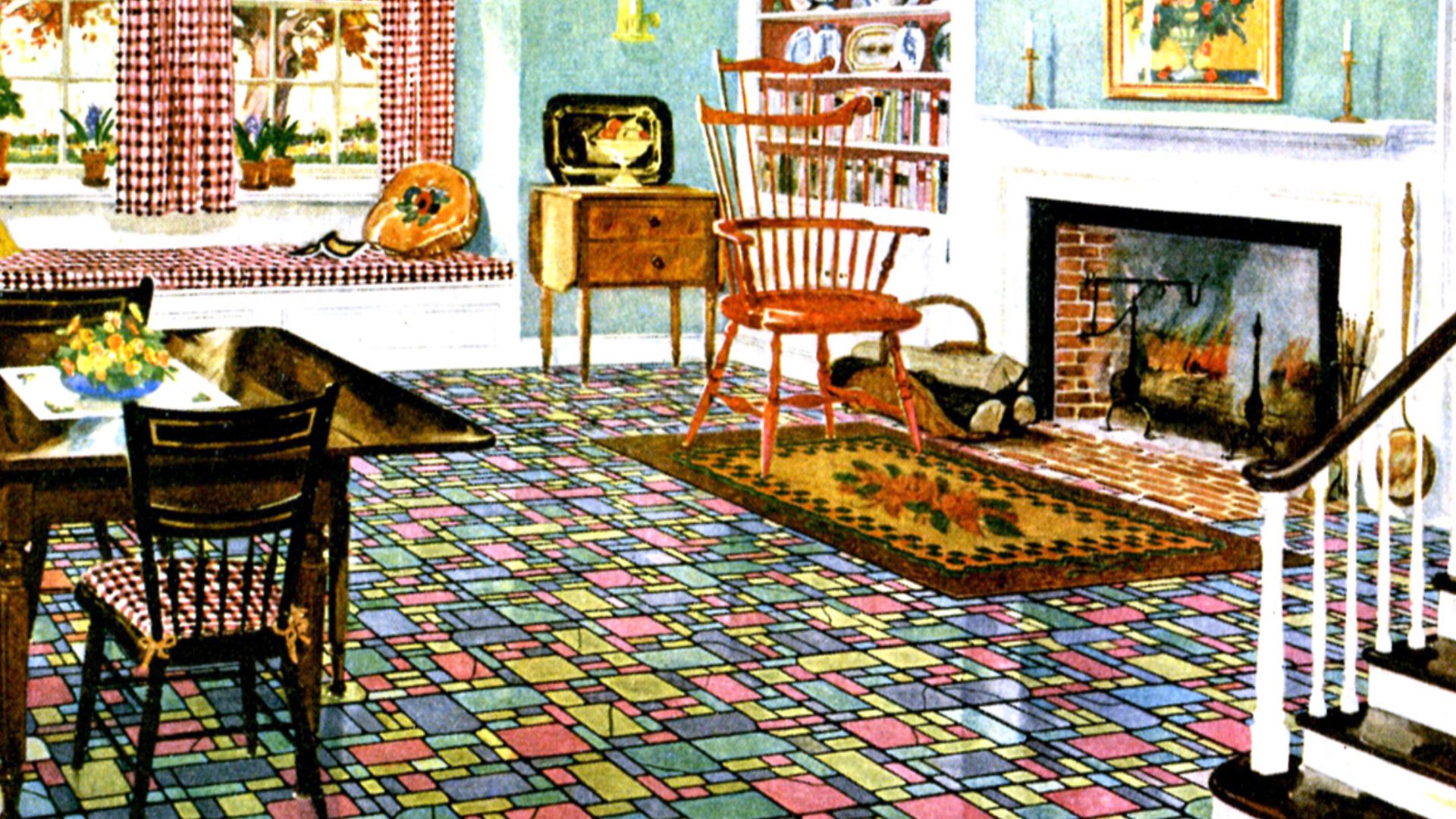
Linoleum floors brought color and practicality to 1940s kitchens. Bold marbled patterns or geometric designs mimicked tiles but cost less and cleaned easily. They symbolized optimism after wartime austerity, and served as reminders that style and function could coexist in the new era of cheerful, postwar domestic modernity.
 Don O'Brien, Wikimedia Commons
Doilies On Furniture
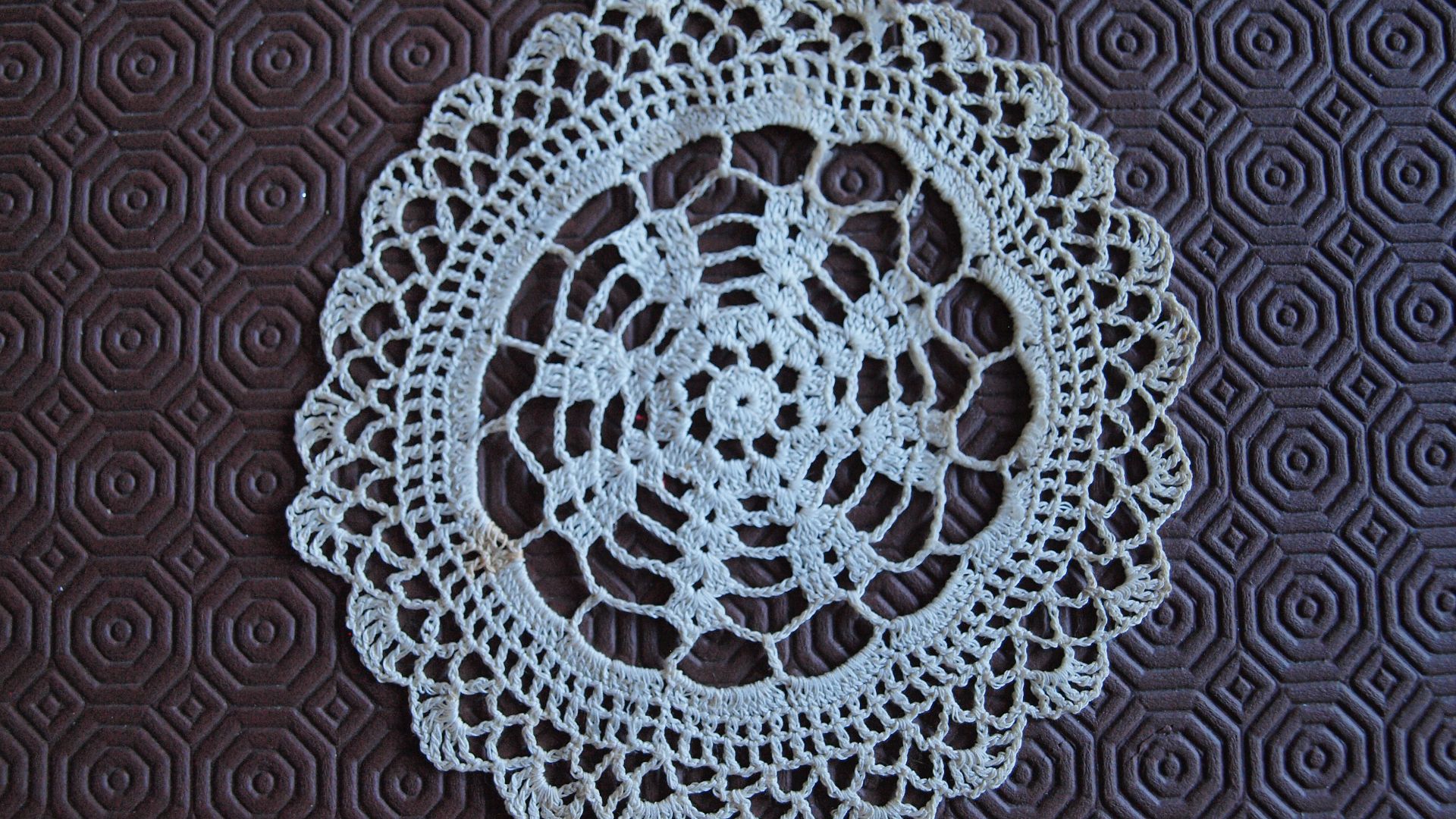
Often handmade, lace doilies adorned armchairs and radio tops. Both decorative and protective, they prevented furniture from wear and stains. Popularized by homemaking magazines and films like Mrs Miniver (1942), doilies reflected refinement and pride in maintaining a beautiful home.
Floral Chintz Curtains
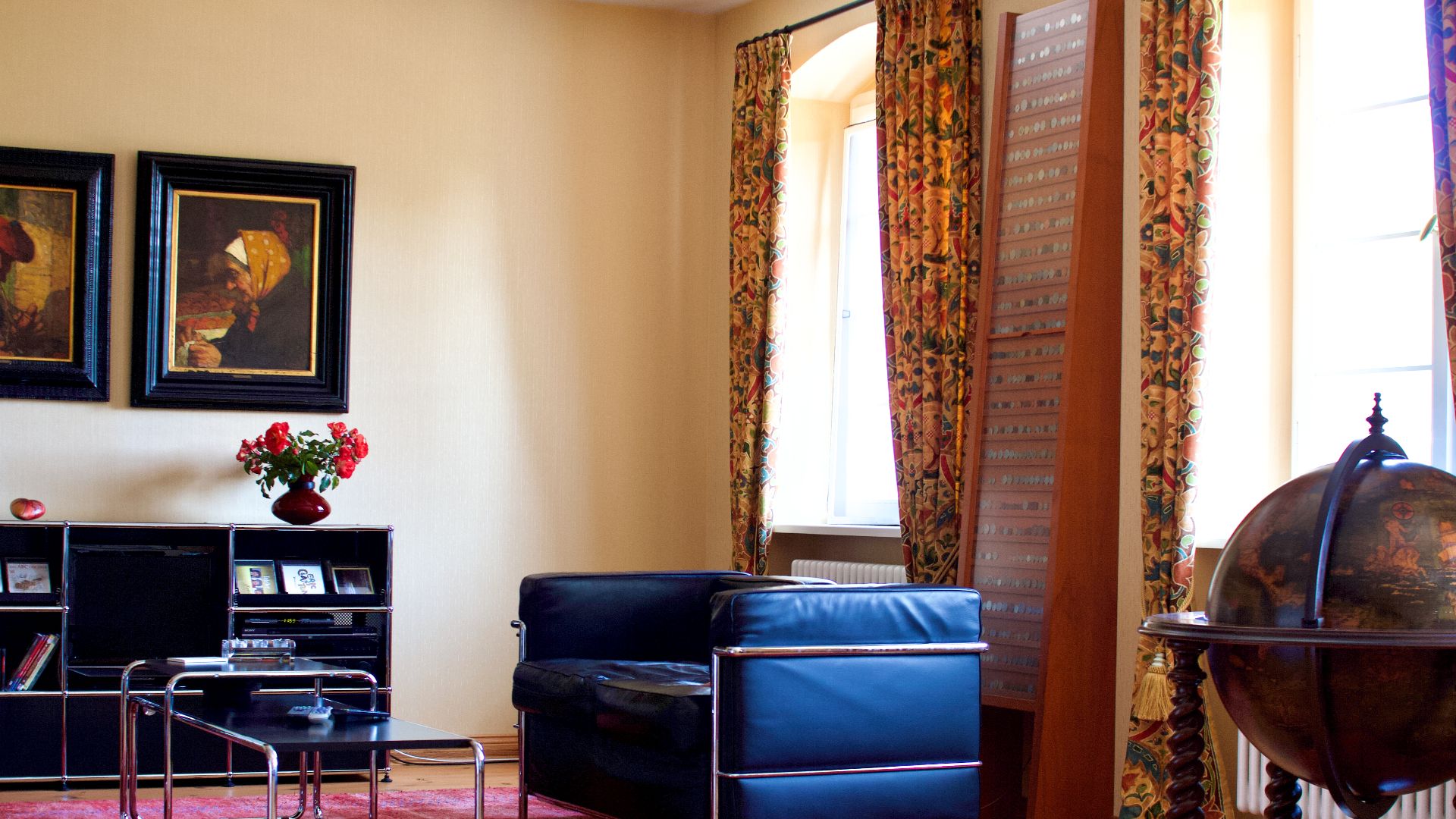
Vibrant chintz curtains brightened many homes by offering a cheerful contrast to years of rationing and restraint. Glossy floral prints—often in rose or lilac tones—were celebrated in homemaking magazines as signs of recovery. They turned modest windows into statements of optimism.
 Karl Oblique, Wikimedia Commons
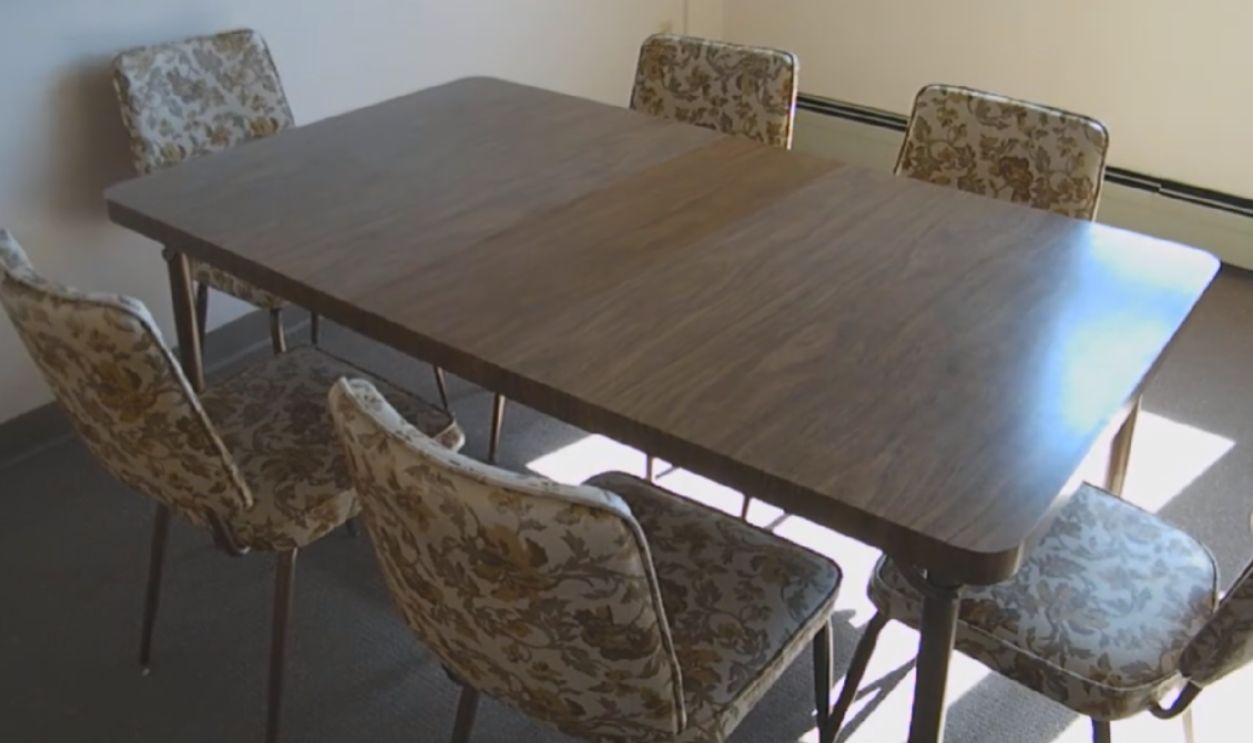
Chrome-And-Formica Table
Most 1940s kitchens were defined by shiny chrome legs and colorful Formica tops. Durable and easy to clean, they represented the new era of efficiency and modern design. Families gathered around these practical surfaces for meals and card games.
Ashtrays In Every Room
Smoking was part of daily life, appearing in living rooms, offices, and even hospitals. Homes displayed decorative ashtrays made of glass or ceramic. They reflected status and style, often matched to decor. Long before health warnings, the soft plume of smoke symbolized sophistication and social connection.
 Joe Haupt from USA, Wikimedia Commons
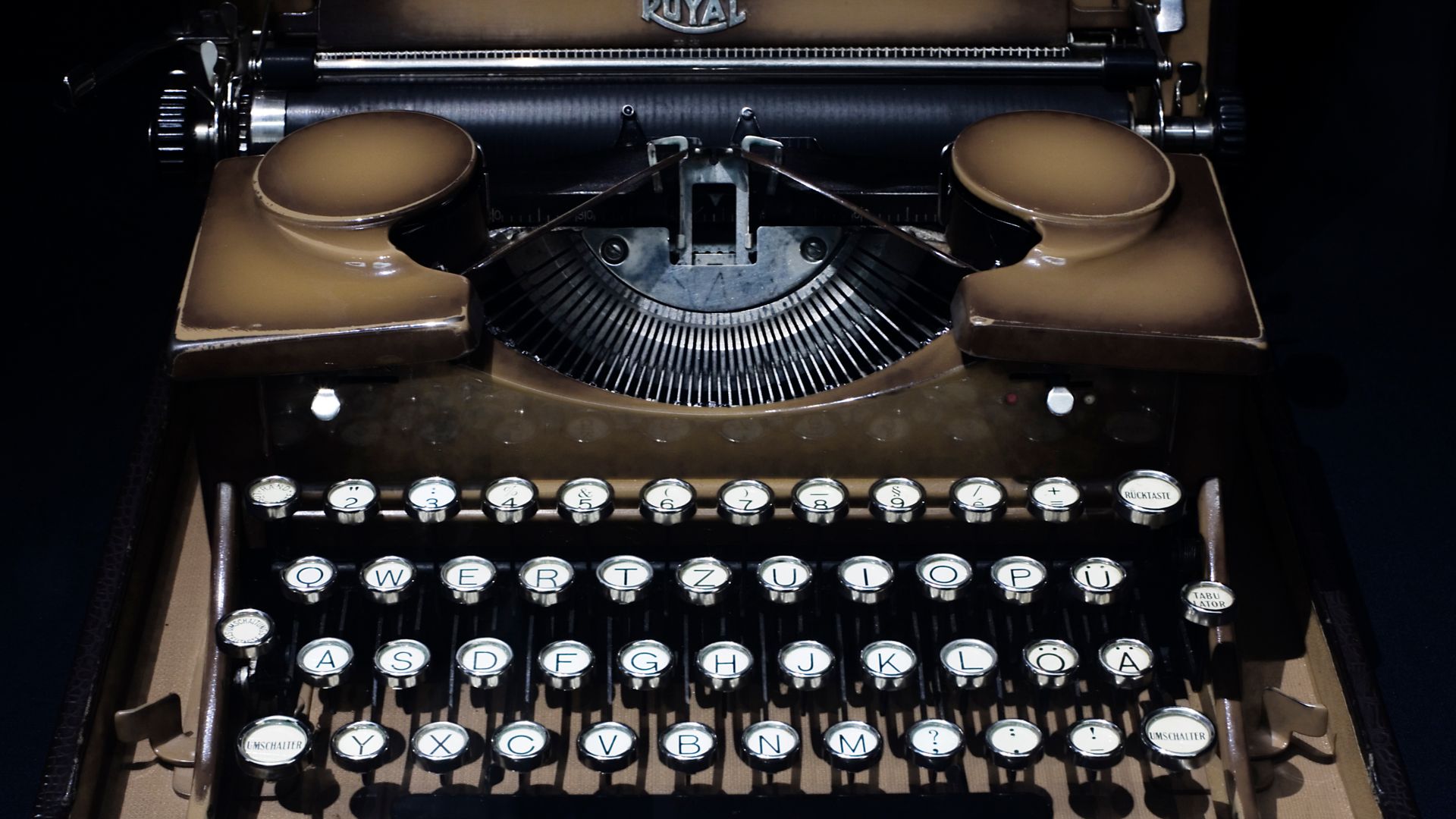
Manual Typewriter
The rhythmic clack of metal keys echoed through homes where letters and personal journals were typed by hand. Brands like Underwood and Remington stood for precision and permanence. Typewriters represented a bridge between personal expression and professional aspiration in mid-century America’s evolving households.
 Jorge Royan, Wikimedia Commons
Blackout Curtains
During WWII, blackout curtains became a nightly necessity in coastal and industrial cities. Thick, dark fabrics blocked indoor light to prevent detection during air raids. Even after the conflict, many families kept them as practical reminders of vigilance and the uneasy balance between safety and normal life.

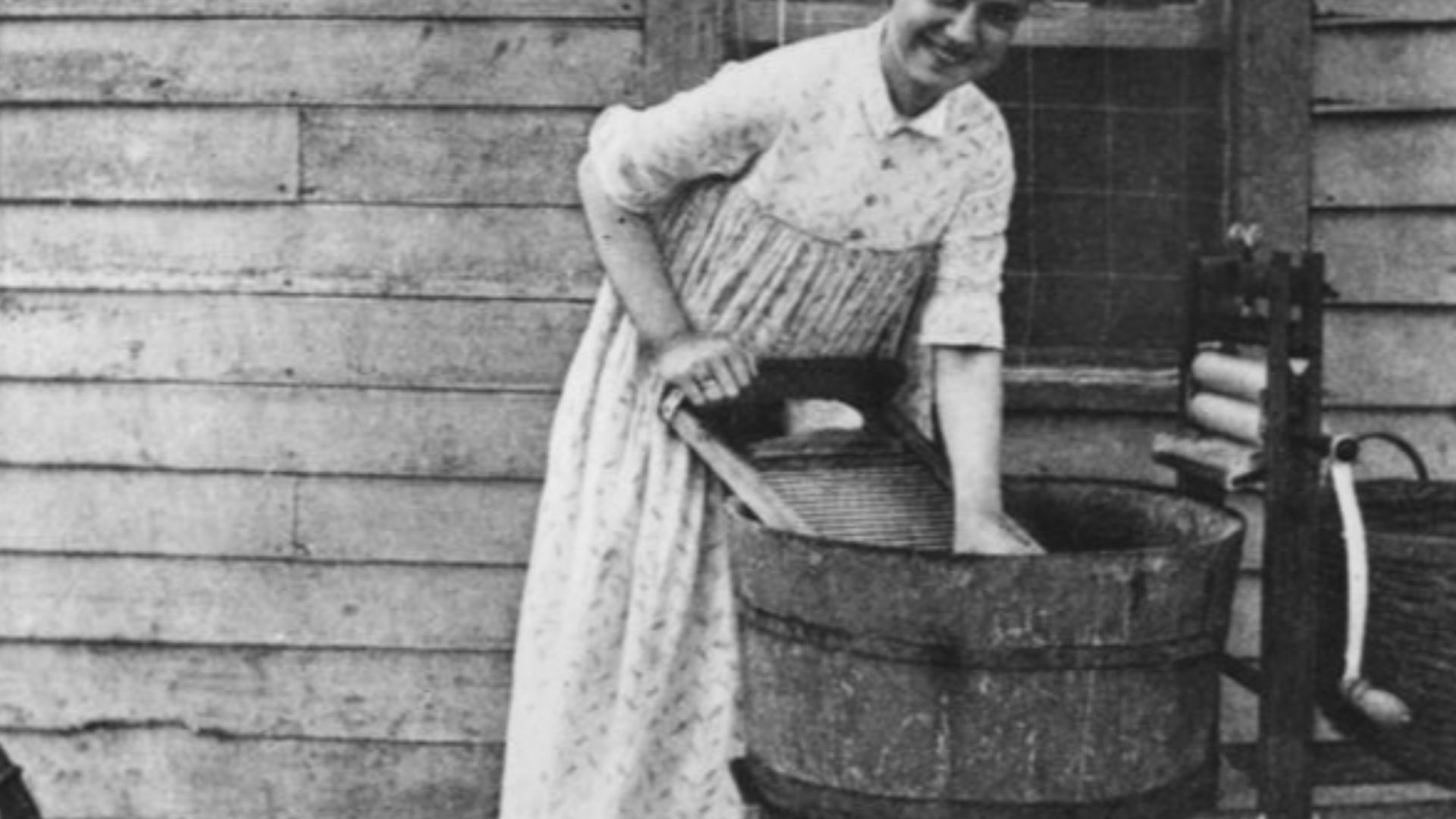
Washboard And Basin
Years before electric washing machines became widespread, laundry demanded muscle and patience. Women scrubbed clothes against ridged metal or glass washboards, rinsing them in large basins of soapy water. It was hard, rhythmic labor that defined domestic life before convenience transformed the American household.
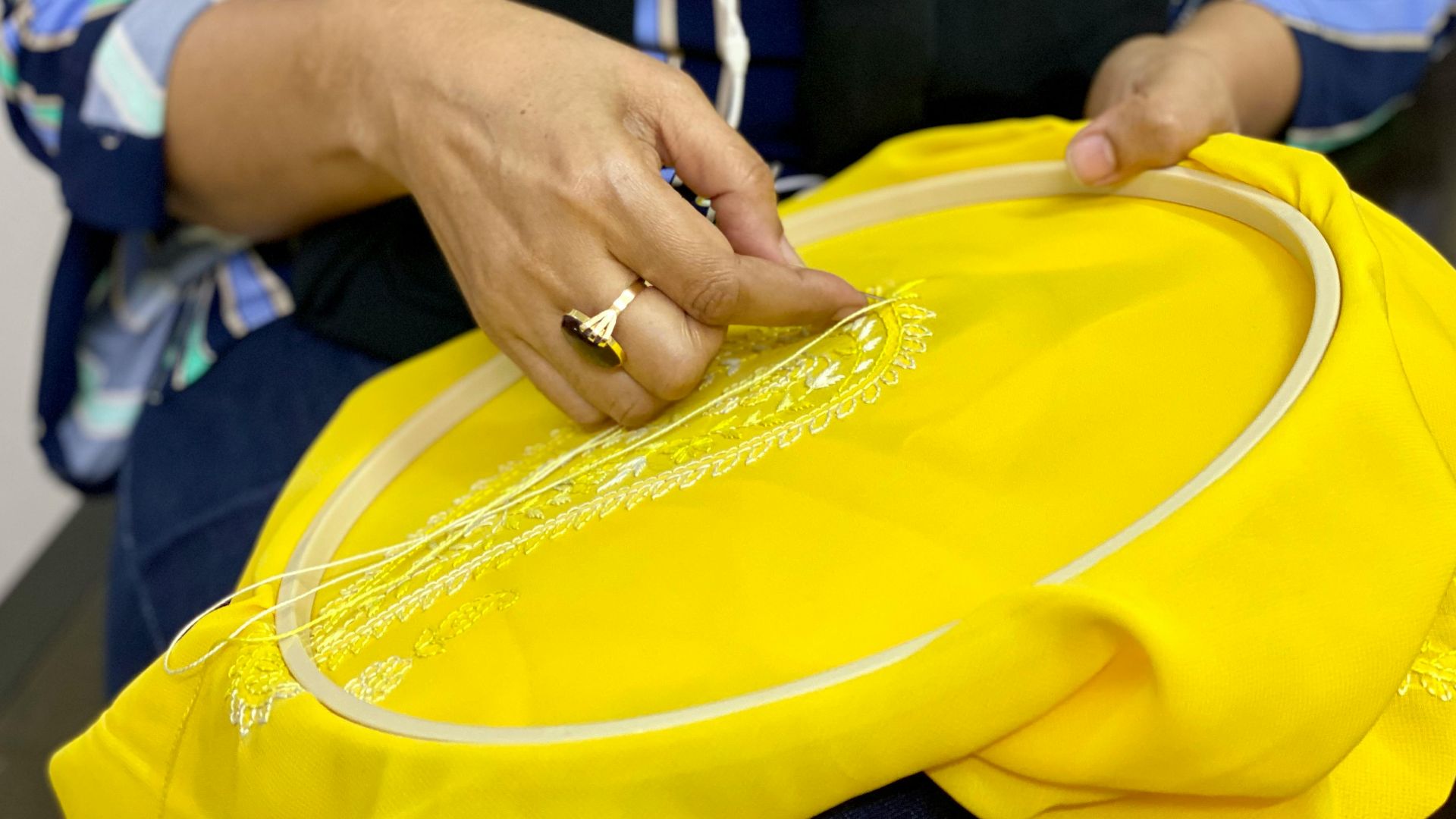
Embroidery Hoops And Needlework Kits
As a creative pastime during the years of conflict, hand embroidery flourished. Women stitched table initials and floral motifs using simple hoops and cotton thread. Needlework offered calm amid uncertainty, linking generations through patterns that carried beauty and discipline.
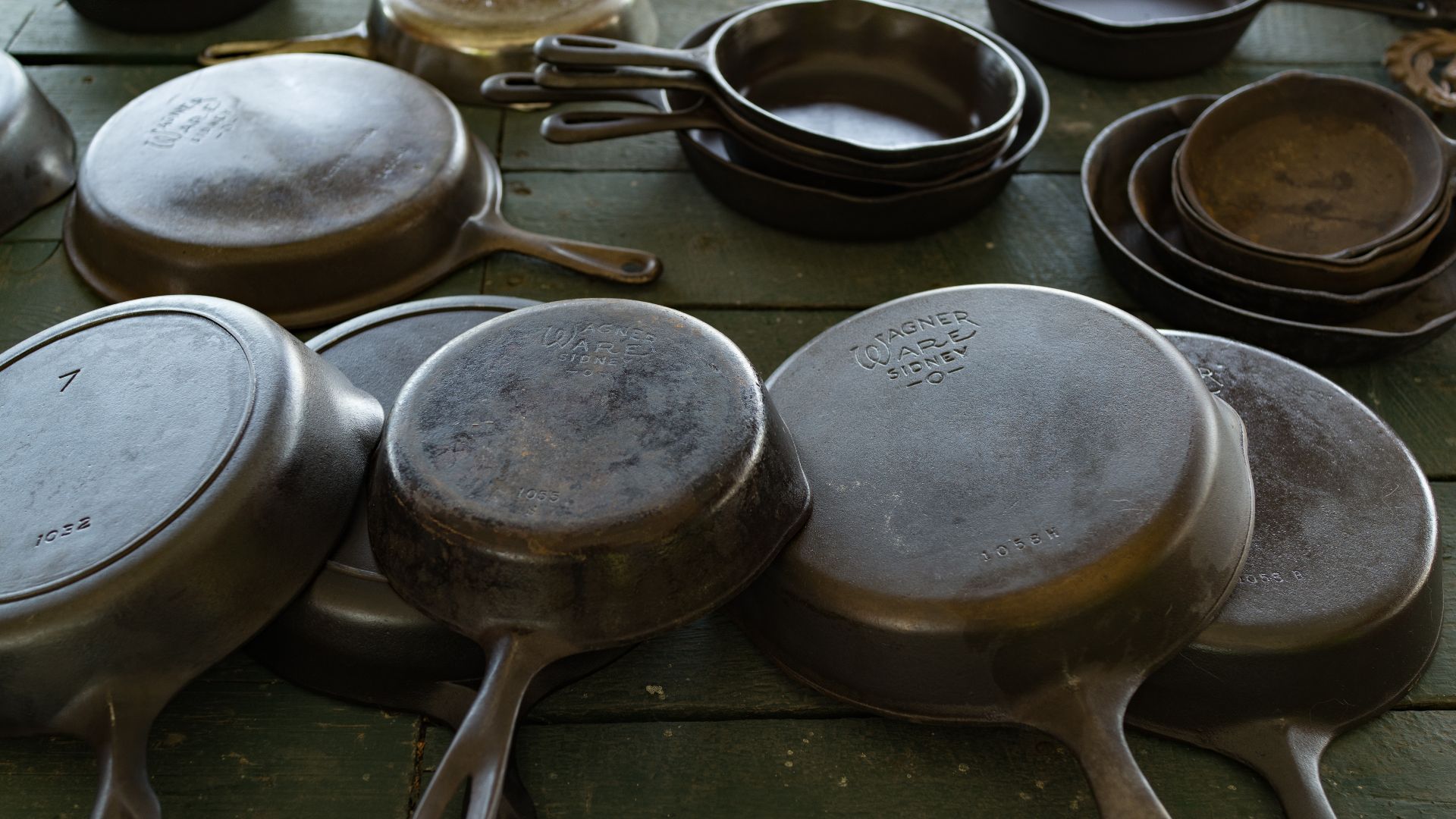
Cast Iron Skillets
Many kitchens relied on cast-iron skillets—heavy, long-lasting pans passed through families. Perfect for frying chicken or baking cornbread, they distributed heat evenly and developed a natural nonstick patina that symbolized durability and tradition.
 Edsel Little, Wikimedia Commons
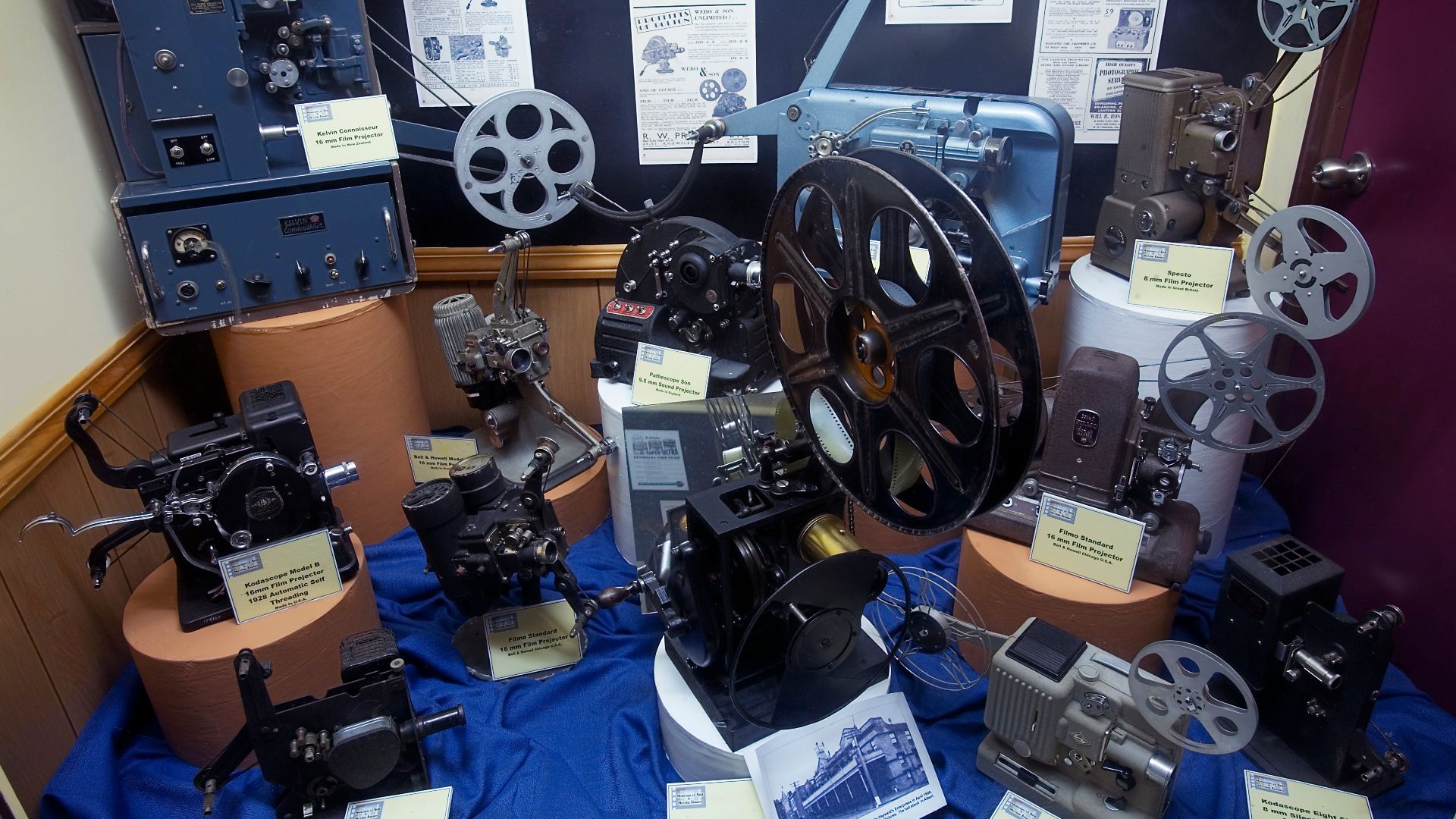
Reel-To-Reel Film Projector
Long before television was universal, families gathered for home movie nights using reel-to-reel projectors. 16mm or 8mm film captured birthdays, parades, and vacations. The gentle flicker of light on a living room wall echoed cinema’s golden age—when shared storytelling illuminated both Hollywood dreams and ordinary lives.
 Jorge Royan, Wikimedia Commons
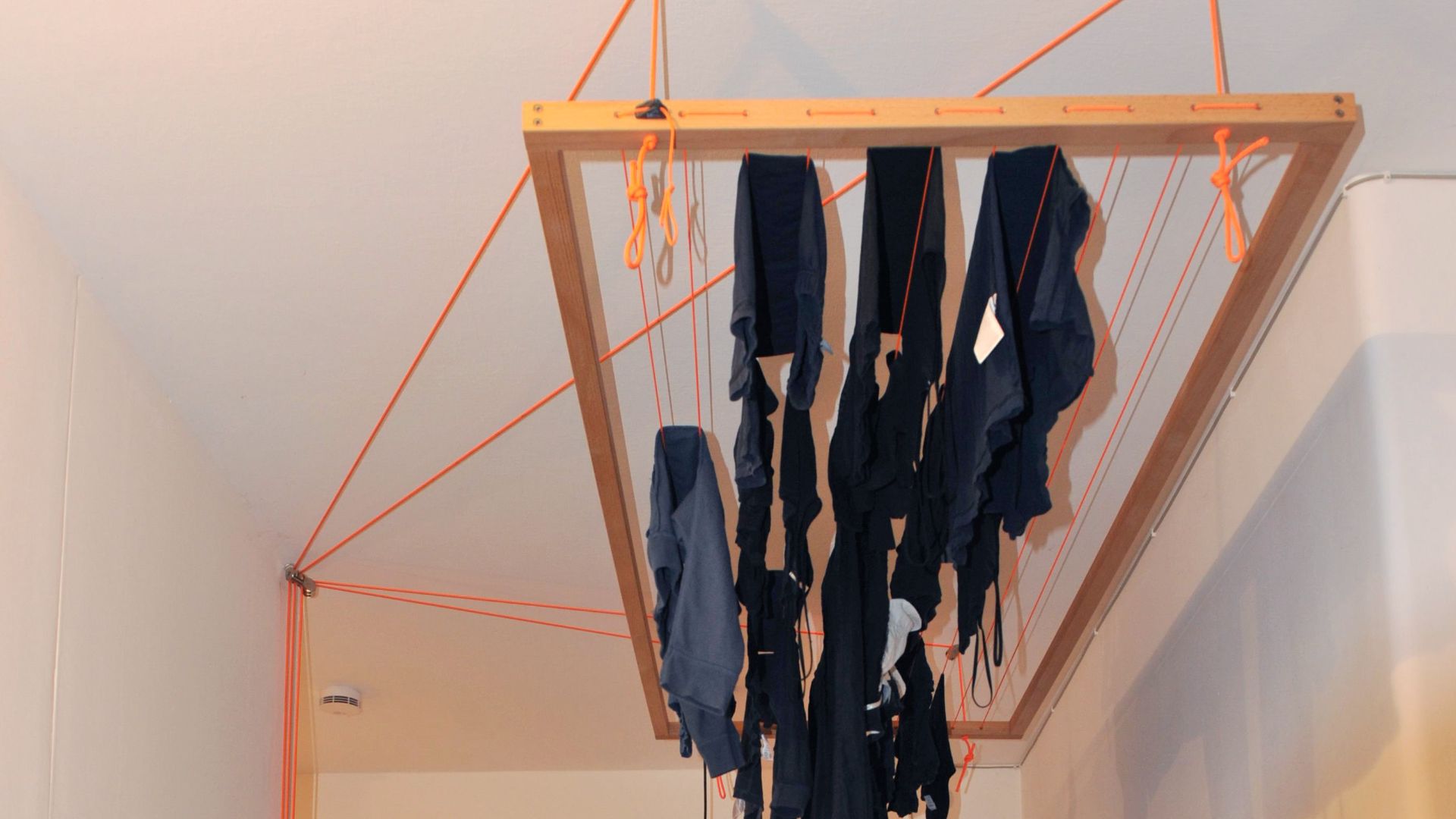
Ceiling Clothes Drying Rack
Ingenious and space-saving, these pulley-operated racks hung from ceilings, often above kitchen ranges where heat rose. Laundry dried overnight without cluttering valuable floor space. Their presence reflected domestic efficiency and inventive adaptation.
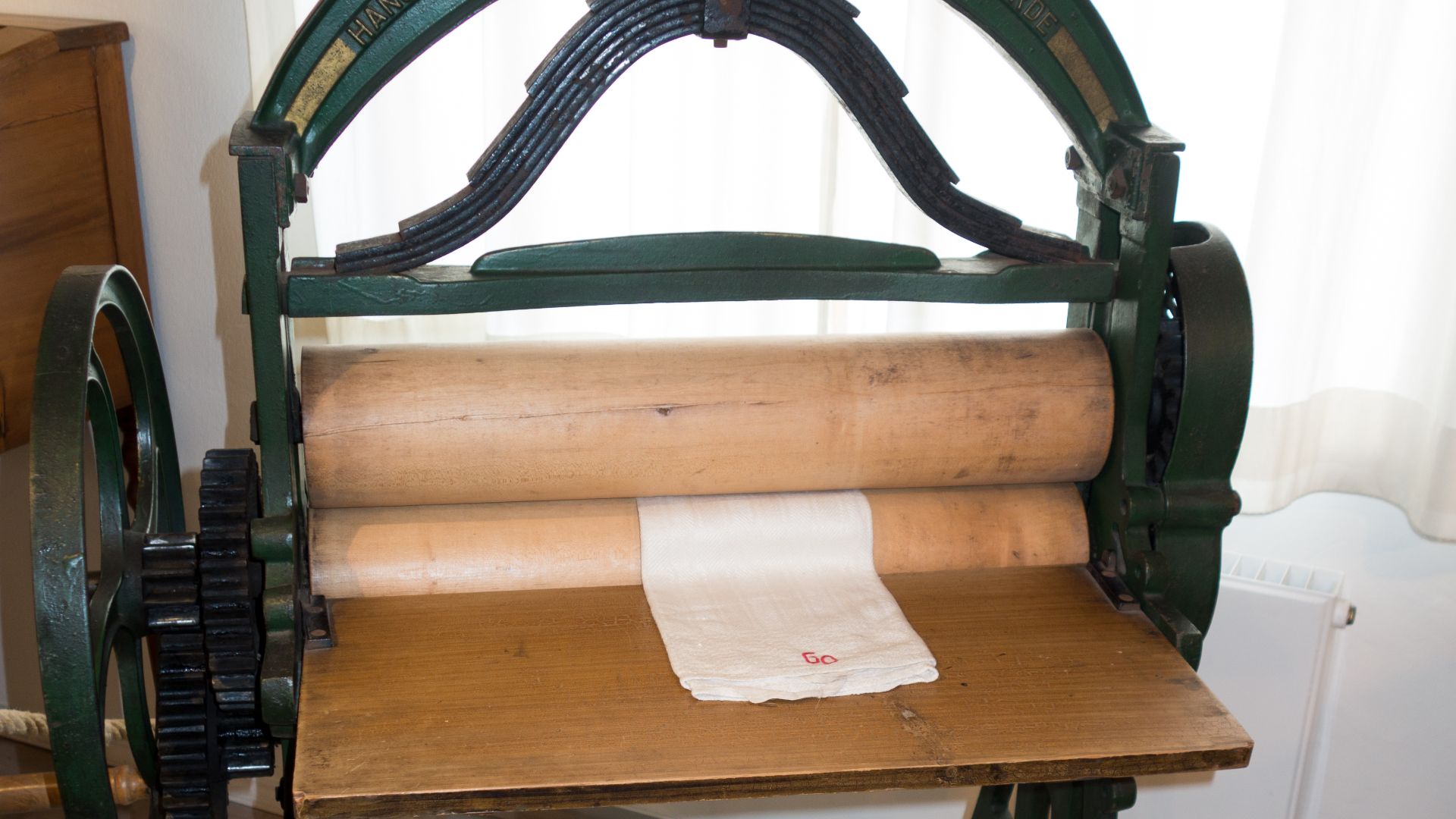
Mangle Ironing Machine
The mangle made pressing linens faster than hand-ironing. Sheets and towels passed through heated rollers, emerging smooth and crisp. Though heavy and occasionally dangerous to fingers, it saved time for busy homemakers..
 Thomas Quine, Wikimedia Commons
Rotary Dial Telephone
The rotary dial telephone defined communication before push-buttons and smartphones. Each number required a deliberate spin of the dial, followed by a soft whir. Its weighty Bakelite shell and wired receiver kept it in one spot and turned every call into an event that connected families and distant friends.

Steel Lunch Pail
Sturdy and practical, steel lunch pails accompanied factory workers, miners, and schoolchildren through long days. Inside were sandwiches and coffee-filled thermoses. These were small but enduring companions of an era when work defined identity and every meal carried the taste of effort.
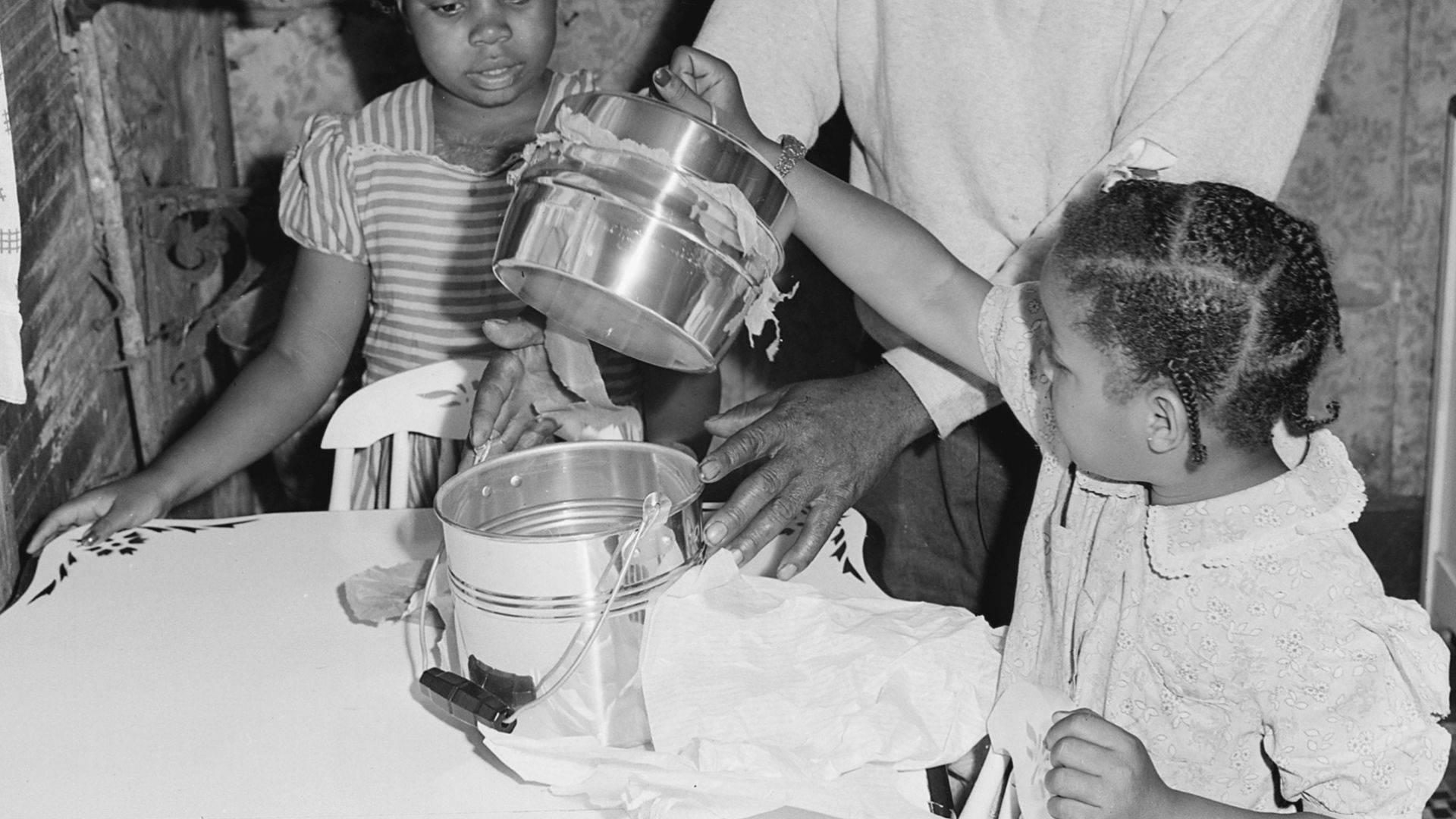 Russell Lee, Wikimedia Commons
Coal Scuttle And Shovel
A decorative yet functional coal scuttle sat near the hearth, paired with a metal shovel for refueling to keep living rooms cozy. The faint dust and glow of embers marked comfort during cold winters, recalling a time when warmth came from hands-on care.
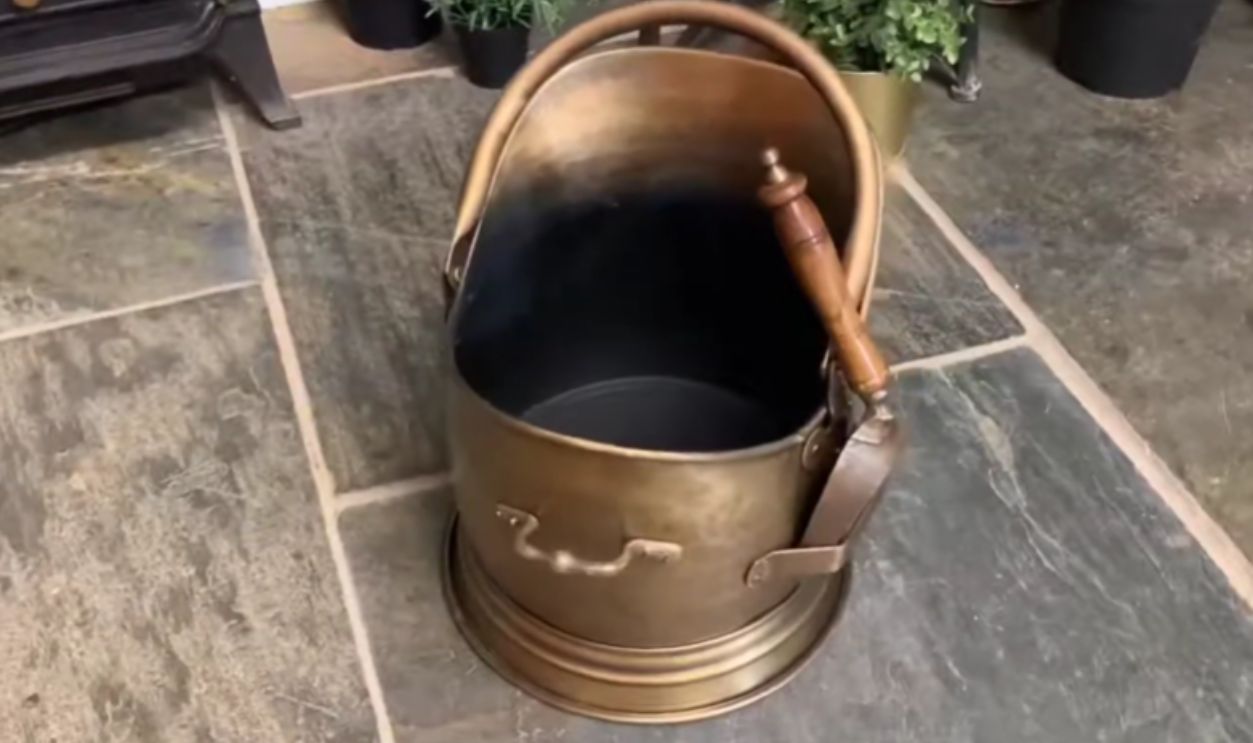 Coven Antique Bronze Finish Coal Scuttle with Shovel by Black Country Metal Works
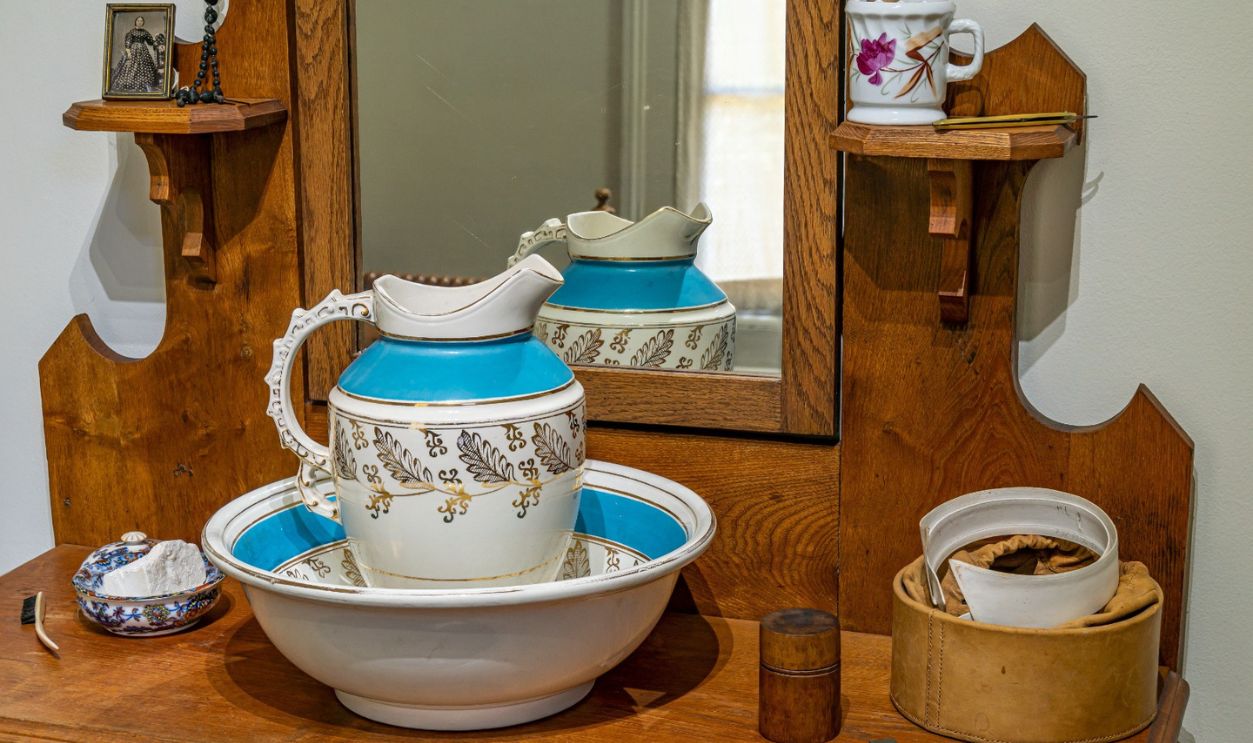
Enamel Pitcher And Basin Set
Indoor plumbing was uncommon, so enamel pitchers and matching basins served as daily washing stations in bedrooms. They provided water for morning routines and symbolized modest hygiene rituals. Gleaming in white and blue, they bridged necessity with elegance.
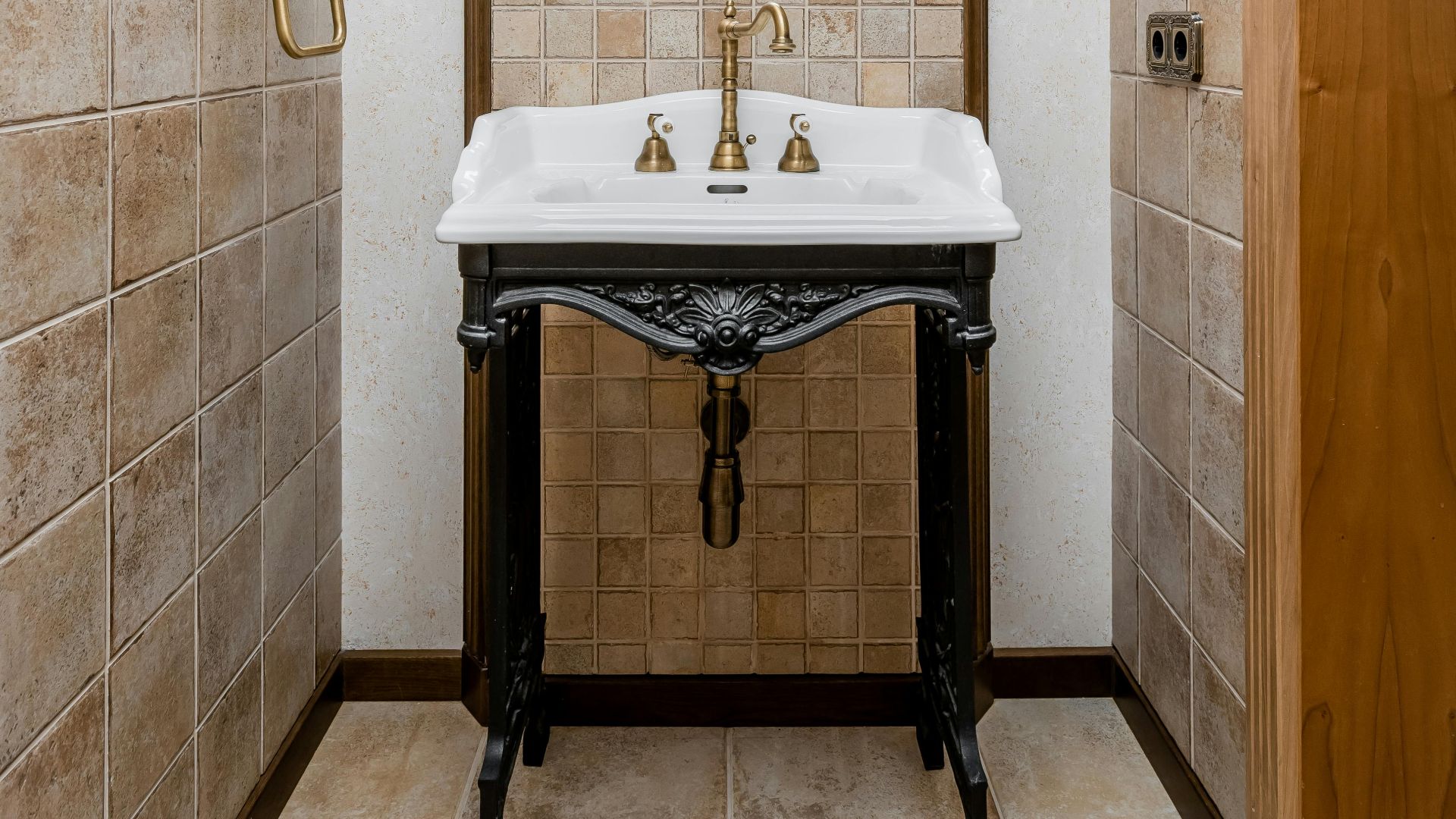
Porcelain Sink With Drainboard
The 1940s kitchen often centered around a white porcelain sink with an integrated drainboard for drying dishes. Its deep basin, glossy surface, and ribbed sides balanced beauty with utility. These sinks, found in both humble cottages and suburban homes, became lasting icons of early modern American design.
China Hutch
China hutches displayed fine dishware and heirlooms—treasures often passed down through generations. They reflected pride and hospitality, especially as postwar prosperity encouraged home entertaining. Glass-paneled doors revealed carefully arranged porcelain and crystal, preserving the sense of dignity associated with family heritage.
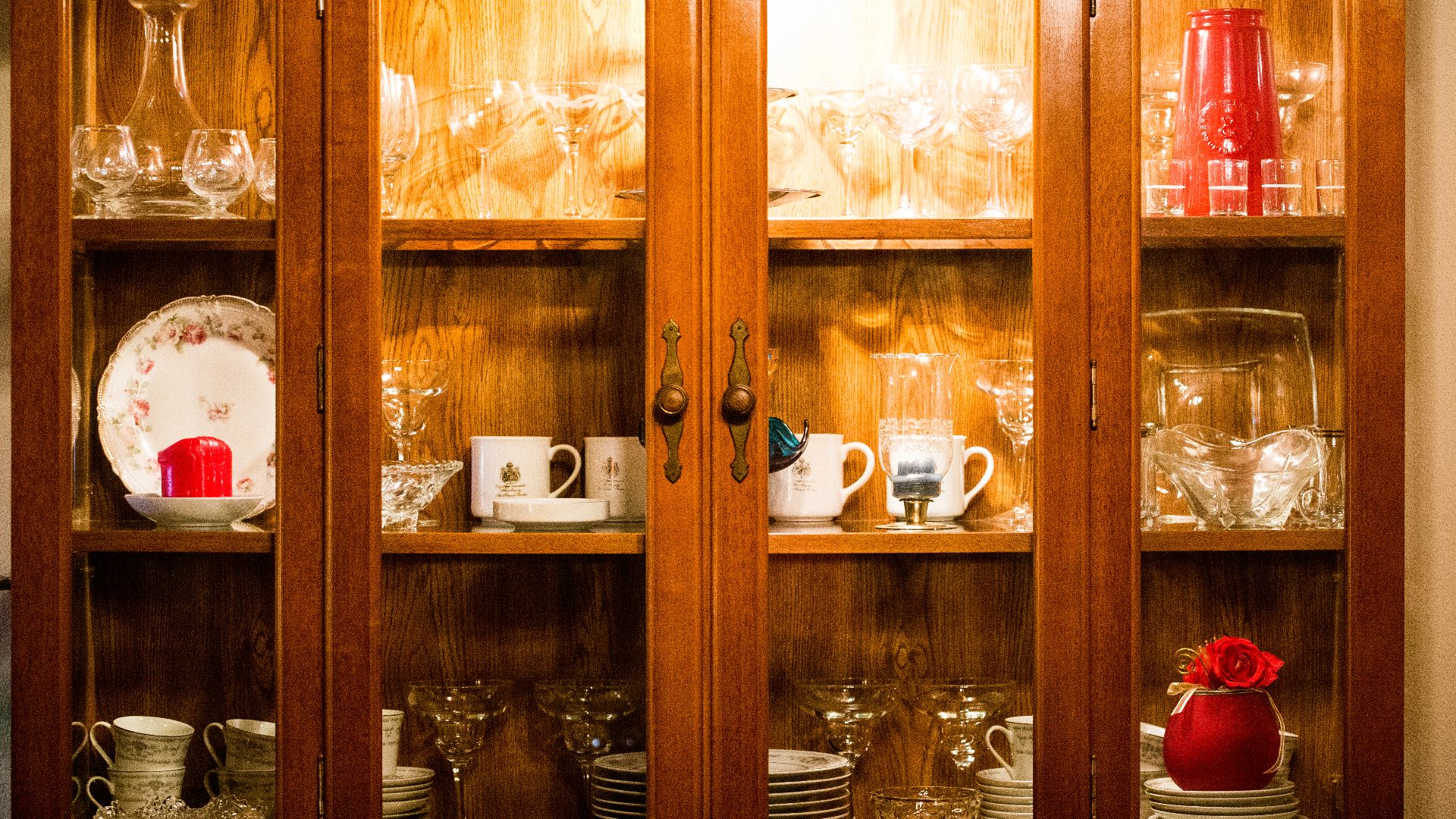 Carol VanHook, Wikimedia Commons
Radio Program Schedules
Printed in newspapers or standalone pamphlets, radio schedules were essential for planning family evenings. They listed dramas, news hours, and comedies like The Shadow or Fibber McGee & Molly. These guides turned households into organized audiences, eagerly awaiting beloved voices that unified an anxious nation.
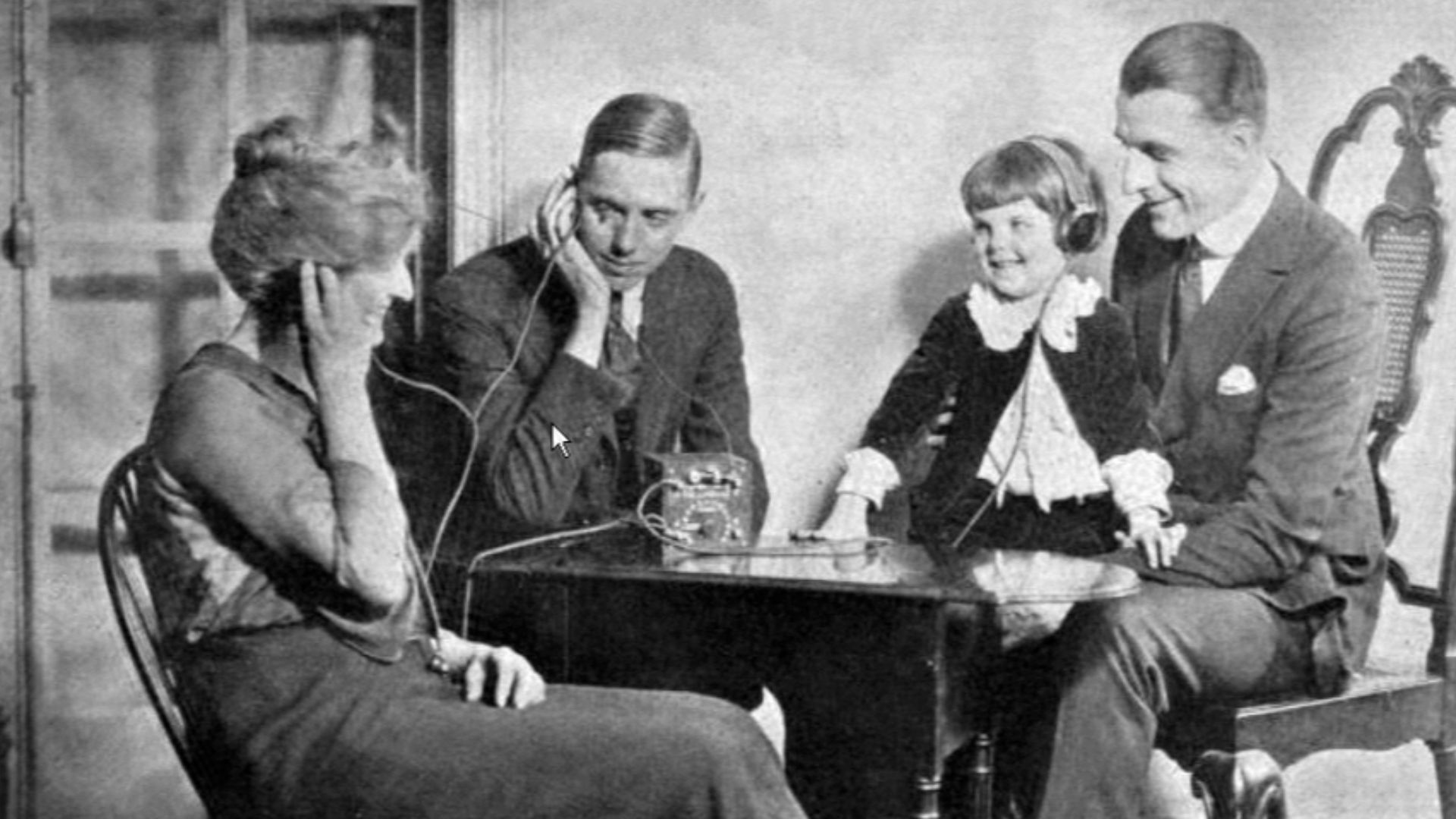 Unknown authorUnknown author, Wikimedia Commons
Wool Blankets And Quilts
Wool blankets and handmade quilts offered warmth long before polyester bedding. Often pieced together from worn garments, they carried personal history in every stitch. They were evidence of a culture that valued resourcefulness and the quiet artistry of home during uncertain years.
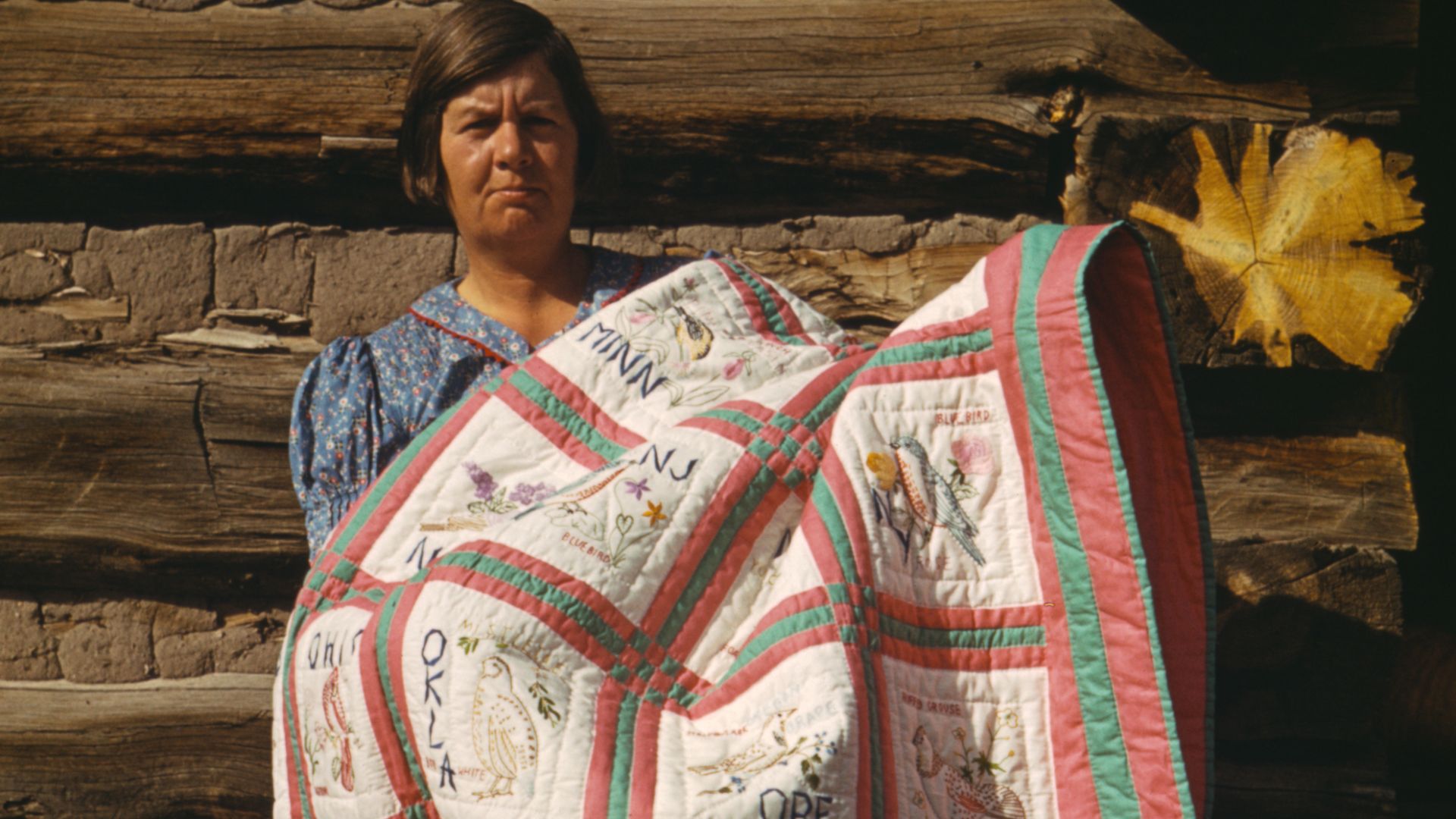 Russell Lee, Wikimedia Commons
Victory Canning Jars
Victory canning jars filled pantries with preserved fruits and vegetables during shortages. Families followed government guides to safely seal produce in reusable glass jars. This self-sufficiency movement forged a sense of empowerment, reminding Americans that survival could also be an act of community pride.
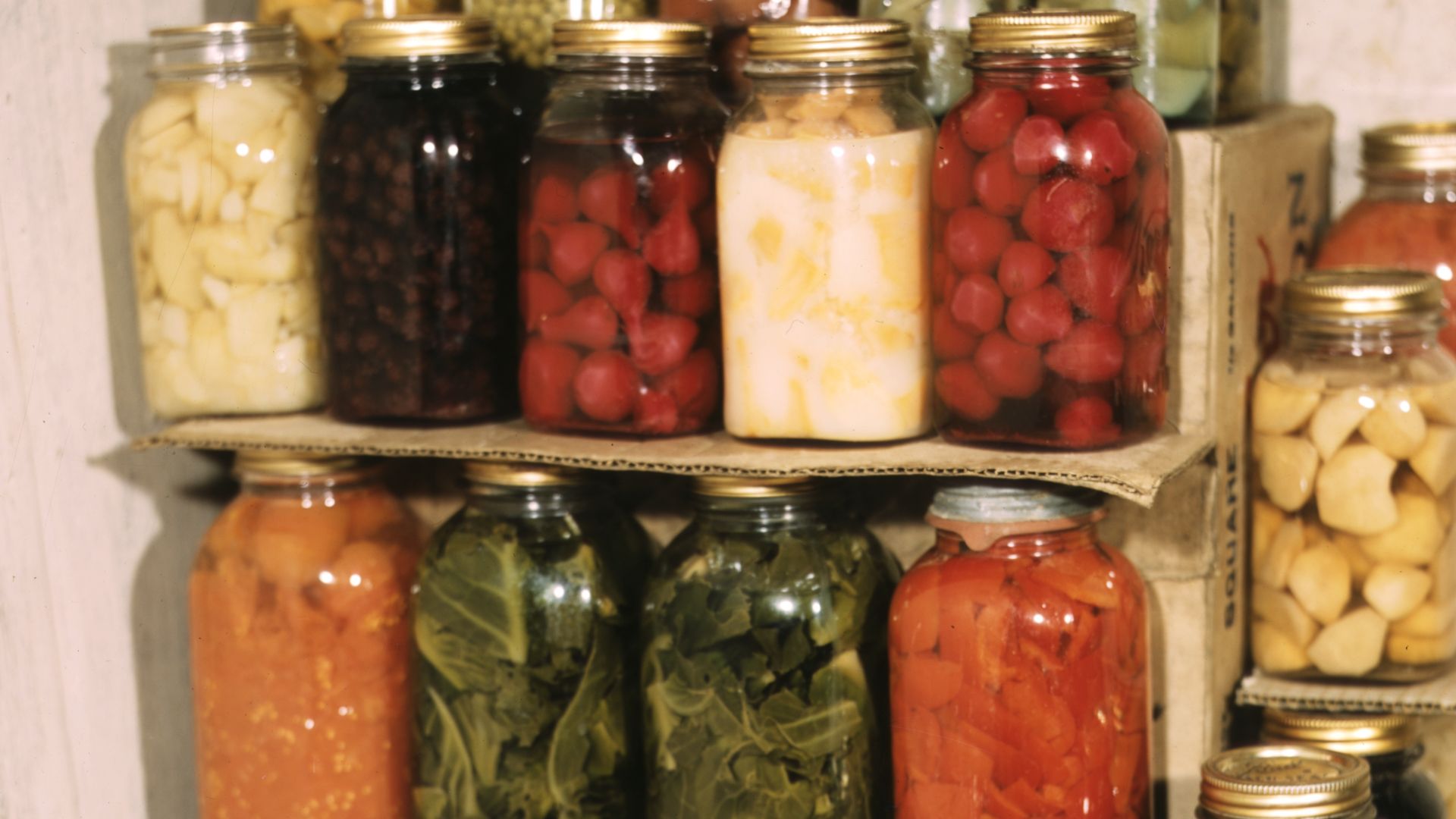
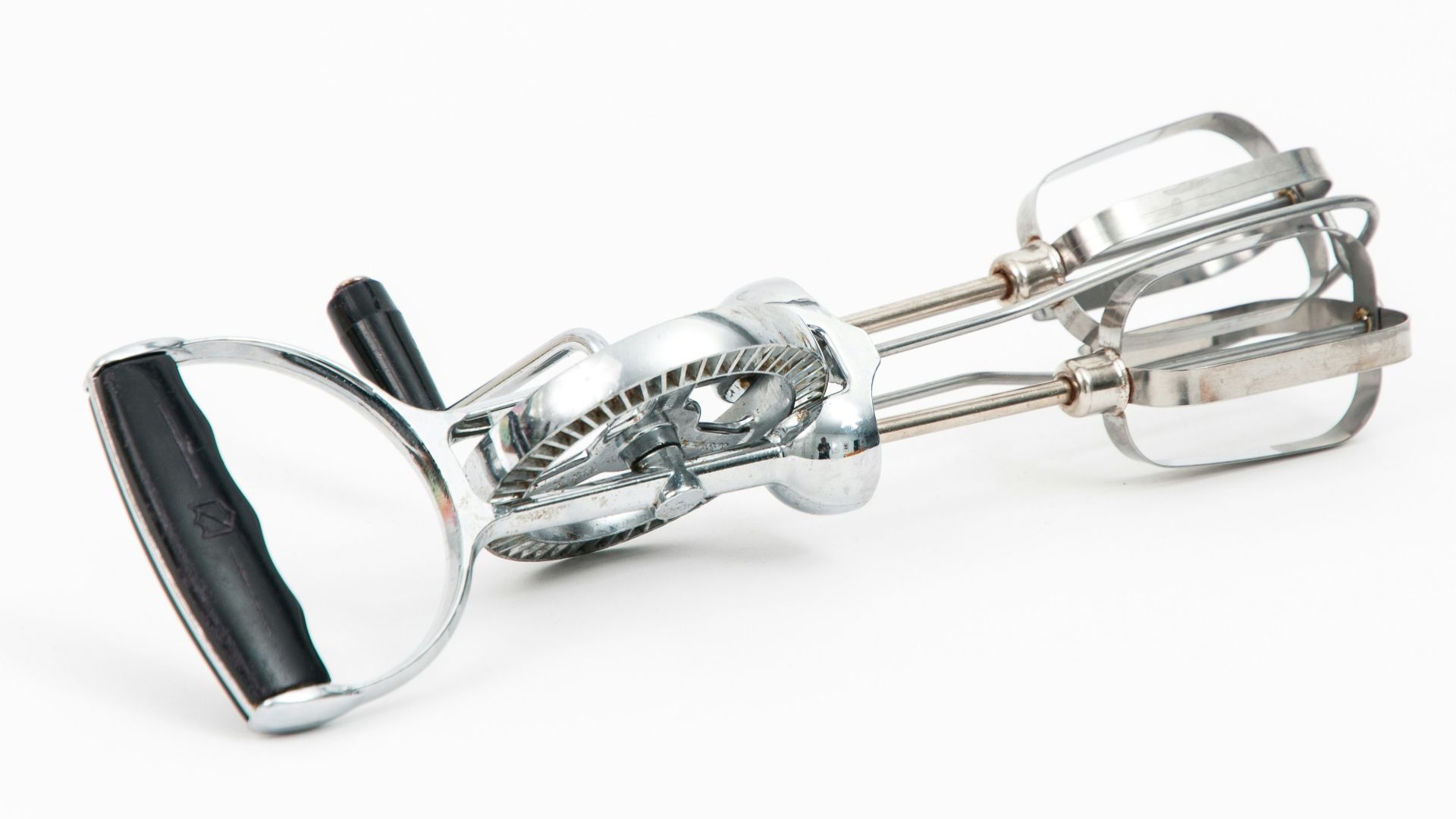
Hand-Crank Egg Beater
Hand-cranked egg beaters whisked batters and whipped cream with mechanical charm. Their simple gears turned effort into rhythm, producing perfectly blended ingredients. They represented mid-century ingenuity—streamlining daily cooking while reminding home bakers that satisfaction often came from physical motion, not automation.
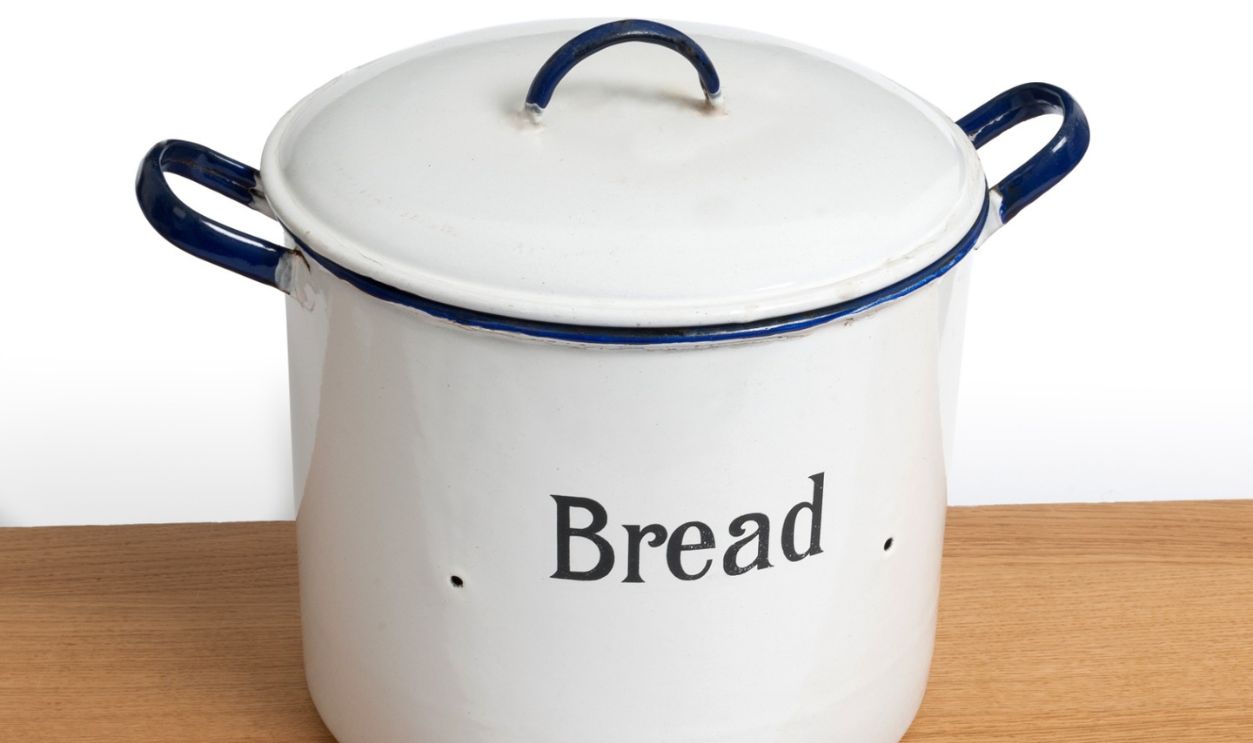
Tin Bread Box
Usually made of tin or enamel, bread boxes kept homemade loaves fresh before plastic packaging. Decorated with cheerful lettering or floral patterns, they sat proudly on countertops. Beyond storage, they assured Americans that despite shortages, a warm loaf was waiting in every kitchen.
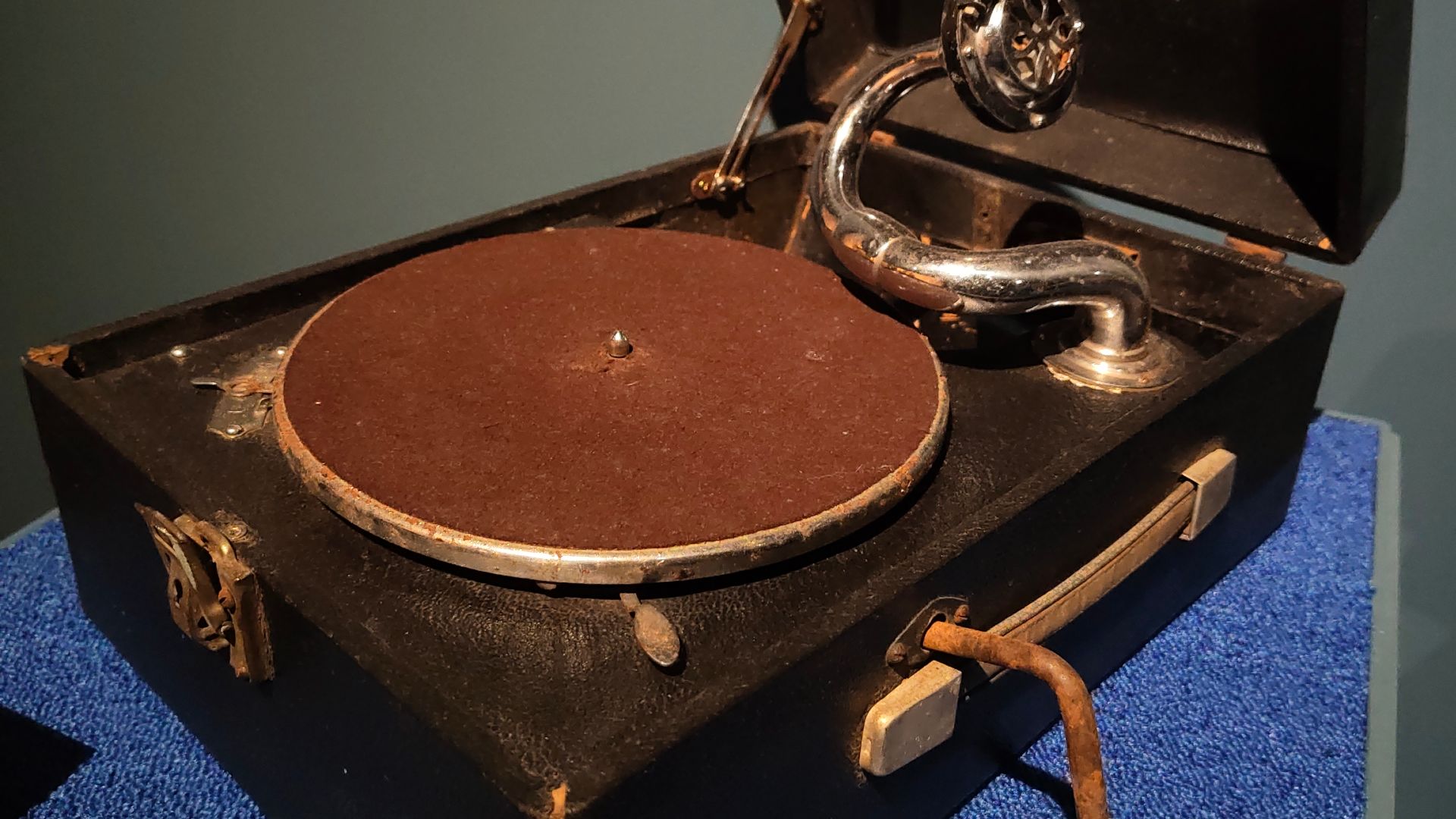
Portable Record Player
Music came to life through portable record players spinning 78 RPM shellac discs. Whether jazz, big band, or early blues, these machines turned any gathering into an occasion. Young listeners discovered voices like Glenn Miller and Billie Holiday, connecting generations through melodies etched into spinning grooves of glassy sound.
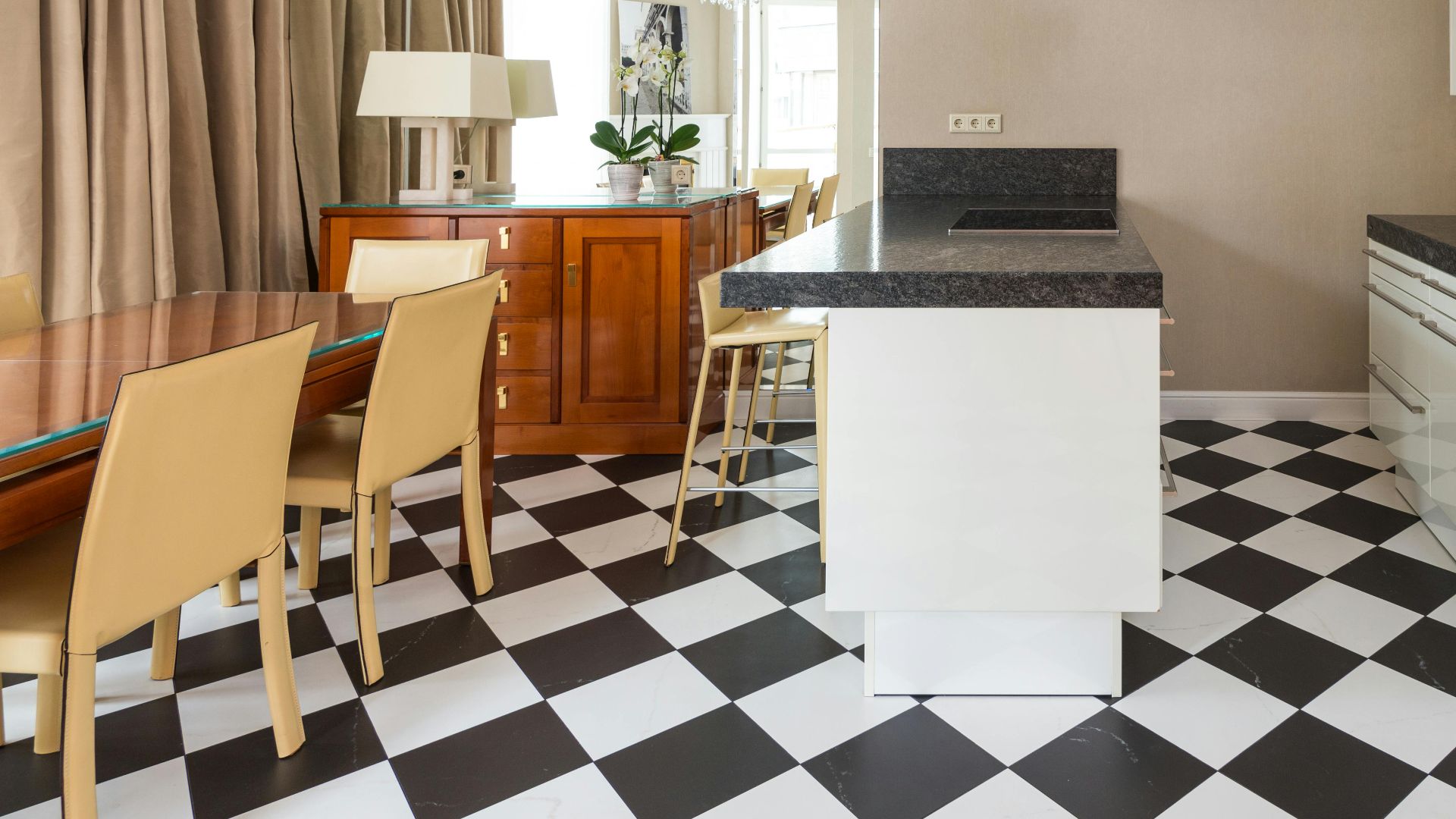
Checkerboard Kitchen Tile
Checkerboard tiles, usually black and white or red and cream, became symbols of cheerful practicality. Their geometric contrast brightened kitchens once shadowed after difficult years. They reflected a desire for balance and order, where each square was a neat expression of the era’s new fascination with symmetry and design.
Curtains Around The Sink
Instead of cabinet doors, many kitchens featured fabric curtains beneath the sink. These patterned drapes concealed cleaning supplies and softened utilitarian spaces. They were simple touches that turned function into charm, reminding homemakers that comfort could bloom even from modest, resourceful design choices.
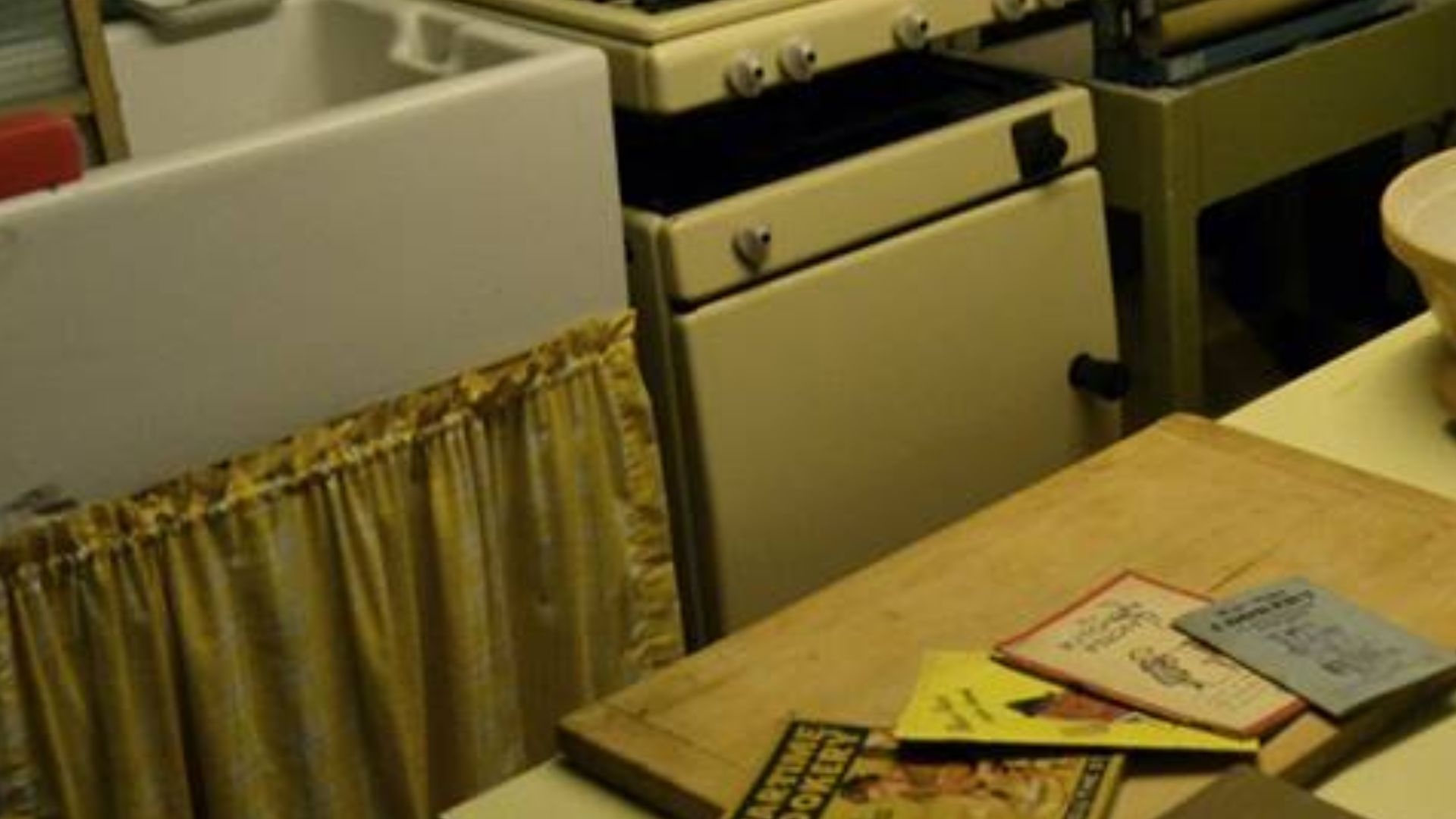
Porch Glider Bench
Evenings often ended on a porch glider, its gentle sway keeping rhythm with cicadas and distant radios. Made of painted metal or wood slats, it offered quiet refuge after long workdays. These benches encouraged conversation, neighborly connection, and reflection—timeless reminders of slower, outdoor-centered American living.
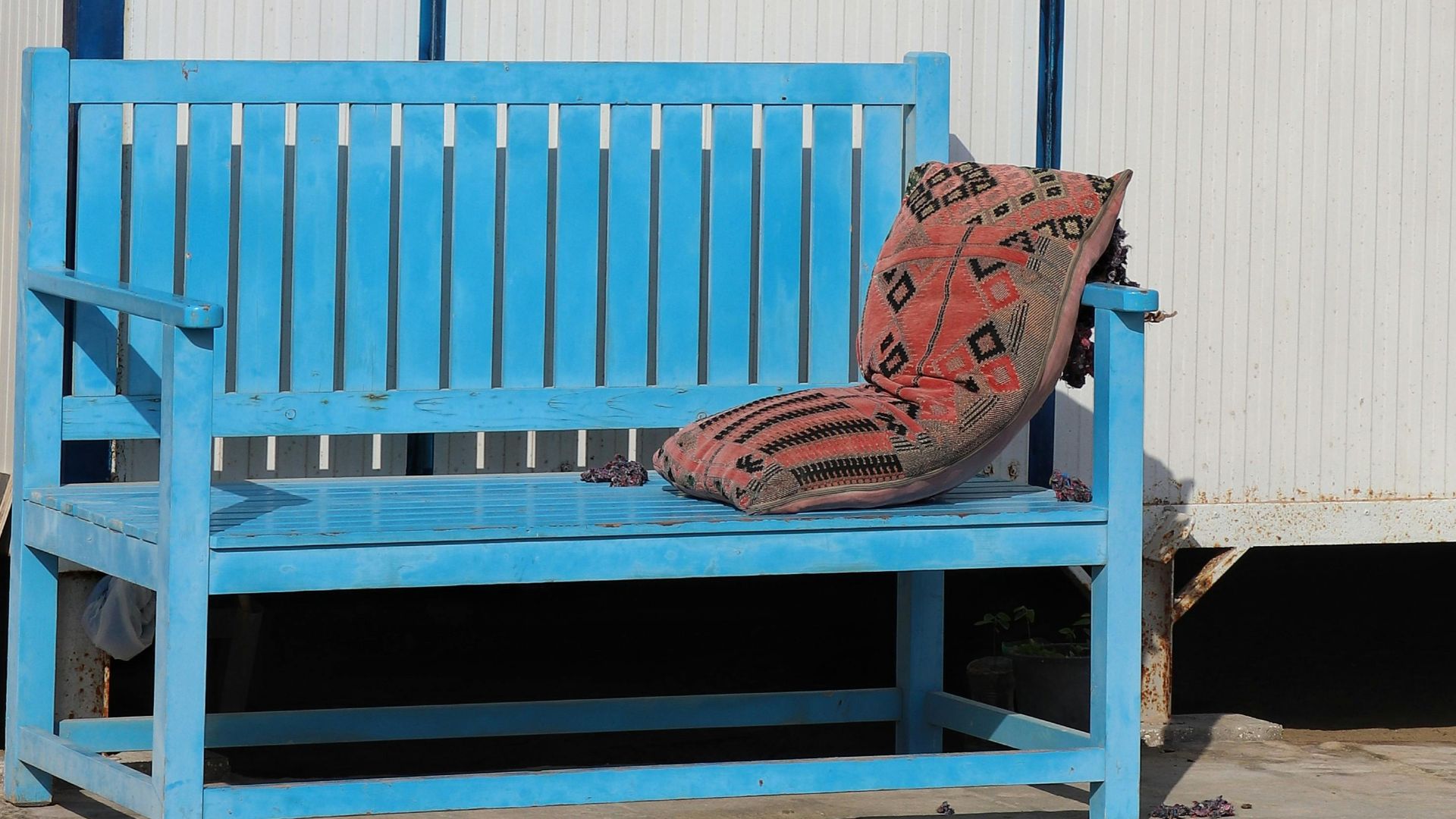
Built-In Radio Clock
A technological novelty of its time, the built-in radio clock merged two household essentials. It woke families to morning broadcasts and soothed them to sleep with nightly music. Compact and stylish, it represented the 1940s fascination with convenience.
 Joe Haupt from USA, Wikimedia Commons
Metal Toy Soldiers
Metal toy soldiers lined bedroom shelves and paraded across living room floors. Cast from lead or tin, they reflected a wartime childhood steeped in patriotism. Children recreated battles they heard about on radio broadcasts, which turned playtime into imagination training that mirrored both the fears and heroism of the 1940s.
 Thomas Quine, Wikimedia Commons
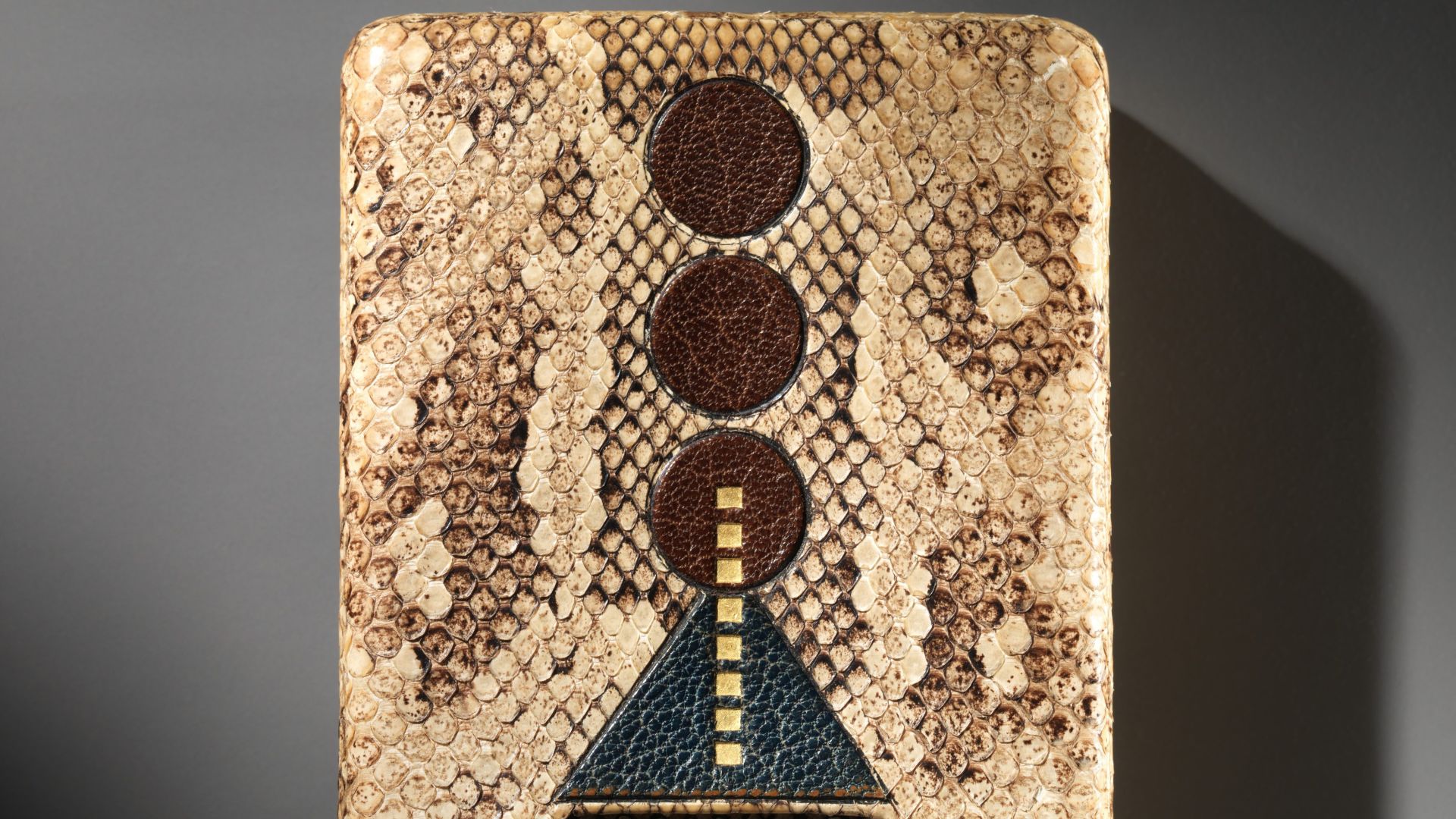
Cigarette Cases And Holders
Elegant cases and slender holders were considered fashionable accessories for both men and women. Crafted from silver or celluloid, they symbolized sophistication in social circles. Before health warnings existed, smoking etiquette was part of refinement, immortalized in films and cocktail parties that celebrated glamour.
 Unknown photographer for the Metropolitan Museum of Art, Wikimedia Commons
Refrigerator Recipe Cards
Recipe cards clipped from magazines or passed among friends filled small boxes on kitchen counters. Women organized family favorites and wartime substitutions with careful handwriting. These cards captured an evolving food culture by blending creativity, tradition, and economy into practical guides that shaped the flavors of mid-century home cooking.
Utility Apron
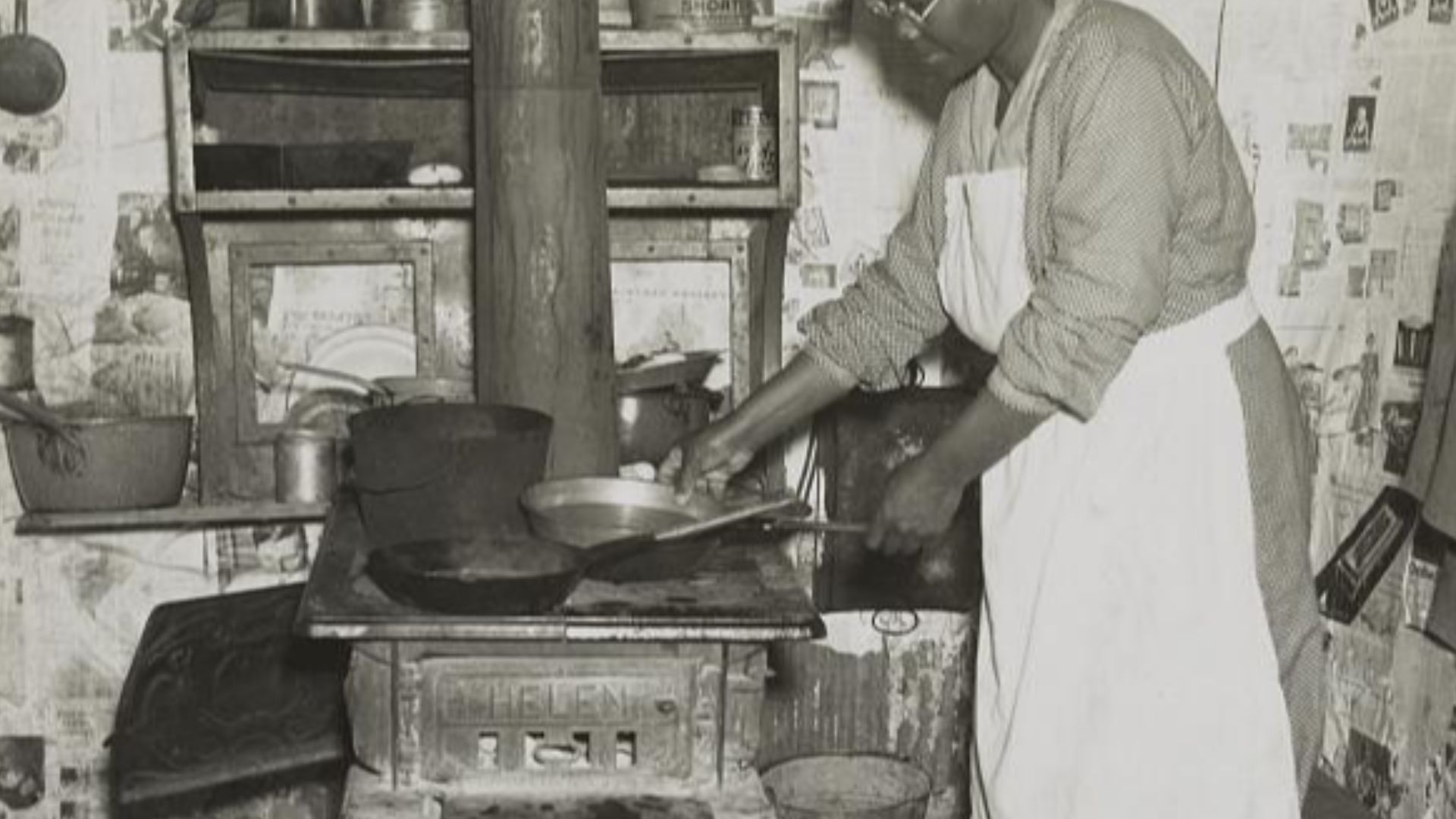
No homemaker was without a utility apron—its pockets held clothespins, recipe cards, and sometimes a child’s toy. Both protective and symbolic, it represented domestic pride and productivity. Brightly patterned cotton versions reflected postwar optimism, celebrating the busy, capable woman who kept the household running with tireless grace.
 Arthur Rothstein, Wikimedia Commons
Tin Ceiling Tiles
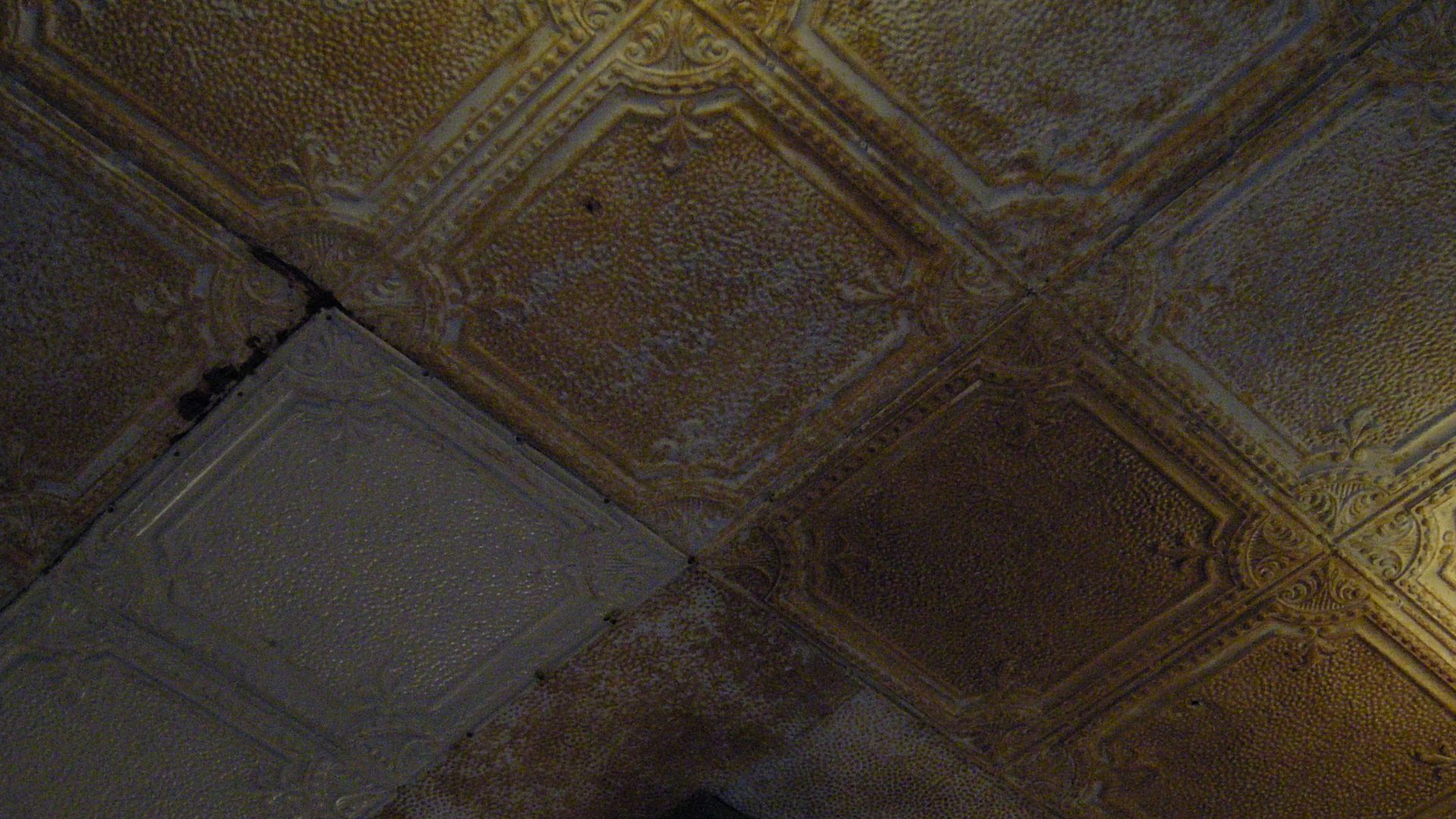
Tin ceiling tiles added elegance to otherwise modest homes. Pressed with intricate floral or geometric motifs, they reflected light beautifully and resisted fire. Once popular in 19th-century buildings, these ceilings persisted in 1940s renovations as proof that aesthetic detail still mattered even in times of economic restraint.
TV Antenna Or “Rabbit Ears” (Late 1940s)
By the decade’s end, the arrival of television transformed entertainment. Early sets required “rabbit ear” antennas adjusted constantly for clearer signals. Families tuned in to early broadcasts like Texaco Star Theater, fascinated by moving images that redefined togetherness and the thrilling promise of postwar modern life.