Untangling A War Wrapped In Assumptions
Some stories about the Vietnam War stuck around so long they started to feel like memories instead of misunderstandings. People still talk about it with confidence, even when the facts tell a different tale.
Vietnam Today Is Hardline Communist And Anti-American
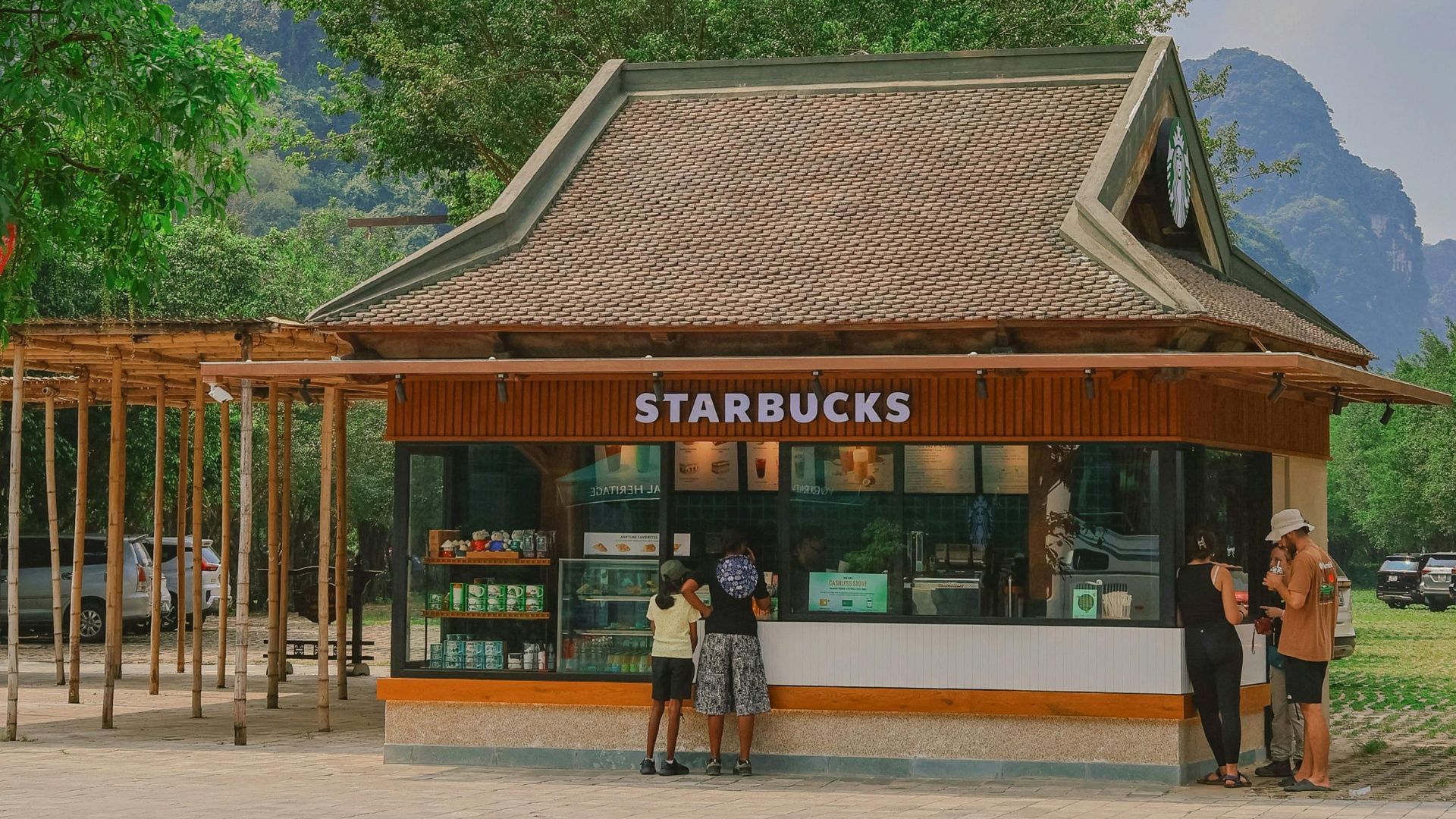
Vietnam is still a one-party communist state, but its relationship with the US is far from hostile today. America is one of Vietnam’s biggest trading partners, US brands like McDonald’s and Starbucks are everywhere, and both countries regularly cooperate on economic growth.
The Draft Was Totally Random
The draft wasn’t as random or universal as many people think. Two out of three American troops in Vietnam actually volunteered, and WWII drafted far more men. The 1969 lottery made the system more transparent, and some draftees even enlisted early to choose their preferred service branch.
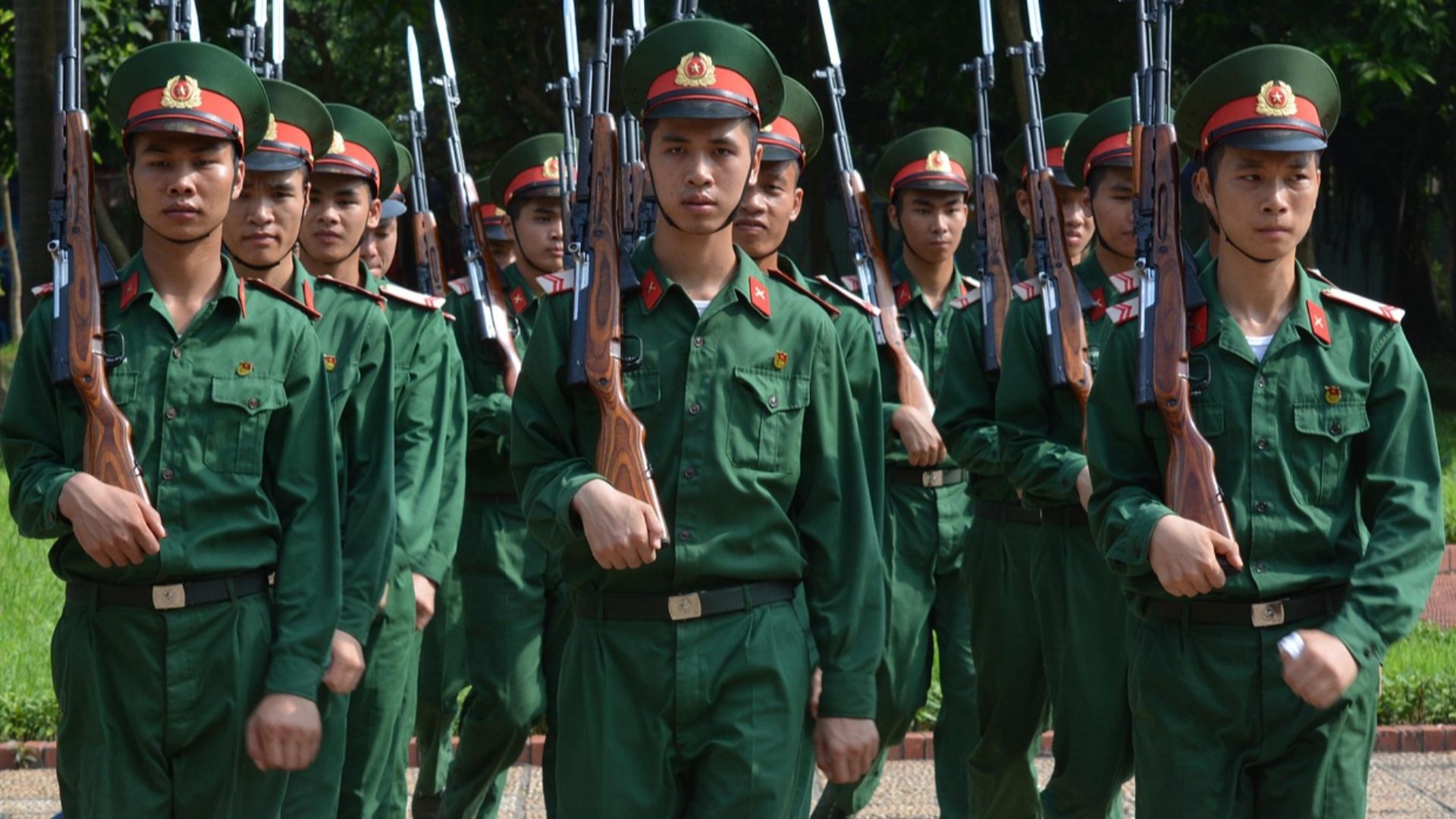
Gulf Of Tonkin Attacks Were Unprovoked And Clear
The first incident involving the USS Maddox happened, but the second attack was likely a misunderstanding caused by radar and sonar errors. Still, it pushed Congress to pass the Gulf of Tonkin Resolution, which dramatically expanded US involvement and changed the course of the war.
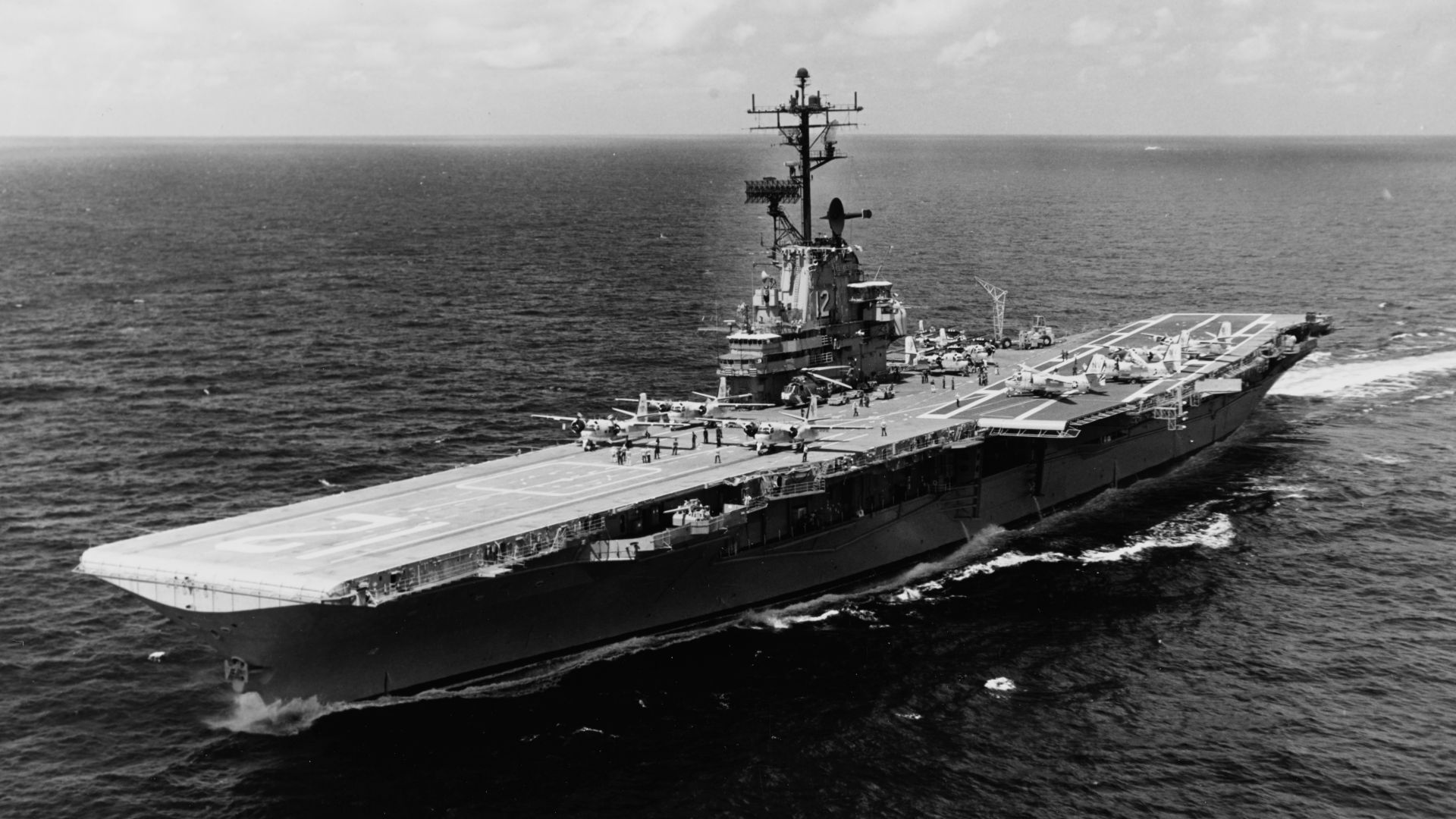
Everyone Came Home To Open Hostility
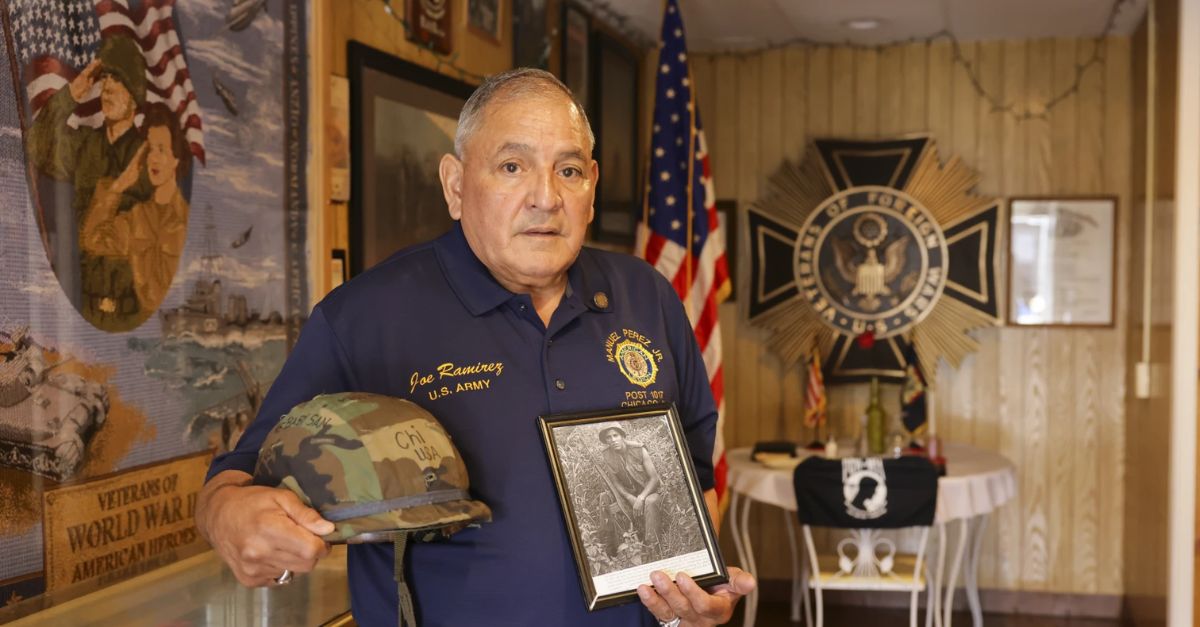
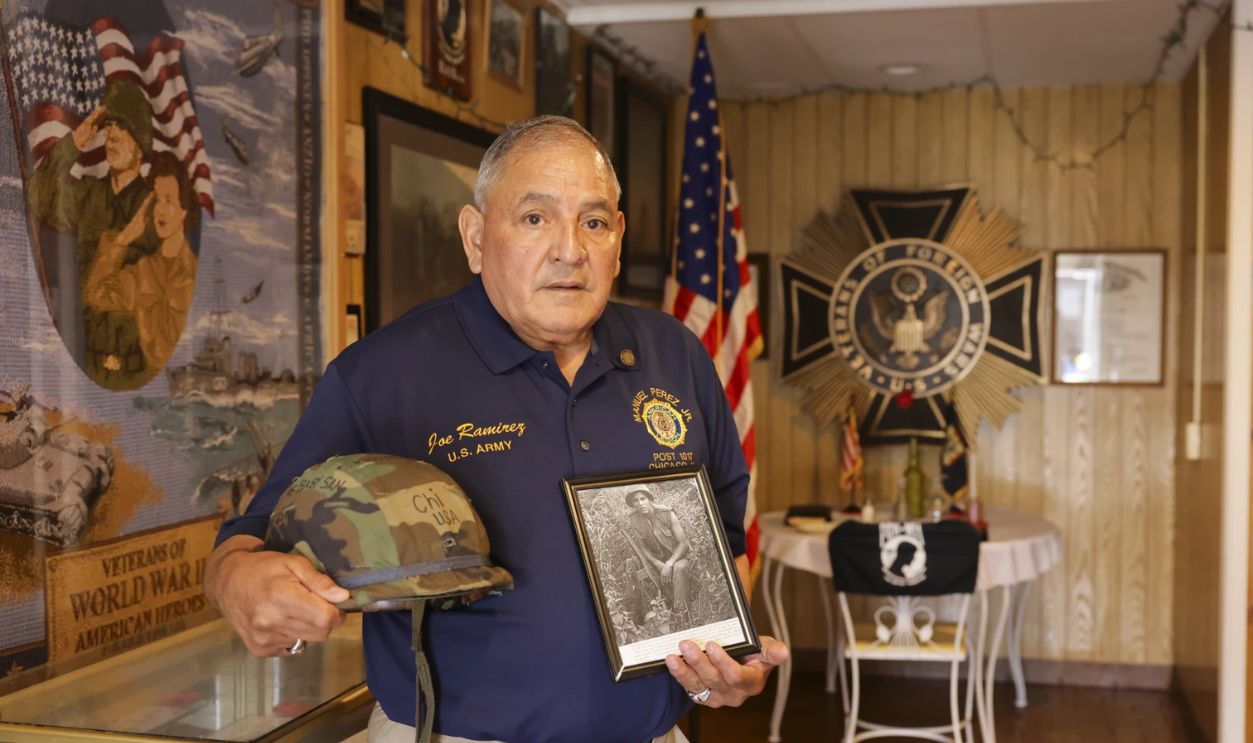
Not all Vietnam veterans were greeted with hostility. Scholarworks.Smith surveys show many experienced neutral or even positive receptions, and some cities held parades. The famous “spitting on veterans” story has little evidence behind it, which shows that homecoming experiences varied far more than pop culture suggests.
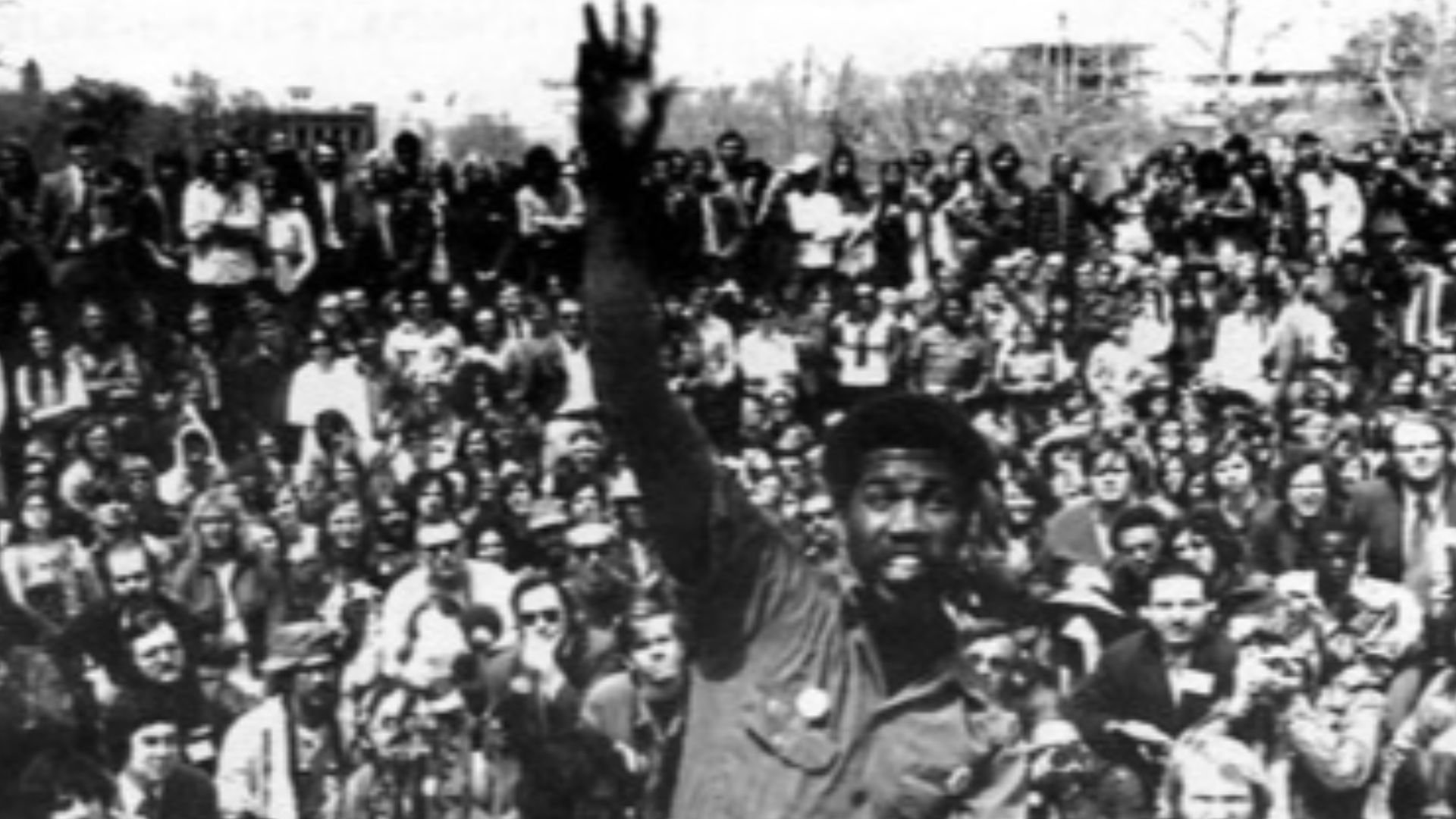 Fred W. McDarrah, Wikimedia Commons
Agent Orange Was Meant To Poison Civilians
Agent Orange was designed to strip away jungle cover and destroy crops used by enemy forces, not deliberately target civilians. However, it contained toxic dioxin, which caused serious long-term health problems and environmental damage. Cleanup efforts continue in Vietnam even today.
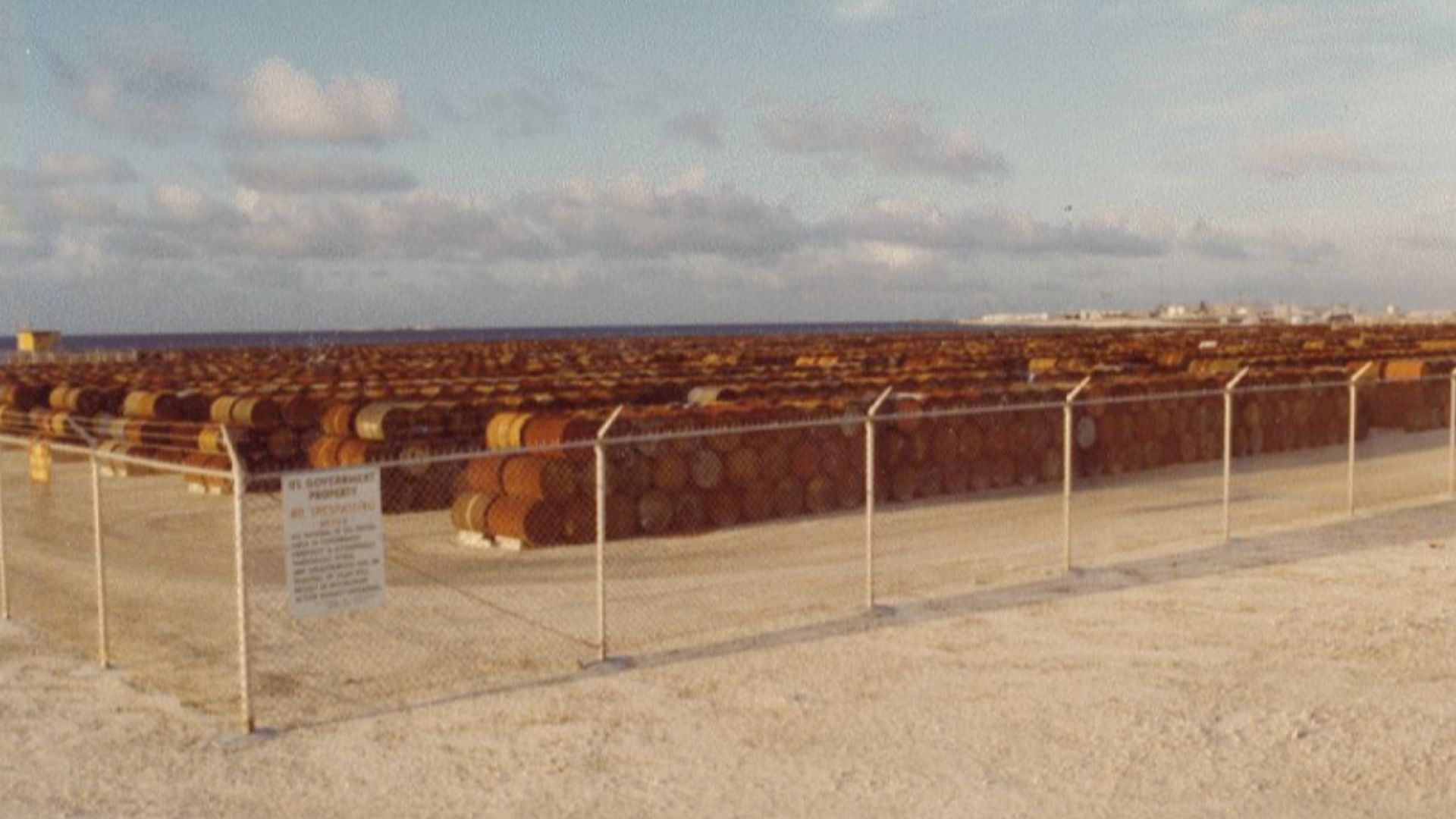 US Government photograph, Wikimedia Commons
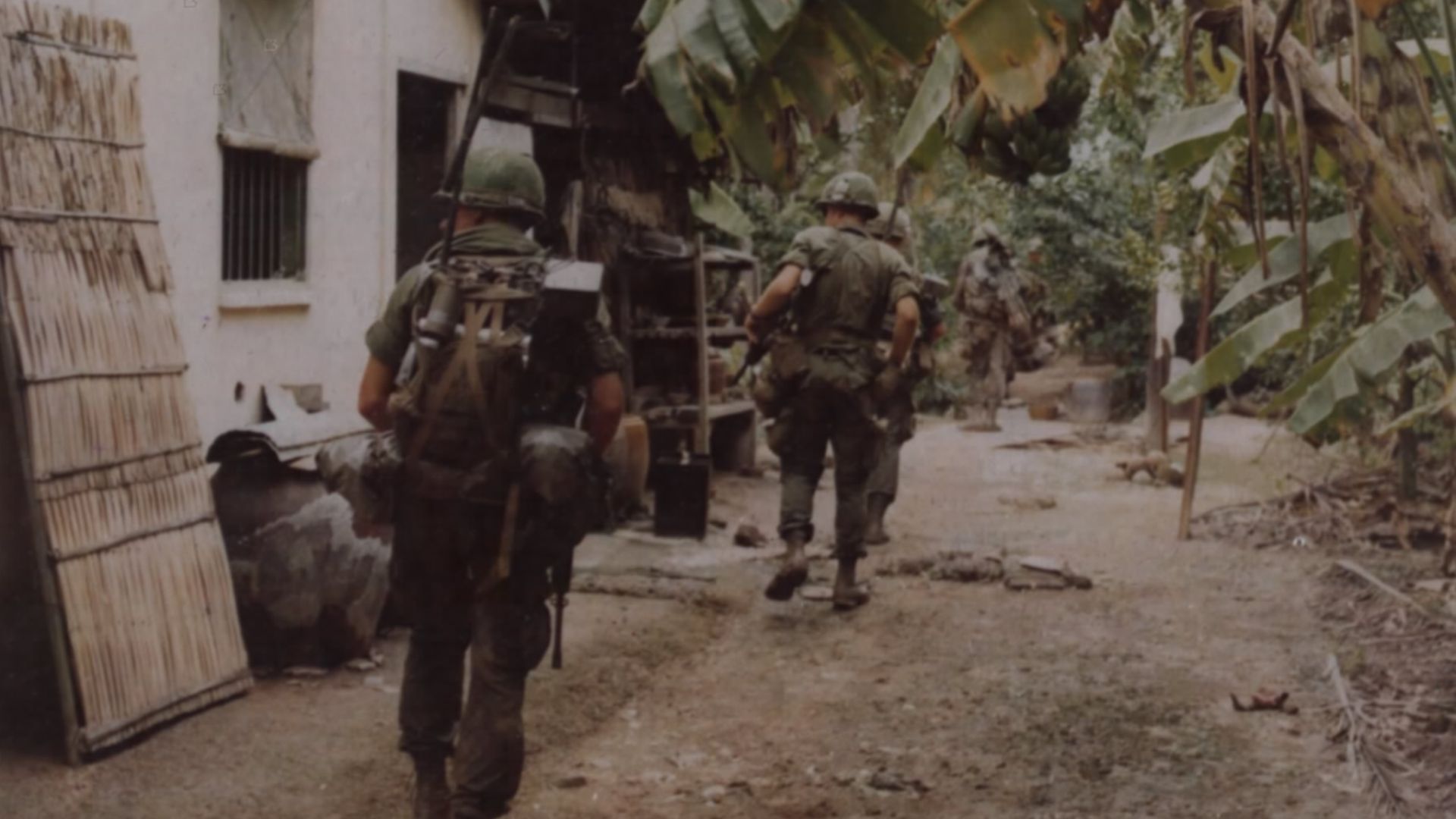
US Troops Lost Every Battle
The US actually won most major battles in Vietnam, with essential fights like Ia Drang. Although some bases were temporarily overrun, these were exceptions. The military often had superior firepower and inflicted heavy losses, but strategic and political factors ultimately shaped the war’s outcome.
 NARA photo 111-CCV-404-CC51628 by SP5 Lawrence Sullivan, Wikimedia Commons
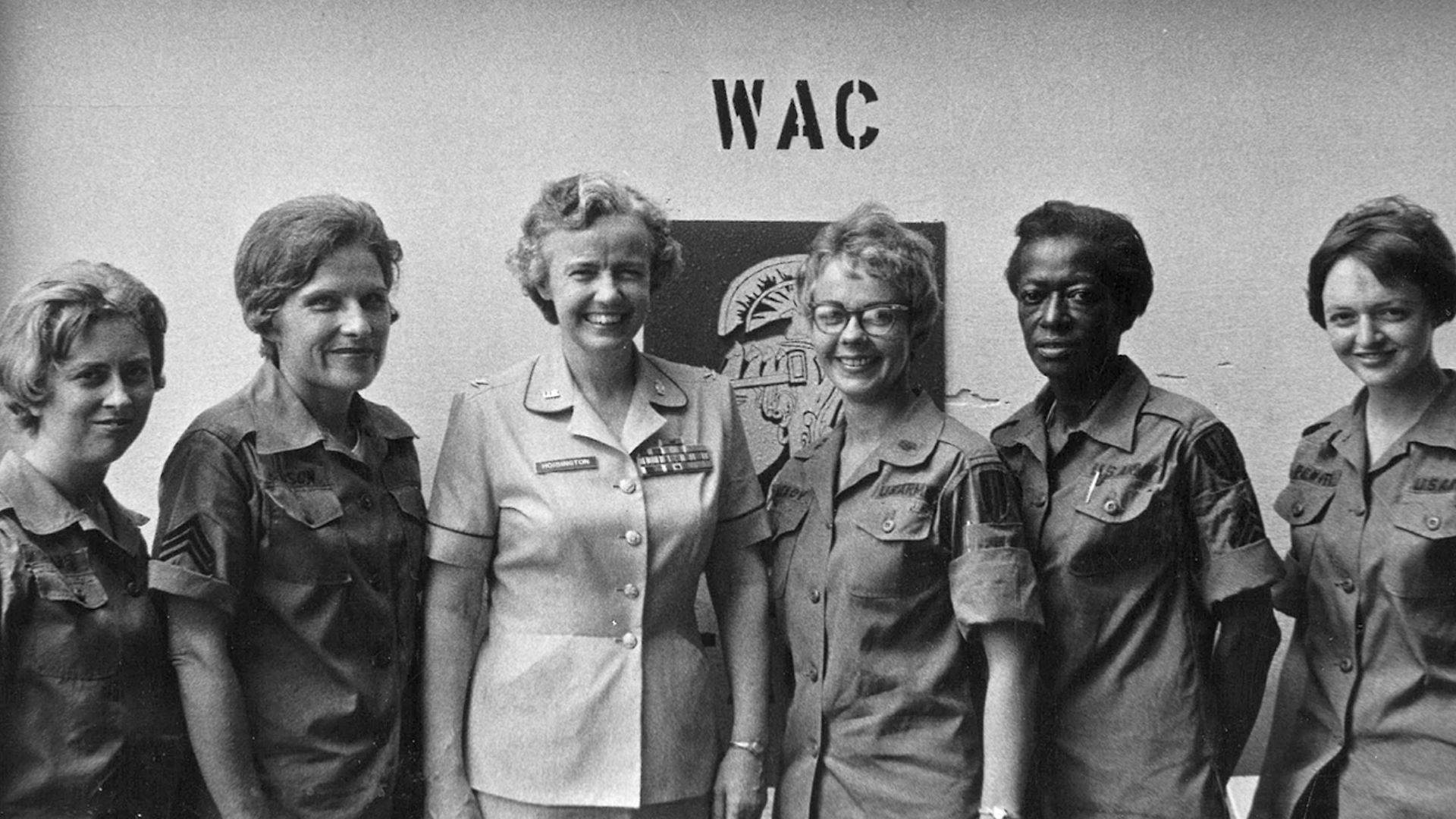
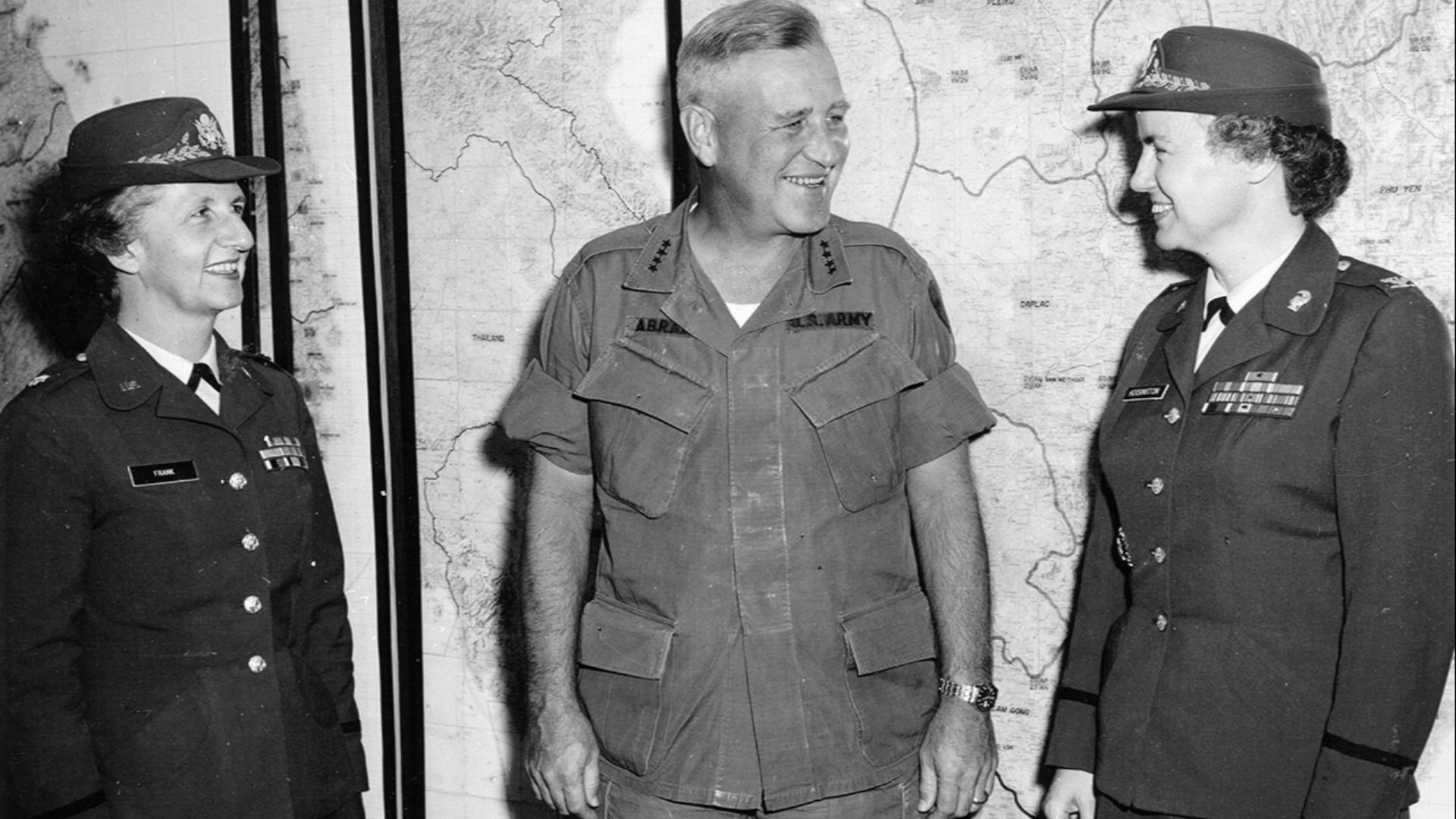
Only Men Fought In Vietnam
About 7,500 American women served in Vietnam, most as nurses but also in roles like communications and administration. Many earned honors for bravery. The Vietnam Women’s Memorial, situated in Washington, DC, recognizes nearly 11,000 women who served to ensure their contributions aren’t forgotten.
 U.S. Army photograph, Wikimedia Commons
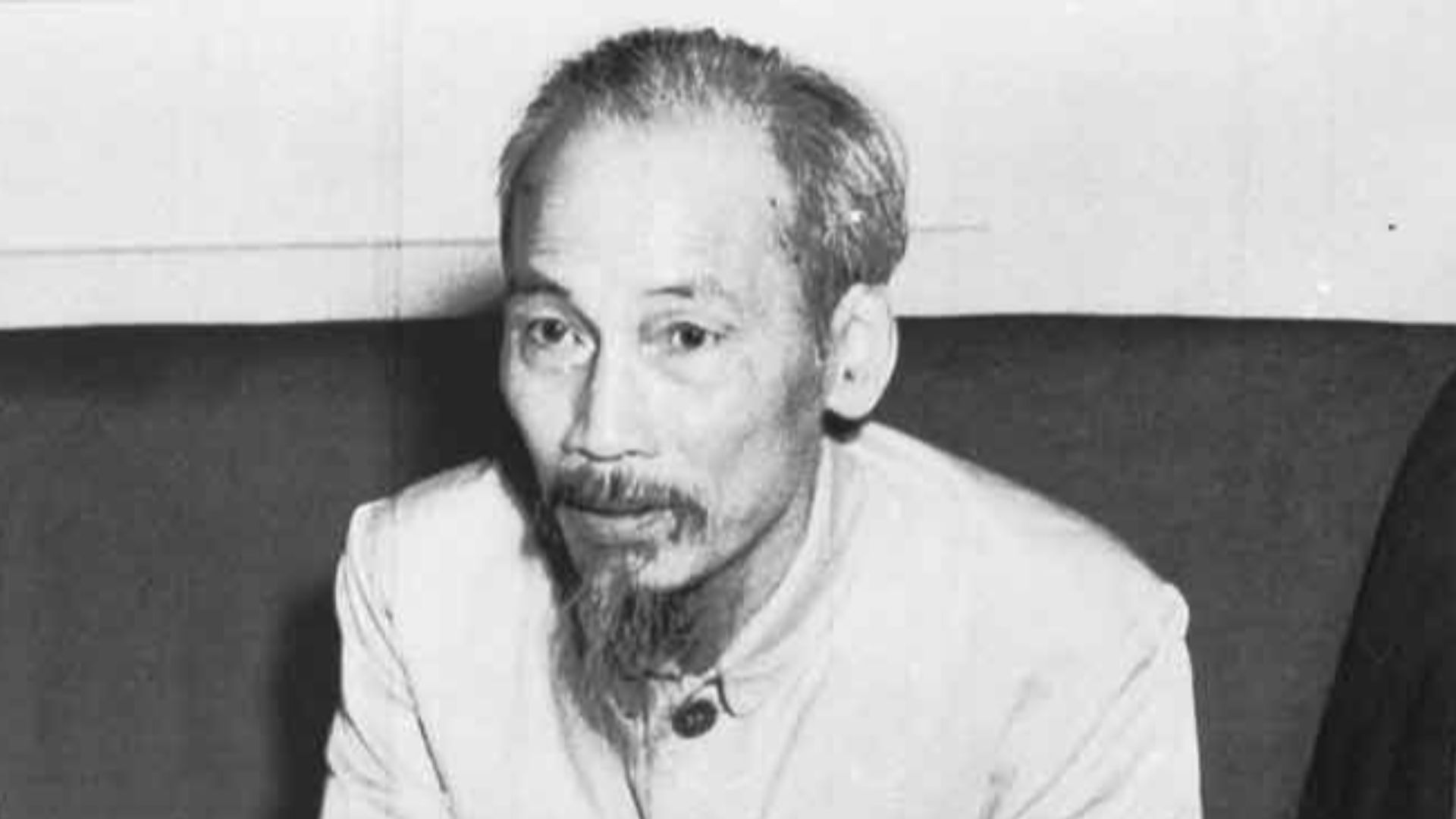
Ho Chi Minh Was Moscow’s Puppet
Ho Chi Minh worked with both the Soviet Union and China, but he wasn’t controlled by either. North Vietnam often made decisions independent of both countries. Ho had lived in France, studied abroad, and even helped found the French Communist Party before shaping Vietnam’s independence movement.

History's most fascinating stories and darkest secrets, delivered to your inbox daily.
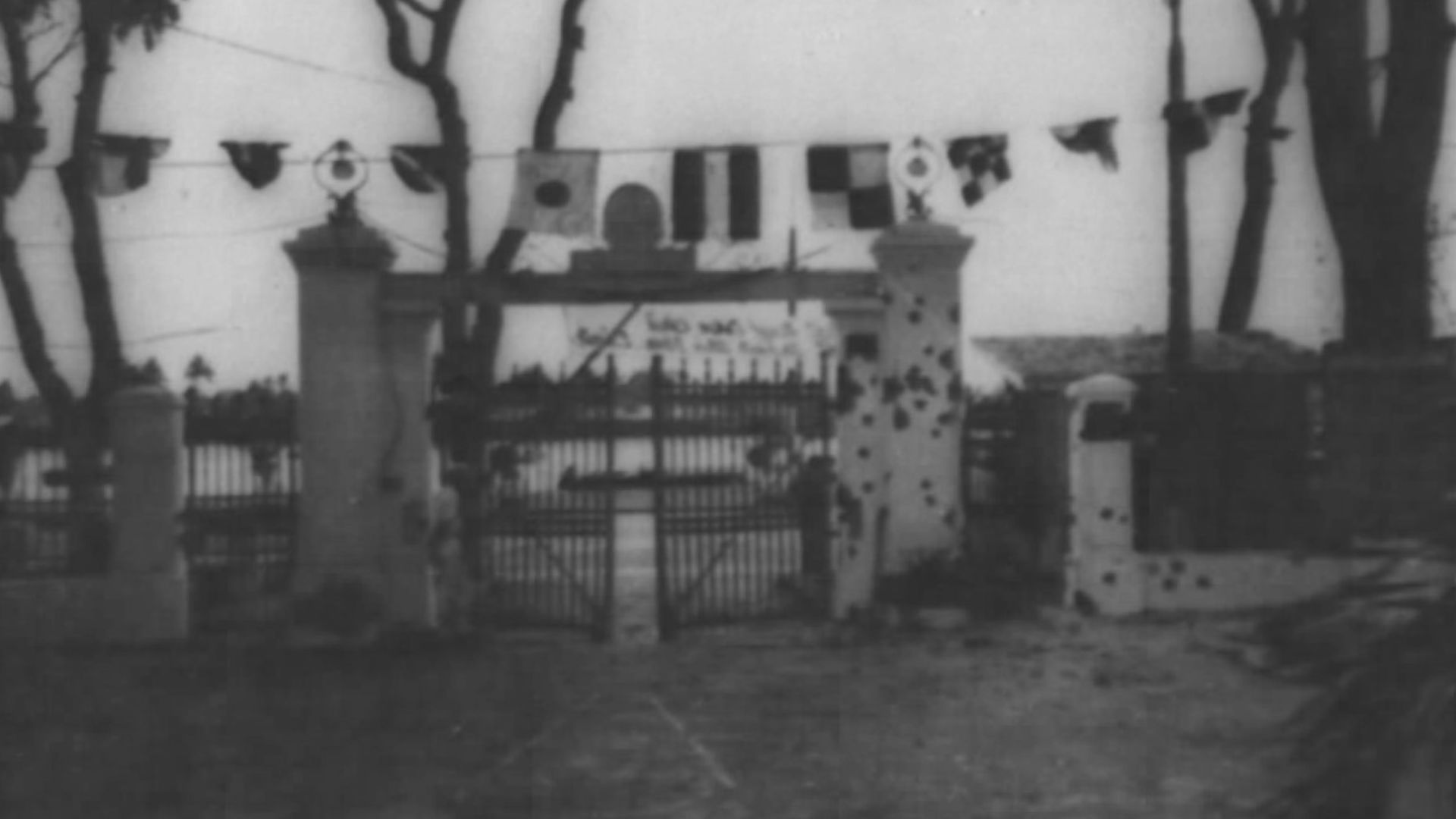
The Tet Offensive Was A Victory For North Vietnam
The Tet Offensive was a military defeat for North Vietnam, which cost them huge casualties. But it shocked Americans, who believed the war was nearly won. The attacks—launched during the Vietnamese New Year and even hitting the US Embassy—dramatically shifted public opinion back home.
 Chief Nhu VNN, Wikimedia Commons
Vietnam Was America’s Longest War
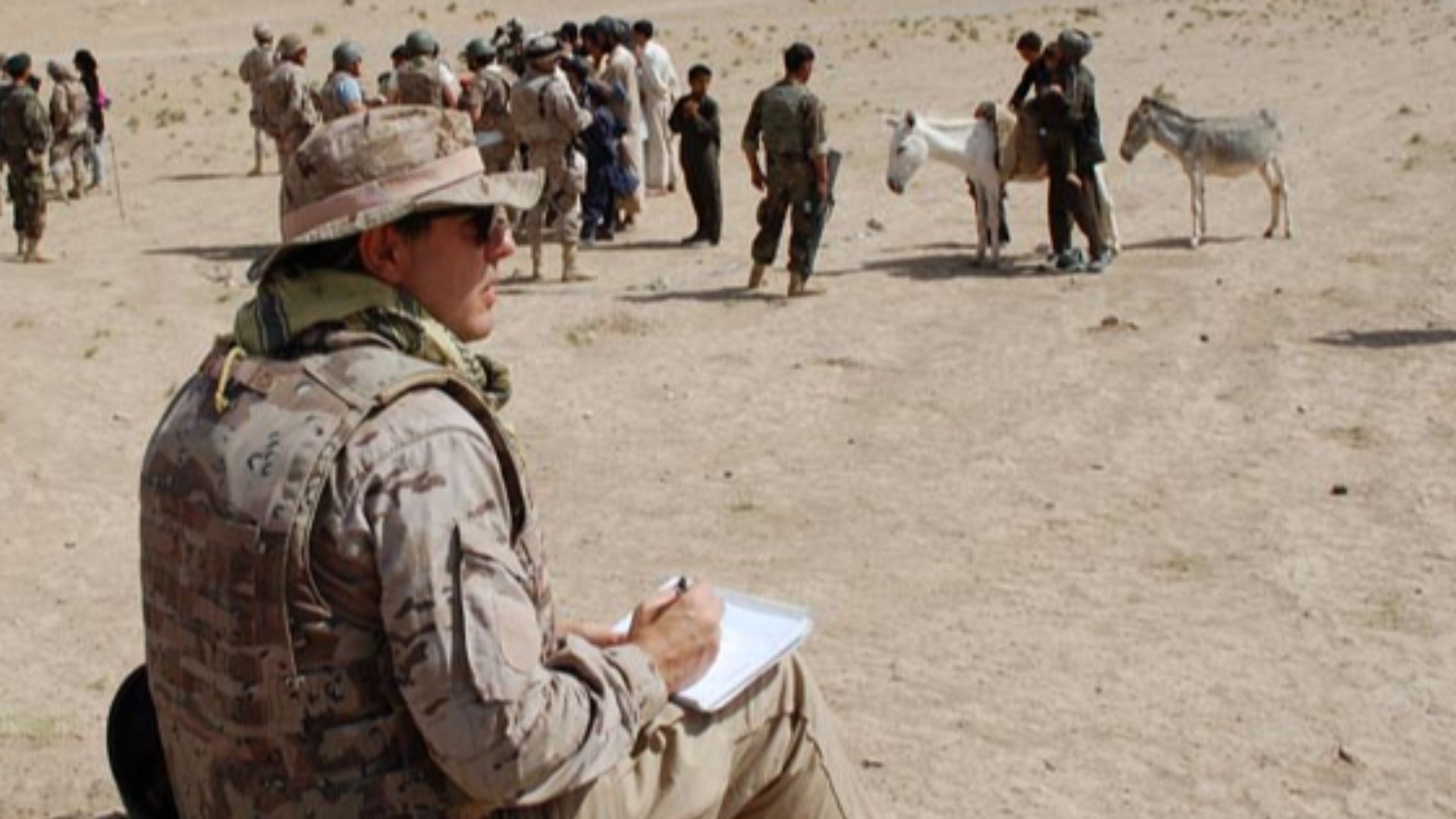
Vietnam lasted many years, but Afghanistan ultimately became America’s longest conflict, which stretched from 2001 to 2021. The Vietnam battle’s impact remains deep, with more than 58,000 names on the Vietnam Memorial representing those who lost their lives.
 Ferrer Dalmau, Wikimedia Commons
Every Vietnam Veteran Was Drafted
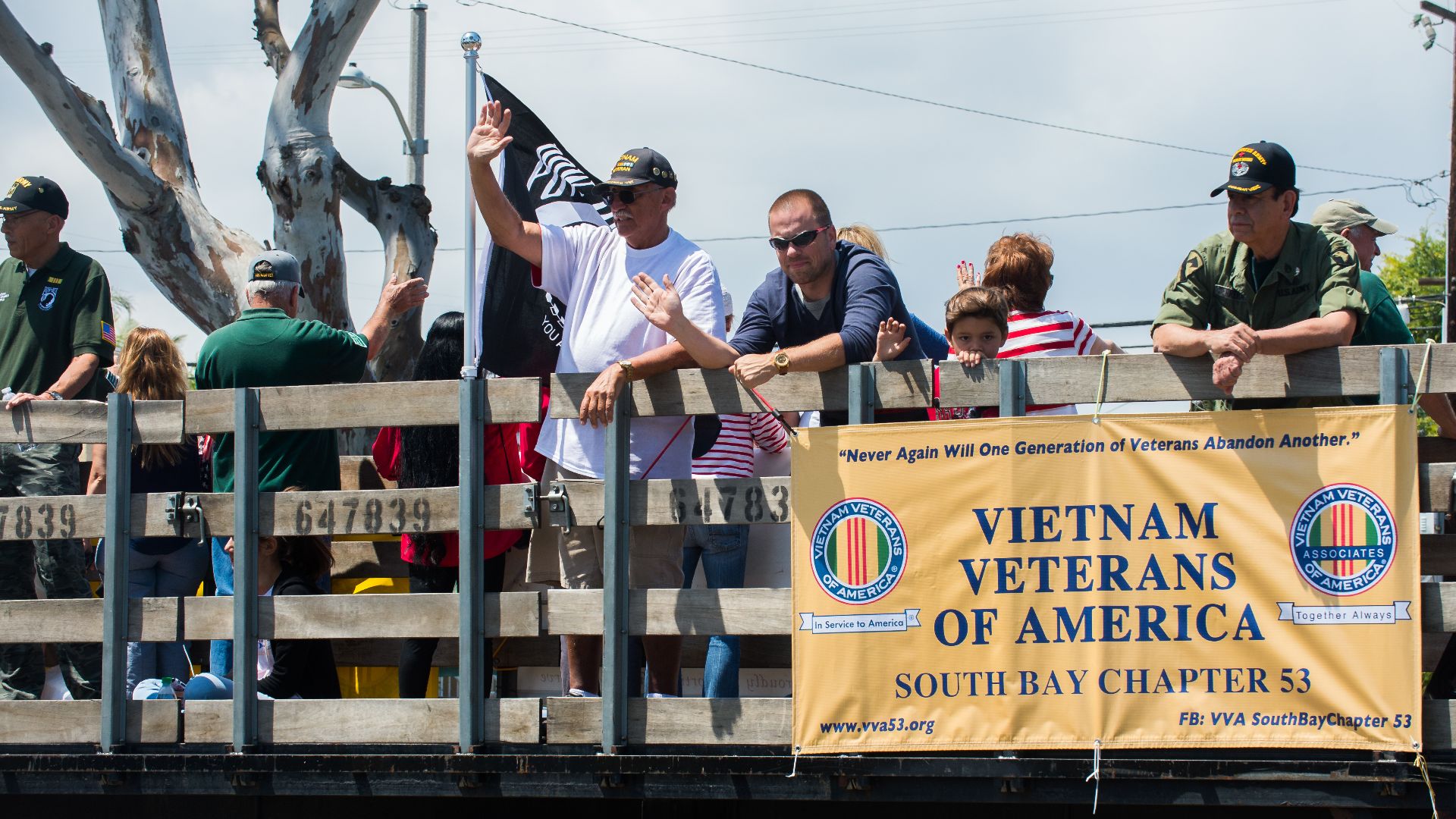
Most Vietnam veterans—about two-thirds—actually volunteered. As per AmericanWarLibrary, around 70% of those killed were volunteers, too. While the draft targeted men aged 18 to 26, many enlisted early to choose their assignments and gave them more control over their military roles.
Unlimited Explosives Would Have Won The Combat
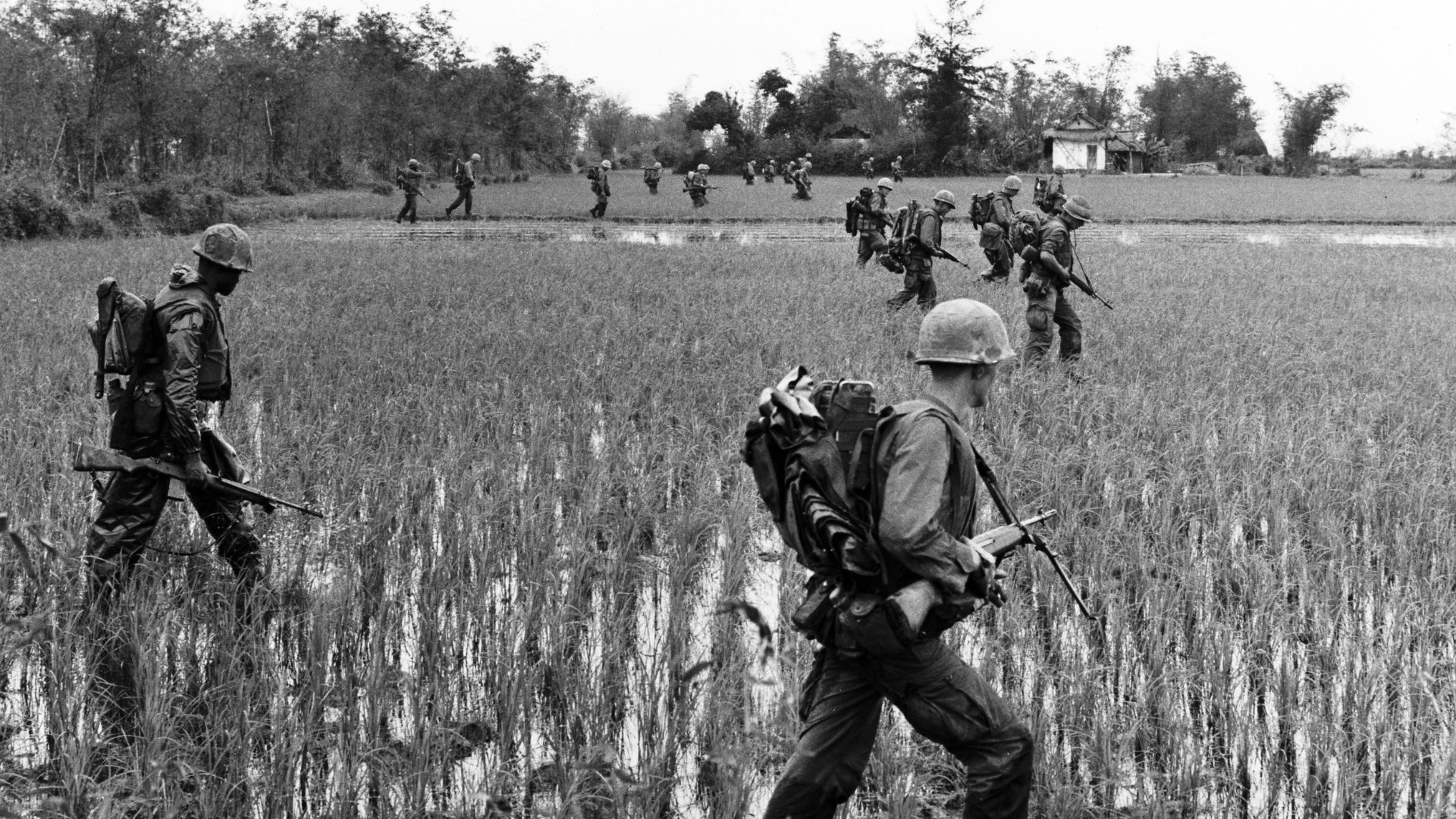
The US dropped more bombs on Vietnam than in all of WWII, yet North Vietnam kept fighting. Massive campaigns like Operation Rolling Thunder lasted years, but supply routes like the Ho Chi Minh Trail were constantly repaired. This battle showed that firepower alone couldn’t guarantee victory.
 DEFENSE DEPT PHOTO (MARINE CORPS) A801223, Wikimedia Commons
The War Was Fought Mainly In The Jungles
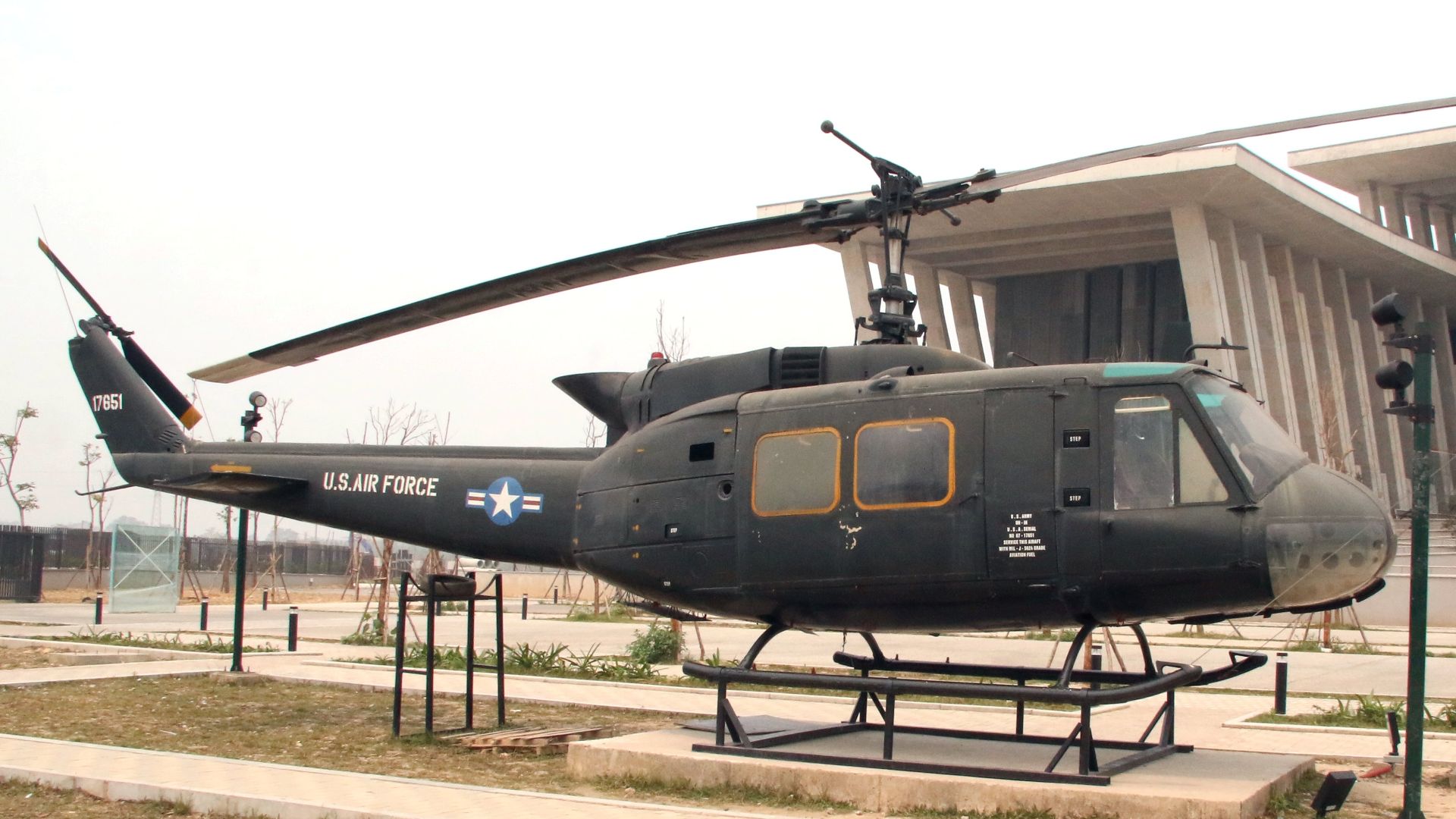
Vietnam wasn’t just done inside a dense jungle. Fighting happened everywhere you could envision. Major urban battles like Hue proved the conflict was far more complex. Helicopters allowed US troops to reach remote areas, while river forces operated heavily in the Mekong Delta.
 kitmasterbloke, Wikimedia Commons
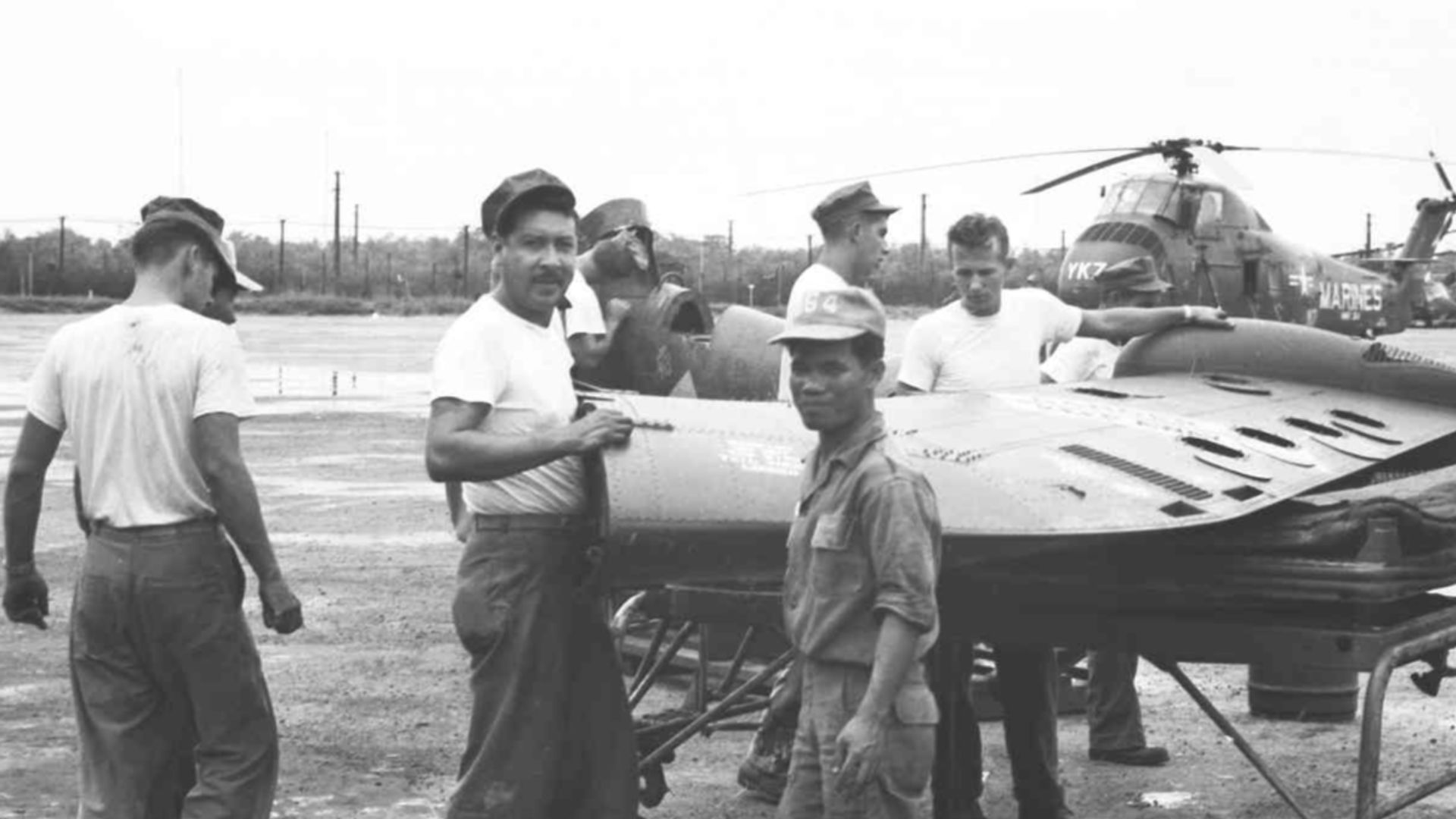
Soldiers In Vietnam Were Mostly Teenagers
The idea that the average soldier was 19 comes from a 1980s song, not reality. The median age of US troops killed in Vietnam was just over 23. While some soldiers were as young as 17 with parental consent, most were in their early twenties.
 USMC Archives, Wikimedia Commons
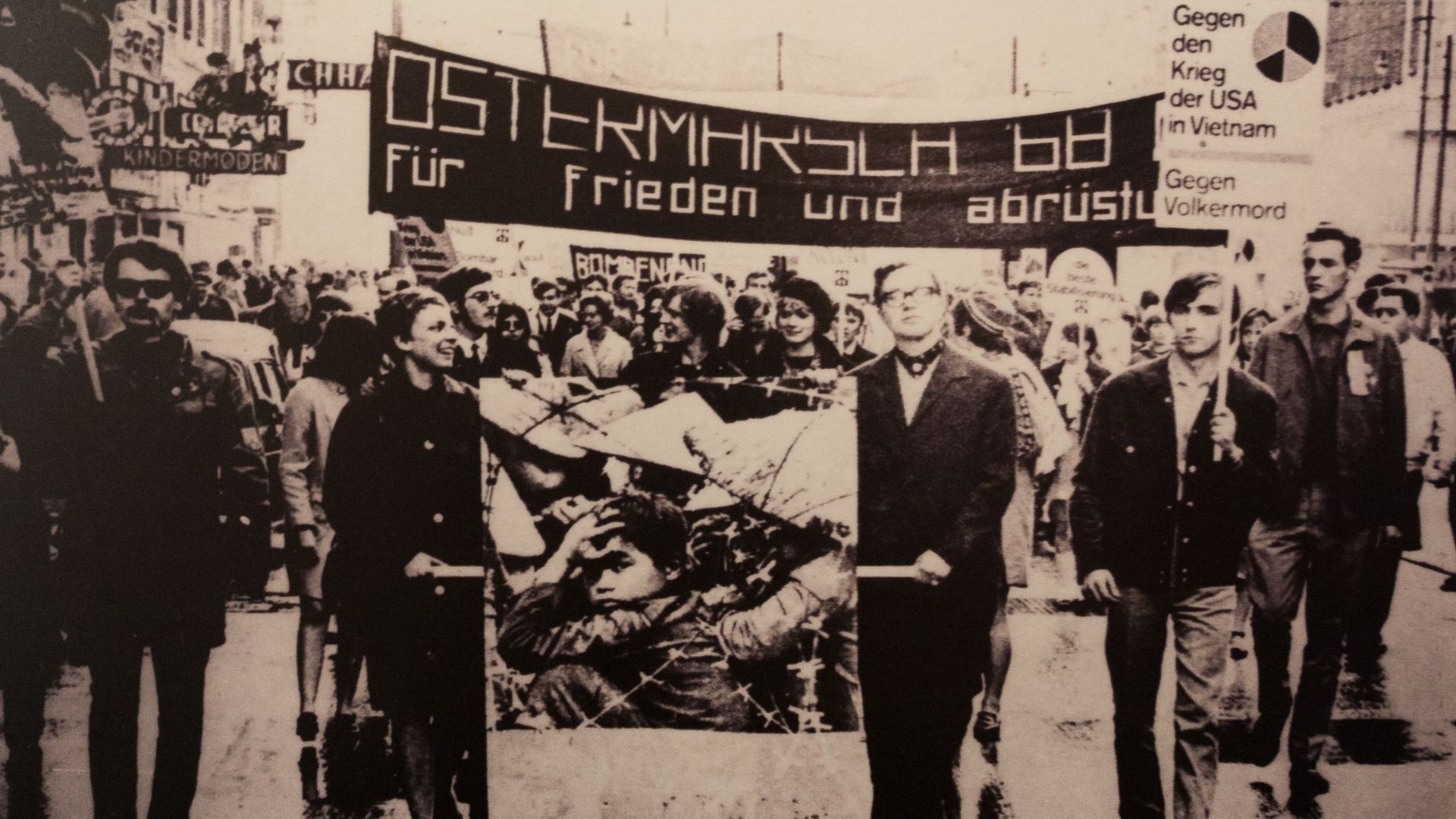
All Protesters Hated The Troops
Many anti-war protesters opposed the combat, not the soldiers. Groups like Vietnam Veterans Against the War were formed by former troops who wanted peace and better support for veterans. Many demonstrations even included veterans marching in uniform, which showed solidarity rather than hostility.
 Unknown authorUnknown author, Wikimedia Commons
The Vietnam Draft Only Took The Poor
While inequalities existed, the draft included men from many backgrounds. Most draftees had completed high school, and Vietnam troops were among the most educated combat forces America had sent. College deferments affected outcomes, but the draft didn’t exclusively target the poor.
 U.S. Army photograph, Wikimedia Commons
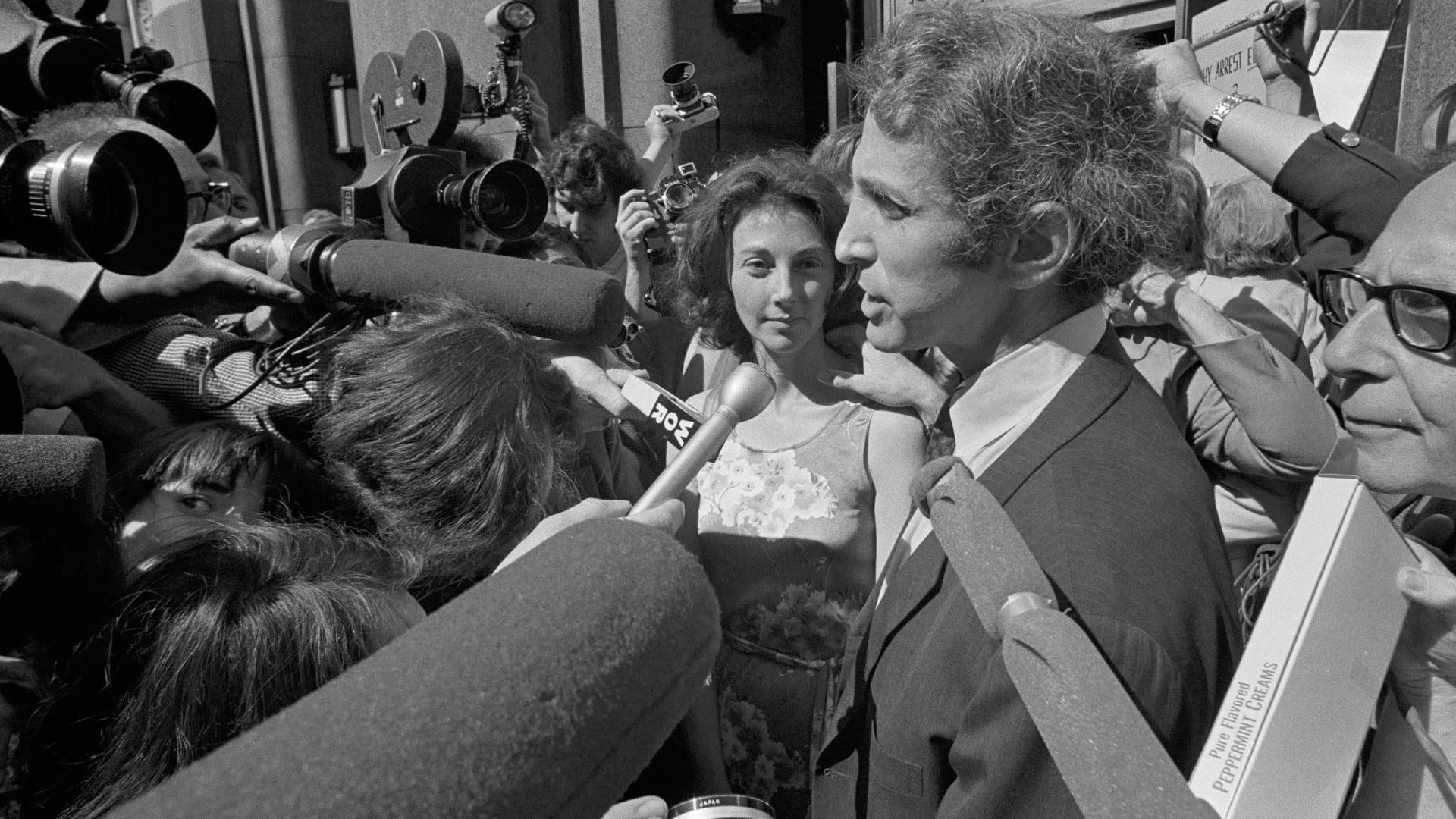
Pentagon Papers Proved The War Was Always Unwinnable
The Pentagon Papers revealed that officials privately doubted progress and misled the public, but they didn’t prove the war was doomed from the start. Leaked by Daniel Ellsberg in 1971, the documents exposed government deception, and the Supreme Court allowed their publication.
 Unknown authorUnknown author, Wikimedia Commons
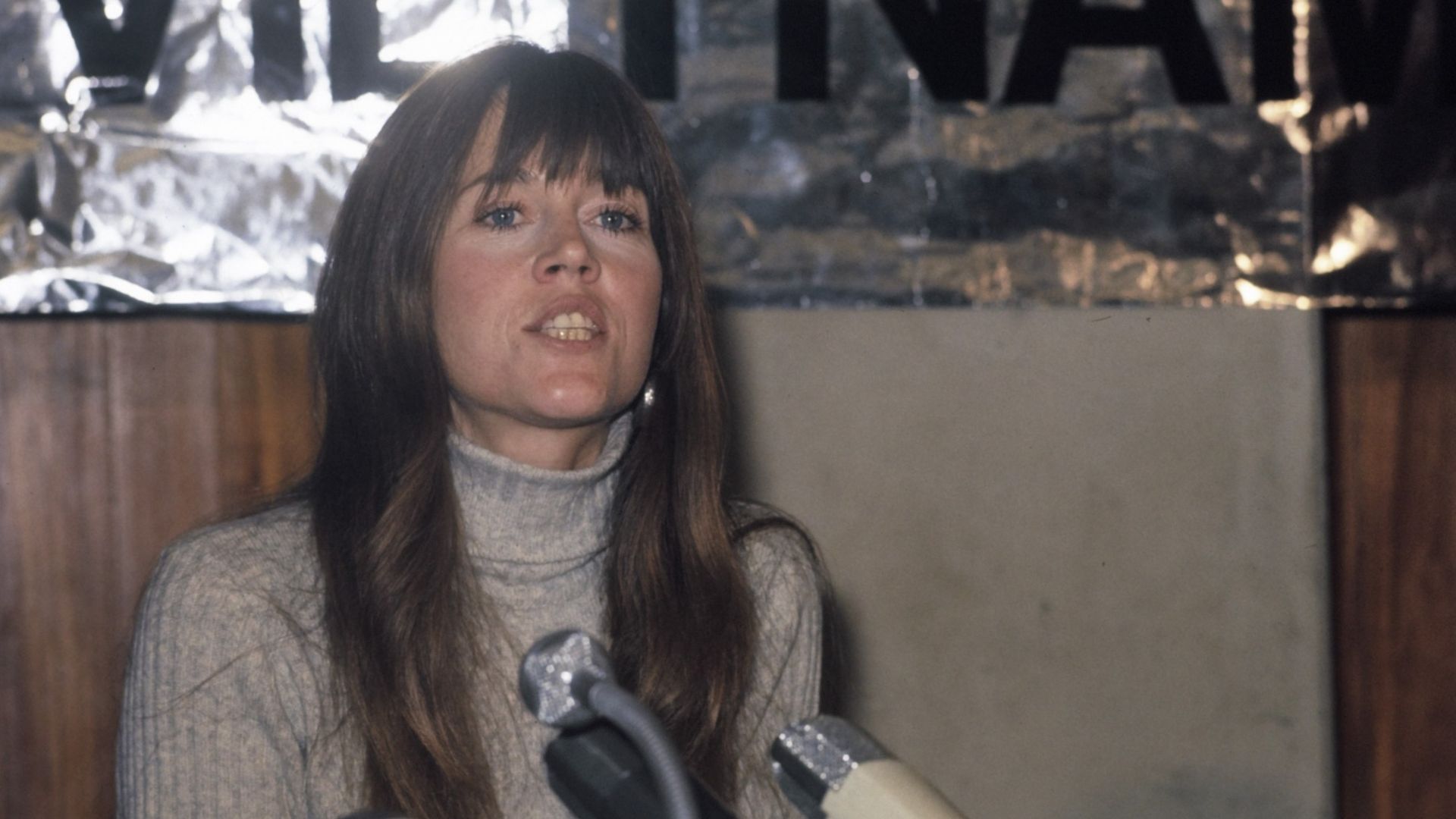
Jane Fonda Destroyed American Troop Morale
Jane Fonda’s 1972 trip to Hanoi caused outrage and earned her the nickname “Hanoi Jane,” but there’s no evidence it actually hurt troop morale. Her actions were symbolic and controversial. She later apologized to veterans for the pain her visit caused.
 Mieremet, Rob / Anefo, Wikimedia Commons
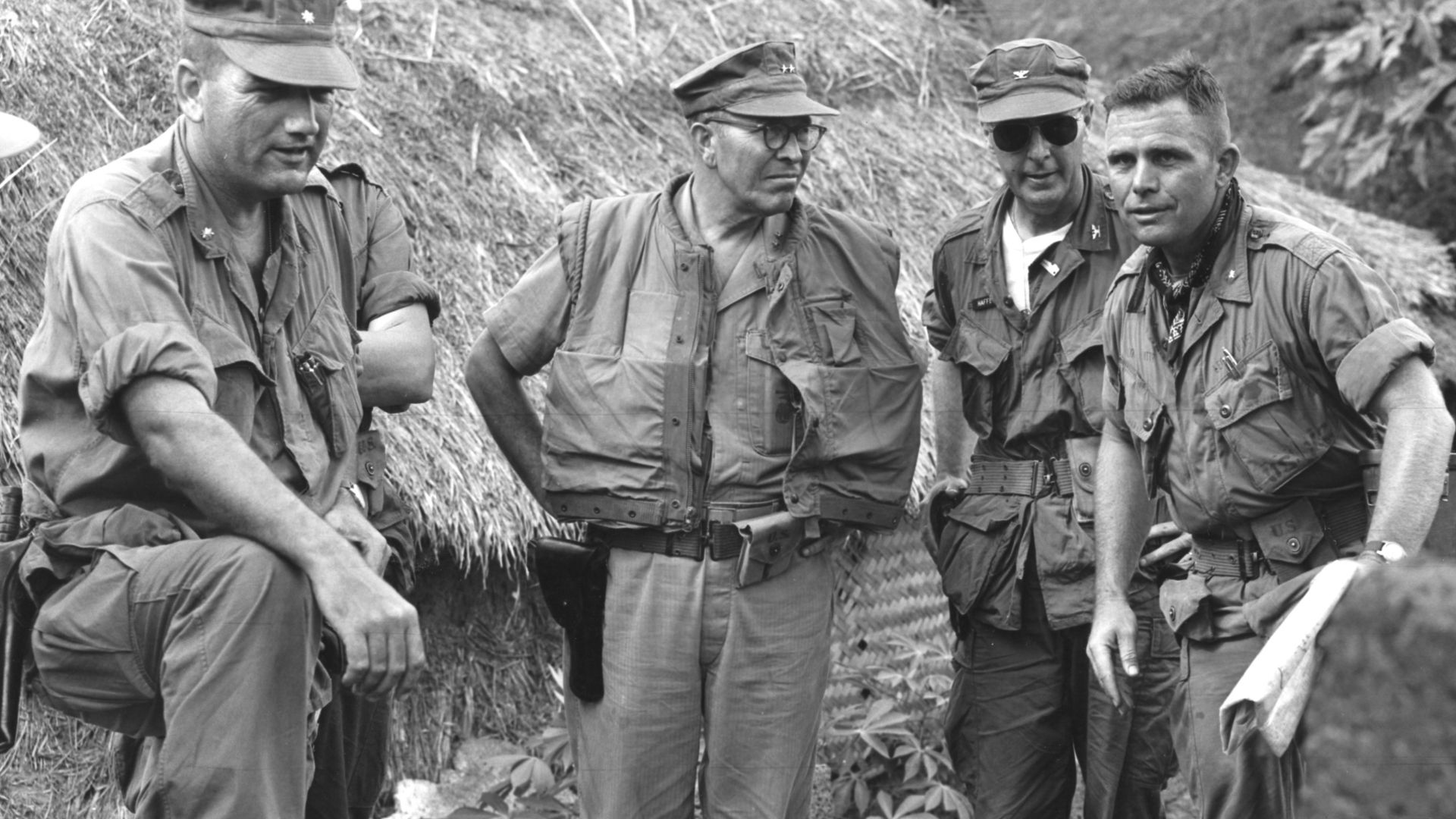
Fragging Officers Happened Every Single Day
Fragging—attacking officers with grenades—did happen, but was rare, not daily. Most soldiers served without resorting to violence against their superiors. The incidents increased late in the conflict, but they were far from common and represented only a small fraction of overall military discipline issues.
 Unknown photographer of the Signal Corps, Wikimedia Commons
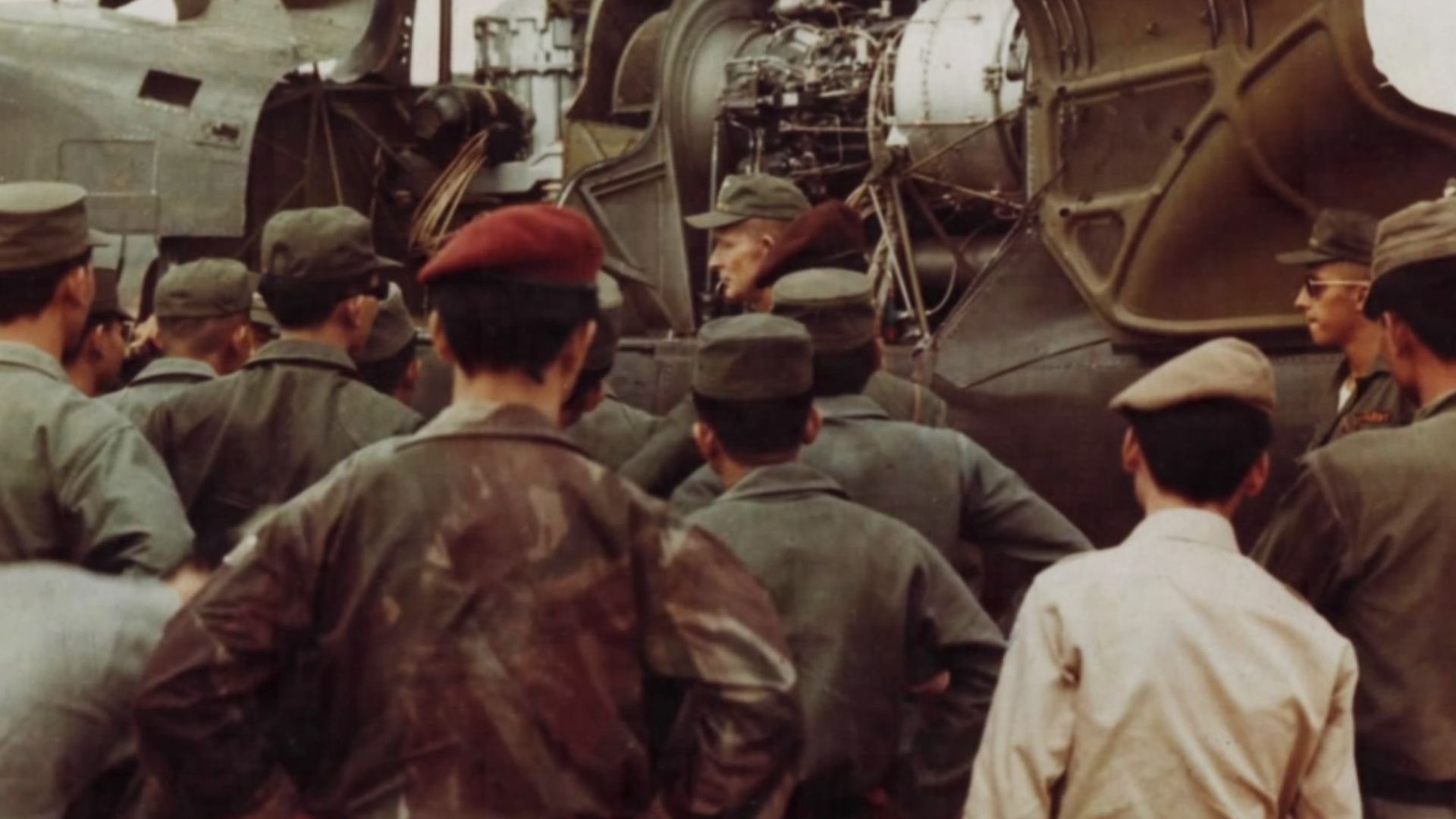
America Fought North Vietnam From The Start
At first, the US mainly sent advisors to help South Vietnam, starting in the 1950s. Direct fighting with North Vietnam escalated only after 1964. Large numbers of US combat troops didn’t arrive until 1965, which later marked the true beginning of full-scale American involvement.
 SP4 Kenneth G. Rota, Wikimedia Commons
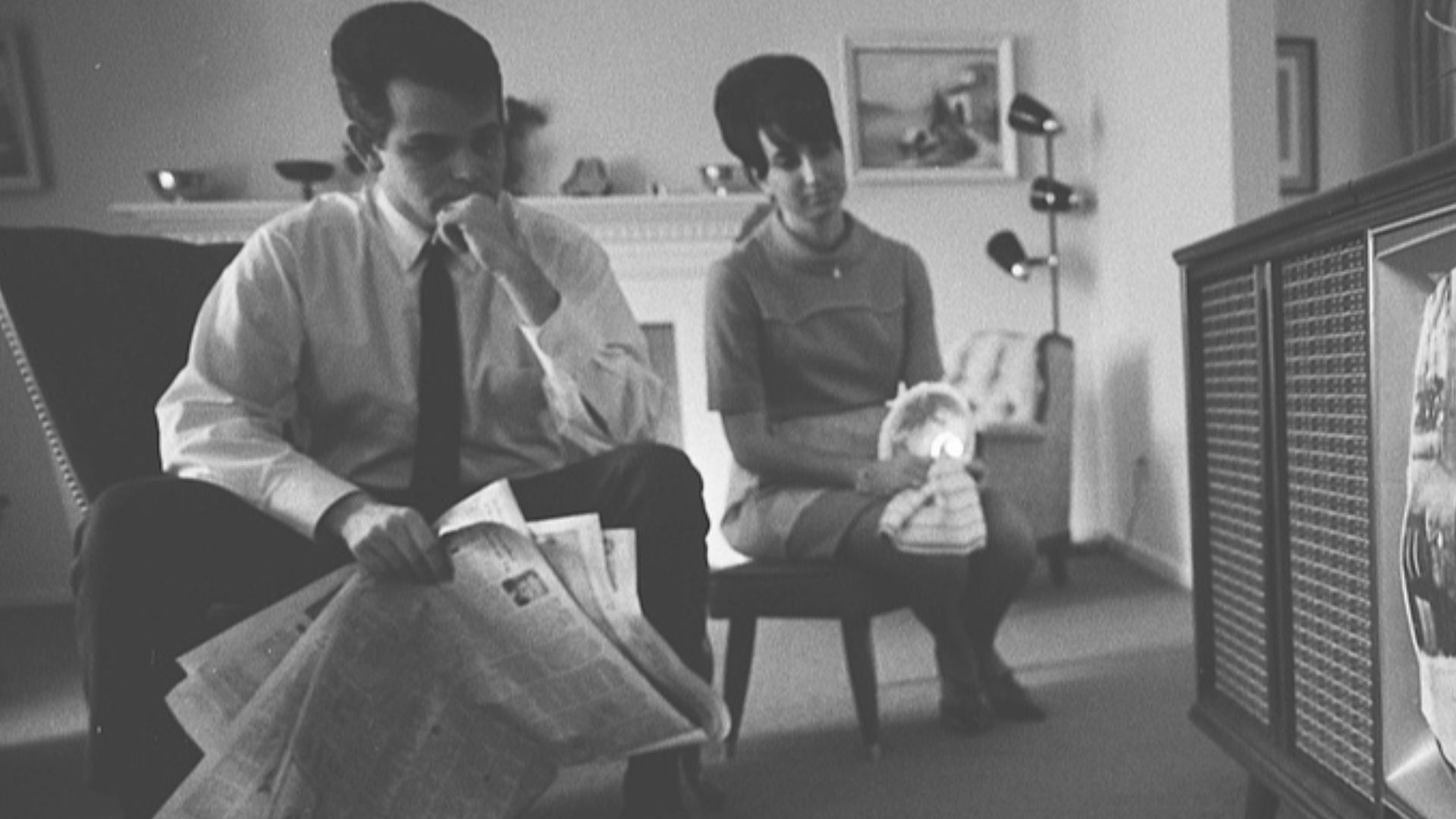
TV Images Alone Turned The Public Against The War
Research by media scholar Daniel Hallin, along with Gallup opinion data, shows TV didn’t singlehandedly turn Americans against the war. Public support had already begun dropping due to rising casualties and government credibility issues. Iconic images mattered, but television mainly reflected frustrations that were already growing.
 Warren K. Leffler, U.S. News & World Report Magazine, Wikimedia Commons
The Fall Of Saigon Ended The War Overnight
Saigon fell on April 30, 1975, which ended South Vietnam, but the suffering didn’t stop immediately. Refugee crises and reprisals followed close behind, and US troops had already withdrawn two years earlier in 1973. Dramatic helicopter evacuations and the mass flight of “boat people” defined the turbulent aftermath.
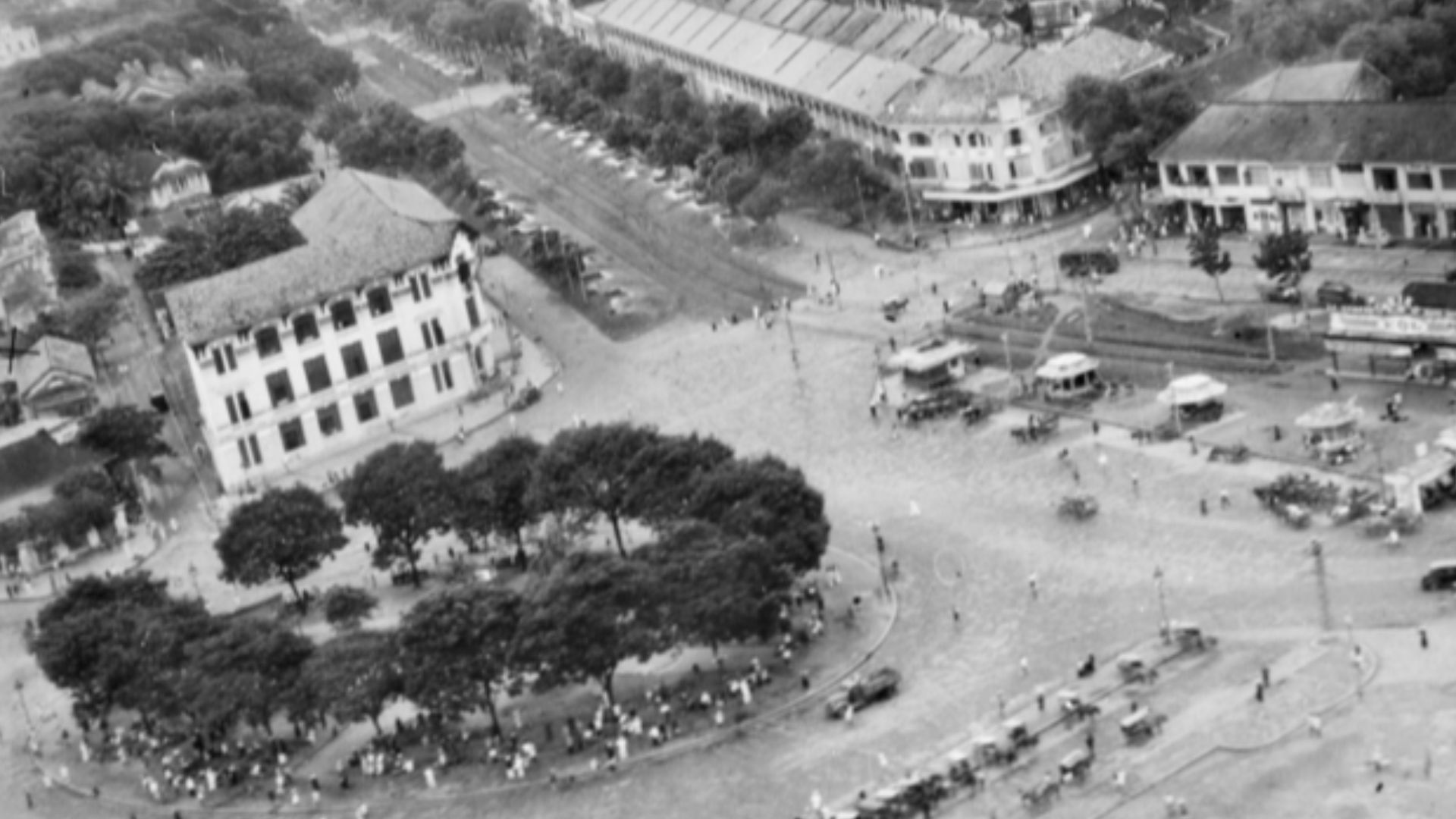 Australian War Memorial, Wikimedia Commons
Viet Cong Were Just Farmers With Rifles
Backed by North Vietnam, the Viet Cong included trained fighters who used coordinated guerrilla tactics to challenge US and South Vietnamese forces. The common “farmers with rifles” portrayal ignored their organization and the sophisticated strategies that made them highly effective.
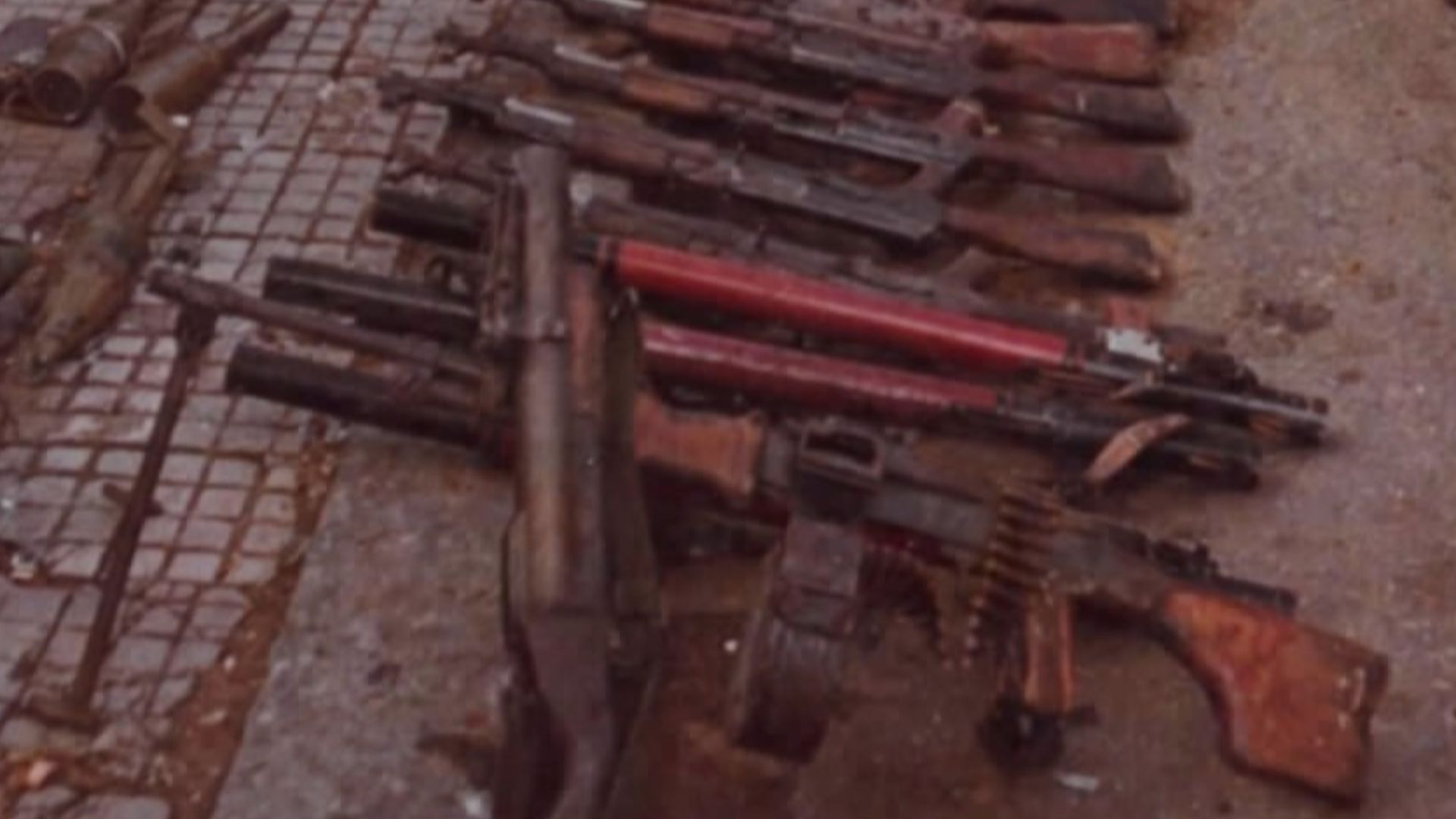 SP5 J. F. Fitzpatrick, Jr., Wikimedia Commons
Media Was Anti-War From Day One
Early war coverage actually supported US policy. Major criticism grew only after shocking moments like the Tet Offensive and Walter Cronkite’s famous 1968 broadcast. Many journalists reported from the front lines. This showed that early media changed as the conflict escalated.
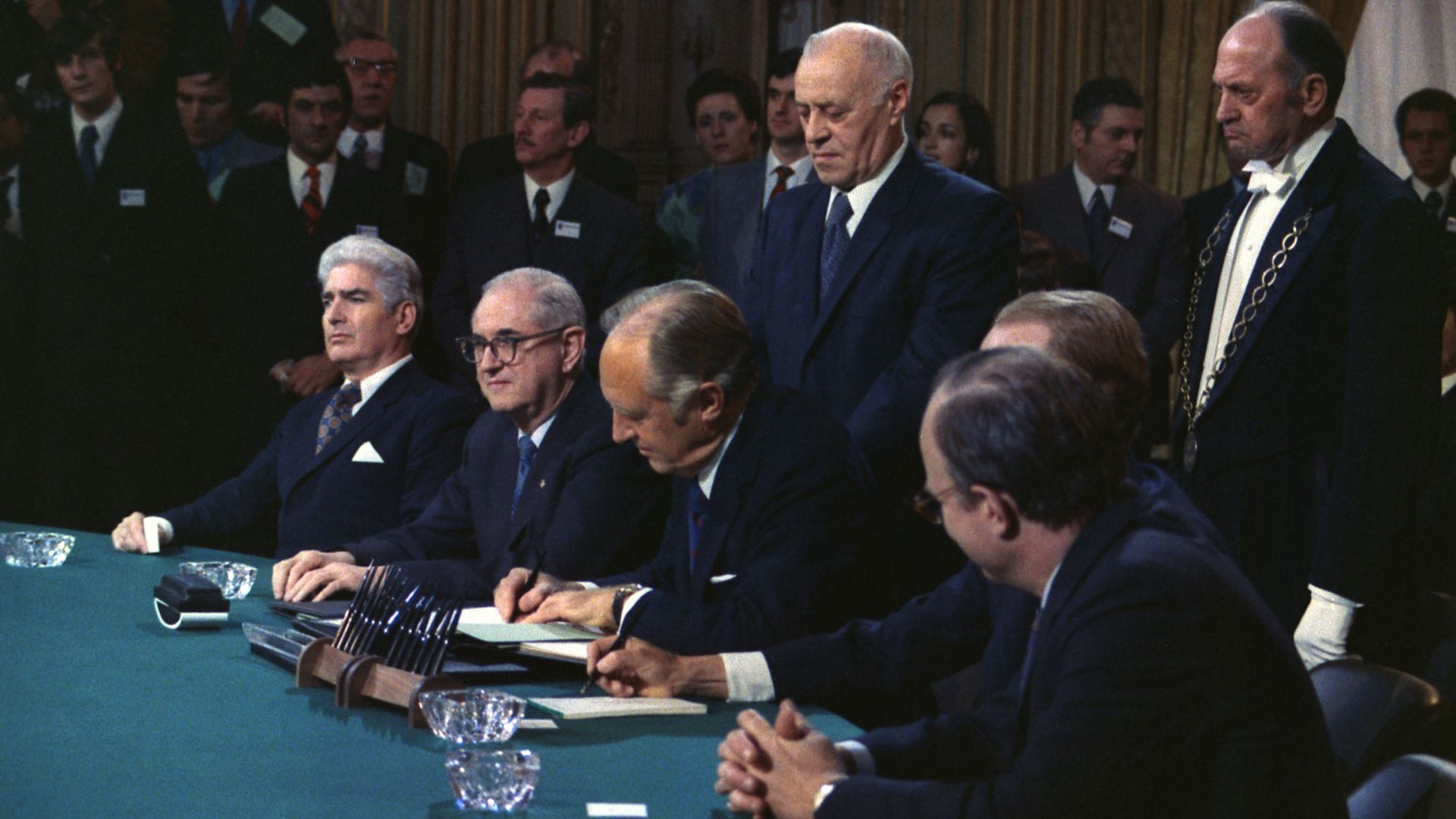 Robert LeRoy Knudsen, Wikimedia Commons
My Lai Massacre Was Typical US Behavior
The massacre was a horrific crime, but it wasn’t typical US conduct. The military investigated it, which led to court-martials. Helicopter pilot Hugh Thompson even intervened to stop the killings. Journalist Seymour Hersh’s reporting exposed the event and forced national accountability.
 Adam Jones Adam63, Wikimedia Commons