
Mysteries Carved In Stone
Across the ancient world, monumental structures stand as quiet contradictions to what modern science expects early civilizations could achieve. Questions surrounding how they were built and why they exist continue to unsettle conventional archaeological explanations.
 Berzina, Shutterstock, Modified
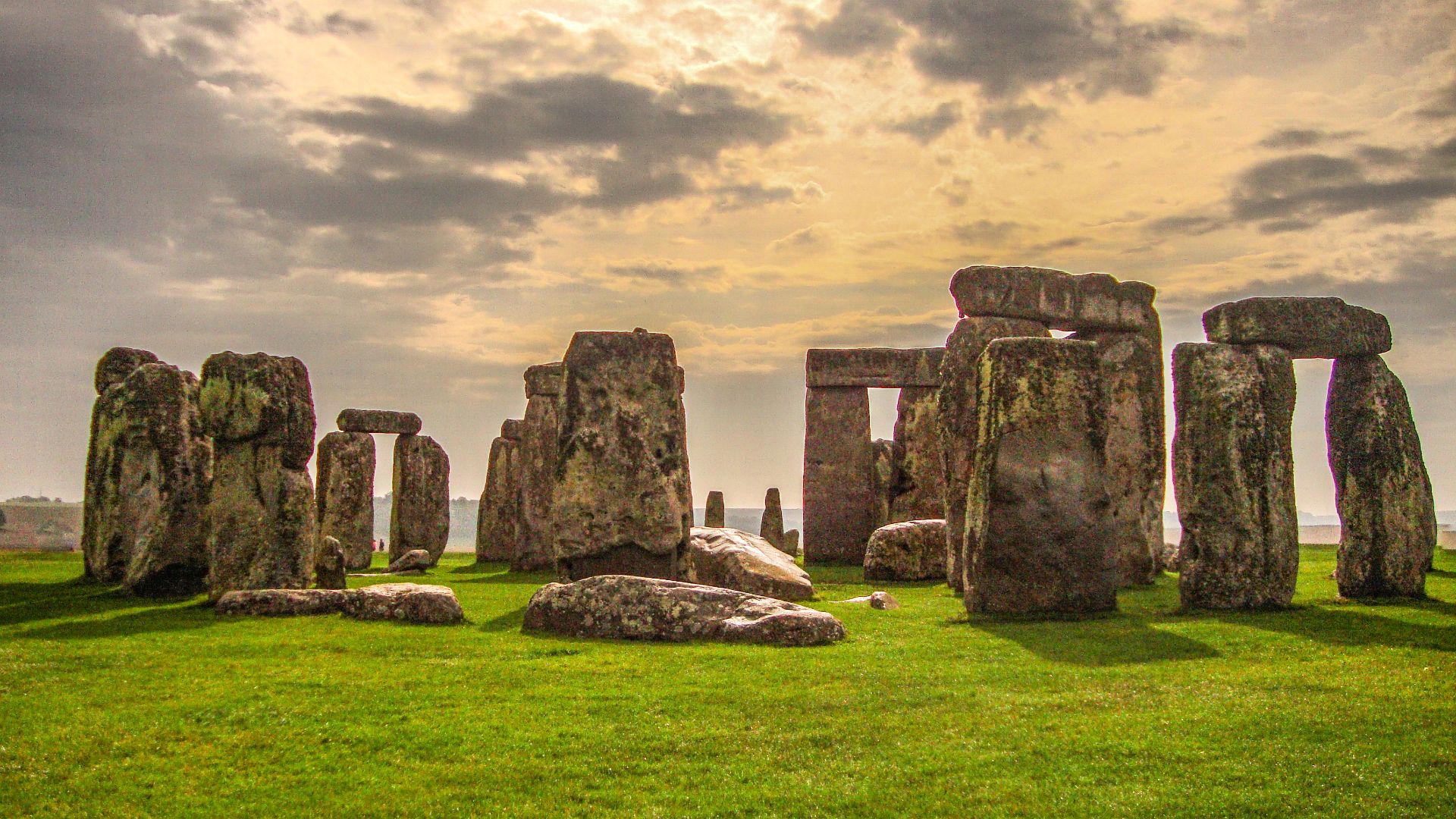
Stonehenge, Wiltshire, England
Massive 25-ton sarsen stones traveled 15 miles across Neolithic countryside without modern equipment. Bluestones from Wales covered an even more astounding 150 miles through routes nobody can definitively trace. Built in phases from around 3100 BCE to 2000 BCE, the monument's precise solstice alignments reveal astronomical knowledge that seems impossible for that era.
 Udit Kapoor, Wikimedia Commons
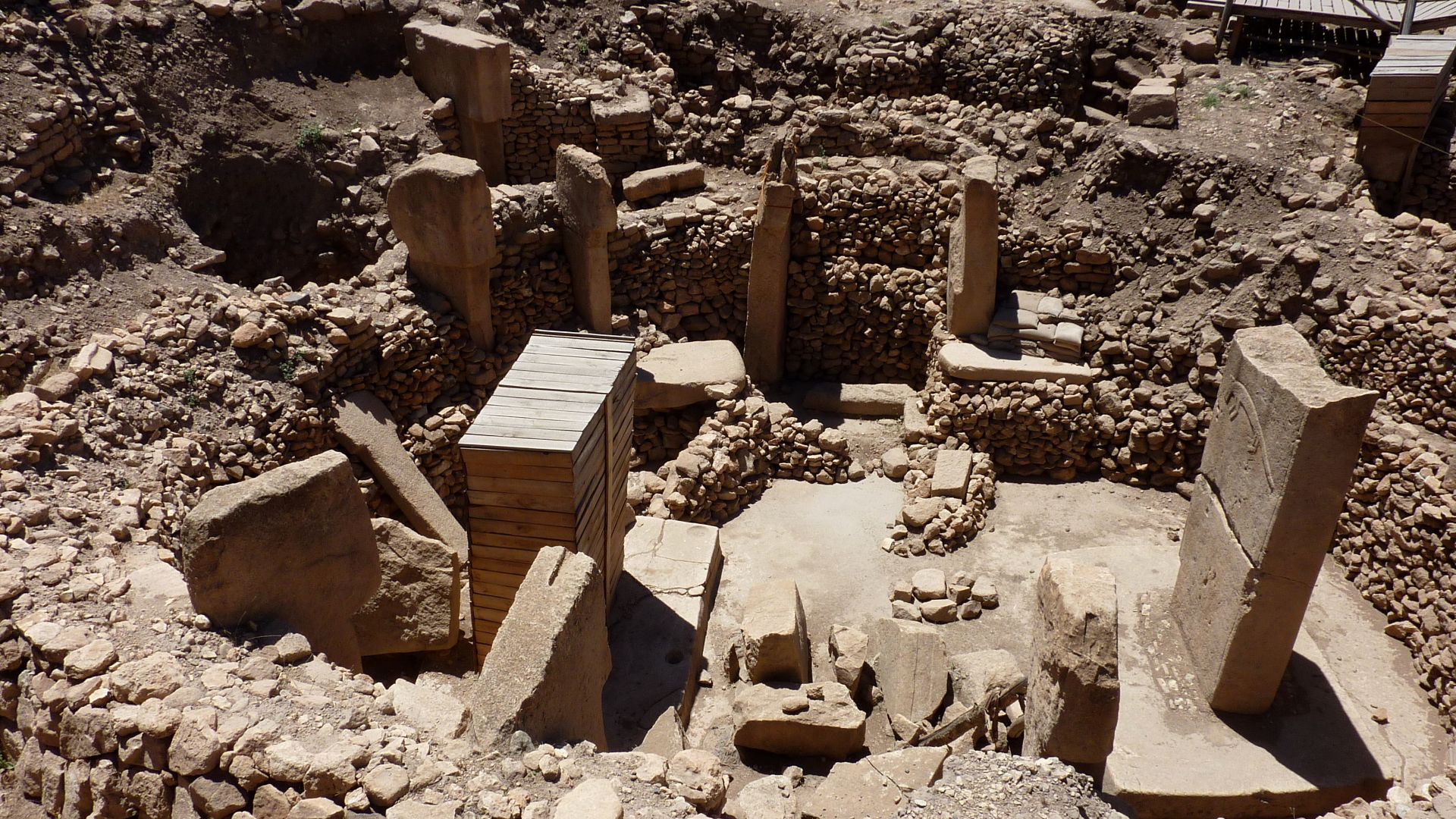
Gobekli Tepe, Sanliurfa, Turkey
Hunter-gatherers organized hundreds of workers to erect 20-ton carved pillars, defying every traditional model of societal complexity. This happened around 9600 BCE, millennia before agriculture even existed to support permanent settlements. What truly baffles experts is the deliberate burial of these enclosures around 8000 BCE after such monumental effort.
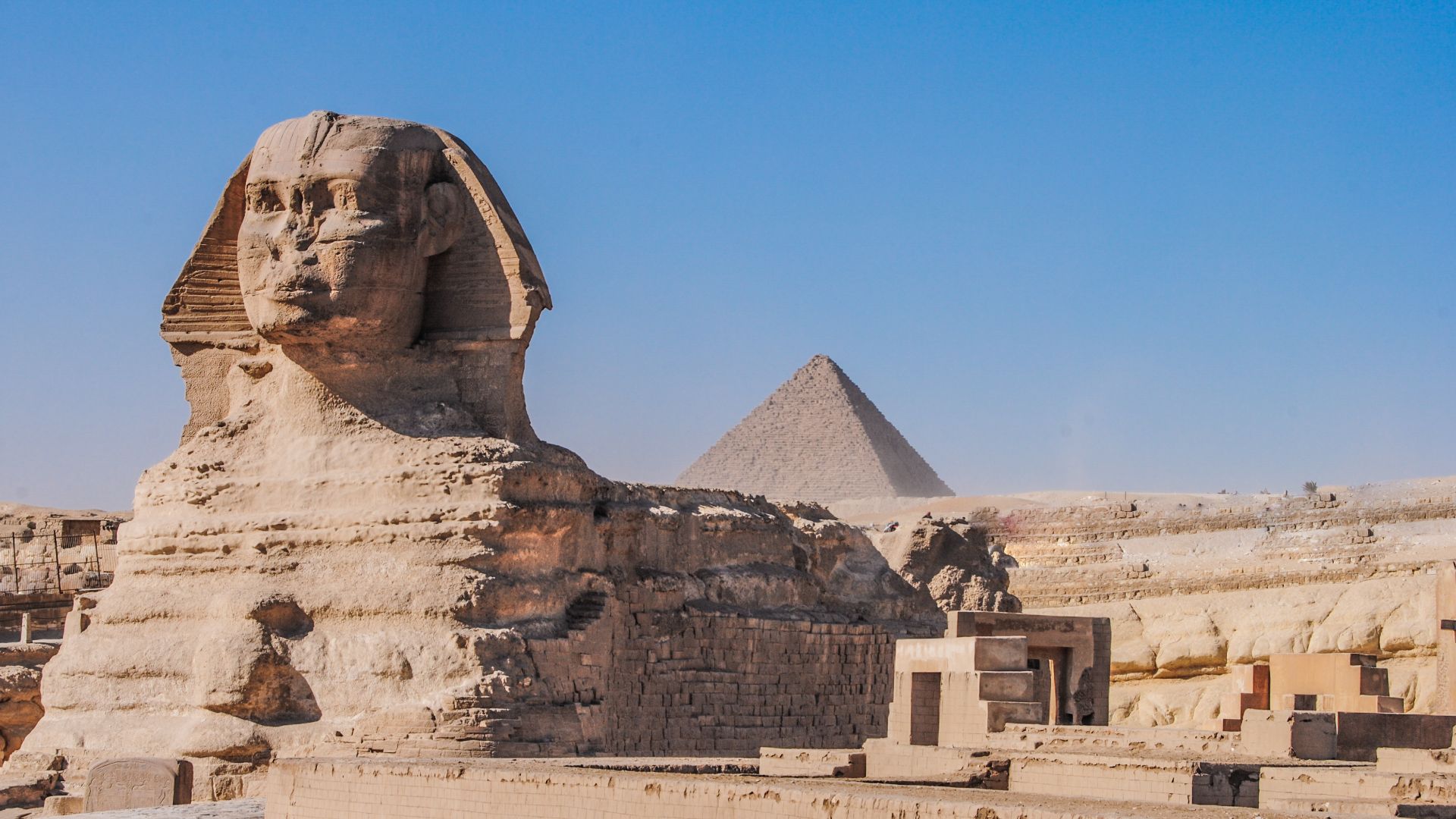
Great Sphinx Of Giza, Giza, Egypt
The disproportionate head-to-body ratio fuels endless theories about later recarving or deliberate alterations. No inscriptions clarify whether it served as a guardian or a royal portrait. Carved around 2500 BCE during Khafre's reign, the limestone bedrock shows erosion patterns that experts still debate today.
 Hesham Ebaid, Wikimedia Commons
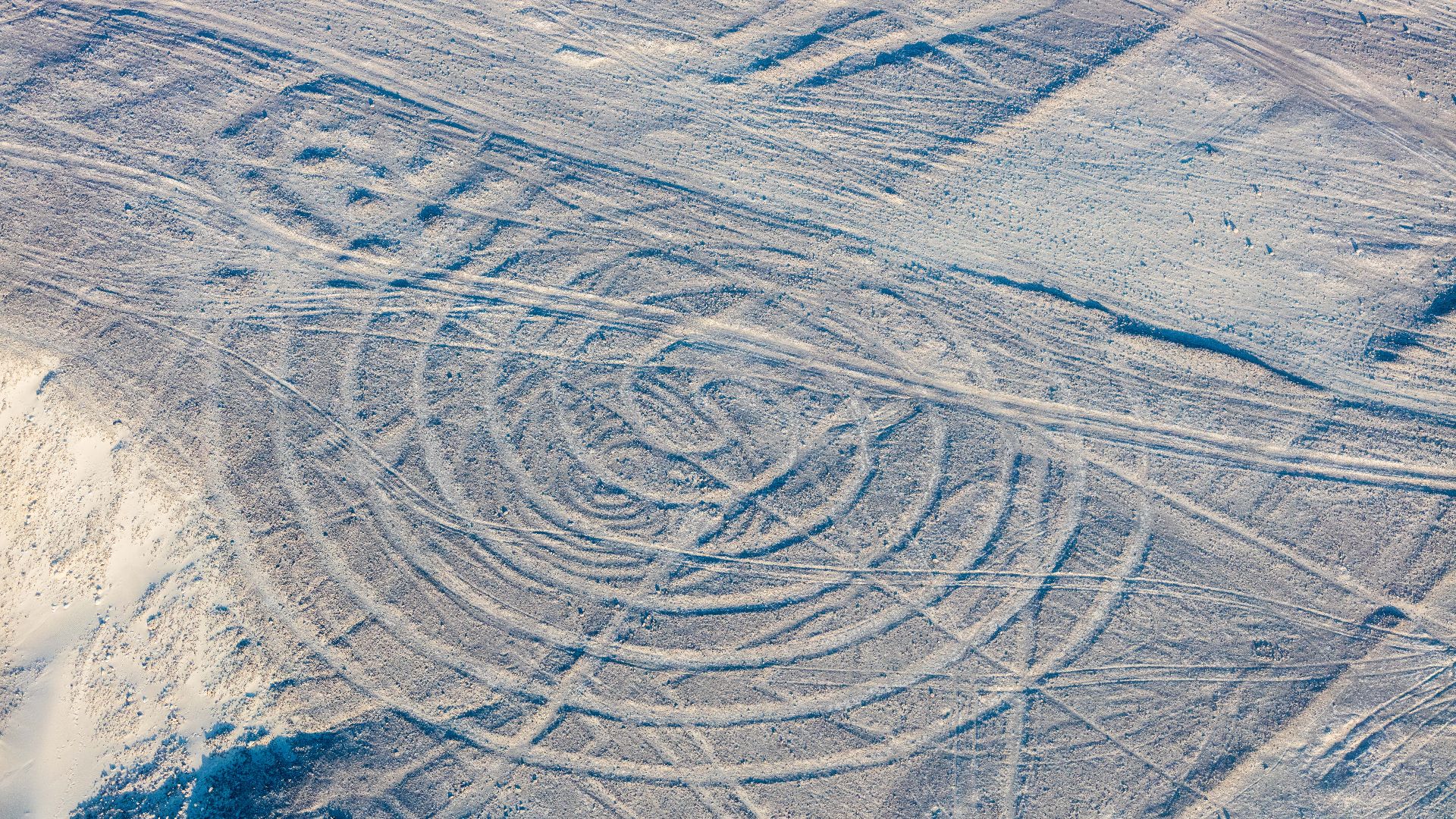
Nazca Lines, Nazca Desert, Peru
Ancient Peruvians achieved remarkable precision using only stakes, ropes, and scaled models despite having no flight technology. A 150‑foot spider and geometric figures, etched between 500 BCE and 500 CE, stretch across the desert, visible only from unreachable heights.
 Diego Delso, Wikimedia Commons
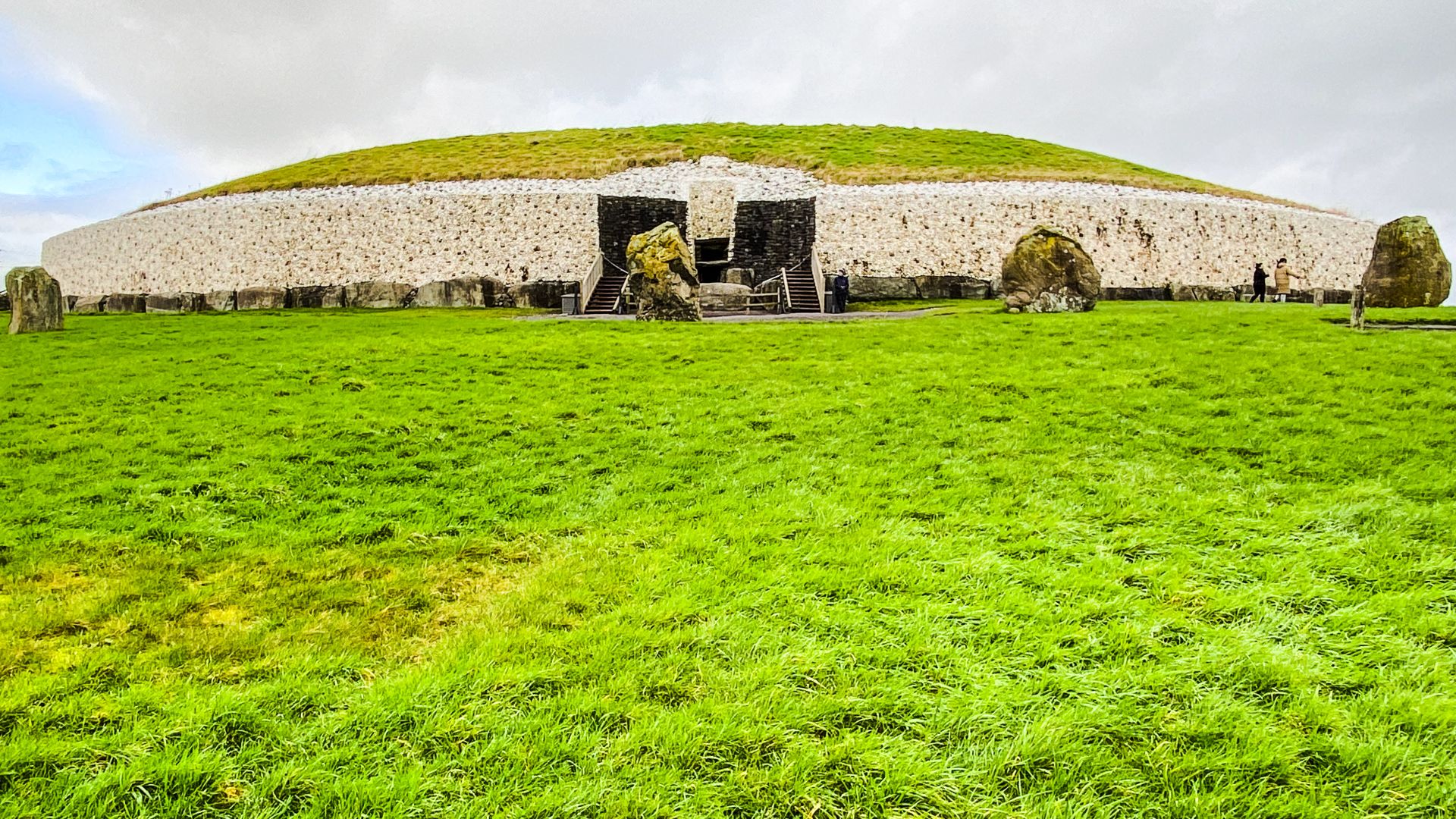
Newgrange, County Meath, Ireland
Winter solstice sunrise illuminates the inner chamber for exactly 17 minutes through architectural precision that defies Neolithic capabilities. Builders transported 4-ton kerbstones from miles away without wheels, creating waterproof corbelled roofs that still function perfectly. The 62-foot passage tomb was constructed around 3200 BCE, which predates Egypt's pyramids.
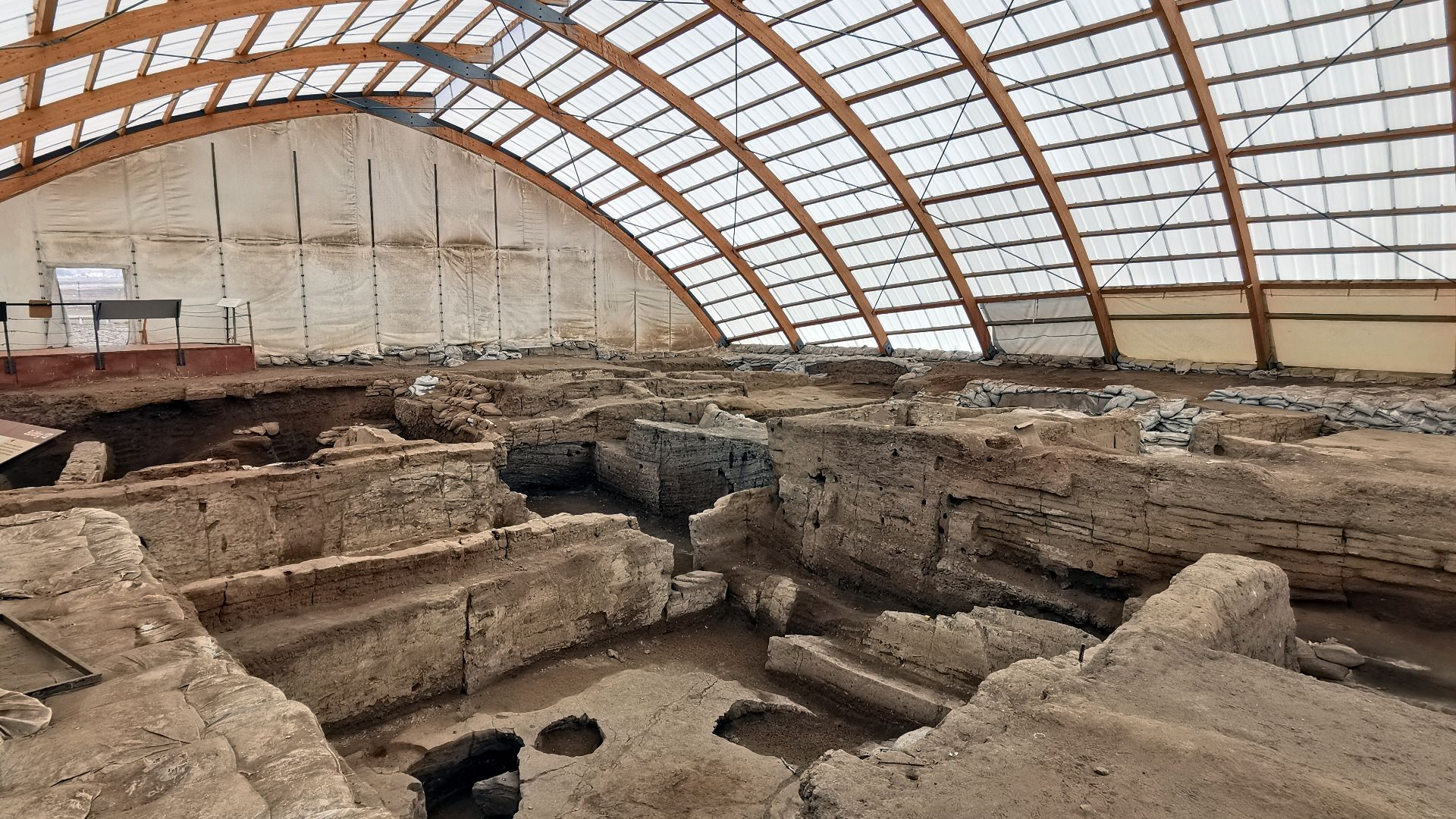
Catalhoyuk, Konya, Turkey
From 7500 to 5700 BCE, this settlement operated without streets as residents climbed rooftops to enter their homes. Clustered mud-brick houses featured elaborate murals and under-floor burials throughout the densely packed community. Evidence of hierarchical authority or central control remains entirely absent despite the complex coordination such a settlement required.
 Murat Ozsoy 1958, Wikimedia Commons
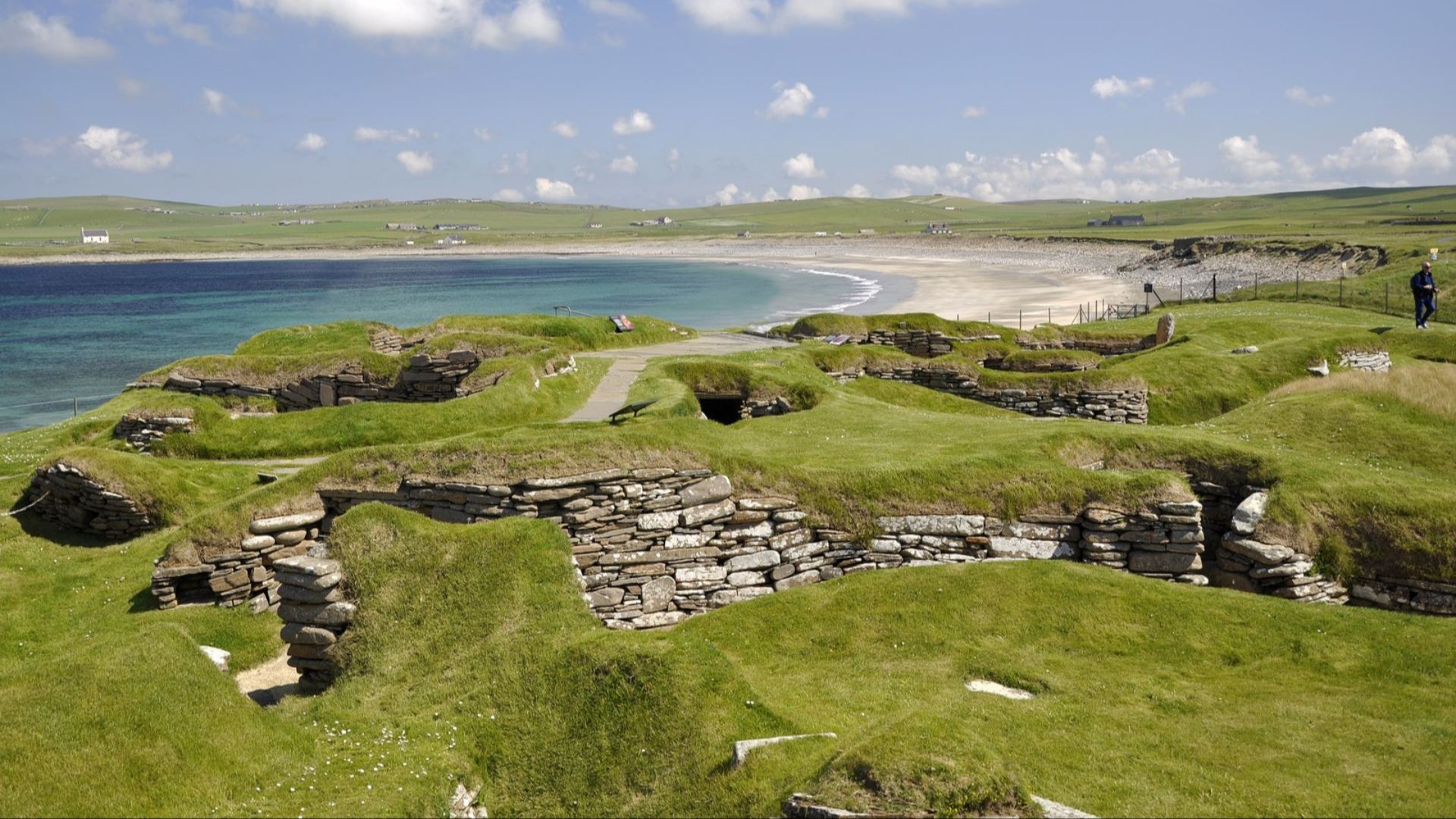
Skara Brae, Orkney Islands, Scotland
Fitted stone furniture and sophisticated drainage systems appear in houses that show no mainland influence to copy from. The settlement thrived from 3180 to 2500 BCE on isolated islands before abrupt abandonment left mysterious carved stone balls unexplained. These Neolithic islanders developed features that parallel mainland sophistication without apparent contact.
 Stuart Wilding , Wikimedia Commons
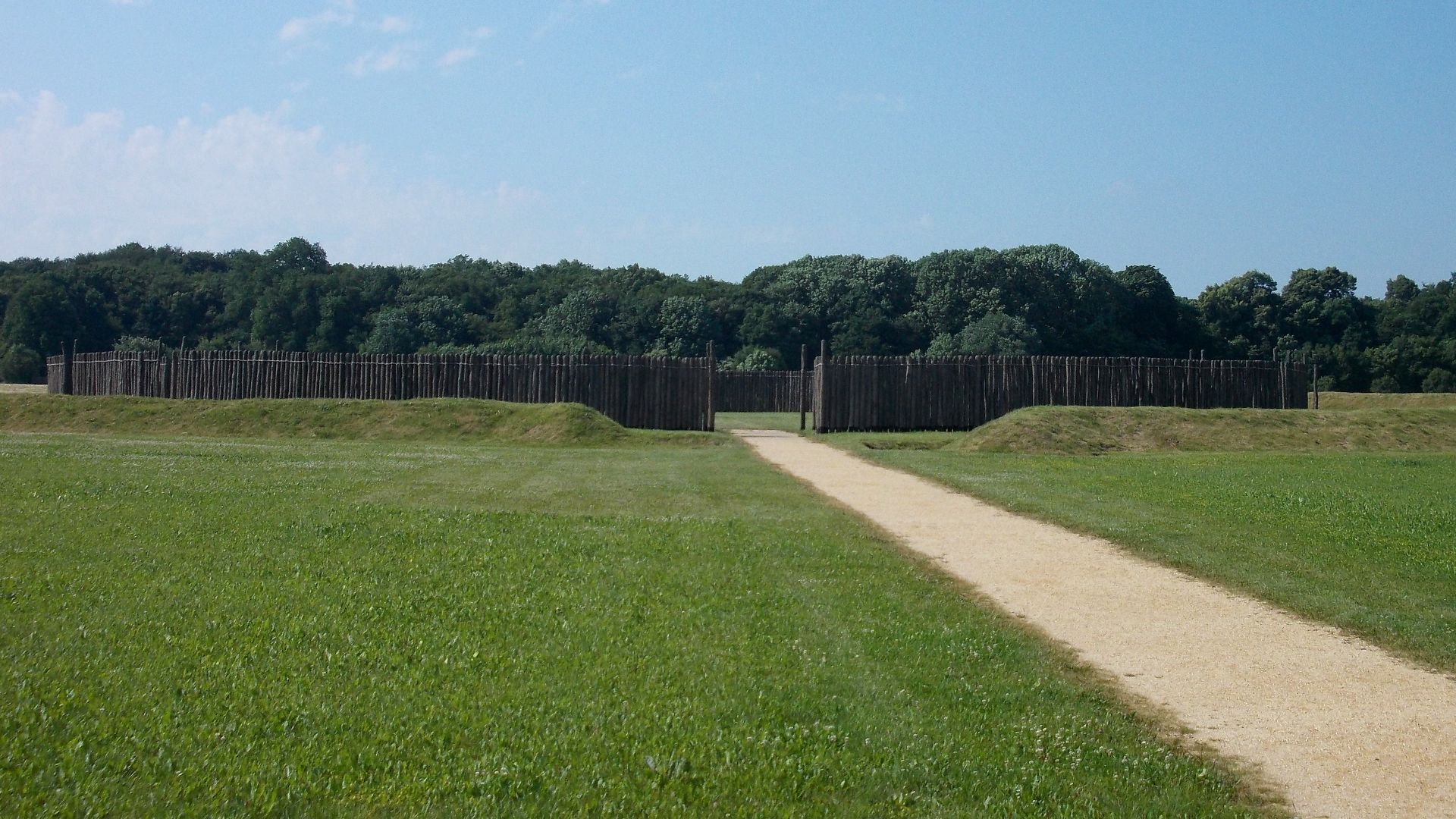
Goseck Circle, Saxony-Anhalt, Germany
Constructed around 4900 BCE, this solar observatory predates Stonehenge by a thousand years. Wooden posts aligned perfectly with the solstice gates in spite of limited surveying tools. Human remains found inside suggest possible sacrificial rituals, though experts can't agree on the exact ceremonies performed.

History's most fascinating stories and darkest secrets, delivered to your inbox daily.
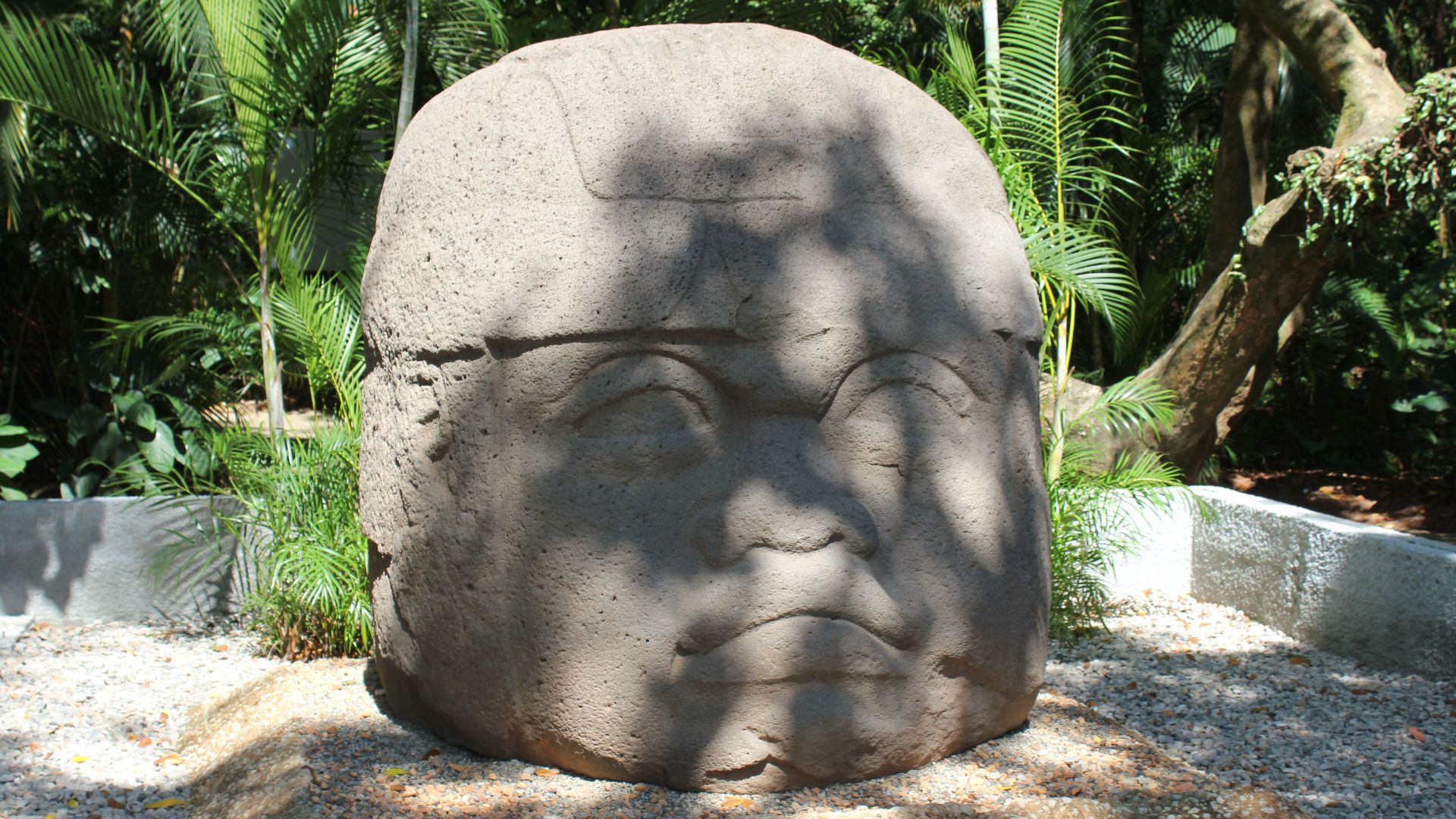
Colossal Olmec Heads, Veracruz And Tabasco, Mexico
Unique facial details on each sculpture suggest they're portraits of rulers, yet no texts explain their cultural significance. Experiments indicate rafts and rollers likely moved these massive monuments, but the 90-mile journey still defies complete replication. Carved between 1500 and 400 BCE, each basalt head weighs an astounding 50 tons.
 Arian Zwegers from Brussels, Belgium, Wikimedia Commons
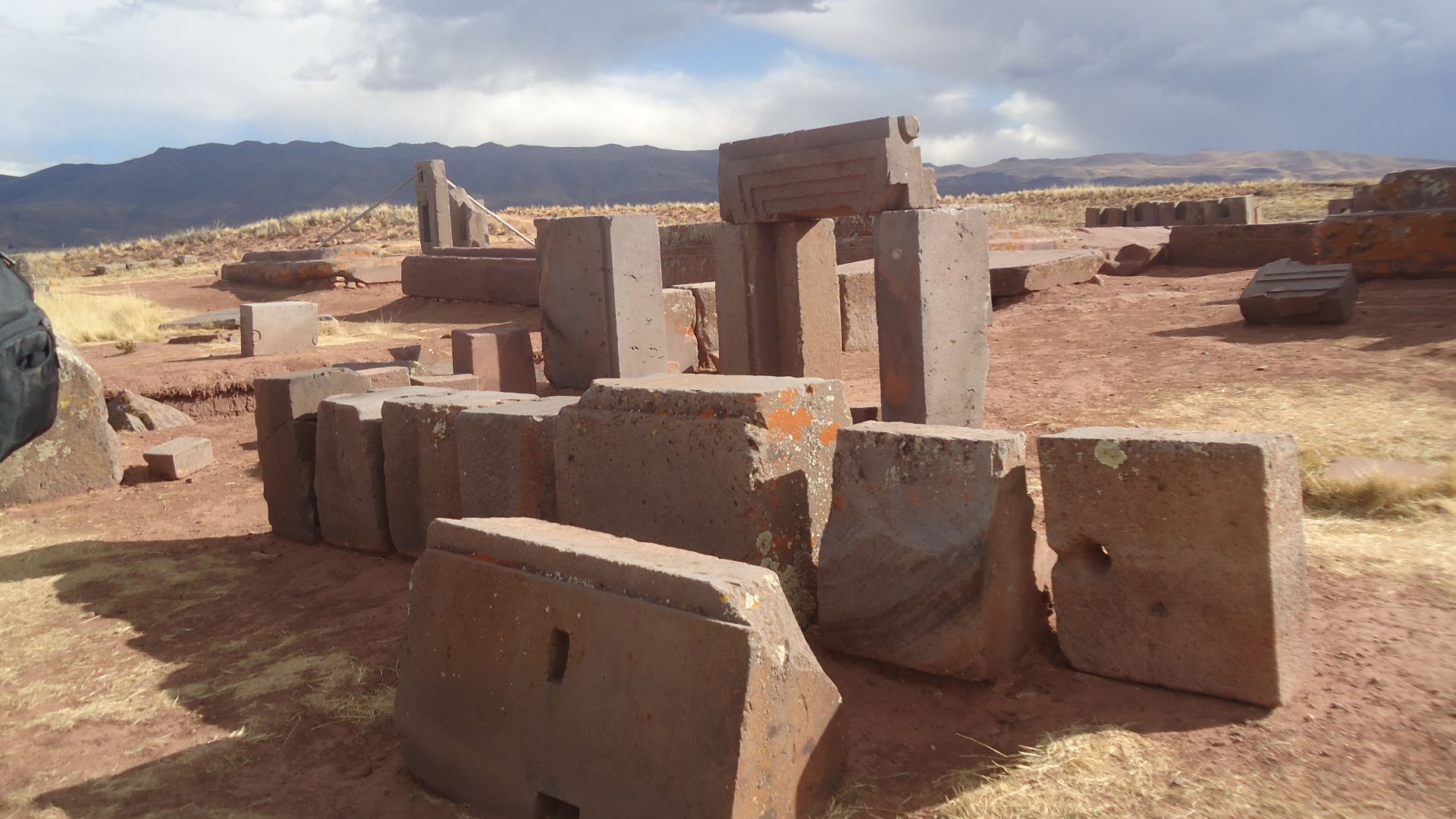
Puma Punku, Tiwanaku, Bolivia
The tool technology available around 200 BCE appears entirely insufficient for the milling precision displayed in interlocking andesite blocks. Some stones exceed 100 tons and traveled from distant quarries through methods engineers still find baffling. Modern replication attempts fail without machinery, which makes the ancient achievement even more remarkable.
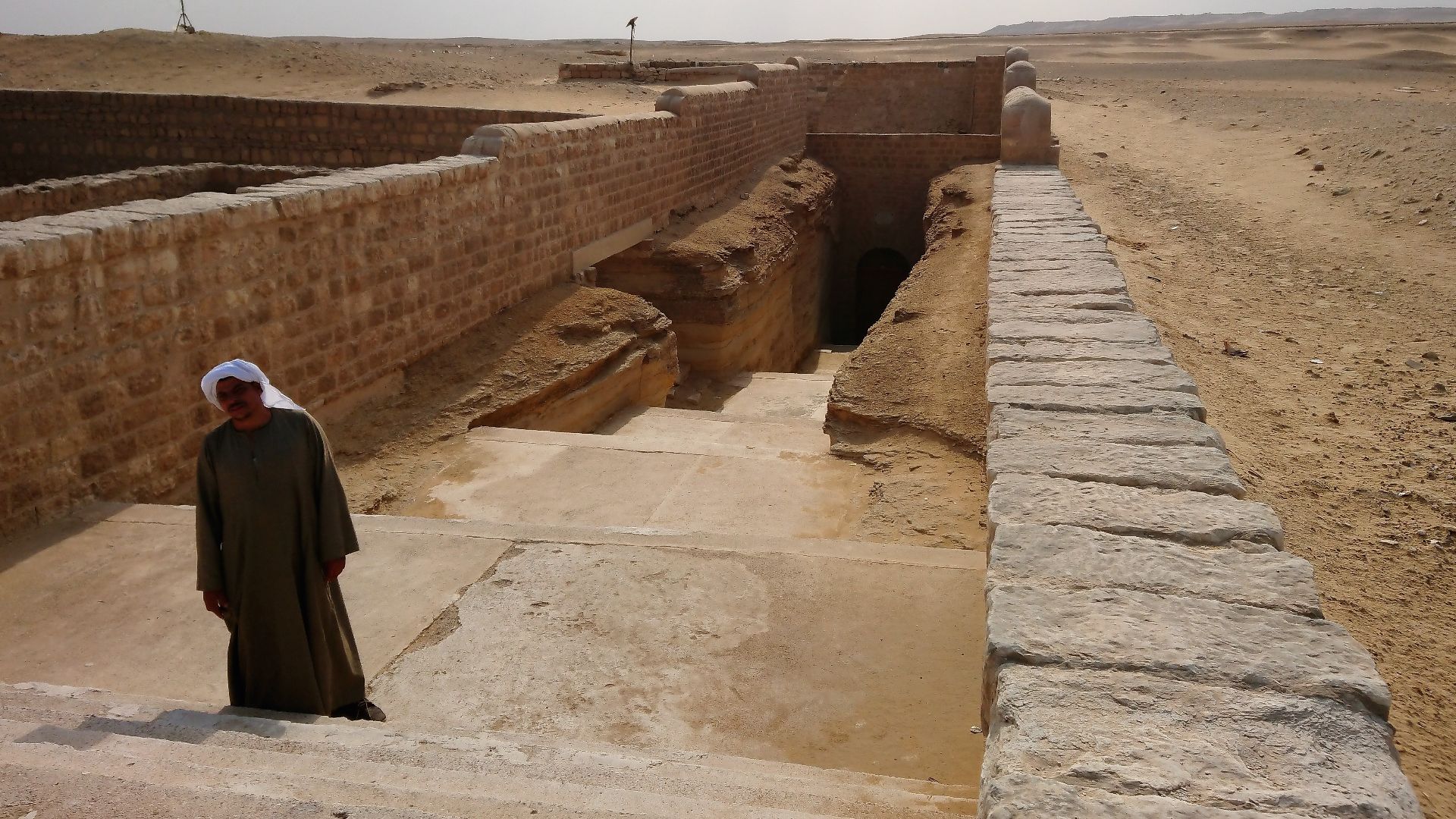
Serapeum Of Saqqara, Saqqara, Egypt
This underground complex was constructed around 1400 BCE, and houses 70-ton granite sarcophagi in narrow tunnels. Engineers can't explain how ancient Egyptians moved such massive boxes into tight spaces. The oversized containers held mummified Apis bulls, but the precision cutting surpasses known tool capabilities.
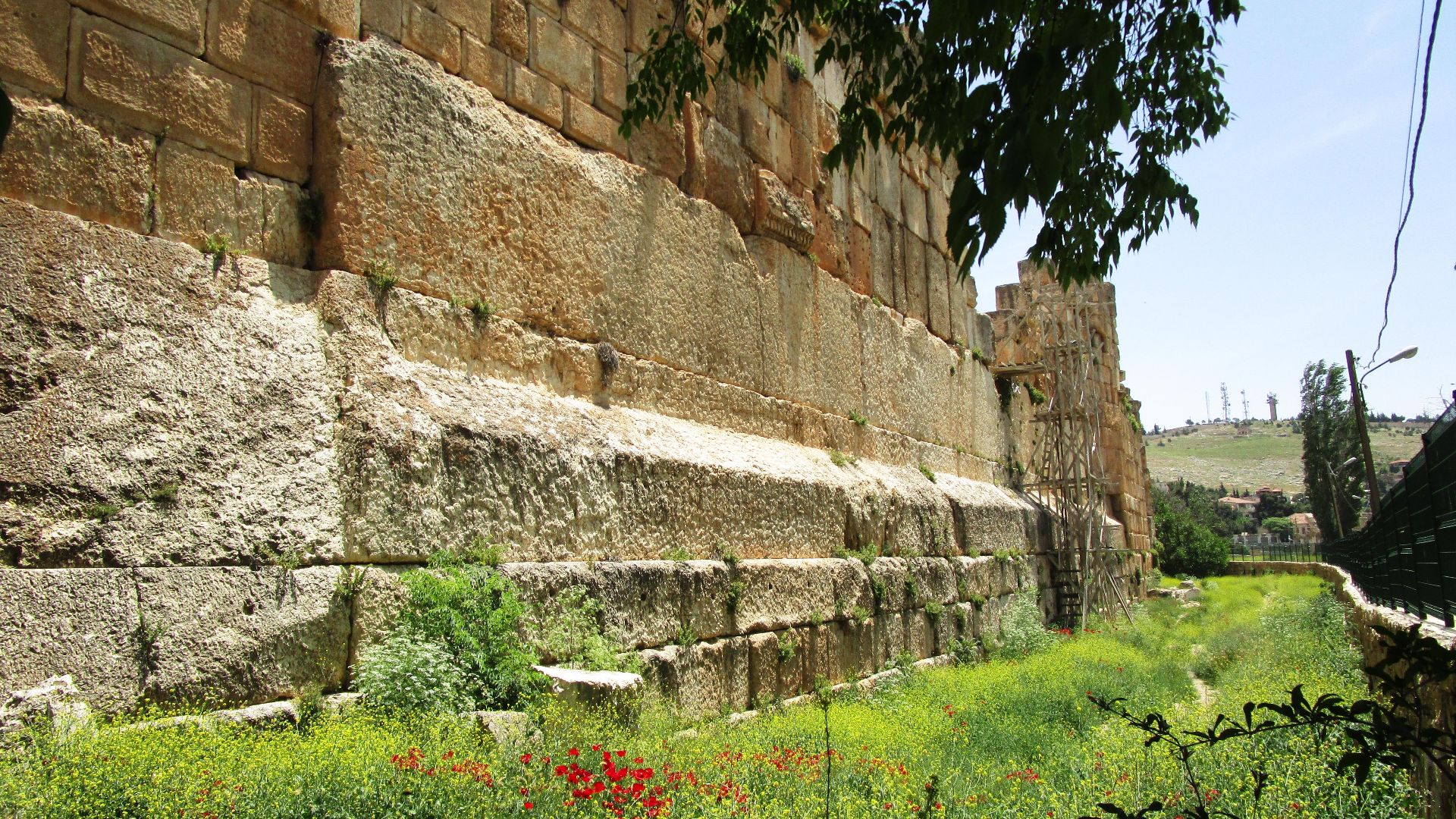
Baalbek Trilithon, Baalbek, Lebanon
Three foundation stones each weigh 800 tons, dwarfing any other ancient construction blocks worldwide. No known Phoenician technique explains quarrying and moving such massive pieces, even with roller and ramp theories. The base dates to 2000 BCE, and even the Romans building atop it couldn't match the original scale.
 Lodo27 from Moscow, Russia, Wikimedia Commons
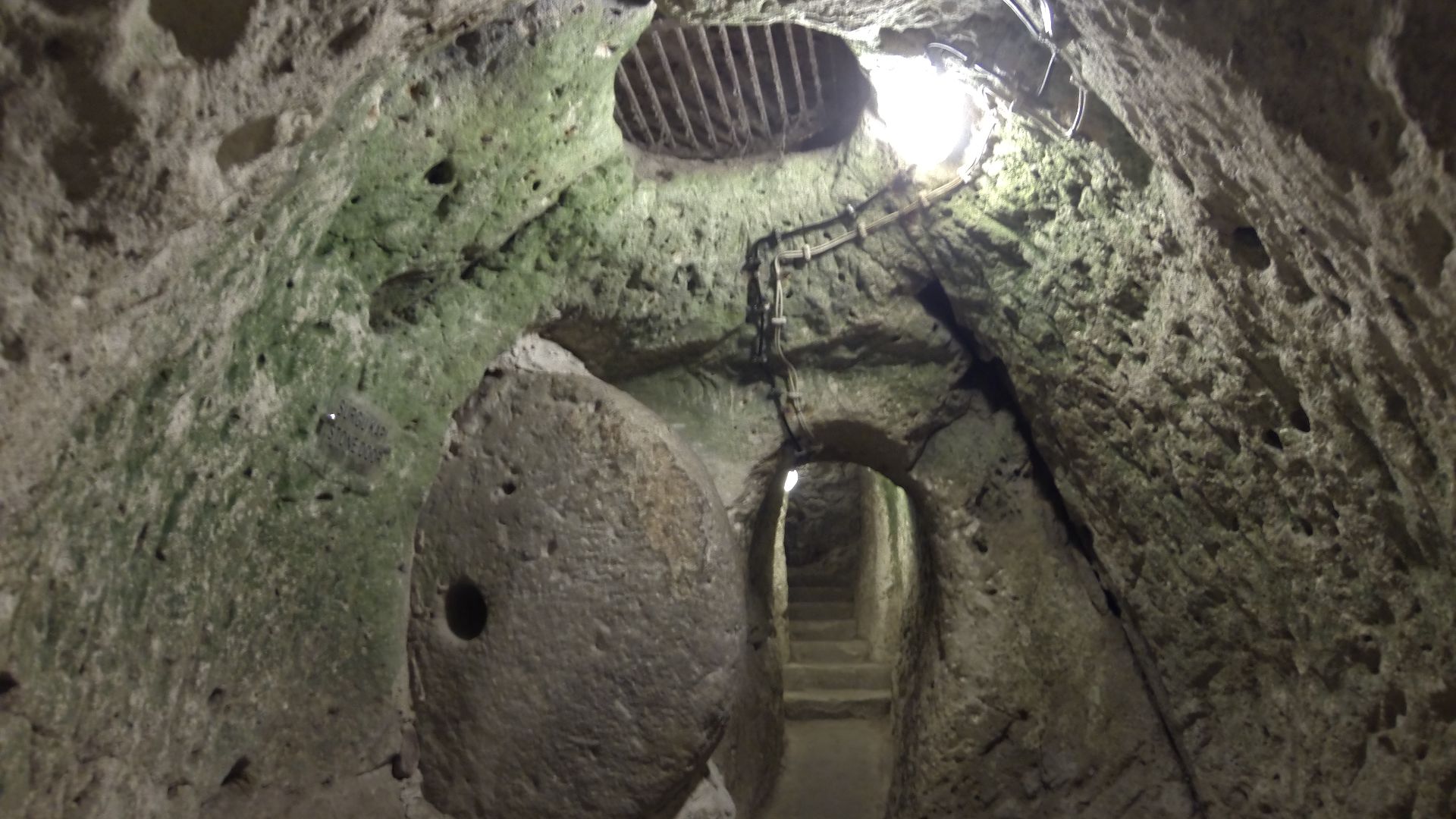
Derinkuyu Underground City, Cappadocia, Turkey
Ventilation shafts brought fresh air to the lowest levels and housed 20,000 people through engineering that defies hand-tool construction. Rolling stone doors and earthquake-resistant design reveal sophisticated planning for what likely served as a refuge. Multi-level chambers were excavated from the 8th century BCE into soft volcanic rock.
 Nevit Dilmen (talk), Wikimedia Commons
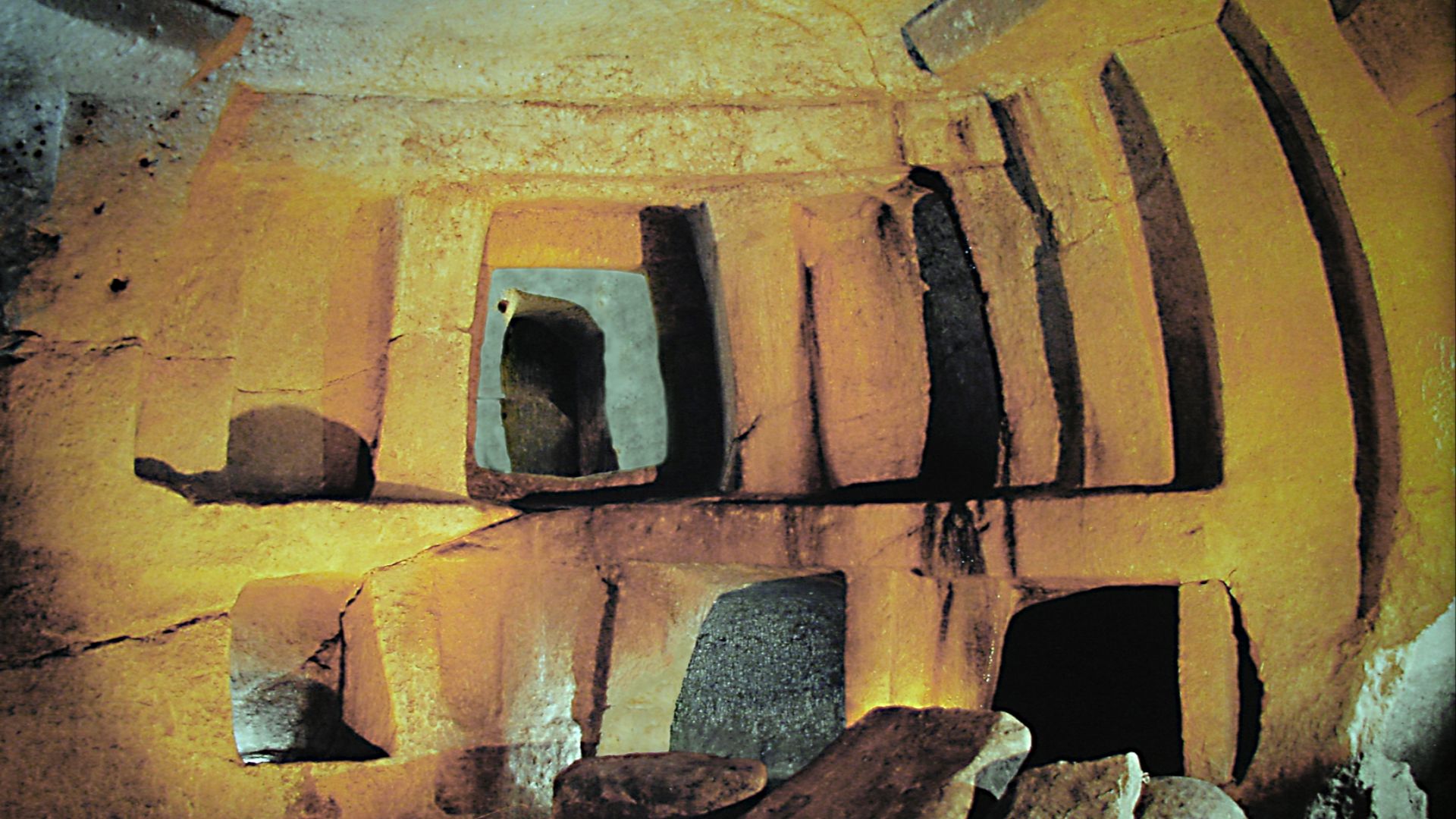
Hal Saflieni Hypogeum, Paola, Malta
Acoustics amplify low frequencies to create trance-like effects in chambers that mimic above-ground temple architecture. Elongated skulls discovered inside likely result from cultural head-binding practices, though they initially sparked wild speculation. Carved between 3600 and 2500 BCE, the underground complex's symbolic duality between worlds remains enigmatic.
 Hamelin de Guettelet, Wikimedia Commons
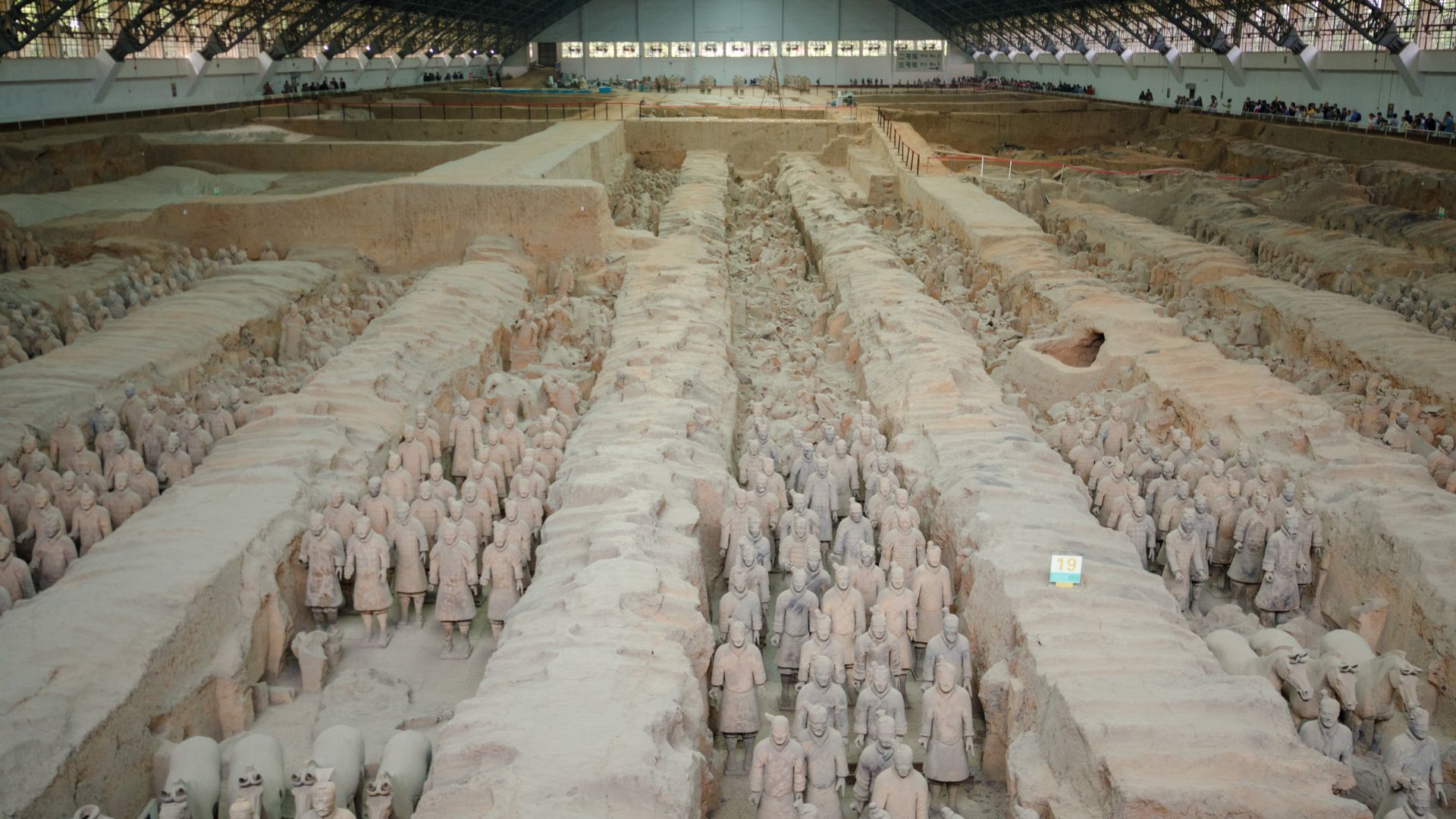
Terracotta Army Pit, Qin Shi Huang's Tomb Complex, Xi'an, China
Over 8,000 individualized clay soldiers demonstrate assembly-line production remarkably advanced for their era. Ancient texts describe mercury rivers and deadly traps protecting the emperor's unopened main tomb from excavation. The massive funerary complex was built around 210 BCE to guard the ruler's quest for immortality.
 xiquinhosilva, Wikimedia Commons
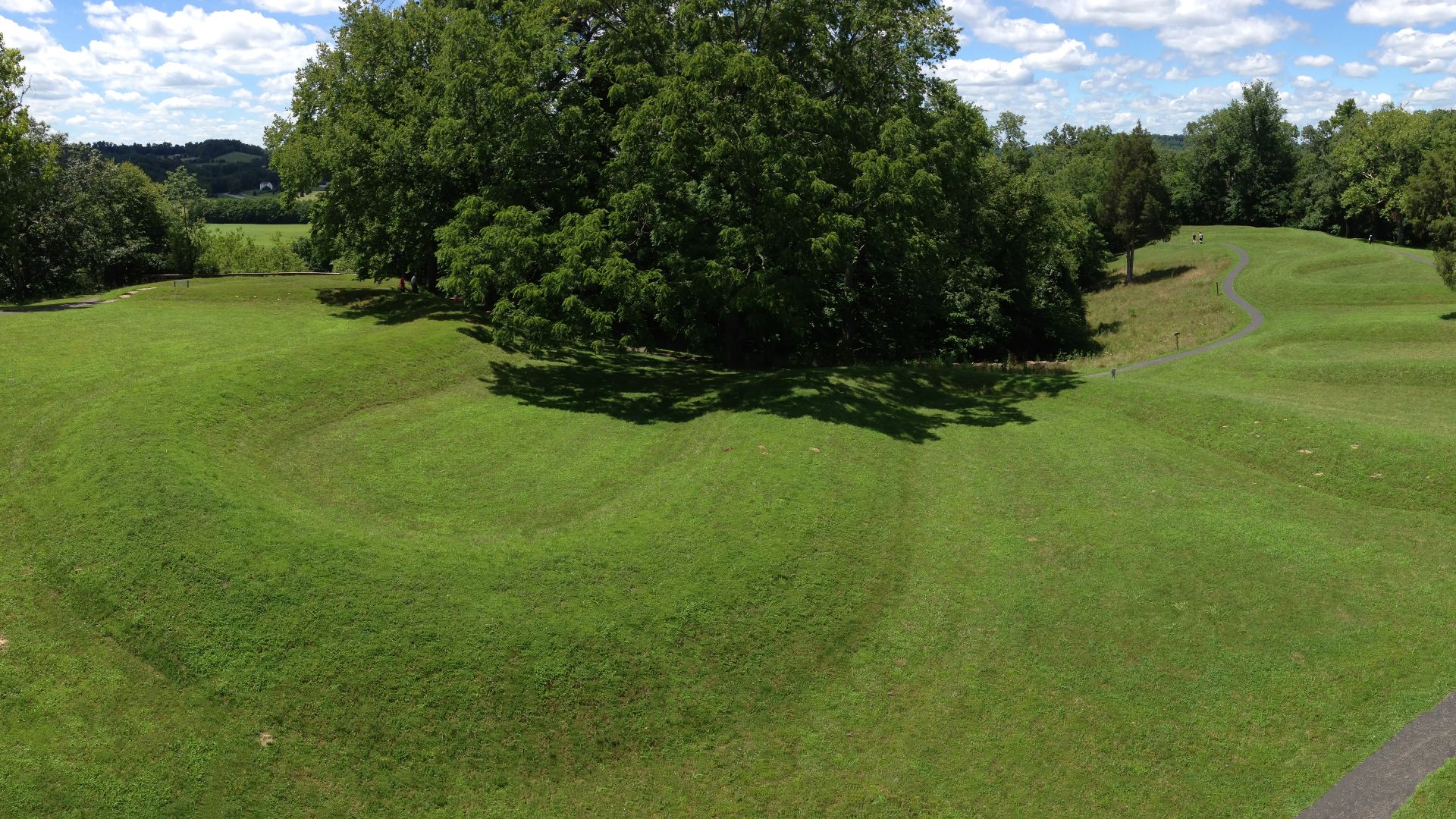
Great Serpent Mound, Ohio, USA
The Adena culture built this quarter-mile serpent around 300 BCE with curves that align with solstice events. Curving earthwork depicts a snake seemingly swallowing an egg, a symbol tied to creation mythology. Researchers remain puzzled about ritual use since typical mound construction included burials, yet this earthwork contains absolutely none inside.
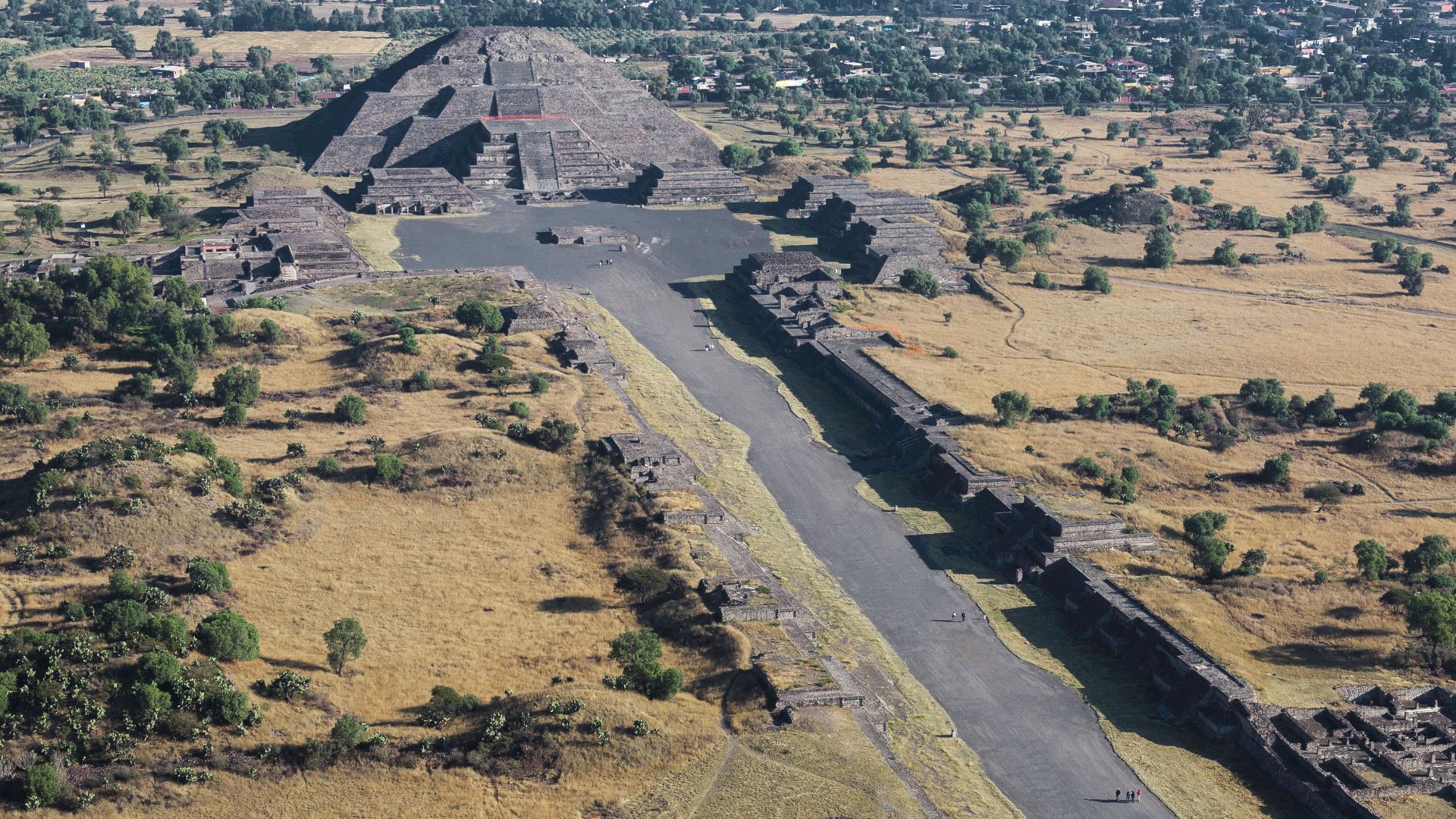
Teotihuacan Pyramids, Mexico City, Mexico
No writing identifies which ethnic group actually built this massive urban center. The symbolic mountain layout suggests cosmological purposes that remain unexplained without surviving texts. Constructed between 100 BCE and 250 CE, the city was already abandoned when the Aztecs arrived and named it "City of Gods".
 Ricardo David Sanchez, Wikimedia Commons
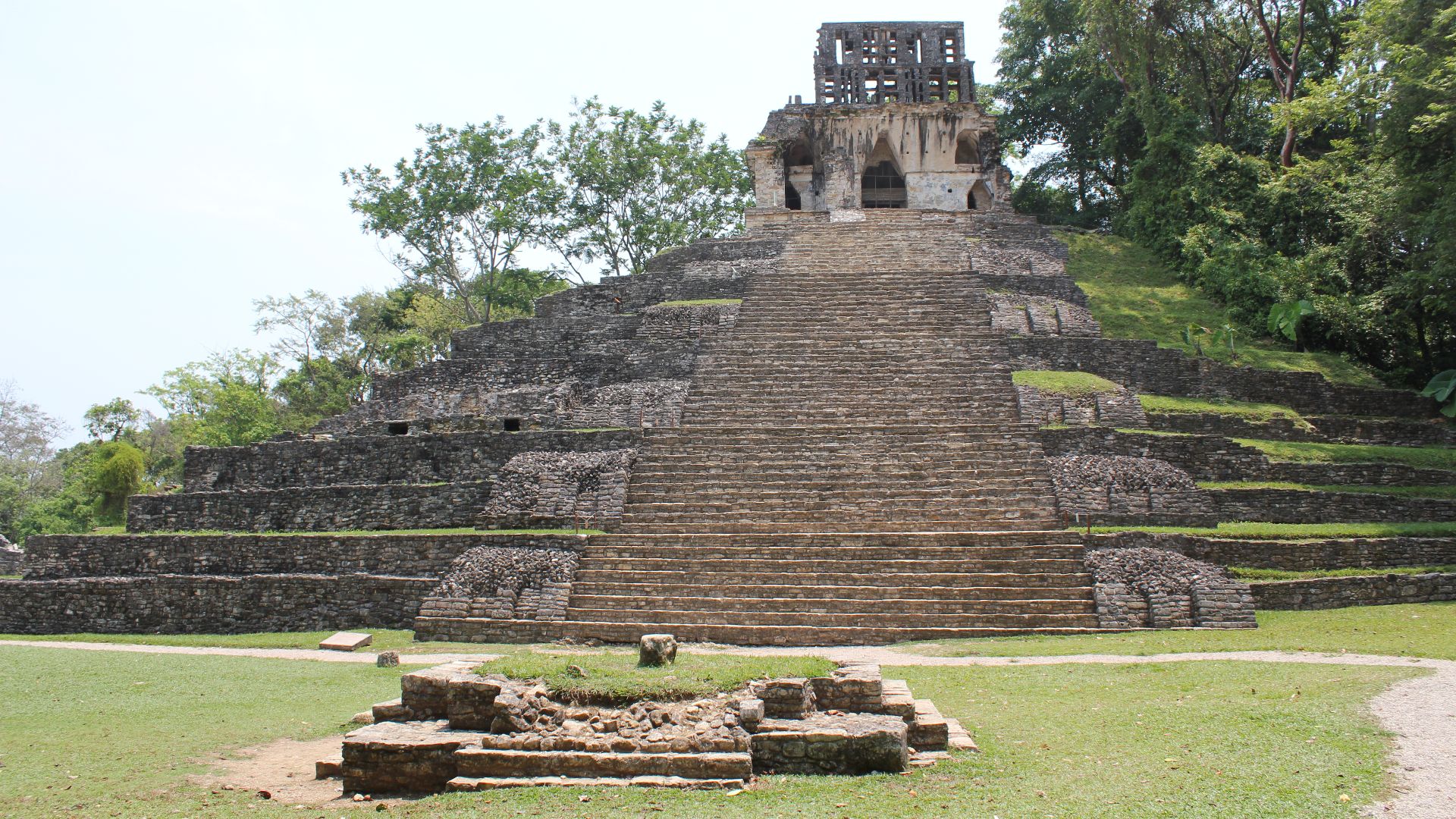
Palenque Temple Complex, Chiapas, Mexico
King Pakal's tomb lid sparked wild astronaut theories, although it depicts standard Maya cosmology through verified iconography. Dense jungle construction happened without metal tools, showcasing remarkable engineering ingenuity. Core phases predate 526 CE, with ongoing glyph translations revealing religious evolution that shifted for unknown reasons.
 Arian Zwegers from Brussels, Belgium, Wikimedia Commons
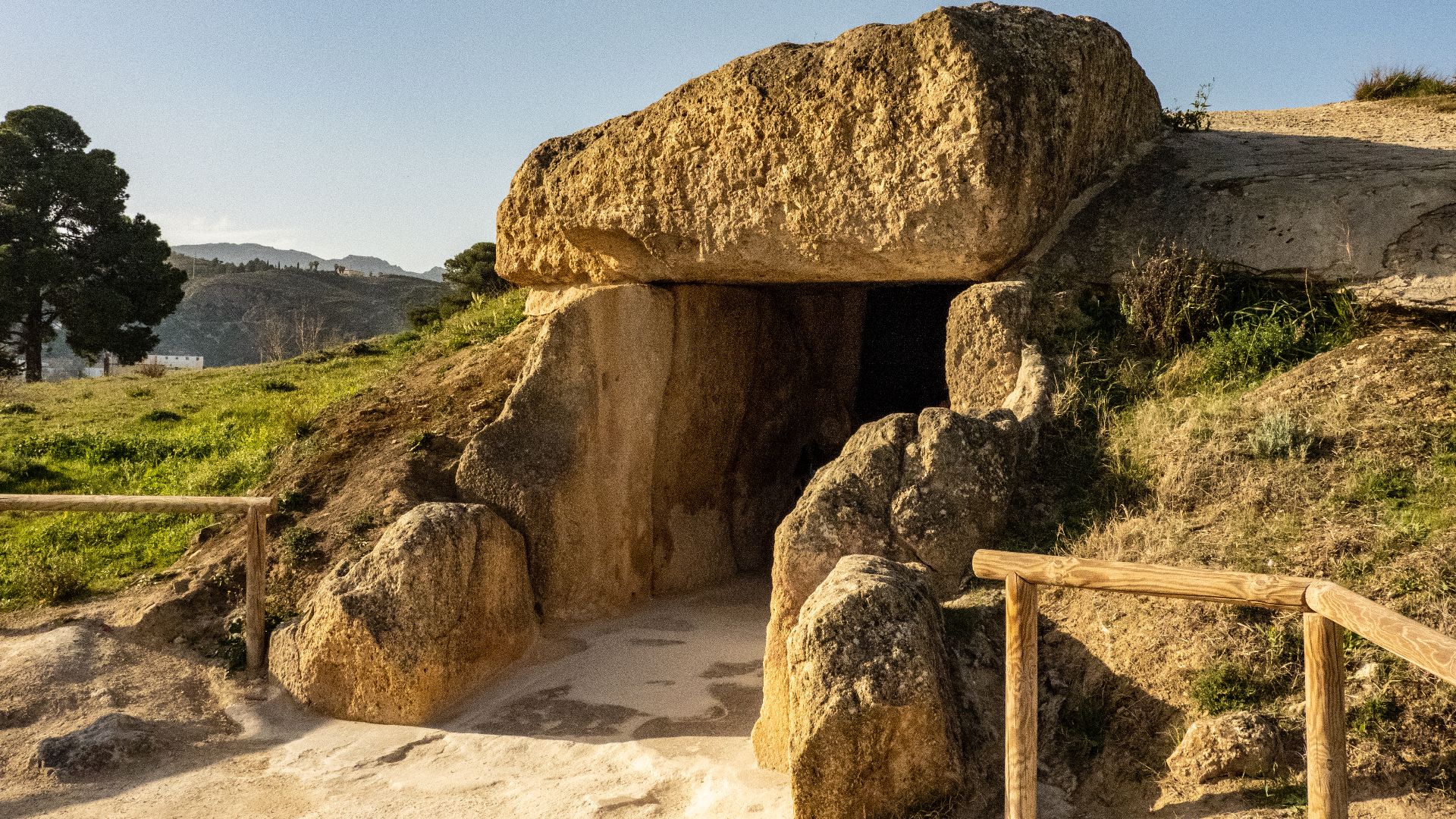
Dolmen De Menga, Antequera, Spain
The 32-ton capstones balance with intentional inward tilt and show engineering sophistication unexpected for the period. It was built around 3750 BCE, and its deep foundations support precise orientation toward mountains in ways that defy Neolithic surveying capabilities. The asymmetrical design appears deliberate and possibly links astronomy to landscape features.
 Tony Makepeace, Wikimedia Commons
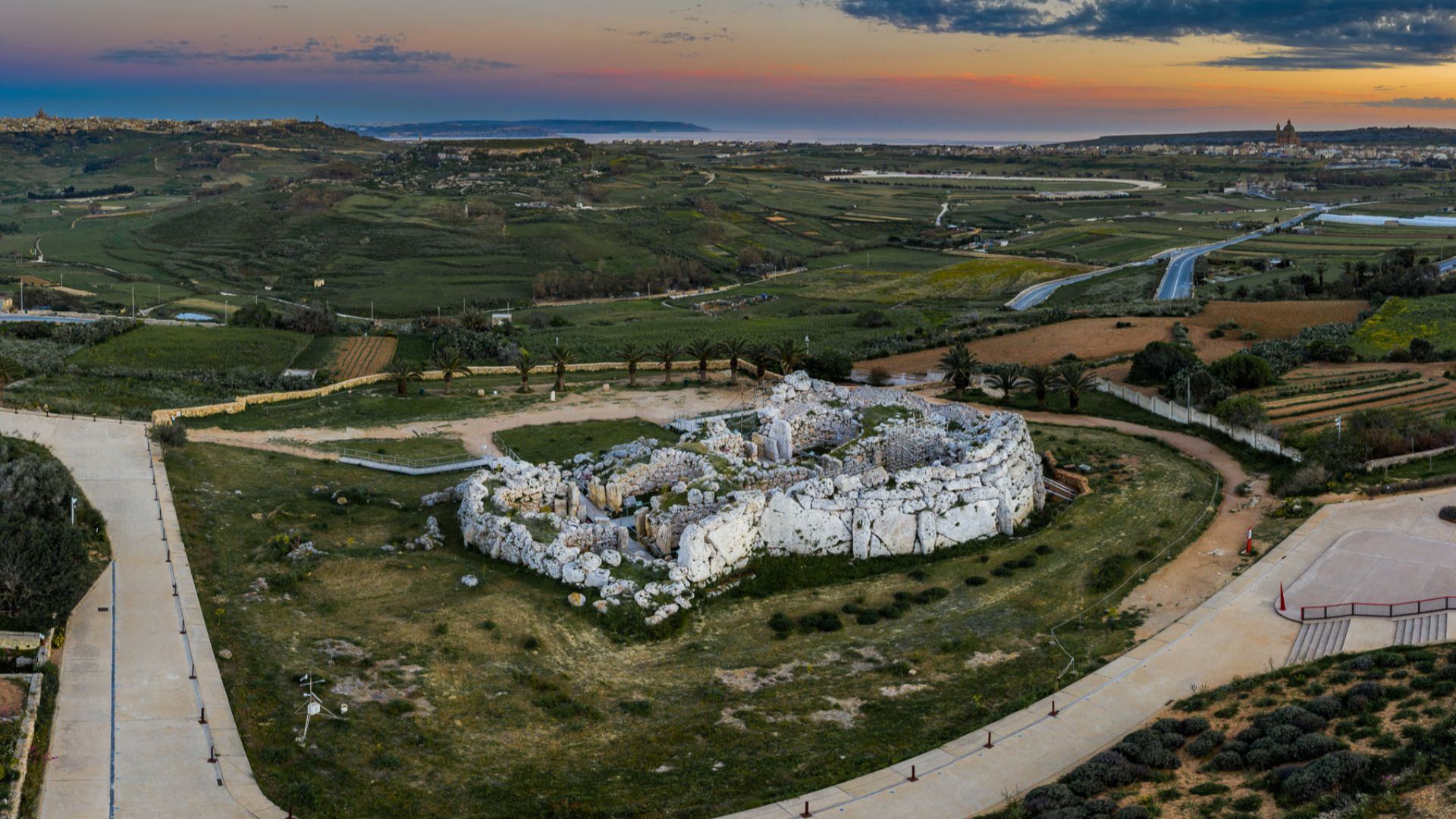
Ggantija Temples, Gozo, Malta
Methods for transporting 50-ton blocks without wheels remain completely unknown to researchers even today. Dating to 3600 BCE, these temples stand as the world's oldest freestanding buildings and predate even Stonehenge. Local legend claims that giantess Sansuna constructed them while she nursed her baby and adds mythical flair.
 FritzPhotography, Wikimedia Commons
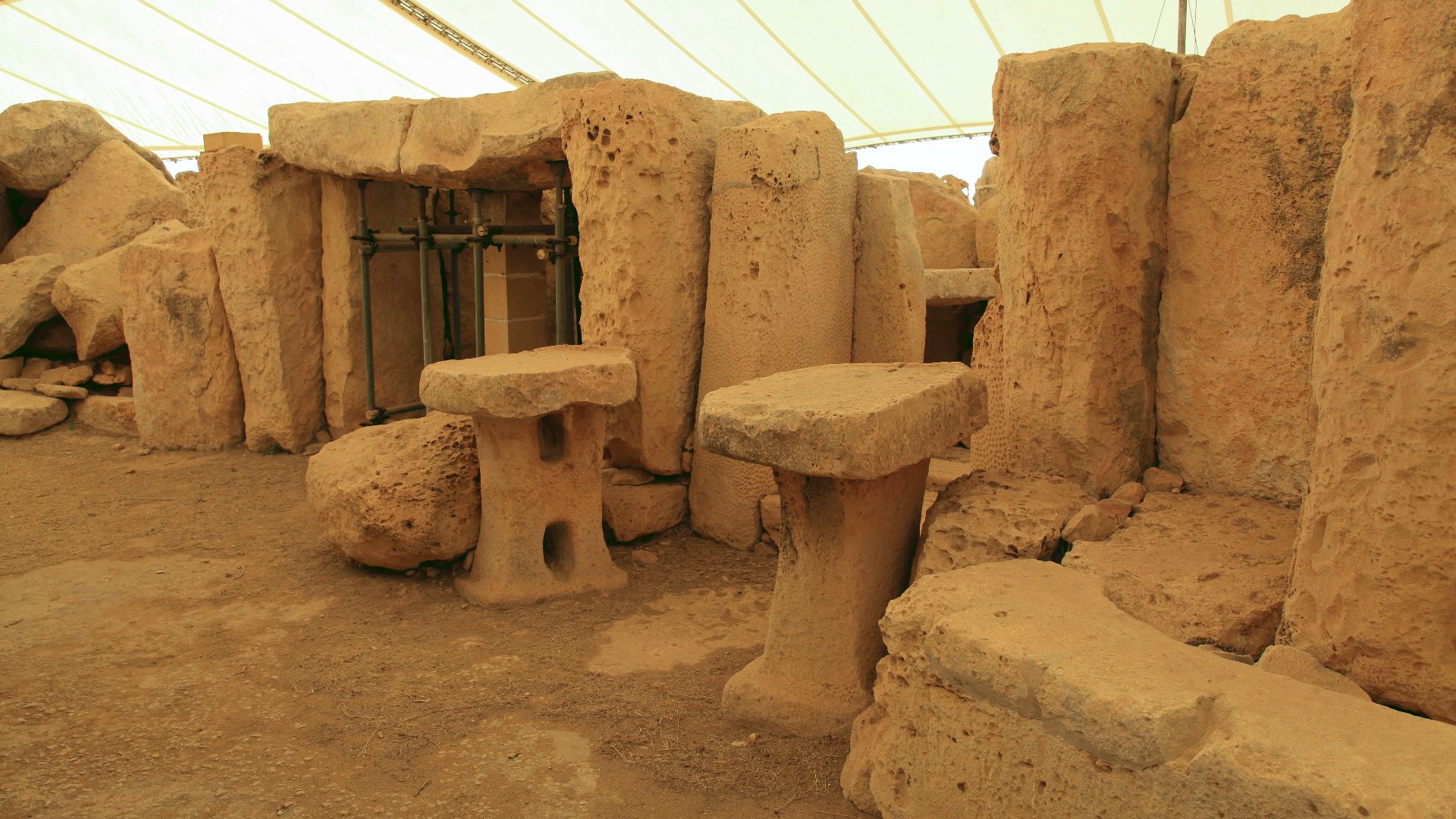
Mnajdra Temples, Qrendi, Malta
Equinox sunrises frame perfectly through doorways with precision that proper surveying instruments shouldn't have achieved around 3600 BCE. Advanced astronomical knowledge integrated lunar calendars into the religious architecture that researchers still study.
 Frank Vincentz, Wikimedia Commons
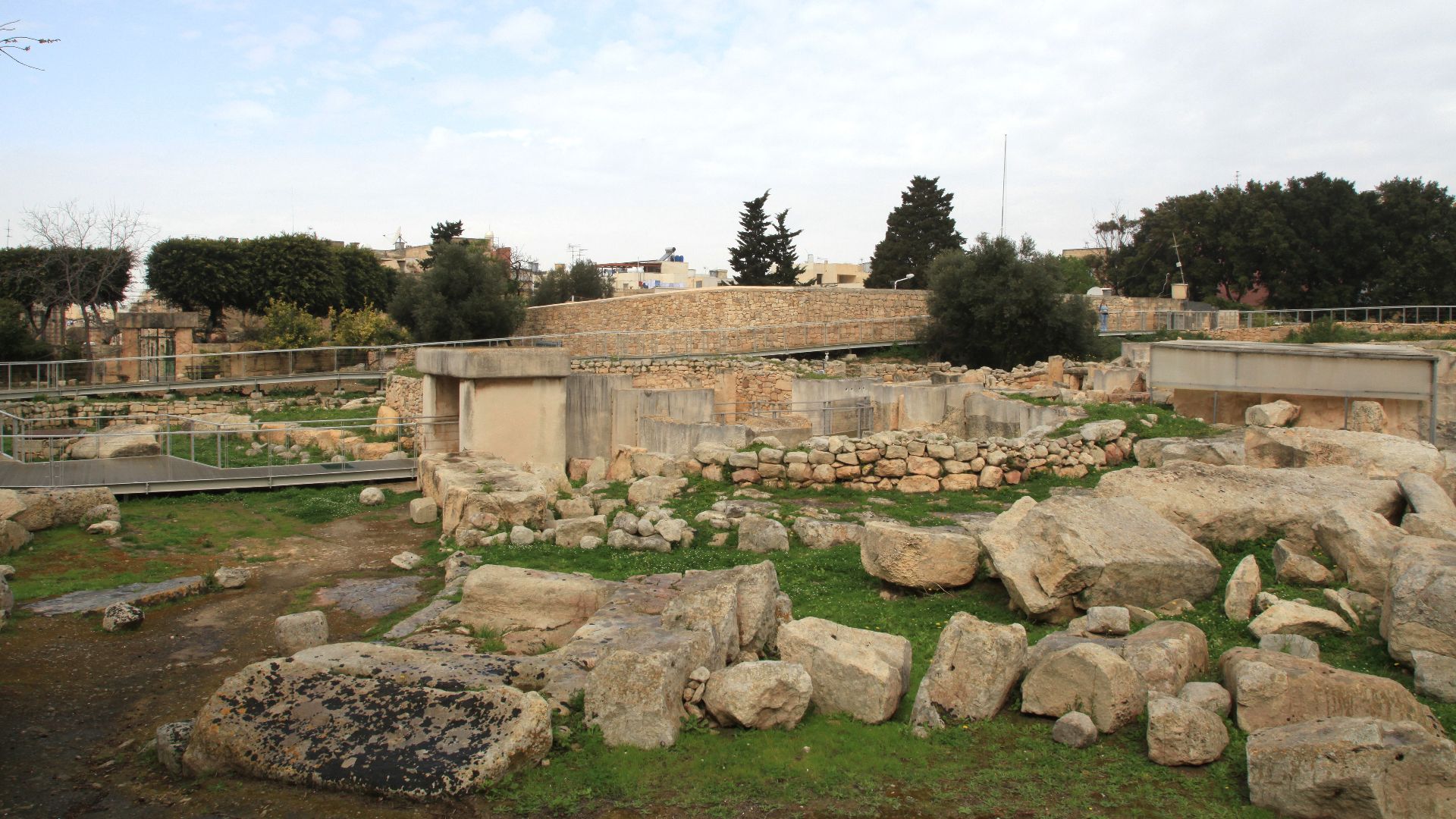
Tarxien Temples, Tarxien, Malta
Religious meanings behind intricate spiral carvings symbolizing eternity remain undeciphered without any surviving texts to guide interpretation. Constructed between 3150 and 2500 BCE, the architecture evolved from simple to complex across generations. Later reuse as a cemetery shows mysterious cultural shifts that transformed the site's sacred purpose.
 Frank Vincentz, Wikimedia Commons
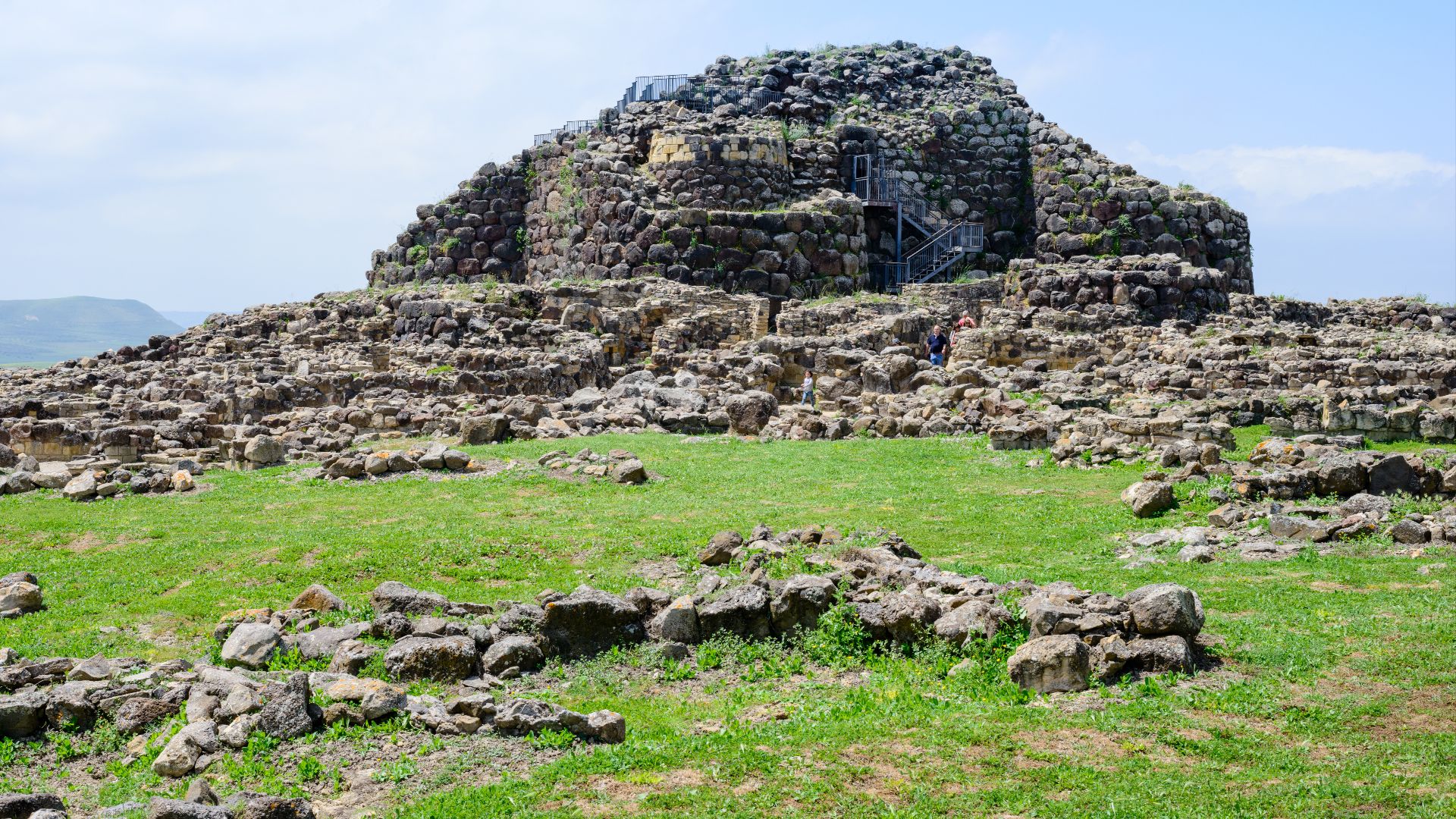
Nuraghe Su Nuraxi, Barumini, Sardinia, Italy
The 60-foot stone bastion divides experts who debate whether it served defensive purposes or astronomical functions. Multiple construction phases erected around 1500 BCE show architectural evolution that Bronze Age Sardinians never documented in writing. Unique tholos chambers feature corbelled ceilings demonstrating engineering excellence that surpassed regional contemporaries.
 Norbert Nagel, Wikimedia Commons
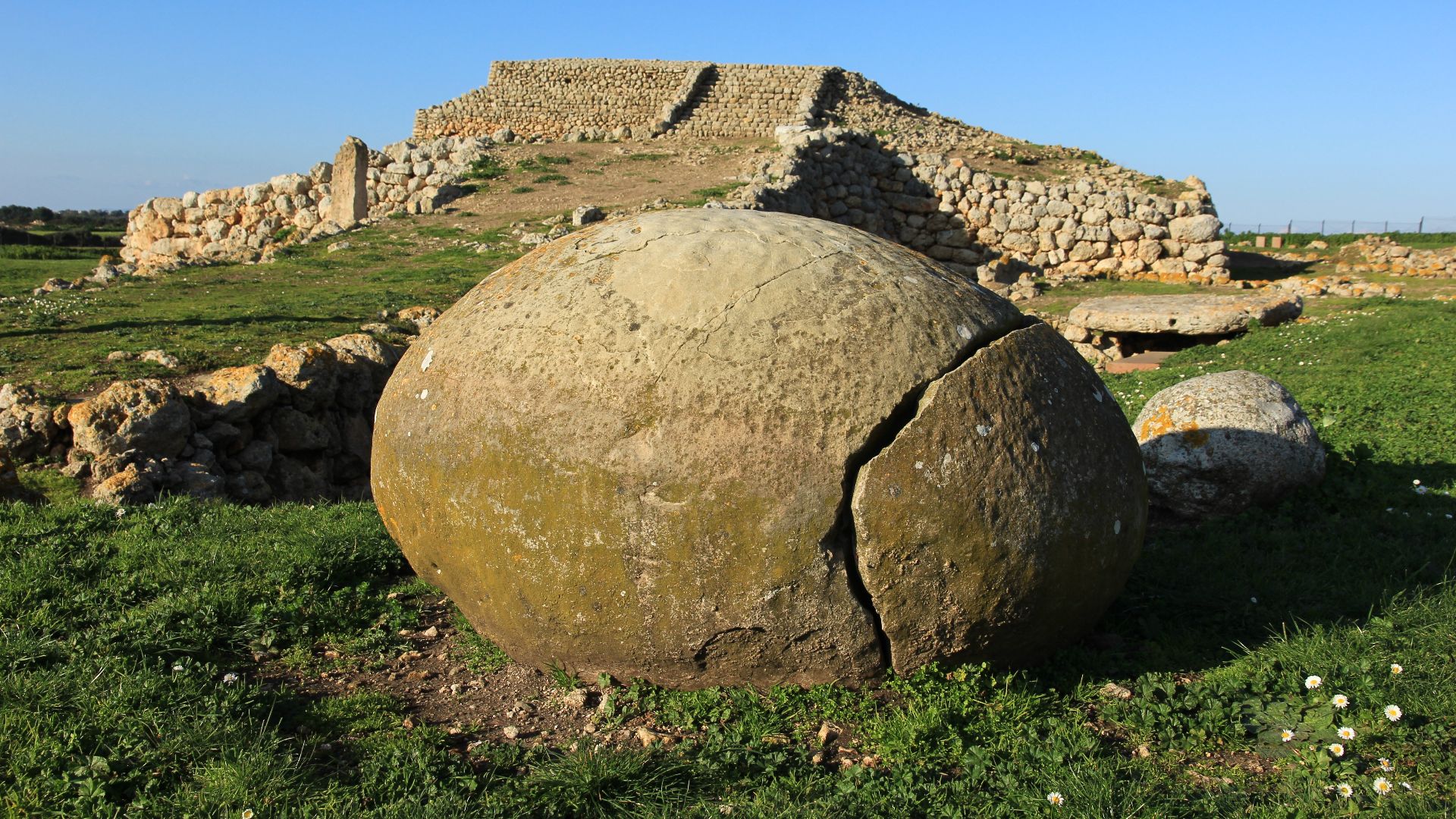
Monte D'Accoddi, Sassari, Sardinia, Italy
This ziggurat-like structure predates Mesopotamian step pyramids, with no migration evidence explaining similar designs. Animal remains indicate sacrificial altar purposes, though exact rituals remain debated without contemporary sources. Dating to 4000 BCE, the stepped pyramid's function as a sanctuary raises questions about independent architectural development.
 Gianni Careddu, Wikimedia Commons
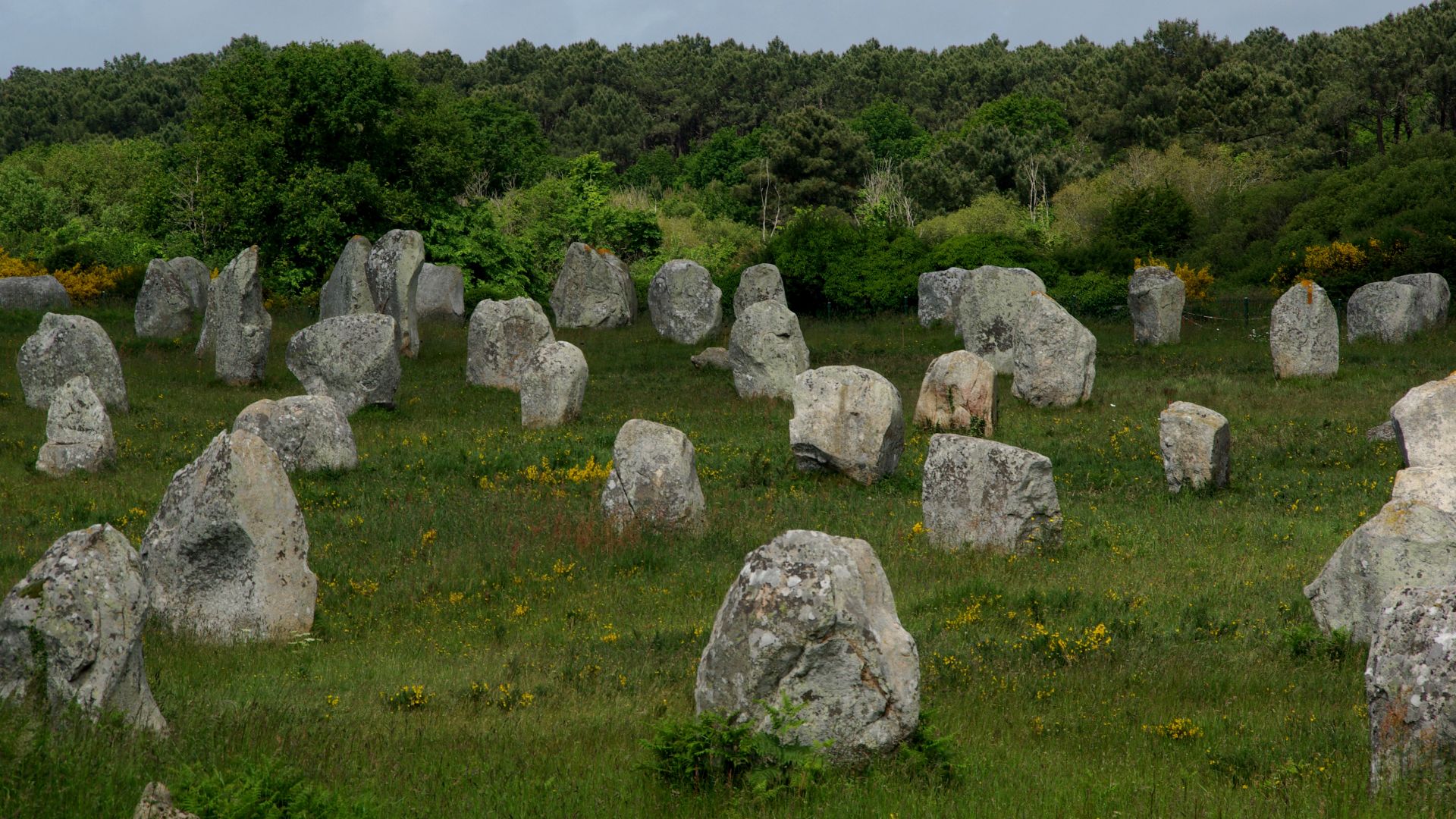
Carnac Stones, Brittany, France
Over 3,000 standing stones march in mysterious rows across the Brittany landscape without any evidence of a central authority organizing them. The massive coordination required between 4500 and 3000 BCE suggests immense societal unity that archaeologists can't fully explain. Legends have transformed these ancient monuments into petrified soldiers frozen mid-march by magic.
 Karsten Wentink, Wikimedia Commons