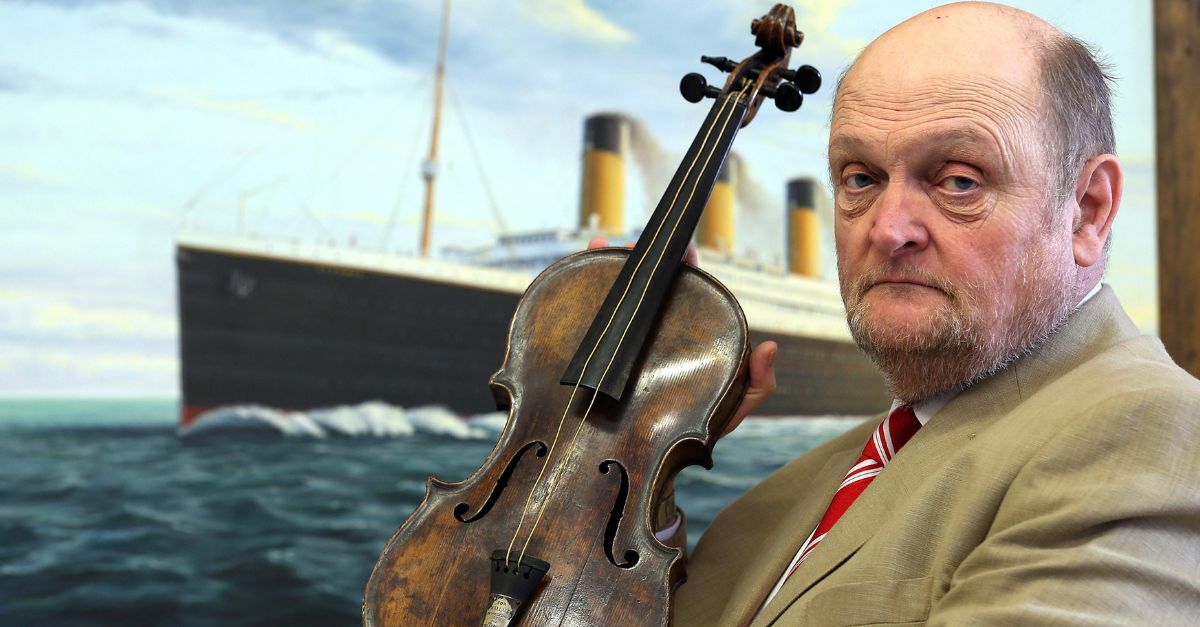
Treasures That Time Couldn’t Drown
Time claimed the ship, yet its treasures still command attention. Each recovered piece holds traces of history and emotion, reflecting the elegance and tragedy that continue to define the Titanic’s story beneath the Atlantic.

Signed Postcard – $20,000
A postcard signed aboard the Titanic stands as a rare piece of correspondence directly linked to the voyage. Bearing authentic postmarks and signatures, it provides tangible evidence of daily life before tragedy struck, offering collectors a personal connection to history’s most infamous maritime disaster.
 Unknown authorUnknown author, Wikimedia Commons
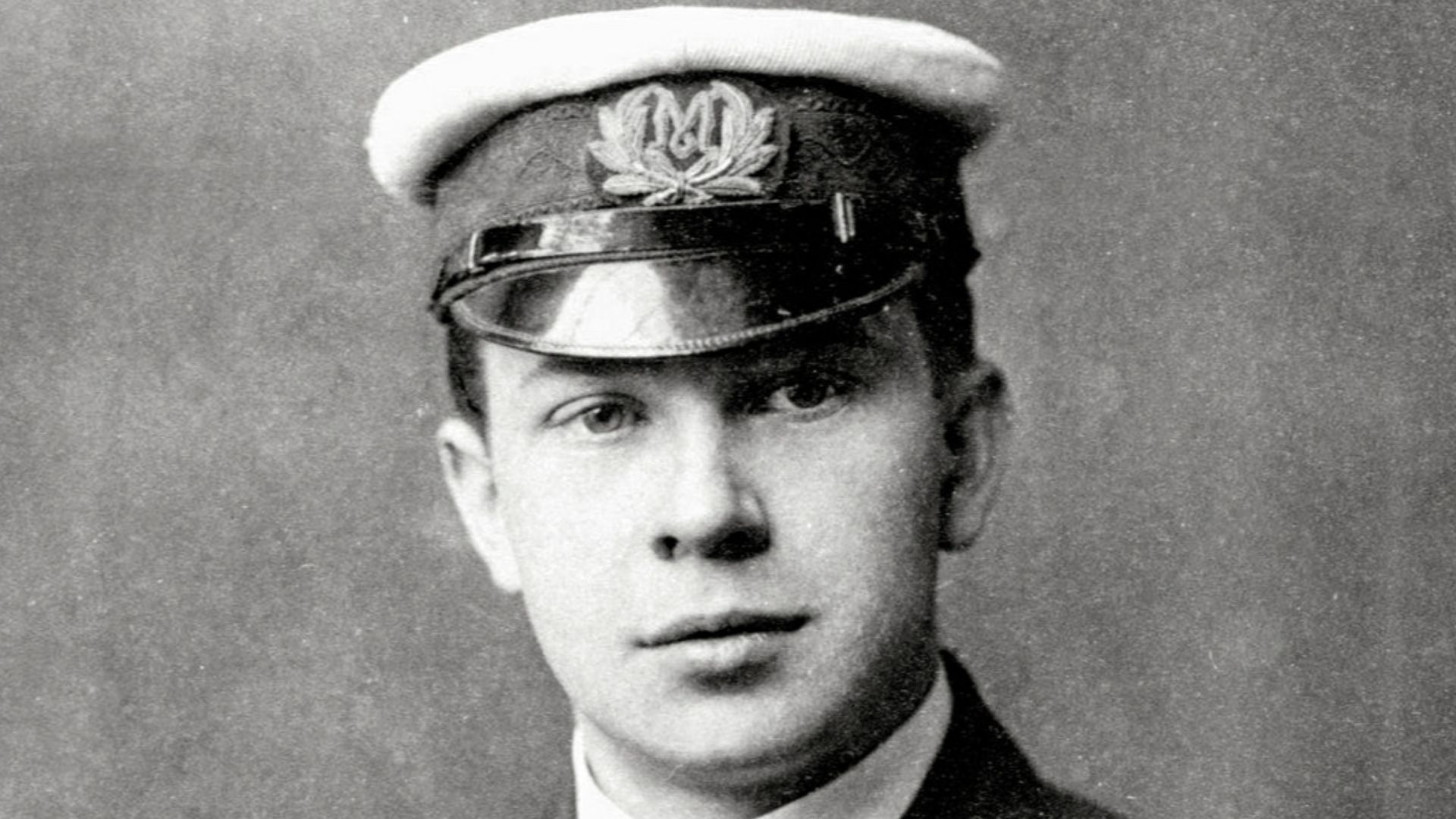
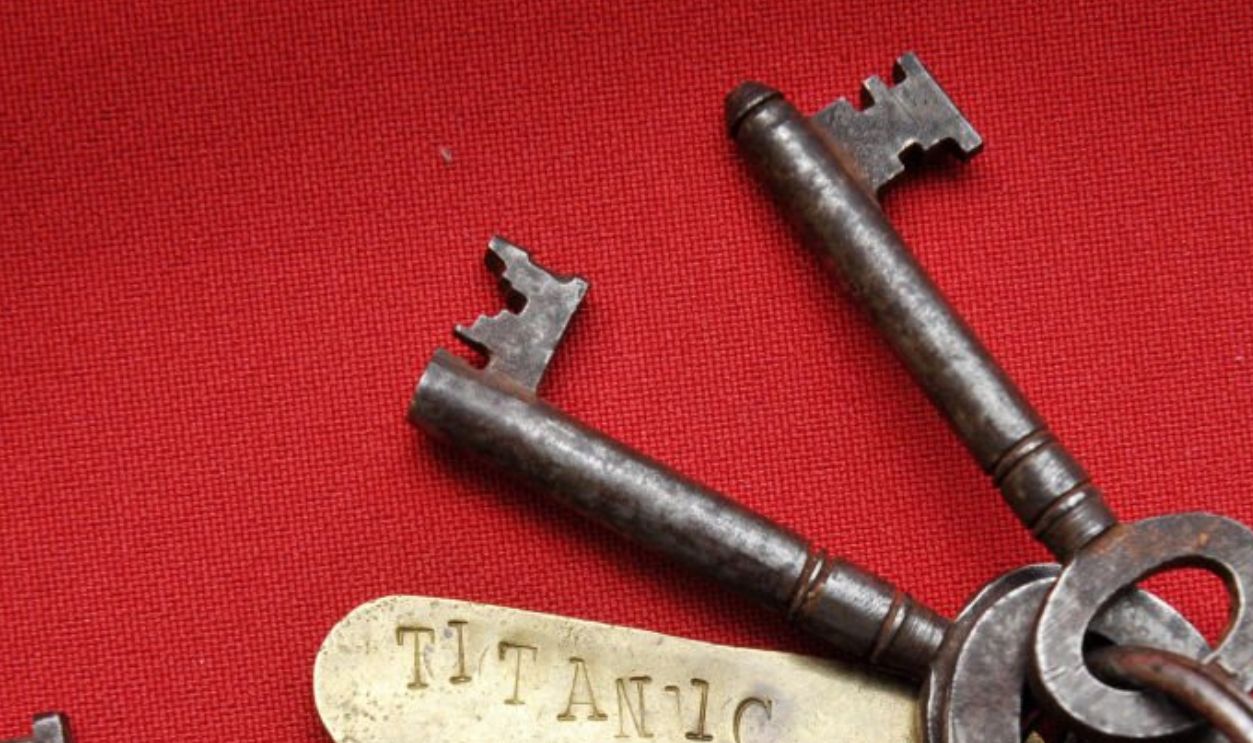
Samuel Hemming’s Keys – £20,000 ($27,900)
These keys belonged to Samuel Hemming, the ship’s lamp trimmer and one of Titanic’s surviving crew members. Used during his duties maintaining the ship’s lamps, they later became a symbol of service and survival, and it ended up selling for nearly $28,000 as a rare working relic.
 Tim Ireland - PA Images, Getty Images
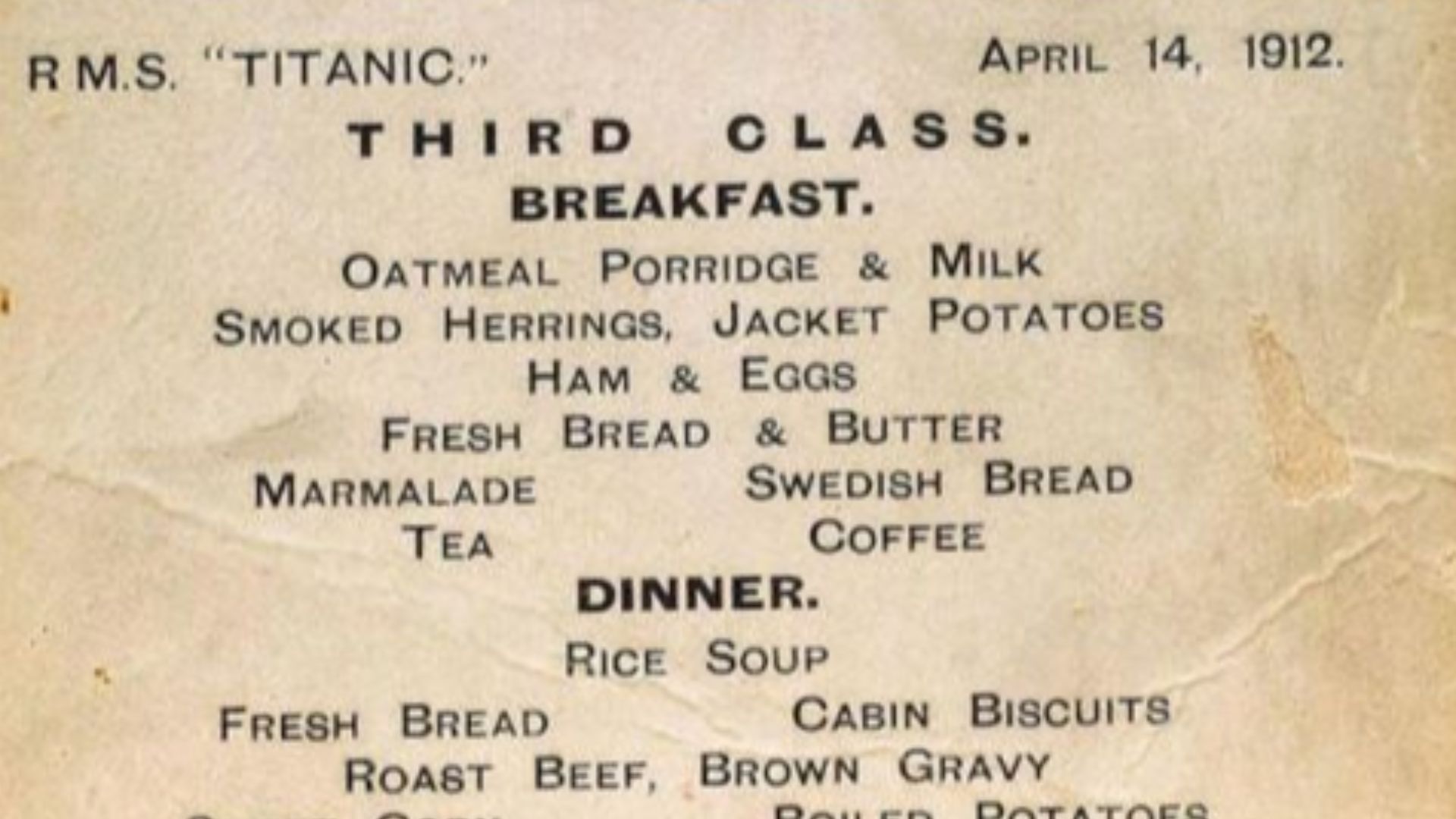
Third-Class Menu Postcard – $44,650
Printed for Titanic’s third-class passengers, this menu postcard represents the simplest comforts offered aboard the ship. Despite its modest purpose, its survival highlights the vast class contrasts on the voyage. It remains one of the few surviving menus from steerage accommodations.
 White Star Line, Wikimedia Commons
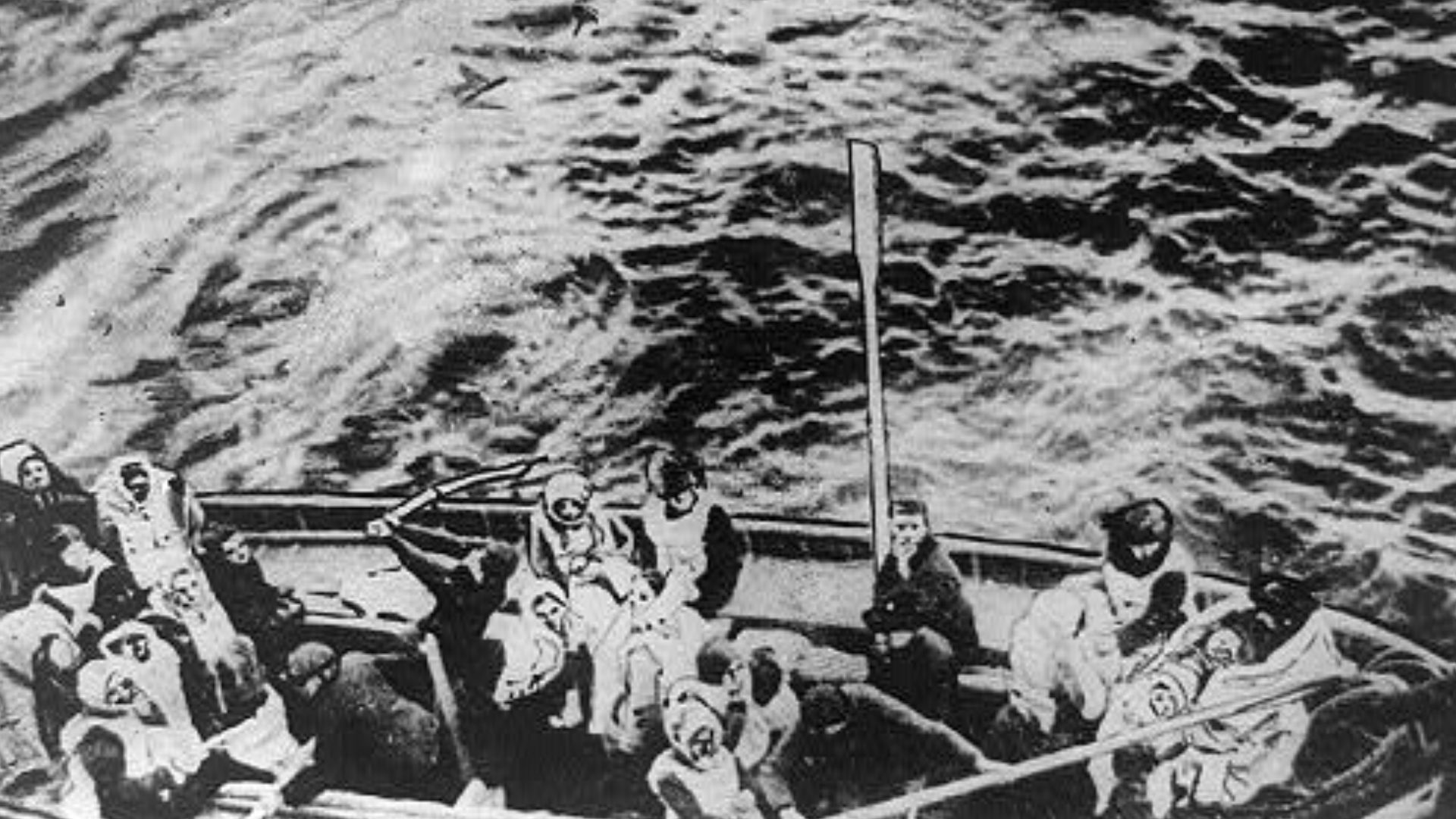
RMS Carpathia Rescue Report – $45,000
This official document from the RMS Carpathia details the ship’s rescue of 705 Titanic survivors. It records precise times, actions, and conditions during the operation. Valued for its direct connection to the aftermath, it is viewed as an important historical account of the disaster’s response efforts.
 George Grantham Bain Collection, Wikimedia Commons
First-Class Deck Plan (Straus Family) – $48,400
Originally belonging to the Straus family, first-class passengers who perished in the disaster, this detailed deck plan maps every level of the Titanic with remarkable precision. Preserved through generations, it offers historians a clear architectural record of the ship’s grandeur and its deeply human story.
 TedQuackenbush, Wikimedia Commons
Carpathia Rescue Medal – £45,000 ($52,000)
Presented to the crew of the RMS Carpathia by Titanic survivors, this gold medal honors their heroic actions during the rescue. Each inscription expresses gratitude for bravery under unimaginable pressure, making it one of the most meaningful awards linked to the tragedy.

Unused Lifejacket – $68,500
An unused lifejacket from the White Star Line is one of the rarest safety items connected to the Titanic. It remains in excellent condition and reflects the ship’s design standards to offer insight into how safety was viewed aboard luxury liners of the early 1900s.

Bronze Lifeboat Nameplates – £40k each (up to $70,000)
Stamped with lifeboat numbers, these bronze nameplates identified the vessels used during the evacuation. Each piece bears evidence of wear from harsh sea conditions. Collectors value them for their authenticity and direct connection to the desperate efforts that saved hundreds of lives.


History's most fascinating stories and darkest secrets, delivered to your inbox daily.
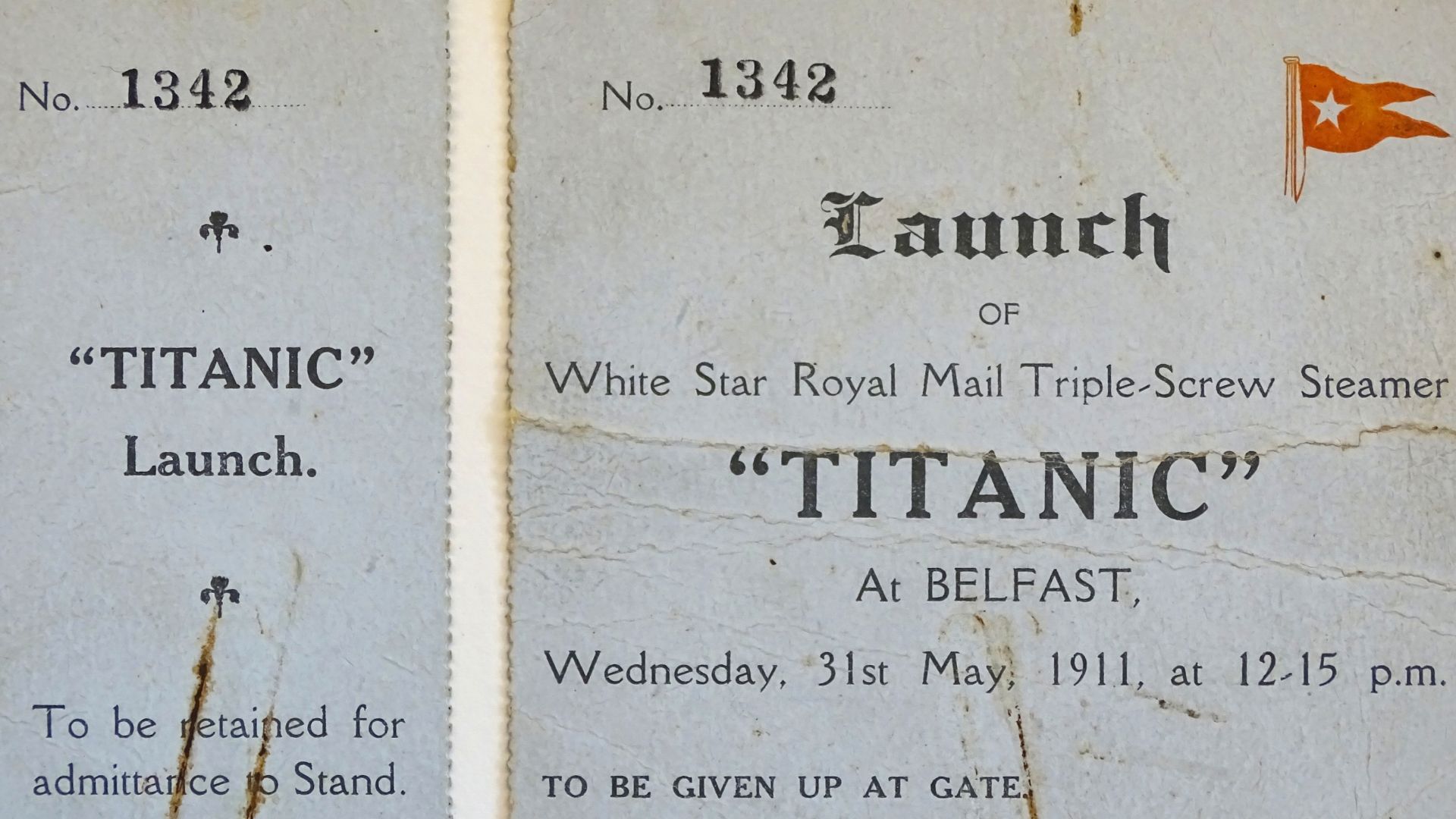
Unused Launch Ticket – up to $70,000
A ticket for Titanic’s 1911 launch event was one of the earliest items associated with the ship. Never redeemed, it captures the public excitement surrounding the vessel’s debut. Its pristine condition and rarity contribute to its remarkable value at auction.
 Adam Jones from Kelowna, BC, Canada, Wikimedia Commons
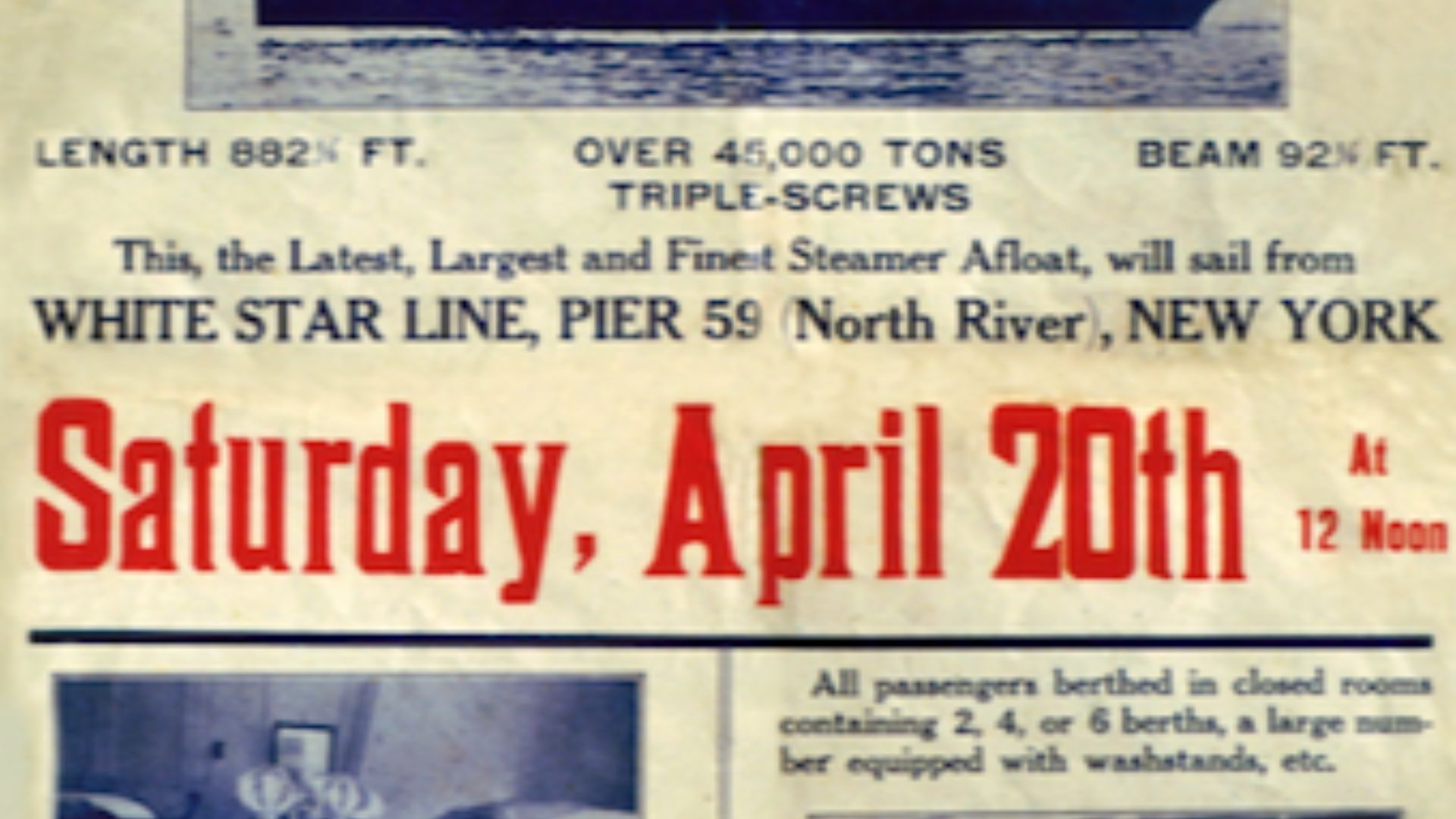
Return Voyage Poster – £62,000 ($82,000)
Printed to promote the Titanic’s scheduled return trip to New York, this poster never served its purpose. The bold typography and confident messaging now stand in stark contrast to the ship’s fate to transform it into a chilling relic of misplaced optimism.
 White Star Line, Wikimedia Commons
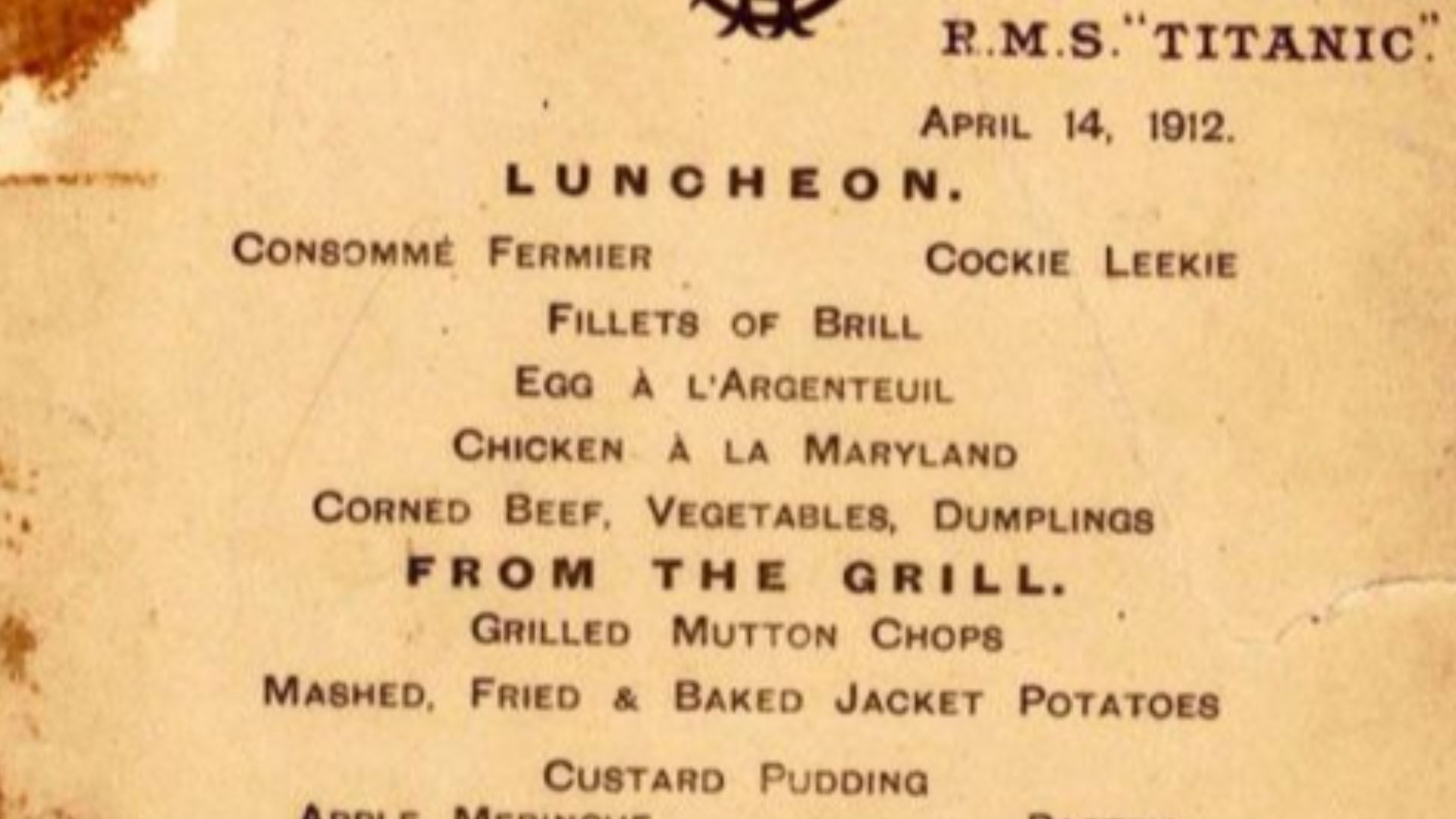
Final First-Class Lunch Menu – $88,000
Taken from the ship on its last noon, the final first-class dinner menu lists elaborate dishes once served in the opulent dining saloon. It captures the luxury that defined the voyage and has become one of the most sought-after paper artifacts.
 White Star Line, Wikimedia Commons
Rescue Sextant (Captain Rostron) – £66,000 ($95,000)
Captain Arthur Rostron’s sextant from the RMS Carpathia played an important role in navigating to the Titanic’s last known coordinates. Awarded high praise for his precision and speed, Rostron’s instrument remains a lasting symbol of maritime skill and leadership under pressure.
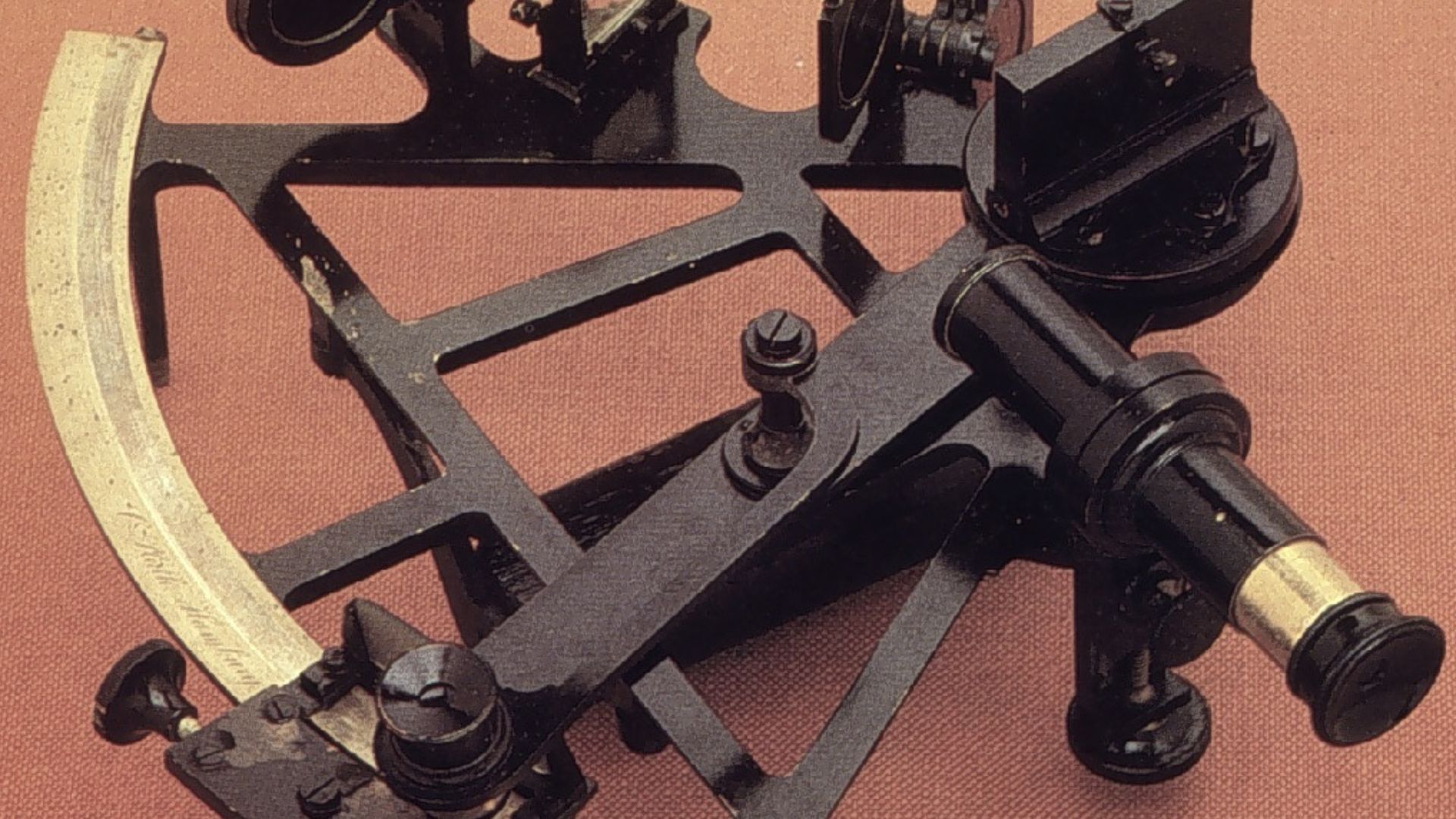 Lokal Profil, Wikimedia Commons
First-Class Menu (April 11, 1912) – £83,000 ($102,000)
This menu, dated April 11, 1912, offers a rare look at daily life aboard the Titanic before the tragedy. It features lavish meals served to elite passengers, reflecting the era’s grandeur and the White Star Line’s commitment to unmatched luxury at sea.
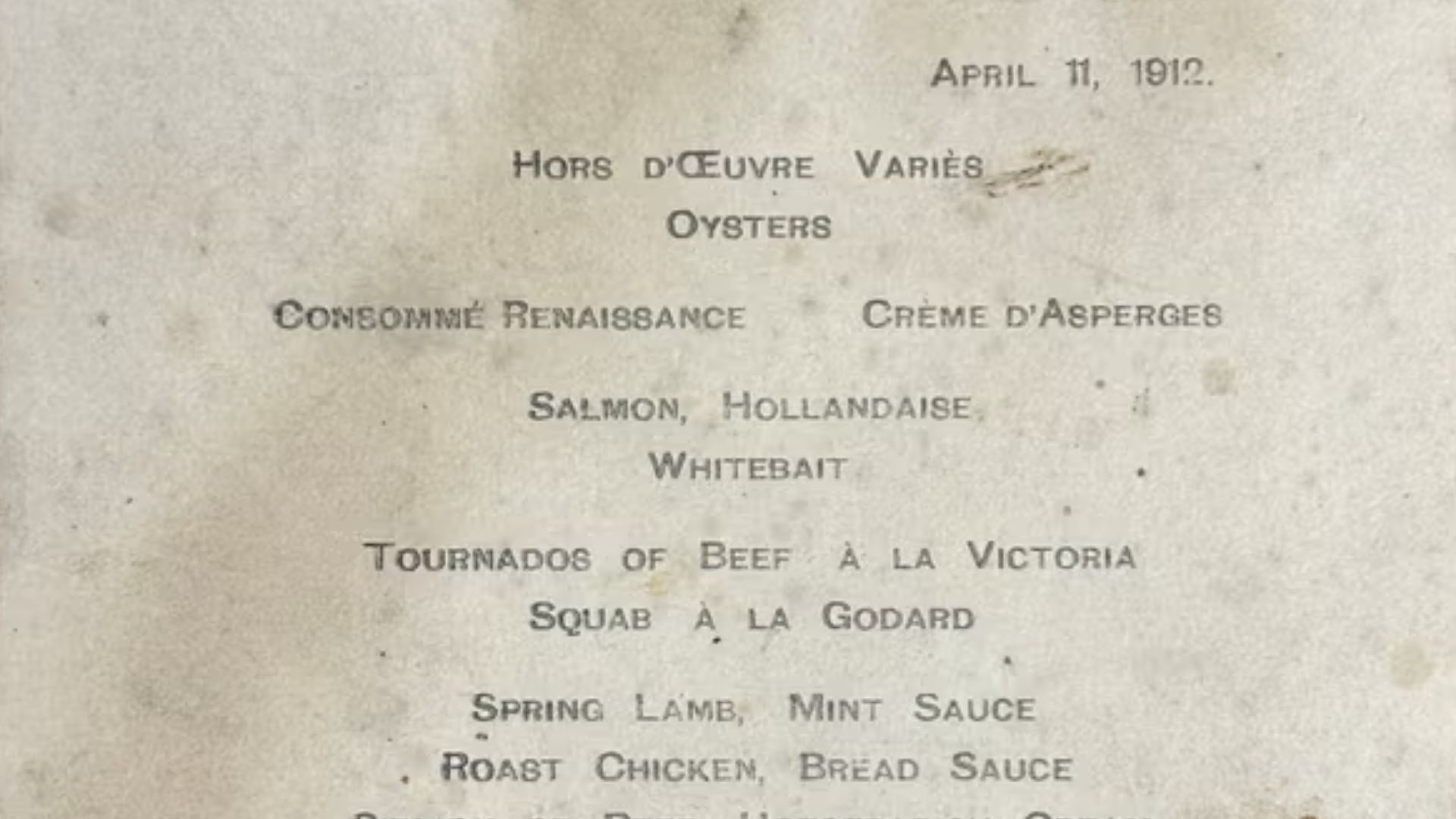 Unknown authorUnknown author. Photograph: Henry Aldridge & Son/PA., Wikimedia Commons
C.S. MacKay-Bennett Deck Log – £52,000 ($102,000)
Kept aboard the cable ship MacKay-Bennett, this deck log documents the grim recovery operation following the sinking. The pages are filled with record coordinates, sea conditions, and recovery details with meticulous precision to preserve a factual record of one of history’s darkest maritime missions.
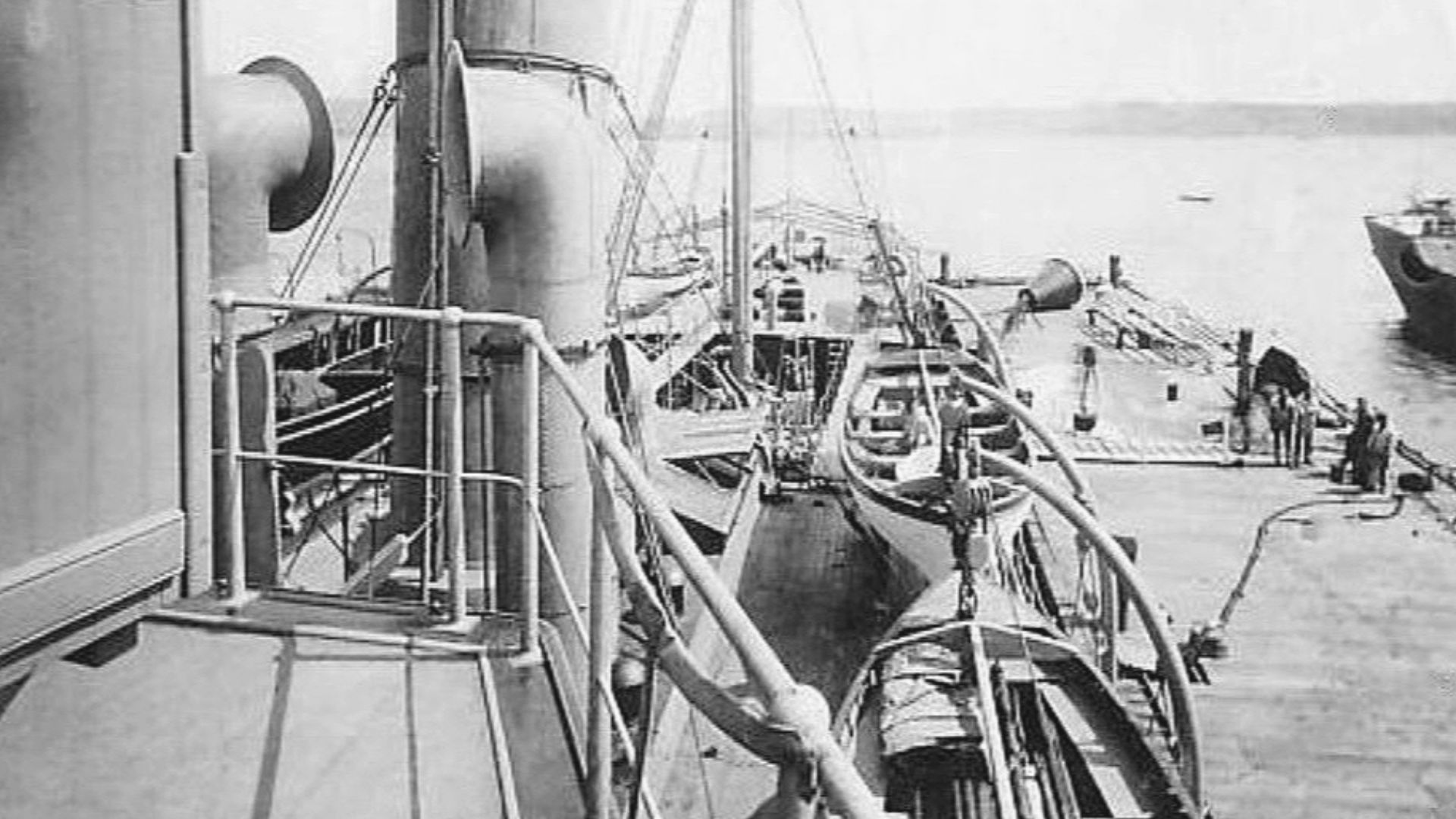 American Press Association, Wikimedia Commons
Lifeboat Blanket (White Star Line) – £96,000 ($117,000)
The lifeboat blanket marked with the White Star Line insignia was recovered after the survivors reached safety. Its wool fabric is still intact, which reveals the fine standards aboard the Titanic, offering historians a direct connection to the ship’s rescue and aftermath.
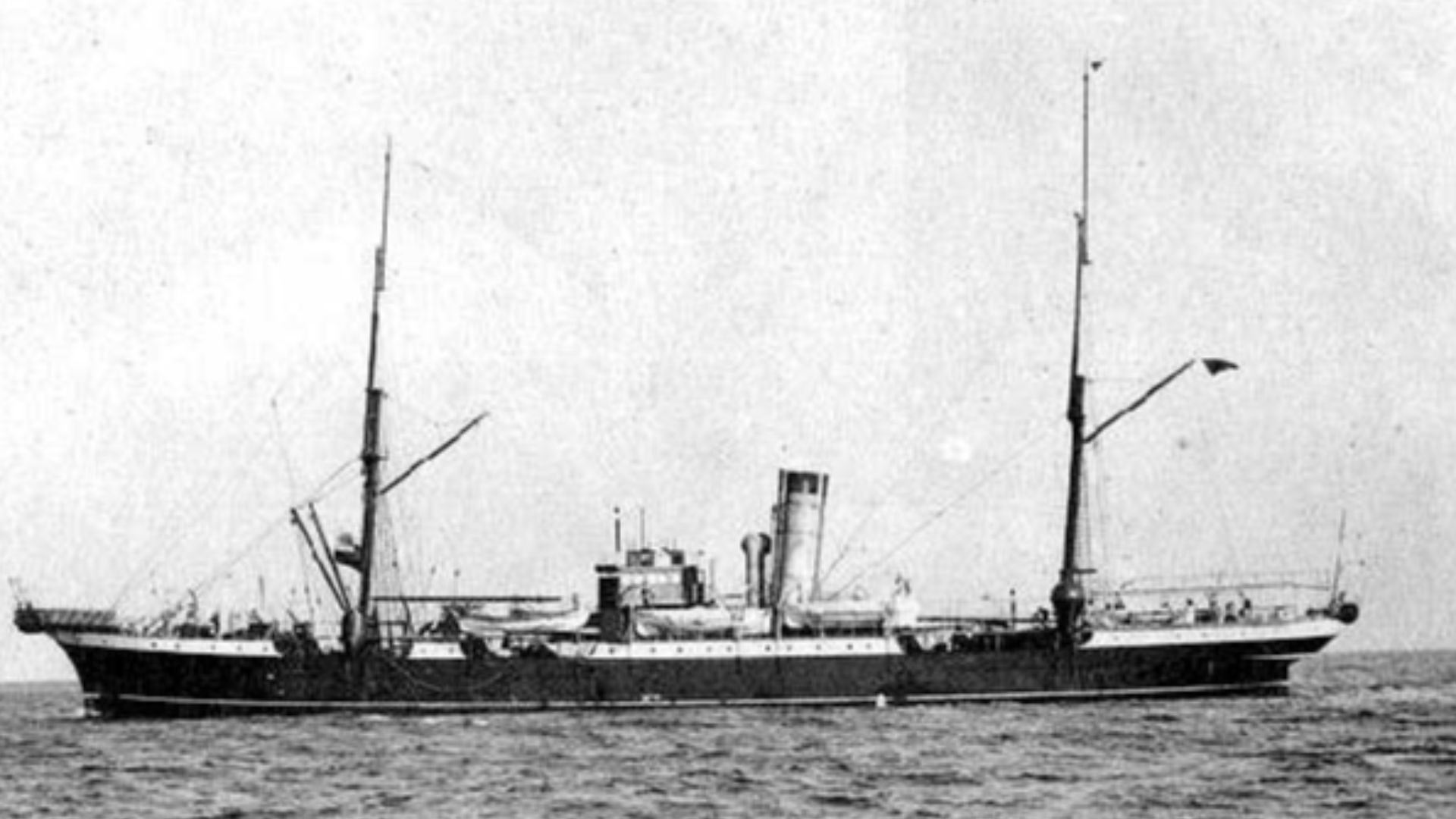 Unknown authorUnknown author, Wikimedia Commons
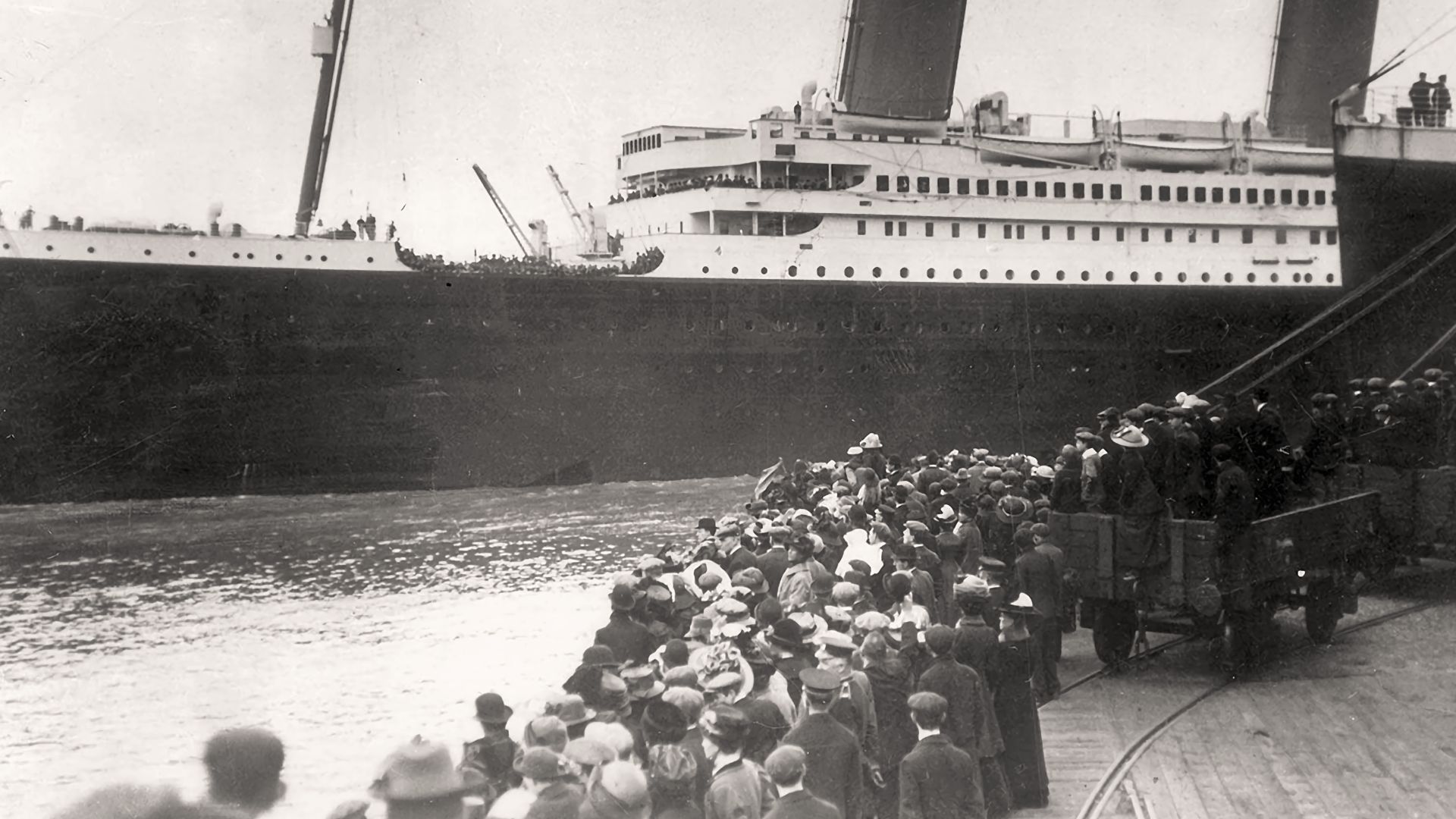
Sinai Kantor’s Pocket Watch – $118,700
This pocket watch belonged to Sinai Kantor, a Russian immigrant traveling in second class with his wife, Miriam. It was recovered with his body and later returned to his family. The corroded hands stopped near the sinking’s final minutes to capture the Titanic’s tragic timeline.
 Unknown authorUnknown author, Wikimedia Commons
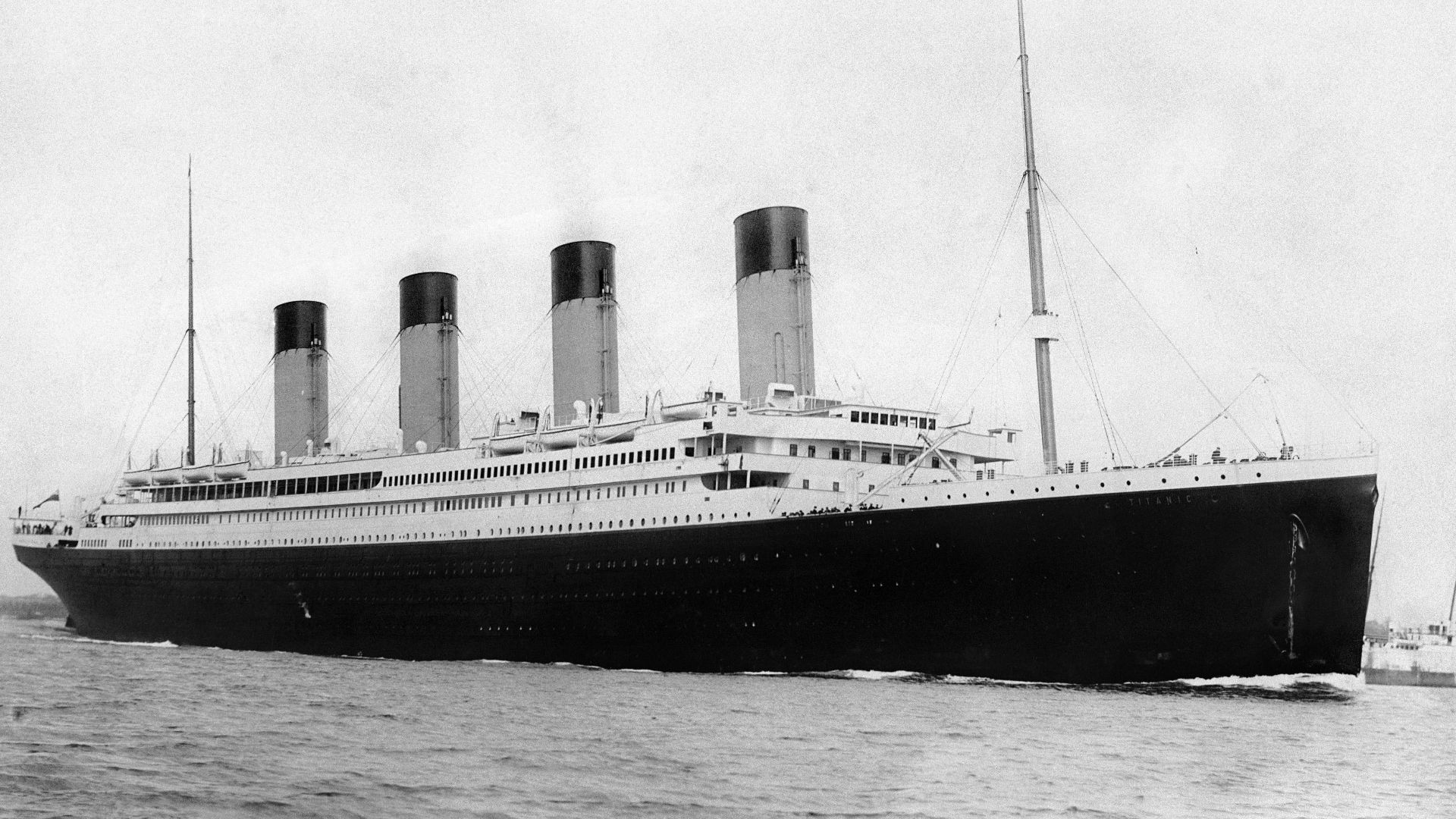
Keys To The Crow’s Nest – £90,000 ($147,924)
Second Officer David Blair mistakenly kept these keys when reassigned before the Titanic’s departure, leaving the lookouts without access to binoculars. This oversight became legendary after the collision. Sold for £90,000 ($147,924), they remain one of the most discussed maritime artifacts.
 F.G.O. Stuart (1843-1923), Wikimedia Commons
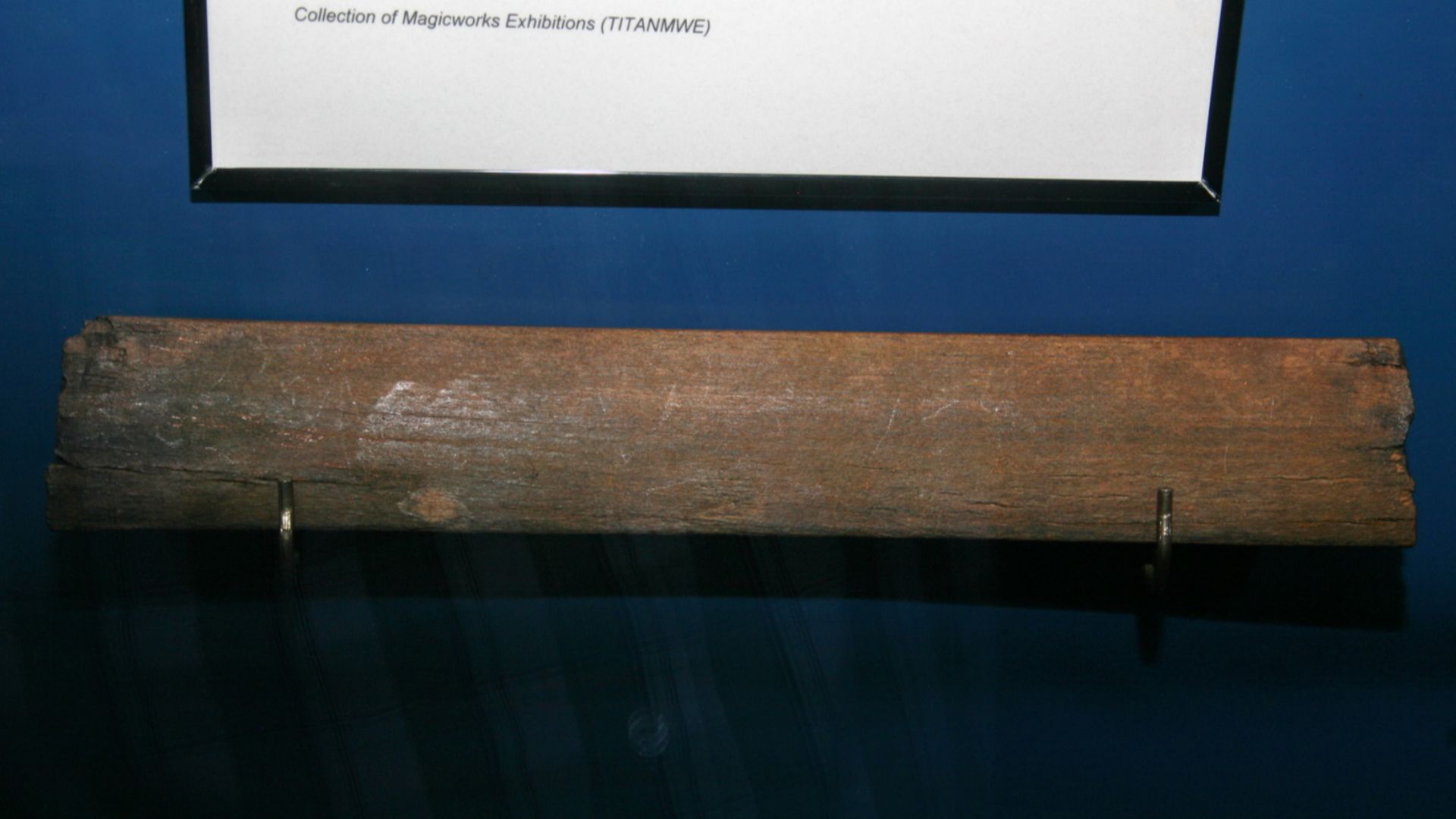
Deck Chair (Mackay-Bennett Recovery) – £100,000 ($150,000)
Recovered from the Atlantic by the cable ship MacKay-Bennett, this deck chair once stood on the Titanic’s first-class promenade. Made of slatted wood and caned seating, it represents early 20th-century ocean-liner design and is one of the rarest original furnishings ever found.
 cliff1066™ / Cliff from Arlington, Virginia, Wikimedia Commons
Oscar Holverson’s Titanic Letter – £126,000 ($166,000)
Written on Titanic stationery and recovered from Oscar Holverson’s body, this letter survived seawater and time. The letter offers a vivid glimpse of life aboard the ship before disaster struck, earning its place as one of the most valuable Titanic documents ever sold.

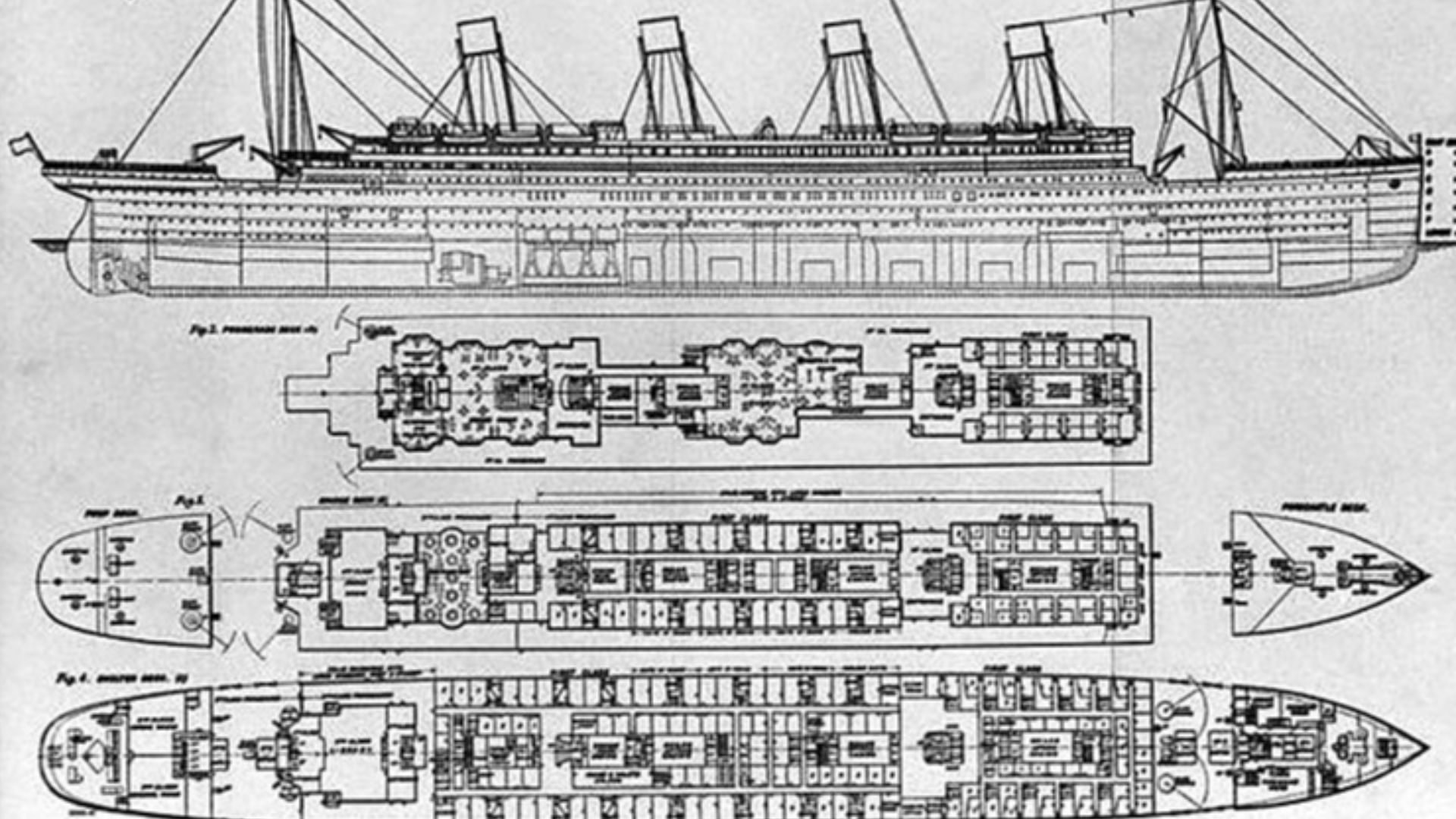
Titanic Inquiry Ship Plan – £220,000 ($243,000)
Created for the British Board of Trade inquiry, this enormous 33-foot plan was unrolled during official hearings to examine Titanic’s design. Marked with damage points and deck layouts, it served as vital evidence and remains a cornerstone document in maritime investigative history.
 Unknown authorUnknown author, Wikimedia Commons
Archibald Gracie’s Survivor Letter – £300,000 ($400,000)
Written aboard the Titanic on April 10, 1912, Archibald Gracie’s letter later sold for $400,000. As one of the few surviving firsthand accounts, it provides a rare perspective from a first-class passenger who experienced the disaster and documented the experience in detail.

Silver Pocket Flask – $100,000
Found after thirteen days in the Atlantic, the silver pocket flask tells its story through damage rather than shine. A deep dent cuts across its front, and heavy tarnish dulls the metal. Bearing the Candee crest and the motto “Fiel Pero Desdichado”—“Faithful but Unfortunate”—it perfectly mirrors the voyage’s fate.
 File Upload Bot (Magnus Manske), Wikimedia Commons
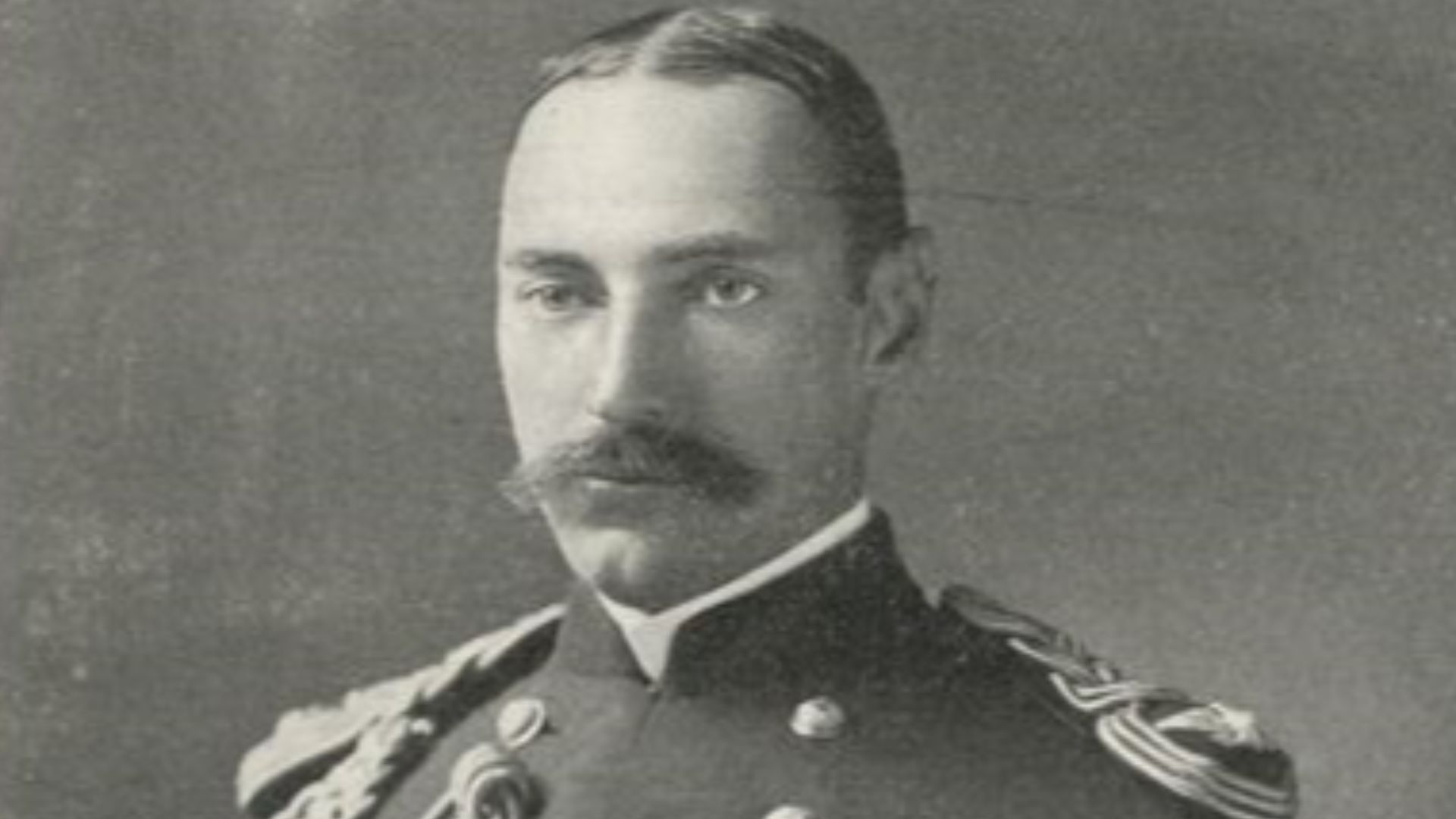
John Jacob Astor’s Gold Pocket Watch – $1.5 Million
Recovered from John Jacob Astor IV’s body, this gold pocket watch is among the most valuable personal items linked to the Titanic. Astor, the wealthiest passenger aboard, carried an immense fortune and influence. His watch is considered a lasting symbol of luxury overtaken by fate.
 Unknown authorUnknown author, Wikimedia Commons
Wallace Hartley’s Violin – $1.7 Million
Played by bandmaster Wallace Hartley as the Titanic sank, this violin was recovered in 2006 and authenticated after extensive testing. Sold for $1.7 million, it symbolizes courage and devotion, standing as one of the most emotionally powerful Titanic artifacts ever discovered.
 Wallace Henry Harvey, Wikimedia Commons
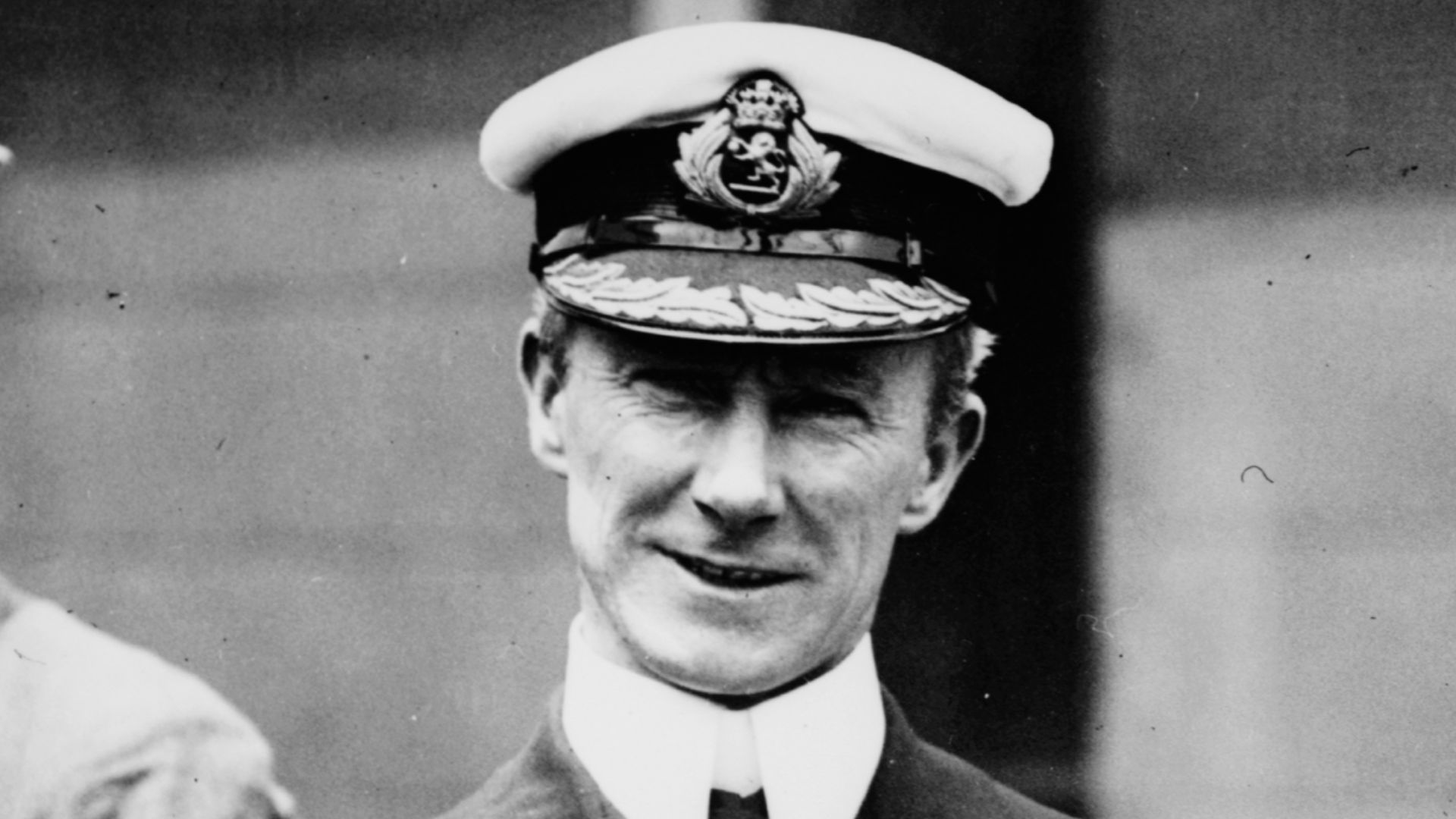
Captain Rostron’s Pocket Watch – $1.97 Million
Presented to Captain Arthur Rostron by Titanic survivors, this pocket watch bears an engraving of thanks and the date April 15, 1912. It honors his leadership aboard the RMS Carpathia during the rescue and was sold for $1.97 million, which set an auction record.
 Library of Congress, attribution UploaderMarcr2cat, Wikimedia Commons