A Strict No-Copy Allowed Policy
What are the odds anyone would find these objects? Answer: literally, one in a million. Sometimes the planet crafts something so rare it never repeats—a mountain, a relic, a living fossil, an animal, or a plant species.
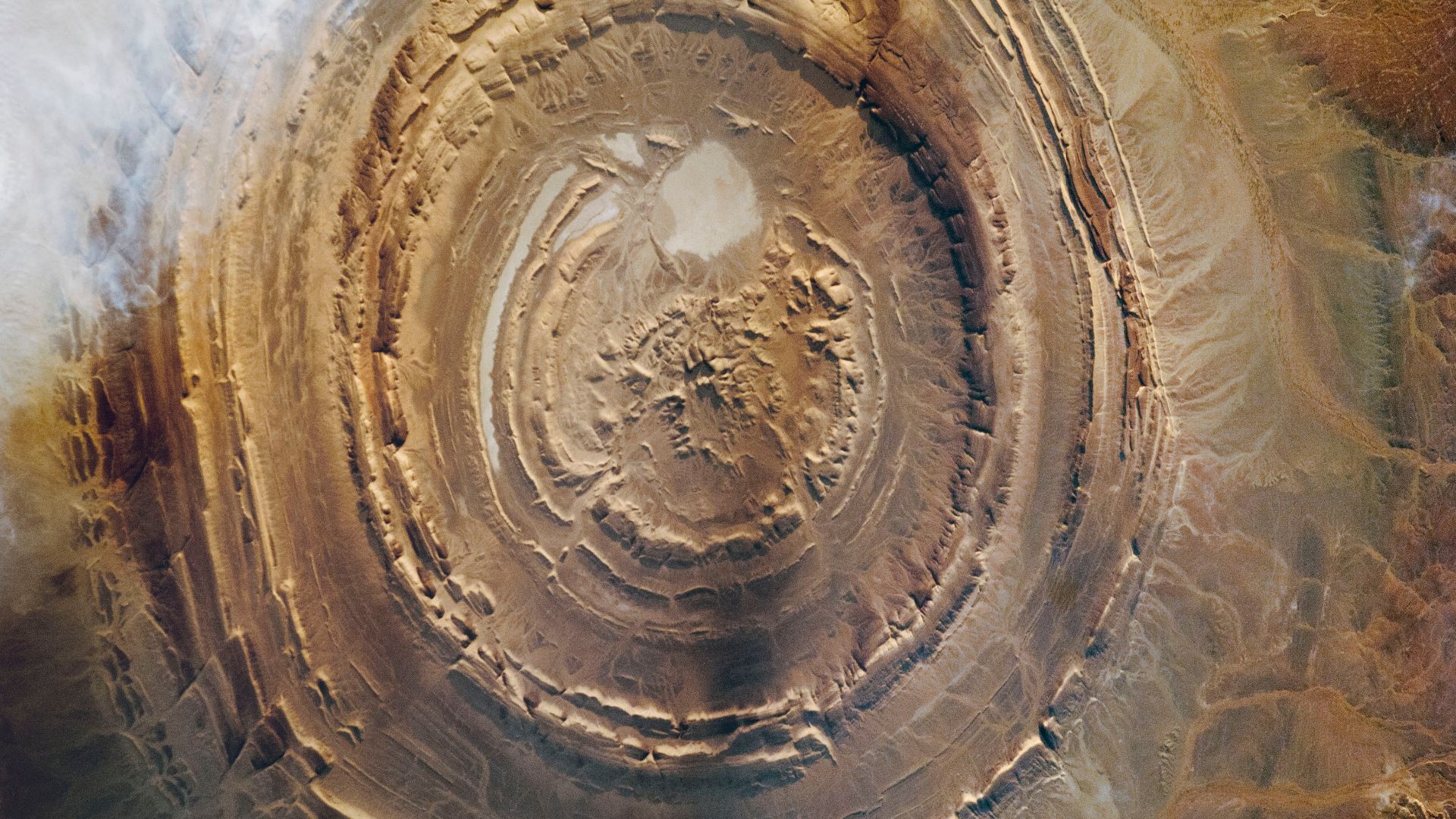
Eye Of The Sahara (Richat Structure)
Seen from orbit, Mauritania’s desert looks like a colossal bullseye—nearly 30 miles wide. The Eye of the Sahara formed when ancient rock layers eroded outward like ripples in stone. Astronauts use it as a landmark, and geologists regard it as Earth’s most distinctive geological feature.
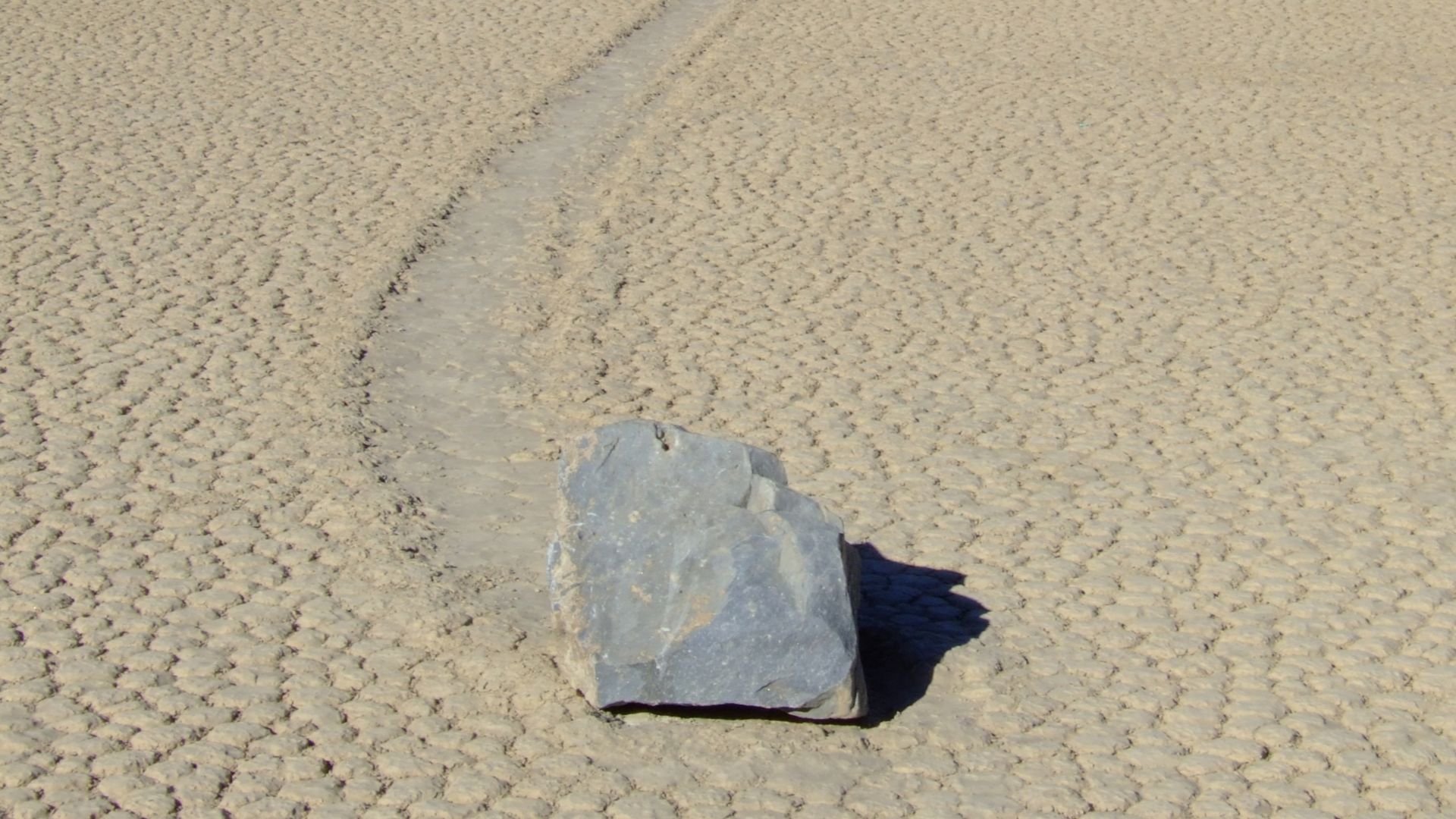
Sailing Stones Tracks
Imagine rocks gliding silently across Death Valley’s cracked floor, leaving trails behind them. These “sailing stones” at Racetrack Playa move when thin ice sheets melt and push them with gentle desert winds. It’s nature’s slowest race—an eerie ballet of geology and physics combined.
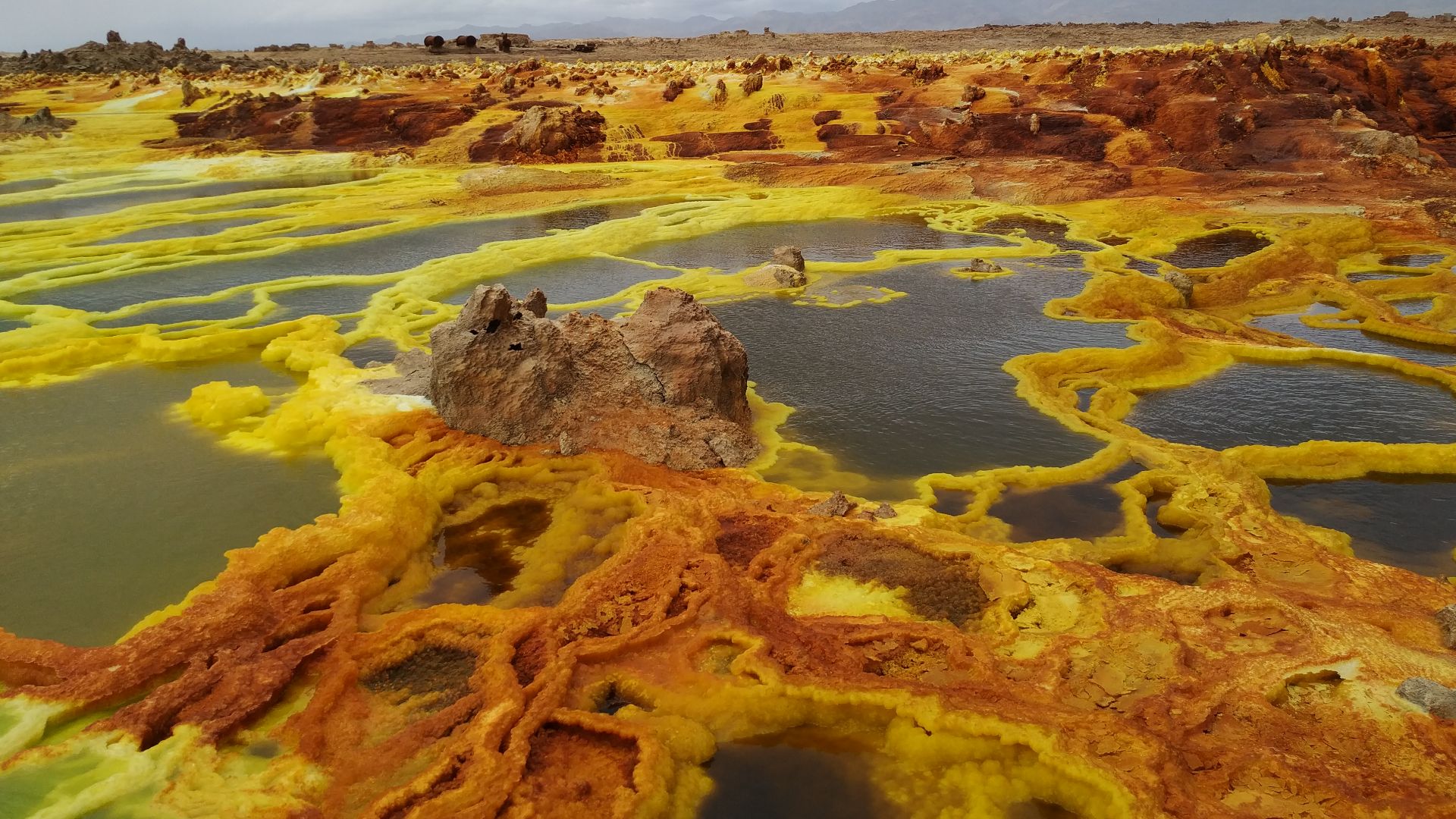
Dallol Sulfur Springs
In Ethiopia’s Danakil Depression, Dallol bubbles like a toxic painting. Its acidic pools reach nearly 200°F and shimmer neon green, yellow, and orange. No visible life forms, no microbes, just extreme chemistry at play. It’s among the few harshest habitats on Earth.
 Sharanbhurke, Wikimedia Commons
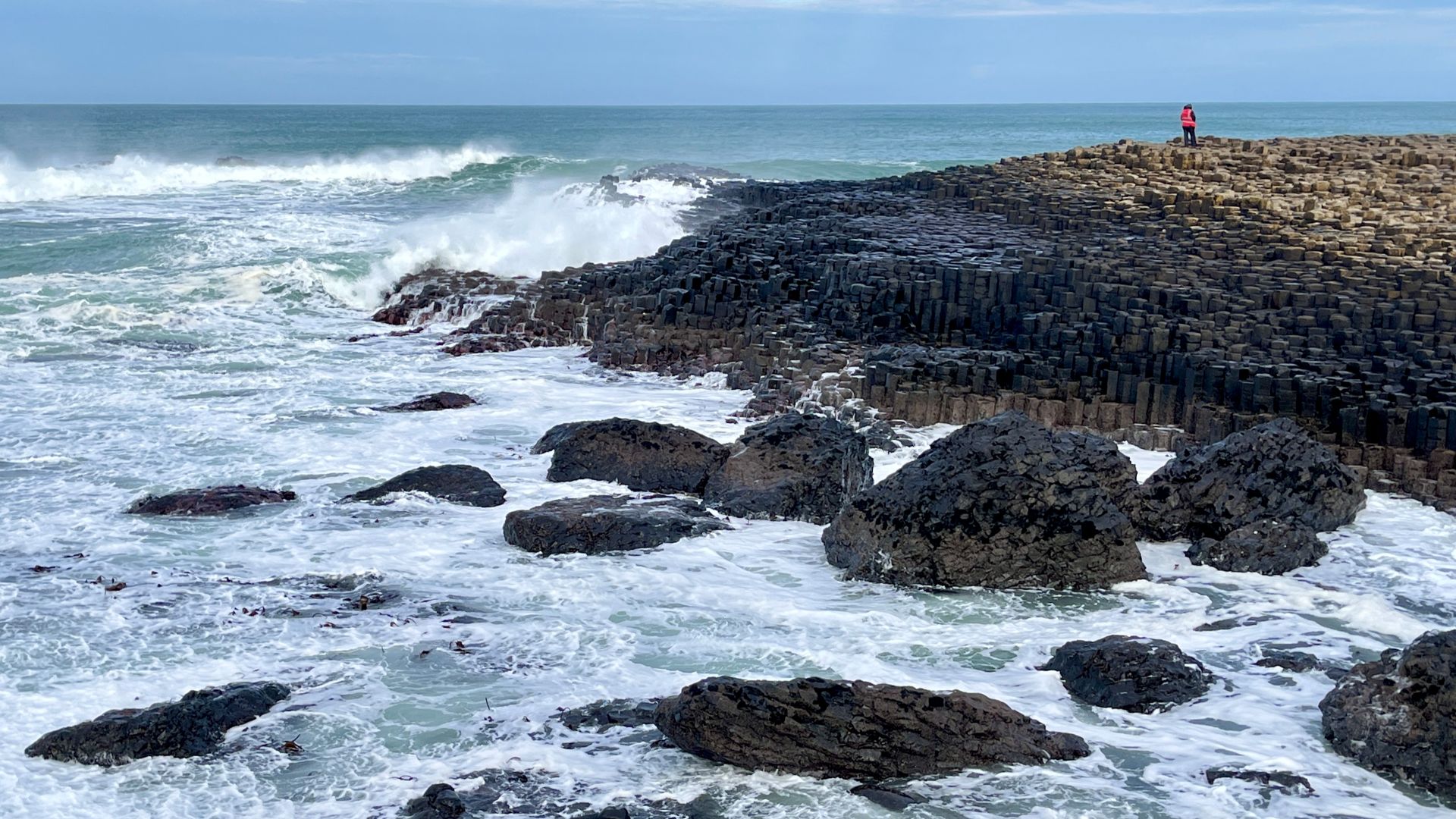
Giants Causeway
Walk Northern Ireland’s coast, and you’ll step across 40,000 basalt columns stacked like honeycombs. Each hexagonal stone fits perfectly, formed when lava cooled 50 million years ago. Legend says giants built it to reach Scotland; science calls it volcanic geometry perfected by time.
 XaetaRhythm, Wikimedia Commons
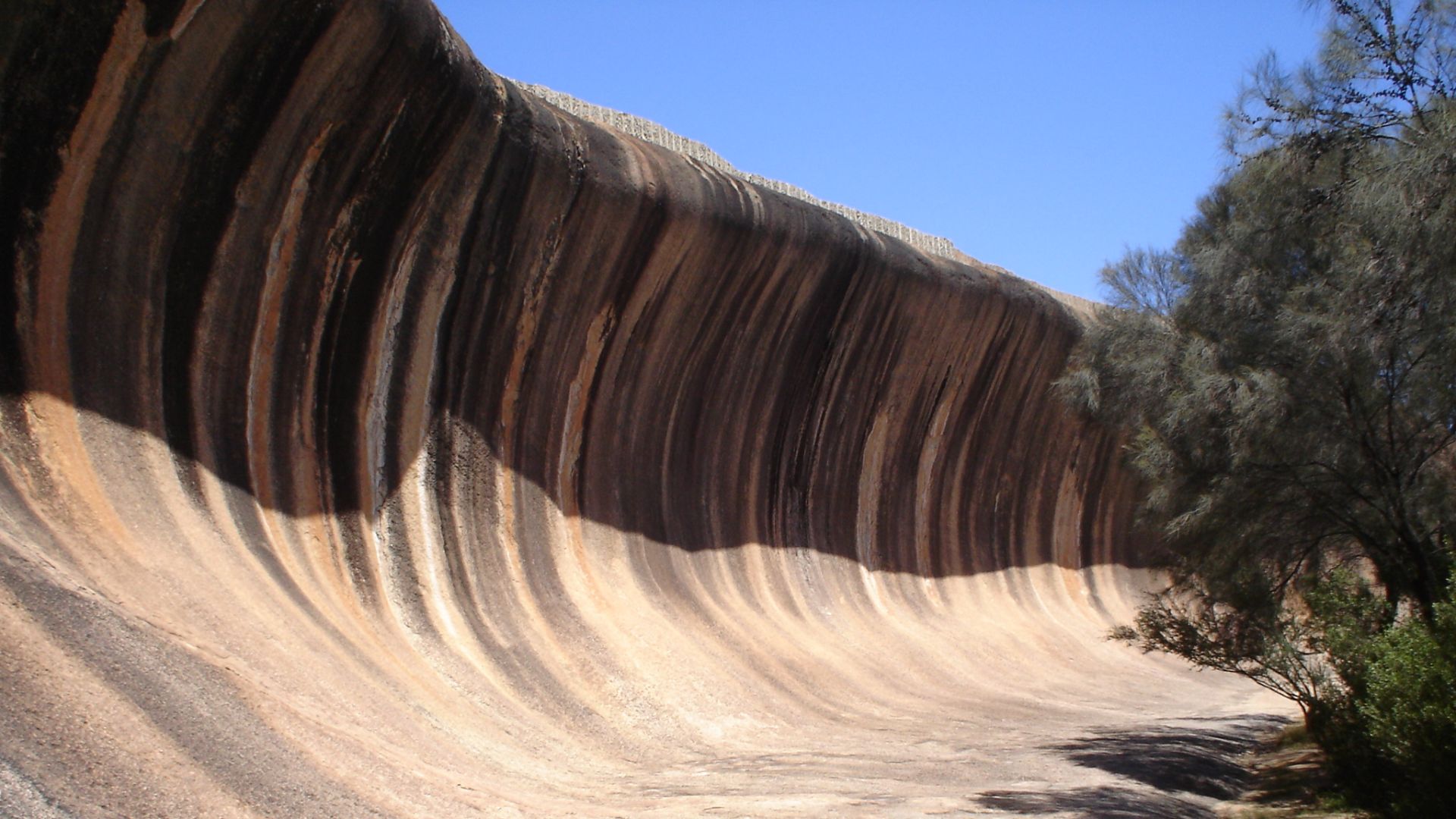
Wave Rock (Hyden Rock)
Western Australia hides a granite wave frozen mid-crash. Stretching 50 feet high and 360 feet long, Wave Rock was sculpted by wind and rain over 2.7 billion years. Local lore ties it to ancient water spirits, adding myth to its geological masterpiece.
 Kaliumfredrik at English Wikipedia, Wikimedia Commons
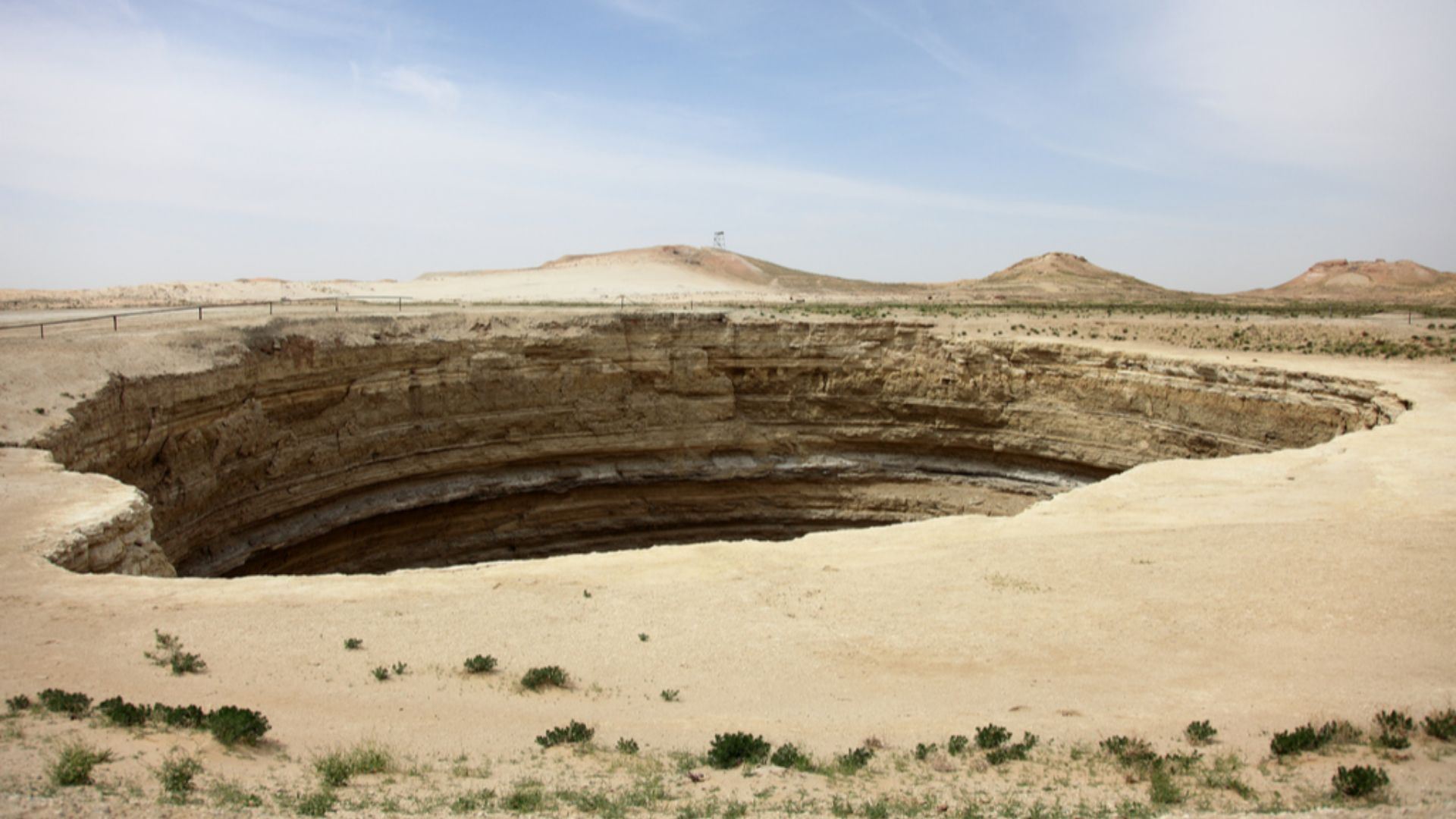
Door To Hell (Darvaza Gas Crater)
In Turkmenistan’s Karakum Desert, fire has burned for half a century. The Darvaza crater ignited in 1971 when a drilling rig collapsed and started releasing methane. Scientists lit it to prevent toxic leaks; however, it never went out. Tourists now camp beside its roaring glow.
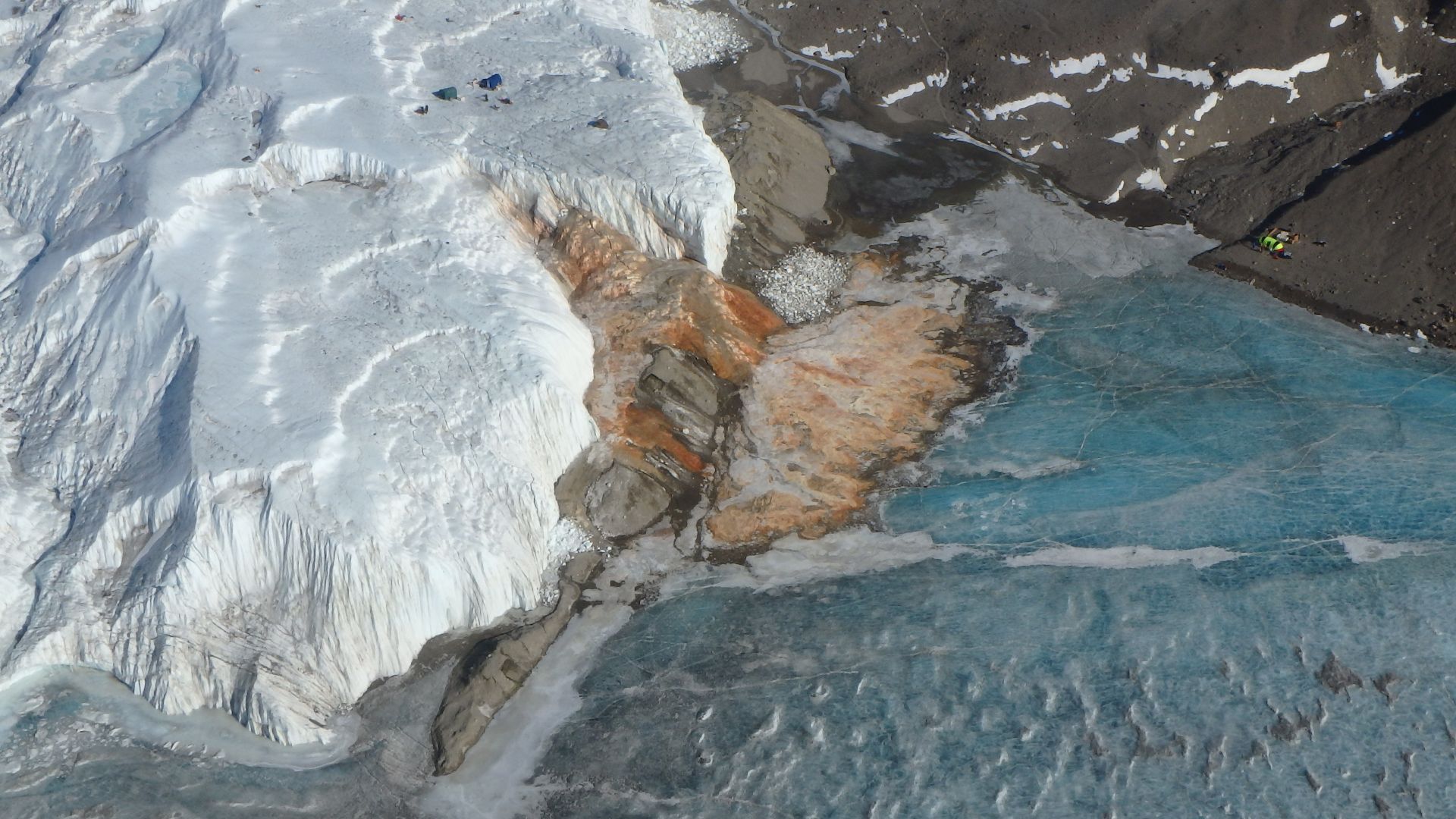
Blood Falls
Against Antarctica’s endless white, a waterfall the color of rust flows from Taylor Glacier. Beneath it lies a sealed pocket of ancient brine rich in iron and salt. When exposed to oxygen, it “bleeds” red. Here, chemistry is older than modern ice.
 US Embassy New Zealand, Wikimedia Commons
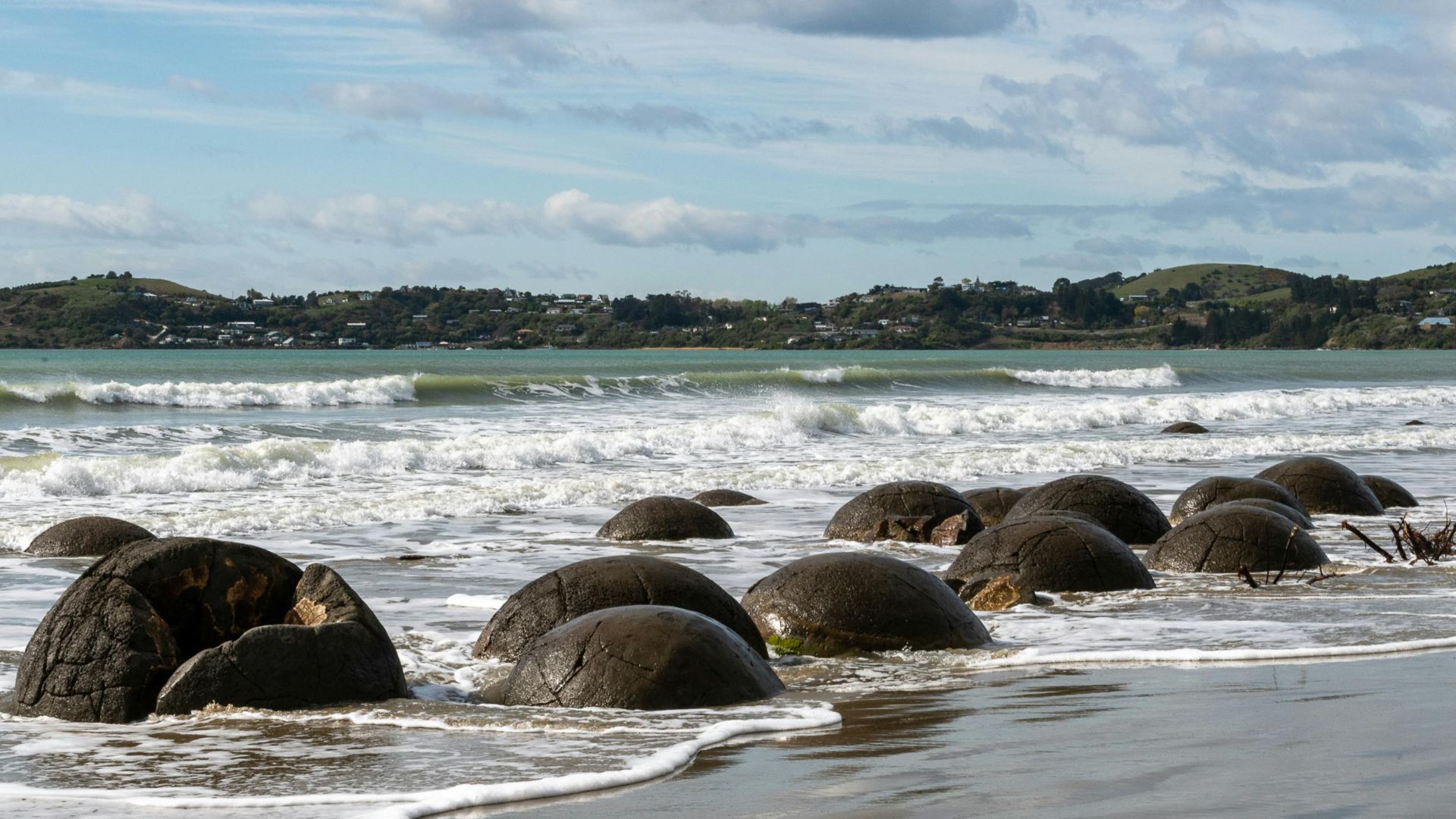
Moeraki Boulders
Scattered across New Zealand’s Koekohe Beach are perfect stone spheres, some as wide as SUVs. They formed 60 million years ago when minerals cemented around marine mud. Waves reveal them like eggs from the Earth, each one a natural sculpture of symmetry.

History's most fascinating stories and darkest secrets, delivered to your inbox daily.
Chocolate Hills
Over 1,200 identical mounds rise from the island of Bohol like scoops of cocoa ice cream. During the dry season, their grass turns chocolate brown—hence the name. These limestone formations eroded evenly, creating one of Asia’s most visually delicious scenes.
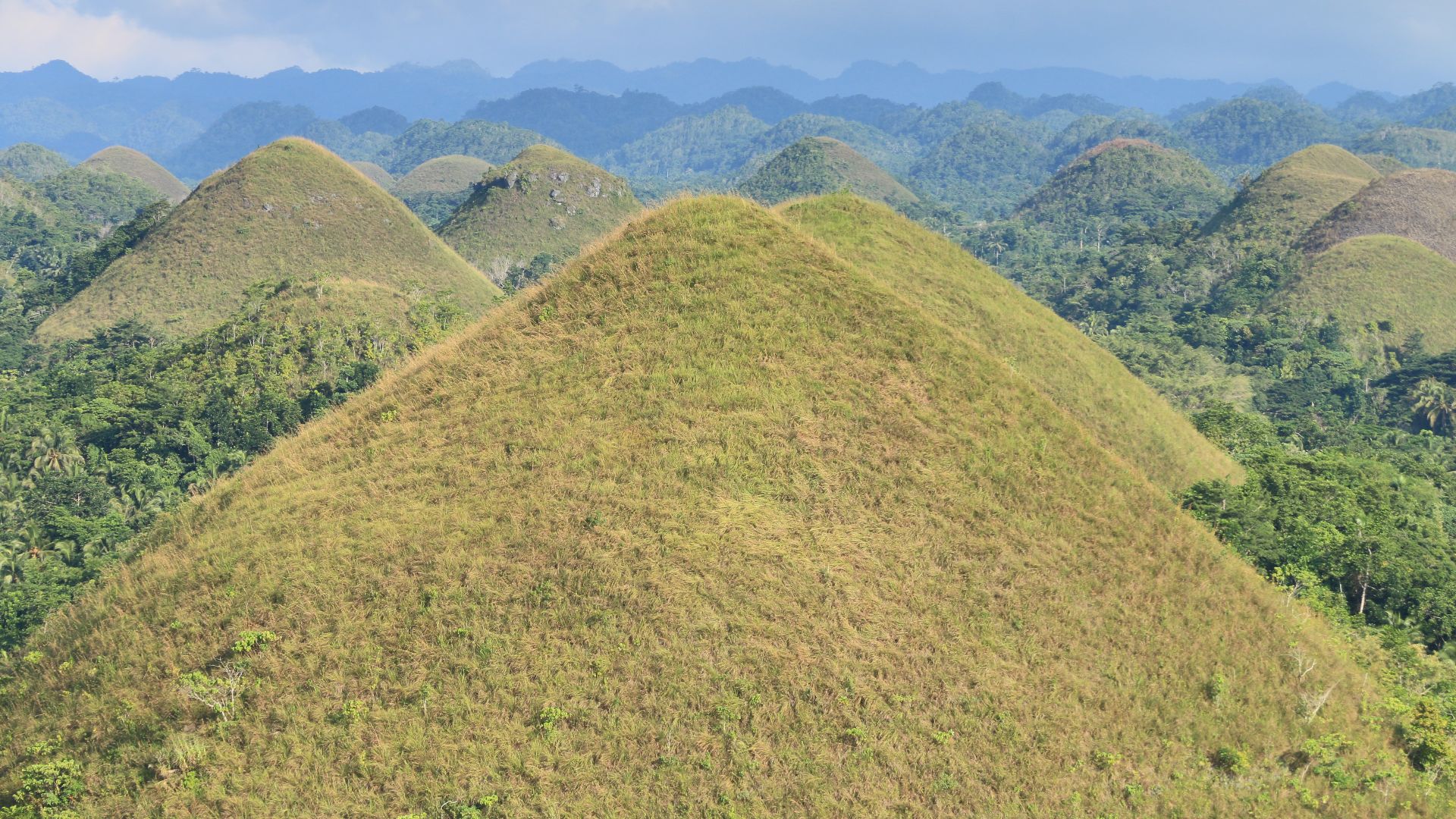 Oyvind Holmstad, Wikimedia Commons
Zhangjiajie Pillars
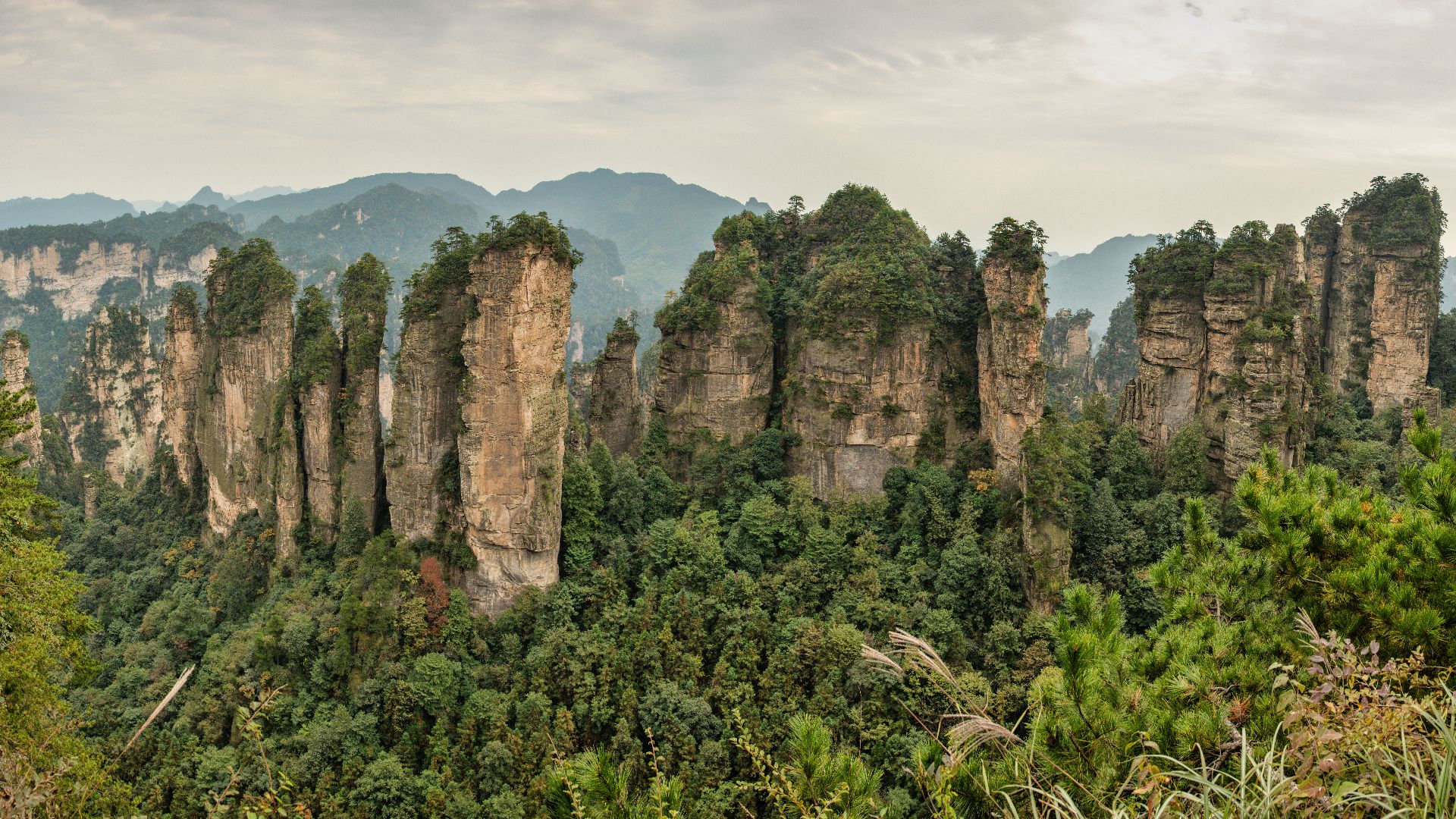
Rising through mist in China’s Wulingyuan region, these towering sandstone spires inspired Avatar’s floating mountains. Wind and frost carved them into gravity-defying shapes over millennia. Some rise nearly 650 feet tall and turn the scenery into a living fantasy of vertical wilderness.
Dragon’s Blood Tree
Socotra Island’s terrain feels otherworldly, crowned by umbrella-shaped Dragon’s Blood Trees. Their crimson resin was once used for dye, medicine, and even violin varnish. Adapted to survive with minimal rainfall, these trees stand as living relics of ancient Arabia’s trade routes.
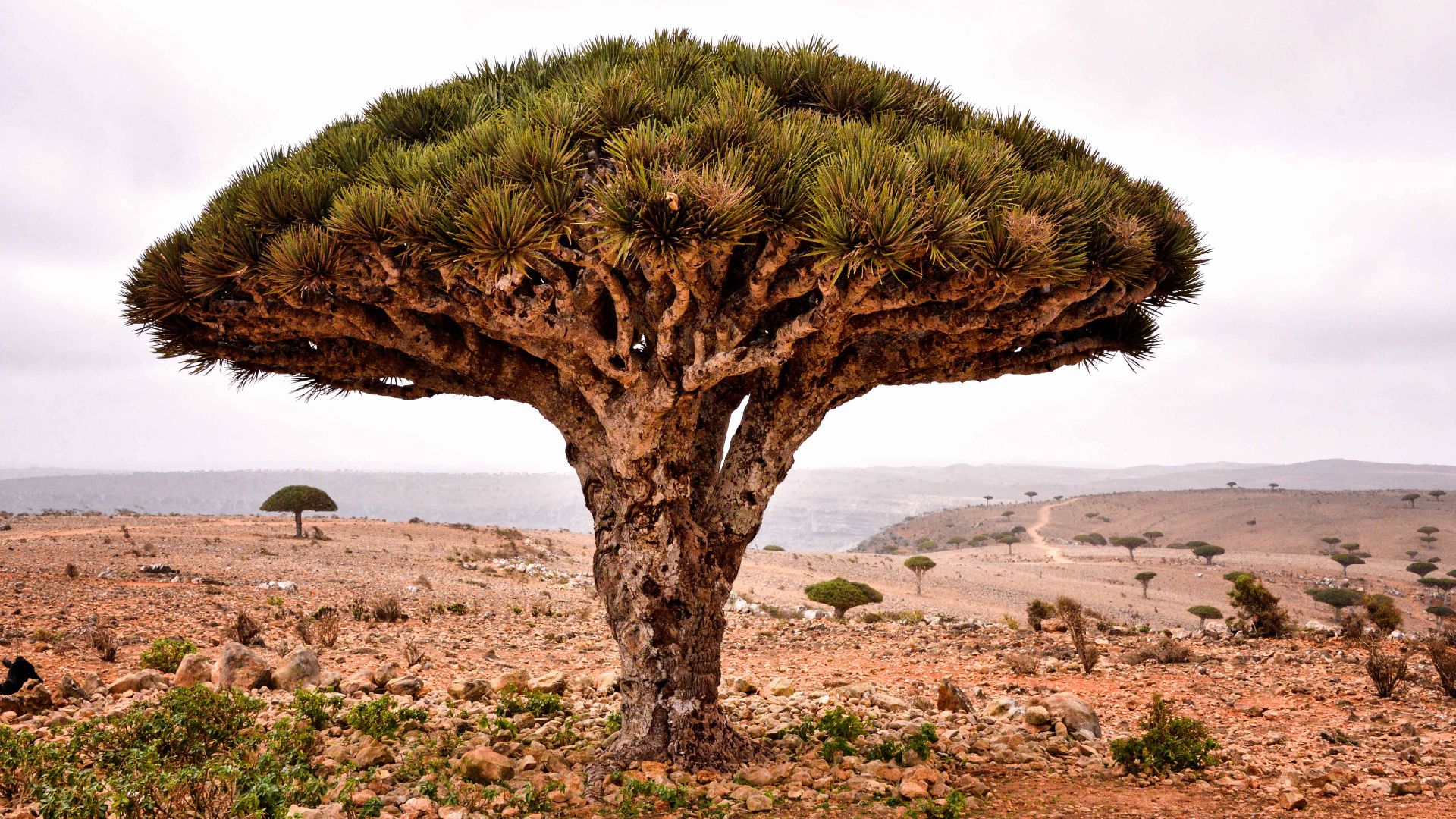 Rod Waddington from Kergunyah, Australia, Wikimedia Commons
Komodo Dragon
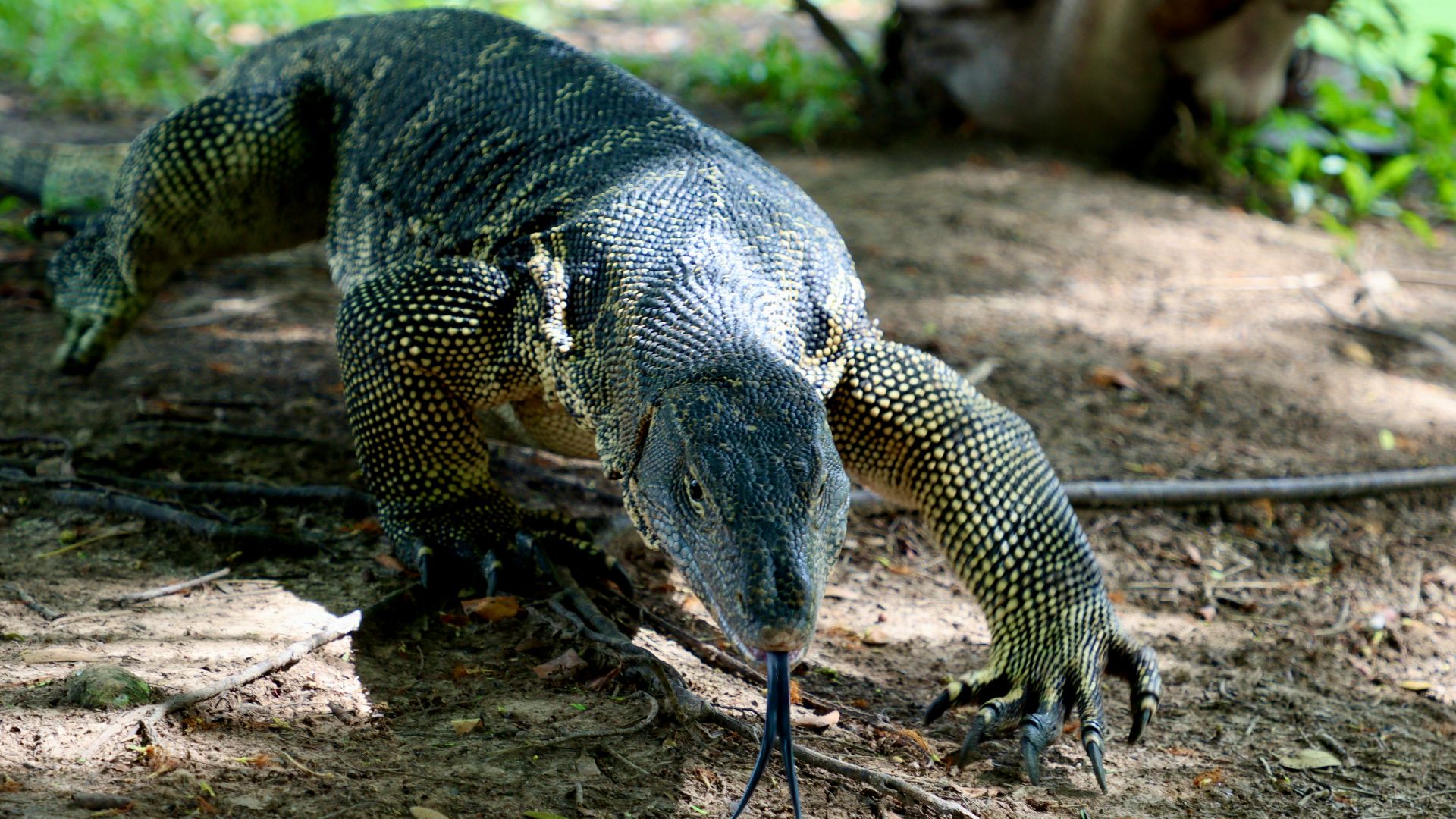
Meet the heavyweight of Indonesia’s islands—the Komodo Dragon. Stretching over 10 feet long, it hunts deer with venom that prevents clotting. Each bite is lethal, and its forked tongue constantly samples the air. Watching one move feels like glimpsing a prehistoric predator.
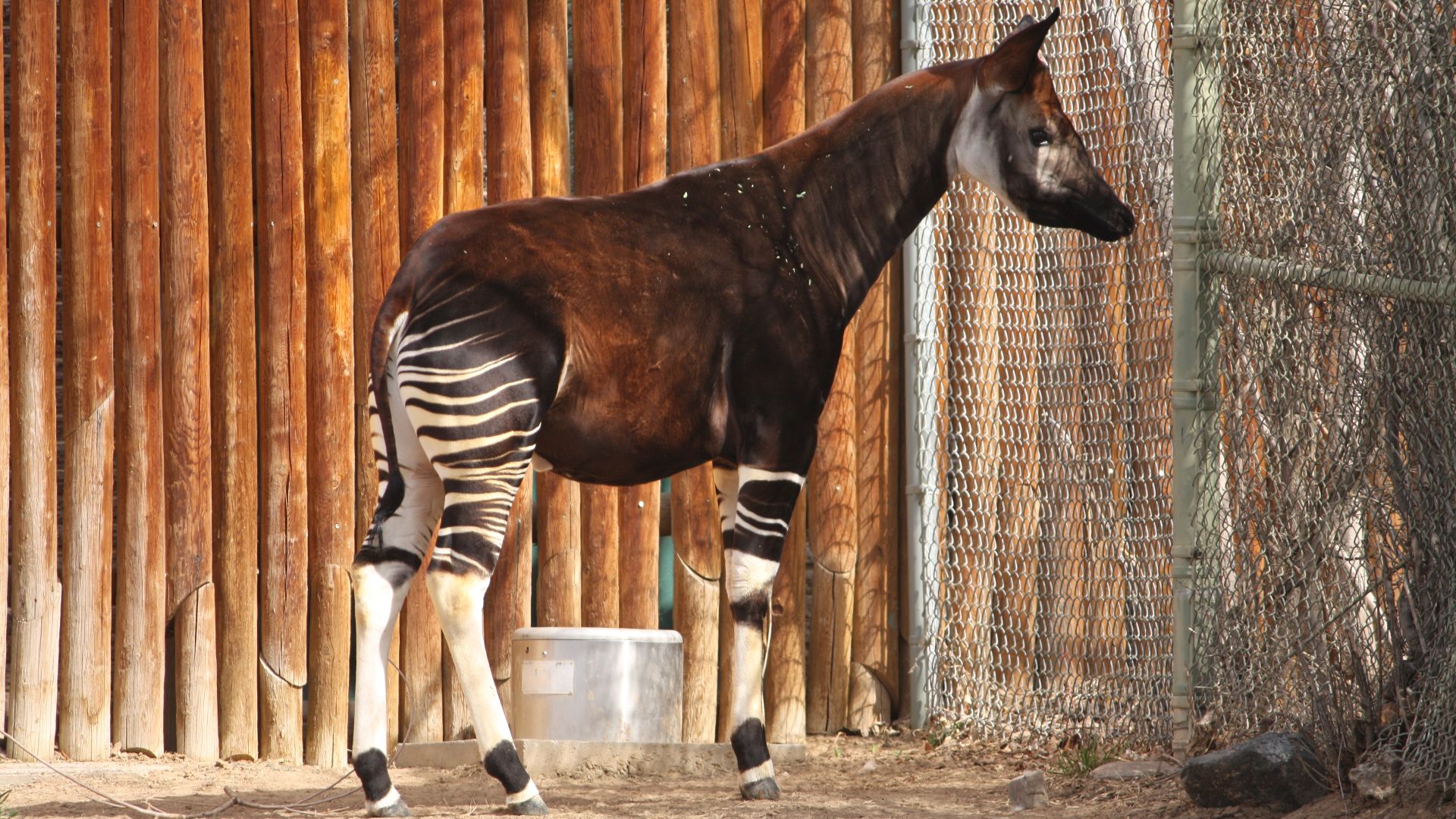
Okapi
In Congo’s dense Ituri Forest, an animal that looks part zebra, part giraffe quietly browses leaves. The okapi’s striped legs provide camouflage in dappled light. Unknown to science until 1901, it remains one of the planet’s most elusive rainforest residents.
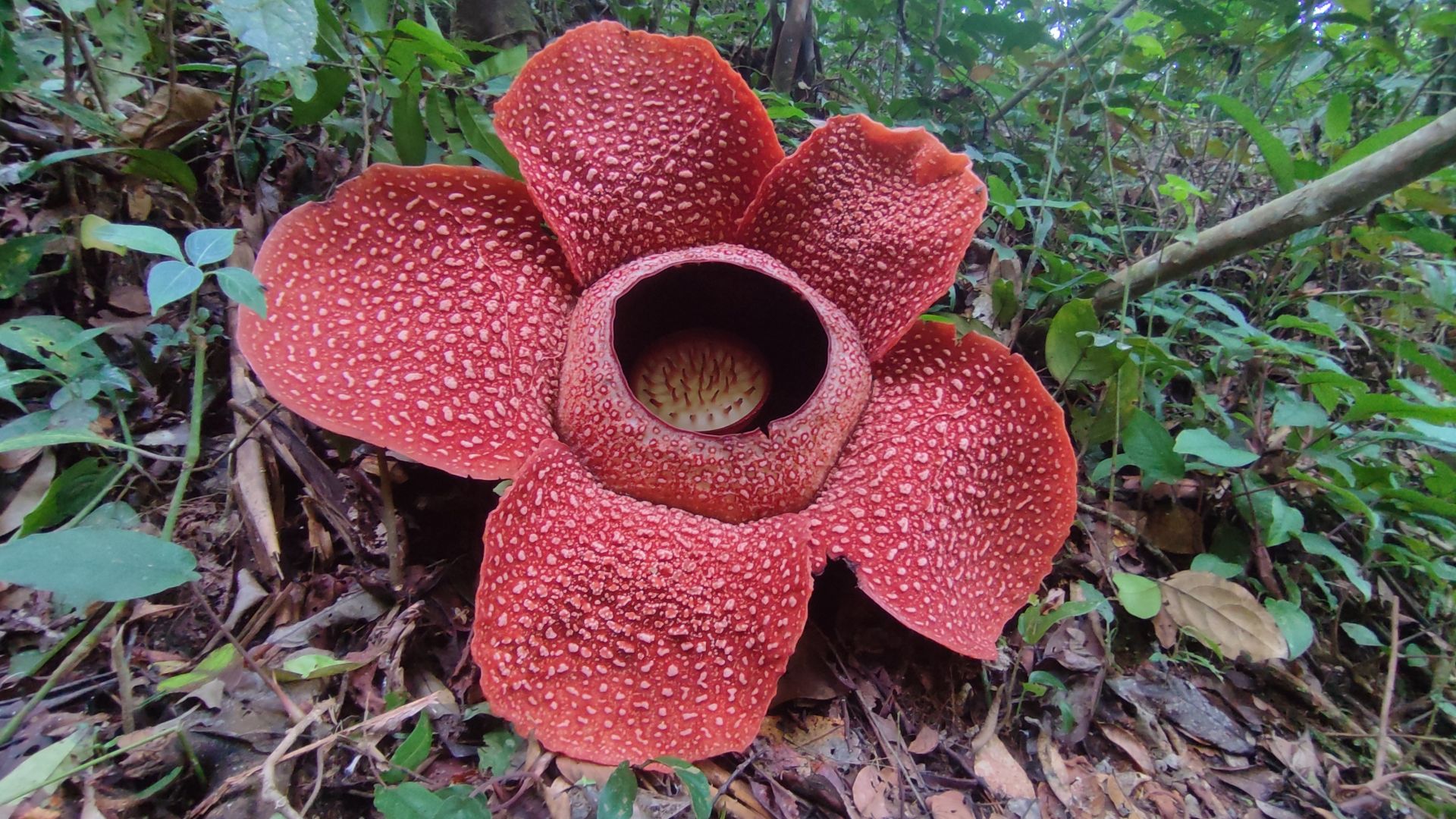
Rafflesia Arnoldii
Hidden in Sumatra’s jungles blooms the world’s largest flower, called the Rafflesia arnoldii. It can span three feet wide and weigh up to 15 pounds, but it smells like rotting flesh. This bizarre blossom parasitizes vines, appearing suddenly like nature’s most shocking guest.
 SofianRafflesia, Wikimedia Commons
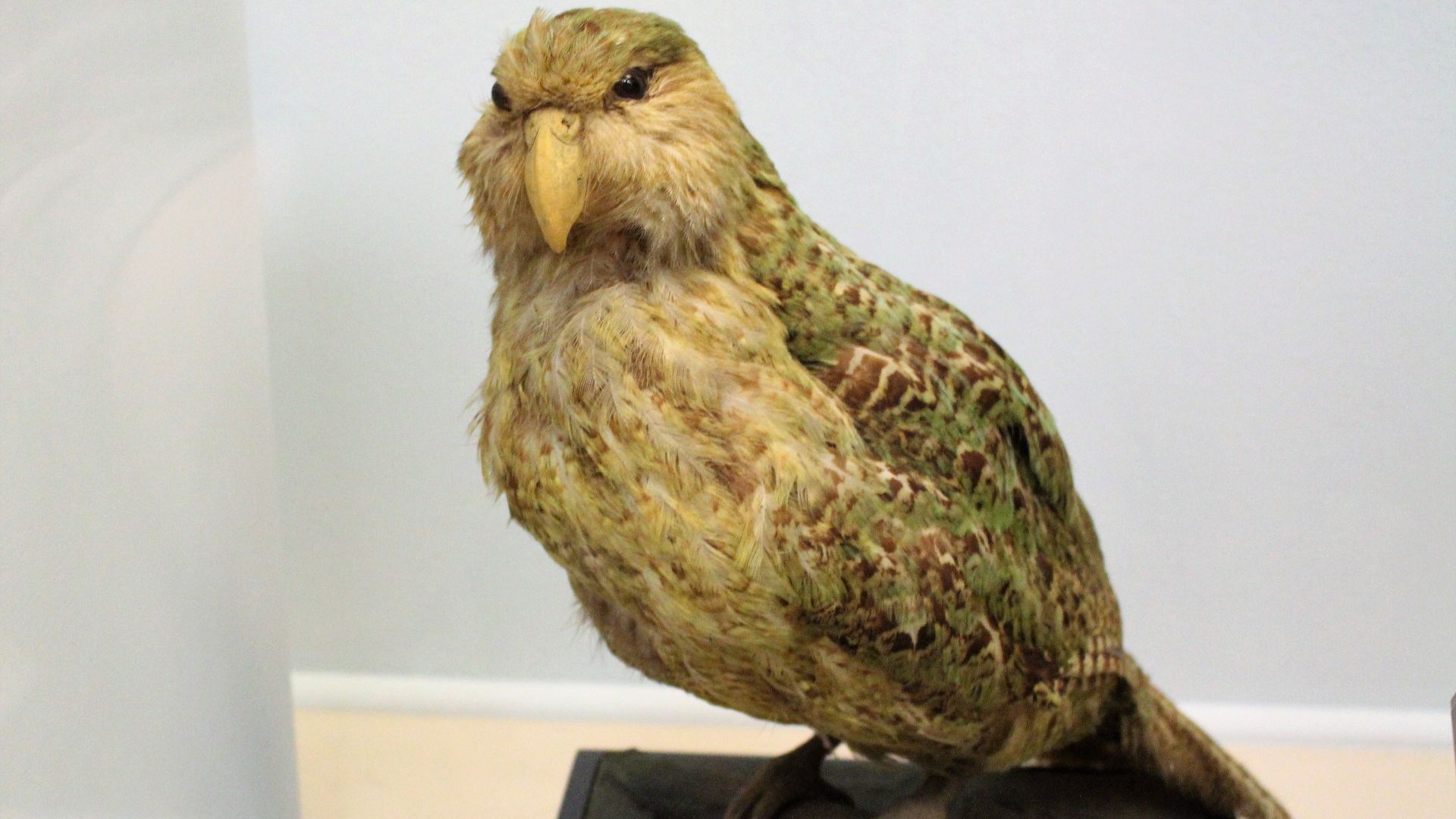
Kakapo Parrot
New Zealand’s Kakapo is a bird that rewrote the rulebook; it can’t fly, lives at night, and smells like honey and moss. Each has a distinct booming call that echoes through forests. With under 250 alive, it’s the world’s heaviest and rarest parrot.
 Emoke Denes, Wikimedia Commons
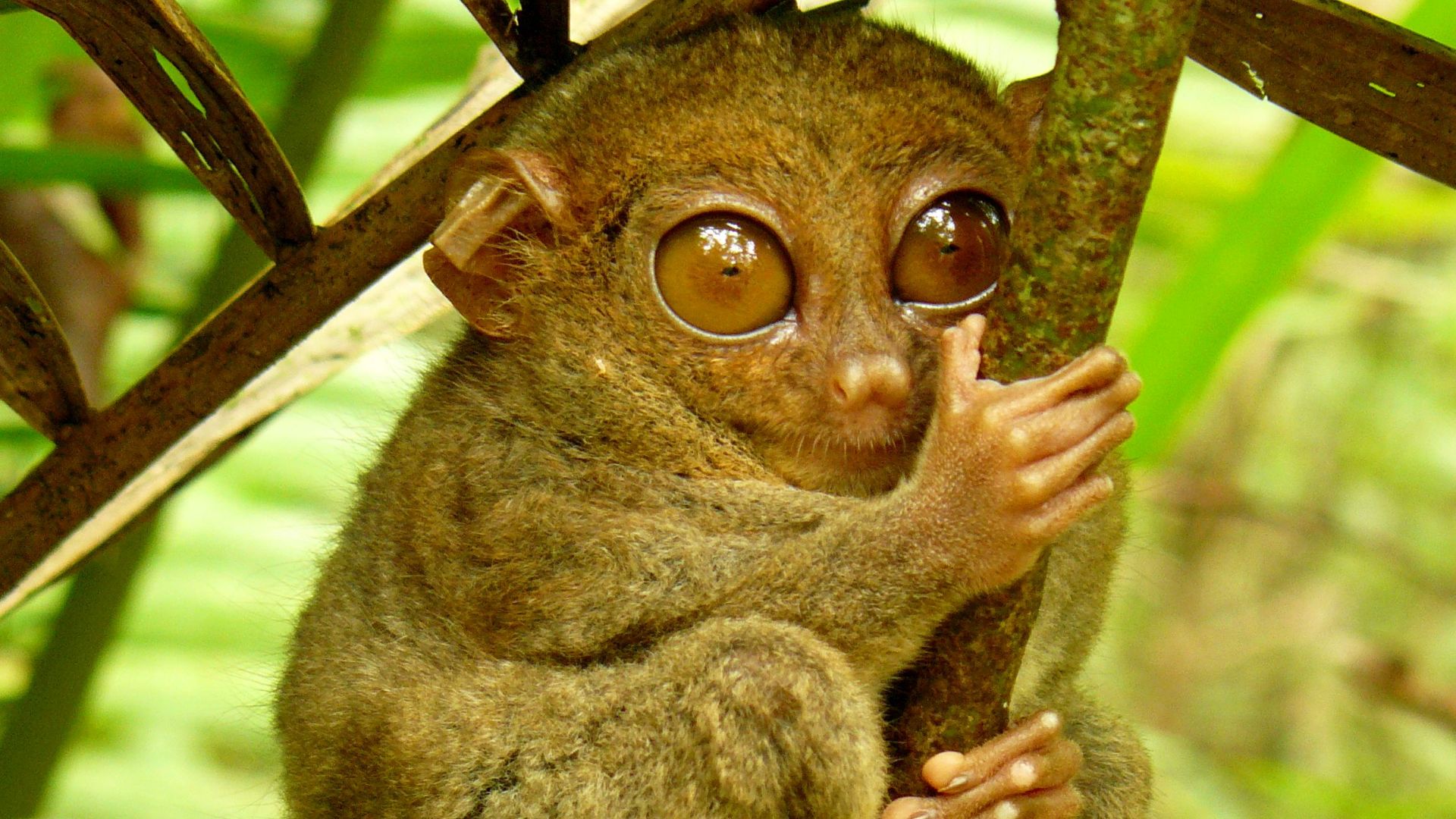
Tarsier (Philippine)
Cling to a tree in Bohol, and you might meet the planet’s smallest primate: the Philippine tarsier. Its eyes are larger than its brain, perfectly adapted for nocturnal hunting. This tiny creature leaps 40 times its body length, vanishing in a heartbeat.
 Kok Leng Yeo, Wikimedia Commons
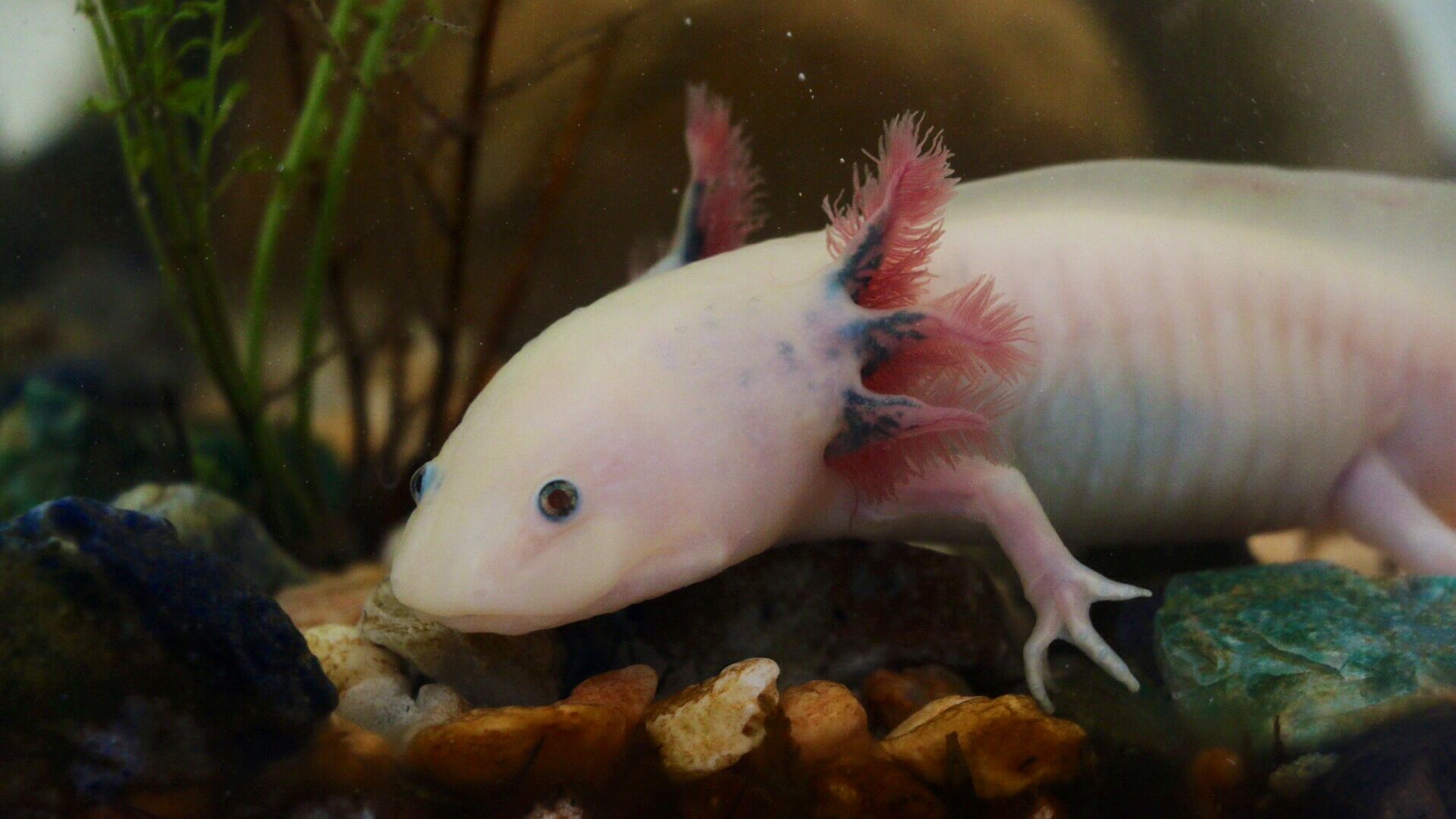
Axolotl
The canals of Xochimilco in Mexico cradle a creature that never grows up. The Axolotl retains its gills, remaining aquatic for life. Revered by the Aztecs and studied by scientists for regeneration, it’s part salamander, part miracle of evolution.
 Amandasofiarana, Wikimedia Commons
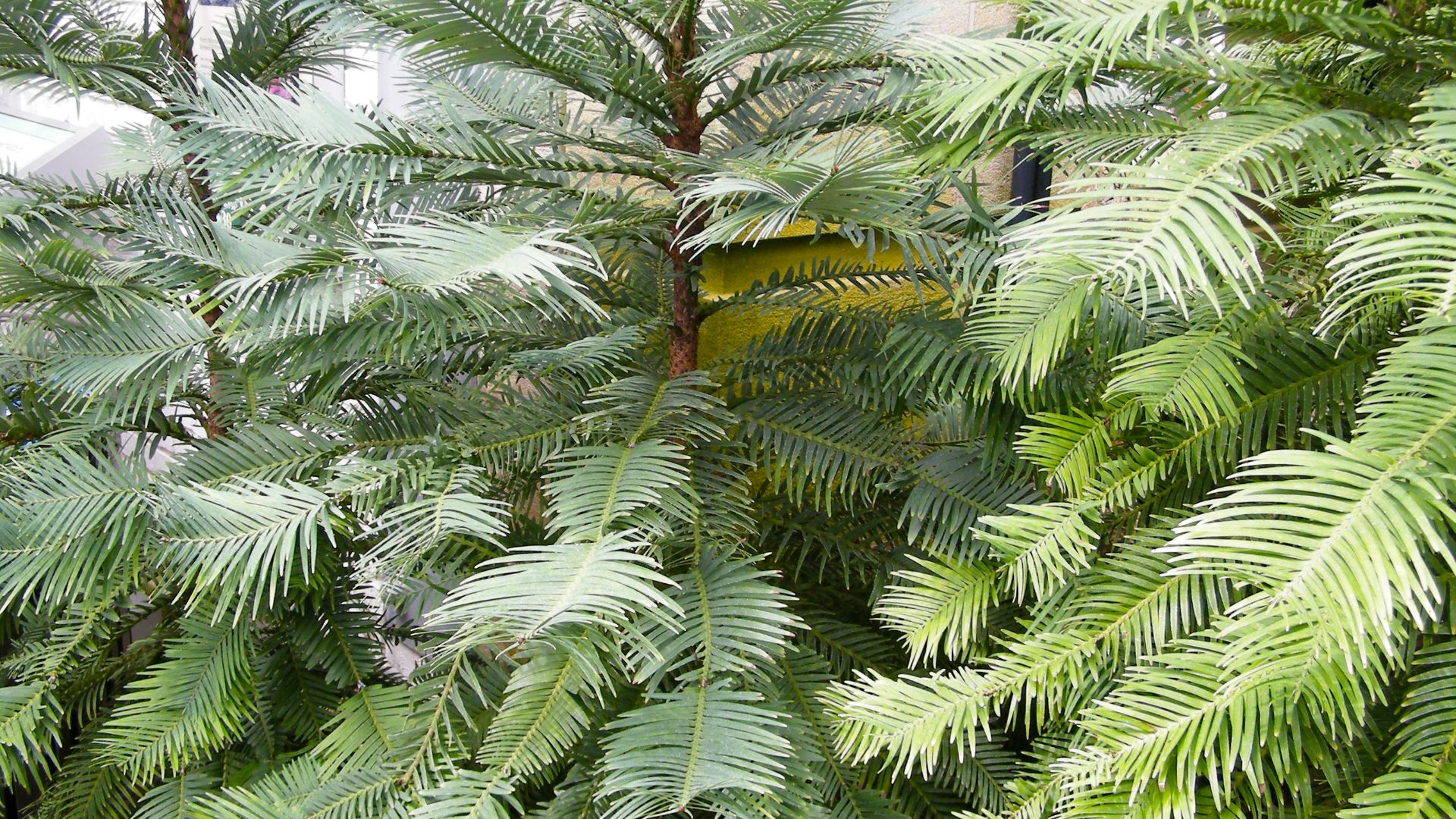
Wollemia Pine
Thought lost for 65 million years, the Wollemia Pine resurfaced in Australia’s Wollemi National Park in 1994. Its knobbly bark and fern-like leaves belong to a prehistoric world. Fewer than 100 trees exist, and this makes them living fossils that survived dinosaurs, ice ages, and fire.
 Sarah Stierch, Wikimedia Commons
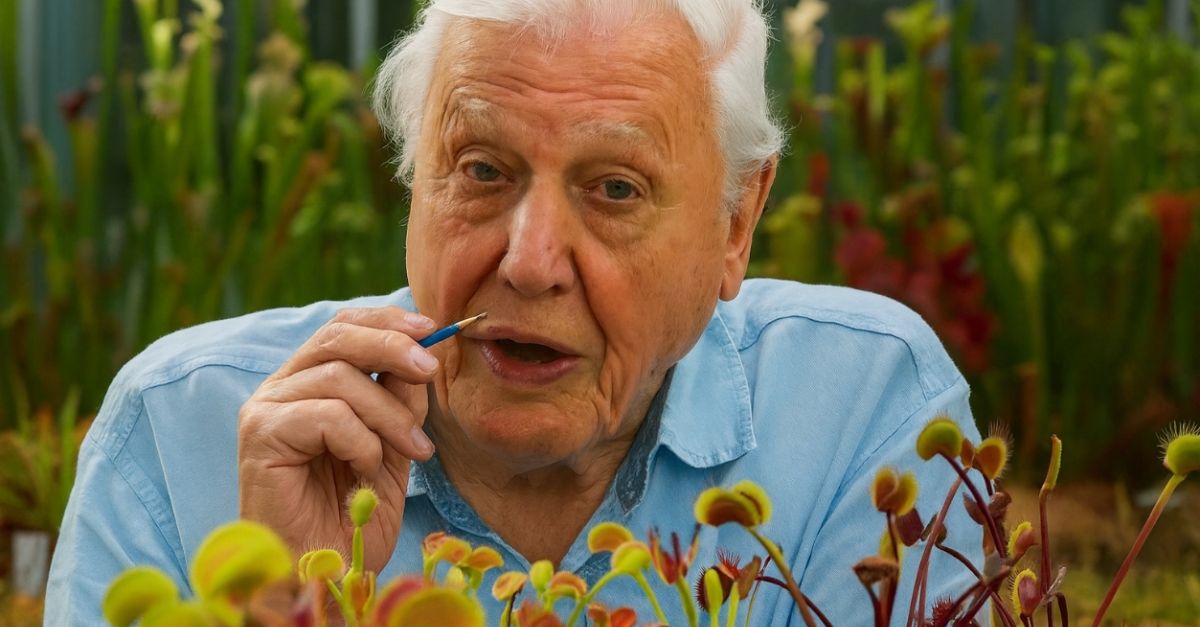
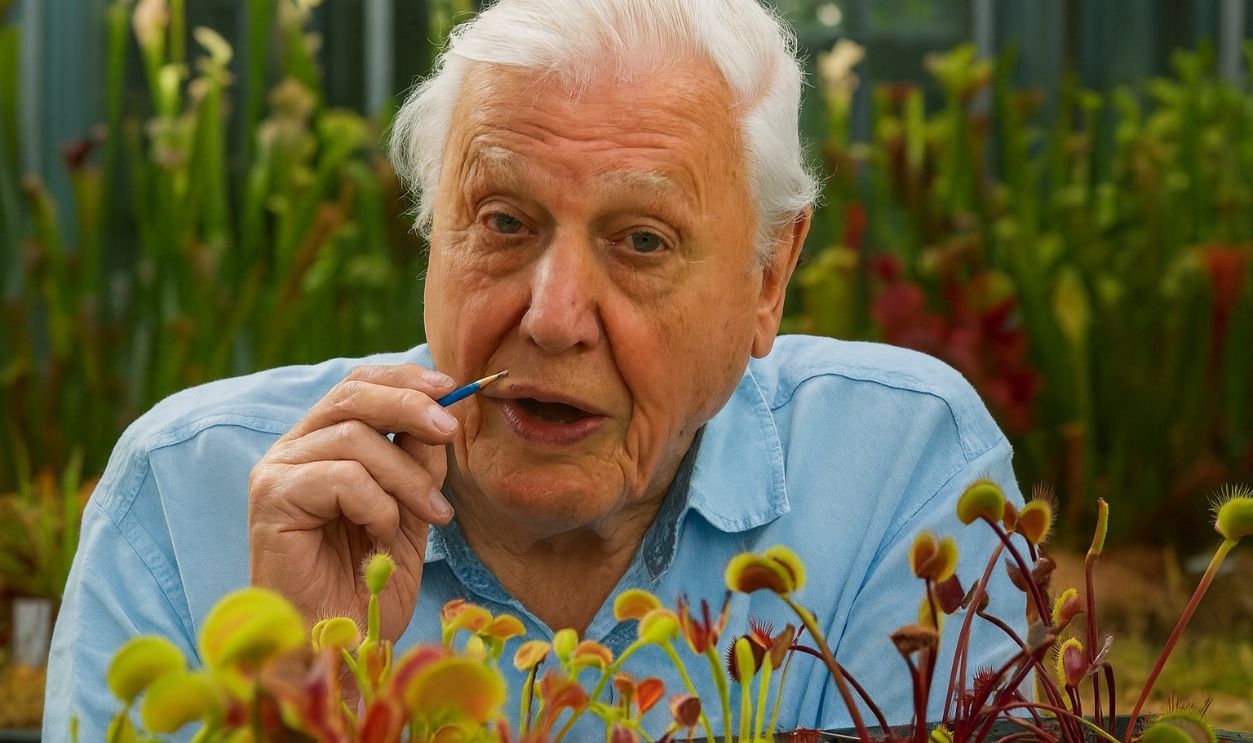
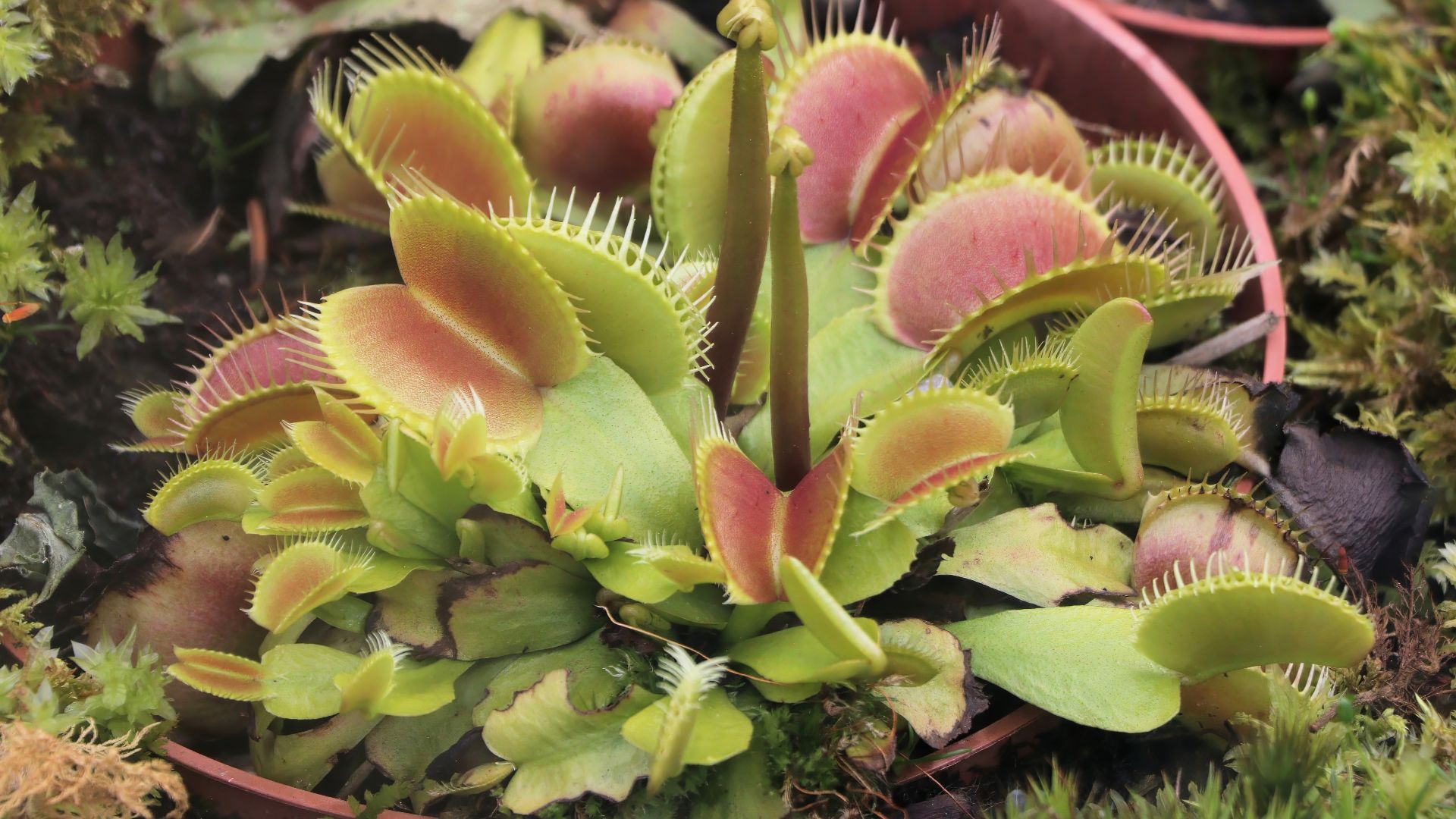
Venus Flytrap
Native only to North and South Carolina’s bogs, the Venus Flytrap closes its “jaws” in milliseconds. Each trap tallies contact, snapping shut only after two quick touches. Darwin called it “one of the most wonderful plants in the world,” and it still astonishes.
 ImagePerson, Wikimedia Commons
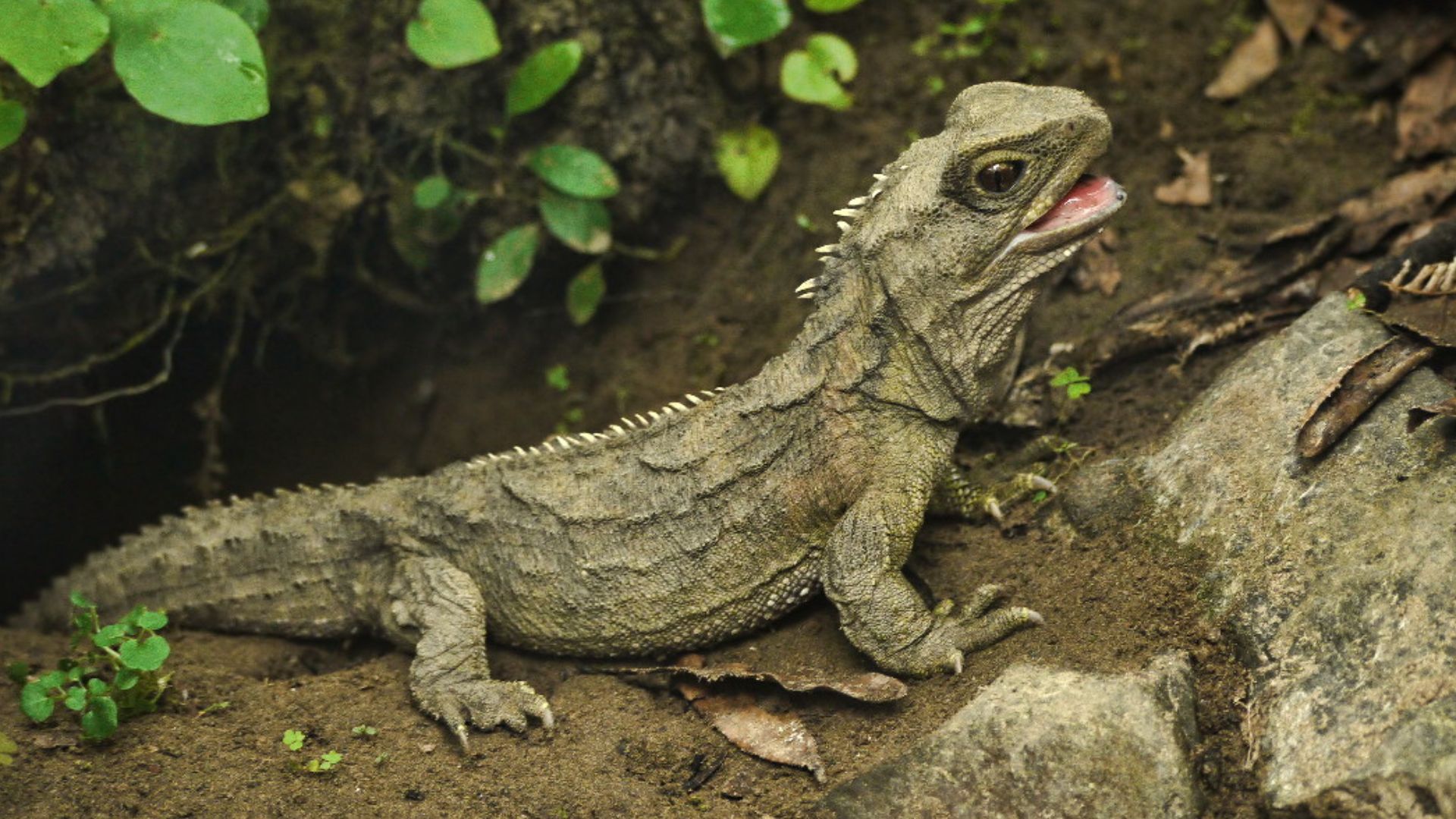
Tuatara
New Zealand seems to have rare gems, because it’s also home to the Tuatara. This animal looks like a lizard, yet it’s the last of an ancient reptilian lineage that dates back 200 million years. It can live over a century, has a third “eye” on its head, and remains nature’s unhurried time traveler.
 Sid Mosdell from New Zealand, Wikimedia Commons
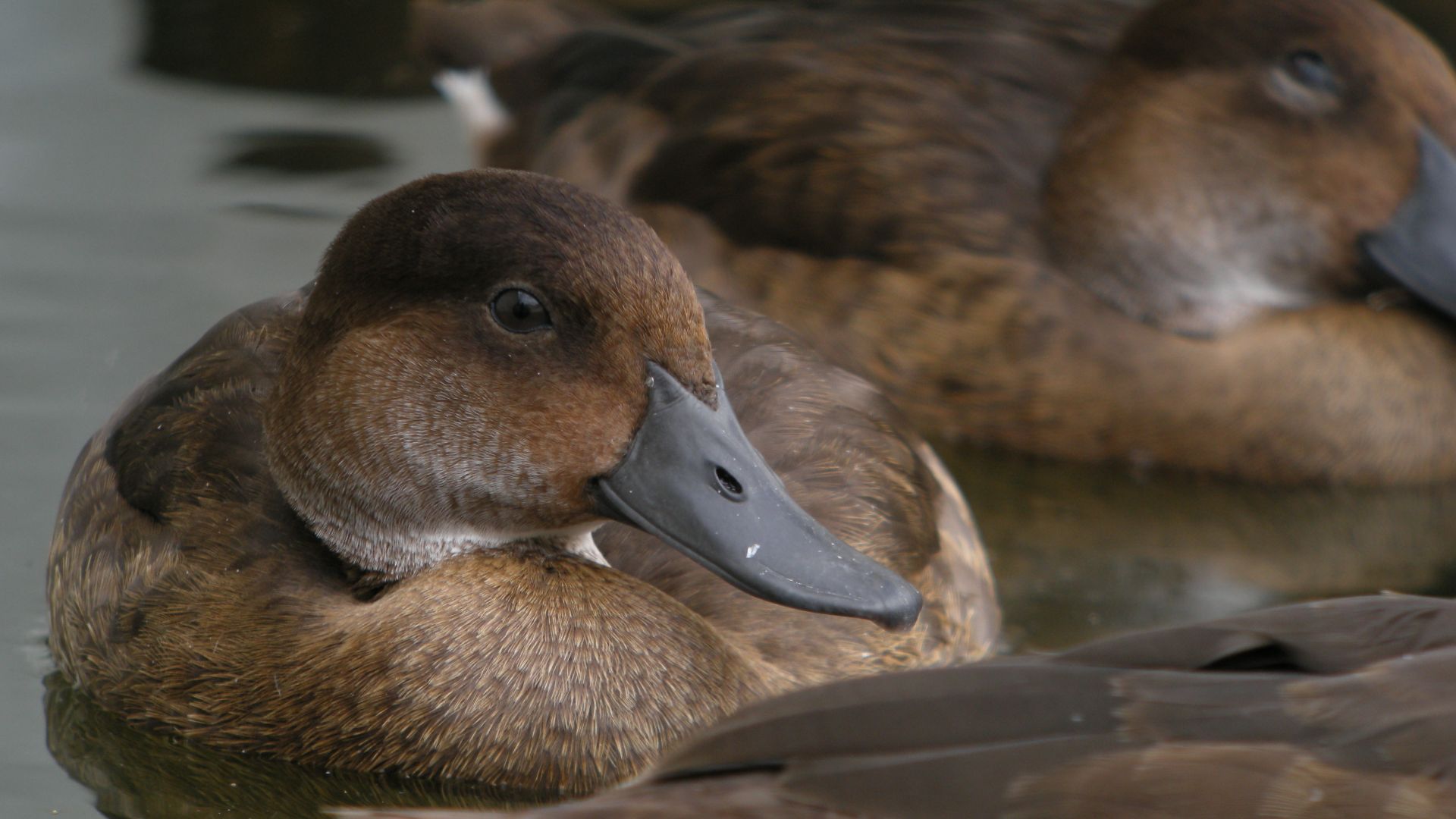
Madagascar Pochard
Thought extinct until 2006, the Madagascar Pochard resurfaced on a single volcanic lake, Lake Sofia. Its population hovers around 30, and this makes it the rarest duck alive. Locals now guard it fiercely.
 Frank Vassen, Wikimedia Commons
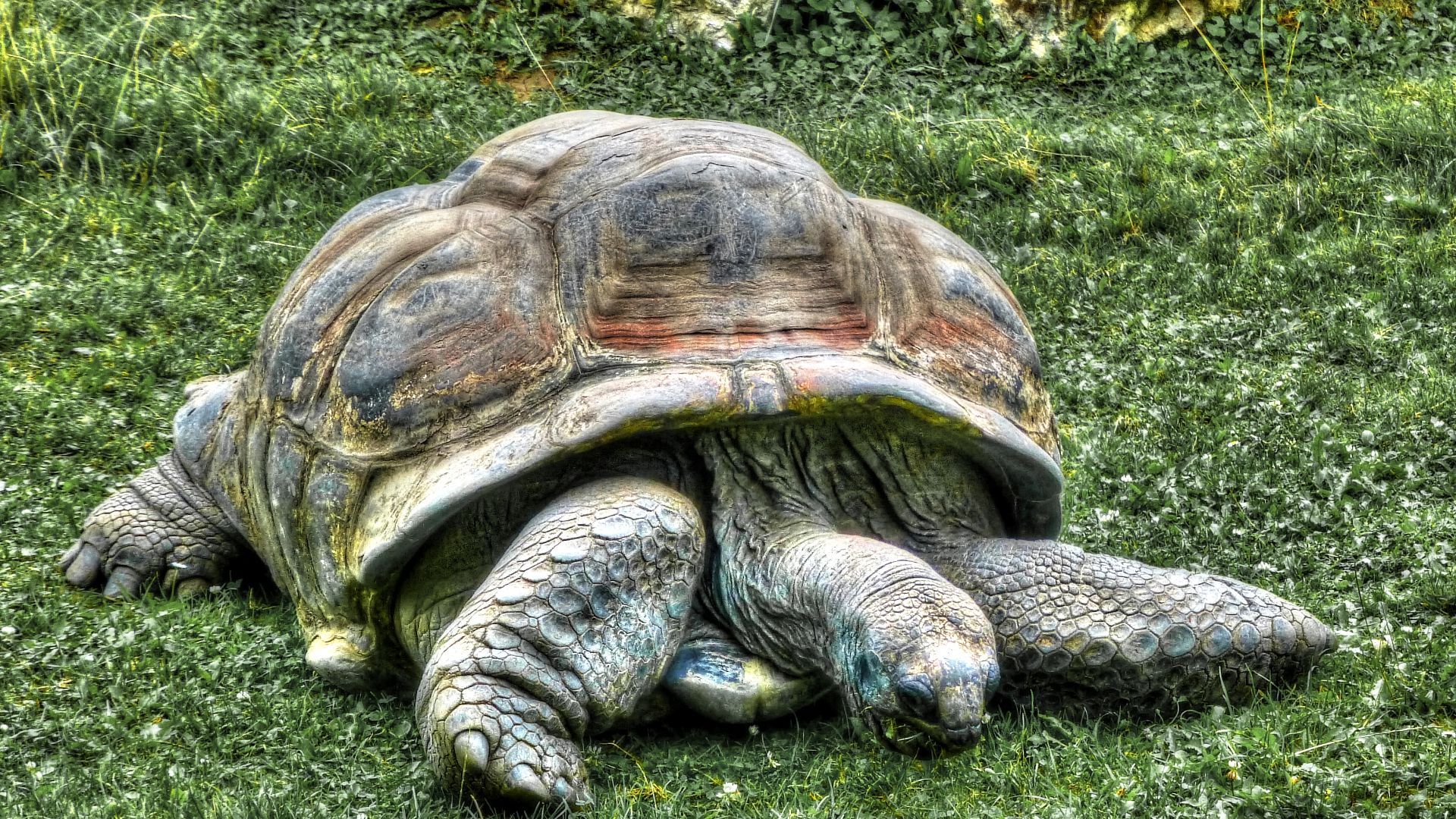
Seychelles Giant Tortoise
On Aldabra Atoll, giant tortoises roam freely as if time forgot them. Weighing up to 600 pounds, they can live more than 150 years. Each one helps sculpt the island by dispersing seeds. Because of this, they are both a gardener and a guardian of their coral world.
 Travelviaitaly, Wikimedia Commons
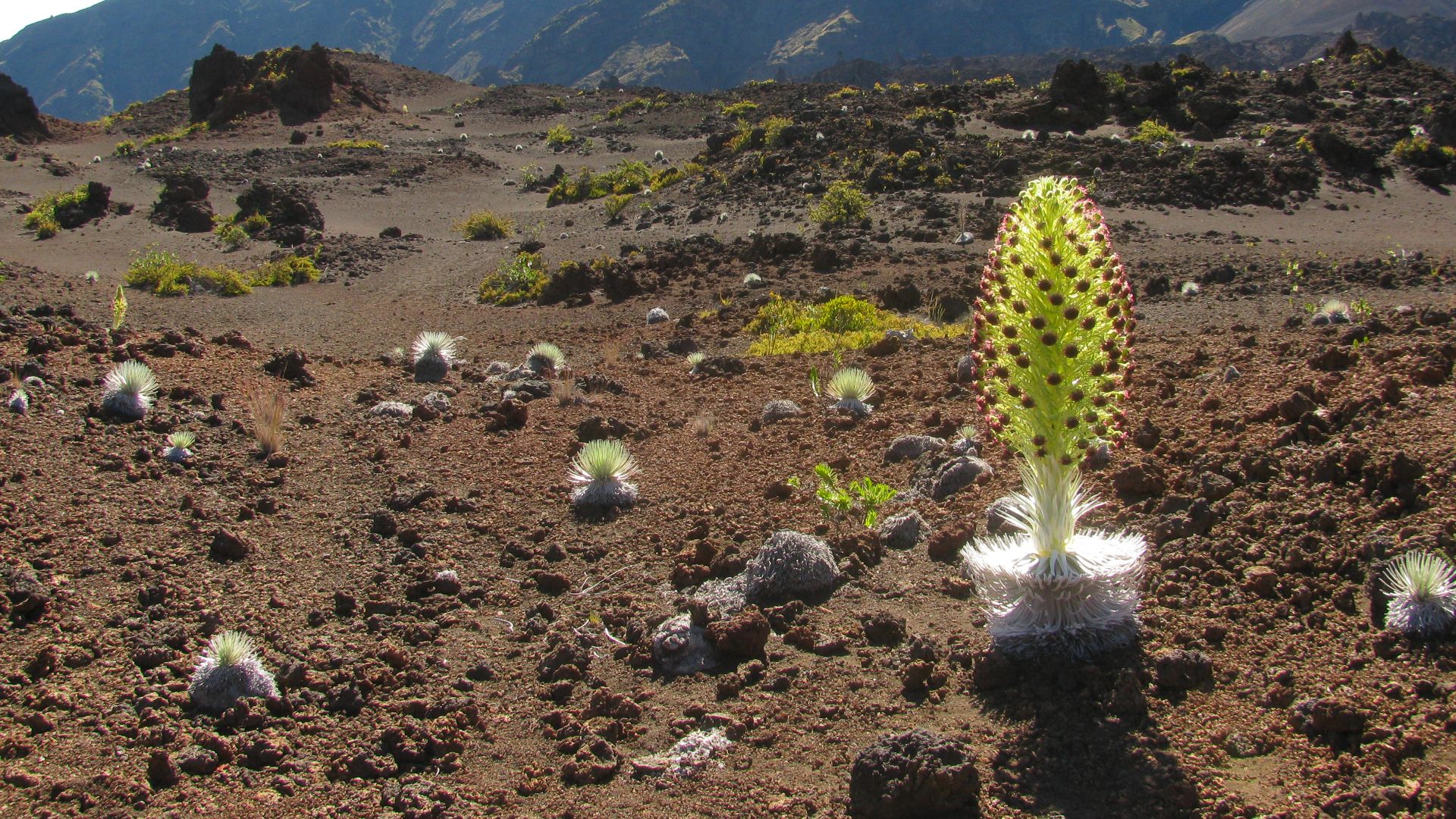
Hawaiian Silversword
Gleaming like metal under the sun, the Hawaiian Silversword grows only on the volcano slopes of Maui and the Big Island. It blooms once in its lifetime—then dies. Its silver hairs protect it from freezing nights, a desert survival tactic in paradise.
 Forest and Kim Starr, Wikimedia Commons
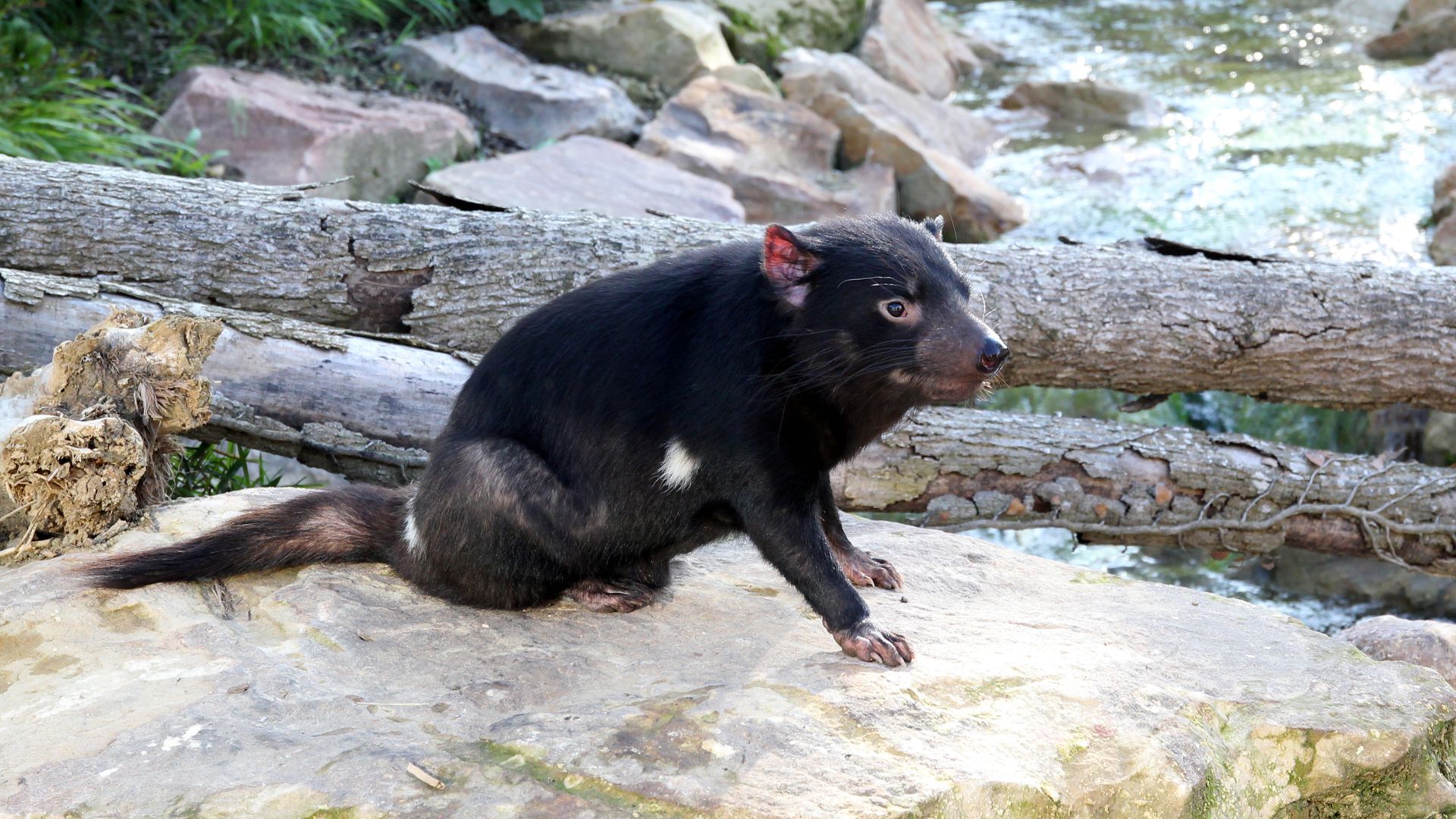
Tasmanian Devil
Think the Tasmanian Devil cartoon was a fantasy? Oh no! Tasmania’s forests echo with eerie shrieks from this confirmed marsupial carnivore. The Tasmanian Devil crushes bone with one of the strongest bites per body weight in the animal kingdom. Isolation spared it from mainland extinction.
Goliath Birdwing Butterfly
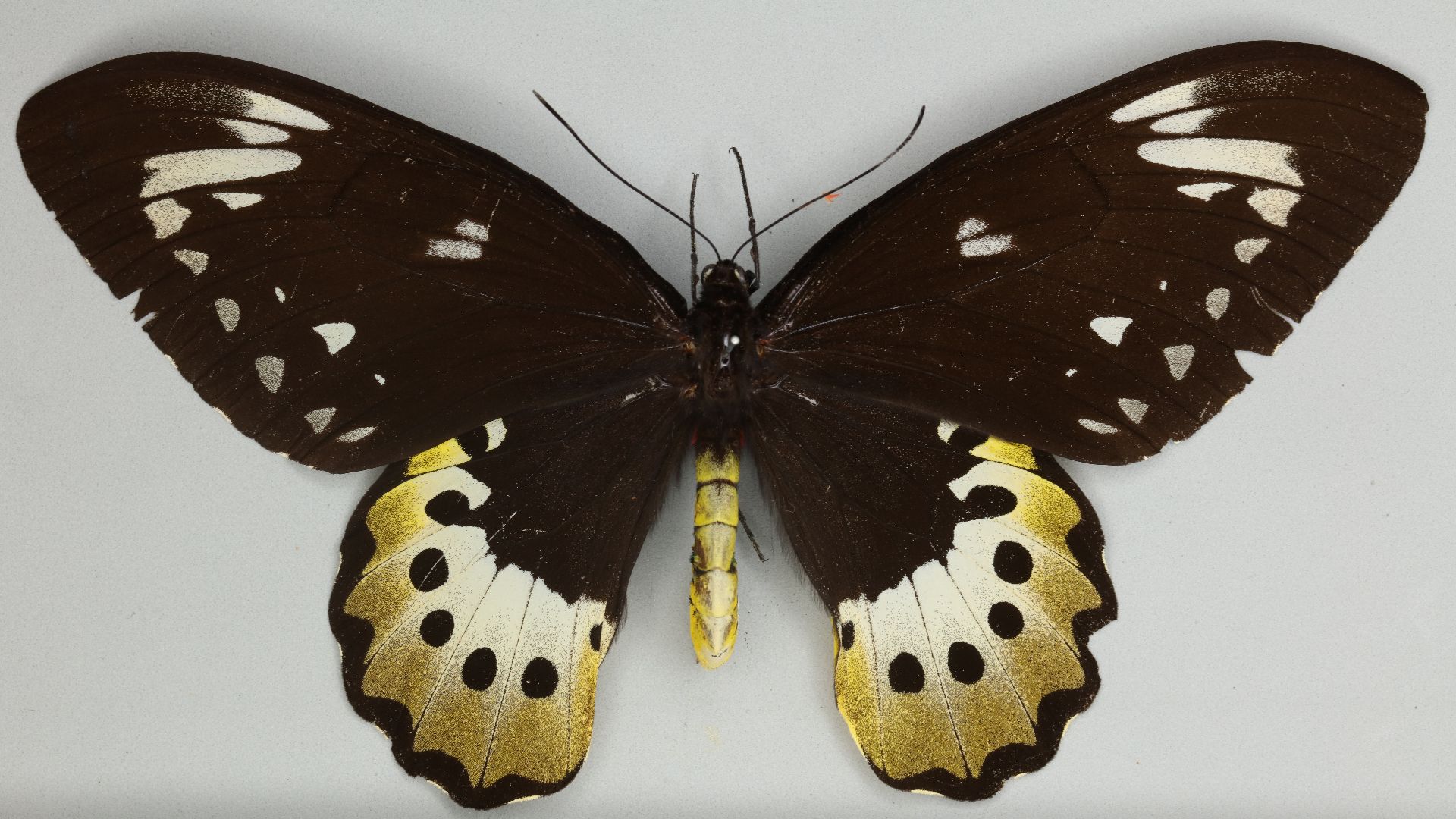
Flashing emerald and gold, the Goliath Birdwing flutters through New Guinea’s rainforests with an 11-inch wingspan. Females are even larger, among the biggest butterflies on Earth. Its rarity and brilliance made it a prized specimen for collectors since Victorian times.