
Beyond The Bonnets And Buggies
To outsiders, the Amish appear frozen in time, untouched by the rush of modern life. Yet their world follows its own rhythm, guided by faith, hard work, and community that quietly challenge what progress is supposed to mean.

Youngest Son Inherits The Farm
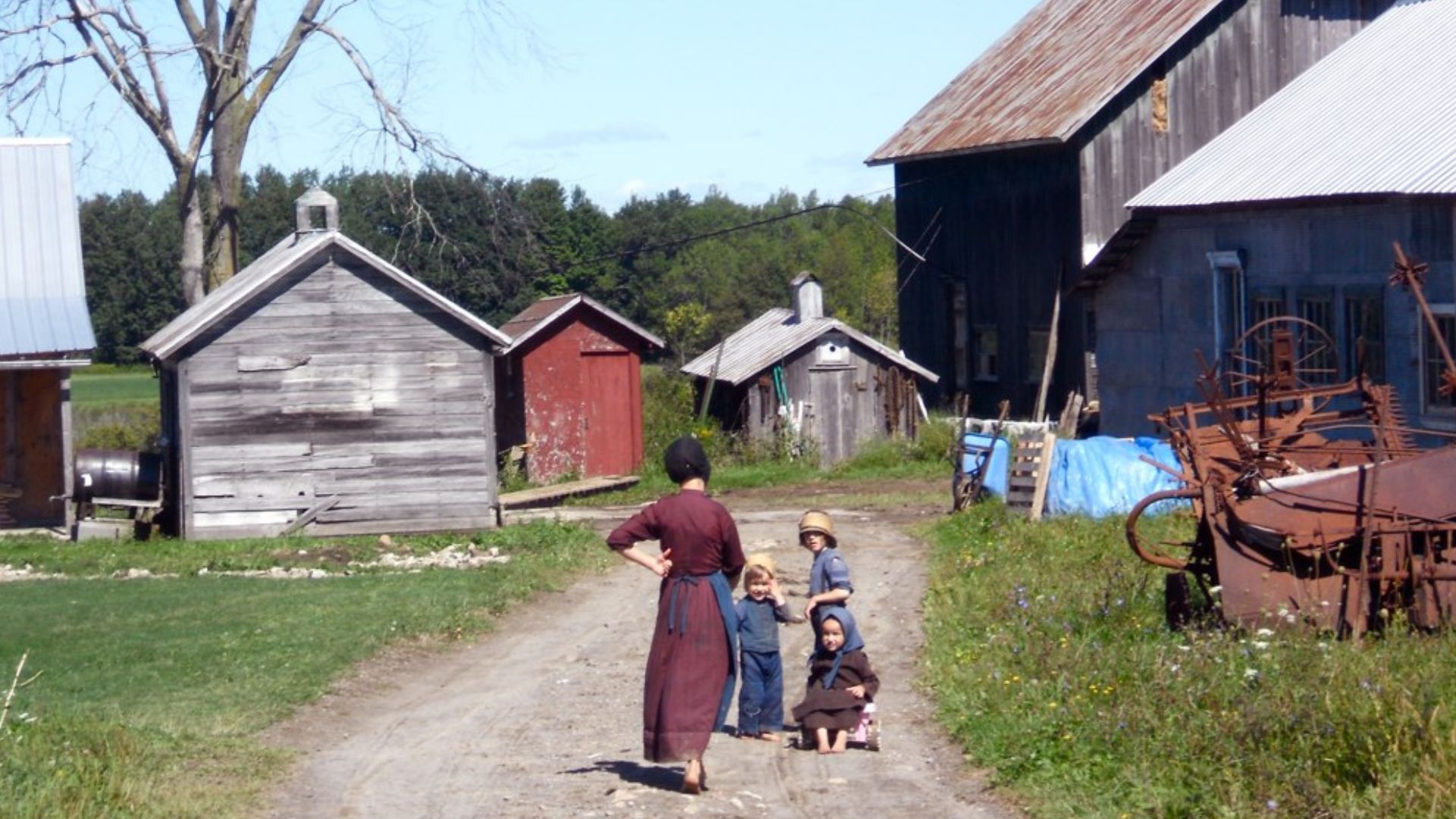
In some Amish families, the youngest son inherits the family farm and takes care of aging parents. But that’s not always the rule. Each community sets its own customs, and sometimes older siblings receive land or money instead—it all depends on family tradition.
 ilamont.com, Wikimedia Commons
Faceless Dolls
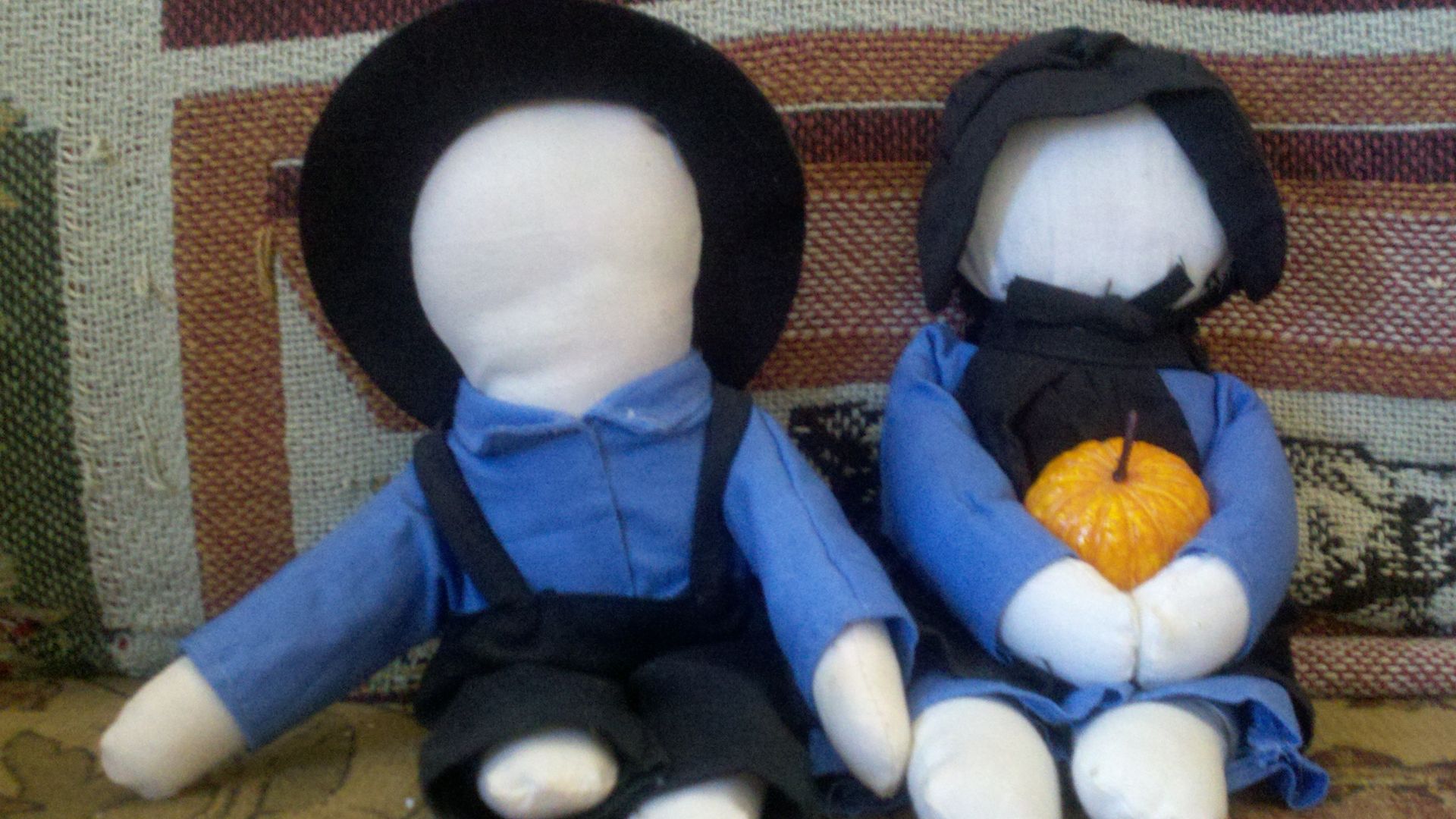
Amish children’s dolls don’t have faces. Handmade from cloth, they reflect the belief that individuality and vanity should never overshadow humility. By leaving faces blank, these simple toys teach kids that worth isn’t measured by appearance.
 ChesPal (Debra Heaphy), Wikimedia Commons
Rumspringa Traditions
For Amish teens, Rumspringa is a short window between childhood and adulthood. It’s when they socialize, attend youth gatherings, and decide if they’ll be baptized into the church. Despite the myths, few rebel wildly—most use this time to choose faith and community.
No Social Security Participation
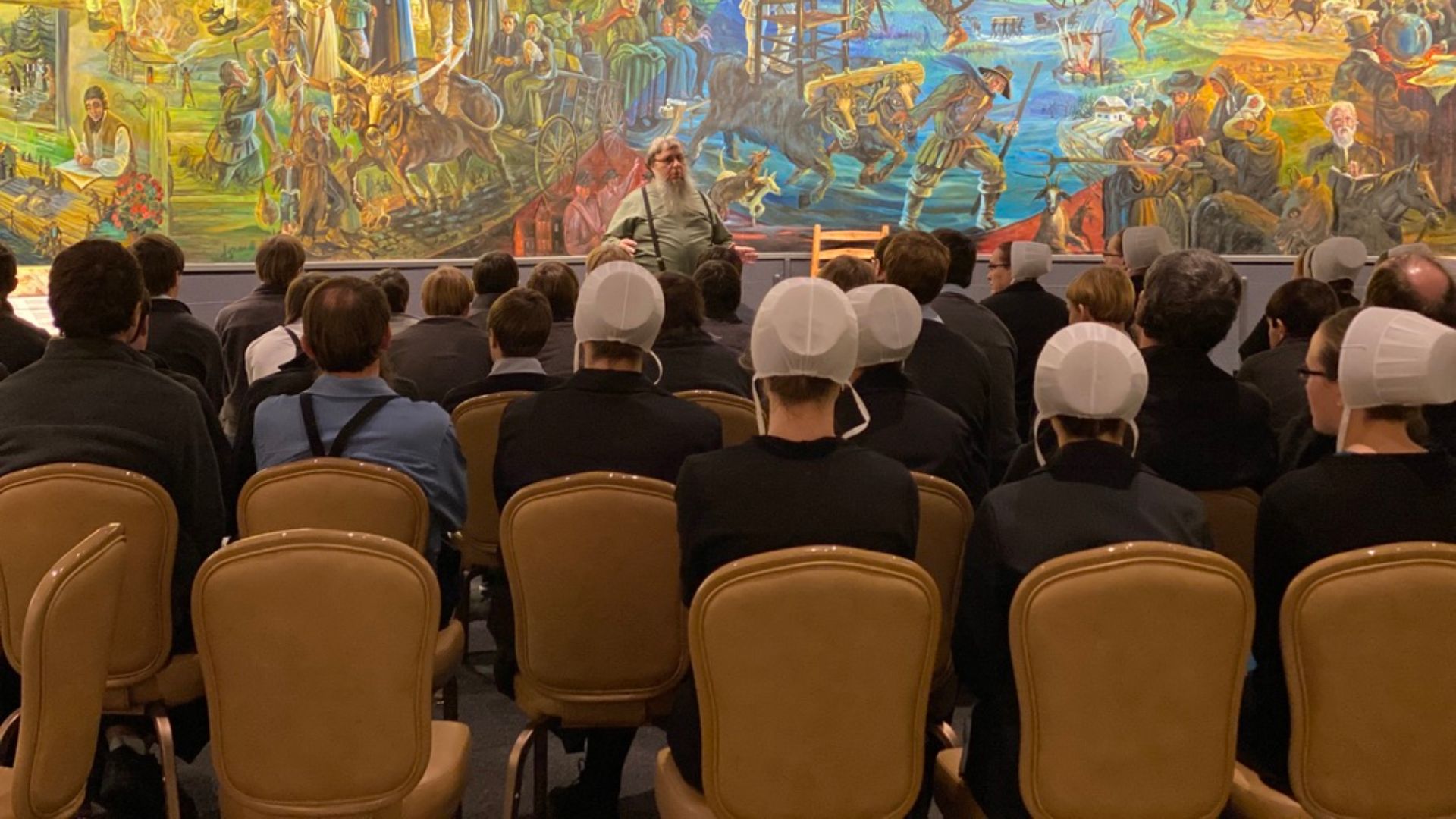
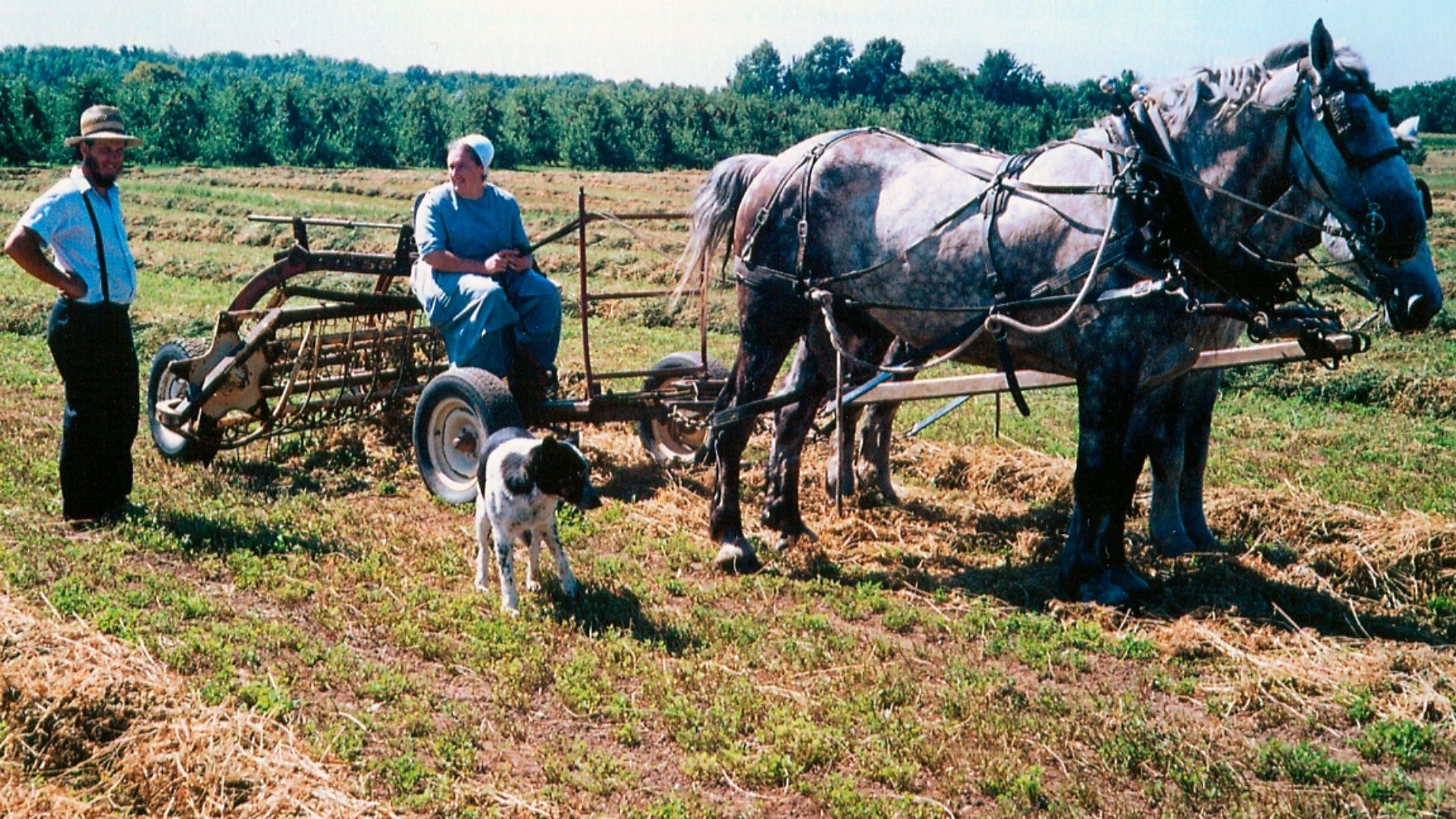
The Amish don’t pay into Social Security because they believe in caring for their own. Families and neighbors support one another, especially the elderly. In the 1960s, Amish leaders even petitioned Congress and won an exemption that still stands today.
 Ernest Mettendorf, Wikimedia Commons
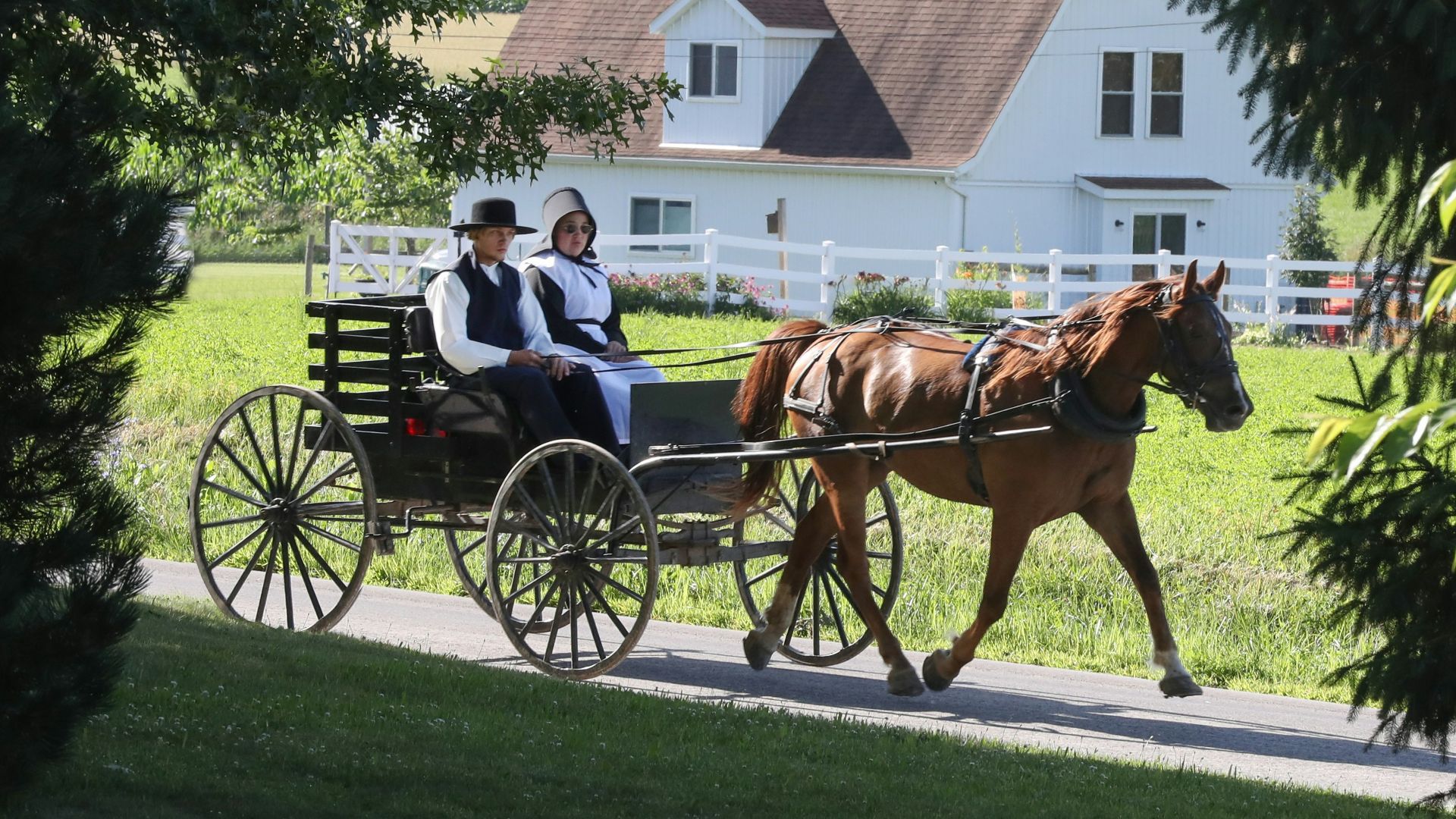
Weekday Weddings
Amish couples marry during the week, most often on Tuesdays or Thursdays. The schedule keeps Sundays for worship and leaves time for harvest duties. Additionally, brides sew their own blue dresses, and neighbors gather to help and celebrate the new union.
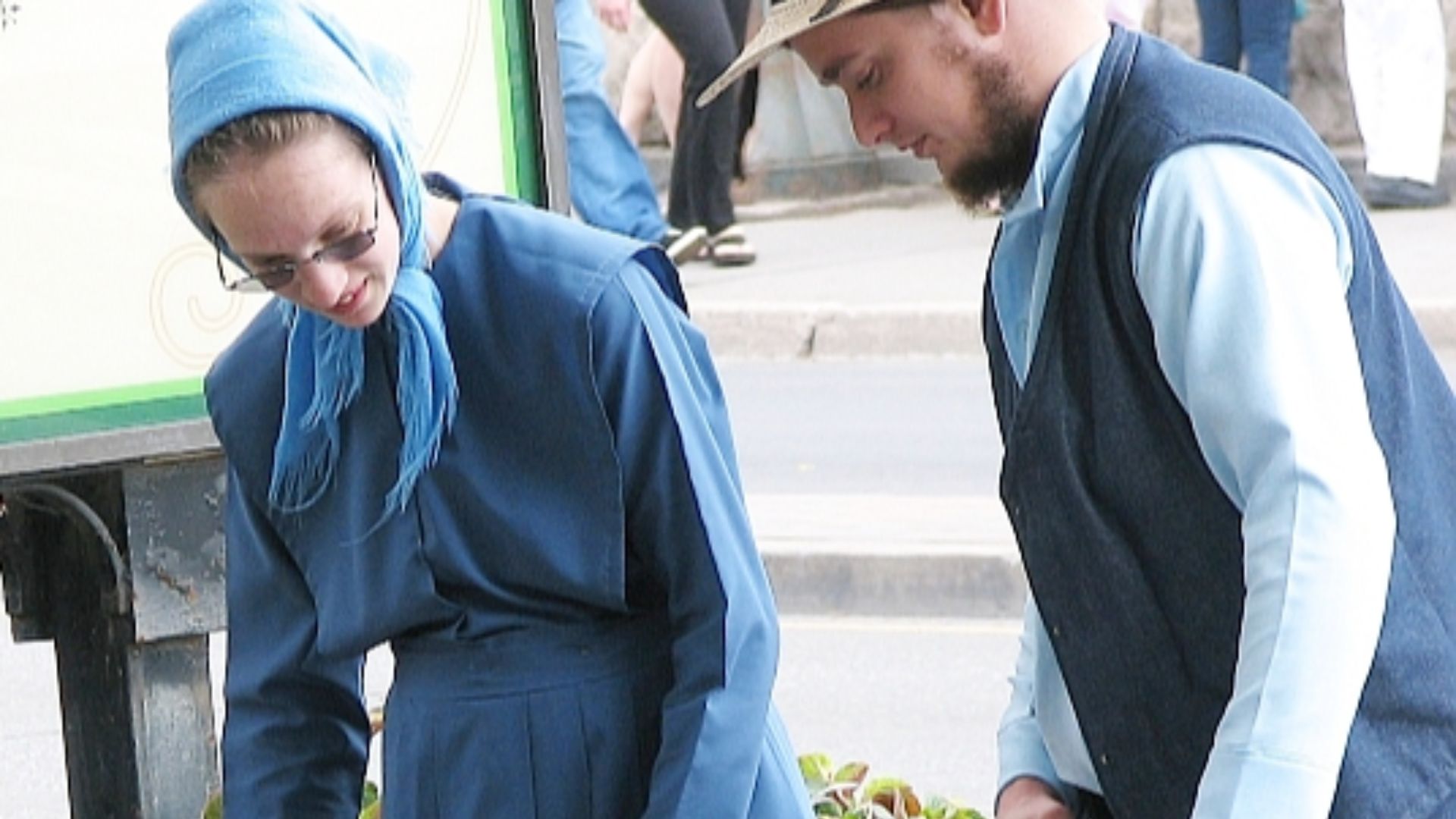
No Wedding Rings
Amish brides don’t wear wedding rings, since jewelry is considered prideful. Instead, they honor their vows in a simpler way—by wearing their handmade blue wedding dress every Sunday, a quiet reminder of commitment that lasts long after the ceremony.
 The original uploader was Gilabrand at English Wikipedia., Wikimedia Commons
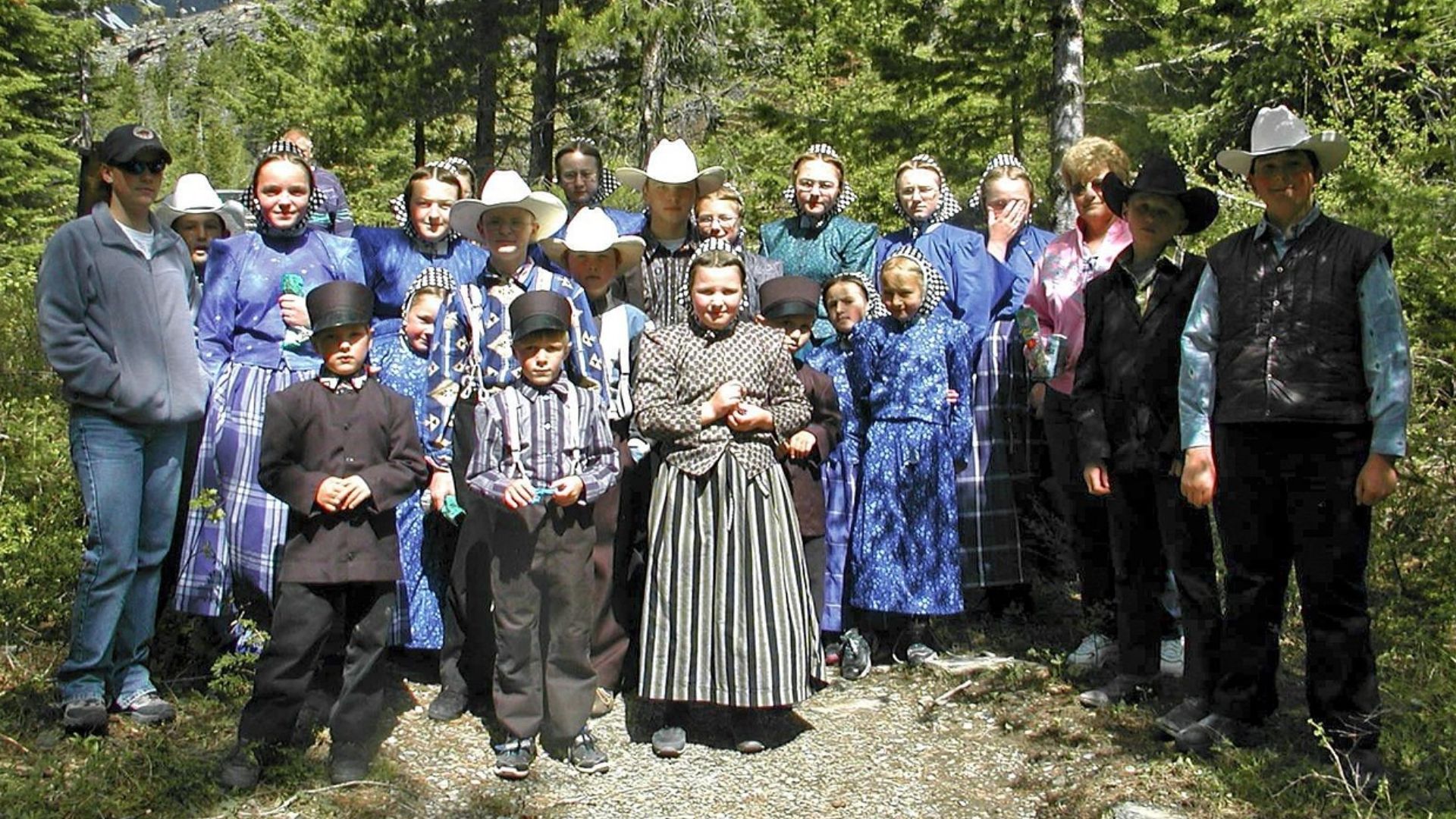
Rotating Church Services
Just think of it as a church without buildings. Amish worship happens in living rooms, barns, and basements—rotating between homes every other Sunday. Services last for hours, filled with hymns in High German, and end with a shared meal that strengthens faith and friendship.
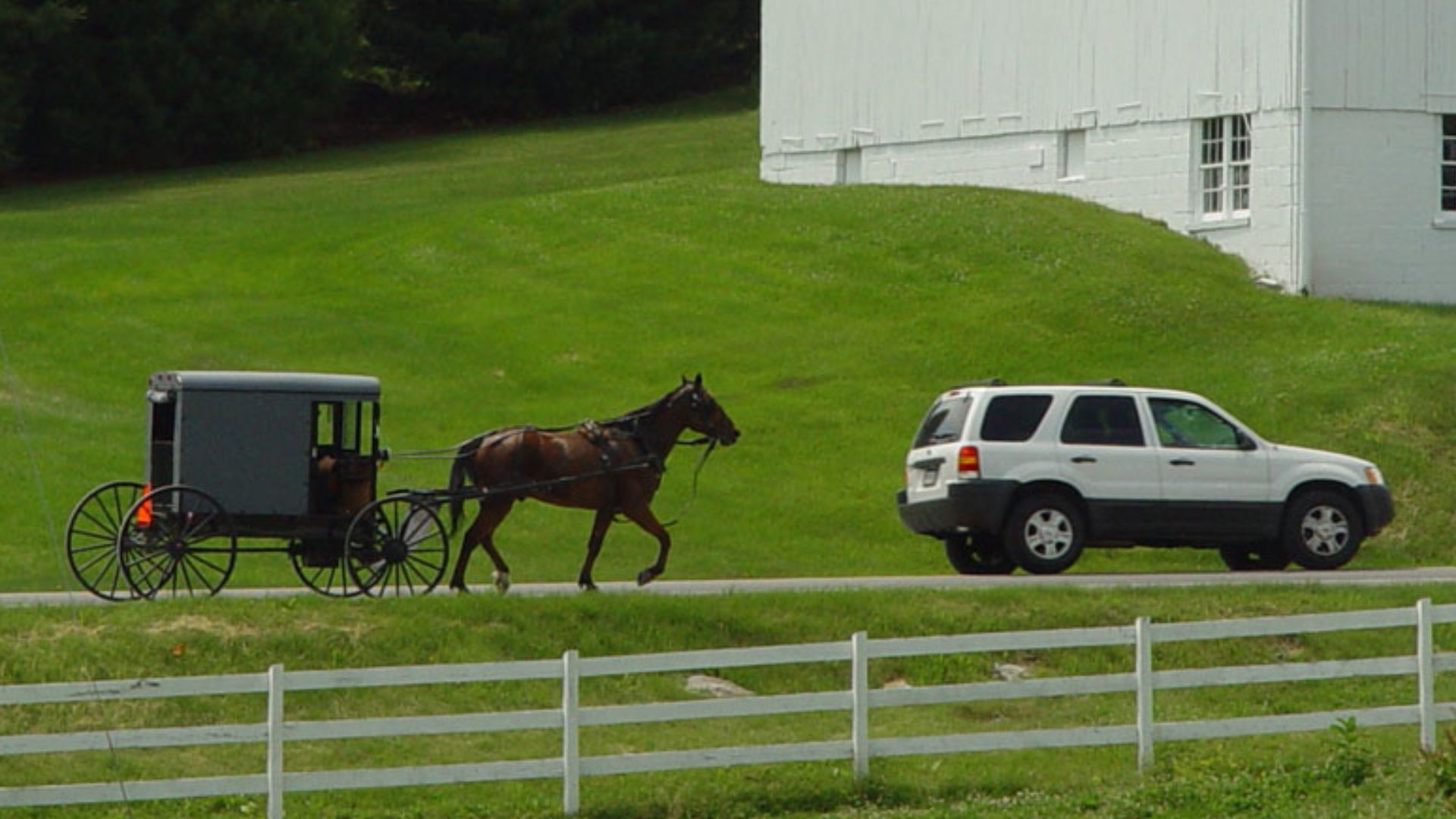
Outsiders Drive Amish Cars
Cars are off-limits, but that doesn’t mean the Amish never travel. They hire “English” drivers (non-Amish locals)to reach markets or hospitals. It’s common to spot Amish families in taxis or vans driven by outsiders, bridging two very different worlds.
 The original uploader was TheCadExpert at Italian Wikipedia., Wikimedia Commons

History's most fascinating stories and darkest secrets, delivered to your inbox daily.
Avoidance Of Photography
A camera lens holds no appeal in Amish life. Being photographed is believed to promote vanity and conflict with their religious humility. Some allow candid or faceless photos, but most prefer to keep their image—and identity—away from view.

Beards And Marital Status
Among Amish men, a beard says more than words. Once married, they put away the razor for good—but never grow a mustache, since it once symbolized military pride. The beard stands for peace, faith, and lifelong devotion to family and God.
Dresses Fastened With Straight Pins
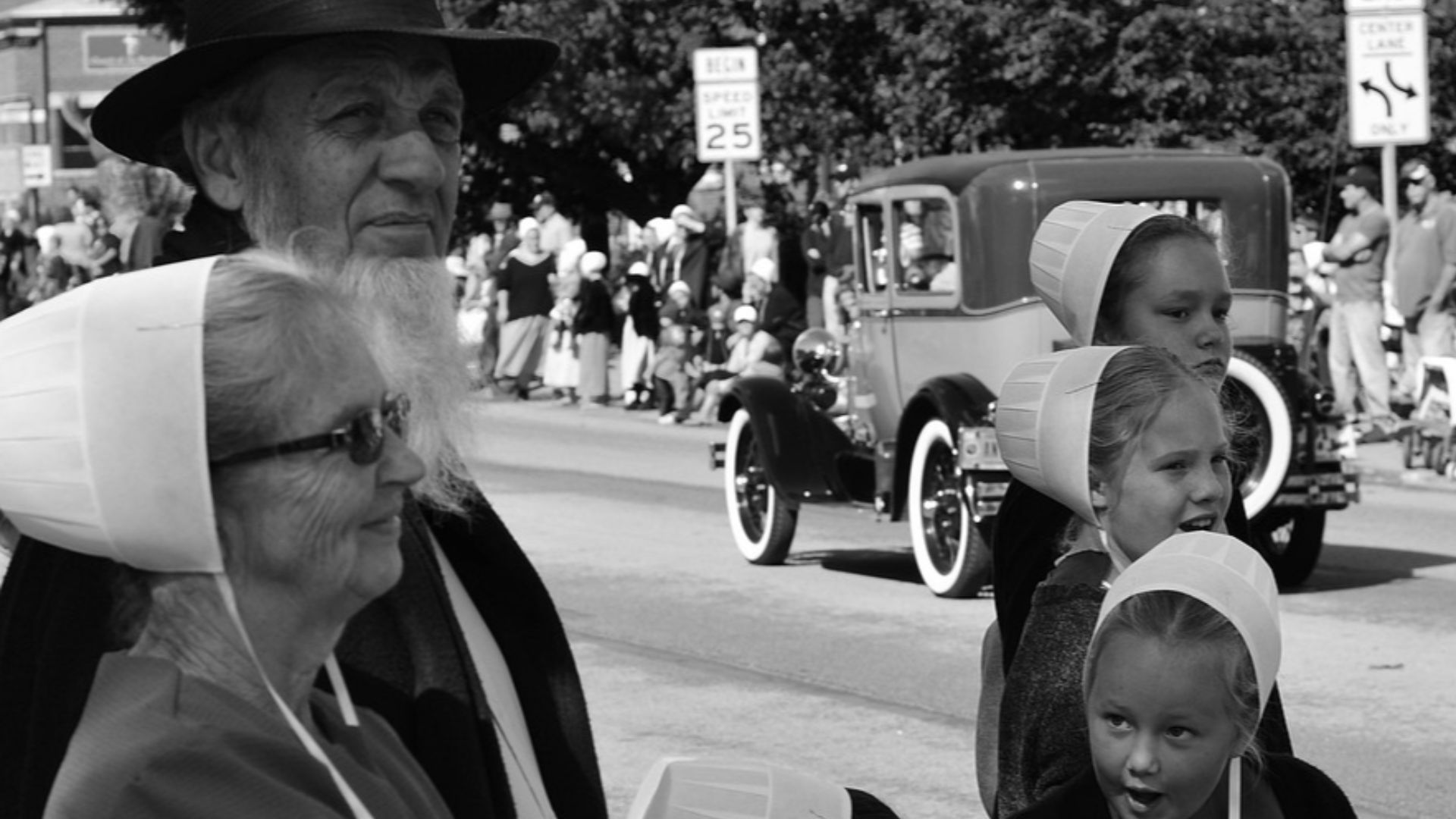
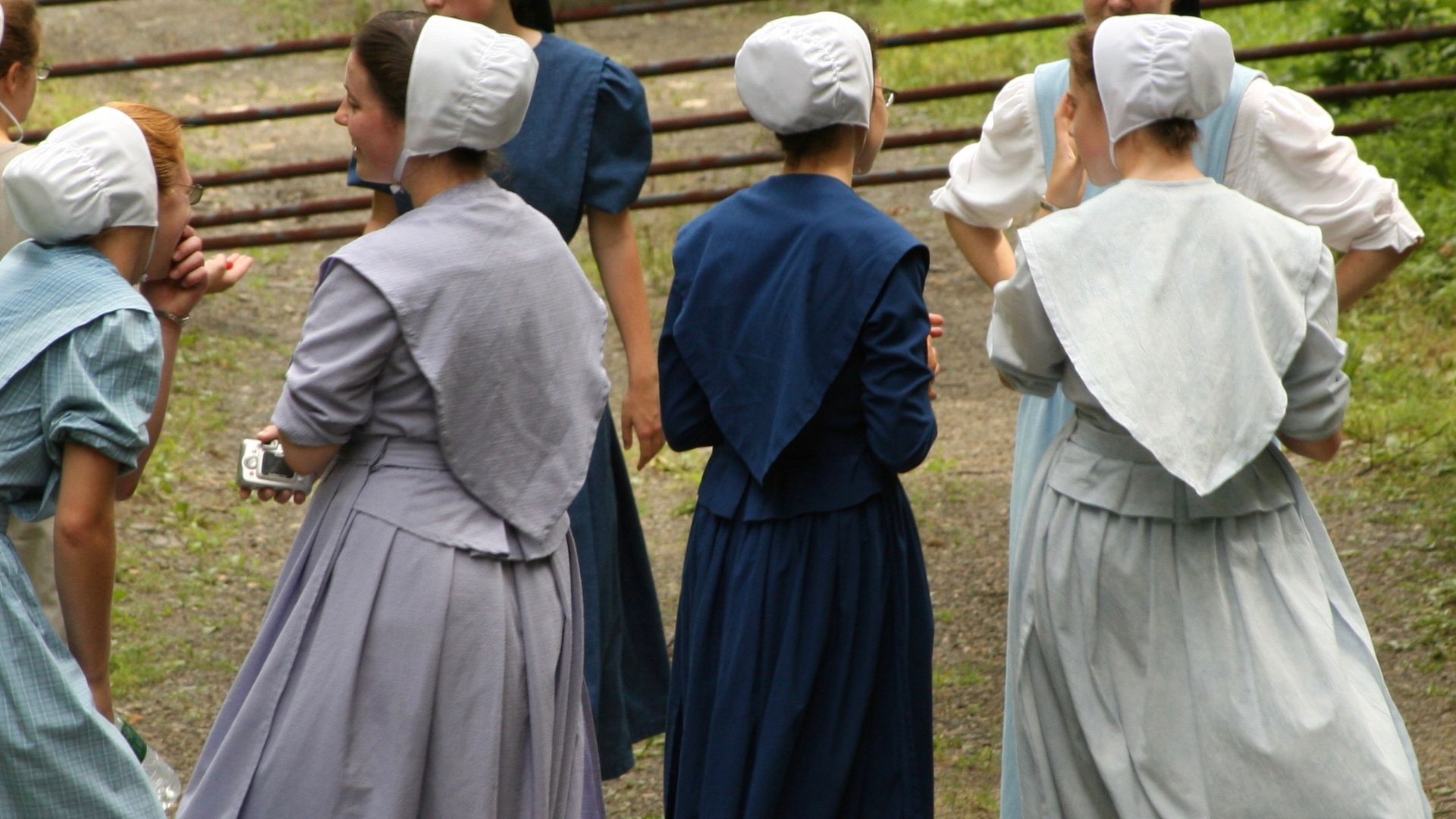
Instead of buttons or zippers, Amish women use straight pins to fasten their dresses. Buttons are viewed as decorative, so pins keep clothing modest and plain—an everyday reminder that humility is as important as comfort in Amish life.
 LittleTidbits, Wikimedia Commons
Avoidance Of Public Electricity
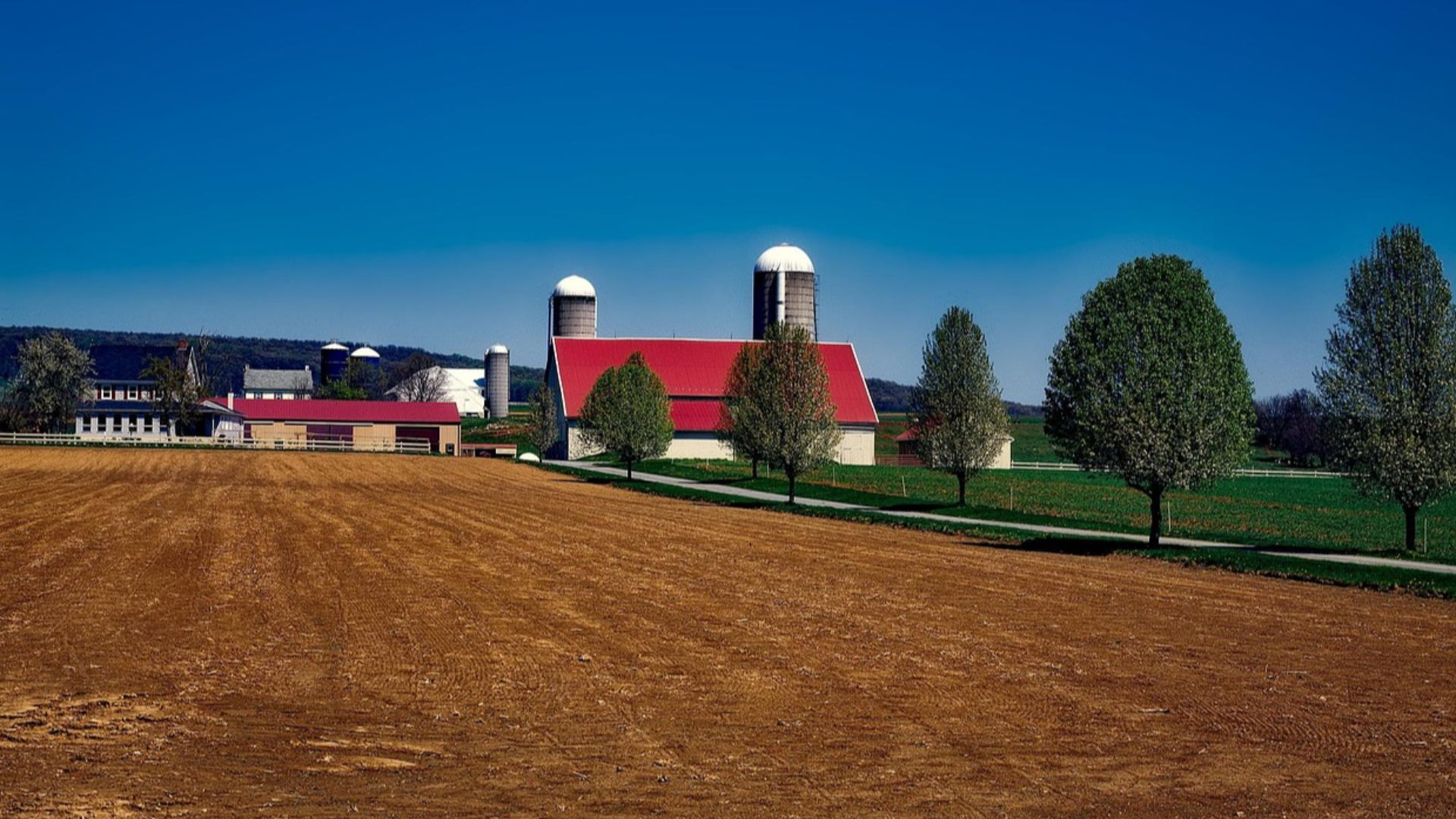
Light switches and outlets are absent in Amish homes. They avoid public electricity to stay independent and prevent competition over modern gadgets. Many use gas lamps or batteries instead, keeping family life centered on work, faith, and face-to-face connection.
Amish Newspapers
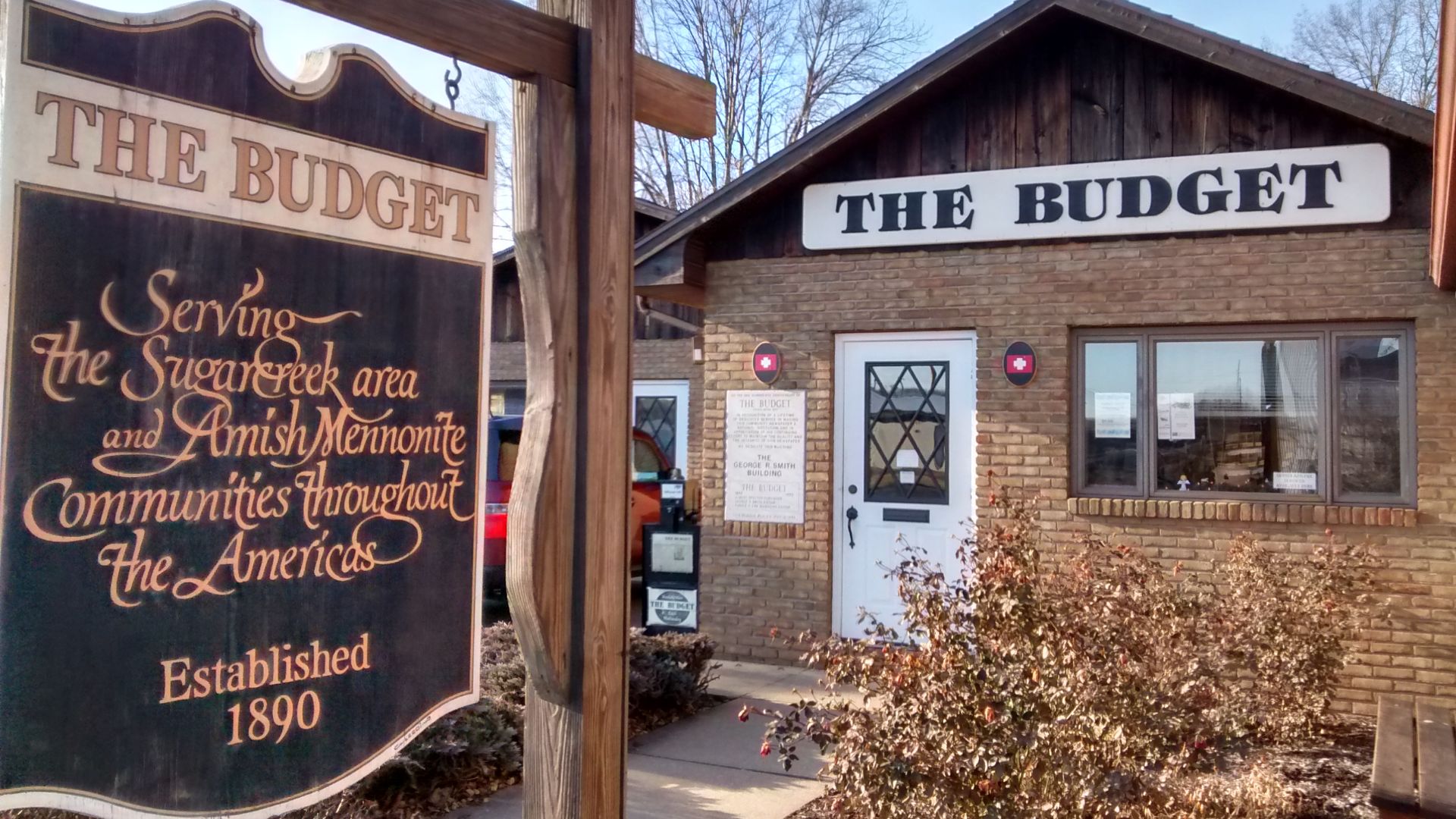
The Amish have their own newspapers, like The Budget, where communities share local news and church events. Written in English, not Pennsylvania Dutch, it connects hundreds of settlements through letters—proof that even without the internet, news still travels far.
Excommunication And Shunning
When someone breaks church rules, they can face shunning—called Meidung—a form of social and business separation meant to encourage repentance. Though strict, it’s guided by teachings and aims to bring members back into harmony with their faith.
Home Funerals
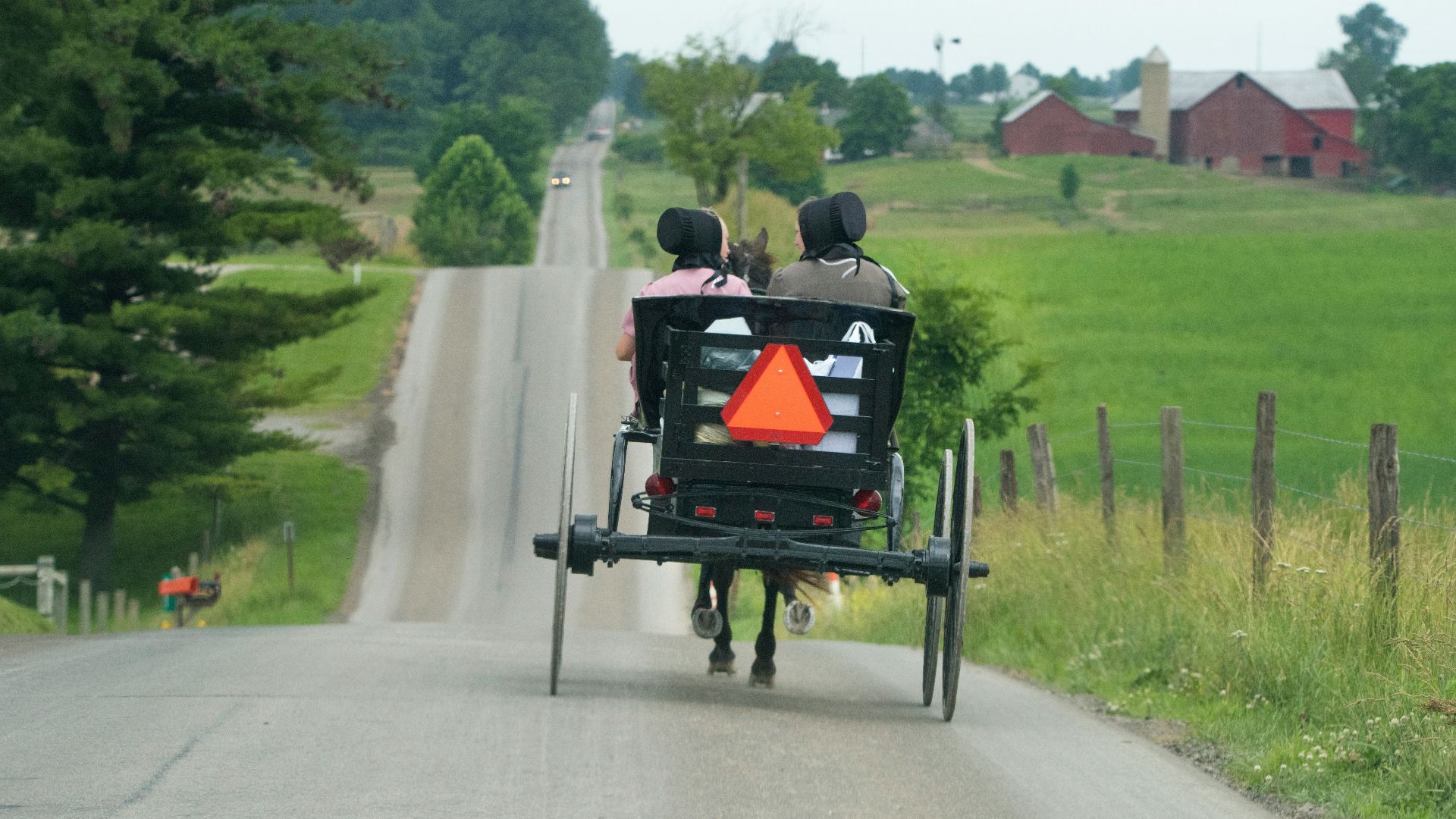
Amish funerals are simple and deeply communal. The service takes place at home, not in a church, with the body placed in a plain wooden coffin. There are no flowers or displays—just quiet prayers and neighbors supporting one another in grief.
 Pintsmasher, Wikimedia Commons
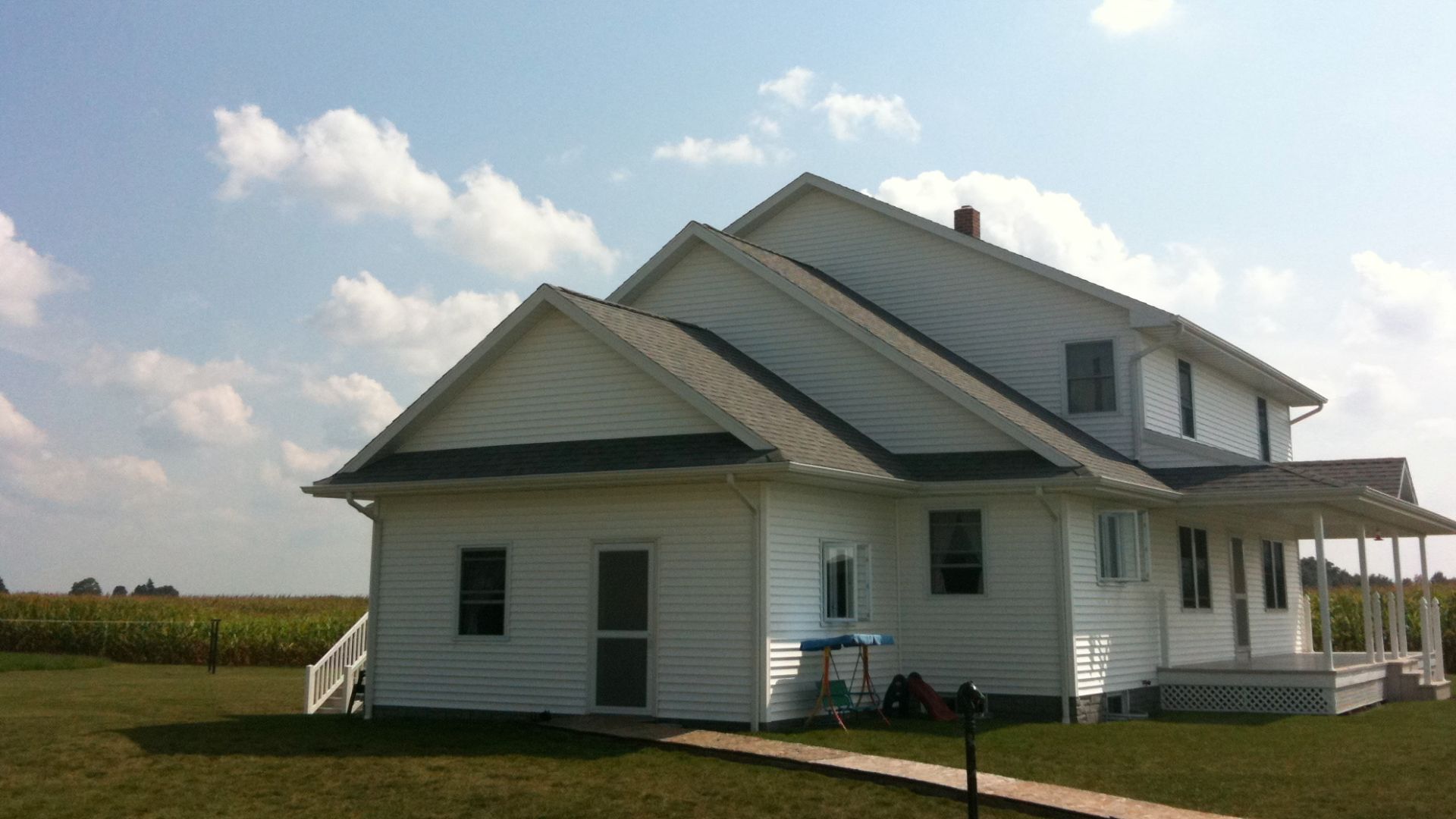
No Birthday Parties
Don’t expect candles or confetti on an Amish birthday. Parties and gifts are seen as prideful, so birthdays are quietly marked with family meals or prayers instead. Celebration, for them, means gratitude and never attention.
 Irving Rusinow, Wikimedia Commons
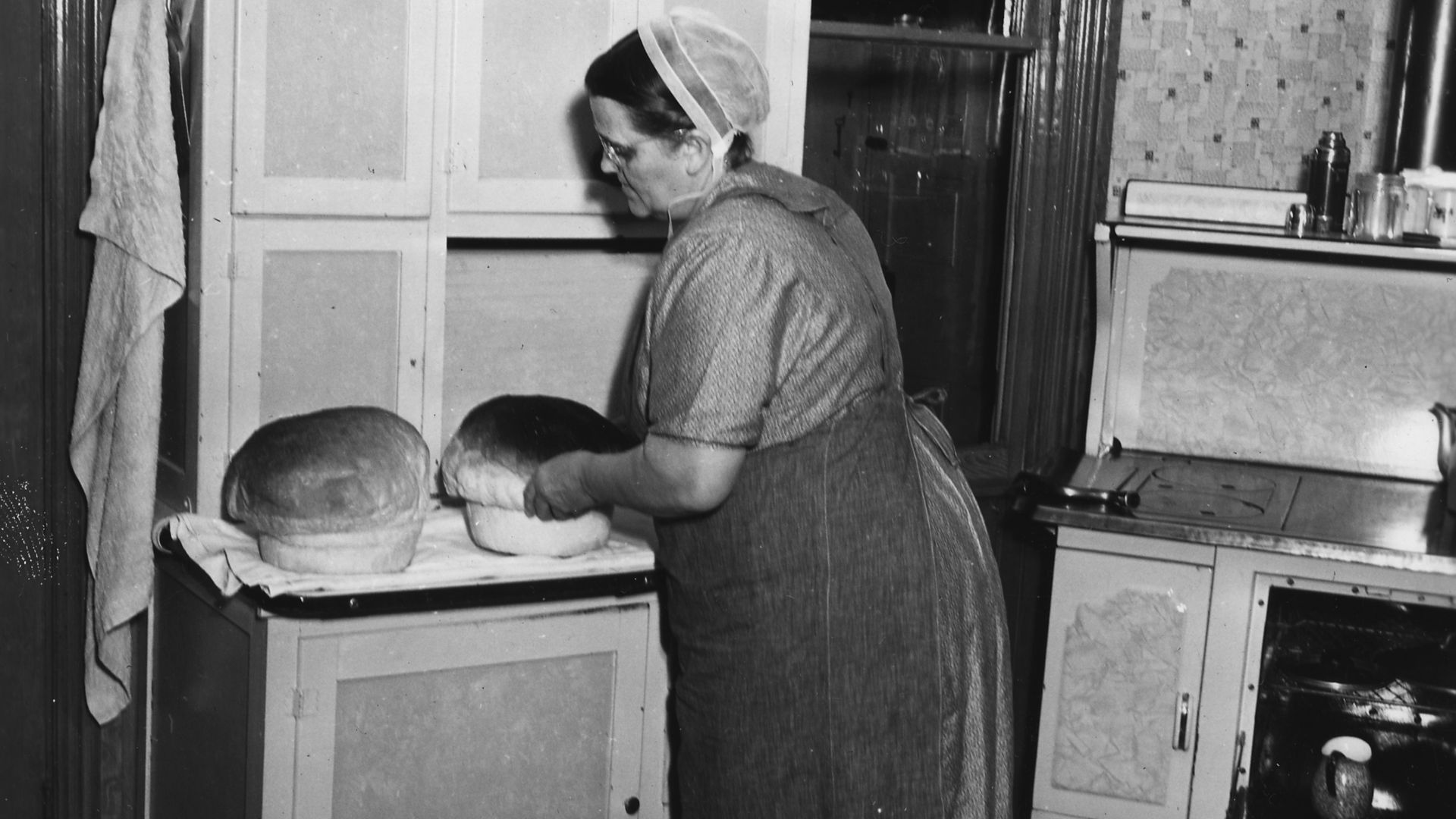
Youth In Construction And Furniture
After eighth grade, Amish teens step straight into adulthood. Many join family farms, construction crews, or furniture shops, learning trades that support their community. These early jobs teach discipline and the satisfaction of earning through honest work.

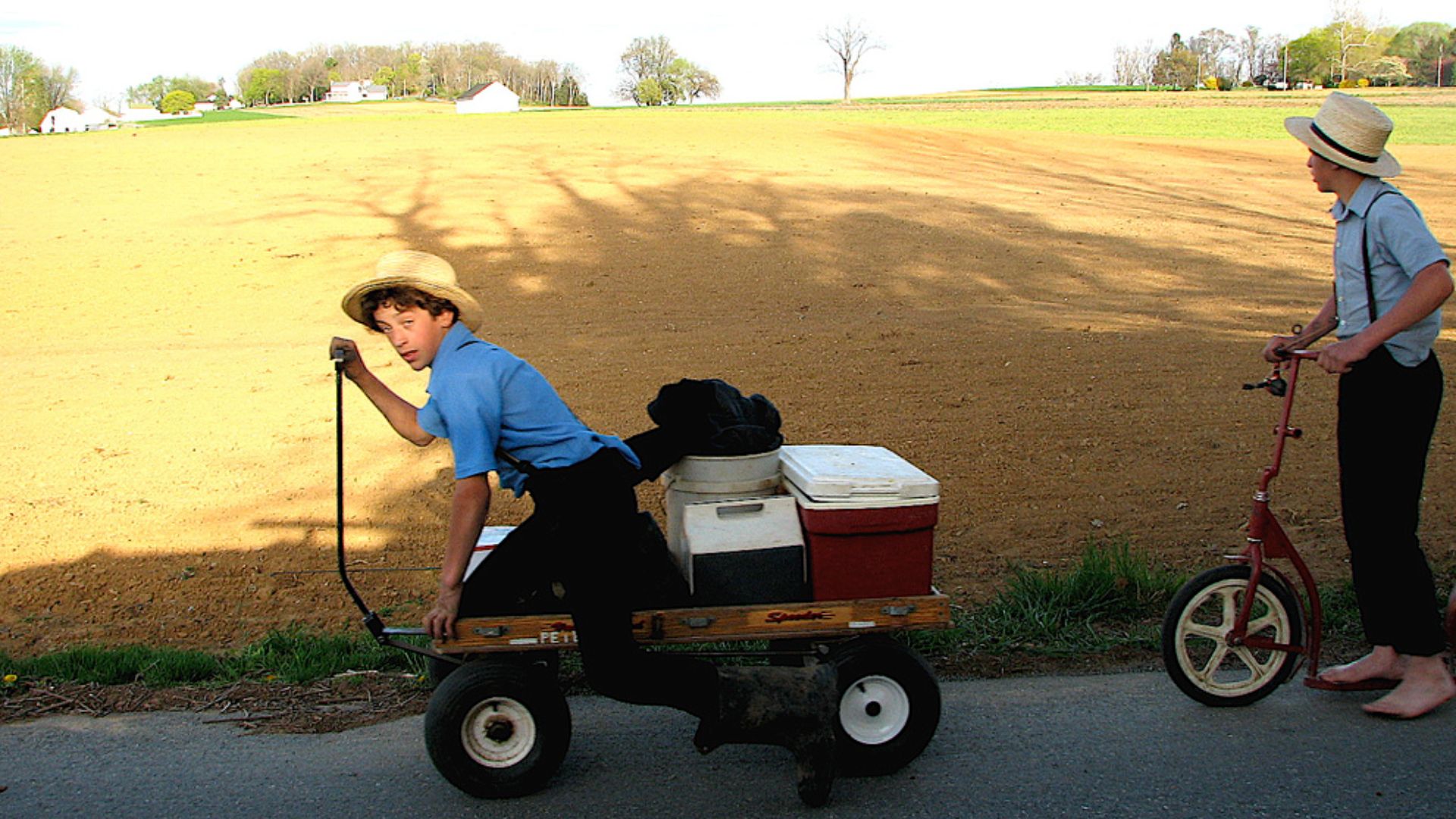
Wide Variation In Community Rules
No two Amish communities are exactly alike. Each follows its own Ordnung, deciding what’s allowed—be it bicycles or battery lights. Even neighboring towns can have different dress codes, which proves that “Amish” life isn’t one-size-fits-all.
 Gadjoboy from flickr.com - https://www.flickr.com/photos/gadjoboy/, Wikimedia Commons
Herbal Remedies First
When illness strikes, many Amish families start with what’s growing outside their door. Herbs and homemade tonics, passed down through generations, form the first line of care. Their approach blends practicality with tradition by relying on nature before modern medicine.
 Ryan Snyder, Wikimedia Commons
Pennsylvania Dutch Language
Inside Amish homes, the language you’ll hear isn’t English but Pennsylvania Dutch, a dialect of German passed down for centuries. English is learned in school for dealing with outsiders, while church services are still held in High German.
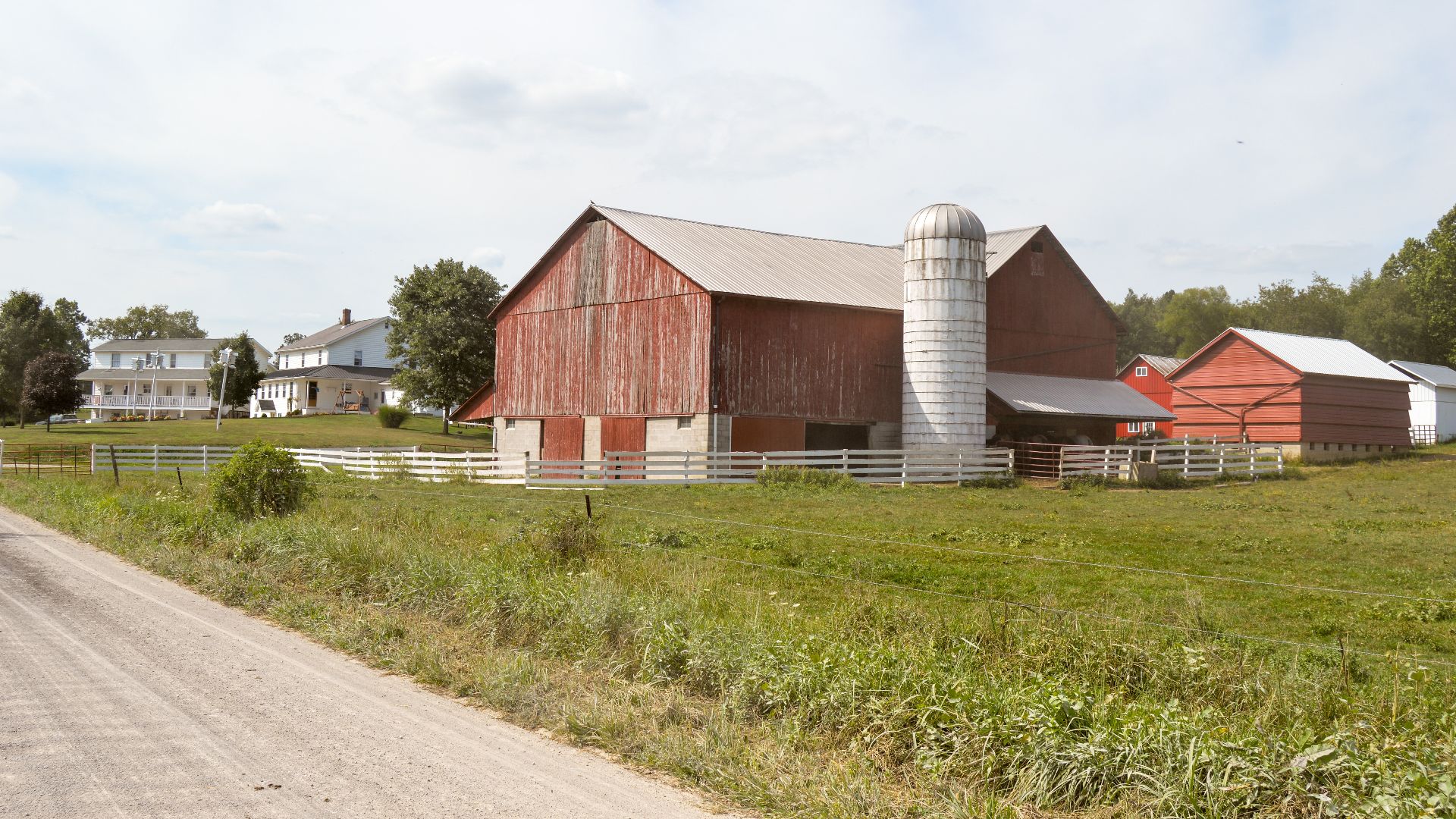
Solid-Colored Fabrics Only
Amish clothing is all about simplicity. Patterns and prints are considered too showy, so most garments are made from solid colors—deep blues, purples, and grays for daily wear, black for formal events. Each community’s color choices quietly express unity and modesty.

Bishops Elected By Lot
Leadership in Amish churches isn’t chosen by ambition or popularity. After nominations, the final decision is left to chance or faith. Names are drawn by lot, a method rooted in biblical tradition that’s believed to reflect God’s direct will.
 Ivan McClellan, Wikimedia Commons
Ice Houses Instead Of Fridges
In many Amish communities, frozen blocks of winter ice replace humming refrigerators. Stored in insulated sheds called ice houses, this method keeps food cool for months. Some groups use propane fridges, but electric ones tied to public power are off-limits.
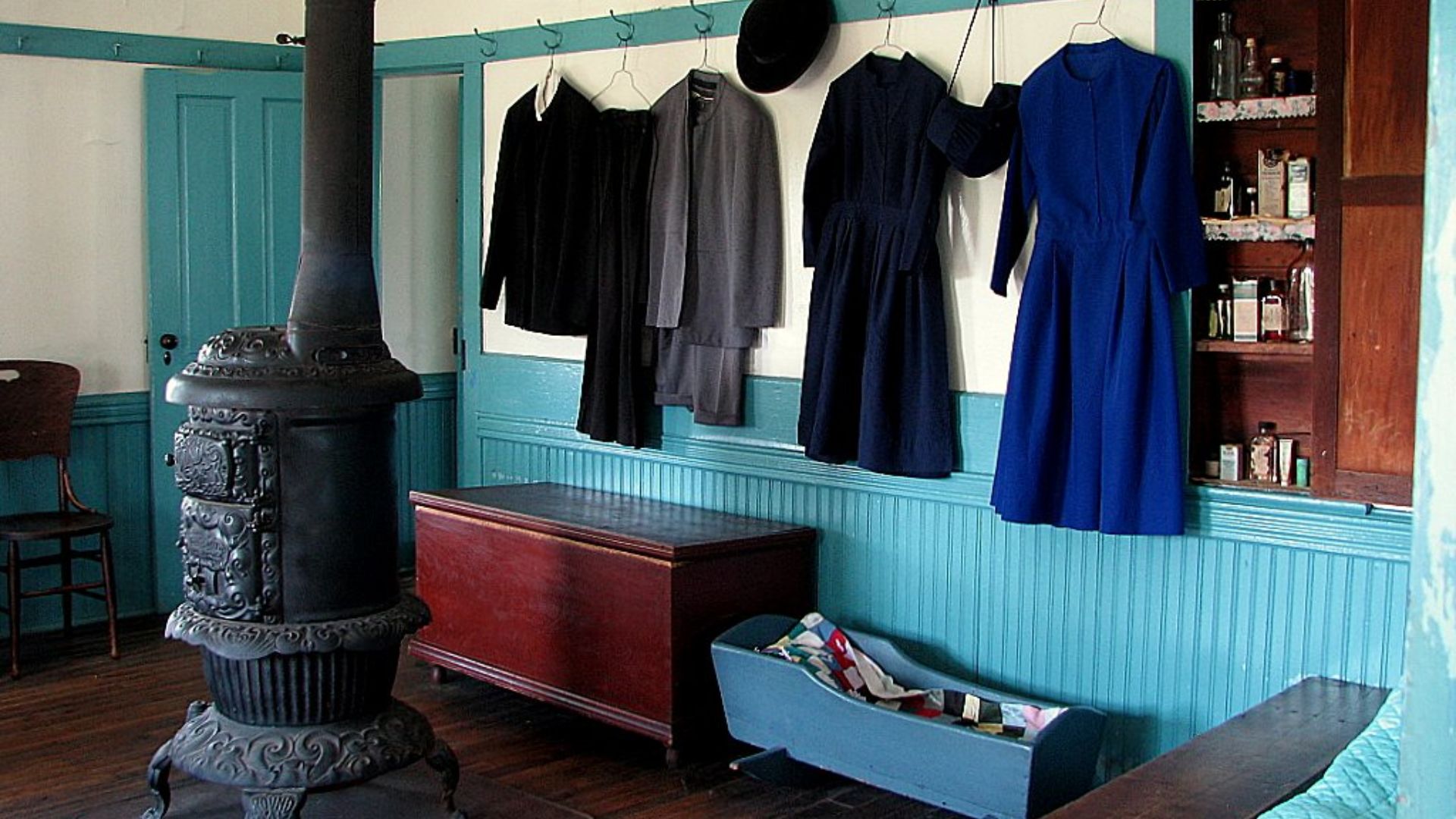
No Musical Instruments In Worship
Amish church music comes only from human voices. Hymns are sung slowly and a cappella, often from the centuries-old Ausbund hymnal. Instruments are avoided to keep worship humble and united, reminding everyone that praise should come from the heart, not performance.
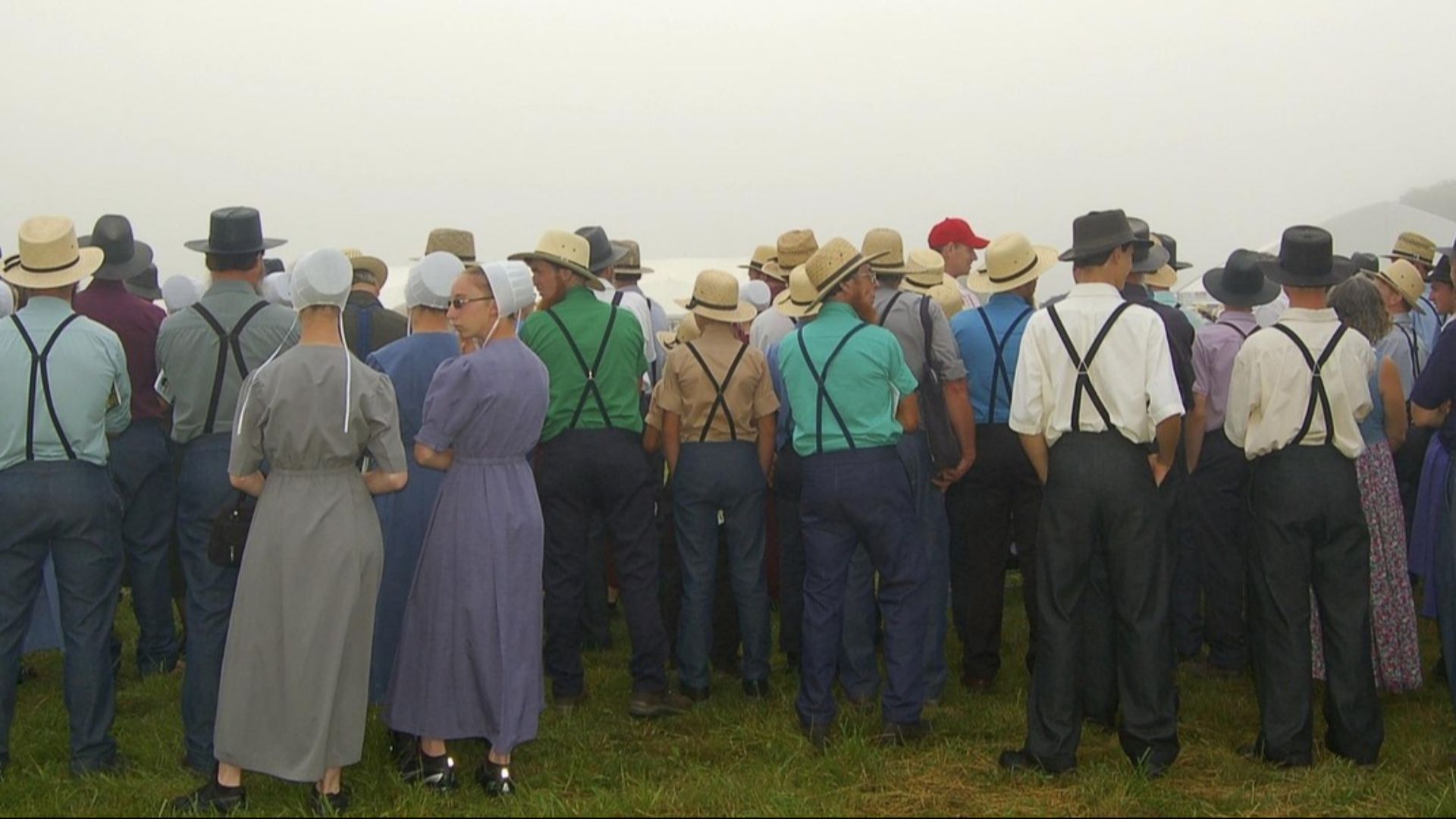
Schooling Ends At Eighth Grade
Formal education for Amish children stops after eighth grade. Lessons focus on reading, writing, math, and practical skills for farm or trade work. This long-standing custom was upheld by the US Supreme Court to preserve their right to live by faith and tradition.