The Moon’s Not Telling Us A Few Things, Why?
Some strange things keep happening on the Moon, and scientists can’t quite pin them all down. Despite countless missions and detailed observations, its mysteries keep multiplying. Will we ever get the answers?
The Moon’s Oversized Mass Relative To Earth
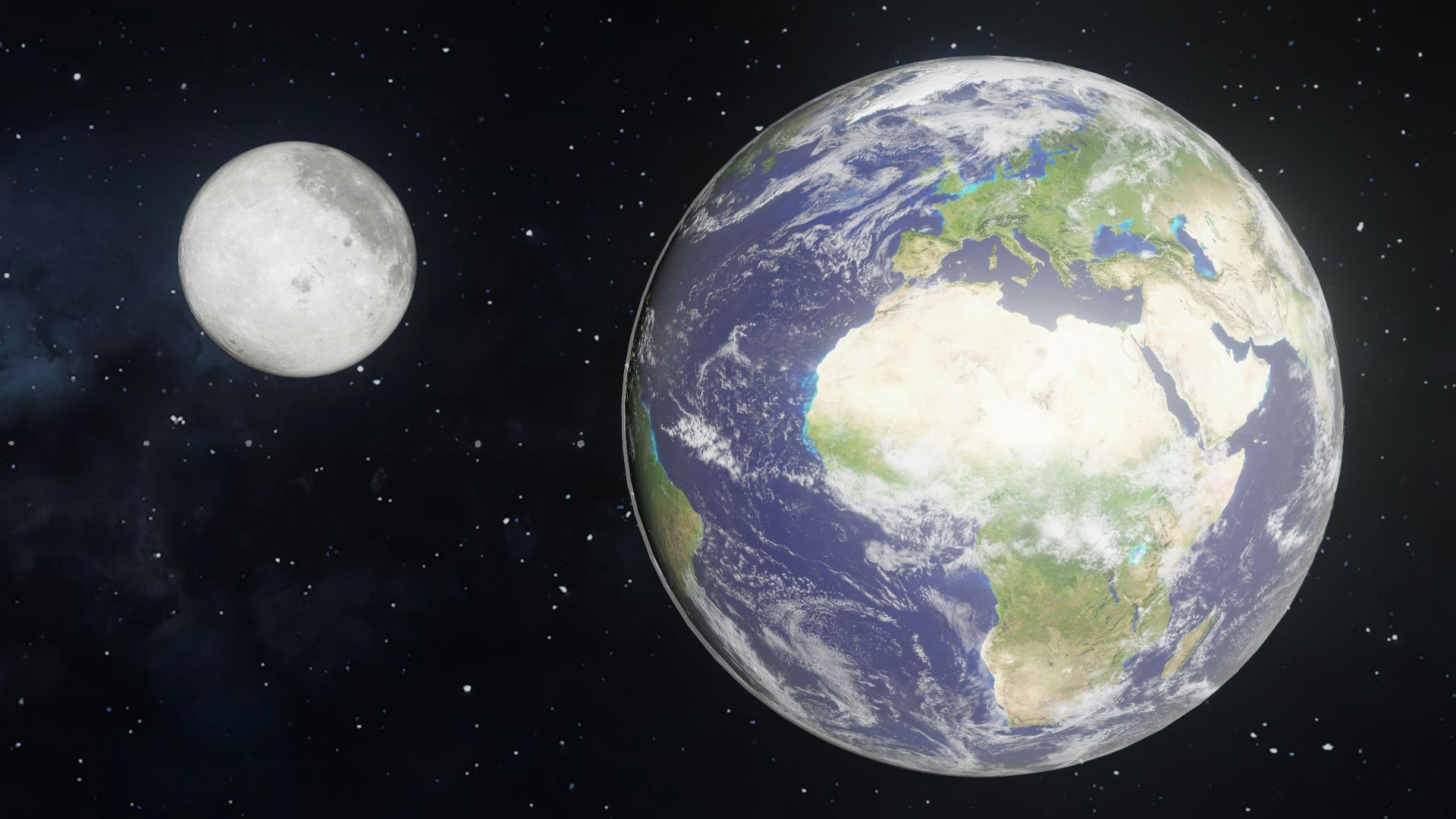
No other moon in the solar system rivals ours in size compared to its planet. With a mass ratio of about 1 to 81, the Moon is considered large for a body orbiting Earth’s modest gravity. And humans still can’t fully explain why.
The Origin Of Lunar Swirls
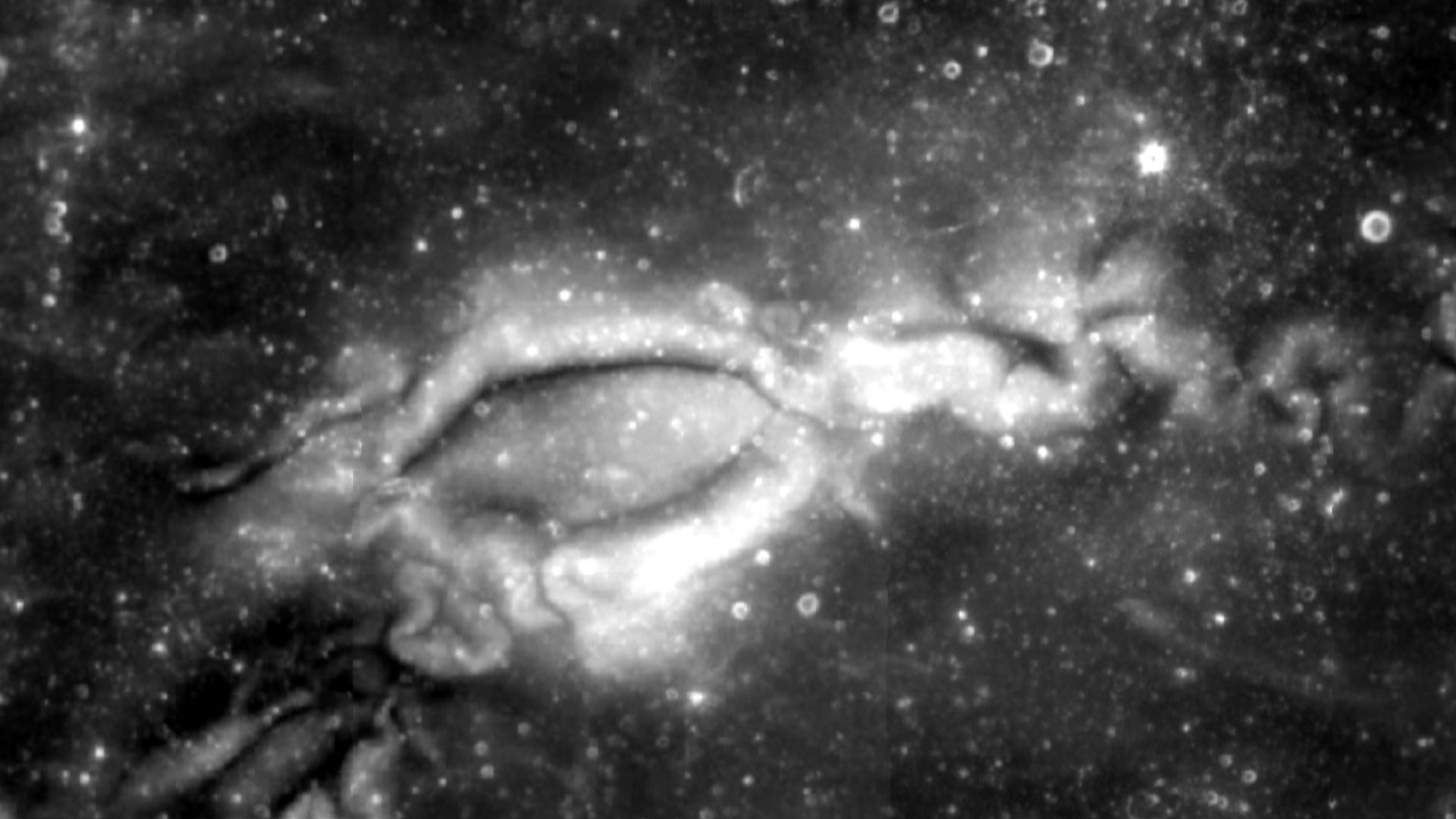
Look through a small telescope and you might catch Reiner Gamma, a ghostly swirl twisting across the Moon’s gray plains. These bright, sinuous streaks lack craters or ridges to account for them, and their puzzling link to magnetic anomalies still eludes science.
 U.S. Government, Wikimedia Commons
Transient Lunar Phenomena (TLPs)
For centuries, astronomers have glimpsed brief flashes or color changes on the Moon’s surface. Were they illusions or something escaping from within? Known as Transient Lunar Phenomena, these fleeting events appear most often near the Aristarchus crater. Some have been witnessed by multiple observers.
The Moon’s Disappearing Magnetism
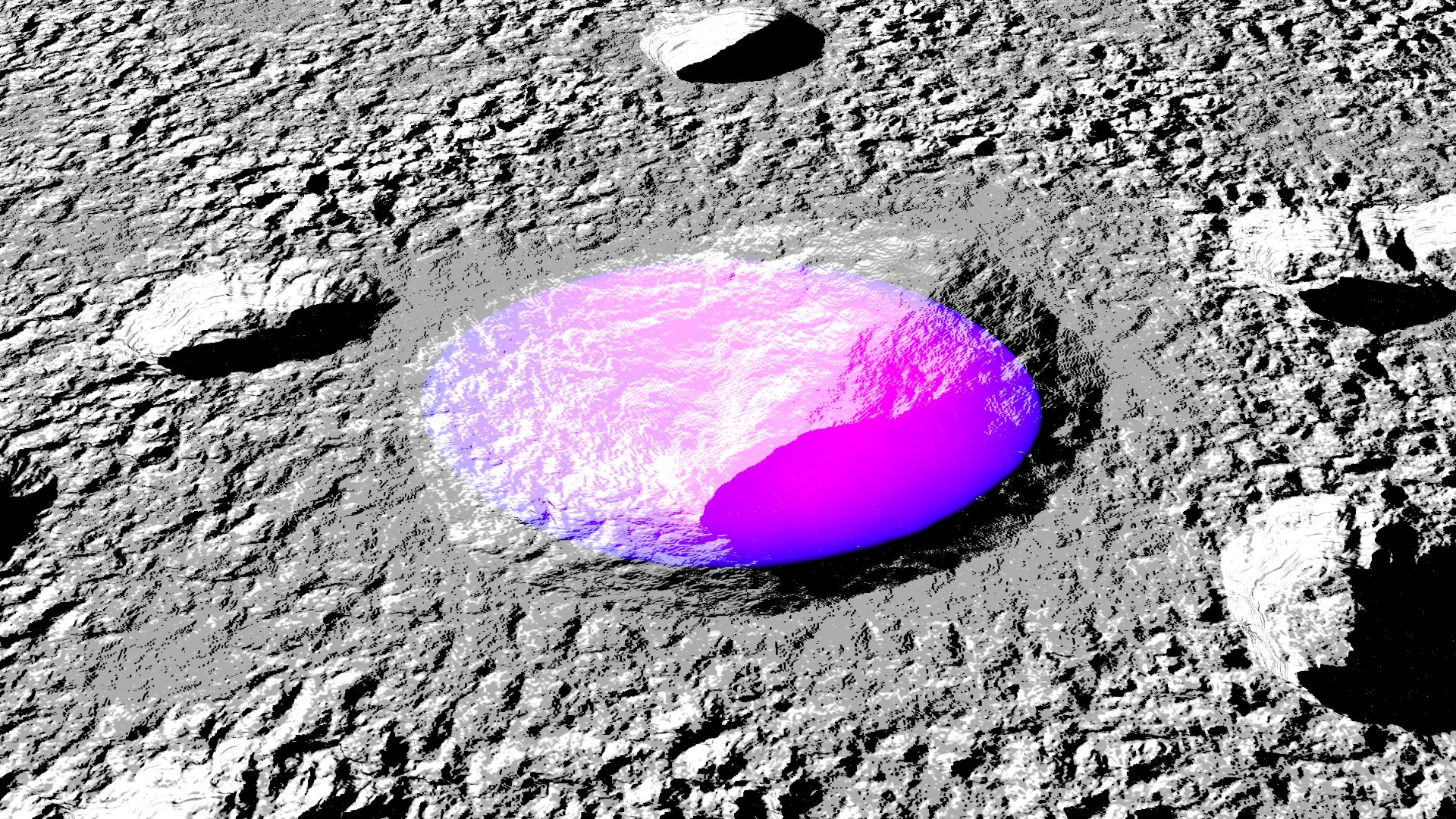
Billions of years ago, the Moon had a global magnetic field powerful enough to magnetize rocks. Then, gradually, it weakened. Why it formed or how it died remains one of planetary science’s most puzzling riddles. Traces of that ancient field still cling to certain rocks.
 Wknight94 talk, Wikimedia Commons
The Asymmetry Between Near And Far Sides
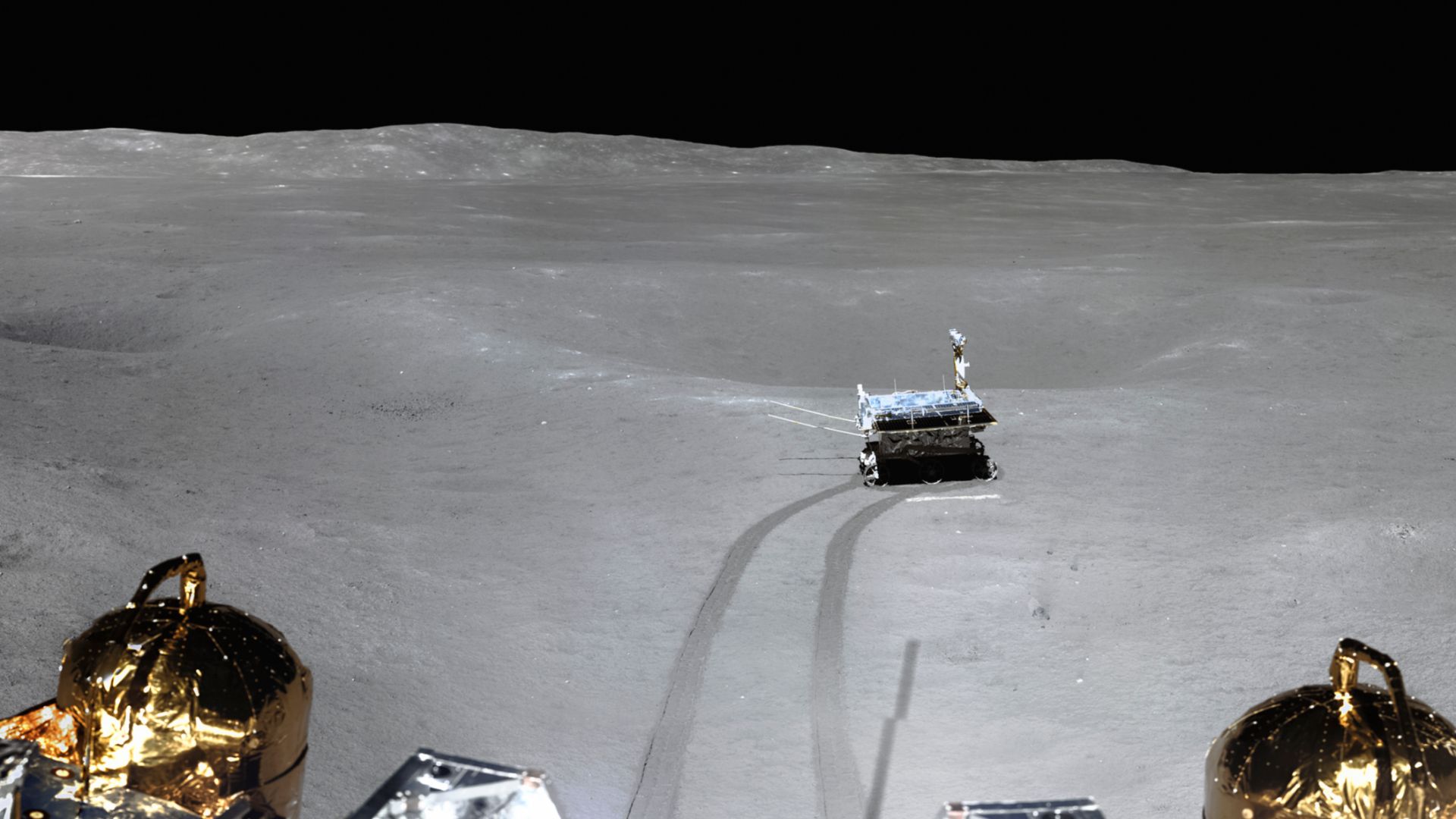
Spin the Moon, and two different worlds appear. The near side—the one we see—is smoother and lava-dark, while the far side is thicker-crusted and packed with craters. The vast South Pole–Aitken Basin on the hidden side deepens the mystery with its colossal scale and ancient scars.
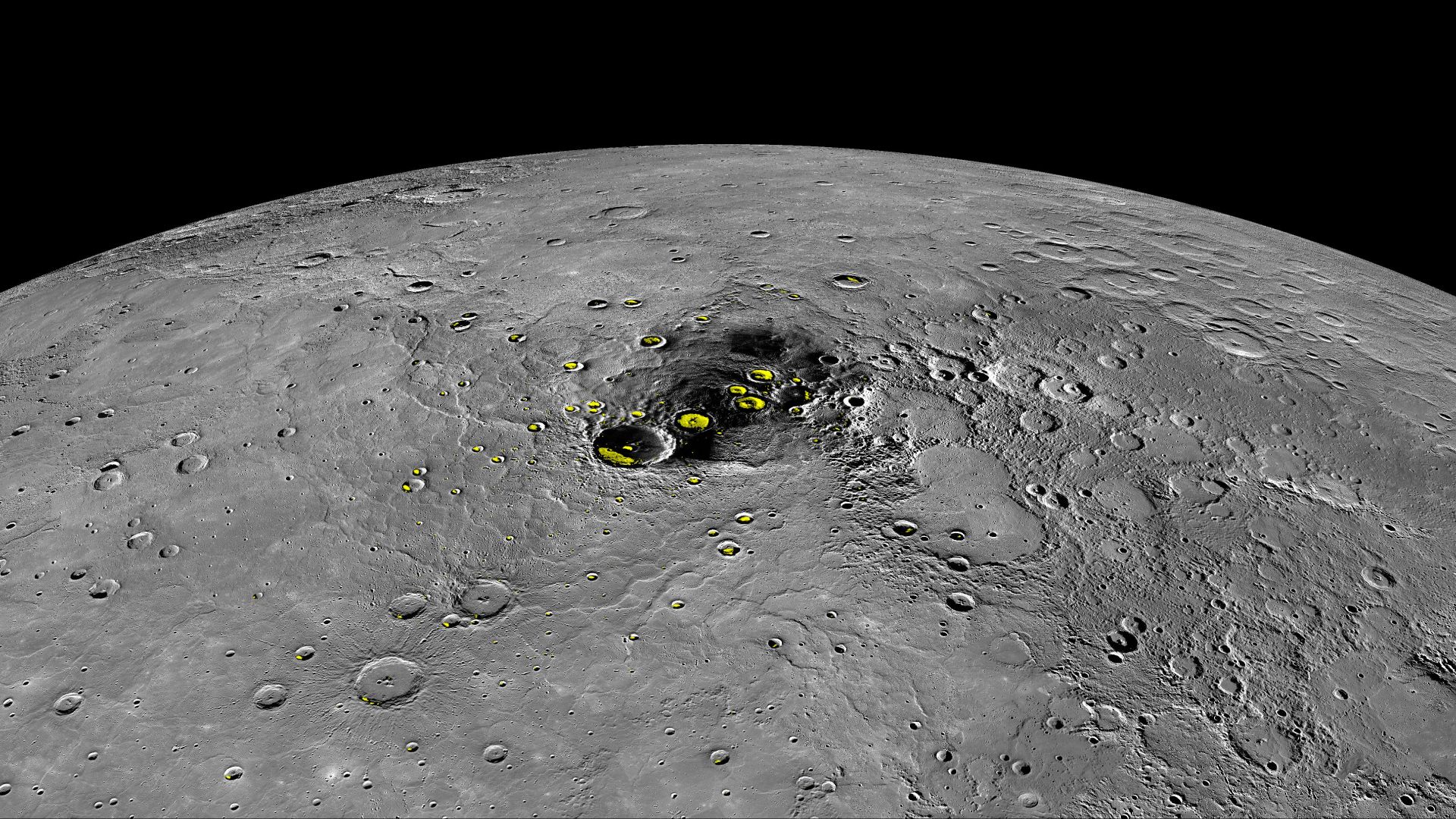
The Origin Of Water Ice In Permanently Shadowed Craters
Inside the Moon’s eternally dark craters, temperatures plunge to negative 230°C. There, frozen water lies untouched for billions of years. But where did it come from? Whatever the source, that ice could one day sustain explorers in places sunlight never touches.
The Moon’s Lack Of A Molten Core Despite Ancient Magnetism
Seismic readings show only a partially molten lunar core, yet ancient rocks hold evidence of a once-strong magnetic field. How could such a small core power a magnetic dynamo like Earth’s? The contradiction keeps geophysicists debating what sparked the Moon’s magnetic heart.
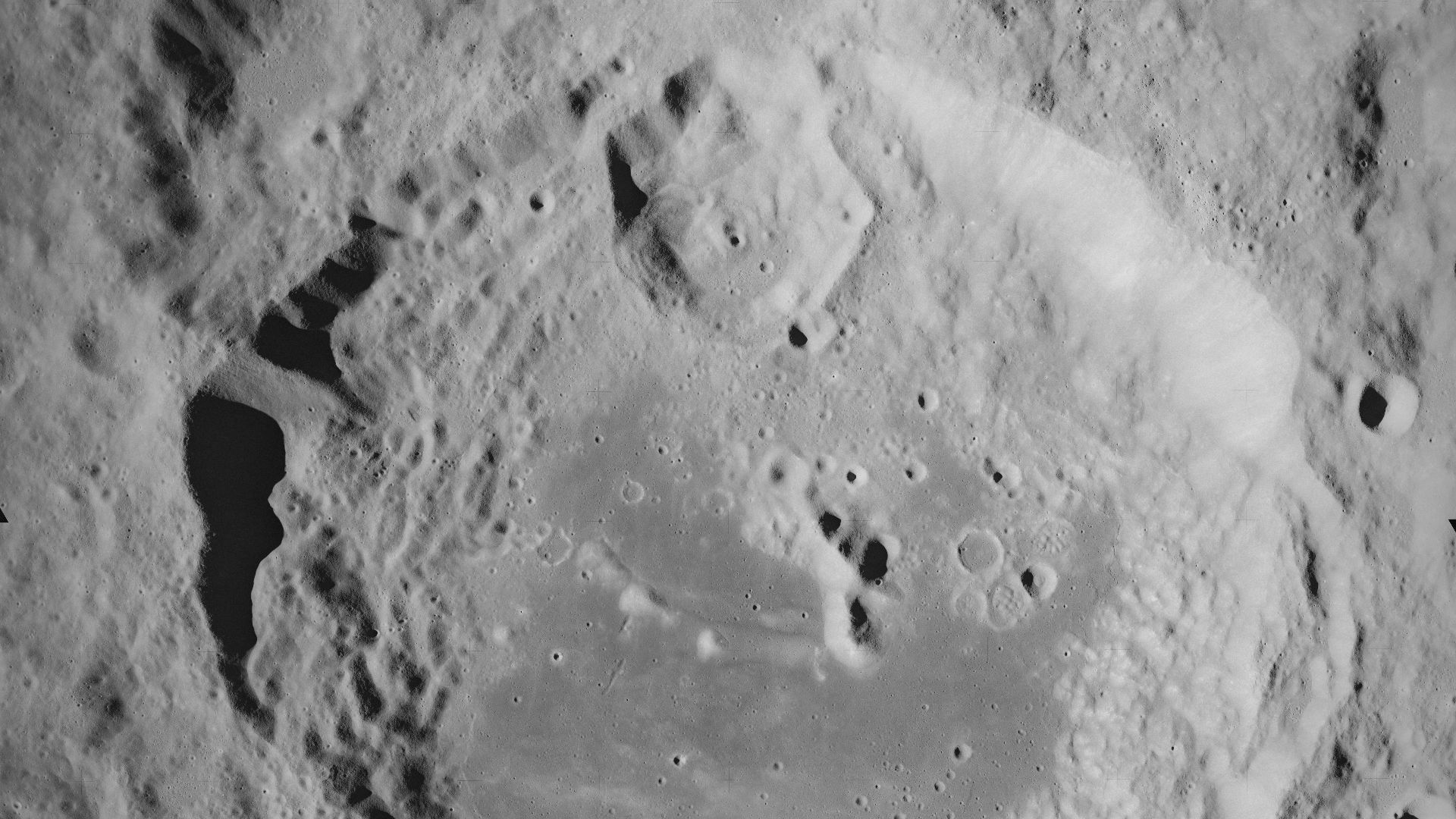
The South Pole–Aitken Basin’s Buried Mass
Deep beneath the Moon’s largest impact crater lies something massive and unexplained. The South Pole–Aitken Basin stretches roughly 1,553 miles wide, and what lies below defies expectations. The impact that carved it was unimaginably violent, releasing energy a trillion times greater than an atomic bomb.

History's most fascinating stories and darkest secrets, delivered to your inbox daily.
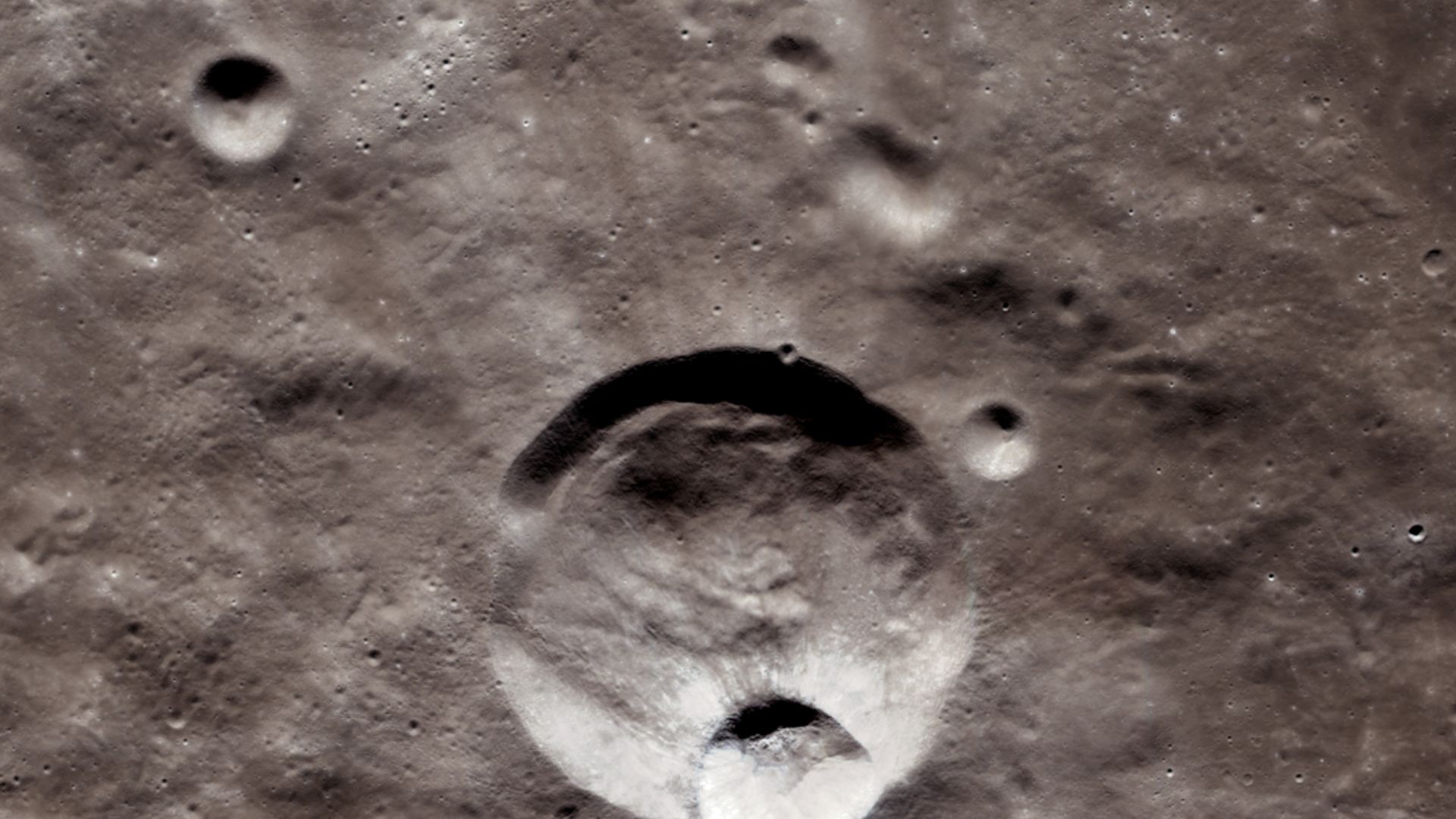
The Unexplained Brightness Of Some Crater Rims
Certain lunar craters gleam like polished silver, shining far brighter than their surroundings. Some rims may have been struck more recently, while others may have been coated with minerals. The reason for their luminous glow remains locked beneath lunar dust.
 NASA/GSFC/Arizona State University, Wikimedia Commons
The Moon’s Dust Levitation Behavior
Apollo astronauts saw something no one expected: a soft glow edging the lunar horizon before sunrise. NASA experiments hinted that dust, charged by sunlight, was lifting off the ground. With no wind to blame, scientists still puzzle over what keeps that dust afloat.
The Origin Of The Moon’s Crustal Magnetic Anomalies
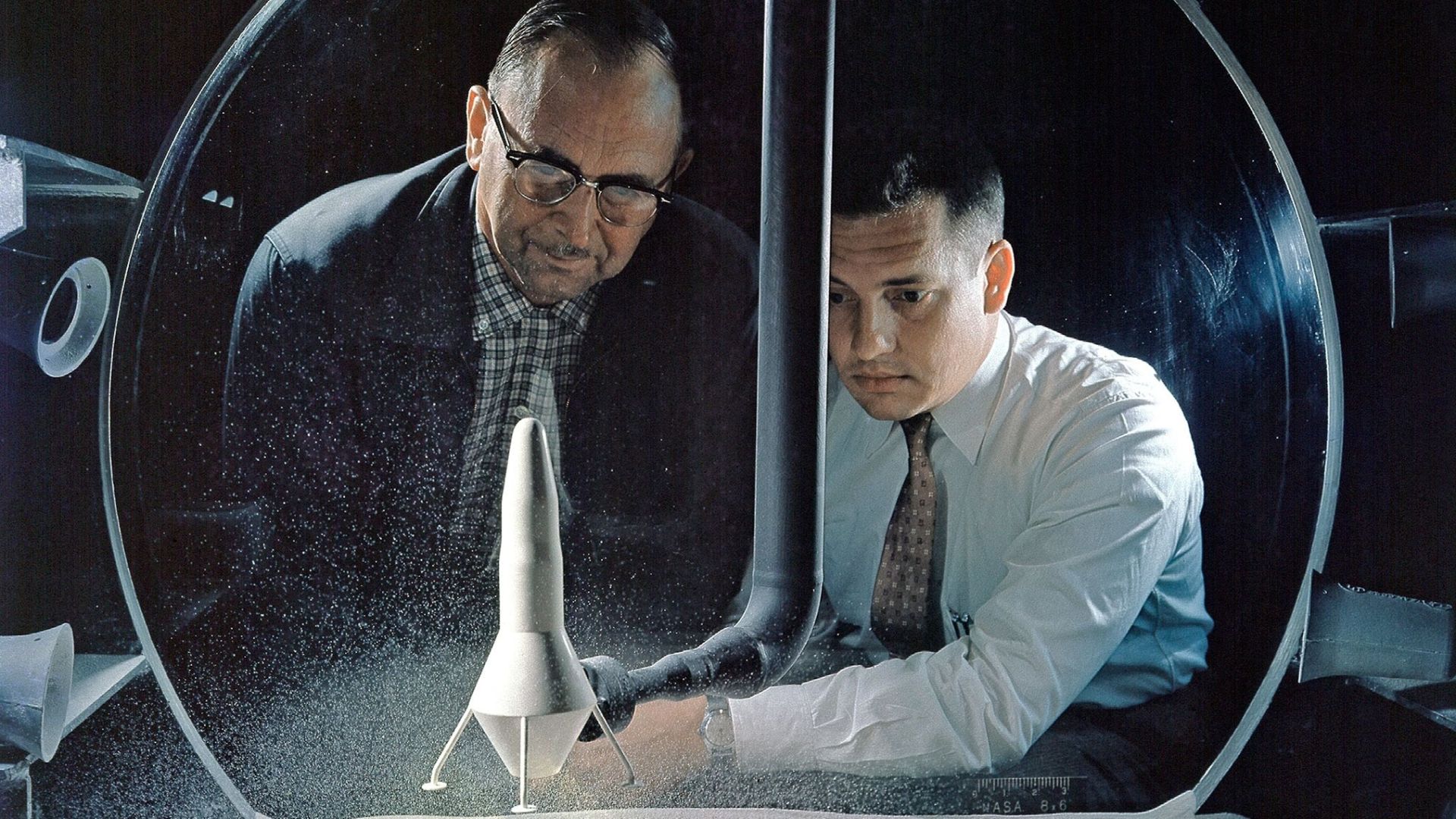
Scattered patches of magnetic power lie frozen within the Moon’s crust. These anomalies don’t behave like Earth’s north and south poles; instead, they’re scattered and uneven. Some coincide with lunar swirls, and this suggests a strange link. Others may even shield the surface from solar wind.
The Moon’s Formation Timeline Inconsistencies
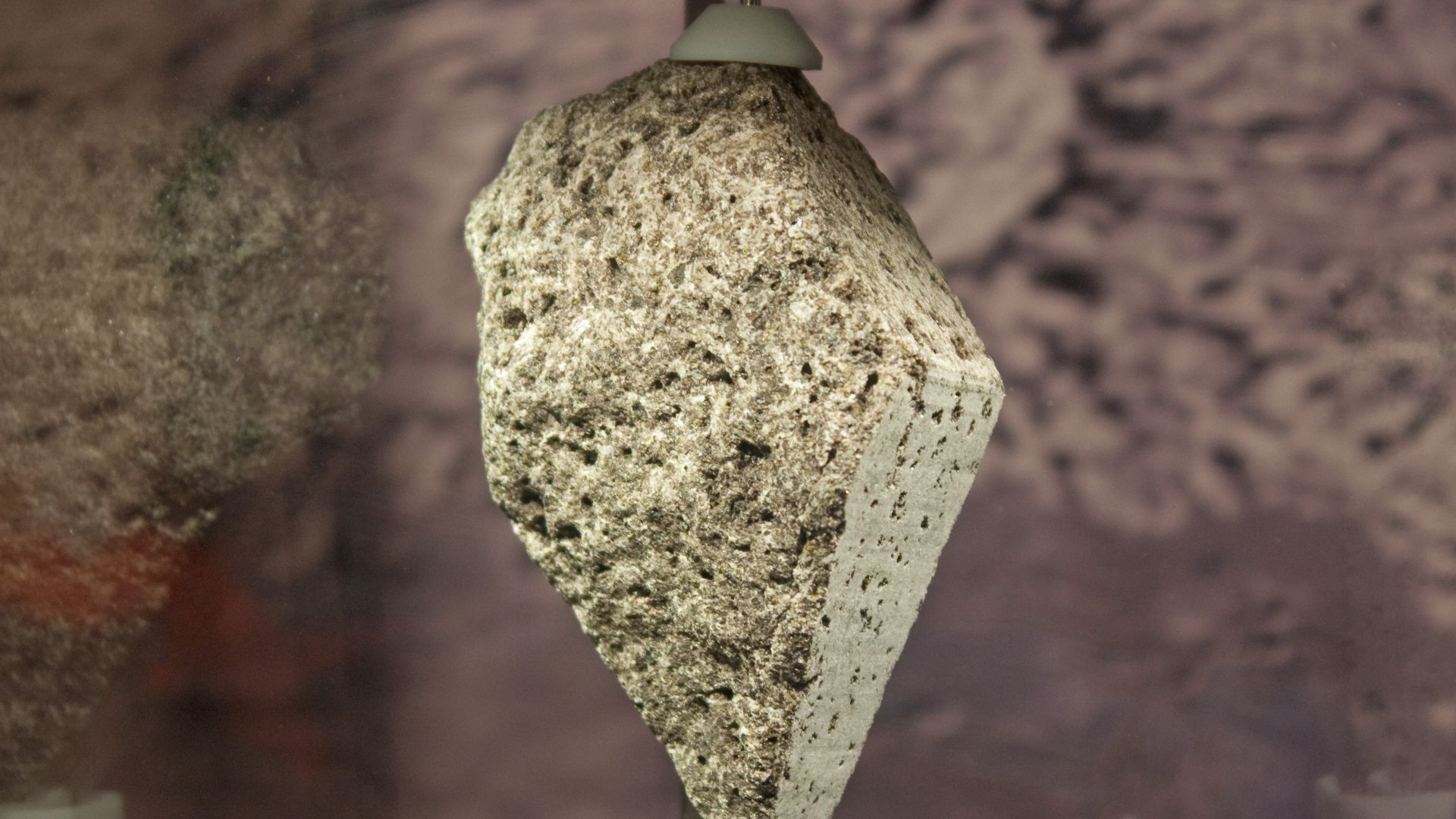
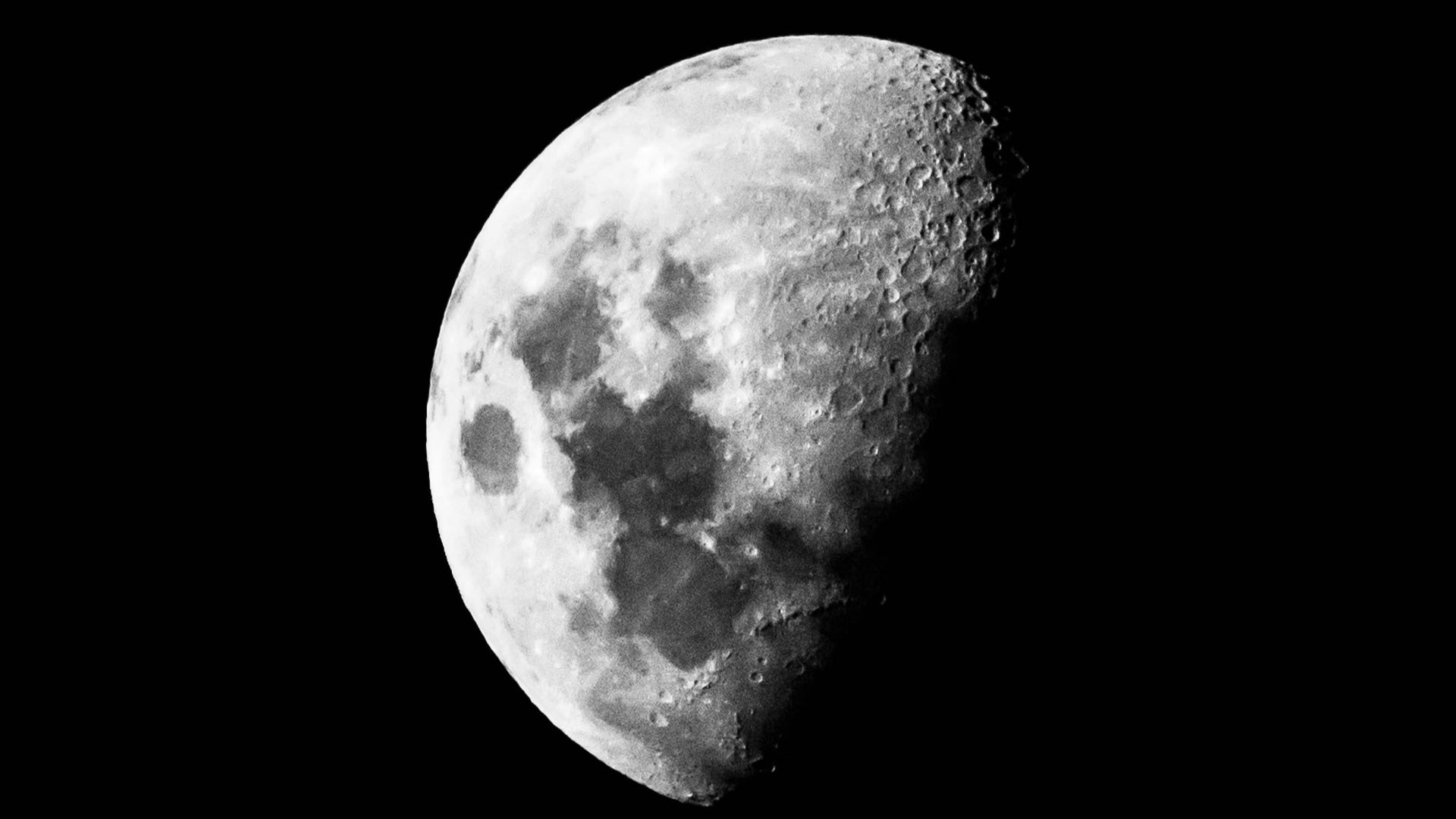
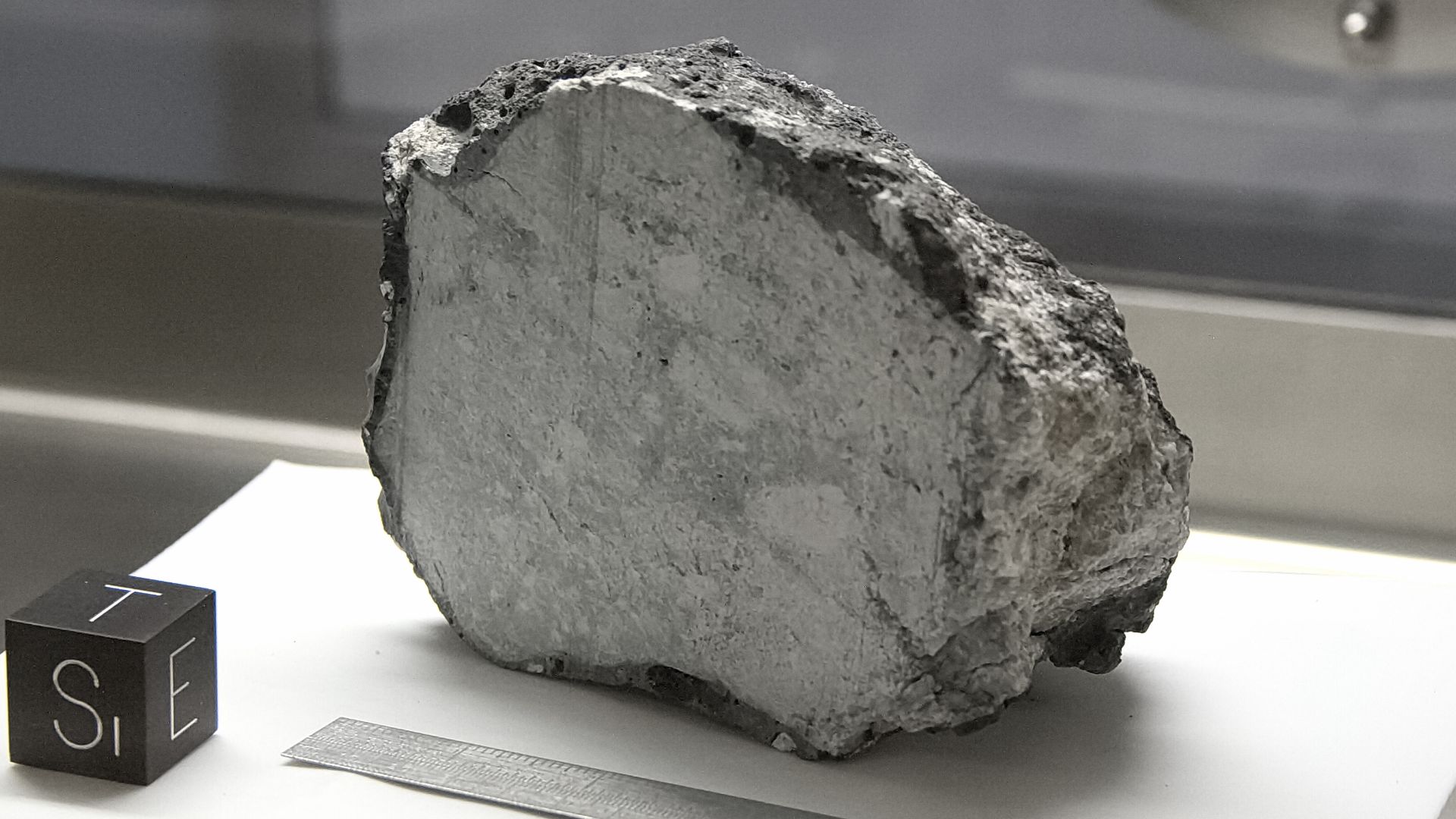
Radiometric dating of lunar rocks shows that volcanic activity on the near side lasted much longer than expected. Some samples even appear older than formation models predict. Each new rock brought back from space challenges earlier assumptions, rewriting the Moon’s supposed timeline again and again.
 OptoMechEngineer, Wikimedia Commons
The Moon’s Unexplained Heat Flow Patterns
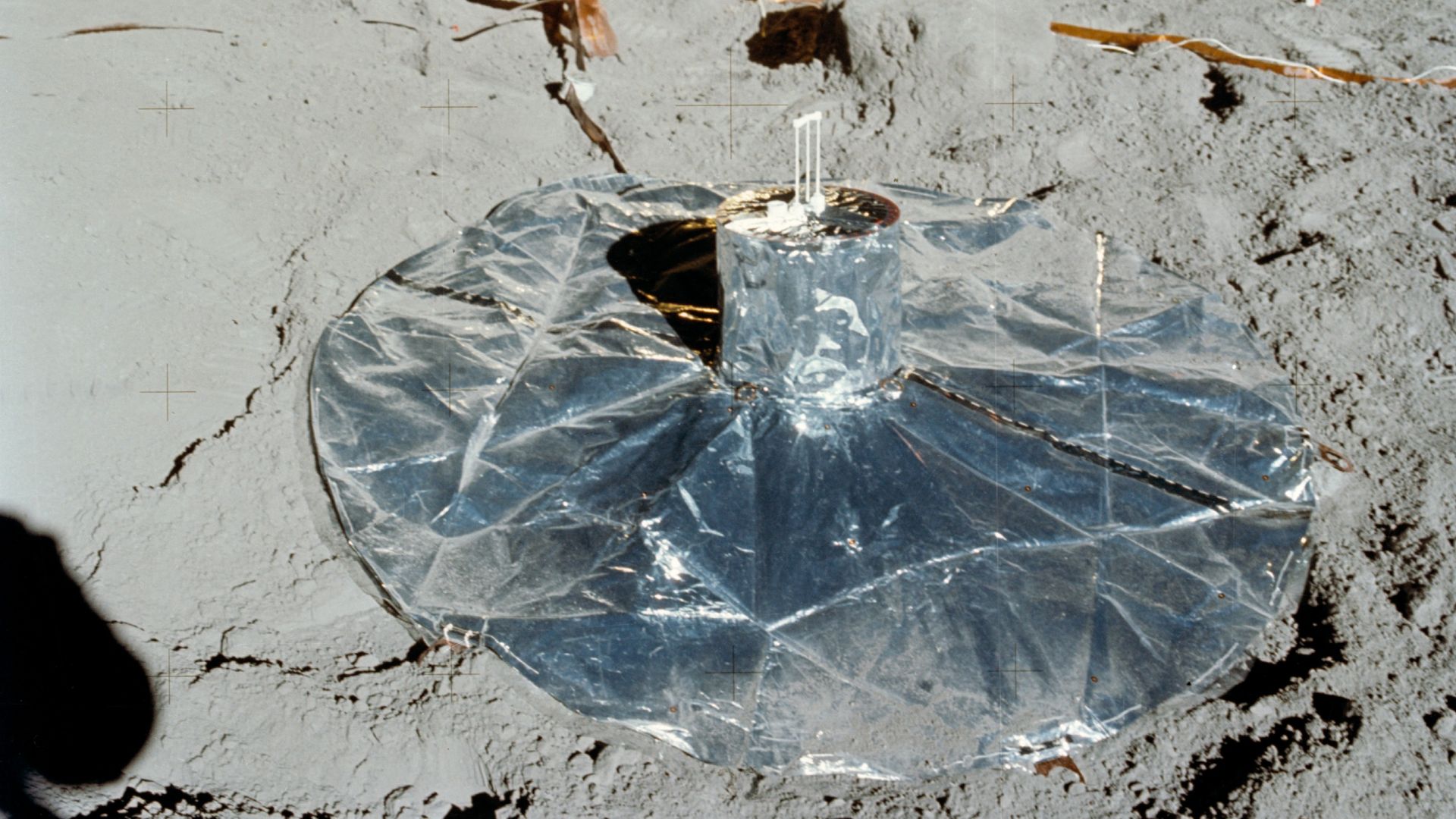
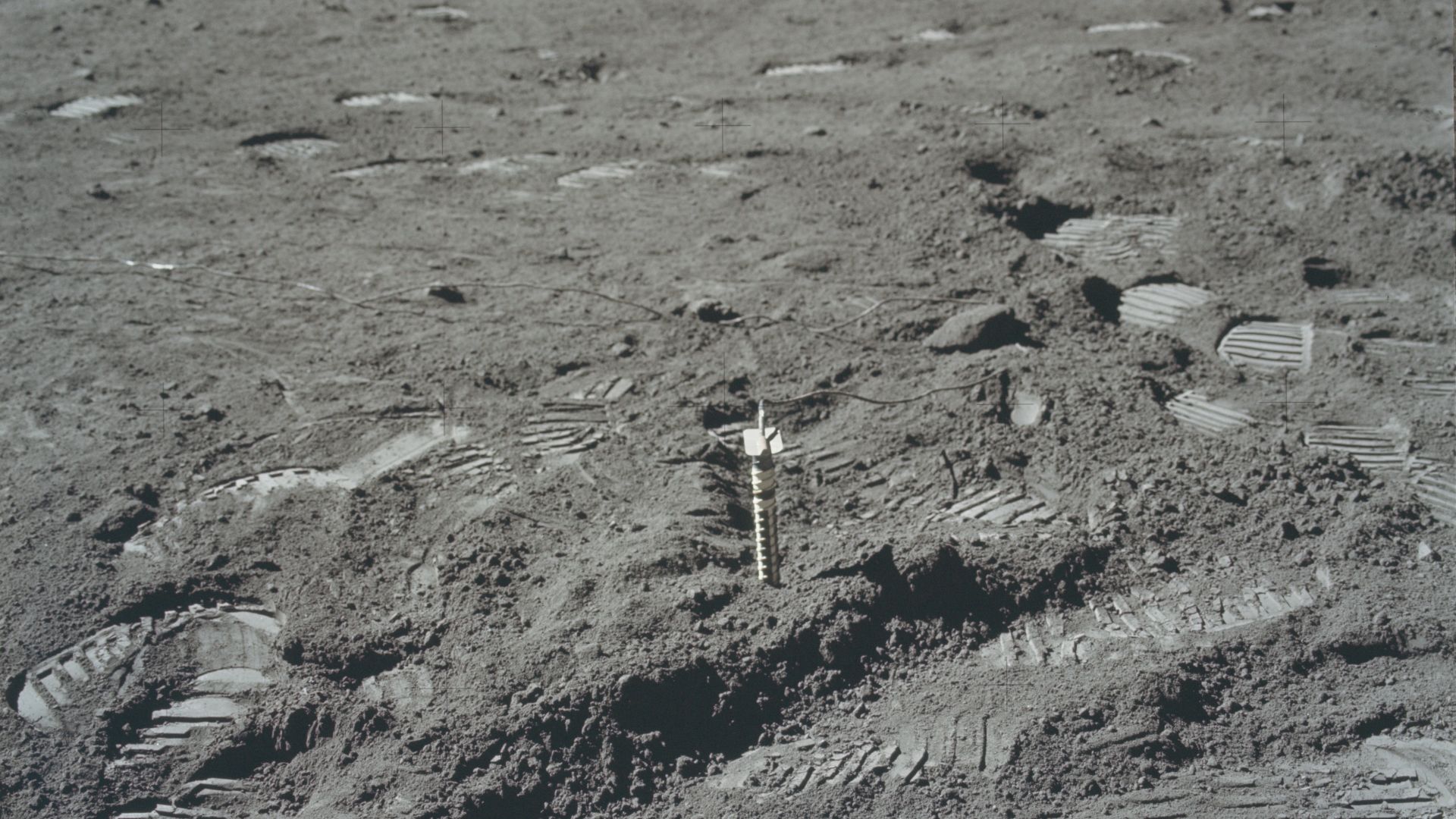
When Apollo astronauts drilled heat probes into the Moon, the data refused to play along with the theory. Some regions radiate far more warmth than models predicted, while others seem oddly cold. Perhaps ancient magma pockets or still-unknown materials quietly shape the Moon’s internal story.
 Project Apollo Archive, Wikimedia Commons
The Moon’s Crater Age Discrepancies
Impact craters are like timestamps in the solar system’s diary. However, on the Moon, those stamps don’t always match. Radiometric dating and crater counts don’t align neatly. This suggests that lunar surface renewal and impact frequency remain more complicated than believed.
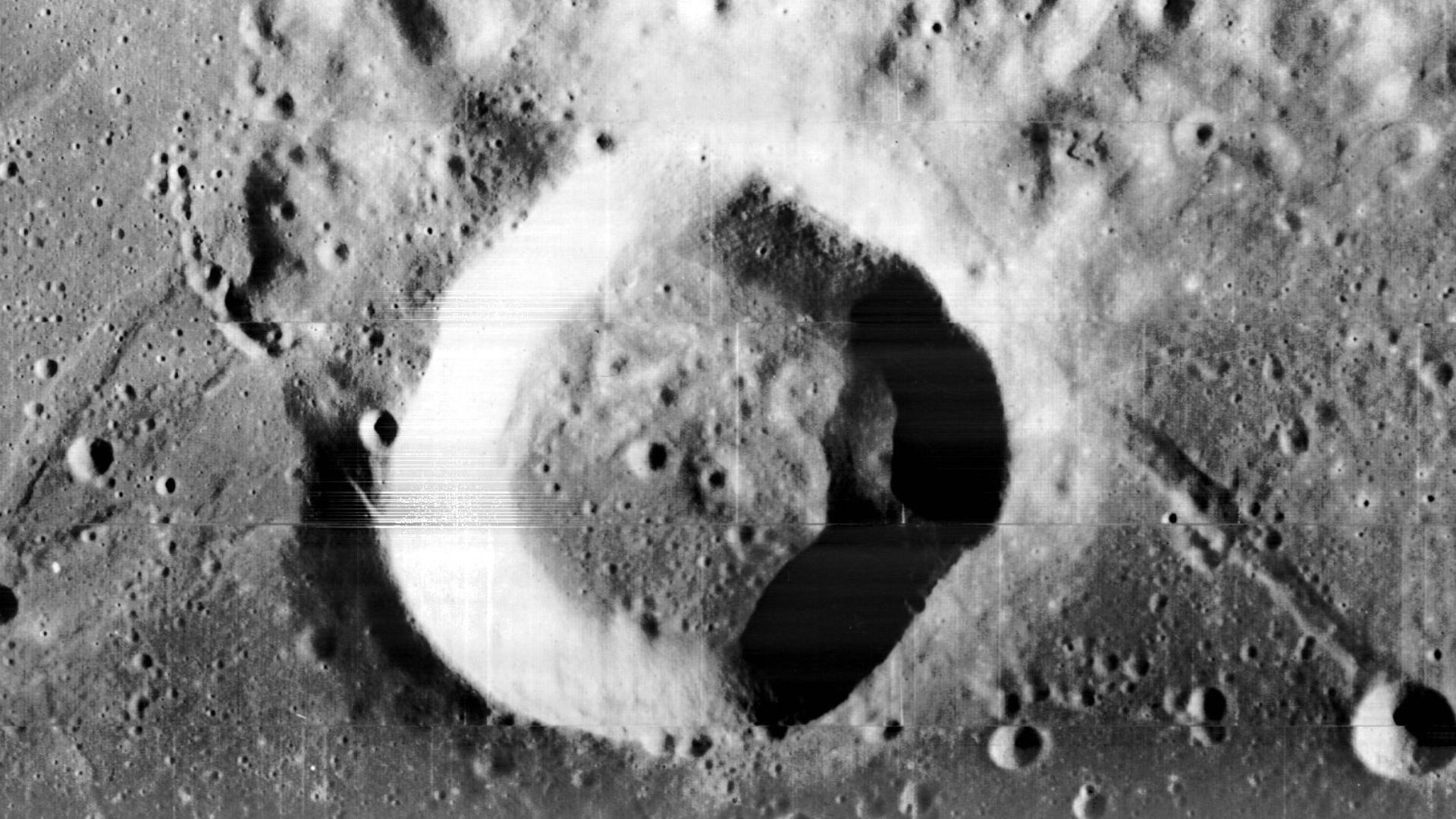
The Moon’s Unexplained Subsurface Voids
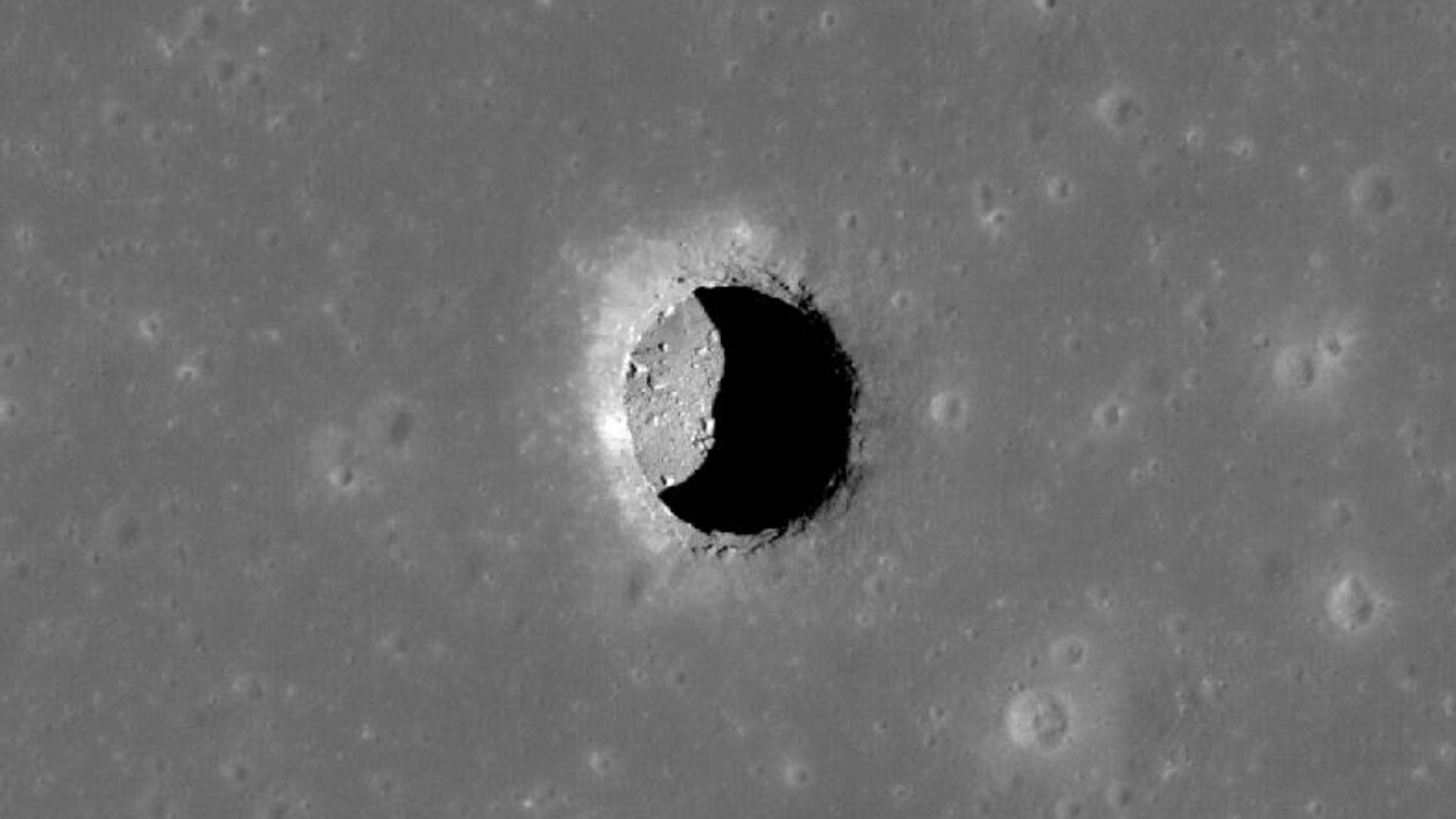
Deep radar scans have revealed vast cavities under the Moon’s crust. These voids, likely ancient lava tubes, offer clues to how the surface once flowed and fractured. The biggest, such as those in Mare Tranquillitatis, plunge over 300 feet deep.
 NASA/GSFC/Arizona State University, Wikimedia Commons
The Moon’s Geologically Recent Volcanic Activity
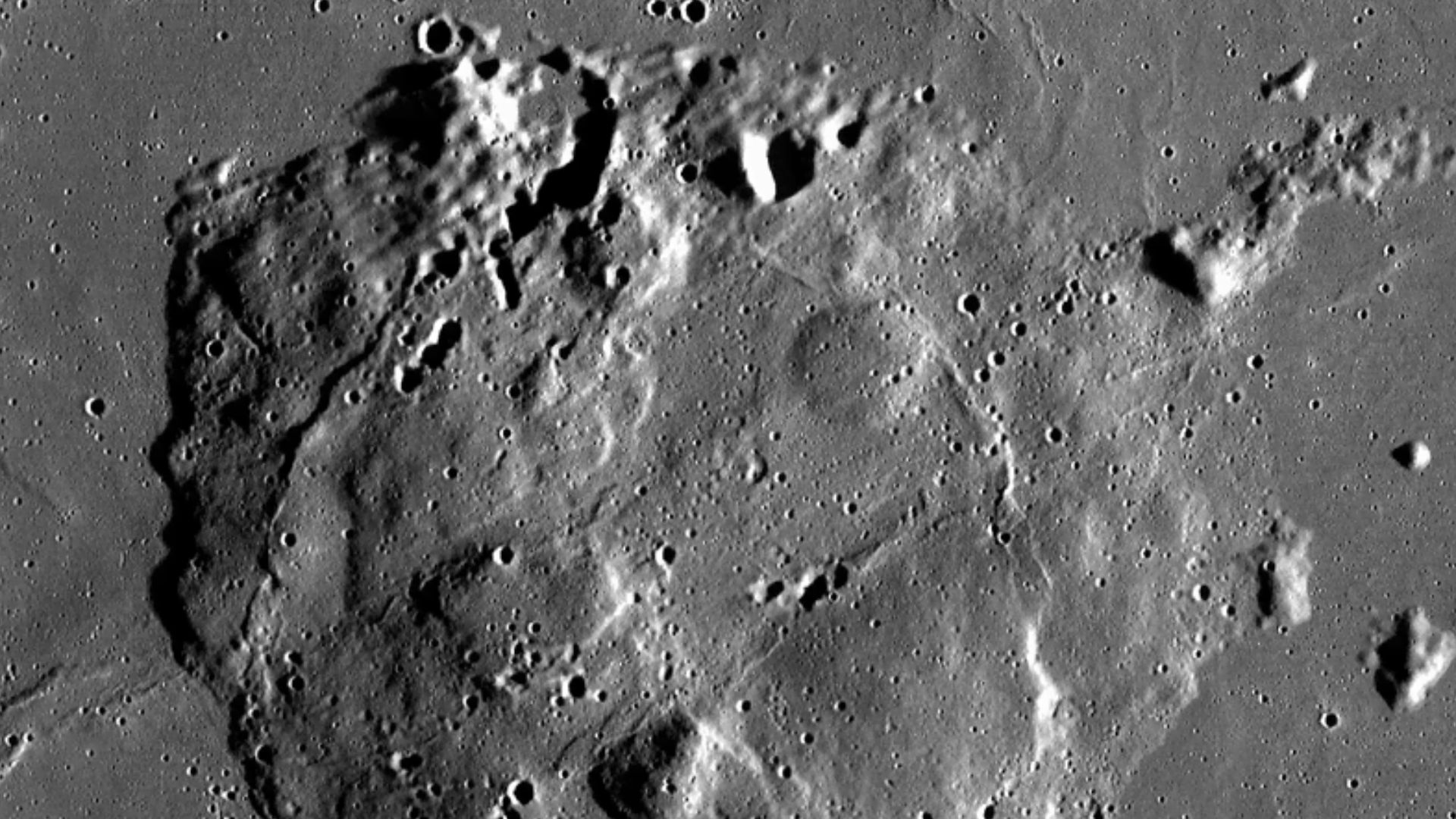
The Moon was supposed to be long dead geologically, yet volcanic glass beads and crater analysis point to eruptions as recent as 2 billion years ago, possibly even 100 million years ago. That’s practically yesterday in cosmic time, so how did such a cold world stay active for so long?
The Mystery Of Radon Gas Emissions
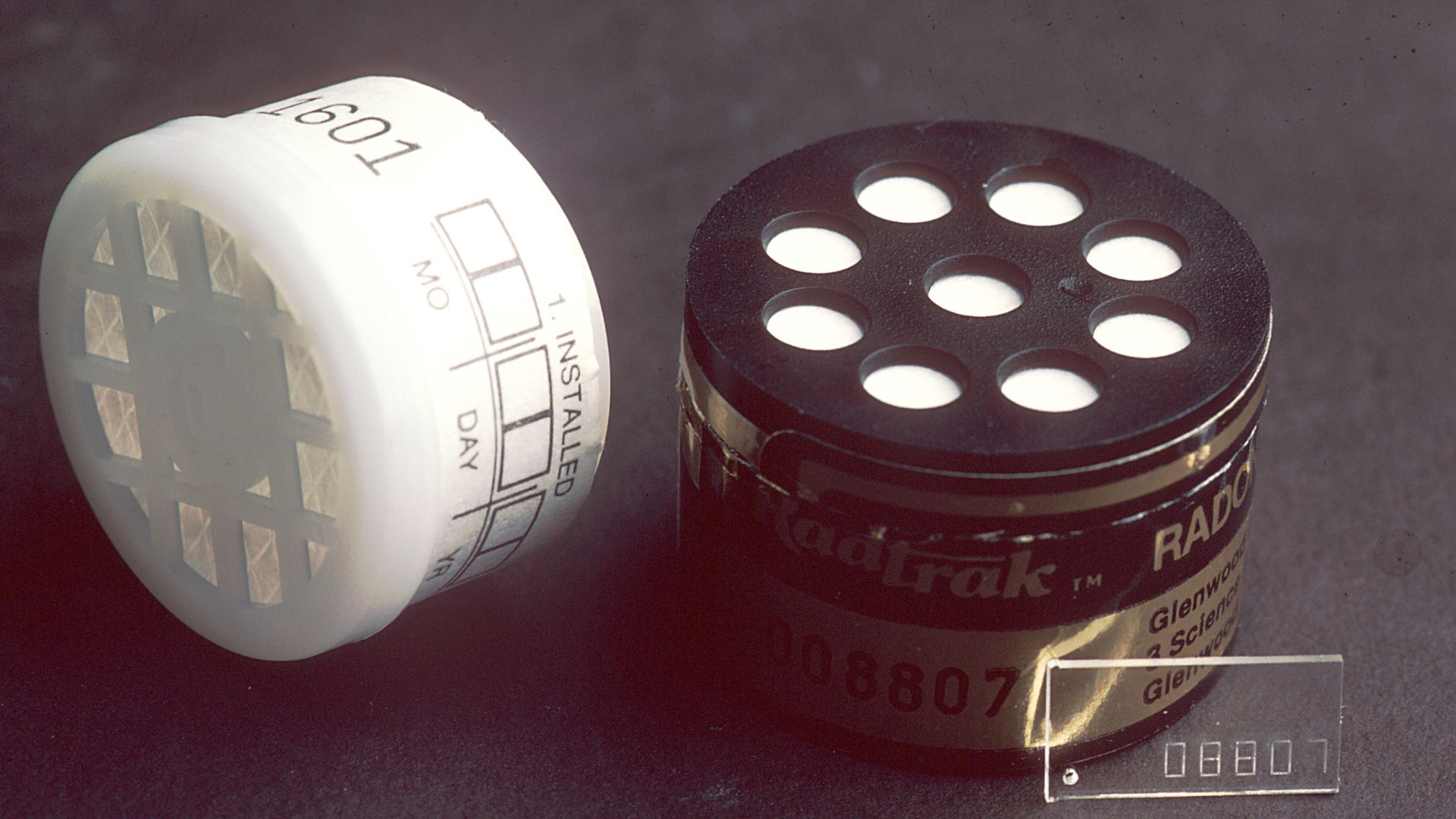
Every so often, radon gas seeps from the Moon’s surface. These emissions vary by region and time, which hints at something dynamic underground. Are seismic tremors, radioactive decay, or ancient trapped gases responsible? The exact release mechanism remains hidden in the lunar crust.
 Unknown authorUnknown author, Wikimedia Commons
The Moon’s Strange Seismic Velocity Anomalies
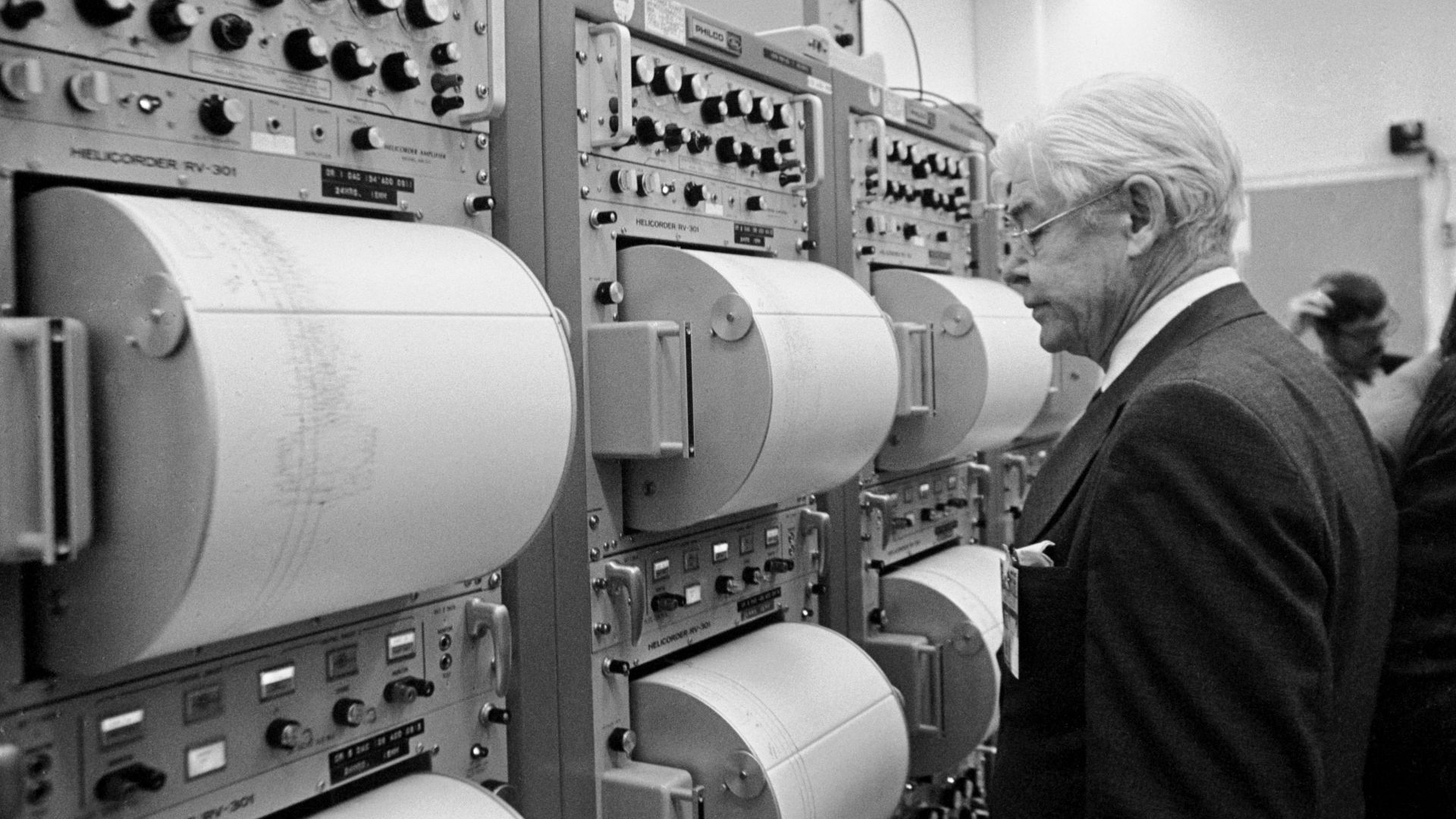
Apollo-era seismometers revealed something weird: sound waves travel at odd speeds inside the Moon. In some regions, seismic waves slow down or speed up unpredictably. Combined with long-lasting “moonquakes,” these findings paint a picture of an interior far more complex than a silent rock.
The Origin Of KREEP Material Distribution
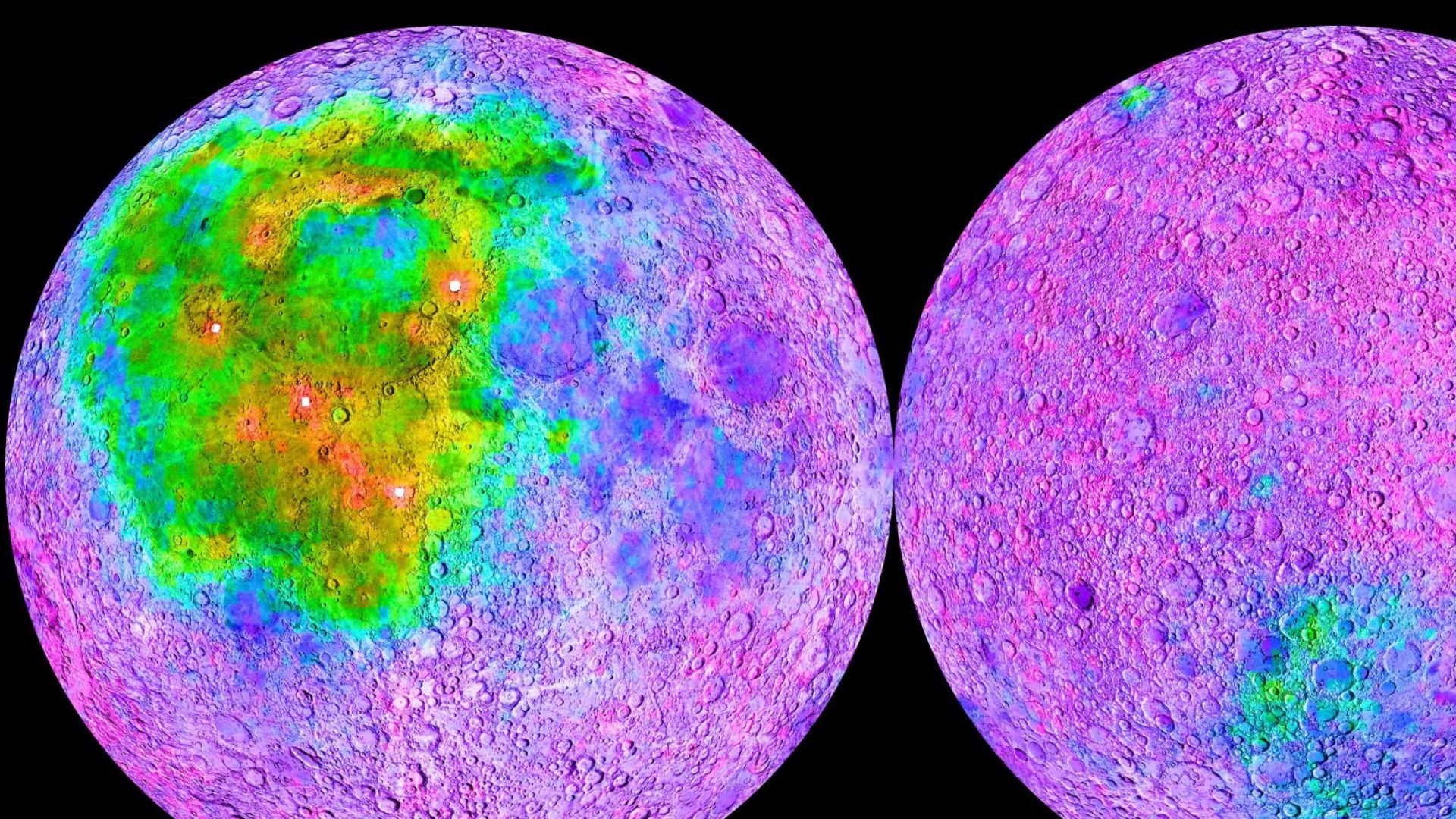
Buried within lunar rocks lies KREEP—a geochemical cocktail high in potassium, rare earth elements, and phosphorus. But it’s scattered unevenly across the surface. Scientists suspect it’s a leftover from the Moon’s molten beginnings, concentrated in regions like the Procellarum KREEP Terrane.
The Moon’s Gravitational Mascons In Unexpected Locations
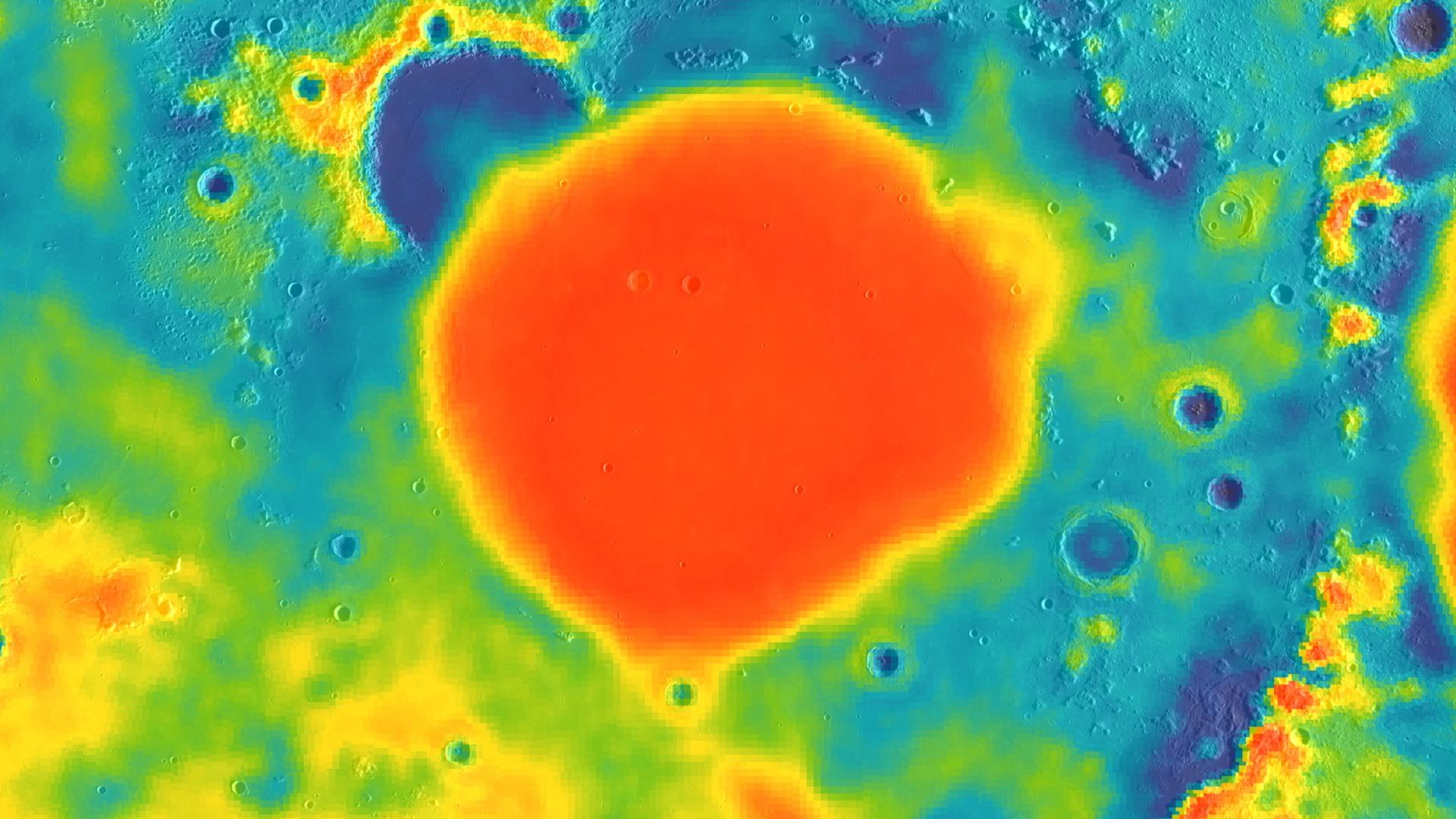
Hidden beneath the surface, “mascons” create invisible zones of extra gravity that tug at orbiting spacecraft. Some lie beneath massive basins, and others appear in puzzling places with no clear cause. These mysterious mass concentrations are relics of the Moon’s violent past.
 James Stuby / NASA / Arizona State Univ., Wikimedia Commons
The Presence Of Water In Sunlit Lunar Soil
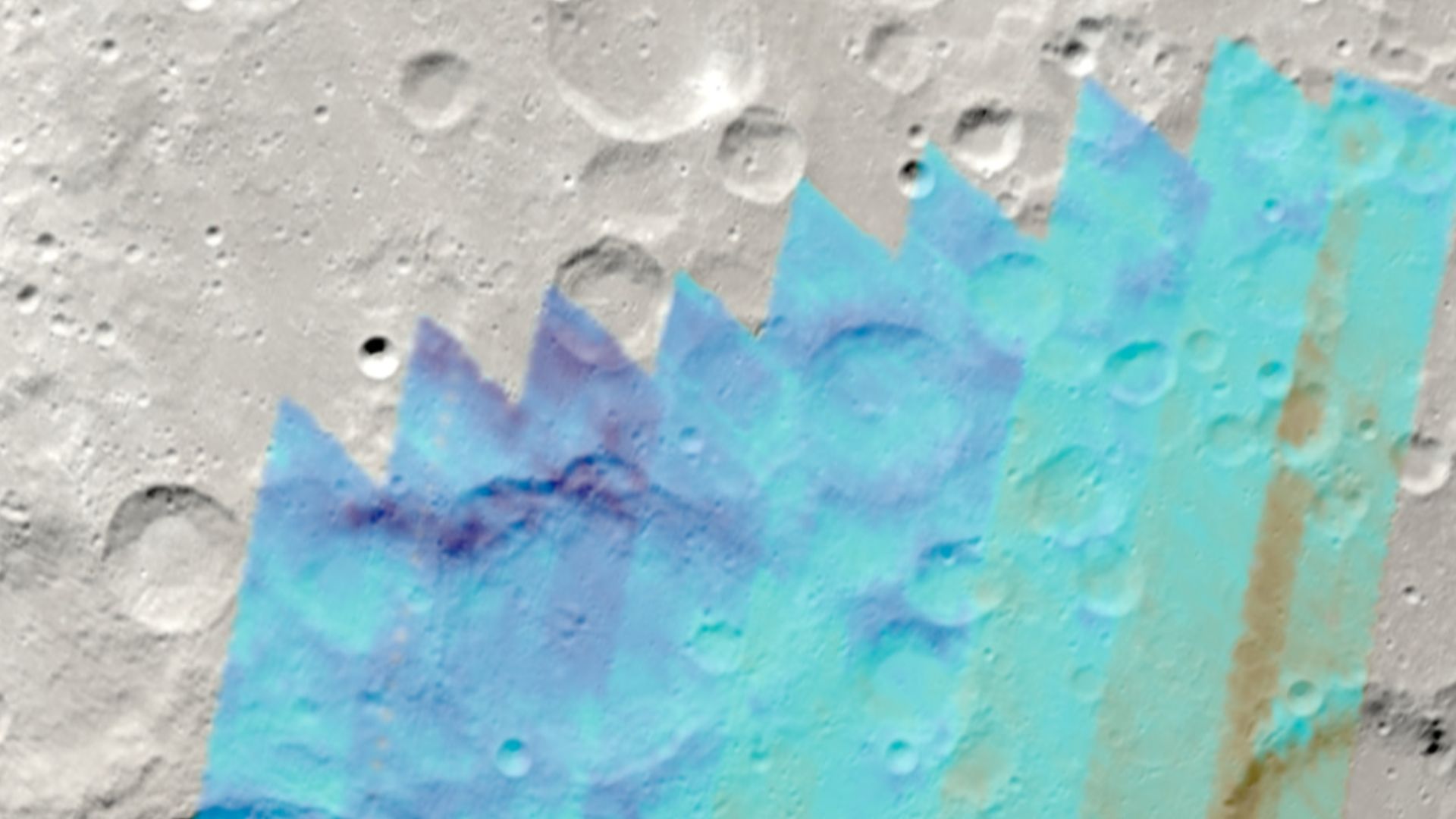
For decades, scientists assumed sunlight meant dryness. Well, the Moon proved otherwise. Instruments have detected water molecules clinging to grains of sunlit soil. How they survive under such heat remains a puzzle. NASA evidences point to solar wind striking the surface and creating new water.
The Moon’s Variable Dust Fountain Heights
Dust on the Moon doesn’t always stay put. In certain conditions, it shoots upward and forms what scientists call “dust fountains”. These electrostatically charged particles rise to unpredictable heights before settling again. The process depends on sunlight, solar radiation, and surface charge.
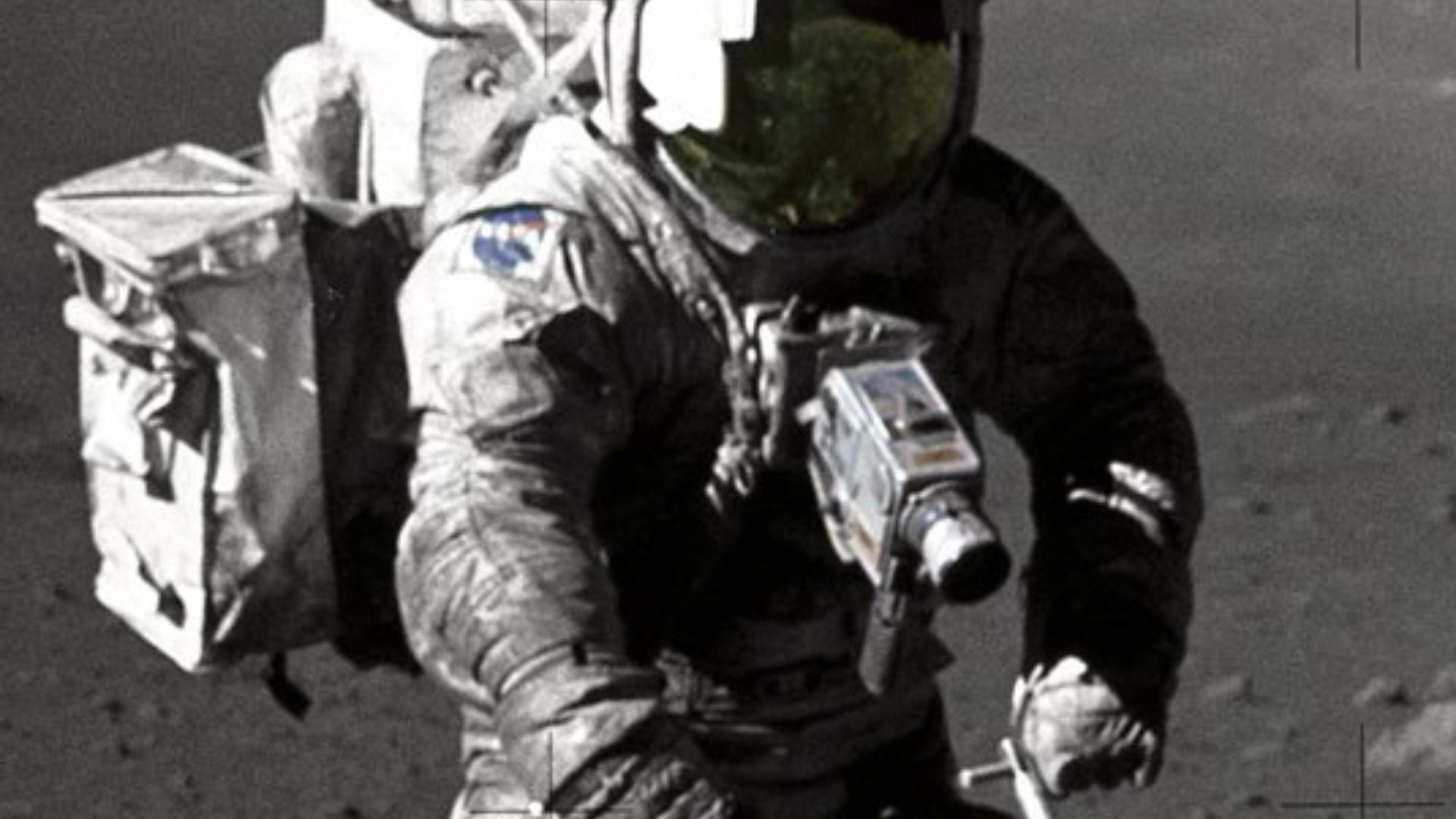
The Moon’s Unexplained Titanium-Rich Regions
Across the Moon’s surface, some areas gleam darker and richer in titanium than others. These patches puzzle geologists, since existing models can’t explain how such concentrated deposits formed. Did deep magma plumes rise unevenly, or did later impacts mix materials in surprising ways?
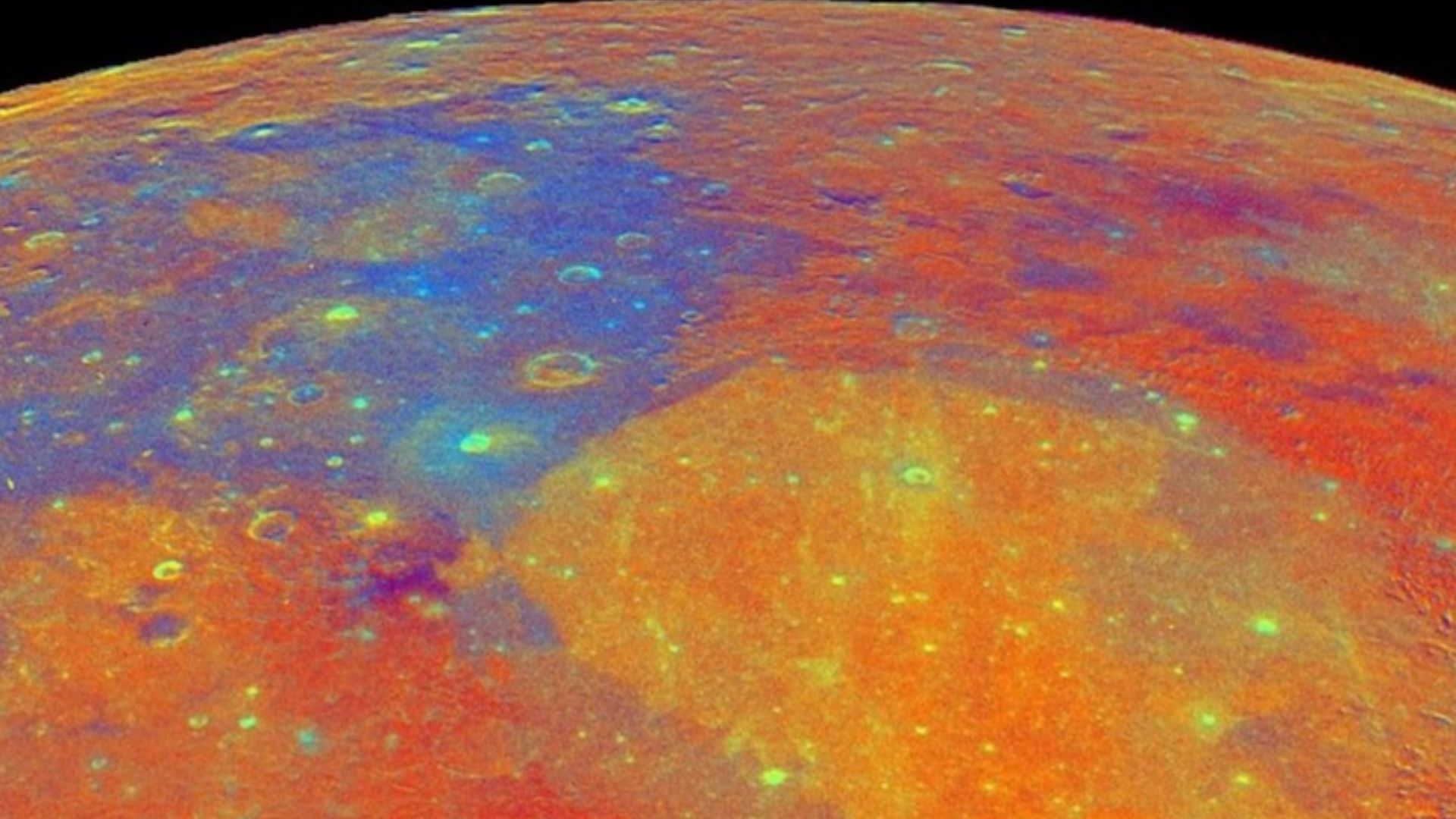
The Moon’s Deep Moonquake Patterns And Triggers
Far below the surface, hundreds of miles down, deep moonquakes rumble with clockwork precision. They occur in repeating patterns that seem to follow Earth's tides, though their exact triggers remain unclear. Some last over ten minutes, which is an eternity by seismic standards.
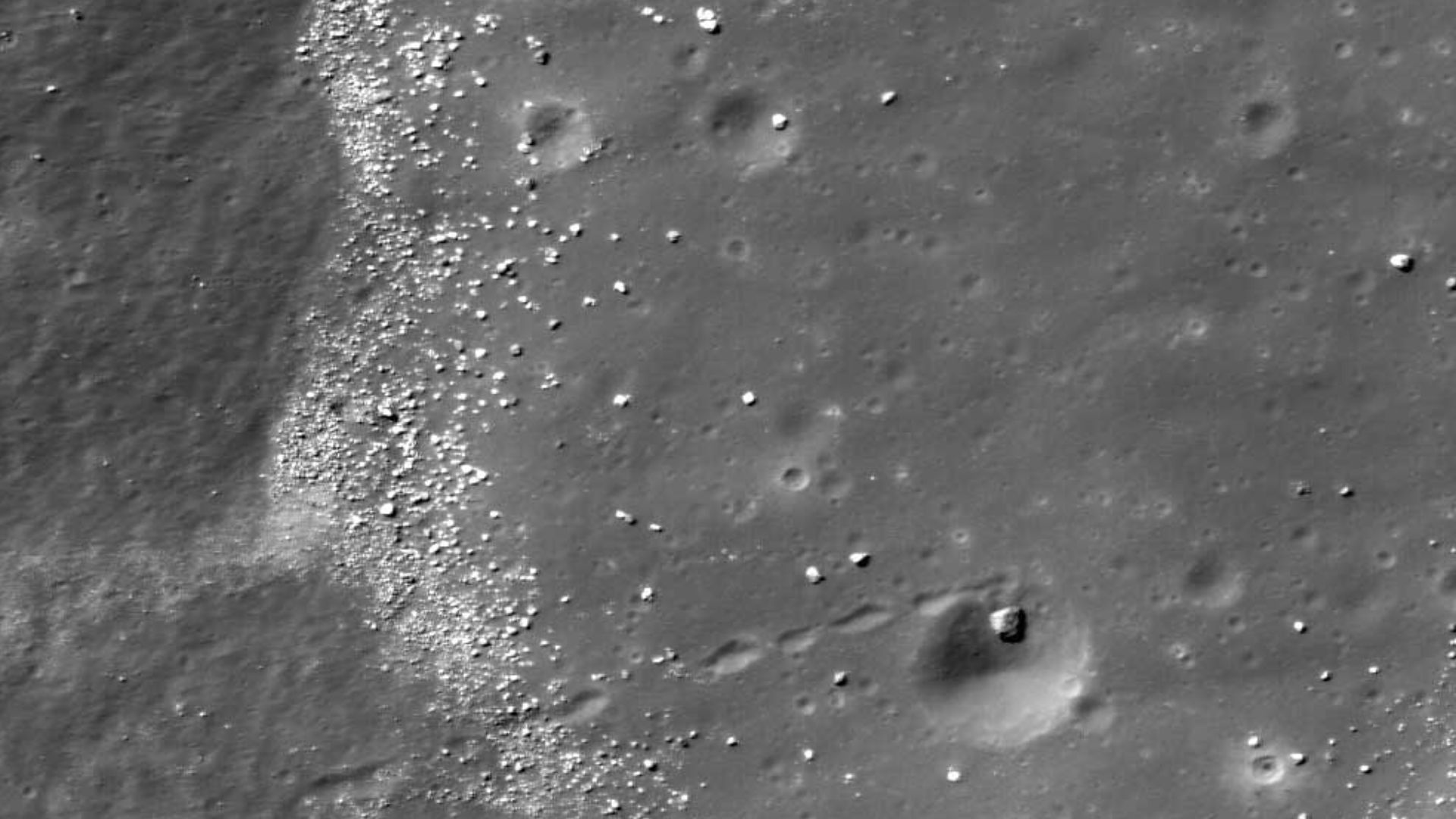 NASA/GSFC/Arizona State University, Wikimedia Commons
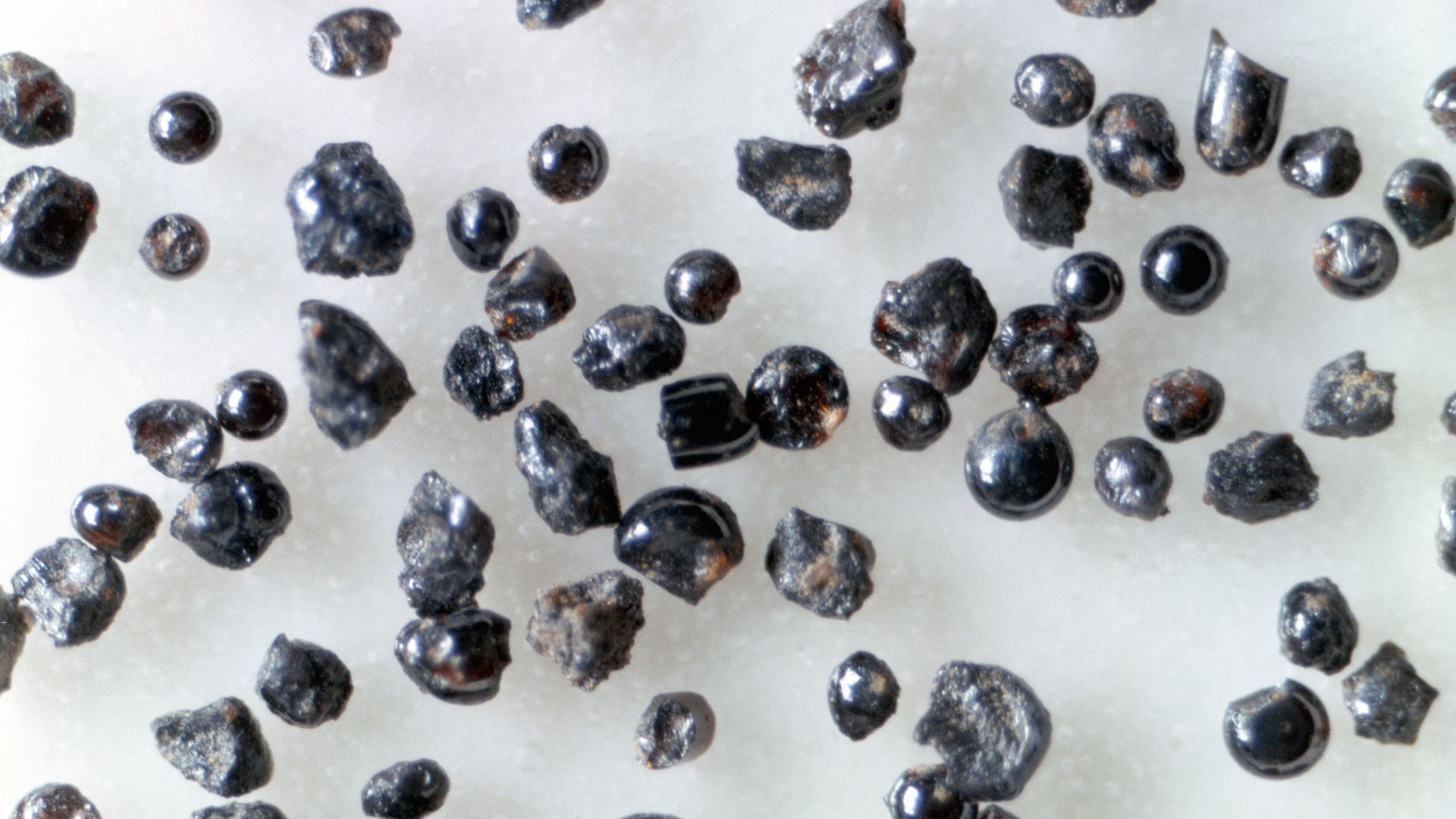
The Origin Of Pyroclastic Glass Beads
Apollo astronauts once scooped up glittering orange and green beads from the lunar soil, unaware they’d become key clues to the Moon’s volcanic history. These tiny glass spheres formed in fiery eruptions, yet scientists still debate how those blasts occurred and why the beads are unevenly spread.