When Popular Space Tales Don’t Hold Up
The stories were repeated so often they felt carved into the stars themselves. But myths have a way of slipping through generations untouched. Some of the tales we learned about space were never true to begin with.
The Great Wall Of China Is Visible From Space
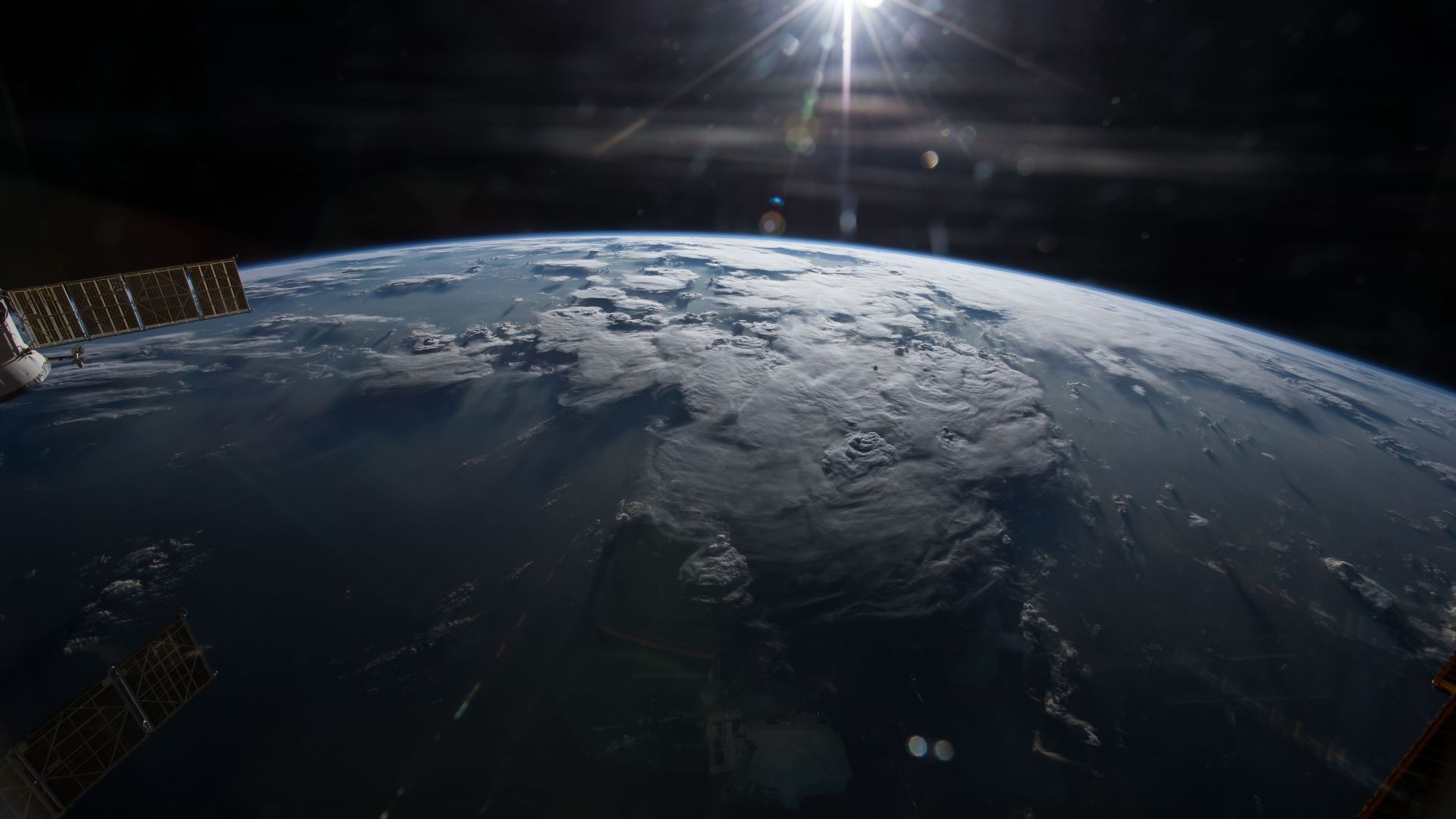
Many people believe the Great Wall can be spotted from space, but astronauts say otherwise. Its narrow shape camouflages too well with the land around it. Even on the ISS, you’d need strong zoom lenses to pick it out. It’s simply not visible to the unaided eye.
 NASA/Terry Virts, Wikimedia Commons
Space Is Completely Silent
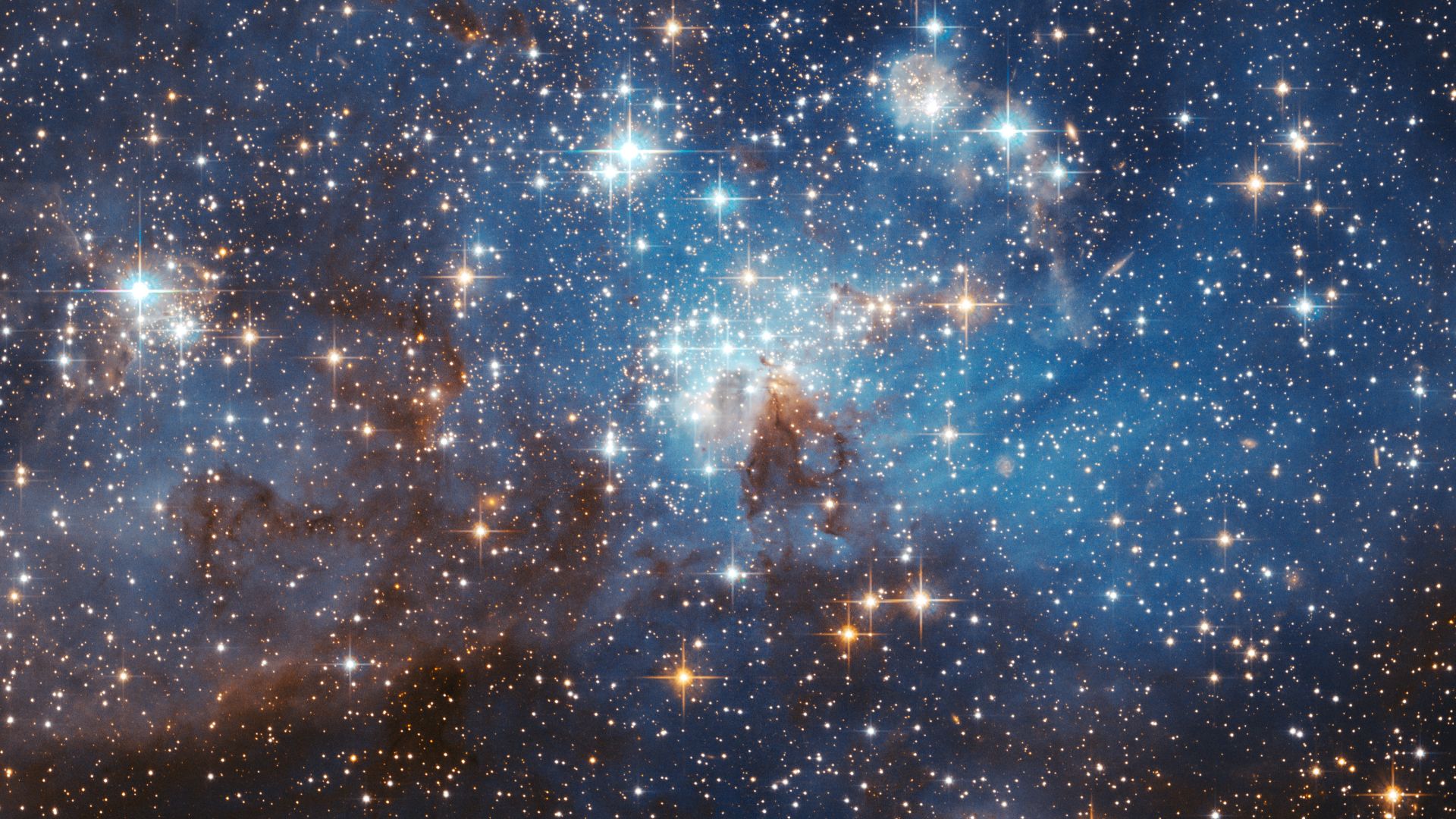
Total silence in space sounds dramatic, but it isn’t entirely true. Sound can’t travel through a vacuum, yet spacecraft interiors still have normal noises. Scientists also record space vibrations and turn them into sound. So, space isn’t silent in the way movies often portray it.
 NASA, ESA, and the Hubble Heritage Team (STScI/AURA)-ESA/Hubble Collaboration, Wikimedia Commons
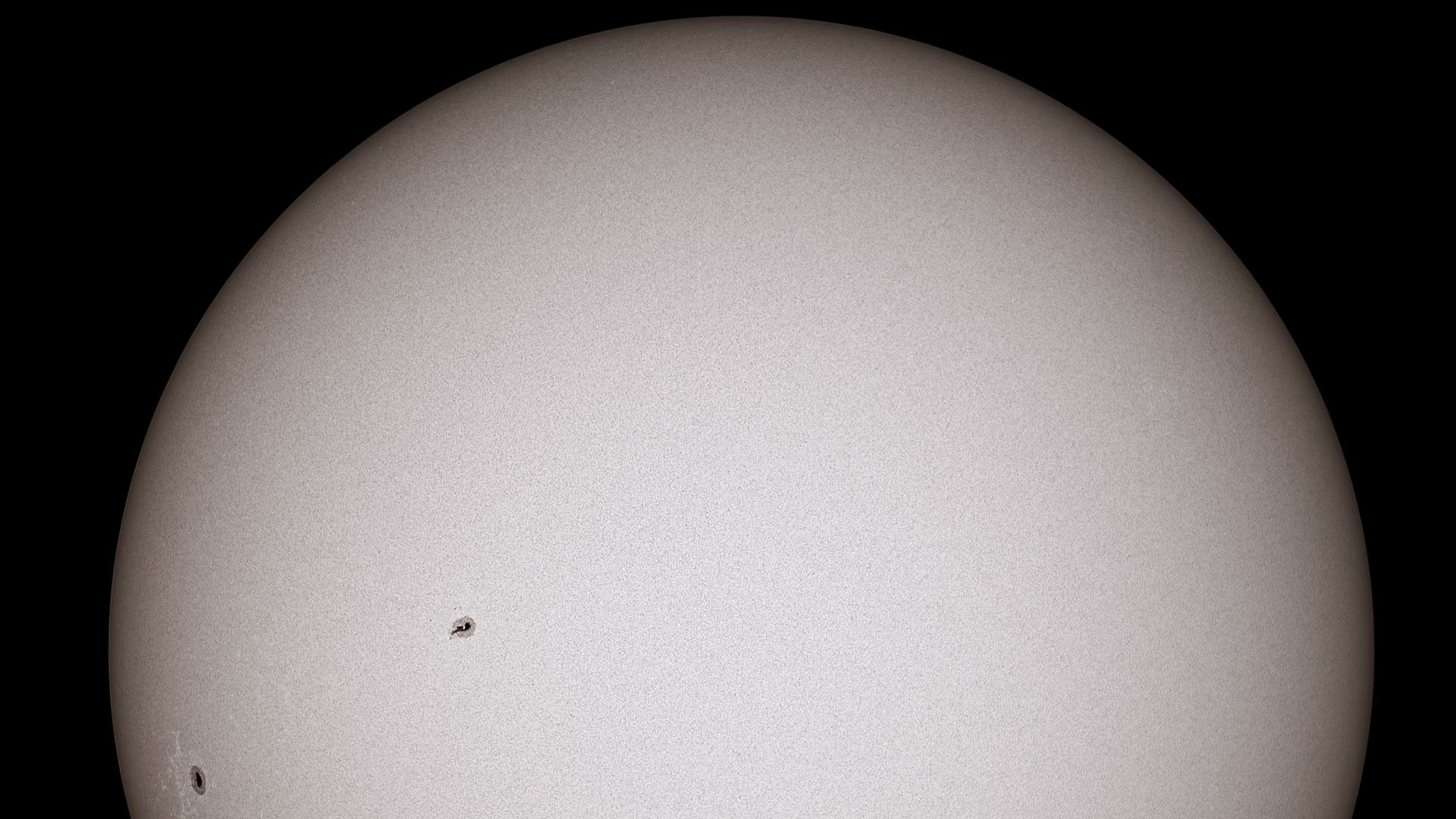
The Sun Is Yellow In Space
From Earth, the Sun looks yellow, but from space it appears bright white. That’s because our atmosphere scatters its light. Without that filter, all the Sun’s colors merge together to create a clean white glow.
 Matus Motlo, Wikimedia Commons
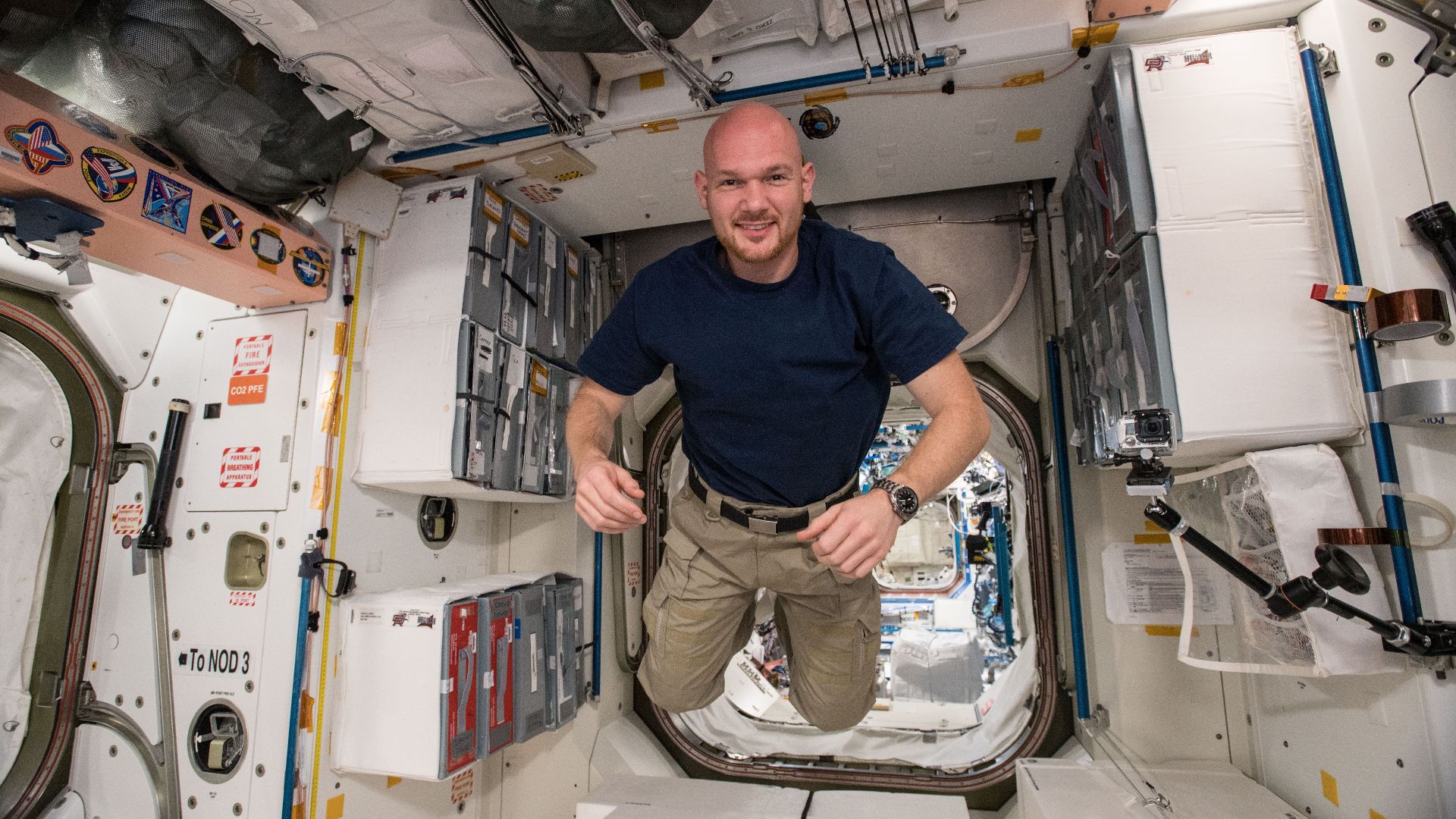
Astronauts Float Because There’s No Gravity
Astronauts don’t float because gravity disappears. They float because they’re constantly falling around Earth, which creates a feeling of weightlessness. Gravity in low orbit is still very strong and almost the same as on Earth. It’s that endless free-fall that makes things drift gently.
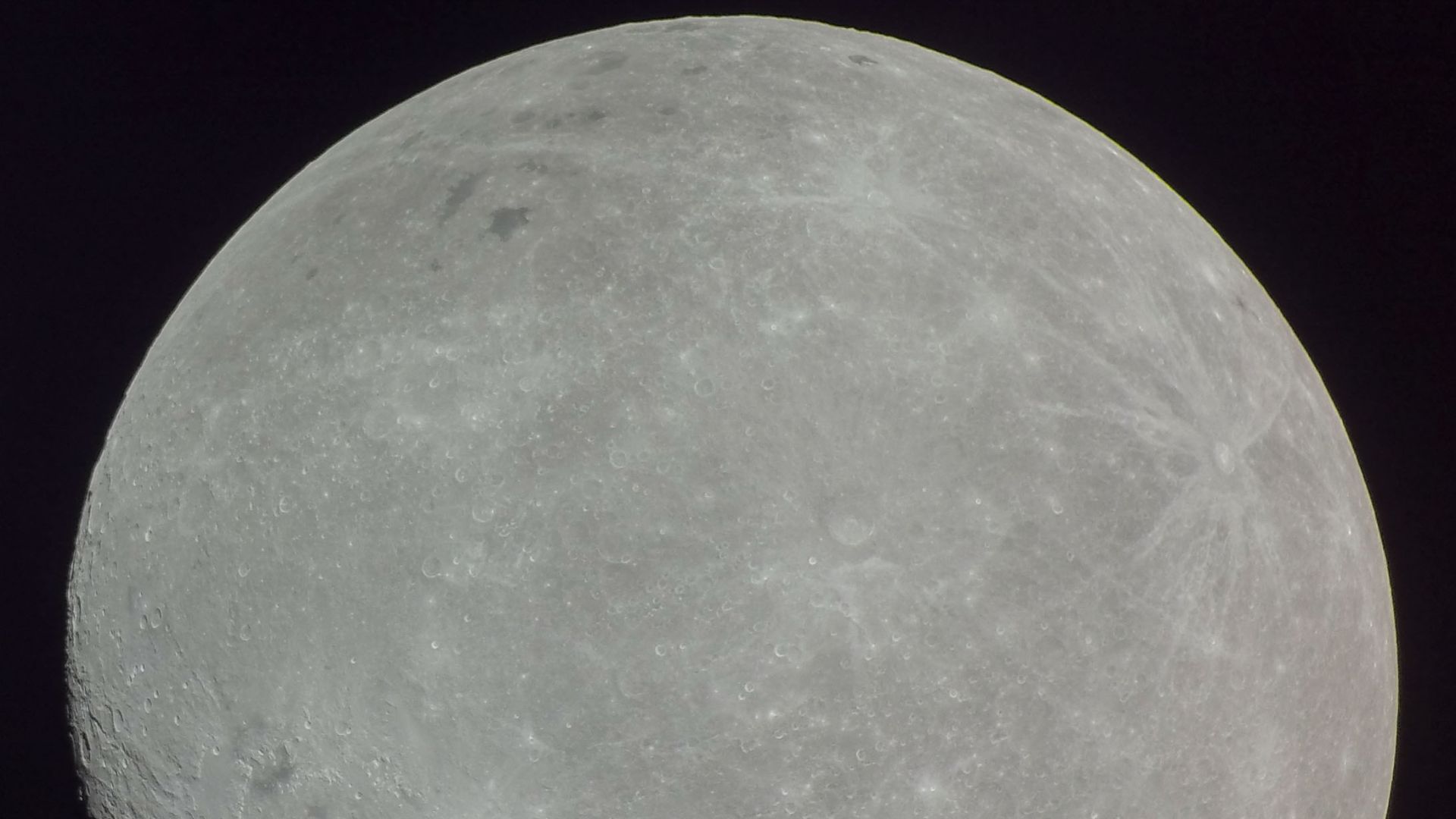
The Moon Has A Permanent Dark Side
Despite the phrase “dark side,” no part of the Moon stays unlit forever. Tidal locking keeps one face pointed toward Earth, but both sides receive sunlight over its orbit. The far side remained unseen until the Luna 3 spacecraft photographed it in 1959.
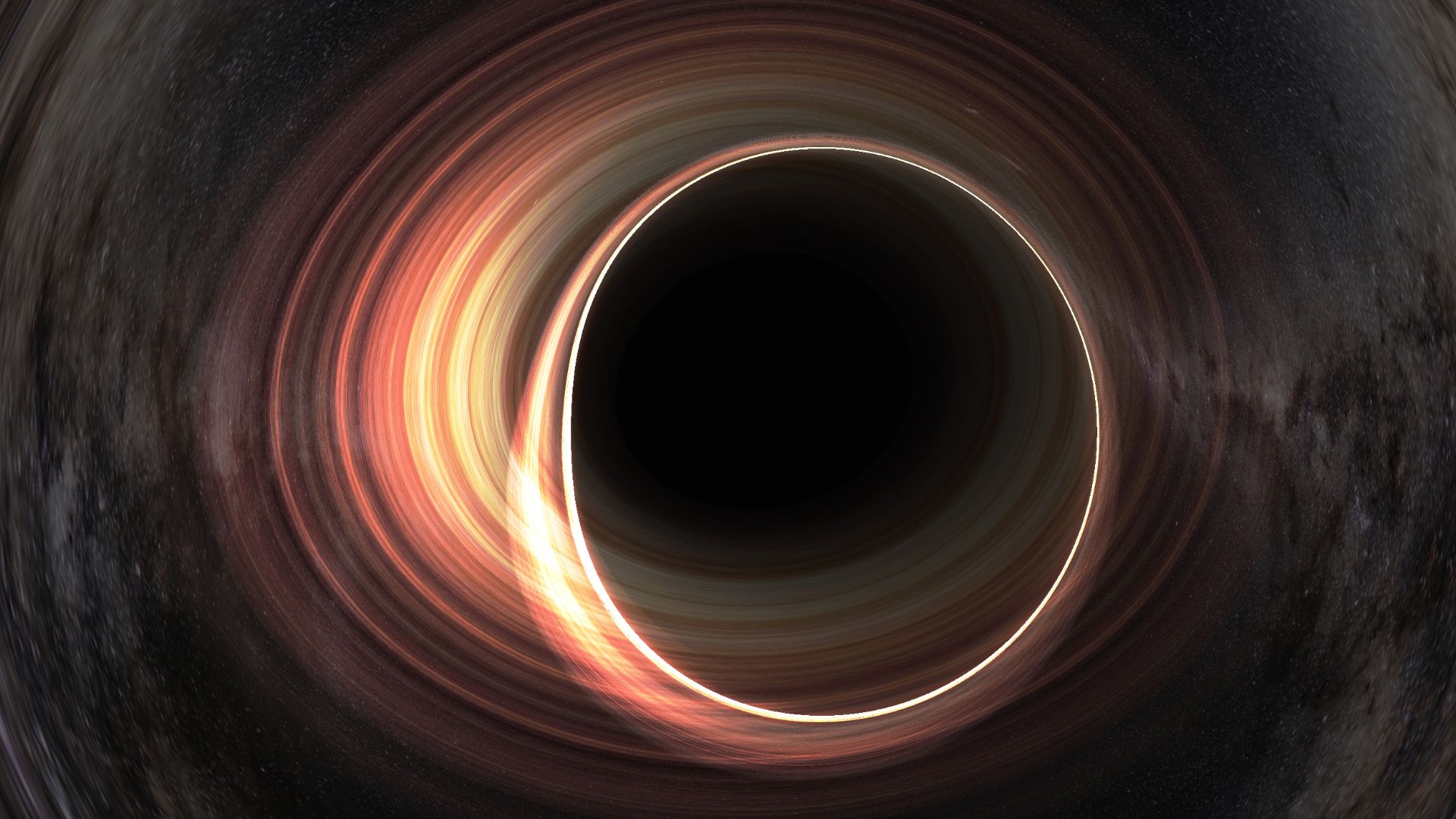
Black Holes Suck Everything In
Black holes don’t pull in everything around them. Their gravity works like any massive object, strongest only nearby. If our Sun were swapped for a black hole of equal mass, Earth’s orbit wouldn’t change—showing distance, not doom, decides their influence.
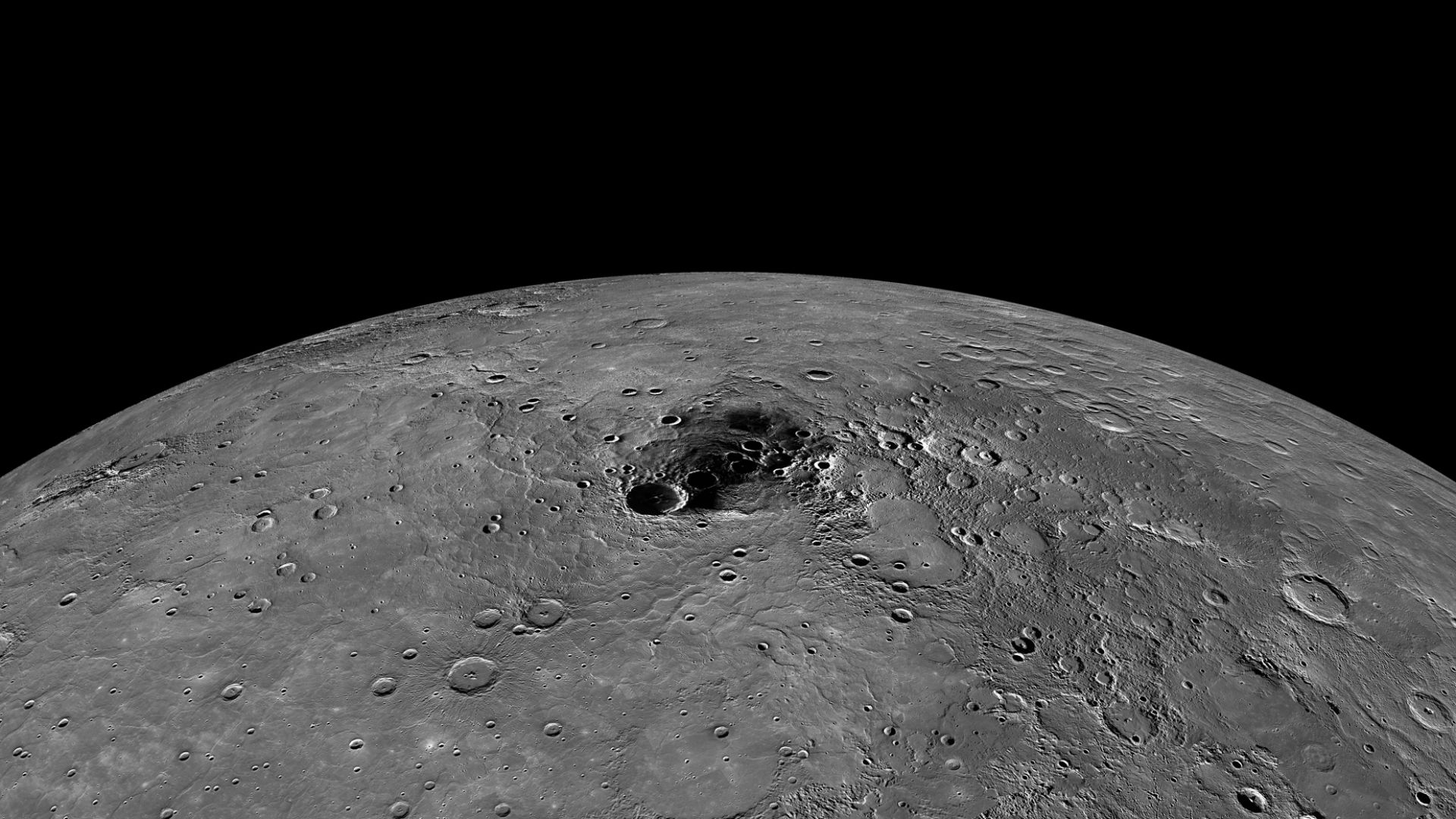
Mercury Is the Hottest Planet
Though closest to the Sun, Mercury isn’t the hottest world. Venus claims the title thanks to its dense carbon dioxide atmosphere, which traps heat so effectively that temperatures can melt lead. Mercury’s lack of atmosphere causes extreme swings instead of constant scorching heat.
 NASA Goddard Space Flight Center from Greenbelt, MD, USA, Wikimedia Commons
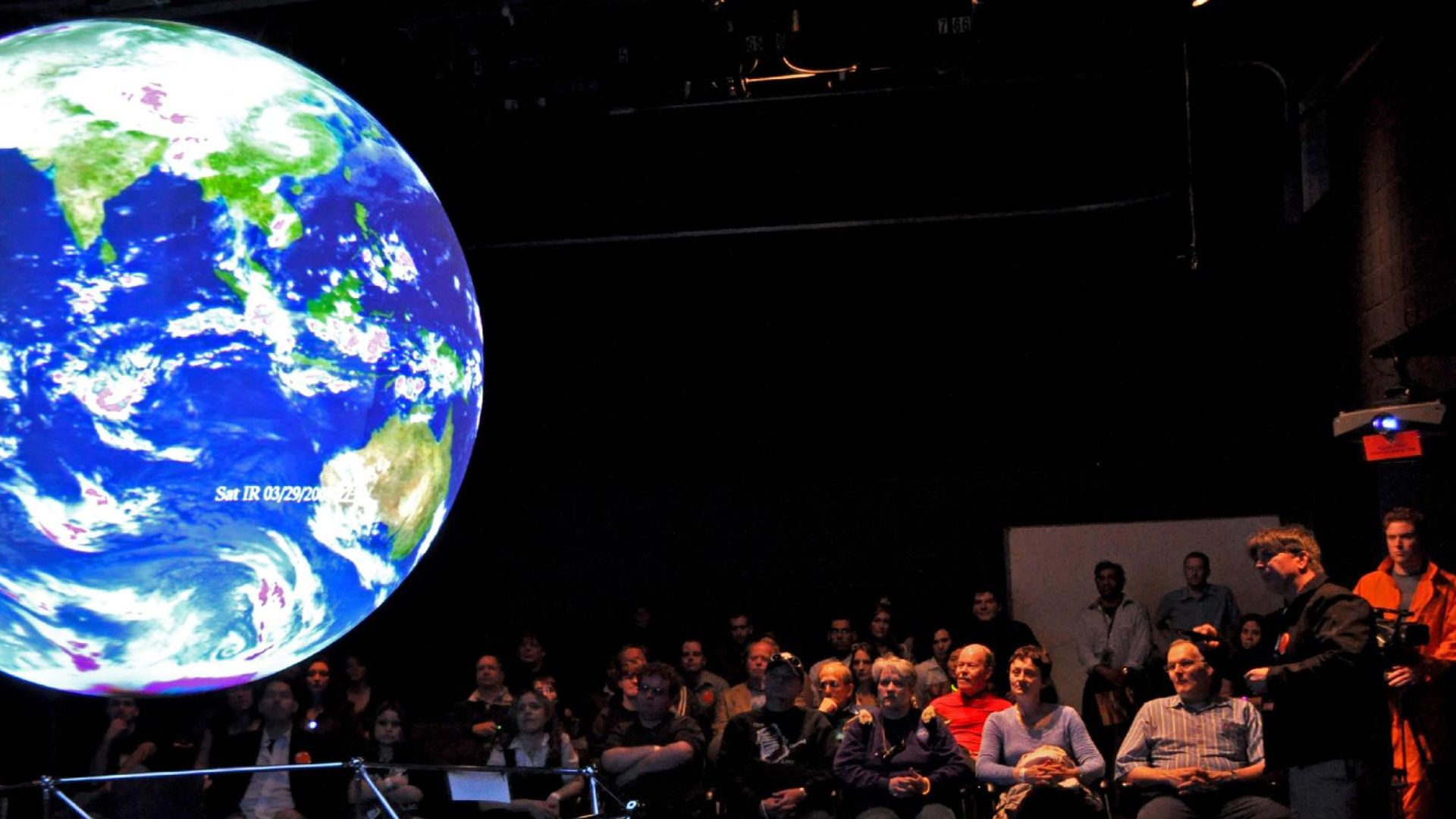
Earth Is Perfectly Round
Unlike the popular belief, its rotation causes a subtle bulge at the equator. The equatorial diameter is roughly 43 kilometers greater than the polar diameter, which creates an oblate shape. Scientists use the term “geoid” to describe our planet’s more complex and uneven real form.
 NASA Goddard Photo and Video, Wikimedia Commons
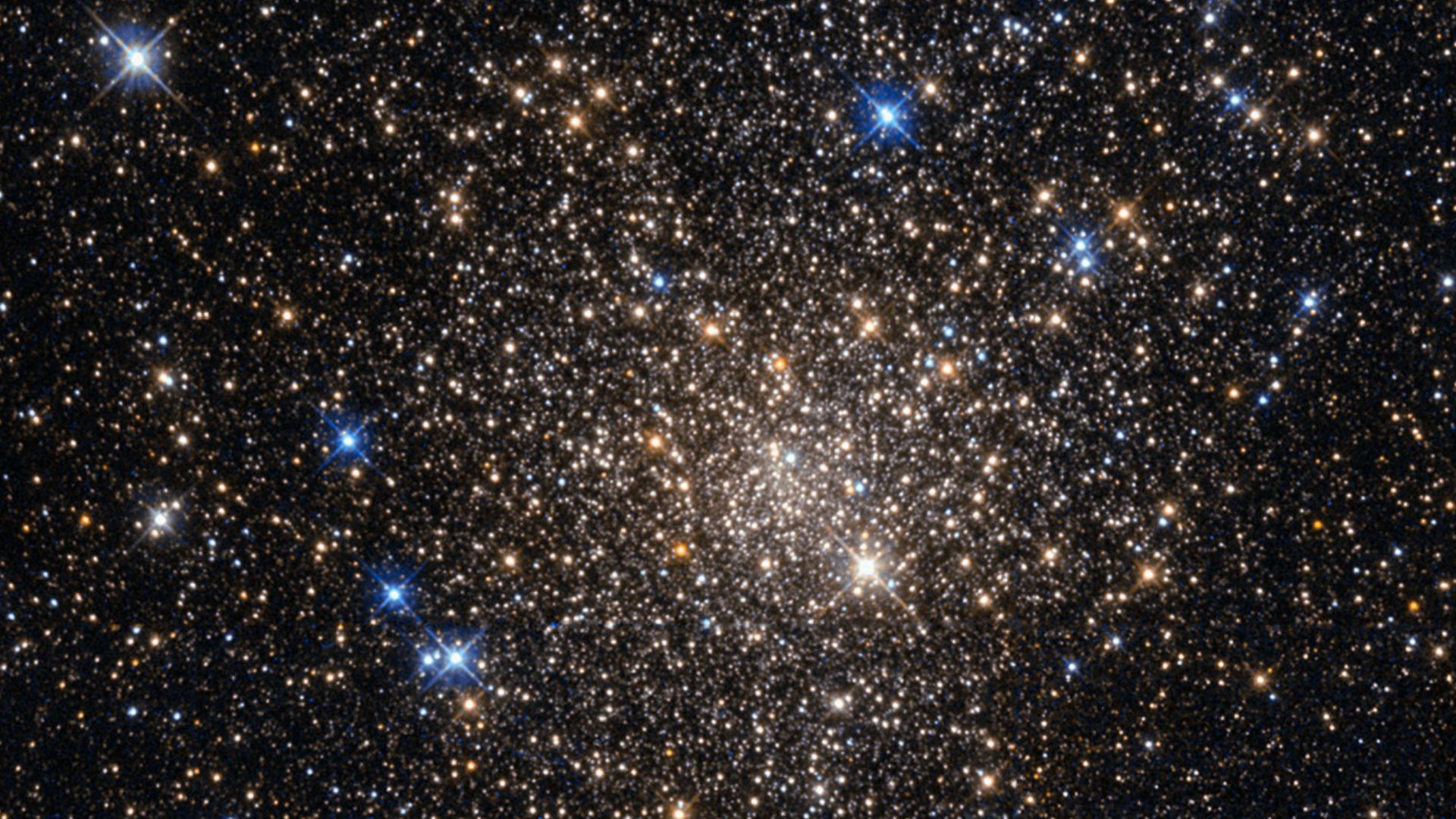
Stars Twinkle In Space
Twinkling stars are something we see from Earth, not space. Our atmosphere bends starlight in different directions, which makes the stars flicker. Without that atmosphere, astronauts see stars as steady, solid points of light. The effect even has a term called “stellar scintillation”.
 NASA & ESA, Acknowledgement: Judy Schmidt (Geckzilla), Wikimedia Commons
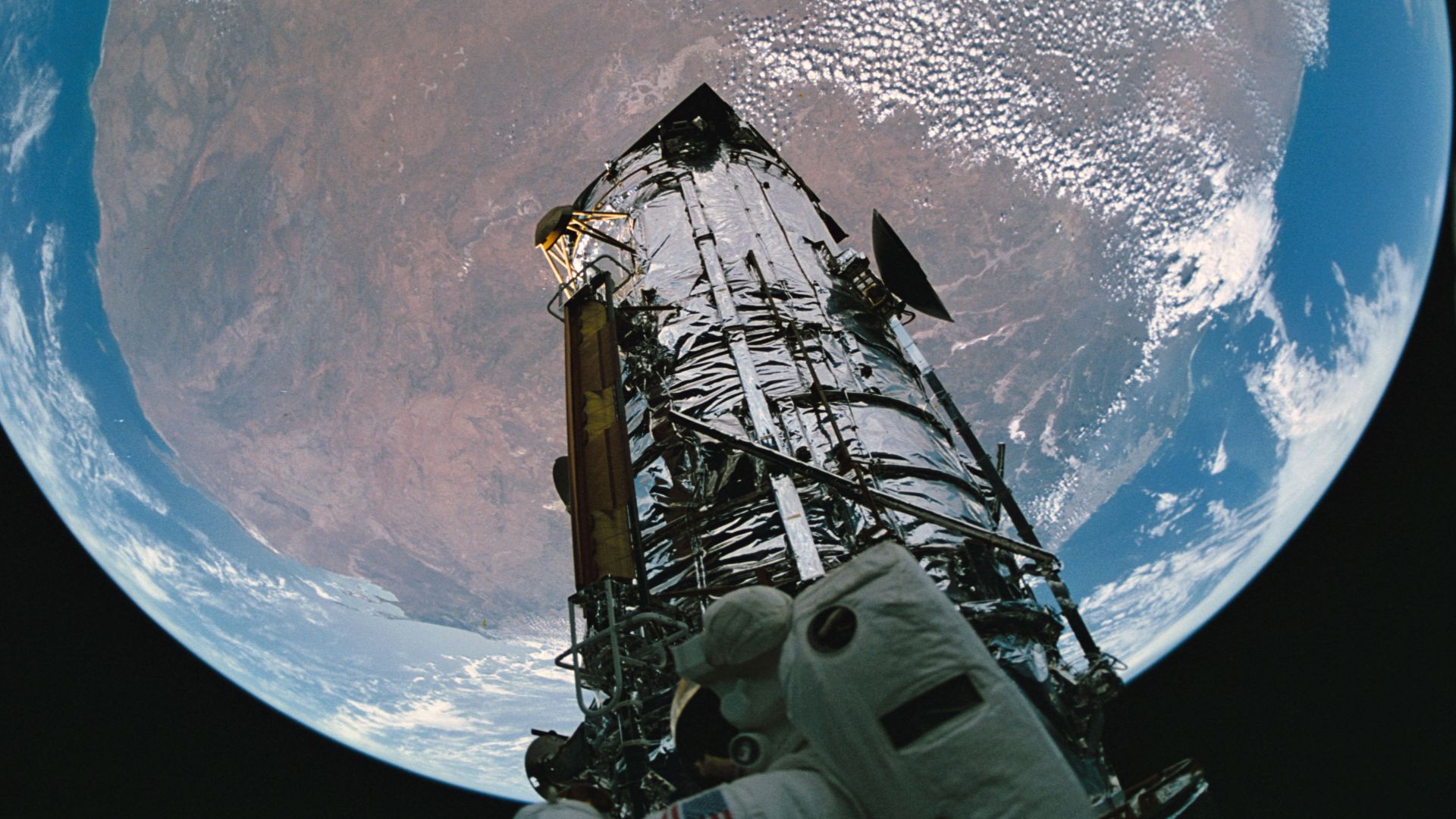
Hubble Can See Astronauts On The Moon
Despite its powerful optics, the Hubble Space Telescope cannot resolve tiny objects like astronauts on the Moon. At over 384,000 kilometers away, humans are far too small to distinguish. Hubble’s instruments are designed for distant galaxies rather than nearby, small-scale lunar details.
 NASA Hubble Space Telescope, Wikimedia Commons
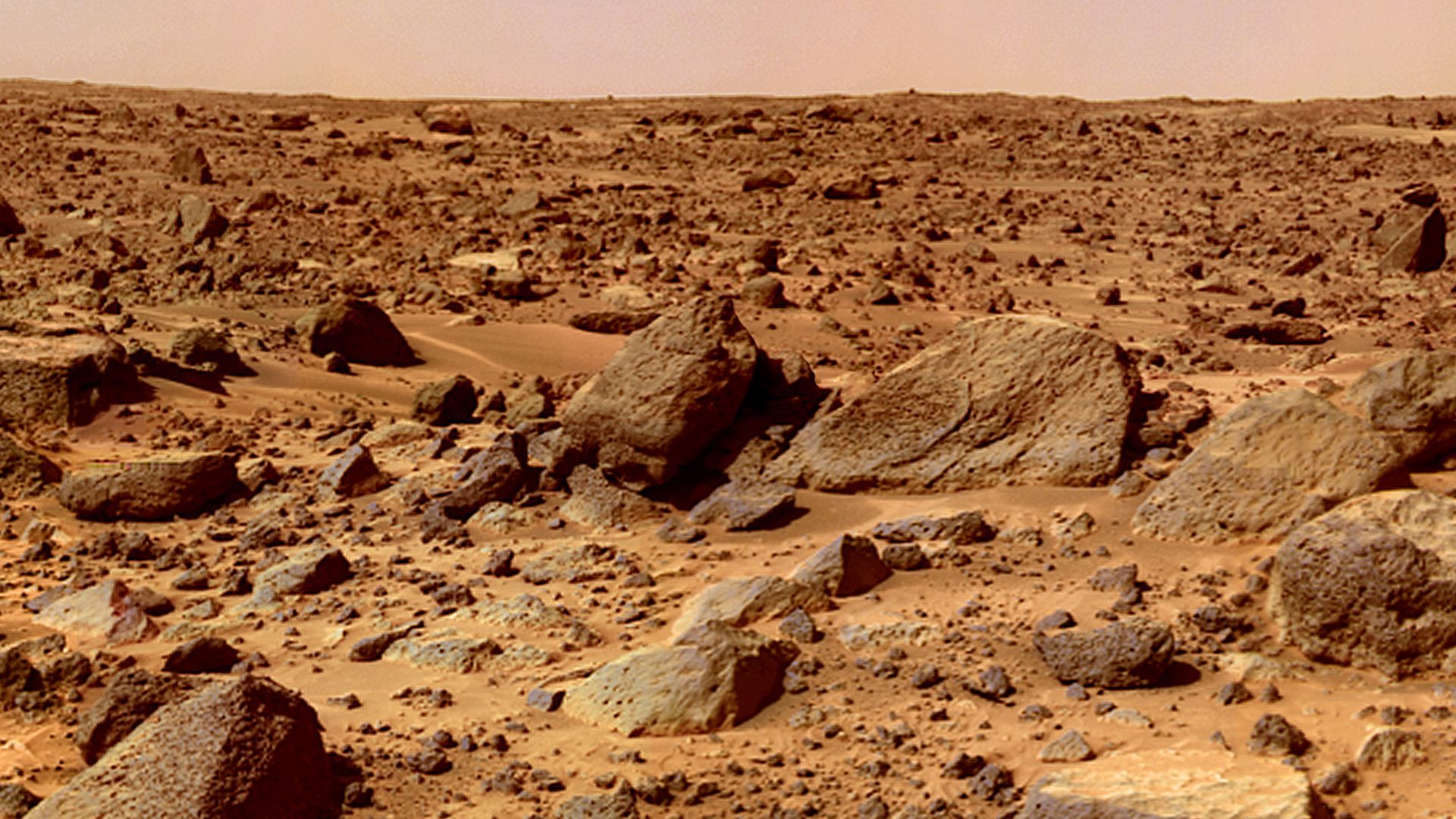
Mars Is Red All Over
Mars earns its nickname from iron-rich dust, yet its surface is far from uniformly red. Dark volcanic rock, gold-toned regions, tan plains, and even gray patches appear across the planet. The polar caps add striking white contrasts, proving Mars has much more color variety.
The Big Bang Was An Explosion
The Big Bang wasn’t an explosion into space but the expansion of space itself. Time, matter, and energy emerged from an extremely dense state and began spreading outward. This expansion continues today, shaping galaxies and driving the universe’s large-scale structure.
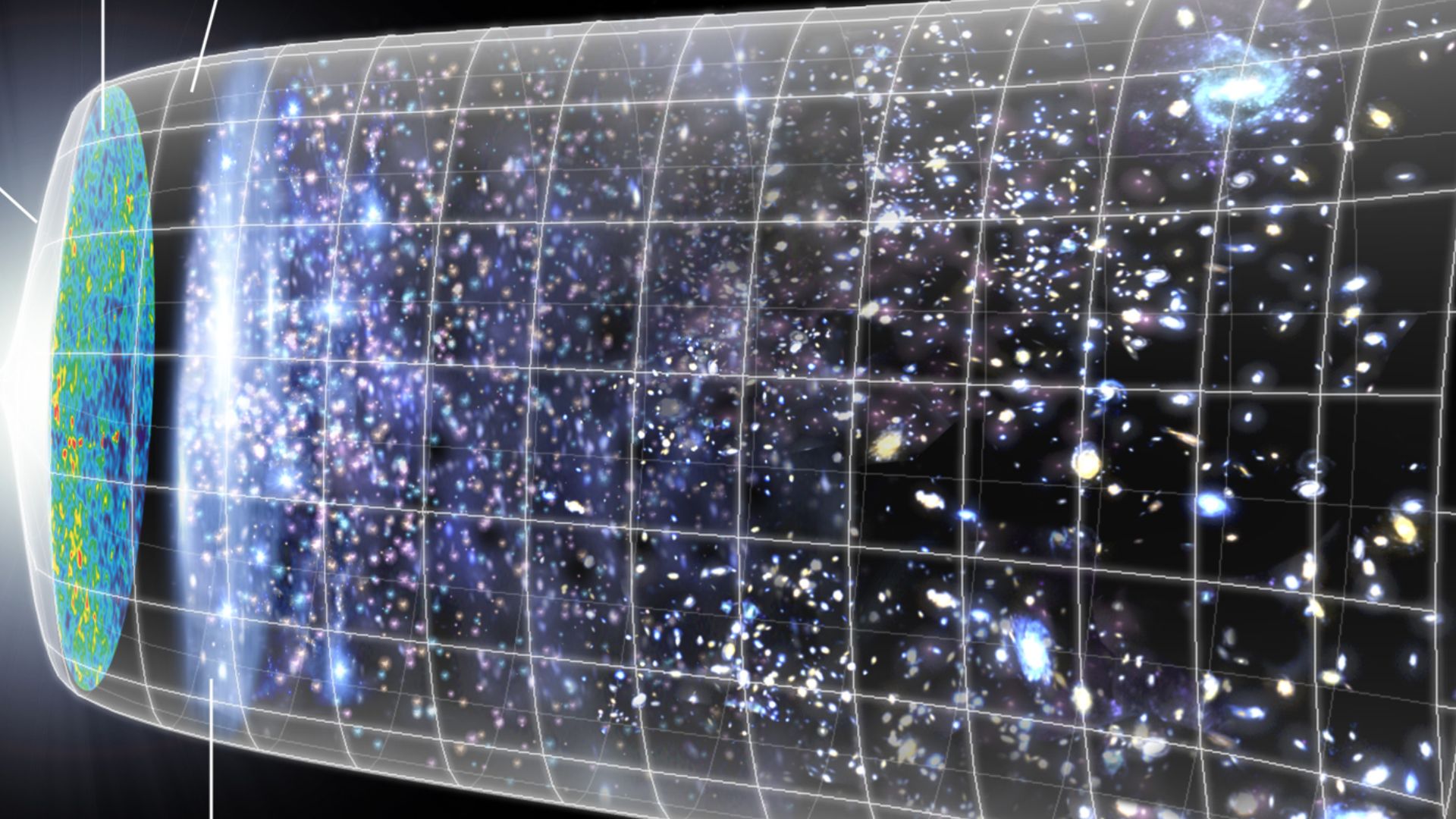 Kyle the hacker, Wikimedia Commons
The Sun Is A Ball Of Fire
The Sun emits energy through nuclear fusion, where hydrogen nuclei combine into helium under extreme pressures and temperatures. This fusion releases vast energy that lights and heats the solar system. Unlike combustion, fusion does not require oxygen and operates under conditions found only in stellar cores.
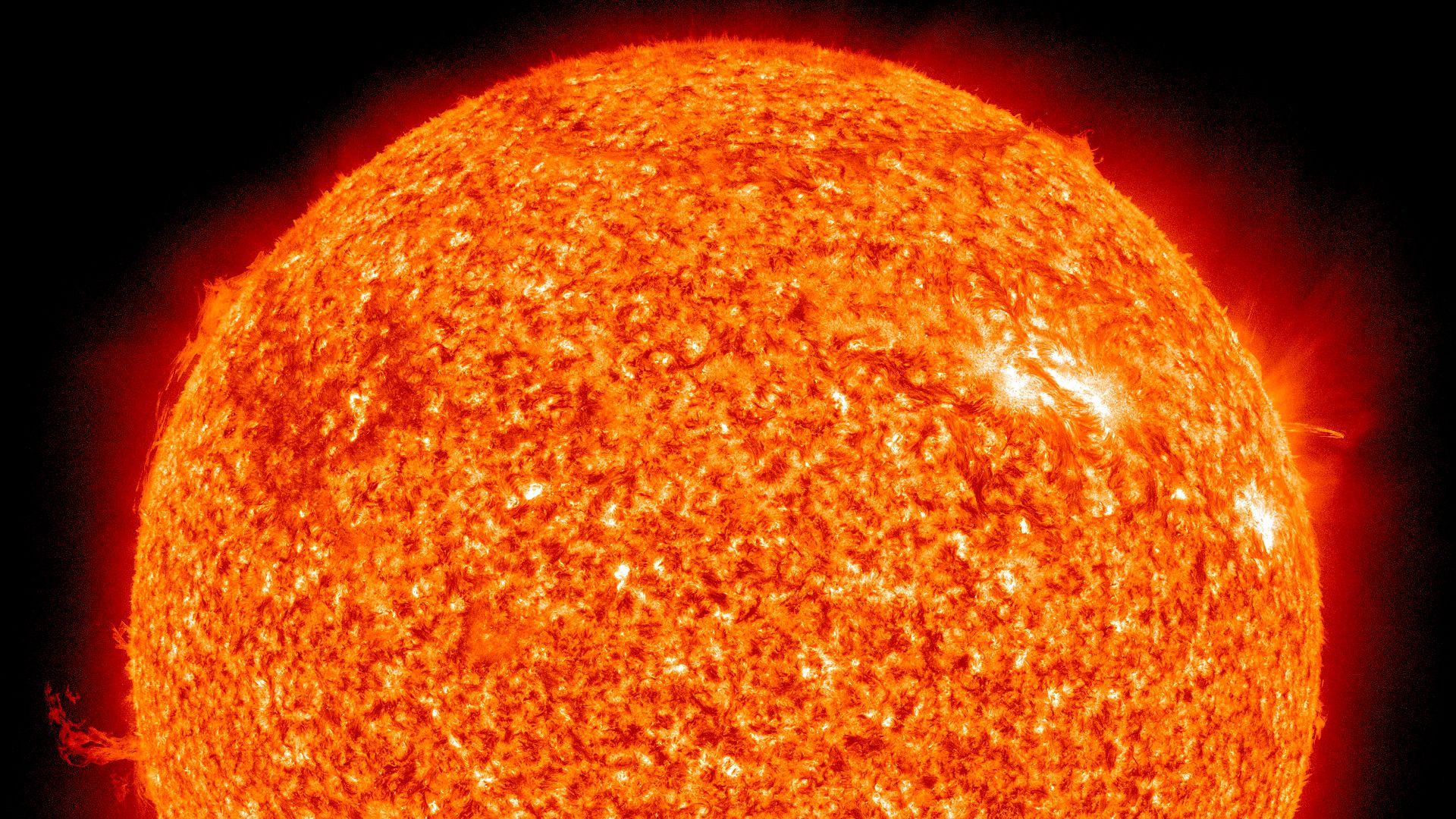 NASA/SDO (AIA), Wikimedia Commons
Saturn’s Rings Are Solid
Saturn’s rings aren’t solid platforms. They’re made of billions of icy and rocky particles orbiting together. Collisions and nearby moons carve gaps and edges. The rings are also incredibly thin, so even the largest chunks drift freely instead of forming anything you could stand on.
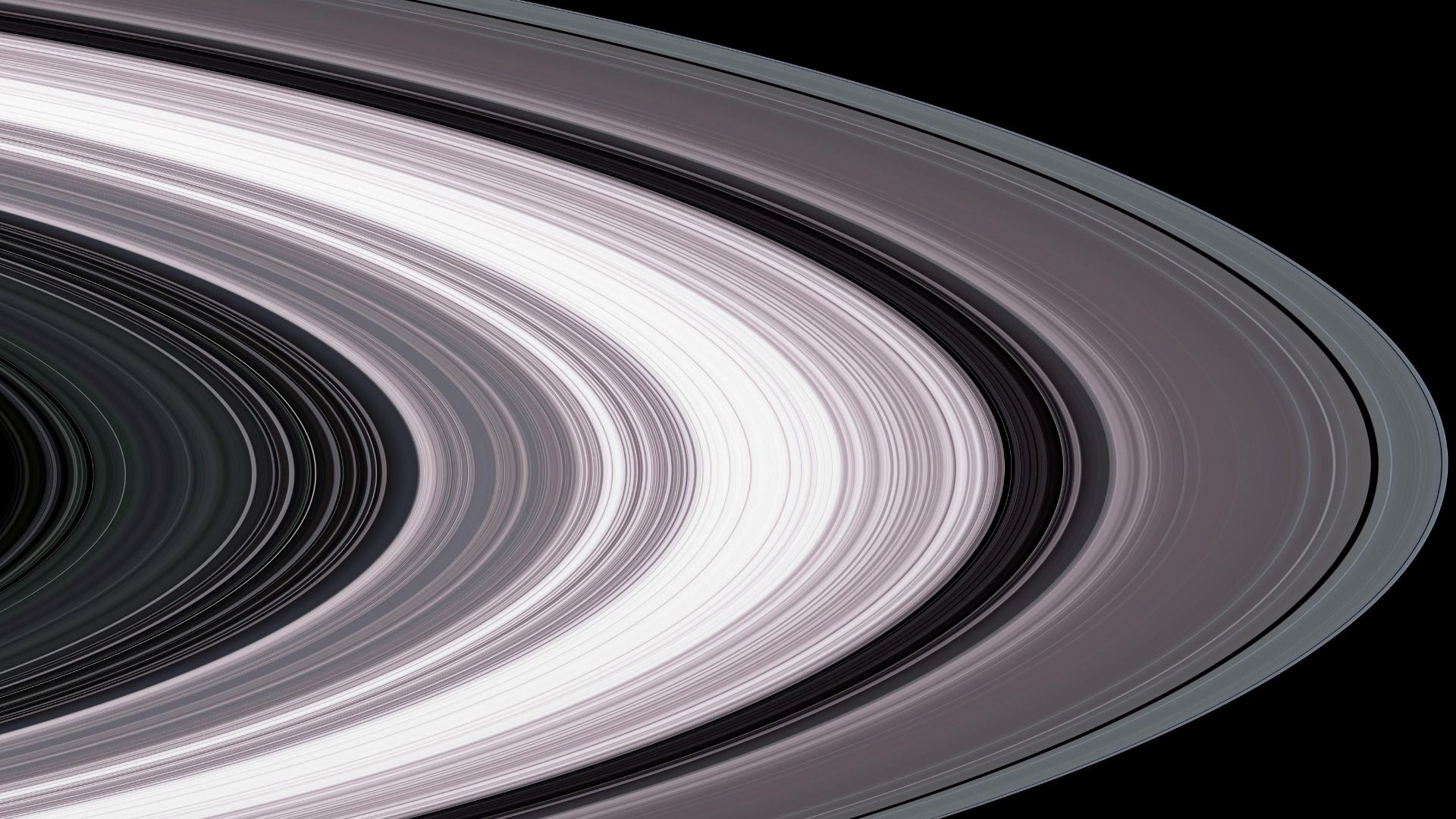 NASA / Jet Propulsion Lab, Wikimedia Commons
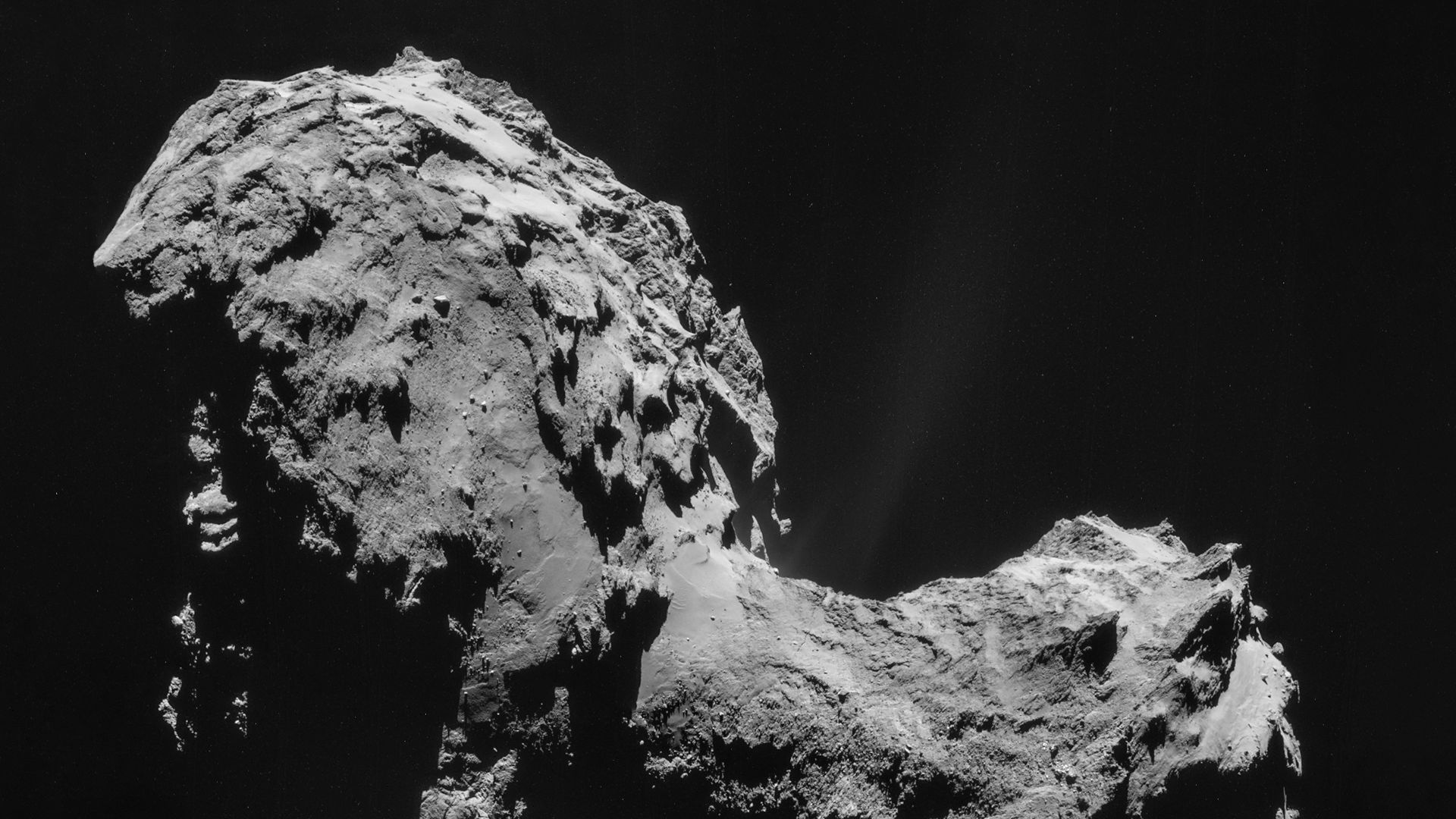
Comets Are Balls Of Fire
Comets don’t burn. They’re frozen bodies of ice and dust. As they approach the Sun, heat releases gas and particles, creating a glowing tail. That tail always points away from the Sun due to solar wind, not because the comet is on fire.
 ESA/Rosetta/NAVCAM, CC BY-SA IGO 3.0, Wikimedia Commons
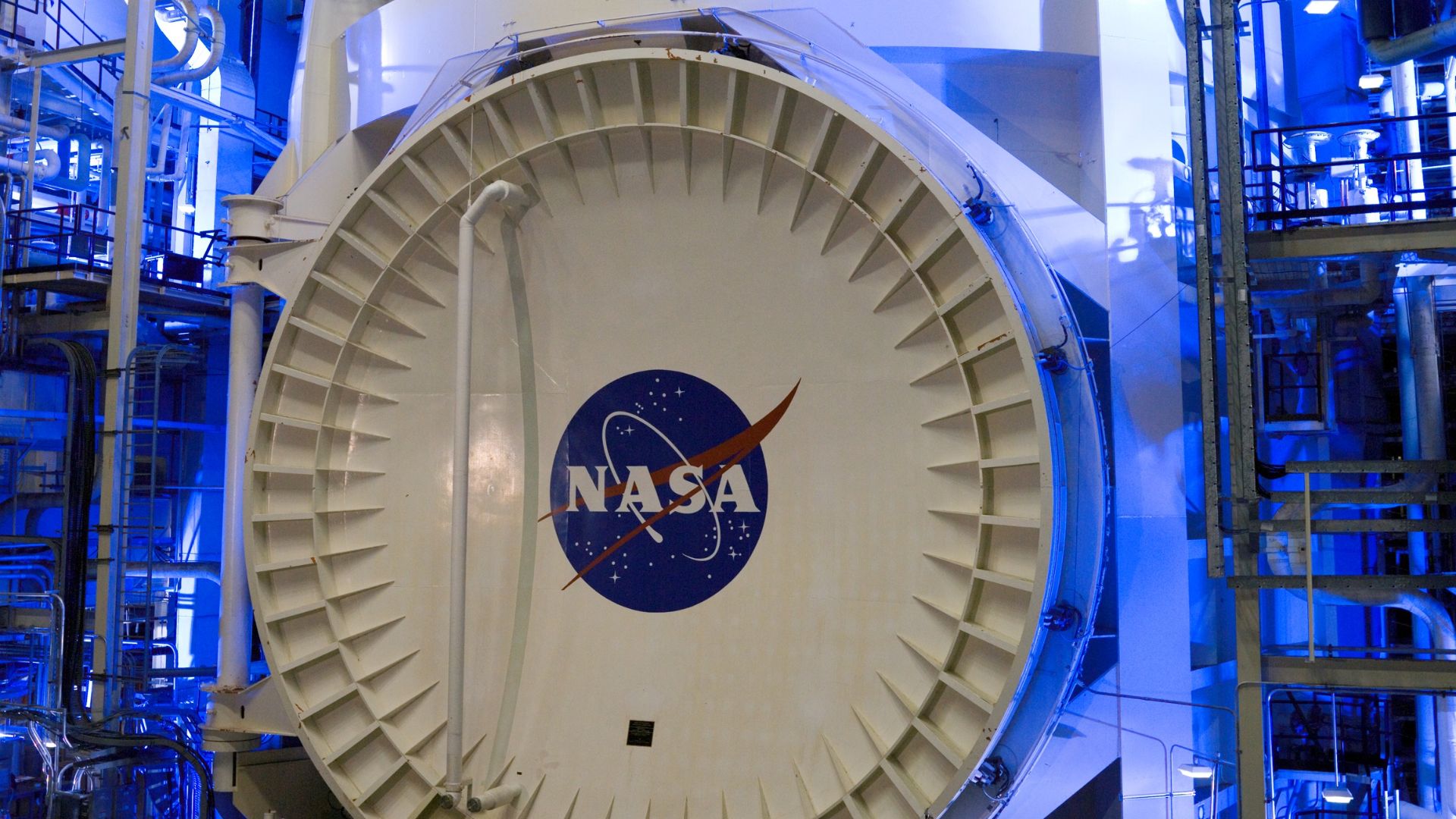
You’d Freeze Instantly in Space
Instant freezing is a misconception. With no air to conduct heat away, the human body loses warmth slowly through radiation. Temperatures vary widely depending on sunlight, and spacesuits protect astronauts from both extremes.
 NASA Johnson Space Center, Wikimedia Commons
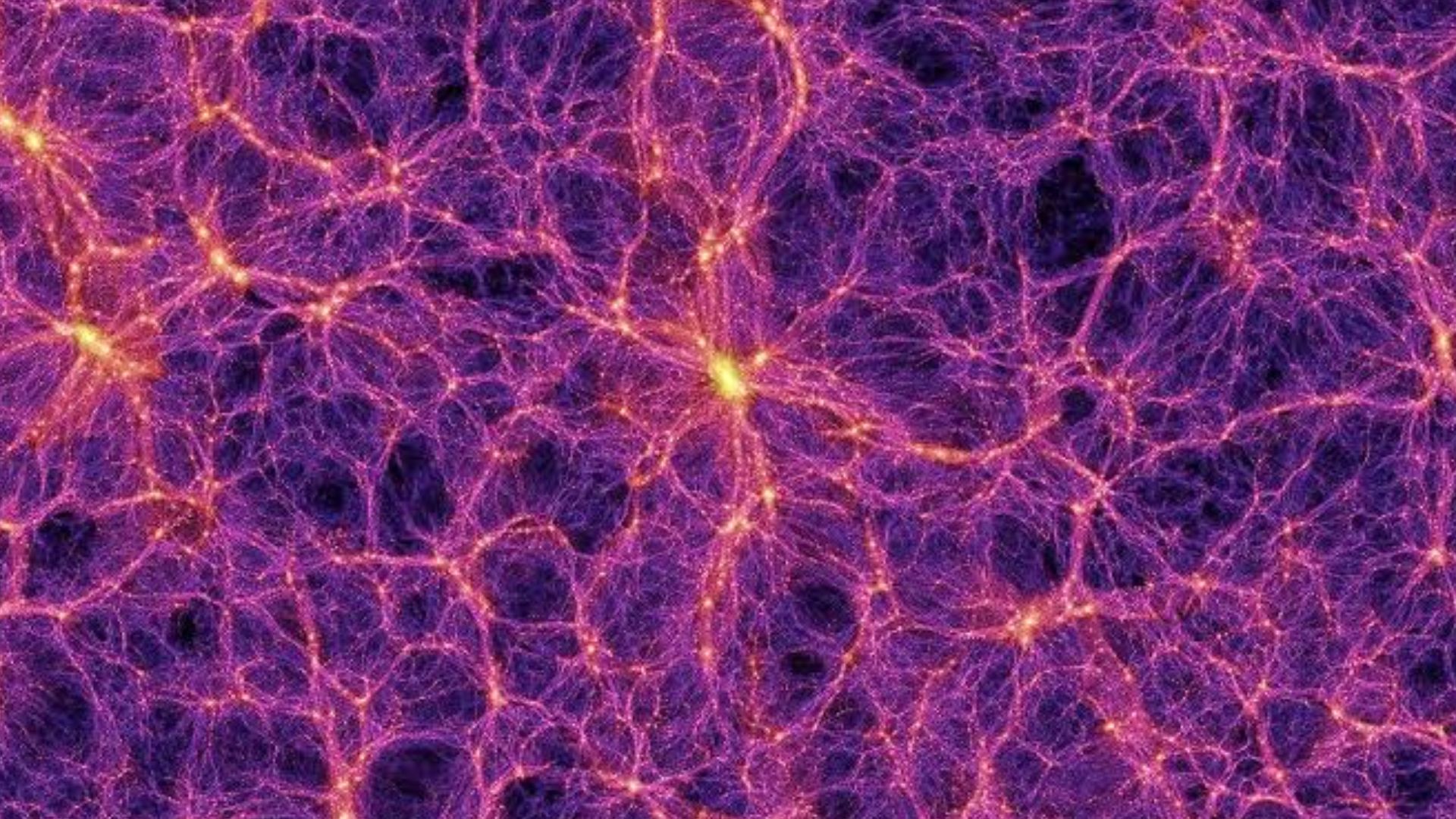
The Universe Has Edges You Can Reach
Current science finds no physical edge to the universe—space either extends infinitely or curves without a boundary. What limits exploration is the distance light has traveled since the universe began, not a reachable wall. Cosmologists use observations and models to map the observable universe’s extent.
 Volker Springel / Max Planck Institute For Astrophysics, Wikimedia Commons
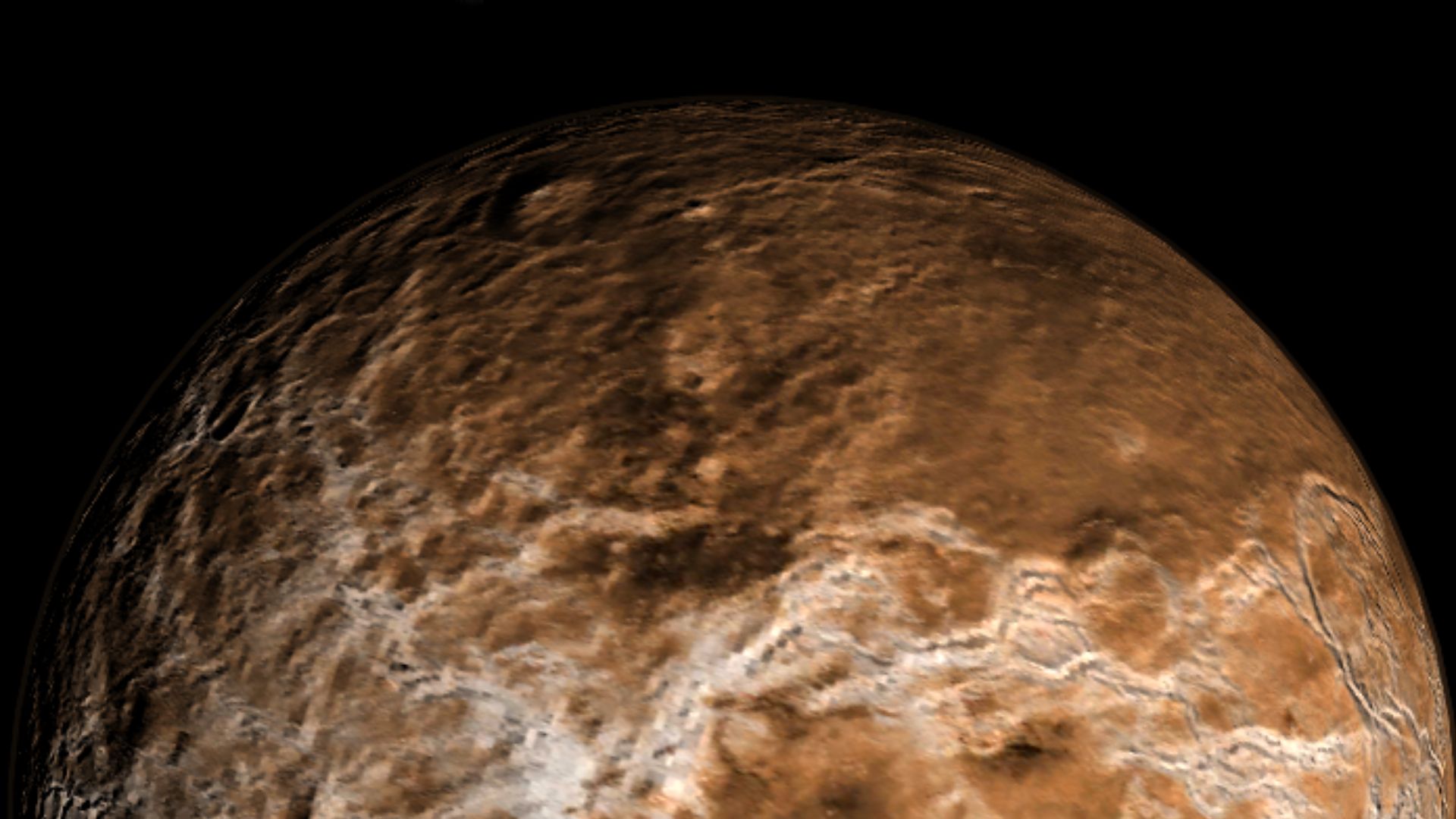
Venus Is Earth’s Habitable Twin
Although similar in size, Venus and Earth differ dramatically in environment. Venus’s thick atmosphere and corrosive clouds make it unsuitable for life as we know it. Still, studying Venus helps scientists understand atmospheric evolution and the risks of runaway greenhouse effects on planets.
Space Is Completely Empty
Interplanetary space contains a sparse but active mix of dust and charged particles from the Sun and other sources. These components influence spacecraft charging and comet tails. Instruments on probes and satellites measure them to forecast space weather and protect missions.
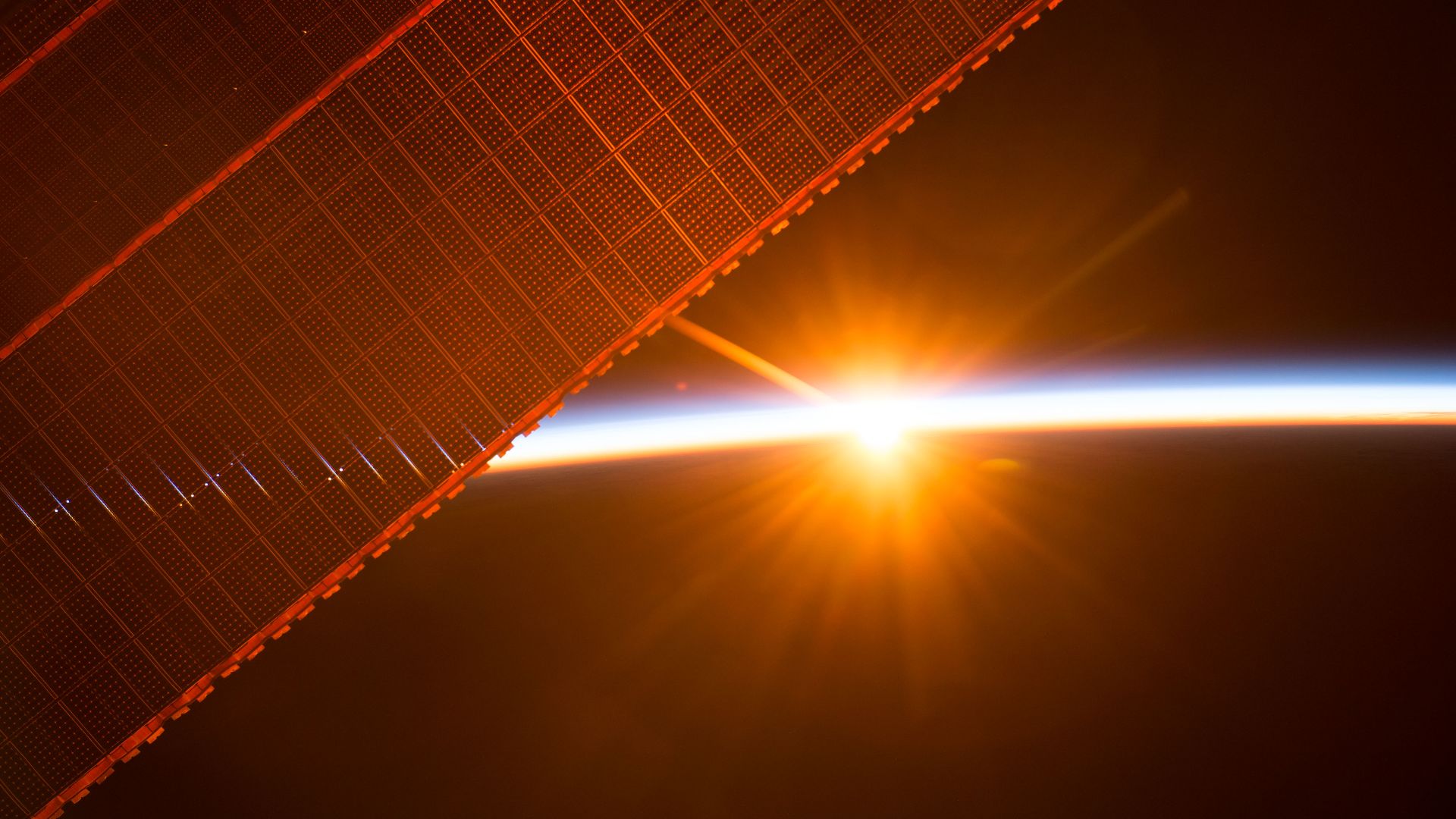
The Sun Rises And Sets In Space
Sunrise and sunset depend on a planet’s rotation, so in orbit, the Sun appears and disappears quickly as a craft moves between day and night sides. The ISS crew experiences rapid transitions many times each day, which mission planners manage through lighting and scheduled rest to maintain crew health.
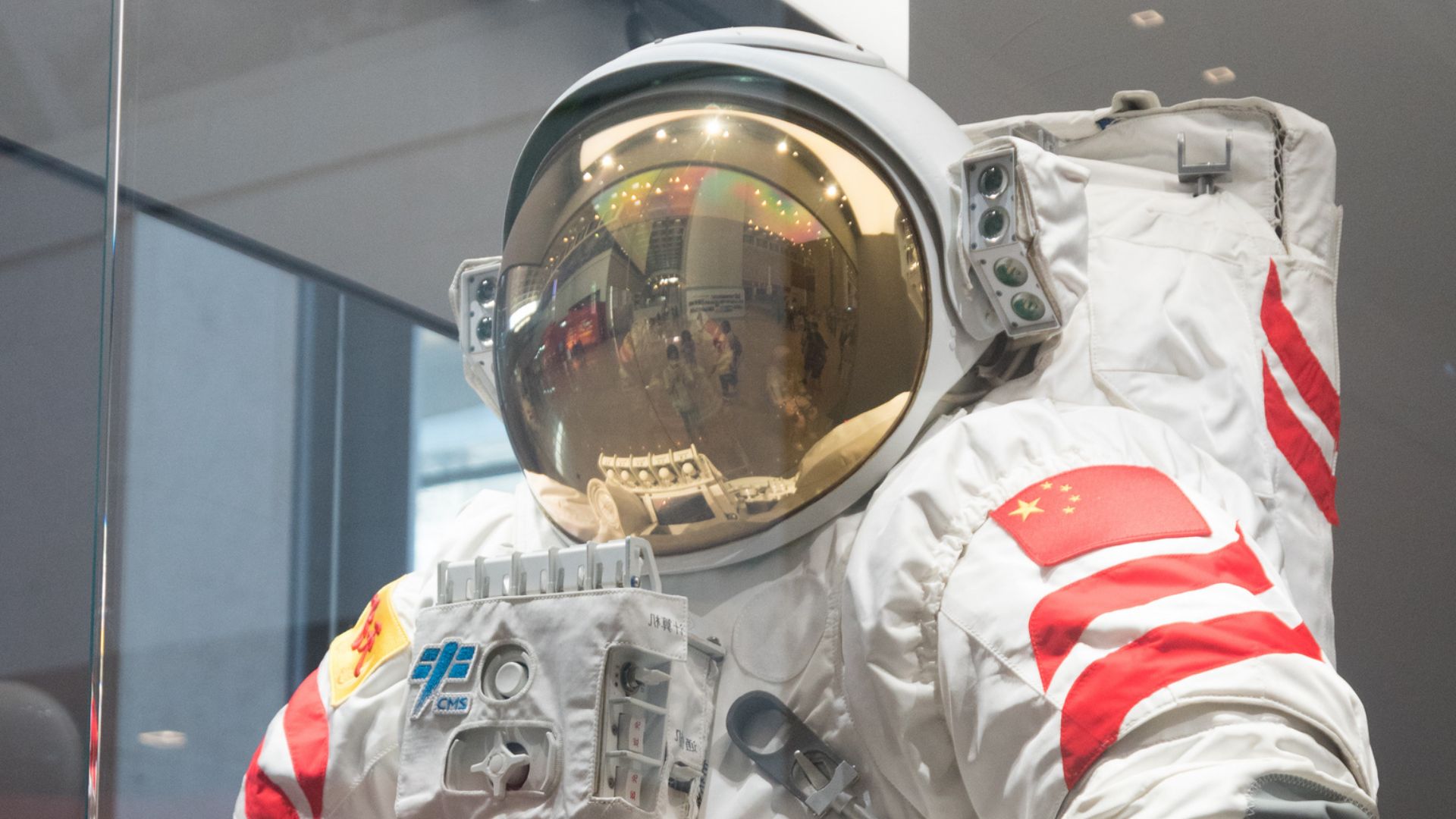
You Explode Instantly Without A Spacesuit
Sudden vacuum exposure causes swelling and rapid loss of consciousness from oxygen loss, not explosive bursting. Heat transfer is slow without air, and short survival may be possible with immediate rescue. Training and suit design focus on rapid containment and emergency response to reduce risk.
 Shujianyang, Wikimedia Commons
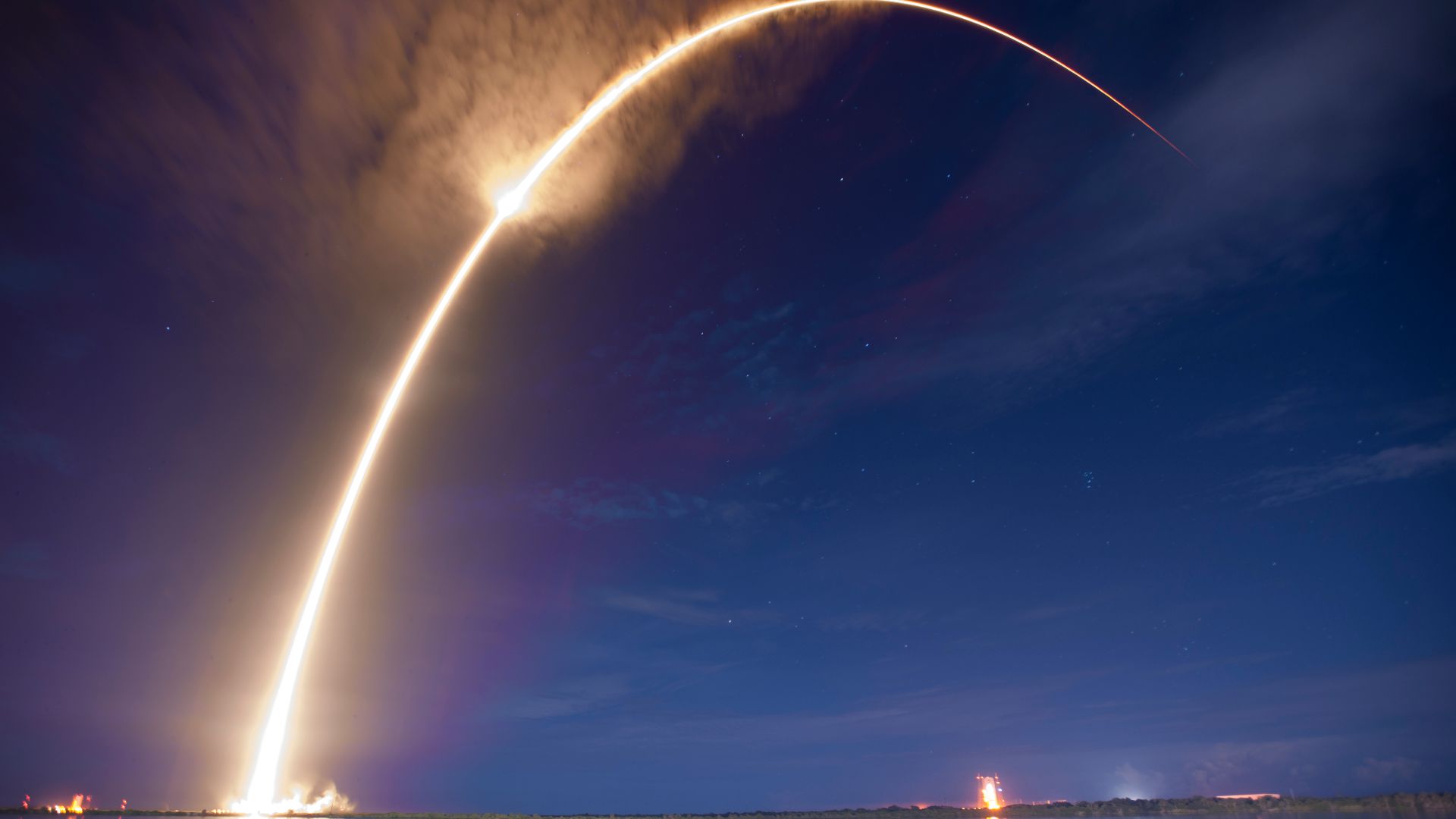
Rockets Go Straight Up
After liftoff, rockets tilt into a gravity turn to build the horizontal speed needed for orbit instead of flying straight up. This efficient path combines vertical and sideways motion, saving fuel while reaching the desired altitude and velocity. Engineers carefully plan these trajectories for safety and success.
The Moon Has No Gravity
Lunar gravity is weaker than Earth’s—about one-sixth—but still causes falling and supports orbiting bodies. This lower pull eases lander design and enables unique movement styles for astronauts. Mission planners use lunar gravity maps to design safe landings and efficient transfers across the Moon.
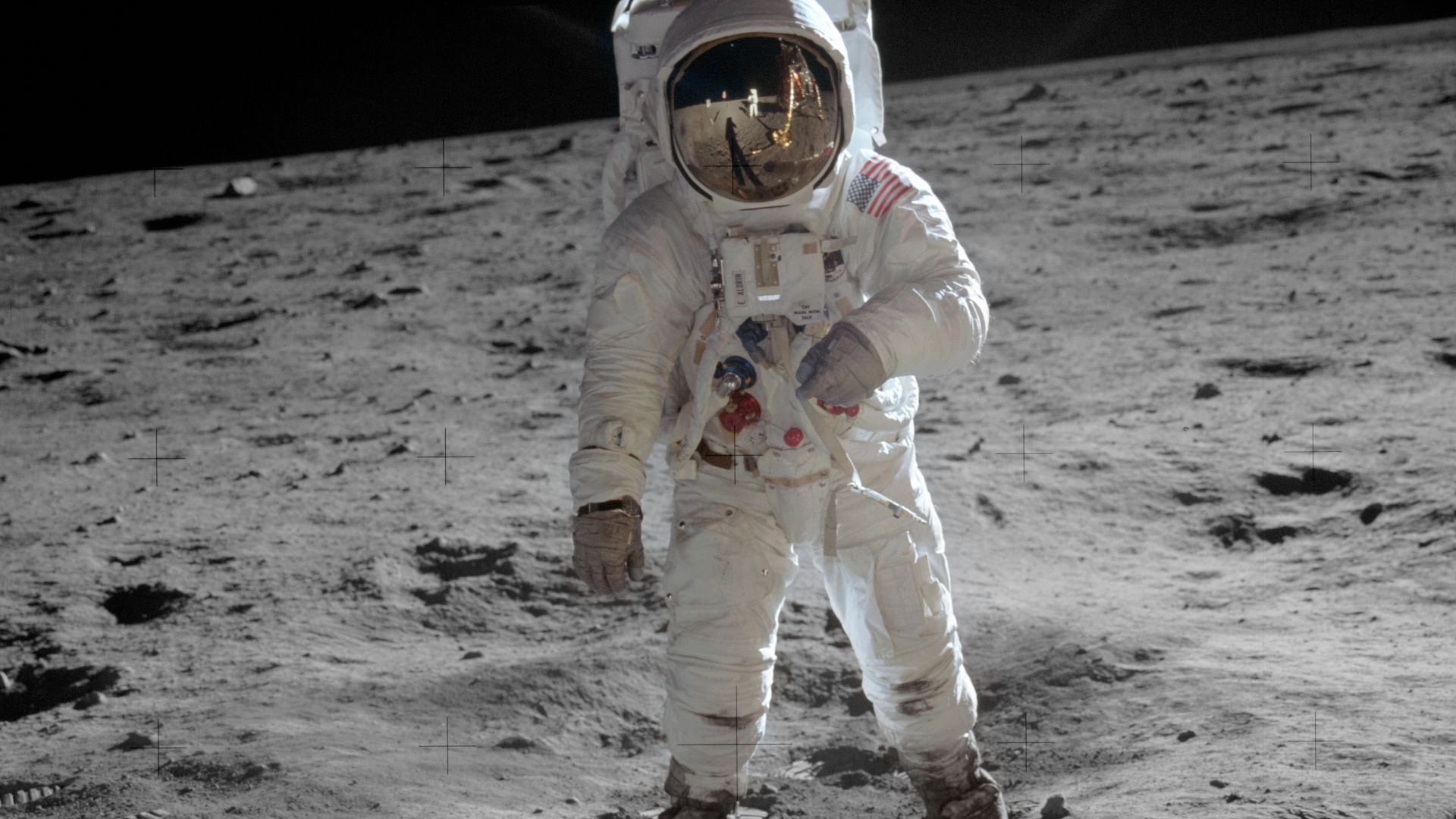 Neil Armstrong, Wikimedia Commons
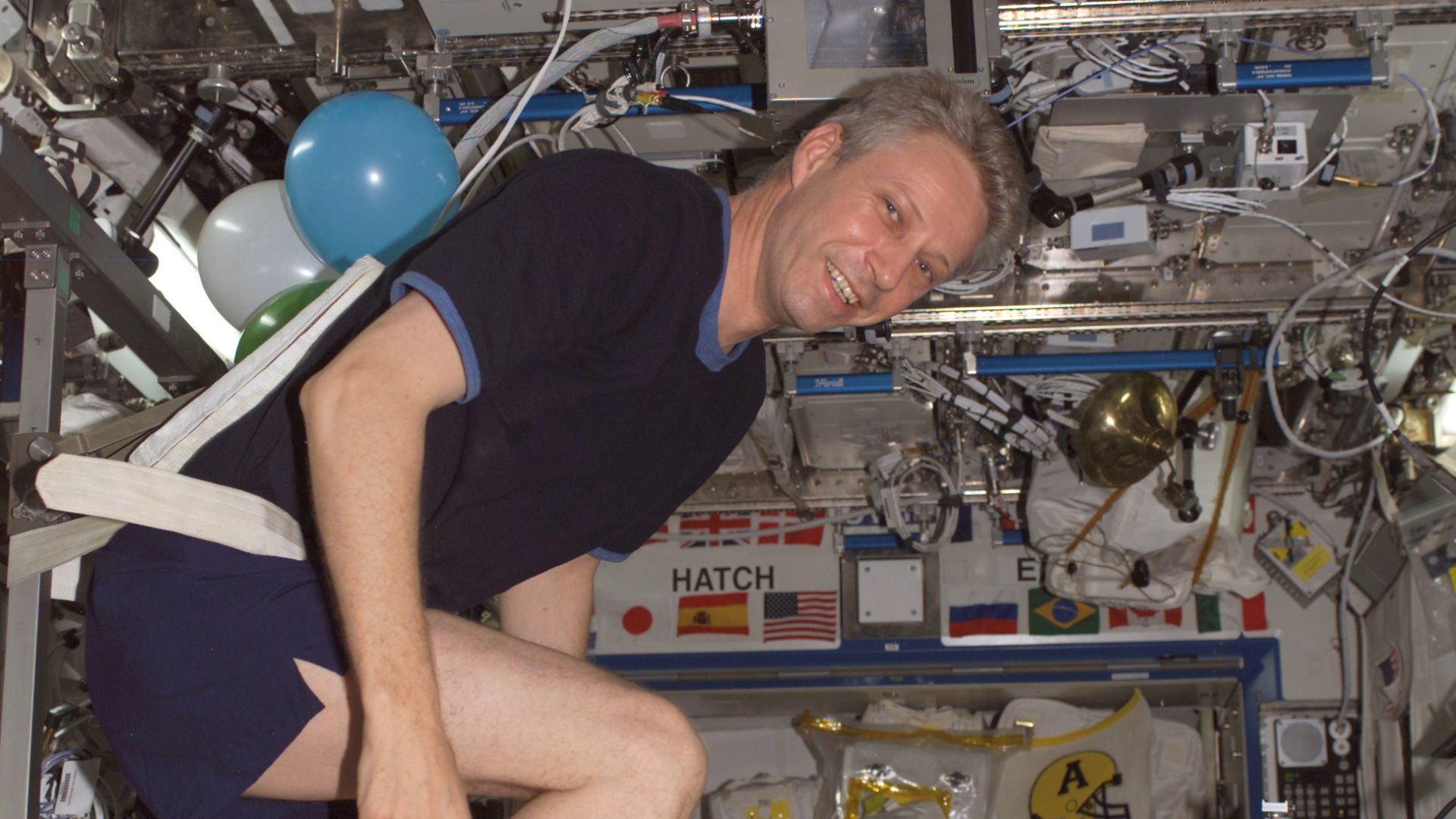
Astronauts Stay Taller After Spaceflight
Astronauts’ spines stretch slightly in microgravity, which makes them appear taller. But once they return to Earth, gravity pulls everything back into place, and their height returns to normal. The effect is temporary.
The Asteroid Belt Is Densely Packed
The asteroid belt isn’t the crowded zone movies suggest. Millions of rocks are scattered across an enormous stretch of space, leaving wide gaps between them. That’s why spacecraft move through safely, and even Ceres—the largest object in the belt and a dwarf planet about 940 km wide—sits far from its neighbors.
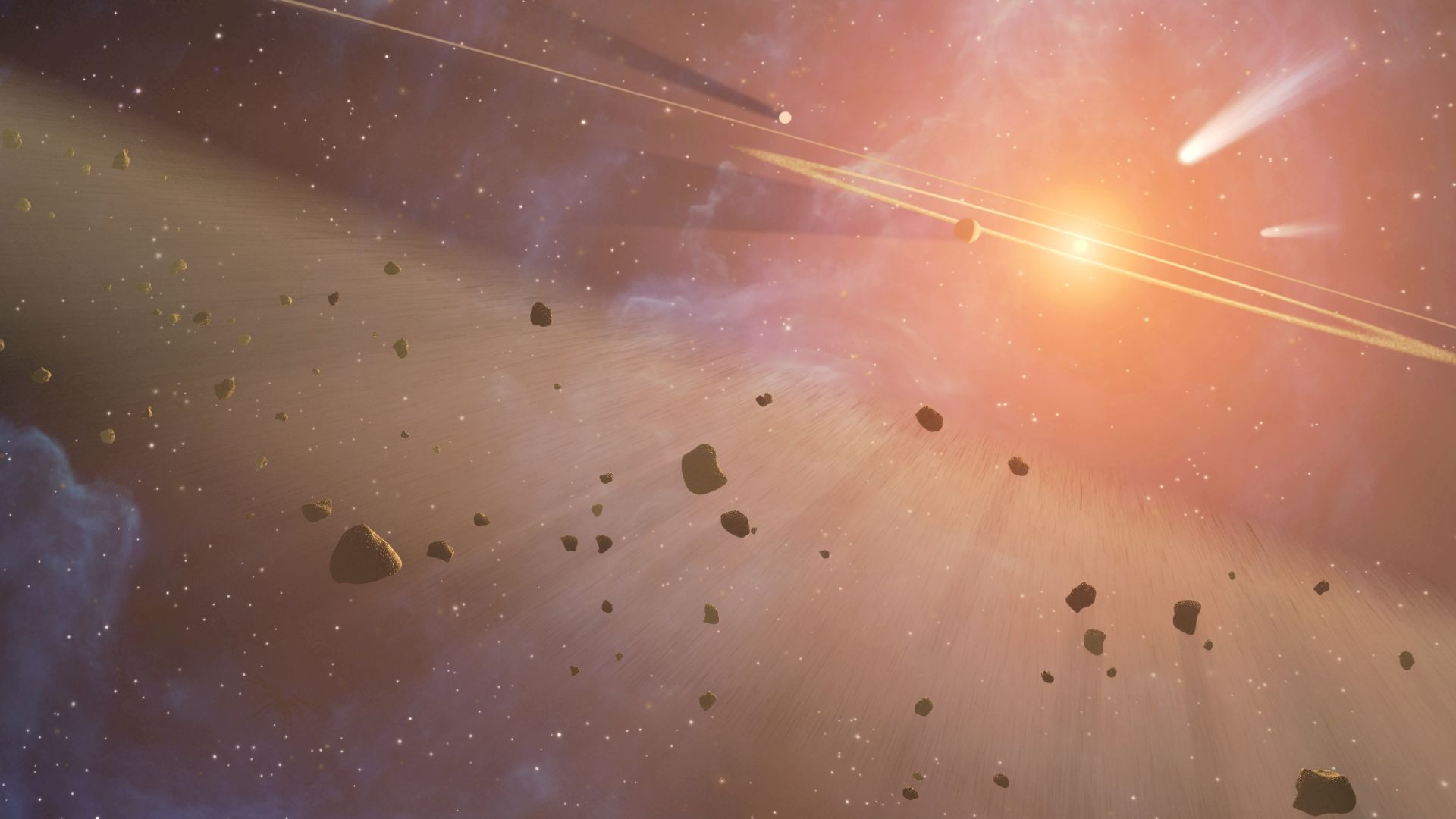 NASA/JPL-Caltech, Wikimedia Commons