
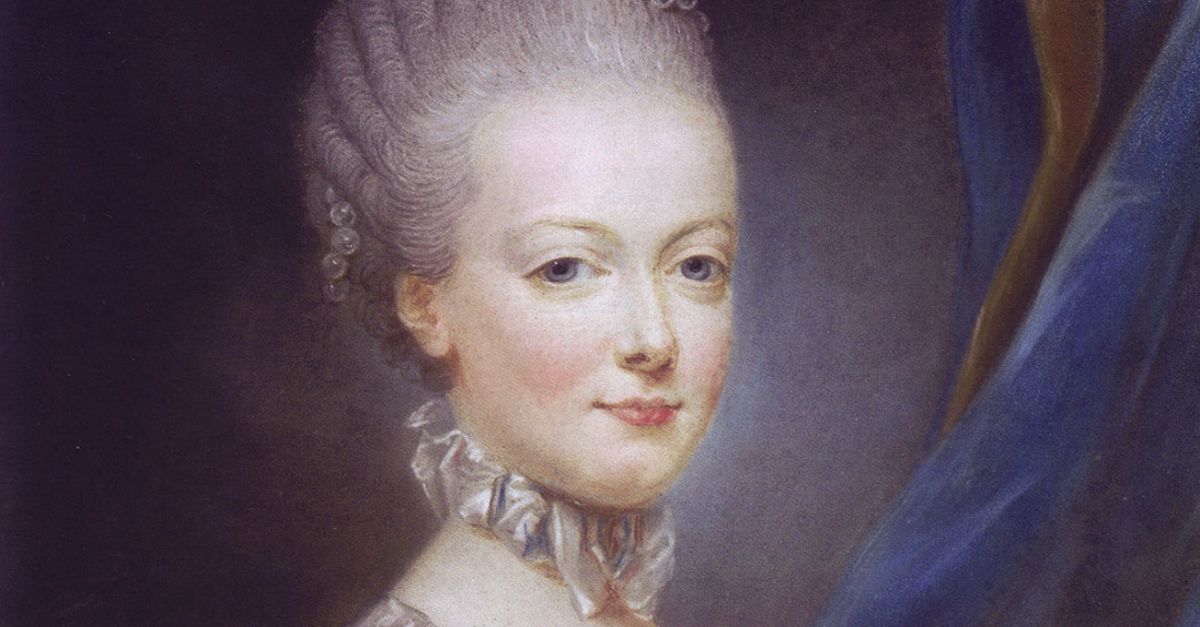
Rule Sharpened By Ambition
Power in the hands of certain women gained a sharp edge once control rose above any sense of safety. Their reigns carried bold choices and harsh moves that sparked struggles that reshaped the lands they ruled for generations to come.
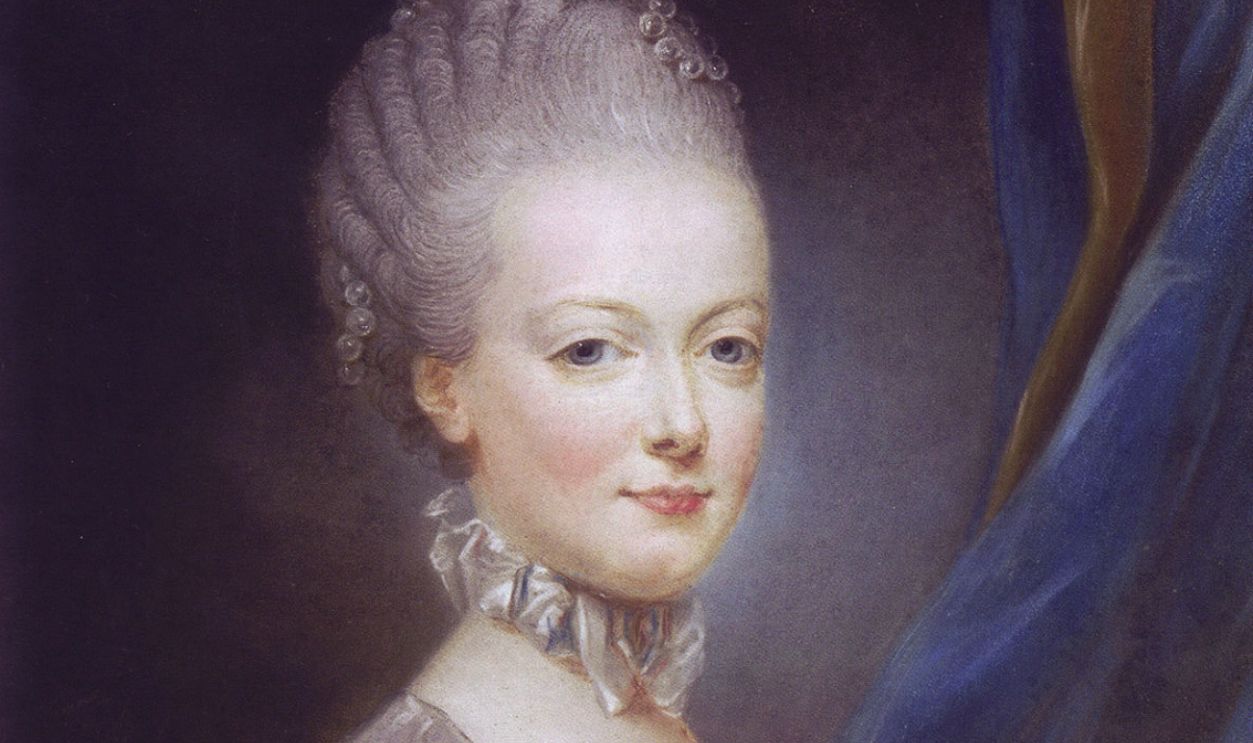
Irene of Athens
The Byzantine Empire saw a major power shift when Irene of Athens first ruled for her young son and later claimed the throne for herself from 797 to 802 CE. She secured power by ordering his blinding, a brutal act that showed how far she was willing to go.
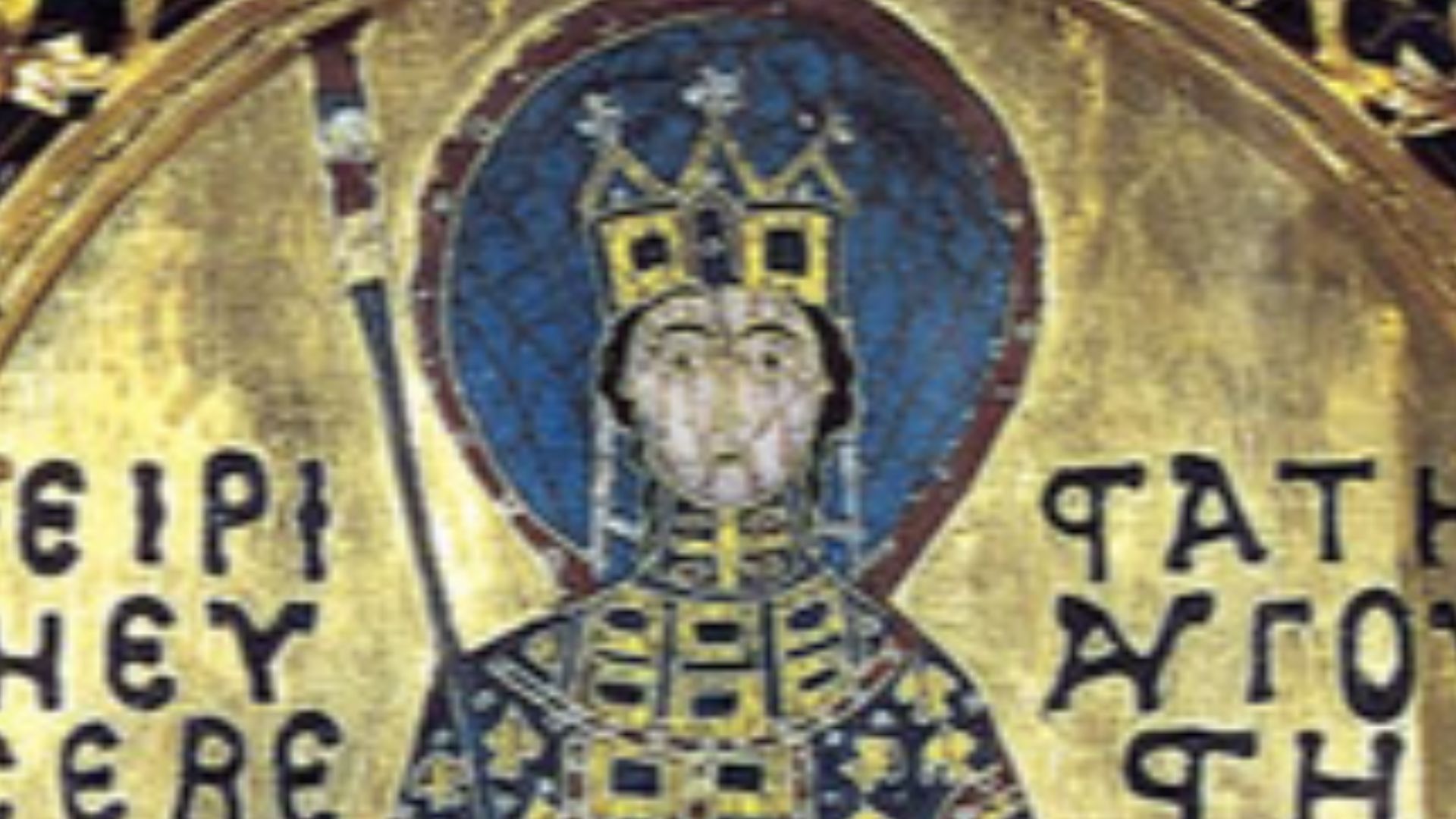 Unknown 8th-century artist, Wikimedia Commons
Fredegund
Life in early medieval France took a violent turn under Fredegund, who began as a servant before becoming queen consort to Chilperic I. She planned several assassinations, including her rival Galswintha, and spent decades locked in a fierce political struggle with Brunhilda of Austrasia.
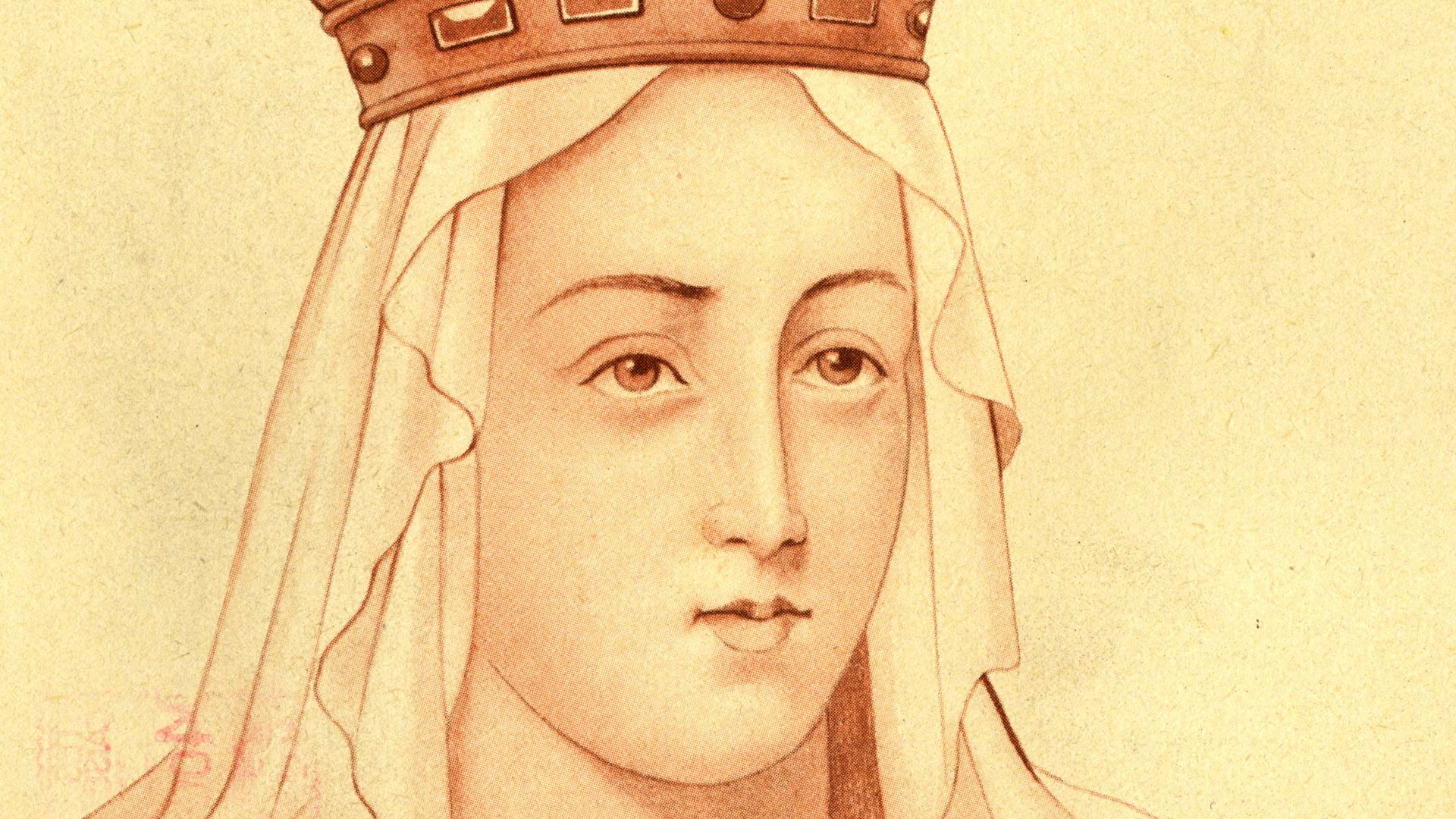 Donna Nobot, Wikimedia Commons
Wu Zetian
China’s only female emperor, Wu Zetian ruled from 690 to 705 CE and kept her position through harsh measures that removed anyone who threatened her. She used secret police, ordered deadly purges, and rose from concubine to absolute power through relentless ambition.
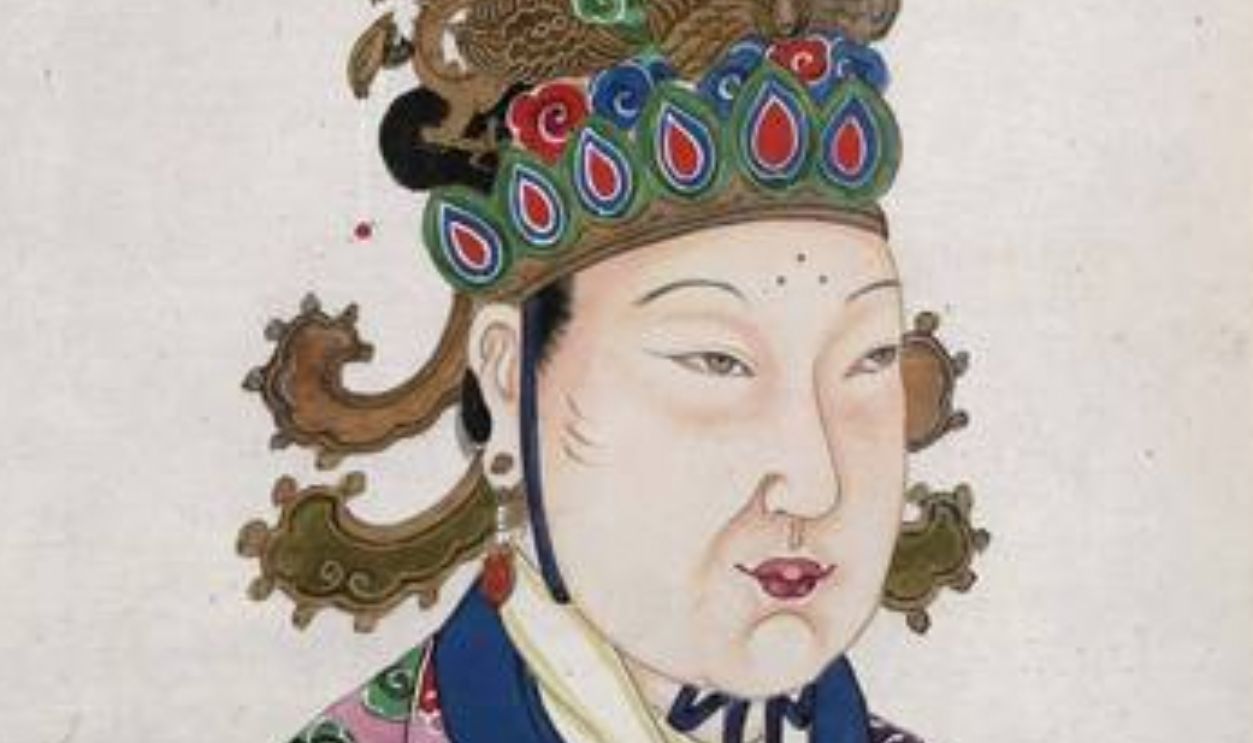 Unknown author, Wikimedia Commons
Olga Of Kiev
Kievan Rus’ turned toward revenge when Olga became regent after her husband’s murder. She ordered a brutal campaign against the Drevlians that wiped out large numbers of them. Her later conversion to Christianity eventually softened her legacy, and she even gained recognition as a saint.
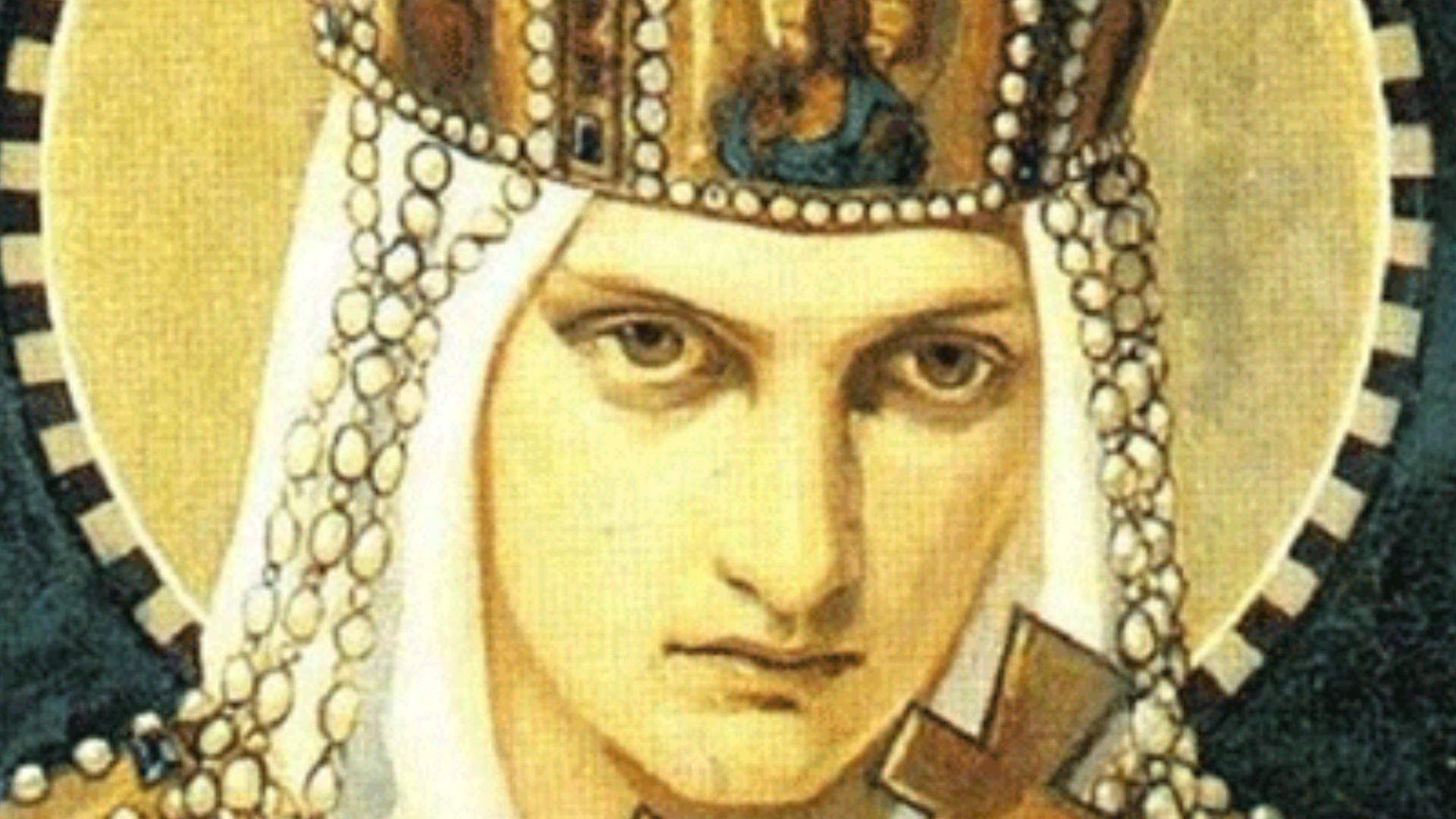 Nikolay Bruni, Wikimedia Commons
Agrippina The Younger
Rome’s imperial world relied heavily on family influence, and Agrippina the Younger used hers boldly. As Nero’s mother and a descendant of Augustus, she allegedly poisoned Emperor Claudius to secure Nero’s rule. Tragically, Nero later ordered her death.
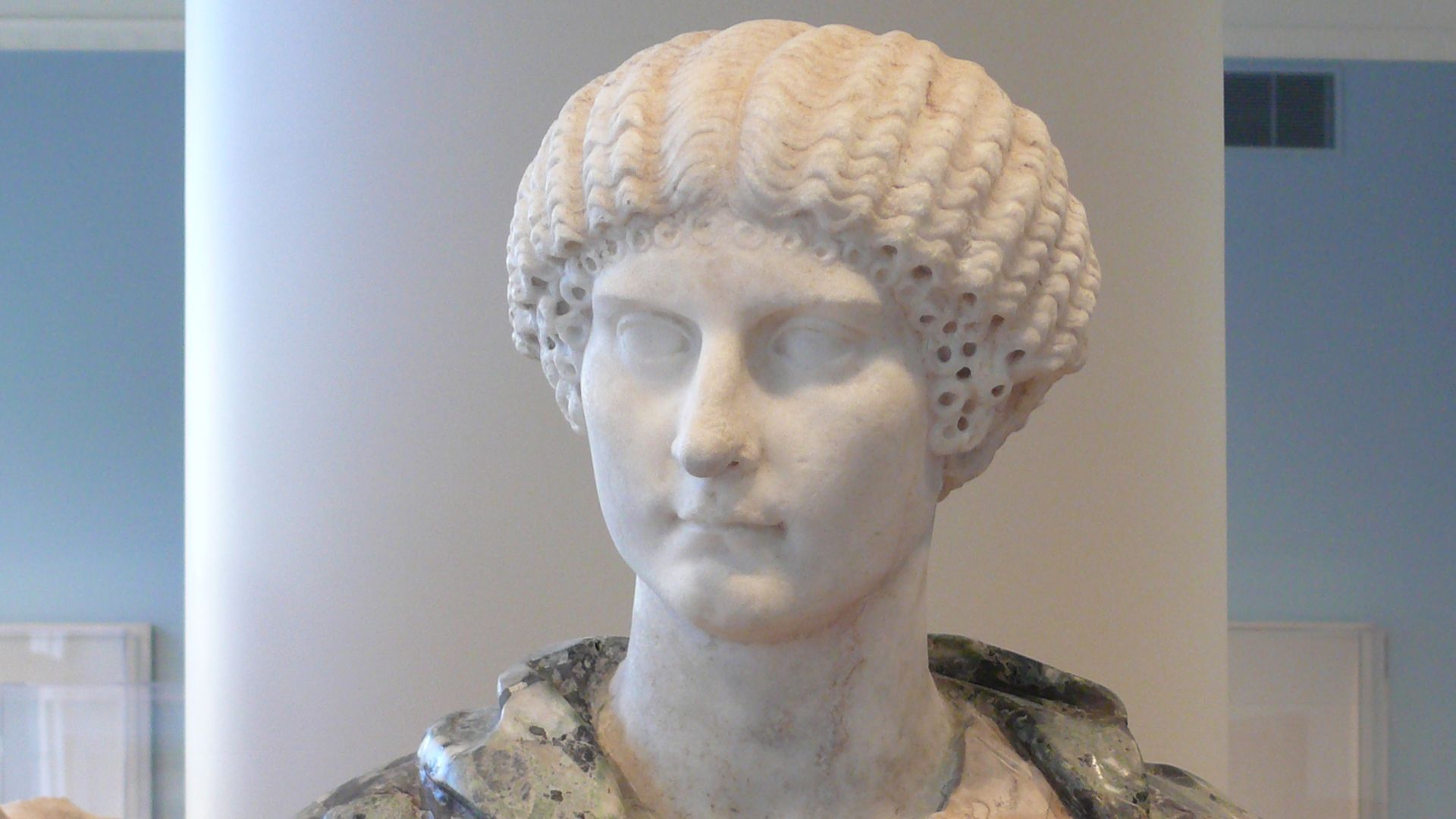
Isabella I
Spain changed sharply during the long reign of Isabella I from 1474 to 1504. She approved the Spanish Inquisition, drove Jewish and Muslim communities out of Spain, and backed Columbus’s voyage in 1492. However, supporters still seek her recognition as a Servant of God despite her harsh policies.
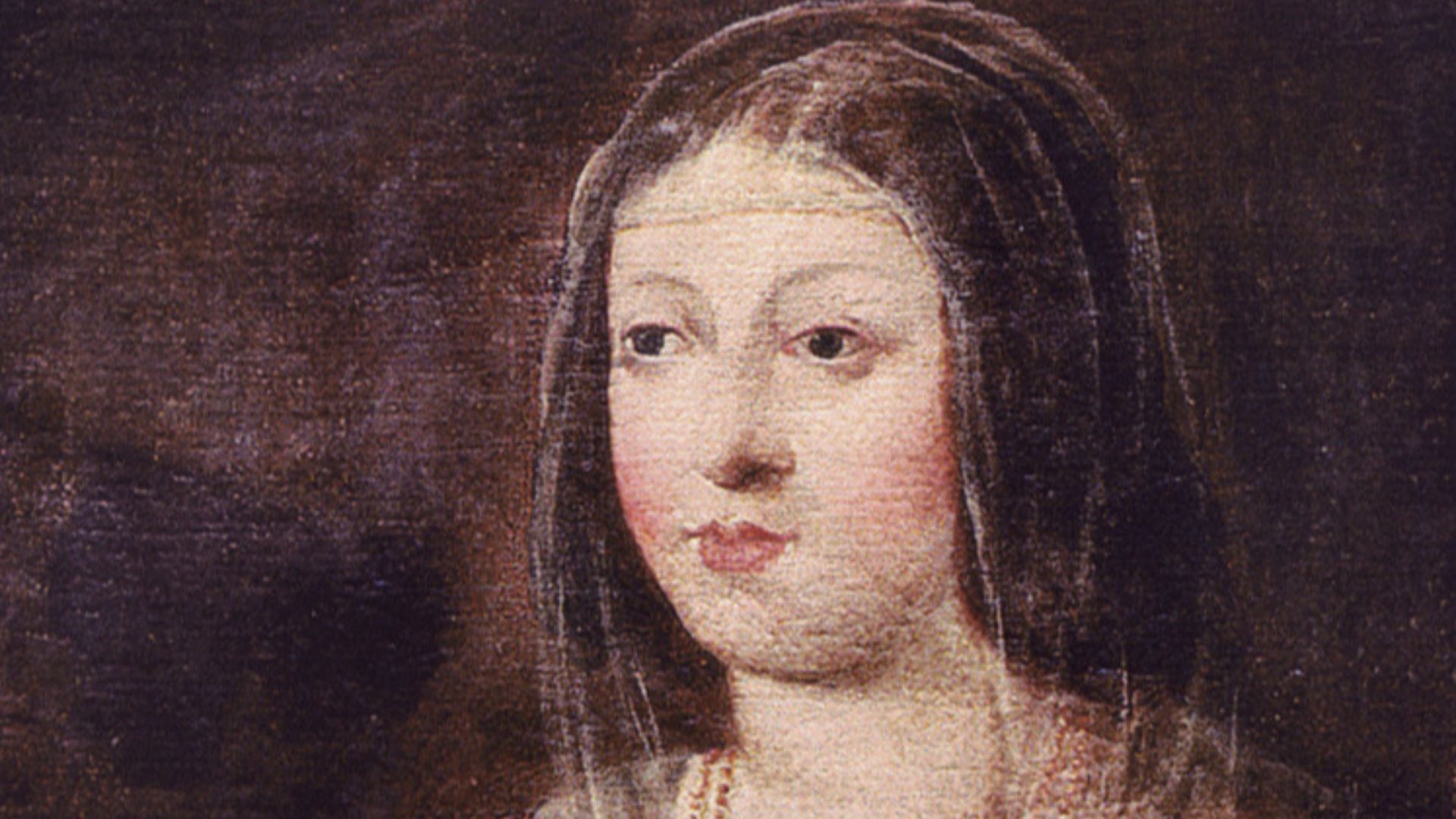
Empress Dowager Lu
Han dynasty rule hardened when Empress Dowager Lu took full control through her son and grandson. Accounts describe her ordering severe punishments against rivals, including the mutilation of Lady Qi. But her power vanished quickly with her demise, as enemies moved to eliminate her entire family from influence.
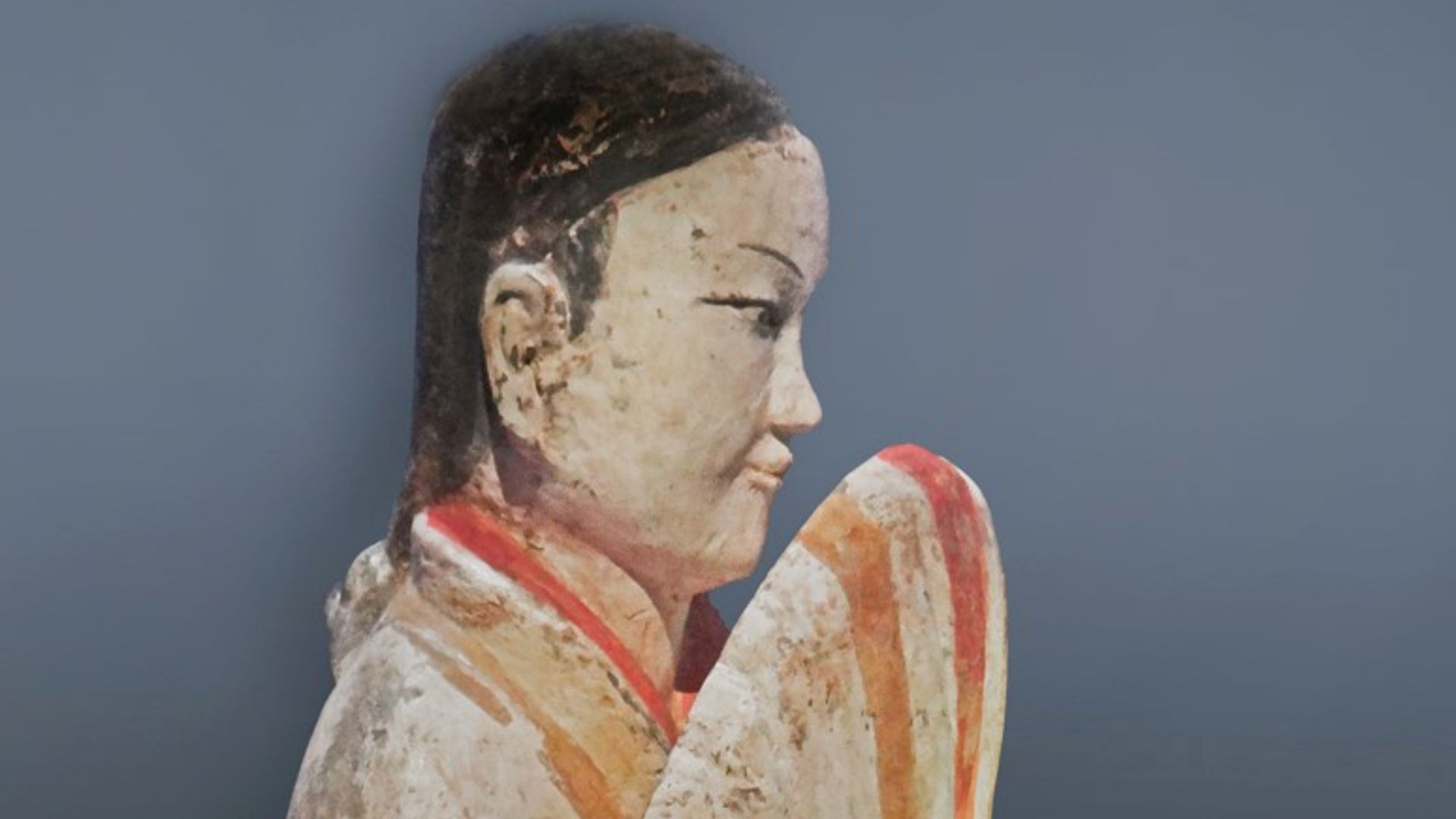 Jean-Pierre Dalbera from Paris, France, Wikimedia Commons
Catherine De’ Medici
Catherine de’ Medici rose from queen consort to regent during one of France’s most violent religious struggles. Her influence became inseparable from the St. Bartholomew’s Day Massacre, where thousands of Huguenots were killed, and her leadership left a lasting shadow over the kingdom’s bitter divisions.
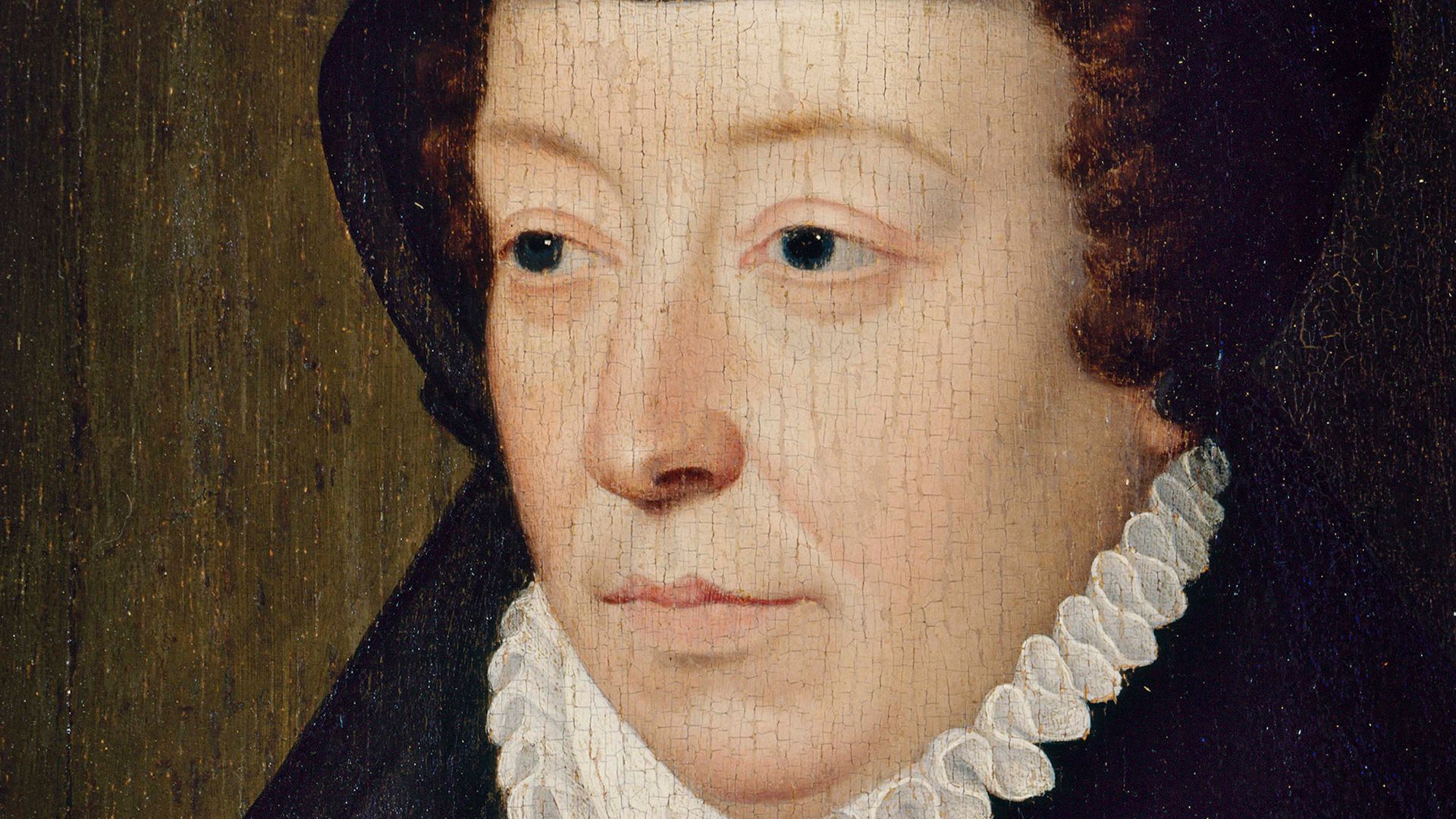 Workshop of Francois Clouet, Wikimedia Commons
Ranavalona I
Madagascar endured severe hardship under Ranavalona I, who ruled from 1828 to 1861 and enforced policies that caused mass executions, forced labor, and a population drop from five million to about two and a half million. Western writers went on to compare her to Caligula, Rome’s famously brutal emperor.
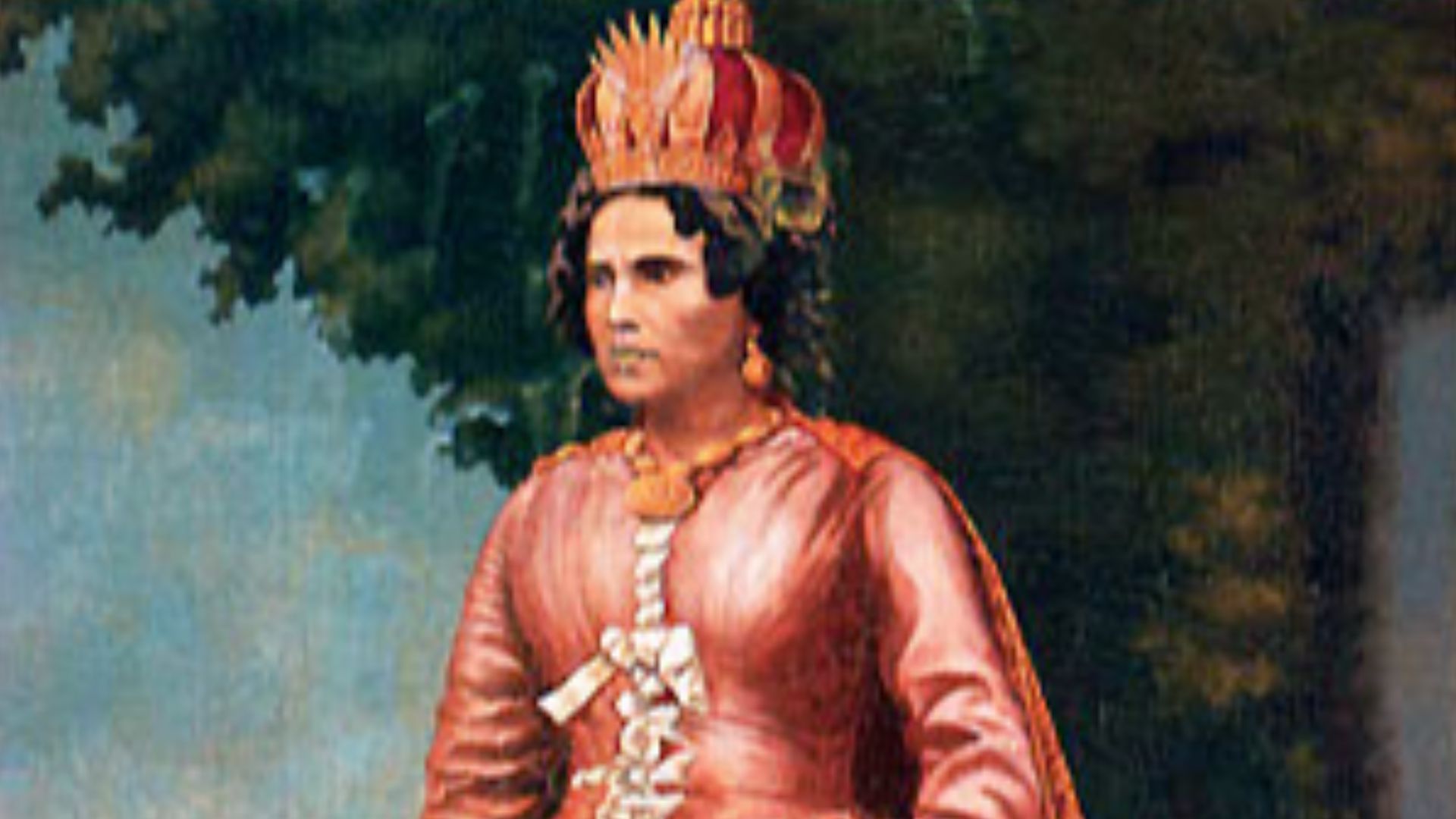 Philippe-Auguste Ramanankirahina (1860-1915), Wikimedia Commons
Mary I
England changed course when Mary I took the throne in 1553 and attempted to return the country to Catholic rule. More than 280 Protestants were executed under her authority. This decision left lasting fear and set her apart as one of Henry VIII and Catherine of Aragon’s most controversial descendants.
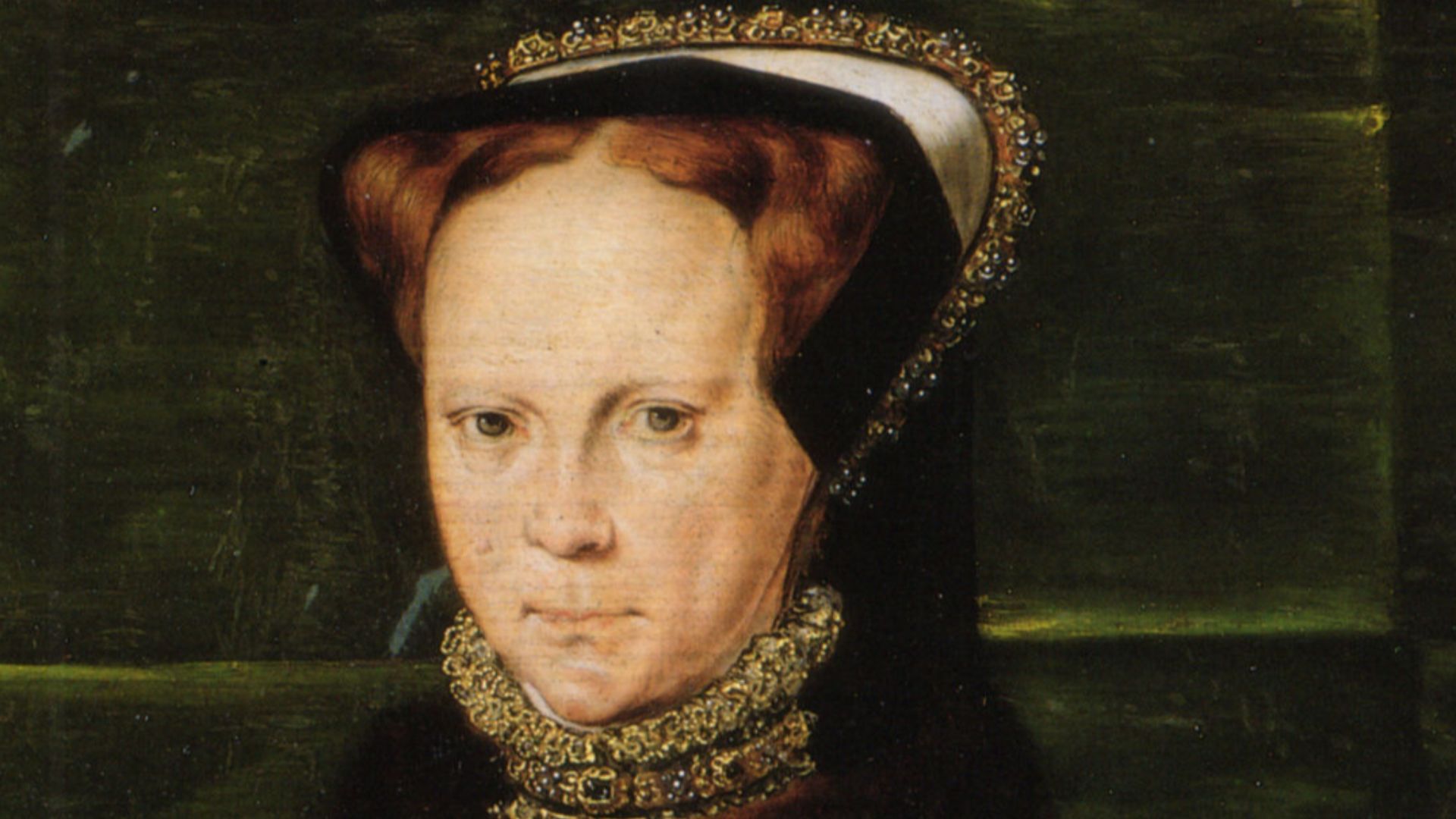 Hans Eworth, Wikimedia Commons
Queen Jezebel
Many accounts of ancient Israel describe Jezebel shaping royal policy through her marriage to King Ahab. She pushed the worship of Baal and targeted the prophets of Yahweh. Her name eventually became a word for a wicked woman, and biblical stories portray her death through a fall and trampling by horses.
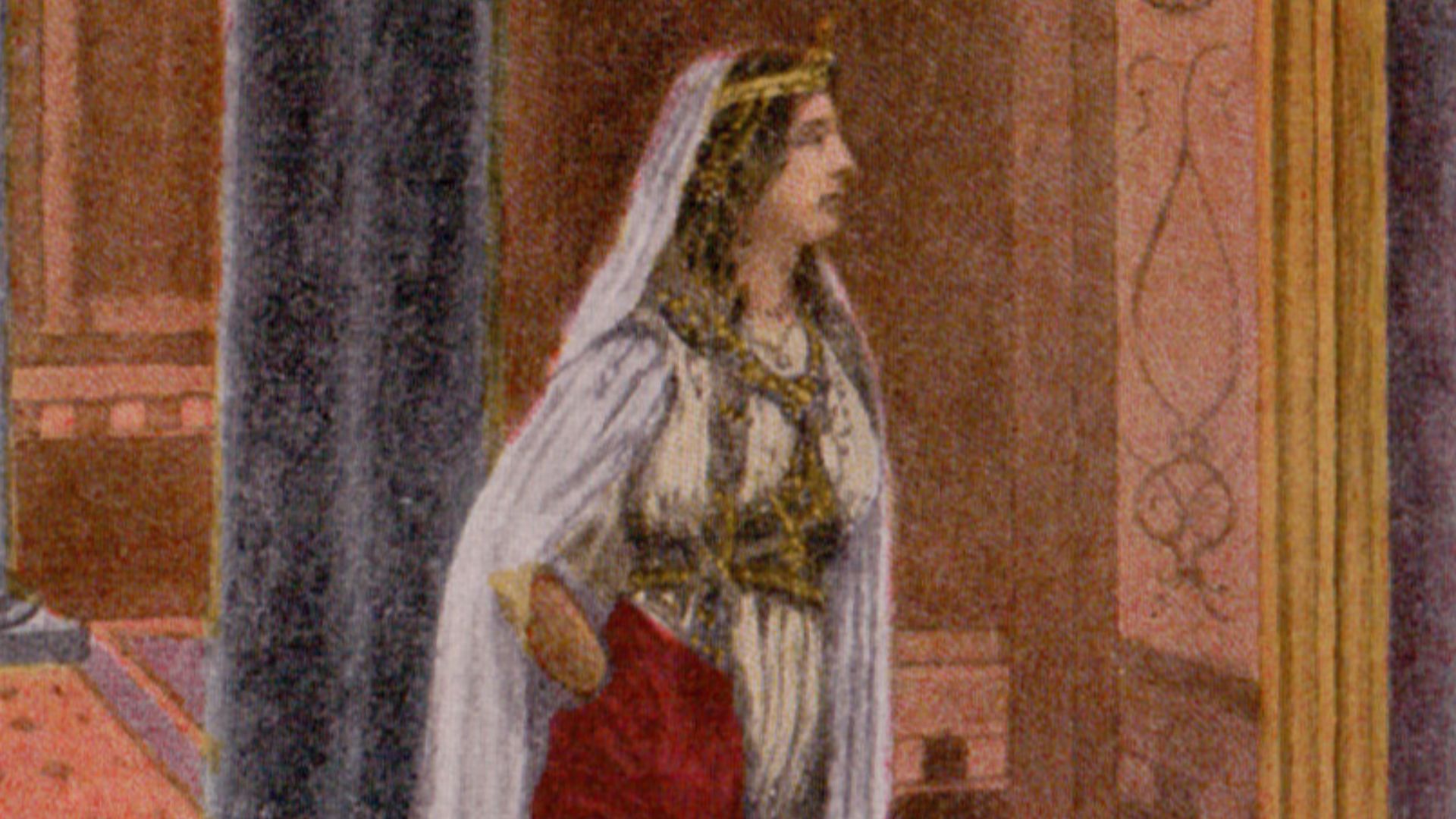 Sue Clark signature Mc B ?, Wikimedia Commons
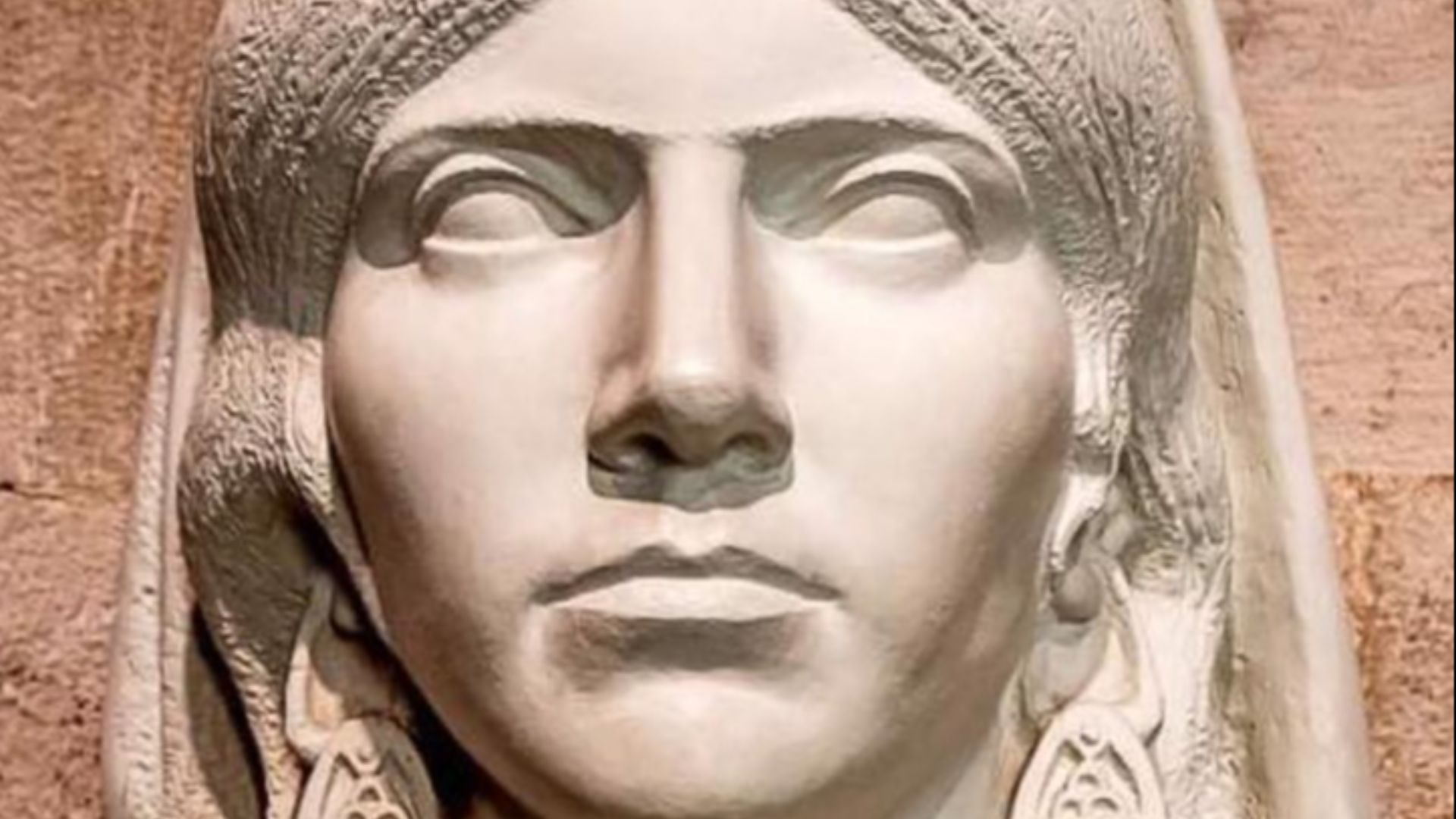
Teuta
Reports from the ancient Balkans describe Teuta stepping into power as queen regent of the Illyrians during the third century BCE. Roman anger grew after she approved piracy against their merchants, a choice that triggered the First Illyrian War. Historians remember her as one of Illyria’s rare female rulers.
Brunhilda Of Austrasia
Brunhilda spent decades steering Merovingian politics first as queen consort then as regent, outlasting rivals through treaties, alliances, and hard-edged maneuvering. Her enemies eventually blamed her for the very conflicts she fought to control. Captured at last, she was executed by being tied to a wild horse.
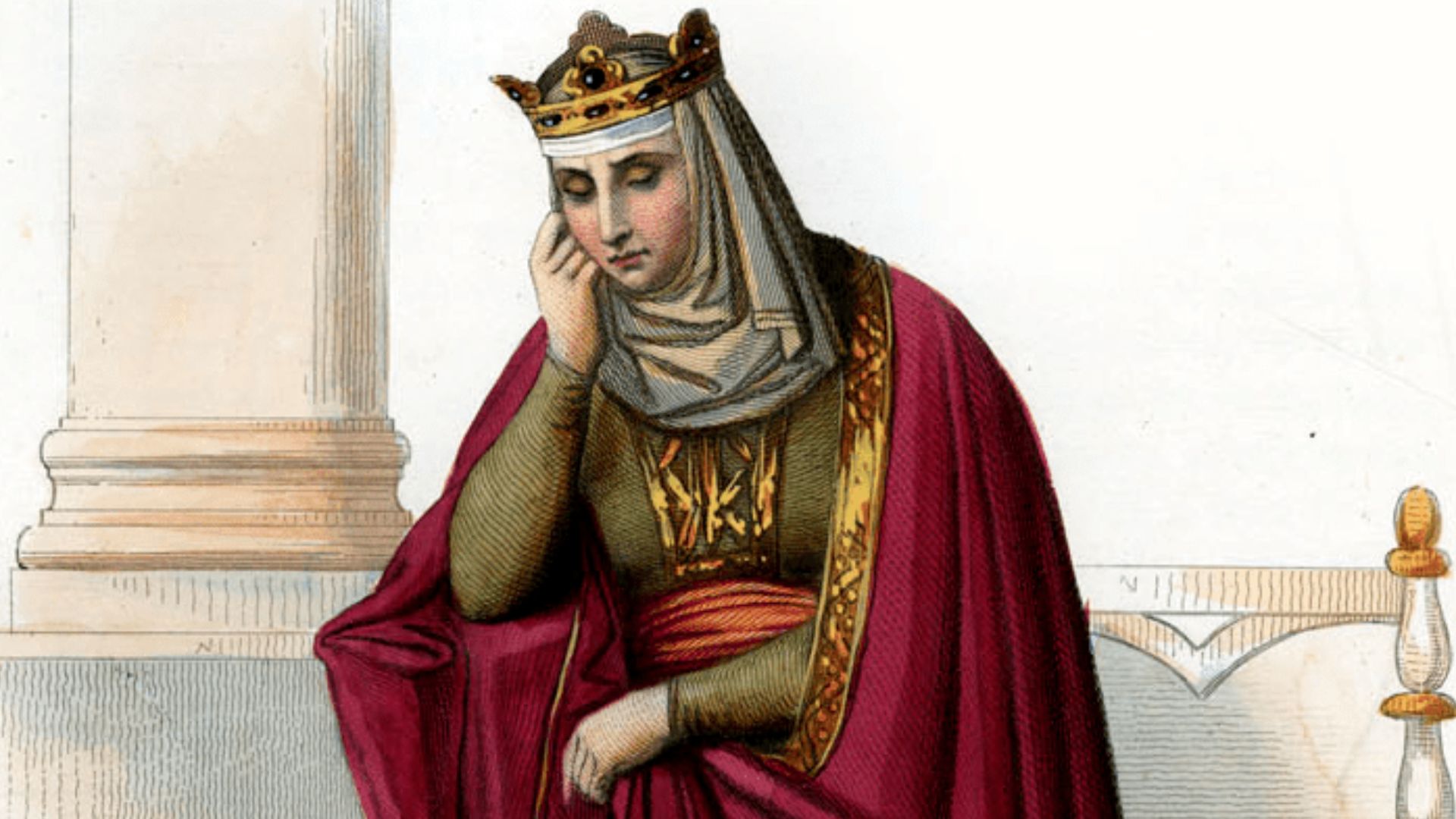 Unknown authorUnknown author, Wikimedia Commons
Joanna I Of Naples
Joanna I ruled Naples for nearly four decades while facing constant suspicion about her role in the murder of her husband, Andrew of Hungary. A papal trial later cleared her, yet her enemies worked against her. Charles of Durazzo eventually captured and suffocated her to claim the throne.
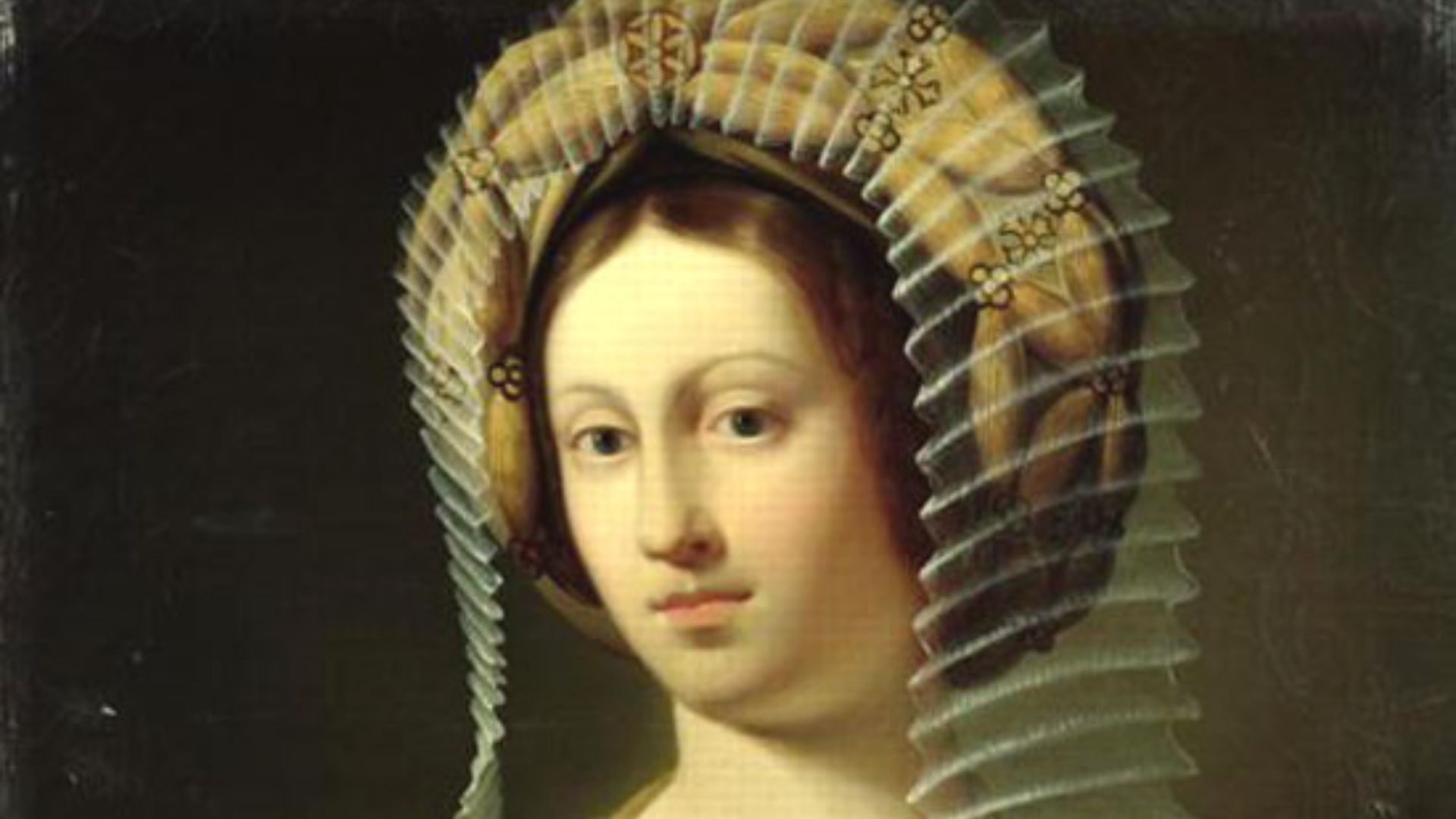 Amedee Gras, Wikimedia Commons
Catherine The Great
Power in eighteenth-century Russia shifted dramatically once Catherine the Great seized the throne in a coup against her husband, Peter III. Her long rule brought violent crackdowns, including civilian massacres during the Polish revolt and harsh responses to rebellions. Serfs suffered deeper inequality under her policies.
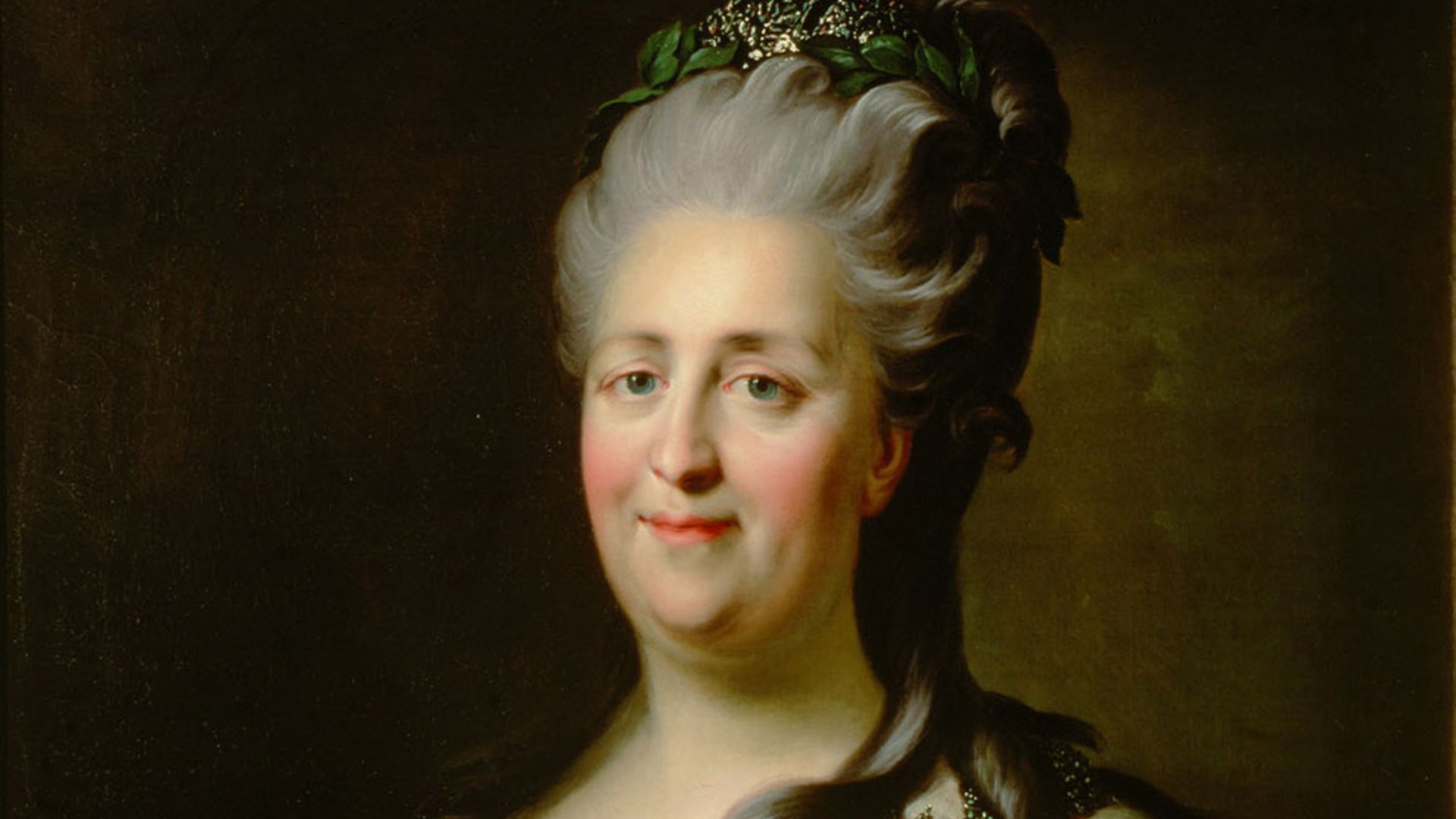 After Alexander Roslin, Wikimedia Commons
Hurrem Sultan (Roxelana)
Hurrem Sultan’s influence reached far inside the Ottoman palace after she became the wife of Suleiman the Magnificent. Accusations claimed she manipulated court rivalries and pushed for the removal of threats to her sons. She also secured an unusual position by remaining with the sultan throughout his life.
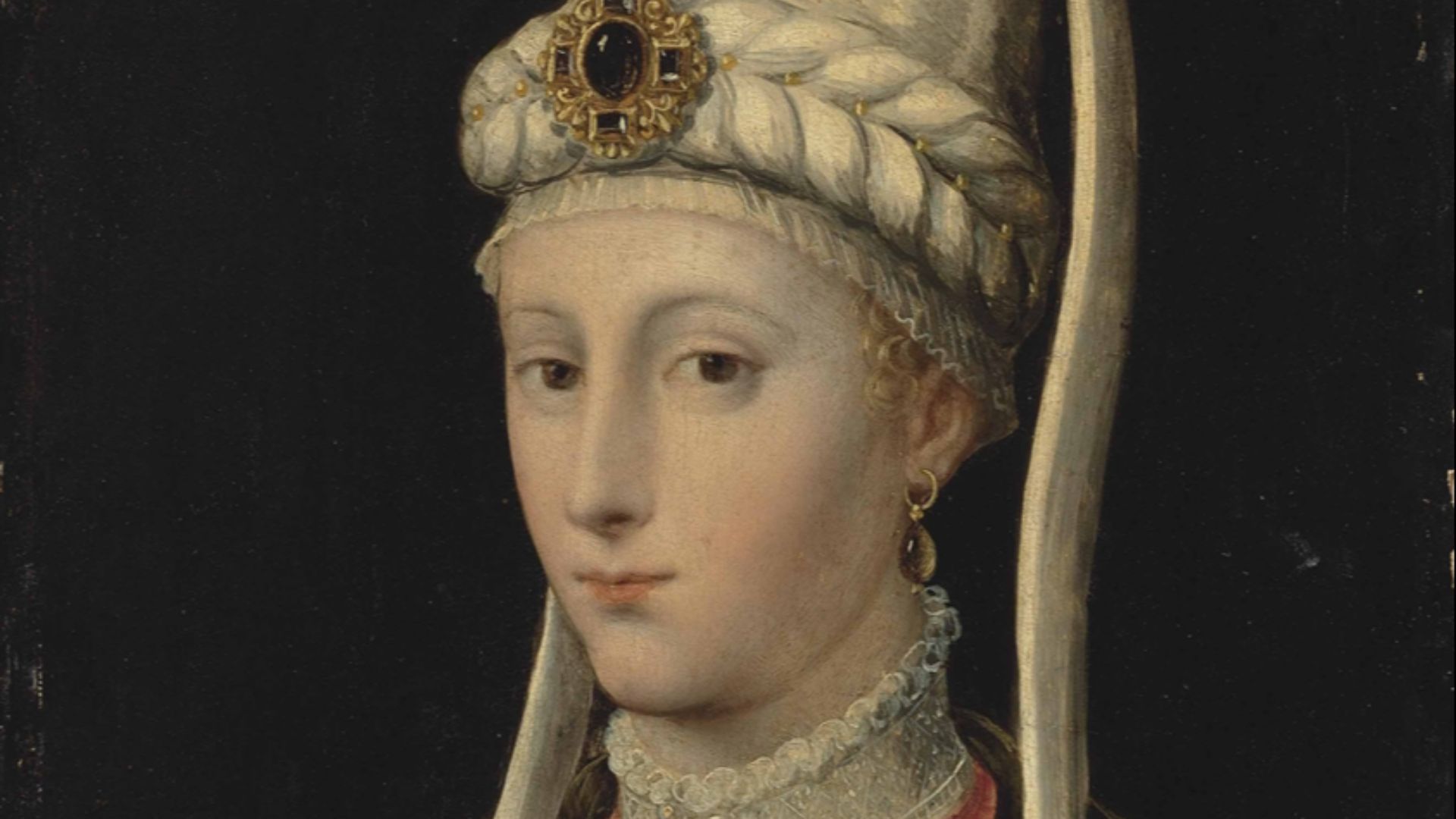 Follower of Tiziano Vecellio, called Titian, Wikimedia Commons
Marie Antoinette
Nothing prepared France for the wave of anger that built around Marie Antoinette, whose Austrian birth made her stand out the moment she entered the royal family. Stories accusing her of cruelty and excess spread quickly, and the revolution ended with her execution in 1793.
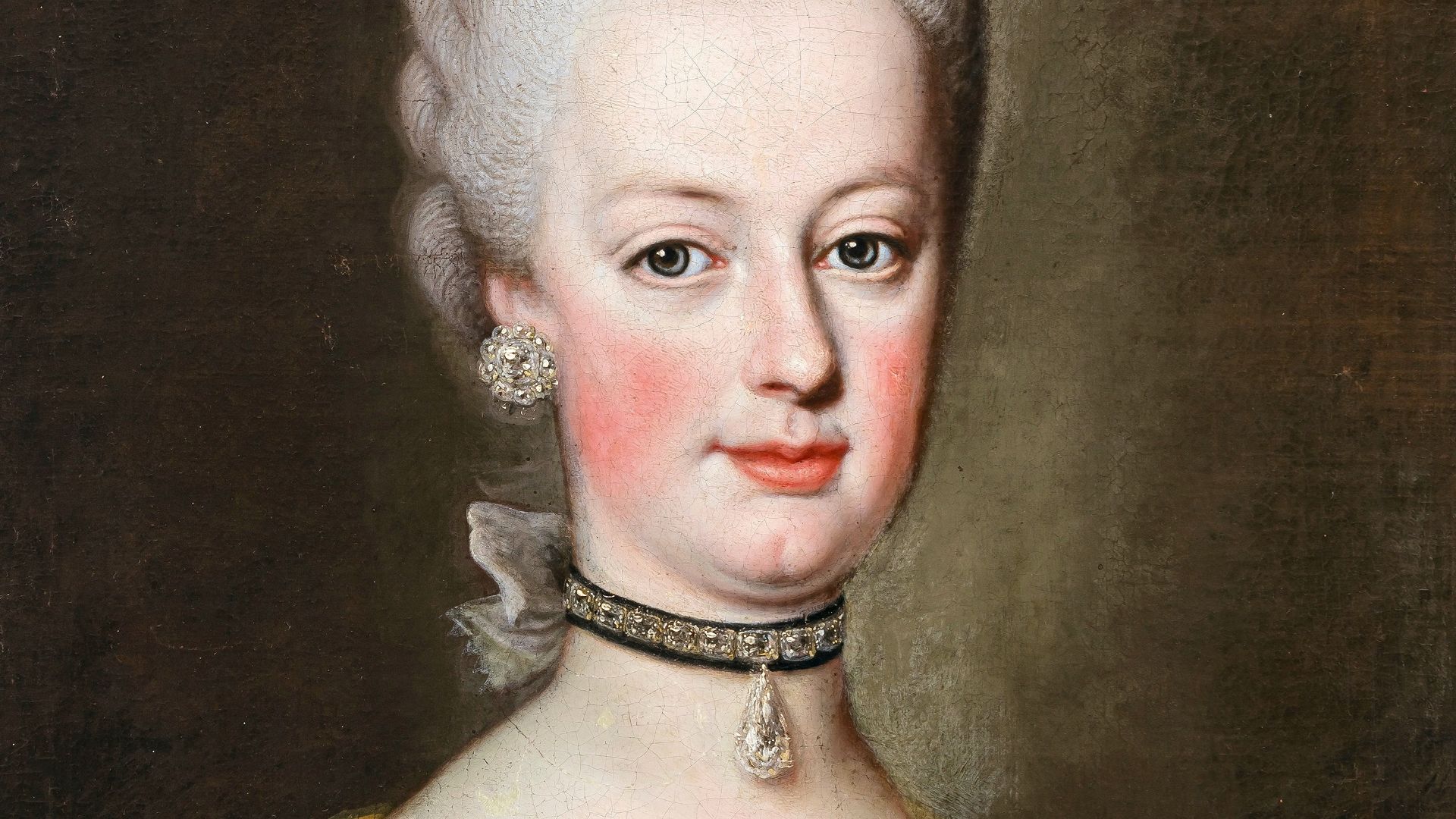 Johann Michael Militz, Wikimedia Commons
Isabella Of France
Isabella of France built her reputation through bold and dangerous decisions that targeted her husband, Edward II. She supported the invasion that removed him from power, and his death followed soon after. The name She-Wolf of France stayed with her while her son Edward III became a successful king.
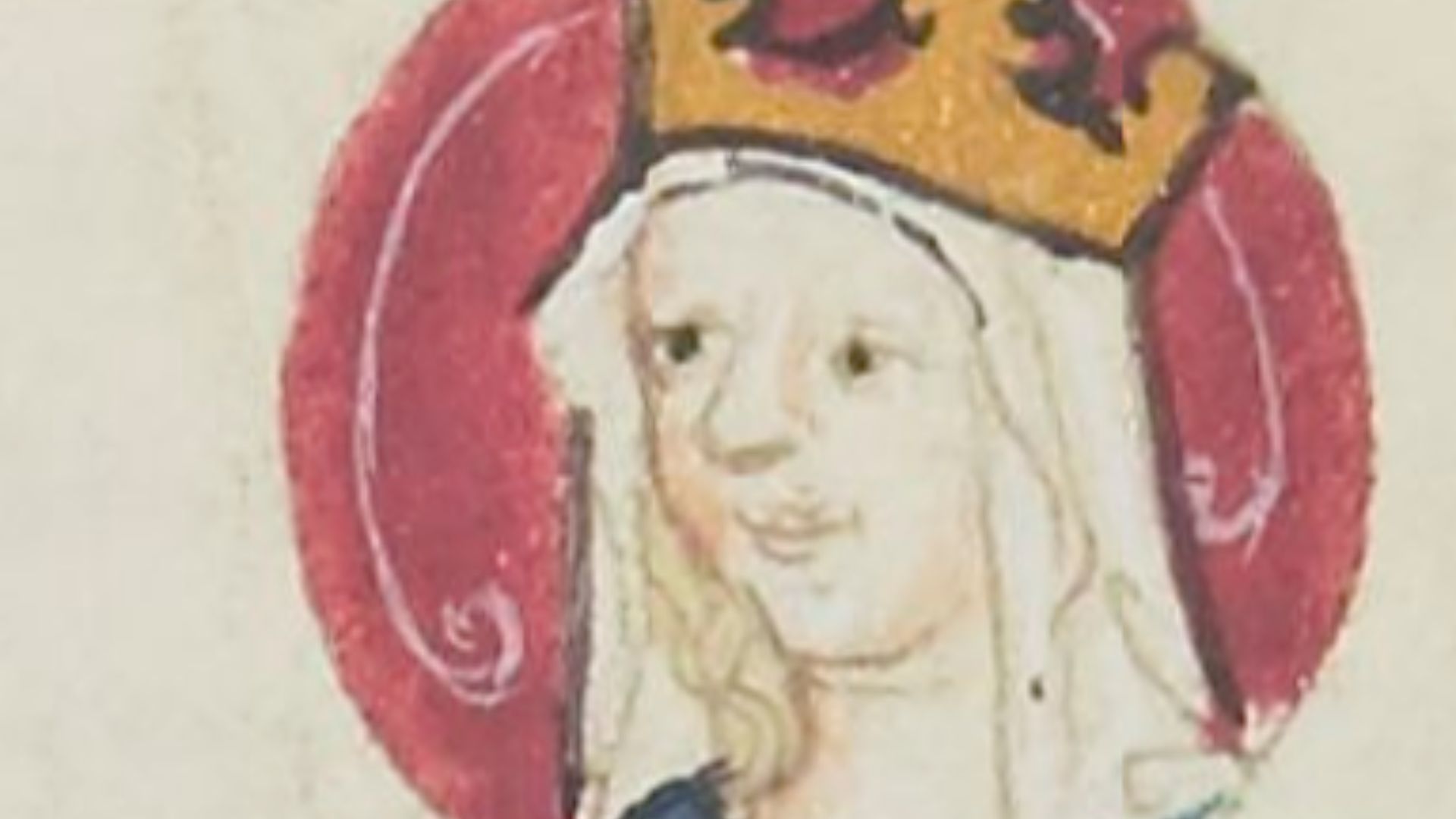 BERNARDUS GUIDONIS, Wikimedia Commons
Tomyris
Stories of Tomyris describe a queen who confronted Cyrus the Great with unflinching resolve. She defeated him in battle and claimed his head as proof of victory. Herodotus later detailed her demand for retribution and preserved her place in the history of the Massagetae.
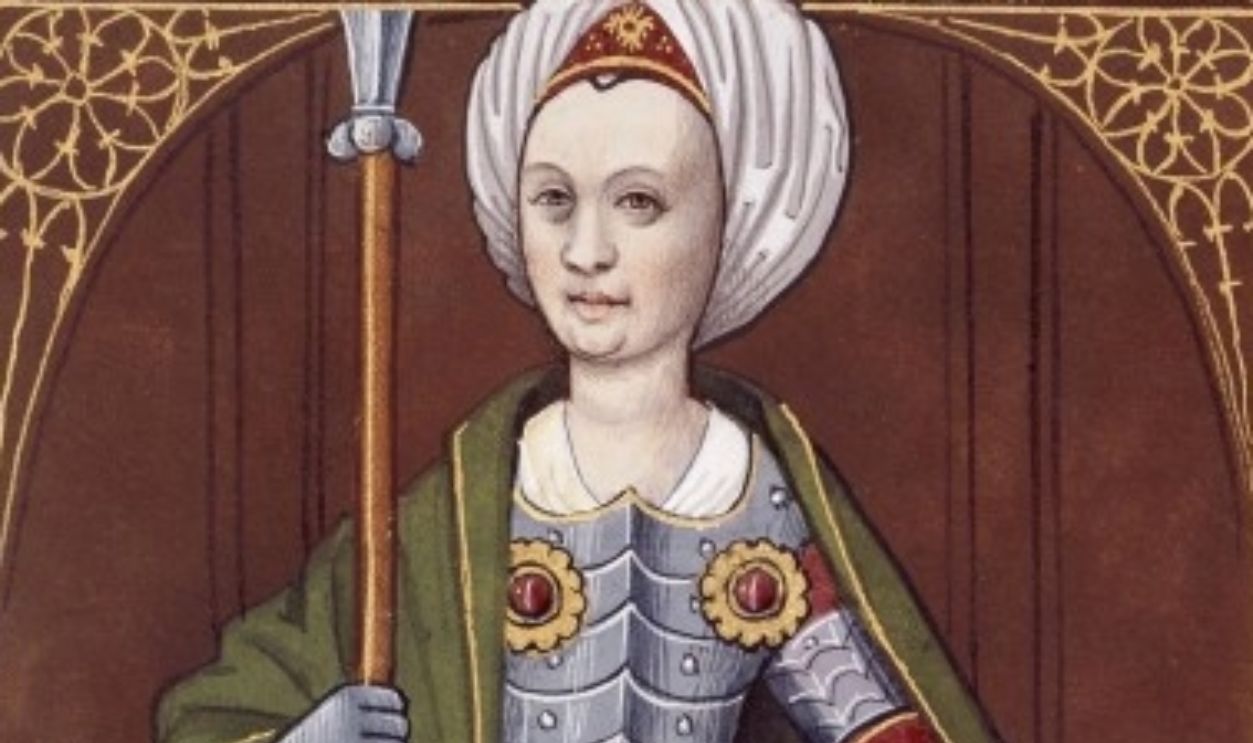 Giovanni Boccaccio (1313–1375), Wikimedia Commons
Kosem Sultan
Kosem Sultan shaped Ottoman politics across two generations through her role as regent for her sons and grandson. Her origins remain uncertain, though records describe her early life as a slave named Anastasia. Rival factions eventually targeted her, and palace assassins killed her in 1651.
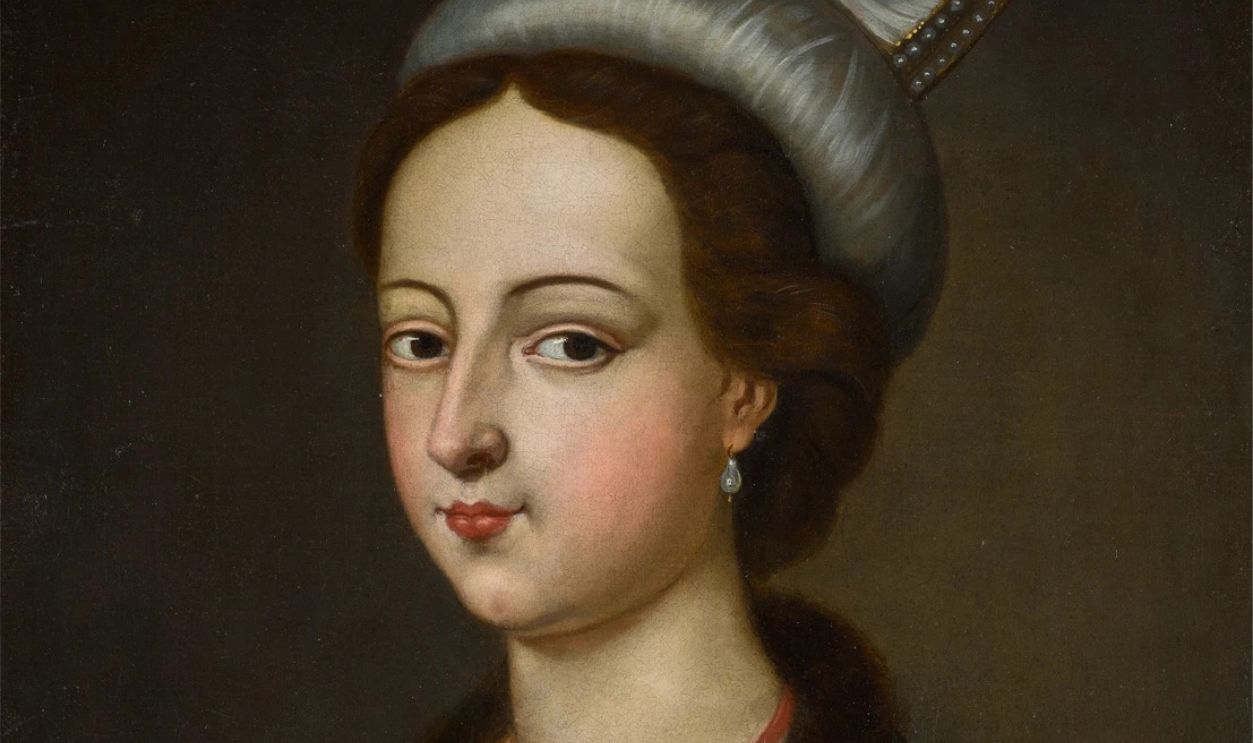 Hans Ludwig Graf von Kuefstein?, WIkimedia Commons
Messalina Valeria
Ambition defined Messalina Valeria’s rise inside the Roman court as the third wife of Emperor Claudius. She gained notoriety for eliminating political rivals and for scandals that spread through the empire. Claudius ultimately ordered her execution after discovering her involvement in a conspiracy against him.
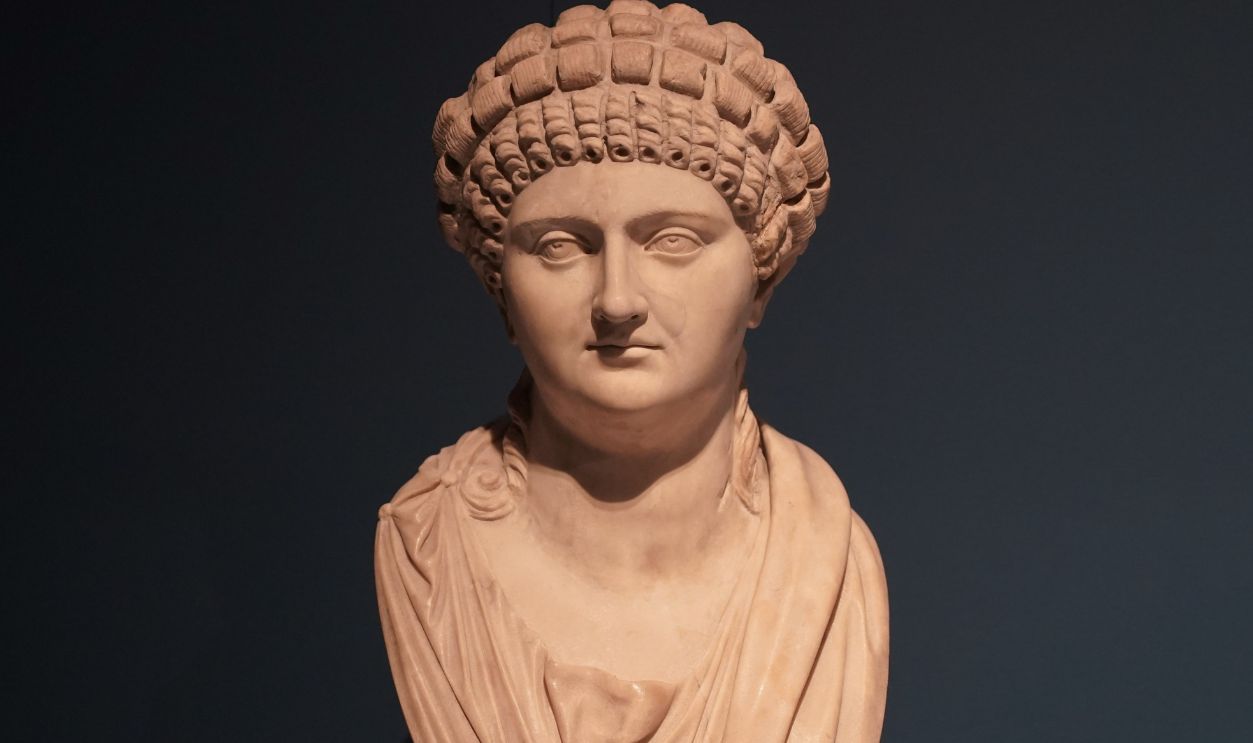 TimeTravelRome, Wikimedia Commons
Empress Jia Nanfeng
Empress Jia Nanfeng influenced the Jin dynasty through calculated purges that eliminated many political rivals. Her actions intensified court violence and helped spark the War of the Eight Princes. Historical records portray her as a ruler whose cruelty and ambition destabilized the empire she sought to control.
 Harvard University, Wikimedia Commons
Daria Saltykova
Daria Saltykova earned the nickname Saltychikha, a harsh twist on her family name that reflected the fear she inspired. Investigators later uncovered her torture and murder of at least thirty-eight female serfs. A court then sentenced her to live out her life in the cellar of the Ivanovsky Convent.
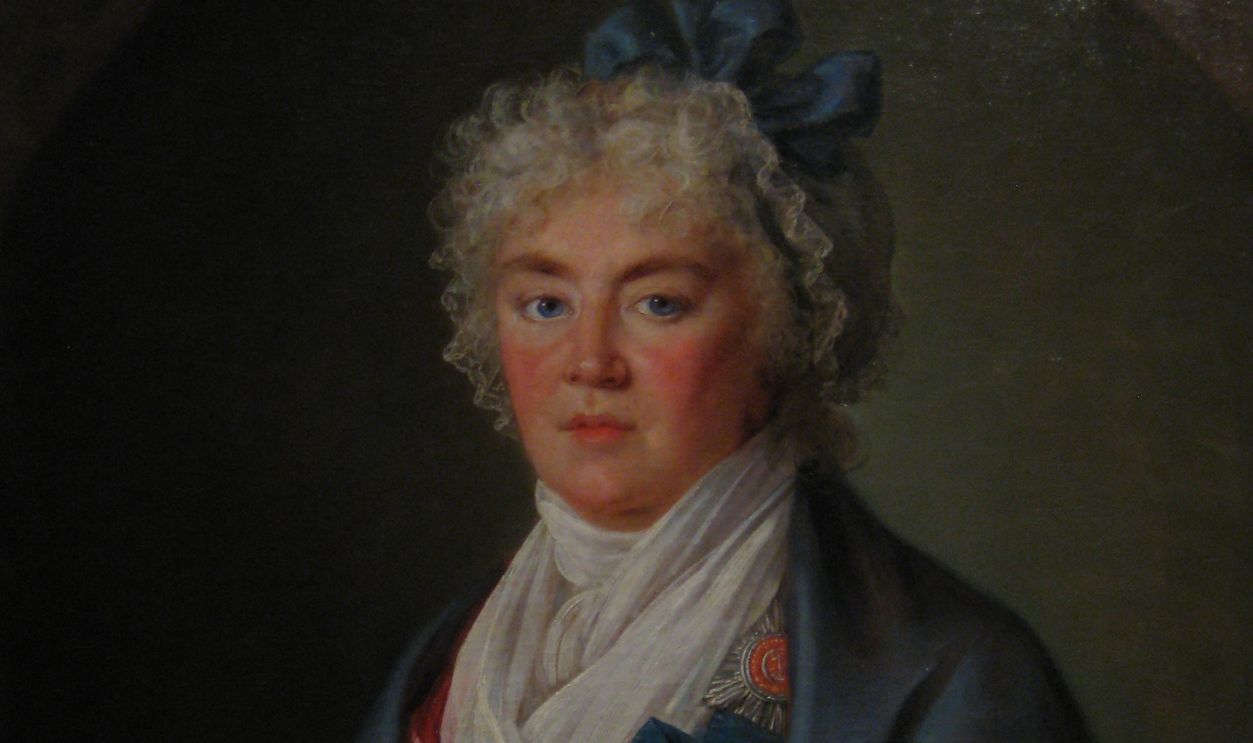
Empress Dowager Cixi
Power inside the Qing dynasty gradually gathered around Empress Dowager Cixi, who began her life in the palace as a low-ranking concubine. She pushed aside reformers and rivals to secure her position. China’s direction then followed her decisions for nearly fifty years as she resisted major political change.
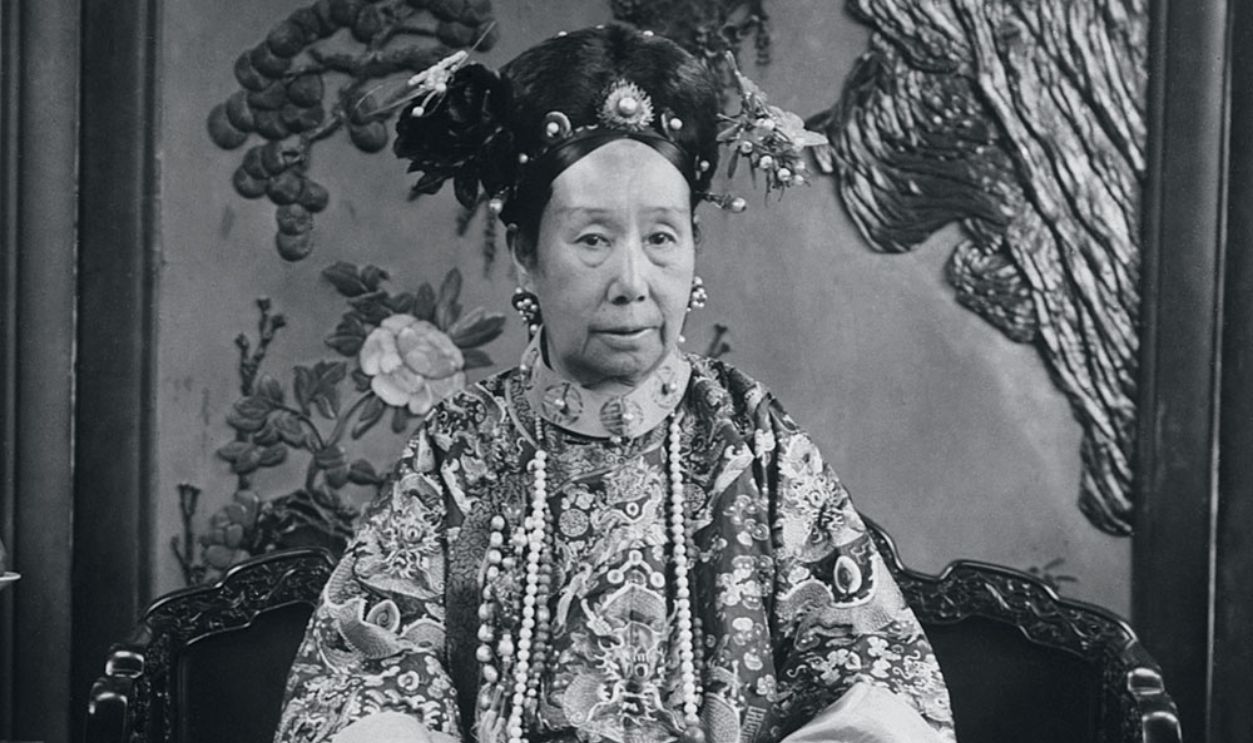 John Yu Shuinling, Wikimedia Commons
Anna Of Russia
Anna’s decade as empress placed real authority in the hands of her German favorite, Ernst Johann von Biron, whose harsh policies led to widespread executions and exile. Her rule became known as the reign of Biron. She once punished a nobleman by forcing him to live in an ice palace.
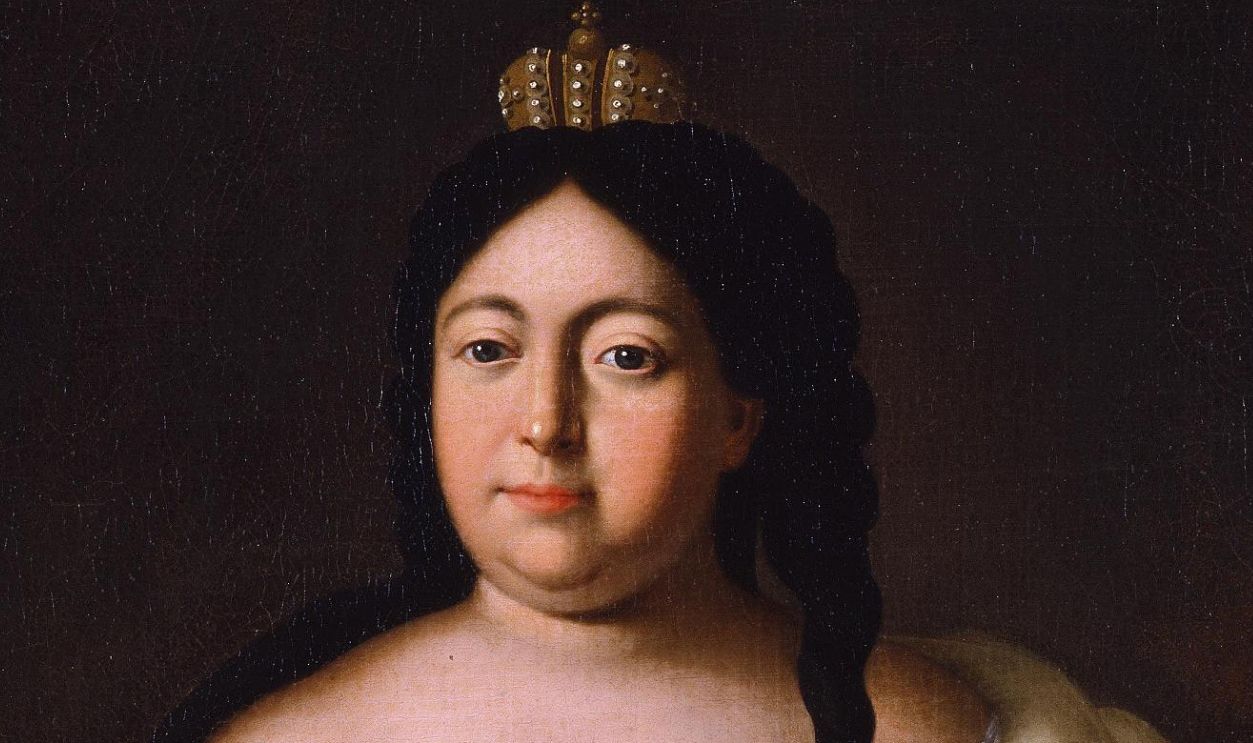 Hermitage Museum, Wikimedia Commons












.jpg)
.jpg)
.jpg)
.PNG)
.jpg)