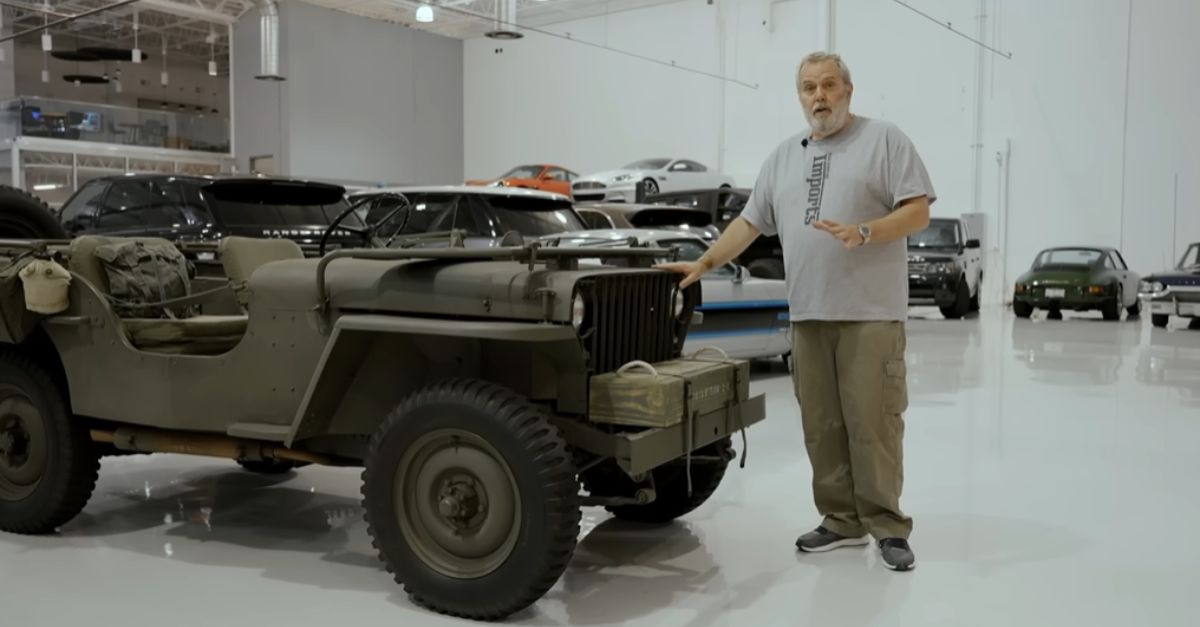
War Inventions We Use Every Day
Battlefields shaped more of daily life than most realize. The gadgets and gear forged for survival didn’t fade away—they slipped into homes, garages, and offices, hiding in plain sight as everyday essentials.

Duct Tape
Originally called 'duck tape' for its water-repellent qualities, it sealed American ammo boxes so water and dirt couldn’t sneak in during WWII. Soldiers quickly realized it could also patch tents and even vehicles. After the war, it hit hardware stores and became the indestructible fix-all every household keeps within reach.
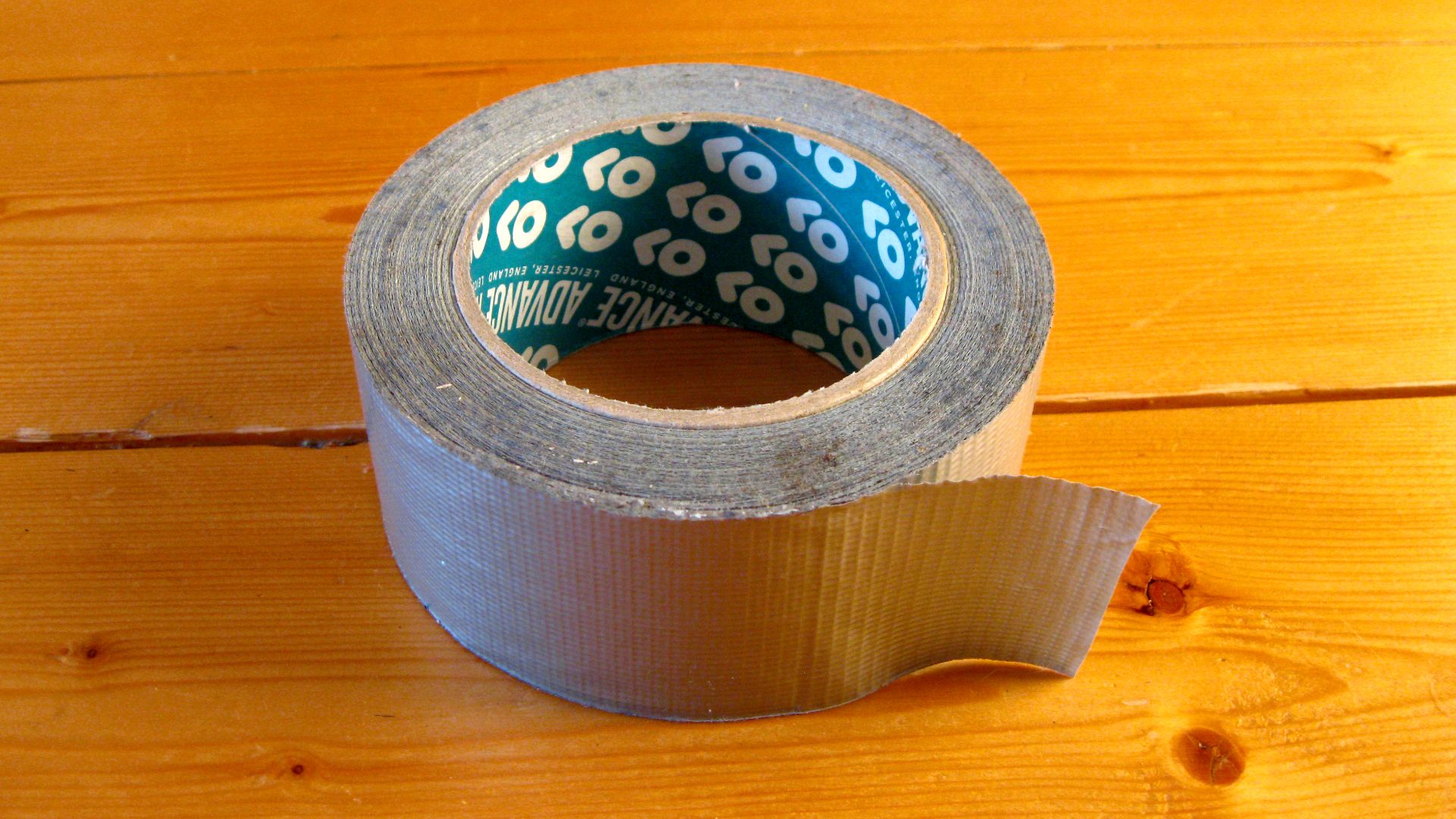 Santeri Viinamäki, Wikimedia Commons
Microwave Oven
In WWII, scientists built magnetrons to power radar, helping spot enemy planes. One day, an engineer noticed a candy bar had melted in his pocket near one. That happy accident gave us the microwave oven. A battlefield invention turned into a kitchen essential.
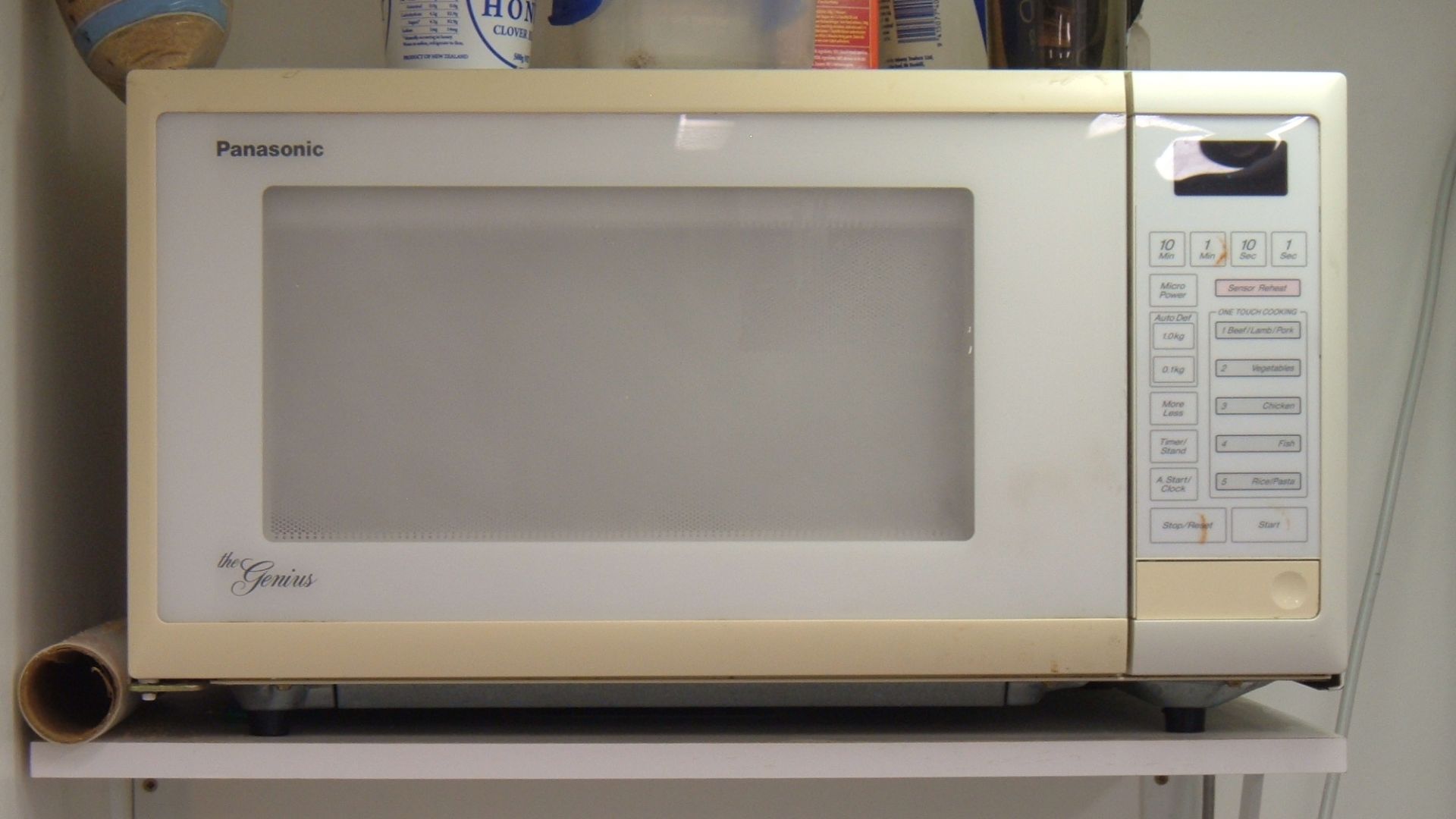 Mr Thinktank, Wikimedia Commons
GPS
The Global Positioning System wasn’t built for road trips—it started as a Cold War tool so the US military could aim nukes with precision. Today, those same satellites help us find pizza joints, avoid traffic, and prevent us from getting lost in the wrong place.

Jerrycans
The rugged metal can in a garage once held fuel for tanks. German engineers in the 1930s built it with welded seams and a leak-proof spout. It also had an easy-to-carry handle. Allied soldiers copied the design, and decades later, it remains the gold standard for portable fuel storage.
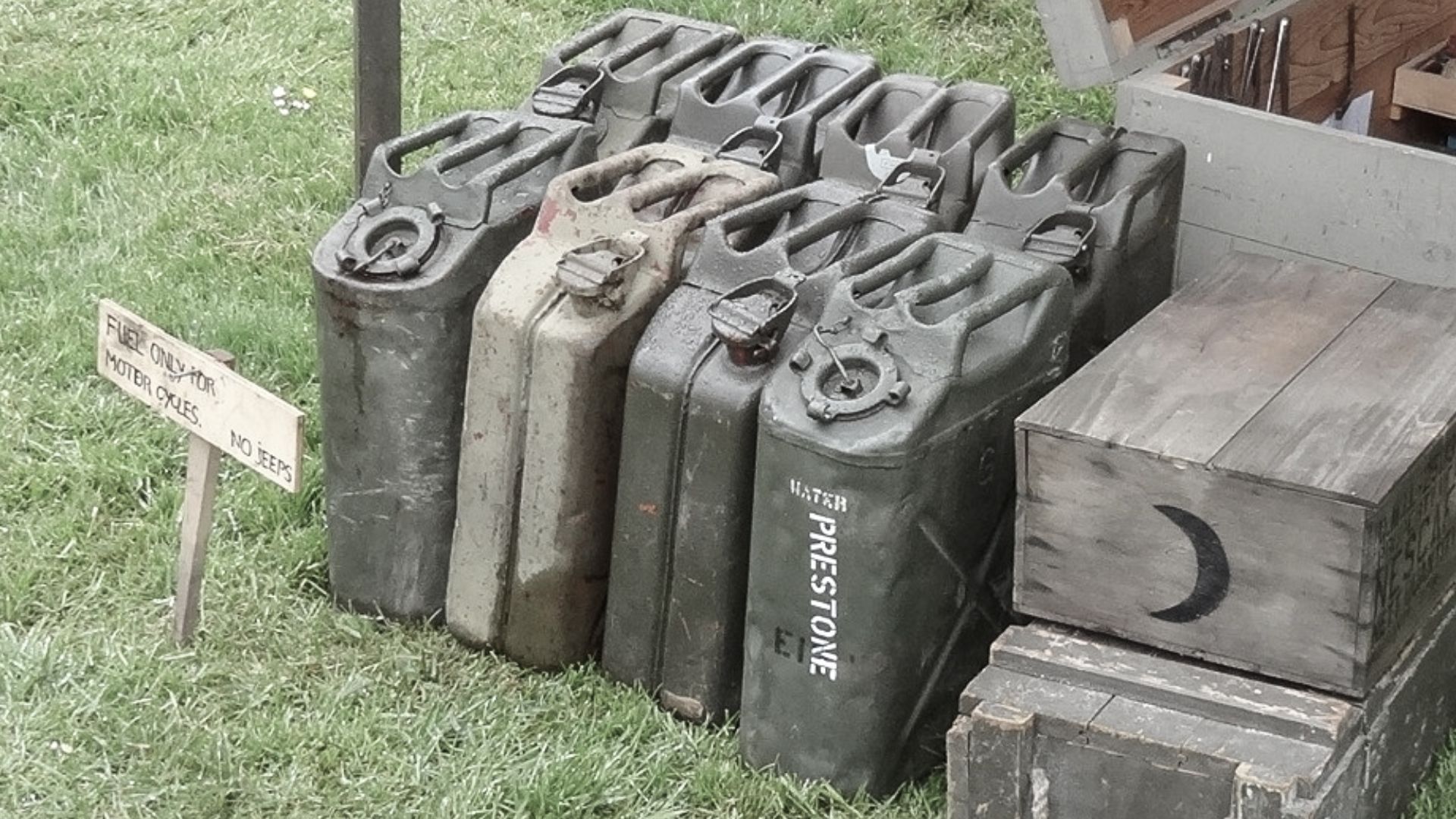 Peter van der Sluijs, Wikimedia Commons
Aviator Sunglasses
Pilots in the 1930s needed relief from brutal glare at high altitudes, so the US Army worked with Bausch & Lomb to design dark, anti-glare lenses. Soldiers called them aviators. Civilians now wear the same eyewear as fashion.

Super Glue
During WWII, chemists tried to make clear plastic for gun sights but stumbled onto a super-sticky substance instead. It wasn’t battlefield-ready then, but after the war and a 1951 rediscovery for wound closure, it became “super glue”—instantly bonding everyday life.

Military Clothing Staples
Your favorite cargo pants and trench coat share a battlefield origin. Trench coats kept WWI officers dry in muddy ditches. Cargo pants gave WWII paratroopers space for maps and ammo. Both escaped the uniform to settle into closets everywhere as rugged, fashion gear.

Computers (ENIAC)
Imagine a room-sized calculator filled with 17,000 vacuum tubes. That was ENIAC, built in 1945 to crunch artillery firing tables for the US Army. It was slow and hot, but it opened the door to the laptops and smartphones we depend on today.


History's most fascinating stories and darkest secrets, delivered to your inbox daily.
Freeze-Dried Food
Though conceptualized pre-WWII, freeze-drying was scaled in a laboratory during WWII when the US military needed blood plasma and medicines shipped safely overseas. Scientists removed water while keeping the structure intact, ensuring lifesaving supplies reached battlefronts intact. Food preservation was only a later application.
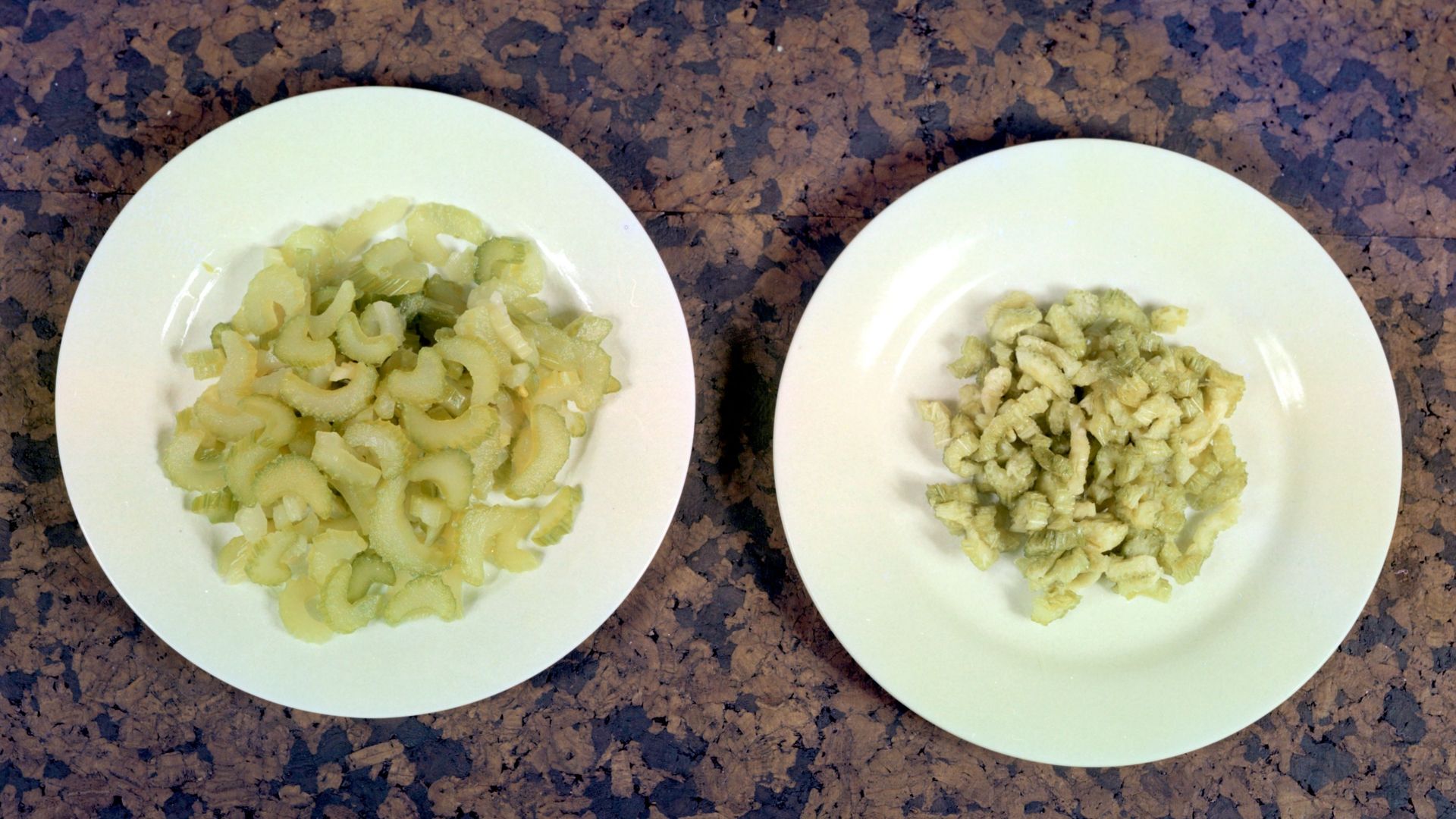 U.S. Army Natick Soldier Systems Center, Wikimedia Commons
Nylon
Stockings made from nylon caused riots in the 1940s—but before they hugged legs, the fiber saved lives. Nylon was first spun into parachutes, ropes, and tents for WWII soldiers. Its toughness and flexibility made it the wonder material of swimwear and everyday fashion.
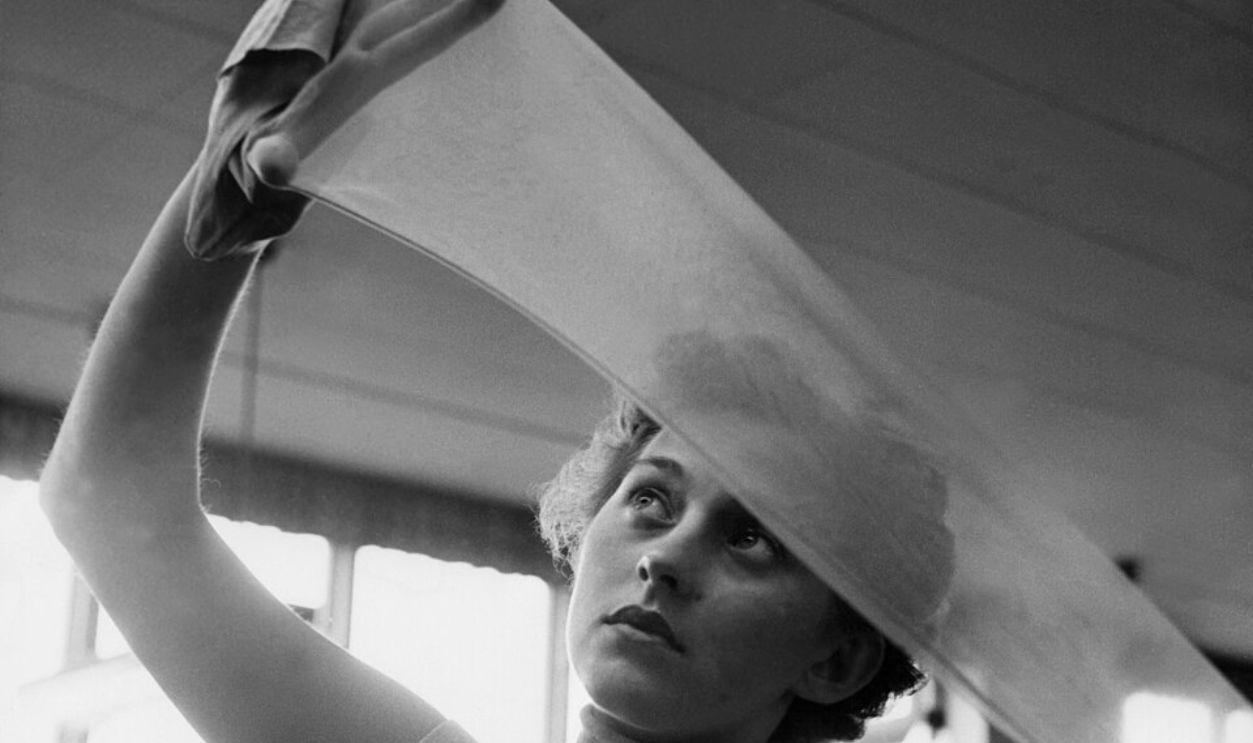 Erik Liljeroth, Wikimedia Commons
Jeep (Willys MB)
Few shapes are as recognizable as the boxy Jeep. Built to haul soldiers through mud, swamps, and deserts in WWII, it became a symbol of rugged reliability. Civilians snapped up the same design afterward, laying the blueprint for the modern SUV boom.
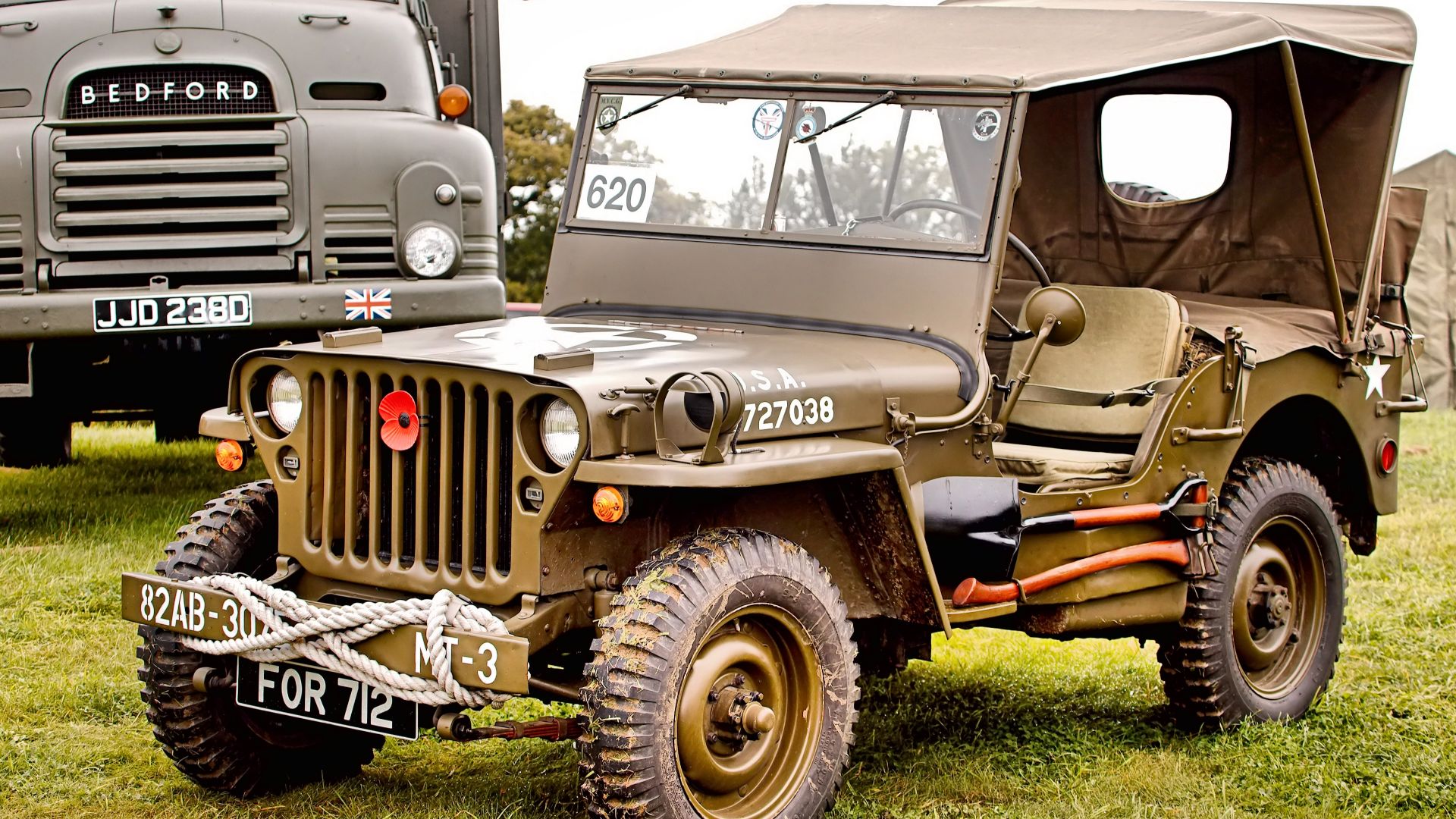 Airwolfhound from Hertfordshire, UK, Wikimedia Commons
Drones
The idea comes from the battlefield, with roots in pre-WWII radio-controlled aircraft. Early drones in WWII weren’t peaceful gadgets—they were pilotless planes used for target practice and reconnaissance. Once machines of destruction, they’ve since been reprogrammed to take breathtaking aerial shots for everyday people.

Digital Cameras
That smartphone camera traces back to the Cold War. To spy from space, scientists developed digital imaging sensors for reconnaissance satellites. Decades later, the same sensors shrank into consumer cameras, capturing everything from moon landings to birthday parties. A weapon of secrets became selfies.
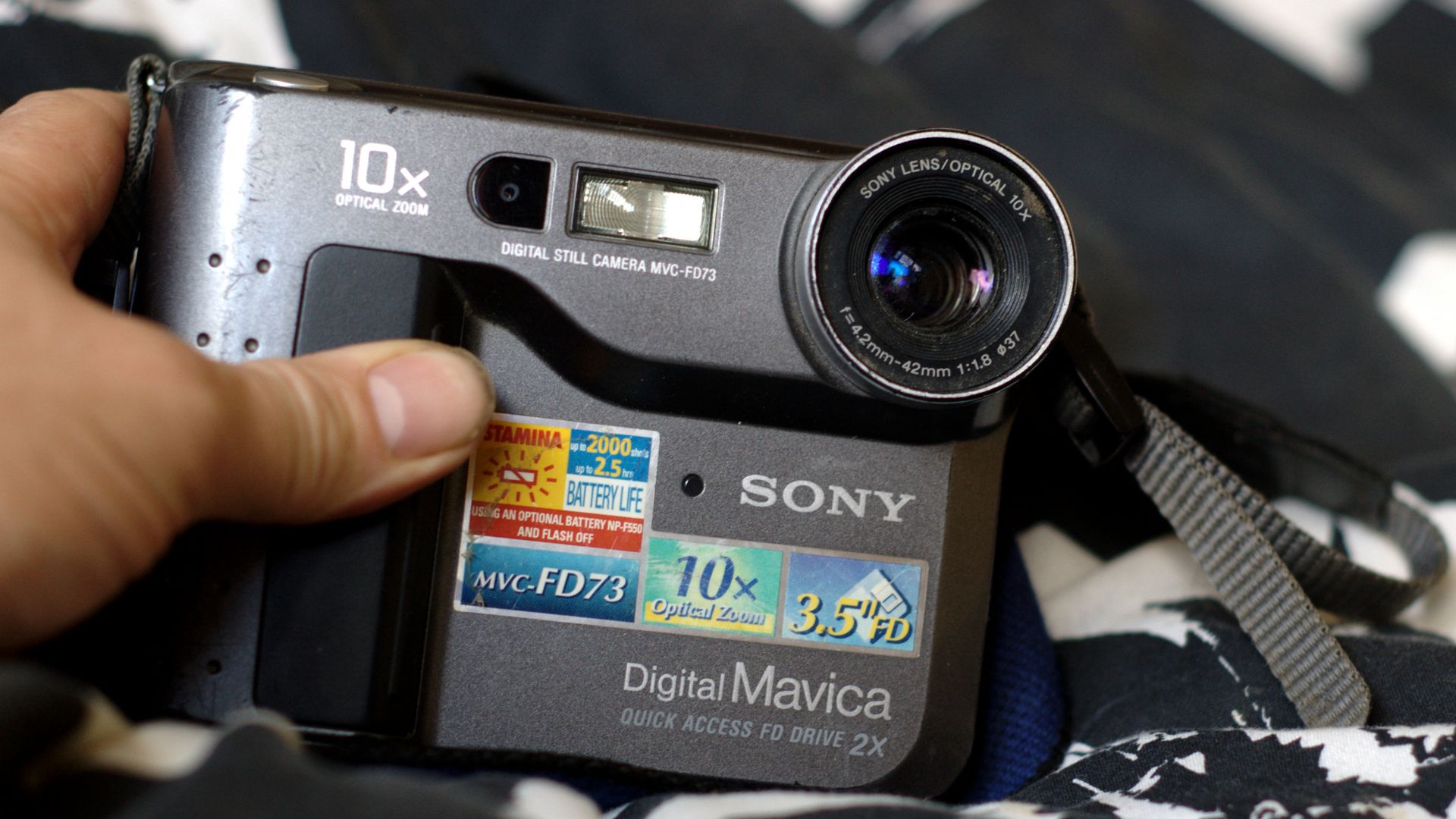 Trojan_Llama from Wymondham, Norwich, England, UK, Wikimedia Commons
Ballpoint Pens
Fountain pens leaked at high altitude—a disaster for WWII pilots. Hungarian journalist Laszlo Biro fixed it by creating a rolling ball tip that spread ink evenly. His invention didn’t just fly with airmen; it became the everyday pen we all pocket.
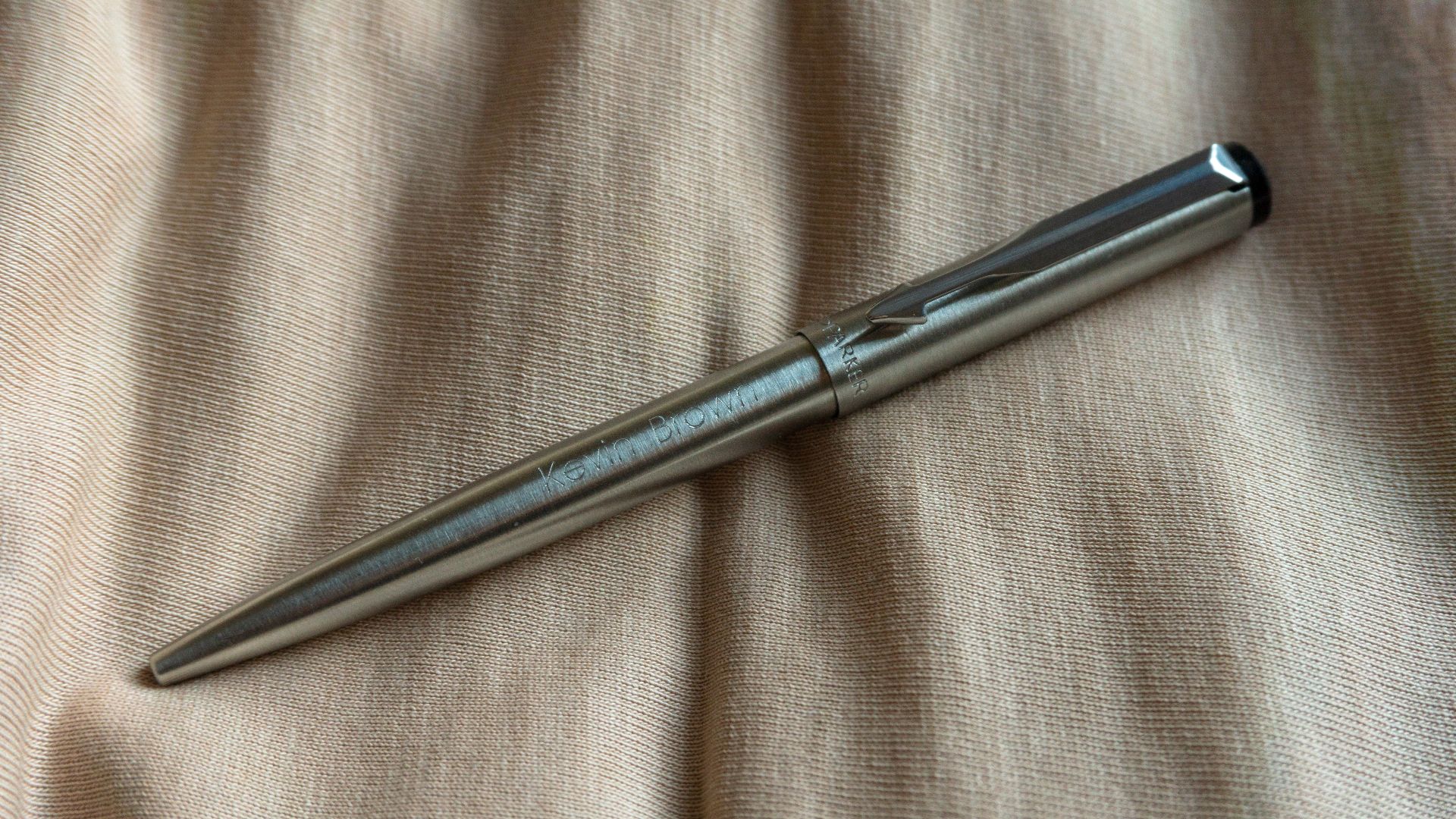 Kevin Brown, Wikimedia Commons
Synthetic Rubber
Every car tire in WWII relied on rubber from Asia. When war cut supplies, scientists scrambled to invent a replacement. Synthetic rubber, then, rolled out of American factories by the millions of tons. Today, that invention grips the road under every vehicle we drive.
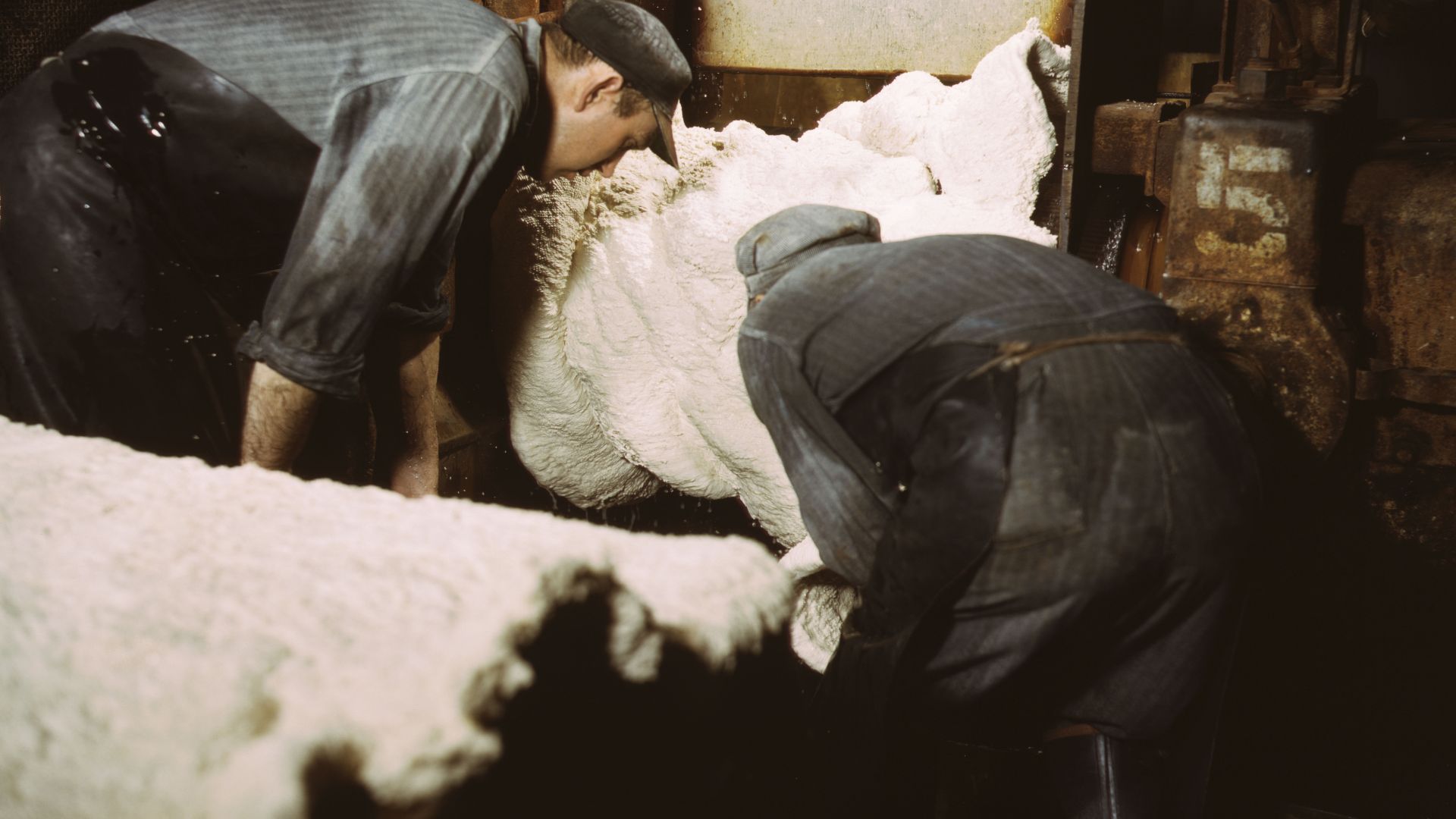 Alfred T. Palmer, Wikimedia Commons
Silly Putty
During all of that pressure, one formula ended up yielding a gooey material that bounced but couldn’t replace tires. So, now we know it as silly putty—those stretchy toys found in plastic eggs. It was not an invention, but rather a byproduct.
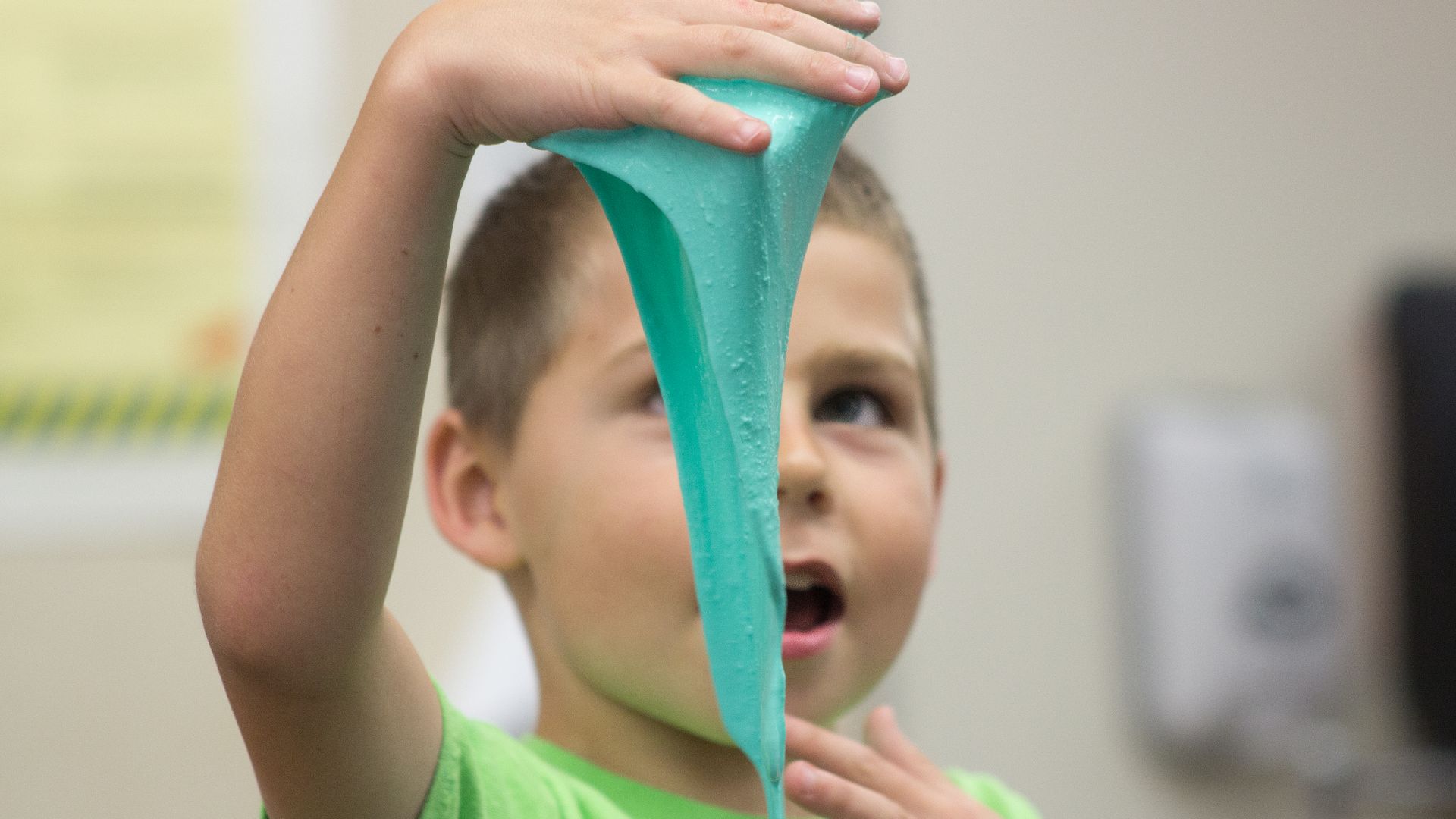 University of the Fraser Valley, Wikimedia Commons
Energy Bars
The chocolatey “D-ration” bar wasn’t sweet comfort for soldiers—it was packed with calories, deliberately hard to eat, and tasted awful to prevent snacking. Designed in WWII as emergency fuel, it set the mold for every compact energy bar that followed.

Disposable Pads (Kotex)
The pad aisle in a supermarket owes its existence to a wartime discovery. In WWI, nurses realized battlefield bandages made from Cellucotton absorbed blood better than cotton. After the war, the same material was reimagined into sanitary pads.

Jet Engines
The roar of a passenger jet has its roots in a race for speed. During WWII, Britain and Germany secretly tested engines that could hurl planes faster than propellers allowed. Jet propulsion won the skies—and now carries millions on global flights daily.
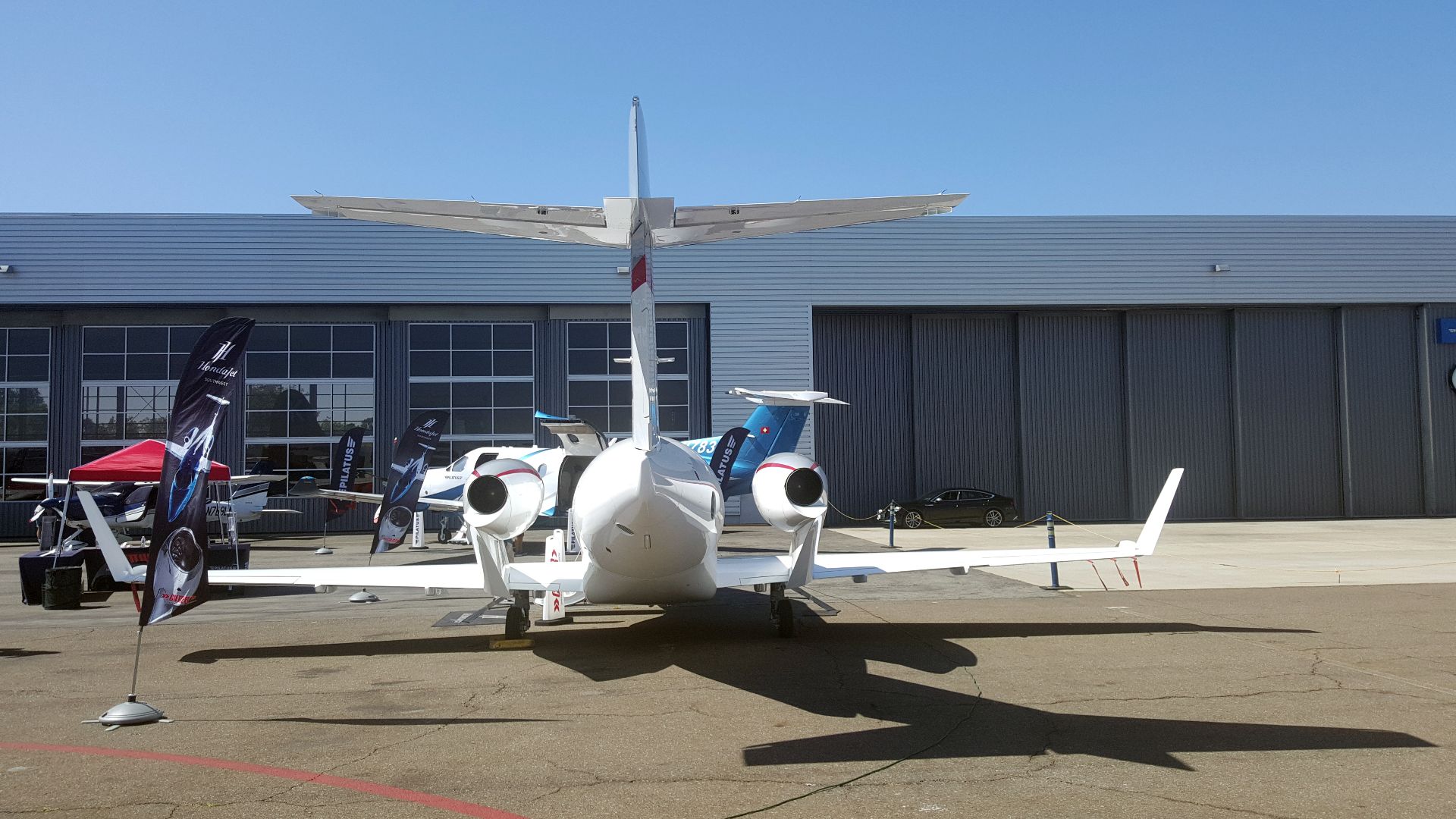 Don Ramey Logan, Wikimedia Commons
Internet (ARPANET)
Before cat videos and shopping carts online, there was fear of nuclear war. The Pentagon needed a communication system for research sharing amid Cold War tensions, so ARPANET was born in 1969. Those early military connections eventually morphed into the internet we have a love-hate relationship with today.
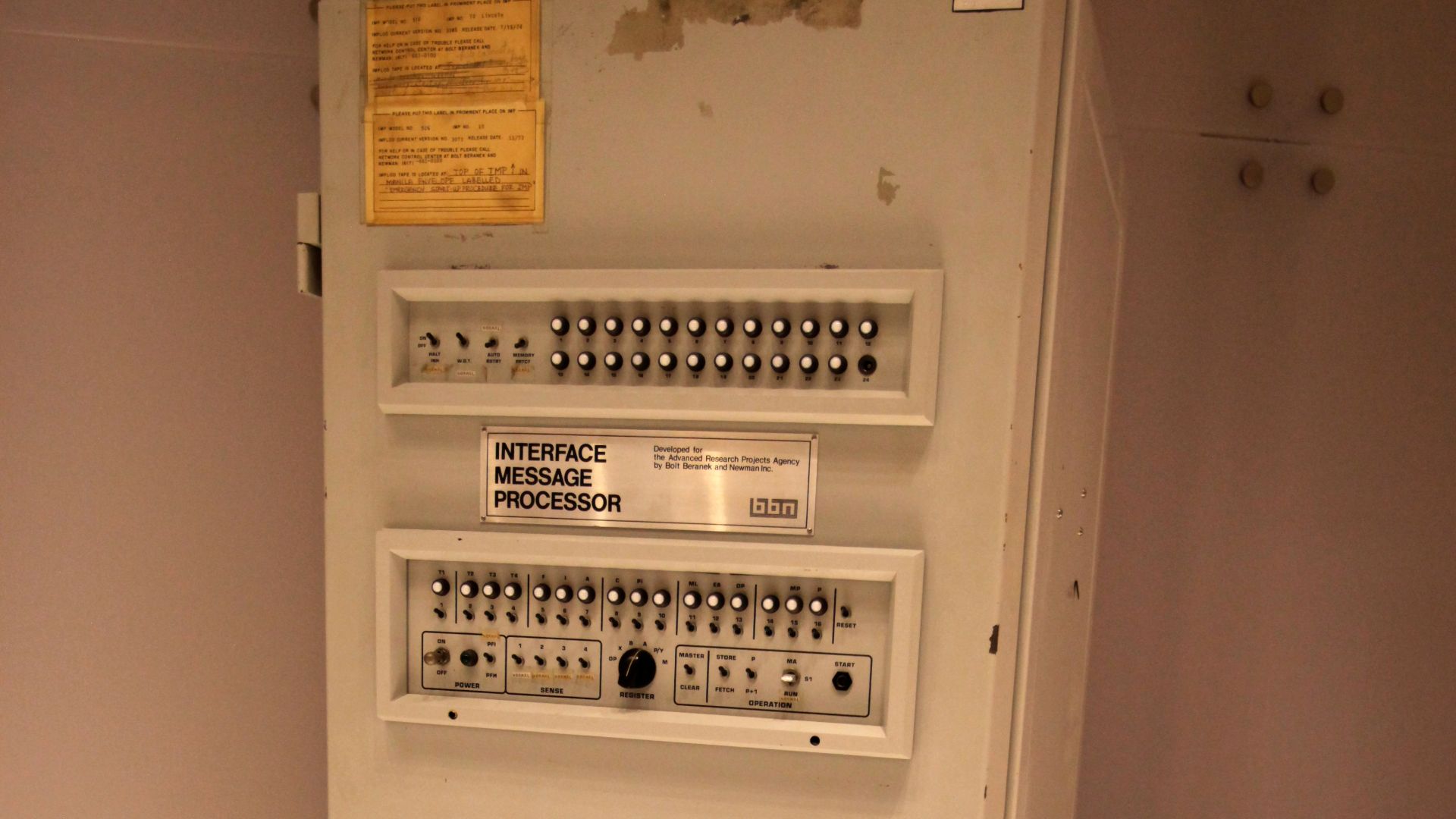 Steve Jurvetson from Menlo Park, USA, Wikimedia Commons
Smoke Detectors
Hidden inside millions of homes is americium-241, a man-made element first created during the Manhattan Project. That radioactive material, harnessed in post-war ionization tech, powers smoke detectors—a direct spin-off from WWII nuclear weapons research. Without the bomb race, the modern smoke alarm would never exist.
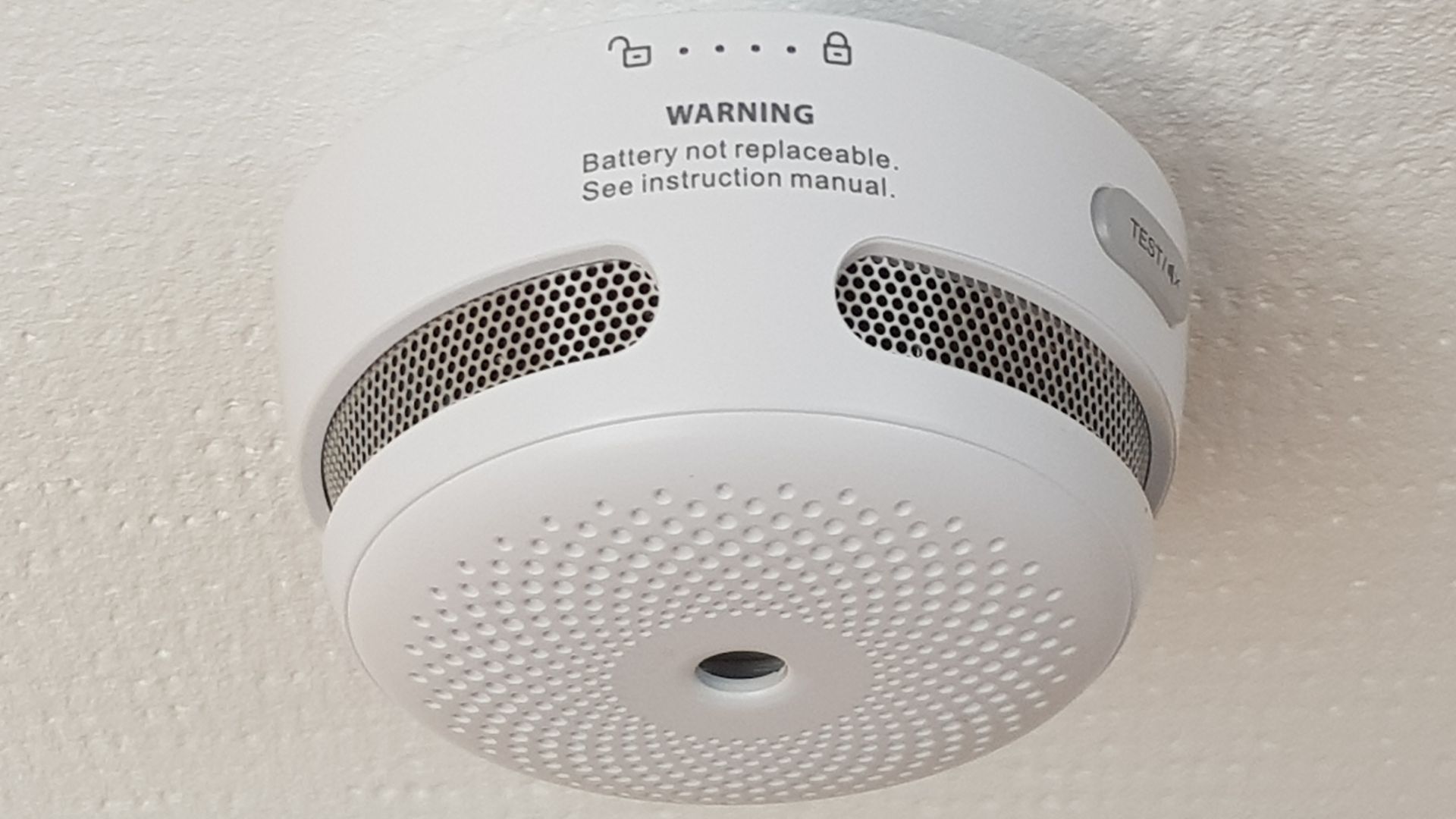 Nikolai Twin, Wikimedia Commons
Walkie-Talkies
Long before kids played with plastic versions, walkie-talkies carried urgent whispers across WWII battlefields. Invented in 1937, they let infantry coordinate attacks and call for backup without wires. That same push-to-talk simplicity survives today in construction sites and camping trips.
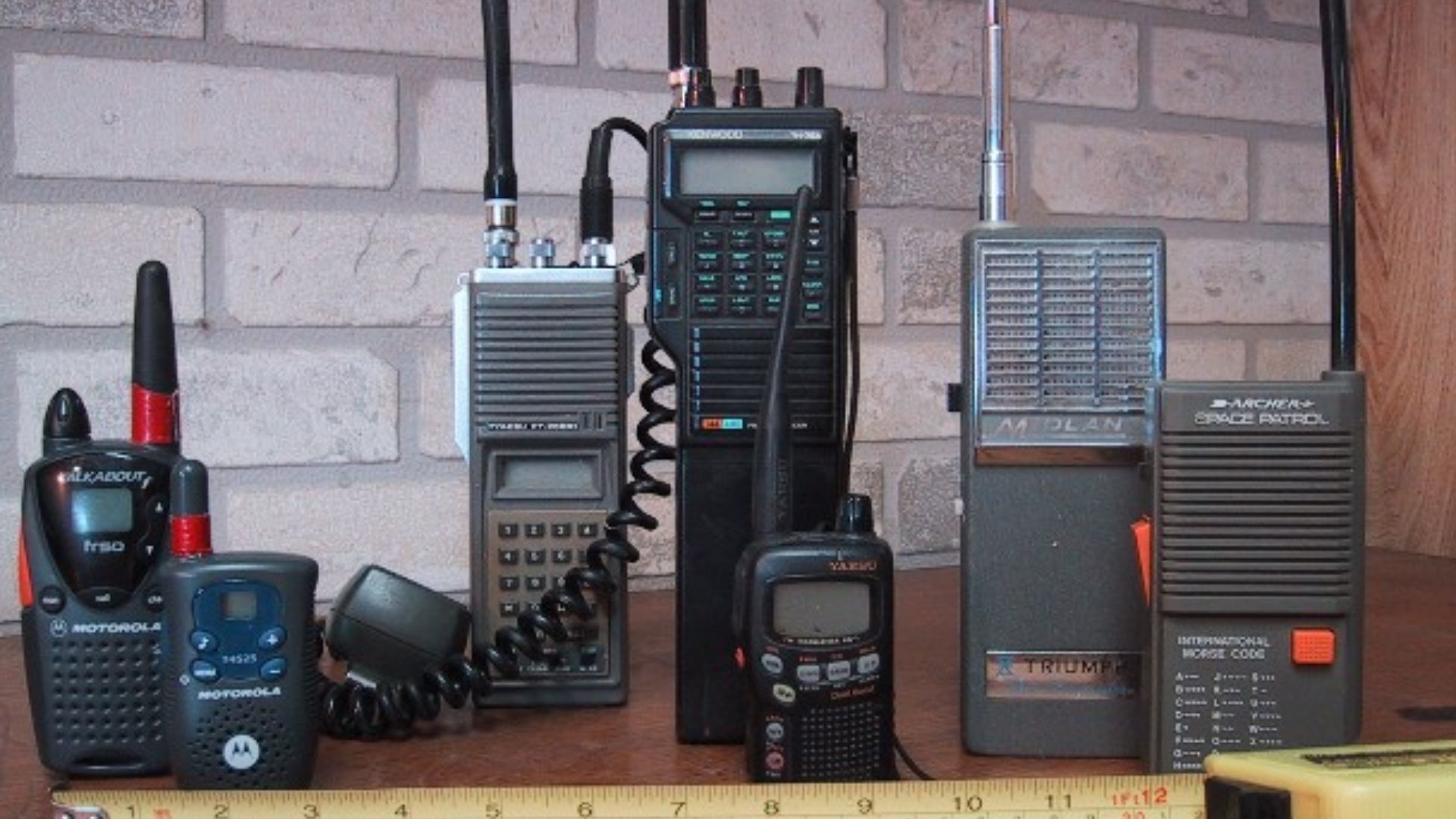 Wtshymanski at English Wikipedia, Wikimedia Commons
EpiPens (Auto-Injectors)
Today’s safety was born from yesterday’s terror. A click, a stab, and a life-threatening allergy can be stopped in seconds. This fast-delivery injector has a darker ancestry: the Cold War military designed it so soldiers could jab antidotes into themselves if chemical weapons poisoned the battlefield.
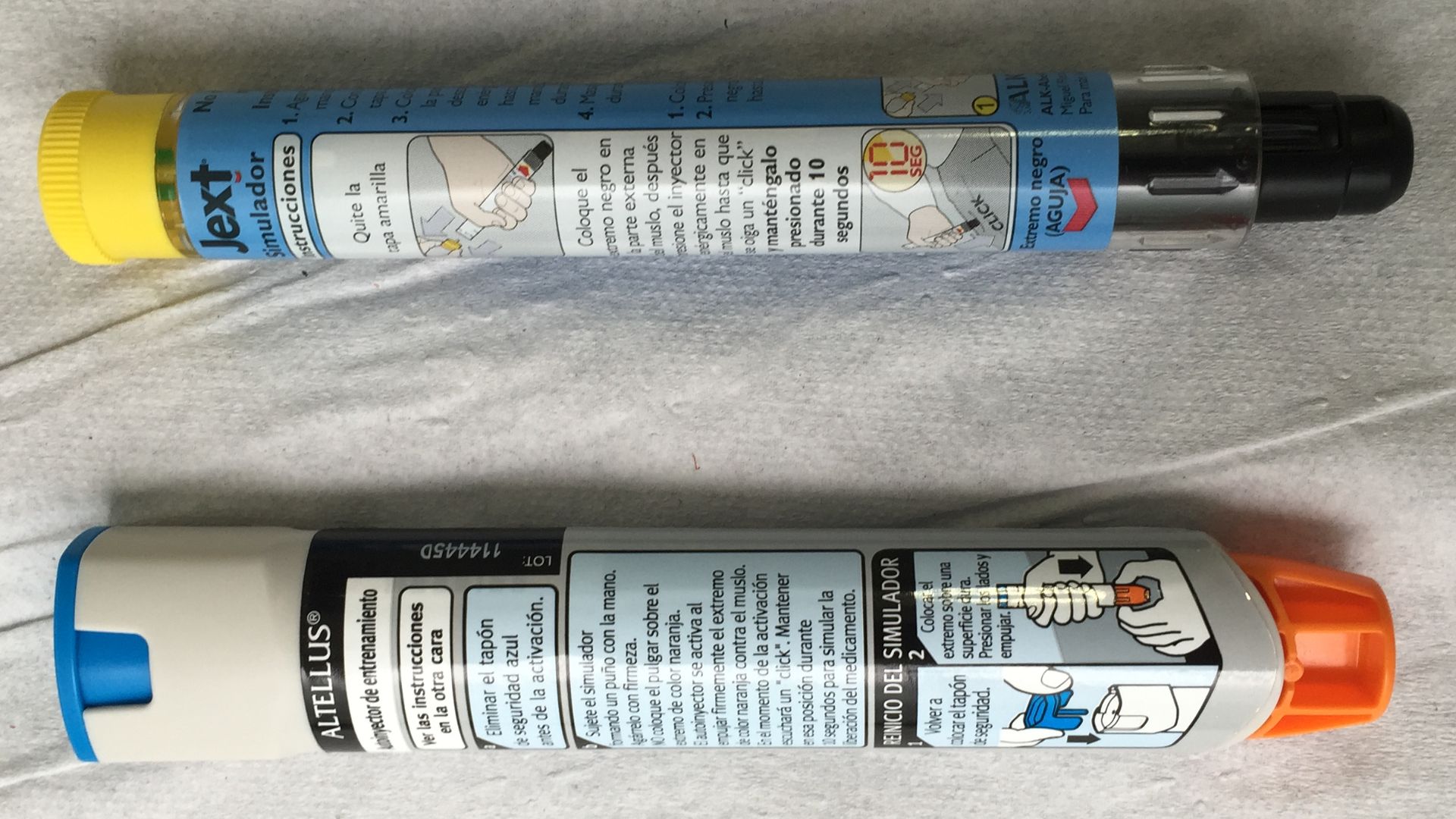
Velcro
The ripping sound of Velcro fastening a shoe comes from battle gear. Though first patented by a Swiss engineer, it was military adoption in the 1960s that cemented its value. Soldiers could secure pouches quickly, and civilians later used the same trick everywhere.
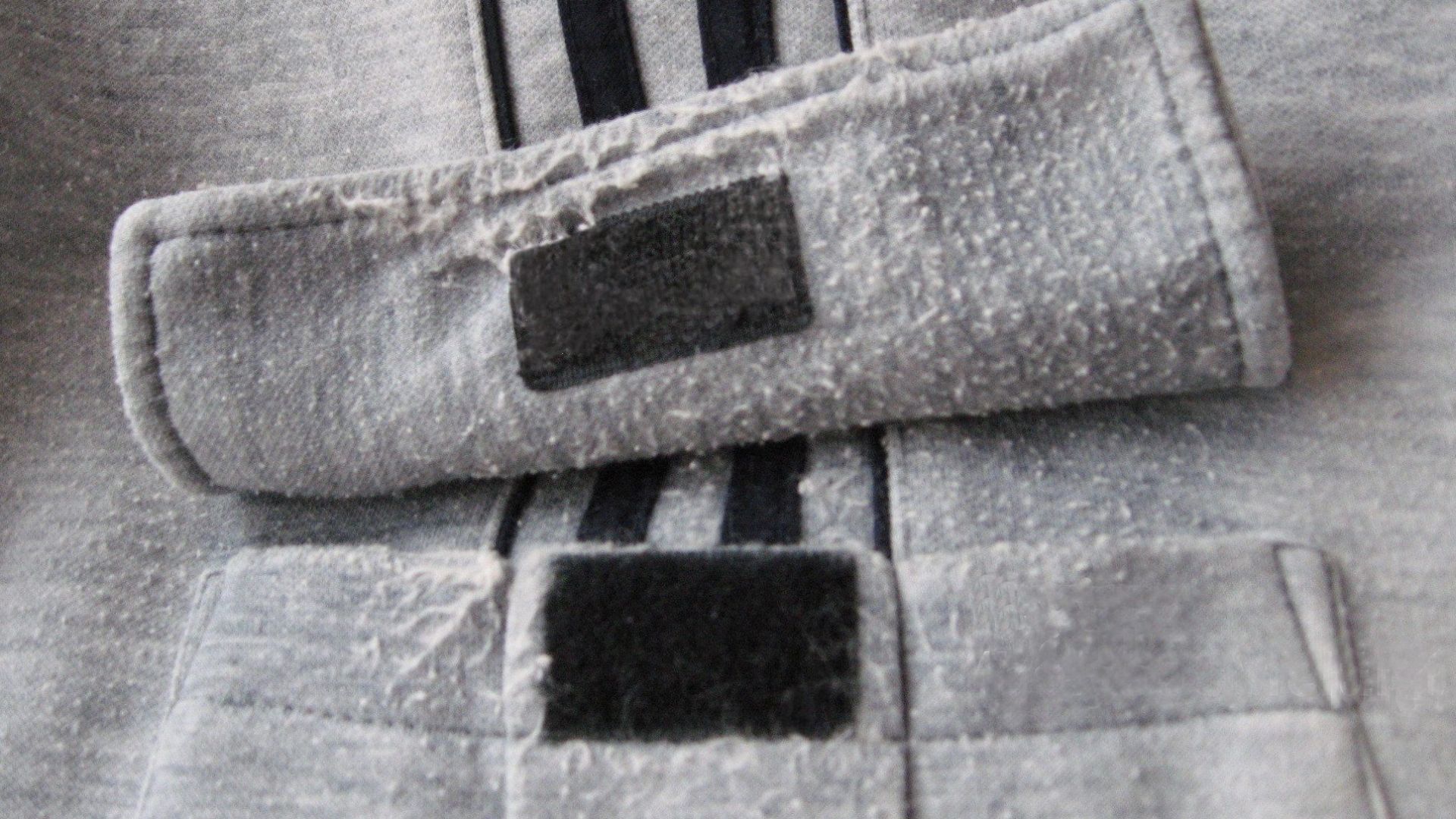 Velcro5.jpg: Elkagye derivative work: Andrzej 22, Wikimedia Commons
Aerosol Spray Cans
Every hiss of deodorant or cooking spray carries a military echo. Once a weapon against disease, that pressurized technology slipped into households and grocery aisles worldwide. Portable aerosol cans were invented in WWII to release insecticide clouds against malaria-carrying mosquitoes in the Pacific.