History At Its Breaking Point
History does not always change slowly. Some moments scar time itself, when everything familiar breaks at once and the world emerges altered, leaving lasting change that still echoes through modern society and shared memory today.
Assassination Of Archduke Franz Ferdinand (1914)
A single event in Sarajevo changed global history in June 1914. Archduke Franz Ferdinand of Austria-Hungary was shot by Gavrilo Princip during a public visit. The killing triggered a chain reaction among rival alliances that soon pulled much of the world into a war.
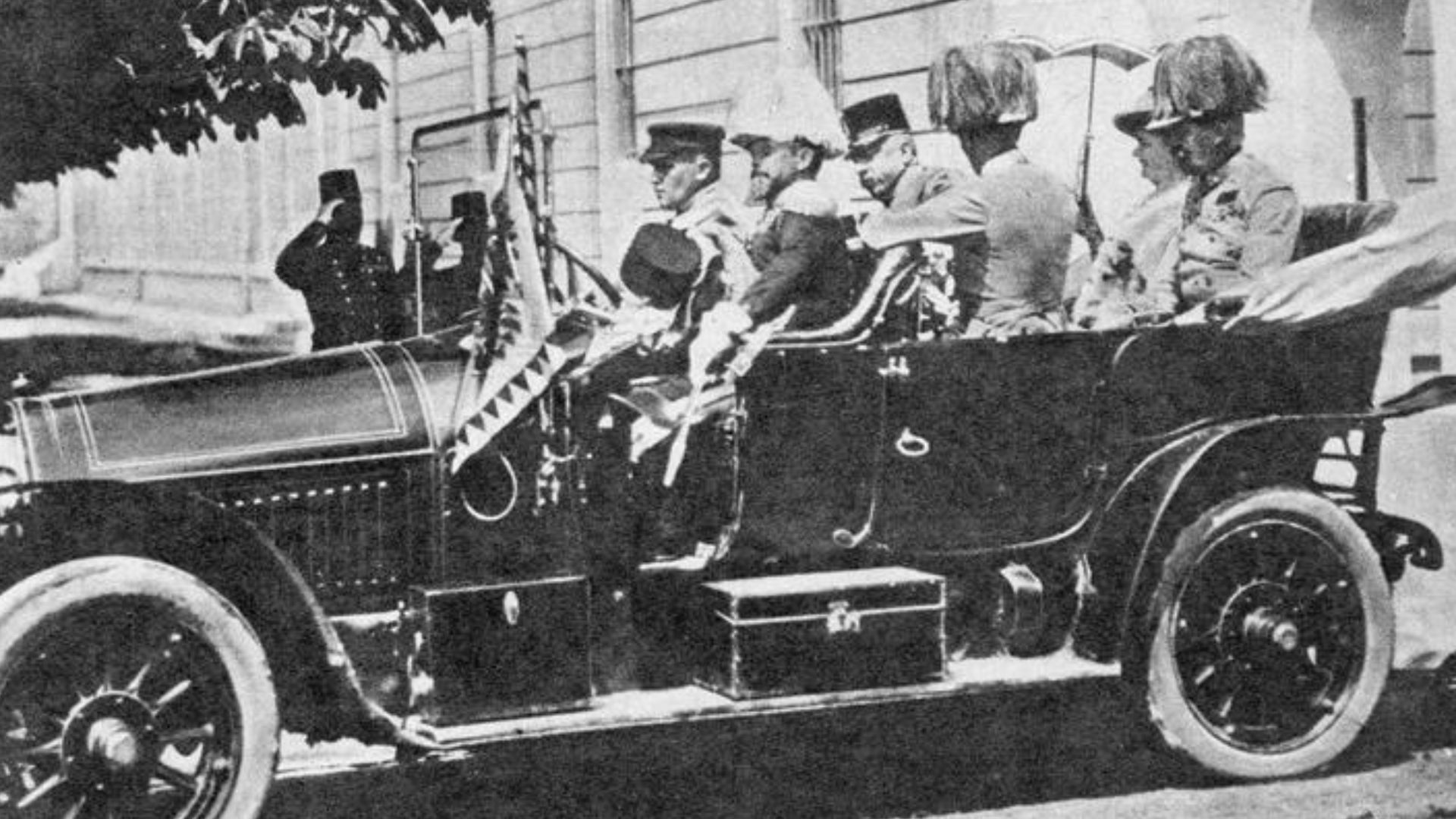 Jaroslav Bruner-Dvorak, Wikimedia Commons
The AIDS Epidemic In Africa (1990s–Ongoing)
During the 1990s, Sub-Saharan Africa became the global center of the HIV crisis. As illness spread, life expectancy fell sharply in several countries. After 2003, international health efforts expanded treatment access, which allowed millions to manage the virus and live far longer lives.
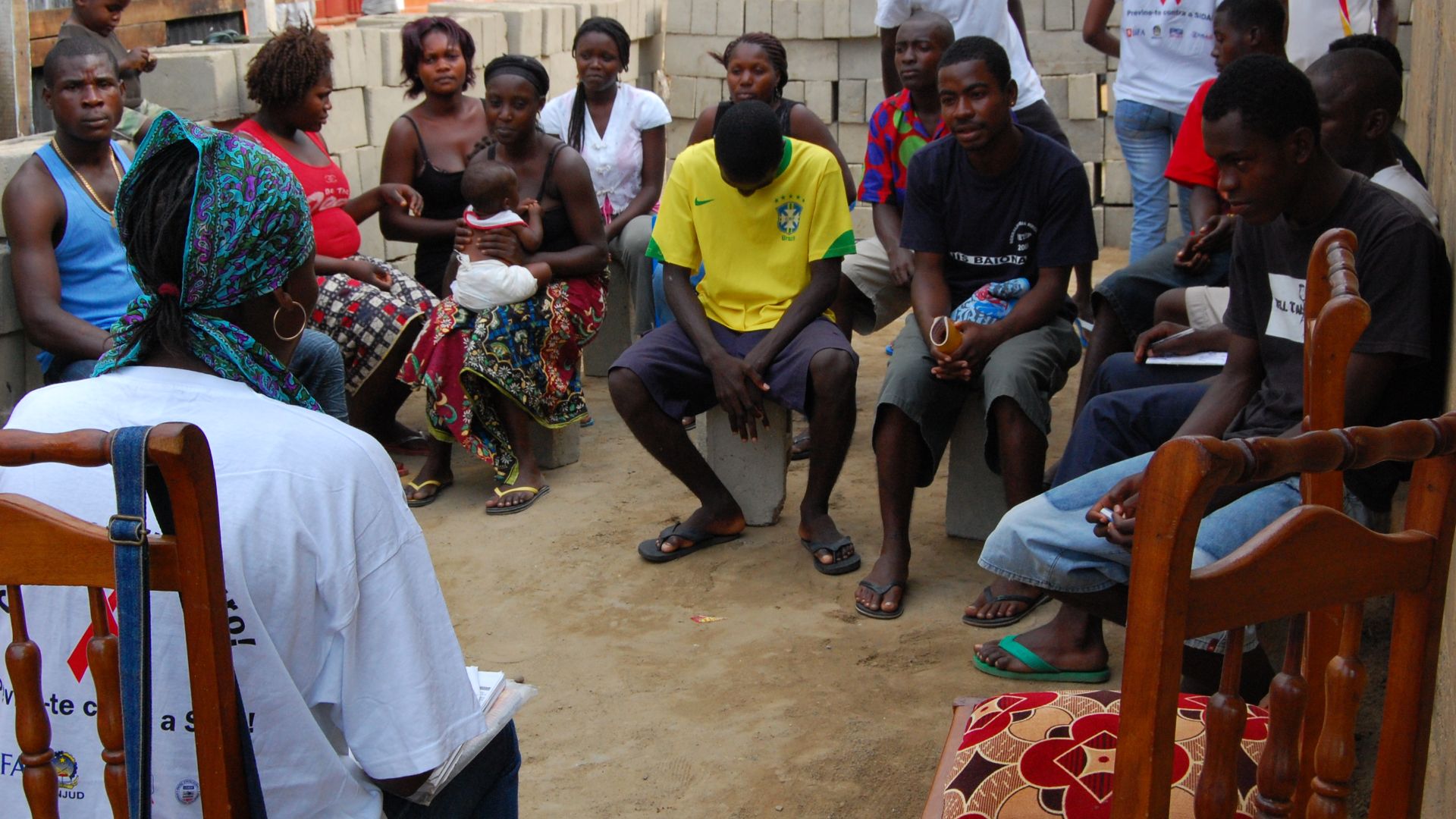 USAID Africa Bureau, Wikimedia Commons
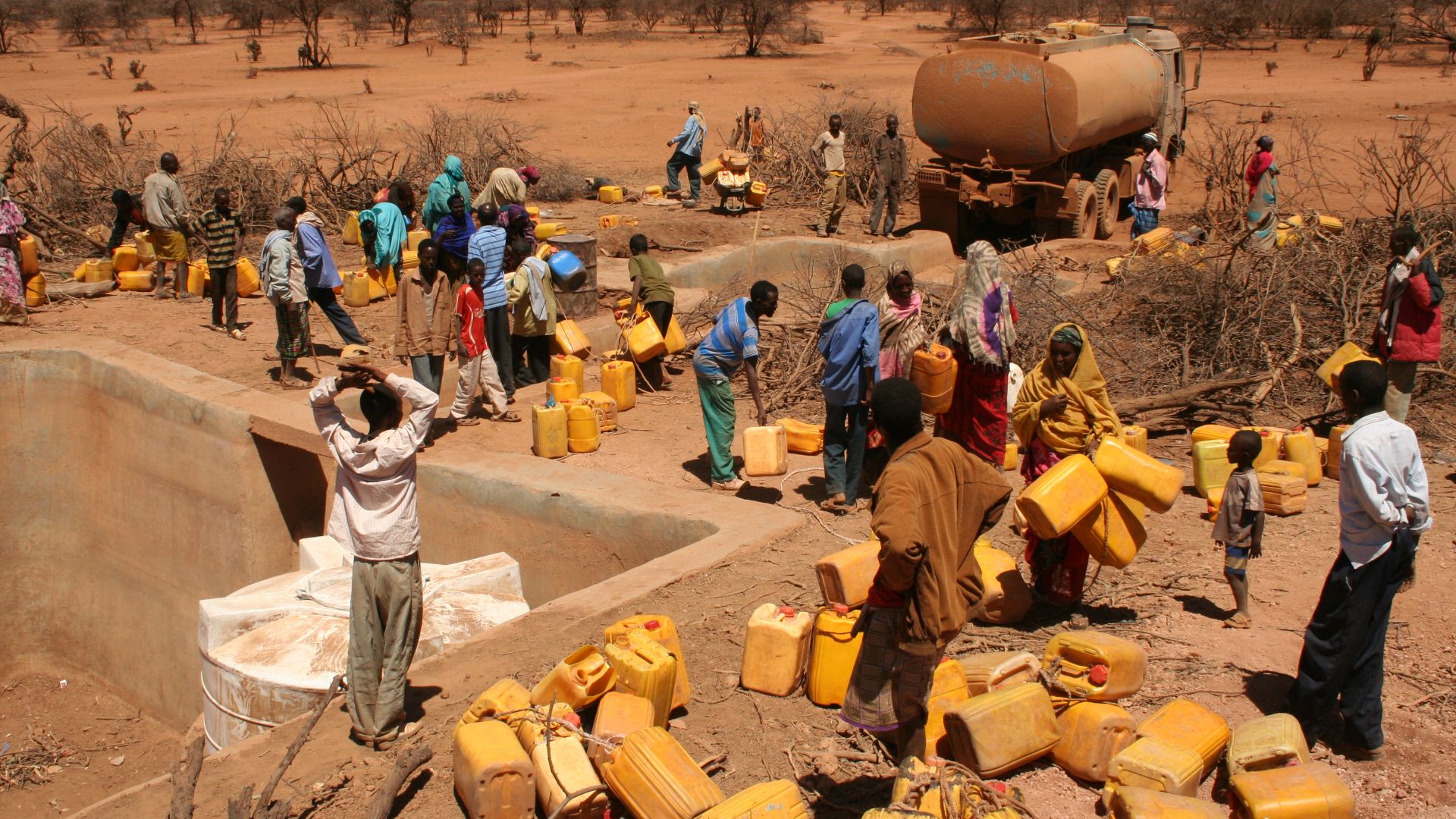
East Africa Drought (2011)
Governments across East Africa began prioritizing drought preparedness and food planning. The shift came after failed rainy seasons in 2011 that devastated Somalia, Kenya, and Ethiopia. At that time, crops disappeared, and livestock numbers dropped, with Somalia declaring famine in several regions.
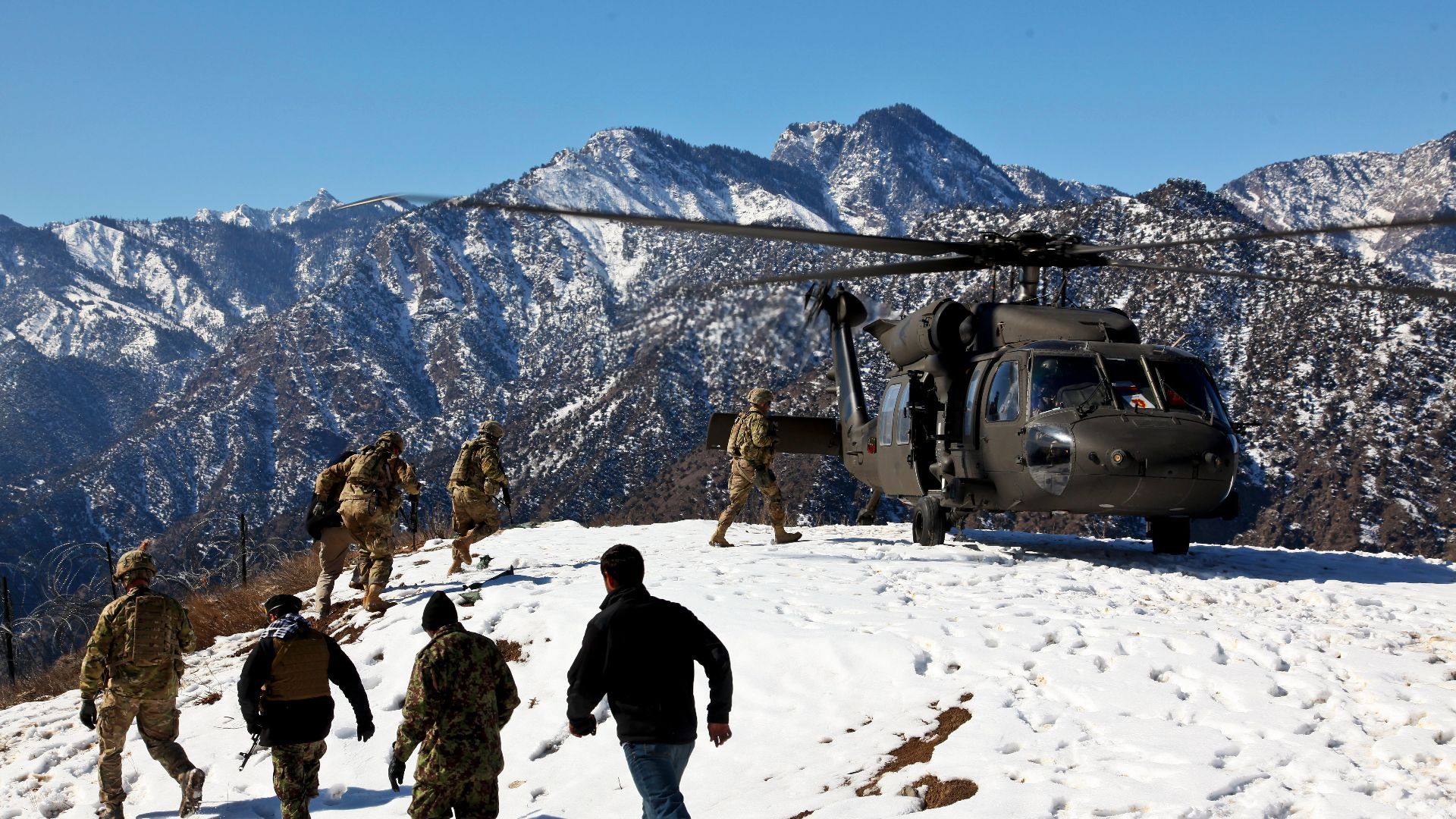
September 11 And The Aftermath (2001)
On September 11, 2001, coordinated terrorist attacks across the United States killed nearly 3,000 people. After al-Qaeda claimed responsibility, the attacks triggered a global response. In October, US-led forces entered Afghanistan to remove the Taliban, reshaping governance and expanding access to education for girls.
Indian Ocean Tsunami (2004)
In 2004, a powerful undersea earthquake near Sumatra set off a massive tsunami. Waves swept across South and Southeast Asia and overwhelmed coastal communities within minutes. More than 230,000 lives were lost, and the tragedy later drove nations to create a shared tsunami warning system.
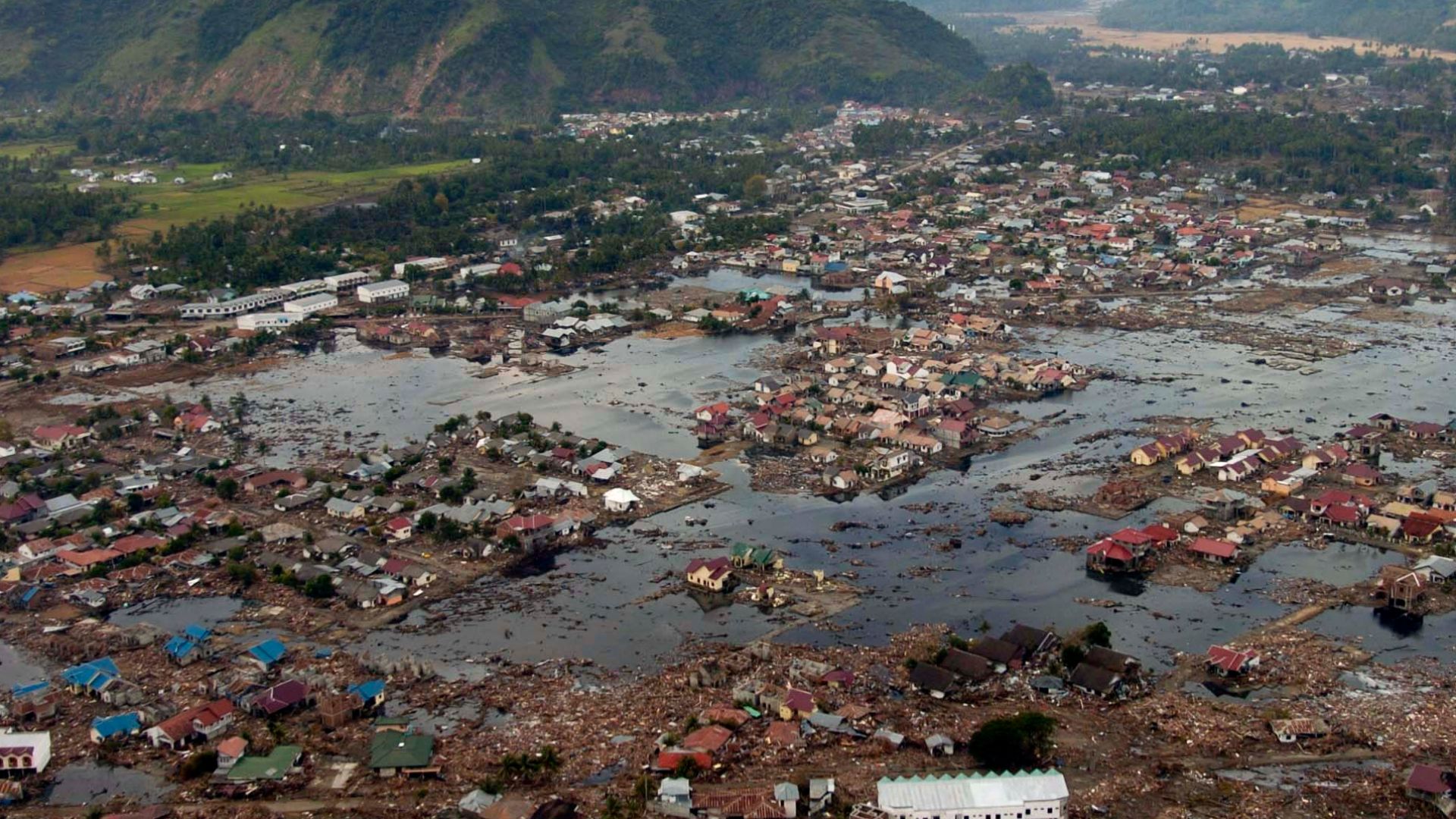 U.S. Navy photo by Photographer's Mate 2nd Class Philip A. McDaniel, Wikimedia Commons
Ebola Hits West Africa (2013–2016)
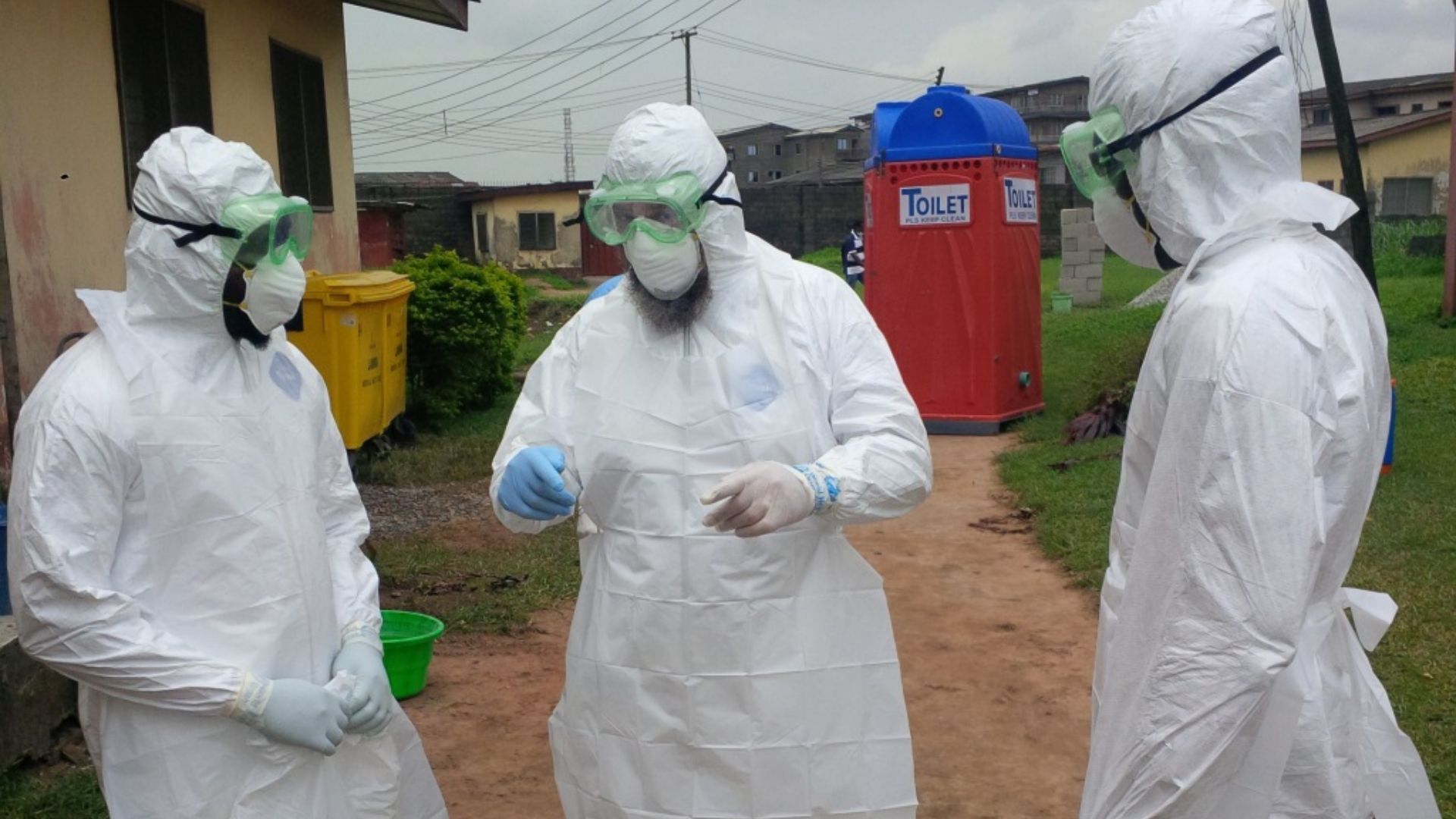
Global health systems prioritized outbreak preparedness after Ebola spread rapidly across Guinea, Liberia, and Sierra Leone between 2013 and 2016. Weak healthcare infrastructure accelerated transmission, and the epidemic ultimately claimed more than 11,000 lives across the region to expose major global response gaps.
West Africa Locust Invasion (2003–2005)
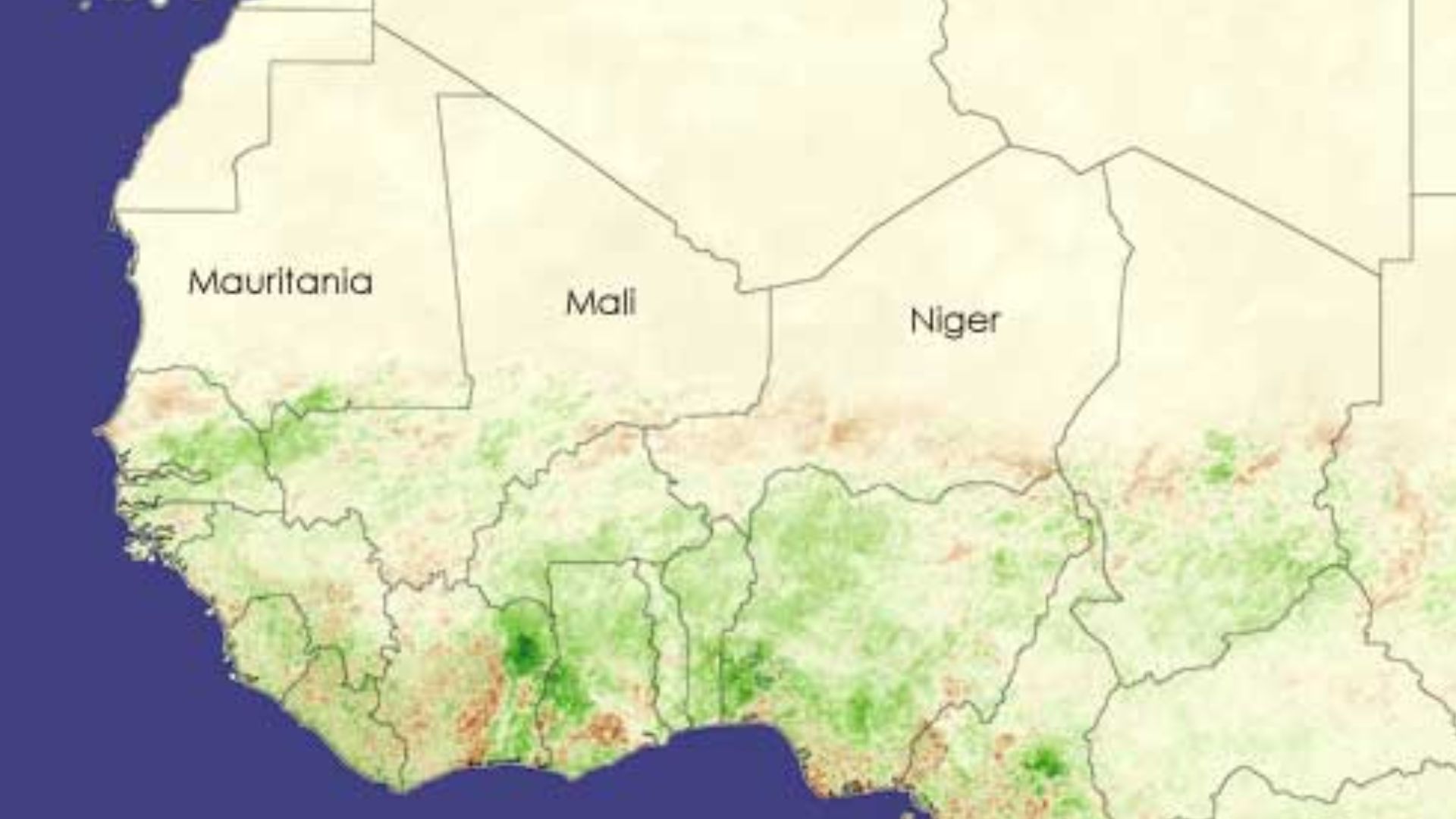
Coordinated aerial spraying became the key response after massive locust swarms spread across more than 20 West African countries. Crops and grazing land vanished within days, threatening food supplies. The crisis reshaped regional cooperation and led to improved monitoring systems for future agricultural threats.
Appeasement Of Hitler (1930s)
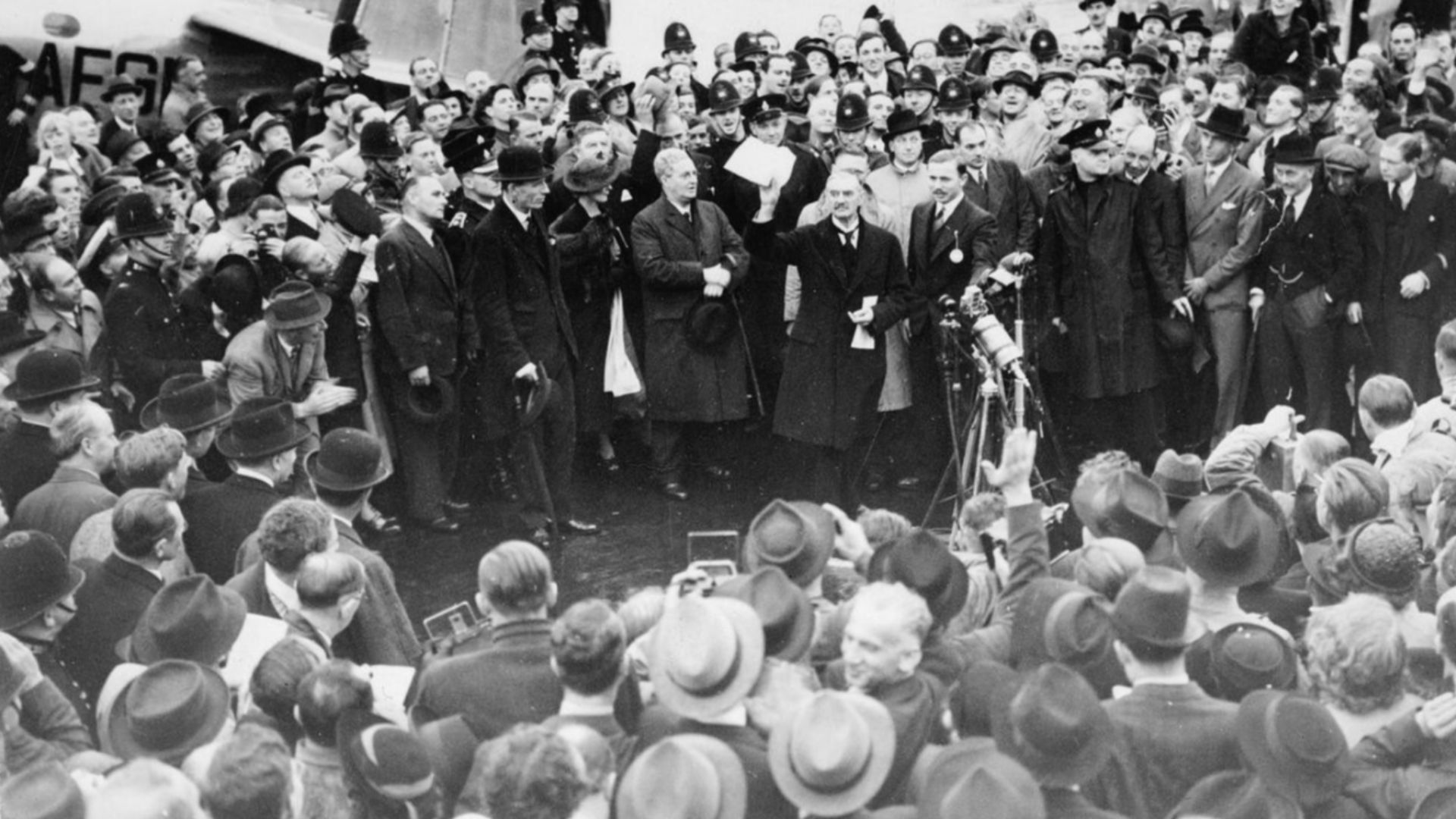
To avoid another war, Britain and France allowed Hitler to claim parts of Czechoslovakia through the Munich Agreement. This attempt at peace gave Nazi Germany greater power. The failure of appeasement changed how future nations responded to aggression and threats of expansion.
 Ministry of Information official photographer, Wikimedia Commons

History's most fascinating stories and darkest secrets, delivered to your inbox daily.
Kenya Election Violence (2007)
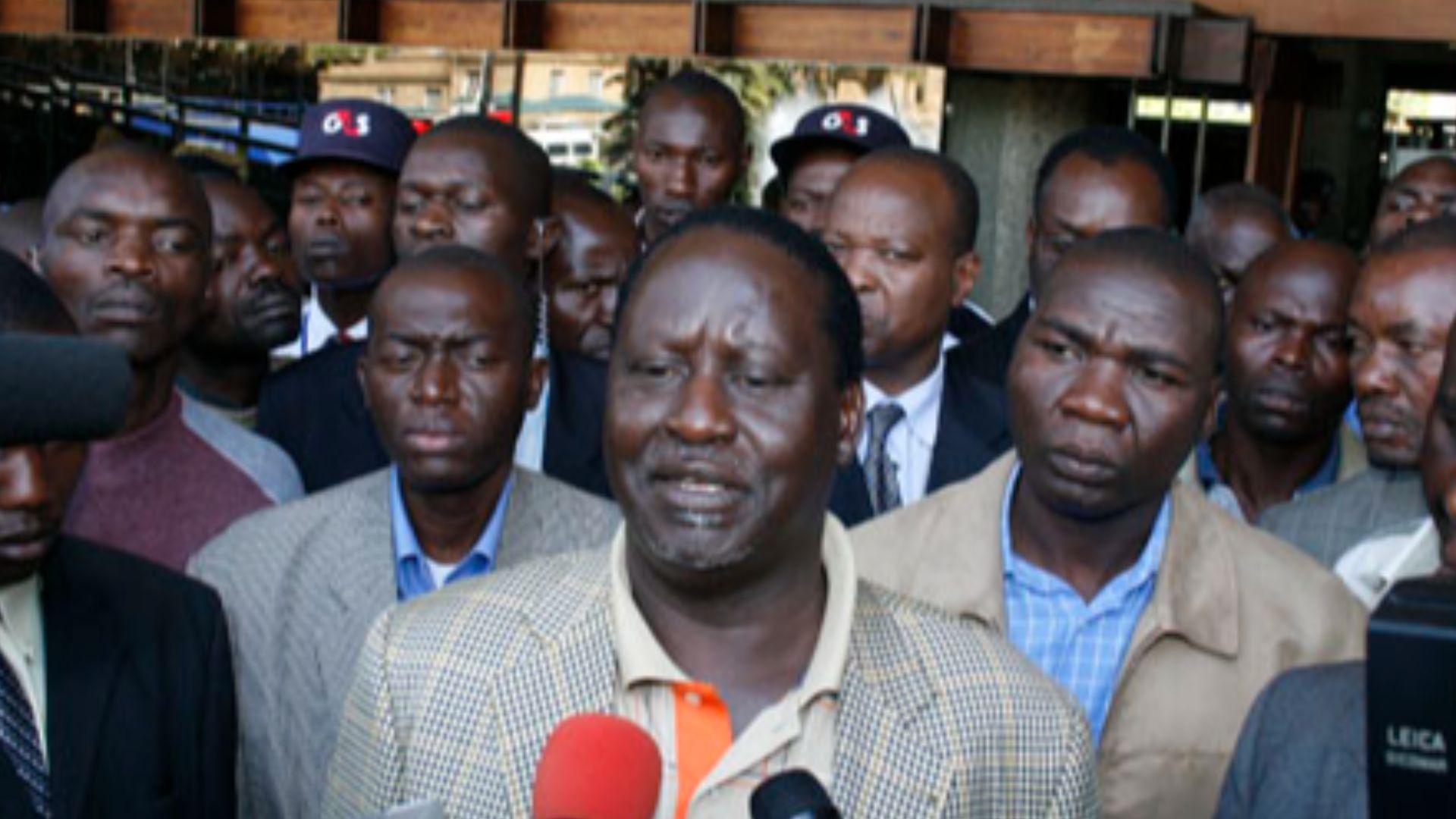
Kenya adopted a new national constitution to reduce political tension and strengthen democratic safeguards. The reform followed disputed election results in December 2007, when violence spread across the country. Communities fractured, more than 1,000 lives were lost, and entire communities had to evacuate for safety.
Rwanda And The Congo Fallout (1994)
In 1994, Rwanda experienced extreme violence over about 100 days that claimed an estimated 800,000 lives. As communities collapsed, more than two million people fled into neighboring countries, especially eastern Congo. Refugee camps later became bases for armed groups and spread instability across the region.
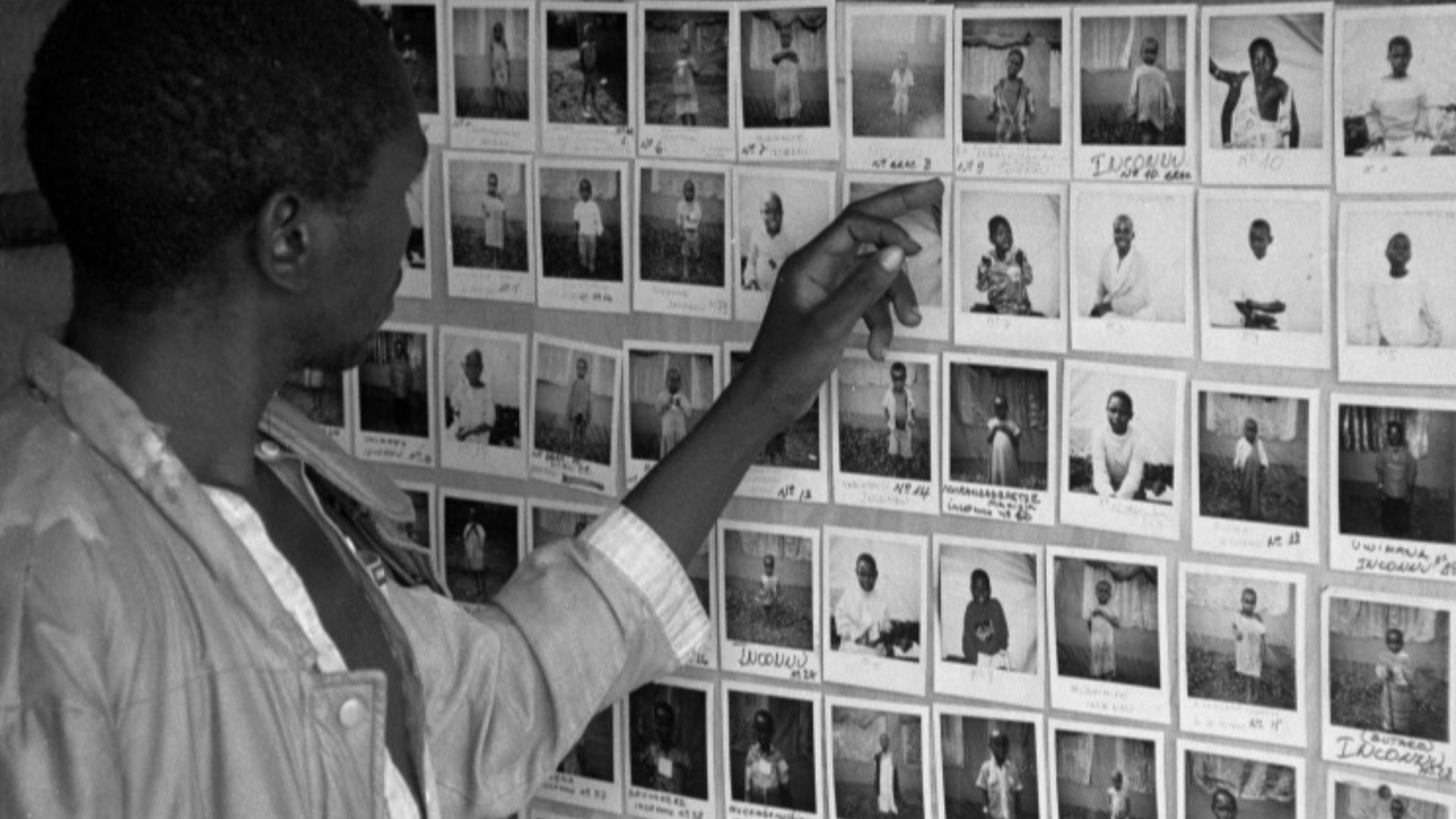 British Red Cross, Wikimedia Commons
Syria Conflict Begins (2011–Ongoing)
Entire communities across the region were reshaped by mass displacement. This shift followed unrest that grew out of Arab Spring protests in Syria, where violence spread into major cities such as Aleppo. As millions fled, Syrian-led aid networks stepped in to provide education within refugee communities.
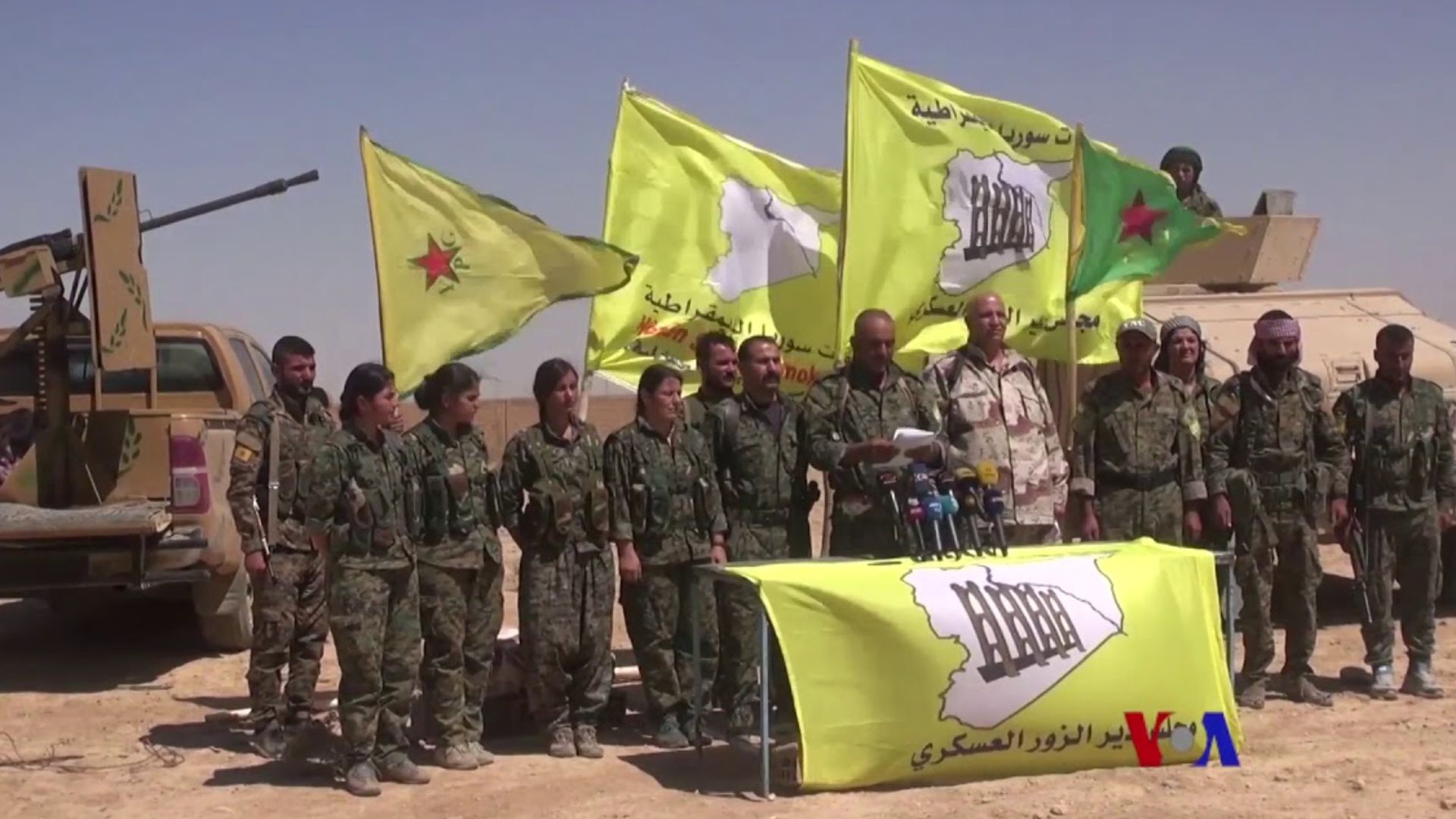 Voice of America in Kurdish, Wikimedia Commons
COVID-19 Disrupts The World (2020)
COVID-19 restructured the modern world within months. Schools closed indefinitely, supply chains collapsed, and hospitals faced critical shortages. Entire populations entered isolation. The pandemic challenged international cooperation and forced a lasting shift in how societies respond to global health threats.
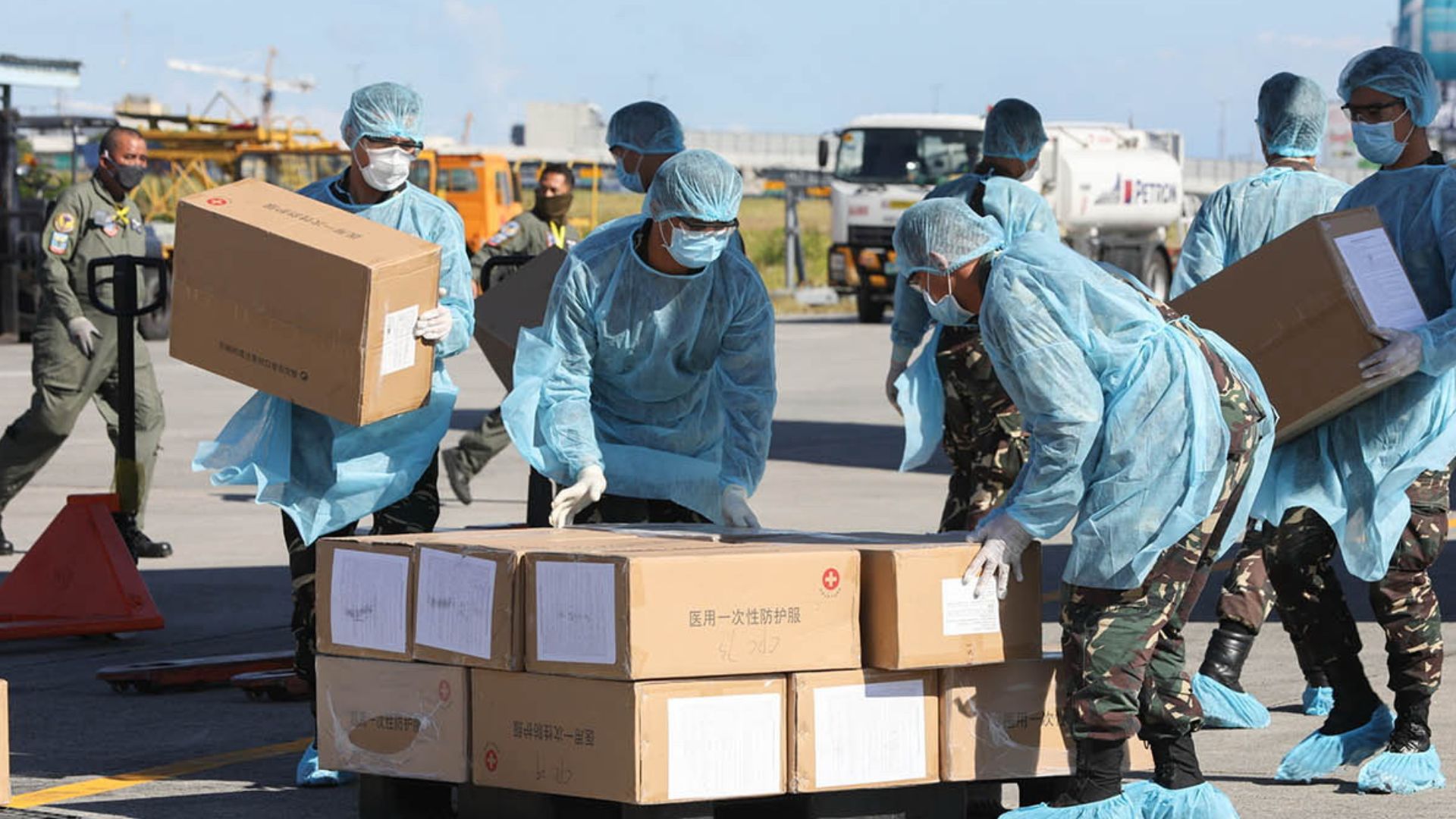 Presidential Communications Operations Office, Wikimedia Commons
The Treaty Of Versailles (1919)
In 1919, Allied leaders met to decide Europe’s fate after WWI. The treaty imposed harsh terms on Germany, including territorial losses and heavy reparations. Many Germans rejected the outcome, and that widespread resentment later helped destabilize Europe and set the stage for war.
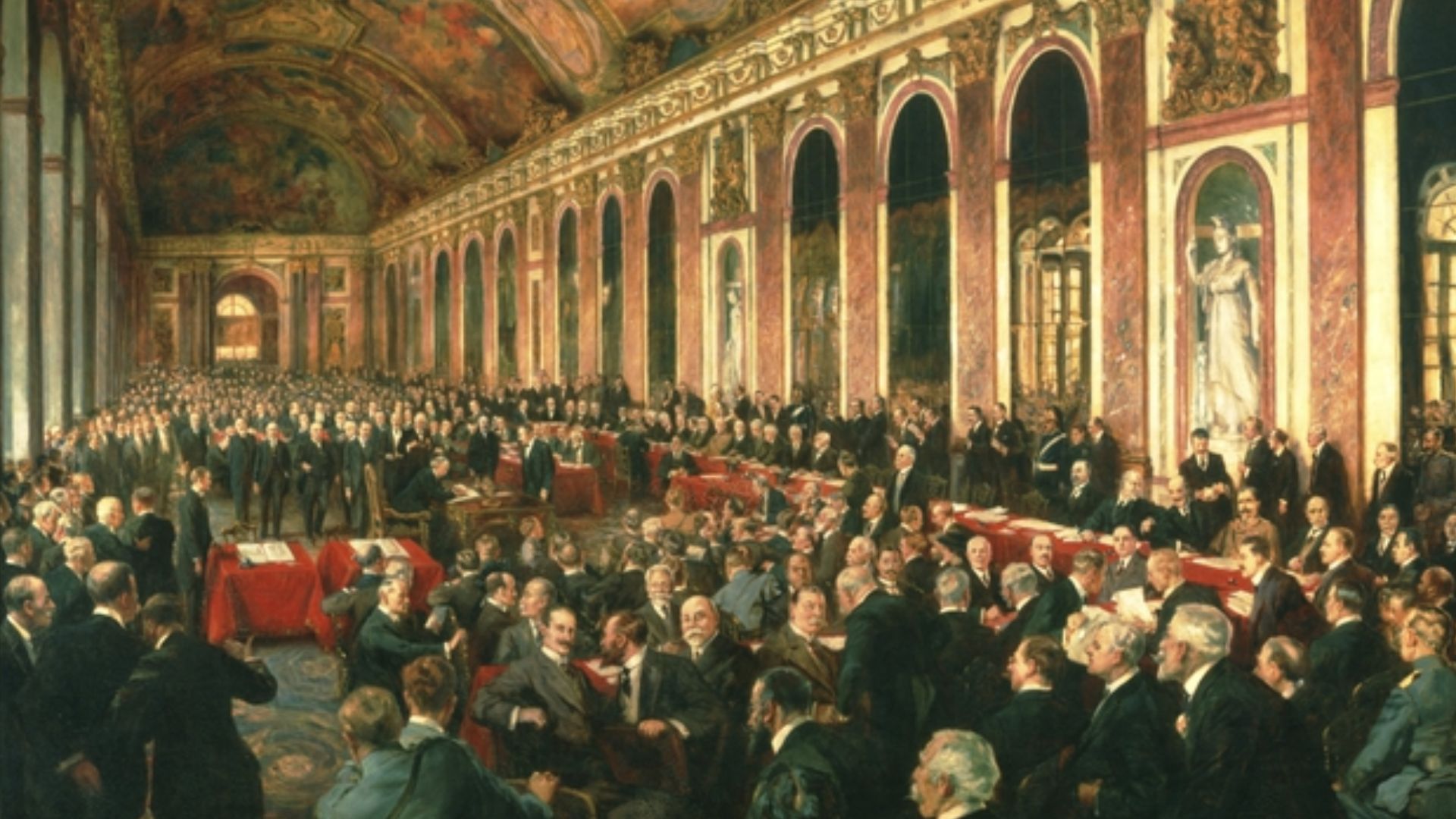 Joseph Finnemore, Wikimedia Commons
Attack On Pearl Harbor (1941)
Japan struck the US naval base at Pearl Harbor without warning on December 7, 1941. The assault killed over 2,400 Americans and destroyed key vessels. Within hours, the United States entered WWII and emerged as a central military power.
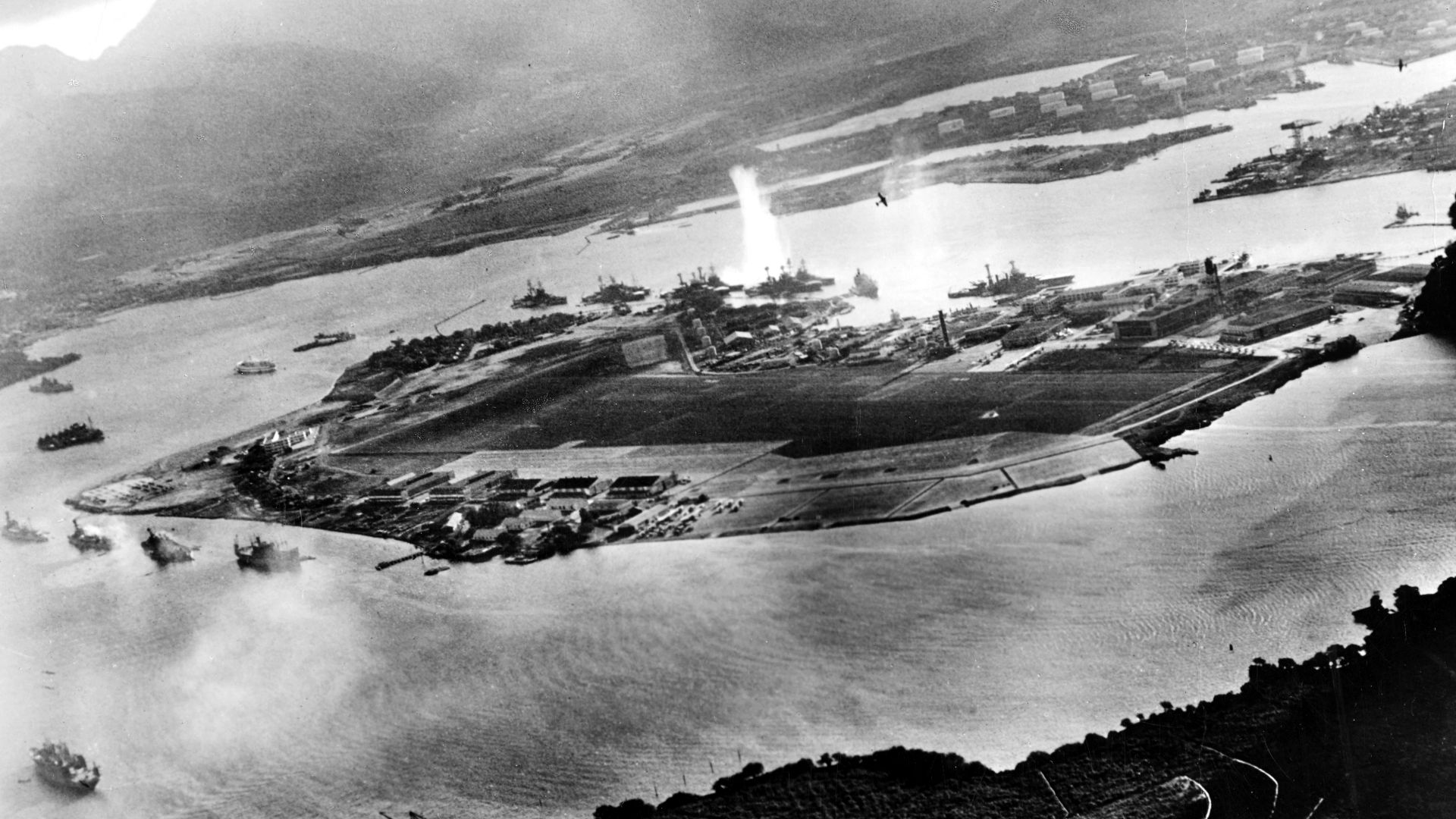 Imperial Japanese Navy, Wikimedia Commons
The Black Death Reaches Europe (1347)
Plague arrived in Europe through trade routes in the mid-1300s and spread rapidly through crowded cities. With huge population loss, farms and workshops stood empty. Labor shortages weakened feudal control, raised wages, and permanently altered Europe’s economic and social structure.
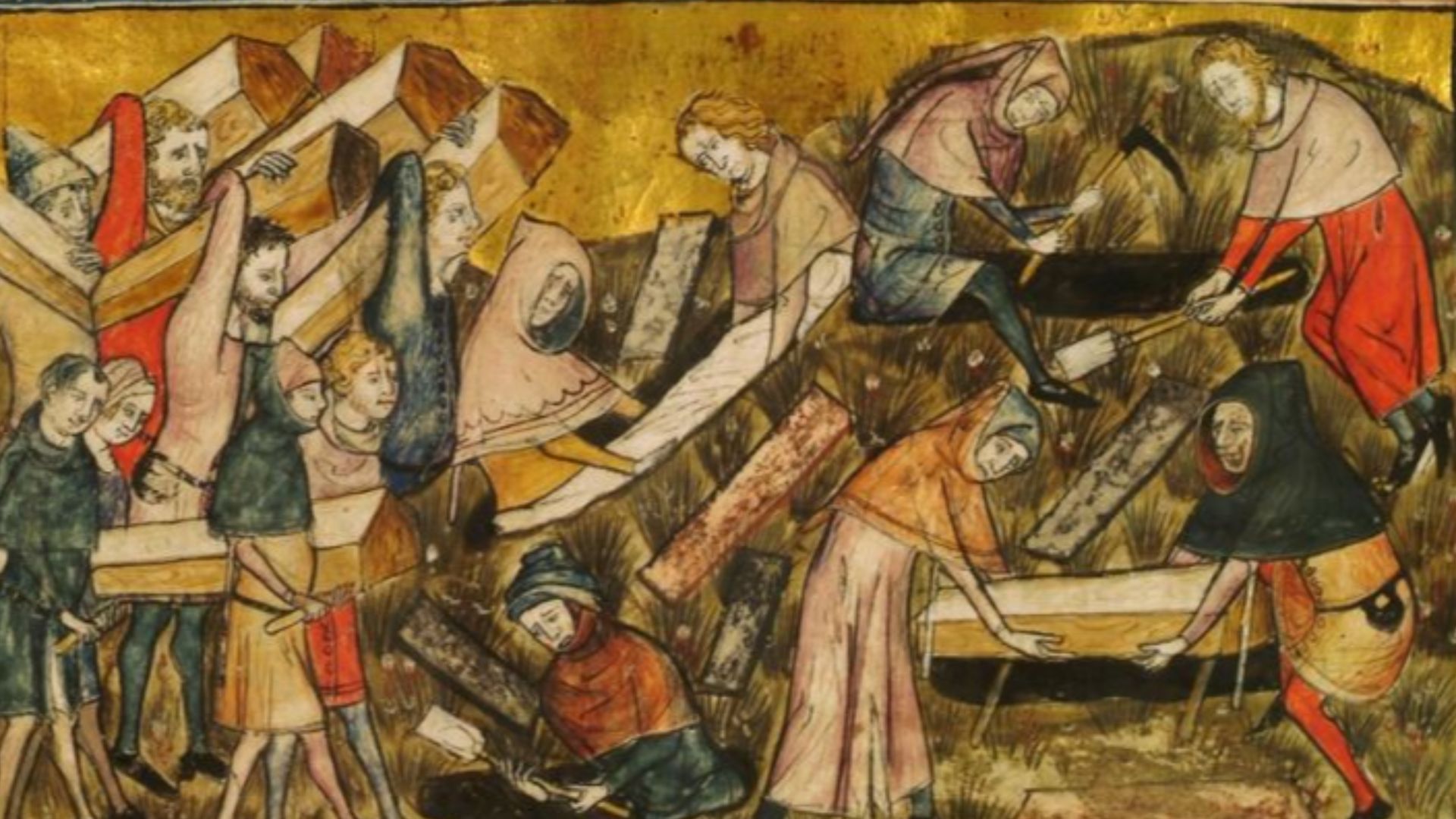 Pierart dou Tielt (fl. 1340-1360), Wikimedia Commons
The Fall Of Constantinople (1453)
When Ottoman forces captured Constantinople in 1453, the Byzantine Empire collapsed, and Europe lost its main trade gateway to Asia almost overnight. Merchants searched for alternatives, helping launch long ocean voyages that connected continents and reshaped global trade networks.
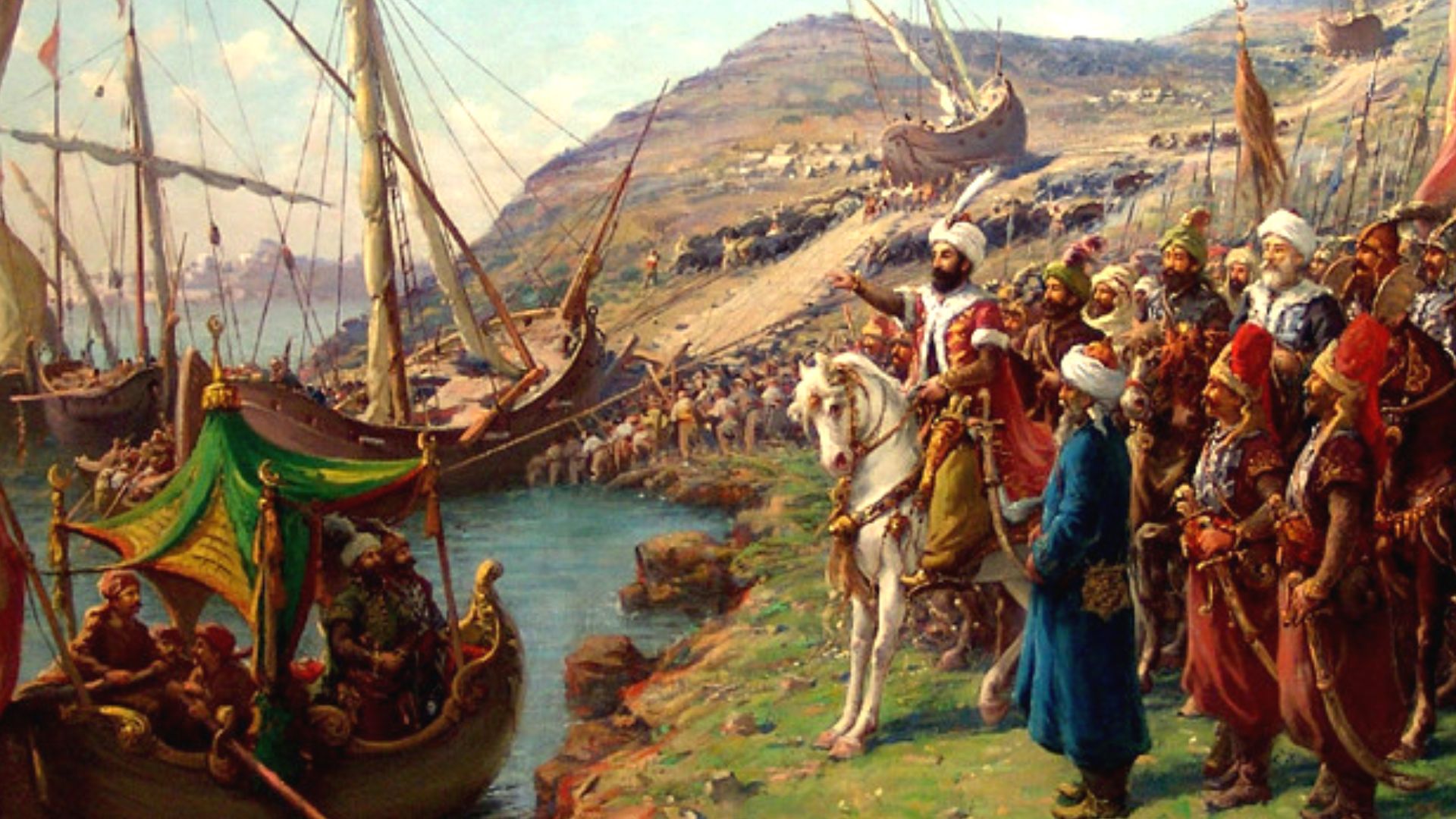 Fausto Zonaro, Wikimedia Commons
The Protestant Reformation Begins (1517)
In 1517, challenges to the Catholic Church’s authority fractured religious unity across Europe. New Christian movements gained political backing from rulers seeking independence from Rome. The split fueled religious conflict, changed education systems, and influenced how modern states defined power and identity.
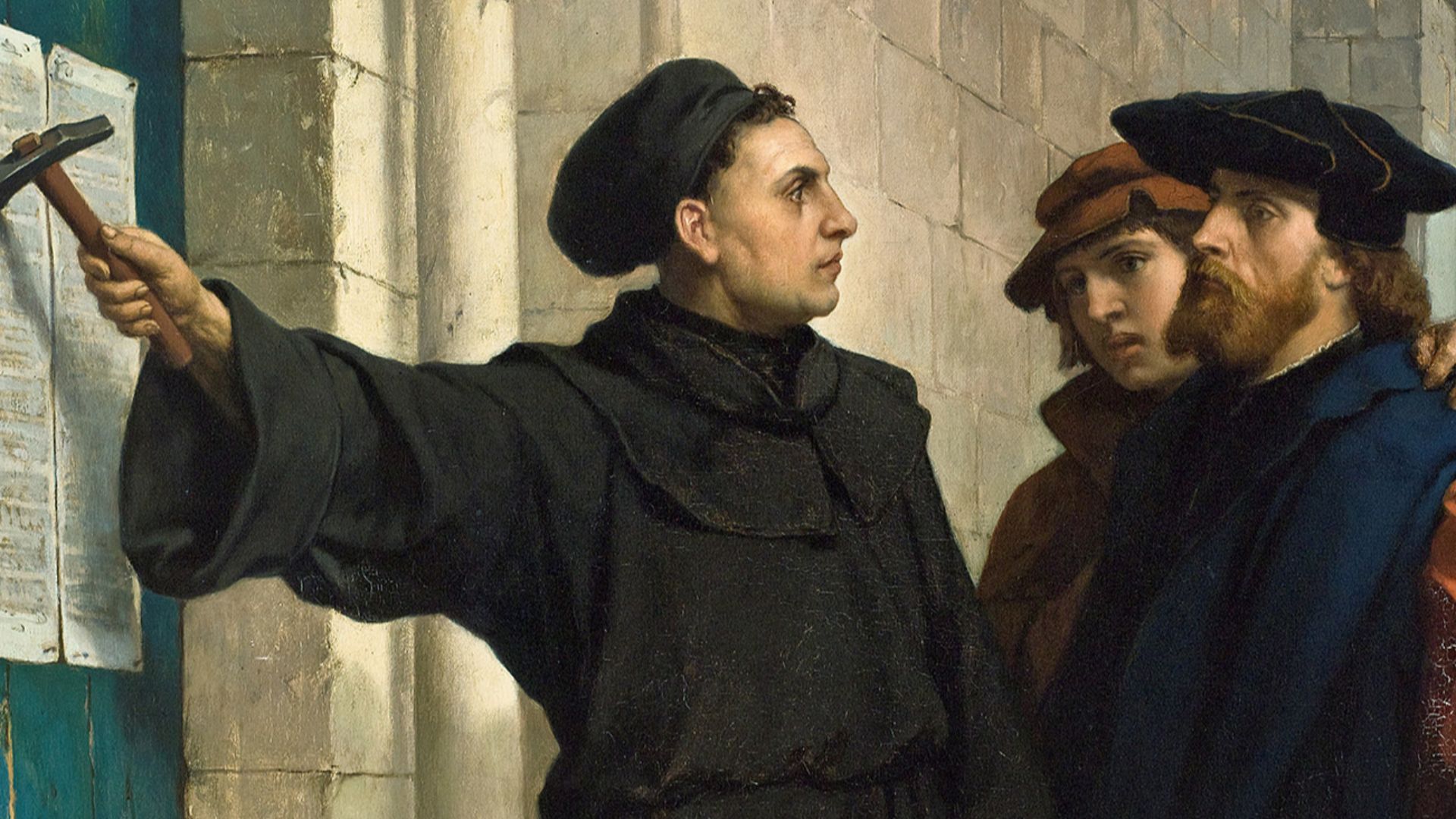 Ferdinand Pauwels, Wikimedia Commons
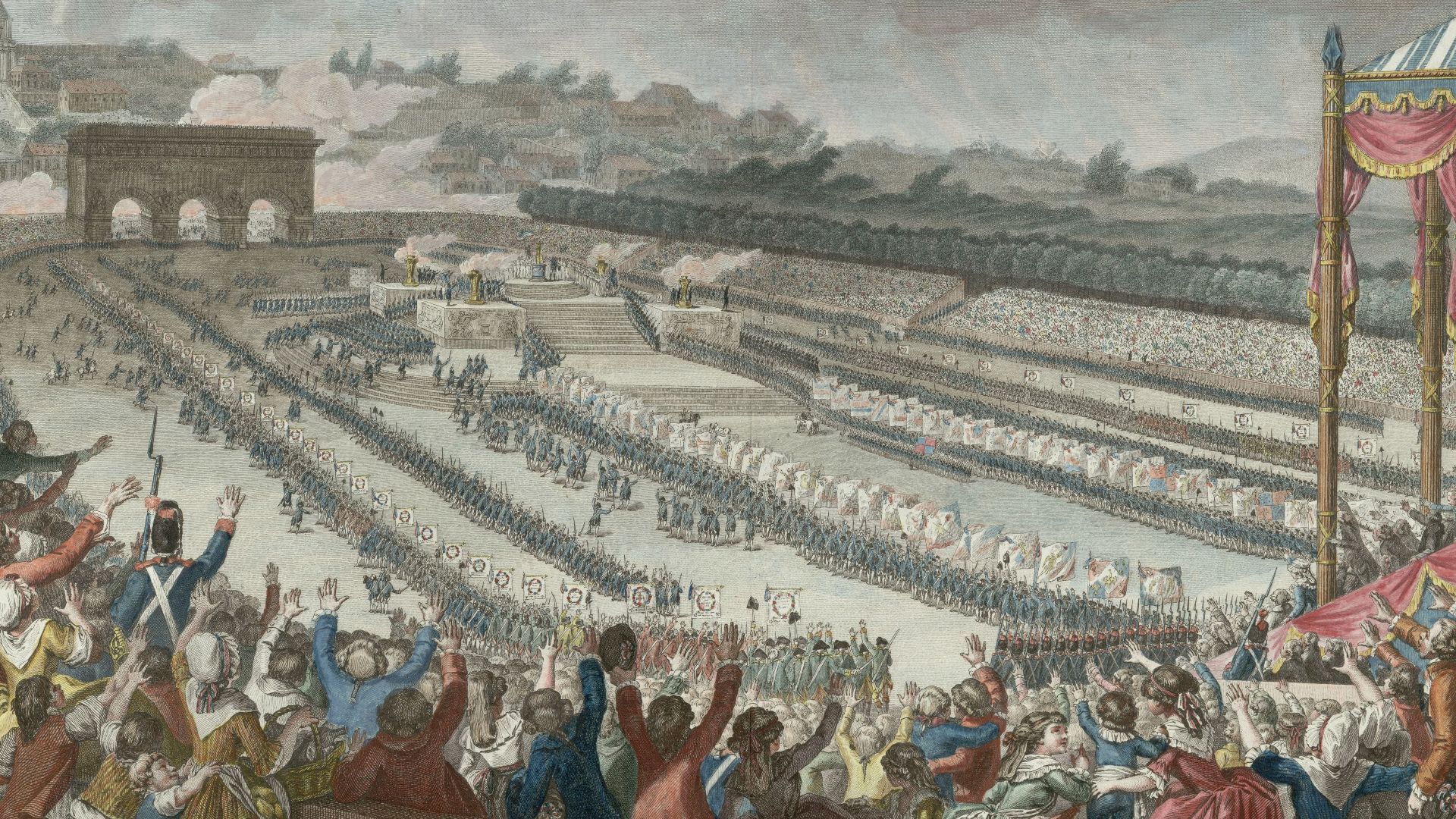
The French Revolution (1789)
Economic hardship and political inequality pushed France into revolution in 1789. The monarchy fell, and ideas about citizenship and rights spread beyond borders. These principles influenced constitutional governments worldwide and changed how people viewed authority and political participation.
 Isidore Stanislas Helman / After Charles Monnet, Wikimedia Commons
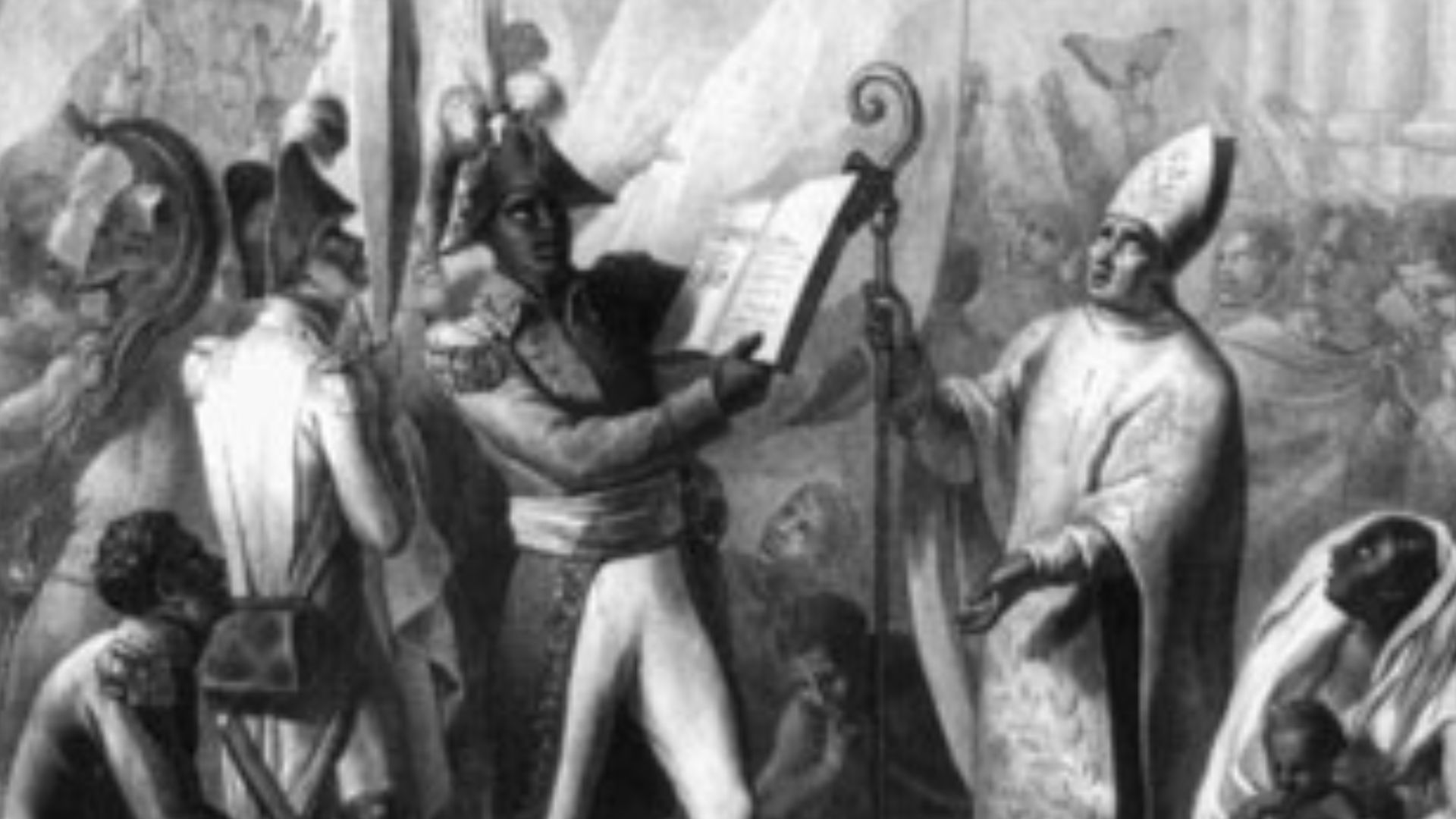
The Haitian Revolution (1791)
An uprising by enslaved people in the French colony of Saint-Domingue led to Haiti’s independence in 1804. It became the first Black-led republic. The revolution shocked slave-holding societies and disrupted colonial economies across the Atlantic world.
 Denshell Denejour, Wikimedia Commons
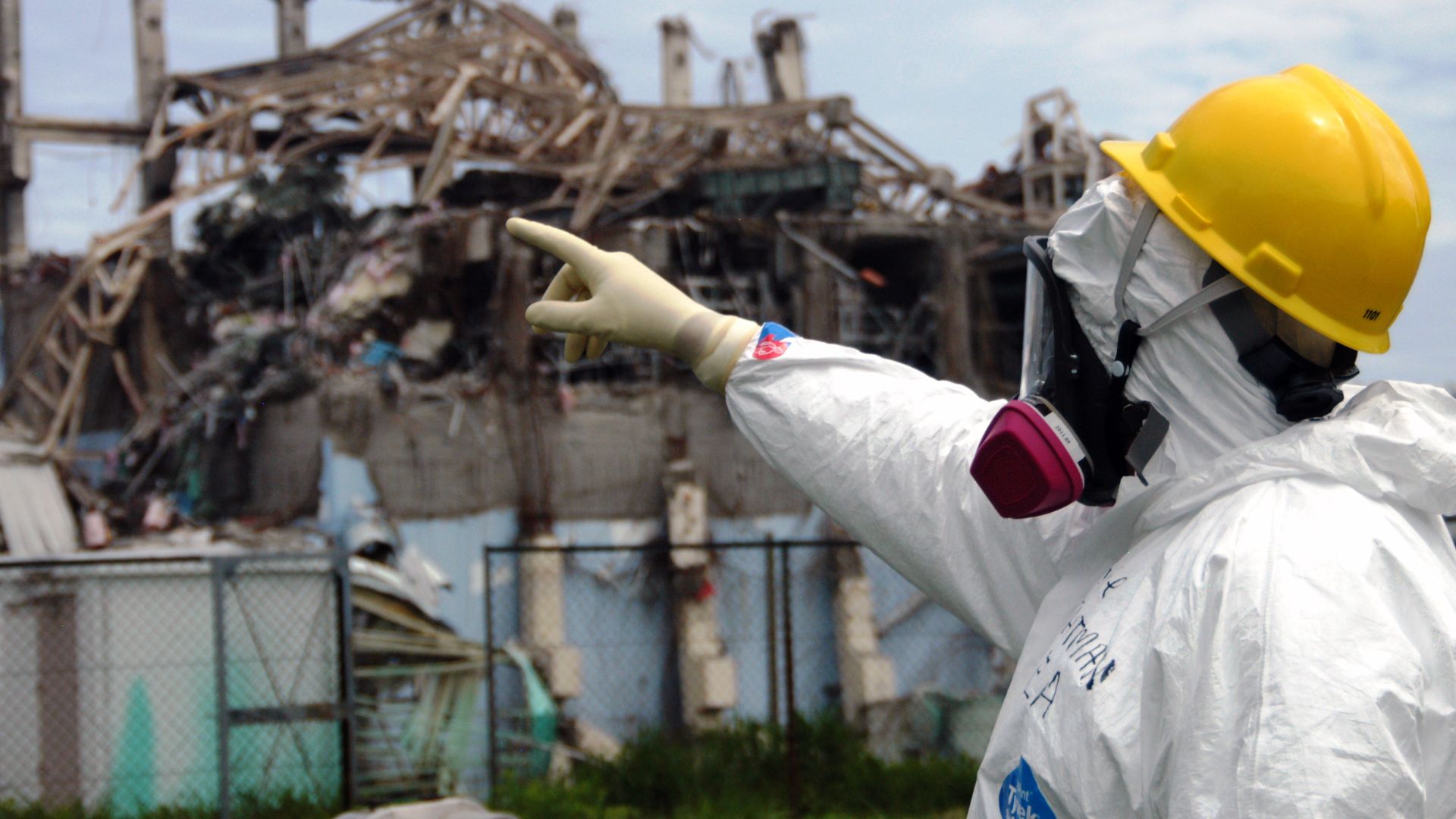
The Fukushima Nuclear Disaster (2011)
In 2011, a massive earthquake hit Japan. Then a tsunami crashed into the coast and damaged a nuclear plant in Fukushima. Radiation started leaking, and thousands had to leave their homes. The disaster changed how many countries thought about nuclear energy and its risks.
 IAEA Imagebank, Wikimedia Commons
The Partition Of India (1947)
The British withdrawal from South Asia brought sudden borders between India and Pakistan. Communities divided by religion fled in opposite directions, creating one of the largest migrations in history. The partition reshaped regional politics and set the stage for decades of tension between the countries and the world.
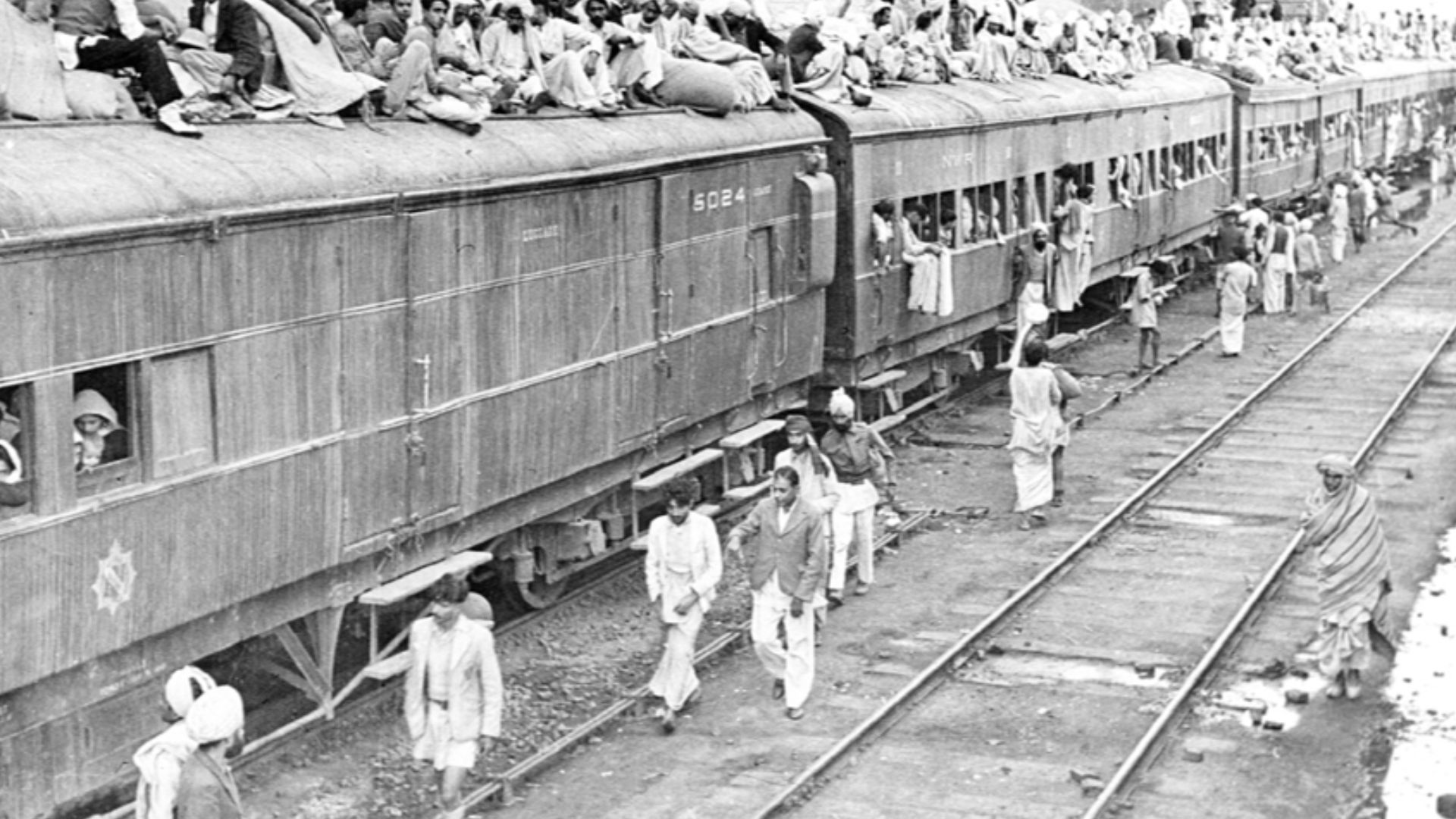 Photo Division, Government of India, Wikimedia Commons
The Chernobyl Nuclear Disaster (1986)
One night in 1986, a nuclear reactor exploded in Soviet Ukraine. Radiation spread across Europe, but the government stayed silent for days. When the truth came out, it shocked the world. Trust in nuclear power collapsed, and leaders pushed for stronger safety rules everywhere.
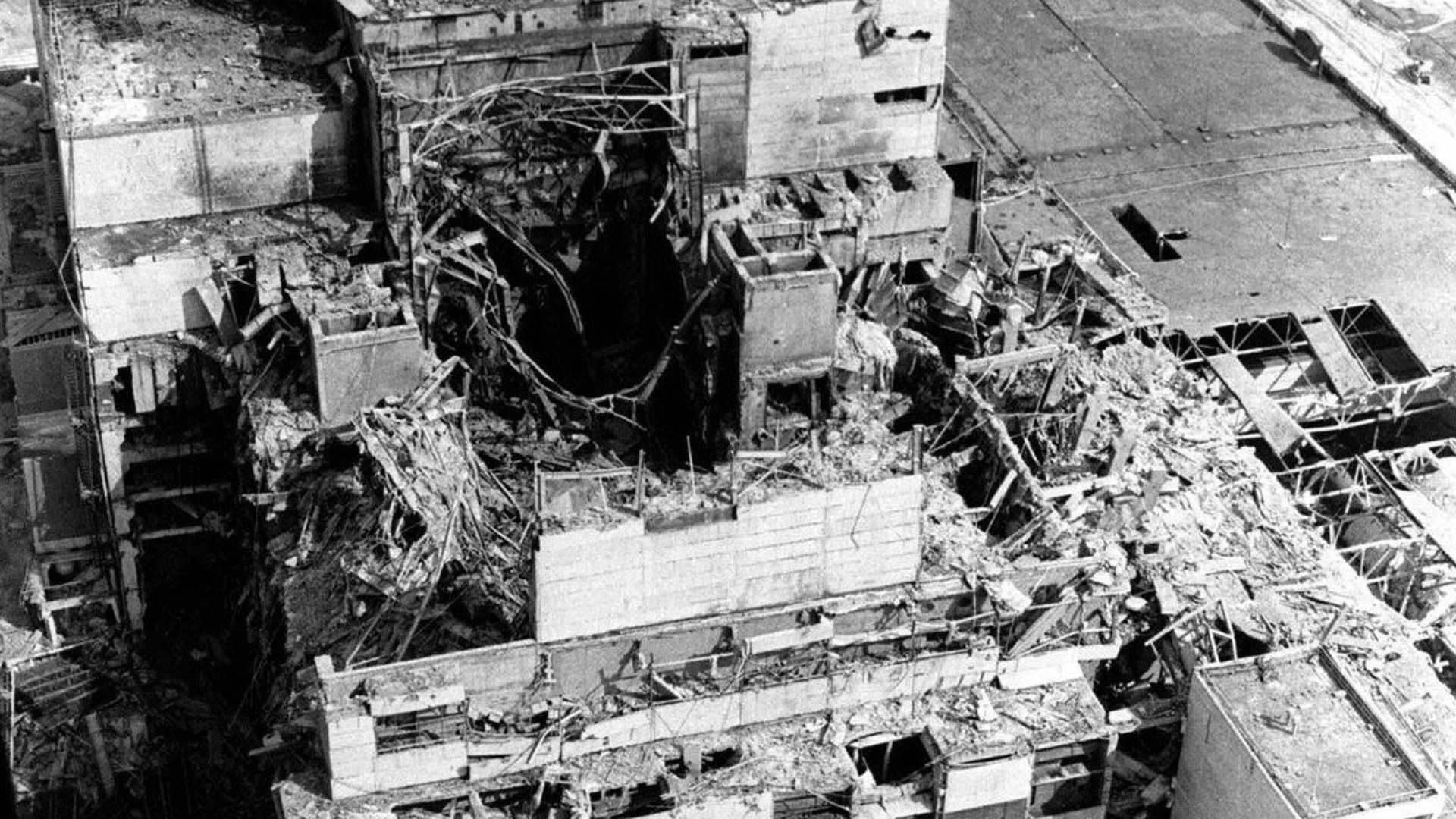 IAEA Imagebank, Wikimedia Commons
The Fall Of The Berlin Wall (1989)
In 1989, people in East Germany were finally allowed to cross into the West. But instead of just walking through, they tore down the Berlin Wall. That moment ended decades of separation, brought Germany back together, and helped break the hold of communism in Europe.
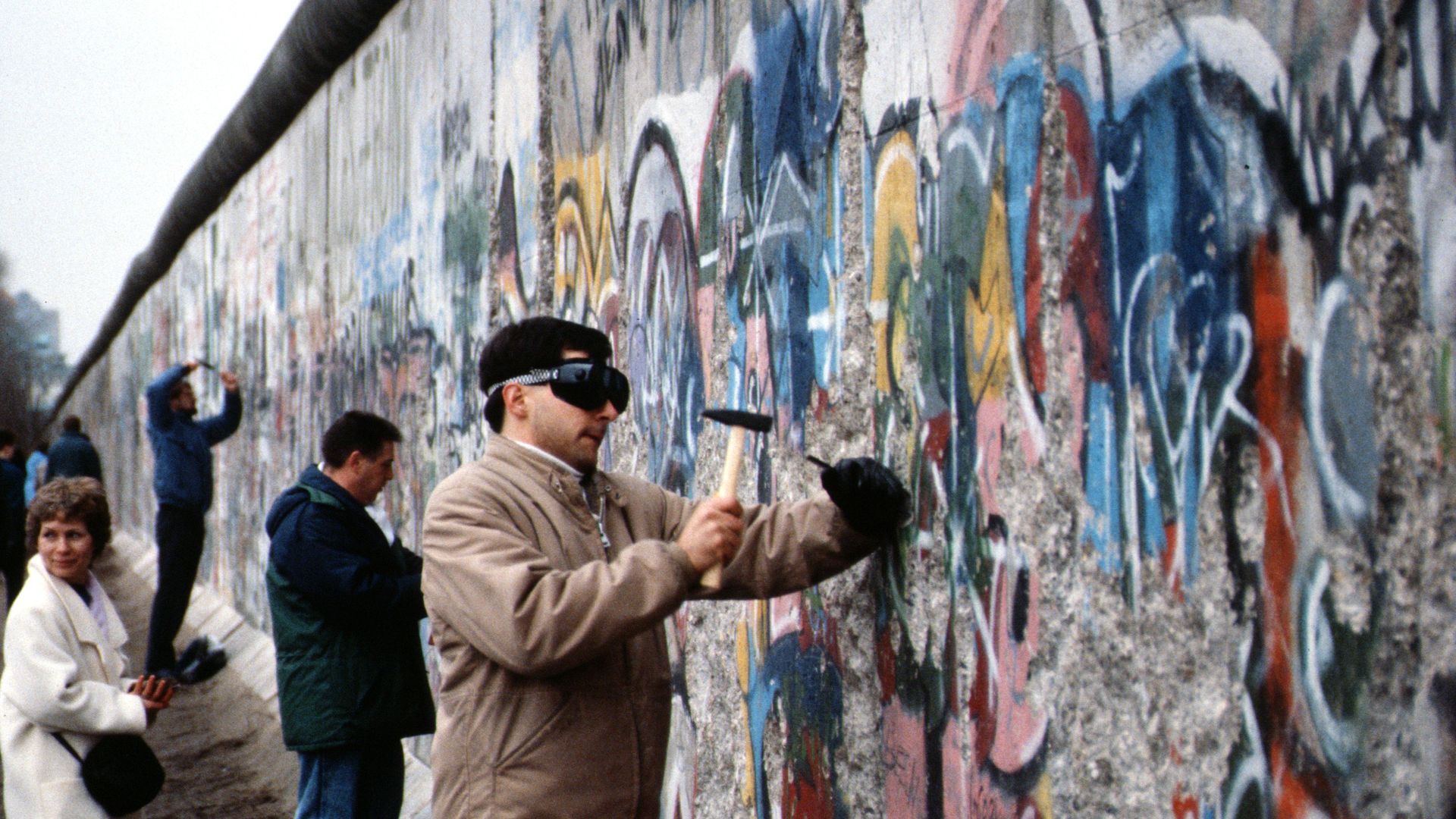 Raphael Thiemard from Belgique, Wikimedia Commons
The 1918 Influenza Pandemic
As WWI ended, a deadly influenza virus spread globally through troop movements and travel. Governments lacked coordinated health responses, which allowed for rapid transmission. The pandemic pushed nations to develop public health agencies and systems for tracking infectious diseases.
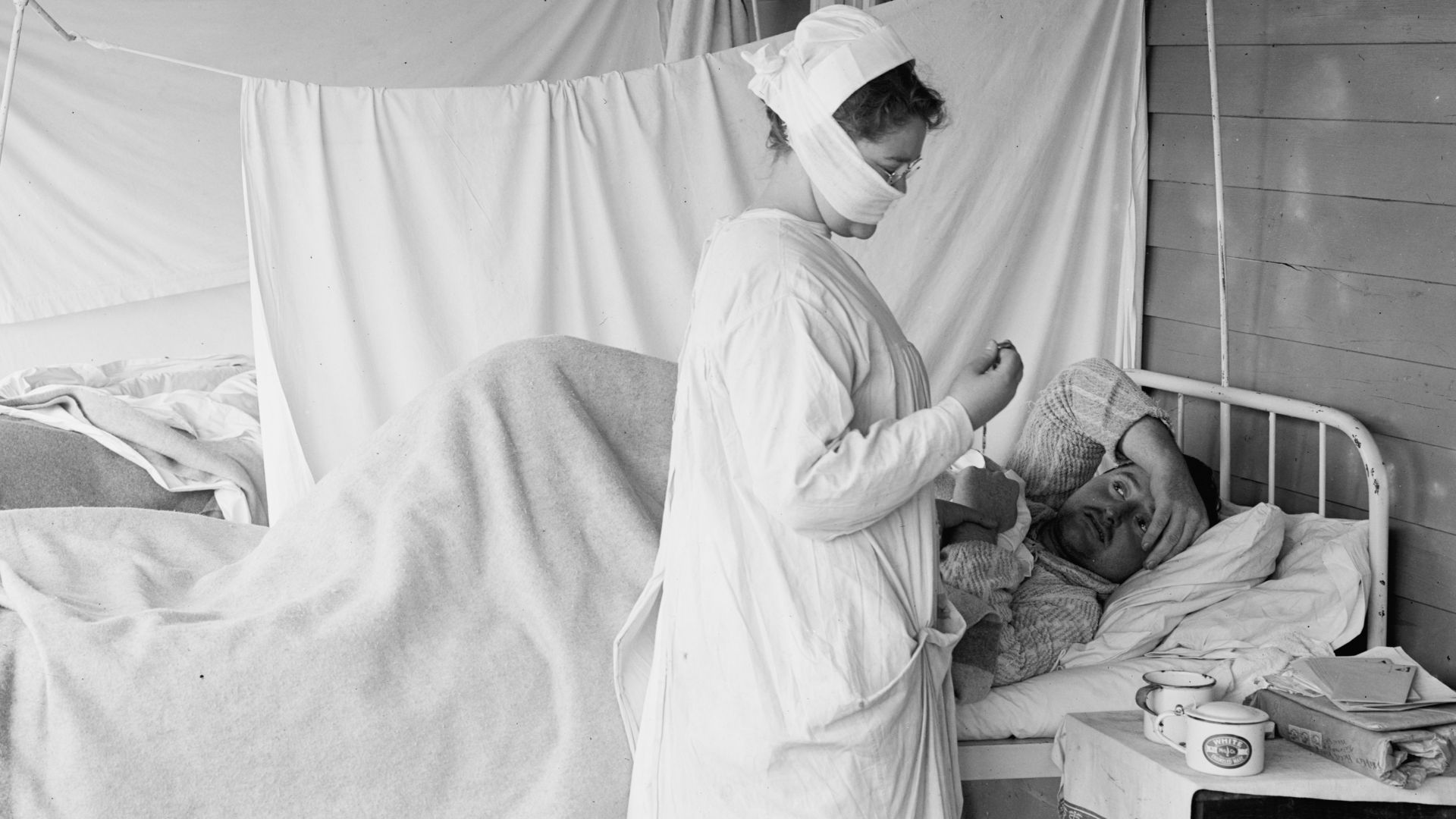 Harris & Ewing photographers, Wikimedia Commons
Invasion Of Iraq (2003)
In March 2003, US-led forces entered Iraq after claims about weapons of mass destruction. Saddam Hussein’s government collapsed soon after, with no active weapons programs later found. The invasion reshaped Iraq’s politics and began a long period of instability and reconstruction.
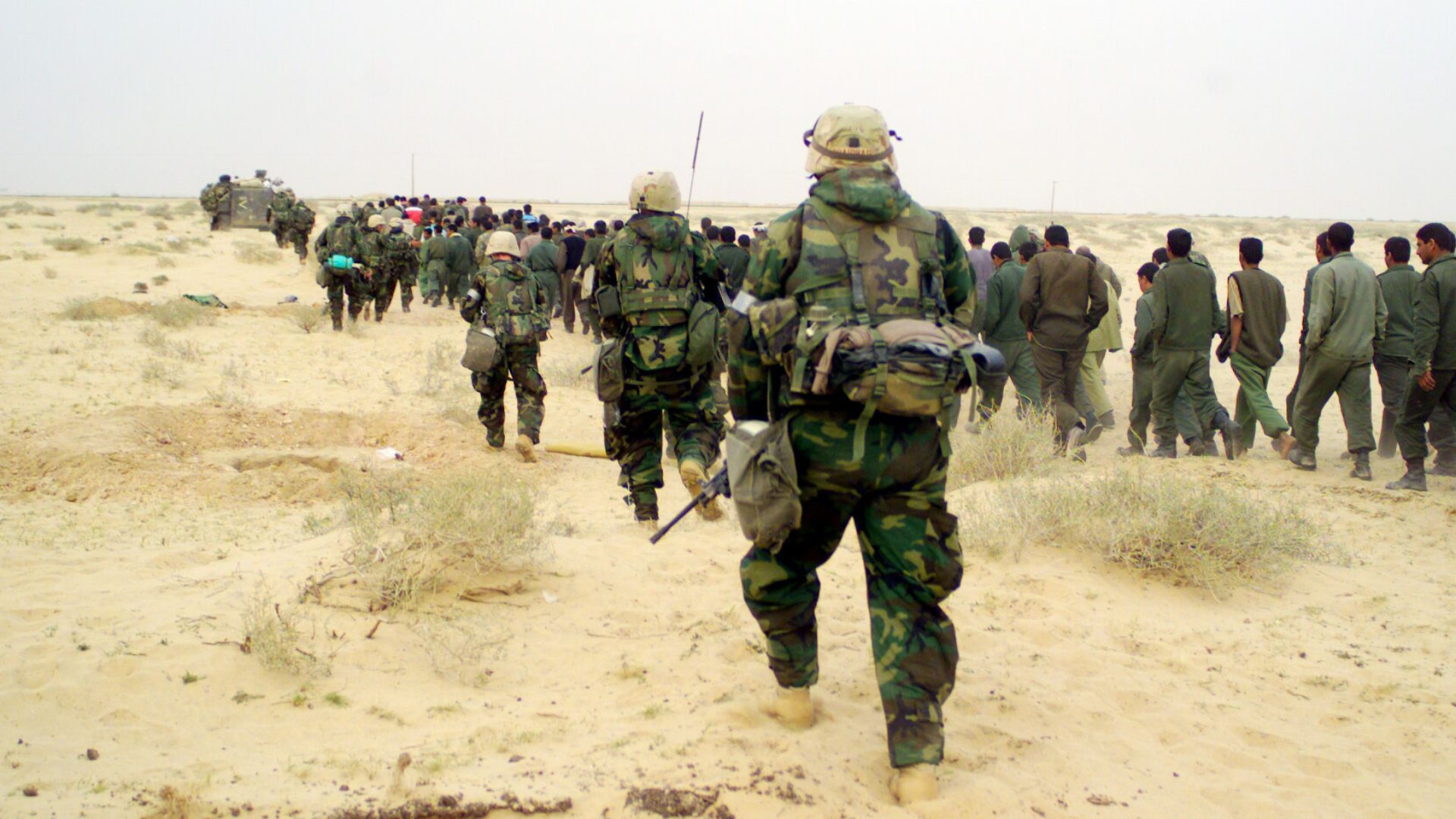 Lance Cpl. Brian L. Wickliffe, U.S. Marine Corps, Wikimedia Commons