So Weird, Yet So True
Common facts become background noise after a while. But there’s a different kind that is less discussed, strangely specific, and often more fascinating that never made it into the spotlight but still shapes how things really work.

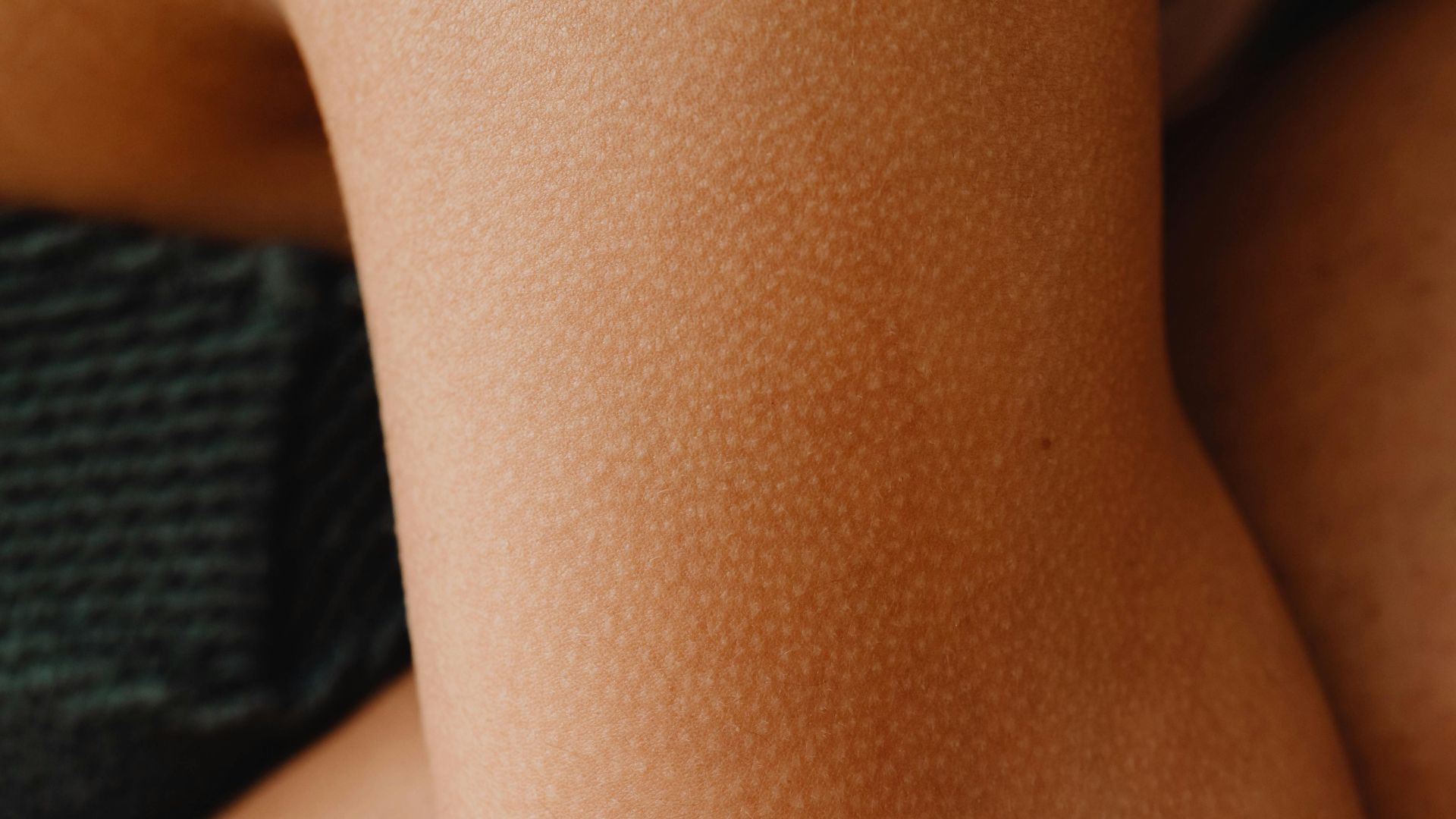
Goosebumps Evolved To Keep Us Warm
Goosebumps aren’t random but actually leftovers from our hairy ancestors. When body hair stood up, it trapped warm air close to the skin. Today, even with less fur, we still get goosebumps during cold or emotional moments thanks to that ancient survival trick.
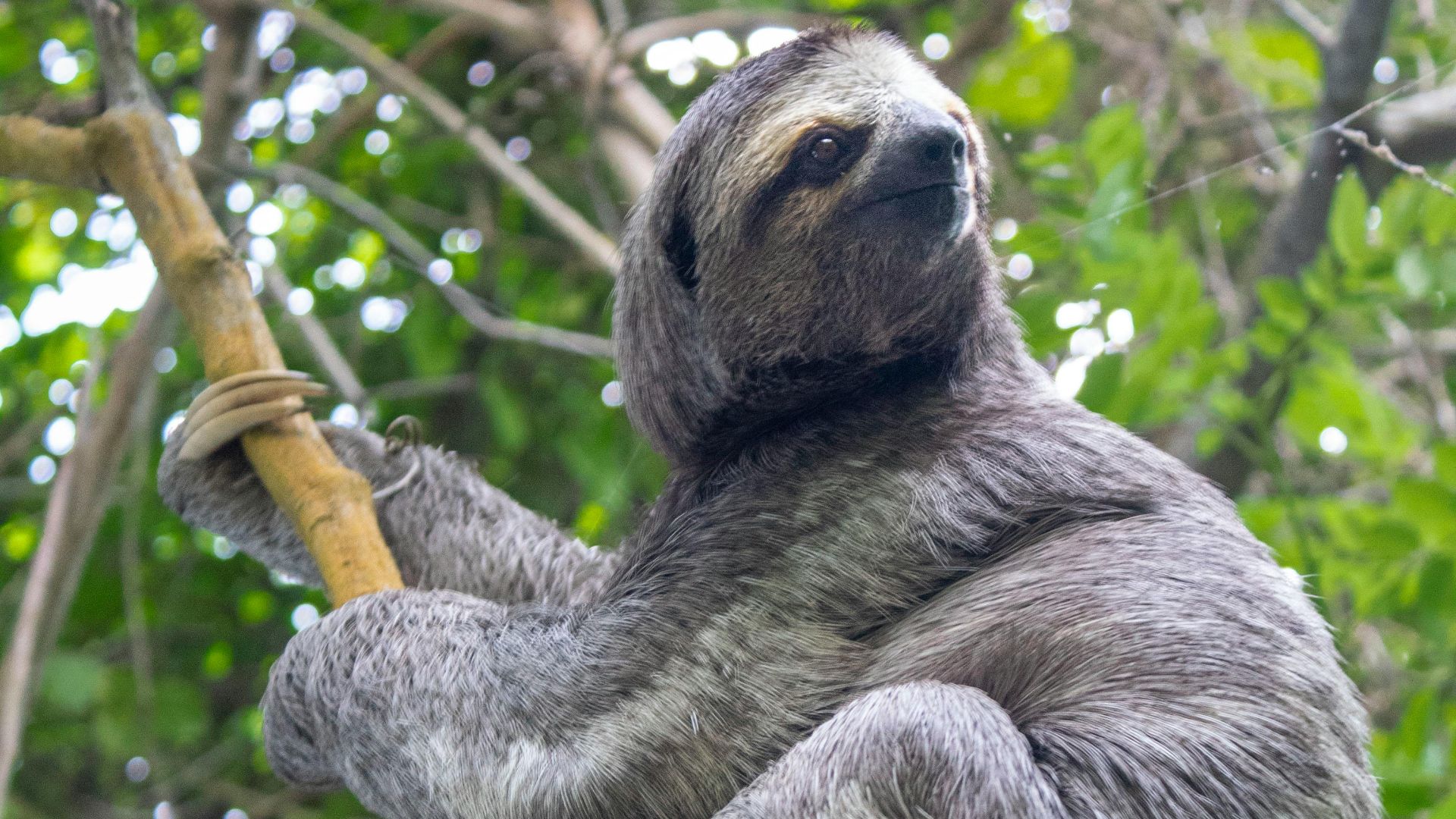
Sloths Outlast Dolphins When Holding Their Breath
By slowing its heartbeat, a sloth can stay underwater without breathing for as long as 40 minutes. In comparison, dolphins usually need air after 10 to 15 minutes. This surprising skill helps sloths stay hidden from predators while hanging in trees.
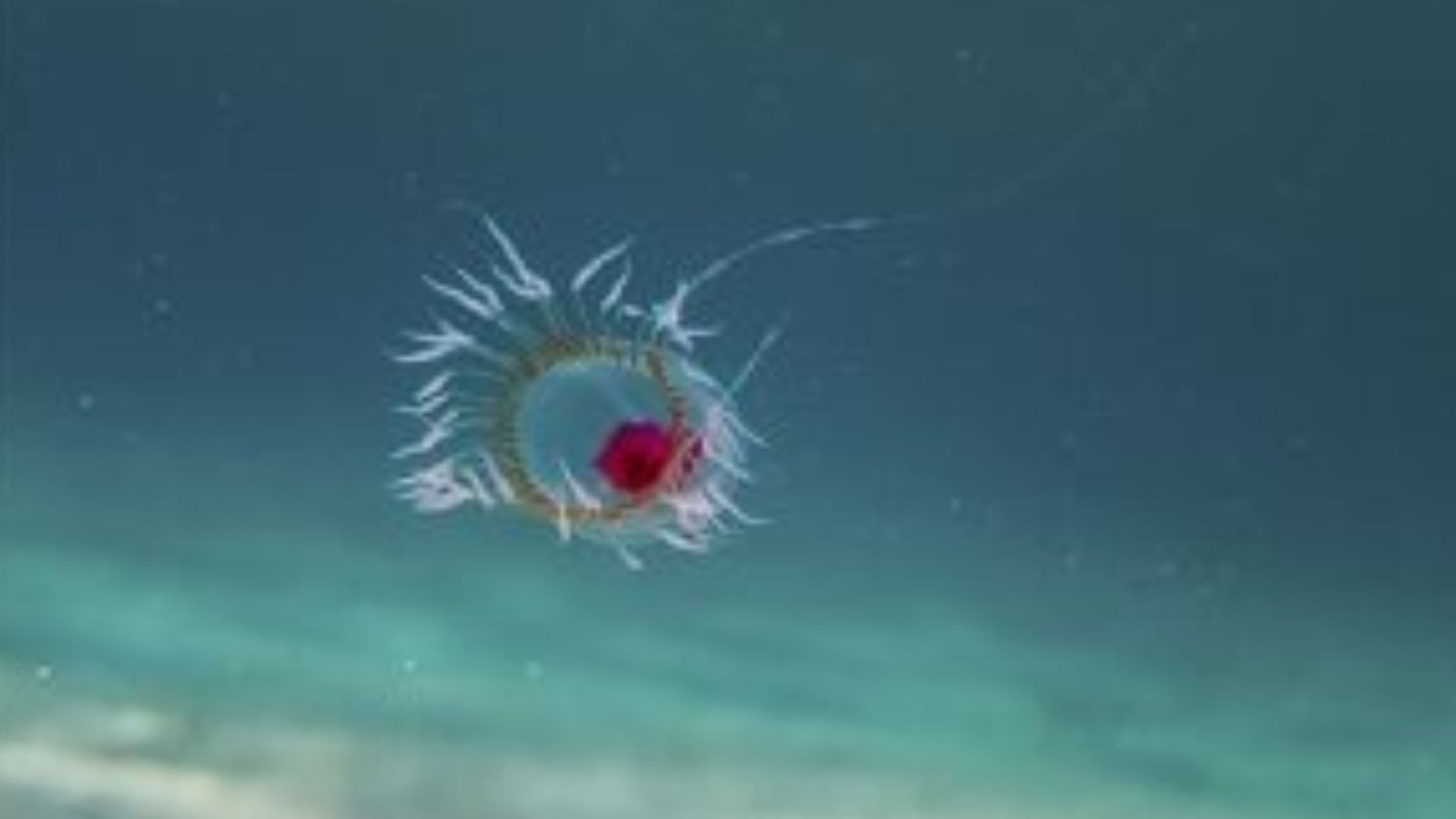
One Jellyfish Can Rewind Its Life Cycle Forever
Meet Turritopsis dohrnii, the jellyfish that rewinds its life clock. Instead of dying, it can return to its younger form and start again, over and over. Scientists call it biological immortality, and it’s the only known animal with this wild ability.
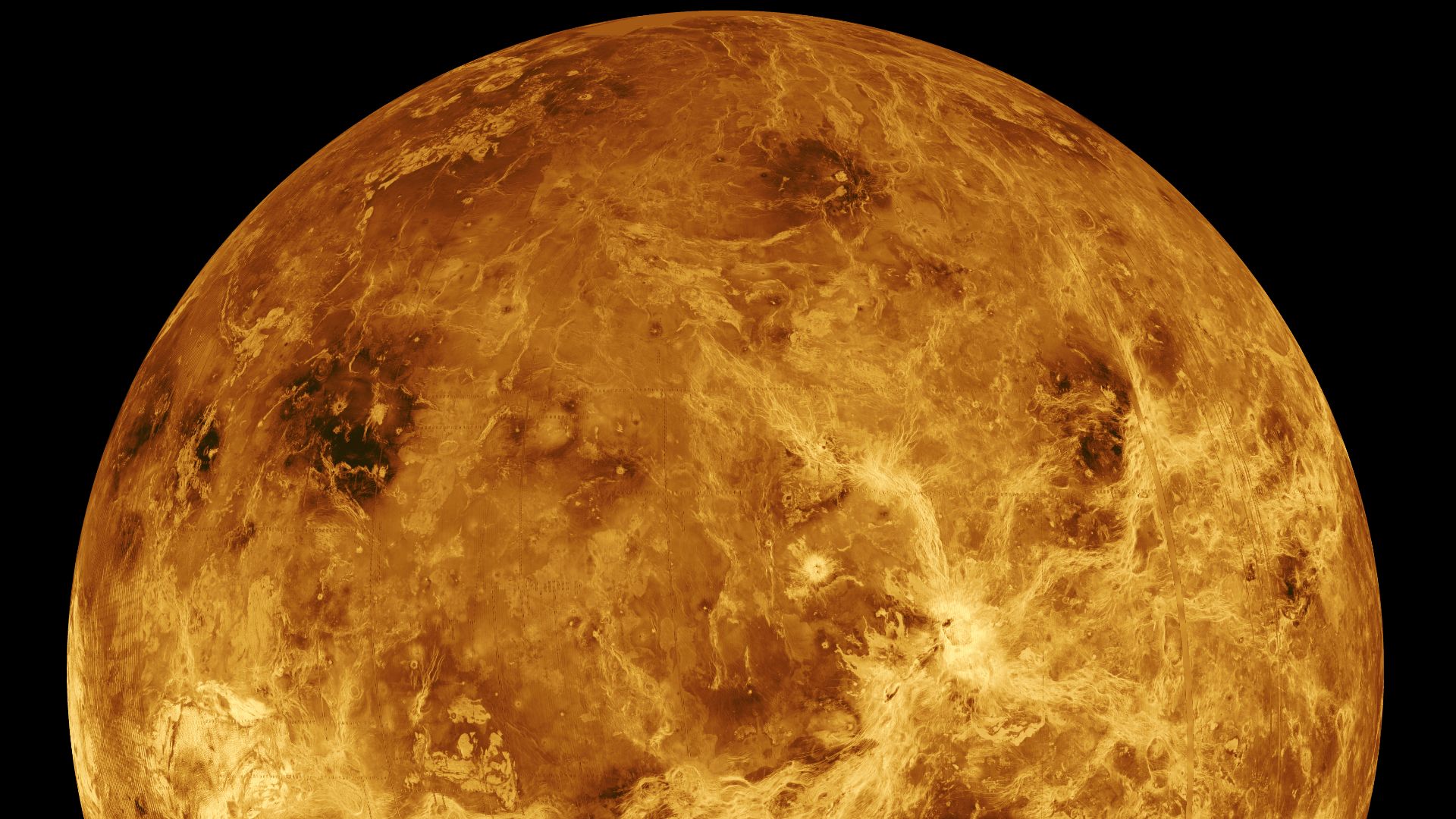
Venus Spins Backward Compared To Other Planets
The Sun rises in the west and sets in the east on Venus because the planet spins in the opposite direction from most others. It also rotates so slowly that a single day there lasts longer than an entire year.
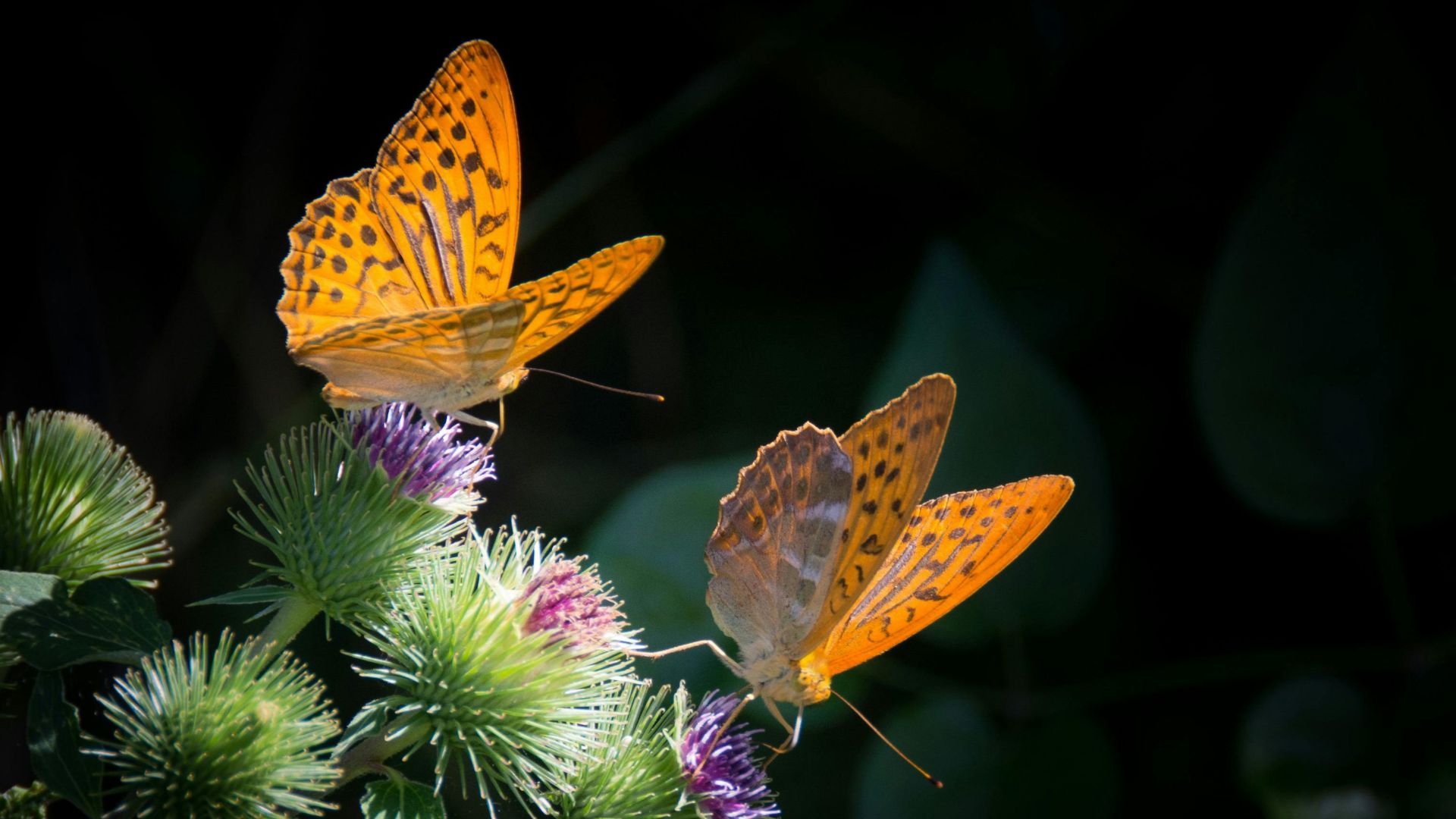
Butterflies Taste With Their Feet
Butterflies don’t use tongues to taste. Instead, they have special sensors on their feet that help them check if a plant is the right one to eat or lay eggs on. The moment they land, they’re already sampling the flavor.
Your Brain Uses More Energy Sleeping Than Watching TV
While you sleep, your brain gets busy processing memories, sorting emotions, and clearing waste. It actually burns more calories during deep sleep than it does when you're sitting still watching television. Rest might feel passive, but your brain’s working overtime.

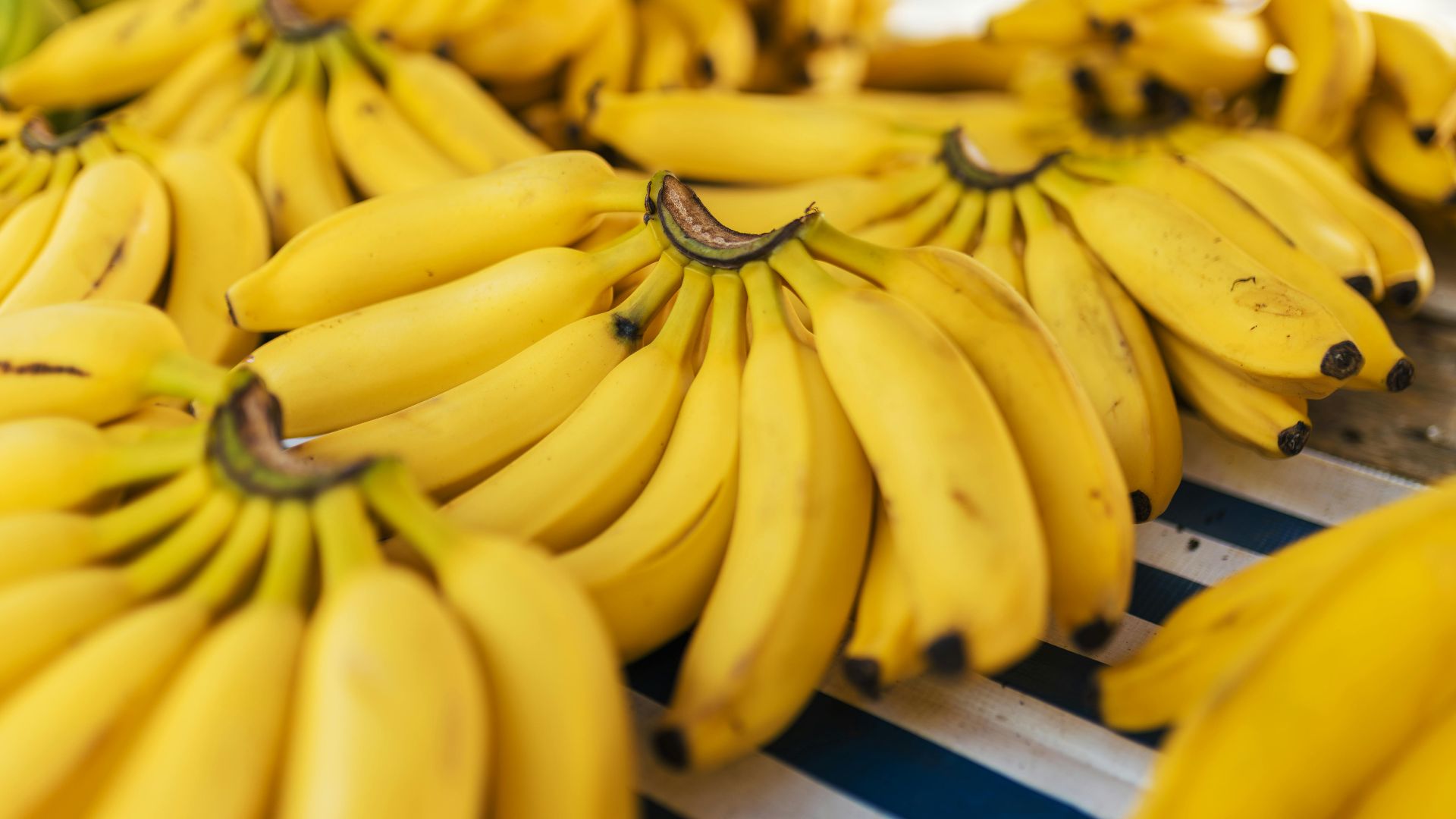
Bananas Are Radioactive
Bananas contain potassium-40, a naturally occurring radioactive isotope. The amount is tiny and completely safe to eat, but it’s enough to register on a radiation detector. In fact, “banana equivalent dose” is a real unit used to explain radiation exposure.
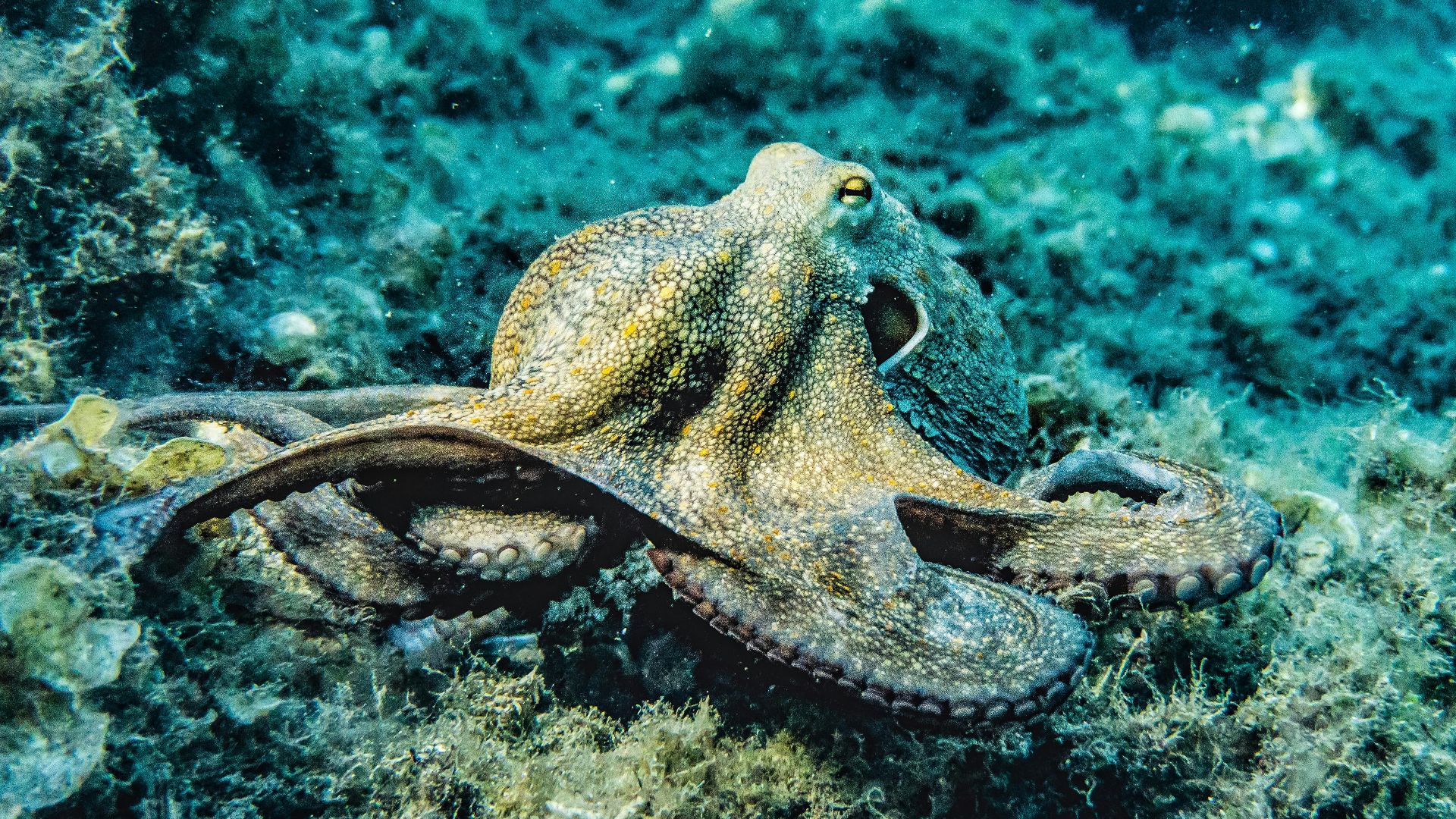
Octopuses Have Been Known To Punch Fish On Purpose
Underwater cameras have captured octopuses punching nearby fish without warning. Scientists think it’s a way to control the hunt or punish fish that aren’t cooperating. It’s a clever tactic that shows just how strategic these creatures can be.

History's most fascinating stories and darkest secrets, delivered to your inbox daily.
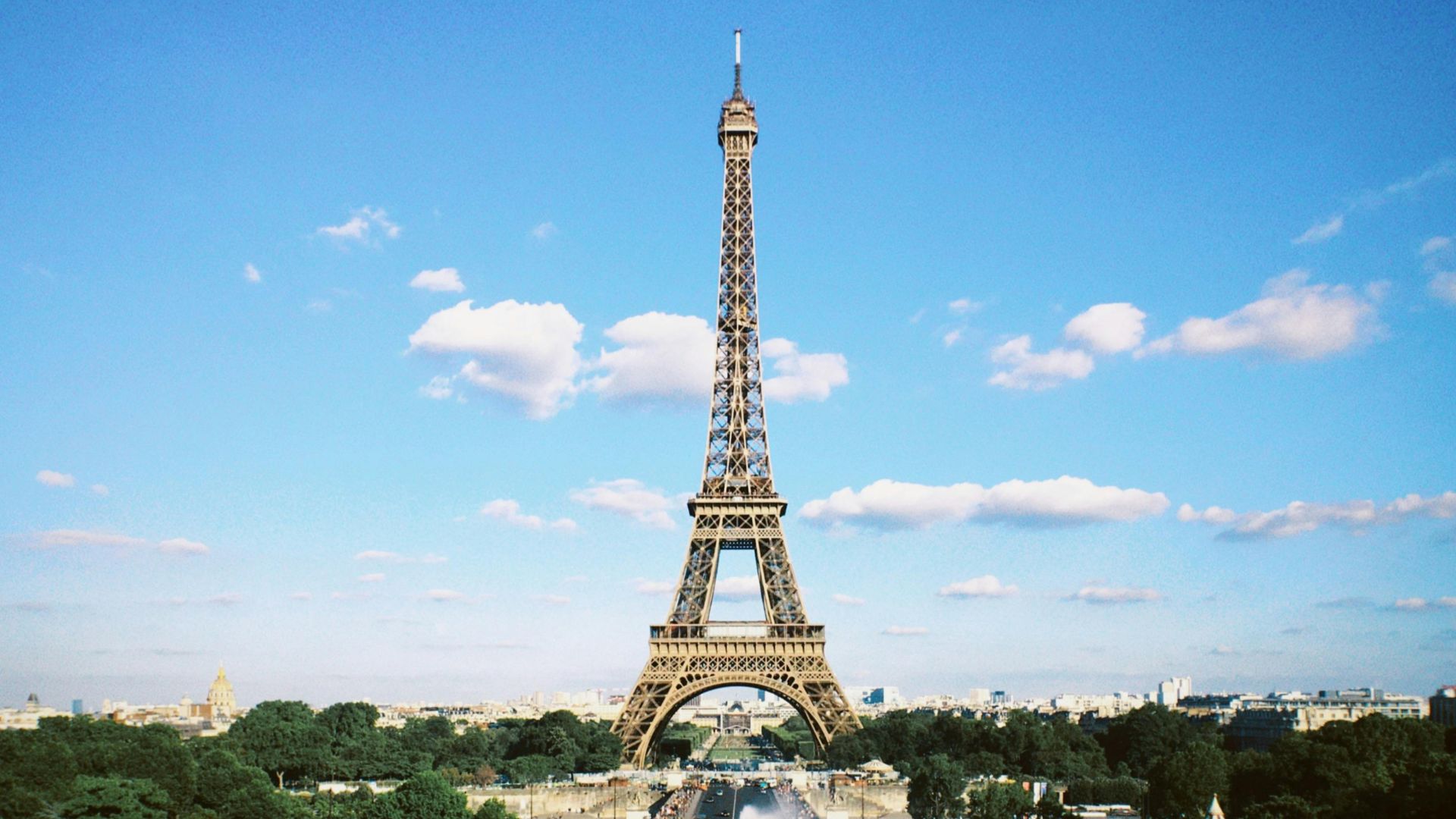
The Eiffel Tower Expands During Summer
When the sun heats the metal, the Eiffel Tower expands and can grow by about six inches. It’s a result of thermal expansion, where heat causes the iron to stretch. When cooler weather returns, the tower slowly shrinks back down.
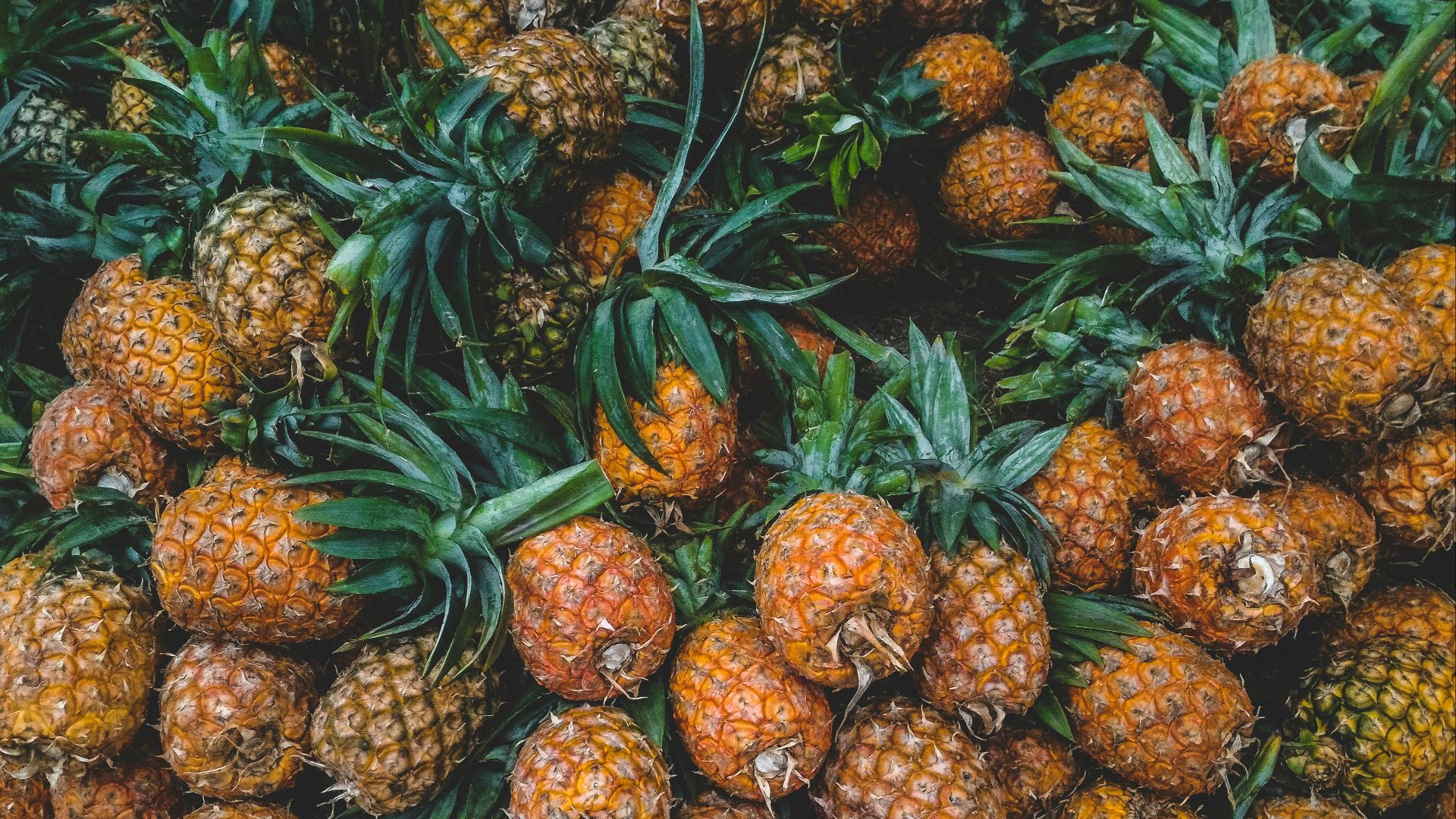
Pineapples Were Once So Rare People Rented Them
In 1700s England, pineapples were a luxury item worth a small fortune. People would rent them for events just to show off. A single pineapple could cost more than a servant’s yearly wages, just to sit on a table for days, admired like art.
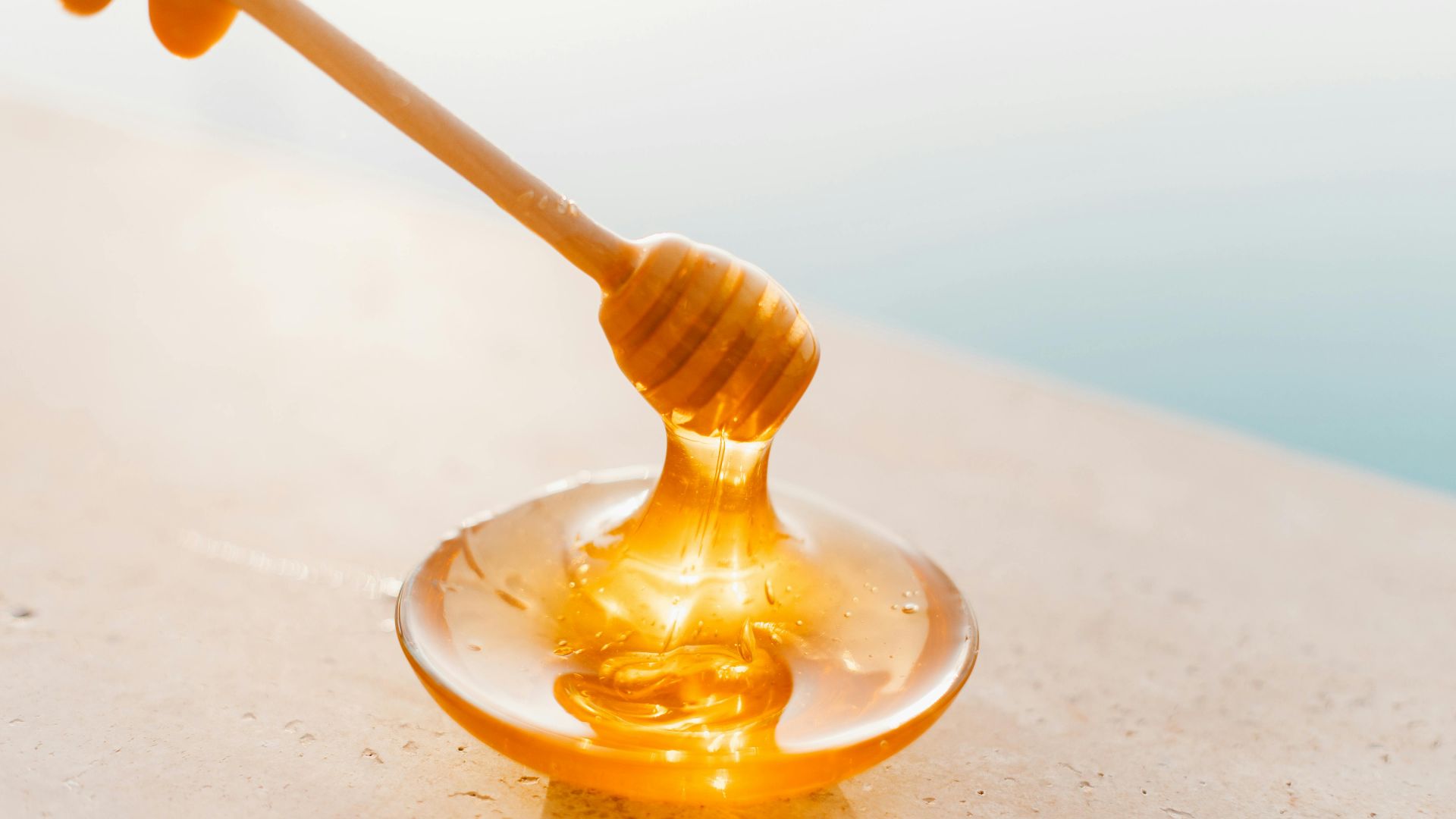
Honey Never Spoils
Archaeologists have discovered pots of honey in ancient Egyptian tombs that are over 3,000 years old—and still perfectly edible. Honey’s natural acidity, low moisture, and hydrogen peroxide content make it one of the few foods that never go bad.
Peanuts Aren’t Actually Nuts
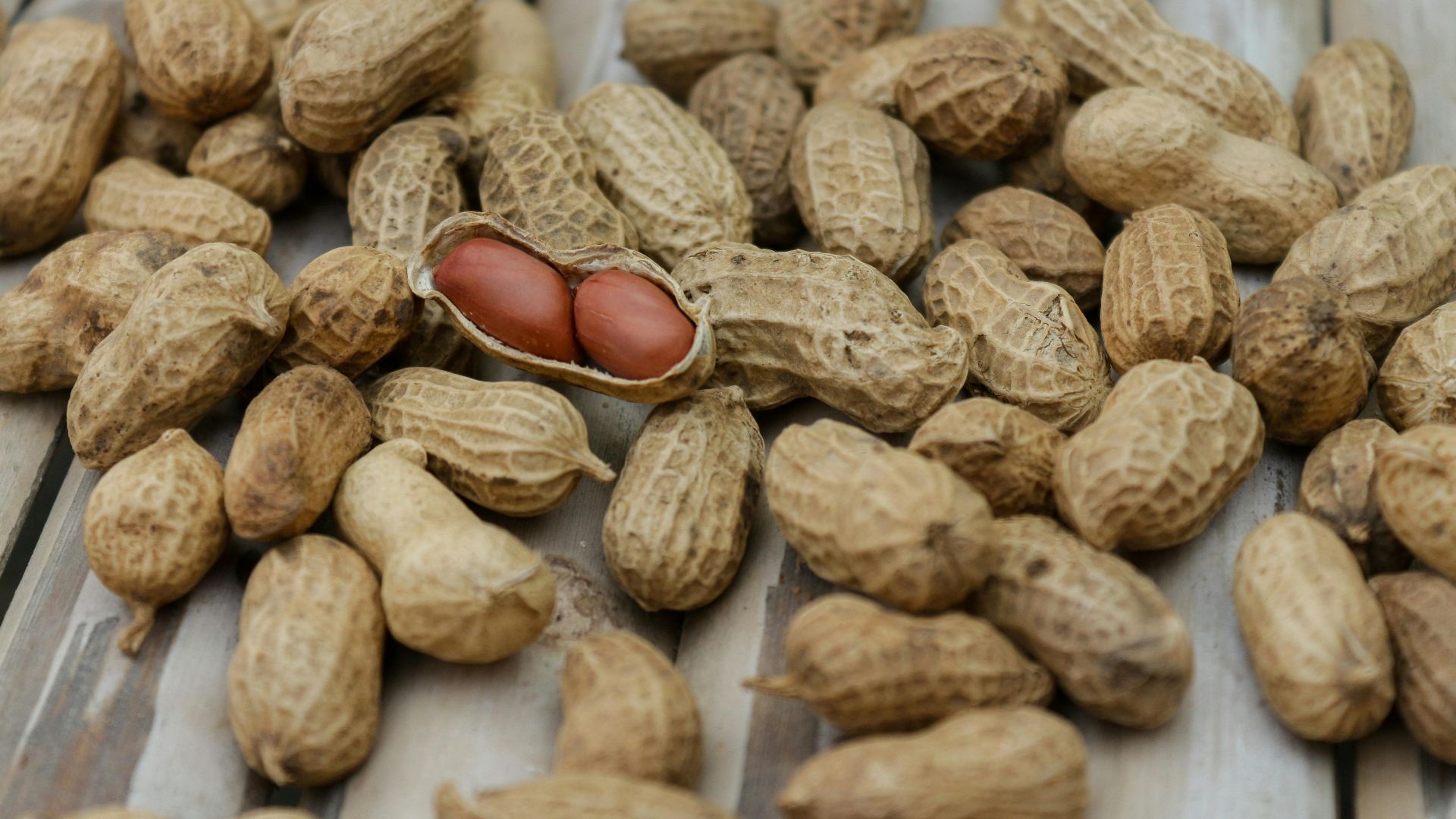
Despite the name, peanuts aren’t true nuts—they’re legumes, like beans and lentils. They grow underground in pods, not on trees. The mix-up comes from their texture and taste, which fooled people long before botany set the record straight.
Cows Have Best Friends
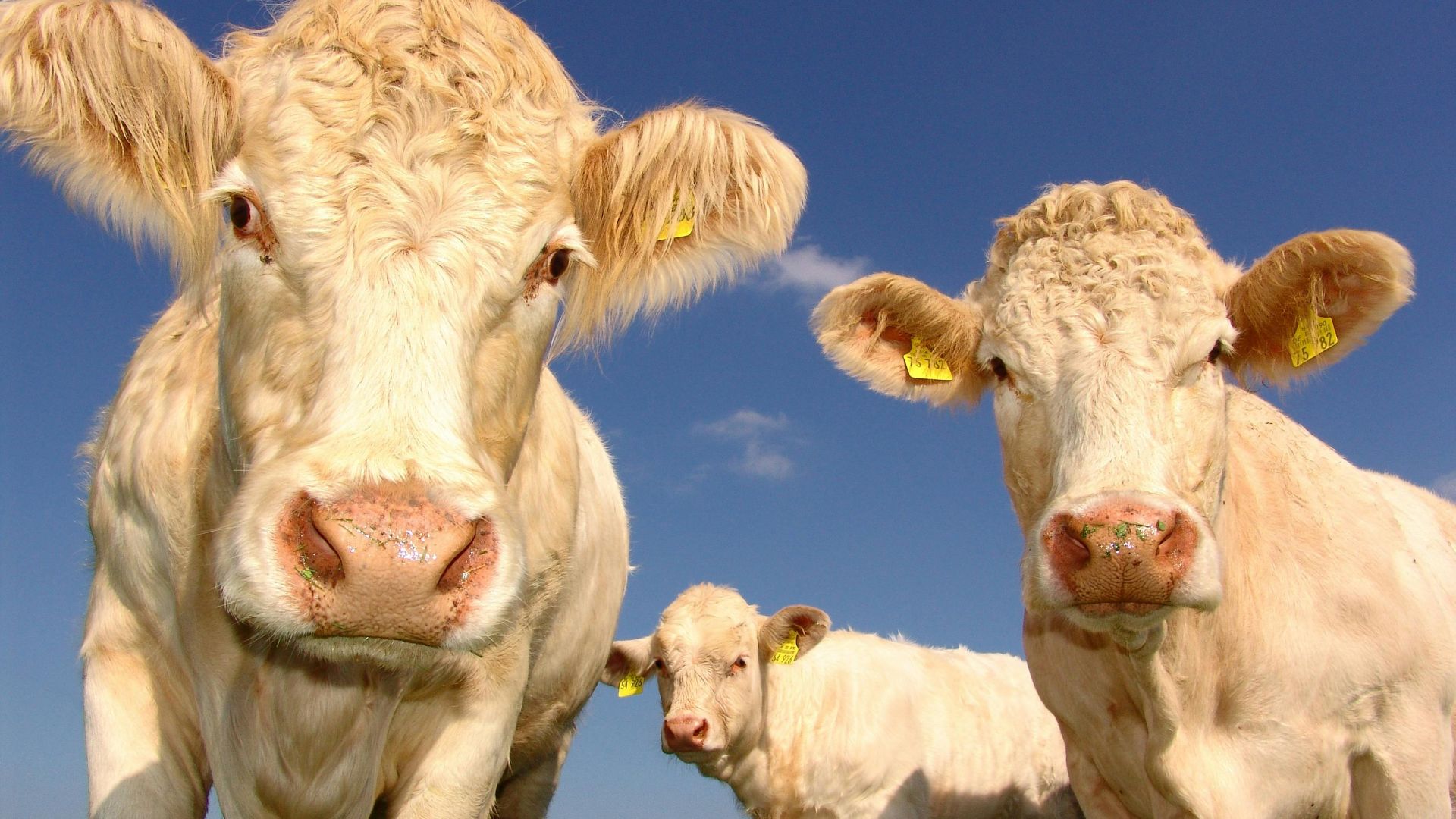
Cows form close bonds and often stick with one preferred companion. When they’re apart, they show signs of stress and discomfort. Just like people, they relax more, eat better, and stay calmer when their favorite buddy is nearby.
A Cloud Can Weigh Over A Million Pounds
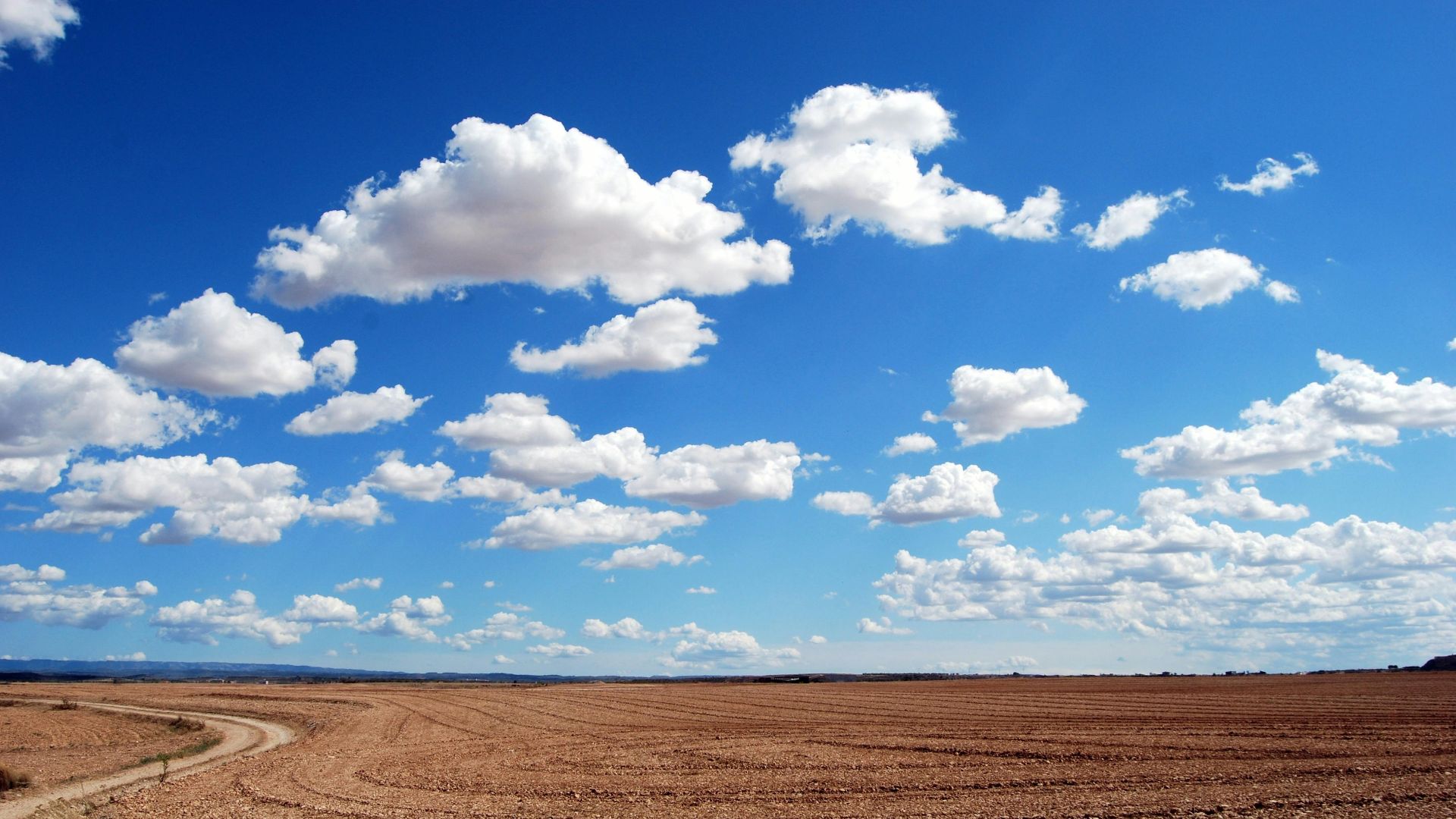
Despite floating above us, the average cumulus cloud holds hundreds of tons of water. That’s over a million pounds suspended in the sky. It stays up thanks to air currents, but the weight is very real—and seriously impressive.
Humans Glow Slightly In The Dark
Our bodies give off a tiny amount of light due to chemical reactions in our cells. It’s called bioluminescence, and although the glow is real, it’s far too dim for people to see without special equipment.

The Inventor Of The Frisbee Was Turned Into One
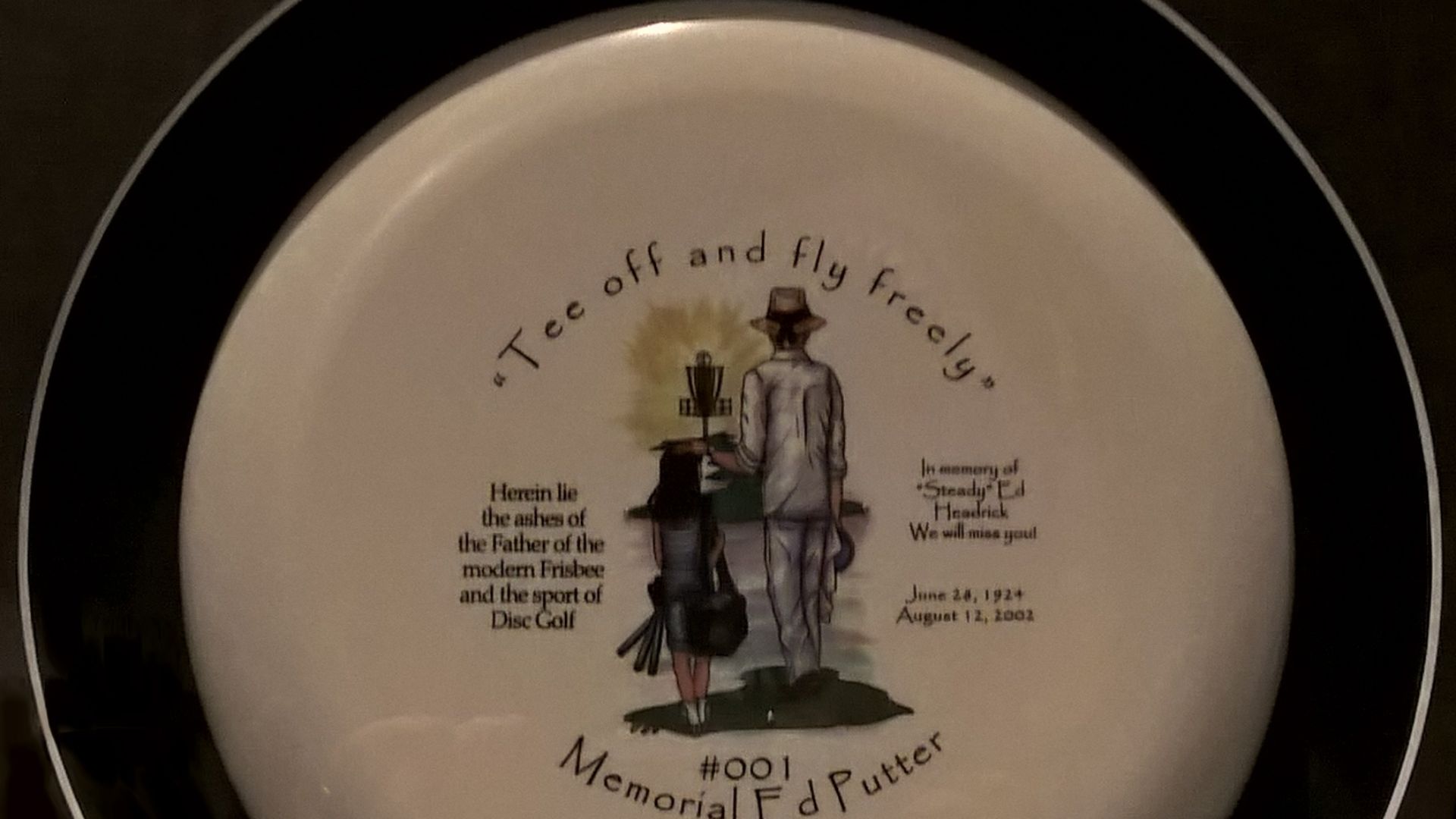
Ed Headrick, who helped popularize the modern Frisbee, requested his ashes be molded into a batch of Frisbees after he died. His family honored that wish, creating flying discs that carried both his legacy and, quite literally, a piece of him.
 Chemical Engineer, Wikimedia Commons
Shakespeare Invented The Name Jessica
The name Jessica didn’t exist before William Shakespeare used it in his play The Merchant of Venice, written in the 1590s. He likely based it on a Hebrew name, but the version we know today began on that stage.

You’re Taller In The Morning
While you sleep, your spine decompresses, slightly increasing your height. After standing all day, gravity compresses the soft discs between your vertebrae. By nighttime, you can shrink by up to half an inch, only to stretch back out while resting.

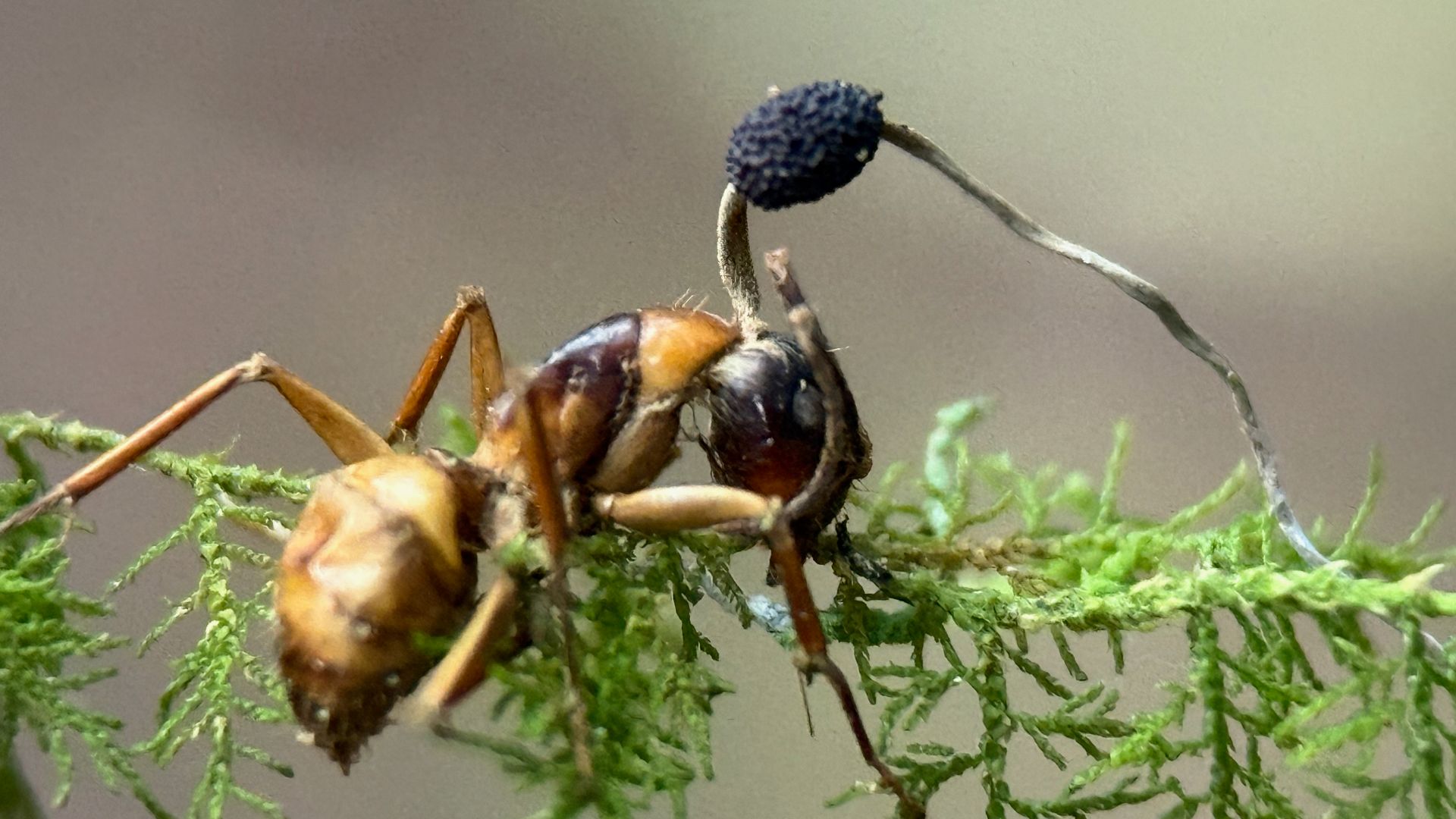
There’s A Species Of Fungus That Turns Ants Into Zombies
A fungus called Ophiocordyceps infects ants, hijacking their bodies and forcing them to climb vegetation. Once in place, the fungus bursts out of their heads and spreads spores. It’s a real-life horror story happening quietly in forests around the world.
 Bealeiderman, Wikimedia Commons
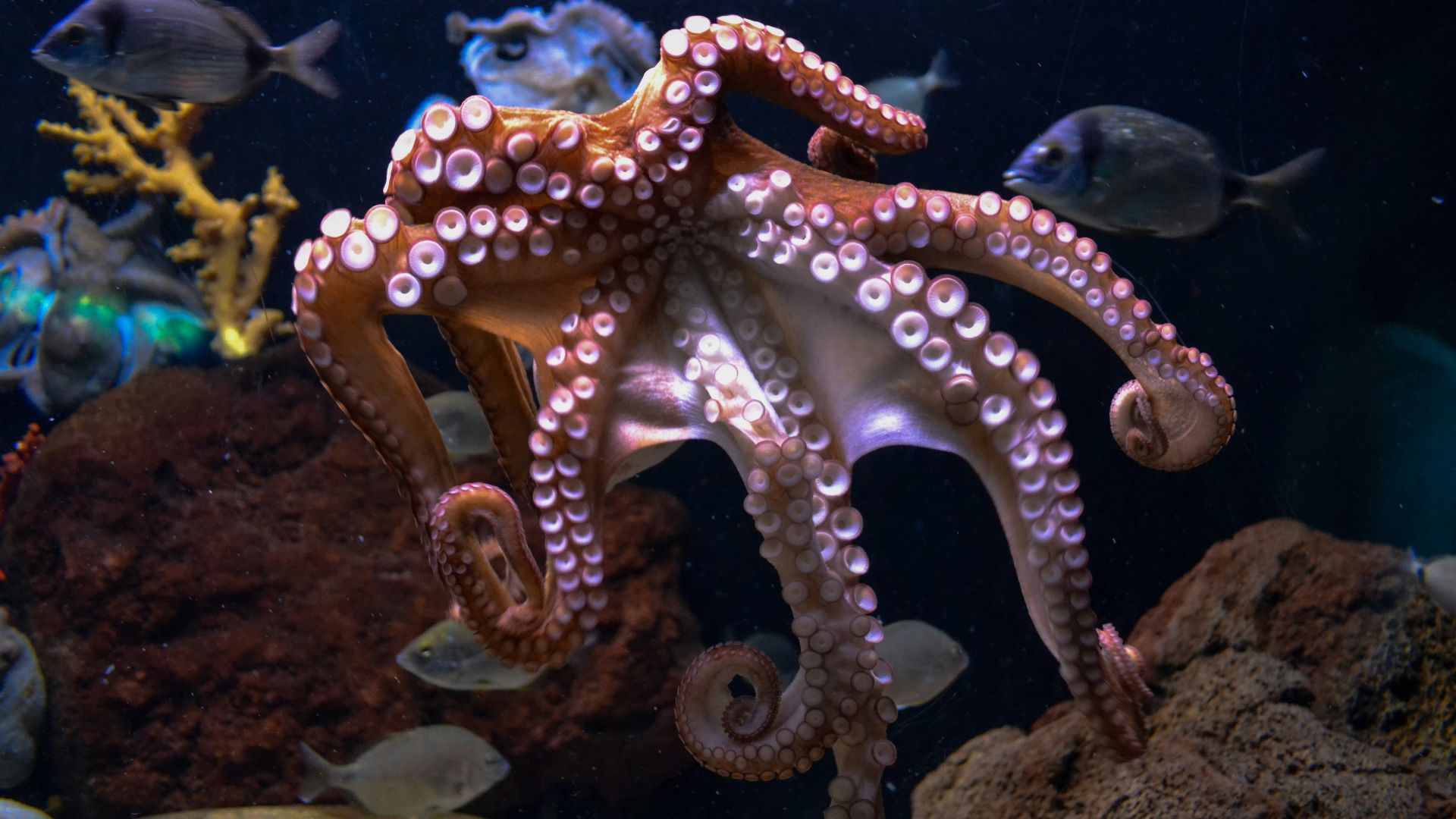
Octopus Arms Have Minds Of Their Own
Two-thirds of an octopus’s neurons are in its arms, not its head. Each arm can move and react independently, even problem-solve on its own. That’s why an octopus can multitask like no other creature in the sea—or on land.
 Serena Repice Lentini, Unsplash
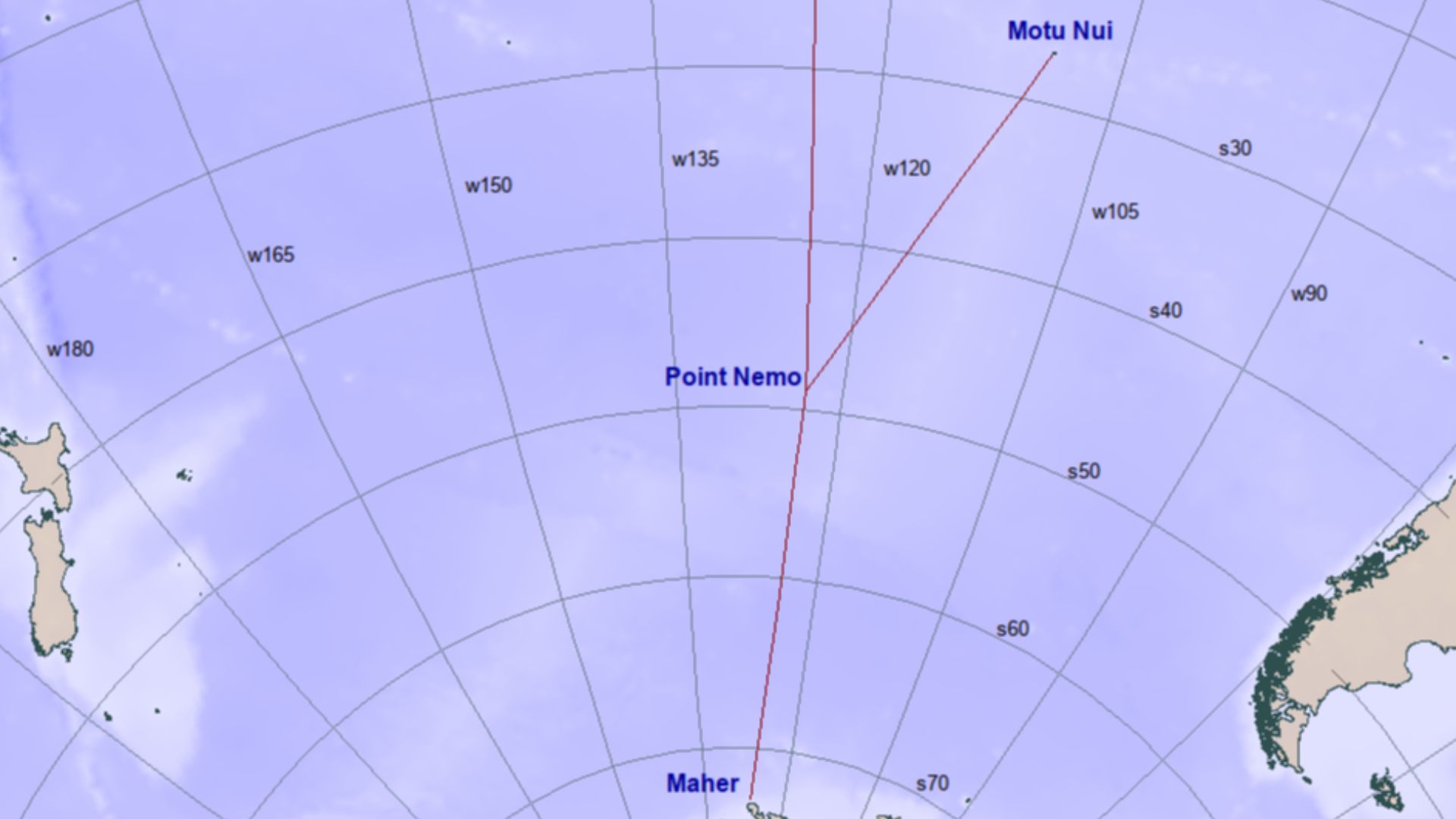
There’s A Spot In The Pacific Where Radios Go Silent
Point Nemo is the ocean’s most remote location, over 1,600 miles from any land. It’s so isolated that astronauts aboard the International Space Station are often closer to you than anyone at Point Nemo is to another human being.
 Ada Cukminski, Wikimedia Commons
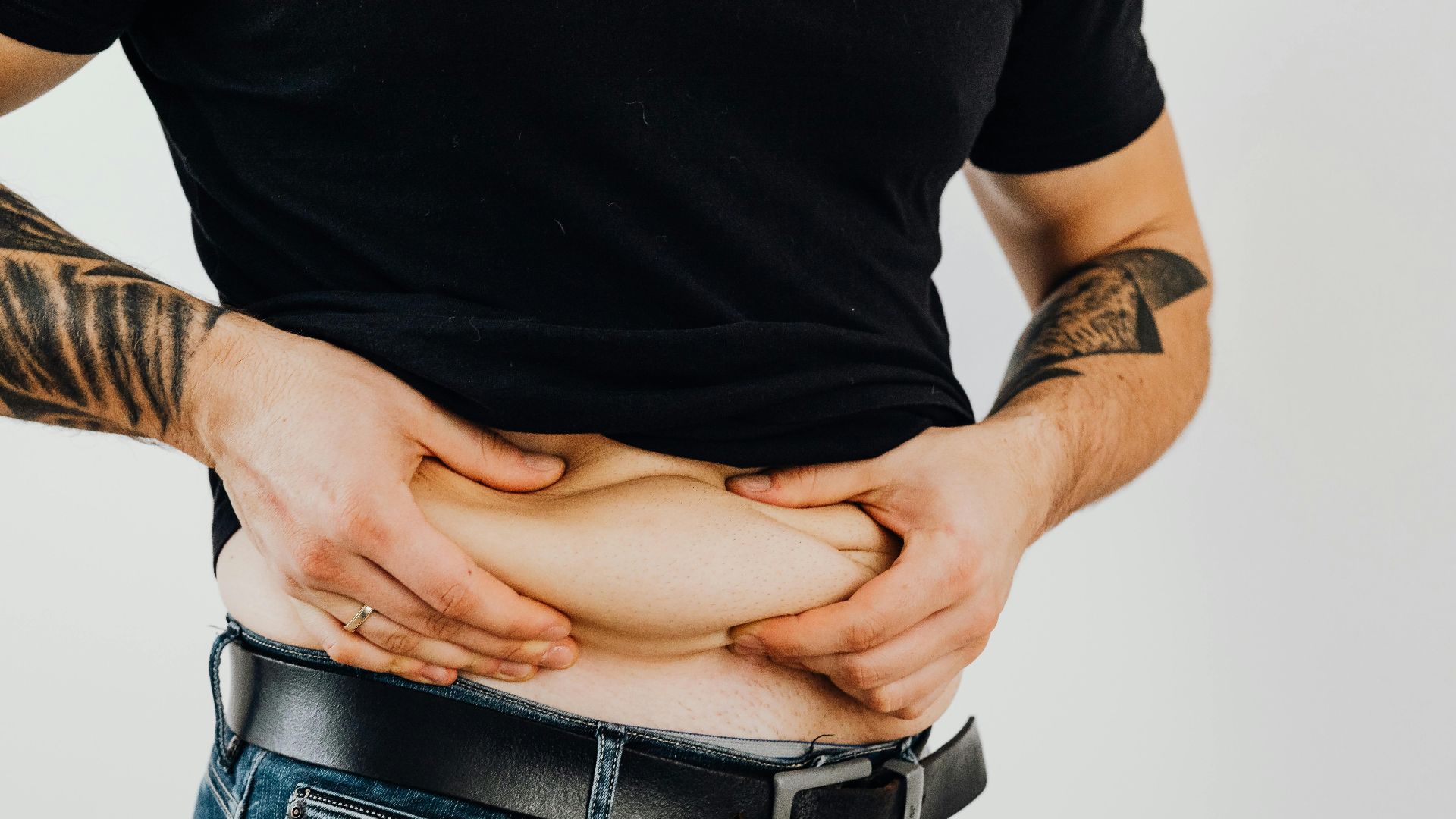
Your Stomach Regularly Renews Its Lining
Your stomach rebuilds its lining regularly to avoid being damaged by its own acid. Every three to five days, it sheds the old cells and replaces them with new ones—basically rebuilding itself on a nonstop schedule.
Your Taste Buds Have A Lifespan Of About Ten Days
Taste buds don’t last forever. Most live for just 10 to 14 days before being replaced. That’s why burnt tongues eventually heal, and why your sense of taste can change slightly over time depending on age, health, or even stress.
There’s A Museum Dedicated Entirely To Failure
The Museum of Failure in Sweden collects flopped inventions like Google Glass, Colgate beef lasagna, and the Apple Newton. Its mission is to celebrate the ideas that didn’t work—because every success usually comes with a few big missteps first.
 Museum of Failure, Wikimedia Commons
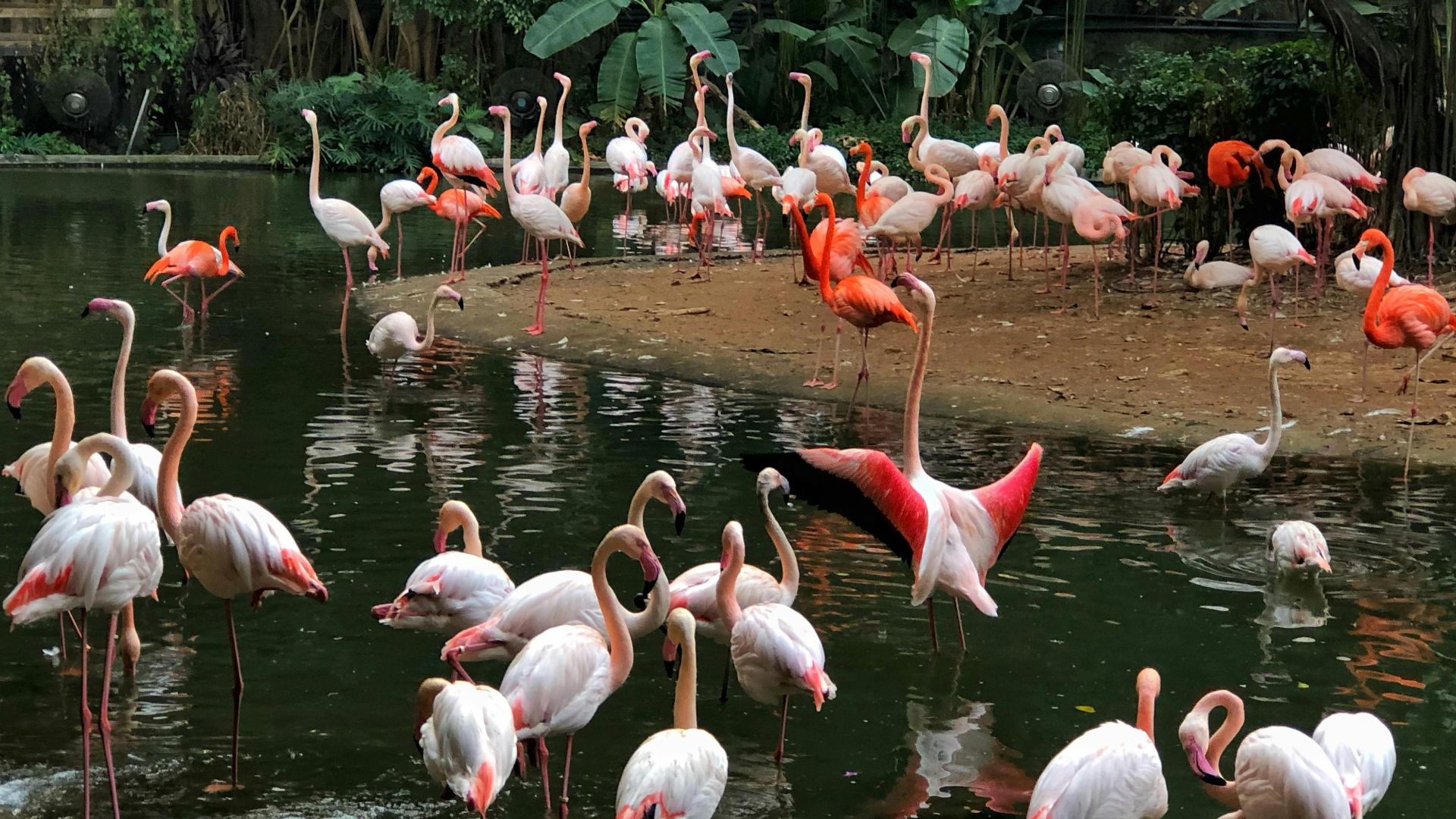
A Group Of Flamingos Is Called A Flamboyance
Flamingos don’t just look fabulous—they sound fabulous in groups too. A gathering of them is called a flamboyance, which perfectly matches their bold colors and dramatic poses. They often move together in big synchronized flocks near lakes and wetlands.