
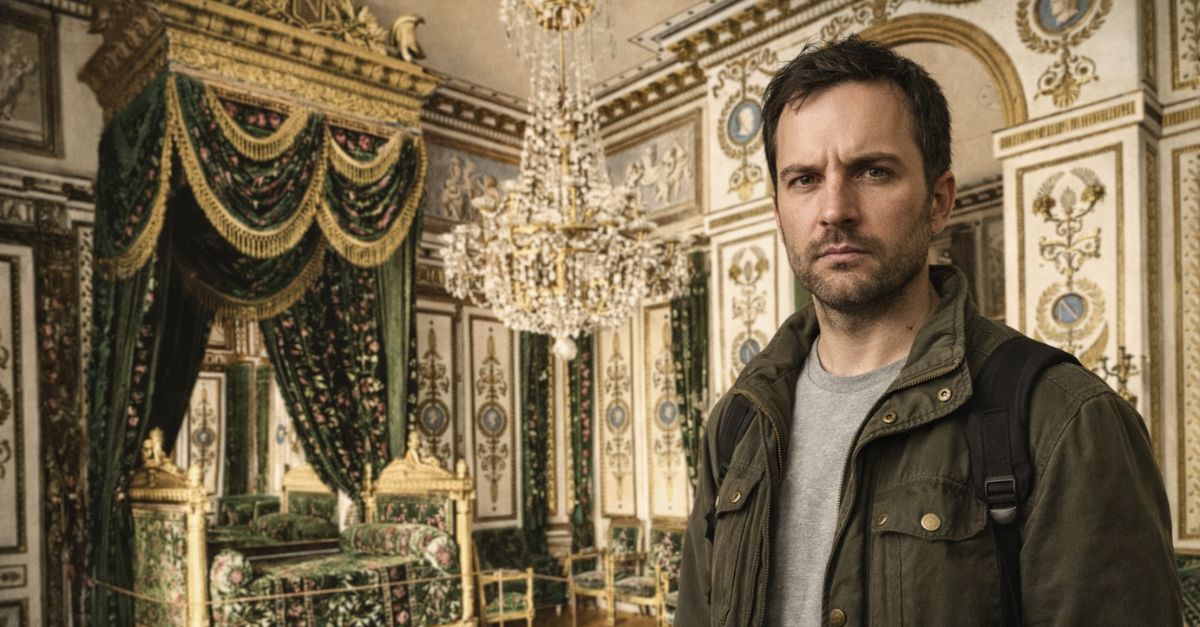
The Other Side Of Royalty
Royal bedchambers served as stages for both intimacy and intrigue throughout history. Within these walls, dynasties began, conspiracies formed, and rulers faced their mortality. Each room preserves the solitude of absolute power.
 Photochrom Print Collection, Wikimedia Commons, Modified
Buckingham Palace – Queen’s Bedroom (UK)
Located on the second floor, this bedroom was used by Queen Elizabeth II from 1953 and features a four-poster bed crafted for Queen Victoria in 1840. It sits within a palace containing 775 rooms, which includes numerous royal and guest bedrooms.
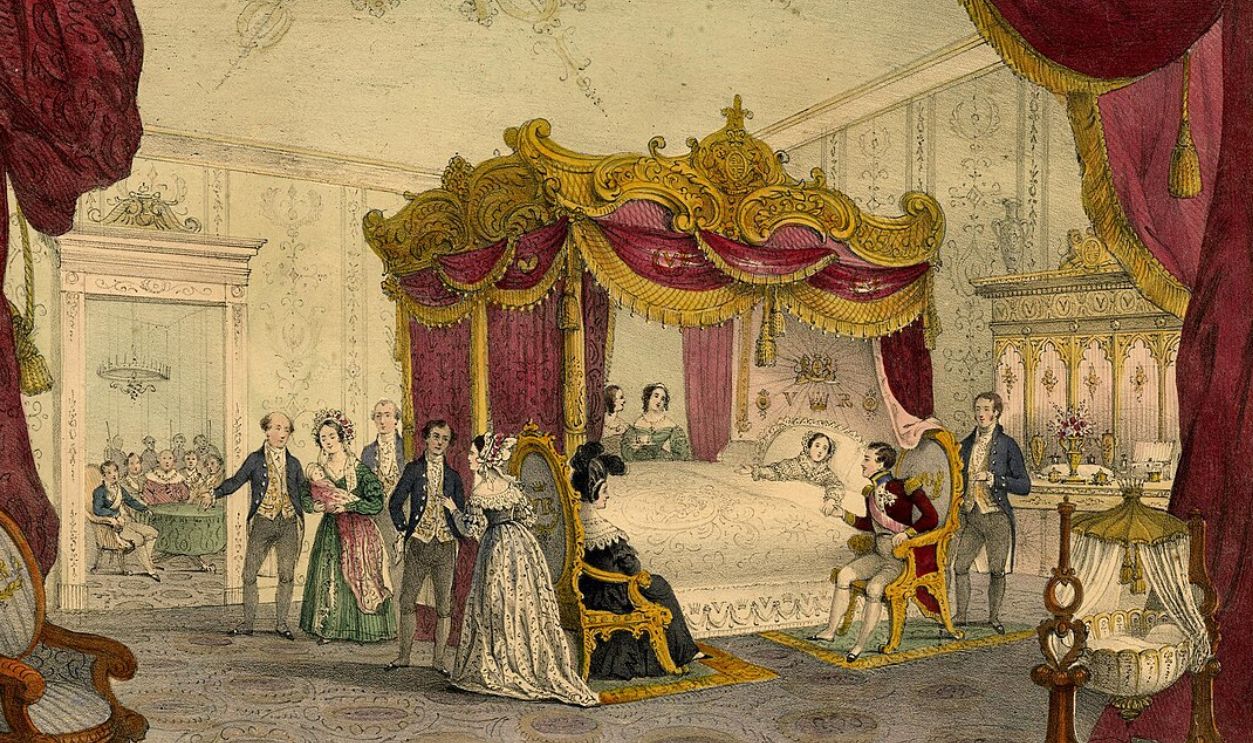 British Museum, Wikimedia Commons
Windsor Castle – Royal Bedchamber (UK)
The Queen’s Bedchamber featured ornate gilt carvings and distinctive pea-green curtains, while the Albert Room was preserved as a memorial following Prince Albert’s death in 1861. Windsor Castle remains the world’s oldest continuously inhabited castle, still owned by the British monarchy.
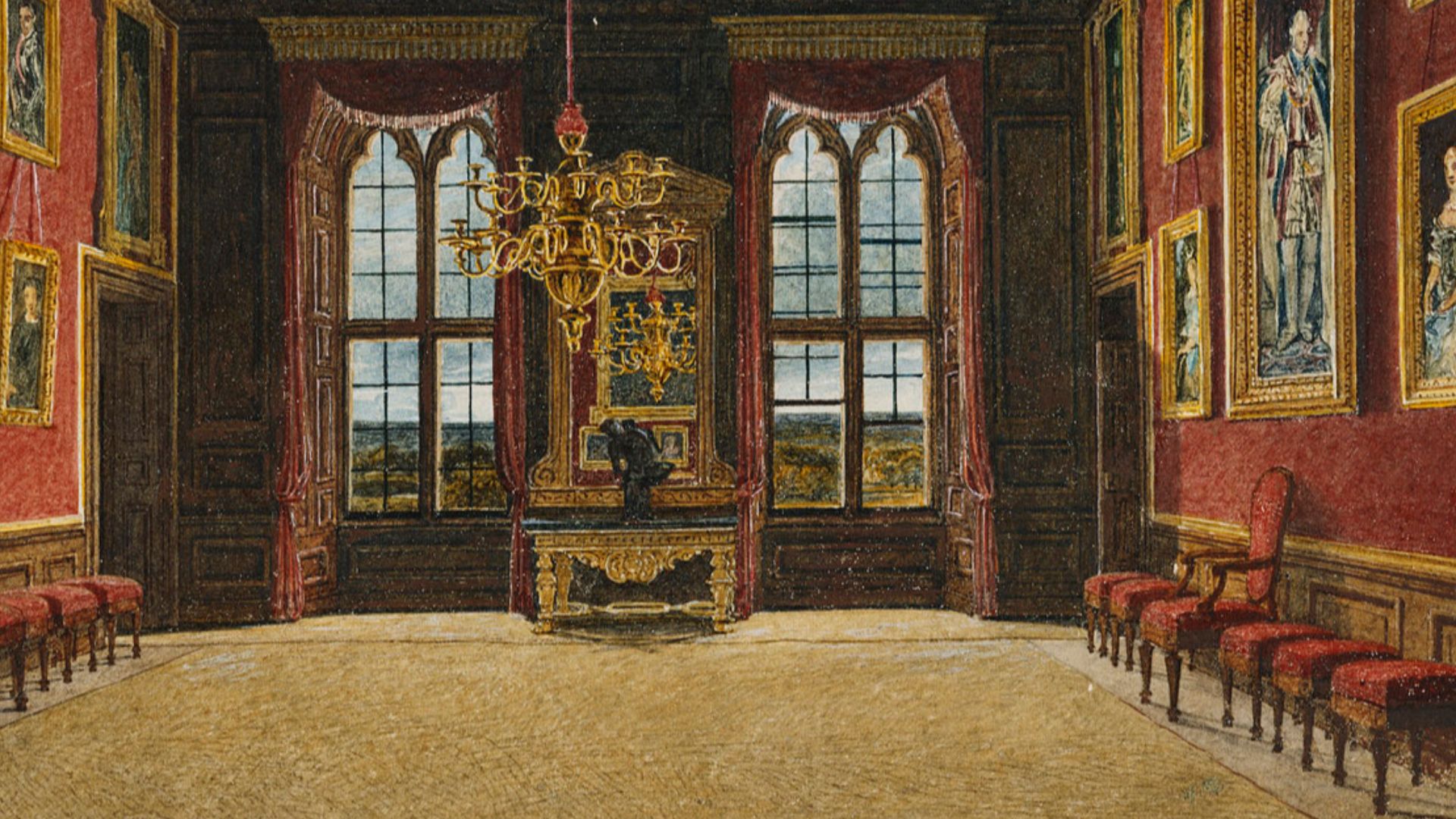 Charles Wild, Wikimedia Commons
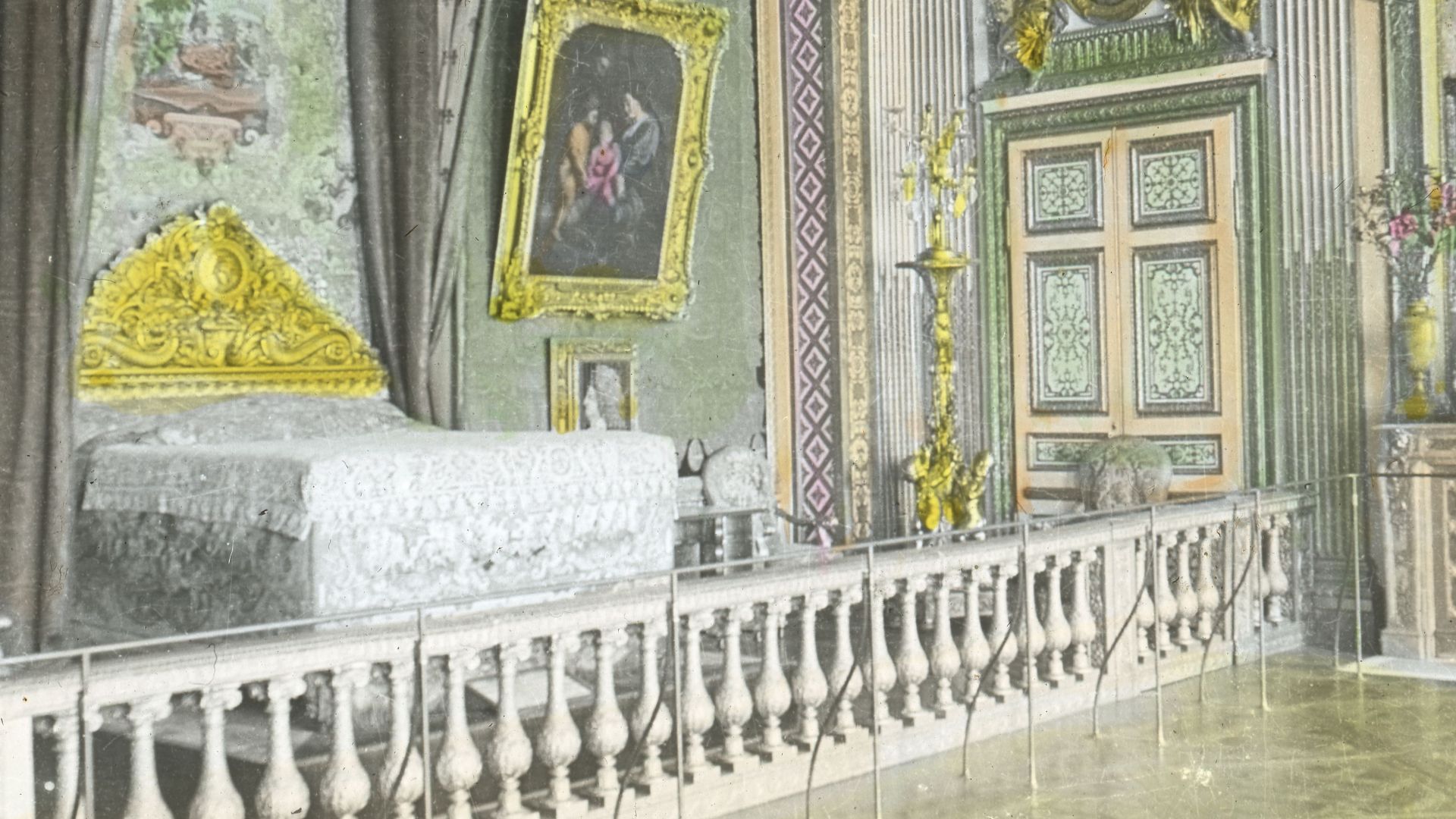
Palace Of Versailles – King Louis XIV’s Bedroom (France)
Moved to the palace’s central facade in 1701, the King’s Chamber hosted daily ceremonial rituals known as the lever and coucher. These public bedchamber events followed rigid court etiquette, with furnishings recreated later under Louis XV to match original grandeur.
 Edmund F. Arras, Wikimedia Commons
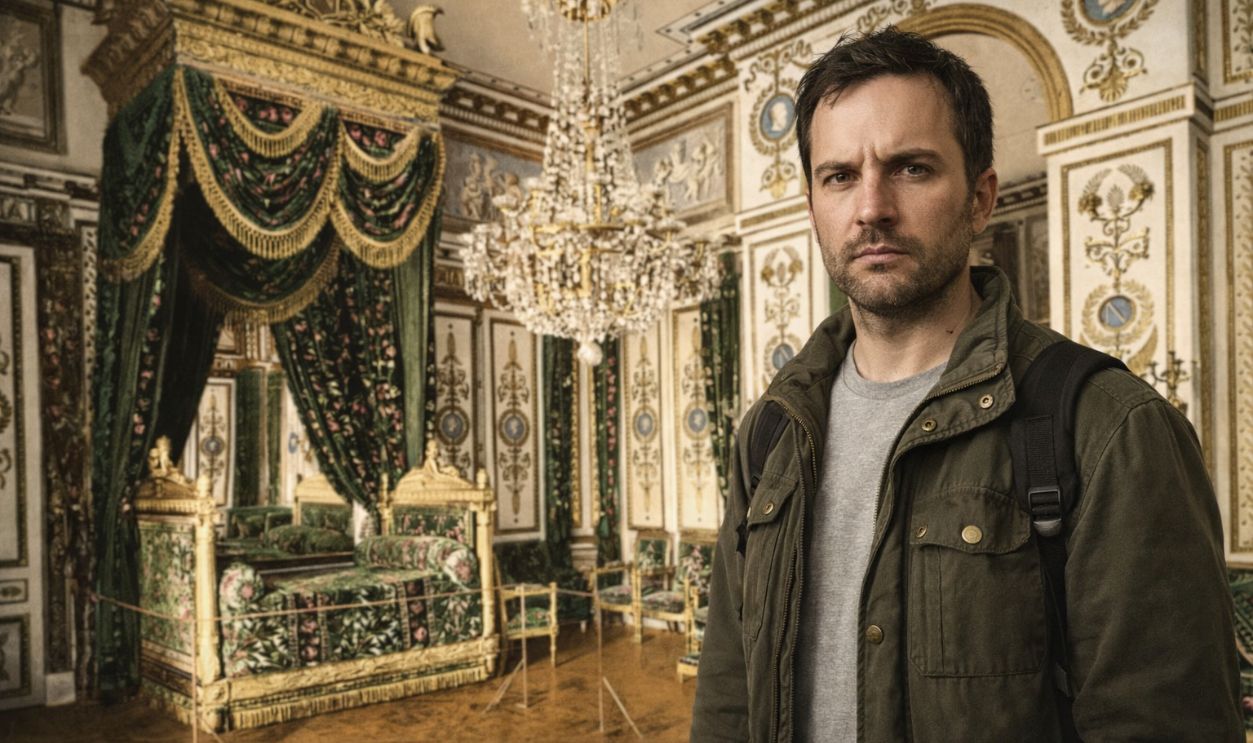
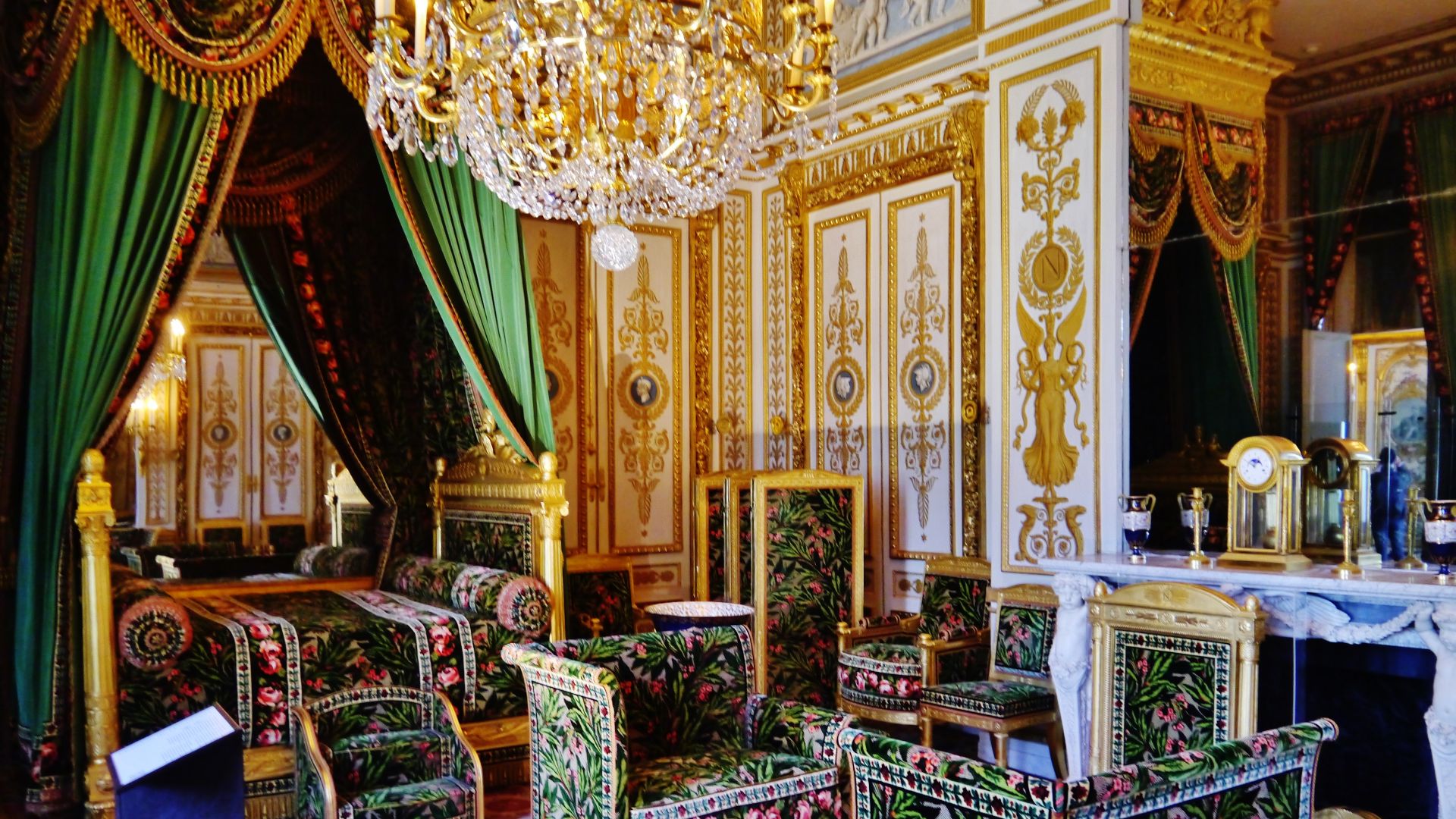
Palace Of Fontainebleau – Napoleon’s Bedroom (France)
Napoleon refurbished Louis XVI’s former apartment here in 1804 but refused to sleep in the king’s bedroom. His abdication was later signed nearby, inside the palace complex. The palace is one of France’s largest, with roughly 1,500 rooms spread across centuries of history.
Royal Palace Of Madrid – King’s Bedroom (Spain)
First occupied by King Charles III, the Royal Palace of Madrid includes the King’s Bedroom within a structure built after the Alcazar fire of 1734. While the palace remains Spain’s official royal residence, the bedroom is no longer used for daily living, which serves a ceremonial role instead.
 William Bruce Ellis Ranken, Wikimedia Commons
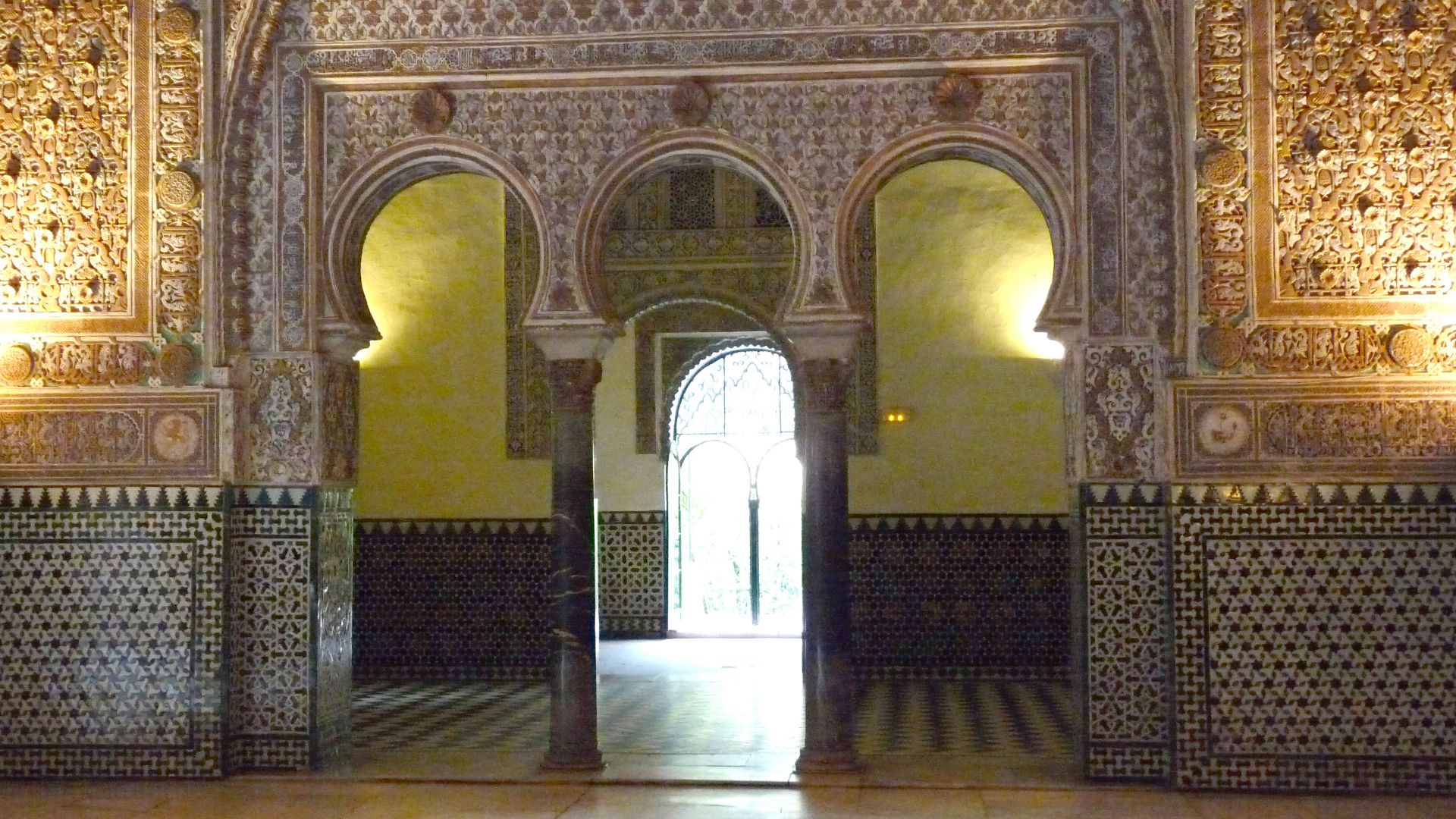
Alcazar Of Seville – Royal Bedchamber (Spain)
Still an official residence, this royal bedchamber follows a layout dating to the 12th-century Almohad period. It hosted Philip V during the Lustro Real and continues to be used by modern Spanish monarchs for ceremonial stays within the historic palace.
 michael clarke stuff, Wikimedia Commons
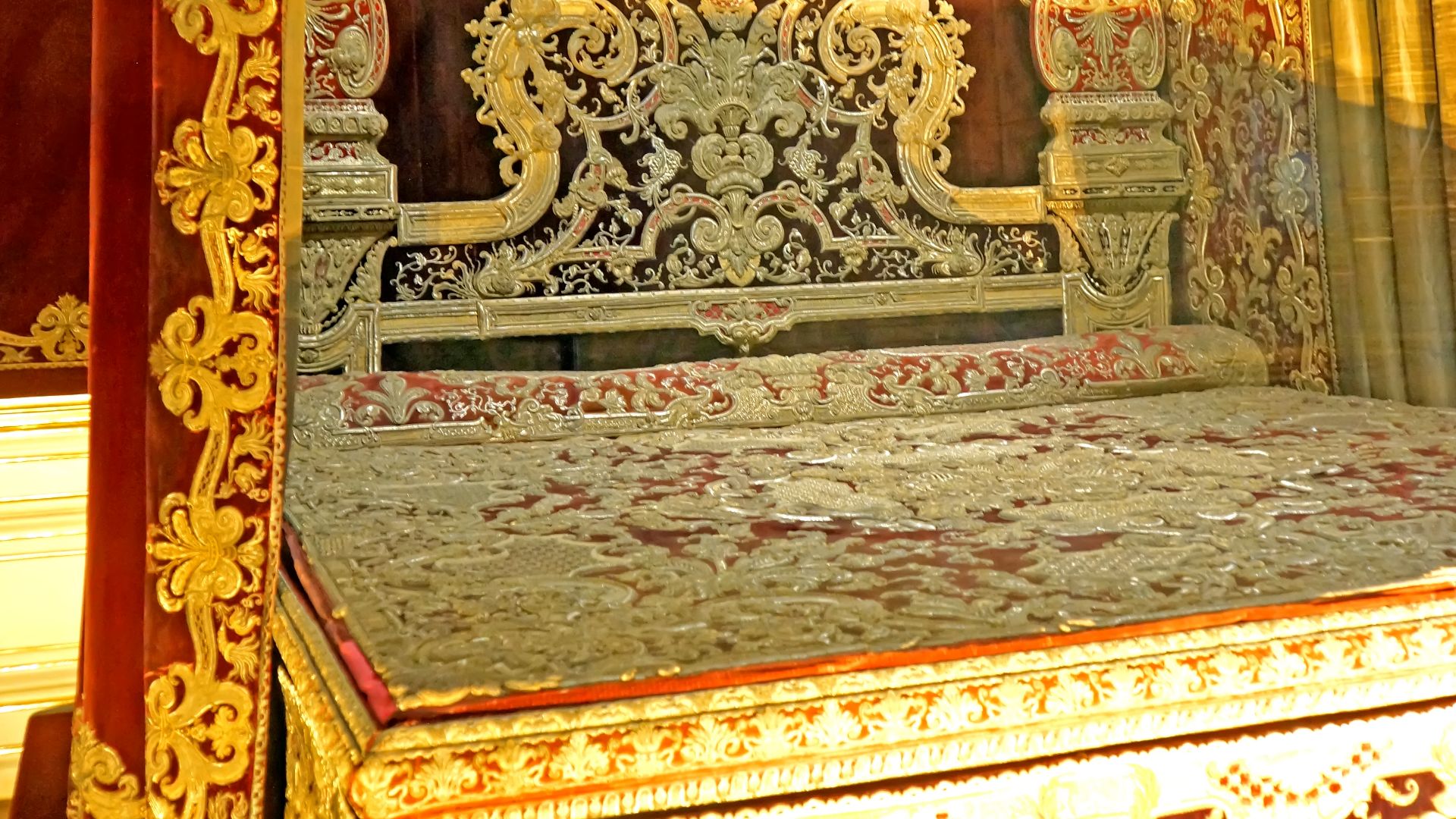
Schonbrunn Palace – Maria Theresa’s Bedroom (Austria)
Maria Theresa’s bedroom centers on a red velvet state bed embroidered with gold and silver, which was commissioned in 1736. Remarkably, the entire textile ensemble survives intact today, preserved within Schonbrunn Palace, a vast imperial residence containing more than 1,400 rooms.
 Dennis G. Jarvis, Wikimedia Commons
Hofburg Palace – Imperial Bedroom (Austria)
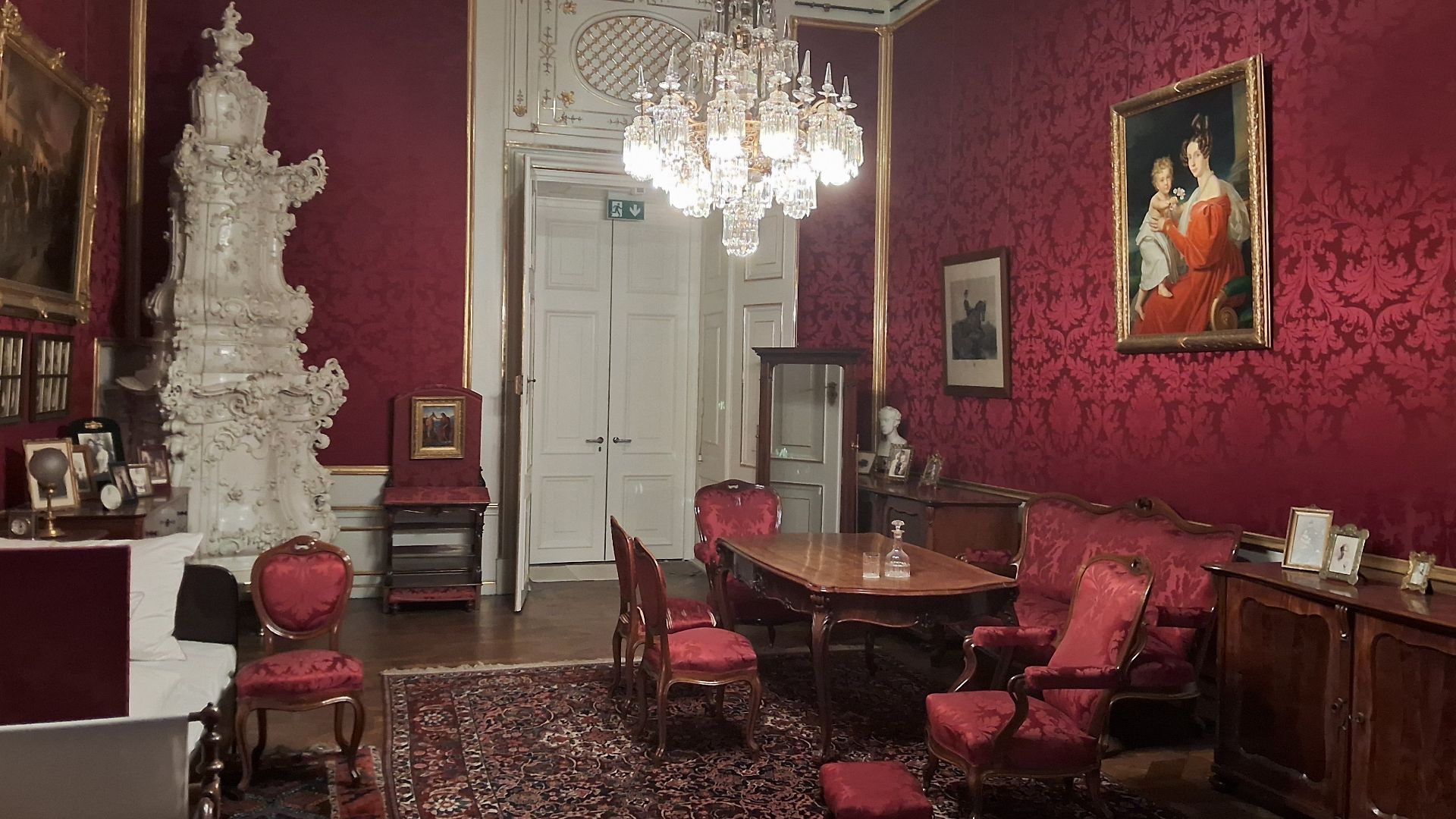
Serving as the Habsburgs’ winter residence for over six centuries, the Hofburg preserves the private bedroom apartments of Emperor Franz Joseph and Empress Elisabeth. These rooms reflect imperial daily life, distinct from ceremonial spaces, within a palace complex that has been continually expanded since the 13th century.

History's most fascinating stories and darkest secrets, delivered to your inbox daily.
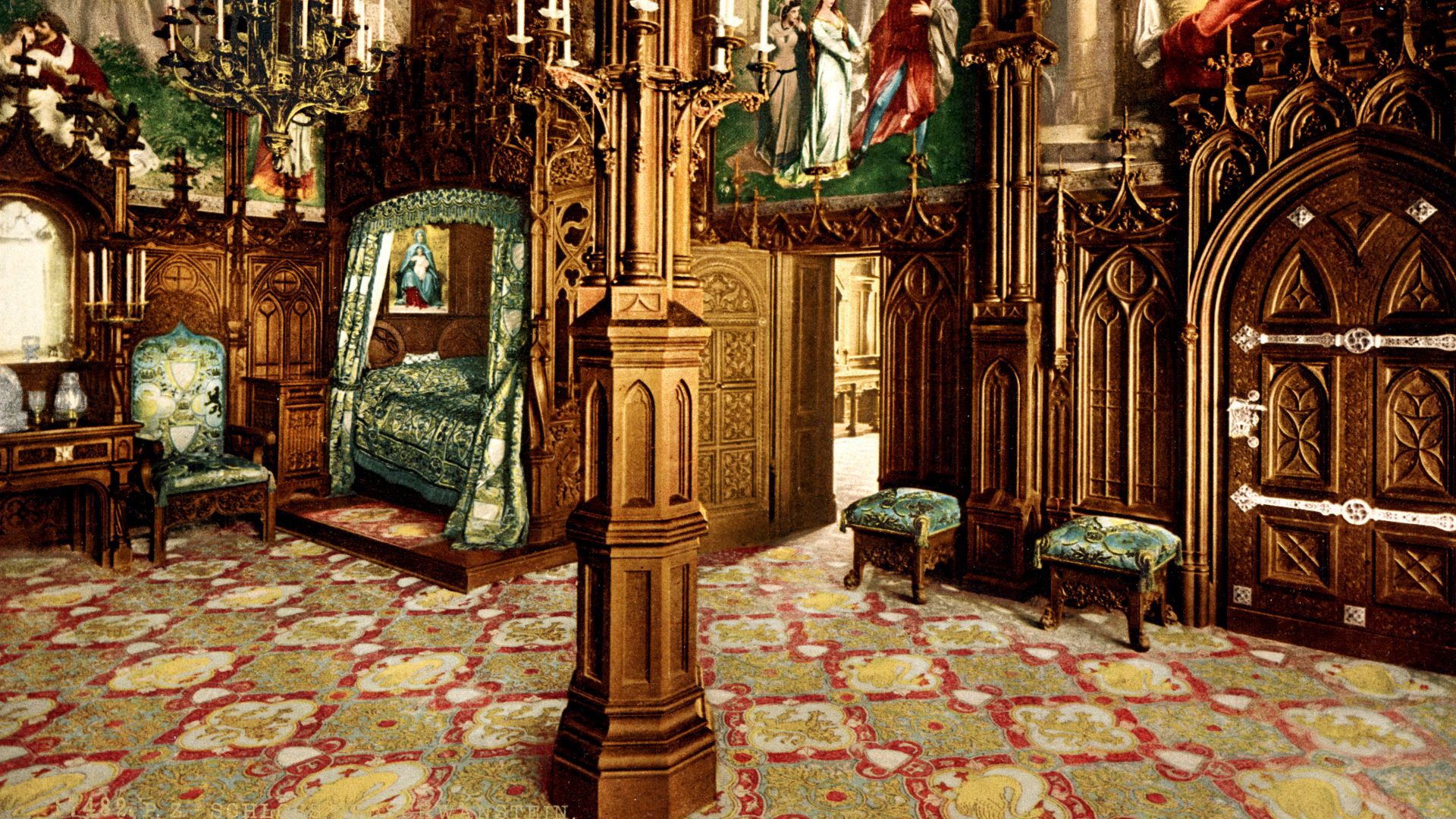
Neuschwanstein Castle – King Ludwig II’s Bedroom (Germany)
King Ludwig II’s bedroom is richly decorated with murals inspired by Tristan and Isolde and features an elaborate neo-Gothic bed draped in blue silk. A silver-plated swan-shaped washstand adds whimsy to the castle’s only fully Gothic-style room.
 Josef Albert, Wikimedia Commons
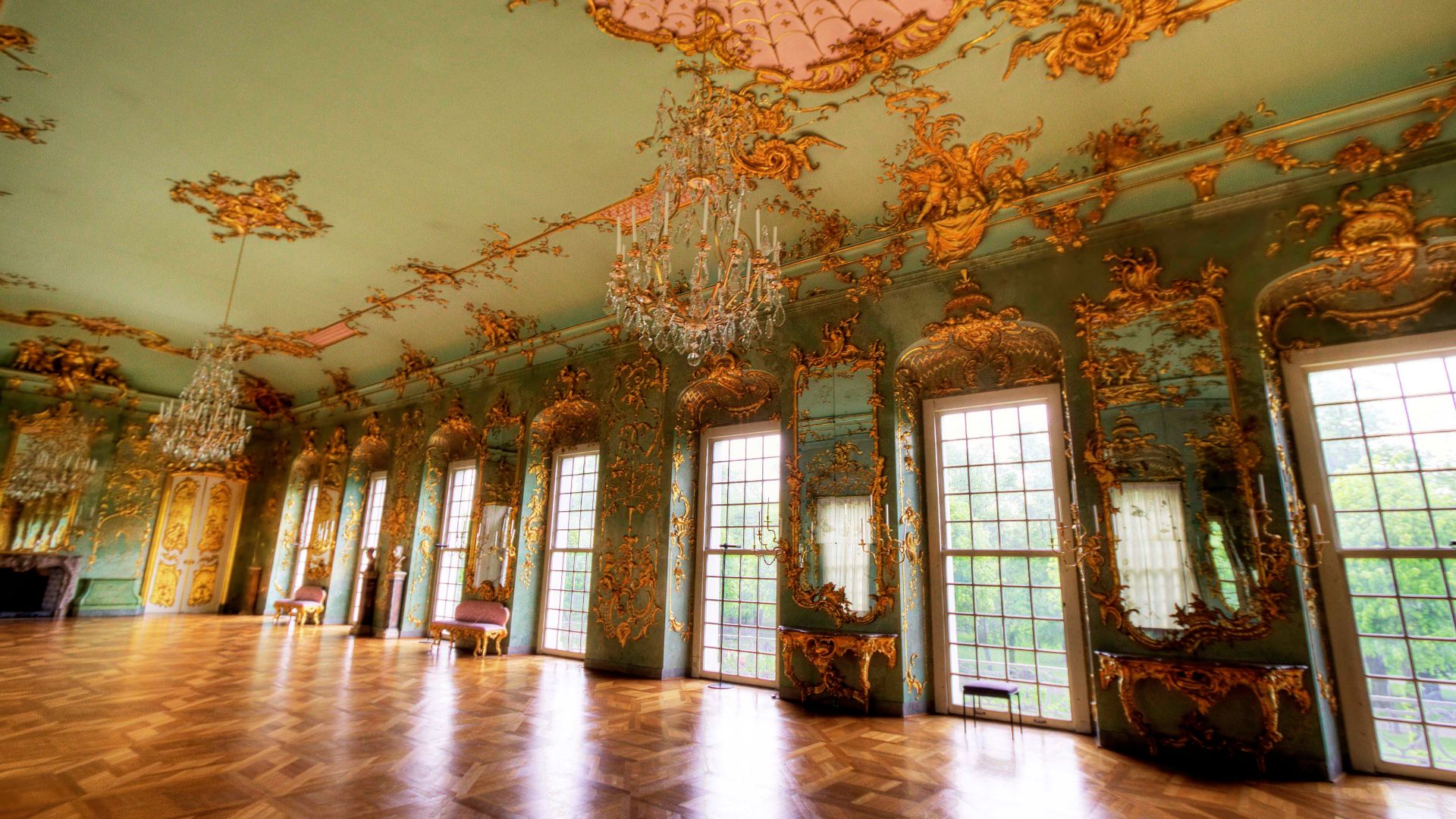
Charlottenburg Palace – Queen’s Bedroom (Germany)
This palace was under construction from 1695 to 1699 for Sophie Charlotte and later featured Queen Louise’s bedroom in the New Wing. When it was severely damaged during World War II, it underwent careful restoration and today survives as Berlin’s largest royal palace.
 Carmelo Bayarcal, Wikimedia Commons
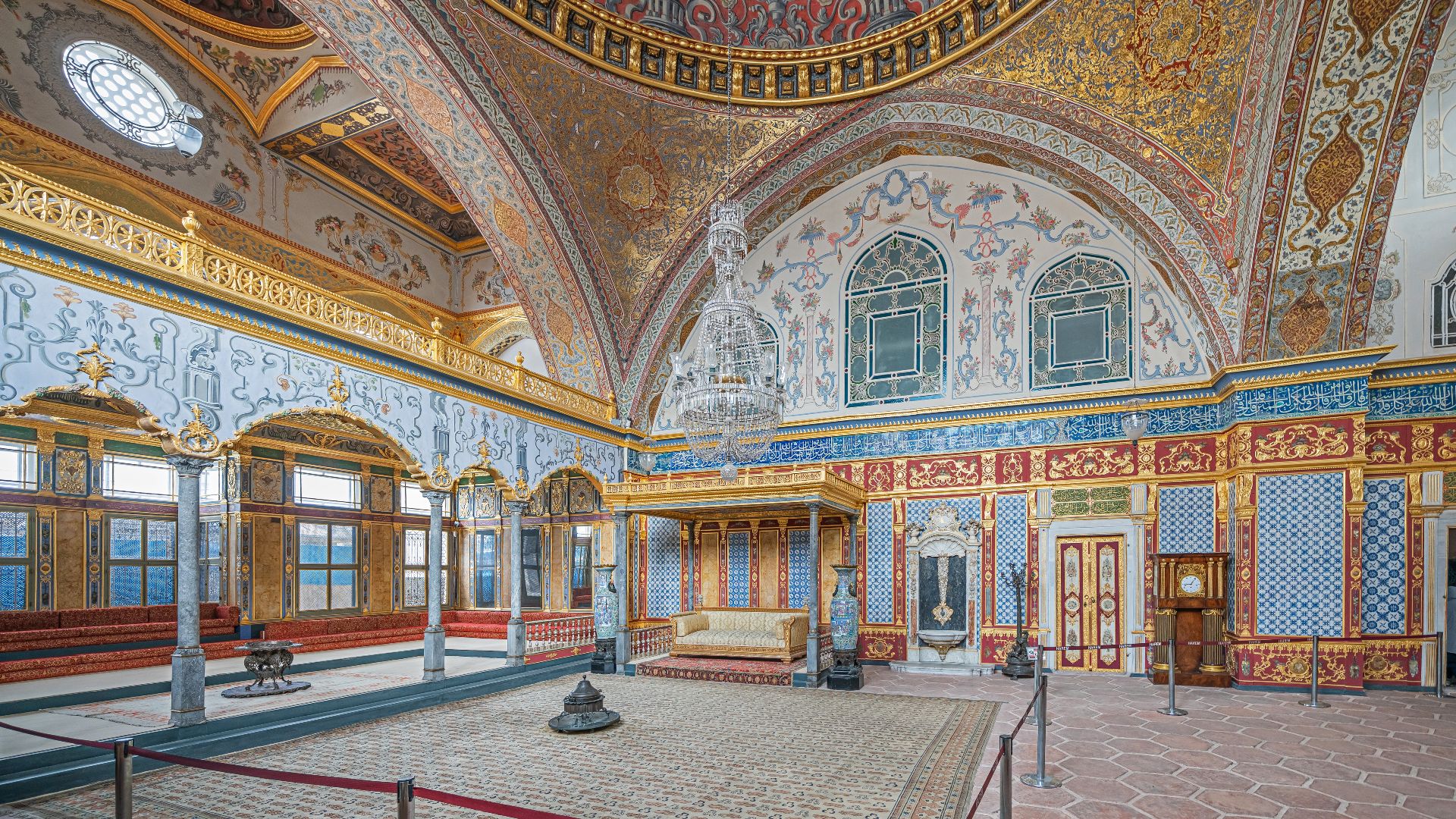
Topkapi Palace – Sultan’s Bedchamber (Turkey)
For nearly four centuries, Topkapi Palace served as the residence of Ottoman sultans, with private bedchambers located inside the Imperial Harem. Covering 7.53 million square feet, the sprawling palace complex has functioned as a museum since 1924 for public viewing today.
Dolmabahce Palace – Sultan’s Bedroom (Turkey)
Long after the Ottoman court faded, Dolmabahce’s Sultan’s bedroom remained historically active. The palace was constructed between 1843 and 1856 and became inseparable from modern Turkey when Mustafa Kemal Ataturk died there in 1938. It binds personal mortality to national transformation within a former symbol of imperial authority.
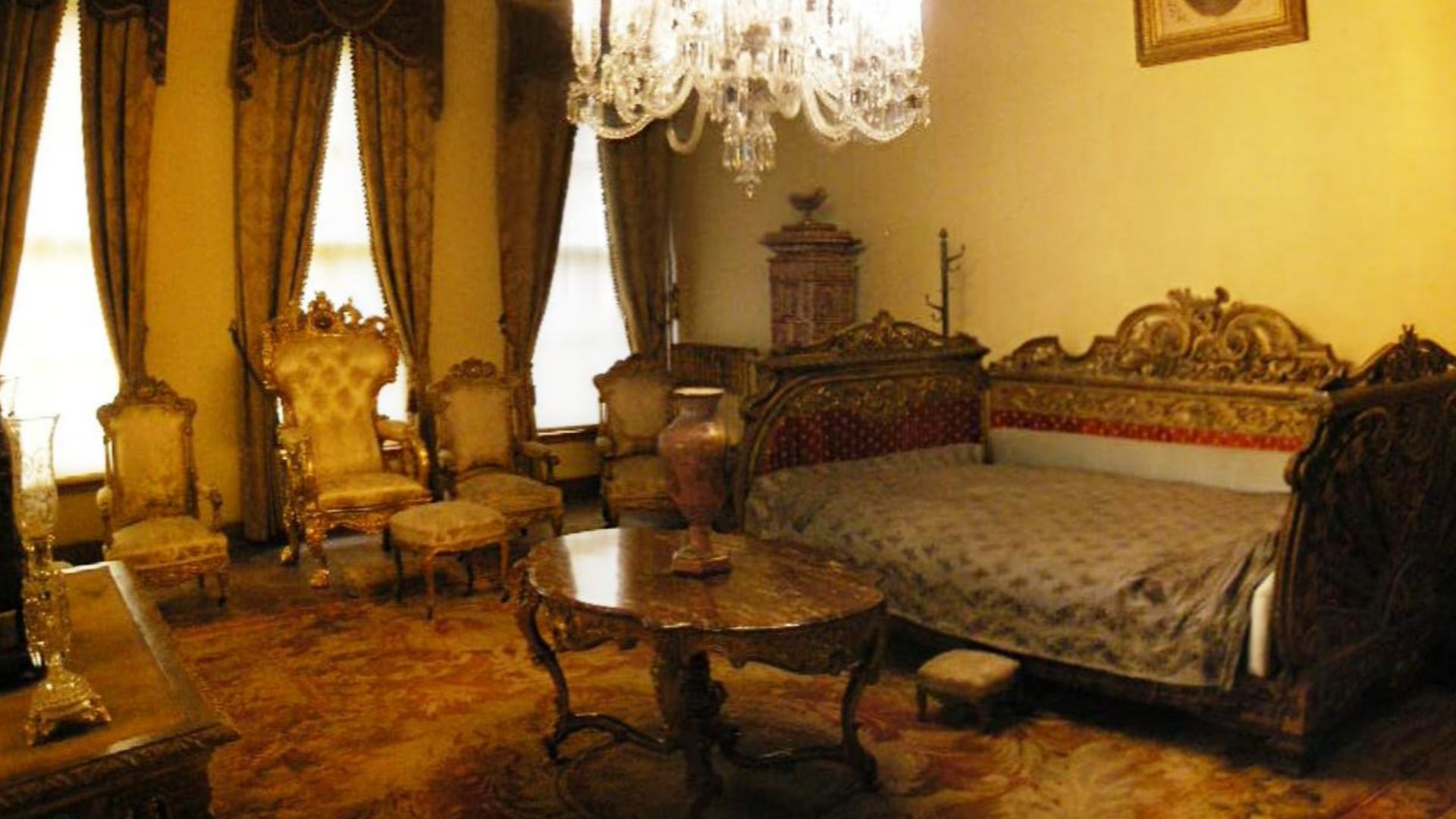
Winter Palace – Tsar’s Bedroom (Russia)
The Tsar’s private apartments occupied the western wing of the Winter Palace and were redesigned during the 19th century. After the 1837 fire, interiors were rebuilt, while the Saltykov Entrance continued to serve as the intended private access, separate from the palace’s ceremonial public entrances.
 Konstantin Ukhtomsky, Wikimedia Commons
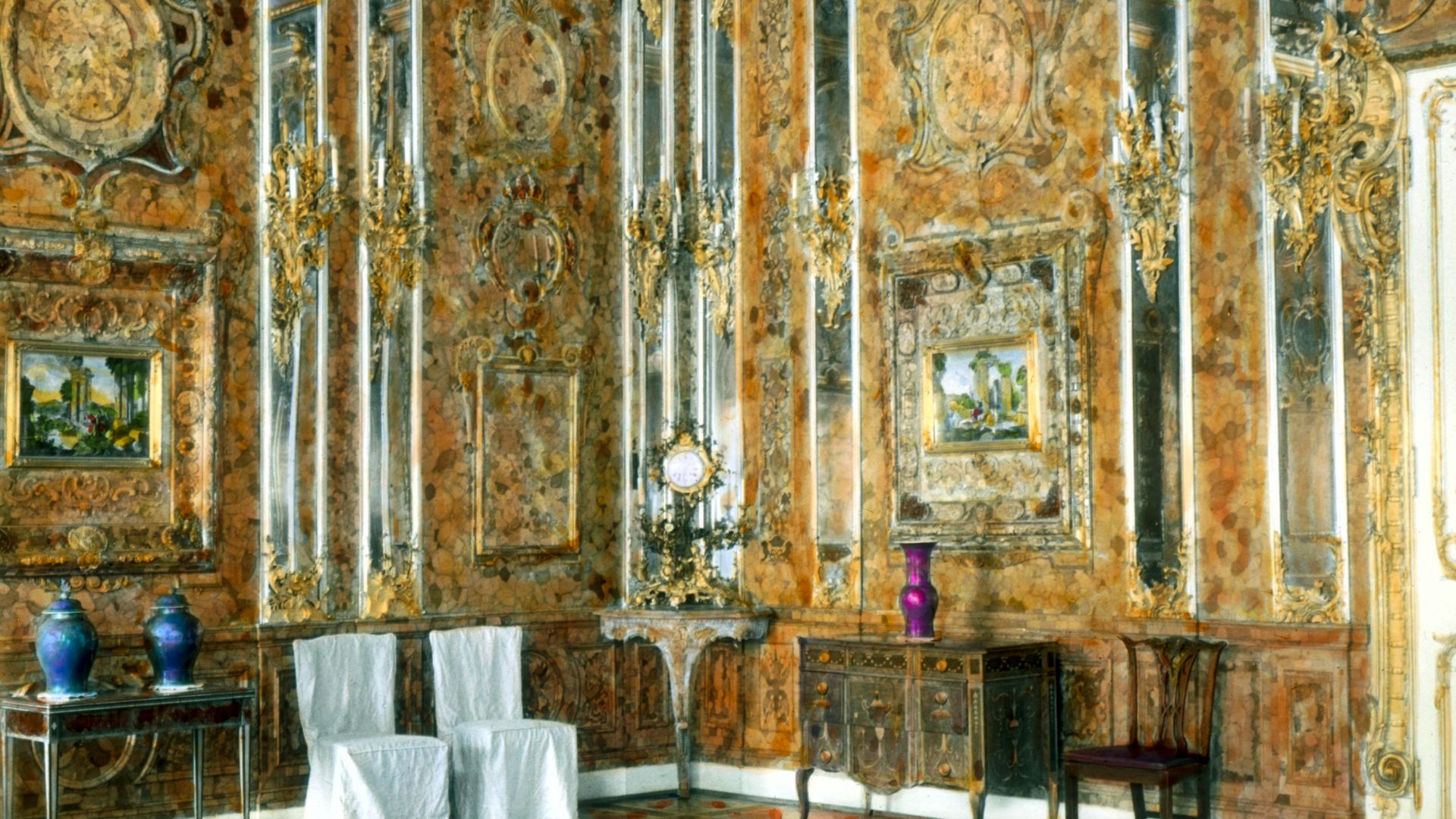
Catherine Palace – Empress’s Bedroom (Russia)
Within an 18th-century Rococo palace, the bedchamber was reconstructed in the 1770s by Charles Cameron. Its Pompeian-inspired decoration signals Catherine the Great’s taste. The room revealed how neoclassical furniture and interior aesthetics became tools of imperial self-presentation and power.
 Branson DeCou, Wikimedia Commons
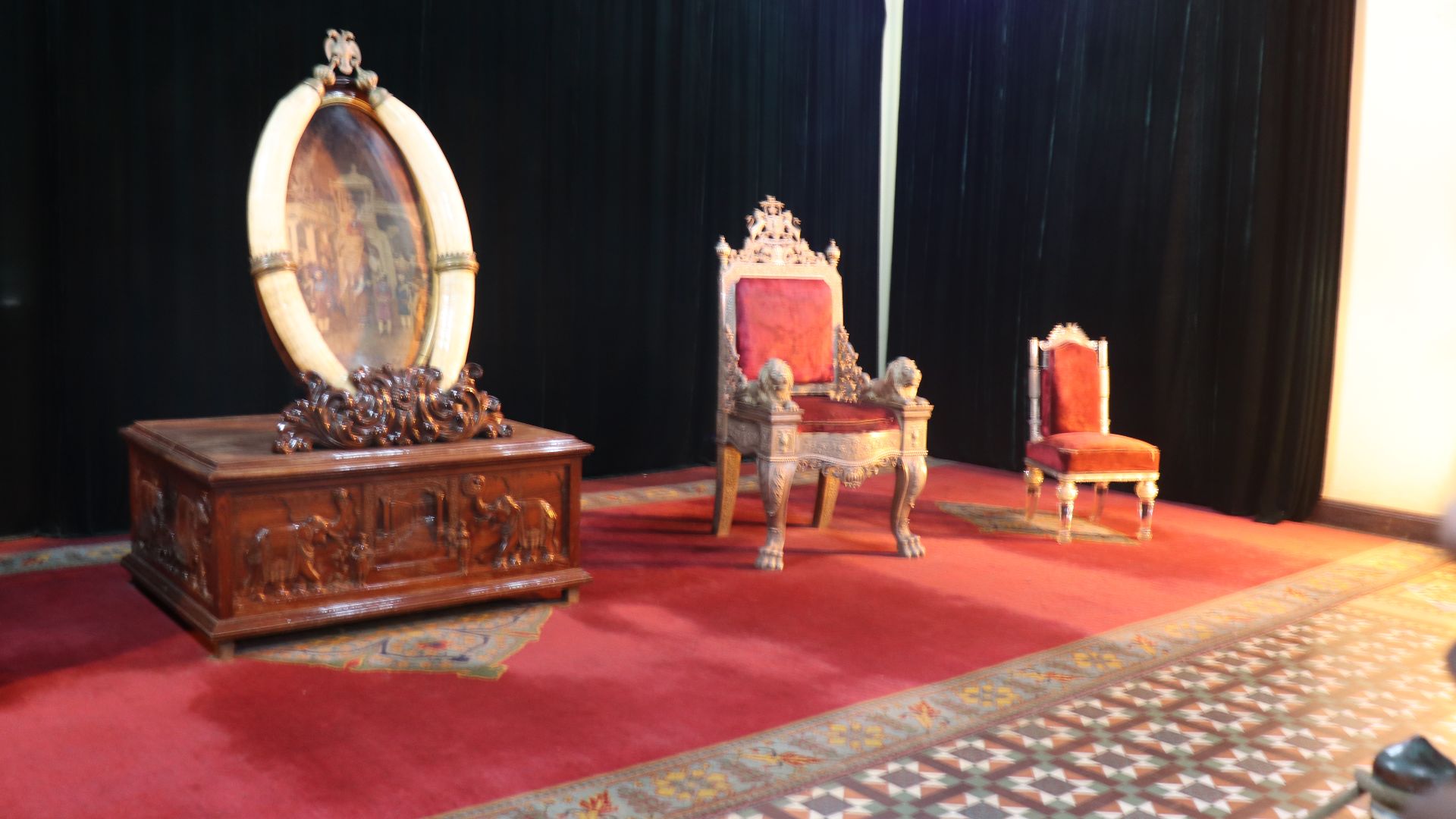
Mysore Palace – King’s Bedroom (India)
Mysore Palace was completed in 1912 and includes the private bedroom used by the Maharaja (king) of the Wadiyar dynasty, which is still the palace’s official royal residence. Oriented toward the Chamundi Hills, the bedroom sits within a palace that becomes symbolically illuminated during the annual Dasara festival.
 TheSachuHopes, Wikimedia Commons
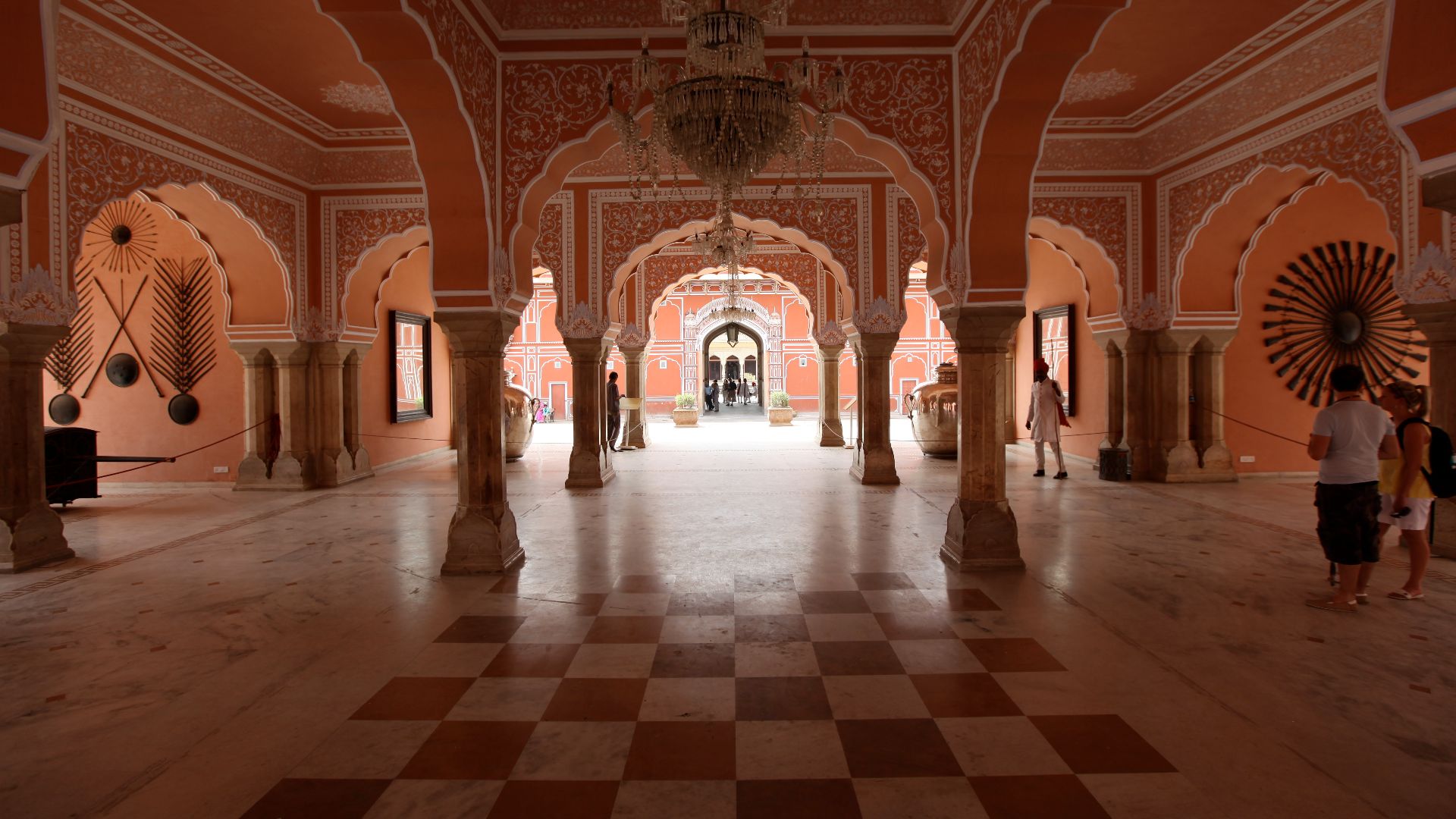
City Palace Jaipur – King’s Bedroom (India)
Built between 1729 and 1732 for Maharaja Sawai Jai Singh II, the City Palace contains the Maharaja’s bedroom within a residence still occupied by Jaipur’s royal family. The bedroom sits amid Rajput, Mughal, and European design traditions, positioned within private quarters separate from ceremonial areas.
 Richard Moross, Wikimedia Commons
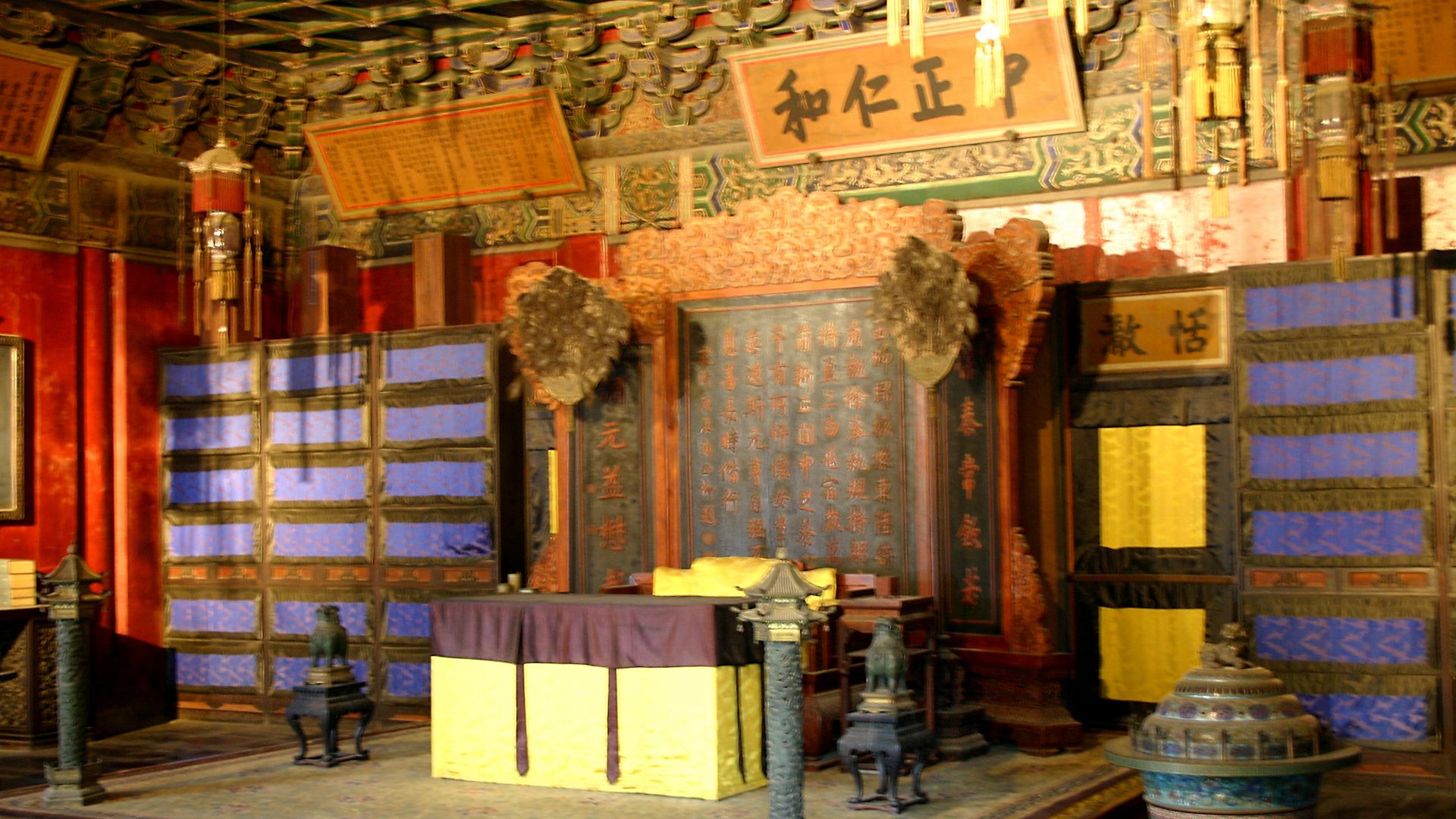
Forbidden City – Emperor’s Bedchamber (China)
Within the Forbidden City’s most restricted zone lay the emperor’s bedchamber, reserved exclusively for China’s rulers. The space was constructed during the Ming period, served 24 emperors, and remained inaccessible to outsiders, physically separating the ruler’s private life from the empire beyond palace walls.
 Dan Kamminga, Wikimedia Commons
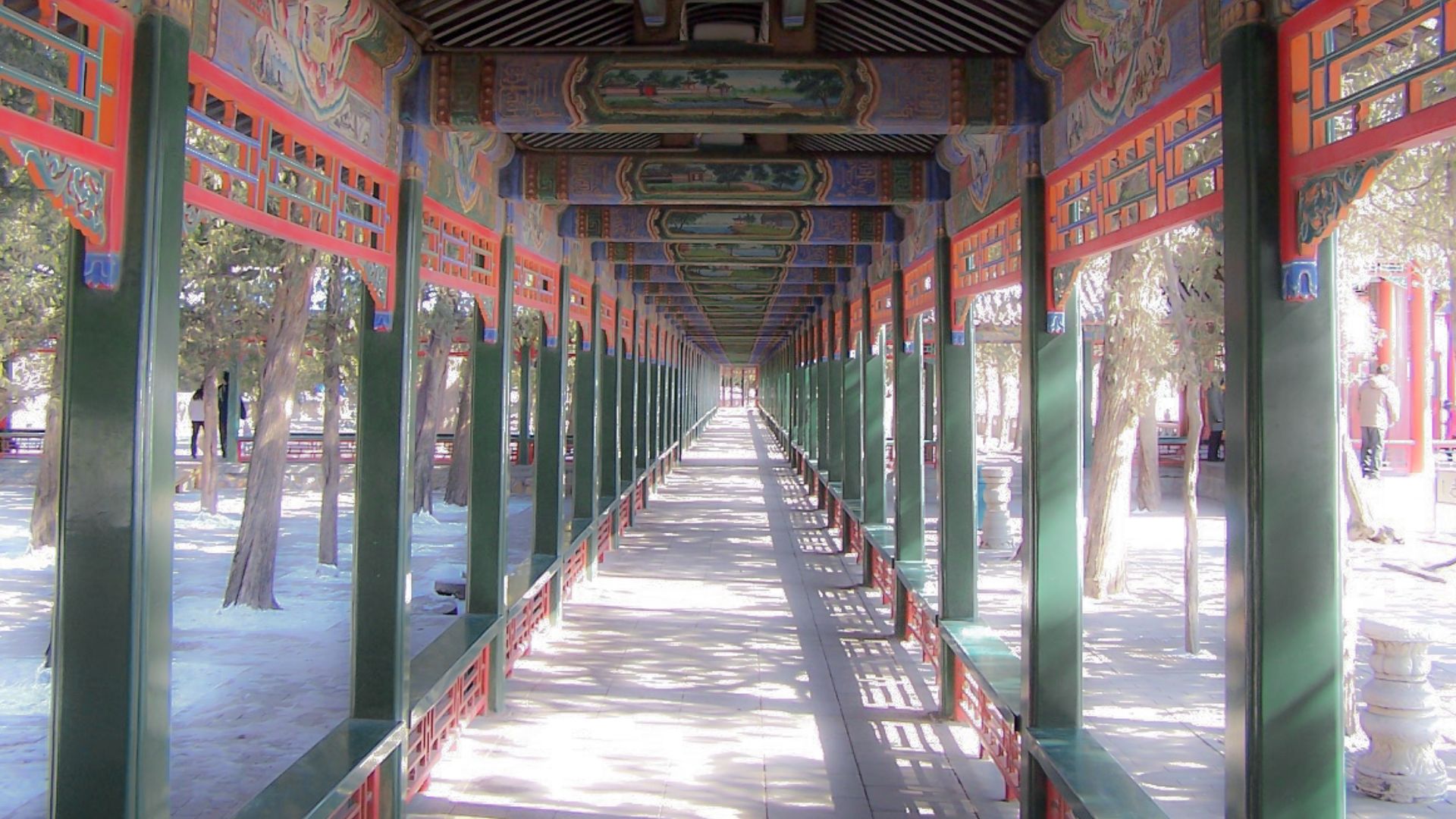
Summer Palace – Empress Dowager’s Bedroom (China)
When the Summer Palace was built in 1750, it was designed for extended stays, not for ceremonies alone. Its private bedchambers supported seasonal living, later serving Empress Dowager Cixi, whose bedroom quarters were reconstructed after 1860 to restore the palace’s residential function.
Imperial Palace Tokyo – Emperor’s Bedroom (Japan)
Standing on the former site of Edo Castle, the Imperial Palace became the emperor’s residence after 1868. The emperor’s bedroom sits within largely private living quarters, set apart from ceremonial spaces. It underscores the palace’s function as an active home rather than a public monument.
 Pierre Blaché from Paris, France, Wikimedia Commons
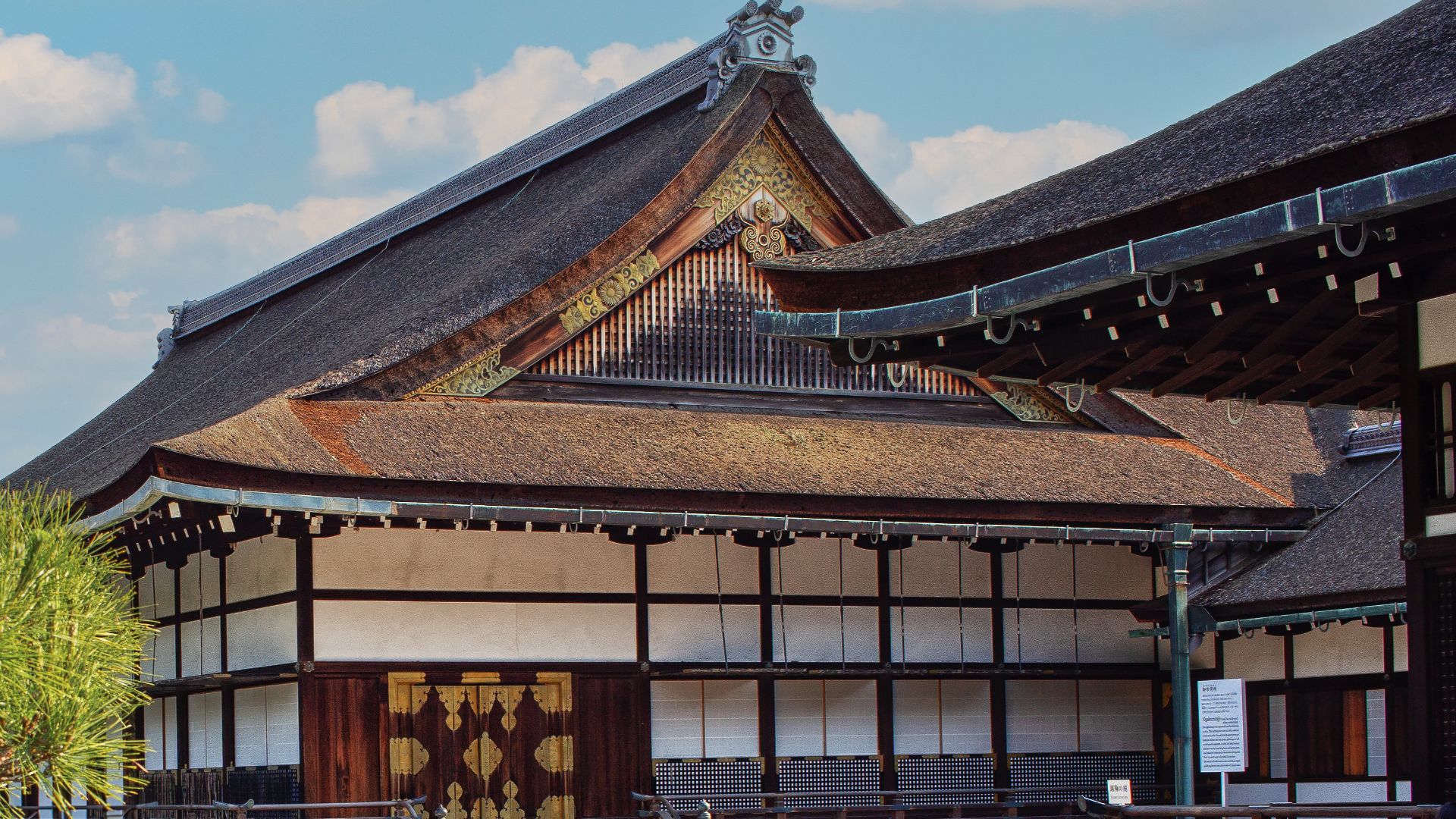
Kyoto Imperial Palace – Historic Bedroom (Japan)
Within the Kyoto Imperial Palace, emperors slept in the Seiryoden rather than in the ceremonial halls. The space separates private life from court ritual. Used until 1869, this bedchamber reflected restraint and continuity to maintain its role across repeated palace reconstructions over centuries.
 . Ray in Manila, Wikimedia Commons
Gyeongbokgung Palace – King’s Bedroom (South Korea)
Unlike ceremonial structures, Gyeongbokgung’s king’s bedroom was located deep within the residential quarters. Created after the palace’s founding in 1395, these spaces were lost in 1592 and reconstructed during the large-scale rebuilding that took place in the late 19th century.
 Basile Morin, Wikimedia Commons
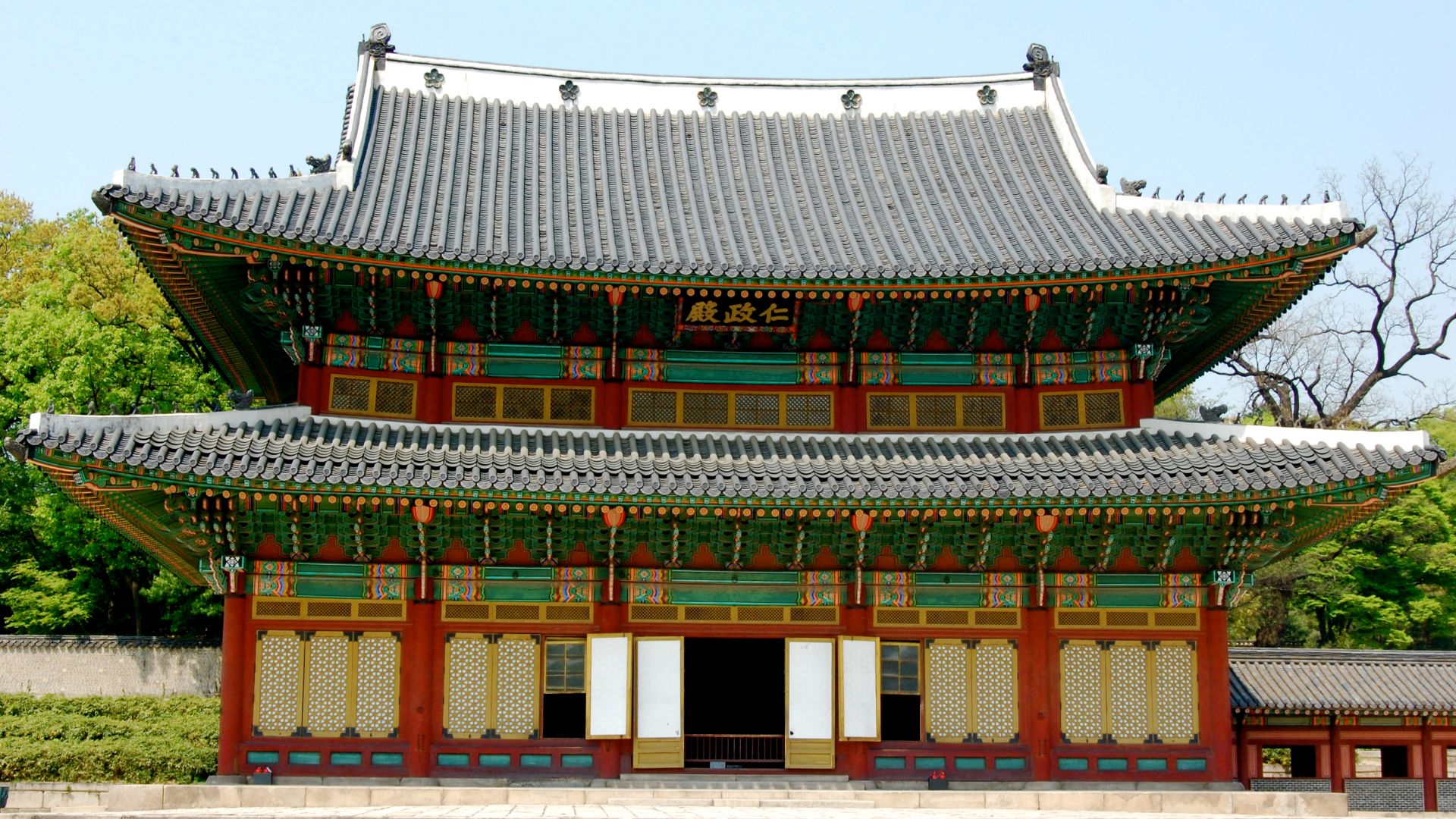
Changdeokgung Palace – Queen’s Bedroom (South Korea)
Changdeokgung’s royal bedroom reflected Confucian restraint rather than opulence. Heated by ondol flooring and furnished sparingly, the space emphasized livability and seasonal comfort with moral order. It aligns private royal life with the palace’s long role as a working residence.
 Jordan Wooley, Wikimedia Commons
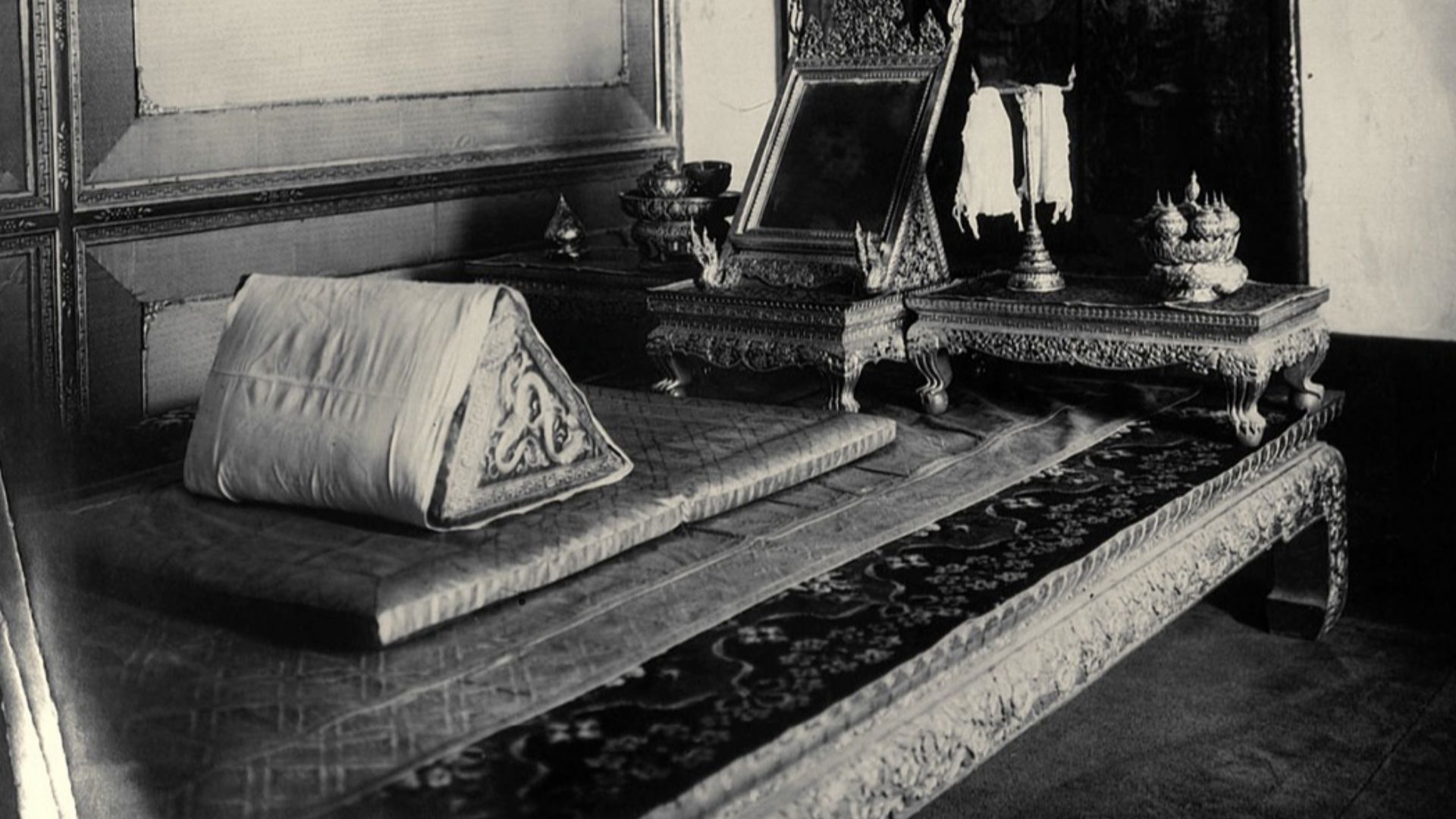
Grand Palace Bangkok – King’s Bedroom (Thailand)
The Grand Palace’s design set royal bedrooms deep within the Inner Court, a protected residential enclave established in 1782. Intended for the king’s daily life, these spaces were physically removed from public halls and temples, emphasizing privacy within a densely populated palace complex.
 Unknown authorUnknown author, Wikimedia Commons
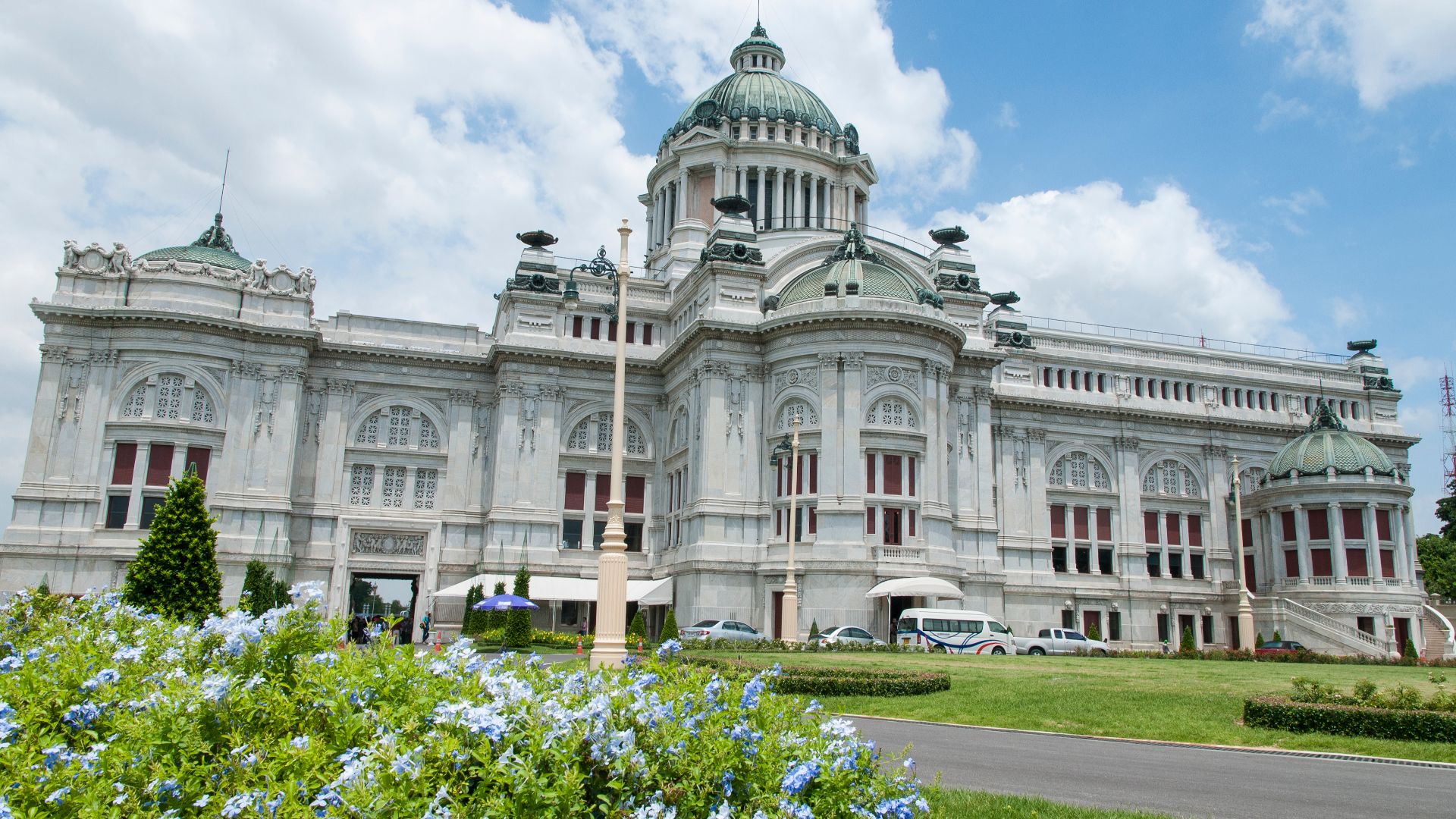
Dusit Palace – Queen’s Bedroom (Thailand)
At Dusit Palace, royal bedrooms were housed inside separate residential buildings rather than ceremonial halls. Influenced by King Chulalongkorn’s European travels, these private quarters incorporated modern amenities like electric lighting. It is a shift toward privacy and everyday royal living.
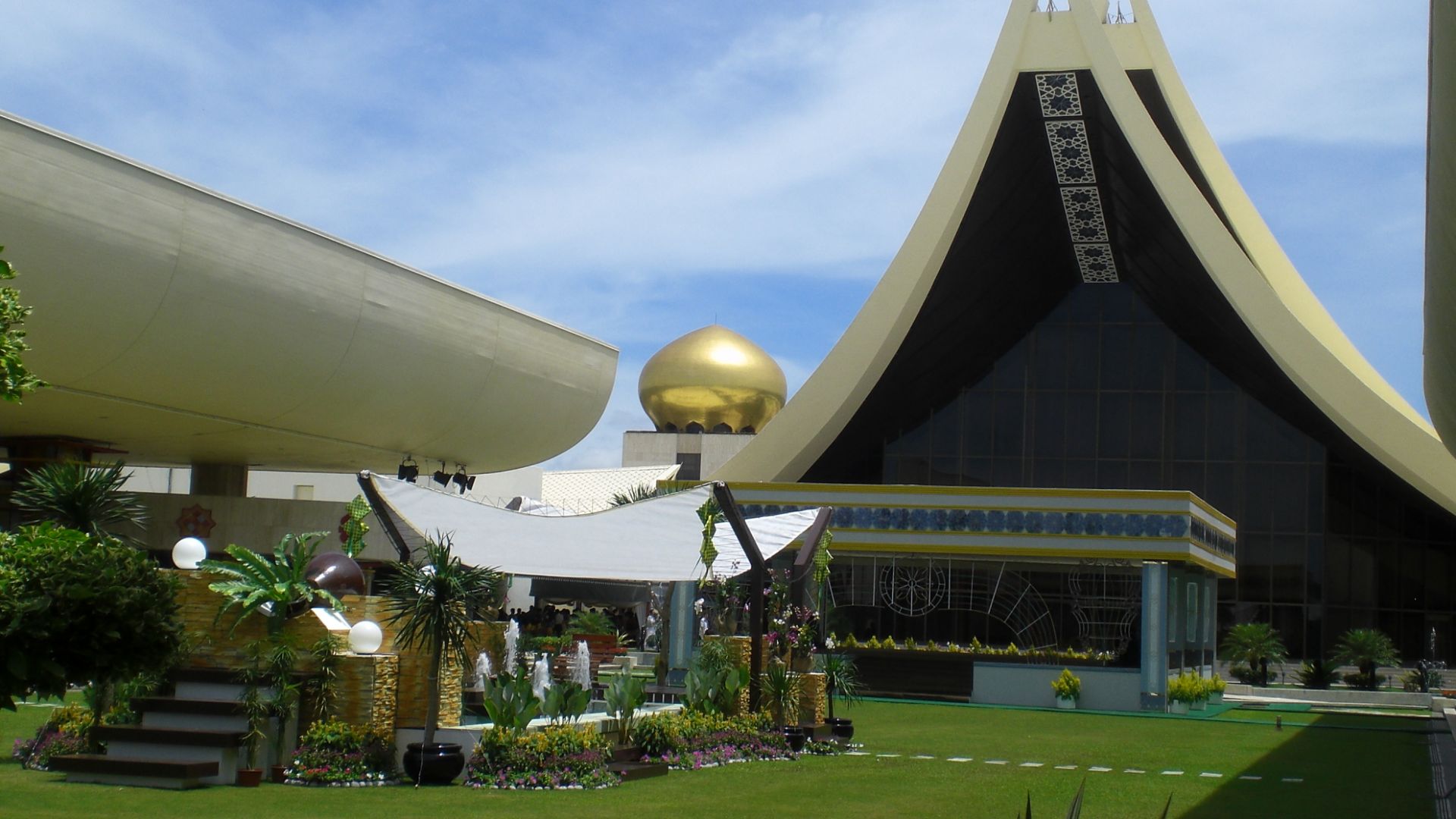
Istana Nurul Iman – Sultan’s Bedroom (Brunei)
Completed in 1984, Istana Nurul Iman houses the Sultan’s private bedroom within the world’s largest residential palace. One of 1,788 rooms, it sits inside a vast domestic complex designed for daily royal life, which incorporated extensive private amenities rather than ceremonial display alone.
 de:Benutzer:Chtrede, Wikimedia Commons











.jpg)