The Old World’s Unexpected Tech Tricks
Every so often, a site uncovers machinery that feels clever and unexpectedly complex. These remnants reveal how early innovators shaped their world through hands-on engineering to leave behind mechanisms that still spark curiosity centuries later.
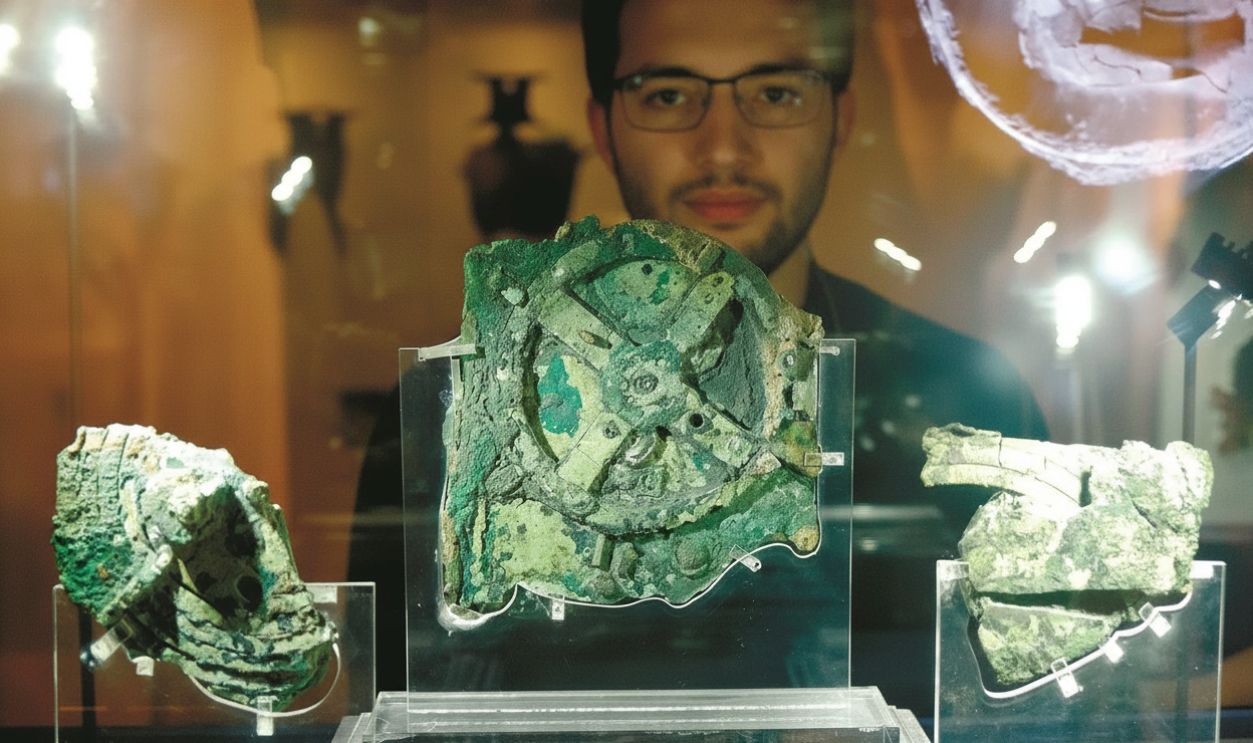
Antikythera Mechanism (Greece)
Divers found this strange bronze object in a shipwreck, and it turned out to be an ancient Greek device that predicted eclipses and tracked planets. It’s often called the world’s first mechanical computer, and it even kept up with the Olympic calendar.
 Joyofmuseums, Wikimedia Commons
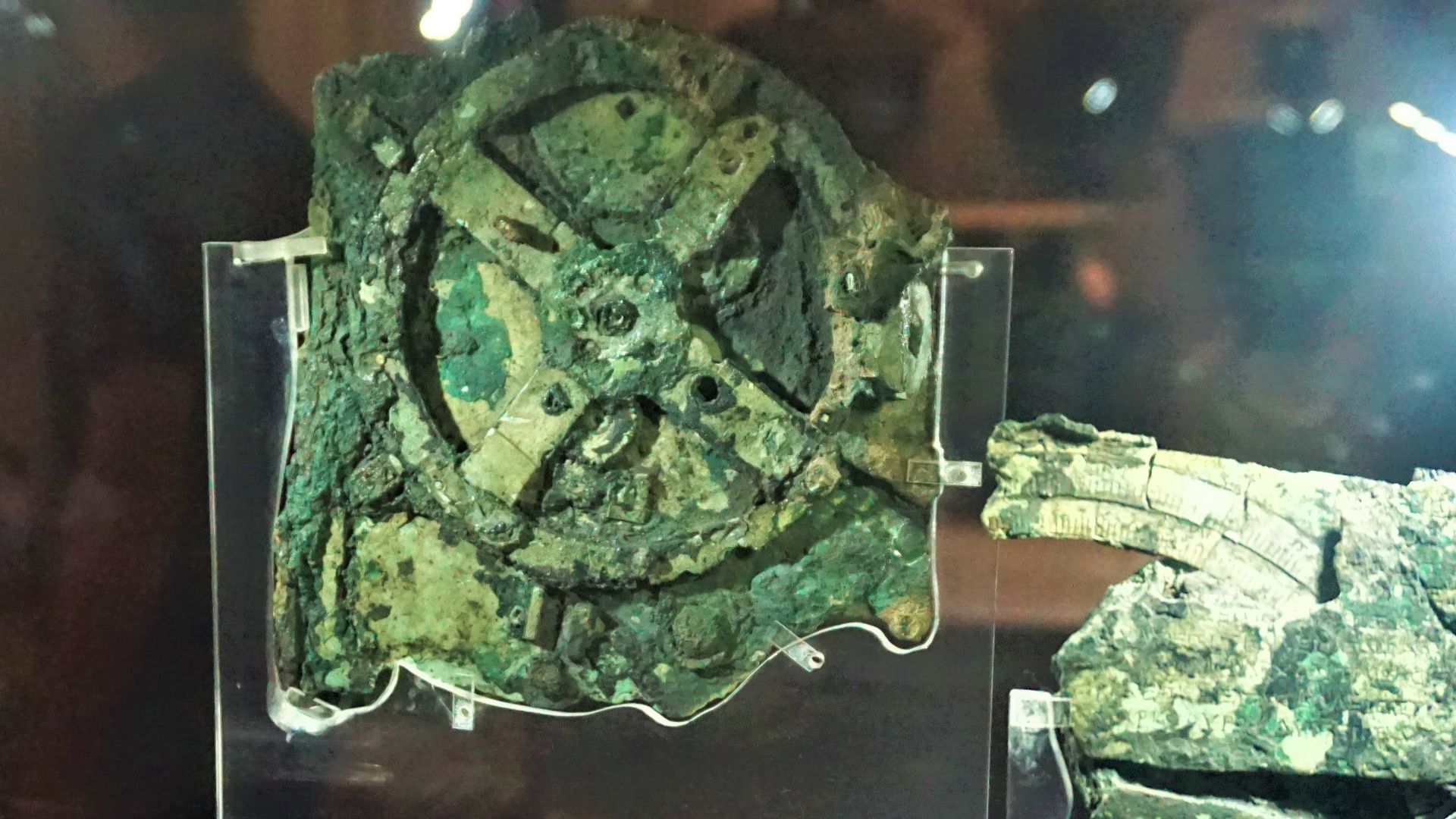
Baghdad Battery (Iraq)
This small clay jar with metal rods may have created a tiny electric charge. Found near Baghdad, it dates back to ancient times, but its purpose is still debated. Some think it was used for electroplating, while others nickname it the world’s first battery.
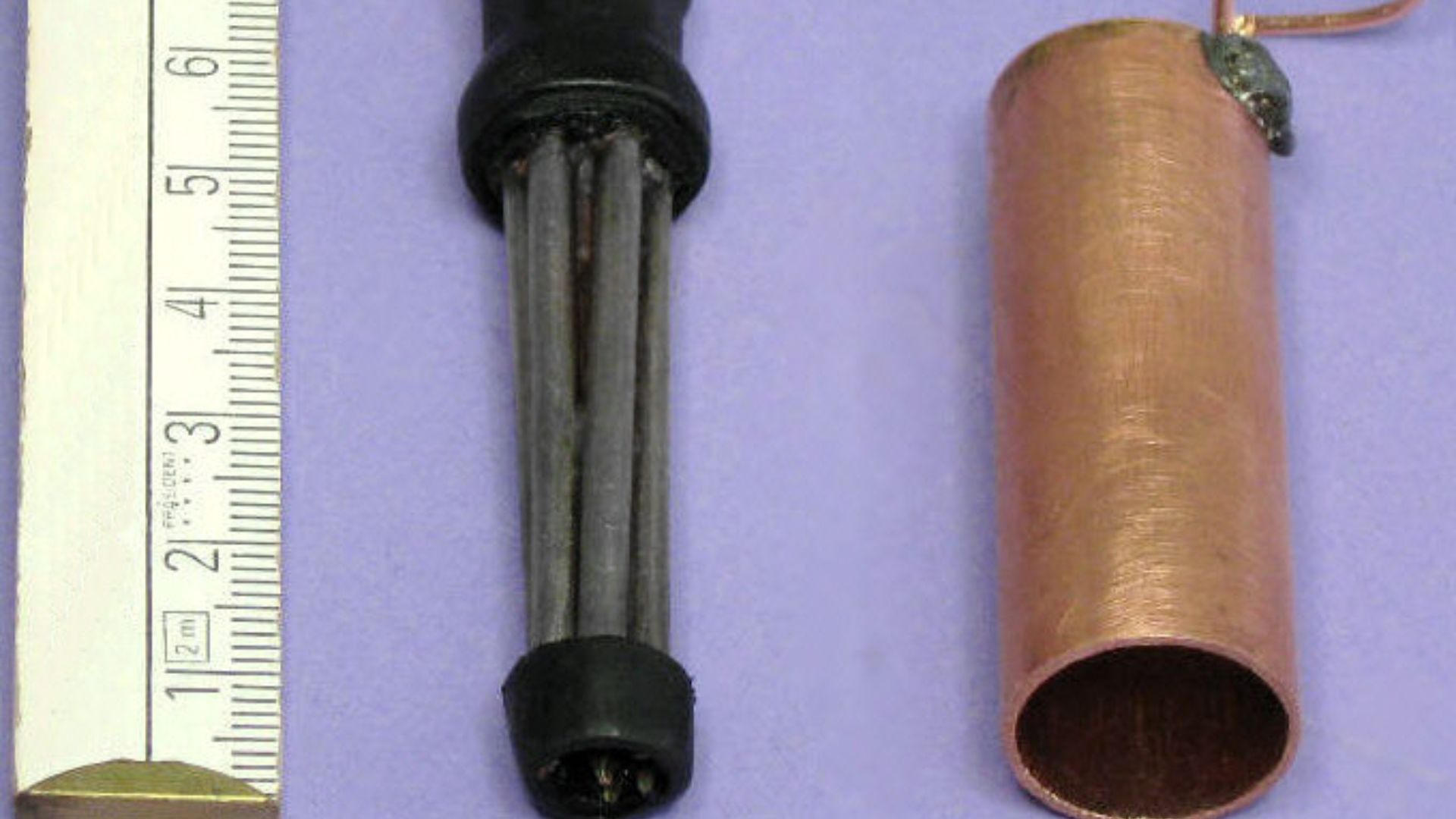
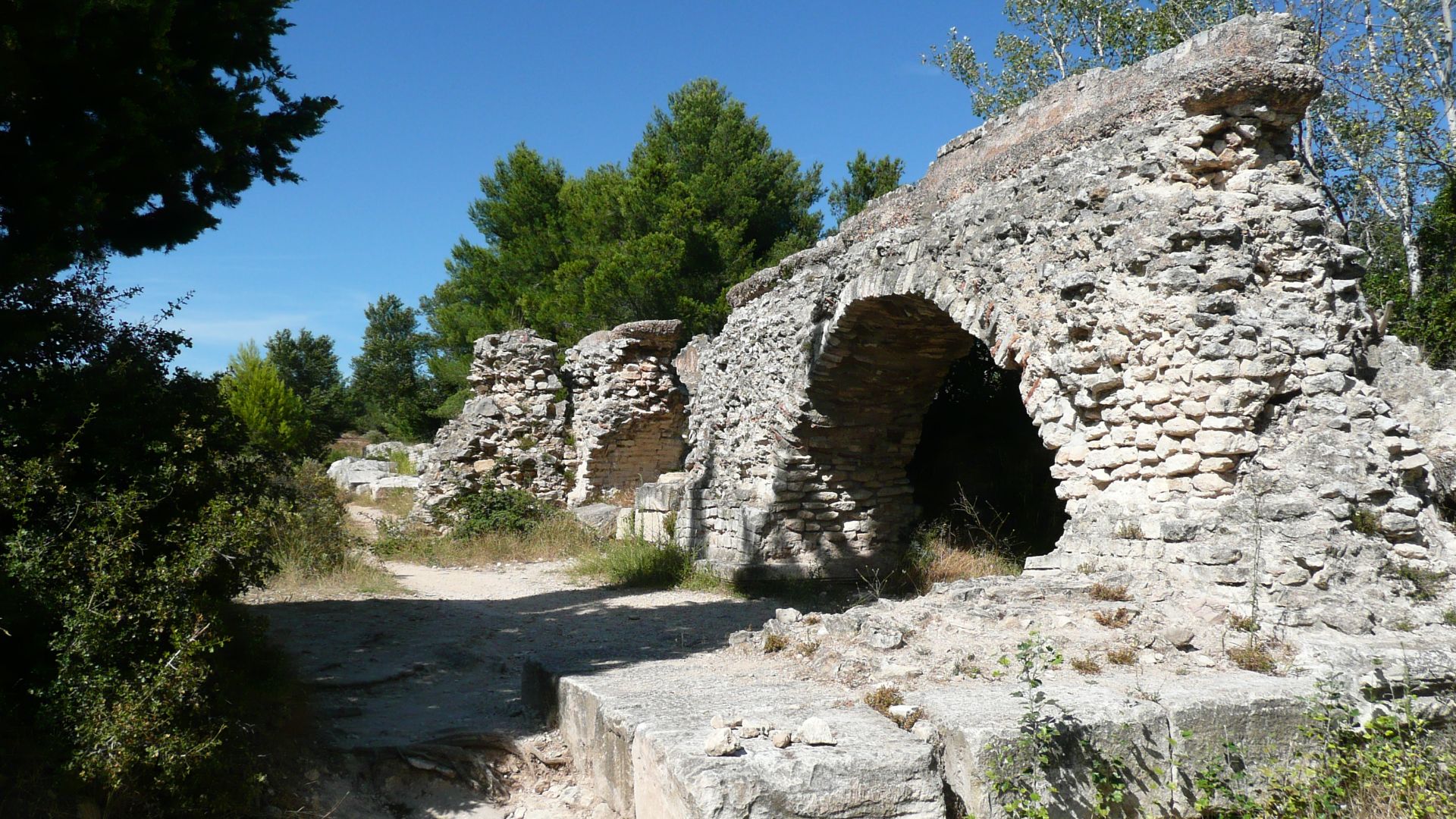
Roman Watermill (Barbegal, France)
The Romans built a massive mill with 16 waterwheels working together to grind grain. Powered by an aqueduct, it produced enough flour for thousands of people. It’s one of the earliest examples of true large-scale machinery in the ancient world.
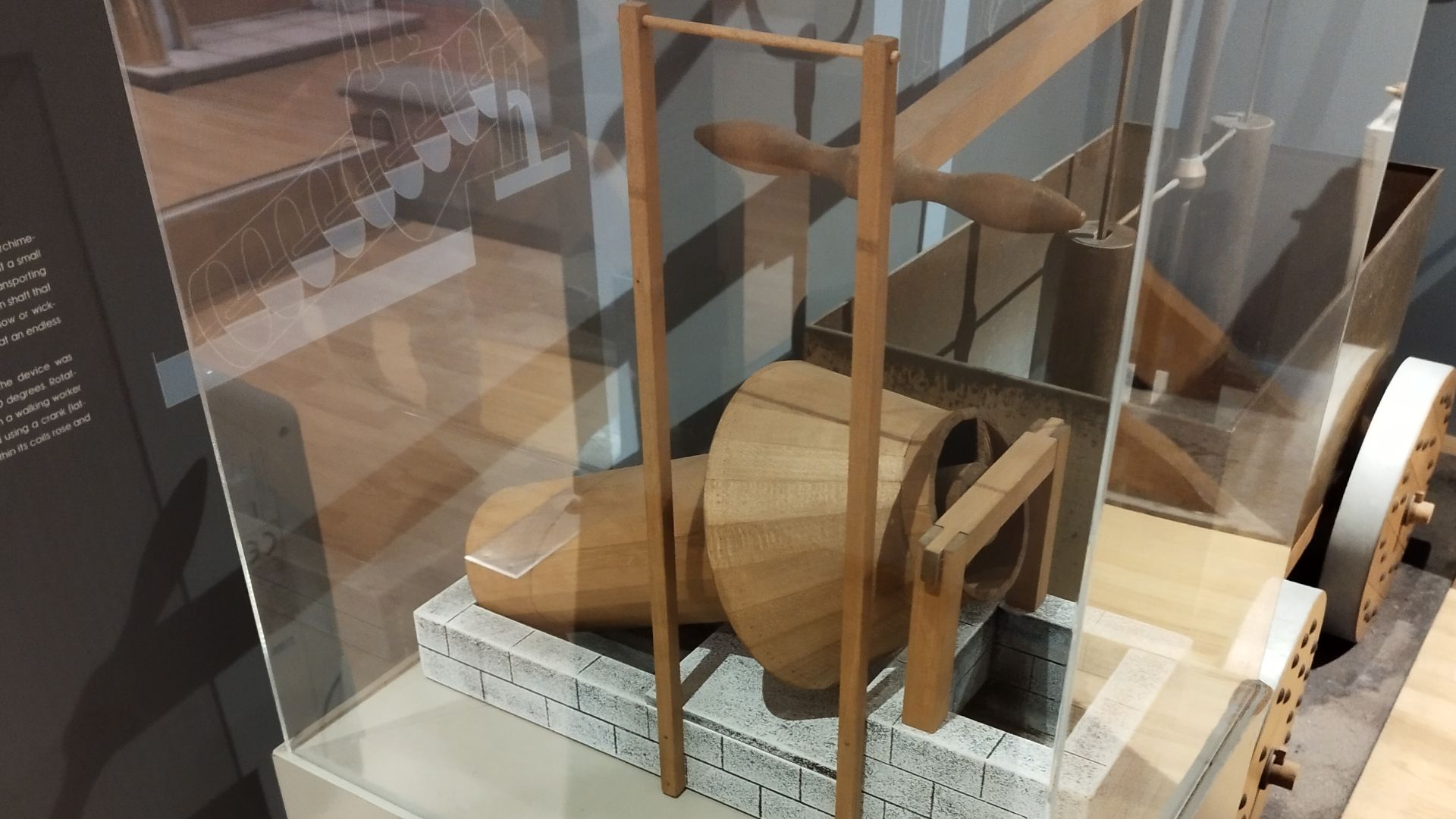
Archimedes's Screw (Egypt/Greece)
The simple device made it easier to lift water for farming. Designed by Archimedes, it used a rotating screw inside a tube to move water upward. It was so effective that newer versions are still used in modern water systems today.
 Aga39memnon, Wikimedia Commons
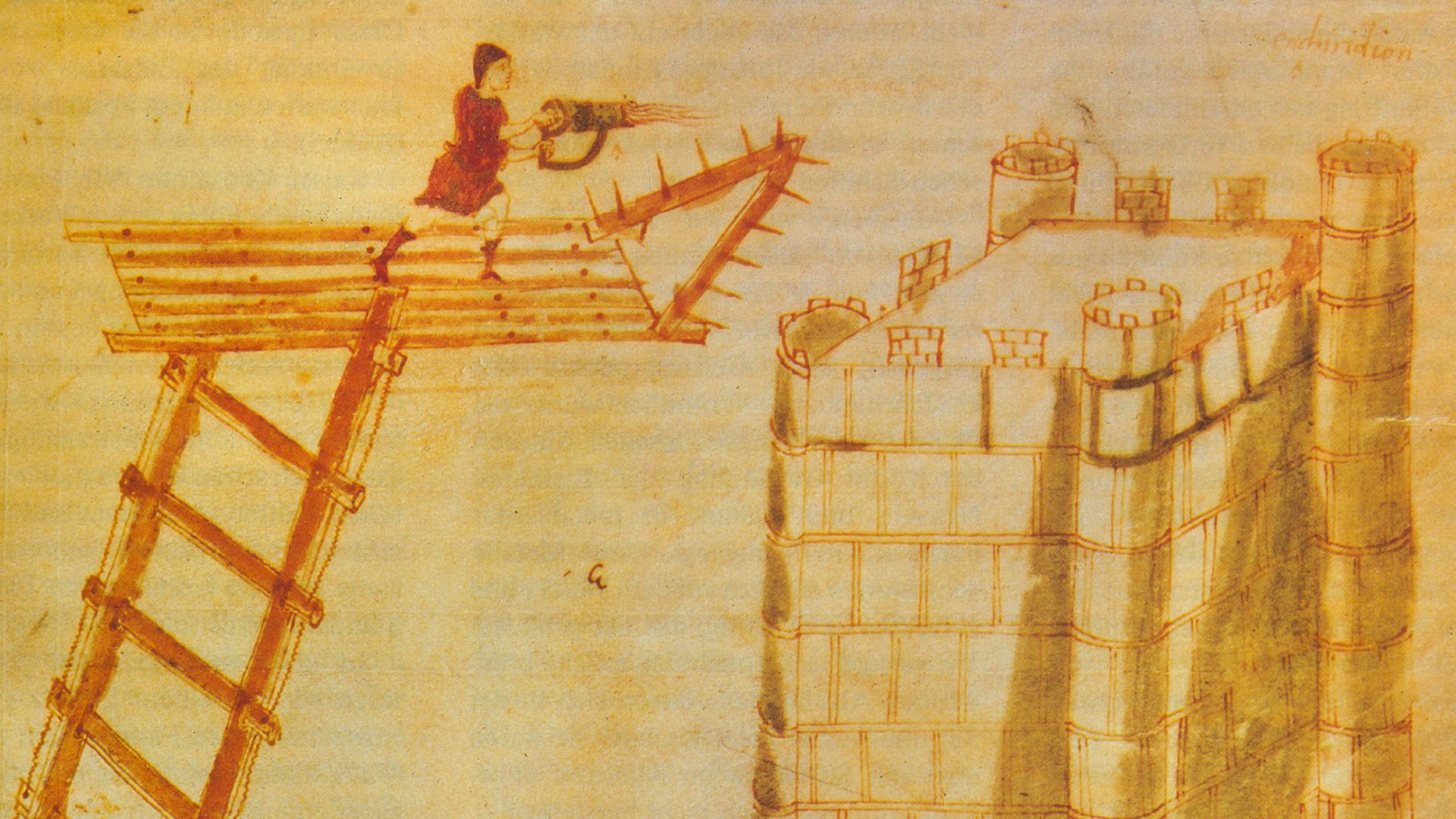
Greek Fire Siphon (Byzantine Empire)
Byzantine ships carried a powerful weapon that shot burning liquid at enemies. The device used pumps to launch the flames, similar to an early flamethrower. The exact mixture of the fire remains a mystery, which adds to its legendary status.
 Unknown authorUnknown author, Wikimedia Commons
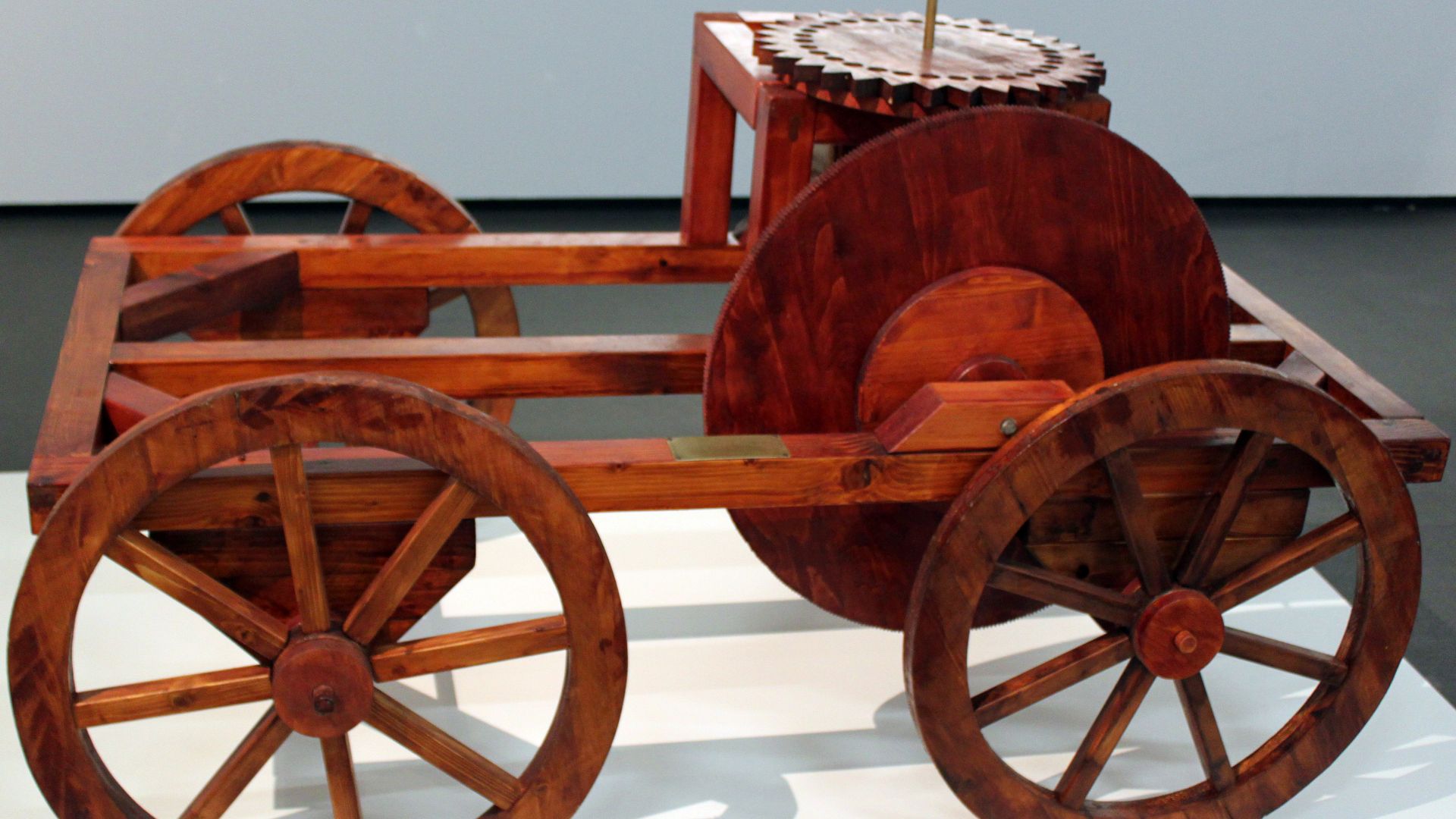
Chinese South-Pointing Chariot
This ancient cart amazed people by always pointing south, no matter how it turned. It used clever gears to keep the pointer steady during long journeys. Created in 3rd-century BCE China, it showed how advanced early mechanical engineering could be.
 Gnsin~commonswiki, Wikimedia Commons
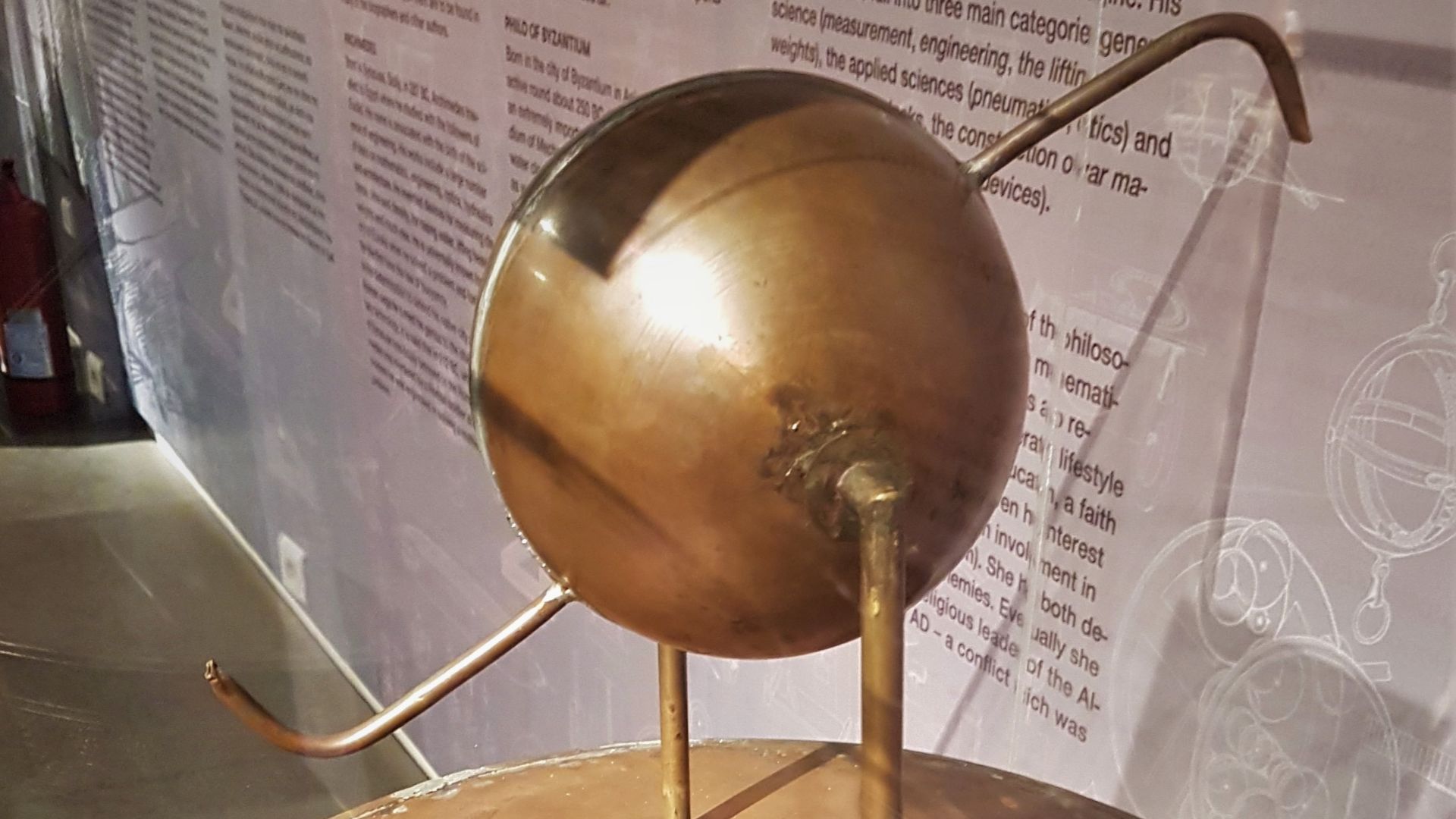
Hero Of Alexandria’s Steam Engine (Aeolipile)
Hero built a small steam-powered sphere that spun when heated to demonstrate early steam technology. It didn’t power machines, but it proved the idea long before modern engines existed. People mainly saw it as a curious invention rather than something practical.
Roman Odometer
These builders needed to measure distances, so they attached gear-driven counters to carts and chariots. As the wheels turned, the device recorded mileage—sometimes by dropping pebbles into a box. It helped map roads and plan construction across the empire for them.

History's most fascinating stories and darkest secrets, delivered to your inbox daily.
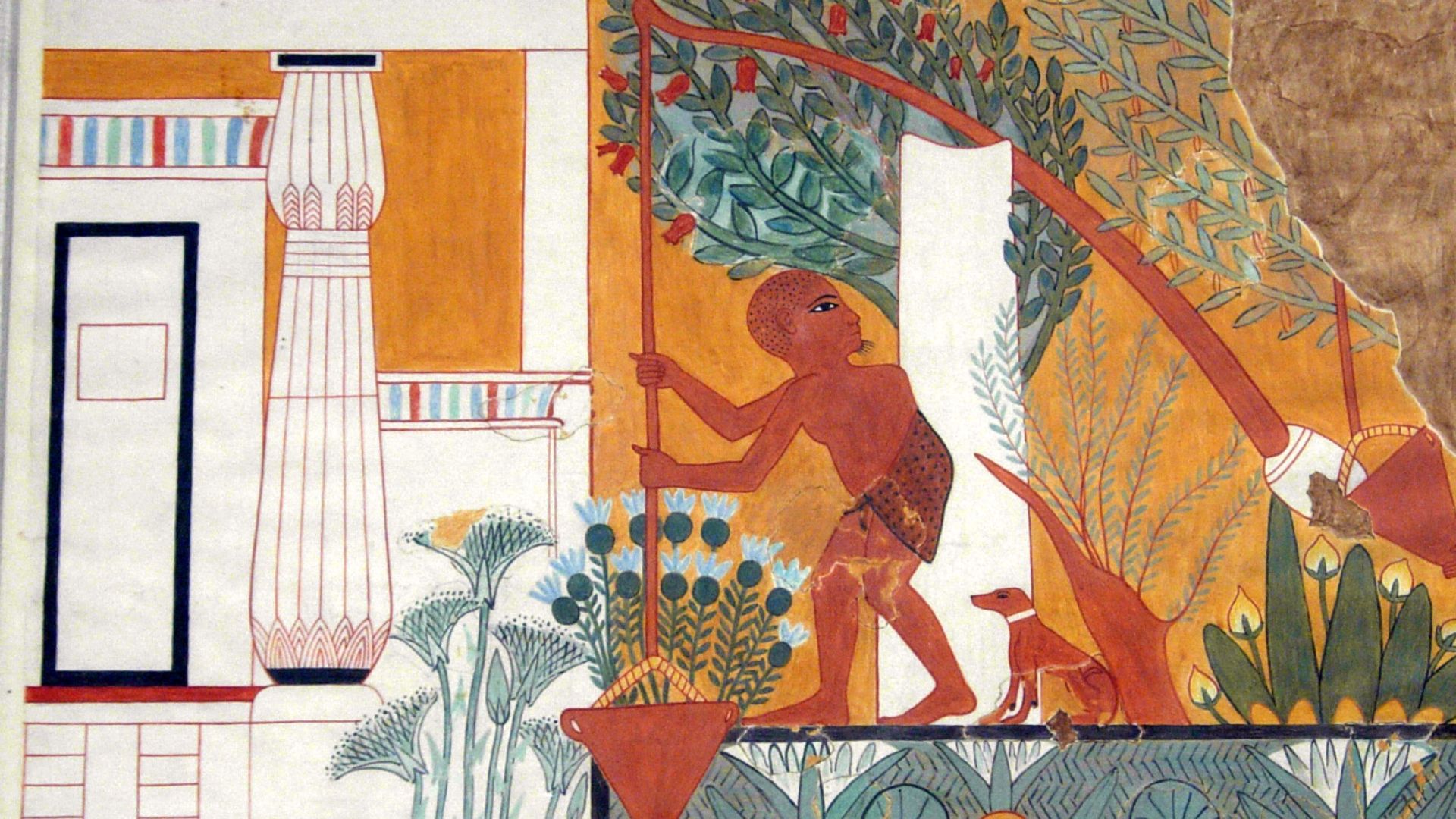
Egyptian Shadoof
Farmers along the Nile used this simple lever system to lift water for crops. With a long pole, a bucket, and a counterweight, one person could easily raise water. Some shadoofs were strong enough to lift water several meters high.
 Norman de Garis Davies, Wikimedia Commons
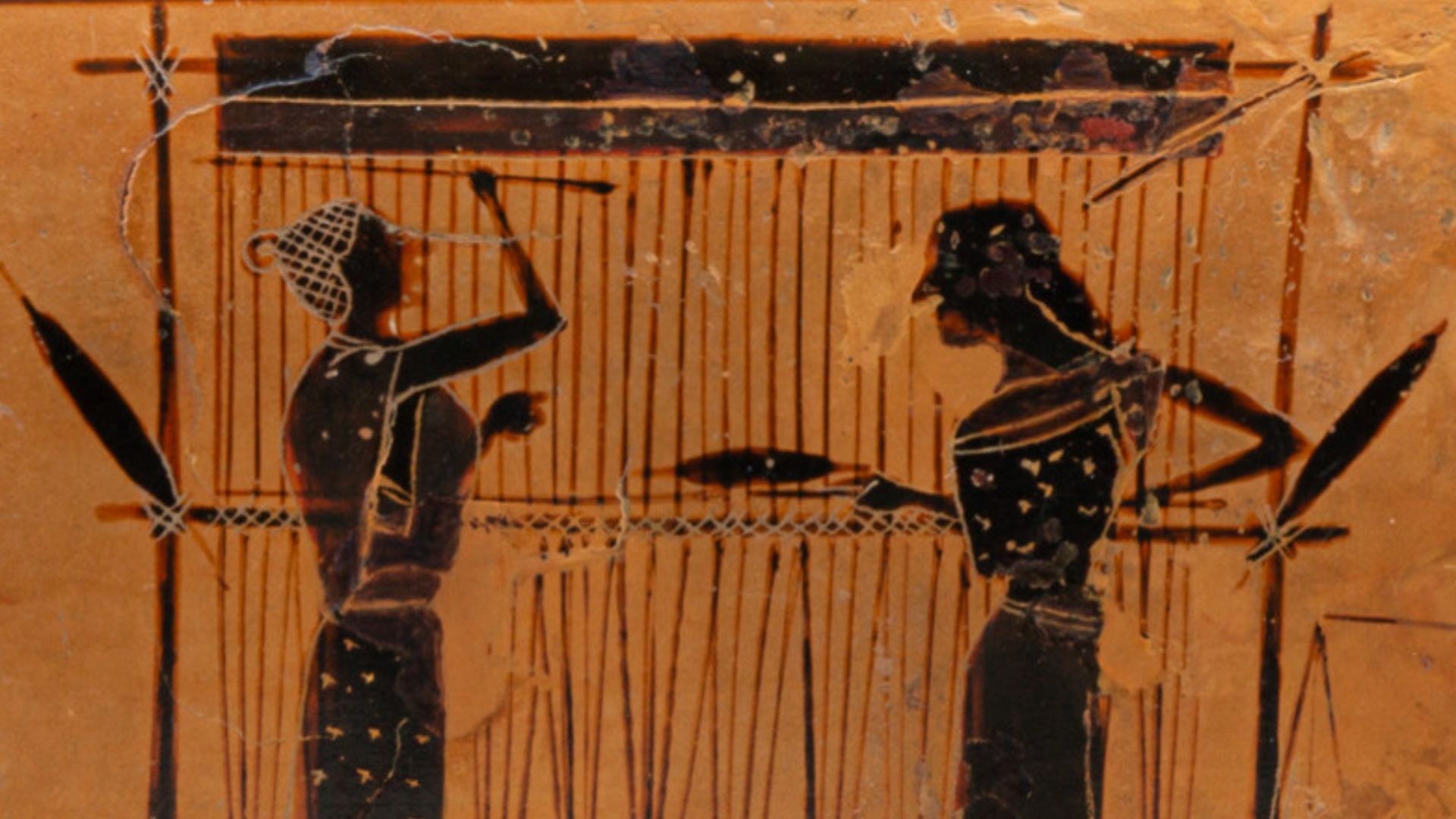
Ancient Loom Of Mohenjo-Daro (Indus Valley)
People in Mohenjo-Daro used early wooden looms to weave fabric around 2500 BCE. These looms helped create textiles with patterns that are still admired today. They show how skilled and organized the Indus Valley craftspeople were at that time.
 Metropolitan Museum, Wikimedia Commons
Roman Hydraulic Saw (Hierapolis, Turkey)
This water-powered saw made stone-cutting much faster than hand tools. Found in Hierapolis, it dates to the 3rd century CE and shows how the Romans used flowing water to run machinery. This could slice large stone blocks with surprising efficiency.
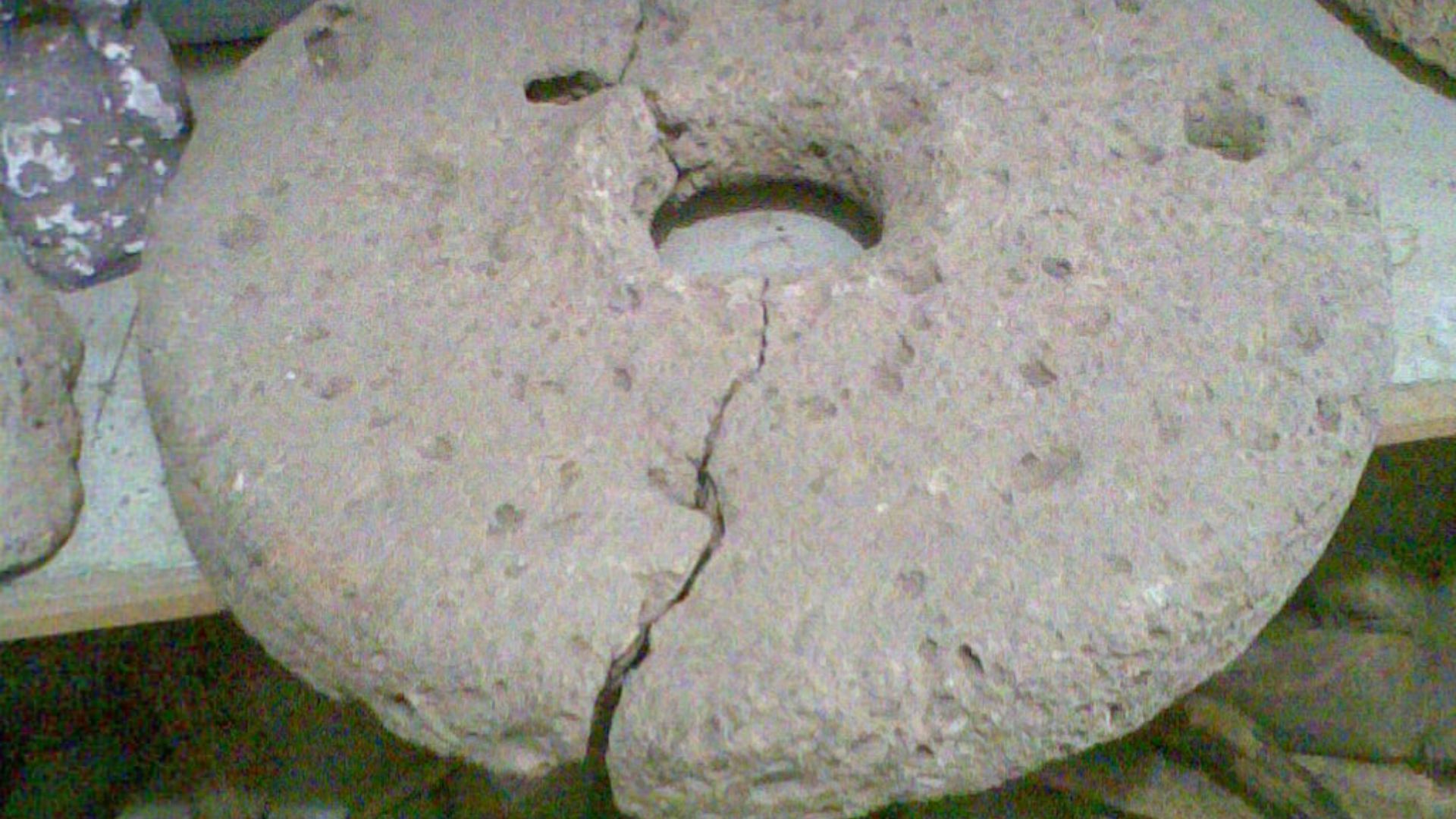
Egyptian Grain Mill (Old Kingdom)
Ancient Egyptians used hand-powered saddle querns to grind grain for daily meals. Such simple stone or wooden devices often allowed two people to work together. Many examples come from Old Kingdom tombs, which show how essential milling was to everyday life.
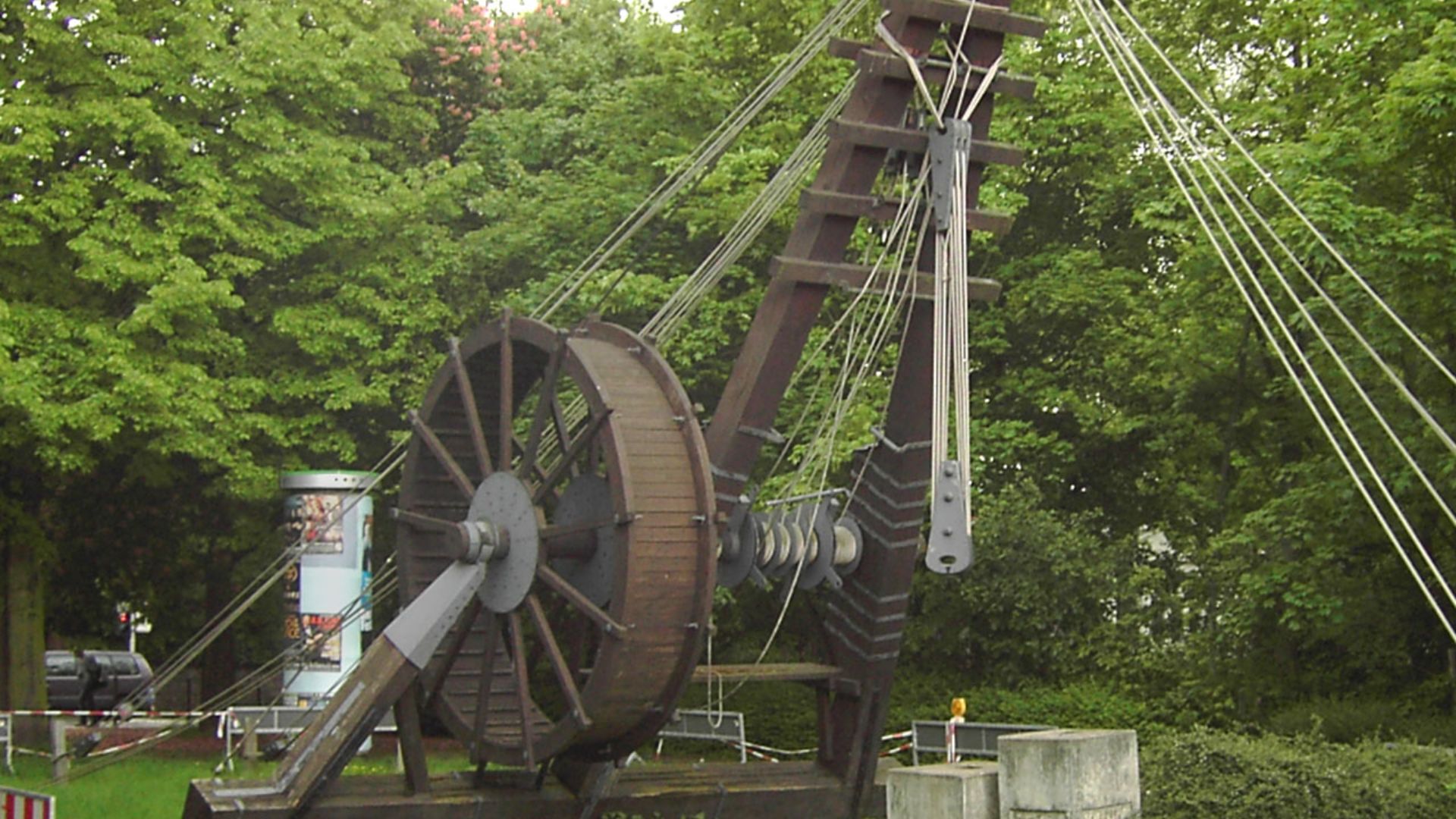
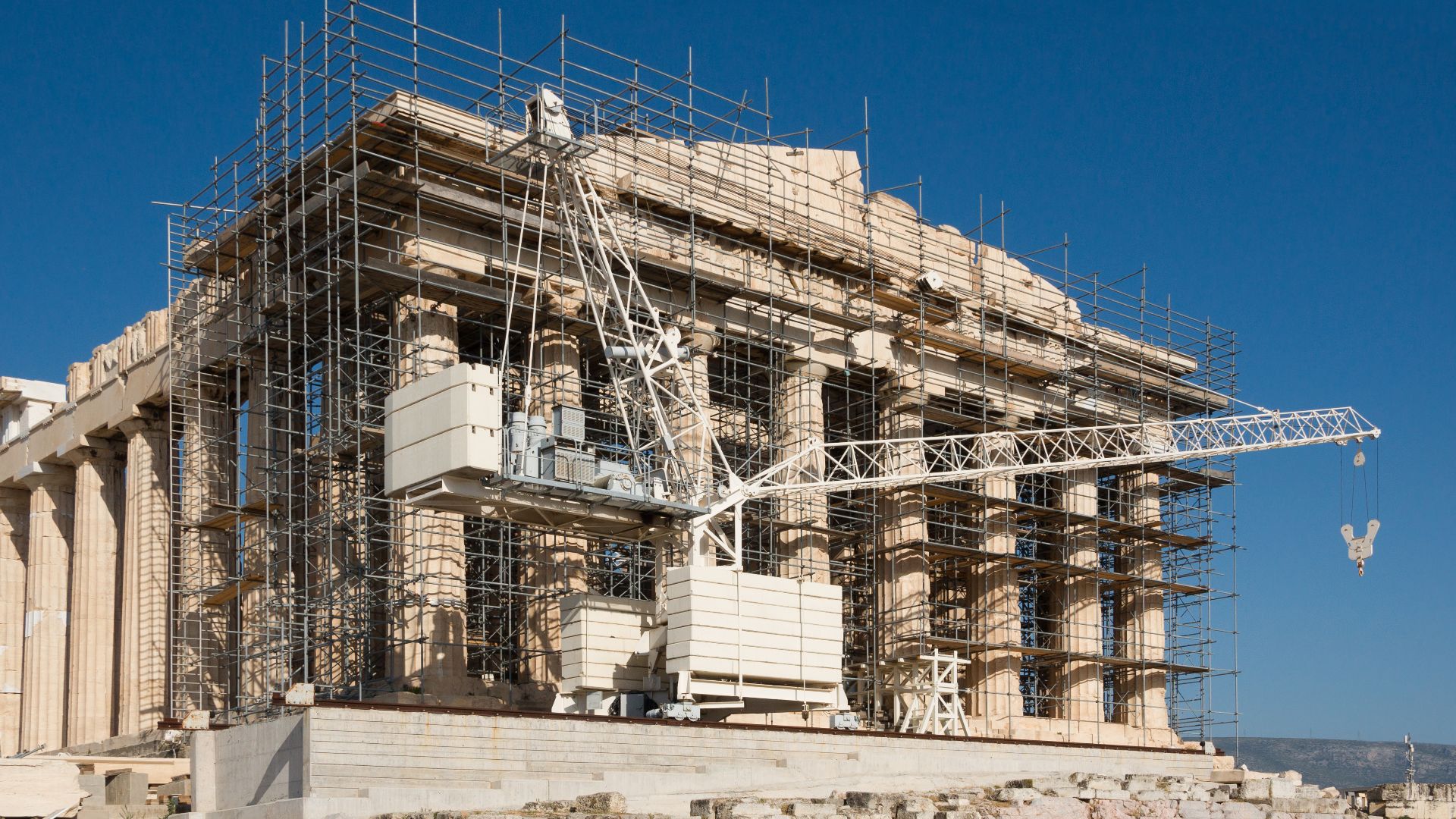
Greek Crane (Acropolis)
Builders in ancient Greece used pulley-based cranes to lift massive stones during temple construction. Marks and iron clamps on structures like the Acropolis reveal how these machines worked. Some cranes lifted stones weighing several tons to make huge projects possible.
Viking Watermill (Norway)
Viking communities built small watermills along rivers to grind grain more easily. Dating to the 9th to 11th centuries, these mills helped support daily life and sometimes served as gathering spots. They show how even early medieval settlements used simple mechanical power.
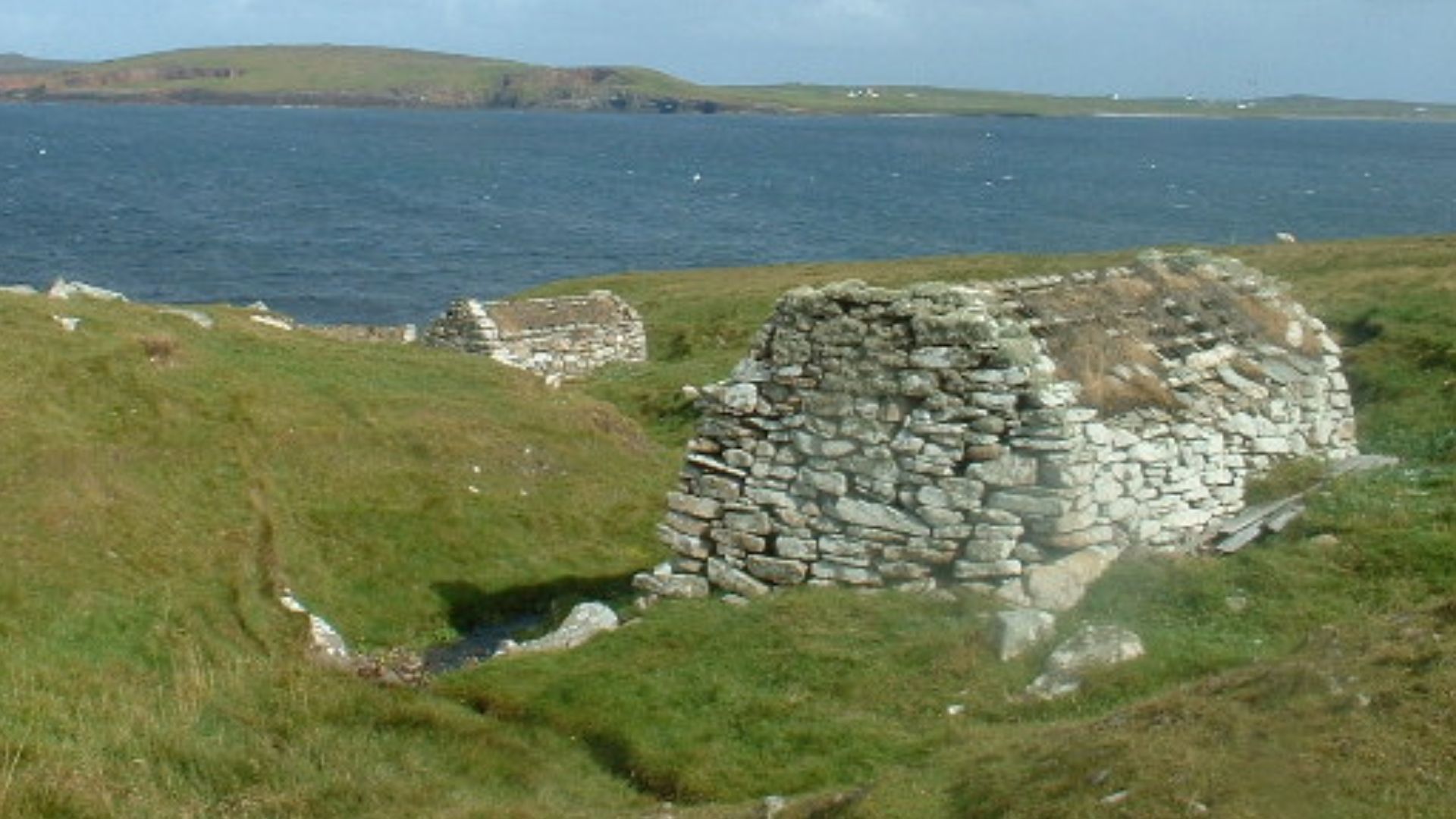 David Medcalf, Wikimedia Commons
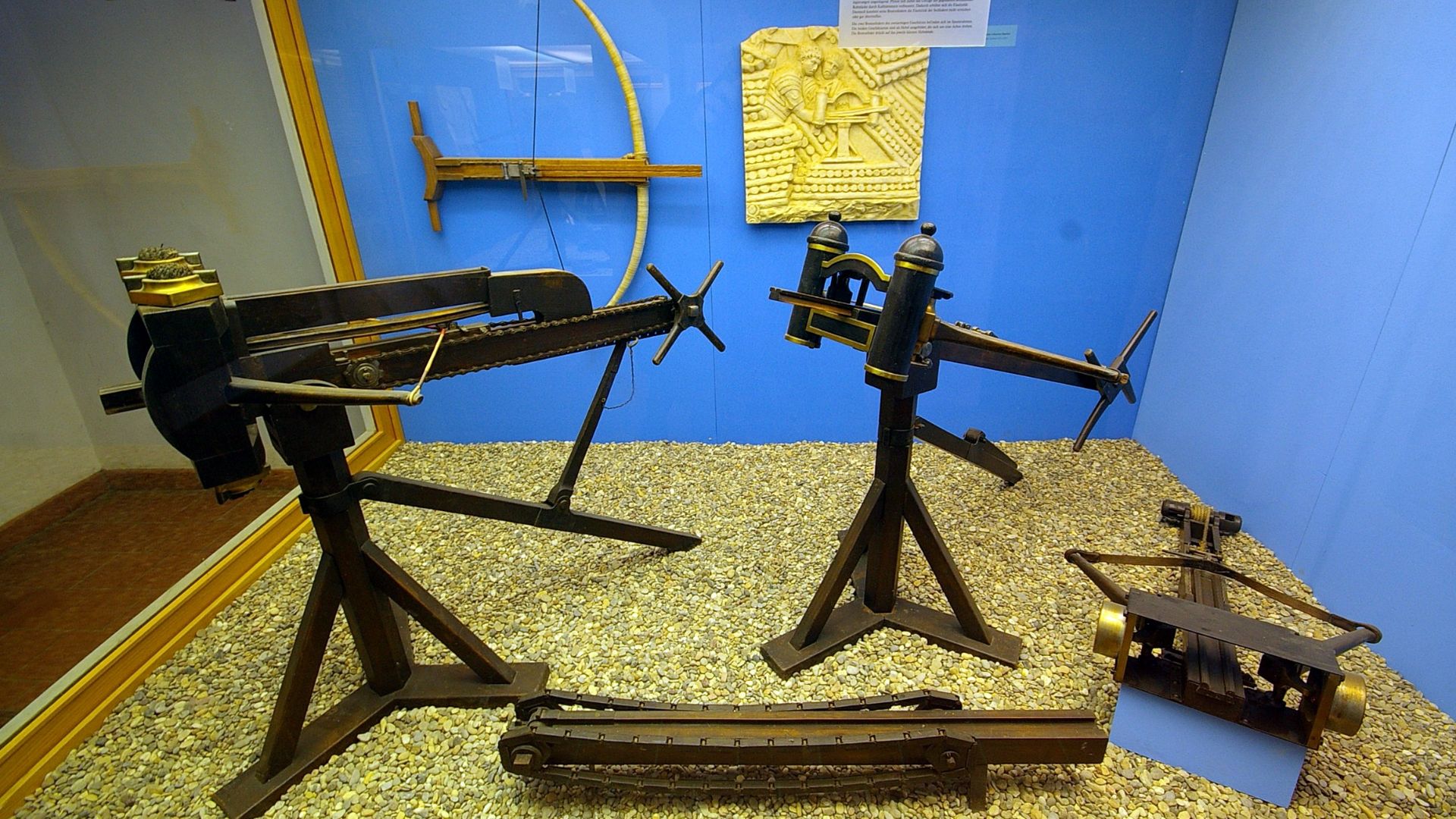
Roman Ballista Mechanism
Romans used this powerful torsion-powered machine to launch stones or bolts during battles. Remains found at military sites show how precise the mechanism was. Some ballistae could even hit targets hundreds of meters away, which gave armies a major advantage.
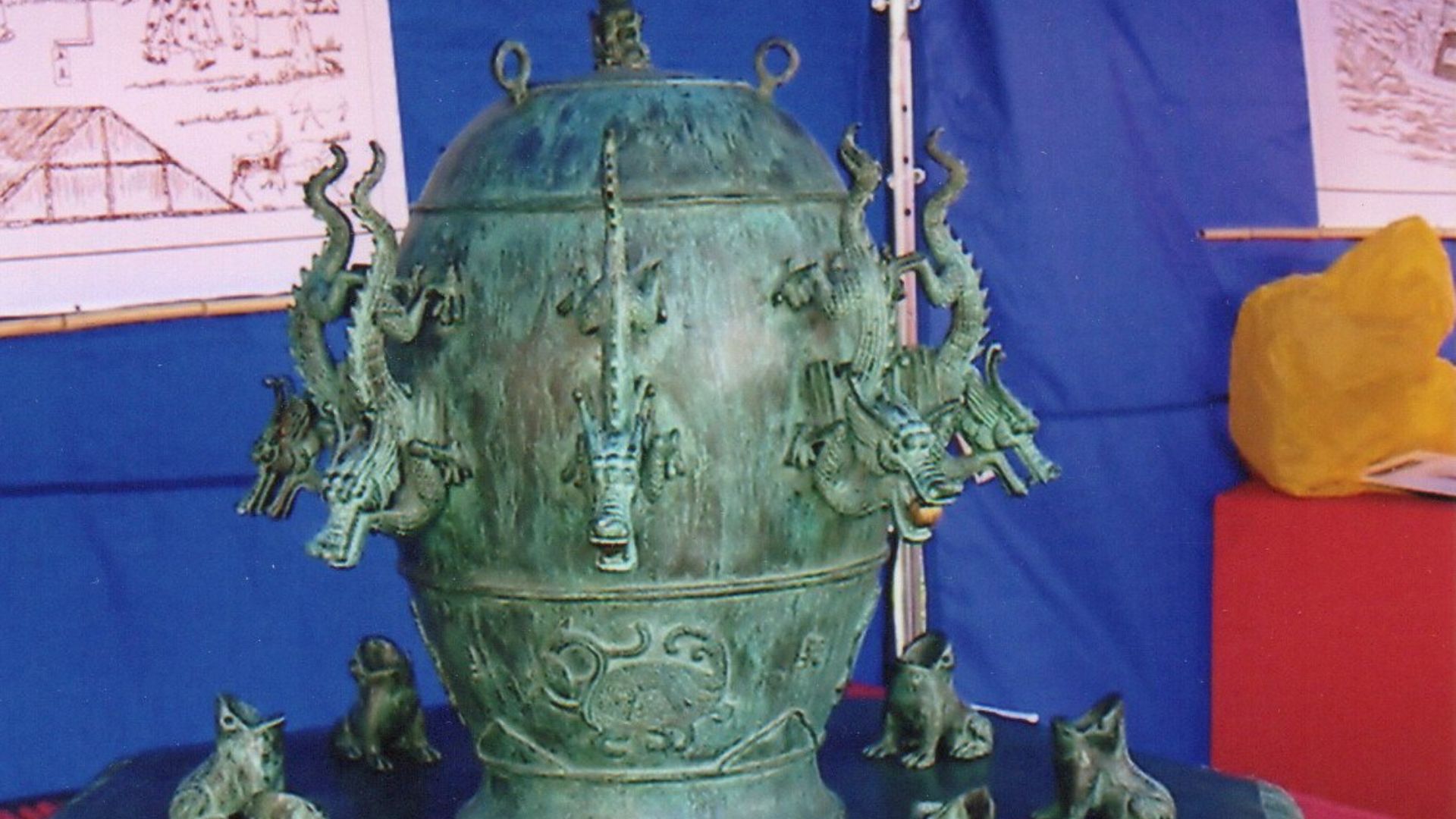
Chinese Seismograph (Zhang Heng, 132 AD)
Zhang Heng created a bronze device that could detect distant earthquakes. A hidden pendulum triggered small levers, which caused a dragon to drop a ball that showed the quake’s direction. It once detected a tremor hundreds of miles away—long before anyone felt it.
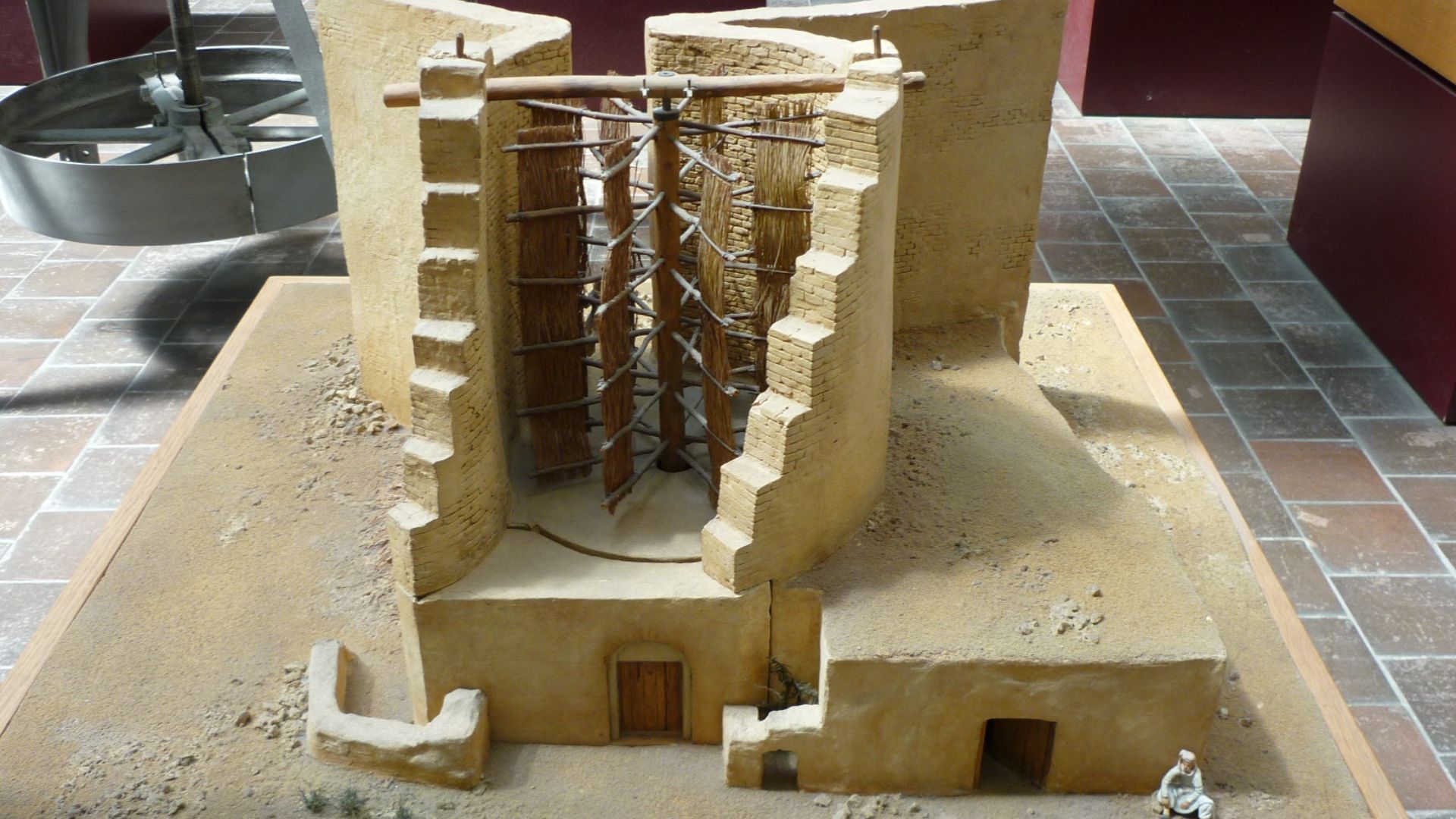
Persian Windmill (7th Century AD)
In eastern Persia, people built vertical-axis windmills using wood and reed sails to grind grain. These early mills captured strong desert winds and inspired later designs in other regions. They’re some of the earliest-known wind-powered machines in history.
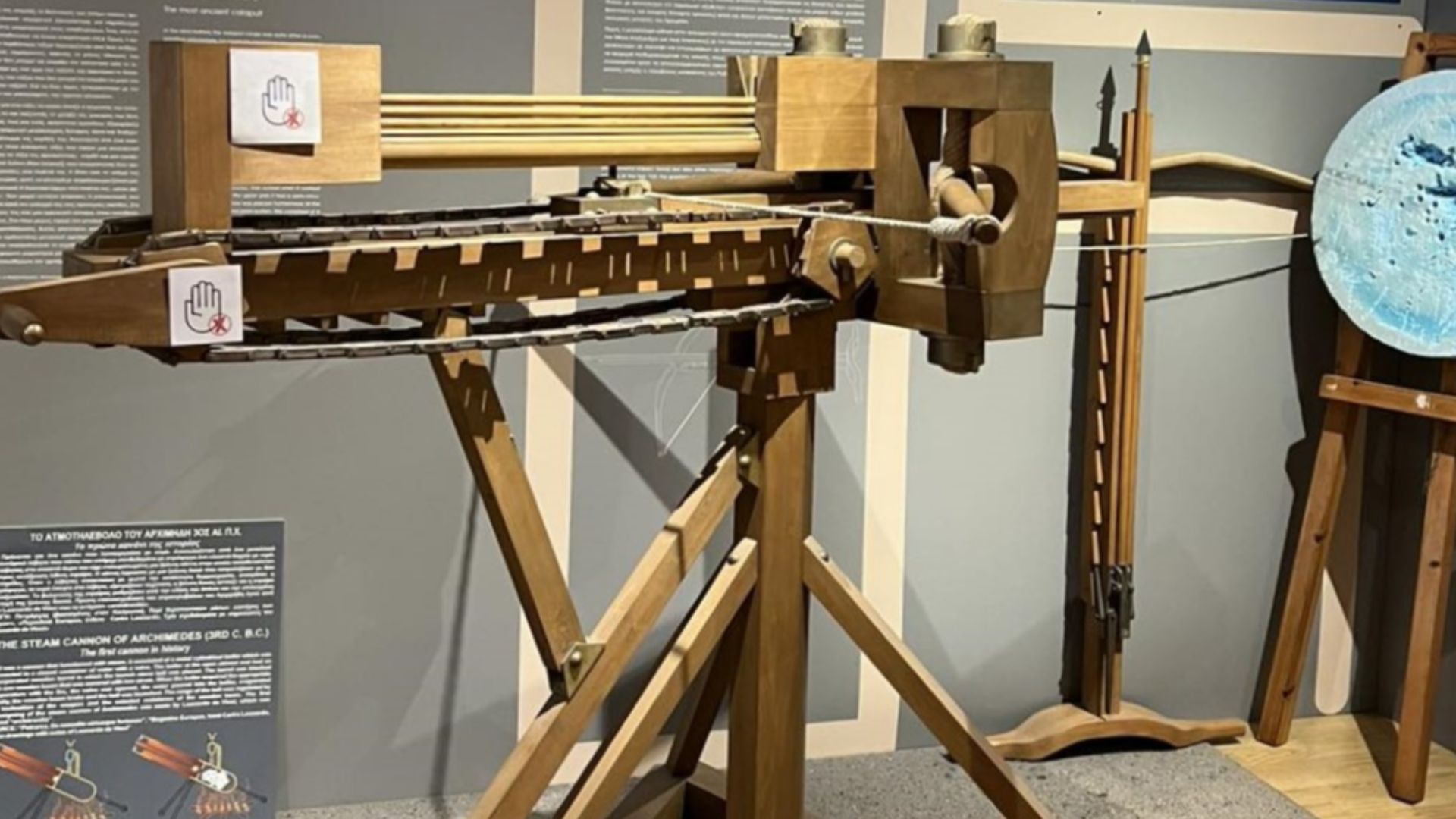
Greek Catapult Trigger Mechanism
Greek engineers designed gear and ratchet systems to launch projectiles with great force. Used in Hellenistic fortresses, these mechanisms helped improve catapults’s accuracy and distance. Ancient teams often experimented with sling sizes to get the best shot.
 Aga39memnon, Wikimedia Commons
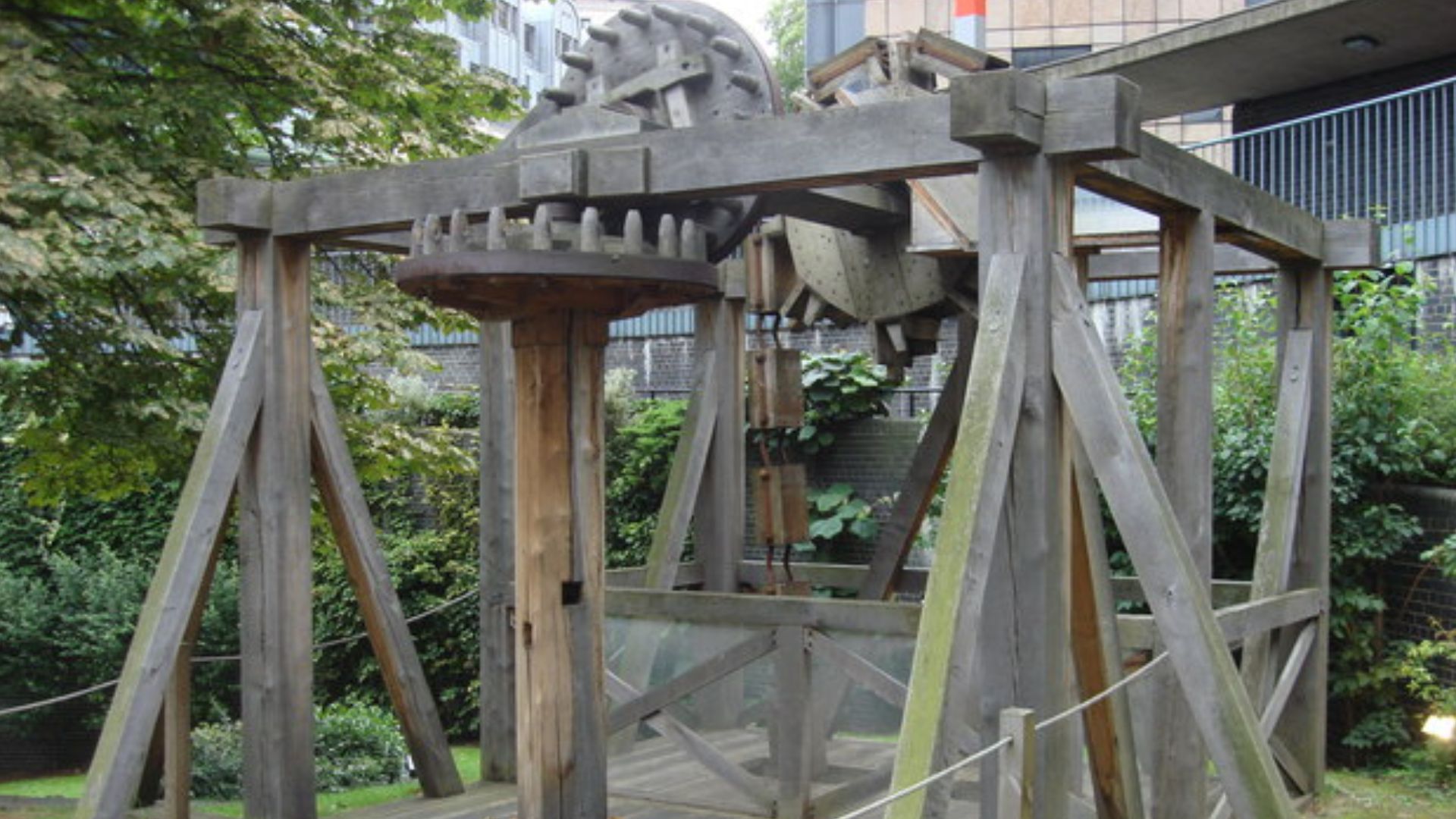
Roman Water Pump (Pompeii)
Romans used wooden double-piston pumps to move water for firefighting, fountains, and irrigation. Several were preserved in Pompeii’s ash, which gave us a clear look at their design. Some pumps were powerful enough to supply multiple households at once.
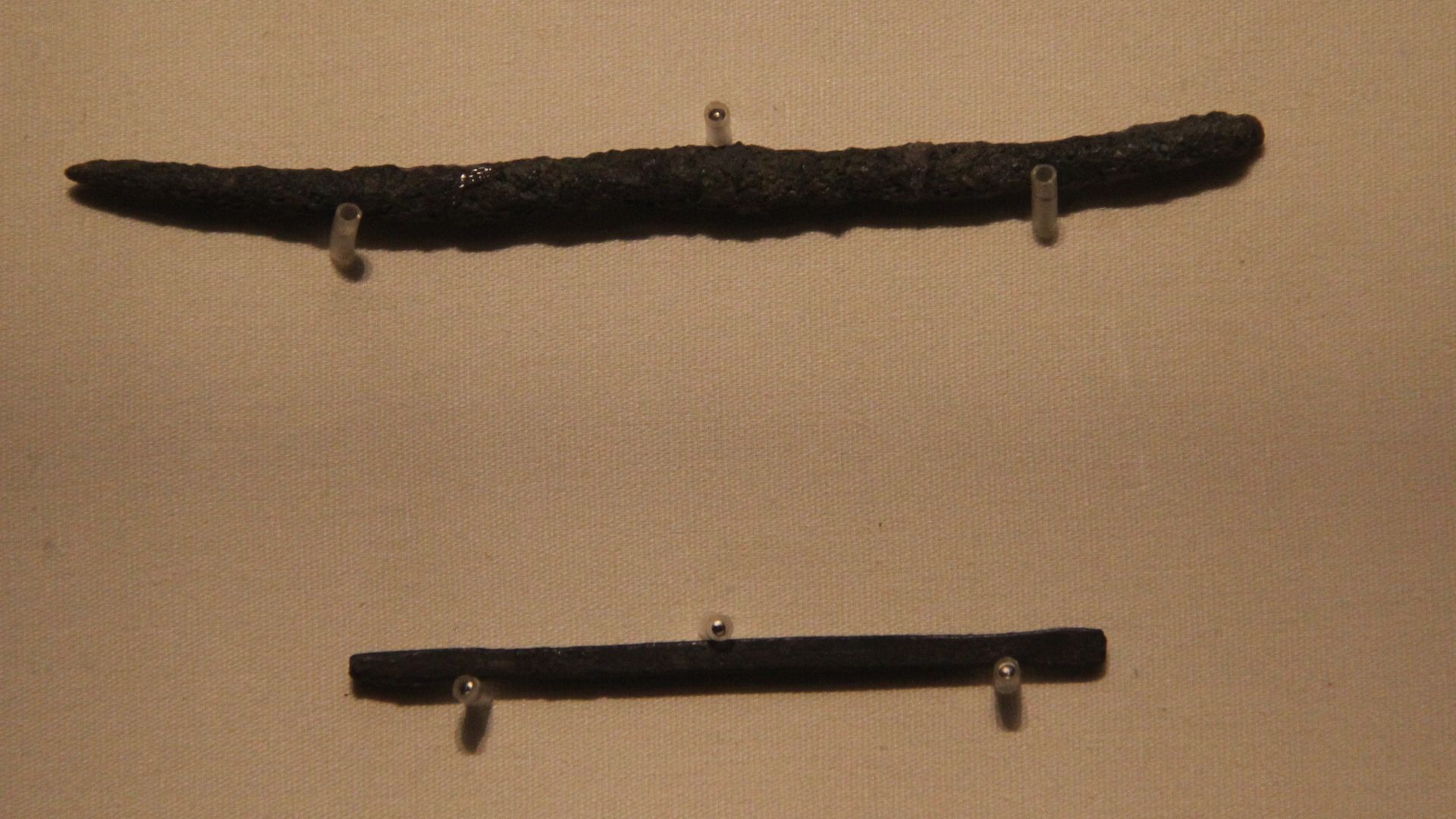
Egyptian Copper Drill (Giza)
Ancient Egyptian workers used copper hand drills combined with sand to shape stone and jewelry. Found in Old Kingdom workshops, these tools showed how skilled their craftsmen were. They could even drill into granite using steady, repeated rotation.
 Gary Todd from Xinzheng, China, Wikimedia Commons
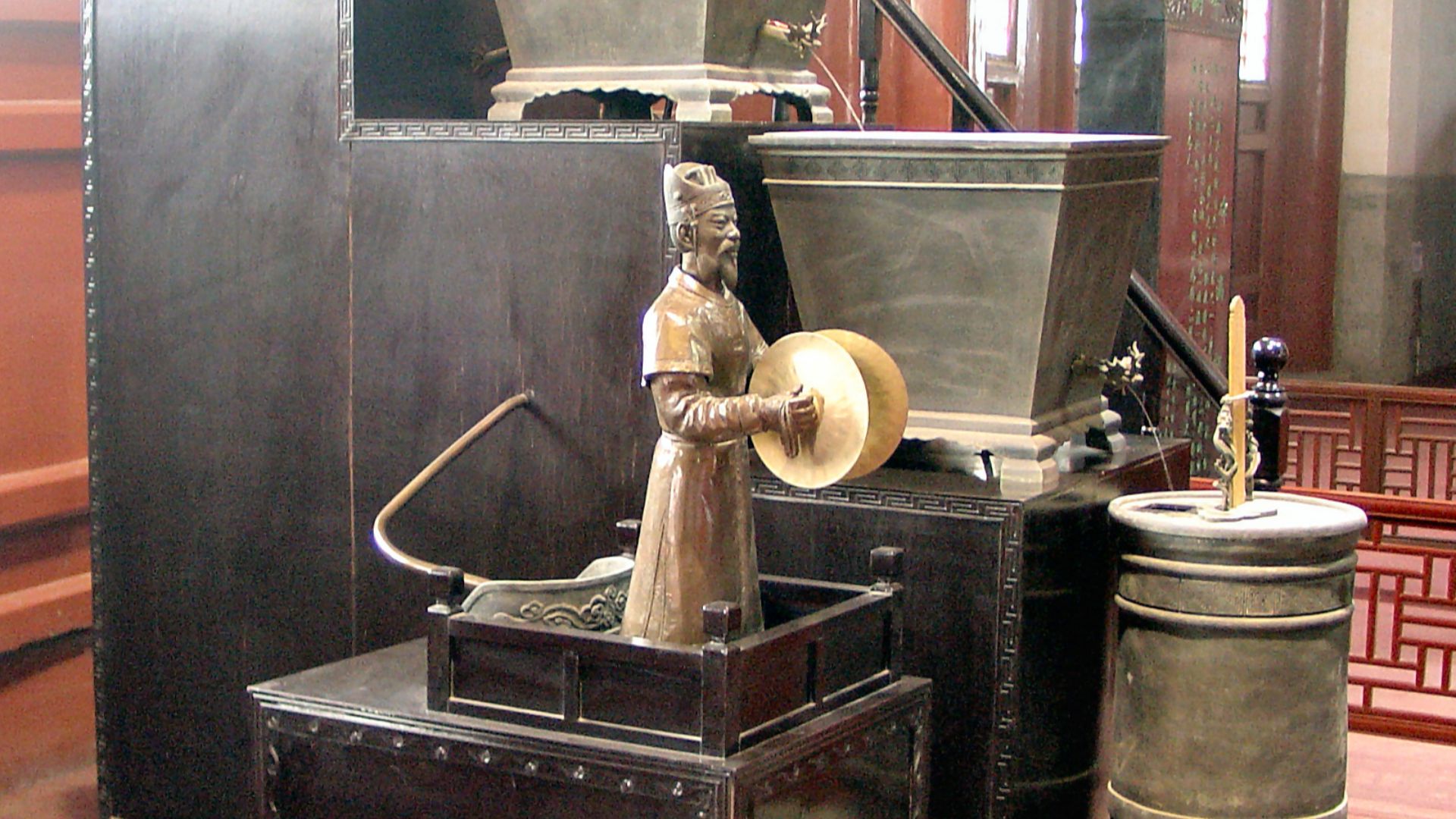
Chinese Clock Tower Mechanism (Su Song, 1090 AD)
Su Song’s clock tower used flowing water, gears, and escapements to show time and track the sky. Built during the Song Dynasty, it displayed lunar phases and celestial movement. A rotating bronze armillary sphere sat on top, turning with the heavens.
Greek Automatic Door Mechanism (Alexandria)
Hero of Alexandria designed temple doors that opened automatically using steam pressure and hidden pulleys. When heat built up, the mechanism activated, and surprised visitors who thought the gods had opened the doors. It’s one of the earliest examples of automated technology.
 Aga39memnon, Wikimedia Commons
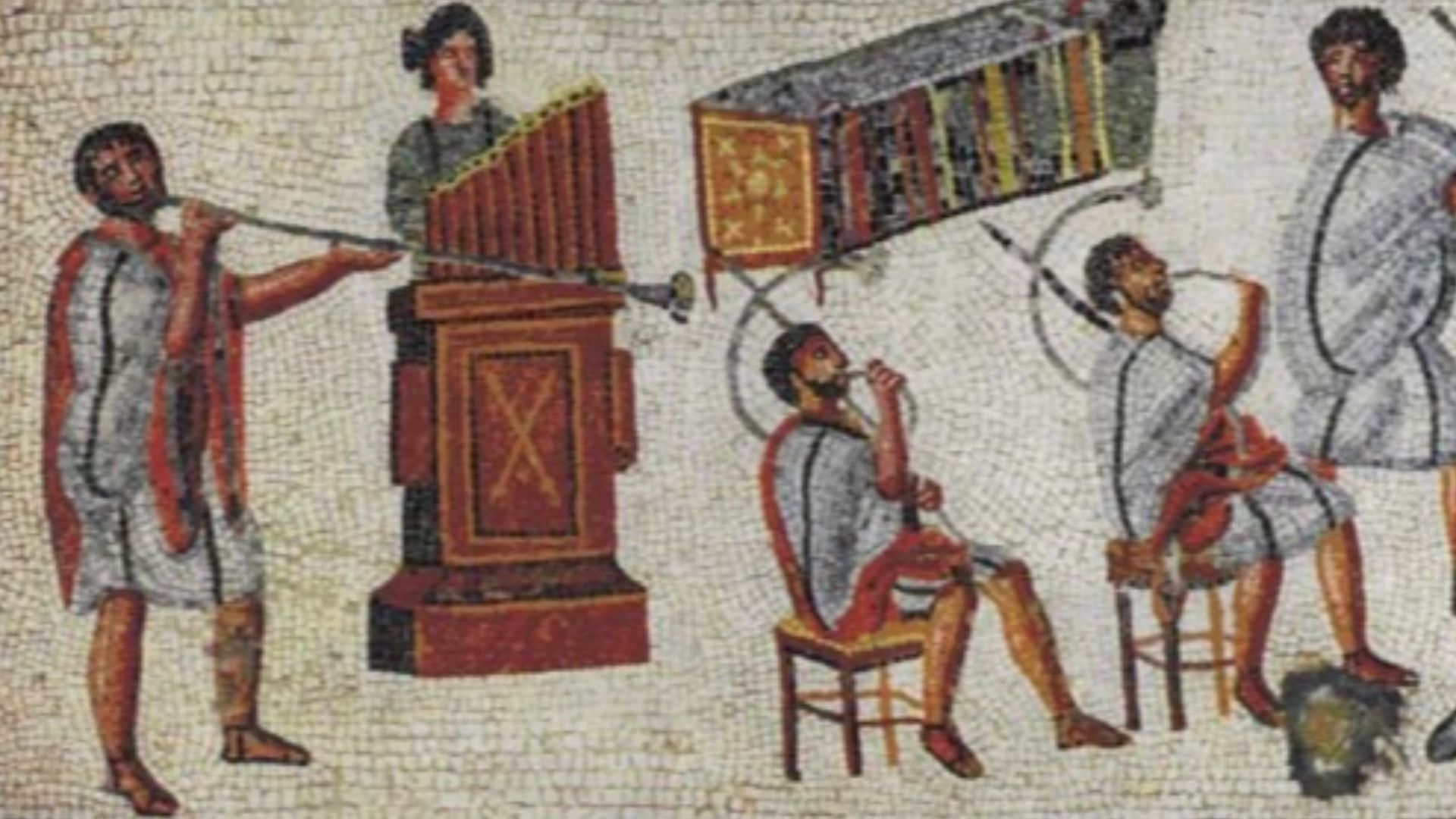
Roman Water Organ (Hydraulis)
The hydraulis used water pressure to push air through pipes to create music for festivals and gatherings. Found in ancient Roman and Hellenistic sites, it’s considered the ancestor of modern pipe organs. Even Emperor Nero was known to enjoy its performances.
 The original uploader was Nacera Benseddik at French Wikipedia., Wikimedia Commons
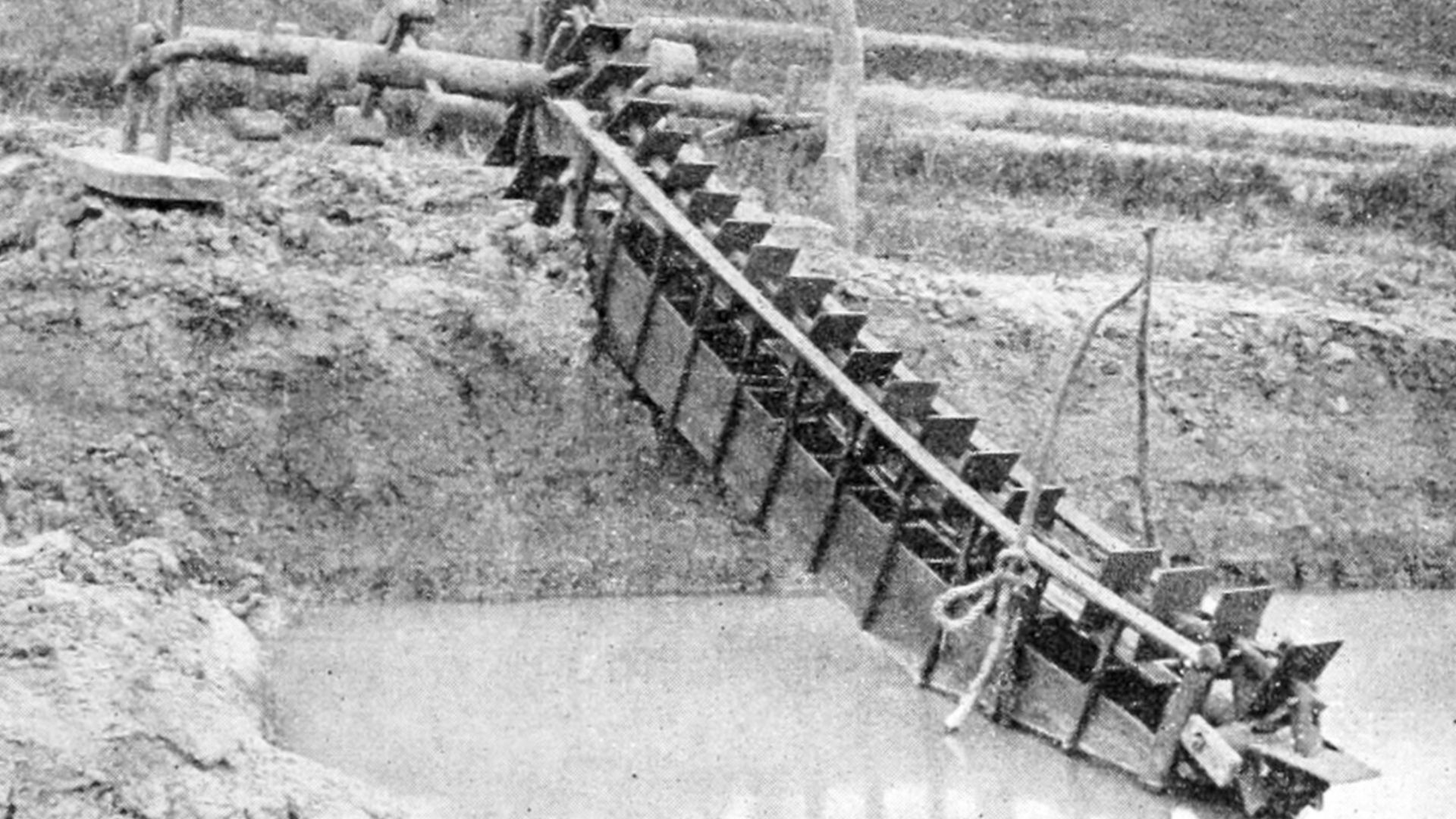
Assyrian Chain Pump (Nineveh)
This ancient pump used a loop of buckets on a chain to lift water for farming. Excavated in Nineveh, it shows how Assyrian engineers handled irrigation efficiently. Humans or animals powered the mechanism, and its basic principle is still used in some traditional farms today.
 Unknown photographerUnknown photographer, Wikimedia Commons
Celtic Iron Forge Bellows (Britain)
Iron Age Celtic forges used leather bag bellows to create hotter fires for metalworking. Archaeologists have uncovered examples in Britain that were powered by either hand or foot. They allowed smiths to reach the high temperatures needed for shaping tools and weapons.
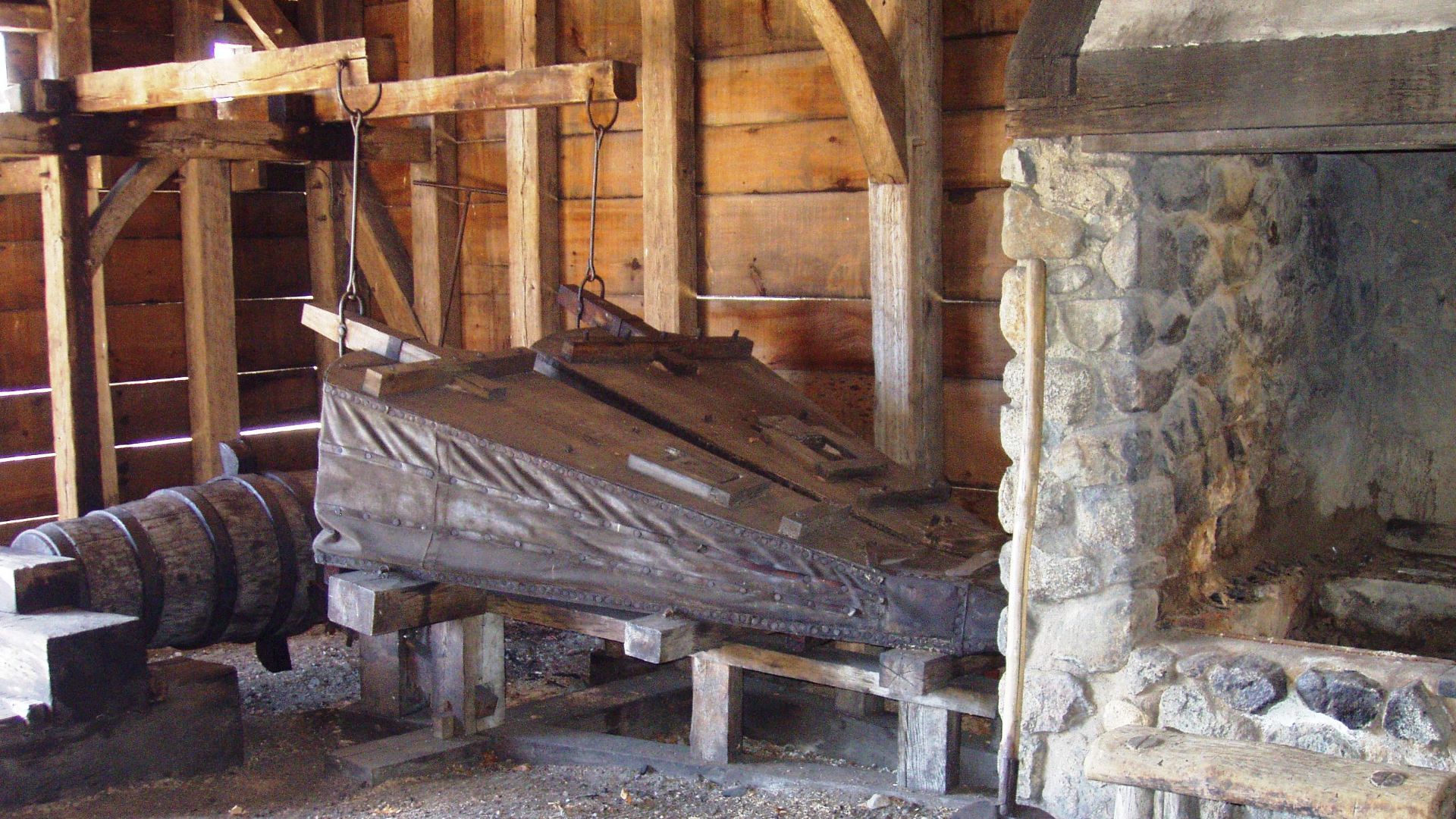 Daderot at en.wikipedia, Wikimedia Commons