Timeless Tunes
Christmas music feels eternal, doesn't it? There's a reason for that. The carols filling shopping malls and church services today were composed generations ago. Each one carries stories from eras we can barely imagine.
“Jingle Bells” (1857)
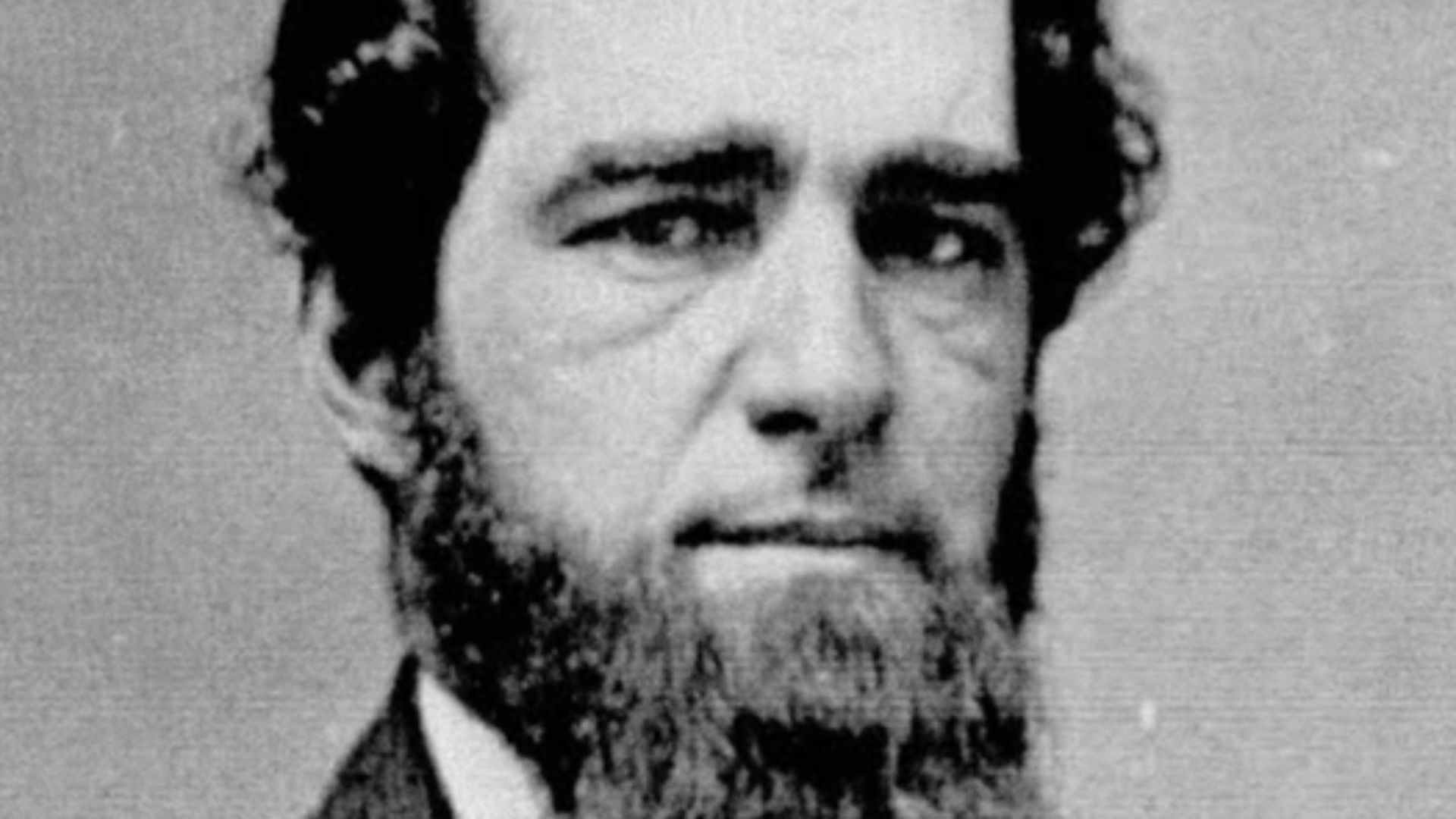
Before "Jingle Bells" became the soundtrack to every shopping mall's December playlist, it was actually a song about the thrill of winter sleigh racing. James Lord Pierpont penned this tune back in 1857, originally calling it "One Horse Open Sleigh".
 Unknown authorUnknown author, Wikimedia Commons
“Good King Wenceslas” (1853)
The story behind "Good King Wenceslas" is actually a clever musical recycling project from the Victorian era. John Mason Neale wrote the words in the mid-19th century, but the melody he chose was already about 600 years old—taken from a 13th-century spring carol.
 Unknown authorUnknown author, Wikimedia Commons
“Good King Wenceslas” (Cont.)
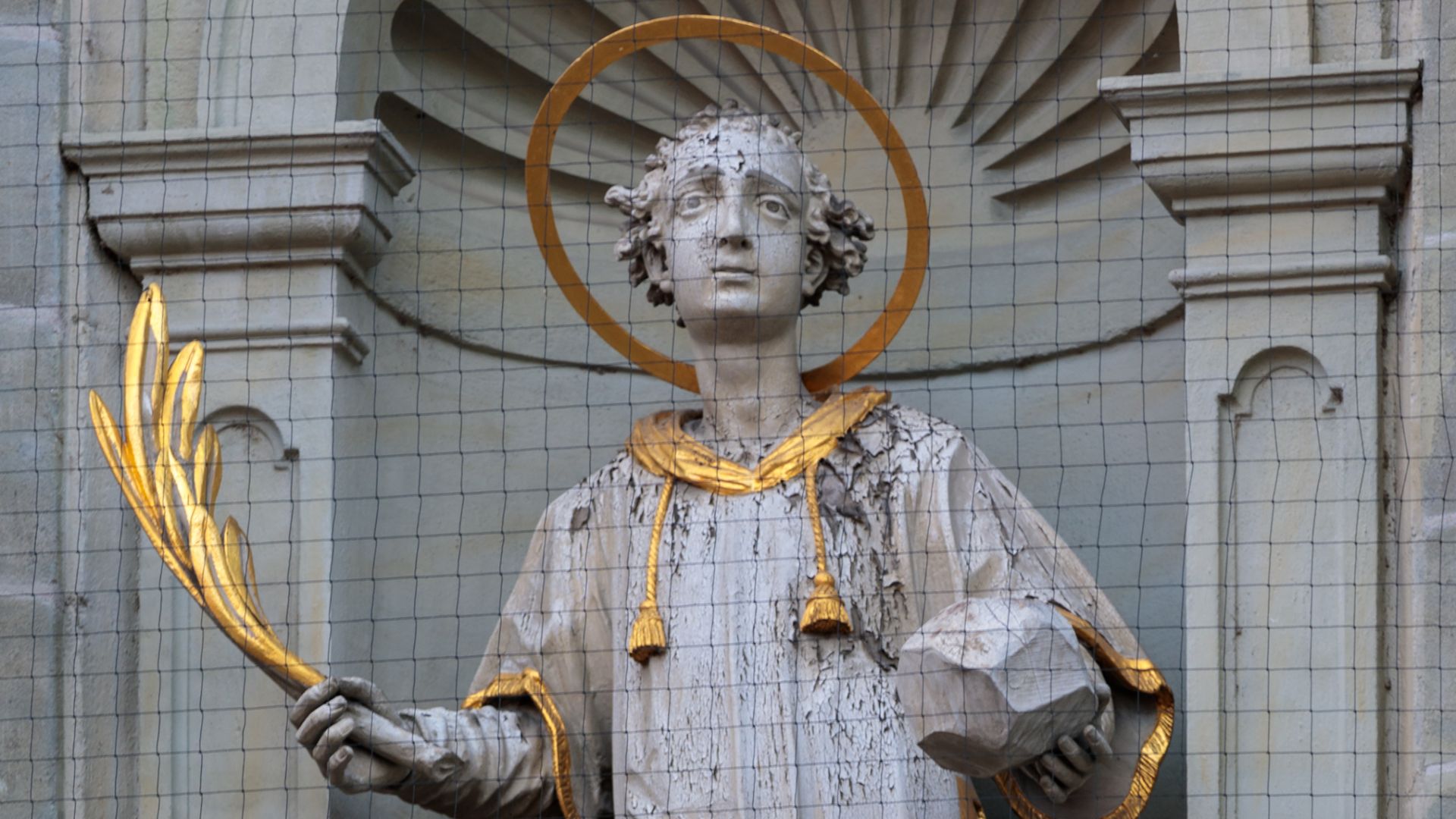
Neale's version popularized the story as a Christmas tale throughout the English-speaking world, turning a real medieval duke into a symbol of holiday generosity. The carol follows King Wenceslas as he ventures out on the Feast of Stephen (December 26th) to help a poor peasant gathering winter fuel.
 JoachimKohler-HB, Wikimedia Commons
“Silent Night” (1818)
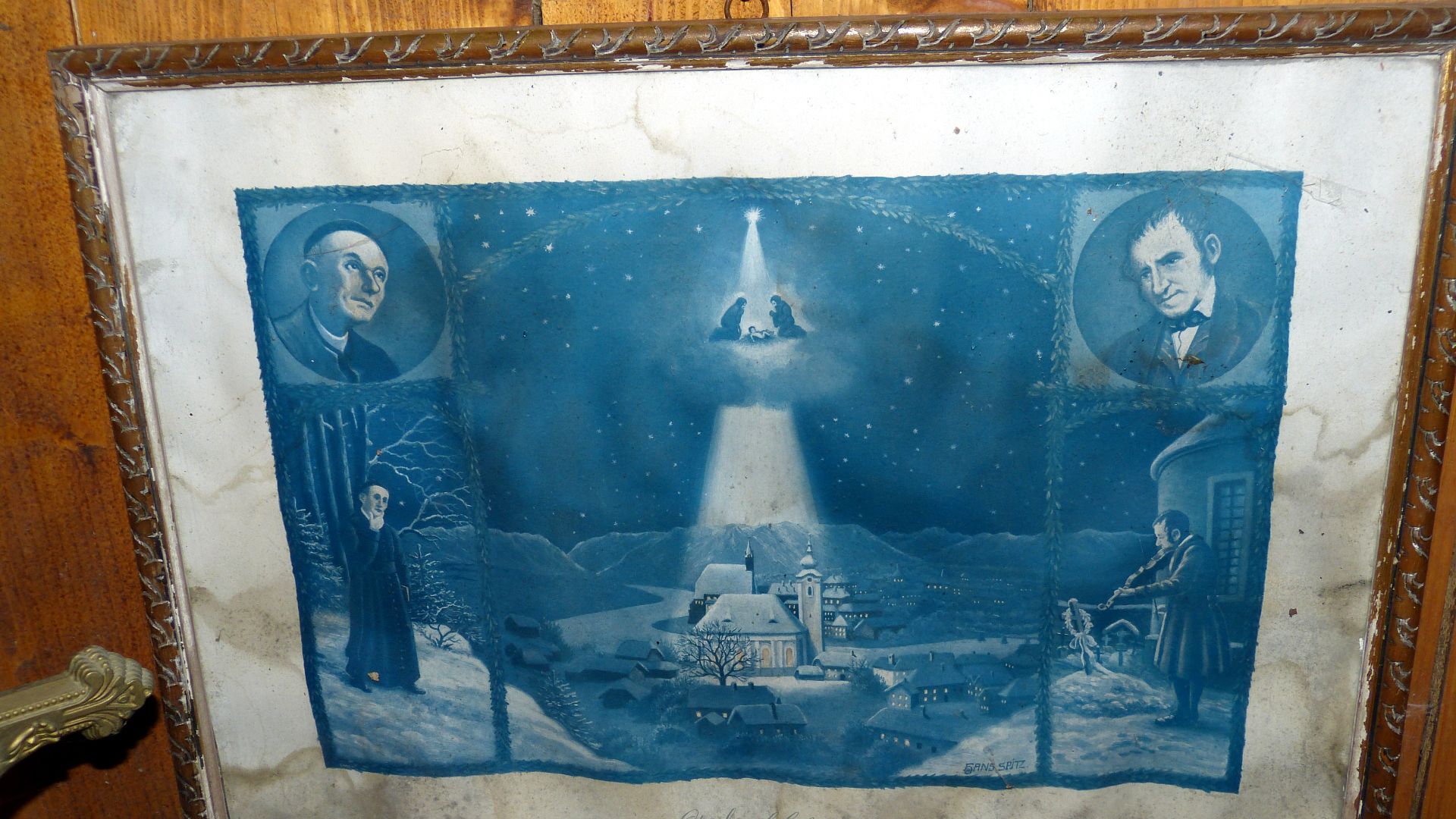
Picture a small Austrian village on Christmas Eve 1818. Yup, that's where one of the world's most beloved carols was born. Joseph Mohr wrote the lyrics and Franz Xaver Gruber composed the music for "Silent Night," and they premiered it that very evening in Oberndorf, Austria.
 Wolfgang Sauber, Wikimedia Commons
“O Holy Night” (1847)
When Placide Cappeau sat down to write "Minuit, chretiens" (the original French poem), he probably didn't realize he was creating what would become one of Christmas music's most technically demanding and emotionally powerful pieces. Adolphe Adam composed the music in the mid-19th century.
 Unknown middle XIXe, Wikimedia Commons
“The First Noel” (1823)
The word "Noel" itself tells part of this carol's story, reflecting the French linguistic influence that shaped this beloved Christmas song. First printed in the early 19th century in English collections, "The First Noel" draws on older English and possibly French folk material.
 John Cummings, Wikimedia Commons
“O Come, All Ye Faithful” (1751)
Known in Latin as "Adeste Fideles," this 18th-century hymn owes much to John Francis Wade's manuscript tradition, though its exact origins remain debated. English translations and adaptations helped spread it through Anglican and Catholic hymnals, making it a Christmas standard across denominations.
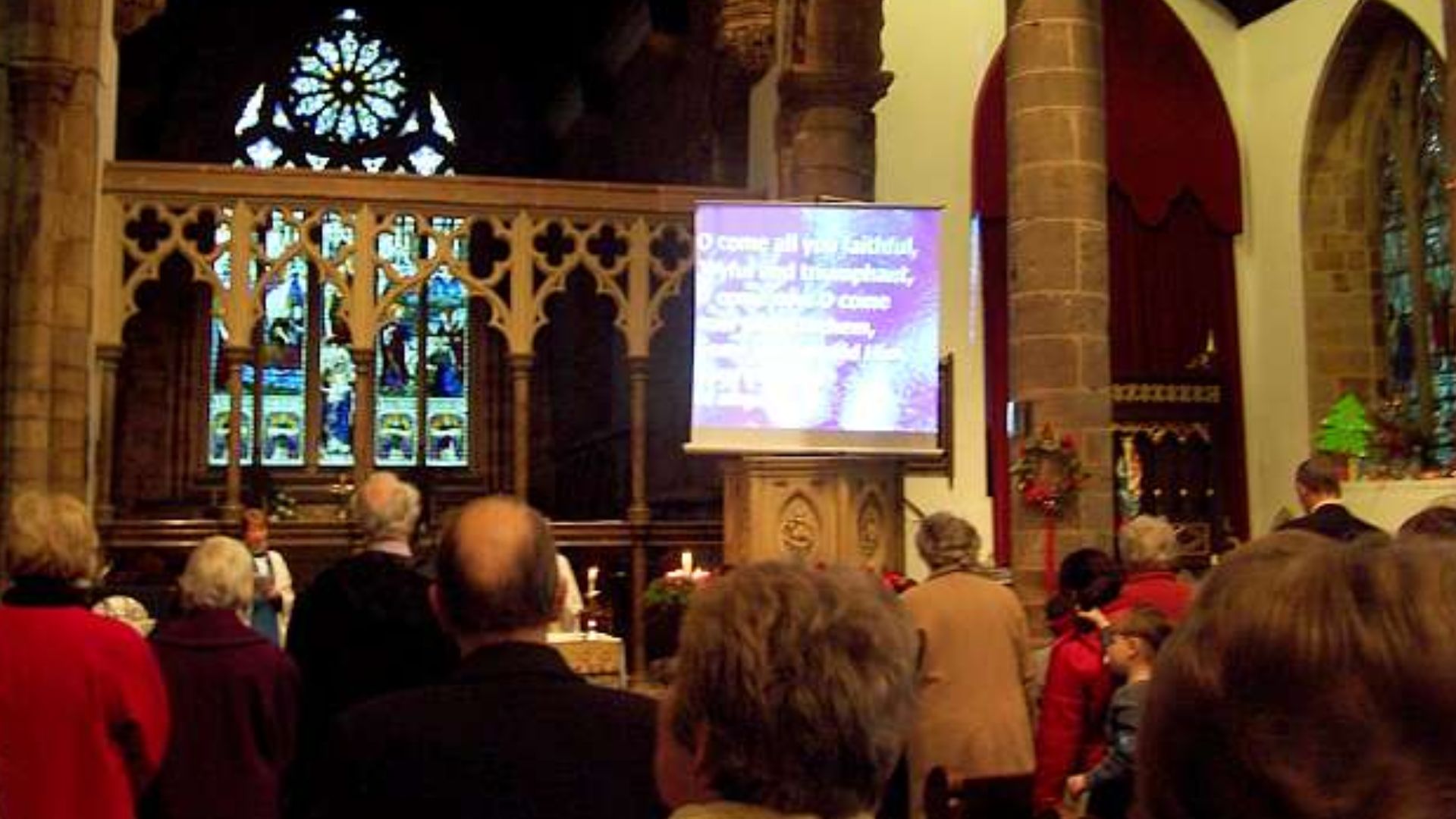 Garth Newton, Wikimedia Commons
“Hark! The Herald Angels Sing” (1855)
Charles Wesley wrote the original 18th-century text, but the carol we know today emerged when his words met Mendelssohn's melody, adapted and arranged in the 19th century. The carol's triumphant chorus has made it a mainstay of Christmas services worldwide.
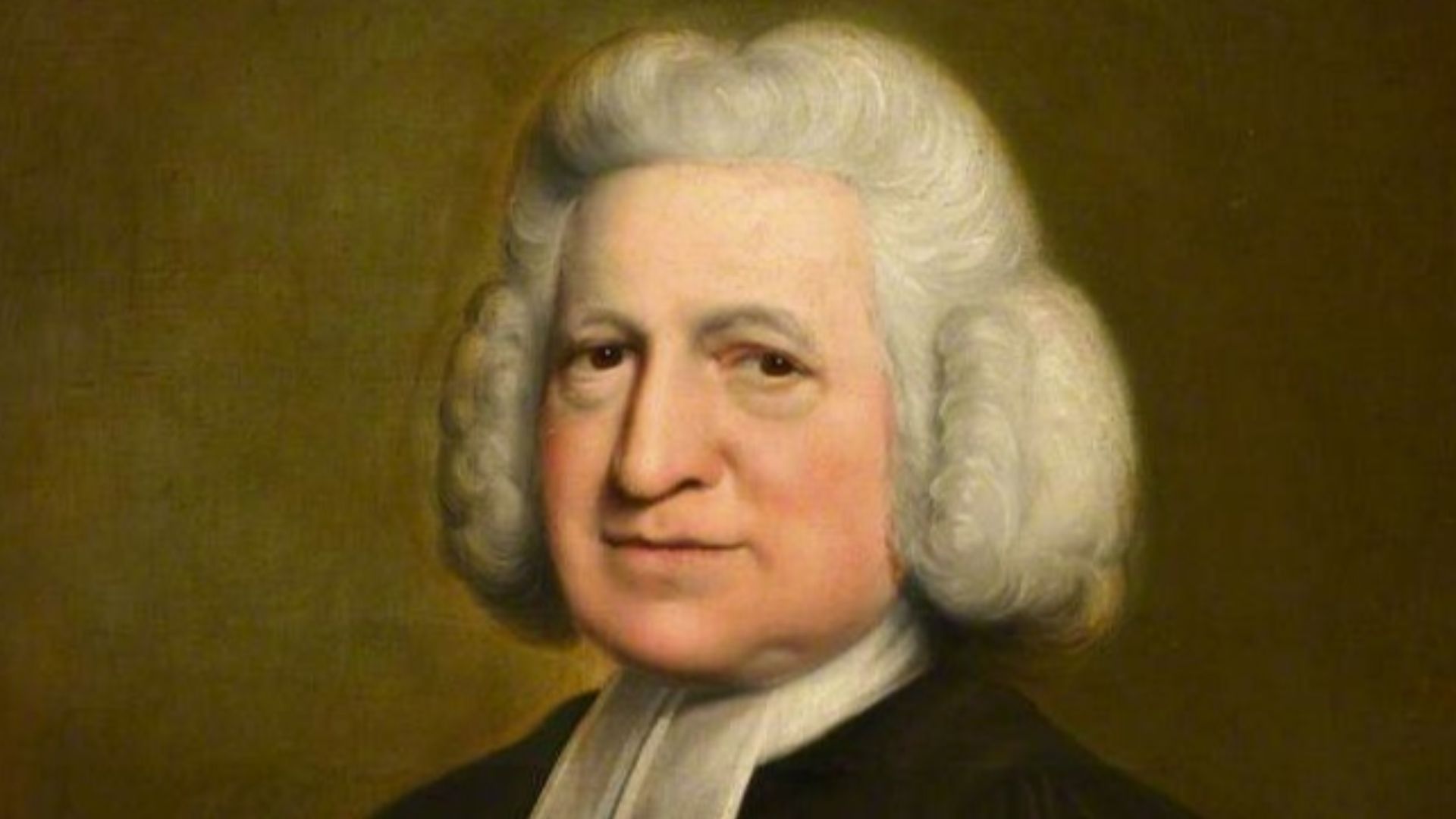 User Magnus Manske on en.wikipedia, Wikimedia Commons

History's most fascinating stories and darkest secrets, delivered to your inbox daily.
“Joy To The World” (1719)
It is said that this paraphrase of Psalm-based material was composed by Isaac Watts in the early 18th century, but the modern melody was later arranged and made popular in hymnals. The hymn's enthusiastic celebration of Christ's rule resonated throughout the seasons.
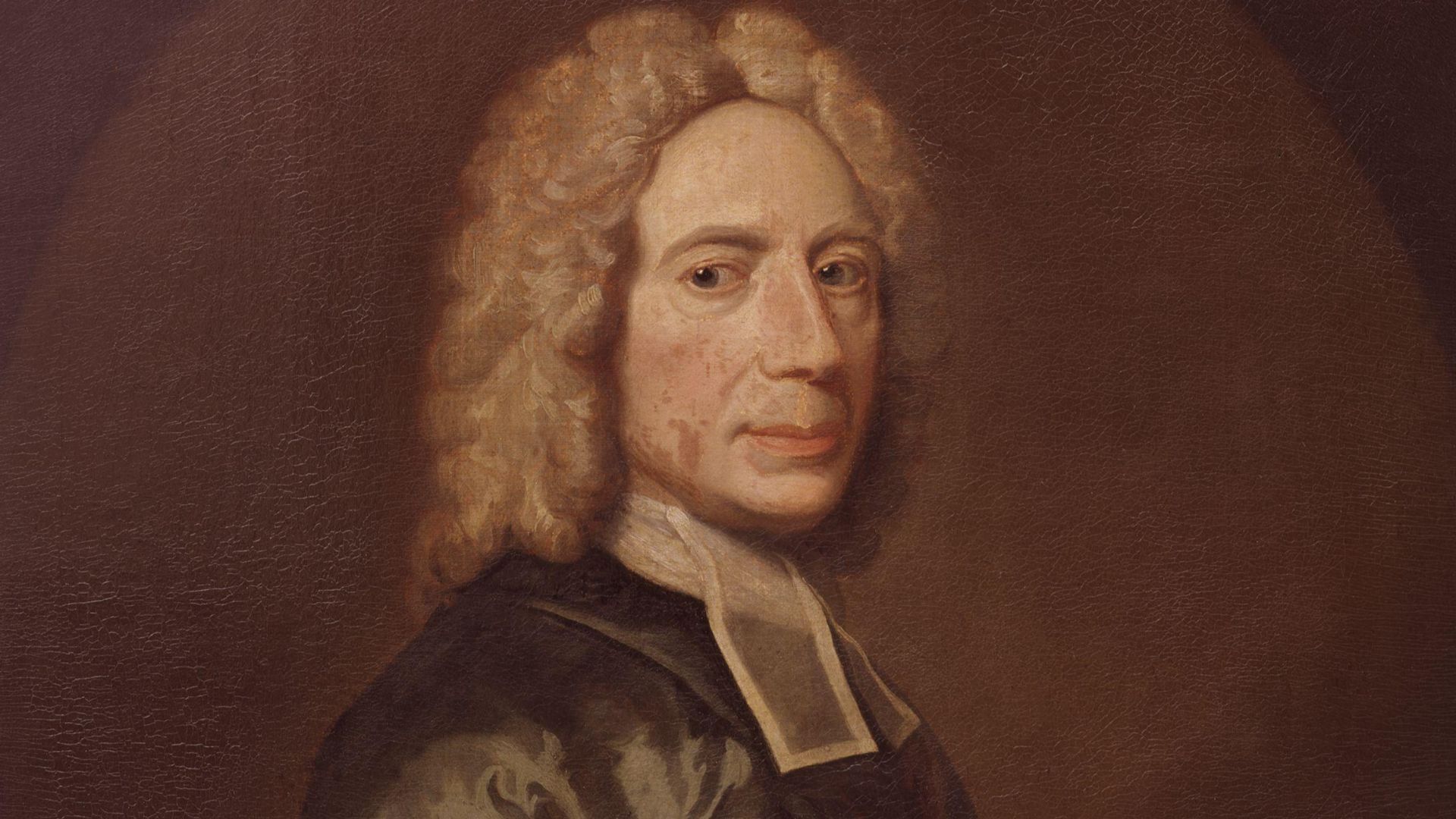
“It Came Upon The Midnight Clear” (1850)
Did you know that Edmund H Sears wrote these lyrics in the mid-19th century? The carol was first published in the 1850s, and it was thereafter set to several different tunes. Its text reflects 19th-century concerns for peace and social justice.
 File Upload Bot (Magnus Manske), Wikimedia Commons
“O Little Town Of Bethlehem” (1868)
Quite interestingly, Phillips Brooks wrote this text after visiting Bethlehem, translating his personal pilgrimage into poetry that captured the quiet wonder of Christ's birthplace. Lewis Redner composed the familiar tune "St. Louis" to accompany Brooks's words, and the hymn was published in the late 19th century.
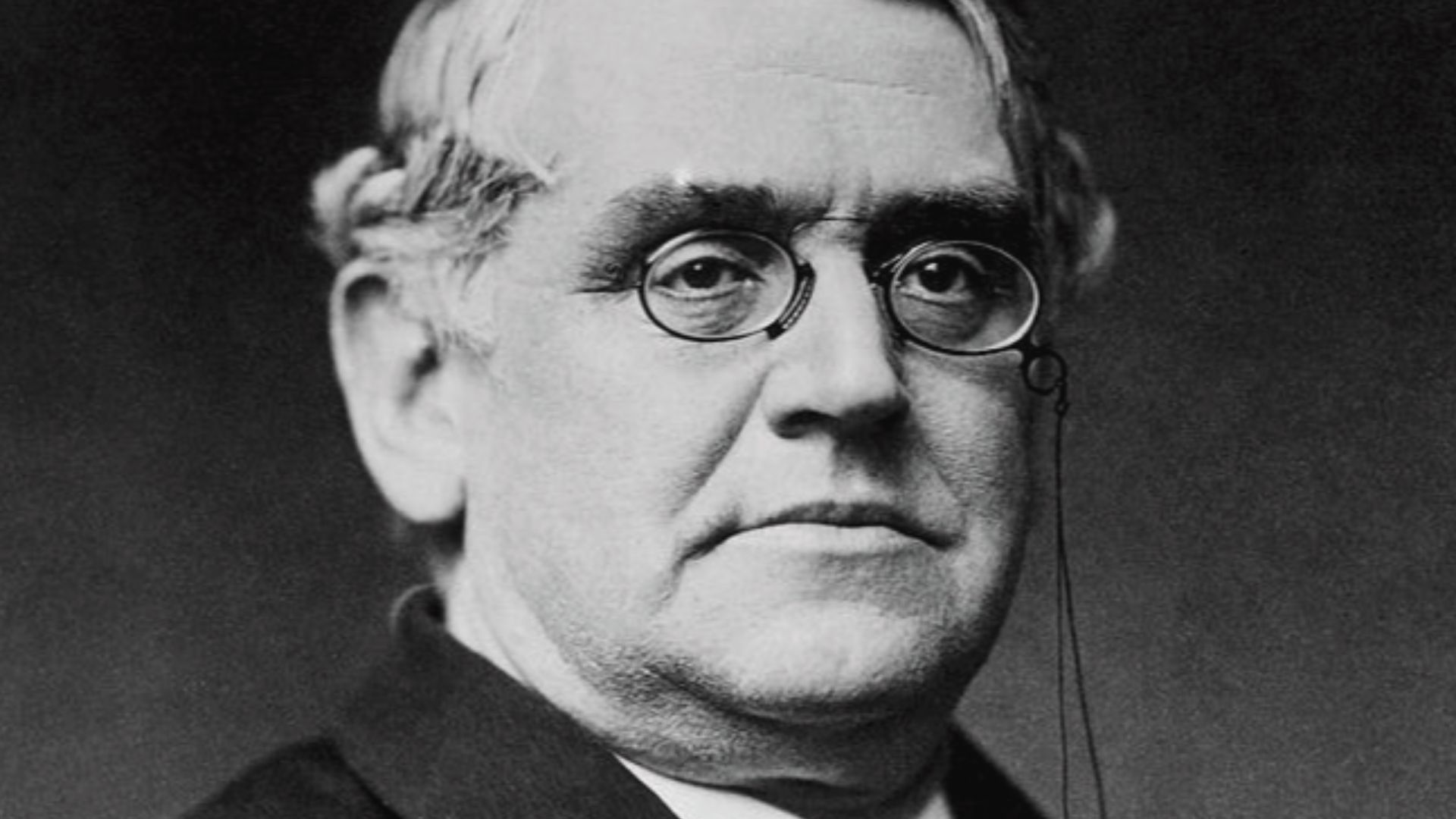
“Angels We Have Heard On High” (1862)
The famous "Gloria" refrain is a hallmark of the tune, its extended melisma on "Gloria in excelsis Deo" stretching a single syllable across multiple soaring notes. This carol is an English version of the French "Les Anges dans nos campagnes”.
 Vominhthang, Wikimedia Commons
“Away In A Manger” (1885)
A classic, everyone would agree. First appearing in late 19th-century American hymnals, the song’s authorship is uncertain and has been the subject of historical debate among musicologists. It became widely used as a gentle lullaby-style Christmas hymn for children.
 Halyna Kuchmanych, Wikimedia Commons
“What Child Is This?” (1871)
William Chatterton Dix's lyrics were later set to the traditional tune "Greensleeves," creating one of Christmas music's most interesting marriages of sacred and secular. The melody "Greensleeves" is an older English folk tune paired with Dix's text, bringing Tudor-era courtship music into the stable at Bethlehem.
 William Chatterton Dix (words), Wikimedia Commons
“We Three Kings” (1863)
The song's verses each focus on a different gift of the Magi—gold, frankincense, and myrrh—with each gift carrying symbolic meaning. Each king's verse is often interpreted as representing a different continent or aspect of Christ. John Henry Hopkins Jr. wrote this one specifically for a Christmas pageant.
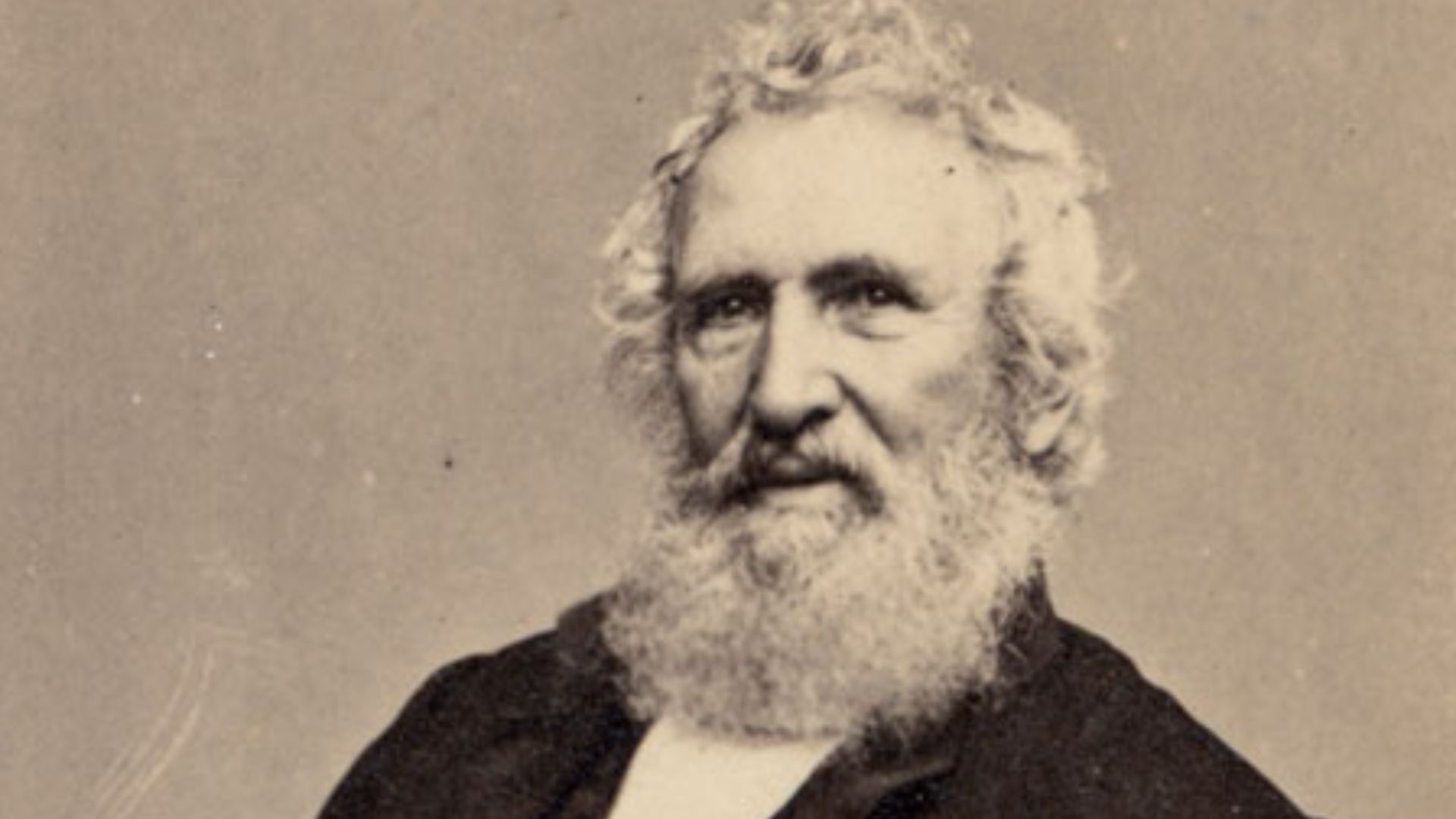 Contemporary photograph, Wikimedia Commons
“Deck The Halls” (1862)
The melody of “Deck The Halls” derives from a traditional Welsh tune often called "Nos Galan," but the English lyrics were published and popularized only in the 19th century. Also, the "fa la la" chorus preserves an older secular singing tradition.
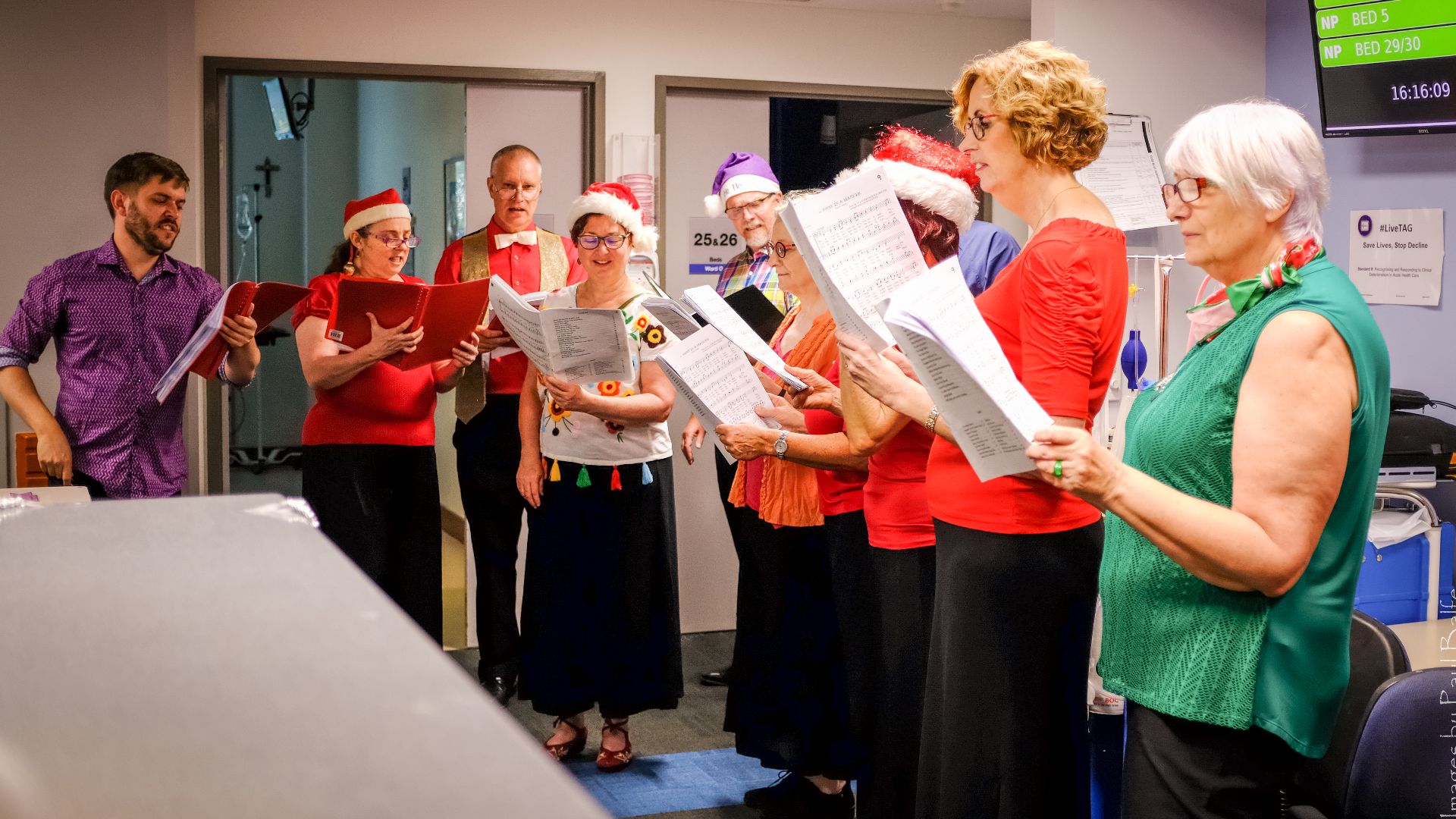
“I Heard The Bells On Christmas Day” (1872)
Well, the American Civil War cast a long shadow over Henry Wadsworth Longfellow when he penned this powerful poem, which was later set to music and published as a carol in the 19th century. Its themes contrast the hope of Christmas with the realities of conflict and suffering.
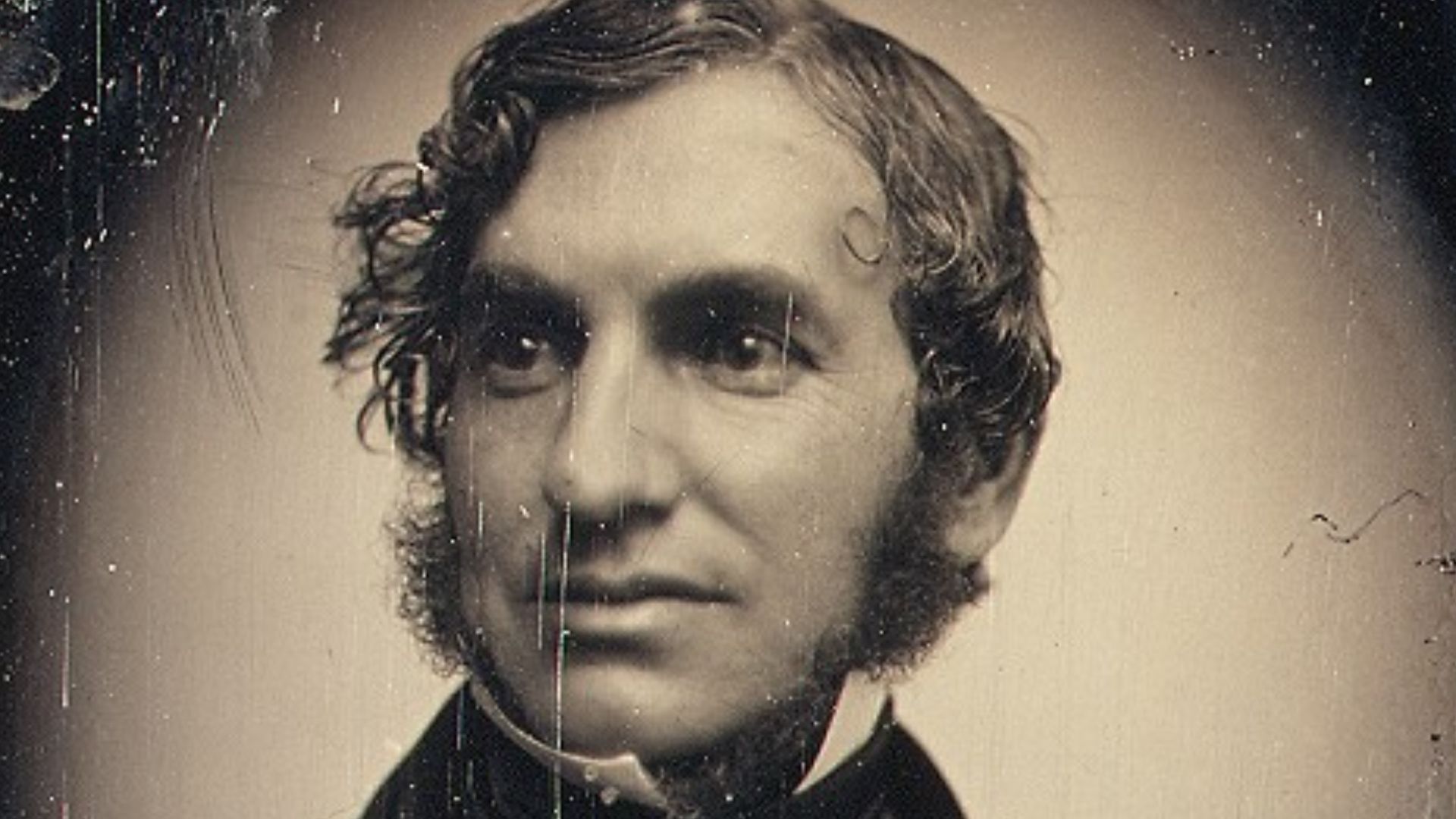 Albert Southworth / Josiah Johnson Hawes / Southworth & Hawes, Wikimedia Commons
“Carol Of The Bells” (1919)
Ukrainian folk tradition gave birth to "Shchedryk," the melody that Mykola Leontovych arranged into what would become one of Christmas music's most recognizable pieces. Peter Wilhousky later popularized the English lyrics and title "Carol of the Bells," turning a New Year's song about a swallow into a Christmas celebration.
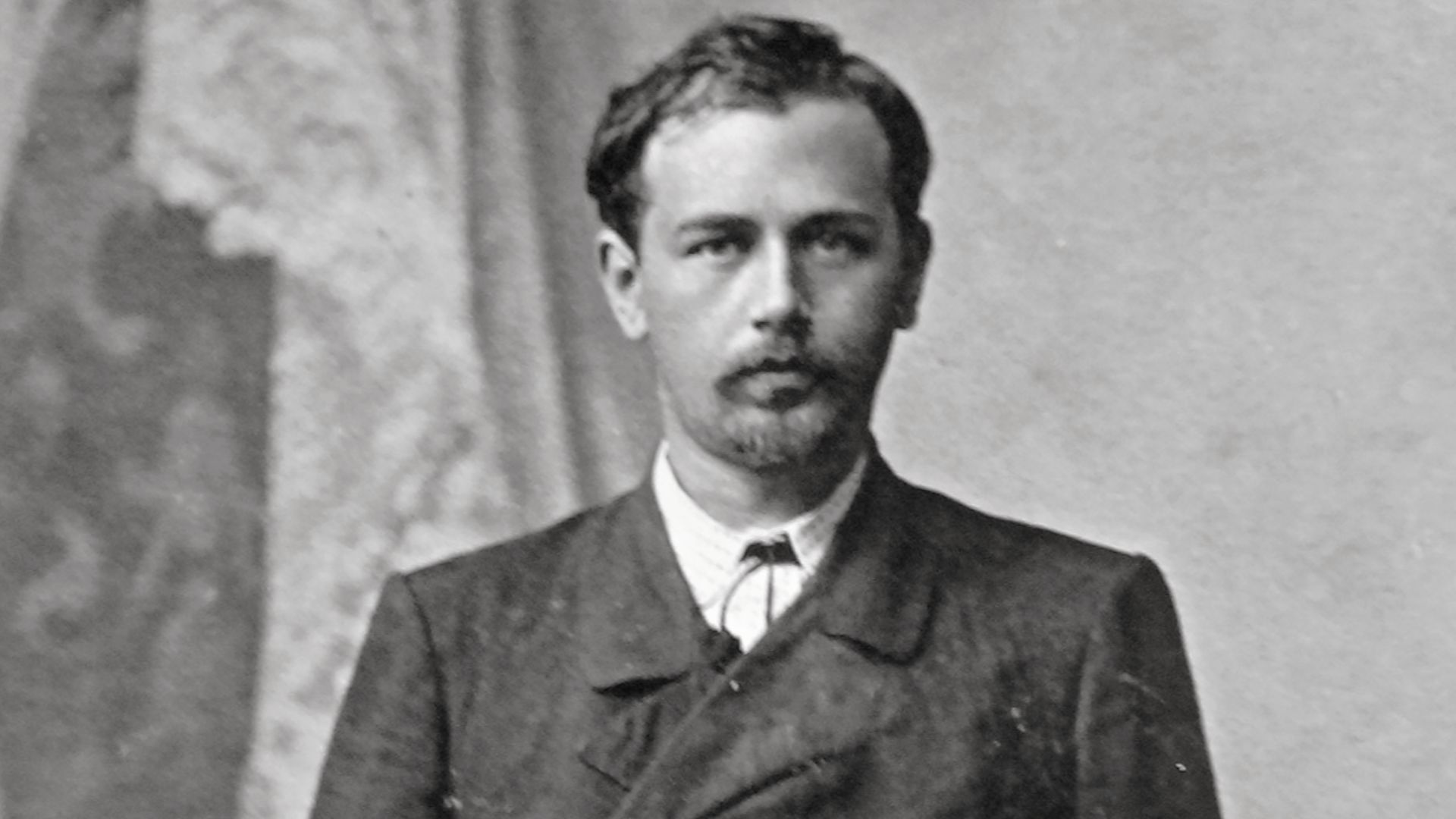 Unknown authorUnknown author, Wikimedia Commons
“In The Bleak Midwinter” (1906)
The poem "Earth stood hard as iron, water like a stone" by Christina Rossetti, from the 19th century, depicts winter in stark, almost brutal terms before revealing the wonder of incarnation. Rossetti's sparse imagery was wonderfully complemented by a well-known musical accompaniment written by Gustav Holst in 1906.
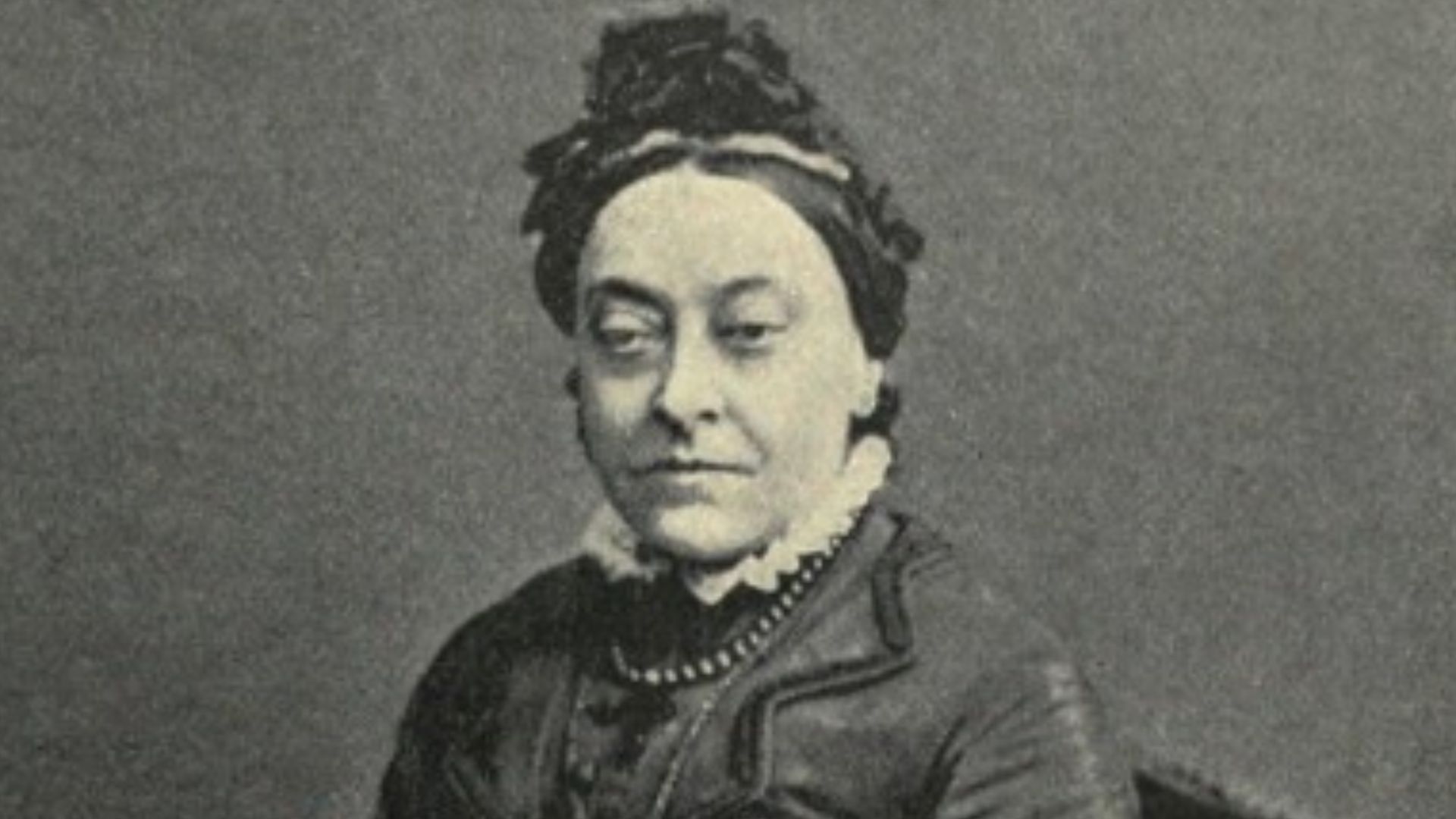 Elliot & Fry, Wikimedia Commons
“In The Bleak Midwinter” (Cont.)
Harold Darke also wrote a popular setting that gave choirs two standard versions to select from. Because Rossetti doesn't soften or sentimentalize the nativity scene—rather, she places the child Christ in harsh winter conditions, making his entrance all the more remarkable—the poem's imagery has inspired numerous musical versions.
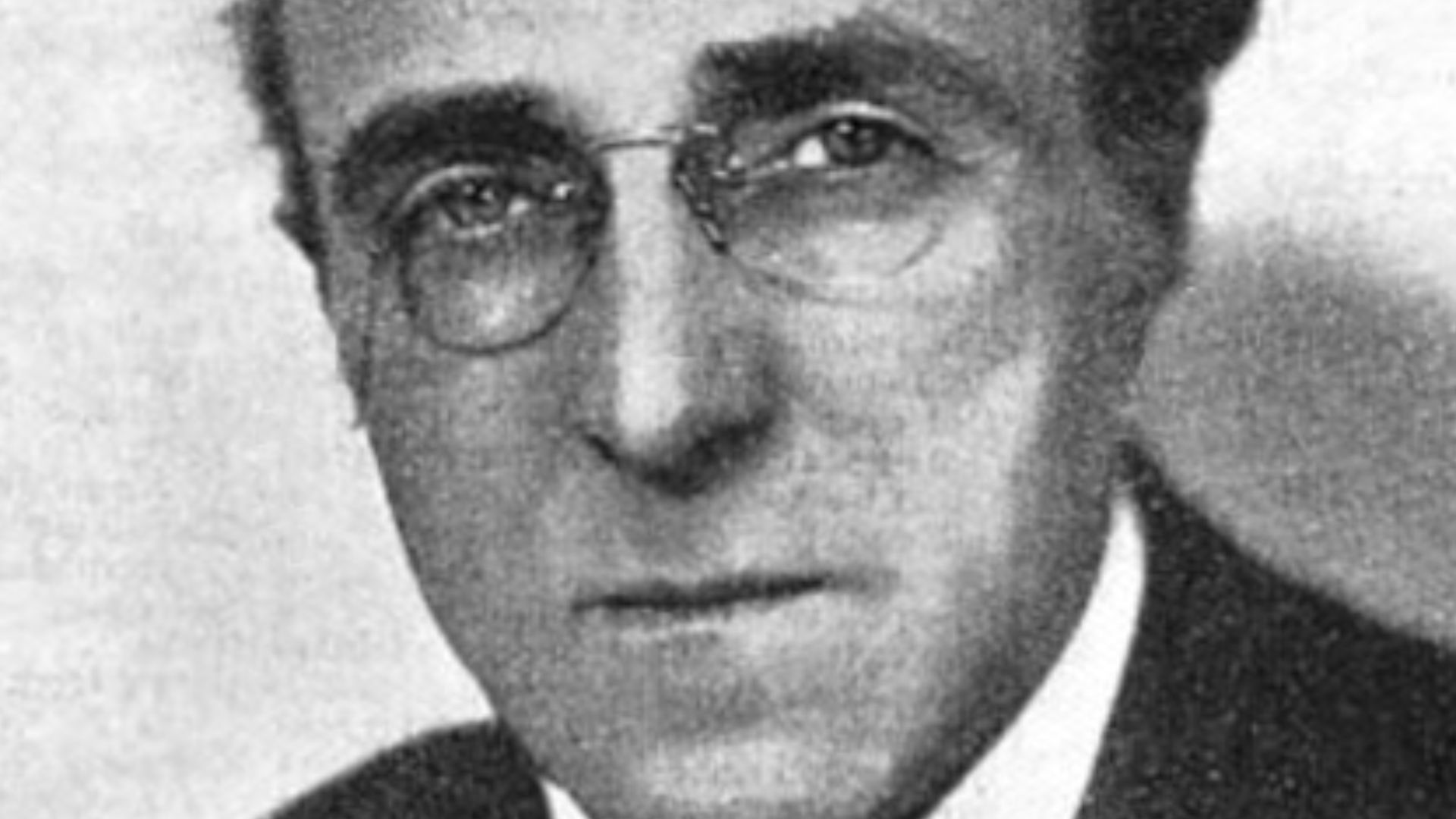 Unknown authorUnknown author, Wikimedia Commons
“The Holly And The Ivy” (1911)
Based on traditional English folk material collected in the early 20th century, this carol emerged when collectors and arrangers published versions around the 1910s that popularized the ancient tune. The lyrics link holly and ivy symbolism to Christian themes of the season.
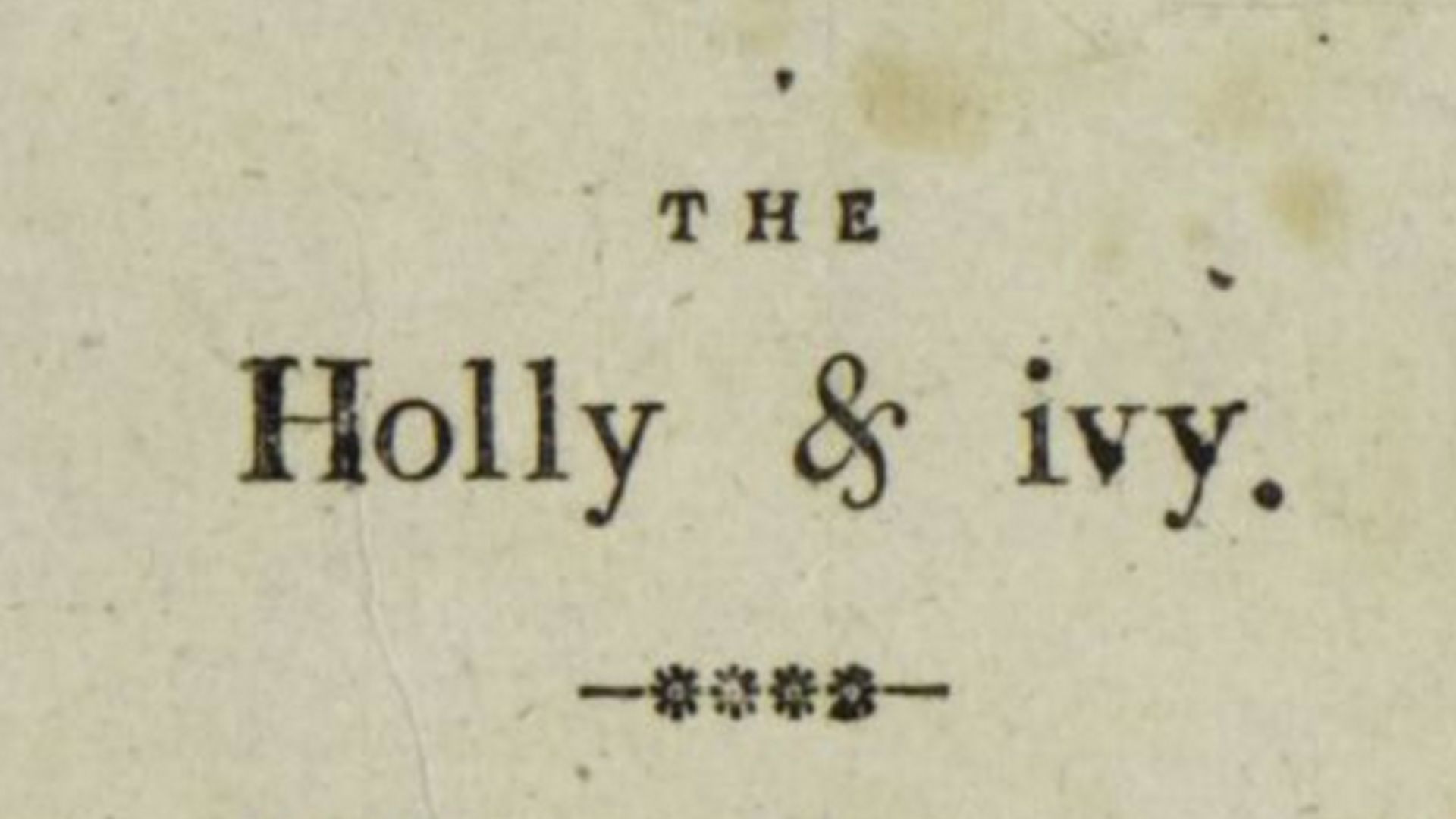
“The Holly And The Ivy” (Cont.)
Apparently, Holly's red berries become Christ's blood, the prickly leaves his crown of thorns, while ivy's clinging nature represents the faithful's devotion—the carol works as both nature observation and theological meditation, making it appealing to those who love the natural world and religious symbolism in their Christmas music.
 Mike Pennington, Wikimedia Commons
“Go Tell It On The Mountain” (1907)
This African American spiritual entered print in the early 20th century after generations of oral transmission, collected and published in folk and spiritual anthologies in the 1900s. The carol's call-and-response style reflects its roots in oral tradition, where communities would sing together without written music.
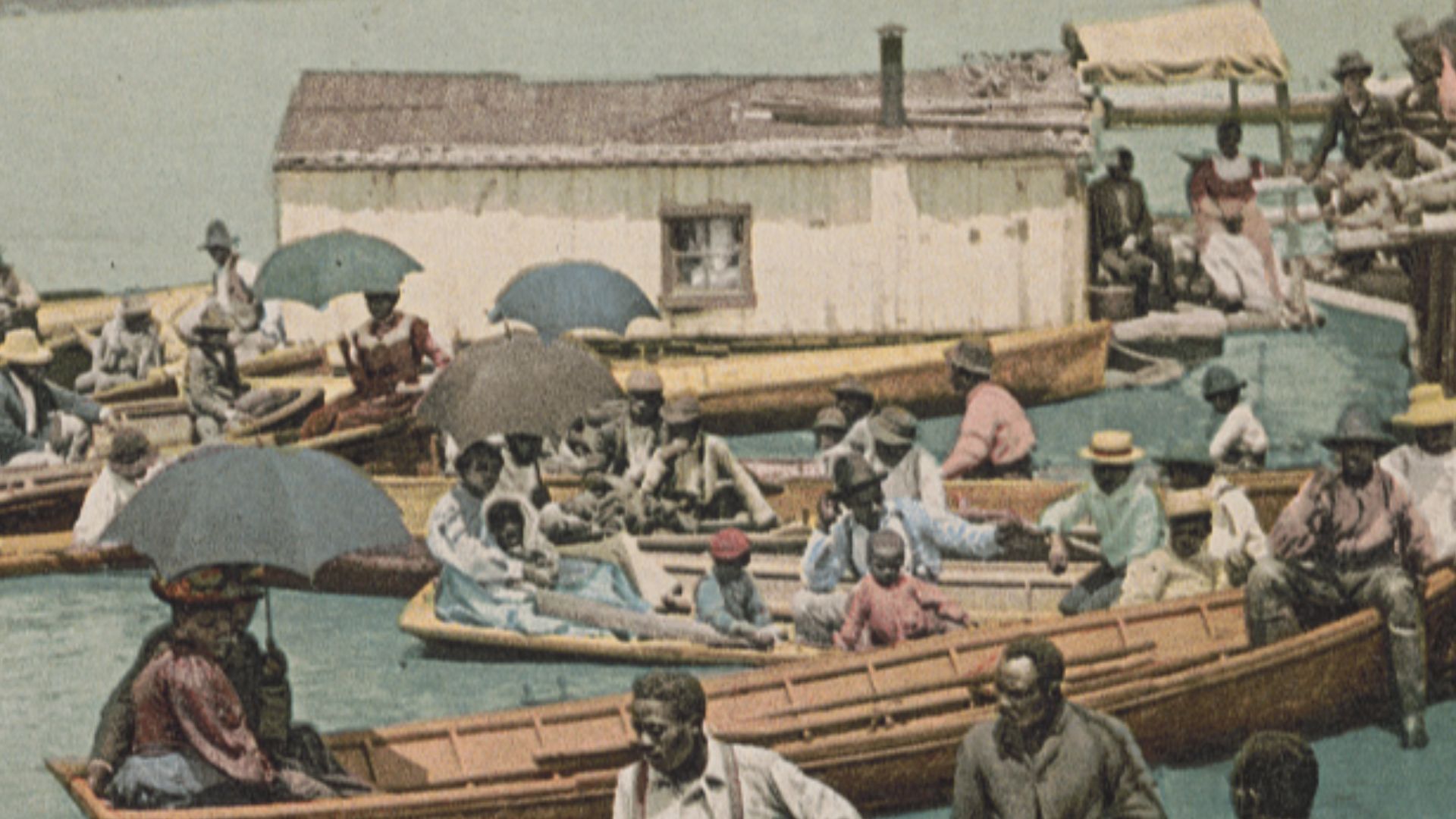 Detroit Publishing Co., photographer, Wikimedia Commons
“While Shepherds Watched” (1700)
Drawing directly on the biblical nativity narrative about shepherds, Nahum Tate wrote this text around 1700. It has been set to various hymn tunes, including "Winchester Old," giving congregations flexibility in how they sing these words about that first Christmas night.