

Just Folklore, Not Facts
Not everything you learned in school deserves a gold star for accuracy. A few tales have been polished so many times they barely resemble reality anymore. Still, they’ve managed to settle into our shared history.
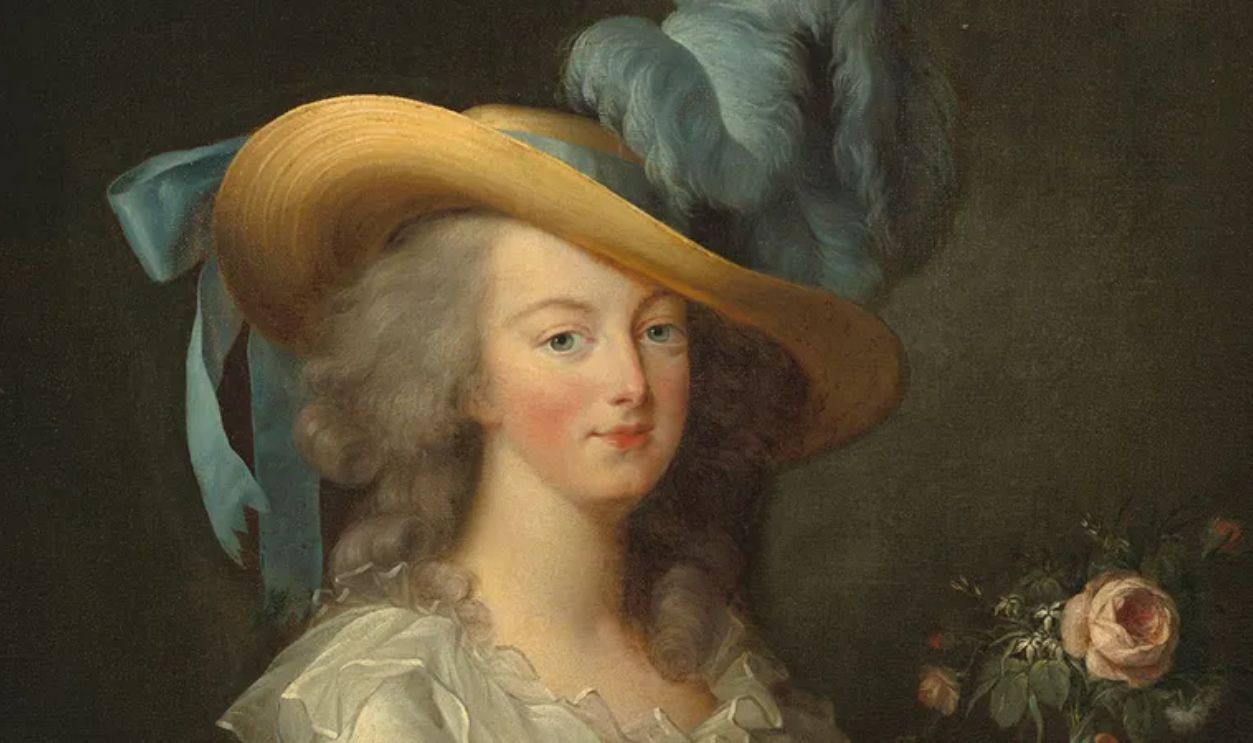
George Washington And The Cherry Tree
Six-year-old Washington gets a shiny new hatchet for his birthday and immediately goes on a chopping spree around the family plantation. When his father discovers his prized cherry tree has been hacked down, little George bravely declares, “I cannot tell a lie, Pa—I did cut it with my hatchet”.
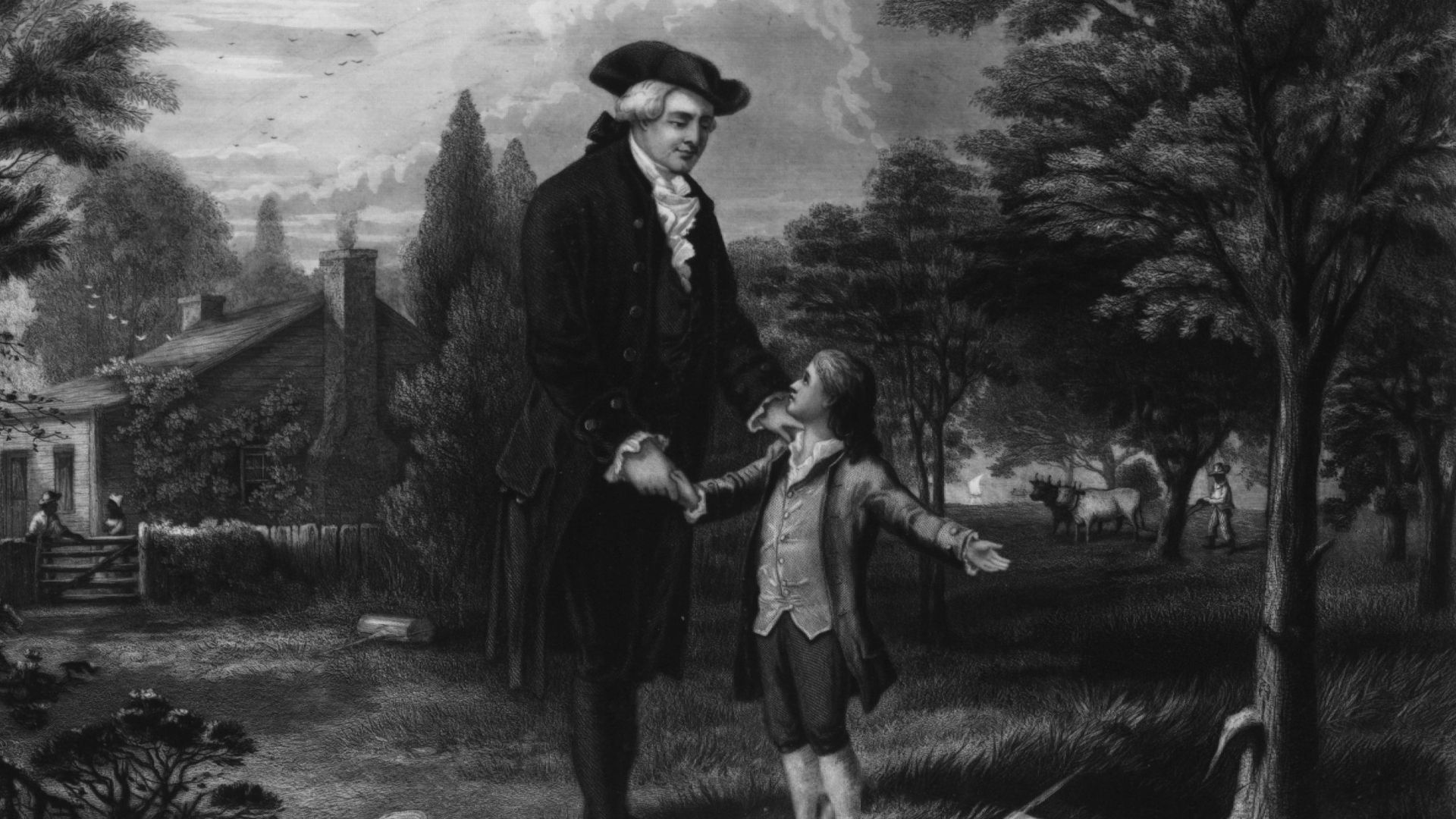 John C. McRae after a painting by G. G. White, Wikimedia Commons
George Washington And The Cherry Tree (Cont.)
Well, this beloved tale of American virtue was fabricated by Mason Locke Weems, a traveling minister and bookseller who wrote the first biography of Washington in 1799. The cherry tree story didn't even appear until the fifth edition of his book in 1806.
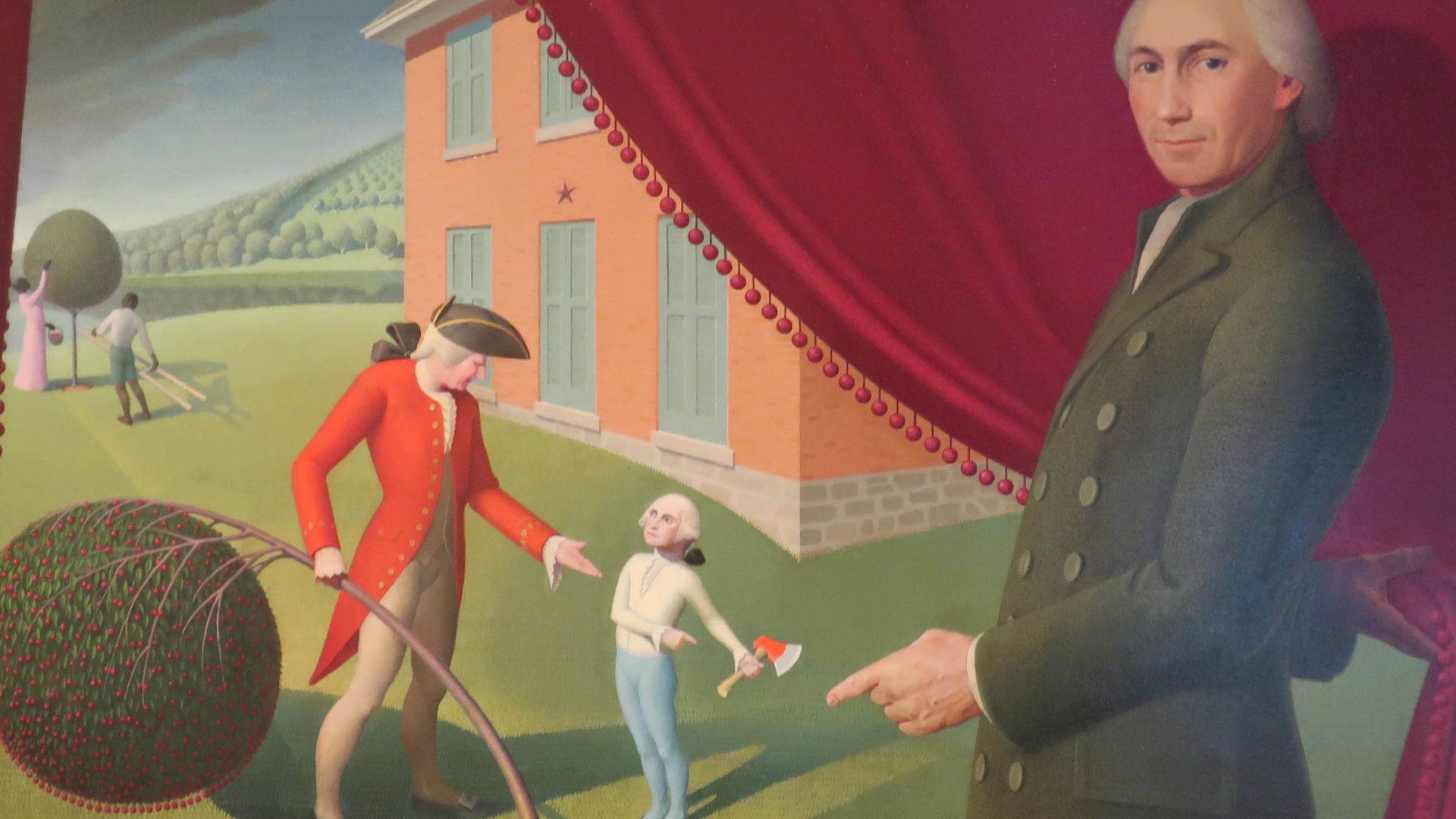
Paul Revere's "The British Are Coming!" Cry
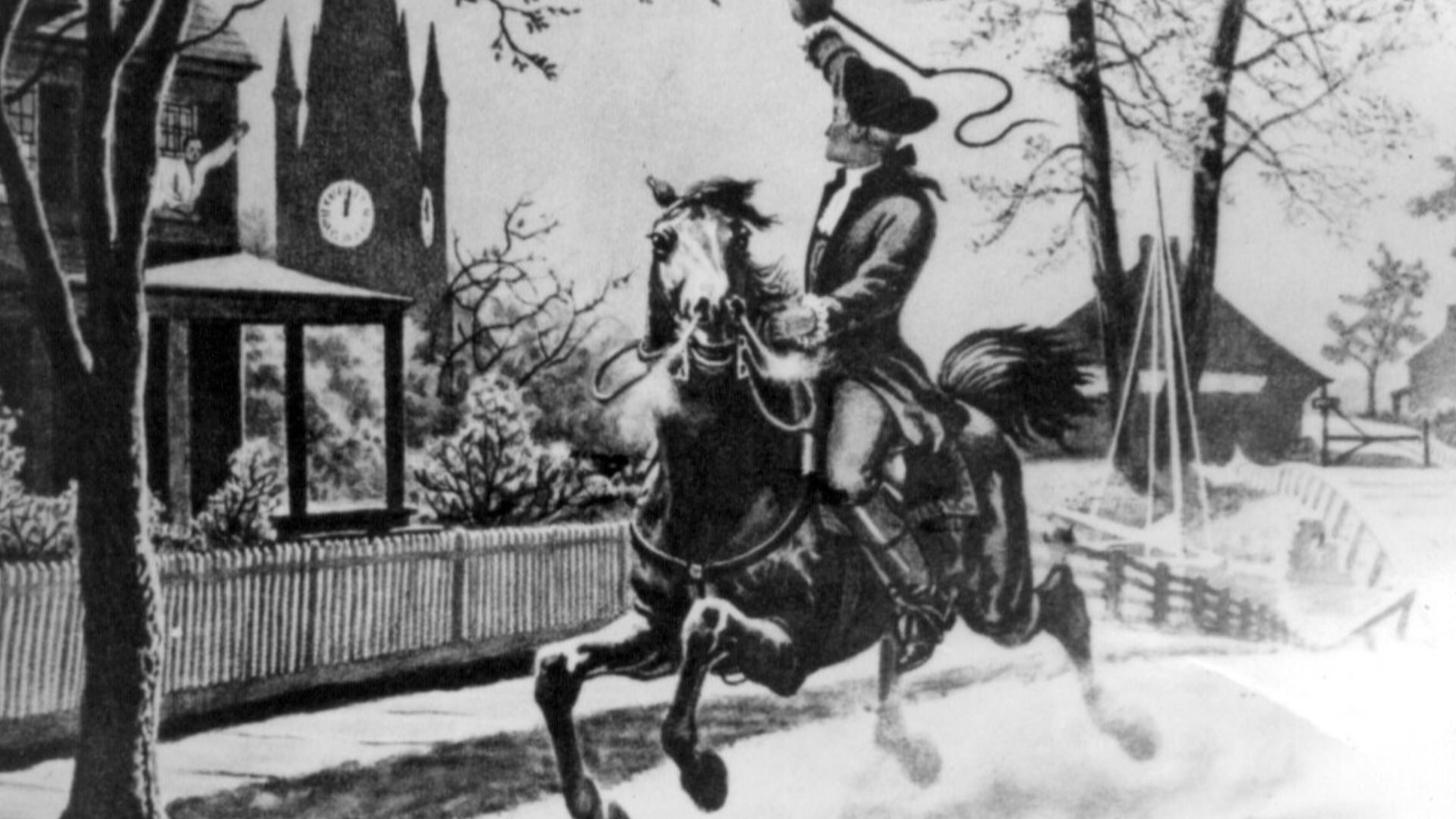
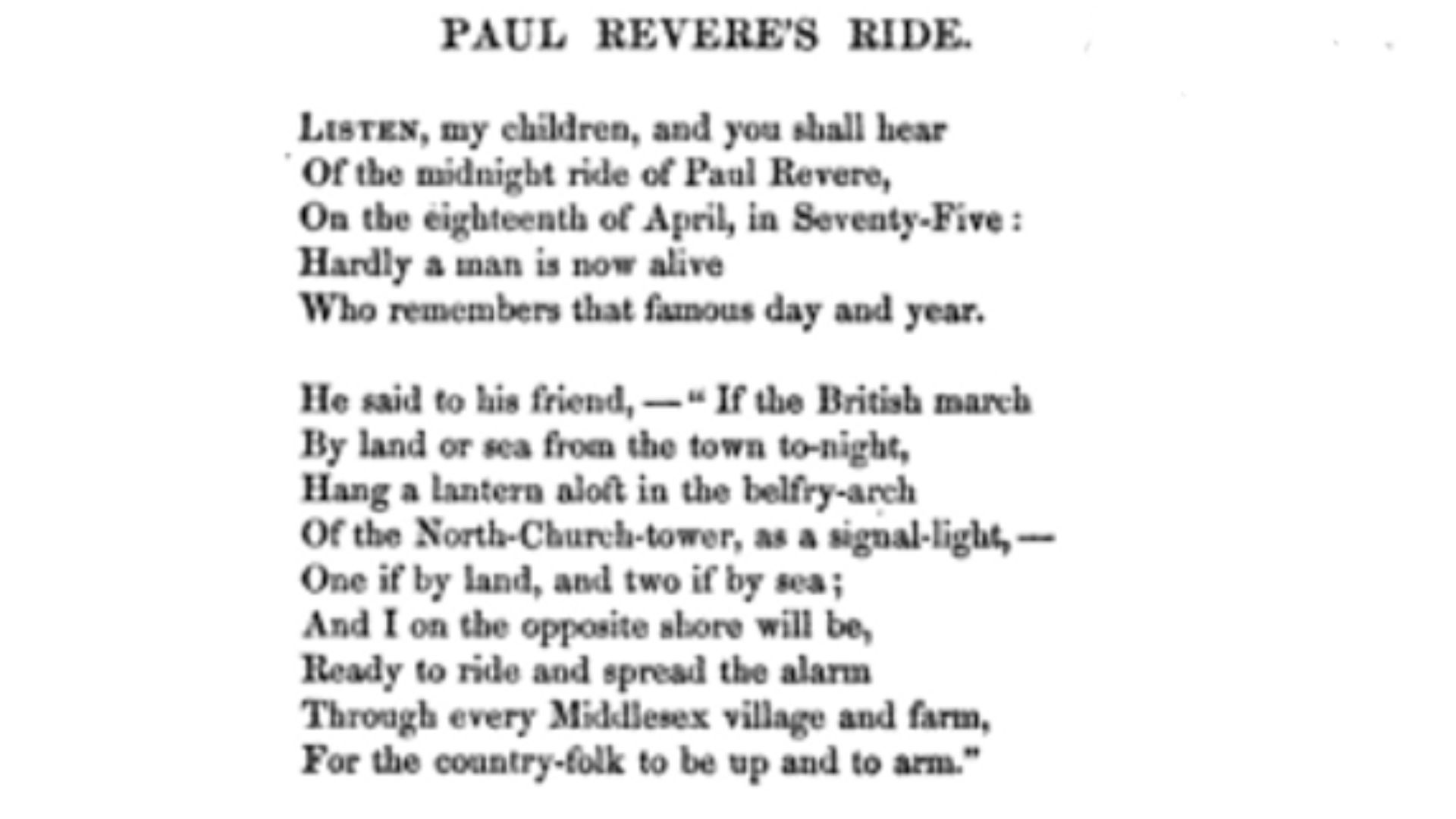
What we know about Revere's midnight ride comes almost entirely from Henry Wadsworth Longfellow's 1861 poem, written nearly a century after the actual events. Longfellow deliberately altered historical facts for dramatic effect, turning a coordinated intelligence operation into a solo heroic adventure.
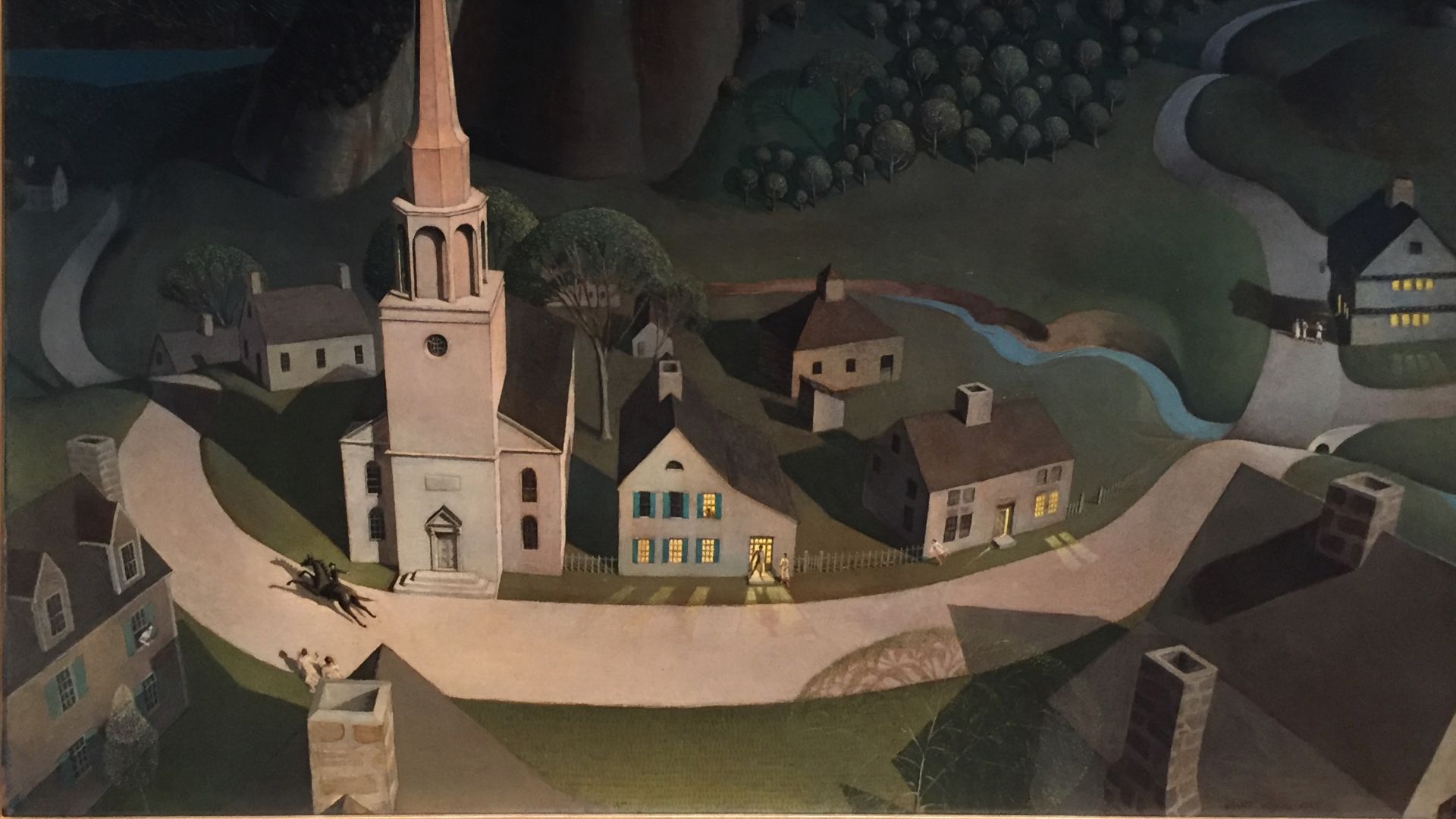
Paul Revere's "The British Are Coming!" Cry (Cont.)
The poet was part of a movement to create distinctly American legends, and he succeeded so well that most Americans still believe his romanticized version. The real Paul Revere never completed his famous ride to Concord, as a British patrol captured him before reaching there.
 Office of War Information, Wikimedia Commons
Paul Revere's "The British Are Coming!" Cry (Cont.)
He also never shouted "The British are coming!" since the colonists still considered themselves British subjects. According to Revere's account, he warned people that "The Regulars are coming out," referring to the British regular army. William Dawes and Samuel Prescott were also part of the warning system.
 Henry Wadsworth Longfellow, The Atlantic Monthly, Wikimedia Commons
Marie Antoinette's "Let Them Eat Cake"
The quote "Let them eat cake" has become the ultimate symbol of royal indifference to suffering, supposedly uttered by Marie Antoinette when told that French peasants had no bread to eat. This phrase has been used to illustrate the disconnect between the wealthy elite and the struggling masses.
 Jean-Baptiste André Gautier-Dagoty, Wikimedia Commons
Marie Antoinette's "Let Them Eat Cake" (Cont.)
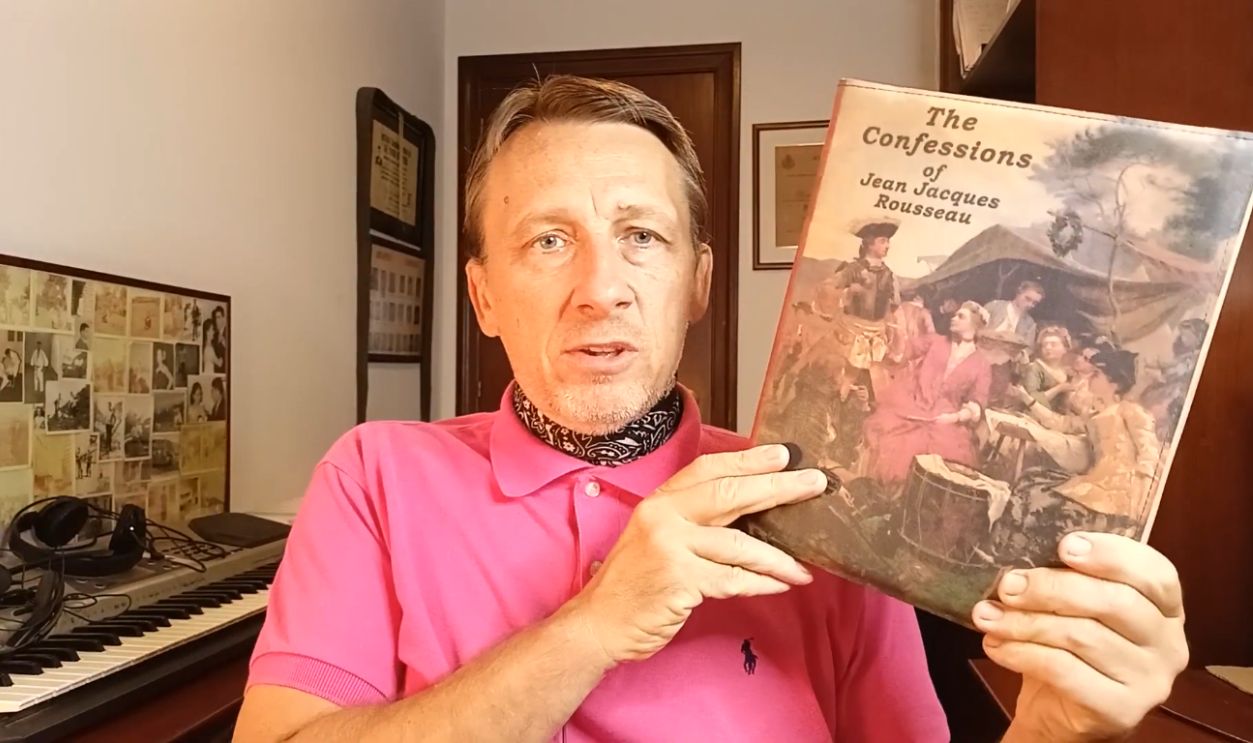
But Marie Antoinette was only nine years old when this exact quote first appeared in Jean-Jacques Rousseau's autobiographical work Confessions in 1767, attributed to “a great princess”. The original French phrase "Qu'ils mangent de la brioche" actually translates to “Let them eat brioche”.
William Tell's Apple Shot
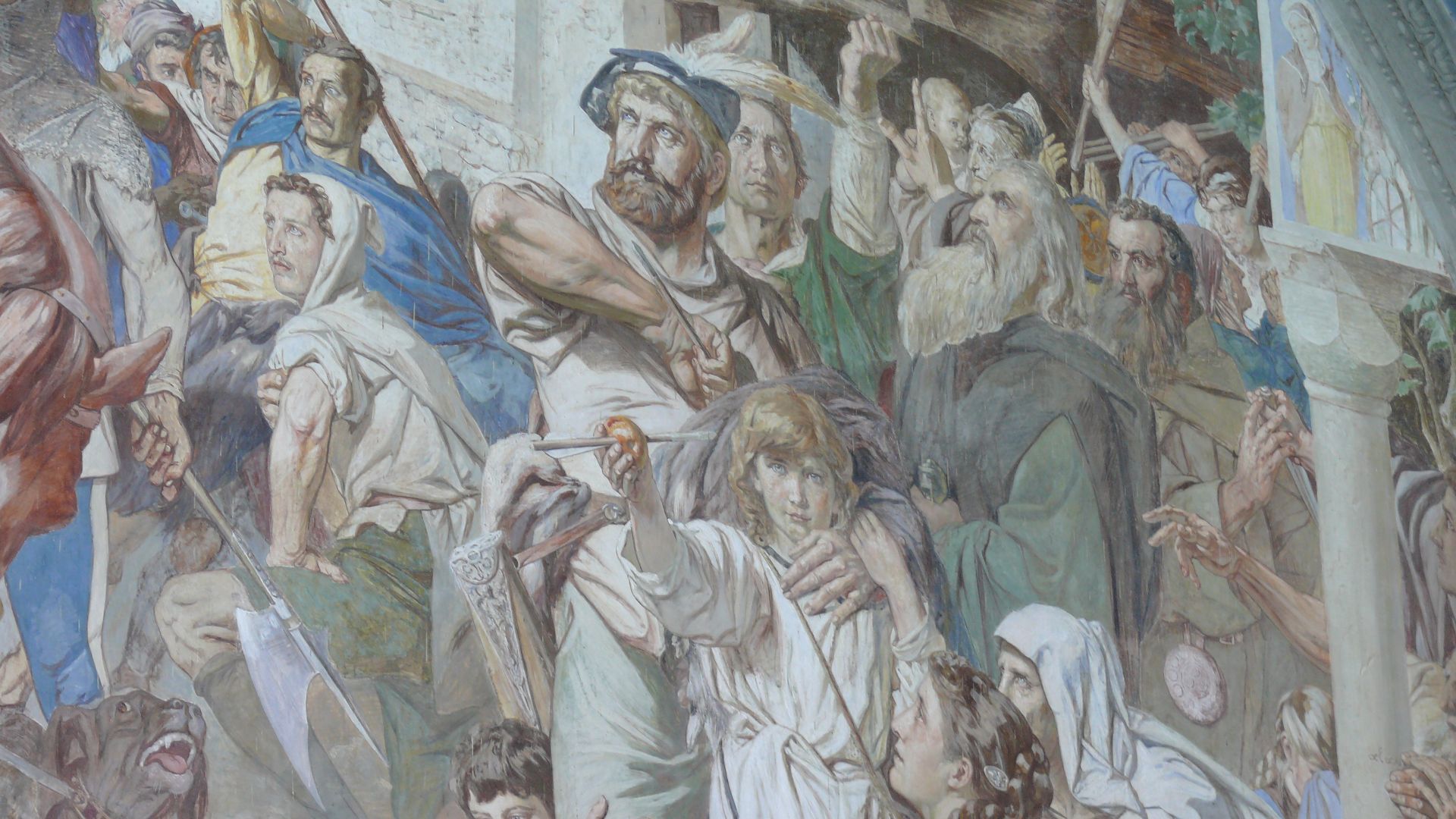
According to legend, Switzerland's national hero, William Tell, refused to bow before a hat placed on a pole by Habsburg bailiff Hermann Gessler. As punishment, he was commanded to shoot an apple off his own son's head with a crossbow.
 Ernst Stückelberg, Wikimedia Commons

History's most fascinating stories and darkest secrets, delivered to your inbox daily.
William Tell's Apple Shot (Cont.)
Tell's perfect shot not only saved his son but allegedly inspired the Swiss rebellion that led to independence from Austria. The problem is that William Tell never existed. The first detailed account of his story didn't appear until 1570. Nearly identical tales appear throughout European folklore.
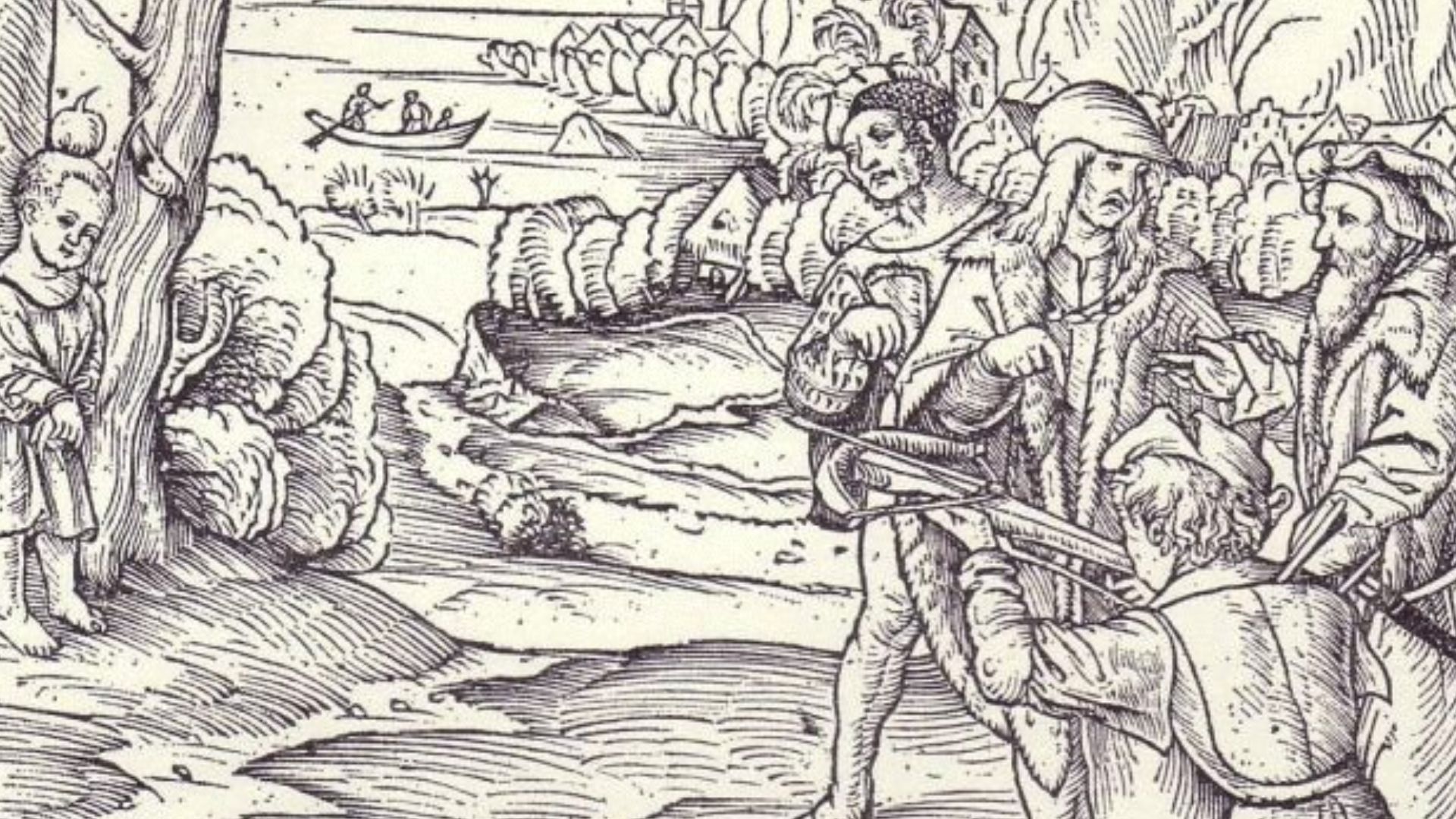 Daniel Schwegler (ca. 1480 - ca. 1546), Hans Rudolf Manuel Deutsch (1525–1571), Wikimedia Commons
Martin Luther Nailing The 95 Theses
Every October 31st, Protestant churches worldwide commemorate Reformation Day, celebrating the moment when Martin Luther supposedly marched to the Castle Church in Wittenberg and nailed his 95 Theses to the wooden door for all to see. This dramatic act of rebellion has been sculpted countless times.
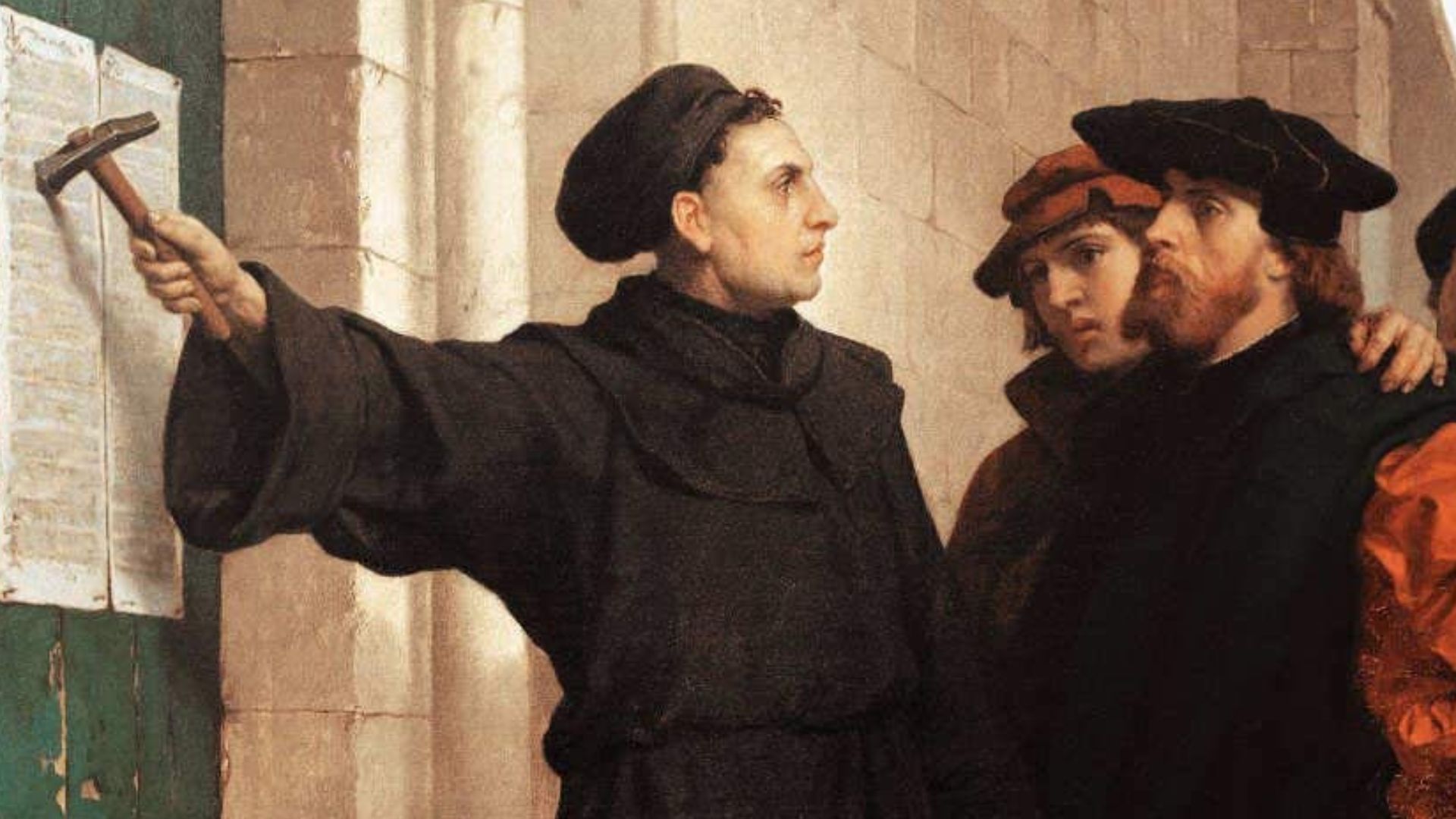 Ferdinand Pauwels, Wikimedia Commons
Martin Luther Nailing The 95 Theses (Cont.)
Historical evidence tells a different story. No contemporary accounts mention Luther posting anything on the church door—this version of events didn't appear in any writings until 30 years after 1517. What we know for sure is that Luther politely mailed his 95 Theses to Archbishop Albert of Brandenburg.
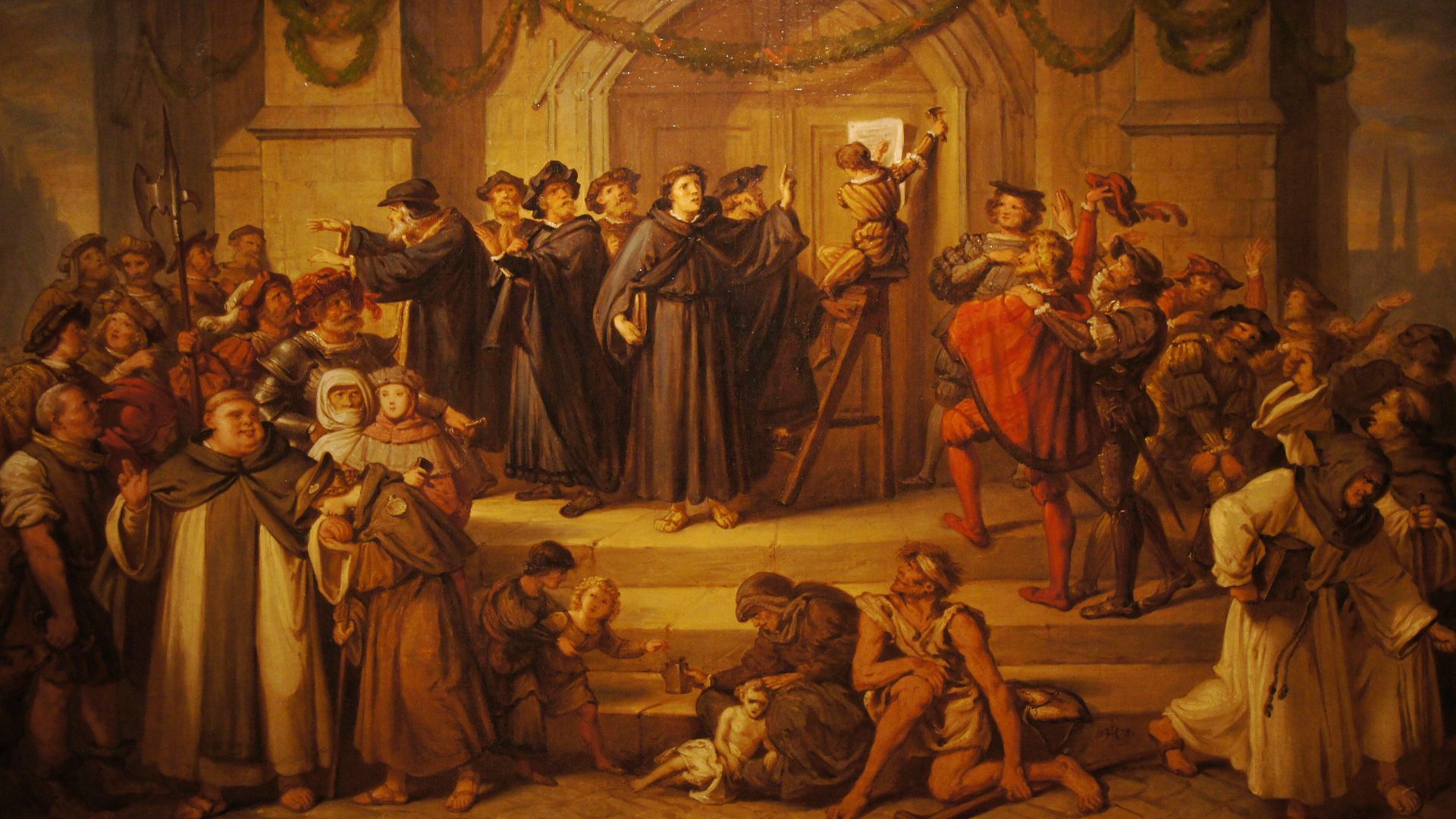 Julius Hübner, Wikimedia Commons
Roman Vomitoriums As Purging Rooms
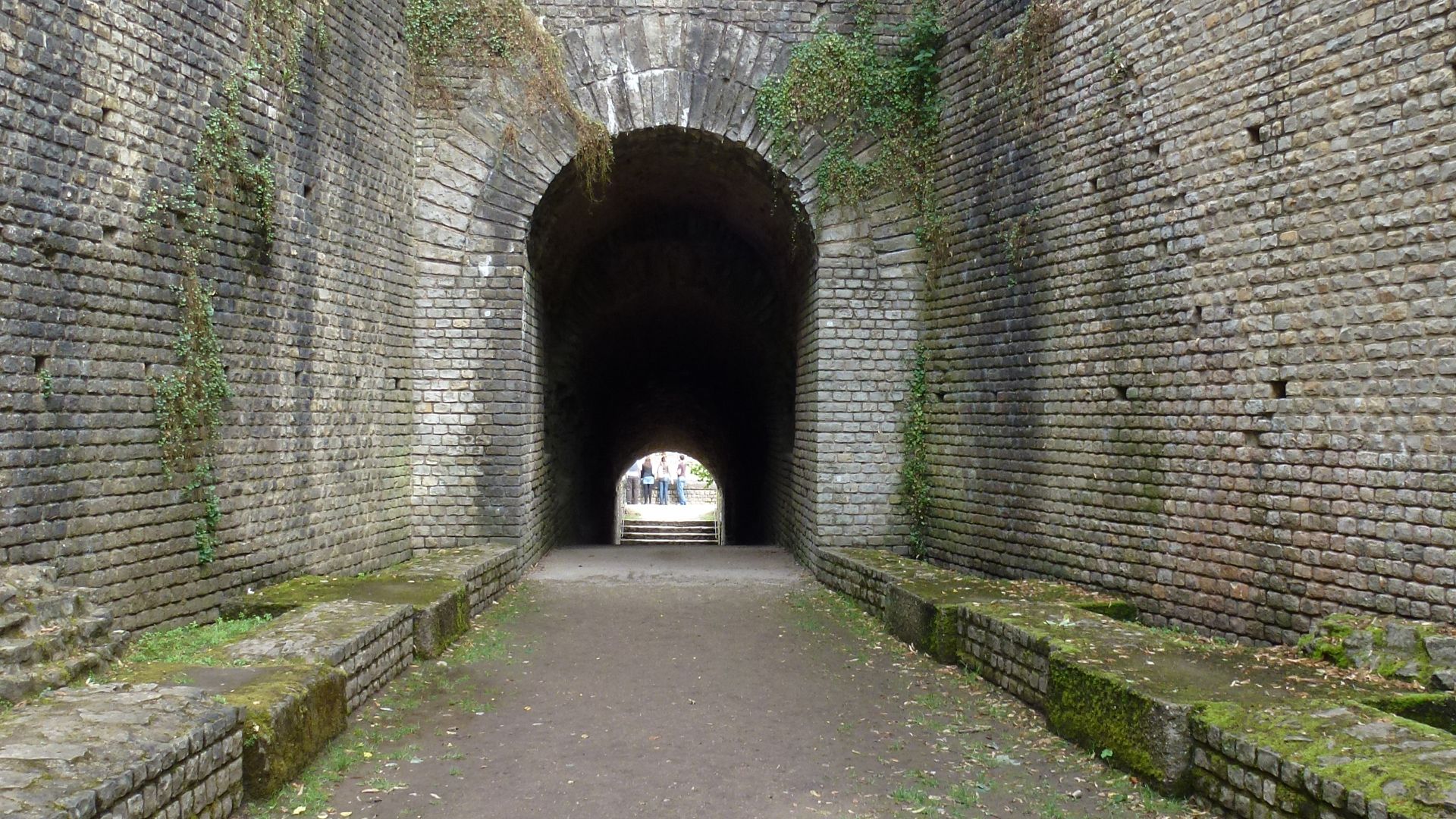
The decadent image of ancient Romans gorging themselves at elaborate feasts, then retreating to special "vomitoriums" to purge their stomachs so they could return and eat more, has become one of history's most enduring symbols of moral decay. Vomitoriums had nothing to do with vomiting or food, though.
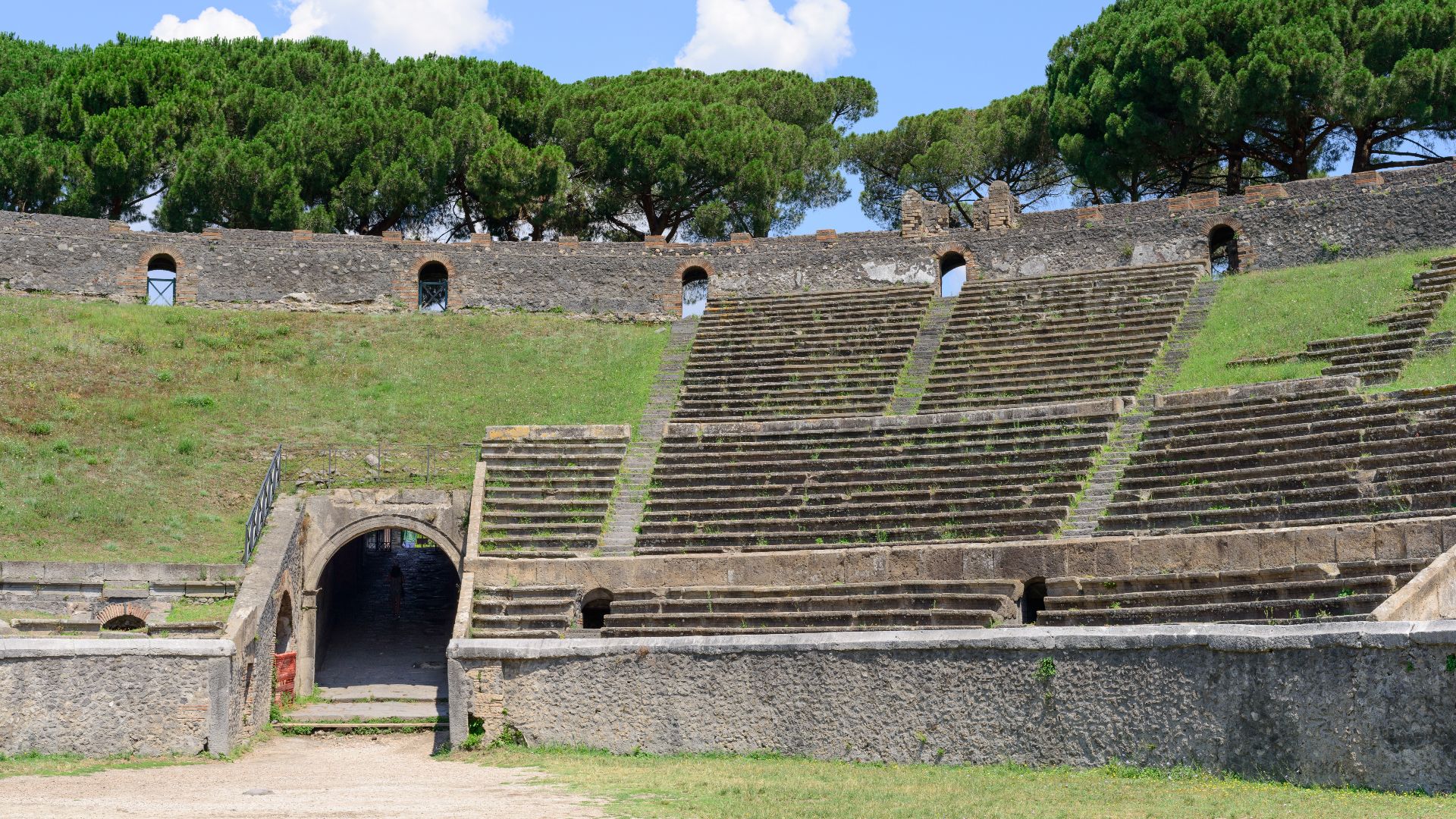 Norbert Nagel, Wikimedia Commons
Roman Vomitoriums As Purging Rooms (Cont.)
This vision of systematic gluttony has appeared in everything. It has been said that the 5th-century writer Macrobius used this term to describe the entrance and exit passages in amphitheaters and theaters called "vomitoriums" because they allowed crowds to quickly “spew out”.
Nero Fiddling While Rome Burned
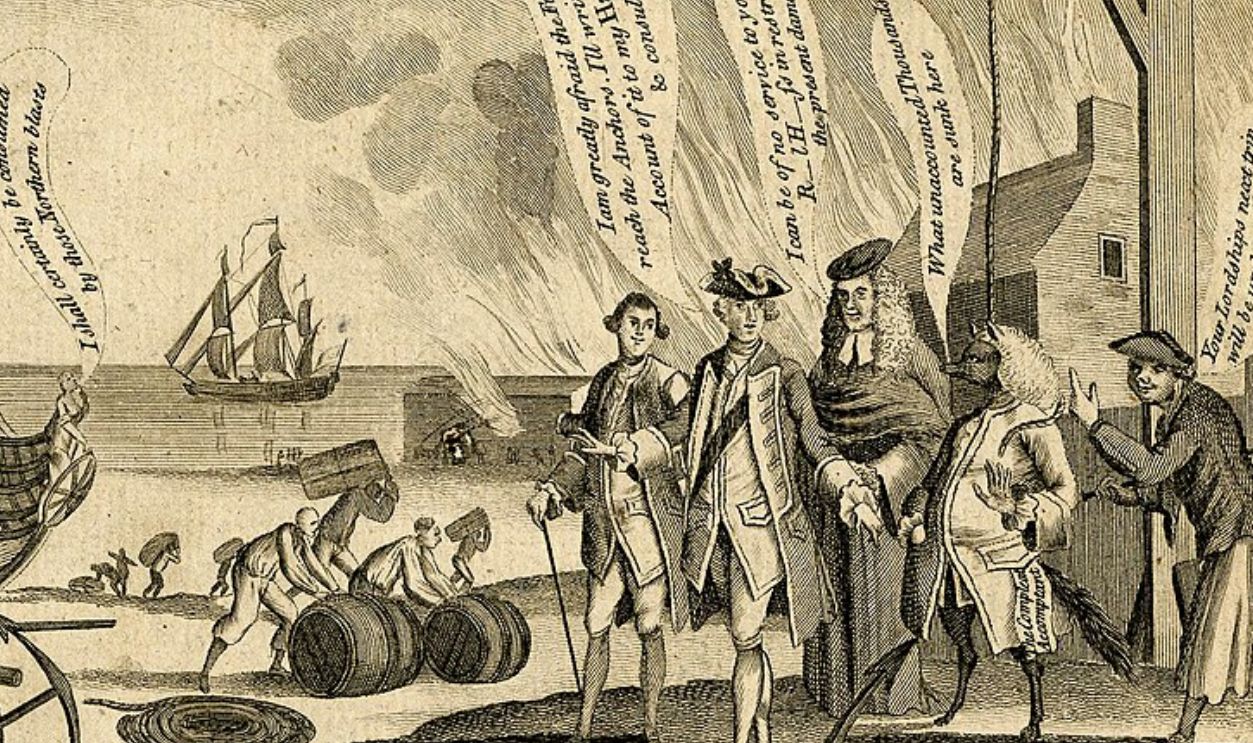
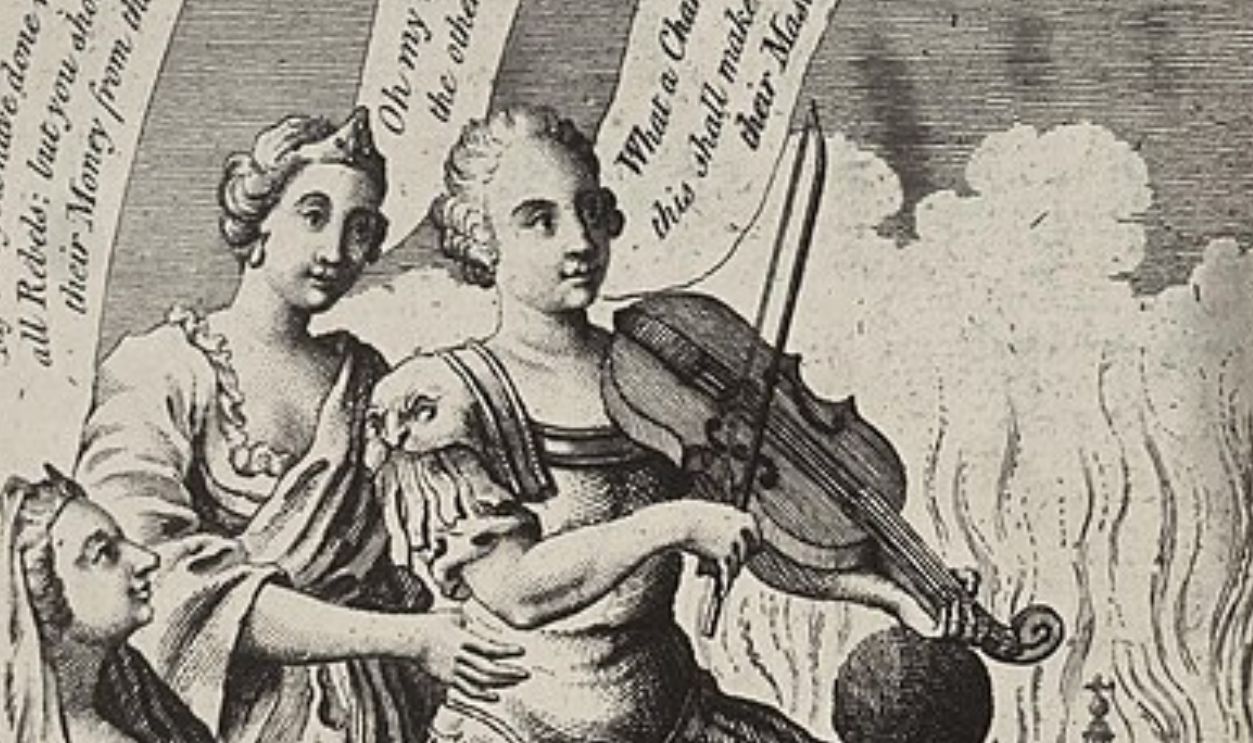
Politicians accused of ignoring crises are routinely compared to "Nero fiddling while Rome burns," and the phrase has entered common usage to describe anyone who remains indifferent to urgent problems requiring their attention. This powerful metaphor combines musical talent with moral failure.
 British Museum, Wikimedia Commons
Nero Fiddling While Rome Burned (Cont.)
Multiple historical problems make this famous scene impossible. Most obviously, the fiddle wasn't invented until roughly 1,500 years after Nero's death, as the violin family of instruments didn't exist in ancient Rome. Tacitus and Cassius Dio make no mention of any musical performance during the fire.
 British Museum, Wikimedia Commons
Stock Brokers Jumping Out Of Windows
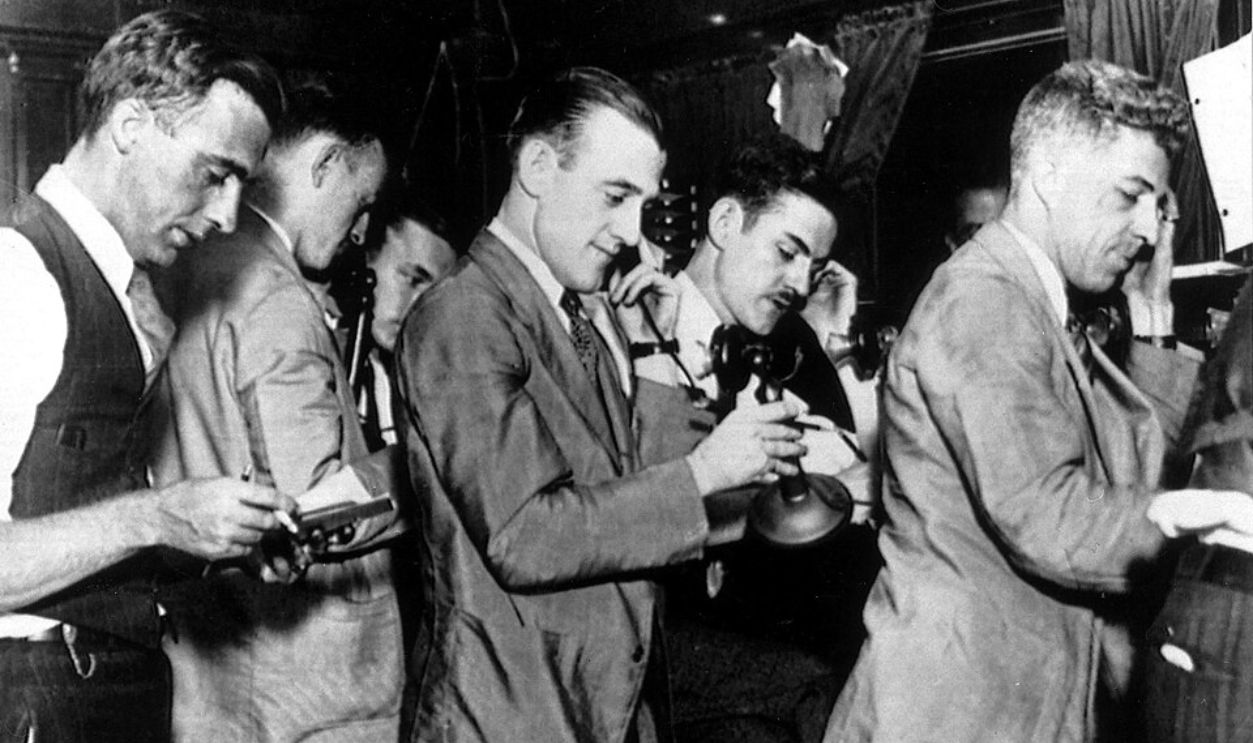
The story that many stock brokers jumped out of windows following the 1929 stock market crash is largely a myth. While the crash was a massive financial disaster that led to significant personal and economic tragedy, historians have found little evidence of mass suicides.
 Associated Press, Wikimedia Commons
The Hot Poker Death Of Edward II
Medieval England's most gruesome royal murder supposedly occurred in Berkeley Castle on September 21, 1327, when deposed King Edward II met his end through a method so horrific it was designed to leave no external marks. Apparently, the hot poker story first appeared decades after Edward's demise.
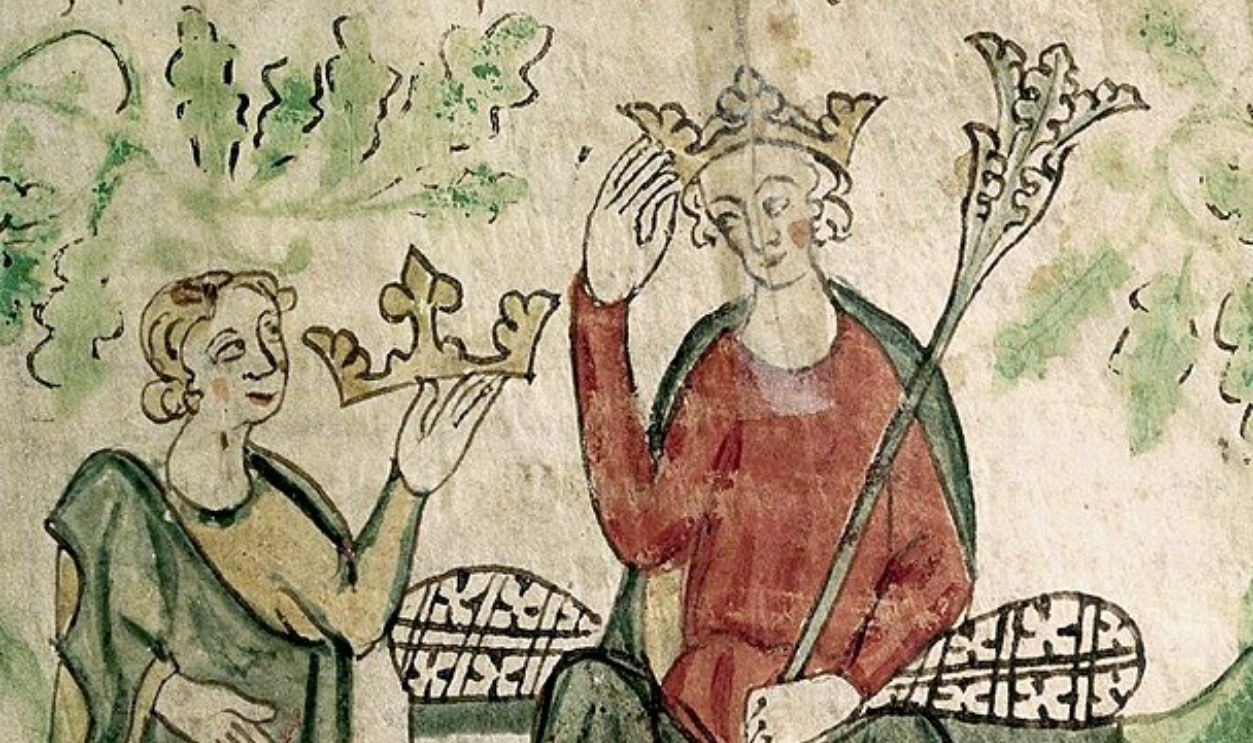 British Library, Wikimedia Commons
The Hot Poker Death Of Edward II (Cont.)
It was likely political propaganda structured to discredit his enemies. Contemporary chronicles from the period mention Edward's death but provide no details about the method, which is highly unusual for such a dramatic event. Modern historians increasingly believe Edward II may have escaped from Berkeley Castle.
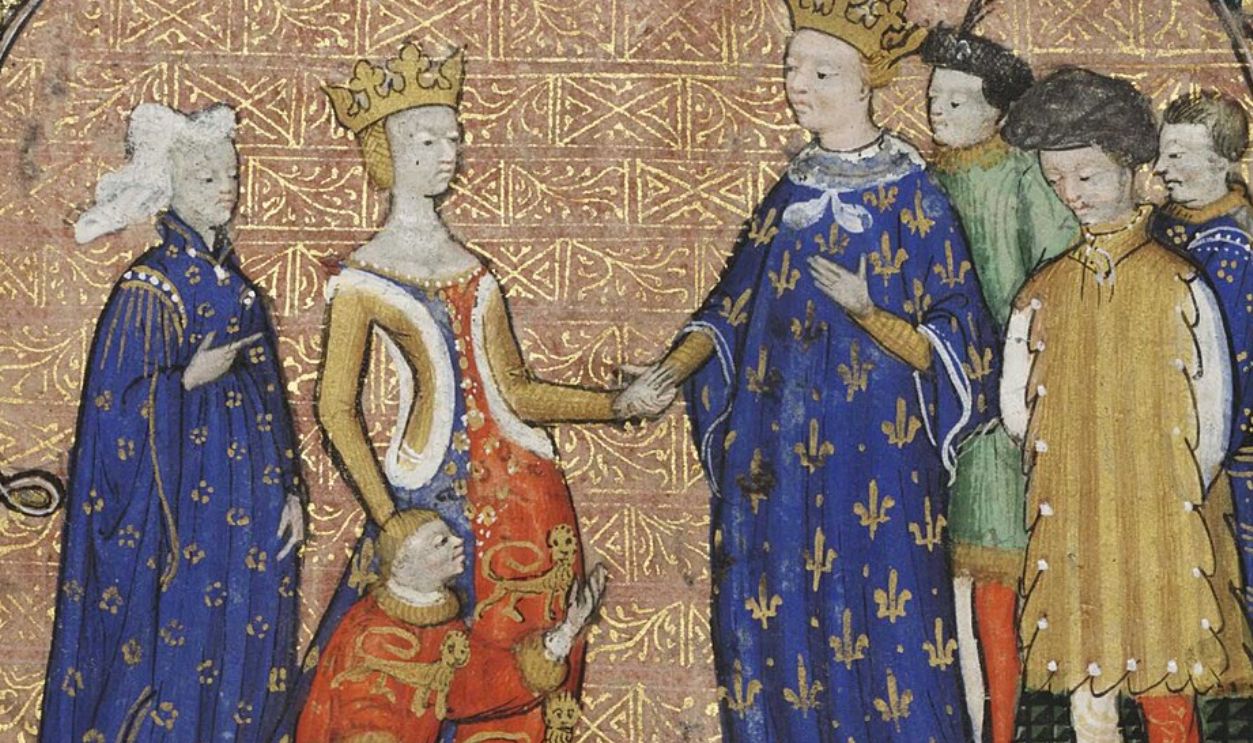 Unknown author, Wikimedia Commons
Betsy Ross Sewing The First American Flag
No records exist in the Continental Congress archives, Washington's papers, or any contemporary Revolutionary War documents mentioning a flag commission to Elizabeth "Betsy" Ross. The story didn't surface publicly until 1870, when Ross's great-great-grandson William Canby presented it to the Pennsylvania Historical Society.
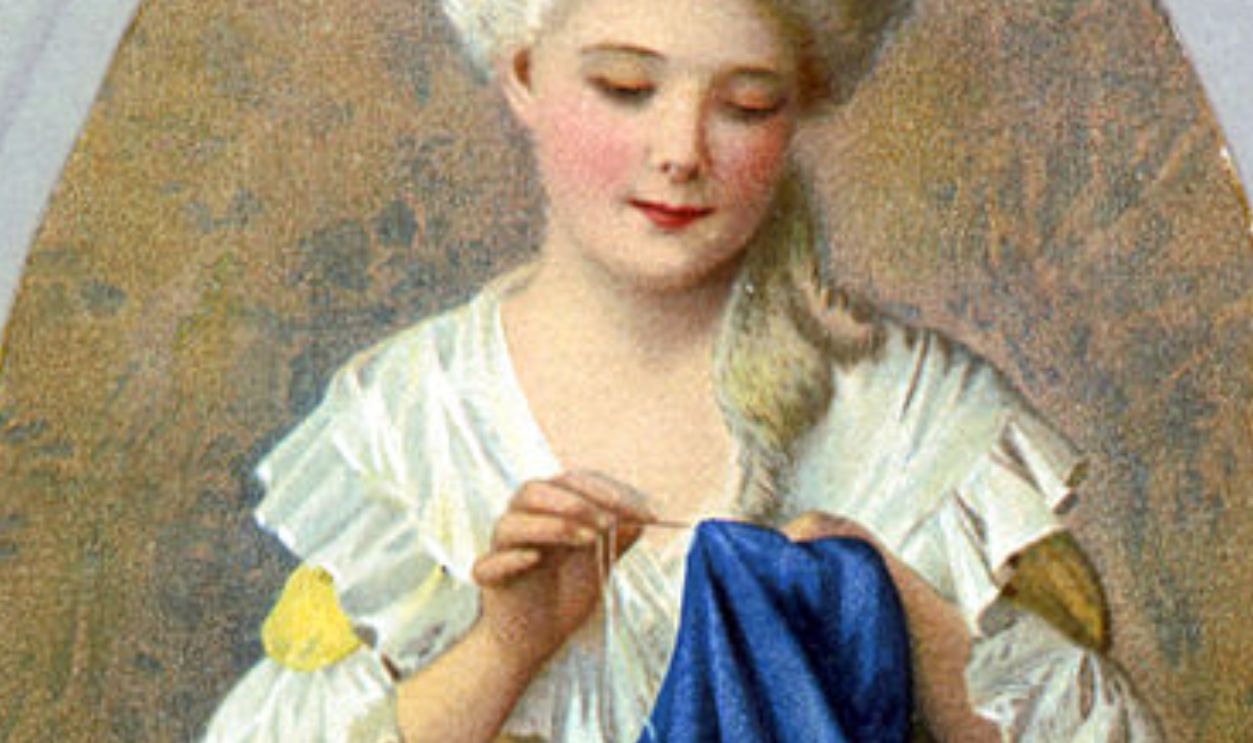 From painting by G. Liebscher, Wikimedia Commons
Betsy Ross Sewing The First American Flag (Cont.)
Even the timing is problematic, as the Continental Congress officially adopted the Stars and Stripes design on June 14, 1777, more than a year after the supposed meeting. The "first flag" narrative appears to be a classic case of family mythology growing over generations.
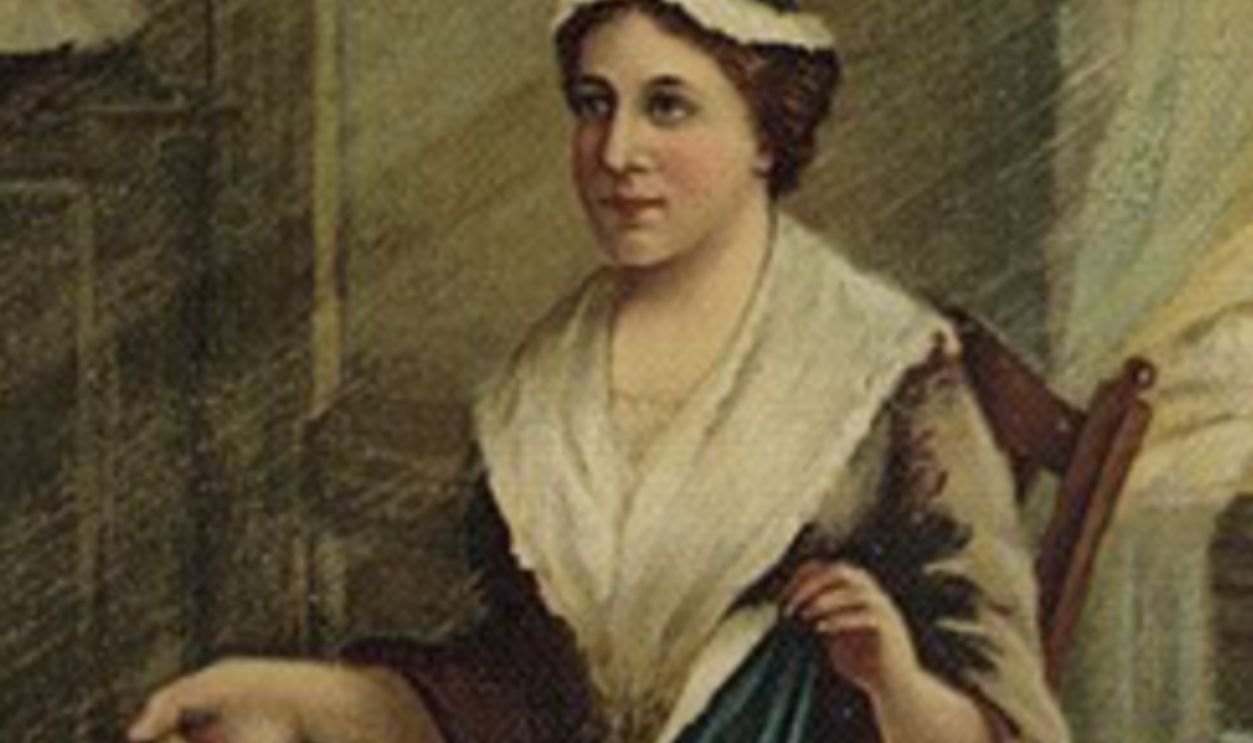 H.A. Thomas & Wylie.; Weisgerber, Charles H., artist, Wikimedia Commons
The Gulf Of Tonkin Incident
Declassified government documents revealed that the second Gulf of Tonkin attack on August 4, 1964, the one that convinced Congress to authorize military escalation in Vietnam, never actually happened. The USS Maddox reported being pursued and fired upon by North Vietnamese torpedo boats.
 Naval History & Heritage Command, Wikimedia Commons
The Gulf Of Tonkin Incident (Cont.)
This "attack" provided President Lyndon Johnson with the justification he needed to push through the Gulf of Tonkin Resolution, essentially giving him a blank check to wage war in Southeast Asia. The reality was far more complex and deliberately obscured.
 PH3 White, U.S. Navy, Wikimedia Commons
The Gulf Of Tonkin Incident (Cont.)
During the first incident on August 2nd, the USS Maddox had actually fired warning shots first but failed to report this critical detail, making the Vietnamese response appear purely aggressive. The second "attack" on August 4th was based totally on sonar readings and panicked radio chatter.
 Naval History & Heritage Command, Wikimedia Commons
Witch Burnings In Salem
No apparent witches were burned at the stake during the Salem Witch Trials of 1692–1693. All nineteen executed victims were hanged, while one man, Giles Corey, was pressed to death. American colonies typically used hanging for capital punishment, making this one of history's most persistent geographical mix-ups.
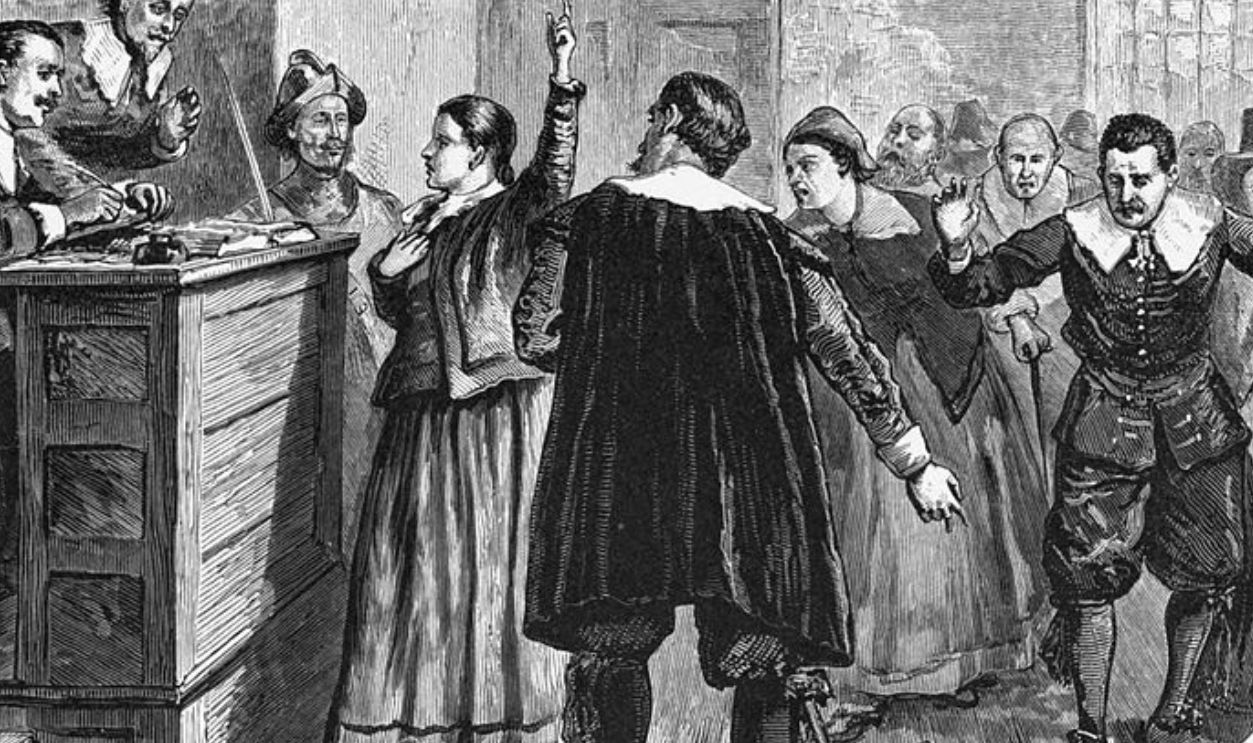 unattributed, Wikimedia Commons









.jpg)
.jpg)

.jpg)


_underway_at_sea,_circa_the_early_1960s_(NH_97900).jpg)
_in_August_1964.jpg)
,_early_May_1963_(USN_711288).jpg)
