Traces Of Ingenuity
Not all history is written on paper. Sometimes it’s etched in stone, carved in ivory, or drilled through shells. These artifacts speak softly yet clearly about the moment when humans began crafting symbols and stories.

Lomekwi Stone Tools
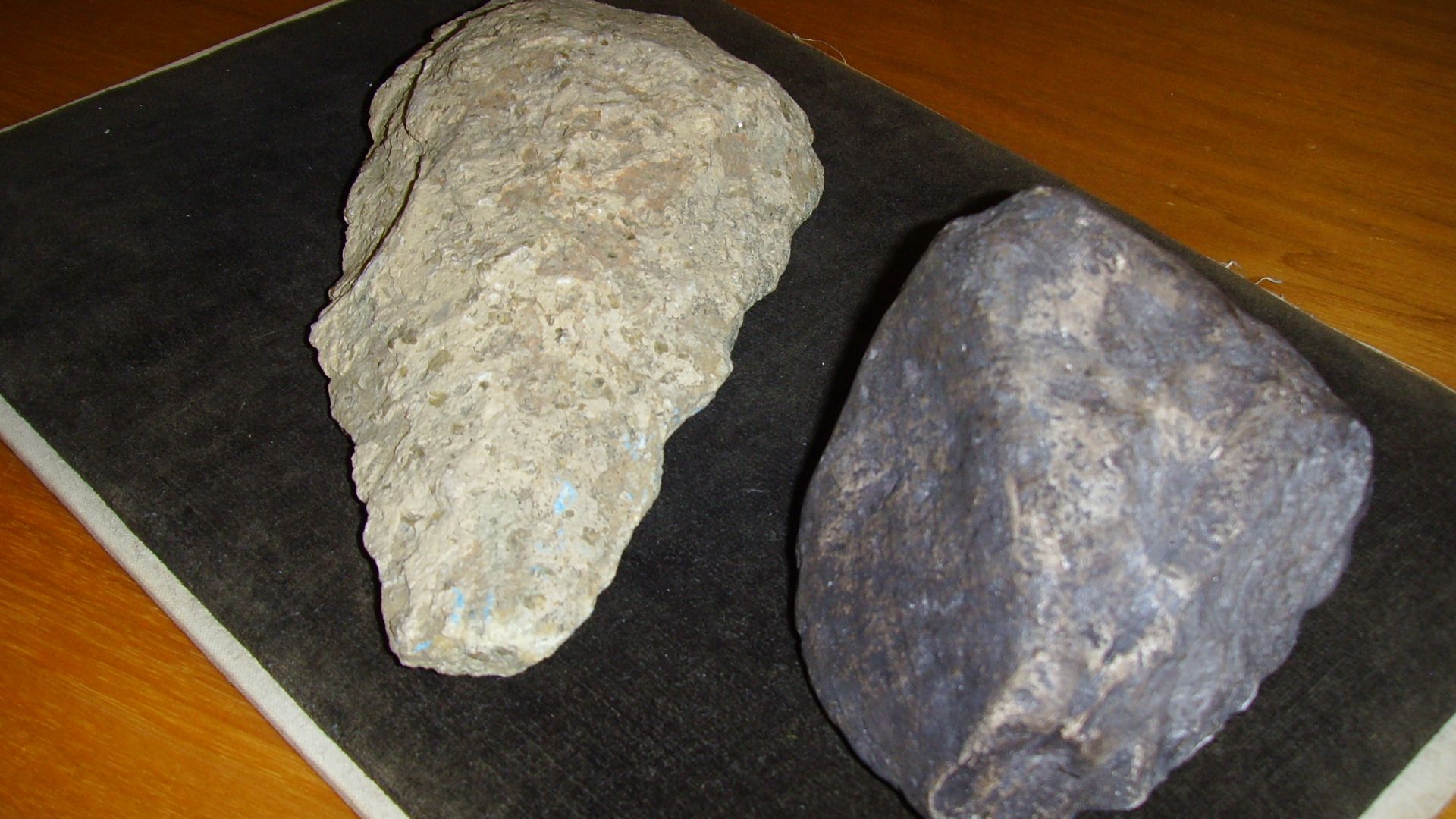
The Lomekwi stone tools, discovered at Lomekwi 3 in Kenya by Sonia Harmand's team from Stony Brook University, are a staggering 3.3 million years old. These massive implements, some weighing over 15 kilograms, completely overturned everything archaeologists thought they knew about the origins of technology.
 Lomekwi 3 - World's Oldest Stone Tools Predate Humans by SciNews
Lomekwi Stone Tools (Cont.)
Analysis revealed that the tool makers had purposely selected large, heavy blocks of strong stone while ignoring smaller pieces of the same material found nearby. Besides, the cores show interesting evidence of being rotated as flakes were struck off.
 Photograph: NASA, Wikimedia Commons
Oldowan Stone Tools
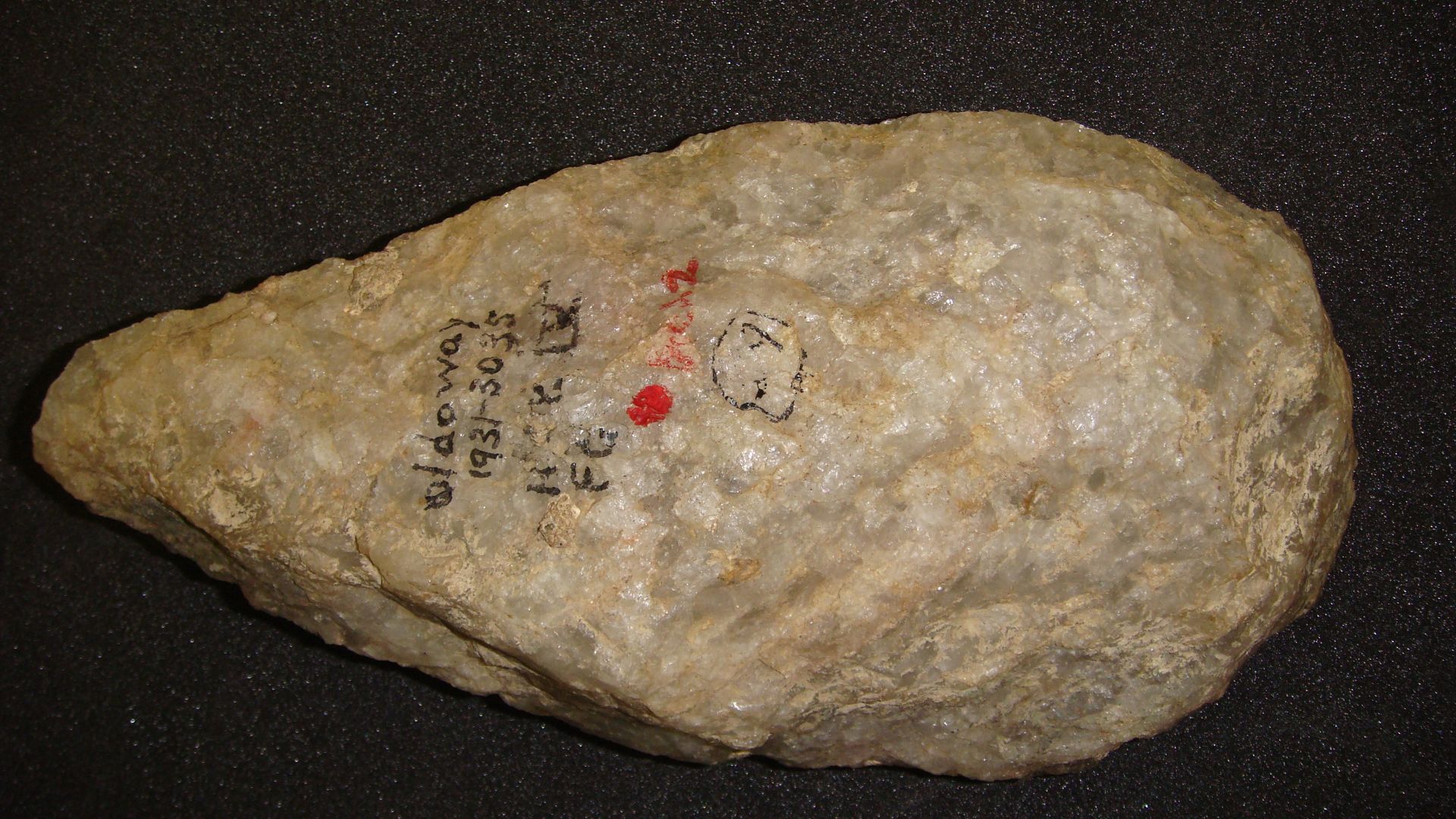
Long before humans learned to write, paint, or build cities, they mastered the art of turning ordinary rocks into life-changing tools. The Oldowan stone tools, dating back 2.6 million years and first documented by Louis Leakey, represent humanity's earliest conscious effort to modify nature for specific purposes.
Oldowan Stone Tools (Cont.)
The primary materials used for these tools were quartz, quartzite, basalt, and later flint or chert—basically any rock that could hold a sharp edge. The main tool types include heavy-duty cores like choppers and scrapers, which were used for cutting wood or breaking bones.
Bizmoune Cave Shell Beads
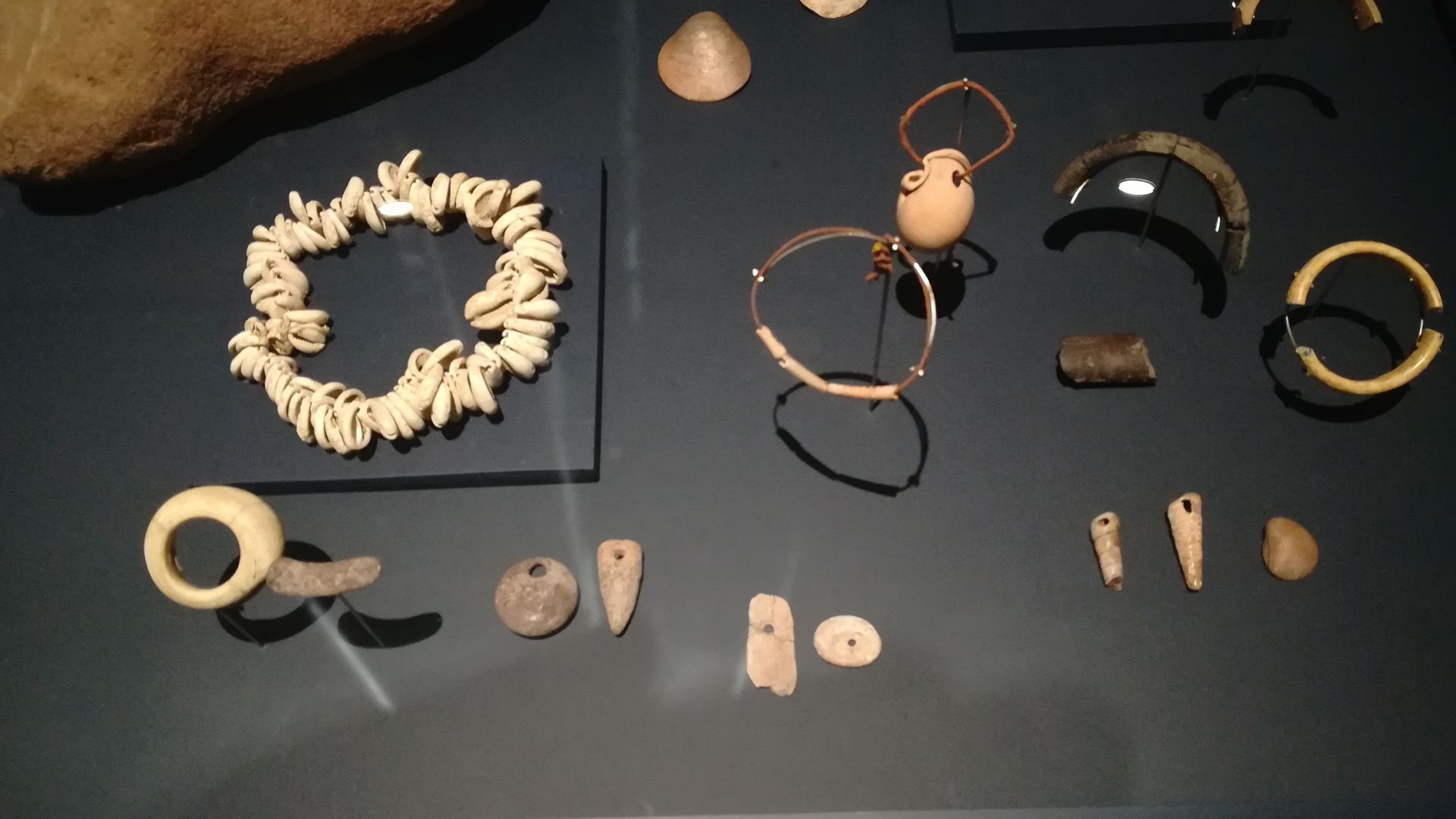
In the western Moroccan desert, inside Bizmoune Cave near Essaouira, archaeologists spotted 33 tiny shell beads that date back an incredible 142,000 to 150,000 years. The story gets even more interesting when you consider the craftsmanship involved.
 Manfred Ewel, Wikimedia Commons
Bizmoune Cave Shell Beads (Cont.)
Made from half-inch-long Columbella rustica and Tritia gibbosula sea snail shells, each bead shows polished, smoothed edges. What's remarkable is that these beads were found about 10–12 miles inland from the coast, meaning our ancestors deliberately traveled to collect specific shells for their aesthetic value.
 Ancient shell beads on display for 1st time in Morocco by AP Archive
Skhul Cave Shell Beads
The limestone cliffs of Mount Carmel in Israel hold secrets that bridge the gap between our biological evolution and our cultural awakening. Two perforated shell beads found in Skhul Cave are among the oldest-known pieces of jewelry from around 100,000 to 135,000 years ago.
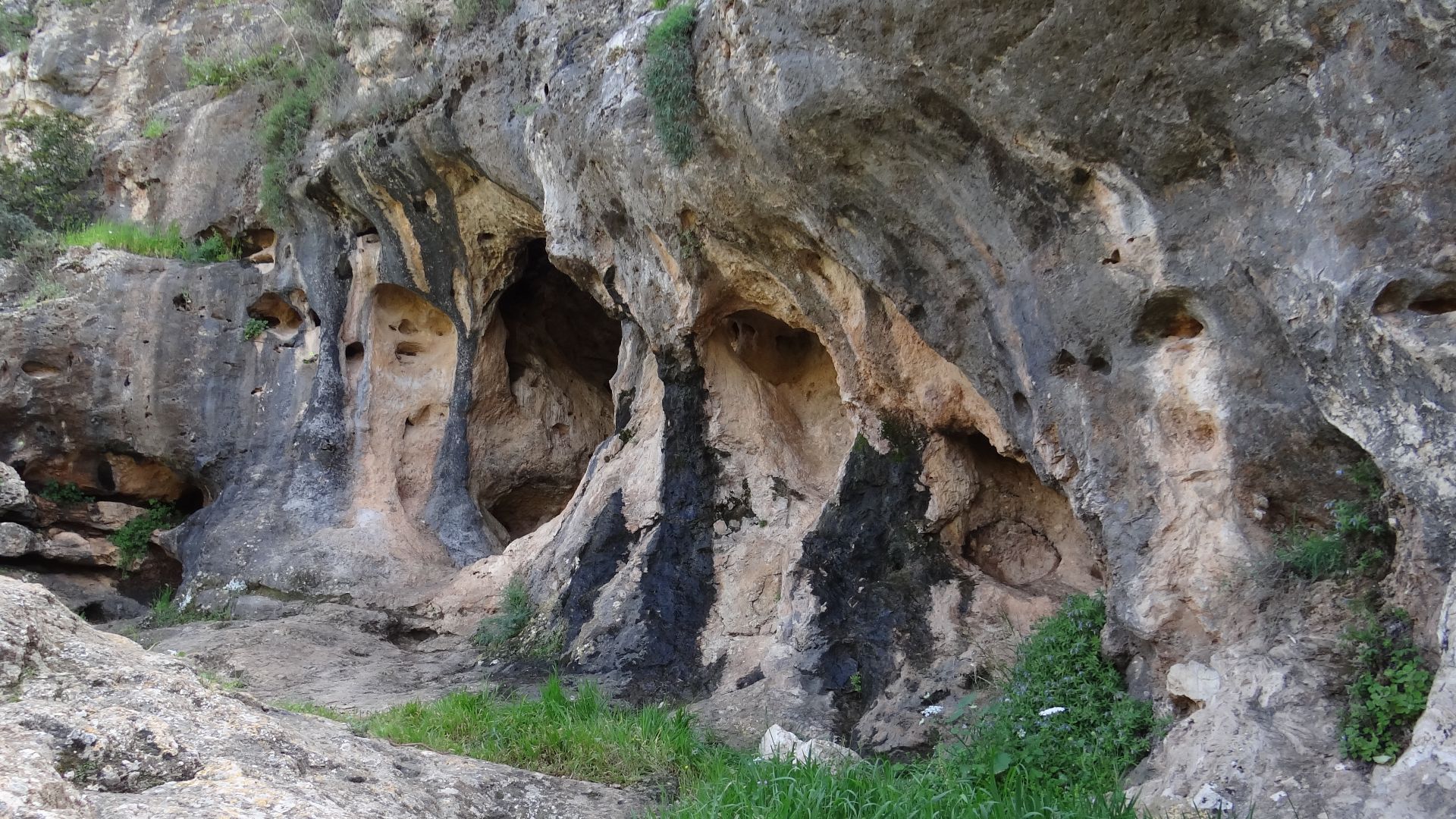
Skhul Cave Shell Beads (Cont.)
Skhul Cave Shell Beads were made from Nassarius gibbosulus shells, common in the Mediterranean. They are noteworthy because they indicate early symbolic behavior and cognitive development in anatomically modern humans living in the Levant region during the Middle Paleolithic period.
 Jan Delsing, Wikimedia Commons

History's most fascinating stories and darkest secrets, delivered to your inbox daily.
Blombos Cave Paint Workshop
Sometimes the most profound discoveries come in the tiniest packages. Hidden within South Africa's Blombos Cave, two abalone shells containing the dried remains of a 100,000-year-old paint mixture were found. This is believed to be humanity's first art studio.
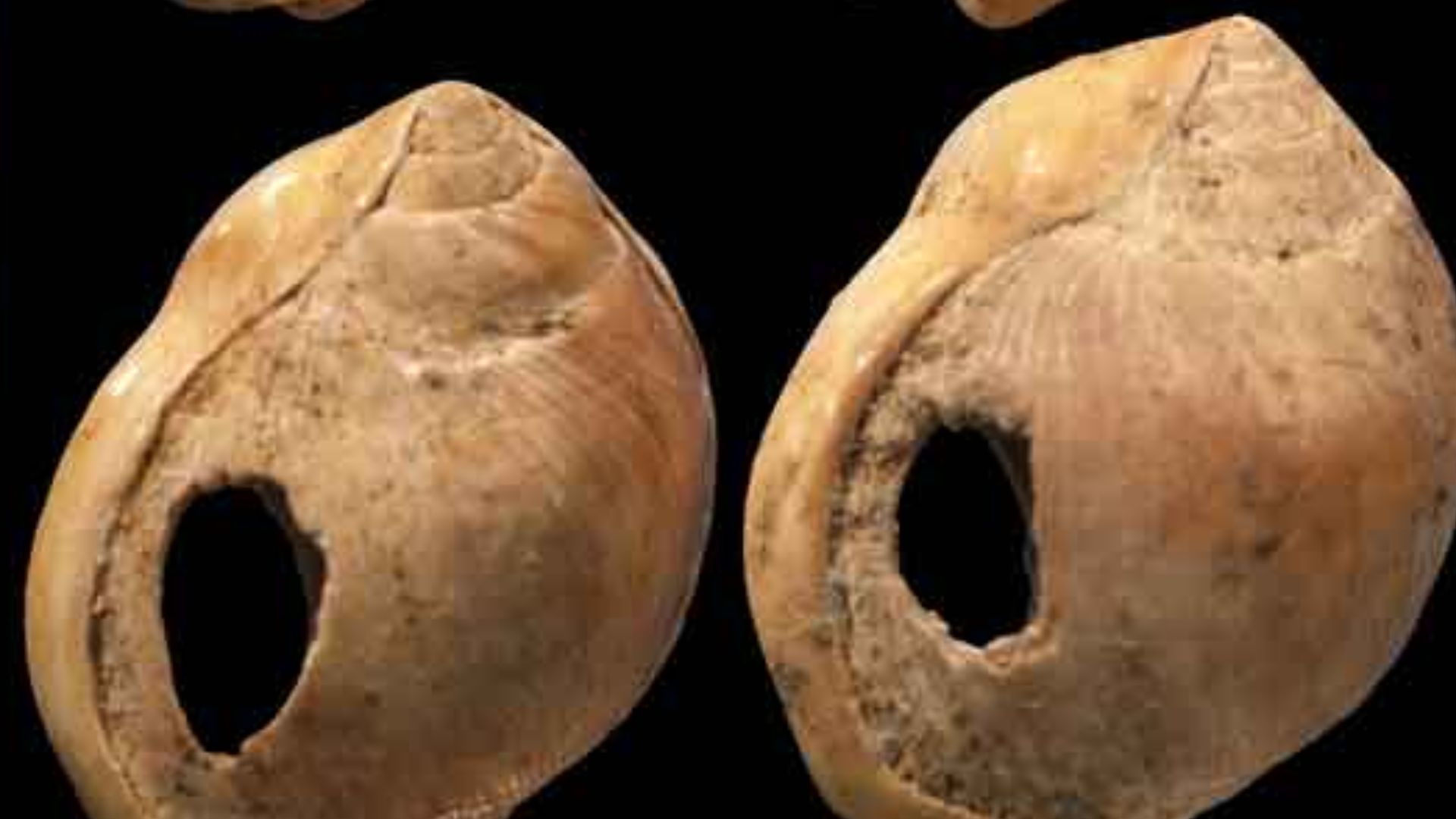 Chenshilwood at English Wikipedia, Wikimedia Commons
Blombos Cave Paint Workshop (Cont.)
It was a sophisticated compound made from ochre, crushed seal bones, charcoal, quartzite chips, and liquid, mixed with an understanding of chemistry that would make a modern artist proud. Even more incredible, researchers found evidence that the artists adjusted their colors, adding tiny pieces of yellow goethite.
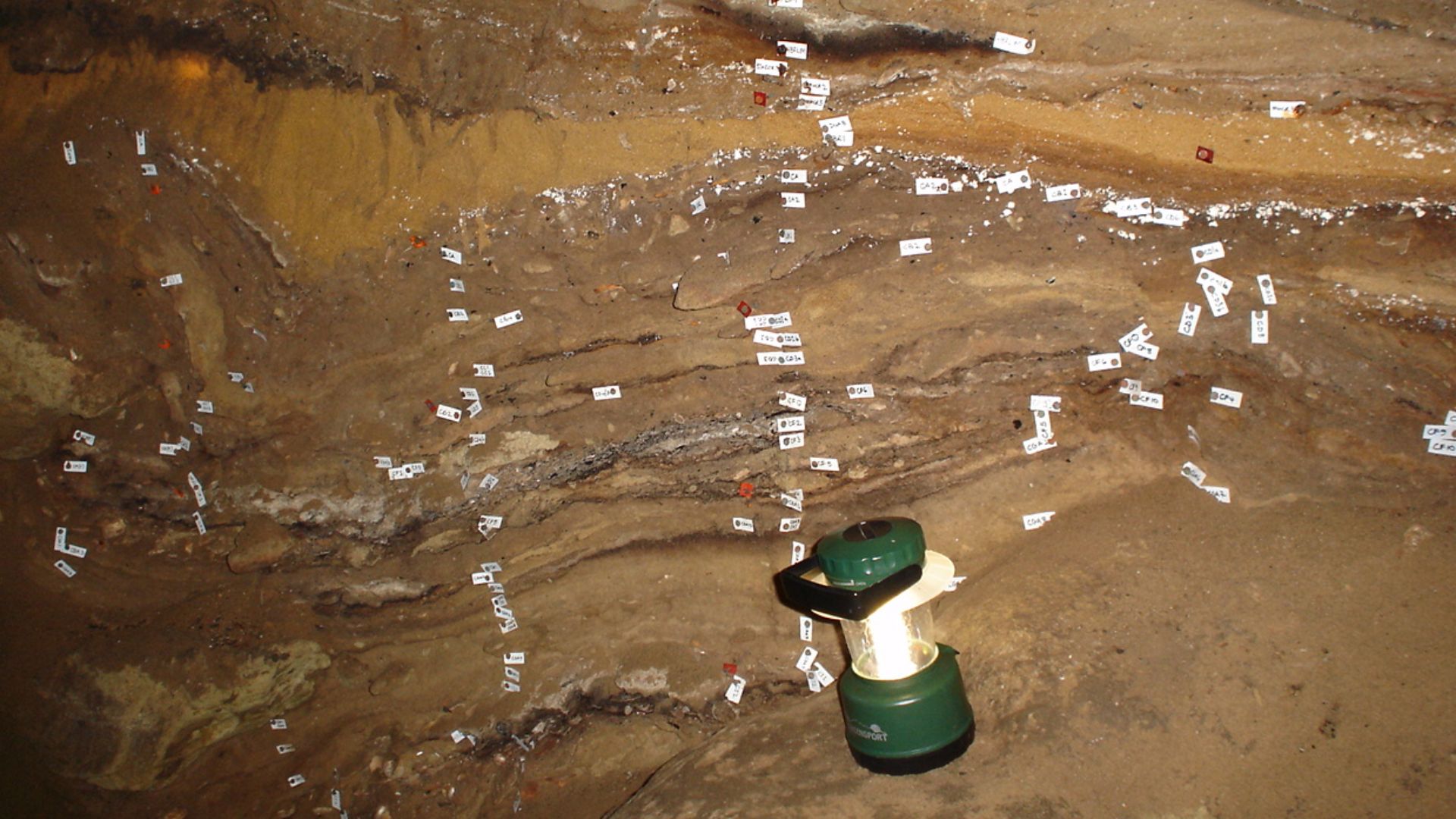 Kari Janne Stenersen, Wikimedia Commons
Blombos Cave Ochre Drawings
The story of human art starts much earlier, in a small cave overlooking the Indian Ocean in South Africa. At Blombos Cave, a 73,000-year-old cross-hatched drawing was spotted. The same was made with an ochre crayon on a silcrete stone flake.
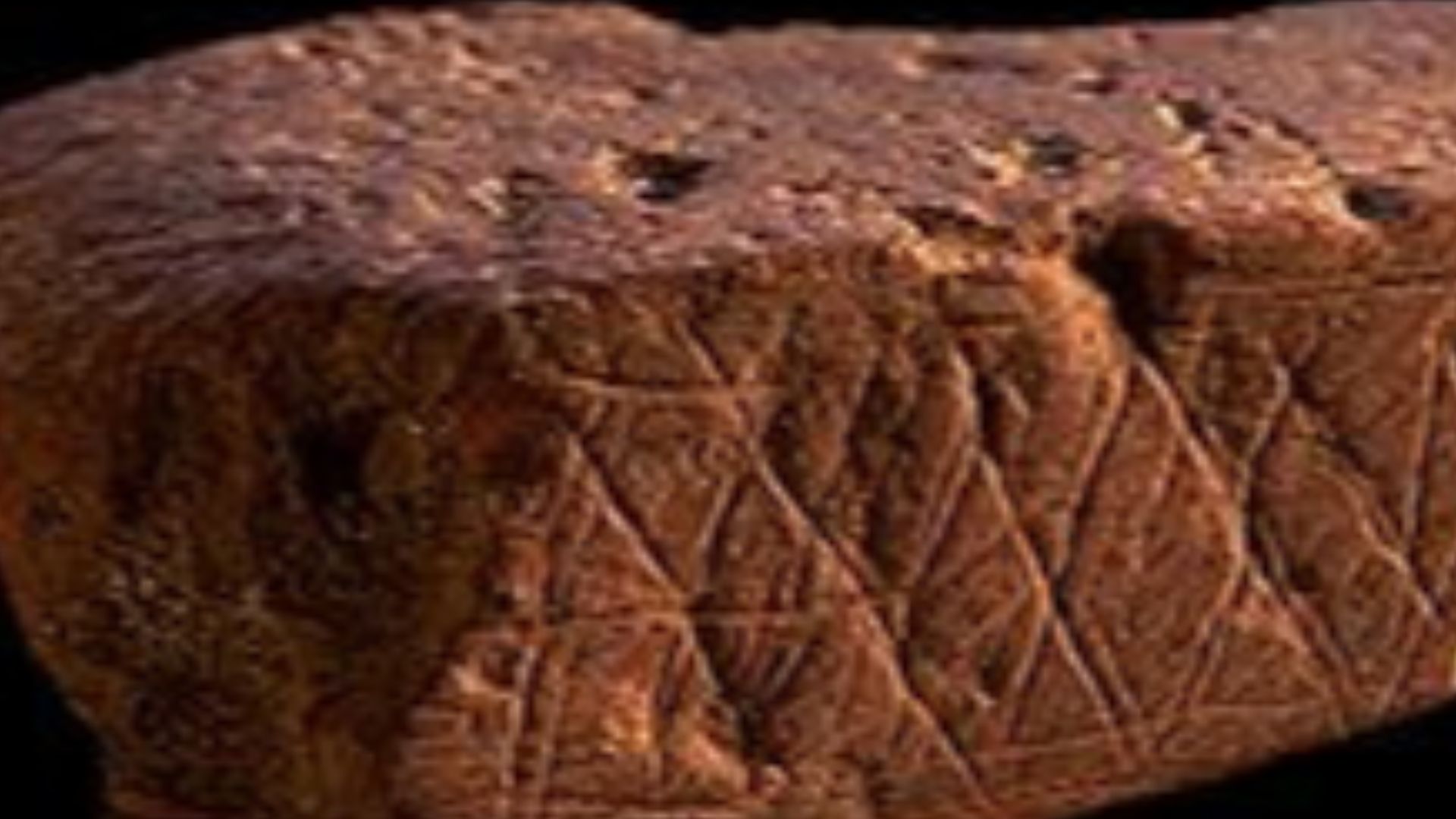 Chris S. Henshilwood, Wikimedia Commons
Blombos Cave Ochre Drawings (Cont.)
As per sources, Christopher Henshilwood's international team found the marked stone flake in a dense deposit of artifacts. These findings also include engraved ochre pieces with complex geometric designs found in layers dated between 70,000 and 100,000 years old.

GeiBenklosterle Bone Flutes
Music, they say, is the universal language—and the 42,000-year-old bone flutes found in Germany's GeiBenklosterle cave stand as the earliest known musical instruments, carved from the bones of vultures and mammoths by our Aurignacian ancestors. These are sophisticated instruments with carefully placed finger holes.
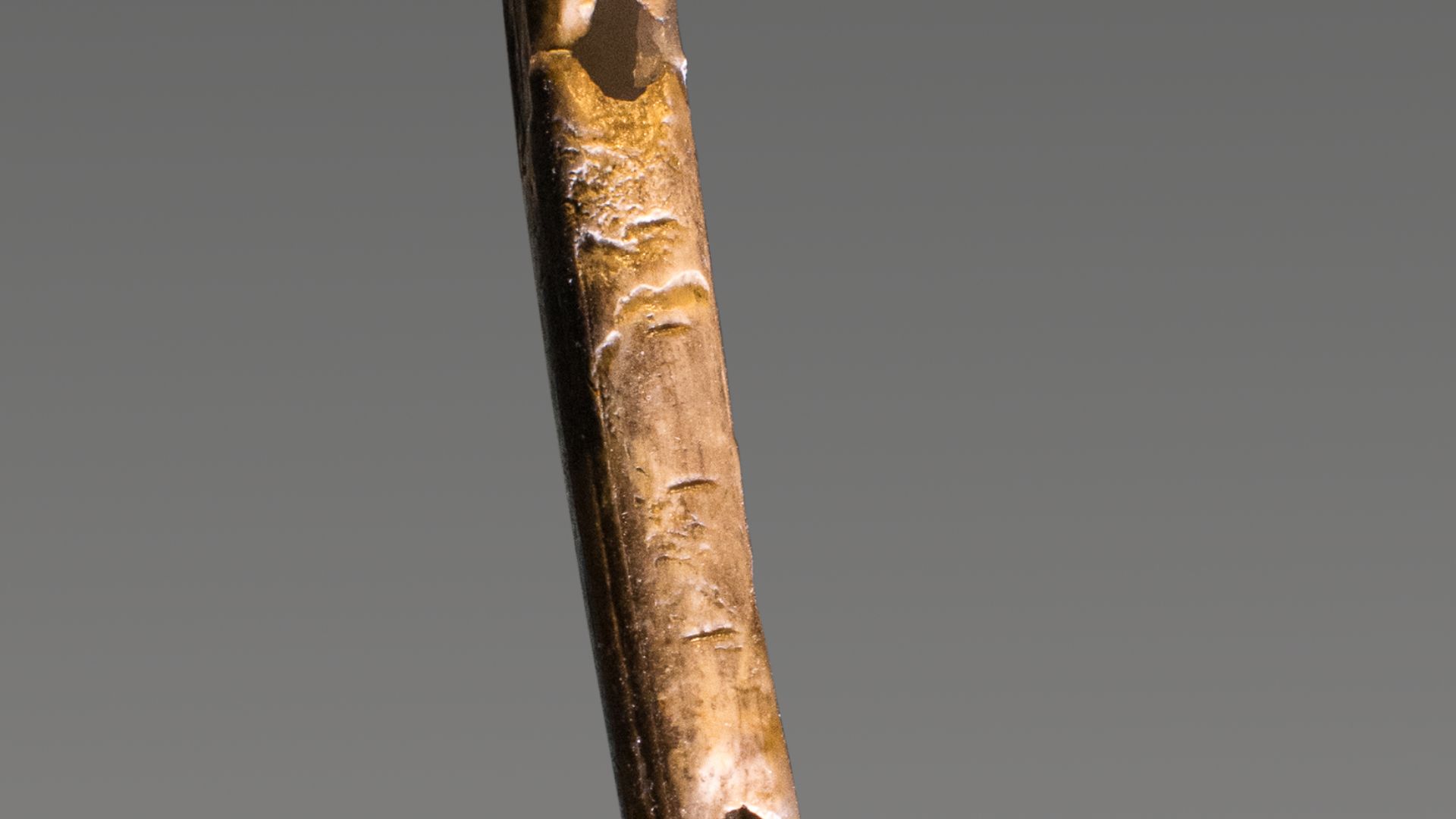
GeiBenklosterle Bone Flutes (Cont.)
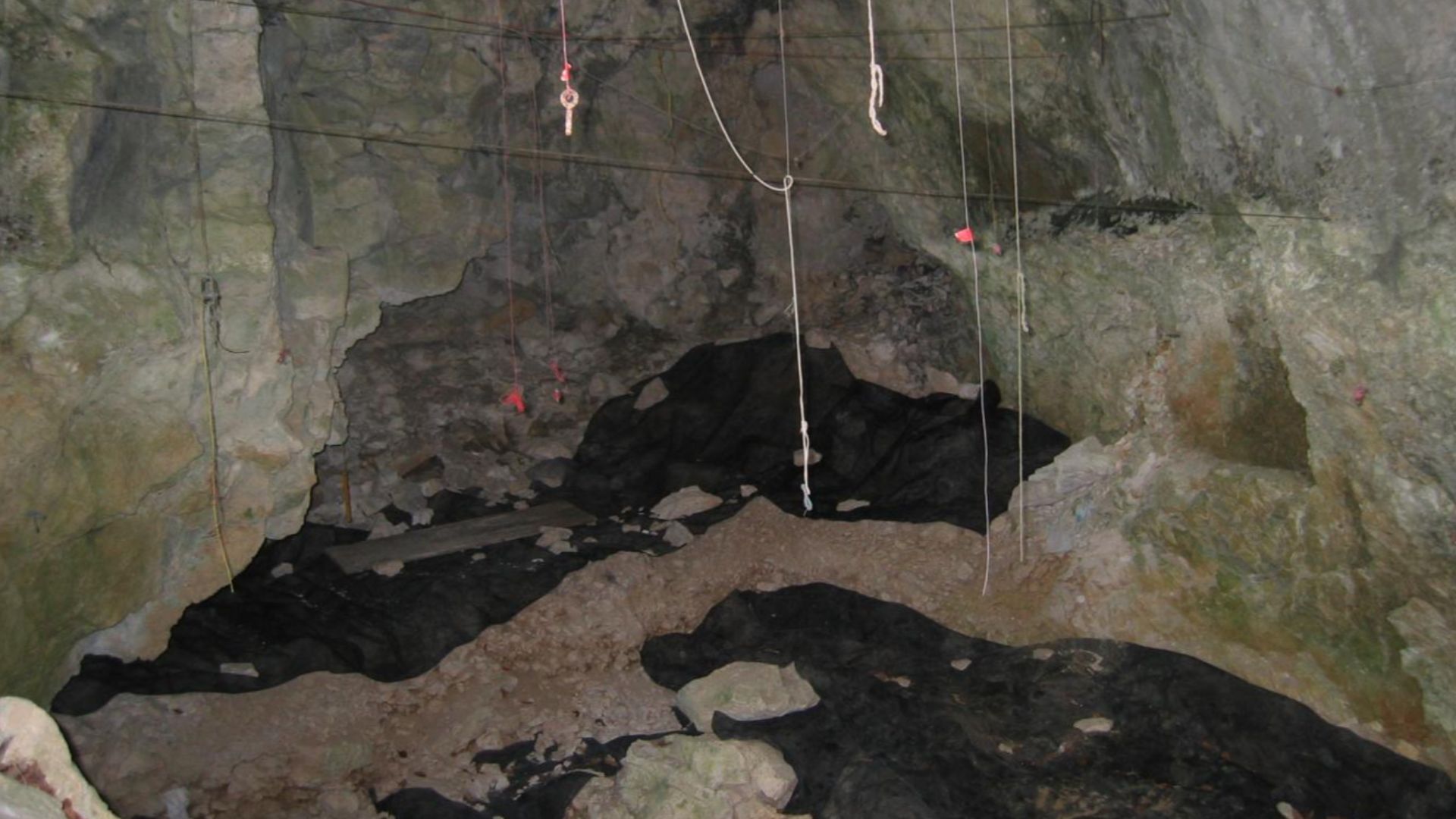
The flutes were detected in the same cave system that has yielded some of Europe's most important early art. Archaeologists believe that music played a critical role in early human social development, helping to create the complex cultural bonds that may have given our ancestors a competitive advantage over Neanderthals.
 CommonsHelper2 Bot, Wikimedia Commons
Venus Of Hohle Fels
Unlike later Venus figurines, this ancient sculpture has no head. Instead, it displays a carefully carved ring where the head should be, suggesting it was worn as a pendant around the neck. The discovery in 2008 by Nicholas Conard's team pushed back the date of prehistoric art by several millennia.

Venus Of Hohle Fels (Cont.)
What makes this Venus truly unique are the deep markings on the arms and abdomen that look like cicatrices—deliberate cuts in the skin rubbed with ash to make them stand out, similar to ritual scarification. The figurine was seen in Hohle Fels cave near Schelklingen, Germany.
 Dr. Eugen Lehle, Wikimedia Commons
Lion Man Of Hohlenstein-Stadel
The Lion Man of Hohlenstein-Stadel is interpreted as among the earliest evidence of religious belief in human history. It stood 31 centimeters tall and was carved from mammoth ivory. This mysterious item had the head of a cave lion and a partly human body.
 Dagmar Hollmann, Wikimedia Commons
Lion Man Of Hohlenstein-Stadel (Cont.)
This sculpture's discovery in 1939 was almost lost to history when World War II interrupted excavations just days later. The Lion Man's story is one of painstaking reconstruction and rediscovery. Geologist Otto Volzing found the fragmented figurine on August 25, 1939.
 MathieuMD (If you can improve this photo development, ask me the RAW.) , Wikimedia Commons
Venus Of Willendorf
In 1908, along the banks of the Danube River in Austria, archaeologist Josef Szombathy made a discovery that would become one of the most recognizable artifacts from the Ice Age. It was the Venus of Willendorf, a four-inch-tall limestone figurine dating to nearly 30,000 years ago.
 Unknown authorUnknown author, Wikimedia Commons
Venus Of Willendorf (Cont.)
Her head is covered with what appears to be braids or a knit cap, and traces of red ochre pigment suggest she was once painted bright red. This color held deep significance for Ice Age peoples. Some interpret her exaggerated features as a fertility goddess or mother figure.
 Jakub Hałun, Wikimedia Commons
Vogelherd Cave Figurines
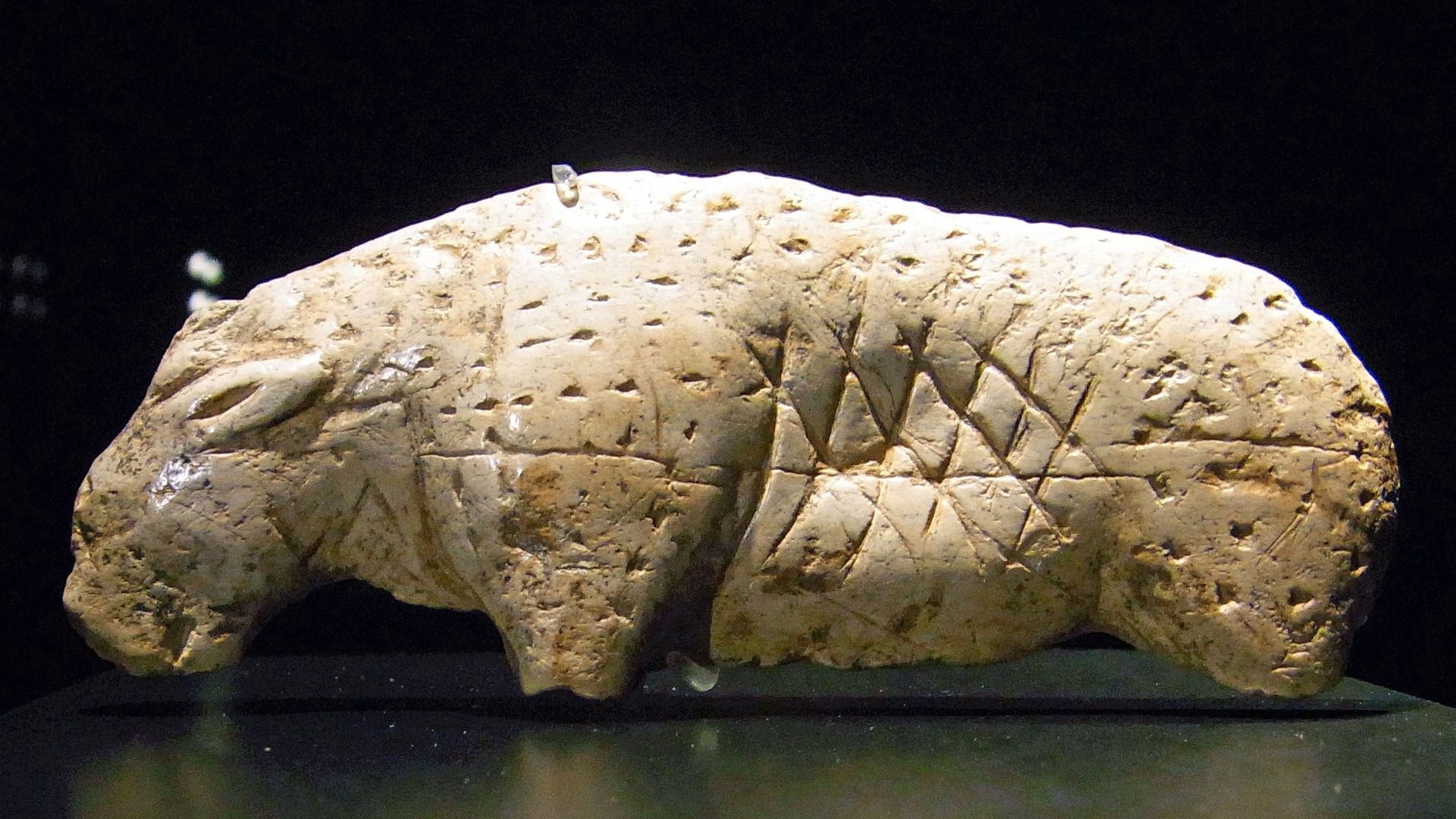
The Vogelherd Cave figurines are among the oldest known examples of figurative art in the world, dating back approximately 30,000 to 40,000 years. Found in Vogelherd Cave in southwestern Germany, these statues are carved from the ivory of woolly mammoths.
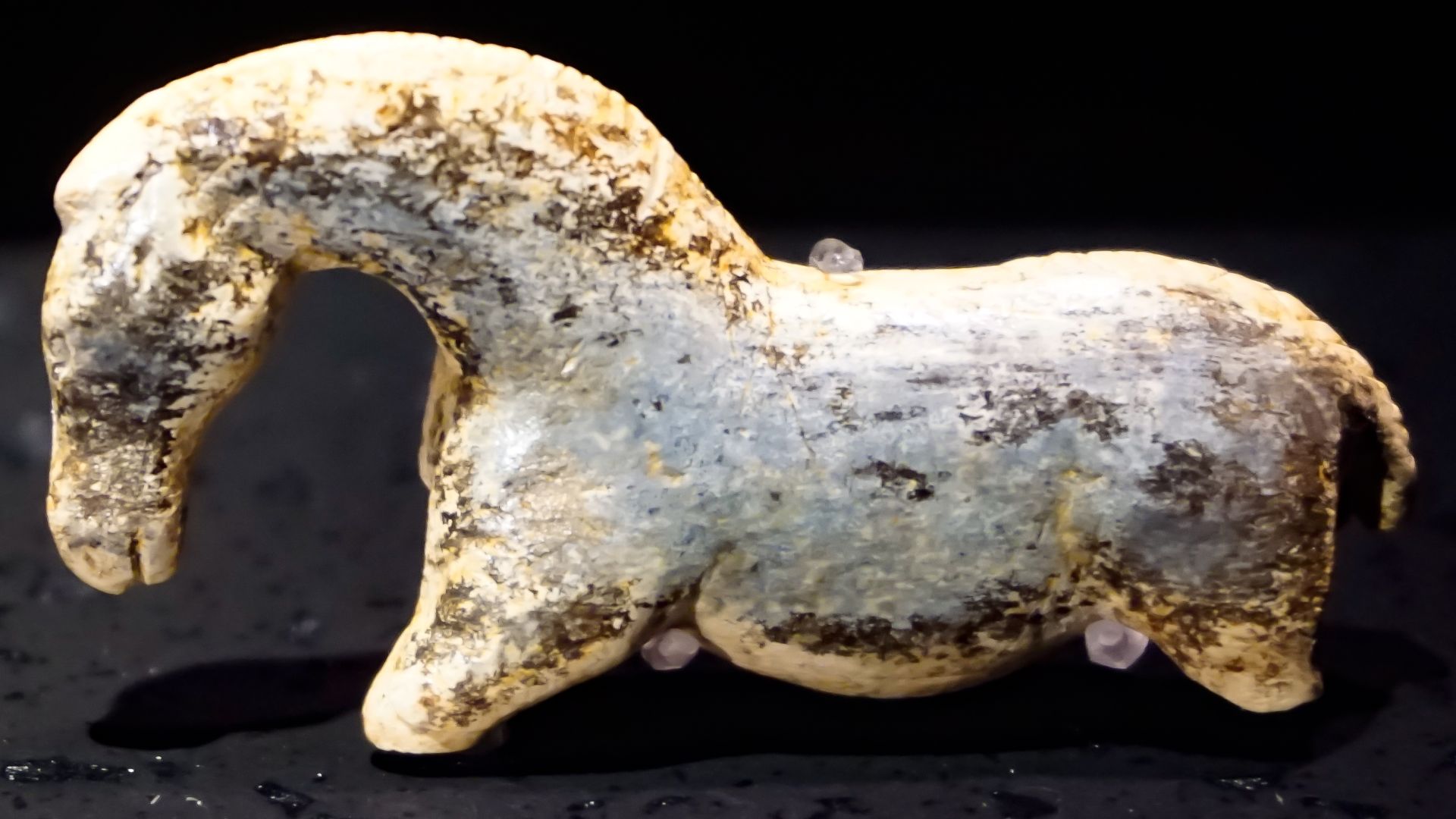
Vogelherd Cave Figurines (Cont.)
Key figurines include a woolly mammoth (about 35,000 years old), a cave lion (around 40,000 years old), and a horse (about 30,000–29,000 years old). The mammoth figurine is noted for its slim form, pointed tail, powerful legs, and crosshatch patterns on its feet.
Pesse Canoe
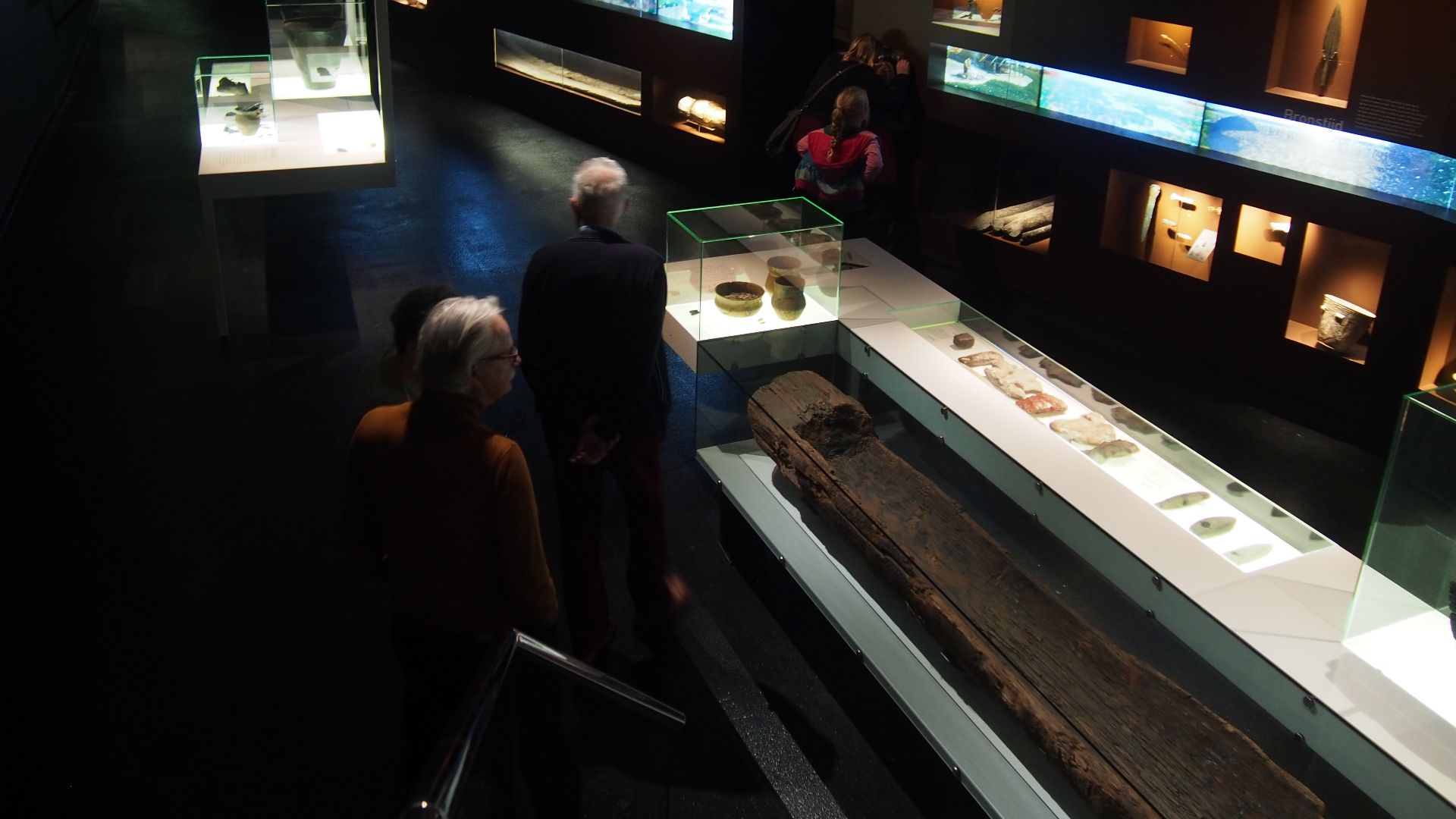
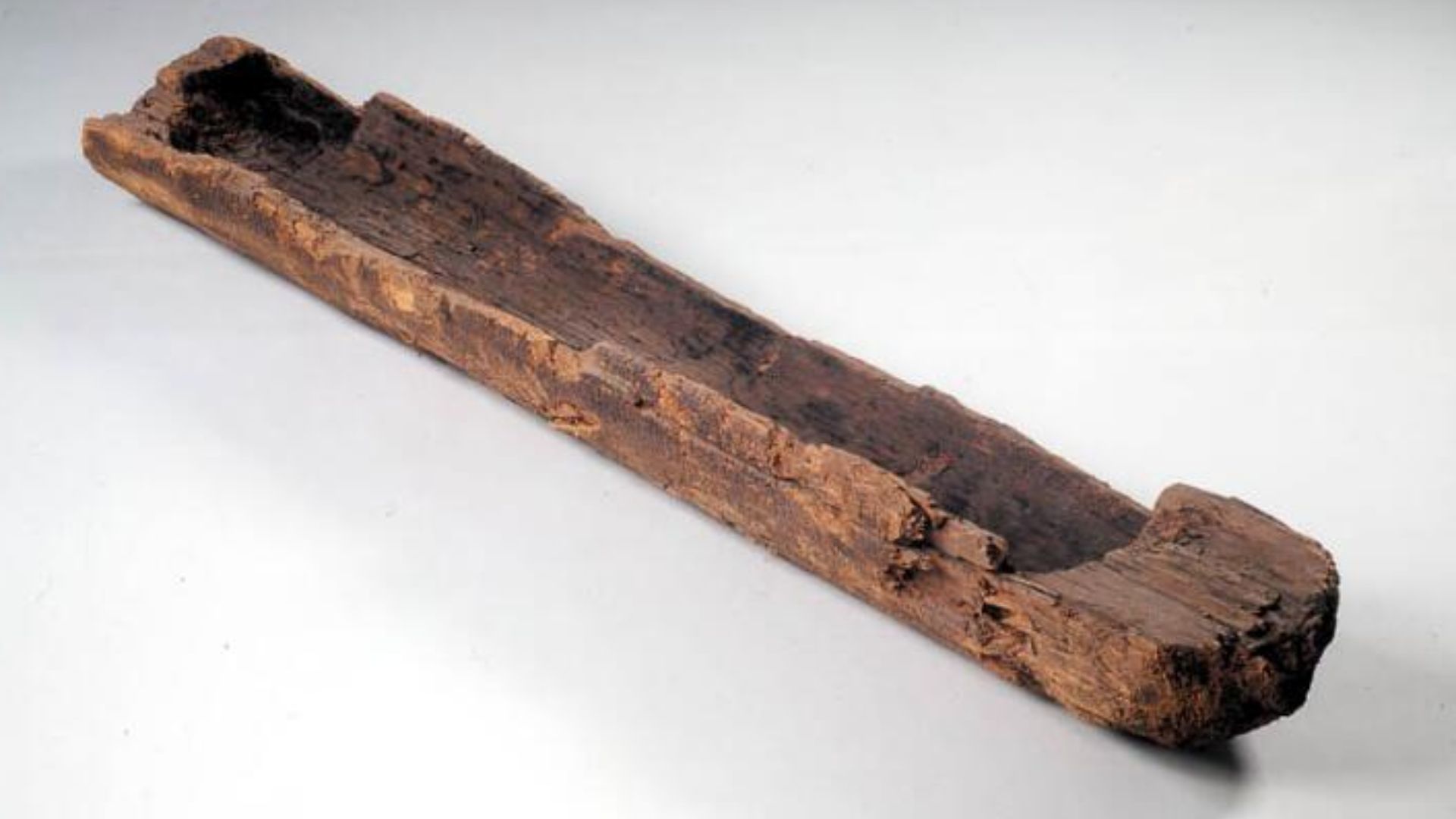
In 1955, Dutch road workers digging a highway near the village of Pesse stumbled upon a 10,000-year-old canoe carved from a single log. The canoe measures about 3 meters long and was created using stone axes to hollow out the interior of a Scots pine log.
 Christoph Braun, Wikimedia Commons
Pesse Canoe (Cont.)
The Pesse canoe's authenticity sparked scientific debate that wasn't settled until archaeologist Jaap Beuker took matters into his own hands. It was likely used for hunting and fishing in the marshes, creeks, and lakes of the region. The canoe now resides in the Drents Museum.