
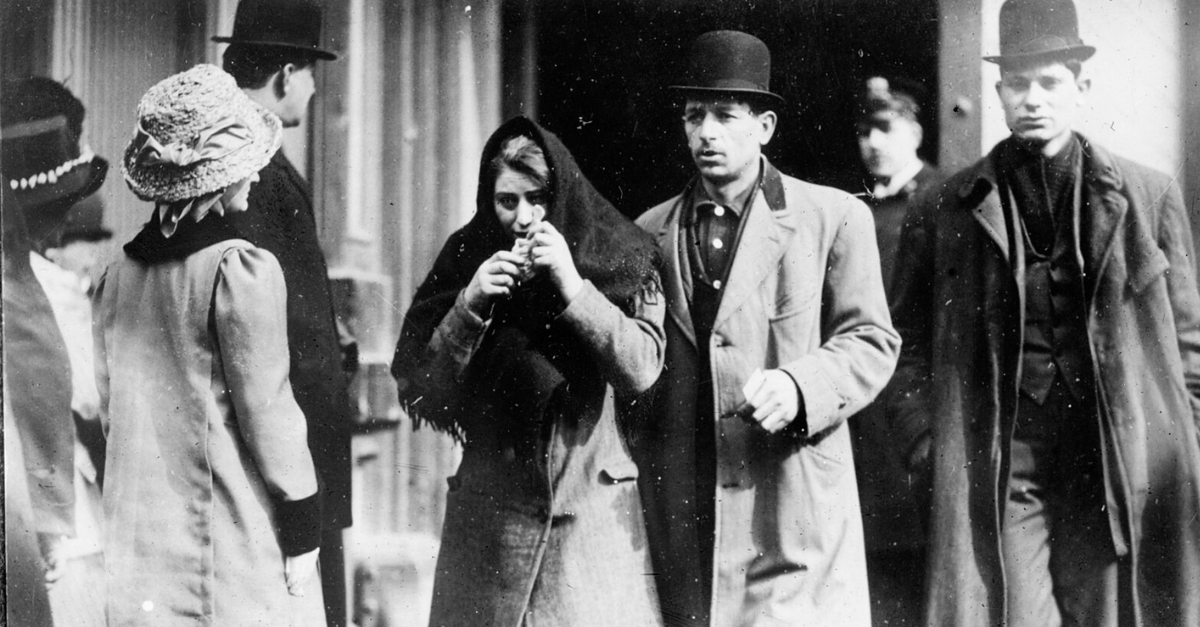
A Disaster That Changed America Forever
On March 25, 1911, a fire ripped through the Triangle Shirtwaist Factory in New York City's Asch Building, taking the lives of 146 workers in just minutes. Most of the victims were young immigrant women and teenage girls trying to earn a living in the booming garment industry. The tragedy horrified people across the country and became one of the biggest turning points in the fight for safer workplaces.
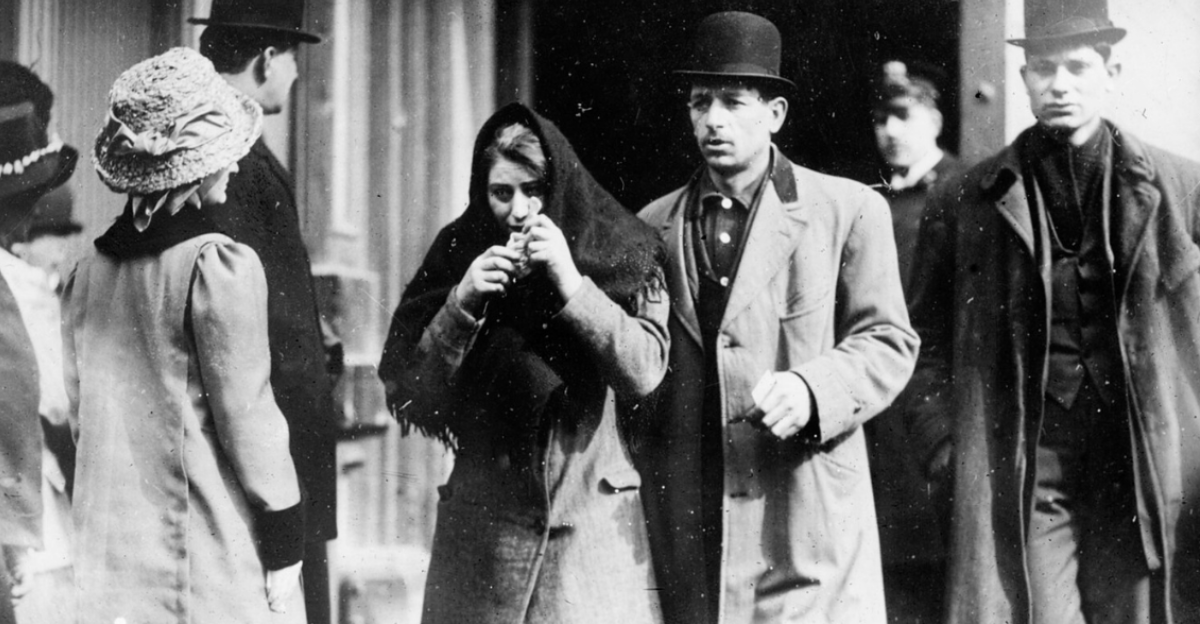 Digital Public Library of America, Wikimedia Commons
The Factory Made One Of The Era's Most Popular Fashion Items
The Triangle Waist Company made shirtwaists, a stylish type of blouse that was incredibly fashionable in the early 1900s. Demand was so high that the factory employed hundreds of workers sewing garments as quickly as possible. The business operated on the eighth, ninth, and tenth floors of the Asch Building in lower Manhattan.
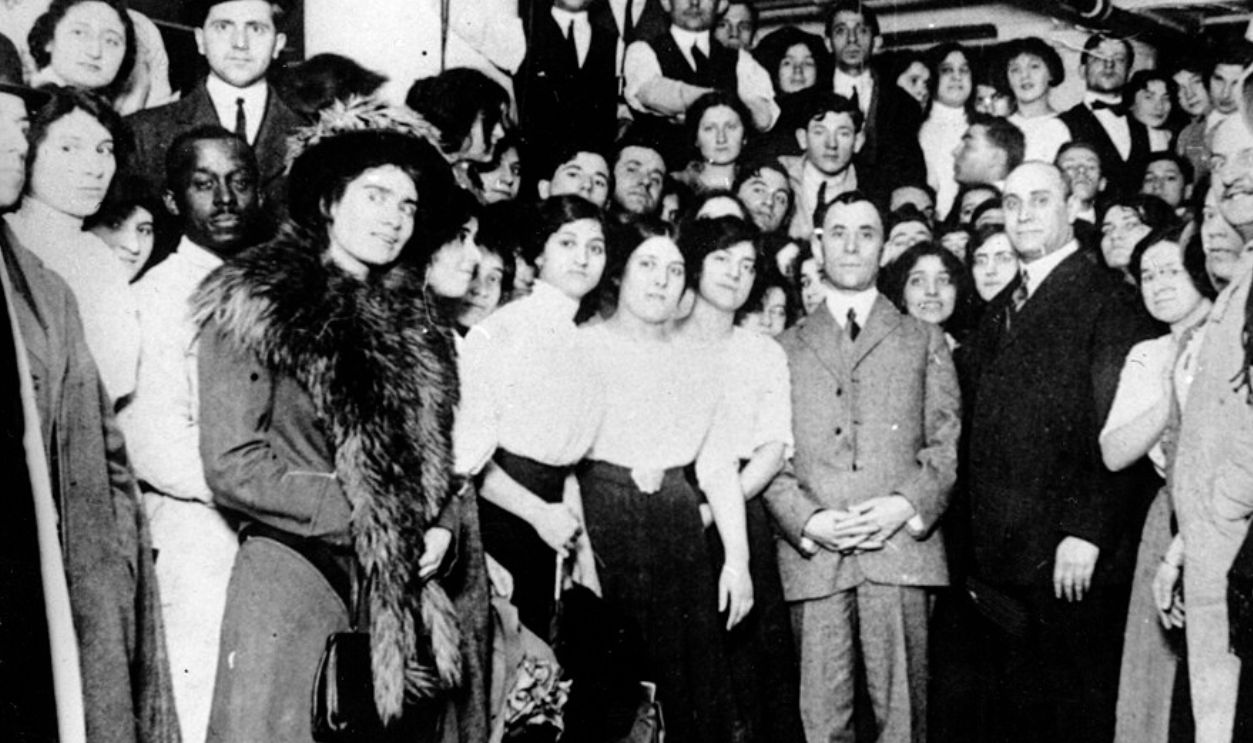 Kheel Center, CC BY 2.0, Wikimedia Commons
Most Of The Workers Were Young Women Starting New Lives
The factory's employees were mostly Jewish and Italian immigrant women, many of them still in their teens or early twenties. Some hadn't been in the United States very long and took whatever jobs they could find to help support themselves and their families. Factory work was tough, but for many immigrants, it offered one of the few opportunities to earn steady pay.
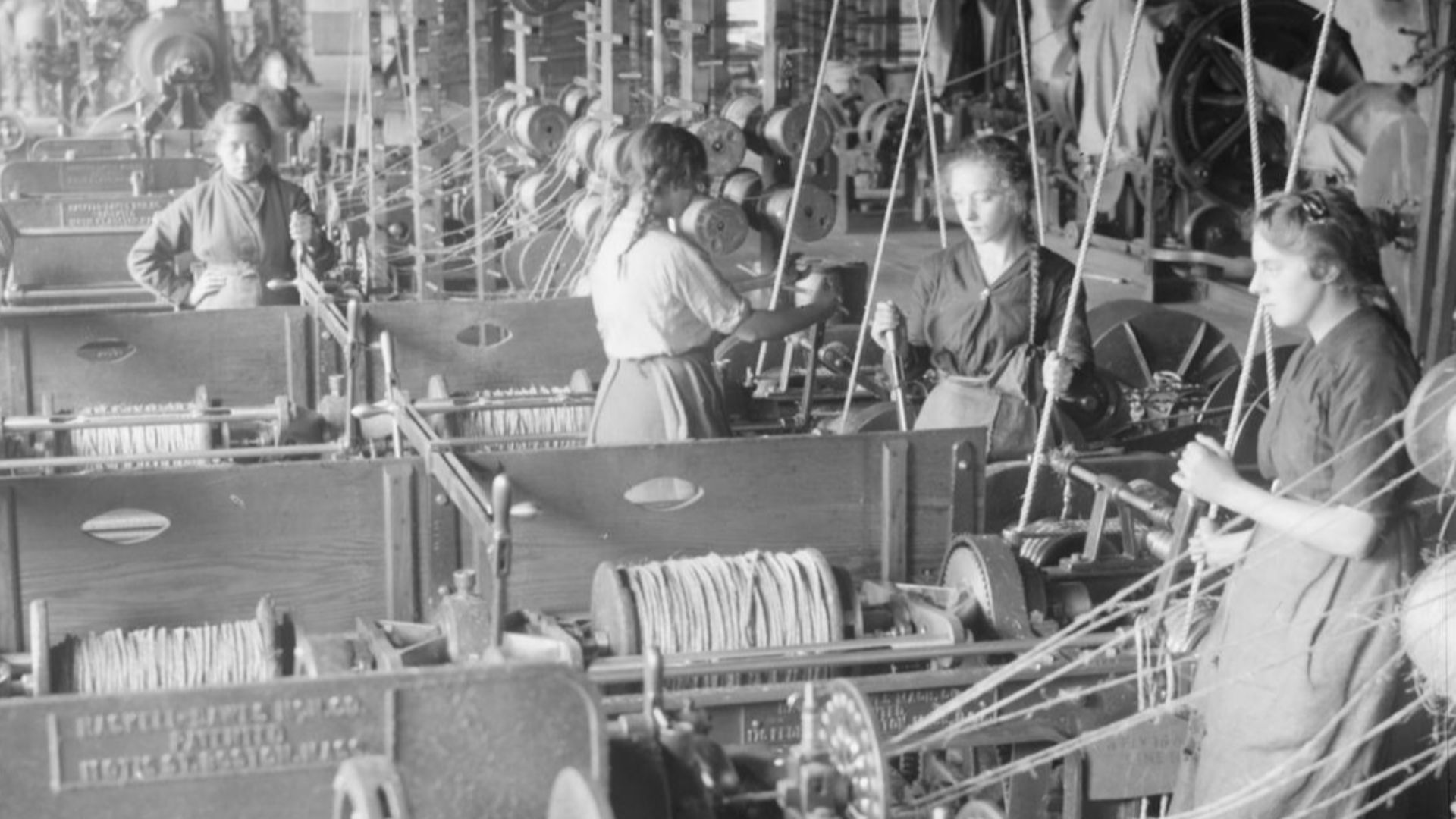 George P. Lewis, Wikimedia Commons
Safety Wasn't Exactly A Priority
By today's standards, the working conditions were shockingly unsafe. The rooms were crowded with sewing machines, tables, piles of fabric, and bins overflowing with flammable scraps. Fire prevention measures were minimal, and the factory's layout made it difficult for hundreds of people to get out quickly if something went wrong.
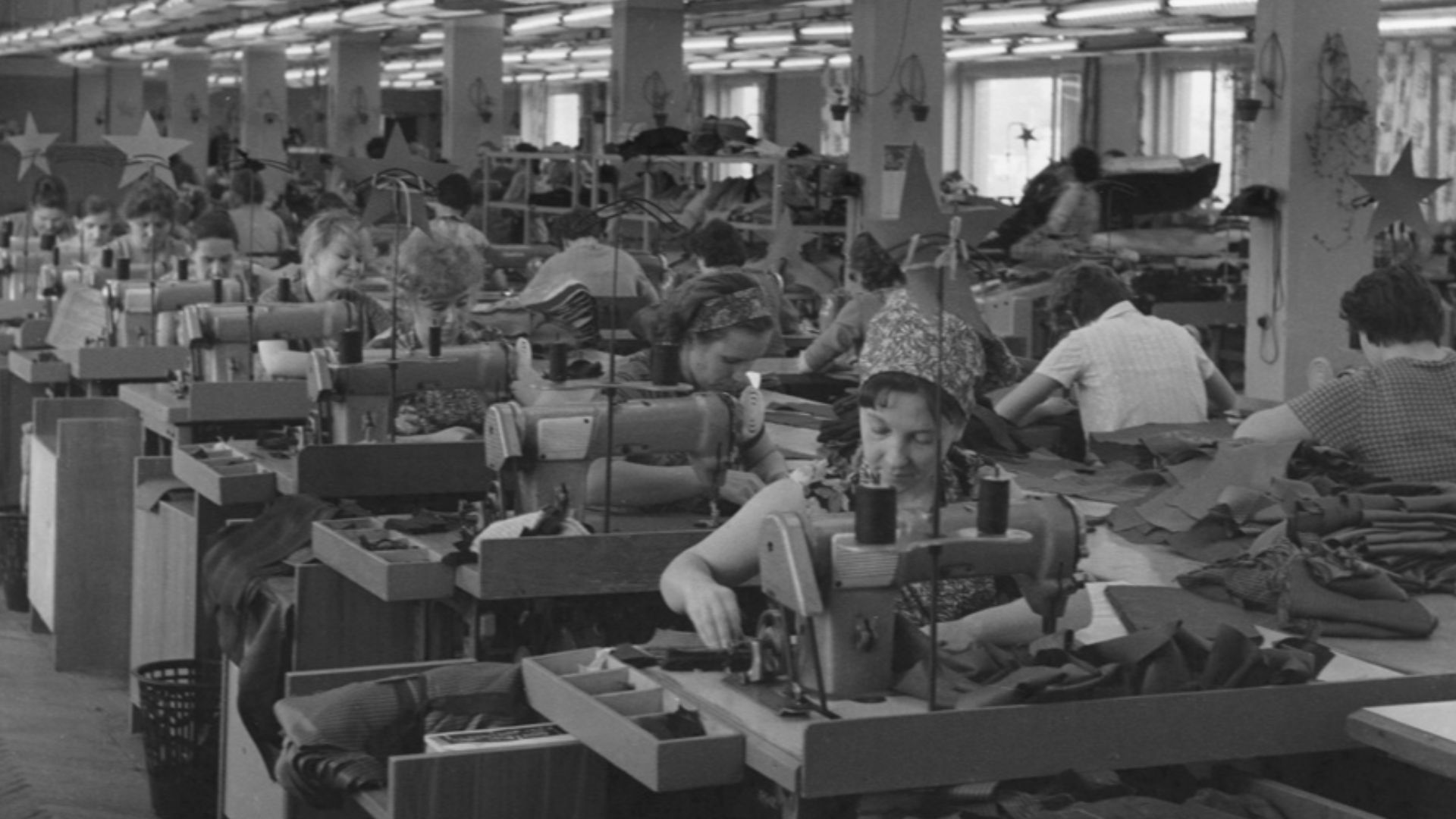 Yury Artamonov / Yuri Artamonov, Wikimedia Commons
The Fire Started Just Before The Workday Ended
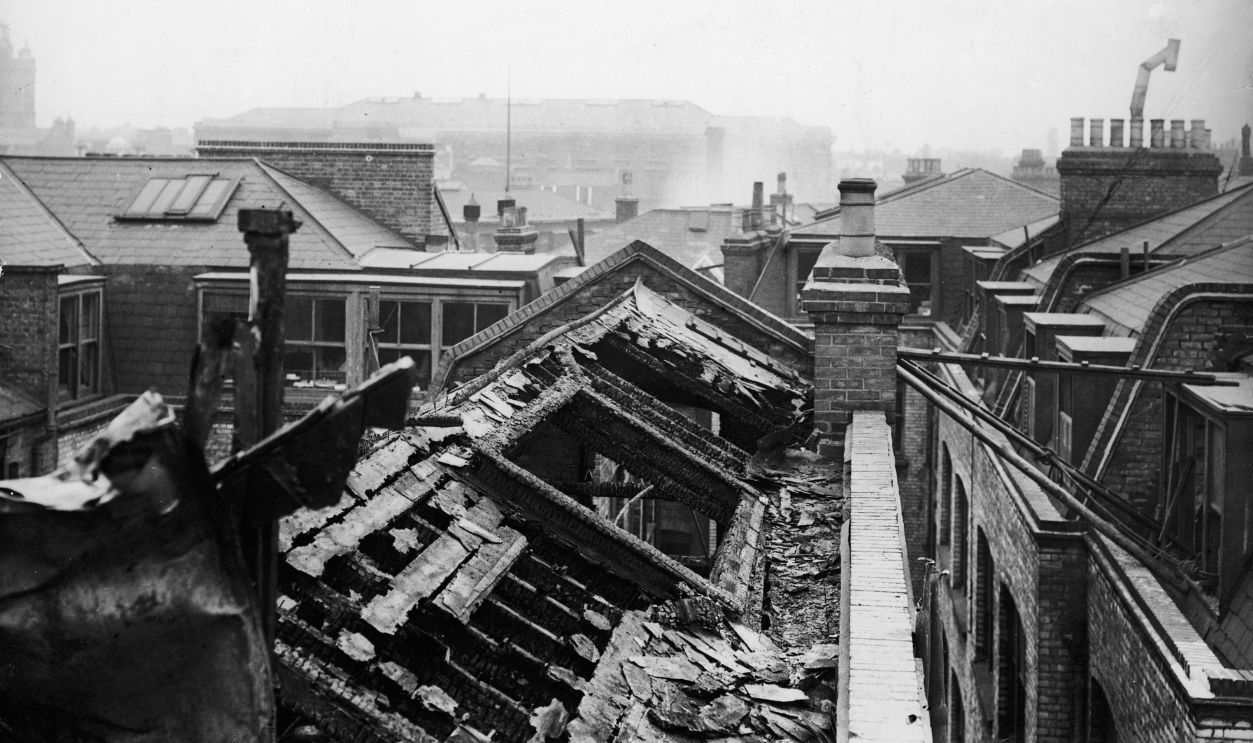
The fire broke out late in the afternoon on Saturday, March 25, just as many employees were getting ready to leave for the day. Investigators later concluded that it probably started in a bin filled with cloth scraps, possibly from a discarded smoke or match. Once the flames caught the fabric, they spread incredibly fast.
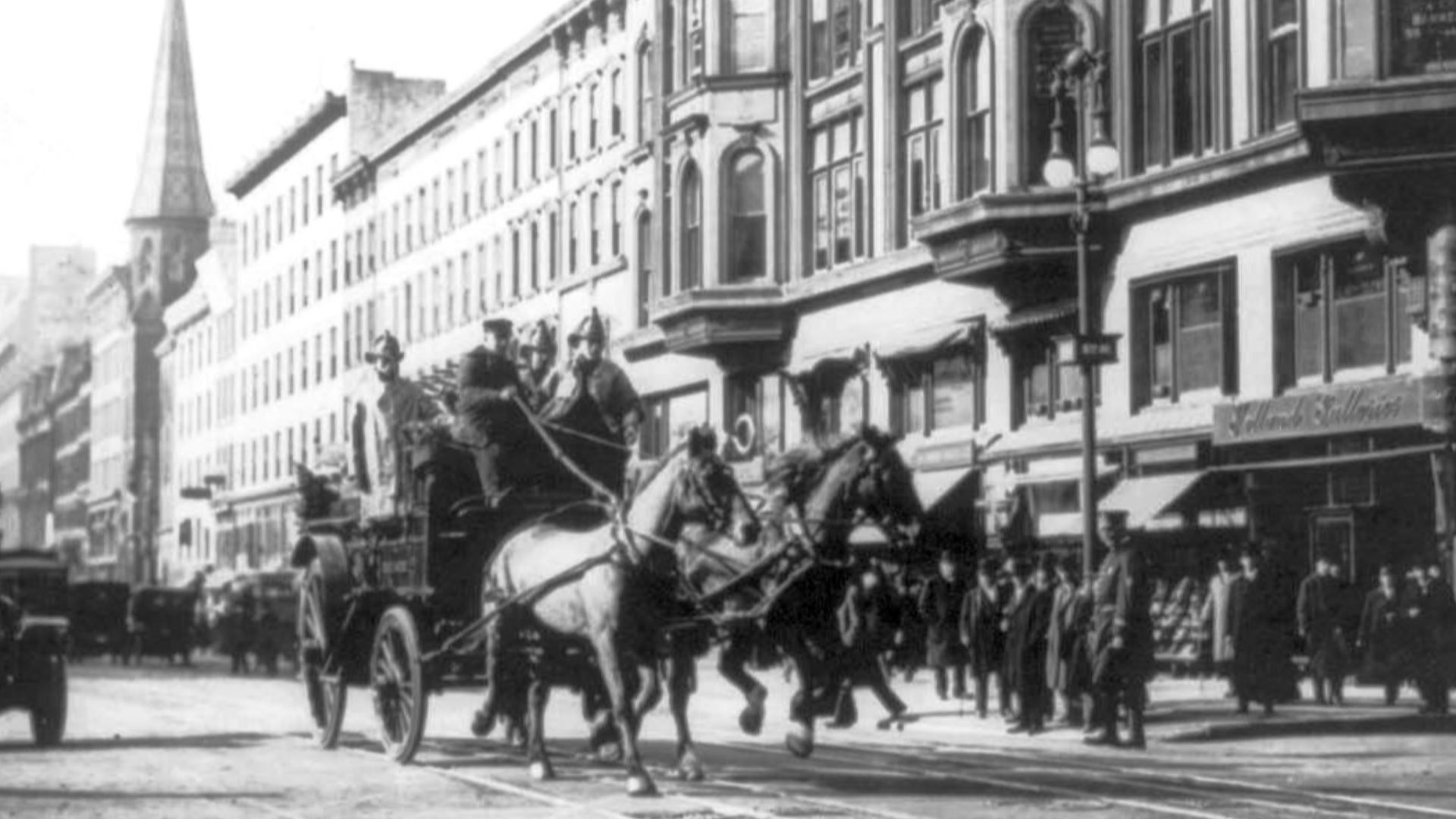
Workers Suddenly Found Themselves Trapped
As smoke poured through the factory, workers rushed toward the stairways, elevators, and fire escape. Within moments, panic took over as everyone tried to find a way out. Unfortunately, the building simply wasn't designed to handle an emergency of that size, leaving many people with nowhere to go.
 Kheel Center, CC BY 2.0, Wikimedia Commons
A Locked Exit Cost Countless Lives
One of the most heartbreaking details of the disaster was that one of the main exit doors had been locked during working hours. Factory owners reportedly used locked doors to discourage theft and keep workers from taking unauthorized breaks. When employees reached that exit, many discovered it wouldn't open, leaving them trapped inside the burning building.
 George Grantham Bain Collection, Wikimedia Commons, Modified
Even The Fire Escape Couldn't Save Them
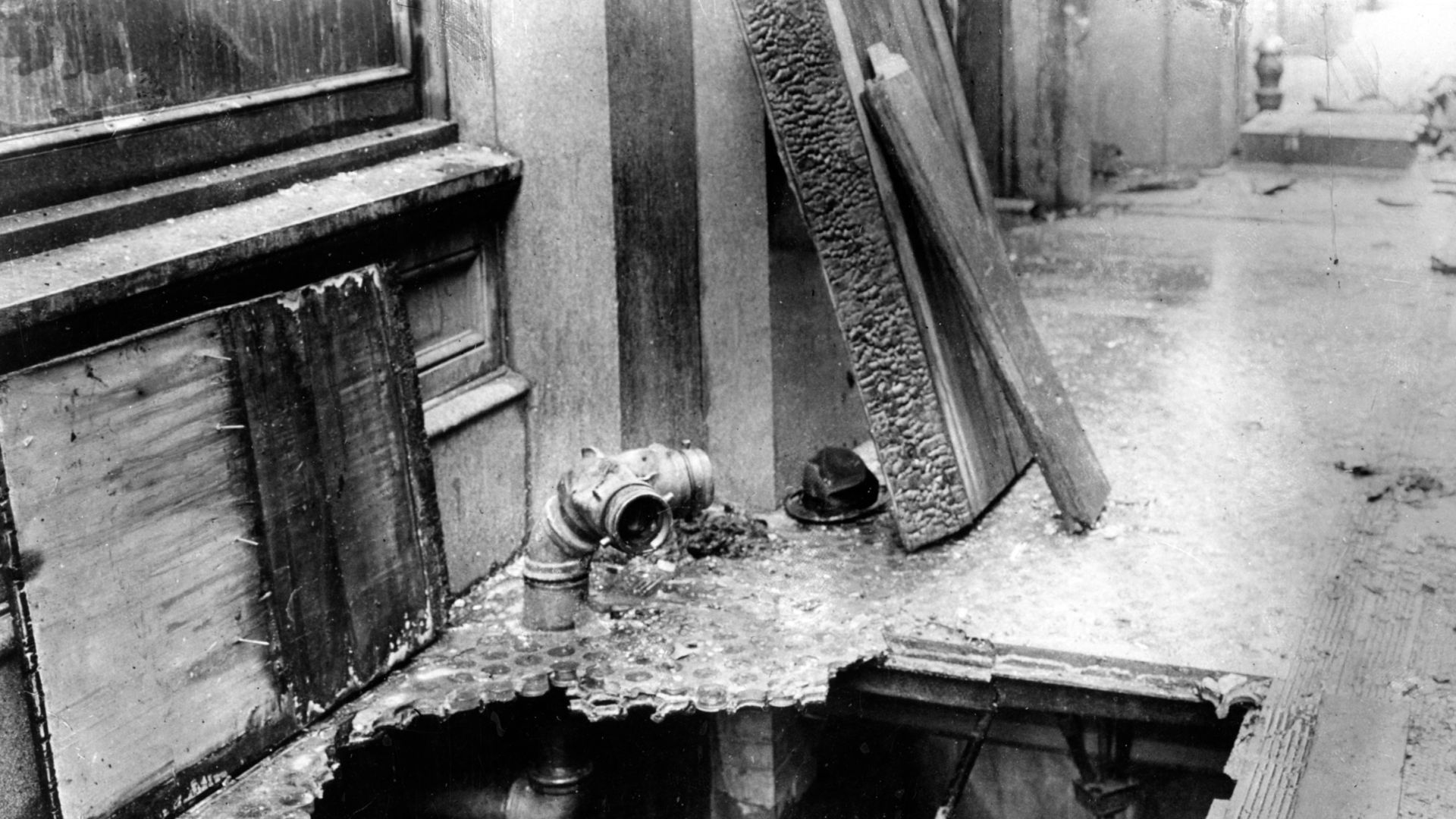
The exterior fire escape looked like it might offer a way out, but it wasn't built to support the number of people trying to use it. As workers crowded onto it, the structure collapsed and sent people crashing to the ground below. Instead of providing an escape, it became another tragic part of the disaster.
The Elevators Became A Lifeline
For a short time, the building's elevators rescued dozens of workers. The operators made repeated trips through smoke-filled shafts, risking their own lives to save as many people as possible. Eventually, however, the intense heat caused the elevators to stop working, cutting off one of the last possible escape routes.

History's most fascinating stories and darkest secrets, delivered to your inbox daily.
Firefighters Could Only Do So Much
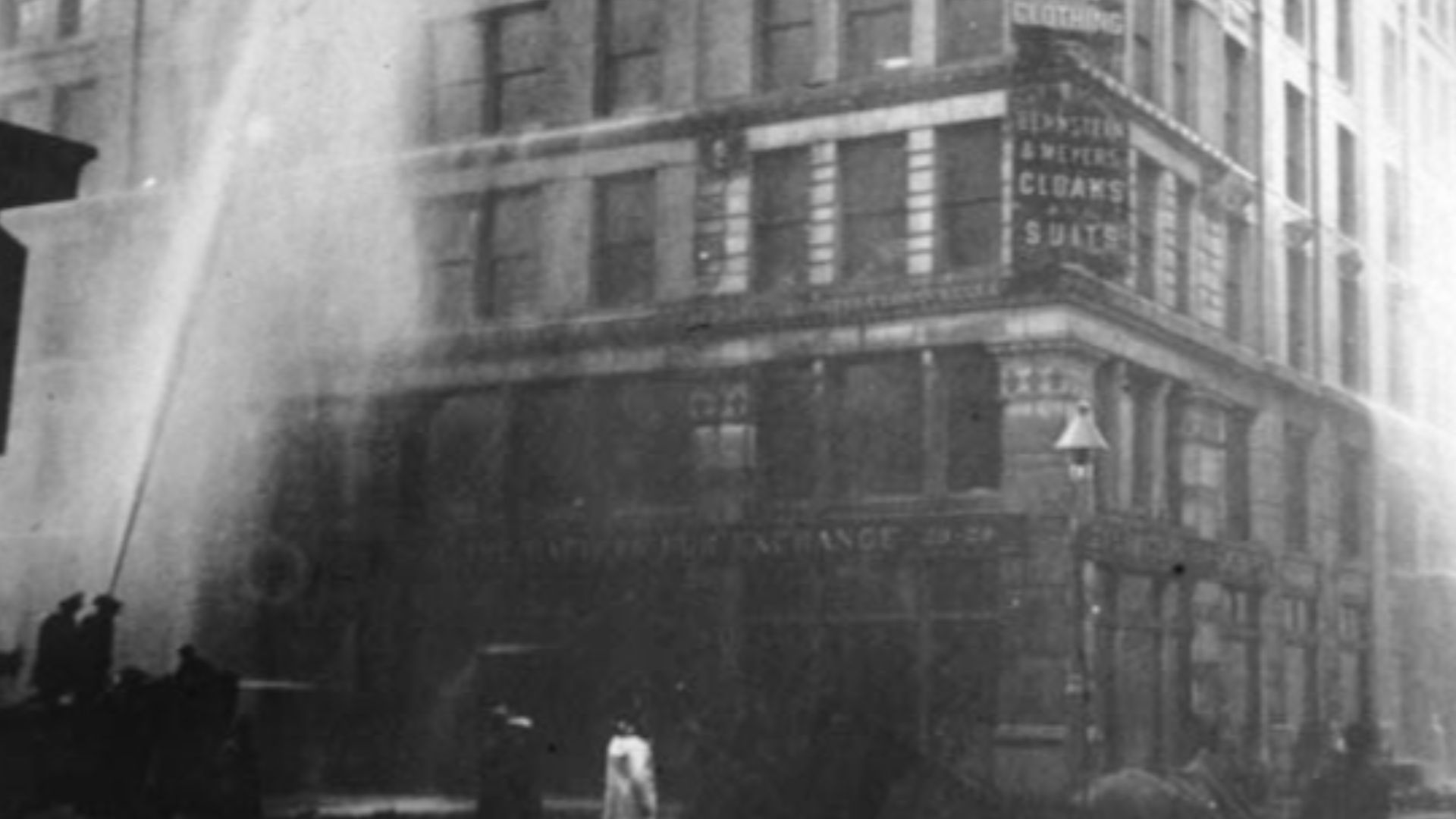
Firefighters arrived quickly, but the equipment available in 1911 had serious limitations. Their ladders could only reach about the seventh floor, while the fire was raging above them. Safety nets were also unable to withstand the impact of people jumping from the upper windows.
 Unknown authorUnknown author, Wikimedia Commons
Crowds Watched In Horror
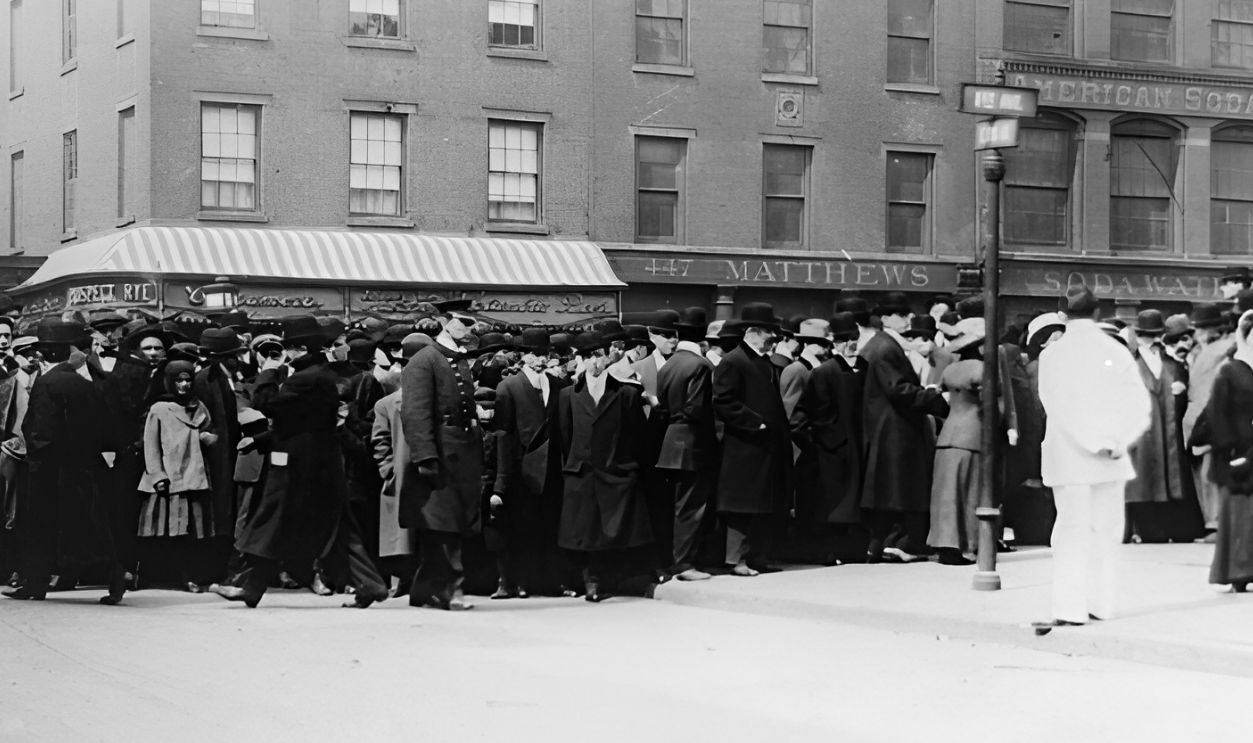
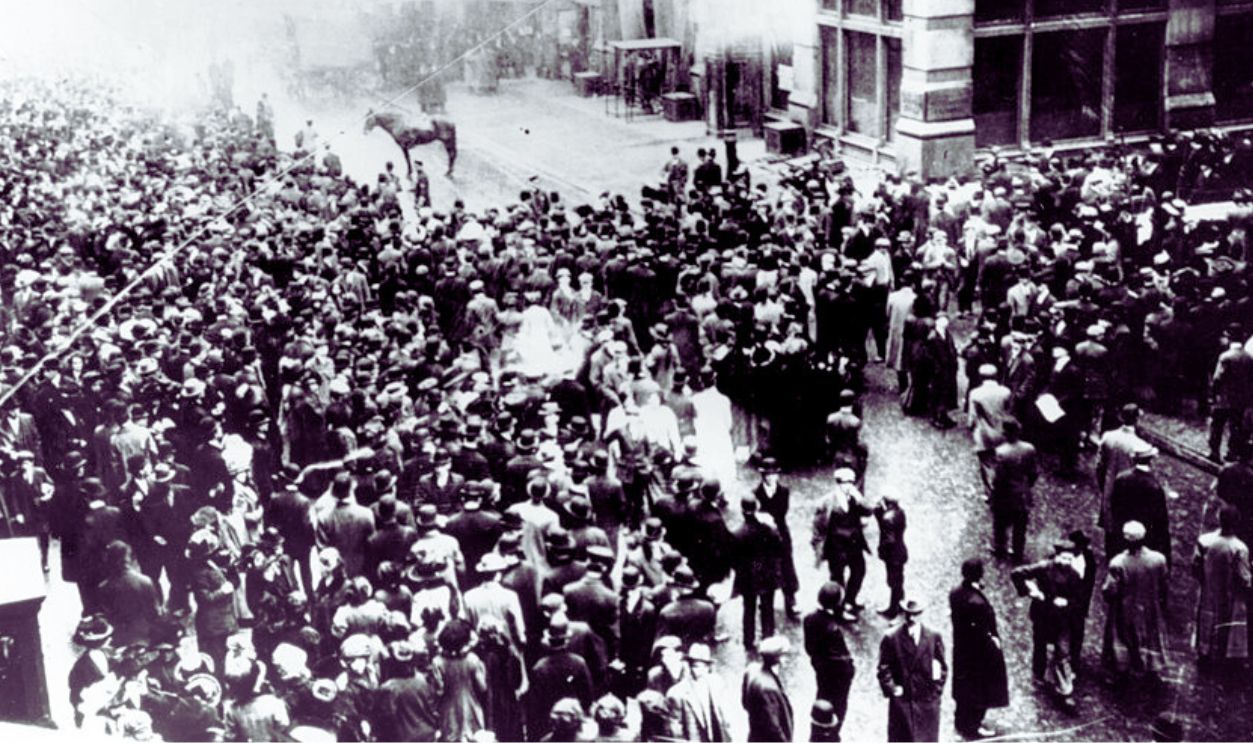
As the fire unfolded, thousands of people gathered outside the building. With flames closing in and no safe escape, some workers made the heartbreaking decision to jump from the windows rather than be overtaken by the fire. Those scenes were witnessed by huge crowds and made headlines across the country.
 Kheel Center, CC BY 2.0, Wikimedia Commons
The Final Toll Was Staggering
When the fire was finally over, 146 people had lost their lives. The victims included 123 women and girls and 23 men. More than a century later, it remains the deadliest industrial disaster in New York City's history.
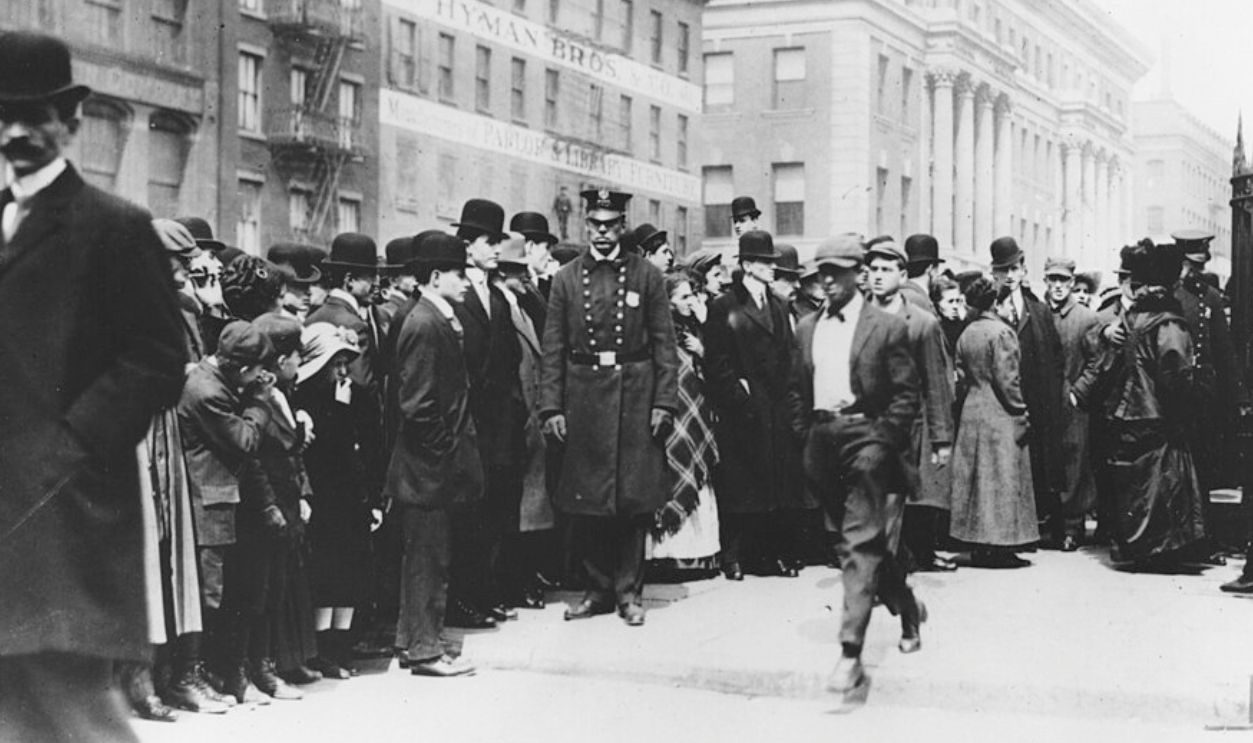 Kheel Center, CC BY 2.0, Wikimedia Commons
Public Outrage Spread Across The Country
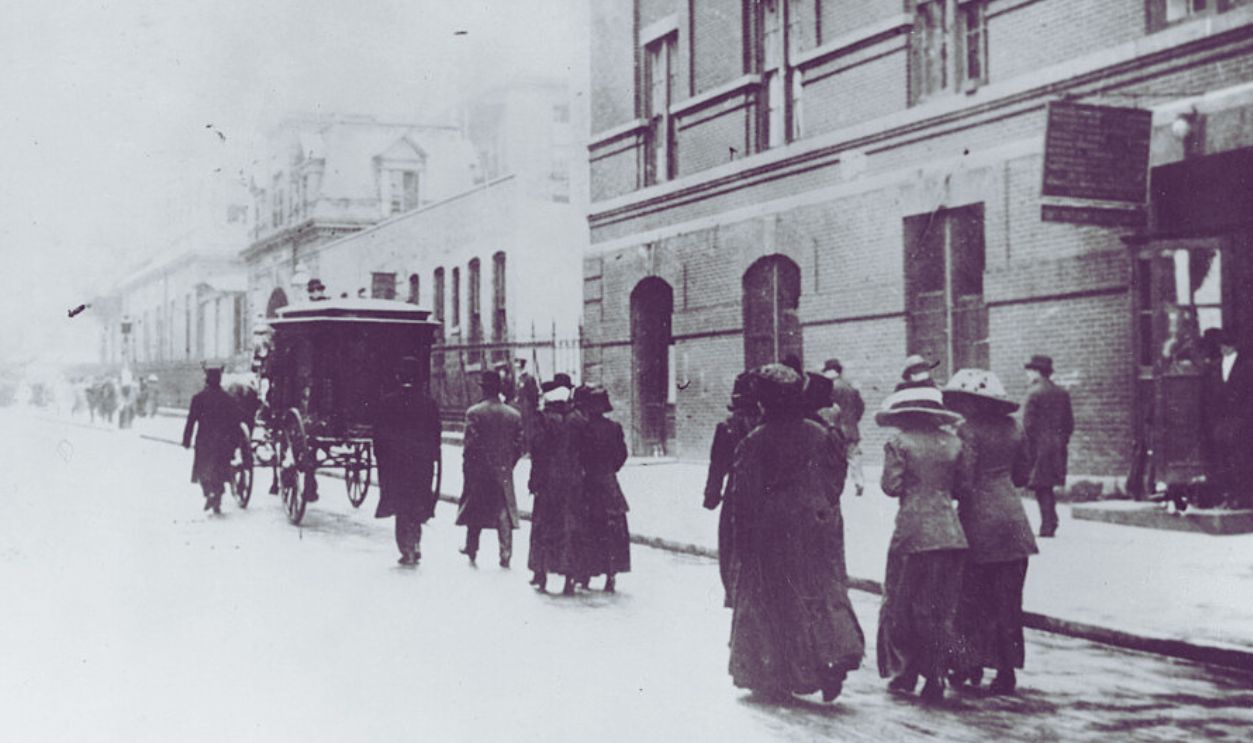
People were furious after learning how many of the losses could have been prevented. Massive funeral processions, memorial services, and protest marches filled New York City's streets. Suddenly, workplace safety became a national issue instead of something many businesses ignored.
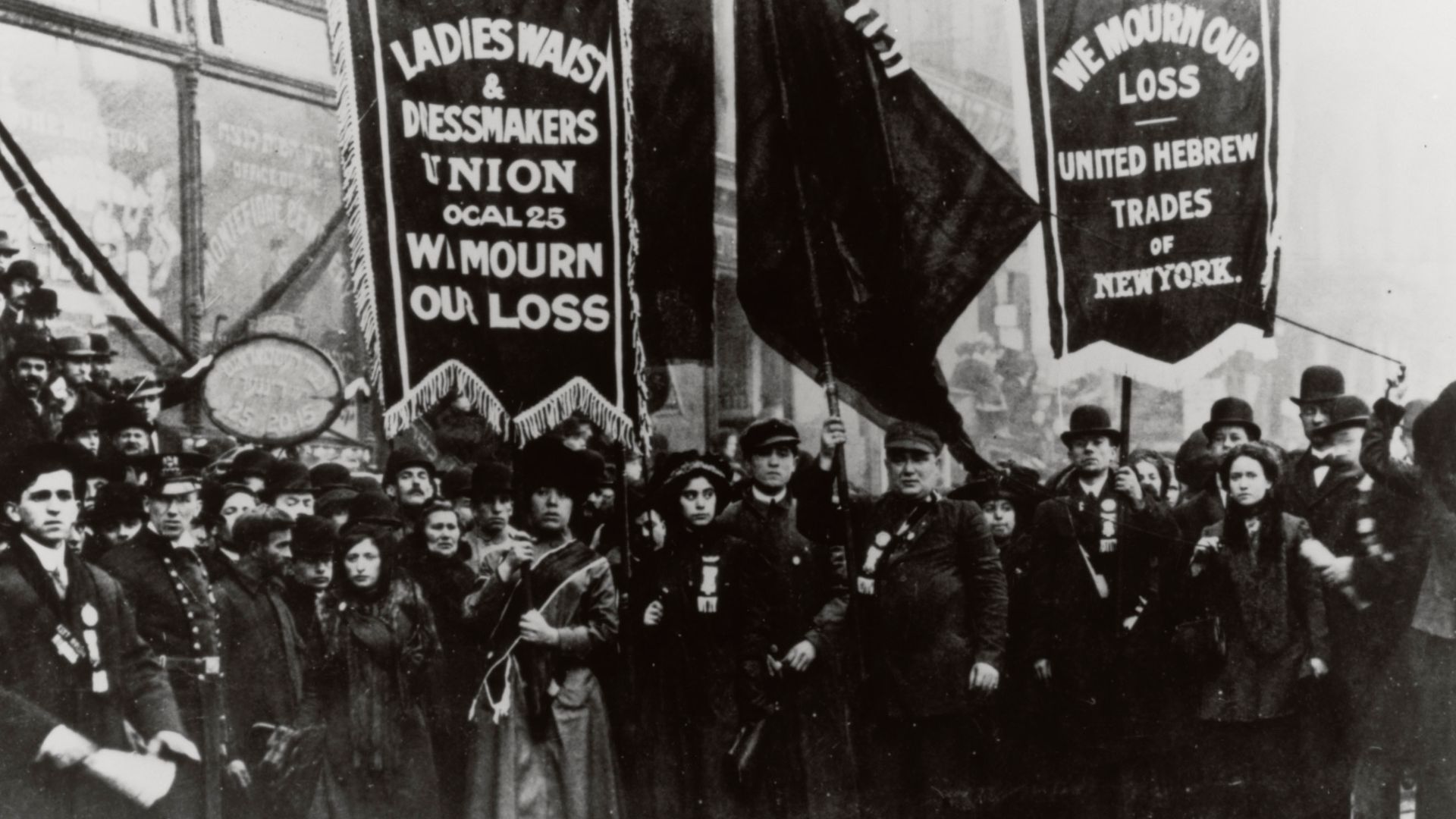 The U.S. National Archives, Wikimedia Commons
The Owners Were Tried But Acquitted
Factory owners Max Blanck and Isaac Harris were charged with manslaughter after the fire. Prosecutors argued that workers had been trapped because exits were locked, but the jury ultimately found there wasn't enough evidence to prove the owners knowingly locked the door at the exact time of the fire. They were acquitted, a verdict that angered many Americans.
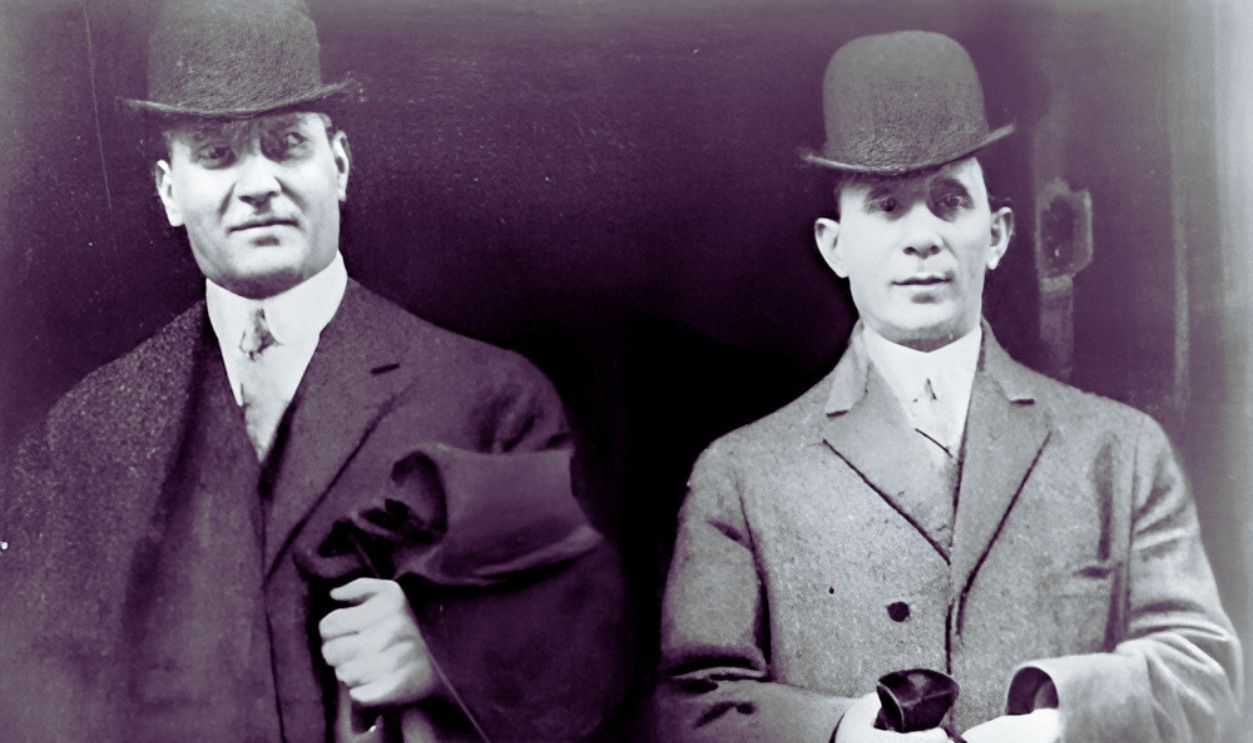 Kheel Center, CC BY 2.0, Wikimedia Commons, Modified
One Witness Went On To Change American Labor Laws
Among those who saw the fire firsthand was Frances Perkins, who later became the first woman to serve in a US presidential Cabinet as Secretary of Labor. She often described witnessing the disaster as the moment that shaped her life's work. Years later, she helped champion many of the labor protections Americans still benefit from today.
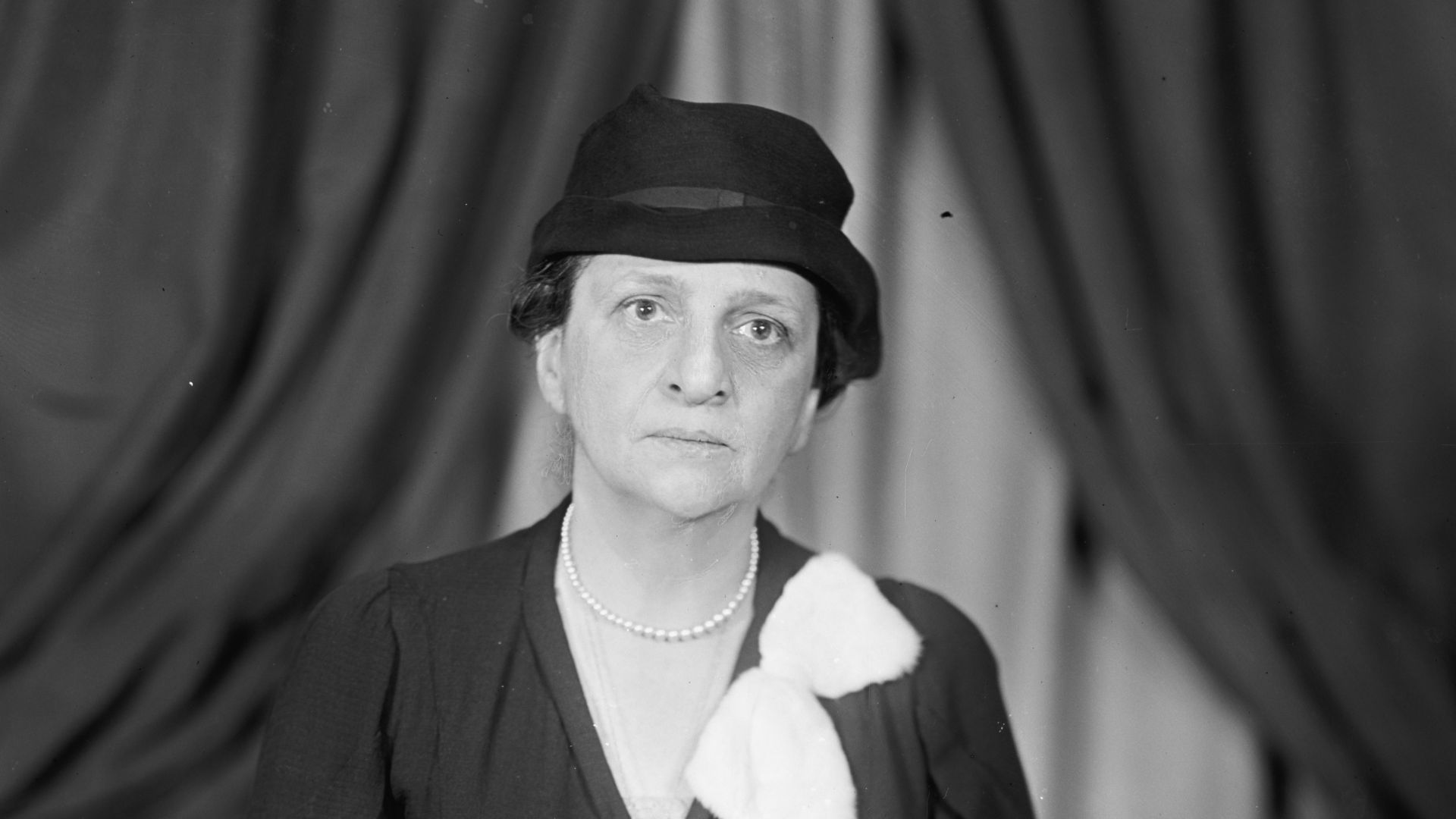 Harris & Ewing, photographer, Wikimedia Commons
Investigators Found Problems Everywhere
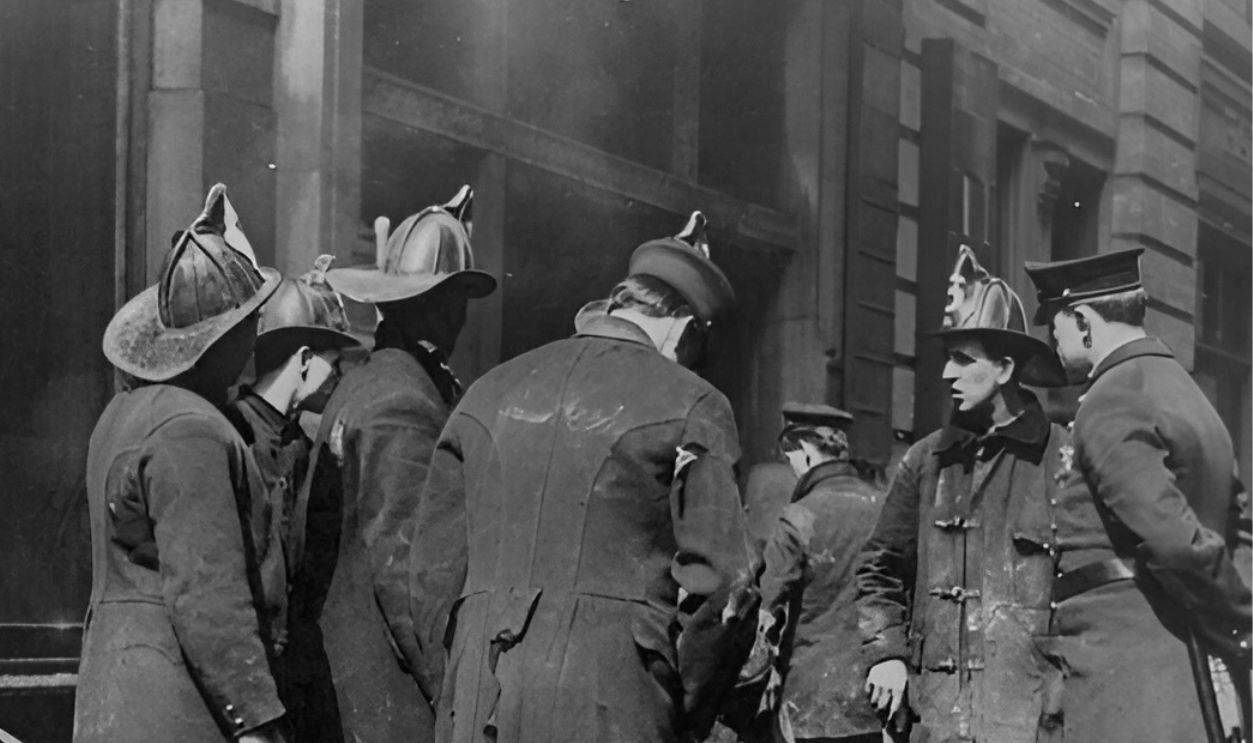
The tragedy prompted New York to create the Factory Investigating Commission, which inspected factories throughout the state. Investigators discovered that unsafe conditions like those at Triangle weren't unusual at all. Their findings led directly to recommendations for sweeping workplace reforms.
 George Grantham Bain Collection, Wikimedia Commons, Modified
New Safety Rules Changed The Workplace
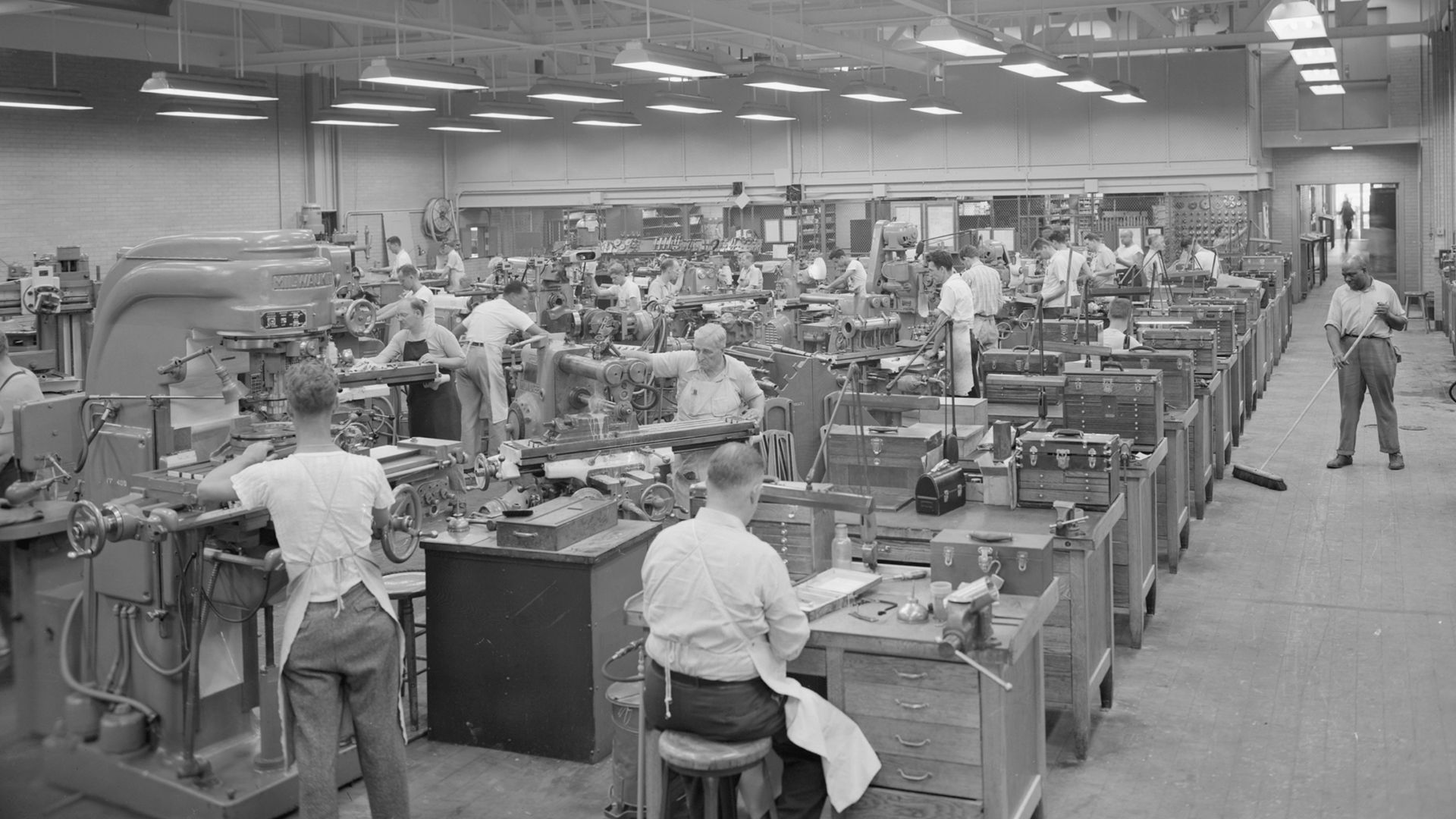
In the years that followed, New York passed dozens of new workplace safety laws. Factories were required to improve fire escapes, keep exits unlocked, install better fire protections, and undergo more regular inspections. Those reforms eventually influenced workplace safety standards across the United States.
 NASA Headquarters - GReatest Images of NASA (NASA-HQ-GRIN), Wikimedia Commons
The Building Is Still Standing
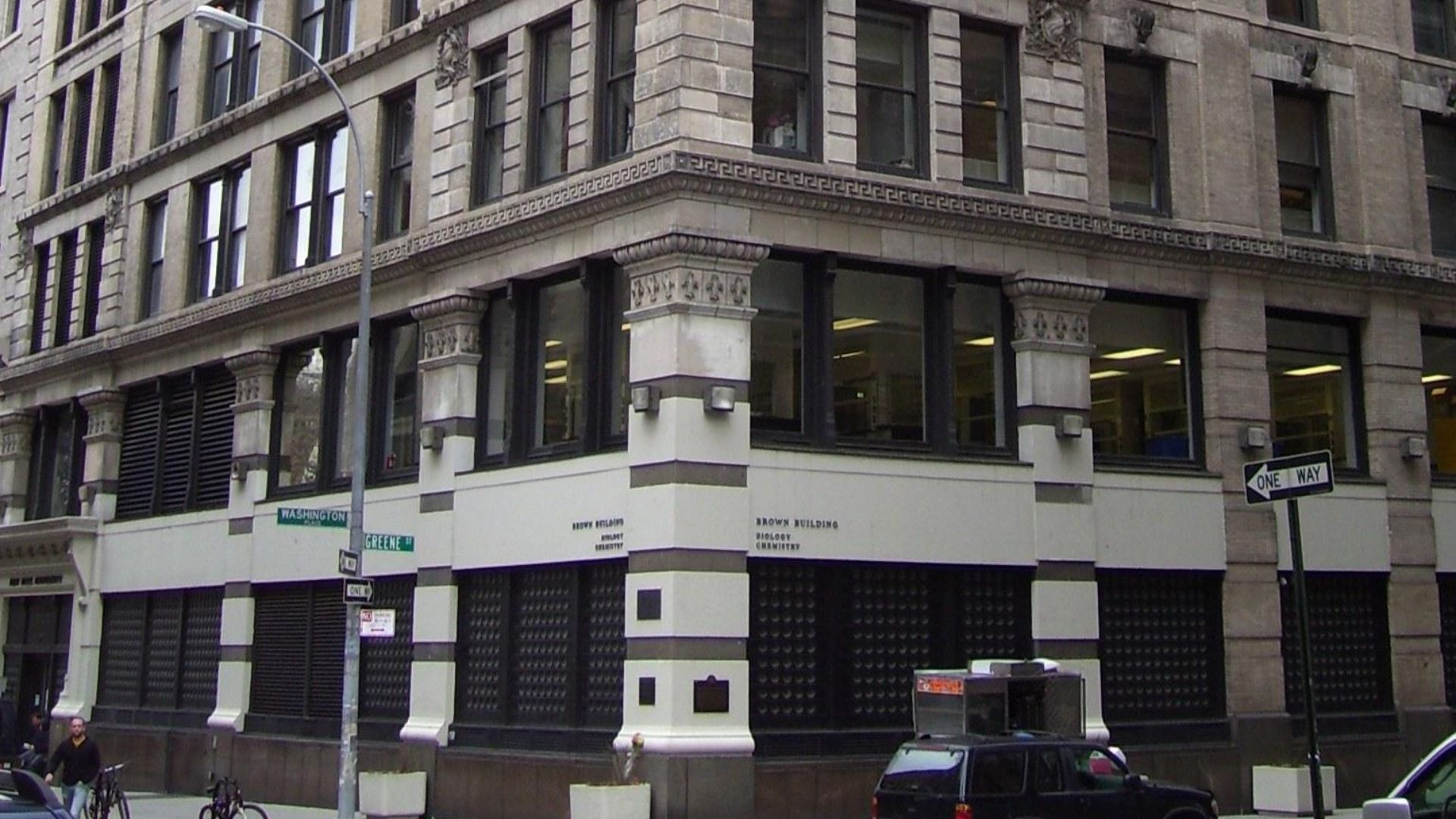
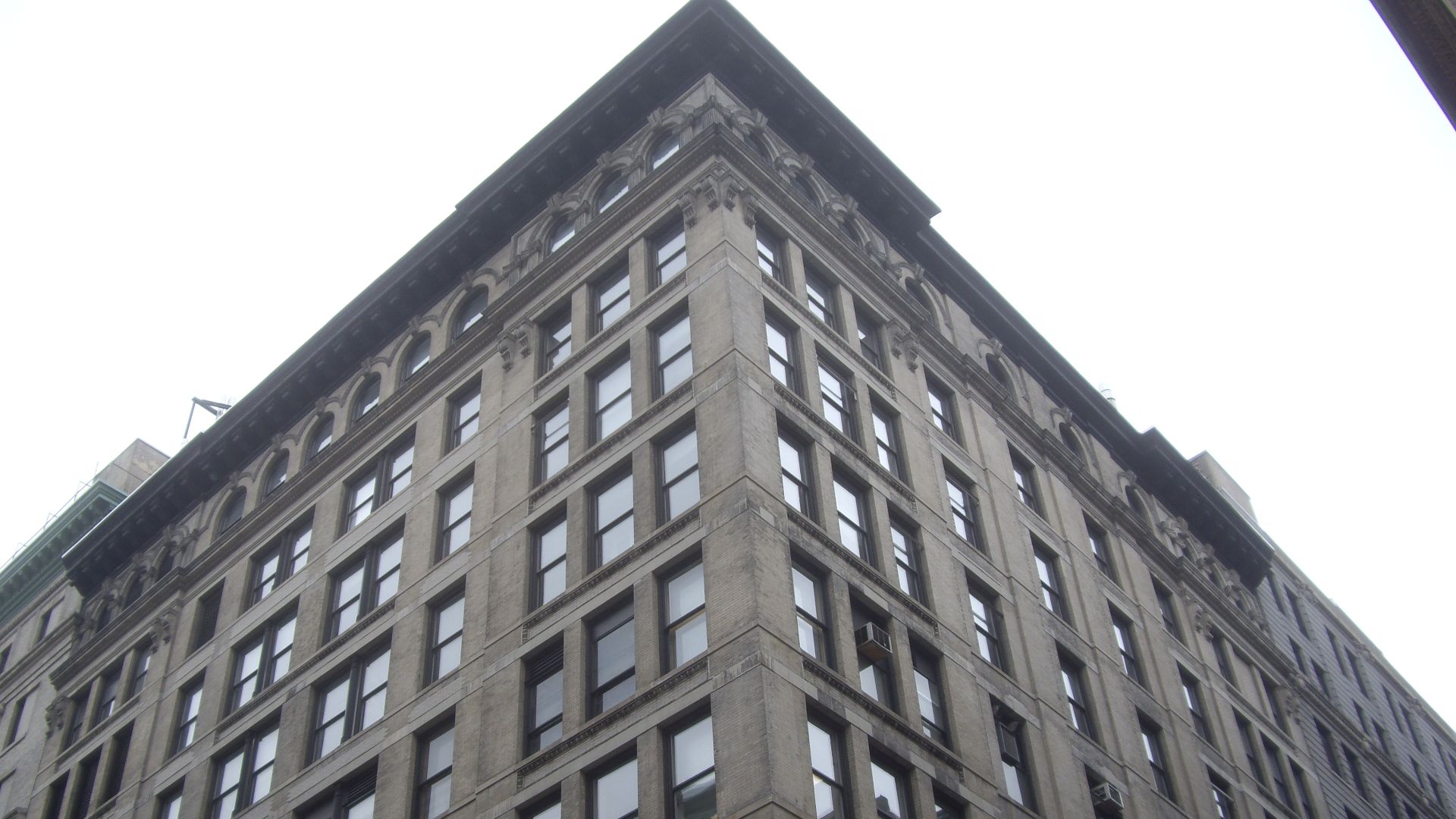
The former Asch Building, now known as the Brown Building, still stands near Washington Square Park in Manhattan. Today it's owned by New York University and has been designated a National Historic Landmark. Visitors can still see the building where one of America's most important labor tragedies unfolded.
 Beyond My Ken, Wikimedia Commons
The Victims Are Still Being Remembered
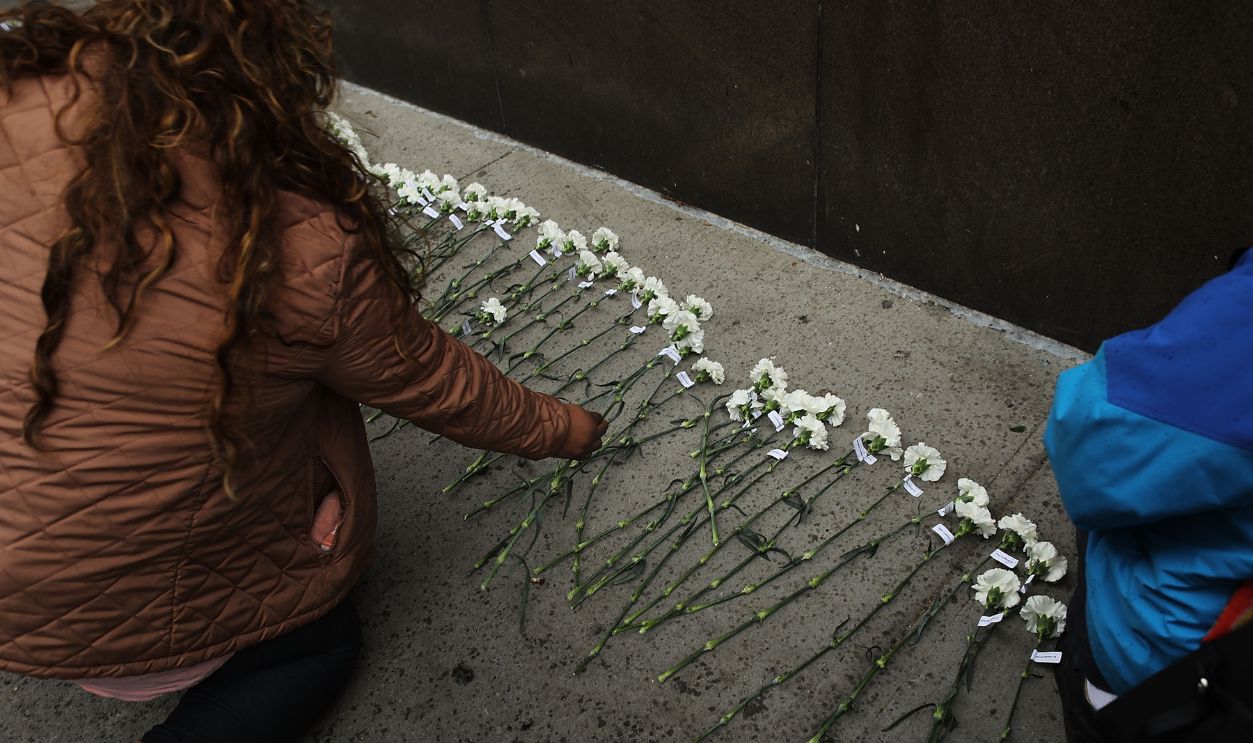
In 2023, New York City unveiled a permanent memorial called Reframing the Sky on the outside of the Brown Building. The memorial displays the names of every victim in English, Italian, and Yiddish while reflecting light toward the windows where so many workers were trapped. It's a powerful reminder that these weren't just statistics—they were real people whose lives were cut short.
The Fire Still Shapes Workplace Safety Today
More than 100 years later, the Triangle Shirtwaist Factory Fire is still taught as one of the defining moments in American labor history. Many of the workplace safety rules people take for granted today exist because lawmakers learned painful lessons from this tragedy. It's a lasting reminder that regulations protecting workers are often written in response to disasters that should never have happened.
You May Also Like:
The Nightmare Of Balloonfest ‘86










.jpg)
.jpg)
.jpg)
.jpg)
.jpg)