Fake News, Vintage Edition
The internet may have transformed misinformation into a high-speed international sport, but humanity was perfectly capable of fooling itself long before modems arrived. Newspapers, museums, radio stations, respected scientists, and famous authors all helped spread claims that sounded convincing—until somebody checked the evidence.
The Great Moon Hoax
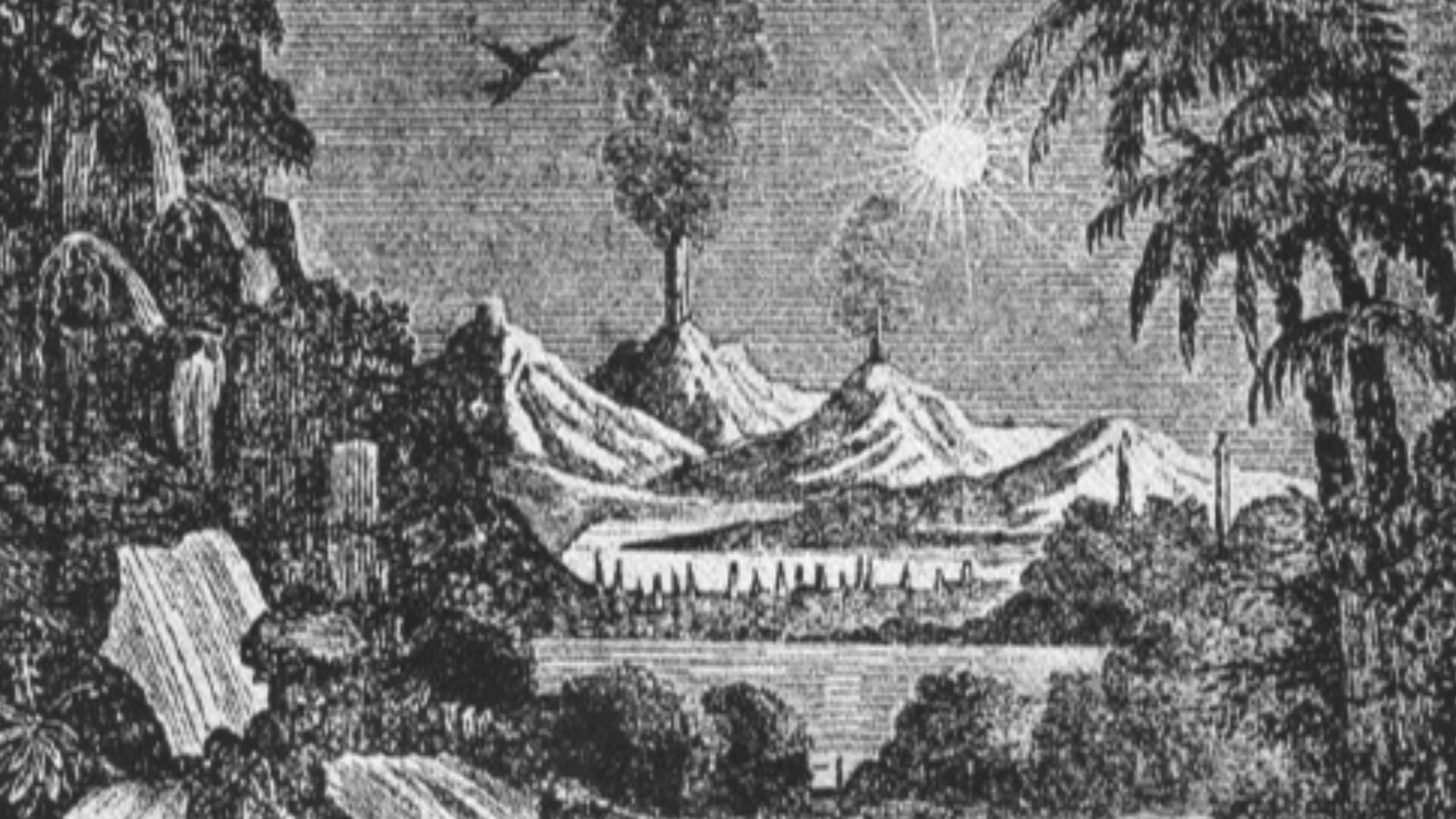
In 1835, the New York Sun published reports claiming astronomer John Herschel had discovered lunar forests, unicorn-like animals, and intelligent bat-people. The articles borrowed the language of serious science, circulated internationally, and dramatically increased the newspaper’s sales. Herschel, who had nothing to do with them, was reportedly pestered about the nonsense for years.
 Unknown authorUnknown author, Wikimedia Commons
The Cardiff Giant
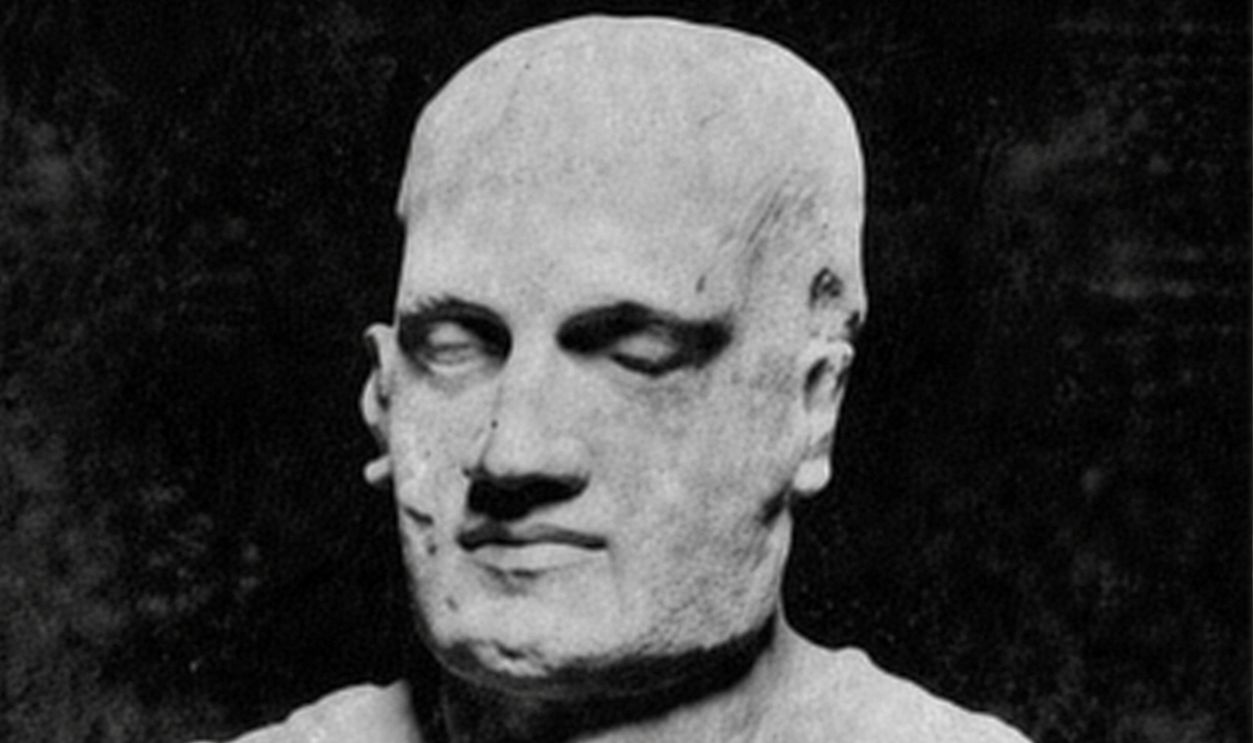
Workers digging a well in Cardiff, New York, uncovered a 10-foot “petrified man” in 1869. Crowds paid to see it, while experts debated whether it was a fossilized human or ancient statue. It was actually carved from gypsum and buried by George Hull, who wanted to ridicule biblical literalism—and make some cash.
 New York State Historical Association Library, Wikimedia Commons
Piltdown Man
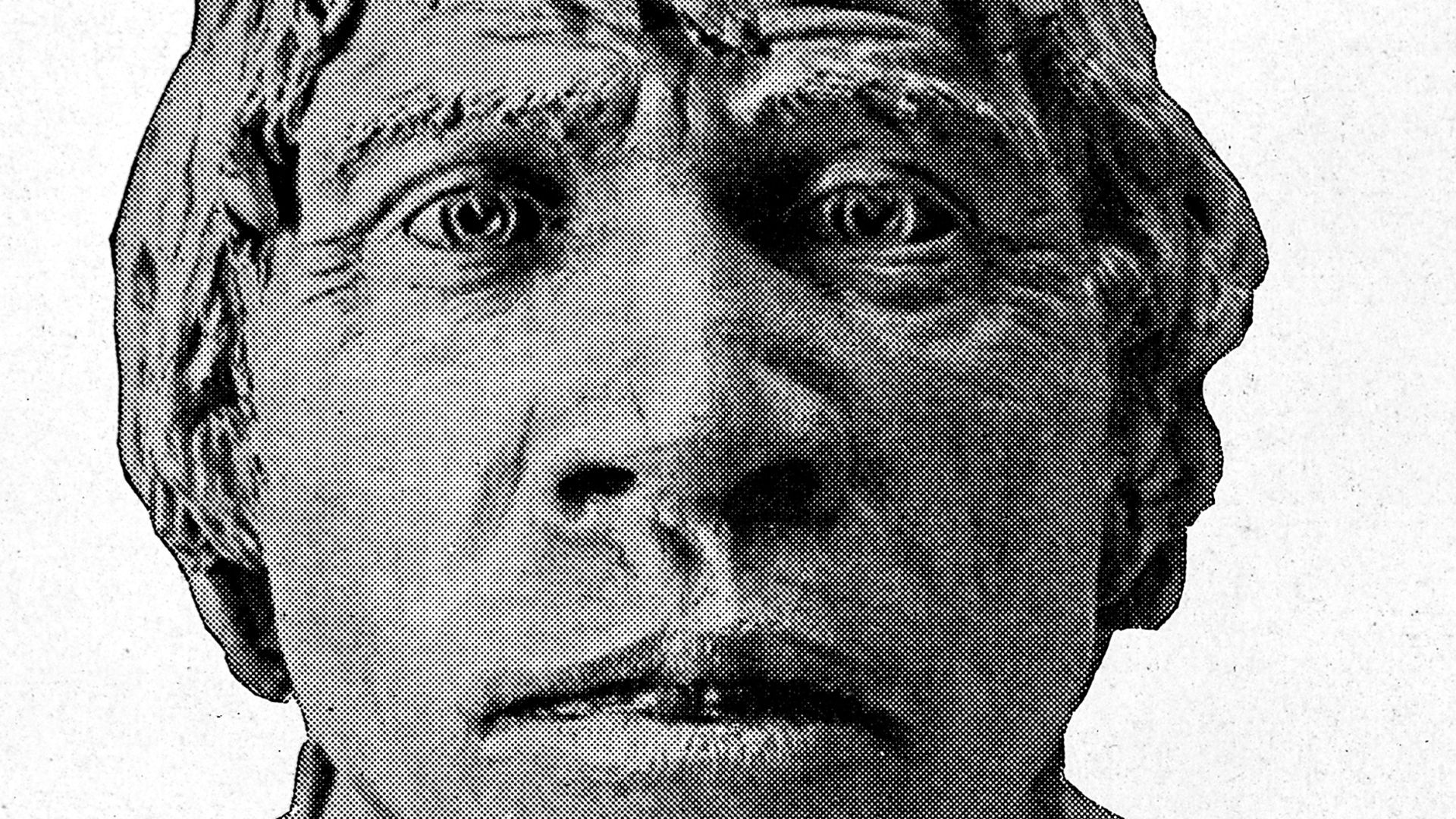
Beginning in 1912, fossil fragments found near Piltdown, England, were presented as a missing evolutionary link between humans and apes. The discovery influenced scientific thinking for decades. Testing eventually revealed an elaborate fake combining a relatively recent human skull with an orangutan jaw whose teeth had been deliberately filed.
The Cottingley Fairies
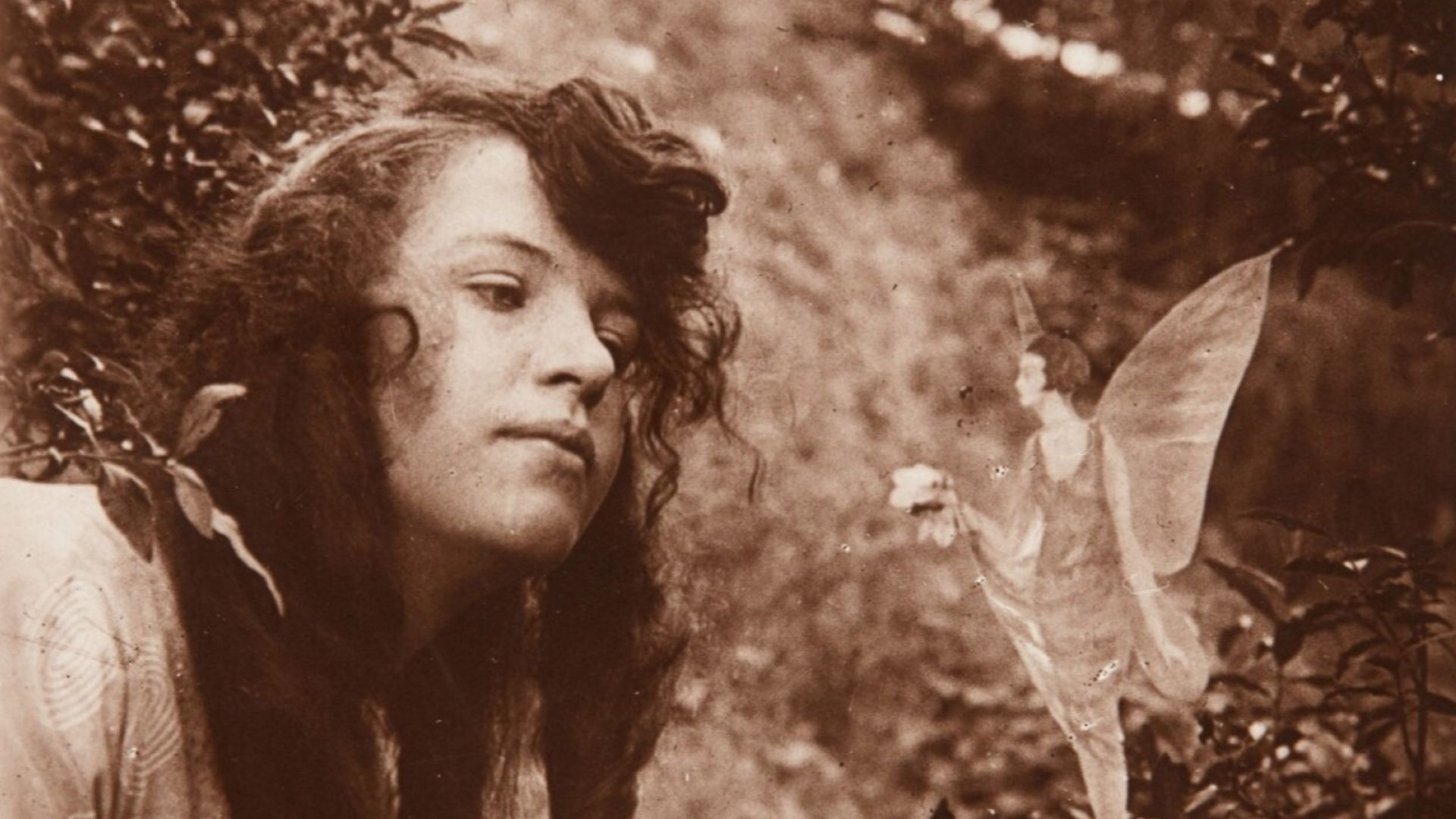
In 1917, cousins Elsie Wright and Frances Griffiths photographed themselves with what appeared to be tiny fairies. The pictures gained a powerful supporter in Sherlock Holmes creator Arthur Conan Doyle, who published them as evidence of supernatural beings. Decades later, the cousins admitted the figures had been copied from illustrations and cut from paper.
 Frances Griffiths, Wikimedia Commons
Drake’s Plate Of Brass
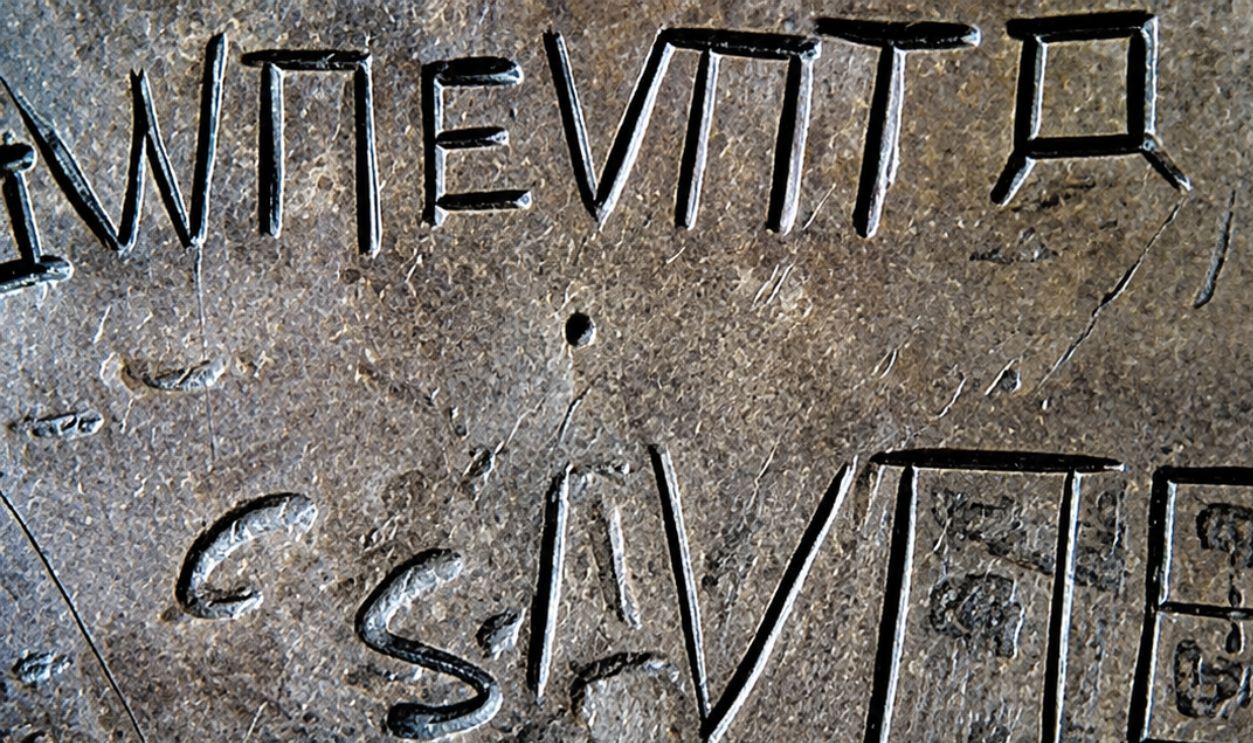
A brass plate discovered in California in 1936 was believed to confirm that explorer Francis Drake had claimed the territory for England in 1579. It appeared in textbooks and exhibitions before scientific testing exposed its modern manufacture. The artifact had been created as a prank, but an enthusiastic historian authenticated it before the joke could be revealed.
 Robert Stupack (AB94904), CC BY-SA 4.0, Wikimedia Commons
The Archaeoraptor Fossil
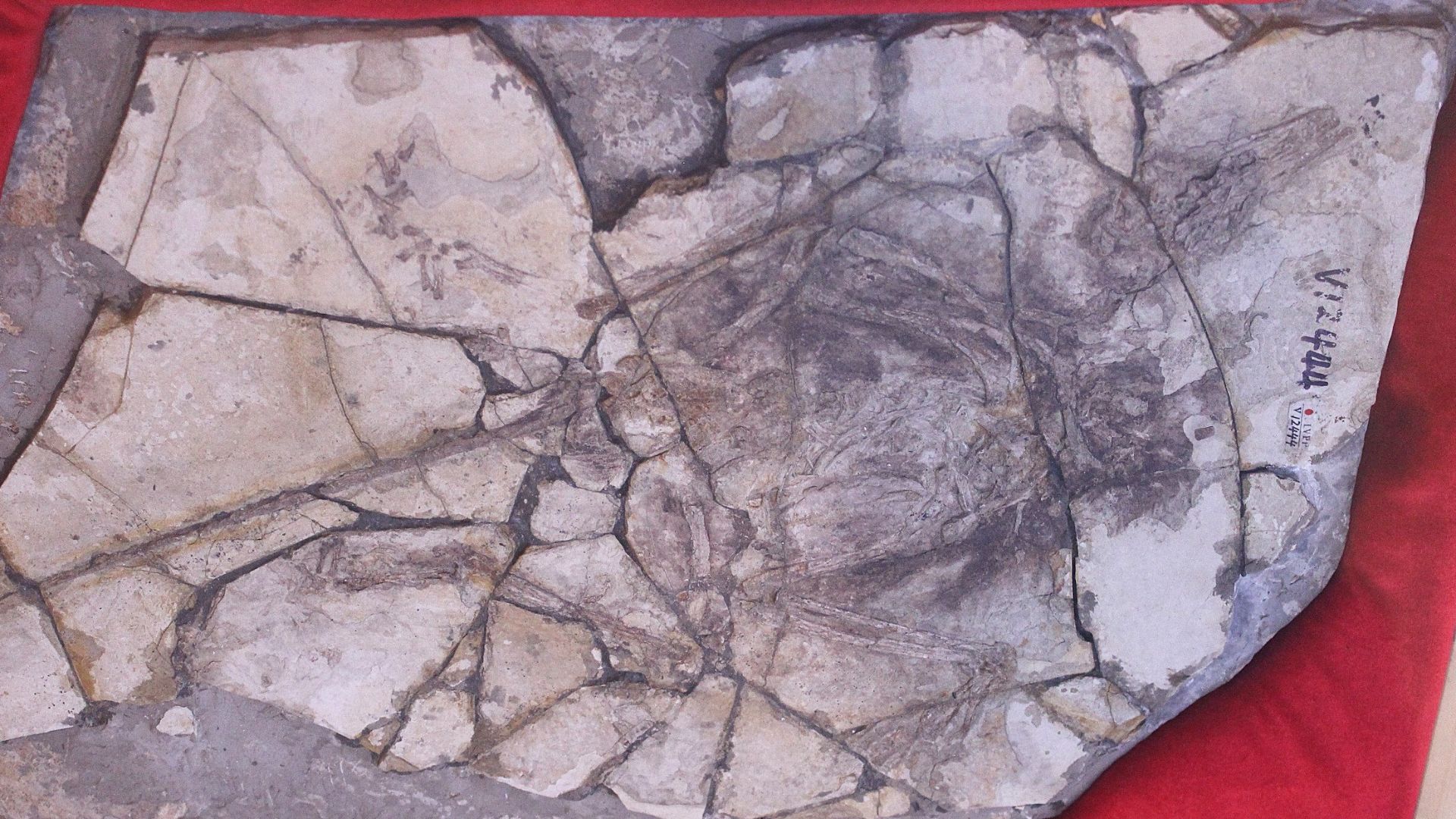
In 1999, National Geographic promoted Archaeoraptor as a potentially important connection between dinosaurs and birds. Researchers soon discovered that the fossil had been assembled from unrelated specimens. A farmer had combined fragments before the piece passed through dealers and reached an American museum, proving that even impressive fossils can arrive with suspiciously creative tailoring.
 Jonathan Chen, Wikimedia Commons
The Tiara Of Saitaphernes
The Louvre purchased an ornate golden tiara in 1896, believing it had been presented to an ancient Scythian ruler. Critics questioned it almost immediately. In 1903, goldsmith Israel Rouchomovsky demonstrated that he had made the piece in modern Odessa, reportedly unaware that the dealers commissioning it intended to market his craftsmanship as an ancient treasure.
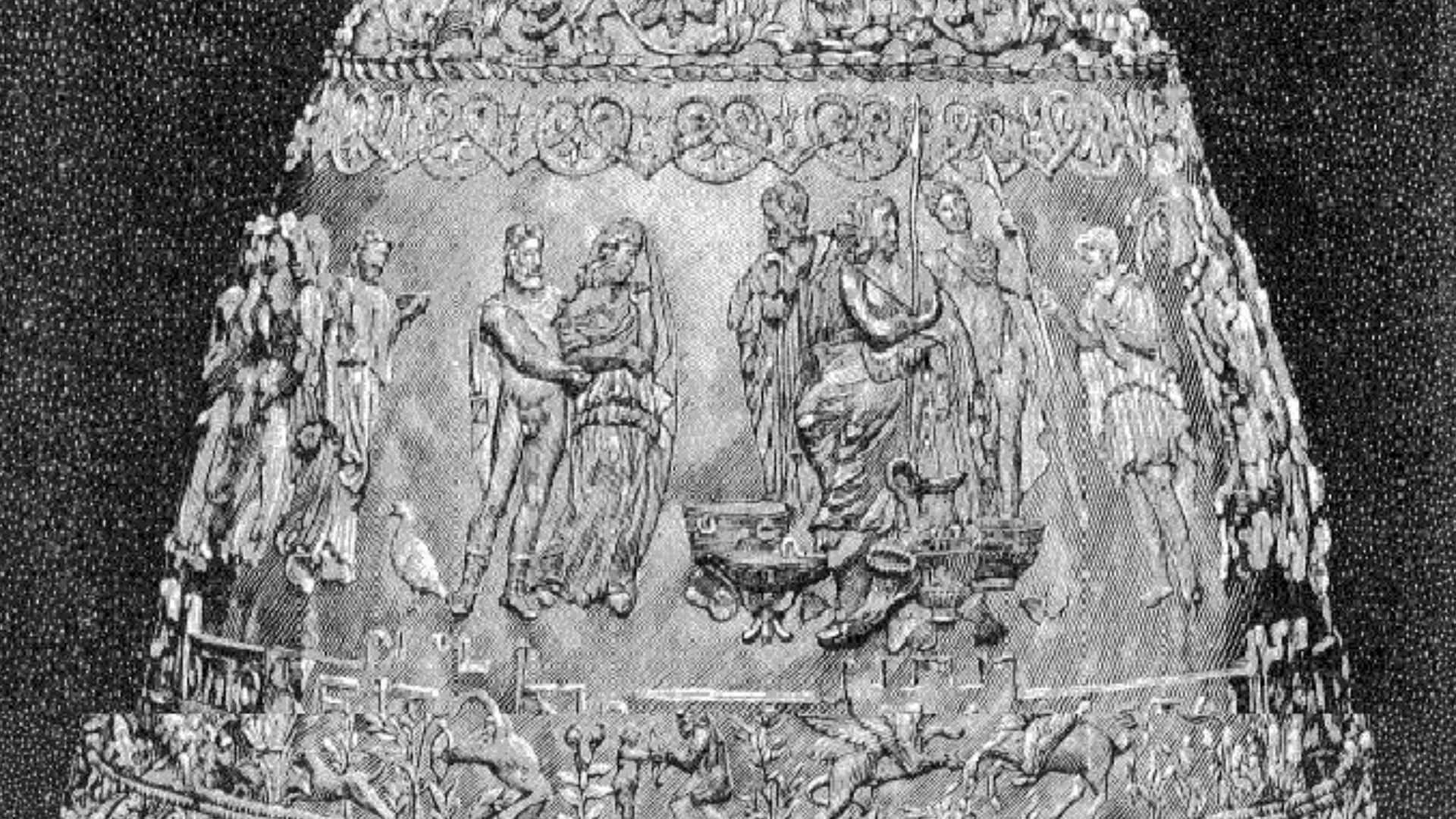 Israel Rouchomowsky, Wikimedia Commons
The Calaveras Skull
A skull supposedly found beneath ancient volcanic deposits in California was presented in 1866 as evidence that humans had inhabited North America millions of years ago. Rumors suggested local miners had planted it to embarrass geologist Josiah Whitney. Radiocarbon testing later showed the skull was only about 1,000 years old—not a visitor from the Pliocene.
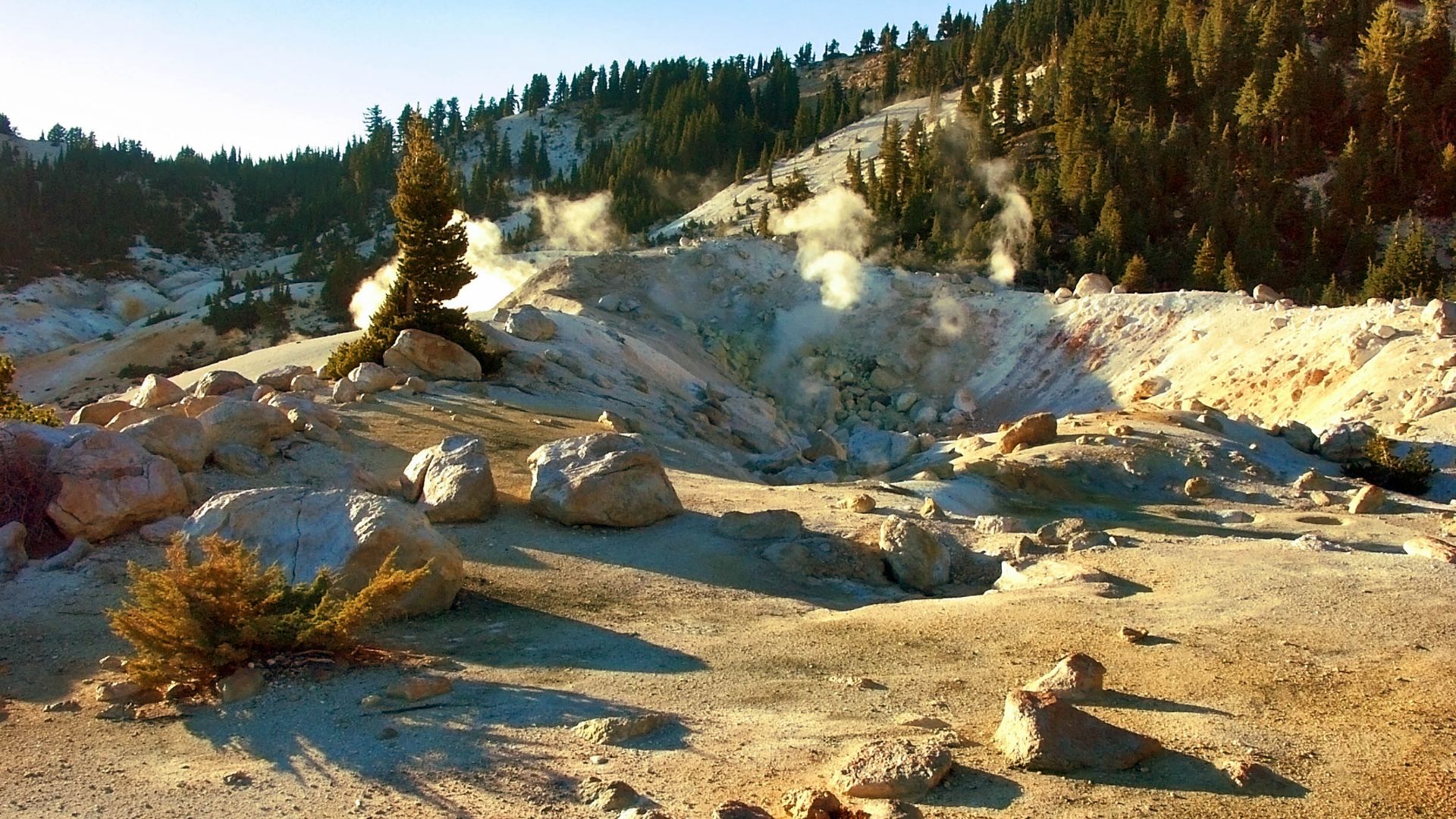 Tobias Haase from Hanover, Germany, Wikimedia Commons

History's most fascinating stories and darkest secrets, delivered to your inbox daily.
The Etruscan Warriors
Between 1915 and 1921, the Metropolitan Museum of Art acquired three enormous terracotta warriors believed to be ancient Etruscan works. Although experts raised doubts, the statues remained celebrated museum pieces for years. Scientific testing eventually established their modern origin, and investigators learned that Italian craftsmen had produced them using smaller antiquities as models.
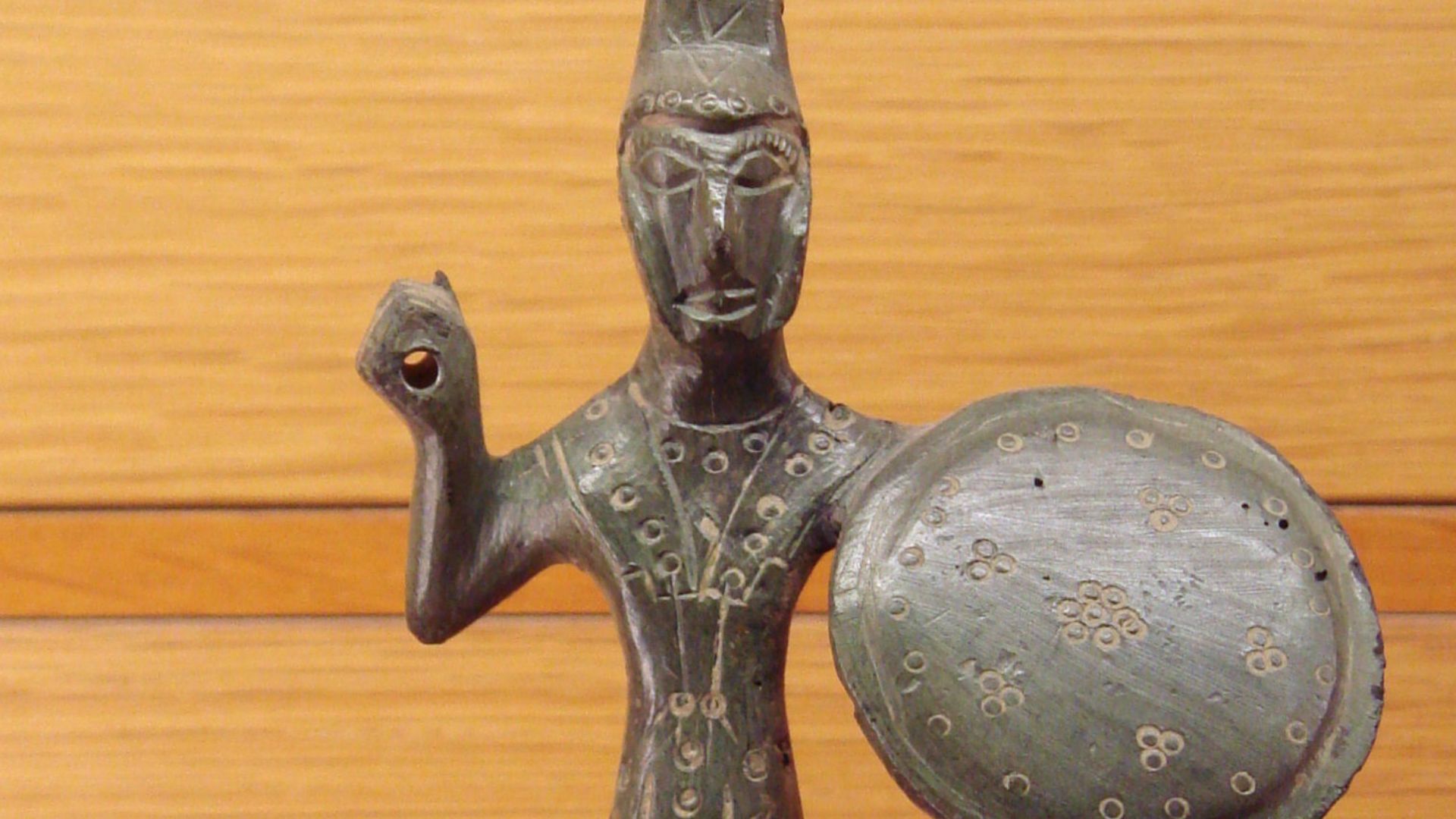
The Bathtub’s Invented History
Journalist H.L. Mencken published a deliberately fabricated history of the American bathtub in 1917. He claimed bathing had once been medically condemned and that President Millard Fillmore installed the White House’s first bathtub. Mencken later admitted the prank, but his imaginary facts continued appearing in newspapers and reference works as stubbornly as bathroom mildew.
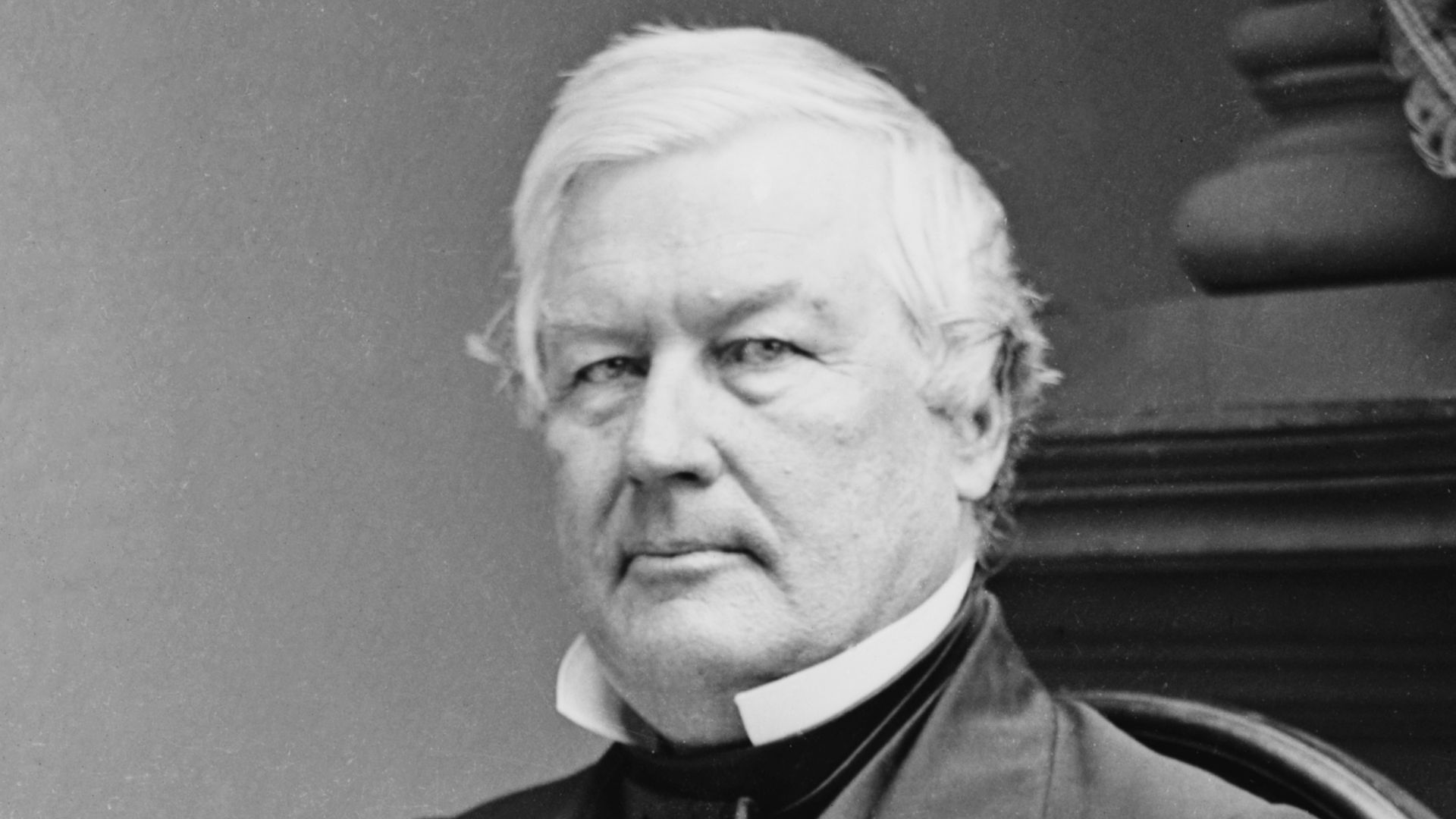 Mathew Benjamin Brady, Wikimedia Commons
The Tower’s Lion Washing
Official-looking invitations circulated in London before April 1, 1856, promising admission to the Tower of London’s annual lion-washing ceremony. Visitors arrived expecting damp royal beasts, despite the Tower’s menagerie having closed two decades earlier. There were no lions, no washing, and no helpful signage explaining why anyone had believed such a ceremony existed.
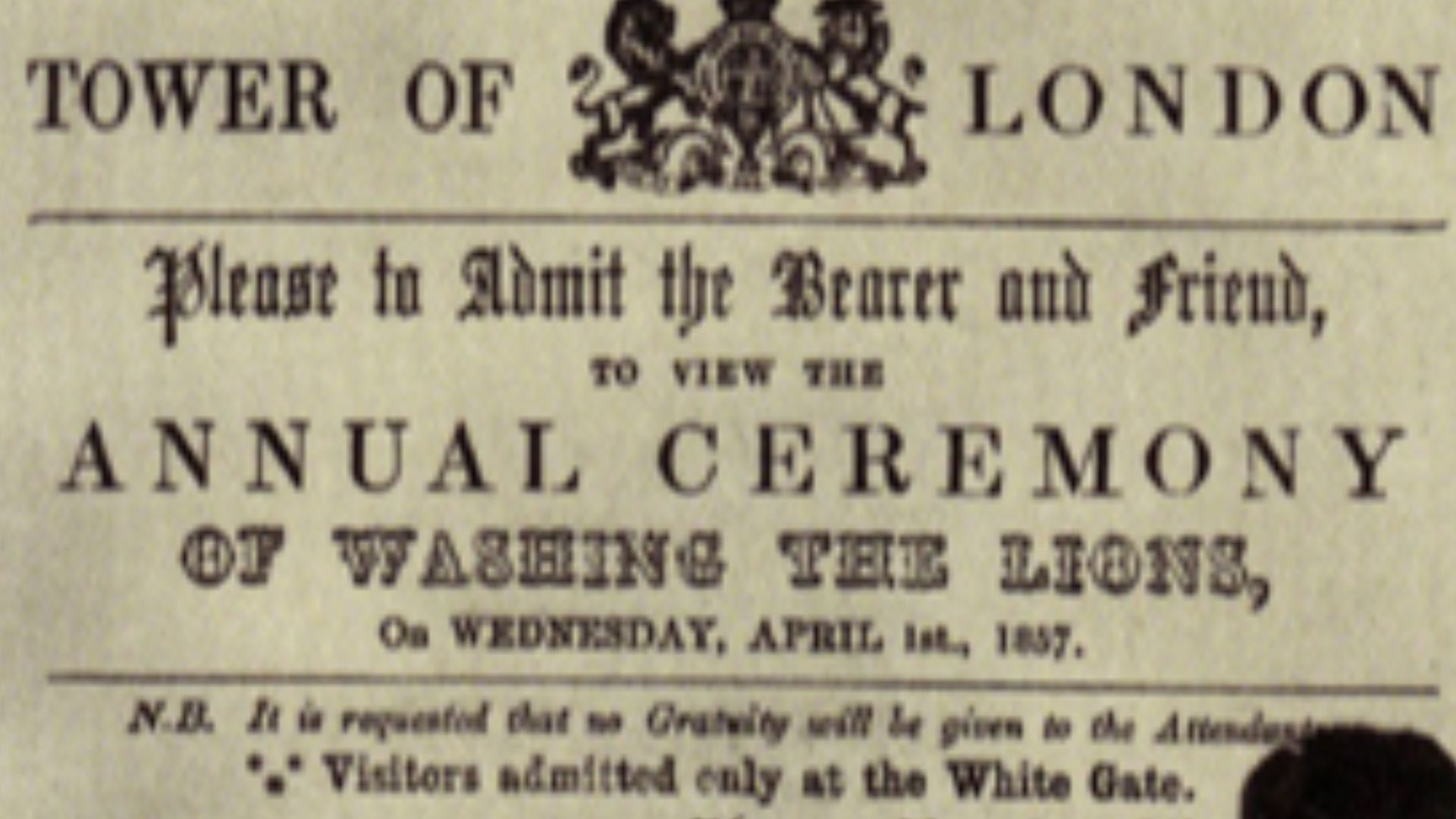 Unknown authorUnknown author, Wikimedia Commons
The Great Spaghetti Harvest
On April 1, 1957, the BBC broadcast footage of a Swiss family harvesting spaghetti from trees. Pasta was still unfamiliar enough in Britain that numerous viewers accepted the report and contacted the broadcaster for growing advice. The famous prank demonstrated how easily authoritative narration and convincing pictures could turn dinner into agricultural misinformation.
 Robert Couse-Baker from Sacramento, California, Wikimedia Commons
Sweden’s Nylon Color Television
A Swedish television broadcast in 1962 told viewers they could transform black-and-white sets into color televisions by stretching nylon stockings over the screens. Many people reportedly tried the technique. Predictably, the stockings merely made the picture harder to see, proving that questionable technology advice existed long before online tutorials and suspicious pop-up advertisements.
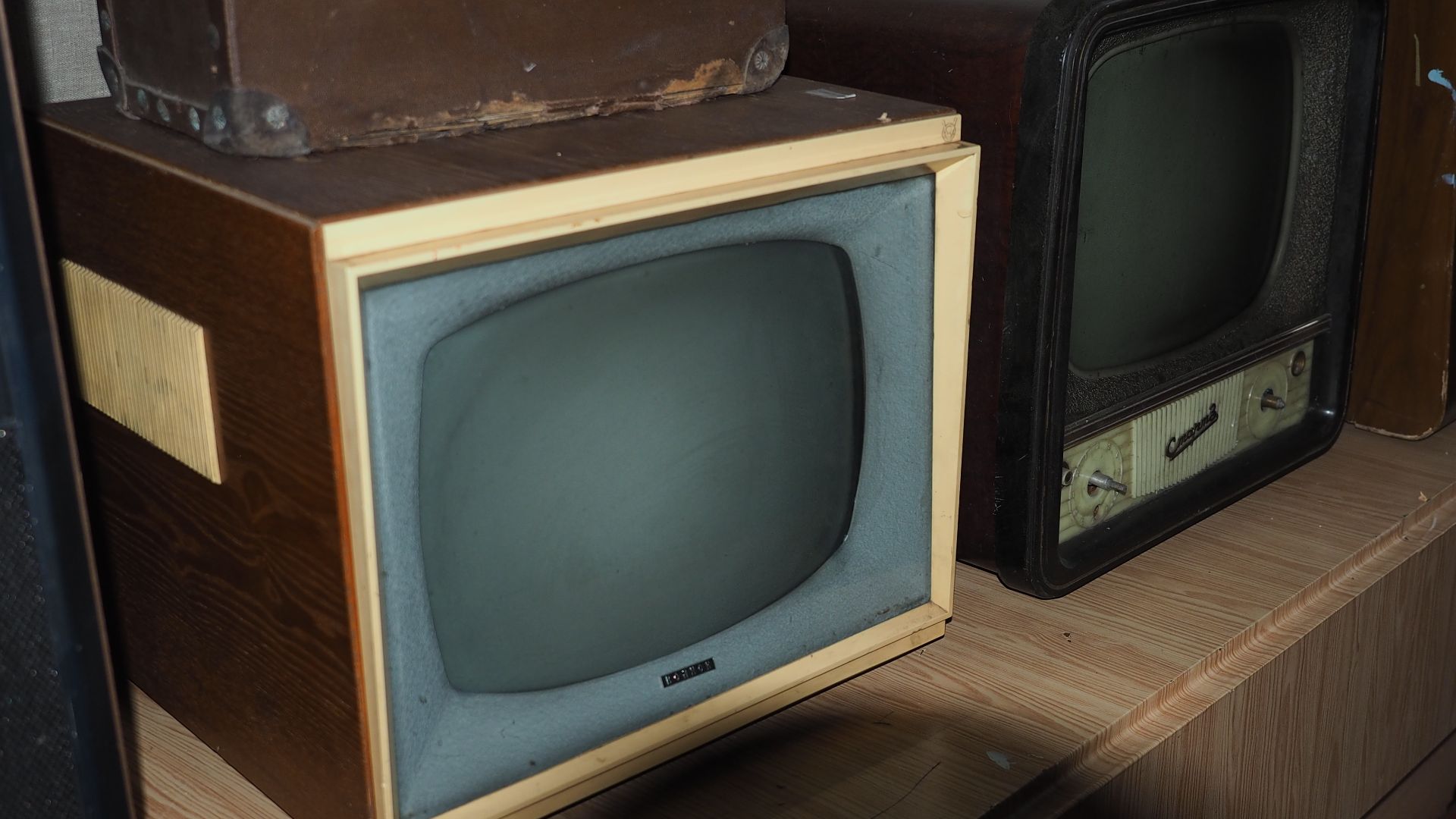 Svetlov Artem, Wikimedia Commons
The Loch Ness Monster
In 1972, photographs of a strange carcass appeared to show that the Loch Ness Monster had finally been found. The body was actually a bull elephant seal transported from a zoo and dumped near the loch as a prank. What began as a joke among coworkers rapidly became a widely reported monster discovery.
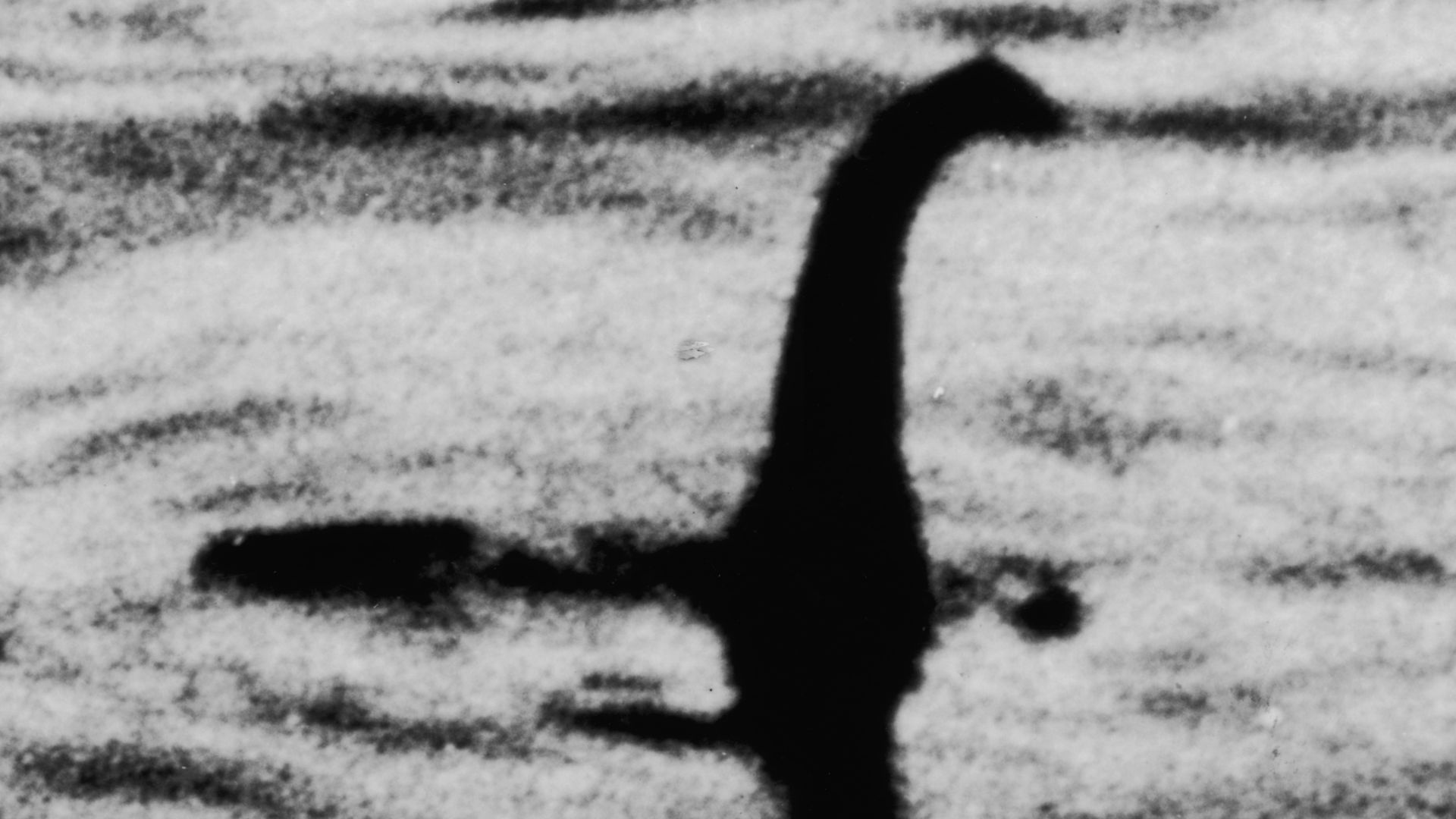 M. A. Wetherell, Wikimedia Commons
The Day Gravity Weakened
British astronomer Patrick Moore announced on April 1, 1976, that a rare alignment of Jupiter and Pluto would temporarily reduce Earth’s gravity. Listeners were invited to jump at a precise moment and experience levitation. Hundreds contacted the BBC claiming they had floated, showing that confidence can occasionally overpower both skepticism and basic planetary physics.
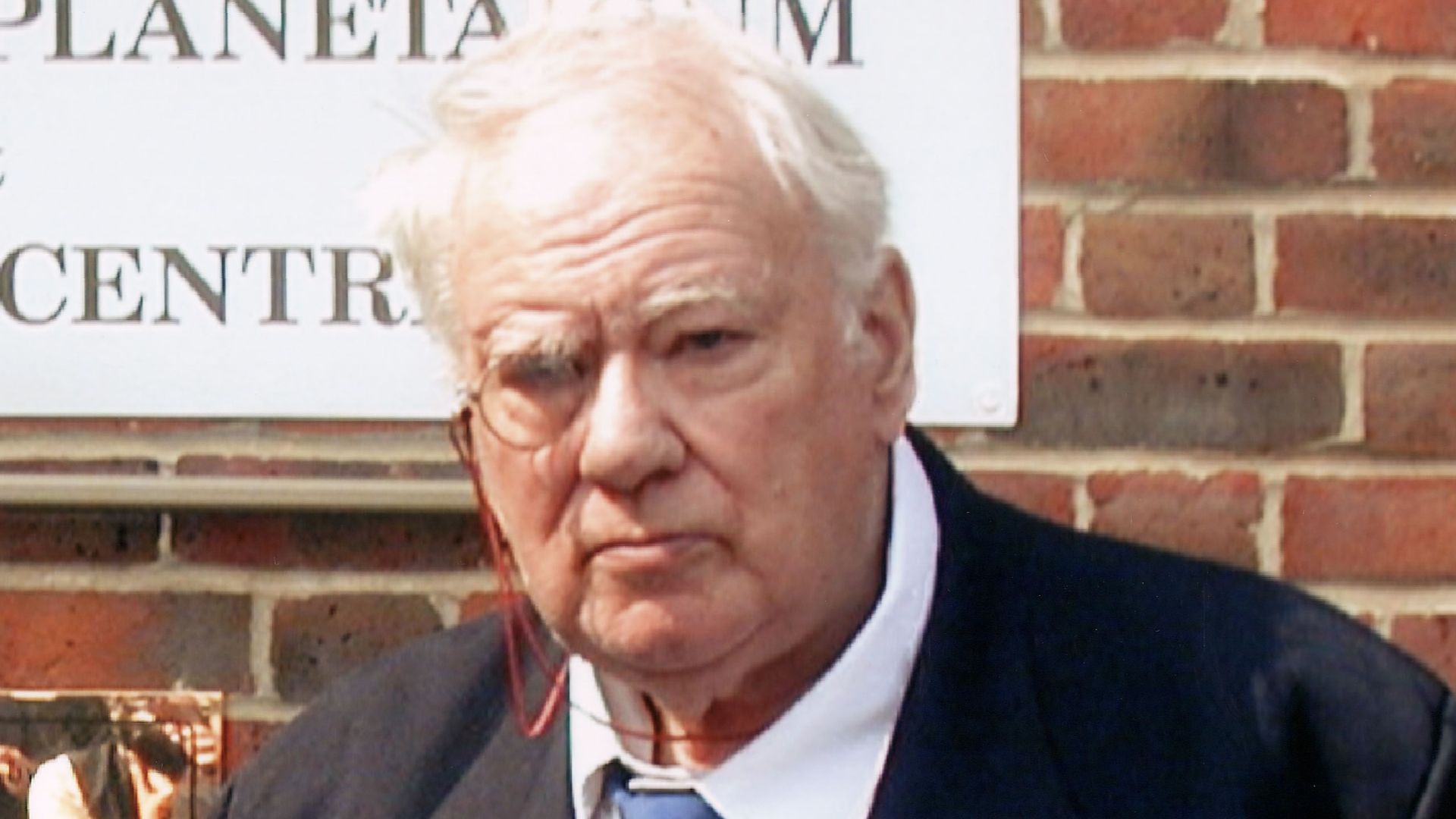 South Downs Planetarium, Wikimedia Commons
The War Of The Worlds Panic
Orson Welles’ 1938 radio adaptation used realistic news bulletins to dramatize a Martian invasion. Some listeners mistook portions for genuine reporting, but later newspapers greatly exaggerated the scale of the panic. The enduring belief that millions fled in terror became a second layer of misinformation attached to an already convincing fictional broadcast.
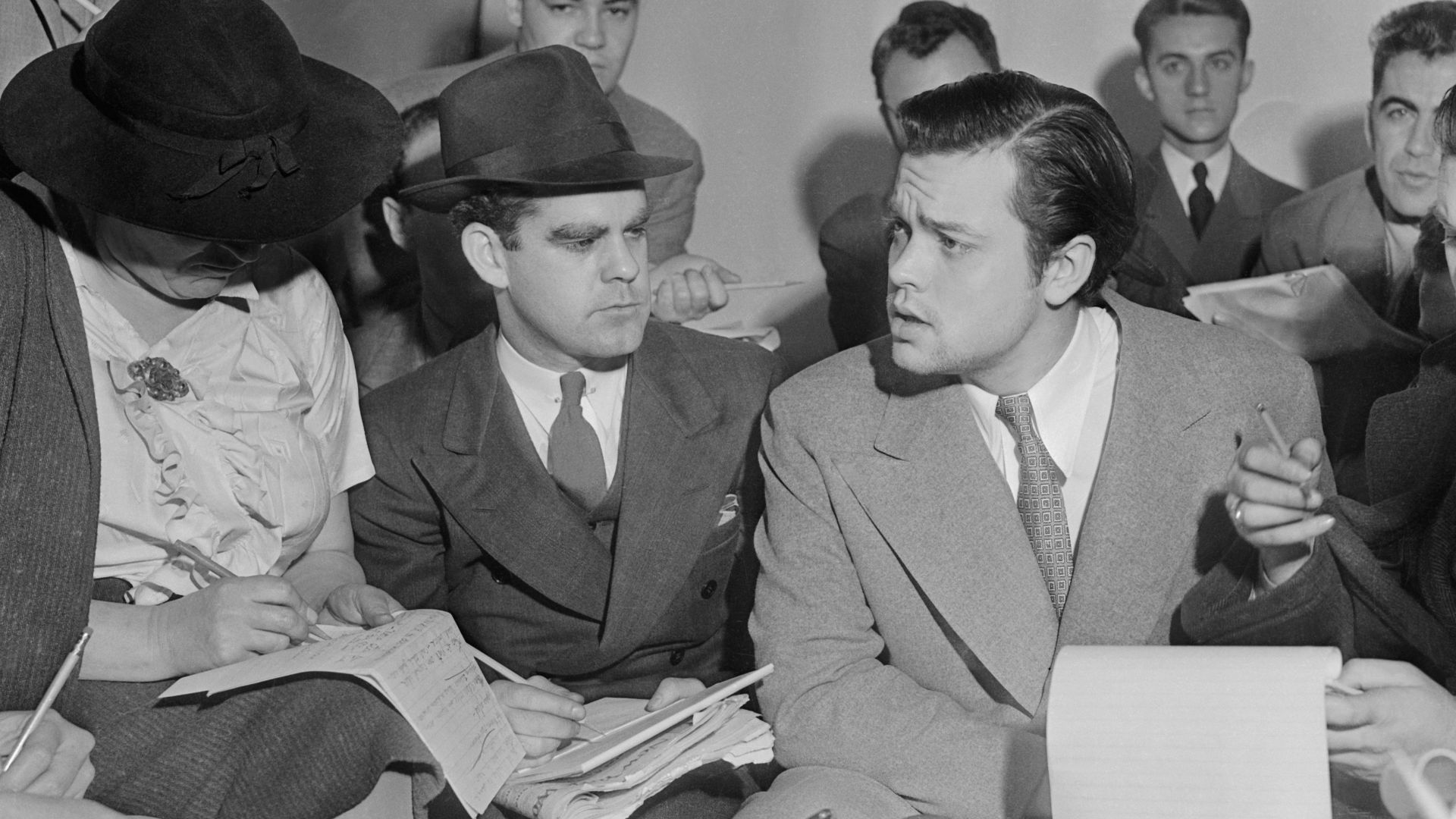 Acme News Photos, Wikimedia Commons
The Great Diamond Hoax
In 1872, Philip Arnold and John Slack convinced wealthy investors that they had found a spectacular diamond field in the American West. They secretly planted gems at the site, helping the supposedly natural deposit survive inspections. Geologist Clarence King exposed the deception after recognizing evidence that gemstones had been deliberately “salted” across the ground.
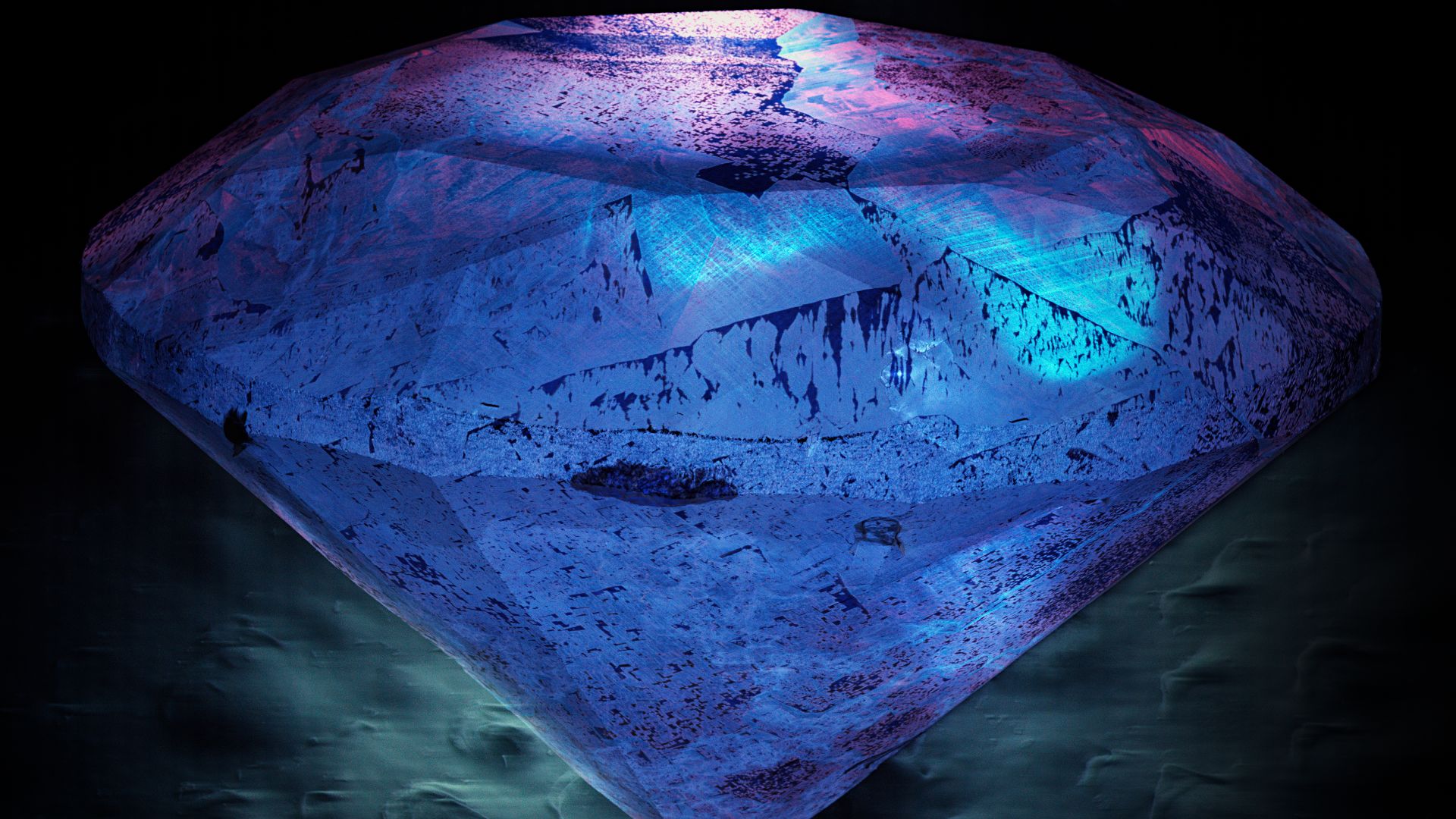 Pavel.Somov, Wikimedia Commons
Clark Stanley’s Snake Oil
Clark Stanley marketed his Snake Oil Liniment as a treatment for pain and inflammation, performing theatrical demonstrations and promoting supposed rattlesnake ingredients. Federal testing found that the product contained mineral oil, beef fat, red pepper, turpentine, and no snake oil whatsoever. His deception helped make “snake-oil salesman” a permanent synonym for medical dishonesty.
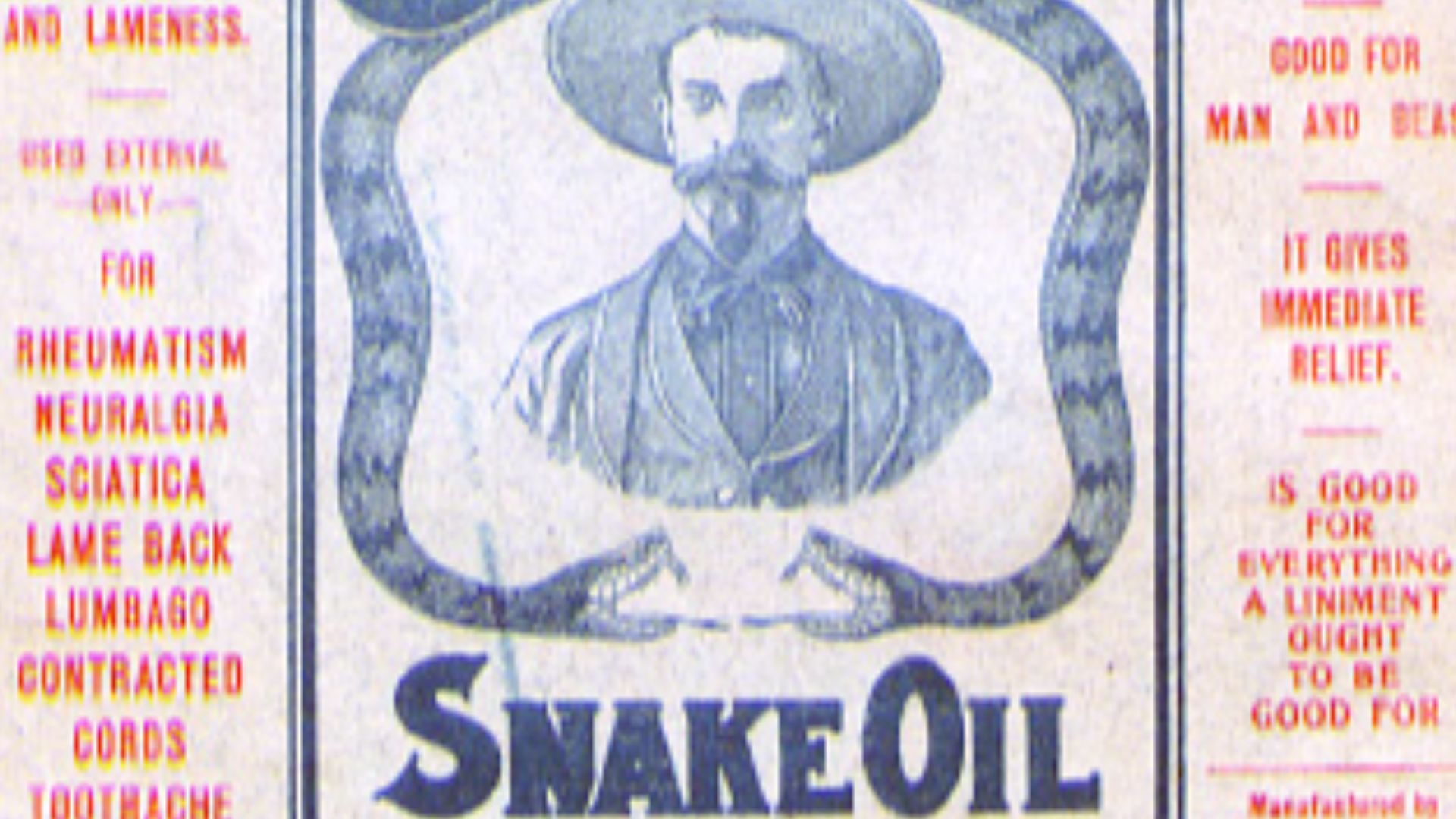 Clark Stanley, Wikimedia Commons
Charles Ponzi’s Postal Fortune
Charles Ponzi promised enormous profits through international postal reply coupons in 1920. Rather than generating sufficient returns through legitimate trading, he used money from newer investors to pay earlier participants. The illusion collapsed when scrutiny revealed the impossible finances, leaving his surname permanently attached to schemes that survive by continually recruiting fresh victims.
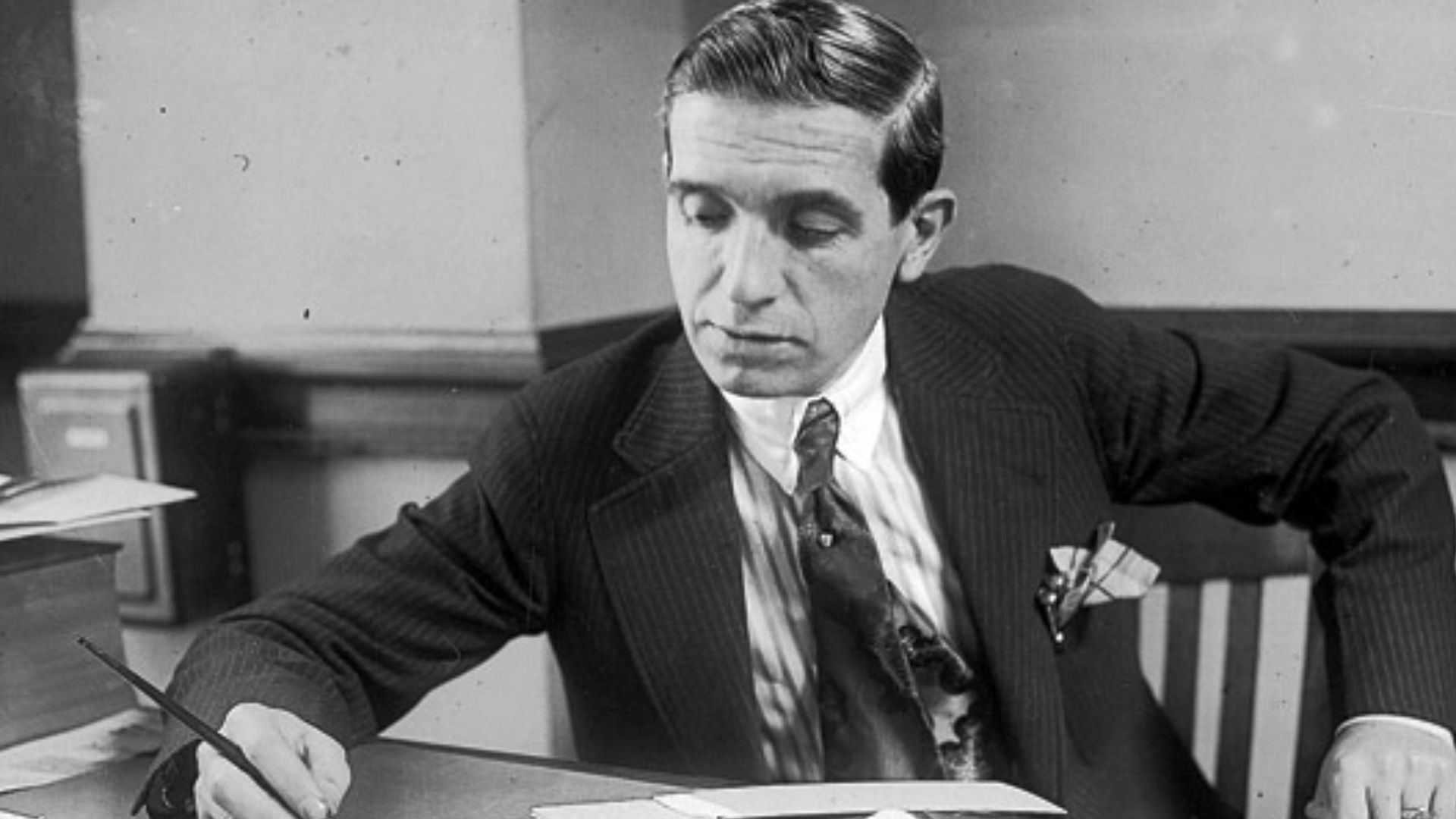 Boston Library (NYT); en.wikipedia.org, Wikimedia Commons
The Fox Sisters’ Talking Ghost
In 1848, Maggie and Kate Fox claimed mysterious knocking sounds in their New York home were messages from a passed spirit. Their performances helped ignite the modern Spiritualist movement and turned the sisters into celebrity mediums. Maggie later demonstrated how the sounds could be produced by manipulating joints, although believers continued defending the phenomenon.
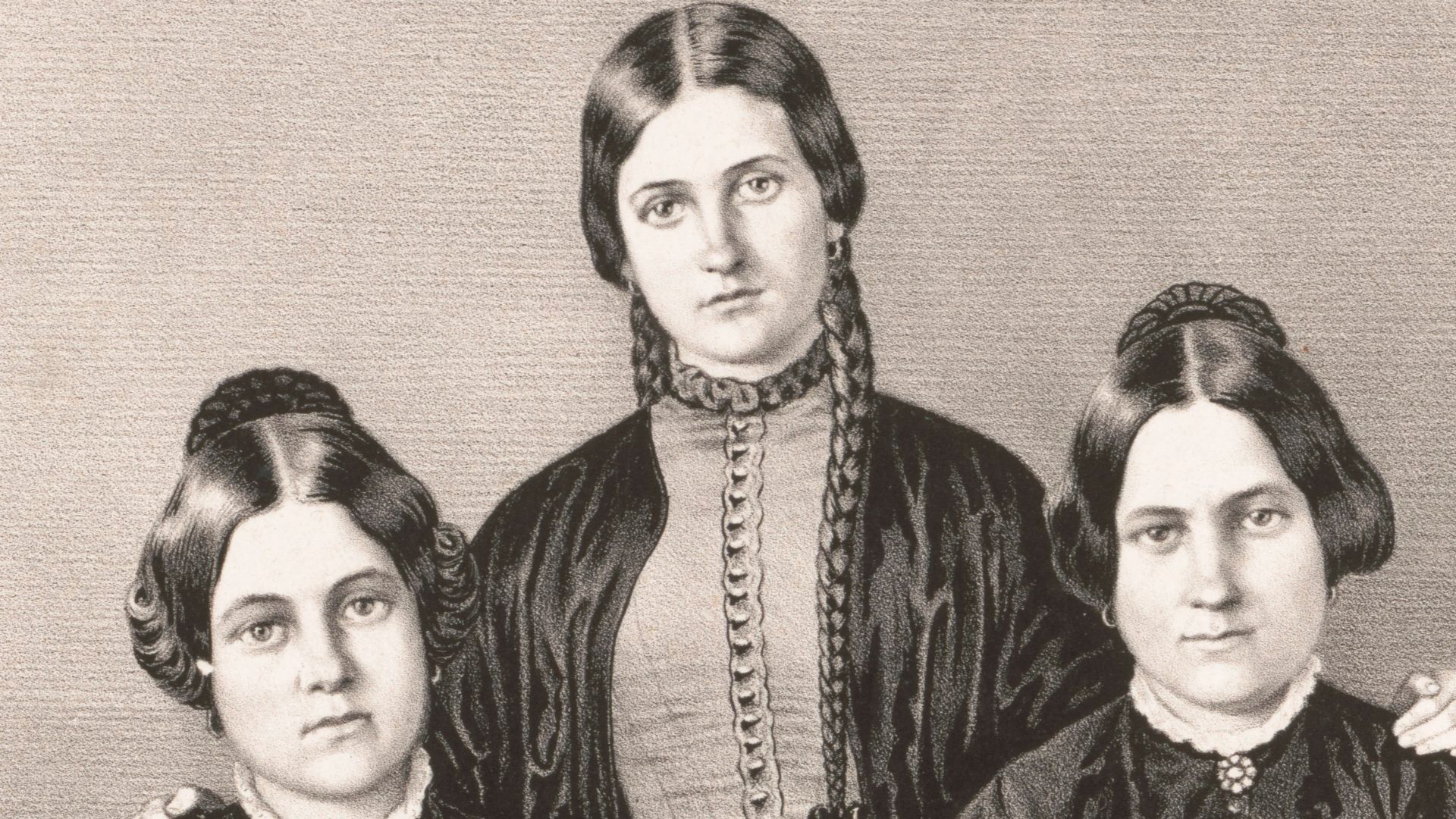 N. Currier (Firm), Wikimedia Commons
Mary Toft’s Rabbit Births
In 1726, Mary Toft convinced several prominent English doctors that she had given birth to rabbits. The extraordinary case reached King George I’s court and became a national sensation. After investigators discovered animal parts and questioned her closely, Toft confessed that the material had been inserted to manufacture the impossible deliveries.
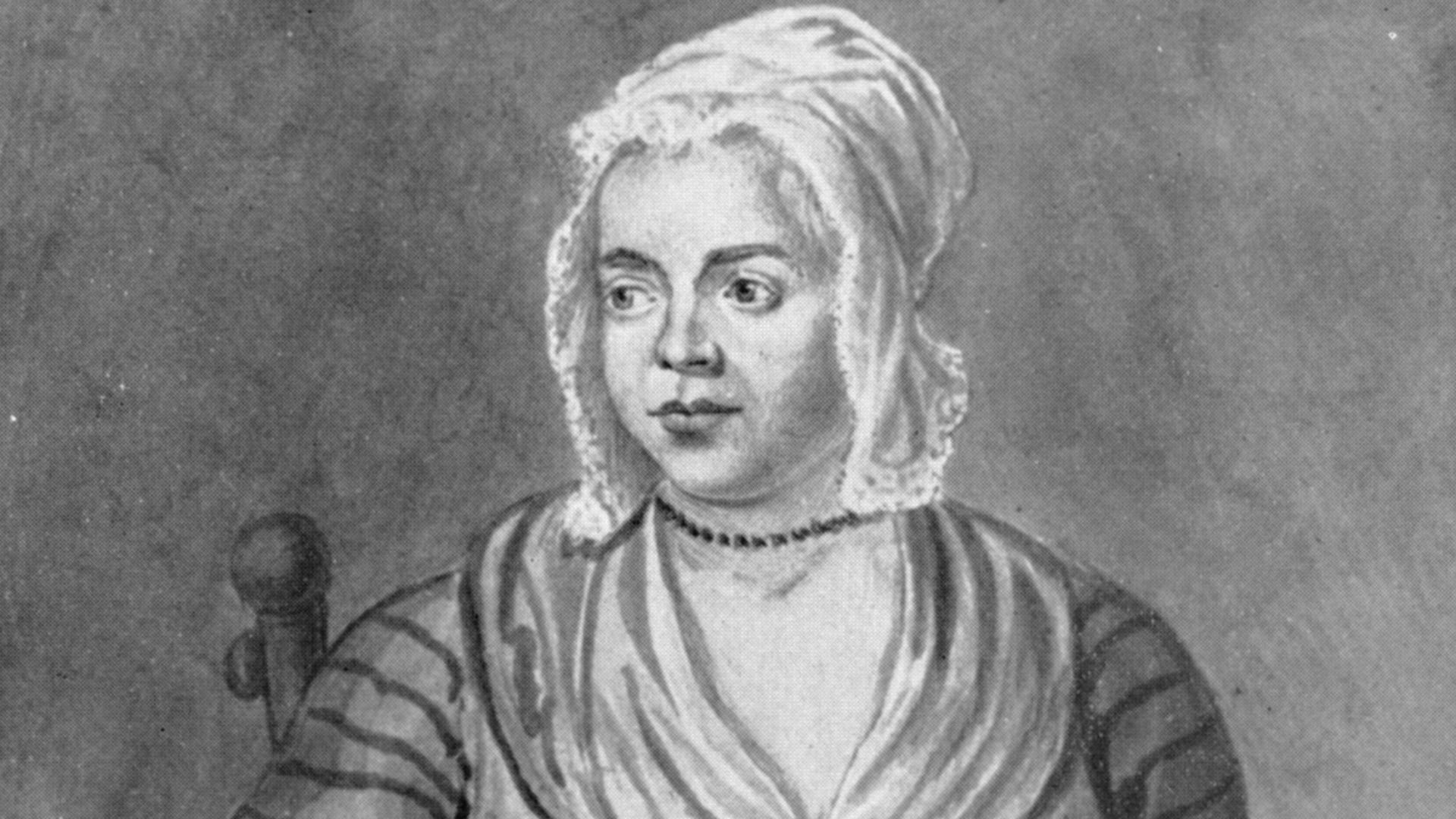 John Laguerre, Wikimedia Commons
You May Also Like:
When Mexico City Was A Floating Paradise
The Phoenix Brothers Went From Cult To Celebrity